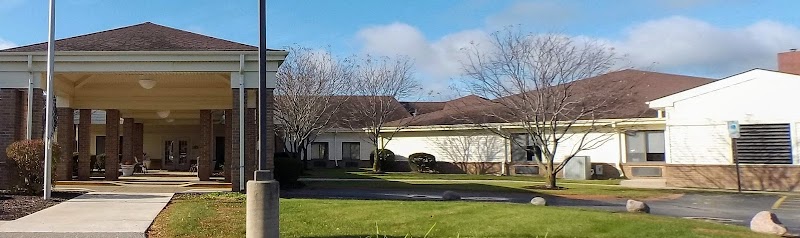


Avina of Pewaukee

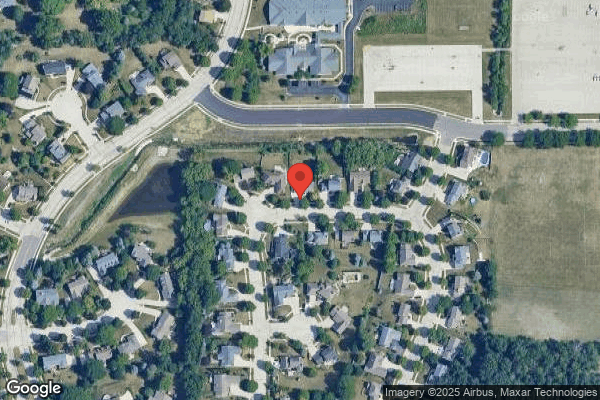
N26 W23977 Watertown Rd., Waukesha, WI 53188 (262) 523-0933
For profit - Corporation 120 Beds AVINA HEALTHCARE Data: November 2025 1 Immediate Jeopardy citation
Trust Grade
18/100
#191 of 321 in WI
Last Inspection: June 2025

Inspected within the last 6 months. Data reflects current conditions.

Overview

Avina of Pewaukee has received a Trust Grade of F, indicating significant concerns about the care and safety of residents. With a state rank of #191 out of 321 facilities in Wisconsin, they are in the bottom half of nursing homes, and they rank #6 out of 17 in Waukesha County, suggesting that only five local options are better. The facility is reportedly improving, with issues decreasing from 19 in 2024 to 15 in 2025, but it still has serious deficiencies, including a recent critical finding of sexual abuse involving a resident and concerning issues with pressure ulcer care. Staffing has a turnover rate of 32%, which is good compared to the state average, but the nursing home has high fines totaling $123,384, indicating compliance issues. Additionally, the facility has less RN coverage than 99% of state facilities, which may affect the quality of care provided.

Trust Score
F
18/100
In Wisconsin
#191/321
Bottom 41%
Safety Record
High Risk
Review needed
Inspections
Getting Better
19 → 15 violations
Staff Stability
○ Average
32% turnover. Near Wisconsin's 48% average. Typical for the industry.
Penalties
⚠ Watch
$123,384 in fines. Higher than 82% of Wisconsin facilities, suggesting repeated compliance issues.
Skilled Nurses
⚠ Watch
Each resident gets only 20 minutes of Registered Nurse (RN) attention daily — below average for Wisconsin. Fewer RN minutes means fewer trained eyes watching for problems.
Violations
⚠ Watch
53 deficiencies on record. Higher than average. Multiple issues found across inspections.
★★☆☆☆
2.0
Overall Rating
★★☆☆☆
2.0
Staff Levels
★★★☆☆
3.0
Care Quality
★★☆☆☆
2.0
Inspection Score
Stable
2024: 19 issues
2025: 15 issues

The Good

  • Full Sprinkler Coverage · Fire safety systems throughout facility
  • No fines on record
  • Staff turnover below average (32%)

    16 points below Wisconsin average of 48%

Facility shows strength in fire safety.

The Bad

2-Star Overall Rating

Below Wisconsin average (3.0)

Below average - review inspection findings carefully

Staff Turnover: 32%

13pts below Wisconsin avg (46%)

Typical for the industry

Federal Fines: $123,384

Well above median ($33,413)

Significant penalties indicating serious issues

Chain: AVINA HEALTHCARE

Part of a multi-facility chain

Ask about local staffing decisions and management

The Ugly 53 deficiencies on record

1 life-threatening 1 actual harm
Jul 2025 1 deficiency
CONCERN (D) 📢 Someone Reported This

A family member, employee, or ombudsman was alarmed enough to file a formal complaint

Potential for Harm - no one hurt, but risky conditions existed

Infection Control (Tag F0880)

Could have caused harm · This affected 1 resident

**NOTE- TERMS IN BRACKETS HAVE BEEN EDITED TO PROTECT CONFIDENTIALITY** Based on observations, interviews, and record review, the facility did not establish and maintain an infection prevention and co...

Read full inspector narrative →
**NOTE- TERMS IN BRACKETS HAVE BEEN EDITED TO PROTECT CONFIDENTIALITY** Based on observations, interviews, and record review, the facility did not establish and maintain an infection prevention and control program designed to provide a safe, sanitary and comfortable environment and to help prevent the development and transmission of communicable diseases and infections for 1(R1) of 3 residents in sample.Surveyor observed 3 staff members provide high contact cares to R1 without following enhanced barrier precautions (EBP) as ordered due to R1's foley catheter placement. Findings include: The facility's document titled Enhanced Barrier Precaution (EBP) dated 7/25/22 documents: Use of gown and gloves during high contact resident care activities.Rooms will be marked with a green heart.Do not need to DON (put on) PPE (personal protective equipment) if just passing water, giving resident try {SIC}, etc.You need to DON PPE for high contact care activities: Ex: dressing, bathing or showering, performing transfer, changing linens, providing hygiene, changing a resident's brief or assisting them with toileting, direct care of an indwelling medical device, such as central line, urinary catheter, feeding tube or tracheostomy, and while providing wound care on any skin opening that requires a dressing.Residents can participate in group activities. The Facility's Policy titled, Hand Hygiene Implemented 2/2025, Revised 2/2025 documents:Policy: All staff will perform proper hand hygiene procedures to prevent the spread of infection to other personnel, residents, and visitors. This applies to all staff working in all locations within the facility. Definitions: Hand Hygiene is a general term for cleaning your hands by handwashing with soap and water or the use of antiseptic hand rub, also known as alcohol-based hand rub (ABHR). Policy explanation and Compliance Guidelines:1. Staff will perform hand hygiene when indicated, using proper technique consistent with accepted standards of practice.2. Hand hygiene is indicated and will be performed under the conditions listed in, but not limited to, the attached hand hygiene table. Table includes but is not limited to: Before and after removing personal protective equipment (PPE), including gloves.3. Alcohol-based hand rub with 60 to 95 % alcohol is the preferred method for cleaning hands in most clinical situations. Wash hands with soap and water whenever they are viably dirty, before eating, and after using the restroom [ROOM NUMBER]. Additional considerations:a. The use of gloves does not replace hand hygiene. If your task requires gloves, perform hand hygiene prior to donning gloves, and immediately after removing gloves R1 was admitted to the facility on [DATE] with diagnoses that included obstructive and reflux uropathy (Obstructive uropathy refers to a blockage or obstruction in the flow of urine from the kidneys to the bladder or out of the body, while reflux uropathy, specifically vesicoureteral reflux (VUR), is the backward flow of urine from the bladder into the ureters and potentially back to the kidneys).R1's Change of Condition MDS (Minimum Data Set) with an assessment reference date of 5/30/25 documents a BIMS (Brief Interview for Mental Status) score of 8, indicating that R1 has moderate cognitive impairment.R1's Physician's order dated 5/25/25, at 2:14 PM, documents: Maintain Enhanced Barrier Precautions r/t (related to) foley catheter every shift for infection control.R1's Urinary Catheter Care Plan, date 5/25/25 under the interventions section documents: Implement and Maintain enhanced barrier precautions, date 5/25/25. On 7/14/25, at 12:09 PM, Surveyor observed staff providing cares to R1 that included R1's transfer, foley catheter care and incontinence of bowel care; all considered high contact cares. Surveyor observed Certified Nursing Assistant (CNA)-D and Certified Nursing Assistant (CNA)-E transfer R1 from R1's chair to R1's bed to perform incontinence of bowel high contact cares. Surveyor observed CNA-D and CNA-E did not put on gowns during R1's high contact care or R1's transfer from chair to bed, cleaning R1's bowel incontinence, changing R1's brief and incontinence pads on R1's bed, emptying contaminated wash basin fluids, handling contaminated wash cloths, and removing contaminated trash bag with contents from R1's care. Surveyor observed CNA-E change gloves after providing R1's incontinence care without proper hand hygiene and remove items from a clean drawer in R1's room and put clean items such as powder back into a clean drawer.On 7/14/25, at 12:27 PM, Surveyor observed Licensed Practical Nurse (LPN)-C enter R1's room with no gown and remove R1's stat lock on R1's foley catheter drainage line and replace it with a new stat lock.On 7/14/25, at 12:42 PM, Surveyor observed LPN-C bring disinfecting wipes into R1's room and hand the disinfecting wipes to CNA-E. Surveyor observed CNA-E clean the mechanical lift used for R1's transfer without donning gloves or gown. Surveyor observed CNA-E make R1's bed without donning gloves or gown. On 7/14/25, at 12:47 PM, Surveyor interviewed CNA-E about the green heart and PPE cart outside of R1's room.Surveyor asked CNA-E what the green heart and cart outside of R1's room meant. CNA-E informed Surveyor that the staff usually will put a gown on to care for R1's because of R1's foley catheter. Surveyor asked CNA-E if the staff providing direct cares to R1 should have had gowns and gloves on. CNA-E informed Surveyor the staff should have put gowns and gloves while providing cares to R1. On 7/14/25, at 12:50 PM, Surveyor interviewed LPN-C about the green heart and PPE cart outside of R1's room. Surveyor asked LPN-C what the green heart and cart outside of R1's room meant. LPN-C informed Surveyor that it meant staff should put on a gown and gloves when doing high contact cares with a resident with a foley catheter, open wounds, central lines. LPN-C informed Surveyor that Enhanced Barrier Precautions (EBP) were introduced by the state a while ago to help prevent infections. LPN informed Surveyor that the staff should have had gown and gloves while providing all R1's cares because of R1's foley catheter. Surveyor asked LPN-C if staff should use hand hygiene in-between glove changes. LPN-C informed Surveyor that staff should use gel or wash hands in between glove changes. Surveyor asked LPN-C how staff knew about the green heart sign on a resident's door. LPN-C informed Surveyor that all staff are educated on (EBP) when they start at the facility and new residents placed on (EBP) are discussed at weekly meetings and shift reports.On 7/14/25, at 01:09 PM, Surveyor interviewed CNA-D about the green heart and PPE cart outside of R1's room. Surveyor asked CNA-D what the green heart and cart outside of R1's room meant. CNA-D informed Surveyor that when giving direct cares to a resident with a foley catheter or a wound the staff should wear gown and gloves to prevent infections. Surveyor asked CNA-D if the staff should have had gown and gloves while providing R1's cares and transfers. CNA-D informed Surveyor that the staff should have worn gowns and gloves while providing R1's direct cares and transfers. On 7/14/25, at 01:58 PM, Surveyor interviewed Nursing Home Administrator (NHA)-A about concerns with staff not following (EBP) during Surveyor's direct care observations of R1 by facility staff members.Surveyor asked NHA-A what the green heart and cart outside of a resident's room meant. NHA-A informed Surveyor it meant the resident would be in (EBP) requiring PPE precautions during cares for that resident. Surveyor informed NHA-A about the observations of the 3 staff Surveyor observed during R1's transfers, incontinence cares, changing R1's foley catheter stat lock, making the bed, and cleaning the mechanical lift did not wear gowns. Surveyor informed NHA-A that one of that staff did not perform hand hygiene after a glove change and accessed clean items in R1's drawers. Surveyor informed NHA-A that CNA-E did not wear gloves making R1's bed or cleaning the mechanical lift after R1's transfer. NHA-A informed Surveyor the staff should have worn gowns and gloves during R1's direct cares and performed hand hygiene between glove changes.On 7/15/25 during exit NHA-A informed Surveyor that the staff in question had come forward to inform NHA-A that they had not followed (EBP) for R1 and NHA-A used it as learning experience at that time for the staff. No other information was provided to Surveyors at that time.
Jun 2025 14 deficiencies
CONCERN (D) 📢 Someone Reported This

A family member, employee, or ombudsman was alarmed enough to file a formal complaint

Potential for Harm - no one hurt, but risky conditions existed

Deficiency F0578 (Tag F0578)

Could have caused harm · This affected 1 resident

**NOTE- TERMS IN BRACKETS HAVE BEEN EDITED TO PROTECT CONFIDENTIALITY** Based on interview and record review, the facility did not ensure the right to request, refuse and/or discontinue treatment and ...

Read full inspector narrative →
**NOTE- TERMS IN BRACKETS HAVE BEEN EDITED TO PROTECT CONFIDENTIALITY** Based on interview and record review, the facility did not ensure the right to request, refuse and/or discontinue treatment and to formulate an advanced directive for 2 of 25 Residents (R34 and R53). R34 and R53's charts did not contain current copies of their advanced directive and/or did not contain evidence of advanced care planning, other than code status, for a time when they are not able to make their own healthcare decisions. Evidenced by: The facility policy titled, Residents' Rights Regarding Treatment and Advanced Directives, with an implementation date of 2/1/25, indicates, in part: Policy: It is the policy of this facility to support and facilitate a resident's right to request, refuse and/or discontinue medical or surgical treatment and to formulate advance directives . Policy Explanation and Compliance Guidelines: 1. On admission, the facility will determine if the resident has executed an advance directive, and if not, determine whether the resident would like to formulate an advance directive. 2. The facility will provide the resident or resident representative information, in a manner that is easy to understand, about the right to refuse medical or surgical treatment and formulate an advance directive. 3. Upon admission, should the resident have an advance directive, a copy will be placed on the chart as well as communicated to the staff via EMR (Electronic Medical Record) .7. During the care planning process, the facility will identify, clarify, and review with the resident or legal representative whether they desire to make any changes related to any advance directives. 8. Decisions regarding advance directives and treatment will be periodically reviewed as part of the comprehensive care planning process, the existing care instructions and whether the resident wishes to change or continue these instructions . Example 1 R34 was admitted to the facility on [DATE]. On 6/3/25 at 10:44 AM During record review portion of the initial pool process, surveyor was unable to find evidence of an advanced directive or documentation of a discussion with R34 regarding advanced care planning options. On 6/3/25 at 1:15 PM, A note was left in the conference room for surveyor with R34 and R53's names and the information no note POA documents was discussed, handwritten on the note. On 6/3/25 at 2:47 PM, Surveyor interviewed SSD BB (Social Services Director) and asked what the process for advanced directives is when a resident is admitted . SSD BB indicated he will check to see if they have anything in [PCC] the electronic health record that came from the hospital. If not, he will ask admissions and see if she can track one down. Some people will say they have one and then it takes a while for them to get a copy here and then once we get it we will scan it in. If they don't have one we will talk to them about completing one. Surveyor asked SSD BB if the conversations they have with residents who do not have an advanced directive are documented. SSD BB indicated that it is probably not always documented and that they could be better about that. Surveyor asked SSD BB if a resident has an advanced directive, and they are awaiting someone to bring in a copy is this information documented. SSD BB indicated, sometimes. Surveyor asked SSD BB if the resident refuses to complete an advanced directive, is that documented. SSD BB indicated if that occurred, he would document it in a progress note. Surveyor asked SSD BB what information he could share regarding R34 and whether he had an advanced directive. SSD BB indicated R34 was short term rehab but now is considered Long Term so he will have the long term care SW CC (Social Worker) come talk to surveyor. On 6/3/25 at 2:58 PM, Surveyor interviewed SW CC and asked what information she could share regarding R34's advanced directive. SW CC indicated she spoke with R34 about his POA (Power of Attorney) documents and he said he wanted to discuss with his daughters before signing any documents, so I told him I would check back. Surveyor asked SW CC when she spoke with R34. SW CC indicated, today. Surveyor asked SW CC what prompted her to speak with R34 today. SW CC indicated every once in a while she will go through charts and see if anything is missing and so she didn't realize he didn't have any. Surveyor asked if anyone discussed R34's advanced directive with her today. SW CC indicated SSD BB did this morning. Surveyor asked SW CC if there is a process for ensuring residents who transfer from short term rehab to long term rehab have an advanced directive in place or evidence of a discussion with the resident about advanced directive options. SW CC indicated there is not really a process right now and they are trying harder to do it on admission. On 6/3/25 at 3:11 PM, Surveyor interviewed SSD BB who indicated he did ask SW CC to look into R34's advanced directive this morning. Surveyor asked SSD BB what prompted him to ask SW CC to look into it. SSD BB indicated, because he knew we were looking into it. Surveyor asked SSD BB if they had looked into it prior to surveyors asking about it. SSD BB indicated, no. Example 2 R53 was admitted to the facility on [DATE]. On 6/3/25 at 8:58 AM, During record review portion of the initial pool process, surveyor was unable to find evidence of an advanced directive or documentation of a discussion with R53 regarding advanced care planning options. On 6/3/25 at 2:47 PM, Surveyor asked SSD BB what information he could share regarding R53 and whether she had an advanced directive. SSD BB indicated he knew that R53 has one and that her brother has it and needs to bring it in. Surveyor asked SSD BB if he would expect the document to have been obtained by this time given her admission date of August of 2024. SSD BB indicated, yes. On 6/5/25 at 10:06AM Surveyor interviewed NHA A (Nursing Home Administrator) and asked what the process is for advanced directives. NHA A indicated the SW (Social Worker) should visit with the resident and ensure if they have an advanced directive that a copy is obtained. Surveyor asked NHA A how long the SW should wait before reapproaching if a copy has not been obtained. NHA A indicated, maybe in the next couple days and that sometimes we can look in the hospital record if we have access. NHA A indicated, if a resident does not have one, then the SW would offer to help them make one and if they say no, then document. Surveyor asked NHA A who is responsible for ensuring this process is completed. NHA A indicated the SW is the designated person, but they work as a team. NHA A also indicated that they have already completed an audit of all charts regarding advanced directives.
CONCERN (D)

Potential for Harm - no one hurt, but risky conditions existed

Deficiency F0604 (Tag F0604)

Could have caused harm · This affected 1 resident

**NOTE- TERMS IN BRACKETS HAVE BEEN EDITED TO PROTECT CONFIDENTIALITY** Based on observation, interview, and record review, the facility failed to ensure that each resident is free from physical restr...

Read full inspector narrative →
**NOTE- TERMS IN BRACKETS HAVE BEEN EDITED TO PROTECT CONFIDENTIALITY** Based on observation, interview, and record review, the facility failed to ensure that each resident is free from physical restraints that are not required to treat the resident's medical symptoms for 1 of 1 residents reviewed (R67). R67 was placed in a low Broda chair (a specialty wheelchair that assists with positioning) that has brakes located on the back of the wheels at the bottom of the chair. R67's brakes were engaged while R67's was at the dining table, not allowing R67 to move the chair. Evidenced by: The facility's policy titled Restraint Free Environment dated 2/1/2025 states in part .Physical Restraint refers to any manual method or physical or mechanical device, material, or equipment attached or adjacent to the resident's body that the individual cannot remove easily which restricts freedom of movement or normal access to one's body. Physical restraints may include, but are not limited to: .Using devices in conjunction with a chair, such as trays, tables, cushions, bars or belts, that the resident cannot remove and prevents the resident from rising . R67 was admitted to the facility on [DATE] with diagnoses that include: progressive supranuclear ophthalmoplegia (degenerative neurological disorder that affects movement, balance, and eye control), dementia with other behavioral disturbance, acute and chronic respiratory failure with hypoxia (low oxygen levels), and cognitive communication deficit. R67's Minimum Data Set (MDS) with an Assessment Reference Date (ARD) of 3/12/25 indicates a Brief Interview for Mental Status (BIMS) score of 3 out of 15, indicating severe cognitive impairment. Section GG indicates R67 has impairment on both sides of his upper and lower extremities. R67 requires substantial/maximal assistance with toileting hygeiene, showering/bathing, lower body dressing, and putting on/taking off footwear. Section GG also indicates R67 requires partial/moderate assistance with rolling left and right, moving from sitting to lying, and lying to sitting on the side of the bed. Additionally, R67 requires substantial/maximal assistance with moving from sitting to standing, transferring between a chair and a bed, transferring to a toilet, and transferring to a tub or shower. R67's Comprehensive Care Plan states, in part: Focus: The resident has an ADL (Activities of Daily Living) self-care performance deficit related to recent fall with hospitalization with bout of COVID/Pneumonia and cognitive issues with progressive supreanuclear opthalmoplegia. Date initiated: 2/5/25. Revision on: 2/15/25. Goal: The resident will improve current level of function through the review date. Date initiated: 2/5/25. Revision on: 3/19/25. Target date: 9/3/25. Interventions: Ambulation: Res (Resident) to walk with staff with assist of 1, 2ww (Two Wheeled Walker) up to 75 ft (Feet). Date initiated: 2/19/25. Low broad chair. Resident is able to self-propel. Date initiated: 2/7/25. Revision on 3/12/25. Eating: The resident requires assistance by 1 staff for set up and supervision to eat. Date initiated: 2/5/25. Revision on 2/18/25. Transfer: The resident requires assistance by 1 staff with 2ww and gait belt to move between surfaces. Date initiated: 2/5/25. Revision on 2/8/25. On 6/3/25 at 2:30 PM, Surveyor observed R67 slowly self-propelling by shuffling his feet around the common room of his hall. On 6/4/25 at 7:58 AM, Surveyor observed R67's wheelchair to have both rear wheel locks engaged. R67 is unable to self-propel at this time due to his wheels being locked. (Of note: R67's rear locks do not have the ability to be disengaged from the front of the wheelchair) On 6/4/25 at 8:14 AM, Surveyor observed R67 actively trying to push away from the table and self-propel but is unable to due to his rear wheel locks being engaged. On 6/4/25 at 8:34 AM, Surveyor observed R67 attempting to push away from the table to self-propel but is unable to due to his rear wheel locks being engaged. On 6/4/25 at 8:40 AM, Staff disengaged R67's rear wheel locks and R67 is now able to self-propel around the common room. On 6/4/25 at 9:11 AM, Surveyor observed AD T (Activities Director) push R67 up to a table, after assisting him around the facility to meet with some staff. AD T engaged R67's rear wheel locks and walked away. R67 attempted to self-propel but is unable to due to his rear wheel locks being engaged. On 6/4/25 at 9:35 AM, Surveyor observed CNA W (Certified Nursing Assistant) disengage R67's rear wheel locks and R67 immediately started to self-propel around the common area. On 6/4/25 at 1:15 PM, Surveyor interviewed CNA W. Surveyor asked CNA W if wheel locks can be a restraint. CNA W indicates, yes and that some people may put on the locks to help him stay near the table when he eats. Surveyor asked CNA W if R67 can reach his wheel locks to disengage them himself. CNA W indicates, no. On 6/4/25 at 4:04 PM, Surveyor interviewed LPN M (Licensed Practical Nurse). Surveyor asked LPN M if wheel locks can be a restraint. LPN M indicates, yes. Surveyor asked LPN M if R67 can reach his wheel locks to disengage them himself. LPN M indicates, no. On 6/4/25 at 3:56 PM, Surveyor interviewed CNA II. Surveyor asked CNA II. if wheel locks can be a restraint. CNA II indicates, yes. Surveyor asked CNA II if R67 can reach his wheel locks to disengage them himself. CNA II indicates, no, R67 can't reach his wheel locks. On 6/4/25 at 4:47 PM, Surveyor interviewed DON B (Director of Nursing). Surveyor asked DON B under what circumstances are wheel locks to be used. DON B indicates for transfers. Surveyor asked DON B if there are any other instances wheel locks should be engaged. DON B indicates, no. Surveyor asked DON B if wheel locks are engaged, is that considered a restraint. DON B indicates, yes. Surveyor asked DON B if R67 can unlock his wheels. DON B indicates she is unsure and would have to look at R67.
CONCERN (D) 📢 Someone Reported This

A family member, employee, or ombudsman was alarmed enough to file a formal complaint

Potential for Harm - no one hurt, but risky conditions existed

Quality of Care (Tag F0684)

Could have caused harm · This affected 1 resident

**NOTE- TERMS IN BRACKETS HAVE BEEN EDITED TO PROTECT CONFIDENTIALITY** Based on observation, interview, and record review, facility staff did not provide care and treatment in accordance with profess...

Read full inspector narrative →
**NOTE- TERMS IN BRACKETS HAVE BEEN EDITED TO PROTECT CONFIDENTIALITY** Based on observation, interview, and record review, facility staff did not provide care and treatment in accordance with professional standards of practice for 3 of 3 supplemental residents (R11, R381, & R52). R11 experienced a fall with a change of condition in which there was a delay of assessment of R11's right hip fracture. R381 had a change of condition and did not have documented assessments through the course of antibiotic treatment. R52 had a change of condition and did not have documented assessments through the course of antibiotic treatment. This is evidenced by: Surveyor requested facility's Change of Condition Policy. DON B states the facility does not have a Change of Condition policy but does follow AMDA (American Medical Directors Association) guidelines. According to the AMDA Change of Condition guidelines, the resident should be assessed further for an acute change of condition for pain worsening in severity, duration, or occurring in a new location, new onset of pain associated with trauma, or new onset of pain greater than 4 on a 10-point scale. Examples provided for transferring a patient to the hospital without identifying the cause of the acute change of condition includes: fall with pain and other clinical features consistent with fractures. Example 1 R11 was admitted to the facility on [DATE], with diagnoses that include: absence epileptic syndrome (seizure disorder characterized by brief lapses of consciousness), type 2 diabetes, major depressive disorder, anxiety disorder, and unspecified lack of expected normal physiological development in childhood. R11's Significant Change Minimum Data Set (MDS) with Assessment Reference Date (ARD) of 3/31/25 states R11 has a Brief Interview for Mental Status (BIMS) score of 8 out of 15, indicating moderate cognitive impairment. Section GG indicates R11 has impairment on one side of her lower extremities and requires substantial/maximal assistance for rolling left and right, sitting to lying, lying to sitting on side of bed, sitting to standing, chair to bed transfers, toilet transfers, and tub/shower transfers. Section GG also indicates walking 10 feet was not attempted due to a medical condition or safety concerns. R11's Physician Orders state, in part: ADMIT to [Provider Name] Hospice, dx (diagnosis): angiodysplasia (fragile blood vessels causing chronic gastric bleeding) of stomach and duodenum with bleeding. Order date: 3/17/25. Order status: Active. Strict bedrest per [Provider Name] Hospice one time only for confusion/weakness until 3/23/25 23:59 (11:59 PM). Order start: 3/22/25. End date: 3/23/25. Order status: discontinued Lorazepam (Benzodiazepine) Oral Tablet 0.5 MG (milligrams) (Lorazepam) Give 0.5 tablet by mouth three times a day for Anxiety; EOL (End of Life) care for 6 months. Monitor/Document for s/s (signs and symptoms) of anxiety. Order start: 5/19/25. Order status: Active. Morphine Sulfate Oral Tablet 15 MG (Morphine Sulfate). Give 0.5 tablet by mouth two times a day for pain. Order start: 3/24/25. Order status: Active. R11's Comprehensive Care Plan states, in part: Focus: The resident is at risk for falls related to poor safety awareness, seizures, current medications and fall history. Date initiated: 11/14/24. Goal: The resident will be free of injury through the review date. Date initiated: 11/14/24. Target date: 6/22/25. Interventions: Ask for assistance when needing ice. Date initiated: 2/10/25. Be sure the resident's call light is within reach and encourage the resident to use it for assistance as needed. Date initiated: 11/14/24. Broda chair for comfort. Date initiated: 2/12/25. Revision on: 3/31/25. Educate the resident/family/caregivers about safety reminders and what to do if a fall occurs. Date initiated: 11/14/24. Ensure that the resident is wearing appropriate footwear. Date initiated: 11/14/24. Focus: The resident has pain and/or receiving pain medication, PRN (as needed) pain medications. Date initiated: 11/14/24. Goal: The resident will verbalize adequate relief of pain or ability to cope with incompletely relieved pain through the review date. Date initiated: 11/14/24. Target date: 6/22/25. Interventions: Monitor/record/report to Nurse resident complaints of pain or requests for pain treatment. Date initiated: 11/14/24. Resident's non-pharmacological pain relievers include: walking/change of scenery, music, tv, extra pillows, food/beverage, lollipop/lozenges. Date initiated: 11/14/24. (Of note: R11's Comprehensive Care Plan does not indicate a pain goal or providing PRNs as ordered). R11's Medical Record indicates, in part: On 3/22/25 at 14:15 (2:15 PM), a Progress Note is written that states, in part: The resident was found on the floor near her wheelchair and a chair in the dining room. Resident was laying on her right side. Resident stated she tripped trying to get into the chair and denied hitting her head. Resident was evaluated and was fully conscious, hand grabs were equally strong bilaterally . Resident states her leg and arm were hurting her. Resident favored her right leg when walking and had full range of motion on all four extremities .The POA (Power of Attorney) . and [Provider Name] hospice and spoke with nurse [Nurse name and phone number]. On 3/22/25 at 15:07 (3:07 PM), R11 rated her pain a 5 out of 10. PRN Lorazepam and Morphine administered for treatment. No non-pharmacological interventions attempted. On 3/22/25 at 6:03 PM, a Nurse Progress Note was written by a Hospice nurse. This note states, in part: PRN visit completed due to fall today. Staff reported some pain to her right amd [sic] and right leg. She cannot pivot transfer with staff like before and has a lot of pain and weakness in her legs . Staff have been giving her pain and anxiety medication to help her get thru this. She is more confused . She is alert to self but not able to comprehend what is happening with her pain issues and now that she can't stand to pivot transfers to bathroom, she has become incontinent of urine and bowels . On 3/22/25 at 19:26 (7:26 PM), R11 reported her pain at a 4 out of 10. No non-pharmacological interventions or PRN pain medications administered at this time. On 3/22/25 at 20:07 (8:07 PM), R11 reported her pain at a 4 out of 10. No non-pharmacological interventions administered. Scheduled Lorazepam administered at HS (bedtime) and scheduled Morphine administered at 21:00 (9:00 PM). On 3/22/25 at 21:29 (9:29 PM), a Progress Note is written that states: Resident is post fall monitoring. This shift resident refused dinner and c/o (complained of) left hip pain. Resident was also very anxious and shaky, PRN Morphine and Lorazepam provided throughout shift. Resident range of motion was weak and resident was unable to transfer to bathroom as she usually does [sic]. [Provider Name] Hospice notified regarding changes and arrived at 1800 (6:00 PM), assessed resident and ordered strict bedrest. [sic] Order was given for one day. On 3/22/25 at 22:58 (10:58 PM), a Progress Note is written that states: Resident POA [Name] notified regarding changes and visited resident at 1730 (5:30 PM). (Of note: Following initial provider notification of the fall, the provider was not notified of changes of condition of the resident's pain, range of motion, and transfer status.) On 3/23/25 at 13:59 (1:59 PM), R11 reported her pain at a 0 out of 10. On 3/23/25 at 20:02, R11 reported her pain at a 6 out of 10. Scheduled Lorazepam administered at HS (bedtime) and scheduled Morphine administered at 21:00 (9:00 PM). (Of note: no nurse assessments or progress notes are written on 3/23/25. These are the only two times R11's pain was assessed on 3/23/25. No non-pharmacological interventions or PRN pain medications were administered on this date.) On 3/24/25 at 12:44 PM, a Progress Note is written that states, in part: Resident alert and responsive, most of her needs anticipated and met by staff. Resident f/u (follow up) fall . Resident received PRN Morphine x3 for pain management. Repositioned for comfort. Resident cont. (continues) on strict bed rest . (Of note: This is the first note that mentions non-pharmacological interventions being used to treat R11's pain). On 3/24/25 at 13:33 (1:33 PM), a Progress Note is written that states, in part: IDT (Interdisciplinary Team) met to review the resident's most recent fall and need for further intervention. Directly after the fall, Hospice staff did not recommend xray because the resident has a h/o (history of) right-sided pain. During this morning's discussion, a hospice order for bedrest d/t (due to) continued pain was noted. IDT determined that a bilateral 2-view hip xray would be appropriate to determine if there was a diagnostic reason for the resident's pain. Xray conclusion: acute, displaced right femoral neck fracture. POA, [Provider Name] Hospice, [Name] NP (Nurse Practitioner) notified . On 6/9/25 at 11:30 AM, Surveyor interviewed NP V (Nurse Practitioner). Surveyor asked NP V if she would expect to be notified of a change in range of motion. NP V indicates, yes. NP V also checked messaging application and found that the only notification her organization received was regarding the initial fall on 3/22/25, then nothing until 3/24/25. Surveyor asked NP V if she would expect to be notified of R11's range of motion going from normal to weak several hours after her fall. NP V indicates, yes. On 6/9/25 at 3:22 PM, Surveyor interviewed DON (Director of Nursing) B. Surveyor asked DON B what are some reasons she would expect staff to notify a physician for a change of condition. DON B indicates she would expect staff to notify a physician for falls, acute pain out of baseline, chest pain, and abnormal vital signs and labs. Surveyor asked DON B if she would expect staff to notify a physician for a change in range of motion following a fall. DON B indicates, yes. Surveyor asked DON B if she would expect staff to notify a physician for a change in transfer status following a fall. DON B indicates, yes. Surveyor referred to R11 sustaining a fall on 3/22/25 and several hours later, R11 had decreased range of motion and a change in transfer status. Surveyor asked DON B if she would expect staff to notify a physician in that situation. DON B indicates, at a minimum hospice should have been notified and hospice did assess R11 after the resident fell. Surveyor asked DON B how staff communicate between shifts regarding residents who have a change of condition. DON B indicates staff should be doing a verbal hand-off report, going through each resident, and if the resident falls, they should be put on the 24-hour board. Surveyor asked DON B, that on 3/23/25, no nursing assessments were performed and should a nursing assessment have been performed. DON B indicates, yes, and notes that the NP was updated on 3/24/25. Example 2 R381 admitted to the facility on [DATE] and has diagnosis that include: Alzheimer's Disease; calculus in bladder (solid mineral deposits that form in the bladder, usually caused when the bladder doesn't empty completely after urination); need for assistance with personal care. R381's Progress Notes include: *4/22/25 11:00 AM: .Chief Complaint: Change of condition .R381 is being seen today for evaluation of a significant change in condition.Low -grade fever of 99.1. Administered 1g (gram) IM (intramuscular) Rocephin (antibiotic). Ordered stat (immediately) CBC, BMP, chest xray, UA CNS (Urinalysis and Culture and Sensitivity-urine test which detects the specific bacteria causing an infection and identifies what antibiotics are effective against the bacteria). *4/22/25 2:00 PM: Resident noted to be very lethargic (a state of being tired, sluggish, and lacking energy, often accompanied by a reduced level of mental alertness) throughout shift .Malodor (unpleasant smell) of urine noted .No success with straight cath (intermittent catheter; a thin tube used to drain urine from the bladder) with UA collection. After multiple tries resident strongly refused . *4/25/25 9:13 AM: .still seems to be showing signs of a potential infection or possible decline. NP (Nurse Practitioner) ordering labs and staff to attempt another UA. *4/28/25 9:30 AM: Critical lab results received, viewed by NP. NOR (new order received) to start Macrobid (antibiotic) 100 mg (milligrams) BID (twice a day) x (for) 5 days . *4/29/25 12:41 AM: Resident is on ABT (antibiotic) for UTI (urinary tract infection) .No adverse reaction noted. No complaints at this time. R381's Weights and Vitals Summary includes: *Temperature-4/25/25 5:38 PM 97.2 degrees Fahrenheit (F); 5/6/25 9:05 PM 97.6 degrees F. There are no documented temperatures between 4/25/25 and 5/6/25. *Pulse-4/25/25 5:38 PM 73 bpm (beats per minute); 5/6/25 9:05 PM 70 bpm. There are no documented pulses between 4/25/25 and 5/6/25. *Respiration-4/25/25 5:38 PM 17 breaths/min (breaths per minute); 4/29/25 3:16 PM 17 breaths/min; 5/6/25 9:05 PM 18 breaths/min. There are no documented respirations between 4/25/25 and 4/29/25 or between 4/29/25 and 5/6/25. *Blood Pressure-4/25/25 5:38 PM 145/54; 5/6/25 136/70. There are no documented blood pressures between 4/25/25 and 5/6/25. R381's April 2025 and May 2025 Medication Administration Record (MAR) state Nitrofurantion Macrocrystal Oral Capsule (Macrobid -- antibiotic) 100 mg Give 100 mg by mouth two times a day for UTI for 5 days. Start date: 4/28/25 On 6/3/25 at 4:18 PM, Surveyor interviewed NM AA (Nurse Manager) and asked about residents showing new signs and symptoms of infection. NM AA stated there is to be an initial assessment, including vital signs, and update to the RN (Registered Nurse) and report to the provider. Surveyor asked if there is any continued assessment. NM AA stated yes, assessment should be documented every shift, in the progress notes, through the duration of the antibiotic. On 6/4/25 at 1:02 PM, Surveyor interviewed IP/UM D (Infection Preventionist/Unit Manager) and asked how often residents should be assessed when on an antibiotic. IP/UM stated every shift. Surveyor asked if there was documentation of R381's assessments following start of antibiotic for UTI. IP/UM D stated no. Surveyor asked if there should be documentation of assessment for R381. IP/UM D stated there should be. On 6/5/25 at 8:01 AM, Surveyor interviewed DON B (Director of Nursing) and asked if an infection is a change of condition. DON B stated yes. Surveyor asked what is expected of the facility staff when a resident has a change of condition. DON B stated there should be assessment of the resident, on-going through duration of antibiotic treatment. Example 3 R52 was admitted to the facility on [DATE] and has diagnoses that include: Type 2 Diabetes Mellitus; elevated white blood cell count (leukocytosis: can indicate an infection, inflammation or other underlying medical conditions); need for assistance with personal cares. R52's Progress Notes include: *3/10/25 11:35 AM: received results from BMP (Basic Metabolic Panel-blood test), CBC (Complete Blood Count-blood test), WBC (White blood cells) elevated; Nurse Practitioner reviewed; n/o (new order) UA (urinalysis) with C&S (culture and sensitivity) *3/15/25 1:48 PM: .new order for Macrobid (antibiotic) 100 mg (milligrams) bid (twice a day) x (for) 7 days . *3/21/25 4:41 AM: resident on ABT (antibiotic) for UTI. No adverse reaction noted. No complaints at this time. *3/21/25 2:06 PM: resident is currently on ABT for UTI no adverse reaction noted this shift R52's March 2025 MAR states, in part: *Vital signs every Sunday and Thursday AM. Start date: 3/31/24 *Macrobid Oral Capsule 100mg Give one capsule by mouth two times a day for UTI for 7 days. Start date: 3/15/25 *Methanamine Hippurate oral tablet 1 GM (gram) Give one tablet by mouth two times a day for recurrent UTI with meals. Start date: 2/24/25 R52's Weights and Vitals Summary includes: *Blood Pressure-3/16/25 1:59 PM 137/63; 3/20/25 10:02 AM 137/71 *Temperature-3/16/25 1:59 PM 97.5 degrees Fahrenheit (F);; 3/20/25 10:02 AM 97.6 *Pulse-3/16/25 1:59 PM 64 bpm (beats per minute); 3/20/25 10:02 AM 76 bpm *Respiration-3/16/25 1:59 PM 17 breaths per minute; 3/20/25 10:02 AM 18 breaths per minute On 6/3/25 at 4:18 PM, Surveyor interviewed NM AA (Nurse Manager) and asked about residents showing new signs and symptoms of infection. NM AA stated there is to be an initial assessment, including vital signs, and update to the RN (Registered Nurse) and report to the provider. Surveyor asked if there is any continued assessment. NM AA stated yes, assessment should be documented every shift, in the progress notes, through the duration of the antibiotic. On 6/4/25 at 1:02 PM, Surveyor interviewed IP/UM D (Infection Preventionist/Unit Manager) and asked how often residents should be assessed when on an antibiotic. IP/UM stated every shift. Surveyor asked if there was documentation of R52's each shift assessment following start of antibiotic for UTI. IP/UM D stated no. Surveyor asked if there should be documentation of these assessments for R52. IP/UM D stated there should be. On 6/5/25 at 8:01 AM, Surveyor interviewed DON B (Director of Nursing) and asked if an infection is a change of condition. DON B stated yes. Surveyor asked what is expected of the facility staff when a resident has a change of condition. DON B stated there should be assessment of the resident, on-going through duration of antibiotic treatment.
CONCERN (D) 📢 Someone Reported This

A family member, employee, or ombudsman was alarmed enough to file a formal complaint

Potential for Harm - no one hurt, but risky conditions existed

Deficiency F0688 (Tag F0688)

Could have caused harm · This affected 1 resident

**NOTE- TERMS IN BRACKETS HAVE BEEN EDITED TO PROTECT CONFIDENTIALITY** Based on interview and record review, facility did not ensure that a resident with limited mobility receives appropriate service...

Read full inspector narrative →
**NOTE- TERMS IN BRACKETS HAVE BEEN EDITED TO PROTECT CONFIDENTIALITY** Based on interview and record review, facility did not ensure that a resident with limited mobility receives appropriate services, equipment, and assistance to maintain or improve mobility for 1 of 3 (R33) residents reviewed for mobility/restorative programs. R33 was on a walking program this program this program was discontinued. R33 voiced frustration with not being in the walking program and wanting to walk. This is evidenced by: The facility's Screening and Restorative Policy, dated 3/4/24, states, in part: 1. Most new and readmissions will admit with therapy evaluation orders; however, for those that don't all new and readmissions should be screened to determine therapy needs.3. Restorative Program/Therapy to Nursing Communication form should be completed and dated.c. Give a copy of the Restorative Program/Therapy to Nursing Communication form to MDS (Minimum Data Set), DON (Director of Nursing) and/or Restorative Nurse. R33 was admitted to the facility on [DATE] and has diagnoses that include: polyneuropathy (a condition where many peripheral nerves are affected, leading to a variety of symptoms like numbness, tingling, and weakness); unilateral primary osteoarthritis, left knee (a degenerative joint disease caused by the breakdown of the protective tissue in joints, which leads to pain, stiffness, and limited range of motion), major depressive disorder (a mood disorder characterized by persistent low mood). R33's most recent MDS, with target date of 5/15/25, documented that R33 had a Brief Interview for Mental Status (BIMS) score of 14, indicating that R33 is cognitively intact. R33's Therapy to Restorative Nursing Recommendations, dated 7/2/24, states, in part: Restorative recommendation: Walking: yes: Assist of one with gait belt and 2 wheeled walker with wheelchair follow up to 20 feet for ambulation program. R33's Physician Orders state, in part: Walking Program: Assist by 1 staff with 2 wheeled walker and wheelchair follow to walk up to 20 feet every day and evening shift for maintain mobility. Order status: discontinued. Order date 7/3/24 R33's Treatment Administration Record (TAR) for March 2025, states, in part: Walking program: Assist by 1 staff with 2 wheeled walker and wheelchair follow to walk up to 20 feet every day and evening shift for maintain mobility. Start date: 7/3/24 D/C (discontinue) date: 3/14/25. The TAR indicates that R33 accepted the walking program on 9 of 14-day shifts and 7 of 13 evening shifts in March 2025, prior to the program being discontinued. On 6/3/25 at 9:32 AM, Surveyor interviewed R33 during initial screening. R33 stated that R33 finished therapy and has a walker, but no one comes to help with walking. R33 stated that R33 has to take the wheelchair everywhere. I came here for rehab, so why am I not walking? I want to be walking, if I don't walk, I won't be able to walk. On 6/9/25 at 10:07 AM, Surveyor interviewed CNA F (Certified Nursing Assistant) and asked about walking programs. CNA F stated that there were no residents on the unit with walking programs. CNA F indicated that information on a walking program would be in the resident's care plan. On 6/9/25 at 10:33 AM, Surveyor interviewed LPN E (Licensed Practical Nurse) and asked about walking programs. LPN E reviewed R33's chart and stated that R33 used to be on a program, but it is no longer listed on the TAR. On 6/9/25 at 10:23 AM, Surveyor interviewed PTA DD and asked about restorative programs. PTA DD stated that recommendations from therapy are written on a Therapy to Restorative Nursing Recommendations form and given to the unit manager for entry into the resident's chart. Surveyor asked if recommendations had been made for a walking program for R33. PTA DD stated PTA DD would review R33's chart for most recent recommendations and provided a document from 7/2/24 indicating recommendation of walking program of 20 feet every day and evening shift. On 6/9/25 at 11:00 AM, Surveyor interviewed IP/UM D (Infection Preventionist / Unit Manager) and asked about walking programs. IP/UM D stated that recommendations from therapy are reviewed and entered into the resident's TAR for nurses to document. Surveyor asked if R33 had a walking program. IP/UM D stated that there was a program started in July 2024 that had been discontinued in March 2025. IP/UM D indicated uncertainty as to reason for discontinuation as no documentation of rationale was noted. On 6/9/25 at 11:48 AM, Surveyor interviewed DON B (Director of Nursing) and asked about R33's walking program. DON B stated it seems like it should have continued; there is no documentation of why the program was discontinued.
CONCERN (D) 📢 Someone Reported This

A family member, employee, or ombudsman was alarmed enough to file a formal complaint

Potential for Harm - no one hurt, but risky conditions existed

Deficiency F0847 (Tag F0847)

Could have caused harm · This affected 1 resident

Based on interview and record review that facility did not ensure that residents acknowledge the understanding of an arbitration agreement and that they have just 30 days to rescind the arbitration ag...

Read full inspector narrative →
Based on interview and record review that facility did not ensure that residents acknowledge the understanding of an arbitration agreement and that they have just 30 days to rescind the arbitration agreement if they so choose after it is signed, this affected 1 of 1 sampled resident's (R73) and 1 of 2 supplemental residents (R430) reviewed for arbitration. R430 signed an arbitration agreement 5/29/25, R430 was not able to articulate understanding of the arbitration agreement and did not understand she had 30 days to change her mind. R73 signed an arbitration agreement 3/12/25, she did not know she only had 30 days to change her mind. This is evidenced by: The Facilities Policy and Procedure entitled Binding Arbitration Agreements dated 2/1/25, does not speak to the process of signing the document or the 30-day window to rescind. Example 1 R430 signed arbitration agreement on 5/29/25, the day following her admission to the facility. On 6/4/25 at 12:40 PM, Surveyor asked R430 (and her daughter who was present in room) if she could explain what a binding arbitration agreement is, R430 said she doesn't remember hearing about an arbitration agreement at all. Surveyor explained what it is R430 stated she does not recall this being discussed with her despite the fact the document was signed. R430 did not understand the agreement nor did R430 acknowledge the right to rescind the arbitration within 30 days of signature. Of note, the facility's arbitration agreement was signed and does acknowledge the 30-day ability to rescind however R430 did not have an understanding of this documentation. The facility must ensure the terms of the agreement are explained to the resident or his or her representative in a form and manner (including language) that he or she understands and inform the resident or representative they have the right to rescind or terminate the agreement within 30 calendar days of signing. Although this was in writing R430 did not have a clear understanding of this agreement. Example 2 R73 signed arbitration agreement on 3/12/25, the day following her admission to the facility. On 6/4/25 at 12:36 PM, Surveyor asked R73 if she could explain what a binding arbitration agreement is, R73 replied it's an agreement for settling concerns with an appointed advocate, not in court. Surveyor then asked R73 if she knew that she had 30 days to rescind this agreement, R73 stated I thought I could change my mind anytime. Of note, the facility's arbitration agreement was signed and does acknowledge the 30-day ability to rescind however R73 did not understand the right to rescind or terminate the agreement within 30 calendar days of signing. Although this was in writing R73 was told by AC C (Admissions Coordinator) she could rescind the document at any time. On 6/4/25 at 12:48 PM, Surveyor interviewed AC C (Admissions Coordinator). Surveyor asked AC C how she presents the arbitration agreement to the residents, AC C said it is part of their admission contract, explain what it is, that it is optional, and that they can change their mind anytime. Surveyor asked AC C to explain how she presents what an arbitration agreement is about, AC C explained that she says it is a dispute resolution process for medical or financial concerns outside of court with a neutral mediator. Surveyor asked AC C when the arbitration agreements are signed, AC C said usually right away but they can take time to think about it. Surveyor asked AC C is she was aware that they only have 30 days from date signed to rescind, AC C said oh. Surveyor showed AC C where it says that in agreement and on the 2nd signature page for agreement. Of note, the Facilities admission Contract with the Arbitration Agreement in it is a total of 108 pages. On 6/5/25 at 1:01 PM, Surveyor interviewed NHA A (Nursing Home Administrator). Surveyor asked NHA A if she could tell me how AC C is explaining the arbitration agreements, NHA A replied in the event of wanting to sue the facility, this is optional to sign, a mediator is assigned, no court with this agreement, they can always change your mind. Surveyor asked NHA A is she knew when the arbitration agreements are signed typically, NHA A said with the admission contract. Surveyor asked NHA A if she knew if/when a resident could change their mind/rescind the agreement, NHA A said they can change their mind anytime. NHA A was not aware that once the Arbitration Agreement is signed that the resident only has 30 days to change their mind. The facility provided additional information however this did not change the deficient practice for this citation.
CONCERN (E) 📢 Someone Reported This

A family member, employee, or ombudsman was alarmed enough to file a formal complaint

Potential for Harm - no one hurt, but risky conditions existed

Deficiency F0565 (Tag F0565)

Could have caused harm · This affected multiple residents

Based on interview and record review, the facility did not ensure grievances and recommendations discussed during resident group meetings (Resident Council) were acted upon promptly for 3 of 3 Supplem...

Read full inspector narrative →
Based on interview and record review, the facility did not ensure grievances and recommendations discussed during resident group meetings (Resident Council) were acted upon promptly for 3 of 3 Supplemental (R23, R21, and R28) and 1 of 1 Sampled Resident (R53). Resident council meeting minutes from March, April, and May of 2025 all include concerns regarding staff using ear buds and cell phones while providing cares. During the resident council meeting with surveyors, R23, R21, and R28 indicated concerns regarding staff using ear buds and cell phones while providing cares. R53 indicated a concern with staff using ear buds and cell phones while providing cares. Evidenced by: The facility policy titled, Resident Council Meetings, date implemented 2/1/25, includes, in part: Policy: This facility supports the rights of residents to organize and participate in resident groups, including a Resident Council. This policy provides guidance to promoting structure, order, and productivity in these group meetings .Policy Explanation and Compliance Guidelines: .7. The facility shall act upon concerns and recommendations of the Council, make attempts to accommodate recommendations to the extent practicable, and communicate its decisions to the Council. Resident Council Minutes provided by the facility, include, in part: March 31, 2025 .Nursing staff on ear buds while doing cares. April 28, 2025 .Staff still on cell phones and ear buds while doing cares. May 28, 2025 .Nursing Staff on ear buds and cell phones while giving med (medications) and cares. On 6/2/25 at 11:35 AM, Surveyors completed the Resident Council meeting. The following resident concerns were voiced regarding staff use of ear buds and cell phones while providing cares: R23 indicated it is happening twice a day. Staff say, Oh, I'm not talking to you, while in the room doing cares. R23 indicated, well, who are they talking to then? R23 indicated it makes him feel mad, that they aren't doing their job, and that they are supposed to be off their phones. R21 indicated it happens 2 to 3 times a week and that It's frustrating. R21 indicated it makes her feel irritated, especially when she's not sure if they're on the phone. R28 indicated they are on their phones the whole time when putting her on the toilet and that it makes her feel frustrated. Surveyors asked residents what the facility has said they are doing to correct this. Residents indicated they say they are going to talk to staff about it. On 6/3/25 at 8:25 AM, Surveyor interviewed R53 as part of the initial screening process. R53 indicated that staff are talking through their ear buds while doing cares and that staff all have phones in their pocket. R53 indicated that it is daily with one staff member and another staff member dispenses meds with ear buds in and it concerns her. Is she talking to another nurse, a doctor, a girlfriend? R53 indicated it makes her feel like she is not being taken care of as good as she should be. On 6/9/25 at 12:45 PM, Surveyor interviewed DON B (Director of Nursing) and reviewed the concerns on the March, April, and May resident council meeting minutes regarding staff use of ear buds and cell phones during cares. Surveyor asked DON B what follow-up had been completed regarding this. DON B indicated when they are notified when it is happening, they go down and tell the staff they aren't to have their ear buds and phone in patient care areas and correct it in the moment. Surveyor asked DON B what follow-up had been done to address the resident council concerns. DON B indicated she would have to look. Surveyor asked DON B if she was aware this had been a resident concern. DON B indicated, yes. On 6/9/25 at 1:37 PM, Surveyors noted the following documents had been left in the conference room: Cell phone and Telephone Policy, Orientation Nutrition Services Education, Guidelines, and Standards, (includes information about cell phone use), and staff education on cell phones/air pods use with attendance records for April 2025. Sticky notes attached indicated there was no PIP (process improvement plan) for cell phones, educate as we see it, and used in orientation for new staff as well. On 6/9/25 at 4:32 PM, Surveyor interviewed DON B and confirmed the education documents provided were completed in April. DON B indicated this was correct. Surveyor asked if they had any follow-up from the May resident council meeting as the ear buds/cell phone use was still listed as a concern. NHA A (Nursing Home Administrator) was present as well and indicated, no, we educate as we see it.
CONCERN (E)

Potential for Harm - no one hurt, but risky conditions existed

Safe Environment (Tag F0584)

Could have caused harm · This affected multiple residents

**NOTE- TERMS IN BRACKETS HAVE BEEN EDITED TO PROTECT CONFIDENTIALITY** Example 5: On 6/4/25 at 1:56 PM, R329 approached surveyor and indicated she just moved on to her current unit yesterday and indi...

Read full inspector narrative →
**NOTE- TERMS IN BRACKETS HAVE BEEN EDITED TO PROTECT CONFIDENTIALITY** Example 5: On 6/4/25 at 1:56 PM, R329 approached surveyor and indicated she just moved on to her current unit yesterday and indicated, This place is horrible. Surveyor observed R329's room with her and R329 indicated the following concerns: 1. It's filthy and there's a lot of dirt. 2. Behind the bed: The floor is dirty behind the bed, the plaster is peeling in multiple areas on the entire wall, it looks like there is blood on the wall. (Resident referring to a pinkish/red substance on the wall). 3. Behind the door to the room -- there is an oblong shaped hole in the wall and pushed into the hole is a round metal piece that looks like the remains of a door stopper for where the door handle hits. Of note, when the door was opened, the handle lines up to this area. 4. No shower head in the bathroom. 5. Black marks on shower floor surrounding. 6. Light above sink not working. 7. [NAME] substance on the outside of the wastebasket in the bathroom of which R329 indicated, That's disgusting. On 6/4/25 at 4:16 PM, Surveyor interviewed CNA Q (Certified Nursing Assistant) in R329's room. Surveyor observed the areas above and reviewed R329's concerns with CNA Q. Surveyor asked CNA Q if she would want her home to look like this and if she would consider it homelike. CNA Q indicated, no and that the room would not be considered homelike. Based on observation, interview, and record review, the facility failed to ensure all residents have a homelike environment for 3 of 3 sampled residents (R46, R47, R12) and 2 of 2 supplemental residents (R329 and R40). Surveyor observed environmental concerns. R47 voiced concerns about the environment. R46 voiced concerns regarding cleanliness of bedroom. R12's floor was sticky. R40 voiced concerns regarding the cleanliness of their bedroom. R329 voiced concerns regarding the cleanliness of bedroom. Evidenced by: The facility provided Surveyor a cleaning checklist that is utilized. Checklist states, in part; .Thorough Cleaning Procedure, .Clean doors and door frames .Wall Washer all areas from ceiling to floor .Clean all vertical furniture and cabinets .Dust mop floor and move all items .Wet mop floors .Bathroom: wash sink with cream cleanser, clean pipe's under sink and toilet, clean mirrors, clean counter tops, medicine cabinets, and above lights, clean cabinets, clean all towel racks, clean inside and out and refill all dispensers, clean toilet top to bottom, clean all handrails, wipe down call light and light switches, clean baseboards, sweep and mop . Example 1 On 6/2/25 Surveyor observed the 200 hallway. Surveyor observed a dark substance dried on the floor and wrappers from food on the common area floor. Surveyor observed this as well at the end of the day on 6/2/25. Surveyor observed black marks and missing paint on the common area walls. On 6/4/25 at 8:32 AM, Surveyor observed HSK P (Housekeeper) cleaning common area cupboards. Surveyor observed black colored water running down the cupboards. Surveyor asked HSK P how often common areas are cleaned at the facility? HSK P stated, Daily. On 6/4/25 at 1:19 PM, Surveyor observed Housekeeping cleaning bedrooms on 200 hallway. Surveyor observed Housekeeper in R47's bedroom with cleaning supplies. Surveyor asked R47 if housekeeping was in room and cleaned room today. R47 indicated housekeeping was in bedroom and didn't clean very well. R47 told Surveyor to look in bathroom. Surveyor observed garbage on the floor, a full garbage bin, and a white powder on bathroom floor. R47 indicated housekeeping did not sweep or mop anything and that it is frustrating. Example 2 R46 was admitted to the facility on [DATE] with a diagnoses including chronic respiratory failure, chronic pain, depression, anxiety, and muscle weakness. R46 most recent Minimum Data Set (MDS) dated [DATE] indicates R46 has a Brief Interview for Mental Status (BIMS) of 14 indicating R46 is cognitively intact. On 6/2/25 at 11:07 AM, R46 indicated she sees housekeeping staff around the facility, but the facility still isn't clean. R46 indicated the floors are dirty. R46 indicated her bedroom floor is filthy and that there are always little bugs flying around. Surveyor observed dark dried substance on R46's bedroom floor and splatters of light brown substance on R46's bedroom wall. R46 indicated she doesn't know what the splatters are and that they have been there. R46 indicated her granddaughter said she can't believe that R46 uses her bathroom because it's always so dirty. Surveyor observed the garbage bin overflowing with garbage in bathroom and the toilet and bathroom floor was visibly dirty. Surveyor asked R46 about the dings and marks on walls. R46 indicated the dings, marks, and missing paint was there when she arrived. R46 indicated there are times she will get a Kleenex wet and try to clean up her bedroom. R46 indicated she doesn't understand why it's always so dirty. On 6/4/25 at 3:46 PM, MNT J (Maintenance) indicated the 500 hallway was remodeled last fall and that they fixed the dings on the walls, black scuff marks, patched holes, and painting was done at that time for 500. MNT J indicated they will be eventually getting to the 200 hallway. Maintenance J indicated there are always projects and things coming up that need to be done, so for 200 it's more about finding the time to complete it. On 6/5/25 at 10:35 AM, HS K (Housekeeping Supervisor) indicated she has three staff on during the day and one staff is specifically assigned to cleaning floors. HS K indicated it is expected that housekeeping cleans every bedroom every day. HS K indicated this includes: cleaning toilets, emptying garbage, cleaning mirrors, deep cleaning bathrooms, and sweeping and mopping bedroom and bathrooms. HS K indicated this also includes restocking all bathroom supplies. HS K indicated there are two staff at the facility on the weekends as well. HS K indicated it is expected that staff deep clean bedrooms and common area. HS K indicated if there are splatters on the walls staff should wipe down walls. Surveyor shared with HS K observations and resident concerns. HS K indicated understanding of the concerns. On 6/9/25 at 8:33 AM, NHA A (Nursing Home Administrator) indicated she would expect the environment to be homelike. NHA A indicated she would expect bedrooms and common areas to be clean. The facility failed to ensure all residents have a homelike and comfortable environment. Example 3 On 6/5/25 at 10:56 AM, Surveyor was called into R40's room. R40 pointed to her wall and stated that the black marks on her wall were in her room before she moved in, and that the facility has still not cleaned them. R40 indicated to Surveyor that she wanted her walls cleaned. Surveyor observed multiple circular, black marks across the wall near R40's door. Example 4 On 6/3/25 at 9:15 AM, Surveyor entered R12's room. As Surveyor was walking across R12's room, Surveyor noted the floor to be excessively sticky. As Surveyor approached R12's bed, Surveyor's left shoe stuck to the ground and Surveyor's shoe was pulled off her foot due to the stickiness of the floor.
CONCERN (E)

Potential for Harm - no one hurt, but risky conditions existed

Deficiency F0605 (Tag F0605)

Could have caused harm · This affected multiple residents

**NOTE- TERMS IN BRACKETS HAVE BEEN EDITED TO PROTECT CONFIDENTIALITY** Example 4 R46 admitted to the facility on [DATE] with diagnoses including anxiety. R46's physician orders, dated 6/5/25, includ...

Read full inspector narrative →
**NOTE- TERMS IN BRACKETS HAVE BEEN EDITED TO PROTECT CONFIDENTIALITY** Example 4 R46 admitted to the facility on [DATE] with diagnoses including anxiety. R46's physician orders, dated 6/5/25, include Lorazepam 0.5 mg every 6 hours as needed . for 6 months. Monitor for s/s (signs and symptoms) of anxiety; update MD/NP (Medical Doctor/Nurse Practitioner) for worsening symptoms. R46's Certified Nursing Assistant (CNA) Kardex (CNA care plan), printed 6/5/25, does not include monitoring or interventions related to R46's anxiety. R46's comprehensive care plan, printed 6/5/25, states in full, for R46's anxiety disorder: Focus: The resident has an active order for anti-anxiety medication(s) use anxiety disorder Goal: The resident will be free from discomfort or adverse reactions related to anti-anxiety therapy through the review date. Interventions: Administer Anti-anxiety medications as ordered by physician. Monitor/document/report PRN (As Needed) any adverse reactions to anti-anxiety therapy: Drowsiness, lack of energy, clumsiness, slow reflexed, Sslurred [sic] speech, confusion and disorientation, depression, dizziness, lightheadedness, impaired thinking and judgement, memory loss, forgetfulness, nausea, stomach upset, blurred or double vision. Unexpected side effects: Mania, hostility, rage, aggressive or impulsive behavior, hallucinati [sic] On 6/5/25 at 3:10 PM, Surveyor interviewed CNA F regarding R46's anxiety. CNA F indicated behaviors and interventions for residents are located on the CNA Kardex and on the computer in the electronic health record. CNA F indicated R46 has anxiety. CNA F indicated R46 won't sit still, won't stay in her room, fidgets a lot and will jump from task to task when she is feeling anxious. Of note, these behaviors are not listed in R46's comprehensive care plan or on the CNA Kardex and there are no interventions listed. On 6/5/25 at 2:22 PM, Surveyor interviewed MT FF (Medication Tech; a CNA that can administer medications) regarding residents with behaviors of anxiety. MT FF stated he gives PRN (As needed) medication for agitation and restlessness. Example 5 R57 admitted to the facility on [DATE] with diagnoses including dementia with agitation and aphasia (a language disorder that affects a person's ability to communicate). R57's physician orders, printed on 6/5/25, includes Quetiapine Fumarate 25 mg at bedtime for dementia related agitation R57's CNA Kardex, printed 6/5/25, does not include monitoring or interventions for R57's agitation. R57's comprehensive care plan does not include monitoring or tracking of R57's agitation. On 6/5/25 at 2:22 PM, Surveyor interviewed SW CC (Social Worker) regarding R57's agitation. SW CC indicated R57 has a hard time getting the words out when she tries to speak and becomes frustrated. SW CC was unable to elaborate what behaviors R57 exhibited when becoming agitated. On 6/5/25 at 2:28 PM, Surveyor interviewed CNA Q regarding R57's agitation. CNA Q indicated R57 can become agitated and will throw things at staff and when in bed will hang the top half of her body off the bed. Of note, R57's comprehensive care plan and CNA Kardex does not include these behaviors that R57 exhibits when becoming agitated. Based on record review and interview, the facility must ensure each resident is free from unnecessary drugs as evidenced by completing adequate drug monitoring for 5 of 5 residents (R16, R38, R7, R57, and R46) reviewed for unnecessary medication reviews. The facility is not monitoring resident-specific targeted behaviors for R16's psychotropic medication use. There is no evidence the facility is tracking targeted behaviors to assess the therapeutic effects of the psychotropic medications and ensure R16 is receiving the desired benefits and lowest possible dose. R16 has no nonpharmacological interventions documented to use when displaying targeted behaviors. R38 does not have nonpharmacological interventions documented in her plan care. R7 does not have nonpharmacological interventions documented in her plan care. R46 does not have resident-specific targeted behavior monitoring or nonpharmacological interventions. R57 does not have resident-specific targeted behavior monitoring or nonpharmacological interventions. This is evidenced by: Facility policy titled Baseline Care Plan, dated 2/1/25, states in part: Policy: The facility will develop and implement a baseline care plan for each resident that includes the instructions needed to provide effective and person-centered care of the resident that meet professional standards of quality care . Policy Explanation and Compliance Guidance: 2.b. Interventions shall be initiated that address the resident's current needs including: . ii. Any identified needs for supervision, behavioral interventions, and assistance with activities of daily living . Facility policy titled Use of Psychotropic Medication(s), dated 2/1/25, states in part: Policy: It is the intent of this policy to ensure that residents only receive psychotropic medications when other nonpharmacological interventions are clinically contraindicated . Policy Explanations and Compliance Guidance: 1. A psychotropic drug is any drug that affects brain activities associated with mental processes and behavior. Psychotropic drugs include but are not limited to the following categories: antipsychotics, antidepressants, anti-anxiety, and hypnotics . 5. The indications for initiating, maintaining, or discontinuing medications, as well as the use of nonpharmacological approaches, will be determined by evaluating the resident's physical, behavioral, mental, psychosocial signs and symptoms in order to identify and rule out any underlying medical conditions, including the assessment of relative benefits and risks, and the preferences and goals for treatment. 6. Nonpharmacological approaches must be attempted, unless clinically contraindicated, to minimize the need for psychotropic medications, use the lowest dose, or discontinue the medications. 7. The resident's medical record shall include documentation of this evaluation and the rationale for chosen treatment options . Example 1 R16 was admitted on [DATE] with diagnoses that include Other Recurrent Depressive Disorders, Generalized Anxiety Disorder, Insomnia due to Other Mental Disorder, Depression unspecified, anxiety disorder unspecified, and Insomnia unspecified. R16's Physician Orders include, in part: --buPROPion HCl ER (XL) Oral Tablet Extended Release 24 Hour 150 MG (Bupropion HCl) Give 1 tablet by mouth one time a day for Depression Document if resident voicing feeling sad/lonely. Start Date: 7/11/24. --busPIRone HCl Oral Tablet 15 MG (Buspirone HCl) Give 1 tablet by mouth two times a day for Anxiety Document if resident is having s/s (signs/symptoms) of anxiety. Start Date: 7/11/24. --Venlafaxine HCl ER Oral Capsule Extended Release 24 Hour 75 MG (Venlafaxine HCl) Give 3 capsule by mouth one time a day for Depression Document if resident voicing feeling sad/lonely. Start Date: 7/12/24. R16's Care Plan dated 7/12/24, states in part: --Focus: The resident has a mood problem r/t (related to) depression, insomnia due to other mental disorder, Generalized anxiety, and other recurrent depressive disorders. --Goal: The resident will have happier mood state with no s/x (symptoms) of depression through the review date. --Intervention: Administer medications as ordered. Resident takes Effexor and Wellbutrin as current to for depression. Resident takes Buspar for anxiety. Monitor/document for side effects and effectiveness. Intervention: Administer sleep aid (melatonin) as ordered by NP/MD (Nurse Practitioner/Medical Director). --Intervention: Resident aware of psych and talk therapy services but not interested at this time. Of note: R16's Certified Nursing Assistant (CNA) Care Kardex, printed 6/5/25, does not include targeted behavior monitoring related to R16's depression or anxiety or nonpharmacological interventions when R16 displays targeted behaviors. On 6/5/25 at 2:33 PM, Surveyor interviewed CNA Q (Certified Nursing Assistant) regarding R16's depression and anxiety. CNA Q indicated that R16 does not have much anxiety but that she does have depression. CNA Q stated that R16 sometimes gets down about her past and how she wishes she could be out in the world instead of in the facility. Surveyor asked CNA Q what interventions were in place when R16 was feeling depressed. CNA Q stated that she tries to bring her to activities because she likes to talk to her friends and that gets her feeling better. Surveyor asked CNA Q if she charts in the electronic medical record when R16 is feeling anxious or depressed. CNA Q indicated that she will just let the nurse know. Surveyor asked CNA Q if she is aware of any behavior monitoring for R16 or if she had received any education on behavior or psychotropic medication monitoring for R16 or other residents. CNA Q stated she is not aware of behavior monitoring for R16 and has never received training on that. On 6/5/25 at 2:36 PM, Surveyor interviewed MT FF (Medication Technician) regarding how he would monitor the effectiveness of R16's medication for her anxiety and depression. MT FF stated that for R16 he would be monitoring for a loss of consciousness. Surveyor asked MT FF what he would do if R16 displayed signs of anxiety or depression. MT FF stated that he would give a PRN (as needed) medication such as lorazepam. MT FF stated he has never seen R16 depressed. Example 2 R38 was admitted to the facility on [DATE] with diagnoses that include, in part, Unspecified Dementia, unspecified severity, with other behavioral disturbance, Major Depressive Disorder, recurrent, unspecified, adjustment disorder with depressed mood, and anxiety disorder, unspecified. R38's Physician Orders include, in part: --Fluoxetine HCl Oral Capsule 20 MG (Fluoxetine HCl) Give 1 capsule by mouth one time a day for depression monitor for depression: update MD/NP for worsening symptoms. Start Date: 2/21/25. R38's Care Plan dated 7/12/24, states in part: --Focus: The resident has an active order for antidepressant medication for Depression and adjustment disorder with depressed mood. --Goal: The resident will be free from discomfort or adverse reactions related to antidepressant therapy through the review date. --Intervention: Administer ANTIDEPRESSANT medications as ordered by physician. --Intervention: Educate the resident/family/caregivers about risks, benefits and the side effects and/or toxic symptoms. --Intervention: Monitor/document/report PRN adverse reactions to ANTIDEPRESSANT therapy: change in behavior/mood/cognition; hallucinations/delusions; social isolation, suicidal thoughts, withdrawal; decline in ADL (activities of daily living) ability, continence, no voiding; constipation, fecal impaction, diarrhea; gait changes, rigid muscles, balance probs (problems), movement problems, tremors, muscle cramps, falls; dizziness/vertigo; fatigue, insomnia; appetite loss, wt. (weight) loss, n/v (nausea/vomiting), dry mouth, dry eyes. --Focus: The resident has an active order for anti-anxiety medication for anxiety disorder --Goal: The resident will be free from discomfort or adverse reactions related to anti-anxiety therapy through the review date. --Intervention: Administer ANTI-ANXIETY medications as ordered by physician. --Intervention: Monitor for S/S of patient hoarding items or statements that she is feeling anxious. --Intervention: Monitor the resident for safety. The resident is taking ANTI-ANXIETY meds which are associated with an increased risk of confusion, amnesia, loss of balance, and cognitive impairment that looks like dementia and increases risk of falls, broken hips and legs --Intervention: Monitor/document /report PRN any adverse reactions to ANTI-ANXIETY therapy: Drowsiness, lack of energy, clumsiness, slow reflexes, Sslurred (sic) speech, confusion and disorientation, depression, dizziness, lightheadedness, impaired thinking and judgment, memory loss, forgetfulness, nausea, stomach upset, blurred or double vision. UNEXPECTED SIDE EFFECTS: Mania, hostility, rage, aggressive or impulsive behavior, hallucinati (sic). --Intervention: Monitor/record occurrence for target behavior symptoms Reports of anxiety/restlessness, Resistive to cares and document per facility protocol. --Focus: The resident has a mood problem r/t diagnosis of depression, anxiety --Goal: The resident will have improved mood state (happier, calmer appearance, no s/sx of depression, anxiety or sadness) through the review date. --Intervention: Administer medications as ordered. --Intervention: Monitor/document for side effects and effectiveness --Intervention: Assist the resident, family, caregivers to identify strengths, positive coping skills and reinforce these . Behavioral health consults as needed (psycho-geriatric team, psychiatrist etc.) R38's CNA Care Kardex, printed 6/5/25, states, in part: monitor for s/s (signs and symptoms) of patient hoarding items or statements that she is feeling anxious . Monitor/document/report PRN (as needed) adverse reactions to ANTIDEPRESSANT therapy: change in behavior/mood/cognition; hallucinations/delusions; social isolation, suicidal thoughts, withdrawal; decline in ADL (activities of daily living) ability, continence, no voiding; constipation, fecal impaction, diarrhea; gait changes, rigid muscles, balance probs (problems), movement problems, tremors, muscle cramps, falls; dizziness/vertigo; fatigue, insomnia; appetite loss, wt. (weight) loss, n/v (nausea/vomiting), dry mouth, dry eyes . On 6/5/25 at 2:23 PM, Surveyor interviewed LPN O (Licensed Practical Nurse) regarding R38's anxiety and depression. LPN O stated that R38 is a very outgoing person, so they monitor if she is staying in her room or staying in bed. Surveyor asked LPN O how R38's anxiety is displayed. LPN O stated that R38 will ask repetitive questions, such as she likes to get her medications at a certain, routine time. LPN O stated that R38 will constantly come up to her and ask about her medications, even 20 minutes before the one-hour administration window. LPN O indicated that R38 is like that every time she works with her. Surveyor asked LPN O what nonpharmacological interventions work for R38's anxiety and depression. LPN O stated that going outside helps R38 and that she enjoys feeding the birds. Surveyor asked LPN O where R38's anxiety and depression monitoring were being documented. LPN O stated that they would enter a progress note into the electronic medical record if R38 was having those behaviors or not, but since R38 has these anxious behaviors daily, they were not documenting on that. Of note, R38's comprehensive care plan does not include these resident specific behaviors that R38 exhibits when anxious, nor are the nonpharmacological interventions included anywhere in R38's medical record. Example 3 R7 was admitted to the facility on [DATE] with diagnoses that include, in part: Alzheimer's Disease unspecified, Unspecified Dementia, unspecified severity, without behavioral disturbance, psychotic disturbance, mood disturbance, and anxiety, Insomnia due to other mental disorder, and Major depressive disorder, recurrent, mild. R7's Physician Orders include, in part: --Abilify Oral Tablet 2 MG (Aripiprazole) Give 2 tablet by mouth in the morning for dementia with agitation 4mg; monitor for s/s of agitation, notify NP/MD. Start Date: 5/9/25. --Trazodone HCl Oral Tablet 50 MG (Trazodone HCl) Give 25 mg by mouth at bedtime for insomnia. Start Date: 12/3/24. R7's Care Plan, dated 11/22/19, includes, in part: --Focus: The resident has impaired cognitive function/dementia or impaired thought processes r/t Dementia and Parkinson's. --Goal: The resident will be able to communicate basic needs on a daily basis through the review date. --Intervention: Administer medications as ordered. Monitor/document for side effects and effectiveness. --Intervention: Communicate with the resident/family/caregivers regarding resident's capabilities and needs --Intervention: Cue, reorient and supervise as needed --Intervention: Keep the resident's routine consistent and try to provide consistent care givers as much as possible in order to decrease confusion. --Intervention: Monitor for s/s of agitation; Notify NP/MD --Intervention: Monitor/document/report PRN any changes in cognitive function, specifically changes in: decision making ability, memory, recall and general awareness, difficulty expressing self, difficulty understanding others, level of consciousness, mental status. --Intervention: Present just one thought, idea, question or command at a time. --Focus: The resident has depression. --Goal: The resident will exhibit indicators of depression, anxiety or sad mood less than daily by review date. --Goal: The resident will remain free of s/sx of distress, symptoms of depression, anxiety or sad mood by/through review date --Intervention: Administer medications as ordered. Monitor/document for side effects and effectiveness --Intervention: Monitor/document/report PRN any risk for harm to self: suicidal plan, past attempt at suicide, risky actions (stockpiling pills, saying goodbye to family, giving away possessions or writing a note), intentionally harmed or tried to harm self, refusing to eat or drink, refusing med or therapies, sense of hopelessness or helplessness, impaired judgment or safety awareness --Intervention: Monitor/document/report PRN any s/sx of depression, including hopelessness, anxiety, sadness, insomnia, anorexia, verbalizing, negative statements, repetitive anxious or health-related complaints, tearfulness. making comments of not wanting to be alive anymore. resident voiced feeling sad and/or lonely each shift, refusing to get out of bed, refusing medications, or statements of wanting to die. R7's CNA Care Kardex, printed 6/5/25, states, in part: Monitor for s/s of anxiety, tremor, seizure activity, and terminal restlessness . Monitor/document/report PRN any s/sx of depression, including hopelessness, anxiety, sadness, insomnia, anorexia, verbalizing, negative statements, repetitive anxious or health-related complaints, tearfulness. making comments of not wanting to be alive anymore. resident voiced feeling sad and/or lonely each shift, refusing to get out of bed, refusing medications, or statements of wanting to die. On 6/5/25 at 2:29 PM, Surveyor interviewed LPN O regarding R7's anxiety and depression. LPN O stated that R7 tends to yell out a lot, he will cuss a lot, say inappropriate words to the staff, and calls them names. LPN O stated that R7 wants a Pepsi right away and when he finishes that one, he wants another one right away and if he doesn't get it, he starts yelling out. Surveyor asked LPN O what interventions work for R7 when he is agitated and yelling out. LPN O stated that they let him calm down give him space, and that he likes to have the TV on. Surveyor asked LPN O how often R7 was having these behaviors. LPN O stated pretty much every day because he has some memory issues too. LPN O indicated that R7 will yell out to get in the chair and then 2 minutes later he will yell out to go back to bed. Surveyor asked LPN O where R7's anxiety and depression monitoring were being documented. LPN O stated that they would enter a progress note into the electronic medical record, but because R7 has these anxious behaviors daily, they were not documenting on that. Of note, R7's comprehensive care plan does not include these behaviors that R7 exhibits when anxious, nor are there nonpharmacological interventions included anywhere in R7's medical record. On 6/5/25 at 2:55 PM, Surveyor interviewed NHA A (Nursing Home Administrator) regarding personalized interventions and monitoring of resident behaviors. Surveyor asked NHA A whether specific behaviors that residents have should be included in their plan of care. NHA A stated it depended on a case-by-case basis. Surveyor asked NHA A whether a resident's specific behaviors should be monitored and documented in the electronic health record. NHA A stated that if a resident exhibits any behaviors, the nurse should put in a progress note. Surveyor asked NHA A if the care plans should be resident specific. NHA A indicated yes, on a case-by-case basis.
CONCERN (E)

Potential for Harm - no one hurt, but risky conditions existed

Deficiency F0679 (Tag F0679)

Could have caused harm · This affected multiple residents

**NOTE- TERMS IN BRACKETS HAVE BEEN EDITED TO PROTECT CONFIDENTIALITY** Based on observation, interview, and record review, the facility did not provide an ongoing program of activities designed to me...

Read full inspector narrative →
**NOTE- TERMS IN BRACKETS HAVE BEEN EDITED TO PROTECT CONFIDENTIALITY** Based on observation, interview, and record review, the facility did not provide an ongoing program of activities designed to meet the interests and the physical, mental, and psychosocial well-being of each resident this affected 4 of 23 Residents (R57, R46, R67, and R56) reviewed for activities. Surveyor observed R57, who needs assistance to/from structured leisure activities, not being provided activities. The facility failed to ensure R46's activity care plan is meaningful, personalized, and had measurable goals. R56's Comprehensive Care Plan does not contain an activities care plan. R67's Comprehensive Care Plan does not actually list any Resident specific preferred activities. Evidenced by: The facility policy, Activities, dated 2/1/25, states, in part; .It is the policy of this facility to provide an ongoing program to support residents in their choice of activities based on their comprehensive assessment, care plan, and preferences. Facility sponsored group, individual, and independent activities will be designed to meet the interests of each resident, as well as support their physical, mental, and psychosocial well-being. Activities will encourage both independence and interaction within the community .2. Activities will be designed with the intent to: a. Enhance the resident's sense of well-being, belonging, and usefulness. b. Create opportunities for each resident to have a meaningful life. c. Promote or enhance physical activity. d. Promote or enhance cognition. e. Promote or enhance emotional health. f. Promote self-esteem, dignity, pleasure, comfort, education, creativity, success and independence. g. Reflect resident's interest and age. h. Reflect cultural and religious interests of the residents. i. Reflect choices of the residents . Example 1: R57 was admitted to the facility on [DATE] with a diagnoses including dementia with agitation, respiratory failure, kidney disease, depression and cognitive communication deficit. R57's most recent Minimum Data Set (MDS) dated [DATE] indicates R57 has a Brief Interview for Mental Status (BIMS) score of 01 which indicates R57 is severely cognitively delayed. R57 has an activated power of attorney. R57's Comprehensive Care Plan, states, in part; .ACTIVITIES: The resident's activity involvement is limited as a result of: cognitive impairment secondary to Alzheimer's disease or a related dementia .The resident will be invited to all activities to observe or/and participate in appropriate activities .Provide activity programming consistent with physical and psychosocial abilities. This includes: energy level, cognitive functioning, medical condition and mood/behavior patterns . R57's activity participation documentation for April 2025-current, states, in part; .APRIL 2025: bingo 5x, music/entertainment 1x, movie/tv 1x, and dancing/exercise 1x. MAY 2025: movies/tv 7x, bingo 5x, exercise 1x, lobby/lounge 1x, 1:1 2x. JUNE 2025: bingo 1x, bible study 1x, 1:1 2x. On 6/2/25, Surveyor observed R57 sitting at table in broda chair with no activities, conversation, or stimulation offered. R57 sat in the same spot from 10:57 AM - 3:50 PM. Surveyor observed R57's head down at the table at 2:00 PM. On 6/3/25, Surveyor observed R57 from 10:23 AM - 12:23 PM, 1:00 PM - 3:30 PM sitting at a table in broda chair with no activities, conversation, or stimulation offered. On 6/4/25, Surveyor observed R57 sitting at table in broda chair with no activities offered. Surveyor observed on 6/4/25 at 1:39 PM activity staff discussing if R57 should go to bingo. LPN R (Licensed Practical Nurse) stated, She's literally been sitting here with nothing to do. She likes bingo. Surveyor observed activities staff assist R57 to bingo. This was the first activity Surveyor observed R57 being assisted to from 6/2/25-6/4/25. Example 2: R46 was admitted to the facility on [DATE] with a diagnoses including chronic respiratory failure, dementia, chronic pain, depression, anxiety, muscle weakness, abnormalities of gait and mobility, and cognitive communication deficit. R46 most recent Minimum Data Set (MDS) dated [DATE] indicates R46 has a Brief Interview for Mental Status (BIMS) of 14 indicating R46 is cognitively intact. R46's Comprehensive Care Plan, states, in part; .ACTIVITIES The resident is functioning at a reasonably independent level concerning leisure pursuits. The resident is alert, sufficiently oriented and coherent, able to express her needs. The resident currently engages in the following leisure/recreation pursuits: Television, movies. The resident will assist the activity department in planning the next month's program through the next review. Provide activity program consistent with physical and psychosocial abilities. Help the resident monitor energy level and recognize over-activity as well as under-activity. R46's activity participation documentation from April 2025-current, states, in part; .APRIL 2025: dancing/exercising 2x, music/entertainment 3x, bingo 1x, and discussion 1x. MAY 2025: electronics 2x, movies 3x, music 1x, nail care 2x, discussion 3x, exercise 1x, pet therapy 1x, and snack time 2x. JUNE 2025: electronics 2x, bingo 1x, and discussion 2x. On 6/4/25 at 1:12 PM, R46 came out of bedroom and stated, There is nothing to do. R46 indicated she would like more variety of activities. On 6/5/25 at 8:17 AM, AD T (Activity Director) indicated when a resident first comes to the facility she will complete activity assessment and then invite resident to scheduled activities. AD T indicated for the residents who are not able to verbally share what they enjoy doing and need more assistance in structuring their day staff will assist them to activities. AD T indicated she has been at the facility for a couple years, so she knows what the long term residents enjoy doing. AD T indicated they complete the activity care plan and document activity attendance and participation on their computer system. AD T provided Surveyor with an activity care plan and activity participation. On 6/5/25 at 11:06 AM, AD T indicated she feels R57's activity care plan is personalized. Surveyor asked AD T if a new staff is reading R57's activity care plan can they tell what her activity goals are, activities she enjoys, and what is most important to her? AD T indicated staff can go down and talk to R57 and ask. AD T indicated R57 may get anxious at larger activity events. AD T indicated R57 enjoys bingo a lot. Surveyor and AD T reviewed R57's activity participation. Surveyor indicated if R57 doesn't enjoy larger group activities could an activity aide come to R57? AD T indicated activity staff could come to R57. AD T indicated understanding on creating a personalized activity care plan for residents. On 6/9/25 at 8:33 AM, NHA A (Nursing Home Administrator) indicated she would expect activity care plans to be personalized for each resident. NHA A indicated she would expect residents to be offered activities and activities tailored to residents needs and preferences. The facility failed to provide an ongoing program of activities designed to meet the interests and the physical, mental, and psychosocial well-being of each resident. Example 3: R56 was admitted to the facility on [DATE] with diagnoses that include, in part: vascular dementia, dysphagia (difficulty swallowing), epilepsy (seizure disorder), muscle weakness (generalized), and abnormal posture. R56's most recent Minimum Data Set (MDS), with Assessment Reference Date (ARD) of 5/20/25 indicates R56 had a Brief Interview for Mental Status (BIMS) score of 6 out of 15, indicating severe cognitive impairment. R56's Comprehensive Care Plan states, in part: Focus: The resident has impaired cognitive function and impaired thought process r/t (related to) impaired decision making (cerebral Infarction (Stroke) and vascular dementia) Goal: The resident will be able to communicate basic needs on a daily basis through the review date Interventions: Ask yes/no questions in order to determine the resident's needs Communicate with the resident/family/caregivers regarding residents capabilities and needs Cue, reorient and supervise as needed (Of note: R56's Comprehensive Care Plan does not contain an activities care plan) R56's most recent activities evaluation, dated 5/18/25 states, in part that R56 currently participates in one to one activities with the beauty/barber activity, family and friend visits, movies, music, and religious services. The section titled, Leisure Routines and Other Preferences indicates R56 participates in 0-1 activities per week and 0-3 per month. In the section titled, Comments, it indicates the resident needs encouragement to attend activities. Surveyor reviewed R56's activity participation from 4/11/25 to 6/5/25. During this time period, R56 participated in 14 self-directed activities labeled Movies/TV, 4 1:1 (one to one) activities labeled Manicure/Spa, and one group activity labeled, Conversation on 5/9/25. This equals 19 total activities over a span of 56 days. It is important to note the documentation does not state how long R56 participated in activities and if the resident enjoyed the activity. On 6/9/25 at 11:59 AM, Surveyor interviewed AD T (Activities Director). Surveyor asked AD T if she is aware of any of R56's activity preferences. AD T indicates R56 enjoys watching TV and getting her nails done, as well as occasionally liking to color. AD T also indicates R56 is very content to lay and watch TV. Surveyor asked AD T if she would expect to see these things on R56's care plan. AD T indicates she is not sure. R56's Comprehensive Care Plan does not contain an activities care plan Example 4: R67 was admitted to the facility on [DATE] with diagnoses that include: progressive supranuclear ophthalmoplegia (degenerative neurological disorder that affects movement, balance, and eye control), dementia with other behavioral disturbance, acute and chronic respiratory failure with hypoxia (low oxygen levels), and cognitive communication deficit. R67's Minimum Data Set (MDS) with an Assessment Reference Date (ARD) of 3/12/25 indicates a Brief Interview for Mental Status (BIMS) score of 3 out of 15, indicating severe cognitive impairment. Section GG indicates R67 has impairment on both sides of his upper and lower extremities.R67 requires substantial/maximal assistance with toileting hygiene, showering/bathing, lower body dressing, and putting on/taking off footwear. Section GG also indicates R67 requires partial/moderate assistance with rolling left and right, moving from sitting to lying, and lying to sitting on the side of the bed. Additionally, R67 requires substantial/maximal assistance with moving from sitting to standing, transferring between a chair and a bed, transferring to a toilet, and transferring to a tub or shower. R67's Comprehensive Care Plan states, in part: Focus: The resident's activity involvement is limited as a result of: Cognitive impairment secondary to Alzheimer's disease or a related dementia. Goal: The resident will participate in staff initiated in-room as well as giving him rides around facility when requested activity 5 days per week through the next review. Interventions: Develop an activity plan centering around the resident's interest and history that take lifetime values, attitudes, leisure patterns and psychosocial well-being into consideration. (Of note: R67's Comprehensive Care Plan does not actually list any Resident specific preferred activities) R67's most recent Activities Evaluation, dated 3/7/25, indicates R67 likes to participate in Animal/Pets activities, family/friend visits, sports, and television activities. This evaluation also indicates R67 participates in zero activities per week and zero per month. R67's Activity Documentation shows that from 4/3/25 through 6/9/25, R67 participated in 14 self-directed activities labeled Movies/TV with one labeled Other/See Progress Note, 9 1:1 activities labeled Snack Time, Discussion/Current Events, and Movie/TV, and 6 group activities labeled, Conversation, Lobby/Lounge, Exercise/Fitness/Dancing, Exercise/Action Games, Dancing/Exercise, and Music/Entertainment. This totals to 29 activities over 68 days. On 6/9/25 at 11:59 AM, Surveyor interviewed AD T (Activities Director). Surveyor asked AD T if she is aware of any of R67's activity preferences. AD T indicates R67 likes to watch people on his pod, people watch, go for walks, and family visits. AD T also indicates R67 doesn't care to stick around for activities, but rather will start to roam around. Surveyor asked AD T if she would expect to see these things on R67's care plan. AD T indicates, the walking, roaming, and watching tv are on his care plan. Surveyor advised AD T that they are being told by staff that R67 likes listening and watching Elvis on the tablet. Surveyor asked AD T if she would expect that to be on R67's care plan. AD T indicated no because AD T is not aware of that so she cannot verify it.
CONCERN (E)

Potential for Harm - no one hurt, but risky conditions existed

Deficiency F0692 (Tag F0692)

Could have caused harm · This affected multiple residents

**NOTE- TERMS IN BRACKETS HAVE BEEN EDITED TO PROTECT CONFIDENTIALITY** Example 2 R26 was admitted to the facility on [DATE] with diagnoses that include in part: Cerebral Palsy (a group of neurodevelo...

Read full inspector narrative →
**NOTE- TERMS IN BRACKETS HAVE BEEN EDITED TO PROTECT CONFIDENTIALITY** Example 2 R26 was admitted to the facility on [DATE] with diagnoses that include in part: Cerebral Palsy (a group of neurodevelopmental disorders that affect body movement and muscle coordination), Type II Diabetes, Spinal Stenosis, lumbar region with neurogenic claudication (A condition where the spinal canal narrows, compressing spinal nerves and causing leg pain, particularly when walking), Gastro-Esophageal Reflux, and other fatigue. R26's Most recent MDS (Minimum Data Set), with a target date of 3/20/25, indicates a BIMS (Brief Interview for Mental Status) score of 15, meaning R26 is cognitively intact. On 6/3/25 at 1:03 PM, during the record review portion of the initial pool process, surveyor was unable to locate all weights for trending weight loss or gain. On 6/4/25 at 7:30AM the facility provided the following list of weights for R26 from 1/1/25 to present: 1/1/25: 263 Lbs (Hoyer Scale) 3/21/25: 255 Lbs (Wheelchair) 4/9/25: 255 Lbs (Last weight obtained - refusal) R26's Comprehensive Care Plan, includes, in part: Focus: Alteration in nutritional status r/t (related to) hx (history) of DM (Diabetes Mellitus), obesity w/BMI >30 (Body Mass Index), decline in ADLs (Activities of Daily Living). Date Initiated: 12/18/23. Revision on: 12/18/24. Goal: Will tolerate diet as evidenced by no weight changes equal to or greater than 7.5% thru next care plan review. Date Initiated: 12/18/23. Revision on 3/19/25. Interventions: .Weigh resident every month or per MD/RD (Medical Doctor/Registered Dietician) order. Document and notify MD/RD of any significant weight changes. Date Initiated: 12/18/23. On 6/4/25 at 9:20 AM during an interview with R26, he indicated he is weighed monthly and does not refuse his weights. On 6/4/25 at 8:05 AM, Surveyor interviewed CNA X (Certified Nursing Assistant) and asked what the process was for obtaining residents weights. CNA X indicated weights are obtained once a month unless they have a daily weight or they just want one that day. Surveyor asked CNA X how she knows if a resident is a daily weight. CNA X indicated it is usually on the care card and usually the nurse will give them a note with who needs weights. Surveyor asked CNA X what the process is if a resident refuses to get weighed. CNA X indicated they will ask at least twice and write refused in the chart and report to the nurse. Surveyor asked CNA X if there is anyone on the 300 unit that tends to refuse weights. CNA X did not indicate R26 refuses. Surveyor asked CNA X if there is anyone on the 300 unit that does not get weighed at all. CNA X indicated, no, everyone gets weighed. On 6/4/25 at 1:52 PM, Surveyor asked CNA X after she completes the weights where she takes the list. CNA X indicated it goes to the DON (Director of Nursing). On 6/4/25 at 1:03 PM, interviewed CNA Q and asked what the process was for obtaining weights. CNA Q indicated, normally at the beginning of the month we have a sheet that we put them all on. Surveyor asked CNA Q if she has ever known R26 to refuse his weight. CNA Q indicated she had but couldn't say how often and that she was asked to get his weight today. Surveyor asked CNA Q if she charts the weights in the computer. CNA Q indicated she does not and that the she gives the paper to the nurse when she is done. On 6/4/25 at 12:37 PM, Surveyor interviewed LPN Y (Licensed Practical Nurse) and asked what the overall process is for obtaining weights. LPN Y indicated on the first of the month they are supposed to get weights, usually they have certain aides that come in and do all that. Once they have them on the paper she is not sure who enters them. LPN Y indicated, if management asks for a specific weight from her, she will get the weights from the aides and then chart them in the computer under the weights/vitals tab. Surveyor asked LPN Y what she does if someone refuses to be weighed. LPN Y indicated she will go and ask again, she will give it two times, and then chart in a progress note the refusal. Surveyor reviewed R26's weights with LPN Y and LPN Y indicated that R26 should have monthly weights. LPN Y indicated the nurse manager had asked her to obtain R26's weight today because he had been refusing. Surveyor asked LPN Y if she was aware of him refusing before today or if any CNA's have come to her and told her he has refused. LPN Y indicated, no. Surveyor asked LPN Y if R26 had refused any of the weights should it be documented. LPN Y indicated, yes. Surveyor asked LPN Y if they don't have those weights how they would know if R26 had lost weight. LPN Y indicated, right, there is nothing to compare it to. On 6/4/25 at 1:49 PM, Surveyor interviewed LPN Y and asked who checks that weights are complete and compares to past weights for variances. LPN Y indicated she did not know for sure. Usually, she finds the list of who needs weights on her cart and then gives it to the aides and then she does not know what happens to it. LPN Y indicated she would think it would be the DON but does not know for sure. On 6/9/25 at 10:26 AM, Surveyor interviewed LPN Z and asked what the process is for obtaining monthly weights. LPN Z indicated the list is found on med cart for the pod and she will communicate with her aides and give them the list of weights. The aide will tell her if she wasn't able to get one and will highlight the ones they did get and not the ones they couldn't. The highlighted ones, the aide documents in the computer. Surveyor asked LPN Z how she ensures the weights the aide could not get are completed. LPN Z indicated once they tell her what the reason was for not getting it, she may try again later. Otherwise, she will pass it on to the next nurse if they still don't have the weights. LPN Z indicated if they had two attempts on her shift then she would document refused for her shift and that they will try on 2nd shift and pass it on. On 6/4/25 at 2:22PM Surveyor interviewed NM AA (Nurse Manager) and asked what the process is for obtaining weights. NM AA indicated, if we need a weight we put the order in PCC and it will pop up on the MAR (Medication administration Record) for them to get the weight. NM AA indicated, in her role she will verbally tell them that she just put an order in for a weight and ask them to get the weight. For new admission they typically get weights for 3 days and then if they require additional monitoring for weights, based on the NP (Nurse Practitioner) we will put those orders in as well. Surveyor asked NM AA what the process is for residents who are no longer a new admit. NM AA indicated they get weekly weights. Surveyor asked NM AA if they do monthly weights on anyone. NM AA indicated they do. NM AA indicated, usually in the first two days of the month they will print out a huge list and there is usually a staff member that comes in to do just the weights. NM AA indicated everyone gets monthly weights. Surveyor asked if there is supposed to be an order for the monthly weight. NM AA indicated, no and that it is just a policy. Surveyor asked NM AA where refusals should be documented. NM AA indicated in a progress note. Surveyor asked NM AA what happens to the sheet that they document the monthly weights on after they are obtained. NM AA indicated she believes one of the nurses does the documentation. Surveyor asked NM AA if she knows who that is. NM AA indicated, anyone who is a licensed nurse can put the weights in. NM AA indicated that it is normally the CNA's that get the weights. Surveyor asked NM AA who the CNA's are trained to give the paper to after obtaining the weights. NM AA indicated any nurse. Surveyor asked NM AA who prints the weight list. NM AA indicated NHA A (Nursing Home administrator) or DON B (Director of Nursing) would print the list and distribute to a staff member to get the weights and then any nurse can put the weights in. Surveyor asked NM AA if she is the NM for the 300 pod and she indicated yes. Surveyor asked NM AA how often R26 should be having his weight done. NM AA indicated monthly. Surveyor asked NM AA if they are being done monthly. NM AA indicated, it looks like they are not done monthly, he had weights 1/1/25, 3/21/25, 4/9/25, and 6/4/25. NM AA indicated there may be some notes regarding refusals and she will look for these. Surveyor asked NM AA if R26 refuses should that be documented in the progress notes. NM AA indicated, yes. Surveyor asked NM AA if there are not monthly weights how they are able to determine if he meets a significant weight loss. NM AA indicated they would look at his food intake and see if they are seeing a trend in his appetite and then also encourage him to get the weight as well. NM AA indicated, she would say nutritional intake. On 6/4/25 at 3:44 PM, Surveyor interviewed RD S (Registered Dietician) and asked what her expectation is on weights and how often they should be completed. RD S indicated they should be done monthly. New admissions should be done on admission and then weekly weights x 4 and then monthly, unless the provider wants something different. Surveyor asked RD S if those weights are utilized for calculating significant weight loss. RD S indicated, yes. Surveyor asked RD S what she does if she looks at the weights and not all the monthly weights are present. RD S indicated she prints a report out of [PCC] the electronic medical record program monthly and she also looks weekly for weights. If there is something that looks really questionable for accuracy she will reach out to the facility and ask for a re-weight. If she notes there are weights missing, she will let the facility know because they may have them written down somewhere. RD S indicated when she does have a good amount of weights, she does chart any significant weight changes. Surveyor asked RD S if she keeps the documents where she notes missing weights on residents. RD S showed surveyor an email that was sent to the facility from 5/14 that contained a list of residents she indicated still needed weights for May at that time. There are 31 resident names on this list and R26 is one of them. Surveyor asked RD S how she finds out if they obtained the missing weights. RD S indicated she will go into the electronic medical record and look and then update the paper she keeps and sends and updated email every week if she doesn't get the weight from the facility. Surveyor asked RD S if she puts in a note saying she reviewed them in the computer. RD S indicated she does not unless there is a quarterly note that pops up. RD S indicated she does send a monthly report to the facility and to the NP (Nurse Practitioner) with significant weight changes and the information for 1, 3 and 6 months. RD S indicated if they have a significant weight change, I do put in a progress note, but just reviewing a weight is a standard of care. Surveyor reviewed the weights documented for R26. RD S indicated that the April 9th weight is not an actual weight, it is showing that there was a refusal and so it pulls in the weight from the month before so that is why March and April weights are the same. Surveyor asked RD S without all of the monthly weights on R26 how does she know if there was a significant weight change. RD S indicated, we don't. Surveyor asked RD S if she is looking at a resident for a quarterly note and doesn't have all the monthly weights how can they calculate if the resident has had a significant weight change. RD S indicated, we can't. After the interview RD S provided surveyor with the emails from 5/14/25 and 5/21/25 she sent to the facility indicating missing May weights. The 5/21/25 email contained 29 names for residents still missing May weights and 9 residents indicated as recent admits still needing facility weights. Of note, R26 is noted on both email lists. On 6/4/25 Surveyor interviewed NM AA who indicated she did not find any refusals for R26 and that she asked the DON to look as well. On 6/9/25 at 12:34 PM, Surveyor interviewed DON B (Director of Nursing) and asked what the process is for monthly weights. DON B indicated she sends out a text blast reminding the nurses and CNA's that monthly weights are needed. DON B indicated she will send these out a couple times during the first week of the month. DON B indicated whoever has not been done they will print off the weight sheet and it goes to the floor staff and then when it is done they return it to her or the NHA (Nursing Home Administrator) and whoever gets the sheet back enters the weights into [PCC] the electronic medical record. Surveyor asked DON B what happens if a resident refuses a weight. DON B indicated, under the weights and vitals, when you go to put in the weight, it will say last weight obtained-refusal and you just put in the last weight that was completed. Surveyor clarified with DON B in this instance the weight under the refusal is not the current days weight. DON B indicated that was correct. Surveyor clarified with DON B that herself and NHA A are responsible for putting the weights into the electronic medical record. DON B indicated yes, and that she does know the nurse will sometimes do it as well, but she would still make sure it got done. Surveyor asked DON B if the weights under the weights/vitals tab are the weights being used for monitoring weight loss and DON B indicated that was correct. Surveyor asked DON B if she would expect all the weights to be documented. DON B indicated, yes, whether we obtained the weight, or they refused. Surveyor reviewed with DON B, R26's weights, noted that not every months weight was documented, only 1 refusal was documented, and that NM AA indicated she was not able to find any other documentation of refusals. Surveyor asked DON B, without having all the monthly weights how they would know if R26 had a weight gain or loss. DON B indicated; we would essentially need the weights from month to month to trend it. Based on observation, interview, and record review, the facility did not consistently monitor weights and ensure interventions were in place as per physician order for 4 of 7 Residents (R46, R26, R433, and R56) reviewed for nutrition maintenance. R46 experienced significant weight loss. R46's meal ticket and care plan does not include resident likes and dislikes. R46 indicated staff do not offer substitutes if resident eats 50% or less of meal as stated in care plan. The facility did not implement weekly weights until 6/6/25 after family requested it, despite R46 significant weight loss. R26 and R433 did not have consistent documentation of weights so that tracking and trending of weight loss/gain could be completed. R433 did not have a weight completed upon admission. R56 had significant weight loss. Evidenced by: The facility policy, Weight Monitoring, dated 2/1/25, states, in part; .Based on the resident's comprehensive assessment, the facility will ensure that all residents maintain acceptable parameters of nutritional status, such as usual body weight or desirable body weight range and electrolyte balance, unless the resident's clinical condition demonstrates that this is not possible or resident preferences indicate otherwise .4. Interventions will be identified, implemented, monitored and modified, consistent with the resident's assessed needs, choices, preferences, goals and current professional standards to maintain acceptable parameters of nutritional status .5. A weight monitoring schedule will be developed upon admission for all residents .6. Weight Analysis: .5% change in weight in 1 month .7.5% change in weight in 3 months .10% change in weight in 6 months .The physician should be informed of a significant change in weight and may order nutritional interventions . The facility policy, Meal Identification and Preference Cards/Tickets, states, in part; .The permanent meal ID card/ticket should include the name of the individual, diet order, beverage preferences, food dislikes and any other applicable diet information The facility policy, Nutritional Management, dated 2/1/25, states, in part; .The resident's goals and preferences regarding nutrition will be reflected in the resident's plan of care .Monitoring/revision: Monitoring of the resident's condition and care plan interventions will occur on an ongoing basis .Interviewing the resident and/or resident representative to determine if their personal goals and preferences are being met .Directly observing the resident .Evaluating the care plan to determine if current interventions are being implemented and are effective . Example 1 R46 was admitted to the facility on [DATE] with a diagnoses including chronic respiratory failure, dementia, chronic pain, depression, anxiety, osteoarthritis, muscle weakness, dysphagia, abnormalities of gait and mobility, severe protein-calorie malnutrition, and cognitive communication deficit. R46 most recent MDS (Minimum Data Set) dated 3/13/25 indicates R46 has a BIMS (Brief Interview for Mental Status) of 14 indicating R46 is cognitively intact. R46's weights state, in part; .3/8/25 99.2lbs .3/9/25 99lbs .3/12/25 91.8lbs .4/2/25 91.1lbs .4/15/25 93lbs .5/16/25 86lbs .6/4/25 86.5lbs . It is important to note from 3/9/25 to 5/16/25 R46 experienced a 13.13% weight loss indicating severe weight loss. R46's Comprehensive Care Plan, states, in part; .Alteration in nutritional status r/t dysphagia requiring mech altered diet, cognitive deficits, decline in ADL's, severe COPD, underweight status, malnutrition 3/14/25 .Allow adequate time for the resident to consume food served 3/7/25. Encourage resident to drink fluids during meals and medication pass 3/14/25. Monitor for s/s of aspiration or any difficulty with swallowing 3/14/25. Monitor for s/s of dehydration: decreased output, dark urine, dry mucous membrane, low grade temp, cognitive changes, poor skin turgor 3/14/25. Monitor resident during meals to provide assistance and encouragement 3/14/25. Offer a substitute if less than 50% of the meal is consumed 3/14/25. Pertinent nutritional labs per MD order 3/14/25. Provide house shake with breakfast and dinner 3/7/25. Serve the resident's diet as ordered 3/14/25. Weigh resident every month or per MD/RD order. Document and notify MD/RD of any significant weight changes 3/14/25 . R46's orders, state, in part; .General diet regular texture, regular thin liquids for high protein and high calorie start date 4/23/25 .House shakes with meals for meals start date 4/10/25 .weekly weights every day shift every Fri for protein malnutrition start date 6/6/25 . It is important to note weekly weights did not start until 6/6/25. R46's meal tickets state, in part; .Breakfast: General Regular Vanilla House shake 1 serving .Likes: rice Krispies. Dislikes: BLANK. Other: BLANK. Lunch: General Regular Vanilla House Shake 1 serving .Likes: BLANK. Dislikes: BLANK. Other: BLANK. Supper: General Regular Vanilla House Shake 1 serving .Likes: BLANK. Dislikes: BLANK. Other: BLANK . On 6/2/25 at 11:07 AM, R46 indicated that she feels the food is terrible at the facility. R46 indicated she drinks ensure and likes them. Surveyor saw R46's breakfast tray still in bedroom. R46 indicated she did not like what was for breakfast and showed Surveyor that she didn't eat any of it. R46 indicated she drank the ensure. R46 indicated she has told staff that she thinks the food is terrible and they agree with her. R46 indicated she was not offered anything else to eat since she didn't eat breakfast. R46 indicated she does not remember anyone sitting down with her and discussing likes and dislikes. On 6/4/25 at 1:59PM, Registered Dietician S (RD) indicated she is at the facility once a week. RD S indicated she reviews weights weekly and will notify management team if there are weights missing. RD S indicated she will order supplements and make suggestions if a resident is losing weight. RD S indicated she will look at underlying reasons on why someone may be losing weight and then will figure out what intervention is appropriate. RD S indicated the Dietary Manager or Assistant Dietary Manager will meet with the resident and discuss likes and dislikes. RD S indicated the kitchen will then update the resident meal tickets. RD S indicated RD S will update meal tickets as well if RD S is the one ordering a supplement. RD S indicated R46's weight loss has been an ongoing discussion with everyone on the team. RD S indicated she has talked to family multiple times regarding weight loss and interventions. RD S indicated R46 has declined a feeding tube, medication to increase appetite, and appointments. RD S indicated it's a balancing act of how much the weight loss is due to R46's disease process. RDS indicated R46 recently had a care conference meeting and R46's sister asked why the facility wasn't weighing her more often, so they are starting to do weekly weights. On 6/4/25 at 2:28 PM, Assistant Dietary Manager I (ADM) indicated the kitchen staff will meet with new residents to discuss likes/dislikes, and this will then go on the resident meal tickets. On 6/9/25 at 2:28 PM, Nurse Practitioner V (NP) indicated R46, and her weight loss has been tricky. R46 has refused interventions. R46 has been adamant through this that she wants a more comfort care approach and her sister, who is not the power of attorney, disagrees. NP V indicated they recently had a care conference meeting to get everyone on the same page. NP V indicated she educated family what palliative care/hospice and failure to thrive means. NP V indicated it is not that R46 doesn't want to eat but rather she is trying and working so hard to breathe. NP V indicated R46 sees multiple doctors and has declined some appointments. NP V indicated R46 does refuse some foods, and she had granola bars in her room for a snack. NP V indicated R46 just decided she didn't want the bars anymore. NP V indicated the facility is doing many different things to support R46 with her nutritional needs. NP V indicated the Registered Dietician has talked to resident and family and R46's diet changed because she did not like the ground meat. NP V indicated she would assume staff talked to R46 about her likes and dislikes, resident should have been weighed weekly and NP thought she was being weighed more frequently. NP V indicated she would expect likes/dislikes to be on meal ticket. NP V indicated if it is care planned to offer substitute if resident eats 50% or less NP V would think it should be offered, but Director of Nursing would be able to speak more on that. On 6/9/25 at 3:55 PM, Director of Nursing B (DON) indicated a resident's likes/dislikes should be on the resident meal tickets. DON B indicated weekly weights did not start for R46 until 5/30/25. DON B indicated if it is care planned that the resident is offered a substitute if they eat 50% or less, the meal ticket would be a good place to put that so that intervention occurs, and staff know to offer. DON B indicated understanding of the above concerns. The facility did not consistently monitor weights and ensure interventions were in place as per physician order for nutrition maintenance. Example 4 R56 was admitted to the facility on [DATE] with diagnoses that include, in part: vascular dementia, dysphagia (difficulty swallowing), epilepsy (seizure disorder), muscle weakness (generalized), and abnormal posture. R56's most recent Minimum Data Set (MDS), with Assessment Reference Date (ARD) of 5/20/25 indicates R56 had a Brief Interview for Mental Status (BIMS) score of 6 out of 15, indicating severe cognitive impairment. Section GG indicates R56 has impairment on both sides of her upper and lower extremities, requires supervision or touching assistance for eating, and is dependent on staff for rolling left and right, chair or bed to chair transfers, and tub/shower transfers. R56's Physician Orders state, in part: General diet Regular texture, Regular (Thin Liquids) consistency. Start date: 12/3/24. Order status: Active R56's Comprehensive Care Plan indicates, in part: Focus: The resident has nutritional problem or potential nutritional problem of etoh (Ethanol-Alcohol) use, CVA (Cerebrovascular accident-stroke) and receives a general regular diet. Goal: The resident will maintain adequate nutritional status as evidenced by maintain weight with no significant changes, no s/sx (signs or symptoms) of malnutrition, and consuming at least 75% of at least 2 meals daily through the review date. Interventions: Administer medications as ordered. Monitor/Document for side effects and effectiveness. Develop an activity program that includes exercise, mobility. Offer activities of choice to help divert attention from food. Monitor/document/report PRN (as needed) any s/sx of dysphagia (difficulty swallowing): Pocketing, Choking, Coughing, Drooling, holding food in mouth, several attempts at swallowing, Refusing to eat, Appears concerned during meals. Monitor/record/report to MD (Medical Doctor) PRN s/sx of malnutrition: Emaciation (Cachexia), muscle wasting, significant weight loss: 3lbs in 1 week, >5% in 1 month, >7.5% in 3 months, >10% in 6 months. Obtain and monitor lab/diagnostic work as ordered. Report results to MD and follow up as indicated. Provide and serve diet as ordered. RD (Registered Dietician) to evaluate and make diet change recommendations PRN. R56's Weight Documentation indicates: 3/13/25: 142.8 lbs. 5/23/25: 130.2 lbs. (Of note: No weight was assessed after 5/23/25. This documentation indicates R56 sustained a 8.82% weight loss over 2 months and 11 days. R56's Comprehensive Care Plan identifies this as significant weight loss. Additionally, no weight was recorded for the month of April.). On 6/5/25 at 10:30 AM, Surveyor interviewed NP V (Nurse Practitioner). Surveyor asked NP V if R56 was at risk for impaired nutritional status. NP V indicates yes and elaborates that due to the recent removal of R56's PEG tube and her seizure disorder, NP V expects R56 to have some weight fluctuation. Surveyor asked NP V, if she would have expected to have been notified of a R56's significant weight loss from 3/13/25 to 5/23/25. NP V indicates, yes. Surveyor asked NP V if there were any interventions or changes she would have made had she known about this weight loss. NP V indicates she would request a re-weigh to ensure accuracy of the weight. Surveyor asked NP V how often she expects R56 to be weighed. NP V indicates that she believes R56 is being weighed weekly. On 6/9/25 at 2:03 PM, Surveyor interviewed DON B (Director of Nursing). Surveyor asked DON B how often residents should be weighed. DON B indicates, monthly. Surveyor asked DON B what the process is for notifying a provider of a weight change. DON B indicates that once weights are recorded, the Registered Dietician reviews them and will email the NP V regarding weight changes. Surveyor asked DON B if she would expect a weight change of 8.82% in less than 3 months be reported to the physician. DON B indicates, yes. The facility failed to weigh R56 at least monthly and notify a physician of a significant weight loss of 8.82% in less than 3 months. Example 3 R433 was admitted to the facility on [DATE] with diagnoses that include in part: Chronic Diastolic (Congestive) Heart Failure (condition where the left ventricle of the heart becomes stiff and cannot fill properly), Hypertensive heart (heart condition caused by high blood pressure) and stage 1 through stage 4 chronic kidney disease (condition where kidneys are damaged and cannott filter blood), or unspecified chronic kidney disease, and malignant neoplasm of colon and rectum (colorectal cancer). R433's most recent Minimum Data Set (MDS) with Assessment Reference Date (ARD) of 5/20/25 indicates R433's cognition is intact with a Brief Interview for Mental Status (BIMS) score of 15 out of 15. On 6/5/25 at 3:46 PM, the facility provided the following list of weights for R433 from 5/13/25 (admission date) to present: 5/23/25: 126 Lbs (pounds)(Wheelchair) R433's Care Plan, printed on 6/5/25, includes in part: Focus: Alteration in nutritional status r/t (related to) a therapeutic diet for CHF (chronic heart failure) & CKD4 (stage 4 chronic kidney disease), increased needs d/t (due to) new colorectal CA (cancer), potential for constipation w/large rectal mass, hx (history) proteinuria, daily ETOH (alcohol abuse), anemia, PAD (peripheral artery disease) Goal: Will tolerate therapeutic diet as evidence [sic] by o [sic] weight changes equal to or greater than 7.5% thru next care plan review. Interventions: .Weigh resident every month or per MD/RD (Medical Doctor/Registered Dietician) order. Document and notify MD/RD of any significant weight changes. Surveyor reviewed R433's After Visit Summary from the hospital dated 5/13/25. Discharge instructions include in part: Weight Monitoring - Weigh yourself every day. Use the same scale, at the same time of the day, and in the same kind of clothes. An unexpected weight gain can mean that your heart failure is worsening. (Of note: R433's care plan does not match R433's discharge instructions from the hospital as R433 is not being weighed daily.) On 6/4/25 at 4:37 PM, Surveyor interviewed RD S (Registered Dietitian). RD S completed a nutritional assessment for R433 on 5/20/25. R433 scored an 8 on the assessment, meaning she could be at risk for malnutrition. RD S indicated if R433 had scored a 7 or less, she would reach out to a nurse practitioner for review. Surveyor asked how R433's weight is being monitored. RD S indicated that a facility weight should have been entered upon admission. RD S had to reach out for a facility weight since there had not been one to compare with the hospital weight when she completed R433's nutritional assessment. Surveyor asked if RD S would expect R433 to have daily weights taken. RD S indicated weights would be taken at standard intervals, unless otherwise ordered. RD S indicated this is typically weekly weights for four weeks then monthly weights. Surveyor asked RD S if she thinks R433 is meeting her fluid and nutritional needs. RD S indicated R433 was not meeting needs as of 5/20, so she added a supplement and asked to work with her on preferred snacks. RD S indicated weight reviews are done weekly or monthly and she would review R433's status whenever the next weight happens to be charted. Facility staff were not weighing R433 per discharge orders.
CONCERN (E) 📢 Someone Reported This

A family member, employee, or ombudsman was alarmed enough to file a formal complaint

Potential for Harm - no one hurt, but risky conditions existed

Deficiency F0725 (Tag F0725)

Could have caused harm · This affected multiple residents

**NOTE- TERMS IN BRACKETS HAVE BEEN EDITED TO PROTECT CONFIDENTIALITY** Based on observation, interview, and record review, the facility failed to ensure appropriate staffing to maintain residents hig...

Read full inspector narrative →
**NOTE- TERMS IN BRACKETS HAVE BEEN EDITED TO PROTECT CONFIDENTIALITY** Based on observation, interview, and record review, the facility failed to ensure appropriate staffing to maintain residents highest practicable, physical, mental and psychosocial well-being. This affected 2 of 2 sampled residents (R47 and R24) and 1 of 1 supplemental residents (R29) reviewed for staffing. This has the potential to affect more than a limited number of residents residing in the home. Resident's voiced concerns regarding long call light wait times. Observations were made of no staff on the 200 hall for 45 minutes. Surveyor observed 45-minute call light wait time. Evidenced by: The facility policy, Call Lights: Accessibility and Timely Response, dated 2/1/25, states, in part; .The purpose of this policy is to assure the facility is adequately equipped with a call light at each resident's bedside, toilet, and bathing facility to allow residents to call for assistance. Call lights will directly relay to a staff member or centralized location to ensure appropriate response .10. All staff members who see or hear an activated call light are responsible for responding . Example 1 R24 was admitted to the facility on [DATE]. R24 most recent MDS (Minimum Data Set) dated 5/7/25 indicates R24 has a BIMS (Brief Interview for Mental Status) of 15 indicating R24 is cognitively intact. On 6/2/25 at 11:50AM, R24 indicated there would be enough staff on shift if all staff did their job. R24 indicated she sees staff sitting on their phones and most of them are just concerned about taking a cigarette break. R24 indicated she sees it all the time that staff are just talking amongst each other and not answering call lights. R24 indicated this has been reported and it is an ongoing concern. Example 2 R29 was admitted to the facility on [DATE] with a diagnoses including panic disorder, weakness, abnormalities of gait and mobility, and need for assistance with personal care. R29's most recent MDS (Minimum Data Set) dated 5/13/25 indicates R29 has a BIMS (Brief Interview for Mental Status) of 14 indicating R29 is cognitively intact. On 6/3/25 at 2:30PM, R29 indicated she was frustrated. R29 indicated her call light has been on for 30 minutes so far. R29 indicated her stomach hurts, and she wants to lay down. R29 indicated this happens a lot, especially in the afternoons at shift change. R29 indicated this concern has been reported and continues being an issue. Surveyor observed no staff present throughout 200 hallway. Surveyor observed staff answer call light at 3:15PM. R29 indicated it makes her feel very angry when she has to wait this long for staff assistance. Example 3 On 6/3/25 at 2:45PM, R47 indicated call light wait times are a concern and this is an ongoing issue. R47 indicated long call light wait times often are an issue during shift change. R47 indicated this concern has been shared with the facility. On 6/3/25 at 3:00PM, Licensed Practical Nurse M (LPN) indicated 8-10 minutes is an appropriate time for call lights to be answered. LPN M indicated long call light wait times are an issue and this happens a lot. There are times that they can't find the Certified Nursing Assistant (CNA) to assist the residents. LPN M indicated CNA's are split between two pods so the CNA might be assisting someone down a different hallway and can't see that the call light is on. On 6/3/25 at 3:11PM, Certified Nursing Assistant L (CNA) indicated she is responsible for 200 and 300 pods today. CNA L indicated she was assisting another resident with a shower and that someone should have been available to assist with the call lights. CNA L indicated she tries to answer call lights immediately within 2-3 minutes. CNA L indicated she usually reports to the nurse if she is going to be busy so the nurse can assist with answering lights as well. Surveyor reviewed Resident Council Minutes provided by the facility, include, in part: March 31, 2025 .Call Light Times Too Long May 28, 2025 .Resident Call Not Answered in Timely Fashion On 6/9/25 at 8:33AM, Nursing Home Administrator A (NHA) indicated she would expect call lights to be answered timely. NHA A indicated 10-15 minutes is an acceptable wait time and it may vary a bit depending on staff assisting other residents.
CONCERN (E) 📢 Someone Reported This

A family member, employee, or ombudsman was alarmed enough to file a formal complaint

Potential for Harm - no one hurt, but risky conditions existed

Deficiency F0761 (Tag F0761)

Could have caused harm · This affected multiple residents

Based on observation, interview, and record review, the facility did not ensure that all drugs and biologicals used in the facility were stored in accordance with currently accepted professional princ...

Read full inspector narrative →
Based on observation, interview, and record review, the facility did not ensure that all drugs and biologicals used in the facility were stored in accordance with currently accepted professional principles for 4 of 5 supplemental residents (R14, R15, R25,and R35 ), 3 of 6 medication carts, and 1 of 2 medication storage rooms. R14's eye drops were not dated with an open date. R15's eye drops were not dated with an open date and were not stored in the refrigerator. R25's Anbesol has no expiration date. R35's eye drops were past the discard date. The facility's 200-hallway medication cart had a loose pill in the top drawer and unlabeled medication. The facility's 300-hallway medication cart had loose pills in the top drawer and expired stock medication. The facility's 600-hallway medication cart had unlabeled insulin in the top drawer. The facility's medication room had undated tuberculin (TB) testing solution open and undated and missing refrigerator temperatures in the vaccine storage refrigerator. This is evidenced by: The facility's policy titled Medication Storage in the Facility, revised 1/18, includes the following: Medications and biologicals are stored safely, securely, and properly, following manufacturer's recommendations or those of the supplier. C. All medications dispensed by the pharmacy are stored in the container with the pharmacy label. E. Except for those requiring refrigeration or freezing, medications intended for internal use are stored in a medication cart . H. Outdated, contaminated, or deteriorated medications and those in containers that are cracked, soiled, or without secure closures are immediately removed from inventory, disposed of according to procedures for medication disposal. F. The facility should check the refrigerator or freezer in which vaccines are stored, at least two times a day, per CDC Guidelines. D. When the original seal of a manufacturer's container or vial is initially broken, the container or vial will be dated. 1) The nurse shall place a date opened sticker on the medication and enter the date opened and the new date of expiration. The expiration date of a vial or container will be [30] [sic] days unless the manufacturer recommends another date or regulations/guidelines require different dating . G. All expired medications will be removed from the active supply and destroyed in the facility, regardless of amount remaining. Example 1 On 6/5/25 at 10:39 AM, Surveyor observed the 300-hallway medication cart with LPN Z (Licensed Practical Nurse). R14's refresh tears (artificial tears) were in the medication cart. R14's refresh tears did not have an open date on the bottle. Surveyor interviewed LPN Z regarding R14's refresh tears. LPN Z indicated she was unsure when R14's refresh tears were opened. LPN Z indicated R14's refresh tears should have an open date on them. Example 2 On 6/5/25 at 10:25 AM, Surveyor observed the 200-hallway medication cart with LPN R. R15's Azopt eye drops were in the medication cart. R15's Azopt eye drops did not have an open date or expired date. R15's Azopt eye drops had a sticker that indicated to discard after 28 days on it. R15's Latanoprost eye drops were in the medication cart. R15's Latanoprost eye drops had stickers on the bottle that stated refrigerate and discard after 28 days. R15's Latanoprost eye drops did not have an open date. Surveyor interviewed LPN R regarding R15's eye drops. LPN R indicated she was not sure when R15's eye drops were opened and therefore did not know when the eye drops should be discarded. LPN R indicated R15's Latanoprost eye drops should have been refrigerated and were not. Example 3 On 6/5/25 at 10:49 AM, Surveyor observed the 600-hallway medication cart with LPN EE. R25 had a bottle of Anbesol liquid oral pain relief. R25's Anbesol bottle's expiration date was rubbed off. Surveyor interviewed LPN EE regarding R25's Anbesol expiration date. LPN EE indicated she was unable to determine the expiration date and therefore did not know if the medication was expired. Example 4 On 6/5/25 at 10:25 AM, Surveyor observed the 200-hallway medication cart with LPN R. R35's artificial tears were in the top drawer. R35's artificial tears had a date of 3/28/25 written on it and a sticker indicating to discard after 28 days. Surveyor interviewed LPN R regarding the date. LPN R indicated she would guess that the date was the date opened but could not be sure if it was the open date or the expired date. LPN R indicated either way, the bottle was beyond 28 days and should have been removed from the cart and disposed of. Example 5 On 6/5/25 at 10:25 AM, Surveyor observed the 200-hallway medication cart with LPN R. Surveyor observed a loose white pill in the top drawer and an open bottle of artificial tears unlabeled. Surveyor interviewed LPN R regarding the observation. LPN R indicated she was unsure what the white pill was and did not know who the unlabeled artificial tears belonged to. LPN R indicated loose pills should not be in the medication cart and all medications should be labeled. Example 6 On 6/5/25 at 10:39 AM, Surveyor observed the 300-hallway medication cart with LPN Z. Surveyor observed 16 loose pills in the top drawer of the medication cart and a bottle of vitamin B12 with an expiration date of 5/25. Surveyor interviewed LPN Z regarding the observation. LPN Z indicated she is not sure what the loose pills were and started to remove them from the cart to dispose of. LPN Z indicated loose pills should not be in the medication cart. LPN Z indicated the vitamin B12 was expired and should not be on the cart. Example 7 On 6/5/25 at 10:49 AM, Surveyor observed the 600-hallway medication cart with LPN EE. Surveyor observed an insulin Lispro pen in the top drawer. There was no cap on the insulin pen and there was no label to indicate who the medication belonged to. LPN EE indicated she does not know who the insulin Lispro pen belongs to. LPN EE indicated insulin pens should have a cap on them when not in use and the insulin pen should have been labeled with a resident's name and an open date. Example 8 On 6/5/25 at 10:56 AM, Surveyor observed the medication room with DON B (Director of Nursing). Surveyor observed the refrigerator that contained TB (tuberculin) testing solutions and vaccinations. Surveyor observed 3 open bottles of TB testing solution without an open date. Surveyor observed the vaccine refrigerator temperature logs for April, May, and June. The temperature logs have one slot per day to record the temperatures 4/14/25, 5/7/25, 5/11/25, 5/12/25, 5/15/25, 5/26/25, and 6/4/25 does not have a recorded temperature for the day. On 6/5/25 at 11:00 AM, Surveyor interviewed DON B regarding observations made of the medication carts and medication room. DON B indicated loose pills should not be in the cart, medications should be dated when opened, medications should be labeled, expired medications should not be left in the medication carts, medications labeled refrigerate should be in the refrigerator, and the vaccine refrigerator temperature log should be completed per the policy.
CONCERN (E)

Potential for Harm - no one hurt, but risky conditions existed

Deficiency F0804 (Tag F0804)

Could have caused harm · This affected multiple residents

**NOTE- TERMS IN BRACKETS HAVE BEEN EDITED TO PROTECT CONFIDENTIALITY** Example 4 On 6/3/25 at 8:25AM Surveyor interviewed R53 as part of the initial screening process. R53 indicated the hot food is n...

Read full inspector narrative →
**NOTE- TERMS IN BRACKETS HAVE BEEN EDITED TO PROTECT CONFIDENTIALITY** Example 4 On 6/3/25 at 8:25AM Surveyor interviewed R53 as part of the initial screening process. R53 indicated the hot food is not always hot. R53 indicated the french fries are usually cool, sometimes potato dishes and wedges are almost raw, and noodles are not hot enough. R53 indicated this happens 1 to 2 times a week. Based on observation, interview, and record review, the facility did not ensure that food was palatable and at a safe and appetizing temperature for 4 of 15 residents (R46, R24, R53 and R12) who had specific complaints about food quality and serving temperature and 1 of 1 test trays were unpalatable. Residents voiced concerns about hot foods being served cold. Surveyor observed hot foods not hot and cold foods not cold on 1 of 1 test trays. Evidenced by: The facility policy, Food Temperature, no date, states, in part; .1. All hot food items must be cooked to appropriate internal temperatures, held and served at a temperature of at least 135F .2. All cold food items must be stored and served at a temperature of 41F or below . Example 1 R46 was admitted to the facility on [DATE] with a diagnoses including chronic respiratory failure, dementia, chronic pain, depression, anxiety, muscle weakness, dysphagia, abnormalities of gait and mobility, severe protein-calorie malnutrition, and cognitive communication deficit. R46 most recent MDS (Minimum Data Set) dated 3/13/25 indicates R46 has a BIMS (Brief Interview for Mental Status) score of 14 which indicates R46 is cognitively intact. On 6/2/25 at 11:07AM, R46 indicated the food at the facility is terrible. R46 indicated she has reported this concern to staff, and they agree. R46 indicated the breakfast this morning was not good, and she was not offered anything else. R46 showed Surveyor breakfast tray. R46 drank ensure, but no other food was consumed. Example 2 R24 was admitted to the facility on [DATE]. R24's most recent MDS (Minimum Data Set) dated 5/7/25 indicates R24 has a BIMS (Brief Interview for Mental Status) score of 15 which indicates R24 is cognitively intact. On 6/3/25 at 11:50AM, R24 indicated the food is often served cold. R24 indicated the 200 hallway is usually the last to be served so their food is always cold. Example 3 On 6/3/25 at 12:38PM, Surveyor observed trays delivered to 200 hallway. At 12:53PM Surveyor requested last tray to be delivered. The following was noted; .meat and gravy 110.9F, carrots 104F, potatoes 106.5, and milk 42.9F. Example 5 R12 was admitted to the facility on [DATE] with diagnoses that include: spinal stenosis, lumbar region with neurogenic claudication (narrowing of spinal canal in lower back causing pain), congestive heart failure (heart fails to adequalety pump blood to oxygenate the body), and chronic obstructive pulmonary disease (disease that damages lung tissue causing difficulty breathing). R12's Quarterly Minimum Data Set (MDS), with Assessment Reference Date (ARD) 4/16/25, indicates R12 has a Brief Interview for Mental Status score of 14 out of 15, indicating that R12 is cognitively intact. On 6/2/25 at 11:44 AM, Surveyor interviewed R12. R12 stated to Surveyor that the food she receives is always cold. R12 also stated that she recently had scallop potatoes, which actually came hot, and she could taste the difference in how much better tasting it was when it was served hot. On 6/4/25 at 2:28PM, Assistant Dietary Manager I (ADM) indicated hot foods should be served hot and cold foods served cold. ADM I indicated foods should be palatable and served at appropriate temperatures to residents. On 6/9/25 at 8:33AM, Nursing Home Administrator A (NHA) indicated hot foods should be served hot and cold foods be served cold. NHA A indicated understanding of above concern. The facility failed to ensure that food was palatable and served at a safe and appetizing temperature.
CONCERN (F)

Potential for Harm - no one hurt, but risky conditions existed

Garbage Disposal (Tag F0814)

Could have caused harm · This affected most or all residents

Based on observation, interview, and record review, the facility did not ensure garbage and refuse was disposed of properly. This has the ability to affect all 87 residents who reside at the facility....

Read full inspector narrative →
Based on observation, interview, and record review, the facility did not ensure garbage and refuse was disposed of properly. This has the ability to affect all 87 residents who reside at the facility. Garbage and litter was found near the facility's main dumpster area. Evidenced by: The facility policy, Disposal of Garbage and Refuse, dated 2/1/25, states, in part; .7. Refuse containers and dumpsters kept outside the facility shall be designed and constructed to have lids, doors, or covers. Containers and dumpsters shall be kept covered when not being loaded. Surrounding area shall be kept clean so that accumulation of debris and insect/rodent attractions are minimized. On 6/2/25 at 10:21AM, During initial kitchen tour, Surveyor observed facility dumpsters. Surveyor observed multiple used gloves and pieces of garbage outside the dumpsters. Surveyor observed the dumpster lids to be left open. Assistant Dietary Manager I (ADM) indicated she is not sure who is responsible for picking up the garbage, but can find out. On 6/3/25 at 9:45AM, Maintenance Director H (MD) indicated maintenance is responsible for picking up the area outside the dumpsters. MD H indicated maintenance tries to get out there daily to pick up garbage. MD H indicated the dumpster lids should be closed when not in use. On 6/9/25 at 8:33AM, Nursing Home Administrator A (NHA) indicated the dumpster lids should be closed when not in use and outside area free of garbage. The facility did not ensure garbage and refuse was disposed of properly.
Aug 2024 6 deficiencies
CONCERN (D) 📢 Someone Reported This

A family member, employee, or ombudsman was alarmed enough to file a formal complaint

Potential for Harm - no one hurt, but risky conditions existed

Report Alleged Abuse (Tag F0609)

Could have caused harm · This affected 1 resident

**NOTE- TERMS IN BRACKETS HAVE BEEN EDITED TO PROTECT CONFIDENTIALITY** Based on interview and record review the facility did not report 1 (R5) of 2 allegations of abuse or neglect to the State Survey...

Read full inspector narrative →
**NOTE- TERMS IN BRACKETS HAVE BEEN EDITED TO PROTECT CONFIDENTIALITY** Based on interview and record review the facility did not report 1 (R5) of 2 allegations of abuse or neglect to the State Survey Agency during the required timeframe. An allegation of neglect involving R5 was not reported to the State Survey Agency within 24 hours of the allegation being made. Findings include: The Facility Policy titled Abuse Prevention Policy revised 9/28/23, documents (in part) . This will be done by: . -Immediately protecting residents involved in identified reports of possible abuse, neglect, exploitation, mistreatment, and misappropriation of property; -Implementing systems to promptly and aggressively investigate all reports and allegations of abuse, neglect, exploitation, misappropriation of property and mistreatment, and making the necessary changes to prevent future occurrences; . -Filing accurate and timely investigation reports . IV. Internal Reporting Requirements and Identification of Allegations . Any incident that does not involve abuse and does not result in serious bodily injury shall be reported within 24 hours . VII. External Reporting 1. Initial Reporting of Allegations. When an allegation of abuse, exploitation, neglect, mistreatment or misappropriation of resident property has been made, the administrator, or designee, shall complete and submit a DQA form F-62617, notifying DQA that an occurrence of potential abuse, neglect, exploitation, mistreatment or misappropriation of resident property has been reported to the administrator and is being investigated. This report shall be made immediately . R5 was admitted to the facility on [DATE] with diagnoses which include rhabdomyolysis, encounter for surgical aftercare following surgery on the digestive system, acute respiratory failure with hypoxia, anxiety disorder, history of falling, and unspecified abnormalities of gait and mobility. R5 discharged from the Facility and returned to home on 5/15/24. R5's admission Minimum Data Set (MDS) assessment dated [DATE], documents a Brief Interview for Mental Status score of 13 indicating R5 is cognitively intact for daily decision making. fully intact memory. R5's MDS also documents R5 is not currently on a toiliting program and is occasionally incontinent of urine and frequently incontinent of bowel. A review of R5's plan of care documents a Focus area of: The resident has an ADL (activity of daily living) self-care performance deficit r/t (related to) recent hospitalization and Cholecystectomy and Rhabdomyolysis, initiated on 4/26/24. Interventions (in part): -The resident requires assistance by 2 staff for toileting with use of toilet rails, initiated 4/26/24 -The resident requires assistance by 2 staff to move between surfaces with 2ww, initiated 4/26/24 On 8/19/24, at 9:38 am, Surveyor conducted a review of the Facility's Grievance Log and requested a copy of the 4/29/24 grievance involving R5 labeled customer service/interaction. The Facility provided the Resident Concern Report completed by Therapy on behalf of R5. The concern was Resident reported NOC (night) shift aide told him he can walk to the bathroom vs receiving staff assistance to use the bathroom during the night shift. Surveyor notes R5 requires an assist of two staff for toileting and moving between surfaces with a 2 wheeled walker. Surveyor conducted a further review of the facility's investigation and noted the Department of Health Services Form, F- 62617, was not submitted to the State Survey Agency to inform the State Agency of an allegation of neglect. On 8/20/24, at 9:40 am, Surveyor interviewed Nursing Home Administrator (NHA)-A regarding why the Facility did not report the allegation of neglect to the State Agency. NHA-A stated it was because R5 had been taken care of all night and had been toileted. On 8/20/24, at 11:34 am, Surveyor Spoke with NHA-A and the Director of Nursing-B and informed them of the concern related to the allegation of neglect not being reported to the State Survey Agency. No further information was provided.
CONCERN (D) 📢 Someone Reported This

A family member, employee, or ombudsman was alarmed enough to file a formal complaint

Potential for Harm - no one hurt, but risky conditions existed

Investigate Abuse (Tag F0610)

Could have caused harm · This affected 1 resident

**NOTE- TERMS IN BRACKETS HAVE BEEN EDITED TO PROTECT CONFIDENTIALITY** Based on interview and record review, the facility did not ensure that all alleged violations involving abuse, neglect, exploita...

Read full inspector narrative →
**NOTE- TERMS IN BRACKETS HAVE BEEN EDITED TO PROTECT CONFIDENTIALITY** Based on interview and record review, the facility did not ensure that all alleged violations involving abuse, neglect, exploitation, or mistreatment were thoroughly investigated for 1 (R5) of 2 allegations of abuse or neglect reviewed. R5 made an accusation of neglect on 4/29/2024 that was not thoroughly investigated. Findings include: The Facility Policy titled Abuse Prevention Policy revised 9/28/23, documents (in part) . This will be done by: . -Immediately protecting residents involved in identified reports of possible abuse, neglect, exploitation, mistreatment, and misappropriation of property; -Implementing systems to promptly and aggressively investigate all reports and allegations of abuse, neglect, exploitation, misappropriation of property and mistreatment, and making the necessary changes to prevent future occurrences; . -Filing accurate and timely investigation reports . V. Protection of Residents The facility will take steps to prevent potential abuse while the investigation is underway . -Employees of this facility who have been accused of abuse, neglect, exploitation, mistreatment or misappropriation of resident property will be removed from resident contact immediately. The employee shall not be permitted to return to work until the results of the investigation have been reviewed by the administrator and it is determined that any allegation of abuse, neglect, exploitation, mistreatment or misappropriation of resident property is unsubstantiated. VI. Internal Investigation 1. All incidents will be documented, whether or not abuse, neglect, exploitation, mistreatment or misappropriation of resident property occurred, was alleged or suspected. 2. Any incident or allegation involving abuse, neglect, exploitation, mistreatment or misappropriation of resident property will result in an investigation . 4. Investigation Procedures. The appointed investigator will, at a minimum, attempt to interview the person who reported the incident, anyone likely to have direct knowledge of the incident and the resident, if interviewable. Any written statements that have been submitted will be reviewed, along with any pertinent medical records or other documents. Residents to whom the accused has regularly provided care, and employees with whom the accused has regularly worked, will be interviewed. R5 was admitted to the facility on [DATE]/2021 with diagnoses which include rhabdomyolysis, encounter for surgical aftercare following surgery on the digestive system, acute respiratory failure with hypoxia, anxiety disorder, history of falling, and unspecified abnormalities of gait and mobility. R5 discharged from the Facility and returned to home on 5/15/24. R5's admission Minimum Data Set (MDS) assessment documented a Brief Interview for Mental Status (BIMS) score of 13 indicating R5 is cognitively intact for daily decision making. On 8/19/24, at 9:38 am, Surveyor conducted a review of the Facility's Grievance Log and requested a copy of the 4/29/24 grievance involving R5 labeled customer service/interaction. The Facility provided the Resident Concern Report completed by Therapy on behalf of R5. The concern was Resident reported NOC (Night) shift aide told him he can walk to the bathroom. The Facility Investigation/Conclusion Report states: Writer called Certified Nursing Assistant (CNA)-L who worked with resident that night. CNA-L stated at no point did she tell the resident he can/should walk alone to the bathroom. CNA-L stated every time he called, he was taken to the bathroom with 2 assist. CNA-L reported she was in the room multiple times helping the resident with positioning, TV, toileting. CNA-L reported he was restless, calling out all night after leaving the room, trying to get up unassisted. Follow-up states resident made cares in pairs. Surveyor notes R5 was already assessed to need two staff to toilet and move between surfaces. On 8/19/2024, at 1:01p.m, Surveyor spoke with Director of Nursing (DON)-B and asked about R5's 4/29/24 grievance. DON-B stated the CNA R5 accused of neglect was interviewed and denied making this statement. DON-B also stated no other residents or staff were interviewed regarding the accusation. On 8/20/2024, at 8:10 am, Surveyor interviewed Nursing Home Administrator (NHA)-A and asked about the lack of interviews completed during the investigation, such as the other CNAs as R5 required assist of 2. NHA-A stated they talked to the nurse and others on the floor that night. Surveyor asked if there was documentation of this, to which NHA-A stated none is available. Surveyor asked if the other residents cared for by CNA-L were interviewed and NHA-A stated none were. Surveyor asked if the bed linen was checked the next day to see if clean and NHA-A stated it would have been reported if R5 has been left in dirty linen. Surveyor asked to see a copy of the CNA-L's performance evaluation. NHA stated it was not available. The Facility switched to a service where they scan in all Human Resource paperwork and are having issues with viewing the tab for annual reviews. Surveyor notes email documentation was provided of correspondence between Facility and [name of HR company] regarding the issue. On 8/20/24, at 11:34 am, Surveyor spoke with NHA-A and the Director of Nursing and informed them of the concern R5's allegation of neglect was not thoroughly investigated. No further information was provided.
CONCERN (D) 📢 Someone Reported This

A family member, employee, or ombudsman was alarmed enough to file a formal complaint

Potential for Harm - no one hurt, but risky conditions existed

Deficiency F0657 (Tag F0657)

Could have caused harm · This affected 1 resident

**NOTE- TERMS IN BRACKETS HAVE BEEN EDITED TO PROTECT CONFIDENTIALITY** Based on interview and record review the facility did not revise the resident plan of care with person centered interventions fo...

Read full inspector narrative →
**NOTE- TERMS IN BRACKETS HAVE BEEN EDITED TO PROTECT CONFIDENTIALITY** Based on interview and record review the facility did not revise the resident plan of care with person centered interventions for 1 (R4) of 5 residents who's plan of care were reviewed. R4 had three orders on the Medication and Treatment Administration Record that were not carried through to the plan of care and/or [NAME] (a summary of patient information used frequently by certified nursing assistants). Findings include: The Facility Policy titled Comprehensive Care Plan Policy revised 8/10/2022, documents (in part) . Purpose: To develop a comprehensive care plan that directs the care team and incorporates the resident's goals, preferences, and services that are to be furnished to attain or maintain the resident's highest practicable physical, mental, and psychosocial well-being. Guidelines: . The comprehensive care plan must describe the following: -The services that are to be furnished to attain or maintain the resident's highest practicable physical, mental, and psychosocial well-being . A comprehensive care plan must be- . -Reviewed and revised by the interdisciplinary team after each assessment, including both the comprehensive and quarterly review assessments . The Facility Policy titled Toileting Program Policy effective 4/3/2022, documents: General: To provide guidance for staff on when to toilet residents who are incontinent. Responsible Party: Certified Nursing Assistants, RN (Registered Nurse), LPN (Licensed Practical Nurse) Policy: 1. Residents who are unable to toilet themselves will be toileted. 2. The toileting schedule is as follows: a. Upon rising b. Before and after meals c. Before going to bed 3. Residents will be toileted more often if necessary or requested by the resident. 4. If a resident refuses, document refusals and update nurse. R4 was admitted to the facility on [DATE] with diagnoses which include encephalopathy, acute and chronic respiratory failure, epilepsy, hemiplegia and hemiparesis following cerebral infarction affecting left dominant side and need for assistance with personal care. R4's Quarterly Minimum Data Set (MDS) with an assessment reference date of 5/30/24 indicated R4 had a Brief Interview for Mental Status score of 4, indicating severe cognitive impairment. R4 has an activated Power of Attorney for Healthcare. R4's MDS documented upper and lower extremities range of motion impairment on both sides; always incontinent of bowel and bladder. On 8/19/2024, at 1:19 pm, Surveyor reviewed R4's Medication and Treatment Administration Record (MAR and TAR) and noted the following orders: -2/22/2024: Ensure resident is being checked and changed every 2 hours. If resident is up in Broda chair when it is time to be changed, resident needs to be transferred into bed and then back to Broda chair when completed if resident wishes. Every shift. -4/24/2024: Ensure staff are providing oral cares to resident twice daily. Resident needs assistance to brush her teeth. Two times a day for hygiene. -7/26/2024: Palm guard to left hand at all times. Monitor for s/s (signs/symptoms) of skin irritation. Every shift. On 8/19/2024, at 11:30 am, Surveyor reviewed R4's plan of care. Surveyor notes there were no focus care plan area or interventions documented related to R4 being incontinent, how frequently to check and change R4 or how often to perform oral care. Surveyor noted R4's care plan documented a focus care plan which stated, The resident has an ADL (Activities of Daily Living) self-care performance deficit, revised on 10/30/23. Interventions (in part): Splint/brace: Palm guard to Left hand at all times, initiated 7/26/2024. Surveyor reviewed R4's [NAME] and found no interventions listed related to R4 being incontinent and how often to check and change or how often to perform oral care. On 8/19/2024, at 1:26 pm, Surveyor spoke with Director of Nursing (DON)-B who stated the Facility's policy for toileting is the expectation, but each resident is considered individually. On 8/20/2024, at 7:24 am, Surveyor was informed by Nursing Home Administrator (NHA)-A that the Facility does not have a specific oral care policy. On 8/20/2024, at 9:35 am, Surveyor interviewed NHA-A about R4's orders for oral care and assessed need for toileting assistance were not documented on either the plan of care or the [NAME]. NHA-A stated they would look at issue. On 8/20/2024, at 10:34 am, Surveyor interviewed DON-B and asked who is responsible for updating the plan of care for each resident. DON-B stated the unit manager, social worker or dietary should be each doing their parts. Revisions should be done by the same people. Surveyor asked who should have updated the care plan to include R4's assessed need for toileting assistance and oral care to which DON-B responded the Unit Manager (UM)-E would be responsible. Surveyor asked if it would have been DON-B's expectation that toileting assistance and oral care needs be documented on the care plan, to which the response was, ideally yes. On 8/20/2024, at 10:44 am, Surveyor asked UM-E why R4's toileting and oral care needs were not on the plan of care to which UM-E responded there is no reason, it was an oversight. The orders were put in and there was no follow through. On 8/20/24, at 11:35 am, Surveyor Spoke with NHA-A and Director of Nursing-B and let them know of the concern related to the plan of care not being updated. No further information was provided.
CONCERN (D) 📢 Someone Reported This

A family member, employee, or ombudsman was alarmed enough to file a formal complaint

Potential for Harm - no one hurt, but risky conditions existed

Deficiency F0688 (Tag F0688)

Could have caused harm · This affected 1 resident

**NOTE- TERMS IN BRACKETS HAVE BEEN EDITED TO PROTECT CONFIDENTIALITY** 2) R4 was admitted to the facility on [DATE] with diagnoses which include encephalopathy, acute and chronic respiratory failure,...

Read full inspector narrative →
**NOTE- TERMS IN BRACKETS HAVE BEEN EDITED TO PROTECT CONFIDENTIALITY** 2) R4 was admitted to the facility on [DATE] with diagnoses which include encephalopathy, acute and chronic respiratory failure, epilepsy, hemiplegia and hemiparesis following cerebral infarction affecting left dominant side and need for assistance with personal care. R4's Quarterly Minimum Data Set (MDS) with an assessment reference date of 5/30/24 documented R4 had a Brief Interview for Mental Status score of 04, indicating severe cognitive impairment; upper and lower extremities have range of motion impairment on both sides. On 8/19/2024, at 1:19 pm, Surveyor reviewed Medication and Treatment Administration Record (MAR and TAR) and found the following order: 7/26/2024: Palm guard to left hand at all times. Monitor for s/s of skin irritation. Every shift. R4's care plan documents a focus area of , the resident has an ADL (activities of daily living) self-care performance deficit, revised on 10/30/23. Interventions (in part): Splint/brace: Palm guard to Left hand at all times, initiated 7/26/2024. On 8/19/2024, at 8:55 am, Surveyor observed R4 in bed eating breakfast, R4 would lift her left arm and shake it, no palm guard was on. R4's left hand was contracted in a fist. On 8/19/2024, at 12:28 pm, Surveyor observed R4 feeding self lunch, there was no palm guard on R4 at this time. Left hand was contracted in a fist. On 8/19/2024, at 3:23 pm, Surveyor observed R4 in bed watching TV, no palm guard was on left hand. R4's left hand was contracted in a fist. On 8/19/2024, at 3:30 pm, Surveyor reviewed the Medication and Treatment Administration Record, for the month of August, nursing staff on each of the three shifts signed off for the palm guard being on R4. No refusals were documented. On 8/20/2024, at 7:19 am, Surveyor observed R4 up in Broda, no palm guard on left hand. Left hand was contracted in a fist. On 8/20/2024, at 9:35 am, Surveyor spoke with NHA-A about palm guard not being on R4 and having been signed out for all three shifts every day so far in August by nursing staff. NHA-A responded that they will look into. On 8/20/2024, at 10:56 am, Surveyor interviewed R4 and asked why the palm guard was not on. R4 responded that staff never put it on, not lately anyway. Surveyor asked where it was and R4 responded it is in here somewhere. Surveyor looked around the room in places that R4 stated it may be and it was not found. On 8/20/24, at 11:35 am, Surveyor informed NHA-A and Director of Nursing-B of the concern related to R4's palm guard not being worn by R4. No further information was provided. On 8/20/2024, at 1:36 pm, NHA-A informed Surveyor the Facility does not have a policy/procedure related to range of motion or contractures. Based on observation, interview, and record review the facility did not ensure 2 (R3 & R4) of 2 residents with limited range of motion receives appropriate treatment and services to increase range of motion and/or to prevent further decrease in range of motion. R3 & R4 were observed not wearing their palm protectors during the survey. Findings include: 1.) R3's diagnoses includes hemiplegia and hemiparesis following cerebral infarction affecting right dominate side and vascular dementia. The physician order with an order date of 7/15/22 documents Palm protector to RUE (right upper extremity) daily, off at night. Monitor skin for breakdown. Every morning and bedtime related to Hemiplegia and Hemiparesis following cerebral infarction affecting right dominate side. The ADL (activities daily living) self-care performance deficit care plan initiated 3/26/22 & revised 4/25/23 includes an intervention dated 7/15/22 of Palm protector to RUE daily, off at night. Monitor skin for breakdown. The quarterly MDS (minimum data set) with an assessment reference date of 7/23/24 assesses R3 as having short & long term memory problems and has severe impairment for cognitive skills for daily decision making. The functional limitation in range of motion for upper extremity (shoulder, elbow, wrist, hand) is assessed as impairments on both sides. The significant change MDS (minimum data set) with an assessment reference date of 8/13/24 assesses R3 as having short & long term memory problems and has severe impairment for cognitive skills for daily decision making. The functional limitation in range of motion for upper extremity (shoulder, elbow, wrist, hand) is assessed as impairments on both sides. The CNA (Certified Nursing Assistant) [NAME] as of 8/19/24 under the Dressing/Splint Care section documents * Palm protector to RUE daily, off at night. Monitor skin for breakdown. On 8/19/24, at 8:58 a.m., Surveyor observed R3 in bed on the left side with a pillow under R3's right side and the head of the bed elevated. Surveyor observed R3's right fingers are contracted towards the palm and R3 is not wearing the palm protector. On 8/19/24, at 9:45 a.m., Surveyor observed CNA (Certified Nursing Assistant)-F place a gown, gloves, & face shield on and enter R3's room. Surveyor observed CNA-F remove R3's gown, wash R3's upper body, provide incontinence cares, change R3's incontinence product & gown, reposition R3, and cover R3 with a sheet & blanket. At 10:05 a.m., CNA-F removed her PPE, cleansed her hands, placed gloves on, and removed the soiled linen & garbage from R3's room. Surveyor noted during this observation, CNA-F did not place R3's right palm protector on nor did CNA-F ask R3 about placing the right palm protector on. On 8/19/24, at 11:16 a.m., Surveyor observed R3 in bed on the right side with a pillow under R3's upper left side & the head of the bed elevated. Surveyor observed R3 is not wearing the right palm protector and the palm protector is on the dresser. On 8/19/24, at 12:28 p.m., Surveyor observed R3 in bed on the left side with the head of the bed elevated. Surveyor observed R3 is still not wearing the right palm protector and the palm protector continues to be on top of the dresser. On 8/19/24, at 1:47 p.m., Surveyor observed R3 in bed on the left side with the head of the bed elevated. Surveyor observed R3 is still not wearing the right palm protector and the palm protector continues to be on top of the dresser. On 8/19/24, at 2:25 p.m., Surveyor reviewed R3's August 2024 TAR (treatment administration record). Surveyor noted for an order for palm protector to RUE daily, off at night. Monitor skin for breakdown every morning and at bedtime related to hemiplegia and hemiparesis following cerebral infarction affecting right dominant side for the 19th at 0800 (8:00 a.m.) documents on and there is a check mark with initials. Surveyor noted R3 is not wearing the right palm protector. On 8/19/24, at 3:34 p.m., Surveyor observed R3 in bed on his back with the head of the bed elevated. R3's arms & hands are under the blanket. Surveyor observed the palm protector on top of the dresser. Surveyor asked R3 if he has anything in his hands. R3 started to cry then shook his head no. On 8/20/24, at 7:18 a.m., Surveyor observed CNA-F & LPN (Licensed Practical Nurse)-C in the process of providing morning cares for R3. Surveyor observed morning cares & repositioning for R3 with CNA-F & LPN-C until 7:29 a.m. Surveyor observed R3's right palm protector was not placed on during this observation nor did staff ask R3 about putting on the right palm protector. Surveyor observed the palm protector continues to be on top of the dresser. On 8/20/24, at 9:37 a.m., Surveyor observed R3 on his left side with his eyes closed. Surveyor observed R3 is now wearing the right palm protector. Surveyor noted this is the first observation with R3 having the right palm protector on. On 8/20/24, at 9:49 a.m., Surveyor asked CNA-F if R3 wears a right hand palm protector. CNA-F informed Surveyor she doesn't know and explained R3 works with therapy. CNA-F stated you have to ask therapy. On 8/20/24, at 9:52 a.m., Surveyor asked OTR (Occupational Therapist Registered)-H who is responsible for applying R3's right palm protector. OTR-H explained if a palm protector is new they will place the palm protector on and then the nursing staff will be educated. Surveyor read R3's physician order for the right palm protector dated 7/15/22 to OTR-H. OTR-H then informed Surveyor nursing would be responsible to place the palm protector on. On 8/20/24, at 11:12 a.m., Surveyor asked LPN Supervisor-E who is responsible for applying R3's right palm protector. LPN Supervisor-E informed Surveyor the CNA's. Surveyor asked on the TAR if there is a check with initials what does this mean. LPN Supervisor-E informed Surveyor that means the task was done. Surveyor informed LPN Supervisor-E on 8/19/24, R3's TAR documents the right palm protector is on but Surveyor has multiple observations on 8/19/24 of R3 not wearing the palm protector and the palm protector was on top of the dresser. Surveyor informed LPN Supervisor-E Surveyor did not observe R3 wearing the right palm protector until 8/20/24 at 9:37 a.m. On 8/20/24, at 11:35 a.m., Surveyor informed NHA (Nursing Home Administrator)-A and DON (Director of Nursing)-B of R3 not wearing the right palm protector on 8/19/24 according to physician orders even though R3's TAR on 8/19/24 is documented as being on. Surveyor did not observe R3's right palm protector on until 8/20/24 at 9:37 a.m. Surveyor asked for the facility's policy regarding palm guards. On 8/20/24, at 12:53 p.m., NHA-A informed Surveyor they do not have a policy regarding splints, palm guards, etc.
CONCERN (D) 📢 Someone Reported This

A family member, employee, or ombudsman was alarmed enough to file a formal complaint

Potential for Harm - no one hurt, but risky conditions existed

Tube Feeding (Tag F0693)

Could have caused harm · This affected 1 resident

**NOTE- TERMS IN BRACKETS HAVE BEEN EDITED TO PROTECT CONFIDENTIALITY** Based on observation, interview, and record review the facility did not ensure 1 (R3) of 1 residents who is fed by enteral means...

Read full inspector narrative →
**NOTE- TERMS IN BRACKETS HAVE BEEN EDITED TO PROTECT CONFIDENTIALITY** Based on observation, interview, and record review the facility did not ensure 1 (R3) of 1 residents who is fed by enteral means receives the appropriate treatment and services to prevent complication of enteral feeding. During personal care observations on 8/19/24 & 8/20/24, R3's head of the bed lowered flat while the tube feeding continued to be running. R3's Osmolite 1.5 was not running according to physician orders on 8/19/24 & 8/20/24. On 8/19/24, R3's water bag, Osmolite 1.5 container, and syringe were not labeled & dated. There is no assessment or order for R3's GT's (gastrostomy tube) secure device. Findings include: The facility's policy titled, Gastrostomy Tube Feeding and Care and dated 5/17/22 under Purpose documents: To provide nutrients, fluids and medications, as per physician orders, to residents requiring feeding through an artificial opening into the stomach. Under Procedure documents: 1. Licensed nurse will review physician's order for type of formula, concentration, rate of flow, and method of administration. 2. Enteral Formula should be at room temperature. Check expiration date on feeding container. 3. Label container with resident's name, flow rate, date and time. 4. Perform hand hygiene and apply gloves. 5. Position resident on his/her back with head elevated to minimal 30 degrees and preferable 45 degrees. R3's diagnoses includes hemiplegia and hemiparesis following cerebral infarction affecting right dominate side, dysphagia, cognitive communication deficit and vascular dementia. R3 was hospitalized from [DATE] to 8/6/24. While in the hospital a G tube was placed. The nutritional progress note dated 8/12/24 documents Sig (significant) change RD (Registered Dietitian) assessment for more details. Res (Resident) has been taken off hospice & feeding tube placed by POA (power of attorney) request. Dx (Diagnoses): AFTT (adult failure to thrive), mod. (moderate) PCM (protein calorie malnutrition), acute metabolic encephaopathy, acute hypernatremia, AKI (acute kidney injury) on CKD3 (chronic kidney disease), dysphagia, PNA (pneumonia), severe erosive esophagitis, duodenal ulcer dz (disease), new PEG tube. PMH (past medical history) CVA (cerebrovascular accident), dysphagia, PBA (pseudobulbar affect), DM (diabetes mellitus), CKD, HTN (hypertension), vascular dementia, MDD (major depressive disorder), BPH (benign prostatic hyperplasia). Oral Diet order: NPO (nothing by mouth) Current TF (tube feeding order): Osmolite 1.5 @ (at) 50 ml/hr (milliliter per hour) x (times) 24hr (hour), proving 1200 ml product/day, 1800kcal (kilocalorie), 75g (grams) protein, & 941 ml free fld (fluid) via product. Water flush 155 ml x 6/d (day)=930 ml water, totaling 1844 ml free fld via G tube, not including medication flushes. Estimated nutritional needs based on CBW (current body weight) for stable wt (weight): 1575-1900kcal (25-30kcal/kg), 60-80g protein (1.0-1.3g/kg), 1850-1950 ml fld (30ml/kg). Current TF order meets estimated nutritional needs. 8/6 wt: 139# (pounds), no sig wt change at 1,3,6 mo (month), Ht (height): 69 (inches), BMI (body mass index) 20.5 WNL (within normal limits). Skin intact per nursing readmit assessment. Plan: offer alternate timing for TF to allow time off TF for therapy or showers. Alternate TF order: Osmolite 1.5 @ 75 ml/hr x 16 hr, providing same volume of TF as currently ordered. R3's care plan documents, alteration in ability to consume food and/or fluids and requires enteral feeding via (G-Tube, J (jejunostomy) Tube, Peg Tube) to maintain adequate caloric and nutritional status due to: Dysphagia initiated 8/13/24 documents the following interventions: * Administer flushes per physician order and/or medication protocol. Initiated 8/13/24. * Administer tube feeding infusion as ordered via infusion pump. Change tubing daily. Initiated 8/13/24. * Hold feeding when giving care, turning and repositioning. Resume when completed and HOB (head of bed) up. Initiated 8/13/24. * Keep head of bed elevated at least 30 degrees at all times. Initiated 8/13/24. * Monitor and record weight per facility protocol and/or physician order. Initiated 8/13/24. * Perform feeding tube site care/dressing change as ordered and as needed if soiled. Initiated 8/13/24. * Resident is NPO (nothing by mouth). May use moistened toothettes, mouth moisturizer with oral care. Initiated 8/13/24. The significant change MDS (minimum data set) with an assessment reference date of 8/13/24 assesses R3 as having short & long term memory problems and has severe impairment for cognitive skills for daily decision making. R3 is assessed as being dependent for eating and is marked yes for feeding tube while a resident. R3 is assessed as not using a trunk restraint. The Feeding tube CAA (care area assessment) dated 8/13/24 under analysis of findings for nature of the problem/condition documents feeding tube in place. The care plan consideration section has not been completed and is blank. The physician orders with an order date of 8/14/24 documents Enteral Feed order two times a day related to Dysphagia following cerebral infarction (I69.391) Continuous Enteral Feeding: Formula: Osmolite 1.5; Rate: 75 ml/hr (milliliters per hour) x (times) 16 hr (hour), Tube Type: G tube; Size of tube: ___. On 8/19/24, at 8:58 a.m., Surveyor observed R3 in bed on the left side with a pillow under R3's right side and the head of the bed elevated. Surveyor observed there is a bottle of Osmolite 1.5 and a water bag hanging from the tube feeding pole. Surveyor observed R3's Osmolite 1.5 & the water bag is not labeled or dated. R3's Osmolite 1.5 feeding has a rate of 50 ml/hr. Surveyor noted R3's tube feeding is not running according to physician orders. Surveyor also observed on top of the dresser there is a feeding syringe in a white Styrofoam cup. There is dried feeding on the bottom of the cup. The white Styrofoam cup has R3's first name written in black marker but there is no date on either the syringe or white Styrofoam cup. On 8/19/24, at 9:45 a.m., Surveyor observed CNA (Certified Nursing Assistant)-F place a gown, gloves, & face shield on and enter R3's room. Surveyor observed R3 is in bed on the left side with the head of the bed elevated. R3's tube feeding is on and running at a rate of 50 ml/hour. CNA-F raised the height of R3's bed and lowered the head of the bed flat. R3's tube feeding was not turned off. CNA-F removed R3's gown, moved the bedding off R3 and unfastened R3's incontinence product. CNA-F went into the bathroom, wet a towel with soap and washed R3's upper body. CNA-F lowered R3's incontinence product, washed R3's frontal perineal area, asked R3 if he was ready and positioned R3 on the right side. Surveyor observed there is a white padded device covering R3's G tube site with a strap that goes around R3's back. CNA-F removed the soiled incontinence product & chux, placed a new incontinence product under R3, and washed & applied barrier cream to R3's buttocks. R3 was positioned on his back and then side to side to straighten out the incontinence product. CNA-F fastened the incontinence product, placed a gown on R3 telling R3 she was almost finished and then placed a pillow under R3's head. CNA-F positioned R3 on the right side with a pillow under R3's upper left side. CNA-F covered R3 with a sheet & blanket, placed the call light in reach and at 10:05 a.m. lowered the bed down and raised the head of the bed up. Surveyor observed R3's Osmolite 1.3 bottle, water bag, and syringe are still not dated or labeled. On 8/19/24, at 11:16 a.m., Surveyor observed R3 in bed on the right side with a pillow under R3's upper left side & the head of the bed elevated. Surveyor observed R3's Osmolite 1.5 is running at 50 ml/hour not 75 ml/hour according to physician orders. The Osmolite 1.5 bottle, water bag, and syringe are still not labeled or dated. On 8/19/24, at 12:25 p.m., Surveyor asked CNA-F if the facility has given her any instructions on what to do with a resident who is receiving tube feeding during cares. CNA-F informed Surveyor if it's beeping to let the nurse know otherwise no. On 8/19/24, at 12:28 p.m., Surveyor observed R3 in bed on the left side with the head of the bed elevated. Surveyor observed R3's Osmolite 1.5 is still running at 50 ml/hour not 75 ml/hour according to physician orders. The Osmolite 1.5 bottle, water bag, and syringe are still not labeled or dated. Surveyor reviewed R3's medical record and was unable to locate an order for R3's G tube secure device or an assessment of this device. On 8/19/24, at 1:47 p.m., Surveyor observed R3 in bed on the left side with the head of the bed elevated. Surveyor observed R3's Osmolite 1.5 is still running at 50 ml/hour not 75 ml/hour according to physician orders. The Osmolite 1.5 bottle, water bag, and syringe are still not labeled or dated. On 8/19/24, at 2:40 p.m., during the end of the day meeting with NHA (Nursing Home Administrator)-A and DON (Director of Nursing)-B Surveyor the manufacturer's information regarding R3's G tube secure device. On 8/19/24, at 3:34 p.m., Surveyor observed R3 in bed on his back with the head of the bed elevated. Surveyor observed R3's Osmolite 1.5 is still running at 50 ml/hour not 75 ml/hour according to physician orders. The Osmolite 1.5 bottle, water bag, and syringe are still not labeled or dated. On 8/20/24, at 7:18 a.m., Surveyor observed CNA-F & LPN (Licensed Practical Nurse)-C in the process of providing morning cares for R3. Surveyor observed R3's Osmolite 1.5 is running at a rate of 50 ml/hour and R3's head of the bed is flat. R3 was positioned on his left side and an incontinence product was placed under R3. Surveyor asked LPN-C about the white device covering R3's G tube. LPN-C informed Surveyor its a placement device to keep the tube in place. At 7:21 a.m. R3 started to cough and CNA-F raised the head of R3's bed. LPN-C unfastened the Velcro of the device and showed Surveyor the G-tube is pulled through the back of the pad and then covered with the front portion of the placement device with a strap which goes around R3. On 8/20/24, at 7:31 a.m., Surveyor asked LPN-C why R3's Osmolite 1.5 is running at 50 ml/hour. LPN-C replied I don't know and explained she did not hang it. Surveyor informed LPN-C R3's physician orders document the tube feeding should be running at 75 ml/hour. LPN-C reviewed R3's physician orders and informed Surveyor the orders say 75. LPN-C stated to Surveyor let me check, she will be right back and left. On 8/20/24, at 7:38 a.m., Surveyor observed LPN-C & LPN-D place PPE (personal protective equipment) on and informed Surveyor they were going to change it to 75 and the feeding gets shut off at 8:00 a.m. Surveyor asked LPN-C if R3's tube feeding should have been running at 75 ml/hour. LPN-C replied yes. On 8/20/24, at 7:41 a.m., Surveyor asked LPN-C before a Resident's tube feeding is hung should the physician's orders be checked. LPN-C replied yes. Surveyor asked if the feeding and water bag are labeled when they are hung. LPN-C replied yes with the date, time, & initials. Surveyor asked if the syringe should also be dated. LPN-C replied yes. On 8/20/24, at 7:44 a.m., Surveyor checked R3's tube feeding. Surveyor observed the rate is now set at 75 ml/hour. The Osmolite 1.5 bottle & water bag are dated 8/19 with the time of 1730 (5:30 p.m.) and the nurses initials. On 8/20/24, at approximately 8:30 a.m., Surveyor reviewed the 2 page manufacturers information for [Name] Enteral Feeding Tube Securement Device. For instructions for use under description documents The [Name] Enteral Feeding Tube Securement Device comfortably and discreetly secures a G-tube, J-tube, or PEG-tube beneath clothing. Its innovative design eliminates the needs for pins and tape, reducing skin irritation and discomfort. Surveyor checked [Name] website and noted there are two additional pages. Surveyor noted page 3 documents It is recommended that a sterile IV split drain dressing be placed against the skin as a buffer (See Figure 1). Wrap strap around the waist and secure it using the hook-and-loop closure, adjusting for comfort Slide tube through slit on pouch and position pouch over tube (See Figure 2). While not in use, the tube can be secured by coiling it and then closing the pouch's bottom flap over the coiled tubing (See Figures 3 and 4). Surveyor noted R3 did not have a split drain dressing on as recommended by the manufacturer. On 8/20/24, at 11:12 a.m., Surveyor met with LPN Supervisor-E to discuss R3. Surveyor asked how do staff ensure the residents tube feeding is running according to physician orders. LPN Supervisor-E informed Surveyor she would look at the order and make sure the rate matches the order. Surveyor informed LPN Supervisor-E R3's tube feeding rate was changed on 8/14/24 to 75 ml/hour but Surveyor had multiple observations on 8/19/24 & 8/20/24 of R3's tube feeding at 50 ml/hour which was the previous order. Surveyor asked when the tube feeding and water bag are hung what is the process. LPN Supervisor-E informed Surveyor you date it. Surveyor asked when providing cares for a resident on tube feeding what should the CNA do. LPN Supervisor-E they should ask for the tube feeding to be stopped. Surveyor informed LPN Supervisor-E of the observations of R3's head of the bed being flat during cares and the tube feeding was not stopped. Surveyor asked LPN Supervisor-E about R3's secure device as Surveyor was unable to locate an order or assessment for this device. LPN Supervisor-E informed Surveyor R3 returned from the hospital with the feeding tube and the device is so R3 doesn't mess with the tube. On 8/20/24, at 11:35 a.m., Surveyor informed Nursing Home Administrator (NHA)-A & DON-B of the observations of R3's head of the bed flat during personal cares on 8/19/24 & 8/20/24, the Osmolite 1.5 bottle, water bag & syringe not labeled or dated on 8/19/24 and no order or assessment for R3's G tube secure device.
CONCERN (D) 📢 Someone Reported This

A family member, employee, or ombudsman was alarmed enough to file a formal complaint

Potential for Harm - no one hurt, but risky conditions existed

Medical Records (Tag F0842)

Could have caused harm · This affected 1 resident

**NOTE- TERMS IN BRACKETS HAVE BEEN EDITED TO PROTECT CONFIDENTIALITY** Based on record review and staff interview, the facility did not ensure 1 resident (R2) of 5 sampled residents had a medical rec...

Read full inspector narrative →
**NOTE- TERMS IN BRACKETS HAVE BEEN EDITED TO PROTECT CONFIDENTIALITY** Based on record review and staff interview, the facility did not ensure 1 resident (R2) of 5 sampled residents had a medical record that contained complete and accurate information. The facility did not have R2's initial psychiatric consult and R2's talk therapy consult readily accessible for Surveyor to review. Findings Include: The facility's policy Health Information Management-Retention of Medical Records effective [DATE] documents: . Policy Statement: Protection and retention of medical records-The facility is responsible for protecting the Residents' medical records from loss, destruction or unauthorized use. The records must be retained for the period required by applicable state law and/or according to HIPPA guidelines. If there is no state law, then the information must be retained for five years from the date of discharge (or for three years after a minor reaches the state's legal age if the Resident was a minor. Guidelines: Nursing Home Records The administrator is responsible for providing the department of health services with all required information to document the nursing home's compliance with relevant laws and regulations, and to provide the department with means to examine the records and gather information. R2 was admitted to the facility on [DATE] with diagnoses of Metabolic Encephalopathy, Malignant Neoplasm of Glottis, Gout, Wilson's Disease, Degenerative Disease of Nervous System, Unspecified Glaucoma, Essential Hypertension, Retention of Urine, and Cognitive Communication Deficit. R2 was enrolled into hospice care on [DATE] and R2's Health Care Power of Attorney was activated on [DATE]. R2 expired on [DATE]. R2's Significant Change Minimum Data Set (MDS) completed on [DATE] documents R2's Brief Interview for Mental Status (BIMS) score to be 9, indicating R2 demonstrated moderately impaired skills for daily decision making. R2 had no documented behavior concerns and R2's Patient Health Questionnaire (PHQ-9) score is 4, indicating minimal depressive symptoms. R2's MDS also documents R2 required supervision for eating, toileting hygiene, bathing, upper and lower dressing, mobility, and transfers. R2's comprehensive care plan had the following revisions with the documented dates of initiation: -[DATE], R2 has an active order for antipsychotic medication(s) use due to psychosis and hallucinations (thinks there are bombs, cartel is out to get [R2's name]). -[DATE], R2 has a mood problem due to psychotic disorder with hallucinations, delusional disorder and anxiety. [DATE], R2 is resistive to care due to anxiety, delusions, hallucinations and thinking people are trying to poison R2 or trying to harm R2 -[DATE], R2 is/has potential to be physically aggressive (throwing items, kicking, scratching and grabbing people's arms) due to psychotic disorder with hallucinations, encephalopathy, anxiety, and delusions. On [DATE], R2 was diagnosed with Delusional Disorders. Delusional Disorder is a documented diagnosis in the American Psychiatric Association's Diagnostic and Statistical Manual of Mental Disorders, Fifth Edition, Text Revision (DSM-5-TR). On [DATE], R2 was diagnosed with Anxiety Disorder. Anxiety Disorder is a documented diagnosis in the American Psychiatric Association's Diagnostic and Statistical Manual of Mental Disorders, Fifth Edition, Text Revision (DSM-5-TR). On [DATE], at 2:58 PM, Surveyor requested from Nursing Home Administrator (NHA)-A R2's psychiatric consults. Surveyor was informed by NHA-A that the talk therapist would be in on [DATE] to discuss R2. On [DATE], at 8:25 AM, Surveyor reviewed R2's electronic medical record (EMR) and noted the initial psychiatric consult and the talk therapydocumentation was not part of R2's EMR. On [DATE], at 9:08 AM, Surveyor interviewed Nursing Home Administrator (NHA)-A in regards to R2's psychiatric information not being accessible in R2's EMR. NHA-A agreed that the psychiatric information for R2 is missing from R2's EMR. NHA-A stated NHA-A is working on it and not too thrilled. NHA-A stated NHA-A is not sure where it went. NHA-A stated its not appropriate that the records are not accessible at this time. NHA-A understands the concern he psychiatric information for R2 is not available at this time. On [DATE], at 9:55 AM, Surveyor interviewed Licensed Clinical Social Worker (LCSW)- K in regards to R2's talk therapy documentation. LCSW-K confirmed LCSW-K provided talk therapy to R2 and LCSW-K concluded that based upon clinical observations and review of R2's record, R2 was not appropriate for psychotherapy. LCSW-K informed Surveyor that since LCSW-K did not do a full assessment and then I don't do a note. LCSW-K stated that LCSW-K informed NHA-A of the conversation with R2 and thought NHA-A would take the information and put it into a progress note and entered it into R2's EMR. On [DATE], at 11:34 AM, Surveyor shared the concern with NHA-A and Director of Nursing (DON)-B that R2's psychiatric information was not readily accessible to Surveyor for review. NHA-A stated, the physician services does not know where the notes are. No further information has been provided by the facility at this time.
Mar 2024 13 deficiencies
CONCERN (D)

Potential for Harm - no one hurt, but risky conditions existed

Pressure Ulcer Prevention (Tag F0686)

Could have caused harm · This affected 1 resident

**NOTE- TERMS IN BRACKETS HAVE BEEN EDITED TO PROTECT CONFIDENTIALITY** 2. R5 was admitted to the facility on [DATE] and has diagnoses that include type 2 diabetes mellitus (DM 2) with polyneuropathy,...

Read full inspector narrative →
**NOTE- TERMS IN BRACKETS HAVE BEEN EDITED TO PROTECT CONFIDENTIALITY** 2. R5 was admitted to the facility on [DATE] and has diagnoses that include type 2 diabetes mellitus (DM 2) with polyneuropathy, dementia with behavioral disturbance, morbid obesity, abnormalities of gait and mobility, cognitive communication deficit, muscle weakness, and venous insufficiency. R5's quarterly minimum data set (MDS) dated [DATE] indicates R5 has intact cognition with a brief interview for mental status if 14 and the facility assessed R5 needing total assist of 2 staff for repositioning and activities of daily living (ADL's). R5 has a history of having pressure injuries that are now resolved. R5 is considered to be a risk for developing pressure injuries with a BRADEN score of 12 that was assessed on 1/19/2024. R5 has a history of refusing cares, repositioning, and incontinence care from staff. R5 does not have an activated power of attorney and is able to make own decisions. R5's risk for alteration in skin integrity care plan has the following intervention initiated on 12/14/2017: - Air mattress: check function every shift. R5's certified nursing assistant (CNA) care card had the following interventions for SAFETY: -Air mattress: Check function every shift. Surveyor observed R5's in bed with the air mattress on the bed powered off on the following dates and times: - 2/27/2024 at 9:28 AM and 2:36 PM. - 2/28/2024 at 9:01 AM. - 2/29/2024 at 10:05 AM and 1:05 PM On 2/27/2024 at 9:28 AM Surveyor asked R5 if R5 preferred to have the air mattress on the bed off. R5 stated that it did not make a difference if it was on or off. Surveyor asked R5 if R5 ever refused to have the air mattress on. R5 stated that R5 did not realize an air mattress was on the bed and did not mind if it was on. R5 stated R5 was never asked the question of having it on or off and never refused to have it on. On 2/29/2024 at 1:05 PM Surveyor interviewed CNA-P. Surveyor asked CNA-P if R5 refused to have his air mattress turned on. CNA-P stated R5 has not said anything about his air mattress being on or off. Surveyor asked CNA-P if CNA-P checks if the air mattress if functioning properly for residents. CNA-P stated that usually nursing takes care of the air mattresses but checks to make sure it is at least on. Surveyor asked CNA-P if CNA-P was aware that R5's air mattress was not on. CNA-P stated she was not aware that the air mattress for R5 was off. On 2/29/2024 at 3:34 PM Surveyor went with Nursing Home Administrator (NHA)-A to R5's bedroom and showed NHA-A that R5's air mattress has been observed off the past three days. NHA-A turned on R5's air mattress and set it to 210 pounds based off of R5's last weight of 216.5 pounds on 1/12/2024. NHA-A stated that R5's air mattress should be on and will have maintenance check the air mattress to make sure it did not turn off on its own. Surveyor expressed concern to NHA-A that R5's air mattress was not on during observations on 2/27/2024, 2/28/2024, and 2/29/2024 and R5 was at a high risk for developing pressure injuries. No further information provided at this time. Based on observations, record review and staff interviews, the facility did not always ensure that they provided the necessary care and treatment to 2 out of 6 residents (R53, R5) reviewed with the necessary services to promote the healing of a pressure ulcer and to prevent new pressure ulcers from developing. * R53 has an unstageable pressure ulcer to her left heel which has been slowly healing since September, 2023. R53 was observed to not be offered the pressure relieving boots or pillow when she was assisted to bed. * R5 has a history of pressure ulcers and was assessed to be at high risk for redeveloping a pressure ulcer. R5 was observed laying in bed, on the special air mattress which was not powered on. This is evidenced by: Policy Review: AA Healthcare Management of Wounds, revised 7/25/16 Handout A- Pressure Ulcer Prevention Positioning devices: positioning devices should be used to keep bony prominences from direct contact with each other. These devices may be in the form of pillows or foam wedges. Pressure Redistribution Devices: Residents who are completely immobile should have pressure redistribution devices used totally relieve pressure on heels and raise the heels completely off the bed. 1. R53 was originally admitted to the facility on [DATE] and most recently re-admitted on [DATE]. R53 diagnosis include malnutrition, Diabetes type 2, chronic kidney disease, Dementia, insomnia, difficulty walking, abnormal posture, hypertension, and major depressive disorder. On 8/2/23 the facility documented on the Unavoidable Pressure Injury Tool in regard to R53 developing an area to her left heel. The tool indicated that R53's non-compliant behavior included being a heavy smoker and does not comply with recommendations regarding off- loading of pressure areas. Examples: floating /offloading heels. Current list of interventions included air mattress to bed, offloading of heels. Education provided to not wear shoes and use of prevalon boots. Education provided on smoking cessation. Continued non-compliance will/ can result in complications related to healing. Surveyor conducted a review of the skin impairment form, dated 8/2/23. The form indicates that R53 has developed a new pressure ulcer/ blister to the left heel. Measured 2.5 centimeters by 2 centimeters and depth is unable to determine. Current interventions: R53 is able to turn and reposition herself in bed. Floating heels when in bed. The facility continued with weekly comprehensive assessments of R53's pressure ulcer to the right heel. The Skin wound evaluation dated 1/3/24 indicated that R53's left heel pressure ulcer measures 1.1 centimeter by 1 by 0.1 centimeter and is unstageable. Continued education on use of prevalon boots, wound care per orders and having good nutritional intake. R53 in agreement. Wound is now unstageable, stable in size. R53 non-compliant with wearing prevalon boot, encouragement provided. The most recent Minimum Data Set (MDS), dated [DATE] indicates that R53 has a Brief Interview for Mental Status (BIMS) score of 14 (cognitively intact). R53 is at risk for pressure ulcer development and does have an unhealed pressure ulcer. 1 unstageable area. Device for bed and chair is in use. A review of R53's plan of care indicates that R53 has a potential impairment to skin integrity due to decrease in mobility, incontinence, sling to left upper extremity, nutritional risks and co morbid conditions. Left heel stage #2 7/31. Date initiated 8/1/23. Interventions included : encourage use of Prevalon boots while in bed (R53 declines use of boots at times). Implement pressure reducing devices i.e. wheelchair cushion, air- mattress, off-loading heels, encourage prevalon boots. 2/28/2024 at 9:06 a.m. Skin/Wound NoteText: Reviewed left heel stage II pressure injury measuring 0.5cm x 0.6cm x 0.2cm. Scant serous drainage, no odor noted, no pain with assessment. Treatment is dermablue packing with covering of border foam daily and keep on prevalon boots when in bed and off-loading. 2/28/2024 at 09:06 a.m. Skin/Wound Note Late Entry: Note Text: Patient has an unstageable heel ulcer. Previously had a stage II. Updated and correction written. Continue current treatment. Wound education provided 2/28/24: Educated resident to float heels while in bed, not to wear shoes, socks only. Also educated on the importance of wearing prevalon boots, and use of w/c cushion, smoking cessation will help with healing. Also, to have good nutrition and eating well. NP (Nurse Practitioner) updated resident updated, CM (Case Management) updated my choice and Guardian updated. On 02/28/24 at 3:14 p.m., Surveyor observed R53 asleep in low bed. R53 did not have the prevalon boots on or the heels offloaded. On 02/29/24 at 09:20 a.m., Surveyor observed R53 propel herself back to room. CNA- S assisted R53 to transfer from wheelchair to bed. CNA- S helped R53 position in the bed, covered her with the blankets and put call light in reach. CNA- S did not offer to assist R53 to put on the prevalon boots while she was in bed nor did she offer to offload R53's heels with a pillow or cushion. On 02/29/24 at 11:10 a.m., Surveyor observed CNA-R assist R53 to transfer from wheelchair to bed. CNA- R helped R53 get situated in the bed and placed the call light in reach. CNA- R did not offer to help R53 put on the prevalon boots while she was laying in bed, nor did she offer to offload her heels with a pillow or cushion. On 03/04/24 at 09:39 a.m, Surveyor conducted an interview with Wound RN- Y regarding R53's pressure ulcer to her left heel. Wound RN- Y stated that R53 re-admitted after left hip fracture. R53 had an air mattress in place, and order to float heel. The area was found 7/31/23. Wound RN-Y stated they educated R53 right away about floating heel, use of pillows. R53 would decline use of prevalon boot because they caused some discomfort up in her hip area. Once her hip was feeling better, R53 did start to wear the prevalon boot. Her mobility was getting better and she went out to smoke multiple times a day. The prevalon boot would get wet and became torn. Wound RN- Y stated they were monitoring the condition of the boot, remind her not to wear a shoe on that foot, and that smoking cessation would help wound healing. Because it was a fluid filled blister, it started to dry up, created eschar cap. This made it unstageable. Currently still has area. Has improved in size. She is non-compliant with prevalon boot. During wound rounds would ask where your boot is. Would educate her about smoking cessation. Staff should offer R53 the boot each time they lay her down in bed. R53 should have heels floated with a pillow. Staff should help her with this, she may say no. She is known to self-transfer. Every week during wound rounds we would educate her. We had all those things in place. We have an off-loading device, but I don't recall if we offered it to her. Initiated house supplement. NP (Nurse Practitioner) and I discussed that the area is unavoidable. According to the guideline (in reference to air mattress) it should be set at weight but can be set for comfort. Weight is just the firmness of the mattress. We continue to educate her. I want to point out that in the measurements, edges were lifting. I feel due to her smoking diabetes and limited mobility. We didn't want her to wear shoes with backs on them. Surveyor shared the above observations of R53 being assisted to bed by staff and not being offered the prevalon boot or offloading the heel with a pillow. No additional information was provided.
CONCERN (D)

Potential for Harm - no one hurt, but risky conditions existed

Deficiency F0698 (Tag F0698)

Could have caused harm · This affected 1 resident

**NOTE- TERMS IN BRACKETS HAVE BEEN EDITED TO PROTECT CONFIDENTIALITY** Based on observation, interview, and record review the facility did not ensure consistent communication with a dialysis facility...

Read full inspector narrative →
**NOTE- TERMS IN BRACKETS HAVE BEEN EDITED TO PROTECT CONFIDENTIALITY** Based on observation, interview, and record review the facility did not ensure consistent communication with a dialysis facility for 1 (R385) of 1 resident who received dialysis care and services. * R385 received dialysis three times a week. There are no communication forms between the facility and dialysis center on dialysis days resulting in inconsistent communication between the facility and the dialysis center. Findings include: The facility policy entitled Dialysis Monitoring and Observation dated 5/17/2022 states: To ensure residents receiving hemodialysis are monitored for complications. Monitoring: . 8. Communication system will be established with treating dialysis center. Pre and post vital signs and pre and post weights are done at the dialysis center to ensure consistency unless otherwise ordered. Documentation: . 4. Dialysis vital sign and weight logs will be uploaded in the EMR (electronic medical record) on a routine basis. The facility and dialysis center agreement for outpatient dialysis services states: . Vendor Duties: . 1.6 Provide center with a copy of any documentation regarding services rendered to Centers patients. . Centers Duties: . 2.2 Maintain individual patient clinical records in accordance with state and federal regulations and will make available individual patient clinical records and physician orders as necessary for Vendor to furnish its services. R385 was admitted to the facility on [DATE] and has diagnoses that include acute on chronic diastolic congestive heart failure, type 2 diabetes mellitus, end stage renal disease, cognitive communication deficit, anxiety, and depression. R385's admission minimum data set (MDS) dated [DATE] indicated R385 had intact cognition with a brief interview for mental status (BIMS) score of 15. On 2/27/2024 at 2:21 PM Surveyor observed R385 sitting in R385's wheelchair watching TV. R385 stated R385 goes to dialysis on Monday, Wednesday, and Fridays (MWF). Surveyor asked if R385 took a binder with or other information on dialysis days for the facility and dialysis center to fill out. R385 stated R385 took a binder sometimes but neither the facility nor dialysis center write in it. Surveyor asked R385 if the facility took vital signs and weight prior to or upon R385s leaving and returning from the dialysis center. R385 stated the facility does not take vital signs or weight prior to going to the dialysis center but takes vital signs every night. R385's order for dialysis is as follows: Dialysis: M/W/F Please send binder with patient [Dialysis Center and phone number] [Transportation Center and phone number] Chair time: 10:40 AM Pick up every shift. Start date 2/7/2024. On 2/29/2024 at 10:02 AM Surveyor interviewed licensed practical nurse (LPN)-U who stated the facility does not send binders with residents to dialysis. LPN-U stated if there were concerns regarding a resident on dialysis the dialysis center will call the facility and let nursing know. LPN-U stated R385 communicated well with what happened at dialysis. Surveyor asked LPN-U if nursing is given any information regarding what the vitals signs, weights, or what happened at the dialysis center for R385 on dialysis days. LPN-U stated only if there was a concern would the dialysis center call the facility. On 2/29/2024 at 10:40 AM Surveyor interviewed nursing home administrator (NHA)-A who stated the facility did not have binders to be sent with residents to dialysis. NHA- stated that notes from the dialysis center are sent monthly to the facility and the notes are scanned into the resident's electronic medical record (EMR). NHA-A stated that if there are concerns the dialysis center will call the facility to make nursing aware. On 2/29/2024 at 3:00 PM Surveyor shared concerns with NHA-A and corporate consultants (CC) CC-L and CC-N that there was inconsistent communication between the facility and dialysis center for R385 on R385's dialysis days. Communication regarding R385's vital signs, weights, and what happened at the dialysis center was not getting to the facility until the end of the month. Surveyor acknowledged understanding that the dialysis center called the facility if issues occurred during R385's dialysis session or had any concerns but emphasized that consistent monitoring on dialysis days for R385 was not happening between the facility and dialysis center. On 3/4/2024 at 8:14 AM NHA-A stated CC-L called the dialysis center on 3/1/2024 and confirmed with the dialysis center that the facility did not need to take vital signs prior to dialysis treatment because the dialysis center takes vital signs for R385 before and after treatment. NHA-A stated that the facility requested to get the dialysis notes for R385. Surveyor reiterated that the facility was not getting the vitals signs and notes from the dialysis center on the actual dialysis days to document into R385's medical record for consistent monitoring of R385 between the facility and dialysis center on R385's dialysis days which was still a concern. No other information was provided at this time.
CONCERN (D)

Potential for Harm - no one hurt, but risky conditions existed

Deficiency F0740 (Tag F0740)

Could have caused harm · This affected 1 resident

**NOTE- TERMS IN BRACKETS HAVE BEEN EDITED TO PROTECT CONFIDENTIALITY** Based on observation, interview, and record review, the facility did not comprehensively assess or develop a plan of care to pro...

Read full inspector narrative →
**NOTE- TERMS IN BRACKETS HAVE BEEN EDITED TO PROTECT CONFIDENTIALITY** Based on observation, interview, and record review, the facility did not comprehensively assess or develop a plan of care to provide the necessary behavioral health care and services to attain or maintain the highest practicable physical, mental, and psychosocial well-being for 1 (R78) of 5 residents reviewed for behavior management. R78 made statements regarding suicidal idealization and the facility did not update the plan of care or comprehensively assess the psychosocial needs of the resident to address suicidal statements. Findings include: R78 was admitted to the facility on [DATE] with diagnoses that include cognitive communication deficit, chronic obstructive pulmonary disease, chronic kidney disease, muscle weakness and dysphagia. R78's admission Minimum Data Set (MDS) dated [DATE] indicated R78 was assessed to have a Brief Interview of Mental Status score of 14 indicating cognitively intact. R78's patient depression questionnaire score was 8 indicating mild depression. The MDS assessment showed that R78 did not exhibit physical/verbal behaviors toward others, rejection of care, or wandering behaviors. R78 uses a wheelchair for locomotion, needs set up help for eating and oral hygiene. R78 is dependent on staff for toileting and needs supervision for upper body dressing. R78 needs maximum assistance from staff for showering, dressing the lower body and putting on footwear. R78 is always incontinent of urine and frequently incontinent of bowel. On 02/27/24 at 01:06 PM Surveyor observed R78 in bed, when Surveyor introduced self to R78 they started yelling out wanting to live at hospital, can't get sleep here, wants to die, turn off the lights (which were off). Surveyor apologized for the interruption, R78 continued yelling. On 02/27/24 at 02:32 PM Surveyor observed R78 seated in a wheelchair at bedside table in the main common area. R78 had oxygen on, set at 2 liters. R78 had head down on bedside table and was moaning. R78 would not look at or talk with Surveyor. Surveyor reviewed R78's electronic medical record. On 2/2/2024 the Nurse Practitioner (NP) put a progress note in that patient did report potential suicidal ideation, however did not have a plan and when asked about it later did not make mention. Consulted psych, reviewed facility EHR, medication list, discussed care with facility staff who are continuing to monitor closely and will update with any acute changes or concerns. On 2/2/2024 at 15:14 (3:14 pm) Director of Nursing (DON)-B added a progress note stating Psych NP updated writer that the resident stated to NP passive suicidal ideation's. NP confirmed the resident does not have a plan NOR any intent. Writer called and updated POA (Power of Attorney) and updated her on the situation. POA gave verbal consent for psych; POA also stated that R78 is upset because cannot come home at this time and its taking awhile for VA to respond. Resident placed on 15 minute checks for monitoring. On 2/3/2024 at 05:10 Unit Manager (UM)-D made a progress note resident remained on Q (every) 15 checks throughout shift. No SI (suicidal ideation) comments made. Resident slept comfortably throughout the night without any concerns. Will continue to monitor. On 2/5/2024 the NP charted there is no talk of suicidal ideation. Will continue to monitor. On 2/5/2024 and 2/6/2024 three nurses put progress notes that resident being monitored for suicidal ideation with 15 minute checks and no comments made. On 2/6/2024 at 13:44 (1:44 pm) the weekly Interdisciplinary Team (IDT) note states currently being monitored for 15 minute checks r/t suicidal comments with no intent or plan. On 2/7/2024 a nurse progress note states resident remains on 15 minute checks. On 2/8/2024 the Psych NP has initial evaluation with R78. The evaluation note states patient denies anxiety. Endorses depression, largely situational. R78 is looking for placement through the VA but the process is very drawn out. Patient endorses passive SI, without plan or intent. R78 says religion keeps from harming self. On 2/8/2024 at 02:53 the NP makes a note that R78 Last seen by psych for suicidal ideation. Patient does not have a plan. Patient was on frequent checks. No issues reported today. Continue to monitor. On 2/8/2024 there is another nurse progress note no suicidal ideation all through the shift. On 2/9/2024 at 09:25 am the IDT notes IDT met to discuss the resident's recent behaviors. Resident was placed on 15 min checks for suicidal comments. Resident does not have a plan or the intent, Resident has not made anymore comments while being placed on 15 min checks. At this time, IDT will end 15 min checks on the resident. On 2/27/2024 R78 was assessed by [name] Hospice. Per hospice evaluation notes R78 states I just want to be left alone to die.' Patient made suicidal comments to writer during visit. 'I just want to die. I want to kill myself'. Writer discussed this further with pt and asked if had a plan. 'I am a Vietnam Veteran and would shoot myself in the head with a gun'. Writer asked if pt had access to firearms and R78 stated 'no but I could call someone and get a gun here'. Pt states later in visit does not know how to use room telephone and does not have a cell phone. Writer alerted Facility staff of suicidal comments. Pt noted to be agitated and irritable throughout visit. On 2/27/2024 at 11:42 am, Nursing Home Administrator (NHA)-A added progress note that resident has been placed on 15 min checks. And a second note at 12:26 pm, that [name] Hospice in to assess resident for services. Hospice stated resident expressed desire to die. Hospice asked if had a plan. Resident stated if had a gun, would kill self. Resident does not have a gun and no one to call to get one. Pastoral support was there earlier visiting with resident. Referral will be made to psych and talk therapy if resident /POA agreeable. Facility will work with hospice for additional support services. Surveyor noted that from 2/8/2024 to 2/27/2024 no further assessment or follow up was made regarding suicidal idealization by social worker or psych NP. Surveyor reviewed R78's Care Plan, following are behavioral health related focus topics: 1/17/2024 The resident would like to discharge home, however activated POA-HC (Power of Attorney-Health Care) does not support this., Resident has expressed a desire to go to Union Grove VA facility and POA-HC is looking into this. Interventions: -Encourage the resident to discuss feelings and concerns with discharge planning. Monitor and address episodes of anxiety, fear, distress. 1/17/2024 The resident is functioning at a cognitively impaired level r/t observable loss of memory Interventions: -Encourage resident to discuss feelings and concerns during 1:1 visits by social worker On 2/27/2024 R78 was admitted to [name] Hospice. The care plan was updated on 2/27/2024 to include: The resident is under the care of [name] Hospice r/t dx (diagnosis) of COPD with hypoxemia. Interventions: -Administer medications as ordered -Resident expressing desire to die. Allow resident to express feelings. Has had some spiritual meetings. -Staff will attempt interventions to alleviate pain: reposition, 1:1, decrease lighting, music therapy, etc. -Staff will communicate with hospice to keep up to date on resident's condition. Surveyor noted no care plan interventions added from 2/2/2024 to 2/27/2024 to address suicidal idealization. On 2/27/2024 intervention states desire to die, nothing addressing suicidal statements. On 02/28/24 at 01:30 PM Surveyor interviewed Social Worker (SW)-C and asked if R78 had a care plan related to suicidal ideation and SW-C responded they would have to check. Surveyor asked what involvement SW-C had with R78 and was told staff give updates at daily meeting. SW-C stated not being involved with R78 as they are covering the whole building by themselves. Surveyor asked if suicidal ideation would get cared planned and SW-C stated it would be with interventions such as seeing talk therapist and psych NP. Surveyor asked who does care plan updates and SW-C stated NHA-A, UM-D or SW-C. Surveyor noted that R78's care plan was not updated and R78 did not receive social service assessment or have psychosocial needs addressed to prevent suicide or address how to alleviate where statement is coming from. On 02/28/24 at 02:01 PM Surveyor spoke with UM-D who stated it is a collaboration to update care plans. UM-D shared the facility collaborated with hospice as R78 signed on yesterday for services. Surveyor asked what does being on 15 minute checks mean. UM-D stated being on 15 minute checks means staff laying eyes on and making sure resident is ok every 15 minutes. This is then charted on paper. When asked about psychosocial evaluation and if R78 was seen by psych NP, UM-D stated that sounds familiar. Surveyor noted suicidal statements were documented starting 2/2/2024 and R78 was not seen by psych NP until 2/8/2024. On 02/28/24 at 02:17 PM Surveyor spoke with NHA-A and asked how the 15 minute checks were chosen as correct intervention. NHA-A stated R78 had no plan so felt staff should just monitor. The IDT meets to discuss residents, right now there is only one social worker, NHA-A will look at care plan to see what is missing. NHA-A states there is documentation in place other ways, such as, staff fill out a 15 minute check sheet and document what R78 is doing at the time they check on R78. Surveyor requested policy on 15 minute checks and copies of the completed forms. On 02/28/24 at 02:45 PM NHA-A provided sheets completed for 15 minute checks. NHA-A stated they do not have a policy for 15 minute checks. Surveyor noted sheets were provided for 2/2/2024 through 2/9/2024. 2/2/2024 through 2/4/2024 and 2/9/2024 staff initial every 15 minutes on sheet. 2/5/2024 through 2/8/2024 staff write where resident is or what doing every 15 minutes. Surveyor noted the sheets were not filled out consistently and that no policy was available on how to fill out correctly. On 02/29/24 at 07:44 AM Surveyor interviewed Certified Nursing Assistant (CNA)-K regarding the behaviors of R78. It was shared that R78 will repeat the same thing: I don't belong here, I will die here, want to kill self. CNA-K stated R78 had been on 15 minute checks awhile ago. When asked what to do if R78 made a concerning statement CNA-K would tell the nurse and it would go up the chain. Surveyor noted the facility did not comprehensively assess or develop a plan of care to provide the necessary behavioral health care and services to attain or maintain the highest practicable physical, mental, and psychosocial well-being for R78. Surveyor observed R78 calling out and CNA-K confirmed this was ongoing. On 02/29/2024 during the exit meeting this concern regarding lack of care plan and psychosocial needs not being assessed was shared with NHA-A and the Consultants. No additional information was provided.
CONCERN (D)

Potential for Harm - no one hurt, but risky conditions existed

Pharmacy Services (Tag F0755)

Could have caused harm · This affected 1 resident

Based on observation, interview, and record review the facility did not obtain and provide medications to meet the needs of each resident for 3 (R29, R12, and R41) of 6 residents observed during medic...

Read full inspector narrative →
Based on observation, interview, and record review the facility did not obtain and provide medications to meet the needs of each resident for 3 (R29, R12, and R41) of 6 residents observed during medication administration. * R29 did not have a probiotic available during medication administration observation. * R12 did not have a vitamin available during medication administration observation. * R41 did not have two inhalers available during medication administration observation. Findings include: The facility policy entitled MEDICATION ORDERING AND RECEIVING FROM PHARMACY- IC3: ORDERING AND RECEIVING NON-CONTROLLED MEDICATIONS FROM THE DISPENSING PHARMACY revised January 2018 states: Medications and related products are received from the dispensing pharmacy on a timely basis. The facility maintains accurate records of medication order and receipt. 20 a. Reorder medications [three to four] days in advance of need as directed by the pharmacy order and delivery schedule, to assure an adequate supply is on hand. When reordering medication that requires special processing . order at least [seven days] in advance. 1. R29 has an order for Saccharomyces boulardii oral capsule 250mg- Give 250mg by mouth two times a day for probiotic. On 2/28/2024 at 8:05 AM Surveyor observed licensed practical nurse (LPN)-V preparing medications for R29. The Saccharomyces boulardii probiotic was not available for administration to R29. LPN-V stated that the medication was never reordered and was not available in the facility stock/contingency supply. LPN-V reordered the medication and notified R29's ordering physician. Surveyor asked LPN-V when medications should be reordered. LPN-V stated that when a medication is running low it should be reordered several days before it actually running out. 2. R12 has an order for B-Complex oral tablet (B-Complex with Biotin and Folic Acid)- Give 1 tablet by mouth one time a day for supplement. On 2/29/2024 at 7:50 AM Surveyor observed LPN-X preparing medications for R12. The B-Complex with Biotin and Folic Acid was not available for administration to R12. LPN-X looked in the facility medication room in the stock medications. LPN-X stated the facility did not have the medication in stock or available for R12 and would have to reorder the medication and notify R12's ordering physician. Surveyor asked LPN-X when medications should be ordered. LPN-X stated the medication should have been ordered several days ago or medication room checked to see if there was another supply in the facility stock. 3. R41 has orders for: 1. Fluticasone Propionate HFA Aerosol 110 MCG/ACT- 2 puff inhale orally two times a day for asthma. 2. Ventolin HFA 108 (90 Base) MCG/ALT Aerosol solution- Give 2 puff by mouth two times a day for COPD (chronic obstructive pulmonary disease). On 2/29/2023 at 9:31 AM Surveyor observed unit manager (UM)-D preparing medications for R41. The Fluticasone Propionate and Ventolin HFA inhalers were not available for administration to R41. UM-D stated that the inhalers would have to be reordered and UM-D would notify the ordering physician regarding not being able to administer the Fluticasone Propionate and Ventolin HFA inhalers to R41 per order. Surveyor asked UM-D who should be checking the medications and ordering the medications. UM-D stated that when a medication is running low the medication should be reordered several days before so there is another in stock when it is finished. On 2/29/2024 at 3:00 PM Surveyor shared concerns to Nursing Home Administrator (NHA)-A, and Corporate Consultants (CC) CC-L and CC-N about medications not being available to residents during medication administration and the medications were never ordered prior to them running out per facility policy. No further information was provided at this time.
CONCERN (D)

Potential for Harm - no one hurt, but risky conditions existed

Drug Regimen Review (Tag F0756)

Could have caused harm · This affected 1 resident

**NOTE- TERMS IN BRACKETS HAVE BEEN EDITED TO PROTECT CONFIDENTIALITY** Based on interview and record review the facility did not ensure the physician acted upon recommendations by the pharmacist for ...

Read full inspector narrative →
**NOTE- TERMS IN BRACKETS HAVE BEEN EDITED TO PROTECT CONFIDENTIALITY** Based on interview and record review the facility did not ensure the physician acted upon recommendations by the pharmacist for 1 (R64) of 5 residents reviewed for unnecessary medications. * Pharmacy recommendations were noted on 9/29/2023 for R64 to DC (discontinue) Melatonin 5mg QHS (every hour of sleep/ bedtime) and start Melatonin 3mg by mouth once daily with supper for insomnia. These pharmacy recommendations were not followed up on. Findings include: The facility policy entitled CONSULTANT PHARMACIST REPORTS- IIIA2: DOCUMENTATION AND COMMUNICATION OF CONSULTANT PHARMACIST RECOMMENDATIONS revised January 2018 states: The consultant pharmacist works with the facility to establish a system whereby the consultant pharmacist observations and recommendations regarding residents' medication therapies are communicated to those with authority and /or responsibility to implement the recommendations, and are responded to in an appropriate and timely fashion. Procedures: . C. Recommendations are acted upon and documented by the facility staff and/or the prescriber. If the prescriber does not respond to recommendation directed to him/her [within 30 days], the Director of Nursing and/or the consultant pharmacist may contact the Medical Director. R64 was admitted to the facility on [DATE] and has diagnoses that include Insomnia, dementia, anxiety, and cognitive communication deficit. R64 has severely impaired cognition with a BIMS (Brief Interview for Mental Status) score of 3. Surveyor requested to review R64's Pharmacist MRR (Medication Regimen Reviews) from August 2023 - February 2024. Pharmacy recommendations were noted on 9/29/2023 for R64 to DC (discontinue) Melatonin 5mg QHS (every hour of sleep/ bedtime) and start Melatonin 3mg by mouth once daily with supper for insomnia. Surveyor reviewed R64's Medication Administration Records (MAR) from August 2023 - February 2024 and noted that R64's Melatonin was never decreased from 5mg to 3mg per pharmacy suggestion. On 2/29/2024 at 1:26 PM Surveyor shared concern with Nursing Home Administrator (NHA)-A regarding R64's Melatonin dosage not being decreased. NHA-A stated that when they located the Pharmacist MRR for 9/29/2023 NHA-A noted that the order was not changed as suggested from the pharmacy review. NHA-A stated that medical records uploaded the order to R64's medical record prior to getting it changed on R64's MAR and the order change recommendation was missed. NHA-A stated NHA-A will be reaching back out to the physician to see if R64's Melatonin should still be decreased from 5mg to 3mg because the Pharmacist MRR was reviewed on 9/29/2023. No further information was provided at this time.
CONCERN (D)

Potential for Harm - no one hurt, but risky conditions existed

Deficiency F0757 (Tag F0757)

Could have caused harm · This affected 1 resident

**NOTE- TERMS IN BRACKETS HAVE BEEN EDITED TO PROTECT CONFIDENTIALITY** Based on interview and record review the facility did not ensure 1 (R64) of 5 residents drug regime was free from unnecessary me...

Read full inspector narrative →
**NOTE- TERMS IN BRACKETS HAVE BEEN EDITED TO PROTECT CONFIDENTIALITY** Based on interview and record review the facility did not ensure 1 (R64) of 5 residents drug regime was free from unnecessary medications. * R64 receives an anticoagulant (Eliquis) in which the facility is not adequately monitoring and there is no care plan in place to address the use of the anticoagulant. Findings include: R64 was admitted to the facility on [DATE] and has diagnoses that include acute embolism and thrombosis of other specified deep vein (DVT) of left lower extremity, polyneuropathy, dementia, type 2 diabetes, osteoarthritis, peripheral vascular disease, anxiety, abnormalities of gait and balance, muscle weakness, and cognitive communication deficit. R64 has severely impaired cognition with a BIMS (Brief Interview for Mental Status) score of 3 and the facility assessed R64 needing moderate assist with one staff member with toileting, personal hygiene, and dressing. R64 requires moderate assistance of 1 staff member, a gait belt, and pivot transfer from wheelchair for transfers. R64 was assessed on 8/25/2023 to be a high risk for falls with a fall risk score of 21. R64 has an order for: Eliquis oral tablet 5mg (Apixaban)- Give 1 tablet by mouth two times a day for DVT prophylaxis. Start Date 1/2/2024. Surveyor reviewed R64's medication administration record (MAR) and treatment administration record (TAR) for January 2024 to Current and noted there was no monitoring for the Eliquis for signs and symptoms of adverse effect from this medication, such as bruising, bleeding, etc. R64 is a risk for falls and has a history of falls and being on an anticoagulant increases the risk of bleeding during a fall for R64. Surveyor completed a record review of R64's comprehensive care plan and notes there in no person-centered specific care plan for R64's anticoagulant. On 2/29/2024 at 2:40 PM Surveyor shared concerns with Nursing Home Administrator (NHA)-A there is no care plan for R64's anticoagulant and there has been no monitoring for signs and symptoms of bleeding while taking the anticoagulant. NHA-A stated that R64 was being monitored for DVT's and possible monitoring is included. Surveyor reviewed R64's TAR and noted an order to monitor residents left foot swelling and redness, monitor pedal pulse every shift for prophylaxis. Start Date: 12/23/2023. Surveyor noted there is no monitoring for bleeding for R64. On 2/29/2024 at 3:00 PM Surveyor shared concerns with NHA-A and corporate consults (CC) CC-L and CC-N that R64 has no care plan for being on an anticoagulant and there is no monitoring for adverse effects from being on an anticoagulant such as increased bruising or bleeding, etc. No other information was provided at this time.
CONCERN (D)

Potential for Harm - no one hurt, but risky conditions existed

Deficiency F0761 (Tag F0761)

Could have caused harm · This affected 1 resident

Based on observation, interview, and record review, the facility did not assure drugs and biological's used in the facility were stored and labeled in accordance with currently accepted professional p...

Read full inspector narrative →
Based on observation, interview, and record review, the facility did not assure drugs and biological's used in the facility were stored and labeled in accordance with currently accepted professional practices and include the expiration date when applicable and medications were not labeled when opened or include a resident's name in 2 of 3 medication carts reviewed for compliance. Surveyor observed undated, opened inhalers and eye drops, expired medications, and unlabeled medications in medication carts located on the 300 unit and 100 unit. Findings include: The facility policy entitled MEDICATION STORAGE IN THE FACILITY revised January 2018 states: Medications and biological's are stored safely, securely, and properly, following manufacturer's recommendations or those of the supplier. The medication supply is accessible only to licensed nursing personnel, pharmacy personnel, or staff member lawfully authorized to administer medications. Procedures: . H. Outdated . medications are immediately removed from inventory, disposed of according to procedures for medication disposal and reordered from the pharmacy if a current order exists. J. Medication storage conditions are monitored on a [Monthly] basis by [the consultant pharmacist or pharmacy designee] and corrective action taken if problems are identified. Expiration dating (Beyond-use-dating) A. Expiration dates (beyond-use-date) of dispensed medications shall be determined by the pharmacist at the time of dispensing. B. Drug dispensed in the manufacturers original container will be labeled with the manufacturer's expiration date. C. Certain medications or package types such as ophthalmic's, . once opened require an expiration date shorter than the manufacturer's expiration date to insure medication purity and potency. D. When the original seal of a manufacturer's container or vial is initially broken, the container or vial will be dated. 1) The nurse shall place a date open sticker on the medication and enter the date opened and the new date of expiration. E. The nurse will check the expiration date of each medication before administering it. F. No expired medication will be administered to a resident. G. All expired medications will be removed from the active supply and destroyed in the facility, regardless of amount remaining. The medication will be destroyed in the usual manner. On 2/28/2024 at 8:38 AM Surveyor went through the 300 unit medication cart with licensed practical nurse (LPN)-V. The following observations were made: - R62's Albuterol inhaler did not have a date written when it was first opened. - R81's Albuterol inhaler did not have a date written when it was first opened. - R28's Fluticasone Propionate inhaler had an expiration date of 1/30/2024 and another one was not reordered to replace it. - R17's Polyvinyl eye drops were not labeled when opened. - R15's Olopatadine eye drops had an expiration date of 12/11/2023 and another was not reordered to replace it. - R1's Polyvinyl eye drops expired on 11/11/2023 and another was not reordered to replace it. - R44's Fluticasone Inhaler was not date when it was opened. Surveyor asked LPN-V how often the medication carts are checked. LPN-V stated pharmacy was just in on Monday 2/26/2024 and went through all the medication carts. Surveyor asked LPN-V what happens when an expiration date is noticed to be coming up or has passed, what happens to the medication. LPN-V stated that the medication should be reordered and not used past the medication expiration date that is listed. Surveyor asked what expiration date staff go by if it has two expiration dates. LPN-V stated that staff should go by the expiration date that comes first. LPN-V stated all nursing staff that does medication pass is supposed to look at the expiration dates and order medications when needed or getting close to the expiration date. On 2/28/2024 at 8:54 AM Surveyor went through the 100 unit medication care with LPN-W. The following observations were made: -There were 2 boxes of artificial tears that were opened. 1 box had the number 109 on it and the other box had the number 106 on it. Residents' names were not located on the eye drop bottle or the box the eye drops came it. Surveyor was also unable to locate when the artificial tears eye drops were first opened. Surveyor asked LPN-W what the policy is for when a medication is opened for a resident that is from facility stock supply. LPN-W stated that the residents name and room number should be written on the eye drop bottle and the date when it was opened should be put on the bottle also. On 2/29/2024 at 2:40 PM Surveyor shared concern with Nursing Home Administrator (NHA)-A about Surveyors observations with the 300 unit and 100 unit medication carts. Surveyor confirmed with NHA-A that medications should be labeled with the resident's name and when the medication was first opened. NHA-A stated that if the medication has two expiration dates, staff should follow the expiration date that comes first and make sure to reorder the medication in time, so it is on hand when needed and to discard the expired medication appropriately. Surveyor asked how often pharmacy goes through and checks the medication carts. NHA-A stated that pharmacy will go through all the medication carts about every eight weeks and that pharmacy had just gone through the medication carts on Monday 2/26/2024. NHA-A stated that nursing staff should also be paying attention to the expiration dates and labeling, etc. No further information was provided at this time.
CONCERN (D)

Potential for Harm - no one hurt, but risky conditions existed

Deficiency F0800 (Tag F0800)

Could have caused harm · This affected 1 resident

Based on observation, interview and record review the facility did not prepare mechanically altered food appropriately for 2 of 2 residents who receive puree texture food. * Cook-I did not use a recip...

Read full inspector narrative →
Based on observation, interview and record review the facility did not prepare mechanically altered food appropriately for 2 of 2 residents who receive puree texture food. * Cook-I did not use a recipe to prepare puree ham and broccoli. Findings include: The facility policy, entitled Puree Food Preparation, with no date, states: Puree food is mechanically altered into a smooth, mashed potato like consistency to meet the individual needs of the resident. Procedure #2. Follow the recipe for puree food. #3. Place measured food item to be pureed in the robot coupe. DO not overfill. Pulse the food until ground fine. Then begin to add fluid to thin the food into a puree consistency. #4. When adding liquid to the mixture add milk, broth, juice, or other fluids with nutritional or flavor profile. Do not use water unless specified in the recipe. The lunch menu for 2/28/24 was au gratin ham and potatoes and seasoned broccoli. On 02/28/24, at 09:27 AM, Surveyor observed Cook-I prepare a puree meal for the same days lunch. Cook-I identified the items he was pureeing separately was diced ham and steamed broccoli. Cook-I removed two metal pans from the steamer and brought them to the counter where the blender was. Cook-I uncovered one pan which held diced ham sitting in water that was about an inch above the ham. Surveyor asked Cook-I how many servings of ham he was preparing. Cook-I stated that he didn't know for sure but thought that it was 5 or 6 servings of ham. He poured all the contents of ham including water into the blender and began to puree. Cook-I then poured the mixture back into the metal pan. As he was pouring the mixture out, Surveyor noted the ham to be frothy and a very thin consistency. Towards the bottom, large chunks of ham started to pour out. Cook-I poured the mixture back into the blender and began to puree again. Surveyor asked Cook-I how much water the ham was in when he started to blend. Cook-I was unsure of how much water was used, however he stated that he generally covers the food with enough water to rise above the food about an inch. Cook-I then poured the mixture back into the metal pan and Surveyor observed the mixture to be frothy and very loose with multiple chunks poured out at the end. Cook-I returned the mixture back into the blender and began to blend again. He then poured the mixture back into the metal pan and Surveyor observed the mixture to be frothy and very loose. Cook-I then added 1 plastic scoop of thickener and began to hand whisk it. Surveyor asked Cook-I how much thickener he was adding. Cook-I was unsure of the exact measurement, however he stated that he generally adds 1-3 scoops depending on the size of the pan. As he whisked, the consistency did start to become thicker, however it was not smooth potato like consistency. He then covered the pan with foil. On 02/28/24, at 09:40 AM, Cook-I removed the foil of the second pan which he identified as broccoli in water that was standing about an inch above the broccoli. Cook-I stated that he was going to puree about 5 servings of broccoli. He proceeded to pour all the contents into the blender and blend. Cook-I poured the broccoli back into the metal pan. As he poured the broccoli was noted to be very loose with many visible chunks. Cook-I returned all contents back into the blender and began to blend. He then poured the broccoli back into the metal pan and the mixture continued to be frothy and very loose with many visible chunks. Cook-I then proceeded to use a spoon with strainer to strain out the chunks of broccoli. He removed those pieces and discarded them. He then proceeded to add 1 plastic scoop of thickener to the mixture and began to hand whisk. The broccoli began to slowly come to potato like consistency. Cook-I was unsure of how much water he initially started with in the pan. Surveyor asked Cook-I if he follows a recipe when he is making puree items and he stated that he usually does not. He preceded to say that his goal is to ensure that there is enough liquid when starting off so that it blends down nice. Surveyor noted that no recipe was followed when preparing the puree ham and puree broccoli. Surveyor also noted that the items being prepared for the individuals receiving puree were not the advertised lunch menu items for the day. Surveyor asked Cook-I if the puree ham and puree broccoli was going to be served at lunch today. Cook-I confirmed that it was. Surveyor asked why au gratin ham and potatoes was not pureed for the residents if that was on the menu for the day. Cook-I stated that he didn't know why. He did inform Surveyor that they would be getting mashed potatoes as well. On 02/28/24, at 09:40 AM, Surveyor spoke with Dietary Manager (DM)-G and asked her to view the two purees that Cook-I prepared. DM-G informed Cook-I that the puree ham was too thin and needed more thickener. On 02/28/24, at 10:12 AM, Surveyor spoke with Dietician-M, who stated that in following standards of practice a recipe should always be followed when making puree. She explained that the food items should be blended down first to see how loose or firm the texture is and then add a liquid or thickener as needed to create a potato like consistency. She confirmed that currently there are 2 residents within the facility that are on puree texture diets. On 02/28/24, at 01:09 PM, Surveyor spoke with DM-G and Assistant Dietary Manager/Cook (ADM/Cook)-H and requested a copy of the recipe for the ham and broccoli. DM-G stated that she didn't think that they have recipes. She stated that whatever the meal is that is what they puree down so we are not necessarily following a recipe. Surveyor asked if she conducts any audits of purees being made to ensure that they are coming to proper consistency and DM-G stated that sometimes she does, like earlier when she told Cook-I that the ham was too thin. DM-G stated she does not keep any documentation of any audits. Surveyor requested a copy of the recipe for the puree ham and puree broccoli as well as a copy of the policy and procedure on how to puree food. On 02/28/24, at 01:56 PM, DM-G and ADM/Cook-H provided Surveyor a copy of a recipe for puree au gratin ham and potatoes. DM-G confirmed that this was not what was pureed for residents today for lunch. She stated that cook only pureed diced ham and served mashed potatoes. DM-G stated that going forward they would start to use these recipes and provide re-education on how to make purees. On 02/28/24, at 03:01 PM, at the end of day meeting with Nursing Home Administrator (NHA)-A, Surveyor explained concerns with observation of puree ham and broccoli being made. NHA-A did provide Surveyor with a policy for puree food and did not have any additional questions.
CONCERN (E)

Potential for Harm - no one hurt, but risky conditions existed

Grievances (Tag F0585)

Could have caused harm · This affected multiple residents

Based on interview and record review, the facility did not make a prompt effort to resolve grievances for 6 (R70, R45, R40, R67, R28 & R73) of 6 residents who had voiced a grievance/concern to the fac...

Read full inspector narrative →
Based on interview and record review, the facility did not make a prompt effort to resolve grievances for 6 (R70, R45, R40, R67, R28 & R73) of 6 residents who had voiced a grievance/concern to the facility. *On 2/27/24 during the resident council task, R70, R45, R40, R67 & R28 voiced that there have been multiple concerns brought forward related to facility food that have not been addressed. *On 2/27/24, R73 was observed to not be receiving their full general diet meal on their breakfast meal tray. Findings Include: On 2/27/24 at 11:35 AM, Surveyor completed the resident council meeting. Attendees of the resident council meeting conducted on 2/27/24 with Surveyor included R70, R45, R40, R67 & R28. During the resident council meeting, residents voiced that there have been multiple concerns brought forward related to facility food that have not been addressed. R70 voiced concerns that The food totally sucks .especially breakfast! The fake butter won't even melt on the pancakes and the scrambled eggs are cold too. I can reheat my own food but what about the residents who are in a wheelchair and can't do it themselves? They worked their whole lives and deserve better than this! R45, R40, R67 and R28 all were in agreement with R70. Surveyor asked if topics related to food service are ever discussed at the monthly resident council meetings. Resident council attendees told Surveyor that they conduct the resident council meetings and food committee meetings the same day every month. Attendees told Surveyor that Dietary Manager-G takes notes and that they have told her many concerns about the food the facility serves. On 2/28/24 at 8:30 AM, Surveyor requested Food Committee Meeting minutes from NHA (Nursing Home Administrator)-A. Dietary Manager-G brought Surveyor Food Committee documentation from November 2023, January 2024 & February 2024. Dietary Manager-G told Surveyor there was no monthly food committee meeting in December 2023. Surveyor reviewed Food Committee meeting notes which consisted of hand written bullet points. Surveyor noted 11/27/23 food committee notes reading scrambled eggs are being cold. Surveyor reviewed Facility's grievance logs for November 2023-February 2023. Surveyor did not note any formal grievances were filed related to resident council concerns for cold food including eggs or pancakes as voiced by resident council members. On 2/28/24 at 11:30 AM, Surveyor asked Dietary Manager-G what they do with the information that they collect during the monthly food committee meetings. Dietary Manager-G did not have any response to the question posed by Surveyor. On 2/28/24 at 2:00 PM, Surveyor made NHA-A aware of concerns related to resident council and food committee related to quality of facility's food that had brought to Dietary Manager-G's attention with no formal grievance or resolution. The facility did not provide any additional information at this time. 2. On 02/27/24 at 09:26 AM Surveyor spoke with R73 about the Facility food that is served. R73 stated that they get eggs every morning and just cannot eat them anymore. On 02/29/24 at 08:06 AM Surveyor observed the breakfast food tray for R73 when the service cart was brought to the unit. Surveyor noted one green banana on the tray and a small serving of scrambled eggs on the plate. On 02/29/24 at 01:12 PM Surveyor reviewed R73's electronic medical record and verified there was a physician's order for general diet, regular texture diet, active on 1/31/2024 for R73. Surveyor obtained a copy of the breakfast menu for Thursday, February 29th. Food choices included: Choice of hot or cold cereal Egg of choice Toast Jelly Margarine Condiments Surveyor noted R73 was not provided a complete, general diet, breakfast meal in accordance with the menu. R73 only recieved the eggs listed. On 02/29/2024 during the exit meeting this concern regarding food tray served and menu not matching was shared with Nursing Home Administrator-A and the Consultants. No additional information was provided.
CONCERN (E)

Potential for Harm - no one hurt, but risky conditions existed

Quality of Care (Tag F0684)

Could have caused harm · This affected multiple residents

**NOTE- TERMS IN BRACKETS HAVE BEEN EDITED TO PROTECT CONFIDENTIALITY** Based on interview, and record review the facility did not ensure quality of care was provided for 4 (R15, R64, R66, and R75) of...

Read full inspector narrative →
**NOTE- TERMS IN BRACKETS HAVE BEEN EDITED TO PROTECT CONFIDENTIALITY** Based on interview, and record review the facility did not ensure quality of care was provided for 4 (R15, R64, R66, and R75) of 7 residents reviewed for neurological checks. * R15's neurological checks were not completed per facility policy after an unwitnessed fall on 10/7/2023. * R64's neurological checks were not completed per facility policy after an unwitnessed fall on 12/20/2023. * R66's neurological checks were not completed per facility policy after unwitnessed fall on 12/22/23. * R75's neurological checks were not completed per policy after two unwitnessed falls. Findings include: The facility policy entitled Accidents / Fall Prevention Program dated 1/30/2023 states: . 5. If a fall or other incident/accident should occur, nursing/emergency care is to be provided to the resident per nursing assessment. Neurological (neuros) observations will be conducted following any observation of a resident hitting their head during a fall/ incident/ accident or if it is unknown/ not observed whether the resident actually hit their head not [sic] during the fall/ incident/ accident. The facility's Neurological Evaluation Flow Sheet documents the following directions for neurological checks: Complete neurological evaluation with vital signs initially, then every 30 minutes X (times) 4 (hours), then every hour X4, then every 8 hours X9 (72 hours). More frequent evaluations may be necessary. Complete episodic charting for at least 72 hours including any pertinent evaluation findings related to the neurological evaluation. Notify the physician of any changes from previous evaluation. 1. R15 was admitted to the facility on [DATE] and has diagnoses that include vascular dementia, epilepsy, anxiety, arthritis, and type 2 diabetes mellitus. R15's admission minimum data set (MDS) dated [DATE] indicated R15 has moderately impaired cognition with a brief interview for mental status (BIMS) score of 9 and the facility assessed R15 needing maximal assist with one staff member using a gait belt and a two wheeled walker for ambulation and transfers. R15 was assessed on 10/27/2023 to be a high risk for falls with a fall risk score of 12. On 12/20/2023 at 16:02 (4:02 PM) in the progress notes nursing charted R15 was found on the ground next to R15's bed with R15's head near the door and feet near the bed. R15 was assisted into R15's bed per facility protocol, neuro checks negative On 2/27/2024 at 3:00 PM Surveyor asked where the neuro evaluation form can be located for R15's fall on 12/20/2023. Nursing Home Administrator (NHA)-A stated the neuro evaluation forms are filled out by nursing staff on paper and then uploaded to the medical record when completed. Surveyor could not locate R15's neuro check forms for R15's fall on 12/20/2023. NHA-A stated NHA-A would get the neuro sheet for surveyor. On 2/28/2024 at 11:44 AM NHA-A stated NHA-A was unable to locate the neuro evaluation form for R15's fall on 12/20/2023. Surveyor expressed concern that R15's neurological checks were not being assessed per facility policy after R15 had an unwitnessed fall on 12/20/2024. No other information was provided at this time. 2. R64 was admitted to the facility on [DATE] and has diagnoses that include polyneuropathy, dementia, type 2 diabetes, osteoarthritis, peripheral vascular disease, anxiety, abnormalities of gait and balance, muscle weakness, and cognitive communication deficit. R64 has severely impaired cognition with a BIMS score of 3 and the facility assessed R64 needing moderate assist with one staff member with toileting, personal hygiene, and dressing. R64 requires moderate assistance of 1 staff member, a gait belt, and pivot transfer from wheelchair for transfers. R64 was assessed on 8/25/2023 to be a high risk for falls with a fall risk score of 21. On 10/7/2023 at 5:27 AM in the progress notes nursing charted R64 was found on the floor sitting by R64's bed with stool all over the floor. Neuro checks started per facility protocol. R64 cleaned, assisted up. On 2/27/2024 at 3:00 PM Surveyor asked where the neuro evaluation form can be located for R64's fall on 10/7/2023. NHA-A stated the neuro evaluation forms are filled out by nursing staff on paper and then uploaded to the medical record when completed. Surveyor could not locate R64's neuro check forms for R64's fall on 10/7/2023. NHA-A stated NHA-A would get the neuro sheet for surveyor. On 2/28/2024 at 11:44 AM NHA-A stated NHA-A was unable to locate the neuro evaluation form for R64's's fall on 10/7/2023. Surveyor expressed concern that R64's neurological checks were not being assessed per facility policy after R64 had an unwitnessed fall on 10/7/2024. No other information was provided at this time. 3. R66 was admitted to the facility on [DATE] with diagnoses that include chronic obstructive pulmonary disease, chronic heart failure, vascular dementia, muscle weakness, abnormal gait and mobility and lack of coordination. R66 is currently on hospice. R66's Quarterly MDS (Minimum Data Set) dated 9/12/23 documents R66 is severely cognitively impaired. R66 has impairment on one side of the lower extremity and uses a walker. R66 requires supervision or touching assistance for transferring. R66 has a history of falls. Review of R66's medical record documents R66 experienced an unwitnessed fall on 12/22/23 at 1:30AM in their room. R66 was found on top of floor mat. R66 was assessed for injuries and vital signs stable. Surveyor was unable to locate neurological checks in the medical chart for this unwitnessed fall. On 02/28/24, at 03:09 PM, at the end of day meeting with Nursing Home Administrator (NHA)-A Surveyor requested neurological checks for the 12/22/23 fall. On 02/29/24, at 07:57 AM, NHA-A informed Surveyor that they cannot locate any paper copies of the neurological checks for the 12/22/23 fall. She explained that neurological checks are typically completed on paper and then they should be uploaded into the resident medical record. No additional information provided. 4. R75 was admitted to the facility on [DATE] with diagnoses of Alzheimer's Disease and Aphasia. R75's Significant change MDS (Minimum Data Set) date of 1/25/24 indicates that R75 is rarely to never understood. This score indicates that R75's mental capacity severely impacts their daily decision making and communication. R75 also requires a wheelchair for mobility and is at risk for falls. Review of R75's medical record documents R75 experienced unwitnessed falls on 12/11/23 and 1/9/24. Surveyor was unable to locate neurological checks in the medical chart for these unwitnessed falls. On 2/28/24 at 3:20 PM during the daily exit meeting, Surveyor request neurological checks for the 12/11/23 and 1/9/24 unwitnessed falls. On 2/29/24 at 8:00 AM, Nursing Home Administrator (NHA)-A informed Surveyor that they were unable to locate any paper copies of the neurological checks from R75's unwitnessed falls on 12/11/23 and 1/9/24. No additional information was provided by the facility at this time.
CONCERN (E)

Potential for Harm - no one hurt, but risky conditions existed

Accident Prevention (Tag F0689)

Could have caused harm · This affected multiple residents

**NOTE- TERMS IN BRACKETS HAVE BEEN EDITED TO PROTECT CONFIDENTIALITY** 5. R15 was admitted to the facility on [DATE] and has diagnoses that include vascular dementia, epilepsy, anxiety, arthritis, an...

Read full inspector narrative →
**NOTE- TERMS IN BRACKETS HAVE BEEN EDITED TO PROTECT CONFIDENTIALITY** 5. R15 was admitted to the facility on [DATE] and has diagnoses that include vascular dementia, epilepsy, anxiety, arthritis, and type 2 diabetes mellitus. R15's admission minimum data set (MDS) dated [DATE] indicated R15 has moderately impaired cognition with a brief interview for mental status (BIMS) score of 9 and the facility assessed R15 needing maximal assist with one staff member using a gait belt and a two wheeled walker for ambulation and transfers. R15 was assessed on 10/27/2023 to be a high risk for falls with a fall risk score of 12. R15's risk for falls care plan was initiated on 10/16/2023 with the following interventions: - Be sure the resident's (R15) call light is within reach and encourage R15 to use it for assistance as needed. - Ensure that R15 is wearing appropriate footwear. (Initiated 10/19/2023) - Follow facility fall protocol. - Offer R15 to lay down afternoon for nap. On 12/20/2023 at 16:02 (4:02 PM) in the progress notes nursing charted resident (R15) was found next to R15's bed with head near the door and feet near the bed. R15 was last seen sitting in the wheelchair with R15's feet resting on the bed. Nursing asked R15 what R15 was doing at the time of the fall. R15 stated R15 was attempting to get into bed. Nursing assessed R15 and assisted R15 in bed. On 12/20/2023 at 21:09 (9:09 PM) in the progress notes nursing charted R15 attempted to self-transfer from the bed to the wheelchair. R15 stated R15 lost balance once on the bed and slid to R15's knees. R15 was found on the floor at 1555 (3:55 PM). Surveyor reviewed the fall investigation for R15's unwitnessed fall on 12/20/2023. Surveyor noted the investigation did not have staff statements regarding when the last time R15 was checked on or toileted. The investigation did not state what interventions were in place or not in place at the time of the fall to determine if the fall could have been prevented. 6. R64 was admitted to the facility on [DATE] and has diagnoses that include polyneuropathy, dementia, type 2 diabetes, osteoarthritis, peripheral vascular disease, anxiety, abnormalities of gait and balance, muscle weakness, and cognitive communication deficit. R64 has severely impaired cognition with a BIMS score of 3 and the facility assessed R64 needing moderate assist with one staff member with toileting, personal hygiene, and dressing. R64 requires moderate assistance of 1 staff member, a gait belt, and pivot transfer from wheelchair for transfers. R64 was assessed on 8/25/2023 to be a high risk for falls with a fall risk score of 21. R64's risk for falls care plan was initiated on 7/12/2022 with the following interventions: - Be sure the resident's call light is within reach and encourage the resident to use it for assistance as needed. - Educate the resident/ family/ caregivers about safety reminders and what to do if a fall occurs. - Ensure the resident is wearing appropriate footwear. - Offer toileting at the beginning of PM (2nd) shift. (Initiated 7/19/2022) - Soft touch call light to be provided. (Initiated 8/18/2022) - Dysom under wheelchair cushion. (Initiated 8/22/2022) - Offer to assist with retrieving items in the lounge. (Initiated 11/10/2022) - Sleep diary to establish a pattern. (Initiated 11/29/2022) - Offer to get up prior to breakfast if awake. (Initiated 12/7/2022) - Offer to check and change on 2nd rounds on NOC (night) shift. - Offer to check and change 1st round on NOC shift. (Initiated 12/22/2022) - Offer to toilet resident before bed. (Initiated 1/26/2023) - Offer an activity on pod to promote the resident to stay out of room unattended after dinner. (Initiated 3/13/2023) - Offer to check and change 1st in 1st shift. (Initiated 4/10/2023) - Sleep diary and B&B (bowel and bladder) program. (Initiated 4/11/2023) - Check and change the resident on last rounds on 2nd shift. (Initiated 8/28/2023) - Offer to toilet resident before dinner. (Initiated 9/22/2023) On 10/7/2023 at 5:27 AM in the progress notes nursing charted resident (R64) found on floor, resident was sitting by bed with stool all over, bed in lowest position. Resident cleaned and assisted up. Surveyor reviewed the fall investigation for R64's's unwitnessed fall on 10/7/2023. Surveyor noted the investigation did not have staff statements regarding when the last time R64 was checked on or toileted since R64 was observed on the floor with stool all over. Nursing charted that R64's bed was in the lowest position but does not state what other interventions were in place or not in place at the time of R64's fall. On 11/27/2023 at 23:30 (11:30 PM) in the progress notes nursing charted Resident (R64) seen sitting on floor next to bed and wheelchair behind R64. assisted R64 up and settled into R64's bed. Surveyor reviewed the fall investigation for R64's's unwitnessed fall on 11/27/2023. Surveyor noted the investigation did not have staff statements regarding when the last time R64 was checked on or toileted. The investigation does not indicate what fall interventions were or were not in place at the time of R64's fall or if R64's wheelchair was locked or unlocked at the time of the fall. On 2/29/2024 at 3:00 PM Surveyors interviewed Nursing home administrator (NHA)-A, and Corporate Consultants (CC) CC-L and CC-N regarding the process for fall investigations. NHA-A stated the interdisciplinary team (IDT) meets the next business day in the morning huddle after a resident experiences a fall to discuss the fall. NHA-A stated the IDT team is the Director of Nursing (DON), therapy, NHA, Social Worker (SW). NHA-A stated that staff is followed up with regarding the fall and look at the risk management to learn what happened during the fall. Surveyors asked if other tools are utilized during the investigation such as documenting the staff statements and questioning when the resident was last seen and toileted, what interventions were or were not in place at the time of the fall, the last staff member to work with the resident. NHA-A replied they do not and does not have written staff statements. Surveyor expressed concerns for the fall investigations regarding R15's unwitnessed fall on 12/20/2023 and R64's unwitnessed falls on 10/7/2023 and 11/27/2023 not being thoroughly investigated to determine the root cause of the falls, what interventions were or were not in place, and when the resident was last observed, what was done and by whom to determine if the fall could have been prevented. No further information what provided at this time. 3. R66 was admitted to the facility on [DATE] with diagnoses that include chronic obstructive pulmonary disease, chronic heart failure, vascular dementia, muscle weakness, abnormal gait and mobility and lack of coordination. R66 is currently on hospice. R66's Quarterly MDS (Minimum Data Set) dated 9/12/23 documents R66 is severely cognitively impaired. R66 has impairment on one side of the lower extremity and uses a walker. R66 requires supervision or touching assistance for transferring. R66 has a history of falls. On 02/27/24, at 09:55 AM, Surveyor observed R66's room. One floor mat was observed next to the right side of the bed on the floor. No additional floor mats were observed available in the room. On 02/27/24, at 10:30 AM, R66 was observed sitting in a chair in the common area. R66 had a table with wheels in front of her and a 2 wheeled walker next to the chair on the left. R66 was observed to stand up unassisted and began to move the wheeled table away. Licensed Practical Nurse (LPN)-O called for R66 to wait. R66 stated they had an accident and started to make their way towards their room using the 2 wheeled walker. LPN-O approached R66 and escorted her back to her room. No observation of gait belt being used. On 02/28/24, at 07:51 AM, Surveyor observed R66 in the common area. Surveyor observed R66's room and noted one floor mat next to the right side of the bed on the floor. No additional floor mats were observed available in the room. On 02/29/24, at 10:53 AM, Surveyor observed R66's room and observed two floor mats present on both sides of the bed. Review of R66's care plan identifies R66 to be at risk for falls related to weakness, cognitive loss, poor safety awareness and resistance to assistance at times, date initiated 9/12/22. Interventions include ensure appropriate footwear, date initiated 9/12/22, floor mats on both sides of the bed, date initiated 9/20/23, pillows to define edge of bed, date initiated 4/17/23 and resident to remain on pod as much as possible during waking hours, date initiated 1/6/23. R66's also has a care plan for ADL self-care performance deficit with weakness with dementia and recent CVA. Interventions for ambulation include assist of 1 staff with 2WW (2 wheeled walker) and gait belt for up to 300 feet, revised 4/25/23 and intervention for transfers includes assist by 1 staff with gait belt and 2WW to move between surfaces, revised 4/25/23. A fall risk scoring tool was completed on 12/22/23 with a score of 8 indicating R66 is a moderate risk for falls. Surveyor reviewed the CNA Kardex documents floor mats on both sides of the bed for safety and resident requires assist by 1 staff with gait belt and 2WW to move between surfaces. Review of R66's medical record documents R66 experienced an unwitnessed fall on 12/22/23 at 1:30AM in their room. R66 was found on top of floor mat. R66 was assessed for injuries and vital signs stable. Will continue to monitor. Surveyor reviewed the risk management documentation for the fall on 12/22/23. Incident description documents, resident was found laying on a floor mat. Resident was on their left side of their body. Resident unable to describe the incident due to disease process. Immediate action taken, head to toe assessment completed. ROM (range of motion) within normal limits. PRN Tylenol 650mg given for anticipatory discomfort. Resident transferred from floor to bed. Predisposing environmental factors, none. Predisposing physiological factors, cognitive factors-impaired decision. Predisposing situation factors, none. No witness found. Surveyor notes that the fall investigation is not thorough as there are no descriptions of fall preventions that were in place at the time of the fall. For example, R66 is supposed to have the edge of bed with pillows, appropriate footwear and two floor mats. It is unclear which of these interventions were in place or not and if those factors contributed to the root cause of the fall. There are no statements by staff as to when the last time staff was in the resident's room, last time resident was toileted, and if resident was sleeping or restless throughout the night. On 02/29/24, at 08:23 AM, Surveyor interviewed Certified Nursing Assistant (CNA)-J in R66's room, who explained to Surveyor that R66 doesn't fall and has no fall precautions in place. Surveyor asked about R66's transfer status and CNA-J stated that R66 is able to get up by themselves and uses a walker to get around. Surveyor asked if R66 was stand by assist and CNA-J stated that she didn't recall that. Surveyor noted that CNA-J did not have a gait belt on person and observation of R66's room did not have a gait belt. On 02/29/24, at 10:57 AM, Surveyor interviewed Unit Manager-D and asked what the process was when a resident has a fall. Unit Manager-D explained that after a fall the RN (registered nurse) will complete an assessment of resident for any injuries before the resident is moved or gotten up off the floor. Staff will assist up. If an unwitnessed fall or if resident hit their head, then neurological checks would start. If there is an injury it would be documented when the fall is documented in progress notes. Physician, hospice and family contact would be notified of the fall. Risk management document would be completed. An immediate intervention should be put in place and then the interdisciplinary team would meet that day or the next to review the fall. Surveyor asked where information about the environment during the fall and fall preventions in place at the time of the fall would be documented. Unit Manager-D stated that those descriptions should be included in the risk management form. Surveyor then inquired if R66 had any fall precautions. Unit Manager-D stated that R66 is stand by assist which would mean that staff is assisting R66 when walking and transferring. She also stated that R66 uses floor mats and that earlier she saw maintenance bring in an additional mat so now there are two floor mats by R66's bed. Unit Manager-D confirmed that prior there was only one floor mat in place. On 02/29/24, at 03:00 PM, during the end of day meeting with Nursing Home Administrator (NHA)-A, corporate consultant -N and corporate consultant-L, Surveyor asked who participates in fall meetings. NHA-A stated that fall meetings occur at the morning stand up meeting which would include the Director of Nursing (DON), therapy, activities, social services, unit managers and herself. NHA-A explained that during a fall review they review the risk management document that was completed on the fall. Surveyor explained concerns regarding a fall that R66 experienced on 12/22/23 and the investigation. Surveyor explained that the information gathered in the fall investigation is lacking information and is not thorough. There is no description of fall precautions that were in place at the time of the fall (i.e., pillows at the edge of bed, footwear, height of bed, etc.), if those precautions contributed to the fall or not, statements from who last worked with the resident, when the resident was last toileted and demeanor of the resident (i.e., sleeping or restless). This type of information is necessary when conducting a thorough investigation to identify the root cause of a fall. Surveyor also explained concerns regarding observations made for 3 days of survey where R66 only had one floor mat next to the bed when the care plan states there should be two floor mats present and the observation of staff assisting resident when walking back to room without the use of a gait belt. NHA-A stated she understood. On 03/04/24, at 09:12 AM, Surveyor spoke with Physical Therapist (PT)-Q who confirmed that assist of 1 would mean that a staff member utilizing a gait belt would help resident with a transfer, like from sitting to standing. She stated that staff should have gait belts available to them on person and residents should also have gait belts in their room. PT-Q verified that R66 is an assist of 1 with a gait belt not supervision only. No additional information was provided. 4. R75 was admitted to the facility on [DATE] with diagnoses of Alzheimer's Disease and Aphasia. R75's Significant change Minimum Data Set (MDS) with an ARD (Assessed Reference Date) of 1/25/24 indicates that R75 is rarely to never understood. This score indicates that R75's mental capacity severely impacts their daily decision making and communication. R75 also requires a wheelchair for mobility and is at risk for falls. On 2/27/24, Surveyor reviewed the facility's fall investigations from R75's unwitnessed falls on 12/11/23 and 1/9/24. Surveyor reviewed R75's fall on 12/11/23. Surveyor noted that there was no clear root cause analysis indicating what resident was doing prior to the unwitnessed fall, when they had last been seen by staff or last used the bathroom or whether any interventions were in place at the time of the unwitnessed fall. Surveyor reviewed R75's fall on 1/9/24. Surveyor noted that there was no clear root cause analysis indicating what resident was doing prior to the unwitnessed fall, when they had last been seen by staff or last used the bathroom or any interventions that were in place at the time of the unwitnessed fall. On 2/29/24 at 3:15 PM at the daily exit meeting, Surveyor requested additional documentation from DON-B related to R36's 12/11/23 and 1/9/24 unwitnessed falls including root cause analysis and any additional fall investigation findings. On 3/4/24 at 8:05 AM, Surveyor asked NHA-A if any additional information had been discovered for R75's unwitnessed falls on 12/11/23 and 1/9/24. The facility could not provide any additional information at this time. Based on observations, record review and staff interviews, the facility did not always ensure that they provided 6 out of 9 residents ( R9, R53, R66, R75, R15, and R64), who were assessed to be at high risk for falls, with specific interventions to try to reduce the likelihood a fall/ accident may occur. In addition, the facility did not always conduct a thorough investigation, after a resident fall occurred, to assure that implementation of resident centered interventions were in place and identification of potential hazards have been addressed. R9 was assessed to be at high risk for falls and had a fall from bed on 11/25/23 resulting in a fracture to R9's right arm. The facility did not thoroughly investigate this fall to ensure that all interventions were in place at the time of the fall, such as call light within reach, long roll pillows while in bed, pillows placed next to resident when in bed, bed locked, bed in low position, if reminded to lay in the center of the bed. The Interdisciplinary Team met on 11/28/23 and determined R9's bed will be pushed up to the wall on the right side to provide a parameter on the side and will place wedge pillows on the open side define a parameter as well. The use of the wedge pillows on the open side of the bed was not incorporated into R9's care plan. In addition, 2/28 and 2/29/24, observations were made, during the survey, of R9 in bed with the bed not in the lowest position and there were no pillows to provide a perimeter. R53 was assessed to be at high risk for falls and has a history of falls. R53 was observed during the survey to not have falls interventions in place to prevent further falls from occurring. On 2/28/24, Surveyor observed R53's call light was not in reach while in bed and as per R53's care planned intervention dated 8/1/22. On 2/29/24 at 9:20 am and again at 11:10 am, Staff did not use a gait belt when assisting R53 to transfer from her wheelchair to her bed. R66 was assessed to be at high risk for falls and has a history of falls. The facility did not conduct a thorough investigation of R66's falls to provide a root cause analysis and to ensure that falls interventions were in place and remained appropriate. R75 was assessed to be at high risk for falls and has a history of falls. The facility did not conduct a thorough investigation of R75's falls to provide a root cause analysis and to ensure that falls interventions were in place and remained appropriate. R15 was assessed to be at high risk for falls and has a history of falls. The facility did not conduct a thorough investigation of R15's falls to provide a root cause analysis and to ensure that falls interventions were in place and remained appropriate. R64 was assessed to be at high risk for falls and has a history of falls. The facility did not conduct a thorough investigation of R64's falls to provide a root cause analysis and to ensure that falls interventions were in place and remained appropriate. Example 1 involving R9 rises to a scope and severity level of harm. This is evidenced by: Policy Review: Accidents/ Fall Prevention Program effective date: 1/30/23 Policy: The facility strives to promote safety, dignity, and overall quality of life for its residents by providing an environment that is free from any hazard for which the facility has control and by providing appropriate supervision and interventions to prevent avoidable accidents. Definitions: A fall is defined as an occurrence characterized by failure to maintain an appropriate lying, sitting, or standing position resulting in a individuals abrupt undesired relocation to the ground. The definition of a fall extends to include the following factors: *An episode in which a resident has lost his/her balance and would have fallen were it not for staff interventions. *The presence or absence of a resultant injury; a fall without injury is a fall. *The distance does not determine the incidence of a fall. Examples include resident rolling out of bed onto floor or mat, resident slips out of wheelchair onto foot pedals etc. Procedure (includes): 4.R resident care plans should be evaluated and updated quarterly and/ or with significant change of condition as needed. Documentation of risk and interventions with focus on prevention and maintaining a safe environment should be made. 5. If a fall or other incident/ accident should occur, nursing/ emergency care is to be provided to the resident per nursing assessment. Neurological (neuros) observations will be conducted following any observations of a resident hitting their head during a fall. Incident/ accident or if it is unknown/ not observed whether a resident hit their head not during the fall/ incident/ accident. 6. Any episode of a fall or other/ incident/ accident should be documented in risk management. The information should be recorded in factual observed detail and not supposition of what may have occurred. Each incident/ accident or fall must be investigated and/ or assessed using a root cause analysis process to determine the cause of the episode to prevent further injury. Witness statements should be obtained as applicable. The Nursing Home Administrator should have knowledge of all reports, and the IDT (Interdisciplinary Team) should review all incidents. Accident reports. 8. A resident's individual care plan is to be updated with any changes or new interventions post fall/ incident/ accident, communicated to appropriate staff, and implemented. IDT is responsible for assessing and care planning new interventions. 1. R9 was originally admitted to the facility on [DATE] and readmitted to the facility on [DATE]. R9 has diagnosis that includes Parkinson's Disease, fracture of the right humorous, Alzheimer's disease, Morbid obesity, major depressive disorder and abnormalities of gait and mobility. A review of the most recent quarterly MDS (Minimum Data Set), dated 12/29/23, indicates the following: R9 has a BIMS (brief interview mental status) score- 6 which suggests that R9 has severe cognitive impairment. R9 's range of motion is impairment on both sides, both lower and upper extremities. R9 is dependent on staff for rolling left and right, the ability to roll from lying on back to left and right side and return to lying on back of bed. R9 is said to have no falls since admission. Nursing note dated 8/11/2023 at 3:26 p.m., Writer called to residents' room, upon arrival resident was noted to be on the right side of bed by the window on his knees with elbows on the bed holding himself up. resident Stated i threw myself on the floor so I can go be with my wife wanting to go to the hospital. writer and 2 CNA (Certified Nursing Assistants) and 1 MT (Med Tech) in room talking with resident, after sitting and talking with resident changed his mind of going to the hospital. resident stated he just wants to be with his wife in heaven, I'm tired of living like this. resident did state he will put himself on the floor, writer continued to talk with resident and resident had calmed down. resident placed on 15 min checks and mattresses placed on each side of bed. resident had no other plans on hurting himself. call light removed and bell given to resident to call for help and phone (cord) removed for additional safety precautions. NP updated; POA called for update. VSS, denied hitting head, neuro negative, new orders received for CBC/BMP for 8/14. small abrasion noted to back of right upper thigh/ below buttock, cleansed and barrier cream with zinc applied. The facility conducted a Post Fall Evaluation, dated 8/11/23, indicates R9 is at high risk for falls. Surveyor conducted a review of R9's individual plan of care and noted that R9 is at risk for falls due to confusion, weakness, history of falls, non-compliance with plan of care Date Initiated: 09/06/2018. Interventions include: o Encourage to transfer and change positions slowly. Date Initiated: 09/06/2018 o Have commonly used articles within easy reach. Date Initiated: 09/06/2018. Revision on: 03/01/2021 o Minimize risk of injury from falls Date Initiated: 09/06/2018. Revision on: 12/27/2021 o 48 inch bed Date Initiated: 09/06/2018 Revision on: 09/25/2019 o Bed in low position Date Initiated: 10/03/2018. Revision on: 11/05/2018 o Ensure resident has reacher when in room. Date Initiated: 10/03/2018. Revision on: 11/05/2018 o Sign in room to remind to call for assistance. Date Initiated: 11/08/2018 o Anti-rollbacks to w/c Date Initiated: 11/23/2018 o Remind the resident to lay in the center of the bed. Date Initiated: 09/22/2019 o Ensure resident's bed is in locked position. Date Initiated: 12/16/2019 o Dycem to wheelchair at all time. Date Initiated: 02/03/2020 o Lower the bed if it is found in the high position. Date Initiated: 02/10/2020 o Clip call light near the edge of the bed when the resident is in the wheelchair. Date Initiated: 03/13/2020 o Place pillows next to the resident while he is in bed. Date Initiated: 04/03/2020 o Utilize and educate on soft touch call light. Date Initiated: 07/02/2020. Revision on: 07/02/2020 o Ensure long rolls pillows are placed in resident's bed when resident is laying down or sleeping. Date Initiated: 03/01/2021 o Bed against wall on right side Date Initiated: 11/28/2023 Surveyor conducted further review of R9's medical record and noted: Nursing note dated 11/26/2023 at 01:11 a.m.; RN (registered nurse) and writer heard yelling and went to investigate. Upon entering room found resident (R9) on the floor next to his bed laying on his right side. RN assessed resident. Resident(R9) with bump to top of head and limited ROM to right shoulder and c/o pain. Assisted resident into bed with three and a hoyer lift. Called OPTUM at 2345 (11/25/23 11:35 pm) and spoke with Nurse Practitioner to update about fall. Voice mail left for resident's Power of Attorney at 2350 (11/25/23 11:50 pm). Doctor updated at 2355 (11/25/23 11:55 pm) and received order to send resident out for evaluation of shoulder. Called ambulance company at 0000 (11/26/23 midnight). At 0005 called Waukesha Memorial and gave report to RN. Ambulance here at 0010 to transport resident. The facility conducted a Post Fall Evaluation, dated 11/26/23 that indicates R9 is a moderate risk for falls. Nursing note dated 11/27/2023 at 12:10 p.m.; writer spoke with RN at WMH. R9 will return to facility today. R9 suffered a broken right humerus (upper arm bone) . Ortho MD will not operate, R9 will return w/ sling in place and NWB orders. The re-admission Falls Risk Scoring Tool dated 11/27/23 indicated R9 is a high risk for falls. On 11/28/2023 at 1:48 p.m.; IDT (interdisciplinary team) met to discuss the resident's recent fall. Resident(R9) had an unwitnessed fall OOB (out of bed). At time of fall resident was experiencing pain to his shoulder and did hit his head. Resident (R9) was sent out to the hospital for evaluation. Resident is now back in the facility and the talk therapist spoke with the resident to see if anything else was going on. The resident stated to the talk therapist that he did not intentionally throw himself out of bed and he was not trying to hurt himself. The resident did state that he was too close to the edge of the bed and rolled over onto the floor while he was sleeping. The resident is already in a 48in (inch) bed. Going forward, the resident's bed will be pushed up to the wall on the right side to provide a parameter on the side and will place wedge pillows on the opened side to define a parameter as well. On 02/28/24 Surveyor conducted a review of the facility's falls investigation for the fall R9 experienced on 11/25/23. RN assessment showed R9 had a lump on his head and limited ROM to right shoulder and complaints of pain. R9 stated he wanted to get out of bed. Immediate Action taken: Assisted R9 back into bed, called to update MD and received order to send to ER for evaluation of shoulder and head. R9 was transferred back to bed with the assist of 3 and hoyer lift. It was noted that the facility's investigation did not include a root cause evaluation of R9's fall and did not include information as to what interventions were in place or not in place at the time of the fall. Having this information would help determine if the current interventions were appropriate in assisting R9 remain safe. In addition, Surveyor conducted a review of R9's plan of care and noted that although the IDT team recommended the use of a wedge pillow on the open side of R9's bed to define a parameter, this new intervention had not been added to the plan of care. Surveyor conducted a review of the CNA (Certified Nursing Assistant) care card which was dated 2/28/24. This care card is used for staff caring for R9 to be aware of R9's care needs. The care card stated that R9's bed is to be in low position. Under the safety section it states that staff should ensure that long rolls pillows are in place in R9's bed when resident is laying down or sleeping. Also stated to lower bed if it is found in high position. Place pillows next to R9 while in bed. On 02/28/24 at 08:06 a.m., Surveyor observed R9 to be awake in bed. The facility nurse had just left R9's room after administering medications. R9's bed was observed to be up against the wall on his right side. The bed was not in a low position and was at approximately 3 feet from the ground. There were no pillows to R9's left open side of the bed to provide a perimeter, as per the plan of care. On 02/28/24 at 10:42 a.m., Surveyor observed R9 asleep in bed. R9's bed was observed to bed to be up against the wall on his right side. The bed was not in a low position and was at approximately 3 feet from the ground. There were no pillows (including long rolled pillow) to R9's left open side of the bed to provide a perimeter, as per the plan of care. On 02/28/24 at 03:16 p.m., Surveyor observed R9 up in bed. R9's bed was observed to bed to be up against the wall on his right side. The bed was not in a low position. There were no pillows to R9's to provide a perimeter, as per the plan of care. On 02/29/24 at 09:00 a.m., Surveyor observed R9 awake in bed eating breakfast. The head of the bed was elevated, and it was observed that the bed was not in a low position. There were also no pillows in use to define perimeter of bed. On 2/29/24 at approximately 3:00 p.m., Surveyor shared the above observations with Administrator- A regarding R9 not having the falls interventions in place while he was in bed. In addition, Surveyor expressed concerns regarding the facility's falls investigation for the fall that occurred on 11/25/23 resulting in the arm fracture for R9. Surveyor stated that the facility was not able to provide information if the appropriate falls interventions were in place at the time of the fall, such as call light in reach, long pillows, bed in locked and low position. Surveyor also asked if the facility had determined a root cause for the fall and questioned why the new intervention of the use of the wedge pillow had not been added to R9's plan of care. On 03/04/24 at 10:41. am, Surveyor interviewed Director of Nursing- B and Administrator- A regarding R9. DON- B stated that the IDT meets each morning (Monday through Friday) the following morning in clinical and will go over fall, try to speak on root cause of fall and how to prevent falls in the future. The meeting is usually done as a team as well as the updating of the plan of care. If fall happens on a Saturday, IDT will meet next business day. DON- B stated she does not know why the plan of care was not updated following the last fall on 11/25/23. Surveyor asked DON- B why R9 was not in a low bed. DON- B stated that the bed that R9 is using is at as low as to the floor [TRUNCATED]
CONCERN (F)

Potential for Harm - no one hurt, but risky conditions existed

Food Safety (Tag F0812)

Could have caused harm · This affected most or all residents

Based on observation, record review and interview, the facility did not have a process in place to ensure the high temperature dish machine was effectively washing and sanitizing the dishes for 1 of 1...

Read full inspector narrative →
Based on observation, record review and interview, the facility did not have a process in place to ensure the high temperature dish machine was effectively washing and sanitizing the dishes for 1 of 1 dish machines in the kitchen which has the potential to affect all 84 residents within the facility. *The facility did not have a process in place to verify the temperature of the high temperature dish machine. Findings include: The facility police, entitled Cleaning Dishes/Dish Machine, with no date, states: All flatware, serving dishes, and cookware will be cleaned, rinsed, and sanitized after each use. The dish machines will be checked prior to meals to assure proper functioning and appropriate temperature for cleaning and sanitizing. Procedure #1. Prior to use, verify proper temperatures and machine function. Confirm that soap and rinse dispensers are filled and have enough cleaning products for the shift. NOTE: Staff should check the dish machine gauges throughout the cycle to assure proper temperatures for sanitization. Thermal strips may be used as verification that the temperature is adequately hot but cannot verify actual temperatures. On 02/27/24, at 09:25 AM, Surveyor and Dietary Manager (DM)-G were touring the dish washing area of the kitchen. Surveyor observed dishes being washed in a high temperature dish machine. Surveyor verified that temperatures were being recorded twice a day on a temperature log. Surveyor asked DM-G how dish washing temperatures are verified. DM-G stated that they look at the gage on the outside of the machine. Surveyor inquired again what the process is to verify that the dish machine gages are working and that the dish machine is adequately hot. DM-G states they would use a test strip through a wash cycle and proceeded to get a test strip and run it through a wash cycle. At the end of the wash cycle the test strip could not be located. DM-G put another test strip through a wash cycle. At the end of the wash cycle the test strip could not be located. The DM-G placed another test strip through a wash cycle and at the end of the wash cycle the strip could not be located. She made the next test strip about 2 feet long and ran it through a wash cycle. When the wash cycle was complete, she removed the test strip. She identified that the color of the strip was white and stated that she was not sure what happened as it was supposed to turn blue. DM-G stated that when she uses these strips in the red sanitizer buckets, they always turn blue. DM-G showed Surveyor the test strip container and the strips being used to test the high temp dish machine were Hydrion QT-40 for testing sanitizer solutions. Surveyor asked DM-G if she was sure that these strips were to be used in a high temp dish machine and she stated, they are the only ones we have. On 02/28/24, at 01:09 PM, Surveyor spoke with DM-G and Assistant Dietary Manager/Cook (ADM/Cook)-H and requested a copy of the dish machine policy and procedures. DM-G stated that she used the wrong product in the dish machine earlier. She handed Surveyor a T-Stick 160 disposable temperature sensor and stated that this is what should be used. Surveyor asked DM-G if this has been being used on a regular basis and she stated no and if there is a problem, they contact maintenance. On 02/28/24, at 03:01 PM, at the end of day meeting with Nursing Home Administrator (NHA)-A, Surveyor explained concerns the kitchen not having a process in place to verify that the temperature of the high temperature dish machine is hot enough to sanitize the dishes. On 02/29/24, at 08:50 AM, NHA-A provided a copy of the cleaning dishes/dish machine policy and procedures. NHA-A stated that they would look into getting a process started to verify temperature of dish machine. No additional information was provided.
CONCERN (F)

Potential for Harm - no one hurt, but risky conditions existed

Infection Control (Tag F0880)

Could have caused harm · This affected most or all residents

Based on observation, interview, and record review, many of the facility nursing staff were not fit tested for N95 masks to be worn in Covid-19 positive rooms. Laundry staff were not provided a hand w...

Read full inspector narrative →
Based on observation, interview, and record review, many of the facility nursing staff were not fit tested for N95 masks to be worn in Covid-19 positive rooms. Laundry staff were not provided a hand washing station or personal protective equipment (PPE) of gowns or gloves in the dirty laundry sorting area. This has the potential to affect 84 of 84 residents the facility. -The facility last fit tested staff for N95 masks on 9/27/2023, staff hired after that date were not fitted to wear N95 masks in droplet precaution rooms. On 2/24/24 R76 returned from the hospital where R76 tested positive for COVID-19. R76 was placed in isolation and facility staff were required to wear Personal Protective Equipment (PPE) related to contact/droplet precautions while caring for R76. 16 of 20 staff who cared for R76 upon R76's return to the facility were not fit tested for their N95. This causes concern of droplets not being filtered out and the individual becoming infected with Covid-19 and carrying throughout facility. -Appropriate PPE/hand washing was not in place for staff sorting potentially contaminated linen, meaning staff had to go to the clean laundry area for hand washing and PPE Findings include: The facility Policy and Procedure titled COVID-19 for Residents and Staff last revised 6/1/23 documents (in part) . .Universal Use of Personal Protective Equipment for HCP (Health Care Professional) -Healthcare workers must use proper PPE when exposed to a resident with suspected or confirmed COVID-19 . -If a resident is suspected or confirmed to have COVID-19, HCP must wear an N95 respirator, eye protection, gown and gloves. The facility Policy and Procedure titled Respiratory Protection Program, no creation or revision date found, documents (in part) . 5.0 Fit Testing .All employees who must wear respiratory protection shall receive medical clearance before fit testing is performed or the respirator is worn. Fit tests will be provided at the time of initial assignment and annually thereafter . 1. On 2/24/2024 R76 returned from the hospital and the Facility was advised R76 had tested positive for Covid-19 at the hospital. Isolation was initiated by the facility and PPE provided related to contact/droplet isolation, which includes N95 masks that staff need to be tested for proper fit before wearing. On 02/29/24 at 09:34 AM Surveyor interviewed the Infection Control (IC)-E nurse. When asked about who tests for N95 IC-E stated that corp did it in the fall and that new hires have not been tested. The testing information binder is kept by the Nursing Home Administrator (NHA)-A. On 02/29/24 at 09:49 AM Surveyor spoke to NHA-A who stated they would find the testing information binder. It was stated that Corp Consultant (CC)-L helped do testing recently. The binder would have the results. On 02/29/24 at 10:50 AM NHA-A provided the binder and told Surveyor that CC-L has not done testing since September 27th, 2023. IC-E and Director of Nursing-B are to take over the testing, has not happened yet. NHA-A will figure out what staff are fit tested and who worked with the resident starting 2/24/2024. On 02/29/24 at 1:40 PM NHA-A provided a list of staff who worked with R76 on 2/24/24 to 2/29/2024. Twenty staff had worked with R76, of which four had been fit test for N95 mask use. Surveyor noted the potential for droplets not being filtered out and the individual becoming infected with Covid-19 and carrying throughout facility. On 03/04/24 at 08:01 AM NHA-A provided documentation that fit testing was started for staff who were not tested, all were being fit tested prior to their shift. 2. On 02/29/24 at 10:30 AM Surveyor was given a tour of the laundry facility by the housekeeping manager who walked surveyor through the process of laundry from beginning to end. Surveyor noted in the dirty laundry sorting area there were several carts to sort the different items into. Surveyor asked what is worn while separating the laundry, to which the housekeeping manager stated gloves and gown. Surveyor observed no PPE (personal protective equipment) of gloves or gowns available for use in the dirty linen room. There was a sink on the wall, however it had no faucet to get water to wash hands. Surveyor asked where PPE and hand washing could be obtained and was told staff needs to go into the next area where the washers are located to get PPE. The sink is in there too. Surveyor noted on this sink the faucet had a splitter on it with one hose to the eye wash station and the other had a shorter hose. To use the sink, you had to turn on the faucet, then use the splitter to choose where water should come out. Surveyor noted potential for cross contamination by needing to leave the dirty laundry area and go to the clean area to get PPE and wash contaminated hands. On 2/29/24, at 3:01 PM, during the facility Exit Meeting with Administration, Surveyor shared the concerns with staff not being fit tested for N95 use and that PPE and hand washing should be available within the dirty laundry sorting area. No further information was provided.
Dec 2023 6 deficiencies 1 IJ
CRITICAL (J) 📢 Someone Reported This

A family member, employee, or ombudsman was alarmed enough to file a formal complaint

Immediate Jeopardy (IJ) - the most serious Medicare violation

Free from Abuse/Neglect (Tag F0600)

Someone could have died · This affected 1 resident

**NOTE- TERMS IN BRACKETS HAVE BEEN EDITED TO PROTECT CONFIDENTIALITY** Based on observation, interviews, and record review, the facility failed to ensure 1 of 5 residents (R2) reviewed for abuse was ...

Read full inspector narrative →
**NOTE- TERMS IN BRACKETS HAVE BEEN EDITED TO PROTECT CONFIDENTIALITY** Based on observation, interviews, and record review, the facility failed to ensure 1 of 5 residents (R2) reviewed for abuse was free from sexual abuse. The facility did not ensure R2 was free from sexual abuse by another resident (R4). On 12/4/23, CNA (Certified Nursing Assistant)-D observed R4 kissing R2 on the lips and requesting R2 to open her mouth so that he could stick his tongue in it and putting his hand on R2's groin. The facility investigation which included police involvement revealed R2 did not consent to R4's sexual behavior. During Surveyors' investigation, R2 became agitated to questions posed regarding R4 and indicated she was fearful of R4 with R4 aggravating her and entering her room on 12/18/23 after the incident of sexual abuse occurred on 12/4/23. The facility investigation includes information to demonstrate the facility was aware of R4's history of touching R2 in the past that was not addressed. Statements from Nursing Home Administrator (NHA)-A as part of the investigation indicate: The police officer spoke with R2 and NHA-A. NHA-A indicated she was present during police questioning R2 due to R2 only being able to answer yes or no questions. R2 indicated to the police officer that R4 kissed her and R2 did not give consent. The police officer asked R2 if this has happened before and R2 said yes. NHA-A explained to the police officer that it did happen a long time ago. The police officer then asked if anything happened before 12/4/23 incident and R2 stated yes and got visibly upset. NHA-A then asked if R4 touched her arm and R2 said no. NHA-A asked if R4 touched R2's leg and R2 grabbed NHA-A's hand and moved NHA-A's hand toward R2's groin. NHA-A asked R2 if R4 touched her groin and R2 stated yes. R2 returned to the facility common area to eat after meeting with police. Facility records indicate in behavioral meeting notes dated 9/12/19 R4 had a history of sexually inappropriate behavior. An initial psychological evaluation dated 9/15/22 indicates R4 has a history of inappropriate sexual behavior. Additionally, a care plan indicated (name of resident) has an active order for psychotropic medication(s) use behavior management related to unspecified psychosis bizarre behaviors - Initiated 4/20/22. Interventions include monitor/record occurrence for target behavior symptoms of inappropriate sexual comments towards staff/others and document per facility protocol - Initiated 4/20/22, revised 2/1/23. The facility had an awareness of R4's likelihood to engage in sexually inappropriate behavior and did not take steps to prevent it from occurring. The facility's failure to ensure R2, a vulnerable adult who is unable to verbalize other than answering yes and no to questions posed, and who is unable to protect herself due to her limited mobility and dexterity issues, was free from sexual abuse and protect other residents from abuse created a reasonable likelihood for serious harm, thus leading to a finding of Immediate Jeopardy that began on 12/4/23. Surveyor notified NHA (Nursing Home Administrator)-A, DON (Director of Nursing)-B, and Regional Clinical Operations-C of the immediate jeopardy on 12/20/23 at 10:24 AM. The immediate jeopardy was removed on 12/20/23, however the deficient practice continues at a scope and severity level of E (potential for harm/pattern) as the facility continues to implement and monitor their removal plan. Findings include: Surveyor reviewed the facility's undated Abuse Policy provided to Surveyor on 12/18/23 and noted the following as applicable: 1. The facility affirms the right of our residents to be free from abuse, neglect, exploitation, misappropriation of property or mistreatment. The facility therefore prohibits abuse, neglect, exploitation, misappropriation of property, and mistreatment of residents. In order to do so, the facility has attempted to establish a resident sensitive and resident secure environment. The purpose of this policy is to assure that the facility is doing all that is within its control to prevent occurrences of abuse, neglect, exploitation, misappropriation of property and mistreatment of residents. 2. This will be done by: a. Establishing an environment that promotes resident sensitivity, resident security and prevention of mistreatment; b. Identifying occurrences and patterns of potential mistreatment; c. Immediately protecting residents involved in identified reports of possible abuse, neglect, exploitation, mistreatment, and misappropriation of property; d. Implementing systems to promptly and aggressively investigate all reports and allegations of abuse, neglect, exploitation, misappropriation of property and mistreatment, and making the necessary changes to prevent future occurrences. 3. Sexual abuse includes, but is not limited to, sexual harassment, sexual coercion, or sexual assault (42 CFR 483.12 Interpretive Guidelines). Non-consensual sexual contact of any type with a resident. (42 CFR 483.5 Interpretive Guidelines) The facility will take steps to ensure residents are protected from abuse, including evaluating the resident's capacity to consent to sexual activity, anytime that the facility has reason to suspect that the resident my lack the capacity of consent. 4. The facility desires to prevent abuse, neglect, exploitation, mistreatment and misappropriation of resident property by establishing a resident sensitive and resident secure environment. This will be accomplished by a comprehensive quality management approach involving the following: a. Resident Assessment: As part of the resident's life history on the admission assessment, comprehensive care plan and MDS (minimum data set) assessments, staff will identify residents with increased vulnerability for abuse, neglect, exploitation, mistreatment or misappropriation of resident property, or who have needs and behaviors that might lead to conflict. Through the care planning process, staff will identify any problems, goals, and approaches, which would reduce the chances of abuse, neglect, exploitation, mistreatment or misappropriation of resident property for these residents. Staff will continue to monitor the goals and approaches on a regular basis, and update the necessary. The facility will revise the resident's care plan if the resident's medical, nursing, physical, mental, or psychosocial needs or preferences change as a result of an incident of abuse. 5. The facility will take steps to prevent potential abuse while the investigation is underway. a. Residents who allegedly abused another resident shall be immediately evaluated to determine the most suitable therapy, care approaches, and placement, considering his or her safety, as well as the safety of other residents and employees of the facility. In addition, the facility shall take all steps necessary to ensure the safety of residents including, but not limited to, the separation of the residents, preserving the integrity of the investigation, increased supervision of the victim (s), protection from retaliation, examination of the victim, room and staff changes needed for protection and provision of emotional support and or counseling to the resident as needed. The facility will revise the resident's care plan if the resident's medical, nursing, physical, mental, or psychosocial needs or preferences change as a result of an incident of abuse. The facility will apply the reasonable person concept to evaluate the severity of psychosocial outcomes in cases of abuse. The staff will apply the reasonable person concept in determining the psychosocial outcome or potential outcome that an event may have caused. On 12/18/23, Surveyor initiated an investigation of an allegation of sexual abuse between R2 and R4. On 12/19/23 at 1:10 PM, Surveyor observed R2's bed made and unoccupied. R2 was not in her room. R2's roommate was lying in bed and was unable to verbalize to Surveyor where to locate R2. Throughout the survey process, Surveyor observed R2 independently getting around in her wheelchair within the facility and spending the majority of her time outside of her room. On 12/19/23 at 1:14 PM, Surveyor observed R4 in his bed with the curtains pulled and wheelchair next to his bed. Throughout the survey process, Surveyor observed R4 independently getting around the facility in his wheelchair spending time both in his room as well as in common areas of the facility. On 12/19/23, Surveyor noted both R2 and R4 reside on the same unit. R2's room is located at the beginning of the unit hallway and R4 must pass by R2's room when leaving the unit. Surveyor reviewed R2's medical record which indicated in part: R2 was admitted to the facility on [DATE] with diagnoses of hemiplegia and hemiparesis, cerebral infarction, vascular dementia, aphasia following cerebral infarction, spastic hemiplegia affecting right dominant side, and dysphagia. R2 is her own decision maker. R2's quarterly Minimum Data Set (MDS) dated [DATE] indicates a BIMS (Brief Interview for Mental Status) score of 13, which indicates intact cognition. It also indicates R2 requires assistance due to functional limitations to bilateral lower extremities and one upper extremity. The MDS also indicates that R2 has clear speech, she is sometimes able to make herself understood, and sometimes can understand others. R2's comprehensive care plan contains the following significant focused problems with interventions: 1. R2 chooses to exercise their right to engage in an intimate/sexual activity with another resident. R2 does have a fiancé who visits facility- Initiated 12/11/23, revised 12/11/23. Surveyor noted this care plan of engaging in intimate/sexual activity was initiated after the 12/4/23 sexual abuse allegation. R2 confirmed with surveyor she has boyfriend outside of facility and does not have intimate/sexual relationship with another resident in facility. -Interventions include: Instruct resident to verbalize any concerns and provide the resident a safe place to verbalize concerns, issues or changes in desires - Initiated 12/11/23. Surveyor notes R2 is unable to verbalize concerns without being prompted with yes or no questions. Surveyor also notes this care plan intervention was initiated after 12/4/23 sexual abuse allegation. 2. R2 enjoys friendship with others. Will hold hands with male resident and male resident will kiss her hand - Initiated 11/17/20, revised 12/11/23. Surveyor noted this care plan does not identify who the male resident is and facility is unable to tell surveyor who the male resident is. -Goals include R2 will enjoy quality of life that comes from forming close friendships with others; will have no adverse effects - Initiated 11/17/20, revised 8/29/23 -Interventions include monitor R2's interactions with male residents to ensure that physical contact is appropriate - Initiated 11/17/20, revised 2/1/23; re-direct as needed and notify nurse/nurse practitioner if displays of affection become inappropriate or bothersome to others - Initiated 11/17/20, revised 2/1/23. 3. R2 has a communication problem related to aphasia after cerebral vascular accident - Initiated 9/24/20, revised 9/24/20. -Goals include R2 will maintain current level of communication function using gestures, responding to yes/no questions appropriately - Initiated 9/24/20, revised 8/29/23 -Interventions include: allow adequate time to respond, repeat as necessary, do not rush, request clarification from R2 to ensure understanding, face when speaking, make eye contact, turn off tv/radio to reduce environmental noise, ask yes/no question, use simple brief, consistent words/cues, use alternative communication tools, communication board as needed - Initiated 9/24/20, revised 8/22/22. Surveyor noted R2 is only able to speak the words yes or no and conversation is driven by the person asking questions for R2 to answer yes or no. R2 was unable to speak any additional words to surveyor throughout the survey. An assessment for consent for physical/sexual/intimate expressions dated 12/11/23 was performed on R2. This assessment was performed after the 12/4/23 sexual abuse allegation even thought there was a care plan initiated on 11/17/2020 regarding R2 holding hands and allowing a male resident to kiss her hand. The facility was unable to provide previous assessments for consent for physical/sexual/intimate expressions for R2. Surveyor interviewed R2 on 12/19/23 at 1:47 pm; R2 had a hard time expressing her thoughts. R2 was only able to respond to yes or no questions which were prompted by Surveyor. Surveyor reviewed R4's medical record which indicated in part: R4 was admitted to the facility on [DATE] with diagnoses of Parkinson's disease, alcohol dependence, impulsiveness, cognitive communication deficit, psychosis, and opioid abuse. R4 is his own decision maker. R4's quarterly MDS dated [DATE] indicates R4 has a BIMS score of 15, which indicates R4 is cognitively intact. It also indicates R4 is independent of transferring, locomotion on and off the unit, dressing, eating, and toileting. R4 requires assistance of 1 with bathing. R4 uses a wheelchair independently and has impairment of one upper extremity. The MDS also includes R4 has clear speech, easily understood with clear comprehension, with adequate vision. R4's comprehensive care plan contains the following significant focused problems with interventions: 1. R4 chooses to exercise their right to engage in an intimate/sexual activity. R4 at times will hold hands and kiss his female friend hand - Initiated 12/11/23, revised on 12/11/23. This care plan was initiated after the 12/4/23 sexual abuse allegation. -Goals include: R4 will respect their sexual/intimate partner and exercise safe and appropriate sexual practices - Initiated 12/11/23, revised 12/11/23. This goal was initiated after the 12/4/23 sexual abuse allegation. -Interventions include: a. Determine consent capacity quarterly and with any condition changes - Initiated 12/11/23 b. Educate R4 that sexual partners must be able to provide consent in words or through the facility's assessment of overt action. Consent must be mutual - Initiated 12/11/23 Surveyor notes these interventions were initiated after the 12/4/23 sexual abuse allegation. 2. Indicators of depression/sadness related to: dependence, relocation, history of alcohol/drug abuse, history of incarceration, homelessness, death of sister in 1998 - Initiated 6/1/17, revised 5/30/18 Interventions include: a. Validate feelings - Initiated 6/1/17 b. Review medication regimen as needed - Initiated 6/1/17 3. R4 is at risk for changes in mood related to depression and alcohol abuse - Initiated 6/28/18, revised 9/10/18 4. R4 is functioning at a reasonably independent level concerning leisure pursuits. R4 is alert, sufficiently oriented and coherent, able to express his needs - Initiated 6/26/20, revised 10/24/22. 5. R4 has an active order for psychotropic medication(s) use behavior management related to unspecified psychosis bizarre behaviors - Initiated 4/20/22. Interventions include monitor/record occurrence for target behavior symptoms of inappropriate sexual comments towards staff/others and document per facility protocol - Initiated 4/20/22, revised 2/1/23. Surveyor notes behavior monitoring for signs of affections towards female residents were initiated 12/4/23 at 10:15 pm after the 12/4/23 sexual abuse allegation. R4's medical record contained behavior meeting notes which documented the following: 1. Sexually inappropriate on 9/12/2019; 2. Alcohol abuse, sexual comments on 10/10/2019; 3. Alcohol dependence, impulsive behaviors and sexual remarks on 5/14/2020; 4. Unspecified psychosis, impulsiveness, and anxiety on 6/8/2023. An Initial Psych Evaluation performed on 9/15/2022 indicates resident has a history of using crack, cocaine, heroin, and marijuana. Staff states resident takes things that don't belong to him, and he has been doing this all his life, that's what he and his family have always done. The assessment and plan reports impulsiveness, history of inappropriate sexual behavior, and to continue Paxil for anxiety and depression. On 6/8/2023, a psych follow up progress note indicates staff report resident stole Tylenol from someone and resident is drug seeking. Recommendations at this time were to attempt a gradual dose reduction for Abilify and to follow up in 2 weeks or sooner if acute issues arise. On 8/15/2023, R4 met with Licensed Clinical Social Worker (LCSW)-I for talk therapy. The assessment performed by LCSW-I indicates the client endorsed that while living in Chicago, he engaged in disruptive behaviors in the community, resulting in contact with law enforcement and this information was shared with the facility administrator. R4 endorsed sporadic cravings for alcohol and reported primary drug of choice as heroin, however R4 has used any and all drugs available to him. R4 presented with symptoms of depression that have been present for most of his adult life, resulting in daily sadness and repressed feelings. LCSW-I reported it is highly likely that R4 managed his symptoms of depression through his substance use, however since he is no longer using, his symptoms have become more enhanced. On 9/27/23, a care conference summary note indicates social worker reminded R4 not to flirt with other residents, especially one in particular who did not appreciate it. R4 indicated he would leave her alone. NHA-A and DON-B were unable to confirm with Surveyor who R4 was flirting with when interviewed on 12/19/23 at 2:33 pm. On 10/12/2023, a psych follow up progress note indicates staff report R4 making sexual comments to staff and that R4 has a past history of these behaviors. Staff expressed concerns with R4's behaviors. Abilify is being used for bizarre behaviors and impulsiveness which is managed by R4's Primary Care Provider (PCP). Recommendations at this time were to increase R4's Paxil for increased sexual comments made towards staff. LCSW-I met with R4 on 11/21/2023 for talk therapy. Notes indicate LCSW-I did not meet with R4 in his room due to history of impulsivity and inappropriate sexual comments and that parties met in the library for purposes of psychotherapy. R4 described his mood as high and low, since last contact with LCSW-I. R4 attributed a high mood to having a place to stay, things to do (bingo, arts and crafts, and exercise) and friends he has made, however R4 could not identify these friends. R4 attributed a low mood to conflict with staff and other residents although he could not identify any recent conflicts. Surveyor interviewed R4 on 12/19/23 at 1:19 pm. R4 did not have difficulty with interview and was able to express thoughts and words clearly. Surveyor reviewed the facility self-report submitted to the state agency on 12/4/23 and 12/11/23 which indicated the following: On 12/4/23, CNA-D witnessed R4 kissing R2 on the lips in the common area of the facility. CNA-D immediately separated R4 and R2 and informed NHA-A and DON-B. R4 was placed in the TV lounge area by himself. NHA-A interviewed R4 who stated he kissed R2 and R2 gave consent for a kiss. NHA-A informed R4 police will be contacted and R4 asked the police not be contacted. NHA-A advised R4 to stay away from R2. NHA-A escorted R4 to the front of facility and contacted the police. NHA-A placed R4 on 15 minutes checks. DON-B and the activity director interviewed R2. The facility investigation indicates the activity director assisted with interviewing R2 due to R2's communication deficits. R2 became upset and teary eyed while being interviewed by DON-B and the activity director. R2 confirmed R4 kissed her and did not give consent for R4 to kiss her. R2 also confirmed R4 tried to touch her groin with his hand. R2 indicated R4 and R2 will hold hands a couple times a week and R4 would sometimes kiss R2's hand. R2 stated R4 and R2 will normally only hold hands and R4 will kiss her hand occasionally. The facility investigation reports police arrived with a chaplain who was working with the police officer. The police officer spoke with R2 and NHA-A. NHA-A indicated she was present during police questioning R2 due to R2 only being able to answer yes or no questions. R2 indicated to the police officer that R4 kissed her and R2 did not give consent. The police officer asked R2 if this has happened before and R2 said yes. NHA-A explained to the police officer that it did happen a long time ago. The police officer then asked if anything happened before 12/4/23 incident and R2 stated yes and got visibly upset. NHA-A then asked if R4 touched her arm and R2 said no. NHA-A asked if R4 touched R2's leg and R2 grabbed NHA-A's hand and moved NHA-A's hand toward R2's groin. NHA-A asked R2 if R4 touched her groin and R2 stated yes. R2 returned to the facility common area to eat after meeting with police. The facility investigation reports the police spoke with CNA-D who stated she saw R4 try to touch R2's groin while grabbing R2 to kiss her on the mouth. CNA-D reported hearing R4 say to R2, open your mouth so I can put my tongue in it. CNA-D stated she separated them immediately and informed NHA-A and DON-B. The facility investigation reports the police officer had to leave due to an emergency and stated they would be back. While waiting for the police officer to return, R4 found NHA-A and stated he hadn't kissed anyone in over a year and that he was sorry. NHA-A notified R4 that he needs to always receive consent prior to kissing someone. The facility investigation reports the police officer returned and spoke with R4. R4 confirmed he kissed R2 and was trying to comfort her. R4 stated he did not touch her groin. R4 indicates R2 consented to kissing R4. The police officer notified R4 that he cannot touch anyone without their consent and R4 stated he understood. R4 was placed on 15-minute checks by NHA-A starting 12/4/23 at 12:30 pm. The Interdisciplinary Team (IDT) met on 12/7/23 at 10:15 am and recommended 15-minute checks be discontinued due to R4 not exhibiting any abnormal behaviors. The facility self-report also indicates 29 residents were interviewed by the facility on 12/5/23 and reported they felt safe in the facility and had not had an uncomfortable encounter with R4. The facility self-report also indicates 17 staff were interviewed by the facility on 12/5/23 and all reported they have not seen R4 inappropriate with any other residents at the facility. Surveyor interviewed NHA-A and DON-B on 12/19/23 at 2:33 pm and confirmed the IDT team decided to discontinue 15-minute checks and initiate behavior monitoring every shift. NHA-A and DON-B stated another incident like this has happened in 2021 but were unable to recall the events of this incident. Surveyor inquired how the facility is monitoring R4 if behaviors are only being monitored every shift? NHA-A and DON-B stated activities will often oversee R4 when he is in the activity room. Surveyor interviewed Unit Manager-G on 12/19/23 at 3:45 pm, who stated R4 and R2 were friends but did not know them to be a couple. Unit Manager-G stated she has never seen R4 and R2 hold hands. Unit Manager-G indicated there is a 24-hour board that nurses and aides will report on shift-to-shift behaviors if noted. Unit Manager-G indicated R2 has a fiancé out in the community who visits R2 frequently. Surveyor interviewed CNA/Med Tech-E who indicated she has never seen R4 and R2 hold hands or kiss and would never allow that to happen. CNA/Med Tech-E stated she would notify NHA-A and DON-B if there were residents who were kissing. Surveyor interviewed CNA-H who stated R2 and R4 were never in a relationship and has never seen them kiss or hold hands. CNA-H indicated staff was to keep an eye on them every shift and report and separate them immediately if they were together. R4's progress note from 12/5/23 at 10:34 am reports facility will be trying to find alternate placement for R4 with preference of all male group home. R4 agreed to facility finding alternate placement. Surveyor interviewed APNP Psych-F on 12/19/23 at 1:27 pm who confirmed Paxil is known to decrease libido. APNP-F stated R4 is conscious of his actions and is considering changing dose of Paxil to decrease libido at next psych follow up pending monitoring of sexual behaviors. Medical records for R4 indicate talk therapy notes from LCSW-I dated 12/12/2023 report NHA-A shared that client kissed another resident saying open your mouth - I want to stick my tongue down your throat. LCSW-I progress note indicates the resident the client kissed (R2) had been previously kissing him (R4) on the hand. R2 did not openly object to the kiss. NHA-A indicated parties were talked with. R4 shared with LCSW-I that he kissed her, it was no big deal, R2 kisses everyone, R2 was kissing my hand, R2 has kissed me on the neck, just wanted to kiss R2, not sure it was wrong, others think it was, I've kissed many random people in my life, like at New Years and Christmas. When R4 was asked about the incident on 12/4/2023 by LCSW-I, R4 admitted that R2 did not ask to be kissed nor did R2 seem to object to it. R4 denied they were boyfriend and girlfriend. R4 shared he has never had a girlfriend, adding, my girlfriends were hookers, I was kind of a [NAME]. R4 has shared in the past that he provided a safe place for the hookers, and they supplied him with drugs. LCSW-I reminded client that this is not the first time he has kissed a female resident, which R4 agreed with. R4 denied having any type of sexual feelings towards R2, adding, it was just a kiss. LCSW-I commented that R4 should not be kissing anyone at the facility. R4 commented about married couples at the facility. LCSW-I indicated that kissing and affection between a married couple is appropriate within the confines of their room, however kissing people at random is not acceptable. LCSW-I indicated R4 lacks insight into appropriate male/female relationships. Surveyor interviewed LCSW-I on 12/19/23 at 9:34 am who confirmed she received a referral for R4's impulsive behaviors and increased anxiety. LCSW-I describes R4 as a social guy with a history of touching a staff member inappropriately some time last year but unable to confirm date. LCSW-I states R4 does not have a sense of a normal relationship and describes R4's relationships as superficial. LCSW-I then describes R4 with a past history of being a pseudo pimp with having females pay him for sexual favors for housing benefits. LCSW-I states R4 does have the ability to consent to relationships and they are working on appropriate communication and boundaries with others. LCSW-I states she feels safe with resident and meets with residents in the facility library or open office due to residents sharing rooms with other residents. However, Surveyor notes LCSW-I did not meet with R4 in his room on 11/21/23 due to history of impulsivity and inappropriate sexual comments and that parties met in the library for purposes of psychotherapy. Surveyor interviewed R4 on 12/19/23 at 1:19 pm privately in his room. R4 stated he had been at the facility for 7 years and has friends within the facility but none that are close friends. R4 indicated he tries to stay out of trouble and referred to himself as a [NAME] and tends to roam around from girl to girl. Surveyors interviewed R2 on 12/19/23 at 1:47 pm in the community room with the door closed for privacy. Surveyors observed R2 with having contractures to both arms and legs but able to pedal independently to the community room for interview. R2 was unable to express herself verbally except for answering yes or no to questions that were asked by surveyors. Surveyors then asked if she has concerns with R4. R2 became very agitated with her eyes opening wide, hands waving in the air at chest level, and shaking her head when asked if she had concerns with R4 stating yes she does. Surveyors then asked further questions for R2 to answer yes or no. R2 indicated R4 worries her and was in her room last on 12/18/23. R2 indicated R4 aggravates and scares her. R2 indicated she has a boyfriend but again became very agitated when asked if R4 was her boyfriend stating no. R2 indicated she has a boyfriend outside the facility within the community. Further review of the assessment for consent for physical/sexual/intimate expressions dated on 12/11/23 indicates the following: 1. R2 has the verbal skills to express her needs and to answer questions; 2. R2 has the ability to call for assistance; 3. R2 wants to participate in a physical and sexual relationship; 4. R2 understands what sexual contact means; 5. R2 is not currently sexually active; 6. R2 has health issues that limit her activity which includes hemiplegia and hemiparesis following a cerebral vascular accident to her right side and cannot really move; 7. R2 no one is pressuring her to do intimate things or making her uncomfortable by being intimate. The assessment for consent for physical/sexual/intimate expressions concludes: 1. The resident has the ability to remove themselves from an unwanted situation; 2. R2 desires to participate in an intimate relationship; 3. Proceed with care planning. Surveyor noted R2's reaction to questions pertaining to R4 resulted in R2 becoming agitated and was contrary to R2's assessment for consent for physical/sexual/intimate expressions and R2's care plan indicating their friendship. Surveyor also noted this assessment and care plan is contrary to R2 informing the police that she did not consent to R4 attempting to kiss R2 including trying to stick his tongue in her mouth and placing his hand on her groin. On 12/19/23 at 4:31 pm, Surveyor notified NHA-A, DON-B, and Regional Clinical Operations-C of concerns with R2 being free from sexual abuse by another resident R4. NHA-A and DON-B requested to speak with surveyors and were interviewed on 12/20/23 at 8:08 am. NHA-A indicated a kiss is a kiss and that R2 consented to R4 kissing her although the facility self-report indicates R2 informed the police officer she did not consent. NHA-A indicated R2 will attend activities even if R4 is present and that R2 and R4 were both in the newspaper activity on 12/19/23 but sitting on opposite sides of the room. NHA-A and DON-B report they are performing behavior monitoring every shift for R4. Surveyor expressed concerns that R4 is independent with moving about the facility and questioned how the facility is monitoring R2's safety from R4 if he is independent with moving about in his wheelchair and if behavior monitoring is only being performed every shift. The facility's failure to protect R2, a vulnerable adult, from sexual abuse created a reasonable likelihood for serious harm, resulting in a finding of immediate jeopardy. The immediate jeopardy was removed on 12/20/23 when the facility completed the following: * R2 was moved to a different room on the other side of the building- completed 12/20/2023 * R2 seen by APNP Psych-F on 12/20/2023 * A Trauma assessment was completed on R2 - 12/20/2023 * R2's care plan being reviewed and revised * 1:1 supervision for R4 has been initiated effective 12/20/2023 and will continue indefinitely * 1:1 to use hourly log to document R4's interactions, demeanor with others, and daily activity * R4's social history to re-assessed on 12/20/2023 * R4's care plan reviewed and revised * Facility is actively seeking alternate placement for R4 and R4 is aware * Education commenced on 12/20/23 on resident rights, abuse, resident consent and preventing sexual abuse. Education completed in person and via telephone prior to their next shift. * Consent assessments completed on residents who have significant others on 12/20/2023 * Facility continuously monitoring for new admission as well as if any internal relationships arise and care plans revised. * Tools utilized to identify potential risk that may lead to possible abuse * On admission/readmission - social history and trauma assessments are to be complete[TRUNCATED]
CONCERN (D) 📢 Someone Reported This

A family member, employee, or ombudsman was alarmed enough to file a formal complaint

Potential for Harm - no one hurt, but risky conditions existed

Investigate Abuse (Tag F0610)

Could have caused harm · This affected 1 resident

**NOTE- TERMS IN BRACKETS HAVE BEEN EDITED TO PROTECT CONFIDENTIALITY** Based on interviews and record review, the facility did not ensure 1 of 2 residents (R1) reviewed for allegations of sexual abus...

Read full inspector narrative →
**NOTE- TERMS IN BRACKETS HAVE BEEN EDITED TO PROTECT CONFIDENTIALITY** Based on interviews and record review, the facility did not ensure 1 of 2 residents (R1) reviewed for allegations of sexual abuse were provided a thorough investigation after the alleged violation. The facility's self-report dated 12/11/23 indicates R1 woke up with her brief open and alleged she was raped. The facility did not investigate possible medical concerns causing R1's vulvar pain. The facility did not conduct a thorough investigation into R1's allegation of rape to determine if there was a physical condition contributing to R1's allegation. In addition, on the same date as R1's allegation of rape, on 12/4/23, the facility became aware of an allegation of sexual abuse between two additional residents (R2 and R4). There is no evidence the facility considered if there was any correlation between the two allegations, both alleging sexual abuse. Findings include: Surveyor reviewed the facility's Policy and Procedure, Abuse Policy dated 10/18/22 and noted the following as applicable; Immediately protecting residents involved in identified reports of possible abuse, neglect, exploitation, mistreatment, and misappropriation of property; Implementing systems to promptly and aggressively investigate all reports and allegations of abuse, neglect, exploitation, misappropriation of property and mistreatment, and making the necessary changes to prevent future occurrences. The facility desires to prevent abuse, neglect, exploitation, mistreatment and misappropriation of resident property by establishing a resident sensitive and resident secure environment. This will be accomplished by a comprehensive quality management approach involving the following: Resident Assessment: As part of the resident's life history on the admission assessment, comprehensive care plan and MDS (minimum data set) assessments, staff will identify residents with increased vulnerability for abuse, neglect, exploitation, mistreatment or misappropriation of resident property, or who have needs and behaviors that might lead to conflict. Through the care planning process, staff will identify any problems, goals, and approaches, which would reduce the chances of abuse, neglect, exploitation, mistreatment or misappropriation of resident property for these residents. Staff will continue to monitor the goals and approaches on a regular basis, and update the necessary. The facility will revise the resident's care plan if the resident's medical, nursing, physical, mental, or psychosocial needs or preferences change as a result of an incident of abuse. On 12/18/23 surveyor initiated an investigation of an allegation of sexual abuse with R1. Surveyor reviewed R1's medical record which indicated in part; R1 was admitted to the facility on [DATE] with diagnoses of schizophrenia, severe morbid obesity, panic disorder, delirium, borderline personality disorder, dysphagia, abnormalities of gait and mobility, and cognitive communication deficit. R1 has an activated POA (Power of Attorney). R1's quarterly MDS (minimum data set) dated 11/16/23, documents a BIMS (brief interview for mental status) score of 13 which indicates cognitively intact. It also indicates R1 has impairment on both sides of lower extremities, requires a walker or wheelchair for mobility, and requires substantial/maximal assistance with toileting, hygiene, bathing, and dressing. R1's comprehensive care plan contains the following significant focused problems with interventions: Resident has behavior problem false accusations related to calling significant other and stating she is not being cared for, calls 911 in non-emergent situations rather than using call light - dated 9/18/23, revised 11/16/23. Interventions - Anticipate and meet resident needs, cares in pairs, no male caregivers dated 9/18/23. Resident has bowel/bladder incontinence. Goal - Resident will remain free from skin breakdown due to incontinence and brief use. Interventions - Clean peri-area with each incontinence episode. Progress notes from Advanced Practice Nurse Practitioner (APNP)-J dated 11/20/23, indicates a physical exam with vaginal labia erythema with excoriation, no active bleeding or lesions noted, no discharge present, and some dried brown streaks on pad. Follow up plan, to monitor for genitourinary symptoms, rash and vomiting. Progress notes from APNP-K dated 12/13/23, indicates a physical exam with vaginal labia erythema with excoriation, no active bleeding or lesions noted, no discharge present, and some dried brown streaks on pad. Follow up plan, to monitor for genitourinary symptoms, rash and vomiting. Progress notes from Doctor of Medicine (MD)-L dated 12/18/23, indicates a physical exam with vaginal labia erythema with excoriation, no active bleeding or lesions noted, no discharge present, and some dried brown streaks on pad. Follow up plan, to monitor for genitourinary symptoms, rash and vomiting. Bathing reports (dates listed below) for R1 indicate no skin issues noted during bath/shower: * 11/23/23 * 11/26/23 * 11/30/23 * 12/3/23 * 12/4/23 * 12/7/23 * 12/10/23 * 12/14/23 * 12/17/23 Hospital records dated 12/4/23, indicates, R1 alleged she was raped on 12/4/23 at 3:00 am, and had small amount of blood per vagina along with a 30-minute episode of periumbilical abdominal pain. R1 has had this before for 1 to 2 months. With this pain, she gets vaginal pain. Hospital MD spoke with Nursing Home Administrator (NHA)-A on 12/4/23 at 2:14 pm, and NHA-A indicated, facility has a safety plan in place for R1, and hospital MD advised R1 to have follow-up for her vaginal bleeding. Progress notes from R1's gynecological visit on 12/20/23 indicate, R1 has had worsening vulvar pain for >2 weeks. R1 was seen in the emergency room after alleged sexual assault and treated empirically for routine sexually transmitted infection prophylaxis. Bleeding onset prior to this. About once a month, R1 will have blood in her undergarments. R1 is incontinent of urine and wears undergarments due to incontinence. Sexually active with long-term partner (30+ years). Skin breakdown very likely secondary to urine exposure/incontinence. Due to limited exam, pelvic ultrasound is ordered. Long term care facility (name of facility) was contacted, and nursing staff was updated. They were just starting barrier ointment <2 days ago which would be my recommendation for vulva. Surveyor notes, resident is sexually active with long-term partner which has not been thoroughly investigated by the facility for the alleged 12/4/23 rape. Surveyor also notes, skin breakdown due to urine incontinence, has not been thoroughly investigated by the facility as possible cause for R1's vulvar pain. On 12/18/23 at 12:32 pm, Surveyor interviewed R1 who denied concerns with staff or other residents within the facility. R1 stated she is ok and denied any concerns to surveyor. Surveyor interviewed (Certified Nursing Assistant) CNA-M and CNA-N on 12/18/23 at 12:41 pm, who were both working together on the unit. Both CNA-M and CNA-N, stated R1 is known for having frequent outbursts and hallucinations. CNA-M and CNA-N indicated all CNAs within the facility provide care for R1 in pairs. On 12/18/23 at 1:16 pm, Surveyor received an Assessment for consent for physical/sexual/intimate expressions for R1 which was performed on 12/11/23. Surveyor notes, this assessment for consent for physical/sexual/intimate expressions, was performed after the alleged rape on 12/4/23. NHA-A and Director of Nursing (DON)-B were unable to provide additional Assessments for Consent for Physical/Sexual/Intimate Expressions when requested by survey team. On 12/18/23 at 1:16 pm, NHA-A and DON-B provided Surveyor with the Monthly Infection Surveillance Log report for December of 2023, which indicates R1 is receiving antibiotics for a skin/wound infection. NHA-A and DON-B indicated this was an error on the December 2023 Monthly Infection Surveillance Log and R1 was receiving antibiotics for prophylactic use after the alleged rape on 12/4/23. Surveyor notes, the Monthly Infection Surveillance Log contradicts the use for prophylactic use after the alleged rape on 12/4/23. NHA-A and DON-B also indicated they have been unsuccessful with receiving the hospital records for the hospital visit on 12/4/23 for R1 which would have indicated the reason for the antibiotics ordered R1 post hospital visit. On 12/18/23 at 1:37 pm, Surveyor interviewed Medicaid Case Worker-O and Medicaid Case Worker-P on a three-way phone call. Medicaid Case Worker-P reported, she spoke with R1 who indicated she may have been scratched by staff which caused vulvar pain on 12/4/23. Medicaid Case Worker-P stated they were notified by the facility staff, to inform them that R1 was prescribed antibiotics for a Urinary Tract Infection (UTI). Surveyor notes, this is contraindicated by the facility who reports R1 being prescribed antibiotics for prophylaxis treatment after the alleged rape on 12/4/23, as well as the December 2023 Monthly Infection Surveillance Log indicating R1 receiving antibiotics for skin/wound infection. Surveyor interviewed NHA-A, DON-B and Regional Clinical of Operations-C on 12/18/23 at 4:10 pm and expressed concerns with a thorough investigation not being performed for R1. Surveyor requested additional investigation information on the alleged rape on 12/4/23 that may include documentation of possible medical concerns for vulvar pain and excoriation to R1. This investigation information for vulvar pain may include but not limited to; incontinence, antibiotics causing irritation, possible yeast infection, or evaluation of possible self-pleasuring. Surveyor noted in R1's medical record, a new skin assessment performed on 12/18/23, which notes, excoriation to the groin and new orders placed on 12/18/23 for barrier cream with zinc to be applied twice daily to excoriated areas of groin. NHA-A notified Surveyor on 12/19/23 at 7:20 am, that R1 has complaints of itching in her groin and R1 has a history of recurrent UTIs. NHA-A stated R1 has a Urology follow up appointment scheduled for 1/23/24. NHA-A also indicated; she spoke with R1 who denies self-pleasuring but has complaints of itching to peri-area. On 12/20/23 at 8:00 am, NHA-A and DON-B requested interview with survey team. NHA-A reported, R1 was having complaints of redness and itching in her groin area, which prompted the new skin assessment on 12/18/23 and a new order has been placed on 12/18/23 for barrier cream to be applied twice daily to R1's peri-area. Surveyor reviewed with NHA-A and DON-B, that the survey team continues to have concerns that a thorough investigation has not been performed for possible medical concerns causing R1's vulvar pain which may have lead to R1 alleging she was raped on 12/4/23. In addition, Surveyors noted on the same date as R1's allegation of rape, on 12/4/23, the facility became aware of an allegation of sexual abuse between two additional residents (R2 and R4). There is no evidence the facility considered if there was any correlation between the two allegations, both alleging sexual abuse.
CONCERN (D) 📢 Someone Reported This

A family member, employee, or ombudsman was alarmed enough to file a formal complaint

Potential for Harm - no one hurt, but risky conditions existed

Quality of Care (Tag F0684)

Could have caused harm · This affected 1 resident

**NOTE- TERMS IN BRACKETS HAVE BEEN EDITED TO PROTECT CONFIDENTIALITY** Based on interview and record review the facility did not ensure 1 (R1) of 1 resident reviewed received the necessary care and t...

Read full inspector narrative →
**NOTE- TERMS IN BRACKETS HAVE BEEN EDITED TO PROTECT CONFIDENTIALITY** Based on interview and record review the facility did not ensure 1 (R1) of 1 resident reviewed received the necessary care and treatment for vulvar pain and vaginal bleeding. The facility did not follow up with recommendations for R1 to schedule a Gynecological follow up appointment for uterine bleeding and vulvar pain. Findings include: Surveyor reviewed R1's medical record which indicated in part; R1 was admitted to the facility on [DATE] with diagnoses of schizophrenia, severe morbid obesity, panic disorder, delirium, borderline personality disorder, dysphagia, abnormalities of gait and mobility, and cognitive communication deficit. R1 has an activated POA (Power of Attorney). R1's quarterly MDS (minimum data set) dated 11/16/23, documents a BIMS (brief interview for mental status) score of 13 which indicates cognitively intact. It also indicates R1 has impairment on both sides of lower extremities, requires a walker or wheelchair for mobility, and requires substantial/maximal assistance with toileting, hygiene, bathing, and dressing. R1 is always incontinent of bowel and bladder. emergency room (ER) hospital records from 12/4/23, indicate R1 has worsening vulvar pain for > 2 weeks along with vaginal bleeding. R1 has a history of urinary tract infections (UTIs) and incontinence. ER records indicate it was uncertain as to when R1's last pap had been performed, and the ER physician recommended R1 follow up with her physician for abnormal uterine bleeding. ER records note, R1 has some difficulty as a historian for her care and the facility was notified of recommendations for R1 to follow up with her physician for abnormal bleeding. Surveyor notes, R1 has a history of UTIs, always incontinent of bowel and bladder, and abnormal vaginal bleeding that have not been thoroughly investigated by the facility as possible causes for R1's vulvar pain. On 12/18/23 at 12:32 pm, Surveyor interviewed R1 who denied concerns with staff within the facility. R1 stated she is doing ok and denied any concerns to surveyor. On 12/18/23 at 12:40 pm, Surveyor reviewed R1's medical records and noted an After Visit Summary from the ER visit on 12/4/23, recommending she schedule a follow up appointment with her physician as soon as possible for abnormal uterine bleeding. Surveyor notes an order placed on 12/6/23 to refer to a Gynecologist for vaginal bleeding and no follow up visit has been scheduled. On 12/18/23 at 12:50 pm, Surveyor reviewed a facility self-report related to R1's allegation of sexual abuse on 12/4/23, which indicates the facility received and order to schedule a follow up visit with R1's Gynecologist for abnormal bleeding. Surveyor was unable to locate documentation related to R1's Gynecology follow up visit having been scheduled or having occurred. On 12/18/23 at 1:16 pm, Surveyor interviewed Nursing Home Administrator (NHA)-A and Director of Nursing (DON)-B and requested date of Gynecological follow up appointment for R1. NHA-A and DON-B indicated an appointment has not been scheduled and they have been trying to get a hold of R1's POA. Surveyor expressed concerns with the follow up appointment not being scheduled for R1 as recommended by the ER physician who recommended the appointment be scheduled as soon as possible, along with facility self-report indicating they received an order for R1 to follow up with Gynecologist for vaginal bleeding. On 12/18/23 at 2:41 pm, NHA-A notified survey team, R1 has been scheduled for a follow up appointment with her Gynecologist on 12/20/23. Progress notes from R1's gynecological visit on 12/20/23 indicate, R1 has had worsening vulvar pain for >2 weeks and vaginal bleeding occurring about once a month. R1 will experience blood in her undergarments. R1 is incontinent of urine and wears undergarments due to incontinence. Skin breakdown very likely secondary to urine exposure/incontinence. Due to limited exam, pelvic ultrasound is ordered. Long term care facility [name of facility] was contacted, and nursing staff was updated. They were just starting barrier ointment <2 days ago which would be my recommendation for vulva. Surveyor notes, Gynecologist indicates worsening vulvar pain for > 2 weeks and barrier cream was initiated on 12/18/23, with R1 experiencing symptoms for > 2 weeks prior to 12/20/23. Surveyor also notes, the Gynecologist documented R1's skin breakdown was likely due to urine incontinence. On 12/20/23 at 8:00 am, survey team met with NHA-A and DON-B and expressed concerns in delay of scheduling Gynecologist follow up visit for R1 and the facility has not thoroughly investigated R1's possible causes for vulvar pain.
CONCERN (D) 📢 Someone Reported This

A family member, employee, or ombudsman was alarmed enough to file a formal complaint

Potential for Harm - no one hurt, but risky conditions existed

Deficiency F0745 (Tag F0745)

Could have caused harm · This affected 1 resident

**NOTE- TERMS IN BRACKETS HAVE BEEN EDITED TO PROTECT CONFIDENTIALITY** Based on observation, interviews, and record review, the facility did not ensure 1 of 5 residents (R2) reviewed for abuse was pr...

Read full inspector narrative →
**NOTE- TERMS IN BRACKETS HAVE BEEN EDITED TO PROTECT CONFIDENTIALITY** Based on observation, interviews, and record review, the facility did not ensure 1 of 5 residents (R2) reviewed for abuse was provided medically related social services to assist R2 in attaining or maintaining their mental and psychosocial health. * On 12/4/23, R2 was sexually abused by R4 who attempted to kiss and stick his tongue in her mouth, while grabbing R2's groin. The facility did not provide R2 with medically related social services for R2 to attain or maintain her highest practicable psychosocial well-being. R2 expressed to Surveyors being afraid of R4. In addition, R2 informed the police that the sexual abuse occurring on 12/4/23 was not consensual. There was no facility follow up with R2 to discuss her comfort with present room arrangements, there was no care plan updates to ensure R2 was free from potential further abuse from R4. Additionally, R2 was not provided with psychological support services until after surveyors discussed this with the facility. (Cross Reference F600) Findings include: Surveyor reviewed the facility's revised Abuse Policy dated 10/18/22 provided to survey on 12/26/23 and noted the following as applicable: 1. The facility desires to prevent abuse, neglect, exploitation, mistreatment and misappropriation of resident property by establishing a resident sensitive and resident secure environment. This will be accomplished by a comprehensive quality management approach involving the following: a. Resident Assessment: As part of the resident's life history on the admission assessment, comprehensive care plan and MDS (minimum data set) assessments, staff will identify residents with increased vulnerability for abuse, neglect, exploitation, mistreatment or misappropriation of resident property, or who have needs and behaviors that might lead to conflict. Through the care planning process, staff will identify any problems, goals, and approaches, which would reduce the chances of abuse, neglect, exploitation, mistreatment or misappropriation of resident property for these residents. Staff will continue to monitor the goals and approaches on a regular basis and update the necessary. The facility will revise the resident's care plan if the resident's medical, nursing, physical, mental, or psychosocial needs or preferences change as a result of an incident of abuse. 2. The facility will take steps to prevent potential abuse while the investigation is underway. a. Residents who allegedly abused another resident shall be immediately evaluated to determine the most suitable therapy, care approaches, and placement, considering his or her safety, as well as the safety of other residents and employees of the facility. In addition, the facility shall take all steps necessary to ensure the safety of residents including, but not limited to, the separation of the residents, preserving the integrity of the investigation, increased supervision of the victim (s), protection from retaliation, examination of the victim, room and staff changes needed for protection and provision of emotional support and or counseling to the resident as needed. The facility will revise the resident's care plan if the resident's medical, nursing, physical, mental, or psychosocial needs or preferences change as a result of an incident of abuse. The facility will apply the reasonable person concept to evaluate the severity of psychosocial outcomes in cases of abuse. The staff will apply the reasonable person concept in determining the psychosocial outcome or potential outcome that an event may have caused. According to the facility self-report on 12/4/23, CNA (Certified Nursing Assistant)-D observed R4 kissing R2 on the lips with R4 stating open your mouth so I can stick my tongue in it while R4 was putting his hand on R2's groin. R2 who is a vulnerable adult, is only able to answer yes or no to questions and has limited mobility of bilateral legs and unilateral arm/hand after having a stroke, did not consent to R4's sexual advances. Surveyor reviewed R2's medical record which indicated in part; R2 was admitted to the facility on [DATE] with diagnoses of hemiplegia and hemiparesis, cerebral infarction, vascular dementia, aphasia following cerebral infarction, spastic hemiplegia affecting right dominant side and dysphagia. R2 is her own decision maker. R2's quarterly MDS dated [DATE] indicates a BIMS (brief interview for mental status) score of 13, which indicates cognitively intact. It also indicates R2 requires assistance due to functional limitations to bilateral lower extremities and one upper extremity. The MDS also indicates that R2 has clear speech, she is sometimes able to make herself understood and sometimes can understand others. R2's comprehensive care plan contains the following significant focused problems with interventions: 1. R2 chooses to exercise their right to engage in an intimate/sexual activity with another resident. R2 does have a fiancé who visits facility- Initiated 12/11/23, revised 12/11/23. Surveyor noted this care plan of engaging in intimate/sexual activity was initiated after the 12/4/23 sexual abuse allegation. -Interventions include: Instruct resident to verbalize any concerns and provide the resident a safe place to verbalize concerns, issues or changes in desires - Initiated 12/11/23. Surveyor notes R2 is unable to verbalize concerns without being prompted with yes or no questions. Surveyor also notes this care plan intervention was initiated after the 12/4/23 sexual abuse allegation. 2. R2 enjoys friendship with others. Will hold hands with male resident and male resident will kiss her hand - Initiated 11/17/20, revised 12/11/23. Surveyor noted this care plan does not identify who the male resident is and facility is unable to tell surveyor who the male resident is. The facility did not follow through with their abuse policy as the facility's policy states: As part of the resident's life history on the admission assessment, comprehensive care plan and MDS (minimum data set) assessments, staff will identify residents with increased vulnerability for abuse, neglect, exploitation, mistreatment, or misappropriation of resident property, or who have needs and behaviors that might lead to conflict. -Goals include R2 will enjoy quality of life that comes from forming close friendships with others; will have no adverse effects - Initiated 11/17/20, revised 8/29/23 -Interventions include monitor R2's interactions with male residents to ensure that physical contact is appropriate - Initiated 11/17/20, revised 2/1/23; re-direct as needed and notify nurse/nurse practitioner if displays of affection become inappropriate or bothersome to others - Initiated 11/17/20, revised 2/1/23. 3. R2 has a communication problem related to aphasia after cerebral vascular accident - Initiated 9/24/20, revised 9/24/20. -Goals include R2 will maintain current level of communication function using gestures, responding to yes/no questions appropriately - Initiated 9/24/20, revised 8/29/23 -Interventions include allow adequate time to respond, repeat as necessary, do not rush, request clarification from R2 to ensure understanding, face when speaking, make eye contact, turn off tv/radio to reduce environmental noise, ask yes/no question, use simple brief, consistent words/cues, use alternative communication tools, communication board as needed - Initiated 9/24/20, revised 8/22/22. Surveyor noted resident is only able to speak the words yes or no and conversation is driven by the person asking questions for R2 to answer yes or no. R2 was unable to speak any additional words to surveyor throughout the survey. Surveyors interviewed R2 on 12/19/23 at 1:47 pm in the community room with the door closed for privacy. Surveyors observed R2 with having contractures to both arms and legs but able to pedal independently to the community room for interview. R2 was unable to express herself verbally except for answering yes or no to questions that were asked by surveyors. Surveyors then asked if she has concerns with R4. R2 became very agitated with her eyes opening wide, hands waving in the air at chest level and shaking her head when asked if she had concerns with R4 stating yes she does. Surveyors then asked further questions for R2 to answer yes or no. R2 indicated R4 worries her and was in her room last on 12/18/23. R2 indicated R4 aggravates and scares her. R2 indicated she has a boyfriend but again became very agitated when asked if R4 was her boyfriend stating no. R2 indicated she has a boyfriend outside the facility within the community. Surveyor noted through interview and record review, the facility did not support R2's psychosocial needs through assessments and the care planning process by the following: 1. Surveyor observed on 12/19/23, both R2 and R4 reside on the same unit. R2's room is located at the beginning of the unit hallway and R4 must pass by R2's room when entering or leaving the unit. R2 and R4 remained on the same unit after the alleged sexual assault on 12/4/23. On 12/4/23, 15-minute checks were performed on R4 but were discontinued on 12/7/23 placing R2 at risk as R4 was independent with moving around within the facility. According to R2, R4 entered her room on 12/18/23, after the 12/4/23 incident of sexual abuse. The facility did not advocate for R2 to discuss her comfort with present living arrangements. The facility did not discuss with R2 the possibility of room changes for either resident. There is no care planned intervention as to how the facility will supervise R4 from potentially sexually abusing R2 again. 2. R2 had an assessment for consent for physical/sexual/intimate expressions performed on 12/11/23 which was after the 12/4/23 alleged sexual abuse allegation. This assessment was not performed timely as R2's care plan of holding hands with a male resident and allowing a male resident to kiss her hand was initiated back on 11/17/2020 and revised on 12/11/23. A care plan was developed based off this 12/11/23 assessment for consent for physical/sexual/intimate expressions. The care plan developed from this assessment indicated R2 enjoys friendships with others, will hold hands with male resident and male resident will kiss her hand. Facility staff were not able to identify in this care plan as to who this male resident is. R2's assessment for consent for physical/sexual/intimate expressions and care plan was not consistent with R2's interviews with Surveyors and to the police in which she indicated being afraid of R4 and according to the facility self-report police interview, R2 indicated she did not consent to R4 attempting to kiss her and placing his hand on her groin. R2's care plan did not address ways for the facility to support R2's individual needs with relationships (fiancé, peers) and boundaries. 3. A review of R2's medical record does not indicate emotional/psychosocial counseling services were provided to R2 after the 12/4/23 alleged sexual abuse incident. Psych services were arranged for R2 by the facility after the survey team inquired as to whether psych services were provided to R2. The facility's policy was not followed which states: the facility will revise the resident's care plan if the resident's psychosocial needs or preferences change as a result of an incident of abuse. During Surveyors interview with R2, Surveyors noted R2 to become very agitated with her eyes opening wide, hands waving in the air at chest level and shaking her head when asked if she had concerns with R4 stating yes she does. Additionally, R2 indicated R4 aggravates and scares her. The facility did not update R2's care plan as to how they are going to provide emotional support for R2 after this incident for sexual abuse and how they were going to keep R2 safe from R4's sexual behaviors. The surveyor notified NHA-A, DON-B and Regional Clinical Operations-C on 12/19/23 at 4:31 pm of concerns with R2 being free from sexual abuse by another resident R4, and not providing medically related psychosocial services to R2 after the alleged incident of sexual abuse on 12/4/23.
CONCERN (D) 📢 Someone Reported This

A family member, employee, or ombudsman was alarmed enough to file a formal complaint

Potential for Harm - no one hurt, but risky conditions existed

Medication Errors (Tag F0758)

Could have caused harm · This affected 1 resident

**NOTE- TERMS IN BRACKETS HAVE BEEN EDITED TO PROTECT CONFIDENTIALITY** Based on interviews and record review, the facility did not ensure 1 (R4) of 1 residents reviewed had adequate indications for u...

Read full inspector narrative →
**NOTE- TERMS IN BRACKETS HAVE BEEN EDITED TO PROTECT CONFIDENTIALITY** Based on interviews and record review, the facility did not ensure 1 (R4) of 1 residents reviewed had adequate indications for use of an antidepressant medication (Paxil). R4 was prescribed an antidepressant medication without adequate indications for use. Findings include: R4 was admitted to the facility on [DATE] with diagnoses of Parkinson's disease, alcohol dependence, impulsiveness, cognitive communication deficit, psychosis, and opioid abuse. R4's quarterly Minimum Data Set (MDS) dated [DATE], documents: A Brief Interview of Mental Status (BIMS) score of 15, indicating R4 is cognitively intact; a Patient Health Questionnaire (PHQ-9) score of 5, indicating R4 has mild depressive symptoms; no behavior symptoms documented; requires assistance of 1 staff for bathing and dressing. R4 uses a wheelchair independently and has range of motion impairment of one upper extremity and both lower extremities. Antianxiety medication taken 7 of the last 7 days. R4's comprehensive care plan contains the following significant focused problems with interventions: -Resident has an active order for antianxiety medication use - initiated 1/20/21, revised 1/20/21 Interventions: Monitor/document/report as needed any adverse reactions to anti-anxiety therapy: drowsiness, lack of energy, clumsiness, slow reflexes, slurred speech, confusion and disorientation, depression, dizziness, lightheadedness, impaired thinking and judgement, memory loss, forgetfulness, nausea, stomach upset, blurred or double vision. Unexpected side effects: mania, hostility, rage, aggressive or impulsive behavior - initiated 1/20/21 -Resident likes to dress in eccentric clothing and have nails painted - initiated 1/14/21 Interventions: Staff will support R4 with his eccentric expressions - initiated 1/14/21 Surveyor notes this care plan contradicts R4's Treatment Administration Record (TAR) where staff is to document number of episodes of bizarre behavior each shift. -Resident has an active order for psychotropic medication use behavior management related to unspecified psychosis, bizarre behaviors - initiated 4/20/22, revised 4/20/22 Interventions include: Monitor/document/report as needed any adverse reactions of psychotropic medications: suicidal ideation, social isolation, behavior symptoms not usual to the person - initiated 4/20/22 Monitor/record occurrence of inappropriate sexual comments towards staff/others and document per facility protocol - initiated 4/20/22, revised 2/1/23. Surveyor notes there is no documentation to identify what specific behaviors would be considered unusual for R4 that staff should be monitoring. Surveyor reviewed R4's TAR for December 2023 which includes: Behavior monitoring: monitor if R4 is displaying signs of affections towards female residents. If affectionate behaviors are present, immediately separate the resident from the situation, update administrator (NHA), director of nursing (DON), nurse practitioner (NP) and physician - Initiated 12/4/23 at 10:15 pm. Surveyor notes behavior monitoring for affections towards female residents was initiated after the alleged sexual abuse allegation on 12/4/23. Document number of signs/symptoms of anxiety exhibited each shift - initiated 12/1/22. Surveyor notes the facility does not identify resident specific signs and symptoms of anxiety that staff are to monitor. Document number of episodes of bizarre behavior each shift - initiated 12/1/22. Surveyor notes the facility did not identify the resident specific bizarre behaviors the staff are to monitor. This contraindicates R4's care plan which includes R4 liking to dress in eccentric clothing and have nails painted. R4's medical record documents an Initial Psych Evaluation, dated 9/15/2022 which documents a history of inappropriate sexual behavior and to continue Paxil for anxiety and depression. On 10/12/2023 a psych follow up progress note indicates staff expressed concerns and report R4 making sexual comments to staff and that R4 has a past history of these behaviors. Recommendations at this time were to increase R4's Paxil for increased sexual comments made towards staff. R4's Medical Record, documents on 10/13/23, a physician order for Paxil 15 mg (milligrams) once daily in the morning for anxious/restless related to anxiety disorder. Surveyor notes Paxil was increased on 10/12/23 to decrease libido and monitor R4's sexual behavior which is not documented on R4's 10/13/23 physician order for Paxil. Surveyor interviewed Advance Practice Nurse Practitioner (APNP) Psych-F on 12/19/23, at 1:27 pm, who confirmed Paxil is known to decrease libido however, there is not much research supporting this use. APNP-F stated she and is considering changing the dose of Paxil for R4 at the next psych follow up to decrease libido after further monitoring of R4's sexual behavior. Surveyor informed Nursing Home Administrator (NHA)-A and Director of Nursing (DON)-B on 12/19/23, at 2:33 pm, of the concern staff are monitoring sexual expression behaviors every shift for R4 but only indicating if the behavior occurred or not, not the number of times it occurred. Surveyor expressed concerns with bizarre behaviors for R4 not being defined to allow staff to accurately monitor for the behaviors. Surveyor also expressed the concern that R4's care plan documents R4;s desire to express himself in ways that could appear unconventional so how is the staff to identify what it usual/typical behavior for R4 and what should be considered bizarre behavior.
CONCERN (E) 📢 Someone Reported This

A family member, employee, or ombudsman was alarmed enough to file a formal complaint

Potential for Harm - no one hurt, but risky conditions existed

Safe Environment (Tag F0584)

Could have caused harm · This affected multiple residents

**NOTE- TERMS IN BRACKETS HAVE BEEN EDITED TO PROTECT CONFIDENTIALITY** Based on observation and interview the facility did not provide a safe, clean, comfortable home-like environment which had the p...

Read full inspector narrative →
**NOTE- TERMS IN BRACKETS HAVE BEEN EDITED TO PROTECT CONFIDENTIALITY** Based on observation and interview the facility did not provide a safe, clean, comfortable home-like environment which had the potential to affect all 18 residents on the 200 pod and those residents that use the community conference/meeting room. On the 200-pod multiple resident rooms had dirt build up on the floors around the doorway to each room, floors were observed with dark stains, cracked tile. Liquid spills observed on lower half of the walls around the center of the pod area, shadow boxes outside of each resident room some were without protective glass or broken glass; overhead light fixtures with multiple dark spots on each overhead fixture and numerous bugs crawling on the walls and dead bugs on the floor of the facility conference/meeting room. Findings include: 200 Pod On 12/18/23, at 12:44 PM, Surveyor began and environmental tour of the 200 Pod. Surveyor observed the pod lounge/dining area had overhead lighting. The overhead lighting continues around the pod. Surveyor observed in the lighting fixtures multiple dark spots ranging from 7-32 dark spots per overhead light for a total of 8 over head light fixtures. On 12/18/23, at 1:00 PM, Surveyor observed dark brown stains on the floor behind the CNA (Certified Nursing Assistant) charting area; a clear plastic garbage bag on the floor filled with clothing items; 8 boxes of medium size surgical gloves stacked on the floor under the charting station and wet brown paper towels on the floor. The charting area contains a hand washing sink that has rust along the left side of sink where it is attached to the countertop and the left side of the counter top has multiple chipped/cracked areas were parts of the counter top are missing. On 12/18/23, at 1:04 PM, Surveyor observed a cream colored 5 drawer cart on wheels outside of room [ROOM NUMBER]. The cart has a sticker on it labeled POD-200. The top of the cart had a radio and dried red and brown stains. On the bottom drawer is a brown color stain that extends from the bottom of the drawer to the bottom of the cart. The lower part of the cart is surrounded by a protective bumper that is caked with debris. Surveyor also observed a cream-colored chair with wooden arms and legs. The arms and legs of the chairs were chipped, and the seat and lower back of the chair were stained brown. On 12/18/23, at 1:06 PM, Surveyor observed a mechanical lift outside of room [ROOM NUMBER]. The lift foot pads were covered in dried on dirt and debris. Between room [ROOM NUMBER] and 211 in the middle of the floor is a silver-colored cap on the floor. Surveyor observed dirt buildup around the cap that formed a square. The thresholds into resident rooms 208, 201, 211, 204 had a built up dirt on the floor and the door frames have chipped paint. On 12/19/23, at 8:40 AM, Surveyor showed Regional Clinical of Operations-C the dark spots in all the overhead lights on the 200 POD. Regional Clinical of Operations-C stated that she had also just noticed the dark spots on the lights and will have maintenance take care of it today. On 12/19/23, at 9:04 AM, Surveyor observed the shadowbox outside of room [ROOM NUMBER] has broken glass and the shadowbox outside of room [ROOM NUMBER] is missing a glass covering. The CNA charting desk area was observed to continue to have 8 boxes of medium size surgical gloves stacked on the floor, the handwashing sink remains rusted with a chipped countertop. The brown wall in front of the desk is observed to have dried liquid spill stains and the floor tile in front of the area is cracked. The floor behind the charting desk remains with dark debris build up and stains. On 12/19/23, at 9:11 AM, Surveyor observed the wall below the windows in the dining room/activity room leading to the main lobby from the 100, 200 and 300 pods. The paint is chipped, and chunks are missing that are approximately 6 inches wide and span the length of the windows on the far side of the room. The door frames are chipped and missing paint. Facility conference/meeting room On 12/18/23, at 10:00 AM, Surveyor informed Nursing Home Administrator (NHA)-A of the concern for 3 bugs crawling on 2 separate walls in the conference room. NHA-A stated she would get something to clean up the bugs. Surveyor noted multiple dead bugs on the floor of the meeting room underneath the window and door area. Two facility staff came into the conference room a short time later and stated they thought the bugs might be in the room because a resident/family member had rented the space over the weekend, and it was possible there was food left in the garbage can. The garbage bag was removed by facility staff. The second staff member picked 2 of the bugs off the left wall with their hand and walked out of the conference room with the bugs. A third staff person came into the conference room and provided this Surveyor with a fly swatter to kill any remaining bugs found. During the 3 days on site the Survey Team continued to kill multiple bugs crawling on the walls, window, and door of the conference room with the provided fly swatter. The dead bugs on the floor the second day of the survey and were observed to be gone on the third day. On 12/19/23, at 4:00 PM, Surveyor informed NHA-A, Director of Nursing-B and Regional Clinical of Operations-C of the concern the facility was not clean and homelike. NHA-A stated the facility was in the process of renovating as evidence of the new paint in the front area of the building. Surveyor informed NHA-A the concern is for the overall cleanliness, need for repairs and insects found in the building. No further information was provided.
Nov 2023 2 deficiencies
CONCERN (D) 📢 Someone Reported This

A family member, employee, or ombudsman was alarmed enough to file a formal complaint

Potential for Harm - no one hurt, but risky conditions existed

Accident Prevention (Tag F0689)

Could have caused harm · This affected 1 resident

**NOTE- TERMS IN BRACKETS HAVE BEEN EDITED TO PROTECT CONFIDENTIALITY** Based on interviews, record review, facility document and policy review, the facility failed to implement new interventions afte...

Read full inspector narrative →
**NOTE- TERMS IN BRACKETS HAVE BEEN EDITED TO PROTECT CONFIDENTIALITY** Based on interviews, record review, facility document and policy review, the facility failed to implement new interventions after an elopement for 1 (R15) of 2 sampled residents reviewed for elopement. Findings included: A review of a facility policy titled Elopement Prevention, revised on 03/29/23, revealed, It is the policy of this facility that all residents are afforded adequate supervision to meet each resident's nursing and personal care needs. All residents will be assessed for behaviors or conditions that could potentially place them at risk for elopement. All residents so identified will have these issues addressed in their plan of care. Continued review revealed, Should an elopement occur, the facility's Quality Improvement Committee or Safety Committee shall review the facility's systems, policies and procedures, and responses to elopements to evaluate if all systems are functioning properly, or whether there are any gaps that should be addressed or areas that could be improved. Should a resident attempt to elope, a review of their individualized care plan shall be conducted for possible changes in care practices or safety precautions for that resident. A review of a facility policy titled Resident Elopement Plan [Facility Name] Plan, revised on 03/30/23, revealed, In the event the resident is located and returned to the facility, the following procedures shall be followed: Examine the resident for injuries; contact the attending physician and report findings and the condition of the resident. Follow any physician orders received; notify the resident's authorized representative; notify search teams that the resident has been located; complete and file an incident report and or self-report; make appropriate entries into the resident's medical record. A review of R15's admission Record revealed the facility admitted the resident on 09/12/22. According to the admission Record, the resident had a medical history that included diagnoses of vascular dementia, anxiety disorder, and depression. A review of R15's significant change Minimum Data Set (MDS), with an Assessment Reference Date (ARD) of 05/25/23, revealed R15 had a Brief Interview for Mental Status (BIMS) score of 3, which indicated the resident had severe cognitive impairment. Further review revealed the resident was not documented as exhibiting wandering behaviors during the assessment period. A review of R15's Care Plan revealed a focus area, initiated on 09/15/22, that indicated R15 was an elopement risk, disoriented to place, and wandered. Interventions included the use of a Wander Guard [an electronic device worn by a resident that alarms when the resident attempts to exit the facility through an exit door equipped with a Wander Guard alarm], monitor function and placement, distract resident through diversional activities, and monitor exit-seeking behavior. A review of a report titled Incidents by Incident Type, dated 11/20/23, revealed an elopement/wandering incident for R15 on 07/08/23 at 7:36 PM. A review of R15's nursing Progress Note, dated 07/08/23 at 7:36 PM, revealed aids brought resident in from outside courtyard. Nurse noticed resident's wander guard was not on person. The note revealed R15 was placed in the lounge area near the nurses' station for closer observation. A review of an Incident Risk Report, dated 07/08/23 at 7:36 PM, revealed immediate interventions initiated 07/08/23 after R15 was found in the courtyard were vital signs obtained and the resident was taken to the lounge area within view of staff until bedtime. Continued review revealed, Resident was noted in secured courtyard on premises. Resident immediately brought back inside. Resident dressed properly for weather. Resident was recently on pod area. Systems reviewed. Wander Guard was immediately replaced and properly functioning. A review of R15's nursing Progress Note, dated 07/14/23 at 2:00 PM, revealed R15 was discovered outside by a Certified Nursing Assistant (CNA). The note revealed the resident was seen walking in the parking lot immediately behind the building and was last seen approximately 5 to 7 minutes before being found outside. The note revealed R15's Wander Guard was in place on the resident's right ankle; however, no alarms were heard before the resident was found outside. During an interview on 11/21/23 at 2:35 PM, Licensed Practical Nurse (LPN) G confirmed R15 was a known wanderer and stated the Wander Guard for R15 did work because every time the resident went to the front of the building, the alarm went off. LPN G stated she remembered an incident when R15 had stepped right outside to the courtyard, but staff were right there with the resident and were able to redirect the resident back in. LPN G revealed she was not sure how or where R15 got out of the building on 07/14/23. During an interview on 11/21/23 at 3:17 PM, the NHA A (Nursing Home Administrator) stated the incident on 07/14/23 was through the courtyard, and the area was where staff and residents smoked. NHA A stated the courtyard led to the parking lot. NHA A stated that on 07/14/23, she was outside smoking and witnessed R15 exiting the courtyard. NHA A stated she called LPN G to help assist the resident back into the building. During an interview on 11/21/23 at 4:07 PM, LPN G stated that if a resident eloped from the building, the staff person responsible for the resident should complete a risk incident report and a progress note. LPN G stated the risk incident reports were where all incidents like falls and elopements were documented and should be completed by the floor nurse responsible for the resident. LPN G explained there were sections on the report to document a description of the incident, immediate actions taken, contributing factors to the incident, and any witnesses. LPN G stated any follow-up actions that needed to be taken would be done by the Interdisciplinary Team (IDT), which consisted of the NHA A, DON B (Director of Nursing)unit managers, activity director, and dietician. LPN G stated the IDT would review what the nurse entered on the risk report, make sure the doctor and family were notified, and ensure there was some type of intervention put in place to prevent the same incident from occurring again. LPN G confirmed she entered a progress note for the 07/14/23 incident; however, she failed to complete a risk incident report. During an interview on 11/21/2023 at 4:50 PM, DON B revealed if a resident eloped from the building, a code green was called, a search of the entire building and premises was performed, and if the resident was not located, 911 and NHA A were called. DON B stated if the resident was found, the resident would be returned to the facility, a full body assessment would be performed, and the resident's representative and physician would be notified. DON B stated a progress note was made by the nurse or the person who found the resident, and the incident would be discussed during clinicals. DON B stated a risk incident report would be completed by the nurse or unit manager, and immediate interventions that were initiated would be documented. DON B stated the IDT would review the risk incident report and discuss it during the morning clinical meetings. DON B stated she reviewed all risk incident reports every morning, Monday through Friday, before the meeting, and the risk incident reports remained active in the system until she or NHA A reviewed them. DON B stated in the morning meeting, the risk incident reports were read, and possible root causes of the incident were discussed. DON B stated the nurse completing the risk incident report should have already initiated an immediate intervention, but the IDT would determine if there were other actions that needed to be taken. DON B stated that the results of the IDT discussions were documented as an IDT note in the progress notes. DON B reviewed the risk incident report for the 07/08/23 incident and stated NHA A discussed the incident during the IDT meeting because DON B was off. DON B confirmed there were no new interventions initiated for R15 after the 07/08/23 incident. DON B confirmed R15 exited out of the courtyard and through the door leading to the parking lot on 07/14/23. DON B reviewed the progress note dated 07/14/23 at 2:00 PM and confirmed there were no specific details on the exact location of R15's elopement, so it was assumed the resident exited through the courtyard. DON B confirmed no risk incident report was completed for the 07/14/23 incident, the incident was not discussed for root causes during the IDT meeting, and no new interventions were initiated for R15. During an interview on 11/21/2023 at 5:34 PM, NHA A stated the IDT meeting was a morning clinical meeting that included the herself, DON B, unit managers, physicians, activities staff, social workers, and therapy. NHA A stated the IDT's role was to gather information on an incident and try to determine what the resident was trying to do. NHA A stated if the risk incident report or progress note did not have enough information, she or DON B would go back and get more information from the staff. NHA A stated in the IDT meeting there would be a discussion on what could be done differently to prevent an incident from occurring again. She stated if possible, the IDT would come up with different interventions. NHA A stated the new interventions would be updated on the resident's care plan, made available on the [NAME] for the CNAs, and a physician's order would be entered, if applicable. NHA A stated on 07/08/23, R15 did not get past the door because the staff was standing right with the resident; however, she confirmed there was no documentation on the 07/08/23 risk incident report to indicate which door R15 exited. NHA A stated she did not feel the 07/08/23 incident was a true elopement because the staff was right there with the resident, and the resident was in the courtyard. NHA A reviewed R15's care plan and confirmed no new interventions were put in place for R15 after the 07/08/23 incident. NHA A indicated a new Wander Guard was placed on the resident but confirmed the courtyard doors did not have wander guard alarms; therefore, placing a Wander Guard back on the resident would not have prevented the resident from exiting the door. NHA A stated on 07/14/23, she was outside smoking in an area near the parking lot behind the building when she saw R15 exiting the gate door in the courtyard. NHA A stated she called LPN G and asked her to come get the resident and take them back inside the building. NHA A confirmed there was no risk incident report or new interventions initiated for R15 after the resident's elopement on 07/14/23.
CONCERN (D) 📢 Someone Reported This

A family member, employee, or ombudsman was alarmed enough to file a formal complaint

Potential for Harm - no one hurt, but risky conditions existed

Deficiency F0745 (Tag F0745)

Could have caused harm · This affected 1 resident

**NOTE- TERMS IN BRACKETS HAVE BEEN EDITED TO PROTECT CONFIDENTIALITY** Based on interviews, record reviews, and facility document and policy review, the facility failed to provide social services ass...

Read full inspector narrative →
**NOTE- TERMS IN BRACKETS HAVE BEEN EDITED TO PROTECT CONFIDENTIALITY** Based on interviews, record reviews, and facility document and policy review, the facility failed to provide social services assistance for 1 (R6) of 3 residents reviewed for social services. Findings included: A review of a facility policy titled AA Healthcare Abuse Prevention Program, dated 02/07/17, revealed, As part of the resident's life history on the admission assessment, comprehensive care plan, and MDS [Minimum Data Set] assessments, staff will identify resident with increased vulnerability for abuse, neglect, exploitation, mistreatment or misappropriation of resident property, or who have needs and behaviors that might lead to conflict. A review of the Director of Social Services job description provided by the facility dated 2003 revealed Duties and Responsibilities that included Participate in community planning related to the interests of the facility and the services and needs of the resident and family and Refer resident/families to appropriate social service agencies when the facility does not provide the services or needs of the resident. R6 was admitted on [DATE] with diagnoses that included alcohol abuse and other psychoactive substance abuse. The document indicated the resident was discharged on 08/26/23. A review of R6's quarterly MDS, with an Assessment Reference Date (ARD) of 06/15/23, revealed R6 had a Brief Interview for Mental Status (BIMS) score of 14, which indicated the resident was cognitively intact. The MDS indicated R6 had exhibited no behaviors during the assessment period. The MDS indicated R6 was independent with locomotion on and off the unit and used a wheelchair for mobility. A review of R6's care plan revealed a focus area, initiated on 02/06/23, that indicated the resident had a history of alcohol abuse and the potential to be verbally aggressive, as evidenced by yelling at staff related to poor impulse control. Interventions directed staff to assess the resident's understanding of the situation and allow time for the resident to express themself and their feelings towards the situation. The care plan revealed another focus area initiated on 10/04/22 that indicated R6 had a history and diagnosis of alcohol abuse. Interventions directed staff to offer AA (Alcoholics Anonymous) programs/meetings. A review of a document titled Social Service Note dated 09/08/22 at 11:55 AM for R6 revealed that the resident was offered psychiatric services and declined. No additional documentation was provided regarding psychiatric services for R6. A review of R6's Progress Notes revealed notes dated 03/17/23 at 2:19 PM, 06/01/23 at 10:43 AM, 07/28/23 at 1:46 PM, and 08/18/23 at 8:45 AM of the type Social Service Note. The only note that indicated alcohol was addressed was the 06/01/23 note. The 06/01/23 note indicated a care conference was held with the social worker, the resident, and both CM's [case managers] and Functional screener with CC (community care). Documentation further revealed that CM stated that resident does owe a signicifacant [sic] amount and has not paid CC since enrollment. Resident stated that is [sic] aware. CM went over risk agreement of overdue of [sic] payment and behaviors r/t (related to) alcohol. There were no further Social Service notes that indicate additional services had been offered. During a phone interview on 11/21/2023 at 11:44 AM, former Social Worker (SW) R said R6 was previously offered AA and psychiatric services but refused to go. SW R stated she had no discussions with R6 about their use of alcohol or purchasing the alcohol; she said that was to be handled by upper management, such as the Administrator or Director of Nursing (DON). She said she did not reach out to social services, or the ombudsman related to R6's behaviors. She said she never had any conversations with R6 about their behaviors; she just offered AA services. She said that she did not discuss the risks/benefits with R6 about buying and drinking alcohol. SW R said R6 had a community care case worker and had resources but did not know if they offered the resident any services. She said to her knowledge, they never did a behavior contract or any discussion with R6 about safety concerns related to drinking. She said she never had a one-on-one session with R6 related to their use of alcohol or placement that she could remember. She said that they should have talked to R6 more and should have gotten the resident help to keep the resident safe. During an interview on 11/21/2023 at 10:20 AM, the current Director of Social Services (SW) S stated that he had helped R6 get on the waitlist for subsidized apartments. He said that for a period of time, the resident had signed up for help from a local community program, but the resident had taken themself off the program. He stated he had only spoken to R6 about the alcohol concerns in passing, and R6 would refuse any help. SW S said he had not spoken to the resident about safety related to the consumption of alcohol, nor did they have a behavioral contract with the resident. During an interview on 11/21/2023 at 5:15 PM, DON B said they had tried to give R6 options like AA or psychiatric services, but they could only encourage them. She said social services should try to help residents with resources and placement. During an interview on 11/21/2023 at 10:34 AM, Nursing Home Administrator (NHA) A said R6 was receiving community care but was disenrolled due to nonpayment. She said that the social worker was supposed to try to help R6 with placement and offer services such as AA services, but R6 refused all help. NHA A said she did not know if the social worker had any discussions with R6 related to the drinking or if they tried to get the resident a psychiatric evaluation.
Dec 2022 3 deficiencies
CONCERN (E) 📢 Someone Reported This

A family member, employee, or ombudsman was alarmed enough to file a formal complaint

Potential for Harm - no one hurt, but risky conditions existed

Free from Abuse/Neglect (Tag F0600)

Could have caused harm · This affected multiple residents

**NOTE- TERMS IN BRACKETS HAVE BEEN EDITED TO PROTECT CONFIDENTIALITY** Based on staff and resident interviews, and record review the facility failed to protect the residents' (R1, R3) right to be fre...

Read full inspector narrative →
**NOTE- TERMS IN BRACKETS HAVE BEEN EDITED TO PROTECT CONFIDENTIALITY** Based on staff and resident interviews, and record review the facility failed to protect the residents' (R1, R3) right to be free from physical and verbal from another resident. R1 was observed to have been physically aggressive towards 2 different peers and also made a verbal threat of violence against an additional peer. The facility did not ensure the residents of the facility remained safe after R1 returned to the facility after making the verbal threat of violence. R1 was not comprehensively assessed to determine if he had intentions to carry out the verbal threat, nor was a plan of care put into place to protect residents from further physical altercations and verbal abuse. This is evidenced by: Review of facility policy/procedure, titled Abuse Policy ( no date of creation/ no revision date), which states: The purpose of this policy is to assure that the facility is doing all that is within its control to prevent occurrences of abuse, neglect, exploitation, misappropriation of property and mistreatment of residents. This will be done by: (includes) *Immediately protecting residents involved in identified reports of possible abuse, neglect, exploitation, mistreatment, and misappropriation of property. * Implementing systems to promptly and aggressively investigate all reports and allegations of abuse, neglect, exploitation, misappropriation of property and mistreatment, and making the necessary changes to prevent future occurrences. *Verbal abuse is the use of oral, written, or gestured language that willfully includes disparaging and derogatory terms to residents and families, or within their hearing distance, regardless of an individuals' age, ability to comprehend, or disability. Examples of verbal abuse include, but are not limited to, threats of harm, saying things to frighten a resident, such as telling a resident that he/she will never be able to see his/her family again. IV.) Internal reporting requirements and identification of allegations: Employees are required to report any incident, allegation or suspicion of potential abuse, neglect, exploitation, mistreatment or misappropriation of resident property they observe, hear about, or suspect to the administrator immediately, to an immediate supervisor who must then immediately report it to the administrator or to a compliance hotline or compliance officer. In the absence of the administrator, reporting can be made to an individual who has been designated to act in the administrator's absence. V.) Protection of Residents: The facility will take steps to prevent potential abuse while the investigation is underway. Residents who allegedly abused another resident shall be immediately evaluated to determine the most suitable therapy, care approaches, and placement, considering his or her safety, as well as the safety of other residents and employees of the facility. In addition, the facility shall take all steps necessary to ensure the safety of residents including, but limited to, the separation of the residents, preserving the integrity of the investigation, increased supervision of the victim(s), protection from retaliation, examination of the victim, room and staff changes needed for protection and provision of emotional support and or counseling to the resident as needed. The facility will revise the resident's care plan if the resident's medical, nursing, physical, mental or psychosocial needs or preferences change as a result of an incident of abuse. VI.) Internal Investigation . 4.) Investigation procedures: The appointed investigator will, at a minimum, attempt to interview the person who reported the incident, anyone likely to have direct knowledge of the incident and the resident. R2 was admitted to the facility on [DATE] with diagnosis that included nontraumatic subarachnoid hemorrhage, Cerebral Palsy, Bell's Palsy, Cognitive Communication Deficit and unsteady on feet. According to the most recent quarterly Minimum Data Set (MDS) , dated 12/2/22, R2 has a BIMS ( brief interview for mental status) score of 3, indicating R2 has sever cognitive impairment. R2 was not documented to have any behaviors present during the assessment reference period. On 12/27/22, Surveyor conducted a review of the facility self-reported incident involving R2 and R1 on 12/11/22. The report indicates R2 had verbally threatened his roommate- R1 on 12/11/22 at approximately 12:00 p.m R2 was said to tell R1 that he was going to shoot R1 in the face because R1 told R2 and his family member to get out of the room. The investigation summary sheet documents the incident happened on 12/11/22 and was discovered and reported to the state survey agency on 12/12/22. The summary stated R2 was in his room at the time with his Guardian. R1 yelled at both R2 and Guardian to get out of the room. At this time R2 yelled back at R1 I ' m going to shoot you in the face. R2 was grabbing belongings to go out with his Guardian for the day. After the yelling confrontation, R2 and his Guardian left the room and facility for the day. R2's Guardian was interviewed via telephone about the incident involving R2 and R1. The Guardian stated R2 was upset because he was told not to use his walker anymore due to safety reasons and from falling. The Guardian did confirm to Social Worker -A that R2 did threaten his roommate (R1) on 12/11/22 and the Guardian stated to SW-A that R1 gets upset and yells get out when R1 has visitors and R2 enters their room. The investigation stated R2 does not have access to any firearms nor are there any at the facility. The investigation summary states the nurse and aide were interviewed by Director of Nursing - F and both stated they did not hear R2 verbally threaten R1. Residents on the unit in which R2 resides were interviewed and are said not to be afraid of R2. The investigation summary states R2 was immediately moved from the 100 unit and moved to the 200 unit. Surveyor conducted a review of R2's nursing notes located in the electronic medical record. Nursing note dated 12/11/22, at 10:04 a.m., documented, This a.m. (morning), writer saw R2 walking down the hall with his wheeled walker unassisted. R2 attempted to turn and stumbled. Writer assisted R2 back to unit, helped him into his wheelchair and when writer attempted to move the walker, R2 began yelling, swearing and striking writer and grabbing writer's forearm. R2's Guardian here to pick up R2 and she was notified. 2:00 p.m. medications sent with. This nursing note was written by Registered Nurse (RN)-D. Further review of the nursing notes did not document there was any type of incident between R2 and R1 on 12/11/22. Nursing note dated 12/12/22, at 1:38 p.m., written by SW- A documents, SW- A left message for R2's Guardian regarding room move due to R2's behaviors. There was no further mention of the incident involving R2 verbally threatening R1. Interdisciplinary Team note dated 12/13/22, documents R2 is Covid recovered and off isolation. Increased behaviors, recent room change, uses wheelchair for mobility. Therapy: downgraded with use of wheelchair, ambulation only with therapy. On 12/27/2022, at 10:10 a.m., Surveyor interviewed R1. Surveyor asked R1 if he remembered an incident with another resident, R2. R1 informed Surveyor was his old roommate and there had been an incident when R2 was upset. R1 informed Surveyor he could not remember exactly what his roommate had said, but it was something like I am going to kill you or hit you. R1 informed Surveyor he notified staff of the incident within the hour the incident happened, but R1 could not remember what staff member he informed. R1 informed Surveyor he did not feel threatened or scared at the time of the incident but told Surveyor I am unable to protect myself because I am paralyzed. R1 informed Surveyor staff had warned him to watch out for R2 because R2 had physical altercations with other residents and with staff members. R1 could not remember who told him that information. R1 informed Surveyor R2 was no longer his roommate and R1 has not had other incidents with R2. On 12/27/22, at 11:00 a.m., Surveyor interviewed SW- A regarding the incident that involved R2 verbally threatening R1, stating he was going to shoot him in the face. SW-A stated she believes the incident occurred on 12/12/22 (Monday). SW- A stated that she was first made aware of the situation on 12/12/22 when LPN- B reported it to her. It was noted the investigation did not contain a statement from LPN- B regarding what she new about the incident when she was made aware of it. SW- A stated that another staff member must have reported it to LPN- B but she was not sure who that was. SW- A stated R2 was mad about having his walker taken away and told he need to use the wheelchair instead because he was unsteady and not safe to use walker alone. SW- A was asked what had happened regarding R2 and R2. SW- A stated she wasn't exactly sure what happened, but it involved something about R2 taking a gun and was going to shoot R1. SW- A stated a room change was initiated on 12/12/22 after she was made aware of the incident. SW- A stated R2 had left the building with his Guardian, which is a family member, and he often would do this and be gone for a few hours. SW- A stated she is not aware of what happened after R2 returned to the facility. Surveyor asked SW- A if the police had been called in regards to R2 making a verbal threat of shooting R1. SW- A stated that the police were not notified and maybe it would not have hurt to contact the police. SW- A confirmed the Director of Nursing (DON) was not aware of the incident until 12/12/22. SW- A stated she thought the incident happened on 12/12/22. Surveyor reviewed the interview with R2's Guardian who stated she witnessed the threat being made when she was at the facility on 12/11/22. SW- A again stated she wasn't aware of anything until 12/12/22 and this is when the DON was contacted, and she said to move R2 out of the room shared with R1. SW- A was asked if she had taken any statements from R1 regarding the incident. SW- A stated she talked to R1, and he longer felt threatened. SW- A stated there had not been any previous incidents between R2 and R1. SW- A stated she did obtain statements from other Residents who stated they were not afraid of R2. On 12/27/22, at 11:26 a.m., Surveyor interviewed LPN- B related to the report she made to SW- A regarding the altercation between R2 and R1. LPN- B stated Certified Nursing Assistant (CNA)- C had told her she heard that the prior evening R2 said he was going to shoot R1. LPN- B said she asked CNA- C what she should do and CNA- C stated she needs to report it. LPN- B stated she finished her medication pass and then reported what she heard to SW- A. LPN- B stated she was not aware how CNA- C heard about the incident. LPN- B stated before she reported the incident to SW- A she went down to the room and R2 was still in his room at that time. LPN- B stated it was probably an hour later staff were moving R2 to another room on another unit. LPN- B stated she was not aware of any other incident involving R2 and R1 but she had heard R2 is combative. LPN- B stated she did witness a verbal altercation with R2 and another resident (name unknown) where R2 said to the other resident he was going to f$#k him up. LPN- B stated R2 has his moments, and he will act out. On 12/27/22, at 12:10 p.m., Surveyor interviewed SW- A and RN Consultant- E regarding the incident involving R2 and R1. Surveyor asked SW- A to help to clarify who was the first staff to be aware of the incident between R2 and R1. Surveyor stated that the investigation is unclear who initially reported the incident and what was done to keep other residents safe during the investigation. SW- A stated that she did talk with R1 on 12/12/22 and he didn't seem like anything was bothering him. SW- A stated she did not write down any of the interview with R2 or R1 and that she just talked with them about moving rooms. SW- A stated that it was her impression the incident happened in the morning of 12/12/22. SW- A stated R1 had put on his call light and reported the incident to CNA- C who then told LPN- B. Surveyor asked SW- A why she continue to state that the incident happened on 12/12/22 when she had spoken to R2's Guardian who confirmed she had come to the facility on [DATE] and witnessed the verbal threat. SW- A stated she knew that R2 didn't have a firearm because she helped pack up his belongings on 12/12/22. RN Consultant-E was asked if the police should have been notified and she agreed yes, the police should have been called regarding the threat with the use of a gun. SW- A was asked what was done to protect the other residents while the incident was being investigated. SW- A stated they changed R2's room from the 100 unit to the 200 unit. It is noted that the facility is set- up with 6 different pods or units. The 100, 200, and 300 are on one side of the facility, sharing common areas and dining rooms. Surveyor told SW- A she had observed R2 on 12/27/22 at various times self- propelling in the wheelchair off his unit and onto Unit 100 and into common areas. SW- A confirmed R2 does propel around the facility independently in his wheelchair. Surveyor asked if there had been any other incidents involving R2 and his peers. RN Consultant -E stated there was a previous incident that was self- reported to the state survey agency, and she would provide a copy of this report to the Surveyor to review. On 12/27/22, at 12:42 p.m., Surveyor interviewed CNA- C, via telephone, regarding the incident involving R2 and R1. CNA- C stated the issues with R2 started over the weekend (12/10/22 & 12/11/22) because staff told him he couldn't use his walker any longer because it was not safe for him. CNA- C stated she witnessed R2 strike R3 while he was in the common area of the 100 unit on 12/11/22. CNA- C stated she did report this to Registered Nurse (RN)- D. CNA- C stated she recalls R2's Guardian was at the facility on 12/11/12 and staff reported to her R2 had been abusive towards staff. CNA- C stated R2 had punched R3 and she looked at R3's shoulder and didn't see any bruises and she continued with her assignment helping other residents. Surveyor asked CNA- C how she found out about the verbal threat between R2 and R1. CNA-C stated she worked Monday, 12/12/22 and R1 put on his call light and he was hysterical when she entered the room. R1 stated to CNA- C he wanted out of here that he was worried R2 was going to kill him in his sleep. CNA- C stated she repositioned R1 and tried to calm him down. At the time if the interaction with R1, R2 was not in the room and had been in the common area on the 100 unit. CNA- C stated R1 did not allude to when (what day) R2 had made the threat to him and that she immediately reported the situation to LPN- B. CNA- C stated that there was a lot of confusion about the incident and where they were going to move R2. There was discussion of having R2 stay one more night in the same room and moving him on Tuesday when a different room was available. Surveyor asked what was done to protect the other residents from R2. CNA- C stated that nothing else was done, they did not keep a closer eye on R2 and that R2 still comes back on the 100 unit because his friend lives there. CNA -C confirmed that she did report the incident involving R2 punching R3 to RN-D on 12/11/22. On 12/27/22 at 12:59 p.m. , Surveyor interviewed RN- D via telephone regarding R2 and R1. RN- D stated R2 had been declining and on Sunday, 12/11/22, R2 was very upset when his walker was taken away because therapy said he is not safe to use it. RN- D stated when she told R2 he could no longer use the walker and needed to use the wheelchair, R2 became very upset and was swearing at RN- D and hit her. RN- D stated R2's Guardian was visiting, and she let her know about the incident. RN- D stated that after her shift on 12/11/22 she didn't work for a few days and upon her return to work she was told by other staff that R2 had threatened R1. RN- D stated she didn't know R2 to be violent and that no one had let her know about the verbal threat R2 had made to R1 on 12/11/22. RN- D stated that she did hear that R2 had hit someone else, but she was not aware when this happened. RN- D stated that she was not aware of any incident involving R2 punching R3. On 12/27/22, at 1:05 p.m., Surveyor was provided of a copy of a self-reported incident, dated 7/9/22 involving R2 hitting R4 after she had grabbed his arm. The investigation stated R2 was separated from R4 and then was moved to a different unit. R4 suffered a small cut to her nose as a result of being hit by R2. Surveyor conducted a review of R2's individual plan of care. It was noted on 12/12/22, a plan of care was initiated documenting R2 is/has potential to be verbally aggressive, swearing/ yelling at staff /residents due to poor impulse control. Interventions include: to administer medications as ordered; assess and anticipate R2's needs; and assess R2's coping skills. On 12/12/22, a plan of care was also developed documenting R2 is/has the potential to be physically aggressive, striking out at staff due to poor impulse control. Interventions include: to administer medications as ordered; assess and anticipate R2's needs; and assess R2's coping skills. Surveyor noted there had not been a plan of care developed regarding R2's potential to be both physically and verbally abusive towards peers and staff before 12/12/22 even though there was a reported incident on 7/ 9/22 when R2 struck a peer. Staff have stated in interviews they were aware R2 has been heard making other threats to his peers. A review of R2's Certified Nursing Assistant: [NAME] Report continues to document R2 being able to ambulate with his walker and the monitoring section and safety section does not include information/direction related R2's known potential to become aggressive with others. This would give the CNA staff the wrong information and guidance on how best to care for R2 related to ambulation and mobility as well as the potential for behavior concerns. As of the time of exit on 12/27/22, the facility did not provide additional information as to why they did not conduct a thorough investigation into the incident involving R2 and R1 that occurred on 12/11/22. The facility was unable to identify how staff was initially made aware of the incident and allowed R2 to return to the facility and return to stay in the same room with his roommate on 12/11/22. The facility did not conduct a search of R2's room for any weapons until 12/12/22 and then moved R2 to another unit, knowing that R2 can still have access to the 100, 200 and 300 units as he propels himself independently in his wheelchair. The facility did not contact the police to report the threat of violence made by R2. The facility did not update the plan of care with interventions when they were aware R2 had previous encounters of physical and verbal aggression. The facility was not able to provide additional information as to why they were not aware of the incident involving R2 hitting R3 earlier in the day on 12/11/22 which was said to have been reported by CNA- C to RN- D
CONCERN (E) 📢 Someone Reported This

A family member, employee, or ombudsman was alarmed enough to file a formal complaint

Potential for Harm - no one hurt, but risky conditions existed

Report Alleged Abuse (Tag F0609)

Could have caused harm · This affected multiple residents

Based on staff and resident interviews, and record review, the facility did not ensure 1 out of 1 allegations of verbal abuse/threat of harm was reported within the required timeframe's to the Adminis...

Read full inspector narrative →
Based on staff and resident interviews, and record review, the facility did not ensure 1 out of 1 allegations of verbal abuse/threat of harm was reported within the required timeframe's to the Administrator and other officials including law enforcement. R2 was observed to say to R1 that he was going to shoot R1 in the face with a gun during an altercation between the roommates on 12/11/22. Evidenced by: Review of facility policy/procedure, titled Abuse Policy ( no date of creation/ no revision date), which documents, . The purpose of this policy is to assure that the facility is doing all that is within its control to prevent occurrences of abuse, neglect, exploitation, misappropriation of property and mistreatment of residents. This will be done by: (includes) *Immediately protecting residents involved in identified reports of possible abuse, neglect, exploitation, mistreatment, and misappropriation of property. * Implementing systems to promptly and aggressively investigate all reports and allegations of abuse, neglect, exploitation, misappropriation of property and mistreatment, and making the necessary changes to prevent future occurrences. *Verbal abuse is the use of oral, written, or gestured language that willfully includes disparaging and derogatory terms to residents and families, or within their hearing distance, regardless of an individuals' age, ability to comprehend, or disability. Examples of verbal abuse include, but are not limited to, threats of harm, saying things to frighten a resident, such as telling a resident that he/she will never be able to see his/her family again. IV.) Internal reporting requirements and identification of allegations: Employees are required to report any incident, allegation or suspicion of potential abuse, neglect, exploitation, mistreatment or misappropriation of resident property they observe, hear about, or suspect to the administrator immediately, to an immediate supervisor who must then immediately report it to the administrator or to a compliance hotline or compliance officer. In the absence of the administrator, reporting can be made to an individual who has been designated to act in the administrator's absence. V.) Protection of Residents: The facility will take steps to prevent potential abuse while the investigation is underway. Residents who allegedly abused another resident shall be immediately evaluated to determine the most suitable therapy, care approaches, and placement, considering his or her safety, as well as the safety of other residents and employees of the facility. In addition, the facility shall take all steps necessary to ensure the safety of residents including, but limited to, the separation of the residents, preserving the integrity of the investigation, increased supervision of the victim(s), protection from retaliation, examination of the victim, room and staff changes needed for protection and provision of emotional support and or counseling to the resident as needed. The facility will revise the resident's care plan if the resident's medical, nursing, physical, mental or psychosocial needs or preferences change as a result of an incident of abuse. VI.) Internal Investigation . 4.) Investigation procedures: The appointed investigator will, at a minimum, attempt to interview the person who reported the incident, anyone likely to have direct knowledge of the incident and the resident. On 12/27/22, Surveyor conducted a review of the facility self-reported incident involving R2 and R1 which occurred on 12/11/22. The report indicates R2 had verbally threatened his roommate, R1 on 12/11/22 at approximately 12:00 p.m R2 was said to tell R1 that he was going to shoot R1 in the face because R1 told R2 and his family member to get out of the room. The facility investigation summary sheet documents the incident occurred on 12/11/22 and was discovered and reported to the state survey agency on 12/12/22. The investigation summary documents R2 was in his room at the time with his Guardian. R1 yelled at both R2 and the Guardian to get out of the room. At this time R2 yelled back at R1 I 'm going to shoot you in the face. R2 was grabbing belongings to go out with his Guardian for the day. After the yelling confrontation, R2 and his Guardian left the room and facility for the day. The facility documented they contacted R2's Guardian and an interview was conducted via telephone about the incident involving R2 and R1. It is documented the Guardian stated R2 was upset because he was told not to use his walker anymore due to safety reasons and from falling. The Guardian did confirm to the facility Social Worker (SW)-A that R2 did threaten his roommate (R1) on 12/11/22 and the Guardian stated to SW-A that R1 gets upset and yells get out when R1 has visitors and R2 enters their room. On 12/27/2022, at 10:10 a.m., Surveyor interviewed R1. Surveyor asked R1 if he remembered an incident with another resident R2. R1 informed Surveyor R2 was his old roommate and there had been an incident when R2 was upset. R1 informed Surveyor he could not remember exactly what his roommate had said, but it was something like I am going to kill you or hit you. R1 informed Surveyor he notified staff of the incident within a hour of the incident happening, but R1 could not remember what staff member he informed. R1 informed Surveyor he did not feel threatened or scared at the time of the incident but told Surveyor I am unable to protect myself because I am paralyzed. R1 informed Surveyor staff had warned him to watch out for R2 because R2 has had physical altercations with other residents and with staff members. R1 could not remember who told him that information. R1 informed Surveyor R2 was no longer his roommate and R1 has not had other incidents with R2. On 12/27/22, at 11:00 a.m., Surveyor interviewed SW- A regarding the incident involving R2 verbally threatening R1, stating he was going to shoot him in the face. SW- A stated she believes the incident occurred on 12/12/22 (Monday). SW- A stated she was first made aware of the situation on 12/12/22 when LPN- B reported it to her. Surveyor noted the investigation did not contain a statement from LPN- B regarding what she new about the incident when she was made aware of it. SW- A stated another staff member must have reported it to LPN- B but she was not sure who that was. SW- A stated R2 was mad about having his walker taken away and told he need to use the wheelchair instead because he was unsteady and not safe to use walker alone. SW- A was asked what had happened regarding R2 and R1. SW- A stated she wasn't exactly sure what happened, but it involved something about R2 taking a gun and was going to shoot R1. SW- A stated a room change was initiated on 12/12/22 after she was made aware of the incident. SW- A stated R2 had left the building with his Guardian, which is a family member, and he often would do this and be gone for a few hours. SW- A stated she is not aware of what happened after R2 returned to the facility. Surveyor asked SW- A if the police had been called in regards to R2 making a verbal threat of shooting R1. SW- A stated that the police were not notified and maybe it would not have hurt to contact the police. SW- A confirmed that Director of Nursing (DON)-F was not aware of the incident until 12/12/22. SW- A stated she thought the incident happened on 12/12/22. Surveyor reviewed the interview with R2's Guardian who stated she witnessed the threat being made when she was at the facility on 12/11/22. SW- A again stated she wasn't aware of anything until 12/12/22 and this is when the DON was contacted, and she said to move R2 out of the room shared with R1. SW- A was asked if she had taken any statements from R1 regarding the incident. SW- A stated she talked to R1, and he longer felt threatened. SW- A stated that there had not been any previous incidents between R2 and R1. SW- A stated she did obtain statements from other Residents who stated they were not afraid of R2. On 12/27/22, at 11:26 a.m., Surveyor interviewed LPN- B regarding the report she made to SW- A related to the altercation between R2 and R1. LPN- B stated CNA- C told her that she heard the prior evening R2 said he was going to shoot R1. LPN- B said she asked CNA- C what she should do and CNA- C stated she needs to report it. LPN- B stated she finished her medication pass and then reported what she heard to SW- A. LPN- B stated she was not aware how CNA- C heard about the incident. LPN- B stated before she reported the incident to SW- A she went down to the room and R2 was still in his room at that time. LPN- B stated it was probably an hour later staff were moving R2 to another room on another unit. LPN- B stated she was not aware of any other incident involving R2 and R1 but she had heard R2 is combative. LPN- B stated she did witness a verbal altercation with R2 and another resident (name unknown) where R2 said to the other resident he was going to f$#k him up. LPN- B stated R2 has his moments, and he will act out. LPN- B was unable to say if she had reported the additional verbal altercation incident. On 12/27/22, at 12:10 p.m., Surveyor interviewed SW- A and Registered Nurse (RN) Consultant- E regarding the incident involving R2 and R1. Surveyor asked SW- A to help to clarify who was the first staff to be aware of the incident between R2 and R1. Surveyor stated that the investigation is unclear who initially reported the incident and what was done to keep other residents safe during the investigation. SW- A stated that she did talk with R1 on 12/12/22 and he didn't seem like anything was bothering him. SW- A stated she did not write down any of the interview with R2 or R1 and that she just talked with them about moving rooms. SW- A stated that it was her impression the incident happened in the morning of 12/12/22. SW- A stated R1 had put on his call light and reported the incident to CNA- C who then told LPN- B. On 12/27/22, at 12:42 p.m., Surveyor interviewed CNA- C, via telephone, regarding the incident involving R2 and R1. CNA- C stated the issues with R2 started over the weekend (12/10 & 12/11/22) because staff told him he couldn't use his walker any longer because it was not safe for him. CNA-C stated she witnessed R2 strike R3 while he was in the common area of the 100 unit on 12/11/22. CNA- C stated she did report this to Registered Nurse (RN)- D. CNA- C stated she recalls R2's Guardian was at the facility on 12/11/12 and staff reported to her that R2 had been abusive towards staff. CNA- C stated R2 had punched R3 and that she looked at R3's shoulder and didn't see any bruises and she continued with her assignment helping other residents. Surveyor asked CNA- C how she found out about the verbal threat between R2 and R1. CNA-C stated she worked Monday, 12/12/22 and R1 put on his call light and he was hysterical when she entered the room. R1 stated to CNA- C he wanted out of here that he was worried R2 was going to kill him in his sleep. CNA- C stated she repositioned R1 and tried to calm him down. At the time if the interaction with R1, R2 was not in the room and had been in the common area on the 100 unit. CNA- C stated R1 did not allude to when (what day) R2 had made the treat to him and that she immediately reported the situation to LPN- B. CNA- C stated there was a lot of confusion about the incident and where they were going to move R2. There was discussion of having R2 stay one more night in the same room and moving him on Tuesday when a different room was available. Surveyor asked what was done to protect the other residents from R2. CNA- C stated that nothing else was done, they did not keep a closer eye on R2 and that R2 still comes back on the 100 unit because his friend lives there. CNA -C confirmed that she did report the incident involving R2 punching R3 to RN-D on 12/11/12. On 12/27/22, at 12:59, Surveyor interviewed RN- D via telephone regarding R2 and R1. RN- D stated R2 had been declining and on Sunday, 12/11/22 R2 was very upset when his walker was taken away because therapy said he is not safe to use it. RN- D stated when she told R2 he could no longer use the walker and needed to use the wheelchair, R2 became very upset and was swearing at RN- D and hit her. RN- D stated R2's Guardian was visiting, and she let her know about the incident. RN- D stated after her shift on 12/11/22 she didn't work for a few days and upon her return to work she was told by other staff that R2 had threatened R1. RN- D stated she didn't know R2 to be violent and that no one had let her know about the verbal threat R2 had made to R1 on 12/11/22. RN- D stated she did hear that R2 had hit someone else, but she was not aware when this happened. RN- D stated she was not aware of any incident involving R2 punching R3. As of the time of exit on 12/27/22, the facility did not provide additional information as to why they did not contact law enforcement after they were made aware R2 had made a verbal threat to R1 regarding the use of a gun. The facility did not provide additional information as to why Administration was not immediately made aware of the verbal abuse and also the physical altercation involving R2 and R3.
CONCERN (E) 📢 Someone Reported This

A family member, employee, or ombudsman was alarmed enough to file a formal complaint

Potential for Harm - no one hurt, but risky conditions existed

Investigate Abuse (Tag F0610)

Could have caused harm · This affected multiple residents

**NOTE- TERMS IN BRACKETS HAVE BEEN EDITED TO PROTECT CONFIDENTIALITY** Based on record review, staff and resident interviews, the facility did not ensure 1 of 1 allegations of verbal abuse was thorou...

Read full inspector narrative →
**NOTE- TERMS IN BRACKETS HAVE BEEN EDITED TO PROTECT CONFIDENTIALITY** Based on record review, staff and resident interviews, the facility did not ensure 1 of 1 allegations of verbal abuse was thoroughly investigated . R2 was observed to make a verbal threat of violence against R1 on 12/11/22. The facility did not ensure they prevented further potential verbal abuse while the investigation was in progress. Certified Nursing Assistant (CNA)-C observed R2 hit R3 earlier in the day on 12/11/22. CNA-C reported the observed physical abuse of R3 by R2 to Registered Nurse (RN)-D. RN-D did not report the abuse to administration and did not investigate the altercation. On 12/11/22, Facility staff observed R2 make a verbal threat of violence to R1 (roommate) by stating he would shoot R1 in the face. R2 then left the building for several ours with his Guardian and then returned to the facility, spending the night in his room with R1. When the facility Social Worker (SW)-A became aware R2's Guardian observe R2 voice a verbal threat towards R1, SW- A had R2 move to another unit. The room to another unit still allowed R2 to have access to R1 while the investigation was in process. R2's plan of care was not updated with interventions for increased monitoring while the investigation was in progress which allowed for a unsafe environment for other residents R2 had access to. Evidenced by: Review of facility policy/procedure titled, Abuse Policy (no date of creation/ no revision date), which documents, . The purpose of this policy is to assure that the facility is doing all that is within its control to prevent occurrences of abuse, neglect, exploitation, misappropriation of property and mistreatment of residents. This will be done by: (includes) *Immediately protecting residents involved in identified reports of possible abuse, neglect, exploitation, mistreatment, and misappropriation of property. * Implementing systems to promptly and aggressively investigate all reports and allegations of abuse, neglect, exploitation, misappropriation of property and mistreatment, and making the necessary changes to prevent future occurrences. *Verbal abuse is the use of oral, written, or gestured language that willfully includes disparaging and derogatory terms to residents and families, or within their hearing distance, regardless of an individuals' age, ability to comprehend, or disability. Examples of verbal abuse include, but are not limited to, threats of harm, saying things to frighten a resident, such as telling a resident that he/she will never be able to see his/her family again. IV.) Internal reporting requirements and identification of allegations: Employees are required to report any incident, allegation or suspicion of potential abuse, neglect, exploitation, mistreatment or misappropriation of resident property they observe, hear about, or suspect to the administrator immediately, to an immediate supervisor who must then immediately report it to the administrator or to a compliance hotline or compliance officer. In the absence of the administrator, reporting can be made to an individual who has been designated to act in the administrator's absence. V.) Protection of Residents: The facility will take steps to prevent potential abuse while the investigation is underway. Residents who allegedly abused another resident shall be immediately evaluated to determine the most suitable therapy, care approaches, and placement, considering his or her safety, as well as the safety of other residents and employees of the facility. In addition, the facility shall take all steps necessary to ensure the safety of residents including, but limited to, the separation of the residents, preserving the integrity of the investigation, increased supervision of the victim(s), protection from retaliation, examination of the victim, room and staff changes needed for protection and provision of emotional support and or counseling to the resident as needed. The facility will revise the resident's care plan if the resident's medical, nursing, physical, mental or psychosocial needs or preferences change as a result of an incident of abuse. VI.) Internal Investigation . 4.) Investigation procedures: The appointed investigator will, at a minimum, attempt to interview the person who reported the incident, anyone likely to have direct knowledge of the incident and the resident. On 12/27/22, Surveyor conducted a review of the facility self-reported incident involving R2 and R1 which occurred on 12/11/22. The report indicates R2 had verbally threatened his roommate- R1 on 12/11/22 at approximately 12:00 p.m., R2 was said to tell R1 he was going to shoot R1 in the face because R1 told R2 and his family member to get out of the room. The facility investigation summary sheet, which documents the incident occurred on 12/11/22 and was discovered and reported to the state survey agency on 12/12/22. The summary documents R2 was in his room at the time with his Guardian. R1 yelled at both R2 and the Guardian to get out of the room. At this time R2 yelled back at R1 I 'm going to shoot you in the face. R2 was grabbing belongings to go out with the Guardian for the day. After the yelling confrontation, R2 and his Guardian left the room and facility for the day. R2's Guardian was interviewed via telephone about the incident involving R2 and R1 by facility Social Worker (SW) - A. The Guardian stated R2 was upset because he was told not to use his walker anymore due to safety reasons and from falling. The Guardian did confirm to Social Worker -A that R2 did threaten his roommate (R1) on 12/11/22 and R1 gets upset and yells get out when R1 has visitors and R2 enters the room. The investigation summary states the nurse and aide were interviewed by Director of Nursing (DON) - F and both stated they did not hear R2 verbally threaten R1. Residents on the unit in which R2 resides were interviewed and are said not to be afraid of R2. The investigation summary states R2 was immediately moved from the 100 unit to the 200 unit. The investigation did not contain interviews from any other staff members that may have had knowledge of the incident including other nursing staff, housekeeping or dietary staff that could have been on the unit at the time of the incident. On 12/27/2022, at 10:10 a.m., Surveyor interviewed R1. Surveyor asked R1 if he remembered an incident with another resident R2. R1 informed Surveyor R2 was his old roommate and there had been an incident when R2 became upset. R1 informed Surveyor he could not remember exactly what his roommate had said, but it was something like I am going to kill you or hit you. R1 informed Surveyor he notified staff of the incident within the hour the incident happened, but R1 could not remember what staff member he informed. R1 informed Surveyor he did not feel threatened or scared at the time of the incident but told Surveyor I am unable to protect myself because I am paralyzed. R1 informed Surveyor staff had warned him to watch out for R2 because R2 had physical altercations with other residents and with staff members. R1 could not remember who told him that information. R1 informed Surveyor R2 was no longer his roommate and R1 has not had other incidents with R2. On 12/27/22, at 11:00 a.m., Surveyor interviewed SW- A regarding the incident involving R2 verbally threatening R1, stating he was going to shoot him in the face. SW- A stated she believes the incident occurred on 12/12/22 (Monday). SW- A stated that she was first made aware of the situation on 12/12/22 when LPN- B reported it to her. It was noted that the investigation did not contain a statement from LPN- B regarding what she new about the incident or when she was made aware of it. SW- A stated another staff member must have reported it to LPN- B but she was not sure who that was. SW- A stated R2 was mad about having his walker taken away and told he needed to use the wheelchair instead because he was unsteady and not safe to use walker alone. SW- A was asked what had happened regarding R2 and R1. SW- A stated she wasn't exactly sure what happened, but it involved something about R2 taking a gun and was going to shoot R1. SW- A stated a room change was initiated on 12/12/22 after she was made aware of the incident. SW- A stated R2 had left the building with his Guardian , which is a family member, and he often would do this and be gone for a few hours. SW- A stated she is not aware of what happened after R2 returned to the facility on [DATE]. Surveyor asked SW- A if the police had been called in regards to R2 making a verbal threat of shooting R1. SW- A stated the police were not notified and maybe it would not have hurt to contact the police. SW- A confirmed DON- F was not aware of the incident until 12/12/22. SW- A stated she thought the incident happened on 12/12/22. Surveyor reviewed the interview with R2's Guardian who stated she witnessed the threat being made when she was at the facility on 12/11/22. SW- A again stated she wasn't aware of anything until 12/12/22 and this is when the DON-F was contacted, and DON-F said to move R2 out of the room shared with R1. SW- A was asked if she had taken any statements from R1 regarding the incident. SW- A stated she talked to R1, and he longer felt threatened. SW- A stated there had not been any previous incidents between R2 and R1. SW- A stated she did obtain statements from other Residents who stated they were not afraid of R2. On 12/27/22, at 11:26 a.m., Surveyor interviewed LPN- B regarding the report she made to SW- A regarding R2 and R1. LPN- B stated CNA- C had told her that she heard that the prior evening R2 said he was going to shoot R1. LPN- B said she asked CNA- C what she should do and CNA- C stated she needs to report it. LPN- B stated she finished her medication pass and then reported what she heard to SW- A. LPN- B stated she was not aware how CNA- C heard about the incident. LPN- B stated that before she reported the incident to SW- A she went down to the room and R2 was still in his room at that time. LPN- B stated it was probably an hour later staff were moving R2 to another room on another unit. LPN- B stated she was not aware of any other incident involving R2 and R1 but she had heard R2 is combative. LPN- B stated she did witness a verbal altercation with R2 and another resident (name unknown) where R2 said to the other resident he was going to f$#k him up. LPN- B stated R2 has his moments, and he will act out. LPN- B was unable to state if she had reported this verbal altercation to anybody to further investigate. On 12/27/22, at 12:10 p.m., Surveyor interviewed SW- A and RN Consultant- E regarding the incident involving R2 and R1. Surveyor asked SW- A to help to clarify who was the first staff to be aware of the incident between R2 and R1. Surveyor stated the investigation is unclear who initially reported the incident and what was done to keep other residents safe during the investigation. SW- A stated she did talk with R1 on 12/12/22 and he didn't seem like anything was bothering him. SW- A stated she did not write down any of the interview with R2 or R1 and that she just talked with them about moving rooms. SW- A stated it was her impression the incident happened in the morning of 12/12/22. SW- A stated R1 had put on his call light and reported the incident to CNA- C who then told LPN- B. Surveyor asked SW- A why she continued to state that the incident happened on 12/12/22 when she had spoken to R2's Guardian who confirmed she had come to the facility on [DATE] and witnessed the verbal threat. SW- A stated she knew that R2 didn't have a firearm because she helped pack up his belongings on 12/12/22. RN Consultant - E was asked if the police should have been notified and she agreed yes, the police should have been called regarding the threat with the use of a gun. SW- A was asked what was done to protect the other residents while the incident was being investigated. SW- A stated that they changed R2's room from the 100 unit to the 200 unit. It is noted the facility is set- up with 6 different pods or units. The 100, 200, and 300 are on one side of the facility, sharing common areas and dining rooms. Surveyor told SW- A she had observed R2 on 12/27/22 at various times self- propelling in the wheelchair off his unit and onto Unit 100 and into common areas. SW- A confirmed R2 does propel around the facility independently in his wheelchair. Surveyor asked if there had been any other incidents involving R2 and his peers. RN Consultant -E stated there was a previous incident that was self- reported to the state survey agency, and she would provide a copy of this report to the Surveyor to review. On 12/27/22, at 12:42 p.m., Surveyor interviewed CNA- C, via telephone, regarding the incident involving R2 and R1. CNA- C stated the issues with R2 started over the weekend (12/10 & 12/11/22) because staff told him he couldn't use his walker any longer because it was not safe for him. CNA- C stated she witnessed R2 strike R3 while he was in the common area of the 100 unit on 12/11/22. CNA- C stated she did report this to Registered Nurse (RN)- D. CNA- C stated she recalls R2's Guardian was at the facility on 12/11/22 and staff reported to her that R2 had been abusive towards staff. CNA- C stated R2 had punched R3 and that she looked at R3's shoulder and didn't see any bruises and she continued with her assignment helping other residents. Surveyor asked CNA- C how she found out about the verbal threat between R2 and R1. CNA-C stated she worked Monday, 12/12/22 and R1 put on his call light and he was hysterical when she entered the room. R1 stated to CNA- C he wanted out of here that he was worried R2 was going to kill him in his sleep. CNA- C stated she repositioned R1 and tried to calm him down. At the time if the interaction with R1, R2 was not in the room and had been in the common area on the 100 unit. CNA- C stated R1 did not allude to when (what day) R2 had made the treat to him and that she immediately reported the situation to LPN- B. CNA- C stated there was a lot of confusion about the incident and where they were going to move R2. There was discussion of having R2 stay one more night in the same room and moving him on Tuesday when a different room was available. Surveyor asked what was done to protect the other residents from R2. CNA- C stated nothing else was done, they did not keep a closer eye on R2 and R2 still comes back on the 100 unit because his friend lives there. CNA -C confirmed she did report the incident involving R2 punching R3 to RN-D on 12/11/12. On 12/27/22 at 12:59, Surveyor interviewed RN- D via telephone regarding R2 and R1. RN- D stated R2 had been declining and on Sunday, 12/11/22 R2 was very upset when his walker was taken away because therapy said he is not safe to use it. RN- D stated when she told R2 he could no longer use the walker and needed to use the wheelchair, R2 became very upset and was swearing at RN- D and hit her. RN- D stated R2's Guardian was visiting, and she let her know about the incident. RN- D stated after her shift on 12/11/12 she didn't work for a few days and upon her return to work she was told by other staff that R2 had threatened R1. RN- D stated she didn't know R2 to be violent and that no one had let her know about the verbal threat R2 had made towards R1 on 12/11/22. RN- D stated she did hear that R2 had hit someone else, but she was not aware when this happened. RN- D stated she was not aware of any incident involving R2 punching R3. As of the time of exit on 12/27/22, the facility did not provide additional information as to why they did not conduct a thorough investigation into the incident on 12/11/22 involving R2 and R1. The facility was unable to identify how staff was initially made aware of the incident and allowed R2 to return to the facility and return to stay in the same room with his roommate on 12/11/22 and into 12/12/22. The facility did not conduct a search of R2's room for any weapons until 12/12/22 and then moved R2 to another unit, knowing R2 would still have access to the 100, 200 and 300 units as he propels himself independently in his wheelchair. The facility did not contact the police to report the threat of violence made by R2. The facility was not able to provide additional information as to why they were not aware of the incident involving R2 hitting R3 earlier in the day on 12/11/22 which was said to have been reported by CNA- C to RN- D.
Dec 2022 8 deficiencies 1 Harm
SERIOUS (G)

Actual Harm - a resident was hurt due to facility failures

Pressure Ulcer Prevention (Tag F0686)

A resident was harmed · This affected 1 resident

**NOTE- TERMS IN BRACKETS HAVE BEEN EDITED TO PROTECT CONFIDENTIALITY** Based on observation, interview, and record review, the facility did not ensure Residents received care, consistent with profess...

Read full inspector narrative →
**NOTE- TERMS IN BRACKETS HAVE BEEN EDITED TO PROTECT CONFIDENTIALITY** Based on observation, interview, and record review, the facility did not ensure Residents received care, consistent with professional standards of practice, to prevent pressure ulcers, and residents with pressure ulcers receives necessary treatment and services, consistent with professional standards of practice, to promote healing and prevent infection for 2 (R76 and R244) of 7 Residents reviewed for pressure injuries. * R76 was admitted to the facility on [DATE] with documented open areas on buttock stage 2 pressure injuries. On 10/28/22, the facility implemented a skin integrity care plan indicating R76 was admitted with an unstageable pressure injury to the sacrum. The open areas on R76's buttock, initially identified as stage 2, were not assessed until 10/31/22 at which time the buttock pressure injuries were documented as being located on the sacrum and left buttock and were assessed as unstageable. Treatment orders for the unstageable pressure injuries to the sacrum and left buttock were not obtained and implemented until 11/1/22. The November 2022 Treatment Administration Record reflects multiple dates where the treatment was not completed. On 11/29/22 a third unstageable pressure injury was found by the hospice nurse. * R244 was admitted on [DATE] with no pressure injuries. On 11/7/22, R244 developed 2 unstageable pressure injuries; one to the scrotum and one to the sacrum. R244 was hospitalized on [DATE] due to a scrotal infection and urinary retention,and was readmitted to the facility on [DATE]. The facility did not conduct a comprehensive assessment of R244's skin condition and pressure injuries upon readmission. R244's pressure injuries were assessed 2 days after admission on [DATE]. Additionally, on 11/28/22, R244 informed surveyor he did not have his air mattress upon readmission to the facility on [DATE]. Findings Include: Surveyor reviewed the facility's policy entitled: Skin Assessment Policy and Procedure, undated and notes the following: . Policy: Intact, healthy skin is the body's first line of defense. It is the policy of this facility to monitor the skin integrity for signs of injury and irritation. In addition to ongoing assessment of the skin, the facility will implement measures to protect the Resident's skin integrity and to prevent skin breakdown. Upon admission the following will be assessed: (1) Risk for developing pressure ulcers using valid assessment of pressure ulcer risk; (2) General skin condition; (3) History of ulcers and skin conditions; (4) Current ulcers . Purpose: To continually inspect the Resident's skin for early signs of pressure ulcer development and other abnormalities. Procedure: 1. On admission, a head-to-toe assessment of the Resident's skin will be completed by a licensed nurse along with admission nursing history. 2. Skin condition will be observed daily during cares. If new or worsening concerns are noted the licensed nurse will complete the appropriate documentation and notification. 3. Additionally, all Residents will have a documented weekly review of skin condition utilizing the Certified Nursing Assistant (CNA) Shower Sheets. Surveyor also reviewed the facility's policy entitled: Management of Wounds, revised 8/12/22, and notes the following applicable: . Policy: Our mission is to facilitate Resident independence, promote Resident comfort, and preserve Resident dignity. The purpose of this policy is to accomplish that mission through an effective wound management program, allowing our Residents a means to receive necessary comfort, exercise greater independence, and enhance dignity and life involvement. We will achieve this goal through utilization of the following pertinent aspects of wound care: - Assessing the Resident to include ongoing skin assessment and assessment of risk factors for pressure injury development - Assessing the local wound condition - Determining the wound etiology - Managing tissue loads - Providing local wound care - Managing bacterial colonization and infection - Optimizing medical conditions and general systemic function - Promoting the prevention of pressure injury development - Promoting the healing of pressure injuries that are present - Providing education to Resident, families, and caregivers - Improving the quality of care and clinical outcomes through quality improvement programs 1. Assessing the Resident Since the assessment is the beginning of any Wound Management Program, it is the policy of this facility to assess the entire person, not just the wound. It is on this assessment that the plan of treatment will be based. This assessment will begin at the time of admission and will continue throughout the Resident stay. This assessment will be done using the following policies: * Pressure Injury Risk Assessment-to be done on all Residents on admission, weekly for the first 4 weeks, then quarterly and with change in cognition or functional ability * Skin Assessments-to be done according to Skin Assessment Protocol schedule. * Nutritional and Hydration Screening-to be done on admission, quarterly, with a significant change, for any Resident with a current wound or Braden less than 12, and when wound stalling has occurred. 1. R76 was admitted into the facility on [DATE] from the hospital. The hospital's Discharge summary dated [DATE], contains no documentation or physician orders regarding R76 having an unstageable pressure ulcer to the sacral region. R76's facility face sheet includes the following diagnoses; Enthesopathy, Type 2 Diabetes Mellitus, Cerebral infarction, Malignant Neoplasm of Overlapping Sites of Unspecified Bronchus and Lung, Encephalopathy, Pressure Ulcer of Sacral Region, Unstageable, and Depression. R76 is currently her own person. R76's Braden Scale for Predicting Pressure Sore Risk, dated 10/28/22, assesses R76 to be at risk for developing pressure injuries with a score of 19. R76's admission Data Collection and Baseline Care Plan, completed by facility registered nurse dated 10/28/22, documents the following, Skin Condition: [R76] has open areas on the buttocks stage 2. It states the area is reddened and dry but does not include any measurements or description of the wound area. Surveyor notes there is no comprehensive assessment of the open areas on the buttocks noted to be a stage 2 for R76. R76 has a potential for further impairment to skin integrity related to mobility loss, incontinence, nutritional risks and co morbid conditions such as DM (Diabetes Mellitus). admitted with Unstag (unstageable pressure injury) to Sacrum, care plan initiated on: 10/28/2022; Revision on: 11/17/2022. Interventions include: · Encourage good nutrition and hydration to promote healthier skin. Date Initiated:10/28/2022. · Follow facility protocols for treatment of injury. Date Initiated: 10/28/2022. · Provide pressure relieving device(s): air mattress and w/c (wheelchair) cushion, encourage [R76's name] to turn and reposition, prefers side lying position. Date Initiated: 10/28/2022, Revision on: 11/28/2022. · Turn and position as necessary. Date Initiated: 10/28/2022. Surveyor noted there is no documentation/assessment on 10/28/22 to indicate R76 had an unstageable pressure injury on 10/28/22 other than the notation on the care plan. The admission documentation notes a stage 2 with no detailed assessment. The facility skin impairment/wound form is not completed until 10/31/22, 2 days after R76 was admitted to the facility. R76's skin impairment/wound form completed by facility Wound Care Registered Nurse (WC-D) documents: 10/31/22 Measurements: Sacrum- Unstageable 6.5 x 0.9 x 0.1 (centimeters)(cm) 100% slough Scant drainage Serosanguineous Left Buttocks- Unstageable 1 x 0.5 x 0.1 (cm) 100% slough Scant drainage Serosanguineous Surveyor notes that R76's admission data collection/baseline dated 10/28/22 indicates stage 2 open area to left buttocks, however, the 10/31/22 wound assessment completed by WC-D indicates unstageable to both the left buttocks and sacrum. Surveyor reviewed R76's Treatment Administration Record (TAR) and notes a treatment order is obtained on 11/1/22 to cleanse the sacrum and left buttocks with normal saline, pat dry apply medi honey and cover with bordered foam dressing every evening for wound care. Surveyor notes wound care treatment orders were not initiated and implemented until 11/1/22, 4 days after R76 was admitted (10/28/22) to the facility with pressure injuries. Additionally, there was no documentation that wound care was completed to the sacrum and left buttock according to the 11/1/22 physician orders on 11/3, 11/5, 11/7, 11/10, 11/12, 11/16, and 11/18/22. On 11/2/22, R76's Skin Impairment/Wound Form completed by WC-D documents: 11/2/22 Sacrum-Unstageable 4.5 x 1 x 0.1 (cm) 100% slough Scant Serous drainage Left Buttocks- Unstageable 0.7 x 0.5 x 0.1 (cm) 100% slough No drainage In addition to WC-D's measurements; on 11/2/22, the wound nurse practitioner completed a wound assessment on R76 which states that R76 has pressure ulcers to both the left buttock and sacral region that are both unstageable. R76's admission Minimum Data Set (MDS) assessment, dated 11/4/22, documents R76's Brief Interview for Mental Status (BIMS) score to be 8, indicating R76 demonstrates moderately impaired skills for daily decision making. R76's MDS also documents R76 requires limited assistance for Bed Mobility, Transfers, Dressing, Toileting, and Hygiene. R76's MDS also documents R76 has a pressure area, specifically 2 unstageable areas due to coverage of wound bed by slough and or eschar. Surveyor reviewed R76 Pressure Ulcer/Injury Care Area Assessment (CAA) dated 11/4/22 and notes it is documented R76 was admitted with unstageable (pressure injury) to sacrum and to follow interventions noted in the skin care plan with no referral to another discipline. On 11/7/22, R76's potential for further impairment to skin integrity care plan was updated to include the following two additional interventions: · Use caution during transfers and bed mobility to prevent striking arms, legs, and hands against any sharp or hard surface. Date Initiated: 11/07/2022. · Weekly treatment documentation to include measurement of each area of skin breakdown's width, length, depth, type of tissue and exudate and any other notable changes or observations. Date Initiated: 11/07/2022. On 11/9/22, R76's Skin Impairment/Wound Form completed by WC-D documents: 11/9/22 Sacrum - Unstageable 3.8 x 1 x 0.1 (cm) 50% slough 50% smooth red Scant serous drainage Surveyor notes the 11/9/22 wound assessment completed by WC-D does not contain any documentation regarding the left buttock as identified on the 10/31/22 and 11/2/22 skin impairment/wound form. On 11/16/22, R76's Skin Impairment/Wound Form completed by WC-D documents: 11/16/22 Sacrum- Unstageable 4.5 x 1 x 0.1 (cm) 90% Granulation 10% Slough Scant serous drainage Surveyor notes the 11/16/22 wound assessment completed by WC-D does not contain any documentation regarding the left buttock. Surveyor noted R76's care plan addressing the potential for further impairment to skin integrity related to mobility loss, incontinence, nutritional risks and co morbid conditions such as DM (Diabetes Mellitus). admitted with Unstag (unstageable pressure injury) to Sacrum, Date Initiated: 10/28/2022; had a revision date of 11/17/22, although no revised interventions were noted dated 11/17/22. On 11/23/22 the Skin Impairment/Wound Form completed by WC-D documents: 11/23/22 Sacrum- Unstageable 3.5 x 1 x 0.1 (cm) 75% Slough 25% smooth red Scant serous drainage Surveyor noted the sacrum wound went from having 10% slough on 11/16/22 to 75% slough on 11/23/22 a noted decline with the pressure injury Surveyor notes the 11/23/22 wound assessment completed by WC-D does not contain any documentation regarding the left buttock. Surveyor also notes R76's wound care assessment completed by the wound nurse practitioner on 11/23/22 documents R76 has an unstageable pressure ulcer to the sacrum no signs or symptoms of infection and has improved. Surveyor noted there is no documentation of an open area to the left buttocks. On 11/25/22, R76 is admitted to hospice. On 11/28/22 at 11:36 AM, Surveyor observed R76 to be on an air mattress. Surveyor spoke with R76 who confirmed that R76 has an open area and the facility were doing treatments. R76 also indicated that R76 prefers to stay in bed and is not getting up per R76's choice. R76's potential for further impairment to skin integrity care planned interventions to provide pressure relieving device(s): air mattress and w/c (wheelchair) cushion, encourage to turn and reposition, prefers side lying position initiated: 10/28/2022, was revised on 11/28/2022. On 11/29/22, per the Skin Impairment/Wound Form, completed by WC-D it is documented that R76 has an unstageable left hip pressure injury measuring 8.5 x 10 x 0.1 with 90% slough, 10% deep red with scant serous drainage. Surveyor notes that R76's physician was updated as well as the care plan. A treatment consisting of medi honey BF was implemented. Hospice provided a new air mattress. Surveyor noted that on 11/5, 11/8, 11/15, 11/22, 11/25, R76 did not have skin checks completed on R76's shower days per facility policy and procedure. Surveyor noted R76's skin is last assessed on 11/23/22 by the wound care team. On 11/29/22, R76's unstageable open area is found by the hospice nurse. On 11/30/22 at 1:56 PM, Surveyor interviewed WC-D who indicated that R76 would refuse showers but has no documentation to provide. Surveyor noted completing skin checks on shower days provides an opportunity for the facility to check R76's skin for further skin break down. On 11/30/22, at 3:16 PM, Surveyor shared with Director of Nursing (DON)-B and Nurse Consultant (NC)-C the concern a skin/wound assessment was not completed on the day of admission for R76. Surveyor also expressed a concern regarding treatment orders were not obtained and implemented until 11/1/22 (4 days after admission) and that there were 7 dates on the November TARS where no treatment according to physician's orders was completed for the open area on the sacrum and left buttock and/or with no documentation that R76 refused the treatment. No further information was provided at this time by the facility. On 12/01/22 at 11:29 AM, Surveyor spoke with WC-D, NC-C, and DON-B. Surveyor shared the concern that regular skin checks were not completed on R76 per facility policy and procedure and had the skin checks been done, perhaps skin injuries may have been found earlier. WC-D, NC-C, and DON-B understand the concern of the no wound assessments on day of admission as no one knows if the pressure injury got better or worse in the 2-4 days it took to complete. NC-C stated it is a process issue and understands the concern that the policy and procedure of the facility is not being followed in reference to the head-to-toe assessment being completed on the Resident's skin on admission. NC-C confirmed the expectation is that skin assessments should be completed on shower days and were not. No further information was provided at this time by the facility. 2. R244 was admitted to the facility on [DATE], with diagnoses that includes Type 2 Diabetes Mellitus with Diabetic Neuropathy, Morbid Obesity, Essential Hypertension, Peripheral Vascular Disease, Sleep Apnea and Depression. R244 is his own person. Surveyor notes that R244's admission Data Collection and Baseline Care Plan Tool dated 10/12/22 documents that R244 had no open areas. Surveyor reviewed R244's comprehensive care plan and notes the following: [R244's name] has potential impairment to skin integrity, incontinence, mobility loss, use of sling to LUE (Left Upper Extremity), oxygen use, nutritional risks and co morbid conditions, Sacrum Unstag (unstageable pressure injury). Date Initiated: 10/13/2022, Revision on: 11/28/2022. Interventions include: · Encourage good nutrition and hydration to promote healthier skin. Date Initiated: 10/13/2022. · Follow facility protocols for treatment of injury. Date Initiated: 10/13/2022. · Turn and position as necessary, Date Initiated: 10/13/2022. · Provide pressure relieving device(s): pressure reduction mattress and w/c cushion encourage to float heels. Date Initiated: 10/13/2022, Revision on: 11/28/2022. · Encourage positioning with pillows or Prevalon boots, to keep left leg from rotating outward. Date Initiated: 11/29/2022. R244's admission Minimum Data Set (MDS) assessment, dated 10/19/22, documents R244's Brief Interview for Mental Status (BIMS) score of 13, indicating R244 is cognitively intact for daily decision making; requires extensive assistance for toileting, hygiene, dressing and bed mobility. R244 is totally dependent on staff for transfers. On 11/7/22, as documented on the Skin Impairment/Wound Form completed by WC-D, 2 unstageable open areas were discovered on R244: 11/7/22 Scrotum - Unstageable 6.5 x 6 cm 10% Epithelial 90% Slough Scant serous drainage Sacrum- Unstageable 3.2 x 3.5 x 0.1 cm 20% Slough 10% deep purple, 70% smooth red Scant serous drainage 11/9/22 Skin Impairment/Wound Form completed by WC-D: 11/9/22 Scrotum- Unstageable 7 x 6.5 x 0.1 cm 25% Granulation 75% Slough Scant serous drainage Sacrum-Unstageable 6.5 x 5 x 0.1 cm 25% Epithelial 25% Slough 25% deep purple 15% smooth red Scant serous drainage Surveyor notes that R244 had not been seen by the wound care team which included the wound care nurse practitioner. Surveyor reviewed R244's electronic medical record (EMR) and notes R244 was discharged to the hospital on [DATE] and admitted into the hospital with diagnoses of scrotal infection, urinary retention, hyperglycemia and constipation. R244 returned to the facility on [DATE] and per hospital discharge summary there is no documentation of any open areas, measurements and/or description of any pressure injuries. Surveyor noted upon R244's return to the facility on [DATE], there is no wound care assessment documented to include any measurements or description of any pressure injuries. Upon readmission to the facility, R244's previously identified scrotum pressure injuries are now being referred to as lesions which were not assessed until 11/28/22, 2 days after return to the facility. The skin impairment/wound form dated 11/28/22, completed by WC-D documents the following: 11/28/22 Scrotum 7.5 x 6.5 x 0.1 cm 100% Granulation Scant serosanguineous drainage This scrotum area was previously documented by the facility as unstageable. The following is documented by WC-D: based on further assessment and recent hospital stay with cellulitis of the scrotum based on location, rule out pressures, wraps around to side. Full thickness lesions due to cellulitis with pockets of fluid and edema. Lateral Scrotum 3.5 x 3 x 0.1 cm 100% Granulation Scant serosanguineous drainage Full thickness lesions due to cellulitis with pockets of fluid and edema. Sacrum-Unstageable 7 x 5 x 0.1 cm 75% Granulation 25% Slough Moderate Scant serosanguineous drainage Surveyor reviewed R244's Treatment Administration Records (TAR) and notes there is a treatment order for collagenase ointment 250 unit/gm, apply to sacrum and scrotum topically every shift for wound care. Surveyor notes that treatments were completed. On 11/28/22 the treatment for the sacrum changed to cleanse with normal saline, pat dry, apply Santyl to wound bed and cover with bordered foam dressing every evening shift for wound care. On 11/29/22 the treatment for the scrotum changes to cleanse with normal saline, pat dry, apply collagen powder to areas and cover with ABD pad every evening shift for wound care. Surveyor notes on 11/29/22 there is no documentation wound care was completed to both the sacrum and the scrotum as per physician's orders. On 11/28/22, at 12:36 PM, Surveyor observed R244 in bed with heel boots on but there is no air mattress on the bed. R244 informed Surveyor that R244 had an air mattress prior to going to the hospital on [DATE]. Surveyor noted R244's potential impairment to skin integrity care plan was revised on 11/28/22 to; Provide pressure relieving device(s): pressure reduction mattress and w/c cushion encourage to float heels. Date Initiated: 10/13/2022, Revision on: 11/28/2022. On 11/29/22, at 8:32 AM, Surveyor observed R244 in bed with heel boots on but there is no air mattress on the bed. On 11/29/22, at 3:25 PM, Surveyor observed R244 to have an air mattress on his bed. Surveyor notes this is 3 days after R244's readmission to the facility. Surveyor noted R244's potential impairment to skin integrity care plan was updated on 11/29/22 to include; Encourage positioning with pillows or Prevalon boots, to keep left leg from rotating outward. Date Initiated: 11/29/2022. Surveyor notes on 10/12, 10/15, 10/19, 10/22, 10/26, 10/29, 11/2, 11/5, 11/9, 11/12/22 R244 did not have skin checks completed on R244's shower days per facility policy. Surveyor noted these skin checks on bath days provides the facility with the opportunity to inspect R244's skin for further skin breakdown. On 11/30/22, at 1:56 PM, Surveyor interviewed the Wound Care nurse (WC)-D. WC-D stated WC-D would expect that every Resident would have a skin assessment completed the day of admission/readmission to the facility. WC-D stated the skin assessment should include a description of any pressure injuries including measurements of the area. WC-D stated that the registered nurse is to assess Resident and include any skin issues in the Data Collection and Baseline Care Plan. WC-D confirmed this assessment does not include any measurements or description of open areas. WC-D confirmed with no measurements or description on day of admission could potentially be a problem. WC-D agreed that R244 did not have wound assessments completed until 2-4 days after admission/readmission to the facility. WC-D stated the wound assessment was not completed for R244 because it was the weekend. On 11/30/22, at 3:16 PM, Surveyor shared with Director of Nursing (DON)-B and Nurse Consultant (NC)-C the concern a skin/wound assessment was not completed on day of readmission [DATE]) for R244. Surveyor also expressed a concern there is no documentation R244 had wound treatments completed on 11/29/22 per the physician's orders. No further information was provided at this time by the facility. On 12/01/22 at 11:29 AM, Surveyor spoke with WC-D, NC-C, and DON-B. Surveyor shared the concern that regular skin checks were not completed for R244 per facility policy and procedure and had this been done, perhaps skin injuries may have been found earlier. WC-DM, NC-C, and DON-B understand the concern of the no wound assessments on day of readmission as no one knows if the pressure injury got better or worse in the 2 days it took to complete. NC-C stated it is a process issue and understands the concern that the policy and procedure of the facility is not being followed. Surveyor notes the policy is that a head-to-toe assessment is completed of the Resident's skin on admission. NC-C confirmed the expectation is that skin assessments should be completed on shower days and were not. No further information was provided at this time by the facility.
CONCERN (D)

Potential for Harm - no one hurt, but risky conditions existed

Quality of Care (Tag F0684)

Could have caused harm · This affected 1 resident

**NOTE- TERMS IN BRACKETS HAVE BEEN EDITED TO PROTECT CONFIDENTIALITY** Based on interview and record review, the facility failed to provide the needed care and services to meet the resident's physica...

Read full inspector narrative →
**NOTE- TERMS IN BRACKETS HAVE BEEN EDITED TO PROTECT CONFIDENTIALITY** Based on interview and record review, the facility failed to provide the needed care and services to meet the resident's physical needs for 1 (R47) of 6 residents reviewed for change of condition. R47 presented with respiratory disease-like symptoms, R47's physician was updated and ordered a CBC (Complete Blood Count) and a BMP (Basic Metabolic Panel) lab work which was not completed as ordered. R47's condition deteriorated and R47 was subsequently sent to the hospital. Findings include: R47 was admitted to the facility on [DATE] following a fall that resulted in multiple fractures. R47 has current diagnoses that include, unspecified atrial fibrillation; pneumonia, unspecified organism; unspecified severe protein-calorie malnutrition; and dementia in other diseases classified elsewhere. R47's Annual MDS (Minimum Data Set) Assessment with an ARD (Assessment Reference Date) of 08/26/2022, documents R47 has a BIMS (Brief Interview of Mental Status) assessment score of 01, indicating R47 has severe cognitive deficits; R47 needs extensive staff assistance for most activities of daily living but needs only set up assistance for meals; always incontinent of urine and frequently incontinent of bowel. Surveyor reviewed R47's medical record and noted R47 was sent to the hospital on [DATE] for increased white blood cell count. On 10/26/2022, at 8:35 PM, a nursing progress note documents: Res (resident) with increased temp (temperature), chills and cough .On call provider notified and new order to obtain CXR (chest xray), CBC (Complete Blood Count) and BMP (Basic Metabolic Panel) in AM (morning). Will cont (continue) to monitor . On 10/27/2022 at 1:40 PM, a nursing progress note documents: CXR (Chest xray) results received and reviewed by NP (Nurse Practitioner) and N.O. (New orders) received. Lab results pending. On 12/01/22 at 1:30 PM, DON (Director of Nursing)-B provided Surveyor a copy of R47's chest xray results from 10/27/22 which documents: Right basilar airspace disease. Clinical correlation. Recommend follow up examination to confirm resolution of findings. Surveyor noted the following physician's order with a start date of 10/27/22, Mucinex Tablet Extended Release 12 Hour 600 MG (Milligram). Give 600 mg by mouth two times a day for cough and congestion until 11/10/2022. Surveyor noted a physician's order documenting, CBC and BMP everyday shift for monitoring of patient until 10/27/2022. Per R47's EMAR (electronic medication administration record), this order was scheduled to start early morning on 10/27/22 and was left blank by nursing staff. Surveyor could not locate the CBC and BMP laboratory results as ordered per the 10/26/22 nursing progress note. The labs were to be drawn on 10/27/22. On 10/27/2022, at 1:04 PM, R47's medical record documents a nursing progress note: . ill,stayed in bed On 10/27/2022, at 9:54 PM, R47's medical record documents a nursing progress: resident resting in bed w/(with) head of bed elevated. Currently no s/s (signs or symptoms) of cough noted, temp 97.3. Between 10/27/22, at 9:54 PM, and 10/30/22 at 8:20 AM, R47's progress notes do not document the status of R47's condition, whether it is improving or declining, and Surveyor could not locate any documented vital signs. On 10/30/2022, at 8:20 AM, R47's medical record documents, Caregivers got pt (patient) washed up, dressed, and brought her out [to]the pod. Upon inspection, pt (patient) looked very flushed, shaky, and was having difficulty breathing. Her pulse was elevated at 118 and pulse ox (oximetry) was 83% on room air. Pt was taken back to room, put in bed, and placed on 2 lpm (liters per minute) of oxygen. Recheck was 88%. Writer called [name of company] and spoke to [name of nurse practitioner] and updated her of pt's condition. New orders received to obtain a STAT (immediately) cxr, cbc, and bmp. On 10/30/2022 at 12:00 PM a nursing progress note documents, [name of nurse practitioner] updated and new orders received to send pt to [name of hospital]. Message left for POA (power of attorney) [name of power of attorney] . Labs came back and pt has an elevated white count of 17.82 . R47 was hospitalized from [DATE] until 11/08/22. R47 was transferred back to the facility. R47's hospital Discharge summary dated [DATE] documents: *Work up in the emergency room revealed signs of sepsis with tachycardia, increased white blood cell count; Urinary Analysis grossly positive for urinary tract infection; Chest xray consistent with pneumonia; hypernatremia and AKI (Acute Kidney Injury) *Primary hospitalization reason was severe sepsis on admission secondary to pneumonia and a urinary tract infection *Hypernatremia was resolved with hypotonic fluid resuscitation *AKI was likely prerenal and subsequently resolved On 11/30/22, at 2:50 PM, Nurse Manager, RN (Registered Nurse)-D, provided Surveyor a copy of R47's unit's 24-hour nursing monitoring board for 10/26/22-10/30/22. R47 was not listed on the 24-hour board for monitoring until 10/30/22, the day R47 was sent to the hospital. On 11/30/22, at 3:06 PM, during the end of the day meeting with Director of Nursing (DON)-B and Corporate Consultant-C, Surveyor requested the laboratory results for R47 from 10/27/22. On 12/01/22, at 9:37 AM, Surveyor interviewed DON-B with Corporate Consultant-C and RN-D in the room. Per DON-B, the CBC and BMP ordered for R47 on 10/26/22 to be drawn on 10/27/22 was not completed. DON-B informed Surveyor the order for the CBC and BMP to be drawn on 10/27/22 was in the physician's orders, but the most recent lab results were from 10/30/22. Surveyor informed DON-B that R47 was not added to the 24-hour board for monitoring until 10/30/22, the day R47 was sent to the hospital. Surveyor expressed concerns regarding a lack of monitoring of R47 after a change of condition was identified on 10/26/22 and questioned why the labs were not drawn as ordered. DON-B informed Surveyor there was a lack of documentation for monitoring of R47. DON-B was unable to state why the labs were not completed as ordered for 10/272/22 and why there was no documented monitoring of R47 after a change of condition was identified on 10/26/22. Surveyor asked DON-B for a resident with cough, temperature or cold-like symptoms how long would she expect the resident to be monitored on the 24-hour board. DON-B was unsure how long someone would be monitored for those symptoms. Surveyor asked for any additional information related to R47's hospitalization. No additional information was provided.
CONCERN (D)

Potential for Harm - no one hurt, but risky conditions existed

Accident Prevention (Tag F0689)

Could have caused harm · This affected 1 resident

**NOTE- TERMS IN BRACKETS HAVE BEEN EDITED TO PROTECT CONFIDENTIALITY** Based on observation, interview and record review the facility failed to provide adequate supervision and assistance devices to ...

Read full inspector narrative →
**NOTE- TERMS IN BRACKETS HAVE BEEN EDITED TO PROTECT CONFIDENTIALITY** Based on observation, interview and record review the facility failed to provide adequate supervision and assistance devices to prevent accidents for 1 (R84) of 2 residents reviewed for accidents. R84 sustained a fall that resulted in R84 being transferred to the hospital due to a head laceration and need for sutures. The facility did not identify the root cause of the fall and did not implement person centered fall prevention interventions to addressed the root cause and prevent future falls. Findings include: Facility policy entitled, Fall Prevention Program, dated [DATE], includes: * .Care Plan incorporates: . Addresses each fall and interventions are changed with each fall, as appropriate; * .Fall Incident reports will be studied to determine any significant factors that may have caused the fall and to identify additional fall prevention strategies that may be indicated. *The DON (Director of Nursing) or designee will be responsible for implementing and communicating resident-specific recommendations from the Fall Risk Committee to the nursing staff. *Fall prevention strategies will be utilized for all residents at risk for falls including individualized interventions in accordance with the assessed needs of each individual. R84 was admitted to the facility on [DATE], and has diagnoses that include, cerebral ischemia, muscle weakness, abnormality of gait, unspecified lack of coordination, urinary tract infection, anxiety, depression and vascular dementia, unspecified severity, without behavioral disturbance, psychotic disturbance, mood disturbance and anxiety. R84's MDS (Minimum Data Set) Assessment with an assessment reference date of [DATE], documents R84 has a BIMS (Brief Interview for Mental Status) score of 5, indicating R84 has moderate cognitive deficits; continuously demonstrating difficulty focusing attention, occasionally demonstrates disorganized thinking; requires limited 2 + staff assist for transfers, limited assist of 1 staff for toilet use and walking in the room, occasionally incontinent of urine and always continent of bowel; no falls in the month prior to admission to the facility; unable to determine if R84 had falls within two-six months prior to admission to the facility; one fall with minor injury since admission to the facility; R84's Care Plan for falls, revised on [DATE], documents, The resident is at risk for falls related to weakness, cognitive loss, poor safety awareness and resistance to assistance at times. Interventions include: -Be sure the resident's call light is within reach and encourage the resident to use it for assistance as needed. -Ensure that the resident is wearing appropriate footwear The above fall interventions were the only fall interventions listed on R84's fall care plan. Both interventions were initiated on [DATE]. On [DATE], at 10:35 AM, a nursing progress note documents: Resident was found on the floor at approximately at 1020 (10:20 AM)-- notified by aide. Open laceration to forehead on L (Left) side of head -- nurse calls out for other nurse. Resident combative, alert and able to tell nurse exactly how resident fell. Res (resident) states got up to turn the furnace on and fell. Floor nurse instructs nurse to call 911- 911 arrived at 1023 (10:23 AM), notified POA (Power of Attorney)- niece at 1035 (10:35AM), called [Name of Hospital] at 1030 (10:30 AM), updated MD (Medical Director) at 1037 (10:37AM), waiting for callback. On [DATE], at 1:48 PM a nursing progress notes documents: Writer called [Name of Hospital] for update on resident, laceration on forehead sutured. Unremarkable labs; head CT (Computed Tomography) negative. Knee imagine dx (diagnosis): pain, negative as well. On [DATE], at 6:14 PM, a nursing progress note documents: Returned from [name of hospital] on stretcher via [name of ambulance company]. Alert per usual. Hospital reports UA (Urinary Analysis) negative, no fracture and CT negative. Sutures to forehead. Niece POA (Power of Attorney) aware. Resident instructed not to try to ambulate by herself this evening. Call light within reach. Surveyor reviewed R84's Fall Scene Investigation Report which documented: -Fall happened on [DATE], at 10:20 AM. -Factors contributing to fall: Resident lost balance -Resident was wearing slippers at the time of the fall -Resident last toileted at 9:00 AM, was continent at the time of the fall, but sometimes self-transfers to the toilet which is not recommended by therapy. -Resident was attempting to self-transfer and got out of bed to turn the furnace on. Resident has an assistive device which was not used. -Initial intervention-Offer to assist resident when turning the heat on. -Possible immediate interventions-Educate on requesting assistance/call light usage/using assistive devices. On [DATE], at 8:35 AM, Surveyor observed R84 sitting in a chair by a table in the pod dining area. R84 was wearing slip on slippers and walker was within reach. R84 attempted to stand by self but was quickly redirected by nursing staff and sat back down on the chair. On [DATE], at 11:30 AM, Surveyor observed R84 in room lying on back in bed with eyes closed. Surveyor could not view lower extremities to assess footwear. On [DATE], at 9:06 AM, Surveyor observed R84 sitting upright in a chair in the pod dining area eating breakfast. R84 was wearing slip on slippers. On [DATE], at 10:05 AM, Surveyor interviewed R84's CNA (Certified Nursing Assistant), CNA-I. CNA-I informed Surveyor she was familiar with R84. Surveyor asked CNA-I what fall interventions were in place for R84. CNA-I informed Surveyor she was unaware of any fall interventions in place for R84. Surveyor asked CNA-I where she would find fall interventions for residents. CNA-I informed Surveyor staff would tell the CNAs what interventions should be in place, such as the nurses telling them during morning report. On [DATE], at 10:10 AM, Surveyor interviewed R84's nurse, LPN (Licensed Practical Nurse)-J. Surveyor asked LPN-J what fall interventions were in place for R84. LPN-J reviewed R84's medical record and informed Surveyor R84 was an assist of one with a wheeled walker, R84 was not known to self-transfer and R84 usually sits in the pod dining area which allows staff to monitor R84 closely. LPN-J was unaware of any other fall interventions for R84. On [DATE], at 10:33 AM, Surveyor interviewed Unit Manager, RN (Registered Nurse)-H. Surveyor asked RN-H about a root cause for R84's fall and subsequent fall interventions. RN-H reviewed R84's medical record and read aloud the progress note documenting R84's fall. RN-H informed Surveyor the root cause of R84's fall was R84 attempted to self-transfer to turn on the furnace and fell. RN-H informed Surveyor close monitoring was in place and staff attempt to keep R84 in the pod dining area so they can interact with R84 easily. RN-H stated the staff keep puzzles out for R84 to complete. Surveyor asked if these interventions were documented in R84's care plan. RN-H reviewed R84's medical record and informed Surveyor no, the interventions were not documented. Surveyor asked about the fall intervention documented in R84's care plan that states ensure resident is wearing appropriate footwear. Surveyor relayed the concern R84 was observed to be wearing slip on slippers and the Fall Investigation Report documented R84 was wearing slippers at the time of the fall. RN-H informed Surveyor the interventions in R84's fall care plan were generic, auto-populated interventions. RN-H informed Surveyor the slip on slippers R84 was wearing at the time of the fall would be considered appropriate footwear. Surveyor asked if there were any person-centered fall interventions documented for R84 that would address the root cause of the fall. RN-H replied, no. On [DATE], at 11:33 AM, Surveyor met with DON (Director of Nursing)-B, MD (Medical Director)-K, and Corporate Consultant-C. Surveyor relayed the concern regarding the lack of person-centered fall interventions that address the root cause of the fall for R84 and asked for any additional information. No additional information was provided.
CONCERN (D)

Potential for Harm - no one hurt, but risky conditions existed

Deficiency F0698 (Tag F0698)

Could have caused harm · This affected 1 resident

**NOTE- TERMS IN BRACKETS HAVE BEEN EDITED TO PROTECT CONFIDENTIALITY** Based on interview and record review, the facility did not ensure that residents who require dialysis received such services, co...

Read full inspector narrative →
**NOTE- TERMS IN BRACKETS HAVE BEEN EDITED TO PROTECT CONFIDENTIALITY** Based on interview and record review, the facility did not ensure that residents who require dialysis received such services, consistent with professional standards of practice and the comprehensive person centered care plan for 1 (R51) of 2 Resident reviewed who receive dialysis care and services. The facility did not complete dialysis center communication forms to allow for ongoing communication and collaboration with the dialysis facility regarding R51's dialysis care and services. Findings include: Surveyor reviewed the undated facility policy and procedure for Hemodialysis and notes the following: .1. Purpose To implement processes to promote the comfort, safety and management of hemodialysis Residents. 2. Contractual agreement will include but may not be limited to the following . b. Development and implementation of a Resident's plan of care. c. Interchange of information useful/necessary for the care of the Residents d. Identifying roles and responsibilities between the facility and the dialysis center. e. Coordination regarding medication administration 3. Clinical Responsibilities might include the following but are determined based on patient needs a. Assessment and documentation of fistula or graft site c. Manage fluid restrictions if ordered d. Manage post dialysis complications f. Manage abnormal lab values between dialysis center and facility g. Revise and update the Resident's care plan as needed R51 was admitted to the facility on [DATE], with diagnoses of End Stage Renal Disease, Hemiplegia and Hemiparesis Following Cerebral Infarction affecting Right Dominant Side, Type 2 Diabetes Mellitus, Unspecified Convulsions, Epilepsy, and Major Depressive Disorder. Surveyor reviewed R51's admission Minimum Data Set (MDS) assessment, dated 11/17/22 and notes R51's Brief Interview for Mental Status (BIMS) score is 15, indicating R51 is cognitively intact for daily decision making. R51's MDS also documents R51 requires extensive assistance for bed mobility, transfers, dressing, toileting, and hygiene needs. Surveyor notes there is a physicians order for hemodialysis due to Chronic Renal Failure, Frequency: Tues (Tuesday)-Thur (Thursday)-Sat (Saturday), pick-up time every day shift, and taken to dialysis with communication book/folder, Start Date: 11/14/22. Surveyor notes there is a physicians order for daily weigh every day shift, Notify MD (Medical Doctor) if > (greater than) 3lb (pound) weight gain in 1 day or >5lb increase in 1 week, Start Date 11/25/22. Surveyor reviewed R51's comprehensive care plan and notes the following: [R51] needs hemodialysis related to ESRD (End Stage Renal Disease) Fistula to left arm Date Initiated: 11/11/2022 Revision on: 11/18/2022 Interventions include: · Check and change dressing daily at access site. Document. Date Initiated: 11/11/2022; · Do not draw blood or take B/P (Blood Pressure) in arm with dialysis site Date Initiated: 11/11/2022; · Monitor labs and report to doctor as needed. Date Initiated: 11/18/2022; · Monitor VITAL SIGNS PRN (as needed). Notify MD of significant abnormalities. Date Initiated: 11/18/2022, Revision on: 11/18/2022; · Monitor/document/report PRN for s/sx (signs/symptoms) of renal insufficiency: changes in level of consciousness, changes in skin turgor, oral mucosa, changes in heart and lung sounds. Date Initiated: 11/18/2022. Surveyor notes R51 had lab work completed on 11/16/22 and 11/22/22 with no new orders given after the lab results were reviewed. On 11/30/22, at 9:03 AM, Surveyor reviewed R51's Hemodialysis Communication Forms from day the day R51 was admitted to the facility (11/11/22) through 11/29/22. The facility form consists of the following: Section 1: Completed by Clinical Staff (send with patient to dialysis center) Significant change since last dialysis treatment? yes or no Vital Signs: Time obtained: Temperature, Blood Pressure, Pulse, Respirations, Weight Describe the Dialysis Access Site Patient Status: Lab Tests-Result/Date Received (attach copy if needed) Diet Order/Fluid Restriction: Changes in medications: Section 2: Completed by Dialysis Center (return with patient post dialysis) Vital Signs/Weight (Pre and Post dialysis): Patient complications during dialysis: Nutrition concerns: Medications given during dialysis: Post dialysis instructions: New physician orders: Patient status: On 11/12/22, R51's Hemodialysis Communication Forms documents in section 1-The facility staff only completed the sections related to: blood pressure, pulse, temperature, respirations, and weight. The facility section is not signed or dated. In section 2-the dialysis center completed all sections except for post dialysis instructions and new physician orders. The dialysis center signed and dated the communication form and returned it to the facility after R51's dialysis treatment. On 11/17/22, R51's Hemodialysis Communication Forms documents in section 1-the facility staff did not fill out any of the required documentation on the communication form prior to R51 to going to the dialysis center for treatment. R51's communication form is also not signed or dated by facility staff. Sections 2-The dialysis center completed all required sections of the Hemodialysis Communication Form except for nutrition concerns, post dialysis instructions, and new physician orders. The communication form is signed and dated by the dialysis center. Surveyor notes R51 had lab (laboratory) work completed on 11/16/22. The lab test result section of the 11/17/22 Hemodialysis Communication Form was not completed and did not include the lab results from the 11/16/22 lab work. On 11/22/22, R51's Hemodialysis Communication Forms documents in section 1-the facility did not fill out any of the areas on the communication form prior to F51 going to the dialysis center for treatment. R51's communication form is not signed or dated by the facility staff. Section 2- the dialysis center filled out all required sections except for patient complications during dialysis, nutrition concerns, and post dialysis instructions. The communication form is signed and dated by the dialysis center. R51's communication form documents a new physician order of TUMS(500 mg (milligrams)) chew with each meal for high phosphorous level. Surveyor notes R51's facility physician orders reflect the new order to start on 11/23/22. Surveyor was unable to locate a hemodialysis communication form for R51's scheduled dialysis day on 11/24/22. Surveyor notes R51 had lab work completed on 11/22/22, and the lab results should have been documented on the communication form. On 11/26/22, R51's Hemodialysis Communication Forms documents in section 1- the facility did not fill out any of the areas on the communication form prior to F51 going to the dialysis center for treatment. R51's communication form is not signed or dated by the facility staff. Section 2- the dialysis center filled out all required sections except for post dialysis instructions, and new physician orders. The communication form is signed and dated by the dialysis center. On 11/29/22, R51's Hemodialysis Communication Forms documents in section 1- the facility did not fill out any of the areas on the communication form prior to R51 going to the dialysis center for treatment. R51's communication form is not signed or dated by the facility staff. Section 2- the dialysis center filled out all required sections except for patient complications during dialysis, nutrition concerns, and post dialysis instructions. The communication form is signed and dated by the dialysis center. On 11/30/22, at 9:18 AM, Surveyor interviewed Unit Manager (UM)-E who stated the expectation per policy and procedure is that the nurses should be completing the facility section of the dialysis communication form prior to R51 leaving for the dialysis treatment. UM-E is not sure why the facility section is not filled out, and agreed that vitals should always be done prior to residents leaving the facility for dialysis. On 11/30/22, at 3:16 PM, Surveyor shared the concern with Director of Nursing (DON)-B and Nurse Consultant (NC)-C Hemodialysis Communication Forms are not being completed by the facility staff prior to R51 going out for dialysis treatment. The facility did not complete the sections of the form that include: Significant changes, Vital Signs, Dialysis Access Site, R51's status, Labs Tests, Diet Order/Fluid Restriction, and Changes in medications to allow for for ongoing communication and collaboration with the dialysis facility regarding R51's dialysis care and treatment. No further information was provided by the facility at this time.
CONCERN (D)

Potential for Harm - no one hurt, but risky conditions existed

Deficiency F0761 (Tag F0761)

Could have caused harm · This affected 1 resident

Based on observation, interview and record review the facility did not ensure 1 (R37) of 1 residents receiving insulin medication had the insulin identified with a pharmacy label and date of when the ...

Read full inspector narrative →
Based on observation, interview and record review the facility did not ensure 1 (R37) of 1 residents receiving insulin medication had the insulin identified with a pharmacy label and date of when the insulin was opened. On 12/1/22, during medication pass observation, Registered Nurse (RN)-F prepared R37's insulins. RN-F attempted to give R37 lispro insulin pen with R142's labeled insulin pen. Prior to administering the insulin, Surveyor pointed out the label to RN-F. RN-F then went back to the medication cart to look for R37's insulin pen. RN-F identified and pulled out 2 other insulin pens that did not have a pharmacy label with the resident's name on it. Findings include: On 12/1/22, at 8:16 a.m., Surveyor observed RN-F prepare R37's insulin to be administered. RN-F primed Lispro insulin pen then dialed up 4 units. Surveyor observed the lispro pen label and it is labeled for R142 and did not include the date it was opened. Surveyor observed the lispro pen dialed up to 4 units. RN-F then drew up Levemir 58 units from a insulin vial. Surveyor observed the syringe to have 58 units and the insulin vial labeled for R37 and it included the date the vial was opened. RN-F proceeded to walk to R37's room and at the door way of R37's room, Surveyor stopped RN-F and asked her to look at the label of the lispro pen. RN-F looked at the lispro pen and Surveyor pointed out the name on the label. Surveyor asked RN-F who R142 was because Surveyor noted R142 was not a current resident on the unit. RN-F stated she didn't know and she didn't notice the label. RN-F and Surveyor walked back to the medication cart. RN-F proceeded to look through the medication cart for R37's lispro insulin pen. RN-F located 2 other insulin pens that were not labeled but dated when opened. RN-F could not locate R37's lispro insulin pen so she administered R37's Levemir insulin and told Surveyor she'll have to figure out what to do regarding R37's lispro insulin pen. Surveyor reviewed the electronic medical record and discovered R142 was discharged from the facility in September 2022. On 12/1/22, at 9:00 a.m., Surveyor spoke with Director of Nursing (DON)-B. Surveyor explained the observation made during medication pass with R37. Surveyor explained RN-F was going to administer the lispro insulin pen to R37 that did not belong to R37 but belonged to R142. Surveyor explained RN-F did not realize the label was for R142. Surveyor also explained there were 2 other insulin pens in the medication cart that were not labeled with a resident's name. DON-B stated she understood the concern but had no additional information.
CONCERN (D)

Potential for Harm - no one hurt, but risky conditions existed

Infection Control (Tag F0880)

Could have caused harm · This affected 1 resident

**NOTE- TERMS IN BRACKETS HAVE BEEN EDITED TO PROTECT CONFIDENTIALITY** Based on observation, interview and record review the facility did not maintain an infection prevention and control program to p...

Read full inspector narrative →
**NOTE- TERMS IN BRACKETS HAVE BEEN EDITED TO PROTECT CONFIDENTIALITY** Based on observation, interview and record review the facility did not maintain an infection prevention and control program to provide a safe, sanitary, and comfortable environment and to help prevent the development and transmission of communicable diseases and infections for 2 (R74 and R37) of 18 residents reviewed for infection control. *R74's catheter bag was observed lying directly on the floor. *RN (Registered Nurse)-F was observed attempting to give R37 insulin from an insulin pen labeled for a different resident. Findings Include: 1.) The Facility Policy and Procedure titled: Urinary Catheter Care, dated 05/3/2022, documents (in part) . Purpose: To establish guidelines to reduce the risk of or prevent infections in residents with an indwelling catheter. Guidelines: . 7. Urinary drainage bags and tubing shall be positioned to prevent either from touching the floor directly. May place drainage bag and excess tubing in secondary vinyl bag or other similar device to prevent primary contact with floor or other surfaces. R74 admitted to the facility on [DATE] and has diagnoses that include Chronic Kidney Disease, Neuromuscular Bladder Dysfunction, and Type II Diabetes Mellitus. R74's Quarterly MDS (Minimum Data Set) assessment, dated 11/10/22, documents a BIMS (Brief Interview for Mental Status) score of 6, indicating R74 is severely cognitively impaired for daily decision-making skills; has an indwelling catheter. R74's care plan documents, Urinary Catheter r/t (related to) obstructive uropathy with urinary retention failed recent Foley removal trial. The interventions include: [R74] will be/remain free of complications from catheter-related use, change Foley catheter as needed for obstruction or infection, monitor for signs and symptoms of discomfort on urination and frequency, monitor for catheter complications such as leaking, obstruction, monitor/document for pain/discomfort due to catheter. R74's physician's orders, with a start date of 8/4/2022, documents Maintain Foley catheter with 16 fr (French) 10 cc (cubic centimeters) balloon and change as needed for obstruction. On 11/28/22, at 10:13 AM, Surveyor observed R74 lying in bed on R74's right side facing the window. Surveyor observed R74's catheter hanging on the right side of bed with clear yellow urine in the tubing. Surveyor observed R74's catheter bag uncovered and lying directly on the floor next to R74's bed. On 11/29/22, at 8:42 AM, Surveyor observed R74 lying in bed. Surveyor observed R74's catheter hanging on the right side of bed with clear yellow urine in the tubing. Surveyor observed R74's catheter bag uncovered and lying directly on the floor next to R74's bed. On 11/30/22, at 8:06 AM, Surveyor observed R74 resting in bed on R74's left side. Surveyor observed R74's catheter bag hanging on left side of bed with yellow urine in the catheter bag. Surveyor observed R74's catheter bag was uncovered and touching the floor. On 11/30/22, at 3:11 PM, Surveyor shared concerns of R74's catheter bag being observed directly on the floor and touching the floor during survey with DON (Director of Nursing)-B and Corporate Consultant-C. On 12/01/22, at 9:14 AM, Surveyor interviewed Medication Technician-L who reported to Surveyor that if someone has a catheter, the facility uses a bag to put the catheter bag and tubing inside and hang it on the side of the bed so the catheter does not touch the floor. No additional information was provided by the facility. 2.) The facility policy regarding Medication Administration with revised date of January 2018, indicate: Procedures: . 4) FIVE RIGHTS- Right resident, right drug, right dose, right route and right time, are applied for each medication being administered. A triple check of these 5 rights is recommended at three steps in the process of preparation of a medication for administration: (1) when the medication is selected, (2) when the dose is removed from the container, and finally (3) just after the dose is prepared and the medication put away. a. Check #1: Select the medication-label, container and contents are checked for integrity, and compared against the medication administration record (MAR) by reviewing the 5 rights. b. Check #2: Prepare the dose-the dose is removed from the container and verified against the label and the MAR by reviewing the 5 rights. c. Check #3: Complete the preparation of the dose and re-verify the label against the MAR by reviewing the 5 rights. 15) Medications supplied for one resident are never administered to another resident. On 12/1/22, at 8:16 a.m. Surveyor observed RN-F prepare R37's insulin to be administered. RN-F primed Lispro insulin pen then dialed up 4 units. Surveyor observed the lispro pen label and it is labeled for R142 and it is not dated when opened. Surveyor observed the lispro pen dialed up to 4 units. RN-F then drew up Levemir 58 units from a insulin vial. Surveyor observed the syringe to have 58 units and the Levemir insulin vial labeled for R37 and dated when opened. RN-F proceeded to walk to R37 room and at the door way of R37's room, Surveyor stopped RN-F and asked her to look at the label of the lispro pen. RN-F looked at the lispro pen and Surveyor pointed out the name on the label. Surveyor asked who R142 was because R142 was not listed as current resident on the unit. RN-F stated she didn't know and she didn't notice the label. RN-F and Surveyor walked back to the medication cart. RN-F proceeded to look through the medication cart for R37's lispro insulin pen. RN-F could not locate R37's lispro insulin pen so she administered R37's Levemir insulin and told Surveyor she'll have to figure out what to do regarding R37's lispro insulin pen. Surveyor reviewed the electronic medical record and discovered R142 was discharged from the facility in September 2022. R142 did not have a blood borne pathogen diagnosis. On 12/1/22, at 9:00 a.m., Surveyor interviewed Director of Nursing (DON)- B. Surveyor explained the observation made during medication pass with R37. Surveyor explained RN-F was going to administer the lispro insulin pen to R37 that did not belong to R37 but belonged to R142. Surveyor explained to DON-B that RN-F did not realize the label identified the insulin was for R142. Surveyor explained the concern R37 was going to receive a different person's insulin pen which poses a breach of infection control. DON-B stated she understood the concern but had no additional information.
CONCERN (E)

Potential for Harm - no one hurt, but risky conditions existed

Transfer Notice (Tag F0623)

Could have caused harm · This affected multiple residents

**NOTE- TERMS IN BRACKETS HAVE BEEN EDITED TO PROTECT CONFIDENTIALITY** 5.) R47 was admitted to the facility on [DATE] following a fall that resulted in multiple fractures. R47 has current diagnoses ...

Read full inspector narrative →
**NOTE- TERMS IN BRACKETS HAVE BEEN EDITED TO PROTECT CONFIDENTIALITY** 5.) R47 was admitted to the facility on [DATE] following a fall that resulted in multiple fractures. R47 has current diagnoses that include, unspecified atrial fibrillation; pneumonia, unspecified organism; unspecified severe protein-calorie malnutrition; and dementia in other diseases classified elsewhere. Surveyor reviewed R47's medical record and noted R47 was hospitalized from [DATE] until 11/08/2022. On 11/30/2022, at 9:25 AM, DON (Director of Nursing)-B provided Surveyor a form entitled: Notice of Transfer or Discharge/Bed Hold Confirmation. The upper portion of the form which contains information regarding transfer destination, transfer date and transfer reason was left blank/not completed. On 11/30/22, at 3:00 PM, during the end of the day meeting with Director of Nursing (DON)-B and Corporate Consultant-C, Surveyor shared the concern R47's Transfer Notice was not completed and a copy was not provided to R47 and her representative. Surveyor asked for additional information. No additional information was provided. Based on interview and record review, the facility did not ensure 7 (R74, R15, R12, R244, R47, R90, and R49) of 7 residents reviewed that required hospitalization were provided with a written transfer notice which included the date of the transfer, location of transfer, and the reasons for the transfer with appeal rights. The facility did not ensure the resident/representatives received a completed transfer notice. *R74 was transferred to the hospital on 7/30/22 and R74 and her representative did not receive written notification of transfer or appeal rights. *R15 was transferred to the hospital on 9/5/22, 10/5/22, and 10/15/22 and R15 and his representative did not receive written notification of transfers to the hospital and appeal rights. *R12 was transferred to the hospital on 8/11/22 and R12 and his representative did not receive written notification of transfer to the hospital and appeal rights. *R244 was transferred to the hospital on [DATE] and R244 and his representative did not receive written notification of transfer to the hospital and appeal rights. *R47 was transferred to the hospital on [DATE] and R47 and her representative did not receive written notification of transfer to the hospital and appeal rights. *R90 was transferred to the hospital on [DATE] and R90 and his representative did not receive written notification of transfer to the hospital and appeal rights. *R49 was transferred to the hospital on [DATE] and R49 and his representative did not receive written notification of transfer to the hospital and appeal rights. Findings include: The Facility Policy and Procedure titled Notice of Transfer and Discharge, dated 08/10/2022, documents (in part) . Guidelines: Notify the resident and the resident's representative(s) of the transfer or discharge and the reasons for the move in writing and in a language and manner they understand . .Written notice of transfer or discharge will contain the following: The reason for transfer or discharge. The effective date of transfer or discharge. The specific location .to which the resident is to be transferred or discharged to. A statement of the resident's appeal rights, including the name, address (mailing and email), and telephone number of the entity which receives such requests, and information on how to obtain an appeal form and assistance in completing the form and submitting the appeal hearing request . .Emergency Transfers-When a resident is temporarily transferred on an emergency basis to an acute care facility, this type of transfer is considered to be a facility-initiated transfer and a notice of transfer much be provided to the resident and resident representative as soon as practicable before the transfer . 1.) R74 admitted to the facility on [DATE] and has diagnoses that include Chronic Kidney Disease, Neuromuscular Bladder Dysfunction, and Type II Diabetes Mellitus. R74 was transferred to the hospital on 7/30/22 and returned to the facility on 8/4/22. Surveyor requested a copy of R74's written transfer notice for the 7/30/22 transfer from the facility. Surveyor was provided with a form entitled Notice of Transfer or discharge/Bed hold confirmation dated 7/30/22 for R74. Surveyor noted the top of the form that indicates the reason for transfer, the date of transfer, and location of transfer is blank. On 11/30/22, at 3:13 PM, Surveyor shared the concern regarding R74's transfer notice form not being complete and not indicating the reason for transfer, the date of transfer and the location of the transfer with DON (Director of Nursing)-B and Corporate Consultant-C. No additional information was provided by the facility. 2.) R15 admitted to the facility on [DATE] and has diagnoses that include Polyneuropathy, End Stage Renal Disease, Heart Failure, and Hypertension. R15 was transferred to the hospital on 9/5/22 and returned to the facility on 9/7/22. R15 was transferred to the hospital on [DATE] and returned to the facility on [DATE]. R15 was transferred to the hospital on [DATE] and returned to the facility on [DATE]. Surveyor requested copies of R15's transfer notices for the transfers from the facility on 9/5/22, 10/5/22 and 10/15/22. Surveyor was provided with forms entitled: Notice of Transfer or discharge/Bed hold confirmation dated 9/5/22, 10/5/22, and 10/15/22. Surveyor noted the top of the form that indicates the reason for transfer, the date of transfer, and location of transfer was not completed. On 11/30/22, at 3:13 PM, Surveyor shared the concern regarding R15's transfer notice form not being complete and not indicating the reason for transfer, the date of transfer and the location of the transfer with DON (Director of Nursing)-B and Corporate Consultant-C. No additional information was provided by the facility. 3.) R12 admitted to the facility on [DATE] and has diagnoses that include Parkinson's Disease, Dementia, Heart Failure, and Dysphagia. R12 was transferred to the hospital on 8/11/22 and returned to the facility on 8/14/22. Surveyor requested a copy of R12's transfer notice for the transfer from the facility. Surveyor was provided with a form entitled: Notice of Transfer or discharge/Bed hold confirmation dated 8/11/22 for R12. Surveyor noted the top of the form that indicates the reason for transfer, the date of transfer, and location of transfer was not completed. On 11/30/22, at 3:13 PM, Surveyor shared the concern regarding R12's transfer notice form not being complete and not indicating the reason for transfer, the date of transfer and the location of the transfer with DON (Director of Nursing)-B and Corporate Consultant-C. No additional information was provided by the facility. 4) R244 was admitted to the facility on [DATE] with diagnoses of Type 2 Diabetes Mellitus with Diabetic Neuropathy, Morbid Obesity, Essential Hypertension, Peripheral Vascular Disease, Sleep Apnea and Depression. R244 is his own person. R244's admission Minimum Data Set (MDS) dated [DATE], documents R244's Brief Interview for Mental Status (BIMS) score of 13, indicating R244 is cognitively intact for daily decision making. Surveyor reviewed R244's electronic medical record (EMR) and notes R244 was discharged to the hospital on [DATE] and admitted with diagnoses of scrotal infection, urinary retention, hyperglycemia and constipation. R244 returned to the facility on [DATE]. Surveyor notes R244's transfer notice form does not include the name of Resident, the location of the transfer, date of transfer, and reason for the transfer. The transfer form does not clearly document if R244 received a copy of the Notice of Transfer or Discharge/Bed Hold Confirmation. The form does not document a signature of R244 having received a copy of the transfer notice. Surveyor noted hand written on the transfer R244's form is documented verbal consent. On 11/30/22, at 3:16 PM, Surveyor shared with Director of Nursing (DON-B) and Corporate Consultant (CC)-C that R244's transfer notice was not completed in it's entirety and did not include the location of the transfer, date of transfer and reason for the transfer. No further information was provided by the facility at this time. 7.) On 11/30/22, Surveyor reviewed R49's medical record and it indicated R49 was transferred to the hospital on [DATE]. R49's medical record included a form titled: Notice of Transfer or Discharge/Bed Hold Confirmation. The top of the form, which included where R49 was being transferred to and the reason for the transfer was not filled out. On 11/30/22, at 12:40 PM , the Surveyor interviewed Registered Nurse (RN)-H, who signed the above form, as to why the top of the form wasn't filled out. RN-H indicated they were trying to get R49 out of the building quickly and didn't have time to fill out the whole form. The above findings were shared with Director of Nursing-B on 11/30/22 at 3:00 PM. Additional information was requested if available. None was provided. 6.) R90's medical record indicates on 11/5/22, R90 was having a change in condition and R90's family wanted R90 to be sent to the hospital. The nurses note documents R90 was sent to the hospital via ambulance on this day. On 11/30/22, at 3:00 p.m. during the daily exit meeting with Director of Nursing (DON)- B, Surveyor asked for the written transfer notice for R90's transfer to the hospital on [DATE]. On 12/1/22, Surveyor received a copy of R90's Notice of Transfer or Discharge/Bed Hold Confirmation form dated 11/5/22. The transfer notice form is not completed in it's entirety including information of where R90 was transferred to, the date R90 was transferred and the reason for R90's transfer. On 12/1/22, when DON-B provided Surveyor with a copy of R90's transfer notice form, DON-B acknowledge the form was not filled out with the required information.
CONCERN (E)

Potential for Harm - no one hurt, but risky conditions existed

Medication Errors (Tag F0758)

Could have caused harm · This affected multiple residents

**NOTE- TERMS IN BRACKETS HAVE BEEN EDITED TO PROTECT CONFIDENTIALITY** 3.) R47 was admitted to the facility on [DATE] and has current diagnoses that include, unspecified atrial fibrillation; pneumoni...

Read full inspector narrative →
**NOTE- TERMS IN BRACKETS HAVE BEEN EDITED TO PROTECT CONFIDENTIALITY** 3.) R47 was admitted to the facility on [DATE] and has current diagnoses that include, unspecified atrial fibrillation; pneumonia, unspecified organism; unspecified severe protein-calorie malnutrition; dementia in other diseases classified elsewhere, unspecified severity, with other behavioral disturbance; anxiety disorder; delusional disorders; and unspecified major depressive disorder, single episode, unspecified. R47's Annual MDS (Minimum Data Set) Assessment, with an ARD (Assessment Reference Date) of 08/26/2022 documents, R47 has a BIMS (Brief Interview for Mental Status) score of 01, indicating R47 has severe cognitive deficits; PHQ-9 (Personal Health Questionnaire) score of 01, indicating R47 does not have depressive signs or symptoms; no indicators of psychosis, no behavioral symptoms; seven days of antidepressant medication received and no antipsychotic medications received. R47's Care Plan for dementia, revised on 05/15/2022, documents: The resident has impaired cognitive function/dementia or impaired thought processes r/t (related to) Dementia, difficulty making decisions, impaired decision making, short term memory loss and delusional disorders. Interventions include: • Administer medications as ordered and monitor/document for side effects and effectiveness • Ask yes/no questions in order to determine the resident's needs • Communicate with the resident/family/caregivers regarding residents capabilities and needs. R47's Care Plan for depression, revised on 08/29/2022, documents: The resident has an active order for antidepressant medication for depression and anxiety. Interventions include: • Administer antidepressant medications as ordered by physician • Educate the resident/family/caregivers about risks, benefits and the side effects and/or toxic symptoms • Monitor/document/report PRN (as needed) adverse reactions to antidepressant therapy, change in behavior/mood/cognition; hallucinations/delusions; social isolation, suicidal thoughts, withdrawal; decline in ADL (activities of daily living) ability, continence, no voiding; constipation, fecal impaction, diarrhea; gait changes, rigid muscles, balance problems, movement problems, tremors, muscle cramps, falls; dizziness/vertigo; fatigue, insomnia; appetite loss, wt (weight) loss, n/v (nausea/vomiting), dry mouth, and dry eyes. R47's Care Plan for psychotropic medications, revised 11/16/2022 documents: The resident has an active order for psychotropic medications use Behavior management. Interventions include: • Administer psychotropic medications as ordered by the physician • Discuss with MD, family ongoing need for use of medication. Review behaviors/interventions and alternate therapies attempted and their effectiveness as per facility policy. • Monitor/document/report PRN any adverse reactions of psychotropic medications: unsteady gait, tardive dyskinesia, EPS (Extrapyramidal Symptoms) (shuffling gait, rigid muscles, shaking), frequent falls .behavioral symptoms not usual to the person • Monitor/record occurrence of behavior symptoms (Specify: pacing, wandering, disrobing, inappropriate response to verbal communication, violence/aggression towards staff/others, etc.) and document per facility policy R47's Care Plan for mood, revised on 06/02/2022 documents: The resident has a mood problem r/t (related to) MDD (Major Depressive Disorder). Interventions include: • Administer medications as ordered. Monitor/document for side effects and effectiveness . • Behavioral Health consults as needed. • Monitor/document/report PRN any risk for harm to self: suicidal plan, past attempt at suicide . • Monitor/record mood to determine if problems seem to be related to external causes, such as medications, treatments, concern over diagnosis. R47's active physician's orders include: Risperidone 0.25mg (milligrams), give one tablet by mouth two times a day for dementia for 30 days. This order was started on 11/08/2022 and has an end date of 12/08/2022. Sertraline 100mg, give 100mg by mouth one time a day for depression/anxiety. This order has a start date of 11/09/2022 and no end date. R47 was admitted in August of 2021 with a physician's order for Olanzapine 2.5mg that had been discontinued on 02/18/2022. Surveyor could not locate current or previous behavior monitoring or AIMS assessments related to the Risperidone or the discontinued Olanzapine. R47's Nurse Practitioner progress note dated 11/09/2022, documented R47 has major depressive disorder, recurrent, unspecified: Continue Zoloft. Monitor for changes in mood or behavior. Psych (psychiatry/psychology) following. R47 has unspecified dementia with behavioral disturbance: Chronic, progressive. Continue Risperidone, psych following . On 11/30/22, at 1:31 PM, Surveyor interviewed Unit Manager, RN (Registered Nurse)-D. Surveyor asked RN-D why R47 was on an antipsychotic and what behaviors were being monitored. RN-D informed Surveyor R47 returned from the hospital in the beginning of November with the order for the Risperidone and RN-D did not think R47 was on that medication prior to hospitalization. RN-D reviewed R47's medical record and informed Surveyor she remembered discussing the medication with the psychiatric Nurse Practitioner and during the facility behavior rounds. However RN-D was unable to find documentation in R47's medical record pertaining to a diagnosis for the Risperidone, associated behaviors/behavior monitoring, or an AIMS assessment. Surveyor asked RN-D if an AIMS assessment had been done while R47 was on Olanzapine. RN-D was unable to locate an AIMS assessment related to the previous physician's order for Olanzapine. RN-D informed Surveyor R47's behaviors should be monitored/documented by the nurses via an active physician's order however, the facility was in the process of revising their behavior monitoring and changing the orders. RN-D informed Surveyor due to this process, R47's behavior monitoring orders were not entered into the medical record. On 11/30/22, at 3:06 PM, during the end of the day meeting with DON (Director of Nursing)-B and CC (Corporate Consultant)-C, Surveyor relayed concerns regarding lack of behavior monitoring and lack of AIMS assessments. Surveyor asked for any additional information. No additional information was provided. 4.) R84 was admitted to the facility on [DATE] with diagnoses that include urinary tract infection, anxiety, depression and vascular dementia, unspecified severity, without behavioral disturbance, psychotic disturbance, mood disturbance and anxiety. R84's MDS (Minimum Data Set) assessment, with an ARD (Assessment Reference Date) of 09/19/2022, documents R84 has a BIMS (Brief Interview for Mental Status) score of 5, indicating R84 has moderate cognitive deficits; PHQ (Patient Health Questionnaire)-9 score of of 00, indicating no depression signs or symptoms; behavior concerns for one to three days per week of verbal behaviors directed towards others; one to three days per week of rejection of care and R84 used antidepressant medication seven times in the last seven days. R84's Care Plan for suicidal thoughts, revised on 09/21/2022, documents, The resident has a history of self-harmful ideation thoughts. This appears related to resident stating she had thoughts of being better off dead, and wanting to be with her mom-who is passed away. Interventions include: * The resident will share thoughts and feelings especially concerning fears of self-harm or a plan of self-harm with a facility staff member, as necessary by . (the intervention ends with out any further information) *Conduct a psychiatric evaluation. Review the persons risk for harm. * Social Services staff to meet with resident as needed. R84's Care Plan for dementia, revised on 09/20/2022, documents, The resident has impaired cognitive function/dementia or impaired thought processes related to dementia, difficulty making decisions, and impaired decision making. Interventions include: *The resident will be able to communicate basic needs on a daily basis through the review date. * Administer medications as ordered. Monitor/document for side effects and effectiveness. * Discuss concerns about confusion, disease process, nursing home placement with resident/family/caregivers. * Keep the resident's routine consistent and try to provide consistent care givers as much as possible in order to decrease confusion. * Present just one thought, idea, question or command at a time. R84's Care Plan for antidepressant medication, revised on 09/21/2022, documents, The resident has an active order for antidepressant medication for Depression. Interventions include: * Administer antidepressant medications as ordered by physician. * Educate the resident/family/caregivers about risks, benefits and the side effects and/or toxic symptoms * Monitor/document/report PRN (as needed) adverse reactions to antidepressant therapy: change in behavior/mood/cognition; hallucinations/delusions; social isolation, suicidal thoughts, withdrawal; decline in ADL (activities of daily living) ability, continence, no voiding; constipation, fecal impaction, diarrhea; gait changes, rigid muscles, balance probs, movement problems, tremors, muscle cramps, falls; dizziness/vertigo; fatigue, insomnia; appetite loss, weight loss, n/v (nausea/vomiting), dry mouth, dry eyes R84's Care Plan for mood, revised on 09/20/2022, documents, The resident has a mood problem r/t (related to) diagnosis of depression and anxiety. Interventions include: * Administer medications as ordered. Monitor/document for side effects and effectiveness. * Monitor/record mood to determine if problems seem to be related to external causes, such as medications, treatments, concern over diagnosis. * The resident needs time to talk. Encourage the resident to express feelings. R84's active physician's orders include: *Buspirone HCl (Hydrochloride) Tablet 5 MG (milligrams), give 5 mg by mouth with meals for restlessness, agitation related to vascular dementia, unspecified severity, without behavioral disturbance, psychotic disturbance, mood disturbance, and anxiety; anxiety disorder, unspecified. This order had a start date of 11/17/2022. *Sertraline HCl Tablet 25 MG, give 1 tablet by mouth one time a day for Depression. This order had a start date of 09/12/2022. *Antidepressant Behavior Tracking: Document # (number) of episodes of crying each shift or voicing periods of sadness/loneliness, every shift, complete based on individual observation of patient and discussion with other care team members. This order had start date of 10/10/2022. R84 had a physician's order for the antipsychotic medication Zyprexa, which read: Zyprexa Tablet 2.5 MG, give 2.5 mg by mouth at bedtime related to altered mental status, unspecified. This order had a start date of 11/07/2022 and was discontinued on 11/24/2022 per psychiatric nurse practitioner documentation that Zyprexa was not the best choice and Buspirone would be started to help stabilize mood. Surveyor reviewed R84's medical record and could not find behavior monitoring or an AIMS (Abnormal Involuntary Movement Scale) assessment related to starting the Zyprexa or discontinuing the Zyprexa. Surveyor could not locate specific behavior monitoring related to the physician's order for Buspirone which documents: Buspirone .for restlessness and agitation. On 12/01/2022, at 10:05 AM, Surveyor interviewed R84's CNA (Certified Nursing Assistant), CNA-I. CNA-I informed Surveyor R84's mood varies by day, some days R84 is calm and some days R84 is mad and refuses cares. CNA-I informed Surveyor if R84 refuses cares, she will reapproach R84. CNA-I did not inform Surveyor if she would document or update the nurses if R84 refuses cares or has a change in mood/behavior. On 12/01/2022, at 10:10 AM, Surveyor interviewed R84's nurse, LPN (Licensed Practical Nurse)-J. LPN-J was unaware of R84 having behavioral issues because she had not witnessed any behaviors from R84. LPN-J informed Surveyor she would be made aware of residents' behaviors via either the 24-hour board or the nurse to nurse report at the beginning of the shift. On 12/01/22, at 10:41 AM, Surveyor interviewed Nurse Manager, RN (Registered Nurse)-H and asked RN-H if R84 was being monitored for behaviors such as agitation which was documented in the physician's orders for Buspirone. RN-H explained to Surveyor the facility was in the process of changing the behavior monitoring and it was not fully completed yet. RN-H informed Surveyor she did not think R84 would have been monitored for behaviors/effectiveness via the 24-hour board after the Zyprexa was discontinued and the psychiatric nurse practitioner would ask staff about behaviors during the weekly visits. RN-H was unable to locate facility staff documentation on behavior monitoring related to the psychotropic medication changes. RN-H was unable to locate an AIMS assessment for the use of Zyprexa. On 12/01/22, at 11:33 AM, Surveyor met with DON (Director of Nursing)-B, MD (Medical Director)-K, and CC (Corporate Consultant)-C and discussed concerns relating to a lack of behavior monitoring and a lack of an AIMs assessment for R84. Surveyor asked for any additional information. No additional information was provided. 2.) R42 was admitted to the facility on [DATE] with diagnoses of Parkinson's disease, Anxiety Disorder, Major Depressive Disorder, and Psychosis. R42's Quarterly MDS (Minimum Data Set) dated 10/6/22, documents a BIMS (Brief Interview for Mental Status) score of 15, indicating R42 is cognitively intact for daily decision-making skills; has not exhibited behavioral symptoms including hallucinations, delusions, or being physical or verbally aggressive towards others. R42's physician's orders document, Aripiprazole tablet 10 mg (milligrams) give one time a day for bizarre behavior, with a start date of 7/15/22. R42's care plan documents R42 has an active order for psychotropic medication(s) use Behavior management r/t (related to) unspecified psychosis, bizarre behaviors. The interventions include: -[R42] will be/remain free of psychotropic drug related complications, including movement disorder, discomfort, hypotension, gait disturbance, constipation/impaction or cognitive/behavioral impairment through review date; -To Administer PSYCHOTROPIC medications as ordered by physician; -Consult with pharmacy, MD (Medical Doctor) to consider dosage reduction when clinically appropriate at least quarterly; -Monitor/document/report PRN (as needed) any adverse reactions of PSYCHOTROPIC medications: unsteady gait, tardive dyskinesia (shuffling gait, rigid muscles, shaking), frequent falls, refusal to eat, difficulty swallowing, dry mouth, depression, suicidal ideation, social isolation, blurred vision, diarrhea, fatigue, insomnia, loss of appetite, weight loss, muscle cramps nausea, vomiting, behavior symptoms not usual to the person; -Monitor/record occurrence of target behavior symptoms wandering, inappropriate response to verbal communication, inappropriate sexual comments towards staff/others and document per facility protocol. R42's Informed Consent for Medications, dated 11/30/2021, documents the use of Aripiprazole as: Psychosis. R42's Psychoactive Medication Review Behavior Management Form, dated 08/13/2021, documents: R42 displays verbal aggression behaviors, sexually inappropriate behaviors, and wrapping hands around feet/attention seeking behaviors, and threatening behaviors towards others. Surveyor reviewed R42's medical record and was unable to located daily behavior monitoring for R42 that includes if R42 was displaying verbally aggressive behaviors, sexually inappropriate behaviors, wrapping hands around feet/attention seeking behaviors, and threatening behaviors towards others, including how often, and if any alternatives interventions to medications were used. Surveyor did not observe R42 displaying any inappropriate behavior identified for the use of psychotropic medications during the onsite survey. On 11/30/22, at 3:09 PM, Surveyor shared the concern regarding R42 being on Aripiprazole with no monitoring of R42's behavior with DON (Director of Nursing)-B and Corporate Consultant-C. No additional information was provided by the facility. Based on record review and interview, the facility did not ensure 4 (R49, R42, R47 and R84) out of 5 residents reviewed, were given psychotropic medications for valid reasons, with appropriate behavioral interventions and adequate monitoring. * R49 was administered scheduled risperidone, sertraline, and as needed ativan with no indications for use identified or behavior monitoring completed. * R42 was administered scheduled buspirone and aripiprazole with no indications for use identified or behavior monitoring completed. * R47 was administered scheduled risperidone and sertraline with no indications for use identified or behavior monitoring completed. * R84 was administered scheduled buspirone, zyprexia and sertraline with no indications for use identified or behavior monitoring completed. R84 did not have a screening/assessment for tardive dyskinesia completed with the use of Zyprexia. Findings include: On 11/30/22 the facility policy titled: Psychotropic Drug Use, undated, was reviewed and documents: The interdisciplinary team will quantify and objectively review specific behaviors when implementing antipsychotic medications. Residents who receive antipsychotic drug therapy will be monitored for significant side effects with emphasis on tardive dyskinesia. Surveyor notes the facility policy does not identify how behavior monitoring will be completed. R49 was admitted to the facility on [DATE] with diagnoses that included cerebral infarction, delusional disorders, anxiety and vascular dementia without behavioral disturbance. On 11/29/22, R49's care plan for use of psychotropic medication related to delusional disorder dated 8/29/22 was reviewed and documents: interventions include: monitor/record occurrence of targeted behavior symptoms of restlessness, uncontrollable worries and delusions and document per facility protocol. On 11/29/22, R49's current physician's orders for risperidone, sertraline and ativan were reviewed and indicated: risperidone (antipsychotic) 0.5 milligrams (mg) at bedtime with a start date of 11/17/22. Sertraline (antidepressant) 100 mg one time a day with a start date of 10/19/22. Ativan (antianxiety) 1 mg every hour as needed with a start date of 10/27/22. On 11/29/22, R49's medical record was reviewed and no behavior monitoring for the medications risperidone, sertraline, and ativan was found. On 11/30/22, R49's Medication Administration Record (MAR) was reviewed for November and indicated R49 received as needed Ativan 5 times in November, Sertraline everyday in November and Risperidone 0.5 mg from 11/17/22 to 11/30/22. On 11/30/22, at 11:00 AM, Director of Nurses (DON)-B was interviewed and indicated that no behavior monitoring for R49's use of risperidone, sertraline, and ativan was completed and should have been.
Understanding Severity Codes (click to expand)
Life-Threatening (Immediate Jeopardy)
J - Isolated K - Pattern L - Widespread
Actual Harm
G - Isolated H - Pattern I - Widespread
Potential for Harm
D - Isolated E - Pattern F - Widespread
No Harm (Minor)
A - Isolated B - Pattern C - Widespread

Questions to Ask on Your Visit

  • "What changes have you made since the serious inspection findings?"
  • "Can I speak with families of current residents?"
  • "What's your RN coverage like on weekends and overnight?"

Our Honest Assessment

Strengths
  • • 32% turnover. Below Wisconsin's 48% average. Good staff retention means consistent care.
Concerns
  • • Multiple safety concerns identified: 1 life-threatening violation(s), 1 harm violation(s), $123,384 in fines. Review inspection reports carefully.
  • • 53 deficiencies on record, including 1 critical (life-threatening) violation. These warrant careful review before choosing this facility.
  • • $123,384 in fines. Extremely high, among the most fined facilities in Wisconsin. Major compliance failures.
  • • Grade F (18/100). Below average facility with significant concerns.
Bottom line: Trust Score of 18/100 indicates significant concerns. Thoroughly evaluate alternatives.

About This Facility

What is Avina Of Pewaukee's CMS Rating?

CMS assigns Avina of Pewaukee an overall rating of 2 out of 5 stars, which is considered below average nationally. Within Wisconsin, this rating places the facility higher than 0% of the state's 100 nursing homes. A rating at this level reflects concerns identified through health inspections, staffing assessments, or quality measures that families should carefully consider.

How is Avina Of Pewaukee Staffed?

CMS rates Avina of Pewaukee's staffing level at 2 out of 5 stars, which is below average compared to other nursing homes. Staff turnover is 32%, compared to the Wisconsin average of 46%. This relatively stable workforce can support continuity of care.

What Have Inspectors Found at Avina Of Pewaukee?

State health inspectors documented 53 deficiencies at Avina of Pewaukee during 2022 to 2025. These included: 1 Immediate Jeopardy (the most serious level, indicating potential for serious harm or death), 1 that caused actual resident harm, and 51 with potential for harm. Immediate Jeopardy findings are rare and represent the most serious regulatory concerns. They require immediate corrective action.

Who Owns and Operates Avina Of Pewaukee?

Avina of Pewaukee is owned by a for-profit company. For-profit facilities operate as businesses with obligations to shareholders or private owners. The facility is operated by AVINA HEALTHCARE, a chain that manages multiple nursing homes. With 120 certified beds and approximately 87 residents (about 72% occupancy), it is a mid-sized facility located in Waukesha, Wisconsin.

How Does Avina Of Pewaukee Compare to Other Wisconsin Nursing Homes?

Compared to the 100 nursing homes in Wisconsin, Avina of Pewaukee's overall rating (2 stars) is below the state average of 3.0, staff turnover (32%) is significantly lower than the state average of 46%, and health inspection rating (2 stars) is below the national benchmark.

What Should Families Ask When Visiting Avina Of Pewaukee?

Based on this facility's data, families visiting should ask: "What changes have been made since the serious inspection findings, and how are you preventing similar issues?" "Can you walk me through typical staffing levels on day, evening, and night shifts?" "Can I visit during a mealtime to observe dining assistance and food quality?" "How do you handle medical emergencies, and what is your hospital transfer rate?" These questions are particularly relevant given the facility's Immediate Jeopardy citations and the below-average staffing rating.

Is Avina Of Pewaukee Safe?

Based on CMS inspection data, Avina of Pewaukee has documented safety concerns. Inspectors have issued 1 Immediate Jeopardy citation (the most serious violation level indicating risk of serious injury or death). The facility has a 2-star overall rating and ranks #100 of 100 nursing homes in Wisconsin. Families considering this facility should ask detailed questions about what corrective actions have been taken since these incidents.

Do Nurses at Avina Of Pewaukee Stick Around?

Avina of Pewaukee has a staff turnover rate of 32%, which is about average for Wisconsin nursing homes (state average: 46%). Moderate turnover is common in nursing homes, but families should still ask about staff tenure and how the facility maintains care continuity when employees leave.

Was Avina Of Pewaukee Ever Fined?

Avina of Pewaukee has been fined $123,384 across 2 penalty actions. This is 3.6x the Wisconsin average of $34,313. Fines at this level are uncommon and typically indicate a pattern of serious deficiencies, repeated violations, or failure to correct problems promptly. CMS reserves penalties of this magnitude for facilities that pose significant, documented risk to resident health or safety. Families should request specific documentation of what issues led to these fines and what systemic changes have been implemented.

Is Avina Of Pewaukee on Any Federal Watch List?

Avina of Pewaukee is not on any federal watch list. The most significant is the Special Focus Facility (SFF) program, which identifies the bottom 1% of nursing homes nationally based on persistent, serious quality problems. Not being on this list means the facility has avoided the pattern of deficiencies that triggers enhanced federal oversight. This is a positive indicator, though families should still review the facility's inspection history directly.