Complete Care at Kensington

1810 KENSINGTON DR, WAUKESHA, WI 53188 (262) 548-1400
For profit - Limited Liability company 150 Beds COMPLETE CARE Data: November 2025 2 Immediate Jeopardy citations
Trust Grade
0/100
#269 of 321 in WI
Last Inspection: May 2025

Inspected within the last 6 months. Data reflects current conditions.

Overview

Complete Care at Kensington in Waukesha, Wisconsin, has received a Trust Grade of F, indicating significant concerns about the facility's quality of care. They rank #269 out of 321 nursing homes in Wisconsin, placing them in the bottom half, and #10 out of 17 in Waukesha County, suggesting only a few local facilities are rated lower. The facility is showing improvement, with the number of issues decreasing from 16 in 2024 to 9 in 2025, though it still faces serious challenges. Staffing is a notable weakness, with a rating of 1 out of 5 and a turnover rate of 58%, which is higher than the state average, indicating instability. Additionally, there was a concerning incident where a resident was left outside in freezing conditions for over two hours, resulting in frostbite and a hospital visit, and another resident was not properly assisted with transfers despite needing substantial help, raising serious safety concerns.

Trust Score
F
0/100
In Wisconsin
#269/321
Bottom 17%
Safety Record
High Risk
Review needed
Inspections
Getting Better
16 → 9 violations
Staff Stability
⚠ Watch
58% turnover. Above average. Higher turnover means staff may not know residents' routines.
Penalties
✓ Good
$66,632 in fines. Lower than most Wisconsin facilities. Relatively clean record.
Skilled Nurses
○ Average
Each resident gets 33 minutes of Registered Nurse (RN) attention daily — about average for Wisconsin. RNs are the most trained staff who monitor for health changes.
Violations
⚠ Watch
39 deficiencies on record. Higher than average. Multiple issues found across inspections.
★☆☆☆☆
1.0
Overall Rating
★☆☆☆☆
1.0
Staff Levels
★★★☆☆
3.0
Care Quality
★★☆☆☆
2.0
Inspection Score
Stable
2024: 16 issues
2025: 9 issues

The Good

  • Full Sprinkler Coverage · Fire safety systems throughout facility
  • No fines on record

Facility shows strength in fire safety.

The Bad

1-Star Overall Rating

Below Wisconsin average (3.0)

Significant quality concerns identified by CMS

Staff Turnover: 58%

12pts above Wisconsin avg (46%)

Frequent staff changes - ask about care continuity

Federal Fines: $66,632

Above median ($33,413)

Moderate penalties - review what triggered them

Chain: COMPLETE CARE

Part of a multi-facility chain

Ask about local staffing decisions and management

Staff turnover is elevated (58%)

10 points above Wisconsin average of 48%

The Ugly 39 deficiencies on record

2 life-threatening 1 actual harm
May 2025 9 deficiencies 1 Harm
SERIOUS (G)

Actual Harm - a resident was hurt due to facility failures

Pressure Ulcer Prevention (Tag F0686)

A resident was harmed · This affected 1 resident

**NOTE- TERMS IN BRACKETS HAVE BEEN EDITED TO PROTECT CONFIDENTIALITY** 2.) R32 was admitted to the facility on [DATE] with diagnoses which includes fracture of T11-T12 vertebra, chronic kidney diseas...

Read full inspector narrative →
**NOTE- TERMS IN BRACKETS HAVE BEEN EDITED TO PROTECT CONFIDENTIALITY** 2.) R32 was admitted to the facility on [DATE] with diagnoses which includes fracture of T11-T12 vertebra, chronic kidney disease (characterized by progressive damage and loss of kidney function), congestive heart failure (heart doesn't pump enough blood to meet the body's needs), morbid obesity, anxiety disorder and depression. R32's hospital Discharge summary dated [DATE] includes under discharge diagnoses pressure injury. Under hospital course pressure injury wound care consulted. R32's nurses note dated 4/18/25 at 15:18 (3:18 p.m.) and written by Licensed Practical Nurse (LPN)-W documents New admit head to toe: Resident was brought into facility from [hospital's initials] for rehabilitation around 1230. Resident was in care of [Name] ambulance and transferred from cot to bed and positioned to comfort. Vitals were obtained BP (blood pressure) 129/62, HR (heart rate) 59, spo2 (peripheral oxygen saturation) 94, temp (temperature) 97.4, RR (respiratory rate) 18. Resident had complaints of pain in her upper and lower back from compressions and fractures, no other pain noted at this time. scalp was dry with no signs of bruises or abrasions, ears appeared clear and able to hear and understand directions. Eyes were tracking however, resident stated that she is legal blind which per her definition she cannot see straight ahead but that she can see outlines and fuzzy shapes. face is free from cuts or bruises, neck is able to freely move in all direction with no pain. Resident has bruise on left arm purple and yellow of color ROM (range of motion) present in both arms. chest raises and fall evenly with inhalation and exhalation, lungs sound are clear bilateral, no apparent bruises or abrasions noted. abdomen is soft, bowel sounds normoactive in all 4 quadrants. left left side has multiple bruise location, (1)left side of buttocks, (2) left lateral thigh (3) left side calf. all are a bluish/yellow color. ROM is present bilateral legs but stiff no pain. Back had a lidocaine patch on upper midline, no abrasions or bruising noted under or around the patch. back is clear of all bruising and abrasions. abrasion on left buttock roughly 10 cm long by 1cm wide with no active bleeding at this time. abrasion on right buttock roughly 5cm long by 1cm wide with no active bleeding at this time. resident remained in bed and left in a comfortable position with call light and bed controls within reach. R32's admission/readmission assessment dated [DATE] completed by LPN-W for the skin section under details/comments documents (1) left buttock abrasion 10cm (centimeter) by 1cm. (2) right buttock abrasion 5cm by 1cm. (3) left upper arm bruising. (4) left hip bruising. (5) left thigh bruising. (6) left lower calf bruising. Surveyor noted there is no Registered Nurse (RN) assessment of R32's buttocks until 4/23/25, 5 days after admission. R32's Braden assessment dated [DATE] has a score of 14 which indicates moderate risk. R32's potential for impairment to skin integrity care plan initiated 4/18/25 & revised 5/15/25 documents the following interventions: Low air loss mattress to bed. Check function q (every) shift. Settings to resident weight or resident comfort. Initiated 4/24/25 & revised 5/15/25. Encourage good nutrition and hydration in order to promote healthier skin. Initiated 4/18/25. Encourage me to elevate my heels. Initiated 4/28/25. Encourage me to offload my heels. Initiated 4/28/25. Encourage/assist me with reposition as needed. Initiated 4/24/25. Keep my linen dry, clean, and free of wrinkles. Initiated 4/28/25. My skin will be assessed on a weekly basis on my scheduled bath day and document findings on a weekly skin assessment. Initiated 4/24/25. Report any skin redness/impaired integrity areas to my nurse. Initiated 4/24/25. Use draw sheet or lifting device to move resident. Initiated 4/28/25. Use barrier cream to prevent skin impairment issues, as needed. Initiated 4/28/25. Weekly treatment documentation to include measurement of each area of skin breakdown's width, length, depth, type of tissue and exudate and any other notable changes or observations. Initiated 4/28/25. R32's modification of admission MDS (minimum data set) with an assessment reference date of 4/20/25 has a BIMS (brief interview mental status) score of 6 which indicate severe impairment. R32 is assessed as not having any behavior including refusal of cares. R32 is assessed as requiring partial/moderate assistance for toileting hygiene, supervision/touching assistance for roll left & right, and dependent for chair/bed to chair transfer. R32 is assessed as always incontinent of urine and bowel. R32 is at risk for pressure injury development and has two unstageable slough and/or eschar pressure injuries which were present on admission. R32's pressure injury CAA (care area assessment) dated 4/28/25 under analysis of findings for nature of problem/condition documents Resident has 2 unstageable due to necrosis pressure injuries. Resident has a pressure relieving mattress and cushion to her manual wheelchair. Under care plan considerations documents Resident's pressure ulcers will improve with treatments. Advanced Practice Nurse Prescriber (APNP)-BB initial visit dated 4/22/25 does not address R32's pressure injuries. On 4/23/25 R32 was seen during wound rounds by Wound Nurse/Registered Nurse (WN/RN)-J and Wound Doctor (WD)-CC. This assessment is 5 days after R32 was admitted to the facility. WD-CC initial wound evaluation dated 4/23/25 documents for the left buttock etiology as pressure, Stage is Unstageable Necrosis, wound size for length is 8 cm (centimeters), width 9 cm, and depth is 0.1 cm. Thick adherent devitalized necrotic tissue is 40 % and intact normal color skin is 60%. The right buttock etiology is pressure and stage is unstageable necrosis. Wound size for length is 8 cm, width is 2 cm and depth is 0.1 cm. Thick adherent devitalized necrotic tissue is 30% and granulation tissue is 70%. Surveyor noted weekly assessments of R32's right and left buttock. R32's right buttock pressure injury resolved on 5/7/25 and the left buttock pressure injury resolved on 5/14/25. R32's weight on 5/18/25 was 220.5 pounds, on 5/19/25 221.5 pounds, and on 5/20/25 224.3 pounds. On 5/18/25, at 11:18 a.m., Surveyor observed R32's air mattress is set at 340 pounds. On 5/19/25, at 6:59 a.m., Surveyor observed R32 in bed on the right side. R32 has a comforter covering her head down to her feet. R32's air mattress is set at 340 pounds. On 5/19/25, 1:58 p.m., Surveyor observed Certified Nursing Assistant (CNA)-X provide incontinence cares to R32 who was incontinent of bowel. Surveyor observed the air mattress is set at 340 pounds. After CNA-X was finished with providing incontinence cares, a new incontinence product was placed on R32 and R32 was covered with bedding. The head of R32's bed was elevated, the call light was placed in reach and R32's bed was lowered. Surveyor observed R32's heels are resting directly on the mattress and are not being off loaded nor did CNA-X speak with R32 about offloading her heels. On 5/20/25, at 6:52 a.m., Surveyor observed R32 in bed on her back with the head of the bed elevated. R32 is wearing black gripper socks and R32's heels are resting directly on the mattress. R32's air mattress is set at 340 pounds. On 5/20/25, at 8:32 a.m., Surveyor observed R32 asleep in bed on the right side. R32 is now covered with an additional white blanket and R32's heels are not being offloaded. On 5/21/25, at 7:06 a.m., Surveyor observed R32 awake in bed on her back. Surveyor observed R32's heels are not being offloaded and the air mattress is set at 340 pounds. On 5/21/25 at 7:09 a.m. Surveyor asked R32 if staff has spoken to her about keeping her heels off the mattress. R32 replied no. On 5/21/25, at 12:29 p.m., Surveyor asked Wound Nurse/Registered Nurse (WN/RN)-J when a resident is admitted who assesses the residents skin. WN/RN-J informed Surveyor the admitting nurse. Surveyor asked WN/RN-J when would she or another RN assess the skin. WN/RN-J informed Surveyor she could be a second set of eyes if the nurse requests and then they do their weekly wound rounds with the doctor on Wednesday. Surveyor asked WN/RN-J if a resident comes in with a pressure injury on Saturday when would she assess the area. WN/RN-J informed Surveyor if the nurse wanted her to see it she would see it. Surveyor asked WN/RN-J when would she do an assessment. WN/RN-J replied Wednesday. Surveyor informed WN/RN-J of the concern that R32 pressure injuries were not assessed until 5 days later. WN/RN-J replied that's not how her role is. On 5/21/25, at 12:35 p.m., Surveyor asked Licensed Practical Nurse/Unit Manager (LPN/UM)-E how the air mattress should be set. LPN/UM-E informed Surveyor by the residents weight. Surveyor then asked LPN/UM-E to accompany Surveyor to R32's room where Surveyor showed LPN/UM-E R32's air mattress was set at 340 pounds and on May 20th R32 weight was 224.3 pounds. LPN/UM-E informed Surveyor it can be set for the resident's comfort. Surveyor informed LPN/UM-E of the observations of R32's heels not being offloaded or asking R32 to offload her heels. 3.) R64's diagnoses includes dementia, mild protein calorie malnutrition, spinal stenosis (space inside the bones of spine get too small putting pressure on the spinal cord), hypertension (high blood pressure) and anxiety disorder. R64 receives hospice services. R64's alteration in skin integrity care plan initiated 11/28/24 & revised 5/15/25 documents the following interventions: 1/18/25 assessed brief size and tightness noted to be tight - sized up one size. Encourage resident to communicate any discomfort related to brief tightness & sizing. Initiated 1/30/25. Apply an alternating pressure mattress to the bed, check function every shift for proper inflation. Initiated & revised 12/26/24. Offered offloading boots, but declines. Initiated 12/26/24. Will continue to encourage all cares, treatments and interventions. Initiated 5/9/25. Administer treatments as ordered and monitor for effectiveness. Initiated 11/28/24. Apply barrier cream after incontinence. Initiated 11/28/24. Braden assessment on admission and per policy. Initiated 11/28/24. Encourage adequate hydration. Initiated 11/28/24. Encourage to float heels when in bed. Initiated 11/28/24. Monitor/document/report to MD (medical doctor) PRN (as needed) changes in skin status: appearance, color, wound healing, s/sx (signs/symptoms) of infection, wound size, stage initiated 11/28/24. Notify MD for new orders, administer treatments as ordered, inform family initiated 11/28/24. Skin inspection: requires a skin inspection weekly and with cares. Observe for redness, open areas, scratches, blisters, cuts, bruises. Report to nurse/MD initiated 11/28/24. Update MD s/sx of infection or deterioration of wound/skin initiated 11/28/24. R64's pressure injury CAA (care area assessment) dated 1/9/25 under analysis of findings for nature of problem documents Resident has skin prep applied to left ankle scab. The quarterly MDS (minimum data set) with an assessment reference date of 4/1/25 has BIMS (brief interview mental status) score of 5 which indicates severe cognitive impairment. R64 is dependent for toileting hygiene, roll left & right, and chair/chair to bed transfer. R64 is assessed as always incontinent of bowel and bladder. R64 is at risk for pressure injury development and does not have any pressure injuries. Hospice care is marked yes. R64's hospice aide visit note dated 4/30/25 documents There is an open area to her right buttocks. The only cream available was some anti fungal cream. Nurse [Name] was aware. She stated she will call the [hospice name] nurse. I informed her I will also send her a message. Surveyor noted there is no assessment of R64's right buttocks open area until 5/7/25. R64's weight on 5/2/25 was 93.7 pounds. R64's Braden assessment dated [DATE] has a score of 12 which indicates high risk. The physician orders dated 5/7/25 documents Wound Care: right buttocks - Cleanse with wound cleanser and pat dry. Apply xeroform f/b (followed by) bordered foam daily and as needed. In the evening for wound care and as needed for wound care. The nurses note dated 5/9/25, at 10:44 a.m., documents IDT (interdisciplinary team) met and discussed: 5-7-25 1000 (10:00 a.m.). Resident was assessed on wound rounds by wound MD due to a report of an open area to resident's bottom. A 1cm (centimeter) x (times) 1 cm red and open area was noted to resident's right buttocks. The area is blanchable with light serious drainage. There is no pain at the site, but resident has generalized pain being controlled by comfort meds due to being on hospice. Wound MD gave treatment orders. Husband was in the room and updated on POC (plan of care). Hospice aware. NP (nurse practitioner) updated via Hucu (health communication platform) also. Daughter also aware. Resident has an air mattress. Intake is poor to fair and been generally declining (hospice). All prior interventions are in place. Encouraging intake and to turn and reposition, due to chronic pain and frail state resident is resistive and does not like to be bothered but with accept cares. She does cry out often, pain managed. MASD (moisture-associated skin damage) to buttock due incontinence, enc (encourage) to be check and changed as tolerated. Treatment as ordered to optimize wound healing but due to state of resident it maybe unavoidable as resident declines. Will continue to encourage all cares, treatments and interventions. All parties aware. On 5/18/25, at 1:09 p.m. Surveyor observed R64 in bed on her back with her eyes closed and the head of the bed elevated. There is a pillow under R64's right and left upper side and under R64's left arm. R64's heels are not being offloaded. The nurses note dated 5/19/25, at 21:26 (9:26 p.m.) and written by LPN-DD documents Resident area on right buttock is purple in color and skin intact. TX (treatment) was changed, no issues noted, continue monitoring. Surveyor did not note any change in treatment in R64's physician orders or on the May 2025 treatment administration record. There is no RN assessment of this area. The Braden assessment dated [DATE] has a score of 12 which indicates high risk. On 5/20/25, at 6:58 a.m., Surveyor observed R64 asleep in bed on her back. Surveyor observed R64's heels are not being offloaded. On 5/20/25, at 9:15 a.m., Surveyor observed Certified Nursing Assistant (CNA)-Z and CNA-AA in R64's room with gloves on. CNA-Z asked R64 if she could change her top. CNA-Z removed the pillow under R64's left upper arm. CNA-Z informed she would be gentle & removed R64's top, placed deodorant on and placed an undershirt and sweater on R64. CNA-AA informed R64 they were going to lay her head back and lowered the head of the bed. CNA-Z informed R64 they were going to check her brief and they would be fast. R64's incontinence product was unfastened. CNA-Z stated it's dry in the front and washed R64's frontal perineal area. CNA-Z then stated to R64 they were going to turn her towards CNA-AA and R64 was placed on her side. Surveyor observed there is a dressing on R64's sacrum dated 5/19/24 but there is no dressing on R64's right buttocks according to physician orders. CNA-Z washed R64's buttocks, placed an incontinence product under R64 & applied barrier cream on R64's buttocks. CNA-Z removed her gloves, washed her hand and left R64's room. CNA-Z returned with a draw sheet and R64 was positioned side to side to remove the incontinence product, straighten & fasten the new incontinence product and straighten the draw sheet. CNA-Z and CNA-AA positioned R64 up in bed and CNA-Z placed a pillow under R64's lower leg. Surveyor observed although CNA-Z placed a pillow under R64's lower legs, R64's heels were resting directly on the pillow and were not being offloaded. R64 was covered with bedding and CNA-Z & CNA-AA removed their gloves and washed their hands. On 5/20/25, at 10:26 a.m. Surveyor observed R64 continues to be in bed on her back with the head of the bed elevated. R64's heels are not being offloaded. On 5/20/25, at 12:55 p.m., Surveyor observed Licensed Practical Nurse (LPN)-W and CNA-Z enter R64's room. Surveyor observed R64 is in bed with the head of the bed elevated & a pillow under R64's left shoulder. LPN-W informed R64 they were going to roll her on the side, it's going to hurt a little bit but that's why they have her the medication. LPN-W washed his hands and placed gloves on. CNA-Z wearing gloves removed the bedding and the pillow under R64's lower legs. Surveyor observed R64's heels had been resting directly on the pillow. CNA-Z unfastened R64's incontinence product and washed R64's frontal perineal area. CNA-Z & LPN-W positioned R64 on the right side. LPN-W removed the incontinence product and the dressing from R64's sacrum area. After removing the dressing, LPN-W removed his gloves, washed his hands, and placed gloves on. LPN-W cleaned the sacrum area with wound cleaner, removed his gloves, washed his hands and placed gloves on. Surveyor observed a deep tissue injury on R64's sacrum area the approximate size of a dime. At 1:06 p.m. Infection Control/Registered Nurse (IC/RN)-T entered R64's room, washed her hands, and placed gloves on. IC/RN-T stated she's looking to see if its chronic. IC/RN-T removed her gloves, washed her hands and left R64's room. At 1:09 p.m., Surveyor asked LPN-W if he had seen R64's open area prior. LPN-W replied it's been a minute since he was on the unit. At 1:10 p.m., LPN-W placed xeroform over the deep tissue injury and covered the deep tissue injury with a foam dressing. Surveyor noted there is no dressing on R64's right buttock. LPN-W washed R64's buttocks, LPN-W & CNA-Z positioned R64 on the left side and LPN-W stated he was going to get [first name of Wound Nurse/Registered Nurse (WN/RN)-J. LPN-W removed his gloves & cleansed his hands and CNA-Z removed her gloves & washed her hands. On 5/20/25, at 1:28 p.m., LPN-W informed Surveyor at the moment there are 2 wounds on R64's bottom. The coccyx one on the right buttocks and other on center coccyx. LPN-W informed Surveyor he can't explain the center one on coccyx. LPN-W informed Surveyor the only thing he can think of they saw that (referring to Deep Tissue Injury) and though that the was the area. LPN-W informed Surveyor he knows people mislabel right & left but that's speculation. Surveyor stated to LPN-W there are no order for the deep tissue injury. LPN-W replied correct for that one. On 5/20/25, at 1:32 p.m. LPN-W removed the dressing from his pocket, opened treatment supplies and then left R64's room for gauze. On 5/20/25, at 1:37 p.m. LPN-W returned to R64's room with gauze, opened the gauze, moved the garbage can closer, washed his hands & placed gloves on. At 1:38 p.m. CNA-Z entered R64's room placed gloves on and informed R64 they were going to turn her to change the bandage on her bottom. On 5/20/25, at 1:39 p.m. WN/RN-J entered R64's room stating she's here to do a televisit. Surveyor noted Wound Doctor-CC was on the televisit. R64 was positioned on the left side, LPN-W removed the dressing and Wound Doctor-CC indicating coccyx more sacrum 1.5 by 1 DTI (deep tissue injury) and right buttocks doesn't look open any more, continue with barrier cream. On 5/20/25, at 1:44 p.m., CNA-Z who was wearing gloves positioned R64 on the side. LPN-W wash his hands, placed gloves on and sprayed wound cleanser on gauze and cleansed the deep tissue injury. LPN-W removed his gloves, washed his hands, and placed gloves on. LPN-W applied zinc oxide on R64's deep tissue injury & buttocks and R64 was positioned on her back. LPN-W removed his gloves and washed his hands. CNA-Z fastened the incontinence product, covered R64 with a blanket, removed her gloves and placed a pillow under R64's left arm. CNA-Z washed her hands, placed the over bed table across R64 and offered R64 a sip of water then left R64's room. At 1:54 p.m. CNA-Z returned to R64's room with a pillow case, placed the pillow in the pillow case and informed R64 she was going to lift her legs a little bit. CNA-Z placed the pillow under R64's lower legs. Surveyor observed R64's right heel is resting directly on the mattress and the left heel is on the pillow. R64's heels are not being offloaded. R64's nurses note dated 5/20/25 at 13:58 (1:58 p.m.) and written by WN/RN-J documents Nurse, [Name], reported to Writer that resident had a new wound to her sacral area. Writer assisted with completing a telemedicine visit with wound MD and resident. Wound MD was able to assess a 1.5cm x 1cm DTI to the sacrum and gave orders for barrier cream q (every) shift and as needed. Writer explained to husband who was in the room at time of assessment. Resident will be seen in person by wound MD on wound rounds. Wound MD also noted during assessment that the area to resident's right buttock is resolved. On 5/20/25, at 2:01 p.m. Surveyor informed WN/RN-J Surveyor has a concern R64's had a dressing over the deep tissue injury dated 5/19/25 and there is no documentation in R64's medical record regarding this pressure injury on the sacrum. Surveyor informed WN/RN-J R64 was suppose to have a dressing on the right buttocks but there was none. Surveyor asked WN/RN-J if there is any information regarding this. WN/RN-J informed Surveyor LPN-W came and said hey she (referring to R64) has a new area that had a dressing. WN/RN-J informed Surveyor Wound Doctor-CC will be here tomorrow. Surveyor asked WN/RN-J how the deep tissue injury developed. WN/RN-J replied just her end of life not wanting to move as much. R64's nurses note dated 5/20/25, at 15:22 (3:22 p.m.) and written by LPN-W documents Entered residents room to perform wound care on residents right buttocks. resident was informed of what was happening, rolled to residents left side dressing removed, washed and dried per order and while performing wound cares writer noted a new wound located about the sacrum/coccyx area. Wound care nurse, [Name], was notified who messaged wound care provider. left voice mail for [hospice name] RN, contacted daughter who has no concerns. management inform and added to the 24 hour board new vitals: 102/78, 97.5, 74HR (heart rate), 18 RR (respiratory rate) , 94% RA (room air). Change of condition added and resident will continue to be monitored. R64's nurses note dated 5/20/25 at 17:45 (5:45 p.m.) and written by Director of Nursing (DON)-B documents Discussed risks vs benefits with resident and POA r/t (related to) to refusing to turn/reposition, refusing cares, refusing wound treatment, refusing showers, poor intake r/t skin prevention and wound healing. Surveyor did not note a refusal care plan. On 5/21/25, at 7:12 a.m. Surveyor observed R64 awake in bed on her back with the head of the bed elevated. There is a pillow under R64's left shoulder and Surveyor observed R64's heels are not being offloaded. On 5/21/24, at 9:40 a.m., Surveyor observed R64 in bed awake on her back with the head of the bed elevated. Surveyor observed there are two pillows under R64's knees but R64's heels are resting directly on the mattress and are not being offloaded. R50 informed Surveyor hospice just left R64. On 5/21/25, at 9:46 a.m., Surveyor informed CNA-Z Surveyor noted R64 refused to wear pressure relieving boots but wondered if R64 allows her heels to be offloaded. CNA-Z replied yes, like yesterday I put a pillow. On 5/21/25, at 10:15 a.m. Surveyor informed WN/RN-J Surveyor had noted a hospice aide note dated 4/30/25 which documented an open area on the right buttocks and the nurse was aware. WN/RN-J informed Surveyor she was not aware of the right buttocks until 5/7/25. Surveyor asked what should have happened. WN/RN-J informed Surveyor our nurse should of done a skin check list on it. Surveyor informed WN/RN-J Surveyor was not able to locate this on 4/30/25. Surveyor also informed WN/RN-J of R64's heels not being offloaded. 4.) R49 was admitted to the facility on [DATE] and has diagnoses that include type 2 diabetes mellitus with diabetic chronic kidney disease and polyneuropathy, chronic diastolic heart failure, end stage renal disease, pressure ulcer of the sacral region, and dependence on renal dialyses. R49's admission minimum data set (MDS) dated [DATE] indicated R49 had intact cognition with a Brief Interview of Mental Status (BIMS) score of 13 and the facility assessed R49 needing minimal assistance with hygiene and repositioning. R49 did not have upper or lower extremity impairment and was occasionally incontinent of bowel and bladder. R49 was admitted to the facility with a stage 4 sacral wound, in the admission MDS the facility documented 1 unstageable pressure injury on the sacrum due to presence of slough or eschar. The facility assessed R49 on 1/10/2025 to be a low risk for pressure injury development with a Braden score of 18. On 1/10/2025, at 14:43 (2:43 PM) in the progress notes nursing documented (R49) admitted to the facility Admitting diagnoses of sacral wound and treatment in place. Surveyor reviewed R49's admission skin assessment documented on 1/10/2025 with the following: -Sacral wound is 4.5cm X 2.0cm X 1.0cm (length X width X depth) 1.0cm tunneling at 6 o'clock. Surveyor noted that there was not a comprehensive assessment completed to describe what R49's sacral wound looked like if there was drainage, or description of the wound bed or surrounding tissue. On 1/15/2025 the wound doctor completed an initial visit with R49 and documented the following: - Unstageable (due to necrosis) coccyx, full thickness . - 2.5cm X 2.5cm X 1cm, moderate serous (clear, thin, watery fluid) drainage, 30% slough, 70% granulation tissue. - debridement procedure to remove necrotic tissue and establish margins and viable tissue performed. R49's continues to get weekly wound assessments with the wound doctor with the most recent assessement documents: - Stage 4 pressure injury coccyx, full thickness . - 2.5cm X 2.5cm X 0.8cm, moderate serous drainage, 10% slough, 90% granulation tissue . On 5/20/2025, at 1:50 PM, Surveyor interviewed wound nurse (WN)-J who stated a head to toe assessment is required within at least 24 hours of admission. WN-J stated that nursing staff should do a full comprehensive assessment of any areas of concern which includes, wound measurements, staging, description of the wound bed and surrounding skin. Surveyor shared concern that a comprehensive assessment for R49's sacral pressure injury could not be located. WN-J looked through R49's medical record and agreed that a comprehensive assessment could not be located when R49 admitted into the facility on 1/10/2025. WN-J stated that nursing documented R49's sacral wound measurements but did not include a comprehensive assessment that detailed R49's sacral wound to include wound staging, or description of the wound bed/ surrounding skin. WN-J agreed that a comprehensive assessment for R49's sacral wound was not documented until R49 saw the wound doctor on 1/15/2025. On 5/20/2025, at 2:23 PM, Surveyor interviewed licensed practical nurse unit manager (LPNUM)-F who stated if an area of concern for a resident was noted on admission nursing would do a comprehensive assessment that included measurements, describe what the area looked like, surrounding area, describe the length, width, depth, stage if applicable, etc. Surveyor shared concern that 49 did not have a comprehensive assessment for R49's sacral pressure injury when admitted to the facility on [DATE] until the wound doctor's initial visit on 1/15/2025. LPNUM-F stated there should have been more description of what R49's sacral wound looked like on 1/10/2025 when R49 was admitted to the facility. On 5/20/2025, at 3:19 PM, Surveyor interviewed nursing home administrator (NHA)-A, director of nursing (DON)-B, and regional consultant (RC)- I. Surveyor asked what the expectations of staff are when a resident is admitted to the facility with an area of concerns such as a pressure injury. DON-B stated that nursing staff are expected to document a skin and body assessment that includes a head to toe assessment, if an area of concern is identified nursing staff is to measure and describe the area. Surveyor shared concern that R49 did not have a comprehensive assessment documented for R49's sacral pressure injury. Surveyor shared that staff did not describe what the pressure injury looked like, surrounding tissue, or if drainage was present until R49's initial visit with the wound doctor on 1/15/2025. DON-B stated a description should have been completed on admission. No additional information was provided. Based on observation, interview, and record review, the facility did not ensure that residents with pressure injuries received necessary treatment and services consistent with professional standards of practice to promote healing and prevent new pressure injuries from developing for 4 (R9, R32, R64, R49) of 8 residents reviewed for pressure injuries. * R9's unstageable pressure injury to the left posterior thigh reopened on 2/24/25. The facility states it is due to noncompliance with repositioning and offloading. Four Minimum Data Set (MDS) assessments were completed in 2025 and none document rejection of care or refusals by R9. R9 has an air mattress and no documentation for inflation setting guidance was found. The day after the pressure injury was discovered an intervention was added to the care plan related to refusals. The cushion in R9's wheelchair is not on the care plan or correct for R9's weight and type of pressure injury. 5/8/25 is the first documentation of a discussion with R9 regarding the risk and benefits of R9's noncompliance with wound care and interventions. After the weekly wound assessment on 2/26/25 was completed, two weeks are missed before the next comprehensive wound assessment. On all facility assessments the wound bed tissue type is selected but not the percentage of coverage over the wound. The wound has continued to increase to almost double the size from the time of discovery with no pertinent, new interventions attempted. * R32's hospital records state R32 admitted back to facility with 2 (unstageable) pressure ulcers. A Licensed Practical Nurse did the readmission assessment and noted abrasions with treatment of barrier cream. The wound was not comprehensively assessed until 5 days later. Surveyor made observations of R32's heels not being offloaded and the mattress setting was incorrect. * R64 has orders for a dressing to right buttocks due to MASD (Moisture Associated Skin Damage). Surveyor observed R64 had a dressing to sacrum area. Surveyor observed a nurse put dressing on a different area. When the dressing was removed, Surveyor observed a Deep Tissue Injury. Surveyor made observations of R64's heels not being offloaded. * R49 did not have a comprehensive assessment upon admission on [DATE] for a sacral wound until 1/15/25. Findings include: The facility's policy titled Pressure Injury Prevention and Management revised 2/2025, documents (in part): Policy: This facility is committed to the prevention of avoidable pressure injuries, unless clinically unavoidable, and to provide treatment and services to heal the pressure ulcer/injury, prevent infection and the development of additional pressure ulcers/injuries . Policy Explanation and Compliance Guidelines .: 2. The facility shall establish and utilize a systematic approach for pressure injury prevention and management, including prompt assessment and treatment; intervening to stabilize, reduce or remove underlying risk factors; monitoring the impact of the interventions; and modifying the interventions as appropriate. 3. Assessment of Pressure Injury Risk a. Licensed nurses will conduct a pressure injury risk assessment on all residents upon admission/readmission, weekly x (times) four weeks, then quarterly or whenever the condition changes significantly . c. Licensed nurses will conduct a full body skin
CONCERN (D)

Potential for Harm - no one hurt, but risky conditions existed

Report Alleged Abuse (Tag F0609)

Could have caused harm · This affected 1 resident

Based on interview and record review, the facility did not ensure 1 (R50) of 1 injury of unknown origin that was reviewed was submitted to the State survey agency. On 4/22/25, R50's daughter informed ...

Read full inspector narrative →
Based on interview and record review, the facility did not ensure 1 (R50) of 1 injury of unknown origin that was reviewed was submitted to the State survey agency. On 4/22/25, R50's daughter informed the facility of a bruise on R50's left eyelid of R50's left eye. The facility did not report this injury of unknown source to the State survey agency. Findings include: The facility's policy dated November 2024 and titled, Abuse, Neglect and Exploitation documents under the policy section: It is the policy of this facility to provide protections for the health, welfare and rights of each resident by developing and implementing written policies and procedures that prohibit and prevent abuse, neglect, exploitation and misappropriation of resident property. Under section IV Identification of Abuse, Neglect and Exploitation includes documentation of B. Possible indicators of abuse include, but are not limited to: 3. Physical injury of a resident, of unknown source. Under section VII. Reporting/Response documents A. The facility will have written procedures that include: 1. Reporting of all alleged violations to the Administrator, state agency, adult protective services and to all other required agencies (e.g. law enforcement when applicable) within specified timeframes: a. Immediately, but not later than 2 hours after the allegation is made, if the events that cause the allegation involve abuse or result in serious bodily injury, or b. Not later than 24 hours if the events that cause the allegation do not involve abuse and do not result in serious bodily injury. 1.) R50's diagnosis includes diabetes mellitus (high blood sugar), urinary retention, metabolic encephalopathy (metabolic disturbances affecting how the brain functions), malignant neoplasm (cancer) of lateral wall of bladder, hypertension (high blood pressure) and depression. R50's significant change MDS (minimum data set) with an assessment reference date of 4/10/25 documents a BIMS (brief interview mental status) score of 15 which indicates that R50 is cognitively intact. Surveyor reviewed R50's nurses notes from 4/12/25 to 4/21/25 and did not note any documentation of R50 having trouble putting his glasses on and/or hitting his face with his glasses. R50's nurses note dated 4/22/25 at 18:21 (6:21 p.m.) written by Licensed Practical Nurse/Unit Manager (LPN/UM)-E documents: Daughter brought to staff's attention a bruise to resident's left eye lid that she noticed on Sunday. Bruise was not reported to staff, and staff just noticed it today. Writer assessed resident, bruise is covering almost the entire eyelid, resident reports no pain. Resident is a hoyer. Daughter shared she noticed that resident rests the left side of his face against the hoyer sling during transfers, and she had to apply a towel to secure resident's head straight. Hoyer education will be provided for staff. CNAs (Certified Nursing Assistant) reported to writer that resident has a hard time trying to put on his glasses and keeps on hitting different spots on his face before getting behind his ears. Resident wants to be independent but refuses assistance. Writer spoke with resident and asked him to allow staff to assist to avoid injuries. R50's head to toe skin check dated 4/22/25 under the skin integrity section is checked for new bruises. Under the describe new or existing other issues it states: Bruise to left eyelid. Under the site section it documents: 4) Face, type is Bruising, length in centimeters is 4 and width in centimeters is 2.5. Under the further description of skin issues section it documents: Bruise covering left eyelid. R50's nurses note dated 4/23/25 at 06:42 (6:42 a.m.) and written by Registered Nurse (RN)-S documents: Res. (Resident) has flat bruise to lateral left upper lid and to skin lateral of eye. Bruise is purple. Res. states he was not injured in any way that he is aware of. Slept well in intervals with no c/o's (complaint of) pain. R50's nurses note dated 4/23/25 at 10:46 a.m. and written by Director of Nursing (DON)-B documents: IDT (interdisciplinary team) met and discussed: 4-22-25 1450 (2:50 p.m.) Daughter brought to staff (unit manager) attention a bruise to resident's left eyelid, that she shared she noticed it on Sunday but did not say anything then. Very tiny on Sunday she thought maybe because he was resting his face on sling in hoyer. I have no idea how it happened. I did not hit or bump my eye I do not think. Nobody hurt me. Nurse assessed resident, bruise is covering almost the entire eyelid, resident reports no pain. Resident is a hoyer. Daughter shared she noticed that resident rests the left side of his face against the hoyer sling during transfers, and she had to apply a towel to secure resident's head straight. Hoyer education will be provided for staff. CNAs reported to writer that resident has a hard time trying to put on his glasses and keeps on hitting different spots on his face before getting behind his ears. Resident wants to be independent but refuses assistance. Nurse spoke with resident and asked him to allow staff to assist to avoid injuries with glasses and/or other tasks. Denies any pain. NP (Nurse Practitioner) updated. New interventions: offer wash cloth against cheek to keep head straight in hoyer sling, hoyer education with staff, offer A1 (assist one) with glasses. R50's nurses note dated 4/23/25 at 21:51 (9:51 p.m.) and written by Licensed Practical Nurse (LPN)-U documents: Resident has ecchymosed sic (ecchymosis) area to left eye. Skin remains intact, no c/o pain or discomfort. Resident denied any trauma and was unable to recall incident. Denied double or blurred vision, no s/sx (signs/symptoms) of trauma to sclera. R50's nurses note dated 4/24/25 at 14:51 (3:51 p.m.) and written by Infection Control (IC)/RN-T documents: Resident continues to be monitored for 2000FR (fluid restriction). FR maintained this shift. Resident continues with bruise to L (left) eye remains dark Burgundy in color, no c/o (complaint of) pain or discomfort noted. On 5/19/25, at 11:10 a.m., Surveyor informed R50 last month he had a bruise on his left eye and asked R50 if he remembers what caused the bruise. R50 replied no. R50's representative, who was also in the room, informed Surveyor she saw the bruise on Sunday and was bigger on Monday & Tuesday. R50's representative thought it was from the hoyer lift and after the bruise occurred, staff started to put a towel on the hoyer. On 5/20/25, at 12:02 p.m., Surveyor asked Licensed Practical Nurse/Unit Manager (LPN/UM)-E if R50's injury of unknown source to R50's left eye lid was reported to the State Agency. LPN/UM-E replied that's a question for [first name of Nursing Home Administrator (NHA)-A]. On 5/20/25, at 12:39 p.m., Surveyor asked NHA-A if R50's bruise on left eye identified on 4/22/25 was reported to the State agency. NHA-A replied no. Surveyor asked NHA-A why this wasn't reported. NHA-A replied we didn't feel it was of unknown origin. Surveyor asked NHA-A how this was determined. NHA-A informed Surveyor R50 hits himself with his glasses. Surveyor asked NHA-A if there was any concerns with the hoyer lift. NHA-A replied I don't recall I'll have to look back. Surveyor informed NHA-A R50's bruise to the left eye lid should have been reported as the eye isn't an area which generally bruises. NHA-A informed Surveyor the eye is an area does get bruised often. On 5/20/25, at 1:59 p.m., NHA-A informed Surveyor the eye is not an area that is suspicious if you wear glasses and informed Surveyor she gathered information regarding R50's bruise. Surveyor asked NHA-A for any information regarding R50's injury of unknown source. On 5/20/25, at approximately 3:45 p.m., Surveyor reviewed information provided by NHA-A during regarding R50's injury of unknown source. Surveyor noted included in this information is Division of Quality Assurance's Injury of Unknown Source Flowchart. Surveyor noted this flowchart was not completed to show on the Facility determined this injury of unknown source did not need to be reported to the State agency. A statement from Med Tech-V that wad not dated indicated R50 had difficulty putting on glasses & often jabbed the nose piece or the arms of the glasses into his face and education to staff regarding hoyer education as R50's representative thought the hoyer lift could have caused the injury. On 5/21/25, at 10:20 a.m., Surveyor informed NHA-A that Surveyor had reviewed the facility's Abuse, Neglect and Exploitation policy and asked if there is any other policy that address injury of unknown source. NHA-A informed Surveyor she will have to look. Surveyor informed NHA-A R50's bruise to the left eye should have been reported as the injury was not observed by anyone, a CNA thought it was due to his glasses but R50's representative thought the hoyer lift, R50 did not know how he sustained the bruise, and the bruise is in a location not generally vulnerable to trauma, R50's left eye with measurements of 4 by 2.5 cm (centimeters). NHA-A stated it was little, referring to the size of R50's bruise. NHA-A informed Surveyor she read the regulations and did not consider the eye suspicious because R50 wears glasses and stated to Surveyor we have a difference of opinion. No additional information was provided as to why the facility did not report R50's injury of unknown source to the State Agency.
CONCERN (D)

Potential for Harm - no one hurt, but risky conditions existed

Investigate Abuse (Tag F0610)

Could have caused harm · This affected 1 resident

Based on interview and record review, the facility did not have evidence that an injury of unknown source was thoroughly investigated for 1 (R50) of 1 residents. On 4/22/25, R50 was observed to have a...

Read full inspector narrative →
Based on interview and record review, the facility did not have evidence that an injury of unknown source was thoroughly investigated for 1 (R50) of 1 residents. On 4/22/25, R50 was observed to have a bruise to the left eye. This injury of unknown source was not thoroughly investigated. Findings include: The facility's policy titled, Abuse, Neglect and Exploitation and reviewed/revised 11/24 under Policy documents It is the policy of this facility to provide protections for the health, welfare and rights of each resident by developing and implementing written policies and procedures that prohibit and prevent abuse, neglect, exploitation and misappropriation of resident property. Under section V. Investigation of Alleged Abuse, Neglect and Exploitation documents A. An immediate investigation is warranted when suspicion of abuse, neglect or exploitation, or reports of abuse, neglect or exploitation occur. B. Written procedures for investigation include: 1. Identifying staff responsible for the investigation; 2. Exercising caution in handling evidence that could be used in a criminal investigation (e.g., not tampering or destroying evidence); 3. Investigating different types of alleged violations; 4. Identifying and interviewing all involved persons, including the alleged victim, alleged perpetrator, witnesses, and other who might have knowledge of all the allegations; 5. Focusing the investigation on determining if abuse, neglect, exploitation, and/or mistreatment has occurred, the extent, and cause; and 6. Providing complete and thorough documentation of the investigation. 1.) R50's diagnosis includes diabetes mellitus (high blood sugar), urinary retention, metabolic encephalopathy (metabolic disturbances affecting how the brain functions), malignant neoplasm (cancer) of lateral wall of bladder, hypertension (high blood pressure) and depression. R50's significant change MDS (minimum data set) with an assessment reference date of 4/10/25 documents a BIMS (brief interview mental status) score of 15, which indicates R50 is cognitively intact. Surveyor reviewed R50's nurses notes from 4/12/25 to 4/21/25 and did not note any documentation of R50 having trouble putting his glasses on and/or hitting his face with his glasses. R50's nurses note dated 4/22/25 at 18:21 (6:21 p.m.) written by Licensed Practical Nurse/Unit Manager (LPN/UM)-E documents Daughter brought to staff's attention a bruise to resident's left eye lid that she noticed on Sunday. Bruise was not reported to staff, and staff just noticed it today. Writer assessed resident, bruise is covering almost the entire eyelid, resident reports no pain. Resident is a hoyer. Daughter shared she noticed that resident rests the left side of his face against the hoyer sling during transfers, and she had to apply a towel to secure resident's head straight. Hoyer education will be provided for staff. CNAs (Certified Nursing Assistant) reported to writer that resident has a hard time trying to put on his glasses and keeps on hitting different spots on his face before getting behind his ears. Resident wants to be independent but refuses assistance. Writer spoke with resident and asked him to allow staff to assist to avoid injuries. R50's head to toe skin check dated 4/22/25 documents under the skin integrity section: new bruises. Under the describe new or existing other issues section it documents Bruise to left eyelid. Under the site section it documents 4) Face, type is Bruising, length in centimeters is 4 and width in centimeters is 2.5. Under the further description of skin issues section it documents: Bruise covering left eyelid. R50's nurses note dated 4/23/25 at 06:42 (6:42 a.m.) and written by Registered Nurse (RN)-S documents Res. (Resident) has flat bruise to lateral left upper lid and to skin lateral of eye. Bruise is purple. Res. states he was not injured in any way that he is aware of. Slept well in intervals with no c/o's (complaint of) pain. R50's nurses note dated 4/23/25 at 10:46 a.m. and written by Director of Nursing (DON)-B documents IDT (interdisciplinary team) met and discussed: 4-22-25 1450 (2:50 p.m.) Daughter brought to staff (unit manager) attention a bruise to resident's left eyelid, that she shared she noticed it on Sunday but did not say anything then. Very tiny on Sunday she thought maybe because he was resting his face on sling in hoyer. I have no idea how it happened. I did not hit or bump my eye I do not think. Nobody hurt me. Nurse assessed resident, bruise is covering almost the entire eyelid, resident reports no pain. Resident is a hoyer. Daughter shared she noticed that resident rests the left side of his face against the hoyer sling during transfers, and she had to apply a towel to secure resident's head straight. Hoyer education will be provided for staff. CNAs reported to writer that resident has a hard time trying to put on his glasses and keeps on hitting different spots on his face before getting behind his ears. Resident wants to be independent but refuses assistance. Nurse spoke with resident and asked him to allow staff to assist to avoid injuries with glasses and/or other tasks. Denies any pain. NP (Nurse Practitioner) updated. New interventions: offer wash cloth against cheek to keep head straight in hoyer sling, hoyer education with staff, offer A1 (assist one) with glasses. R50's nurses note dated 4/23/25 at 21:51 (9:51 p.m.) and written by Licensed Practical Nurse (LPN)-U documents Resident has ecchymosed sic (ecchymosis) area to left eye. Skin remains intact, no c/o pain or discomfort. Resident denied any trauma and was unable to recall incident. Denied double or blurred vision, no s/sx (signs/symptoms) of trauma to sclera. R50's nurses note dated 4/24/25 at 14:51 (3:51 p.m.) and written by Infection Control (IC)/RN-T documents Resident continues to be monitored for 2000FR (fluid restriction). FR maintained this shift. Resident continues with bruise to L (left) eye remains dark Burgundy in color, no c/o (complaint of) pain or discomfort noted. On 5/19/25, at 11:10 a.m., Surveyor informed R50 last month he had a bruise on his left eye and asked R50 if he remembers what caused the bruise. R50 replied no. R50's representative who was also in the room informed Surveyor she saw it on Sunday and was bigger on Monday & Tuesday. R50's representative thought it was from the hoyer lift and after the bruise staff started to put a towel on the hoyer. On 5/20/25, at 12:02 p.m., Surveyor asked Licensed Practical Nurse/Unit Manager (LPN/UM)-E if there was an investigation for R50's left eye bruise identified on 4/22/25. LPN/UM-E replied yes we investigated and explained R50's representative kind of assisted them. LPN/UM-E explained R50 was a hoyer lift at that time, every time R50 was brought up R50 would turn his face so a towel was folded on the side. LPN/UM-E informed Surveyor she asked the CNA right after. LPN/UM-E informed Surveyor after R50 came back from the hospital R50 really declined, R50 used to be a stand pivot and after hospitalization R50 was a hoyer. LPN/UM-E informed Surveyor R50 was hallucinating, changed the Gabapentin and the way R50 was trying to put on his glasses was going everywhere on R50's face. LPN/UM-E informed Surveyor R50 tries to be independent and wasn't realizing he needed help. Surveyor asked LPN/UM-E the CNA who she spoke with did she write down what the CNA said or did the CNA write down a statement. LPN/UM-E replied no he did not. Surveyor asked LPN/UM-E who she spoke with during the investigation. LPN/UM-E replied the daughter, first name of Med Tech-V, obviously first name of DON-B and first name of NHA-A because they didn't know how the bruise happened so they had to figure it out. Surveyor asked LPN/UM-E if any other staff were interviewed. LPN/UM-E replied I can't remember, know we were having a conversation with first name of Med Tech-V. LPN/UM-E informed Surveyor R50 was confused, he had declined and R50 said he had no idea how it happened. LPN/UM-E informed Surveyor she implemented an intervention of putting a towel so R50 wasn't against the sling. On 5/20/25, at 1:59 p.m., NHA-A informed Surveyor she gathered information regarding R50's bruise. Surveyor asked NHA-A for any information regarding R50's left eye bruise. On 5/20/25, at approximately 3:45 p.m., Surveyor reviewed information provided by NHA-A during the end of the day meeting regarding R50's injury of unknown source. Surveyor noted included in this information is Division of Quality Assurance's Injury of Unknown Source Flowchart. A statement from Med Tech-V not dated which documents [R50's name] had difficulty putting on glasses, often jabbed the nose pieces or the arms of the glasses into his face. Most likely cause of the bruising documented 4/22/25. A statement from LPN/UM-E dated 5/20/25 which documents On 4/22/25, I [LPN/UM-E's name] received a verbal statement from CNA (Certified Nursing Assistant)[Med Tech-V's name] that he observed resident hitting his eye several times with his glasses while attempting to put them on. A note NP (Nurse Practitioner) 4/23, 4/25, & 4/30 had no concerns. R50's head to toe skin check dated 4/22/25 under the skin integrity section is checked for new bruises. Under the describe new or existing other issues section it documents Bruise to left eyelid. Under the site section it documents 4) Face, type is Bruising, length in centimeters is 4 and width in centimeters is 2.5. Under the further description of skin issues section it documents Bruise covering left eyelid. A handwritten note which documents completed hoyer education as a precautionary, since the R50's family member felt it may have come from leaning on the hoyer with education material & in-service sign in sheets. Surveyor noted there is was no evidence other staff who provided cares to R50 on 4/20/25, the day R50's representative stated she first observed the bruise, 4/21/25, or 4/22/25 other than Med Tech-V were interviewed regarding R50's left eye bruise. On 5/21/25, at 10:20 a.m., Surveyor informed NHA-A R50's there is not evidence R50's left eye bruise was thoroughly investigated. No additional information was provided.
CONCERN (D)

Potential for Harm - no one hurt, but risky conditions existed

Deficiency F0687 (Tag F0687)

Could have caused harm · This affected 1 resident

**NOTE- TERMS IN BRACKETS HAVE BEEN EDITED TO PROTECT CONFIDENTIALITY** Based on observation, interview, and record review the facility did not ensure residents received proper treatment and care to m...

Read full inspector narrative →
**NOTE- TERMS IN BRACKETS HAVE BEEN EDITED TO PROTECT CONFIDENTIALITY** Based on observation, interview, and record review the facility did not ensure residents received proper treatment and care to maintain mobility and good foot health for 2 (R50 & R64) of 2 residents. * R50 & R64's toenails were very long and in need of trimming. Findings include: The facility's policy titled, Podiatry Services with date reviewed/revised 5/2025 under Policy documents It is the policy of this facility to ensure residents receive proper treatment and care within professional standards of practice and state scope of practice, as applicable, to maintain mobility and good foot health. Under Policy Explanation and Compliance Guidelines documents 1. Foot care that is provided in the facility, such as toe nail clipping for resident without complicating disease processes, should be provided by staff who have received education and training to provide this service. 2. Residents requiring foot care who have complicating disease processes will be referred to qualified professionals such as Podiatrist, Doctor of Medicine, and/or Doctor of Osteopathy. 3. Foot disorders which require treatment include, but are not limited to: corns, neuromas (noncancerous growth of nerve tissue), calluses, hallux valgus (bunions), ,digiti flexus (hammertoe), heel spurs, and nail disorders. 4. Employees should refer any identified need for foot care to the social worker or designee. 5. The social worker or designee will assist residents in making appointments and arranging transportation to obtain needed services. 1.) R50 was admitted to the facility on [DATE] with diagnosis which includes diabetes mellitus (high blood sugar). On 5/18/25, at 3:33 p.m., Surveyor observed R50 in bed on his back with bare feet. Surveyor observed R50's toe nails on both feet are observed the toenails to be long and in need of trimming. On 5/19/25, at 11:19 a.m., R50's representative stated to Surveyor they, referring to R50 & R64, need to have their toe nails cut and trimmed and stated that the residents (R50 & R64) had not been seen by a podiatrist since they've been at the facility. Surveyor reviewed R50's medical record and was able to locate a podiatry consent form dated 11/24, but was unable to locate any documentation that R50 received podiatry services. On 5/19/25, at 1:11 p.m., Surveyor asked Unit Secretary (US)-N if the facility has a podiatrist who comes into the facility to provide foot care. US-N informed Surveyor that the facility has a podiatrist, eye, & dentist that comes in the building. Surveyor asked US-N how a resident gets on the list to be seen by the podiatrist. US-N explained she has consent forms from the company. After the resident or POA (power of attorney) signs the consent, US-N will send the consent along with their face sheet and then they are on their list. Surveyor asked US-N when the podiatrist saw R50. US-N informed Surveyor R50 was skipped over on April 8th when the podiatrist came. Surveyor asked US-N what she meant by R50 being skipped over. US-N explained R50 wasn't on the list and she didn't realize R50 wasn't on the list. US-N informed Surveyor R50's representative said something to her about the podiatrist and asked her to make sure R50 was on the list when the podiatrist comes in. Surveyor asked US-N since R50 was admitted in November 2024 has R50 been seen by the podiatrist. US-N stated to Surveyor let me take a peek when they signed because they don't always sign the consent right away. US-N checked R50's consent form and informed Surveyor the consent was signed on 11/29/24. Surveyor asked if the podiatry group make up the list of residents to be seen. US-N replied yes and explained she gets a list of who is to be seen. Surveyor asked US-N if she knows why the podiatrist didn't see R50. US-N informed Surveyor she has said something to them and they said he will be on the list. US-N informed Surveyor she has changed when the podiatrist comes in explaining they can't come in early as there was a problem with the podiatrist skipping people. US-N informed Surveyor the podiatrist can't come in until she gets here which is about 7:00 a.m. Surveyor asked US-N what time was the podiatrist coming in. US-N informed Surveyor he was coming in sometime on 3rd shift around 5:00 a.m. or 6:00 a.m. US-N informed Surveyor the podiatrist would say he saw residents and the residents would tell her they weren't seen. US-N stated she was in a pickle as she wasn't there and didn't know. On 5/20/25, at 12:07 p.m., Surveyor informed Licensed Practical Nurse/Unit Manager (LPN/UM)-E of the observation of R50's toe nails being very long and in need of trimming and that R50 hasn't been seen by the podiatrist since R50 was admitted in November 2024. No additional information was provided. 2.) R64 was admitted to the facility on [DATE] and has diagnosis which includes dementia. On 5/19/25, at 11:19 a.m., R64's representative stated to Surveyor that R50 & R64 need to have their toe nails trimmed and that R50 & R64 have not been seen by a podiatrist since they've been here. Surveyor reviewed R64's medical record and was able to locate a podiatry consent form dated 11/24 but was unable to locate when R50 was provided with podiatry services. On 5/20/25 from 9:15 a.m. to 9:31 a.m. Surveyor observed morning cares for R64 with CNA-AA & CNA-Z. During this observation, Surveyor observed that R64's toe nails are very long on both feet and in need of trimming. On 5/20/25, at 9:37 a.m. Surveyor asked Unit Secretary (US)-N if there is a signed podiatry consent for R64. US-N replied yes. Surveyor asked US-N if R64 has been seen by the podiatrist as Surveyor observed R64's feet today & R64's toe nails are very long. US-N stated to Surveyor that after Surveyor left yesterday, US-N realized that R64 wasn't not seen by the podiatrist. US-N informed Surveyor she has sent several emails to the podiatry group. US-N stated that yesterday they answered her telling her the person she sent the emails is gone and that the podiatrist did not receive her emails. US-N informed Surveyor she went back to her email dated 11/29/24 and forwarded the email informing them it was sent on 11/29/24 at 11:43 a.m. for both R50 & R64. The nurses note dated 5/20/24 at 17:02 (5:02 p.m.) and written by Infection Control/Registered Nurse (IC/RN)-T documents: This nurse assessed resident toenails, it was noted that the resident's toenails are excessively thick and difficult to trim safely. Due to the risk of injury, toenails trimming was not performed. A podiatry appointment has been scheduled to address this issue appropriately. The resident and POA (power of attorney) have been informed and is agreeable to the plan. No additional information was provided.
CONCERN (D)

Potential for Harm - no one hurt, but risky conditions existed

Incontinence Care (Tag F0690)

Could have caused harm · This affected 1 resident

**NOTE- TERMS IN BRACKETS HAVE BEEN EDITED TO PROTECT CONFIDENTIALITY** Based on observation, record review and staff interviews, the facility did not ensure that 2 (R16 & R6) out of 3 residents revie...

Read full inspector narrative →
**NOTE- TERMS IN BRACKETS HAVE BEEN EDITED TO PROTECT CONFIDENTIALITY** Based on observation, record review and staff interviews, the facility did not ensure that 2 (R16 & R6) out of 3 residents reviewed for bowel and bladder incontinence received the appropriate treatment and services to restore continence to the extent possible. * R16 did not have a documented bowel movement for 6 days in February, 2025. The facility did not provide interventions to assist with proper bowel function nor did they notify R16's physician of R16's constipation. R16 was sent out to the hospital for an unrelated change of condition and was found to have a small bowel obstruction. * R6 had a decline in incontinence status without a comprehensive assessment completed to help maintain or restore bladder / bowel functioning. Findings include: The facility's policy dated as revised 2/2025 and titled, Incontince documents: Based on resident's comprehensive assessment, all residents that are incontinent will receive appropriate treatment and services. Policy Explanation and Compliance Guidelines: (includes) 1. The facility must ensure that residents who are continent of bladder and bowel upon admission receive appropriate treatment, services, and assistance to maintain continence unless his or her clinical condition is or becomes such that continence is not possible to maintain. 2. Residents that are incontinent of bladder or bowel will receive appropriate treatment to prevent infections and to restore continence to the extent possible. 1.) R6 was admitted to the facility on [DATE] with diagnosis that included dementia, bilateral hearing loss, urge incontinence, anxiety disorder, insomnia, hypertension and type 2 diabetes. R6's annual MDS ( Minimum Data Set) dated 1/20/25 documents a BIMS ( brief interview for mental status) score of 7, indicating that R6 is severely cognitively imparied. The MDS documents that R6 is occasionally incontinent of bowel and bladder. The MDS asked if a trial of a toileting program ( e.g., scheduled toileting, prompted voiding, or bladder training) has been attempted on admission/ entry or reentry or since urinary incontinence was noted in this facility. The facility answered No. The MDS also asked is a toileting program currently used to manage the resident's bowel continence. The facility answered No. R6's CAA ( care area assessment) for Urinary Incontinence and Indwelling Catheter documents that R6 is occasionally incontinent of bladder and requires partial assistance for toileting. Under the care plan considerations sectionit documents that staff are to offer toileting assistance and assist resident with his toileting hygiene and transfers as indicated on the care card. R6's individual plan of care documents that R6 has bladder incontinence/potential for incontinence r/t (related to)cognitive impairment dated as initiated on 08/23/2022 documents: Interventions include: o Check and change upon rising, before and after meals, HS (evening) and PRN (as needed). Date Initiated: 01/09/2024. o three-day bladder diary and assessment to be completed on admission, quarterly, annually, with significant change and as needed. Date Initiated: 08/23/2022. o Utilizes a bedpan, urinal, commode to void. Date Initiated: 08/23/2022. o wears a brief. Date Initiated: 08/23/2022. R6's alteration in the gastrointestinal tract care plan related to bowel incontinence and is at risk for constipation due to pain, meds, decrease in mobilit dated as revised on 12/27/2024 documents: Interventions include: *Check and change upon rising, before and after meals, HS and PRN. Date Initiated: 09/25/2023. * Describe and document any loose stools. Date Initiated: 08/23/2022. o monitor and document BM every shift. Date Initiated: 08/23/2022. o peri cares to be provided after any incontinence .Date Initiated: 08/23/2022 *Three-day bowel and bladder assessment on admission and per policy .Date Initiated: 08/23/2022 On 4/11/25, the facility conducted the quarterly MDS for R6. The assessment documented that R6 has a BIMS ( brief interview for mental status) score of 7 - severe cognitive impairment. The MDS also documents that R6 is frequently incontinent of bowel and bladder. This would be a decline in both bowel and bladder incontinence since 1/10/25 when R6 was assessed to be only occasionally incontinent of bowel and bladder. Surveyor requested to review the most current bladder and bowel assessment. The facility provided a quarterly/annual/significant change assessment dated 4/11/25 that documents: Section J: Bladder/ Bowel How long has the resident been incontinent or has a catheter? A: incontinent longer than 1 year. How often is the resident wet? A: once or more per shift. Resident is wet during: A: Day and nighttime Amount of urine? A: Small Medications affecting continence: A: Antipsychotics Bowels: continent of stool? A: yes Bowel pattern: normal formed stool, rarely/never depends on a laxative. This assessment was completed by Director of Nursing -B. Surveyor conducted a review of the CNA care card and noted that R6 is to be checked and changed upon rising, before bed and after meals, HS and PRN. R6 is incontinent of bowel and bladder at times. R6 is to wear pull ups- size large. On 05/20/25 at 1:42 PM, Surveyor observed R6 seated in his wheelchair in room. R6 was observed from the hallway, to have taken off his jeans and then removed the brief. The brief appeared soiled and R6 placed it in the waste basket. R6 was then observed attempting to put pants back on. Surveyor noted that R6 had not activated the call light for staff assistance. R6 stands up from wheelchair, without locking the breaks, pulls on pants and connects belt. R6 sits back into wheelchair and then wheels over to closet. R6 then removes the jeans he had just put on, throws then on the floor and takes out another pair of jeans from his closet. R6 is able to put the new pair of jeans on, stands again without locking the brakes on the wheelchair and connects belt. On 05/21/25 at 11:06 AM , Surveyor interviewed LPN Unit Manager- E regarding R6's decline in incontinence. LPN Unit Manager- E stated that R6 is for sure incontinent of urine. R6 will decline cares at times, he likes his independence. R6 can stand and pivot to toilet , so he likes to use the toilet for his bowels. R6 is stubborn and will take himself to the bathroom LPN Unit Manager-E confirmed that R6 is at high risk for falls and will often not lock his wheelchair brakes when standing. LPN Unit Manager- E also stated that R6 is not good at alerting staff his needs, staff must anticipate them. Surveyor asked if the staff follow a toileting schedule for R6 to help anticipate his toileting needs. LPN Unit Manager- E stated that there is not a set schedule other than asking/ checking when R6 gets up in the morning, before meals, before bedtime and as needed. Surveyor asked LPN Unit Manager- E if she was aware the MDS has identified R6 as having a decline in his incontinence from 1/10/25 to 4/11/25. LPN Unit Manager - E stated that she does not have access to the MDS. LPN Unit Manager- E stated that she is not sure how accurate the assessment might be because R6 might or might not always tell staff when he needs to be changed or toileted and he will sometimes do it himself. He might tell or might not. LPN Unit Manager- E stated that education to R6 won't work, he is confused and often will not remember. As of the time of exit, the facility was not able to provide evidence that they had comprehensively assessed R6's decline in bowel and bladder continence. The facility did not conduct any type of voiding pattern to develop an individualized toileting plan for R6 to help restore or maintain his bowel and bladder continence. 2.) R16's diagnoses includes seizures (sudden burst of electrical activity in brain which can cause changes in behavior, movement, & level of consciousness), neurogenic bowel (loss of normal bowel function caused by a nerve problem), and hemiplegia (paralysis on one side of the body) & hemiparesis (weakness on one side of the body) following cerebral infarction (type of stroke) affecting right dominate side. R16 incontinent of bowel at times and is at risk for constipation care plan initiated 1/28/23 & revised 3/10/25 documents the following interventions: Administer medications as ordered, initiated 1/18/23. Assess and document bowel sounds, pain, abdominal distention, appetite, initiated 1/18/23. Assist with toileting, initiated 1/18/23. Complete hydration assessment, if at risk notify dietician, initiated 1/18/23. Describe and document any loose stools, initiated 1/18/23. Follow facility protocol for no BM (bowel movement) for three days, initiated 1/18/23. Incont (incontinent) of bowel/bladder at check/change upon rising, before/after meals and HS (hour sleep) and PRN (as needed), initiated 1/9/24. Monitor and document BM every shift, initiated 1/18/23. Offer additional fluids, initiated 1/18/23. Peri cares to be provided after incontinence, initiated 1/18/23, and three day bowel & bladder assessment on admission and per policy, initiated 1/18/23. R16's quarterly MDS (minimum data set) with an assessment reference date of 1/26/25 has a BIMS (brief interview mental status) score of 7 which indicates severe impairment. R16 is assessed as being dependent for toileting hygiene and is always incontinent of urine & bowel. Surveyor reviewed R16's bowel documentation located under the task tab and noted the following: On 2/11/25 during the day shift (6:30 a.m. to 1430 (2:30 p.m.)) R16 was incontinent, BM (bowel movement) size is medium and consistency of BM is loose/diarrhea. The PM (1430 (2:30)-2230 (10:30)) shift and night shift (2230 (10:30 p.m.)-630 (6:30 a.m.)) are blank. On 2/12/25 day shift is blank, PM shift documents 2 no bowel movement, and night shift is blank. On 2/13/25 day shift documents 2 no bowel movement, PM shift documents 2 no bowel movement and night shift is blank. On 2/14/25 day shift, PM shift, and night shift are all blank. On 2/15/25 day shift is blank, PM shift documents 2 no bowel movement, and night shift is blank. On 2/16/25 day shift documents 2 no bowel movement, PM shift and night shift are blank. On 2/17/25 day shift is blank, PM shift documents 2 no bowel movement, and night shift is blank. On 2/18/25 day shift documents incontinent, BM size is large and consistency of BM is putty like, PM shift documents 2 no bowel movement and night shift documents 97 not applicable. On 2/19/25 day shift is incontinent, BM size is small, consistency of BM is formed/normal, PM shift & night shift document 2 no bowel movement. On 2/20/25 day, PM and night shift are blank. On 2/21/25 day shift document 2 no bowel movement and PM shift & night shift are blank. On 2/22/25 day shift, PM shift, and night shift are blank. On 2/23/25 day shift, PM shift, and night shift are blank. On 2/24/25 day shift & PM shift are blank and night shift documents 99 resident not available. R16's February 2025 MAR (medication administration record) reveals there are no scheduled bowel medications and the following PRN (as needed) bowel medications: order date 1/16/23 Bisacodyl Rectal Suppository 10 mg (milligrams) with directions to insert 1 suppository rectally as needed for PRN QD (as needed every day) for constipation. Order date of 1/16/23 Magnesium Hydroxide Oral Suspension 400 mg (milligrams)/5 ml (milliliter) with directions to give 30 ml by mouth as needed PRN QD for constipation. Surveyor noted during February 2025 R16 did not receive any PRN (as needed) bowel medications. R16's nurses note dated 2/24/25, at 04:01 (4:01 a.m.) written by Licensed Practical Nurse (LPN)-K documents Resident was sent out via 911 ambulance at 0300 (3:00 a.m.). Writer was notified by floor CNA (Certified Nursing Assistant) that Res (Resident) was not doing well when she went in to do his cares. Writer immediately went to residents room and he was sitting up in bed visibly working hard to breath and writer could hear crackles in his chest standing at bedside. Writer listened to residents chest with stethoscope and heard loud lung crackles. Resident was diaphoretic, jaundice in his face/eyes, his whole right arm was purple, his torso and lower extremities were gray, his feet and ankles were more swollen than normal. BP (blood pressure): 79/56, HR (heart rate): 95, T (temperature):97.3, O2 (oxygen): 70% and dropping. A second and third attempt at a BP was unsuccessful. Writer immediately called 911(0255) (2:55 a.m.), ambulance arrived at 0300 (3:00 a.m.) and departed at 0303 (3:03 a.m.). Writer called [hospital initials] ER (emergency room) [Name] to give report; On call nurse notified at 0300; Residents POA (power of attorney) notified at 0318 (3:18 a.m.). Writer sent a notification in HUCU (healthcare communication platform) to providers to update them on the situation at 0346 (3:46 p.m.). R16's hospital Discharge summary dated [DATE] under discharge diagnoses includes Small bowel obstruction. Under hospital course includes documentation of Small bowel obstruction: general surgery followed. Conservative mngmt (management) recommended at this time due to soft abdomen on exam. Concern for ischemic injury as a potential source of elevated lactate. Diet advanced and tolerating. R16's readmission note dated 3/3/25 at 2:00 p.m. and written by Licensed Practical Nurse/Unit Manager (LPN/UM)-F documents admitted from, transferred by, accompanied by: [Hospital's initials], Ambulance, no family present. admitted From: [Hospital's initials]. Admitting dx (diagnoses):: sepsis and small bowel obstruction. Transported by (family or ambulance company name): ambulance Assessment overview:: Resident was lethargic, was able to respond, and looked comfortable. Ambulatory/WC (wheelchair)/Gurney: gurney. Family Member(s) Present: General Mood/Affect Upon Arrival: R16's nurses note dated 3/3/25 at 14:48 (2:48 p.m.) and written by LPN-L documents Pt (patient) arrived via stretcher. Pt seems lethargic, responds to name only, does not respond to other questions. readmitted post hospital stay for sepsis and a small bowel obstruction. Head to toe skin check revealed scabbing to left side of patient's neck. BUE (bilateral upper extremity) and BLE (bilateral lower extremity) +3 pitting edema. Tubi grips have been applied to BLE. Pt remains incontinent, dependent with all cares, hoyer for all transfers. Last BM (bowel movement) was 3/2/25. Pt has completed ABT (antibiotic) for sepsis. Bowel sounds present. New order for skin prep to scabs on neck daily. No other issues or concerns. R16's quarterly MDS with an assessment reference date of 4/28/25 documents a BIMS score of 7 which indicates severe impairment. R16 is assessed as dependent for toileting hygiene and is always incontinent of urine and bowel. On 5/20/25, at 10:02 a.m., Surveyor asked Licensed Practical Nurse/Unit Manager (LPN/UM)-F if there is a bowel protocol at the facility. LPN/UM-F replied yes we do and explained the CNA's chart bowel movements. LPN/UM-F explained if a Resident hasn't had a bowel movement in three days they will give MOM (milk of magnesia) unless it's contraindicated. If it's been four days then they give a Bisacodyl suppository and if the resident still does not have a bowel movement they contact the physician for further guidance. LPN/UM-F informed Surveyor when they give PRN MOM it will pop up to reassess and asks if the medication is effective or ineffective. On 5/20/25, at 11:54 a.m., Surveyor asked LPN/UM-E if there is a bowel protocol at the facility. LPN/UM-E explained if a resident is incontinent the CNA can tell how many times the resident has had a bowel movement and if the resident is independent they will ask the resident if they have had a bowel movement. LPN/UM-E informed Surveyor this is documented and when the nurses open PCC (pointclickcare) will show if a resident hasn't had a BM for 72 hours. Three days with no BM they will do an intervention. Surveyor asked what the intervention would be. LPN/UM-E informed Surveyor contact the NP (nurse practitioner) for increase in Senna or extra dose of Miralax or suppository depending on the situation. LPN/UM-E informed Surveyor the first thing she'll ask is if the resident is taking any stool softner. Surveyor asked if this would be documented in the residents medical record. LPN/UM-E replied yes and explained if there is a new order or anything happening with the resident should be documented. Surveyor informed LPN/UM-E Surveyor had reviewed R16's bowel documentation and noted R16 did not have a bowel movement from 2/12/25 until day shift on 2/18/25. Surveyor did not note any PRN bowel medication administered during this time. R16 was transferred to the hospital for change of condition on 2/21/25 and hospital discharge summary documents small bowel obstruction. Surveyor asked for any information regarding monitoring of R16's bowels. On 5/20/25 Surveyor was provided with a pink post it note which documented R16 had BM's on the dates that Surveyor provided. On 5/20/25, at 3:32 p.m., during the end of the day meeting with Nursing Home Administrator-A, Director of Nursing (DON)-B and Consultant-I Surveyor informed staff Surveyor had reviewed R16's bowel records which indicated R16 did not have a bowel movement from 2/12/25 until the day shift on 2/18/25, small bowel movement on the day shift on 2/19/25, no BM on 2/21/25, 2/22/25, &2/23/25, and discharged to the hospital on 2/24/25. R16 returned on 3/4/25 with a diagnosis of small bowel obstruction. Surveyor informed staff Surveyor was provided with a pink post it note from LPN/UM-E which indicated R16 had bowel movements during this time. Surveyor asked DON-B when staff document 2 with their initials and time what does 2 mean. On 5/21/25, at 6:57 a.m., DON-B provided Surveyor with a piece of paper which documented 2 could indicate small BM, incontinent, loose stool, etc .unable to determine which is which on this report. On 5/21/25, at 7:00 a.m., Surveyor asked Certified Nursing Assistant (CNA)-M if a resident doesn't have a bowel movement during his shift what does he document and could he show Surveyor how this is documented. CNA-M went over to the computer and showed Surveyor there is a tile which has no bowel movement. CNA-M showed Surveyor if no BM is clicked on the tiles for size of BM and consistency go away. Surveyor noted if the resident has a BM then these two options continue to be on the computer screen. On 5/21/25, at 9:48 a.m., Surveyor asked LPN/UM-E if she can go into the CNA charting. LPN/UM-E replied yes and stated she never has charted but can try. Surveyor explained to LPN/UM-E Surveyor would like to confirm on the CNA documentation for bowel movement when there is a 2 with initials & time the 2 means no bowel movement. LPN/UM-E was unable to chart in the bowel documentation. Surveyor then asked LPN/UM-E if Surveyor could ask one of the CNA's chart no bowel movement for today and then have the bowel documentation report printed out. On 5/21/25, at 9:58 a.m., Surveyor with LPN/UM-E spoke with CNA-M. Surveyor asked CNA-M to document in the CNA charting for R16 no bowel movement for today during the day shift. CNA-M then entered no bowel movement and saved this documentation. Surveyor showed LPN/UM-E the bowel movement report Surveyor had been provided and asked if she could print out this report for today. LPN/UM-E was unable to print this report and contacted DON-B to print this report. On 5/21/25, at 10:11 a.m., Surveyor accompanied LPN/UM-E to DON-B office. Surveyor showed DON-B the bowel documentation report Surveyor would like printed out as Surveyor had asked CNA-M to document R16 did not have a bowel movement on today's day shift. DON-B printed out this report which documented for 5/21/25 on the day shift 2 with CNA-M's initials and the time. Surveyor showed DON-B and Consultant-I this report for today (5/21/25) documents code 2 which means no bowel movement. Surveyor informed LPN/UM-E, DON-B & Consultant-I R16 went 6 days (2/12/25 to 2/17/25) and 5 days (2/20/25 to 2/24/25) without a bowel movement & without any interventions provided. No additional information was provided.
CONCERN (D)

Potential for Harm - no one hurt, but risky conditions existed

Unnecessary Medications (Tag F0759)

Could have caused harm · This affected 1 resident

Based on observation, interview, and record review the Facility did not ensure there was a medication error rate below 5 percent. There were 3 medication errors in 28 opportunities which resulted in a...

Read full inspector narrative →
Based on observation, interview, and record review the Facility did not ensure there was a medication error rate below 5 percent. There were 3 medication errors in 28 opportunities which resulted in a medication error rate of 10.71%. Medication errors were identified for R54 & R47. * R54 did not receive Glimepiride 4 mg before breakfast according to physician orders and received the incorrect eye drop medication. * R47 received the incorrect eye drop medication. Findings include: On 5/20/25, at 9:56 a.m., Surveyor asked Licensed Practical Nurse/Unit Manager (LPN/UM)-F if there are certain times when Resident's medication should be administered. LPN/UM-F explained they have scheduled times like 8:00 a.m. & 9:00 a.m., some are AM (morning) medications which are administered between 7:00 a.m. & 10:30 a.m., and noon medications which LPN/UM-F believes are between 12:00 p.m. to 2:30 p.m Surveyor asked LPN/UM-F if it's the expectation nurses follow physician orders. LPN/UM-F replied yes. Surveyor asked LPN/UM-F if a medication ordered by a physician to be given before a meal should the medication be given before the resident eats. LPN/UM-F replied yes. 1.) On 5/18/25, at 8:36 a.m. Surveyor observed Registered Nurse (RN)-C obtain R54's blood pressure of 117/83 and then wheel R54 into R54's room. Surveyor asked RN-C if R54 has eaten breakfast already. RN-C replied yup, R54 has eaten already. On 5/18/25, at 8:38 a.m., Surveyor observed RN-C cleanse her hands and then prepare R54's medication which consisted of Aspirin EC (enteric coated) 81 mg (milligrams) one tablet, Folic Acid 1 mg one tablet, Senna 8.6 mg one tablet, Glimepiride 4 mg one tablet, Losartan Potassium 50 mg one tablet and Miralax 17 grams. On 5/18/25 at 8:42 a.m., RN-C who was looking through the medication cart, informed Surveyor R54 gets eye drops and then stated RN-C will have to go downstairs to get them as RN-C doesn't see them in the cart. Surveyor then verified with RN-C there are 5 tablets in the medication cup. On 5/18/25, at 8:46 a.m., RN-C administered R54's medication whole with Miralax. On 5/18/25, at 8:53 a.m. RN-C dated artificial tears lubricant eye drops informing Surveyor R54 will be getting two drops in the right eye. On 5/18/25, at 8:55 a.m., RN-C placed gloves on, handed R54 a tissue, opened R54's right eye and administered two drops in R54's right eye. RN-C removed her gloves, wheeled R54 out of the room into the dining room and cleansed her hands. On 5/19/25, at 2:54 p.m., Surveyor reviewed R54's physician orders. Surveyor noted there is a physician orders dated 7/18/23 which documents Systane Ophthalmic Solution 0.4-0.3% (Polyethylene Glycol-Propylene Glycol (Opth) Instill 2 drops in right eye two times a day for eye redness. R54 received artificial tears lubricant eye drops and not Systane Ophthalmic Solution. R54's physician orders dated 7/21/22 documents Glimepiride Tablet 4 mg. Give 1 tablet by mouth in the morning for DM (Diabetes Mellitus) (high blood sugar) before breakfast. R54 did not receive Glimepiride 4 mg before breakfast according to physician order. This observation resulted in two medication errors for R54. On 5/20/25, at 11:47 a.m., Surveyor asked LPN/UM-E if nurses should be following physician orders. LPN/UM-E replied absolutely. Surveyor informed LPN/UM-E of R54 not receiving Glimepiride 4 mg before breakfast and receiving the incorrect eye drop medication. 2.) On 5/18/25, at 9:07 a.m., Surveyor observed Med Tech-D prepare R47's medication which consisted of Acetaminophen 325 mg (milligrams) two tablets, Vitamin C 500 mg one tablet, Aspirin 81 mg one tablet, Multi Vitamin one tablet, Allopurinol 100 mg one tablet, Visine dry eye relief lubricant, Furosemide 20 mg one tablet, and Spironolactone 100 mg two tablets. On 5/18/25, at 9:14 a.m., Surveyor verified there are 9 tablets in the medication cup with Med Tech-D and Med Tech-D then placed gloves on. On 5/18/25, at 9:15 a.m., Med Tech-D administered one drop of Visine dry eye relief lubricant in R47's right & left eye and administered R47's medication whole with water. On 5/19/25, at 3:22 p.m., Surveyor reviewed R47's physician orders and noted a physician order dated 8/18/22 Artificial Tears Solution 1.4% (Polyvinyl Alcohol). Instill 1 drop in both eyes two times a day for eye redness. The active ingredients in Visine Dry Eye Relief Lubricant eye drops is polyethylene glycol 400 1%. This observation resulted in one medication error for R47. On 5/20/25, at 10:01 a.m., Surveyor informed LPN/UM-F of R47 receiving the incorrect eye drop on 5/18/25. No additional information was provided.
CONCERN (E)

Potential for Harm - no one hurt, but risky conditions existed

Deficiency F0628 (Tag F0628)

Could have caused harm · This affected multiple residents

**NOTE- TERMS IN BRACKETS HAVE BEEN EDITED TO PROTECT CONFIDENTIALITY** 3.) R62 was transferred to the hospital on 2/7/25 after experiencing a change of condition. R62 was discharged from the hospita...

Read full inspector narrative →
**NOTE- TERMS IN BRACKETS HAVE BEEN EDITED TO PROTECT CONFIDENTIALITY** 3.) R62 was transferred to the hospital on 2/7/25 after experiencing a change of condition. R62 was discharged from the hospital and returned to the facility on 2/18/25. Surveyor conducted a review of R62's medical record and could not locate any evidence that R62 or their representative were given the required bed hold notice information in writing to identify the reserve bed payment rate for all payer sources for R62's bed hold after 15 days. The Ombudsmen was not notified of 62's transfer and discharge on [DATE]. No additional information was provided. Based on interview and record review, the facility did not ensure 10 (R16, R50, R62, R23, R33, R9, R12, R40, R58, & R72) of 10 residents reviewed were notified of the reason for transfer/discharge in writing to the resident & their representative. Residents were not notified of the rate to reserve the residents bed because it was not documented in the transfer & discharge notice and the ombudsman was not notified of the transfer/discharge. Findings include: The facility's policy titled, Bed Hold Notice and date reviewed/revised 2/2025 under Policy documents It is the policy of this facility to provide written information to the resident and/or the residents representative regarding bed hold practices both well in advance, and at the time of, a transfer for hospitalization or therapeutic leave. The facility's policy titled, Transfer and Discharge (including AMA (against medical advice)) and date reviewed/revised 2/2025 under Policy Explanation and Compliance Guidelines documents 5. The facility will maintain evidence that the notice was sent to the Ombudsman. Under section 10 Emergency Transfers to Acute Care g. documents Provide a notice of transfer and the facility's bed hold notice policy to the resident and representative as indicated. h.The Social Services Director, or designee, will provide copies of notices for emergency transfers to the Ombudsman, but they may be sent when practicable, such as in a list of residents on a monthly basis, as long as the list meets all requirements for content of such notices. On 5/19/25, at 1:24 p.m., Surveyor asked Social Service Director (SSD)-P who notifies the Ombudsman of residents who have been transferred or discharged . SSD-P informed Surveyor Medical Records Director (MRD)-Q. Surveyor asked SSD-P if she is involved when a resident is transferred or discharged to the hospital. SSD-P informed Surveyor she might assist with printing paperwork or opening the door for the ambulance. Surveyor asked SSD-P if she has any involvement with transfer/discharge notices or bed hold forms. SSD-P replied no. On 5/19/25, at 1:30 p.m., Surveyor asked MRD-Q if she is responsible for notifying the Ombudsman of resident transfers/discharges. MRD-Q replied not any more. MRD-Q explained it was changed to the MDS (minimum data set) nurse but she doesn't think they taught the MDS nurse to do it. Surveyor asked when the notification was changed to the MDS nurse. MRD-Q informed Surveyor three years ago. MRD-Q informed Surveyor she used to send it once a month. MRD-Q explained PCC (pointclickcare) came up with a report, MDS would print and send the report. MRD-Q informed Surveyor when the MDS nurse left she asked her when she sent the reports and she told her she wasn't doing it. Surveyor asked MRD-Q who is the MDS nurse now.MRD-Q replied there isn't one, she just moved on, she's been gone for two weeks. Surveyor asked MRD-Q if she is involved with transfer/discharge notices or bed hold when a resident goes to the hospital. MRD-Q replied no. MRD-Q informed Surveyor there is a transfer notice. Surveyor then accompanied MRD-Q to the one central nurses station. MRD-Q looked for the transfer/discharge notice form but wasn't able to find one and asked Licensed Practical Nurse (LPN)-R where they keep the transfer/discharge notice form. LPN-R informed MRD-Q she thought it was in the computer. MRD-Q then called Unit Secretary (US)-N asking where the new transfer/discharge notice forms are. US-N indicated they were in her office. On 5/19/25, at 1:45 p.m., Surveyor asked US-N who completes the transfer/discharge notice form. US-N informed Surveyor she does and if she's not here then the nurse will do it. Surveyor asked where these forms are kept. US-N informed Surveyor in the business office. US-N explained if the resident has a POA (power of attorney) she will get a verbal consent. If the resident is their own person and is able to sign she will have them sign. If the resident can't sign then she will get a verbal consent. On 5/20/25, at 8:45 a.m., Nursing Home Administrator (NHA)-A informed Surveyor the MDS (minimum data set) nurse was the one who sent the transfer/discharge list to the ombudsman. NHA-A stated that when the MDS nurse left and they hired a new MDS person but that the transfer/discharge duties were not transferred to the new MDS nurse. Surveyor asked when the MDS nurse left. NHA-A replied about a year ago. NHA-A stated to Surveyor we did a PIP (performance improvement plan), transferred the responsibility to medical records and sent a list to [name of] Ombudsman for residents who have been discharged during the last three months. Surveyor informed NHA-H since the MDS nurse left a year ago until yesterday there has been no notification to the Ombudsman for transfers/discharges. NHA-A replied correct, we've talked to her about other things. Surveyor was provided with the PIP not dated and an email to the ombudsman dated 5/19/25. On 5/20/25, at 9:40 a.m., Surveyor showed US-N the transfer/discharge notice. US-N informed Surveyor she does these forms if she is here but she's not here on the weekends. US-N informed Surveyor she will get a verbal consent and will send the form if the POA requests it. US-N explained some of the POA's live out of state. Surveyor asked US-N if she is the one who sends the form if requested. US-N replied no me personally I would have the receptionist type the envelope. Surveyor asked US-N if Surveyor was a POA for a resident how would Surveyor know what the cost of the room is to hold the bed. US-N informed Surveyor the business office helps out with all that. If the resident is title 19 the room is automatically saved, if they are private pay that's when we have to tell them the rate. Surveyor asked US-N if she tells the POA what the room rate is or does the business office. US-N informed Surveyor she doesn't have the rates for that. US-N informed Surveyor the nurses will call the POA and let them know why they are sending the resident out. US-N informed Surveyor the white copy of the transfer/discharge notice goes to the hospital and they keep the yellow copy. US-N informed Surveyor sometimes if the nurses are doing the transfer/discharge notice they send the yellow to the hospital and keep the white copy. Surveyor stated to US-N the white copy goes to the hospital, facility keeps the yellow copy, and a copy is sent to the POA if they request it. US-N replied correct. On 5/20/25, at 10:12 a.m. Surveyor asked Business Office Manager (BOM)-O if she is involved with residents being transferred/discharged to the hospital. BOM-O informed Surveyor the only time she gets involved is when she gets the transfer/discharge notices, other than that no. Surveyor asked what she does with these transfer/discharge notices. BOM-O explained the first thing she does is check to see if the nurse or unit secretary has filled them out correctly & if they marked bed hold or no bed hold. BOM-O explained if they are private pay in their computer and don't have a secondary insurance she always calls the POA to see if they want to pay for the bed hold. Surveyor asked if this is documented anywhere. BOM-O replied just on the bed hold sheets. Surveyor asked if a resident is medicaid would she contact the resident representative. BOM-O replied no. Surveyor asked if the transfer/discharge notice are mailed out. BOM-O informed Surveyor the white one goes to the hospital and the yellow one gets mailed to the family. Surveyor asked BOM-O if she documents the bed hold rates and reason for transfer are documented anywhere. BOM-O replied no. 1.) R16's diagnoses includes seizures (sudden burst of electrical activity in brain which can cause changes in behavior, movement, & level of consciousness), neurogenic bowel (loss of normal bowel function caused by a nerve problem), and hemiplegia (paralysis on one side of the body) & hemiparesis (weakness on one side of the body) following cerebral infarction (type of stroke) affecting right dominate side. R16's power of attorney for healthcare was activated on 12/8/21. R16's nurses note dated 2/21/25, at 04:01 (4:01 a.m.) written by Licensed Practical Nurse (LPN)-K documents Resident was sent out via 911 ambulance at 0300 (3:00 a.m.). Writer was notified by floor CNA (Certified Nursing Assistant) that Res (Resident) was not doing well when she went in to do his cares. Writer immediately went to residents room and he was sitting up in bed visibly working hard to breath and writer could hear crackles in his chest standing at bedside. Writer listened to residents chest with stethoscope and heard loud lung crackles. Resident was diaphoretic, jaundice in his face/eyes, his whole right arm was purple, his torso and lower extremities were gray, his feet and ankles were more swollen than normal. BP (blood pressure): 79/56, HR (heart rate): 95, T (temperature):97.3, O2 (oxygen): 70% and dropping. A second and third attempt at a BP was unsuccessful. Writer immediately called 911(0255) (2:55 a.m.), ambulance arrived at 0300 (3:00 a.m.) and departed at 0303 (3:03 a.m.). Writer called [hospital initials] ER (emergency room) [Name] to give report; On call nurse notified at 0300; Residents POA (power of attorney) notified at 0318 (3:18 a.m.). Writer sent a notification in HUCU (healthcare communication platform) to providers to update them on the situation at 0346 (3:46 p.m.). R16 was readmitted to the facility on [DATE]. R16's nurses note dated 3/4/25 at 21:48 (9:48 p.m.) documents Writer noticed pt (patient) having a hard time breathing, respirations were increasing, O2 71% on room air. Messaged HUCU with no response. Placed resident on 2L (liter), resident stating at 81%. Placed pt on 3L, pt stating at 85%. Pt is now diaphoretic and only responding to person. Writer called [Name] Medical and left a message with receptionist who was unable to get a hold of provider, have not received call back at this time. Sent pt to ER (emergency room) Called in report to [Name] Memorial Hospital. Called POA (power of attorney) sister and left voicemail to contact facility for update. Called Case worker and left voicemail to contact facility for update. R16 was readmitted to the facility on [DATE]. Surveyor reviewed R16's medical record and was unable to locate a bed hold policy and reason for transfer was provided to R16 and R16's representative in writing for R16' discharge on [DATE] & 3/4/25. On 5/19/25, at 3:09 p.m., during the end of the day meeting with Nursing Home Administrator (NHA)-A, Director of Nursing (DON)-B, and Consultant-I Surveyor informed staff Surveyor was unable to locate the bed hold policy and reason for transfer was provided to R16 & R16's representative when R16 was discharged to the hospital on 2/24/25 & 3/4/25. On 5/20/25 Surveyor was provided with the white & yellow copy of the transfer and discharge notice for R16's discharge on [DATE]. Surveyor noted Title 19 Bedhold Policy is circled. The Title 19 Bedhold policy documents Medical Assistance (T19) will pay to hold the bed while you are in a general hospital for up to 15 days per hospital stay. If the hospital stay is longer than 15 days, you may choose to continue the bedhold by paying privately for duration of hospital stay. If the leave extends beyond the paid bedhold, the bed will not be held. However, if you wish to be readmitted to the facility following hospital stay, readmission could occur upon the first availability of an appropriate semi-private room. Surveyor noted there is not a bed hold rate documented on this form. Surveyor also noted there was verbal consent but there is no evidence written notification was provide to R16's representative. On 5/20/25 Surveyor was provided with a yellow copy of the transfer and discharge notice for R16's discharge on [DATE]. Surveyor noted there is not a bed hold rate documented on this form. Surveyor also noted there was verbal consent from R16's POA but there is no evidence written notification was provided to R16's representative. 2.) R50's diagnosis includes diabetes mellitus (high blood sugar), urinary retention, metabolic encephalopathy (metabolic disturbances affecting how the brain functions), malignant neoplasm (cancer) of lateral wall of bladder, hypertension (high blood pressure) and depression. R50's nurses note dated 12/30/24 at 14:37 (2:37 p.m.) documents Writer reassessed pt (patient) after previous shift replaced Foley for hematuria. Writer pulled 800 cc (cubic centimeters) of dark, blood urine out of Foley. APNP (Advanced Practice Nurse Prescriber) was contacted and patient is being sent out to ER (Emergency Room) for further evaluation. Writer contacted [Name] ambulance for a ride to [Name] Memorial Hospital. [Hospital's initials] was called with report. Vitals are within normal limits at this time. R50 was readmitted to the facility on [DATE]. The nurses note dated 3/29/25 at 19:30 (7:30 p.m.) documents Called to residents room by CNA (Certified Nursing Assistant). Residents daughter was concerned about possible decline since surgery for super pubic placement on 3/26/2025. Daughter was stating that she noticed more weakness, confusion, and is hallucinating. Notified NP (Nurse Practitioner) via HUCU (healthcare communication platform) and was informed that resident was seen by a NP yesterday and there was not a indication to send to ER (emergency room) for eval. (evaluation). NP wanted to monitor resident here, push fluids and have resident rest. Daughter was not happy with this information and insisted that resident be sent anyway [hospital initials] for eval. Updated NP and DON (Director of Nursing). Order received to send resident to hospital for eval. Will continue to monitor. R50 was readmitted to the facility on [DATE]. Surveyor reviewed R50's medical record and was unable to locate a bed hold policy and reason for transfer was provided to R50 and R50's representative in writing for R50's discharge on [DATE] & 3/29/25. On 5/19/25, at 3:09 p.m., during the end of the day meeting with Nursing Home Administrator (NHA)-A, Director of Nursing (DON)-B, and Consultant-I Surveyor informed staff Surveyor was unable to locate the bed hold policy and reason for transfer was provided to R50 & R50's representative when R50 was discharged to the hospital on [DATE] & 3/29/25. On 5/20/25 Surveyor was provided with the yellow copy of the transfer and discharge notice for R16's discharge on [DATE]. Surveyor noted there is a star next to Title 19 Bedhold Policy. The Title 19 Bedhold policy documents Medical Assistance (T19) will pay to hold the bed while you are in a general hospital for up to 15 days per hospital stay. If the hospital stay is longer than 15 days, you may choose to continue the bedhold by paying privately for duration of hospital stay. If the leave extends beyond the paid bedhold, the bed will not be held. However, if you wish to be readmitted to the facility following hospital stay, readmission could occur upon the first availability of an appropriate semi-private room. Surveyor noted there is not a bed hold rate documented on this form. Surveyor also noted there was verbal consent but there is no evidence written notification was provide to R50's representative. On 5/20/25 Surveyor was provided with a yellow copy of the transfer and discharge notice for R50's discharge on [DATE]. Surveyor noted there is not a bed hold rate documented on this form. Surveyor also noted there was verbal consent from R50's representative but there is no evidence written notification was provided to R50's representative. 4.) R23 was admitted to the facility on [DATE] and has diagnoses that include chronic systolic and diastolic congestive heart failure, type 2 diabetes with circulatory complications, muscle wasting and atrophy, major depressive disorder, peripheral vascular disease, chronic kidney disease stage 3, and anxiety disorder. R23 power of attorney (POA) was activated. On 4/25/2025 R23 was admitted to the hospital for an upper respiratory infection/ Bronchitis and readmitted to the facility on [DATE]. Surveyor reviewed R23's medical and was unable to locate a bed hold or transfer notice that was provided to R23's and R23's POA in writing for R23's discharge on [DATE]. On 5/19/25, at 3:09 p.m., during the end of the day meeting with Nursing Home Administrator (NHA)-A, Director of Nursing (DON)-B, and Consultant-I Surveyor informed staff Surveyor was unable to locate the bed hold policy and reason for transfer was provided to R23 & R23's representative when R23 was discharged to the hospital on 4/25/2025. On 5/20/25 Surveyor was provided with the white & yellow copy of the transfer and discharge notice for R23's discharge on [DATE]. Surveyor noted Title 19 Bed hold Policy is circled. The Title 19 Bed hold policy documents Medical Assistance (T19) will pay to hold the bed while you are in a general hospital for up to 15 days per hospital stay. If the hospital stay is longer than 15 days, you may choose to continue the bed hold by paying privately for duration of hospital stay. If the leave extends beyond the paid bed hold, the bed will not be held. However, if you wish to be readmitted to the facility following hospital stay, readmission could occur upon the first availability of an appropriate semi-private room. Surveyor noted there is not a bed hold rate documented on this form. Surveyor also noted there was verbal consent but there is no evidence written notification was provide to R23's representative. On 5/20/25 Surveyor was provided with a yellow copy of the transfer and discharge notice for R23's discharge on [DATE]. Surveyor noted there is not a bed hold rate documented on this form. Surveyor also noted there was verbal consent from R23's POA but there is no evidence written notification was provided to R23's representative. 5.) R33 was admitted to the facility on [DATE] and has diagnoses that include metabolic encephalopathy, type 2 diabetes with neuropathy, schizoaffective disorder, pneumonia, cognitive communicative deficit, and history of cerebral infarction affecting the right dominant side. R33's power of attorney (POA) is activated. On 1/24/2025 R33 was admitted to the hospital with a diagnosis on Pneumonia and readmitted to the facility on [DATE]. On 3/12/2025 R33 was admitted to the hospital with a change of condition and readmitted to the facility on [DATE]. Surveyor reviewed R23's medical and was unable to locate a bed hold or transfer notice that was provided to R23's and R23's POA in writing for R23's discharge on [DATE]. On 5/19/25, at 3:09 p.m., during the end of the day meeting with Nursing Home Administrator (NHA)-A, Director of Nursing (DON)-B, and Consultant-I Surveyor informed staff Surveyor was unable to locate the bed hold policy and reason for transfer was provided to R33 & R33's representative when R33 was discharged to the hospital on 1/24/2025 and 3/12/2025. On 5/20/25 Surveyor was provided with the white & yellow copy of the transfer and discharge notice for R33's discharge on [DATE] and 3/12/2025. Surveyor noted Title 19 Bed hold Policy is circled. The Title 19 Bed hold policy documents Medical Assistance (T19) will pay to hold the bed while you are in a general hospital for up to 15 days per hospital stay. If the hospital stay is longer than 15 days, you may choose to continue the bed hold by paying privately for duration of hospital stay. If the leave extends beyond the paid bed hold, the bed will not be held. However, if you wish to be readmitted to the facility following hospital stay, readmission could occur upon the first availability of an appropriate semi-private room. Surveyor noted there is not a bed hold rate documented on this form. Surveyor also noted there was verbal consent but there is no evidence written notification was provide to R33's representative. On 5/20/25 Surveyor was provided with a yellow copy of the transfer and discharge notice for R33's discharge on [DATE] and 3/12/2025. Surveyor noted there is not a bed hold rate documented on this form. Surveyor also noted there was verbal consent from R33's POA but there is no evidence written notification was provided to R33's representative. No additional information was provided. 6.) R9 was admitted to the facility on [DATE] with pertinent diagnoses that include unstageable pressure ulcer of sacral region (a severe pressure sore that's difficult to stage because the base of the wound is obscured by slough or eschar, making it impossible to determine the true depth of tissue damage. The sacral region is located at the base of the spine), type 2 diabetes mellitus (happens when the body cannot use insulin correctly and sugar builds up in the blood), morbid obesity (body mass index (BMI) of 40 or higher), and chronic pain syndrome (a condition characterized by persistent pain that lasts for more than three months). R9's Quarterly Minimum Data Set (MDS) with an assessment reference date of 3/10/25, documents a Brief Interview for Mental Status (BIMS) score of 15, indicating that R9 is cognitively intact. R9's patient depression questionnaire (PHQ-9) score was 00 which means that R9 showed no depressive symptoms. R9 was coded to have adequate hearing, understands others and makes self understood. R9 is responsible for self. Surveyor reviewed R9's electronic medical record which indicated R9 was transferred to Waukesha Memorial Hospital for a scheduled ostomy surgery on 1/7/2025, R9 returned to the facility on 1/10/25. R9 was transferred to Waukesha Memorial hospital on 1/15/25 for ostomy pain, R9 returned to the facility on 1/29/25. R9 was transferred to Waukesha Memorial hospital on 3/4/25 for bleeding under the colostomy bag due to cellulitis, R9 returned to the facility on 3/6/25. Surveyor requested evidence from the Facility that a bed hold notice information to identify the reserve bed payment rate for all payor sources for R9's bed hold after 15 days was provided to R9 or their representative. Surveyor was given a form Kensington Care and Rehabilitation Transfer and Discharge Notice that had verbal Consent written in each signature area on the form for each of the three transfers. Surveyor noted that the bed hold notice did not identify the rate for all payor sources for the bed hold after 15 days. Surveyor noted no evidence that the paperwork was provided in written form to R9 or R9's representative. On 5/20/25, at 03:19 PM, during the end of day meeting with Director of Nursing-B and Nursing Home Administrator-A Surveyor let know of concern that no payment information was included on the bed hold form and that it was not provided in a written form. No additional information was provided regarding bed hold payment information and forms being provided in writing. 7.) R12 was admitted to the facility on [DATE] with diagnoses that included Urinary Retention and Ileostomy. R12's Transfer and Discharge notice dated 12/03/24 documents that R12 was transferred and admitted to the hospital on [DATE]. R12's electronic medical record documents R12 was admitted for renal calculi (formation of mineral stones in the urinary tract). R12's Transfer and Discharge notice dated 04/19/25 documents R12 was transferred and admitted to the hospital on [DATE]. R12's electronic medical record documents R12 was admitted for small bowel obstruction (partial or complete blockage of the bowel). R12's Transfer and Discharge notice dated 04/24/25 documents R12 was transferred to the emergency room on [DATE]. R12's electronic medical record documents R12 was transferred for concerns with R12's Ileostomy (small abdominal opening to allow waste discharge from the small bowel). On 05/20/25, at 03:18 PM, Surveyor informed Director of Nursing (DON)-B, Consultant-I, and Nursing Home Administrator (NHA)-A of Surveyor's concerns that the Ombudsman has not been notified at least monthly for the past year for any resident transfers or discharges and the bed hold notice provided for R12 did not identify the facilities reserve bed payment rate for all payor sources for bed hold after 15 days. NHA-A informed Surveyors the facility needs to update the form for the bed hold reserve bed payment rates and was unable to find Emails or documentation that the Ombudsman was notified of any resident transfers or discharges in the past year. 8.) R40 was admitted to the facility on [DATE] with diagnoses that included Chronic Obstructive Pulmonary Disease and Emphysema. R40's Transfer and Discharge notice dated 03/17/25 documents that R40 was transferred and admitted to the hospital on [DATE]. R40's electronic medical record documents R40 was admitted for chest heaviness and shortness of breath. R40's Transfer and Discharge notice dated 05/19/25 documents R40 was transferred and admitted to the hospital on [DATE]. R40's electronic medical record documents R40 was admitted for exacerbation of Chronic Obstructive Pulmonary Disease On 05/20/25, at 03:18 PM, Surveyor informed Director of Nursing (DON)-B, Consultant-I, and Nursing Home Administrator (NHA)-A of Surveyor's concerns that the Ombudsman has not been notified at least monthly for the past year for any resident transfers or discharges and the bed hold notice provided for R40 did not identify the facilities reserve bed payment rate for all payor sources for bed hold after 15 days. NHA-A informed Surveyors the facility needs to update the form for the bed hold reserve bed payment rates and was unable to find Emails or documentation that the Ombudsman was notified of any resident transfers or discharges in the past year. 9.) R58 was admitted to the facility on [DATE] and 02/11/25 with diagnoses that included Unspecified Systolic (congestive) Heart Failure. R58's Transfer and Discharge notice dated 11/27/24 documents that R58 was transferred and admitted to the hospital on [DATE]. R58's electronic medical record documents R58 was admitted for chest pain. R58's Transfer and Discharge notice dated 01/2/25 documents R58 was transferred and admitted to the hospital on [DATE]. R58's electronic medical record documents R58 was admitted for Hypotension (low blood pressure). R58's Transfer and Discharge notice dated 04/7/25 documents R58 was transferred to the hospital on [DATE]. R58's electronic medical record documents R58 was treated for a nosebleed. On 05/20/25, at 03:18 PM, Surveyor informed Director of Nursing (DON)-B, Consultant-I, and Nursing Home Administrator (NHA)-A of Surveyor's concerns that the Ombudsman has not been notified at least monthly for the past year for any resident transfers or discharges and the bed hold notice provided for R58 did not identify the facilities reserve bed payment rate for all payor sources for bed hold after 15 days. NHA-A informed Surveyors the facility needs to update the form for the bed hold reserve bed payment rates and was unable to find emails or documentation that the ombudsman was notified of any resident transfers or discharges in the past year. 10.) R72 was admitted to the facility on [DATE] with diagnoses that included Contusion (bruising) of the left hip. R72's Transfer and Discharge notice dated 02/20/25 documents that R72 was discharged home because R72's health improved and no longer needed the facility's services. R72's Medical Doctor's Discharge summary dated [DATE], at 12:45 PM, documents that R72 was discharged home with home health services. On 05/21/25, at 12:50 PM, Surveyor informed Nursing Home Administrator (NHA)-A that the Surveyor found no documentation that R72's discharge was reported to the Ombudsmen and the bed hold notice provided for R72 did not identify the facilities reserve bed payment rate for all payor sources for bed hold after 15 days. No additional information was provided.
CONCERN (E)

Potential for Harm - no one hurt, but risky conditions existed

Infection Control (Tag F0880)

Could have caused harm · This affected multiple residents

**NOTE- TERMS IN BRACKETS HAVE BEEN EDITED TO PROTECT CONFIDENTIALITY** The facility's policy titled, Enhanced Barrier Precautions date as reviewed/revised 2/2025 documents under the Policy section: I...

Read full inspector narrative →
**NOTE- TERMS IN BRACKETS HAVE BEEN EDITED TO PROTECT CONFIDENTIALITY** The facility's policy titled, Enhanced Barrier Precautions date as reviewed/revised 2/2025 documents under the Policy section: It is the policy of this facility to implement enhanced barrier precautions for the prevention of transmission of multidrug-resistant organisms. Under the Policy Explanation and Compliance Guidelines section it documents: 2. Initiation of Enhanced Barrier Precautions documents a. The facility will have the discretion in using EBP (enhanced barrier precautions) for residents who do not have a chronic wound or indwelling medical device and are infected or colonized with an MDRO (multidrug resistant organism) that is not currently targeted by CDC (Centers for Disease Control) but may be considered epidemiologically important. b. An order for enhanced barrier precautions will be obtained for residents with any of the following: i. Wounds (e.g., chronic wounds such as pressure ulcers, diabetic foot ulcers, unhealed surgical wounds, and chronic venous stasis ulcers) and/or indwelling medical devices (e.g., central lines, urinary catheters, feeding tubes, tracheostomy/ventilator tubes, hemodialysis catheters, PICC (peripherally inserted central catheter) lines, midline catheters) even if the resident is not known to be infected or colonized with a MDRO. (Peripheral IVs, continuous glucose monitors, insulin pumps, or ostomies without an associated indwelling medical device are not an indication for EBP.) ii. Infection or colonization with a CDC-targeted MDRO when Contact Precautions do not otherwise apply. 4. High-contact resident care activities include: a. Dressing. b. Bathing. c. Transferring. d. Providing hygiene. e. Changing linens. f. Changing briefs or assisting with toileting. g. Device care or use: central lines, urinary catheters, feeding tubes, tracheostomy/ventilator tubes, hemodialysis catheters, PICC lines, midline catheters. h. Wound care: any skin opening requiring a dressing. 3.) R32's modification of admission MDS (minimum data set) with an assessment reference date of 4/20/25 has a BIMS (brief interview mental status) score of 6 which indicates severe cognitive impairment. R32 is assessed as requiring partial/moderate assistance for toileting hygiene and is always incontinent of urine and bladder. On 5/19/25, at 1:49 p.m., Surveyor observed Certified Nursing Assistant (CNA)-X in R32's room. R32 is sitting in a wheelchair and informed CNA-X that R32 made a mess. CNA-X placed a bath blanket on R32's bed, informed R32 she was going to get help and left R32's room. On 5/19/25, at 1:52 p.m., CNA-X & CNA-M entered R32's room and put gloves on. CNA-X and CNA-M assisted R32 to bed. R32 took a couple steps, then CNA-X & CNA-M lowered R32's pants and R32 sat on the edge of the bed. CNA-M removed the gait belt, moved the wheelchair away from R32's bed and swung R32's legs so R32 was laying flat in bed. At 1:58 p.m, CNA-X unfastened R32's incontinence product & lowered the product between R32's legs. Surveyor noted a strong odor of BM (bowel movement). CNA-X washed under R32's abdominal fold to remove BM, squeezed water from the wash cloth onto R32's frontal perineal area and washed the frontal perineal area from front to back. CNA-X stated oh boy at least you are in bed and rewashed the frontal perineal area. CNA-X asked R32 if she could roll towards the wall and assisted R32 with rolling onto her side. CNA-X washed R32's rectal area to remove BM, removed the soiled incontinence product & placed this product in the garbage can. CNA-X folded the bath blanket over the BM to cover the BM. CNA-X rewashed R32's rectal area, squeezed water onto R32's buttocks and washed R32's buttocks and rectal area. After CNA-X finished washing R32's buttocks & rectal area, CNA-X did not remove her gloves. CNA-X removed silicone cream from the dresser, applied the cream on R32's buttocks, folded the bath blanket, moved R32's comforter and stated I know I had a brief. CNA-X placed an incontinence product under R32, R32 was assisted on her back and CNA-X rewashed R32's frontal perineal area. CNA-X applied silicone cream on R32's inner thighs, removed her gloves and washed her hands. Surveyor observed this is the first observation of CNA-X performing hand hygiene. CNA-X placed gloves on, assisted R32 with positioning on her side, and removed the bath blanket. R32 was positioned on her back, the incontinence product was fastened and R32 was covered with bedding. The head of R32's bed was elevated, the call light was placed in reach and R32's bed was lowered. At 2:09 p.m. CNA-X removed her gloves and washed her hands. On 5/21/25, at 10:32 a.m., Surveyor asked Infection Control/Registered Nurse (IC/RN)-T when staff are doing incontinence cares for resident who is incontinent of bowel, after they have finished washing the resident, before placing a new incontinence product on the resident should they remove their gloves and perform hand hygiene. IC/RN-T replied yes. Surveyor informed IC/RN-T of the observation with R32 & CNA-X. No additional information was provided. 4.) R50's significant change MDS (minimum data set) with an assessment reference date of 4/10/25 assesses R50 as being dependent for toileting hygiene & chair/bed to chair transfer. R50 is assessed as having a urinary indwelling catheter. On 5/19/25, at 10:54 a.m., Licensed Practical Nurse (LPN)-W entered R50's room wearing a gown that was not tied at the neck. LPN-W placed gloves on, removed a graduate from the bathroom and placed the graduate directly on the floor. LPN-W did not place a barrier on the floor. LPN-W asked R50 if he was having any pain in his stomach or bladder, which R50 indicated he wasn't. LPN-W informed R50 he was having the sediments & urine go down to the collection bag informing R50 the urine is looking really clear. At 10:59 a.m., LPN-W unclipped the spicket from the collection bag and drained the urine into the graduate. Surveyor observed there is still not a barrier on the floor. R50's representative moved LPN-W's gown towards the back as the gown was slipping off LPN-W's shoulders, placed the spicket back in the collection bag and placed the collection bag in the blue privacy bag. LPN-W informed Surveyor he removed 550 cc (cubic centimeters) of urine. At 11:01 a.m. LPN-W removed his gloves and placed gloves on. Surveyor observed LPN-W did not perform hand hygiene prior to placing gloves on. LPN-W removed syringe kit from R50's dresser, placed a towel under R50's upper leg, poured sodium chloride 0.9% into the container & withdrew 60 cc. LPN-W unclamped the tubing and flushed R50's urinary catheter. At 11:06 a.m. LPN-W collected the garbage, removed his gloves & gown and washed his hands. On 5/20/25, at 7:29 a.m., Surveyor observed Med Tech-Y and Certified Nursing Assistant (CNA)-Z entered R50's room and placed gloves on. Surveyor observed neither Med Tech-Y or CNA-Z were wearing a gown. Surveyor observed R50 is sitting on the edge of the bed. The height of R50's bed was raised, a sling was placed around R50 & connected to the hoyer lift. R50 was raised off the bed, R50's pants were pulled up and R50 was lowered into the bed. Med Tech-Y unhooked the sling from the lift & removed the sling from R50. CNA-Z removed the draw sheet from R50's bed and informed R50 she was going to help change his shirt. Med Tech-Y removed her gloves, washed her hands, and left R50's room. CNA-Z stated to R50 she was going to help you pull your shirt over your head and removed R50's shirt. CNA-Z handed R50 deodorant which R50 applied. CNA-Z placed a shirt & sweater on R50, informed R50 she is going to wash his glasses & she needs a weight. CNA-Z then washed R50 glasses. After washing R50's glasses, CNA-Z removed her gloves and washed her hands. At 7:45 a.m. Surveyor observed CNA-Z enter R50's room with a flat sheet. Surveyor observed CNA-Z is not wearing any PPE (personal protective equipment). CNA-Z placed the flat sheet on R50's bed and made R50's bed. On 5/21/25, at 7:14 a.m. Surveyor noted the EBP sign located on the right side of R50's doorframe, which has been on the doorframe since the beginning of the survey on 5/18/25, documents Providers and staff must also wear gloves and gowns for high contact resident care activities, dressing, bathing/showering, transferring, changing linens, providing hygiene, changing briefs or assist with with toileting device care or use: central line, urinary catheter, feeding tube, tracheostomy. Wound care any skin opening requiring a dressing. On 5/21/25, at 10:32 a.m., Surveyor asked Infection Control/Registered Nurse (IC/RN)-T when emptying an urinary collection bag should the graduate be placed directly on the floor. IC/RN-T replied no. Surveyor asked when staff removes their gloves should they perform hand hygiene before placing new gloves on. IC/RN-T replied yes. Surveyor asked how does staff know a resident is on enhanced barrier precautions. IC/RN-T informed Surveyor there is signage on the door, they are informed by their nurse and upon hire they are educated. Surveyor asked IC/RN-T when staff are transferring a resident or making their bed & the resident is on enhanced barrier precautions should they wear a gown. IC/RN-T replied yes they should be wearing a gown based on the EBP sign. Surveyor informed IC/RN-T of the observations with R50.5.) R9 was admitted to the facility on [DATE] with pertinent diagnoses that include unstageable pressure ulcer of sacral region (a severe pressure sore that's difficult to stage because the base of the wound is obscured by slough or eschar, making it impossible to determine the true depth of tissue damage. The sacral region is located at the base of the spine), type 2 diabetes mellitus (happens when the body cannot use insulin correctly and sugar builds up in the blood), morbid obesity (body mass index (BMI) of 40 or higher), and chronic pain syndrome (a condition characterized by persistent pain that lasts for more than three months). On 05/20/25, at 01:24 PM, Surveyor observed Licensed Practical Nurse (LPN)-L perform wound care on R9's left posterior thigh pressure injury. LPN-L put on a face mask, gown, washed hands and applied gloves. Surveyor observed LPN-L take the existing wound cover off R9's wound. LPN-L cleaned the wound with gauze and normal saline. Next LPN-L applied the Silver sulfadiazine with a cotton tip applicator. LPN-L then folded an abdominal pad into thirds, dated and initialed it and applied it over the Silver sulfadiazine and wound with tape. Surveyor observed LPN-L then remove gloves and wash hands. Surveyor noted that LPN-L did not change gloves change after taking the existing wound cover off, cleaning the wound or touching and applying the new wound cover. According to the Pennsylvania Department of Health gloves should be changed after the old dressing is removed and discarded immediately, dirty gloves removed and discarded. Hand hygiene should be performed properly before accessing clean supplies. Clean gloves donned. Then wound cleaned using aseptic non-touch technique. Wound treatment completed using aseptic non-touch technique. Dirty supplies discarded in trash receptacle. Gloves removed and hand hygiene performed properly after dressing change is complete. On 05/20/25, at 03:19 PM, during the end of day exit meeting with the facility, Surveyor shared concern that while watching wound care, LPN-L did not perform handwashing and a glove change between dirty and clean tasks. No additional information was provided regarding handwashing and glove changes. Based on observations, interviews, and record review, the facility did not establish and maintain an infection prevention and infection control program designed to provide a safe, sanitary and comfortable environment and to help prevent the development and transmission of communicable diseases and infections during 5 (R12, R44, R32, R50 & R9) of 8 resident care and treatment observations. * Surveyor observed a staff member empty R12's ileostomy bag (small abdominal opening to allow waste discharge from the small bowel). After empting the ileostomy bag, Surveyor observed the staff member not remove their gloves and did not wash their hands prior to turning on R12's radio. * Surveyor observed a staff member walk into R44's enhanced barrier precaution room and leave R44's enhanced barrier precaution room without performing hand hygiene as required for posted enhanced barrier precaution rooms. * Surveyor observed a staff member not remove their gloves or wash their hands after providing incontinence care to R32. * Staff was observed not wearing a gown when caring for R50 whom was on enhanced barrier precautions. * During Surveyor's observation of R9's wound care, Licensed Practical Nurse-L was observed not washing hands and changing gloves between dirty and clean procedures. Findings include: The facility's Enhanced Barrier Precaution signs on the resident's door frames document: Everyone Must: Clean their hands, including before entering and when leaving the room. Providers and staff must also: Wear gloves and a gown for the following high contact resident care activities. dressing, bathing/showering, transferring, changing linens, providing hygiene, changing briefs or assist with toileting device care or use: central line, urinary catheter, feeding tube, tracheostomy, Wound care any skin opening requiring a dressing. The facility's policy dated as revised 2/2025 and titled, Hand Hygiene documents: Policy: All staff will perform proper hand hygiene procedures to prevent the spread of infection to other personnel, residents, and visitors. This applies to all staff working in all locations within the facility. Definitions: Hand Hygiene is a general term for cleaning your hands by handwashing with soap and water or the use of antiseptic hand rub, also known as alcohol-based hand rub (ABHR). Policy explanation and Compliance Guidelines: 1. Staff will perform hand hygiene when indicated, using proper technique consistent with accepted standards of practice. 2. Hand hygiene is indicated and will be performed under the conditions listed in, but not limited to, the attached hand hygiene table. 3. Alcohol-based hand rub with 60 to 95 % alcohol is the preferred method for cleaning hands in most clinical situations. Wash hands with soap and water whenever they are viably dirty, before eating, and after using the restroom 6. Additional considerations: a. The use of gloves does not replace hand hygiene. If your task requires gloves, perform hand hygiene prior to donning gloves, and immediately after removing gloves. b. Bar soap is approved for a resident's personal use only. Keep bar soap clean and dry in protective containers (i.e. plastic case or bag). c. Liquid soap reservoirs must be discarded when empty. If refillable, dispensers must be emptied and cleaned, rinsed and dried according to manufacturer instructions Findings include: 1.) R12 was admitted to the facility on [DATE] with diagnoses that included Urinary Retention and Ileostomy. On 05/20/25, at 09:56 AM, Surveyor observed R12's ileostomy bag being emptied of fecal material by CNA-G during R12's cares. Surveyor noted that R12 is in enhanced barrier precautions with an enhanced barrier precaution sign located outside of R12's room. Surveyor observed CNA-G wash hands and don gloves and gown prior to CNA-G performing cares on R12. Surveyor observed CNA-G empty R12's Ileostomy bag and then place contents from R12's ileostomy bag into a closed bag and then double bag the fecal contents of the bag. Surveyor observed R12 then request that CNA-G turn on R12's stereo. Surveyor observed CNA-G walk over to R12's radio while still wearing the gown and gloves used during the emptying of R12's ileostomy bag and turn on R12's radio. Surveyor observed CNA-G then remove CNA-G's gown and gloves and wash CNA-G's hands and leave R12's room. On 05/21/25, at 12:50 PM, Surveyor informed Nursing Home Administrator (NHA)-A and Director of Nursing (DON)-B Surveyor's concerns of CNA-G touching R12's radio without removing CNA-G's contaminated gloves and performing hand hygiene after emptying R12's ostomy bag of fecal material. No additional information was provided. 2.) R44 was admitted to the facility on [DATE] with diagnoses that included Urinary Incontinence with an Indwelling Catheter and Cancer. On 5/19/25, at 08:05 AM, Surveyor observed Certified Nursing Assistant (CNA)-H walk from a meal cart down the hall into a room occupied by R44. Surveyor observed CNA-H place a mask on and bring a meal tray into R44's room and set it down in front of R44. Surveyor watched CNA-H pick up the meal tray and not perform hand hygiene when CNA-H left R44's enhanced barrier precaution room. Surveyor watched CNA-H walk back to meal cart and pick up another tray and return to R44's enhanced barrier precaution room and set the new tray down in front of R44. Surveyor watched CNA-H only perform hand hygiene when leaving R44's enhanced barrier precaution room after the second tray was delivered. Surveyor was positioned outside of R44's room and could see in the room because the door to R44's room was left open. On 05/21/25, at 12:50 PM, Surveyor informed Nursing Home Administrator (NHA)-A and Director of Nursing (DON)-B Surveyor's concerns during the 5/19/25 incident when CNA-H did not perform hand hygiene when leaving R44's enhanced barrier precaution room. No additional information was provided.
MINOR (C)

Minor Issue - procedural, no safety impact

Staffing Data (Tag F0851)

Minor procedural issue · This affected most or all residents

Based on interview and record review, the facility did not ensure it completed accurate mandatory submission of staffing information based on payroll data in a uniform electronic format to the Centers...

Read full inspector narrative →
Based on interview and record review, the facility did not ensure it completed accurate mandatory submission of staffing information based on payroll data in a uniform electronic format to the Centers for Medicare & Medicaid Services (CMS). Staffing information for Quarter 1 (October 1 - December 31) of the Payroll Based Journal (PBJ) was not accurately submitted to CMS. This deficient practice has the potential to affect all 69 residents residing in the facility. Findings include: The CMS Electronic Staffing Data Submission Payroll-Based Journal, Long-term Care Facility Policy Manual, dated June 2022, documents: Chapter 1: Overview, 1.1 introduction .(U) mandatory submission of staffing information based on payroll data in a uniform format. Long-term care facilities must electronically submit to CMS complete and accurate direct care staffing information, including information for agency and contract staff, based on payroll and other verifiable and auditable data in a uniform format according to specifications established by CMS .1.2 Submission Timelines and Accuracy. Direct care staffing and census data will be collected quarterly and is required to be timely and accurate .Report Quarter: staffing and census data will be collected for each fiscal quarter. Staffing data includes the number of hours paid to work by each staff member each day within a quarter. Census data includes the facility's census on the last day of each of the three months in a quarter. The fiscal quarters are as follows: Fiscal Quarter, Date range: (quarter) 1 October 1-December 31, (quarter) 2 January 1-March 31, (quarter) 3 April 1-June 30, (quarter) 4 July 1-September 30. 1.) Surveyor reviewed the PBJ Staffing Data Report, CASPER Report 1705D, for Fiscal year 2025 (run on 5/12/25) documents that the Facility had excessively low weekend staffing and a one star staffing rating for the 1st Quarter (October 1-December 31). Surveyor reviewed the Facility's weekend schedules from October 2024 to December 2024. Surveyor noted licensed nurses and certified nursing assistants present on each shift and for each unit. Surveyor noted these schedules included call ins and showed that agency staff and staff who picked up the shifts. Surveyor noted there did not appear to be excessive call-ins. Surveyor reviewed the facility's assessment and noted staffing ratios and compared them to the provided schedules. No discrepancies were found. On 05/19/25, at 11:10 AM, Surveyor interviewed Scheduler-J who stated that minimum staffing levels of 4/4/2 is the set algorithm used but that more staff can be added. Scheduler-J stated that the facility will take census into account and resident acuity. Surveyor verified what the italicized names meant on the schedule and was told that person picked up the shift. If the name is handwritten it was a change after the schedule was printed. If there is a line through the name, it indicates the person was not there either due to call in or no show. On 05/19/25, at 12:10 PM, Surveyor interviewed Scheduler-J regarding who reports the scheduled working hours to CMS. Per Scheduler-J, the hours are pulled from the timekeeping system directly. Surveyor asked if Scheduler-J was aware that October through December was flagged for One Star Staffing and Excessively Low Weekend Staffing. Scheduler-J stated that corporate had talked to them and Nursing Home Administrator (NHA)-A had to give a report with a spreadsheet to them. On 05/19/25, at 12:11 PM, Surveyor interviewed NHA-A who stated corporate had flagged low and high days of staffing. NHA-A had to go through and see what was not being captured. NHA-A stated that when census is 75 or over the unit manager or Director of Nursing (DON)-B will help nursing staff. On 05/19/25, at 03:16 PM, Surveyor interviewed NHA-A and was told the staffing ratio on the Facility Assessment was wrong, NOC shift should actually be 1:20 (1 aide for 20 residents). NHA-A stated that corporate flagged nurses for low staffing, DON-B was a floating supervisor and the unit managers filled in. On 5/20/25, at 03:19 PM, during the end of day meeting with Director of Nursing-B and Nursing Home Administrator-A Surveyor stated need to figure out what was sent to CMS for data to determine why they triggered for low weekend staffing. On 05/21/25, at 09:47 AM, NHA-A followed up with Surveyor that they just got off phone with corporate was told that in the month of October no agency staff hours were transmitted, corporate fixed the error and has not triggered since. Surveyor informed NHA-A of concern related to improper reporting and NHA-A stated understanding.
Feb 2024 11 deficiencies
CONCERN (D) 📢 Someone Reported This

A family member, employee, or ombudsman was alarmed enough to file a formal complaint

Potential for Harm - no one hurt, but risky conditions existed

Deficiency F0558 (Tag F0558)

Could have caused harm · This affected 1 resident

**NOTE- TERMS IN BRACKETS HAVE BEEN EDITED TO PROTECT CONFIDENTIALITY** Based on observation, interview and record review the facility did not ensure residents received services in the facility with r...

Read full inspector narrative →
**NOTE- TERMS IN BRACKETS HAVE BEEN EDITED TO PROTECT CONFIDENTIALITY** Based on observation, interview and record review the facility did not ensure residents received services in the facility with reasonable accommodation of resident needs and preferences for 2 (R13 and R48) 2 residents reviewed for accommodation of needs. R13 reported he needed his incontinence brief changed. Facility staff did not respond to his request for a period of over 1 hour. R48 reported he was uncomfortable and wanted to get out of bed. His call light was not answered for an extended period time. Findings include: The facility policy titled Call Lights: Accessibility and Timely Response implemented 6/1/22 documents (in part) . Policy: The purpose of this policy is to assure the facility is adequately equipped with a call light at each resident's bedside, toilet, and bathing facility to allow residents to call for assistance. Call lights will directly relay to a staff member or centralized location to ensure appropriate response. Policy Explanation and Compliance Guidelines: 1. All staff will be educated on the proper use of the resident call system, including how the system works and ensuring resident access to the call light. 2. All residents will be educated on how to call for help by using the resident call system. 3. Each resident will be evaluated for unique needs and preferences to determine any special accommodations that may be needed in order for the resident to utilize the call system. 4. Special accommodations will be identified on the resident's person-centered plan of care, and provided accordingly (examples include touch pads, larger buttons, bright colors, etc.) 5. Staff will ensure the call light is within reach of resident and secured, as needed. 6. The call system will be accessible to residents while in their bed or other sleeping accommodations within the resident's room. 10. All staff members who see or hear an activated call light are responsible for responding. If the staff member cannot provide what the resident desires, the appropriate personnel should be notified. R13 admitted to the facility on [DATE] and has diagnoses that include Emphysema, Rheumatoid Arthritis (RA), hand contractures, Dementia and Peripheral Vascular Disease. R13's Quarterly MDS (Minimum Data Set) dated 12/7/23 documents: Urinary/bowel incontinence - always incontinent. R13 has a Brief Interview for Mental Status (BIMS) score of 15, indicating he is cognitively intact. R13's Care plan focus area revised 2/29/20 documents: At risk for falls related to weakness, artificial right and left hip joint, right artificial knee joint. Interventions include: Make sure my call light/personal belongings are in reach. I have a physical functioning deficit related to weakness, RA, fracture left leg. Interventions include: Bed mobility assistance of (1). Call bell within reach. Personal Hygiene assistance of (1). Toileting assistance of (1). R13's current Certified Nursing Assistant (CNA) care card, printed 2/20/24 documents: 1 assist with dressing, bathing, bed mobility, transferring. Uses bedpan for bowel movements and bladder. BRIEF - check and changes as needed and when requested. On 2/19/24, at 9:53 AM, Surveyor observed R13 lying in bed on his back, wearing a gown, with a pillow under his head and between his knees. R13 was holding the bed control with both hands and was able to raise the head of the bed. Surveyor observed his right (closed) eye and left (open) eye were both crusted, and the resident was unshaven. R13 reported he needed help and was not able to reach his call light, stating it's under my elbow. Surveyor asked if he could reach his call light. R13 stated: No, I can't use my hands. At this time Certified Nursing Assistant (CNA)-G entered R13's room. Surveyor advised CNA-G that R13 reported he needed help and could not reach his call light. Surveyor left the room and stood outside of the open door. Surveyor heard CNA-G ask R13 what he needed. R13 stated: I need a change. CNA-G stated: Here's your call light and left the room. Surveyor entered R13's room and observed the call light lying next to him, but was not on. R13 began calling out help me. Surveyor left the room. On 2/19/24, at 9:58 AM, Surveyor observed CNA-G talking to another staff member (unknown name) who said: I can hear him yelling, I'll get in there. Surveyor remained in the hallway, no staff entered R13's room. On 2/19/24, at 10:03 AM, Surveyor observed the call light on outside of R13's room. CNA-G entered the room and began clipping R13's roommates fingernails. On 2/19/24, at 10:05 AM, Surveyor observed the call light outside of R13's room was turned off. Surveyor observed CNA-G standing next to R13's roommates bed while she continued to cut his nails. R13 was calling out: Hello, my pants are full. On 2/19/24, at 10:09 AM, Surveyor observed while CNA-G was still cutting his roommates nails, R13 was calling out Help me. Surveyor noted no other staff had entered R13's room. On 2/19/24, at 10:19 AM, Surveyor observed CNA-G standing next to R13's bed. Surveyor entered the room and observed R13 had shaving cream on his face and CNA-G reported she was getting ready to shave him. No other staff had been in R13's room. On 2/19/24, at 10:28 AM, CNA-G left the room. Surveyor entered, noting R13 was clean shaven, but his eyes remained crusted. Surveyor asked R13 if his incontinence brief had been changed. R13 stated: No, not yet. Surveyor asked if his brief was dirty. R13 stated: It's full of pee. On 2/19/24, at 11:00 AM, while Surveyor remained on the unit, Surveyor noted no other staff entered R13's room. Surveyor then left the area. On 2/19/24, at 12:26 PM, Surveyor observed R13 lying in bed with the head of bed elevated. Surveyor observed his eyes were no longer crusted. Surveyor asked R13 if his incontinence brief had been changed. R13 reported someone did come in and change his brief earlier, but was unable to report what time. Surveyor noted R13 reported to CNA-G that he needed help, could not reach his call light and needed to be changed. R13 continued to call out for help, and that his pants were full while CNA-G was in the room helping R13's roommate. Surveyor noted no other staff entered R13's room or changed his incontinence brief for at least 1 hour, 3 minutes before Surveyor left the unit. On 2/21/24, at 10:16 AM, Surveyor spoke with CNA-G about R13. CNA-G reported she is on light duty from a back injury, and can assist with feeding and light duty tasks, but cannot help with toileting or changing residents. CNA-G stated: I remember that first day you were here. He (referring to R13) said he needed to be changed, I couldn't do it, so I told his aide. CNA-G stated: Between you and me, he waited a long time. Surveyor asked CNA-G if she knew what time someone did go in to change R13. CNA-G stated: No, no-one came to change him while I was there. 2) R48 admitted to the facility on [DATE] and has diagnoses that include Congestive Heart Failure, Hemiplegia and Hemiparesis following Cerebral Infarction affecting left non-dominant side, Diabetes Mellitus Type 2, Dementia, Bell's Palsy, Benign Prostatic Hyperplasia and unilateral primary Osteoarthritis. R48's Quarterly MDS (Minimum Data Set) assessment dated [DATE] documents: Frequently incontinent urine, always incontinent bowel. BIMS (Brief Interview of Mental Status) score of 13 indicating R48 is cognitively intact. R48's Care plan focus area initiated 11/5/22 documents: Resident has a self care deficit r/t (related to) Activity intolerance, falls, weakness, dementia, anxiety, depression, Bells' Palsy, CI (Cerebral Infarction), pain, OSA (Obstructive Sleep Apnea). Interventions include: Assist of 1/2 with bed mobility. Transfers with walker and 1 assist. Assist of 1 with toileting needs. Resident has the potential for falls, accidents and incidents r/t Activity intolerance, falls, weakness, dementia, anxiety, depression, Bell's Palsy, pain. Interventions include: Provide a reacher in room as needed for resident to help get items off the floor if he does not use call light to ask for help - initiated 2/1/24. Reminded to use his call light when he would like to transfer - initiated 12/3/23. On 2/19/24, at 9:32 AM, Surveyor observed R48 lying in bed awake, with the head of bed elevated. Surveyor observed a touch pad call light on a small night stand table next to the bed, not within reach. R48 appeared restless and was bending his right knee. R48 reported he was uncomfortable and stated: I want to get up. Surveyor asked R48 if he wanted Surveyor to put the call light on for him, R48 stated: Yes. Surveyor turned R48's call light on at 9:35 AM, left the room and remained on the unit. On 2/19/24, at 10:01 AM, Surveyor observed a staff member entered R48's room and close the door. The call light was turned off. Surveyor noted R48 reported he was uncomfortable and wanted to get out of bed. R48 could not reach his call light and Surveyor asked if R48 wanted Surveyor to turn the call light on for him. R48's call light remained on and unanswered for a period of 26 minuets. On 2/19/24, at 10:07 AM, Surveyor noted R48's door remained closed. The unit nurse reported staff was getting the resident up. On 2/19/24, at 10:21 AM, Surveyor observed R48 sitting up in his wheelchair in the room. R48 was dressed and well groomed. Surveyor observed the touch pad call light remained on the small nightstand table next to the bed. Surveyor asked R48 how he was feeling, to which he stated: Fine. Surveyor asked F48 if he was comfortable or having any pain. R48 stated: No, I'm OK now. On 2/20/24, at 11:34 AM, Surveyor observed R48 sitting in the wheelchair in his room watching TV. The touch pad call light remained on the small nightstand table next to the bed. On 2/22/24, at 8:30 AM, Surveyor advised Director of Nursing (DON)-B and Regional Consultant-C of the above observations and concerns regarding the call light wait times for R13 and R48. No additional information was provided.
CONCERN (D) 📢 Someone Reported This

A family member, employee, or ombudsman was alarmed enough to file a formal complaint

Potential for Harm - no one hurt, but risky conditions existed

Accident Prevention (Tag F0689)

Could have caused harm · This affected 1 resident

**NOTE- TERMS IN BRACKETS HAVE BEEN EDITED TO PROTECT CONFIDENTIALITY** Based on interview and record review, the Facility did not ensure adequate supervision to prevent accidents for 1 (R59) of 2 res...

Read full inspector narrative →
**NOTE- TERMS IN BRACKETS HAVE BEEN EDITED TO PROTECT CONFIDENTIALITY** Based on interview and record review, the Facility did not ensure adequate supervision to prevent accidents for 1 (R59) of 2 residents reviewed for accidents. R59 had an unwitnessed fall outside in the Facility courtyard on 11/23/23. The fall resulted in a hematoma to the left side of the face. The Facility did not complete a thorough investigation to identify the root cause of the fall and implement interventions to prevent future falls. Findings include: R59 was admitted to the facility on [DATE] and had diagnoses including Dementia, Malnutrition and Fracture of Unspecified parts of Lumbosacral Spine and Pelvis related to a fall. R59's most recent quarterly Minimum Data Set Assessment, dated 1/12/24, assessed R59 had a Brief Interview for Mental Status of 2, indicating R59 had severe cognitive impairments and assessed R59 to need partial to moderate assistance with transfers and mobility using either a walker or a wheelchair. R59's care plan, entitled Resident has the potential for falls, accidents, and incidents r/t (related to) Alzheimer's, dementia, cognitive impairment, noncompliance to safety interventions, unaware of safety needs, initiated on 10/10/23 had interventions including: -2/5/2024: Body pillow (or two pillows together) to the side closest to the doorway: right side when looking at the bed from the foot of the bed. -1/24/2023: bed in lowest position -10/11/2023: encourage to be in common areas when up. -10/11/2023: Resident in view of staff for increased monitoring -10/9/2023: move room closer to nurse's station Surveyor reviewed R59's Electronic Medical Record and noted the following documented in progress notes: On 11/23/2023 at 2:50 PM, a nurse documented, Patient had an unwitnessed fall around 1100 (am). Family and DON (Director of Nursing) was called and On Call [sic]. MD (Medical Doctor) wanted patient to be sent out to be evaluated. Neuro check started at every 15 minutes vitals were taken 136/69, 18, 97%. Noted injury Hematoma to left side of face above eye and scar to the left check. On 11/24/2023 at 10:37 AM, an Interdisciplinary Team (IDT) follow up note documented, IDT post unwitnessed fall 11/23/22: Writer discussed with the IDT team in relation to resident's unwitnessed fall. Resident was found in the courtyard by staff. She presented at that time with blood to her lip and hematoma to the left eye. Vital signs stable. No incontinence noted. Resident stated was looking for her room. On call [name of medical provider] was notified and orders were given for resident to go out to [name of hospital]. Resident returned with no new orders and CT (computed tomography) scan was negative. Intervention: All previous fall interventions are in place. Resident is now on 15-minute checks through Monday 11/27/23. All parties of the care team have been updated and family. Surveyor reviewed R59's fall investigation which documented R59 fell in the courtyard after opening the door thinking it was R59's room. R59 was found with a bloody lip and R59 told staff I was going to my room. The post fall findings included R59 was found on the ground and beginning to get less responsive, and the MD wanted R59 to be sent out. Per the investigation, R59 was last seen in the hallway, however the initial fall investigation given to Surveyor did not include when R59 was last seen, how long R59 was outside, nor what R59 was doing when last seen, i.e. walking or using wheelchair for mobility. Surveyor noted the fall investigation documented R59 was ambulatory without assistance, however review of R59's care plan showed R59 was only to ambulate with staff assistance. On 02/21/24 at 11:34 AM, Surveyor interviewed Unit Manager, Registered Nurse (RN)-F. RN-F stated she was not working the day R59 fell in the courtyard. Per RN-F it was Thanksgiving day. RN-F stated the door to the courtyard is in the activities room which is down the hallway from R59's room. RN-F stated the door to the courtyard is not alarmed because that is where residents go to smoke. RN-F stated, R59 was put on 15-minute checks after the fall and R59's family and DON-B were updated. RN-F did not have any additional information for Surveyor. On 02/21/24 at 11:52 AM, Surveyor interviewed DON-B, Regional Consultant (RC)-C and RC-D. Surveyor asked if there was any additional information related to R59's fall in the courtyard in November 2023. Surveyor asked if staff were interviewed and if information was gathered such as when was R59 last seen and was R59 walking independently or using a wheelchair at the time of the fall? DON-B stated she would look and get back to Surveyor. On 02/21/24 at noon, DON-B provided Surveyor with an additional information for R59's fall investigation which appeared to be part of the initial fall investigation. It was dated 11/23/23 1:22 PM, as was the rest of the fall investigation Surveyor previously reviewed. This document had a section entitled witnesses and had a typed statement from Licensed Practical Nurse (LPN)-O which read: LPN-O stated resident was last seen in hallway walking with walker just 10 minutes prior to being outside, as she needs to be redirected [sic]. This document also included a statement from an unnamed Certified Nursing Assistant (CNA) which read: CNA stated resident was in hallway just prior to going outside. On 02/21/24 at 12:47 PM, Surveyor interviewed LPN-O. LPN-O informed Surveyor she was working the day R59 fell in the courtyard, but she was not R59's nurse that day. Per LPN-O, R59's care was assigned to an agency nurse on 11/23/23. LPN-O informed Surveyor she did not see R59 until after staff brought R59 inside from the fall. LPN-O stated R59 had a bloody lip and she, LPN-O, told the agency nurse what needed to be done as far as taking staff statements, filling out the fall investigation paperwork, and updating the family/physician. Surveyor showed LPN-O the typed statement documenting LPN-O stating she saw R59 ten minutes prior to falling. Per LPN-O she did not write that statement or tell anyone that statement. LPN-O informed Surveyor she did not see R59 prior to the fall. Per LPN-O, R59 would not be walking in the hallway by self and if she, LPN-O, had seen R59 walking by self, she would have assisted R59 to wherever R59 wanted to go. Per LPN-O, she has only seen R59 walking with one of the Facility's restorative staff. LPN-O stated it was my understanding the staff found R59s' wheelchair by the exit door where they found R59. LPN-O did not have any additional information regarding R59's fall on 11/23/23. On 02/21/24 at 2:12 PM, Surveyor interviewed DON-B, RC-C and RC-D. Surveyor asked how the statements from LPN-O and the unnamed CNA were obtained. Per DON-B, the author of the fall investigation (agency nurse) would have obtained the statements and then documented the statements in the fall investigation. DON-B stated we do not make our staff write statements. Surveyor explained the concern that LPN-O denied seeing R59 prior to R59's fall. Surveyor relayed the concern for a lack of a thorough investigation because the Facility did not determine who last saw R59, what was R59 doing prior to the fall, if R59 was walking independently or in a wheelchair, how long R59 was outside/on the ground and who found R59. DON-B stated LPN-O reported the fall to us (management) because we were not there due it being Thanksgiving. Per DON-B, LPN-O stated she saw R59 ten minutes prior to the fall walking in the hall. Surveyor explained LPN-O denied seeing R59 prior to the fall and LPN-O informed Surveyor R59 would not have been walking down the hall by self. Given that information, Surveyor explained, Surveyor still didn't know if R59 was in the wheelchair or walking at the time of the fall or how long R59 was on the ground outside. Surveyor questioned if staff saw R59 walking down the hall by self what should be done? Per RC-C, staff redirected R59 as written in the fall investigation. Surveyor explained, LPN-O denied that statement. DON-B stated maybe the nurse was confused to the staff names because she was an agency nurse. Surveyor relayed the concern of the lack of a thorough investigation and asked for any additional information. On 02/21/24 at 2:36 PM, Surveyor interviewed DON-B and RC-C. DON-B informed Surveyor the agency nurse stated she found R59 at the door of the courtyard and in the Facility's IDT note it said R59 was seen ten minutes prior to the fall. DON-B stated the Facility did 15-minute checks throughout the weekend. Per DON-B the Facility knew how R59 was found, R59 was seen ten minutes prior to falling and then R59 was sent to the hospital for evaluation. Per DON-B, the agency nurse recorded LPN-O's statement and DON-B didn't question it because LPN-O was the one who called DON-B regarding the fall. Per DON-B, LPN-O did say a CNA saw R59 in the hallway prior to the fall. DON-B explained R59 gets up and walks impulsively all the time. Surveyor asked if R59 should be walking by self. DON-B stated no. Surveyor asked what should staff do if they see R59 walking by self. RC-C replied, the staff redirected R59 as stated in the fall investigation. Surveyor asked what redirection meant for R59. Did staff assist R59 back to R59's room or did staff provide verbal redirection? Surveyor explained the concern R59 went to the end of the hallway, through the activities room, opened the door and fell outside in the courtyard without staff supervision. Surveyor explained the Facility's investigation was not clear as to who last saw R59 and what R59 was doing. RC-C explained the Facility's investigation was thorough and DON-B didn't investigate the fall further because LPN-O was the one who informed them of the fall. Surveyor again explained LPN-O denied seeing R59 prior to the fall and LPN-O informed Surveyor if R59 was seen walking down the hall by self, staff should have physically assisted R59. Surveyor relayed the concern for the lack of a thorough investigation to determine the root cause of R59's fall that would allow staff to identify appropriate interventions to prevent future falls.
CONCERN (D)

Potential for Harm - no one hurt, but risky conditions existed

Incontinence Care (Tag F0690)

Could have caused harm · This affected 1 resident

Based on interview and record review, the facility did not comprehensively assess 1 (R43) of 1 resident reviewed for bowel and bladder. The facility did not ensure that a resident who is incontinent o...

Read full inspector narrative →
Based on interview and record review, the facility did not comprehensively assess 1 (R43) of 1 resident reviewed for bowel and bladder. The facility did not ensure that a resident who is incontinent of bowel and bladder receives appropriate treatment, services and monitoring to restore as much normal bowel and bladder function as possible. R43 was admitted to the facility 1/22/24 with orders for a bowel and bladder assessment that was not fully completed per order. The data collected was not comprehensively assessed and resident had continued loose stools while at the facility. During visits by Nurse Practitioners on 2/1/24, 2/9/24 and 2/16/24 instructions were to monitor bowel irregularities and patterns which was not completed. Resident ended up needing a stool sample sent out for C. Diff testing that was not followed up on. Findings include: R43 was admitted to the facility 1/22/24 with diagnoses that included End Stage Renal Disease, Type 2 Diabetes Mellitus, Obesity, Difficulty in Walking and Unspecified Escherichia Coli (E. Coli) as the Cause of Diseases Classified Elsewhere. Surveyor reviewed R43's admission Minimum Data Set (MDS) with an assessment reference date of 1/29/24 documented R43 had a Brief Interview Mental Status (BIMS) score of 15 which indicated R43 was cognitively intact. Surveyor reviewed R43's MD (Medical Doctor) orders. Documented with a start date of 1/22/24 was Monitor for s/s (signs and symptoms) of infection (ex: Fever, chills, cough, shortness of breath, fatigue, muscle or body aches, headache, new loss of taste or smell, sore throat, congestion or runny nose, nausea, vomiting, or diarrhea every shift. Documented with a start date of 1/22/23 and an end date of 1/25/24 was Complete a 3 day bowel and bladder assessment upon admission, every shift for monitoring for 3 Days. Surveyor reviewed the 3 Day Bowel and Bladder assessments for R43. Completed on chart were 1/23/24 night shift, 1/24/24 night shift and 1/25/24 day shift. Documentation was not completed for 1/23/24 day and PM shifts, 1/24/24 day and PM shifts and 1/25/24 PM and night shifts. There was no assessment of the data that was collected in R43's chart. Surveyor reviewed Nurse Practitioner (NP)-P's visit note for R43 from 2/1/24. Documented was .Chief Complaint: Loose stools, type 2 diabetes . Subjective: Patient seen up in bathroom with therapist present noting that she has been having frequent loose stools. Medications reviewed, senna oral tablet once daily discontinued . Assessment and Plan: .*K59.00 - Constipation*: Scheduled senna discontinued. Monitor bowel pattern for irregularities . Surveyor reviewed R43's chart and no bowel pattern irregularity charting was completed. Surveyor reviewed NP-Q's visit note from 2/9/24. Documented was Subjective: The patient is seen today seated comfortably in chair. No reports of pain, shortness of breath or audible cough. Appetite is fair, does report that she has poor dentition which has affected her appetite. Patient reports intermittent diarrhea and constipation, declined need for medication changes at this time. No additional concerns when discussed with nursing staff . Assessment and Plan: . *K59.00 - Constipation*: Scheduled senna discontinued. Notes intermittent constipation and diarrhea, declined need for further medication adjustments at this time. Monitor for bowel irregularities. Surveyor reviewed R43's chart and no bowel pattern irregularity charting was completed. Surveyor reviewed R43's Medication Administration Record. Documented under Monitor for s/sx of infection (ex: Fever, chills, cough, shortness of breath, fatigue, muscle or body aches, headache, new loss of taste or smell, sore throat, congestion or runny nose, nausea, vomiting, or diarrhea every shift was Y denoting yes on the following shifts: 2/8/24 PM 2/8/24 Night 2/9/24 Day 2/9/24 PM 2/9/24 NOC 2/10/24 Day 2/10/24 PM 2/10/24 NOC 2/11/24 Day 2/11/24 PM 2/11/24 NOC 2/11/24 Day 2/11/24 PM Surveyor reviewed NP-P's visit note from 2/16/24. Documented was .Chief Complaint: Loose stool . Subjective: Patient states she has been having loose stool. She denies abdominal pain with this. Medications reviewed, patient not currently on any stool softeners though she is on allopurinol. Discussed with nephrology that we would hold the allopurinol to see if that resolves the loose stool. Order placed for stool for C. difficile . Documented in R43's MD orders with a start date of 2/17/24 was Send stool sample for C diff, one time only for loose stool for 1 Day. Surveyor reviewed R43's Progress Notes. Documented on 2/19/24 at 5:58 AM was Stool specimen collected to check for C-diff and placed in fridge for pick-up. Lab faxed and called to retrieve specimen. No GI upset, no nausea. Bowel sounds present to all quads . On 2/20/24 at 2:57 PM, Surveyor interviewed R43. Surveyor asked if she had any bowel or bladder concerns. R43 reported having loose stools to Surveyor. Surveyor asked how long she has been having loose stools. R43 stated ever since she came here. Surveyor asked if she had told anyone. R43 stated yes, plus they know because they have to clean me up. Surveyor asked if she needs assistance with toileting. R43 stated yes, sometimes it comes too fast and I can't hold it. Surveyor asked how often she has loose stools. R43 stated several times a day up to all day. Surveyor asked if the facility has talked to her or done anything about her loose stools. R43 stated they took a sample yesterday, but I haven't heard anything. On 2/22/24 at 1:52 PM, Surveyor interviewed Infection Preventionist (IP)-J. Surveyor reviewed the NP visit notes from 2/1, 2/9 and 2/16 for R43 in regards to loose stools and no documentation of bowel irregularity charting. IP-J stated that they discontinued Senna but she does not see where the bowel monitoring was done. Surveyor asked about the bowel and bladder assessment not being completed per order. IP-J stated Nope, it wasn't. Surveyor asked if any of the data that was collected was analyzed for bowel or bladder patterns or irregularity. IP-J stated not that she can see. Surveyor asked if the results of the C-Diff sample that was sent to the lab on 2/19 should be back. IP-J stated we need to follow up on that. Surveyor asked who is responsible for making sure the results are received. IP-J stated the nurses. I am. IP-J stated the results should be in and the lab should have been called on and results followed up on. On 2/22/24 at 2:14 PM Surveyor expressed concerns about R43's bowel and bladder assessment not being completed as ordered every shift for 3 days on admission to Director of Nursing (DON)-B, Consultant-C and Nursing Home Administrator (NHA)-A. Surveyor also expressed concerns with bowel pattern irregularity charting not being completed. Surveyor asked for any additional completed documentation and any analysis of the data that was completed. No additional information was provided.
CONCERN (D)

Potential for Harm - no one hurt, but risky conditions existed

Deficiency F0692 (Tag F0692)

Could have caused harm · This affected 1 resident

**NOTE- TERMS IN BRACKETS HAVE BEEN EDITED TO PROTECT CONFIDENTIALITY** Based on observations, interviews and record review the facility did not maintain acceptable parameters of nutritional status, s...

Read full inspector narrative →
**NOTE- TERMS IN BRACKETS HAVE BEEN EDITED TO PROTECT CONFIDENTIALITY** Based on observations, interviews and record review the facility did not maintain acceptable parameters of nutritional status, such as usual body weight or desirable body weight range unless the resident's clinical condition demonstrates that this is not possible or resident preferences indicate otherwise for 1 of 5 (R59) residents reviewed for nutrition and weight loss. *R59 was identified to have weight loss one month after admission and the Facility initiated interventions. R59 continued to have documented weight loss in the following three months and the Facility did not revise or implement new interventions. Findings include: The Facility policy entitled, Weight Monitoring, date revised on 10/2023, documented, Policy: Based on the resident's comprehensive assessment, the facility will ensure that all residents maintain acceptable parameters of nutritional status, such as usual body weight or desirable body weight range and electrolyte balance, unless the resident's clinical condition demonstrates that this is not possible or resident preferences indicate otherwise. Compliance Guidelines: Weight can be a useful indicator of nutritional status. Significant unintended changes in weight (loss or gain) or insidious weight loss (gradual unintended loss over a period of time) may indicate a nutritional problem. 1. The facility will utilize a systemic approach to optimize a resident's nutritional status. This process includes: a. Identifying and assessing each resident's nutritional status and risk factors. b. Evaluating/analyzing the assessment information. c. Developing and consistently implementing pertinent approaches. d. Monitoring the effectiveness of interventions and revising them as necessary . R59 was admitted to the facility on [DATE] and had diagnoses including Dementia, Malnutrition and Fracture of Unspecified parts of Lumbosacral Spine and Pelvis related to a fall. R59's most recent quarterly Minimum Data Set Assessment, dated 1/12/24, documented R59 had a Brief Interview for Mental Status of 2, indicating R59 had severe cognitive impairments and R59 weighed 112 lbs (pounds) and R59 had a weight loss of 5% or more in one month or 10% or more in six months, not on a physician prescribed weight loss regime. R59's care plan, initiated 10/10/23 and revised on 2/9/24 documented, Regular diet with regular textures and thin liquids, 10/10/23 wt (weight) 123.6# (pounds) and skin free of pressure wounds; 11/7/23 wt 120# and skin free of pressure wounds; 12/6/23 wt 116# - >7.5% loss in 6 months- skin intact; 1/5/23 wt 112# - 7.5% wt loss x 3 months -skin intact and 2/6/24 wt 110# - >7.5% loss x 3 months and >10% loss x 6 months - skin intact. This care plan had the following interventions: Monitor meal intake % (percentage) of food and fluids Date Initiated: 10/10/2023 Offer food preferences Date Initiated: 10/10/2023 Offer snacks between meals Date Initiated: 10/10/2023 Supplement: 120mL (mililiters) Med Pass BID (twice a day) (480kcal (kilocalories) and 20g (grams) protein) Date Initiated: 10/10/2023 Revision on: 12/06/2023 Surveyor noted R59's care plan documented weight loss in November 2023, December 2023, January 2024 and February 2024; however, the only care planned intervention revised or added was in December 2023 which was changing R59's supplement from once a day to twice a day. Surveyor reviewed R59's Electronic Medical Record (EMR) and noted the following weights recorded: 2/6/2024 110.0 Lbs 1/16/2024 115.0 Lbs 12/20/2023 112.0 Lbs 12/5/2023 116.0 Lbs 11/7/2023 120.0 Lbs 10/24/2023 119.1 Lbs 10/23/2023 118.1 Lbs 10/10/2023 123.6 Lbs Surveyor noted from admission weight in October 2023 to February 2024 R59 had a 10.57% weight loss. Surveyor reviewed R59's EMR and noted the following active physician's order: Med Pass 2.0, two times a day for supplement nutrition, Provide 120mL Med Pass. This order had an active date of 01/26/24. However, Surveyor noted R59's Med Pass supplement was originally changed from once a day to twice a day on 11/08/23. From 01/23/24 to 01/26/23 the Med Pass supplement was changed to Mighty Shake due to unavailability of Med Pass. On 01/26/23, when the facility could obtain Med Pass, R59's order was changed back to Med Pass BID. Surveyor noted the following documented in R59's progress notes: On 11/8/2023 a Dietary Note documented, Recommend increasing 120mL Med Pass 2.0 from once daily to BID (480kcal and 20g protein) to supplement nutrition. Recent high nutrition risk progress note approved by RD (Registered Dietician). On 12/6/2023 a Dietary Note documented, High Risk Follow Up - wt loss Resident triggers for >7.5% wt loss in 3 month. R59's CBW (Current Body Weight) is 116# as of 12/5/23 compared to 3 months ago when R59 was 130.8# as of 8/8/23 (8/8/23 weight was from a previous admission). Weight loss is not desirable at this time .Will continue to monitor and follow up monthly and as needed. On 12/21/2023 a weight warning note documented, WEIGHT WARNING: Value: 112.0 [lbs] Vital Date: 2023-12-20 12:47:00.0 -7.5% change [ 9.4% , 11.6 ] -10.0% change [ 14.4% , 18.8 ] Re-weight confirms weight loss. Will continue to monitor and follow up monthly and as needed. On 2/9/2024 a Dietary Note documented, Late Entry: High Risk Follow Up - wt loss Resident receives a regular diet with regular textures and thin liquids. R59 receives MedPass BID (480kcal and 20g protein) for wt maintenance. Resident was not available at time of assessment, so writer spoke with CNA (Certified Nursing Assistant) on monthly progress. CNA reports that resident eats well but needs to be up in chair to eat better. CNA states R59 eats about 75% of meals but does not usually eat the whole meal. R59 currently triggers for significant wt loss of 8.3% in 3 months and16.2% in 6 months (2/6/24 110#, 1/16/24 115#, 11/7/23 120#, 8/15/23 131.2#) .BMI (Body Mass Index) is low for age so wt loss is not desirable at this time .Goals: PO (per oral) intake >/=75%, wt maintenance (wt gain of 5-10% is desirable). Will continue to monitor and follow up monthly and as needed. Surveyor noted R59's Med Pass was increased on November 8th; however, after that increase R59 continued to have weight loss and there were no other documented interventions. On 02/19/24 at 11:50 AM, Surveyor observed R59 sitting upright in wheelchair in the lounge area by R59's unit. R59 was brought lunch. Surveyor noted other residents were in the lounge area, but the other residents had come from the dining room and had already eaten. On 02/19/24 at 11:56 AM, Surveyor observed R59 feed self lunch at one of the tables in the lounge area. There were six other residents in the lounge area and only one other resident was eating. Surveyor noted R59 and the other resident that was eating were sitting at different tables. On 02/20/24 at 12:21 PM, Surveyor observed R59 eating lunch in the lounge area. Three other residents were at R59's table, but those residents had already eaten in the dining room and were talking amongst themselves while R59 ate. Surveyor noted R59 ate approximately 50%. On 02/21/24 at 10:01 AM, Surveyor interviewed Registered Dietician (RD)-K. RD-K informed Surveyor she is made aware of weight changes either when she reviews a resident's chart, gets a notification from the charting system, or a nurse/CNA informs her of a weight change. Per RD-K, if there is a resident who is experiencing weight changes, RD-K will monitor that resident monthly. Surveyor asked what was being done for R59. Per RD-K, R59 is someone she (RD-K) follows monthly. RD-K informed Surveyor R59 receives Med Pass BID and the staff are encouraging snacks between meals. RD-K informed Surveyor the Med Pass was changed to BID in November and snacks were being offered since admission. Surveyor asked if any interventions had been added/revised recently? RD-K reviewed R59's nutrition notes and stated I think we are encouraging snacks and giving verbal cues. Surveyor explained the concern of a lack of revised/new interventions for R59 since November 2023 and R59 continued with weight loss, with R59's current weight being down ten pounds since the documented November weight. Surveyor asked why the care planned interventions had not been revised even though R59 continued to lose weight. RD-K was unsure. Surveyor asked if RD-K updated the physician in regards to residents with weight loss. RD-K stated nursing staff updates the physician. RD-K was uncertain if R59's physician was updated regarding R59's weight loss, but RD-K stated R59 was discussed at the weekly meetings and RD-K thought nursing updated the physician after those meetings. RD-K did not have any additional information for Surveyor. On 02/21/24 at 11:07 AM, Surveyor interviewed Unit Manager, Registered Nurse (RN)-F. RN-F informed Surveyor the facility has Nutrition at Risk (NARs) meetings every week where the staff address weight changes with the dietician. Per RN-F, the Nurse Practitioner (NP) is not physically in the meetings, but nursing staff update her afterwards. RN-F informed Surveyor R59 is on a nutritional supplement BID and offered snacks. Surveyor asked if R59 was talked about at the NARs meeting on 2/8/23. Per RN-F we talked about her and at that point we decided to stay with the plan of care, and nothing changed. RN-F was reviewing R59's EMR and stated R59's last dietary note stated R59 eats well. RN-F stated R59's dietary note says goal would be to take in 75% of meals, which CNAs are charting R59 does. Surveyor asked if the NP was aware of R59's weight loss. Per RN-F, the NP did not have much to say about the weight loss. RN-F explained after the NARs meetings an email is usually sent to the NP addressing residents/concerns that were addressed. Surveyor asked RN-F if she spoke with the NP regarding R59's weight loss. RN-F informed Surveyor she could not recall if she spoke with the NP. Per RN-F, R59 does need cues and sometimes R59 eats fine and sometimes R59 does not. Surveyor asked for additional information including NP/physician notification of weight loss and revised/implemented interventions. RN-F stated she would investigate it. Prior to the end of the day, RN-F provided Surveyor with a copy of an email she sent to the NP on 12/22/23 which documented a list of residents with weight concerns including R59 and stated all residents have been reweighed and we have addressed concerns and put plans in place during NARs meeting. This email did not include how much weight was lost or gained or what type of plans were in place for any specific resident. On 02/22/24 at 9:12 AM, Surveyor interviewed Director of Nursing (DON)-B and Regional Consultant (RC)-C. DON-B informed Surveyor the facility has the NARs meetings and update the NP after those meetings. DON-B stated when the nurses enter the weights in the chart they (nurses) should reweigh the resident and update the physician/family if there are abnormal weights or weight changes outside of the parameters. Per DON-B, the dietician suggests interventions during the NARs meetings. Surveyor asked about interventions for R59. DON-B reviewed R59's EMR and stated there is a nutrition at risk note from 2/8/24 and the NP was aware and there were no new interventions. DON-B stated not knowing why there were no revised interventions, but according to DON-B, RD-K probably did not have any additional interventions. Surveyor relayed the concern of R59 having weight loss with no new/revised interventions. DON-B continued to read R59's nutrition at risk note and stated the note says continue to monitor monthly. Surveyor asked for any additional information on interventions for R59's weight loss. No additional information was provided.
CONCERN (D)

Potential for Harm - no one hurt, but risky conditions existed

Unnecessary Medications (Tag F0759)

Could have caused harm · This affected 1 resident

Based on observation, record review and interview, the facility did not ensure that its medication error rate was not 5 percent or greater. During observation of medication administration, the facilit...

Read full inspector narrative →
Based on observation, record review and interview, the facility did not ensure that its medication error rate was not 5 percent or greater. During observation of medication administration, the facility staff made medication errors with 1 (R37) of 3 residents observed for medication administration for a total of 5 errors of 30 opportunities for an error rate of 16.67%. R37 was administered a Sodium Bicarbonate 650 mg tablet that expired 12/2023. R37 was administered a Simethicone 850 mg chewable tablet instead of the ordered Simethicone 125mg Oral Capsule. R37 was not administered her Losartan Potassium Tablet 100 mg with her 8:00 AM medications because it was not available in the cart and was leaving for an MD (Medical Doctor) appointment. The medication was administered 2 hours later around 10:00 AM. R37 was going to be administered Losartan with a blood pressure of 106/66 when MD orders document Hold if systolic blood pressure (SBP) < or = 120. R37 was going to be administered Amlodipine Besylate with a blood pressure of 106/66 when MD orders document Hold if systolic blood pressure (SBP) < or = 120. Findings include: Surveyor reviewed facility's Medication Administration policy with a revised date of 10/2023. Documented was: Policy: Medications are administered by licensed nurses, or other staff who are legally authorized to do so in this state, as ordered by the physician and in accordance with professional standards of practice, in a manner to prevent contamination or infection. Policy Explanation and Compliance Guidelines: 1. Keep medication cart clean, organized, and stocked with adequate supplies. 2. Cover and date fluids and food. 3. Identify resident by photo in the MAR (medication administration record). 4. Wash hands prior to administering medication per facility protocol and product. 5. Knock or announce presence. 6. Explain purpose of visit. 7. Provide privacy. 8. Obtain and record vital signs, when applicable or per physician orders. When applicable, hold medication for those vital signs outside the physician's prescribed parameters. 9. Position resident to accommodate administration of medication. 10. Review MAR to identify medication to be administered. 11. Compare medication source (bubble pack, vial, etc.) with MAR to verify resident name, medication name, form, dose, route, and time. a. Refer to drug reference material if unfamiliar with the medication, including its mechanism of action or common side effects. b. Administer within 60 minutes prior to or after scheduled time unless otherwise ordered by physician. c. If other than PO (per oral) route, administer in accordance with facility policy for the relevant route of administration (i.e., injection, eye, ear, rectal, etc.). 12. Identify expiration date. If expired, notify nurse manager. 13. Remove medication from source, taking care not to touch medication with bare hand. 14. Administer medication as ordered in accordance with manufacturer specifications. 15. Observe resident consumption of medication. 16. Wash hands using facility protocol and product. 17. Sign MAR (Medication Administration Record) after administered. For those medications requiring vital signs, record the vital signs onto the MAR. On 2/20/24 at 7:35 AM, Surveyor observed Medication Technician (MT)-H administer medications to R37 during AM medication pass. MT-H took a stock bottle of Sodium Bicarbonate 650 mg tablets and poured 1 tablet into R37's med cup. Surveyor observed the bottle and noted the medication expiration date as 12/2023. MT-H administered the medication to R37. MT-H took a stock bottle of Simethicone 850 mg chewable tablets and poured 1 tablet into R37's med cup. MT-H administered the medication to R37. Surveyor reviewed R37's MD orders that documented an order of Simethicone 125mg Oral Capsule. R37 was in her wheelchair and leaving for an MD appointment. MT-H administered 15 pills in med cup to R37. MT-H stated to Surveyor that One of the pills I have to give her when she gets back because the van will leave without her. Surveyor asked what medication was not administered. MT-H stated Losartan because she did not have any left in the med cart. Surveyor asked what she does when there are missing medications. MT-H stated she had to get the medication from the contingency but she does not have time since the van that is taking R37 to her MD appointment will leave without her. Surveyor reviewed R37's MD Orders that documented an order of Losartan Potassium Tablet 100 mg with an administration time of 8:00 AM. On 2/20/24 at 9:59 AM, MT-H told Surveyor that R37 was back from her MD appointment and she was going to administer her Losartan and 2 other 9:00 AM medications. MT-H told Surveyor she was going to the med room with another nurse to get the Losartan from the contingency. Surveyor noted the Losartan was an 8:00 AM medication and would need to be administered 60 minutes before or after and it was 2 hours after the administration time. Surveyor observed MT-H pop one Losartan 100 mg tab into R37's med cup. MT-H popped one Amlodipine Besylate 5mg tablet into R37's med cup. MT-H also popped one Loratadine 10 mg pill to the cup. MT-H then takes R37's blood pressure and reports 90/45 to Surveyor. MT-H states I have to go get the nurse. MT-M entered R37's room and took a manual blood pressure and reports 106/66. Surveyor reviewed MD Orders for R37's Losartan that documents Hold if [systolic blood pressure (SBP)] < or = 120 and Amlodipine Besylate that documents Hold if [systolic blood pressure (SBP)] < or = 120. On 2/20/24 at 10:18 AM, Surveyor asked MT-H about the contents of the med cup for R37. MT-H states there were 3 pills in the cup. Surveyor asked what were the names of the pills in the cup. MT-H stated Amlodipine, Losartan, and Loratadine. Surveyor asked if MT-M gave her (MT-H) any instructions after she took the manual blood pressure on R37. MT-H stated no, she (MT-M) just told her the blood pressure was 106/66. MT-H then added applesauce to the med cup and went to enter R37's room. Surveyor asked MT-H if she was going to administer the medications to R37. MT-H stated yes. Surveyor stated that R37 was out of the parameters for blood pressure and she should hold the medication. Surveyor notes MT-H would have administered the medication if Surveyor would not have stopped the medication pass. On 2/20/24 at 10:23 AM, Surveyor explained to Director of Nursing (DON)-B the concerns related to the observations made during med pass conducted with MT-H. Surveyor informed DON-B that MT-H was going to administer R37's Losartan and Amlodipine medications with a blood pressure of 106/66. DON-B stated to MT-H that the blood pressure R37 had would not be in the parameters and the MD had ordered the medications to be held. DON-B explained You need to read and check the orders before all medications given. On 2/20/24 at 1:38 PM, Surveyor asked DON-B if expired medications should be administered. DON-B stated no. Surveyor explained the concern with the observation with MT-H administering expired Sodium Bicarbonate to R37. DON-B stated she should not have given that. Surveyor also explained the concern with the observation MT-H administered chewable Simethicone 850 mg instead of the Simethicone 120 mg capsule as ordered. DON-B stated that is not even the correct dose. Surveyor explained the concerns of multiple observations of errors during the med pass observation with MT-H.
CONCERN (D)

Potential for Harm - no one hurt, but risky conditions existed

Deficiency F0760 (Tag F0760)

Could have caused harm · This affected 1 resident

Based on observation, interview, and record review, the facility did not ensure 1 (R37) of 3 residents reviewed for medication administration were free of significant medication errors. R37 was going...

Read full inspector narrative →
Based on observation, interview, and record review, the facility did not ensure 1 (R37) of 3 residents reviewed for medication administration were free of significant medication errors. R37 was going to be administered Losartan with a blood pressure of 106/66 when MD (Medical Doctor) orders document Hold if systolic blood pressure (SBP) < or = 120. R37 was going to be administered Amlodipine Besylate with a blood pressure of 106/66 when MD orders document Hold if systolic blood pressure (SBP) < or = 120. Findings include: Surveyor reviewed facility's Medication Administration policy with a revised date of 10/2023. Documented was: .Policy Explanation and Compliance Guidelines: .8. Obtain and record vital signs, when applicable or per physician orders. When applicable, hold medication for those vital signs outside the physician's prescribed parameters. On 2/20/24 at 9:59 AM, Surveyor observed Medication Technician (MT)-H administer medications to R37. MT-H popped one Losartan 100 mg tab into R37's med cup. MT-H popped one Amlodipine Besylate 5mg tablet into R37's med cup. MT-H also popped one Loratadine 10 mg pill to the cup with no concern. MT-H then takes R37's blood pressure with arm band cuff and reports 90/45 to Surveyor. MT-H states I have to go get the nurse. MT-H leaves the unit and returns with MT-M. Surveyor reviewed MD Orders for R37's Losartan that documents Hold if systolic blood pressure (SBP) < or = 120 and Amlodipine Besylate that documents Hold if systolic blood pressure (SBP) < or = 120. On 2/20/24 at 10:12 AM, MT-M entered R37's room and took a manual blood pressure and reports 106/66 to Surveyor. MT-M reports blood pressure to MT-H and left the unit. On 2/20/24 at 10:18 AM, Surveyor asked MT-H about what was in the med cup for R37. MT-H states there were 3 pills in the cup. Surveyor asked what were the names of the pills in the cup. MT-H stated Amlodipine, Losartan, and Loratadine. Surveyor asked MT-H if MT-M gave her any instructions after she took the manual blood pressure on R37. MT-H stated no, she (MT-M) just told her (MT-H) the blood pressure was 106/66. MT-H then added applesauce to the med cup and went to enter R37's room. Surveyor asked MT-H if she was going to administer the medications to R37. MT-H stated yes. Surveyor told MT-H to stop and not administer the medications. MT-H asked Surveyor why. Surveyor explained that R37 had specific blood pressure parameters that stated to hold the medications if systolic blood pressure was less than 120. Surveyor told MT-H to wait at med cart, not to administer any medications and went to get Director of Nursing (DON)-B. Surveyor notes MT-H would have administered the medication if Surveyor would not have stopped the medication pass. On 2/20/24 at 10:23 AM, Surveyor entered DON-B's office and asked her to come to med cart where Surveyor had stopped MT-H from administering R37's medications. Surveyor explained to DON-B that MT-H was going to administer R37's Losartan and Amlodipine medications with a blood pressure of 106/66. DON-B stated to MT-H that the blood pressure R37 had would not be in the parameters and the MD had ordered the medications to be held. DON-B explained You need to read and check the orders before all medications given. DON-B stated both medications should be held due to systolic blood pressure under 120. DON-B was made aware of the concerns for the significant medication errors observed with R37's medication administration.
CONCERN (D)

Potential for Harm - no one hurt, but risky conditions existed

Deficiency F0761 (Tag F0761)

Could have caused harm · This affected 1 resident

Based on observation, interview, and record review, the facility did not assure drugs and biologicals used in the facility were stored and labeled in accordance with currently accepted professional pr...

Read full inspector narrative →
Based on observation, interview, and record review, the facility did not assure drugs and biologicals used in the facility were stored and labeled in accordance with currently accepted professional practices and include the expiration date when applicable in 2 of 2 Medication Carts reviewed for compliance. Surveyor observed undated, opened eye drops in both medication carts. Surveyor observed undated, unopened eyedrops that should have been stored in the refrigerator until use in the Rehab medication cart. Surveyor observed undated and unlabeled medications in both carts. Surveyor observed expired medications in both carts. Surveyor observed medications with illegible expiration dates in Rehab medication cart. Surveyor observed loose medications in both carts. Surveyor observed single dose contingency medications loose in both medication carts. Findings include: Surveyor reviewed facility's Medication Storage policy with a reviewed date of 10/2023. Documented was: Policy: It is the policy of this facility to ensure all medications housed on our premises will be stored in the pharmacy and/or medication rooms according to the manufacturer's recommendations and sufficient to ensure proper sanitation, temperature, light, ventilation, moisture control, segregation, and security. 8. Unused Medications: The pharmacy and all medication rooms are routinely inspected by the consultant pharmacist for discontinued, outdated, defective, or deteriorated medications with worn, illegible, or missing labels. These medications are destroyed in accordance with our Destruction of Unused Drugs Policy. Surveyor reviewed the facility's Medication Administration policy with a revised date of 10/2023. Documented was: Policy: Medications are administered by licensed nurses, or other staff who are legally authorized to do so in this state, as ordered by the physician and in accordance with professional standards of practice, in a manner to prevent contamination or infection. Policy Explanation and Compliance Guidelines: 1. Keep medication cart clean, organized, and stocked with adequate supplies. On 2/20/24 at 9:42 AM, Surveyor observed the Medication Cart for the Spring Street Unit. Surveyor observed 2 of R23's artificial tears eye drops with no opened on date documented. Surveyor observed an opened box and tube of Ayr saline nasal gel with no date opened documented and no resident name. Surveyor observed R65's Latanoprost eye drops with no date opened documented. Surveyor observed R22's Fluticasone nose spray with no date opened documented. Surveyor observed R65's Dorzolamide eye drops with an opened on date of 10/26/23 which would have expired after 30 days or 11/25/23. Surveyor observed a small dirty box in drawer with no top. Inside the box was a single wrapped dose of nitrofurantoin with no date or name, a safety needle in package, 3 suppositories with no date or name, 2 small derma prep pads, a single wrapped dose of digoxin with no date or name. Surveyor opened the Diabetic Box on top of medication cart that contained all diabetic insulins and insulin pens. Surveyor observed R46's box of Humalog insulin with a bottle inside. Written on the outside of the box was expired 1/27/24 in black marker. Surveyor opened the top drawer where bottles of stock medications are kept. Surveyor observed multiple, uncountable loose pills of different shapes, sizes and colors on the bottom of the drawer. On 2/20/24 12:53 PM, Surveyor observed the Medication Cart for Rehab Unit with Agency Registered Nurse (RN)-T. Surveyor observed R48's Latanoprost eye drops in cart not opened but not refrigerated per directions on package. Surveyor reviewed R48's Dorzolamide eye drops with no date opened documented. Surveyor observed R180's Latanoprost eye drops in the cart not opened but not refrigerated per directions on package. Surveyor observed R2's Brimonidine eye drops with no date opened. Surveyor observed R2's Travoprost eye drops with no date opened documented and a label that was illegible. Surveyor opened the Diabetic Box on top of medication cart that contained all diabetic insulins and insulin pens. Surveyor observed 5 of R178's insulin pens with no date opened. Surveyor observed a small Dermaplast box in drawer with no top. Inside the box was a single wrapped dose of Sevelamer with no date or name. Surveyor opened the top drawer where bottles of stock medications are kept. Surveyor observed multiple, uncountable loose pills of different shapes, sizes and colors on the bottom of the drawer. Surveyor observed a stock bottle of Oyster Calcium 250 mg + Vitamin D with an expiration date of 1/24. Surveyor observed a bottle of Sodium Bicarb where the expiration date was illegible. Surveyor observed a bottle of Nighttime Cold and Flu with an expiration date of 10/2022. Surveyor observed a tube of opened Diflucan Sodium with no date or name. Surveyor observed a tub of VapoRub belonging to R19 with an illegible expiration date. On 2/20/24 at 1:04 PM, Surveyor asked Registered Nurse (RN)-T if she could read the expiration date on the Sodium Bicarb. RN-T stated 7 something? Surveyor asked Unit Manager RN-F if she could read the expiration date on the Sodium Bicarb. RN-F stated I wear glasses, I cannot tell. On 2/20/24 at 1:38 PM, Surveyor brought Director of Nursing (DON)-B to the Spring Street Medication Cart. Surveyor showed DON-B her concerns with the medication cart. Surveyor noted when she picked up the eye drops that were previously undated, they now had dates listed. Surveyor expressed her concerns with undated eyedrops. DON-B stated they should be dated when opened so they can be discarded when they expire. Surveyor showed DON-B the dirty box with the items in it including single dose medications. DON-B stated those were Contingency medications and they should not be in there. DON-B stated the suppositories are stock medications but still should be labeled correctly. Surveyor opened the Diabetic Box and the expired box of R46's Humalog was no longer in the box. DON-B stated expired medications should be disposed of. Surveyor showed DON-B the multiple, uncountable loose pills of different shapes, sizes and colors on the bottom of the drawer. DON-B stated she was not sure why no one would clean them up and discard of the medications. She began to clean the drawer of the loose medications and threw them in the sharps container. DON-B stated she would have Medication Technician (MT)-M who was on that cart continue cleaning out the loose medications. DON-B stated the med drawer should never have been like that. At 2/20/24 at 1:50 PM, DON-B directed MT-M to continue cleaning out the medication cart. Surveyor asked MT-T if she had already started cleaning up that cart and labeling items. MT-T stated yes. Surveyor noted to MT-T that the cart was observed prior to her clean-up. On 2/20/24 at 1:58 PM, Surveyor showed DON-B her concerns with the Rehab medication cart. Surveyor expressed her concerns with undated, unopened eyedrops that should still be refrigerated. DON-B stated they will reorder them. Surveyor showed DON-B the box with single dose Sevelamer. DON-B disposed of the medication in the sharps container. Surveyor opened the Diabetic Box and showed DON-B the 5 undated insulin pens. DON-B stated she will get call RN-T and have her start reordering medications. Surveyor showed DON-B the multiple, uncountable loose pills of different shapes, sizes and colors on the bottom of the drawer like the Spring Street cart. DON-B stated she will have RN-T work on cleaning up the stock medication drawer too. RN-T returned to the cart and DON-B instructed her on removing the unlabeled, undated medications and cleaning out the loose pills. Surveyor handed DON-B the expired Oyster Calcium 250 mg + Vitamin D who stated she will have the Unit Managers also check all the expiration dates. Surveyor went to take the Sodium Bicarb bottle out of the cart and it was no longer in the cart. RN-F was standing at the nurses' station behind Surveyor and stated I already took that out. Surveyor handed the bottle of Nighttime Cold and Flu with an expiration date of 10/2022 to DON-B. DON-B stated we do not even use this. Surveyor handed the tube of opened Diflucan Sodium to DON-B. Surveyor handed the VapoRub belonging to R19 to DON-B where the expiration date was illegible. DON-B stated she could not read it either. DON-B handed all three items to RN-F to be discarded. DON-B stated we will start working on all of this.
CONCERN (D)

Potential for Harm - no one hurt, but risky conditions existed

Antibiotic Stewardship (Tag F0881)

Could have caused harm · This affected 1 resident

**NOTE- TERMS IN BRACKETS HAVE BEEN EDITED TO PROTECT CONFIDENTIALITY** Based on observation, interview, and record review, the Facility did not ensure 1 (R46) of 5 Residents reviewed for unnecessary ...

Read full inspector narrative →
**NOTE- TERMS IN BRACKETS HAVE BEEN EDITED TO PROTECT CONFIDENTIALITY** Based on observation, interview, and record review, the Facility did not ensure 1 (R46) of 5 Residents reviewed for unnecessary medications met the criteria for the use of antibitiotics. The facility uses the McGreers criteria to define wound/skin infections. *R46 was given an antibiotic for Methicillin-Resistant Staphylococcus Aureus (MRSA) without meeting the McGreer's criteria. Findings include: Facility policy entitled, Antibiotic Stewardship Program, last revised on 12/2023 documented, It is the policy of this facility to implement a antibiotic stewardship program as part of the facility's overall infection prevention and control program. The purpose of the program is to optimize the treatment of infections while reducing the adverse events associated with antibiotic use. Policy Explanation and Compliance Guidelines: The Infection Preventionist, with oversight from the Director of Nursing, serves as the leader of the Antibiotic Stewardship Program and receives support from the Administrator and other governing officials of the facility. a. Infection Preventionist - coordinates all antibiotic stewardship activities, maintains documentation and serves as a resource for all clinical staff. b. Director of Nursing - serves as back up coordinator for antibiotic stewardship activities, provides support and oversight, and ensures adequate resources for carrying out the program . 4. The program includes antibiotic use protocols and a system to monitor antibiotic use . iii. The facility uses the (CDC's (Centers for Disease Control and Prevention) NHSN (National Healthcare Safety Network) Surveillance Definitions, updated McGreer criteria, or other surveillance tool) to define infections. iv. The Loeb Minimum Criteria may be used to determine whether to treat an infection with antibiotics . b. Monitoring antibiotic use i. Monitor response to antibiotics, and laboratory results when available, to determine if the antibiotic is still indicated or adjustments should be made (e.g., antibiotic time-out). ii. Antibiotic orders obtained upon admission, whether new admission or readmission, to the facility shall be reviewed for appropriateness. iii. Antibiotic orders obtained from consulting, specialty, or emergency providers shall be reviewed for appropriateness. R46 was admitted to the facility on [DATE] with diagnoses including chronic osteomyelitis and sacral wound. R46's most recent Minimum Data Set Assessment (MDS), dated [DATE] documented R46 had a Brief Interview for Mental Status of 15, indicating R46 was cognitively intact and R46 did not take antibiotics during the lookback period. Surveyor noted R46's MDS assessment documented R46 did not have a Multiple Drug Resistant Organism infection nor did R46 require isolation for an infection while a resident. However, Surveyor noted through review of R46's Electronic Medical Record, R46 had a facility acquired Methicillin Resistant Staphylococcus Aureus (MRSA) infection in October of 2023. R46's care plan, entitled resident has an infection/potential for an infection r/t (related to) history of MRSA; history of cdiff (Clostridioides Difficile), history of osteomyelitis, possible/history of cellulitis, Positive for MRSA: 2/12/24; date initiated: 09/07/2023 and revised on 02/12/2024 and had interventions including: 2/12/24: Shared room isolation due to active infection, highly transmissible via contact, Full PPE (Personal Protective Equipment) all services brought to room. Date Initiated: 02/12/2024 -administer medications as ordered, Date Initiated: 01/11/2024 -administer treatments as ordered, Date Initiated: 01/11/2024 -complete hydration assessment, if at risk notify dietician, Date Initiated: 01/11/2024 -Enhanced barrier precautions per protocol, Date Initiated 01/11/2024 . Surveyor reviewed R46's hospital discharge summary, from June 10, 2023 which documented: .past medical history insulin-dependent diabetes mellitus, hyperlipidemia, peripheral arterial disease, COPD (Chronic Obstructive Pulmonary disease), factor 5 Leiden mutation on chronic anticoagulation with Coumadin, history pulmonary embolism and DVT (Deep Vein Thrombosis), hypothyroidism, obesity, chronic Foley catheter, history of Roux-en-Y gastric bypass 03/09/2023, chronic decubitus ulcer with underlying chronic osteomyelitis was admitted to outside hospital from [DATE] up until 06/16/2023 with sacral decubitus wound infection .Wound cultures from 05/27/2023 grew Morganella .debridement was done down to the bone. Cultures grew lactobacillus along with mixed enteric Gram-negative bacilli. Patient underwent repeat I&D (incision and drainage) 05/31/2023 and this time cultures grew Bacteroides. [R46] did have 1 positive blood culture for Bacteroides. Infectious disease team was consulted and they recommended treating with IV (Intravenous) Zosyn for total of 6 weeks, until 07/12/2023 . Surveyor noted this hospital summary did not document the present of MRSA in R46's wound. On 02/20/24 at 11:40 AM, Surveyor observed R46 lying in bed on back. R46 informed Surveyor R46 had a MRSA and Ecoli infection to their wound back in October 2023. R46 stated R46's thinks the MRSA is still in the wound because the facility was giving R46 a cream in the nose, but only for a few days. R46 was unsure if R46 was taking any antibiotics at that time. Surveyor reviewed R46's EMR and noted the following active physician's order: Doxycycline Hyclate 100 mg (milligrams), one tablet by mouth; start date of 2/13/24 and end date 02/23/24. Surveyor reviewed R46's EMR and noted the following documented in progress notes: On 10/13/2023 at 1:11 PM, A nurse documented, [name of wound physician] gave orders for a wound culture to the sacrum wound, a CBC (complete blood count) for 10/16, and to start Doxycycline 100mg BID (twice a day) x14 days. Case managers updated. Resident will update family. On 11/2/2023 at 12:15 PM, a progress note documented, Wellness Note: Resident was on Doxycycline x 14 days/ Pressure ulcer to sacral wound and culture revealing positive MRSA .Wound showing no signs of infection at this time. Contact precautions will remain in place while wound remains open. Surveyor noted the wound culture came back positive for MRSA on 10/17/23. Surveyor noted R46 was hospitalized in December of 2023 and started consulting with an outside wound clinic after that hospitalization. According to documentation in R46's EMR, the wound clinic contacted the Facility on 2/12/24 with notification of a positive wound culture for MRSA and a new order for Doxycycline. Surveyor reviewed a McGreer's criteria form completed by the facility after the antibiotic was started which documented positive wound culture. This form did not document any signs or symptoms of an infectious process in R46's wound. There is a section to document if the infection meets McGreer's criteria; this section was left blank. Surveyor reviewed the Facility's assessments of R46's wound the weeks before 2/12/24 and noted no documented signs/symptoms of a wound infection. On 02/21/24 at 11:23, Surveyor interviewed Unit Manager, RN-F. RN-F informed Surveyor R46's wound is getting much better. RN-F thought R46 was on antibiotics a while back but wasn't sure of the date. Per RN-F, R46 came back after a hospital stay and began consulting with an outside wound clinic. RN-F stated the wound clinic ran a culture which came back positive for MRSA. Surveyor asked if RN-F had assessed R46's wound during the time R46 was being seen by the wound clinic. RN-F stated yes and it did not appear to be infected. RN-F stated the facility would not have re-cultured the wound after R46's previous MRSA infection in October 2023 unless the wound appeared infected. Per RN-F the wound clinic called on 2/12/24 and informed the facility they had run a wound culture on 2/8/24 and it was positive for MRSA. RN-F was uncertain why the Facility ran the wound culture. RN-F informed Surveyor R46 had been to the wound clinic maybe three or four times, but according to RN-F, R46's wound appeared healthy looking. On 02/22/24 at 12:55 PM, Surveyor interviewed Registered Nurse, Infection Control (IC)-J. IC-J stated she uses the PCC (Point Click Care) Program for identifying infections. Per IC-J, whenever someone has signs/symptoms of an infection, fill out the form in PCC, monitor for 72 hours if not sure what infection, but if an obvious infection then PCC will give the McGeer's criteria. Surveyor asked for the McGreer's form for R46's current antibiotic order. IC-J reviewed R46's EMR and stated the antibiotic was prescribed by an outside wound clinic. Surveyor asked how the Facility follows up when an outside physician prescribes an antibiotic. Per IC-F, the Facility would follow up with the resident's primary care provider, the Nurse Practitioner, or the Facility's Medical Director. Surveyor asked IC-J if she had followed up on R46's antibiotic prescription for MRSA wound infection in February 2024. IC-J reviewed R46's EMR and stated I think one of the Facility's physicians was consulted. Surveyor asked what the physician said. IC-J stated she was uncertain. Surveyor asked if a resident already had an infection with MRSA, would they be considered colonized? Surveyor and IC-J reviewed the McGreer's Criteria form for R46. Surveyor stated to IC-J the form does not appear to be filled out completely: the form did not document signs/symptoms of infection nor did it state whether McGreer's criteria was present. IC-J stated R46 did not meet McGreer's criteria. On 02/22/24 2:14 PM, Surveyor interviewed Director of Nursing (DON)-B, Nursing Home Administrator (NHA)-A, and Regional Consultant (RC)-C. Surveyor relayed the above concerns relating to R46's antibiotic prescription and lack of meeting McGreer's criteria. RC-C stated there should have been a McGreer's form filled out. Surveyor stated it was not filled out completely and there was a lack of documentation R46's primary care physician was consulted. At that time RC-C and DON-B reviewed R46's McGreer's criteria form and agreed it was not filled out correctly. Surveyor asked for any additional information. No additional information was provided.
CONCERN (E)

Potential for Harm - no one hurt, but risky conditions existed

Pressure Ulcer Prevention (Tag F0686)

Could have caused harm · This affected multiple residents

**NOTE- TERMS IN BRACKETS HAVE BEEN EDITED TO PROTECT CONFIDENTIALITY** Based on observation, interview, and record review, the facility did not ensure residents at risk for pressure injuries or those...

Read full inspector narrative →
**NOTE- TERMS IN BRACKETS HAVE BEEN EDITED TO PROTECT CONFIDENTIALITY** Based on observation, interview, and record review, the facility did not ensure residents at risk for pressure injuries or those admitted with pressure injuries received care consistent with professional standards of practice for 4 (R20, R29, R5, and R72) of 10 residents reviewed for pressure injuries. *R20 developed a Stage 4 pressure injury to the left lateral ankle. The wound was not comprehensively assessed weekly. *R29 was admitted to the facility with a chronic right heel Unstageable pressure injury that was not comprehensively assessed on admission and readmission, a wound treatment was not ordered for three days after readmission, and the wound was not comprehensively assessed weekly. *R5 was admitted to the facility with a right buttock Stage 3 pressure injury that was not comprehensively assessed on admission, a wound treatment was not ordered for three days after admission, and the wound was not comprehensively assessed weekly. *R72 was observed not wearing heel boots as per care plan. Findings include: The facility policy and procedure entitled Pressure Injury Prevention and Management dated 10/2023 states: Policy Explanation and Compliance Guidelines: . 2. The facility shall establish and utilize a systematic approach for pressure injury prevention and management, including prompt assessment and treatment; intervening to stabilize, reduce or remove underlying risk factors; monitoring the impact of the interventions; and modifying the interventions as appropriate. 3. c. Licensed nurses will conduct a full body skin assessment on all residents upon admission/re-admission, weekly, and after any newly identified pressure injury. Findings will be documented in the medical record. d. Assessment of pressure injuries will be performed by a licensed nurse. The staging of pressure injuries will be clearly identified to ensure correct coding on the MDS (Minimum Date Set) . 4. c. Evidence-based interventions for prevention will be implemented for all residents who are assessed at risk or who have a pressure injury present. Basic or routine care interventions could include, but are not limited to: i. Redistribute pressure (such as repositioning, protecting and/or offloading heels, etc.) . 4. d. Evidence-based treatments in accordance with current standards of practice will be provided for all residents who have a pressure injury present. ii. Treatment decisions will be based on the characteristics of the wound, including the stage, size, exudate (if present), presence of pain, signs of infection, wound bed, wound edge and surrounding tissue characteristics. In an interview on 2/22/2024, at 10:39 AM, Surveyor asked Registered Nurse (RN) Unit Manager (UM)-F what the facility process and expectation was for newly admitted residents and skin assessments. RN UM-F stated from RN UM-F's understanding they do not have a strict policy who does or does not do the admission skin assessment. RN UM-F stated the RN should assess any wound, IV sites, and that sort of thing and if there is no RN in the building when a new admission comes in, then the Licensed Practical Nurse (LPN) will do the assessment in their scope of practice which is to collect data and then the RN will delegate and guide the LPN as to what to do. Surveyor asked RN UM-F what an assessment of a wound would entail. RN UM-F stated the wound would be measured getting the length, width, and depth if possible. RN UM-F stated if the wound is open, there may be no depth to that wound. RN UM-F stated the description of depth depends on the individual nurse. RN UM-F stated the LPN cannot stage a wound. RN UM-F stated the new admission wound description gets followed up with an admission audit to stage the wound and if the facility nurses do not know what the stage of the wound is, they ask Wound Physician-L. Surveyor asked RN UM-F if any nurses on staff were wound care certified. RN UM-F did not think so. Surveyor asked RN UM-F what staff members do weekly wound rounds. RN UM-F stated RN UM-F, RN UM-E, and Director of Nursing (DON)-B go with Wound Physician-L to do wound rounds. Surveyor asked RN UM-F who assesses a resident's wounds if they are not available when Wound Physician-L is doing wound rounds. RN UM-F stated the UM will assess the wound or they will delegate it to the nurse that is doing the treatment to get the measurements and assessment and document it in the Progress Notes. RN UM-F stated RN UM-F is not in the building on Fridays, so RN UM-F does not assess a resident until the following Monday if they came in on Friday or over the weekend. RN UM-F stated when the nurse gets a report from the hospital, they should be getting wound treatment notes and if there are not any, they should be calling the physician to get a treatment. 1) R20 was admitted to the facility on [DATE] with diagnoses of dementia, osteoarthritis, moderate protein-calorie malnutrition, autoimmune hepatitis, atherosclerosis to bilateral legs, depression, spinal stenosis, and a history of methicillin resistant staphylococcus aureus (MRSA). R20's Significant Change Minimum Data Set (MDS) assessment dated [DATE] indicated R20 had severe cognitive impairment with a Brief Interview for Mental Status (BIMS) score of 5 and the facility assessed R20 as being dependent for repositioning, transfers, hygiene, and dressing. R20 was admitted to Hospice on 1/18/2023 due to dementia and declining health. R20 had an activated Health Care Power of Attorney. R20's Skin Integrity Care Plan was initiated on 2/19/2020. R20 had a history of pressure injuries to the right and left shin, right lateral distal foot, and right buttock. R20 had the following interventions in place on 1/11/2023: -R20 will be encouraged to offload and reposition more frequently; on 10/18/2023 the wound doctor discontinued the heel boots based on the risk vs benefits of the heel boots. -Alternating pressure mattress; check function every shift. -Encourage R20 to offload heels. On 11/1/2023, R20 was assessed by Wound Physician-L for an Unstageable pressure injury to the right medial foot, a Deep Tissue Injury to the right medial distal foot, an Unstageable pressure injury to the left buttock, and an Unstageable pressure injury to the right shin. During that visit, Wound Physician-L discovered an Unstageable pressure injury to the left lateral ankle that measured 0.3 cm x 0.5 cm x 0.1 cm with 100% necrotic tissue to the wound bed. A treatment of xeroform gauze to the wound three times per week was ordered. Wound Physician-L documented the pressure injury was unavoidable secondary to general decline and contraction. R20's Skin Integrity Care Plan was revised on 11/7/2023 with the intervention to offload left lateral ankle with pillows and encourage frequent offloading that started on 11/1/2023. On 11/8/2023, R20's left lateral ankle Unstageable pressure injury was comprehensively assessed by Wound Physician-L. R20's Skin Integrity Care Plan was revised on 11/9/2023 with the intervention to put a sign in R20's room to not place heel boots that started on 11/8/2023. On 11/15/2023 on the Skin and Wound Evaluation form, RN UM-F documented the left lateral ankle Unstageable pressure injury measured 0.3 cm x 0.4 cm with no depth documented with eschar to the wound bed. No percentage of tissue type was documented. On 11/22/2023 on the Skin and Wound Evaluation form, nursing documented the left lateral ankle Unstageable pressure injury measured 2.3 cm x 2.2 cm with no depth documented with 10% slough to the wound bed. 90% of the wound did not have a tissue type documented. On 11/29/2023 on the Skin and Wound Evaluation form, nursing documented the left lateral ankle Unstageable pressure injury measured 2 cm x 2.2 cm with no depth documented with 90% eschar. 10% of the wound did not have a tissue type defined. On 12/6/2023, R20's left lateral ankle Unstageable pressure injury was comprehensively assessed by Wound Physician-L. The wound measured 0.3 cm x 0.3 cm x 0.1 cm with 100% slough. On 12/13/2023, R20's left lateral ankle Unstageable pressure injury was comprehensively assessed by Wound Physician-L. On 12/20/2023 on the Skin and Wound Evaluation form, RN UM-F documented the left lateral ankle Unstageable pressure injury measured 0.3 cm x 0.2 cm with no depth documented with 100% slough. R20's Skin Integrity Care Plan was revised on 12/26/2023 with the intervention to use bilateral body pillows for offloading that started on 12/23/2023. On 12/27/2023 on the Skin and Wound Evaluation form, RN UM-F documented the left lateral ankle Unstageable pressure injury measured 0.2 cm x 0.2 cm with no depth documented. No documentation was found describing the wound bed. No documentation was found of a wound assessment of the left lateral ankle from 12/27/2023 until 1/10/2024. On 1/10/2024, R20's left lateral ankle Unstageable pressure injury was comprehensively assessed by Wound Physician-L and the pressure injury was staged at a Stage 4. The wound measured 1.5 cm x 1.5 cm x 0.1 cm with 100% slough. Wound Physician-L documented the post-debridement assessment of this previously unstageable necrotic wound has revealed the underlying deep tissue at the muscle/fascia level, which had been obscured by necrosis prior to this point. This wound has now revealed itself to be a Stage 4 pressure injury. This is not a wound deterioration. Wound Physician-L comprehensively assessed the left lateral ankle Stage 4 pressure injury weekly on 1/17/2024 and 1/24/2024. On 1/31/2024 on the Skin and Wound Evaluation form, RN UM-F documented the left lateral ankle Stage 4 pressure injury measured 1 cm x 1.3 cm with no depth documented with granulation and slough. No documentation was found describing the percentages of tissue type in the wound bed. On 2/7/2024, R20's left lateral ankle Stage 4 pressure injury was comprehensively assessed by Wound Physician-L. The wound measured 2 cm x 2.5 cm x 0.1 cm with 50% slough and 50% granulation tissue. Wound Physician-L documented the wound had exacerbated due to generalized decline of R20. On 2/14/2024 on the Skin and Wound Evaluation form, RN UM-F documented the left lateral ankle Stage 4 pressure injury measured 1.8 cm x 2.2 cm with no depth documented. No documentation was found describing the wound bed. On 2/21/2024 at 2:12 PM, Surveyor observed R20 sitting in a Broda chair with socks on and no heel boots on. A sign was observed on the wall to read no heel boots. Wound Physician-L, RN UM-F, and RN UM-E came into the room to do R20's weekly comprehensive assessment of the left lateral ankle Stage 4 pressure injury. The ankle wound was on the bony prominence where there was no subcutaneous tissue leading to a quickly developing Stage 4 pressure injury. The dressing was removed from the outer ankle with serous drainage on the dressing. The wound bed was 90% healthy pink tissue and 10% slough. Wound Physician-L stated R20 was a hospice patient and was declining with poor nutritional intake. Wound Physician-L stated R20's left foot was contracted inwards with the bone pushing out thinning out the tissue in that area and R20's circulation was not great either leading to even more compromise of the area. On 2/22/2024 at 10:39 AM, Surveyor asked RN UM-F why no depth was documented on R20's wound assessments by RN UM-F. RN UM-F stated R20's wound was very superficial, and RN UM-F does not put in a depth because if RN UM-F would take a sterile swab to measure the depth, RN UM-F would not get the right depth. Surveyor reviewed with RN UM-F the documentation RN UM-F wrote when describing the tissue to the wound bed. Surveyor asked RN UM-F why percentages of tissue type were not documented in order to see either a progression or decline of the wound. RN UM-F stated RN UM-F can tell if a wound is scabbed or has eschar, but slough, granulation, or epithelial tissue RN UM-F is unclear about describing. RN UM-F stated RN UM-F asks Wound Physician-L about the Staging and tissue type and RN UM-F stated RN UM-F does not want to chart the wrong thing if RN UM-F does not know what they are looking at. On 2/22/2024 at 12:40 PM, Surveyor shared with DON-B the concern R20's left lateral ankle Stage 4 pressure injury was not comprehensively assessed weekly. No further information was provided at that time. 2) R29 was admitted to the facility on [DATE] with diagnoses of congestive heart failure, morbid obesity, diabetes, chronic kidney disease, anxiety, depression, peripheral vascular disease, and fibromyalgia. R29's Quarterly Minimum Data Set (MDS) assessment dated [DATE] indicated R29 was cognitively intact with a Brief Interview for Mental Status (BIMS) score of 13. R20's Self Care Deficit Care Plan initiated on 4/13/2023 assessed R29 as needing assist of one with bed mobility, dressing, and toileting needs. R29 did not have an activated Power of Attorney. On 4/11/2023 on the Head to Toe Skin Check, nursing charted R29 was admitted with an Unstageable pressure injury to the right heel and an Unstageable pressure injury to the coccyx. No measurements or wound descriptors were documented on this form. On 4/11/2023 on the Admit/Readmit Assessment form, Director of Nursing (DON)-B documented the following: -left heel Deep Tissue Injury measuring 5 cm x 5 cm -coccyx Stage 2 pressure injury measuring 7 cm x 5 cm x 0.1 cm -coccyx Stage 2 pressure injury measuring 2 cm x 0.5 cm x 0.1 cm -coccyx Stage 2 pressure injury measuring 2 cm x 0.5 cm x 0.1 cm -coccyx Stage 2 pressure injury measuring 1 cm x 1 cm x 0.1 cm Surveyor noted no descriptors of the wound bed were documented. Surveyor noted DON-B documented the skin assessment on 5/9/2023, four weeks after R29 was admitted . A treatment was obtained on 4/11/2023 for the left heel and coccyx pressure injuries. On 4/12/2023, R29's wounds were assessed by Wound Physician-L. R29's Unstageable coccyx wound measured 5 cm x 4 cm x 0.1 cm with 50% slough, 20% granulation, and 30% skin. R29's Unstageable right heel wound measured 4 cm x 3 cm x 0.1 cm with 60% slough and 40% granulation. Wound treatments were changed by Wound Physician-L at that time. R29's Skin Integrity Care Plan was initiated on 4/13/2023 with the following interventions: -Administer treatments as ordered and monitor effectiveness. -Apply an alternating pressure mattress to the bed, check function every shift for proper inflation. -Assess pain level and administer pain medication as ordered. -Braden assessment on admission and per policy. -Encourage adequate hydration. -Encourage to float heels when in bed. -Encourage to turn and reposition every 2-3 hours. -Monitor/document/report to physician as needed for changes in skin status: appearance, color, wound healing, signs/symptoms of infection, wound size, stage. -Notify physician for new orders, administer treatments as ordered, inform family. -Observe for redness, open areas, scratches, cuts, bruises, and report changes to the nurse. -Skin inspection weekly and with cares. R29's pressure injuries were comprehensively assessed weekly. R29's coccyx pressure injury healed on 4/26/2023 and R29's right heel wound healed on 6/7/2023. On 6/14/2023, R29 was admitted to the hospital and returned to the facility on 6/16/2023. On 6/16/2023 on the Admit/Readmit Assessment form, Registered Nurse (RN) Unit Manager (UM)-F documented the following: right heel Unstageable pressure injury measuring 1 cm x 1.7 cm. Surveyor noted a thorough assessment of the pressure injury was documented, no depth was documented and no wound characteristics were documented. Surveyor noted RN UM-F documented the skin assessment on 6/19/2023, three days after R29 was readmitted to the facility. A treatment was ordered for the right heel Unstageable pressure injury on 6/19/2023. Surveyor noted no treatment was ordered or administered to the wound for three days. On 6/21/2023, R29's right heel Unstageable pressure injury was comprehensively assessed by Wound Physician-L. The pressure injury measured 3 cm x 2 cm x 0.1 cm with 30% slough and 70% granulation. Wound Physician-L changed the treatment at that time. R29's right heel Unstageable pressure injury was comprehensively assessed weekly from 6/21/2023 until 8/9/2023. No documentation was found on 8/9/23 of a comprehensive assessment of R29's right heel Unstageable pressure injury. R29's right heel Unstageable pressure injury was comprehensively assessed weekly until 9/27/2023 when the wound healed. Surveyor noted the treatment continued to the right heel until 10/9/2023. On 10/13/2023 on the Head to Toe Skin form, RN UM-F documented R29's right heel opened up and is an Unstageable pressure injury measuring 3 cm x 1.2 cm with no depth documented. Surveyor noted no wound descriptors were documented. A treatment was obtained at that time. On 10/14/2023, R29 was sent to the hospital after a fall from bed. The hospital documentation referred to the right heel wound as a diabetic ulcer. R29 reported to the hospital staff the right heel had increased drainage over the past few weeks. The clinical exam showed the right heel ulcer to have minimal serosanguineous drainage with erythema to the peri ulcer and minimal tenderness. R29 did not have an elevated blood count indicating an infective process was not present, and x-ray results showed no osteomyelitis. The ulcer measured 3 cm x 3 cm x 0.1 cm with a granular base and eschar to the edges of the wound. No warmth, drainage, or malodor was present. R29 was ordered antibiotic for cellulitis with no indications of an infection while hospitalized . On 10/18/2023, R29 was readmitted to the facility. On 10/18/2023, R29's right heel Unstageable pressure injury was comprehensively assessed by Wound Physician-L. The pressure injury measured 3 cm x 2 cm x 0.1 cm with 10% slough and 90% granulation. A treatment order was obtained at that time. R29's right heel Unstageable pressure injury was comprehensively assessed weekly from 10/18/2023 until 11/22/2023 when R29 was at an appointment and could not be seen by Wound Physician-L. On 11/22/2023 on the Skin and Wound Evaluation form, DON-B documented R29's right heel Unstageable pressure injury measured 2 cm x 2 cm with no depth documented with 100% slough. R29's right heel Unstageable pressure injury was comprehensively assessed weekly by Wound Physician-L. Wound Physician-L ordered a wound culture on 1/17/2024 that came back positive for Methicillin Resistant Staphylococcus Aureus (MRSA) and an antibiotic was ordered for 14 days. On 2/21/2024, at 2:25 PM, Surveyor observed R29 in bed with heels floated on pillows. Wound Physician-L, RN UM-F, and RN UM-E came into the room to do the weekly comprehensive assessment of the right heel Unstageable pressure injury. Wound Physician-L stated R29's right heel has a chronic wound that they have tried many different approaches to heal such as and MRI and CT of the heel which all came back negative for an infective process. Wound Physician-L stated a wound culture was obtained because the wound was not healing when they discovered MRSA in the wound and started an antibiotic to promote healing. Wound Physician-L stated R29 was wearing heel boots and the location of the wound could possibly have been affected by the boots, so they tried to float the heels on pillows instead. Wound Physician-L stated R29 was good about offloading the heels, but the wound just keeps returning after it has been healed. RN UM-F stated R29's heel wound has healed twice and then a couple of week later it would open up again. Wound Physician-L stated the skin on the heel is fragile with the opening and closing of the wound, so it is more susceptible to opening up again. The wound measured 2.5 cm x 2.5 cm with a superficial depth and healthy pink tissue to the wound bed with dark tissue to the peri wound. In an interview on 2/22/2024 at 10:39 AM, Surveyor asked RN UM-F what the etiology of R29's right heel wound was. RN UM-F stated R29 had told them R29 had stepped on a piece of glass many years ago and has had problems with that heel ever since, but the daughter said that never happened. RN UM-F stated at one time Wound Physician-L thought the wound was a diabetic ulcer, but after the area reopened, Wound Physician-L categorized it as a pressure injury. Surveyor asked RN UM-F when the wound healed on 9/27/2023, why the treatment was not discontinued. RN UM-F stated R29 had such high anxiety, that R29 wanted the treatment to continue, hoping that would keep the wound from reopening. RN UM-F stated they decided not to put heel boots on because of R29's anxiety and they thought maybe the boot was causing the wound to reopen. RN UM-F stated they tried many different things to heal the wound like taking the boot off when up in a chair, and then trying with no boots at all. Surveyor asked RN UM-F why comprehensive assessments were not completed when R29 was readmitted to the facility. RN UM-F stated RN UM-F was not in the building when R29 came back. RN UM-F stated they are trying to teach staff to do complete assessments on residents, but that has not always happened. On 2/22/2024 at 12:40 PM, Surveyor shared with DON-B the concerns R29's right heel Unstageable pressure injury that was not comprehensively assessed on admission and readmission, a wound treatment was not ordered for three days after readmission on [DATE], and the wound was not comprehensively assessed weekly. No further information was provided at that time. 3) R5 was admitted to the facility on [DATE] with diagnoses of fractures to the lumbar vertebra, ribs, and thorax, chronic kidney disease, diabetes, and chronic respiratory failure. R5's admission Minimum Data Set (MDS) assessment dated [DATE] indicated R5 had moderate cognitive impairment with a Brief Interview for Mental Status (BIMS) score of 8 and the facility assessed R5 as needing assist with all activities of daily living including eating and is dependent on staff for bathing and dressing. R5 had an activated Power of Attorney. On 1/26/2024 on the Admit/Readmit Assessment form, Registered Nurse (RN) Unit Manager (UM)-F documented R5 had a Stage 3 pressure injury to the right buttock that measured 4 cm x 4 cm with no depth documented. The open area was red in color at the base of the wound. R5's Skin Integrity Care Plan was initiated on 1/26/2024 with interventions to encourage/assist R5 with repositioning as needed and skin will be assessed weekly with findings documented. A treatment order was obtained on 1/29/2024 for the right buttock Stage 3 pressure injury, three days after admission. On 1/31/2024, R5's right buttock Stage 3 pressure injury was assessed by Wound Physician-L. R5's pressure injury measured 4 cm x 3 cm x 0.1 cm with 20% granulation and 80% skin. On 2/7/2024 on the Skin and Wound Evaluation form, RN UM-F documented the right buttock Stage 3 pressure injury measured 4 cm x 3.1 cm with no depth documented. Surveyor noted no wound descriptors were documented. On 2/14/2024, Wound Physician-L documented the right buttock pressure injury had healed. On 2/21/2024 at 2:18 PM, Surveyor observed R5 in bed. R5 had an air mattress on the bed and the heels were floated. In an interview on 2/22/2024 at 12:32 PM, RN UM-F stated RN UM-F did not complete the skin section of the Admit/Readmit Assessment form on 1/26/2024 because when RN UM-F did an audit of the new admission paperwork on 1/29/2024, RN UM-F saw that it had not been completed so RN UM-F used the measurements from the nurse that had done the admission. RN UM-F stated the right buttock pressure injury was a Stage 2 and there was a treatment for barrier cream and that was appropriate for a Stage 2 pressure injury. RN UM-F stated when Wound Physician-L saw R5, Wound Physician-L said the pressure injury was a Stage 3, so RN UM-F changed the staging at that time to reflect the Stage 3. Surveyor reviewed R5's orders and R5 did not have an order for barrier cream. On 2/22/2024 at 12:40 PM, Surveyor shared with DON-B the concerns R5's right buttock Stage 3 pressure injury that was not comprehensively assessed on admission, a wound treatment was not ordered for three days, the wound was not comprehensively assessed until seen by Wound Physician-L, 5 days after admission, and the wound was not comprehensively assessed weekly. No further information was provided at that time. 4) R72 was admitted to the facility on [DATE] with diagnoses of traumatic brain injury, dysphagia, epilepsy and asthma. R72 was admitted to the facility with right buttock unstageable pressure injury that is healing. The alteration in skin integrity care plan dated 1/16/22 indicate encourage to float heels when in bed. On 2/19/24 at 9:12 am, Surveyor observed R72 in bed laying on the left side with no offloading of heels and R72 contracted knees did not have any offloading between the bony prominence On 2/20/24 at 8:04 a.m., Surveyor observed R72 in bed laying on the left side with no offloading of heels and R72 contracted knees did not have any offloading between the bony prominence. On 2/20/24 at 12:13 p.m., Surveyor observed R72 in bed laying on the left side with boots on the heels but there still wasn't any offloading between the knees Surveyor was unable to observed treatment on R72 right buttock unstageable pressure injury due to R72 being sent to the hospital for a change in condition. On 2/22/24 at 10:29 a.m., Surveyor interviewed DON (Director of Nursing)-B. Surveyor explained the observations made on R72 without any offloading for the heels and between the knees. DON-B stated she understood the concern and would look into therapy for R72 regarding positioning and help with offloading areas when R72 returned to the facility.
CONCERN (F)

Potential for Harm - no one hurt, but risky conditions existed

Infection Control (Tag F0880)

Could have caused harm · This affected most or all residents

**NOTE- TERMS IN BRACKETS HAVE BEEN EDITED TO PROTECT CONFIDENTIALITY** Based on observation, interview, and record review, the facility did not maintain an infection prevention and control program de...

Read full inspector narrative →
**NOTE- TERMS IN BRACKETS HAVE BEEN EDITED TO PROTECT CONFIDENTIALITY** Based on observation, interview, and record review, the facility did not maintain an infection prevention and control program designed to provide a safe, sanitary and comfortable environment and to help prevent the development and transmission of communicable diseases and infections. The facility did not maintain a system of surveillance, tracking and trending of infections and identifying possible communicable diseases or infections before they can spread to other persons in the facility potentially affecting 75 of 75 residents. ~ The facility had an Infection Control Program that did not accurately track, trend or analyze the infection rate and data to help decrease the rates, numbers and spread of infections in the facility. No maps were completed to identify monthly infections on units. Graphs that were created grouped all infections together as Healthcare Associated Infections (HAI's) and was not being analyzed. ~ The facility had 3 outbreaks of Covid 19 in 2023. There were no summaries, timelines, contact tracing or documentation of the outbreaks explaining the course of the outbreak and the steps the facility took to mitigate the outbreak. ~ R29, R24 and R43 had signs and symptoms of infections and Transmission Based Precautions were not put in place immediately to potentially prevent further spread of the potential infections to other residents. ~Maintenance Technician-S was observed entering and exiting R12 and R46's shared room without washing their hands or donning a gown and gloves. The shared room had singe on the door for Enhanced Barrier Precautions and Contact Precaution were necessary. ~R46 is an immunocompromised resident and was placed in a room with R12 who had a history of MRSA (Methicillin-Resistant Staphyloccous Aures) in August 2023 against CDC (Centers for Disease Control) guidance and facility policy. In October 2023 R46 tested positive for MRSA. ~ On R46 and R12's sink there were bins of unlabeled wound care products that were being used on both residents possibly cross contaminating and spreading infection. ~ During Medication Pass, observations of staff not performing hand hygiene before preparing medications, before administering medications, before administering eye drops and after touching resident to take vital signs was observed. Staff did not don gloves to administer eye drops and touched residents' bare skin on face. ~Staff used multi-use equipment to take blood pressures and did not clean the equipment in between residents. Staff used a glucometer that is used for multiple residents on a resident and then did not clean it with an EPA (Environmental Protection Agency) registered healthcare disinfectant. Staff used an alcohol wipe that does not prevent the transmission of bloodborne pathogens. ~Surveyor had observations of R177's Foley catheter on floor during survey. Findings included: Surveyor reviewed facility's Infection Prevention and Control Program policy with a revision date of 05/2023. Documented was: Policy: This facility has established and maintains an infection prevention and control program designed to provide a safe, sanitary, and comfortable environment and to help prevent the development and transmission of communicable diseases and infections as per accepted national standards and guidelines. Definitions: Staff includes all facility staff (direct and indirect care functions), contracted staff, consultants, volunteers, others who provide care and services to residents on behalf of the facility, and students in the facility's nurse aide training programs or from affiliated academic institutions. Policy Explanation and Compliance Guidelines: 1. The designated Infection Preventionist is responsible for oversight of the program and serves as a consultant to our staff on infectious diseases, resident room placement, implementing isolation precautions, staff and resident exposures, surveillance, and epidemiological investigations of exposures of infectious diseases. 2. All staff are responsible for following all policies and procedures related to the program. 3. Surveillance: a. A system of surveillance is utilized for prevention, identifying, reporting, investigating, and controlling infections and communicable diseases for all residents, staff, volunteers, visitors, and other individuals providing services under a contractual arrangement based upon a facility assessment and accepted national standards. b. The Infection Preventionist serves as the leader in surveillance activities, maintains documentation of incidents, findings, and any corrective actions made by the facility and reports surveillance findings to the facility's Quality Assessment and Assurance Committee. The Registered Nurses (RNs) and Licensed Practical Nurses (LPNs) participate in surveillance through assessment of residents and reporting changes in condition to the residents' physicians and management staff, per protocol for notification of changes and in-house reporting of communicable diseases and infections. a. All staff shall assume that all residents are potentially infected or colonized with an that could be transmitted during the course of providing resident care services. b. Hand hygiene shall be performed in accordance with our facility's established hand hygiene procedures. c. All staff shall use personal protective equipment (PPE) according to established facility governing the use of PPE. d. Licensed staff shall adhere to safe injection and medication administration practices, a described in relevant facility policies. e. Environmental cleaning and disinfection shall be performed according to facility policy. All staff have responsibilities related to the cleanliness of the facility, and are to report problem: outside of their scope to the appropriate department. 5. Isolation Protocol (Transmission-Based Precautions): a. A resident with an infection or communicable disease shall be placed on transmission-based precautions as recommended by current CDC guidelines. b. Residents on transmission-based precautions should be placed into a private/single room if available/appropriate, or are cohorted with residents with the same pathogen, or share a room with a roommate with limited risk factors, in accordance with national standards. c. Residents will be placed on the least restrictive transmission-based precaution for the shortest duration possible under the circumstances. d. When a resident on transmission-based precautions must leave the resident care unit/area, the charge nurse on that unit/area shall communicate to all involved departments the nature of the isolation and shall prepare the resident for transport in accordance with current transmission-based precaution guidelines. e. Residents with tuberculosis are placed on airborne precautions and placed in a special room that is equipped with special air handling and ventilation capacity. If no such room is available, the residents will be discharged to a facility with such capabilities. f. Immunocompromised and myelosuppressed residents shall be placed in a private room if possible and shall not be placed with any resident having an infection or communicable disease . 10. Equipment Protocol: a. All reusable items and equipment requiring special cleaning, disinfection, or sterilization shall be cleaned in accordance with our current procedures governing the cleaning and sterilization of soiled or contaminated equipment. b. Single-use disposable equipment is an alternative to sterilizing reusable medical instruments. Single-use devices must be discarded after use and are never used for more than one resident. c. Reusable items potentially contaminated with infectious materials shall be placed in an impervious clear plastic bag. Label bag as CONTAMINATED and place in the soiled utility room for pickup and processing. d. The central supply clerk will decontaminate equipment with a germicidal detergent prior to storing for reuse . Surveyor reviewed facility's Glucometer Disinfection policy with an implementation date of 10/23. Documented was: Policy: The purpose of this procedure is to provide guidelines for the disinfection of capillary-blood glucose sampling devices to prevent transmission of blood borne diseases to residents and employees. Definitions: Cleaning is the removal of visible soil from objects and surfaces normally accomplished manually or mechanically using water with detergents or enzymatic products. Disinfection is a process that eliminates many or all pathogenic microorganisms, except bacterial spores, on inanimate objects. Policy Explanation and Compliance Guidelines 1. The facility will ensure blood glucometers will be cleaned and disinfected after each use and according to manufacturer's instructions for multi-resident use. 2. If the manufacturers are unable to provide information specifying how the glucometer should be cleaned and disinfected then the meter will not be used for multiple residents. 3. The glucometers will be disinfected with a wipe pre-saturated with an EPA A registered healthcare disinfectant that is effective against HIV, Hepatitis C and Hepatitis B virus. 4. Glucometers will be cleaned and disinfected after each use and according to manufacturer's instructions regardless of whether they are intended for single resident or multiple resident use. 5. Procedure: a. Obtain needed equipment and supplies: Gloves, glucometer, alcohol pads, gauze pads, sin lancet, blood glucose testing strips, disinfecting wipes. b. Wash hands. c. Explain the procedure to the resident. d. Provide privacy. e. Put on gloves. f. Obtain capillary blood glucose sampling according to facility policy. g. Remove and discard gloves, perform hand hygiene prior to exiting room. h. Reapply gloves if there is visible contamination of the device or if the resident is HIV or Hepatitis B or C positive. i. Retrieve (2) disinfectant wipes from container. j. Using first wipe, clean first to remove heavy soil, blood and/or other contaminants left on the surface of the glucometer. k. After cleaning, use second wipe to disinfect the glucometer thoroughly with the disinfectant wipe, following the manufacturer's instructions. Allow the glucometer to air dry. l. Discard disinfectant wipes in waste receptacle. m. Perform hand hygiene. A. Infection Surveillance Surveyor reviewed Facility's Infection Surveillance policy with a revision date of 1/24. Documented was: Policy: A system of infection surveillance serves as a core activity of the facility's infection prevention and control program. Its purpose is to identify infections and to monitor adherence to recommended infection prevention and control practices in order to reduce infections and prevent the spread of infections. Definitions: Infection surveillance refers to an ongoing systematic collection, analysis, interpretation, and dissemination of infection-related data. Outcome measure is a mechanism for evaluating outcomes or results, such as tracking specific infection events. Process measure is a mechanism for evaluating specific steps in a process that lead, either positive negatively, to a particular outcome metric. Also known as performance monitoring, a process measure is used to evaluate whether infection prevention and control practices are being followed. Policy Explanation and Compliance Guidelines: 1. The Infection Preventionist serves as the leader in surveillance activities, maintains documentation incidents, findings, and any corrective actions made by the facility and reports surveillance finding, the facility's Quality Assessment and Assurance Committee, and public health authorities when required 2. The RNs and LPNs participate in surveillance through assessment of residents and reporting changes in condition to the resident's physicians and management staff, per protocol for notification of change and in-house reporting of communicable diseases and infections. Examples of notification trigger include, but are not limited to: a. Resident develops signs and symptoms of infection. b. A resident is started on an antibiotic. c. A microbiology test is ordered. d. A resident is placed on isolation precautions, whether empirically or by physician order. e. Microbiology test results show drug resistance. 3. An annual infection control risk assessment will be used to prioritize surveillance efforts, as documented in the facility's Infection Surveillance Action Plan. In turn, surveillance data will provide information for subsequent infection control risk assessments. 4. The CDC's National Healthcare Safety Network (NHSN) Long Term Care Criteria, updated McGeer criteria or other nationally-recognized surveillance criteria will be used to define infections. For MDS purposes, specific guidance in the RAI manual will be followed when coding for infections (i.e. UTI). 5. Surveillance activities will be monitored facility-wide, and may be broken down by department or unit, depending on the measure being observed. A combination of process and outcome measures will be utilized. 6. The facility will collect data to properly identify possible communicable diseases or infections among residents and staff before they spread by identifying: a. Data to be collected, including how often and the type of data to be documented, including: i. The infection site, pathogen (if available), signs and symptoms, and resident location, including summary and analysis of the number of residents (and staff, if applicable) who developed infections: ii. Observations of staff including the identification of ineffective practices, if any; and iii. The identification of unusual or unexpected outcomes, infection trends and patterns. b. How the data will be used and shared and with appropriate individuals (e.g, staff, medical director, director of nursing, QAA committee) when applicable, to ensure that staff minimize spread of the infection or disease. 7. The facility will communicate via (specify how, e.g., written reports, staff meetings, etc.) to staff and/or prescribing practitioners information related to infection rates and outcomes in order to revise interventions/approaches and/or re-evaluate medical interventions as indicated. 8. Monthly time periods will be used for capturing and reporting data. Line charts will be used to show data comparisons over time and will be monitored for trends. 9. All resident and infections will be tracked. Separate, site-specific measures may be tracked as prioritized from the infection control risk assessment. Outbreaks will be investigated. 10. Employee, volunteer, and contract employee infections will be tracked, as appropriate, such as influenza or gastrointestinal infection outbreaks. 11. The facility will conduct testing of staff and residents for communicable diseases (e.g., COVID-19) in accordance with national standards. 12. The facility will conduct specimen collection and testing in a manner consistent with standards of practice. a. 24 hour shift reports b. Lab reports c. Antibiograms obtained from lab d. Antibiotic use reports from pharmacy e. Medication regimen review reports f. Skills validations for hand hygiene, PPE, and/or high risk procedures g. Rounding observation data h. Resident and employee immunization data i. Documentation of signs and symptoms in clinical record j. Transfer/discharge summaries for new or readmitted residents for infections k. Staff reports of signs and symptoms and other relevant documentation, if indicated. 14. Formulas used in calculating infection rates will remain constant for a minimum of one calendar year, and will require discussion in QAA meetings before changes in the formulas are made. 1. On 2/22/24 Surveyor requested Facility Infection Surveillance tracking and trending from July 2023 through December 2023. Surveyor was provided with Infection Surveillance Monthly Reports from July 2023 through December 2023. The Report documented: Total Infections, Community Acquired Infections, Healthcare Acquired Infections, Healthcare Acquired Infections Rate, Multi Drug Resistant Organisms. Healthcare Acquired Infections 12-Month Trend (Graph over 12 months) Summary By Infection Category (Broke down into: Infection Category, Total, Healthcare Acquired Infections, Healthcare Acquired Infections Rate) On 2/22/24 at 1:00 PM Surveyor interviewed Infection Preventionist (IP)-J. Surveyor asked how IP-J knows the trends of the HAI (Healthcare Acquired Infections) for each infection if it is not broken down into individual infections. IP-J stated she can look at the daily log of infections. IP-J provided Infection By Unit for August 1-31, 2023, which broke down infections by resident. Surveyor asked how the data is analyzed, tracked, and trended to determine infections increasing and decreasing. IP-J stated when I see that data then I can kinda look at maybe if they have the same aide. Surveyor asked if there was a summary or other data analysis of what she determined are the trends in infections for the facility. Surveyor stated as an example, based on the unit list there were thirteen yeast infections in the month of August. Surveyor asked did she analyze that infection or any of the others as a trend. IP-J stated no, I do not do that. Surveyor asked for mapping of infections. IP-J handed Surveyor a blank map and explained she would indicate infections on each unit and location of each different infection designated in assorted colors. Surveyor asked for the Facility maps for July 2023 through December 2023. IP-J stated she has not been doing them. IP-J stated she is doing Infection Prevention part-time, 2 days a week and cannot get everything done since it is not a full time position anymore. 2. On 2/19/24 Surveyor requested a list of outbreaks in the facility that occurred in 2023 or 2024. Surveyor received a list that documented Outbreaks [DATE] to current: Covid 2/10/23, Covid 6/29/23, Covid 9/24/23. Surveyor received line lists for each outbreak. On 2/22/24 at 2:02 PM, Surveyor interviewed IP-J. Surveyor asked if there was a summary of the Covid outbreaks and what happened or a timeline. IP-J stated she had emails to the health department updating them on the progress of the outbreak but nothing else. Surveyor asked if they did mapping or contract tracing for the outbreak. IP-J stated they had done broad base Covid testing. Surveyor asked about the analysis of finding the source of the outbreak. IP-J stated no. IP-J stated there is no way to contract trace on the dementia unit. B. Transmission Based Precautions Surveyor reviewed facility's Transmission-Based (Isolation) Precautions policy with a revision date of 2/24. Documented was: . Policy Explanation and Compliance Guidelines: 1. Facility staff will apply Transmission-Based Precautions, in addition to standard precautions, to residents who are known or suspected to be infected or colonized with certain infectious agents requiring additional controls to prevent transmission. The facility will use standard approaches, as defined by the CDC, for transmission-based precautions: airborne, contact, and droplet precautions. The category of transmission-based precautions will determine the type of personal protective equipment (PPE) to be used. (A table that depicts the types of PPE to use is attached to this policy.) When implementing transmission-based precautions, the facility will consider the following: a. The identification of resident risk factors that increase the likelihood of transmission (such as uncontained secretions or excretions, non-compliance, cognition deficits, incontinence, etc.); b. The provision of a private room as available/appropriate; c. Cohorting residents with the same pathogen; and d. Sharing a room with a roommate with limited risk factors (e.g., without indwelling or invasive devices, without open wounds, and not immunocompromised) as appropriate based on the pathogen and method of transmission . Surveyor reviewed facility's (Multi Drug Resistant Organism) MDRO Infection policy with a revision date of 2/24. Documented was: .Policy Explanation and Compliance Guidelines: 1. Infection, as opposed to colonization, with an MDRO will be determined by a physician in accordance with current CDC diagnostic and testing guidelines for the specific organism. 2. Information related to a resident who is known to be infected with an MDRO will be communicated as follows: a. Staff will use contact precautions in addition to standard precautions when caring for a resident with MDRO infection. b. Signage at entry of the resident's room shall indicate Contact Precautions, and the type of personal protective equipment is required upon entry into the room. i. Instructions for visitors shall be identified. ii. The specific indications for precautions or personal health information shall not be included in the sign. c. Contact precautions will be modified for a resident with MDRO infection on a case-by-case basis. d. The precautions shall be the least restrictive possible for the resident under the circumstances, for the least amount of time. e. Increased measures may be employed in certain situations, including, but not limited to: i. Evidence of ongoing transmission of the organism in the facility. ii. Challenges with containing sites of infection (i.e. infected secretions, body fluids, or drainage cannot be contained). iii. Resident requires more intensive care (i.e. totally dependent, ventilator). iv. Presence of a rare, highly resistant organism. f. Contact precautions will be discontinued when the physician and Infection Preventionist review the situation and determine the resident is no longer infectious, or is colonized, and is at low risk of transmitting the organism to others . 5. Resident placement: a. When private rooms are available, assign priority for these rooms to residents with known MDRO infection or colonization. b. Give highest priority to those residents who have conditions that may facilitate transmission, e.g., uncontained secretions or excretions. c. When private rooms are not available, cohort residents with the same MDRO in the same room. d. When cohorting residents with the same MDRO is not possible, place MDRO residents who are at low risk for acquisitions of MDRO's and associated adverse outcomes (residents without open wounds, invasive devices, or who are not immunocompromised) from infection and/or are likely to have short lengths of stay. e. Minimize transmission in shared rooms by maintaining 3 feet separation between residents, pulling privacy curtains, dedicating equipment to the resident with MDRO infection, and increase 7. One or more intensified MDRO control efforts may be implemented at a time. Additional efforts may be implemented as needed, after additional surveillance. Examples include: a. Obtaining expert consultation from persons experienced in infection control and epidemiology of MDROS. b. Evaluating facility systems, such as staffing, training, available resources, and performance monitoring, that may be contributing to the problem. c. Providing additional individual or departmental education. d. Reviewing susceptibility patterns and antibiotic prescribing practices. e. Obtaining active surveillance cultures from roommates, residents who have significant contact with MDRO-infected residents or staff (if staff are suspected to be a source of transmission). f. Increasing the frequency or intensity of surveillance activities. g. Implementing contact precautions routinely for all residents colonized or infected with a target MDRO. h. Suspend admissions to units with a high prevalence of MDRO infections. i. Assign dedicated staff to residents with the target MDRO infection. j. Obtain environmental cultures. Vacate rooms for intensive cleaning when the environment is implicated in transmission. k. Consulting with experts on the appropriate use of decolonization therapy for residents or staff . 11. Care considerations related to Methicillin-resistant Staphylococcus aureus (MRSA): a. MRSA is a drug-resistant strain of a bacterium found on people's skin. b. It is usually spread by contact with infected wounds or from direct contact with contaminated objects. c. Implement strategies to reduce device and procedure related healthcare associated infections (i.e. central lines, urinary catheter, surgical sites, hemodialysis, and ventilator). d. Follow local, state, regional, or national recommendations for treatment and precautions . Surveyor reviewed facility's Infection Outbreak and Response policy with a revision date of 12/23. Documented was: .Policy Explanation and Compliance Guidelines: 1. Prompt recognition of outbreak: a. Changes in condition and/or signs and symptoms of infection will be reported according to procedures for infection reporting. b. The following triggers shall prompt an investigation as to whether an outbreak exists: i. An increase over baseline infection rate (i.e. ten percent or more increase). ii. A sudden cluster of infections on a unit or during a short period of time (i.e. three or more cases). iii. A single case of a rare or serious infection i.e. invasive group A Strep, foodborne pathogens, active TB, acute hepatitis, Legionella, chicken pox, measles, COVID-19). c. An outbreak will be defined according to the characteristics of a given organism. Current definitions used by local and state health departments will help guide the determination. d. An outbreak will be reported to the local and/or state health department in accordance with the state's reportable diseases website. 2. Implementation of the infection control measures: a. Symptomatic residents will be considered potentially infected, assessed for immediate needs, and placed on empiric precautions while awaiting physician orders. b. Symptomatic employees will be screened by the Infection Preventionist, or designee, and referred to appropriate medical provider. c. Standard precautions will be emphasized. Transmission-based precautions will be implemented as indicated for the particular organism. d. Staff will be educated on the mode of transmission of the organism, symptoms of infection, and isolation or other special procedures. This includes special environmental infection control measures that are warranted based on the organism and current CDC guidelines. e. Surveillance activities will increase to daily for the duration of the outbreak. 3. Outbreak Investigation: a. When the existence of an outbreak has been established, an investigation will begin. b. The Infection Preventionist will be responsible for coordinating all investigation activities. (Note: the health department may assume decision making and coordination activities. In this case, the Infection Preventionist will be the liaison between the health department and the facility.) c. A case definition will be developed in order to identify other staff and residents who may be affected. Criteria for developing a case definition include: i. Person - key characteristics the patients share in common ii. Place - the location associated with the outbreak iii. Time - period of time associated with illness onset for the cases under investigation iv. Clinical features - objective signs and symptoms, such as sudden onset of fever and cough d. A line list about each person affected by the outbreak will be maintained. e. The incubation period, period of contagiousness, and date of most recent case will be making the determination that the outbreak is resolved. f. A summary of the investigation will be documented and reported to QAA committee health department, if indicated. 3.) R29 was admitted to the facility 8/31/21 with diagnoses that included Heart Failure, Diabetes Mellitus 2 and Chronic Kidney Disease. R29 had an Unstageable Pressure Ulcer to the Right Heel identified 6/16/23. Surveyor reviewed R29's MD orders. Documented with a start date of 12/15/23 was Monitor skin alteration to R (right) heel, right great toe for any s/sx signs/symptoms of infection (warmth to wound site or surrounding area, increased pain, odor, bleeding, edema, change in the amount or the color of the wound drainage. Notify MD if any s/sx (signs/symptoms) of infection are noted; every shift for Wound monitoring Notify MD of any s/sx of infection are noted. Surveyor reviewed Progress Notes for R29. Documented on 1/17/24 at 2:47 PM was [Wound MD-L] gave orders for a wound culture to the right heel in relation to increased drainage and pain. Results pending. Case manager updated. Resident denied family update at this time. Documented in R29's MD orders with a start date of 1/17/24 was Wound culture to the right heel one time only for Wound culture to the right heel. Documented in R29's Progress Notes on 1/19/24 at 12:20 AM was Wound culture still pending. Dressing to right foot changed, previous dressing was saturated with yellow drainage. Odor also noted. C/O (complaint of) pain, 9/10 in right foot . Documented in R29's Progress Notes on 1/22/24 at 4:25 PM was Resident has MRSA to wound and would not like to move rooms, and roommate does not want to move. Risks vs benefits discussed with resident and it is explained she will need to be in enhanced barrier precautions after the MRSA is resolved, resident understands. Documented in R29's MD orders with a start date of 1/21/24 and end date of 1/22/24 was Single room isolation due to active infection, highly transmissible via contact, Full PPE all services brought to room; every shift for right heel. Surveyor noted R29 was not on any precautions prior to 1/21/24. Surveyor noted the wound was identified 6/16/23 and TBP (Transmission Based Precautions) were in place and the wound infection was suspected 1/17/24 and no TBP were put in place until 1/21/24. On 2/22/24 at 1:45 PM, Surveyor interviewed Infection Preventionist (IP)-J. Surveyor asked when residents are put on Transmission Based Precautions. IP-J stated when they have an airborne or contact infection. Surveyor asked if a resident has signs and symptoms of an infection are they placed on precautions. IP-J stated yes, we put them on precautions when we are monitoring their symptoms such as coughing when we think it is pneumonia. Surveyor asked would a resident be put in precautions if a wound infection was suspected. IP-J stated yes, we would put them in contact isolation. Surveyor asked about R29. Surveyor noted the culture was ordered due to signs and symptoms on 1/17 and there was an increase in symptoms on 1/19 including odor and drainage. Surveyor asked why was R29 not in precautions. IP-J stated She would be just be under universal precautions because [the wound] was covered. Surveyor noted that was not what the facility policy noted as basis for precautions. Surveyor asked if she should have been in Enhanced Barrier due to the wound and then Contact Precautions on 1/17 due to the suspected infection. IP-J stated yes. 4.) R24 was admitted to the facility on [DATE] with diagnoses that included Alzheimer's Disease, Epilepsy, Muscle Weakness, Difficulty in Walking, and Cutaneous Abscess of Buttocks. Documented in R24's MD orders with a start date of 1/31/24 was Wound culture and send to lab; No directions specified for order. Documented with a start date of 2/1/24 was Monitor skin alteration to L (left) buttock abscess for any s/sx of infection (warmth to wound site or surrounding area, increased pain, odor, bleeding, edema, change in the amount or the color of the wound drainage. Notify MD if any s/sx of infection are noted; every shift for Wound monitoring Notify MD of any s/sx of infection are noted. Documented in R24's Progress Notes on 2/2/24 at 10:34 AM, was Residents wound culture came back
MINOR (C)

Minor Issue - procedural, no safety impact

Staffing Data (Tag F0851)

Minor procedural issue · This affected most or all residents

Based on staff interview and record review, the facility did not ensure it completed accurate mandatory submission of staffing information based on payroll data in a uniform electronic format to the C...

Read full inspector narrative →
Based on staff interview and record review, the facility did not ensure it completed accurate mandatory submission of staffing information based on payroll data in a uniform electronic format to the Centers for Medicare & Medicaid Services (CMS). This had the potential to affect all 75 residents residing in the facility. Staffing information for Quarter 4 (July 1-September 30) of the Payroll Based Journal (PBJ) was not accurately submitted to CMS. Findings include: The CMS Electronic Staffing Data Submission Payroll-Based Journal, Long-term Care Facility Policy Manual, dated June 2022, indicates: Chapter 1: Overview, 1.1 introduction .(U) mandatory submission of staffing information based on payroll data in a uniform format. Long-term care facilities must electronically submit to CMS complete and accurate direct care staffing information, including information for agency and contract staff, based on payroll and other verifiable and auditable data in a uniform format according to specifications established by CMS .1.2 Submission Timelines and Accuracy. Direct care staffing and census data will be collected quarterly and is required to be timely and accurate .Report Quarter: staffing and census data will be collected for each fiscal quarter. Staffing data includes the number of hours paid to work by each staff member each day within a quarter. Census data includes the facility's census on the last day of each of the three months in a quarter. The fiscal quarters are as follows: Fiscal Quarter, Date range: (quarter) 1 October 1-December 31, (quarter) 2 January 1-March 31, (quarter) 3 April 1-June 30, (quarter) 4 July 1-September 30 . On 2/19/24, Surveyor reviewed the PBJ Staffing Data Report, CASPER Report 1705D for Fiscal year 2023 (run on 2/13/24) which indicated the Facility had excessively low weekend staffing for the 4th Quarter (July 1-September 30). On 2/19/24, Surveyor reviewed the Facility's weekend schedules from July 2023 to September 2023. Surveyor noted these schedules included call ins, agency staff and staff who picked up shifts. Surveyor noted there did not appear to be excessive call-ins. On 02/22/24 at 8:30 AM, Surveyor interviewed the Facility's Scheduler (FS)-N. FS-N informed Surveyor she staffs the Facility according to census. FS-N stated the minimum staff needed to run the Facility were four nurses on days and pm shift, two nurses on night shift and 4-5 certified nursing assistants (CNA) on days and pm shift and two CNAs on night shift. Per FS-N, the Facility usually has enough staff. Surveyor asked if there were any concerns with weekend staff. FS-N state no. FS-N felt they usually had enough staff for the weekends. Surveyor explained the data from the Payroll Based Journal (PBJ) stating the Facility had excessively low weekend staffing. Per FS-N, all staff punch in including agency staff and that data is somehow submitted for the PBJ. FS-N informed Surveyor she does not have anything to do with the data submitted to the PBJ. Per FS-N, corporate personnel are responsible for the PBJ data. Surveyor reviewed the weekend schedules for the 4th quarter of 2023 with FS-N and noted there were no days when the Facility had less staff than their minimum staff according to the Facility's staffing policy. FS-N was unsure why the Facility triggered for excessively low weekend staffing in the 4th quarter of 2023. On 02/22/24 at 8:45 AM, Surveyor interviewed Nursing Home Administrator (NHA)-A. NHA-A explained the staff hours are uploaded from a direct import using data submitted to the Facility's payroll. Per NHA-A, the payroll data includes agency staff. NHA-A stated salaried staff do not punch in so their hours might not be counted in the PBJ data. NHA-A informed Surveyor she was unsure how to change that. Per NHA-A, she felt as though the Facility has enough staff on the weekends and she could not remember anything specific about the 4th quarter from 2023 relating to excessively low weekend staffing. NHA-A was unsure why the PBJ triggered for excessively low weekend staffing. On 02/22/24 at 2:30 PM, Surveyor interviewed NHA-A. NHA-A stated she had spoken with corporate personnel and determined the low weekend staffing might have resulted from using salaried staff for direct care staff. Per NHA-A, the salaried staff would not be counted in the PBJ hours. NHA-A stated she was going to work with corporate to find a way to ensure all direct care staff are included in the submitted hours. No additional information was provided.
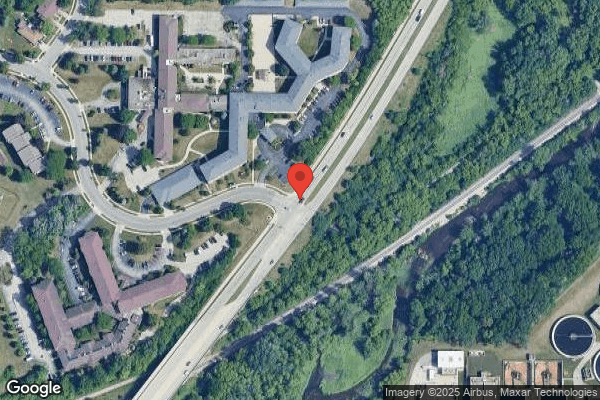
Jan 2024 5 deficiencies 2 IJ
CRITICAL (J) 📢 Someone Reported This

A family member, employee, or ombudsman was alarmed enough to file a formal complaint

Immediate Jeopardy (IJ) - the most serious Medicare violation

Quality of Care (Tag F0684)

Someone could have died · This affected 1 resident

**NOTE- TERMS IN BRACKETS HAVE BEEN EDITED TO PROTECT CONFIDENTIALITY** Based on record review and interviews, the facility did not ensure treatment and care in accordance with professional standards ...

Read full inspector narrative →
**NOTE- TERMS IN BRACKETS HAVE BEEN EDITED TO PROTECT CONFIDENTIALITY** Based on record review and interviews, the facility did not ensure treatment and care in accordance with professional standards of practice (N6, Wisconsin Nurse Practice Act) for 1 (R1) of 6 residents. On 1/14/24, R1 was outside from 1:16:49 am until 3:28 am. Review of video footage found R1 was stuck in the snow and unable to propel his wheelchair inside. R1 was brought in from the outside on 1/14/24 at 3:28am; there was no assessment of R1's vital signs including temperature until six hours later. R1 was sent to the emergency room on 1/14/24 after staff identified what appeared to be frostbite to R1's fingers. The emergency department clinical impression documents: Atrial fibrillation, unspecified type, Acute congestive heart failure, unspecified heart failure type, pneumonia of right lower lobe due to infectious organism and frostbite, initial encounter. The facility did not complete appropriate assessments timely, did not notify an RN (Registered Nurse,) and did not notify the physician of R1's change in condition timely. The facility's failure to inform a registered nurse that R1 had been outside in the cold for two hours and 12 minutes, to complete an appropriate assessment by an RN after R1 was brought inside, and failure to promptly consult with a physician timely created a finding of Immediate Jeopardy (IJ) which began on 1/14/24. NHA (Nursing Home Administrator)-A, DON (Director of Nursing)-B, and Regional Nurse Consultant-J were notified of the immediate jeopardy on 1/23/24 at 4:10 p.m. The immediate jeopardy was removed and corrected on 1/15/24. This is being cited as past noncompliance. Findings include: According to N6.04(1), Wisconsin Nurse Practice Act, a licensed professional nurse (LPN) is responsible to: (b) Provide basic nursing care. (c) Record nursing care given and report to the appropriate person changes in the condition of a patient . (e) Perform the following other acts when applicable: 1. Assist with the collection of data. 2. Assist with the development and revision of a nursing care plan . According to N6.03(1), Wisconsin Nurse Practice Act, a registered nurse (RN) shall utilize the nursing process in the execution of general nursing procedures in the maintenance of health, prevention of illness or care of the ill. The nursing process consists of the steps of assessment, planning, intervention and evaluation. This standard is met through performance of each of the following steps of the nursing process: (a) Assessment. Assessment is the systematic and continual collection and analysis of data about the health status of a patient culminating in the formulation of a nursing diagnosis. (b) Planning. Planning is developing a nursing plan of care for a patient which includes goals and priorities derived from the nursing diagnosis. (c) Intervention. Intervention is the nursing action to implement the plan of care by directly administering care or by directing and supervising nursing acts delegated to L.P.N.s or less skilled assistants. (d) Evaluation. Evaluation is the determination of a patient's progress or lack of progress toward goal achievement which may lead to modification of the nursing diagnosis. The Change in a Resident's Condition or Status policy updated 12/22 documents under Policy Statement: Our facility promptly notifies the resident, his or her attending physician, and the resident representative of changes in the resident's medical/mental condition and/or status (e.g. changes in level of care, billing/payments, resident rights, etc.) The Policy Interpretation and Implementation section documents: 1. The nurse will notify the resident's attending physician or physician on call when there has been a (an): a. accident or incident involving the resident . The National Library of Medicine, National Center for Biotechnology Information, https://www.ncbi.nlm.nih.gov/pmc/articles/PMC9592504/ Practical Review of the Current Management of Frostbite Injuries documents in part under Summary: Frostbite is an injury that occurs when the skin and tissues are exposed to temperatures below their freezing point. This type of injury can lead to various complications such as functional loss, chronic pain, and psychological trauma. As such, understanding frostbite management is crucial for optimal patient care.Rapid rewarming in warm water (40-42 degrees C) remains the standard of care. R1 was admitted to the facility on [DATE]. R1 has an activated Power of Attorney for Healthcare (POAHC.) R1's diagnoses includes COPD (chronic obstructive pulmonary disease,) atherosclerotic heart disease, delusional disorders, dementia, PVD (peripheral vascular disease,) insomnia, and right above knee amputation. R1's smoking care plan initiated 8/12/19 & revised 9/26/23 includes interventions of: independent smoker outside initiated 2/27/20 and is able to keep their smoking materials and smoke independently initiated 8/12/19 & revised 2/27/20. The smoking assessment dated [DATE] indicates R1 smokes 5-9 times a day, remains alert during the course of smoking at all times, is able to communicate the need for help if lit materials fall on them, does not have dexterity problems or tremors, and is able to extinguish a cigarette safely. Resident's primary mode of locomotion documents wheelchair propels independently. The quarterly MDS (Minimum Data Set) with an assessment reference date of 12/14/23 has a BIMS (Brief Interview Mental Status) score of 14 which indicates R1 is cognitively intact. R1 is assessed as not having any behavior including refusal of cares or wandering. Yes is checked for does this resident use a w/c (wheelchair) or scooter. The nurses note dated 1/10/24 documents: Resident admitted to [Name] Hospice. Hospice nurse gave the admitting diagnosis of end stage COPD with protein cal (calorie) malnutrition secondary. NP [Name] notified and Hospice updated family. This nurses note was written by UM/RN (Unit Manager/Registered Nurse)-L. SW (Social Worker)-D documented: On Friday 1/12/24, the weather outside was poor due to a snowstorm. Resident, [R1's name] is a frequent smoker and will often sit outside and smoke several cigarettes in a row. Writer spoke with med tech regarding need to monitor resident going outside to smoke, due to the weather, and gave her his cigarettes to keep in medication cart. Writer spoke with resident regarding the bad weather and that it was recommended for everyone to stay inside. Writer told him we were going to keep his cigarettes in the med cart for the weekend, so that staff would know when he was going to go outside to smoke. Resident is familiar with this routine of going to the nurse on the weekend, as his extra cigarettes are kept in the med cart to cover him for Saturday and Sunday. A nurses note dated 1/14/24 at 10:00 p.m. documents: Resident came to writer at 1:45 a.m. and asked writer for cigarettes to go smoke outside. Writer declined giving resident cigarettes due to care plan orders. Resident found by writer outside of courtyard doors at 3:00 a.m. Writer asked resident why he was outside, and Resident stated, I was smoking. Writer assessed resident and no bodily harm to resident noted at the time of incident. Resident hands blancheable, no signs of edema or pain noted by resident. Right and Left hand grip firm. Resident able to move left leg and right above the knee ligament w/o (with out) pain or discomfort noted. Resident escorted back into room. Writer sat down with resident and had a conversation with resident about the risk of going outside unattended and educated resident. Writer expressed to him how important his safety is and resident stated, I understand. Resident assisted into bed with an assist of two. Resident received hourly checks. This note was written by LPN (Licensed Practical Nurse)-I. According to facility video footage and timeline, R1 was outside from 1:16 a.m. until 3:28 a.m. ~At 1:28:47 a.m. R1 pushes the button to open the door which is handicap accessible and the door opens. Surveyor was able to observe R1 was wearing a black jacket which was not zipped up, shirt, pajama bottoms with an incontinence product, and a hat. Surveyor observed R1's pants were not pulled up all the way and R1 was not wearing any gloves/mittens on his hands. After R1 pushes the button, R1 attempts to wheel his wheelchair through the open door but R1's wheelchair appears stuck in a rut and R1 can not move his wheelchair. R1 pushes on the door button multiple times including at 1:29:01 a.m. door opens & closes, 1:29:36 a.m. door opens & closes, 1:30:20 a.m. door opens & closes and 1:30:37 a.m. door opens and closes. Surveyor observed after R1 pushes the door button each time he attempts to wheel his wheelchair with his bare hands on the silver metal wheel rims and is rocking his upper body back & forth in an attempt to move the wheelchair which R1 is unable to do. NHA-A informed Surveyors R1 doesn't stop this until LPN-I finds R1. Surveyor observed R1 continues to rock back & forth to move his wheelchair and continues attempting to wheel the wheelchair back into the building. ~At 2:15 a.m., Surveyor observed R1's hands are red and R1 continues to be rocking back & forth in the wheelchair & trying to wheel the wheelchair. ~At 2:44:50 a.m., Surveyor observed R1's movements have slowed and his hands which are red are on his lap. Facial grimacing is observed. R1 is rocking back & forth in the wheelchair. ~At 3:00:25 a.m., R1 is shivering and his hands are shaking. Surveyor noted an increased shaking in R1's hands. ~At 3:14:19 a.m., R1 is shivering, is trying to cover his left hand with right hand. R1's left hand is very red. Surveyor noted R1's ears are covered by his hat. ~At 3:19:54 a.m., R1 attempts to try the door button again, and again at 3:20:59 a.m. ~At 3:28:51 a.m., the door which leads from the activities room into the courtyard opens & R1 is removed from the courtyard. ~At 3:29:26 a.m., LPN-I is observed wheeling R1. According to wunderground.com/history/daily/us/wi/waukesha/KMKE/date/2024-1-14, on 1/14/24 at 1:22 a.m., the temperature was 5 degrees Fahrenheit with 16 mph (miles per hour) winds from the west with 25 mph wind gusts and light snow. On 1/14/24 at 2:52 a.m., the temperature was 4 degrees Fahrenheit, 18 mph winds from the west with 30 mph wind gusts and cloudy. According to the Wind Chill Chart, frostbite can occur within 30 minutes when the temperature is 5 degrees and winds are 15-20 miles per hour. https://www.weather.gov/media/owlie/wind-chill-brochure.pdf A head to toe skin check was completed on 1/14/24 at 03:43 (3:43 a.m.) which shows skin integrity is checked for intact skin, for the question nails cleaned and trimmed yes is answered, and under notes documents No skin issues noted. This was completed by LPN-I and signed date is documented as 1/15/24. Contrary to N6, Wisconsin Nurse Practice Act, there was no evidence of an RN notification or assessment immediately after the event, no physician notification, and no family notification. There are no documented vital signs including R1's temperature and the camera surveillance did not show LPN-I bringing any equipment into R1's room to obtain vital signs. Contrary to LPN-I's later statement, there is no evidence of rapid rewarming of R1's hands. According to video footage provided by the facility: ~At 3:30:04 a.m. LPN-I wheels R1 into his room. ~At 3:30:27 a.m., 0.23 seconds later, LPN-I leaves R1's room is at the linen cart, and then goes back into R1's room. Surveyor observed LPN-I did not take anything off the linen cart and there is nothing in LPN-I's hands. ~At 3:30:59, LPN-I comes out of R1's room. Surveyor observed there is no other staff with LPN-I. ~At 3:47:56 a.m., LPN-I is observed walking in the hallway. ~At 3:48:05 a.m., LPN-I is in the hallway and has only a cell phone in her hand. ~At 3:48:11 a.m., LPN-I enters R1's room and at 3:48:34 a.m., LPN-I is observed in R1's doorway (0.23 seconds later) and then walks down the hall towards the activities room. ~At 3:49:49 a.m., LPN-I is walking out of the activities room, down the hallway with a soda in her hand. ~At 4:57:57 a.m., LPN-I enters R1's room. LPN-I does not enter R1's with any equipment. Surveyor verified with NHA-A from 3:48 a.m. until 4:57 a.m. no staff entered R1's room. ~At 5:02:39 a.m., LPN-I is observed making rounds on R1's hallway. After this time there is no further video for Surveyor to observe. The facility's timeline indicates at 05:25 (5:25 a.m.) a CNA is in R1's room for several minutes, at 05:31 (5:31 a.m.) CNA back in R1's room for several minutes, at 06:32 (6:32 a.m.) Nurse in R1's room, and at 0636 (6:36 a.m.) Nurse returns to R1's room. The nurses note with an effective date of 1/14/24 at 6:47 a.m. created on 1/16/24 at 8:01 p.m. documents: LATE ENTRY Writer checked on resident numerous times after bringing resident back inside, hourly checks initiated by writer. Writer checked on resident and asked if he was ok, if he was warm, if resident had any pain or discomfort. He said, Yes I am warm, I have no pain. Resident checked on by CNA (Certified Nursing Assistant) during rounds. No concerns noted. Writer woke resident up at the end of the NOC (night) shift and asked resident, are you okay? Resident stated yes I'm okay. Resident stated, No I'm not in any pain. Writer assessed full body once more and no signs of distress or abnormalities noted. This note was written by LPN-I. A head to toe skin check from 1/14/24 at 0900 (9:00 a.m.) indicates there is a new skin integrity issue of frostbite to bilat (bilateral) hands. It goes on to document, bilats (bilateral) hands and fingers, redness and swelling to hands. This was completed by LPN-K. The nurses note with an effective date of 1/14/24 at 9:08 a.m. created on 1/14/24 at 1:14 p.m. documents: Team made aware resident was outside for a long amount of hours. Resident hands appeared to be reddened and swollen with intact blisters. Complaints of slight tenderness to some fingers. VSS (vital signs stable). Unable to obtain O2 (oxygen) levels. Resident appears to be in no resp (respiratory) distress. Ronchi heard in lungs on expiration. PRN (as needed) neb (nebulizer) tx (treatment) given. NP (Nurse Practitioner) made aware. Orders to do a stat chest x ray, CBC (complete blood count) and BMP (basic metabolic panel) stat. This note was written by LPN-K. Surveyor noted this assessment and notification to the NP was over 5 1/2 hours after R1, who was outside in the middle of the night for over two hours, was brought inside. Surveyor noted the first time facility staff obtained R1's vital signs after R1 had been outside for over two hours was on 1/14/24 at 0930 (9:30 a.m.) Blood pressure 142/72 lying right arm, Temperature 97.6 degrees Fahrenheit forehead (contact), pulse 70 bpm (beats per minute) regular, and respirations 19 breaths/minute. These vital signs were recorded by DON-B for LPN-K. The nurses note dated 1/15/24 at 4:05 p.m. documents: LATE ENTRY Per [Name of LPN-K] day shift nurse statement: Between 0800-830 [name] from [Name of] Hospice is here to round of her residents, sees [Name of R1], notes his hand to be blue in color, skin intact, ask for pain med, Norco administered. Hospice was made aware that he was outside for an undetermined amount of time this point but didn't give any new orders. POA (power of attorney) also called hospice leaves. Around 0900 (9:00 a.m.) LPN-K, nurse for day shift calls [Name] to state hands are red, and small blisters occurring and also that lungs have Ronchi sounds, gets answering service. Gets vitals and tells them to on call service. Vitals normal. Around 1000 (10:00 a.m.) NP calls back and states: if nebulizer not helpful, call us back. Nurse calls NP back and states had [sic-hands] still are discolored and new blisters, voiced her concern for Frostbite, she said she was not worried but did give orders for STAT labs and STAT chest XRAY. The NP earlier gave nurse her direct cell number, nurse text NP at 1451 (2:51 p.m.) and states: his hands are now turning purple. NP responds likely has frostbite, I am not sure he needs to be sent out for the hospital for that. Nurse replies, OK. This nurses note was written by DON-B. The nurses note with an effective date of 1/14/24 at 5:05 p.m. and created on 1/15/24 at 4:06 p.m. documents: Per [Name of LPN-K] day shift nurse 1-14-23 Med tech calls the on call nurse manager [Name of UM/RN (Unit Manger/Registered Nurse)-L] and states Have to [sic] been updated on [first name of R1]. She says no. She then proceeds to tell her about the event and the condition of his hands. [First name of UM/RM-L] speaks with the nurse and has them contact hospice again, the POA, [medical group] suggests xray to hands at this point. But POA would like resident to be sent to ER (emergency room) all aware. Day shift nurse did not realize resident was full hospice, this is why she called [medical group], [medical group] NP did not say they were not following. This nurses note was written by DON-B. The nurses note with an effective date of 1/14/24 at 6:40 p.m. documents: Resident sent to [Hospital's initials] via ambulance for evaluation per MOD (manager on duty). This nurses note was written by LPN-K. Surveyor noted R1's CBC & BMP were drawn with abnormal results for WBC (white blood count) 10.83 H (high) reference range 4.00-10.80 K/mcL (thousands of cells per microliter of blood), RDWSD (red cell distribution width standard deviation) 54.8 (H) reference range 35.0-46.0 fL (femtoliter), Glucose 127 (H) reference range 70-99 mg/dL (milligrams/deciliters), and Albumin 3.1 (L) reference range 3.4-5.0 g/dL (grams/deciliters). There is a handwritten notation which documents R1 went to ER (emergency room) before results came through 1/14/24. The hospital ED (Emergency Department) provider notes dated 1/14/24 at 1957 (7:57 p.m.) under ED course for narrative document: This patient presents with frostbite of both hands; I discussed the case with plastic surgery and outpatient follow-up is most appropriate at this time. The injury will need to be allowed to demarcate. (Determining and marking off boundaries. In reference to damaged tissue the boundary between living and necrotic tissue.) Hands are warm to the touch. There is no further warming needed at this time. The patient has new symptoms of respiratory distress; he has rhonchorous breath sounds. Work up is consistent with congestive heart failure but also shows possible right lower lobe pneumonia in the absence of clear indications of sepsis. The patient was given IV (intravenous) antibiotics, breathing treatment, and admitted with diuresis for close monitoring and possible echocardiogram evaluation. Under history of present illness, it documents: [R1's name] is a 76 y.o. (year old) male. He is sent in by his facility with concern for frostbite; the patient was apparently stuck outside for about 3 hours last night, in a jacket, but with exposed hands because he goes outside to smoke and staff is unaware. He was brought in and warmed up but has since had significant discoloration especially of the right hand. Under Pertinent Exam for under Musculoskeletal for comments its documented: There is significant discoloration of all the fingers on both hands with swelling; there is discoloration which is worse on the right side with some decent lamination. The patient has good movement but decreased sensation to soft touch. On 1/22/24 at 10:14 a.m., Surveyor spoke with R1's family member on the telephone. Surveyor was informed R1 had been moved to a residential hospice and family felt R1 wouldn't be there if it wasn't for the past weekend. The family member informed Surveyor that R1 wheels himself, was outside and couldn't get in. Surveyor inquired if R1 has gone outside before. R1's family member replied, multiple times and stated R1 is very smoking motivated. R1's family member informed Surveyor R1's cigarettes are kept at the nurses' station so that R1 only gets a couple cigarettes at a time otherwise he would sit outside and smoke the whole pack. R1's family member informed Surveyor facility staff didn't try to rewarm R1's hands. R1's family member informed Surveyor R1 doesn't want to live as he was already an amputee, his fingers are black, and he doesn't want to lose his fingers. On 1/22/24 at 12:42 p.m., Surveyor spoke with Hospice RN-M on the telephone. Surveyor inquired why Hospice LPN-N was at the facility on 1/14/24. Hospice RN-M explained Hospice LPN-N had a PRN (as needed) visit with R1 on the 14th (1/14/24). Surveyor asked what prompted this visit. Hospice RN-M explained R1 was admitted to hospice on the 10th (1/10/24) and it's their protocol to see residents every day for the first 7 days. Hospice RN-M informed Surveyor the visit was not related to any phone call. Hospice RN-M informed Surveyor their visit note documents R1 complained of discomfort to his hands and his hands were pink with bluish finger tips. Surveyor inquired what time Hospice LPN-N was at the facility. Hospice RN-M informed Surveyor in the morning, 8:00 a.m. Of note is that R1 was not sent to the hospital until 7:00 p.m. On 1/22/24 at 4:44 p.m., Surveyor spoke with LPN-I, who worked during the night on 1/14/24, on the telephone. Surveyor asked LPN-I to explain to Surveyor what occurred on 1/14/24 with R1. LPN-I stated R1 had previously received a cigarette at 10:00 p.m. and at approximately 1:00 a.m. asked for another cigarette. LPN-I explained she thought the weather conditions were worse so she did not give R1 another cigarette and thought R1 went back to his room. Surveyor asked LPN-I if she saw R1 enter his room. LPN-I replied no. LPN-I informed Surveyor she goes down the hall, checks rooms and sometimes goes into the activity room for a soda. LPN-I informed Surveyor she went into the activities room, the vending machines are on the right side and the door to courtyard is on the left side. LPN-I explained that she looked to left, that's when she saw R1 (outside,) hurried to him and got R1 inside. LPN-I informed Surveyor this was at 3:00 a.m. Surveyor asked LPN-I what R1 was wearing. LPN-I informed Surveyor R1 always wears a jacket, had on a shirt, pajama bottoms, and shoes. LPN-I confirmed that was what R1 was wearing on 1/14/24. Surveyor asked if R1 was wearing a hat or gloves. LPN-I informed Surveyor R1 usually has black gloves on which he takes off when R1 receives his medication. LPN-I informed Surveyor she can't remember if R1 was wearing a hat. Surveyor asked LPN-I what R1 was wearing on his hands when she found him. LPN-I informed Surveyor she wasn't really sure, doesn't remember. LPN-I informed Surveyor after she found R1 she warmed him up, asked R1 if he was in any pain and if he was okay. R1's vitals were fine, they put R1 in bed, kept his clothes & jacket on & covered R1 with two blankets. LPN-I informed Surveyor she was shocked R1 was outside. LPN-I informed Surveyor she checked on R1 every hour, kept asking R1 if he was in pain and if he was okay. Surveyor asked LPN-I if she looked at R1's hands. LPN-I informed Surveyor there weren't any blisters or abnormalities; she thought R1 was going to be okay. Surveyor asked LPN-I if she called anyone after finding R1 outside. LPN-I replied no, it was his normal routine and didn't think anything was wrong. LPN-I informed Surveyor she didn't call the doctor or anything. LPN-I then stated she called her boss, RN-P. Surveyor asked LPN-I what did she tell RN-P; LPN-I then stated she didn't say anything to RN-P in regard to R1. Surveyor asked LPN-I if she observed R1 anytime between 1:00 a.m. & 3:00 a.m. LPN-I replied no, not until she found him. LPN-I informed Surveyor she went back at 4:00 a.m., 5:00 a.m., & 6:00 a.m. to assess R1. Surveyor asked what she did. LPN-I indicated she looked at his body, hands, feet, legs, & asked if in any pain. Surveyor asked LPN-I who transferred R1 into bed. LPN-I replied, me and CNA-Q. Surveyor inquired if she informed anyone on the day shift R1 was outside in the middle of the night. LPN-I indicated she reported it to Med Tech-O. LPN-I informed Surveyor she told Med Tech-O the whole story that R1 was outside from 1:00 a.m. to 3:00 a.m., needed to be checked a little and said R1 was fine. On 1/22/24 at 2:24 p.m., Surveyor spoke with LPN-K on the telephone. LPN-K informed Surveyor she worked the AM (morning) and PM (evening) shift on 1/14/24. LPN-K explained she was working with a med tech. The med tech was working R1's hall passing medication and lets her know if there is anything going on. LPN-K informed Surveyor she was working the other hall. Surveyor asked LPN-K if she received report on the morning of 1/14/24. LPN-K informed Surveyor she was given a few highlights. Surveyor asked LPN-K if she was given any information related to R1. LPN-K replied, Absolutely not, not one single thing. Surveyor asked LPN-K if she was aware the hospice nurse was there on 1/14/24. LPN-K informed Surveyor she knew a hospice nurse was there but wasn't aware the hospice nurse was R1's hospice nurse. LPN-K informed Surveyor around 8:30 a.m. on 1/22/24, there was a group of staff talking at the nurses' station about R1 being left outside but no one said anything about R1's hands. LPN-K explained about 30 to 40 minutes later Med Tech-O came up to her medication cart and told her she needs to look at R1's hands. LPN-K informed Surveyor that R1 had some blisters on his hands that looked like they were scabbed over. LPN-K informed Surveyor she didn't know R1 so she asked Med Tech-O if R1 had blisters before. LPN-K informed Surveyor they did look at the 24-hour report but there was no information. LPN-K indicated R1's lungs were not clear and she administered a PRN treatment. LPN-K stated she called [Name of medical group], thinks the NP's name was [name] and first called around 9:00 a.m. LPN-K stated R1 was still receiving the nebulizer treatment when she called the NP. LPN-K informed the NP about R1's hands stating to Surveyor she didn't know if it was frostbite as she has never seen frostbite before. LPN-K indicated when she saw R1 he was wearing his jacket, pants, shirt, and his hands were under the sheet. LPN-K stated the NP didn't give her any orders regarding R1's hands and told her to call back if R1's lungs didn't clear. LPN-K indicated she called the NP back maybe an hour later as R1's lungs were still not clear. The NP ordered stat chest x-ray, CBC (complete blood count) & CMP (complete metabolic panel). LPN-K informed Surveyor R1's hands were still red and asked R1 if his hands hurt. LPN-K stated she also asked R1 if he could feel his hands which R1 said he could. LPN-K indicated later on, a 2nd shift CNA told her R1's hands were blue. LPN-K indicated she went in and noted R1's hands were purple. LPN-K stated the NP had given her NP's phone number so she sent her a text message. LPN-K stated NP wrote back that she didn't think there was anything for R1's hands for frostbite. Surveyor asked LPN-K if there was an RN in the building on 1/14/24. LPN-K replied I don't think so, everyone was agency. On 1/22/24 at 3:25 p.m., Surveyor attempted to reach Med Tech-O and left a message requesting a return call. Med Tech-O did not return Surveyor's call. On 1/23/24 at 9:32 a.m., Surveyor spoke with MD (Medical Doctor)-T on the telephone. Surveyor asked MD-T if he received a call regarding R1 during the night on 1/14/24. MD-T informed Surveyor he didn't personally receive a call but maybe their answering service did. MD-T asked what happened with R1. Surveyor informed MD-T that R1 was outside for over two hours during the middle of the night and was inquiring when someone was notified and what instructions were given. MD-T informed Surveyor he would get back to Surveyor. On 1/23/24 at 9:42 a.m., MD-T called Surveyor back with APNP-U who was also on the call. MD-T informed Surveyor since they have an answering service for after hours, weekends, and holidays, the contact was made through the answering service. APNP-U informed Surveyor there is a note that was created on 1/14/24 at 10:07 a.m. and a follow up note at 11:47 a.m. Surveyor inquired if these were the times the facility contacted on call NP-S. APNP-U informed Surveyor it was the time the note was created. Surveyor asked MD-T what his expectations would have been if the facility had contacted him promptly when R1 was found outside. MD-T informed Surveyor he would tell them to do an assessment and if they find any concerns to notify them. If there is no issue it can wait. Surveyor asked MD-T what he would expect if it was a LPN on duty. MD-T replied they should contact the nurse on call and call him. The chain of command should be followed. On 1/23/24 at 9:59 a.m., Surveyor spoke again to LPN-I on the telephone. Surveyor asked if RN-P assessed R1. LPN-I replied no, she (RN-P) sent another resident out (to the hospital) on her side (Rehab side). Surveyor asked LPN-I what R1 had on in bed. LPN-I informed Surveyor R1 was wearing a jacket, shirt, and pajama bottoms and when outside had white shoes. On 1/23/24 at 11:48 a.m., Surveyor asked DON-B how she became aware of R1 being outside in the middle of the night for over 2 hours. DON-B explained it was Sunday evening, doesn't know the exact time thinks it was 5 or 6 PM but it was during the [NAME] game she received a text from UM/RN (Unit Manager/Registered Nurse)-L who was the on-call manager. Med Tech-O had expressed concerns the provider was not doing enough for R1's hands. UM/RN-L asked Med Tech-O what was going on and Med Tech-O told UM/RN-L R1 had been outside. DON-B informed Surveyor she thought this had just happened and it took about half an hour through phone chain to figure out what happened. DON-B explained they have a group chat which consists of the Administrator, UM (unit managers,) DON, MDS nurse, HR (human resource) and the scheduler. DON-B informed Surveyor that LPN-I didn't think it was a change of condition. She brought R1 inside, his hands were cold, checked R1's hands and offered R1 blankets. DON-B informed Surveyor they educated staff on notification and added to the notification if someone goes outside and they are not sure how long need to call. DON-B stated LPN-I did not identify it as a change in condition. Surveyor asked DON-B if she asked LPN-I why she did not have an RN assess R1. DON-B replied because she did not think anything was wrong; to her, his hands were cold. On 1/23/24 at 12:11 p.m., Surveyor asked UM/RN-L how she became aware R1 had been outside in the cold for over two hours. UM/RN-L explained about 6:45 p.m. Sunday (1/14/24) she received a text message from the med tech asking if she was notified of R1's hands. Surveyor asked if this was Med Tech-O. UM/RN-L replied yes. UM/RN-L explained she told the med tech no she had not been notified and Med Tech-O informed her R1's hands were discolored, blistering, and red. UM/RN-L asked Med Tech-O if a nurse had seen them and Med Tech-O indicated LPN-K had. UM/RN-L asked if the MD knew and Med Tech-O said yes. UM/RN-L informed Surveyor she did call the POA (power of attorney,) explained the extent of the discoloration and asked permission to send R1 out. UM/RN-L informed Surveyor she asked Med Tech-O why R1 was not sent to the hospital and was told LPN-K did not have any orders. UM/RN-L informed Surveyor she didn't find out until later R1 had gone out on the NOC (night) shift. Surveyor inquired about the stat x-ray. UM/RN-L informed Surveyor it wasn't done as R1 had been sent to the hospital. Surveyor asked UM/RN-L if LPN-I should have contacted her. UM/RN-L replied 100%, no indication as to how long R1 was outside. The facility's failure to appropriately assess R1 timely after having been outside in 4-5 degree weather for more than 2 hours, the failure to notify an RN in order to conduct an appropriate assessment of R1, and the failure to immediately c[TRUNCATED]
CRITICAL (J) 📢 Someone Reported This

A family member, employee, or ombudsman was alarmed enough to file a formal complaint

Immediate Jeopardy (IJ) - the most serious Medicare violation

Accident Prevention (Tag F0689)

Someone could have died · This affected 1 resident

**NOTE- TERMS IN BRACKETS HAVE BEEN EDITED TO PROTECT CONFIDENTIALITY** 3. R2 was admitted to the facility on [DATE] with diagnoses of End Stage Renal Disease, Morbid Obesity, Type 2 Diabetes, Chronic...

Read full inspector narrative →
**NOTE- TERMS IN BRACKETS HAVE BEEN EDITED TO PROTECT CONFIDENTIALITY** 3. R2 was admitted to the facility on [DATE] with diagnoses of End Stage Renal Disease, Morbid Obesity, Type 2 Diabetes, Chronic Pulmonary Edema, Cervicalgia, Hypertensive and Chronic Kidney Disease with Heart Failure, and Hyperlipidemia. R2 is his own person. R2's Annual Minimum Data Set (MDS) dated [DATE] documents R2's Brief Interview for Mental Status (BIMS) score of 15, indicating R2 is cognitively intact for decision making. The MDS documents that R2 has no behaviors. R2's MDS also documents that R2 requires supervision for upper body dressing, substantial/maximum assist for lower body dressing. R2 requires supervision for rolling left to right and sit to lying, and lying to sitting. R2 is total dependent for sit to stand and transfers. Surveyor reviewed R2's Care Area Assessment (CAA) dated 1/5/24 which documents that R2 is a hoyer transfer on the unit and is non-ambulatory. R2 is dependent on staff for activities of daily living. R2's care card documents that R2 requires assistance of 2 with hoyer lift and buddy system with all cares/staff whenever in R2's room. R2's comprehensive care plan documents the following for falls: 1. R2 has the potential for falls, accidents and incidents due to unsteady on feet, abnormal gait and mobility, lack of coordination, meds, pain, and chronic back pain, decrease in mobility Initiated: 4/10/23 Revised: 9/26/23 Interventions: -1/2/24 Do not put anything that is above Residents reach and to educate Resident to use call light and ask for assistance if unable to reach something -11/6/23 Re-educated on transfer status, staff disciplined and educated on following plan of care -11/7/23 Encourage pillows to indicate edge of bed while sleeping -9/25/23 Educated to not attempt to self transfer and scoot back if too close to edge of bed, use call light -7/16/23 Gave body pillow to help define perimeter of edge of bed -7/17/23 Complete fall risk assessment on admission and per policy -7/17/23 Complete neurological assessments per policy -5/22/23 Educate to ask for help with transfers -4/10/23 Initial orientation to room and call light system -4/10/24 Physical Therapy(PT)/Occupational Therapy(OT) eval and treat as needed 2. R2 has a self care deficit due to unsteady on feet, abnormal gait and mobility, lack of coordination, meds, pain, and chronic back pain, decrease in mobility, refusing hoyer/proper transfer status Initiated: 4/10/23 Revised: 10/17/23 Interventions: -Assist of 2 with hoyer for transfers 10/30/23 -Educated on proper transfers, to transfer as recommend by therapy staff 10/17/23 3. R2 has a behavior problem due anger, calling 911, accusations, name calling, manipulation of truth and staff, self med administration without permission or evaluation, hiding meds in room, self medicating, vulgar language, inappropriate conversation, sexual comments towards female staff, cursing, refusals of meds, assessments, treatments, showers, accuchecks, threatening to call 911, threatening to throw self on floor, refusing to turn/reposition, refusing to get up, refusal of cares and assessments, demanding to go to emergency room(ER) when not necessary a times Initiated: 4/10/23 Revised: 1/9/24 Interventions: -Buddy system at all times 7/28/23 -Communications: provide physical and verbal cues to alleviate anxiety: give positive feedback, assist him/her to verbalize source of frustration, assist to set goals for more pleasant behavior, encourage to seek out a staff member if agitated 4/27/23 -Explain all procedures allow for time to process and adjust to changes 4/27/23 -Provide positive feedback on good behavior 4/27/23 -When R2 becomes agitated: intervene before agitation escalates, guide away from source of distress, engage in calm conversation, re-approach later when more R2's most recent fall assessment dated [DATE] documents a score of 11 putting R2 at moderate risk for falls. Surveyor was unable to observe R2 as R2 was in the hospital during the survey process. Surveyor reviewed R2's electronic medical record (EMR) and notes that R2 has had 3 falls in the past six months. Surveyor investigated these three falls. Facility provided post fall assessments and the facility investigation reports for all 3 falls. 9/25/23 R2 was found on the floor in room lying next to the bed. R2 was lying on the left side. No injuries noted. Registered Nurse (RN) assessment was completed. Neuro-checks were completed. Notifications were completed. Surveyor notes there is no documentation that staff were interviewed to determine the circumstances surrounding the fall, to establish a root cause analysis, to determine whether previous fall prevention interventions were in place prior to the fall in order to determine the effectiveness of current care planned interventions and to determine the need if new fall prevention interventions are needed. 11/6/23 R2 was transferred from bed to chair by pivot transfer and assistance of 1. R2's care card and care plan states to transfer R2 by hoyer lift, assistance of 2. RN assessment completed. Neuro-checks were completed. Notifications were completed. The facility completed a self report and submitted with the regulatory time frame and on regulatory forms. A full investigation was completed including staff and other Resident interviews. Per the facility investigative summary, the CNA (CNA-C) stated that R2 was insistent on standing. CNA observed R2 standing and attempting to pivot to the chair. As R2 attempted to self transfer, R2's legs gave out. X-rays were completed and no fractures or dislocations were noted. Surveyor notes a thorough investigation was completed for this fall. Education was completed with all nursing staff. Surveyor interviewed CNA-C who stated that R2 would refuse all the time to be transferred by the hoyer lift. CNA-C stated that CNA-C would tell the nurse, and the nurse would have therapy come and do the transfer. CNA-C stated the 11/6/23 transfer was the first time CNA-C attempted the transfer by the pivot transfer. CNA-C stated after the incident on 11/6/23, R2 did not refuse a hoyer lift transfer. CNA-C confirmed CNA-C received re-education. CNA-C stated that no one gave CNA-C tactics of what to do when R2 refuses a transfer with the hoyer lift. On 1/22/24 at 2:35 PM, Surveyor shared the concern with Administrator (NHA-A) and Director of Nursing (DON-B) that R2 was transferred by pivot transfer and not assistance of 2 by hoyer lift as documented on R2's care card and care plan. No further information was provided at this time by the facility. On 1/23/24 at 9:31 AM, Surveyor interviewed Rehabilitation Director (RD-E) who is a physical therapy assistant (PTA). RD-E confirmed that R2 is a hoyer lift assistance of 2 staff for several months. RD-E states that R2 has been dependent for all transfers which is defined as a hoyer transfer. October of 2023 therapy documentation confirms that R2 was unable to achieve standing up with assistance of 2 people. On 1/23/24 at 12:55 PM, Surveyor interviewed physical therapist (PT-F) who is familiar with R2 stated that per facility policy a Resident cannot be an assist of 2. The only alternative is that R2 had to be transferred by hoyer lift, assistance of 2. PT-F explained that the nursing department is made aware of a Resident's transfer status. PT-F stated that a hoyer lift was recommended 100% for R2. PT-F cannot confirm if R2 was educated on R2's transfer status with the hoyer lift. PT-F stated that PT-F and therapy department was never notified prior to the 11/6/23 incident that R2 was refusing transfers of the hoyer lift. PT-F confirmed that R2 has not been made aware that R2 has refused any hoyer transfers since the 11/6/23 incident. Surveyor reviewed both PT and OT therapy notes. On 10/13/23, the PT treatment encounter documented that for R2 it is recommended a hoyer lift for bed to wheelchair. On 10/13/23 the OT documented that R2 documents assistance of 2 to safety position. R2 is non compliant with therapist recommendations for safety with transfer. Nursing updated for recommendations for use of hoyer lift for transfers. 1/2/24 Facility staff were notified by R2's life partner that R2 was on the floor. Upon entering, R2 was observed laying on the floor at the top of the bed between the bed and the side table. No injuries noted. RN assessment completed. Neuro-checks were completed. Notifications were completed. Surveyor notes there is no documentation that staff were interviewed to determine the circumstances surrounding the fall, to establish a root cause analysis, to determine whether previous fall prevention interventions were in place prior to the fall in order to determine the effectiveness of current care planned interventions and to determine the need if new fall prevention interventions are needed. On 1/23/24 at 1:20 PM, Surveyor shared with Director of Nursing (DON-B) that R2's transfer on 11/6/23 was not according to R2's care plan which documents assistance of 2 with a hoyer lift. Surveyor also shared that the other 2 falls 9/25/23 and 1/2/24 did not include interviews with staff to determine the circumstances surround R2's falls, to establish a root cause analysis and to determine whether previous fall preventions were in place prior to the fall to determine effectiveness and whether new interventions were needed in the prevention of potential further falls. 4. R5 was admitted on [DATE] with diagnoses of Hemiplegia and Hemiparesis Following Cerebral Infarction Affecting Right Dominant Side, Essential Hypertension, Epilepsy, Obstructive Sleep Apnea, Dysphagia, and Major Depressive Disorder. R5 has an activated Health Care Power of Attorney(HCPOA). R5's Quarterly MDS (Minimum Data Set) dated 10/25/23 documents R5's BIMS (Brief Interview for Mental Status) score to be a 6 which indicates that R5 demonstrates severely impaired skills for daily decision making. The behavior documented is that R5 can be verbally inappropriate for 1-3 days. R5's admission MDS documents that R5 requires extensive assistance for mobility, transfers, and toileting. R5 requires total assistance for bathing. R5 has no range of motion impairment. Surveyor reviewed R5's Care Area Assessment (CAA) dated 1/22/23 which documents that R5 is unsteady on feet, lack of coordination, muscle weakness and is at risk for falls. R5's care card documents R5 requires the assistance of 2 with sit to stand for transfers and right and left bolsters on reclining wheelchair. R5's comprehensive care plan documents the following for falls: 1. R5 has the potential for falls, accidents and incidents due to seizures, epilepsy, convulsions, pain, meds, decrease in mobility, incontinence. Initiated: 1/18/2023 Revised: 8/25/2023 Interventions: -10/4/23 Encourage dycem to wheelchair 10/5/23 -11/12/23 Replace TV 11/13/23 -11/12/23 Have NP and psych NP assess/review R5 11/13/23 -11/8/23 Remind R5 to use call light and continue current interventions and have a reacher for R5 at bedside 11/9/23 -11/8/23 Reacher at bedside 11/10/23 -2/1/23 Encourage to use call light for transfers 2/2/23 -2/2/23 Call, don't fall sign in room [ROOM NUMBER]/3/23 -4/5/23 Encourage to use the call light 4/5/23 -5/17/23 Encourage to use toilet around 2130 (9:30pm) Q night with staff 5/23/23 -5/23/23 Education to ask for help with transfers and to encourage to wear gripper socks at HS 5/24/23 -5/28/23 Ask for assessment by provider and inquire about a UA-NP declines need 5/30/23 -7/4/23 Remind/educate to use call light for transfers/do not attempt to get up on own 7/5/23 -8/24/23 R5 educated/reminded on importance of waiting for staff to help with transfers and to use R5's call light 8/25/23 -9/3/23 Encouraged R5 to use call light if wanting to transfer and re-oriented to time and place as R5 did not have to work 9/5/23 -9/25/23 Remind R5 to use call light when transferring and continue current interventions 9/26/23 -9/3/23 Encouraged to use call light when transferring 9/5/23 -PT/OT eval and treat as needed 1/18/23 -Re-educate staff 4/5/23 R5's most recent fall assessment dated [DATE] documents a score of 20 putting R5 at moderate risk for falls. Surveyor reviewed R5's electronic medical record (EMR) and notes that R5 has had 5 falls in the past six months. Surveyor investigated these 5 falls. Facility provided post fall assessments and the facility investigation reports for all 5 falls which indicates; 8/24/23 R5 was found kneeling on all fours in room next to bed. No injuries noted. Registered Nurse (RN) assessment was completed. Neuro-checks were completed. Notifications were completed. Surveyor notes there is no documentation that staff were interviewed to determine the circumstances surrounding the fall, to establish a root cause analysis, to determine whether previous fall prevention interventions were in place prior to the fall in order to determine the effectiveness of current care planned interventions, and to determine the need if new fall prevention interventions are needed. 9/3/23 R5 was found laying on R5's left side on the floor in between R5's bed and roommates bed No injuries noted. Registered Nurse (RN) assessment was completed. Neuro-checks were completed. Notifications were completed. Surveyor notes there is no documentation that staff were interviewed to determine the circumstances surrounding the fall, to establish a root cause analysis, to determine whether previous fall prevention interventions were in place prior to the fall in order to determine the effectiveness of current care planned interventions, and to determine the need if new fall prevention interventions are needed. 9/25/23 R5 was found positioned on right side on floor next to bed. R5 was sent to the ER and returned with no injuries noted and no new orders. Registered Nurse (RN) assessment was completed. Neuro-checks were completed. Notifications were completed. Surveyor notes there is no documentation that staff were interviewed to determine the circumstances surrounding the fall, to establish a root cause analysis, to determine whether previous fall prevention interventions were in place prior to the fall in order to determine the effectiveness of current care planned interventions, and to determine the need if new fall prevention interventions are needed. 10/4/23 R5 was found in room with wheelchair next to bed and R5 was sitting in front of wheelchair. R5 stated R5 was trying to get into bed. No injuries noted. Registered Nurse (RN) assessment was completed. Neuro-checks were completed. Notifications were completed. Surveyor notes there is no documentation that staff were interviewed to determine the circumstances surrounding the fall, to establish a root cause analysis, to determine whether previous fall prevention interventions were in place prior to the fall in order to determine the effectiveness of current care planned interventions, and to determine the need if new fall prevention interventions are needed. 11/8/23 R5 was found laying on the floor on right side. No injuries noted. Registered Nurse (RN) assessment was completed. Neuro-checks were completed. Notifications were completed. Surveyor notes there is no documentation that staff were interviewed to determine the circumstances surrounding the fall, to establish a root cause analysis, to determine whether previous fall prevention interventions were in place prior to the fall in order to determine the effectiveness of current care planned interventions, and to determine the need if new fall prevention interventions are needed. 11/12/23 R5 was found on the floor with R5's head on the floor. R5 stated R5 wanted to get up and use the bathroom. No injuries noted. Registered Nurse (RN) assessment was completed. Neuro-checks were completed. Notifications were completed. Surveyor notes there is no documentation that staff were interviewed to determine the circumstances surrounding the fall, to establish a root cause analysis, to determine whether previous fall prevention interventions were in place prior to the fall in order to determine the effectiveness of current care planned interventions, and to determine the need if new fall prevention interventions are needed. On 1/22/24 at 9:47 AM, Surveyor observed R5 in a low bed with gripper socks on. R5's head of bed was slightly elevated. Surveyor observed the call light within reach of R5. R5 was slightly leaning over to the left side. R5's overbed table is across the front of R5. Surveyor did not observe a reacher anywhere within reach of R5. Surveyor asked R5 where the reacher was and R5 did not know. On 1/22/24 at 1:37 PM, Certified Nursing Assistant (CNA-G) informed Surveyor that R5 is physically able to use the call light, and R5 will pull it sometimes. On 1/22/24 at 2:57 PM, Director of Nursing (DON-B) stated that there is a section contained within the fall investigation for employee statements. Surveyor shared that there is no staff statements for R5's 5 fall investigations. DON-B stated DON-B would look for more info. On 1/23/24 at 7:50 AM, Surveyor observed R5 in bed, reacher is within reach. Surveyor notes there is no sign posted in R5's room reminding R5 to call for help. On 1/23/24 at 9:46 AM, Surveyor observed CNA-G and CNA-H transfer R5 from bed to wheelchair by sit to stand. Prior to transfer, Surveyor asked CNA-G to lift up the cushion and check for dycem. Surveyor observed no dycem under the cushion. CNA-G validated there was no dycem. However, there was also 2 cushions in R5's wheelchair. Both CNA-G and CNA-H did not know why there was 2 cushions. CNA-G removed the thinner of the 2 cushions. On 1/23/24 at 1:25 PM, Surveyor shared the concern with DON-B that R5's fall interventions of the posted sign, reacher within reach, and dycem under the wheelchair cushion were not observed during the survey process. Surveyor also shared that there is no evidence that the facility obtained information from staff to determine the circumstances surrounding the fall (last toileted, last seen) to establish a root cause analysis, to determine whether previous fall prevention interventions were in place prior to the fall in order to determine the effectiveness of current care planned interventions, and to determine the need if new fall prevention interventions are needed. Based on observation, interview, and record review, the facility did not ensure each resident's environment was as free of accident hazards as is possible and that each resident receives adequate supervision and assistance devices to prevent accidents for 4 (R1, R6, R2, & R5) of 6 Residents. *On Friday 1/12/24, the facility became aware of poor weather conditions due to a snowstorm. The facility was aware of R1's frequent smoking noting he would often sit outside and smoke several cigarettes in a row. The Social Worker (SW) spoke to the Med Tech regarding the need to monitor R1 going outside to smoke due to the weather and gave the Med Tech R1's cigarettes to keep in the medication cart. The SW informed R1 they would keep his cigarettes in the med cart for the weekend, so that staff would know when he was going outside to smoke. On 1/14/24 at approximately 1:00 am, R1 asked Licensed Practical Nurse (LPN)-I for a cigarette to go outside to smoke. LPN-I declined giving to R1 the cigarette due to the weather. According to camera footage reviewed, on 1/14/24 at 1:16 am, R1 was observed outside in the courtyard wheeling himself towards the smoking [NAME]. R1 was observed in the smoking [NAME] until 1:27 am when he is observed wheeling himself out of the smoking [NAME] toward the facility. At 1:28 am, R1 is observed attempting to push the button to open the handicapped door to get into the facility. R1 is observed pushing the door button multiple times with the doors opening and closing. R1's wheelchair is stuck in a rut. On 1/14/24, R1 was outside from 1:16 am until 3:28 am (2 hours and 12 minutes) before staff LPN-I noticed R1 outside. Staff were not aware of R1 being outside on 1/14/24 from 1:16 am until he was brought in at 3:28 am. According to the facility's timeline and video footage, the last time R1 was observed in his on room on 1/14/24 (prior to being found outside at 3:28 am,) was when a nurse conducted rounds on 1/14/24 at 00:50 (12:50 am). Surveyor noted no further supervision was provided to R1 after 12:50 am. There was no staff present to provide supervision on R1's unit on 1/14/24 from 1:20 am to 3:38 am. There was no staff supervision of R1 from 1:14 am to 3:38 am to ensure R1's environment is free from safety hazards and for the prevention of accidents which is an unexpected or unintentional incident which results or may result in injury to the resident. On 1/14/24 at 7:00 pm, R1 was transferred to the emergency department and admitted into the hospital with frostbite on both hands. There was a significant discoloration of all the fingers on both hands and swelling. The emergency department also indicated R1 presented with new symptoms of respiratory distress. Work up was consistent with congestive heart failure also showing possible right lower lobe pneumonia. Upon hospital discharge, R1 did not return to the facility. Failure to provide adequate supervision to ensure R1's environment was as free of accident hazards as possible and to prevent accidents created a finding of Immediate Jeopardy (IJ), which began on 1/14/24. NHA (Nursing Home Administrator)-A , DON (Director of Nursing)-B and Regional Nurse Consultant-J were notified of the immediate jeopardy on 1/23/24 at 4:06 p.m. The immediate jeopardy was removed on 1/26/24. However, the deficient practice continues at a severity/scope level of E (potential for more than minimal harm/pattern) as the facility continues to implement its removal plan & as evidenced by the following examples: * R6's falls on 9/13/23 & 10/8/23 were not thoroughly investigated and the root cause was not determined to help prevent further falls. * On 11/6/23 R2's fall interventions were not implemented as R2 was transferred from the bed to chair by a pivot transfer instead of a Hoyer lift. R2's legs became weak and R2 fell to the floor. R2's falls on 9/25/23 & 1/2/24 were not thoroughly investigated and the root cause was not determined to help prevent further falls. * R5's falls on 8/24/23, 9/3/23, 9/25/23, 10/4/23, 11/8/23, & 11/8/23 were not thoroughly investigated and the root cause was not determined to help prevent further falls. Findings include: The CNA (Certified Nursing Assistant) Role and Responsibilities not dated includes Communicate with other CAN's [sic/CNAs] to be sure call lights and residents are accounted for. The Other reminders!! not dated includes documentation of Frequent rounds: - Residents should be checked and changed at least every two hours unless otherwise indicated. - No double briefing: this causes friction, wounds and can lead to infection. - At night residents should be in gowns, pajamas, or provided nigh sic (night) gowns. R1 was admitted to the facility on [DATE]. R1 has an activated power of attorney for healthcare (POAHC). R1's diagnoses includes COPD (chronic obstructive pulmonary disease), atherosclerotic heart disease, delusional disorders, dementia, PVD (peripheral vascular disease), insomnia, and right above knee amputation. The at risk for injury related to active smoker of tobacco products care plan initiated 8/12/19 & revised 9/26/23 includes interventions of independent smoker outside initiated 2/27/20 and is able to keep their smoking materials and smoke independently initiated 8/12/19 & revised 2/27/20. The smoking assessment dated [DATE] indicates R1 smokes 5-9 times a day, remains alert during the course of smoking at all times, is able to communicate the need for help if lit materials fall on them, does not have dexterity problems or tremors, and is able to extinguish a cigarette safely. For resident's primary mode of locomotion documents wheelchair propels independently. The quarterly MDS (Minimum Data Set) with an assessment reference date of 12/14/23 has a BIMS (Brief Interview Mental Status) score of 14 which indicates cognitively intact. R1 is assessed as not having any behavior including refusal of cares or wandering. R1 is 70 inches tall (5 feet 10 inches) and weight is 142 pounds. R1 is assessed as being dependent with toileting hygiene, mobility roll left to right is substantial /maximal, and transfers are substantial/maximal. R1 is always incontinent of urine and bowel. Yes is checked for does this resident use a w/c (wheelchair) or scooter. R1 has fallen since prior assessment with 2 or more falls with no injury. The nurses note dated 1/10/24 documents Resident admitted to [Name] Hospice. Hospice nurse gave the admitting diagnosis of end stage COPD with protein cal (calorie) malnutrition secondary. NP [Name] notified and Hospice updated family. This nurses note was written by UM/RN (Unit Manager/Registered Nurse)-L. SW (Social Worker)-D's statement not dated documents, On Friday 1/12/24, the weather outside was poor due to a snowstorm. Resident, [R1's name] is a frequent smoker and will often sit outside and smoke several cigarettes in a row. Writer spoke with med tech regarding need to monitor resident going outside to smoke, due to the weather, and gave her his cigarettes to keep in medication cart. Writer spoke with resident regarding the bad weather and that it was recommended for everyone to stay inside. Writer told him we were going to keep his cigarettes in the med cart for the weekend, so that staff would know when he was going to go outside to smoke. Resident is familiar with this routine of going to the nurse on the weekend, as his extra cigarettes are kept in the med cart to cover him for Saturday and Sunday. The nurses note with an effective date of 1/14/24 at 3:16 a.m. created on 1/14/24 at 10:00 p.m. begins by documenting resident came to writer at 1:45 a.m. and asked writer for cigarettes to go smoke outside. Writer declined giving resident cigarettes due to care plan orders. This was written by LPN (Licensed Practical Nurse)-I. On 1/22/24 at 4:44 p.m., Surveyor spoke with LPN-I, who worked during the night on 1/14/24, on the telephone. Surveyor asked LPN-I to explain to Surveyor what occurred on 1/14/24 with R1. LPN-I informed Surveyor R1 had previously received a cigarette at 10:00 p.m. and at approximately 1:00 a.m. asked for another cigarette. LPN-I explained she thought the weather conditions were worse so she did not give R1 another cigarette and thought R1 went back to his room. Surveyor asked LPN-I if she saw R1 enter his room. LPN-I replied no, thought he went in the room. On 1/23/24 at 10:16 a.m. Surveyors reviewed the recording from the cameras and the facility's timeline with NHA (Nursing Home Administrator)-A in NHA-A's office. Surveyor noted the following: According to the facility's timeline on 1/13/24 at 22:36 (10:36 p.m.) CNAs and Nurse leave R1's room with dirty laundry/linens in bag. On 1/14/24 according to the facility's timeline at 00:50 a nurse rounds on R1's unit, look in R1's room and R1 is present. At 1:07:02 a.m. R1 is in the doorway of his room, R1 goes into his room at 1:07:29 a.m. and stays in his room until 1:14:54 a.m. when R1 is observed wheeling himself down the hallway, into the carpet hallway which leads into the activities room which is approximately 75 feet from his room. Surveyor observed when R1 was wheeling down the hallway into the activities room there are no staff observed in the hallway. At 1:16:49 a.m. R1 is outside in the courtyard with his back toward the camera wheeling towards the smoking [NAME]. Surveyor was able to observe R1 was wearing a jacket & hat at this time and there was a light coat of snow on the walkway. At 1:17:44 a.m. R1 enters the smoking [NAME] which according to NHA-A is like a bus stop. The front portion is open to the weather elements and the back is covered. Surveyor observed R1 stayed in the smoking [NAME] until 1:27:54 a.m. when R1 is observed wheeling out of the smoking [NAME]. While R1 was out in the smoking [NAME] Surveyor was able to observe lit cigarette/cigarettes. At 1:28:47 a.m. R1 pushes the button to open the door which is handicap assessable and the door opens. Surveyor was able to observe R1 was wearing a black jacket which was not zipped up, shirt, pajama bottoms with an incontinence product and a hat. Surveyor observed R1's pants were not pulled up all the way and R1 is not wearing any gloves/mittens on his hands. After R1 pushes the button, R1 attempts to wheel his wheelchair through the open door but R1's wheelchair appears stuck in a rut and R1 cannot move his wheelchair. R1 pushes on the door button multiple times including at 1:29:01 a.m. door opens & closes, 1:29:36 a.m. door opens & closes, 1:30:20 a.m. door opens & closes and 1:30:37 a.m. door opens and closes. Surveyor observed after R1 pushes the door button each time R1 attempts to wheel the wheelchair with his bare hands on the silver metal wheel rims and is rocking his upper body back & forth in an attempt to move the wheelchair which R1 is unable to do. NHA-A informed Surveyors R1 doesn't stop this until LPN-I finds R1. Surveyor observed R1 continues to rock back & forth to move his wheelchair and continues attempting to wheel the wheelchair. At 1:31:22 a.m. R1 pushes on the door button but the door doesn't open. NHA-A stated maybe his hands are too cold and didn't push it hard enough. At 2:15 a.m. Surveyor observed R1's hands are red and R1 continues to be rocking back & forth in the wheelchair & trying to wheel the wheelchair. At 2:44:50 a.m. Surveyor observed R1's movements have slowed and his hands, which are red, are on his lap. Facial grimacing is observed. R1 is rocking back & forth in the wheelchair. At 2:46:25 a.m. R1's hands are shaking. R1 is shaking and shivering. At 3:00:25 a.m. R1 is shivering and his hands are shaking. Surveyor noted an increased shaking in R1's hands. At 3:14:19 a.m. R1 is shivering, is trying to cover his left hand with right hand. R1's left hand is very red. Surveyor noted R1's ears are covered by his hat. At 3:19:54 a.m. R1 attempts to try the door button again and again at 3:20:59 a.m. At 3:28:17 a.m. LPN-I is observed walking down R1's hallway towards the activities room. Surveyor observed LPN-I does not turn her head to look in any Resident's room while walking in the hallway and enters the small hallway which leads to the activities room. At 3:28:37 a.m. R1 is still outside. At 3:28:51 a.m. the door which leads from the activities room into the courtyard opens & R1 is removed from the courtyard. At 3:29:26 a.m. LPN-I is observed wheeling R1. At 3:30:04 a.m. LPN-I wheels R1 into his room. On 1/23/24 while observing the video surveillance with NHA-A at 11:12 a.m., Surveyor verified with NHA-A from the time R1 left his room at approximately 1:20 a.m. until LPN-I brought R1 inside from the courtyard at 3:28 a.m. no staff were observed on R1's unit. Surveyor noted there were no rounds after 00:50 a.m. Surveyor noted according to wunderground.com/history/daily/us/wi/waukesha/KMKE/date/2024-1-14 on 1/14/24 at 1:22 a.m. the temperature was 5 degrees Fahrenheit with 16 mph (miles per hour) wind from the west with 25 mph wind gust and light snow. On 1/14/24 at 2:52 a.m. the temperature was 4 degrees Fahrenheit, 18 mph winds from the west with 30 mph wind gusts and cloudy. According to the Wind Chill Chart by the National Weather Service, frostbite can occur within 30 minutes when the temperature is 5 degrees and winds are 15-20 miles per hour. https://www.weather.gov/media/owlie/wind-chill-brochure.pdf On 1/23/24 at 6:33 a.m., Surveyor spoke with CNA-R. CNA-R informed Surveyor she had the aqua assignment which is on the Rehab unit and there were 3 CNAs that night in the building. CNA-R[TRUNCATED]
CONCERN (F) 📢 Someone Reported This

A family member, employee, or ombudsman was alarmed enough to file a formal complaint

Potential for Harm - no one hurt, but risky conditions existed

Deficiency F0868 (Tag F0868)

Could have caused harm · This affected most or all residents

Based on record review and staff interview, the facility did not ensure there was a QAPI (Quality Assurance Performance Improvement) meeting held at least quarterly with the required committee members...

Read full inspector narrative →
Based on record review and staff interview, the facility did not ensure there was a QAPI (Quality Assurance Performance Improvement) meeting held at least quarterly with the required committee members in order to identify issues through the committee. This deficient practice had the potential to effect all 73 residents currently in the facility. Findings include: The Quality Assurance and Performance Improvement (QAPI) policy last reviewed/revised 12/2023 under Policy Explanation and Compliance Guidelines includes documentation of: 2. The QAA (Quality Assessment and Assurance) Committee shall be interdisciplinary and shall: a. Consist at a minimum of: i. The Director of Nursing Services; ii. The Medical Director or his/her designee; iii. At least 3 other members of the facility's staff, at least one of which must be the Administrator, Owner, a Board Member or other Individual in a leadership role; and iv. The Infection Preventionist. b. Meet at least quarterly and as needed to coordinate and evaluate activities under the QAPI program, such as identifying issues with respect to which quality assessment and assurance activities, including performance improvement projects under the QAPI program as necessary. On 1/30/24 at 2:46 p.m., Surveyor reviewed the facility's QAPI attendance sign in sheets provided by NHA (Nursing Home Administrator)-A. The QAPI meeting minutes dated 1/17/23 include the signatures for DON (Director of Nursing)-B, IP (Infection Preventionist)-Z, and three other facility staff including NHA-A. This sign in sheet does not include MD (Medical Director)-T or his designee. The QAPI meeting minutes dated 4/18/23 include the signatures for DON-B, IP-Z, and three other facility staff including NHA-A. This sign in sheet does not include MD-T or his designee. The QAPI meeting minutes dated 7/25/23 include the signatures for DON-B, IP-Z, and three other facility staff including NHA-A. This sign in sheet does not include MD-T or his designee. The QAPI meeting minutes dated 10/17/23 include the signatures for DON-B, IP-Z, and three other facility staff including NHA-A. This sign in sheet does not include MD (Medical Director)-T or his designee. On 1/30/24 at 2:50 p.m., Surveyor met with NHA-A to discuss the facility's QAPI program. Surveyor inquired who attends the facility's quarterly QAPI meetings. NHA-A informed Surveyor, MD-T, pharmacy, DON-B, IP-Z, herself, and other departments including the dietitian, medical records, activities, and maintenance. Surveyor asked NHA-A if all committee members attend in person. NHA-A informed Surveyor there are occasions where MD-T calls in but everyone else attends in person. NHA-A explained if MD-T calls in she makes a note on the sign in sheet where she signs and writes on phone. Surveyor informed NHA-A Surveyor did not note MD-T's signature for any of the 2023 QAPI meetings nor did Surveyor note a notation that MD-T called in. NHA-A informed Surveyor MD-T didn't attend last year. Surveyor asked NHA-A if she informed MD-T he is required to attend QAPI meetings. NHA-A replied no. On 1/30/24 at 3:45 p.m., Surveyor asked NHA-A if there are any signatures for MD-T for the facility's monthly QAPI meetings. NHA-A informed Surveyor MD-T is not invited to these meetings and he only attends the quarterly meeting.
CONCERN (F) 📢 Someone Reported This

A family member, employee, or ombudsman was alarmed enough to file a formal complaint

Potential for Harm - no one hurt, but risky conditions existed

Deficiency F0946 (Tag F0946)

Could have caused harm · This affected most or all residents

Based on interview and record review, the facility did not ensure 3 of 8 staff chosen at random received annual training on the facility's compliance and ethics program. CNA (Certified Nursing Assista...

Read full inspector narrative →
Based on interview and record review, the facility did not ensure 3 of 8 staff chosen at random received annual training on the facility's compliance and ethics program. CNA (Certified Nursing Assistant)-W, LPN (Licensed Practical Nurse)-X, & Housekeeping-Y did not receive training on the facility's compliance and ethics program. This has the potential to affect 73 residents as CNAs rotate throughout the facility and LPN-X who works PRN (as needed) is assigned throughout the facility. Findings include: On 1/30/24 at 12:32 p.m., Surveyor asked NHA-A if the facility's operating organization operates five or more facilities. NHA-A replied yes. 1. On 1/30/24 at 1:40 p.m., Surveyor reviewed CNA-W's training provided by the facility. Surveyor was unable to locate 2023 compliance & ethics training for CNA-W. On 1/30/24 at 2:22 p.m., Surveyor asked HR (Human Resources)-AA who oversees inservice training for employees. HR-AA replied, we collaborate together. HR-AA explained that includes DON (Director of Nursing)-B, NHA (Nursing Home Administrator)-A, herself, IP (Infection Preventionist)-Z, & MD (Maintenance Director)-V. HR-AA informed Surveyor they have a skills fair every year which includes corporate compliance and work place safety and DON-B has her piece. HR-AA also informed Surveyor they have ongoing training on [Name of computer training program]. On 1/30/24 at 2:22 p.m., Surveyor informed HR-AA Surveyor was unable to locate 2023 compliance and ethics training for CNA-W. HR-AA informed Surveyor she will look into this and get back to Surveyor. On 1/30/24 at 3:50 p.m., HR-AA informed Surveyor they have old corporate compliance for CNA-W but nothing for 2023. On 1/31/24, Surveyor received an email from NHA-A with additional information. This additional information included compliance & ethics training for CNA-W on 7/15/22. NHA-A did not provide Surveyor with CNA-W's compliance & ethics training for 2023. 2. On 1/30/24 at 2:00 p.m., Surveyor reviewed Housekeeping-Y's inservice. Surveyor was unable to locate 2023 compliance & ethics training for Housekeeping-Y. On 1/30/24 at 2:31 p.m., Surveyor informed HR-AA Surveyor was unable to locate 2023 compliance and ethics training for Housekeeping-Y. HR-AA informed Surveyor she will look into this and get back to Surveyor. On 1/30/24 at 3:55 p.m., HR-AA informed Surveyor Housekeeping-Y did not receive compliance and ethics training for 2023. On 1/31/24, Surveyor received an email from NHA-A with additional information. This additional information did not include compliance & ethics training for Housekeeping-Y in 2023. 3. On 1/30/24 at 2:10 p.m., Surveyor reviewed LPN (Licensed Practical Nurse)-X training provided by the facility. Surveyor was unable to locate 2023 compliance & ethics training for LPN-X. On 1/30/24 at 2:32 p.m., Surveyor informed HR-AA Surveyor was unable to locate 2023 compliance and ethics training for LPN-X. HR-AA informed Surveyor she will look into this and get back to Surveyor. On 1/30/24 at 3:55 p.m., HR-AA informed Surveyor they have corporate compliance & ethics training in November 2022 for LPN-X but not 2023. On 1/31/24, Surveyor received an email from NHA-A with additional information. NHA-A did not provide Surveyor with LPN-X's compliance & ethics training for 2023.
CONCERN (F) 📢 Someone Reported This

A family member, employee, or ombudsman was alarmed enough to file a formal complaint

Potential for Harm - no one hurt, but risky conditions existed

Deficiency F0949 (Tag F0949)

Could have caused harm · This affected most or all residents

Based on interview and record review, the facility did not ensure 3 of 8 staff chosen at random received behavioral health training. CNA (Certified Nursing Assistant)-W, LPN (Licensed Practical Nurse...

Read full inspector narrative →
Based on interview and record review, the facility did not ensure 3 of 8 staff chosen at random received behavioral health training. CNA (Certified Nursing Assistant)-W, LPN (Licensed Practical Nurse)-X, & Housekeeping-Y did not receive behavioral health training. This has the potential to affect 73 residents as CNAs rotate throughout the facility and LPN-X who works PRN (as needed) is assigned throughout the facility. Findings include: 1. On 1/30/24 at 1:40 p.m., Surveyor reviewed CNA-W's training provided by the facility. Surveyor was unable to locate behavioral health training for CNA-W. On 1/30/24 at 2:22 p.m., Surveyor asked HR (Human Resources)-AA who oversees inservice training for employees. HR-AA replied we collaborate together. HR-AA explained this includes DON (Director of Nursing)-B, NHA (Nursing Home Administrator)-A, herself, IP (Infection Preventionist)-Z, & MD (Maintenance Director)-V. HR-AA informed Surveyor they have a skills fair every year which includes corporate compliance and work place safety and DON-B has her piece. HR-AA also informed Surveyor they have ongoing training on [Name of computer training program]. On 1/30/24 at 2:22 p.m., Surveyor informed HR-AA Surveyor was unable to locate behavioral health training for CNA-W. HR-AA informed Surveyor she will look into this and get back to Surveyor. On 1/30/24 at 3:50 p.m., HR-AA informed Surveyor they have dementia training for CNA-W but not behavioral health training. On 1/31/24, Surveyor received an email from NHA-A with additional information. NHA-A did not provide Surveyor with behavioral health training for CNA-W. 2. On 1/30/24 at 2:00 p.m., Surveyor reviewed Housekeeping-Y's inservice. Surveyor was unable to locate behavior health training for Housekeeping -Y. On 1/30/24 at 2:31 p.m., Surveyor informed HR-AA Surveyor was unable to locate 2023 behavioral health training for Housekeeping-Y. HR-AA informed Surveyor she will look into this and get back to Surveyor. On 1/30/24 at 3:55 p.m., HR-AA informed Surveyor Housekeeping-Y did not receive behavioral health training. On 1/31/24, Surveyor received an email from NHA-A with additional information. This additional information did not include 2023 behavioral health training for Housekeeping-Y. 3. On 1/30/24 at 2:10 p.m., Surveyor reviewed LPN (Licensed Practical Nurse)-X training provided by the facility. Surveyor was unable to locate behavioral health training for LPN-X. On 1/30/24 at 2:32 p.m., Surveyor informed HR-AA Surveyor was unable to locate 2023 behavioral health training for LPN-X. HR-AA informed Surveyor she will look into this and get back to Surveyor. On 1/30/24 at 3:55 p.m., HR-AA informed Surveyor she did not find 2023 behavioral health training for LPN-X. On 1/31/24, Surveyor received an email from NHA-A with additional information. NHA-A did not provide Surveyor with LPN-X's 2023 behavioral health training.
Oct 2023 2 deficiencies
CONCERN (D) 📢 Someone Reported This

A family member, employee, or ombudsman was alarmed enough to file a formal complaint

Potential for Harm - no one hurt, but risky conditions existed

Deficiency F0558 (Tag F0558)

Could have caused harm · This affected 1 resident

**NOTE- TERMS IN BRACKETS HAVE BEEN EDITED TO PROTECT CONFIDENTIALITY** Based on observation, interview, record review and policy review, the facility failed to ensure two out of 28 sampled residents ...

Read full inspector narrative →
**NOTE- TERMS IN BRACKETS HAVE BEEN EDITED TO PROTECT CONFIDENTIALITY** Based on observation, interview, record review and policy review, the facility failed to ensure two out of 28 sampled residents (Resident (R) 9 and R10) were provided with home-like accommodations and an individualize physical environment according to their needs. Findings include: 1. Review of the electronic medical record (EMR), revealed in the Face sheet tab that R9 was admitted on [DATE] with the following diagnosis of Bilateral Lower Extremity Lymphedema (swelling), Pulmonary Hypertension, Chronic Kidney Disease, Heart Failure, and Difficulty Walking. Review of R9's Care Plan, dated 09/05/23 and located in the Care Plan tab of the EMR, revealed R9 required elevation of her lower extremities (legs) when at rest. Observation on 10/04/23 at 12:40 PM revealed R9 in her room, alert and oriented and resting in a recliner. R9 stated her son sent the recliner from their home. Observation revealed R9's room with a facility bed against the wall. R9 stated that she no longer sleeps in her bed since she prefers to sleep in her recliner. R9's bedside table was covered with several items and the call light button was taped in place to the opposite side of R9's bedside table. R9 was barely able to reach her call button while in her recliner. The call cord was pulled taut, stretched across the bed to the bedside table. A phone charging cord was also stretched across her bed to reach her bedside table. R9 stated she was not sure why her recliner that she sleeps in was not closer to the wall where the call light can reach easier. Observation on 10/05/23 at 10:15 AM revealed R9 sitting in her wheelchair. R9's recliner was pushed near the window, her cluttered tray table was in front of her with the call light pulled taunt across the bed, the button taped to the side of the table. A phone charging cord was also pulled across the bed to reach her bedside table. An interview on 10/05/23 at 1:40 PM with the Director of Nursing (DON) verified that R9's room was not arranged in a homelike environment for easy access to her call light. Observation on 10/05/23 at 3:55 PM revealed R9 in her recliner, legs elevated, call light in reach, and room re-arranged to accommodate the R9's needs. R9 appeared happy and stated, I'm so much more comfortable and my room is better arranged, thank you, thank you. 2. Review of R10's EMR, Face Sheet revealed an admission date of 01/10/23. R10 had diagnoses including Traumatic Brain Injury, Repeated Falls, and Difficulty Walking. Review of the R10's Physical Therapy Progress notes, provided by the facility, revealed that R10 received therapy service, but there was no indication of the accommodation of his environment for self-toileting with easy access. Record review of his Care Plan, dated 01/16/23 revealed R10 required the assistance of one person for toileting needs. During observation and interview on 10/06/23 at 9:30 AM, revealed R10 in his room in a wheelchair at his bedside. His room was the bed B near the window. R10 revealed that he can do self-transfers from his bed to his wheelchair, but he sometimes could not make it to the bathroom in time. R10 stated that by the time he navigates to the bathroom he cannot hold himself and has accidents. R10 was observed trying to navigate around the bathroom door and fit into the bathroom. Further observation revealed a shelf and a wheelchair stored in the bathroom which the R10 had to maneuver around. In an interview on 10/06/23 at 9:40 AM with Certified Nursing Assistant (CNA)4, revealed that it could take R10 about 15 minutes to get to the toilet. CNA4 stated that if R10's bed was located as bed A the bathroom door would open in the direction to give the resident easier access to the bathroom for self-toileting. CNA4 verified that the shelf and wheelchair should not be stored in the bathroom. CNA4 stated she had not made the suggestions of moving R10 to bed A and/or not storing items in the bathroom to anyone.
CONCERN (E) 📢 Someone Reported This

A family member, employee, or ombudsman was alarmed enough to file a formal complaint

Potential for Harm - no one hurt, but risky conditions existed

Deficiency F0804 (Tag F0804)

Could have caused harm · This affected multiple residents

Based on interview and observation, the facility failed to ensure food was served palatably warm on two test tray observations conducted due to food complaints from three out of three residents and/or...

Read full inspector narrative →
Based on interview and observation, the facility failed to ensure food was served palatably warm on two test tray observations conducted due to food complaints from three out of three residents and/or family members (Resident (R) 18, R24, and R14) out of a total sample of 28 residents. This failure had the potential to adversely affect the meal intake/nutrition of any of the 79 residents that receive meal trays from the kitchen. Findings include: Review of the facility grievance logs showed R18 had logged a complaint on 08/04/23 that was c/o [complained of] food served cold, food on tray does not match ticket, does not always receive meal ticket to fill out. On 08/22/23, R18 filed another grievance complaining of not liking the food. During an interview on 10/05/23 at 10:45 AM, R18 stated, The food sucks. I expect it to be warm, cooked, and whatever. Half the time it's cold and it's the same thing. During a meal tray delivery observation on 10/05/23 at 5:30 PM, along with the Registered Dietician (RD) and [NAME] 1, for rooms 130-145 and rooms 148-159, revealed two meal tray carts parked in the hall in front of the nurse's station (at the juncture of the two halls). The RD stated the kitchen always puts an extra tray on each cart in case a resident changes their mind or if a tray gets accidentally dropped. When the first meal tray cart had all trays delivered from the rooms 148-159 cart at 6:07 PM, the extra tray was retrieved as a test tray and taken into the nurses' station. [NAME] 1 took the temperatures of the food at 6:08 PM and the ravioli was 93 degrees Fahrenheit (F) and the canned fruit was 65 degrees F. When asked if that was hot enough, [NAME] 1 stated It's not, not at this point and the RD responded, not at this point. The last tray from the 130-145 rooms cart went out at 6:10 PM and the extra tray was taken into the nurses' station to the back counter. The ravioli temperature taken by [NAME] 1 was 97.3 degrees, and [NAME] 1 stated, We would like it warmer than this. Temp [temperature] on the line is 160 or above. The RD, Cook1, and the surveyor all taste tested the ravioli and the consensus was it was not palatably warm. The ravioli pasta looked dried out (the ravioli not covered by the tomato sauce was a bit darker in color and curling at edges that had no sauce). In an interview on 10/06/23 at 11:00 AM, R24's family member stated the food could be better and that it didn't seem very hot. In an interview on 10/06/23 at 4:37 PM, the Administrator stated an expectation was that meals should be tasty and warm enough to be satisfying. During an interview on 10/06/23 at 4:40 PM, R14 stated the food was okay. When asked about the food temperatures, R14 responded Hot? Not all the time. It definitely could be warmer and there could be more of it. Review of the facility policy titled, Food Preparation Guidelines, reviewed 10/2022, showed: Policy: It is the policy of this facility to prepare foods in a manner to preserve or enhance a resident's nutrition and hydration status. Definitions: Food attractiveness refers to the appearance of the food when served to residents. Food palatability refers to the taste and/or flavor of the food. Proper (safe and appetizing) temperature means both appetizing to the resident and minimizing the risk for scalding and bums. Policy Explanation and Compliance Guidelines: . 3. Food and drinks shall be palatable, attractive, and at a safe and appetizing temperature. Strategies to ensure resident satisfaction include: a. Providing meals that are varied in color and texture. b. Using spices or herbs to season food in accordance with recipes. c. Serving hot foods/drinks hot and cold foods/drinks cold. d. Addressing resident complaints about foods/drinks. e. Honoring resident preferences, as possible, regarding foods and drinks.
Nov 2022 12 deficiencies
CONCERN (D)

Potential for Harm - no one hurt, but risky conditions existed

Quality of Care (Tag F0684)

Could have caused harm · This affected 1 resident

**NOTE- TERMS IN BRACKETS HAVE BEEN EDITED TO PROTECT CONFIDENTIALITY** 2. R184 was admitted to the facility on [DATE] with diagnoses of malnutrition, gastrostomy tube, dysphagia, dehydration, atrial ...

Read full inspector narrative →
**NOTE- TERMS IN BRACKETS HAVE BEEN EDITED TO PROTECT CONFIDENTIALITY** 2. R184 was admitted to the facility on [DATE] with diagnoses of malnutrition, gastrostomy tube, dysphagia, dehydration, atrial fibrillation, collagenous colitis, lichen planus, and chronic kidney disease. The facility policy and procedure entitled PICC/Midline/CVAD Dressing Change dated [DATE] states: It is the policy of this facility to change peripherally inserted central catheter (PICC), midline or central venous access device (CVAD) dressing, weekly or if soiled, in a manner to decrease potential for infection and/or cross-contamination. Physician's orders will specify type of dressing and frequency of changes. On [DATE] at 8:55 AM, Surveyor entered R184's room and observed R184 lying in bed with the right arm extended up in the air. R184's right arm was exposed and R184 was touching a PICC line coming out of the right upper inner arm. No dressing was covering the PICC line insertion site. Surveyor left the room and informed Registered Nurse (RN)-F of the situation. RN-F reviewed R184's record and stated there was no record of R184 having a PICC line. RN-F assessed R184 and determined there was a suture holding the PICC line in place and stated the PICC line was compromised due to no dressing to the area and the PICC line had not been flushed since admission due to no orders for flushing the line. RN-F stated RN-F was very confused when Surveyor informed RN-F of R184 pulling at a PICC line because to RN-F's knowledge, R184 did not have a PICC line in place. RN-F notified Nurse Practitioner (NP)-H of R184's PICC line and got an order to remove the PICC line since it was not being utilized for any medication or fluids. Surveyor reviewed R184's medical record. Review of R184's hospital record did not have any information indicating R184 had a PICC line in place. R184 did not have any orders regarding the care and maintenance of a PICC line. R184's admission skin assessment dated [DATE] indicated R184 had a gastrostomy tube but did not document the presence of a PICC line to the right inner upper arm. In an interview on [DATE] at 10:27 AM, NP-H stated NP-H was not aware R184 had a PICC line. NP-H stated RN-F called NP-H that morning and NP-H ordered the PICC line to be discontinued and as of that moment, the PICC line had been removed. On [DATE] at 2:46 PM, Surveyor shared with Nursing Home Administrator (NHA)-A, Assistant Director of Nursing (ADON)-C and Regional Nurse Consultant-D the observation of R184 having a PICC line in the right arm and the concern no staff, including NP-H, was aware of the presence of the PICC line for two weeks since admission and the potential for infection caused by an uncovered PICC line. NHA-A agreed the facility should have been aware of R184's PICC line. No further information was provided at that time. Based on observation, interview and record review the facility did not ensure 2 of 18 residents (R82 and R184) received the necessary care and treatment for their wellbeing. * R82 had a change in condition and there wasn't an RN assessment. * R184 had an invasive IV (PICC) line and the facility was not aware of it for 2 weeks. R184 did not receive any daily assessment or care of the PICC line in those 2 weeks. Findings include: 1. R82 was admitted to the facility on [DATE] with diagnoses of hypertension, type 2 diabetes, history of CVA (cerebral vascular accident), aphasic and dysphasia. The nurses note dated [DATE] at 1:54 p.m. indicate R82 was in room at 1250 where med tech took her vitals BP 105/59, P 59, RR 17. NP (nurse practitioner) H went into resident's room to assess her when she came out and notified writer that I should come into the room. Writer came into the room and assessed that she did not have color to her skin, she was gray. (NP H) started compressions, writer notified RN O that assistance was needed in resident's room. Code status verified. EMS called, code blue overhead paged. Crash cart pulled and defibrillator applied. CPR then given by RN O when defibrillator applied. EMS arrived and they took over CPR. The facility confirmed RN G, who wrote the [DATE] nurses note, no longer works at the facility. On [DATE] at 10:30 a.m. Surveyor interviewed NP H. NP H stated on [DATE] she was in a resident's room and did not realize she was being overhead paged. NP H stated she then went to her office when Assistant Director of Nursing (ADON) C told her RN G was looking for her. NP H stated she found RN G and RN G asked NP H to look at R82. NP H stated when she went in R82's room she saw R82 wasn't breathing and had no pulse. NP H stated she ran out to let RN G know R82 needed CPR. NP H stated she went back to R82's room and started CPR. NP H stated RN G went to get the AED and the crash cart and called 911. NP H stated the paramedics arrived quickly. On [DATE] at 11:39 a.m. Surveyor interviewed Med Tech I. Med Tech I stated in the morning she checked on R82 and checked the blood glucose level. Med Tech I stated the blood glucose level was fine but R82 did not look like herself. Med Tech I stated she obtained a set of vital signs and that seemed normal too and R82 took her meds. Med Tech I stated she told RN G that R82 did not seem like her normal self. RN G asked what the vital signs were for R82 and Med Tech told RN G the vital signs. Med Tech I stated RN G stated oh she's fine. Med Tech I stated she did not see RN G go in R82's room to assess her. Med Tech I stated about 10:00 a.m. she checked on R82 again. Med Tech I stated R82's voice seemed a little [NAME] and not her usual self. Med Tech I stated R82 was usually making loud noises. Med Tech I stated again she mentioned her concern to RN G. Med Tech I stated at lunch a CNA (doesn't remember who) went to feed R82 and told Med Tech I that R82 ate a couple bits and didn't want to eat anymore. Med Tech I stated this was very unusual for R82 because R82 had a big appetite. Med Tech I checked R82 blood glucose level and her vital signs and everything seems fine. Med Tech I stated she again notified RN G that R82 didn't eat lunch which was unusual and seemed listless. Med Tech I stated RN G went in R82's room and then overhead paged for NP H. Med Tech I stated after lunch she had no other interactions with R82. On [DATE] at 12:13 p.m. Surveyor reinterviewed NP H. Surveyor explained to NP H what Med Tech I told surveyor about R82 seemingly normal vital signs and Med Tech I feeling like R82 did not seem like her normal self. NP H stated she doesn't think she would have done anything differently, such as orders, for R82 if R82 vital signs were normal. Surveyor reviewed the medical record and the last documented vital signs were obtained on [DATE]. The medical record does not have any RN assessment regarding R82 change in condition on [DATE]. On [DATE] at 3:00 p.m. during the daily exit meeting with Nursing Home Administrator (NHA) A and ADON C, Surveyor explained the concern R82 was experiencing a change in condition based on Med Tech I's observations and experience with R82, and RN G did not conduct a comprehensive assessment.
CONCERN (D)

Potential for Harm - no one hurt, but risky conditions existed

Tube Feeding (Tag F0693)

Could have caused harm · This affected 1 resident

**NOTE- TERMS IN BRACKETS HAVE BEEN EDITED TO PROTECT CONFIDENTIALITY** Based on observation, record review, and interview, the facility did not ensure appropriate treatment was provided when medicati...

Read full inspector narrative →
**NOTE- TERMS IN BRACKETS HAVE BEEN EDITED TO PROTECT CONFIDENTIALITY** Based on observation, record review, and interview, the facility did not ensure appropriate treatment was provided when medications were administered through the gastrostomy (G) tube for 1 (R184) of 2 residents reviewed for gastrostomy tubes. R184 received liquid potassium through the gastrostomy tube without properly checking for placement and no water was flushed prior to administering the medication. Findings: The facility policy and procedure entitled Medication Administration via Enteral Tube dated 10/22/2022 states: 9. h. Enteral tube placement must be verified prior to administering any fluids or medication. (See Flushing a Feeding Tube policy) i. Flush enteral tube with at least 15 mL of water prior to administering medications unless otherwise ordered by prescriber. The facility policy and procedure entitled Flushing a Feeding Tube dated 10/24/2022 states: 9. Prior to flushing the feeding tube, the administration of medication or providing tube feedings, the nurse verifies the proper placement by noting the length of the tubing or performing a measure of the pH of gastric secretions, if performed in the facility. See Verifying Placement of Feeding Tube Policy. R184 was admitted to the facility on [DATE] with diagnoses of malnutrition, gastrostomy tube (G tube), dysphagia, dehydration, atrial fibrillation, collagenous colitis, lichen planus, and chronic kidney disease. R184 had not been in the facility long enough to have a comprehensive Minimum Data Set (MDS) assessment completed at the time of survey. R184 had an order for a mechanical altered diet with Ensure four times daily through the G tube. On 11/9/2022 at 12:31 PM, Surveyor asked R184 if R184 had received any medications or tube feedings that had been scheduled for the noon hour. R184 stated R184 takes medicine crushed in apple sauce. R184 could not remember if R184 had anything in the G tube. Surveyor saw Registered Nurse (RN)-F in the hallway and asked if R184 had received the noon medications and tube feeding. RN-F stated R184 was next on the list to get medications. Surveyor asked RN-F if R184 took medications by mouth or through the G tube. RN-F stated R184 gets all medications through the G tube. Surveyor shared with RN-F R184's comment of getting medications in applesauce. RN-F stated the acidophilus would be put in applesauce but would give the liquid potassium through the G tube. Surveyor observed R184 eat the applesauce with acidophilus and RN-F prepared to administer the liquid potassium through the G tube. RN-F drew up liquid potassium into a 60cc syringe leaving a small amount of air in the syringe. RN-F attached the syringe to the G tube and placed a stethoscope on R184's abdomen. RN-F pushed the potassium with the small amount of air into the G tube, drew up the rest of the liquid potassium that was in the cup into the syringe and pushed the remainder of the liquid potassium into the G tube. RN-F then flushed the G tube with water. Surveyor asked RN-F why RN-F used a stethoscope. RN-F stated that was to listen for the air going into the G tube. On 11/10/2022 at 11:46 AM, Surveyor shared with Nursing Home Administrator (NHA)-A, Assistant Director of Nursing (ADON)-C, and Regional Nurse Consultant-D the observation of RN-F administering liquid potassium to R184 and the concern placement of the G tube was not verified prior to that administration of potassium and no water was flushed prior to giving the potassium. Surveyor shared the observation of the small amount of air in the syringe and RN-F's comment of listening for air when the syringe was plunged. Regional Nurse Consultant-C agreed that RN-F did not perform G tube verification correctly prior to administering medication. No further information was provided at that time.
CONCERN (D)

Potential for Harm - no one hurt, but risky conditions existed

Respiratory Care (Tag F0695)

Could have caused harm · This affected 1 resident

**NOTE- TERMS IN BRACKETS HAVE BEEN EDITED TO PROTECT CONFIDENTIALITY** Based on observation, record review, and interview, the facility did not ensure respiratory care was consistent with professiona...

Read full inspector narrative →
**NOTE- TERMS IN BRACKETS HAVE BEEN EDITED TO PROTECT CONFIDENTIALITY** Based on observation, record review, and interview, the facility did not ensure respiratory care was consistent with professional standards of practice for 1 (R8) of 1 resident reviewed for oxygen administration and care. R8 was observed multiple times throughout the survey to be receiving oxygen per nasal cannula with no labeling of the tubing as to when it had last been changed. Findings: R8 was admitted to the facility on [DATE] with diagnoses of multiple sclerosis, diabetes, chronic obstructive pulmonary disease, anxiety, acute and chronic respiratory failure, congestive heart failure, and depression. R8's annual Minimum Data Set (MDS) assessment dated [DATE] indicated R8 was cognitively intact with a Brief Interview for Mental Status (BIMS) score of 14 and was on oxygen and CPAP (Continuous Positive Airway Pressure). On 5/4/2022, R8 had an order to change oxygen supplies (cannula, tubing, humidifier bottle) every seven days when oxygen was in use and wash the filter on the concentrator at that time; initial and date supplies. This order was for night shift every seven days. On 5/4/2022, R8 had an order to apply oxygen per nasal cannula/mask at 3 liters per minute to keep oxygen saturation greater or equal to 90%. On 10/29/2022, R8 was admitted to the hospital. On 11/2/2022 on the Treatment Administration Record (TAR), a 4 was documented for changing the oxygen supplies indicating R8 was in the hospital. On 11/3/2022, R8 was readmitted to the facility from the hospital. On 11/7/2022 at 2:52 PM, Surveyor observed R8 lying in bed with nasal cannula in place. The oxygen concentrator was set at 1-1/2 liters. No humidifier was on the concentrator and the oxygen tubing did not have a label indicating when the tubing was last changed. On 11/9/2022 at 9:49 AM, Surveyor observed R8 lying in bed with nasal cannula in place. The oxygen concentrator was set at 2 liters. No humidifier was on the concentrator and the oxygen tubing did not have a label indicating when the tubing was last changed. On 11/9/2022 on the TAR, a checkmark was placed indicating the oxygen supplies had been changed at 11:30 PM. On 11/10/2022 at 10:13 AM, Surveyor observed R8 lying in bed. The oxygen concentrator was running but the oxygen tubing was not connected to the concentrator. Surveyor was unable to see the end of the oxygen tubing due to R8 being twisted up in the oxygen tubing, urinary catheter tubing, and the call light cord. Surveyor located Certified Nursing Assistant (CNA)-M and informed CNA-M of R8 being tangled in tubing. CNA-M stated R8 was on a roll today. CNA-M stated CNA-M had put R8's oxygen back on R8 twice already and R8 keeps taking it off. Surveyor asked CNA-M who changes oxygen tubing. CNA-M stated the nurses are responsible for the oxygen equipment. In an interview on 11/10/2022 at 11:08 AM, Surveyor asked Assistant Director of Nursing (ADON)-C if R8's oxygen tubing was labeled with the date it had been changed out. ADON-C stated the oxygen tubing should have a label on it. ADON-C checked R8's oxygen tubing and noted there was no label on the tubing. Surveyor asked ADON-C who was responsible for labeling the oxygen tubing when it is changed out. ADON-C stated the night shift nurses change the oxygen tubing and it is expected that they label it with the date. On 11/10/2022 at 11:46 AM, Surveyor shared with Nursing Home Administrator (NHA)-A and Regional Nurse Consultant-D the observations throughout survey of R8 not having oxygen tubing labeled with the date that it had been changed. No further information was provided at that time.
CONCERN (D)

Potential for Harm - no one hurt, but risky conditions existed

Deficiency F0726 (Tag F0726)

Could have caused harm · This affected 1 resident

Based on observation, interview, and record review, the facility did not ensure nursing staff had the specific competencies and skill sets necessary to provide nursing services for resident's needs fo...

Read full inspector narrative →
Based on observation, interview, and record review, the facility did not ensure nursing staff had the specific competencies and skill sets necessary to provide nursing services for resident's needs for 1 (R8) of 1 resident reviewed for wound care. Nurse Technician (NT)-T provided wound care to R8 with no competencies provided showing NT-T could provide wound care. Findings: The facility job description for Nurse Technician states: The Nurse Technician works closely with the Shift Supervisor, Registered Nurse or DON (Director of Nursing) to ensure the best possible functions of the assigned unit. The Nurse Technician will maintain the standards of Nursing Care and practices within the facility to meet the physical, psychosocial, and rehabilitative needs of the residents. A. Job Knowledge and Role Responsibilities: . 9. Be a nursing student, who either is actively enrolled in a board approved school of professional nursing, has graduated from such program and does not hold a temporary permit or who has been unsuccessful on the nursing licensure exam and is no more than 6 months past graduation. 10. Job responsibilities will be determined by the school specific skills curriculum. Checklists should be submitted to Human Resources as they are updated by the lab instructors in a timely manner. 11. Must have an active nursing assistant certification. 12. Requires successful completion of pharmacology. B. Resident Care Responsibilities: 1. Assumes responsibility on assigned unit for: Medication & Treatments: a) Administers oral medications and treatments within the Nurse Technician scope of practice as dictated by the school specific skill curriculum and per facility policy. Summary of Qualifications: 1. A nursing student, who either is actively enrolled in a board approved school of professional nursing, has graduated from such program and does not hold a temporary permit or who has been unsuccessful on the nursing licensure exam and is retaking the exam. 2. Must have an active nursing assistant certification. 3. Requires successful completion of a pharmacology course. 4. Successfully completes facility conducted orientation, mandatory training and in-service programs. 5. Job responsibilities will be determined by the school specific skills curriculum. Checklists should be submitted to Human Resources as they are updated by the lab instructors in a timely manner. 6. Student is required to provide transcripts to Human Resources demonstrating passing grades within 3 weeks of course completion. Student becomes ineligible to continue in the Nurse Technician role if he/she fails a nursing core curriculum class or clinical rotation. Student must remain active and in good standing in a nursing program leading to a LPN, AND or BSN degree. On 11/9/2022 at 9:45 AM, Surveyor talked to Nurse Technician (NT)-T regarding the timing of wound care for R8. NT-T assured Surveyor NT-T would wait for Surveyor or find Surveyor prior to doing wound care on R8 so Surveyor could observe R8's pressure injuries. NT-T did not wait for Surveyor and completed R8's wound care independently. On 11/9/2022 at 2:46 PM, Surveyor discussed with Nursing Home Administrator (NHA)-A, Assistant Director of Nursing (ADON)-C, and Regional Nurse Consultant-D the desire to watch R8's wound care. ADON-C stated the nurse on the floor already completed the wound care for the day and asked Surveyor if R8's dressings should be done again that afternoon so Surveyor could observe. Surveyor did not want to inconvenience R8 and told ADON-C that the wounds could be observed in the morning. Surveyor reviewed the facility employee list to determine what position NT-N held. The employee list indicated NT-N was a Nurse Technician. On 11/10/2022 at 10:46 AM, Surveyor observed R8's wound care with ADON-C. R8 had a dressing on the right buttock and the left buttock, both with NT-T's initials on them and the date 11/9/2022 indicating NT-T had completed the dressing change. Surveyor asked ADON-C if NT-T was a Licensed Practical Nurse (LPN) or a Registered Nurse (RN). ADON-C stated NT-T was an LPN. In an interview on 11/10/2022 at 1:04 PM, Surveyor asked NHA-A what position NT-T held. NHA-A stated NT-T was a Nurse Technician. Surveyor requested the job description for a Nurse Technician. NHA-A provided the job description. In an interview on 11/10/2022 at 2:42 PM, ADON-C stated NT-T graduated from an LPN course but had not yet taken the boards and thought NT-T was currently in a refresher course. Surveyor shared the concern with NHA-A, ADON-C, and Regional Nurse Consultant-D that NT-T had completed R8's dressing change and requested competencies that had been completed by NT-T to show NT-T was allowed to perform wound care. NHA-A stated they were getting more information on competencies from the school of nursing NT-T attended and from Human Resources. In an interview on 11/10/2022 at 3:35 PM, Surveyor met with NHA-A and requested NT-T's information. NHA-A provided NT-T's Renewal Application for the LPN exam showing NT-T was eligible on 5/11/2022 to re-take the exam, and facility competencies for administration of enteral feeding, isolation and personal protective equipment, ostomy care, and glucometer cleaning. NHA-A stated the facility was waiting to receive NT-T's diploma from nursing school and NT-T's transcript from nursing school and would provide it to Surveyor once it was received. No further information was provided at that time. In email attachments on 11/14/2022, NHA-A provided NT-T's CNA certificate, diploma from the school of nursing dated 12/22/2022, and a transcript of classes from the school of nursing. NHA-A stated in the email NT-T has a valid CNA certificate, but is not a med tech; NT-T has graduated from nursing school, but has not passed the exam, so is a Nurse Graduate/Nurse Tech. Surveyor noted NT-T was not currently taking any classes at the school of nursing per the school transcript and NT-T had graduated 12/22/2021, over eleven months prior. Per the facility job description, NT-T needed to be within six months of graduation to hold the position. No competencies or checklists of skills completed from the school of nursing or wound care competency from the facility were provided. No further information was provided at that time.
CONCERN (D)

Potential for Harm - no one hurt, but risky conditions existed

Pharmacy Services (Tag F0755)

Could have caused harm · This affected 1 resident

**NOTE- TERMS IN BRACKETS HAVE BEEN EDITED TO PROTECT CONFIDENTIALITY** Based on observation, record review, and interview, the facility did not ensure medications were administered safely and by pro...

Read full inspector narrative →
**NOTE- TERMS IN BRACKETS HAVE BEEN EDITED TO PROTECT CONFIDENTIALITY** Based on observation, record review, and interview, the facility did not ensure medications were administered safely and by professional standards for 1 (R58) of 1 residents observed with unsupervised medications. R58 was observed to have medications at the bedside on two separate occasions that were not supervised by nursing staff. R58 did not have an assessment to determine if medications could be self-administered. Findings: The facility policy and procedure entitled Self-Administration of Medications dated 1/11/2022 states: Residents have the right to self-administer medications if the interdisciplinary team has determined that it is clinically appropriate and safe for the resident to do so. R58 was admitted to the facility on [DATE]. On 11/7/2022 at 10:08 AM, Surveyor observed R58 in bed. R58 stated R58 was just waking up. While R58 was talking to Surveyor, R58 reached over to the overbed table and picked up a small medicine cup full of pills. R58 dumped some of the pills out of the medicine cup onto R58's chest and took the pills as R58 was talking. Surveyor asked R58 if R58 knew what the pills were that R58 was taking. R58 stated R58 is very familiar with R58's medications and these pills were correct. Surveyor reviewed R58's medical record. No documentation was found indicating R58 had been assessed to self-administer medications. On 11/10/2022 at 9:48 AM, Surveyor observed R58 in bed. Surveyor asked R58 if R58 had gotten their morning medications. R58 showed Surveyor the medicine cup with pills in it on the overbed table. R58 stated they were about to take the pills. Surveyor left R58's room and saw Registered Nurse (RN)-L in the hallway at the medication cart. Surveyor asked RN-L if RN-L brought R58 their morning medications. RN-L stated RN-L leaves the medications in R58's room for R58 and R58 takes the medications when R58 wants to. RN-L stated RN-L had tried multiple different ways to have R58 take the medications when RN-L was in the room, but R58 takes the medications when R58 wants to so RN-L checks back later to make sure R58 had taken them, and they are always gone. In an interview on 11/10/2022 at 11:46 AM, Surveyor asked Assistant Director of Nursing (ADON)-C if R58 had a medication self-administration assessment completed. ADON-C stated no. Surveyor shared with ADON-C, Nursing Home Administrator-A, and Regional Nurse Consultant-D the observations on 11/7/2022 and 11/10/2022 of R58 having medications left in a medicine cup at bedside. Regional Nurse Consultant-D stated the nurse should stay in the room and observe R58 take the medications. No further information was provided at that time.
CONCERN (D)

Potential for Harm - no one hurt, but risky conditions existed

Deficiency F0757 (Tag F0757)

Could have caused harm · This affected 1 resident

**NOTE- TERMS IN BRACKETS HAVE BEEN EDITED TO PROTECT CONFIDENTIALITY** Based on record review and interview, the facility did not ensure the adquate monitoring of a medication for 1 of 18 (R17) resid...

Read full inspector narrative →
**NOTE- TERMS IN BRACKETS HAVE BEEN EDITED TO PROTECT CONFIDENTIALITY** Based on record review and interview, the facility did not ensure the adquate monitoring of a medication for 1 of 18 (R17) residents reviewed. * R17 is on antiseizure medication (phenytoin) that requires frequent lab monitoring. R17's physician's orders, with a start date of 10/23/2019, documents, Phenytoin Level Monthly in the morning starting on the 23rd and ending on the 23rd of every month for convulsions. The last time R17 had a lab drawn to test the drug level for phenytoin was on January 2021. Findings include: The facility policy, entitled Laboratory Services and Reporting, dated 10/3/2022, documents (in part): Policy: The Facility must provide or obtain laboratory services when ordered by a physician, physician assistant, nurse practitioner, or clinical nurse specialist in accordance with state law. Policy Explanation and Compliance Guidelines: 1. The facility must provide or obtain laboratory services to meet the needs of its residents. 2. The facility is responsible for timeliness of the services . R17 was admitted to the facility on [DATE] with diagnoses that include Hemiplegia and Hemiparesis, Dementia, Depressive Disorder, and Epilepsy. R17's Annual Minimum Data Set (MDS) assessment, dated 10/5/2022, Section C, Staff Assessment for Mental Status, documents R17 is moderately cognitively impaired for daily decision making. Section G (Functional Status) documents that R17 requires extensive assist with two-person physical assist for bed mobility, transfer, and personal hygiene. R17's care plan, initiated 6/12/2021, documents R17 has a history of seizure disorder. The intervention section documents, to give seizure medication as ordered by doctor. Monitor/document side effects and effectiveness. Monitor labs and report any sub therapeutic or toxic results to the physician. Obtain and monitor lab/diagnostic work as ordered. Report results to physician and follow up as indicated. R17's physician's orders, with a start date of 10/23/2019, document, Phenytoin Level Monthly in the morning starting on the 23rd and ending on the 23rd of every month for convulsions. R17's physician's orders, with a start date of 07/03/2022, document, Phenytoin Sodium Extended-Release Capsule. Give 300 mg by mouth two times a day for Seizures. R17's Physician's Progress note, date 10/20/22, documents, R17 has epilepsy and is stable. It also documented to Continue Phenytoin and to Monitor levels. On 11/10/2022 at 8:30 AM, Surveyor requested R17's most recent Phenytoin level lab result from Regional Nurse Consultant-D. On 11/10/22 at 09:00 AM, Regional Nurse Consultant-D reported to Surveyor that R17 has not had a Phenytoin level drawn since 01/2022 and that the result was normal. Regional Nurse Consultant-D reported to Surveyor that whoever put the order for the monthly phenytoin level put it under the wrong section of the physician's orders, so it wasn't able to be seen and that is why it hasn't been done since January 2022. Regional Nurse Consultant-D reported that a STAT order for the Phenytoin level was placed today. Surveyor reviewed R17's diagnostic lab results, dated 1/24/2022, documenting Phenytoin result as 12.5 ug/mL (microgram/milliliter). The reference range for Phenytoin is documented as 10.0-20.0 ug/mL. On 11/10/22 at 10:07 AM, Surveyor interviewed RN (Registered Nurse)-L. RN-L reported whoever puts the order in for a lab is responsible for ensuring that the lab draw is done. RN-L reported that usually the nurse practitioner puts the lab orders in. RN-L reported with the current lab company the facility uses, orders for labs have to be put in every time and it can't be a standing order. RN-L reported so when the nurse gets the result from the lab, a new order would have to be put in for the next lab draw. On 11/10/22 at 11:50 AM, Surveyor shared concerns regarding R17's Phenytoin lab level not being drawn since January of 2022 with Nursing Home Administrator (NHA)-A, Assistant Director of Nursing (ADON)-C, and Regional Nurse Consultant-D.
CONCERN (D)

Potential for Harm - no one hurt, but risky conditions existed

Medication Errors (Tag F0758)

Could have caused harm · This affected 1 resident

**NOTE- TERMS IN BRACKETS HAVE BEEN EDITED TO PROTECT CONFIDENTIALITY** 2. R55 was admitted to the facility on [DATE] with diagnoses of Delusional Disorders, Major Depressive Disorder, Recurrent, Unsp...

Read full inspector narrative →
**NOTE- TERMS IN BRACKETS HAVE BEEN EDITED TO PROTECT CONFIDENTIALITY** 2. R55 was admitted to the facility on [DATE] with diagnoses of Delusional Disorders, Major Depressive Disorder, Recurrent, Unspecified Dementia, Unspecified Severity without Behavioral Disturbance, Psychotic Disturbance, Mood Disturbance, and Anxiety, Chronic Obstructive Pulmonary Disease, and Peripheral Vascular Disease. Surveyor reviewed R55's Quarterly Minimum Data Set (MDS) dated [DATE]. R55's Brief Interview for Mental Status (BIMS) score is 14, indicating that R55 is cognitively intact. R55's Resident mood questionnaire(PHQ-9) score of 3 indicates R55 has minimal depression. R55's MDS documents no behaviors. Surveyor's current physician orders as of 11/9/22 document the following medications: Donepezil (Aricept) HCI Tablet 10 mg; Give 1 tablet by mouth at bedtime for dementia without behavioral disturbance 10/6/21 start date. Risperidone (Risperdal- antipsychotic) Tablet 0.5 mg; Give 1 tablet by mouth two times a day for delusional disorder 12/16/19 start date. Sertraline (Zoloft) HCI Tablet 25 mg; Give 1 tablet by mouth one time a day for depression 10/11/22 start date. Surveyor reviewed R55's comprehensive care plan and notes the following applicable intervention for R55's antipsychotic medication: R55 uses psychotropic medication due to delusional disorder and insomnia, delusions, calling out, hallucinations Initiated 1/17/19 and revised 2/20/20 Intervention: Monitor/document/report any signs and symptoms of Extrapyramidal Symptoms due to anti-psychotic medication Initiated 1/17/19 Intervention: Educate Resident/family/guardian about risks, benefits and the side effects and/or toxic symptoms of the psychoactive medication Initiated 1/17/19 On 7/6/22 an Abnormal Involuntary Movement Scale (AIMS) was completed on R55. The assessment documents a score of 16 for observed movements. Based on this score, it is documented to notify physician immediately. Facial and Oral Movements that triggered: 2. Lips and Perioral Area: e.g. puckering, pouting, smacking. score of 2 4. Tongue: Rate only increases in movement both in and out of mouth. NOT inability to sustain movement. Darting in and out of mouth. score of 2 Surveyor reviewed R55's nursing progress notes and notes there is no documentation that the physician was notified immediately of the AIMS result. Surveyor reviewed R55's Medication and Treatment Administration Records (MARS and TARS) and did not find any documentation that behavior monitoring for the Risperidone was being completed. On 11/9/22 at 3:08 PM, Assistant Director of Nursing (ADON-C) and Regional Nurse Consultant (RNC-D) confirmed that there should be behavior monitoring for the Risperidone. Surveyor shared the concern at this time that there is no documentation that this medication is being monitored. On 11/10/22 at 10:00 AM, RNC-D informed Surveyor that the facility started using the new AIMS assessment, and completely missed where it says to notify physician immediately. RNC-D understands the concern and agrees that the AIMS assessment should have been followed up on. On 11/10/22 at 12:00 PM, Surveyor shared the concern of the AIMS assessment not being followed through with administrator (NHA-A), ADON-C, and RNC-D understands the concern and no further information was provided at this time. Based on interview and record review the facility did not ensure that 2 (R62, R55) of 5 resident's reviewed for psychotropic medication had adequate monitoring of the medication and did not receive the psychotropic medication unless it is necessary to treat a specific condition as diagnosed and documented in the medial record and identified the duration of a PRN (As Needed) psychotropic medication not to exceed 14 days. * R62 physician did not document appropriate indications for the use of Clonazepam and a stop date after the initial 14-day PRN medication was ordered. * R55 is on an antipsychotic medication that requires an Abnormal Involuntary Movement Scale (AIMs) to be conducted. The AIMS indicated some side effects that needed the physician to be notified of these changes. In addition, there was no evidence of behavior monitoring for the Risperidone. This is evidenced by: The facility policy, entitled Use of Psychotropic Medication, date reviewed/revised on 10/22/2022, states: Residents are not given psychotropic drugs unless the medication is necessary to treat a specific condition, as diagnosed and documented in the clinical record, and the medication is beneficial to the resident, as demonstrated by monitoring and documentation of the resident's response to the medication(s). The attending physician will assume leadership in medication management by developing, monitoring, and modifying the medication regimen in collaboration with residents, their families and/or representatives, other professionals, and the interdisciplinary team. PRN (as needed) orders for all psychotropic drugs shall be used only when the medication is necessary to treat a diagnosed specific condition that is documented in the clinical record, and for limited duration (example: 14 days) o If the attending physician or prescribing practitioner believes that it is appropriate for the PRN order to be extended beyond 14 days, he or she shall document their rationale in the resident's medical record and indicate the duration for the PRN order. 1. R62 was admitted to the facility on [DATE], with diagnoses that include anxiety disorder, unspecified. On 9/23/2022, R62's hospital discharge medication list has an order for Clonazepam (antianxiety) 0.5 mg (milligrams) tablet by mouth 3 times daily as needed for anxiety. During record review Surveyor reviewed the following: 9/23/2022 A Nursing Home Authorization of Consent Psychological/Psychiatric Services form was uploaded to R62's medical record with writing that noted services were declined. 9/28/22 Nurse Practitioner (NP)-H progress notes document, visit with R62 and reviewed medication list., . anxiety disorder, unspecified: On Clonazepam 0.5 milligrams (mg) every 8 hours as needed. Consult Psych (Psychiatric) APNP (Advanced Practice Nurse Practitioner). 9/30/22 Nurse Practitioner (NP)-H progress notes document, visit with R62 and reviewed medication list., . anxiety disorder, unspecified: On Clonazepam 0.5 milligrams (mg) every 8 hours as needed. Consult Psych (Psychiatric) APNP (Advanced Practice Nurse Practitioner). On 10/5/2022, Internal Medicine Physician-R wrote and order for Clonazepam tablet 0.5 mg, 1 tablet by mouth every 8 hours as needed for anxiety for 14 days. On 10/7/2022, Gerontology NP-S wrote an order for anxiety disorder, unspecified: On Clonazepam 0.5mg every 8 hours as needed. Consult psych APNP, refill sent today. Surveyor notes Gerontology NP-S refill order did not include an end date for the PRN Clonazepam. NP-H had consultation with R62 on 10/10/22, 10/13/22, 10/19/22, 10/21/22, 10/24/22, 11/2/22, 11/4/22, 11/7/22, all progress notes document. anxiety disorder, unspecified: On Clonazepam 0.5 milligrams (mg) every 8 hours as needed. Consult Psych APNP. On 11/4/2022, R62's medical record documents a Monthly Medication Review Summary completed by the pharmacist, recommendation for Clonazepam 0.5mg every (Q) 8 hours (H) as PRN anxiety . Please evaluate current diagnosis, behaviors and usage patterns and evaluate continued need. Please either: 1) add a 14 day stop date to the order or 2) Add the rationale for continued use and a specific duration of use to the order. On 11/9/2022, at 10:28 AM, Surveyor interviewed NP-H regarding recommendation for R62 to have a consult with psych APNP related to the PRN Clonazepam. NP-H was unaware R62 was not seeing Psych NP and will change the Clonazepam order to have a 14 day stop date. On 11/9/2022, at 11:02 AM R62's medical record documents, New order: Clonazepam tablet 0.5mg, give 0.5mg by mouth every 8 hours as needed for Anxiety for 14 days. Surveyor notes NP-H was unaware R62 was not consulting with Psych NP until brought to attention during survey. On 11/10/2022 at 11:14 AM, Surveyor interviewed Assistant Director of Nursing (ADON)-C and asked what the facility's procedure is for addressing monthly pharmacy review recommendations. ADON-C stated upon admission and extend if needed, pharmacy recommendations go to Director of Nursing (DON)-B who is currently out of the office. DON-B will usually give the physicians the entire month to make all the changes. Surveyor also asked ADON-C how a resident's physician is made aware a resident isn't being followed by psychiatric services. ADON-C stated it is documented in the resident's chart and the physicians should look there. ADON-C stated she spoke to NP-H about R62's refusal to be seen by psychological services and NP-H stated she did not look in R62's medical record to see if R62 was being followed by psychological services. On 11/09/22 at, 2:46 PM Surveyor shared the above concern with Nursing Home Administrator (NHA)-A, ADON-C, Regional Nurse Consultant-D at the daily meeting regarding no end date for the PRN Clonazepam.
CONCERN (D)

Potential for Harm - no one hurt, but risky conditions existed

Unnecessary Medications (Tag F0759)

Could have caused harm · This affected 1 resident

Based on observations, interviews and record review the facility did not ensure its medication error rate was below 5%. The facility error rate was 6.45% affecting 2 of 3 (R30 and R84) residents obser...

Read full inspector narrative →
Based on observations, interviews and record review the facility did not ensure its medication error rate was below 5%. The facility error rate was 6.45% affecting 2 of 3 (R30 and R84) residents observed during the medication pass. * R30 received Sertraline HCL (hydrochloride) 100 mg (milligrams) instead of 150 mg as ordered by the physician. * R84 received Sertraline HCL 100 mg instead of 200 mg as ordered by the physician. Findings include: The Facility Policy and Procedure titled: Medication Administration dated 10/3/2022 documented (in part) . Policy: Medications are administered by licensed nurses .as ordered by the physician and in accordance with professional standards of practice . Policy Explanation and Compliance Guidelines: .10. Review MAR (Medication Administration Record) to identify medication to be administered. 11. Compare medication source (bubble pack, vial, etc) with MAR to verify resident name, medication name, form, dose, route, and time. .14. Administer medication as ordered in accordance with manufacturer specifications . 1. On 11/09/22 at 07:48 AM, Surveyor observed RN-F, during medication pass, prepare and give the following medications to R30. Gabapentin 600 mg 1 tablet Benazepril 20 mg 1 tablet Sertraline HCL (Zoloft) 100 mg 1 tablet Vitamin C 500 mg 1 tablet Folic Acid 1000 mcg 1 tablet Magnesium oxide 400 mg 1 tablet Vitamin D 50 mcg 1 tablet Aspirin 81 mg enteric coated 1 tablet Omeprazole Delayed Release 20 mg 1 tablet Metformin 500 mg 1 tablet Miralax 17 grams which was declined by R30. Surveyor verified the number of tablets in the plastic medication cup with RN-F. RN-F then gave the plastic medication cup to R30, who took the medications independently with water. Surveyor reviewed R30's Active Physicians Orders as of 11/09/22 which documented: Zoloft Tablet 100 MG give 150 MG by mouth in the morning for depression. On 11/09/22 at 08:40 AM, Surveyor interviewed RN-F. Surveyor and RN-F reviewed R30's physician's orders together. Surveyor reported to RN-F that R30 physician's order was for Zoloft 150 mg, not 100 mg. RN-F reviewed R30's physician's orders and reported to Surveyor You are right. RN-F reported that usually when a resident is to be given two pills for the same medication that are different milligrams, it is in two separate orders. RN-F proceeded to show Surveyor an example in another resident's medical record. 2. On 11/9/2022 at 8:00 AM, Surveyor observed RN-F, during medication pass, prepare and give the following medications to R84. Aspirin 81 mg enteric coated 1 tablet Ferrous sulfate 325 mg 1 tablet Anor Ellipta Aerosol Powder 62.5-25 MCG inhaler Fluticasone 50 mcg spray Vitamin D 25 mcg 1 tablet Diltiazem 24 Extended Release 180 mg 1 capsule Metoprolol 50 mg 1 tablet Sertraline (Zoloft) 100 mg 1 tablet Fenofibrate 160 mg tab 1 tablet Insulin Aspart 100 units/mL (milliliter) 2 units Tylenol 325 mg 2 tablets Surveyor verified the number of tablets in the plastic medication cup with RN-F. RN-F then gave the plastic medication cup to R84, who took the medications independently with apple juice. Surveyor reviewed R84's Active Physicians Orders as of 11/09/22 which documented: Zoloft Tablet 100 MG give 200 MG by mouth in the morning for depression. On 11/09/22 at 08:40 AM, Surveyor interviewed RN-F. Surveyor and RN-F reviewed R84's physician's orders together. Surveyor reported to RN-F that R84 physician's order was for Zoloft 200 mg, not 100 mg. RN-F reviewed R84's physician's orders and reported to Surveyor that they definitely only gave them (R84) one (tablet). On 11/10/22 at 11:50 AM, Surveyor shared the facility medication error rate and that R30 and R84 were given incorrect dosages of Zoloft with Nursing Home Administrator (NHA)-A, Assistant Director of Nursing (ADON)-C, and Regional Nurse Consultant-D. There was no additional information provided by the facility.
CONCERN (E)

Potential for Harm - no one hurt, but risky conditions existed

Pressure Ulcer Prevention (Tag F0686)

Could have caused harm · This affected multiple residents

**NOTE- TERMS IN BRACKETS HAVE BEEN EDITED TO PROTECT CONFIDENTIALITY** 4. R9 readmitted to the facility on [DATE] with diagnoses that include Multiple Sclerosis, Type Two Diabetes, Dysphagia, Quadrip...

Read full inspector narrative →
**NOTE- TERMS IN BRACKETS HAVE BEEN EDITED TO PROTECT CONFIDENTIALITY** 4. R9 readmitted to the facility on [DATE] with diagnoses that include Multiple Sclerosis, Type Two Diabetes, Dysphagia, Quadriplegia, and Dementia. R9's Significant Change Minimum Data Set (MDS) assessment, dated, 6/16/2022 documents a BIMS (Brief Interview for Mental Status) score of 10, indicating that R9 is moderately cognitively impaired for daily decision-making skills. Section E (Behavior) documents that R9 does not exhibit rejection of care behaviors. Section G (Functional Status) documents that R9 requires extensive assist with one-person physical assist for bed mobility and total dependence with one-person physical assist with personal hygiene. Section M (Skin Conditions) documents R9 is at risk for developing pressure injuries and that R9 has unhealed pressure injuries. R9's Pressure Ulcer/Injury/ CAA (care area assessment), dated 6/16/2022, documents R9 has diagnoses of multiple sclerosis, a pressure injury, diabetes, protein-calorie malnutrition, dementia, dysphagia, quadriplegia, cystostomy, contracture, abnormalities of gait and mobility. R9 admitted with a pressure injury. R9's care plan, initiated, 04/04/2014, documents R9 is at risk for alternations in skin integrity related to immobility, contractures, incontinence, history of excoriation to right gluteal and pressure area to sacrum, frequent refusals to reposition. Stage 4 Sacrum. The interventions section documents to administer treatments as ordered, R9 requires a pressure relieving/reducing device on chair. Alternating pressure mattress on bed. Check functioning every shift and prn (as needed). Education of risks versus benefits of refusing to reposition, follow facility protocols for the prevention and treatment of skin breakdown, inform R9, family, wound MD, caregivers of any new area of skin breakdown, Low air loss/alternating pressure mattress. Rojo cushion to broda chair. Monitor skin with cares and bathing. Monitor/document/report to MD changes in skin status, wound healing, wound size. R9 has an additional care plan, initiated 10/24/2022, that documents R9 has a stage 4 pressure ulcer to their sacrum related to history of ulcers, immobility, frequent stools, need for assistance with bed mobility, and contractures. The interventions section documents to assess/record/monitor wound healing. Measure length, width, depth where possible. Assess and document status of wound perimeter, wound bed, and healing progress. Report improvements and declines to the MD. Surveyor's review of R9's medical record revealed that R9 was previously admitted to the facility with a stage 4 pressure injury on their sacrum. In 9/2020, R9's medical record documents, Nurse reports small reopening of a previous stage 4 to sacrum. R9 was being seen by the wound team and wound MD while at the facility. R9's skin and wound evaluation, dated 8/17/2022, documents R9's stage 4 pressure injury on their sacrum measurements as 7 cm (centimeters) length by 13 cm width by 0.1 cm depth. The wound bed is described as 100% granulation tissue. Bleeding is documented with moderate serosanguineous drainage and no odor. Edges are intact and redness is noted on the surrounding tissue. The MD was notified, and the current treatment is continued. On 8/24/2022, R9 is hospitalized and is readmitted to the facility on [DATE]. R9's Admit/Readmit Assessment, dated 9/1/2022, documents under the skin integrity section that R9 has a pressure area on their sacrum. The length, width, depth, and stage section is blank. Surveyor reviewed R9's physician's orders and TAR (Treatment Administration Record) and a treatment was initiated for R9's pressure injury on their sacrum when R9 returned from the hospital on 9/1/22. R9's skin and wound evaluation, dated 9/7/2022, documents R9's stage 4 pressure injury on their sacrum measurements as 8.8 cm length by 5 cm width by 0.2 cm depth. The wound bed is described as 100% granulation tissue. Bleeding is documented with moderate serosanguineous drainage and no odor. Edges are intact and redness is noted on the surrounding tissue. Surveyor noted that a comprehensive wound assessment, including measurements, a description of the wound bed and the surrounding peri wound area, was not completed on R9's stage 4 pressure injury on their sacrum when they returned from the hospital on 9/1/2022. A comprehensive wound assessment was completed on 9/7/2022, 7 days later. R9's wound evaluation and management summary completed by the wound MD, dated 9/14/2022, documents R9's stage 4 pressure injury on their sacrum measurements as 9 cm (centimeters) length by 5 cm width by 0.3 cm depth. The wound bed is described as 70% slough and 30% skin. Objective documented that R9's wound is healing, constantly stooling, requiring dressing changes sometimes 5 times per day. Treatment for the wound is documented as dressing twice daily for 30 days: Dakins, wet to moist ½ strength. On 9/20/2022, R9 is hospitalized and is readmitted to the facility on [DATE]. R9's Admit/Readmit Assessment, dated 9/29/2022, documents under the skin integrity section that R9 has a 1 cm pressure area on their sacrum. The length, width, depth, and stage section is blank. Surveyor reviewed R9's physician's orders and TAR (Treatment Administration Record) and a treatment was initiated for R9's pressure injury on their sacrum when R9 returned from the hospital. R9's skin and wound evaluation, dated 10/5/2022, documents R9's stage 4 pressure injury on their sacrum measurements as 6.2 cm length by 6 cm width by 0.3 cm depth. The wound bed is described as 90% granulation tissue and 10% slough. Bleeding is documented with moderate serous drainage and no odor. Edges are intact and redness is noted on the surrounding tissue. Surveyor noted that a comprehensive wound assessment, including measurements, a description of the wound bed and the surrounding peri wound area, was not completed on R9's stage 4 pressure injury on their sacrum when they returned from the hospital on 9/29/2022. A comprehensive wound assessment was completed on 10/5/2022, 6 days later. On 11/09/22 at 11:55 AM, Surveyor interviewed Wound MD-K. Wound MD-K reported that R9's pressure injury has shown improvement in last several weeks. Wound MD-K reported their goal of treatment at this point is to prevent infection and to prevent a decline in R9's pressure injury. Wound MD-K reported that healing of R9's pressure injury would be a bonus at this point, however before R9's latest hospitalization, R9's wound had almost healed and Wound MD-K reported they are happy with the progress. On 11/10/22 at 09:36 AM, Surveyor interviewed Licensed Practical Nurse (LPN)-P. LPN-P reported that if they identified a resident with a pressure injury, they would get a Registered Nurse (RN) to assess the wound with them. LPN-P reported they would write a progress note documenting what they see and would update the resident's physician. LPN-P reported a full assessment of the wound would include measurements and a description of the wound. LPN-P reported that if a resident goes to the hospital and comes back, the process would be the same and a full assessment would be completed of the resident's pressure injury. On 11/10/22 at 09:41 AM, Surveyor interviewed RN-J. RN-J reported if a new admission comes into the facility, a skin assessment is completed by the admitting nurse. RN-J reported the assessment is a complete head to toe and if an open area or pressure injury is found, the Director of Nursing and Assistant Director of Nursing (ADON) is notified as well as the physician. RN-J reported a treatment would be started, and the wound team would follow the resident as appropriate. RN-J reported if a resident leaves the facility and comes back, a full skin assessment should be completed. On 11/10/22 at 11:50 AM, Surveyor shared the concern with (NHA)-A, ADON-C, and Regional Nurse Consultant-D regarding R9 having a stage 4 pressure injury on their sacrum and was hospitalized on [DATE] and returned on 9/1/22. A comprehensive assessment was not completed until 9/7/22. R9 was hospitalized again on 9/20/22 and readmitted [DATE]. A comprehensive assessment was not completed until 10/5/22. No additional information was provided by the facility. Sue For based on: R63 was admitted into the facility on 8/12/22 with a sacrum wound which not comprehensively assessed until 8/17/22. The facility did not conduct a weekly wound assessment of the sacrum wound for the week of 8/22/22 and the week of 9/12/22. Surveyor also shared that the left heel identified on R63's skin check dated 9/23/22 has no formal completed wound assessment until 9/28/22 which refers to the right heel by the wound physician. The first skin and wound evaluation for the left heel is dated 10/5/22 as being completed. 5. R63 was admitted to the facility on [DATE] with diagnoses of Pressure Ulcer of Sacral Region, Stage 3, Chronic Kidney Disease, Stage 4 Anemia, Type 2 Diabetes Mellitus, Dependence on Renal Dialysis, and Depression. R63 is his own person. Surveyor reviewed R63's admission Minimum Data Set(MDS) dated [DATE] documents R63's Brief Interview for Mental Status(BIMS) score to be 15 meaning, R63 is cognitively intact for daily decision making. R63 requires extensive assistance for bed mobility and dressing. R63 is total care for transfers any hygiene. R63's MDS also documents that R63 is at risk for pressure and and unhealed pressure ulcers. R63 has a comprehensive care problem of having the potential/actual impairment to skin integrity of the buttocks, sacrum/coccyx due to pressure injury, left heel wound 9/22/22 Initiated 8/12/22 Revised 9/22/22 Interventions applicable: Encourage to elevate/float heels in dialysis chair Initiated 10/26/22 Encourage to wear offloading boots, discussed risks vs benefits of not wearing them with R63 Initiated 9/22/22 Encourage R63 to keep pressure relieving devices in place while in bed and/or chair Initiated 10/24/22 Encourage R63 to off load heels Initiated 10/24/22 Monitor/document location, size and treatment of skin injury. Report abnormalities, failure to heal, signs/symptoms of infection, maceration etc to physician Initiated 10/24/22 Skin will be assessed on a weekly basis on scheduled bath day and document findings on a weekly skin assessment Initiated 8/12/22 Report any skin redness/impaired integrity areas to the nurse Initiated: 8/12/22 Weekly treatment documentation to include measurement of each area of skin breakdown's width, length, depth, type of tissue and exudate and other notable changes or observations Initiated 10/24/22 Surveyor reviewed R63's Braden assessments and notes dated: 8/19/22 8/24/22 8/30/22 9/02/22 9/22/22 11/9/22 All documents that R63 is low risk, even though R63's MDS dated [DATE] indicates R63 is at risk for pressure and has unhealed pressure injuries. Surveyor reviewed R63's weekly skin review and notes that the skin reviews completed on 8/14/22 and 8/22/22 are blank. On 8/29/22 the skin review documents that R63 has an area on the coccyx and the sacrum. On 9/23/22 the left heel wound is documented. The skin review documents a treatment on the left heel with clean, dry, intact dressing. As of 11/4/22 the weekly skin review continues to document open areas to the left heel and buttocks. R63 has three different open areas as documented by the skin and wound evaluations completed. Coccyx, sacrum, and left heel. Surveyor reviewed R63's sacrum skin and wound evaluations and notes that the first skin and wound evaluation completed on the sacrum with measurements and description is dated 8/17/22, however, R63 was admitted on [DATE] with the sacrum wound. Surveyor notes that there are no completed skin and wound assessments completed on R63's sacrum wound for the week of 8/22/22 and the week of 9/12/22. Surveyor reviewed R63's left heel skin and wound evaluations and notes that the left heel wound is first documented on the weekly skin review on 9/23/22. The first formal wound assessment was completed on 9/28/22 by the wound physician who documents there is an open area to the right heel. The facility skin and wound evaluation that includes measurements and description of the left heel wound is dated 10/5/22. On 11/10/22 at 12:04 PM, Surveyor shared the concern with Administrator(NHA-A), Assistant Director of Nursing(ADON-C), and Regional Nurse Consultant(RNC-D) that R63's sacrum wound was not assessed on the first day of R63's admission(8/12/22). The first wound assessment is dated 8/17/22. Surveyor further shared there are two weeks of missing wound assessments for the sacrum wound. Surveyor also shared that the left heel identified on R63's skin check dated 9/23/22 has no formal completed wound assessment until 9/28/22 which refers to the right heel by the wound physician. The first skin and wound evaluation for the left heel is dated 10/5/22 as being completed. Both RNC-D and ADON-C confirmed that the expectation is that wound assessments should be completed on day of admission and weekly after that. No further information was provided at this time by the facility. On 11/10/22 at 1:11 PM, RNC-D states that the facility is well aware that wound assessments should be done on the first day of admission and on the first day of re-admissions. Based on observation, interview, and record review, the facility did not ensure residents received care, consistent with professional standards of practice, for pressure injuries for 5 (R8, R7, R25, R9 and R63) of 5 residents reviewed for pressure injuries. * From 5/4/22 through 11/10/22, R8 developed 8 pressure injuries. The facility did not conduct comprehensive assessments upon the discovery of the pressure injuries. When assessed, the facility's measurements and staging were not always consistent with the wound physician's assessment of the areas even though assessments were conducted on the same day. The facility did not initiate the wearing of pressure relief boots on the care plan until 5/19/22 after R8 was readmitted to the facility on [DATE] with no assessment of the heel and was noted to have a Deep Tissue Injury (DTI) on the right heel on 5/18/22. The staging of the wounds was not always consistent with standards of practice. On 8/17/22 the Left posterior thigh was identified as an unstageable pressure injury with 30% slough, 30% eschar and 30% granulation. The percentages did not equal 100%. On 8/17/22 the Left heel was identified as a DTI with 100% eschar. A DTI does not have eschar. On 10/26/22 the left buttock was referred to as a DTI even though it had 60 % slough and 40% granulation. From 9/28/22 R8 went from having a right heel unstageable pressure injury with 100 % eschar and a resolved left heel DTI to having 5 new pressure injuries in one week on 10/19/22. The facility updated R8's care plan to reflect R8 and family were re-educated regarding the risks and benefits by not following care planned interventions. On 11/3/22 R8 was readmitted to the facility. R8 was placed on the COVID unit. As a result of being on the COVID unit, no comprehensive assessment was completed regarding R8's pressure injuries noted to the left heel, left toes, left plantar, left buttock, left posterior thigh, right heel, and coccyx. In addition, on 11/7, 11/9 and 11/10/22 R8 was observed in bed but not on an alternating air mattress as indicated on R8's 5/1/22 care plan. During wound care on 11/10/22, R8 was observed to have a new wound to the coccyx which was not assessed. * On 4/11/22, R7 was admitted into the facility with a stage 4 pressure injury to the sacrum. The facility did not conduct a comprehensive assessment of this stage 4 pressure injury until 4/14/22 (3 days after admission). R7 was discharged to the hospital on 4/19/22 and was readmitted into the facility on 4/27/22. The facility did not conduct a comprehensive assessment of the stage 4 pressure injury until 5/4/22 (8 days later). R7 was discharged to the hospital on 5/7/22 and readmitted into the facility on 6/14/22. A comprehensive pressure injury assessment was not conducted upon readmission. A comprehensive pressure injury assessment was completed the following day on 6/15/22. R7 was discharged to the hospital on 7/12/22 and returned to the facility on 7/15/22. A comprehensive assessment of the pressure injury was not completed upon readmission. The pressure injury was not assessed until 7/20/22 (6 days later). R7 was discharged to the hospital on 8/3/22 returning on 8/18/22. R7 was discharged again on 8/20/22 and returning on 8/25/22. A comprehensive assessment of the pressure injury was not completed upon readmission. An assessment of the pressure injury was completed on 8/31/22. R7 was discharged to the hospital on [DATE] returning to the facility on [DATE]. The facility did not complete a comprehensive assessment of the pressure injury upon readmission. As assessment of the pressure injury was completed on 10/19/22 (8 days later.) * R25 was admitted into the facility on 6/1/22 with a stage 2 pressure injury to the sacrum which healed on 6/15/22. On 7/20/22, R25 was discovered wit an unstagable pressure injury to the sacrum which was not assessed until 8/3/22 (15 days later.) On 8/31/22 the unstagable pressure injury developed to a stage 4. There was no evidence the facility completed a weekly comprehensive pressure injury assessment after 9/7/22 until 11/2/22. The facility has the wound clinic pressure injury assessment dated [DATE] but no other documented assessments from the wound clinic in the medical record. * R9's Admit/Readmit Assessment, dated 9/1/2022, documents under the skin integrity section that R9 has a pressure area on their sacrum. The length, width, depth, and stage section is blank. The pressure injury was not comprehensively assessed on 9/1/22. The facility assessed the pressure injury on 9/7/22 (7 days after readmission) which was identified as a stage 4 pressure injury on the sacrum. On 9/20/22 R9 was hospitalized and readmitted into the facility on 9/29/22. The facility did not complete a comprehensive assessment of the stage 4 pressure injury upon readmission on [DATE]. The facility completed a comprehensive assessment of the stage 4 pressure injury on 10/5/22 (6 days after admission.) * R63 was admitted into the facility on 8/12/22 with a sacrum wound which not comprehensively assessed until 8/17/22. The facility did not conduct a weekly wound assessment of the sacrum wound for the week of 8/22/22 and the week of 9/12/22. Surveyor also shared that the left heel identified on R63's skin check dated 9/23/22 has no formal completed wound assessment until 9/28/22 which refers to the right heel by the wound physician. The first skin and wound evaluation for the left heel is dated 10/5/22 as being completed. Findings: The facility policy and procedure entitled Pressure Injury Prevention and Management dated 7/1/2022 states: 2. The facility shall establish and utilize a systematic approach for pressure injury prevention and management, including prompt assessment and treatment; intervening to stabilize, reduce or remove underlying risk factors; monitoring the impact of the interventions; and modifying the interventions as appropriate. 3. c. Licensed nurses will conduct a full body skin assessment on all residents upon admission/readmission, weekly, and after any newly identified pressure injury. Findings will be documented in the medical record. 4. Interventions for Prevention and to Promote Healing: a. After completing a thorough assessment/evaluation, the interdisciplinary team shall develop a relevant care plan that includes measurable goals for prevention and management of pressure injuries with appropriate interventions. c. Evidence-based interventions for prevention will be implemented for all residents who are assessed at risk or who have a pressure injury present. Basic or routine care interventions could include, but are not limited to: i. Redistribute pressure (such as repositioning, protecting and/or offloading heels, etc.); ii. Minimize exposure to moisture and keep skin clean, especially of fecal contamination; iii. Provide appropriate, pressure-redistributing, support surfaces; iv. Provide non-irritating surfaces; and v. Maintain or improve nutrition and hydration status, where feasible. 5. Monitoring: a. The RN Unit Manager, or designee, will review all relevant documentation regarding skin assessments, pressure injury risks, progression towards healing, and compliance at least weekly, and document a summary of findings in the medical record. b. The attending physician will be notified of: i. The presence of a new pressure injury upon identification. 1. R8 was readmitted to the facility on [DATE] with diagnoses of multiple sclerosis, diabetes, chronic obstructive pulmonary disease, anxiety, acute and chronic respiratory failure, congestive heart failure, and depression. R8's annual Minimum Data Set (MDS) assessment dated [DATE] indicated R8 was cognitively intact with a Brief Interview for Mental Status (BIMS) score of 14 and was coded as needing extensive assistance with bed mobility and was dependent for incontinence cares. R8 had an indwelling urinary catheter and was always incontinent of bowel. R8's Alteration in Skin Integrity Care Plan had the following interventions in place on 5/1/2022: -new pressure relief gel cushion to wheelchair -ensure catheter tubing does not go through brief -administer treatments as ordered and monitor effectiveness -apply an alternating pressure mattress to the bed, check function every shift for proper inflation -apply barrier cream after incontinence -assess pain level; administer medication as ordered -Braden assessment on admission and per policy -encourage to turn and reposition every 2-3 hours -monitor/document/report to physician as needed changes in skin status: appearance, color, wound healing, sign/symptoms of infection, wound size, stage -notify physician for new orders; administer treatments as ordered; inform family -observe for redness, open areas, scratches, cuts, bruises, and report changes to the nurse -R8 refused wound rounds and assessment with wound physician; risks vs benefits discussed and R8 still declined; plan of care updated -pressure redistribution mattress and cushion to the wheelchair -skin inspection weekly and with cares -update physician for signs/symptoms of infection or deterioration of wound/skin On 4/27/2022, R8's left posterior thigh pressure injury healed. On 5/1/2022, R8 was admitted to the hospital. On 5/4/2022, R8 was readmitted to the facility. On 5/4/2022 on the Admission/readmission Skin form, nursing charted R8 had an open area to the left posterior thigh/ischium. No measurements or description of the wound was documented. On 5/9/2022 at 6:33 PM in the progress notes, nursing charted R8 was being monitored for a left ischium wound; the dressing was clean, dry, and intact, and treatments were administered as ordered. On 5/11/2022 at 10:52 AM in the progress notes, nursing charted R8 was unresponsive with stable vital signs. 911 was called and R8 was transferred to the hospital. The left ischium wound was not comprehensively assessed from 5/4/2022 through 5/11/2022. No measurements, wound description, or etiology of the wound was documented. On 5/17/2022, R8 was readmitted to the facility. No skin assessment was documented on 5/17/2022. On 5/18/2022 at 9:41 AM in the progress notes, nursing charted R8's dressings would be changed by the wound team that day. On 5/18/2022 on the Admission/readmission Skin form, nursing charted R8 had a Deep Tissue Injury (DTI) to the right heel that measured 4 cm x 4 cm, a DTI to the right buttock that measured 3 cm x 0.5 cm, and an Unstageable pressure injury to the left thigh that measured 1 cm x 5 cm. No description of the wound base was documented. On 5/18/2022 on the Wound Physician notes, the wound physician documented the DTI to the right heel measured 3 cm x 3 cm, the DTI to the right buttock measured 0.8 cm x 4 cm, and the Unstageable pressure injury to the left thigh measured 1 cm x 5 cm x unable to determine depth with 20% eschar and 80% skin. Surveyor noted the right heel and right buttock DTI measurements were not the same for the facility and for the wound physician. On 5/19/2022, R8's Skin Integrity Care Plan was revised with the following intervention: boots as tolerated. Surveyor noted R8 returned to the facility on 5/17/2022 and heel boots were not implemented in the Care Plan until 5/19/2022, two days later. On 5/25/2022 on the Skin and Wound Evaluation form, nursing comprehensively assessed the right heel DTI, the right buttock DTI and the left posterior thigh Unstageable pressure injury. On 6/1/2022 on the Skin and Wound Evaluation form, nursing documented the following: -Right heel Unstageable pressure injury measured 2.2 cm x 0.7 cm with no depth measured with 100% eschar. -Right buttock Unstageable pressure injury measured 0.7 cm x 4 cm with no depth measured with 100% granulation tissue. -Left posterior thigh Unstageable pressure injury measured 1.4 cm x 1.5 cm with no depth measured with 100% granulation tissue. Surveyor noted the right buttock and the left posterior wounds had 100% granulation tissue and should have been staged. On 6/8/2022 on the Skin and Wound Evaluation form, nursing documented the following: -Right heel Unstageable pressure injury measured 2 cm x 1.9 cm x 0.6 cm with no description of the wound bed. -Right buttock Unstageable pressure injury measured 0.6 cm x 3 cm with no depth measured with 100% granulation tissue. -Left posterior thigh Unstageable pressure injury measured 1 cm x 0.4 cm with no depth measured with 100% granulation tissue. Surveyor noted the right buttock and the left posterior wounds had 100% granulation tissue and should have been staged. On 6/15/2022 at 12:53 PM in the progress notes, nursing charted R8 refused wound rounds with the wound physician because R8 did not want to lay down. Nursing charted risks and benefits were explained to R8 but R8 continued to refuse. On 6/15/2022 at 6:24 PM in the progress notes, nursing charted R8 refused wound care; risks and benefits were explained to R8 but R8 continued to refuse. Surveyor noted R8's pressure injuries were not comprehensively assessed from 6/8/2022 until 6/22/2022; no wound measurements or descriptions were documented for two weeks. On 6/22/2022 on the wound physician notes, the wound physician documented the following: -Right heel DTI measured 2 cm x 1 cm. -Right buttock DTI measured 0.8 cm x 4 cm. -Left posterior thigh Unstageable pressure injury measured 1 cm x 5 cm with no depth measured with 20% eschar and 80% skin. Surveyor noted the right heel and right buttock pressure injuries had been documented as Unstageable by the facility's previous assessments and the wound physician documented the areas as DTI. On 6/28/2022 at 11:19 PM in the progress notes, nursing charted R8 was being monitored for right heel, right buttock, and left buttock wounds and refusals. R8 was encouraged to reposition often to alleviate pressure. On 6/29/2022 at 4:08 PM in the progress notes, nursing charted R8 refused wound rounds with the wound physician saying R8 was too busy and was not willing to lay down. Nursing charted risks and benefits were discussed with R8, R8's family member was notified of the refusal of wound care, and the wound physician was made aware of R8's refusal. Surveyor noted R8's pressure injuries were not comprehensively assessed from 6/22/2022 until 7/6/2022; no wound measurements or descriptions were documented for two weeks. On 7/6/2022 on the wound physician notes, the wound physician documented the following: -Right heel DTI measured 2 cm x 1 cm. -Right buttock DTI had resolved. -Left posterior thigh Unstageable pressure injury measured 1 cm x 4 cm x 0.2 cm with 20% eschar and 80% skin. -Left heel DTI measured 2 cm x 1.5 cm. -Left plantar heel DTI measured 2 cm x 2 cm. Surveyor noted the right buttock pressure injury had healed and two new pressure injuries on the left heel had developed. On 7/9/2022 at 1:56 AM in the progress notes, nursing charted R8 continued to be monitored for right heel and bilateral buttock wounds. Surveyor noted R8 did not have any documented wounds to the right or left buttock. On 7/10/2022 at 10:20 PM in the progress notes, nursing charted R8 was being monitored for wounds to the right heel. Nursing charted the right and left buttock wound and excoriation persisted with treatment in place. Surveyor noted R8 did not have any comprehensive assessment of wounds to the right or left buttock. On 7/12/2022 at 11:10 PM in the progress notes, nursing charted R8 was being monitored for wounds to the right heel, right buttock wound, and left buttock wound. Nursing charted treatments were completed as ordered; zinc was applied to the buttock and betadine was applied to the right heel. Nursing charted R8 had heel boots on and was encouraged to reposition often to alleviate pressure. On 7/13/2022 on the Skin and Wound Evaluation form, nursing documented the following: -Right heel Unstageable pressure injury measured 1.9 cm x 1 cm with no depth measured with 100% eschar. -Left posterior thigh Unstageable pressure injury measured 1 cm x 3.8 cm x 0.1 cm with 20% eschar and 80% granulation tissue. -Left heel DTI measured 1 cm x 1 cm. Surveyor noted no documentation was found of a comprehensive assessment of the left plantar heel DTI and the right heel developed into an Unstageable pressure injury. On 7/20/2022 on the wound physician notes, the wound physician documented the following: -Right heel Unstageable pressure injury measured 2 cm x 1 cm with no depth measured with 100% eschar. -Left posterior thigh Unstageable pressure injury measured 1 cm x 4 cm x 0.2 cm with 20% eschar and 80% skin. -Left heel DTI measured 1.5 cm x 0.8 cm. -Left plantar heel DTI measured 1.5 cm x 1.5 cm. On 7/22/2022 at 8:00 PM in the progress notes, nursing charted R8 had a wound to the right heel, right buttock, and left buttock with treatments in place and the treatment to the left upper thigh was performed without difficulty. Surveyor noted no documentation was found of a comprehensive assessment of the right or left buttock. On 7/27/2022 on the wound physician notes, the wound physician documented the following: -Right heel Unstageable pressure injury measured 2 cm x 1 cm with no depth measured with 100% eschar. -Left posterior thigh Unstageable pressure injury measured 4 cm x 3 cm x 0.2 cm with 100% slough. -Left heel DTI measured 1.5 cm x 0.8 cm. -Left plantar heel DTI measured 1.5 cm x 1.5 cm. Surveyor noted the deterioration of the left posterior thigh pressure injury with 100% slough. On 8/3/2022 on the Skin and Wound Evaluation form, nursing documented the following: -Right heel Unstageable pressure injury measured 2 cm x 1 cm with no depth measured with 100% eschar. -Left posterior thigh Unstageable pressure injury measured 3.8 cm x 3 cm x 0.2 cm with 100% slough. -Left heel DTI measured 1.5 cm x 0.7 cm. Surveyor noted no documentation was found of a comprehensive assessment of the left plantar heel DTI. On 8/9/2022 at 10:35 PM in the progress notes, nursing charted R8 was being monitored for right heel, right buttock, left buttock, and left posterior thigh wounds. Nursing charted treatments were completed as ordered; zinc was applied to the buttock and betadine was applied to the right he
CONCERN (E)

Potential for Harm - no one hurt, but risky conditions existed

Deficiency F0761 (Tag F0761)

Could have caused harm · This affected multiple residents

**NOTE- TERMS IN BRACKETS HAVE BEEN EDITED TO PROTECT CONFIDENTIALITY** 2. R84 was admitted to the facility on [DATE] with diagnoses that include Acute Kidney Failure, Type 2 Diabetes, Anemia, and Div...

Read full inspector narrative →
**NOTE- TERMS IN BRACKETS HAVE BEEN EDITED TO PROTECT CONFIDENTIALITY** 2. R84 was admitted to the facility on [DATE] with diagnoses that include Acute Kidney Failure, Type 2 Diabetes, Anemia, and Diverticulosis. On 11/9/2022 at 8:00 AM, Surveyor observed RN (Registered Nurse)-F passing medications to R84. Surveyor observed RN-F prepare Anor Ellipta Aerosol Powder 62.5-25 MCG (micrograms)/INH (Inhale) Inhaler and Flonase Suspension 50 MCG/spray. Surveyor observed R84's inhaler. Surveyor was unable to locate a date that R84's inhaler was opened. Surveyor asked RN-F when R84's inhaler was opened. RN-F reported there is not a date when R84's inhaler was opened, but there is only one dose left in R84's inhaler. Surveyor observed R84's nasal spray. Surveyor was unable to locate a date the R84's nasal spray was opened. Surveyor asked RN-F when R84's inhaler was opened. RN-F observed R84's nasal spray and reported that the nasal spray was opened, but RN-F reported they do not see a date on the nasal spray that indicates when it was opened. 3. R17 was admitted to the facility on [DATE] with diagnoses that include Hemiplegia and Hemiparesis, Dementia, Depressive Disorder, and Epilepsy. On 11/10/2022 at 7:25 AM, Surveyor observed RN-J passing medications to R17. Surveyor observed RN-J prepare Incruse Ellipta Aerosol Powder 62.5MCG/INH inhaler. Surveyor observed R17's inhaler. Surveyor was unable to locate the date that R17's inhaler was opened. Surveyor asked RN-J when R17's inhaler was opened. RN-J reported they do not see a date when R17's inhaler was opened but reported that R17's inhaler only has one dose left, so RN-J will get R17 a new inhaler. Surveyor asked RN-J what the process is for labeling medications when they are opened. RN-J reported that when a medication is opened for a resident, the date that it is opened should be written on the medication. RN-J reported they place their initials on the medication next to the date the medication was opened as well. On 11/10/2022 at 2:30 PM, Surveyor shared concerns related to R84's inhaler and nasal spray observed not dated when opened and R17's inhaler observed not dated when opened with Regional Nurse Consultant- D. No additional information was provided by the facility. Based on observation, record review, and interview, the facility did not label medications in accordance with currently accepted professional standards of practice with dates medications were opened for 3 of 3 medication carts affecting 23 residents observed during the medication storage task and 2 (R84 and R17) observed during medication pass. Three of the three medication carts inspected had inhalers, nasal sprays, insulin, and eye drops that did not have a date written on the medication indicating the date they had been opened or the date indicating when the insulin had been opened or the vial had been opened greater than 28 days. The medications affected 23 residents: R59, R53, R9, R17, R40, R21, R5, F334, R13, R51, R23, R38, R28, R63, R55, R185, R46, R84, R57, R56, R10, R72, and R48. R84 had an inhaler and a nasal spray that did not have a date written on the medication indicating when they had been opened. R17 had an inhaler that did not have a date written on the medication indicating when it had been opened. Findings: On 11/10/2022 at 1:21 PM, Surveyor inspected the medication cart on the second floor with Registered Nurse (RN)-J. RN-J stated the inhalers and eye drops should have an open date on them. RN-J stated the eye drops that did not have a pharmacy label were from the facility stock; Surveyor observed the stock eye drops had handwritten names of the residents on the boxes. The following residents had medications that did not have a date written on the medication indicating the date it was opened: -R59: Albuterol inhaler -R53: Albuterol inhaler, Trelegy Ellipta inhaler -R9: Albuterol inhaler -R17: Albuterol inhaler -R40: latanoprost eye drops -R21: timolol maleate eye drops -R5: Latanoprost eye drops -R334: Dorzolamide eye drops -R13: tetrahydrozoline eye drops (did not have a pharmacy label) -R51: lubricant eye drops (did not have a pharmacy label) -R23: tetrahydrozoline eye drops (did not have a pharmacy label) On 11/10/2022 at 1:48 PM, Surveyor inspected the medication cart on the first floor Center unit with Licensed Practical Nurse (LPN)-N. LPN-N stated the insulin should have an open date on them. The following residents had insulins that either did not have a date written on the vial indicating the date it was opened or the vial had been opened greater than 28 days: -R38: Lantus opened 10/3/2022 and Novolog opened 10/3/2022 -R28: Humalog opened 9/29/2022 -R63: Humulin - no opened date On 11/10/2022 at 1:57 PM, Surveyor inspected the medication cart on the first floor North unit with Registered Nurse (RN)-L. RN-L stated the inhalers and eye drops should have an open date on them. RN-J stated the eye drops that did not have a pharmacy label were from the facility stock; Surveyor observed the stock eye drops had handwritten names of the residents on the boxes. The following residents had medications that did not have a date written on the medication indicating the date it was opened: -R55: Combivent inhaler, artificial tears (did not have a pharmacy label) -R185: Advair inhaler -R46: albuterol inhaler -R84: fluticasone nasal spray, albuterol inhaler -R57: fluticasone nasal spray -R56: fluticasone nasal spray -R10: albuterol inhaler -R72: latanoprost eye drops -R48: tetrahydrozoline eye drops (did not have a pharmacy label) On 11/10/2022 at 2:30 PM, Surveyor shared with Regional Nurse Consultant-D the observations of the three medication carts with the multiple inhalers, nasal sprays, insulin, and eye drops without open dates or insulins beyond the 28 days affecting 23 residents. No further information was provided at that time.
CONCERN (E)

Potential for Harm - no one hurt, but risky conditions existed

Infection Control (Tag F0880)

Could have caused harm · This affected multiple residents

2. On 11/07/2022 at 11:24 AM, Surveyor observed OT (Occupational Therapist) Assistant-E standing outside of R21's room on the second floor. Surveyor observed OT Assistant-E with a white N95 mask pulle...

Read full inspector narrative →
2. On 11/07/2022 at 11:24 AM, Surveyor observed OT (Occupational Therapist) Assistant-E standing outside of R21's room on the second floor. Surveyor observed OT Assistant-E with a white N95 mask pulled down below OT Assistant-E's nose and mouth and hanging near their chin. Surveyor observed the two yellow straps for OT Assistant-E's N95 mask around OT Assistant-E's neck. Surveyor observed OT Assistant-E enter R21's room with the white N95 mask pulled down below OT Assistant-E's nose and mouth and OT Assistant-E proceeded to speak to R21. R21 was seated in a wheelchair with no mask observed on R21. On 11/10/2022 at 11:50 AM, Surveyor shared the concern regarding OT Assistant-E not wearing their N95 mask properly to NHA (Nursing Home Administrator)-A, ADON (Assistant Director of Nursing)-C, and Regional Nurse Consultant-D. No additional information was provided by the facility. Based on observation, record review, and interview, the facility did not maintain appropriate infection prevention measures by wearing Personal Protective equipment (PPE) while the facility was in a COVID-19 outbreak potentially affecting residents residing on the first floor central unit and residents who may be receiving Occupational Therapy service on the second floor. Registered Nurse (RN)-F was observed not having the N95 mask covering her mouth and nose while working on the COVID-19 unit. RN-F was not confined to the COVID-19 unit during the workday, potentially exposing other residents on the first floor of the facility. Certified Nursing Assistant (CNA)-M was observed not having the N95 mask covering the nose while working on the COVID-19 unit. CNA-M was not confined to the COVID-19 unit during the workday, potentially exposing other residents on the first floor of the facility. Occupational Therapy Assistant-E was observed not having the N95 mask covering the nose and mouth while working on the second floor. Findings: The facility policy and procedure entitled Personal Protective Equipment dated 10/24/2022 states: This facility promotes appropriate use of personal protective equipment to prevent the transmission of pathogens to residents, visitors, and other staff. Policy Explanation and Compliance Guidelines: 1. All staff who have contact with residents and/or their environments must wear personal protective equipment as appropriate during resident care activities and at other times in which exposure to blood, body fluids, or potentially infectious materials is likely. 4. d. Respiratory protection: i. Wear a NIOSH-approved N95 or higher-level respirator to prevent inhalation of pathogens transmitted by the airborne route. ii. Select the size according to fit testing. iii. Remove according to instructions for the type of respirator. On 11/7/2022 at 2:22 PM, Surveyor entered the COVID-19 unit on the first floor through the zippered partition. Surveyor observed RN-F seated at the nurses' station on the unit wearing an N95 mask with the bottom strap in place and no top strap on; the N95 mask was not covering RN-F's mouth or nose. RN-F held the nose portion on the N95 mask up to the face when RN-F noticed Surveyor looking at RN-F. RN-F did not replace the top strap to hold the N95 mask in place. RN-F stated they are assigned the residents on the COVID-19 unit as well as the residents on the adjacent unit (remaining portion of the central unit) on the first floor. On 11/9/2022 at 9:45 AM, Surveyor entered the COVID-19 unit through the zippered partition. Surveyor observed CNA-M in the hallway, going into various resident rooms, putting a gown on before entering the room. CNA-M had an N95 mask on that did not cover the nose. The N95 straps were both below the ears and did not keep the mask up over the nose. In an interview on 11/9/2022 at 3:18 PM, Licensed Practical Nurse (LPN)-Q stated LPN-Q is responsible for the infection control program at the facility and the facility is currently in an outbreak with eight residents that are positive for COVID-19 and two staff members that are out with COVID-19. LPN-Q stated they have a dedicated unit for the positive COVID-19 residents. LPN-Q stated all staff in the facility are required to wear N95 masks and eye protection while working in the facility and those staff members that are working with the positive COVID-19 residents should also wear a gown when entering the room. On 11/10/2022 at 10:21 AM, Surveyor observed CNA-M on the COVID unit. CNA-M had on an N95 mask that did not cover the nose. The top strap was above the ears and the bottom strap was below the ears. CNA-M attempted to adjust the N95 mask over the nose, but the mask continued to be below the nose. CNA-M was observed to leave the COVID-19 unit throughout the shift to get supplies as needed for the COVID-19 unit and when taking a break. On 11/10/2022 at 11:46 AM, Surveyor shared with Nursing Home Administrator-A, Assistant Director of Nursing-C, and Regional Nurse Consultant-D the observations Surveyor had made of RN-F and CNA-M of not wearing the N95 mask correctly and the concern RN-F and CNA-M were not confined to the COVID-19 unit, potentially spreading COVID-19 to other units of the facility. No further information was provided at that time.
MINOR (C)

Minor Issue - procedural, no safety impact

Deficiency F0577 (Tag F0577)

Minor procedural issue · This affected most or all residents

**NOTE- TERMS IN BRACKETS HAVE BEEN EDITED TO PROTECT CONFIDENTIALITY** Based on observation, interview, and record review, the facility failed to ensure residents were aware of their rights to access...

Read full inspector narrative →
**NOTE- TERMS IN BRACKETS HAVE BEEN EDITED TO PROTECT CONFIDENTIALITY** Based on observation, interview, and record review, the facility failed to ensure residents were aware of their rights to access and review survey results and for the preceding 3 years. This had the potential to affect all 81 Residents who resided in the facility at the time of the survey. Findings include: During an interview of the Resident Council attendees on 11/08/22 at 11:05 AM, when asked if the results of the State inspection were available to read, the group unanimously responded that they were unaware of the location of those results or their right to view them. The Residents confirmed they all did not know what State survey results were. Surveyor notes that all Residents in attendance had stated they all attend the facility Resident Council meetings on a regular basis. R65, R46, R30, R37 R67, R6, R2, and R27 were in attendance. On 11/08/22 at 1:58 PM Nursing Home Administrator (NHA)-A showed Surveyor a binder located on the wall by the facility entrance. The unlabeled binder was accessible while standing with a sign posted above it that indicated survey results. NHA-A agreed the binder would be difficult to reach, or identify, from a wheelchair. NHA-A confirmed the binder contained only the recertification survey from 2019 and the Plan of Correction from that survey; additional surveys and complaints had been conducted in the facility and the results were not added to the binder. NHA-A confirmed [NAME]-A was informed by the facility owner that three years of survey results were required to be accessible, however the additional survey information had not been added to the binder for resident viewing. On 11/9/22 at 11:39 AM, Surveyor located the State survey results book out in the lobby on the bookshelf in the left corner. Surveyor reviewed the State survey book which contained only the 2021 and 2019 recertification results only. Surveyor notes the plan of correction in effect for these two recertification surveys was located in the binder. Additional surveys and complaints had been conducted in the facility and the results were not added to the binder for Resident viewing. The missing surveys are as follows: 1/13/22, 3/16/22, 11/23/21, 8/18/21, 6/2/21, 4/28/21, 4/6/21, 9/15/20, 2/11/20. On 11/9/22 at 3:06 PM, Surveyor shared the concern about the facility survey results book not containing three years worth of every survey conducted in the facility per regulation with Administrator(NHA-A), Assistant Director of Nursing(ADON-C), and Regional Nurse Consultant(RNC-D). No further information was provided by the facility at this time.
Understanding Severity Codes (click to expand)
Life-Threatening (Immediate Jeopardy)
J - Isolated K - Pattern L - Widespread
Actual Harm
G - Isolated H - Pattern I - Widespread
Potential for Harm
D - Isolated E - Pattern F - Widespread
No Harm (Minor)
A - Isolated B - Pattern C - Widespread

Questions to Ask on Your Visit

  • "What changes have you made since the serious inspection findings?"
  • "Why is there high staff turnover? How do you retain staff?"
  • "Can I speak with families of current residents?"
  • "What's your RN coverage like on weekends and overnight?"

Our Honest Assessment

Strengths
  • • Licensed and certified facility. Meets minimum state requirements.
Concerns
  • • Multiple safety concerns identified: 2 life-threatening violation(s), 1 harm violation(s), $66,632 in fines. Review inspection reports carefully.
  • • 39 deficiencies on record, including 2 critical (life-threatening) violations. These warrant careful review before choosing this facility.
  • • $66,632 in fines. Extremely high, among the most fined facilities in Wisconsin. Major compliance failures.
  • • Grade F (0/100). Below average facility with significant concerns.
Bottom line: Trust Score of 0/100 indicates significant concerns. Thoroughly evaluate alternatives.

About This Facility

What is Complete Care At Kensington's CMS Rating?

CMS assigns Complete Care at Kensington an overall rating of 1 out of 5 stars, which is considered much below average nationally. Within Wisconsin, this rating places the facility higher than 0% of the state's 100 nursing homes. A rating at this level reflects concerns identified through health inspections, staffing assessments, or quality measures that families should carefully consider.

How is Complete Care At Kensington Staffed?

CMS rates Complete Care at Kensington's staffing level at 1 out of 5 stars, which is much below average compared to other nursing homes. Staff turnover is 58%, which is 12 percentage points above the Wisconsin average of 46%. High turnover can affect care consistency as new staff learn residents' individual needs. RN turnover specifically is 73%, which is notably high. RNs provide skilled clinical oversight, so turnover in this role can affect medical care quality.

What Have Inspectors Found at Complete Care At Kensington?

State health inspectors documented 39 deficiencies at Complete Care at Kensington during 2022 to 2025. These included: 2 Immediate Jeopardy (the most serious level, indicating potential for serious harm or death), 1 that caused actual resident harm, 33 with potential for harm, and 3 minor or isolated issues. Immediate Jeopardy findings are rare and represent the most serious regulatory concerns. They require immediate corrective action.

Who Owns and Operates Complete Care At Kensington?

Complete Care at Kensington is owned by a for-profit company. For-profit facilities operate as businesses with obligations to shareholders or private owners. The facility is operated by COMPLETE CARE, a chain that manages multiple nursing homes. With 150 certified beds and approximately 68 residents (about 45% occupancy), it is a mid-sized facility located in WAUKESHA, Wisconsin.

How Does Complete Care At Kensington Compare to Other Wisconsin Nursing Homes?

Compared to the 100 nursing homes in Wisconsin, Complete Care at Kensington's overall rating (1 stars) is below the state average of 3.0, staff turnover (58%) is significantly higher than the state average of 46%, and health inspection rating (2 stars) is below the national benchmark.

What Should Families Ask When Visiting Complete Care At Kensington?

Based on this facility's data, families visiting should ask: "What changes have been made since the serious inspection findings, and how are you preventing similar issues?" "How do you ensure continuity of care given staff turnover, and what is your staff retention strategy?" "Can you walk me through typical staffing levels on day, evening, and night shifts?" "Can I visit during a mealtime to observe dining assistance and food quality?" These questions are particularly relevant given the facility's Immediate Jeopardy citations, the facility's high staff turnover rate, and the below-average staffing rating.

Is Complete Care At Kensington Safe?

Based on CMS inspection data, Complete Care at Kensington has documented safety concerns. Inspectors have issued 2 Immediate Jeopardy citations (the most serious violation level indicating risk of serious injury or death). The facility has a 1-star overall rating and ranks #100 of 100 nursing homes in Wisconsin. Families considering this facility should ask detailed questions about what corrective actions have been taken since these incidents.

Do Nurses at Complete Care At Kensington Stick Around?

Staff turnover at Complete Care at Kensington is high. At 58%, the facility is 12 percentage points above the Wisconsin average of 46%. Registered Nurse turnover is particularly concerning at 73%. RNs handle complex medical decisions and coordinate care — frequent RN changes can directly impact care quality. High turnover means new staff may not know residents' individual needs, medications, or preferences. It can also be disorienting for residents, especially those with dementia who rely on familiar faces. Families should ask: What is causing the turnover? What retention programs are in place? How do you ensure care continuity during staff transitions?

Was Complete Care At Kensington Ever Fined?

Complete Care at Kensington has been fined $66,632 across 1 penalty action. This is above the Wisconsin average of $33,745. Fines in this range indicate compliance issues significant enough for CMS to impose meaningful financial consequences. Common causes include delayed correction of deficiencies, repeat violations, or care failures affecting resident safety. Families should ask facility leadership what changes have been made since these penalties.

Is Complete Care At Kensington on Any Federal Watch List?

Complete Care at Kensington is not on any federal watch list. The most significant is the Special Focus Facility (SFF) program, which identifies the bottom 1% of nursing homes nationally based on persistent, serious quality problems. Not being on this list means the facility has avoided the pattern of deficiencies that triggers enhanced federal oversight. This is a positive indicator, though families should still review the facility's inspection history directly.