LINDENGROVE WAUKESHA
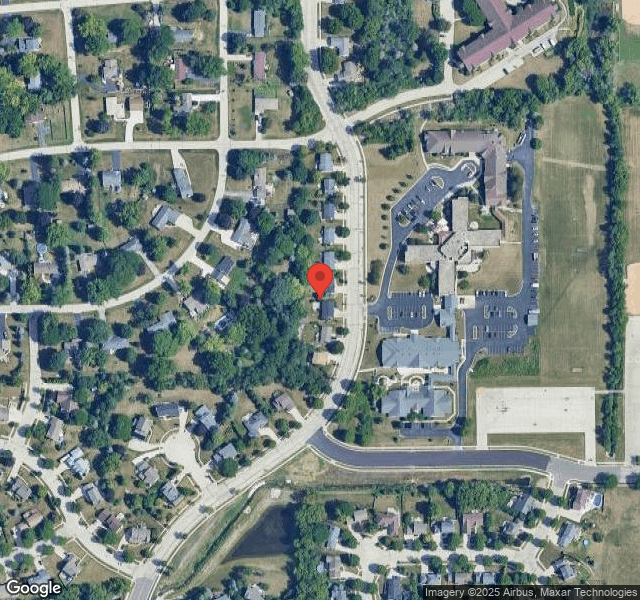
425 N UNIVERSITY DR, WAUKESHA, WI 53188 (262) 524-6400
Non profit - Corporation 61 Beds Independent Data: November 2025 1 Immediate Jeopardy citation
Trust Grade
8/100
#291 of 321 in WI
Last Inspection: June 2024

Within standard 12-15 month inspection cycle. Federal law requires annual inspections.

Overview

Lindengrove Waukesha has received a Trust Grade of F, indicating significant concerns about the quality of care provided at this facility. With a state rank of #291 out of 321 in Wisconsin, they are in the bottom half of nursing homes, and they rank #15 out of 17 in Waukesha County, suggesting there are only two local options that are better. Although the facility is improving, having reduced its issues from 25 in 2024 to 4 in 2025, there are still serious concerns to note. Staffing is a relative strength with a rating of 4 out of 5 stars, but the turnover rate of 76% is alarming compared to the state average of 47%. However, the facility has faced serious deficiencies, including a critical incident where a resident with pressure injuries did not receive necessary treatment, leading to worsening conditions. Additionally, a resident developed a stage 3 pressure injury due to inadequate monitoring. Sanitation issues were also noted in the kitchen, with improper food handling practices that could affect residents' health. While there are positive aspects to the staffing, families should carefully consider the reported deficiencies and overall quality of care when researching this home.

Trust Score
F
8/100
In Wisconsin
#291/321
Bottom 10%
Safety Record
High Risk
Review needed
Inspections
Getting Better
25 → 4 violations
Staff Stability
⚠ Watch
76% turnover. Very high, 28 points above average. Constant new faces learning your loved one's needs.
Penalties
✓ Good
$39,621 in fines. Lower than most Wisconsin facilities. Relatively clean record.
Skilled Nurses
✓ Good
Each resident gets 57 minutes of Registered Nurse (RN) attention daily — more than average for Wisconsin. RNs are trained to catch health problems early.
Violations
⚠ Watch
38 deficiencies on record. Higher than average. Multiple issues found across inspections.
★☆☆☆☆
1.0
Overall Rating
★★★★☆
4.0
Staff Levels
★☆☆☆☆
1.0
Care Quality
★★☆☆☆
2.0
Inspection Score
Stable
2024: 25 issues
2025: 4 issues

The Good

  • 4-Star Staffing Rating · Above-average nurse staffing levels
  • Full Sprinkler Coverage · Fire safety systems throughout facility
  • No fines on record

Facility shows strength in staffing levels, fire safety.

The Bad

1-Star Overall Rating

Below Wisconsin average (3.0)

Significant quality concerns identified by CMS

Staff Turnover: 76%

29pts above Wisconsin avg (46%)

Frequent staff changes - ask about care continuity

Federal Fines: $39,621

Above median ($33,413)

Moderate penalties - review what triggered them

Staff turnover is very high (76%)

28 points above Wisconsin average of 48%

The Ugly 38 deficiencies on record

1 life-threatening 1 actual harm
Sept 2025 1 deficiency
CONCERN (D) 📢 Someone Reported This

A family member, employee, or ombudsman was alarmed enough to file a formal complaint

Potential for Harm - no one hurt, but risky conditions existed

Report Alleged Abuse (Tag F0609)

Could have caused harm · This affected 1 resident

**NOTE- TERMS IN BRACKETS HAVE BEEN EDITED TO PROTECT CONFIDENTIALITY** Based on interview and record review, the facility did not ensure that 2 (R8 and R30) of 2 residents with allegations of abuse w...

Read full inspector narrative →
**NOTE- TERMS IN BRACKETS HAVE BEEN EDITED TO PROTECT CONFIDENTIALITY** Based on interview and record review, the facility did not ensure that 2 (R8 and R30) of 2 residents with allegations of abuse was reported to the State Survey Agency within the required reporting timeframe. *On 7/3/25, R8's Activated Power of Attorney (APOA) notified Director of Nursing (DON)-B that R8's wallet was missing. The facility started an investigated on 7/3/25 and submitted an initial report to the State Agency on 7/3/25, at 3:57 PM. The facility did not submit a 5-day report to the State Agency as required. *R30 informed Surveyor that a facility staff member, Certified Nursing Assistant (CNA)-F, yelled at R30 and made R30 scared. R30 had informed Certified Nursing Assistant (CNA)-E of the interaction between R30 and CNA-F. R30 stated that CNA-E informed R30 that CNA-E would file a complaint. CNA-E did not file a complaint and did not inform Assistant Director of Nursing (ADON)-D, Director of Nursing (DON)-B or Nursing Home Administrator (NHA)-A of R30's concern. On 9/8/25, Surveyor informed NHA-A that R30 reported to Surveyor that a facility staff member yelled at R30 and made R30 scared. NHA-A did not report this to the State Agency as an allegation of potential abuse. Findings include: The facility's policy titled “Comprehensive Abuse, Neglect, Mistreatment and Misappropriation of Resident Property Program”, dated 8/28/17, last reviewed 11/8/23, documents: Abuse is the willful infliction of injury, unreasonable confinement, intimidation or punishment with resulting physical harm, pain or mental anguish. Abuse also includes the deprivation by a resident, including a caretaker, of goods or services that are necessary to attain or maintain physical, mental, and psychosocial well-being. Instances of abuse of all residents, irrespective of any mental or physical condition, cause physical harm, pain or mental anguish. Abuse includes verbal abuse, sexual abuse, physical abuse and mental abuse, including abuse facilitated or enabled through the use of technology. Abuse Policy Requirements: Immediately upon receiving a report on alleged abuse, the Executive Director, and or designee will coordinate delivery of appropriate medical and/or psychological care and attention. Ensuring safety and well-being for the vulnerable residents are of utmost priority. Safety, security and support of the resident, their roommate, if applicable and other residents with and potential to be affected will be provided. Reporting and Response: It is the policy of this facility that abuse allegations are reported per Federal and State Law. The facility will ensure that all alleged violations involving abuse, neglect, exploitation or mistreatment, including injuries of unknown source and misappropriation of resident property, are reported immediately, but not later than 2 hours after the allegation is made, if the events that caused the allegation involve abuse or result in serious bodily injury, or not later than 24 hours if the events that caused the allegation do not involve abuse and do not result in serious bodily injury, to the Executive Director of the facility and to other officials (including to the State Survey Agency and adult protective services where state law provides for jurisdiction in long-term care facilities) in accordance with State law through established procedures. In addition, local law enforcement will be notified of any reasonable suspicion of a crime against the resident in the facility. External Reporting: Each covered resident shall report to the State Agency and one or more law enforcement entities for the political subdivision in which the facility is located, any reasonable suspicion of a crime against any resident who is a resident of or is receiving care from, the facility, and each covered resident shall report immediately, but not more than 2 hours after forming the suspicion, if the events that cause the suspicion result in serious bodily injury or not later than 24 hours if the events that cause the suspicion do not result in serious bodily injury. Initial reporting of allegations: If an incident or allegation is considered reportable the Executive Director or designee will make an initial (Immediate or within 24 hours) report to the State Agency. A follow up investigation will be submitted to the State Agency within five (5) working days. When making a report, Misconduct Incident Reporting (MIR) system will be used. Report the results of all investigations to the Executive Director or his or her designated representative and to other officials in accordance with State law, including immediate or 24 hour reporting to the State Survey Agency, law enforcement and the follow up report to the State Agency, within 5 working days of the incident, and if the alleged violation is verified appropriate corrective action must be taken. Law Enforcement: All reports of suspected crime and/or alleged sexual abuse must be immediately reported to local law enforcement to be investigated. Facility staff will fully cooperate with the local law enforcement designee. 1.) R8 is a [AGE] year-old resident who was admitted to the facility on [DATE] with diagnoses that include dementia, anxiety, osteoporosis, macular degeneration, glaucoma, history of falls, weakness, difficulty walking, and Peripheral Vascular Disease (PVD). R8's Significant Change Minimum Data Set (MDS) completed 7/8/25 documents that R8 has a history of one fall with a fracture in the last month. R8 requires substantial/maximal assistance with showering, chair to bed transfers, and rolling left to right. R8 is dependent for toileting hygiene, and shower transfers. R8 was documented as having a Brief Interview for Mental Status (BIMS) score of 3, indicating that R8 is severe cognitively impaired. On 9/9/25, Surveyor reviewed the facility self-report for allegations of misappropriation for R8, which documents the following: Initial report submitted to the State Agency on 7/3/25, at 3:57 PM. On 7/3/25, R8's APOA reported to DON-B, R8's wallet was missing out of R8's purse. Social Worker (SW)-C immediately performed the facility investigation on 7/3/25. SW-C interviewed R8 who agreed to have SW-C search R8's room and laundry. SW-C was unable to locate R8's wallet after searching R8's room and laundry. Facility staff contacted local law enforcement on 7/3/25. Self-report Summary was signed and dated 7/8/25, by Nursing Home Administrator (NHA)-A. SW-C performed interviews and statements with R8, R8's APOA, 22 residents, and 5 staff members. Surveyor noted there is was 5-day report submitted to the State Agency as required. On 9/10/25, at 1:19 PM, Surveyor interviewed SW-C who indicated that she was notified on 7/3/25, by DON-B of allegations of misappropriation with R8's missing wallet. SW-C stated she started an investigation immediately on 7/3/25. SW-C states she contacted local law enforcement, and a case number was provided. SW-C states NHA-A submits self-reports to the State Agency. On 9/11/25, at 8:41 AM, Surveyor interviewed NHA-A who indicated he is responsible for submitting facility self-reports to the State Agency. NHA-A states he was notified of allegations of misappropriation with R8's wallet missing on 7/3/25. NHA-A states SW-C started an investigation immediately on 7/3/25. NHA-A states he submitted the initial self-report of the allegations of misappropriation of R8's wallet going missing on 7/3/25. Surveyor asked NHA-A for documentation of the 5-day self-report being submitted to the State Agency. NHA-A stated he did not submit the 5-day self-report as required. Surveyor asked why the 5-day self-report wasn't submitted to the State Agency. NHA-A replied he was submitting facility self-reports by email to the State Agency for a while but had recently switched email accounts and is now unable to locate an email confirming the 5-day report was submitted to the State Agency for the allegations of misappropriation of R8's missing wallet. NHA-A then stated his emails delete after 30 days. Surveyor notified NHA-A of concerns with the 5-day self-report not being submitted to the State Agency as required and requested additional information if available. NHA-A acknowledged these concerns. No additional information was provided. 2.) R30 was admitted to the facility on [DATE]. R30's Quarterly Minimum Data Set (MDS) assessment dated [DATE] documents R30 is cognitively intact. On 9/8/25 at 10:44 AM, R30 informed Surveyor that about 4 to 6 weeks ago, R30 put R30's call light on. R30 stated that R30 has an electric wheelchair and wanted to know if it was plugged in or not so that R30 could use it later in the day. R30 stated that a CNA-F came in to answer the call light and started yelling at R30. R30 indicated that the CNA-F screamed that CNA-F did not have time for questions like that. R30 stated that CNA-F scared R30. R30 stated that R30 and R30's family member informed CNA-E that same day of the interaction. R30 stated that CNA-E told R30 that CNA-E would file a complaint. R30 stated that CNA-F returned to R30's room and confronted R30 and CNA-F asked R30 if R30 had put a complaint in about CNA-F. R30 stated that R30 was scared but told CNA-F that R30 did complain about CNA-F and how CNA-F screamed at R30. R30 stated that no one else from the facility talked to R30 about the interaction. R30 stated that after CNA-F screamed and scared R30, R30 never saw CNA-F again. Surveyor reviewed the facility reported incident files for the last 3 months and a report about this interaction between R30 and CNA-F and none was located. Surveyor reviewed the facility grievance log for the last 3 months and no grievance for this interaction between R30 and CNA-F and none was located. On 9/8/25 at 2:43 PM, Surveyor interviewed CNA-E. Surveyor asked if CNA-E recalled a time that R30 reported to CNA-E an incident of R30 being yelled at and scared of a facility employee. CNA-E stated that over a month ago, R30 and R30's family member informed CNA-E that a different staff member yelled at R30 and that R30 and did not like the way R30 was talked to. CNA-E stated that at the time R30 could not remember the name of the CNA who yelled at R30. Surveyor asked if CNA-E reported the incident to anyone. CNA-E stated No. CNA-E stated that CNA-E told R30 to tell the nurse and told R30 that CNA-E could not do anything if R30 did not know the name of who it was that yelled at R30. Surveyor asked what CNA-E should do if a resident reports a different staff member yelling and making them scared. CNA-E stated that if there was a situation of abuse, CNA-E would take that seriously. CNA-E would first go to the coworker to see what happened and then go the nurse. CNA-E indicated that sometimes staff can be cranky in the morning and can short with other staff and residents. CNA-E stated that R30's interaction was not an abuse situation and CNA-E would have done something if CNA-E believed that it was abusive. On 9/8/25 at 2:56 PM, Surveyor informed Nursing Home Administrator (NHA)-A that R30 reported to Surveyor that about 4 to 6 weeks ago, a CNA yelled at R30 and made R30 scared. R30 reported this to CNA-E who told R30 that CNA-E would file a complaint. CNA-E did not file a complaint or grievance. R30 told Surveyor that the CNA who yelled at R30 returned to R30's room and confronted R30. R30 stated again that during that interaction R30 was scared. Surveyor asked NHA-A what NHA-A would expect staff to do if they were told by a resident that they were yelled or scared of a different facility staff. NHA-A stated that they should let the nurse, supervisor and NHA-A know and NHA-A would take it from there. NHA-A stated that the facility will go speak to R30 and follow up with CNA-E about the incident. On 9/9/25 at 11:01 AM, Surveyor interviewed Assistant Director of Nursing (ADON)-D. Surveyor asked if ADON-D had been informed weeks ago that R30 reported that a staff member yelled at R30. ADON-D stated that ADON-D had not heard anything about that. Surveyor asked what a staff member should do if a resident reports to a staff that a different staff member yelled at them. ADON-D stated that staff should come to one of us (management). From there, they would submit a grievance and discuss the incident with management team to see if anything further should be done. On 9/9/25 at 1:18 PM, Surveyor interviewed Social Worker (SW)-C. SW-C stated that SW-C spoke to R30 yesterday. SW-C stated that the CNA who yelled at R30 is no longer working for the facility. SW-C stated that SW-C did fill out a grievance for R30 regarding the incident from weeks ago. SW-C stated that NHA-A spoke to CNA-E about the incident. SW-C provided R30's grievance to Surveyor. R30's grievance dated 9/8/25 documents, in part: … Resident expressed concern to Surveyor regarding a verbal interaction she had with a CNA 4-6 weeks ago… Facility spoke with resident and CNA resident reported concerns to at time of incident… CNA Resident had interaction with no longer works at the facility speaking with resident. [R30] has had no further concerns regarding verbal interactions with staff. CNA that received concern educated on grievance process… On 9/9/25 at 1:22 PM, Surveyor spoke to NHA-A. NHA-A stated that facility staff spoke to R30 yesterday. NHA-A stated that everything is good, and this was one isolated incident. NHA-A stated that CNA-E knew who R30 was talking about (CNA-F). NHA-A stated that CNA-F no longer works for the facility. NHA-A stated that the situation should have been brought to the nurse's attention, and a staff should have followed the grievance process. NHA-A indicated that a grievance had now been filed. Surveyor reviewed CNA-F's employee file and noted CNA-F's last day of employment at the facility was 8/5/25. On 9/9/25 at 2:37 PM, Surveyor shared concern with NHA-A that Surveyor was told by R30 that a facility staff member screamed at R30 and scared R30. Surveyor shared this with NHA-A on 9/8/25 at 2:56 PM and this was not reported to the State Agency as an allegation of abuse. NHA-A stated that R30 did not report this to facility staff when they went to go speak to R30 yesterday. Surveyor informed NHA-A that R30 made the allegation of abuse to Surveyor and after Surveyor informed NHA-A, the allegation should have been reported to the State Agency. No additional information was provided.
May 2025 3 deficiencies
CONCERN (D) 📢 Someone Reported This

A family member, employee, or ombudsman was alarmed enough to file a formal complaint

Potential for Harm - no one hurt, but risky conditions existed

Quality of Care (Tag F0684)

Could have caused harm · This affected 1 resident

**NOTE- TERMS IN BRACKETS HAVE BEEN EDITED TO PROTECT CONFIDENTIALITY** Based on record review, interview, and facility policy review, the facility failed to accurately transcribe medication orders to...

Read full inspector narrative →
**NOTE- TERMS IN BRACKETS HAVE BEEN EDITED TO PROTECT CONFIDENTIALITY** Based on record review, interview, and facility policy review, the facility failed to accurately transcribe medication orders to ensure correct administration of prednisone (oral steroid) and failed to notify the provider of elevated blood glucose levels for one of three residents (Resident (R) 2) reviewed for blood sugars out of 10 sampled residents. This failure had the potential to result in withdrawal symptoms from not tapering the prednisone and in adverse health effects from not managing elevated blood glucose levels. Findings include: Review of the facility's policy titled, Medication Administration-General Guidelines, revised 12/19, revealed Medications are administered as prescribed . Review of the facility's undated policy titled, Standard Diabetes Mellitus Protocol revealed . 2) blood sugars to be within parameters as determined by the physician orders 3) exhibit no hypo/hyperglycemic episodes . update physician and responsible party as needed . Review of R2's admission Record located in the electronic medical record (EMR) under the Profile tab, indicated the resident was admitted to the facility on [DATE] and re-admitted on [DATE] following a hospital stay. R2 had diagnoses including diabetes mellitus, spinal stenosis, and sciatica. Review of R2's admission Minimum Data Set (MDS) with an Assessment Reference Date (ARD) of 09/25/24 and located in the EMR under the MDS tab revealed a Brief Interview for Mental Status (BIMS) score of 15 out of 15, indicating R2 was cognitively intact. Review of R2's Care Plan located in the EMR under the Care Plan tab, documented The resident has acute/chronic pain, initiated on 09/26/24 with an intervention, Administer medication per MD [medical doctor] orders. Review of R2's hospital Discharge Summary, dated 10/03/24 and located in the Documents tab of the EMR, revealed R2 had low back pain, sciatic pain, and spinal stenosis. It included an order to start prednisone 20 milligrams (mg) two tablets for three days, then 1.5 tablets for three days, then one tablet for three days, then 0.5 tablets for three days. During an interview on 05/28/25 at 10:43 AM, R2 stated she went out to the hospital and returned on a prednisone taper. There were days they wouldn't give it to me and days they gave me the incorrect number of tablets. Review of R2's Orders tab of the EMR, revealed orders for prednisone, reflected in the Medication Administration Record (MAR) dated 10/24 as: -20 mg, give two tablets for three days from 10/04/24 to 10/06/24, documented as administered. -20 mg, give two tablets for three days, with a start date and discontinued date of 10/07/24, documented as administered on 10/07/24. -20 mg, give two tablets from 10/10/24 to 10/12/24, documented as administered on 10/10/24 and as refused on 10/11/24 and 10/12/24. -20 mg, give 1.5 tablets from 10/13/24 to 10/15/24, documented as administered on 10/13/24 and as refused on 10/14/24 and 10/15/24. -20 mg, give one tablet from 10/16/24 to 10/18/24, documented as refused. -20 mg, give 0.5 tablets on 10/19/24 and 10/20/24, documented as refused. During an interview on 05/29/25 at 2:45 PM, the Director of Nursing (DON) reported orders for new admissions were put into the EMR based on the hospital discharge summary by an off-site informatics department. The orders went into a queue for two onsite nurses to verify. During an interview on 05/29/25 at 2:50 PM, the DON reported R2's prednisone orders on the MAR did not reflect what was ordered by the hospital. 2. Review of R2's Care Plan located in the EMR under the Care Plan tab, documented The resident has diabetes mellitus, initiated on 09/18/24 with an intervention, blood sugar monitoring as ordered by doctor. Review of R2's Orders tab of the EMR revealed an order, dated 10/03/24, for blood glucose tests four times daily, without parameters as to when to notify the provider. Lispro insulin was ordered from 10/03/24 to 10/07/24 in the afternoon and from 10/03/24 to 10/06/24 in the evening with no parameters provided as to when to notify the provider. Starting on 10/07/24 in the evening the sliding scale lispro insulin orders were clarified and also updated to include if blood sugar > 400 call provider. Review of R2's October 2024 MAR located under the Orders tab of the EMR, revealed two recorded blood glucose levels over 400. There were readings of 444 on 10/06/24 at 7:00 PM and 418 on 10/07/24 at 3:00 PM. Review of the Prog Notes tab of the EMR revealed a Nurse's Note, dated 10/06/24 at 7:38 PM: Resident is being monitored for hyperglycemia [high blood glucose]. No issues noted this shift. Resident has denied any s/s [signs/symptoms] related to hyperglycemia . There was no documentation of elevated blood glucose levels reported to the provider on 10/06/24 or 10/07/24. During an interview on 05/28/25 at 10:43 AM, R2 stated there were two nights she went to bed with a blood glucose over 400 for which staff did nothing. R2 received no additional insulin or a recheck of her blood glucose. During an interview on 05/28/25 at 11:32 AM, Registered Nurse (RN) 2 stated nurses were to notify the physician of elevated blood glucose levels based on the parameters in their orders. If there were no parameters, RN2 called the provider to obtain them. During an interview on 05/29/25 at 10:45 AM, Medication Administration Assistant (CMA) 1, who recorded the blood glucose level of 444 on 10/06/24, stated she could not recall that specific reading, but she would have reported a reading that high to the nurse immediately. During an interview on 05/29/25 at 11:40 AM, the Assistant Director of Nursing (ADON) reported that the facility reviewed new admissions with the nurse practitioner who determined orders specific to the resident on when to notify a provider of a blood glucose reading. During an interview on 05/29/25 at 3:00 PM, RN1 stated she went off the parameters in the order as to when to notify a provider of an elevated blood glucose reading. RN1 stated if there were no parameters, she notified the provider if a blood glucose reading was greater than 400. RN1 was unable to recall R2's reading of 418 on 10/07/24 but felt she would have notified the provider and documented the notification to the provider. During an interview on 05/29/25 at 4:05 PM, the DON reported she expected the provider to be notified of blood glucose readings greater than 400, or per the ordered parameters if they were different. The DON stated nurses were expected to document the notification to the provider and the provider's response in the EMR. The DON was unable to find evidence that the provider had been notified of the elevated blood glucose levels on 10/06/24 and 10/07/24.
CONCERN (D) 📢 Someone Reported This

A family member, employee, or ombudsman was alarmed enough to file a formal complaint

Potential for Harm - no one hurt, but risky conditions existed

Pressure Ulcer Prevention (Tag F0686)

Could have caused harm · This affected 1 resident

**NOTE- TERMS IN BRACKETS HAVE BEEN EDITED TO PROTECT CONFIDENTIALITY** Based on observation, interview, record review, and facility policy review, the facility failed to obtain wound treatment orders...

Read full inspector narrative →
**NOTE- TERMS IN BRACKETS HAVE BEEN EDITED TO PROTECT CONFIDENTIALITY** Based on observation, interview, record review, and facility policy review, the facility failed to obtain wound treatment orders timely when a pressure injury was identified for two of three residents (Resident (R) 4 and R1) reviewed for pressure injury out of 10 sample residents. This had the potential for residents' pressure injuries to decline. Findings include: Review of the facility's policy titled, Pressure Injury Prevention and Managing Skin Integrity, dated 02/08/17, revealed: The care and intervention for any skin breakdown or wound is intended to prevent any further advancement of the wound or additional skin breakdown. 1. There will be collaboration with the interdisciplinary team [IDT] regarding the presence of breakdown and the intervention plan . Upon identification of abnormal skin findings, a licensed nurse will complete a skin assessment. Individual with abnormal skin concern(s) will be added to weekly wound rounds. Registered Nurse [RN] or designee will: i. conduct weekly skin evaluation, ii. Update the [primary care provider] with any decline in wound appearance, or as necessary, iii. Update the care plan with any new interventions as applicable . 1. Review of R4's admission Record located in the electronic medical record (EMR) under the Profile tab, indicated the resident was admitted to the facility on [DATE] and had diagnoses including encounter for surgical aftercare following surgery on the digestive system and muscle weakness. Review of R4's admission Minimum Data Set (MDS) with an Assessment Reference Date (ARD) of 03/24/25 and located in the EMR under the MDS tab revealed a Brief Interview for Mental Status (BIMS) score of 15 out of 15, indicating intact cognition. The assessment revealed R4 was at risk for the development of pressure injuries but had none. Review of R4's eINTERACT Change in Condition Evaluation, dated 03/30/25 and located in the Assessments tab of the EMR, revealed R4 had a new mixed stage 1-2 pressure injury to her right gluteal fold. Located during cares. Cleansed with wound cleanser MD [medical doctor] notified through [facility's messaging system]. Orders received. Review of R4's Orders tab of the EMR, revealed no treatment orders for a pressure injury during her stay. No new orders were placed on 03/30/25, and R4 discharged on 04/09/25 to the hospital without orders for wound care. Review of R4's Care Plan located in the Care Plan tab of the EMR revealed R4 admitted with redness to her groin, initiated 03/18/25 with a goal of maintaining or developing clean and intact skin. The Care Plan did not address the pressure injury until 04/09/25 when it was added to the dietary focus. During an interview on 05/28/25 at 11:32 AM, Registered Nurse (RN) 2 stated if a resident was observed to have a new wound, the nurse gathered data and documented the information on a skin assessment. RN2 stated then the nurse obtained orders from the provider based on the observation and assessment. We have to document in the system what the wound is, make notifications to the provider, ensure we have orders, and get the resident on the weekly wound rounds list. During an interview on 05/28/25 at 11:40 AM, Assistant Director of Nursing (ADON) reviewed R4's documentation and reported she was unable to find any treatment orders for the pressure injury. During an interview on 05/29/25 at 1:40 PM, the Director of Nursing (DON) reported that when a resident developed a new pressure injury, it was expected that nursing would document it in risk management, which the DON checked daily. The DON stated R4's pressure injury was not put into risk management, and the order the nurse received was never documented. During an interview on 05/29/25 at 2:45 PM, the ADON reported she was doing off-site training when R4 was observed with the new pressure injury, so no one reported it to her. ADON stated the nurse who identified the pressure injury put the treatment on the 24-hour board (the system the facility used for residents who need additional monitoring) but did not put an order in the EMR for staff to refer to and sign off when completed. The ADON stated the order received was for mepilex (a wound dressing). 2. Review of R1's admission Record located in the EMR under the Profile tab, indicated the resident was admitted to the facility on [DATE] with diagnoses including diabetes and vascular dementia. Review of R1's quarterly MDS with an ARD of 03/04/25 and located in the EMR under the MDS tab, revealed a BIMS score of six out of 15, indicating severely impaired cognition. R1 had a stage three pressure injury with pressure injury care. Review of R1's Care Plan located in the Care Plan tab of the EMR, revealed The resident has a stage 3 pressure injury to coccyx, initiated on 03/11/25, after Resident admitted with a wound to his coccyx, initiated on 08/26/24 was resolved. Review of R1's Nurse's Note, dated 08/26/24 and located in the Prog Note tab of the EMR, revealed R1 admitted with a surgical incision and coccyx wound with mepilex and wound vac. Review of R1's Nurse's Note, dated 08/28/24 and located in the Prog Note tab of the EMR, revealed R1's wound vac was removed and had been on his surgical wound on his leg and not on his coccyx. Review of R1's Skin Only Evaluation, dated 08/28/24 and located in the Assessments tab of the EMR, revealed R1 had a stage three pressure injury on his coccyx measuring three centimeters (cm) in length by 1.8 cm in width by 1.2 cm deep. Review of R1's Medication Administration Records (MARs) and Treatment Administration Records (TARs), dated 08/24 and 09/24 and located in the Orders tab of the EMR, revealed no treatment order for the stage three coccyx pressure injury until 09/09/24, two weeks after R1 was admitted to the facility. On 09/09/24, the order was for skin prep around the wound and a foam adhesive bordered gauze every other day to the coccyx. On 08/26/24, R1 had an order on admission for moisture barrier cream apply to topically topically [sic] every 24 hours as needed for ***nurse to enter diagnosis*** which was not signed off as administered. Review of an Initial Wound Evaluation & Management Summary report by the facility's wound provider, Physician1, dated 09/18/24, and located in the Documents tab of the EMR, revealed the wound provider identified R1's coccyx wound as a stage three pressure injury measuring 0.7 x 1.2 x 0.2 cm. During an interview on 05/28/25 at 8:47 AM, the ADON reported she was the facility's wound nurse and had been for about five to six months. The ADON stated prior to her being in the role of wound nurse, there had not been a wound nurse or system. The ADON stated had tried to assist with the initial assessment of resident's wounds when they were admitted . The ADON stated if the hospital ordered a wound treatment; the facility typically used that order. ADON stated if the hospital provided no orders, or there were concerns with the orders provided, the facility obtained orders from Physician1 or the resident's provider. The ADON confirmed R9 had no treatment orders for his coccyx wound from 08/26/25 until 09/09/25. During a concurrent observation and interview on 05/28/25 at 11:08 AM, Physician1 assessed R1's coccyx wound, and the ADON administered the treatment. Physician1 reported the coccyx wound had been getting better. During an interview on 05/29/25 at 1:40 PM, the DON reported she expected the floor nurse to do a Skin Only assessment or admission Evaluation when a resident was admitted . Nursing management reviewed those reports the next business day. The DON stated if a resident was admitted to the facility on a Friday or after hours, the floor nurse was expected to reach out to the provider for a treatment order.
CONCERN (D) 📢 Someone Reported This

A family member, employee, or ombudsman was alarmed enough to file a formal complaint

Potential for Harm - no one hurt, but risky conditions existed

Pharmacy Services (Tag F0755)

Could have caused harm · This affected 1 resident

**NOTE- TERMS IN BRACKETS HAVE BEEN EDITED TO PROTECT CONFIDENTIALITY** Based on observation, interview, record review, and facility policy review, the facility failed to have medications available to...

Read full inspector narrative →
**NOTE- TERMS IN BRACKETS HAVE BEEN EDITED TO PROTECT CONFIDENTIALITY** Based on observation, interview, record review, and facility policy review, the facility failed to have medications available to administer as ordered for two of four residents (Resident (R) 9 and R2) reviewed for medication availability out of 10 sample residents. This had the potential to result in adverse health outcomes. Findings include: Review of the facility's policy titled, Medication Administration - General Guidelines, revised 12/19, revealed: If a dose of regularly scheduled medication is withheld, refused, not available, or given at a time other than the scheduled time (e.g., the resident is not in the facility at scheduled dose time, or a starter dose of antibiotic is needed), .If electronic MAR [Medication Administration Record] is used, documentation of the unadministered dose is done as instructed by the procedures for use of the eMAR [electronic MAR] system . If [XX consecutive doses] of a vital medication are withheld, refused, or not available, the physician is notified. Nursing documents the notification and physician response. 1. Review of R9's admission Record located in the electronic medical record (EMR) under the Profile tab, indicated the resident was admitted to the facility on [DATE]. R9 had diagnoses including chronic respiratory failure with hypoxia (low oxygen levels). Review of R9's admission Minimum Data Set (MDS) with an Assessment Reference Date (ARD) of 05/21/25 and located in the EMR under the MDS tab revealed a Brief Interview for Mental Status (BIMS) score of 13 out of 15, indicating intact cognition. Review of R9's Orders tab of the EMR, revealed an order for Breztri aerosphere inhaler two puffs twice daily for respiratory treatment, dated 05/14/25. Review of R9's MAR dated 05/25 and located under the Orders tab of the EMR, revealed the Breztri was documented with the code 9, which referred the reviewer to other/see progress notes for the evening doses on 05/21/25, 05/22/25, and 05/24/25. Fourteen of 28 doses from 05/14/25 to 5/28/25 were coded as 16 which indicated med unavailable - pharmacy contacted. Review of R9's eMar- Medication Administration Notes, located under the Prog Notes tab of the EMR, revealed the Breztri inhaler was on order on 05/21/25, 05/22/25, and 05/24/25. During an observation on 05/28/25 at 8:30 AM, Registered Nurse (RN) 3 administered R9's morning medications. The Breztri inhaler was unavailable, and RN3 documented a Progress Note stating, Pharmacy was notified however no inhaler has been received. During an interview on 05/28/25 at 8:40 AM, RN3 stated, I called pharmacy last week. It's a high-cost medication and so needs approval from management. When asked how management approved medications, RN3 stated the pharmacy faxed over a request, which the management needed to sign and return. During an interview on 05/29/25 at 11:40 AM, the Assistant Director of Nursing (ADON) stated the Director of Nursing (DON) was responsible for authorizing high-cost medications. The ADON stated if she was aware that medications were high cost, she spoke to the nurse practitioner who then spoke to the resident about changing high-cost medications to an alternative medication. ADON reported she was unaware R8's Breztri was unavailable because of the pharmacy needing authorization to send it. During an interview on 05/29/25 at 12:06 PM, Pharmacist1 reported the pharmacy had not sent R8's Breztri inhaler due to waiting on facility authorization due to the cost. The Pharmacist1 stated the pharmacy faxed requests for authorization on 05/14/25 and 05/22/25. During an interview on 05/29/25 at 1:40 PM, the DON reported she communicated with the resident about high-cost medications when the pharmacy sent faxes for authorization. The DON stated she was not notified that R8's Breztri needed authorization. During an interview on 05/29/25 at 2:50 PM, the DON stated she expected if medication was unavailable to administer, staff to check the contingency supply. The DON stated if the medication was not in contingency, staff were expected to call pharmacy and notify nursing management of the reason the medication was not available so they could follow up. 2. Review of R2's admission Record located in the EMR under the Profile tab, indicated the resident was admitted to the facility on [DATE]. R2 had diagnoses including chronic obstructive pulmonary disease (COPD) and asthma. Review of R2's admission MDS with an ARD of 09/25/24 and located in the EMR under the MDS tab revealed a BIMS score of 15 out of 15, indicating intact cognition. Review of R2's Orders tab of the EMR, revealed an order for fluticasone-salmeterol (Advair) inhaler twice daily on 09/18/24 and renewed on 10/03/24. Review of R2's MARs, dated 09/24 and 10/25 and located under the Orders tab of the EMR, revealed the Advair inhaler was documented with the code 9, which referred the reviewer to other/see progress notes for the evening doses on 09/18/24 and 09/23/24 and for the day dose on 09/22/24. The 09/21/24 and 10/08/24 morning doses were coded as 16 which indicated med unavailable - pharmacy contacted. There was no documentation to indicate the Advair was administered for the morning doses on 09/23/24 and 10/04/24 or the evening dose on 09/24/24. Review of R2's eMar - Medication Administration Notes, located under the Prog Notes tab of the EMR, revealed the Advair inhaler was Not available, waiting pharmacy on 09/18/24, not available, waiting pharmacy on 09/22/24, and on order on 09/23/24. During an interview on 05/28/25 at 10:43 AM, R2 reported she did not receive her Advair discus twice daily as scheduled consistently through her stay. During an interview on 05/29/25 at 12:06 PM, Pharmacist1 reported R2's Advair inhaler was sent to the facility on [DATE] and again on 10/03/24. Pharmacist1 stated each inhaler provided 60 inhalations, good for 30 days, and so should have been available for all her scheduled doses. During an interview on 05/29/25 at 1:40 PM, the DON verified the documentation revealed that R2 had not received doses of the Advair inhaler.
Jun 2024 20 deficiencies 1 IJ
CRITICAL (J) 📢 Someone Reported This

A family member, employee, or ombudsman was alarmed enough to file a formal complaint

Immediate Jeopardy (IJ) - the most serious Medicare violation

Pressure Ulcer Prevention (Tag F0686)

Someone could have died · This affected 1 resident

**NOTE- TERMS IN BRACKETS HAVE BEEN EDITED TO PROTECT CONFIDENTIALITY** Based on observation, interview, and record review the facility did not ensure residents with a pressure injury or at risk for p...

Read full inspector narrative →
**NOTE- TERMS IN BRACKETS HAVE BEEN EDITED TO PROTECT CONFIDENTIALITY** Based on observation, interview, and record review the facility did not ensure residents with a pressure injury or at risk for pressure injuries received necessary treatment and services consistent with professional standards of practice, to prevent the development of pressure injuries and to promote healing for 1 (R8) of 3 residents reviewed for pressure injuries. R8 admitted to the facility with pressure injuries (PIs) on her left heel and right lateral foot which later resolved. R8 was assessed as high risk for PIs. Despite being at high risk, R8's physician's order for an air mattress was not implemented, a care plan for actual skin impairment was not initiated timely, and her weekly skin assessments were not completed weekly as per facility policy. R8 developed pressure injuries to her right lower extremity that deteriorated to a stage 3 and a stage 4 with necrosis and muscle/fascia visible in addition to developing two stage 2 PIs to her buttocks. R8's care plan was never revised with interventions to promote healing. Surveyors had observations of orders including repositioning and heel offloading not being implemented as well as observations of R8 removing her dressings and scratching the open areas with dirty fingernails. The facility's failure to provide care to prevent the development of pressure injuries and promote the healing of R8's pressure injuries, the failure to assess and update resident's pressure injury care plan, monitor R8's dressings, and provide repositioning created a finding of immediate jeopardy (IJ) that began on 1/31/2024. Surveyor notified Nursing Home Administrator (NHA)-A, Interim Director of Nursing (Interim DON)-C and assistant DON (ADON)-D of the immediate jeopardy on 5/30/2024 at 11:41 AM. The immediate jeopardy was removed on 6/3/24. The deficient practice continues as a scope and severity of a D (potential for harm/isolated) as the facility continues to implement their action plan. Findings include: The facility policy titled, Pressure Injury Prevention and Managing Skin Integrity, reviewed on 8/10/2023, documents: I. Policy: Prevention measures are put in place to reduce the occurrence of pressure injuries. II. Procedure: 1. Risk Assessment. a. Upon admission: Braden Scale will be completed to evaluate individual's risk for developing a pressure injury at admission, and weekly for four weeks for all new admissions. c. Based on the individuals Braden Scale Score, pressure reduction interventions will be implemented by nursing and documented in the individual's medical record. 2. Identify Interventions and Care Plan, a. Identify Interventions i. The care and intervention for any identified skin breakdown or wound is intended to prevent any further advancement of the wound or additional skin breakdown . 3. Identification of risk factors present or acquired that compromise skin integrity will be considered. b. Care Plan. i. In developing a plan of care, the following will be considered: 1. Individual pressure injury history, 2. Cognitive changes or impairment of the individual. 3. Current state of skin integrity and personal hygiene practices of the individual that impact skin health . 5. Risk for pressure ulcer development (Braden Scale). 3. Skin Checks; a. Skin check will be done upon admission, readmission, or as clinically indicated. b. While providing routine care, a licensed nurse is to monitor the skin condition of each individual weekly and document the Skin Check in the medical record. 4. Weekly Wound Rounds, . b. Registered Nurse (RN) or designee will: i. Conduct weekly skin evaluation . iii. Update the Care Plan with any new interventions as applicable . R8 was admitted to the facility on [DATE] and has diagnoses that include (idiopathic) normal pressure hydrocephalus, delusional disorder, chronic kidney disease stage 3, neoplasm of unspecified behavior of brain, major depressive disorder, and dementia with other behavioral disturbance. R8's quarterly minimum data set (MDS) dated [DATE] indicates R8 has severely impaired cognition with a Brief Interview for Mental Status (BIMS) score of 4; requires maximal assistance with 1 staff member for repositioning and is dependent on 1 staff member for personal hygiene. R8 requires a Hoyer lift with 2 staff members for transferring and is incontinent of bowel and bladder and wears an adult brief. On 8/15/23, the facility assessed R8 to be high risk for the development of pressure injuries with a Braden score of 11. Surveyor notes R8 was admitted to the facility with pressure injuries to the left heel and right lateral foot, both resolved on 11/29/2023. R8 had a significant change MDS completed on 4/26/2024 and the facility assessed R8 to be dependent on staff with repositioning as well as all activities of daily living (ADLs) with assistance of 1 staff member. R8 has an activated POA (Power of Attorney.) Surveyor reviewed R8's physician orders and noted an air mattress was ordered on 9/14/2023 and was never implemented. Surveyor observed R8's current mattress is a foam mattress. Surveyor reviewed the Manufacturer's Owner's Manual and noted a description for the memory foam flip mattress, and it was designed to provide different levels of comfort on the two opposing sides of the mattress. The memory foam side of the mattress features a soft viscoelastic foam top layer with three support layers underneath. The traditional foam side of the mattress has a firmer feel while still providing comfort and pressure redistribution. A super-soft heel section is featured on both sides of the mattress . On 5/29/2024 at 3:46 PM, Surveyor interviewed Interim Director of Nursing (DON)-C who stated they are not sure why R8's air mattress was never implemented when ordered on 9/14/2023. Interim DON-C stated there may be a story there but would have to look into it. Surveyor never received further information regarding why R8's air mattress was never implemented. R8's care plan for actual skin impairment was not initiated until 9/27/2023 (6 weeks after admission with pressure injuries) and included the following interventions: - Encourage good nutrition and hydration in order to promote healthier skin. - Monitor/document location, size, and treatment of skin injury. Report abnormalities, failure to heal s/sx of infection, maceration, etc . - Nursing collaborate with [Name of Wound Care company] wound care consultants on changes to or worsening of the wound. R8's current Certified Nursing Assistant (CNA) [NAME] has the following interventions as of 5/29/2024: - Check positioning in chair and when alone in room, tilt chair back with feet elevated for safety and proper lower extremity position. Surveyor reviewed R8's [Wound Care Company] wound care assessments and noted on 1/31/2024 R8 was assessed to have two unstageable deep tissue injuries (DTIs): - Right lateral foot measuring 0.5 cm (centimeters) x 1.0 cm (length x width x depth) - Right ankle measuring 0.5 cm x 0.5 cm New orders included: - Skin prep ordered - Offload wound, reposition, pressure off loading boots Surveyor noted R8's care plan and CNA [NAME] were not revised with the new interventions for offloading, pressure off loading boots, or repositioning. On 3/6/2024, the facility's assessment of R8's right ankle wound is documented as an unstageable PI with necrosis, 1 x 1 x 0.2, 20% necrotic (dead,) 80% granulation tissue. On 3/13/2024, the facility's assessment of R8's right lateral foot wound is noted to be a stage 3 PI measuring 0.2 x 0.2 x 0.2, 100% granulation tissue. Wound Medical Doctor (Wound MD)-P also indicated a possible concern for bone infection in right ankle due to it not healing and an x-ray was ordered. The x-ray was found to be negative for a bone infection. On 3/20/2024, the facility's assessment of R8's right ankle wound is documented as a Stage 4 measuring, 1 x 1 x 0.4, 20% necrotic, 80% granulation, muscle/fascia visible. On 3/29/2024, Wound MD-P ordered an ace wrap be applied around the right foot to keep the bandages in place. Surveyor noted the new order was not added to R8's care plan or added to R8's MAR (Medication Administration Record)/TAR (Treatment Administration Record). Surveyor did not observe an ace wrap around R8's right foot during the survey. On 5/14/2024, the facility's assessment of R8's right lateral foot wound documents a deterioration from a stage 3 to stage 4, measuring 2 x 2 x 0.3, 100% granulation tissue. On 5/21/2024, R8's wound measurements are documented as: -Right lateral foot, stage 4, 2.0 x 1.8 x 0.2, 90% granulation tissue, 10% muscle -Right ankle, stage 4, 2.0 x 2 x 0.3, 100% granulation tissue On 5/21/2024, Wound MD-P's assessment notes state it was stressed to R8's POA and facility nursing staff the need to ensure the patient offloads site as [R8] favors laying on the right side which is a concern for ongoing source of pressure. Wound MD-P's assessment notes discussed that [R8] has palpable pulse and with improvement seen since last week's assessment, R8 should have the ability to heal, but that will not occur unless R8 continues to have pressure relief to the wound site. Re-reviewed wound orders with nursing to complete as ordered and additionally discussed ways to ensure improved offloading and prevent [R8] from continuing to favor the right side and leading to worsening of [R8's] right foot wound. Discussed with R8's POA additional treatment or adjustment to the GOC (goal of care) for hospice versus aggressive therapies should wound worsen such as amputation. R8's POA wishes to continue with aggressive wound care given seeming improvement possible with offloading measures discussed. Surveyor noted there were no changes to R8's care plan or the CNA [NAME] to include interventions discussed in Wound MD-P's progress notes. Surveyor also noted that the above information was not noted in the progress notes for nursing to see and that the need to make sure R8 is offloading R8's right ankle and pressure injury was not indicated. Surveyor noted the following concerns: - R8's care plan and CNA [NAME] were never revised to include new interventions recommended by Wound MD-P for off-loading, repositioning, and pillow boots. - Multiple notes from Wound MD-P stating patient noncompliance with offloading and repositioning, and behaviors, and this was never addressed in care plan. - Quarterly MDS completed on 11/22/2023 and current MDS done 4/26/2023 do not document R8 refuses cares or is non compliant. Surveyor noted R8's current wound measurements as of 5/28/2024 are: - Right lateral foot, Stage 4, 2.2 x 1.5 x 0.2, 100% granulation tissue - Right ankle, Stage 4, 2 x 1.5 x 0.2 100% granulation tissue Buttock Pressure Injury On 2/7/2024 at 22:46 (10:46 PM) in progress notes, nursing documented, skin only evaluation indicating R8 has an open area on the buttock. Seen by Wound Doctor. Treatment in TAR. No other concerns. Surveyor noted there was no comprehensive assessment of the buttock pressure injury including measurements, description, or location of the open area on R8's buttock. Surveyor also noted there is no documentation by Wound MD-P regarding the open area on buttock from 2/7/2024. Surveyor reviewed R8's February 2024 MAR/TAR and noted a new treatment was not initiated on 2/7/2024 for the newly identified pressure injury. R8 had the following orders in place from 8/15/23 which documented: -[NAME] Buttocks External Ointment (Diaper Rash Products)-Apply to buttocks topically two times a day for skin protection (Start date: 8/15/2023). -Duoderm to right buttock, change every 3 days and PRN (as needed) (Start date: 9/17/2023.) Surveyor noted staff initialed the treatment as being completed 6 out of the 9 scheduled days in February. Surveyor also did not see any progress notes or assessments to indicate why R8's treatment to right buttock was changed from [NAME] Buttock Ointment to a Duoderm dressing three times a day on 9/17/23. Surveyor noted that there are no further assessments or progress notes regarding R8's open area on the buttocks which was noted on 2/7/2024. On 4/9/2024, Wound MD-P submitted a supplemental progress note which indicated R8 has buttock wounds which appear to be pressure related (stage 2) given patient frequently spends long periods of the day in [R8's] recliner. Will use Zinc TID (three times a day) for treatment in addition to upgrading patient cushion and mattress, reposition per protocol. Measurements were provided to Wound MD-P by facility staff: - Right buttock wound 2.1 x 0.49 x 0.1 - Left buttock wound 2.1 x 0.49 x 0.1 (per telephone from facility-did not assess) - Zinc ordered for 3x (times)/day in addition to upgrade patient cushion and mattress, reposition. Surveyor noted R8's mattress was not upgraded on 4/9/2024 as ordered by Wound MD-P. On 4/16/2024, Wound MD assesses R8's buttocks wounds: - Right buttock wound, stage 2, 2.5 x 3.0 x 0.1, open area with exposed dermis - Left buttock wound, stage 2, 5.0 x 1.0 x 0.2, open area with exposed dermis - TX (treatment) changed to leptospermum honey once daily and cover with bordered gauze. R8's current measurements right and left buttocks wounds as of 5/28/2024 are: - Right buttock wound, stage 2, 0.5 x 0.5 x 0.1. - Left buttock wound, stage 2, 3 x 3 x 0.1. On 5/28/2024 at 8:27 AM, Surveyor observed R8 lying on her right side in bed sleeping. Surveyor noted there was not an air mattress on R8's bed and there were 2 blue pillow boots in R8's wheelchair. Surveyor was unable to visualize R8's legs at this time. On 5/28/2024 at 11:03 AM, Surveyor observed R8 lying in bed on her back slightly leaning on R8's right side and R8's legs were turned to the right and R8's right foot/ankle were against the mattress. Surveyor observed two bandages on the sheets next to R8 that were dated 5/28/2024 with [initials] on the bandage. R8 was observed scratching R8's lower extremity. Surveyor asked R8 if Surveyor could look at R8's hands. Surveyor noted R8's fingernails on her right and left hands to be long and dirty. Surveyor also observed R8 throwing a blue type dressing on her bedroom floor where another blue dressing was already lying. Surveyor did not observe R8's feet offloaded, and 2 blue pillow boots were still located on R8's wheelchair. On 5/28/2024 at 11:29 AM, Surveyor observed R8 lying in bed scratching at her lower right leg. 2 bandages were still located on R8 bed, and 2 blue pillow boots were located on R8's wheelchair. Surveyor noted R8's right lower leg was exposed and asked R8 if Surveyor could look at R8's right foot. Surveyor noted an open area on the right lateral side by R8's pinky toe and R8's ankle had open areas that did not have dressing on them and R8 was scratching around the open areas. On 5/28/2024 at 12:36 PM, Surveyor observed CNA-M going into R8's bedroom. CNA-M stated CNA-M was getting R8 up for the day. Surveyor asked CNA-M what interventions R8 has in place for R8's wounds. CNA-M stated R8 gets repositioning at least every two hours and treatments to R8's wounds. Surveyor asked CNA-M if R8 has been getting repositioned. CNA-M stated R8 has been getting repositioned because R8 is unable to do it without help. Surveyor asked CNA-M if R8 is supposed to have dressings on R8's right foot pressure injuries. CNA-M stated CNA-M noticed they were off earlier and told the Nurse. Surveyor asked CNA-M how long ago that was, and CNA-M replied at least a couple hours ago. Surveyor asked CNA-M if R8 had any pressure injuries on R8's buttocks. CNA-M stated that R8 has some areas and gets a barrier cream applied. CNA-M provided cares on R8 and applied a barrier cream to R8's buttocks. On 5/28/2024 at 12:58 PM, Licensed Practical Nurse (LPN)-N entered R8's bedroom. LPN-N stated LPN-N redressed R8's dressings earlier and was not aware they had come off again. LPN-N redressed R8's right foot dressings to R8's right lateral and right ankle pressure injuries and wrapped R8's foot with a Coban dressing so the dressings stay on. LPN-N then cleaned and applied the ordered treatments to R8's right and left buttock pressure injuries. Surveyor asked LPN-N what interventions are in place for R8's wound management. LPN-N stated R8 should be repositioned, receives treatments to the areas, and should have pillow boots on but R8 rubs her legs, and they fall off all the time. On 5/29/2024 at 8:02 AM, Surveyor observed R8 lying slightly on R8's right side, her knees were propped on a pillow and her right ankle was directly against the mattress. R8 did not have pillow boots on and had a Coban wrap around the right foot. Surveyor noted R8's blue pillow boots were sitting on R8's wheelchair. On 5/29/2024 at 11:04 AM, Surveyor observed CNA-M and CNA-O putting R8 into R8's wheelchair. Surveyor asked CNA-M and CNA-O how the pressure injuries developed on R8's right foot and buttocks. CNA-M and CNA-O both stated they were most likely due to pressure. CNA-M stated R8 favors her right side and tends to want to lay on that side. Surveyor asked if CNA-M and CNA-O were ever instructed to keep R8 off her right side or put interventions in place for offloading R8's right foot so there is no pressure in that area. CNA-M stated the pillow boots are put on to keep pressure off. Surveyor shared with CNA-M and CNA-O that Surveyor had observations that the pillow boots were not in place and sitting in R8's wheelchair. CNA-M stated the staff tries to keep the pillow boots on when able. CNA-M and CNA-O stated they were not sure what else to do. On 5/29/2024 at 3:46 PM, Surveyor interviewed Interim Director of Nursing (DON)-C who stated they are not sure why R8's air mattress was never implemented when ordered on 9/14/2023. Interim DON-C stated there may be a story there but would have to look into it. Surveyor never received further information regarding why R8's air mattress was never implemented. During the interview, Surveyor shared concerns with Interim DON-C. Interim DON-C stated they are wound care certified and has been in the Interim DON position for almost 3 weeks. Interim DON-C stated the facility is aware some things were not being completed as the staff should such as care plan and CNA [NAME]'s. Surveyor shared concerns with Interim DON-C that R8's impaired skin integrity care plan was never revised after R8 developed the pressure injuries in the right lateral foot and right ankle, and it was not revised again after R8 developed two stage 2 pressure injuries on R8's buttocks. Surveyor also shared concern R8's CNA [NAME] does not identify the recommendations to offload and keep R8 off her right side for wound care. Interim DON-C agreed with Surveyor R8's care plan and CNA [NAME] were lacking and needed to be revised and the facility is aware there is a problem and they are working on it. Surveyor shared observations made of R8 not having her right foot offloaded, not having a dressing in place for several hours, her weekly skin assessments were not completed, and there were observations of R8 not wearing pillow boots. Interim DON-C stated it would be looked into. Interim DON-C stated Interim DON-C did wound rounds with Wound MD-P the last several weeks and is worried R8's right foot wound will not heal because the bone is exposed for whatever reason and afraid that it will get infected. Interim DON-C stated R8's family is thinking of hospice services for R8. On 5/30/2024 at 10:01 AM, Surveyor interviewed Wound MD-P who stated the primary issue with R8's wounds are not offloading them. Wound MD-P stated staff have been educated and reeducated to keep R8 off that right side, possibly using wedges to prevent rolling onto right side. Wound MD-P stated when they come to facility weekly (primarily on Tuesdays) R8 is usually lying on the right side and the pillow boots are not applied. Wound MD-P stated the wound will get better and then decline, it is like a roller coaster. Wound MD-P stated every week while I'm in the facility the staff is re-educated to make sure R8's right side is offloaded. Surveyor asked Wound MD-P if R8's pressure injury has a chance of healing. Wound MD-P stated R8's wound would heal if R8's right side stayed offloaded due to R8 having good pulses, no arterial issues, and the bone and wound tissue appear healthy, but facility staff have to keep R8 offloaded. Wound MD-P stated maintenance staff were also instructed if they observe R8 on R8's right side, they are to get someone to get R8 off that side. Surveyor asked Wound MD-P if R8 should have an air mattress in place. Wound MD-P stated R8 would benefit from an air mattress but it is not required to heal R8's right lateral foot and right ankle pressure injuries. Wound MD-P stated the facility needs to ensure R8's pillow boots remain in place and R8 stays off her right side. Wound MD-P stated if the pressure injuries on R8's buttocks worsen then she will require an air mattress for wound healing. Surveyor asked Wound MD-P to clarify notes written about R8's noncompliance with wound care. Wound MD-P stated R8 does not refuse treatment or interventions but R8 has severe dementia and has to be talked through and assure pain medication is given before treatments so R8 is comfortable with what is happening. Wound MD-P also stated the noncompliance is with R8 always going to that right side and not being offloaded. On 5/30/2024 at 11:41 AM, Nursing Home Administrator (NHA)-A, DON-B, and Assistant Director of Nursing (ADON)-D were informed of the facility's failure to implement changes/revisions to R8's care plan/CNA [NAME], complete skin assessments on R8, and current observations of interventions not in place for R8 to promote wound healing and prevent worsening. The immediate jeopardy was removed on 6/3/24 when the facility completed the following: *All nurses and CNAs have been educated on the facility's skin prevention policy. *All nurses and CNAs have been educated on the notification process of skin changes. Detailing that changes be communicated to resident provider and clinical leadership who then coordinates with wound NP, dietician, and provider as needed. *Facility skin sweep completed on 5/31/24. *Facility residents care plans reviewed for at risk skin and updated as needed. *Facility residents with skin alterations have had a review of their care plan, RN comprehensive skin evaluations, interventions, and treatment plans in place. *Daily the DON or designee will review progress notes, risk assessments and 24-hour boards for any resident alteration of skin integrity. *Competencies and education will be conducted by nursing management and/or a nurse who has passed the competency education and has been designated to provide the education. *Staff education will occur prior to the next shift and new agency staff will be educated upon their first shift. *Pressure Injury Prevention and Managing Skin Integrity policy reviewed and reviewed with Medical Director. *Interdisciplinary Team to have weekly wound meetings to review status to include: pressure injury Policy and Procedure compliance. All findings will be reported to QAPI committee. *DON or designee will audit 5 medical records to ensure the skin policy and procedure are being followed weekly x 4 weeks then monthly times 3 months. Findings will be reported to the QAPI committee. *Root cause analysis completed on 5/13/24.
CONCERN (D) 📢 Someone Reported This

A family member, employee, or ombudsman was alarmed enough to file a formal complaint

Potential for Harm - no one hurt, but risky conditions existed

Deficiency F0552 (Tag F0552)

Could have caused harm · This affected 1 resident

**NOTE- TERMS IN BRACKETS HAVE BEEN EDITED TO PROTECT CONFIDENTIALITY** Based on interview and record review, the facility did not ensure information was provided and consent was obtained for a reside...

Read full inspector narrative →
**NOTE- TERMS IN BRACKETS HAVE BEEN EDITED TO PROTECT CONFIDENTIALITY** Based on interview and record review, the facility did not ensure information was provided and consent was obtained for a resident who was prescribed psychotropic medications for 1 (R37) of 5 residents reviewed for unnecessary medications. R37 was prescribed Mirtazapine and Trazadone which are antidepressant medications. The facility did not obtain written consent from R37's Power of Attorney (POA) for these medications. Findings include: The undated facility policy, entitled Standard Psychoactive Medication Protocol, documents, in part: Nursing: . Review and obtain signature for informed consents with individual or responsible party . R37 was admitted to the facility on [DATE] and has pertinent diagnoses that include: Stroke, Aphasia (loss of ability to speak), Lung cancer, and Adjustment disorder with mixed anxiety and depressed mood. R37's Quarterly Minimum Data Set (MDS) assessment, dated 3/22/2024 indicates that R37 is rarely/never understood and R37 is severely cognitively impaired. Surveyor reviewed R37's current Physician orders with a black box warning (The most serious warning the Food and Drug Administration can issue for a medication. The warning is to alert the user of the major risks of taking the medication). Documented, with a start date of 2/4/2024, is Trazodone HCL 50 mg two times a day. Documented, with a start date of 2/28/2024, is Mirtazapine 7.5 mg at bedtime. R37's medical record did not include informed consents for these medications, including the explanation of the risks and benefits of the medication, potential side effects or alternative treatments. On 5/30/2024, at 12:31 PM, Surveyor interviewed Director of Nursing (DON)-B. Surveyor asked if R37 should have a consent signed by R37's POA for Trazodone and Mirtazapine. DON-B said yes. Surveyor asked if DON-B could locate a signed consent. DON-B could not locate a signed consent and stated that getting consent was overlooked. DON-B indicated that they would get consent for these medications right away. On 5/30/24, at 12:43 PM, Surveyor informed Nursing Home Administrator (NHA)-A of the concern that consents were not obtained prior to administering Trazodone and Mirtazapine to R37. No further information was provided.
CONCERN (D) 📢 Someone Reported This

A family member, employee, or ombudsman was alarmed enough to file a formal complaint

Potential for Harm - no one hurt, but risky conditions existed

Deficiency F0554 (Tag F0554)

Could have caused harm · This affected 1 resident

Based on observation, interview, and record review, the facility did not ensure the accurate and safe administration of medication for 1 (R34) of 5 Residents observed for medication pass. R34 did not...

Read full inspector narrative →
Based on observation, interview, and record review, the facility did not ensure the accurate and safe administration of medication for 1 (R34) of 5 Residents observed for medication pass. R34 did not have a self-administration of medication assessment or a physician's order to self-administer medication. Findings include: The Facility Policy and Procedure titled, Self-Administration of Medications Effective Date: May 2018, states in part: Policy In order to maintain the residents' highest level of independence, residents who desire to self-administer medications are permitted to do so if the facility's interdisciplinary team has determined that the practice would be safe for the resident and other residents of the facility and there is a prescriber's order to self-administer. Procedures A. If the resident desires to self-administer medications, an assessment is conducted by the interdisciplinary team of the resident's cognitive (including orientation to time), physical, and visual ability to carry out this responsibility during the care planning process . C. For those residents who self-administer, the interdisciplinary team verifies the resident's ability to self-administer medications by means of a skill assessment conducted on a quarterly basis or when there is a significant change in condition . D. The results of the interdisciplinary team assessment of resident skills and of the determination regarding bedside storage are recorded in the resident's medical record, on the care plan. For each medication authorized for self-administration, the label contains a notation that it may be self-administered. E. If the resident demonstrates the ability to safely self-administer medications, a further assessment of the safety of bedside medication storage is conducted . On 05/28/24 at 09:16 AM Surveyor was observing medication pass for R34. The Licensed Practical Nurse (LPN)-V went into the room of R34 and asked R34 if Diclofenac gel and Nystatin powder had been done by R34. R34 confirmed doing such this morning already. LPN-V then marked both as administered on the MAR. Surveyor notes that record review revealed that R34's medical record did not contain a physician's order or a self-administration of medication assessment. Nothing was on R34's care plan for self-administration of medication. On 05/28/24 at 12:38 PM Nursing Home Administrator (NHA)-A informed the Surveyor that there is no self-administer assessment on file for R34, Facility was going to do one, but not done yet. On 05/29/24 at 08:31 AM Surveyor spoke with Acting Director of Nursing (A-DON)-B and Interim Director of Nursing (I-DON)-C. A-DON-B confirmed the assessment was done yesterday, and there was an interdisciplinary review done yesterday along with the physician order requested from R34's physician. On 05/29/24 at 03:38 PM Surveyor informed Facility at the daily exit meeting about the above concerns. No further information was provided.
CONCERN (D) 📢 Someone Reported This

A family member, employee, or ombudsman was alarmed enough to file a formal complaint

Potential for Harm - no one hurt, but risky conditions existed

Notification of Changes (Tag F0580)

Could have caused harm · This affected 1 resident

**NOTE- TERMS IN BRACKETS HAVE BEEN EDITED TO PROTECT CONFIDENTIALITY** Based on interview and record review the Facility did not notify a resident's representative or attending physician when there w...

Read full inspector narrative →
**NOTE- TERMS IN BRACKETS HAVE BEEN EDITED TO PROTECT CONFIDENTIALITY** Based on interview and record review the Facility did not notify a resident's representative or attending physician when there was a change of condition involving 1 (R45) of 14 residents in the sample. R45 had a fall with injury and was transported to the hospital. There was no documentation R45's representative or attending physician were updated when the change of condition occurred. Findings include: R45 was admitted to the facility on [DATE] with diagnoses that include, in part, displaced intertrochanteric fracture of right femur, subsequent encounter for closed fracture with routine healing, muscle weakness (generalized), dysphagia, oropharyngeal phase, difficulty in walking, not elsewhere classified, unsteadiness on feet, cognitive communication deficit. R45 has an activated power of attorney. The Medicare 5 day MDS (Minimum Data Set) dated 3/19/2024 indicates R45 has a BIMS (Brief Interview for Mental Status) of 06, indicating severe cognitive impairment. R45 is frequently incontinent of urine and bowel. On 05/29/24 at 09:02 AM during review of the electronic medical record Surveyor noted there was no documentation R45's resident representative and attending physician were updated regarding the fall that occurred on 3/25/2024. A progress note written by agency nurse-W dated 3/26/2024 at 05:00 AM states Patient transferred to hospital R/T (related to) fall in room between 2230 and 2300. See risk management note for details. Hospital called to update that patient has left hip fracture and brain bleed. Patient will not be returning at this time. Hospital notified family. On 05/29/24 at 11:30 AM Surveyor spoke with Interim Director of Nursing (I-DON)-C who stated there is no documentation that the facility contacted the family or physician after the 3/25 fall. On 05/29/24 at 12:16 PM surveyor spoke with the agency nurse-W who sent R45 out to the hospital and asked if the family or attending physician were called and the nurse could not remember doing so. On 05/29/24 at 03:38 PM Surveyor informed Facility at the daily exit meeting about the above concern. No further information was provided.
CONCERN (D) 📢 Someone Reported This

A family member, employee, or ombudsman was alarmed enough to file a formal complaint

Potential for Harm - no one hurt, but risky conditions existed

Safe Environment (Tag F0584)

Could have caused harm · This affected 1 resident

**NOTE- TERMS IN BRACKETS HAVE BEEN EDITED TO PROTECT CONFIDENTIALITY** Based on interview and record review, the facility did not ensure a safe, home-like environment that provided reasonable care fo...

Read full inspector narrative →
**NOTE- TERMS IN BRACKETS HAVE BEEN EDITED TO PROTECT CONFIDENTIALITY** Based on interview and record review, the facility did not ensure a safe, home-like environment that provided reasonable care for the protection of a resident's property from loss for 1 (R33) of 1 residents reviewed. Two of R33's shirts were lost after R33 sent them to be cleaned by the facilities laundry department. R33 informed the facility. The facility started the process of locating the missing the shirts but did not follow through with locating them in a timely manner. Findings include: R33 was admitted to the facility on [DATE] and has pertinent diagnoses that include Depression, Anxiety, Chronic Kidney disease, and Muscle weakness. R33's Quarterly Minimum Data Set (MDS) assessment, dated 3/8/2024, indicated that R33 has a Brief Interview for Mental Status (BIMS) score of 15, indicating that R33 is cognitively intact for daily decision making. On 5/28/24, at 1:59 PM, Surveyor interviewed R33. R33 stated that the facility does her laundry. R33 stated that about 4 months ago, 2 of her shirts went missing after she had sent them to be laundered. R33 reported this to the facility. R33 stated that R33 filled out a form indicating the color and style of shirts. R33 stated that R33 never heard anything back from the facility and did not get her shirts. On 5/30/2024, at 8:23 AM, Surveyor interviewed Certified Nursing Assistant (CNA)-I. Surveyor asked what protocol they follow if a resident reports missing clothes. CNA-I stated that they would look for the item in the laundry room. CNA-I indicated that they would write down a description of the item and inform the nurse and a supervisor of the missing item. CNA-I informed surveyor that they usually find the missing item. Surveyor asked what happens if they do not find the missing item. CNA-I stated that they did not know what happens after they write the description down and let everyone know of the missing item. On 5/30/2024, at 8:43 AM, Surveyor interviewed Assistant Director of Nursing (ADON)-D regarding missing clothing. ADON-D indicated that if the steps were taken to locate the clothes and the clothes were not found, a grievance should be filed and followed up on. On 5/30/2024, at 9:30 AM, Surveyor interviewed Social Worker (SW)-E. Surveyor asked what protocol they follow if a resident reports missing clothes. SW-E stated that they will hear from a CNA if a clothing item is missing. SW-E would look for the item in the laundry room. If the item is not found, SW-E would inform Nursing Home Administrator (NHA)-A. NHA-A would then find a resolution for the resident. Surveyor asked if R33 had filed a grievance regarding missing clothes in the last 6 months. SW-E did not see a grievance filed. SW-E did locate notes from a resident council meeting. SW-E stated that R33 brought up the missing items in the resident council meeting on 1/31/2024. SW-E stated that after that resident council meeting, staff did take R33 to the laundry room's lost and found area to look for the missing shirts. SW-E indicated that they thought the items were found. Surveyor reviewed the Resident Council Meeting minutes from the 1/31/2024 meeting. Documented was, Laundry: a few missing items. Will bring resident's down to look. Surveyor asked Interim Director of Nursing (DON)-C for a policy regarding Missing Items. No policy was provided. On 5/30/2024, at 12:45 PM, Surveyor interviewed NHA-A. Surveyor asked if NHA-A was aware that R33 had reported 2 shirts missing. NHA-A stated that they had recently spoke to SW-E. NHA-A indicated that SW-E did not know that the missing shirts was an ongoing problem until informed by Surveyor. NHA-A informed Surveyor that SW-E assumed the shirts were found and that the issue was resolved, and it was not. On 5/30/2024, at 3:03 PM, NHA-A informed Surveyor that NHA-A will reimburse R33 for the 2 missing shirts.
CONCERN (D) 📢 Someone Reported This

A family member, employee, or ombudsman was alarmed enough to file a formal complaint

Potential for Harm - no one hurt, but risky conditions existed

Deficiency F0655 (Tag F0655)

Could have caused harm · This affected 1 resident

**NOTE- TERMS IN BRACKETS HAVE BEEN EDITED TO PROTECT CONFIDENTIALITY** Based on interview and record review, the facility did not ensure information from the baseline care plan was reviewed with resi...

Read full inspector narrative →
**NOTE- TERMS IN BRACKETS HAVE BEEN EDITED TO PROTECT CONFIDENTIALITY** Based on interview and record review, the facility did not ensure information from the baseline care plan was reviewed with resident and a copy or summary of the plan was provided to the resident for one (R10) of one residents reviewed. Findings include: The facility policy, entitled Comprehensive Person-Centered Care Plan, with a review date of 8/10/2023, documents, in part: . Within 48 hours after admission: a Baseline Care Plan will be completed and reviewed with Individual and/or Individual Representative. R10 was admitted to the facility on [DATE] and has pertinent diagnoses that include Chronic heart failure, Weakness, Unsteadiness on feet and Chronic kidney disease. R10's admission Minimum Data Set (MDS) assessment, dated 4/16/2024 indicated that R10 has a Brief Interview for Mental Status (BIMS) score of 15, indicating that R10 is cognitively intact for daily decision making. On 5/28/24, at 10:41 AM, Surveyor interviewed R10, who stated that R10 had not participated in the baseline care planning process. Surveyor asked if staff had reviewed R10's baseline care plan with R10. R10 stated that he did not receive any information about his baseline care plan and never signed a baseline care plan. R10 indicated that he would have like to be included and aware of what his baseline care plan documented. R10's MD (Medical Doctor) order with a start date of 4/16/2024 states: Complete Baseline Care Plan one time only . Print and review with Resident . Scan to [Electronic Medical Record]. This order has a completed date of 4/18/2024. Surveyor reviewed R10's medical record and could not locate documentation of facility providing a baseline care plan summary to R10. On 5/29/24, at 1:04 PM, Surveyor interviewed Acting-Director of Nursing (DON)-B and Interim-Director on Nursing (DON)-C. Surveyor asked what steps are included in developing a baseline care plan. DON-C stated that the baseline care plan should be completed within 2 days of admission. The nurse should review the baseline care plan with the resident and have the resident or resident representative sign the care plan. After the resident has reviewed and signed the care plan, the care plan should be scanned into the medical record. Surveyor asked if R10 had a signed copy of the baseline care plan in his medical record. DON-C stated the signed care plan is not in the medical record. DON-C stated that they have a process and a policy in place for the base line care plan, but it was not followed. On 5/29/2024, at 1:34 PM, Surveyor informed Nursing Home Administrator (NHA)-A that R10's baseline care plan was not reviewed and signed by R10 per the facility's policy. No further information was provided.
CONCERN (D) 📢 Someone Reported This

A family member, employee, or ombudsman was alarmed enough to file a formal complaint

Potential for Harm - no one hurt, but risky conditions existed

Comprehensive Care Plan (Tag F0656)

Could have caused harm · This affected 1 resident

**NOTE- TERMS IN BRACKETS HAVE BEEN EDITED TO PROTECT CONFIDENTIALITY** Based on observation and staff interview the facility did not develop and implement a comprehensive person-centered care plan fo...

Read full inspector narrative →
**NOTE- TERMS IN BRACKETS HAVE BEEN EDITED TO PROTECT CONFIDENTIALITY** Based on observation and staff interview the facility did not develop and implement a comprehensive person-centered care plan for 1 (R100) of 12 residents to meet a resident's medical, nursing and mental and psychosocial needs that are identified in the comprehensive assessment. Findings include: R100 was admitted to the facility on [DATE] with diagnoses that included diabetes, muscle weakness and urinary incontinence. On 5/30/24 R100's admission Minimum Data Set (MDS) dated [DATE] was reviewed and indicated R100 was at risk for pressure injuries and a Care Area Assessment (CAA) for Pressure Injury was triggered and documented: Will pressure injury be addressed on the care plan and yes is checked. R100's narrative for this CAA documented: CAA triggered for potential pressure injury due to need for assistance with bed mobility. Further complicated by sometimes incontinent of bowel and bladder and utilizes brief daily to manage. (R100) is at risk for skin breakdown. On 5/30/24 R100's Braden Scale for Predicting Pressure Ulcer Risk dated 4/11/24 was reviewed and documented R100 had a score of 18 indicating she was at risk for development of pressure injuries. On 06/03/24 at 11:50 AM Director of Nurses (DON)-B was interviewed and indicated R100 did not have a care plan for prevention of pressure injuries even though she is at risk and should have had one. On 05/30/24 R100's current care plan was reviewed and did not include any plan for prevention of pressure injuries even though R100 was assessed to be at risk on 3/18/24 and again on 4/11/24. During the survey from 5/20/24 to 06/03/24 R100 was observed to be on a pressure reduction mattress and her heels elevated. R100 did not have any pressure injuries observed. The facility's policy and procedure titled Pressure Injury Prevention and Managing Skin Integrity dated 8/10/23 documented: Based on the individual's Braden Scale Score, pressure reduction interventions will be implemented by nursing and documented in the individual's medical record. The above findings were shared with Nursing Home Administrator-A and DON-B at the daily exit meeting on 6/2/24. Additional information was requested if available. None was provided.
CONCERN (D) 📢 Someone Reported This

A family member, employee, or ombudsman was alarmed enough to file a formal complaint

Potential for Harm - no one hurt, but risky conditions existed

ADL Care (Tag F0677)

Could have caused harm · This affected 1 resident

**NOTE- TERMS IN BRACKETS HAVE BEEN EDITED TO PROTECT CONFIDENTIALITY** Based on observation, interview, and record review the facility did not provide the necessary ADL (Activity of Daily Living) ser...

Read full inspector narrative →
**NOTE- TERMS IN BRACKETS HAVE BEEN EDITED TO PROTECT CONFIDENTIALITY** Based on observation, interview, and record review the facility did not provide the necessary ADL (Activity of Daily Living) services for 2 (R8 and R31) of 14 residents that were dependent on staff to assist with ADL care. * R8 was observed to have long, dirty fingernails on both hands and was itching an open wound. * R31 was observed to have right and left hand contractures, R31's nails on both hands were long and dirty and had the potential of cutting into R31's palms. Findings include: The facility policy, entitled Standard ADL Protocol, that is not dated states: ADLs: . personal hygiene (oral care, face, hands) . PROBLEM: Individual requires assistance with ADLs . CNA (certified nursing assistant) . Trim finger and toenails on bath/shower day and as needed unless diabetic. RN (registered nurse) . Complete diabetic nail care. LPN (licensed practical nurse) . Complete diabetic nail care. 1.) R8 was admitted to the facility on [DATE] and has diagnoses that include (idiopathic) normal pressure hydrocephalus, delusional disorder, chronic kidney disease stage 3, neoplasm of unspecified behavior of brain, major depressive disorder, and dementia with other behavioral disturbance. R8's significant change minimum data set (MDS) on 4/26/2024 indicated R8 had severely impaired cognition with a Brief Interview for Mental Status (BIMS) score of 4 and the facility assessed R8 needing maximal assistance with 1 staff member for repositioning, and dependent of 1 staff member for all R8's ADLs. R8 required a Hoyer lift transfer with 2 staff members for transferring and was incontinent of bowel and bladder and wore an adult brief. On 5/28/2024 at 11:03 AM Surveyor observed R8 lying in bed scratching at her right lower leg. Surveyor asked R8 if her leg was itchy and R8 replied yes and showed Surveyor R8's leg. R8 had an open area on R8's left lateral foot and right ankle that R8 was scratching. Surveyor looked at R8's fingernails and the nails on R8's right and left hands were long and dirty. On 5/28/2024 at 11:29 AM Surveyor observed R8 continuing to scratch R8's right lower leg around R8's open areas on R8's right lateral foot and right ankle. R8 was also scratching at the sides of R8's head with both right and left hands. On 5/29/2024 at 11:04 AM Surveyor observed certified nursing assistant (CNA)-M and CNA-O giving R8 a bed bath. Surveyor asked CNA-M when nail care is completed for residents. CNA-M stated nail care is usually done on bath days. Surveyor asked when R8 last had nail care. CNA-M looked at R8's nails and stated that R8 should probably have R8's fingernails cut. CNA-M also made comment how dirty R8's fingernails were. Surveyor asked if R8 usually scratches R8's body. CNA-M stated R8 does often scratch and believes it to be part of R8's dementia. Surveyor asked CNA-M if nail care is located anywhere to document when completed. CNA-M stated sometimes nail care is included on the CNA [NAME] or in task manager but was not sure if was included anywhere for R8. Surveyor reviewed R8's medical record and did not locate a specific task for nail care for R8. Surveyor noted an order to: Complete weekly skin check, weight, and bath (according to shower schedule) Friday AMs in the morning every Friday. If any new skin abnormalities upon assessment, complete skin only evaluation. Document bath refusals (start 5/3/2024) Surveyor noted facility staff initialing that a bed bath was given to R8 on Fridays but does not appear nail care has been done on those days and no refusals were documented. On 5/29/2024 at 3:46 PM Surveyor shared concern with Interim director of nursing (DON)-C that R8 has long, dirty fingernails and was scratching at open areas on R8's right foot and ankle and head. Interim DON-C stated it would be looked into. On 5/30/2024 at 8:21 AM Surveyor observed R8 lying in bed and noted R8's nails on R8's right and left hands were still long and dirty. 2.) R31 was admitted to the facility on [DATE] and has diagnoses that include anxiety disorder, dysphagia, tremor, cervical disc disorder with myelopathy, quadriplegia C1-C4 incomplete, chronic obstructive pulmonary disease, right sided heart failure, chronic viral hepatitis and schizoaffective disorder. R31's quarterly MDS on 5/17/2024 indicated R8 had severely impaired cognition with a BIMS score of 3 and the facility assessed R31 dependent on 1 staff for all of R31's ADL care. R31 has an indwelling catheter and was incontinent of bowel and wore an adult brief. R31 is on Hospice care and requires consistent oxygen via nasal cannula. On 5/28/2024 at 8:45 AM Surveyor observed R31 lying R31's bed on R31's back. R31's hands were on top of the bed covers and Surveyor noted R31's fingers on both hands to be contracted and the fingernails on both hands were long and dirty and touching R31's palms. Surveyor asked R31 if staff cut or cleaned R31's nails however R31 did not respond to Surveyor. On 5/29/2024 at 10:49 AM Surveyor observed the Hospice aide-U providing ADL care for R31. The Hospice aide-U stated that Hospice aide-U is at the facility one day a week to provide cares for R31. Surveyor asked Hospice aide-U if nail care is done for residents on Hospice. Hospice aide-U stated that sometimes the facility has orders for staff, but Hospice aide-U would notify staff that R31's nails need to be done. Surveyor reviewed R31's medical records and noted R31's certified nursing assistant (CNA) [NAME] has the following interventions under skin integrity: - Keep skin clean and well lubricated - Offer/encourage/apply lotion to dry skin as needed - Reposition [R31] q (every) 2 hours and PRN (as needed). Check for BM (bowel movement) each time repositioned. On 6/30/2024 at 8:55 AM Surveyor observed CNA-S assisting R31 with eating breakfast. Surveyor asked CNA-S regarding nail care for residents. CNA-S stated that nail care is usually done on resident's bath days. Surveyor asked CNA-S if CNA-S does nail care. CNA-S stated CNA-S will do it if there is time and if the resident is not diabetic, then nursing has to do nail care. Surveyor asked CNA-S if there is anything specific to R31's nail care in regard to R31 having contractures and preventing nails from cutting into R31's palms. CNA-S stated that staff have to make sure R31's hands are clean and put Vaseline on to keep R31's hands from getting dry. CNA-S stated R31's nails look long and should be cut. Surveyor reviewed R31's orders and noted an order for: Complete weekly skin checks and bath (according to shower schedule) Sunday AM in the morning every Sunday. If any new skin abnormalities upon assessment, complete skin only evaluation. Document bath refusals (start 3/31/2024). Surveyor noted staff initialed as completed but appears nail care has not been done on those days and no refusals were documented. On 6/30/2024 at 10:40 AM Surveyor shared concern with nursing home administrator (NHA)-A regarding R31's right and left fingernails being long and dirty and touching R31's palm and concern that could potentially cut into R31's palms. NHA-A stated it would be looked into. No further information provided at this time.
CONCERN (D) 📢 Someone Reported This

A family member, employee, or ombudsman was alarmed enough to file a formal complaint

Potential for Harm - no one hurt, but risky conditions existed

Deficiency F0679 (Tag F0679)

Could have caused harm · This affected 1 resident

**NOTE- TERMS IN BRACKETS HAVE BEEN EDITED TO PROTECT CONFIDENTIALITY** Based on interview and record review, the facility did not provide an ongoing, individualized and meaningful activities program ...

Read full inspector narrative →
**NOTE- TERMS IN BRACKETS HAVE BEEN EDITED TO PROTECT CONFIDENTIALITY** Based on interview and record review, the facility did not provide an ongoing, individualized and meaningful activities program designed to meet the residents interest and support their physical, mental and psychosocial well-being for 2 (R247 and R33) of 2 residents reviewed for activities. R247 and R33 reported that they would like to participate in organized group activities on the weekend but activities are not offered on the weekends. Findings include: R247 was admitted to the facility on [DATE] after surgery to repair a broken femur. R247's admission Minimum Data Set (MDS) assessment, dated 5/22/2024 indicated that R247 has a Brief Interview for Mental Status (BIMS) score of 15, indicating that R33 is cognitively intact for daily decision making. Section F of the MDS documented that it is very important to R247 to do things with groups of people. On 5/28/2024, at 12/14 PM, Surveyor interviewed R247 about the facility's activity program. R47 stated that he enjoys joining the activities that the facility offered but there is not much offered on the weekends. R247 stated that the facility will have packets that R247 could pick up and do alone on Saturday and Sunday, but if you want to do something as a group on the weekends, you have to watch sports or church on the television. R247 stated repeatedly that R247 wished there was something more to do on the weekends. R33 was admitted to the facility on [DATE] and has pertinent diagnoses that include Depression, Anxiety, Chronic Kidney disease, and Muscle weakness. R33's Quarterly Minimum Data Set (MDS) assessment, dated 3/8/2024, indicated that R33 has a BIMS score of 15, indicating that R33 is cognitively intact for daily decision making. Surveyor noted that Section F of the MDS assessment, which would indicate the importance of activities and what activities R33 would enjoy, was not completed by the facility for R33. On 5/28/2024, at 10:20 AM, Surveyor interviewed R33 about the facility's activity program. R33 stated that it is very rare to have any activities on the weekend. R33 indicated that R33 and other residents have asked the facility for activities on the weekend. R33 said that the facility will tell residents that if they have activities on the weekend, then they would have to take away some of the activities during the week. R33 stated that the weekends get long with no activities offered. Surveyor reviewed March, April and May Activity calendars. On Saturday's, the facility offered: activity packets, puzzles, watching sports on TV and independent activities. On Sunday's, the facility offered church services on TV and sports on TV. Surveyor noted that there were no organized group activities provided on the weekends. Surveyor reviewed the Resident Council Meeting minutes from February, March and April. Surveyor noted that in April of 2024, Residents asked for activities on the weekends. Life Enrichment Director (LED)-H informed residents that LED-H can hire a part time staff member who can assist the activity department. The minutes documented that LED-H mentioned and reminded residents that if programs happen on the weekends, then it takes the staff off sometime during the week . Surveyor asked Interim Director of Nursing (DON)-C for a policy regarding resident activities. No policy was provided. On 5/30/24, at 10:14 AM, Surveyor interviewed LED-H. Surveyor asked what hours LED-H worked. LED-H stated she typically works 8:30 to 5 on the weekdays. LED-H stated that LED-H will sometimes work PM or weekend hours but not on a regular basis. Surveyor asked what activities are available for residents on the weekends. LED-H stated that the facility offers packets and individual activities on the weekend. LED-H indicated that group or organized activities were not consistently offered on the weekends. LED-H stated that LED-H agreed with residents that the activities on the weekend are lacking. LED-H mentioned that the facility has approval to hire a part-time employee to help with the activity program, but an employee has not been hired yet. LED-H stated that with more help, LED-H is hopeful that activities on the weekend will improve. Surveyor asked who is responsible for documenting section F of the MDS. LED-H stated that they are responsible to filling out section F. Surveyor asked if R33's MDS section F was filled out. LED-H stated that it was not filled out and that it must have fell under LED-H's radar. LED-H indicated that LED-H will complete section F of R33's MDS. On 5/30/24, at 12:45 PM, Surveyor informed Nursing Home Administrator (NHA)-A of the concern about activities on the weekends. NHA-A stated that they understand the concern. NHA-A indicated that they spoke with LED-H about activity options and how the facility could possibly arrange an aid or other staff member to direct weekend activities. Surveyor also informed NHA-A of the concern that section F was not completed on R33's annual MDS assessment. No further information was provided.
CONCERN (D) 📢 Someone Reported This

A family member, employee, or ombudsman was alarmed enough to file a formal complaint

Potential for Harm - no one hurt, but risky conditions existed

Accident Prevention (Tag F0689)

Could have caused harm · This affected 1 resident

**NOTE- TERMS IN BRACKETS HAVE BEEN EDITED TO PROTECT CONFIDENTIALITY** Based on record review and interview, the facility did not ensure that 1 (R6) of 3 residents reviewed for accidents had adequate...

Read full inspector narrative →
**NOTE- TERMS IN BRACKETS HAVE BEEN EDITED TO PROTECT CONFIDENTIALITY** Based on record review and interview, the facility did not ensure that 1 (R6) of 3 residents reviewed for accidents had adequate assistance devices and interventions in place to prevent accidents. * R6 did not have a falls care plan initiated until 12/4/2023 even though R6 was admitted to the facility because of a fall at R6's previous residence and assessed at a high risk for falls. Findings include: R6 was admitted to the facility on [DATE] and has diagnoses that include age related osteoporosis, neuropathy, low back pain, spinal stenosis, cervical and lumbar region, glaucoma, atherosclerotic heart disease, bradycardia, and abnormalities of gait and mobility. R6's admission minimum data set (MDS) dated [DATE] indicated R6 had intact cognition with a Brief Interview of Mental Status (BIMS) score of 13 and the facility assessed R6 needing supervision with all activities of daily living (ADLs) and when walking 50 feet and performing turns. R6's fall risk evaluation assessed on 10/17/2023 indicated R6 was at risk with a score of 16. On 10/17/2023 at 15:12 (3:12 PM) in the progress notes nursing charted admission note- admitted from hospital via stretcher: admitting diagnosis: [NAME] with head trauma, resident mobility: walking in room with supervision, transfer with supervision . On 10/18/2023 at 00:16 (12:16 AM) in the progress notes nursing charted patient admitted after fall at ALF (assisted living facility). A/O (alert/orientated) X 4 (person, place, time, situation) with safety concerns. Patient does self-transfer. Call light with patient, use encouraged and reinforced. [NAME] and wheelchair at bedside On 5/28/2024 at 9:33 AM surveyor observed R6 sitting in the recliner watching TV. Surveyor asked R6 if R6 has fallen while at the facility. R6 stated that when first came to the facility had a couple falls, but not lately. R6 denied injuries from the falls. R6 falls care plan was initiated on 12/4/2023 with the following intervention: -Monitor/document/report PRN (as needed) X 72 hours to MD (medical doctor) for s/sx (signs/symptoms): pain, bruises, change in mental status, new onset: confusion, sleepiness, inability to maintain posture, agitation. Surveyor noted that R6 was admitted to the facility from having a fall with head trauma at R6's previous residence and was assessed as a fall risk on admission, but R6's falls care plan was not implemented until about 2 months after R6 was residing in the facility. On 12/5/2023 at 22:01 (10:01 PM) in the progress notes nursing charted resident is follow- up witnessed eased to floor without injury. Denies acute or new onset of pain. Surveyor requested fall investigation for R6 being lowered to the floor. Surveyor reviewed the fall investigation from 12/4/2023 at 21:31 (9:31 PM). The investigation consisted of R6's statement stating R6 was attempting to get clothes ready for a shower, lost balance, and fell into wheelchair at an odd angle and was unable to get up. Staff statement state R6 was observed at 21:39 (9:39 PM) sitting sideways on R6's wheelchair, 2 CNA (certified nursing assistant) staff were unable to get R6 to a standing position due to the angle R6 was at and staff assisted R6 to the ground and used a Hoyer lift to get R6 into wheelchair safely and assisted R6 with getting ready for a shower. Surveyor noted the investigation and noted that R6 did not push call light for assistance and staff did not indicate what intervention was put in place for R6 to prevent further falls from happening or investigate possibility why R6 lost balance. On 12/8/2023 at 11:43 AM in the progress notes nursing charted patient nurse from [hospital] called to report patient will likely be returning to facility with orders for PT/OT (physical therapy/occupational therapy). On 12/9/2023 at 21:51 (9:51 PM) in the progress notes nursing charted resident continues to be monitored from unwitnessed fall. Ambulating from bed to bathroom with assist of one and walker. Reminded to call for assistance with all ADL's and transfers as needed. On 12/12/2023 at 3:37 AM in the progress notes nursing charted patient self-transferring through the night with wheeled walker to the bathroom. Encouraged to call for assist, resident states will if needed. Safety rounds done Every 30-45 minutes as able. Surveyor reviewed fall investigation for R6's fall on 12/8/2023. R6 interview stated got up to place water on table due to staff placing in on the wrong side and R6's legs gave out. Staff statements state staff entered room to give R6 medication and found R6 on the floor and was sent to hospital for further evaluation. Surveyor noted R6's care plan was not revised after R6's fall on 12/8/2023 or 12/12/2023 when R6 required 30-45 minute safety checks due to R6 not using call light when ambulating. On 5/29/2024 at 10:19 AM Surveyor observed R6 sitting in recliner watching TV and call light was in reach of R6. Surveyor asked R6 if R6 used the call light for assistance or if R6 could walk alone. R6 stated that R6 uses the call light because has had a couple falls and does not want to fall again and that staff told R6 to push it when needs help. Surveyor asked R6 if R6 has to wait a long time when R6 pushes the call light. R6 stated that staff come pretty quickly when R6 pushes the call light. On 5/30/2024 at 3:01 PM Surveyor shared concerns with Nursing home administrator (NHA)-A, acting director of nursing (DON)-B, Interim DON-C and assistant DON-D that R6 did not have a falls care plan initiated until 12/4/2023 even though R6 was admitted to the facility because of a fall at R6's previous residence and assessed at a high risk for falls. Surveyor also shared concern that R6's care plan was not revised to include interventions that were appropriate for R6 after the fall on 12/4/2023 and 12/8/2023 to include call light use, monitoring, frequent checks etc. No further information was provided at this time. On 6/3/2024 at 9:39 AM Surveyor interviewed CNA-S who stated R6 likes to be independent and not be bothered unless R6 has to be. CNA-S stated R6 uses the call light and is pretty good about waiting for staff to come and assist with what R6 needs. CNA-S stated that frequent rounding is done on R6 because R6 used to be more compulsive and get up on own and walk but has been waiting for staff last couple months. CNA-S stated staff know to get to R6's room when R6 uses the call light and to make sure the call light is always close to R6.
CONCERN (D) 📢 Someone Reported This

A family member, employee, or ombudsman was alarmed enough to file a formal complaint

Potential for Harm - no one hurt, but risky conditions existed

Incontinence Care (Tag F0690)

Could have caused harm · This affected 1 resident

**NOTE- TERMS IN BRACKETS HAVE BEEN EDITED TO PROTECT CONFIDENTIALITY** Based on observation, interview, and record review the facility did not ensure 1 (R31) of 2 reviewed for an indwelling catheter ...

Read full inspector narrative →
**NOTE- TERMS IN BRACKETS HAVE BEEN EDITED TO PROTECT CONFIDENTIALITY** Based on observation, interview, and record review the facility did not ensure 1 (R31) of 2 reviewed for an indwelling catheter had a valid medical justification for continued use of the indwelling catheter, received necessary services for monitoring of the indwelling catheter and provide dignity for resident who had an indwelling catheter. R31 was admitted to the facility with a foley catheter. There was no diagnosis or justification for the catheter, no size indicated, and no orders for monitoring or cares for the indwelling catheter. Observations were made of catheter bag not being in a privacy bag. Findings include: The facility policy, entitled STANDARD INDWELLING CATHETER PROTOCOL, no date indicated, states: Problem: Individual has Indwelling Catheter, . RN/LPN (registered nurse/ licensed practical nurse): Obtain order for indwelling catheter, Document type, size, balloon inflation size and indication for use . , Urinary assessment and documentation as indicated and directed by the RN, Change catheter/ bag per CDC (Center for Disease Control) guidelines or as ordered by MD (medical doctor), . All: . Involve individual and/or responsible party in care plan process. R31 was admitted to the facility on [DATE] and has diagnoses that include anxiety disorder, dysphagia, tremor, cervical disc disorder with myelopathy, quadriplegia C1-C4 incomplete, chronic obstructive pulmonary disease, right sided heart failure, chronic viral hepatitis and schizoaffective disorder. R31's quarterly Minimum Data Set (MDS) on 5/17/2024 indicated R31 had severely impaired cognition with a Brief Interview for Mental Status (BIMS) score of 3 and the facility assessed R31 as being dependent on 1 staff for all of R31's Activities of Daily Living (ADL) cares. R31 was admitted with an indwelling catheter and was incontinent of bowel and wore an adult brief. R31 is on Hospice care and requires consistent oxygen via nasal cannula. On 5/28/2024 at 8:09 AM Surveyor observed R31 lying in bed and a catheter bag hanging on the left side of the bed. R31's catheter bag was not in a privacy bag and had about 300 ml of dark yellow urine in the bag. During survey Surveyor made several observations of R31's catheter bag on the left side of R31's bed and no privacy cover. Surveyor noted R31's urine bag never to be more than 400 ml of dark yellow urine when observed. Surveyor reviewed R31's medical record and did not locate an order, diagnosis, or justification for R31 having a catheter. Surveyor also noted there was no catheter care instructions for R31's catheter. R31 did not have a catheter care plan in place and there were no interventions listed of the certified nursing assistant (CNA) [NAME] for catheter care for R31. On 6/3/2024 at 8:55 AM Surveyor observed CNA-S working with R31. Surveyor asked CNA-S what kind of care is provided for R31's catheter. CNA-S stated CNA-S empties R31's catheter bag in the morning, after breakfast, after lunch, and also checks it during rounds. Surveyor asked if R31's bag ever gets changed or catheter insertion site gets cleaned. CNA-S stated normal catheter cares are provided for R31 and was not sure if R31 got new catheter bags. Surveyor asked CNA-S how staff know if a resident has a catheter and needs care. CNA-S stated that it is passed on in shift change report or notices the resident has a catheter when providing cares. Surveyor asked if CNA-S documents output for R31. CNA-S stated that CNA-S documents output and notifies nursing if there is none regardless of if its ordered or not, that it was something CNA-S just does. On 6/3/2024 at 10:40 AM Surveyor shared concerns with nursing home administrator (NHA)-A about R31 having an indwelling catheter and no orders, diagnosis, or justification for having an indwelling catheter. Surveyor also shared with NHA-A observations made of R31's catheter bag not being in a privacy bag and visible to anyone when walks into R31's bedroom. NHA-A stated it will be looked into. On 6/3/2024 at 10:59 AM Surveyor interviewed licensed practical nurse (LPN)-N who stated catheter cares are usually located on the resident's medication administration record/ treatment administration record (MAR/TAR) but agreed that R31 did not have any orders on R31's MAR/TAR when LPN-N looked at R31's medical record. Surveyor asked LPN-N when R31's catheter and catheter bag were changed. LPN-N was unsure when they were changed because it was not documented anywhere. LPN-N stated LPN-N had a feeling Hospice changed R31's catheter and catheter bag when the Hospice nurse visited R31 but was not sure.
CONCERN (D) 📢 Someone Reported This

A family member, employee, or ombudsman was alarmed enough to file a formal complaint

Potential for Harm - no one hurt, but risky conditions existed

Respiratory Care (Tag F0695)

Could have caused harm · This affected 1 resident

**NOTE- TERMS IN BRACKETS HAVE BEEN EDITED TO PROTECT CONFIDENTIALITY** Based on observation, interview, and record review the facility did not ensure the necessary care and services to provide respir...

Read full inspector narrative →
**NOTE- TERMS IN BRACKETS HAVE BEEN EDITED TO PROTECT CONFIDENTIALITY** Based on observation, interview, and record review the facility did not ensure the necessary care and services to provide respiratory care were consistent with professional standards of practice for 1 (R31) of 1 resident reviewed for respiratory care. R31's oxygen tubing was not labeled, there was no care plan for respiratory/ oxygen use, and no orders in place for care of oxygen supplies. Findings include: The Facility policy, entitled STANDARD RESPIRATORY PROTOCOL, no date indicated, states: Problem: Impaired or potential impairment of gas exchange r/t (related to) chronic respiratory disease. RN (registered nurse): Assess for signs of ineffective breathing pattern PRN (as needed), Monitor/Document respiratory status PRN, ., Protective covering to oxygen tubing, around ears, Replace DME (durable medical equipment) as ordered. MAA (medication administration assistant): . Replace DME as ordered, All: . Involve individual and/or responsible party in care plan process. R31 was admitted to the facility on [DATE] and has diagnoses that include anxiety disorder, dysphagia, tremor, cervical disc disorder with myelopathy, quadriplegia C1-C4 incomplete, chronic obstructive pulmonary disease, right sided heart failure, chronic viral hepatitis and schizoaffective disorder. R31's quarterly Minimum Data Set (MDS) on 5/17/2024 indicated R31 had severely impaired cognition with a Brief Interview for Mental status (BIMS) score of 3 and the facility assessed R31 as dependent on 1 staff for all of R31's Activities of Daily Living (ADL) care. R31 was admitted with an indwelling catheter and was incontinent of bowel and wore an adult brief. R31 is on Hospice care and requires consistent oxygen via nasal cannula. On 5/28/2024 Surveyor observed R31 lying in bed. R31's oxygen concentrator was running at 5L (liters) and R31 had a nasal cannula in their nose. Surveyor looked at R31's oxygen tubing and noted that it was not labeled related to R31's use. Surveyor noted that R31 did not have coverings around the oxygen tubing by R31's ear as stated in the facility respiratory protocol. Surveyor reviewed R31's medical record and noted that R31 did not have a respiratory or oxygen care plan. Surveyor also looked at the CNA [NAME] and noted there was no interventions for R31's respiratory care or monitoring. Surveyor reviewed R31's orders and noted the following order: -Oxygen at 1-5 liters per NC (nasal Cannula) to keep O2 (oxygen) sats (saturation/level) > (greater than) --- every shift. (Start date 4/10/2024). Surveyor noted that there was not a percentage written in the above order for staff to monitor what oxygen level to keep R31's oxygen above. Surveyor also noted there are no further orders for when to replace/ switch out R31's oxygen equipment. On 5/29/2024 at 8:13 AM Surveyor observed R31 lying in bed and R31's oxygen was running at 5L and R31's nasal cannula was off to the right side of R31's face and not in R31's nose. Surveyor noted that R31's tubing was still not labeled. On 5/30/2024 at 3:01 PM Surveyor shared concerns with nursing home administrator (NHA)-A acting director of nursing (DON)-B, Interim DON-C, and assistant DON-D. Surveyor asked what the expectations were for residents on oxygen. Interim DON-C stated she thinks oxygen equipment should be changed weekly but would have to look up what the standard of practice was to know for sure. Surveyor asked if staff should be labeling tubing when changed. Interim DON-C stated the oxygen tubing should be labeled with date and time when it is changed. Surveyor shared observations that R31's oxygen tubing is not labeled and R31 did not have tubing protectors placed over R31's ears. Surveyor also shared concern that R31 did not have a care plan in place for respiratory or oxygen use in place and there were no orders for when to change out R31's oxygen supplies. No further information was provided at this time. On 6/3/2024 at 8:55 AM Surveyor observed CNA-S working with R31. Surveyor asked CNA-S what kind of care is provided to R31 regarding R31's oxygen use. CNA-S stated that CNA-S makes sure that the cannula stays in R31's nose because it slides out at times otherwise does not do anything else. Surveyor asked CNA-S if R31 is supposed to have tubing protection around R31's ears. CNA-S stated CNA-S was not sure but did not think R31 had any irritation from the tubing being there. Surveyor noted R31's oxygen was running at 5L. On 6/30/2024 at 10:50 AM Surveyor interviewed licensed practical nurse (LPN)-N who stated LPN-N was not sure what shift changes oxygen tubing for residents but feels it is night shift. LPN-N stated not aware of there are orders on when to change tubing for anyone, and that sometimes LPN-N will change oxygen tubing on Wednesdays since LPN-N is usually at the facility on Wednesday. Surveyor asked if oxygen tubing should be labeled when changed. LPN-N stated yes, oxygen tubing should be labeled when changed.
CONCERN (D) 📢 Someone Reported This

A family member, employee, or ombudsman was alarmed enough to file a formal complaint

Potential for Harm - no one hurt, but risky conditions existed

Pharmacy Services (Tag F0755)

Could have caused harm · This affected 1 resident

Based on observation, interview, and record review, the facility did not ensure the accurate and safe administration of medication for 2 (R7 and R34) of 5 Residents observed for medication pass. R7 a...

Read full inspector narrative →
Based on observation, interview, and record review, the facility did not ensure the accurate and safe administration of medication for 2 (R7 and R34) of 5 Residents observed for medication pass. R7 and R34 were not provided medications that were on the physician orders due to not having on medication cart yet were signed out as given on the Medication Administration Record (MAR). Findings include: The Facility Policy and Procedure titled, Medication Administration-General Guidelines Effective Date: May 2018, states in part: Procedures A. Preparation . 11) If a medication with a current, active order cannot be located in the medication cart/drawer, other areas of the medication cart, medication room, and facility (e.g., other units) are searched, if possible. If the medication cannot be located after further investigation, the pharmacy is contacted, or medication removed from the night box/emergency kit . D. Documentation . 6) If a dose of regularly scheduled medication is withheld, refused, not available, or given at a time other than the scheduled time .if electronic MAR (Medication Administration Record) is used, documentation of the unadministered dose is done as instructed by the procedures for use of the eMAR system. An explanatory note is entered on the reverse side of the record . On 05/28/24 at 09:16 AM Surveyor was observing medication pass for R34, Hydrochlorothiazide 12.5 MG was not given as discovered during record review. On 05/28/24 at 02:08 PM Surveyor interviewed Licensed Practical Nurse (LPN)-V and asked why this medication was not given. The LPN-V responded that they did not find the medication in the medication cart so it was not given. Surveyor noted that the medication was signed as administered on the MAR. On 05/28/24 at 09:38 AM Surveyor was observing medication pass and watched as the agency nurse was looking through medication cart drawer for Voltaren gel for R7. The agency nurse then told Surveyor that it was used up yesterday by them and not reordered. On 05/28/24 at 01:36 PM Surveyor spoke with agency nurse about why medication was signed out as administered. Agency nurse stated that they have completed the order sheet for the medication and will fax to pharmacy before leaves. Agency nurse stated that they did not sign out, the person they were training (LPN-V) signed it out as administered. On 05/29/24 at 08:31 AM Surveyor spoke with Acting Director of Nursing (A-DON)-B and Interim Director of Nursing (I-DON)-C. Surveyor was informed that if a medication is not available nurses should get an order from the doctor and that Facility has an Omnicell, nurses need to check if available there before not giving. When there is a missed dose of critical medication like Hydrochlorothiazide nurses should update the Nurse Practitioner. Surveyor was told that both missed medications were in Omnicell and should have been given. On 05/29/24 at 03:38 PM Surveyor informed Facility at the daily exit meeting about the above concerns. No further information was provided.
CONCERN (D) 📢 Someone Reported This

A family member, employee, or ombudsman was alarmed enough to file a formal complaint

Potential for Harm - no one hurt, but risky conditions existed

Medication Errors (Tag F0758)

Could have caused harm · This affected 1 resident

**NOTE- TERMS IN BRACKETS HAVE BEEN EDITED TO PROTECT CONFIDENTIALITY** Based on interview and record review, the facility did not ensure adequate monitoring to ensure the medication regimen for 2 (R3...

Read full inspector narrative →
**NOTE- TERMS IN BRACKETS HAVE BEEN EDITED TO PROTECT CONFIDENTIALITY** Based on interview and record review, the facility did not ensure adequate monitoring to ensure the medication regimen for 2 (R37 & R6) of 5 residents were free from unnecessary psychotropic medications. R37 was receiving 2 psychotropic medications without monitoring for effectiveness. R6 was prescribed Duloxetine 40 mg in the morning for depression. The facility did not implement a care plan or orders to monitor for any signs/ symptoms of depressive episodes or side effect to monitor if medication is working or any reactions to medication. Findings include: The undated facility policy, entitled Standard psychoactive medication protocol, documents, in part: Problem: individual is prescribed a psychotropic medication. Goal: Individual will have minimized side effects of psychotropic drug use . Nursing: Administer medications as ordered. Report changes to Physician. Monitor medication side effects. (Arrhythmia, falls, lethargy, behavior/cognition changes, etc.) . Document target behaviors, interventions and effectiveness . 1.) R37 was admitted to the facility on [DATE] and has pertinent diagnoses that include: Stroke, Aphasia (loss of ability to speak), Lung cancer, and Adjustment disorder with mixed anxiety and depressed mood. R37's Quarterly Minimum Data Set (MDS) assessment, dated 3/22/2024 documents R37 is rarely/never understood and R37 is severely cognitively impaired. A review of R37's current physician orders showed R37 was receiving the following Psychotropic medications: *Trazodone HCL 50 milligram (mg). Give one tablet by mouth two times a day for anxiety. Start date 2/4/2024. *Mirtazapine 7.5 mg. Give one tablet by mouth at bedtime for appetite. Start date 2/28/2024. R37's care plan, dated 4/10/2024, documents, in part: Focus- The resident uses antidepressant medication. Goal- The resident will be free from discomfort or adverse reactions related to antidepressant therapy through the review date. Interventions include: Administer antidepressant medications as ordered by physician. Monitor/document side effects and effectiveness [every] shift . Surveyor noted R37 started 2 psychotropic medications in February, but the care plan was not initiated until 4/10/24. Surveyor noted that the Trazodone indication for use is anxiety, but the care plan is for an antidepressant medication. Surveyor reviewed R37's Medication Regimen Review for the months of March, April and May. On 3/6/2024 and 5/1/2024, the Pharmacist recommended: target behaviors for Trazodone. Surveyor reviewed R37's Treatment Administration Record (TAR). For the months of February, March, April and May 1-28th, the TAR did not show nursing staff was monitoring R37's behaviors to ensure the effectiveness of the medications being administered. On 5/29/2024, at 11:38 PM, Surveyor interviewed Registered Nurse (RN)-K. Surveyor asked where behaviors would be documented in the medical record. RN-K stated that they would be in the Medication Administration Record (MAR) or TAR. Surveyor asked if behavior monitoring should be completed for R37. RN-K stated yes. Surveyor asked if nursing is documenting behaviors for R37. RN-K could not locate nursing documentation of R37's behavior. Surveyor asked if the facility had a policy regarding monitoring of behaviors while on certain medications. RN-K stated that they do not have specific guidelines that she remembers. On 5/29/2024, at 11:48 PM, Surveyor interviewed Assistant Director of Nursing (ADON)-D. Surveyor asked if behavior monitoring should be completed for R37. ADON-D indicated that based on the medications R37 is taking, R37 should have a care plan and behavior monitoring. ADON-D was unable to find any behavior monitoring but stated that he would look and get back to Surveyor. On 5/29/2024, at 12:20 PM, ADON-D returned to Surveyor. ADON-D informed Surveyor that behavior monitoring was not being completed in R37's MAR or TAR. Surveyor informed ADON-D of the concern that this monitoring was not being completed to ensure the effectiveness of the medications being administered. ADON-D indicated that he understood the concern and that the facility will do it's best to ensure that the problem is fixed. Surveyor noted a new MD order with a start date of 5/29/2024: Targeted behavior: Yelling out. 'Y' if occurred. 'N' if no behavior occurred. [Document] every shift. On 5/30/24, at 12:31 PM, Surveyor interviewed Director of Nursing (DON)-B. Surveyor asked if R37 should have an anti-anxiety care plan. DON-B stated that they could locate a care plan for an antidepressant but not for an antianxiety medication. Surveyor asked if R37 should have an anti-anxiety care plan. DON-B stated yes. Surveyor asked if nurses should be monitoring R37's behaviors based on the medication R37 is receiving. DON-B indicated that they agreed that behavior monitoring should be completed by a nurse. On 5/30/2024, 12:43 PM, Surveyor informed Nursing Home Administrator (NHA)-A of the concern that R37 did not have behavior monitoring in place to ensure the effectiveness of the medications being administered. No further information was provided. 2.) R6 was admitted to the facility on [DATE] and has diagnoses that include age-related osteoporosis, neuropathy, low back pain, spinal stenosis- cervical region and lumbar region, glaucoma, bradycardia, and abnormalities of gait and mobility. R6's quarterly minimum data set (MDS) dated [DATE] indicated R6 had intact cognition with a Brief Interview for Mental Status (BIMS) score of 15, PHQ-9 (patient health questionnaire-9- screening/diagnosing/monitoring/and measuring the severity of depression) score of 0 indicating no depressive symptoms, and R6 did not have any behaviors. Surveyor reviewed R6's medical record and noted an order for: 1. Duloxetine HCl oral capsule, Delayed release particles 40 MG (Duloxetine HCl)- Give 40 mg by mouth in the morning for depression (Start: 3/27/2024) 2. Anti-depressant medication use- observe resident closely for significant side effects: sedation, drowsiness, dry mouth, blurred vision, urinary retention, tachycardia, muscle tremor, agitation, headache, skin rash, photosensitivity (Skin), excessive weight gain. Document Y (yes) if monitored and none of the above observed. N (No) if monitored and any of the above was observed, select chart code Other/see nurses notes and progress note findings every shift. (Start: 10/17/2023) Surveyor noted that there is an order for monitoring anti- depressant medication use, however it is not located anywhere for staff to document if R6 is experiencing side effects. Surveyor reviewed progress notes and did not see progress notes regarding side effects of the medication and if R6 was having them or not. Surveyor reviewed R6's care plan and noted that there was not a care plan for R6 for depression or taking anti-depressant medication. Surveyor also reviewed the certified nursing assistant (CNA) [NAME] and noted there was no monitoring for behaviors for R6. On 5/30/2024 at 3:01 PM Surveyor shared concern with nursing home administrator (NHA)-A, acting director of nursing (DON)-B, Interim DON-C, and assistant DON-D that R6 did not have a care plan for an antidepressant or monitoring for depressive symptoms and side effects. Surveyor shared concern that there was no documentation from staff regarding if R6 is having depressive symptoms or side effects from taking the medication. NHA-A stated monitoring may be done in the task section. On 6/3/2024 at 10:40 AM NHA-A showed Surveyor where certified nursing assistants (CNAs) documented resident behavior symptoms. Surveyor asked if that was general documentation for all residents and if it was specific to R6's depressive symptoms. NHA-A stated that it was general for all residents but was sure it could be made specific to residents. Surveyor noted that this was CNA charting and not for nursing to monitor R6. Surveyor reviewed the task: behavior symptoms for R6 and noted that staff was not consistently filling in and signing out that it was being done daily on each shift. On 6/3/2024 at 10:54 AM Surveyor interviewed CNA-S who stated CNA-S was not sure of any monitoring to do for R6. CNA-S did mention CNA-S would fill out the behavior section in tasks if a resident was having a behavior, but that CNA-S did not do it for everybody. CNA-S also stated that nursing is updated on any behavior's residents have. CNA-S stated that R6 likes to be left alone and not questioned a lot or R6 gets a little angry, but R6 never really had any behaviors that CNA-S was aware of. On 6/3/2024 at 10:59 AM Surveyor interviewed licensed practical nurse (LPN)-N who stated not sure if there were specific things to watch for with R6 but generally just monitor for any side effects with any medications. LPN-N stated R6 is pretty low key and does not really have any behavior issues. Surveyor asked LPN-N if a resident is on an anti-depressant if it usually care planned and if there is monitoring done specifically for that medications or depressive symptoms and how do staff know if the medication is helping. LPN-N stated not sure if anyone really has that kind of monitoring. LPN-N stated that if someone is at risk for depressive symptoms or on medication then they should be monitored more closely and should be care planned. LPN-N was not aware of any extra monitoring to do for R6. On 6/3/2024 at 2:35 PM NHA-A provided Surveyor with updated CNA [NAME] that had behavior monitoring included for R6.
CONCERN (D) 📢 Someone Reported This

A family member, employee, or ombudsman was alarmed enough to file a formal complaint

Potential for Harm - no one hurt, but risky conditions existed

Unnecessary Medications (Tag F0759)

Could have caused harm · This affected 1 resident

Based on observation, interview and record review, the facility did not ensure the medication error rate was below 5% for 3 residents (R7, R35 and R100) of 5 residents observed receiving medications. ...

Read full inspector narrative →
Based on observation, interview and record review, the facility did not ensure the medication error rate was below 5% for 3 residents (R7, R35 and R100) of 5 residents observed receiving medications. The facility medication error rate was 11.11%. *R7 did not have Voltaren Gel applied per order and the gel was signed out on the Medication Administration Record (MAR). *R34 did not receive Hydrochlorothiazide 12.5 mg tablet which was signed out on the MAR. *R100 did not receive Amlodipine 10mg tablet which was signed out on the MAR. Findings include: The Facility Policy and Procedure titled, Medication Administration-General Guidelines Effective Date: May 2018, states in part: Procedures A. Preparation . 11) If a medication with a current, active order cannot be located in the medication cart/drawer, other areas of the medication cart, medication room, and facility (e.g., other units) are searched, if possible. If the medication cannot be located after further investigation, the pharmacy is contacted, or medication removed from the night box/emergency kit . D. Documentation . 6) If a dose of regularly scheduled medication is withheld, refused, not available, or given at a time other than the scheduled time .if electronic MAR (Medication Administration Record) is used, documentation of the unadministered dose is done as instructed by the procedures for use of the eMAR system. An explanatory note is entered on the reverse side of the record . 1.) On 05/28/24 at 09:38 AM Surveyor was observing medication pass and watched as the agency nurse was looking through the medication cart drawer for Voltaren gel for R7. The agency nurse then told Surveyor that it was used up yesterday by them and not reordered. On 05/28/24 at 01:36 PM Surveyor spoke with agency nurse about why medication was signed out as administered. Agency nurse stated that they have completed the order sheet for the medication and will fax to pharmacy before leaving. Agency nurse stated that they did not sign out, the person they were training, Licensed Practical Nurse (LPN)-V, signed it out as administered. On 05/29/24 at 08:31 AM Surveyor spoke with Acting Director of Nursing (A-DON)-B and Interim Director of Nursing (I-DON)-C. Surveyor was informed that if a medication is not available nurses should get an order from the doctor and that Facility has an Omnicell, nurses need to check if available there before not giving. Surveyor was told that this medication is in Omnicell and should have been given. On 05/29/24 at 03:38 PM Surveyor informed Facility at the daily exit meeting about the above concern. 2.) On 05/28/24 at 09:16 AM Surveyor was observing medication pass for R34, Hydrochlorothiazide 12.5 MG was not given as discovered during record review. On 05/28/24 at 02:08 PM Surveyor interviewed LPN-V and asked why this medication was not given. LPN-V responded that they did not find the medication, so was not given. Surveyor noted that the medication was signed as administered on the Medication Administration Record (MAR). On 05/29/24 at 08:31 AM Surveyor spoke with Acting Director of Nursing (A-DON)-B and Interim Director of Nursing (I-DON)-C . Surveyor was informed that if a medication is not available nurses should get an order from the doctor and that Facility has an Omnicell, nurses need to check if available there before not giving. When there is a missed dose of critical medication like Hydrochlorothiazide nurses should update the Nurse Practitioner. Surveyor was told that this medication is in Omnicell and should have been given. On 05/29/24 at 03:38 PM Surveyor informed Facility at the daily exit meeting about the above concern. 3.) On 05/28/24 at 08:50 AM Surveyor was observing medication pass for R100, one Pantoprazole 40 mg, one lactobacillus, two acetaminophen 500 mg, one senna 8.6 mg, one glipizide 5mg, one Sertraline 50 mg, one lisinopril 20 mg were placed in the medication cup by the agency registered nurse. Surveyor confirmed the number of pills in the medication cup with the nurse who stated 8. Surveyor was given the medication card by the nurse for Amlodipine 10mg but this medication was not put in the medication cup. During record review Surveyor reconciled R100's MAR and confirmed that Amlodipine was an active physician order and that it was signed as administered by the nurse. Surveyor notes this would have been a 9th pill. On 05/29/24 at 03:38 PM Surveyor informed Facility at the daily exit meeting about the above concern.
CONCERN (D) 📢 Someone Reported This

A family member, employee, or ombudsman was alarmed enough to file a formal complaint

Potential for Harm - no one hurt, but risky conditions existed

Deficiency F0760 (Tag F0760)

Could have caused harm · This affected 1 resident

**NOTE- TERMS IN BRACKETS HAVE BEEN EDITED TO PROTECT CONFIDENTIALITY** Based on interview and record review, the facility did not ensure 1 of 3 residents reviewed (R100) was free of significant medic...

Read full inspector narrative →
**NOTE- TERMS IN BRACKETS HAVE BEEN EDITED TO PROTECT CONFIDENTIALITY** Based on interview and record review, the facility did not ensure 1 of 3 residents reviewed (R100) was free of significant medication errors. * R100 had an order for Vancomycin every 3 days transcribed twice so she received double the ordered dose from 4/12/24 to 5/28/24 when it was brought to the facility's attention. Findings include: R100 was admitted to the facility on [DATE] with diagnoses that included status post right knee surgery for a right knee tear. On 5/28/24 R100's current Physician's orders were reviewed and included Vancomycin 125 milligrams (MG) for infection (right knee) every 3 days started on admission with the first dose on 3/12/24. R100 also had another order for Vancomycin 125 MG for right knee effusion every 3 days started on admission which was 4/12/24 and discontinued 5/28/24. On 5/28/24 R100's Medication Administration Record (MAR) for April and May 2024 were reviewed and documented that R100 received 16 extra doses of Vancomycin 125 MG in the timeframe from 4/12/24 to 5/27/24. On 5/28/24 at 3:00 PM Nursing Home Administrator (NHA)-A and Director of Nurses (DON)-B were made aware of R100's double order of Vancomycin 125 mg every 3 days by the surveyor in an effort to prevent further medication errors to R100. On 5/29/24 at 1:00 PM DON-B was interviewed and indicated that R100's order for Vancomycin 125 MG was transcribed twice and R100 should only have received Vancomycin 125 MG every 3 days and instead received it twice every 3 days. On 5/29/24 R100's Medical Record was reviewed and no negative effects from the extra doses of Vancomycin 125 MG could be found. The above findings were shared with NHA-A and DON-B on 5/30/24. Additional information was requested in available. None was provided.
CONCERN (D) 📢 Someone Reported This

A family member, employee, or ombudsman was alarmed enough to file a formal complaint

Potential for Harm - no one hurt, but risky conditions existed

Deficiency F0761 (Tag F0761)

Could have caused harm · This affected 1 resident

Based on observation, interview, and record review the facility did not ensure all drugs and biologicals were stored and labeled in accordance with currently accepted professional principles and did n...

Read full inspector narrative →
Based on observation, interview, and record review the facility did not ensure all drugs and biologicals were stored and labeled in accordance with currently accepted professional principles and did not ensure expired medications were removed from medication carts. This occurred for 3 of 5 medication carts/storage rooms observed. The refrigerators in the 1st and 2nd floor medication storage rooms did not have monitoring of temperatures recorded R9's Insulin Glargine was stored in the medication cart beyond use by date Findings include: 1.) The Facility Policy and Procedure titled, Medication Storage in the Facility Effective Date: May 2018, states in part: Procedures . K. Refrigerated medications are kept in closed and labeled containers, with internal and external medications separated . L. All medications are maintained within the temperature ranges noted in the United States Pharmacopeia . 3) Refrigerated 36 degrees to 46 degrees Fahrenheit with a thermometer to allow temperature monitoring . Temperature . C. Medications requiring refrigeration are kept in a refrigerator at temperatures between 36 degrees and 46 degrees Fahrenheit with a thermometer to allow temperature monitoring. E. The Facility should maintain a temperature log in the storage area to record temperatures at least one a day . On 05/29/24 at 10:59 AM Surveyor observed the 2nd floor medication storage room. Surveyor noted no temperature log was visible in the room. Per the agency nurse NOC shift does the refrigerator temperatures, they did not know where the log would be kept. On 05/29/24 at 11:07 AM Surveyor observed the 1st floor medication storage room. Surveyor observed a temperature log hanging on cabinet above the refrigerator with the month of December written on it and the dates of 3, 4, and 17 filled out. On 05/29/24 at 11:30 AM Surveyor spoke with Interim Director of Nursing (I-DON)-C who confirmed that temperature logs are not being done, Facility will start recording today on forms in I-DON-C's hand to be put out in medication storage rooms. On 05/29/24 at 03:38 PM Surveyor informed Facility at the daily exit meeting about the above concern. No further information was provided. 2.) On 05/28/24 at 11:43 AM Surveyor was observing medication pass, Licensed Practical Nurse (LPN)-V got insulin glargine out of medication cart to determine if resident needed this. Surveyor looked at vial and noted that the label had written that insulin was opened on 3-15-24. Surveyor notes that Diabetes.org indicates once the vial is opened it can be stored at room temperature for no more than 28 days and then must be discarded. On 05/29/24 at 10:55 AM Surveyor was reviewing the (name of unit) medication cart and the insulin glargine was still in the cart with the 3/15/24 opened date written on it. On 05/29/24 at 01:54 PM Surveyor reviewed R9's electronic medical record and confirmed R9 has an active physician order from 3/8/2024 for insulin glargine to inject 14 units subcutaneously at bedtime for diabetes. On 05/29/24 at 03:38 PM Surveyor informed Facility at the daily exit meeting about the above concern. No further information was provided.
CONCERN (E) 📢 Someone Reported This

A family member, employee, or ombudsman was alarmed enough to file a formal complaint

Potential for Harm - no one hurt, but risky conditions existed

Deficiency F0576 (Tag F0576)

Could have caused harm · This affected multiple residents

Based on observation and interview, the facility did not ensure that residents have reasonable access to the use of telephone, in a place where calls can be made without being overheard. The facility...

Read full inspector narrative →
Based on observation and interview, the facility did not ensure that residents have reasonable access to the use of telephone, in a place where calls can be made without being overheard. The facility provided telephones in resident's rooms on the first floor while resident's living on the second floor of the facility did not have reasonable access to the use of telephone. This deficient practice has the potential to affect 28 of 28 residents residing on the second floor of the facility who could request the use of telephone. Findings include: During Resident Council held on 5/29/24 at 2:00 PM, R14 stated, I am upset that there are not phones in the rooms on the second floor. R14 stated that they were told by the facility that the budget would be reviewed in July and a plan for phones would be addressed at that time. R14 stated that there was a phone at the end of the hallway on the second floor that residents could use but that it did not provide privacy. On 5/30/24 at 10:22 AM, Surveyor interviewed NHA (Nursing Home Administrator)-A regarding the phone system at the facility. Surveyor asked NHA why only the first-floor residents were provided with access to telephone in their room and not residents residing on the second floor of the facility. NHA-A informed Surveyor that the facility previously disconnected all the telephone systems on the second floor of the facility because the facility thought that they would not have any resident's residing on the second floor. NHA-A informed Surveyor that residents residing on the first floor had access to a personal telephone in each of their rooms. NHA-A informed Surveyor that since the phone system was taken out, the facility has had resident's residing on the second floor. NHA-A informed Surveyor that the facility has cordless telephones on the unit for residents to use and that residents residing on the second floor can also use their personal telephones. NHA-A informed the Surveyor that the facility is working on getting additional telephone access for resident's residing on the second floor. On 5/30/24 at 10:30 AM, Surveyor completed a walk-through of the second-floor units. Surveyor observed only two cordless telephones for all 28 residents residing on the second floor of the facility. Surveyor observed one cordless telephone to be inoperable and it would not turn on. On 5/30/24 at 10:31 AM, Surveyor interviewed RN (Registered Nurse)-L, who was working on the second floor of the facility, regarding the telephone access for residents residing on the second floor. Surveyor asked RN-L how many cordless telephones were available to residents residing on the second floor. RN-L informed Surveyor that there were two cordless telephones on the second floor but that one was not working as it was not charged. RN-L informed Surveyor that she did not know how the cordless telephones work and that she usually receives a call from family requesting to speak to residents via the facility telephone landline located inside the nurse's station. Surveyor asked how residents would be able to speak in private if they are only receiving calls via the telephone landline inside the nurse's station. RN-L informed Surveyor that if a resident wishes to speak in private, she has the resident's family call her personal cellular phone which she leaves with the resident in the resident's room. Surveyor asked RN-L if the facility needed additional cordless telephones for residents residing on the second floor to use. RN-L informed Surveyor that additional cordless telephones would be helpful as she should not have to use her personal cellular phone for resident's calls. On 5/30/24 at 3:02 PM, Surveyor notified NHA-A and DON (Director of Nursing)-B of the above information. No additional information was provided as to why the facility did not ensure that residents have reasonable access to the use of telephone, in a place where calls can be made without being overheard.
CONCERN (F) 📢 Someone Reported This

A family member, employee, or ombudsman was alarmed enough to file a formal complaint

Potential for Harm - no one hurt, but risky conditions existed

Food Safety (Tag F0812)

Could have caused harm · This affected most or all residents

Based on observation, interview and record review the facility did not follow proper sanitation and food handling practices in accordance with professional standards for food service safety in the kit...

Read full inspector narrative →
Based on observation, interview and record review the facility did not follow proper sanitation and food handling practices in accordance with professional standards for food service safety in the kitchen and 1 of 2 serving areas with the potential to affect 44 residents. * Garbage cans in the kitchen were observed to be very soiled and a lid was not on a garbage can next to a food preparation area. * Multiple items in the kitchen were found to be undated and several were uncovered. * The handwashing sink in the kitchen was very dirty. * The serving area on the second floor was found to have a mop and bucket with dirty water next to a cart for food trays. * Several food storage bins were observed to have the scoop stored inside the bin in direct contact with the product. Findings Include: On 5/28/24 at 8:48 AM the following was observed in the kitchen: * In a refrigerator in the food preparation area was a chef salad and 3 packs of partially used cold cuts without a date. * In the walk in Refrigerator was a large container of partially used fruit salad with no date, a pan of red and blue jello with no cover or date, and 3 pieces of cake not labeled or dated. * In the bulk food bins of flour, sugar, oatmeal and bread crumbs the scoop was observed to be stored in the product even though there was a holder for the scoop on the bin. * A garbage can by the meat slicer was observed not to have a lid. 2 garbage cans were observed to be very soiled. * The handwashing sink was observed to be very dirty. Dietary Manager (DM)-T was interviewed immediately after the observation and indicated he was going to throw out the uncovered and undated food. DM-T indicated the scoops should be stored in the holder of the food bins and not in the product. On 5/29/24 at 10:30 AM the following was observed in the kitchen: * Scoops were observed in the food bins for oatmeal and food thickener. On 5/29/24 at 12:15 PM the following was observed in the second floor food serving area: * A mop bucket with dirty water and a mop in it by the refrigerator and food service cart. * The sink was observed to be very dirty. On 5/30/24 the facility policy titled Dining Cleaning (no date) was reviewed and documented: Waste receptacles should be cleaned and disinfected weekly. On 5/30/24 the facility policy titled Dining Storage (no date) was reviewed and documented: Scoops must be provided for bulk foods. Scoops are not to be stored in food. Food should be dated as it is placed on the shelves. The above findings were shared with Administrator-A and Director of Nursing-B on 5/30/24 at 3:00 PM.
MINOR (C) 📢 Someone Reported This

A family member, employee, or ombudsman was alarmed enough to file a formal complaint

Minor Issue - procedural, no safety impact

Staffing Information (Tag F0732)

Minor procedural issue · This affected most or all residents

Based on observation, interview, and record review the facility did not ensure they posted the nurse staffing data to include the date, resident census, and the total actual hours worked by Registered...

Read full inspector narrative →
Based on observation, interview, and record review the facility did not ensure they posted the nurse staffing data to include the date, resident census, and the total actual hours worked by Registered Nurses, Licensed Practical Nurses, and Certified Nurses Aides, on a daily basis. This has the capability to affect all 44 residents which is the total census upon survey entrance. Findings include: On 6/3/2024, at 9:44 AM, Surveyor noted the nursing postings located in a cabinet in the facility's main entrance hallway and the posting was dated for 5/30/2024. On 6/3/2024, at 10:40 AM, Surveyor shared observation with Nursing Home Administrator (NHA)-A that the nursing posting is from 5/30/2024 and that surveyor was trying to locate scheduler-R. NHA-A noted Surveyors concern and will locate scheduler-R. On 6/3/2024, at 1:24 PM, Surveyor interviewed scheduler- R who stated typically, schedules are printed out for the weekend and left for the manager on duty (MOD). Scheduler-R was not sure who placed the daily postings on weekends or when scheduler-R is not at the facility. Surveyor shared observation that the nurse posting made this morning was from 5/30/2024. Scheduler-R stated scheduler-R must have forgot to post on 5/31/2024. Scheduler-R stated that when they come in on Mondays the nurse posting is from the Sunday prior so feels someone is changing it, but not sure who it is. Surveyor asked what the process is if scheduler-R notices the posting was not changed from the weekend. Scheduler-R stated NHA-A is informed. On 6/3/2024, at 2:26 PM, Surveyor asked NHA-A who replaces the nurse postings for the weekend or if scheduler-R was not in the facility. NHA-A was under impression that scheduler-R leaves information for staff. NHA-A was not sure who was in charge of replacing the nurse postings when scheduler-R is not in the facility. Surveyor shared concern with NHA-A that nurse posting is not being changed daily. NHA-A shared concern and stated would talk to and come up with a policy with scheduler-R to make sure nurse postings are posted and updated daily.
Mar 2024 5 deficiencies 1 Harm
SERIOUS (G) 📢 Someone Reported This

A family member, employee, or ombudsman was alarmed enough to file a formal complaint

Actual Harm - a resident was hurt due to facility failures

Pressure Ulcer Prevention (Tag F0686)

A resident was harmed · This affected 1 resident

**NOTE- TERMS IN BRACKETS HAVE BEEN EDITED TO PROTECT CONFIDENTIALITY** Based on record review, staff interview, and review of facility policy, the facility failed to ensure that a resident who was ad...

Read full inspector narrative →
**NOTE- TERMS IN BRACKETS HAVE BEEN EDITED TO PROTECT CONFIDENTIALITY** Based on record review, staff interview, and review of facility policy, the facility failed to ensure that a resident who was admitted without a pressure injury was properly assessed and monitored to prevent the development of a pressure injury for one resident (Resident (R) 5) out of three residents reviewed for pressure injuries. This resulted in the development of a facility acquired, stage 3 pressure injury. Findings include: Review of the facility's policy titled, Pressure Injury-Prevention and Managing Skin Integrity dated 08/10/2023 indicated, 3. Skin Checks: a. Skin checks will be done upon admission, readmission or as clinically indicated. b. While providing routine care, a licensed nurse is to monitor the skin condition of each individual weekly and document the Skin Check in the medical record. Review of the R5's admission Record located in the electronic medical record (EMR) under the Profile tab revealed the resident was admitted to the facility on [DATE] with diagnoses of Alzheimer's Disease, diabetes mellitus, chronic kidney disease, and transient ischemic attack (stroke). Review of R5's admission Minimum Data Set (MDS) located in the EMR under the MDS tab with an Assessment Reference Date (ARD) of 01/23/24 revealed the resident was assessed with a Brief Interview for Mental Status (BIMS) score of three out of 15 indicating the resident was severely cognitively impaired. She was identified as being at risk for developing pressure injuries, however, did not have any pressure injuries on admission. Review of the Braden Scale for Predicting Pressure Ulcer Risk located under the Miscellaneous tab, completed on 01/16/24, the day of admission, revealed R5 scored 20 which indicated no risk of developing a pressure injury. Review of R5's care plans indicate despite risk for pressure injuries, there were no interventions to prevent the development of a pressure injury. Review of the Initial Wound Evaluation and Management Summary dated 01/31/24 completed by the wound care specialist physician revealed R5 was evaluated and treated for a Stage 3 pressure injury to her right buttock measuring 0.5 centimeters (cm) x 0.5 cm x 0.2 cm in depth with 100% granulation tissue. Review of the skin evaluation on this date indicates the wound is greater that 7 days in duration. Additional information from the wound physician was not available after the initial evaluation. The resident was transferred to the hospital for another reason and did not return to the facility. Review of the facility skin check/bath sheets indicate staff were either not completing this review to monitor R5's skin. Review of the Progress Notes located in the Progress Notes tab in the EMR, did not reveal any indication or identification the resident had any pressure injuries or skin condition in the physician or nurse practitioner notes from admission through the last entry of 01/31/24. Review of R5's EMR revealed no evidence of any supporting documentation of when the wound was initially identified or a description of the wound once identified. The facility was unable to provide any additional information from the medical record or from staff working the two weeks the resident was in the facility regarding the development of the resident's pressure injury. There were no skin assessments from the time of admission until the Initial Wound Evaluation and Management Summary dated 01/31/24. During an interview with Licensed Practical Nurse (LPN) 2 on 03/26/24 at 3:30 PM revealed she worked on the night shift and was not aware R5 had a pressure injury. She never received a report of the resident having any skin concerns. During an interview with the Assistant Director of Nursing (ADON) on 03/26/24 at 3:30 PM revealed she was not aware of the pressure injury and would review the medical record for additional information. During an interview with the Administrator on 03/27/24 at 1:30 PM, confirmed there was no additional information available prior to when the wound was first identified.
CONCERN (D) 📢 Someone Reported This

A family member, employee, or ombudsman was alarmed enough to file a formal complaint

Potential for Harm - no one hurt, but risky conditions existed

Deficiency F0578 (Tag F0578)

Could have caused harm · This affected 1 resident

**NOTE- TERMS IN BRACKETS HAVE BEEN EDITED TO PROTECT CONFIDENTIALITY** Based on record review and staff interview, the facility failed to ensure one (Resident (R)8) of 11 residents reviewed for code ...

Read full inspector narrative →
**NOTE- TERMS IN BRACKETS HAVE BEEN EDITED TO PROTECT CONFIDENTIALITY** Based on record review and staff interview, the facility failed to ensure one (Resident (R)8) of 11 residents reviewed for code status was accurately documented throughout the medical record. This had the potential for the resident and/or responsible party's wishes not to be honored. Findings include: Review of R8's Face Sheet located in the electronic medical record (EMR) revealed R8 was admitted to the facility on [DATE] under hospice care. R8 was noted to be a Full Code status. Review of R8's Plan of Care (POC) located in the Plan of Care tab in the EMR revealed R8 had a terminal prognosis and was under hospice care. R8's living will was to be reviewed and ensured it was followed, family is to be involved in the discussion. Review of the hospice form provided by the Administrator revealed R8 had been a Do not Resuscitate (DNR) since 10/02/22. During an interview on 03/25/24 at 1:38 PM with Family Member (FM) of R8 revealed they were walking into R8's room and found him nonresponsive, without a pulse and respiration. The FM revealed they notified the nurse on duty and let them know he was a DNR. The Registered Nurse (RN) replied that his EMR showed he was a Full Code. The FM revealed the RN had her sign another DNR form. During an interview on 03/25/24 at 3:46 PM with the Administrator, Director of Nursing (DON) and Assistant Director of Nursing (ADON), the Administrator stated, remembering the situation of the code status for R8, it was an agency nurse, and she was following what was in the chart. I see in my records that R8 has been a DNR since 10/02/22. The Administrator confirmed that part of R8's EMR showed the resident was a Full Code.
CONCERN (D) 📢 Someone Reported This

A family member, employee, or ombudsman was alarmed enough to file a formal complaint

Potential for Harm - no one hurt, but risky conditions existed

Accident Prevention (Tag F0689)

Could have caused harm · This affected 1 resident

**NOTE- TERMS IN BRACKETS HAVE BEEN EDITED TO PROTECT CONFIDENTIALITY** Based on record review, staff interview, and facility policy review, the facility failed to complete a thorough investigation of...

Read full inspector narrative →
**NOTE- TERMS IN BRACKETS HAVE BEEN EDITED TO PROTECT CONFIDENTIALITY** Based on record review, staff interview, and facility policy review, the facility failed to complete a thorough investigation of a fall for one (Resident (R) 5) of three sampled residents reviewed for falls. This had the potential for additional falls and potential injuries to the resident. Findings include: Review of the facility's policy titled, Falls dated 06/13/23, indicated 2. Procedure of Fall Event and Implementation of Intervention: a. Licensed nurse completes electronic documentation of the Fall Incident Report. B. The Care Plan will be updated with an identified intervention .3. Administrative Review a. The Interdisciplinary Team (IDT) will review Fall Incident report and utilize root cause analysis to make further recommendations. Review of the R5's admission Record located in the electronic medical record (EMR) under the Profile tab revealed the resident was admitted to the facility on [DATE] with diagnoses of Alzheimer's Disease, unsteadiness on feet, and muscle weakness. Review of R5's admission Minimum Data Set (MDS) located in the EMR under the MDS tab with an Assessment Reference Date (ARD) of 01/23/24 revealed the resident was assessed with a Brief Interview for Mental Status (BIMS) score of three out of 15 indicating the resident was severely cognitively impaired. She required moderate assistance with most activities of daily living, required supervision for ambulation short distances and had not had any falls prior to admission or since her admission of 01/16/24. Review of R5's Progress Note located in the EMR under the Progress Note tab, dated 01/19/24, revealed, the resident was found sitting on the floor in her room. She was not wearing any socks or shoes on her feet. When asked what happened, she said she had slipped down onto the floor. The fall was unwitnessed. Resident denies pain. No injury noted. Numerous phone calls to interview the nurse were unsuccessful. Review of the Incident Report provided by the Administration revealed that the date of R5's fall on 01/19/24 or the resident's name did not appear on the report during the time she resided in the facility. During an interview with the Assistant Director of Nursing (ADON) on 03/27/24 at 8:30 AM, she indicated she had made numerous calls and texts to the nurse that was on duty but had not heard back. At this time, she did not have any additional information. During an interview with the Administrator on 03/27/24 at 9:30 AM, she confirmed she did not have any additional information of an investigation of the fall by the risk committee regarding R5's fall on 01/19/24.
CONCERN (D) 📢 Someone Reported This

A family member, employee, or ombudsman was alarmed enough to file a formal complaint

Potential for Harm - no one hurt, but risky conditions existed

Incontinence Care (Tag F0690)

Could have caused harm · This affected 1 resident

**NOTE- TERMS IN BRACKETS HAVE BEEN EDITED TO PROTECT CONFIDENTIALITY** Based on record review, observation, interview, and policy review, the facility failed to provide incontinence care in a timely ...

Read full inspector narrative →
**NOTE- TERMS IN BRACKETS HAVE BEEN EDITED TO PROTECT CONFIDENTIALITY** Based on record review, observation, interview, and policy review, the facility failed to provide incontinence care in a timely manner for one of three sampled residents (Resident (R) 3) reviewed for incontinence care. The failure of the facility to check and change the resident after an incontinent episode put the resident at risk for developing skin issues and potentially an urinary tract infection (UTI). Findings include: Review of the facility's undated policy titled, Standard ADL (Activities of Daily Living) Protocol revealed, ADL's: Dressing, grooming, eating, toileting, bathing and personal hygiene. Problem: Individual requires assistance with Activities of Daily Living (ADL's), Certified Nursing Assistant (CNA): Toileting every 2 to 3 hours or per individual preference .Provide incontinence care as needed. Review of R3's admission Record located in the electronic medical record (EMR) under the Profile tab revealed he was admitted to the facility on [DATE] with diagnoses of right hemiplegia (paralysis), Alzheimer's disease, and dementia. Review of R3's quarterly Minimum Data Set (MDS) with an assessment reference date (ARD) of 02/01/24 and located under the MDS tab of the EMR, revealed the resident was assessed with a BIMS (Brief Interview for Mental Status) score of seven out of 15 indicating the resident was moderately cognitively impaired. The resident required maximum assistance for toileting and was frequently incontinent of bowel and bladder. Review of R3's Care Plan located in the EMR under the Care Plan tab indicated the resident had bladder incontinence related to activity intolerance, dementia, and impaired mobility with interventions to clean after every incontinence episode and monitor for signs of urinary tract infection. During an observation on 03/25/24 at 12:40 PM, R3 was eating his lunch. A puddle of liquid was noted on the floor under the resident's wheelchair. As he pushed his wheelchair away from the table, the front of his pants and inner thighs were observed to be wet. On the way out of the dining room, the resident stated, I had an accident. During an observation on 03/25/24 at 1:00 PM revealed R3 sitting in his wheelchair in his room visiting his wife. His pants remained wet in the same area. During another observation on 03/25/24 at 1:45 PM revealed R3 and his wife remained in his room and he continued to have on the same wet pants which appeared to be drying. During an observation on 03/25/24 at 2:10 PM, R3 remained in his wheelchair in his room and was observed to have had another incontinent episode. His pants were saturated with urine. At this time, his wife pressed his call bell and asked staff to change the resident. Certified Nursing Assistant (CNA) 1, entered the resident's room, took the resident in his wheelchair to the bathroom and provided incontinence care. The resident's brief was saturated with urine, his pants and the bottom of his shirt were saturated with urine. The cushion in the wheelchair was also wet with visible urine. A strong smell of urine was noted when the brief was removed. During an interview with CNA1 on 03/25/24 at 2:40 PM, she stated the last time she had changed R3 was between 10:00-10:30 AM earlier that morning but had not checked him for incontinence since. She stated he should be checked for incontinence every two to three hours but she was the only CNA here today on the unit all day. During an interview with the Assistant Director of Nursing (ADON) on 03/27/24, at 8:30 AM she confirmed the resident should be checked for incontinence every two hours.
CONCERN (D) 📢 Someone Reported This

A family member, employee, or ombudsman was alarmed enough to file a formal complaint

Potential for Harm - no one hurt, but risky conditions existed

Infection Control (Tag F0880)

Could have caused harm · This affected 1 resident

**NOTE- TERMS IN BRACKETS HAVE BEEN EDITED TO PROTECT CONFIDENTIALITY** Based on observation, staff interviews, and review of the facility's policy, the facility failed to ensure staff performed hand ...

Read full inspector narrative →
**NOTE- TERMS IN BRACKETS HAVE BEEN EDITED TO PROTECT CONFIDENTIALITY** Based on observation, staff interviews, and review of the facility's policy, the facility failed to ensure staff performed hand hygiene during incontinence care for one resident (Resident (R) 3) of one observed during from a sample of 11 residents. This had the potential for infection control not being maintained. Findings include: Review of the facility's policy titled, Hand Hygiene dated 09/20/23, revealed, The organization will promote clean hands as the single most important factor in preventing the spread of pathogens, antibiotic resistance, and incidence of infections. Specific indications for hand hygiene .3. Before moving from work on a soiled body site to a clean body site on the same patient . 6. Immediately after glove removal. Review of R3's admission Record located in the electronic medical record (EMR) under the Profile tab revealed he was admitted to the facility on [DATE] with diagnoses of right hemiplegia (paralysis), Alzheimer's disease, and dementia. Review of R3's quarterly Minimum Data Set (MDS) with an assessment reference date (ARD) of 02/01/24 and located under the MDS tab of the EMR, revealed the resident was assessed with a BIMS (Brief Interview for Mental Status) score of seven out of 15 indicating the resident was moderately cognitively impaired. The resident required maximum assistance for toileting and was frequently incontinent of bowel and bladder. Review of R3's Care Plan located in the EMR under the Care Plan tab indicated the resident had bladder incontinence related to activity intolerance, dementia, and impaired mobility with interventions to clean after every incontinence episode and monitor for signs of urinary tract infection. During an observation on 03/25/24 at 2:15 PM revealed Certified Nursing Assistant (CNA)1 provided incontinence care to R3. She donned (put on) a pair of gloves, removed the resident's soiled pants and brief that were saturated with urine. The resident's soiled shirt was removed and wheelchair cushion was cleaned of urine. Using the same gloves, CNA 1 cleaned the resident's perineal area, applied a clean brief and clothing for the resident. After cleaning the resident, she rolled the resident from the bathroom to the side of the bed and changed his oxygen tubing from the tank on the back of his chair to the concentrator next to his bed. With the same gloves, she touched the prongs of the nasal cannula to check for air before placing them back in the resident's nose. After checking the oxygen cannula, CNA 1 removed her gloves and left the room. During an interview with CNA 1, immediately after the observation, she stated that she realized that she did not remove her soiled gloves after removing the resident's soiled clothing and before putting on a clean brief. During an interview with the Assistant Director of Nursing (ADON) on 03/27/24 at 8:30 AM, she confirmed the CNA should have changed her gloves between the soiled brief and clean brief.
Feb 2023 5 deficiencies
CONCERN (D)

Potential for Harm - no one hurt, but risky conditions existed

Notification of Changes (Tag F0580)

Could have caused harm · This affected 1 resident

**NOTE- TERMS IN BRACKETS HAVE BEEN EDITED TO PROTECT CONFIDENTIALITY** Based on interview and record review the facility did not immediately inform the resident's physician and Power of Attorney for ...

Read full inspector narrative →
**NOTE- TERMS IN BRACKETS HAVE BEEN EDITED TO PROTECT CONFIDENTIALITY** Based on interview and record review the facility did not immediately inform the resident's physician and Power of Attorney for Healthcare (POAH) of a significant change in the resident's status for 1 (R4) of 8 residents reviewed for a change in condition notification. * R4 had a documented 17 pound weight gain in 7 days which could indicate an underlying health concern and R4's physician and his POAH were not notified. Findings include: On 2/9/23 the facility policy and procedure titled Weighing Individuals dated 6/24/22 was reviewed and read: Weights are reviewed with previous weights for any changes. The provider is updated with weights as indicated. On 2/9/23 the facility policy and procedure titled Change of Condition and Provider Notification dated 7/13/21 was reviewed and read: Change of condition is a deviation from and individuals baseline in physical, cognitive, behavioral or functional status. Clinically important means a deviation that, without intervention, may result in complications or death. Primary care provider will be contacted for notification. As applicable individual representative with be notified. R4 was admitted to the facility on [DATE] with diagnosis that included Covid-19, Pneumonia, Arteriosclerotic Heart Disease and Hypertension. R4's admission Minimum Data Set, dated [DATE] indicated R4 was 70 inches and the weight data was blank. R4's MDS indicated he scored a 3 on the Brief Interview for Mental Status indicating severe cognitive impairment. On 2/9/23 R4's weight record while in the facility was reviewed and included only 2 weights and no admission weight. The weights for R4 were 1/30/23: 166 pounds and 2/6/23: 183 pounds. This is a 17 pound weight gain (9.76%) in 7 days. On 2/9/23 R4's medical record was reviewed and there was no indication that R4's physician or POAH were notified of R4's weight gain. On 2/9/23 at 2:20 PM R4 was observed to be weighed at the request of the Surveyor and R4's weight was observed to be 164.3 pounds. On 2/9/23 R4's care plan titled Alteration in Cardiac Status dated 1/9/23 was reviewed and intervention included to report any vital sign outside of parameters. On 2/9/23 at 1:55 PM Director of Nurses (DON)-B was interviewed and indicated R4 should have had a reweigh done after the weight on 2/6/23 and it was not completed. DON-B indicated R4's physician and POAH were not notified of the weight gain and should have been. The above findings were shared with Administrator A and Director of Nursing B on 2/9/23 at 3:00 PM at the daily exit meeting. Additional information was requested if available. None was provided.
CONCERN (D)

Potential for Harm - no one hurt, but risky conditions existed

Comprehensive Care Plan (Tag F0656)

Could have caused harm · This affected 1 resident

Based on interview and record review, the Facility did not ensure that a comprehensive care plan was developed for 1 (R12) of 8 Residents. R12 did not have problem areas of psychotropic medication a...

Read full inspector narrative →
Based on interview and record review, the Facility did not ensure that a comprehensive care plan was developed for 1 (R12) of 8 Residents. R12 did not have problem areas of psychotropic medication and nutritional status identified on R12's care plans. Findings include: On 12/5/22, R12 admitted to the Facility with diagnoses that include Alzheimer's disease, Unspecified; Dementia in other diseases classified elsewhere, unspecified severity, with other behavioral disturbance; Adult Failure to Thrive and Diabetes Mellitus, Type II. R12's admission Minimum Data Set (MDS) assessment, dated 12/12/22, documents a Brief Interview of Mental Status (BIMS) score of 6, indicating R12 has severe cognitive impairment. The MDS also indicates R12 requires extensive assistance of one (1) staff member for dressing, toileting, transferring, ambulating and hygiene tasks. The MDS also documents R12 weighs 173 pounds and has had a 5% weight loss in the last month or has had a 10% or more weight loss in the last 6 months while not being on a physician prescribed weight-loss regime. The MDS also documents R12 is taking an antipsychotic and an antidepressant medication. R12's CAA (Care Area Assessment) Summary, initiated 12/12/22, triggered Nutritional Status, with reference to See CAA #12 NOTE 12/15/22. The CAA also triggered Psychotropic Drug Use and to see CAA #17 Note 12/15/2022. R12's CAA (Care Assessment Area) Care Plan Considerations for nutritional status include: -BMI (Body Mass Index) is appropriate given [R12's] age. -Unintentional weight loss of 4.7%; diet liberalized from heart healthy parameters to promote adequate kcal/protein provision. R12's CAA (Care Assessment Area) Nutritional Status Indicators document: -Nutritional Status-Body Mass Index (BMI) is too high or too low: BMI is 68 (26.3017), 173 (pounds) and to carry over to care plan -Nutritional Status-weight loss: [R12] is not on a physician-prescribed weight loss regimen, and to carry this item over to R12's care plan. -Nutritional Status-Therapeutic diet-while a resident: This was triggered to carry over this item to R12's care plan. R12's CAA (Care Assessment Area) Care Plan Considerations for psychotropic drug use include: -Psychotropic drug CAA triggered due to taking antidepressant and antipsychotic (medication) on a daily basis. Resident has a dx (diagnosis) of dementia. (R12) had been residing at ALF (Assisted Living Facility). No documentation of dose reductions attempted. Monitor mood/behavior and for side effects. R12's CAA (Care Assessment Areas) Psychotropic Medication Use Indicators document: -Antipsychotic medication use and to carry over to R12's care plan. -Antidepressant medication use and to carry over to R12's care plan. Surveyor reviewed R12's care plan, effective 12/5/22. Problem areas identified in the care plan include: -(Facility) [R12] is at risk for psychosocial well-being concern r/t (related to) COVID-19, effective 12/5/22. -(Facility) [R12] would like to discharge back to (Assisted Living Facility), effective 12/5/22. -(Facility) [R12] has impaired memory and cognitive function, effective 12/6/22. There are no interventions identified for this program area. -Vision: [R12's] ability to see in adequate light is impaired, effective 12/6/22. -Communication: [R12] is able to understand others, effective 12/15/22. -(Facility) Alteration in Comfort related to Arthritis, effective 12/5/22. -(Facility) Alteration in Bladder Elimination, effective 12/5/22. -(Facility) Alteration in Bowel Elimination, effective 12/5/22. -(Facility) Self Care Deficit r/t (related to) disease process, effective 12/5/22. -(Facility) Potential for Alteration in Skin Integrity, effective 12/5/22. -(Facility) At Risk for Falls r/t (related to) history of falls, effective 12/5/22. -(Facility) Advanced Directives, effective 12/5/22. In R12's Care Plan, dated 12/5/22, Interventions for R12's self-care deficit related to disease process include: -[R12] will self-feed with set up -Assist [R12] with meals and snacks -Allow adequate time to eat; provide cues; encouragement -See RST (Resident) Care Card for ADL assistance -See RST (Resident) Care Card for transfer status -Allow [R12] adequate time to complete ADLs (Activities of Daily Living), cue as necessary -Allow [R12] extra time in the morning before starting care/activities R12's Resident Summary Template (RST) (Certified Nursing Assistant Care Card) dated 12/6/22, documents R12 requires the following ADL (Activities of Daily Living) assistance: -Transfers: Assist of 1 -Dressing: Cueing and Supervision only -Mobility: 4 wheeled walker support -Ambulation in room: assist of 1 (staff) to and from bed to bathroom -Ambulation on unit: assist of 1 (staff) with gait belt on unit -Toileting: cueing and supervision only (no touching) Surveyor noted the Facility did not develop an altered nutritional status/weight loss care plan, nor a psychotropic medication use care plan on R12's comprehensive care plan, initiated 12/5/22; nor on R12's Resident Summary Template, dated 12/5/22. On 1/15/23, Clinical Notes document [R12's] confusion seems to be increasing and [R12] is frequently seen talking to [R12's] reflection in the mirror as if talking to another person. With [R12's] meal tray yesterday, [R12] took it into the bathroom and attempted to feed the person in the mirror. On 02/09/23, at 11:07 AM, Surveyor interviewed SW (Social Worker) E, who stated SW E is responsible for addressing dementia care and targeted behaviors on (R12's) care plan. SW E was not aware R12 was displaying the above behaviors, so they weren't included on R12's care plan. When inquired about not including interventions regarding R12's impaired memory and cognitive function, SW E looked at the care plan and stated I don't know why they aren't listed in there. They aren't in there. On 02/09/23, at 03:07 PM, Surveyor interviewed MDS (Minimum Data Set) Coordinator D, via phone, who stated it is the expectation for areas identified on the CAA (Care Assessment Area) to have been included on the care plan. MDS Coordinator D states it is the discipline who triggered the problem area to initiate this on the care plan. On 2/13/23, at 3:00 PM, Surveyor shared concerns with NHA (Nursing Home Administrator) A and DON (Director of Nursing) B of the above information. No additional information was provided.
CONCERN (D)

Potential for Harm - no one hurt, but risky conditions existed

Quality of Care (Tag F0684)

Could have caused harm · This affected 1 resident

**NOTE- TERMS IN BRACKETS HAVE BEEN EDITED TO PROTECT CONFIDENTIALITY** Based on record review and interview the facility did not ensure 2 (R4, R12) of 2 Residents with significant weight changes rece...

Read full inspector narrative →
**NOTE- TERMS IN BRACKETS HAVE BEEN EDITED TO PROTECT CONFIDENTIALITY** Based on record review and interview the facility did not ensure 2 (R4, R12) of 2 Residents with significant weight changes received the necessary care and treatment. * On 1/30/23 R4 weighed 166 pounds and on 2/6/23 R4 weighed 183 (a 17 pound weight gain in 7 days) no intervention was taken by the facility after the weight gain. R4 was not weighed per the facility policy which indicated R4 should have been weighed on admission and every week for 4 weeks. R4's admission assessment did not include a weight and the section was left blank. *On 1/9/23, R12 weighed 177.4 pounds and on 1/16/23, R12 weighed 147.2 pounds (a 30.2 pound weight loss in 7 days); no intervention was taken by the facility after the weight loss. Findings include: On 2/9/23 the facility policy and procedure titled Weighing Individuals dated 6/24/22 was reviewed and read: Weights are obtained per order or on admission, weekly for the first 4 weeks after admission or readmission. Weights are reviewed with previous weights for any changes. The provider is updated with weights as indicated. 1. R4 was admitted to the facility on [DATE] with diagnosis that included Covid-19, Pneumonia, Arteriosclerotic Heart Disease and Hypertension. R4's admission Minimum Data Set (MDS) dated [DATE] indicated R4 was 70 inches and the weight data was blank. R4's MDS indicated he scored a 3 on the Brief Interview for Mental Status (BIMS) indicating severe cognitive impairment. On 2/9/23 R4's weight record while in the facility was reviewed and included only 2 weights and no admission weight. The weights for R4 were 1/30/23: 166 pounds and 2/6/23: 183 pounds. This is a 17 pound weight gain (9.76%) in 7 days. On 2/9/23 R4's medical record was reviewed and there was no indication a reweigh or any action was taken by the facility with R4's weight gain. On 2/9/23 at 2:20 PM R4 was observed to be weighed at the request of the Surveyor and R4's weight was observed to be 164.3 pounds. On 2/9/23 R4's care plan titled Alteration in Cardiac Status dated 1/9/23 was reviewed and intervention included to Report any vital sign outside of parameters. On 2/9/23 at 1:55 PM Director of Nurses (DON)-B was interviewed and indicated R4 should have had a reweigh done after the weight on 2/6/23 and it was not completed. DON-B indicated R4's physician and power of attorney for healthcare were not notified of the weight gain and should have been. The above findings were shared with the Administrator and DON on 2/9/23 at 3:00 PM at the daily exit meeting. Additional information was requested if available. None was provided. 2. On 12/5/22, R12 was admitted to the Facility with diagnoses that include Alzheimer's disease, Unspecified; Dementia in other diseases classified elsewhere; unspecified severity, with other behavioral disturbance; Adult Failure to Thrive, and Diabetes Mellitus, Type II. R12's admission Minimum Data Set (MDS) assessment, dated 12/12/22, documents a Brief Interview of Mental Status (BIMS) score of 6, indicating R12 has a severe cognitive impairment. The MDS also documents R12 weighs 173 pounds. On 1/9/23, weight/vitals note documents R12 weighs 177.4 pounds. On 1/16/23, weight/vitals note documents R12 weighs 147.2 pounds, which is a 30.2 pound (or 17.02%) weight loss in seven (7) days. A review of R12's progress notes from 1/15/23-2/9/23 do not indicate a physician, dietician, nor legal representative was notified. There was also no reweight performed. On 2/9/23, at 10:26 AM, Surveyor interviewed Med Tech (Medical Technician) F, who stated it is the responsibility of the nurse or nurse manager to monitor resident weights. Med Tech F verbalizes only performing data entry of resident weights; Mech Tech F did not notice a weight change, nor report anything to the nurse on duty. Mech Tech D states one of [R12's] weights must be incorrect. On 02/09/23, at 10:37 AM, Surveyor interviewed DON (Director of Nursing) B, who stated it is the responsibility of the dietician to check and note resident weight variances, followed by completing an assessment and documenting in a progress note. Surveyor reviewed progress notes and assessments and found no document indicating this was done. On 02/09/23, at 01:08 PM, Surveyor interviewed RD (Registered Dietician) C, via phone, who stated RD C was never notified of [R12] having any weight loss. RD C stated it is not RD C's responsibility to check weight variances, and that RD C's role is to assess each resident and follow up if there is a high risk. RD C verbalized if a staff member noticed a rapid weight loss, RD C would receive an email from DON (Director of Nursing) B. RD C also verbalized seeing many resident weights were entered incorrectly. On 2/09/23, at 2:00 PM, Surveyor interviewed NHA (Nursing Home Administrator) A, who stated the recording of R12's 1/16/23 weight would definitely cause a trigger. NHA A states the chain for reporting a weight loss is for the nurse (on duty) to inform the rehabilitation director/nurse manager, who informs the DON (Director of Nursing) B; the DON B would have informed RD C. On 2/09/23, at 3:00 PM, Surveyor shared concerns with NHA (Nursing Home Administrator) A and DON (Director of Nursing) B of the above information. No additional information was provided. On 2/9/23, at 11:29am, a weights/vitals note documents R12's current weight as 177.6 pounds.
CONCERN (D)

Potential for Harm - no one hurt, but risky conditions existed

Medication Errors (Tag F0758)

Could have caused harm · This affected 1 resident

**NOTE- TERMS IN BRACKETS HAVE BEEN EDITED TO PROTECT CONFIDENTIALITY** Based on observation, interview, and record review, the Facility did not ensure psychotropic medications were adequately monitor...

Read full inspector narrative →
**NOTE- TERMS IN BRACKETS HAVE BEEN EDITED TO PROTECT CONFIDENTIALITY** Based on observation, interview, and record review, the Facility did not ensure psychotropic medications were adequately monitored for indications for use. This was observed with 1 (R12) of 2 residents reviewed on psychotropic medications. R12 was admitted to the facility on antipsychotic and antidepressant medication without behavioral indications for use nor behavioral monitoring. Findings include: The Facility's Standard Psychoactive Medication Protocol, with no date: PROBLEM: Individual is prescribed a psychotropic medication. GOAL: Individual will have minimized side effects of psychotropic drug use. MAA: -document target behaviors and report changes to Licensed Nurse. Nursing: - . Document target behaviors, interventions and effectiveness. R12 is over [AGE] years of age and admitted to the facility on [DATE] with diagnoses that include Alzheimer's disease, Unspecified; Dementia in other diseases classified elsewhere, unspecified severity, with other behavioral disturbance; Adult Failure to Thrive and Diabetes Mellitus, Type II. Surveyor noted R12 was admitted with no mental health diagnoses. R12's admission Minimum Data Set (MDS) assessment, dated 12/12/22, documents a Brief Interview of Mental Status (BIMS) score of 6, indicating R12 has severe cognitive impairment. The MDS indicates R12 requires extensive assistance of one (1) staff member for dressing, toileting, transferring, ambulating and hygiene tasks. The MDS also documents R12 is taking an antipsychotic and an antidepressant medication. R12's CAA (Care Assessment Area) Care Plan Considerations for psychotropic drug use include: -Psychotropic drug CAA triggered due to taking antidepressant and antipsychotic (medication) on a daily basis. Resident has a dx (diagnosis) of dementia. (R12) had been residing at ALF (Assisted Living Facility). No documentation of dose reductions attempted. Monitor mood/behavior and for side effects. R12's CAA (Care Assessment Areas) Psychotropic Medication Use Indicators document: -Antipsychotic medication use and to carry over to R12's care plan. -Antidepressant medication use and to carry over to R12's care plan. In R12's Care Plan, dated 12/5/22, Interventions for R12's self-care deficit related to disease process include: -[R12] will self-feed with set up -Assist [R12] with meals and snacks -Allow adequate time to eat; provide cues; encouragement -See RST (Resident) Care Card for ADL (Activities of Daily Living) assistance -See RST (Resident) Care Card for transfer status -Allow [R12] adequate time to complete ADLs (Activities of Daily Living), cue as necessary -Allow [R12] extra time in the morning before starting care/activities. R12's Resident Summary Template (RST) (Certified Nursing Assistant Care Card) dated 12/6/22, documents R12 requires the following ADL (Activities of Daily Living) assistance: -Transfers: Assist of 1 -Dressing: Cueing and Supervision only -Mobility: 4 wheeled walker support -Ambulation in room: assist of 1 (staff) to and from bed to bathroom -Ambulation on unit: assist of 1 (staff) with gait belt on unit -Toileting: cueing and supervision only (no touching). Surveyor noted in the Resident Summary Template (RST), the following categories were left blank: -Targeted Behaviors -Interventions to Use: -Things that May Worsen Behaviors: Surveyor noted the Facility did not develop a psychotropic medication indication for use and targeted behavior care plan on R12's comprehensive care plan, initiated 12/5/22; nor on R12's Resident Summary Template, dated 12/5/22. R12's Medication Administration Record, dated 12/5/22, ordered Zyprexa (antipsychotic medication), 7.5 mg (milligrams) at hour of bedtime with indication of use as Alzheimer's disease, Unspecified. R12's Medication Administration Record, dated 12/5/22, ordered Paxil (antidepressant medication), 30 mg (milligrams) each morning for Unspecified Dementia, Unspecified Severity, Without Behavioral Disturbance; Psychotic Disturbance, Mood Disturbance, and Anxiety. Surveyor noted Alzheimer's disease is not an indication for use for an antipsychotic medication, and there is no Anxiety, Mood Disturbance and Psychotic Disturbance diagnoses identified in R12's medical record. IPC Geriatrics form, dated 11/8/22, document R12 responded well to Zyprexa (antipsychotic), but VH still persist. (Assisted Living) staff reported [R12] takes food to [R12's] bedroom to feed someone in there. (R12 is) friendly and polite. Informed Consent for Medications, dated 12/5/22, document R12's use of the antidepressant medication, Paxil, is for Dementia with Depression. Informed Consent for Medications, dated 12/5/22, document R12's use of the antipsychotic medications, Zyprexa, is for Dementia with Psychosis. Surveyor reviewed R12's medical record and did not find a comprehensive assessment for psychotropic medications that included antipsychotic and antidepressant medication. There is no indication R12's behavioral symptoms present a danger to R12 or to others. There is no indication R12's exhibits expressions or indications of distress that are a significant distress to the resident. There is no indication that multiple non-pharmacological approaches have been attempted, but did not relieve the symptoms that present a danger or significant distress. On 1/4/23, Consultant Pharmacist's Medication Regimen Review (MRR), documents R12 has an order for Olanzapine (Zyprexa) and Paroxetine (Paxil), with the listed diagnosis as Dementia with Behaviors. The consulting pharmacist recommended target behaviors should be monitored. On 1/4/23, physician's orders document required behavioral monitoring for R12. R12's TAR (Treatment Administration Record), beginning 1/4/23, documents: Behavior Monitoring (enter targeted in notes), by shift starting 1/4/23. Instructions: 1. Major Depression: signs and symptoms: a. Depressed affect. b. Anergia. c. Anhedonia. d. Insomnia or hypersomnia. e. Weight loss or weight gain f. Psychomotor agitation or retardation g. Feelings of worthlessness h. Difficulty thinking or concentrating i. Suicidal ideation/passive suicidal ideation or recurrent thoughts of death. 2. Anxiety: signs and symptoms a. Restlessness b. Difficulty concentrating c. Irritability d. Muscle tension e. Sleep disturbance i. Sleep onset insomnia ii. Sleep maintenance insomnia iii. Early morning awakening Surveyor noted there are no targeted/specific behaviors nor individualized interventions indicating why R12 is taking antipsychotic and antidepressant medication. On 1/15/23, Clinical Notes document R12 confusion seems to be increasing and [R12] is frequently seen talking to [R12's] reflection in the mirror as if talking to another person. With [R12's] meal tray yesterday, [R12] took it into the bathroom and attempted to feed the person in the mirror. On 2/7/23 at 09:57 AM, Surveyor observed R12 ambulating in his bedroom. He was appropriately dressed, groomed, and smiling. R12 waved to Surveyor and engaged in conversation. On 2/9/23, at 08:53 AM, Surveyor observed R12 sitting in the dining room next to a peer and looking at a newspaper, waiting to eat breakfast. R12 was dressed in a clean sweater and well kempt. R12 smiled and waved at Surveyor. On 02/09/23, at 11:07 AM, Surveyor interviewed SW (Social Worker) E, who stated SW E is responsible for addressing targeted behaviors on (R12's) care plan. SW E was not aware R12 was talking to self and attempting to feed self in the mirror, so these behaviors weren't included on R12's plan of care. On 02/09/23, at 03:07 PM, Surveyor interviewed MDS (Minimum Data Set) Coordinator D, via phone, who stated it is the expectation for areas identified on the CAA (Care Assessment Area) to have been included on the care plan. MDS Coordinator D states it is the discipline who triggered the problem area to initiate this on the care plan. MDS Coordinator states it is the responsibility of the social worker and nursing departments to make plans of care for psychosocial and psychotropic medication monitoring. Surveyor noted there is no individualized plan of care for psychotropic medications and no targeted behaviors. R12 is on psychotropic medications with no appropriate indications for use. On 2/13/23, at 3:00 PM, Surveyor shared concerns with NHA (Nursing Home Administrator) A and DON (Director of Nursing) B of the above information. No additional information was provided
CONCERN (E)

Potential for Harm - no one hurt, but risky conditions existed

Infection Control (Tag F0880)

Could have caused harm · This affected multiple residents

Based on observation and interview, the facility did not ensure staff followed transmission- based precautions for 1 (R2) of 1 residents who tested positive for SARS-CoV-2. This practice has the possi...

Read full inspector narrative →
Based on observation and interview, the facility did not ensure staff followed transmission- based precautions for 1 (R2) of 1 residents who tested positive for SARS-CoV-2. This practice has the possibility to affect 19 residents residing on in the facility. Surveyor observed CNA (Certified Nursing Assistant) G assist a SARS-CoV-2 positive resident (R2) in their room without donning an N95 mask. Findings include: The Centers for Disease Control's Interim Infection Prevention and Control Recommendations for Healthcare Personnel During the Coronavirus Disease 2019 (COVID-19) Pandemic, updated on September 23 2022, documents: HCP (HealthCare Personnel) who enter the room of a patient with suspected or confirmed SARS-CoV-2 infection should adhere to Standard Precautions and use a NIOSH-approved particulate respirator with N95 filters or higher, gown, gloves, and eye protection (i.e., goggles or a face shield that covers the front and sides of the face). On 02/09/23 at 7:47 AM, NHA (Nursing Home Administrator) A informed Surveyor an employee tested positive for SARS-CoV-2 yesterday. NHA A explained all residents were tested and one resident, R2, tested positive for SARS-CoV-2 as well. Surveyor reviewed R2's medical record and noted R2 had received both initial SARS-CoV-2 vaccines as well as two booster doses. On 02/09/23 at 10:00 AM, Surveyor observed R2 sitting upright in wheelchair in their room. There was an isolation cart outside of R2's room and a Droplet isolation sign on R2's door with instructions for visitors and staff to check with the nurse before entering the room. On 02/09/23 at 10:00 AM, Surveyor observed CNA G outside of R2's room, speaking with R2 through the doorway. CNA G was wearing a surgical mask and a face shield. At this time CNA G donned a gown and gloves from the isolation cart and entered R2's room. CNA G did not don an N95 prior to entering R2's room. Surveyor observed CNA G in R2's room and noted CNA G continued to wear the surgical mask while assisting R2. On 02/09/23 at 10:20 AM, Surveyor observed CNA G exit R2's room carrying a meal tray with both hands. CNA G was wearing a face shield and a surgical mask which was placed below her nose almost exposing her upper lip. On 02/09/23 at 10:21 AM, Surveyor interviewed CNA G. CNA G informed Surveyor R2 was in isolation because they had tested positive for SARS-CoV-2 yesterday. CNA G stated the expectation for personal protective equipment when caring for R2 includes donning a gown, head gear (CNA G then grabbed her face shield) and a mask (CNA G grabbed her surgical mask). While speaking with Surveyor, CNA G's surgical mask kept falling below her mouth prompting her to reposition it with her hands. Surveyor noted CNA G was assigned to the unit consisting of 2 hallways where 19 of the 19 residents currently reside. On 02/09/23 at 1:06 PM, Surveyor interviewed DON (Director of Nursing) B, who is also the Infection Preventionist. DON B informed Surveyor staff need to don a gown, goggles, and an N95 mask when going into R2's room. Surveyor explained the observation of CNA G in R2's room for about 20 minutes wearing a surgical mask. DON B stated CNA G should have worn an N95 when entering R2's room. DON B informed Surveyor the facility bases their infection control policies off CDC (Center for Disease Control) recommendations. DON B informed Surveyor she would be providing education for staff. On 02/09/23 at 2:30 PM, during the end of the day meeting with NHA A and DON B, Surveyor expressed concerns relating to staff not donning the proper personal protective equipment while caring for a SARS-CoV-2 positive resident.
Jan 2022 4 deficiencies
CONCERN (D)

Potential for Harm - no one hurt, but risky conditions existed

Deficiency F0655 (Tag F0655)

Could have caused harm · This affected 1 resident

**NOTE- TERMS IN BRACKETS HAVE BEEN EDITED TO PROTECT CONFIDENTIALITY** Based on staff interview and record review, the Facility did not ensure a baseline care plan was developed and implemented withi...

Read full inspector narrative →
**NOTE- TERMS IN BRACKETS HAVE BEEN EDITED TO PROTECT CONFIDENTIALITY** Based on staff interview and record review, the Facility did not ensure a baseline care plan was developed and implemented within 48 hours of a Resident's admission for 2 (R64 & R315) of 4 Residents. * R64 was admitted to the facility on [DATE]. An advanced directive and anticoagulant baseline care plan was not developed and implemented for R64. * R315 was admitted to the facility on [DATE]. An anticoagulant baseline care plan was not developed and implemented for R315. Findings include: 1. R64 was admitted to the facility on [DATE]. Diagnosis includes aftercare following joint replacement surgery. On [DATE] Surveyor reviewed 64's care plans and noted the following care plans: * Discharge created [DATE]. * At risk for psychosocial well being concern related to medically imposed restrictions related to COVID 19 created [DATE]. * Potential/actual fluid volume deficit created [DATE]. * Alteration in nutrition created [DATE]. * At risk for respiratory infection created [DATE]. * At risk for pain created [DATE]. * Alteration in skin integrity created [DATE]. * Alteration in comfort created [DATE]. * Alteration in bladder elimination created [DATE]. * Alteration in bowel elimination created [DATE]. * Self care deficit created [DATE]. * Potential for alteration in skin integrity created [DATE]. * At risk for falls created [DATE]. The CPR (cardiopulmonary resuscitation) preference form documents CPR and is signed by R64 on [DATE]. Surveyor reviewed R64's physician orders and noted an order on [DATE], R64's date of admission for Warfarin one milligram once a day. Surveyor noted there have been multiple dose adjustments based on R64's INR (international normalized ratio) results and R64 continues to be receiving Warfarin. On [DATE] at 3:26 p.m. Surveyor asked LPN (Licensed Practical Nurse)-G if she is involved with Resident's care plans. LPN-G replied no and informed Surveyor she thinks DON (Director of Nursing)-B is. On [DATE] at 8:01 a.m. Surveyor asked SW (Social Worker)-H if she is involved with Resident's care plans. SW-H replied yes. Surveyor asked SW-H what care plans she's responsible for. SW-H informed Surveyor discharge, social, mood, cognition, and advanced directives. Surveyor asked when an advanced directive care plan should be developed by. SW-H informed Surveyor she believes it should be done within five days. On [DATE] at 10:38 a.m. Surveyor spoke with DON (Director of Nursing)-B on the telephone. Surveyor inquired who is responsible for care plans. DON-B informed Surveyor she starts the baseline care plan and then changes are made as needed by herself, the nurse on the floor, therapy and each department is responsible to update and make changes as needed. Surveyor informed DON-B Surveyor did not note an anticoagulant baseline care plan was developed for R64 who has received Warfarin since admission and asked if one should have been developed for R64. DON-B replied yes. On [DATE] at 2:42 Surveyor informed Administrator-A and Director Clinical Quality-C a baseline care plan was not developed within 48 hours of R64's admission for advanced directives and Warfarin, an anticoagulant. 2. R315 was admitted to the facility on [DATE] with diagnosis that included Pneumonia, acute respiratory failure, acute kidney failure, essential hypertension, peripheral vascular disease, atrial fibrillation and acute heart failure. Surveyor conducted a review of R315's admission physician orders, dated [DATE]. It was noted that R315 was to receive Eliquis 2.5 milligrams tablet, 2 times daily. The medication Eliquis is an Anticoagulant and is used as a blood thinner medicine that reduces blood clotting and reduces the risk of a stroke. Side effects can cause bleeding, which can be serious and you may bruise more easily and it may take longer than usual for any bleeding to stop. A review of the Medication Administration Record (MAR), dated December, 2021 showed that R315 was administered the Eliquis, 2.5 tablet, 2 times daily since admission on [DATE]. A review of the baseline plan of care for R315 did not identify that R315 was receiving the anticoagulant medication and did not list interventions which included monitoring for side effects as a result being administered this medication. On [DATE] at 10:38 a.m. Surveyor spoke with DON (Director of Nursing)-B on the telephone. Surveyor inquired who is responsible for care plans. DON-B informed Surveyor she starts the baseline care plan and then changes are made as needed by herself, the nurse on the floor, therapy and each department is responsible to update and make changes as needed. At 10:41 a.m. Surveyor informed DON-B R315 was admitted to the facility on [DATE] and has a physician order for Eliquis, an anticoagulant. Surveyor informed DON-B there is no care plan for the anticoagulant and asked if one should have been developed. DON-B replied yes. As of the time of exit on [DATE], no additional information had been provided as to why R315 did not have a baseline care plan that included the use of the Anticoagulant medication created within 48 hours of her admission on [DATE].
CONCERN (D)

Potential for Harm - no one hurt, but risky conditions existed

Comprehensive Care Plan (Tag F0656)

Could have caused harm · This affected 1 resident

**NOTE- TERMS IN BRACKETS HAVE BEEN EDITED TO PROTECT CONFIDENTIALITY** Based on staff interview and record review, the Facility did not ensure 1 (R2) of 2 residents who required a comprehensive care ...

Read full inspector narrative →
**NOTE- TERMS IN BRACKETS HAVE BEEN EDITED TO PROTECT CONFIDENTIALITY** Based on staff interview and record review, the Facility did not ensure 1 (R2) of 2 residents who required a comprehensive care plan had a comprehensive person-centered care plan developed. An advanced directive and pacemaker comprehensive care plan were not developed for R2. Findings include: R2 was admitted to the facility on [DATE] and does not have an activated power of attorney for healthcare. Diagnosis included presence of cardiac pacemaker. Surveyor reviewed R2's care plans and noted the following care plans: * At risk for psychosocial well being concern related to medically imposed restrictions related to COVID 19 created [DATE]. * Discharge created [DATE]. * Alteration in cardiac status created [DATE]. * At risk for Covid 19 infection created [DATE]. * Communication created [DATE]. * History of urinary traction infection created [DATE]. * Potential/actual fluid volume deficit created [DATE]. * Potential for alteration in skin integrity created [DATE]. * At risk for falls created [DATE]. * Self care deficit created [DATE]. * Alteration in bowel elimination created [DATE]. * Alteration in bladder elimination created [DATE]. * Alteration in comfort created [DATE]. The CPR (cardiopulmonary resuscitation) preference forms are circled for DNR (do not resuscitate) and is signed by R2 on [DATE] & [DATE]. The nurses note dated [DATE] includes documentation of .pacemaker in left chest. On [DATE] at 3:26 p.m. Surveyor asked LPN (Licensed Practical Nurse)-G if she is involved with Resident's care plans. LPN-G replied no and informed Surveyor she thinks DON (Director of Nursing)-B is. On [DATE] at 3:56 p.m. Surveyor asked Director Clinical Quality-C if the floor nurses are responsible for care plans. Director Clinical Quality-C informed she didn't think so and believes its DON (Director of Nursing)-B and the RN (Registered Nurse) Supervisor on the weekends. On [DATE] at 8:01 a.m. Surveyor asked SW (Social Worker)-H if she is involved with Resident's care plans. SW-H replied yes. Surveyor asked SW-H what care plans she's responsible for. SW-H informed Surveyor discharge, social, mood, cognition, and advanced directives. Surveyor asked when an advanced directive care plan should be developed by. SW-H informed Surveyor she believes it should be done within five days. On [DATE] at 10:38 a.m. Surveyor spoke with DON (Director of Nursing)-B on the telephone. Surveyor inquired who is responsible for care plans. DON-B informed Surveyor she starts the baseline care plan and then changes are made as needed by herself, the nurse on the floor, therapy and each department is responsible to update and make changes as needed. At 10:41 a.m. Surveyor informed DON-B a cardiac pacemaker care plan was not developed for R2 and asked if one should have been developed. DON-B informed Surveyor she believes R2 has a cardiac care plan. Surveyor informed DON-B Surveyor reviewed R2's alteration in cardiac status care plan and the care plan does not address R2's pacemaker. DON-B informed Surveyor there should have been one for R2. On [DATE] at 2:42 p.m. Surveyor informed Administrator-A and Director Clinical Quality-C a comprehensive care plan for advanced directives and cardiac pacemaker was not developed for R2.
CONCERN (D)

Potential for Harm - no one hurt, but risky conditions existed

Deficiency F0804 (Tag F0804)

Could have caused harm · This affected 1 resident

Based on 1 (R64) of 1 Resident's food complaint and testing lunch food items on 1/4/22, the Facility did not ensure Resident's food was palatable. On 1/3/22 R64 informed Surveyor the meals he receives...

Read full inspector narrative →
Based on 1 (R64) of 1 Resident's food complaint and testing lunch food items on 1/4/22, the Facility did not ensure Resident's food was palatable. On 1/3/22 R64 informed Surveyor the meals he receives don't taste good and are lukewarm. On 1/4/22 Surveyor tasted the same meal R64 received and noted the lemon chicken was warm but not hot and the green beans & couscous were barely lukewarm. Findings include: R64's admission MDS (minimum data set) with an assessment reference date of 12/23/21 documents a BIMS (brief interview score) of 14 which indicates cognitively intact. Eating is coded as independent with set up help only. On 1/3/22 at 10:59 a.m. Surveyor asked R64 how the food is at the Facility. R64 informed Surveyor the food is not hot, is lukewarm and doesn't taste good. R64 informed Surveyor he is at the Facility to heal so what ever they give him he tries to make the best of it. On 1/3/22 at approximately 12:15 p.m. Surveyor observed R64 in the dining room eating lunch. Surveyor asked R64 if his food is hot. R64 replied no. R64 explained his food is lukewarm and the corn bread is frozen stating to Surveyor touch it. On 1/4/22 at 11:56 a.m. Surveyor asked SFSW (Senior Food Service Worker)-E to make a second lunch tray for R64. On 1/4/22 at 12:06 p.m. Surveyor observed SFSW-E dish up two identical lunch plates for R64 which consisted of lemon chicken, couscous, green beans, roll, and chocolate chip cookie. At 12:08 p.m. R64 was served his lunch and Surveyor received the second. Surveyor then tasted each food item. Surveyor noted the lemon chicken is warm but not hot. The couscous was barely lukewarm but was tasty. The green beans were barely lukewarm and had a bland taste. The roll and chocolate chip cookie were soft. On 1/4/22 at 12:12 p.m. Surveyor asked SFSW-E if the server is heated. SFSW-E replied yes. Surveyor inquired if SFSW-E was able to set the temperature for the server. SFSW-E replied no and explained she sets the server in the red which is the hotter part. Surveyor inquired if she set the server in the red area today. SFSW-E informed Surveyor she did. Surveyor informed SFSW-E the couscous and green beans were barely lukewarm. On 1/4/22 at 12:15 p.m. Surveyor observed R64 sitting in the dining room eating green beans. Surveyor asked how his lunch was today. R64 informed Surveyor the food taste good but it's lukewarm. Surveyor asked if the green beans were lukewarm. R64 replied everything. On 1/4/22 at 12:32 p.m. Surveyor met with RD (Registered Dietitian)-F to discuss R64. During this discussion Surveyor asked RD-F if R64 ever mentioned to her his food is not hot. RD-F informed Surveyor he did mention last week his food was lukewarm. RD-F explained she notified their dining service director as the dining service director oversees this and food temperatures is something staff are reminded on. Surveyor informed RD-F the couscous and green beans served today were barely lukewarm. On 1/4/22 at 2:42 p.m. Surveyor informed Administrator-A and DCQ (Director Clinical Quality)-C of the above.
CONCERN (F)

Potential for Harm - no one hurt, but risky conditions existed

Food Safety (Tag F0812)

Could have caused harm · This affected most or all residents

Based on observation, record review, and interview the Facility did not ensure that food was prepared, distributed, and served in accordance with professional standards for food service safety. Obser...

Read full inspector narrative →
Based on observation, record review, and interview the Facility did not ensure that food was prepared, distributed, and served in accordance with professional standards for food service safety. Observations were made of the main facility kitchen as well as a satellite kitchen which is used to prepare and serve meals to the residents. Observations were made of expired items, food stored on the floor of the freezer, garbage cans without closing lids and the ice maker which needed to be cleaned. This deficient practice has the potential to affect 4 of the 4 residents who eat and receive their meals from the main serving kitchen and satellite kitchen. This is evidenced by: Policy review: Storage of Food and Supplies, last revised on 12/7/20. Description: All food, non-food items and supplies used in food preparation shall be stored in such a manner as to prevent contamination to maintain the safety and wholesomeness of the food for human consumption. Method/ How to/ Procedure: Discard food past the use by, sell-by, best-by or enjoy- by date. Arrange items neatly on shelves in the same order as the inventory book. Store bulk materials in NSF approved containers that have tight fitting lids. Store food items 6 inches above the floor, 2 inches from the walls and 18 inches from the ceiling, consistent with local food protection codes. Keep all food products at least six inches off the floor. On 1/3/22 at 10:00a.m., Surveyor conducted a tour of the facility kitchen with Dietary Manager- D. Surveyor entered the main walk-in cooler which contained various dairy products, fruits and vegetables, nourishments and other meal prep items that required refrigeration. Surveyor did not observe a thermometer inside of the cooler. Dietary staff tried to locate one as well and found that the thermometer that was hanging on the shelf had been pushed to the back of the shelving unit and was broken. Surveyor then entered the walk-in freezer. It was observed that there was 7 boxes being stored on the floor of the walk-in freezer cooler. Surveyor asked Dietary Manager- D if the facility had just received a delivery. Dietary Manger- D stated that they had not and the boxes mostly contained bakery items and should not be stored on the floor of the freezer. Surveyor made observations of the refrigerator/coolers located by the preparation area of the kitchen. The cooler was noted to contain a yellow juice (type unknown) with an expiration date of 12/23/21. In addition, it was noted there was a gallon of milk which expired 1/2/22 and was one quarter full. Observations were made of 3 large garbage cans, each containing garbage within them, in the production areas without lids that enclosed the entire top of the garbage can. Observations were made of the outside dumpster which was approximately half full of bags of garbage from the facility. The lid to the dumpster was not closed. Observations were made of the satellite kitchen on the 1st floor. This kitchen is used to serve resident meals and also has nourishments, snacks and beverages available for resident use. The storage cabinet contained a plastic bag, which was opened, of Raisin Bran with an expiration date of February, 2021. The plastic bag was part of the original packaging and was closed with the use of a clip, not fully containing the cereal in an air-tight container. Dietary Manger- D indicated it is a team effort to double check for items that may be expired. Prep cooks and Dietary Manager should be checking these items daily and is also a part of quality control audits. The ice machine in the satellite kitchen has areas of white dried substance on drainage area. This ice machine is used for resident use. The above observations were shared with Administrator- A on 1/4/21 at 10:00 a.m.
Understanding Severity Codes (click to expand)
Life-Threatening (Immediate Jeopardy)
J - Isolated K - Pattern L - Widespread
Actual Harm
G - Isolated H - Pattern I - Widespread
Potential for Harm
D - Isolated E - Pattern F - Widespread
No Harm (Minor)
A - Isolated B - Pattern C - Widespread

Questions to Ask on Your Visit

  • "What changes have you made since the serious inspection findings?"
  • "Why is there high staff turnover? How do you retain staff?"
  • "Can I speak with families of current residents?"
  • "What's your RN coverage like on weekends and overnight?"

Our Honest Assessment

Strengths
  • • Licensed and certified facility. Meets minimum state requirements.
Concerns
  • • Multiple safety concerns identified: 1 life-threatening violation(s), 1 harm violation(s), $39,621 in fines. Review inspection reports carefully.
  • • 38 deficiencies on record, including 1 critical (life-threatening) violation. These warrant careful review before choosing this facility.
  • • $39,621 in fines. Higher than 94% of Wisconsin facilities, suggesting repeated compliance issues.
  • • Grade F (8/100). Below average facility with significant concerns.
Bottom line: Trust Score of 8/100 indicates significant concerns. Thoroughly evaluate alternatives.

About This Facility

What is Lindengrove Waukesha's CMS Rating?

CMS assigns LINDENGROVE WAUKESHA an overall rating of 1 out of 5 stars, which is considered much below average nationally. Within Wisconsin, this rating places the facility higher than 0% of the state's 100 nursing homes. A rating at this level reflects concerns identified through health inspections, staffing assessments, or quality measures that families should carefully consider.

How is Lindengrove Waukesha Staffed?

CMS rates LINDENGROVE WAUKESHA's staffing level at 4 out of 5 stars, which is above average compared to other nursing homes. Staff turnover is 76%, which is 29 percentage points above the Wisconsin average of 46%. High turnover can affect care consistency as new staff learn residents' individual needs. RN turnover specifically is 84%, which is notably high. RNs provide skilled clinical oversight, so turnover in this role can affect medical care quality.

What Have Inspectors Found at Lindengrove Waukesha?

State health inspectors documented 38 deficiencies at LINDENGROVE WAUKESHA during 2022 to 2025. These included: 1 Immediate Jeopardy (the most serious level, indicating potential for serious harm or death), 1 that caused actual resident harm, 35 with potential for harm, and 1 minor or isolated issues. Immediate Jeopardy findings are rare and represent the most serious regulatory concerns. They require immediate corrective action.
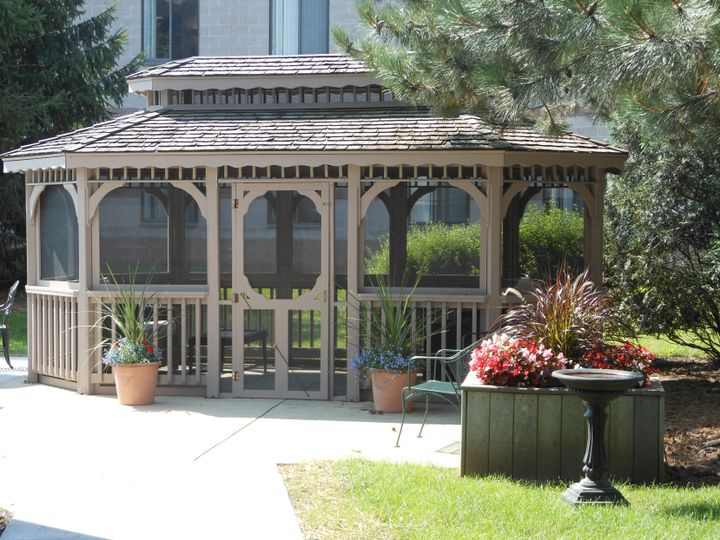
Who Owns and Operates Lindengrove Waukesha?

LINDENGROVE WAUKESHA is owned by a non-profit organization. Non-profit facilities reinvest revenue into operations rather than distributing to shareholders. The facility operates independently rather than as part of a larger chain. With 61 certified beds and approximately 53 residents (about 87% occupancy), it is a smaller facility located in WAUKESHA, Wisconsin.
How Does Lindengrove Waukesha Compare to Other Wisconsin Nursing Homes?

Compared to the 100 nursing homes in Wisconsin, LINDENGROVE WAUKESHA's overall rating (1 stars) is below the state average of 3.0, staff turnover (76%) is significantly higher than the state average of 46%, and health inspection rating (2 stars) is below the national benchmark.

What Should Families Ask When Visiting Lindengrove Waukesha?

Based on this facility's data, families visiting should ask: "What changes have been made since the serious inspection findings, and how are you preventing similar issues?" "How do you ensure continuity of care given staff turnover, and what is your staff retention strategy?" "Can I visit during a mealtime to observe dining assistance and food quality?" "How do you handle medical emergencies, and what is your hospital transfer rate?" These questions are particularly relevant given the facility's Immediate Jeopardy citations and the facility's high staff turnover rate.

Is Lindengrove Waukesha Safe?

Based on CMS inspection data, LINDENGROVE WAUKESHA has documented safety concerns. Inspectors have issued 1 Immediate Jeopardy citation (the most serious violation level indicating risk of serious injury or death). The facility has a 1-star overall rating and ranks #100 of 100 nursing homes in Wisconsin. Families considering this facility should ask detailed questions about what corrective actions have been taken since these incidents.

Do Nurses at Lindengrove Waukesha Stick Around?

Staff turnover at LINDENGROVE WAUKESHA is high. At 76%, the facility is 29 percentage points above the Wisconsin average of 46%. Registered Nurse turnover is particularly concerning at 84%. RNs handle complex medical decisions and coordinate care — frequent RN changes can directly impact care quality. High turnover means new staff may not know residents' individual needs, medications, or preferences. It can also be disorienting for residents, especially those with dementia who rely on familiar faces. Families should ask: What is causing the turnover? What retention programs are in place? How do you ensure care continuity during staff transitions?

Was Lindengrove Waukesha Ever Fined?

LINDENGROVE WAUKESHA has been fined $39,621 across 1 penalty action. The Wisconsin average is $33,475. While any fine indicates a compliance issue, fines under $50,000 are relatively common and typically reflect isolated problems that were subsequently corrected. Families should ask what specific issues led to these fines and confirm they've been resolved.

Is Lindengrove Waukesha on Any Federal Watch List?

LINDENGROVE WAUKESHA is not on any federal watch list. The most significant is the Special Focus Facility (SFF) program, which identifies the bottom 1% of nursing homes nationally based on persistent, serious quality problems. Not being on this list means the facility has avoided the pattern of deficiencies that triggers enhanced federal oversight. This is a positive indicator, though families should still review the facility's inspection history directly.