CROSSROADS CARE CENTER OF WEYAUWEGA
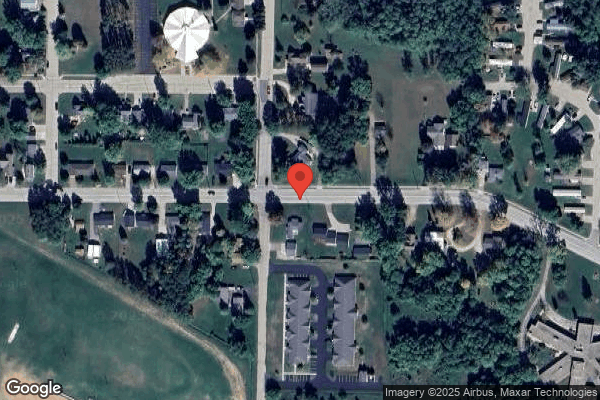
717 E ALFRED ST, WEYAUWEGA, WI 54983 (920) 867-3121
For profit - Limited Liability company 84 Beds ARIA HEALTHCARE Data: November 2025 3 Immediate Jeopardy citations
Trust Grade
0/100
#267 of 321 in WI
Last Inspection: April 2025

Within standard 12-15 month inspection cycle. Federal law requires annual inspections.

Overview

Crossroads Care Center of Weyauwega has received a Trust Grade of F, indicating significant concerns about the quality of care provided. Ranked #267 out of 321 facilities in Wisconsin, this places it in the bottom half statewide, and it is the lowest-ranked facility in Waupaca County. The facility's situation is worsening, with reported issues increasing from 11 in 2024 to 29 in 2025. Staffing is a weakness, rated at 2 out of 5 stars, with a high turnover of 56%, which is above Wisconsin's average. In terms of RN coverage, the facility is concerningly below average, with less coverage than 99% of state facilities, potentially impacting care quality. Specific incidents include failures to manage residents' smoking safely and inadequately responding to a resident's critical change in condition, which ultimately led to a death. While there are some average quality measures, the overall picture suggests families should be cautious when considering this nursing home.

Trust Score
F
0/100
In Wisconsin
#267/321
Bottom 17%
Safety Record
High Risk
Review needed
Inspections
Getting Worse
11 → 29 violations
Staff Stability
⚠ Watch
56% turnover. Above average. Higher turnover means staff may not know residents' routines.
Penalties
✓ Good
$57,518 in fines. Lower than most Wisconsin facilities. Relatively clean record.
Skilled Nurses
⚠ Watch
Each resident gets only 26 minutes of Registered Nurse (RN) attention daily — below average for Wisconsin. Fewer RN minutes means fewer trained eyes watching for problems.
Violations
⚠ Watch
56 deficiencies on record. Higher than average. Multiple issues found across inspections.
★☆☆☆☆
1.0
Overall Rating
★★☆☆☆
2.0
Staff Levels
★★★☆☆
3.0
Care Quality
★☆☆☆☆
1.0
Inspection Score
Stable
2024: 11 issues
2025: 29 issues

The Good

  • Full Sprinkler Coverage · Fire safety systems throughout facility
  • No fines on record

Facility shows strength in fire safety.

The Bad

1-Star Overall Rating

Below Wisconsin average (3.0)

Significant quality concerns identified by CMS

Staff Turnover: 56%

Near Wisconsin avg (46%)

Frequent staff changes - ask about care continuity

Federal Fines: $57,518

Above median ($33,413)

Moderate penalties - review what triggered them

Chain: ARIA HEALTHCARE

Part of a multi-facility chain

Ask about local staffing decisions and management

Staff turnover is elevated (56%)

8 points above Wisconsin average of 48%

The Ugly 56 deficiencies on record

3 life-threatening 2 actual harm
Aug 2025 3 deficiencies
CONCERN (D) 📢 Someone Reported This

A family member, employee, or ombudsman was alarmed enough to file a formal complaint

Potential for Harm - no one hurt, but risky conditions existed

Grievances (Tag F0585)

Could have caused harm · This affected 1 resident

**NOTE- TERMS IN BRACKETS HAVE BEEN EDITED TO PROTECT CONFIDENTIALITY** Based on staff interview and record review, the facility did not make a prompt and thorough effort to resolve a grievance for 1 ...

Read full inspector narrative →
**NOTE- TERMS IN BRACKETS HAVE BEEN EDITED TO PROTECT CONFIDENTIALITY** Based on staff interview and record review, the facility did not make a prompt and thorough effort to resolve a grievance for 1 resident (R) (R7) of 1 resident.R7's Guardian ((GD)-F) reported to Former Nursing Home Administrator (FNHA)-E that R6 provided R7 with illegal drugs and alcohol. FNHA-E did not file a grievance on behalf of R7 and the facility did not investigate the concern or follow-up with GD-F. Findings include:The facility's Grievance policy, revised 2/12/25, indicates: When a grievance is noted (either verbal or written), the resident or their representative may speak to any member of the facility staff and report the nature or the grievance or submit a written grievance form .An investigation of the grievance will be conducted; A review of the resident's medical record regarding the resident's clinical condition will be completed when indicated; The resident, resident representative, and the healthcare team that have been involved with the resident may be interviewed; The Department Head and/or Grievance Officer will work with staff for problem/grievance resolution; All grievances receive immediate priority and must be investigated with efforts toward resolution within seven days; The resident or resident representative will be provided with a verbal follow-up to the grievance including the steps taken to investigate the grievance and the results of the grievance. A signature by the resident or resident representative will be obtained on the grievance documentThe Federal Drug Administration (FDA) Regulation of Cannabis and Cannabis-Derived Products, Including Cannabidiol (CBD), updated 7/16/24, indicates: Cannabis is a plant of the Cannabaceae family and contains more than eighty biologically active chemical compounds. The most commonly known compounds are delta-9-tetrahydrocannabinol (THC) and cannabidiol (CBD). Parts of the Cannabis sativa plant have been controlled under the Controlled Substances Act (CSA) since 1970 under the drug class Marihuana (commonly referred to as marijuana) .Marihuana is listed in Schedule I of the CSA due to its high potential for abuse, which is attributable in large part to the psychoactive effects of THC, and the absence of a currently accepted medical use of the plant in the United States.The Center for Drug Evaluation and Research (CDER) (a branch of the FDA), updated 8/25/25, indicates: The Cannabis sativa L. plant, which is the source of both marijuana and hemp, contains bioactive compounds known as cannabinoids. Delta-9 tetrahydrocannabinol (THC) is a psychoactive cannabinoid and is typically found in relatively high amounts in cannabis that is used as a source of marijuana .From 8/25/25 to 8/27/25, Surveyor reviewed R7's medical record. R7 was admitted to the facility on [DATE] and had diagnoses including dementia, Wernicke's encephalopathy (a brain disorder caused by vitamin B1 deficiency commonly associated with chronic alcohol abuse), alcohol dependence, fatty liver, and depression. R7's Minimum Data Set (MDS) assessment, dated 8/13/25, had a Brief Interview for Mental Status (BIMS) score of 11 out of 15 which indicated R7 had moderately impaired cognition. R7 had a Guardian who was responsible for R7's healthcare decisions.On 8/25/5 at 1:09 PM, Surveyor interviewed GD-F via phone who indicated GD-F told FNHA-E that R6 provided R7 with illegal drugs and alcohol. (GD-F did not indicate when the information was reported to FNHA-E.) GD-F indicated the facility did not monitor R7 to make sure R7 did not receive illegal drugs and THC was discovered in R7's urine. GD-F indicated GD-F informed FNHA-E that R7 could not be exposed to alcohol, CBD/THC, or any illegal drugs due to R7's history of Wernicke's encephalopathy. GD-F also stated GD-F found a gummy (THC) wrapper in R7's pants that were brought home to be washed. During an emergency room (ER) visit, R7's urine drug screen (collected on 7/5/25) was positive for THC. GD-F also indicated a vape was found in R7's room which was given to FNHA-E and later given back to R7. GD-F was unsure if the vape contained THC or tobacco and did not know what steps the facility took to ensure R7 was not exposed to illegal drugs or alcohol. Surveyor reviewed the results of R7's urine drug screen (collected on 7/5/25) which were presumptive positive for cannabinoids.On 8/27/25 at 11:45 AM, Surveyor interviewed Regional Director of Operations (RDO)-C in the presence of Assistant Director of Nursing (ADON)-B and NHA-A. RDO-C, ADON-B, and NHA-A were not aware of GD-F's concerns, including R7's presumptive positive urine drug screen for cannabinoids, since they were not at the facility when the concerns were reported. RDO-C verified FNHA-E did not file a grievance but wrote a note (on 7/7/25) that indicated FNHA-E had a discussion with GD-F. It was uncertain what FNHA-E did after becoming aware of the presumptive positive THC test. A follow-up visit with R7's provider occurred on 7/9/25 but there was no mention of the test. RDO-C was unsure if the presumptive positive was due to the medications that R7 took and was uncertain what nursing staff did after becoming aware of the results of the test. No evidence of illegal drugs was found for R7.On 8/27/25 at 12:35 PM, Surveyor interviewed Social Services Director (SSD)-G who indicated FNHA-E informed SSD-G that GD-F stated R7 should not be exposed to illegal drugs or alcohol. SSD-G indicated FNHA-E stated FNHA-E would take care of the situation.On 8/27/25 at 3:05 PM, Surveyor interviewed RDO-C who verified FNHA-E should have filed a grievance for GD-F's concerns.
CONCERN (D) 📢 Someone Reported This

A family member, employee, or ombudsman was alarmed enough to file a formal complaint

Potential for Harm - no one hurt, but risky conditions existed

Deficiency F0657 (Tag F0657)

Could have caused harm · This affected 1 resident

**NOTE- TERMS IN BRACKETS HAVE BEEN EDITED TO PROTECT CONFIDENTIALITY** Based on staff interview and record review, the facility did not ensure care plans were updated for 2 residents (R) (R6 and R7) ...

Read full inspector narrative →
**NOTE- TERMS IN BRACKETS HAVE BEEN EDITED TO PROTECT CONFIDENTIALITY** Based on staff interview and record review, the facility did not ensure care plans were updated for 2 residents (R) (R6 and R7) of 4 sampled residents.R6 and R7 had a history of drug and/or alcohol abuse. R6 and R7's care plans were not updated after R6 and R7 tested presumptive positive for cannabinoids.Findings include: The facility's Comprehensive Care Plans policy, dated 3/25/25, indicates: The comprehensive care plan will be reviewed and revised by the Interdisciplinary Team after each Comprehensive and Quarterly MDS assessment.The facility's Resident Possession and Use of Illegal Substances policy, revised 1/9/25, indicates: It is the policy of this facility to uphold the resident's right to retain and use personal possessions, unless to do so would infringe upon the rights or health and safety of other residents. The possession and use of illegal substances will not be tolerated .2. If the facility determines through observation that a resident may have access to illegal substances that they brought into the facility or secured from an outside source, the facility will not act as an arm of law enforcement. In accordance with state law, a referral will be made to local law enforcement. 3. If facility staff identify items or substances that pose risks to residents' health and safety and are in plain view, they will confiscate them. 4. Facility staff will not conduct searches of a resident or their belongings unless the resident or resident's representative agrees to a voluntary search and understands the reason for the search.The Federal Drug Administration (FDA) Regulation of Cannabis and Cannabis-Derived Products, Including Cannabidiol (CBD), updated 7/16/24, indicates: Cannabis is a plant of the Cannabaceae family and contains more than eighty biologically active chemical compounds. The most commonly known compounds are delta-9-tetrahydrocannabinol (THC) and cannabidiol (CBD). Parts of the Cannabis sativa plant have been controlled under the Controlled Substances Act (CSA) since 1970 under the drug class Marihuana (commonly referred to as marijuana) .Marihuana is listed in Schedule I of the CSA due to its high potential for abuse, which is attributable in large part to the psychoactive effects of THC and the absence of a currently accepted medical use of the plant in the United States.The Center for Drug Evaluation and Research (CDER) (a branch of the FDA), updated 8/25/25, indicates: The Cannabis sativa L. plant, which is the source of both marijuana and hemp, contains bioactive compounds known as cannabinoids. Delta-9 tetrahydrocannabinol (THC) is a psychoactive cannabinoid and is typically found in relatively high amounts in cannabis that is used as a source of marijuana. Cannabidiol (CBD) is a non-psychoactive cannabinoid that is present at relatively high levels in hemp, defined as cannabis and derivatives of cannabis with extremely low concentrations of delta-9 tetrahydrocannabinol .1.From 8/25/25 to 8/27/25, Surveyor reviewed R6's medical record. R6 was most recently admitted to the facility on [DATE] and had diagnoses including left below knee amputation, congestive heart failure (CHF), diabetes, cognitive communication deficit, drug abuse, and suicidal ideation without current plan or intent. R6's Minimum Data Set (MDS) assessment, dated 7/7/25, had a Brief Interview for Mental Status (BIMS) score of 14 out of 15 which indicated R6 had intact cognition. R6 made R6's own healthcare decisions.R6's medical record contained a urine drug screen panel, collected on 5/27/25, that was presumptive positive for cannabinoids.R6's care plan, dated 7/18/25, indicated R6 had a history of substance abuse/chemical dependency related to a history of illegal drug use prior to admission, marijuana use, and THC use. The care plan contained interventions (dated 7/18/25) to encourage R6 to express thoughts or feelings, encourage R6 to follow Medical Doctor (MD) orders, monitor R6 for behaviors, notify the MD for signs and symptoms of new changes, and Social Services to provide supportive listening as needed. The care plan did not include monitoring for the presence of illegal drug use and did not indicate to notify the Nursing Home Administrator (NHA) if observed so law enforcement could be contacted per the facility's policy. Surveyor noted the care plan was not updated after R6's presumptive positive urine drug screen on 5/27/25. 2. From 8/25/25 to 8/27/25, Surveyor reviewed R7's medical record. R7 was admitted to the facility on [DATE] and had diagnoses including dementia, Wernicke's encephalopathy (a brain disorder caused by vitamin B1 deficiency commonly associated with chronic alcohol abuse), alcohol dependence, fatty liver, and depression. R7's MDS assessment, dated 8/13/25, had a BIMS score of 11 out of 15 which indicated R7 had moderately impaired cognition. R7 had a Guardian who was responsible for R7's healthcare decisions.R7's medical record contained a urine drug screen panel, collected on 7/5/25, that was presumptive positive for THC.R7's care plan, dated 4/1/25, indicated R7 had a history of substance abuse/chemical dependency related to a history of alcohol abuse. The care plan contained interventions (dated 4/7/25) to encourage R7 to express thoughts or feeling, encourage R7 to follow MD orders, monitor for signs that R7 was drinking, instruct R7 that drinking is against facility policy and may lead to involuntary discharge, monitor R7 for behaviors, and notify the MD and Social Services of any changes. The care plan did not include monitoring for the presence of illegal drug use and did not indicate to notify the NHA if observed so law enforcement could be contacted per the facility's policy. Surveyor noted the care plan was not updated after R7's presumptive positive urine drug screen on 7/5/25.On 8/27/25 at 3:05 PM, Surveyor interviewed Regional Director of Operations (RDO)-C who verified R6 and R7's care plans should have been updated to include monitoring for the presence of illegal drug use and to notify the NHA if observed so law enforcement could be notified per the facility's policy.
CONCERN (D) 📢 Someone Reported This

A family member, employee, or ombudsman was alarmed enough to file a formal complaint

Potential for Harm - no one hurt, but risky conditions existed

Deficiency F0742 (Tag F0742)

Could have caused harm · This affected 1 resident

**NOTE- TERMS IN BRACKETS HAVE BEEN EDITED TO PROTECT CONFIDENTIALITY** Based on staff interview and record review, the facility did not develop a plan of care to address a mental health diagnosis and...

Read full inspector narrative →
**NOTE- TERMS IN BRACKETS HAVE BEEN EDITED TO PROTECT CONFIDENTIALITY** Based on staff interview and record review, the facility did not develop a plan of care to address a mental health diagnosis and meet the psychosocial and emotional health needs of 1 resident (R) (R2) of 2 sampled residents.The facility did not accurately assess R2's mental health, which included a diagnosis of paranoid schizophrenia, to ensure R2's plan of care addressed R2's psychosocial and emotional health requirements. The facility's Treatment/Services for Mental/Psychosocial Concerns policy, dated 9/29/22, indicates: It is the policy of the facility to provide behavioral health services in accordance with state and federal regulations .The facility will ensure a resident who displays or is diagnosed with mental disorders or psychosocial adjustment difficulty or who has a history of trauma and/or post-traumatic stress disorder (PTSD) receives appropriate treatment and services to correct the assessed problem or to attain the highest practicable mental and psychosocial well-being .The facility's Conducting an Accurate Resident Assessment policy, dated 2/18/25, indicates: The purpose of this policy is to assure all residents receive an accurate assessment, reflective of the resident's status at the time of the assessment, by staff qualified to assess relevant care areas .Qualified staff who are knowledgeable about the resident will conduct an accurate assessment addressing each resident's status, needs, strengths, and areas of decline. The assessment will be documented in the medical record. A qualified health professional will correctly document the resident's medical, functional, and psychosocial problems and identify strengths to maintain or improve medical status, functional abilities, and psychosocial status .Information provided by the initial comprehensive assessment establishes baseline data for the ongoing assessment of resident progress. The physical, mental, and psychosocial condition of the resident determines the appropriate level of involvement of physicians, nurses, rehabilitation therapists, activities professionals, medical social workers, dietitians, and other professionals .to ensure accuracy in the Minimum Data Set (MDS) coding of a diagnosis of schizophrenia, supportive documentation must be present in the medical record and should include, but is not limited to, evaluation of the resident's physical, behavioral, mental, psychosocial status, and comorbid conditions, ruling out physiological effects of a a substance or other medical conditions, indications of distress, change in functional status, resident complaints, behaviors, symptoms, and or state preadmission screening and resident review evaluation .The facility's Comprehensive Care Plans policy, dated 3/25/25, indicates: It is the policy of this facility to develop and implement a comprehensive person-centered care plan for each resident, consistent with resident rights, that includes measurable objectives and timeframes to meet a resident's medical, nursing, mental, and psychosocial needs and all services that are identified in the resident's comprehensive assessment and meet professional standards of quality .Individualized interventions for trauma survivors that recognize the interrelation between trauma and symptoms of trauma, as indicated. Trigger-specific interventions will be used to identify ways to decrease the resident's exposure to triggers .as well as identify ways to mitigate or decrease the effect of the trigger on the resident .From 8/25/25 to 8/26/25, Surveyor reviewed R2's medical record. R2 had diagnoses including anxiety, major depressive disorder, cognitive communication disorder, and PTSD. During R2's stay at the facility, R2 was diagnosed with Lyme disease and received psychiatric care through an outside source. R2 resided at the facility from 6/23/25 until 8/9/25 when R2 was transferred to the hospital and admitted to a psychiatric facility. R2's medical record contained an Aggressive and Harmful Behavior Assessment, dated 6/24/25, with a score of 5.0 that indicated R2 was potentially able to integrate into the peer community and was at minimal risk for aggression. There were no other similar assessments completed during R2's stay at the facility.R2's hospital History and Physical (H&P) (received and scanned into R2's medical record on 6/23/25) indicated R2 had a diagnosis of paranoid schizophrenia. Surveyor noted R2's facility diagnoses list, care plan, and Aggressive and Harmful Behavior Assessment did not include the diagnosis. R2's hospital H&P and referral documentation also indicated R2 received 1:1 supervision in the hospital due to ongoing suicidal and homicidal ideation. On 8/26/25, Surveyor reviewed R2's psychotherapy progress notes which included a diagnosis of paranoid schizophrenia that was indicated prior to R2's admission to the facility on 6/23/25. Surveyor noted R2's psychiatric provider completed a suicidal ideation/homicidal ideation (SI/HI) safety plan, dated 5/11/25, that was not included in R2's medical record. Surveyor reviewed R2's facility progress notes and noted the following: ~ On 6/30/25. R2 was seen by Nurse Practitioner (NP)-D who indicated R2 reported sleep difficulties due to waking up with flashbacks, episodes of tearfulness, and hearing voices. The note indicated nursing staff would reach out regarding the concerns. R2's medical record did not indicate R2's outside psychiatric provider was updated to obtain orders or recommendations.~ R2 was hospitalized from [DATE] to 7/11/25 due to medical concerns. Hospital discharge documentation, dated 7/11/25, indicated a referral for a neuropsych evaluation was completed. R2's medical record did not indicate a neuropsych appointment was made.~ On 7/16/25, R2 was seen by NP-D who documented R2 had underlying diagnoses of paranoid schizophrenia, PTSD, and psychogenic syncope. The note indicated NP-D would ensure R2 had psychiatric follow-up and contained a recommendation to contact Hospital (HSP)-H for a neuropsych evaluation.~ On 8/6/25, R2 was seen by NP-D who indicated R2's psychiatric status remained a significant concern. Following an incident on 8/3/25 when R2 hit R2's head against the wall and reopened a forehead abrasion, there were ongoing concerns. Nursing staff reported that R2 attempted to self-harm again on 8/5/25 but was redirected. The note indicated nursing staff would contact R2's outside psychiatric provider again for a plan of care. R2's medical record did not contain a progress note, new orders, or a psychotherapy update. ~ On 8/26/25 at 10:00 AM, Surveyor interviewed Regional Director of Operation (RDO)-C and Assistant Director of Nursing (ADON)-B. ADON-B indicated the admission and MDS nurse missed R2's schizophrenia diagnosis upon admission. RDO-C indicated if the diagnosis was recognized, it would have been properly assessed and care planned. RDO-C confirmed care plan updates and assessments were not completed following behavioral concerns for R2. ADON-B indicated paperwork with R2's paranoid schizophrenia diagnosis was received, however, the facility did not communicate or care plan the diagnosis correctly to ensure R2 received the appropriate care and treatment. ADON-B verified consistent communication occurred with R2's outside psychiatric provider and indicated calls were made for updates. ADON-B was unsure if R2's care plan/safety plan was requested from the psychiatric provider and was unsure if the psychiatric provider was contacted for collaboration of care since contact attempts were not documented. RDO-C and ADON-B indicated R2's outside psychiatric provider needed to pre-approve the neuropsych evaluation at HSP-H for payment to occur. ADON-B indicated multiple calls were made to follow-up on the evaluation approval, however, return calls were not received. ADON-B confirmed staff did not document any attempts to schedule the neuropsych evaluation. In addition, RDO-C and ADON-B confirmed R2's neuropsych evaluation was not scheduled and did not occur.
Jun 2025 1 deficiency
CONCERN (D) 📢 Someone Reported This

A family member, employee, or ombudsman was alarmed enough to file a formal complaint

Potential for Harm - no one hurt, but risky conditions existed

Infection Control (Tag F0880)

Could have caused harm · This affected 1 resident

Based on observation, staff interview, and record review, the facility did not maintain an infection prevention and control program designed to prevent the transmission of communicable disease and inf...

Read full inspector narrative →
Based on observation, staff interview, and record review, the facility did not maintain an infection prevention and control program designed to prevent the transmission of communicable disease and infection for 3 residents (R) (R10, R4 and R5) of 3 residents observed during the provision of cares. R10 was on enhanced barrier precautions (EBP). On 6/27/25, staff exited R10's room without removing personal protective equipment (PPE) and transferred R10 with a lift without donning the appropriate PPE. In addition, staff did not sanitize the lift after use. During an observation of pericare for R4 on 6/27/25, staff did not appropriately remove gloves and complete hand hygiene and touched items in R4's room with soiled gloves. In addition, a used bed pan was stored on R4's floor. On 6/27/25, staff put clean wash clothes in an unsanitized sink and used them to complete pericare for R5. In addition, staff did not appropriately remove gloves and complete hand hygiene during the provision of pericare. Findings include: The facility's Enhanced Barrier Precautions policy, revised 2/25/25, indicates: Personal protective equipment (PPE) for enhanced barrier precaution (EBP) is only necessary when performing high-contact care activities and may not need to be donned prior to entering a resident's room .Position a trash can inside the resident's room and near the exit for discarding PPE after removal prior to exit of the room or before providing care for another resident in the same room .High-contact resident care activities include: a. dressing .c. transferring, d. providing hygiene, e. changing linens, f. changing briefs or assisting with toileting. The facility's Infection Control-Cleaning and Disinfection/Non-Critical and Shared Equipment policy, dated 2/4/21, indicates .Any equipment used in rooms (such as items listed below) must be cleaned with a disinfectant wipe immediately after use/upon exit of the room C. Mechanical lift equipment. The facility's Perineal Care policy, revised 3/7/25, indicates: .Remove gloves, perform hand hygiene, and apply new gloves prior to continuing care (after completing pericare) .If a resident has bladder or bowel incontinence, don a clean pair of gloves and apply a barrier cream to protect the skin around the perineum .Remove gloves and perform hand hygiene. 1. On 6/27/25 at 4:33 AM, Surveyor observed Certified Nursing Assistant (CNA)-D exit R10's room in a gown and gloves. CNA-D walked down the hallway, retrieved a garbage bag, walked back up the hallway, and re-entered R10's room. Surveyor noted R10 was on EBP. On 6/27/25 at 4:38 AM, Surveyor observed CNA-C and CNA-D enter R10's room to transfer R10 with a Hoyer lift. CNA-C and CNA-D donned gloves but did not don gowns prior to the transfer. When Surveyor asked CNA-C if CNA-C and CNA-D should have worn gowns, CNA-C indicated a gown was only needed during cares. When Surveyor indicated the sign on R10's door stated PPE was required for transfers, CNA-C confirmed CNA-C and CNA-D should have donned gowns for the transfer. On 6/27/25 at 4:43 AM, Surveyor observed CNA-D exit R10's room with the lift. CNA-D did not sanitize the lift and left the lift in the hallway. On 6/27/25 at 5:41 AM, Surveyor interviewed CNA-D who confirmed lifts should be sanitized after use 2. On 6/27/25 at 4:49 AM, Surveyor observed CNA-E complete pericare for R4. During the observation, Surveyor noted CNA-E did not change gloves or complete hand hygiene and did not remove soiled gloves until all cares were completed and R4 was repositioned in bed. Surveyor observed CNA-E touch R4's pillows, position wedges, and blankets with soiled gloves. On 6/27/25 at 4:50 AM, Surveyor observed a used bed pan on the floor on the left side of the head of R4's bed. CNA-E confirmed that was where staff kept R4's bed pan. On 6/27/25 at 5:05 AM, Surveyor interviewed CNA-E who confirmed CNA-E should have changed gloves and completed hand hygiene during pericare and should have removed soiled gloves prior to touching items in R4's room. 3. On 6/27/25 at 5:11 AM, Surveyor observed CNA-C complete pericare for R5. Prior to completing pericare, Surveyor observed CNA-C run water and put two wash cloths in R5's sink. When Surveyor asked if CNA-C had sanitized the sink, CNA-C indicated CNA-C had not sanitized the sink and stated staff do not use basins. During the observation of pericare, Surveyor noted CNA-C did not change gloves or remove gloves and complete hand hygiene until R5 was fully dressed. On 6/27/25 at 5:27 AM, Surveyor interviewed CNA-C who confirmed CNA-C should have removed gloves and completed hand hygiene during pericare. On 6/27/25 at 10:46 AM, Surveyor interviewed Director of Nursing (DON)-B who indicated staff should not exit precaution rooms without removing PPE and should don a gown and gloves while transferring a resident on EBP. DON-B indicated staff should don PPE before entering the room and remove PPE before exiting the room. DON-B verified staff should change gloves and complete hand hygiene between dirty and clean tasks and sanitize lifts with bleach wipes after use. DON-B indicated staff should fill a basin with warm water instead of emerging wash cloths in a resident's sink and should not put wash cloths in an unsanitized sink. In addition, DON-B verified bed pans should not be stored on the floor and should be stored in a plastic bag in a drawer or in the bathroom.
Apr 2025 17 deficiencies 2 IJ (1 affecting multiple)
CRITICAL (J)

Immediate Jeopardy (IJ) - the most serious Medicare violation

Deficiency F0760 (Tag F0760)

Someone could have died · This affected 1 resident

**NOTE- TERMS IN BRACKETS HAVE BEEN EDITED TO PROTECT CONFIDENTIALITY** 3. From [DATE] to [DATE], Surveyor reviewed R300's medical record. R300 was admitted to the facility on [DATE] and had diagnoses...

Read full inspector narrative →
**NOTE- TERMS IN BRACKETS HAVE BEEN EDITED TO PROTECT CONFIDENTIALITY** 3. From [DATE] to [DATE], Surveyor reviewed R300's medical record. R300 was admitted to the facility on [DATE] and had diagnoses including bacteremia, osteomyelitis of left ankle and foot, gangrene, diabetes, epilepsy, amputation of left toes, and right below-the-knee amputation. R300's MDS assessment, dated [DATE], had a BIMS score of 15 out of 15 which indicated R300 was not cognitively impaired. R300 was responsible for R300's medical decisions. On [DATE] at 2:02 PM, Surveyor reviewed R300's [DATE] MAR and noted R300's 10:00 AM 2 gm dose of ceftriaxone (an antibiotic medication) was not administered via R300's peripherally inserted central catheter (PICC) line on [DATE]. Code 2 was documented on R300's MAR which indicated away from home without medications. The order for 2 gm of ceftriaxone administered via PICC line daily was started on admission for osteomyelitis of the foot. R300's medical record did not indicate the physician was notified that R300 did not receive ceftriaxone. On [DATE] at 11:50 AM, Surveyor interviewed R300 who indicated R300 had a physician appointment on [DATE]. On [DATE] at 1:07 PM, Surveyor interviewed DON-B who indicated DON-B could not find any documentation to indicate R300's physician was notified that R300's dose of ceftriaxone was not administered on [DATE]. DON-B indicated R300's physician should have been updated when ceftriaxone was not administered. NHA-A verified R300 left the faciity on [DATE] at 8:30 AM and returned to the facility at 12:03 PM. On [DATE] at 2:35 PM, Surveyor interviewed Facility Physician (FP)-R who was not aware R300 did not receive a dose of ceftriaxone on [DATE]. FP-R indicated FP-R expects staff to notify FP-R if a dose of ceftriaxone is not administered. FP-R indicated if FP-R had been contacted on [DATE], FP-R would have ordered the dose of ceftriaxone to be administered when R300 returned from R300's physician appointment. 2. From [DATE] to [DATE], Surveyor reviewed R24's medical record. R24 was admitted to the facility on [DATE] and had diagnoses including chronic pulmonary edema, pleural effusion, pneumonia, type 2 diabetes, asthma, morbid obesity, methicillin-resistant Staphylococcus aureus (MRSA) infection, chronic respiratory failure, chronic obstructive pulmonary disease (COPD), and diabetic foot ulcer. R24's MDS assessment, dated [DATE], had a BIMS score of 15 out of 15 which indicated R24 was not cognitively impaired. R24 had a physician order for vancomycin HCL intravenous solution 1250 mg/250 ml at 12:00 PM for cellulitis. R24's medical record indicated R24 received vancomycin intravenously from [DATE] to [DATE]. R24's MAR indicated the following: ~ R24 received vancomycin at 12:03 PM on [DATE] in the right arm ~ R24 received vancomycin at 11:28 AM on [DATE] in the right arm ~ R24 received vancomycin at 11:59 AM on [DATE] in the left arm ~ R24 received vancomycin at 12:30 PM on [DATE] in the right arm ~ R24 received vancomycin at 11:26 AM on [DATE] in the right arm ~ R24 received vancomycin at 11:09 AM on [DATE] in the right arm ~ R24 received vancomycin at 11:13 AM on [DATE] in the right arm ~ R24 received vancomycin at 2:22 PM on [DATE] in the right arm ~ R24 received vancomycin at 8:43 PM on [DATE] in the right arm ~ R24 received vancomycin at 8:02 PM on [DATE] in the right arm R24's MAR did not indicate vancomycin was administered on [DATE]. A nursing note, dated [DATE] at 2:14 PM, indicated R24's Infectious Disease (ID) office was notified that vancomycin would be administered on the PM shift for the next 3 shifts. The ID office confirmed the change. On [DATE], the time for R24's vancomycin administration was changed on R24's MAR from 12:00 PM to 8:00 PM. The medication was not documented as administered on [DATE] and there was no documentation to indicate R24's ID office was updated on the missed dose. On [DATE] at 4:53 PM, Surveyor interviewed DON-B who indicated if a medication is not documented as administered on a resident's MAR, it means the medication was not administered. DON-B indicated medications should be administered as ordered or documented as to why they were not. DON-B indicated a resident's physician should be notified if a medication is not administered and the notification should be documented in the resident's medical record. Based on resident and staff interview and record review, the facility did not ensure 3 residents (R) (R203, R24, and R300) of 3 residents reviewed for intravenous (IV) medication were free of significant medication errors. R203 was admitted to the facility on [DATE] with an order for IV antibiotics twice daily after a 42 day admission to the hospital for multiple infections and septic shock. Staff did not initially recognize a dosing error in R203's hospital discharge order for cefepime and entered the order incorrectly. On [DATE], Registered Nurse (RN)-P changed the order without consulting with a physician. Staff did not follow the IV medication order by the discharge physician or the facility's admitting physician. In addition, staff did not administer the IV antibiotic three times in four days. The facility's failure to clarify an IV antibiotic order with the physician, change the order without physician approval, and not administer all doses of the antibiotic led to a finding of immediate jeopardy that began on [DATE]. Nursing Home Administrator (NHA)-A was notified of the immediate jeopardy on [DATE] at 1:15 PM. The jeopardy was removed on [DATE], however, the deficient practice continues at a scope/severity level D (potential for no more than minimal harm/isolated) as evidenced by the following examples: R24 was not administered a dose of IV antibiotics on [DATE]. R24's physician was not notified that medication was not administered. R300 was not administered a dose of IV antibiotics on [DATE]. R300's physician was not notified that medication was not administered. Findings include: The facility's undated Medication Administration-General Guidelines policy indicates: Medications are administered as prescribed in accordance with good nursing principles and practices and only by persons legally authorized to do so. Personnel authorized to administer medications do so only after they have been properly oriented to the facility's medication distribution system (procurement, storage, handling and administration) .4. Five Rights: Right resident, right drug, right dose, right route and right time are applied for each medication being administered. A triple check of the five rights is recommended at three steps in the process of preparation of a medication for administration: (1) When the medication is selected, (2) When the dose is removed from the container, and finally (3) Just after the dose is prepared and the medication put away .5. The Medication Administration Record (MAR) is always employed during medication administration. Prior to administration of any medication, the medication and dosage schedule on the resident's MAR are compared with the medication label. If the label and the MAR are different and the container has not already been flagged indicating a change in directions, or if there is any other reason to question the dosage or directions, the physician's orders are checked for the current dosage schedule .Administration: .2. Medications are administered in accordance with written orders of the prescriber. 3. If a dose seems excessive considering the resident's age and condition, or medication order seems to be unrelated to the resident's current diagnosis or conditions, the nurse calls the provider pharmacy for clarification prior to administration of the medication or if necessary contacts the prescriber for clarification .This interaction with the pharmacy and/or prescriber and the resulting order clarification are documented in the nursing notes and elsewhere in the medical record as appropriate . Findings include: 1. From [DATE] to [DATE], Surveyor reviewed R203's medical record. R203 was admitted to the facility on [DATE] and had diagnoses on admission including osteomyelitis of foot, bacteremia due to group B Streptococcus, acute kidney injury, and bilateral cellulitis of lower leg. R203's admission Minimum Data Set (MDS) assessment, dated [DATE], had a Brief Interview for Mental Status (BIMS) score of 15 out of 15 which indicated R203 was not cognitively impaired. R203 was responsible for R203's medical decisions. Documentation in R203's medical record indicated the following timeline: ~ From 2/21//25 to [DATE], R203 was hospitalized for osteomyelitis. R203 was administered IV antibiotics in the hospital to facilitate healing. ~ On [DATE], R203's hospital discharge paperwork contained an order from Hospital Discharge Physician (HDP)-S for IV cefepime 200 milligrams (mg)/milliliter (ml) injection (commonly known as Maxipime). Inject 20 ml into the vein every 12 hours for 6 days. ~ R203 was admitted to the facility on [DATE]. Facility Physician (FP)-R prescribed cefepime HCI intravenous solution 2 grams (gm)/100 ml. Use 20 ml intravenously two times/day related to osteomyelitis until [DATE]. (Surveyor noted the order from FP-R was different than the discharge order from HDP-S which was cefepime 200 mg/ml, 20 ml every 12 hours at 8:00 AM and 8:00 PM. Since there are 1000 milligrams in a gram, FP-R's order was 1/10th of the dose of HDP-S' order.) Staff did not clarify the discrepancy in orders. ~ The initial IV cefepime order prescribed by FP-R was listed on R203's MAR as cefepime HCl intravenous solution 2 gm/100 ml. Use 20 ml intravenously two times a day (8:00 AM and 8:00 PM) related to osteomyelitis until [DATE] (Start date: [DATE] at 8:00 PM). ~ R203's MAR indicated the 8:00 PM dose of cefepime was not administered on [DATE]. There was no documentation to indicate the physician was notified that R203 did not receive cefepime. ~ R203's 8:00 AM dose of cefepime HCl 2 gm/100 ml, 20 ml was documented as administered on [DATE]. ~ R203's 8:00 PM dose of cefepime HCl 2 gm/100 ml, 20 ml was documented as administered on [DATE]. ~ On [DATE] at 11:01 PM, R203's cefepime HCl 2 gm/100 ml, 20 ml intravenously twice daily dose order was discontinued by Registered Nurse (RN)-P. ~ On [DATE], a new order was created by RN-P for cefepime HCl intravenous solution 2 gm/100 ml. Use 1 vial intravenously two times a day (8:00 AM and 8:00 PM) related to osteomyelitis until [DATE]. (Start date: [DATE] at 8:00 PM). (Surveyor noted the revised medication order from RN-P on R203's MAR was different from R203's hospital discharge order and the order from FP-R noted above. Surveyor also noted the start time of the order entred by RN-P was 8:00 PM on [DATE] which omitted a dose for R203 on [DATE] at 8:00 AM.) R203's medical record did not contain communication to or from the physician regarding the medication change. ~ R203's MAR indicated R203's 8:00 AM dose of IV cefepime was not administered on [DATE]. R203's medical record did not indicate the physician was notified that R203 did not receive cefepime. ~ Cefepime HCl 2 gm/100 ml, 1 vial intravenously two times a day was documented as administered at 8:00 PM on [DATE] and 8:00 AM on [DATE]. ~ R203's MAR indicated R203's 8:00 PM dose of IV cefepime was not administered on [DATE]. R203's medical record did not indicate the physician was notified that R203 did not receive cefipime. ~ Cefepime HCl 2 gm/100 ml, 1 vial intravenously two times a day was documented as administered at 8:00 AM and 8:00 PM on [DATE] and at 8:00 AM on [DATE]. ~ R203 had an appointment with Infectious Disease Physician (IDP)-Q on [DATE]. IV cefepime was discontinued and R203 was prescribed an oral antibiotic twice daily for 30 days. On [DATE], Surveyor compared the discharge order from HDP-S, the admission order from FP-R, and the adjusted order from RN-P and noted the following: ~ Order 1- Prescribed by HDP-S on [DATE]: cefepime 200 mg per ml. Give 20 ml twice daily. With a concentration of 200 mg per ml, this would be 4000 mg per dose resulting in a daily dose of 8000 milligrams per day. ~ Order 2 - Prescribed by FP-R on [DATE]: cefepime HCI 2 grams (gm) per 100 ml. Give 20 ml twice daily. There are 1000 mgs in a gram, so the dosing is equal to 2000 mg/100 ml. With a concentration of 20 mg/ml this would be 400 mg per dose resulting in a daily dose of 800 mg per day. This dose is 10% of the dose prescribed by HDP-S. ~ Order 3 - Not prescribed by a physician and amended autonomously by RN-P on [DATE]: cefepime HCI 2 gms per 100 ml. Give one vial intravenously twice daily. One vial is 2 gms of powder which is reconstituted in 100 ml of saline solution. Two gms is 2000 mg/100 ml for each dose resulting in a daily dose of 4000 mg per day. This dose is 50% of the dose prescribed by HDP-S and 500% (or five times) the dose prescribed by FP-R. On [DATE] at 3:32 PM, Surveyor interviewed RN-P who indicated RN-P was familiar with R203's IV medication orders. RN-P indicated RN-P changed R203's cefepime order on [DATE] because RN-P felt the order did not read right. RN-P stated the order sounded like staff should draw up 20 ml and inject it or insert it into something. RN-P stated RN-P had never seen an order like that before and changed it so it was easier to read. When asked if RN-P consulted with the physician before changing the order, RN-P indicated RN-P looked at the discharge paperwork. RN-P confirmed RN-P did not contact the physician or the pharmacy before changing R203's cefepime order. RN-P indicated RN-P did not notify anyone of the change because RN-P had just corrected the wording. RN-P indicated RN-P made an error when restarting R203's cefepime on [DATE]. RN-P indicated RN-P thought the order would start again at 8:00 AM on [DATE] but was made aware by R203 on [DATE] that R203 did not receive the 8:00 AM cefepime dose which was started at 8:00 PM on [DATE]. Surveyor and RN-P reviewed R203's cefepime in the medication cart. The label on the medication bag and medication read: Cefepime 2 gm in 100 ml 0.9 NS (normal saline). Infuse 100 ml (2 gm) over 30 minutes intravenously twice daily for osteomyelitis (rate 200 ml/hr). RN-P indicated the order on R203's hospital discharge paperwork, the initial order, the order RN-P changed, and the medication labels did not match and were confusing. Surveyor noted the medication packaging was 2 gms of powder in a vial with an attached bag of 100 ml of saline. The powder was to be reconstituted in the saline solution before administering the medication intravenously. On [DATE] at 4:53 PM, Surveyor interviewed Director of Nursing (DON)-B who indicated if a medication is not initialed as administered on the MAR it means the medication was not given. DON-B indicated medications should be administered as ordered or documented why they are not. DON-B indicated the resident's physician should be notified if a medication is not administered and the notification should be documented in the resident's medical record. DON-B indicated medication orders transcribed by RNs must be written by a physician and a second RN should double check the order. DON-B indicated RNs should clarify with the physician and the pharmacy if an order contains an error or is unclear. DON-B indicated staff are not allowed to make changes to a physician order without the physician's knowledge or input. On [DATE] at 11:05 AM, Surveyor interviewed Nursing Home Administrator (NHA)-A who indicated discharge orders are signed by the discharging physician. NHA-A indicated when a resident is admitted to the facility, the orders transfer to the resident's medical record and there is no way for FP-R to sign them electronically or otherwise. NHA-A indicated RN-P should have clarified the orders with a physician before making any changes. On [DATE] at 1:40 PM, NHA-A indicated NHA-A did not have documentation to provide to Surveyor that indicated R203's physician was notified that R203 missed three doses of IV cefepime between [DATE] and [DATE]. On [DATE] at 2:37 PM, Surveyor interviewed FP-R who indicated the discharge physician's orders are automatically placed under FP-R when a resident is admitted to the facility. FP-R was not aware of a discrepancy and stated the orders should have been transferred over as written by HDP-S. FP-R indicated FP-R had not seen R203 or reviewed R203's chart. FP-R indicated an RN should not alter a physician order without consulting the physician. FP-R indicated orders should be followed exactly as written and if an RN has an issue, the RN should contact FP-R or the discharge physician for clarification. FP-R indicated it is concerning that an order was changed by a nurse without consultation. FP-R indicated it was also concerning that a resident on IV antibiotics with significant infections had missed three doses of IV medication in four days. FP-R indicated staff should notify FP-R when a resident does not receive their medication. FP-R checked notifications for R203 while on the phone with Surveyor and indicated there was no communication regarding R203's missed antibiotic doses. On [DATE] at 8:29 AM, Surveyor interviewed HDP-S who indicated there was an error in the discharge cefepime medication order as it was listed in R203's hospital discharge paperwork. HDP-S indicated staff should have clarified the order with FP-R, IDP-Q, or HDP-S and should not have administered the medication as written. HDP-S indicated the order should have been written as 2 grams. HDP-S indicated it could be concerning for a resident to miss three doses of IV cefepime and stated the facility should have notified the current provider, IDP-Q, or HDP-S. On [DATE] at 12:37 PM, Surveyor interviewed NHA-A who indicated staff are trained on the facility's policies and procedures. NHA-A indicated a nurse cannot make changes to an order without consulting with a physician. NHA-A indicated s nurse should clarify an order if the order is unclear or if the nurse has questions. NHA-A indicated medication orders should be followed as written. On [DATE] at 12:44 PM, Surveyor interviewed DON-B who indicated DON-B had spoken to staff who administered R203's IV cefepime on [DATE] and indicated the full vial was administered for both doses, not the order as it was written at that time. DON-B indicated staff are trained on the facility's policies and should be aware of the expectations. DON-B indicated a nurse cannot change an order without consulting a physician. DON-B indicated RN-P does not work at the facility any longer. On [DATE] at 1:17 PM, Surveyor interviewed R203 who indicated R203 was administered the full dose of cefipime each time R203 received cefepime. R203 indicated R203 was still upset that R203 missed 3 doses of cefepime because R203 had almost died recently. R203 was upset staff did not administer the medication to R203 and was told staff did not have anything for R203 when R203 asked about a missed dose. R203 stated R203 was on the medication for a reason and the facility did not care. The facility's failure to question the discrepancies in R203's medication orders, staff changing the order without consulting a physician, and the facility's failure to ensure all scheduled doses of the ordered antibiotic were given created a reasonable likelihood for serious harm from a significant medication error. The jeopardy was removed on [DATE] when the facility began implementing the following: 1. Reviewed R203's medication orders for accuracy and availability and notified Infectious Disease (ID) of the missed doses. 2. Completed an audit of all residents on antibiotics and verified their medications are available and being administered. 3. Educated nursing staff on the facility's policy for administering medication per physician orders and what to do when medications are unavailable. 4. Educated nursing staff on confirming pharmacy orders with the physician and that nurses may not change medication orders without physician approval. 5. Initiated audits to ensure admission orders are transcribed correctly and have been received from the pharmacy. The deficient practice continues at a scope/severity level D (potential for no more than minimal harm/isolated) as evidenced by the following:
CRITICAL (K)

Immediate Jeopardy (IJ) - the most serious Medicare violation

Accident Prevention (Tag F0689)

Someone could have died · This affected multiple residents

**NOTE- TERMS IN BRACKETS HAVE BEEN EDITED TO PROTECT CONFIDENTIALITY** Based on observation, staff interview, and record review, the facility did not ensure the resident environment remained as free ...

Read full inspector narrative →
**NOTE- TERMS IN BRACKETS HAVE BEEN EDITED TO PROTECT CONFIDENTIALITY** Based on observation, staff interview, and record review, the facility did not ensure the resident environment remained as free of accident hazards as possible for 2 residents (R) (R19 and R27) of 5 sampled residents which had the potential to affect more than 4 of the 49 residents residing in the facility, including 3 residents who shared a bathroom with R19. The facility did not ensure R19 smoked cigarettes in a safe manner consistent with the facility's smoking policy. R19 smoked in R19's room with no revisions to R19's care plan to ensure the safety of R19 or other residents in the vicinity. On one occasion, a hot cigarette butt had singed trash in a garbage can in R19's bathroom. R27 exited the building unsupervised on multiple occasions. During the survey, Surveyor noted care-planned interventions (WanderGuard bracelet in place and window only partially opened) were not implemented. The facility's failure to supervise, remove smoking materials from, and ensure R19 did not smoke in the facility and it's failure to supervise and ensure the whereabouts of R27 created a finding of immediate jeopardy that began on 3/5/25. Nursing Home Administrator (NHA)-A was notified of the immediate jeopardy on 4/10/25 at 1:15 PM. The jeopardy was removed on 4/10/25, however, the deficient practice continues at a scope/severity level E (potential for no more than minimal harm/pattern) as the facility continues to implement its action plan. Findings include: Example 1 - Unsafe Smoking: The facility's Resident Smoking Policy, dated 3/30/22, indicates: All residents who smoke may only smoke in a designated smoking area. At no time is smoking permitted in the facility .Extinguished smoking materials must be placed in the appropriate receptacles .The facility may impose smoking restrictions on a resident at any time if it is determined that the resident cannot smoke safely .Smoking at this facility is a privilege and any non-compliance with our smoking policy may result in loss of smoking privileges while at the facility or involuntary discharge from the facility . From 4/7/25 to 4/10/25, Surveyor reviewed R19's medical record. R19 was admitted to the facility on [DATE] for treatment of a non-healing right below-the-knee amputation stump wound. R19 had diagnoses including bilateral below-the-knee amputations, chronic obstructive pulmonary disease (COPD), type 2 diabetes, adjustment disorder with depressed mood, and anxiety. R19's most recent Minimum Data Set (MDS) assessment, dated 2/6/25, indicated that R19 was cognitively intact. R19's care plan, initiated 10/31/24, indicated R19 was a smoker and chose not to smoke in the designated smoking area. R19 stated R19 is a rule breaker and becomes easily frustrated when approached in an incorrect area (revised on 2/16/25). The care plan had a goal that R19 will not suffer injury from unsafe smoking/vaping practices through the review date (initiated 10/31/24) and contained the following interventions: Instruct R19 about smoking/vaping risk and hazards and about smoking cessation aids that are available; Instruct R19 about the facility's policy on smoking/vaping, locations, times, and safety concerns; Notify charge nurse immediately if it is suspected R19 has violated the facility's smoking policy; Observe clothing and skin for signs of cigarette burns; R19 can smoke unsupervised; R19 is able to light own cigarette and keep lighter and carton of cigarettes at bedside (all initiated 10/31/24). Numerous progress notes in R19's medical record indicated R19 had disruptive behavior, including threatening other residents and inappropriate behavior toward staff. The facility called the police department on multiple occasions because of R19's behavior. Staff documented on a weekly basis that R19 violated the facility's smoking policy and smoked outside of the designated smoking area. Surveyor noted R19's smoking care plan was not revised after numerous progress notes documented that R19 had violated the smoking policy. A progress note, dated 11/3/24, indicated R19's room had a strong odor of cigarette smoke. Staff instructed R19 not to smoke cigarettes inside the facility and to smoke in the designated smoking area. R19's care plan was not revised following the incident and a new smoking assessment was not completed. R19 had two smoking assessments completed since admission to the facility. A smoking assessment, dated 2/4/25, indicated R19 has no smoking related incidents and could smoke independently. A smoking assessment, dated 2/12/25, also indicated R19 had no smoking related incidents and could smoke independently. A progress note, dated 3/5/25, indicated staff responded to R19's room due to a strong odor of cigarette smoke. R19 initially denied smoking in R19's room but then admitted to smoking a cigarette in the room. NHA-A reviewed the smoking policy and rules with R19 and attempted to remove R19's smoking materials from the room, however, R19 would not allow NHA-A to remove the smoking materials. There was no revision to R19's care plan to ensure R19's safety or the safety of other residents. A new smoking assessment was not completed. A progress note, dated 3/19/25 at 3:07 AM, indicated staff smelled a strong odor of cigarette smoke in R19's room. A police report, dated 3/19/25 at 2:35 PM, indicated the facility called the police to report R19 had been smoking and vaping in R19's room. The responding police officer indicated R19 admitted to vaping in R19's room. A Social Services note, dated 3/19/25 at 1:49 PM, indicated the facility provided R19 with a 30-day discharge notice due to noncompliance with the facility's policies. A progress note, dated 4/1/25 at 12:54 AM, indicated staff responded to R19's room due to a strong odor of cigarette smoke and found a cigarette butt in R19's bathroom. A progress note, dated 4/1/25 at 6:34 AM, indicated staff found several cigarette butts in R19's bathroom, including a butt in R19's bathroom garbage that was still hot and had singed trash. Staff also noted cigarette ashes in R19's toilet. (Surveyor noted R19's bathroom was a shared bathroom between two adjoining resident rooms in which R19 and 3 other residents resided. In addition to R19, the other 3 residents had physical limitations which impaired their ability to evacuate in the event of a fire. One resident had Alzheimer's dementia and a fractured left hip. The other two residents required a Hoyer lift and the assistance of two staff to get out of bed.) A progress note, dated 4/1/25 at 8:02 AM, indicated the facility asked the police department to speak with R19 about staff finding a lit cigarette in R19's garbage. On 4/14/25 at 2:57 PM, Surveyor interviewed Police Officer (PO)-NN who indicated PO-NN had responded to a call to the facility on 4/1/25. PO-NN indicated PO-NN interviewed R19 and counseled R19 not to smoke inside of the facility. On 4/7/25 at 12:11 PM, Surveyor interviewed R19 who indicated staff accused R19 of smoking in R19's room. R19 indicated the facility tried to make R19 a supervised smoker but that that did not last. R19 indicated staff tried to take R19's cigarettes away but R19 refused. During the interview, Surveyor noted R19 had a lighter on a lanyard and a pack of cigarettes. On 4/8/25 at 2:23 PM, Surveyor interviewed Social Services Director (SSD)-D who alleged R19 had previously caused a fire in an assisted living apartment due to unsafe smoking practices. On 4/9/25 at 10:52 AM, Surveyor interviewed R19 who confirmed there was a fire at an assisted living facility where R19 resided prior to admission to the facility. R19 indicated the fire started accidentally when R19 disposed of a lit cigarette butt in a plastic cigarette receptacle. R19 indicated someone had put paper in the cigarette receptacle and a fire started when R19 disposed of the cigarette butt. R19 alleged the fire melted the plastic container and damaged the exterior of the facility. R19 indicated the assisted living facility accused R19 of intentionally starting the fire due to an eviction notice. R19 alleged R19 was evicted from the facility due to the incident. On 4/10/25 at 9:08 AM, Surveyor interviewed SSD-D who indicated R19 was given a 30-day notice of discharge on [DATE] due to disruptive behavior such as smoking in R19's room and inappropriate sexual behavior. Example 2 - Elopement: The facility's Elopement Prevention and Missing Resident Policy, dated 12/20/24, indicates: .Elopement is defined as a situation where a resident with cognitive impairment who cannot recognize normal danger and hazard outside the facility leaves the facility without staff knowledge .Upon admission or re-admission, all residents will be assessed for elopement risk utilizing the Elopement Risk Assessment form. A comprehensive elopement prevention plan of care will be developed for each resident identified as at risk for elopement .Residents who are at risk for elopement shall be provided at least one of the following safety precautions: 1. A WanderGuard device that will notify facility staff when the resident has left the building without supervision; 2. Door alarms on facility exits; 3. Staff supervision, either by visual contact or closed-circuit television of facility exits. All WanderGuards, safety devices, and door alarms shall be placed appropriately and maintained .Quality assurance for the prevention of missing residents and allotment: Should a resident attempt to elope, a review of the resident's care plan shall be conducted for possible adjustments and care practices or safety precautions period . From 4/7/25 to 4/10/25, Surveyor reviewed R27's medical record. R27 was admitted to the facility on [DATE] with diagnoses including Parkinson's disease, hallucinations, and malnutrition. R27's MDS assessment, dated 2/25/25, indicated R27 had moderate cognitive impairment, unclear speech, and required partial assistance with ambulation. The MDS assessment also indicated R27 was capable of independently wheeling a manual wheelchair at least 150 feet. R27's care plan, initiated 5/9/24 and revised 4/6/25, indicated R27 is at risk for elopement and has a history of attempts to leave the facility unattended. R27 will look to go outside to go fishing. The care plan contained a goal that R27 will not leave the facility unattended and contained the following interventions: Apply WanderGuard. Monitor function and placement; Assess for fall risk; Monitor exit seeking behavior; Monitor for fatigue and weight loss (all initiated 5/9/24); Secure window to only allow partial opening (initiated 10/24/24) Behavior symptom monitoring for R27 indicated R27 had wandering behavior on six days in March 2025 and no wandering behavior in April 2025. No exit-seeking behaviors were documented for March and April 2025. R27's March 2025 Treatment Administration Record (TAR) indicated staff documented R27's WanderGuard was in place every shift except one. On R27's April 2025 TAR, staff did not document WanderGuard placement for the 4/1/25 night (NOC) shift and the 4/8/25 PM shift. A progress note, dated 12/30/24 at 5:37 PM, indicated R27 was redirected back into the facility after exiting out the front door. On 4/9/25 at 1:27 PM, Surveyor interviewed Licensed Practical Nurse (LPN)-V who recalled the incident where R27 exited the building on 12/30/24. LPN-V indicated R27 frequently wanders the building and had increased restlessness, wandering, and exit seeking on 12/30/24. R27 repeatedly said R27 needed to attend a funeral and staff repeatedly directed R27 away from the doors to prevent R27 from leaving the building. LPN-V indicated the WanderGuard system alarmed. LPN-V observed R27 outside the facility but did not witness R27 leave the facility. LPN-V discovered R27 walking on a sidewalk toward the parking lot unsupervised. R27 told LPN-V that R27 had to get to a car to go to a funeral. LPN-V did not recall the time the incident occurred but indicated it was dark when R27 was redirected back into the building. LPN-V did not recall what R27 was wearing at the time. (Surveyor noted the National Weather Service documented the average temperature on 12/30/24 was 38 degrees Fahrenheit and sunset was approximately 4:26 PM.) On 4/8/25 at 3:08 PM, Surveyor observed R27 pace and wander by the central nurses' station and attempt to exit the facility's front doors. R27 exited through the first set of doors, however, staff redirected R27 back into the facility before R27 exited through the second set of doors. The WanderGuard system did not alarm when R27 went through the first set of doors. Surveyor noted R27 was not wearing a WanderGuard. R27 attempted to leave the facility for several more minutes, however, Infection Preventionist (IP)-C repeatedly blocked R27's path to the door. On 4/8/25 at 3:11 PM, Surveyor observed LPN-L ask if R27 was bored. R27 responded affirmatively. LPN-L asked why R27 was trying to go outside. R27 responded, Fishing. Surveyor interviewed LPN-L who confirmed R27 was not wearing a WanderGuard but should have a WanderGuard in place. LPN-L indicated R27 frequently attempts to remove the WanderGuard and has removed the device by chewing, cutting, and pulling at the strap. LPN-L indicated R27 has entered other residents' rooms and the activities room in search of scissors to cut the WanderGuard strap. LPN-L indicated R27 understands the purpose of the WanderGuard and does not want to wear it. LPN-L indicated staff have to check R27's WanderGuard every shift because R27 frequently removes the WanderGuard. LPN-L indicated the facility lost several WanderGuards because R27 removed the WanderGuard and threw it in the trash. On 4/8/25 at 3:12 PM, Surveyor interviewed IP-C who confirmed R27 was not currently wearing a WanderGuard. IP-C indicated IP-C noticed R27 was not wearing a WanderGuard earlier in the shift but had not had a chance to replace the WanderGuard. IP-C confirmed R27 removed WanderGuards on multiple occasions and indicated the facility had lost several WanderGuards due to R27 throwing them away. On 4/8/25 at 3:25 PM, Surveyor observed LPN-C put a WanderGuard on R27's right wrist. R27 immediately tried to remove the WanderGuard with a metal key R27 had found near the nurses' station. On 4/9/25 at 1:12 PM, Surveyor observed a widow directly above R27's bed that opened completely and was large enough for R27 to exit through. (This was contrary to the care plan revision that was made on 10/24/24.) On 4/9/25 at 1:15 PM, Surveyor interviewed CNA-U who was assigned to R27's unit (the B wing). CNA-U verified R27's window opened all the way and indicated some rooms have screws in the windowsills to prevent the windows from fully opening. CNA-U indicated R27 frequently tests doors in the building and attempts to exit the facility, however, staff usually catch R27 before R27 is able to exit. CNA-U was not aware R27 tries to remove R27's WanderGuard. CNA-U indicated CNA-U and CNA-F were providing care on the A wing approximately two weeks ago when they heard the WanderGuard system alarm. CNA-U and CNA-F finished the care they were providing and responded to the WanderGuard alarm on the B wing. CNA-U and CNA-F found R27 outside the B wing emergency exit door. CNA-U indicated R27 was several feet outside the building and the emergency exit door was closed. CNA-U estimated R27 had been outside for less than five minutes and said R27 was wearing a jacket. CNA-U indicated R27 said R27 was going fishing. CNA-U reported the incident to the nurse. CNA-U did not report the incident to administration and was not asked to write a statement about the incident. (Surveyor noted the Waupaca River was across the road and approximately 800 feet from the facility's entrance.) On 4/9/25 at 2:35 PM, Surveyor interviewed CNA-F who indicated R27 left the building on several occasions. CNA-F verified CNA-U's statement that R27 exited the building through the B wing emergency exit. CNA-F indicated CNA-F and CNA-U were providing care on the A wing approximately two weeks ago when they heard the WanderGuard system alarm. CNA-F responded to the alarm and discovered R27 in a wheelchair a few feet outside the B wing emergency exit. R27 indicated R27 was looking for a good fishing spot. CNA-F informed the nurse R27 had exited the building. CNA-F did not report the incident to administration and was not asked to write a statement about the incident. R27's medical record did not contain documentation in March or April 2025 about R27 exiting the building from the B wing emergency exit door. On 4/9/25 at 1:48 PM, Surveyor interviewed NHA-A who indicated R27 had never eloped. NHA-A confirmed R27 exited the building several times, but did not consider the incidents elopements because R27 was supervised when R27 exited the building. Surveyor requested all elopement investigations and assessments related to R27. On 4/9/25 at 2:20 PM and 3:30 PM, NHA-A indicated the facility did not have any incident reports regarding R27 eloping or exiting the building. NHA-A indicated the facility did not have documentation of investigations, interdisciplinary team (IDT) meetings, or care plan reviews related to R27 exiting the building unsupervised. NHA-A indicated staff are expected to document exit seeking behavior under behavior monitoring and write a progress note about the behavior. The facility's failure to provide supervision to ensure resident safety by failing to ensure R19 did not smoke in R19's room and to ensure that R27 did not or could not exit the facility (by failing to ensure R27's WanderGuard bracelet was in place or that R27's window could not open wide) created a reasonable likelihood for serious harm that led to a finding of immediate jeopardy. The jeopardy was removed on 4/10/25 when the facility implemented the following: 1. Removed smoking materials from R19's room and stored them in a locked area. 2. Reeducated R19 and had R19 sign the facility's smoking policy and behavior contract for smoking. 3. Placed R19 on 15 minute checks to ensure smoking materials are not found in R19's room. 4. Revised R19's care plan to reflect R19's current smoking plan. 5. Updated the facility's smoking policy to include information on where smoking materials will be kept to maintain safety and reduce the risk of unsafe smoking. 6. Educated residents who smoke on the facility's smoking policy, reviewed the designated smoking area, and collected all smoking materials for safe storage. 6. Educated staff on the facility's smoking policy and procedure. 7. Initiated audits to ensure all smoking materials remain locked and the smoking policy is being followed. 8. Placed a WanderGuard on R27 and reviewed R27's order to ensure staff check placement, location, and function daily. 9. Placed R27 on 15 minute checks to monitor R27's location and ensure safety. 10. Secured the window in R27's room. 11. Revised R27's care plan with updated interventions. 12. Reviewed residents at risk for elopement to ensure interventions are appropriate and in place. 13. Educated staff on the facility's elopement policy and the importance of monitoring for exit seeking behavior. 14. Educated staff on the importance of checking for WanderGuard placement and function. 15. Reviewed the facility's elopement policy to ensure information is included regarding what to do when a resident removes a WanderGuard. 16. Initiated audits to ensure WanderGuards are in place and functioning properly.
CONCERN (D)

Potential for Harm - no one hurt, but risky conditions existed

Deficiency F0551 (Tag F0551)

Could have caused harm · This affected 1 resident

**NOTE- TERMS IN BRACKETS HAVE BEEN EDITED TO PROTECT CONFIDENTIALITY** Based on staff and resident representative interview and record review, the facility did not ensure an Advance Directive was fol...

Read full inspector narrative →
**NOTE- TERMS IN BRACKETS HAVE BEEN EDITED TO PROTECT CONFIDENTIALITY** Based on staff and resident representative interview and record review, the facility did not ensure an Advance Directive was followed for 1 resident (R) (R37) of 20 sampled residents. R37 had an activated Power of Attorney for Healthcare (POAHC) when R37 returned from the hospital and signed multiple consent forms on [DATE]. The facility did not request and obtain a capacity evaluation when R37's cognition improved after recovering from sepsis. In addition, R37's POAHC was not notified until [DATE] that R37 was deemed to b incapacitated on [DATE]. Findings include: From [DATE] to [DATE], Surveyor reviewed R37's medical record. R37 was admitted to the facility on [DATE] and had diagnoses including depression, malnutrition, type two diabetes, and obstructive uropathy. R37's most recent Minimum Data Set (MDS) assessment, dated [DATE], indicated R37 was not cognitively impaired. R37 was hospitalized on [DATE] for urinary sepsis and returned to the facility on [DATE]. R37's care plan, with a target date of [DATE], indicated R37 had an activated POAHC which was added to R37's care plan on [DATE]. Surveyor reviewed R37's Advance Directive paperwork and noted a Statement of Incapacity, dated [DATE], that was signed by two medical providers and indicated R37 was incapacitated as defined by Wisconsin Statute 155.01(8). R37's POAHC paperwork, dated [DATE], designated POAHC-BB as R37's healthcare agent; however, R37's medical record indicated R37 was R37's own decision maker. R37's medical record contained multiple consents signed by R37 on [DATE], including consent for treatment, consent for cardiopulmonary resuscitation (CPR), consent to obtain a COVID-19 vaccine, consent to be screened for multidrug-resistant organisms (MDROs), and consent to share a common bathroom. On [DATE] at 8:42 AM, Surveyor interviewed Licensed Practical Nurse (LPN)-C who indicated LPN-C was the manager for R37's unit. LPN-C indicated the consents signed by R37 on [DATE] were part of the facility's admission packet. LPN-C indicated the nurse who completes the admission pack is responsible for signing consents with the resident and should review the resident's Advance Directive paperwork prior. LPN-C confirmed a resident's POAHC should signs consents if the resident's POAHC is activated. LPN-C was unsure when an incapacitated resident should be reevaluated for competence and indicated the resident's healthcare provider is responsible for deciding if a resident should be reevaluated for competency. On [DATE] at 12:04 PM, Surveyor interviewed POAHC-BB who indicated the facility notified POAHC-BB on the morning of [DATE] that R37's POAHC had been activated. The facility requested POAHC-BB come to the facility to sign consents for R37. On [DATE] at 12:39 PM, Surveyor interviewed Social Services Director (SSD)-D who indicated R37's POAHC and Statement of Incapacity were included in hospital discharge paperwork when R37 was readmitted to the facility on [DATE]. SSD-D was not aware R37 had established a POAHC in 2018 and was not aware that R37's POAHC had been activated. SSD-D indicated SSD-D had multiple conversations with POAHC-BB about R37's plan of care since R37 was admitted . SSD-D indicated during SSD-D's meetings with POAHC-BB, they were both unaware that R37's POAHC had been activated. On [DATE] at 3:35 PM, Surveyor interviewed Medical Records Nurse (MRN)-EE who indicated the nurse who completes a resident's admission paperwork should review the resident's hospital discharge paperwork. MRN-EE found R37's POAHC and Statement of Incapacity when MRN-EE scanned R37's hospital discharge paperwork into R37's medical record. MRN-EE indicated MRN-EE notified LPN-C of R37's Statement of Incapacity on [DATE].
CONCERN (D)

Potential for Harm - no one hurt, but risky conditions existed

Deficiency F0645 (Tag F0645)

Could have caused harm · This affected 1 resident

**NOTE- TERMS IN BRACKETS HAVE BEEN EDITED TO PROTECT CONFIDENTIALITY** Based on staff interview and record review, the facility did not ensure Preadmission Screening and Resident Review (PASRR) requi...

Read full inspector narrative →
**NOTE- TERMS IN BRACKETS HAVE BEEN EDITED TO PROTECT CONFIDENTIALITY** Based on staff interview and record review, the facility did not ensure Preadmission Screening and Resident Review (PASRR) requirements were met for 2 residents (R) (R9 and R19) of 6 sampled residents. R9's PASRR Level I Screen indicated R9 had a mental illness (MI) and a 30-day hospital discharge exemption. The facility did not obtain form F-20822 for R9's 30-day exemption and did not submit for a PASRR Level II Screen in a timely manner. R19's PASRR Level I Screen indicated R19 had an MI and a 30-day hospital discharge exemption. The facility did not obtain form F-20822 for R19's 30-day exemption and R19's medical record did not include a PASRR Level II Screen. Findings include: According to the State of Wisconsin Department of Health Services, PASRR is a federal requirement that all applicants to Medicaid-certified nursing facilities be assessed to determine whether they might have an intellectual disability (ID)/developmental disability (DD) and/or MI. This is called a Level I Screen. The purpose of a Level I Screen is to identify individuals whose total needs require they receive additional services for their ID/DD and/or MI. Individuals who test positive at Level I are then evaluated in depth to confirm the determination of an ID/DD and/or MI for PASRR purposes. This is a Level II Screen. This assessment produces a set of recommendations for necessary services that are meant to inform the individual's plan of care. Nursing facilities may seek county exemption for applicants with ID/DD and/or MI whose stay in the facility is expected to be recuperative care or short-term, as evidenced by receipt of County Review of Nursing Home, IMD or ICF/IID Referrals (F-20822). 1. From 4/7/25 to 4/10/25, Surveyor reviewed R9's medical record. R9 was admitted to the facility on [DATE] and had a diagnosis of bipolar disorder. R9's Minimum Data Set (MDS) assessment, dated 2/18/25, had a Brief Interview for Mental Status (BIMS) score of 10 out of 15 which indicated R9 had moderate cognitive impairment. R9's medical record included a PASRR Level I Screen that indicated R9 had a diagnosis of a major mental disorder and a 30-day hospital discharge exemption. R9's medical record did not include County form F-20822 for the 30-day hospital exemption and did not include a PASRR Level II Screen. On 4/10/25 at 10:13 AM, Surveyor interviewed Social Services Director (SSD)-D who indicated SSD-D submitted to the county for a 30-day exemption for R9 but did not receive confirmation. SSD-D stated SSD-D submitted for a PASRR Level II Screen for R9 on 4/7/25 after Surveyor requested the information. SSD-D acknowledged a PASRR Level II Screen was not obtained in a timely manner. 2. From 4/7/25 to 4/10/25, Surveyor reviewed R19's medical record. R19 was admitted to the facility on [DATE] and had diagnoses including adjustment disorder with depressed mood and depression. R19's MDS assessment, dated 2/9/25, had a BIMS score of 13 out of 15 which indicated R19 was not cognitively impaired. R19's medical record included orders for duloxetine (an antidepressant and psychotropic medication), with an original start date of 11/1/24 and a revised date of 2/5/25, and a corresponding diagnosis of depression. R19's PASRR Level I Screen indicated R19 had an MI and did not receive psychotropic medication. R19's PASRR Level I Screen indicated R19 received duloxetine for pain. R19's PASRR Level I Screen also indicated R19 had a 30-day hospital discharge exemption. R19's medical record did not include a 30-day hospital exemption (F-20822) and did not include a PASRR Level II Screen. On 4/10/25 at 10:13 AM, Surveyor interviewed SSD-D who stated SSD-D submitted to the county for a 30-day exemption for R19 but did not receive confirmation. SSD-D also stated SSD-D submitted for a PASRR Level II Screen for R19 on 4/10/25 after Surveyor requested the information. SSD-D acknowledged a PASRR Level II Screen was not obtained in a timely manner.
CONCERN (D) 📢 Someone Reported This

A family member, employee, or ombudsman was alarmed enough to file a formal complaint

Potential for Harm - no one hurt, but risky conditions existed

Quality of Care (Tag F0684)

Could have caused harm · This affected 1 resident

**NOTE- TERMS IN BRACKETS HAVE BEEN EDITED TO PROTECT CONFIDENTIALITY** Based on observation, staff and resident interview, and record review, the facility did not ensure the appropriate care and trea...

Read full inspector narrative →
**NOTE- TERMS IN BRACKETS HAVE BEEN EDITED TO PROTECT CONFIDENTIALITY** Based on observation, staff and resident interview, and record review, the facility did not ensure the appropriate care and treatment was provided for 2 residents (R) (R53 and R44) of 5 residents reviewed for wound care. R53 was admitted to the facility with multiple wounds. The facility did not complete timely skin assessments or wound care for R53. The facility did not ensure R44 had a treatment order for an open area on R44's left lower shin and received timely wound care. Findings include: The facility's Wound Management-Clean Dressing Change policy, dated 4/11/11, indicates: It is the facility's policy to ensure dressing changes in accordance with state and federal regulations and national guidelines .1) Verify and review the physician's order for the procedure .26) Document the completion of the dressing change on the treatment record. 1. From 4/7/25 to 4/10/25, Surveyor reviewed R53's medical record. R53 was admitted to the facility on [DATE] and had diagnoses including sepsis and type 2 diabetes. R53's Minimum Data Set (MDS) assessment, dated 3/25/25, had a Brief Interview for Mental Status (BIMS) score of 15 out of 15 which indicated R53 was not cognitively impaired. R53 was responsible for R53's medical decisions and discharged from the facility on 3/25/25. On 4/8/25 at 10:38 AM, Surveyor interviewed R53 via phone. R53 indicated staff did not complete wound care for R53 when R53 resided at the facility. R53 indicated R53 had foot and lower leg wounds and spoke with staff regarding the wounds. R53 stated staff did not change R53's dressing because they did not have orders. A Braden Scale for Predicting Pressure Sore Risk assessment, dated 3/20/25, had a score of 17 out of 23 which indicated R53 was at risk for pressure injuries. A hospital Discharge summary, dated [DATE], stated R53's primary diagnosis was septic shock. R53 had a superficial ulcer on the left calf, a chronic wound/ulcer on the right great toe with erythema in the right second toe, and minimal erythema in the left lower extremity. Additional hospital records faxed to the facility on 3/21/25 stated R53 had a diagnosis of diabetic ulcer of right great toe and indicated the following wounds were noted during R53's hospitalization: ~ Wound to anterior right foot D1 great toe (dated 3/10/25) ~ Wound to anterior right foot D2 second toe (dated 3/10/25) ~ Wound to left lower posterior proximal leg (dated 3/10/25) ~ Skin tear wound to anterior right knee (dated 3/17/25) ~ Healed wound to anterior left foot D2 second toe, scabbed (dated 3/15/25) ~ Healed wound to left posterior heel, scabbed (dated 3/15/25) An admission Data Collection and Baseline Care Plan Tool, dated 3/21/25, stated R53 had an active infection, received antibiotics at the time of admission, and had edema in the bilateral lower extremities. The assessment summary stated R53 had suspected cellulitis/wound infection in the right lower extremity. A skin map for R53 did not contain any markings. An Advance Practice Nurse Prescriber (APNP) note, dated 3/21/25, contained an instruction to ensure wound care saw R53 for multiple scabbed areas noted by the APNP. A Skin Impairment/Wound Evaluation, dated 3/22/25, indicated treatment was needed for pressure ulcer/injury care with applications of ointments/medications other than to feet and included the following skin impairments: ~ Superficial open area to left calf that measured 2 centimeters (cm) (length) x 2 cm (width) x 0.1 cm (depth) ~ Eschar to left heel that measured 2 cm x 0.2 cm ~ Open area to outer aspect of left big toe that measured 3 cm x 2 cm x 0.3 cm ~ Skin abrasion to right leg under knee that measured 4 cm x 2 cm x 0.1 cm R53's Treatment Administration Record (TAR) contained the following orders: ~ Wound care left thigh: Cleanse with wound cleanser; pat dry; apply collagen followed by Aquacel covered with bordered foam; every day and as needed for wound care (Start date: 3/24/25) ~ Wound care left thigh: Cleanse with wound cleanser; pat dry, apply collagen followed by Aquacel covered with bordered foam; every day and as needed; every day shift for wound healing (Start date: 3/25/25) ~ Wound care right big toe: Cleanse with wound cleanser; apply collagen followed by Aquacel with bordered foam; every day and as needed for wound care (Start date: 3/24/25) ~ Wound care right big toe: Cleanse with wound cleanser, apply collagen followed by Aquacel with bordered foam; every day and as needed; every day shift (Start date: 3/25/25) ~ Wound care right knee abrasion: Cleanse with wound cleanser; apply triple antibiotic cream; every day and as needed for wound care (Start date: 3/24/25) ~ Wound care right knee abrasion: Cleanse with wound cleanser; apply triple antibiotic cream; every day and as needed; every day shift for wound care (Start date: 3/25/25) ~ Wound care left heel: Apply Betadine to eschar area twice daily as needed (Start date: 3/24/25) ~ Wound care left heel: Apply Betadine to eschar area twice daily every day and evening shift for wound care (Start date: 3/25/25) Surveyor noted R53's wound evaluation referred to left calf and left big toe wounds, however, R53's TAR did not include treatment for the left calf or left big toe. Surveyor also noted R53's TAR included treatments for left thigh and right big toe wounds which were not mentioned on the wound evaluation. A care plan, dated 3/21/25, indicated R53 had potential/actual impairment to skin integrity. The care plan was revised on 3/24/25 and indicated R53 had an abrasion behind the right knee, eschar on the left heel, an open area on the right big toe, and an open area on the left thigh. Documentation from R53's podiatry appointment on 3/25/25 indicated R53 was seen for follow-up of a right big toe ulcer and had 3 new ulcerations, 1 on the anterior right shin, 1 on the posterior calf, and 1 on the plantar heel. R53 was recently hospitalized and did not have regular dressing changes for the wounds. The physician indicated there was a need for debridement of necrotic tissue. Office notes indicated the following: ~ Ulcer to medial aspect of right hallux that measured 1.5 cm x 1.5 cm x 0.4 cm ~ Ulcer to anterior aspect of right lower extremity up toward knee that measured 3.0 cm x 1.4 cm x 0.2 cm ~ Ulcer to posterior aspect of left calf that measured 1.6 cm x 1.1 cm x 0.2 cm ~ Ulcer to plantar aspect of left heel that measured 2.5 cm x 0.4 cm x 0.2 cm On 4/9/25 at 2:46 PM, Surveyor interviewed Nursing Home Administrator (NHA)-A and Director of Nursing (DON)-B. NHA-A stated R53 was admitted to the facility for therapy and wound care. NHA-A acknowledged R53 was not initially admitted with wound care orders from the hospital. DON-B confirmed R53 had a primary diagnosis of sepsis and a possible wound infection. NHA-A stated the facility's process is to complete a skin assessment upon admission and request orders from the physician. NHA-A stated a Registered Nurse (RN) or wound care certified nurse can initiate orders pending physician orders. DON-B confirmed R53 was admitted on [DATE] but the facility did not receive wound care orders until 3/24/25. DON-B confirmed R53 was transferred to the hospital on the morning of 3/25/25 and confirmed R53 did not receive wound care while at the facility. NHA-A acknowledged R53's skin assessment was not completed timely or accurately and stated skin assessments should ideally be completed within 24 hours of admission. 2. From 4/7/25 to 4/10/25, Surveyor reviewed R44's medical record. R44 was admitted to the facility on [DATE] and had diagnoses including acute post procedural pain, polyneuropathy, diabetes, right above-the-knee amputation, and muscle weakness. R44's MDS assessment, dated 3/9/25, had a BIMS score of 11 out of 15 which indicated R44 had moderate cognitive impairment. On 4/7/25 at 11:42 AM, Surveyor interviewed R44 who indicated R44 had a sore on the left leg. R44 was not sure why R44 had a sore and indicated R44's leg was bleeding when R44 woke up. Surveyor observed a silicone border dressing on R44's left lower shin with a dime-size shadow on the right lower corner. The dressing was not initialed or dated. R44 indicated staff changed R44's dressing once in a while. R44's medical record did not contain an order for a left lower leg dressing and did not indicate why R44 had a dressing on the left lower shin. A Braden Scale assessment, dated 3/15/25, had a score of 16 out of 23 which indicated R44 was at mild risk for skin break down. Skin checks in R44's medical record, dated 3/16/25, 3/24/25, 3/27/25, and 4/1/25, indicated R44 did not have any skin impairments. A Nurse Practitioner (NP) note, dated 4/7/25 at 11:15 AM, indicated R44 had a dressing on the left lower shin with stasis changes and trace edema and the NP would consult with wound care. The note contained an order to continue ketoconazole 2% cream and ammonium lactate 12% lotion to the left lower extremity. On 4/10/25 at 12:02 PM, Surveyor interviewed Licensed Practical Nurse (LPN)-L who indicated R44 did not have open areas or a dressing on R44's left shin area but had cream that was applied to the left leg. LPN-L indicated R44 was anxious related to a right above-the-knee amputation on 2/28/25 and was afraid of losing R44's left leg also. On 4/10/25 at 12:04 PM, Surveyor interviewed R44 who showed Surveyor that R44's dressing was still in place. R44 indicated again that staff applied the dressing a while ago when the area was bleeding. Surveyor again observed the dressing which was not initialed or dated and had a dime-size shadow on the right lower corner. On 4/10/25 at 12:51 AM, Surveyor interviewed LPN-E who was the facility's wound care nurse. LPN-E confirmed there was no documentation in R44's medical record related to the left shin. LPN-E indicated LPN-E was scheduled to see R44 that day based on the notification LPN-E received on 4/9/25. LPN-E indicated nursing staff should date and initial dressings following wound care and a nursing order should be completed if a dressing is applied to a new area of concern. On 4/10/25 at approximately 2:00 PM, Surveyor interviewed LPN-E who confirmed LPN-E assessed R44's left shin which had an open area that measured 1.5 cm x 1.0 cm with hyper granulation in the wound base and scant serosanguineous drainage. LPN-E confirmed the wound was not placed on the March or April wound boards for LPN-E to review. LPN-E indicated a treatment was now in place for R44.
CONCERN (D) 📢 Someone Reported This

A family member, employee, or ombudsman was alarmed enough to file a formal complaint

Potential for Harm - no one hurt, but risky conditions existed

Pressure Ulcer Prevention (Tag F0686)

Could have caused harm · This affected 1 resident

**NOTE- TERMS IN BRACKETS HAVE BEEN EDITED TO PROTECT CONFIDENTIALITY** Based on staff and resident interview and record review, the facility did not provide the necessary care and services to promote...

Read full inspector narrative →
**NOTE- TERMS IN BRACKETS HAVE BEEN EDITED TO PROTECT CONFIDENTIALITY** Based on staff and resident interview and record review, the facility did not provide the necessary care and services to promote healing and/or prevent pressure injuries from developing for 1 resident (R) (R53) of 5 sampled residents. R53 was admitted to the facility with a pressure injury on the right buttock. The facility did not ensure thorough, accurate, and timely skin assessments were completed and did not ensure a treatment was provided. Findings include: The facility's Wound Management-Clean Dressing Change policy, dated 4/11/11, indicates: It is the facility's policy to ensure dressing changes in accordance with state and federal regulations and national guidelines .1) Verify and review the physician's order for the procedure .26) Document the completion of the dressing change on the treatment record. From 4/7/25 to 4/10/25, Surveyor reviewed R53 medical record. R53 was admitted to the facility on [DATE] and had diagnoses including sepsis and type 2 diabetes. R53's Minimum Data Set (MDS) assessment, dated 3/25/25, had a Brief Interview for Mental Status (BIMS) score of 15 out of 15 which indicated R53 was not cognitively impaired. R53 was responsible for R53's medical decisions and discharged from the facility on 3/25/25. On 4/8/25 at 10:38 AM, Surveyor interviewed R53 via phone. R53 indicated staff did not provide wound care when R53 resided at the facility. R53 indicated R53 had a pressure injury on the right buttock and spoke with staff regarding the wound. R53 stated staff did not change R53's dressing because they did not have an order. A Hospital Discharge summary, dated [DATE], indicated R53's primary diagnosis was septic shock. Additional hospital records faxed to the facility on 3/21/25 indicated R53 had a pressure injury on the buttock which was first assessed on 3/16/25. A Braden Scale for Predicting Pressure Sore Risk assessment, dated 3/20/25, had a score of 17 out of 23 which indicated R53 was at risk for pressure injuries. An admission Data Collection and Baseline Care Plan Tool, dated 3/21/25, indicated R53 had an active infection and received antibiotics upon admission. The assessment indicated R53 had edema in the bilateral lower extremities and a suspected cellulitis/wound infection in the right lower extremity. A skin map for R53 contained no markings and indicated R53 did not have any skin issues. A care plan, dated 3/21/25, indicated R53 had potential/actual impairment to skin integrity. On 3/24/25, revisions to the care plan indicated R53 had a pressure injury on the right upper buttock. An additional care plan, initiated on 3/24/25, indicated R53 had a pressure ulcer or potential for pressure ulcer development to buttocks related to immobility. The care plan contained interventions (dated 3/21/25) for a pressure relieving air mattress and to turn/position as necessary. The care plan did not mention a pressure injury on R53's right hip. An Advance Practice Nurse Prescriber (APNP) note, dated 3/21/25, contained an instruction to ensure wound care saw R53 for multiple scabbed areas noted by the APNP. A Skin Impairment/Wound Evaluation, dated 3/22/25, indicated treatment was needed for pressure ulcer/injury care with applications of ointments/medications other than to feet and indicated R53 had 5 skin issues including a stage 1 pressure injury on the right upper buttock that measured 7 centimeters (cm) (length) x 3 cm (width). R53's Treatment Administration Record (TAR) contained the following orders: ~ Right hip stage 1 pressure ulcer: Place bordered foam for protection every 3 days as needed for wound care (Start date: 3/24/25) ~ Right hip stage 1 pressure ulcer: Place bordered foam for protection every 3 days. Every day shift every 3 days for wound care (Start date: 3/25/25) ~ Wound care right buttocks: Apply barrier cream with cares and as needed (Start date: 3/24/25) ~ Wound care right buttocks: Apply barrier cream with cares and as needed. Every shift. (Start date: 3/24/25) Surveyor reviewed R53's Skin Impairment/Wound Evaluation and TAR. Surveyor noted R53 had wound care orders for both a stage 1 pressure injury on the right hip and right buttock. R53's wound evaluation did not include a stage 1 pressure injury on the right hip. On 4/9/25 at 2:46 PM, Surveyor interviewed Nursing Home Administrator (NHA)-A and Director of Nursing (DON)-B. NHA-A stated R53 was admitted to the facility for therapy and wound care. NHA-A acknowledged R53 was not admitted with wound care orders from the hospital. DON-B confirmed R53 had a primary diagnosis of sepsis and possible wound infection. NHA-A stated staff should complete a skin assessment upon admission and request orders from the physician. NHA-A stated a Registered Nurse (RN) or wound care certified nurse can initiate orders pending physician orders. DON-B confirmed R53 was admitted on [DATE] and the facility did not receive wound care orders until 3/24/25. DON-B confirmed R53 was transferred to the hospital on the morning of 3/25/25 and did not receive wound care while at the facility. NHA-A acknowledged R53's skin assessment was not completed timely or accurately and stated skin assessments should ideally be completed within 24 hours of admission. On 4/10/25 at 1:35 PM, Surveyor interviewed DON-B related to R53's right hip wound. DON-B indicated the wound might be the same wound that was on R53's right buttock which was high on the buttock. DON-B acknowledged the right hip wound was not included on the Skin Impairment/Wound Evaluation completed on 3/22/25. On 4/10/25 at 1:56 PM, Surveyor interviewed RN-O who completed R53's wound evaluation on 3/22/25 and indicated all 6 wounds were assessed. Surveyor indicated 5 wounds were listed on the 3/22/25 wound evaluation but the stage 1 pressure injury on R53's right hip was not listed. When Surveyor asked about the origin of R53's right hip wound, RN-O stated RN-O might have documented the wound as a buttock wound because the wound was located in between the buttock and the hip. The facility was unable to provide evidence regarding the number of pressure injuries R53 had while in the facility.
CONCERN (D)

Potential for Harm - no one hurt, but risky conditions existed

Deficiency F0712 (Tag F0712)

Could have caused harm · This affected 1 resident

**NOTE- TERMS IN BRACKETS HAVE BEEN EDITED TO PROTECT CONFIDENTIALITY** Based on staff interview and record review, the facility did not ensure physician visits were completed timely for 1 resident (R...

Read full inspector narrative →
**NOTE- TERMS IN BRACKETS HAVE BEEN EDITED TO PROTECT CONFIDENTIALITY** Based on staff interview and record review, the facility did not ensure physician visits were completed timely for 1 resident (R) (R36) of 5 sampled residents. Regulation allows for a physician to delegate alternating visits to a physician extender, such as a Nurse Practitioner (NP). R36 was not seen by a physician in February 2025 based on an alternating schedule. Findings include: The facility's Physician Services policy, dated 1/1/21, indicates: It is the policy of the facility to provide physician services in accordance with state and federal regulations .12. Residents must be seen by a physician at least once every 30 days for the first 90 days after admission and at least once every 60 days thereafter. 13. A physician visit is considered timely if it occurs not later than 10 days after the date the visit was required. 14. All required physician visits will be made by the physician personally. 15. At the option of the physician, required visits in skilled nursing facilities (SNFs) after the initial visit may alternate between personal visits by the physician and visits by a Physician Assistant, Nurse Practitioner or Clinical Nurse Specialist in accordance with federal and state law . On 4/7/25, Surveyor reviewed R36's medical record. R36 was admitted to the facility on [DATE] and had a diagnosis of congestive heart failure (CHF). R36's Minimum Data Set (MDS) assessment, dated 1/3/25, stated R36's Brief Interview for Mental Status (BIMS) score was 15 out of 15 which indicated R36 was not cognitively impaired. R36 was responsible for R36's healthcare decisions. R36's medical record indicated R36 was seen by a physician on 11/26/24 and 12/27/24. R36 was seen by an NP on 1/24/25, 2/12/25, and 3/3/25. R36's medical record did not indicate R36 was seen by a physician in February 2025. On 4/17/25 at 11:53 AM, Surveyor interviewed Nursing Home Administrator (NHA)-A who indicated R36's physician told NHA-A that the physician tried to see R36 two weeks in a row in January 2025 but R36 was not in the facility either time. NHA-A indicated R36 goes to the dialysis clinic three times per week. On 4/17/25 at 12:57 PM, Surveyor interviewed NHA-A who provided Surveyor with a hand-written note that stated, 3/25 working on note _ 1/28 attempted 1/23. NHA-A indicated R36's physician attempted to see R36 on 1/23/25 and 1/28/25. The physician saw R36 on 3/25/25 but was still working on the visit note so NHA-A could not provide Surveyor with physician visit note. NHA-A indicated providers do not document in the provider's electronic medical record system when they attempt to see residents. NHA-A indicated only completed visits are documented.
CONCERN (D)

Potential for Harm - no one hurt, but risky conditions existed

Pharmacy Services (Tag F0755)

Could have caused harm · This affected 1 resident

**NOTE- TERMS IN BRACKETS HAVE BEEN EDITED TO PROTECT CONFIDENTIALITY** 2. On 4/7/25, Surveyor reviewed R24's medical record. R24 was admitted to the facility on [DATE] and had diagnoses including chr...

Read full inspector narrative →
**NOTE- TERMS IN BRACKETS HAVE BEEN EDITED TO PROTECT CONFIDENTIALITY** 2. On 4/7/25, Surveyor reviewed R24's medical record. R24 was admitted to the facility on [DATE] and had diagnoses including chronic pulmonary edema, pleural effusion, pneumonia, type 2 diabetes, asthma, methicillin-resistant Staphylococcus aureus (MRSA) infection, chronic respiratory failure, chronic obstructive pulmonary disease (COPD), and diabetic foot ulcer. R24's MDS assessment, dated 3/16/25, had a BIMS score of 15 out of 15 which indicated R24 had intact cognition. A self-medication care plan, dated 11/11/24, indicated R24 had a physician order for unsupervised self-administration of the following medications: rescue inhaler to be kept at bedside and able to keep Juven collagen and Ensure in room. The care plan contained interventions to assess R24's ability to safely self-administer medication specified on admission/re-admission, quarterly, with changes in medication orders, and with significant changes in condition and to review the findings from the assessment and obtain an order for R24 to self-administer (both interventions dated 9/11/24). A self-administration of medication assessment, dated 9/12/24, indicated the Interdisciplinary Team (IDT) recommended independent self-administration of the following medications .1. Albuterol sulfate HFA inhalation aerosol solution 108 (90 base) micrograms (mcg)/actuation (act) one puff inhale orally every 4 hours as needed. No was marked for additional medications. A self-administration of medication assessment, dated 4/7/25, indicated the IDT recommended independent self-administration of the following medications .1. Juven oral packet every morning and at bedtime. 2. Bovine collagen . supplement, keeps bottle bedside, takes 2 capsules to equal 1000 mg for bone/joint health. 3. Ensure oral liquid 237 ml as needed. No was marked for additional medications. The self-administration of medication assessments did not indicate R24 could self-administer Imodium or keep it at the bedside. 3. On 4/7/25, Surveyor reviewed R29's medical record. R29 was admitted to the facility on [DATE] and had diagnoses including urinary tract infection (UTI), chronic pain syndrome, displaced fracture of lateral condyle of left femur, heart failure, obstructive and reflux uropathy, and anxiety disorder. R29's MDS assessment, dated 2/28/25, had a BIMS score of 14 out of 15 which indicated R29 had intact cognition. A care self-medication care plan, dated 4/16/24 and revised 3/17/25, indicated R29 had a physician's order for self-administration of medication for the following medications: Prepared by Registered Nurse/Licensed Practical Nurse/Medication Tech (RN/LPN/MT) and contained interventions to assess R29's ability to safely self-administer medication specified on admission/re-admission, quarterly, with changes in medication orders, and with significant changes in condition and to review the findings from assessment and obtain order for resident to self-administer (both interventions dated 4/16/24). A self-administration of medication assessment, dated 2/9/24, indicated the IDT recommended supervised self-administration of the following medications .1. Bedside with resident. 1b. Comments: [NAME] cartilage. Kept at bedside and supplied by resident. 1c. No additional medications. A monthly compliance visit note, dated 3/28/25 at 10:00 AM and written by the facility's Nurse Practitioner (NP), indicated R29 wanted to have triamcinolone cream at the bedside. The note indicated R29 had triamcinolone cream scheduled twice daily and R29 should not use it more often than that. R29 expressed frustration. On 4/8/24 at 10:22 AM, Surveyor interviewed DON-B who confirmed residents who self-administer medication should have quarterly assessments completed per the facility's policy. DON-B also indicated residents should not have medications at the bedside if they do not have an order for them. On 4/8/25 at 10:45 AM, DON-B indicated unapproved medications from R24 and R29's rooms were removed and education with staff was completed. Based on observation, staff interview, and record review, the facility did not provide pharmaceutical services to meet the needs of 3 residents (R) (R300, R24 and R29) of 5 sampled residents. On 4/7/25, Surveyor observed a bottle of 60 milligram (mg) melatonin gummies on R300's bedside table. R300 did not have a physician order to keep medication at the bedside and did not have a self-administration of medication assessment that indicated R300 could self-administer medication. In addition, R300 did not receive bedtime (HS) medications on 4/3/25. On 4/7/25, Surveyor observed a bottle of bovine collagen pills, a bottle of liquid Imodium, and two albuterol inhalers on a table in R24's room. R24 did not have a physician order to keep Imodium at the bedside or a self-administration of medication assessment that indicated R24 could self-administer Imodium. On 4/7/25, Surveyor observed a plastic bag on R29's bed that contained triamcinolone cream and lidocaine ointment. Surveyor also observed a bottle of Elderberry immune health pills in R29's bedside table drawer. R29 did not have a physician order to keep the medications at the bedside or a self-administration of medication assessment that indicated R29 could self-administer all of the medications. Findings include: The facility's undated Self-Administration of Medications Preparation and General Guidelines policy indicates: .A. If the resident desires to self-administer medication, an assessment is conducted by the Interdisciplinary Team (IDT) of the resident's cognitive, physical, and visual ability to carry out this responsibility during the care planning process .C.The IDT verifies the resident's ability to self-administer medication by means of a skill assessment .D. The results of the IDT assessment and of the determination regarding beside storage are recorded in the resident's medical record, on the care plan .E. If the resident demonstrates the ability to safely self-administer medication, a further assessment of the safety of bedside medication storage is conducted .G.The nurse then records such self-administration on the Medication Administration Record (MAR) . The facility's undated Medication Administration-General Guidelines policy, indicates: .Medications are administered as prescribed in accordance with good nursing principles and practices and only by persons legally authorized to do so. Personnel authorized to administer medications do so only after they have been properly oriented to the facility's medication distribution system (procurement, storage, handling, and administration) .4. Five Rights: Right resident, right drug, right dose, right route, and right time are applied for each medication being administered. A triple check of the five rights is recommended at three steps in the process of preparation of a medication for administration: (1) when the medication is selected, (2) when the dose is removed from the container, and .(3) just after the dose is prepared and the medication put away .5. The Medication Administration Record (MAR) is always employed during medication administration. Prior to administration of any medication, the medication and dosage schedule on the resident's MAR are compared with the medication label. If the label and the MAR are different .or if there is any reason to question the dosage or directions, the physician's orders are checked for the current dosage schedule .Administration: .2. Medications are administered in accordance with written orders of the prescriber. 3. If a dose seems excessive considering the resident's age and condition, or the medication order seems to be unrelated to the resident's current diagnosis or condition, the nurse calls the pharmacy for clarification prior to administration of the medication or if necessary, contacts the prescriber for clarification . 1. On 4/7/25, Surveyor reviewed R300's medical record. R300 was admitted to the facility on [DATE] and had diagnoses including bacteremia, osteomyelitis of the left ankle and foot, gangrene, diabetes, epilepsy, amputation of left toes, and right below-the-knee amputation. R300's Minimum Data Set (MDS) assessment, dated 4/3/25, had a Brief Interview for Mental Status (BIMS) score of 15 out of 15 which indicated R300 had intact cognition. R300 made R300's own medical decisions. On 4/7/25 at 1:25 PM, Surveyor observed a bottle of 60 mg melatonin gummies on R300's bedside table. R300 indicated a nurse gave the melatonin to R300 the night before. R300 did not take the melatonin and told the nurse R300 had already taken R300's own melatonin. Surveyor reviewed R300's April 2025 MAR which contained check marks for administered medications. All medications were indicated as administered (including melatonin) every day on each shift as ordered in April except on 4/3/25. On 4/3/25, R300's MAR indicated the following HS medications (all started on 3/28/25) were not administered: Insulin glargine 10 units via subcutaneous injection at HS for diabetes, melatonin 5 mg at HS for insomnia, gabapentin 100 mg at HS for epilepsy, and 10 milliliters (ml) normal saline flush for a peripherally inserted central catheter (PICC) line during the evening shift to ensure patency. A progress note written by Director of Nursing (DON)-B on 4/7/25 indicated R300 had switched rooms. Due to confusion during the move, staff were not sure who was responsible for R300 which resulted in the omission of R300's HS medication. R300's medical record did not indicate the physician was notified that R300's HS medications were not administered. R300's medical record did not contain a self-administration of medication assessment and R300's care plan did not indicate R300 could self-administer medication or keep medication at the bedside. On 4/8/25 at 11:50 AM, Surveyor interviewed R300 who indicated R300 had taken 5 of the 60 mg melatonin gummies that were on R300's bedside table last night and indicated staff did not administer melatonin last night. On 4/8/25 at 1:07 PM, Surveyor interviewed DON-B who was not sure if the physician was updated regarding the omission of R300's HS medications on 4/3/25. DON-B indicated DON-B updated the physician on 4/7/25 when DON-B became aware the medications were not administered. DON-B indicated the nurse who was responsible for R300 should have notified the physician that R300's medications were not administered as soon as the nurse was aware. DON-B indicated DON-B provided education to nursing staff on 4/2/25 about physician notification and documentation. DON-B indicated a physician's order is needed for medication to be kept at the bedside. DON-B was not aware that R300 had medication at the bedside.
CONCERN (D)

Potential for Harm - no one hurt, but risky conditions existed

Medication Errors (Tag F0758)

Could have caused harm · This affected 1 resident

**NOTE- TERMS IN BRACKETS HAVE BEEN EDITED TO PROTECT CONFIDENTIALITY** Based on staff interview and record review, the facility did not ensure sleep assessments or sleep monitoring was completed for ...

Read full inspector narrative →
**NOTE- TERMS IN BRACKETS HAVE BEEN EDITED TO PROTECT CONFIDENTIALITY** Based on staff interview and record review, the facility did not ensure sleep assessments or sleep monitoring was completed for 1 resident (R) (R29) of 5 sampled residents. R29 had an order for trazodone 25 milligrams (mg) at bedtime to promote sleep. The facility did not ensure sleep assessments or sleep monitoring logs were completed for R29 per the facility's policy. Findings include: The facility's Psychotropic Drug Use policy, dated 1/11/21, indicates: .Based on a comprehensive assessment of a resident, the facility will ensure residents are not given psychotropic medications unless psychotropic drug therapy is necessary to treat specific conditions and residents who use psychotropic drugs receive gradual dose reductions and behavioral interventions unless clinically contraindicated .E. Residents who use antipsychotic medications will be reviewed a minimum of quarterly . From 4/7/25 to 4/10/25, Surveyor reviewed R29's medical record. R29 was admitted to the facility on [DATE] and had diagnoses including insomnia, chronic pain syndrome, displaced fracture of lateral condyle of left femur, depression, obstructive and reflux uropathy, and anxiety disorder. R29's Minimum Data Set (MDS) assessment, dated 2/28/25, had a Brief Interview for Mental Status (BIMS) score of 14 out of 15 which indicated R29 was not cognitively impaired. R29's medical record contained an order for trazodone 25 mg at bedtime to promote sleep (dated 2/5/25). R29 had a diagnosis of insomnia, unspecified (dated 2/28/24). R29's plan of care indicated R29 had an alteration in sleeping patterns related to insomnia (dated 2/28/24) and contained a goal that R29 would sleep through the night 7 of 7 nights per week (revised 3/17/25). The care plan contained interventions to evaluate the potential causal factors that disrupt R29's sleep and review the environment. On 4/8/25, Surveyor requested R29's sleep assessments and sleep monitoring logs. On 4/9/25 at 8:02 AM, Surveyor interviewed Nursing Home Administrator (NHA)-A who confirmed there were no sleep assessments or sleep monitoring logs for R29.
CONCERN (D)

Potential for Harm - no one hurt, but risky conditions existed

Deficiency F0883 (Tag F0883)

Could have caused harm · This affected 1 resident

**NOTE- TERMS IN BRACKETS HAVE BEEN EDITED TO PROTECT CONFIDENTIALITY** Based on staff interview and record review, the facility did not ensure 2 residents (R) (R27 and R36) of 5 sampled residents wer...

Read full inspector narrative →
**NOTE- TERMS IN BRACKETS HAVE BEEN EDITED TO PROTECT CONFIDENTIALITY** Based on staff interview and record review, the facility did not ensure 2 residents (R) (R27 and R36) of 5 sampled residents were provided influenza or pneumococcal vaccines as indicated. R27's Power of Attorney for Healthcare (POAHC) gave consent for R27 to receive the influenza vaccine. The facility did not administer the vaccine. R36 was eligible for and signed consent to receive a pneumococcal vaccine. The facility did not administer the vaccine. Findings Include: The facility's Influenza, COVID, and Pneumococcal Immunizations for Residents policy, dated 2/4/21, indicates: The facility's policy ensures that the resident receives influenza and pneumococcal immunizations per state and federal regulations and national guidelines .5. Influenza immunization will be offered in accordance with the Centers for Disease Control and Prevention (CDC) .5. Pneumococcal immunization will be offered in accordance with the CDC. 1. On 4/7/25, Surveyor reviewed R27's medical record. R27 was admitted to the facility on [DATE] and had a diagnosis of Parkinson's disease. R27's Minimum Data Set (MDS) assessment, dated 2/25/25, stated R27's Brief Interview for Mental Status (BIMS) score was 9 out of 15 which indicated R27 had moderate cognitive impairment. R27 had an activated POAHC who was responsible for R27's healthcare decisions. On 4/7/25, Surveyor reviewed a Vaccine Administration Record-Immunization Consent Form for R27 with a signature line that indicated verbal consent was received from R27's POAHC on 10/25/24. The form indicated R27's POAHC gave consent for R27 to receive the influenza vaccine but declined all other vaccines offered. R27's medical record did not indicate R27 received the influenza vaccine. On 4/7/25 at 2:10 PM, Surveyor interviewed Infection Preventionist (IP)-C who indicated R27 should have received an influenza vaccine but did not. 2. On 4/7/25, Surveyor reviewed R36's medical record. R36 was admitted to facility on 11/18/24 and had a diagnosis of congestive heart failure (CHF). R36's MDS assessment, dated 1/3/25, stated R36's BIMS score was 15 out of 15 which indicated R36 was not cognitively impaired. R36 was responsible for R36's healthcare decisions. On 4/7/25, Surveyor reviewed an Authorization and Release for Pneumococcal Vaccine signed by R36 and dated 11/29/24. The form indicated R36 consented to receive a pneumococcal vaccine. R36's medical record did not indicate R36 received a pneumococcal vaccine. On 4/7/25 at 2:07 PM, Surveyor interviewed IP-C who indicated R36 should have received a pneumococcal vaccine but did not.
CONCERN (D)

Potential for Harm - no one hurt, but risky conditions existed

Deficiency F0887 (Tag F0887)

Could have caused harm · This affected 1 resident

**NOTE- TERMS IN BRACKETS HAVE BEEN EDITED TO PROTECT CONFIDENTIALITY** Based on staff interview and record review, the facility did not ensure 1 resident (R) (R9) of 5 sampled residents was offered a...

Read full inspector narrative →
**NOTE- TERMS IN BRACKETS HAVE BEEN EDITED TO PROTECT CONFIDENTIALITY** Based on staff interview and record review, the facility did not ensure 1 resident (R) (R9) of 5 sampled residents was offered a COVID-19 vaccine as indicated. R9's Power of Attorney for Healthcare (POAHC) gave consent for R9 to receive a COVID-19 vaccine. The facility did not administer the vaccine. Findings include: The facility's Influenza, COVID and Pneumococcal Immunizations for Residents policy, dated 2/4/21, indicates: The facility's policy ensures the resident receives influenza and pneumococcal immunizations per state and federal regulations and national guidelines .5. COVID immunization will be offered in accordance with the Centers for Disease Control and Prevention (CDC) . On 4/7/25, Surveyor reviewed R9's medical record. R9 was admitted to the facility on [DATE] and had a diagnosis of chronic obstructive pulmonary disease (COPD). R9's Minimum Data Set (MDS) assessment, dated 2/18/25, stated R9's Brief Interview for Mental Status (BIMS) score was 10 out of 15 which indicated R9 had moderate cognitive impairment. R9 had an activated POAHC who was responsible for R9's healthcare decisions. On 4/7/25, Surveyor reviewed an undated Authorization and Release for COVID-19 Vaccine that contained the signature of R9's POAHC and indicated consent for R9 to receive a COVID-19 vaccine. R9's medical record did not indicate a COVID-19 vaccine was administered. On 4/7/25 at 2:14 PM, Surveyor interviewed Infection Preventionist (IP)-C who indicated R9 should have received a COVID-19 vaccine but did not.
CONCERN (E)

Potential for Harm - no one hurt, but risky conditions existed

Transfer Notice (Tag F0623)

Could have caused harm · This affected multiple residents

**NOTE- TERMS IN BRACKETS HAVE BEEN EDITED TO PROTECT CONFIDENTIALITY** Based on staff and Ombudsman interview and record review, the facility did not ensure 2 residents (R) (R11 and R18) of 5 sampled...

Read full inspector narrative →
**NOTE- TERMS IN BRACKETS HAVE BEEN EDITED TO PROTECT CONFIDENTIALITY** Based on staff and Ombudsman interview and record review, the facility did not ensure 2 residents (R) (R11 and R18) of 5 sampled residents received a written transfer notice that included the date of the transfer, the reason for the transfer, the location of the transfer, and appeal rights. In addition, the facility did not notify Ombudsman (OMB)-PP of hospital transfers and an involuntary 30-day discharge notice for 5 residents (R11, R18, R19, R24, and R49) of 5 sampled residents. R11 was transferred to the hospital on [DATE] and 1/3/25. R11 was not provided with a written transfer notice for either transfer. In addition, OMB-PP was not notified of the transfers. R18 was transferred to the hospital on 2/17/25. R18 was not provided with a written transfer notice. In addition, OMB-PP was not notified of the transfer. R19 was transferred to the hospital on 1/23/25. OMB-PP was not notified of the transfer. In addition, R19 was provided an involuntary 30-day discharge notice on 3/18/25. A copy of the discharge notice was not provided to OMB-PP or R19's provider. R24 was transferred to the hospital on 2/22/25. OMB-PP was not notified of the transfer. R49 was transferred to the hospital on 1/23/25. OMB-PP was not notified of the transfer. Findings include: The facility's Transfer and Discharge Policy, dated 2/13/24, indicates: It is the facility's policy to ensure residents are treated equally regarding transfer or discharge .a. The transfer or discharge is necessary for the resident's welfare, and the resident's needs cannot be met at the facility .c. The safety of individuals in the facility is endangered due to the clinical or behavioral status of the resident .1. Documentation in the resident's medical record should include: a. The basis for the transfer .b. In the case of inability to meet resident needs, the specific resident need(s) that cannot be met, the facility's attempts to meet the resident needs .2. Information provided to the receiving facility must include the following: a. Contact information of the practitioner responsible for the care of the resident; b. Resident representative information, including contact information; .f. All other necessary information, including a copy of the resident's discharge summary and any other documentation, as applicable, to ensure a safe and effective transition of care. (Of note: The policy does not state what documentation should be provided to residents or their representatives.) 1. On 4/9/25, Surveyor reviewed R11's medical record. R11 was admitted to the facility on [DATE] and had diagnoses including chronic pain, venous insufficiency, anxiety, diabetes, and chronic venous hypertension with ulcer of right lower extremity. R11's Minimum Data Set (MDS) assessment, dated 2/5/25, had a Brief Interview for Mental Status (BIMS) score of 15 out of 15 which indicated R11 had intact cognition. R11 made R11's own medical decisions. R11's medical record indicated R11 was transferred to the hospital on [DATE] for facial cellulitis. R11 was not provided with a written transfer notice. R11 was also transferred to the hospital on 1/3/25 for facial cellulitis and was not provided with a written transfer notice. In addition, OMB-PP was not notified of either transfer. On 4/10/25 at 10:56 AM, Surveyor interviewed Social Services Director (SSD)-D who indicated a transfer notice should have been provided for both transfers. SSD-D also indicated OMB-PP should have been notified of the transfers. 2. On 4/9/25, Surveyor reviewed R18's medical record. R18 was admitted to the facility on [DATE] and had diagnoses including traumatic spinal cord dysfunction, pyelonephritis, neurogenic bladder, and diabetes. R18's MDS assessment, dated 3/11/25, had a BIMS score of 15 of 15 which indicated R18 had intact cognition. R18 made R18's own medical decisions. R18's medical record indicated R18 was transferred to the hospital on 2/17/25 for a urinary tract infection (UTI), influenza, and pneumonia. R18 was not provided with a written transfer notice. In addition, OMB-PP was not notified of the transfer. On 4/10/25 at 10:56 AM, Surveyor interviewed SSD-D who indicated a transfer notice should be provided for each transfer. SSD-D also indicated OMB-PP should have been notified. 3. On 4/10/25, Surveyor reviewed R19's medical record. R19 was admitted to the facility on [DATE] and had diagnoses including diabetes, adjustment disorder with depressed mood, peripheral vascular disease, and surgical ambulation of left leg below the knee. R19's MDS assessment, dated 2/9/25, had a BIMS score of 13 out of 15 which indicated R19 had intact cognition. R19 made R19's own medical decisions. R19's medical record indicated R19 was transferred to the hospital on 1/23/25. R19 was provided with a transfer notice, however, the facility did not notify OMB-PP of the transfer. In addition, the facility provided R19 with an involuntary 30-day discharge notice on 3/19/25 for failure to follow the facility's policies, verbal aggression toward staff, and inappropriate sexual touching of staff. OMB-PP and R19's provider were not provided with a copy of the 30-day discharge notice. On 4/10/25 at 10:44 AM, Surveyor interviewed SSD-D who indicated OMB-PP was not notified of R19's hospital transfer on 1/23/25 and was not provided a copy of the 30-day discharge notice provided to R19 on 3/19/25. 4. On 4/7/25, Surveyor reviewed R24's medical record. R24 was admitted to the facility on [DATE] and had diagnoses including heart failure, pneumonia, and diabetes. R24's MDS assessment, dated 3/16/25, had a BIMS score of 15 out of 15 which indicated R24 had intact cognition. R24 made R24's own medical decisions. R24's medical record indicated R24 was admitted to the hospital on [DATE] for sepsis, cellulitis, hemorrhagic shock, and heart failure. R24 received a written transfer notice, however, OMB-PP was not notified of the transfer. On 4/10/25 at 10:44 AM, Surveyor interviewed SSD-D who indicated OMB-PP was not notified of R19's hospital transfer. 5. On 4/9/25, Surveyor reviewed R49's medical record. R49 was admitted to the facility on [DATE] and had diagnoses including bacterial infections and major depression. R49's MDS assessment, dated 1/23/25, had a BIMS score of 8 out of 15 which indicated R49 had moderately impaired cognition. R49 had an activated Power of Attorney for Healthcare (POAHC) who assisted R49 with medical decisions. R49's medical record indicated R49 transferred to the hospital on 1/23/25 due to fever and lung congestion. R49 did not return to the facility after discharge from the hospital. OMB-PP was not notified of the transfer. On 4/9/25 at 12:33 PM, Surveyor interviewed Licensed Practical Nurse (LPN)-C who indicated discharge notices were completed for R49 but were currently being scanned and not able to be located. On 4/11/25 at 7:55 AM, Surveyor interviewed OMB-PP who indicated the facility had not provided discharge or transfer notices since at least August of 2023.
CONCERN (E) 📢 Someone Reported This

A family member, employee, or ombudsman was alarmed enough to file a formal complaint

Potential for Harm - no one hurt, but risky conditions existed

Deficiency F0725 (Tag F0725)

Could have caused harm · This affected multiple residents

Based on observation, staff and resident interview, and record review, the facility did not ensure the provision of sufficient nursing staff to meet residents' needs. This practice had the potential t...

Read full inspector narrative →
Based on observation, staff and resident interview, and record review, the facility did not ensure the provision of sufficient nursing staff to meet residents' needs. This practice had the potential to affect more than 4 of the 49 residents residing in the facility. R24, R29, R44, R3, and R53 expressed concerns with staffing and call light response times. In addition, R24's call light was activated for 1 hour and 19 minutes on 4/9/25. Two other residents' call lights were activated for 35 minutes and 55 minutes. On 4/8/25, Certified Nursing Assistant (CNA)-DD was the only staff present in the dining room. R23 and R402 require feeding assistance and had to wait until all other residents were served. R41 asked for water twice but was not provided water. The facility did not ensure sufficient staffing levels were maintained to meet residents' needs in accordance with the Facility Assessment and resident acuity. Findings include: 1. On 4/7/25 at 10:30 AM, Surveyor interviewed R24 who indicated R24 had waited up to 3 hours for staff to respond to R24's call light. R24 indicated staff are not efficient and it is not acceptable to wait 2 to 3 hours to use a urinal. R24 indicated R24 takes a water pill and holding R24's urine for 3 hours is too long. On 4/7/25 at 11:00 AM, Surveyor interviewed R29 who indicated it can take staff 2 to 3 hours to answer a call light. On 4/7/25 at 11:42 AM, Surveyor interviewed R44 who indicated staff might respond to a call light timely, however, they turn the call light off and state they will come back later because they are busy. R44 indicated one staff on the NOC shift says they will return but does not and then gets upset when R44 has a wet bed and a full urinal. R44 indicated there is also a staff on the NOC shift who gets upset because R44 can not use the toilet. R44 indicated R44 is unable to use the toilet due to a recent right above-the-knee amputation and has fallen twice already. R44 indicated R44 needs assistance with toileting. On 4/7/25 at 12:39 PM, Surveyor interviewed R3 who indicated CNAs have told R3 to soil R3's self because they do not have enough staff to get R3 up. R3 stated staff let R3 sit in a soiled brief for an hour. R3 indicated R3 gets so upset that R3 pulls the brief off and throws it on the floor so R3 does not have to sit in urine. R3 indicated R3 was told multiple times that R3 has a pad and should just wet R3's self. On 4/8/25 at 10:38 AM, Surveyor interviewed R53 via phone. R53 stated staffing was terrible at the facility, especially on the NOC shift. R53 stated one night R53 had diarrhea and activated the call light for assistance. R53 stated it took staff an hour and a half for staff to respond. R53 stated R53 was incontinent due to the long response time and felt humiliated. On 4/9/25 at 9:50 AM, Surveyor observed call light response times and noted 3 residents had call lights activated. The wait times were 35 minutes, 55 minutes, and 1 hour and 19 minutes. At 11:09 AM, Surveyor observed CNA-W exit R24's room. When Surveyor asked if R24's needs had been met and indicated R24's call light had been on for 1 hour and 19 minutes, CNA-W indicated R24's needs had been met but R24 was still waiting for DON-B and wanted to keep the call light on until DON-B arrived. 2. On 4/8/25 at 7:48 AM, Surveyor observed breakfast in the main dining room and noted CNA-DD was the only staff in the dining room with 7 residents. Surveyor observed CNA-DD pour drinks, offer napkins, prepare and deliver food, and assist with condiments. Surveyor noted R23 and R402 were seated at different tables and needed assistance with eating. Surveyor noted R23 and R402 waited until the rest of the residents were served and assisted before R23 and R402 received assistance with their meals. Since CNA-DD was only able to feed 1 resident at a time, R23 waited for assistance until CNA-DD finished feeding R402. R23 and R402's food was not kept warm while they waited. On 4/8/25 at 8:07 AM, Surveyor observed R41 ask twice for water and state R41 would really like some. R41 did not receive water because CNA-DD was assisting other residents. On 4/8/25 at 8:14 AM, Surveyor interviewed R41 who indicated the facility does not have enough staff. R41 indicated food is cold by the time it is delivered. R41 indicated R41 always has to wait for things and sometimes does not get them. On 4/8/25 at 8:26 AM, Surveyor interviewed CNA-DD who indicated CNA-DD worked alone because no other staff came to the dining room. CNA-DD indicated another CNA was scheduled to be in the dining room but most likely had to stay on the unit and provide care. CNA-DD indicated when CNA-DD walked by the dining room, CNA-DD saw residents in the dining room and food on the cart waiting to be delivered so CNA-DD started assisting residents. CNA-DD indicated there are often not enough staff in the dining room because CNAs are supposed to cover the dining room in addition to resident units. CNA-DD indicated residents have to wait for assistance when there is only 1 staff in the dining room. 3. On 4/8/25, Surveyor reviewed the Facility Assessment (last revised 8/1/24). The Assessment indicated there should be 5 to 9 licensed nurses and 8 to 15 CNAs providing direct care per day. On 4/9/25 at 11:43 AM, Surveyor interviewed Nursing Home Administrator (NHA)-A who indicated NHA-A needed to revise the Facility Assessment because the facility currently scheduled nursing staff according to resident acuity. When asked about staffing numbers, NHA-A indicated for a census of 45-52 residents there should be: ~ Licensed staff: 3 on the AM shift; 2 to 3 on the PM shift; 1 on the NOC shift ~ CNAs: 4 to 6 on the AM and PM shifts; 2 to 3 on the NOC shift The information provided by NHA-A indicated the staffing hour ratio (staffing hours per day divided by the census) should be between 2.84 and 3.38. Surveyor reviewed the daily nursing staff schedules and census for 10/3/24 to 10/6/24, 11/28/24 to 12/1/24, and 12/26/24 to 12/29/24 and noted the following: ~ The 10/5/24 schedule contained a census of 51 residents. The staffing hour ratio was 2.80. ~ The 11/29/24 schedule contained a census of 52 residents. The schedule indicated there was only 1 CNA and 1 Licensed Practical Nurse (LPN) on the NOC shift (10:00 PM to 6:00 AM) from 11:00 PM to 2:00 AM. The staffing hour ratio was 2.55. ~ The 12/1/24 schedule contained a census of 52 residents. The staffing hour ratio was 2.82. ~ The 12/26/24 schedule contained a census of 54 residents. The staffing hour ratio was 2.51. On 4/9/25 at 11:43 AM, Surveyor interviewed NHA-A confirmed there were only 2 staff for 52 residents on 11/29/24 which was below staffing levels and resident acuity.
CONCERN (E)

Potential for Harm - no one hurt, but risky conditions existed

Deficiency F0761 (Tag F0761)

Could have caused harm · This affected multiple residents

**NOTE- TERMS IN BRACKETS HAVE BEEN EDITED TO PROTECT CONFIDENTIALITY** Based on observation, staff interview, and record review, the facility did not ensure drugs and biologicals were stored in accor...

Read full inspector narrative →
**NOTE- TERMS IN BRACKETS HAVE BEEN EDITED TO PROTECT CONFIDENTIALITY** Based on observation, staff interview, and record review, the facility did not ensure drugs and biologicals were stored in accordance with the facility's policy in 1 of 1 medication storage room and 2 of 3 medication carts. In addition, unsecured narcotic medication was stored at the nursing station. This practice had the potential to affect more than 4 of the 49 residents residing in the facility. Medication carts on the B wing and near the nurses' station were left unlocked and unattended. In addition, seven medication cards, including schedule two narcotic medications, were observed in an unlocked desk drawer at the nurses' station. The E wing medication cart contained improperly labeled, undated, and/or expired medications. The D wing medication storage room contained expired medication and medical supplies and unlabeled medication. Findings include: The facility's Equipment and Supplies for Administering Medications policy, revised 1/2018, indicates: .A. The following equipment and supplies are acquired and maintained by the facility for the proper storage, preparation, and administration of medications: 1. Lockable medication carts, cabinets, drawers, and/or rooms . The facility's Medication Administration General Guidelines, revised 1/2023, indicates: .16. During administration of medications, the medication cart is kept closed and locked when out of sight of the medication nurse or aide. No medications are kept on top of the cart. The cart must be clearly visible to the personnel administering medications, and all outward sides must be inaccessible to residents or others passing by. In addition, privacy is maintained always for all resident information . The facility's undated Expire dates and Storage policy, indicates: Most insulins should have an expiration date of 28 days after date of opening .Practice Os and Xs, O=open date, X=expiration date .Nurses must write on the product the open and expiration dates .Ophthalmic/eye solutions: Artificial tears for cleanliness and sterilization purposes are expiration dated and disposed of 3 months after opening .Inhalation medications: Advair Diskus - expires 30 days after removal from foil pouch. 1. On 4/8/25 at 4:47 and 4:55 AM, Surveyor observed an unlocked and unattended medication cart at the nurses' station (which was in a common area for residents). On 4/8/25 at 4:57 AM, Surveyor interviewed Licensed Practical Nurse (LPN)-AA who confirmed medication carts should be locked when not attended On 4/8/25 at 5:15 PM, Surveyor observed an unattended and unlocked medication cart in the B wing hallway. Surveyor noted the second drawer of the cart was slightly open and an open computer screen on top of the cart contained resident information, including name, medications, room number, and diagnoses. The medication drawers and computer screen faced the hallway. Surveyor observed other people in and at the end of the hallway but did not observe staff in the vicinity of the cart. At 5:17 PM, Surveyor observed Registered Nurse (RN)-P exit a resident's room and walk to the medication cart. On 4/8/24 at 5:17 PM, Surveyor interviewed RN-P who indicated RN-P had just administered medication to a resident. RN-P confirmed RN-P left the medication cart unlocked and unattended and left resident information on a computer screen visible to others. RN-P verified the second drawer of the medication cart was slightly open. RN-P verified RN-P should not have left the medication cart open, unlocked, and unattended and should not have left resident information visible when RN-P stepped away from the cart. 2. On 4/9/25 at 6:12 AM, Surveyor observed RN-X start a narcotic medication count at the end of RN-X's shift. RN-X asked another staff to hang on and removed several rubber banded medication cards from an unlocked drawer at the nurses' station. Surveyor noted the cards contained medications prescribed to residents including 3 cards of pregabalin (an anticonvulsant medication), 1 card of zolpidem (a sedative medication), 1 card of hydrocodone/acetaminophen (a narcotic medication), and 2 cards of oxycodone (an opioid medication). On 4/9/25 at 6:12 AM, Surveyor interviewed RN-X who indicated the medications RN-X removed from the drawer were delivered from the pharmacy around midnight. RN-X confirmed the drawer was unlocked and the medications should have been stored in a locked area. RN-X confirmed there was a locked medication cart on the other side of the nurses' station and a locked medication room in close proximity to the nurses' station. RN-X indicated RN-X was busy and forgot about the medications. RN-X indicated the proper procedure is to keep medications locked until they can be counted at shift change with a second nurse. On 4/10/25 at 12:37 PM, Surveyor interviewed Nursing Home Administrator (NHA)-A who indicated medication carts should be locked when not in direct eyesight of the nurse. NHA-A indicated it is not acceptable for staff to leave residents' personal information on a computer screen facing the hallway when they leave the medication cart. NHA-A indicated medications should be stored in a locked area and staff should follow the facility's medication administration protocol. On 4/10/25 at 12:44 PM, Surveyor interviewed Director of Nursing (DON)-B who indicated medication carts should be locked when not in use or when staff walk away. DON-B verified staff should not leave residents' personal information on an unattended computer screen facing the hallway. DON-B indicated medications should be stored in a locked area and not at the nurses' station. 3. On 4/10/25 at 8:28 AM, Surveyor observed the E wing medication cart and noted the following: ~ An open and undated vial of Novolin N 100 units/5 milliliters (ml) ~ An open and undated bottle of Artificial Tears for R21. The expiration date on the bottle was 3/2025. ~ An open and undated Advair Diskus inhaler for R21 that did not contain R21's name ~ An open and undated glargine insulin pen for R300 ~ An open and undated fluticasone propionate nasal spray for R11 ~ A bottle of vitamin C 250 milligrams (mg) with an expiration date of 1/2025 On 4/10/25 at 8:50 AM, Surveyor interviewed LPN-Z who confirmed the above medications were not labeled and/or dated appropriately and/or were expired. 4. On 4/10/25 at 8:56 AM, Surveyor observed the D wing medication storage room and noted the following: ~ 5 intravenous (IV) start kits with transparent dressings (Right Way Medical) with expirations dates of 2/28/25 ~ 3 [NAME] infusion administration sets with expiration dates of 1/20/25 ~ 56 orange swab caps with expiration dates of 1/1/23 ~ 139 pink swab caps with expiration dates of 1/1/25 ~ 18 hemoccult developers with expiration dates of 1/2025 ~ 1 bottle of Promote with fiber interfeeding with an expiration date of 4/1/25 ~ 1 cylinder of Arzol silver nitrate application with an expiration date of 9/2024 ~ 77 2 x 2 foam dressings with expiration dates of 12/28/23 ~ 3 Genadyne white PVA foam large dressings with expiration dates of 1/2/25 ~ 5 boxes of adhesive tape remover pads with expiration dates of 10/11/24 ~ 1 4 x 4 non-border foam dressing with an expiration date of 9/1/23 ~ 1 18 french gastrostomy feeding tube with an expiration date of 1/25/25 ~ 5 QuantiFERON TB gold tubes (1 green, 2 purple, 1 gray, and 1 yellow) with expiration dates of 3/31/24 ~ 3 disposable nasopharyngeal swabs 97-2012 with expiration dates of 6/25/23 ~ 5 specimen collection swabs with expiration dates of 6/27/23 ~ 1 sterile foam tipped applicator with an expiration date of 11/1/24 ~ 1 23 gauge x 1 inch safety needle with an expiration date of 2/28/25 ~ 1 home medication container with 5 pills per compartment x 7 days for a total of 35 medications on the counter near the bulk storage. The container did not contain a resident's name or a label/list of medications. On 4/10/25 at 10:00 AM, Infection Preventionist (IP)-C verified the above expiration dates with Surveyor and indicated the expired items should not be in the medication room. IP-C could not confirm who the pill container belonged to or what medications were in the container. On 4/10/25 at 12:58 PM, Surveyor interviewed DON-B who confirmed all eye drops, inhalers, insulin, and nasal sprays should be labeled with the resident's name and open date. DON-B also indicated all expired items should be sent back or disposed of and indicated expired supplies should not be kept after the expiration date.
CONCERN (F)

Potential for Harm - no one hurt, but risky conditions existed

Food Safety (Tag F0812)

Could have caused harm · This affected most or all residents

Based on observation, staff interview, and record review, the facility did not ensure food was stored and prepared in a sanitary manner. This practice had the potential to affect all 49 residents resi...

Read full inspector narrative →
Based on observation, staff interview, and record review, the facility did not ensure food was stored and prepared in a sanitary manner. This practice had the potential to affect all 49 residents residing in the facility. Kitchen staff did not complete appropriate hand hygiene. Logs for testing the parts per million (PPM) of the sanitizing solution in the sanitizer buckets were not completed. Staff did not appropriately test and maintain dishwasher temperatures. Staff completed unsanitary dishwashing. Findings include: On 4/8/25 at 9:03 AM, Dietary Manager (DM)-FF indicated the facility follows the Food and Drug Administration (FDA) Food Code as their standard of practice. Hand Hygiene: The Centers for Disease Control and Prevention (CDC) About Handwashing information from CDC.gov, dated 2/16/24, indicates: Many diseases and conditions are spread by not washing hands with soap and clean, running water. Hand washing with soap is one of the best ways to stay healthy. If soap and water are not readily available, use a hand sanitizer with at least 60% alcohol to clean your hands. Washing hands can keep you healthy and prevent the spread of respiratory and diarrheal infections. Germs can spread from person to person or from surfaces to person when you: Touch your eyes, nose, and mouth with unwashed hands; Prepare or eat food and drinks with unwashed hands; Touch surfaces or objects that have germs on them; Blow your nose, cough, or sneeze into hands and then touch other peoples' hands or common objects. You can keep yourself and your loved ones healthy by washing your hands often, especially during key times when you are likely to get and spread germs: Before, during, after preparing food; Before and after eating food . Surveyor requested the kitchen's hand hygiene policy but received the facility's Certified Nursing Assistant (CNA)/Nurse hand hygiene policy on two occasions. From 4/7/25 to 4/10/25, the facility was in an active Norovirus outbreak. Multiple staff and residents tested positive and/or experienced symptoms, including kitchen staff. On 4/8/25 at 8:56 AM, Surveyor observed [NAME] (CK)-HH wash dishes. After handling dirty plates and silverware used by residents, CK-HH dipped CK-HH's hands in a bucket of water in which dirty silverware were soaking. After dipping both hands into the bucket, CK-HH wiped CK-HH's hands with a cloth. On 4/9/25 at 9:00 AM, Surveyor interviewed CK-HH who indicated CK-HH thought CK-HH's hands in the bucket of water was equal to washing CK-HH's hands. When Surveyor asked about the facility's Norovirus outbreak, CK-HH agreed there could be germs on the silverware and stated CK-HH had not thought of that. CK-HH then walked into the kitchen to retrieve items and returned to the dishwashing area. CK-HH did not complete hand hygiene. On 4/9/25 at 9:08 AM, Surveyor interviewed DM-FF who indicated staff should be aware of and practice good hand hygiene which they were trained on numerous times. DM-FF indicated staff should wash their hands in the hand washing sink, not in a bucket of dirty water. Surveyor informed DM-FF of the hand hygiene breach right away as the facility was in an active Norovirus outbreak and the clean dishes that CK-HH was putting away could be contaminated. DM-FF indicated DM-FF would ensure the dishes were rewashed and hand hygiene was completed. On 4/9/25 at 11:21 AM, Surveyor observed CK-GG wash dishes in the dish room. At 11:28 AM, CK-GG left the dish room and entered the kitchen. CK-GG pulled the covers off food on the steam table and prepared to obtain temperatures and serve the lunch meal. After CK-GG picked up plates, Surveyor asked if CK-GG completed hand hygiene after touching the dirty dishes. CK-GG indicated CK-GG should have cleansed hands after touching dirty dishes, but forgot. CK-GG then washed hands in the handwashing sink. Sanitizing Solution: The 2022 FDA Food Code documents at 4-501.114 Manual and Mechanical Warewashing Equipment, Chemical Sanitization - Temperature, pH, Concentration, and Hardness: A chemical sanitizer used in a sanitizing solution for a manual or mechanical operation at contact times specified under 4-703.11(C) shall meet the criteria specified under 7-204.11 Sanitizers, Criteria, shall be used in accordance with the EPA-registered label use instructions. The 2022 FDA Food Code documents at 4-501.116 Warewashing Equipment, Determining Chemical Sanitizer Concentration: Concentration of the sanitizing solution shall be accurately determined by using a test kit or other device. The Ecolab Oasis 146 Multi-Quat Sanitizer data sheet indicates the sanitizing solution should be tested for effectiveness by measuring the PPM dilution range. The Hydrion Quat test strips are the appropriate testing strips. The sanitizer solution temperature should be tested and be within 65-75 degrees Fahrenheit. The effective PPM range is 150 to 400 PPM. Surveyor requested a policy on testing the sanitizing solution. An applicable policy was not provided. During an initial kitchen tour that began at 8:17 AM on 4/7/25, Surveyor observed sanitizer buckets and the three-compartment sink. The three-compartment sink contained Oasis 146 Multi Quat Sanitizer which was used to fill the sanitizing section of the sink and the sanitizer buckets. Surveyor requested to see the three-compartment sink and sanitizer bucket testing logs. CK-GG indicated staff test the three-compartment sink sanitizing solution with Hydrion test strips and showed Surveyor the log which included PPM of the sanitizing solution and temperature of the water. CK-GG indicated sanitizer buckets are not tested and do not have a testing log. On 4/8/25 at 8:43 AM, Surveyor observed Dietary Aide (DA)-II use a rag from the sanitizer bucket. When Surveyor asked DA-II if the PPM for the solution had been tested for effectiveness, DA-II indicated DA-II had not tested the sanitizing solution. DA-II indicated there was no log for testing the sanitizer buckets. On 4/8/25 at 9:39 AM, Surveyor interviewed DM-FF who indicated staff are supposed to test the sanitizer buckets for water temperature and PPM of the sanitizing solution. DM-FF indicated the facility did not have a log for testing the sanitizer buckets. Dishwasher Temperatures: The 2022 FDA Food Code documents at 4-302.13 Temperature Measuring Devices, Manual Warewashing: Water temperature is critical to sanitization in warewashing operations. This is particularly true if the sanitizer being used is hot water. The effectiveness of cleaners and chemical sanitizers is also determined by the temperature of the water used. A temperature measuring device is essential to monitor manual warewashing and ensure sanitization. Effective mechanical hot water sanitization occurs when the surface temperatures of utensils passing through the warewashing machine meet or exceed the required 71° Celsius (C) (160° Fahrenheit (F)). Parameters such as water temperature, rinse pressure, and time determine whether the appropriate surface temperature is achieved. Although the Food Code requires integral temperature measuring devices and a pressure gauge for hot water mechanical warewashers, the measurements displayed by these devices may not always be sufficient to determine that the surface temperatures of utensils are reaching 71° C (160° F). The regular use of irreversible registering temperature indicators provides a simple method to verify that the hot water mechanical sanitizing operation is effective in achieving a utensil surface temperature of 71º C (160º F). The 2022 FDA Food Code documents at 4-501.112 Mechanical Warewashing Equipment, Hot Water Sanitization Temperatures: The temperature of hot water delivered from a warewasher sanitizing rinse manifold must be maintained according to the equipment manufacturer's specifications and temperature limits specified in this section to ensure surfaces of multi-use utensils such as kitchenware and tableware accumulate enough heat to destroy pathogens that may remain on such surfaces after cleaning. The surface temperature must reach at least 160 degrees F as measured by an irreversible registering temperature measuring device to affect sanitization. When the sanitizing rinse temperature exceeds 194 degrees F at the manifold, the water becomes volatile and begins to vaporize reducing its ability to convey sufficient heat to utensil surfaces. The lower temperature limits of 165 degrees F for a stationary rack, single temperature machine, and 180 degrees F for other machines are based on the sanitizing rinse contact time required to achieve the 160 degree F utensil surface temperature. The 2022 FDA Food Code documents at 4-302.13 Temperature Measuring Devices, Manual and Mechanical Warewashing (B): In hot water mechanical warewashing operations, an irreversible registering temperature indicator shall be provided and readily accessible for measuring the utensil surface temperature. The facility's undated Cleaning Dishes/Dish Machine policy indicates: All flatware, serving dishes, and cookware will be cleaned, rinsed, and sanitized after each use. The dish machine will be checked prior to meals to ensure proper functioning and appropriate temperatures for cleaning and sanitizing .Staff will follow these procedures for washing dishes: 1. Prior to use, verify proper temperatures and machine function .Staff should check the dish machine gauges throughout the cycle to assure proper temperatures for sanitization. Thermal strips may be used as verification that the temperature is adequately hot, but cannot verify the actual temperatures . On 4/8/25 at 8:48 AM, Surveyor observed CK-HH wash dishes. Surveyor and CK-HH observed three dish cycles. The wash temperature for each cycle was appropriate at 166 degrees F, however, the rinse temperature only reached 172 degrees on the first two cycles and 174 degrees on the third cycle. On 4/8/25 at 8:49 AM, DM-FF walked by the dishwashing area and stated, That machine has been off on temps since we got it. On 4/8/25 at 8:50 AM, Surveyor observed CK-HH run a temperature test strip and temperature disk through the dishwasher on a flat rack. The temperature disk measured 171.6 degrees F. CK-HH was unable to find the test strip which was lost in the machine. CK-HH indicated the disk block temperature was not good and should be 180 degrees. At 8:53 AM, CK-HH again ran the temperature disk with a load of dishes. The temperature disk read 167.7 degrees. CK-HH indicated the temperature was lower because the disk was run with dishes. On 4/8/25 at 9:07 AM, Surveyor interviewed DM-FF who indicated the temperature gauge on the dish machine does not work. DM-FF indicated the dishmachine company attempted to fix it in the past and maintenance tried to fix it as well. DM-FF indicated the temperature gauge does not read what it it supposed to read and the temperature disk does not get up to temp, but a paper test strip does. On 4/8/25, Surveyor viewed the dishwashing temperature logs which documented rinse temperatures for every meal with varying temperatures of 180 degrees and above. On 4/8/25 at 9:33 AM, Surveyor interviewed CK-GG who indicated CK-GG runs a temperature test strip every shift but does not keep them. CK-GG indicated the test strips are used to record the temperature on the dishwashing temperature logs. When Surveyor asked how CK-GG is able to get a number for the log when the test strip does not provide a temperature but just turns orange if the temperature is over 180 degrees, CK-GG stated CK-GG did not know, and Surveyor should ask DM-FF. On 4/8/25 at 9:34 AM, Surveyor interviewed DM-FF who indicated the dishwashing temperature paper strips should be run every meal. DM-FF indicated staff do not keep a log of the test strips. DM-FF indicated the former kitchen manager used to keep the test strips on a calendar due to the ongoing issue with dishwasher temperatures. When Surveyor asked if DM-FF keeps the paper strips since the facility is still experiencing dishwashing temperature issues, DM-FF stated when DM-FF was hired, DM-FF was not instructed to do so. DM-FF indicated there was previous communication with maintenance about a booster to keep the dishwasher temperature levels in compliance, but a booster was not obtained. When asked how temperatures on the log are recorded as 180, 181, 182, and 183 degrees and above when staff indicate the dishwasher does not reach 180 degrees, DM-FF indicated DM-FF was aware that staff falsely write numbers at 180 degrees and above and that the temperature strip does not provide a number to record. DM-FF indicated DM-FF is aware the temperatures on the log are not accurate temperatures. DM-FF verified DM-FF has not addressed the issues and verified the temperature of the dishmachine needs to reach 180 degrees or above to sanitize the dishes. On 4/8/25 at 9:39 AM, Surveyor interviewed DM-FF who indicated DM-FF had proof the dishwashing machine was an ongoing issue. DM-FF indicated the facility has a company that comes monthly to look at the entire kitchen for regulatory compliance. DM-FF indicated DM-FF receives a report of how the facility does each month and the report is presented at the facility's monthly Quality Assurance Performance Improvement (QAPI) meeting. DM-FF provided Surveyor with a copy of the report from 10/22/24. The report indicated the dishwasher rinse temperature needs to reach 180 degrees but only reached a maximum of 170.9 degrees in three cycles. DM-FF indicated the information was provided at the next QAPI meeting, but no changes had been made. On 4/8/25 at 9:48 AM, Surveyor interviewed CK-HH who indicated CK-HH records temperatures over 180 degrees on the dishwashing log because everyone else does. On 4/8/25 at 9:56 AM, Surveyor interviewed Maintenance Director (MD)-JJ who indicated MD-JJ does not believe the temperature gauge on the dishwasher works, which is an ongoing problem. MD-JJ indicated MD-JJ previously requested a booster but was told a booster cannot be put on the machine. MD-JJ indicated a company checked the machine, and they said the machine is working correctly. MD-JJ indicated MD-JJ did not have any paperwork or a receipt to indicate to the facility the dishmachine was working correctly and reached the appropriate temperature. MD-JJ indicated MD-JJ usually uses the temperatures staff write on the log when MD-JJ checks the dishmachine for compliance. MD-JJ reiterated MD-JJ does not think the temperature gauge works correctly. On 4/8/25 at 10:36 AM, Surveyor observed MD-JJ run a paper test strip through the dishwashing machine. The strip turned orange which indicated a temperature of 180 degrees or above, however, the gauge on the dishmachine read 168 degrees. Surveyor reviewed the results of the facility's previous recertification survey and noted the dishwasher temperature gauge was not working appropriately at that time and the facility relied on paper test strips. Unsanitary Dishwashing Practice: The 2022 FDA Food Code documents at 2-301.14 When to Wash. Food Employees shall clean their hands and exposed portions of their arms as specified under § 2-301.12 immediately before engaging in food preparation including working with exposed food, clean equipment and utensils, and unwrapped single-service and single-use articles, and: .(E) After handling soiled equipment or utensils; .(H) Before putting on gloves to initiate a task that involves working with food; and (I) After engaging in other activities that contaminate the hands. The facility's undated Cleaning Dishes/Dish Machine policy indicates: .2. The person loading dirty dishes will not handle the clean dishes unless they change into a clean apron and wash hands thoroughly before moving from dirty to clean dishes. On 4/8/25 at 8:56 AM, Surveyor observed CK-HH wash dishes. After handling dirty plates and silverware used by residents, CK-HH did not complete hand hygiene and was not wearing an apron. CK-HH began to put clean dishes away without washing hands. On 4/9/25 at 9:00 AM, Surveyor interviewed CK-HH who did not realize CK-HH could be contaminating clean dishes. Surveyor observed CK-HH continue to put away clean dishes without rewashing them. On 4/8/25 at 9:07 AM, Surveyor interviewed DM-FF who indicated staff should wash their hands before going from dirty dishes to clean dishes. DM-FF indicated staff are well trained on the procedure and should be following it. On 4/10/25 at 12:37 PM, Surveyor interviewed Nursing Home Administrator (NHA)-A who indicated kitchen staff should be aware of and follow the facility's policies and procedures.
CONCERN (F)

Potential for Harm - no one hurt, but risky conditions existed

Infection Control (Tag F0880)

Could have caused harm · This affected most or all residents

**NOTE- TERMS IN BRACKETS HAVE BEEN EDITED TO PROTECT CONFIDENTIALITY** Based on observation, staff and resident interview, and record review, the facility did not maintain an infection prevention and...

Read full inspector narrative →
**NOTE- TERMS IN BRACKETS HAVE BEEN EDITED TO PROTECT CONFIDENTIALITY** Based on observation, staff and resident interview, and record review, the facility did not maintain an infection prevention and control program designed to prevent the development and transmission of communicable disease and infection. This practice had the potential to affect all 49 residents residing in the facility. The facility's gastrointestinal illness (GI) outbreak line lists did not include last symptom dates or times for affected employees and residents. R24 should have remained on contact precautions related to GI illness until after 7:39 AM on 4/8/25. The facility removed R24 from contact precautions on 4/7/25. R44 should have remained on contact precautions related to GI illness until after 10:00 AM on 4/9/25. The facility removed R44 from contact precautions on 4/7/25. R22 was on enhanced barrier precautions (EBP) due to colonization of a multidrug-resistant organism (MDRO). Licensed Practical Nurse (LPN)-E did not wear a gown when LPN-E manipulated R22's clothing to administer a pain patch on 4/7/25. On 4/8/25, residents were not offered hand hygiene before or after breakfast in the main dining room. R23 was on EBP. On 4/8/25, staff did not follow the facility's infection control protocol when handling soiled linen and refuse and while providing high-contact care for R23. R402 was on EBP. On 4/8/25, staff did not ensure a mechanical lift was sanitized after a transfer for R402. R7 was on contact precautions. On 4/9/25, staff entered R7's room without donning personal protective equipment (PPE). Findings include: The facility's Infection Control-Norovirus policy, dated 2/4/21, indicates: The facility's policy ensures appropriate infection prevention and control measure are taken to prevent the spread of infection per state and federal regulations and national guidelines .To help control the spread of infection: 1. Close unit to visitors until symptoms have cleared for 48 hours .11. Use standard and droplet contact precautions with careful attention to hand hygiene .Use a mask when cleaning up diarrhea and vomit. 12. Contact precautions should always be used when caring for incontinent residents, during outbreaks, and when there is the possibility of splashes that might lead to contamination of clothing .When an outbreak is suspected or occurs: .5. Begin a line listing of ill individuals (staff and residents). a. Complete line listing for the duration of the outbreak (until you have no new cases for 48 hours) . An Action Plan attached to the policy indicates to implement contact precautions for all residents suspected or confirmed with acute gastroenteritis (AGE) and continue precautions for a minimum of 48 hours after the resolution of AGE symptoms .Monitor healthcare personnel absenteeism due to diarrhea and/or vomiting symptoms and exclude those with gastroenteritis symptoms from patient care for at least 48 hours after resolution of symptoms .Use soap and water for hand hygiene (instead of antibacterial hand rub) after providing care or having contact with residents with AGE symptoms. The facility's Infection Control-Linen Management policy, dated 2/4/21, indicates: The facility's policy is to ensure lines are handled to prevent cross-contamination and the spread of infection per state and federal regulations and national guidelines. Guidelines: .4. Dirty linens are contained in a closed container or bag. 5. Dirty linens are to be handled in a way to prevent aerosolizing infectious agents. The facility's Infection Control-Cleaning and Disinfection/Non-Critical and Shared Equipment policy, dated 2/4/21, indicates: .5. Any equipment used in rooms must be cleaned with a disinfectant wipe immediately after use/upon exit of the room .C. Mechanical lift equipment. 1. On 4/9/25, Surveyor reviewed R24's medical record. R24 was admitted to the facility on [DATE] and had a diagnosis of congestive heart failure (CHF). R24's Minimum Data Set (MDS) assessment, dated 3/16/25, stated R24's Brief Interview for Mental Status (BIMS) score was 15 out of 15 which indicated R24 was not cognitively impaired. R24 was responsible for R24's healthcare decisions. On 4/925, Surveyor reviewed R44's medical record. R44 was admitted to the facility on [DATE] and had a diagnosis of diabetes mellitus. R44's MDS assessment, dated 3/9/25, stated R44's BIMS score was 11 out of 15 which indicated R44 had moderate cognitive impairment. R44 was responsible for R44's healthcare decisions. On 4/7/25 at 10:30 AM, Surveyor observed R24's room door which contained an EBP sign but not a contact precautions sign. On 4/9/25, Surveyor reviewed the facility's Norovirus outbreak documents which included emails to/from Infection Preventionist (IP)-C and a County Health Nurse, dated 4/7/25, that indicated at 10:34 AM, the County Health Nurse informed the facility that 2 of 3 samples from the facility tested positive for Norovirus. At 10:44 AM, IP-C informed the County Health Nurse via email that the facility opened the A wing due to infection is not spreading through the facility anymore. Included in the outbreak documents was a typed timeline that indicated the facility shut down the A wing on 3/31/25 for possible Norovirus due to 4 residents with active GI symptoms and contacted the County Health Department. A timeline indicated the facility opened the A wing on 4/7/25 and received an email from the County Health Nurse confirming 2 of 3 tests sent out were positive for Norovirus. The timeline indicated there were 3 new positive residents in the facility on 4/8/25, 2 on the A wing and 1 on the B wing. Surveyor reviewed the facility's Norovirus outbreak line lists, including 1 list for staff and a separate list for residents. The line lists indicated a staff member was the first person with symptoms on 3/24/25. The staff list included the date of onset, signs/symptoms, and a return to work date for each affected staff. The staff line list did not include the date/time of the last symptom (needed to determine how long to stay off of work as indicated in the facility's policy). The resident line list included the date of onset, signs/symptoms, room numbers, and resolved dates. The resident line list did not include the date/time of last symptom (needed to determine how long to keep the resident on transmission-based precautions as indicated in the facility's policy). On 4/9/25 at 8:52 AM, Surveyor interviewed IP-C who indicated Certified Nursing Assistant (CNA)-N, whose name was on the staff line list with no additional information, had called in on 4/9/25. IP-C was not aware of CNA-N's symptoms yet. On 4/9/25, Surveyor reviewed the resident line list which indicated R24 had an onset date of 4/5/25 with diarrhea. The line list indicated R24's illness was resolved on 4/7/25. Surveyor reviewed R24's medical record which contained CNA documentation that indicated R24's last loose stool was on 4/6/25 at 7:39 AM. The resident line list also indicated R44 had an onset date of 4/4/25 with diarrhea. The line list indicated R44's illness resolved on 4/7/25. Surveyor reviewed R44's medical record which contained a note, dated 4/3/25 at 8:47 AM, that indicated R44 continued to have looser stool than normal into this morning from last night. A note, dated 4/7/25 at 9:30 AM, indicated R44 was removed from contact precautions due to no signs/symptoms of nausea, vomiting, or diarrhea for 48 hours. R44's medical record contained CNA documentation that indicated R44 had watery stools on 4/5/25 and 4/6/25. CNA documentation indicated R44's last loose stool was on 4/7/25 at 10:00 AM. On 4/9/25, Surveyor reviewed the facility's call-in list used by Human Resources (HR). The HR list did not include signs/symptoms, end dates, or return to work dates. Examples included the following: ~ CNA-F had an onset date of 3/25/25 with symptoms of fever, cough, body aches, and congestion. The HR call-in list did not contain symptom resolution or return to work dates. ~ CNA-G had an onset date of 3/26/25 with symptoms of diarrhea and lethargy. The HR call-in list did not contain symptom resolution or return to work dates. ~ CNA-H had an onset date of 3/30/25 with symptoms of congestion and fever. The HR call-in list did not contain symptom resolution or return to work dates. Surveyor reviewed the facility's employee line list which included the following examples: ~ Physical Therapy Assistant (PTA)-K had an onset date of 3/30/25 with symptoms of vomiting, diarrhea, and light headedness. The HR call-in list contained a return to work date of 4/3/25 but no symptom resolution date ~ Certified Occupational Therapy Assistant (COTA)-M had an onset date of 3/30/25 with symptoms of vomiting and diarrhea. The HR call-in list contained a return to work date of 4/2/25 but no symptom resolution date In addition, comparison of the facility's outbreak staff line list with the HR call-in list revealed the following: ~ CNA-I had an onset date of 3/24/25 with symptoms of vomiting, fever, and diarrhea. The staff line list contained a return to work date of 3/28/25 but no symptom resolution date. CNA-I was not on the HR call-in list. ~ CNA-J had an onset date of 3/24/25 on the staff line list. The HR call-in list indicated CNA-J had an onset date of 3/25/25. ~ CNA-G had an onset date of 3/24/25 on the staff line list. The HR call-in list indicated CNA-G had an onset date of 3/26/25. ~ LPN-L had an onset date of 4/3/25 with symptoms of fever, chills, vomiting, and diarrhea. The staff line list had a return to work date of 4/7/25 but no symptom resolution date. LPN-L was not on the HR call-in list. On 4/9/25 at 10:55 AM, Surveyor interviewed COTA-M who verified the illness listed on the staff line list and indicated COTA-M's symptoms ended in the early morning hours of 3/31/25. COTA-M could not recall the specific time of COTA-M's last loose stool. COTA-M indicated COTA-M returned to work on 4/2/25 at 7:00 AM. On 4/9/25 at 11:18 AM, Surveyor interviewed IP-C who indicated the GI outbreak was identified on 3/31/25. IP-C indicated IP-C, Nursing Home Administrator (NHA)-A, and HR determined the outbreak status together. IP-C indicated IP-C noticed the first resident with signs/symptoms of GI illness on 3/31/25. IP-C indicated multiple residents then displayed symptoms of illness and the facility closed the A wing because all of the residents who were sick on that date resided on that wing. IP-C indicated IP-C uses a report from the facility's electronic medical record system that shows if a resident had any symptoms (per nursing progress notes) for the previous 72 hours to determine when residents can come off of contact precautions. IP-C indicated employees must update the facility daily on how they are feeling. Either DON-B or HR determines when 48 hours has passed since the employee's last symptom of illness. Following a discussion of the above information for R24's GI illness, IP-C verified R24 should have remained on contact precautions until after 7:30 AM on 4/8/25. IP-C indicated CNA documentation does not pull to the report IP-C uses to determine symptom resolution for the resident line list. IP-C verified there should have been a contact precautions sign on R24's door at the time of the observation noted above. Following a discussion of the above information for R44's GI illness, IP-C verified R44 should have remained on contact precautions until after 10:00 AM on 4/9/25. IP-C indicated IP-C removed R44 from contact precautions too soon. Following a discussion of the above discrepancies and lack of information on the staff line list, IP-C verified the missing information was relevant to monitor the facility's outbreak status. IP-C indicated there were still 3 residents on contact precautions, 2 on the A wing and 1 on the B wing. When asked if the County Health Department was notified of the new cases, IP-C indicated the most recent update to the County Nurse was on 4/7/25 via the emails listed above. IP-C indicated IP-C had not updated the County Health Department on the new cases. On 4/9/25 at 12:02 PM, Surveyor interviewed IP-C who indicated the difference between the staff line list and the HR call-in list is that the staff line list indicates the date of staffs' first symptom and the HR call-in list indicates the date the employee called in sick. IP-C indicated the employee (CNA-N) that was added to the line list that day (4/9/25)had called in on 4/9/25 for nausea and diarrhea with symptoms that started on 4/7/25. IP-C was unsure of when CNA-N last worked. On 4/9/25 at 12:18 PM, Surveyor interviewed PTA-K via phone. PTA-K verified the illness listed on the staff line list and indicated PTA-K was pretty sure PTA-K's symptoms ended on 4/1/25 when PTA-K had a last loose stool in the morning. PTA-K could not recall the time of PTA-K's last loose stool and indicated PTA-K returned to work on 4/3/25 at 8:30 AM. On 4/9/25 at 12:32 PM, Surveyor reviewed CNA-N's time card report which indicated CNA-N last left work on 4/6/25 at 6:12 AM prior to CNA-N's illness onset on 4/7/25. 2. The facility's Enhanced Barrier Precautions policy, dated 3/25/24, indicates: It is the policy of this facility to implement enhanced barrier precautions (EBP) for the prevention and transmission of multidrug-resistant organisms (MDROs) .EBP refer to an infection control intervention designed to reduce transmission of MDROs that employs targeted gown and glove use during high-contact resident care activities .4. High-contact care activities include: a. Dressing .Table 1 of the policy indicates a resident who is colonized with a CDC-targeted MDRO should be placed on EBP. On 4/7/25, Surveyor reviewed R22's medical record. R22 was admitted to the facility on [DATE] and had diagnoses including unspecified dementia and history of urinary tract infection with extended-spectrum beta-lactamase (ESBL) bacteria (ESBLs are considered MDROs and contain enzymes which break down certain antibiotics making infections difficult to treat). R22's MDS assessment, dated 4/2/25, stated R22's BIMS score was 4 out of 15 which indicated R22 had severe cognitive impairment. R22 had a Power of Attorney for Healthcare (POAHC) who was responsible for R22's healthcare decisions. On 4/7/25 at 9:29 AM, Surveyor observed LPN-E enter R22's room to apply a lidocaine patch to R22's left lower back. Surveyor observed a sign on R22's door that indicated staff must wear gloves and a gown for high-contact resident care activities such as dressing. Surveyor observed LPN-E lift R22's shirt with gloved hands while R22 leaned slightly forward in R22's wheelchair. LPN-E applied the lidocaine patch to R22's left lower back, removed gloves, and completed hand hygiene. LPN-E then obtained tape from the medication cart, dated the tape with a marker, applied the tape to the lidocaine patch on R22's back, adjusted R22's shirt back, and transported R22 to the activity room. LPN-E did not wear a gown during the observation. On 4/7/25 at 9:31 AM, Surveyor interviewed LPN-E who indicated R22 was on EBP due to a history of MDRO infection. LPN-E indicated staff should wear a gown and gloves when completing invasive care. LPN-E indicated if staff dealt with R22's urine, they needed to gown and glove. On 4/7/25 at 2:18 PM, Surveyor interviewed IP-C who thought staff only needed to gown and glove for R22 when providing cares related to urine. IP-C indicated that was how IP-C was taught by the facility's previous IP and IP-C educated staff the same way. IP-C verified the facility's policy states gown and gloves should be worn for high-contact cares such as dressing. IP-C indicated IP-C educated staff to read the EBP sign on a door prior to entering the room. IP-C verified LPN-E should have worn a gown to apply R22's lidocaine patch because the adjustment of clothing was involved. 3. The Centers for Disease Control and Prevention (CDC) About Handwashing information from CDC.gov, dated 2/16/24, indicates: Many diseases and conditions are spread by not washing hands with soap and clean, running water. Hand washing with soap is one of the best ways to stay healthy. If soap and water are not readily available, use a hand sanitizer with at least 60% alcohol to clean your hands. Washing hands can keep you healthy and prevent the spread of respiratory and diarrheal infections. Germs can spread from person to person or from surface to person when you: Touch your eyes nose and mouth with unwashed hands; Prepare or eat food and drinks with unwashed hands; Touch surfaces or objects that have germs on them; Blow your nose, cough, or sneeze into hands and touch other people's hands or common objects. You can keep yourself and your loved ones healthy by washing your hands often, especially during key times when you are likely to get and spread germs: Before, during, after preparing food; Before and after eating food . From 4/7/25 to 4/10/25, the facility was in an active Norovirus outbreak. On 4/8/25 at 7:48 AM, Surveyor observed breakfast in the main dining room and noted CNA-DD was the only staff in the dining room with 7 residents. Surveyor observed CNA-DD pour drinks, offer napkins, deliver and prepare food, and assist with condiments, however, CNA-DD did not offer residents hand hygiene before or after the meal. Surveyor noted R23 and R402 required feeding assistance and were seated at different tables. Surveyor observed CNA-DD assist R23 and R402, however, CNA-DD did not offer R23 and R402 hand hygiene before or after assisting them with eating. On 4/8/25 at 8:14 AM, Surveyor interviewed R41 who stated R41 was not offered hand hygiene. On 4/8/25 at 8:26 AM, Surveyor interviewed CNA-DD who indicated CNA-DD had to work alone because no other staff came to the dining room. CNA-DD stated CNA-DD did not offer or assist any of the residents in the dining room with hand hygiene because CNA-DD was the only staff in the dining room. 4. The facility's Infection Control Linen Management policy, dated 2/4/21, indicates: The facility's policy is to ensure linens are handled to prevent cross-contamination and the spread of infection per state and federal regulations and national guidelines .5. Dirty linens are contained in a closed container or bag. 6. Dirty linens are to be handled in a way to prevent aerosolizing infectious agents (i.e., Do not shake linens). Procedure: .5. Carry linen by holding it away from your body . On 4/9/25 at 5:17 AM, Surveyor observed CNA-Y enter a resident's room on the E wing with an EBP sign at the entrance. CNA-Y donned the appropriate personal protective equipment (PPE) to assist the resident. At 5:39 AM, Surveyor observed CNA-Y exit the room. CNA-Y was not wearing a gown or gloves and was carrying a clear plastic bag of items which CNA-Y held tightly to CNA-Y's chest with both arms. Surveyor observed a brown blanket on top of the plastic bag. The blanket was not in the bag and touched CNA-Y's arms, chest, and under CNA-Y's chin as CNA-Y carried the bag and blanket across the hall to the utility room. Following the observation, Surveyor interviewed CNA-Y who verified CNA-Y carried soiled linens from a resident's room to the utility room and put them into a designated laundry container. When Surveyor asked CNA-Y if the blanket had been on the resident's bed, CNA-Y stated yes but it was an extra blanket so CNA-Y removed it and put it in the dirty laundry to be washed. On 4/10/25 at 12:44 PM, Surveyor interviewed Director of Nursing (DON)-B who indicated DON-B expects staff to be aware of and follow the facility's infection control policies and practices. 5. On 4/8/25 at 5:07 AM, Surveyor observed CNA-CC exit R23's room in a gown and gloves and carry unbagged clothing and linens down the hallway to a soiled linen cart. R23 was on EBP and had an EBP sign on R23's door. CNA-CC disposed of the soiled items and then reached under her CNA-CC's gown with soiled gloves. CNA-CC retrieved a walkie talkie and called for assistance to transfer R23. CNA-CC then put the walkie talkie back under R23's gown, walked down the hallway, and re-entered R23's room wearing the same PPE. On 4/8/25 at 5:11 AM, Surveyor observed CNA-Y assist with a transfer for R23. CNA-Y donned gloves for the transfer but did not don a gown. On 4/8/25 at 5:11 AM, Surveyor entered R23's room to observe CNA-CC and CNA-Y transfer R23. When Surveyor asked if R23 was on EBP, CNA-CC indicated a resident down the hall was sick and that is why a gown and gloves were needed. When Surveyor mentioned the EBP sign on R23's door, CNA-CC looked at the sign and confirmed R23 was on EBP. CNA-CC indicated CNA-CC and CNA-Y should be wearing PPE. On 4/8/25 at 5:23 AM, Surveyor interviewed LPN-AA who confirmed staff should not be in the hallway with unbagged soiled clothing and linens. LPN-A indicated all soiled items should be bagged if they are being carried in the hallway. On 4/8/25 at 5:31 AM, Surveyor observed CNA-CC exit R23's room again with soiled linens while wearing PPE. CNA-CC then walked back and re-entered R23's room. On 4/8/25 at 5:43 AM, Surveyor interviewed CNA-CC who confirmed soiled linens and clothing should be bagged prior to transporting them in the hallway. 6. On 4/8/25 at 7:34 AM, Surveyor observed LPN-T and CNA-QQ transfer R402 via mechanical lift. Following the transfer, LPN-T wheeled the lift into the hallway and walked away. When Surveyor asked LPN-T if the lift should be sanitized, LPN-T stated, I guess, if I can find wipes. LPN-T found wipes and sanitized the lift. 7. On 4/9/25 at 10:52 AM, Surveyor observed CNA-F enter R7's room without donning PPE. R7 was on contact precautions and had a contact precautions sign on R7's door. On 4/9/25 at 1:07 PM, Surveyor observed again CNA-F enter R7's room without donning PPE. When CNA-F exited the room, Surveyor asked if CNA-F should have worn PPE. CNA-F indicated CNA-F just plugged in a cord. When Surveyor asked if R7 was on contact precautions, CNA-F looked at R7's door and confirmed R7 was on contact precautions. CNA-F then confirmed CNA-F should have worn PPE when CNA-F entered the room. On 4/10/25 at 12:57 PM, Surveyor interviewed IP-C who confirmed staff should wear PPE during direct cares such as dressing, changing, and transfers. IP-C confirmed soiled linens and clothing should not be transported in the hallway if not bagged or in a linen container. IP-C also confirmed staff should don PPE prior to entering a resident's room and remove PPE prior to exiting a resident's room. IP-C indicated all equipment should be sanitized between use per the facility's policy.
MINOR (C)

Minor Issue - procedural, no safety impact

Deficiency F0944 (Tag F0944)

Minor procedural issue · This affected most or all residents

Based on staff interview and record review, the facility did not ensure staff received required Quality Assurance Performance Improvement (QAPI) training. This practice had the potential to affect all...

Read full inspector narrative →
Based on staff interview and record review, the facility did not ensure staff received required Quality Assurance Performance Improvement (QAPI) training. This practice had the potential to affect all 49 residents residing in the facility. The facility did not provide staff with required annual training on the facility's QAPI program. Findings include: The facility's Quality Assurance Performance Improvement (QAPI) Plan/Program, dated 9/27/19, indicates: AAHealthcare pursues the highest quality of care and services for our residents and customers through a data-driven, proactive approach to improving the quality of life, care, and services at our facility while emphasizing autonomy and resident choice. Purpose: Involving all members of the organization to create a pro-active process to: identify opportunities for improvement; address gaps in systems or processes; develop and implement an improvement or corrective plan; and continuously monitor for effectiveness of interventions .In our organization, QAPI includes all employees, all departments, and all services provided .The Governing Body delegates the responsibility of the QAPI Program to the Administrator. The Administrator has been delegated responsibility for assuring the QAPI Program is in compliance with federal, state, local, and all other regulatory requirements .Leadership responsibilities include: .Ensuring staff time, equipment, and technical training . On 4/17/25, Surveyor reviewed the facility's education for Certified Nursing Assistant (CNA)-F, CNA-LL, CNA-KK, CNA-MM, and CNA-D and noted the education provided did not include QAPI program education. On 4/17/25 at 11:55 AM, Surveyor interviewed Nursing Home Administrator (NHA)-A who verified the above CNAs did not receive QAPI program education but should have.
Feb 2025 2 deficiencies
CONCERN (D) 📢 Someone Reported This

A family member, employee, or ombudsman was alarmed enough to file a formal complaint

Potential for Harm - no one hurt, but risky conditions existed

Deficiency F0573 (Tag F0573)

Could have caused harm · This affected 1 resident

**NOTE- TERMS IN BRACKETS HAVE BEEN EDITED TO PROTECT CONFIDENTIALITY** Based on staff interview and record review, the facility did not provide timely access to a medical record for 1 resident (R) (R...

Read full inspector narrative →
**NOTE- TERMS IN BRACKETS HAVE BEEN EDITED TO PROTECT CONFIDENTIALITY** Based on staff interview and record review, the facility did not provide timely access to a medical record for 1 resident (R) (R2) of 1 sampled resident. R2 requested a copy of R2's medical record in writing on 1/3/25. R2's medical record was mailed on 1/28/25 (25 days later) which was not in accordance with the facility's policy that indicated the facility would provide a copy within 7 days. Findings include: The facility's Medical Records policy, dated 1/11/21, indicates: It is the policy of the facility to maintain medical records in accordance with state and federal regulations .8. Unless expressly prohibited by a legally competent resident, the facility will furnish to the spouse, guardian, surrogate, proxy, or attorney of a current resident, within 7 working days after receipt of a written request, or a former resident, within 10 working days after receipt of a written request, a copy of that resident's records which are in the possession of the facility. On 2/18/25, Surveyor reviewed R2's medical record. R2 was admitted to the facility on [DATE] and had diagnoses including cerebral infarction, generalized anxiety disorder, and pulmonary embolism. R2's Minimum Data Set (MDS) assessment, dated 1/1/25, had a Brief Interview for Mental Status (BIMS) score of 14 out of 15 which indicated R2 did not have impaired cognition. R2 was responsible for R2's healthcare decisions and discharged from the facility on 1/6/25. R2's medical record contained an Authorization for Release of Medical Record Information form signed by R2 on 1/3/25 that requested a copy of R2's medical record. A progress note, dated 1/28/25, indicated R2's medical record request was fulfilled and R2's records were sent via mail. On 2/18/25 at 2:09 PM, Surveyor interviewed Medical Records Coordinator (MRC)-C who confirmed a copy of R2's medical record was mailed on 1/28/25. MRC-C stated the facility does not have a designated number of days in which they must fulfill a records request. MRC-C stated it can take a month or more due to all the records MRC-C has to sort through and administration may need to review the information first. MRC-C stated MRC-C did not have direct communication with R2 or R2's family regarding the records request. On 2/18/25 at 2:31 PM, Surveyor interviewed Nursing Home Administrator (NHA)-A who stated NHA-A believed records requests should be fulfilled within 10 days.
CONCERN (D) 📢 Someone Reported This

A family member, employee, or ombudsman was alarmed enough to file a formal complaint

Potential for Harm - no one hurt, but risky conditions existed

Infection Control (Tag F0880)

Could have caused harm · This affected 1 resident

**NOTE- TERMS IN BRACKETS HAVE BEEN EDITED TO PROTECT CONFIDENTIALITY** Based on staff interview and record review, the facility did not establish and maintain an infection prevention and control prog...

Read full inspector narrative →
**NOTE- TERMS IN BRACKETS HAVE BEEN EDITED TO PROTECT CONFIDENTIALITY** Based on staff interview and record review, the facility did not establish and maintain an infection prevention and control program designed to prevent the transmission of communicable disease and infection for 2 residents (R) (R5 and R6) of 3 sampled residents. R5 had a suprapubic catheter and was on enhanced barrier precautions (EBP). On 2/18/25, Certified Nursing Assistant (CNA)-D did not wear a gown during personal hygiene and catheter care for R5. On 2/18/25, CNA-E did not complete hand hygiene or change gloves appropriately during an observation of care for R6. Findings include: The facility's Bathing Policy, revised 12/12/24, indicates: .9. Wash back, buttocks and genitalia. 10. Change water during bath if necessary. 11. Remove gloves, complete hand hygiene, and apply new gloves . The facility's Infection Control-Hand Hygiene policy, revised 7/7/23, indicates: .Alcohol-based hand sanitizer is appropriate for decontaminating hands .e. When moving from a contaminated body site to a clean body site during resident care . The facility's Enhanced Barrier Precautions (EBP) policy, dated 3/25/24, indicates: .Gown and glove use during high-contact resident care activities .will be initiated for residents with .indwelling medical devices (e.g., central lines, urinary catheters .) .Personal protective equipment (PPE), such as gowns and gloves for enhanced barrier precautions is only necessary when performing high-contact care activities .High-contact resident care activities include .g. Device care or use: central lines, urinary catheters . 1. On 2/18/25, Surveyor reviewed R5's medical record. R5 was admitted to the facility on [DATE] and had diagnoses including type 2 diabetes, obstructive and reflux uropathy, and retention of urine. R5's Minimum Data Set (MDS) assessment, dated 12/27/24, had a Brief Interview for Mental Status (BIMS) score of 15 out of 15 which indicated R5 had intact cognition. On 2/18/25 at 8:47 AM, Surveyor observed CNA-D enter R5's room and don gloves. CNA-D cleansed R5's peri-area and suprapubic catheter. CNA-D then removed gloves, completed hand hygiene, donned clean gloves, and assisted 5 with getting dressed. CNA-D then removed gloves, completed hand hygiene, and exited the room. Surveyor noted CNA-D did not wear a gown during high-contact care for R5. When Surveyor asked CNA-D if the EBP sign posted outside R5's room would cause CNA-D to alter the PPE CNA-D wore during cares for R5, CNA-D indicated no. On 2/18/25 at 1:51 PM, Surveyor interviewed Director of Nursing (DON)-B who indicated CNA-D should have worn a gown during high-contact cares for R5. Infection Preventionist (IP)-G concurred with DON-B. 2. On 2/18/25, Surveyor reviewed R6's medical record. R6 was admitted to the facility on [DATE] and had diagnoses including peripheral vascular disease (PVD), Fournier gangrene (flesh-eating disease), type 2 diabetes, carrier of carbapenem-resistant Acinetobacter baumannii, neuromuscular dysfunction of bladder, and resistance to vancomycin. R6's MDS assessment, dated 11/7/24, had a BIMS score of 15 out of 15 which indicated R6 had intact cognition. On 2/18/25 at 9:03 AM, Surveyor observed CNA-E and CNA-F provide a bed bath. R6 had a urinary catheter and a sign outside R6's door that indicated R6 was on EBP. CNA-E and CNA-F completed hand hygiene, donned gowns and gloves, and entered R6's room. CNA-E and CNA-F cleansed R6's hair and upper body and then cleansed R6's lower body and peri-area. CNA-E also put lotion on R6's legs. CNA-F left the room to retrieve a full body lift with a scale which CNA-E and CNA-F used to weigh R6. CNA-E and CNA-F then changed R6's bottom sheet and then lowered R6 onto the bed. CNA-F used a walkie talkie to ask staff to bring wipes to R6's room. CNA-E then wiped stool from R6's buttocks and applied barrier cream. CNA-E and CNA-F repositioned R6 in bed, covered R6 with a sheet and comforter, and put away supplies. CNA-E and CNA-F then removed gowns and gloves, completed hand hygiene, and exited R6's room. Surveyor interviewed CNA-E immediately following the observation. CNA-E indicated CNA-E should have removed gloves, completed hand hygiene, and donned clean gloves prior to putting barrier cream on R6. On 2/18/25 at 1:51 PM, Surveyor interviewed DON-B who indicated CNA-E should have removed gloves, completed hand hygiene, and donned clean gloves prior to putting barrier cream on R6. IP-G concurred with DON-B.
Jan 2025 6 deficiencies 1 Harm
SERIOUS (G) 📢 Someone Reported This

A family member, employee, or ombudsman was alarmed enough to file a formal complaint

Actual Harm - a resident was hurt due to facility failures

Medication Errors (Tag F0758)

A resident was harmed · This affected 1 resident

**NOTE- TERMS IN BRACKETS HAVE BEEN EDITED TO PROTECT CONFIDENTIALITY** Based on staff interview and record review, the facility did not ensure adequate monitoring and administration for 1 resident (R...

Read full inspector narrative →
**NOTE- TERMS IN BRACKETS HAVE BEEN EDITED TO PROTECT CONFIDENTIALITY** Based on staff interview and record review, the facility did not ensure adequate monitoring and administration for 1 resident (R) (R7) of 3 sampled residents who received psychotropic medication. R7 had an order for clozapine 25 milligrams (mg) twice daily (BID) for psychosis related to Parkinson's disease and a weekly complete blood count (CBC) with differential (diff) for monitoring. On 11/19/24, staff did not ensure the correct lab was drawn. R7 did not receive clozapine from 11/23/24 to 11/26/24 and was sent to the emergency room (ER) on 11/26/24 for symptoms of psychosis. Findings include: The facility's Laboratory, Radiology, and Other Diagnostic Services policy, dated 1/11/21, indicates the facility will provide or obtain laboratory services to meet the needs of its residents and will be responsible for quality and timeliness of the services. From 1/13/25 to 1/14/25, Surveyor reviewed R7's medical record. R7 was admitted to the facility on [DATE] and had diagnoses including Parkinson's disease, anxiety, hallucinations, and malnutrition. R7's most recent Minimum Data Set (MDS) assessment, dated 12/22/24, had a Brief Interview for Mental Status (BIMS) score of 12 out of 15 which indicated R7 had moderate cognitive impairment. R7 had an activated Power of Attorney for Healthcare (POAHC) since admission. Surveyor reviewed R7's physician orders and noted the following: ~ Clozapine 25 mg 1 tablet by mouth two times per day for psychosis for Parkinson's disease (start date 9/16/24) ~ Weekly CBC with diff for monitoring while on clozapine, one time a day every Tuesday (start date 10/1/24) Surveyor reviewed R7's November 2024 Treatment Administration Record (TAR) and noted R7's CBC with diff lab was not signed out on 11/19/24. Surveyor reviewed R7's laboratory results for November 2024 and noted on 11/19/24, Registered Nurse (RN)-I completed a lab form and checked the box for a CBC lab draw rather than a CBC with diff. Surveyor reviewed the lab results sheet and verified the lab ran a CBC without differential. Surveyor reviewed R7's November 2024 Medication Administration Record (MAR) and noted R7's clozapine was not administered from 11/23/24 through 11/26/24 for a total of 8 missed doses. Nursing staff documented the medication was on hold/see progress notes. Surveyor reviewed R7's progress notes from 11/23/24 through 11/26/24 and noted several instances where the facility documented they were waiting for a refill from pharmacy. A progress note, dated 11/24/24, indicated the physician would not re-order R7's clozapine until a CBC with differential was drawn. An ER visit note indicated on 11/26/24 at approximately 1:30 AM, facility staff observed R7 standing on R7's bed, reaching up the wall, and appearing to have ingested an unknown amount of aloe vera lotion. R7 had excessive drooling and frothing from the mouth. R7 was sent to the ER and was noted to be confused and anxious. R7 received intravenous glycopyrronium bromide (a medication used to treat ulcers, excessive drooling/sweating, and chronic obstructive pulmonary disorder (COPD) symptoms). R7 returned to the facility at approximately 5:00 AM on 11/26/24. On 1/14/25 at 9:55 AM, Surveyor interviewed RN-I regarding R7's lab draw. RN-I indicated RN-I thought the order stated a CBC without differential and was not aware that the incorrect lab was drawn. RN-I did not recall receiving education about ensuring labs are drawn per the physician's order. On 1/14/25 at 12:07 PM, Surveyor interviewed Consultant Pharmacist (CP)-W regarding clozapine and lab monitoring. CP-W verified after 36-48 hours the medication would have been out of R7's system which would increase the likelihood of psychosis symptoms. On 1/14/25 at 12:41 PM, Surveyor interviewed Neurology RN-N regarding R7's missed lab and medication. RN-N stated the Neurologist was not aware that R7 had missed 8 doses of clozapine. RN-N verified weekly monitoring was required for clozapine due to potential blood cell abnormalities. RN-N indicated a regular CBC was not adequate to monitor for that side effect. RN-N verified missing 8 doses of clozapine would greatly increase the likelihood of psychosis symptoms. RN-N also indicated R7 did not have a history of ingesting non-food items or other psychosis symptoms since starting clozapine. On 1/14/25 at 1:20 PM, Surveyor interviewed RN-M regarding R7's missed clozapine and change in behavior. RN-M verified R7 did not have a history of ingesting non-food items or climbing on R7's bed. RN-M verified R7's clozapine had been on hold from the pharmacy due to an incorrect lab draw on 11/19/24. On 1/14/25 at 1:31 PM, Surveyor interviewed CNA-O regarding R7's behaviors. CNA-O verified CNA-O worked regularly with R7 and had never observed R7 try to ingest non-food items or climb on R7's bed. On 1/14/25 at 1:43 PM, Surveyor interviewed Nursing Home Administrator (NHA)-A regarding R7's missed clozapine and incorrect lab draw. NHA-A verified an incorrect lab was drawn on 11/19/24 and the facility was unable to re-order R7's clozapine until the correct lab was drawn.
CONCERN (D) 📢 Someone Reported This

A family member, employee, or ombudsman was alarmed enough to file a formal complaint

Potential for Harm - no one hurt, but risky conditions existed

Notification of Changes (Tag F0580)

Could have caused harm · This affected 1 resident

**NOTE- TERMS IN BRACKETS HAVE BEEN EDITED TO PROTECT CONFIDENTIALITY** Based on staff interview and record review, the facility did not ensure a Neurologist was notified when medication was not admin...

Read full inspector narrative →
**NOTE- TERMS IN BRACKETS HAVE BEEN EDITED TO PROTECT CONFIDENTIALITY** Based on staff interview and record review, the facility did not ensure a Neurologist was notified when medication was not administered for 1 resident (R) (R7) of 4 sampled residents. R7 had an order for clozapine (an antipsychotic medication used to treat psychosis) twice daily. R7 did not receive clozapine from 11/23/24 through 11/26/24. R7's Neurologist was not informed that clozapine was not administered. R7 was hospitalized on [DATE] for psychosis symptoms, including attempting to ingest lotion. Findings include: The facility's undated Notification of Change policy indicates the facility will consult a resident's physician within 24 to 48 hours based upon nursing assessment when there is a significant alteration to a resident's treatment. From 1/13/25 to 1/14/25, Surveyor reviewed R7's medical record. R7 was admitted to the facility on [DATE] and had diagnoses including Parkinson's disease, anxiety, hallucinations, and malnutrition. R7's most recent Minimum Data Set (MDS) assessment, dated 12/22/24, had a Brief Interview for Mental Status (BIMS) score of 12 out of 15 which indicated R7 had moderately impaired cognition. R7 had an activated Power of Attorney for Healthcare (POAHC). Surveyor reviewed R7's physician orders and Medication Administration Record (MAR). R7 had an order for clozapine 25 milligrams (mg) twice daily for psychosis related to Parkinson's disease. According to R7's November 2024 MAR, R7 did not receive clozapine from 11/23/24 through 11/26/24 for a total of 8 missed doses. R7 was hospitalized on [DATE] for increased behavioral symptoms, including attempting to ingest lotion. On 1/14/25 at 12:41 PM, Surveyor interviewed Neurology Registered Nurse (RN)-N regarding R7's missed clozapine. RN-N stated the Neurologist was not aware that R7 did not receive clozapine as ordered. RN-N verified the facility should have notified the Neurology clinic if there were concerns with R7's medication, especially clozapine which is highly monitored and can lead to an increased risk of psychosis symptoms when stopped.
CONCERN (D) 📢 Someone Reported This

A family member, employee, or ombudsman was alarmed enough to file a formal complaint

Potential for Harm - no one hurt, but risky conditions existed

Quality of Care (Tag F0684)

Could have caused harm · This affected 1 resident

**NOTE- TERMS IN BRACKETS HAVE BEEN EDITED TO PROTECT CONFIDENTIALITY** Based on observation, staff interview, and record review, the facility did not provide care and treatment to ensure the highest ...

Read full inspector narrative →
**NOTE- TERMS IN BRACKETS HAVE BEEN EDITED TO PROTECT CONFIDENTIALITY** Based on observation, staff interview, and record review, the facility did not provide care and treatment to ensure the highest practicable well being for 3 residents (R) (R7, R3, and R5) of 13 sampled residents. R7 was admitted to the facility with a deep brain stimulator (DBS) for Parkinson's disease. Staff did not appropriately apply or charge the DBS as ordered. R3's care plan indicated R3 had an intimate relationship with R2. When R3 had a change of condition, including a decreased level of cognition, staff did not complete an updated assessment. R5 had a diagnosis of fungal candidiasis (a type of yeast infection). Oral care was not provided per R5's care plan. Findings include: The facility's Comprehensive Care Plan policy, revised 5/1/21, indicates it is the policy of the facility to promote seamless interdisciplinary care for residents based on assessment, planning, treatment, service, and intervention. It is used to plan for and manage resident care as evidenced by documentation from admission through discharge .The care plan will identify priority problems, be addressed by the Interdisciplinary Team, and reflect the resident's strengths, limitations, and goals. The care plan will be complete, current, realistic, time-specific, and appropriate to each resident's individual needs .Our purpose is to ensure each resident is provided with individualized, goal-directed care which is reasonable, measurable, and based on their needs. A resident's care plan should have the appropriate interventions and provide a means of interdisciplinary communication to ensure continuity of care. The facility's The Right to Consent to Intimate Relationships policy, revised 9/29/22, indicates staff will use a consistent process for determining residents' capacity to consent to intimate sexual relationships .support residents in their need for intimacy and/or sexual intimacy .provide a consistent approach and process for staff to follow when residents express desire for intimacy and/or sexual intimacy .prevent sexual assault and/or abuse and exploitation of vulnerable residents .Recognizing behaviors and identifying appropriate interventions involves the following steps: 1. Determine Capacity: To determine the capacity and ability to consent, staff will use the Assessment for Consent for Physical/Sexual and Intimate Expressions. 2. Develop an intimacy care plan. 3. Assess sexual knowledge and provide education as needed. When appropriate, staff may do the following: a. Collect data by questioning staff who are familiar with the residents .c. Discuss the relationship with the residents themselves. d. Review the record and evaluations related to the residents' capacity to make decisions. e. Check the resident's record to see if the physician has deemed the resident to be capable of choice . f. If one or both residents have a cognitive impairment or dementia, it should be considered whether the residents' remaining abilities are sufficient to allow them to choose to be sexually intimate with another person .Consent may be obtained through overt actions when a resident lacks the ability to express themselves verbally. A person can withdraw consent at any time .A person's lack of verbal or physical resistance does not constitute consent .Once capacity is determined: a. Continue conversations with residents to determine the parameters of consent including the type(s) of sexual intimacy. b. Document all conversations in the residents' record .d. Check for appropriate decision-making documents such as Guardianship and/or Healthcare Power of Attorney .Family members may not interfere in sexual relationships between two consenting alert, oriented, and cognitively intact adults .Interventions are reviewed in care conferences with the appropriate residents and/or family members quarterly and with any condition changes. The facility's Change of Condition Process, dated 3/1/21, indicates a significant change of condition is a major decline or improvement in a resident's status that: i. Will not normally resolve itself without intervention by staff or by implementing standard disease-related clinical interventions. ii. Impacts more than one area of the resident's health status. iii. Requires interdisciplinary review and/or revision of the care plan. 1. On 1/13/25, Surveyor reviewed R7's medical record. R7 was admitted to the facility on [DATE] and had diagnoses including Parkinson's disease, anxiety, hallucinations, and malnutrition. R7's most recent Minimum Data Set (MDS) assessment, dated 12/22/24, had a Brief Interview for Mental Status (BIMS) score of 12 out of 15 which indicated R7 had moderately impaired cognition. R7 had an activated Power of Attorney for Healthcare (POAHC). R7's hospital admission paperwork, dated 4/19/24, indicated R7 had a DBS (a surgically implanted device that treats movement disorders and other neurological conditions by delivering electrical pulses to the brain) implanted in 2023. An admission progress note, dated 4/12/24, indicated R7 was admitted with a DBS. R7's comprehensive care plan, dated 5/9/24, indicated R7 had Parkinson's disease and a DBS. The care plan did not contain interventions for monitoring or charging the device. On 9/11/24, an intervention was added to charge the DBS once a day every other day with neck sling during lunch and remove per schedule. On 9/17/24, an intervention was added to keep the DBS charger in the Certified Nursing Assistant (CNA) charting room. R7's Treatment Administration Record (TAR) contained an order to charge the DBS once a day every other day with neck sling during lunch and indicated the charger should not be kept in R7's room. The order indicated the DBS should be on at 11:30 and off at 12:30. Surveyor noted the TAR was initialed by Licensed Practical Nurse (LPN)-G on 1/4/25 and 1/6/25 and by agency Registered Nurse (RN)-M on 1/14/25. On 1/13/25, Surveyor observed R7 between 11:30 AM and 12:30 PM and noted R7 was not wearing the charging neck sling. On 1/14/25, Surveyor observed R7 between 11:30 AM and 12:30 PM and noted R7 was not wearing the charging neck sling. On 1/14/25 at 12:15 PM, Surveyor interviewed Neurology RN-N who verified staff should put the neck sling on R7 for at least a half hour each day to ensure the DBS was charged appropriately. RN-N stated R7 was hospitalized on [DATE] and the Neurologist noted R7's DBS had been turned off since mid-October. RN-N stated if the device is not charged or functioning correctly, R7's Parkinson's symptoms (hallucinations, mobility issues, tremors, drooling, etc.) could worsen. On 1/14/25 at 12:34 PM, Surveyor interviewed Nursing Home Administrator (NHA)-A who verified NHA-A was not aware of R7's DBS upon admission. NHA-A stated a company representative came to the facility and educated staff on using and charging the DBS. NHA-A stated the former Director of Nursing (DON) was responsible for the education. NHA-A could not provide evidence that the education was completed. NHA-A was not aware the DBS had a remote control until after R7 was hospitalized on [DATE] and it was discovered that R7 had likely turned off the device with the remote control which was kept in R7's room. When Surveyor asked NHA-A and DON-B the function of the DBS remote, NHA-A and DON-B indicated they were not sure. On 1/14/25 at 1:20 PM, Surveyor interviewed RN-M regarding R7's DBS. RN-M verified RN-M initialed R7's TAR on 1/14/24 and checked to make sure R7's neck sling was on the charger in the CNA charting room at 11:30 AM. RN-M verified RN-M worked regularly at the facility but had never placed the charging neck sling on R7. RN-M denied receiving education about R7's DBS. On 1/14/25 at 1:31 PM, Surveyor interviewed LPN-G who stated LPN-G had never placed the neck sling on R7 and had only ensured the neck sling was on the charger in the CNA charting room. LPN-G recalled a brief discussion about the DBS several months ago but could not recall details about the training. On 1/14/25 at 1:48 PM, Surveyor interviewed Certified Nursing Assistant (CNA)-O who indicated CNA staff do not do anything with R7's DBS. CNA-O stated CNA-O does not usually see the neck sling on R7 during lunch time and is not sure who is responsible but is concerned that R7's Parkinson's symptoms could worsen. 2. From 1/13/25 to 1/14/25, Surveyor reviewed R3's medical record. R3 was admitted to the facility on [DATE] and had diagnoses including dementia, lung cancer, breast cancer, and cerebrovascular accident. A Significant Change of Condition (SCOC) MDS assessment, dated 1/8/25, had a BIMS score of 7 out of 15 which indicated R3 had severely impaired cognition. An MDS assessment, dated 11/18/24, had a BIMS score of 9 out of 15 which indicated R3 had moderately impaired cognition. R3 had a Guardian for healthcare decisions. A Discharge Summary from R3's hospital stay from 10/4/24 to 10/15/24 indicated R3 had advanced dementia. An intimacy care plan indicated R3 chose to exercise R3's right to engage in intimate activity with another resident, including kissing. The care plan contained a goal that R3 would respect R3's self and intimate/sexual partner and exercise safe and appropriate sexual practices. The care plan contained interventions to determine consent capacity quarterly and with any condition changes and reassess consent if cognition declines or body language/response changes with interactions. (All care plan information was dated 11/18/24.) An Assessment for Consent for Physical/Sexual/Intimate Expressions, dated 11/18/24 and completed by Nursing Home Administrator (NHA)-A, indicated R3 was moderately cognitively impaired. The assessment indicated R3 had the ability to protect R3's self from exploitation and desired to be in an intimate relationship. For consent, a box was checked that indicated: Re-assess consent if cognition declines or body language/response changes with interaction. A bullet point under Section H indicated to reasses R3 if changes occurred. Nurse Practitioner (NP) notes, dated 12/23/24 and 12/30/24, indicated R3 was forgetful per baseline. On 1/13/25 at 9:17 AM, Surveyor interviewed R3 regarding R3's relationship status. R3 indicated professors come to R3's room. R3 indicated one kissed R3's hand which R3 liked. R3 indicated there was no other contact with the professor. Surveyor then observed a male resident from across the hall exit his room and walk toward the center of the facility. R3 indicated that was the professor. R3 indicated R3 had no interest or relationship with other residents. R3 was not afraid of anyone at the facility and did not have issues with anyone. On 1/13/25 at 10:20 AM, Surveyor observed R3 near the nurses' station in a central area of the facility. R3 was in a Broda chair with the foot rests up and appeared to be asleep. R3's feet were on the foot rests and the chair was tipped slightly back. On 1/13/25 at 11:20 AM, Surveyor interviewed Social Services (SS)-U who indicated R3 and R2 had a relationship that included holding hands, hugging, and kissing. SS-U indicated staff did not need to tell managers about interactions between R3 and R2. SS-U indicated if more types of interactions occurred, staff would probably tell NHA-A or DON-B. SS-U indicated if R3 is not interested in intimate interactions with R2, R3 tells R2 to get away. SS-U indicated R3 and R2 were assessed for an intimate relationship and usually visited in common areas. SS-U confirmed an assessment was completed for R3 on 11/18/24 and a SCOC MDS assessment was completed on 1/8/25. SS-U indicated an updated intimacy assessment was not completed since R3's SCOC MDS assessment. SS-U talked to R3 weekly and if something more than hand holding, hugging, and kissing was occurring between R3 and R2, staff would make sure R3 could still tell R2 no. SS-U indicated R3 was feisty and vocal and sometimes pushed R2 away and acted like R3 did not know R2. SS-U verified the weekly conversations were not documented in R3 or R2's medical records. When asked when an assessment should be completed to determine if R3 and R2 still consented to a relationship, SS-U indicated SS-U would document if there was a change which there had not been. SS-U spoke with R3 that morning (which was also not documented by SS-U) and indicated R3 was aware the relationship was still going on. When asked if the SCOC MDS assessment prompted SS-U to complete a new assessment, SS-U reviewed R3's MDS assessment and indicated R3 had a change and was now on Hospice. SS-U reviewed R3's BIMS score and indicated R3 went down only 2 BIMS scores but does have cancer so, otherwise, R3 is still pretty with it. SS-U was unsure of the facility's policy about completing an intimacy assessment with a SCOC and indicated staff would complete a quarterly assessment which was due in approximately one month unless R3 could not talk and/or became lethargic. SS-U confirmed some staff were upset by R3 and R2's relationship. SS-U indicated if R3 or R2 complained, SS-U thought it was when R3 had COVID-19 and was tired. SS-U indicated R2 went by R3 and staff told R2 to leave R3 alone. R2's Assessment for Consent for Physical/Sexual/Intimate Expressions, completed 11/20/24 by SS-U, indicated R2's BIMs score was 15 out of 15 which indicated R2 was not cognitively impaired. The assessment indicated R2 had the ability to protect R2's self from exploitation and desired to be in an intimate relationship. On 1/13/25 at 12:20 PM, Surveyor observed R3 near the nurses' station eating lunch. Surveyor observed R3 pick up beans and carrots with R3's hands and try to put them through a small opening in the lid of R3's cup. Surveyor interviewed R3 again and asked if R3 had a special male friend. R3 responded yes and indicated the friend had dark hair, looked like a girl, and was pretty like a girl. R3 did not know the male's name. (R2 has a beard, mustache, and gray hair). On 1/13/25 at 1:15 PM, Surveyor interviewed R2 who indicated R2 had a relationship with R3 but was told by staff that R2 and R3 cannot see each other. R2 stated staff barred me from that hall approximately one month ago and told R2 and R3 they cannot go in each other's rooms. R2 talked to SS-U and indicated R2 and R3 were kissing in public and showing affection for each other prior to that. R2 indicated staff told R2 that R3 did not want to be bothered by R2, however, R3 told R2 that R3 did not say that. R2 indicated staff did whatever they could to block R2 and R3 from interacting and R2 did not push the issue. R2 indicated R3 never said no or pushed R2 away and stated, It was first base. Nothing more. On 1/13/25 at 2:05 PM, Surveyor interviewed CNA-D who indicated when R3 and R2 are together, staff try to separate them without making them mad. CNA-D indicated R3 and R2 were together recently and CNA-D did not know what to do. CNA-D indicated R2 was on the A wing, however, CNA-D thought R2 was not allowed on that wing. CNA-D indicated R2 could sit with R3 at the nurses' station. CNA-D was not sure what was allowed between R3 and R2 and stated, I just know they try to keep them at the nurses' station. CNA-D indicated R2 is adamant about everything related to R3. CNA-D indicated R2 screams at the CNAs to get food if R3 is hungry and stated, (R2) speaks for (R3). CNA-D did not recall receiving resident intimacy training. On 1/13/25 at 2:10 PM, Surveyor interviewed LPN-L who indicated R3 has told R2 no and has stated, I don't want (R2) to touch me. LPN-L indicated LPN-L asks R2 to back up a bit when R2 is near R3. LPN-L stated LPN-L keeps R3 near the nurses' station and will not let R2 down R3's hall because R3's roommate does not like when R2 is in the room. LPN-L indicated LPN-L only saw R3 and R2 sit together and hold hands. LPN-L indicated R3 has dementia, does not know what end is up most days, and has increased confusion. On 1/13/25, Surveyor again interviewed SS-U who again confirmed it is SS-U's understanding that R3 and R2 can have an intimate relationship. SS-U indicated, Yes, unless (R3) says no. With regard to staff stopping the relationship, SS-U indicated, If (R3) were comatose and (R2) were kissing (R3), then yes. SS-U reiterated that quarterly assessments were completed. SS-U indicated if R3 declined to the point where R3 could only answer with 3 words, SS-U would complete an assessment as soon as possible. SS-U indicated R3 has good days and bad days and SS-U has not heard R3 say R3 does not want to be by R2. On 1/13/25 at 3:44 PM, Surveyor interviewed NHA-A who indicated intimacy education was provided to staff during huddles, however, the education was not documented. NHA-A indicated staff talk about who is allowed with whom and if staff should or should not break them up. NHA-A indicated R3 and R2 were offered private space to visit but R3 did not want private space. NHA-A indicated it did not seem that R3 was looking for more intimacy than light affection. NHA-A indicated R3 will vocalize if someone does what R3 does not want. On 1/13/25 at approximately 4:10 PM, Surveyor sat next to R3 near the nurses' station. R2 approached the area, faced R3, and began to speak. R3 did not acknowledge R2 and R2 moved along. On 1/14/25 at 10:11 AM, SS-U informed Surveyor that the facility was doing staff education after Surveyor and SS-U's conversation on 1/13/25. SS-U indicated SS-U had been telling staff the only way they would not allow R3 and R2 to be together is if R3 were unconscious and could not speak. SS-U indicated SS-U spoke with R3 that day and asked how things were with R2. R3 stated things were fine. When SS-U asked if R3 was still OK with the relationship, R3 said, Ya. When asked what R3 would do if R3 was not okay with the relationship, R3 stated, I would tell (R2) no. On 1/14/25 at 2:04 PM, Surveyor interviewed LPN-G who indicated R2 was touching the back of R3's neck and rearranging R3's hair near the nurses' station on or around 1/5/25 and R3 was not upset. LPN-G indicated staff told R2 that R2 could not do that and asked R2 to leave the area. LPN-G recalled the incident because it was around the time R3 stated that R3 did not want contact from R2 so staff did not allow it. LPN-G indicated R2 and R3 were not supposed to to be in close proximity to each other but stated it was confusing because now staff cannot keep R2 and R3 apart unless R3 does not want contact. LPN-G stated, We try to intervene. On 1/14/25 at approximately 3:30 PM, Surveyor interviewed R3 with NHA-A present. R3 indicated R3 felt safe but R3's parents had just passed away. When asked about a relationship with R2, R3 indicated R2 was not in a relationship and there was not much hope for marriage. R3 was not able to answer questions about R2, a relationship, or the current time and place. NHA-A then interviewed R3 without Surveyor present and confirmed NHA-A got similar responses as when Surveyor and NHA-A interviewed R3 together. Following the interview, Surveyor again reviewed R3's medical record which had an updated assessment, dated 1/14/25, that indicated R3 did not have the capacity to consent to an intimate relationship. R3's care plan was also updated to reflect the change. 3. On 1/13/25, Surveyor reviewed R5's medical record. R5 had diagnoses including traumatic brain injury (TBI), chronic respiratory failure, type 2 diabetes mellitus, epilepsy, coma, tracheostomy status, G-tube placement, and reoccurring fungal candidiasis (thrush). R5's MDS assessment, dated 11/22/24, had a BIMS score of 0 out of 15 which indicated R5 was severely cognitively impaired. R5 had an activated healthcare decision maker. R5's care plan indicated R5 had an activities of daily living (ADL) self-care performance deficit due to trauma, coma, trach, and G-tube. The care plan indicated R5 required assistance for personal hygiene/oral care and contained an intervention to use a toothette with toothpaste and rinse with mouthwash using toothette (initiated 6/4/21 and revised 4/10/24). On 1/13/25 at 11:50 AM, Surveyor interviewed Nurse Practitioner (NP)-H who indicated R5 had reoccurring thrush since April 2024 and had been treated for approximately two weeks each month. NP-H stated R5 had scheduled and as needed Nystatin Mouth/Throat Suspension 100000 units for thrush and scheduled Fluconazole Oral Suspension Reconstituted 40 milligrams/milliliter (mg/ml) for thrush which was initiated in November 2024. NP-H contacted Infectious Disease for other suggestions on how to treat and prevent thrush and was waiting to hear back. NP-H indicated NP-H ordered oral cares which were added to R5's care plan. NP-H stated it is questionable if R5's oral cares are completed as ordered. On 1/14/25 at 8:46 AM, Surveyor observed Certified Nursing Assistant (CNA)-D complete oral cares for R5. Surveyor observed CNA-D fill a basin with water and swab R5's mouth with a toothette and water. Surveyor interviewed CNA-D who verified CNA-D did not use toothpaste or mouthwash and preferred to use water to clean R5's mouth. On 1/14/25 at 8:54 AM, Surveyor interviewed LPN-G who indicated LPN-G did not complete oral care for R5 that day. LPN-G indicated LPN-G did R5's oral cares frequently and used a toothette and water to clean R5's mouth. LPN-G confirmed LPN-G does not use toothpaste or mouthwash during R5's oral cares. On 1/14/24 at 10:45 AM, Surveyor interviewed DON-B who indicated DON-B expects nursing staff to provide care according to a resident's care plan. DON-B indicated R5 bites down on toothettes at times which makes oral care harder to complete. DON-B indicated NP-H increased the amount of times oral care should be completed as a result. DON-B was not aware nursing staff were not following R5's care plan and completed oral care with only water.
CONCERN (D) 📢 Someone Reported This

A family member, employee, or ombudsman was alarmed enough to file a formal complaint

Potential for Harm - no one hurt, but risky conditions existed

Accident Prevention (Tag F0689)

Could have caused harm · This affected 1 resident

**NOTE- TERMS IN BRACKETS HAVE BEEN EDITED TO PROTECT CONFIDENTIALITY** 2. On 1/13/25 at 12:45 PM, Surveyor observed a vacant resident room (room [ROOM NUMBER]) on the D wing which contained 3 electri...

Read full inspector narrative →
**NOTE- TERMS IN BRACKETS HAVE BEEN EDITED TO PROTECT CONFIDENTIALITY** 2. On 1/13/25 at 12:45 PM, Surveyor observed a vacant resident room (room [ROOM NUMBER]) on the D wing which contained 3 electric wheelchair battery chargers, one free-standing battery, and two electric wheelchairs with batteries that were connected to chargers and being charged in the room. The room had a bed with a mattress, two wooden nightstands (where the chargers/battery were set), a roll of toilet paper next to the chargers, two room-dividing curtains, a wooden dresser, a hand sanitizing dispenser, and 18 empty cardboard boxes. The door was open to the hallway and did not have a closer attached. The door contained a paper sign that read: Make sure both chairs are plugged in and turn them off otherwise, they won't charge. The room contained a suspended tile ceiling with a hole in one of the ceiling tiles that was approximately 4 inches wide in a circular pattern and open to the structure above the ceiling. A sprinkler head was observed. There was a shared bathroom with a vacant room on the other side. The bathroom doors were closed to both rooms. The rooms on D wing were vacant. The beginning of the D wing hallway was used as an access way to an outside courtyard where residents smoked and spent time outside. Surveyor noted one of the chargers was labeled as a sealed lead-acid charger and contained a message that read, Warning: Explosive gases. Prevent flames and sparks. Provide adequate ventilation during charging . A second charger read, Warning! .The battery can emit explosive gases while charging. Do not expose to flames and sparks. Provide adequate ventilation during charging . A third charger read, Warning: To reduce the risk of fire, do not use charger near flammable materials or vapors .Battery gases are explosive. Use in well ventilated areas. Each of the 3 chargers contained a resident's name. On 1/13/25 at 1:00 PM, Surveyor interviewed Life Safety Consultant (LSC)-S who indicated ventilation should be provided in the area where the batteries were charging. LSC-S also indicated because the room was used for storage including boxes, a closer was needed on the door to the hallway. LSC-S indicated the hole in the ceiling allowed heat to escape above the ceiling which could prolong the activation of the sprinkler head. On 1/13/25 at 1:09 PM, Surveyor observed R2 near room [ROOM NUMBER]. R2 confirmed R2's wheelchair was charged in room [ROOM NUMBER]. On 1/13/25 at 4:00 PM, Surveyor interviewed Maintenance Staff (MS)-T who indicated the Maintenance Director was on vacation. MS-T indicated MS-T believed the hole in the ceiling was due to removal of the room vent cap that was being used in a different room. When Surveyor held up a single-ply piece of toilet paper to the spot that MS-T indicated was a vent in the ceiling, MS-T confirmed the toilet paper did not move. (On a prior call with LSC-S, LSC-S confirmed there would be air flow if ventilation was in place.) MS-T (who is taller than Surveyor) also held the toilet paper to the area and stated, I don't think there is any air coming or going from there. No other area was noted to be ventilated in the room. Based on observation, staff interview, and record review, the facility did not ensure the resident environment remained as free of accident hazards as possible for 1 resident (R) (R6) of 13 sampled residents. On 1/3/25, R6 fell when staff transferred R6 incorrectly and did not follow R6's care plan. In addition, the facility did not provide staff education in a timely manner. Batteries used for motorized wheelchairs were charged in a vacant resident room which did not have appropriate ventilation. The room was used for storage and did not have a door closure in place. Findings include: The facility's Fall Policy, dated 7/17/24, indicates all residents will receive adequate supervision, assistance, and assistive devices to prevent falls. Each resident will be evaluated for safety risks, including falls and accidents. Care plans will be created and implemented based on individual risk factors to aid in preventing falls. All falls are to be investigated and monitored . 1. On 1/13/25, Surveyor reviewed R6's medical record. R6 had diagnoses including cerebral infarction due to unspecified occlusion or stenosis of right middle cerebral artery, polyneuropathy, activity intolerance, fatigue, and hemiplegia. R6's Minimum Data Set (MDS) assessment, dated 1/8/25, had a Brief Interview for Mental Status (BIMS) score of 14 out of 15 which indicated R6 was not cognitively impaired. R6 was R6's own decision maker and discharged from the facility on 1/6/25. R6's care plan indicated R6 had an activities of daily living (ADL) self-care performance deficit due to activity intolerance, fatigue, hemiplegia, and stroke. The care plan contained an intervention to transfer R6 with a full body (Hoyer) lift and the assist of two staff (initiated 12/29/24 and revised 12/30/24). An admission progress note, dated 12/26/24, indicated R6 was admitted to the facility due to a stroke and did not have use of the left side. Per the hospital, R6 was a sit-to-stand transfer. Upon admission, staff transferred R6 with a sit-to-stand lift and noted it was not safe. Therapy assessed R6 and changed R6's transfer status to a two person assist with a full body (Hoyer) lift. R6's care plan was updated. On 1/13/25, Surveyor requested the investigation for R6's fall on 1/3/25. The fall investigation indicated the fall occurred because a Certified Nursing Assistant (CNA) did not follow R6's care plan and transferred R6 with a sit-to-stand lift. During the transfer, R6 indicated R6 felt weak and fell. A Staff Development Program Attendance Record, dated 1/3/25, was included in the investigation. Surveyor noted transfer education was provided to nursing staff. The attendance sheet for the education included 7 CNAs, 10 Licensed Practical Nurses (LPNs), and 1 Registered Nurse (RN). On 1/13/25, Surveyor reviewed the facility's staff list and noted 21 CNAs were employed by the facility. Surveyor noted the Staff Development Program Attendance Record did not contain the names or signatures of 15 CNAs. On 1/13/25 at 2:15 PM, Surveyor interviewed Nursing Home Administrator (NHA)-A who indicated Director of Nursing (DON)-B was continuing to work on staff education related to safe transfers and following residents' care plans. NHA-A confirmed the 15 CNAs not listed on the attendance sheet had not received education. On 1/14/25 at 9:40 AM, DON-B approached Surveyor with an updated Staff Development Program Attendance Record (Topic: Transfers), dated 1/3/25. Surveyor reviewed the attendance record and noted 14 additional CNAs were trained and 5 nursing staff or administration members were added to the attendance record. On 1/14/25 at 11:45 AM, Surveyor interviewed NHA-A who indicated DON-B did additional education with staff in-person or over the phone on the evening of 1/13/25.
CONCERN (D) 📢 Someone Reported This

A family member, employee, or ombudsman was alarmed enough to file a formal complaint

Potential for Harm - no one hurt, but risky conditions existed

Pharmacy Services (Tag F0755)

Could have caused harm · This affected 1 resident

**NOTE- TERMS IN BRACKETS HAVE BEEN EDITED TO PROTECT CONFIDENTIALITY** 2. On 1/14/25, Surveyor reviewed R10's medical record. R10 was admitted to the facility on [DATE] and had diagnoses including fr...

Read full inspector narrative →
**NOTE- TERMS IN BRACKETS HAVE BEEN EDITED TO PROTECT CONFIDENTIALITY** 2. On 1/14/25, Surveyor reviewed R10's medical record. R10 was admitted to the facility on [DATE] and had diagnoses including fracture of unspecified part of neck of left femur, type 2 diabetes, Crohn's disease of small intestine without complications, gout, and myoneural disorder. R10's MDS assessment, dated 12/29/24, had a BIMS score of 15 out of 15 which indicated R10 was not cognitively impaired. On 1/14/25 at 11:15 AM, Surveyor interviewed R10 who indicated R10 had pain issues and contacted a physician to get medication because staff did not listen to R10's requests for pain medication. R10 indicated R10 should not have had to contact a physician, however, R10 told multiple nurses about the pain and nothing was done. R10 indicated nursing staff were overworked and understaffed but that did not mean residents should go without medication. R10 indicated pain medication was now scheduled since R10 had to wait to receive as-needed (PRN) pain medication. R10 indicated Certified Nursing Assistants (CNAs) turned R10's call light off when R10 requested pain medication and said they would tell the nurse but the nurse said they did not receive the message. R10 indicated R10 received scheduled pain medication yesterday around supper time and should have received another dose between midnight and 1:00 AM, however, the medication was not administered. R10 stated R10 was in more pain when R10 did not receive the medication because the earlier dose had worn off. R10 did not receive the next dose until between 5:00 and 6:00 AM and had a pain level of 7 out of 10. R10 indicated if R10 laid still R10 was fine, but when R10 moved the pain was excruciating. R10 indicated an ideal pain level was 2 to 3 and preferred R10's medications were administered timely. R10 had a physician's order for Tramadol HCl Oral Tablet, Give 50 mg by mouth every 6 hours for pain for two weeks. R10's MAR indicated R10 did not receive the midnight dose of tramadol on the 1/13/25 NOC shift. A progress note, written by Licensed Practical Nurse (LPN)-E at 1:40 AM on 1/14/25, indicated it was too close to the next scheduled dose time to administer R10's medication. A medication administration report indicated R10 received a 6:00 PM dose of tramadol on 1/13/25 but did not receive another dose until 5:07 AM on 1/14/25. On 1/14/25 at 3:03 PM, Surveyor interviewed Assistant Director of Nursing (ADON)-V who confirmed R10's NOC shift dose of tramadol was not administered by LPN-E because it was too close to the AM administration time. 3. On 1/14/25 at 11:20 AM, Surveyor was interviewing R10 when LPN-L entered R10's room with a cup of medication and a cup of water. LPN-L set both cups on R10's table and left the room without watching R10 take the medication. R10 indicated nurses drop off medication at times and do not wait until R10 takes the medication. R10 stated, I don't even really know what I am taking. They just bring it in, set down the cup, and say here's your medicine. I really only care about the pain medications. R10 stated R10 would rather risk addiction with stronger medication instead of sit there in pain. R10 indicated nurses were supposed to observe R10 take R10's medication before leaving the room and stated, I could easily sit on the narcotic pill and save 3 or 4 of them and then take them all at once or when I want, but I don't. Surveyor observed R10 count the pills in the cup, shake the pills, and then swallow them. R10's MAR contained orders for magnesium oxide, tramadol 50 mg for pain, and Tylenol 500 mg (2 tablets) that were administered to R10 by LPN-L at 11:20 AM. On 1/14/25 at 1:27 PM, Surveyor interviewed LPN-L who indicated LPN-L tries to watch R10 take medication because of the potential for abuse of tramadol. LPN-L confirmed R10 did not have a self-administration of medication assessment or a physician's order to self-administer medication. On 1/4/25 at 1:38 PM, Surveyor interviewed Nursing Home Administrator (NHA)-A who confirmed R10 did not have a self-administration of medication assessment or order. NHA-A confirmed nurses should not leave medication with R10 without ensuring the medications are taken. Based on staff and resident interview and record review, the facility did not ensure accurate administration of medication for 2 residents (R) (R4 and R10) of 13 sampled residents. R4 was administered multiple scheduled medications late in December 2024 and January 2025. R10's scheduled pain medication was not administered on the 1/13/25 night (NOC) shift. In addition, R10's medications were left with R10 to take without staff supervision. R10 did not have a self-administration of medication assessment that indicated R10 could safely and accurately self-administer medication. Findings include: The facility's Administration Procedures for All Medications policy, revised January 2018, indicates: To administer medications in a safe and effective manner .C. Review 5 rights (3) times .a) Check Medication Administration Record (MAR)/Treatment Administration Record (TAR) for order .c) If unfamiliar with the medication, consult a drug reference .or pharmacist for more information .P. Notification of Physician/Prescriber: 1) Persistent refusals . The facility's Self-Administration of Medications policy, revised January 2018, indicates: Residents who desire to self-administer medications are permitted to do so if the facility's Interdisciplinary Team has determined that the practice would be safe for the resident and other residents of the facility and there is a prescriber's order to self-administer. 1. From 1/13/25 to 1/14/25, Surveyor reviewed R4's medical record. R4 was admitted to the facility on [DATE] and had diagnoses including chronic venous hypertension with ulcer of right lower extremity (RLE), diabetes, anxiety, cellulitis of RLE, and depression. R4's Minimum Data Set (MDS) assessment, dated 11/5/24, had a Brief Interview for Mental Status (BIMS) score of 15 out of 15 which indicated R4 was not cognitively impaired. R4 made R4's own healthcare decisions. On 1/14/25, Surveyor reviewed R4's December 2024 MAR and noted the following scheduled medications were administered late: ~ Vitamin C (supplement) Oral Tablet 500 milligrams (mg). Give 1 tablet by mouth in the morning. Scheduled for 6:30 AM daily. The mediation was administered on 12/12/24 at 8:17 AM, 12/16/24 at 7:48 AM, and 12/31/24 at 7:57 AM. ~ Apixaban (blood thinner) Oral Tablet 5 mg. Give 1 tablet by mouth two times a day. Scheduled for 4:00 PM. The medication was administered on 12/6/24 at 5:13 PM, 12/8/24 at 6:25 PM, 12/9/24 at 6:28 PM, 12/13/24 at 5:13 PM, 12/18/24 at 5:26 PM, 12/31/24 at 5:17 PM, 1/1/25 at 5:10 PM, 1/3/25 at 6:54 PM, and 1/6/25 at 5:35 PM. ~ Duloxetine (anti-depressant) HCl Oral Capsule Delayed Release Sprinkle 60 mg. Give 1 capsule by mouth two times a day. Scheduled for 4:00 PM. The medication was administered on 12/6/24 at 5:14 PM, 12/8/24 at 6:25 PM 12/9/24 at 6:28 PM, 12/13/24 at 5:13 PM, 12/18/24 at 5:26 PM, 12/31/24 at 5:17 PM, 1/1/25 at 5:09 PM, 1/3/25 at 6:53 PM, and 1/6/25 at 5:35 PM. ~Guaifenesin (for congestion) ER Oral Tablet Extended Release 12 Hour. Give 600 mg two times a day. Scheduled for 4:00 PM. The medication was administered on 12/4/24 at 7:58 PM, 12/6/24 at 5:13 PM, 12/8/24 at 6:25 PM, 12/9/24 at 6:28 PM, 12/13/24 at 5:14 PM, 12/18/24 at 5:27 PM, 12/31/24 at 5:17 PM, 1/1/25 at 5:10 PM, 1/3/25 at 6:54 PM, and 1/6/25 at 5:35 PM. ~ Lactobacillus Probiotic (prophylaxis) Oral Tablet. Give 2 tablets by mouth two times a day. Scheduled for 4:00 PM. The medication was administered on 12/6/24 at 5:13 PM, 12/8/24 at 6:25 PM, 12/9/24 at 6:29 PM, 12/13/24 at 5:14 PM, 12/18/24 at 5:27 PM, 12/31/24 at 5:17 PM, 1/1/25 at 5:10 PM, 1/3/25 at 6:54 PM, and 1/6/25 at 5:36 PM. ~ Magnesium Oxide (supplement) Oral Tablet 400 mg. Give 1 tablet by mouth two times a day. Scheduled for 4:00 PM. The medication was administered on 12/6/24 at 5:13 PM, 12/8/24 at 6:26 PM, 12/9/24 at 6:29 PM, 12/13/24 at 5:14 PM, 12/18/24 at 5:30 PM, 12/31/24 at 5:17 PM, 1/1/25 at 5:10 PM, 1/3/25 at 6:55 PM, and 1/6/25 at 5:36 PM. ~ Metformin (for diabetes) HCl Oral Tablet 500 mg. Give 1 tablet by mouth two times a day. Scheduled for 4:00 PM. The medication was administered on 12/6/24 at 5:13 PM, 12/8/24 at 6:26 PM, 12/9/24 at 6:29 PM, 12/13/24 at 5:15 PM, 12/18/24 at 5:31 PM, 12/31/24 at 5:17 PM, 1/1/25 at 5:10 PM, 1/3/25 at 6:55 PM, and 1/6/25 at 5:37 PM. ~ Norethindrone Acetate Oral Tablet 5 mg. Give 1 tablet by mouth two times a day. Scheduled for 4:00 PM. The medication was administered on 12/6/24 at 5:13 PM, 12/8/24 at 6:26 PM, 12/9/24 at 6:29 PM, 12/13/24 at 5:15 PM, 12/18/24 at 5:31 PM, 12/31/24 at 5:17 PM, 1/1/25 at 5:11 PM, 1/3/25 at 6:56 PM, and 1/6/25 at 5:38 PM. ~Sulfamethoxazole-Trimethoprim (antibiotic) Oral Tablet 800-160 mg. Give 1 tablet by mouth two times a day. Scheduled for 4:00 PM. The medication was administered on 1/1/25 at 5:11 PM, 1/3/25 at 6:57 PM, and 1/6/25 at 5:38 PM. ~ Ropinirole HCl Oral Tablet 0.25 mg. Give 1 tablet by mouth at bedtime for restless leg syndrome. Scheduled for 6:00 PM. The medication was administered on 12/1/24 at 8:04 PM, 12/4/24 at 7:59 PM, 12/5/24 at 8:48 PM, 12/6/24 at 7:48 PM, 12/7/24 at 11:04 PM, 12/9/24 at 8:44 PM, 12/10/24 at 8:19 PM, 12/12/24 at 7:16 PM, 12/13/24 at 8:06 PM, 12/14/24 at 7:48 PM, 12/15/24 at 8:27 PM, 12/16/24 at 8:36 PM, 12/17/24 at 7:41 PM, 12/18/24 at 10:21 PM, 12/19/24 at 7:09 PM, 12/20/24 at 8:33 PM, 12/21/24 at 8:11 PM, 12/23/24 at 7:34 PM, 12/24/24 at 8:02 PM, 12/25/24 at 10:24 PM, 12/26/24 at 8:57 PM, 12/27/24 at 7:37 PM, 12/28/24 at 9:12 PM, 12/29/24 at 8:17 PM, 12/30/24 at 9:10 PM, 1/1/25 at 8:55 PM, 1/2/25 at 8:56 PM, 1/4/25 at 7:13 PM, 1/6/25 at 8:38 PM, 1/7/25 at 8:17 PM, 1/8/25 at 8:26 PM, 1/9/25 at 7:51 PM, 1/10/25 at 8:27 PM, 1/11/25 at 8:49 PM, 1/12/25 at 9:25 PM, and 1/13/25 at 8:18 PM. ~ Metoprolol Tartrate 50 mg tablet. Give 0.5 tablet by mouth two times a day for high blood pressure. Scheduled for 8:00 PM. The medication was administered on 12/7/24 at 10:31 PM, 12/8/24 at 9:45 PM, 12/25/24 at 10:40 PM, 12/28/24 at 9:01 PM, 12/30/24 at 9:10 PM, 12/31/24 at 10:29 PM, and 1/12/25 at 9:25 PM. ~ Buspirone HCl Oral Tablet 5 mg. Give 1 tablet by mouth three times a day for anxiety. Scheduled for 8:00 PM. The medication was administered on 12/7/24 at 10:30 PM, 12/8/24 at 9:43 PM, 12/18/24 at 10:20 PM, 12/25/24 at 10:22 PM, 12/28/24 at 9:11 PM, 12/30/24 at 9:09 PM, 12/31/24 at 10:01 PM, and 1/12/25 at 9:25 PM. ~ Ursodiol Oral Capsule 300 mg. Give 2 capsules by mouth three times a day for gallstones. Scheduled for 8:00 PM. The medication was administered on 12/7/24 at 10:45 PM, 12/8/24 at 9:44 PM, 12/18/24 at 10:21 PM, 12/25/24 at 10:21 PM, 12/28/24 at 9:12 PM, 12/30/24 at 9:10 PM, 12/31/24 at 9:56 PM, and 1/12/25 at 9:25 PM. ~ Gabapentin Oral Tablet 800 mg. Give 1 tablet by mouth three times a day for neuropathy pain. Scheduled for 8:00 PM. The medication was administered on 12/7/24 at 10:30 PM, 12/8/24 at 9:43 PM, 12/18/24 at 10:20 PM, 12/25/24 at 10:22 PM, 12/28/24 at 9:11 PM, 12/30/24 at 9:10 PM, 12/31/24 at 9:54 PM, and 1/12/25 at 9:25 PM. ~ Topiramate Oral Tablet 100 mg. Give 1 tablet by mouth two times a day for polyneuropathy. Scheduled for 8:00 PM. The medication was administered on 12/7/24 at 10:31 PM, 12/8/24 at 9:43 PM, 12/18/24 at 10:21 PM, 12/25/24 at 10:23 PM, 12/28/24 at 9:12 PM, 12/30/24 at 9:10 PM, 12/31/24 at 9:56 PM, and 1/12/25 at 9:25 PM. ~ Gabapentin Capsule 400 mg. Give 1 capsule by mouth 3 times a day for neuropathy pain give with 800 mg to equal 1200 mg. Scheduled for 8:00 PM. The medication was administered on 12/25/24 at 10:22 PM, 12/28/24 at 9:11 PM, 12/30/24 at 9:09 PM, 12/31/24 at 9:54 PM, and 1/12/25 at 9:25 PM. On 1/14/25 at 3:00 PM, Surveyor interviewed Director of Nursing (DON)-B who verified the above medications for R4 were administered late in December 2024 and January 2025. DON-B confirmed the facility's medication administration timeframe is one hour before or one hour after the medication's scheduled time. DON-B indicated if a resident was refusing medications at the scheduled time, the nurse should update the resident's physician and ask to change to a scheduled time more appropriate for the resident.
CONCERN (E) 📢 Someone Reported This

A family member, employee, or ombudsman was alarmed enough to file a formal complaint

Potential for Harm - no one hurt, but risky conditions existed

Deficiency F0725 (Tag F0725)

Could have caused harm · This affected multiple residents

**NOTE- TERMS IN BRACKETS HAVE BEEN EDITED TO PROTECT CONFIDENTIALITY** Based on observation, staff and resident interview, and record review, the facility did not ensure they had sufficient nursing s...

Read full inspector narrative →
**NOTE- TERMS IN BRACKETS HAVE BEEN EDITED TO PROTECT CONFIDENTIALITY** Based on observation, staff and resident interview, and record review, the facility did not ensure they had sufficient nursing staff to provide care and services to meet the needs of 6 residents (R) (R1, R13, R11, R10, R2, and R12) of 13 sampled residents. R1, R13, R11, R10, and R2 reported cares were not completed timely due to staffing shortages. Multiple staff stated resident cares (including for R12) were not provided timely due to staffing shortages. Findings include: The Facility Assessment, dated 8/8/24, states under subsection Staff Type that the facility provides care and services based upon the needs of the resident population .Staffing Plan indicates the designated position and total number needed on average or range: Licensed nursing providing direct care is 5-9. Nurse aides are listed as 8-15 with other nursing personnel listed as 2-3 (Director of Nursing (DON), Unit manager, Minimum Data Set (MDS) Coordinator). Individual Staff Assignment: Staffing patterns are reviewed to evaluate the needs for the day, following day, and the week. Staffing assignments are modified based on residents' needs in collaboration with nursing staff, the DON, and the Scheduler. Staffing assignments are as consistent as possible to promote continuity of care. Staff members may be assigned to float between work areas during times of high care needs. 1. From 1/13/25 through 1/14/25, Surveyor reviewed R1's medical record. R1 was admitted to the facility on [DATE] and had diagnoses including chronic pulmonary edema, morbid obesity, type 2 diabetes, pneumonia, chronic respiratory failure with hypoxia, and chronic obstructive pulmonary disease (COPD). R1's MDS assessment, dated 12/16/24, had a Brief Interview for Mental Status (BIMS) score of 15 out of 15 which indicated R1 was not cognitively impaired. R1 was R1's own decision maker. A care plan, dated 11/11/24, indicated R1 required the assistance of one staff for bathing and activities of daily living (ADLs) and the assistance of two staff for transfers with a full body lift. On 1/13/24 at 11:08 AM, Surveyor interviewed R1 who expressed staffing concerns, especially on the night (NOC) shift. R1 stated on average it takes an hour or more for staff to answer R1's call light and there were times when R1 was incontinent because R1 could not wait any longer for staff. R1 stated only Certified Nursing Assistants (CNAs) answer call lights, not nurses or management staff. R1 stated NOC shift agency staff often do not show up which leaves only 1 CNA on the wing. R1 stated staff provide the bare minimum for cares or rush through cares because there is not enough staff. 2. From 1/13/25 to 1/14/25, Surveyor reviewed R13's medical record. R13 was admitted to the facility on [DATE] and had diagnoses including heart failure, diabetes mellitus, and malnutrition. R13's MDS assessment, dated 12/13/24, had a BIMS score of 15 out of 15 which indicated R13 was not cognitively impaired. The MDS also indicated R13 required moderate staff assistance for personal hygiene and maximal staff assistance for toileting, showering, and lower body dressing. On 1/13/25 at 9:15 AM, Surveyor entered the A wing and noted 4 residents' call lights were activated. At 9:21 AM, the call lights were still activated. Surveyor did not observe a CNA in the hallway but observed Licensed Practical Nurse (LPN)-L passing medication. At 9:22 AM, Surveyor noted an additional call light was activated. LPN-L briefly entered the room, turned the call light off, said LPN-L would be tied up for a little while, exited the room, and shut the door. At 9:23 AM, Surveyor noted the other 4 residents' call lights were still activated and staff had not provided care yet. There were no CNAs in the hallway at that time. On 1/13/25 at 9:24 AM, Surveyor noted R13's call light had been activated since Surveyor entered the A wing. Surveyor interviewed R13 who confirmed R13 activated the call light because R13 had not received breakfast. R13 indicated R13 activated the call light approximately 30 minutes prior. R13 stated, I am looking to get out of here. There is such a transient staff because they cannot hold staff here. I have seen probably 4 nurses quit. I have seen about 6 of the aides just not show up or walk off the job. It is just horrible. R13 indicated the facility hired only agency staff who did not know what they were coming into. R13 saw staff work once or twice and not return. R13 indicated the main issue was lack of help and stated, When a girl comes in at 6:00 AM and there are at least 20-24 patients on this wing and she has 14 lights on, what is she supposed to do? Then, if the other aide does not show up, what is she supposed to do? Even if one more aide comes, it's not enough help. I know what's going on. I do not have dementia. On 1/13/25 at 9:35 AM, CNA-P responded to R13's call light. When R13 stated R13 wanted breakfast, CNA-P turned off the call light and exited the room. CNA-P returned at 9:39 AM and told the nurse that R13 did not receive breakfast. The nurse indicated staff wait to deliver R13's breakfast until R13 requests it due to R13's past complaints about cold food. A short time later, staff delivered R13's breakfast tray. R13 requested Surveyor stay to finish the conversation while R13 ate. R13 indicated R13's therapy sessions have been delayed because R13 has had to wait for staff to answer R13's call light and provide morning cares. R13 indicated once R13 activated the call light for incontinence care prior to therapy and nobody came. When the therapist entered R13's room between 9:00 AM and 9:30 AM, R13 indicated R13 wanted to be cleaned up prior to therapy and staff had not been in R13's room yet that morning. R13 kept the call light on but stated staff did not come. When the therapist came back and R13 was still not ready, the therapist agreed to do therapy with a second resident and come back. R13 stated R13 was still soaked after an hour and was not ready when the therapist came back a third time. R13 indicated staff did not answer R13's call light until 10:30 AM or 11:00 AM and the therapist wrote a report to the facility. R13 stated, The girl said she came in and cleaned me up. She lied and then finally she admitted she lied. R13 indicated R13 was not interviewed about the incident. 3. From 1/13/25 to 1/14/25, Surveyor reviewed R11's medical record. R11 was admitted to the facility on [DATE] and had diagnoses including cerebrovascular accident, urinary tract infection (UTI), and diabetes mellitus. R11's MDS assessment, dated 1/9/25, had a BIMS score of 15 out of 15 which indicated R11 was not cognitively impaired. The MDS also indicated R11 required staff assistance for ADLs and maximal assistance for toilet transfers. On 1/13/25 at 9:47 AM, Surveyor returned to the A wing and noted R11's call light (which was noted to be on at 9:15 AM) was still activated. Surveyor interviewed R11 who confirmed the call light had been on for a while and stated staff had not assisted R11 yet. R11 expressed frustration and indicated it was normal to have to wait for staff to answer the call light. Shortly after Surveyor entered R11's room, CNA-P entered the room. When R11 indicated R11 needed use the bathroom, CNA-P stated CNA-P would find help, turned off the call light, and exited the room. On 1/13/25 at 9:48 AM, Surveyor interviewed CNA-P who indicated CNA-P needed another staff to assist R11. CNA-P indicated CNA-P had a helper that day but was alone on a unit approximately 30% of the time which was really hard. CNA-P indicated CNA-P tries to be a thorough and compassionate caregiver but it is hard when there is not enough help. CNA-P indicated when CNA-P is alone, the facility tries to call agency staff but it is still hard if agency staff come in. 4. From 1/13/25 to 1/14/25, Surveyor reviewed R10's medical record. R10 was admitted to the facility on [DATE] and had diagnoses including fracture of unspecified part of neck of left femur, type 2 diabetes, Crohn's disease of small intestine without complications, gout, and myoneural disorder. R10's MDS assessment, dated 12/29/24, had a BIMS score of 15 out of 15 which indicated R10 was not cognitively impaired. The MDS also indicated R10 required staff supervision for mobility and toileting and had lower extremity impairment on one side. On 1/14/25 at 11:21 AM, Surveyor interviewed R10 who indicated it was a common occurrence to wait long periods for staff to answer the call light. R10 indicated it was worse when R10 was first admitted because R10 could not get to the bathroom without staff and once waited an hour on the PM shift. R10 stated R10 also waited 35 minutes and had to figure out a way to transfer R10's self from the bed to the wheelchair so R10 was not incontinent. R10 worked with therapy since then and is now allowed to transfer independently. R10 indicated when R10 asks for something staff seem to forget. R10 activated the call light for as needed (PRN) medication, however, staff shut the call light off and R10 did not receive the medication. R10 stated a CNA twice told the nurse that R10 requested medication but the nurse stated they were never told. R10 stated it took approximately three and half hours for R10 to receive the pain medication which was only provided because R10 asked again when the nurse administered R10's scheduled medication. R10 indicated R10's left leg and hip were in pain and R10's PRN pain medication was now scheduled. R10 received a dose of pain medication at supper last night (1/13/25) and was supposed to receive another dose at approximately midnight but did not receive a dose until 5:00 AM or 6:00 AM that morning. R10 stated nursing staff are understaffed and overworked but residents should not go without medication. On 1/14/25 at 11:45 AM, Surveyor reviewed R10's Medication Administration record (MAR) which indicated R10 did not receive a dose of tramadol 50 mg (which was ordered every 6 hours for pain) around midnight. A progress note, dated 1/14/25 and written by LPN-E, indicated the medication was requested at 1:40 AM which was outside the administration time and too close to the next dose. On 1/14/25 at 3:03 PM, Surveyor interviewed Assistant Director of Nursing (ADON)-V who confirmed R10's NOC shift dose of tramadol was not administered by LPN-E because the time it would have been administered was too close to the AM administration time. 5. From 1/13/25 to 1/14/25, Surveyor reviewed R2's medical record. R2 was admitted to the facility on [DATE] and had diagnoses including chronic pain syndrome, bilateral below-knee amputation, hearing loss, and emphysema. R2's MDS assessment, dated 11/6/24, had a BIMS score of 15 out of 15 which indicated R2 was not cognitively impaired. On 1/13/25 at 9:50 AM, Surveyor interviewed R2 who resides on the B wing. R2 indicated call lights can take 40 minutes to an hour to answer. R2 indicated the wait depends on how many staff are working. 6. From 1/13/25 to 1/14/25, Surveyor reviewed R12's medical record. R12 was admitted to the facility on [DATE] and had diagnoses including traumatic brain injury, neurogenic bladder, hemiplegia, hemiparesis, and seizure disorder. R12's MDS assessment, dated 11/2/24, had a BIMS score of 7 out of 15 which indicated R12 had severely impaired cognition. The MDS also indicated R12 was dependent on staff for toileting and transfers. On 1/13/25 at 2:17 PM, Surveyor interviewed LPN-L who indicated there is not enough staff to complete resident cares. LPN-L indicated residents are frequently wet from urine at the start of the AM shift and also on the PM and NOC shifts. LPN-L indicated last Monday (1/6/25) or Tuesday (1/7/25), an agency CNA on NOC shift tried to leave before the end of the shift. LPN-L indicated the CNA could not leave because a replacement was not there yet. LPN-L indicated the CNA found someone else to sign that the CNA could leave early. The NOC shift nurse told LPN-L that they had trouble finding the CNA during the shift who was at one point observed on the couch on their phone. LPN-L indicated R12 was found urine-soaked by AM staff that morning. R12's bedding was wet all the way up toward the head of the bed. LPN-L confirmed residents have also been left in stool, including R12 last week. LPN-L told management it is too busy on the PM shift for just two nurses. LPN-L indicated CNAs try but there are more resident behaviors, medications to pass, and falls on the PM shift. LPN-L indicated there are also not enough staff on the NOC shift and if a resident falls or codes you are screwed. LPN-L confirmed LPN-L works on the A wing which is heavy care. Additional observations and interviews: On 1/13/25 at 1:21 PM, Surveyor interviewed CNA-C who worked at the facility since August 2024. CNA-C primarily worked the AM shift, but also worked the NOC shift. CNA-C indicated there is not enough staff to meet residents' needs and stated at times there are only 2 CNAs working. CNA-C stated staff are told by management that is enough, however, it is not enough. CNA-C is often unable to complete tasks and has to pass tasks to the next shift or stay over. CNA-C stated scheduled showers are often not completed and staff use the weekend to catch up. CNA-C stated staff usually discover in the morning that multiple residents' briefs were not changed and the residents are soaked. CNA-C stated agency staff frequently call in or do not show up for their shift and are not replaced. CNA-C brought the call light wait times and staffing concerns to management with no resolution. On 1/13/24 at 1:51 PM, Surveyor interviewed CNA-D who worked at the facility for 2 years. CNA-D does not feel there are enough staff to meet residents' needs. CNA-D stated the facility has 2 CNAs on each wing at times but not consistently. CNA-D stated agency staff do not show up 85% of the time and CNA-D is left alone on a wing. CNA-D stated agency staff also walk out during the middle of their shift. CNA-D is not able to complete all tasks, including showers, repositioning, and 2 hour rounds. CNA-D reported the concerns to management and was told there is enough staff. CNA-D stated management does not help on the floor. CNA-D stated CNA-D has discovered on the NOC shift that some of the residents have not been checked. While in the nurses' station on 1/13/25 at 2:00 PM, Surveyor heard CNA-Q being told that CNA-Q would be training a new staff that evening. CNA-Q replied, I am training someone? It is is only my second day. On 1/13/25 at 3:51 PM, Surveyor observed CNA-P getting ready to leave following CNA-P's shift (6:00 AM to 2:00 PM). CNA-P stated, I am finally leaving. I had a couple days of charting to catch up on. On 1/13/25 at 4:15 PM, Surveyor interviewed CNA-Q who verified CNA-Q was training a new employee on CNA-Q's second day as an employee. CNA-Q worked as an agency CNA in the past for facilities. Surveyor observed CNA-Q call someone to work out scheduling dates. CNA-A stated, It is crazy here. I am training someone. Surveyor then heard a resident on the E wing call loudly for help. CNA-Q ended the call and assisted the resident. On 1/13/25 at 4:33 PM, Surveyor interviewed CNA-P who indicated it was CNA-P's second day in the facility and CNA-P was being trained by CNA-Q. On CNA-P's first day, CNA-P was alone on the B wing and was told to wing it and that no one was coming to help. CNA-P called 16 to 17 times for help repositioning residents but no one came. When CNA-P reported for work on 1/13/25, staff told CNA-P that management increased staffing because Surveyors were in the facility. On 1/14/25 at 5:37 AM, Surveyor interviewed LPN-E who worked at the facility for a month and just submitted a 2-week notice. LPN-E usually worked the NOC shift and stated there were usually 2 CNAs and 1 nurse for the entire facility. LPN-E stated LPN-E did not believe there was enough staff. LPN-E stated rounds get done, but it takes longer due to staffing. LPN-E stated call lights are consistently activated through the night and there are not enough staff to answer them timely. LPN-E indicated there are times when residents who are usually continent are incontinent because they can not wait for their call light to be answered. LPN-E reported concerns to Nursing Home Administrator (NHA)-A, DON-B and Human Resources staff but nothing was done. LPN-E brought solutions to management but they were not acknowledged. LPN-E stated the CNAs try hard, but it is too much for 2 CNAs to handle. LPN-E tries to help the CNAs answer call lights and assist with changing and bathroom needs, however, LPN-E constantly administers as needed (PRN) medications to residents and is unable to assist as much as LPN-E would like. On 1/14/25 at 6:06 AM, Surveyor interviewed CNA-F who worked at the facility since August 2024. CNA-F stated the NOC shift is usually staffed with 2 CNAs and 1 nurse. CNA-F does not feel that is enough staff. CNA-F stated call lights never stop during the night. CNA-F indicated 2 residents on the E wing attempt to self-transfer and are high fall risks. CNA-F does 2 hour rounds, however, they take longer than 2 hours to complete. CNA-F acknowledged CNA-F was still working on 4:00 AM rounds at time of the interview. CNA-F admitted there are times when residents who are continent have accidents because their call lights are not answered timely. CNA-F indicated Hoyer transfers require 2 staff, however, there have been times when CNA-F had to use the Hoyer lift alone because there were no staff available to help. CNA-F stated there were times when CNA-F was the only CNA on the NOC shift. CNA-F had not expressed concerns to administration for fear of retaliation. CNA-F stated staffing has gotten worse since CNA-F started and indicated a couple nurses help answer call lights but the majority do not. On 1/14/25 at 9:49 AM, Surveyor interviewed NOC shift Registered Nurse (RN)-I who indicated it would be helpful if there were 3 CNAs on NOC shift at all times to allow A, B and E wings to have one CNA each so they can assist each other with residents who require two staff. RN-I prefers to have two nurses on NOC shift, but indicated 3 CNAs would be most helpful. RN-I indicated numerous residents require two staff for repositioning and transfers which leaves 2 CNAs in one spot and unable to help other residents. On 1/14/25 at 10:43 AM, Surveyor interviewed NHA-A who stated the facility does not have a call light log to verify how long call lights are activated. NHA-A stated when a call light concern is received, NHA-A makes observations and completes interviews. NHA-A denied there were any staff concerns regarding insufficient staffing and stated staff always say they want more staff. NHA-A acknowledged an agency CNA brought up the need for 3 CNAs on the NOC shift but stated when NHA-A followed up with the CNA, the CNA walked away and did not want to talk about it. NHA-A stated the facility has an on-call clinical staff who looks at the schedule and take steps to get spots filled when there are call ins. NHA-A stated there is a nurse on-call at all times to provide assistance if needed. NHA-A confirmed the nurse also works as a CNA if needed. NHA-A denied CNAs had to work alone and indicated if it occurred, it was only for a short time until someone came in. NHA-A stated there is always a nurse in the building to help. On 1/14/25 at 1:00 PM, Surveyor reviewed the nurse staffing schedule for the 1/13/25 to 1/14/25 NOC shift and noted there was 1 LPN and 2 CNAs (1 facility staff and 1 agency staff) scheduled. The facility's census was 55.
Oct 2024 1 deficiency
CONCERN (D) 📢 Someone Reported This

A family member, employee, or ombudsman was alarmed enough to file a formal complaint

Potential for Harm - no one hurt, but risky conditions existed

Report Alleged Abuse (Tag F0609)

Could have caused harm · This affected 1 resident

**NOTE- TERMS IN BRACKETS HAVE BEEN EDITED TO PROTECT CONFIDENTIALITY** Based on staff interview and record review, the facility did not implement policies and procedures for ensuring the reporting of...

Read full inspector narrative →
**NOTE- TERMS IN BRACKETS HAVE BEEN EDITED TO PROTECT CONFIDENTIALITY** Based on staff interview and record review, the facility did not implement policies and procedures for ensuring the reporting of a reasonable suspicion of a crime in accordance with section 1150B of the Act for 1 resident (R) (R3) of 6 sampled residents. On 8/11/24, Certified Nursing Assistant (CNA)-C reported an allegation of verbal abuse involving CNA-D and R3. The facility did not report the allegation of abuse to local law enforcement. Findings include: The facility's undated Abuse policy indicates: External Reporting: Informing Local Law Enforcement: The facility shall also contact local law enforcement authorities .in the following situations: When there is a reasonable suspicion that a crime has been committed in the facility by a person other than a resident. If there is reasonable suspicion that a crime has been committed that is not listed above and does not involve serious bodily injury, then report to local law enforcement as soon as possible but within 24 hours of when the suspicion was formed. On 10/8/24, Surveyor reviewed R3's medical record. R3 was admitted to the facility on [DATE] with diagnoses including unspecified intracranial injury with loss of consciousness and nontraumatic subarachnoid hemorrhage. R3's Minimum Data Set (MDS) assessment, dated 7/11/24, had a Brief Interview for Mental Status (BIMS) score of 5 out of 15 which indicated R3 had severe cognitive impairment. R3 had a guardian. On 10/8/24, Surveyor reviewed a facility-reported incident (FRI) submitted to the State Agency (SA). The FRI indicated CNA-C reported that CNA-C walked toward the nurses' station on 8/11/24 and observed CNA-D look around, put CNA-D's face in front of R3's face, and state in a raised voice, You better f***ing listen .you f****ing . CNA-C called CNA-D's name and CNA-D then started speaking to R3 in a soft voice. The allegation of abuse was reported immediately to administration. The facility submitted an initial report to the SA and began an investigation. CNA-D was interviewed and denied the allegation. Other residents were interviewed. No other staff witnessed the incident. CNA-D was immediately suspended and returned to work after CNA-D completed abuse, effective communication, and managing difficult behaviors education. Surveyor noted the FRI did not indicate the facility contacted local law enforcement regarding the alleged abuse. On 10/8/24 at 1:25 PM, Surveyor interviewed Nursing Home Administrator (NHA)-A who indicated NHA-A did not notify local law enforcement but typically did so for allegations of abuse. NHA-A was not sure why NHA-A did not contact local law enforcement as part of the investigation.
Jul 2024 2 deficiencies 1 IJ
CRITICAL (J) 📢 Someone Reported This

A family member, employee, or ombudsman was alarmed enough to file a formal complaint

Immediate Jeopardy (IJ) - the most serious Medicare violation

Quality of Care (Tag F0684)

Someone could have died · This affected 1 resident

**NOTE- TERMS IN BRACKETS HAVE BEEN EDITED TO PROTECT CONFIDENTIALITY** Based on staff interview and record review, the facility did not ensure appropriate care and treatment was provided consistent w...

Read full inspector narrative →
**NOTE- TERMS IN BRACKETS HAVE BEEN EDITED TO PROTECT CONFIDENTIALITY** Based on staff interview and record review, the facility did not ensure appropriate care and treatment was provided consistent with N6 Wisconsin Nurse Practice Act when 1 resident (R) (R2) of 9 sampled residents experienced a change of condition. On 5/16/24, R2 experienced a change of condition and indicated to staff that R2 was having difficulty breathing and felt like R2 was having a stroke. Certified Nursing Assistant (CNA)-D and CNA-J reported R2's change of condition to nursing staff on 5/16/24. Registered Nurse (RN)-C and Licensed Practical Nurse (LPN)-K did not adequately assess R2 or report R2's concerns to a physician. In addition, R2's change of condition was not reported to night shift staff on 5/16/24. On 5/17/24 at approximately 5:45 AM, R2 passed away at the facility due to diastolic congestive heart failure (left-sided heart failure that causes symptoms that include difficulty breathing, dizziness, fatigue, increased urination, and confusion). The facility's failure to adequately assess, monitor, and notify a physician for a resident who reported difficulty breathing and felt like they were having a stroke created a finding of immediate jeopardy that began on 5/16/24. Nursing Home Administrator (NHA)-A was notified of the immediate jeopardy on 7/17/24 at 3:44 PM. The immediate jeopardy was removed on 7/17/24; however, the deficient practice continues at a scope/severity level D (potential for harm/isolated) as the facility continues to implement an action plan. Findings include: The facility's Physician and Family Notification-Change in Condition policy, revised 5/1/24, states the facility will inform the resident, consult with the resident's physician or nurse practitioner, and notify the resident's legal representative or an interested family member when there is a significant change in the resident's physical, mental, or psychosocial status (i.e., a deterioration in health, mental, or psychosocial status in either life-threatening conditions or clinical complications). According to the Wisconsin Nurse Practice Act, N6.03(1), A RN shall utilize the nursing process in the execution of general nursing procedures in the maintenance of health, prevention of illness or care of the ill. The nursing process consists of the steps of assessment, planning, intervention and evaluation. This standard is met through performance of each of the following steps of the nursing process: (a) Assessment. Assessment is the systematic and continual collection and analysis of data about the health status of a patient culminating in the formulation of a nursing diagnosis. (b) Planning. Planning is developing a nursing plan of care for a patient which includes goals and priorities derived from the nursing diagnosis. (c) Intervention. Intervention is the nursing action to implement the plan of care by directly administering care or by directing and supervising nursing acts delegated to LPN's or less skilled assistants. (d) Evaluation. Evaluation is the determination of a patient's progress or lack of progress toward goal achievement which may lead to modification of the nursing diagnosis. According to N6.04(1), In the performance of acts in basic patient situations, the LPN shall, under the general supervision of an RN or the direction of a provider . (b) Provide basic nursing care. (c) Record nursing care given and report to the appropriate person changes in the condition of a patient . (e) Perform the following other acts when applicable: 1. Assist with the collection of data. 2. Assist with the development and revision of a nursing care plan. 3. Reinforce the teaching provided by an RN provider and provide basic health care instruction. 4. Participate with other health team members in meeting basic patient needs. From 7/16/24 to 7/17/24, Surveyor reviewed R2's medical record. R2 was admitted to the facility on [DATE] with diagnoses including osteomyelitis (bone infection) of the right foot, chronic respiratory failure, history of stroke, hypertension (high blood pressure), dysphasia (difficulty swallowing), and anxiety. R2's most recent Minimum Data Set (MDS) assessment, dated 3/4/24, stated R2 had a Brief Interview for Mental Status (BIMS) score of 14 out of 15 which indicated R2 had intact cognition. The MDS assessment also indicated R2 was independent with set-up assistance for activities of daily living (ADLs) such as transferring and toileting. R2's care plan, initiated on 1/26/24, stated to monitor and document R2's respiratory rate, depth, and quality each shift or as ordered. R2's care plan also stated R2's anxiety increased when R2 was unable to get out all secretions from R2's trach. R2's last documented vital signs were on 5/15/24 at 7:04 PM and indicated the following: ~ Pulse: 54 beats per minute ~ Blood pressure: 128/54 mmHg (millimeters of mercury) ~ Oxygen saturation: 96% ~ Respiratory rate: 22 breaths per minute ~ Temperature: 97.6 degrees Fahrenheit (F) R2's medical record did not contain any vital signs or assessments after 5/15/24 at 7:04 PM. A progress note, dated 5/15/24 at 6:08 PM, indicated Nurse Practitioner (NP) was aware of R2's weight loss and ordered Med pass TID (three times per day). R2's medical record did not contain any progress notes on 5/16/24. A progress note, dated 5/17/24 at 2:30 AM, indicated R2 was awake in bed at approximately 12:30 AM and voiced no complaints of pain or discomfort at that time. R2's lung sounds were clear. (The progress note was entered on 5/17/24 at 8:31 AM by Registered Nurse (RN)-G after R2 passed away.) A progress note, dated 5/17/24 at 4:30 AM, indicated R2 was sleeping well with no complaints of shortness of breath or dyspnea. R2 was awake earlier on the night shift. No signs of increased restlessness were noted. (The progress note was entered on 5/17/24 at 6:31 AM by RN-G after R2 passed away.) A progress note, dated 5/17/24 at 6:32 AM, indicated R2 had no pulse, respirations, or audible heart tones. RN-G entered R2's room to administer R2's scheduled medication and noted R2 was unresponsive with no respirations or heartbeat noted upon auscultation and no pupillary response to light. R2's time of death was pronounced as 5:45 AM. On 7/16/24 at 1:15 PM, Surveyor interviewed CNA-D who stated CNA-D had taken care of R2 for a long time and knew R2 well. CNA-D stated CNA-D worked the AM shift on 5/16/24 and noticed R2's call light was on at the start of the shift. CNA-D answered R2's call light and noted R2 was incontinent which was unusual for R2. While CNA-D assisted R2 with cares, R2 mouthed, I can't breathe. CNA-D stated R2 was grabbing at CNA-D while repeating, I can't breathe. CNA-D also stated R2 was weaker, required more assistance with cares than usual, and looked pale. CNA-D reported the concerns to RN-C multiple times during the AM shift and reported the concerns to CNA-J on the PM shift. CNA-D indicated that was not the first time CNA-D thought RN-C did not respond appropriately to a resident's change of condition. CNA-D reported the concerns to management and was told to document the concerns in R2's medical record. On 7/17/24 at 8:45 AM, Surveyor interviewed RN-C who could not recall if RN-C assessed R2 related to a change of condition during the AM shift on 5/16/24. RN-C stated RN-C reviewed R2's vital signs and they were normal. RN-C could not recall which vital signs had been obtained or what the results were. RN-C stated it was normal for R2 to mouth that R2 couldn't breathe. On 7/17/24 at 8:58 AM, Surveyor interviewed RN-G who did not recall anything in report from the PM shift about R2's change of condition. RN-G could not remember specifics but stated RN-G did not recall doing any assessments on R2 during the night and wasn't aware of any concerns. On 7/17/24 at 9:11 AM, Surveyor interviewed CNA-F who stated R2 had less energy, needed more help with cares and transfers, and was more confused than usual on the 5/16/24 AM shift. CNA-F stated CNA-F did not report the concerns to anyone because RN-C was already aware. On 7/17/24 at 10:30 AM, Surveyor interviewed RN-H who completed wound rounds for R2 on the 5/16/24 AM shift. RN-H stated R2 did not look like R2's self. RN-H indicated R2 was not as talkative, was more lethargic looking, and was more gray than usual. RN-H knew that RN-C had been informed of the changes but was unsure if there was any follow-up completed. On 7/17/24 at 10:35 AM, Surveyor interviewed CNA-J who stated CNA-J was told in report by CNA-E about R2's concerns from the AM shift. CNA-J checked on R2 early in the shift due to the concerns and stated R2 mouthed to CNA-J that R2 felt like R2 was having a stroke and didn't feel well. CNA-J reported the information to LPN-K. CNA-J stated LPN-K did vital signs, however, LPN-K could not recall which vital signs had been checked or what the results were. CNA-J stated R2 was routinely anxious and some staff did not take R2's concerns seriously because of it. On 7/17/24 at 10:51 AM, Surveyor interviewed LPN-K who verified CNA-J reported concerns about R2. LPN-K stated LPN-K went to see R2 but could not recall what type of assessment had been completed or if the assessment was documented. LPN-K checked R2's oxygen saturation and stated it was normal, however, LPN-K could not recall the exact value. LPN-K also placed a humidifier on R2's trach collar. On 7/17/24 at 11:32 AM, Surveyor interviewed Medical Examiner (ME)-P who verified R2's cause of death was documented as diastolic congestive heart failure. On 7/17/24 at 11:45 AM, Surveyor interviewed CNA-I who stated CNA-I did not work with R2 in the days prior to R2's passing and indicated RN-C was not good at responding to CNA or resident concerns. CNA-I recalled an instance in which CNA-I reported to RN-C that R2 had difficulty breathing and clearing secretions. RN-C told CNA-I to tell R2 to suction R2's self and did not assess R2. On 7/17/24 at 11:53 AM, Surveyor interviewed CNA-M who assisted CNA-E with R2's cares on 5/16/24 which was unusual because R2 was fairly independent with ADLs. CNA-M verified R2 mouthed that R2 could not breathe and looked more pale than usual. CNA-M stated R2 came out of R2's room a lot to look for staff and seemed anxious and confused. CNA-M stated RN-C was not always responsive to resident changes. On 7/17/24 at 12:25 PM, Surveyor interviewed Nurse Practitioner (NP)-O was who not working during R2's change of condition but was familiar with R2. NP-O stated R2 was sick overall and NP-O last saw R2 on 5/13/24 with no concerns. NP-O verified NP-O wanted to be notified if a resident voiced concerns that they couldn't breathe and felt like they were having a stroke. On 7/17/24 at 12:29 PM, Surveyor interviewed CNA-N who worked the 5/16/24 night shift but was not assigned to R2's unit. CNA-N stated CNA-J said in report that R2 was more anxious than usual and that CNA-E had concerns about R2 being able to breathe. CNA-N stated R2 used R2's call light more than usual during the night which was unusual because R2 was fairly independent. CNA-N indicated RN-C did not respond to CNA concerns regarding residents and changes of condition. On 7/17/24 at 12:50 PM, Surveyor interviewed NHA-A and Director of Nursing (DON)-B regarding R2's change of condition. DON-B stated DON-B expects nursing staff to document assessments in the medical record and report back to CNA staff regarding the concerns. DON-B stated RN-C had been verbally reprimanded in the past regarding documenting assessments and was recently written up for the same concern for a different resident. DON-B verified if a resident or a CNA on behalf of a resident reported breathing concerns, nursing staff should do a full respiratory assessment including a check of the resident's oxygen saturation, respiratory rate, and lung sounds. DON-B also verified if a resident or a CNA on behalf of a resident reported stroke concerns, nursing staff should notify the physician or NP due to timeframes for stroke medications that could be administered. DON-B stated nursing staff should also assess a resident's neurological status including vital signs, responsiveness, orientation, hand grasps, and facial droop. On 7/17/24 at 2:58 PM, Surveyor interviewed Family Member (FM)-Q regarding R2's change of condition. FM-Q verified FM-Q was not notified of any concerns for R2 on 5/16/24 and was notified on 5/17/24 that R2 passed away. FM-Q stated R2 had a lot of paranoia and anxiety about dying. The failure to assess, monitor, and notify a provider for a resident who reported breathing and stroke concerns led to serious harm for R2 which created a finding of Immediate Jeopardy. The facility removed the jeopardy on 7/17/24 when it had completed the following: 1. Educated nursing staff on change of condition policies and procedures, how to conduct a physical head-to-toe assessment, completing change of condition documentation, family and provider notification, and a change of condition form. One-to-one education was completed with nurses who were directly involved. 2. Initiated daily monitoring of nursing and CNA shift-to-shift reports. 3. Completed a change of condition audit and initiated daily shift change audits. 4. Held a quality assurance performance improvement (QAPI) meeting with the Medical Director to discuss the event and corrective measures to be taken.
CONCERN (E) 📢 Someone Reported This

A family member, employee, or ombudsman was alarmed enough to file a formal complaint

Potential for Harm - no one hurt, but risky conditions existed

Deficiency F0726 (Tag F0726)

Could have caused harm · This affected multiple residents

**NOTE- TERMS IN BRACKETS HAVE BEEN EDITED TO PROTECT CONFIDENTIALITY** Based on staff interview and record review, the facility did not ensure competent staff completed nail care for 1 resident (R) (...

Read full inspector narrative →
**NOTE- TERMS IN BRACKETS HAVE BEEN EDITED TO PROTECT CONFIDENTIALITY** Based on staff interview and record review, the facility did not ensure competent staff completed nail care for 1 resident (R) (R3) of 9 sampled residents. In addition, the facility did not ensure competent staff completed vital signs which had the potential to affect multiple residents residing in the facility. Hospitality Aide (HA)-E was asked to complete nail care for R3 under the direction of Registered Nurse (RN)-C. HA-E and HA-L were asked to complete vital signs for multiple residents by RN-C. HA-E and HA-L were not enrolled in a Certified Nursing Assistant (CNA) course. Findings include: The Department of Health Services (DHS) memo P-01559 titled Role of Non-Certified Staff in Provision of Care, dated November 2021, states in 2000, the Department approved the following list of tasks that an individual can perform without being listed on the Wisconsin Nurse Aide Registry as a nurse aide to assist long-term care facilities with the implementation of helpersor hospitality aides and to ensure the facility remains in compliance with the nurse aide training requirements. An individual performing the following non-direct care tasks does not need to be a certified nurse aide: Resident Rooms: ~ Make unoccupied beds ~ Perform non-direct care tasks - no physical contact with the resident is allowed ~ Assist residents in fastening outer garments (buttons, zippers, belts) ~ Help residents prepare toiletries such as toothbrush and tooth paste ~ Fold and put away clean laundry ~ Stock supplies to resident rooms or nurse servers ~ Put away resident laundry ~ Assist in straightening room, bedside stand, closet, and/or drawers ~ Refill toilet paper, paper towel, hand sanitizer and soap dispensers ~ Assist resident and/or maintain room in a neat, clean and safe condition ~ Assist caregivers in obtaining necessary supplies ~ Pass water to residents capable of having water at bedside ~ Deliver mail to residents and assist in opening, as appropriate Dining Areas: ~ Distribute linens and set tables prior to meals ~ Assist with meal selections, set up trays for independent residents; open milk, tableware, place clothing protectors, napkins ~ Pass warm washcloths to residents for freshening of hands and face before and after meals - no assistance with washing the resident's face or hands is allowed ~ Pick up trays and food items from dining areas and return to carts - may not calculate or document percentage of intake ~ Provide general clean-up during mealtime ~ Fill water pitchers Activity Areas: ~ Assemble activity equipment ~ Assist with activity set up and take down ~ Assist activity staff with activity, but not cares ~ Assist in construction of bulletin board displays of upcoming activities ~ Tune radios and televisions to resident preferred programs ~ Clean and/or straighten areas before and after activity ~ Assist individual residents in accomplishing an activity ~ Assist with writing cards and letters, telephone calls, sending emails, virtual calls (zoom, skype, etc.) ~ Assist with using the computer to play games, search the Internet, email, etc. ~ Read to residents Common Unit Areas: ~ Answer phones and emails ~ Greet and direct visitors ~ Maintain nursing unit and patient areas in neat manner ~ Stock supply areas with PPE, incontinent products, etc. if applicable (storage area to unit area) ~ Greet, screen visitors, staff and others that come into the building. ~ Identify unsafe situations, unusual occurrences, or changes in resident abilities, and advise professional staff of same ~ Visit with residents Non-certified staff may also work as a transporter (pushing residents from point A to point B, but may not transfer to and from wheelchairs). 1. From 7/16/24 to 7/17/24, Surveyor reviewed R3's medical record. R3 was admitted to the facility on [DATE] with diagnoses including history of aneurysm, anxiety, malnutrition, depression, and dementia. R3's most recent Minimum Data Set (MDS) assessment, dated 5/7/24, stated R3's Brief Interview for Mental Status (BIMS) score was 13 out of 15 which indicated R3 had intact cognition. R3 was prescribed warfarin sodium 3 mg (milligrams) (an anticoagulant medication). On 7/16/24 at 12:55 PM, Surveyor interviewed HA-E regarding HA-E's job duties. HA-E verified HA-E trimmed R3's nails after being asked to do so by RN-C. HA-E stated after someone asked HA-E if HA-E was qualified to do that, HA-E did not trim any other resident's nails. On 7/17/24 at 12:50 PM, Surveyor interviewed Director of Nursing (DON)-B who verified HAs are not supposed to trim resident's nails. 2. On 7/16/24 at 12:55 PM, Surveyor interviewed HA-E regarding completing residents' vital signs. HA-E stated only RN-C had asked HA-E to take vital signs which confused HA-E because HA-E thought HA-E was not supposed to take vital signs. HA-E verified HA-E had not had any CNA training when asked to take resident's vital signs. On 7/16/24 at 1:15 PM, Surveyor interviewed CNA-D regarding the delegation of vital signs from nursing staff. CNA-D stated RN-C always asked CNAs to obtain vital signs for RN-C's unit, including change of condition and medication vital signs. On 7/17/24 at 8:45 AM, Surveyor interviewed RN-C regarding delegating vital signs to CNA and HA staff. RN-C stated some HAs were trained to take vital signs and CNAs were able to take vital signs as well. RN-C stated if a resident had a change of condition or if the vital signs were related to medication administration, the nurse would obtain those vital signs. On 7/17/24 at 10:30 AM, Surveyor interviewed RN-H regarding delegating vital signs to CNA and HA staff. RN-H stated HA staff are not to take vital signs and CNA staff are to take regular/weekly vital signs on shower days. RN-H stated nursing staff should obtain all other vital signs as part of their assessments. On 7/17/24 at 11:45 AM, Surveyor interviewed CNA-I regarding delegation of vital signs from nursing staff. CNA-I stated only RN-C asked CNA staff to complete most or all vital signs on their assigned unit, including medication vital signs. CNA-I stated the facility had a recent meeting regarding what vital signs CNA staff should obtain and it was verified that CNA staff should only completed weekly shower vital signs. CNA-I indicated HA staff should not complete hands on care or take vital signs. On 7/17/24 at 11:41 AM, Surveyor interviewed HA-L regarding HA-L's job duties. HA-L stated HA-L's job was to assist residents with whatever they needed help with, including making beds, passing water, and answering call lights. HA-L verified HA-L was asked by RN-C to obtain vital signs. HA-L stated HA-L was shown how to obtain vital signs by RN-C who had the HAs practice with each other. HA-L stated HA-L was starting the CNA course in a few weeks but had no formal training regarding vital signs. On 7/17/24 at 12:50 PM, Surveyor interviewed DON-B regarding the delegation of vital signs to HA and CNA staff. DON-B verified HA staff typically did not obtain vital signs but added there were two staff who had been signed off to complete vital signs. DON-B stated CNA staff should obtain routine shower vital signs and could occasionally assist nursing staff with post-fall vital signs while nursing staff did neurological assessments. DON-B stated nursing staff should complete all vital signs and assessments related to medication administration and changes of condition. Surveyor reviewed the HA sign-off sheets for vital signs provided by Nursing Home Administrator (NHA)-A. Surveyor noted HA-L was signed off on 7/4/24 by RN-C. The evaluation indicated HA-L needed more training regarding manual blood pressures. No re-evaluation or follow up was completed. Surveyor noted HA-E was signed off on 6/10/24 by RN-C. The evaluation indicated HA-E needed more training regarding manual blood pressures. No re-evaluation or follow up was completed. An additional evaluation was signed off by RN-C that indicated another HA required additional education and training in all areas. On 7/17/24 at 12:50 PM, Surveyor interviewed NHA-A and DON-B regarding RN-C's ability to evaluate vital signs competency for HAs. DON-B verified RN-C had been verbally reprimanded regarding not documenting proper assessments and had also been written up on 6/24/24 regarding the same concern. DON-B verified DON-B did not follow-up on the evaluations that were done by RN-C.
Feb 2024 8 deficiencies
CONCERN (D)

Potential for Harm - no one hurt, but risky conditions existed

Deficiency F0551 (Tag F0551)

Could have caused harm · This affected 1 resident

**NOTE- TERMS IN BRACKETS HAVE BEEN EDITED TO PROTECT CONFIDENTIALITY** 2. On 2/12/24, Surveyor reviewed R35's medical record. R35 was admitted to the facility on [DATE] and had diagnoses including ce...

Read full inspector narrative →
**NOTE- TERMS IN BRACKETS HAVE BEEN EDITED TO PROTECT CONFIDENTIALITY** 2. On 2/12/24, Surveyor reviewed R35's medical record. R35 was admitted to the facility on [DATE] and had diagnoses including cerebral palsy, depressive disorder, and anxiety disorder. R35's Minimum Data Set (MDS) assessment, dated 12/1/23, contained a Brief Interview for Mental Status (BIMS) score of 11 out of 15 which indicated R35 had moderately impaired cognition. R35 had a court-appointed guardian for decision making. Surveyor noted R35's medical record did not contain protective placement paperwork and requested R35's protective placement paperwork from NHA-A. On 2/13/24 at 10:04 AM, NHA-A approached Surveyor and stated NHA-A could not locate protective placement paperwork for R35 and contacted CTY-N. NHA-A stated NHA-A would let Surveyor know when the paperwork was obtained. On 2/14/23 at 9:39 AM, Regional Consultant (RC)-I approached Surveyor and indicated CTY-N indicated there was no protective placement for R35. RC-I further indicated R35's guardian was contacted regarding obtaining protective placement paperwork and indicated R35's guardian would obtain an attorney and begin the court process. On 2/14/24 at 10:31 AM, Surveyor interviewed SW-D who indicated SW-D was not aware R35 did not have protective placement upon admission and verified a resident admitted with a guardianship requires protective placement. SW-D stated R35's guardian was contacted regarding protective placement and will begin the process of obtaining the competency evaluation and file with the court to obtain protective placement for R35. SW-D indicated R35 did not protective placement prior to admission because R35 resided in a facility that had less than 16 beds. Based on staff interview and record review, the facility did not ensure protective placement was obtained for 2 Residents (R) (R21 and R35) of 4 sampled residents. R21 had a legal guardian at the time of admission on [DATE]. The facility did not obtain court-ordered protective placement for R21. R35 had a legal guardian at the time of admission on [DATE]. The facility did not obtain court-ordered protective placement for R35. Findings include: State Statute Chapter 55.03 (4) indicates: The law requires a court ordered protective placement for any resident admitted to a nursing home who has a legal guardian and whose nursing home stay exceeds 90 days. Protective placement is reviewed annually (State Statute Chapter 55.18) to determine if placement continues to be least restrictive and in the best interest of the individual. 1. On 2/12/24, Surveyor reviewed R21's medical record. R21 was admitted to the facility on [DATE]. R21 had a court-ordered guardian and paperwork from County (CTY)-L, dated 6/15/17. R21's medical record did not indicate R21 had protective placement in the facility. On 2/13/24 at 10:04 AM, Surveyor interviewed Nursing Home Administrator (NHA)-A who indicated protective placement or a [NAME] review was not pursued by CTY-M because R21 was from CTY-L. NHA-A stated the facility attempted to call CTY-L. NHA-A verified a facility with greater than 16 residents needs protective placement for a resident with a guardianship. On 2/14/24 at 10:31 AM, Surveyor interviewed Social Worker (SW)-D regarding R21's protective placement. SW-D indicated SW-D was not aware R21 did not have protective placement upon admission and verified a resident with a guardianship needs protective placement. SW-D indicated CTY-L was contacted on 2/13/24 and verified there was no protective placement on file. SW-D also contacted R21's Managed Care Organization (MCO) who stated they would look into it. SW-D stated SW-D called CTY-L and R21's MCO again on 2/14/24, but did not receive a response.
CONCERN (D)

Potential for Harm - no one hurt, but risky conditions existed

Deficiency F0582 (Tag F0582)

Could have caused harm · This affected 1 resident

Based on staff interview and record review, the facility did not ensure written notification of Medicare Non-Coverage appeal rights were provided to 2 Residents (R) (R20 and R202) of 3 residents. In a...

Read full inspector narrative →
Based on staff interview and record review, the facility did not ensure written notification of Medicare Non-Coverage appeal rights were provided to 2 Residents (R) (R20 and R202) of 3 residents. In addition, the facility did not ensure written notification of financial liability was provided for 1 (R20) of 3 residents who remained in the facility when their Medicare Part A benefits ended. The facility did not provide an Advanced Beneficiary Notice (ABN) or Notice of Medicare Non-Coverage (NOMNC) form to R20 when R20's Medicare Part A benefits ended on 10/27/23 and R20 remained in the facility. The facility did not provide an ABN to R202 when R202's Medicare Part A benefits ended on 12/8/23 and R202 discharged home. Findings include: 1. On 2/14/24, Surveyor reviewed R20's Skilled Nursing Facility (SNF) Beneficiary Protection Notification Review Form. The facility indicated an ABN and NOMNC form were not provided to R20 because R20 had exhausted one hundred Medicare benefit days. R20's stay at the facility was covered by Managed Care until 12/14/23 when R20 switched to private pay. R20 was not given a choice for Option 2 on the ABN which stated, I want the care listed above, but don't bill MC. I understand that I may be billed now because I am responsible for payment of the care. I cannot appeal because Medicare won't be billed. A NOMNC form was not given to R20 and R20 was not provided written notification of R20's monetary responsibility. 2. On 2/24/24, Surveyor reviewed R202's SNF Beneficiary Protection Notification Review Form. The facility indicated R202 voluntarily discharged home and the ABN was not provided. Surveyor reviewed R202's medical record which did not include documentation that R202 voluntarily discharged home. On 2/14/24 at 10:44 AM, Surveyor interviewed Social Worker (SW)-D who was responsible for providing ABN and NOMNC forms. SW-D verified if a resident exhausts their Medicare Part A benefits, an ABN and NOMNC form should be provided. SW-D indicated R202 voluntarily discharged home, but SW-D did not document R202 chose to discharge home. SW-D indicated SW-D was unsure when a resident should be provided an ABN upon termination of Medicare Part A services.
CONCERN (D)

Potential for Harm - no one hurt, but risky conditions existed

MDS Data Transmission (Tag F0640)

Could have caused harm · This affected 1 resident

**NOTE- TERMS IN BRACKETS HAVE BEEN EDITED TO PROTECT CONFIDENTIALITY** Based on staff interview and record review, the facility did not ensure timely transmittal of Resident Assessment Information (R...

Read full inspector narrative →
**NOTE- TERMS IN BRACKETS HAVE BEEN EDITED TO PROTECT CONFIDENTIALITY** Based on staff interview and record review, the facility did not ensure timely transmittal of Resident Assessment Information (RAI)/Minimum Data Set (MDS) assessments for 2 Residents (R) (R28 and R41) of 72 sampled residents. R28's Comprehensive Assessment was completed 17 days late. In addition, R28's Death in Facility Tracking Record was completed 24 days late and transmitted 10 days late. R41's Quarterly Assessment was completed 32 days late. In addition, R41's Discharge Assessment was completed 4 days late. Findings include: The Long-Term Care Facility Resident Assessment Instrument (RAI) 3.0 User's Manual, Version 1.18.1, dated October 2023, indicates: All Medicare and/or Medicaid-certified nursing homes must complete and transmit required Minimum Data Set (MDS) records to the Centers for Medicare and Medicaid Services' (CMS') Quality Improvement and Evaluation System (QIES) Assessment Submission and Processing (ASAP) system. Required MDS records include: Admission, Quarterly, Annual, Discharge Assessments, Death and Entry Tracking records .Comprehensive MDS assessments include: Admission, Annual, Significant Change .The MDS completion date must be no later than 14 days after the assessment reference date (ARD) .Non-comprehensive assessments include: Quarterly, Significant Correction to Prior Quarterly Assessment, Discharge Assessment-Return not Anticipated, and Discharge Assessment-Return Anticipated .The ARD of an assessment drives the due date of the next assessment. The next non-comprehensive assessment is due within 92 days after the ARD of the most recent assessment .The MDS must be transmitted (submitted and accepted into QIES) electronically no later than 14 calendar days after the MDS completion date .A Death in Facility Tracking Record must be completed when the resident dies in the facility within 7 days after the resident's death and submitted within 14 days of the resident's death. 1. On 2/13/24, Surveyor reviewed R28's medical record. R28 was admitted to the facility on [DATE]. R28's Annual MDS Assessment was due to be completed on 1/5/24. Surveyor noted R28's Annual Assessment was completed on 2/5/24 (which was 30 days late). Surveyor also noted R28 passed away on 1/19/24. R28's Death in Facility Tracking Record was due to be completed on 1/26/24 and transmitted on 2/2/24. R28's Death in Facility Tracking Record was completed on 2/12/24 (which was 24 days late) and transmitted on 2/12/24 (which was 10 days late). 2. On 2/13/24, Surveyor reviewed R41's medical record. R41 was admitted to the facility on [DATE]. R41's Annual MDS Assessment was due to be completed on 9/6/23. The Annual Assessment was not completed. Surveyor noted since the Annual Assessment was not completed, the facility was unable to submit a Quarterly Assessment. R41 discharged from the facility on 9/6/23. R41's Discharge Assessment was due to be completed on 9/20/23 and transmitted on 10/4/23. R41's Discharge Assessment was completed on 10/8/23 (which was 18 days late) and transmitted on 10/8/23 (which was 4 days late). On 2/13/24 at 11:51 AM, Surveyor interviewed Licensed Practical Nurse (LPN)-G who confirmed LPN-G was responsible for completing MDS assessments. LPN-G stated R28 and R41's assessments were accepted and LPN-G was unsure why the system indicated the assessments were over 120 days late. LPN-G indicated LPN-G would update Surveyor when more information was obtained. On 2/13/24 at 1:00 PM, Surveyor interviewed LPN-G regarding specific dates for R28 and R41's late assessments. LPN-G indicated LPN-G thought the assessments were submitted and accepted through the QIES system. LPN-G indicated a possible reason the assessments showed as late could be because the facility was told not to submit to the QIES from October of 2023 to November of 2023 due to errors in the transmittal of assessments. LPN-G indicated LPN-G would look for documentation that indicated the dates the facility was asked not to submit assessments as well as documentation that indicated the assessments were accepted and completed within the required timeframes. On 2/13/24 at 2:30 PM, LPN-G provided Surveyor with assessment history reports for R28 that indicated R28's Annual Assessment was transmitted on 2/12/24 and R28's Death in Facility Assessment was transmitted on 2/12/24. LPN-G also provided verification that R41's Discharge Assessment was accepted on 10/8/23. LPN-G provided final validation reports for all of the transmittals which contained an error message for R41 that indicated the target date of R41's 9/6/23 Quarterly Assessment was completed late, was more than 14 days after the ARD, and was completed out of sequence. LPN-G did not provide Surveyor with documentation of the dates the facility was told not to submit MDS assessments. On 2/14/24 at 10:15 AM, Surveyor interviewed LPN-G who acknowledged the assessments were not completed and transmitted timely, but was unsure why. LPN-G stated perhaps a large batch of assessments were sent prior to the CMS deadline.
CONCERN (D) 📢 Someone Reported This

A family member, employee, or ombudsman was alarmed enough to file a formal complaint

Potential for Harm - no one hurt, but risky conditions existed

Comprehensive Care Plan (Tag F0656)

Could have caused harm · This affected 1 resident

**NOTE- TERMS IN BRACKETS HAVE BEEN EDITED TO PROTECT CONFIDENTIALITY** Based on observation, staff interview, and record review, the facility did not develop and/or implement an individualized compr...

Read full inspector narrative →
**NOTE- TERMS IN BRACKETS HAVE BEEN EDITED TO PROTECT CONFIDENTIALITY** Based on observation, staff interview, and record review, the facility did not develop and/or implement an individualized comprehensive care plan for 2 Residents (R) (R21 and R43) of 16 sampled residents. R21 needed assistance with activities of daily living (ADLs). The facility did not develop a comprehensive care plan that included interventions related to grooming and oral hygiene. In addition, R21's self-care performance deficit care plan contained an intervention that indicated R21 preferred to wear a gown and R21's potential for pressure ulcer care plan contained an intervention for a foot cradle to bed. The interventions were not consistently implemented. R43 incurred falls on 1/26/24 and 1/30/24. Following R43's fall on 1/26/24, interventions were to place R43's bed against the wall and use a Broda chair. Following R43's fall on 1/30/24, an intervention was to lower the seat in R43's Broda chair. R43's care plan was not updated to reflect the interventions. Findings include: The facility's Comprehensive Care Plan Policy, with a revision date of 8/10/22, indicates: A comprehensive care plan must be reviewed and revised by the interdisciplinary team after each assessment .The care plan should be revised on an ongoing basis to reflect changes in the resident and the care that the resident is receiving. 1. On 2/13/24, Surveyor reviewed R21's medical record. R21 had diagnoses including spastic quadriplegia after anoxic brain injury, severe protein calorie malnutrition, and chronic pressure injury stage 4 coccygeal region. R21's Minimum Data Set (MDS) assessment, dated 12/13/23, indicated R21 was rarely or never understood. Surveyor reviewed R21's ADL self-care performance deficit care plan (initiated on 2/22/23 and revised on 3/24/23). The care plan contained an intervention that indicated R21 preferred to wear a gown (initiated on 8/27/23 and revised on 9/26/23), but did not contain interventions for grooming or oral hygiene. Surveyor also reviewed R21's potential for pressure injury care plan (initiated on 12/21/23) which contained an intervention for a foot cradle on R21's bed (dated 12/21/23). On 2/12/24 at 9:20 AM, Surveyor observed R21 in bed without a gown and covered with a sheet and bath blanket. On 2/13/24 at 9:37 AM, Surveyor observed Certified Nursing Assistant (CNA)-E and CNA-F provide morning care for R21. CNA-E and CNA-F did not brush R21's teeth. Surveyor also noted R21 was not provided a gown and R21's bed did not contain a foot cradle. CNA-E and CNA-F indicated R21 did not have a foot cradle and never had one. On 2/14/24 at 11:50 AM, Surveyor interviewed CNA:E who indicated R21's family preferred R21 not wear a gown or because R21 was usually warm and it was difficult to put gowns on due to R21's contractures. On 2/14/24 at 12:08 PM, Surveyor interviewed Director of Nursing (DON)-B who verified R21 required full assistance with activities of daily living (ADLs). DON-B verified R21's ADL care plan did not include an intervention to provide oral hygiene. DON-B stated DON-B expected staff to provide oral hygiene daily. DON-B reviewed the intervention that indicated R1 preferred to wear a gown and indicated R21 usually wore a brief and was covered with a sheet. DON-B also confirmed R21 should have a foot cradle. 2. On 2/12/24, Surveyor reviewed R43's medical record. R43 was admitted to the facility on [DATE] with diagnoses including history of fracture of left femur, acute cystitis, depression, and Alzheimer's disease. R43's MDS assessment, dated 11/13/23, contained a Brief Interview for Mental Status (BIMS) score of 00 out of 15 which indicated R43 was severely cognitively impaired. R43 had an activated Power of Attorney for Health Care (POAHC). R43's medical record indicated R43 had a fall that resulted in a broken hip on 1/26/24. Interventions following the fall were to place R43's bed against the wall and use a Broda chair. R43 fell again on 1/30/24 without injury. The intervention was to lower the seat in R43's Broda chair. Surveyor noted R43's fall risk care plan (initiated on 10/28/23) was not updated to reflect interventions following R21's falls on 1/26/24 and 1/30/24. Surveyor noted R43's fall risk care plan (with a revision date of 2/12/24) was updated later that day. On 2/14/24 at 8:18 AM, Surveyor interviewed CNA-E who cared for R43 on 2/12/24. CNA-E was unsure of R43's fall interventions due to lack a of time spent with R43. On 2/14/24 at 8:24 AM, Surveyor interviewed CNA-J who stated R43 required a two-hour check in bed and didn't like to sit on the toilet or in a chair. CNA-J was unsure of other interventions in place to prevent falls. On 2/14/24 at 8:52 AM, Surveyor interviewed Director of Nursing (DON)-B who stated the facility evaluated the root cause of R43's fall on 1/26/24 and determined the fall was due to a urinary tract infection and COVID-19. The facility's interventions were to place R43's bed against the wall and switch R43 to a Broda chair. The root cause of R43's fall on 1/30/24 was that R43 fell while self-transferring due to R43's position in the Broda chair. The facility's intervention was to adjust the seat of R43's Broda chair. DON-B verified the interventions were not added to R43's care plan until 2/12/24.
CONCERN (D)

Potential for Harm - no one hurt, but risky conditions existed

ADL Care (Tag F0677)

Could have caused harm · This affected 1 resident

Based on observation, staff interview, and record review, the facility did not ensure 1 Resident (R) (R21) of 16 sampled residents received the necessary care and services to maintain personal hygiene...

Read full inspector narrative →
Based on observation, staff interview, and record review, the facility did not ensure 1 Resident (R) (R21) of 16 sampled residents received the necessary care and services to maintain personal hygiene. R21 was dependent on staff for oral care. During an observation on 2/13/24, staff did not offer or provide oral care. Findings include: On 2/13/24, Surveyor reviewed R21's medical record. R21 had diagnoses including spastic quadriplegia after anoxic brain injury, severe protein calorie malnutrition, and chronic pressure injury stage 4 coccygeal region. R21's Minimum Data Set (MDS) assessment, dated 12/13/23, indicated R21 was rarely or never understood and required staff assistance for activities of daily living (ADLs). On 2/13/24 at 9:37 AM, Surveyor observed Certified Nursing Assistant (CNA)-E and CNA-F provide morning care for R21. During the observation, Surveyor noted CNA-E and CNA-F did not provide oral care. Surveyor was unable to observe R21's teeth because R21's mouth was firmly closed. On 2/14/24 at 11:55 AM, CNA-E stated oral hygiene for R21 is not usually provided with a brush or toothette because R21's teeth bleed and R21 clenches R21's mouth. On 2/14/24 at 12:08 PM, Surveyor interviewed Director of Nursing (DON)-B who verified R21 had limited physical mobility and required staff assistance for ADLs. DON-B stated DON-B expected staff to provide oral hygiene daily. DON-B verified R21 had gum irritation at times and sometimes clenched R21's mouth. DON-B stated bleeding should not stop staff from providing oral care.
CONCERN (D)

Potential for Harm - no one hurt, but risky conditions existed

Tube Feeding (Tag F0693)

Could have caused harm · This affected 1 resident

Based on observation, staff interview, and record review, the facility did not ensure a resident who was fed via enteral feeding (a way of sending nutrition right to the stomach or small intestine via...

Read full inspector narrative →
Based on observation, staff interview, and record review, the facility did not ensure a resident who was fed via enteral feeding (a way of sending nutrition right to the stomach or small intestine via tube) received care and services to avoid complications for 1 Resident (R) (R21) of 1 sampled resident. On 2/13/24, the head of R21's bed was lowered to less than 30 degrees while R21's tube feeding was being administered. Findings include: On 2/13/24, Surveyor reviewed R21's medical record. R21's had diagnoses including spastic quadriplegia after anoxic brain injury, severe protein calorie malnutrition, chronic pressure injury stage 4 coccygeal region, and COVID-19. R21's Minimum Data Set (MDS) assessment, dated 12/13/23, indicated R21 was rarely or never understood and required staff assistance for activities of daily living (ADLs). Surveyor reviewed R21's alteration in ability to consume food and/or fluids care plan which indicated R21 required enteral feeding due to dysphagia and inadequate oral nutrient intakes. The care plan contained the following intervention: Hold feeding when giving care, turning, and repositioning (dated 2/22/23). On 2/13/24 at 9:37 AM, Surveyor observed Certified Nursing Assistant (CNA)-E and CNA-F provide morning care and reposition R21 in bed. Surveyor noted CNA-E and CNA-F lowered the head of R21's bed to a flat position while R21's tube feeding was running at 90 cc/hr (cubic centimeters per hour). Immediately following the observation, Surveyor asked CNA-E and CNA-F if R21's tube feeding should have been stopped during care and while R21 was repositioned. CNA-F asked, Are we supposed to? and indicated only a nurse can stop the tube feeding. On 2/14/24 at 12:08 PM, Surveyor interviewed Director of Nursing (DON)-B who verified DON-B expects staff to hold R21's tube feeding when providing care, including turning and repositioning.
CONCERN (D)

Potential for Harm - no one hurt, but risky conditions existed

Respiratory Care (Tag F0695)

Could have caused harm · This affected 1 resident

**NOTE- TERMS IN BRACKETS HAVE BEEN EDITED TO PROTECT CONFIDENTIALITY** 2. On 2/13/24, Surveyor reviewed R153's medical record. R153 was admitted to the facility on [DATE] with diagnoses including chr...

Read full inspector narrative →
**NOTE- TERMS IN BRACKETS HAVE BEEN EDITED TO PROTECT CONFIDENTIALITY** 2. On 2/13/24, Surveyor reviewed R153's medical record. R153 was admitted to the facility on [DATE] with diagnoses including chronic respiratory failure and had a tracheostomy. R153 was R153's own decision maker. On 2/12/24 at 9:57 AM, Surveyor observed R153 in a wheel chair next to R153's bed. Surveyor observed a black case that contained a suction machine on the bedside table. Surveyor noted the case was dirty and contained white and brown stains and there was dark matter throughout the tubing. On the side of R153's bed, Surveyor observed a nightstand that contained a second suction machine. Surveyor noted the bottom of the canister contained dried black matter. R153 stated R153 completed their own suctioning. On 2/13/24 at 1:10 PM, Surveyor interviewed R153 who stated R153 had not used the suction machine on the bedside table since R153 was first admitted to the facility. On 2/13/24 at 1:11 PM, Surveyor interviewed Licensed Practical Nurse (LPN)-K who stated staff should clean the machines and replace the canisters weekly. LPN-K removed the canister from the second suction machine, verified the canister was dated 1/25/23, confirmed the canister contained dried black matter, and disposed of the canister. When asked who takes care of R153's suction machine, LPN-K indicated the machine is rented through a second party and stated the facility does not service the machine. LPN-K verified the suction tubing was dirty and replaced the tubing. Surveyor noted R153's medical record did not contain physician orders or a care plan with interventions or instructions on the settings or rate of suction required for proper tracheostomy care. On 2/14/24 at 8:30 PM, Surveyor interviewed LPN-H who stated LPN-H was unsure what rate to use for suctioning because the machine was preset and R153 suctioned R153's self. LPN-H indicated there should be an order in the treatment record in the event a nurse had to suction R153. On 2/14/24 at 8:35 AM, Surveyor interviewed DON-B who verified staff should clean respiratory equipment and the facility should have orders for suctioning. Based on observation, staff and resident interview, and record review, the facility did not provide appropriate care and services for 2 Residents (R) (R31 and R153) of 2 residents reviewed for respiratory care. R31's respiratory equipment was not sanitized and stored in a manner to maintain infection control standards. R153's respiratory equipment was not sanitized and stored in a manner to maintain infection control standards. In addition, R153 did not have a physician order for tracheostomy suctioning. Findings include: The facility's Oxygen & Respiratory Equipment-Changing/Cleaning policy, dated 5/19/22, indicated the purpose of the policy was to minimize the risk of infection transmission. 1. On 2/13/24, Surveyor reviewed R31's medical record. R31 was admitted to the facility on [DATE] with diagnoses including chronic respiratory failure and had a tracheostomy. R31 was non-verbal and was dependent on staff for activities of daily living (ADLs). On 2/13/24, Surveyor observed R31 in R31's room. R31 had an oxygen machine, a nebulizer machine, and a suction machine on the bedside table. Surveyor observed a hand-held nebulizer device in the pocket of the nebulizer machine. Surveyor noted the nebulizer machine was soiled with dried matter that was light in color. Surveyor noted the oxygen machine contained dried liquid on the front and side of the machine. Surveyor also noted the suction machine contained dust and tan-colored dried liquid stains on the top and sides of the machine. On 2/13/24 at 1:10 PM, Surveyor interviewed Licensed Practical Nurse (LPN)-H who indicated LPN-H was unsure how frequently respiratory equipment was cleaned. On 2/13/24 at 1:15 PM, Surveyor interviewed Director of Nursing (DON)-B who indicated the outside of respiratory equipment should be cleaned monthly. DON-B indicated if respiratory equipment is visibly soiled, staff should clean the equipment. Surveyor and DON-B then entered R31's room. DON-B observed and acknowledged the soiled equipment and began to clean the equipment.
CONCERN (D)

Potential for Harm - no one hurt, but risky conditions existed

Deficiency F0883 (Tag F0883)

Could have caused harm · This affected 1 resident

**NOTE- TERMS IN BRACKETS HAVE BEEN EDITED TO PROTECT CONFIDENTIALITY** Based on staff interview and record review, the facility did not ensure vaccinations were reviewed, offered, or administered for...

Read full inspector narrative →
**NOTE- TERMS IN BRACKETS HAVE BEEN EDITED TO PROTECT CONFIDENTIALITY** Based on staff interview and record review, the facility did not ensure vaccinations were reviewed, offered, or administered for 3 Residents (R) (R30, R23 and R153) of 5 residents reviewed for vaccines. The facility did not review R30's vaccination history or offer R30 the PCV20 (Prevnar 20®) vaccine. The facility did not review R23's vaccination history or offer R23 the PPSV23 (Pneumovax23®) or PCV20 vaccine. The facility did not review R153's vaccination history or offer R153 the PCV20 vaccine. Findings include: Abbreviations (www.cdc.gov): PCV13: 13-valent pneumococcal conjugate vaccine (Prevnar13®) PCV15: 15-valent pneumococcal conjugate vaccine (Vaxneuvance®) PCV20: 20-valent pneumococcal conjugate vaccine (Prevnar 20®) PPSV23: 23-valent pneumococcal polysaccharide vaccine (Pneumovax23®) The most recent Centers for Disease Control and Prevention (CDC) recommendations for pneumococcal vaccinations indicate: For adults 65 years or older who have only received PPSV23, the CDC recommends: Give 1 dose of PCV15 or PCV20. The PCV15 or PCV20 dose should be administered at least 1 year after the most recent PPSV23 vaccination. Regardless of if PCV15 or PCV20 is given, an additional dose of PPSV23 is not recommended since they already received it. For those who have received PCV13 and 1 dose of PPSV23, the CDC recommends you give 1 dose of PCV20 at least 5 years after the last pneumococcal vaccine. For adults 65 years or older who have received PCV13, give 1 dose of PCV20 or PPSV23 at least 1 year after PCV13. Regardless of vaccine used, their vaccines are then complete. The facility's Pneumococcal Vaccine policy, with a revision date of 5/15/22, indicates: All residents of our facility should receive the pneumococcal vaccine if they are [AGE] years of age or older; or younger than 65 years with underlying conditions that are associated with increased susceptibility to infection or increased risk for serious disease and its complications. 1. R30 was admitted to the facility on [DATE] with diagnoses including metabolic encephalopathy and cerebral infarction. R30 received a PPSV23 vaccine on 2/3/11 and a PCV13 vaccine on 11/19/13. R30's medical record did not indicate R30 was offered or administered the PCV20 vaccine. 2. R23 was admitted to the facility on [DATE] with diagnoses including multiple sclerosis, dementia, cerebral infarction, and encephalopathy. The vaccination tab in R23's medical record indicated R23 received a PPSV23 vaccine on 7/8/22 and a PCV13 vaccine on 7/8/22. R23's Wisconsin Immunization Record (WIR) indicated R23 had not received a pneumococcal vaccination and was due. R23's July 2022 medication administration record (MAR) did not indicate R23 received either vaccine at the facility. 3. R153 was admitted to the facility on [DATE] with diagnosis including chronic respiratory failure, tracheostomy, peripheral vascular disease, and chronic kidney disease. R153 received a PPSV23 vaccine on 4/3/12 and a PCV13 vaccine on 10/14/15. R153's medical record did not indicate R153 was offered or administered the PCV20 vaccine. On 2/14/24 at 10:41 AM, Surveyor interviewed Infection Preventionist (IP)-C who stated upon admission, residents are offered vaccinations. When Surveyor asked who reviews or oversees if vaccinations are due upon admission, IP-C stated IP-C was not sure and indicated if the paperwork is marked as decline, IP-C follows up with the resident. When Surveyor asked if IP-C audited or implemented offering the PCV20 vaccine, IP-C stated audits were not completed and a process was not implemented to offer residents the PCV20 vaccine. On 2/14/24 at 11:21 AM, Surveyor interviewed IP-C who confirmed R23's medical record did not accurately reflect R23's pneumococcal vaccination status. IP-C confirmed IP-C could not verify if R30, R23, and R153 were offered or declined pneumococcal vaccines.
Nov 2023 2 deficiencies 1 Harm
SERIOUS (G) 📢 Someone Reported This

A family member, employee, or ombudsman was alarmed enough to file a formal complaint

Actual Harm - a resident was hurt due to facility failures

Quality of Care (Tag F0684)

A resident was harmed · This affected 1 resident

**NOTE- TERMS IN BRACKETS HAVE BEEN EDITED TO PROTECT CONFIDENTIALITY** Based on staff interview and record review, the facility did not provide the necessary care and services to maintain the highest...

Read full inspector narrative →
**NOTE- TERMS IN BRACKETS HAVE BEEN EDITED TO PROTECT CONFIDENTIALITY** Based on staff interview and record review, the facility did not provide the necessary care and services to maintain the highest practicable physical well being for 1 Resident (R) (R1) of 3 sampled residents. A Dermatology recommendation, faxed to facility on 6/13/23, recommended R1's provider consider discontinuing medications that could be causing bullous pemphigoid (BP) (a rare skin condition that mainly affects older people and usually starts with an itchy, raised rash. As the condition develops, large blisters can form on the skin.) The facility did not contact R1's provider, and R1's condition worsened. During a follow-up Dermatology appointment on 9/6/23, a second recommendation was issued to consider discontinuing medications that could be causing BP. The second recommendation was sent to R1's provider who implemented some of the recommendations, and R1's condition improved. Findings include: The facility's Physician Orders-Entering and Processing policy, revised 1/31/18, contained the following information: Purpose: To provide guidelines when receiving, entering, and confirming physician or prescriber's orders. Guidelines: Notify the resident's physician (if not the prescribing physician), for verification if applicable. R1 was admitted to the facility on [DATE] and had diagnoses that included bullous pemphigoid, schizophrenia, obesity, anxiety, and depression. R1's Minimum Data Set (MDS) assessment, dated 9/4/23, contained a Brief Interview for Mental Status (BIMS) score of 15 out of 15 which indicated R1 had intact cognition. R1 discharged from the facility on 10/9/23. Surveyor reviewed R1's medical record and noted the following orders prior to R1's Dermatology appointment on 6/5/23: ~ Gabapentin Capsule 100 mg (milligrams) Give 2 capsules by mouth three times a day related to low back pain ~ Losartan Potassium Tablet 50 mg Give 1 tablet by mouth in the morning related to essential primary hypertension ~ Furosemide tablet 40 mg Give 1 tablet by mouth in the morning for fluid retention related to lymphedema On 4/20/23, R1's wound care provider referred R1 for a Dermatology consult for what appeared to be psychogenic scratching (an itch disorder where itch is at the center of the symptomatology and where psychological factors play an evident role in the triggering, intensity, aggravation, or persistence of the itching.) On 6/5/23, R1 saw Dermatology and had a skin biopsy. On 6/13/23 at 1:56 PM, the facility received a 10 page fax from Dermatology. Page 2 of the fax indicated: I am writing in regards to (R1.) (Named physician) or (Nurse Practitioner (NP)-D) please see attached medical records and letter from provider in regards to (R1's) care. Page 8 of the fax indicated: (R1) has biopsy proven bullous pemphigoid. This may be drug induced and could be due to (R1's) gabapentin which was started in November. (R1) is not of the typical age for this disease and I would consider (discontinuing) this medication prior to us escalating treatment to dapsone (an anti-infective medication used to treat numerous systemic and dermatologic conditions) or immunosuppressives. (R1) is also on losartan (an anti-hypertensive medication) and furosemide (a diuretic medication) which can also be causes of BP. On 9/6/23, R1 saw a different provider at the same Dermatology office. The facility's wound care nurse (Licensed Practical Nurse (LPN)-E) sent a letter for R1's 9/6/23 appointment that indicated: To whom it may concern: I am writing to inform you of the extensive lengths myself and others have gone to manage and aid in wound healing for (R1.) (R1) is self-limiting, stays up in a wheelchair for long periods of time, picks and scratches at all open areas, creates new open areas with excoriation, and some spontaneously appear. (R1) removes dressings after they are applied and is non-compliant with all interventions. Every morning, (R1) is found with all areas (open to air) because (R1) removed the dressings, and with blood all over the bed and under (R1's) fingernails. (R1) uses special shampoo and body wash provided by family. Staff redirects, educates and uses positive reinforcement with (R1) .We have had therapy consults for positioning in the wheelchair, have tried pressure reducing cushions, (R1) is on an air mattress, and we have provided several pairs of gloves to (R1) to wear especially on night shift, but every pair disappeared or, if used, were covered in blood in the morning. (R1) had a psych consult and follow-up to review medications, and had a consult with your clinic. R1 was also followed by a wound specialist that contracts with our facility. We have used many topical creams/ointments .We have been using betamethasone (a topical steroid used to treat inflammation) to the lesions on (R1's) bilateral upper extremities, chest, abdomen, etc. (R1's) bilateral posterior thighs are very concerning with the deterioration we have seen. New blisters appear every day. (R1) continues on the oral antibiotic and niacin (a B vitamin) that was ordered after R1's initial consult with Dermatology. R1 is on anti-anxiety medication and an anti-histamine as well. We are unsure of any further measures we can take at this time .The areas to each thigh measure about 22 x 22 x .1 cm (centimeter) and present as a large cluster of skin and granulation tissue. Moderate to heavy serosanguineous (drainage with small amounts of blood) exudate . On 9/6/23, a Dermatology Report of Consultation indicated: This is the first time I saw (R1) and am unsure what if anything has been done for (BP). Diagnosis: Biopsy proved BP; possibly drug induced - Previous notes suggested discontinuing gabapentin and possibly losartan or Lasix. This was suggested before escalating treatment to dapsone or immunosuppressives. High dose steroids are the most common treatment for this disease. Unless the underlying disease process of BP is addressed, (R1) will continue to blister and have open sores. 1. First has medication been stopped: gabapentin, losartan, Lasix (furosemide). 2. If medication has been stopped without improvement, next step would be high dose steroids (dapsone or immunosuppressant). On 11/1/23 at 1:27 PM, Surveyor interviewed LPN-E who indicated LPN-E measured the BP induced blistered areas on R1's body. On 11/1/23, Surveyor reviewed R1's weekly wound notes and noted the following wound measurements and medication adjustment dates: Right Posterior Thigh: 6/7/23 - Immeasurable 6/14/23 - Immeasurable 6/21/23, 6/28/23, 7/5/23, 7/12/23 - 7.2 cm x 11 cm x .1 cm 7/19/23 - 10 cm x 20 cm x .1 cm 7/26/23, 8/2/23, 8/9/23 - 13.5 cm x 20 cm x .1 cm 8/16/23 - 12 cm x 20 cm x .1 cm 8/23/23, 8/30/23 - 20 cm x 20 cm x .1 cm 8/30/23 - 20 cm x 20 cm x .1 cm 9/6/23 - 22 cm x 22 cm x .1 cm 9/7/23 - R1's gabapentin was discontinued. On 9/8/23, a gabapentin reduction was ordered with a discontinue date of 9/17/23. 9/8/23 - R1's losartan was discontinued. On 9/9/23, a reduced dose of losartan was ordered. 9/13/23 - 21 cm x 28 cm x .1 cm 9/20/23, 9/27/23, 10/4/23 - 18 cm x 18 cm x .1 cm Left Posterior Thigh: 6/7/23, 6/14/23 - .7 cm x 4.5 cm x .2 cm 6/21/23, 6/28/23, 7/5/23, 7/12/23 - 1.5 cm x 3 cm x .2 cm 7/19/23 - 8 cm x 13 cm x .1 cm 7/26/23, 8/2/23, 8/9/23 - 12.7 cm x 7 cm x .1 cm 8/16/23 - 18 cm x 10 cm x .1 cm 8/23/23, 8/30/23 - 20 cm x 20 cm x .1 cm 9/6/23 - 22 cm x 22 cm x .1 cm 9/7/23 - R1's gabapentin was discontinued. On 9/8/23, a gabapentin reduction was ordered with a discontinue date of 9/17/23. 9/8/23 - R1's losartan was discontinued. On 9/9/23, a reduced dose of losartan was ordered. 9/13/23, 9/20/23 - 21 cm x 18 cm x .1 cm 9/27/23, 10/4/23 - 14 cm x 14 cm x .1 cm On 11/1/23 at 1:27 PM, Surveyor interviewed LPN-E who indicated when a provider makes a recommendation, the nurse who receives the recommendation should contact the resident's physician. On 11/1/23 at 2:10 PM, Surveyor interviewed LPN-E who reviewed Surveyor's timeline of R1's wound measurements and medication adjustments. LPN-E confirmed R1's wounds appeared to improve and indicated it was probably the medications that caused R1's BP. On 11/1/23 at 3:33 PM, Surveyor interviewed LPN-H and showed LPN-H the note that was faxed to the facility from Dermatology on 6/13/23. When asked what LPN-H would do if LPN-H saw or received a similar note, LPN-H indicated LPN-H would ensure the information was given to R1's provider. On 11/1/23 at 2:00 PM, Surveyor interviewed Regional Consultant (RC)-F and Nursing Home Administrator (NHA)-A who indicated Nurse Practioner (NP)-I wrote a note after the June recommendation from Dermatology that addressed R1's skin and medications. Surveyor reviewed the 6/27/23 progress note written by NP-I that indicated under History of Present Illness: Skin seems to be very gradually healing .meds/charts/labs reviewed. During the same interview on 11/1/23 at 2:00 PM, NHA-A indicated the facility made follow-up calls to Dermatology, but could not leave a voicemail. A progress note, dated 6/13/23 at 1:15 PM, indicated: Call to Dermatology to follow up on message for orders to be faxed to (facility). Office closed and no option for voicemail. Surveyor noted the fax from Dermatology to the facility on 6/13/23 was time stamped 6/13/23 at 1:56:30 PM (41 minutes after the note was written). Surveyor did not note any documented follow-up to the physician regarding Dermatology's recommendation to consider discontinuing gabapentin, losartan, and furosemide to see if one was causing R1's BP. On 11/1/23 at 2:52 PM, Surveyor interviewed NP-I who indicated NP-I was R1's nurse through insurance. NP-I indicated NP-I collaborated regularly with NP-D (R1's NP at the facility). NP-I indicated NP-I was not notified of Dermatology's recommendation in June to consider discontinuing medications that may have been causing R1's BP. NP-I indicated NP-I didn't know about R1's BP diagnoses until after NP-I was notified of the recommendation to discontinue the medications after R1's 9/6/23 Dermatology appointment. When NP-I wrote the 6/27/23 progress note mentioned above, NP-I was not aware of the Dermatology recommendation to discontinue the medications. NP-I indicated if NP-I was notified of the recommendation, NP-I would have collaborated with NP-D and considered discontinuing the medications, but was unsure if they would have changed some or all of them. NP-I indicated since NP-I was R1's provider through insurance, NP-I wasn't updated on everything; however, NP-I expected R1's provider at the facility to be updated of the Dermatology recommendation. On 11/1/23 at 2:18 PM, Surveyor interviewed NP-D who indicated NP-D was not notified of the Dermatology recommendation in June to consider discontinuing medications to improve R1's BP. NP-D also indicated NP-D and NP-I collaborated regularly. NP-D stated NP-D and NP-I were both made aware of the June recommendation to discontinue medications after R1's Dermatology appointment in September. NP-D verified NP-D probably would have followed the recommendation, but would have also consulted with NP-I. NP-D indicated after NP-D and NP-I became aware of the recommendation in September, NP-D and NP-I collaborated and altered R1's medications.
CONCERN (D) 📢 Someone Reported This

A family member, employee, or ombudsman was alarmed enough to file a formal complaint

Potential for Harm - no one hurt, but risky conditions existed

Pressure Ulcer Prevention (Tag F0686)

Could have caused harm · This affected 1 resident

**NOTE- TERMS IN BRACKETS HAVE BEEN EDITED TO PROTECT CONFIDENTIALITY** Based on resident and staff interview, and record review, the facility did not ensure the necessary care and services were provi...

Read full inspector narrative →
**NOTE- TERMS IN BRACKETS HAVE BEEN EDITED TO PROTECT CONFIDENTIALITY** Based on resident and staff interview, and record review, the facility did not ensure the necessary care and services were provided to prevent pressure injuries from developing or worsening and/or promote healing for 1 Resident (R) (R2) of 3 sampled residents. R2 was admitted to the facility on [DATE] with a pressure injury to right ischium, full thickness stage four. The facility did not follow wound consultation recommendations for an antibiotic on 9/20/23 and 9/27/23. R2 was hospitalized on [DATE] due to a change of condition with diagnoses including osteomyelitis and sepsis. Findings include: The facility's Physician Orders-Entering and Processing policy, revised 1/31/18, contained the following information: Purpose: To provide guidelines when receiving, entering, and confirming physician or prescriber's orders. Guidelines: Notify the resident's physician (if not the prescribing physician), for verification if applicable. On 11/1/23, Surveyor reviewed R2's medical record. R2 was admitted to the facility on [DATE] with diagnoses to include unspecified open wound of scrotum and testes, neuromuscular dysfunction of bladder, pressure injury to right buttock, pressure injury to right hip, diabetes mellitus type two, chronic pain syndrome, and anxiety disorder. R2's Minimum Data Set (MDS) assessment, dated 9/12/23, contained a Brief Interview for Mental Status (BIMS) score of 15 out of 15 which indicated R2 had intact cognition. Surveyor reviewed a note written by Wound Doctor (WD)-C, dated 9/20/23, that contained the following information: Wound progress: Exacerbated due to (R2's) non-compliance with wound care, infection. Recommendations: Rocephin (an antibiotic) 1 gm (gram) IM (intramuscular) daily for 7 days. A note written by WD-G, dated 9/27/23, contained the following information: Wound progress: Not at goal. Recommendations: Rocephin 1 gm IM daily for 7 days. A progress note, dated 10/1/23 at 8:08 PM, contained the following information: Writer noted (R2's) cognitive level below baseline. Obtained blood pressure reading of 90/63 with heart rate of 103. (R2) diaphoretic (excessive sweating) .order to send to (Emergency Room). R2's hospital record indicated R2 was admitted from 10/1/23 through 10/11/23 and contained the following information: Pressure Ulcer/Osteomyelitis: Was septic on admission and sepsis protocol followed. R2 was started on IV (intravenous) antibiotics Levaquin/vanco and flagyl. ID (Infectious Disease) and general surgery were consulted. R2 was taken to operating room for surgical debridement. Following culture results, ID recommended doxycycline (an antibiotic) for 4 weeks and continue flagyl for 7 days. Surveyor reviewed R2's Medication Administration Record (MAR) and noted the MAR did not contain an antibiotic from 9/20/23 through 10/1/23. On 11/1/23 at 11:05 AM, Surveyor interviewed WD-C regarding what WD-C expects following an order recommendation. WD-C stated WD-C speaks with Licensed Practical Nurse (LPN)-E (the facility's wound care nurse) who passes the information to the resident's primary care physician. WD-C verified WD-C expects WD-C's recommendations to be followed. When asked if WD-C thought R2's hospitalization for osteomyelitis and sepsis was a result of R2 not receiving an antibiotic from 9/20/23 through 10/1/23, WD-C stated WD-C was unable to predict what would have happened. On 11/1/23 at 1:46 PM, Surveyor interviewed LPN-E regarding the process of how wound notes are received by the facility. LPN-E stated wound consult notes are automatically uploaded in the medical record on the day of or the day after the consultation. When asked who is responsible for reviewing the consultation notes, LPN-E stated typically LPN-E. When asked if LPN-E recalled a discussion with WD-C regarding an antibiotic for R2, LPN-E stated LPN-E did not recall a conversation about an antibiotic, and stated WD-C usually orders a wound culture before an antibiotic. LPN-E stated after WD-G saw R2 on 9/27/23, LPN-E became aware of the Rocephin and wound culture orders. LPN-E indicated LPN-E attempted to get the wound culture; however, R2 was admitted to the hospital. On 11/1/23 at 1:50 PM, Surveyor interviewed Nurse Practitioner (NP)-D regarding WD-C's recommendation of Rocephin for R2. NP-D verified NP-D was not notified of the recommendation. NP-D stated if NP-D was aware of the recommendation, NP-D would have ordered Rocephin and would have talked to WD-C. When Surveyor asked if starting the antibiotic on 9/20/23 would have prevented R2 from being hospitalized , NP-D stated no and indicated R2 likely had osteomyelitis already. NP-D also stated R2's blood count was not significant for sepsis. On 11/1/23 at 12:01 PM, Surveyor interviewed Nursing Home Administrator (NHA)-A and Regional Consultant (RC)-F who verified they expected WD-C's recommendations to be followed and staff to consult with R2's primary care provider if there was a concern. When Surveyor inquired about the process for wound consult recommendations, RC-F stated LPN-E reviews the recommendation and communicates with the Nurse Manager and/or the resident's primary care provider regarding the recommendation.
Feb 2023 2 deficiencies
CONCERN (D) 📢 Someone Reported This

A family member, employee, or ombudsman was alarmed enough to file a formal complaint

Potential for Harm - no one hurt, but risky conditions existed

Deficiency F0697 (Tag F0697)

Could have caused harm · This affected 1 resident

**NOTE- TERMS IN BRACKETS HAVE BEEN EDITED TO PROTECT CONFIDENTIALITY** Based on record review and resident and staff interview, the facility did not ensure effective pain management was provided for ...

Read full inspector narrative →
**NOTE- TERMS IN BRACKETS HAVE BEEN EDITED TO PROTECT CONFIDENTIALITY** Based on record review and resident and staff interview, the facility did not ensure effective pain management was provided for 1 Resident (R) (R2) of 5 sampled residents. R2 was not provided effective pain management on or about 1/29/23 and 2/6/23. Findings include: The facility's Management of Pain policy, with a revision date of 2/16/23, contained the following information: Our mission is to facilitate residents' independence, promote resident comfort and preserve resident dignity. The purpose of this policy is to accomplish that mission through an effective pain management program, providing our residents the means to receive necessary comfort, exercise greater independence, and enhance dignity and life involvement .We will achieve these goals through: o Promptly and accurately assessing and diagnosing pain . o Monitoring treatment efficacy and side effects . For the purposes of this policy, pain is defined as whatever the experiencing person says it is, existing whenever the experiencing person says it does .Document interventions and responses in the medical record as appropriate (i.e. medication administration record, treatment record, nursing progress notes, etc.) . On 2/15/23, Surveyor reviewed R2's medical record. R2 was admitted to the facility on [DATE] with a diagnosis of aftercare following surgical left below the knee amputation. R2's Minimum Data Set (MDS) assessment, dated 1/22/23, contained a Brief Interview for Mental Status (BIMS) score of 15 out of 15 which indicated R2 had no cognitive impairment. R2's medical record contained the following nursing progress notes: ~ On 2/5/23 at 10:26 PM: Resident is out of hydrocodone (an opioid medication used to treat pain). Spoke with pharmacist. Resident has no refills on the hydrocodone. On call provider called. Will be E-scribing (electronically sending prescription) a prescription for hydrocodone as soon as possible. ~ On 2/6/23 at 12:18 AM: Writer unable to get hydrocodone out of (medication machine). Writer called pharmacist who said the driver was already en route to the facility with prescribed Norco (hydrocodone/acetaminophen) (another name for Vicodin). Total amount was sent, so pharmacist was unable to allow writer to pull two Norco from (medication machine). ~ On 2/6/23 at 11:07 AM: Resident refusing to have any treatment done until after next dose of pain meds kicks in and not able to have until this afternoon. R2's medical record contained the following physician orders: ~ Hydrocodone-Acetaminophen (Vicodin) Oral Tablet 5-325 MG (milligrams) Give 1 tablet by mouth every 6 hours as needed for moderate pain ~ Hydrocodone-Acetaminophen Oral Tablet 5-325 MG Give 2 tablets by mouth every 6 hours as needed for severe pain ~ Acetaminophen Oral Tablet Give 1000 mg by mouth every 8 hours as needed for pain NTE (not to exceed) 4 grams (4000 mg) in 24 hours ~ Document Non-Pharmacological Pain Management Intervention: 1=Deep Relaxation 2=Heat to the site 3=Cold/Ice to the site 4=Massage 5=Meditation 6=Music 7=Going to bed 8=Quiet Place 9=Repositioning 10=Aromatherapy 11=Guided imagery 12=Other/See progress Note as needed for Pain Document Non-Pharmacological Pain Management Intervention R2's February 2023 Medication Administration Record (MAR) indicated R2 received one Vicodin tablet on 2/5/23 at 3:31 PM for a pain rating of 9 on a scale of 1-10 with 10 being the highest pain imaginable. R2's MAR indicated no other pain medication was provided to R2 until R2 received two Vicodin tablets on 2/6/23 at 6:08 AM for a pain rating of 8 out of 10. R2's February MAR indicated Tylenol was not administered on 2/5/23 or 2/6/23. R2's February MAR also indicated non-pharmacological interventions were not attempted on 2/5/23 or 2/6/23. R2's care plan contained the following information: The resident has pain related to wounds, left AKA (above knee amputation) (sic) and impaired mobility with interventions to include: o Anticipate the resident's need for pain relief and respond immediately to any complaint of pain. o Monitor/document for probable cause of each pain episode. Remove/limit causes where possible. o The resident prefers to have pain controlled by medication. On 2/15/23 at 12:15 PM, Surveyor interviewed Lead Pharmacist (LP)-C via phone. LP-C stated a pharmacist was available by phone any time day, night or weekend. LP-C stated, The only way we (pharmacy) can authorize pull from (brand name of contingency medication machine) is if current prescription has quantities remaining. LP-C verified the pharmacy received an e-script for 16 tablets of Vicodin for R2 on 2/5/23 at 10:27 PM. LP-C stated the pharmacist on duty prepared and sent all 16 tablets with the pharmacy courier on the facility's regularly scheduled delivery, which the facility generally received in the early morning hours the next day (2/6/23). Following discussion of the above nursing progress notes, LP-C stated the only option would have been for someone to contact the on-call physician and ask for a prescription for two tablets to be dispensed from the contingency medication machine. LP-C verified that should have occurred in order to provide Vicodin to R2; however, that did not occur. On 2/15/23 at 3:01 PM, Surveyor interviewed R2 who stated R2 did not receive Vicodin two Sundays in a row when they (facility) ran out (of Vicodin). R2 indicated R2 did not receive Vicodin on 1/29/23 and 2/6/23. R2 stated, They didn't have it so what could I do? R2 expressed dissatisfaction with pain management related to what R2 experienced on 1/29/23 and 2/6/23. R2 stated, It shouldn't have to be that way. People shouldn't have to be in pain. On 2/15/23, Surveyor reviewed R2's January 2023 MAR which indicated on 1/28/23, R2 received one tablet of Vicodin at 8:44 PM for a pain rating of 7 out of 10. On 1/29/23 at 4:12 AM, R2 received Tylenol for a pain rating of 6 out of 10. R2's MAR indicated the Tylenol dose was marked I for ineffective. On 1/29/23 at 2:26 PM, R2 received Tylenol for a pain rating of 8 out of 10. R2's MAR indicated the dose was marked I for ineffective. On 1/29/23 at 4:22 PM, R2 received one tablet of Vicodin for a pain rating of 8 out of 10. R2's MAR indicated the dose was marked I for ineffective. On 1/29/23 at 10:41 PM, R2 received one tablet of Vicodin for a pain rating of 9 out of 10. R2's MAR indicated the dose was marked E for effective. R2's January MAR indicated non-pharmacological interventions were not attempted on 1/28/23 or 1/29/23. R2's nursing progress notes contained the following information: ~ On 1/29/23 at 7:28 AM: PRN Administration (of Tylenol at 4:12 AM) was: Ineffective Follow-up Pain Scale was: 7 (on 0-10 scale). On 2/16/23 at 9:12 AM, Surveyor interviewed LP-C via phone who indicated the facility received 30 tablets of Vicodin for R2 on 1/20/23 at 10:00 AM from a prescription of 120 tablets received at the pharmacy on 1/19/23. LP-C indicated the facility requested a refill on 1/29/23 and the pharmacy sent 30 Vicodin tablets for R2 on the regularly scheduled delivery received at the facility on 1/30/23 at 7:06 AM. LP-C stated, But in the meantime, they were using the (brand name of contingency medication machine). LP-C indicated Vicodin doses were obtained by the facility from the contingency medication machine on 1/29/23 at 4:19 PM, 1/29/23 at 10:29 PM and 1/30/23 at 3:55 AM. LP-C stated, By the time the next dose was due, the Vicodin (from pharmacy) had arrived. On 2/16/23 at 11:19 AM, Surveyor interviewed Registered Nurse (RN)-D via phone. RN-D stated RN-D worked for a staffing agency and verified RN-D worked at the facility from 6:00 PM on 2/5/23 until 6:00 AM on 2/6/23. RN-D stated another nurse worked R2's wing during the evening medication pass then reported off to RN-D at approximately 10:00 PM. RN-D indicated the nurse reported R2 wanted Vicodin for pain. RN-D stated, (The other nurse) stated there wasn't any (Vicodin). RN-D verified RN-D documented both of the above nursing progress notes. RN-D called the pharmacist after speaking to the on-call physician. RN-D indicated the pharmacist verified receipt of the e-script of Vicodin for R2. RN-D stated the pharmacist gave RN-D a code to obtain access to the contingency medication machine. RN-D accessed the contingency medication machine and found R2's name and the medication on the electronic screen; however, an alert message on the machine indicated the machine was awaiting authorization from the pharmacy. RN-D called the pharmacy and was told by the pharmacist to wait a little, sometimes it takes a while. RN-D waited then called the pharmacist back who told RN-D all doses prescribed by the on-call physician were sent with the pharmacy courier. RN-D stated the pharmacist then put RN-D on hold while the pharmacist was gonna try to catch the driver. RN-D stated, I was irritated because I told (the pharmacist) on the first phone call I had a patient in pain. RN-D indicated the pharmacist told RN-D the driver left and there was nothing the pharmacist could do at that point. RN-D stated, It (Vicodin) didn't come until after 5:00 AM. I was so busy at that point the day nurse gave it (Vicodin) to (R2) as soon as (the day nurse) got on (duty). When questioned if the pharmacist offered the option of contacting the on-call physician to obtain an emergency prescription, RN-D stated, No, (the pharmacist) didn't and honestly I didn't think of that myself. RN-D additionally stated, It should have been caught before the weekend that (R2) would likely run out of Vicodin. On 2/16/23 at 6:44 PM, Surveyor interviewed RN-E via phone who verified RN-E worked the PM shift on 1/29/23. RN-E verified RN-E gave R2 a dose of Tylenol on 1/29/23 at 2:26 PM. RN-E stated the off-going day shift nurse reported to RN-E that R2 asked for pain medication and stated, That's why I went down that wing. There must not have been any Vicodin in the medication cart for (R2) or I would have given it to (R2). RN-E stated at that time agency nurses were not allowed to have access to the contingency medication machine. RN-E indicated two nurses split R2's hallway on the 2nd shift and stated, So the other nurse probably gave (R2) the Vicodin dose after 4:00 PM.
CONCERN (D) 📢 Someone Reported This

A family member, employee, or ombudsman was alarmed enough to file a formal complaint

Potential for Harm - no one hurt, but risky conditions existed

Pharmacy Services (Tag F0755)

Could have caused harm · This affected 1 resident

**NOTE- TERMS IN BRACKETS HAVE BEEN EDITED TO PROTECT CONFIDENTIALITY** Based on record review and resident and staff interview, the facility did not ensure pharmacy services were provided for 1 Resid...

Read full inspector narrative →
**NOTE- TERMS IN BRACKETS HAVE BEEN EDITED TO PROTECT CONFIDENTIALITY** Based on record review and resident and staff interview, the facility did not ensure pharmacy services were provided for 1 Resident (R) (R2) of 5 sampled residents. R2 was not provided a requested dose of PRN (as needed) Vicodin (an opioid medication used to treat moderate to severe pain) from approximately 10:00 PM on 2/5/23 until approximately 6:00 AM on 2/6/23. Findings include: The facility's Pharmacy Services Agreement policy, dated 1/1/17, contained the following information: The facility will be responsible for the implementation of the pharmacy's policies and procedures upon the commencement of this agreement and will implement and support the pharmacy's pharmaceutical care guidelines to assist the pharmacy in improving drug therapy for residents .The facility and the pharmacy will work together to instruct the facility's personnel to utilize the equipment properly . The facility's Controlled Substance Prescriptions policy, dated 12/25/14, contained the following information: Before a controlled drug can be dispensed, the pharmacy must be in receipt of a clear, complete, and signed written prescription from a person lawfully authorized to prescribe. A chart order is not equivalent to a prescription for controlled drugs. Therefore, the prescriber issuing the chart order must also provide the pharmacist with a valid prescription .Verbal orders for controlled medications are permitted to CII (controlled schedule two) drugs only in emergency situations . On 2/15/23, Surveyor reviewed R2's medical record. R2 was admitted to the facility on [DATE] with a diagnosis of aftercare following surgical left below the knee amputation. R2's Minimum Data Set (MDS) assessment, dated 1/22/23, contained a Brief Interview for Mental Status (BIMS) score of 15 out of 15 which indicated R2 had no cognitive impairment. R2's medical record contained the following nursing progress notes: ~ On 2/5/23 at 10:26 PM: Resident is out of hydrocodone (an opioid medication used to treat moderate to severe pain) (another name for Vicodin). Spoke with .pharmacist. Resident has no refills on the hydrocodone. On call provider called. Will be E-scribing a prescription for hydrocodone .ASAP (as soon as possible). ~ On 2/6/23 at 12:18 AM: Writer unable to get hydrocodone out of (contingency medication machine). Writer called pharmacist who said the driver was already en route to facility with prescribed Norco (hydrocodone/acetaminophen) (another name for Vicodin). Total amount was sent, so pharmacist was unable to allow writer to pull two Norco from (contingency medication machine). R2's medical record contained the following physician orders: ~ Hydrocodone-Acetaminophen (Vicodin) Oral Tablet 5-325 MG (milligrams) Give 1 tablet by mouth every 6 hours as needed for moderate pain ~ Hydrocodone-Acetaminophen Oral Tablet 5-325 MG Give 2 tablets by mouth every 6 hours as needed for severe pain R2's February 2023 Medication Administration Record (MAR) indicated R2 received one Vicodin tablet on 2/5/23 at 3:31 PM for a pain rating of 9 on a scale of 1-10 with 10 being the highest pain imaginable. R2's MAR indicated no other pain medication was provided to R2 until R2 received two Vicodin tablets on 2/6/23 at 6:08 AM for a pain rating of 8 out of 10. On 2/15/23 at 12:15 PM, Surveyor interviewed Lead Pharmacist (LP)-C via phone. LP-C stated a pharmacist was available by phone any time day, night or weekend. LP-C stated, The only way we (pharmacy) can authorize pull from (contingency medication machine) is if current prescription has quantities remaining. LP-C verified the pharmacy received an e-script for 16 tablets of Vicodin for R2 at 10:27 PM on 2/5/23. LP-C indicated the pharmacist on duty prepared and sent all 16 tablets with the pharmacy courier on the facility's regularly scheduled delivery, which the facility generally received in the early morning hours the next day (2/6/23). Following discussion of the above nursing progress notes, LP-C indicated the only option would have been for someone to contact the on-call physician and ask for a prescription for two tablets to be dispensed from the contingency medication machine. LP-C verified this should have occurred in order to provide Vicodin to R2; however, it did not occur. On 2/15/23 at 3:01 PM, Surveyor interviewed R2 who indicated R2 did not receive Vicodin two Sundays in a row when they (facility) ran out (of Vicodin). R2 stated, They didn't have it so what could I do? On 2/16/23 at 11:19 AM, Surveyor interviewed Registered Nurse (RN)-D via phone. RN-D stated RN-D worked for a staffing agency and verified RN-D worked at the facility from 6:00 PM on 2/5/23 until 6:00 AM on 2/6/23. RN-D stated another nurse worked R2's wing during the evening medication pass and reported off to RN-D at approximately 10:00 PM. RN-D said the nurse reported R2 wanted Vicodin for pain and stated, (The other nurse) stated there wasn't any (Vicodin). RN-D verified RN-D documented both of the above nursing progress notes. RN-D called the pharmacist after speaking to the on-call physician. RN-D indicated the pharmacist verified receipt of the e-script of Vicodin for R2. RN-D stated the pharmacist gave RN-D a code to obtain access to the contingency medication machine. RN-D accessed the contingency medication machine and found R2's name and the medication on the electronic screen; however, an alert message on the machine indicated the machine was awaiting authorization from pharmacy. RN-D called the pharmacy and was told by the pharmacist to wait a little, sometimes it takes a while. RN-D waited and then called the pharmacist back who told RN-D all doses prescribed by the on-call physician were sent with the pharmacy courier. RN-D stated the pharmacist then put RN-D on hold while the pharmacist was gonna try to catch the driver. RN-D stated, I was irritated because I told (the pharmacist) on the first phone call I had a patient in pain. RN-D stated the pharmacist told RN-D the driver left and there was nothing the pharmacist could do at that point. RN-D stated, It (Vicodin) didn't come until after 5:00 AM. I was so busy at that point the day nurse gave it (Vicodin) to (R2) as soon as (the day nurse) got on (duty). When questioned if the pharmacist offered the option of contacting the on-call physician to obtain an emergency dose prescription, RN-D stated, No, (the pharmacist) didn't and honestly I didn't think of that myself. RN-D additionally stated, It should have been caught before the weekend that (R2) would likely run out of Vicodin.
Jan 2023 11 deficiencies
CONCERN (D)

Potential for Harm - no one hurt, but risky conditions existed

Notification of Changes (Tag F0580)

Could have caused harm · This affected 1 resident

**NOTE- TERMS IN BRACKETS HAVE BEEN EDITED TO PROTECT CONFIDENTIALITY** Based on resident and staff interview, and record review, the facility did not notify a medical provider when 1 Resident (R) (R3...

Read full inspector narrative →
**NOTE- TERMS IN BRACKETS HAVE BEEN EDITED TO PROTECT CONFIDENTIALITY** Based on resident and staff interview, and record review, the facility did not notify a medical provider when 1 Resident (R) (R305) of 15 sampled residents experienced a significant change in physical status. Staff did not obtain a baseline weight when R305 was admitted to the facility on [DATE]. R305's weight was last obtained in the hospital and documented as 171.11 pounds on 1/5/23. On 1/11/23, staff weighed R305 and documented a weight of 148.4 pounds which was a 13.27 % weight loss since admission. The facility did not notify R305's Provider of the significant weight change. Findings include: R305 was admitted to the facility on [DATE] with diagnoses to include malignant neoplasm of rectosigmoid junction (a cancerous tumor involving the rectum and sigmoid colon) status post low anterior mass resection, anasarca (an accumulation of fluid in various tissues and cavities in the body causing swelling) and pleural effusion (a buildup of fluid between the tissues that line the lungs and the chest). R305 also had a history of gastric bypass. On 1/10/23, Surveyor reviewed R305's medical record which did not contain a baseline weight or a dietary evaluation. Of note, R305's medical record indicated R305 weighed 179 pounds on 1/2/23 at the hospital, 171.11 pounds on 1/5/23 at the hospital, and 148.4 pounds on 1/11/23 at the facility. R305's medical record did not contain documentation that staff attempted to weigh R305. R305 had orders for weight every Wednesday and a 1500 ml (milliliter) fluid restriction. Upon admission to the facility, R305's weight was documented as 171.11 pounds which was obtained from hospital documentation. On 1/10/23 at 9:55 AM, Surveyor interviewed R305 who stated R305 lost weight in the hospital and was not yet weighed in the facility On 1/11/23 at 7:57 AM, Surveyor again interviewed R305 who stated before R305 was ill, R305 weighed 190 pounds. R305 believed the weight loss was due to fluid and poor intake with an average of 50% of meals eaten. R305 indicated R305 still had not been weighed. On 1/11/23 at 8:21 AM, Surveyor noted R305 still had no weight documented. On 1/11/23 at 12:40 PM, Staff obtained a weight of 148.4 pounds after Surveyor asked staff to weigh R305. Surveyor noted R305 had a 13.27 % weight loss since admission. On 1/12/23 at 8:11 AM, Surveyor interviewed Registered Nurse (RN)-T who stated no indication of a weight discrepancy was included in shift change report. RN-T reviewed R305's hospital discharge summary and verified R305's weight in the hospital was 171.11 pounds and R305's weight yesterday was 148.4 pounds. RN-T stated a resident's weight was ideally obtained as soon as the resident was admitted . When asked if a daily weight would be expected due to R305's medical history, RN-T stated it was up to the Nurse Practitioner (NP) and that normally the NP would not be notified unless there was a change. RN-T stated the facility did not have a protocol for weights unless ordered. RN-T did not recognize the need to inform the NP of R305's weight discrepancy. On 1/12/23 at 8:44 AM, Surveyor interviewed NP-U who verified as a floor nurse, notification to the Provider was indicated regarding R305's significant weight loss as well as notification to the Dietician. NP-U stated if NP-U was aware of R305's weight discrepancy on 1/11/23, NP-U would have ordered more frequent weights. Review of NP-U's initial visit documentation, dated 1/6/23, stated, Nursing offers no further concerns at present time. Also stated was the need for follow-up of oral intakes and weight. On 1/12/23 at 11:53 AM, the Surveyor interviewed Assistant Director of Nursing (ADON)-O in the presence of Director of Nursing (DON)-B. ADON-O stated staff were expected to notify the Provider as soon as possible if a significant weight discrepancy was noted. On 1/12/23 at 12:50 PM, the Surveyor interviewed Dietician (DTN)-V via phone. DT-V verified notification of R305's Provider regarding R305's weight loss was warranted.
CONCERN (D)

Potential for Harm - no one hurt, but risky conditions existed

Deficiency F0582 (Tag F0582)

Could have caused harm · This affected 1 resident

Based on staff interview and record review, the facility did not ensure written notification of financial liability via an Advanced Beneficiary Notice (ABN) was provided for 2 Residents (R) (R4 and R1...

Read full inspector narrative →
Based on staff interview and record review, the facility did not ensure written notification of financial liability via an Advanced Beneficiary Notice (ABN) was provided for 2 Residents (R) (R4 and R19) of 2 residents who remained in the facility at the end of their Medicare Part A benefit period. The facility did not provide an ABN to R4 when R4's Medicare Part A benefits ended on 1/5/23 or R19 when R19's Medicare Part A benefits ended on 10/13/22. Both R4 and R19 remained in the facility. Findings include: On 1/10/23 at 10:52 AM, Surveyor selected three residents from a list provided by the facility that contained names of residents whose Medicare A stay or benefit period ended. On 1/10/23 at 1:08 PM, Surveyor reviewed the Beneficiary Protection Notification Review documents. R4's review indicated R4's last covered Medicare Part A service date was 1/5/23. R4 remained at the facility. The document indicated an ABN was not provided to R4. R19's review indicated R19's last covered Medicare Part A service date was 10/13/22. R19 remained at the facility. The document indicted an ABN was not provided to R19. On 1/10/23 at 1:08 PM, Surveyor interviewed Director of Rehab (DOR)-W who indicated R4 was discharged from therapy (the Medicare A service R4 was receiving) due to R4 maxing out which DOR-W confirmed meant R4 met the therapy goals and no longer required therapy services. On 1/10/23 at 1:15 PM, Surveyor interviewed Business Office Manager (BOM)-X who confirmed BOM-X completed the ABN forms and provided them to residents. BOM-X confirmed R4 had Medicare days remaining when therapy services ended. BOM-X verified BOM-X did not provide R4 with an ABN document. BOM-X stated BOM-X provided residents with the denial form Minimum Data Set (MDS) Registered Nurse (RN)-Y told BOM-X to give them. BOM-X stated BOM-X never gave a resident both a Notice of Medicare Non-Coverage (NOMNC) and an ABN at the same time. Surveyor also interviewed BOM-X regarding R19. BOM-X confirmed R19 had Medicare A days remaining when R19's Medicare A-eligible services ended on 10/13. BOM-X confirmed an ABN document was not provided to R19. On 1/10/23 at 1:21 PM, Surveyor interviewed RN-Y who reviewed documentation that indicated on 1/3/23, R4 requested therapy be discontinued and that R4 had met therapy goals. RN-Y confirmed R4 ended therapy on 1/5/23, remained at the facility and should have received an ABN document. RN-Y confirmed R19 also remained at the facility after R19's Medicare A services ended and should have received an ABN. On 1/10/23 at 1:50 PM, Surveyor interviewed Nursing Home Administrator (NHA)-A who confirmed R4 and R19 should have received ABNs.
CONCERN (D)

Potential for Harm - no one hurt, but risky conditions existed

Accident Prevention (Tag F0689)

Could have caused harm · This affected 1 resident

**NOTE- TERMS IN BRACKETS HAVE BEEN EDITED TO PROTECT CONFIDENTIALITY** Based on observation, interview, and record review, the facility did not ensure 1 Resident (R) (R6) of 15 sampled residents was ...

Read full inspector narrative →
**NOTE- TERMS IN BRACKETS HAVE BEEN EDITED TO PROTECT CONFIDENTIALITY** Based on observation, interview, and record review, the facility did not ensure 1 Resident (R) (R6) of 15 sampled residents was free from falls. R6 had a history of falls. R6's current care plan interventions were not consistently implemented by the facility. Findings include: R6 had diagnoses of metabolic encephalopathy (a problem in the brain caused by a chemical imbalance in the blood)and dementia. R6's Minimum Data Set (MDS), dated [DATE], indicated R6 had severely impaired cognition. R6's plan of care indicated R6 was at risk for falls due to confusion, deconditioning and psychoactive drug use and was unaware of safety needs. The goal for R6 was to be free of injury. R6's care plan interventions included: Dycem (a non-slip mat) in chair, Broda (a specialized wheelchair that aids in preventing skin breakdown) chair, appropriate footwear and keep in line of sight in common areas. Surveyor reviewed R6's medical record. On 1/4/23 at 9:30 AM, R6 had an unwitnessed fall and was found lying on the left side in the dining room next to R6's wheelchair. R6 had no apparent injuries and no indication of pain when asked. Staff realized R6 was not seated in the Broda chair and was sitting in another high-backed wheelchair. R6 was also not wearing R6's own shoes. Further documentation on 1/5/23 at 9:59 AM stated, It was noted that (R6) was placed in incorrect w/c (wheelchair) and wearing incorrect footwear. R6 had additional unwitnessed falls on 1/6/23 and 1/9/23 when R6 was again found on the floor next to R6's wheelchair. No injuries were noted for either fall. On 1/11/23 at 9:28 AM, Surveyor observed R6 sitting in a reclining position in a Broda chair by the nurses' station wearing gripper socks with no shoes. Surveyor noted a Dycem pad was in the chair, but was underneath the cushion and Hoyer lift piece which made the Dycem less effective. On 1/11/23 at 9:54 AM, Surveyor interviewed Certified Nursing Assistant (CNA)-R who stated the Dycem pad should be on top of the cushion and proper footwear for R6 included shoes. CNA-R stated it was CNA-R's fault R6 was not wearing proper footwear. On 1/12/23 at 12:21 PM, Surveyor interviewed Director of Nursing (DON)-B who verified R6's care plan included the need for R6 to have proper footwear and an appropriate wheelchair. DON-B stated R6 typically wore gripper socks and slippers; however, R6 removed them often. DON-B also verified the Dycem pad should be on top of R6's wheelchair cushion.
CONCERN (D)

Potential for Harm - no one hurt, but risky conditions existed

Deficiency F0692 (Tag F0692)

Could have caused harm · This affected 1 resident

Based on resident and staff interview and record review, the facility did not ensure 1 Resident (R) (R305) of 15 sampled residents received a comprehensive assessment to address weight loss. Upon adm...

Read full inspector narrative →
Based on resident and staff interview and record review, the facility did not ensure 1 Resident (R) (R305) of 15 sampled residents received a comprehensive assessment to address weight loss. Upon admission to the facility on 1/6/23, R305's weight was documented as 171.11 pounds which was obtained in the hospital on 1/5/23. The facility did not obtain a baseline weight for R305 upon admission. On 1/11/23, a weight of 148.4 pounds was obtained after Surveyor asked to have R305 weighed. Surveyor noted R305 incurred a 13.27% weight loss since admission. Findings include: The facility's Weight Monitoring Program policy read as follows: Each resident's weight will be monitored consistently and closely by the Interdisciplinary Team. All residents with patterned or significant weight changes will be assessed by the facility's Interdisciplinary Team as indicated .Upon admission/readmission to the facility, the nursing staff will weigh each resident, establish an accurate weight, and document the weight weekly .If a patterned or significant weight loss or gain is noted, the resident is to be reweighed .In the event of a patterned or significant weight loss/gain of at least 5% in 30 days .the following interventions will be carried out: Notification of attending physician by the nursing staff, Notification of Dietician, and revision of care plan as needed. On 1/10/23, Surveyor reviewed R305's medical record which indicated R305 was admitted to the facility with diagnoses to include malignant neoplasm of rectosigmoid junction (a cancerous tumor involving the rectum and sigmoid colon) status post low anterior mass resection, anasarca (an accumulation of fluid various tissues and cavities in the body causing swelling), and pleural effusion (a buildup of fluid between the tissues that line the lungs and chest). R305 also had a history of gastric bypass surgery and an enteral feeding tube that was not currently in use except to flush with water. R305 was on a general diet with regular texture and thin liquids. R305's baseline care plan stated R305 had a history of an alteration in ability to consume food and/or fluids and required enteral feeding (nutrition administered via tube) to maintain adequate caloric and nutritional status. The baseline care plan did not include an intervention for weight monitoring. R305's baseline weight was not yet obtained by the facility and R305 was not evaluated by a Dietician. On 1/10/23 at 9:55 AM, Surveyor interviewed R305 who stated R305 lost weight in the hospital and no weight was yet obtained by the facility. On 1/11/23 at 8:21 AM, Surveyor noted R305 still was not weighed by the facility. On 1/11/23 at 8:34 AM, Surveyor interviewed Licensed Practical Nurse (LPN)-S who indicated a resident's weight was usually obtained upon admission shortly after the resident arrived. LPN-S verified R305's admission weight was documented as 171.11 pounds; however, the weight was obtained in the hospital. LPN-S was unsure why R305's weight was not obtained upon admission. LPN-S also verified R305's care plan did not include an intervention to obtain weights. On 1/11/23 at 12:40 PM, Surveyor noted R305's weight was obtained and documented as 148.4 pounds which was a 13.27% weight loss since admission. On 1/11/23, orders were added in R305's medical record for weight every Wednesday on shower day and a 1500 ml (milliliter) fluid restriction. On 1/12/23 at 7:57 AM, Surveyor again interviewed R305 who stated before R305 was sick, R305 weighed 190 pounds. R305 stated the weight loss was probably due to fluid and poor intake with an average of 50% of meals eaten. On 1/12/23 at 8:11 AM, Surveyor interviewed Registered Nurse (RN)-T who stated no indication of a weight discrepancy was included in morning report. RN-T reviewed R305's hospital discharge summary and verified R305's weight in the hospital was 171.11 pounds and R305's weight on 1/11/23 was 148.4 pounds. RN-T verified a weight would ideally be checked as soon as a resident was admitted . When asked if a daily weight would be expected due to R305's medical history, RN-T stated it was up to the Nurse Practitioner (NP) and that normally the NP would not be notified unless there was a change. RN-T stated there was no protocol to do weights unless ordered. RN-T did not recognize the need to inform the NP of the weight discrepancy. On 1/12/23 at 8:25 AM, the Surveyor interviewed Director of Nursing (DON)-B who verified a resident's weight was usually obtained within the first twenty-hours after admission. DON-B reviewed R305's hospital weight of 171.11 pounds on 1/05/23 and facility weight of 148.4 pounds on 1/11/23 and stated R305 should have been reweighed right away due to the weight discrepancy. DON-B stated due to R305's diagnoses, a daily weight or at least a weight every three days should be obtained. DON-B stated DON-B would have consulted with Dietician (DTN)-V right away and would have reweighed R305. On 1/12/23 at 8:44 AM, Surveyor interviewed NP-U who verified notification to the Provider and DTN-V was indicated regarding R305's significant weight loss. NP-U stated if NP-U was aware of the weight discrepancy on 1/11/23, NP-U would have ordered more frequent weights. Initial Visit documentation by NP-U on 1/6/23 stated, Nursing offers no further concerns at present time. On 1/12/23 at 11:53 AM, Surveyor interviewed Assistant Director of Nursing (ADON)-O in the presence of DON-B. ADON-O stated ADON-O completed the admission interview with R305 and was under the impression R305 would not allow a weight to be taken; however, R305's medical record did not contain documentation to indicate a weight(s) were attempted. On 1/8/23 and 1/11/23, ADON-O sent emails to DTN-V. ADON-O stated DTN-V typically came to the facility on Mondays, but did not come in and instead did a review at home. The facility was directed to monitor weights and the expectation was to notify the Provider as soon as possible regarding a weight discrepancy. On 1/12/23 at 12:50 PM, Surveyor interviewed DTN-V via telephone. DTN-V verified DTN-V received an e-mail on 1/8/23 that R305 was admitted and there was a need for a fluid restriction. DTN-V stated DTN-V had not yet evaluated R305 and, therefore, was unaware of R305's diagnoses. DTN-V noted concerns regarding a large weight loss and dehydration. If DTN-V was informed R305 was receiving less fluid intake, DTN-V stated DTN-V would increase R305's fluid flush via feeding tube, request a decrease in Lasix (a diuretic R305 received twice daily), reweigh R305, notify the Provider of R305's weight loss, request labs, meet with R305 regarding fluid likes, recommend daily weights once a week or three times a week and discuss R305's stomach fluid capacity due to R305's history of gastric bypass surgery.
CONCERN (E) 📢 Someone Reported This

A family member, employee, or ombudsman was alarmed enough to file a formal complaint

Potential for Harm - no one hurt, but risky conditions existed

Report Alleged Abuse (Tag F0609)

Could have caused harm · This affected multiple residents

**NOTE- TERMS IN BRACKETS HAVE BEEN EDITED TO PROTECT CONFIDENTIALITY** Based on record review and staff interview, the facility did not ensure all allegations of abuse and neglect were reported to Nu...

Read full inspector narrative →
**NOTE- TERMS IN BRACKETS HAVE BEEN EDITED TO PROTECT CONFIDENTIALITY** Based on record review and staff interview, the facility did not ensure all allegations of abuse and neglect were reported to Nursing Home Administrator (NHA)-A and the State Agency (SA) for 4 Residents (R) (R40, R346, R38 and R45) of 15 sampled residents. Former Social Services (SS)-C and Civilian (CIV)-D (SS-C's spouse who was not an employee of the facility) provided care to R40 despite the fact neither SS-C or CIV-D held a Nursing Assistant Certification or a Nursing License. The facility did not report the allegation to the SA. In addition, it was alleged SS-C provided care to R346's wound vac (a machine which assists in healing complex wounds) and assisted an unknown resident with ostomy (a surgical opening in the abdomen which alters the way stool is passed) care. NHA-A was not made aware of the allegation of colostomy care. An investigation form indicated R38 was inappropriately touched by R45. The facility did not report the allegation of abuse to the SA. Findings include: The facility's Abuse Prevention Program policy, revised on 4/28/21, reads as follows: IV. Internal Reporting Requirements and Identification of Allegations: Employees are required to report any incident, allegation or suspicion of potential abuse, neglect, exploitation, mistreatment or misappropriation of resident property they observe, hear about, or suspect to the administrator immediately, to an immediate supervisor who must then immediately report it to the administrator or to a compliance hotline or compliance officer. In the absence of the administrator, reporting can be made to an individual who has been designated to act in the administrator's absence. VII. External Reporting. Initial Reporting of Allegations: When an allegation of abuse, exploitation, neglect, mistreatment or misappropriation of resident property has been made, the administrator, or designee, shall complete and submit a DQA (Division of Quality Assurance aka SA) form (F-62617) notifying DQA that an occurrence of potential abuse, neglect, exploitation, mistreatment or misappropriation of resident property has been reported to the administrator and is being investigated. This report shall be made immediately. The term immediately as it is used in this policy in relation to reporting abuse, neglect, exploitation, mistreatment, misappropriation of resident property, and suspicion of a crime shall be defined as, following management of the immediate risk to the resident or residents, including the administration of necessary medical attention, and establishing the safety of the resident or residents involved or not later than two hours after forming the suspicion, if the events that cause the suspicion result in serious bodily injury, or not later than 24 hours if the events that cause suspicion do not result in serious bodily injury. Centers for Medicare/Medicaid Services (CMS) §483.5 defines Neglect as the failure of the facility, its employees or service providers to provide goods and services to a resident that are necessary to avoid physical harm, pain, mental anguish or emotional distress. 1. R40 admitted to the facility on [DATE] and had diagnoses to include abnormalities of gait and mobility, weakness, lymphedema (blockage of vessels which leads to fluid retention), anxiety disorder, breakdown of skin, low back pain, morbid obesity, repeated falls and hypoventilation (breathing that is too slow to meet the needs of the body). R40's Minimum Data Set (MDS) assessment, dated 12/6/22, indicated R40 required extensive assistance by two or more staff for bed mobility, personal hygiene, transfers, toileting and walking in room and extensive assistance by one or more staff for dressing. R40's care plan stated R40 required two staff to turn and reposition in bed and walk and staff assistance to move between surfaces. R346 admitted to the facility on [DATE] and had diagnoses to include Stage 3 (full thickness skin loss) and 4 (full thickness tissue loss) pressure injuries for which R346 had a wound vac. On 1/11/23, Surveyor reviewed the facility's investigation which indicated NHA-A was notified on 12/24/22 that SS-C and CIV-D potentially provided care to residents despite not having the skills/training to do so. On 12/24/22, NHA-A instructed SS-C to not provide resident care; however, on 12/25/22, SS-C again completed resident cares. The facility's investigation included interviews with staff who worked on 12/24/22 and confirmed CIV-D was behind a closed door in R40's room and SS-C appeared to be providing cares to residents. There were no staff interviews from 12/25/22. On 1/10/23 at 11:23 AM, Surveyor interviewed Social Services (SS)-E who stated SS-C called SS-E on 12/26/22 at 6:00 AM and told SS-E that SS-C completed wound care and also performed ostomy care for resident(s). SS-E told SS-C that was outside SS-C's scope of practice. SS-E stated SS-E was also told CIV-D assisted with resident cares. On 1/11/23 at 11:08 AM, Surveyor interviewed CIV-D who stated on 12/24/22, CIV-D assisted residents with cares including lifting R40 under R40's armpits, transferring R40 to bed and repositioning R40 in bed. CIV-D stated that was no easy task because R40 struggled to even stand and was having pain. CIV-D also attempted to lift other residents from their wheelchairs to assist them to the toilet, but was unable to accomplish that task. CIV-D confirmed SS-C completed CNA-type cares on residents on 12/24/22 and 12/25/22. CIV-D confirmed CIV-D was not an employee of the facility and confirmed neither SS-C or CIV-D had a Nursing Assistant Certification or Nursing License. CIV-D stated, I have no training in that type of stuff (nursing cares) I am a fabricator. I was doing as much as I could with little knowledge. On 1/11/23 at 10:46 AM, Surveyor interviewed Human Resources (HR)-F who stated SS-C called HR-F at 8:00 PM on 12/25/22 and told HR-F that SS-C was performing cares on residents, including care of R346's wound vac. From 1/11/23 to 1/16/23, Surveyor interviewed facility staff who worked on 12/24/22 and 12/25/22 and indicated they heard SS-C and/or CIV-D provided resident cares. On 1/17/23 at 12:40 PM, Surveyor interviewed Certified Nursing Assistant (CNA)-L who arrived at the facility at approximately 2:00 AM on 12/26/22. CNA-L stated SS-C was working on resident units and told CNA-L that SS-C put a lot of residents to bed and did a lot of cares and that it was a crazy night because nobody was working. CNA-L confirmed there was one CNA and one Nurse in addition to SS-C when CNA-L arrived at the facility. (The facility's census was 50 residents on 12/24/22 and 12/25/22.) CNA-L stated CNA-L did not report to NHA-A or another supervisor that SS-C completed nursing cares. On 1/11/23 at 4:42 PM, Surveyor interviewed NHA-A who confirmed NHA-A was not aware SS-C told a coworker SS-C completed ostomy care. NHA-A was aware SS-C completed other resident cares, including wound care and that CIV-D potentially transferred a resident. NHA-A verified NHA-A did not report the potential allegations of neglect to the SA. 2. On 1/11/23, Surveyor reviewed R38's medical record. R38 was admitted to the facility on [DATE] with diagnoses to include orthopedic aftercare following amputation. R38's MDS assessment, dated 12/29/22, stated R38's Brief Interview for Mental Status (BIMS) score was 13 out of 15 which indicated R38 had little to no cognitive impairment. On 1/11/23, Surveyor reviewed R45's medical record. R45 was admitted to the facility on [DATE] with diagnoses to include orthopedic aftercare following left hip replacement. R45's MDS assessment, dated 10/24/22, indicated R45's BIMS score was not obtained related to resident is rarely/never understood. A progress note, dated 1/8/23 at 2:00 PM, contained the following information: R38 was grabbed by R45 when leaving the dining room. R38 has no injury. States R45 mostly grabbed R38's shorts and there was no injury to R38's groin area. No redness, bruising or scratches. It just caught R38 off guard. R38 laughed it off. States R38 is not mad or hurt at all. On 1/11/23, Surveyor reviewed an investigation form, dated 1/8/22 at 10:53 AM, that contained the following information: R38 reported R45 grabbed R38's private area as R38 was passing R45 by the nurses' station. R38 then stated R45 did not touch R38's private area, R45 just touched R38's shorts .R38 is not afraid of R45 and R38 does not feel violated. R38 knows R45 is confused. Nursing to assess area. Monitor R45 for anymore behaviors. On 1/11/23 at 3:52 PM, Surveyor interviewed NHA-A who indicated staff called NHA-A at 10:29 AM on 1/8/23 to report the incident. NHA-A indicated NHA-A was unsure the time R38 initially alleged R38 was inappropriately touched by R45. NHA-A stated the nurse who called NHA-A indicated R38 was laughing about the incident and did not appear offended. NHA-A indicated Assistant Director of Nursing (ADON)-O started the investigation on 1/8/23 and interviewed R38 at which time R38 changed R38's story and said R38's private area was not touched, just R38's clothing. NHA-A was made aware of the change in the allegation at 3:00 PM on 1/8/23. When questioned, NHA-A verified unsolicited touch of a person's genital area was considered a crime. When questioned why NHA-A did not report the incident to the State Agency, NHA-A stated, I take into consideration the resident's reaction to it. Had (R38) reacted differently, then I would have reported (to State Agency). On 1/12/23 at 11:47 AM, Surveyor interviewed NHA-A who stated NHA-A did not interview other residents to see if other residents experienced inappropriate touch from R45. NHA-A felt other residents would have reported inappropriate touch if it occurred. NHA-A verified there were residents at the facility who were unable to communicate or express themselves.
CONCERN (E) 📢 Someone Reported This

A family member, employee, or ombudsman was alarmed enough to file a formal complaint

Potential for Harm - no one hurt, but risky conditions existed

Investigate Abuse (Tag F0610)

Could have caused harm · This affected multiple residents

**NOTE- TERMS IN BRACKETS HAVE BEEN EDITED TO PROTECT CONFIDENTIALITY** Based on record review and staff interview, the facility did not ensure all allegations of abuse and neglect were thoroughly inv...

Read full inspector narrative →
**NOTE- TERMS IN BRACKETS HAVE BEEN EDITED TO PROTECT CONFIDENTIALITY** Based on record review and staff interview, the facility did not ensure all allegations of abuse and neglect were thoroughly investigated for 4 Residents (R) (R40, R346, R38 and R45) of 15 sampled residents. Former Social Services (SS)-C and Civilian (CIV)-D (SS-C's spouse who was not an employee of the facility) provided care to R40. Neither SS-C or CIV-D held a Nursing Assistant Certification or a Nursing License. In addition, it was alleged SS-C provided care to R346's wound vac (a machine which assists in healing complex wounds) and assisted an unknown resident with ostomy (a surgical opening in the abdomen which alters the way stool is passed) care. The facility did not conduct a thorough investigation. The facility did not thoroughly investigate an allegation that R38 was inappropriately touched by R45. Findings include: The facility's Abuse Prevention Program policy, revised on 4/28/21, reads as follows: Investigation Procedures: Regardless of the specific nature of the allegation (physical, sexual, verbal/mental abuse, theft, neglect, unreasonable confinement/involuntary seclusion or exploitation), the investigation shall consist of: 1. A review of the initial written reports; 2. Completion of a written report on the status of the investigation within 24 hours of the occurrence; 3. An interview with the person(s) reporting the incident; 4. Interviews with any witnesses to the incident; 5. An interview with the resident; 6. Where appropriate, an interview with the resident's attending physician or psychiatrist; 7. A review of the medical records of any residents involved in the occurrence, including care plans and medications; 8. If the accused individual is an employee, a review of the personnel file to check for references, background check, and documentation of orientation and training; 9. Interviews with staff members having contact with the resident and accused individual during the period of the alleged incident; 10. Interviews with the resident's roommate, family members, visitors or others who were in the vicinity of the incident; 11. Interviews with other residents to which the accused individual has regular contact; 12. Interviews with other employees to determine if they have ever witnessed other incidents of abuse involving the accused individual; 13. If applicable, obtain address, phone number and social security number of the accused employee. 14. An interview with the accused individual or individuals; and 15. A review of all circumstances surrounding the incident. Centers for Medicare/Medicaid Services (CMS) §483.5 defines Neglect as the failure of the facility, its employees or service providers to provide goods and services to a resident that are necessary to avoid physical harm, pain, mental anguish or emotional distress. 1. R40 admitted to the facility on [DATE] with diagnoses to include abnormalities of gait and mobility, weakness, lymphedema (blockage of vessels which leads to fluid retention), anxiety disorder, breakdown of skin, low back pain, morbid obesity, repeated falls and hypoventilation (breathing that is too slow to meet the needs of the body). R40's Minimum Data Set (MDS) assessment, dated 12/6/22, indicated R40 required extensive assistance of two or more staff for bed mobility, personal hygiene, transfers, toileting and walking in room and extensive assistance of one or more staff for dressing. R40's care plan indicated R40 required two staff to turn and reposition in bed and walk and R40 needed staff assistance to move between surfaces. R346 admitted to the facility on [DATE] and had diagnoses to include Stage 3 (full thickness skin loss) and 4 (full thickness tissue loss) pressure injuries for which R346 had a wound vac. On 1/11/23, Surveyor reviewed a facility-provided investigation that indicated Nursing Home Administrator (NHA)-A was made aware on 12/24/22 that SS-C and CIV-D potentially provided cares to residents despite not having the skills/training to do so. On 12/24/22, NHA-A instructed SS-C to not provide cares to residents; however, on 12/25/22, SS-C provided resident care again. The facility's investigation included interviews from staff who worked on 12/24/22 and confirmed SS-C and CIV-D were behind a closed door in R40's room and appeared to be providing cares to residents. The facility's investigation did not include interviews from staff who worked the 12/25/22 shift(s) with SS-C and did not include residents interviews and assessments of the named residents or interviews and assessments of other residents. On 1/10/23 at 11:23 AM, Surveyor interviewed SS-E who stated SS-C called SS-E on 12/26/22 at 6:00 AM and informed SS-E that SS-C completed wound and ostomy care for residents on 12/25/22. SS-E told SS-C that SS-C was not allowed to provide cares. SS-E also stated SS-E was told CIV-D assisted with resident cares. On 1/11/23 at 11:08 AM, Surveyor interviewed CIV-D who stated on 12/24/22, CIV-D assisted with resident care, including lifting R40 from underneath R40's armpits, transferring R40 to bed and repositioning R40 in bed. CIV-D stated it was no easy task due to R40 struggling to even stand and was having pain. CIV-D stated CIV-D attempted to lift other residents from their wheelchairs to assist to them the toilet, but was unable to accomplish the task. CIV-D confirmed SS-C completed CNA-type cares on residents on 12/24/22 and 12/25/22. CIV-D verified CIV-D was not an employee of the facility. CIV-D confirmed neither CIV-D or SS-C had a Nursing Assistant Certification or Nursing License. CIV-D stated, I have no training in that type of stuff (nursing cares) I am a fabricator. I was doing as much as I could with little knowledge. On 1/11/23 at 10:46 AM, Surveyor interviewed Human Resources (HR)-F who stated SS-C called HR-F at 8:00 PM on 12/25/22 and informed HR-F that SS-C was performing cares on residents, including care of R346's wound vac. From 1/11/23 to 1/16/23, Surveyor interviewed facility staff who worked on 12/24/22 and 12/25/22 and indicated they heard SS-C and/or CIV-D provided resident cares. On 1/11/23 at 10:40 PM, Surveyor interviewed Registered Nurse (RN)-Q who worked the night shift on 12/24/22 and 12/25/22. RN-Q verified RN-Q was not interviewed by administration regarding SS-C providing resident care. On 1/17/23 at 12:40 PM, Surveyor interviewed Certified Nursing Assistant (CNA)-L who arrived at the facility at approximately 2:00 AM on 12/26/22. CNA-L stated SS-C was working on resident units and indicated to CNA-L that SS-C put a lot of residents to bed and did a lot of cares and it was a crazy night because nobody was working. CNA-L confirmed there was one CNA and one Nurse in addition to SS-C when CNA-L arrived at the facility. CNA-L verified CNA-L was not interviewed by administration regarding SS-C providing resident care. On 1/11/23 at 4:42 PM, Surveyor interviewed NHA-A who confirmed staff and resident interviews were not completed during the investigation. 2. On 1/11/23, Surveyor reviewed R38's medical record. R38 was admitted to the facility on [DATE] with diagnoses to include orthopedic aftercare following amputation. R38's MDS assessment, dated 12/29/22, stated R38's Brief Interview for Mental Status (BIMS) score was 13 out of 15 which indicated R38 had little to no cognitive impairment. On 1/11/23, Surveyor reviewed R45's medical record. R45 was admitted to the facility on [DATE] with diagnoses to include orthopedic aftercare following left hip replacement. R45's MDS assessment, dated 10/24/22, indicated R45's BIMS score was not obtained related to resident is rarely/never understood. A nursing progress note on 1/8/23 at 2:00 PM contained the following information: R38 was grabbed by R45 when leaving the dining room. R38 has no injury. States R45 mostly grabbed R38's shorts and there was no injury to R38's groin area. No redness, bruising or scratches. It just caught R38 off guard. R38 laughed it off. States R38 is not mad or hurt at all. On 1/11/23, Surveyor reviewed facility-provided investigation, dated 1/8/22 and initiated at 10:53 AM, which contained the following information: R38 reported R45 grabbed R38's private area as R38 was passing R45 by the nurses station. R38 then stated that R45 did not touch R38's private area, R45 just touched R38's shorts .R38 is not afraid of R45 and R38 does not feel violated. R38 knows R45's confused .Immediate Action Taken: Nursing to assess area. Monitor R45 for any more behaviors . On 1/11/23 at 3:52 PM, Surveyor interviewed NHA-A who stated staff called NHA-A at 10:29 AM on 1/8/23 to report the incident. NHA-A stated NHA-A was unsure the time R38 initially alleged R38 was inappropriately touched by R45. NHA-A indicated the nurse who called NHA-A stated R38 was laughing about the incident and did not appear offended. NHA-A indicated Assistant Director of Nursing (ADON)-O started an investigation on 1/8/23 and interviewed R38 at which time R38 changed R38's story and said R38's private area was not touched by R45, just R38's clothing. NHA-A was made aware of the change in the allegation at 3:00 PM on 1/8/23. When questioned, NHA-A verified unsolicited touch of a person's genital area was considered a crime. When questioned why NHA-A did not report the incident to the SA, NHA-A stated, I take into consideration the resident's reaction to it. Had (R38) reacted differently, then I would have reported (to the SA). On 1/12/23 at 11:47 AM, Surveyor interviewed NHA-A who stated NHA-A did not interview other residents to see if any other residents experienced inappropriate touch from R45. NHA-A indicated NHA-A felt other residents would have reported inappropriate touch if it occurred. NHA-A verified there were residents at the facility who were unable to communicate or express themselves. NHA-A verified the facility did not continue the investigation because we weren't reporting it. NHA-A verified the facility did not know if inappropriate touch happened to other residents because the facility did not investigate R38's allegation. NHA-A further stated, I would not be aware if it wasn't reported to me.
CONCERN (F) 📢 Someone Reported This

A family member, employee, or ombudsman was alarmed enough to file a formal complaint

Potential for Harm - no one hurt, but risky conditions existed

Deficiency F0728 (Tag F0728)

Could have caused harm · This affected most or all residents

**NOTE- TERMS IN BRACKETS HAVE BEEN EDITED TO PROTECT CONFIDENTIALITY** Based on record review and staff interview, the facility did not ensure staff who cared for 2 Residents (R) (R40 and R346) (and ...

Read full inspector narrative →
**NOTE- TERMS IN BRACKETS HAVE BEEN EDITED TO PROTECT CONFIDENTIALITY** Based on record review and staff interview, the facility did not ensure staff who cared for 2 Residents (R) (R40 and R346) (and potentially other residents) of 15 sampled residents had the competencies and skills to provide nursing-related services to assure resident safety. This had the potential to affect multiple residents in the facility who required assistance, including transfers, toileting, personal care, wound care and ostomy care. Former Social Services (SS)-C (who did not have a Nurse Aide Certification or Nursing License) and Civilian (CIV)-D (who was SS-C's spouse and was not employed by the facility) provided care to R40 (and potentially other residents) on [DATE]. In addition, SS-C provided care to residents on [DATE], including wound care for R346. Findings include: R40 admitted to the facility on [DATE] and had diagnoses to include abnormalities of gait and mobility, weakness, anxiety disorder, breakdown of skin, low back pain, morbid obesity and repeated falls. R40's Minimum Data Set (MDS) assessment, dated [DATE], stated R40 required extensive assistance by two or more staff for bed mobility, personal hygiene, transfers, toileting and walking in room and extensive assistance by one or more staff for dressing. R40's care plan stated R40 required the assistance of two staff to turn and reposition in bed and walk. R40 also needed staff assistance to move between surfaces. R346 admitted to the facility on [DATE] and had diagnoses to include stage 3 (full thickness skin loss) and 4 (full thickness tissue loss) pressure injuries for which R346 had a wound vac. On [DATE] at 9:00 AM, Surveyor reviewed an anonymous complaint which indicated former SS-C and CIV-D completed nursing cares for residents. On [DATE] at 11:23 AM, Surveyor interviewed SS-E who stated former SS-C called SS-E at 6:00 AM on [DATE] and stated SS-C completed Certified Nursing Assistant (CNA)-type cares with residents the evening prior ([DATE]), including wound and ostomy care. SS-E told SS-C that SS-C could not do nursing care. SS-E also stated SS-C stated CIV-D helped put residents to bed. SS-E confirmed neither SS-C or CIV-D were CNAs or Nurses. On [DATE] at 2:43 PM, Surveyor reviewed the facility's [DATE] nurse staffing schedule which indicated two nurses and two CNAs worked the evening shift (2:00 PM to 10:00 PM) and an additional CNA worked from 6:00 PM to 10:00 PM. On the night (NOC) shift, one nurse and two CNAs worked 10:00 PM to 6:00 AM and an additional CNA worked 2:00 AM to 6:00 AM. The [DATE] staffing schedule indicated one nurse and three CNAs worked 2:00 to 10:00 PM and Director of Nursing (DON)-B worked 4:30 PM to 6:00 PM. On the [DATE] NOC shift, one nurse and one CNA worked 10:00 PM to 6:00 AM and an additional CNA worked 2:00 AM to 6:00 AM. The census on each date was 50 residents. Surveyor noted the staffing numbers on [DATE] and [DATE] were lower than other dates on the staffing schedules. Neither SS-C or CIV-D were listed as caregivers on the schedule. SS-C was listed on the bottom of the schedule as Manger-on-Duty for the evening shifts on [DATE] and [DATE]. On [DATE] at 9:38 AM, Surveyor interviewed Nursing Home Administrator (NHA)-A. NHA-A stated SS-C resigned on [DATE]. NHA-A completed an investigation related to SS-C and CIV-D providing resident care. NHA-A provided Surveyor a copy of the investigation and confirmed NHA-A heard SS-C potentially completed wound care as well. On [DATE] at 10:00 AM, Surveyor reviewed the investigation which included a statement that NHA-A was informed SS-C assisted residents with direct cares, including transfers. NHA-A told SS-C to stop providing care as it was out of SS-C's scope of practice. NHA-A later discovered SS-C did not follow NHA-A's directive. NHA-A stated SS-C informed Human Resources (HR)-F that SS-C was completing resident care. The investigation indicated SS-C was scheduled as the weekend Manager-on-Duty on [DATE] and [DATE] to support staff which included answering phones, passing meal trays, and assisting with staffing issues and resident grievances. The investigation indicated NHA-A was also informed CIV-D provided resident care which was not approved. The investigation included statements from HR-F and two staff who worked the PM shift on [DATE], CNA-G and contracted Licensed Practical Nurse (LPN)-H, who both indicated SS-C and CIV-D were in resident rooms and appeared to be providing resident care. The investigation included an education sign in sheet, dated [DATE], that stated Manager on Duty Responsibilities - Do Not Provide Cares which was signed by the current management team and one CNA. On [DATE] at 10:46 AM, Surveyor interviewed HR-F who stated SS-C called HR-F at approximately 8:00 PM on [DATE] and stated there was nobody working and we are doing cares. HR-F told SS-C that SS-C should not provide care and asked SS-C to leave the facility. After HR-F told SS-C to leave the facility, SS-C stated, I can't and reported SS-C was doing a wound vac (a machine which assists in healing complex wounds). HR-F stated SS-C said, (The wound) was so bad that (SS-C) had to (complete wound care). HR-F confirmed R346 was the resident for which SS-C provided wound care. HR-F then called the facility and spoke with CNA-I to see if staff needed help. CNA-I declined help and confirmed SS-C was doing cares. HR-F also stated on the weekend of Christmas Eve/Christmas Day, HR-F heard CIV-D was at the facility and transferred residents. On [DATE] at 11:08 AM, Surveyor interview CIV-D via telephone who confirmed CIV-D was at the facility on [DATE] from approximately 7:00 PM to 10:00 PM. CIV-D verified there were an additional three to four staff in the facility and SS-C was at the facility a couple hours prior to CIV-D's arrival. CIV-D stated, I basically helped (SS-C) raise and lower residents and anything they needed help with. CIV-D stated SS-C had lifting restrictions and cannot perform those tasks (lifting) anymore, that is why (SS-C) does not have a CNA (license). CIV-D stated, We were basically caring for residents because no one else can .I have no training in that type of stuff other than CPR (cardiopulmonary resuscitation). I am a fabricator. I was doing as much as I could with little knowledge. We tried using lifts, but they had no charge so we would go under the armpits of residents and help lift. We had to put one resident into bed from the wheelchair by lifting (the resident). CIV-D stated SS-C and CIV-D put their arms under the residents's armpits and lifted the resident onto the bed. CIV-D stated the resident was like 400 to 500 pounds, so it was no easy task. The (resident) was struggling to even stand and was having pain. CIV-D's description of the resident matched the description and location of R40. CIV-D also stated part of (R40's) stuff was showing and clarified CIV-D could see R40 had a diaper on. CIV-D stated, I tried not to look. I looked the other way. CIV-D also helped R40 reposition from the edge of the bed to the middle and stated SS-C and CIV-D tried lifting other residents to get them to the bathroom; however, SS-C and CIV-D could not get them out of their wheelchairs. When asked if CIV-D dressed/undressed residents, CIV-D stated, (SS-C) did. CIV-D either walked out of the room or pulled the curtain and stated, I would come back in after (the residents) were gowned (by SS-C). CIV-D confirmed CIV-D was not employed by the facility and stated NHA-A said it was okay for CIV-D to go to the facility and assist residents. CIV-D stated there were no other options as all other managers were made aware of the staffing situation, but did not offer to help. CIV-D verified CIV-D brought the couple's infant to the facility and confirmed Licensed Practical Nurse (LPN)-H held the infant while CIV-D and SS-C assisted residents. CIV-D stated SS-C gave CIV-D a COVID-19 test and a paper to sign which CIV-D did not read. CIV-D stated SS-C worked the [DATE] evening shift and then went back on the night shift and stayed until approximately 3:00 AM. When asked if CIV-D worked in the facility on [DATE] also, CIV-D stated, I refused to come back because it seemed fishy that (NHA-A) would let me (work at the facility as a caregiver). CIV-D confirmed the facility did not conduct a background check on CIV-D and stated, That is why I was confused by it. On [DATE] at 2:47 PM, Surveyor reviewed resident records and confirmed one resident (R346) had a wound vac and multiple residents had ostomies. On [DATE] at 2:49 PM, Surveyor interviewed LPN-J who worked the evening shift on [DATE] and verified SS-C and CIV-D were at the facility that evening. LPN-J did not observe SS-C and CIV-D provide resident care, but saw them on the E-wing. LPN-J did not call management about staffing and stated, It was just what it was. LPN-H further indicated four CNAs on duty was ideal for resident safety. On [DATE], Surveyor interviewed CNA-K who worked the evening of [DATE] and verified SS-C and CIV-D were at the facility and stated, We could have have (cared for residents) without (SS-C) here. On [DATE] at 4:42 PM, Surveyor interviewed NHA-A who was not aware SS-C stated SS-C did ostomy care; however, LPN-H told NHA-A that SS-C potentially changed a wound vac. Regarding staffing, NHA-A stated DON-B was at the facility on the [DATE] AM shift and went back on the PM shift and there were two CNAs as well. NHA-A first heard SS-C provided nursing care on [DATE] at 9:00 PM during a phone call from SS-C. NHA-A told SS-C to go home, but found out later SS-C stayed at the facility until 2:00 AM. NHA-A stated CIV-D was not a volunteer or an employee and verified neither CIV-D or SS-C held a Nursing Assistant Certification or Nurse License. On [DATE] at 7:27 AM, Surveyor interviewed DON-B who worked on [DATE] from 7:15 AM to 12:30 PM and from 4:30 PM to 6:30 PM. DON-B planned to come back for the night shift; however, staff called DON-B at approximately 10:00 PM and told DON-B not to come. On [DATE] at 1:41 PM, Surveyor interviewed CNA-G who worked on [DATE] from 6:00 PM to 10:00 PM. When CNA-G started the shift, CNA-G asked LPN-H where to go and was told E-wing needed the most help. CNA-G saw SS-C and CIV-D on E-wing and confirmed LPN-H held their infant. CNA-G stated, I came out of a resident room and (LPN-H) indicated that (SS-C) and (CIV-D) had gone into a resident's room and closed the door. I knocked on the resident's door and went in and saw both (SS-C) and (CIV-D) in the room. CNA-G confirmed the room was R40's room. CNA-G stated, I said I don't think (CIV-D) is supposed to be in here. CNA-G said SS-C stated they completed the appropriate paperwork. CNA-G then began resident care and observed R40 in bed an hour later. CNA-G stated R40 required the assistance of at least one staff to transfer and get ready for bed. On [DATE] at 8:23 AM, Surveyor interviewed LPN-H who worked from 2:00 PM to 10:00 PM on [DATE]. LPN-H verified LPN-H was a contracted nurse and not a direct employee of the facility. LPN-H confirmed SS-C was at the facility on [DATE] as weekend Manager-on-Duty and stated NHA-A (who was at the facility on the [DATE] AM shift) told LPN-H that SS-C was there to assist with meal trays, passing water, passing linens and call lights within SS-C's scope of practice. LPN-H confirmed CIV-D was at the facility as well. LPN-H stated SS-C and CIV-D left their infant with LPN-H shortly after 6:00 PM and LPN-H asked CNA-G to go to R40's room where CIV-D and SS-C were behind a closed door. CNA-G entered the room and SS-C stated CIV-D had a form from NHA-A. LPN-H then told CNA-G to call NHA-A. LPN-H confirmed R40 was in bed at some point after SS-C and CIV-D were in the room. LPN-H confirmed R40 needed help getting ready and into bed; however, LPN-H did not assist with putting R40 to bed. LPN-H stated later in the evening, SS-C called NHA-A who told SS-C to stop doing resident care and go home; however, SS-C did not go home. LPN-H stated, I am 99 percent sure (SS-C) did resident cares. LPN-H stated three CNAs worked that evening, including two CNAs who covered the A and B wings. LPN-H told SS-C to provide support to CNA-G on E-wing by passing water and linens and doing simple tasks for call lights so CNA-G could do resident care. LPN-H stated, I had even discussed with (SS-C) not to do cares, next thing you know (SS-C) and (CIV-D) were behind closed doors with residents. LPN-H verified SS-C thought a resident's wound vac needed care which SS-C completed. On [DATE] at 12:40 PM, Surveyor interviewed CNA-L who worked on [DATE] at 2:00 AM and stated, When I came in, (SS-C) was leaving. CNA-L verified SS-C stated SS-C put a lot of people to bed and did a lot of cares. CNA-L heard SS-C did the wound vac and other nursing stuff. CNA-L confirmed there was one other CNA and one Nurse on the shift when CNA-L arrived.
CONCERN (F) 📢 Someone Reported This

A family member, employee, or ombudsman was alarmed enough to file a formal complaint

Potential for Harm - no one hurt, but risky conditions existed

Food Safety (Tag F0812)

Could have caused harm · This affected most or all residents

Based on observation, record review and staff interview, the facility did not ensure safe food handling practices were implemented. This had the potential to affect 51 residents residing in the facili...

Read full inspector narrative →
Based on observation, record review and staff interview, the facility did not ensure safe food handling practices were implemented. This had the potential to affect 51 residents residing in the facility. Dish machine water temperature gauges indicated water did not rise to required temperatures for rinse and/or wash cycles and surface temperature monitoring of dishes used to serve residents' food was not routinely conducted during dishwashing. Kitchen walls, ceilings, shelving, cooking surfaces, vents, air exchange units and a microwave were dirty with debris, food splatters, dust and/or a mildew-like substance. In addition, ceiling vents contained rusty areas. Ceiling vents and areas around the walk-in freezer also contained peeling paint. Drinking glasses and bowls were stored upright which made them vulnerable to contamination from dust and other substances noted on the kitchen walls, ceilings and vents. Drinking glasses were stacked while still wet. Drinking glasses were noted to have a lime-like build-up on the inside. Food items were not dated when opened. A can that contained food intended for resident consumption had a significant size dent at the top seam. Dietary [NAME] (DC)-AA wore a hair net incorrectly. Refrigeration temperature logs indicated the temperature was above 41 degrees on several dates. Dietary staff were unaware of solution temperature requirements when testing parts per million (PPM) of sanitizing solution. Findings: Dietary Manager (DM)-Z indicated the facility follows the Wisconsin (WI) Food Code. WI State Food Code defines a highly susceptible population as: persons who are more likely than other people in the general population to experience foodborne disease because they are: (1) Immunocompromised; preschool age children, or older adults; and (2) Obtaining food at a facility that provides services such as custodial care .hospital or nursing home. 1. Dishwashing: Wash/Rinse Temperatures and Utensil Surface Temperature Dishwashing WI Food Code Code stated: 4-501.110 Mechanical Warewashing Equipment, Wash Solution Temperature. (A) The temperature of the wash solution in spray type warewashers that use hot water to sanitize may not be less than: (2) For a stationary rack, dual temperature machine, 150 degrees F; (3) For a single tank, conveyor, dual temperature machine, (160 degrees F); 4-501.112 Mechanical Warewashing Equipment, Hot Water Sanitization Temperatures. (A) . in a mechanical operation, the temperature of the fresh hot water sanitizing rinse as it enters the manifold may not be more than 194 degrees F, or less than: (2) For all other machines, 180 degrees F. 4-302.13 Temperature Measuring Devices, Manual and Mechanical Warewashing (B) In hot water mechanical warewashing operations, an irreversible registering temperature indicator shall be provided and readily accessible for measuring the utensil surface temperature. 4-703.11 Hot Water and Chemical (B) Hot water mechanical operations by being cycled through equipment that is set up as specified under 4-501.15, 4-501.112, and 4-501.113 and achieving a utensil surface temperature 160 degrees F as measured by an irreversible registering temperature indicator. The United States Food and Drug Administration (FDA) Food code at 4-703.11 further explains the reason why it is important for mechanical dishwashers to reach proper temperatures: If either the temperature or pressure of the final rinse spray is higher than the specified upper limit, spray droplets may disperse and begin to vaporize resulting in less heat delivery to utensil surfaces. Temperatures below the specified limit will not convey the needed heat to surfaces. Pressures below the specified limit will result in incomplete coverage of the heat-conveying sanitizing rinse across utensil surfaces. The facility's General HACCP (Hazard Analyst Critical Control Point) Guidelines for Food Safety policy reads as follows: Dishwashing a. Be sure the wash and rinse temperatures are appropriate for the dish machine. b. Document temperatures regularly on a temperature log. c. Use one staff person to load dirty dishes and another to pull clean dishes. The facility's Dish Machine Temperature Log policy reads as follows: Policy: Dishwashing staff will monitor and record dish machine temperatures to assure proper sanitizing of dishes. Procedure: The director of food and nutrition services will post a log near the dish machine for the staff to document temperatures. 1. Staff will monitor dish machine temperatures throughout the dishwashing process. 2. Staff will record dish machine temperatures for the wash and rinse cycles at each meal. a. The director of food and nutrition services will spot check this log to assure temperatures are appropriate and staff are correctly monitoring dish machine temperatures. 3. Staff will be trained to report any problems with the dish machine to the director of food and nutrition services as soon as they occur. 4. The director of food and nutrition services will promptly assess any dish machine problems and take action immediately to assure proper sanitation of dishes. On 1/10/23 at 8:12 AM, Surveyor conducted an initial tour of the kitchen. DC-AA was in the dishwashing room and started the dishwasher. Surveyor noted the machine had a digital temperature gauge which registered both wash and rinse temperatures. When asked what temperature the wash and rinse cycles should be when washing dishes, DC-AA did not answer, but pointed to a temperature log on the wall which indicated the wash cycle should get to 160 degrees and the rinse cycle to 180 degrees. DC-AA then stated, The temperature gauge on the unit does not register right. DC-AA further stated there was an issue with the gauges during the facility's last recertification survey. DC-AA stated the gauges were fixed following the survey, but currently weren't working. DC-Aa stated, There is a glitch and a man came out and cannot get the part. The temperature is right, but it does not display. On 1/10/23 at 8:20 AM, Surveyor observed instructions on the dish machine which read as follows: Hot Water: (Hot water sanitizing machine) Wash 150 degrees Rinse 180 degrees On 1/10/23 at 8:39 AM, Surveyor observed, DC-BB use the dishwashing machine. The digital temperature gauge indicated the wash cycle was 160 degrees and the rinse cycle was 173 degrees. DM-Z entered the room and stated, We know there is a problem with the sensor and maintenance is aware, but cannot get the part. I ordered test strips so we know it is working right. DM-Z indicated the dish machine did not work correctly for 2-3 months. DM-Z stated DM-Z did not use the surface test strips until there were issues with the dish machine. DM-Z stated if the digital sensor did not get to 160 degrees when washing dishes, DM-Z uses a test strip to check the water temperature. DM-Z stated the digital indicator sometimes worked and sometimes didn't; however, the surface test strips indicated the temperatures were in the acceptable range. DM-Z did not have documentation of test strip temperatures and stated they were not recorded or kept. DM-Z confirmed test strips were not used on a daily basis. DM-Z stated kitchen staff were to let DM-Z know if the temperature did not register within the acceptable range so DM-Z could run a test strip and ensure the dishes were sanitized. DM-Z confirmed the was temperatures should be at least 150 degrees and rinse temperature at least 180 degrees. On 1/10/23 at 9:12 AM, Surveyor observed Dietary Aide (DA)-CC wash dishes, including coffee cups, plates and dessert bowls. The digital gauge indicated the wash temperature was 155 degrees and rinse temperature was 173 degrees. DA-CC confirmed the rinse temperature should get to 180 degrees. DA-CC also indicated the temperature gauge didn't always work. Surveyor noted DA-CC continued doing dishes and did not alert DM-Z of the low rinse temperature and did not run a temperature test strip. On 1/10/23 at 10:04 AM, Surveyor observed Dietary Aide (DA)-CC again washing dishes in the dish machine. The digital gauge indicated 162 degrees for the wash cycle and 160 degrees for the rinse cycle. When asked what DA-CC should do if the temperature did not meet requirements, DA-CC stated DA-CC should run the dishes through the machine again until the temperature the required temperature was reached. DA-CC than ran the machine without the dishes. The wash cycle was 159 degrees and rinse cycle was 160 degrees. DA-CC ran the empty machine a second time. The wash and rinse temperatures each reached 160 degrees on the digital temperature gauge. DA-CC ran the empty machine a third time and both temperatures reached 162 degrees. DA-CC then took the dishes that were run through the machine (without reaching the 180 degree rinse temperature) and placed them in their designated storage locations in the kitchen. At 11:11 AM, Surveyor interviewed DA-CC who confirmed the dishes put away for resident use were washed, but did not reach the required 180 degree rinse temperature. Following the interview, DA-CC informed DM-Z the dish machine was not reaching 180 degrees at rinse. DA-CC stated, It is usually the wash (temperature) that is not working, but now the rinse is running low. DM-Z did not test the dish machine with temperature test strips, nor did other dietary staff. On 1/10/23 at 10:13 AM, Surveyor observed DA-CC run a rack of dirty silverware through the dish machine. The wash and rinse temperatures were both 160 degrees. At 10:17 AM, DA-CC ran the same silverware through the dish machine a second time. The wash temperature was 160 degrees and the rinse temperature was 164 degrees. At 10:23, DA-CC placed the silverware (which was not rinsed at the appropriate temperature) in the tray in the kitchen for use. On 1/10/23 at 10:24 AM, Surveyor interviewed DC-AA who confirmed the silverware would be used for resident lunch trays that day. On 1/10/23 at 10:27 AM, Surveyor observed DC-BB wash food prep dishes in the dishwasher. The wash temperature was 160 degrees and the rinse temperature was 170 degrees. DC-BB ran another set of dishes through the machine. The wash temperature was 160 degrees and rinse temperature was 166 degrees. DC-BB then ran another set of dishes through the machine, including a large bowl that Surveyor observed DC-BB use to mix raw hamburger earlier, a water pitcher and other dishes used for meal prep. The wash temperature was 160 degrees and the rinse temperature was 159 degrees. On 1/10/23 at 10:30 AM, Surveyor notified DM-Z of Surveyor's observations of the rinse cycle. DM-Z did not run a test strip, nor did other staff, to confirm the dish machine was reaching the appropriate temperature to sanitize the dishes. On 1/10/23 at 11:55 AM, Surveyor interviewed Director of Maintenance (DM)-DD who was aware the dish machine was not working properly. DM-DD thought the issue was due to a temperature sensor. DM-DD indicated the dish machine vendor changed one sensor; however, that did not fix the issue. DM-DD wanted the vendor to change the hot water sensors, but the vendor did not seem willing to do so. DM-DD tried to locate parts to change the hot water sensors, but was not successful. DM-DD indicated the dish machine hadn't worked correctly for awhile and the vendor said to replace it. On 1/11/23 at 8:09 AM, Surveyor interviewed Nursing Home Administrator (NHA)-A who was aware there was an issue with the dish machine and stated staff used test strips to ensure the water reached the appropriate temperature. On 1/11/23 at 1:00 PM, Surveyor interviewed DM-Z about the dish machine temperatures and test strip usage. DM-Z stated, I wonder if I should start doing (test strips) daily. I only do them when the staff come to me. DM-Z also verified DM-Z spoke with the dish machine vendor who stated they may not be able to obtain the appropriate parts to fix the machine. 2. Kitchen Cleanliness: WI Food Code documents at 3-305.11 Food Storage. (A) Except as specified in (B) and (C) of this section, FOOD shall be protected from contamination by storing the FOOD: (1) In a clean, dry location; (2) Where it is not exposed to splash, dust, or other contamination; and (3) At least 15 cm (6 inches) above the floor. The facility's General Sanitation of Kitchen policy reads as follows: Policy: Food and nutrition services staff will maintain the sanitation of the kitchen through compliance with a written, comprehensive cleaning schedule. Procedure: 1. Cleaning and sanitation tasks for the kitchen will be outlined in a written cleaning schedule. 2. Tasks will be assigned to be the responsibility of specific positions. 3. Frequency of cleaning for each task will be defined. 4. Methods and materials/cleaning compounds to be used for cleaning/sanitizing will be written for each task. 5. Employees will be trained on how to perform cleaning tasks. 6. On the cleaning schedule, employees will initial and date tasks when completed. On 1/10/23 at 8:12 AM, Surveyor conducted an initial tour of the kitchen. Surveyor observed multiple splatters on the walls and ceiling of the dishwashing room. The clean dish side of the room had dust on the walls and the floor contained dried food stains and had a dark-colored grimy appearance where the wall and floors met as well as in the corners. The dish machine contained dried food debris and a build-up of yellow chalky matter (which appeared to be lime) that was removable when lightly scraped by Surveyor. A ceiling vent in the dish room had a black substance on the louvers and edges and on the ceiling tiles surrounding the vent. On 1/10/23 at 9:17 AM, Surveyor observed a room across from DM-Z's office that contained metal racks with brackets for food pan storage. The brackets contained debris which appeared to be food crumbs. There was a tray with a pan of dessert labeled coffee cake. There was a piece of wax paper over the center of the dessert; however, the edges of the dessert were exposed. Other fixed shelves contained fourteen loaves of bread and buns and bins of clean dishes, including thirty five bowls and three drinking glasses that were not stored upside down. The room contained a heater-type unit suspended from the ceiling that hung above the shelves of food and clean dishes. There was also a food slicer stored directly under the unit. The unit contained a layer of black dust-like debris. DM-Z reached up and touched the layer of debris and confirmed the debris came off when wiped. Surveyor also noted seven stacks of drinking glasses with four glasses per stack. The glasses were plastic and contained a film inside which appeared to be lime build-up. Surveyor was able to scrap the film from the glasses. On 1/10/23 at 9:27 AM, Surveyor observed a walk-in cooler. The outer door of the cooler contained dried debris. The cooler was a fan unit suspended from the ceiling which blew air. The ceiling contained what appeared to be dust-like particles adhered to it and was in front of the fan. Multiple food items were stored in the cooler. In addition, there were five areas with on the ceiling that appeared to be mildew. The wall behind a cart containing food (diced pears in open-top severing cups covered by a sheet of wax paper) for resident consumption, contained a black substance that covered the lower half of the wall. On the opposite side of the cooler, the top portion of the wall behind fixed shelving that contained food for resident consumption contained brown debris that came off when wiped. Surveyor observed the walk-in freezer and noted the lower half of the outer wall contained a black substance which appeared to be a mildew. On 1/10/23 at 10:20 AM, Surveyor observed the dish storage room which contained a shelving unit with stored dishes. The shelves contained rubber matting which was discolored and stained with food crumbs and other debris. Surveyor noted dishes, including water pitchers, a canister and other containers were stored face down on the matting. Surveyor also noted the shelves contained plastic bins with serving spoons and measuring cups that contained crumbs and dried food debris in and on them. On 1/10/23 at 10:25 AM, Surveyor observed four ceiling vents in the kitchen that contained rust and a black substance on the louvers, the edges and the ceiling tiles adjacent to them that appeared to be mildew. On 1/10/23 at 11:17 AM, Surveyor observed two food prep tables in the kitchen that both contained dried food spills and debris on the lower of the two surfaces of the tables. On 1/11/23 at 12:44 PM, Surveyor noted the microwave had smears and crumbs on the plate, and hardened food debris on the inside top. Surveyor also observed a portable Teflon-like griddle that was placed on top of the stationary oven. The griddle had furrows on the cooking surface which appeared to be a build up of hardened food or pitting in the surface itself. Staff indicated the griddle was used to make grilled cheese sandwiches for residents. DM-Z scraped the griddle and when a piece of hardened matter came off, DM-Z stated, I think it is grease. On top of the oven Surveyor noted oven racks which were removed from the inside of the oven. Surveyor noted the racks contained what appeared to be a layer of dust particles adhered to the edges. On 1/11/23 at 12:54 PM, Surveyor interviewed DM-Z who verified the kitchen did not have a cleaning check off list. DM-Z stated DM-Z recently completed a cleaning check list for the AM shift aide and PM shift cook; however, the lists were not yet implemented. DM-Z stated the checklists were written, but needed to be typed and hung on the wall. 3. Dishes/Utensils: Wisconsin Food Code 4-903.11 Equipment, Utensils, Linens, and Single-Service and Single-Use Articles reads: (B) Clean equipment and utensils shall be stored as specified under (A) of this section and shall be stored: (1) In a self-draining position that allows air drying; and (2) Covered or inverted. The facility's General HACCP Guidelines for Food Safety policy reads as follows: Dishwashing d. Air dry. Use drying racks if needed; do not stack dishes immediately before or after washing. On 1/10/23 at 9:17 AM, Surveyor observed a room across from DM-Z's office which contained bins of washed dishes on shelves, including thirty five bowls that were not stored upside down. Adjacent to the bins were three drinking glasses also not stored upside down. The room contained a heater-type unit suspended from the ceiling that hung above the dishes and contained a layer of black dust-like debris. DM-Z touched the debris and confirmed the debris came off when wiped. In addition, Surveyor observed four drinking glasses that contained moisture stacked on top of one another. DM-Z confirmed the moisture was from dishwashing. On 1/10/23 at 10:11 AM, Surveyor observed several stacks that contained two drinking glasses. Surveyor noted six of the stacks contained upper glasses with moisture in them. 4. Food Labels/Dating: WI Food Code documents at 3-501.17 Ready-to-Eat, Time/Temperature Control for Safety Food, Date Marking. (A) Except when packaging food using a reduced oxygen packaging method as specified under § 3-502.12, and except as specified in (E), (F), and (H) of this section, refrigerated, ready-to-eat, time/temperature control for safety food prepared and held in a food establishment for more than 24 hours shall be clearly marked to indicate the date or day by which the food shall be consumed on the premises, sold, or discarded when held at a temperature and time combination of 5°C (41°F) or less for a maximum of 7 days. The day of preparation shall be counted as Day 1. On 1/10/23 at 9:17 AM, Surveyor observed a room across from DM-Z's office that contained a tray with a partial loaf of banana bread and six cookies wrapped in clear plastic wrap. Neither the bread or the cookies were labeled or dated. 5. Damaged Merchandise: WI Food Code documents at 6-404.11 Damaged Merchandise. Segregation and Location. Products that are held by the permit/license holder for credit, redemption, or return to the distributor, such as damaged, spoiled, or recalled products, shall be segregated and held in designated areas that are separated from food, equipment, utensils, linens, and single-service and single-use articles. The facility's General HACCP Guidelines for Food Safety policy reads as follows: Receiving: c. Check temperatures upon delivery and reject any damaged goods: Cans dented on the seams, refrigerator or freezer foods at improper temperatures, damaged boxes of dry goods that expose the foods, etc. On 1/10/23 at 9:25 AM, Surveyor observed the dry storage room which contained a 102 ounce can of stewed tomatoes stored with food to be utilized in the preparation of resident meals. The can had a significant dent in the top seam. DM-Z confirmed the facility's food vendor took dented cans back for returns. DM-Z stated the dented can must have been missed. 6. Hairnet: WI Food Code 2-402.11 Hair Restraints Effectiveness. (A) Food employees shall wear hair restraints such as hats, hair coverings or nets, beard restraints, and clothing that covers body hair, that are designed and worn to effectively keep their hair from contacting exposed food; clean equipment and utensils. On 1/10/23 at 9:42 AM, Surveyor observed DC-AA's hair net did not contain DC-AA's bangs or the sides of DC-AA's hair above the ears. Surveyor observed DC-AA throughout the day on 1/10/23 with the same hair exposure. DC-AA was observed preparing resident meals in the kitchen. 7. Refrigerator Temperatures: WI Food Code 3-501.16 Potentially Hazardous Food (Time/Temperature Control for Safety Food), Hot and Cold Holding. (A) Except during preparation, cooking, or cooling, or when time is used as the public health control as specified under § 3-501.19, and except as specified under (B) and in (C) of this section, potentially hazardous food (time/temperature control for safety food) shall be maintained: (1) At 57°C (135°F) or above, except that roasts cooked to a temperature and for a time specified in 3-401.11 (B) or reheated as specified in 3-403.11 (E) may be held at a temperature of 54°C (130°F) or above; P or (2) At 5°C (41°F) or less. The facility's General HACCP Guidelines for Food Safety policy reads as follows: Refrigerator/Freezer Temperatures: a. Take the internal temperatures of each unit. d. If temperatures are not acceptable (less than 41 degrees for refrigerators or less than 0 degrees for freezers), call immediately for repair. Assess safety of foods in the unit and discard any questionable foods. Transfer safe foods to a temperature-controlled refrigerator/freezer. On 1/10/23 at 9:27 AM, Surveyor noted the walk-in cooler door did not latch upon closing. Kitchen staff stated the door had to really be slammed to latch. Upon two attempts to slam the door, the latch did not seemingly connect as it should. At 9:42 AM, Surveyor reviewed temperature logs for both the walk-in and reach-in refrigeration units for December 2022 and January 2023. The log included columns for AM and PM shift checks. The instructions read as follows: .The refrigeration temperature should be 41 degrees or below .If any temperature exceeds these critical limits, report discrepancies immediately to the Nutritional Services Manager or Supervisor. The following temperatures were recorded over 41 degrees: Reach-In Cooler PM Shift: Date: Degrees: 1/1/23 42 12/29/22 43 12/27/22 43 12/23/22 43 12/22/22 44 12/20/22 42 12/19/22 44 12/16/22 43 12/14/22 42 12/13/22 43 12/11/22 42 12/6/22 42 12/1/22 43 and 44 on day shift Walk-In Cooler PM Shift: Date: Degrees: 12/29/22 42 12/24/22 43 12/22/22 42 12/21/22 43 12/19/22 42 12/15/22 42 12/13/22 43 or 45 12/11/22 43 12/7/22 43 12/6/22 45 12/5/22 43 12/4/22 42 12/2/22 42 On 1/11/23 at 1:32 PM, Surveyor interviewed DM-Z who indicated there were past issues with the reach-in cooler which DM-Z thought was repaired. DM-Z was not aware of issues with the walk-in cooler temperatures. DM-Z confirmed the door to the walk-in cooler did not always close tight. 8. Sanitizing Solution: Wisconsin Food Code 4-501.116 Warewashing Equipment, Determining Chemical Sanitizer Concentration. Concentration of the sanitizing solution shall be accurately determined by using a test kit or other device. On 1/10/23 at 9:48 AM, Surveyor interviewed DM-Z who indicated food preparation and other kitchen surfaces were cleaned with a bucket that contained sanitizing solution. DM-Z provided Surveyor with a log that indicated staff checked the PPM of sanitizer to water with a test strip. DM-Z was unsure what temperature the water/solution needed to when tested. DM-Z stated the vendor who provided the sanitizer said to be sure the test strip was in the green area which indicated a PPM of 200-400. Surveyor read the instructions on the test strip container which indicated the solution should be between 65-75 degrees when tested. DM-Z verified the temperature of the solution was not monitored or checked.
CONCERN (F)

Potential for Harm - no one hurt, but risky conditions existed

Infection Control (Tag F0880)

Could have caused harm · This affected most or all residents

Based on record review and staff interview, the facility did not establish and maintain an infection surveillance program designed to help prevent the development and transmission of disease and infec...

Read full inspector narrative →
Based on record review and staff interview, the facility did not establish and maintain an infection surveillance program designed to help prevent the development and transmission of disease and infection which had the potential to affect all 51 Residents in the facility. The facility did not consistently maintain Infection Surveillance/Tracking Logs designed to assist with the detection of disease transmission patterns. Findings include: On 1/10/23 at 3:48 PM, Surveyor interviewed Director of Nursing (DON)-B who indicated Human Resources Director (HRD)-F was responsible for tracking employee illnesses. On 1/10/23 at 4:04 PM, Surveyor interviewed HRD-F who indicated HRD-F kept employee call in slips. When asked how employee illnesses were tracked for infection surveillance, HRD-F stated, To be quite honest, we don't have a tracking system (for employee illnesses). HRD-F stated employees were directed to speak to nursing to discuss symptoms and their ability to return to work. On 1/11/23, Surveyor reviewed Employee Absence Forms for the previous three months. Surveyor randomly choose three employees to sample. Of the three Employee Absence Forms selected, two were missing the following information: ~ Licensed Practical Nurse (LPN)-J: Date of absence listed as 12/27/22 with symptoms of temp (temperature), malaise, lethargy, headache and cough. LPN-J tested positive for COVID-19 (a mild to severe respiratory illness that is caused by a coronavirus and at the time of this situation considered pandemic, meaning worldwide spread) on 12/25/22. No symptom resolution or return to work dates were listed. ~ Registered Nurse (RN)-M: Date of absence listed as 1/6/23 with symptoms of cough and congestion. Return to work date listed as 1/9/23. No symptom onset or symptom resolution dates were listed. In addition, there was no mention that a COVID-19 test was performed. On 1/11/23, Surveyor reviewed the facility's COVID-19 Testing Logs which did not include any tests for RN-M between 1/6/23 and 1/9/23. On 1/12/23 at 10:28 AM, Surveyor interviewed DON-B who, when questioned about Infection Surveillance Tracking of employee illnesses, stated, That's something that was going to be worked on. DON-B indicated DON-B gets (employee illness slips) temporarily to follow-up about symptom start and end dates and sometimes DON-B called staff. On 1/12/23 at 1:57 PM, Surveyor interviewed DON-B who stated, (HRD-F) was supposed to do call in line lists with the Scheduler. DON-B verified the facility did not have a process in place to track employee illness in compliance with Infection Control National Standards. DON-B indicated if the facility identified an illness outbreak, DON-B called the County Health Department for guidance. DON-B verified the facility did not have a process in place to identify illness outbreaks when staff call ins triggered the outbreak. On 1/12/23 at 2:39 PM, Surveyor interviewed DON-B who indicated LPN-J's return to work date was 1/2/23. DON-B stated, We do not have results of the COVID rapid (test) on (RN-M) (for the time frame of 1/6/23 to 1/9/23).
CONCERN (F)

Potential for Harm - no one hurt, but risky conditions existed

Deficiency F0882 (Tag F0882)

Could have caused harm · This affected most or all residents

Based on staff interview, the facility did not ensure a staff person designated as the Infection Preventionist completed specialized training in infection prevention and control which had the potentia...

Read full inspector narrative →
Based on staff interview, the facility did not ensure a staff person designated as the Infection Preventionist completed specialized training in infection prevention and control which had the potential to affect all 51 residents in the facility. Director of Nursing (DON)-B was the facility's designated Infection Preventionist (IP) in addition to performing full-time DON duties. DON-B did not complete specialized training for infection prevention and control before assuming the role of IP. Findings include: On 1/10/23 at 9:11 AM, Surveyor interviewed Nursing Home Administrator (NHA)-A who indicated DON-B was the facility's designated IP. On 1/11/23 at 3:42 PM, Surveyor interviewed NHA-A who verified DON-B did not complete certification for Infection Surveillance and Prevention. NHA-A stated, We have instructed (DON-B) to complete it several times. On 1/12/23 at 10:51 AM, Surveyor interviewed DON-B who stated DON-B was working on the Center for Disease Control and Prevention (CDC) Infection Prevention Training for Long Term Care Facilities, a course made up of 23 modules and sub-modules. DON-B indicated DON-B completed one module in the training and stated DON-B got interrupted at the facility and pulled to work shifts as a staff nurse when trying to complete the modules.
CONCERN (F)

Potential for Harm - no one hurt, but risky conditions existed

Deficiency F0886 (Tag F0886)

Could have caused harm · This affected most or all residents

Based on record review and staff interview, the facility did not ensure COVID-19 testing was completed in accordance with the Centers for Disease Control and Prevention's (CDC's) recommendations for s...

Read full inspector narrative →
Based on record review and staff interview, the facility did not ensure COVID-19 testing was completed in accordance with the Centers for Disease Control and Prevention's (CDC's) recommendations for staff. This had the potential to affect all 51 residents in the facility. The facility did not consistently implement their process to track staff compliance with COVID-19 testing. Findings include: The facility's Mandatory COVID-19 Vaccine Policy and Procedure Guidance, dated 12/4/21 contained the following information: . Accommodations for Exempted Staff. A. Staff members who are exempt from the COVID-19 vaccine, are still required to follow all other Facility COVID-19 related policies. B. Staff members who are exempt and therefore not vaccinated are required to follow additional precautions to mitigate the transmission of COVID-19. These precautions include, but are not limited to: a. Bi-Weekly COVID-19 testing . The facility's COVID-19 Resident, Staff and Visitation Guidelines policy, with a revision date of 9/29/22, contained the following information: . Routine testing of asymptomatic healthcare personnel is no longer recommended but may be performed at the facility(s) discretion . The facility's percentage of residents vaccinated against COVID-19 was 86.5%. On 1/11/23, Surveyor reviewed Employee COVID-19 vaccination information along with Rapid COVID Testing logs for the previous three months. Certified Nursing Assistant (CNA)-N was identified on the facility's Staff Matrix as not vaccinated against COVID-19. CNA-N's name was not listed on the facility's Rapid COVID Testing logs. On 1/11/23 at 11:51 AM, Surveyor interviewed Assistant Director of Nursing (ADON)-O who stated, I did not see that (CNA-N) completed any testing in the last couple months and verified CNA-N worked on 10/19/22, 10/31/22, 11/14/22 and 11/15/22. ADON-O stated while looking for testing information on CNA-N, the facility realized CNA-N received a two-dose primary COVID-19 vaccine series with the first dose administered on 10/25/22 and second dose administered on 12/7/22. Surveyor reviewed CNA-N's vaccine card as proof of vaccines received. ADON-O verified the facility's Staff Matrix incorrectly listed CNA-N as unvaccinated. On 1/11/23 at 12:21 PM, Surveyor interviewed ADON-O who verified CNA-N should have been tested bi-weekly per the facility's policy, dated 12/4/21, until CNA-N was fully vaccinated on 12/7/22. On 1/11/23 at 12:44 PM, Surveyor interviewed ADON-O who reviewed with Surveyor the policy, updated on 9/29/22, which indicated no routine testing of asymptomatic staff was recommended. When questioned why so many staff still tested as evidenced by the number of staff on the facility's testing logs, ADON-O stated, We leave it open for staff to test as they choose to. On 1/11/23 at 12:51 PM, Surveyor and ADON-O observed a posting on the wall of the room labeled Physician's Office where ADON-O indicated staff COVID-19 testing was conducted. The posting was dated 10/24/22 and stated, . 2) How often are staff testing? Once every 7 days and/or if symptomatic. Continue until 14 days of no new positive cases. Do not test if you've been covid (sic) positive in the last 30 days . On 1/12/23 at 10:46 AM, Surveyor interviewed Director of Nursing (DON)-B regarding how staff were educated when the facility's testing guidelines changed. DON-B stated Nursing Home Administrator (NHA)-A went around and did huddles with staff for one-on-one education. Surveyor requested the facility's Rapid COVID Testing logs for the months of July, August and September of 2022. Surveyor reviewed the facility's Rapid COVID Testing logs for the months of July, August and September of 2022. CNA-P was identified as unvaccinated against COVID-19 on the Staff Matrix. Rapid COVID Testing logs indicated the following regarding CNA-P's testing pattern: ~ week of 7/3 to 7/9 = no test entered ~ week of 7/10 to 7/16 = no test entered ~ week of 7/17 to 7/23 = tested 7/19/22 ~ week of 7/24 to 7/30 = tested 7/27/22 ~ week of 7/31 to 8/6 = tested 8/1/22 ~ week of 8/7 to 8/17 = tested 8/9/22 and 8/12/22 ~ week of 8/14 to 8/20 = tested 8/15/22 and 8/16/22 ~ week of 8/21 to 8/27 = no test entered ~ week of 8/28 to 9/3 = no test entered ~ week of 9/4 to 9/10 = tested 9/8/22 ~ week of 9/11 to 9/17 = tested 9/14/22 ~ week of 9/18 to 9/24 = no test entered ~ week of 9/25 to 10/1 = tested 9/27/22 and 9/28/22 On 1/12/23 at 1:10 PM, Surveyor interviewed Scheduler (S)-G who verified CNA-P worked full-time on a set schedule. S-G stated S-G would provide Surveyor with CNA-P's routine schedule and whether CNA-P missed any days of work during the months of July, August and September of 2022. On 1/12/23 at 2:00 PM, Surveyor interviewed DON-B who verified, prior to the policy change on 9/29/22, staff tested dependent upon their vaccination status. DON-B indicated unvaccinated staff were to test twice weekly prior to 9/29/22. On 1/12/23, Surveyor reviewed CNA-P's schedule which indicated CNA-P worked 10 days every two weeks for a total of at least 20 days each month. Additionally, Surveyor reviewed a facility provided document which indicated CNA-P missed one day of work (8/3/22) during the months of July, August and September of 2022. On 1/12/23 at 3:06 PM, Surveyor interviewed DON-B who verified the facility did not effectively implement their process to track staff compliance with the facility's COVID-19 testing requirements. DON-B verified CNA-P should have tested twice weekly during the months of July, August and September of 2022.
Nov 2022 1 deficiency
CONCERN (D) 📢 Someone Reported This

A family member, employee, or ombudsman was alarmed enough to file a formal complaint

Potential for Harm - no one hurt, but risky conditions existed

Deficiency F0740 (Tag F0740)

Could have caused harm · This affected 1 resident

**NOTE- TERMS IN BRACKETS HAVE BEEN EDITED TO PROTECT CONFIDENTIALITY** Based on interview and record review, the facility did not provide behavioral health services to ensure the highest practicable ...

Read full inspector narrative →
**NOTE- TERMS IN BRACKETS HAVE BEEN EDITED TO PROTECT CONFIDENTIALITY** Based on interview and record review, the facility did not provide behavioral health services to ensure the highest practicable mental and psychosocial well-being for 1 Resident (R) (R1) of 8 sampled residents. The facility did not ensure R1 received talk therapy as ordered by R1's Nurse Practitioner (NP). Findings include: On 11/9/22, Surveyor reviewed R1's medical record. R1 was admitted to the facility on [DATE] with diagnoses to include major depressive disorder (a mental disorder characterized by a persistently depressed mood and long-term loss of pleasure or interest in life), anxiety disorder (exaggerated tension, worrying, and nervousness about daily life events) and schizoaffective disorder (a mental disorder in which a person experiences a combination of schizophrenia symptoms, such as hallucinations or delusions, and mood disorder symptoms, such as depression or mania). R1's Minimum Data Set (MDS)assessment, dated 8/3/22, stated R1's Brief Interview for Mental Status (BIMS) score was 11 out of 15 which indicated R1's cognition was moderately impaired. R1 was hospitalized on [DATE] for suicidal ideation (thoughts of harming self or ending own life). R1 was readmitted to the facility on [DATE]. On 11/9/22 at 11:33 AM, Surveyor interviewed R1. R1 stated, I requested mental health help two months prior to ripping my shaver apart wanting to kill myself. They (facility) did nothing. On 11/9/22, Surveyor reviewed R1's nursing progress notes which contained the following: ~ 10/11/22 at 12:00 AM: (R1) told other nurse (named nurse) that (R1) wanted to go to the ER (Emergency Room) and that (R1) was going to kill myself Other nurse called on call MD (physician) for (named hospital system) and (Director of Nursing (DON)-B) to update them. (DON-B) called back and told us to ask (R1) if (R1) had a specific plan for suicide. (R1) said Yes but would not tell us. (R1) was kept under observation by a staff member . I called 911 and informed them of the above and that (R1) needed transport to ER for evaluation. ~ 10/11/22 at 12:55 AM: Nurse was called to (R1's) room by CNA (Certified Nursing Assistant) d/t (due to) (R1) being hysterical and is saying (R1) wants to kill (R1's) self. When nurse arrived to room, (R1) was in bathroom seated on toilet yelling incoherently. (R1) stated (R1) was going to kill myself. When asked if (R1) had a plan, (R1) stated Yes! but would not elaborate when we asked for details of (R1's) plan, only became more hysterical . (R1) stated (R1) would voluntarily go to a mental health treatment facility . ~ 10/11/22 at 12:55 AM: After (R1) had left facility a plastic med cup with 9 (nine) pills (medication) was (sic) found in (R1's) drawer . Meds (medications) were destroyed. R1's medical record contained NP progress notes, dated 5/3/22, which stated, . Generalized anxiety disorder: Remains uncontrolled. (R1) was recently started on buspirone (used to treat depression) 5mg (milligrams) 3 (three) times daily 5/2/2022. Due to (R1's) current social situation and death of (friend) difficult to console at this time. Emotional support was provided. At this time we will continue scheduled buspirone and lorazepam (used to treat anxiety). Monitor . Consider possible behavioral health solutions talk therapy consult . (Of note: R1's medical record contained documentation to show NP saw R1 frequently throughout R1's stay and made periodic adjustments to R1's antidepressant medications with R1's consent.) R1's medical record contained the following nursing progress notes: ~ 5/3/22 at 9:33 AM: NP gave order for talk therapy r/t (related to) (R1's) (friend) passing away suddenly. (R1) agreeable and grateful. ~ 5/4/22 at 1:38 PM: Social Service Note . Referral sent for talk therapy. On 11/9/22, Surveyor reviewed a fax referral, sent 5/4/22, to (named behavioral health service provider) with consent signed and dated by R1 on 5/4/22 for Behavioral Eval (evaluation)/Plan/Talk. On 11/9/22, Surveyor reviewed a Behavioral Health Consult, dated 5/6/22, which stated, . (R1) was seen at the request of the facility. (R1) spoke coherently and was socially appropriate. (R1) gave a history that included Bipolar Disorder (a serious mental illness characterized by extreme mood swings) and a number of difficult experiences including the recent death of (R1's) (friend). (R1) was clear about (R1's) goal of transitioning to assisted living, and noted that it is important that (R1) regain (R1's) mobility. (R1) engaged well in the intake . I have added (R1) to my caseload and will see (R1) for treatment for depression while (R1) remains in the facility. On 11/9/22 at 2:50 PM, Surveyor interviewed Assistant Director of Nursing (ADON)-C who indicated Psychologist (P)-D came back a few times after R1's initial visit and stated, (P-D's) visits were scattered. ADON-C stated the facility was unable to locate any further visit documentation for R1 and would reach out to the provider to obtain additional documentation. ADON-C stated, When (P-D) comes, (P-D) goes about the building and doesn't touch base with the nurses. On 11/10/22 at 12:45 PM, Surveyor interviewed ADON-C and Nursing Home Administrator (NHA)-A during the exit conference. ADON-C stated ADON-C spoke to (P-D) via phone and ADON-C would provide contact information to Surveyor for P-D. NHA-A verified the facility was unaware P-D did not see R1 after the initial visit until 11/10/22. NHA-A verified the facility did not have a process that alerted staff when residents should have been seen by a psychologist, but were not. On 11/10/22 at 2:21 PM, Surveyor interviewed P-D via phone. P-D verified P-D saw R1 for an initial visit on 5/6/22. P-D stated within the weeks following R1's initial visit, P-D attempted to see R1 twice. The first time P-D briefly chatted with R1 in the hallway, but did not feel this constituted a billable visit so no notes were documented. P-D did not recall the date of the chat. The second time P-D was unable to find R1, so R1 was not seen. P-D did not recall making any other attempts to see R1. P-D did not recall the facility ever asking P-D for visit notes for R1 after the initial visit notes were sent to the facility. P-D indicated P-D became busy with other job duties and emailed the facility that P-D was no longer able to service the facility's patients. P-D stated the date the email was sent to the facility to end services was 8/29/22. P-D indicated P-D did not receive a response from the facility from that email. P-D stated NHA-A emailed P-D on 10/31/22 and asked if P-D was still coming to the facility. P-D stated P-D emailed NHA-A back to remind NHA-A of the previous email sent ending services. P-D verified P-D only saw R1 for the initial visit. P-D stated P-D had a list of residents to be seen, would email NHA-A the date of P-D's upcoming visit and would then email NHA-A with visit notes later. P-D stated P-D would forward the above mentioned emails to Surveyor. On 11/10/22, Surveyor reviewed emails forwarded to Surveyor by P-D. An email, dated 8/29/22, to NHA-A from P-D stated, . I regret to inform you that I will no longer be able to visit (the facility) in person; the drive is too long and my work at the other facilities has picked up. I am available over (on-line format name) if you and/or a resident would like to set that up . An email, dated 10/31/22, to P-D from NHA-A stated, Just checking in, have not heard from you for a while. Are you still able to see our residents? An email, dated 10/31/22, to NHA-A from P-D stated, . I did send you an email a while back saying that I would not be able to come any more .
Understanding Severity Codes (click to expand)
Life-Threatening (Immediate Jeopardy)
J - Isolated K - Pattern L - Widespread
Actual Harm
G - Isolated H - Pattern I - Widespread
Potential for Harm
D - Isolated E - Pattern F - Widespread
No Harm (Minor)
A - Isolated B - Pattern C - Widespread

Questions to Ask on Your Visit

  • "What changes have you made since the serious inspection findings?"
  • "Why is there high staff turnover? How do you retain staff?"
  • "Can I speak with families of current residents?"
  • "What's your RN coverage like on weekends and overnight?"

Our Honest Assessment

Strengths
  • • Licensed and certified facility. Meets minimum state requirements.
Concerns
  • • Multiple safety concerns identified: 3 life-threatening violation(s), Special Focus Facility, 2 harm violation(s), $57,518 in fines, Payment denial on record. Review inspection reports carefully.
  • • 56 deficiencies on record, including 3 critical (life-threatening) violations. These warrant careful review before choosing this facility.
  • • $57,518 in fines. Extremely high, among the most fined facilities in Wisconsin. Major compliance failures.
  • • Grade F (0/100). Below average facility with significant concerns.
Bottom line: This facility is on CMS's Special Focus list for poor performance. Consider alternatives strongly.

About This Facility

What is Crossroads Of Weyauwega's CMS Rating?

CMS assigns CROSSROADS CARE CENTER OF WEYAUWEGA an overall rating of 1 out of 5 stars, which is considered much below average nationally. Within Wisconsin, this rating places the facility higher than 0% of the state's 100 nursing homes. A rating at this level reflects concerns identified through health inspections, staffing assessments, or quality measures that families should carefully consider.
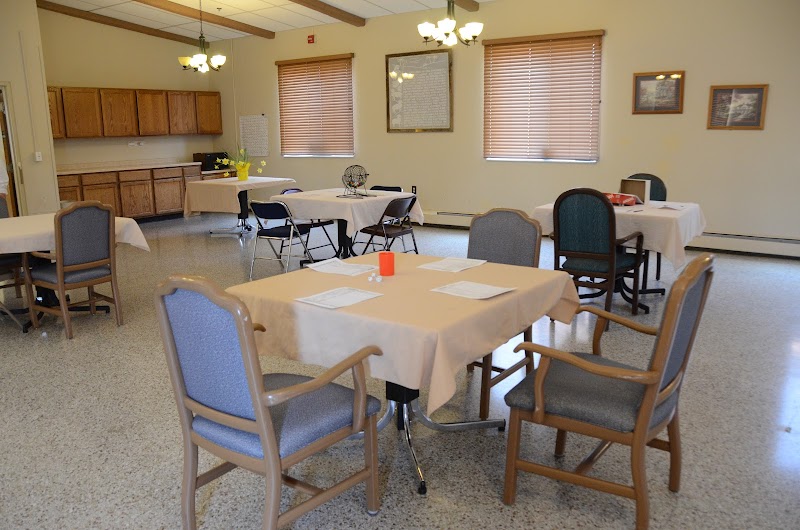
How is Crossroads Of Weyauwega Staffed?

CMS rates CROSSROADS CARE CENTER OF WEYAUWEGA's staffing level at 2 out of 5 stars, which is below average compared to other nursing homes. Staff turnover is 56%, which is 10 percentage points above the Wisconsin average of 46%. High turnover can affect care consistency as new staff learn residents' individual needs. RN turnover specifically is 86%, which is notably high. RNs provide skilled clinical oversight, so turnover in this role can affect medical care quality.

What Have Inspectors Found at Crossroads Of Weyauwega?

State health inspectors documented 56 deficiencies at CROSSROADS CARE CENTER OF WEYAUWEGA during 2022 to 2025. These included: 3 Immediate Jeopardy (the most serious level, indicating potential for serious harm or death), 2 that caused actual resident harm, 50 with potential for harm, and 1 minor or isolated issues. Immediate Jeopardy findings are rare and represent the most serious regulatory concerns. They require immediate corrective action.
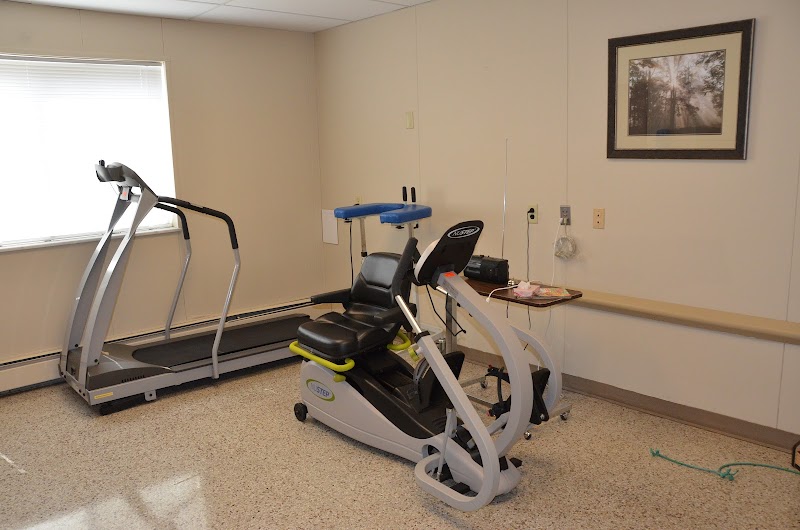
Who Owns and Operates Crossroads Of Weyauwega?

CROSSROADS CARE CENTER OF WEYAUWEGA is owned by a for-profit company. For-profit facilities operate as businesses with obligations to shareholders or private owners. The facility is operated by ARIA HEALTHCARE, a chain that manages multiple nursing homes. With 84 certified beds and approximately 45 residents (about 54% occupancy), it is a smaller facility located in WEYAUWEGA, Wisconsin.
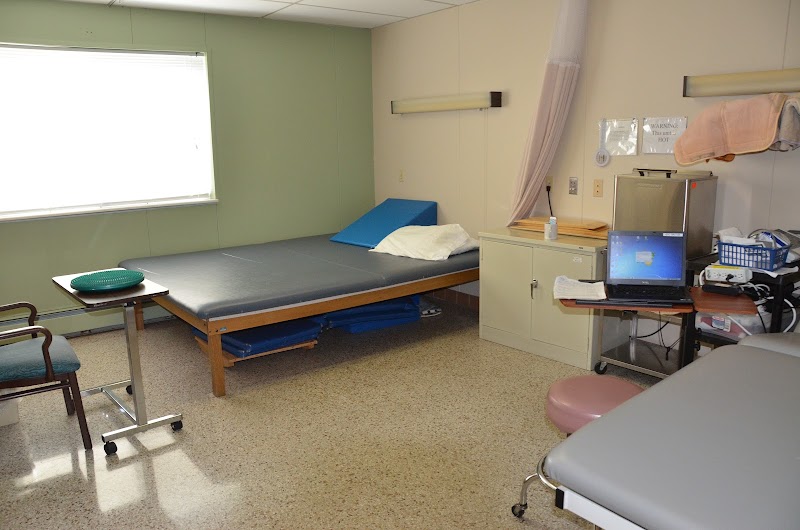
How Does Crossroads Of Weyauwega Compare to Other Wisconsin Nursing Homes?

Compared to the 100 nursing homes in Wisconsin, CROSSROADS CARE CENTER OF WEYAUWEGA's overall rating (1 stars) is below the state average of 3.0, staff turnover (56%) is near the state average of 46%, and health inspection rating (1 stars) is much below the national benchmark.

What Should Families Ask When Visiting Crossroads Of Weyauwega?

Based on this facility's data, families visiting should ask: "What changes have been made since the serious inspection findings, and how are you preventing similar issues?" "How do you ensure continuity of care given staff turnover, and what is your staff retention strategy?" "Can you walk me through typical staffing levels on day, evening, and night shifts?" "Can I visit during a mealtime to observe dining assistance and food quality?" These questions are particularly relevant given the facility's Immediate Jeopardy citations, the facility's high staff turnover rate, and the below-average staffing rating.

Is Crossroads Of Weyauwega Safe?

Based on CMS inspection data, CROSSROADS CARE CENTER OF WEYAUWEGA has documented safety concerns. Inspectors have issued 3 Immediate Jeopardy citations (the most serious violation level indicating risk of serious injury or death). The facility is currently on the Special Focus Facility watch list (a federal program monitoring the lowest-performing 1% of nursing homes nationwide). The facility has a 1-star overall rating and ranks #100 of 100 nursing homes in Wisconsin. Families considering this facility should ask detailed questions about what corrective actions have been taken since these incidents.

Do Nurses at Crossroads Of Weyauwega Stick Around?

Staff turnover at CROSSROADS CARE CENTER OF WEYAUWEGA is high. At 56%, the facility is 10 percentage points above the Wisconsin average of 46%. Registered Nurse turnover is particularly concerning at 86%. RNs handle complex medical decisions and coordinate care — frequent RN changes can directly impact care quality. High turnover means new staff may not know residents' individual needs, medications, or preferences. It can also be disorienting for residents, especially those with dementia who rely on familiar faces. Families should ask: What is causing the turnover? What retention programs are in place? How do you ensure care continuity during staff transitions?

Was Crossroads Of Weyauwega Ever Fined?

CROSSROADS CARE CENTER OF WEYAUWEGA has been fined $57,518 across 3 penalty actions. This is above the Wisconsin average of $33,654. Fines in this range indicate compliance issues significant enough for CMS to impose meaningful financial consequences. Common causes include delayed correction of deficiencies, repeat violations, or care failures affecting resident safety. Families should ask facility leadership what changes have been made since these penalties.

Is Crossroads Of Weyauwega on Any Federal Watch List?

CROSSROADS CARE CENTER OF WEYAUWEGA is currently an SFF Candidate, meaning CMS has identified it as potentially qualifying for the Special Focus Facility watch list. SFF Candidates have a history of serious deficiencies but haven't yet reached the threshold for full SFF designation. The facility is being monitored more closely — if problems continue, it may be added to the official watch list. Families should ask what the facility is doing to address the issues that led to this status.