WILLIAMS BAY HEALTH SERVICES
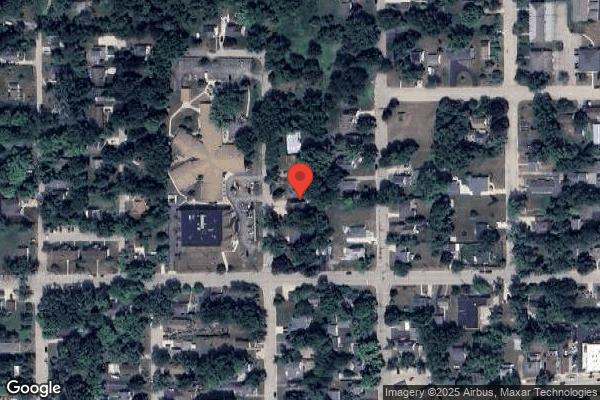
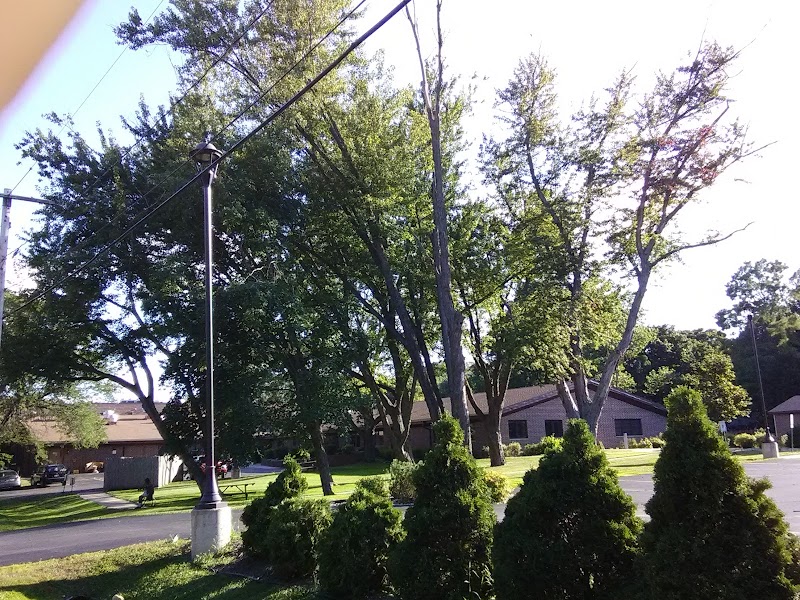
146 CLOVER ST, WILLIAMS BAY, WI 53191 (262) 245-6400
For profit - Corporation 50 Beds NORTH SHORE HEALTHCARE Data: November 2025
Trust Grade
60/100
#182 of 321 in WI
Last Inspection: March 2025

Within standard 12-15 month inspection cycle. Federal law requires annual inspections.

Overview

Williams Bay Health Services has a Trust Grade of C+, indicating a decent level of care that is slightly above average. It ranks #182 out of 321 nursing homes in Wisconsin, placing it in the bottom half of facilities statewide, and #4 out of 7 in Walworth County, meaning only three local options are better. Unfortunately, the facility is currently worsening, having increased from 3 reported issues in 2023 to 4 in 2025. Staffing is a concern, with a turnover rate of 66%, significantly higher than the Wisconsin average of 47%, which may affect the consistency of care. While there have been no fines reported, which is a positive sign, there are serious concerns regarding resident safety, such as a resident sustaining injuries during transfers due to improper handling and the facility's failure to maintain adequate infection control measures. Additionally, there were incidents of improper bed inspections that resulted in injuries. Despite having better RN coverage than 92% of facilities in Wisconsin, the combination of high turnover and these incidents raises valid concerns for families considering this nursing home.

Trust Score
C+
60/100
In Wisconsin
#182/321
Bottom 44%
Safety Record
Moderate
Needs review
Inspections
Getting Worse
3 → 4 violations
Staff Stability
⚠ Watch
66% turnover. Above average. Higher turnover means staff may not know residents' routines.
Penalties
✓ Good
No fines on record. Clean compliance history, better than most Wisconsin facilities.
Skilled Nurses
✓ Good
Each resident gets 68 minutes of Registered Nurse (RN) attention daily — more than 97% of Wisconsin nursing homes. RNs are the most trained staff who catch health problems before they become serious.
Violations
⚠ Watch
11 deficiencies on record. Higher than average. Multiple issues found across inspections.
★★★☆☆
3.0
Overall Rating
★★★☆☆
3.0
Staff Levels
★★☆☆☆
2.0
Care Quality
★★★☆☆
3.0
Inspection Score
Stable
2023: 3 issues
2025: 4 issues

The Good

  • Full Sprinkler Coverage · Fire safety systems throughout facility
  • No fines on record

Facility shows strength in fire safety.

The Bad

3-Star Overall Rating

Near Wisconsin average (3.0)

Meets federal standards, typical of most facilities

Staff Turnover: 66%

20pts above Wisconsin avg (46%)

Frequent staff changes - ask about care continuity

Chain: NORTH SHORE HEALTHCARE

Part of a multi-facility chain

Ask about local staffing decisions and management

Staff turnover is elevated (66%)

18 points above Wisconsin average of 48%

The Ugly 11 deficiencies on record

1 actual harm
Mar 2025 4 deficiencies 1 Harm
SERIOUS (G)

Actual Harm - a resident was hurt due to facility failures

Accident Prevention (Tag F0689)

A resident was harmed · This affected 1 resident

**NOTE- TERMS IN BRACKETS HAVE BEEN EDITED TO PROTECT CONFIDENTIALITY** Based on observation, interview and record review, the facility did not ensure 2 (R26 and R29) of 2 residents reviewed received ...

Read full inspector narrative →
**NOTE- TERMS IN BRACKETS HAVE BEEN EDITED TO PROTECT CONFIDENTIALITY** Based on observation, interview and record review, the facility did not ensure 2 (R26 and R29) of 2 residents reviewed received adequate supervision, interventions to prevent accidents. * On 02/12/2025, R26 sustained an injury during a transfer resulting in a skin tear to left lower leg requiring R26 to go to the emergency room where Steri-Strips were applied to R26's wound. On 03/03/2025, R26 reinjured R26's left lower leg during a transfer which caused bleeding and R26 was prescribed an antibiotic for Cellulitis. On 03/26/2025, Surveyor observed staff improperly transfer R26. *There was no quarterly smoking assessment for R29 on a quarterly basis. Findings Include: The facility's policy, titled NSG-Safe Resident Handling and transfers, with a last reviewed date of 05/05/2022, documents: Policy: It is the policy of this facility to ensure that residents are handled and transferred safely to prevent or minimize risks for injury and provide and promote a safe, secure and comfortable experience for the resident while keeping employees safe in accordance with current standards and guidelines. Policy Explanation: All residents require safe handling when transferred to prevent or minimize the risk for injury to themselves and the employee that assist them. While manual lifting techniques may be utilized dependent upon resident's condition and mobility, the use of mechanical lifts are a safer alternative and should be used. Compliance Guidelines: . 5. Handling aids may include gait belt, transfer boards and other devices. 6. The staff will inspect the equipment prior to use to ensure functionality and will alert maintenance or other designee if the equipment is not functioning properly . 14. Resident lifting and transferring will be preformed according to the resident's individual plan of care. 1.) R26 was admitted to the facility on [DATE] with diagnoses that include, Polyneuropathy, anxiety, and Chronic Pain Syndrome. R26's Annual Minimum Data Set (MDS), dated [DATE], documents R26 has a Brief Interview for Mental Status (BIMS) score of 15, indicating R26 is cognitively intact. R26's Annual MDS documents R26 did not exhibit behaviors, has impairment in bilateral lower extremities, uses a walker and wheelchair for mobility, requires substantial/maximal assist with sit to stand, is a partial/moderate assist with chair/bed-to-chair transfer, receives pain management with scheduled pain medication regimen, does not receive as needed pain medication, receives non-medication interventions for pain, frequency of pain is occasional, pain rarely effects sleep, pain rarely or not at all interferes with day-to-day activities, rates pain a 5 out of 10 and no documented skin tears. R26's Quarterly Minimum Data Set (MDS), dated [DATE], documents R26 has a BIMS score of 14, indicating R26 is cognitively intact, no behaviors exhibited, has impairment in bilateral lower extremities, uses a walker and wheelchair for mobility, is on a scheduled pain medication regimen, received as needed pain medication, did not receive non-medication interventions for pain, frequent pain frequency, does not interfere with sleep, occasionally interferes with day-to-day activities, rates pain 10 out of 10 on the pain scale, and has skin tear(s). Surveyor reviewed the Facility provided document, titled Care Plan Report, which documents: R26 has limited physical mobility with an intervention of transfer with assist of two using 2-wheel walker and gait belt. On 03/25/2025, at 09:11 AM, Surveyor interviewed R26. R26 informed Surveyor that during a transfer, the helper bumped R26's leg on the bed frame and indicated to Surveyor that this occurred twice. R26 informed Surveyor that R26 has been experiencing so much pain and does not want to lay in bed, but indicated the pain is bad causing R26 to stay in bed. R26 stated that R26 receives Tylenol but needs something stronger and informed Surveyor that R26 would be speaking with the wound doctor regarding the pain. R26 indicated that R26 has expressed being in pain to multiple staff. R26 informed Surveyor that R26's current pain is 5 out of 10 throbbing pain and pointed to R26's lower left leg that was wrapped in a gauze bandage. R26 informed Surveyor that it is hard for R26 to propel in R26's wheelchair due to the pain. Surveyor reviewed the facility provided document titled, Injury of Known Cause, dated 02/12/2025, which documents that Certified Nursing Assistant (CNA) reported that upon entering R26's room, there was a sheet on the ground saturated with blood. R26 had a deep skin tear to the front of R26's left leg with visible tissue. R26 states they hit their leg on the side of their bed while trying to transfer. R26 stated R26's leg hit on bed frame and was in pain. Under the Immediate action taken section it documents: R26's leg was wrapped to stop the bleeding, Emergency Medical Services (EMS) was called and R26 was sent out for further evaluation and treatment. Predisposing environmental factors documents, Furniture. Predisposing physiological factors documents, Weakness. Predisposing situation factors, documents, During Transfer. Other information documents, Noted: cap missing from bed frame exposing sharp edges of the metal. R26's late entry progress note dated 02/12/2025, documents that the clinical review determined root cause of injury was due to a missing cap from the metal frame of the residents' bed exposing, shard edges of metal piping. Under the Interventions section it documents that maintenance obtained the missing part from another bed not in use and placed on R26's bed. Surveyor reviewed the facility provided document titled, Injury of Known Cause, dated 03/03/2025, which documents in part, R26's left lower extremity wound reopened transferring from wheelchair to bed with assistance. Lower left extremity made contact with metal bed frame. R26 states R26 hit leg on the bed. Immediate action taken documents, pressure applied to wound, leg elevated, nurses applied pressure dressing and called 911. Foam pool noodles applied to bed frame, R26 made a 2 assist for transfers. Predisposing environmental factors documents, None. Predisposing physiological factors documents, Gait Imbalance and Weakness. Predisposing situation factors, documents, During Transfer and Other. Other information documents, R26 has fragile, poor skin turgor and left lower extremity contacted metal bedframe during transfer from wheelchair to bed. Surveyor noted a progress noted as Late Entry, dated 03/03/2025, documents, root cause: R26's skin is very thin and fragile with area previously opened. R26's left lower extremity encountered metal bedframe re-opening existing skin injury. Intervention: replaced R26's bed frame with a rounded- frame design. Surveyor reviewed the After Visit Summary (AVS) for R26, dated 02/12/2025, Surveyor noted under Instructions documents, Please continue wound care at home. Please follow -up with your primary doctor. Return to ER for any worse concerning symptoms. Please change the dressing daily. The Steri-Strips will fall off on their own when the hound is healing. Surveyor reviewed the Facility provided wounds notes by VOHRA. Surveyor noted R26 was seen on 02/18/2025 by the wound doctor and was prescribed Doxcycline 100 mg for 14 days, for Cellulitis of skin tear to lower left extremity. On 03/26/2025, at 09:10 AM, Surveyor observed Licensed Practical Nurse (LPN)-E assisting R26 from R26's wheelchair to R26's bed. Surveyor noted, LPN-E did not use the use of R26's 2-wheel walker. During the transfer, R26 indicated R26 was too weak, and could not transfer. LPN-E then indicated LPN-E would go to get someone else to help. On 03/26/2025, at 09:26 AM, Surveyor observed Certified Nursing Assistant (CNA)-D and LPN-E assisted R26 into bed. Surveyor noted R26's 2-wheel walker was not utilized during the transfer. Surveyor asked CNA-D how R26 transfers. CNA-D indicated before R26's leg got hurt, R26 was a one assist, but now for safety, is an assist of 2. CNA-D and LPN-E indicated that R26's transfer status should be in care plan and indicates how R26 transfers. On 03/26/2025, at 11:17 AM, Surveyor interviewed NHA-A regarding R26's transfer injury. NHA-A indicated can't remember exactly when it occurred but stated there was a process in place before 3/12/25 for a new bed, and stated there were no issues getting the new bed for R26. NHA-A stated that pool noodles stayed in place until a new bed arrived for R26. On 03/26/2025, at 03:08 PM, Surveyor interviewed CNA-F. CNA-F indicated that CNA-F got R26 up this morning. CNA-F indicated that R26 is a 1 person assist and can bear weight. On 03/26/2025, at 02:30 PM, Surveyor informed the facility of the above concerns. On 03/27/2025, at 09:15 AM, Surveyor interviewed NHA-A and Director of Nursing (DON)-B. NHA-A indicated that on 02/12/2025, following R26's injury, an audit was conducted of how many beds had open metal, circular holes, that were missing the plastic piece where R26 had cut R26's leg. NHA-A provided Surveyor with a document with no title, dated 02/12/2025, which documents 45 missing plastic pieces between 31 beds. NHA-A indicated the replacements were ordered, but then had to order more due to being on back order. NHA-A provided Surveyor with another document, with no title, dated 03/03/2025, documents 3 beds with missing square hole covers. NHA-A indicated that after the 03/03/2025 incident, it was noticed that the bed also had square plastic pieces missing causing the metal to be exposed on R26's bed. The audit was completed, and the square hold covers were replaced. NHA-A indicated there are no current occupied beds with holes. DON-B informed Surveyor that DON-B started to distribute trainings, on safe transfers, last night after speaking with surveyor. DON-B informed Surveyor that therapy will be seeing R26 later today to re-evaluate transfer status but is currently a 2 assist, using a gait belt and two wheel walker. No additional information provided as to why R26 was not provided with assistant devices to prevent accidents. The facility's Smoking Policy implemented 5/2019 and last reviewed 9/10/24 documents: Policy: It is the policy of this facility to provide a safe and healthy environment for Residents, visitors, and employees, including safety as related to smoking. Safety protections apply to smoking and non-smoking Residents. This center shall establish and maintain a safe environment, while maintaining Resident rights, smoking or nicotine use will be limited to designated areas and safety plans. Policy Explanation and Compliance Guidelines: 4. All Residents will be asked about tobacco/nicotine use during the admission process, and during each quarterly or comprehensive MDS assessment process. 5. Residents who smoke or use nicotine or e-cigarettes will be further assessed, using the Nicotine Assessment UDA, to determine whether supervision is required for smoking, or if Resident is safe to smoke at all. 2.) R29 was admitted to the facility on [DATE] with diagnoses of Paraplegia, Acquired Absence of Right Leg Above Knee, Polyneuropathy, Necrotizing Fasciitis, and Major Depressive Disorder. R29's Quarterly Minimum Data Set(MDS) completed 2/9/25 documents R29's Brief Interview for Mental Status(BIMS) score to be 15, indicating R29 is cognitively intact for daily decision making. R29's MDS documents no behaviors. R29 has no range of impairment on upper extremities and impairment on both sides of lower extremities. R29's admission MDS completed 5/21/24 documents no tobacco use is documented. On 3/25/25, at 9:32 AM, Surveyor observed that R29's right and left hands are significantly contracted. R29 informed Surveyor both hands have been contracted for a long time and does not prevent R29 from being independent with use of hands. R29's smoking care plan initiated 3/25/25 documents: At risk for smoking related injury due to independent smoking. Interventions initiated 3/25/25: -Allow R29 to smoke independently in designated area. -Completed nicotine assessment per facility policy -Observe R29 for unsafe smoking behaviors or attempts to obtain smoking material from outside sources. Immediately inform facility management of concerns -Review smoking policy with R29 -Storage of smoking materials per facility policy On 3/25/25, at 10:50 AM, Surveyor notes that R29's smoking assessment determining R29 to be independent with smoking was completed 11/8/24. On 3/25/25, at 1:56 PM, Surveyor interviewed Director of Nursing (DON)-B. DON-B stated that smoking assessments are completed on admission, quarterly, and as needed. On 3/26/25, at 9:40 AM, Surveyor notes that a new smoking assessment was completed on 3/25/25. On 3/26/25, at 2:45 PM, DON-B confirmed that R29's smoking assessment should have been completed on a quarterly basis since admission. DON-B confirmed that DON-B completed R29's smoking assessment on 3/25/25. Surveyor shared the concern with Administrator (NHA)-A and DON-B that R29's smoking assessment was not completed on a quarterly basis. No additional information was provided by the facility as to why R29 did not have a smoking assessment completed on a quarterly basis.
CONCERN (D)

Potential for Harm - no one hurt, but risky conditions existed

Deficiency F0697 (Tag F0697)

Could have caused harm · This affected 1 resident

**NOTE- TERMS IN BRACKETS HAVE BEEN EDITED TO PROTECT CONFIDENTIALITY** Based on interview and record review, the facility did not ensure that 1 (R26) of 2 residents reviewed for pain management recei...

Read full inspector narrative →
**NOTE- TERMS IN BRACKETS HAVE BEEN EDITED TO PROTECT CONFIDENTIALITY** Based on interview and record review, the facility did not ensure that 1 (R26) of 2 residents reviewed for pain management received pain management consistent with professional standards of practice and Resident choice related to pain management. * The facility did not provide as needed pain medication or offer non-pharmacological interventions on 03/07/2025 for R26. The facility did not confer with R26's healthcare team regarding documented ineffective pain medication and did not offer non-pharmacological pain interventions for R26 on 03/08/2025, 03/21/2025, and 03/25/2025. Findings: The facility's policy, titled Pain Management, with a last reviewed date of 08/09/2022, documents in part, . Pain Management and Treatment: . 2. Interventions for pain management will be incorporated into the components of the comprehensive care plan, addressing conditions or situations that may be associated with pain or may be included as a specific pain management need or goal. 6. Non-pharmacological interventions will include but are not limited to: a. Environmental comfort measures (e.g., adjusting room temperature, smoothing linens, comfortable seating, assistive devices or pressure redistributing mattress and positioning) b. Loosening any constrictive bandage, clothing or device. c. Apply splinting (e.g., pillow or folded blanket) d. Physical modalities (e.g., cold compress, warm shower/bath, massage, turning and repositioning) e. Exercises to address stiffness and prevent contractures as well as restorative nursing programs to maintain joint mobility f. Cognitive/behavioral interventions (e.g., music, relaxation techniques, activities, diversions, spiritual and comfort support, teaching the resident coping techniques and education about pain) . 7. i. Facility staff will notify the practitioner, if the resident's pain is not controlled by the current treatment regimen. 1.) R26 was admitted to the facility on [DATE] with diagnoses that include Polyneuropathy, anxiety, and Chronic Pain Syndrome. R26's Annual Minimum Data Set (MDS), dated [DATE], documents R26 has a Brief Interview for Mental Status (BIMS) score of 15, indicating R26 is cognitively intact. R26's Annual MDS documents R26 did not exhibit behaviors, has impairment in bilateral lower extremities, uses a walker and wheelchair for mobility, requires substantial/maximal assist with sit to stand, is a partial/moderate assist with chair/bed-to-chair transfer, receives pain management with scheduled pain medication regimen, does not receive as needed pain medication, receives non-medication interventions for pain, frequency of pain is occasional, pain rarely effects sleep, pain rarely or not at all interferes with day-to-day activities, rates pain a 5 out of 10 and no documented skin tears. R26's Quarterly Minimum Data Set (MDS), dated [DATE], documents R26 has a BIMS score of 14, indicating R26 is cognitively intact, no behaviors exhibited, has impairment in bilateral lower extremities, uses a walker and wheelchair for mobility, is on a scheduled pain medication regimen, received as needed pain medication, did not receive non-medication interventions for pain, frequent pain frequency, does not interfere with sleep, occasionally interferes with day-to-day activities, rates pain 10 out of 10 on the pain scale, and has skin tear(s). On 03/25/2025, at 09:11 AM, Surveyor interviewed R26. R26 informed Surveyor that while during a transfer, the helper bumped R26's leg on the bed frame and indicated this occurred twice. R26 informed Surveyor that R26 has been experiencing so much pain and does not want to lay in bed, but indicated the pain is bad causing R26 to stay in bed. R26 indicated that R26 receives Tylenol but needs something stronger and informed Surveyor that R26 would be speaking with the wound doctor regarding the pain. R26 indicated that R26 has expressed being in pain to multiple staff. R26 informed Surveyor that R26's current pain is 5 out of 10 throbbing pain and pointed to R26's lower left leg that was wrapped in a gauze bandage. R26 informed Surveyor that it is hard for R26 to propel in R26's wheelchair due to the pain. On 03/25/2025, at 02:30 PM, Surveyor checked in with R26. R26 informed Surveyor that R26's pain is now a 7 out of 10 pain and was given 2 Tylenol. R26 expressed to Surveyor that R26 was really wanting to get R26's hair done today but was in too much pain to get out of bed. Surveyor noted R26 to be in bed with a pillow under R26's left leg. On 03/26/2025, at 09:01 AM, R26 informed Surveyor that R26 is experiencing a 10/10 stabbing pain going down left shin and wants to lay down. Surveyor noted R26 starting to become tearful. R26 expressed to Surveyor, that the pain feels like someone taking a knife to R26's leg. On 03/26/2025, at 09:10 AM, Licensed Practical Nurse (LPN)-E was gowning up to help R26 get into bed. LPN-E indicated R26 was given Ibuprofen pain medication before breakfast, but it isn't helping. Surveyor asked LPN-E what non-pharmacological interventions are in place for R26's pain. LPN-E indicated propping R26's leg up in bed. LPN-E then asked R26 if R26 would like an ice pack. R26 said yes, and LPN-E indicated LPN-E would need to contact the Nurse Practitioner (NP) for an order for an ice pack. Surveyor reviewed progress notes and noted the following is documented, on 03/07/2025 at 10:16 PM, R26 began crying during medication pass due to complaints about need to use the toilet, resident has not been getting up for the toilet due to leg pain, reminded of this and resident denies, able to get up and take to bathroom without further concerns. C/o increased pain r/t leg. Surveyor reviewed R26's Medication Administration Record (MAR) and Treatment Administration Record (TAR) for March 2025. Surveyor noted that on 03/07/2025, no as needed pain medication was administered to R26. Surveyor noted R26's pain on 03/07/2025 was documented as 4 out of 10, 7 out of 10 and 2 out of 10. Surveyor noted on 03/08/2025 R26 was administered as needed pain medication, which was documented as ineffective. Surveyor reviewed progress notes and noted the following is documented, on 03/12/2025, at 07:15 PM, R26 reported not wanting to take R26's evening medications, stating it did absolutely nothing for me, R26 was reminded that stopping medications in the past had resulted in uncontrolled pain and R26 was encouraged to take her medications, but was admit about not taking the medications. Surveyor reviewed a progress note, dated 03/21/2025, which documents Nurse Practitioner (NP) discontinued R26's scheduled Tylenol and prescribed as needed ibuprofen every 8 hours for 7 days, per R26's request. Surveyor noted in a progress note, dated 03/21/2025 at 07:50 PM, as needed Ibuprofen was ineffective. Surveyor noted in a progress note, dated 03/25/2025 at 12:57, Tylenol and ibuprofen was ineffective. Surveyor noted, no documentation that other non-pharmacological interventions were implemented aside from elevating R26's leg in bed. Surveyor noted that on 03/26/2025, a new order for an ice pack was initiated after Surveyor spoke with LPN-E regarding non-pharmacological pain interventions. On 03/26/2025, at 12:46 PM, Surveyor interviewed Director of Nursing (DON)-B. Surveyor asked DON-B what the expectation is if pain medications are ineffective. DON-B indicated that staff should be collaborating with physician to change orders or monitoring, reevaluate current pain regimen. DON-B indicated the R26 has behaviors and indicated pain is one of R26's behaviors. On 03/26/2025, at 02:30 PM, Surveyor informed the facility of the above concerns related to R26's acute pain related to R26's injury. Surveyor reviewed the Facility provided document, titled Care Plan Report, which documents, in part, the following, R26 has alterations in comfort: pain related to chronic pain syndrome has chronic low back pain, leg pain related to polyneuropathy and fragile skin prone to injury. Interventions include offer pain medication prior to wound care and evaluate the effectiveness of pain interventions. Actual skin tear to left lower extremity, with interventions which include: give medications as ordered, notify physician if interventions are unsuccessful or if current complaint is a significant change from residents past experience of pain, offer diversion for pain encourage and assist with repositioning, offer back rub, report to nurse any change in usual activity attendance patterns or refusal to attend activities related to signs and symptoms are complaints of pain or discomfort, report to nurse residents' complaints of pain or request for pain treatment. Surveyor noted above interventions were initiated in 2023, prior to R26's acute injury. Surveyor noted the following interventions were initiated on 03/26/2025 after Surveyor brought concerns to the Facility, monitor/ document for side effects of pain medication, provide heat/cold application as needed. Surveyor noted, R26 does not have a care plan addressing behaviors related to pain. On 03/27/2025, at 09:12 AM, Surveyor interviewed NHA-A regarding R26's pain and ineffective pain control. NHA-A indicated that the team would discuss what would be effective to control R26's pain and the team should include NHA-A, DON-B, NP-G, Unit manager, social worker and Medical Doctor. On 03/27/2025, at 10:18 AM, Surveyor interviewed NP-G. NP-G indicated that if R26 is maxing out on all as needed medications, offer ice therapy, and notify as needed. NP-G indicated an order was put in yesterday for an ice pack and indicated ice is not standing order. NP-G indicated R26 sustained a decent sized wound, and the injury execrated chronic neuropathy. On 03/27/2025, The Survey team exited with the Facility, no further information was provided at that time.
CONCERN (F)

Potential for Harm - no one hurt, but risky conditions existed

Infection Control (Tag F0880)

Could have caused harm · This affected most or all residents

Based on record review and staff interview, the facility did not maintain an effective infection control program under which it investigates, controls, and prevents infections in the facility. * Tota...

Read full inspector narrative →
Based on record review and staff interview, the facility did not maintain an effective infection control program under which it investigates, controls, and prevents infections in the facility. * Total infection rates were not calculated accurately and rates of infection for individual infection types were not calculated. Since infection rates were not calculated it was not possible to analyze the data to determine if there was a rise in the prevalence of infections from month to month with a potential to affect 32 of 32 residents. * R33 was observed to receive treatment to her pressure injuries and proper hand hygiene was not used in accordance to the facilities policies and procedures. Findings include: 1.) On 3/27/25 at 9:30 a.m., Surveyor interviewed Licensed Practical Nurse (LPN)-E who is in charge of the infection control program. LPN-E indicated that she does not calculate individual rates of infection and will count an infection in more than 1 month if it continues or is chronic. LPN-E indicated she just started separating the facility associated infection from the community based infections. LPN-E indicated she understood that if the infection rates are not calculated correctly it would be difficult to determine if their was an increase in infection rates from month to month. On 3/26/25, the facility's monthly infection rate surveillance summary reports from 9/24 to 2/25 were reviewed and did not include calculations for each individual type of infection only the numbers of infections. With the exception of 2/25 the total infection rates included community based infections and facility associated infections and included in the total rate of infections. The facility's monthly infection surveillance logs from 9/24 to 2/25 were reviewed and infections included in the rates of infection included infections from previous months and residents that have chronic infections due to multiple drug resistant organisms. On 3/26/25, the facility's policy titled Infection Surveillance dated 3/8/23 was reviewed an documented: Monthly time periods will be used for capturing and reporting data. Data will be used to show comparisons over time and will be monitored for trends. On 3/27/25 at 10:00 AM, Surveyor notified Nursing Home Administrator (NHA)-A and Director of Nurses (DON)-B of the above findings. Additional information was requested if available, however none was provided as to why the facility did not calculate rates of infection for each type of infection and only use new infections/health-care associated infections in their infection rate calculations. The facility's Hand Hygiene policy, dated 11/2/22, documents: All staff will perform hand hygiene procedures to prevent the spread of infection to other personnel, residents, and visitors. This applies to all staff working in all locations in the facility .2. Hand hygiene is indicated and will be performed .after handling contaminated objects; before applying and after removing personal protective equipment (PPE), including gloves; before and after handling clean or soiled dressings, linens, etc.; before performing resident care procedures; when, during resident care, moving from a contaminated body site to a clean body site; and when in doubt. 2.) R33 was observed with 2 unstageable pressure injuries to the buttocks. On 3/27/25 at 10:46 AM, Surveyor observed wound care performed by Registered Nurse (RN)-C. Director of Nursing (DON)-B was present in R33's room at this time to observe R33's wound care. Surveyor observed RN-C remove R33's 2 soiled wound dressings. RN-C cleansed each of R33's wounds with normal saline. RN-C did not remove their soiled gloves and perform hand hygiene prior to cleansing RN's wounds after removing soiled dressings. After cleansing R33's wounds, RN-C donned new gloves. RN-C did not perform hand hygiene after removing soiled gloves and donning new gloves. RN-C applied new dressings to R33's wounds. On 3/27/25 at 10:52 AM, RN-C removed soiled gloves and performed hand hygiene in R33's bathroom. On 3/27/25 at 11:10 AM, Surveyor conducted interview with DON-B. Surveyor asked DON-B what the facility's expectation would be for conducting hand hygiene during wound care for residents. DON-B told Surveyor that they had noticed RN-C not cleansing their hands throughout R33's wound treatments including when removing soiled gloves throughout treatment. Surveyor informed DON-B and Nursing Home Administrator (NHA)-A that RN-C did not conduct hand hygiene practices in accordance with facility's policy and procedure throughout R33's wound treatment on 3/27/25. No additional information was provided.
CONCERN (F)

Potential for Harm - no one hurt, but risky conditions existed

Deficiency F0909 (Tag F0909)

Could have caused harm · This affected most or all residents

Based on observation, interview and record review, the Facility did not ensure proper inspection of resident beds. *On 02/12/2025 and 03/03/2025, R26 was injured during a transfer. The metal pieces o...

Read full inspector narrative →
Based on observation, interview and record review, the Facility did not ensure proper inspection of resident beds. *On 02/12/2025 and 03/03/2025, R26 was injured during a transfer. The metal pieces of R26's bed did not have plastic caps to protect R26's shins and legs from the bed's sharp metal edges. Findings include: 1.) Surveyor reviewed the Facility provided document titled, Injury of Known Cause dated 02/12/2025, that documents, that unnamed Certified Nursing Assistant (CNA) reported an R26's room, upon entering R26's room there was a sheet on the ground saturated with blood. R26 had a deep skin tear to the front of R26's left leg with visible tissue. R26 states they hit their leg on the side of their bed while trying to transfer. R26 states hit on bed frame and was in pain. Immediate action taken documents, R26's leg was wrapped to stop the bleeding, Emergency Medical Services (EMS) was called and R26 was sent out for further evaluation and treatment. Predisposing environmental factors documents, Furniture. Predisposing physiological factors documents, Weakness. Predisposing situation factors, documents, During Transfer. Other information documents, Noted: cap missing from bed frame exposing sharp edges of the metal. Surveyor noted a progress noted as Late Entry dated 02/12/2025, documents the clinical review determined root cause of injury was due to a missing cap from the metal frame of the residents' bed exposing, sharp edges of metal piping. Under the Intervention section it documents: Maintenance obtained the missing part from another bed not in use and placed on R26's bed. Surveyor reviewed the facility provided document titled, Injury of Known Cause dated 03/03/2025, which documents in part, R26's left lower extremity wound reopened transferring from wheelchair to bed with assistance. Lower left extremity made contact with metal bed frame. R26 states R26 hit leg on the bed. Immediate action taken documents, pressure applied to wound, leg elevated, nurses applied pressure dressing and called 911. Foam pool noodles applied to bed frame, R26 made a 2 assist for transfers. Predisposing environmental factors documents, None. Predisposing physiological factors documents, Gait Imbalance and Weakness. Predisposing situation factors, documents, During Transfer and Other. Other information documents, R26 has fragile, poor skin turgor and left lower extremity contacted metal bedframe during transfer from wheelchair to bed. Surveyor noted a progress noted as Late Entry, dated 03/03/2025, documents, root cause: R26's skin is very thin and fragile with area previously opened. R26's left lower extremity encountered metal bedframe re-opening existing skin injury. Intervention: replaced R26's bed frame with a rounded- frame design. On 03/26/2025, at 11:17 AM, Surveyor interviewed Nursing Home Administrator (NHA)-A regarding R26's transfer injury. NHA-A indicated can't remember exactly but started process days before 3/12/25 for new bed. no issues getting the new bed for resident. pool noodles stayed in place until new bed arrived. made an assist of 2 for transfers. On 03/27/2025, at 09:15 AM, Surveyor interviewed NHA-A and Director of Nursing (DON)-B. NHA-A indicated that on 02/12/2025, following R26's injury, an audit was conducted of how many beds had open metal, circular holes, that were missing the plastic piece where R26 had cut R26's leg. NHA-A provided Surveyor with a document with no title, dated 02/12/2025, which documents 45 missing plastic pieces between 31 beds. NHA-A indicated the replacements were ordered, but then had to order more due to being on pack order. NHA-s provided Surveyor with another document, with no title, dated 03/03/2025, documents 3 beds with missing square hole covers. NHA-A indicated that after the 03/03/2025 incident, it was noticed that the bed also had square plastic pieces missing causing the metal to be exposed on R26's bed. The audit was completed, and the square hold covers were replaced. NHA-A indicated there are no current occupied beds with holes. On 03/27/2025, at 12:31 PM, Surveyor interviewed Maintenance Director-H. Maintenance Director-H indicated that beds are inspected quarterly, gap control and look for sharp edges. Maintenance Director-H indicated that the task does not specify to ensure end caps are in place. Maintenance Director-H indicated after R26's incidents, they started looking for end caps. Maintenance Director-H indicated after the first incident, circular plastic caps were identified and replaced, but some are still on back order. After the second incident, square caps were identified and indicated Maintenance Director-H didn't realize square caps were missing after the first incident. Maintenance Director-H indicated it was a problem throughout building, a lot missing, but not now. Maintenance Director-H informed Surveyor there are no current used beds that have missing caps. 48 missing caps after the first incident. Maintenance Director-H indicated being not really knowing the audit process and has only done 2-3 ever. No additional information was provided as to why the facility did not conduct regular inspections of R26's bed and bed frame.
Sept 2023 3 deficiencies
CONCERN (D) 📢 Someone Reported This

A family member, employee, or ombudsman was alarmed enough to file a formal complaint

Potential for Harm - no one hurt, but risky conditions existed

Free from Abuse/Neglect (Tag F0600)

Could have caused harm · This affected 1 resident

Based on interview, record review, and facility policy review, the facility failed to protect the residents' right to be free from neglect by staff for one of three residents (Resident (R) 1) reviewed...

Read full inspector narrative →
Based on interview, record review, and facility policy review, the facility failed to protect the residents' right to be free from neglect by staff for one of three residents (Resident (R) 1) reviewed for neglect in a total sample of eight residents. Findings include: Review of the facility's policy titled, Abuse, Neglect and Exploitation, provided to the survey team by the facility, revised 07/15/22, revealed, Neglect means failure of the facility, its employees, or service providers to provide goods and services to a resident that are necessary to avoid physical harm, pain, mental anguish, or emotional distress. Additionally, the policy revealed, Possible indicators of abuse include, but are not limited to: Failure to provide care needs such as feeding, bathing, dressing, turning & positioning. During an interview on 09/21/23 at 11:58 AM, R10 stated, I'm so glad you are here. I heard the gentleman (R1) down the hall was left in his wheelchair for two shifts and he was soiled, and no one checked on him. I think that is elder abuse and I don't think we should be treated that way. Review of R10's admission Record located in the electronic medical record (EMR) under the Profile tab, revealed an admission date of 02/03/20 with diagnoses of chronic kidney disease and diabetes. Review of R10's re-admission Minimum Data Set (MDS), located in the EMR under the MDS tab with an Assessment Reference Date (ARD) of 07/24/23, revealed the resident had a Brief Interview for Mental Status (BIMS) score of 15 out of 15, indicating R10 was cognitively intact. During an interview on 09/21/23 at 12:38 PM, when asked if she had ever witnessed abuse, neglect, or mistreatment at the facility, Certified Nursing Assistant (CNA) 3 stated, On August 29th, I was doing my rounds and I opened [R1]'s door and he was seated in his wheelchair, in the same clothes that I dressed him in on the previous day, he was hunched over to the side, dinner tray still in front of him, and the lid of the tray on floor. Food on the floor. The scene was a mess. I literally stopped what I was doing and grabbed [Licensed Practical Nurse (LPN)3] from the hall. He was screaming about his hip hurting, and I think it was because he was left in his wheelchair all night. He was full of feces. He has an ostomy, so it was full, you had to scrub it [the feces] off of him. I reported it to the [Director of Nursing (DON)] and [Assistant Director of Nursing (ADON)] in a group text. I texted at them 7:40 AM. During an interview on 09/21/23 at 12:58 PM, LPN3 stated, CNA3 called me to [R1]'s room, stating he was left up all night in the wheelchair. When I entered the room, [R1] was seated in his wheelchair, leaning to side, and was alert and oriented. His dinner tray was next him. I assessed him and the aides cleaned him up. He didn't want breakfast because he was tired and he slept through the morning. I considered this neglect. CNA3 had reported it to the DON I believe. When the Administrator came in, I reported it to her. Review of R1's admission Record located in the EMR under the Profile tab, revealed an admission date of 03/09/21 with diagnoses of dementia, and hemiplegia and hemiparesis. Review of R1's quarterly MDS, located in the EMR under the MDS tab with an ARD of 05/30/23, revealed the resident had a BIMS score of six out of 15, indicating R1 was severely cognitively impaired. On 09/21/23 at 1:05 PM, an interview was attempted with R1. R1 was unable to be interviewed due to his cognition. An interview was conducted 09/21/23 at 1:07 PM with the Administrator and the DON. The Administrator stated, On the morning of August 29th, the DON reported to me that she was told by [CNA3] that she came in for her shift and saw that [R1] was sitting up in the wheelchair in his room dinner tray was still in front of him and wearing the same clothes from the previous day and that he was soiled. [CNA3] stated she said she reported it to [LPN3] and [LPN3] went in and did a skin and pain check and then he got washed and changed by [CNA3] and another CNA. The DON stated [CNA3] contacted her by text message and stated she then verbally spoke to [CNA3] and [LPN3]. Both the Administrator and the DON stated they spoke with CNA1, CNA2, LPN1, and LPN2 and verbally educated the staff. Both DON and the Administrator stated that they did not recognize this incident as neglect at the time it sounds worse now than it did then. Both the Administrator and DON stated none of the staff involved in the incident were suspended or had their resident assignment changed. Both the Administrator and the DON stated they now consider this incident as neglect. Review of timecards, provided to the survey team by the Administrator revealed the following: CNA1 had worked one shift since the incident; CNA2 had worked seven shifts since the incident; LPN1 had worked four shifts since the incident; LPN2 had not worked since the incident.
CONCERN (D) 📢 Someone Reported This

A family member, employee, or ombudsman was alarmed enough to file a formal complaint

Potential for Harm - no one hurt, but risky conditions existed

Report Alleged Abuse (Tag F0609)

Could have caused harm · This affected 1 resident

Based on interview, record review, and facility policy review, the facility failed to report an allegation of neglect by staff for one of three residents (Resident (R) 1) reviewed for neglect in a tot...

Read full inspector narrative →
Based on interview, record review, and facility policy review, the facility failed to report an allegation of neglect by staff for one of three residents (Resident (R) 1) reviewed for neglect in a total sample of eight residents. Findings include: Review of the facility's policy titled, Abuse, Neglect and Exploitation, provided to the survey team by the facility, revised 07/15/22, revealed, The facility will designate an [sic] leadership position in the facility who is responsible for reporting allegations or suspected abuse, neglect, or exploitation to the state survey agency and other officials in accordance with state law. During an interview on 09/21/23 at 12:38 PM, Certified Nursing Assistant (CNA) 3 stated R1 was neglected by being left unattended and soiled for the duration of two shifts beginning on 08/28/23. CNA3 reported this incident to the Director of Nursing (DON) and the Assistant Director of Nursing (ADON). During an interview on 09/21/23 at 12:58 PM, Licensed Practical Nurse (LPN) 3 confirmed CNA3's statement and witnessed R1's condition of neglect. LPN3 reported this incident to the Administrator. Review of R1's admission Record located in the electronic medical record (EMR) under the Profile tab, revealed an admission date of 03/09/21 with diagnoses of dementia, and hemiplegia and hemiparesis. Review of R1's quarterly Minimum Data Set (MDS), located in the EMR under the MDS tab with an Assessment Reference Date (ARD) of 05/30/23, revealed the resident had a Brief Interview for Mental Status (BIMS) score of six out of 15, indicating R1 was severely cognitively impaired. Review of all facility-reported incidents from January 2023 through present, provided to the survey team by the Administrator, revealed no report of the incident regarding R1. During an interview on 09/21/23 at 1:07 PM, the Administrator and the DON confirmed the above-mentioned incident was reported to them by CNA3 and LPN3. Both the Administrator and DON stated they did not report this incident. Neither the Administrator nor the DON could state why the incident was not reported. The Administrator stated that she was the Abuse Coordinator and responsible for reporting the incident of neglect.
CONCERN (D) 📢 Someone Reported This

A family member, employee, or ombudsman was alarmed enough to file a formal complaint

Potential for Harm - no one hurt, but risky conditions existed

Investigate Abuse (Tag F0610)

Could have caused harm · This affected 1 resident

Based on interview, record review, and facility policy review, the facility failed to investigate an allegation of neglect by staff for one of three residents (Resident (R) 1) reviewed for neglect in ...

Read full inspector narrative →
Based on interview, record review, and facility policy review, the facility failed to investigate an allegation of neglect by staff for one of three residents (Resident (R) 1) reviewed for neglect in a total sample of eight residents. Findings include: Review of the facility's policy titled, Abuse, Neglect and Exploitation, provided to the survey team by the facility, revised 07/15/22, revealed, An immediate investigation is warranted when allegation or suspicion of abuse, neglect or exploitation, or reports of abuse, neglect or exploitation occur. During an interview on 09/21/23 at 11:58 AM, R10 reported an incident of what she considered elder abuse. R10 stated that she heard R1 was left soiled and in his wheelchair for two shifts. Review of R10's admission Record located in the electronic medical record (EMR) under the Profile tab, revealed an admission date of 02/03/20 with diagnoses of chronic kidney disease and diabetes. Review of R10's re-admission Minimum Data Set (MDS), located in the EMR under the MDS tab with an Assessment Reference Date (ARD) of 07/24/23, revealed the resident had a Brief Interview for Mental Status (BIMS) score of 15 out of 15, indicating R10 was cognitively intact. During an interview on 09/21/23 at 12:38 PM, Certified Nursing Assistant (CNA) 3 stated R1 was neglected by being left unattended and soiled for the duration of two shifts beginning on 08/28/23. CNA3 reported this incident to the Director of Nursing (DON) and the Assistant Director of Nursing (ADON). During an interview on 09/21/23 at 12:58 PM, Licensed Practical Nurse (LPN) 3 confirmed CNA3's statement and witnessed R1's condition of neglect. LPN3 reported this incident to the Administrator. Review of R1's admission Record located in the EMR under the Profile tab, revealed an admission date of 03/09/21 with diagnoses of dementia, and hemiplegia and hemiparesis. Review of R1's quarterly MDS, located in the EMR under the MDS tab with an ARD of 05/30/23, revealed the resident had a BIMS score of six out of 15, indicating R1 was severely cognitively impaired. Review of R1's complete medical record revealed no documented evidence of the incident of neglect. Review of all facility-reported incidents from January 2023 through present, provided to the survey team by the Administrator, revealed no report or investigation of the incident regarding R1. During an interview on 09/21/23 at 1:07 PM, the Administrator and the DON confirmed the above-mentioned incident was reported to them by CNA3 and LPN3. Both the Administrator and DON stated they did not investigate this incident. Neither the Administrator nor the DON could state why the incident was not investigated. The Administrator stated that she was the Abuse Coordinator and responsible for investigating the report of neglect.
Oct 2022 4 deficiencies
CONCERN (D)

Potential for Harm - no one hurt, but risky conditions existed

Pressure Ulcer Prevention (Tag F0686)

Could have caused harm · This affected 1 resident

**NOTE- TERMS IN BRACKETS HAVE BEEN EDITED TO PROTECT CONFIDENTIALITY** Based on observation, interview and record review the facility did not ensure 1 of 2 residents with pressure injuries was provid...

Read full inspector narrative →
**NOTE- TERMS IN BRACKETS HAVE BEEN EDITED TO PROTECT CONFIDENTIALITY** Based on observation, interview and record review the facility did not ensure 1 of 2 residents with pressure injuries was provided with appropriate care and treatment to promote healing, prevent infection and prevent new ulcers from developing. R279 was admitted to the facility on [DATE] with 10 pressure injuries and upon admission a comprehensive wound assessment was not completed. Treatment for the pressure injuries was not obtained until 9/7/22. There has not been a decline with the wounds. Findings include: The facility Pressure and Non pressure injuries policy dated 8/2/21 indicate: 1. Upon admission: a. A head to toe body evaluation will be completed on every resident upon admission/readmission and will be documented on the Admission/readmission evaluation UDA (User Defined Assessment). If skin is compromised: i. If pressure injury: Initiate the pressure injury weekly tracker UDA-one per wound. ii. if non pressure injury: initiate the non-pressure injury tracker UDA- one per wound. iii. Ensure primary care physician (PCP) is aware of wounds/location of wounds and current treatment orders. iv. Ensure appropriate treatment orders for each wound area, as needed v. Ensure resident/responsible party is aware of wounds and current treatment plan vi. Evaluate for pain related to wounds and develop management plan if pain related to wounds is present. R279 was admitted to the facility on [DATE] from a long term acute care facility. R279 was admitted to the facility with diagnoses of 10 pressure injuries, metabolic encephalopathy, adult failure to thrive and peripheral vascular disease. R279's admission MDS (minimum data set) assessment, dated 9/9/22, indicates R279 needs extensive assistance with bed mobility, dressing and hygiene. On 9/28/22, Surveyor attempted to speak with R279 and he was not receptive to speaking with Surveyor. Surveyor observed R279 on an air loss mattress and his heels were offloaded. Surveyor reviewed R279's pressure injury weekly tracker for all his pressure injuries. R279 had pressure injuries documented in the following locations: 1) Stage 3 to left buttock 2) Unstageable to right heel 3) DTI (Deep tissue Injury) to right distal lateral foot 4) Stage 4 to left inner ankle (healed 9/27/22) 5) DTI to right proximal lateral foot 6) DTI left medial foot 7) DTI to right dorsal foot 8) Unstageable to Penis (healed on 9/27/22) 9) Unstageable to left heel (healed on 9/27/22) 10) DTI (deep tissue injury) to right dorsal 3rd toe R279's discharge instructions from the transferring facility indicate wound care instructions of: Left medical ankle: cleanse with normal saline, pat dry. Apply mepitel one to wound base; Left heel: cleanse with normal saline (NS), pat dry. Apply a nickel thick layer of iodosorb to necrotic tissue; Left posterior lower leg: cleanse open area with NS, pat dry. Apply mepitel one to wound base; Right lateral foot: Cleanse with NS, pat dry. Apply mepitel one to wound base; Right heel: cleanse with NS, pat dry. Apply a nickel thick layer of iodosorb to necrotic tissue. Cover all sites with ABD (Army Battle Dressing) pad and wrap with rolled gauze. Change M (Monday)/W (Wednesday)/F (Friday) and PRN (as needed) if displaced; Sacrum: Cleanse wound with normal saline. Apply NS moist gauze to wound base f/b (followed by)foam dressing. Change daily and PRN if soiled or displaced. Surveyor reviewed R279's weekly wound tracker and noticed the pressure injuries have remained stable, healed or are in the healing stage. Surveyor reviewed R279's TAR (treatment administration record) for September 2022. Surveyor observed R279 did not have any ordered treatments to the pressure injuries until 9/7/22 and 9/8/22. On 10/3/22, at 11:00 a.m., Surveyor interviewed DON (director of nursing)-B regarding R279's pressure injuries. Surveyor asked DON-B if R279 had an admission assessment completed of all his pressure injuries. DON-B reviewed the electronic medical record and stated an admission assessment was not completed on R279's pressure injuries. DON-B stated a comprehensive assessment of all of R279's pressure injuries was completed on 9/7/22 when the facility's contracted wound physician came in. Surveyor explained to DON-B that R279 did not have any pressure injury treatment orders upon admission and were initially ordered until 9/7/22 and 9/8/22. DON-B stated she will get back to Surveyor with further information. On 10/3/22, at 12:23 p.m., DON-B explained to Surveyor the nurses failed to transcribe the pressure injury orders from the discharged instructions of the previous facility when R279 was admitted to the facility. DON-B stated she spoke with the nurse that failed to transcribe the orders and reeducated her. Surveyor asked if there is any documentation of this reeducation for this nurse. DON-B stated the reeducation was verbal. Surveyor asked DON-B if other nurses were reeducated, DON B stated she did not reeducate other nurses.
CONCERN (D)

Potential for Harm - no one hurt, but risky conditions existed

Deficiency F0745 (Tag F0745)

Could have caused harm · This affected 1 resident

**NOTE- TERMS IN BRACKETS HAVE BEEN EDITED TO PROTECT CONFIDENTIALITY** Based on interview and record review, the facility did not ensure that 1(R19) of 12 sampled Residents received medically related...

Read full inspector narrative →
**NOTE- TERMS IN BRACKETS HAVE BEEN EDITED TO PROTECT CONFIDENTIALITY** Based on interview and record review, the facility did not ensure that 1(R19) of 12 sampled Residents received medically related social services. The facility did not provide R19 with medically related social services including arranging assessments of R19's ability to make informed healthcare decisions including need to activate R19's Health Care Power of Attorney (HCPOA). R19 was assessed by facility staff on [DATE], [DATE], [DATE] and [DATE] and identified as severely cognitively impaired. R19 was assessed on [DATE] by psychiatric service and was identified to lack the capacity to make informed healthcare decisions. R19's HCPOA was not activated following these assessments. R19's HCPOA was not activated until [DATE] after the Surveyor brought this concern to the facility's attention. Findings Include: Surveyor reviewed the facility's Resident Rights policy and procedure, effective [DATE]and notes the following: Purpose -To ensure that Resident rights are respected, protected, and promoted -To inform Residents of their rights and provide an environment in which they can be exercised . Procedure Residents do not leave their individual personalities or basic human rights behind when they move to a long-term care facility. The facility will treat each Resident with respect and dignity and care for each Resident in a manner and in an environment that promotes maintenance or enhancement of his/her quality of life and recognizes each Resident's individuality. This facility must provide a notice of rights and services to the Resident prior to or upon admission and during the Resident's stay. This information must be presented both orally and in writing in a language the Resident understands. 28. The Resident has the right to, unless adjudged incompetent or otherwise found to be incapacitated under the laws of the State, participate in planning care and treatment of changes in care and treatment. 32. The Resident has the right to receive basic life support, including CPR, prior to arrival of medical personnel. Basic life support and CPR will be provided in accordance with the Resident's advance directives and related physician orders. 38. All facility staff are to encourage Residents to exercise their rights by providing choices and an opportunity to be heard. R19 was admitted to the facility on [DATE], with diagnoses of Cerebral Infarction, Chronic Kidney Disease, Stage 3, Anxiety Disorder, and Unspecified Dementia. R19 has a Health Care Power of Attorney (HCPOA) which was executed [DATE]. At the time of R19's admission to the facility, R19 was his own person and was not assessed to be incapacitated. Surveyor notes R19's HCPOA was activated on [DATE]. R19's Annual Minimum Data Set (MDS) assessment, dated [DATE], documents R19's Brief Interview for Mental Status (BIMS) score to be 0, indicating R19 demonstrates severely impaired skills for daily decision making. R19's Cognitive Loss/Dementia Care Area Assessment (CAA), dated [DATE], documents R19 has poor cognition as evidenced by BIMS score and HCPOA is not activated at this time. Surveyor reviewed R19's previous MDS assessments. R19's BIMS score are documented as: -admission MDS, with an Assessment Reference Date (ARD) of [DATE], documents a BIMS score of-4, indicating R19 is severely cognitively impaired; -Quarterly MDS with an ARD of [DATE], documents a BIMS score of 3, indicating R19 is severely cognitively impaired; -Quarterly MDS with an ARD of [DATE], documents a BIMS score of 0, indicating R19 is severely cognitively impaired; -Quarterly MDS with an ARD of [DATE], documents a BIMS score of 0, indicating R19 is severely cognitively impaired. On [DATE], the facility had R19's son sign a document titled, Do Not Resuscitate Order (DNR) indicating R19 was not to receive CPR. Surveyor reviewed R19's current physician orders and notes on [DATE], a physician's order for DNR status was obtained. On [DATE], R19's son, not R19 signed consent to be seen by psychiatric services for the purpose of activation of R19's HCPOA. On [DATE], R19 was evaluated by psychiatric services via tele-health. The following was documented: Although I was not able to complete mental status examination, it was apparent to me that [Resident's name] has a significant cognitive impairment rendering [Resident's name] unable to appreciate or understand the reason for [Resident's name] being in this facility or [Resident's name] health care status. [Resident's name] thus lacks the capacity at this time to make an informed healthcare decision. Surveyor notes at this time, a statement of incapacity was not initiated. On [DATE], at 8:37 AM, Surveyor interviewed Social Worker (SW-G) who informed Surveyor she has been working on getting R19's HCPOA activated. Surveyor shared the concern R19 did not sign his own code status election form upon admission to the facility when he was identified as being his own responsible party. However, R19's son signed R19's DNR election form when R19's HCPOA wasn't activated. SW-G stated R19's son has been involved and R19's lights are out, and nobody is home. Surveyor shared the concern R19 was admitted to the facility a year ago and his HCPOA was not activated, and his son signed the DNR election form even though R19 wasn't assessed to determine his HCPOA needed to be activated. Surveyor shared the concern that R19 should have signed his DNR election form if his HCPOA wasn't activated. SW-G stated, is that a no,no? On [DATE], at 2:44 PM, Surveyor shared the concern with Nursing Home Administrator (NHA)-A and Director of Nursing (DON)-B that R19 did not sign his own DNR form upon admission to the facility and his HCPOA was not activated. Surveyor shared the concern R19's HCPOA was not activated even though R19 was assessed on [DATE] by psychiatric services, and it was documented R19 lacked the capacity to make informed healthcare decisions as well as R19 being assessed by facility staff to have severe cognitive impairment on [DATE], [DATE], [DATE] and [DATE]. No further information was provided at this time by the facility. On [DATE], R19's EMR contains a statement of incapacity signed by two physicians activating R19's HCPOA dated [DATE].
CONCERN (D)

Potential for Harm - no one hurt, but risky conditions existed

Drug Regimen Review (Tag F0756)

Could have caused harm · This affected 1 resident

**NOTE- TERMS IN BRACKETS HAVE BEEN EDITED TO PROTECT CONFIDENTIALITY** Based on interview and record review, the facility did not act on recommendations made by the pharmacist for 2 (R12, R13) of 5 r...

Read full inspector narrative →
**NOTE- TERMS IN BRACKETS HAVE BEEN EDITED TO PROTECT CONFIDENTIALITY** Based on interview and record review, the facility did not act on recommendations made by the pharmacist for 2 (R12, R13) of 5 residents reviewed for unnecessary medications. *R12 had a pharmacist recommendations to reduce vitamin D. The nurse practitioner (NP) requested a vitamin D level be checked prior to reducing the vitamin D dosage. The lab draw for the vitamin D level was never completed. *R13 had pharmacist recommendations completed in April 2022, May 2022, and July 2022. The facility was unable to provide documentation that the physician addressed the recommendations. Findings include: The facility policy, titled Medication Monitoring Medication Regimen Review and Reporting, dated 09/2018, documents (in part): .Procedures . Resident specific MRR (Medication Regimen Review) recommendations and findings are documented and acted upon by the nursing care center and/or physician. A record of the consultant pharmacist's observations and recommendations is made available and easily retrievable format to nurses, physicians, and the care planning team within 48 hours of the MRR completion. The nursing care center follows up on the recommendations to verify that the appropriate action has been taken. Recommendations shall be acted upon within 30 calendar days. For those issues that require physician intervention, the attending physician either accepts and acts upon the report and recommendations or rejects all or some of the report and should document his or her rationale of why the recommendation is rejected in the resident's medical record. For recommendations that do not require physician intervention, the director of nursing or licensed designee will address the recommendations . 1) R12 was admitted to the facility on [DATE] with diagnoses of hypertension, anxiety disorder, hemiplegia, and hemiparesis. Surveyor reviewed R12's pharmacist recommendation, dated 6/3/2022, which documents, Reduce vitamin D to 50,000 units once monthly for maintenance dosing, or consider checking level to warrant continued need. The physician's response documented was to change vitamin D dose to monthly and to check R12's vitamin D level on the next lab day. Surveyor reviewed R12's pharmacist recommendation, dated 7/1/2022, which documents, The vitamin D level was going to be checked on 6/13/22, but the patient was sent to the hospital and never completed. Reduce vitamin D to 50,000 units once monthly for maintenance dosing or consider checking level to warrant continued need. The NP (Nurse Practitioner)'s response to the 7/1/22 pharmacist recommendation was signed and dated on 7/13/22, and documents Will check level first. Surveyor reviewed R12's physician orders and noted R12's current vitamin D dose order as Ergocalciferol Capsule 50,000 units. Give 1 capsule by mouth one time a day every Friday for supplement. Surveyor also noted R12 has a current order for a basic metabolic panel, complete blood count, and hemoglobin A1C on next lab day. Surveyor reviewed R12's medical record and was unable to locate a vitamin D level lab result for R12. On 10/3/22, at 11:34 AM, Surveyor interviewed Director of Nursing (DON)-B. Surveyor informed DON-B that Surveyor was unable to locate a vitamin D level lab result for R12. DON-B looked through the lab book and was unable to locate an order for a vitamin D level lab draw for R12. DON-B reported that the DON is responsible for ensuring pharmacist recommendations are followed up on and acted on by the facility. DON-B reported when the physician documents a response to a pharmacist recommendation, like a lab order, the nurses at the facility receive that and are to transcribe the order. Surveyor shared the above concerns with DON-B and Nursing Home Administrator (NHA)-A. At the time of exit, no additional information was provided by the facility. 2) R13 was admitted to the facility on [DATE] with diagnoses of Hemiplegia and Hemiparesis Following Cerebral Infarction, Unspecified Atrial Fibrillation, Type 2 Diabetes, Hyperlipidemia, Chronic Kidney Disease, Stage 3, Gout, and Major Depressive Disorder. On 10/3/22, Surveyor reviewed R13's Monthly Medication Reviews documented in R13's electronic medical record (EMR). The following pharmacy monthly medication reviews were documented: 4/1/22-recommendation was to review the docusate. However, the facility was unable to locate and provide the facility pharmacy report note to the attending physician/prescriber for their review and recommendation. Per R13's physician orders, R13's docusate was discontinued 4/6/22. 5/1/22-recommendation was to review pantoprazole 20 mg (miligrams) daily x (for) 2 weeks, then 20 mg every other day x 2 weeks then discontinue. Consider starting famotidine instead. Surveyor notes the facility pharmacy report note to the attending physician/prescriber with the recommendation on it has not been signed by physician/prescriber and there was no response. 6/2/22-the recommendation again was to review pantoprazole 20 mg daily x 2 weeks, then 20 mg every other day x 2 weeks then discontinue. Consider starting famotidine instead. Surveyor notes facility pharmacy report note to attending physician/prescriber with the recommendation was addressed by the physician and the physician documented to not change the pantoprazole. Per R13's physician orders, R13's pantoprazole was discontinued 6/8/22. R13's EMR did not contain documentation as to why the pantoprazole was discontinued. 7/1/22-recommendation was review R13's flomax. However, the facility was unable to locate and provide the facility pharmacy report note to the attending physician/prescriber for their review and recommendation. Surveyor notes that R13's pharmacy reports containing recommendations were not followed up by the facility. On 10/03/22, at 1:21 PM, Surveyor shared the concern with Director of Nursing(DON-B) that R13's pharmacy recommendations were not followed up on by R13's physician. DON-B understands the concern and no further information was provided at this time.
CONCERN (E)

Potential for Harm - no one hurt, but risky conditions existed

Infection Control (Tag F0880)

Could have caused harm · This affected multiple residents

Based on observation, interview and record review, the facility did not maintain an infection prevention and control program designed to provide a safe, sanitary and comfortable environment and to hel...

Read full inspector narrative →
Based on observation, interview and record review, the facility did not maintain an infection prevention and control program designed to provide a safe, sanitary and comfortable environment and to help prevent the development and transmission of communicable diseases and infections. Surveyor observed staff not follow infection control standards and not don proper Personal Protection Equipment (PPE) while assisting R19 and being in R19's room when R19 was identified as requiring Contact and Droplet Precautions. This has the potential to affect all 28 Residents at the facility. Surveyor observed dietary staff not wearing proper Person Protective Equiptment (PPE) in the kitchen while preparing food being served to the residents. Findings Include: Surveyor reviewed the facility's COVID-19 Prevention and Response policy and procedure, reviewed 2/9/22 and notes the following applicable: . 5. Interventions to prevent the spread of respiratory germs within the facility: . f. Educate staff on proper use of PPE (Personal Protective Equiptment) and application of standard, contact, droplet, and airborne precautions. g. Promote easy and correct use of PPE by: 1. Posting signs on the door or wall outside of the Resident room that clearly describe the type of precautions needed and required PPE. 6. Procedure when COVID-19 is suspected or confirmed: . f. Implement standard, contact, and droplet precautions. Wear gloves, gowns, goggles/face shields, and a NIOSH (National Institute for Occupational Safety and Health)-approved N95 or equivalent upon entering room and when caring for the Resident. On 9/28/22, at 2:48 PM, Surveyor observed a cart outside R19's room that contained PPE. Surveyor notes there is signage indicating droplet precautions are required and sinage indicating contact precautions are required, on top of the cart underneath a large, round container of sanitizing wipes. On 9/28/22, at 3:15 PM, Surveyor spoke to Director of Nursing (DON)-B and asked for DON-B to clarify R19's isolation status. DON-B stated on 9/17/22, R19 entered isolation for shingles which required both contact and droplet precautions. On 9/27/22, DON-B stated R19's status had improved with the shingle areas being crusted over with no oozing. R19 was then taken out of isolation at that time. DON-B stated the PM (Evening Shift) nurse looked at new areas on R19 and R19 was put back into isolation right away. DON-B stated R19's physician was consulted and does not believe the area is shingles but ordered a COVID-19 test. DON-B stated R19 is in COVID isolation with contact and droplet precautions in place. DON-B confirmed R19 should have a STOP sign on R19's door which indicates R19 requires contact and droplet precautions. 1) On 9/29/22, at 10:16 AM, Surveyor observed Certified Nursing Assistant (CNA)-C helped another CNA reposition R4 in R4's broda chair in R4's room. Surveyor did not observe CNA-C perform any hand hygiene upon exiting R4's room. On 9/29/22, at 10:18 AM, Surveyor observed Life Enrichment (LE)-D enter R19's room. Surveyor observed LE-D put gloves on, picked up R19's urinal, and empty the urinal in the bathroom. LE-D took gloves off and washed hands. LE-D put on new gloves, picked up clothes off of the floor, including a dirty brief, placed the dirty clothes in a plastic bag, and remove the gloves and wash her hands. LE-D did not don a gown. LE-D was wearing a surgical mask with protective eye wear. Surveyor notes that LE-D did not don a N95 mask or gown prior to entering R19's room. On 9/29/22, at 11:13 AM, Surveyor observed CNA-C don a gown but did not tie it in the back , and is wearing a surgical mask and eye protection. CNA-C put gloves on before entering R19's room. Surveyor notes CNA-C did not don a N95 mask and did not properly secure the gown. On 9/29/22, at 1:07 PM, Surveyor interviewed DON-B regarding R19's isolation status. DON-B stated R19 went into contact and droplet isolation precautions because the nurse practitioner wanted to rule out COVID-19. DON-B stated no matter what is being performed in the room, whether its bringing water or performing adls (activities of daily living), all staff should be wearing gown, gloves, N95 mask and protective eyewear. DON-B stated everyone should be donning a N95 mask before entering R19's room and then after exiting the room, removing the N95 and placing a surgical mask back on. 2) Surveyor also had observations of Dietary (D)-E not wearing the required PPE (Personal Protective Equiptment) correctly. On 9/28/22, at 11:35 AM, Surveyor observed D-E in the kitchen with D-E's surgical mask pulled below D-E's chin. D-E was wearing protective eyewear. D-E pulled up surgical mask upon observing Surveyor in the kitchen. On 9/29/22, at 8:19 AM, Surveyor observed D-E in the kitchen not wearing a surgical mask. D-E was wearing protective eyewear. Surveyor observed D-E cooking french toast. On 9/29/22, at 1:07 PM, Surveyor spoke to DON-B about PPE requirements for kitchen staff and all other staff who do not perform ADL assistance with Residents. DON-B stated, that all facility staff should follow standard precautions during COVID which, at a minimum is, a surgical mask and eye protection in all areas of the facility. Surveyor notes D-E was expected to be wearing a surgical mask at all times per DON-B. On 9/29/22,at 2:47 PM, Surveyor shared the concern with Nursing Home Administrator (NHA)-A and Director of Nursing (DON)-B that CNA-C, LE-D did not have on the required PPE when assisting R19 and and D-E did not have the correct PPE while working in the kitchen. On 10/03/22, at 3:21 PM, Surveyor confirmed with LE-D that she has the potential to have contact with every Resident currently in the facility. LE-D verified this to be true. LE-D states LE-D helps transport Resident to meals, answers call lights, completes room visits, and coordinates group activities in the activity room.
Understanding Severity Codes (click to expand)
Life-Threatening (Immediate Jeopardy)
J - Isolated K - Pattern L - Widespread
Actual Harm
G - Isolated H - Pattern I - Widespread
Potential for Harm
D - Isolated E - Pattern F - Widespread
No Harm (Minor)
A - Isolated B - Pattern C - Widespread

Questions to Ask on Your Visit

  • "Why is there high staff turnover? How do you retain staff?"
  • "Can I speak with families of current residents?"
  • "What's your RN coverage like on weekends and overnight?"

Our Honest Assessment

Strengths
  • • No fines on record. Clean compliance history, better than most Wisconsin facilities.
Concerns
  • • 11 deficiencies on record, including 1 serious (caused harm) violation. Ask about corrective actions taken.
  • • 66% turnover. Above average. Higher turnover means staff may not know residents' routines.
Bottom line: Mixed indicators with Trust Score of 60/100. Visit in person and ask pointed questions.

About This Facility

What is Williams Bay Health Services's CMS Rating?

CMS assigns WILLIAMS BAY HEALTH SERVICES an overall rating of 3 out of 5 stars, which is considered average nationally. Within Wisconsin, this rating places the facility higher than 0% of the state's 100 nursing homes. This mid-range rating indicates the facility meets federal standards but may have areas for improvement.

How is Williams Bay Health Services Staffed?

CMS rates WILLIAMS BAY HEALTH SERVICES's staffing level at 3 out of 5 stars, which is average compared to other nursing homes. Staff turnover is 66%, which is 20 percentage points above the Wisconsin average of 46%. High turnover can affect care consistency as new staff learn residents' individual needs.

What Have Inspectors Found at Williams Bay Health Services?

State health inspectors documented 11 deficiencies at WILLIAMS BAY HEALTH SERVICES during 2022 to 2025. These included: 1 that caused actual resident harm and 10 with potential for harm. Deficiencies causing actual harm indicate documented cases where residents experienced negative health consequences.

Who Owns and Operates Williams Bay Health Services?

WILLIAMS BAY HEALTH SERVICES is owned by a for-profit company. For-profit facilities operate as businesses with obligations to shareholders or private owners. The facility is operated by NORTH SHORE HEALTHCARE, a chain that manages multiple nursing homes. With 50 certified beds and approximately 31 residents (about 62% occupancy), it is a smaller facility located in WILLIAMS BAY, Wisconsin.

How Does Williams Bay Health Services Compare to Other Wisconsin Nursing Homes?

Compared to the 100 nursing homes in Wisconsin, WILLIAMS BAY HEALTH SERVICES's overall rating (3 stars) matches the state average, staff turnover (66%) is significantly higher than the state average of 46%, and health inspection rating (3 stars) is at the national benchmark.

What Should Families Ask When Visiting Williams Bay Health Services?

Based on this facility's data, families visiting should ask: "How do you ensure continuity of care given staff turnover, and what is your staff retention strategy?" "Can I visit during a mealtime to observe dining assistance and food quality?" "How do you handle medical emergencies, and what is your hospital transfer rate?" "Can I speak with family members of current residents about their experience?" These questions are particularly relevant given the facility's high staff turnover rate.

Is Williams Bay Health Services Safe?

Based on CMS inspection data, WILLIAMS BAY HEALTH SERVICES has a clean safety record: no substantiated abuse findings (meaning no confirmed cases of resident harm), no Immediate Jeopardy citations (the most serious violation level indicating risk of serious injury or death), and is not on the Special Focus Facility watch list (a federal program monitoring the lowest-performing 1% of nursing homes). The facility has a 3-star overall rating and ranks #1 of 100 nursing homes in Wisconsin. While no facility is perfect, families should still ask about staff-to-resident ratios and recent inspection results during their visit.

Do Nurses at Williams Bay Health Services Stick Around?

Staff turnover at WILLIAMS BAY HEALTH SERVICES is high. At 66%, the facility is 20 percentage points above the Wisconsin average of 46%. High turnover means new staff may not know residents' individual needs, medications, or preferences. It can also be disorienting for residents, especially those with dementia who rely on familiar faces. Families should ask: What is causing the turnover? What retention programs are in place? How do you ensure care continuity during staff transitions?

Was Williams Bay Health Services Ever Fined?

WILLIAMS BAY HEALTH SERVICES has no federal fines on record. CMS issues fines when nursing homes fail to meet care standards or don't correct problems found during inspections. The absence of fines suggests the facility has either maintained compliance or corrected any issues before penalties were assessed. This is a positive indicator, though families should still review recent inspection reports for the full picture.

Is Williams Bay Health Services on Any Federal Watch List?

WILLIAMS BAY HEALTH SERVICES is not on any federal watch list. The most significant is the Special Focus Facility (SFF) program, which identifies the bottom 1% of nursing homes nationally based on persistent, serious quality problems. Not being on this list means the facility has avoided the pattern of deficiencies that triggers enhanced federal oversight. This is a positive indicator, though families should still review the facility's inspection history directly.