Life Care Center of Casper
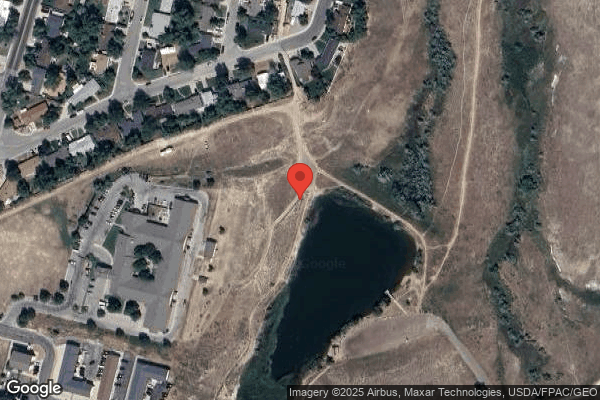
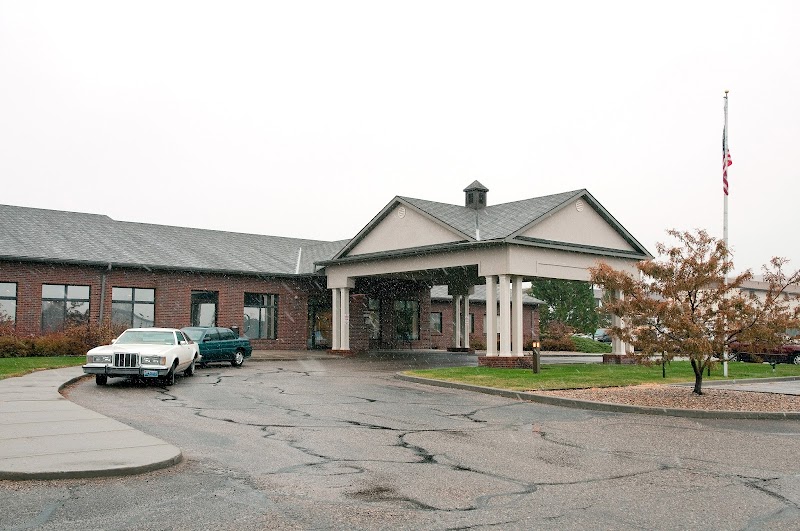
4041 South Poplar St, Casper, WY 82601 (307) 266-0000
For profit - Corporation 120 Beds LIFE CARE CENTERS OF AMERICA Data: November 2025
Trust Grade
75/100
#8 of 33 in WY
Last Inspection: October 2024

Within standard 12-15 month inspection cycle. Federal law requires annual inspections.

Overview

Life Care Center of Casper has a Trust Grade of B, indicating it is a good option for families considering care for their loved ones. It ranks #8 out of 33 nursing homes in Wyoming, placing it in the top half, and #1 out of 3 in Natrona County, showing it is the best choice locally. However, the facility's trend is worsening, with the number of identified issues increasing from 2 in 2023 to 7 in 2024. Staffing is a strength, achieving a rating of 4 out of 5 stars, with a turnover rate of 47%, which is below the Wyoming average of 52%. Notably, there have been no fines reported, and the facility offers more RN coverage than 85% of state facilities, ensuring better oversight of resident care. On the downside, there have been some concerning incidents reported. For example, residents have experienced long wait times for call light responses, with some waiting up to two hours, indicating potential staffing issues. Additionally, there were failures in accurately completing assessments for falls, with one resident suffering a fractured hip that was not properly recorded in their medical documentation. These issues highlight the need for families to weigh both the strengths and weaknesses when considering this facility for care.
Trust Score
B
75/100
In Wyoming
#8/33
Top 24%
Safety Record
Low Risk
No red flags
Inspections
Getting Worse
2 → 7 violations
Staff Stability
⚠ Watch
47% turnover. Above average. Higher turnover means staff may not know residents' routines.
Penalties
✓ Good
No fines on record. Clean compliance history, better than most Wyoming facilities.
Skilled Nurses
✓ Good
Each resident gets 71 minutes of Registered Nurse (RN) attention daily — more than 97% of Wyoming nursing homes. RNs are the most trained staff who catch health problems before they become serious.
Violations
⚠ Watch
15 deficiencies on record. Higher than average. Multiple issues found across inspections.
★★★★☆
4.0
Overall Rating
★★★★☆
4.0
Staff Levels
★★★★☆
4.0
Care Quality
★★★★☆
4.0
Inspection Score
Stable
2023: 2 issues
2024: 7 issues

The Good

  • 4-Star Staffing Rating · Above-average nurse staffing levels
  • 4-Star Quality Measures · Strong clinical quality outcomes
  • Full Sprinkler Coverage · Fire safety systems throughout facility
  • No fines on record

Facility shows strength in staffing levels, quality measures, fire safety.

The Bad

Staff Turnover: 47%

Near Wyoming avg (46%)

Higher turnover may affect care consistency

Chain: LIFE CARE CENTERS OF AMERICA

Part of a multi-facility chain

Ask about local staffing decisions and management

The Ugly 15 deficiencies on record

Oct 2024 5 deficiencies
CONCERN (D) 📢 Someone Reported This

A family member, employee, or ombudsman was alarmed enough to file a formal complaint

Potential for Harm - no one hurt, but risky conditions existed

Deficiency F0637 (Tag F0637)

Could have caused harm · This affected 1 resident

Based on medical record review, staff interview, and review of the MDS 3.0 RAI (Resident Assessment Instrument) manual, the facility failed to ensure a significant change assessment was completed for ...

Read full inspector narrative →
Based on medical record review, staff interview, and review of the MDS 3.0 RAI (Resident Assessment Instrument) manual, the facility failed to ensure a significant change assessment was completed for 1 of 18 (#35) sample residents. The findings were: 1. Review of the medical record for resident #35 showed s/he had fallen on 3/20/24 which resulted in a fractured hip. Review of the 3/26/24 significant change MDS assessment showed the resident was coded as dependent for toileting hygiene, lower body dressing, putting on and taking off footwear, toilet transfers, and tub/shower transfers. The resident was coded as requiring substantial/maximal assistance for showering or bathing self, personal hygiene, rolling left to right, sitting to lying, sitting to standing, and chair/bed-to-chair transfers. In addition, the resident was coded as requiring partial/moderate assistance for eating, oral hygiene, upper body dressing, lying to sitting, and moving a manual wheelchair. The resident was not assessed for walking due to safety reasons. 2. Review of the 9/11/24 quarterly MDS assessment showed the resident was coded as being independent with moving his/her manual wheelchair and rolling left and right. The resident required setup or clean-up assistance for eating, oral hygiene, toileting hygiene, and personal hygiene. The resident was coded as requiring supervision or touching assistance for upper body dressing, sitting to lying, lying to sitting, sitting to standing, chair/bed-to-chair transfers, and could walk for 150 feet. 3. Interview with MDS coordinator on 10/17/24 at 10:07 AM confirmed a significant change assessment had not been completed. 4. Review of the CMS RAI 3.0 User's Manual, October 2023, showed .03. Significant change in status assessment (SCSA) (A0310A=04) The SCSA is a comprehensive assessment for a resident that must be completed when the IDT (interdisciplinary team) has determined that a resident meets the significant change guidelines for either major improvement or decline .An SCSA is appropriate if there are either two or more areas of decline or two or more areas of improvement .Improvement in two or more of the following: Any improvement in an ADL (activities of daily living) where a resident is newly coded as Independent, setup or clean-up assistance, or supervision or touching assistance which last assessment and does not reflect normal fluctuations in that individual's functioning .
CONCERN (D) 📢 Someone Reported This

A family member, employee, or ombudsman was alarmed enough to file a formal complaint

Potential for Harm - no one hurt, but risky conditions existed

Medication Errors (Tag F0758)

Could have caused harm · This affected 1 resident

**NOTE- TERMS IN BRACKETS HAVE BEEN EDITED TO PROTECT CONFIDENTIALITY** Based on medical record review, staff interview, and policy and procedure review, the facility failed to ensure as needed (PRN) ...

Read full inspector narrative →
**NOTE- TERMS IN BRACKETS HAVE BEEN EDITED TO PROTECT CONFIDENTIALITY** Based on medical record review, staff interview, and policy and procedure review, the facility failed to ensure as needed (PRN) psychotropic medication was limited to 14 days or the physician provided a rationale for extended use for 1 of 5 sample residents (#43) reviewed for unnecessary medications. The findings were: 1. Review of the physician orders for resident #43 showed the resident had an order for lorazepam (antianxiety) 0.5 milligrams to be given every 2 hours as needed for anxiety and restlessness related to end of life care ordered on 8/16/24 and no stop date. The following concerns were identified: a. Review of a progress note dated 10/17/24 and timed 9:33 AM showed Per [RN name] with Dr. [name] re: [regarding] Lorazepam usage: The dx [diagnosis] palliative care for its use of Lorazepam is for [facility] comfort care and the behavior could occur at any time and so its [sic] for the benefit of the patient. The benefit outweighs the risk of continuing the medication for the life of resident. 2. Interview with the DON on 10/17/24 at 10:19 AM confirmed the facility did not have a stop date or rationale for the lorazepam prior to 10/17/24. 3. Review of the facility policy titled Psychotropic Medication Use last revised on 11/28/16 showed .5. PRN orders for psychotropic drugs should be limited to 14 days. If the attending physician or prescribing practitioner believes that it is appropriate for the order to be extended beyond 14 days, he or she should document their rationale in the resident's record and indicate the duration for the PRN order .
CONCERN (E) 📢 Someone Reported This

A family member, employee, or ombudsman was alarmed enough to file a formal complaint

Potential for Harm - no one hurt, but risky conditions existed

Resident Rights (Tag F0550)

Could have caused harm · This affected multiple residents

Based on observation, resident and staff interview, grievance review, and policy and procedure review, the facility failed to ensure residents were treated with dignity and respect on 1 of 2 resident ...

Read full inspector narrative →
Based on observation, resident and staff interview, grievance review, and policy and procedure review, the facility failed to ensure residents were treated with dignity and respect on 1 of 2 resident units (unit 1). The census was 81. The findings were: 1. Interview with 9 residents during resident council on 10/15/24 at 10:40 AM revealed at times residents had to wait between 45 minutes and 2 hours for call lights to be answered. The residents revealed they had observed staff walking by rooms or sitting at the nurses' station while call lights were sounding. Further interview revealed the number of staff answering call lights during the survey was increased compared to the number of staff who normally answered call lights. 2. Observation on 10/16/24 at 9:35 AM showed the call light for resident #20 was turned on. Continued observation until 9:48 AM showed 18 staff members passed by the resident's room. The staff included 3 activities staff members, 4 CNAs, an LPN, and 2 laundry staff members which walked past the resident's room a total of 18 times without entering the resident's room or offering assistance. At 9:49 AM LPN #1 entered the resident's room to answer the call light and asked if she could assist the resident. At that time, the resident stated they forgot to shut it off. 3. Observation on 10/16/24 showed the call light for resident #72 was turned on for 42 minutes from 9:55 AM to 10:37 AM. Further observation showed staff walked past the resident's room without entering to assist the resident. 4. Review of a Concern & Comment Form dated 3/20/24 showed resident #11 reported on 3/19/24 his/her call light was on from 6:45 AM to 9 AM and the resident expressed frustration with call light times (outside of this one event). Review of a Concern & Comment Form dated 5/18/24 showed the resident reported Call lights taking too long to be answered. Review of a Concern & Comment Form dated 7/15/24 showed the resident reports frustration with call light response times. [S/He] states they are taking 1 to 1 1/2 hours to be answered, especially around 6:30 AM. Reports nursing won't help answer them and defer to the aide to need to help instead. Reports [s/he] filled out a previous card re: [regarding] this with no improvement. 5. Interview with the DON on 10/17/24 at 10:19 AM revealed everyone was expected to answer call lights and the lights should be answered between 3 and 5 minutes for an emergency light or 5 and 7 minutes for a regular light. 6. Review of the policy titled Resident Call System, last revised 1/4/2023, showed .Procedure: 1. Facility associates should always be aware of call lights. 2. Associates should answer call lights whether they are assigned to provide care to that resident .
CONCERN (E) 📢 Someone Reported This

A family member, employee, or ombudsman was alarmed enough to file a formal complaint

Potential for Harm - no one hurt, but risky conditions existed

Assessment Accuracy (Tag F0641)

Could have caused harm · This affected multiple residents

**NOTE- TERMS IN BRACKETS HAVE BEEN EDITED TO PROTECT CONFIDENTIALITY** Based on medical record review, staff interview, and review of the RAI (resident assessment instrument) manual, the facility fai...

Read full inspector narrative →
**NOTE- TERMS IN BRACKETS HAVE BEEN EDITED TO PROTECT CONFIDENTIALITY** Based on medical record review, staff interview, and review of the RAI (resident assessment instrument) manual, the facility failed to ensure MDS assessments were accurately completed for 3 of 5 (#34, #35, #71) sample residents reviewed for falls. The findings were: 1. Review of a 5/4/24 Event Note showed resident #34 had a witnessed fall with bilateral knee soreness, pain to the right lateral thigh, and bruising to the left knee and right lateral thigh. Review of a 6/15/24 Event Note showed the resident had an unwitnessed fall and had no signs or symptoms of pain or distress. The following concerns were identified: a. Review of 5/15/24 and 8/13/24 quarterly MDS assessments showed the resident was coded as not having any falls since admission or the prior assessment. 2. Review of a 3/20/24 Event Note showed resident #35 had an unwitnessed fall and was transported to the emergency department for evaluation. Further review of the medical record showed the resident had fractured his/her left hip. The following concerns were identified: a. Review of the 3/26/24 significant change MDS assessment showed the resident was coded as not having any falls since admission or the prior assessment. 3. Review of the medical record showed resident #71 was admitted on [DATE]. Review of Event Notes from 4/26/24, 6/23/24, and 8/27/24 showed the resident had unwitnessed falls with no injury noted. The following concerns were identified: a. Review of the 6/6/24 and 9/5/24 quarterly MDS assessments showed the resident was coded as not having any falls since admission or the prior assessment. 4. Interview with the MDS coordinator on 10/17/24 at 10:51 AM confirmed falls were incorrectly coded on the MDS assessments. 5. Review of the CMS RAI 3.0 User's Manual, October 2023, showed .Determine the number of falls that occurred since admission/entry or reentry or prior assessment and code the level of fall-related injury for each. Code each fall only once. If the resident has multiple injuries in a single fall, code the fall for the highest level of injury.
CONCERN (E) 📢 Someone Reported This

A family member, employee, or ombudsman was alarmed enough to file a formal complaint

Potential for Harm - no one hurt, but risky conditions existed

Infection Control (Tag F0880)

Could have caused harm · This affected multiple residents

Based on observation, medical record review, staff interview, and policy and procedure review, the facility failed to establish and maintain an infection prevention and control program to help prevent...

Read full inspector narrative →
Based on observation, medical record review, staff interview, and policy and procedure review, the facility failed to establish and maintain an infection prevention and control program to help prevent the development and transmission of communicable diseases and infections for 2 of 2 resident units. This failure affected resident #30, #50, #52, #67, and #73. The census was 81. The findings were: 1. Review of the 8/23/24 quarterly MDS assessment for resident #30 showed s/he had a suprapubic catheter and a diagnosis of neurogenic bladder. Observation on 10/16/24 at 9:44 AM of the resident's room showed no EBP (enhanced barrier precautions) signage or PPE (personal protective equipment) was present. 2. Review of the 8/21/24 admission MDS assessment for resident #50 showed s/he had a suprapubic catheter with a diagnosis of progressive neurological conditions. Observation on 10/16/24 at 9:44 AM of the resident's room showed no EBP signage or PPE was present. 3. Review of the Order Summary Report for resident #52 showed s/he had an indwelling catheter, a PICC (peripherally inserted central catheter) line for receiving antibiotics, and required wound care to his/her left heel. Observation on 10/14/24 at 2:17 PM, 10/15/24 at 9:23 AM, and 10/16/24 at 11:50 AM of the resident's room showed no EBP signage or PPE was present. 4. Review of the 9/20/24 admission MDS assessment for resident #67 showed the resident had a stage 3 decubitus ulcer to the coccyx which required routine wound care. Observation on 10/16/24 at 9:44 AM of the resident's room showed no EBP signage or PPE was present. 5. Observation on 10/15/24 at 1:35 PM showed RN #1 was performing wound care on resident #73 using gloves; however, the RN was not wearing a gown. Further observation of the room showed EBP signage was on the wall and PPE was hanging on the inside of the resident's door; however, no gowns were present. 6. Interview with RN #1 on 10/15/24 at 2:02 PM revealed resident #73 was no longer on EBP because his/her PICC line had been removed. In addition, EBP was only indicated for residents with Foley catheters, lines, or wounds with multi drug resistant organisms (MDRO). 7. Interview with the infection preventionist (IP) on 10/15/24 at 2:06 PM revealed EBP were used when residents have Foley catheters, lines, or MDRO wounds. Further, resident #73 was removed from EBP due to his/her PICC line being removed. An additional interview on 10/16/24 at 9:35 AM with the IP revealed residents on EBP were identified with a pink star on their room number/name plate, EBP signage should be present in the room, and PPE available. 8. Review of the policy and procedure Enhanced Barrier Precautions, revised 3/21/24, showed .the indications for EBP are for residents with wounds and or indwelling medical devices even if the resident is not known to be infected or colonized with a MDRO.
Apr 2024 1 deficiency
CONCERN (D) 📢 Someone Reported This

A family member, employee, or ombudsman was alarmed enough to file a formal complaint

Potential for Harm - no one hurt, but risky conditions existed

Free from Abuse/Neglect (Tag F0600)

Could have caused harm · This affected 1 resident

**NOTE- TERMS IN BRACKETS HAVE BEEN EDITED TO PROTECT CONFIDENTIALITY** Based on medical record review, resident interview, staff interview, and review of incident investigation documentation, the fac...

Read full inspector narrative →
**NOTE- TERMS IN BRACKETS HAVE BEEN EDITED TO PROTECT CONFIDENTIALITY** Based on medical record review, resident interview, staff interview, and review of incident investigation documentation, the facility failed to ensure residents were free from sexual abuse for 1 of 5 sample residents (#1). The findings were: The facility had implemented the corrective action prior to the survey and was determined to be in substantial compliance as of 3/29/24. The facility was in past non-compliance. 1. Review of resident #1 (victim) medical record showed a significant change MDS assessment dated [DATE], which showed the resident had a BIMS score of 12 out of 15 (moderately cognitive impaired). The diagnoses included non-Alzheimer's dementia, hemiplegia, dysarthria following cerebral infarction, blindness right eye, seizure disorder, and adjustment disorder with mixed anxiety and depressed mood. Review of the care plan showed Risk for elopement. Disoriented to place, Impaired safety awareness, resident wanders aimlessly dated 9/15/23. The Vision status showed the resident as legally blind in [his/her] right eye and adequate vision to the left eye. Further review showed under communication status .able to verbalize [his/her]needs albeit mod (sec) cognitive loss per BIMS. Status post S/P WMC admit for urinary tract infection with associated Acute Kidney Injury (AKI) and metabolic encephalopathy which has not completely cleared - per family (resident name] is alert and orientated times 3, and cognitive intact at baseline - staff reports frequent confusion, disorientation - Risk for unmet needs dated 9/13/24. 2. Review of resident #2 (perpetrator) medical record showed a quarterly MDS assessment dated [DATE], which showed the resident had a BIMS score of 13 out of 15 (moderately cognitive impaired). The functional limitation in range of motion showed no impairment for the upper extremities, and impaired on both sides for the lower extremities. The diagnoses included non-Alzheimer's dementia, Parkinson's disease, cognitive communication deficit, unspecified voice and resonance disorder, adjustment disorder with anxiety, and insomnia. Review of the care plan showed, the resident was noted to wander the facility. No pattern was noted in regard to time of day. S/he on multiple occasions had been reported to attempt to enter the room of other residents and get in their beds. [Resident name] has on two occasions entered the room of female residents uninvited and attempted to behave in a sexual manner towards them. [S/he] often makes sexual comments towards female staff. [Resident name] at times may become physically aggressive towards staff when attempts at redirection are provided. Date Initiated: 03/22/2024. Document all behaviors, interventions, and communication with resident's spouse in progress note. Frequent checks, noting location within the facility and activity. Date Initiated: 03/22/2024. 3. The following concerns were identified: a. Review of the incident report dated 3/15/24 at 7:15 PM showed the perpetrator was in the victims room with his/her pant down around the ankle. The perpetrator told the nurse they were just talking as s/he was escorted out of the room. b. Review of the 3/19/24 at 4:55 PM, event note showed during the evening med pass the RN went to resident #1 room, knocked on door and upon opening saw [resident #2] in his/her room off to the side of [resident #1] wheelchair. S/he was standing up out of his/her wheelchair facing [resident #1] and his/her pants were down around his/her ankles, his/her back to the door. From what the nurse could see his/her brief was still up. When the nurse announced herself and entered the room resident #2 quickly pulled up his/her pants and sat back down in his/her wheelchair stating she's fine, she's right here, she's fine. When the RN questioned what s/he was doing in resident #1 room with the door shut s/he claimed they were just talking. Resident #2 was immediately escorted out of resident #1 room, educated that s/he was not allowed to enter other resident's rooms and of the inappropriateness of his/her behaviors. S/he was then returned to his/her appropriate hall to be further monitored by the assigned nurse. Upon removal of resident #2, resident #1 was asked if s/he was ok and what the resident was doing when RN had entered his/her room. Resident #1 verbalized that the resident did expose his/her genitalia to him/her and told him/her that s/he wanted to stay. Resident #1 also stated more than once that the resident needed to leave and was out of control. During an interview with a police officer, resident #1 stated that resident #2 had masturbated in front of him/her (did not finish) and stopped when s/he told him/her to stop. S/he stated I don't know why s/he is like this. Resident #2 corroborated these statements when the police officer spoke with him/her about the incident. Resident #2 was returned to his/her room, where s/he opted to get in bed for the night. The on call Manager, DON and Executive Director were immediately notified of incident at 7:20 PM and multiple attempts to notify resident #2 spouse were made. Several messages left with no return call until the next day. Copy of this note will also be faxed to resident #2 doctor. Further monitoring placed on resident #2 to prevent re-occurrence of any future incidents in facility. Police investigation started and resident #2 corroborated events as resident #1 had stated them. c. Attempted to interview the victim multiple times during the survey without success. The resident was either not in the room or was asleep. d. Interview with the perpetrator on 4/8/24 at 10:10 AM revealed s/he felt safe in the facility. The resident stated in regards to the allegation that s/he was not touching myself. It was a joke grabbing my crotch, I did not drop my drawers or grabbed my nuts. During the interview this surveyor observed staff checking on the resident. e. Review of resident #2's location checks every 15 minutes showed on 3/14/24 the facility failed to show the resident location from 6:30 AM until 2 PM (7.5 hours). On 3/15/24 the facility failed to show the resident location from 4:15 PM through 7:15 PM (3 hours). f. Interview with LPN #1 on 4/8/24 at 10:17 AM revealed the perpetrator was on frequent checks 15 minutes to make sure s/he was not where s/he should not be. 4. Review of the facility investigation showed the initial allegation was verbal between residents, and was not reported as abuse to the administration. The allegation was reviewed by the IDT team and saw that it was instead a physical abuse and reported it right away. The facility contacted the physician, the spouse, and the police. 5. The residents were separated at the time of the incident. The staff then again started monitoring resident #2's location. Other residents were interviewed related to their safety. Staff were interviewed related to the resident. 6. The facility investigated the incident appropriately. The facility implemented daily audits of the 15 minute check sheet by the DON. The audits were taken to the QAPI committee.
Jan 2024 1 deficiency
CONCERN (E) 📢 Someone Reported This

A family member, employee, or ombudsman was alarmed enough to file a formal complaint

Potential for Harm - no one hurt, but risky conditions existed

ADL Care (Tag F0677)

Could have caused harm · This affected multiple residents

**NOTE- TERMS IN BRACKETS HAVE BEEN EDITED TO PROTECT CONFIDENTIALITY** Based on medical record review, resident and staff interview, concern form review, and policy and procedure review, the facility...

Read full inspector narrative →
**NOTE- TERMS IN BRACKETS HAVE BEEN EDITED TO PROTECT CONFIDENTIALITY** Based on medical record review, resident and staff interview, concern form review, and policy and procedure review, the facility failed to ensure residents received services to maintain good personal hygiene for 4 of 9 sample residents (#1, #6, #7, #9) reviewed for bathing. The findings were: 1. Review of the quarterly MDS assessment dated [DATE] showed resident #9 had a BIMS score of 13 out of 15 (cognitively intact). Review of the care plan last revised on 11/21/23 showed the resident has a self-care deficit related to new onset of confusion. Further review showed the resident had showers scheduled twice per week on Tuesday and Friday and required staff supervision and set-up help. The following concerns were identified: a. Review of the 30 day look back for the showers task showed the resident went 7 days without a shower from 1/2/24 through 1/9/24, and 1/9/24 through 1/16/24. Further review showed the resident went 8 days without a shower from 1/16/24 through 1/24/24 and refused a shower once during that time. b. Interview with the resident on 1/25/24 at 1:05 PM revealed s/he was not getting showers like s/he was suppose too. 2. Review of the annual MDS assessment dated [DATE] showed resident #1 had a BIMS score of 15 out of 15 (cognitively intact), and had range of motion impairment of one side of his/her lower extremities with a prosthesis. Review of the care plan last revised on 12/12/23 showed the resident had a self-care deficit related to a below the knee amputation. Further review showed the resident had scheduled showers on Monday and Friday and required assistance of 1 staff member. The following concerns were identified: a. Review of the 30 day look back for the showers task showed the resident went without a shower for 14 days from 1/5/24 through 1/19/24, and 5 days without a shower from 1/19/24 through 1/24/24. b. Interview with the resident on 1/24/24 at 12:35 PM revealed s/he was not getting his/her baths like s/he was suppose too. 3. Review of the quarterly MDS assessment dated [DATE] showed resident #7 had a BIMS score of 15 out of 15 (cognitively intact). Review of the care plan last revised on 12/6/23 showed the resident had a self-care deficit related to progressive cognative loss from underlying dementia and multiple sclerosis. Further review showed the resident had showers scheduled twice per week on Monday and Friday and required assistance of 1 staff member. The following concern was identified: a. Review of the 30 day look back for the showers task showed the resident went 7 days without a shower from 1/5/24 through 1/12/24, and 7 days from 1/12/24 through 1/19/24. 4. Review of the MDS assessment dated [DATE] showed resident #6 had a BIMS score of 14 out of 15 (cognitively intact), and had upper and lower extremity impairment on one side. Review of the care plan last revised on 1/18/24 showed the resident had a self-care deficit related to hemorrhagic stroke resulting in left non-dominate hemiplegia/neglect, dysphagia, left hemianopsia, and loss of ability to independently manage ADLs. Further review showed the resident had showers scheduled twice per week on Tuesday and Saturday and required moderate assistance of 1 staff member. The following concerns were identified: a. Review of the 30 day look back for the showers task showed the resident went 7 days without a shower from 1/13/24 through 1/20/24. b. Interview with the resident on 1/25/24 at 10 AM revealed s/he was not getting his/her baths like s/he wanted. 5. Review of a Concern & Comment Form dated 11/1/23 and timed 3 PM showed a resident representative wanted a resident to get 2 showers a week- minimum! 6. Review of a Concern & Comment Form dated 1/23/24 and timed 3:10 PM showed resident reported not having showers enough and being itchy. 7. Interview with the DON on 1/25/24 at 2:18 PM confirmed the facility expected the residents to get bathed per the care plan. 8. Review of the Lippincott procedures - Tub baths and showers hand delivered on 1/25/24 at 2:18 PM by the DON showed .Bathing Frequency - Tub baths or showers will be scheduled at least two (2) times per week based on resident preferences .
Aug 2023 2 deficiencies
CONCERN (D)

Potential for Harm - no one hurt, but risky conditions existed

ADL Care (Tag F0677)

Could have caused harm · This affected 1 resident

**NOTE- TERMS IN BRACKETS HAVE BEEN EDITED TO PROTECT CONFIDENTIALITY** Based on observation, resident and staff interview, medical record review, and policy and procedure review, the facility failed ...

Read full inspector narrative →
**NOTE- TERMS IN BRACKETS HAVE BEEN EDITED TO PROTECT CONFIDENTIALITY** Based on observation, resident and staff interview, medical record review, and policy and procedure review, the facility failed to ensure timely toileting assistance was provided for 1 of the 5 sample residents (#5) who required assistance with activities of daily living. The findings were: 1. Review of the quarterly MDS assessment dated [DATE] showed resident #5 had a brief interview for mental status (BIMS) score of 13 out of 15, which indicated the resident was cognitively intact, and had diagnoses which included Alzheimer's disease, non-Alzheimer's dementia, idiopathic normal pressure hydrocephalus, muscle wasting and atrophy of the right shoulder, periodic limb movement disorder, obesity, age-related osteoporosis without current pathological fracture, unspecified abnormalities of gait and mobility, and constipation. Further review showed the resident required extensive physical assistance of 2 or more people for transfers and toilet use, was not on a toileting program, and was frequently incontinent (7 or more episodes of urinary incontinence, but at least 1 episode of continent voiding). Review of the Activities of daily living (ADL) care plan last revised on 6/8/23 showed the resident had interventions which included the use of a [NAME] lift with a 1/2 sling and the assistance of 2 staff members for toileting. The following concerns were identified: a. Observation on 8/21/23 at 3:23 PM showed the resident's room had a strong smell of urine detectable from the hallway. b. Interview with the resident on 8/22/23 at 9:28 AM revealed s/he was frequently incontinent of urine due to staff not providing assistance to the bathroom in a timely manner. The resident revealed Sometimes I wait all day or after lunch before anyone helps me to the bathroom. The resident revealed his/her roommate was assisted to the bathroom; however, the roommate required less assistance. The resident revealed s/he attempted to stay out of the room all day, worked hard with therapy so s/he would not have to ask staff for help, and s/he can pretty much count on being wet. Further interview revealed the resident felt call lights were never answered. c. Observation on 8/23/23 at 10:05 AM showed the resident left the nursing unit in his/her wheelchair and traveled around the facility. d. Observation on 8/23/23 at 3:19 PM showed the resident was resting in his/her wheelchair in his/her room. Interview with the resident at that time revealed s/he had not asked or been asked to use the restroom since before breakfast. Further interview revealed the resident did not want to lay down, because it was nice to have the bed made and clean. e. Observation on 8/23/23 at 3:22 PM showed the resident activated the call light. Interview with the resident at that time revealed s/he had to use the bathroom really bad and s/he was wet and it's going to get worse if they don't come fast. Further interview revealed s/he thought it would be too late when staff answered the light and s/he would be incontinent of urine because the staff will need to get the machine so it will be too late and I will pee my pants. Observation at 3:29 PM showed CNA #2 answered the call light, 7 minutes after it was turned on. At that time, the resident requested to use the bathroom and the CNA stated she needed to get the mechanical lift and left the room. The CNA returned with a mechanical lift and RN #1 at 3:33 PM, 11 minutes after the call light was turned on. The staff members applied the lift sling and assisted the resident out of the wheelchair which resulted in the release of a stronger urine smell. The staff members assisted the resident into the bathroom and removed the resident's brief which was visibly wet and yellow in color. The resident reported feeling very constipated and felt it was due to waiting so long to use the toilet. The staff members assisted the resident onto the toilet and the CNA told the resident she knew the resident did not get toileted when s/he needed and the CNA apologized. Further observation showed the CNA told the resident she knew the resident had not been toileted all day and has been wet for a while, she was still trying to learn the assignment, and was struggling all day. The CNA told the resident she had 13 people to care for, it was her first time working the assignment, and she wished she could tell the resident it was going to get better, but there was nothing she could do to help. f. Interview with CNA #3 on 8/22/23 at 3:27 PM revealed the resident did not refuse to be changed, was incontinent, and needed frequent care. Further interview revealed if the resident was changed routinely, it helped prevent the smell of urine in the resident's room. 2. Interview with DON on 8/24/23 at 12:13 PM revealed his expectation was for residents to be toileted before and after meals; however, there was no set time frame for toileting. 3. Review of facility's policy titled Activities of Daily Living (ADLs) last reviewed on 8/22/2022 showed .The resident will receive assistance as needed to complete activities of daily living (ADLs). Any change in their ability to perform ADLs will be documented and reported to the licensed nurse .to maintain good nutrition, grooming, and personal and oral hygiene .
CONCERN (D)

Potential for Harm - no one hurt, but risky conditions existed

Deficiency F0919 (Tag F0919)

Could have caused harm · This affected 1 resident

**NOTE- TERMS IN BRACKETS HAVE BEEN EDITED TO PROTECT CONFIDENTIALITY** Based on observation, medical record review, resident and staff interview, and policy review, the facility failed to ensure a ca...

Read full inspector narrative →
**NOTE- TERMS IN BRACKETS HAVE BEEN EDITED TO PROTECT CONFIDENTIALITY** Based on observation, medical record review, resident and staff interview, and policy review, the facility failed to ensure a call device was readily available for 1 of 18 residents (#68) reviewed for accommodation of needs. The findings were: 1. Review of the admission MDS assessment dated [DATE] showed resident #68 had a brief interview for mental status (BIMS) score of 13 out 15, which indicated the resident was cognitively intact, and had diagnoses which included pneumonia, malnutrition, respiratory failure (acute and chronic), history of malignant neoplasm of bronchus and lung, and acquired absence of lung. Further review showed the resident required limited physical assistance of 1 person for bed mobility, transfers, and toilet use. Review of the Activities of daily living (ADL) care plan dated 8/2/23 showed the resident required standby assistance of one person for transfers, supervision for bed mobility, and setup and supervision for toileting. The following concerns were identified: a. Observation on 8/22/23 at 9 AM showed resident #68 was in bed, asleep, facing the window with the call device clipped to the handle of the bedside cabinet. The call device was not in reach of the resident. b. Observation on 8/24/23 at 8:17 AM showed resident #68 was in bed asleep and the call device was on the floor behind the recliner, on the other side of the room. c. Interview with the resident on 8/22/23 at 11:21 AM revealed the resident never knew where the call device was located. d. Interview with CNA #1 on 8/24/23 at 8:29 AM revealed the call device should be attached to the bed, within reach of the resident. Further interview revealed if the resident was in the recliner, the call light should be attached to the arm of the recliner. e. Interview with the unit care coordinator #1 on 8/24/23 at 8:40 AM revealed it was the expectation that the call device be within reach of the resident. It should be attached to the bed or the recliner. f. Review of the policy titled Resident Call System provided by the unit care coordinator on 8/24/23 at 8:40 AM showed .The call light should be positioned within reach of the resident .If the resident is unable to demonstrate appropriate call light use, the nurse must be notified to determine an adequate alternative .
Jul 2022 6 deficiencies
CONCERN (D)

Potential for Harm - no one hurt, but risky conditions existed

Deficiency F0561 (Tag F0561)

Could have caused harm · This affected 1 resident

**NOTE- TERMS IN BRACKETS HAVE BEEN EDITED TO PROTECT CONFIDENTIALITY** Based on medical record review, and staff and resident interview, the facility failed to ensure health care treatments were sche...

Read full inspector narrative →
**NOTE- TERMS IN BRACKETS HAVE BEEN EDITED TO PROTECT CONFIDENTIALITY** Based on medical record review, and staff and resident interview, the facility failed to ensure health care treatments were scheduled in accordance with residents' preferred sleeping schedules for 1 of 18 (#44) sample residents reviewed. The findings were: 1. Review of the 6/16/22 admission MDS assessment showed resident #44 was admitted to the facility on [DATE] and had a BIMS score of 15/15 which indicated the resident was cognitively intact. Further review showed the resident was admitted with two stage 4 pressure ulcers, and one unstageable pressure ulcer. Review of a 7/14/22 physician order showed the resident was to have the stage 4 pressure ulcer located on the left buttock, cleaned with saline and gauze, the cavity filled with Dakin's Solution (an antiseptic used to clean wounds) soaked gauze, and covered with a composite dressing twice a day and as needed. In addition, on 7/5/22 the resident was prescribed one 5-325 milligram tablet of hydrocodone-acetaminophen (a narcotic for pain relief) to be administered 30 to 45 minutes prior to dressing changes. The following concerns were identified: a. Interview with the resident on 7/26/22 at 9:56 AM revealed s/he had a pressure ulcer which required a dressing change every 12 hours, and she was given pain medication 30 to 45 minutes before the procedure. The resident stated s/he had informed the nurses that s/he preferred to go to sleep around 9:30 PM to 10 PM, however felt there was not any continuity of care and s/he was at the bottom of the totem pole because the dressing change often occurred later than 9:30 PM. In addition the resident revealed s/he had to either wait until the second dressing change of the day had been completed or be woken up to have it done. Further the resident stated it was hard to go back to sleep after being woken up. b. Review of the July 2022 medication administration record showed the hydrocodone-acetaminophen medication was administered at 9 PM on 7/15; 9:33 PM on 7/19; 10:11 PM on 7/20; 9:49 PM on 7/21, 9:23 PM on 7/25; 9:56 PM on 7/26; and 10 PM on 7/27. c. Interview with RN #1 on 7/27/22 at 11:47 AM revealed the resident was scheduled for a dressing change between 6 AM and 10 AM and again between 6 PM and 10 PM. RN #1 confirmed the resident received medication for pain 30 to 45 minutes before the procedure. d. Interview with RN #2 on 7/27/22 at 6:25 PM revealed she worked the 6 PM to 10 PM shift and would do the resident's dressing change if she had time; otherwise she would leave it for the night shift nurse. e. An additional interview with the resident on 7/28/22 at 9:47 AM revealed s/he had been given the pain medication around 10 PM the previous evening; the dressing change was started at approximately 10:40 PM and was completed at 11 PM. f. Interview with the DON on 7/28/22 at 11:43 AM revealed it should be the resident's choice as to what time the dressing changes should occur.
CONCERN (D)

Potential for Harm - no one hurt, but risky conditions existed

Medication Errors (Tag F0758)

Could have caused harm · This affected 1 resident

**NOTE- TERMS IN BRACKETS HAVE BEEN EDITED TO PROTECT CONFIDENTIALITY** Based on medical record review, staff interview, and review of policy and procedure, the facility failed to ensure appropriate b...

Read full inspector narrative →
**NOTE- TERMS IN BRACKETS HAVE BEEN EDITED TO PROTECT CONFIDENTIALITY** Based on medical record review, staff interview, and review of policy and procedure, the facility failed to ensure appropriate behavior monitoring and interventions were in place for 2 of 5 sample residents (#1, #34) reviewed for unnecessary medications. The findings were: 1. Review of the quarterly MDS assessment dated [DATE] showed resident #1 had diagnoses which included Parkinson's disease, non-Alzheimer's dementia, anxiety disorder, and depression. Review of the physician orders for July 2022 showed the resident received amitriptyline hydrochloride (antidepressant) 20 mg (milligrams) by mouth at bedtime, escitalopram oxalate (antidepressant) 20 mg by mouth daily, and quetiapine fumarate (antipsychotic) 100 mg by mouth at bedtime. The following concerns were identified: a. Review of the behavior monitoring sheet provided by the facility on 7/28/22 showed a target symptom/behavior of physical aggression for amitriptyline and visual hallucinations for quetiapine; however, there was no identified target symptom or behavior for the use of escitalopram. b. Review of the behaviors care plan last revised on 7/21/22 showed the resident experienced exit seeking behaviors, physical aggression towards staff, a history of feeling confused, and hallucinations. Further review showed no specific target symptom identified for the use of escitalopram and no non-pharmacological interventions identified for identified behaviors. 2. Review of the quarterly MDS assessment dated [DATE] showed resident #34 had diagnoses which included anxiety disorder and depression. Review of the physician orders for July 2022 showed the resident received lorazepam (antianxiety) 0.5 mg by mouth daily at bedtime, escitalopram oxalate (antidepressant) 15 mg by mouth twice per day, and doxepin hydrochloride (antidepressant) 3 mg by mouth daily at bedtime. The following concerns were identified: a. Review of the psychotropic RX [prescription] care plan last revised on 6/14/22 showed the resident suffered from chronic anxiety, depression with recent exacerbation due to loss of family member, and friend's daughter with cancer. Further review showed there were no non-pharmacological interventions identified. 3. Interview with the social services director on 7/28/22 at 8:45 AM confirmed there were no identified target symptom/behaviors identified for some of the medications and revealed it would be difficult to identify the effectiveness of medications without knowing the target symptom/behaviors for each medication. 4. Review of the policy titled Behavioral Health Management last revised 8/2/21 showed .Procedure .3. Initiate Behavior Monitoring, Behavior Management Care Plan, and [NAME] as indicated by assessment findings, use of psychoactive medications, resident/responsible party conversations, and observations .The facility must provide necessary behavioral health care and services which include: .Ensuring that pharmacological interventions are only used when nonpharmacological interventions are ineffective or when clinically indicated .
CONCERN (E)

Potential for Harm - no one hurt, but risky conditions existed

Transfer Notice (Tag F0623)

Could have caused harm · This affected multiple residents

**NOTE- TERMS IN BRACKETS HAVE BEEN EDITED TO PROTECT CONFIDENTIALITY** Based on medical record review, staff interview, and policy and procedure review, the facility failed to ensure residents or res...

Read full inspector narrative →
**NOTE- TERMS IN BRACKETS HAVE BEEN EDITED TO PROTECT CONFIDENTIALITY** Based on medical record review, staff interview, and policy and procedure review, the facility failed to ensure residents or residents' representatives received a written transfer notice for 5 of 5 sample residents (#1, #19, #56, #73, #173) reviewed for hospitalization. The findings were: 1. Review of a progress dated 7/16/22 and timed 5:06 PM showed resident #1 had not been at his/her baseline, had a left leg which was red and hot with a red line, was running a fever of 101.7 degrees Fahrenheit, and had wheezing. Further review showed the nurse sent the resident to the hospital. The following concerns were identified: a. Review of the medical record showed no evidence a written transfer/discharge notice was provided to the resident or resident's representative. 2 Review of the medical record showed resident #19 was transferred to the hospital on 4/12/22 for an acute change of condition and readmitted to the facility on [DATE]; transferred to the hospital on 5/7/22 for an acute change of condition and readmitted to the facility on [DATE]; and transferred to the hospital on 6/10/22 for an acute change of condition and readmitted to the facility on [DATE]. Further review showed no evidence the facility issued a written transfer notice to the resident. 3. Review of a progress note dated 6/23/22 and timed 10:59 PM showed resident #56 had nausea, vomiting, and diarrhea, was weak, and fatigued easily. The resident was sent to the hospital for evaluation and treatment. Review of a progress note dated 6/28/22 and timed 9:37 PM showed no concerning issues after being re-admitted in previous shift . The following concerns were identified: a. Review of the medical record showed no evidence a written transfer/discharge notice was provided to the resident or resident's representative. 4. Review of the medical record showed resident #73 was transferred to the hospital on 6/2/22 for an acute change of condition. Further review showed no evidence the facility issued a written transfer notice to the resident or the resident's representative. 5. Review of the medical record showed resident #173 was transferred to the hospital on 5/23/22 for an acute change of condition and readmitted to the facility on [DATE]. Further review showed no evidence the facility issued a written transfer notice to the resident or the resident's representative. 6. Interview with the DON on 7/27/22 at 5:01 PM revealed the written transfer/discharge notices were not provided to the resident or resident representatives. 7. Review of the Transfers and Discharges policy and procedure, last revised 6/3/20, showed .Before a facility transfers or discharges a resident, the facility must---(i) Notify the resident and the resident's representative(s) of the transfer or discharge and the reasons for the move in writing and in a language and manner they understand. The facility must send a copy of the notice to a representative of the Office of the State Long-Term Care Ombudsman .
CONCERN (E)

Potential for Harm - no one hurt, but risky conditions existed

Deficiency F0625 (Tag F0625)

Could have caused harm · This affected multiple residents

**NOTE- TERMS IN BRACKETS HAVE BEEN EDITED TO PROTECT CONFIDENTIALITY** Based on medical record review, staff interview, and policy and procedure review, the facility failed to ensure residents or res...

Read full inspector narrative →
**NOTE- TERMS IN BRACKETS HAVE BEEN EDITED TO PROTECT CONFIDENTIALITY** Based on medical record review, staff interview, and policy and procedure review, the facility failed to ensure residents or residents' representatives received written information on the bed-hold policy for 5 of 5 sample residents (#1, #19, #56, #73, #173) reviewed for hospitalization. The findings were: 1. Review of a progress dated 7/16/22 and timed 5:06 PM showed resident #1 had not been at his/her baseline, had a left leg which was red and hot with a red line, was running a fever of 101.7 degrees Fahrenheit, and had wheezing. Further review showed the nurse sent the resident to the hospital. The following concerns were identified: a. Review of the medical record showed no evidence written bed-hold policy information was provided to the resident or resident's representative on the day of hospital admission. 2. Review of the medical record showed resident #19 was transferred to the hospital on 4/12/22 for an acute change of condition and readmitted to the facility on [DATE]; transferred to the hospital on 5/7/22 for an acute change of condition and readmitted to the facility on [DATE]; and transferred to the hospital on 6/10/22 for an acute change of condition and readmitted to the facility on [DATE]. Further review showed no evidence the facility issued written information on the bed-hold policy to the resident or the resident's representative at the time of the hospitalizations. 3. Review of a progress note dated 6/23/22 and timed 10:59 PM showed resident #56 had nausea, vomiting, and diarrhea, was weak, and fatigued easily. The resident was sent to the hospital for evaluation and treatment. Review of a progress note dated 6/28/22 and timed 9:37 PM showed no concerning issues after being re-admitted in previous shift . The following concerns were identified: a. Review of the medical record showed no evidence written bed-hold policy information was provided to the resident or resident's representative on the day of hospital admission. 4. Review of the medical record showed resident #73 was transferred to the hospital for an acute change of condition on 6/2/22. Further review showed no evidence the facility issued written information on the bed-hold policy to the resident or the resident's representative at the time of the hospitalization. 5. Review of the medical record showed resident #173 was transferred to the hospital on 5/23/22 for an acute change of condition and readmitted to the facility on [DATE]. Further review showed no evidence the facility issued written information on the bed-hold policy to the resident or the resident's representative at the time of the hospitalization. 6. Interview with the DON on 7/27/22 at 5:01 PM revealed written bed-hold policy information was not provided to the residents or residents' representatives. 7. Review of the Bedhold/Reservation of Room policy, effective 5/2/19, showed .Bed-hold notice upon transfer. At the time of transfer of a resident for hospitalization or therapeutic leave, a nursing facility must provide to the resident and the resident representative written notice which specifies the duration of the bed-hold policy .
CONCERN (E)

Potential for Harm - no one hurt, but risky conditions existed

Staffing Information (Tag F0732)

Could have caused harm · This affected multiple residents

Based on observation and staff interview, the facility failed to post the daily nurse staffing information in a prominent location; readily accessible to residents and visitors, and in a clear and rea...

Read full inspector narrative →
Based on observation and staff interview, the facility failed to post the daily nurse staffing information in a prominent location; readily accessible to residents and visitors, and in a clear and readable format. In addition the facility failed to include the daily census on the daily staff postings. The census was 86. The findings were: 1. Observation on 7/27/22 at 2:37 PM showed the daily nurse staffing information was located in the lobby area behind the receptionist's desk which was enclosed with a plastic infection control shield. The daily nurse posting was attached to the wall 5 feet from the floor. The posting consisted of an 8.5 by 11 inch page behind a plastic protector on which green numbers were entered with an erasable marker. The posting was not legible. 2. Interview with receptionist #1 on 7/27/22 at 2:37 PM confirmed the information on the daily nurse staff posting was not legible or in a location easily accessible to residents or visitors. 3. Review of the Nursing Staff Directly Responsible For Resident Care postings for the dates of 7/8/22 through 7/26/22 showed the daily census was not included on the posting. 4. Interview with the DON on 7/27/22 at 2:55 PM revealed the facility was not aware the census information was required on the daily postings.
CONCERN (F)

Potential for Harm - no one hurt, but risky conditions existed

Food Safety (Tag F0812)

Could have caused harm · This affected most or all residents

Based on observation, staff interview, review of the 2017 U.S. Public Health Service Food Code, and policy and procedure review, the facility failed to ensure sanitary meal service during 1 of 2 meal ...

Read full inspector narrative →
Based on observation, staff interview, review of the 2017 U.S. Public Health Service Food Code, and policy and procedure review, the facility failed to ensure sanitary meal service during 1 of 2 meal observations. The census was 86. The findings were: 1. Observation on 7/27/22 at 11:34 AM showed dietary aide #1 used his right hand to grab the front of his mask and pull it away from his face to talk with another staff member. The dietary aide returned the mask to his face and used the same hand to grab a plate from the plate warmer. At that time, the dietary aide's thumb wrapped over the top of the plate and touched the food surface of the plate. No hand hygiene was performed. 2. Observation on 7/27/22 at 11:35 AM showed the dietary aide #1 grabbed the front of his face mask, with his right hand, and pulled it down to position it below his chin. At that time, he left the mask under his chin and continue to place food on trays. No hand hygiene was performed. 3. Observation on 7/27/22 at 11:36 AM dietary aide #1 used his right hand to grab the front of his mask and pull it away from his face and returned the mask to his face, covering his mouth and nose. The dietary aide used the same hand to grab a plate from the plate warmer. At that time, the dietary aide's thumb wrapped over the top of the plate and touched the food surface of the plate. No hand hygiene was performed. 4. Observation on 7/27/22 at 11:39 AM showed dietary aide #1 grabbed 2 plates from the plate warmer with his right hand. At that time, his hand touched the center of the plate, which he then placed pizza on. Continued observation showed the dietary aide left the service line, opened the door to the walk-in cooler with his right hand, obtained a salad, placed it on a plate, and pushed a cart into the walk-in cooler. The dietary aid returned to the service line without performing hand hygiene. 5. Observation on 7/27/22 at 11:43 AM showed dietary aide #1 went to the walk-in cooler and opened the door with his right hand, returned to the service line with items obtained from the cooler, left the service line, and opened the walk-in cooler with his left hand. The dietary aide obtained some bowls of food, went to the microwave, opened the microwave door with his right hand, and placed one of the bowls in the microwave. The dietary aide returned to the service line with packages of crackers in his right hand, and placed the crackers on a resident tray. The dietary aide returned to the microwave, opened the door with his right hand, removed the bowl from the microwave, and placed another bowl in the microwave. No hand hygiene was performed. 6. Observation on 7/27/22 at 11:51 AM showed dietary aide #1 grabbed 2 plates from warmer, touching the food surface area of the top plate with his right thumb, and placed pizza on the plate. The dietary aide cut one slice of pizza with a fork and knife, during which time his right hand came in contact with the pizza. The dietary aide walked over to an area of the service line where there were breadsticks, obtained two breadsticks and placed them on the plate. The dietary aide returned to the other plate, placed a slice of pizza on the plate, and with an ungloved right hand, grabbed one of the breadsticks from the first plate, and placed it next to the pizza on the second plate. No hand hygiene was performed. 7. Interview with dietitian #1, dietitian #2, and the dietary manager on 7/27/22 at 12:24 PM revealed hand hygiene should be performed when staff changed tasks or picked items up off the floor. Further interview confirmed staff should not touch food or food surfaces with hands and hand hygiene should be performed after touching items like the external portion of a face mask. Further interview revealed it was not facility policy to wash hands each time a staff member left the service line, as it would slow meal service and staff should use serving utensils during meal service which would prevent them from contaminating food. 8. Review of the policy titled Personal Habits and Infection Control provided by the facility on 7/28/22 at 9:50 AM showed .Required Personal Practices Wash your hands properly and frequently .Personal Practices to Avoid .Unsanitary personal practices, such as scratching the head, placing the fingers in or about the mouth or nose, sneezing or coughing in the area of food or clean dishes, or incorrectly sampling food can contaminate food and spread foodborne illness. Careless handling and unnecessary contact with soiled surfaces of dishes, glasses, cups, and tableware or with soiled napkins may expose associates to needless health hazards .Wash your hands thoroughly after completing each task to protect yourself and avoid contaminating the items you handle next .Good Habits to Practice keep your hands off the eating surfaces or plates .Use tongs, a scoop, or a spoodle when serving food. Do not use your hands or contaminated gloves . 9. Review of the facility policy titled Sanitary Food Handling provided by the facility on 7/28/22 at 9:50 AM showed Hands should always be washed upon entering the kitchen and immediately after touching your head, hair, or face .When food is served, a separate serving utensil should be used for each item. Fingers and hands should not be used for serving . 10. According to Food Code 2017, U.S. Public Health Service: 2-301.14 FOOD EMPLOYEES shall clean their hands and exposed portions of their arms as specified under § 2-301.12 immediately before engaging in FOOD preparation including working with exposed FOOD, clean EQUIPMENT and UTENSILS, and unwrapped SINGLE-SERVICE and SINGLE-USE ARTICLE and: (A) After touching bare human body parts other than clean hands and clean, exposed portions of arms; (B) After using the toilet room; (C) After caring for or handling SERVICE ANIMALS or aquatic animals as specified in 2-403.11(B); (D) Except as specified in 2-401.11(B), after coughing, sneezing, using a handkerchief or disposable tissue, using tobacco, eating, or drinking; (E) After handling soiled EQUIPMENT or UTENSILS; (F) During FOOD preparation, as often as necessary to remove soil and contamination and to prevent cross contamination when changing tasks; (G) When switching between working with raw FOOD and working with READY-TO-EAT FOOD; (H) Before donning gloves to initiate a task that involves working with FOOD; and (I) After engaging in other activities that contaminate the hands.
Understanding Severity Codes (click to expand)
Life-Threatening (Immediate Jeopardy)
J - Isolated K - Pattern L - Widespread
Actual Harm
G - Isolated H - Pattern I - Widespread
Potential for Harm
D - Isolated E - Pattern F - Widespread
No Harm (Minor)
A - Isolated B - Pattern C - Widespread

Questions to Ask on Your Visit

  • "Can I speak with families of current residents?"
  • "What's your RN coverage like on weekends and overnight?"

Our Honest Assessment

Strengths
  • • No major safety red flags. No abuse findings, life-threatening violations, or SFF status.
  • • No fines on record. Clean compliance history, better than most Wyoming facilities.
Concerns
  • • 15 deficiencies on record. Higher than average. Multiple issues found across inspections.
Bottom line: Generally positive indicators. Standard due diligence and a personal visit recommended.

About This Facility

What is Life Care Center Of Casper's CMS Rating?

CMS assigns Life Care Center of Casper an overall rating of 4 out of 5 stars, which is considered above average nationally. Within Wyoming, this rating places the facility higher than 99% of the state's 100 nursing homes. This rating reflects solid performance across the metrics CMS uses to evaluate nursing home quality.
How is Life Care Center Of Casper Staffed?

CMS rates Life Care Center of Casper's staffing level at 4 out of 5 stars, which is above average compared to other nursing homes. Staff turnover is 47%, compared to the Wyoming average of 46%.

What Have Inspectors Found at Life Care Center Of Casper?

State health inspectors documented 15 deficiencies at Life Care Center of Casper during 2022 to 2024. These included: 15 with potential for harm.
Who Owns and Operates Life Care Center Of Casper?

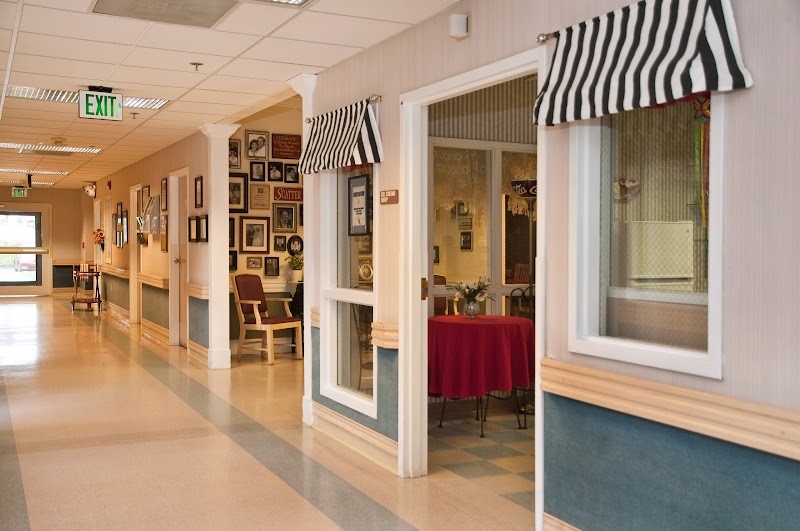
Life Care Center of Casper is owned by a for-profit company. For-profit facilities operate as businesses with obligations to shareholders or private owners. The facility is operated by LIFE CARE CENTERS OF AMERICA, a chain that manages multiple nursing homes. With 120 certified beds and approximately 78 residents (about 65% occupancy), it is a mid-sized facility located in Casper, Wyoming.

How Does Life Care Center Of Casper Compare to Other Wyoming Nursing Homes?

Compared to the 100 nursing homes in Wyoming, Life Care Center of Casper's overall rating (4 stars) is above the state average of 3.0, staff turnover (47%) is near the state average of 46%, and health inspection rating (4 stars) is above the national benchmark.

What Should Families Ask When Visiting Life Care Center Of Casper?

Based on this facility's data, families visiting should ask: "Can I visit during a mealtime to observe dining assistance and food quality?" "How do you handle medical emergencies, and what is your hospital transfer rate?" "Can I speak with family members of current residents about their experience?"

Is Life Care Center Of Casper Safe?

Based on CMS inspection data, Life Care Center of Casper has a clean safety record: no substantiated abuse findings (meaning no confirmed cases of resident harm), no Immediate Jeopardy citations (the most serious violation level indicating risk of serious injury or death), and is not on the Special Focus Facility watch list (a federal program monitoring the lowest-performing 1% of nursing homes). The facility has a 4-star overall rating and ranks #1 of 100 nursing homes in Wyoming. While no facility is perfect, families should still ask about staff-to-resident ratios and recent inspection results during their visit.

Do Nurses at Life Care Center Of Casper Stick Around?

Life Care Center of Casper has a staff turnover rate of 47%, which is about average for Wyoming nursing homes (state average: 46%). Moderate turnover is common in nursing homes, but families should still ask about staff tenure and how the facility maintains care continuity when employees leave.

Was Life Care Center Of Casper Ever Fined?

Life Care Center of Casper has no federal fines on record. CMS issues fines when nursing homes fail to meet care standards or don't correct problems found during inspections. The absence of fines suggests the facility has either maintained compliance or corrected any issues before penalties were assessed. This is a positive indicator, though families should still review recent inspection reports for the full picture.

Is Life Care Center Of Casper on Any Federal Watch List?

Life Care Center of Casper is not on any federal watch list. The most significant is the Special Focus Facility (SFF) program, which identifies the bottom 1% of nursing homes nationally based on persistent, serious quality problems. Not being on this list means the facility has avoided the pattern of deficiencies that triggers enhanced federal oversight. This is a positive indicator, though families should still review the facility's inspection history directly.