Morning Star Care Center
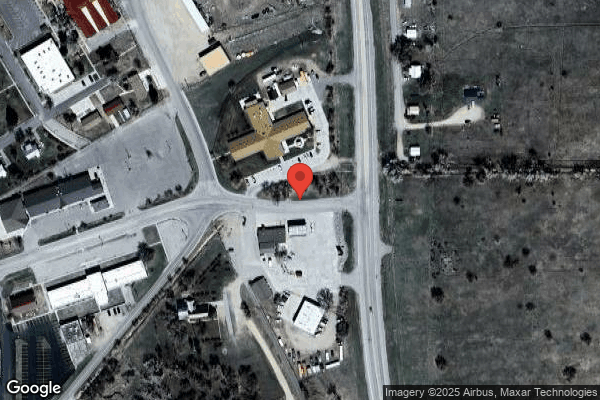
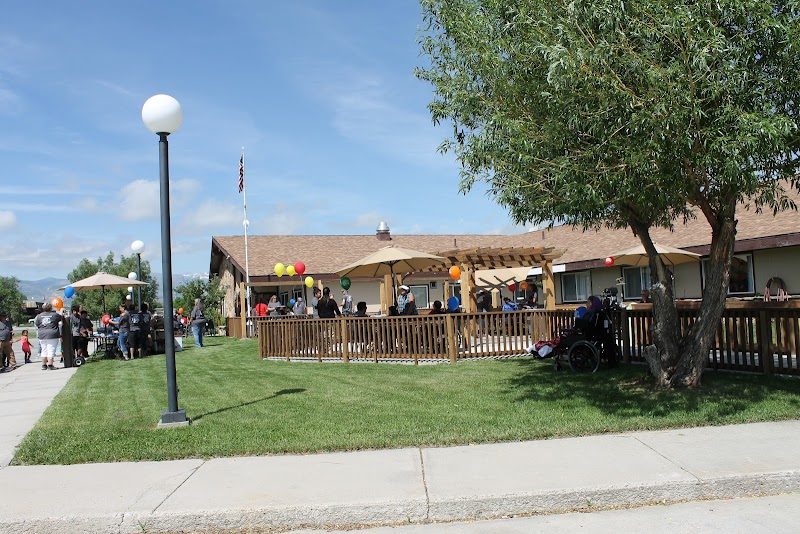
4 North Fork Rd, Fort Washakie, WY 82514 (307) 332-6902
Government - Federal 45 Beds Independent Data: November 2025
Trust Grade
73/100
#9 of 33 in WY
Last Inspection: April 2025

Within standard 12-15 month inspection cycle. Federal law requires annual inspections.

Overview

Morning Star Care Center in Fort Washakie, Wyoming, has a Trust Grade of B, indicating it is a good choice among nursing homes, falling in the 70-79 range. It ranks #9 out of 33 facilities in the state, placing it in the top half, and #2 out of 4 in Fremont County, meaning only one other local option is better. The facility is improving, with issues decreasing significantly from 9 in 2024 to just 1 in 2025. Staffing is a strength, with 0% turnover, which is well below the state average, suggesting that staff are committed and familiar with the residents. However, the facility has faced $7,950 in fines, which is average, indicating some compliance issues, and it has been noted that there were concerns about medication management, including failures to properly limit PRN orders for certain medications and ensure regular monitoring for residents on psychotropic drugs. Overall, while the facility has notable strengths in staffing and a solid reputation, potential families should be aware of the medication management issues that have been identified.
Trust Score
B
73/100
In Wyoming
#9/33
Top 27%
Safety Record
Low Risk
No red flags
Inspections
Getting Better
9 → 1 violations
Staff Stability
○ Average
Turnover data not reported for this facility.
Penalties
○ Average
$7,950 in fines. Higher than 72% of Wyoming facilities. Some compliance issues.
Skilled Nurses
✓ Good
Each resident gets 82 minutes of Registered Nurse (RN) attention daily — more than 97% of Wyoming nursing homes. RNs are the most trained staff who catch health problems before they become serious.
Violations
⚠ Watch
16 deficiencies on record. Higher than average. Multiple issues found across inspections.
★★★★☆
4.0
Overall Rating
★★★★☆
4.0
Staff Levels
★★☆☆☆
2.0
Care Quality
★★★★☆
4.0
Inspection Score
Stable
2024: 9 issues
2025: 1 issues

The Good

  • 4-Star Staffing Rating · Above-average nurse staffing levels
  • Full Sprinkler Coverage · Fire safety systems throughout facility
  • No fines on record

Facility shows strength in staffing levels, fire safety.

The Bad

Federal Fines: $7,950

Below median ($33,413)

Minor penalties assessed

The Ugly 16 deficiencies on record

Apr 2025 1 deficiency
CONCERN (D)

Potential for Harm - no one hurt, but risky conditions existed

Assessment Accuracy (Tag F0641)

Could have caused harm · This affected 1 resident

**NOTE- TERMS IN BRACKETS HAVE BEEN EDITED TO PROTECT CONFIDENTIALITY** Based on medical record review, staff interview, and MDS 3.0 Resident Assessment Instrument (RAI) manual review, the facility fa...

Read full inspector narrative →
**NOTE- TERMS IN BRACKETS HAVE BEEN EDITED TO PROTECT CONFIDENTIALITY** Based on medical record review, staff interview, and MDS 3.0 Resident Assessment Instrument (RAI) manual review, the facility failed to ensure MDS assessments were accurate for 1 of 3 sample residents (#22) reviewed for MDS discrepancies. The findings were: 1. Review of the CMS-802 Matrix provided on 4/7/25 showed elder #22 was coded for receiving hospice care. 2. Review of the quarterly MDS dated [DATE], Section O0110 question K1, showed elder #22 was coded as receiving hospice care. 3. Interview with the DON on 4/9/25 at 2:01 PM revealed the elder had been removed from hospice care in August 2024 and the MDS should not have been marked for hospice services. 4. Review of the Long-Term Care Facility Resident Assessment Instrument 3.0 User Manual version 1.19.1 last revised October 2024 showed .When a SNF or NF is the hospice resident's residence for purposes of the hospice benefit, the facility must comply with the Medicare or Medicaid participation requirements, meaning the resident must be assessed using the RAI, have a care plan and be provided with the services required under the plan of care .
Nov 2024 2 deficiencies
CONCERN (D) 📢 Someone Reported This

A family member, employee, or ombudsman was alarmed enough to file a formal complaint

Potential for Harm - no one hurt, but risky conditions existed

Transfer Requirements (Tag F0622)

Could have caused harm · This affected 1 resident

**NOTE- TERMS IN BRACKETS HAVE BEEN EDITED TO PROTECT CONFIDENTIALITY** Based on medical record review, and resident representative and staff interview, the facility failed to ensure resident's transf...

Read full inspector narrative →
**NOTE- TERMS IN BRACKETS HAVE BEEN EDITED TO PROTECT CONFIDENTIALITY** Based on medical record review, and resident representative and staff interview, the facility failed to ensure resident's transferred to the hospital were allowed to return to the the facility for 1 of 3 sample residents (#1) reviewed for hospital transfers. The findings were: 1. Review of a discharge MDS assessment dated [DATE] showed resident #1 admitted to the facility on [DATE] and had a planned short-term general hospital discharge return not anticipated on 9/21/24. The following concerns were identified: a. Review of a progress note dated 9/21/24 and timed 11:55 AM showed Resident sent to ER due to being violent towards staff and other residents. Staff had to intervene when [s/he] was going towards another resident when in a foul mood, and it look [sic] as though [s/he] was going to hit [him/her]. This RN discussed the situation with the nurse manager and decided it was safest for the residents if [s/he] were sent to the ER. The Non emergent ambulance was contacted, and they involved law enforcement due to [her/him] being violent- They were notified that resident was an [AGE] year-old [woman/man], small in stature. One officer arrived from law enforcement around twenty minutes after being contacted. The officer asked questions about the resident and witnessed [him/her] trying to hit others and yell at them. Another officer showed up and resident was very agitated, swinging and or yelling at residents and staff passing by [her/him]. [S/He] was still highly agitated when EMS came in. The nurse manager was trying to calm resident down and [s/he] grabbed her hand and started twisting it, [s/he] would not let go and she had to be helped by law enforcement. EMS tried to put resident onto the gurney, and [s/he] was trying to spit in their faces as well as hit them. At one point, resident tried to put one of the EMS men in a headlock and he slipped out of it. Resident was then sent to the ER. b. Review of a progress note dated 9/21/24 and timed 1:53 PM showed the facility received a call from the resident's family to notify them the hospital was ready for the resident to return to the facility. c. Review of a progress note dated 9/21/24 and timed 2:02 PM showed Spoke to [name] RN from [hospital name], he stated elder has not been aggressive at the ER and behaviors are not present . This nurse stated that the elder was witnessed by [law enforcement] and staff when [s/he] was spitting and hitting at EMS staff, and that two employees reported elder attempts to hit two elders and that elders were safe due to the prompt response of the staff. Elder was also physically abused [sic] towards staff. Per the administrator's order [facility] is implementing an emergency discharge due to concerns for the safety of the elders and the and the staff, and for [facility] clinical department unable to provide cares to meet elder's needs at this time for correct placement. [name] stated that Dr. [name] was notified of elder transfer to ER. This nurse relayed information from administrator who contacted [service's name] to refer this case and request additional support for adequate placement for Elder [initials], [Service's name] stated that they would send the on call provider to [hospital] as soon as ER department contacted [service's name]. This nurse recommended contact [service's name] to have the on call provider assess and assist elder and family. [Name] stated that Elder's daughter is at the ER at this time and aware of situation. This nurse referred [name] RN to DON per his request. d. Review of a progress note dated 9/21/24 and timed 3:05 PM showed [Name] and elder's son here at the facility to discuss emergent discharge. This nurse used therapeutic communication to explain that due to incidents of near incidents of physical aggression and reports received by elders related to experiencing unwell-been due to [initials] elder violent displays. Per [facility] administrator indication; an emergency discharge was decided due to concerns for the safety of the elders and staff, the elder needs related to vascular dementia and proper placement can not be met by the facility at this time. This nurse indicated to [name] that information regarding [service's name] was recommended during the conversation with [name] RN from[hospital]. [Name] stated that she had been in contact. Dr. [name] after she was notified of emergency discharge and that would [sic] like to address this decision with DON and the administrative representative. This nurse used therapeutic communication to address family concerns and indicated to [name] and brother that DON and administration were informed about her request. Inventory of items was performed by CNA, SS was contacted to follow up with family regarding pick up arrangements of inventoried items. e. Review of a Transfer/Discharge Notice dated 9/21/24 showed the reason for transfer/discharge was 'Unable to redirect elder at this time after two counts of physical aggression. Per Dr. [name] order send elder to ER [emergency room]. Further review showed Is resident expected to return was marked yes, the resident's representative gave telephone consent, and the charge nurse was the nurse manager. f. Interview with the resident's son on 10/23/24 at 5:29 PM revealed the facility notified family the resident was being transferred to the emergency room by ambulance due aggressive episodes. He revealed while at the hospital, the physician felt the resident was ready to return to the facility; however, they were unable to get in touch with anyone at the facility. Family contacted the facility and let them know the resident was ready to return and were told the facility would go get the resident. The hospital notified family the facility would not accept the resident back to the facility. Further interview revealed the facility did not issue a discharge notice until family went to the facility to get the resident's belongings, after they were told the facility refused to allow the resident to return. g. Interview with RN #1 on 10/24/24 at 1:22 PM revealed the resident had a lot of pain and would get aggressive at times. The RN revealed the resident had hallucinations a lot and was resistive to care. She confirmed she was at the facility the day the resident discharged and revealed the resident had been aggressive with staff and other residents. She revealed she and the nurse manager collaborated and called for non-emergent ambulance for transport to the hospital. She revealed she spoke with the administrator and was told not to accept the resident back, which she communicated to the hospital; however, she was unsure why the resident was not allowed to return. She revealed family was notified the resident would not be allowed to return when they came to the facility, after the hospital transfer. h. Interview with the nurse manager on 10/24/24 at 1:48 PM revealed the resident admitted to the facility for short-term physical therapy and confirmed the resident had pain. The nurse manager revealed the behaviors, which family did not share, had started to emerge after the resident's admission. The nurse manager stated on the day of discharge, the resident had been yelling and screaming and some other residents voiced fears; however, the resident never physically harmed other residents and an investigation was not completed. The nurse manager revealed the resident had bitten a staff member the day prior to the incident and DON told staff the next time the resident was combative, s/he should go to the emergency room. The unit manager revealed after the resident was sent to the hospital emergency room, she received orders from the administrator to not accept the resident back as she was exercising her right to not readmit the resident. i. Interview with the social services director on 10/24/24 at 2:48 PM revealed the resident admitted on [DATE] for 20 days of rehabilitation and she confirmed the resident was in bad pain at that time. She revealed the facility met with the resident's son and daughter and let them know the resident needed more care. She revealed the administrator and DON met with the family and the family agreed to pay the resident's copay and stay at the facility longer than originally planned. Further interview confirmed the hospital said the resident was not having behaviors while in the emergency room. j. Interview with the resident's son and daughter on 10/24/24 at 9:31 AM confirmed the resident was not allowed to return to the facility following the hospital transfer. They revealed the resident discharged to another skilled nursing facility and passed away on 10/16/24. k. Interview with the administrator and DON on 10/24/24 at 3:20 PM confirmed they did not allow the resident to return to the facility following the hospital transfer as the resident was trying to hit other residents and staff. Further interview revealed the facility did not assist in finding alternate placement after the resident was transferred to the hospital.
CONCERN (D) 📢 Someone Reported This

A family member, employee, or ombudsman was alarmed enough to file a formal complaint

Potential for Harm - no one hurt, but risky conditions existed

Deficiency F0745 (Tag F0745)

Could have caused harm · This affected 1 resident

**NOTE- TERMS IN BRACKETS HAVE BEEN EDITED TO PROTECT CONFIDENTIALITY** Based on medical record review, resident representative and staff interview, and Medicaid e-mail review, the facility failed to ...

Read full inspector narrative →
**NOTE- TERMS IN BRACKETS HAVE BEEN EDITED TO PROTECT CONFIDENTIALITY** Based on medical record review, resident representative and staff interview, and Medicaid e-mail review, the facility failed to ensure medically-related social services assisted with financial matters for 1 of 3 sample residents (#1). The findings were: 1. Review of a discharge MDS assessment dated [DATE] showed resident #1 admitted to the facility on [DATE] and had a planned short-term general hospital discharge return not anticipated on [DATE]. The following concerns were identified: a. Interview with the resident's son on [DATE] at 2:28 PM revealed he was notified the facility did not complete an LT101 for Medicaid and since the resident was deceased , it could not be performed. Further interview revealed he contacted the facility and they confirmed the LT101 had not been completed. b. Communication with Medicaid on [DATE] showed a client did not need their financial eligibility application approved in order to have a LT101. A client did have to be applying for Medicaid and when a facility puts in a request for a LT101, the specialist at the state will go into our eligibility system to see if an application had been received. If an application had been received, the LT101 was referred on to the appropriate individual for completion. Further, it was revealed an application for the resident was received on [DATE]; however, a request for the LT101 completion was not made by the facility. c. Interview with the social services director on [DATE] at 2:48 PM revealed an LT101 was not submitted for the resident because s/he was not on Medicaid. Further interview revealed the resident's son and daughter agreed to pay the resident's copay and the resident's daughter notified the facility a Medicaid application was submitted for the resident in August. d. Review of an email with Medicaid provided by the facility dated [DATE] showed the facility confirmed an application for Medicaid had been received for the resident.
Jan 2024 7 deficiencies
CONCERN (D)

Potential for Harm - no one hurt, but risky conditions existed

Deficiency F0578 (Tag F0578)

Could have caused harm · This affected 1 resident

Based on medical record review, staff and resident interviews, and review of facility policies, the facility failed to ensure the resident's right to refuse treatment was protected for 1 of 10 sample ...

Read full inspector narrative →
Based on medical record review, staff and resident interviews, and review of facility policies, the facility failed to ensure the resident's right to refuse treatment was protected for 1 of 10 sample residents (#24). The resident's refusals resulted in negative consequences implemented by the facility. The findings were: 1. Review of the 12/11/23 annual MDS assessment showed resident #24 had a Brief Interview for Mental Status (BIMS) score of 15 out of 15, indicating the resident was cognitively intact, had diagnoses including cerebral palsy and depression, and wheeled a motorized wheelchair (w/c) 150 feet independently. Review of the care plan for behavioral symptoms, initiated 12/6/22, showed the resident rejected cares, including medications, skin checks, wound care, and activities of daily living (ADLs). The only approaches/interventions listed were to reapproach the resident in 15-20 minutes and offer again and to document rejection and attempts to reapproach. The following concerns were identified: a. Review of the medical record showed a Behavior Support Plan signed by the facility and the resident dated 12/26/23. The behavior plan stated there was a 15 minute time limit to smoke a cigarette in the smoking room. It also listed the daily schedule the resident must follow which included being checked/changed and repositioned every two hours during waking hours and showering three times a week. The plan stated .Delaying, Refusing, and not following the above daily schedule, shower schedule & staying longer than 15 minutes in the smoking room and mistreating your assigned Care Partners who assist/help you will result in the privilege of not being able to smoke cigarettes in the smoking room until elder, [resident name] follows [his/her] behavior support plan for two weeks . b. During an interview on 1/25/24 at 8:52 AM the resident stated s/he had a behavior contract they made me sign. S/he stated they make rules for him/her, but not for others. S/he stated other residents were not limited to 15 minutes in the smoke room. The resident further stated if s/he refused care, s/he loses the smoke room for two weeks and I don't think that's fair. c. On 1/25/24 at 9:56 AM the social services director (SSD) stated the resident refused cares and remained in the smoke room for long periods of time. She stated they have a behavior plan in place to minimize behaviors and stay on schedule. She confirmed if the resident refused cares it would result in the resident losing the smoking room for two weeks. When asked if the behavior plan was violating the resident's right to refuse treatment, she stated we hoped we weren't violating [his/her] rights. d. Review of the facility's smoking policy (undated) showed there was no limit of 15 minutes in the smoking room.
CONCERN (D)

Potential for Harm - no one hurt, but risky conditions existed

Deficiency F0661 (Tag F0661)

Could have caused harm · This affected 1 resident

Based on medical record review and staff interview, the facility failed to ensure a discharge summary which included a recapitulation of stay was completed for 1 or 1 sample resident (#29) who was dis...

Read full inspector narrative →
Based on medical record review and staff interview, the facility failed to ensure a discharge summary which included a recapitulation of stay was completed for 1 or 1 sample resident (#29) who was discharged . The findings were: 1. Review of the 11/2/23 return not anticipated discharge MDS assessment showed resident #29 was discharged to home/community. Review of a progress note showed on 11/2/23 the resident was discharged . The following concerns were identified: a. Review of the 11/2/23 discharge instructions/plan of care in the medical record showed no discharge summary with a recapitulation (recap) of stay. Further review of the medical record showed no evidence of a discharge summary with a recap of stay. b. During an interview on 1/25/24 at 9:34 AM the DON stated confirmed there was no discharge summary with a recap of stay for this resident.
CONCERN (D)

Potential for Harm - no one hurt, but risky conditions existed

Deficiency F0697 (Tag F0697)

Could have caused harm · This affected 1 resident

Based on medical record review, and staff and resident interviews, the facility failed to ensure pain management was provided to meet the needs of the resident for 1 of 1 sample resident (#2) reviewed...

Read full inspector narrative →
Based on medical record review, and staff and resident interviews, the facility failed to ensure pain management was provided to meet the needs of the resident for 1 of 1 sample resident (#2) reviewed for pain management. The findings were: 1. Review of the 1/9/24 quarterly MDS assessment showed resident #2 had frequent pain at a level of 7, on a scale of 0 to 10, and had diagnoses including stroke and hemiplegia. Review of the 1/13/24 Pain-MDS Focused assessment showed the resident received scheduled and PRN pain medication and had frequent pain. The resident stated pain frequently affected sleep and day-to-day activities. The resident described his/her pain as moderate. Review of physician orders showed the resident was ordered the following pain medications: acetaminophen 325 mg, 2 tabs, every 6 hours PRN; Lidoderm adhesive patch, 5%, to coccyx topical 12 hours on, 12 hours off; oxycodone 5 mg, 2 tablets, at bedtime; and tramadol 50 mg, 1.5 tablets, twice per day. The following concerns were identified: a. During an interview on 1/23/24 at 9:44 AM the resident stated s/he had pain and thought pain control could be better. b. Review of the January 2024 MAR showed the tramadol 50 mg, 1.5 tablet, twice per day was documented as not administered for 3.5 days (on 1/19/24 at 2:05 PM, 1/20/24 at 9:09 AM and 2:39 PM, 1/21/24 at 8:28 AM and 3:09 PM, and on 1/22/24 at 9:30 AM and 3:42 PM.) The reason listed was drug/item not available. c. On 1/25/24 at 8:47 AM the resident stated his/her pain was usually a 7. S/he stated there have been times when s/he did not get the tramadol because they didn't have it. The resident stated s/he can take Tylenol when that happens, but it doesn't help as much. d. During an interview on 1/25/24 at 11:24 AM the DON confirmed the resident did not get the tramadol on those days. The DON stated getting medications had been a problem and the facility was working on that issue. When asked if the physician was notified of the medication not being available she stated she thought the nurse called the on-call physician, who wasn't comfortable prescribing medication. However, review of the medical record showed no documentation the physician was notified.
CONCERN (D)

Potential for Harm - no one hurt, but risky conditions existed

Pharmacy Services (Tag F0755)

Could have caused harm · This affected 1 resident

Based on medical record review and staff and resident interviews, the facility failed to provide routine medications for 1 of 9 sample residents (#2) who were reviewed for medications. The findings we...

Read full inspector narrative →
Based on medical record review and staff and resident interviews, the facility failed to provide routine medications for 1 of 9 sample residents (#2) who were reviewed for medications. The findings were: 1. Review of physician orders showed resident #2 was ordered tramadol 50 mg, 1.5 tablets, twice per day. The following concerns were identified: a. Review of the January 2024 MAR showed the tramadol 50 mg, 1.5 tablet, twice per day was documented as not administered for 3.5 days (on 1/19/24 at 2:05 PM, 1/20/24 at 9:09 AM and 2:39 PM, 1/21/24 at 8:28 AM and 3:09 PM, and on 1/22/24 at 9:30 AM and 3:42 PM.) The reason listed was drug/item not available. b. On 1/25/24 at 8:47 AM the resident stated his/her pain was usually a 7. S/he stated there have been times when s/he did not get the tramadol because they didn't have it. The resident stated s/he can take Tylenol when that happens, but it doesn't help as much. c. During an interview on 1/25/24 at 11:24 AM the DON confirmed the resident did not get the tramadol on those days. The DON stated getting medications had been a problem but the facility was working on that issue.
CONCERN (D)

Potential for Harm - no one hurt, but risky conditions existed

Deficiency F0883 (Tag F0883)

Could have caused harm · This affected 1 resident

**NOTE- TERMS IN BRACKETS HAVE BEEN EDITED TO PROTECT CONFIDENTIALITY** Based on medical record review, staff interview and review of facility policy and procedures, the facility failed to ensure resi...

Read full inspector narrative →
**NOTE- TERMS IN BRACKETS HAVE BEEN EDITED TO PROTECT CONFIDENTIALITY** Based on medical record review, staff interview and review of facility policy and procedures, the facility failed to ensure residents were offered or received the pneumococcal immunization for 2 out of 5 sample residents (#15, #19) reviewed for immunizations. The findings were: 1. Review of the medical record on 1/25/24 at 1 PM for resident #15 showed the last pneumococcal (PCV-13) vaccine received was on 11/5/2019. Further review showed no evidence the resident was offered an updated vaccine. 2. Review of the medical record on 1/24/24 at 8:50 AM for resident #19 showed the last pneumococcal (PCV-13) vaccine received was on 6/11/2015. Further review showed no evidence the resident was offered an updated vaccine. 3. Interview on 1/25/24 at 11:44 AM with the DON revealed it was the facility's expectation that all residents be up to date with vaccines. 4. Review of the article from the CDC website found on 2/7/24 at 8:33 AM titled Pneumococcal Vaccination: Summary of Who and When to Vaccinate at https://www.cdc.gov/vaccines/vpd/pneumo/hcp/who-when-to-vaccinate.html#adults-65-over showed for adults over [AGE] years old who Only Received PCV13 For older adults who don't have an immunocompromising condition, cochlear implant, or cerebrospinal fluid leak: Give 1 dose of PCV20 or PPSV23 at least 1 year after PCV13. Regardless of vaccine used, their vaccines are then complete. Or For older adults who have an immunocompromising condition, cochlear implant, or cerebrospinal fluid leak: Give 1 dose of PCV20 or PPSV23. Regardless of vaccine used, their vaccines are then complete. The PCV20 dose should be given at least 1 year after PCV13. The PPSV23 dose should be given at least 8 weeks after PCV13.
CONCERN (E)

Potential for Harm - no one hurt, but risky conditions existed

Drug Regimen Review (Tag F0756)

Could have caused harm · This affected multiple residents

Based on medical record review and staff interview, the facility failed to ensure the pharmacist identified and reported irregularities to the physician during the monthly drug regimen review for 3 of...

Read full inspector narrative →
Based on medical record review and staff interview, the facility failed to ensure the pharmacist identified and reported irregularities to the physician during the monthly drug regimen review for 3 of 5 sample residents (#2, #19, #23) reviewed for unnecessary medications. The findings were: 1. Review of the 1/9/24 quarterly MDS assessment showed resident #2 received an antianxiety medication and an antidepressant. The following concerns were identified: a. Review of physician orders for resident #2 showed the resident was ordered Trazadone (antidepressant) 50 mg at bedtime PRN on 11/14/23 and lorazepam (antianxiety) 0.5 mg daily PRN on 11/6/23. The PRN orders were not limited to 14 days. b. Review of the medical record showed no physician documentation on why the PRN orders should be longer than 14 days. c. Review of the January 2024 MAR (through 1/24/24) showed the resident received the PRN lorazepam 6 times and the PRN Trazadone 11 times. d. Review of the December 2023 drug regimen review (DRR) dated 1/6/24 and the November 2023 DRR dated 12/2/23 showed the PRN psychotropic medications were not identified as a potential irregularity. 2. Review of the 12/11/23 quarterly MDS assessment showed resident #23 received an antidepressant and an antipsychotic. The following concerns were identified: a. Review of physician orders showed the resident was ordered Trazadone (antidepressant) 50 mg 1.5 tabs at bedtime since 7/19/22 and quetiapine (antipsychotic) 25 mg daily PRN since 4/10/23. On 12/18/23 the physician ordered quetiapine 25 mg at bedtime routinely, but stated the resident could still receive one PRN dose daily. b. Review of the medical record showed no evidence the Trazadone had a gradual dose reduction (GDR) since it was ordered 7/19/22, nor was there documentation from the physician why a GDR would be contraindicated. c. Review of the January 2024 MAR (through 1/24/24) showed the resident received the PRN quetiapine 4 times. d. Further review of the physician orders and the MAR showed the PRN quetiapine order was not limited to 14 days. e. Review of the 1/7/24 drug regimen review (DRR) for December 2023 showed the PRN quetiapine was listed, but there lacked evidence the pharmacist identified it as an irregularity and reported it to the physician. The DRR stated the Trazadone was due for a GDR in June 2024. 3. Review of the of the care plan last revised 12/24/23 for resident #19 showed to administer lorazepam 0.5 mg three times a day as needed for behaviors. The following concerns were identified: a. Review of the prescription order dated 11/6/2023 showed a current order to give one tablet of lorazepam 0.5 mg; by mouth three times daily as needed for anxiety, muscle spasms, agitation and dementia. The PRN order did not have an end date. b. Review of the MAR showed lorazepam was given 24 days out of 31 in December 2023 and was given 22 days out of 25 days in January 2024. c. Review of the December 2023 drug regimen review showed no evidence the pharmacist identified the irregularity. 4. Interview with the DON on 1/25/24 at 11:24 AM revealed she was new to the DON position and the PRN psychotropics were not on her radar at that time. She revealed there had been turnover with pharmacists and the staff responsible for monitoring GDRs. 5. Interview with the consultant pharmacist on 1/25/24 at 12:05 PM revealed she documented on the monthly drug regimen review if the resident had PRN psychotropics, but had not been monitoring them for compliance with the regulations (14 day limit). She stated she would start identifying them as an irregularity and notify the physician. In addition, she stated she had sent a GDR request to the physician for resident #23 on 6/15/23, but had not received a response back. She stated they would get better about tracking GDRs to ensure they received a response back.
CONCERN (E)

Potential for Harm - no one hurt, but risky conditions existed

Medication Errors (Tag F0758)

Could have caused harm · This affected multiple residents

Based on medical record review and staff interview, the facility failed to ensure residents on psychotropic medications received gradual dose reductions (GDRs) and PRN orders for psychotropic medicati...

Read full inspector narrative →
Based on medical record review and staff interview, the facility failed to ensure residents on psychotropic medications received gradual dose reductions (GDRs) and PRN orders for psychotropic medications were limited to 14 days for 3 of 5 sample residents (#2, #19, #23) reviewed for unnecessary medications. The findings were: 1. Review of the 1/9/24 quarterly MDS assessment showed resident #2 received an antianxiety medication and an antidepressant medication. The following concerns were identified: a. Review of the physician orders for resident #2 showed the resident was ordered Trazadone (antidepressant) 50 mg at bedtime PRN on 11/14/23 and lorazepam (antianxiety) 0.5 mg daily PRN on 11/6/23. The PRN orders were not limited to 14 days. b. Review of the medical record showed no physician documentation on why the PRN orders should be longer than 14 days. c. Review of the January 2024 MAR (through 1/24/24) showed the resident received the PRN lorazepam 6 times and the PRN Trazadone 11 times. 2. Review of 12/11/23 quarterly MDS assessment showed resident #23 received an antidepressant and an antipsychotic. The following concerns were identified: a. Review of the physician orders showed the resident was ordered Trazadone (antidepressant) 50 mg 1.5 tabs at bedtime since 7/19/22 and quetiapine (antipsychotic) 25 mg daily PRN since 4/10/23. On 12/18/23 the physician ordered quetiapine 25 mg at bedtime routinely, but stated the resident could still receive one PRN dose daily. b. Review of the medical record showed no evidence the Trazadone had a gradual dose reduction (GDR) since it was ordered on 7/19/22, nor was there documentation from the physician why a GDR would be contraindicated. c. Review of the January 2024 MAR (through 1/24/24) showed the resident received the PRN quetiapine 4 times. d. Further review of the physician orders and the MAR showed the PRN quetiapine order was not limited to 14 days. 3. Review of the of the care plan last revised 12/24/23 for resident #19 showed to administer lorazepam 0.5 mg three times a day as needed for behaviors. The following concerns were identified: a. Review of the prescription order dated 11/6/2023 showed a current order to give one tablet of lorazepam 0.5 mg; by mouth three times daily as needed for anxiety, muscle spasms, agitation and dementia. The PRN order did not have an end date. b. Review of the MAR showed lorazepam was given 24 days out of 31 in December 2023 and was given 22 days out of 25 days in January 2024. 4. Interview with the DON on 1/25/24 at 11:24 AM revealed she was new to the DON position and the PRN psychotropics were not on her radar so far. She revealed there had been turnover with pharmacists and the staff responsible for monitoring GDRs. 5. Interview with the consultant pharmacist on 1/25/24 at 12:05 PM revealed she documented on the drug regimen review (DRR) if the resident had PRN psychotropics, but had not been monitoring them for compliance with the regulations (14 day limit). She stated she would start identifying them as an irregularity and notify the physician. In addition, she stated she had sent a GDR request to the physician for resident #23 on 6/15/23, but had not received a response back. She stated they would get better about tracking GDRs to ensure they received a response back.
Jan 2023 6 deficiencies
CONCERN (D)

Potential for Harm - no one hurt, but risky conditions existed

Report Alleged Abuse (Tag F0609)

Could have caused harm · This affected 1 resident

**NOTE- TERMS IN BRACKETS HAVE BEEN EDITED TO PROTECT CONFIDENTIALITY** Based on medical record review, elder representative and staff interview, and policy and procedure review, the facility failed t...

Read full inspector narrative →
**NOTE- TERMS IN BRACKETS HAVE BEEN EDITED TO PROTECT CONFIDENTIALITY** Based on medical record review, elder representative and staff interview, and policy and procedure review, the facility failed to ensure injuries of unknown origin were reported for 1 of 6 sample elders (#16) reviewed for abuse. The findings were: 1. Review of the quarterly MDS assessment dated [DATE] showed elder #16 had a BIMS score of 3 out 15, which indicated severe cognitive impairment, and diagnoses which included Alzheimer's dementia, cerebral vascular accident or transient ischemic attack, and Parkinson's disease. Further review showed the elder required extensive physical assistance of 1 person for bed mobility, transfers, dressing, eating, locomotion on and off the unit, eating, toileting, and bathing, and was totally dependent on staff for personal hygiene. Review of the elder's communication care plan last revised on 6/22/21 showed Elder has difficulty making self-understood r/t [related to] occasionally having inability to speak intelligible words. The following concerns were identified: a. Interview with the elder's representative on 1/10/23 at 1:50 PM revealed the elder's previous roommate broke [his/her] hand during an elder to elder altercation. b. Review of a progress note dated 12/11/22 and timed 9:01 PM showed staff heard a noise coming from the elder's room. Upon entry, staff observed elder #16 and being grabbed by his/her roommate on his/her arms. Staff attempted to get the roommate to release the elder and when s/he did, the roommate pushed elder #16. Following the incident, staff identified a skin tear to the elder's left arm; however, no additional injuries were identified. c. Review of a progress note dated 12/12/22 and timed 8:42 PM showed the elder began to cry at dinner and was unable to verbalize what was wrong. At that time, staff identified a bruise and swelling to the elder's left index finger and left thumb. d. Review of a progress note dated 12/13/22 and timed 2:33 PM showed the elder's left index finger remained swollen and discolored and the elder was transferred to the emergency department. At that time, a fracture to the elder's left index finger which was slightly displaced was identified and a splint was applied. e. Review of a HLS incident report from the facility dated 12/12/22 showed an elder to elder altercation was reported; however, there was no injury to the elder's left index finger identified. Further review of incidents reported to HLS showed no evidence the left finger fracture was reported. f. Interview with the social services manager on 1/12/23 at 9:08 AM confirmed the elder had an incident with his/her roommate the day prior to the identification of the finger fracture; however, it was revealed the DON did not feel the fracture was related to the altercation. Further interview revealed a new incident report and investigation should have been performed due to the injury being of unknown origin. She confirmed the facility was unsure how the finger fracture occurred. g. Interview with the physical therapist/quality assurance manager on 1/12/23 at 10:41 AM confirmed the facility should have investigated and reported the finger fracture as an injury of unknown origin. 2. Review of the policy titled Abuse/Neglect/Misappropriation/Exploitation dated 8/28/22 showed Identification .All staff will be observant for any resident or staff conditions that might be indicative or predictive of potential abuse and/or neglect, such as suspicious bruising, withdrawn behaviors, stress, change in behaviors, etc. All observations of suspected abuse should be immediately reported to your supervisor or the administrator. All injuries of unknown origin will be reviewed to determine if thy meet criteria for being reported. All injuries of unknown origin that meet criteria will be investigated that includes an abuse investigation .Investigation .All allegations of abuse, exploitation, and/or neglect will be investigated in accordance with state and federal laws. All unusual occurrences need to be reported to immediate supervisor for investigation .
CONCERN (D)

Potential for Harm - no one hurt, but risky conditions existed

Investigate Abuse (Tag F0610)

Could have caused harm · This affected 1 resident

**NOTE- TERMS IN BRACKETS HAVE BEEN EDITED TO PROTECT CONFIDENTIALITY** Based on medical record review, elder representative and staff interview, and policy and procedure review, the facility failed t...

Read full inspector narrative →
**NOTE- TERMS IN BRACKETS HAVE BEEN EDITED TO PROTECT CONFIDENTIALITY** Based on medical record review, elder representative and staff interview, and policy and procedure review, the facility failed to ensure injuries of unknown origin were investigated for 1 of 6 sample elders (#16) reviewed for abuse. The findings were: 1. Review of the quarterly MDS assessment dated [DATE] showed elder #16 had a BIMS score of 3 out 15, which indicated severe cognitive impairment, and diagnoses which included Alzheimer's dementia, cerebral vascular accident or transient ischemic attack, and Parkinson's disease. Further review showed the elder required extensive physical assistance of 1 person for bed mobility, transfers, dressing, eating, locomotion on and off the unit, eating, toileting, and bathing, and was totally dependent on staff for personal hygiene. Review of the elder's communication care plan last revised on 6/22/21 showed Elder has difficulty making self-understood r/t [related to] occasionally having inability to speak intelligible words. The following concerns were identified: a. Interview with the elder's representative on 1/10/23 at 1:50 PM revealed the elder's previous roommate broke [his/her] hand during an elder to elder altercation. b. Review of a progress note dated 12/11/22 and timed 9:01 PM showed staff heard a noise coming from the elder's room. Upon entry, staff observed elder #16 being grabbed by his/her roommate on his/her arms. Staff attempted to get the roommate to release the elder and when s/he did, the roommate pushed elder #16. Following the incident, staff identified a skin tear to the elder's left arm; however, no additional injuries were identified. c. Review of a progress note dated 12/12/22 and timed 8:42 PM showed the elder began to cry at dinner and was unable to verbalize what was wrong. At that time, staff identified a bruise and swelling to the elder's left index finger and left thumb. d. Review of a progress note dated 12/13/22 and timed 2:33 PM showed the elder's left index finger remained swollen and discolored and the elder was transferred to the emergency department. At that time, a fracture to the elder's left index finger which was slightly displaced was identified and a splint was applied. Further review showed no evidence the finger fracture was investigated or source of injury was identified. e. Review of a HLS incident report from the facility dated 12/12/22 showed an elder to elder altercation was reported; however, there was no injury to the elder's left index finger identified. Further review of incidents reported to HLS showed no evidence the left finger fracture was investigated. f. Interview with the social services manager on 1/12/23 at 9:08 AM confirmed the elder had an incident with his/her roommate the day prior to the identification of the finger fracture; however, it was revealed the DON did not feel the fracture was related to the altercation. Further interview revealed a new incident report and investigation should have been performed due to the injury being of unknown origin. She confirmed the facility was unsure how the finger fracture occurred. g. Interview with the physical therapist/quality assurance manager on 1/12/23 at 10:41 AM confirmed the facility should have investigated and reported the finger fracture as an injury of unknown origin. 2. Review of the policy titled Abuse/Neglect/Misappropriation/Exploitation dated 8/28/22 showed Identification .All staff will be observant for any resident or staff conditions that might be indicative or predictive of potential abuse and/or neglect, such as suspicious bruising, withdrawn behaviors, stress, change in behaviors, etc. All observations of suspected abuse should be immediately reported to your supervisor or the administrator. All injuries of unknown origin will be reviewed to determine if they meet criteria for being reported. All injuries of unknown origin that meet criteria will be investigated that includes an abuse investigation .Investigation .All allegations of abuse, exploitation, and/or neglect will be investigated in accordance with state and federal laws. All unusual occurrences need to be reported to immediate supervisor for investigation .
CONCERN (D)

Potential for Harm - no one hurt, but risky conditions existed

Deficiency F0637 (Tag F0637)

Could have caused harm · This affected 1 resident

**NOTE- TERMS IN BRACKETS HAVE BEEN EDITED TO PROTECT CONFIDENTIALITY** Based on observation, medical record review, staff interview, and review of the CMS RAI manual version 3.0, the facility failed ...

Read full inspector narrative →
**NOTE- TERMS IN BRACKETS HAVE BEEN EDITED TO PROTECT CONFIDENTIALITY** Based on observation, medical record review, staff interview, and review of the CMS RAI manual version 3.0, the facility failed to ensure a significant change assessment was completed as indicated for 1 of 12 sample elders (#22). The findings were: 1. Review of the annual MDS assessment dated [DATE] showed elder #22 had a BIMS score of 13 out of 15, which indicate the elder was cognitively intact, and had diagnoses which included non-Alzheimer's dementia, Parkinson's disease, spinal stenosis, and a history of falls. The elder required extensive physical assistance of 1 person to walk in his/her room and limited physical assistance of 1 person for toilet use. Further review showed for balance during transitions and walking, the elder was not steady, only able to stabilize with human assistance while moving from seated to standing position and walking (with assistive device if used), not steady, but able to stabilize without human assistance during surface to surface transfer (transfer between bed and chair or wheelchair), had no upper or lower extremity functional limitation in range of motion, and received no restorative therapy. The following concerns were identified: a. Observation on 1/11/23 at 2:23 PM showed the elder had visible contractures, with both feet rolling inward at the ankle. b. Review of the quarterly MDS assessment dated [DATE] showed the elder had diagnoses which included right ankle contracture and walk in room was coded as activity did not occur. For balance during transitions and walking the elder was coded activity did not occur for walking (without assistive device if used) and not steady, only able to stabilize with human assistance for surface-to-surface transfer (transfer between bed and chair or wheelchair). Further review showed the elder's lower extremity functional limitation in range of motion was coded as impairment on both sides and the elder received passive range of motion restorative nursing programs on 3 out 7 days during the look-back period. c. Interview with the physical therapist/quality assurance manager on 1/12/23 on 11:38 AM revealed a significant change MDS assessment should have been performed when the elder developed contractures. 2. Review of the CMS Long-Term Care Facility Resident Assessment Instrument 3.0 User's Manual version 1.17.1 last revised October 2019 showed .A 'significant change' is a major decline or improvement in a resident's status that: 1. Will not normally resolve itself without intervention by staff or by implementing standard disease-related clinical interventions, the decline is not considered 'self limiting'; 2. Impacts more than one area of the resident's health status; and 3. Requires interdisciplinary review and/or revision of the care plan .
CONCERN (D)

Potential for Harm - no one hurt, but risky conditions existed

Deficiency F0657 (Tag F0657)

Could have caused harm · This affected 1 resident

Based on elder representative and staff interview, and medical record review, the facility failed to ensure elders or elders' representative were included in care plan development for 1 of 12 sample e...

Read full inspector narrative →
Based on elder representative and staff interview, and medical record review, the facility failed to ensure elders or elders' representative were included in care plan development for 1 of 12 sample elders (#16). The findings were: 1. Interview with the elder #16's representative on 1/10/23 at 1:53 PM revealed she would like to participate in the care plan meetings, and she had not been invited or participated in a care plan meeting for months. 2. Review of the Case Management Case Conference Form dated 12/27/22 showed neither elder #16 or the elder's representative participated in the care conference. Further review showed the facility attempted to contact the representative by phone on the day of the care conference; however, they were unable to reach her. 3. Interview with the social services manager on 1/11/23 at 4:46 PM revealed the facility recently made a bunch of changes and as a result, the elder's representative was not invited or notified of the care conference meeting prior to the day the meeting was held.
CONCERN (D)

Potential for Harm - no one hurt, but risky conditions existed

Deficiency F0688 (Tag F0688)

Could have caused harm · This affected 1 resident

**NOTE- TERMS IN BRACKETS HAVE BEEN EDITED TO PROTECT CONFIDENTIALITY** Based on observation, elder and staff interview, medical record review, and policy and procedure review, the facility failed to ...

Read full inspector narrative →
**NOTE- TERMS IN BRACKETS HAVE BEEN EDITED TO PROTECT CONFIDENTIALITY** Based on observation, elder and staff interview, medical record review, and policy and procedure review, the facility failed to ensure elders received services to maintain range of motion for 2 of 4 sample elders (#4, #22) reviewed for range of motion. The findings were: 1. Review of the annual MDS assessment dated [DATE] showed elder #22 had a BIMS score of 13 out of 15, which indicate the elder was cognitively intact, and had diagnoses which included non-Alzheimer's dementia, Parkinson's disease, spinal stenosis, and a history of falls. The elder required extensive physical assistance of 1 person to walk in his/her room and limited physical assistance of 1 person for toilet use. Further review showed for balance during transitions and walking, the elder was not steady, only able to stabilize with human assistance while moving from seated to standing position and walking (with assistive device if used), not steady, but able to stabilize without human assistance during surface to surface transfer (transfer between bed and chair or wheelchair), had no upper or lower extremity functional limitation in range of motion, and received no restorative therapy. The following concerns were identified: a. Observation on 1/11/23 at 2:23 PM showed the elder had visible contractures, with his her feet rolling inward at the ankle, on his/her bilateral lower extremities. b. Review of the quarterly MDS assessment dated [DATE] showed the elder had diagnoses which included right ankle contracture and walk in room was coded as activity did not occur. For balance during transitions and walking the elder was coded activity did not occur for walking (without assistive device if used) and not steady, only able to stabilize with human assistance for surface-to-surface transfer (transfer between bed and chair or wheelchair). Further review showed the elder's lower extremity functional limitation in range of motion was coded as impairment on both sides and the elder received passive range of motion restorative nursing programs on 3 out of 7 calendar days during the look-back period. c. Review of the restorative program documentation for January 2023, December 2022, November 2022, and October 2022 showed the elder received restorative services on 10/3/22, 10/4/22, and 10/5/22. The facility was unable to provide additional evidence the restorative program was provided during the time frame. 2. Review of the quarterly MDS assessment dated [DATE] showed elder #4 had a BIMS score of 15 out of 15, which indicated the s/he was cognitively intact, and had diagnoses which included depression and multiple sclerosis. Further review showed the elder was totally dependent on 2 or more staff for bed mobility, transfers, and dressing, was totally dependent on 1 staff member for locomotion on and off the unit, eating, personal hygiene, and bathing, had functional limitation in range of motion to bilateral upper and lower extremities, and was coded as having received passive range of motion restorative nursing programs on 6 out of 7 calendar days during the look-back period. Review of the ADL Functional/Rehabilitation Potential care plan last revised on 5/19/17 showed the elder .requires passive range of motion to bilateral upper and lower extremities as well as neck during restorative nursing . The following concerns were identified: a. Interview with the elder on 1/10/23 at 11:01 AM revealed the facility did not have a restorative CNA and restorative programs were not being performed. Observation at that time showed the elder was seated in a wheelchair with a blow bell (device elders can use to call nursing staff by blowing into a tube, due to not have ability to use arms and hands) for his/her call light. Further interview revealed s/he was not physically capable of using a call light or repositioning him/her self. b. Review of the restorative program documentation for January 2023, December 2022, November 2022, and October 2022 showed the elder received restorative services on 10/3/22, 10/4/22, and 10/5/22. The facility was unable to provide additional evidence the restorative program was provided during the time frame. 3. Interview with the physical therapist/quality assurance manager on 1/12/23 at 8:35 AM revealed the facility had not had anyone performing restorative services since October due to staffing issues. Further interview revealed she believed floor staff was performing some range of motion exercises; however, there was no documentation the programs were being completed. 4. Review of the policy titled Specialized Rehabilitation or Restorative Services Policy provided by the facility on 1/12/23 showed .Provide the appropriate treatment and services outlined in the elder's plan of care to maintain, restore or improve the functional ability for the elder .
CONCERN (E)

Potential for Harm - no one hurt, but risky conditions existed

Medication Errors (Tag F0758)

Could have caused harm · This affected multiple residents

**NOTE- TERMS IN BRACKETS HAVE BEEN EDITED TO PROTECT CONFIDENTIALITY** Based on staff interview, medical record review, and policy and procedure review, the facility failed to ensure PRN (as needed) ...

Read full inspector narrative →
**NOTE- TERMS IN BRACKETS HAVE BEEN EDITED TO PROTECT CONFIDENTIALITY** Based on staff interview, medical record review, and policy and procedure review, the facility failed to ensure PRN (as needed) orders for anti-psychotic medications were limited to 14 days for 2 of 5 sample elders (#16, #22) and failed to ensure appropriate behavior monitoring and interventions were in place for 3 of 5 sample elders (#2, #11, #16) reviewed for psychotropic medication use. The findings were: 1. Review of the significant change MDS assessment dated [DATE] showed elder #2 had a BIMS score of 14 out 15, which indicated the elder was cognitively intact, and diagnoses which included diabetes mellitus and thyroid disorder. Further review showed the elder received antidepressant medication on 7 of 7 days during the look back period. Review of the Psychotropic Drug Use care plan last revised on 2/6/20 showed the elder used psychotropic medications to assist with mood state and psychosocial well-being. Review of the physician orders showed the elder received citalopram (antidepressant) 20 milligrams (mg) by mouth daily for adjustment disorder with depressed mood and Trazadone (antidepressant) 25 mg by mouth at bedtime. The following concerns were identified: a. Review of the Psychotropic Drug Use care plan last revised 2/6/20 showed interventions which included Administer medications as ordered. Monitor [elder's name] patterns of behavior and encourage [him/her] to join in activities. Further review showed no medication-specific target symptoms or non-pharmacological interventions were identified. b. Review of the medication administration record (MAR) and treatment administration record (TAR) for November 2022, December 2022, and January 2023 showed the facility had monitoring in place for depression and pain; however, there were no medication-specific target symptoms or non-pharmacological interventions identified. Further review showed no identified diagnosis for the use of Trazadone. 2. Review of the quarterly MDS assessment dated [DATE] for elder #11 had a BIMS score of 11 out of 15, which indicated moderate cognitive impairment, and diagnoses which included Localization-related (focal) (partial) symptomatic epilepsy and epileptic syndromes with complex partial seizures, intracranial injury without loss of consciousness, sequela. Review of the physician orders showed the elder received citalopram (antidepressant) 40 mg every day. The following concerns were identified: a. Review of the care plan showed no evidence the facility identified target symptoms specific to the use of antidepressants. b. Review of the MAR showed no evidence the facility was monitoring the elder for identified target symptoms specific to the use of antidepressants. 3. Review of the quarterly MDS assessment dated [DATE] showed elder #16 had a BIMS score of 3 out 15, which indicated severe cognitive impairment, and had diagnoses which included Alzheimer's disease, CVA or TIA, Parkinson's disease, and anxiety disorder. Further review showed the elder received antipsychotic medication on 7 of 7 days during the look back period. Review of the Psychotropic Drug Use care plan last revised on 3/22/21 showed the elder received antipsychotic medication related to Alzheimer's disease. Review of the physician orders showed the elder received aripiprazole (anti-psychotic) 5 mg by mouth at bedtime for Alzheimer's disease and lorazepam (anti-anxiety) 1 mg by mouth twice per day as needed (PRN) for anxiety disorder due to known condition. The following concerns were identified: a. Review of the Psychotropic Drug Use care plan last revised 3/22/21 showed interventions which included AIMS every quarter .Monitor elder's behavior and response to medication .Quantitatively and objectively document/report the elder's behavior .Two staff in room while providing cares at this time due to recent allegations . Further review showed no medication-specific target symptoms or non-pharmacological interventions were identified. b. Review of the MAR and TAR for November 2022, December 2022, and January 2023 showed the facility had monitoring in place for aphasia, delusions, confusion, mood swings, repetitive, and impulsive; however, there were no medication-specific target symptoms or non-pharmacological interventions identified. Further review showed the PRN lorazepam was ordered on 7/26/22 and no stop date was indicated. c. Review of a physician communication dated 8/4/22 showed the facility requested the physician continue lorazepam for 70 days (until 10/13/22) for effectiveness for treating anxiety which the physician signed. Further review showed no evidence a physician assessment or rationale was provided for extended use and there was no evidence an additional extension was performed following the 70 days. 4. Review of the quarterly MDS assessment dated [DATE] showed elder #22 had a BIMS score of 13 out 15, which indicated the elder was cognitively intact, and had diagnoses which included non-Alzheimer's dementia, Parkinson's disease, and anxiety disorder due to known psychological condition. Further review showed the elder received antianxiety medication and antidepressant medication on 7 of 7 days during the look back period. Review of the Psychosocial Well-Being care plan last revised on 1/7/22 showed the elder used .psychotropic medication to assist with mood state and psychosocial well-being. Staff will anticipate cares and perform as Elder will allow. Review of the physician orders showed the elder received lorazepam (anti-anxiety) 0.5 mg by mouth three times per day as needed (PRN) for anxiety disorder due to known condition. The following concerns were identified: a. Review of a physician communication dated 8/11/22 showed the facility requested the physician continue the PRN lorazepam for 70 days (until 10/20/22) for effectiveness for treating anxiety which the physician signed. Further review showed no evidence a physician assessment or rationale was provided for extended use and there was no evidence an additional extension was performed following the 70 days. 5. Interview with the administrator, social services manager, and physical therapist/quality assurance manager on 1/12/23 at 8:47 AM revealed they were unsure how effectiveness of medication was determined and if a gradual dose reduction or risk benefit was needed. They confirmed no specific target symptoms or non-pharmacological interventions were identified for the elders. Further interview revealed a physician had not provided any additional rationale for continued long term use of the PRN psychotropic medications for elder #16 or elder #22. 6. Review of the policy titled Psychotropic Drug Monitoring dated 2/19/19 showed .All PRN psychotropic medications will automatically have a 14 day limit and D/C [discontinue] must be entered into EMAR when initial order is entered into EMAR. Unless provider documents clear clinical rationale and documents a duration of PRN order. The new PRN psychotropic medication will have D/C dates that corresponds to the documented duration .
Understanding Severity Codes (click to expand)
Life-Threatening (Immediate Jeopardy)
J - Isolated K - Pattern L - Widespread
Actual Harm
G - Isolated H - Pattern I - Widespread
Potential for Harm
D - Isolated E - Pattern F - Widespread
No Harm (Minor)
A - Isolated B - Pattern C - Widespread

Questions to Ask on Your Visit

  • "Can I speak with families of current residents?"
  • "What's your RN coverage like on weekends and overnight?"

Our Honest Assessment

Strengths
  • • No major safety red flags. No abuse findings, life-threatening violations, or SFF status.
Concerns
  • • 16 deficiencies on record. Higher than average. Multiple issues found across inspections.
Bottom line: Mixed indicators with Trust Score of 73/100. Visit in person and ask pointed questions.

About This Facility

What is Morning Star Care Center's CMS Rating?

CMS assigns Morning Star Care Center an overall rating of 4 out of 5 stars, which is considered above average nationally. Within Wyoming, this rating places the facility higher than 99% of the state's 100 nursing homes. This rating reflects solid performance across the metrics CMS uses to evaluate nursing home quality.
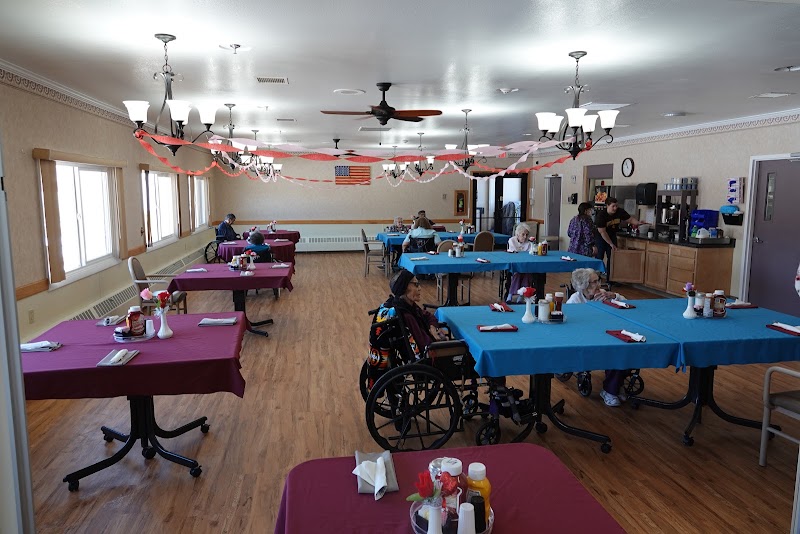
How is Morning Star Care Center Staffed?
CMS rates Morning Star Care Center's staffing level at 4 out of 5 stars, which is above average compared to other nursing homes.

What Have Inspectors Found at Morning Star Care Center?

State health inspectors documented 16 deficiencies at Morning Star Care Center during 2023 to 2025. These included: 16 with potential for harm.

Who Owns and Operates Morning Star Care Center?

Morning Star Care Center is owned by a government entity. Government-operated facilities are typically run by state, county, or municipal agencies. The facility operates independently rather than as part of a larger chain. With 45 certified beds and approximately 28 residents (about 62% occupancy), it is a smaller facility located in Fort Washakie, Wyoming.

How Does Morning Star Care Center Compare to Other Wyoming Nursing Homes?

Compared to the 100 nursing homes in Wyoming, Morning Star Care Center's overall rating (4 stars) is above the state average of 3.0 and health inspection rating (4 stars) is above the national benchmark.

What Should Families Ask When Visiting Morning Star Care Center?

Based on this facility's data, families visiting should ask: "Can I visit during a mealtime to observe dining assistance and food quality?" "How do you handle medical emergencies, and what is your hospital transfer rate?" "Can I speak with family members of current residents about their experience?"

Is Morning Star Care Center Safe?

Based on CMS inspection data, Morning Star Care Center has a clean safety record: no substantiated abuse findings (meaning no confirmed cases of resident harm), no Immediate Jeopardy citations (the most serious violation level indicating risk of serious injury or death), and is not on the Special Focus Facility watch list (a federal program monitoring the lowest-performing 1% of nursing homes). The facility has a 4-star overall rating and ranks #1 of 100 nursing homes in Wyoming. While no facility is perfect, families should still ask about staff-to-resident ratios and recent inspection results during their visit.

Do Nurses at Morning Star Care Center Stick Around?

Morning Star Care Center has not reported staff turnover data to CMS. Staff turnover matters because consistent caregivers learn residents' individual needs, medications, and preferences. When staff frequently change, this institutional knowledge is lost. Families should ask the facility directly about their staff retention rates and average employee tenure.

Was Morning Star Care Center Ever Fined?

Morning Star Care Center has been fined $7,950 across 1 penalty action. This is below the Wyoming average of $33,158. While any fine indicates a compliance issue, fines under $50,000 are relatively common and typically reflect isolated problems that were subsequently corrected. Families should ask what specific issues led to these fines and confirm they've been resolved.

Is Morning Star Care Center on Any Federal Watch List?

Morning Star Care Center is not on any federal watch list. The most significant is the Special Focus Facility (SFF) program, which identifies the bottom 1% of nursing homes nationally based on persistent, serious quality problems. Not being on this list means the facility has avoided the pattern of deficiencies that triggers enhanced federal oversight. This is a positive indicator, though families should still review the facility's inspection history directly.