Wind River SNF Operations LLC

1002 Forest Dr, Riverton, WY 82501 (307) 856-9471
For profit - Corporation 81 Beds EMPRES OPERATED BY EVERGREEN Data: November 2025
Trust Grade
25/100
#25 of 33 in WY
Last Inspection: June 2025

Inspected within the last 6 months. Data reflects current conditions.

Overview

Wind River SNF Operations LLC has received a Trust Grade of F, indicating significant concerns about the quality of care provided, which is considered poor. Ranking #25 out of 33 facilities in Wyoming places it in the bottom half, and it is the least favorable option in Fremont County, ranking #4 out of 4. Although the facility is improving, with the number of issues decreasing from 14 to 7 over the past year, it still has a troubling deficiency record, including serious incidents where residents did not receive timely assessments after falls, leading to actual harm. Staffing is relatively strong with a 4 out of 5-star rating, but the turnover rate is concerning at 64%, which is above the state average. Additionally, the facility has incurred $47,522 in fines, higher than 88% of Wyoming facilities, suggesting ongoing compliance issues, despite having average RN coverage to help monitor residents' conditions.
Trust Score
F
25/100
In Wyoming
#25/33
Bottom 25%
Safety Record
High Risk
Review needed
Inspections
Getting Better
14 → 7 violations
Staff Stability
⚠ Watch
64% turnover. Above average. Higher turnover means staff may not know residents' routines.
Penalties
✓ Good
$47,522 in fines. Lower than most Wyoming facilities. Relatively clean record.
Skilled Nurses
✓ Good
Each resident gets 46 minutes of Registered Nurse (RN) attention daily — more than average for Wyoming. RNs are trained to catch health problems early.
Violations
⚠ Watch
33 deficiencies on record. Higher than average. Multiple issues found across inspections.
★★☆☆☆
2.0
Overall Rating
★★★★☆
4.0
Staff Levels
★★☆☆☆
2.0
Care Quality
★★☆☆☆
2.0
Inspection Score
Stable
2024: 14 issues
2025: 7 issues

The Good

  • 4-Star Staffing Rating · Above-average nurse staffing levels
  • Full Sprinkler Coverage · Fire safety systems throughout facility
  • No fines on record

Facility shows strength in staffing levels, fire safety.

The Bad

2-Star Overall Rating

Below Wyoming average (2.9)

Below average - review inspection findings carefully

Staff Turnover: 64%

17pts above Wyoming avg (46%)

Frequent staff changes - ask about care continuity

Federal Fines: $47,522

Above median ($33,413)

Moderate penalties - review what triggered them

Chain: EMPRES OPERATED BY EVERGREEN

Part of a multi-facility chain

Ask about local staffing decisions and management

Staff turnover is elevated (64%)

16 points above Wyoming average of 48%

The Ugly 33 deficiencies on record

3 actual harm
Jun 2025 7 deficiencies
CONCERN (D)

Potential for Harm - no one hurt, but risky conditions existed

Deficiency F0558 (Tag F0558)

Could have caused harm · This affected 1 resident

**NOTE- TERMS IN BRACKETS HAVE BEEN EDITED TO PROTECT CONFIDENTIALITY** Based on observation, medical record review, and staff and resident interview, the facility failed to ensure accommodation of re...

Read full inspector narrative →
**NOTE- TERMS IN BRACKETS HAVE BEEN EDITED TO PROTECT CONFIDENTIALITY** Based on observation, medical record review, and staff and resident interview, the facility failed to ensure accommodation of resident needs for 1 of 14 sample residents (#1) reviewed. The census was 55. The findings were: 1. Review of the admission MDS dated [DATE] showed resident #1 had a brief interview for mental status (BIMS) score of 15 out 15, which indicated the resident was cognitively intact, and had diagnoses which included paraplegia, spina bifida, and morbid obesity. Further review showed the resident was dependent on staff to roll left and right. All other mobility items were coded as not applicable. The following concerns were identified: a. Interview with the resident on 6/24/25 at 2:07 PM revealed the resident was bed ridden and required a wheelchair to get around. The resident revealed s/he was told the facility would get him/her in a wheelchair and assist the resident to bath in the whirlpool; however, s/he had not been out of bed since admitting to the facility. The resident revealed s/he would like to get out of bed and sit in the chair. Observation at that time showed there was no wheelchair in the room or in the hall near the resident's room. b. Interview with the social services director on 6/26/25 at 9:15 AM revealed he had not received any information about the resident's desire to get up or his/her bathing preferences. c. Interview with the facility administrator and DON on 6/26/25 at 9:30 AM revealed the administrator had talked to therapy and thought therapy was trying to get in touch with the resident's family to obtain his/her wheelchair. They confirmed bathing was part of the reason they were attempting to get the wheelchair. They revealed they have a shower chair; however, the resident does not have good trunk control and his/her personal wheelchair was designed for him/her. They confirmed the resident had not been out of bed since admitting to the facility. d. Interview with the regional clinical director on 6/26/25 at 12:10 PM revealed she talked to the therapy department to see if the resident was safe to sit in a wheelchair the facility had available. Further interview revealed therapy spoke with the resident and s/he was going to talk to his/her family about his/her personal chair.
CONCERN (D)

Potential for Harm - no one hurt, but risky conditions existed

Deficiency F0679 (Tag F0679)

Could have caused harm · This affected 1 resident

**NOTE- TERMS IN BRACKETS HAVE BEEN EDITED TO PROTECT CONFIDENTIALITY** Based on observation, resident and staff interview, medical record review, and policy and procedure review, the facility failed ...

Read full inspector narrative →
**NOTE- TERMS IN BRACKETS HAVE BEEN EDITED TO PROTECT CONFIDENTIALITY** Based on observation, resident and staff interview, medical record review, and policy and procedure review, the facility failed to ensure individual activities of preference were provided to 2 of 3 sample residents (#1, #43) reviewed for activities. The findings were: 1. Review of the admission MDS assessment dated [DATE] showed resident #1 had a BIMS score of 15 out 15, which indicated the resident was cognitively intact, and had diagnoses which included paraplegia, spina bifida, and morbid obesity. Further review showed the resident indicated it was very important to have books, newspapers, and magazines to read, music to listen to, and to go outside to get fresh air when the weather was good and s/he was dependent on staff to roll left and right. All other mobility items were coded as not applicable. The following concerns were identified: a. Interview with the resident on 6/24/25 at 2:07 PM revealed the resident was bed ridden and wanted to get up to do things; however, s/he did not have a wheelchair at the facility. S/he revealed s/he was told the facility was going to get him/her a wheelchair; however, they had not gotten one. S/he revealed the facility staff told him/her there was not enough people available to get up. S/he revealed she was unable to go to activities and s/he felt the facility needed more people to go to resident rooms and talk to residents. Observation at that time showed no evidence of a wheelchair in the resident's room or in the hall near the resident's room. b. Review of the resident's activity participation record from 4/12/25 through 6/25/25 showed the resident did not participate in any of the 73 documented group activities and received 1 to 1 activities on 5 days out of 73 days, on 4/16, 4/23, 6/11, 6/18, and 6/20. All other documented activities were indicated as independent. 2. Review of the quarterly MDS assessment dated [DATE] showed resident #43 had a BIMS score of 14 out 15, which indicated the resident was cognitively intact, and had diagnoses which included anxiety disorder and depression. Review of the admission assessment dated [DATE] showed the resident felt it was very important to listen to music, have books, newspapers, and magazines to read, be around pets, and keep up with the news. The following concerns were identified: a. Interview with the resident on 6/24/25 at 8:41 AM revealed there were no activities at the facility that s/he enjoyed participating in. b. Review of the activity participation record from 3/22/25 through 6/25/25 showed the resident participated in 1 out of 92 documented group activities, on 3/24/25, and received a 1 to 1 activity on 2 days out of 94 days, on 4/1/25 and 5/25/25. All other documented activities were indicated as independent. 3. Interview with the activities director on 6/26/25 at 8:26 AM confirmed resident #1 was bed bound and revealed she went to see the resident twice per week. She confirmed the documented activity participation for resident #1 and resident #43 did not reflect 1 to 1 activities being performed twice per week. She revealed when resident #1 admitted to the facility, s/he had a lot of family visits and the resident was picked back up for 1 to 1 activities when family stopped coming as frequently. The activity director revealed resident #43 was a night person and she revealed there were no activities for residents at night. She revealed the activities the facility does for younger residents included karaoke, happy hour, and scary movie nights. Further interview revealed resident #43 has participated in scary movie nights; however, neither resident #1 or resident #43 participated in karaoke or happy hour. 4. Review of the facility policy titled Activity Program last revised July 2015 showed .5. Activities include individual, small and large group, one-on-one, and independent activities to meet resident's needs, abilities, and interests. For residents confined to, or who choose to, remain in their room, the Activity Department provides and assists with in-room activities/projects/leisure pursuits in keeping with needs, abilities, and interests .
CONCERN (D) 📢 Someone Reported This

A family member, employee, or ombudsman was alarmed enough to file a formal complaint

Potential for Harm - no one hurt, but risky conditions existed

Accident Prevention (Tag F0689)

Could have caused harm · This affected 1 resident

**NOTE- TERMS IN BRACKETS HAVE BEEN EDITED TO PROTECT CONFIDENTIALITY** Based on observation, record review, staff interview, resident interview, representative interview, and policy review the facili...

Read full inspector narrative →
**NOTE- TERMS IN BRACKETS HAVE BEEN EDITED TO PROTECT CONFIDENTIALITY** Based on observation, record review, staff interview, resident interview, representative interview, and policy review the facility failed to ensure residents were safe for 1 of 2 residents (#7) reviewed for elopement. Corrective measures were implemented prior to the survey and compliance was determined to be met on 6/6/25. The findings were: 1. Review of the medical record for resident #7 showed the 4/11/25 admission MDS assessment had a BIMS score of 2 out of 15 which indicated the resident had severe cognitive impairment, as well as verbal behaviors towards others. S/he had a diagnosis of dementia, moderate, with other behavioral disturbance, as well as alcohol abuse, tobacco use, and nicotine dependence, cigarettes. a. The Elopement risk evaluation performed on 4/7/25 showed the resident was not an elopement risk. On 5/22/25 the resident was an elopement risk, and had left the facility without staff knowing. b. The care plan initiated on 4/14/25, showed the resident was an elopement risk/wanderer related to history of attempts to leave the facility unattended, impaired safety awareness, and verbalized wanting to go home. c. Review of a progress notes showed 5/22/25 17:14 [5:14 PM] Resident was noticed missing at 330pm. Resident has been going outside and sitting in the front most of the day because the weather has been pleasant. Resident did not have any voiced wants to leave during that time. Staff noticed that resident was not outside, nor in [his/her] room. Called overhead, but unable to find resident. Staff went out to search for resident in private vehicles, on foot, and searched the building and all rooms. Local law enforcement was called and a report was filed. Approximately 15 minutes later, resident was found walking back towards the facility . When asked the resident where [s/he] went, [s/he] stated [s/he] walked up to the store to pick up some [NAME], which resident did have in [his/her] possession. This writer reminded resident that [s/he] forgot to let us know that [s/he] was leaving and [s/he] replied, oh yeah, I forgot. d. Review of a progress note dated 5/30/25 at 11:45 AM showed It was found that [resident name] was not in [his/her] room around 1015AM. An elopement alert was announced, and all staff searched the whole building for [resident name]. Other staff was assigned to start looking outside of the building. While searching [residents name] room, staff found the wanderguard on the floor. [Name of city] Police were notified around 1020am after initial search was completed. Staff found resident walking up the main street around 1035am, unharmed. Staff brought [resident name] back to the facility, but [s/he] refused a full body skin assessment. [Resident's name] was offered a meal and was placed on 1:1 r/t [related to] [him/her] taking [his/her] wanderguard off. Review of a progress note dated 6/11/25 at 1:41 PM showed, This writer spoke with daughter and [ex-spouse] regarding resident's current status. Resident remains on 1 on 1 while awake. Resident is offered to go outside the front and in the courtyard multiple times per day with staff. Resident is offered activities, but usually refuses, except [s/he] likes to watch TV in the TV room. Multiple staff members engage resident in conversations as a distraction when resident talks about going home, which resident does more and more often each day. Resident will become verbally aggressive towards staff when [s/he] feels like [s/he] is being watched, so 1 on 1 will give resident [his/her] space and privacy but knows resident's location at all times. Resident continues to be a high elopement risk, but is not suitable for the secure unit because of the space being small and [s/he] feels enclosed even with the secured courtyard. Will continue to monitor. 2. Observation 6/23/25 at 4:32 PM showed the resident out front of the building, sitting on a bench. S/he was upset that they made him/her come back in. Other observations during the survey showed 1 on 1 staff were within range of the resident during the day. The resident was observed sitting on the bench in front of the building multiple times throughout the survey. Interview with the resident on 6/24/25 at 10:28 AM revealed s/he likes to be outside no matter the weather. S/he used to be a carpenter and likes to be outdoors. 3. Interview with the resident representative on 6/24/25 at 3:06 PM revealed the resident liked to spend time outdoors. She stated the facility was working with her for a more appropriate placement in another facility for the resident. 4. Review of the Performance Improvement Plan (PIP) showed the following: 1. Identified Area for Assessed Improvement: Actual Elopements, High Risk Elopements and Elopement Monitoring. 2. Plan, what is being done: Elopement Risk Audit, Wanderguard System, Unit Placement as needed, and Education. 3. Action Steps to Implement Plan was Audit of High-Risk Elopement, Audit Wanderguards, Update Care Plans, Audit Elopement Evaluations, and Audit/Update Elopement Books. 4. Objective Measures to Evaluate Effectiveness: Initial Risk Assessment upon Admission, Daily Wanderguard Checks for function and placement in TARS, and Weekly Audits of Residents who are High-Risk. The plan was completed on 6/6/25. The staff Inservice Education showed it was completed on 5/27/25 at 2:30 PM. 5. Interview with the DON on 6/26/25 at 12:04 PM revealed the resident had eloped, and a PIP and staff education had been completed. 6. Review of policy Elopement/Wandering undated February 2025 showed .4. Based on the results of the Elopement/Exit-Seeking Evaluation, care plan interventions to manage wandering and/or exit seeking behaviors are initiated/implemented. The care plan addresses the resident's wandering behavior, potential to exit Center, and/or actual episodes of elopement and the measures taken to manage those behaviors.
CONCERN (D)

Potential for Harm - no one hurt, but risky conditions existed

Unnecessary Medications (Tag F0759)

Could have caused harm · This affected 1 resident

Based on observation, medical record review, policy and procedure review, and manufacturer recommendation review, the facility failed to ensure medication error rates were not greater than 5% during m...

Read full inspector narrative →
Based on observation, medical record review, policy and procedure review, and manufacturer recommendation review, the facility failed to ensure medication error rates were not greater than 5% during medication administration for 1 of 4 sample residents (#3) observed during medication administration. The medication error rate was 7.69%, 2 out 26 observations. The findings were: 1. Observation on 6/25/25 at 9:34 AM showed LPN #1 prepared 7 medications for resident #3 which included potassium chloride (mineral supplement) 20 meq (milliequivalents) tablet and duloxetine hydrochloride (antidepressant) 40 mg (milligrams) capsule. Further observation showed the LPN broke open the duloxetine capsule and placed it in a medication cup, then crushed the potassium chloride tablet with other medications before adding it to the medication cup. The LPN added applesauce and administered the medications to resident #3. Review of the physician orders for the resident showed an order May crush meds unless contraindicated dated 11/6/2014, duloxetine hydrochloride delayed release particles 40 mg give 1 capsule by mouth one time a day dated 2/1/25, and potassium chloride extended release 20 meq give 10 meq by mouth one time a day dated 4/2/25. The following concerns were identified: a. Review of the medication label for Cymbalta (duloxetine hydrochloride) delayed release last revised on 10/2010 showed .Cymbalta should be swallowed whole and should not be chewed or crushed, nor should the capsule be opened and its contents be sprinkled on food or mixed with liquids . b. Review of the medication label for potassium chloride extended release dated 2013 showed .tablets are to be swallowed whole without crushing, chewing or sucking the tablets . 2. Review of the facility policy provided by the DON and titled Medication Administration General Guidelines dated 01/21 showed .5. If it is safe to do so, medication tablets may be crushed or capsules emptied out when a resident has difficulty swallowing or is tube-fed, using the following guidelines and with a specific order from prescriber .b. Long-acting, extended release or enteric coated dosage forms should generally not be crushed; an alternative should be sought .
CONCERN (E)

Potential for Harm - no one hurt, but risky conditions existed

Safe Environment (Tag F0584)

Could have caused harm · This affected multiple residents

**NOTE- TERMS IN BRACKETS HAVE BEEN EDITED TO PROTECT CONFIDENTIALITY** Based on observation and staff interview, the facility failed to ensure a clean environment free of odors in 1 of 4 resident car...

Read full inspector narrative →
**NOTE- TERMS IN BRACKETS HAVE BEEN EDITED TO PROTECT CONFIDENTIALITY** Based on observation and staff interview, the facility failed to ensure a clean environment free of odors in 1 of 4 resident care units. The census was 55. The findings were: 1. Observation on 6/23/25 at 3:06 PM revealed a strong urine odor was present on the hallway near the assisted dining room. 2. Observation on 6/24/25 at 8:37 AM revealed a strong urine odor was present near rooms [ROOM NUMBERS]. 3. Observation on 6/25/25 at 10:26 AM revealed resident #13's room smelled strongly of urine. Staff provided assistance to the resident and the resident left the room; however, the odor remained present in resident's room. 4. Observation on 6/26/25 at 8:10 AM revealed a strong urine odor was present in the assisted dining area. 5. Interview with the facility administrator on 6/26/25 at 9:36 AM revealed the facility was aware of the strong urine odors and revealed the odor had gotten better; however, it still needed improvement. Further interview revealed the facility had been discussing an alternate soiled linen storage on the hall.
CONCERN (E)

Potential for Harm - no one hurt, but risky conditions existed

Food Safety (Tag F0812)

Could have caused harm · This affected multiple residents

Based on observation, staff interview, policy and procedure review, and the 2022 FDA Food Code, the facility failed to ensure a sanitary environment in 1 of 1 kitchen. The census was 55. The findings ...

Read full inspector narrative →
Based on observation, staff interview, policy and procedure review, and the 2022 FDA Food Code, the facility failed to ensure a sanitary environment in 1 of 1 kitchen. The census was 55. The findings were: 1. Observation on 6/25/25 beginning at 9:43 AM showed cook #1 prepared a pan of vegetables, doffed her gloves, and placed the pan in the oven. At 9:54 AM she sanitized her hands with Purell gel hand sanitizer, donned gloves and prepared a salad. At 10:09 AM she removed raw meat that was wrapped in plastic from the refrigerator, donned gloves, removed and threw away the meat wrapping, doffed gloves, sanitized hands with gel sanitizer, and seasoned the meat. At 10:19 AM she washed her hands with soap and water. 2. Interview with cook #1 on 6/25/25 at 12:27 PM confirmed she used hand sanitizer if she did not wash her hands in between tasks. 3. Interview with the dietary manager on 6/25/25 at 12:28 PM revealed it was his first time to hear they should not use hand sanitizer in the kitchen. Further interview revealed staff usually used hand sanitizer between gloves after they already washed their hands. 4. Review of the facility policy titled Handwashing and last updated March 2016 showed .Antimicrobial gels cannot be used in place of proper handwashing techniques in a foodservice setting . 5. According to the 2022 FDA Food Code showed 2-301.16 Hand Antiseptics (A) A hand antiseptic used as a topical application, a hand antiseptic solution used as a hand dip, or a hand antiseptic soap shall: (1) Comply with one of the following: (a) Be an APPROVED drug that is listed in the FDA publication Approved Drug Products with Therapeutic Equivalence Evaluations as an APPROVED drug based on safety and effectiveness; or (b) Have active antimicrobial ingredients that are listed in the FDA monograph for OTC Health-Care Antiseptic Drug Products as an antiseptic handwash, and (2) Consist only of components which the intended use of each complies with one of the following: (a) A threshold of regulation exemption under 21 CFR 170.39 -Threshold of regulation for substances used in FOOD-contact articles; Pf or (b) 21 CFR 178 - Indirect FOOD Additives: Adjuvants, Production Aids, and Sanitizers as regulated for use as a FOOD ADDITIVE with conditions of safe use, or, (c) A determination of generally recognized as safe (GRAS). Partial listings of substances with FOOD uses that are GRAS may be found in 21 CFR 182 - Substances Generally Recognized as Safe, 21 CFR 184 - Direct FOOD Substances Affirmed as Generally Recognized as Safe, or 21 CFR 186 - Indirect FOOD Substances Affirmed as Generally Recognized as Safe for use in contact with FOOD, and in FDA's Inventory of GRAS Notices, or(d) A prior sanction listed under 21 CFR 181 - Prior Sanctioned FOOD Ingredients, or (e) a FOOD Contact Notification that is effective, and (3) Be applied only to hands that are cleaned as specified under § 2-301.12. (B) If a hand antiseptic or a hand antiseptic solution used as a hand dip does not meet the criteria specified under Subparagraph (A)(2) of this section, use shall be: (1)Followed by thorough hand rinsing in clean water before hand contact with FOOD or using gloves; or (2) Limited to situations that involve no direct contact with FOOD by the bare hands .
CONCERN (E) 📢 Someone Reported This

A family member, employee, or ombudsman was alarmed enough to file a formal complaint

Potential for Harm - no one hurt, but risky conditions existed

Infection Control (Tag F0880)

Could have caused harm · This affected multiple residents

**NOTE- TERMS IN BRACKETS HAVE BEEN EDITED TO PROTECT CONFIDENTIALITY** Based on observation, staff interview, medical record review, and policy and procedure review, the facility failed to ensure inf...

Read full inspector narrative →
**NOTE- TERMS IN BRACKETS HAVE BEEN EDITED TO PROTECT CONFIDENTIALITY** Based on observation, staff interview, medical record review, and policy and procedure review, the facility failed to ensure infection prevention practices were implemented for 1 of 2 sample residents (#25) reviewed for foley catheters, for 1 of 1 sample resident (#51) with a UTI, for 2 of 2 sample residents (#27, #29) reviewed for respiratory health, for 1 of 4 sample residents (#3) reviewed for medication administration, and during 1 random observation of linen transportation. The findings were: Related to foley catheters: 1. Observation on 6/26/25 at 10:34 AM showed resident #25 was in bed, and his/her catheter bag was on the floor and uncovered. 2. Interview with the DON on 6/26/25 at 12:08 PM confirmed when residents were in bed, the catheter bag should be stored below the residents waist on the bed and with a catheter cover bag. 3. Review of the facility policy titled Catheter and Perineal Care dated 2022 showed .ensure that the catheter bag is secured to a non-movable part of a bed or chair, the tubing is not dragging on the floor, and the bag is below the level of the bladder . Related to UTI: 1. Review of resident #51's medical record showed s/he was diagnosed with pneumonia on 3/21/25 and received Azithromycin 12.5ml (milliliters) by mouth one time a day 3/24/25 through 3/27/25. Further review showed s/he was diagnosed with a UTI on 4/7/25 and received Doxycycline Hyclate 100 mg (milligrams) by mouth 2 times a day for 7 days, 4/7/25 through 4/13/25. 2. Interview on 6/26/25 at 9:08 AM with the resident's representative revealed the resident's tablemate had been ill, and the staff had gone back and forth between the resident and his/her tablemate. Further interview revealed the resident became ill with pneumonia, which caused diarrhea and stomach upset, and then the resident became ill with a UTI. 3. Interview on 6/26/25 at 12:08 PM with the DON revealed there were residents in the facility that had URI or pneumonia in mid March. Related to respiratory health: 1. Observation on 6/23/25 at 3:11 PM showed resident #27's oxygen tubing was balled up on tank, with the nasal cannula resting on the concentrator and the concentrator was on, but not in use. Observation on 6/25/25 at 5:52 PM showed the resident's oxygen tubing was balled up on top of the concentrator. 2. Observation on 6/24/25 at 10:19 AM showed resident #29's oxygen tubing was hanging on his/her concentrator and the nasal cannula was touching the concentrator. Further observation showed the concentrator was against the wall next the resident's bathroom door. Observation on 6/25/25 at 5:50 PM showed resident's oxygen tubing was hanging on his/her concentrator and the nasal cannula was touching the concentrator. Further observation showed the concentrator was against the wall next the resident's bathroom door. 3. Interview with the DON 6/26/25 at 8:19 AM revealed oxygen tubing should be stored in bags when not in use. 4. Review of the facility policy titled Respiratory Care: Equipment Care and Handling last updated November 2018 showed equipment .Storage & waste .Nasal Cannula or Face Mask .Store in mesh bag, paper sack, or in compartment/container between use. Discard in regular waste . Related to medication administration: 1. Observation on 6/25/25 at 9:34 AM showed LPN #1 applied gloves, opened the medication cart, and began removing medications for resident #3. The LPN removed 4 acidophilus capsules, a duloxetine capsule, and 3 phenytoin capsules by placing them on a wash cloth placed on top of the medication cart. Without removing his gloves, the LPN picked up each capsule and broke them open into a medication cup. The LPN then mixed the broken capsules, crushed medications, and applesauce and then administered the medications to the resident. 2. Interview with the DON on 6/26/25 at 11:56 AM revealed nurses should wash their hands when they are going to be handling medications and she would expect gloves to be changed before touching the medications if other items were touched with the gloves. Related to linen transport: 1. Observation on 6/24/25 at 2:44 PM showed an unidentified staff member exited room [ROOM NUMBER] with unbagged soiled linen in her hand. The staff member walked across the hall to the housekeeping closet, was unable to open door, walked toward the end of the hall, and returned to room [ROOM NUMBER]. The linen remained in her ungloved hand during transport. 2. Interview with the DON on 6/26/25 at 11:56 AM revealed soiled linen should be bagged when removed from a resident room. 3. Review of the policy titled Soiled Laundry and Bedding dated May 2015 showed .2. Place contaminated laundry in a bag or container at the location where it is used and do not sort or rinse at the location of use. 3. Place and transport contaminated laundry in bags or containers in accordance with established policies governing the handling and disposal of contaminated items. 3. Anyone who handles soiled laundry wears protective gloves and other appropriate protective equipment (e.g., gowns if soiling of clothing is likely) .
Nov 2024 4 deficiencies
CONCERN (D) 📢 Someone Reported This

A family member, employee, or ombudsman was alarmed enough to file a formal complaint

Potential for Harm - no one hurt, but risky conditions existed

Free from Abuse/Neglect (Tag F0600)

Could have caused harm · This affected 1 resident

Based on medical record review, staff interview, and review of facility investigation and education documentation, the facility failed to ensure residents were free from physical abuse by other reside...

Read full inspector narrative →
Based on medical record review, staff interview, and review of facility investigation and education documentation, the facility failed to ensure residents were free from physical abuse by other residents for 1 of 4 residents (#10) reviewed for allegations of abuse. The findings were: 1. Review of the 11/4/24 quarterly MDS assessment showed resident #11 (perpetrator) had a BIMS score of 6, indicating severe cognitive impairment. The resident exhibited physical behavioral symptoms 1-3 days during the assessment period. Review of a progress note dated 10/28/24 showed the resident was ambulating to his/her room and encountered another resident. Resident #11 reached over and pinched the other resident in the arm. Review of the care plan showed on 10/28/24 the care plan was updated to reflect the resident to resident altercation. The resident was placed on a 1:1 for supervision following the incident. 2. Review of the 9/6/24 quarterly MDS assessment showed resident #10 (victim) had a BIMS score of 3, indicating severe cognitive impairment. A progress note dated 10/28/24 showed the resident was pinched in the arm by another resident. The resident's arm had bruising and a slight scrape. A 10/28/24 note by the social services director showed the resident had scratch marks with dried blood on his/her arm. Review of an interdisciplinary team (IDT) note dated 10/28/24 showed .Resident has small scrape to right lower extremity as result of altercation, area is being monitored. Social services notes dated 10/28/24, 10/29/24 and 10/30/24 showed the resident was at baseline and no psychological harm was noted. 3. Review of the facility's investigation documentation showed on 10/28/24 resident #11 was witnessed by staff pinching the arm of resident #10. Resident #11 was placed on a 1:1. Resident #10 had a small bruise to the arm. Right after the incident, resident #11 told the CNA that resident #10 was in [his/her] way, but later did not recall the incident. 4. Documentation to show steps taken after the incident was requested, including education to staff, any audits/monitoring, and quality assurance. On 11/14/24 at 1:19 PM the administrator stated the last education on abuse to staff was 8/5/24 (prior to the incident). Review of the provided abuse education confirmed it was 8/5/24. No other documentation was provided.
CONCERN (D) 📢 Someone Reported This

A family member, employee, or ombudsman was alarmed enough to file a formal complaint

Potential for Harm - no one hurt, but risky conditions existed

Quality of Care (Tag F0684)

Could have caused harm · This affected 1 resident

Based on medical record review and staff and physician interview, the facility failed to ensure monitoring in accordance with physician's orders for 2 of 2 sample residents (#14, #16) with edema. The ...

Read full inspector narrative →
Based on medical record review and staff and physician interview, the facility failed to ensure monitoring in accordance with physician's orders for 2 of 2 sample residents (#14, #16) with edema. The findings were: 1. Review of the 10/31/24 admission MDS assessment showed resident #16 had diagnoses including heart failure, renal insufficiency, pulmonary hypertension and localized edema. Review of a 10/29/24 progress note by physician #1 showed the resident had 2+ lower extremity edema up to the thighs. Review of physician orders showed on 10/29/24 daily weights were ordered. The following concerns were identified: a. Review of the medical record showed daily weights were not documented on 10/29, 10/30, 11/4, 11/7, 11/8 and 11/10 (the resident was discharged on 11/11/24). b. On 11/14/24 at 1:19 PM the administrator stated she was unable to locate any additional weights and confirmed the weights were not done per physician orders. During another interview on 11/14/24 at 3:08 PM the administrator stated the facility did not have a policy, but stated it was standard of practice for nurses to follow physician orders. c. During an interview on 11/14/24 at 4:08 PM physician #1 stated he ordered daily weights to monitor for edema. He stated the daily weights were not done in accordance with orders. 2. Review of the 11/4/24 timed at 11:26 PM progress note revealed resident #14 was crying and stating s/he was worried about his/her swollen legs. Documentation quoted the resident as saying Oh my gosh, I am so worried. My legs are so swollen that I cannot bend them. Documentation by RN #1 indicated trace edema to bilateral lower legs. Review of the 11/4/24 physician progress note revealed documentation of lower leg swelling and weight gain. The note further indicated that the resident gained weight, from his/her admission weight of 254.8 pounds to a weight of 261.8 pounds on 11/4/24. The note further indicated the need to start diuresis and daily weights. Review of the medical record confirmed an order dated 11/4/24 for daily weights for 5 days and to notify the physician if 3 pound gain in 24 hours. The following concerns were identified: a. Review of the treatment administration record for November revealed one weight documented on 11/5/24. b. Review of the vital signs log revealed an admission weight and one weight on 11/5/24. c. Interview with the administrator on 11/14/24 at 1:20 PM confirmed there was an order for daily weights for five days, and stated they were either not done or not documented, I don't know. d. Interview with physician #1 on 11/14/24 at 4 PM confirmed daily weights were not done.
CONCERN (D) 📢 Someone Reported This

A family member, employee, or ombudsman was alarmed enough to file a formal complaint

Potential for Harm - no one hurt, but risky conditions existed

Pressure Ulcer Prevention (Tag F0686)

Could have caused harm · This affected 1 resident

Based on medical record review, staff and physician interview, and review of policies, the facility failed to provide care in accordance with physician's orders and professional standards of practice ...

Read full inspector narrative →
Based on medical record review, staff and physician interview, and review of policies, the facility failed to provide care in accordance with physician's orders and professional standards of practice for 2 of 2 sample residents (#7, #8) with pressure ulcers. The findings were: 1. Review of the 10/7/24 annual MDS assessment showed resident #8 had one stage 3 and two stage 4 pressure ulcers. The 11/4/24 discharge MDS assessment showed the resident had 3 stage 4 pressure ulcers. Review of the 10/9/24 physician progress note showed the resident was bedbound due to myelopathy of the lower extremities and .recurring sacral pressure sores. despite best efforts to heal [his/her] wounds and work with pressure relief, the pressure sores keep recurring. Review of a progress note by the wound care nurse on 10/29/24 showed .Resident stage 3 on sacrum has developed into stage 4 pressure injury with coccyx palpable and visible. Large amount of drainage observed with slight odor; measuring 12x12x0.8 cm [centimeters] with undermining from 12 to 2 measuring 2.5cm Call made to MD making him aware of current situation. MD also made aware of refusals to be rotated or turned off buttocks; made request for [infectious disease] referral and MD agreed stating that was what family wanted at well. No new dressing order at this time. Staff continue to try to encourage resident to be repositioned throughout day and night. Resident frequently refuses. Review of the 10/29/24 weekly skin assessment for the sacrum wound showed the pressure sore measured 12 x 12 x 0.8 cm with undermining and was a stage 4. Review of the 10/31/24 weekly skin assessment for the right buttock wounds showed two stage 4 wounds, one measured 0.4 x 0.4 x 1.5 cm and the other measured 1.5 x 1.5 x 0.5 cm. Review of a 11/4/24 progress note by the wound care nurse showed [infectious disease] still had not received the referral, and so she encouraged the resident and spouse to allow the resident to go the emergency room to be fully evaluated, including a wound culture swab. The resident was transferred to the ER. During an interview on 11/14/24 at 2:17 PM physician #2 stated the resident has had chronic recurring pressure ulcers and 4 years ago was on comfort care due to wounds. He stated the resident was on an air mattress, had good nutrition and had diabetes control. However, he stated the resident would refuse to allow staff to rotate (reposition) [him/her]. He stated multiple staff told him the resident would refuse repositioning. The following concerns were identified: a. Review of physician orders showed from 10/4/24 to 10/21/24 the sacrum wound dressing was ordered to be changed every shift (twice per day). Review of the October 2024 medication administration record (MAR) showed wound care documentation was lacking on 10/10 day shift, 10/15 day shift, 10/16 day shift, and 10/20 night shift. b. Review of physician orders showed starting 10/22/24 the sacrum wound dressing was ordered to be changed once per day. Review of the October 2024 MAR showed no documentation on 10/25 or 10/30. c. Review of physician orders showed the dressings on the two wounds on the right buttock were ordered to be changed every shift (twice per day) from 10/4 to 10/23. Review of the October 2024 MAR showed no documentation for 10/5 day, 10/10 day, 10/15 day, 10/16 day, 10/20 night, and 10/21 day. d. Review of progress notes for the days of missing documentation showed no evidence the wound care was done. e. During an interview on 11/14/24 at 3:08 PM the administrator stated the facility did not have a wound care policy, but stated it was standard of practice that nurses follow physician orders. f. On 11/14/24 at 4:08 PM the administrator stated nursing staff should document when dressings are changed. She further stated they looked at the wound care documentation for resident #8 and found 22 out of 174 times where the documentation was missing. 2. Review of the 10/28/24 admission MDS assessment showed resident #7 with diagnosis of cellulitis of groin, multi-drug resistant organism (MDRO) and encounter for surgical aftercare following surgery on the skin. The following concerns were identified: a. Interview with the wound care nurse on 11/14/24 at 8:50 AM revealed the resident was supposed to have a wound vac placed upon admission to the facility (10/28/24), but the wound vac did not arrive until 10/29/24. The wound care nurse stated she did a dressing change on 10/28/24 with verbal orders from the provider, but did not enter them into the computer. b. Record review revealed only admit orders for the wound vac to be changed Monday, Wednesday and Friday. There lacked orders for wound care until the wound vac was received. c. Review of a progress note dated 10/28/24 at 9:30 AM confirmed the wound was cleansed with wound cleanser, packed with calcium alginate and covered with Optilock and ABD dressing. No other dressing changes were documented in the treatment administration record or progress notes until the wound vac was applied on 10/29/24. d. Review of the facility policy titled, Physician Order Recaps updated April 2024, confirmed that the licensed nursing staff was responsible for inputting admission, telephone and verbal physician's orders into the electronic health record immediately upon receipt from the provider. e. Interview with physician #1 on 11/14/24 at 4 PM revealed he gave the nurse an order for wound care prior to the wound vac arrival and placement as the wound was very wet with a lot of drainage.
CONCERN (D) 📢 Someone Reported This

A family member, employee, or ombudsman was alarmed enough to file a formal complaint

Potential for Harm - no one hurt, but risky conditions existed

Pharmacy Services (Tag F0755)

Could have caused harm · This affected 1 resident

**NOTE- TERMS IN BRACKETS HAVE BEEN EDITED TO PROTECT CONFIDENTIALITY** Based on medical record review and staff interview, the facility failed to provide medications to meet the needs of the resident...

Read full inspector narrative →
**NOTE- TERMS IN BRACKETS HAVE BEEN EDITED TO PROTECT CONFIDENTIALITY** Based on medical record review and staff interview, the facility failed to provide medications to meet the needs of the resident for 1 of 11 sample residents (#13). The findings were: 1. Review of the 9/3/24 admission MDS assessment showed resident #13 had diagnoses including abscess liver, CAD [coronary artery disease], hypertension, and diabetes mellitus. Review of a progress note by physician #1 dated 9/26/24 showed the physician documented the following medication changes: a. Start aspirin 81 milligrams (mg) every day for CAD. b. Start Ursodiol 300 mg, three times per day, for pericholecystic abscess. c. For primary hypertension, will stop Furosemide while we monitor volume status. d. For diabetes mellitus, will stop Glipizide and start Empagliflozin 25 mg once per day. The following concerns were identified: a. Review of the medication administration record (MAR) from 9/26/24 until discharge on [DATE] showed the medication changes from the 9/26/24 progress note were never implemented. b. On 11/14/24 at 10:23 AM the DON stated the nurses reviewed physician progress notes, and then she did too. She stated the 9/26/24 progress note was during the transition (she was new to the DON role). c. During an interview on 11/14/24 at 4:10 PM physician #1 confirmed the facility did not implement the medication changes from his 9/26/24 progress note. d. On 11/14/24 at 6 PM the administrator stated the facility received the medications (new medications from the 9/26/24 progress note) from the pharmacy, but they did not get put into the system and the resident did not receive the medications. She stated she spoke to the nurse who signed for the medications and was told the nurse thought they were refills. She did not realize they were new medications.
Mar 2024 10 deficiencies 2 Harm
SERIOUS (G) 📢 Someone Reported This

A family member, employee, or ombudsman was alarmed enough to file a formal complaint

Actual Harm - a resident was hurt due to facility failures

Quality of Care (Tag F0684)

A resident was harmed · This affected 1 resident

Based on observation, medical record review, and staff and resident interview, the facility failed to promptly identify and intervene for an acute change in condition for 2 of 4 sample residents (#29,...

Read full inspector narrative →
Based on observation, medical record review, and staff and resident interview, the facility failed to promptly identify and intervene for an acute change in condition for 2 of 4 sample residents (#29, #31) who experienced a change in condition. This failure resulted in actual harm to residents #29 and #31 who experienced changes in condition including limited movement and pain following a fall and did not receive a thorough assessment in a timely manner to assess for injuries based on their signs and symptoms. The findings were: 1. Review of the 2/13/24 significant change MDS assessment showed resident #29 had diagnoses including polyosteoarthritis, non-Alzheimer's dementia, and other chronic pain. The resident received scheduled pain medication and had no pain in the last 5 days. Review of a progress note dated 3/10/24 showed the resident was found on the floor beside the bed. A new 2 cm curved lacerated noted on left forearm. Denies hitting head, admits to shoulder pain. Range of motion limited and at baseline. Chronic shoulder deformity related to previous surgery noted and at baseline. No swelling or discoloration noted .Shoulder pain treated with PRN ordered pain medications .on call provider notified. New orders received to schedule resident appointment with primary clinic for further evaluation related to recent frequent falls and further evaluation to rule out additional injuries. A progress note dated 3/11/24 and timed 5:28 AM showed .Will remind day shift nurse that [his/her] MD is requesting to see [him/her] at the clinic. The following concerns were identified: a. Observation on 3/11/24 at 3:43 PM showed RN #2 asked the resident about pain and the resident said his/her pain was an 8. b. Observation on 3/11/24 at 5:08 PM showed the resident complained of shoulder pain to CNA #1. The resident was cradling his/her left arm with the other arm and stated s/he couldn't raise their arm up. When the CNA asked the resident how s/he would rate the pain, the resident replied 10. The resident stated the nurse put some cream on his/her shoulder earlier, but it didn't help. When the surveyor asked what happened, the resident replied s/he fell the day before and had not seen a doctor. c. Observation on 3/11/24 at 5:33 PM showed the resident wasn't eating much of his/her dinner and kept looking at his/her left arm and telling the surveyor s/he couldn't raise their arm. d. On 3/11/24 at 5:40 PM RN #2 came to the SCU and CNA #1 told her the resident was complaining of pain at a 10 and couldn't raise his/her arm. The nurse evaluated the resident's arm and the resident winced when the nurse moved his/her left arm. There was bruising visible to the resident's outer bicep area. At 5:46 PM the RN cleaned a bleeding scab on the resident's arm and told the resident she would call the doctor to see if he wanted treatment for the scab. e. On 3/11/24 at 5:48 PM RN #2 took the resident to his/her room. The resident told her the pain level was a 9. The resident told the nurse s/he fell the day before. At 5:54 PM the RN applied a cream to the resident's left shoulder and arm. She stated she applied cream to the resident earlier. She also told the resident s/he last had Tylenol at noon and she would check on any other orders. The RN told the surveyor she was not notified in report that the resident fell the day before. f. On 3/11/24 at 6:03 PM the RN clarified to the surveyor that the report sheet did say the resident fell the day before, but it stated there were no injuries. g. Review of the nursing note dated 3/11/24 and timed 7:52 PM showed .Resident has been complaining of left shoulder to the hand pain. [S/he] has been favoring left extremity throughout the day. Topical Diclofenac Sodium Gel was applied to the shoulder and po Tylenol was given. A noted abrasion to left forearm was cleaned and left open to air. PCP appt needs to be made for resident . h. Review of progress notes from 3/11/24 and the morning of 3/12/24 showed no evidence nursing had made an appointment for the resident with his/her doctor, despite the nursing notes dated 3/10/24 and 3/11/24 which indicated an appointment was supposed to be made. i. Review of the MAR for 3/11/24 showed the resident was administered the routine medications of Diclofenac Sodium gel 1%, apply 2 grams to upper extremities, at 7 AM, 3 PM and 11 PM and Tylenol ES 500 mg, give 2 tablets, at 8 AM, noon and 4 PM. Further review of the MAR showed the resident was ordered Oxycodone HCL 5 mg every 8 hours as needed for severe pain. However, the resident was not administered any Oxycodone on 3/11/24. j. On 3/12/24 at 11:23 AM physician #1 entered the SCU and the surveyor asked if he was there to see resident #29. He stated no, he was not the resident's physician, but asked what was going on. The surveyor told the physician about the resident's complaints of shoulder pain following a fall and the physician stated he would examine the resident. The physician went in the resident's room and exited a few moments later and told the surveyor they would be getting xrays for the resident. k. During an interview on 3/12/24 at 4:34 PM the DON stated physician #1 told them to get in touch with the resident's physician, so she stated she called the resident's physician at 12:30 PM. She stated the physician had not gotten back to her yet. She stated the resident was complaining of pain, which was normal, but was worse since the fall. l. Observation on 3/12/24 at 4:56 PM showed the staff development coordinator (SDC) took the resident to his/her room to assess the resident. When the surveyor asked the resident if s/he still had pain in that arm the resident indicated yes, and stated the upper and lower arm hurt. When the SDC was asked if the resident normally complained of pain, she stated not usually in the upper extremities. m. Review of a nursing note dated 3/12/24 and timed 5:46 PM showed .Resident had complaint of increased pain to left shoulder .Resident was unable to lift up left arm at this time. Faded bruise to left upper inner arm observed .bruise appears old .Due to increased pain and decreased function of arm, resident is being sent to receive imaging per MD order. n. Review of a progress noted dated 3/12/24 and timed 5:46 PM showed Received order from MD to send resident out to ER for X-ray to left shoulder. o. Review of a nursing note dated 3/12/24 and timed 9:30 PM showed .Resident recently returned to the facility from [hospital] ER tonight. Resident received x-rays to r/o [rule out] injury of left upper extremity r/t [related to] recent fall per complaints of pain. Per verbal report, resident has old, resolved injuries to left upper extremity that have been aggravated by recent fall. No acute injury. Resident was sent home with sling in place to left upper extremity. Rest of left upper extremity and follow up with Orthopedics if condition does not improve. Resident was medicated for pain at [hospital] ER before returning to the facility . p. A progress note dated 3/13/24 read IDT aware of resident's c/o left shoulder/arm pain. MD was contacted. Resident sent to ER for X-Ray to left shoulder. Resident returned from ER with diagnoses for contusion of left shoulder and post-traumatic osteoarthritis of left shoulder .Resident sent back to facility with sling in place. Therapy referral initiated. q. On 3/13/24 at 4:25 PM RN #2 stated on 3/11/24 the resident was exhibiting signs of pain and holding his/her arm. She stated she did not give the resident the ordered PRN Oxycodone because she was told to only give it to him/her at night because the resident got up and walked by himself/herself. She stated she was told that day the resident needed to see his/her PCP (primary care physician), but she was told to pass it along to the regular nurse since she was just filling in. She stated she told the night nurse, who was supposed to pass it along to the regular day nurse who would be working the following day and would know how to contact the physician. r. During an interview on 3/14/24 at 8:45 AM the resident stated his/her pain was a 9, but stated the sling on his/her arm made his/her arm more comfortable. s. Review of a nursing note dated 3/13/24 at 9:59 PM showed .Sling to left upper extremity remains in place .Slight swelling noted to left hand . 2. Review of the 1/22/24 quarterly MDS assessment showed resident #31 had a BIMS score of 0, indicating severe cognitive impairment, had a diagnosis of non-Alzheimer's dementia, had no indicators of pain, and had one fall with no injury since the previous assessment. Observation on 3/11/24 at 4:51 PM and on 3/12/24 at 9:16 AM revealed the resident was in bed. Review of an IDT note dated 3/4/24 showed on 3/3/24 the resident fell while standing in front of the recliners. The note showed the resident was exhibiting increased back pain. The following concerns were identified: a. Review of a nursing note dated 3/5/24 and timed 2:15 PM showed .Recent fall approximately 2 days ago. Declined offers to have breakfast this AM and remained in bed until lunch .Guarding of lower back also noted with repositioning .Resident agreed to get up for lunch. Resident noted to be leaning back while sitting in chair, grimacing and lower back guarding noted when resident leans forward . b. Review of a nursing note dated 3/9/24 and timed 1:37 PM showed .Resident remained in bed today .Guarding of lower back noted when resident is repositioned, otherwise no indications of pain while at rest c. Review of a nursing note dated 3/10/24 and timed 6:58 PM showed Remained in bed for shift. Facial grimacing and guarding of lower back noted with repositioning, however no other indications of pain noted while at rest. d. Review of the MAR for March 2024 showed the resident received PRN Tylenol 650 mg on 3/3 for back pain at a 6; on 3/6 for pain at a 4; on 3/7 for pain at a 4; on 3/10 for back pain at a 2; and on 3/12 for pain at a 3. e. Review of a progress note dated 3/12/24 and timed 8:21 AM showed Resident sent out for X-Rays to [his/her] lower back following [his/her] fall the other day. Since the fall, resident has been displaying non-verbal indicators of pain. X-ray was done. Age-indeterminate compression fractures found at L2 and L3 with degenerative arthroplasty to L5-S1 .Resident has been remaining in bed for the majority of [his/her] days . f. During an interview on 3/14/24 at 10:55 AM the DON was asked why the resident was not sent for x-rays sooner. The DON stated that she was not notified by nursing what was going on with the resident. She stated once she found out, she sent the resident for x-rays.
SERIOUS (G) 📢 Someone Reported This

A family member, employee, or ombudsman was alarmed enough to file a formal complaint

Actual Harm - a resident was hurt due to facility failures

Deficiency F0697 (Tag F0697)

A resident was harmed · This affected 1 resident

Based on observation, medical record review, staff and resident interview, and review of policies and procedures, the facility failed to adequately treat pain for 1 of 6 sample residents (#29) reviewe...

Read full inspector narrative →
Based on observation, medical record review, staff and resident interview, and review of policies and procedures, the facility failed to adequately treat pain for 1 of 6 sample residents (#29) reviewed for pain management. This failure resulted in actual harm to resident #2 who experienced a change in condition including limited movement and pain following a fall and was not treated for severe pain. The findings were: 1. Review of the 2/13/24 significant change MDS assessment showed resident #29 had diagnoses including polyosteoarthritis, non-Alzheimer's dementia, and other chronic pain. The resident received scheduled pain medication and had no pain in the last 5 days. Review of a provider progress note dated 2/7/24 showed the resident had chronic pain of the right knee and lift hip. Review of the care plan for pain initiated 4/13/24 showed Administer analgesia as per orders . and Evaluate the effectiveness of pain interventions Q shift. Review for compliance, alleviating of symptoms, dosing schedules and resident satisfaction with results, impact on functional ability and impact on cognition. Review of physician orders and the MAR for March 2024 showed the resident was ordered the following routine medications for pain: Diclofenac Sodium 1% gel to the upper and lower extremities (4 grams to lower extremities, 2 grams to upper extremities) every 8 hours for pain (at 7 AM, 3 PM and 11 PM) and Tylenol ES 500 mg, give two tablets, three times per day (6 AM, noon, 4 PM). In addition, the resident was ordered Oxycodone HCL 5 mg every 8 hours PRN (as needed) for severe pain. Further review of physician orders and the MAR showed staff were instructed to monitor pain every shift and indicate pain level and location if applicable. The following concerns were identified: a. Review of a progress note dated 3/10/24 showed the resident was found on the floor beside the bed. A new 2 cm curved lacerated noted on left forearm. Denies hitting head, admits to shoulder pain. Range of motion limited and at baseline. Chronic shoulder deformity related to previous surgery noted and at baseline. No swelling or discoloration noted .Shoulder pain treated with PRN ordered pain medications .on call provider notified. New orders received to schedule resident appointment with primary clinic for further evaluation related to recent frequent falls and further evaluation to rule out additional injuries. b. Observation on 3/11/24 at 3:43 PM showed RN #2 asked the resident about pain and the resident said his/her pain was an 8. c. Observation on 3/11/24 at 5:08 PM showed the resident complained of shoulder pain to CNA #1. The resident was cradling his/her left arm with the other arm and stated s/he couldn't raise their arm up. When the CNA asked the resident how s/he would rate the pain, the resident replied 10. The resident stated the nurse put some cream on his/her shoulder earlier, but it didn't help. When the surveyor asked what happened, the resident replied s/he fell the day before and had not seen a doctor. d. Observation on 3/11/24 at 5:33 PM showed the resident wasn't eating much of his/her dinner and kept looking at his/her left arm and telling the surveyor s/he couldn't raise their arm. e. On 3/11/24 at 5:40 PM RN #2 came to the SCU and CNA #1 told her the resident was complaining of pain at a 10 and couldn't raise his/her arm. The nurse evaluated the resident's arm and the resident winced when the nurse moved his/her left arm. f. On 3/11/24 at 5:48 PM RN #2 took the resident to his/her room. The resident told her the pain level was a 9. The resident told the nurse s/he fell the day before. At 5:54 PM the RN applied a cream to the resident's left shoulder and arm. She stated she applied cream to the resident earlier. She also told the resident s/he last had Tylenol at noon and she would check on any other orders. g. Review of the nursing note dated 3/11/24 and timed 7:52 PM showed .Resident has been complaining of left shoulder to the hand pain. [S/he] has been favoring left extremity throughout the day. Topical Diclofenac Sodium Gel was applied to the shoulder and po Tylenol was given. A noted abrasion to left forearm was cleaned and left open to air. PCP appt needs to be made for resident . h. Review of the MAR for 3/11/24 showed the resident was administered the routine medications of Diclofenac Sodium gel 1%, apply 2 grams to upper extremities, at 9:30 AM, 3:40 PM and 11 PM and Tylenol ES 500 mg, give 2 tablets, at 8 AM, noon and 4 PM. However, the resident was not administered any PRN Oxycodone on 3/11/24, despite the resident indicating s/he had severe pain. i. Review of the MAR for March 2024 showed the day shift nurse did not document the resident's pain (pain level and location) on 3/11/24. Review of the vital signs in the electronic medical record showed pain level was not documented on 3/11/24. j. Observation on 3/12/24 at 4:56 PM showed the SDC took the resident to his/her room to assess the resident. When the surveyor asked the resident if s/he still had pain in that arm the resident indicated yes, and stated the upper and lower arm hurt. When the SDC was asked if the resident normally complained of pain, she stated not usually in the upper extremities. k. Review of a nursing note dated 3/12/24 and timed 5:46 PM showed .Resident had complaint of increased pain to left shoulder .Resident was unable to lift up left arm at this time. Faded bruise to left upper inner arm observed .bruise appears old .Due to increased pain and decreased function of arm, resident is being sent to receive imaging per MD order. l. Review of a nursing note dated 3/12/24 and timed 9:30 PM showed .Resident recently returned to the facility from [hospital] ER tonight. Resident received x-rays to r/o [rule out] injury of left upper extremity r/t [related to] recent fall per complaints of pain. Per verbal report, resident has old, resolved injuries to left upper extremity that have been aggravated by recent fall. No acute injury. Resident was sent home with sling in place to left upper extremity. Rest of left upper extremity and follow up with Orthopedics if condition does not improve. Resident was medicated for pain at [hospital] ER before returning to the facility . m. On 3/13/24 at 4:25 PM RN #2 stated on 3/11/24 the resident was exhibiting signs of pain and holding his/her arm. She stated she did not give the resident the ordered PRN Oxycodone because she was told to only give it to him/her at night because the resident got up and walked by himself/herself. n. Review of a progress note dated 3/13/24 showed .Resident was very agitated and restless at the beginning of this shift. Resident replied yes when asked if [s/he] wanted a pain pill. Resident was medicated for pain and agitation has improved. o. Review of the MAR for 3/12/24 and 3/13/24 showed the resident did receive PRN Oxycodone on those days. p. During an interview on 3/14/24 at 8:45 AM the resident stated his/her pain was a 9, but stated the sling on his/her arm made his/her arm more comfortable. 2. Review of the facility's policy Pain Management, updated August 2023, showed .2. Resident's pain level is evaluated every shift by the LN [licensed nurse]. Noted pain is evaulated and treated accordingly by the LN .a. Pain level is monitored and documented on the MAR using the Wong-Baker Pain Scale .3. When pain is not adequately controlled by current regimen, or if there is newly identified pain, the LN contacts the physician for consideration of new or modified treatment orders.
CONCERN (D) 📢 Someone Reported This

A family member, employee, or ombudsman was alarmed enough to file a formal complaint

Potential for Harm - no one hurt, but risky conditions existed

Resident Rights (Tag F0550)

Could have caused harm · This affected 1 resident

**NOTE- TERMS IN BRACKETS HAVE BEEN EDITED TO PROTECT CONFIDENTIALITY** Based on medical record review, staff interview, resident representative interview, and resident rights review, the facility fai...

Read full inspector narrative →
**NOTE- TERMS IN BRACKETS HAVE BEEN EDITED TO PROTECT CONFIDENTIALITY** Based on medical record review, staff interview, resident representative interview, and resident rights review, the facility failed to ensure 1 of 25 sample residents (#54) was treated with dignity and care in a manner that promoted quality of life. The finding were: 1. Review of the quarterly MDS assessment dated [DATE] showed resident #54 had severely impaired cognition. The diagnoses included medically complex conditions, wound infection, other fracture, non-Alzheimer's dementia, and depression. The resident required extensive assistance with dressing, toileting, and personal hygiene. The following concerns were identified: a. Review of the 11/21/23 at 9:59 PM progress note showed Communication with Family/NOK/POA, resident's daughter, expressed her dissatisfaction with resident's haircut. I told them to let me know when [s/he] needs a haircut. I have someone hired to come in and cut [his/her] hair. I don't want [his/her] head buzzed like this. b. Review of the 11/22/23 at 3:16 PM progress note showed Communication with Family/NOK/POA, spoke with daughter regarding the hair cut. Explained to her that the staff, who are relatively new in the unit, were not aware that [daughter name] had a hairdresser who comes in to do resident's hair and for her to be notified if resident needs a haircut. DNS explained to daughter that staff was just trying to make [him/her] presentable for his/her family for Thanksgiving. She expressed that her brother is very upset over the situation. A grievance has been filed on the family's behalf. c. Interview with the social services director on 3/14/24 at 8:40 AM revealed the family did not ask the facility to cut the resident hair, and the facility did not notify the family s/he needed a hair cut. He stated the family had arrangements with somebody to cut the resident's hair when needed. The grievance was communicated with the daughter in person of the outcome on 11/22/23. Staff was educated afterwards. He revealed the facility does try and spruce the residents up, to help keep them clean. d. Review of the Establish the Baseline Plan of Care last revised on 12/13/23 showed Contact [daughter name] for any change in care/treatment or other atypical intervention. Grooming:Personal Hygiene assistance needed: Dependent. 2. Interview with the resident's daughter on 3/14/24 at 10:10 AM revealed the facility had cut the resident's hair before and was told not to. She stated that she hires a person to come in and cut his/her hair when needed. Further, she stated I did not authorize his/her head to be shaved. Then they go and cut it before Thanksgiving. [S/he] did not look good. 3. Review of the Notice of Resident Rights Under Federal Law given by the facility on 3/14/24 at 1:22 PM showed .4. The resident has the right to be informed, in advance, of the care furnished and the type of caregiver or professional that furnishes care.
CONCERN (D) 📢 Someone Reported This

A family member, employee, or ombudsman was alarmed enough to file a formal complaint

Potential for Harm - no one hurt, but risky conditions existed

Grievances (Tag F0585)

Could have caused harm · This affected 1 resident

Based on resident representative and staff interview, medical record review, facility grievance log review, and policy and procedure review, the facility failed to ensure the grievance procedure was f...

Read full inspector narrative →
Based on resident representative and staff interview, medical record review, facility grievance log review, and policy and procedure review, the facility failed to ensure the grievance procedure was followed for 1 of 6 sample residents (#104) reviewed for reported grievances. The findings were: 1. Review of the Discharge Transition Plan dated 2/9/24 and timed 8:10 AM showed resident #104 had a planned discharge scheduled for 2/10/24. Further review showed the resident's representative and social services director signed the plan on 2/10/24. Review of the Recapitulation of Resident Stay dated 2/12/24 showed the resident discharged from the facility on 2/10/24. The following concerns were identified: a. Interview with the resident's representative on 3/14/24 at 8:33 AM confirmed the resident discharged from the facility on 2/10/24 and revealed she reported concerns of missing items to the social services director at the time of discharge. The resident's representative revealed the missing items reported included a pair of swim shoes, 2 white shirts, a pair of pajamas, and a glasses case. The representative revealed 1 shirt was found and returned; however, the other items were still missing and the facility had not contacted her for resolution. b. Review of the grievance log for February 2024 and March 2024 showed no evidence of a grievance for the resident related to the missing items. c. Interview with the social services director on 3/14/24 at 9:17 AM revealed after the resident discharged from the facility, he was notified by the resident's representative there were some items missing. The missing items included swim shoes, a glasses case, and some white shirts. He confirmed 1 white shirt was found and returned to the resident's representative on 3/13/24. He revealed a grievance form was not completed because the facility continued to look for missing items and the resident's representative was aware. 2. Review of the policy titled Grievance Procedure Last revised November 2016 showed .7. When an immediate resolution is not possible, the grievance is routed to the Grievance Official and/or Social Services/designee within 24 hours. The individual receiving the grievance fills out a Grievance Form .9. Social Services or designee routes the Grievance Form to the appropriate department manager, who reviews the grievance, responds within two business days, and returns the Grievance for to Social Services or designee. 10. The Person with the grievance has a right to a written decision regarding his/her grievance. 11. Social Services/designee logs Grievance Forms on the Grievance Log .
CONCERN (D)

Potential for Harm - no one hurt, but risky conditions existed

Pressure Ulcer Prevention (Tag F0686)

Could have caused harm · This affected 1 resident

Based on observation, medical record review, and staff and resident interviews, the facility failed to provide necessary treatment to promote healing for 2 of 5 sample residents (#50, #105) with press...

Read full inspector narrative →
Based on observation, medical record review, and staff and resident interviews, the facility failed to provide necessary treatment to promote healing for 2 of 5 sample residents (#50, #105) with pressure ulcers. The findings were: 1. Review of the 3/3/24 admission MDS assessment showed resident #50 had diagnoses including renal insufficiency and was at risk for pressure ulcers, but did not have any. Review of a progress note dated 3/5/24 showed therapy called the nurse to assess the resident's heel when blood was observed on the resident's left sock. A 5 x 4.5 x 0.1 cm serosanguinous filled blister was observed to the left heel. Review of a progress note dated 3/12/24 showed the pressure ulcer to the left heel was 4.5 x 4.5 x 0.1 cm and new epitheliazation was observed around the wound edges. Observation on 3/12/24 at 10:40 AM showed RN #1 provided wound care to the left heel. Review of physician orders showed on 3/5/24 the physician ordered for the wound to be cleaned with wound cleanser, covered with skin prep, a non adherent foam applied and then covered with mepilex. The order was for the dressing to be changed every day and as needed if the dressing became soiled or fell off. The following concerns were identified: a. During an interview on 3/12/24 at 8:38 AM the resident stated s/he had a wound on the left heel. When asked if staff were providing care for it, the resident responded that they hadn't provided treatment the last couple of days. b. Review of the medical record, including the treatment administration record (TAR), progress notes and nursing assessments, showed no evidence the facility provided wound treatment on 3/10/24 or 3/11/24. c. On 3/14/24 at 10:55 AM the DON stated wound documentation would be in the medical record and did not provide any additional documentation. 2. Review of the 3/5/24 admission MDS assessment showed resident #105 had diagnoses including weakness and cellulitis of the lower extremity and had one stage 2 pressure ulcer. Review of the 3/6/24 weekly skin evaluation showed the resident had a stage 2 pressure ulcer to the right heel which measured 6 x 6 x 0.1 cm. Observation on 03/13/24 at 11:40 AM showed the SDC performed wound care to the right heel. Review of physician orders showed on 3/6/24 the physician ordered the right heel wound to be cleansed with wound cleanser, calcium alginate applied to wound bed, and a non adherent foam placed and wrapped with gauze wrap and an ace bandage from the toes to the knees. The dressing was ordered to be changed every day and as needed if the dressing was soiled or came off. The following concerns were identified: a. Review of the medical record, including the TAR, progress notes and nursing assessments, showed no evidence the facility provided wound treatment on 3/10/24 or 3/11/24. b. On 3/14/24 at 10:55 AM the DON stated wound documentation would be in the medical record and did not provide any additional documentation.
CONCERN (D)

Potential for Harm - no one hurt, but risky conditions existed

Deficiency F0692 (Tag F0692)

Could have caused harm · This affected 1 resident

Based on observation, medical record review, and staff interview, the facility failed to ensure therapeutic diets were provided in accordance with physician's orders during 1 of 3 meal observations. R...

Read full inspector narrative →
Based on observation, medical record review, and staff interview, the facility failed to ensure therapeutic diets were provided in accordance with physician's orders during 1 of 3 meal observations. Random observations showed thickened liquids were not appropriately provided for resident #28 and resident #43. The following concerns were identified: 1. Observation on 3/11/24 at 5:03 PM showed CNA #2 obtained a small container of white powder which was not covered, labeled, or dated, she referred to as thickener, from on top of the book shelf in the dining room. The CNA dumped the contents of the container into a plastic cup, then poured hot cocoa into the cup. The CNA stirred the contents briefly and provided to the cup of fluid to resident #28. The resident took a drink of the fluid and coughed several times after drinking. Continued observation throughout the meal showed the resident did not drink any more of the hot cocoa during the meal. 2. Review of the medical record for resident #28 showed s/he had an active physician's order for .puree texture, mildly thick liquid consistency . 3. Observation on 3/11/24 at 5:11 PM showed CNA #3 opened a small container from the fluid cart, which was not labeled or dated, of white powder she called thickener. The CNA placed 1 plastic spoon full in a cup then added liquid. The CNA stirred the liquid and checked consistency by lifting the spoon and allowing the fluid to run off. The CNA obtained another plastic spoon and added an additional amount of powder to the tip of the spoon and put the powder in the glass. She stirred the fluid and tested the consistency by lifting the spoon and allowing the fluid to run off. The CNA an additional amount of powder to the tip of the 2nd spoon and put the powder in the glass. She again stirred the fluid and tested the consistency by lifting the spoon and allowing the fluid to run off. The liquid was still splashing when it was dripped back into the cup of fluid, and it was provided to resident #43. Interview with CNA at that time revealed using the powdered thickener was new to her and she usually used the liquid which had a pump and instructions to determine the needed amount for different consistencies. She revealed with the powder she normally just dumps a little out at a time. 4. Review of the physician's orders for resident #43 showed no active orders for thickened liquid consistency. 5. Interview with CNA #2 on 3/11/24 at 5:20 PM revealed the kitchen usually measured out the amount of powdered thickener to use. She stated normally the facility used liquid thickener and the container indicated how many pumps to use for different consistencies. She stated with the containers of thickener on the cart, it depends how many glasses they can thicken because they have to measure them out with the scoops. Observation at that time showed there was no scoop present in the small containers or on the fluid cart. 6. Interview with the facility dietitian on 3/14/24 at 10:37 AM revealed she would direct questions about CNAs thickening liquids to the DON and the administrator. Further interview revealed the dietary department had pre-thickened liquids and staff should follow directions for using thickener to thicken fluids to the appropriate thickness. 7. Interview with the DON on 3/14/24 at 10:54 AM revealed the floor staff should not be thickening liquids and the thickening of liquids should be performed by dietary staff only.
CONCERN (D) 📢 Someone Reported This

A family member, employee, or ombudsman was alarmed enough to file a formal complaint

Potential for Harm - no one hurt, but risky conditions existed

Infection Control (Tag F0880)

Could have caused harm · This affected 1 resident

**NOTE- TERMS IN BRACKETS HAVE BEEN EDITED TO PROTECT CONFIDENTIALITY** Based on observation, staff interview, and professional reference review, the facility failed to ensure infection prevention tec...

Read full inspector narrative →
**NOTE- TERMS IN BRACKETS HAVE BEEN EDITED TO PROTECT CONFIDENTIALITY** Based on observation, staff interview, and professional reference review, the facility failed to ensure infection prevention techniques were followed for 1 of 5 sample residents (#50) during wound care. The findings were: 1. Observation of wound care for resident #50 on 3/12/24 at 10:40 AM showed RN #1 cleaned a surgical wound on the resident's abdomen, below the umbilical, with wound cleanser and gauze. Without removing her gloves or performing hand hygiene, the RN opened a package of xeroform impregnated gauze and placed it over the site, opened a second package of xeroform impregnated gauze and placed it over the site, and opened an abdominal (ABD) dressing and applied over the xeroform. At that time, the RN removed her gloves, used some scissors from her pocket, cut a strip of medifix tape, and applied it to the top of the ABD dressing. The RN tucked the lower bottom portion of the ABD dressing into the resident's incontinence brief. The RN applied clean gloves and got on her hands and knees in a position to perform a dressing change to the resident's left heel, touching the floor with the clean gloves in the process. Without removing her gloves, she removed the resident's left heel dressing, and cleaned the wound with wound cleanser and gauze. The RN obtained the scissors from the bed side table, opened a dermarite foam dressing, cut the dressing to size, and applied the foam to the resident's heel wound. The RN covered the dermarite foam dressing with a comfortfoam border dressing, and secured it to the resident's heel. At that time, the RN got off the floor and placed the contaminated scissors in her pants pocket with pens and other items. The RN entered the bathroom, removed her gloves, and performed hand hygiene. 2. Interview with the wound nurse/infection preventionist on 3/14/24 at 9:30 AM revealed she expected staff to clean items before leaving a resident's room because items in the room are considered contaminated. She confirmed she would consider the scissors contaminated, when they were used during a wound dressing change, if they were not cleaned after use. In addition, she expected gloves to be changed after cleaning a wound, prior to touching a clean dressing, to prevent contamination. 3. Review of [NAME]/[NAME] seventh edition Nursing Interventions & Clinical Skills copyright 2020 showed Performing a Wound Assessment .5. Perform hand hygiene. b. expose only the area of the wound . 8. Apply clean gloves and remove soiled dressings . 10. Perform hand hygiene and apply clean gloves. 11. Inspect wound . 14. Apply dressings per order. Place time, date, and initials on new dressing .
CONCERN (E) 📢 Someone Reported This

A family member, employee, or ombudsman was alarmed enough to file a formal complaint

Potential for Harm - no one hurt, but risky conditions existed

Menu Adequacy (Tag F0803)

Could have caused harm · This affected multiple residents

Based on observation, review of the menu, and staff interview, the facility failed to ensure the menu was followed for 1 of 1 meals observed for meal preparation and tray line service. The findings we...

Read full inspector narrative →
Based on observation, review of the menu, and staff interview, the facility failed to ensure the menu was followed for 1 of 1 meals observed for meal preparation and tray line service. The findings were: 1. Review of the menu for the 3/13/24 lunch meal showed it included cranberry glazed pork loin, baked potato, beets, and a roll for the regular diet. However, the CCHO (consistent carbohydrate diet for diabetes) menu consisted of a baked pork loin, 1/2 baked potato, beets, and no roll. The following concerns were identified during tray line service on 3/13/24 from 12:03 PM through 12:59 PM: a. Resident #40 had a CCHO diet and was served cranberry sauce over the pork, a whole potato, beets, and a roll. b. Resident #39 had a CCHO diet and was served cranberry sauce over the pork, half a potato, beets, and a roll. c. Resident #28 had a CCHO diet and puree texture and was served pureed pork with the cranberry sauce, pureed beets, mashed potatoes, and pureed bread. d. Resident #34 had a CCHO diet and soft and bite sized texture and was served ground pork with cranberry sauce, mashed potatoes, ground beets, and a roll. e. Resident #1 had a CCHO diet and was served pork with cranberry sauce, half a potato, beets, and a roll. f. Resident #24 had a CCHO diet and was served pork with cranberry sauce, half a potato, beets and a roll. g. Resident #13 had a CCHO diet and was served pork with cranberry sauce, half a potato, beets and a roll. 2. During an interview on 3/13/24 at 4:32 PM the certified dietary manager (CDM) confirmed residents with a CCHO diet order should not have received the cranberry sauce over the pork, should have received half a potato, and should not have received a roll.
CONCERN (F)

Potential for Harm - no one hurt, but risky conditions existed

Food Safety (Tag F0812)

Could have caused harm · This affected most or all residents

Based on observation, staff interview, and review of the 2022 Food Code, the facility failed to store and prepare food in accordance with professional standards related to expired food, hair restraint...

Read full inspector narrative →
Based on observation, staff interview, and review of the 2022 Food Code, the facility failed to store and prepare food in accordance with professional standards related to expired food, hair restraints, and hand hygiene/gloving during 3 of 3 observations in the kitchen and 1 of 1 observation of tray line service. The findings were: 1. The following concerns were identified related to hair restraints: a. Observation on 3/11/24 at 3:15 PM in the kitchen revealed the certified dietary manager (CDM) was wearing a hair restraint, but was not wearing a beard restraint to cover his beard. b. Observation on 3/13/24 at 12:21 PM revealed the CDM was assisting staff with tray line service (putting sour cream on the trays in the carts) and was not wearing a beard restraint to cover his beard. c. During an interview on 3/13/24 at 4:32 PM the CDM stated he had heard about beard restraints but had never worn one. Review of the 2022 Food Code, US Food and Drug Administration, showed .2-402 Hair Restraints 2-402.11 Effectiveness. (A) Except as provided in ¶ (B) of this section, FOOD EMPLOYEES shall wear hair restraints such as hats, hair coverings or nets, beard restraints, and clothing that covers body hair, that are designed and worn to effectively keep their hair from contacting exposed FOOD; clean EQUIPMENT, UTENSILS, and LINENS; and unwrapped SINGLE-SERVICE and SINGLE-USE ARTICLES. (B) This section does not apply to FOOD EMPLOYEES such as counter staff who only serve BEVERAGES and wrapped or PACKAGED FOODS, hostesses, and wait staff if they present a minimal RISK of contaminating exposed FOOD; clean EQUIPMENT, UTENSILS, and LINENS; and unwrapped SINGLE-SERVICE and SINGLEUSE ARTICLES. 2. The following concerns were identified related to hand hygiene/gloving: a. Observation during tray line service on 3/13/24 from 12 PM to 12:59 PM showed cook #1 washed her hands and put on gloves at the beginning of the service. During the service, the cook was observed to touch the microwave buttons and handle with her gloved hands, and then touched the bread of grilled cheese sandwiches, tortillas, and cooked baked potatoes with the same gloved hands. This happened on at least five occasions. b. During an interview on 3/13/24 at 4:32 PM the CDM stated staff had been educated on hand hygiene and glove use. He stated staff should perform hand hygiene and change gloves between tasks and confirmed the cook should have performed hand hygiene after touching the microwave surface and before handling food. Review of the 2022 Food Code, US Food and Drug Administration, showed .2-301.14 When to Wash. FOOD EMPLOYEES shall clean their hands and exposed portions of their arms as specified under § 2-301.12 immediately before engaging in FOOD preparation including working with exposed FOOD, clean EQUIPMENT and UTENSILS, and unwrapped SINGLE-SERVICE and SINGLE-USE ARTICLES and: (A) After touching bare human body parts other than clean hands and clean, exposed portions of arms; P (B) After using the toilet room; P (C) After caring for or handling SERVICE ANIMALS or aquatic animals as specified in ¶ 2-403.11(B); P (D) Except as specified in ¶ 2-401.11(B), after coughing, sneezing, using a handkerchief or disposable tissue, using TOBACCO PRODUCTS, eating, or drinking; P (E) After handling soiled EQUIPMENT or UTENSILS; P (F) During FOOD preparation, as often as necessary to remove soil and contamination and to prevent cross contamination when changing tasks; P (G) When switching between working with raw FOOD and working with READY-TO-EAT FOOD; P (H) Before donning gloves to initiate a task that involves working with FOOD; P and (I) After engaging in other activities that contaminate the hands. 3. The following concerns were identified regarding expired food: a. Observation of the dry storage room on 3/11/24 at 3:15 PM showed 2 packages of flour tortillas that expired January 10, 2024. b. Observation on 3/13/24 at 10:52 AM of the dry storage showed one of the two packages of expired flour tortillas remained on the shelf. c. On 3/13/24 at 10:55 AM the CDM stated everything in dry storage was useable, and stated he did not know the tortillas were expired. d. On 3/13/24 at 11:20 AM in the kitchen the CDM showed the surveyor a box which contained flour tortillas. He stated that was the box the flour tortillas from the dry storage came from and they received the box on 2/14/24. He showed the surveyor that all of the tortillas in the box expired in January 2024.
CONCERN (F) 📢 Someone Reported This

A family member, employee, or ombudsman was alarmed enough to file a formal complaint

Potential for Harm - no one hurt, but risky conditions existed

Safe Environment (Tag F0921)

Could have caused harm · This affected most or all residents

**NOTE- TERMS IN BRACKETS HAVE BEEN EDITED TO PROTECT CONFIDENTIALITY** Based on observation and staff interview, the facility failed to ensure a safe environment for residents, staff, and public. The...

Read full inspector narrative →
**NOTE- TERMS IN BRACKETS HAVE BEEN EDITED TO PROTECT CONFIDENTIALITY** Based on observation and staff interview, the facility failed to ensure a safe environment for residents, staff, and public. The census was 56. The findings were: 1. Observation on 3/12/24 at 4:40 PM showed broken floor tiles outside the soiled utility room near room [ROOM NUMBER]. The area had built-up dirt and debris in the tile cracks which appeared black in color. In addition, the hand rails in the area were discolored and the sealant had been worn away, which created a porous surface, and the rails could not be effectively sanitized. 2. Observation on 3/12/24 at 4:43 PM showed an EZ Way sit to stand mechanical lift positioned in the hallway, outside room [ROOM NUMBER]. The lift had dirt and debris built-up on the standing platform which appeared black in color. 3. Observation on 3/12/24 at 4:46 PM showed a heater vent cover in room [ROOM NUMBER] which had visible rust and damaged brackets sticking out. The damaged brackets had sharp edges visibly noticeable. 4. Observation on 3/12/24 at 4:48 PM showed the carpet in the owl creek common area was worn down and appeared shiny from wear. The area was black in color. Further observation showed the tan and black couch had visible discoloration on the seating area and tears in the cushions. 5. Observation on 3/12/24 at 4:50 PM showed the hand rails in the main dining room were discolored and the sealant had been worn away, which created a porous surface, and the rails could not be effectively sanitized. 6. Observation on 3/12/24 at 4:53 PM showed a urine smell was present in the hallway near room [ROOM NUMBER]. There were no residents present in the area. In addition, the hand rails in the area were discolored and the sealant had been worn away, which created a porous surface, and the rails could not be effectively sanitized. 7. Observation on 3/12/24 at 4:53 PM showed the transition between the secure unit and the hall way had built-up dirt and debris which was black in color. 9. Observation on 3/12/24 at 4:55 PM showed a urine smell was present in the hallway near room [ROOM NUMBER]. There were no residents present in the area. In addition, the hand rails in the area were discolored and the sealant had been worn away, which created a porous surface, and the rails could not be effectively sanitized. 10. Observation on 3/12/24 at 4:55 PM showed built-up dirt and debris in the transition between the hallway and room [ROOM NUMBER] which appeared black in color. 12. Observation on 3/12/24 at 4:56 PM showed broken tiles with built-up dirt and debris in the transition between the hallway and room [ROOM NUMBER] which appeared black in color. 13. Observation on 3/12/24 at 4:56 PM showed built-up dirt and debris in the transition between the hallway and room [ROOM NUMBER] which appeared black in color. 14. Observation on 3/12/24 at 4:57 PM showed built-up dirt and debris in the transition between the hallway and room [ROOM NUMBER] which appeared black in color. 15. Observation on 3/12/24 at 4:57 PM showed built-up dirt and debris in the transition between the hallway and room [ROOM NUMBER] which appeared black in color. 16. Interview with the administrator on 3/14/24 at 11:05 AM revealed she was aware of some cleanliness concerns and the facility was in the process of ending the contract with the current housekeeping agency. In addition, the facility had plans for some upgrades which included the carpet in the television area. She revealed the facility was aware of the condition of the handrails revealed she planned to request for new handrails because attempts to sand and stain took a long time. 17. Observations with maintenance director and housekeeping manager on 3/14/24 beginning at 11:15 AM showed a heater vent cover in the secure unit which was pulled away from the wall, which created a gap large enough for residents to place their hands, and was damaged in a way the vent cover had sharp edges. A second heater vent cover, near the emergency exit, was dented on one side which created a protruding metal angle sticking out and was sharp. In addition, there was a chipped area in the wood hand rail near room [ROOM NUMBER] and a chipped area in the wood hand rail near the purple sage dining room, which created sharp edges. Interview with the maintenance director and housekeeping supervisor, during the observations, confirmed the hand rails could not be effectively sanitized. It was confirmed the identified transitions were not cleaned appropriately. The housekeeping supervisor revealed they could not clean the transition into the secure unit due to the doors sounding an alarm if they are open for too long. They revealed there was a plumbing leak on owl creek and the discoloration outside the soiled utility room was due to the leak. Further interview confirmed the maintenance had attempted to sand and seal hand rail; however, the process was very time consuming to complete. Further interview revealed the damaged heater vent cover and hand rails created a safety risk to residents.
Jul 2023 1 deficiency 1 Harm
SERIOUS (G) 📢 Someone Reported This

A family member, employee, or ombudsman was alarmed enough to file a formal complaint

Actual Harm - a resident was hurt due to facility failures

Free from Abuse/Neglect (Tag F0600)

A resident was harmed · This affected 1 resident

**NOTE- TERMS IN BRACKETS HAVE BEEN EDITED TO PROTECT CONFIDENTIALITY** Based on observation, staff interview, medical record review, and policy review, the facility failed to protect the residents' r...

Read full inspector narrative →
**NOTE- TERMS IN BRACKETS HAVE BEEN EDITED TO PROTECT CONFIDENTIALITY** Based on observation, staff interview, medical record review, and policy review, the facility failed to protect the residents' right to be free from physical abuse by staff and by a resident for 2 of 6 sample residents (#4, #8). This failure resulted in harm to resident #4 and to resident #8, who showed evidence of psychosocial harm such as crying and shaking. The findings were: 1. Review of the admission record showed resident #4 was initially admitted to the facility on [DATE]. The resident had a brief interview for mental status (BIMS) score of 0 out of 15, indicating the resident was severely cognitively impaired. Review of the resident's 7/20/23 diagnosis report showed the resident's diagnoses included chronic dementia with other behavioral disturbance, other specified depressive episodes, unsteady on feet, abnormalities of gait and mobility, lack of coordination, and abnormal posture. The following concerns were identified: a. Review of the nurse progress note dated 7/2/23 at 7:30 PM showed Resident was slapped on the face today. Resident tearful after although is doing better and does not remember incident. b. Interview on 7/20/23 at 1:00 PM with hospitality aide (HA) #1 revealed she witnessed the 7/2/23 incident. The HA stated [CNA #1] slapped [the resident] on the left side of [his/her] face while changing/toileting [him/her]. After [CNA #1] hit the resident [the resident] cried for about 15 minutes. The HA also stated that after the incident, the nurse was called, and the administrator, the police and family were notified. c. Telephone interview with CNA #1 on 7/20/23 at 5:50 PM revealed the incident occurred early in in the morning on 7/2/23, before the medication pass. The CNA described how the resident was refusing to help with cares, was grabbing onto the bathroom bar by the toilet, spitting, swinging his/her arms, pulling on his/her clothes, and refusing to sit on toilet. The CNA #1 stated that while providing care to the resident, she controlled the resident's arms and movements while trying to toilet him/her and change the resident's undergarments and clothes. The resident hit her multiple times and the CNA #1 slapped the resident's face. The CNA further stated, .I know it was wrong of me but I reported it right away, I knew I was in trouble. They got rid of me. 2. Review of the admission record showed resident #8 was initially admitted to the facility on [DATE]. The resident had a BIMS score of 3 out of 15, indicating the resident was severely cognitively impaired. The resident had diagnoses listed which included fracture of other parts of pelvis, hypoxemia, mild cognitive impairment, need for assistance with personal care, dementia with other behavioral disturbance, abnormalities of gait and mobility. Review of the resident's care plan updated 6/9/23 showed the resident needed extensive assistance with activities of daily living. The following concerns were identified: a. Review of the progress note for resident #3 dated 7/1/23 at 3:22 PM showed I was called to the Unit and saw [resident #8] on the floor crying. The CNA then reported that [resident #3] just threw a cup of fluids then [s/he] got out of [his/her] recliner went over to [resident #8], whom was approx. 10 feet away on the other side of a table, and grabbed [resident #8] by [his/her] hair pulling [his/her] head back and forth several times then pulled [resident #8] out of [his/her] chair onto the floor. This resident then went directly to [his/her] room and shut the door. The administrator was notified she attempted to notify the MD and families, messages left. 1 on 1 was started. c. Review of the facility incident report form dated 7/1/23 at 11:50 AM showed after the altercation resident #8 was visibly shaking, crying, and difficult to console. The resident stated Why would a [man/woman] hurt a [man/woman] like that. Further review showed the resident was escorted to his/her room and assessed for injury. No injury was noted at that time. d. Interview with the facility administrator 7/20/23 at 11:05 AM confirmed an assessment was completed following the incident, no injuries were identified, and the physician and resident daughter were notified. e. Interview with CNA #1 on 8/1/2023 at 1:42 PM confirmed she witnessed the incident and confirmed the events as described in the 7/1/23 at 3:22 PM progress note. The CNA stated resident #8 was pulled from the wheelchair onto the floor and was screaming and crying as a result of the incident. The CNA stated the altercation happened in less than 2 minutes and there was no time to anticipate or react to prevent it. 3. Review of the facility's policy titled Freedom from Abuse, Neglect, Corporal Punishment, Involuntary Seclusion, Mistreatment, Misappropriation of Resident Property, and Exploitation, updated October 2022, showed: Each resident has the right to be free from abuse, including verbal, mental, sexual, or physical abuse .In some abuse or neglect situations, it may be difficult to determine the psychosocial outcome to the resident. In these situations, it is appropriate to consider how a reasonable person in the resident's position would be impacted by the incident.
Dec 2022 11 deficiencies
CONCERN (D)

Potential for Harm - no one hurt, but risky conditions existed

Grievances (Tag F0585)

Could have caused harm · This affected 1 resident

**NOTE- TERMS IN BRACKETS HAVE BEEN EDITED TO PROTECT CONFIDENTIALITY** Based on medical record review, resident and staff interview, review of facility grievances, and policy and procedure review, th...

Read full inspector narrative →
**NOTE- TERMS IN BRACKETS HAVE BEEN EDITED TO PROTECT CONFIDENTIALITY** Based on medical record review, resident and staff interview, review of facility grievances, and policy and procedure review, the facility failed to ensure grievances were resolved for 1 of 2 sample residents (#56) reviewed for grievances. The findings were: 1. Review of the quarterly MDS assessment dated [DATE] showed resident #56 had a BIMS score of 13 out of 15, which indicated the resident was cognitively intact. Further review showed the resident had diagnoses which included unspecified head injury and torticollis. Review of the activity care plan last revised on 11/3/22 showed the resident had little or no activity involvement due to disinterest, physical limitations, and desire to not participate. Interventions included .prefers the following radio stations: Country and Western .preferred activities are: .music. The following concerns were identified: a. Interview with the resident on 12/6/22 at 1:40 PM revealed the resident recently went to the hospital and upon his/her return, s/he identified some compact discs which had been broken. Further interview revealed the resident reported the broken compact discs to facility staff. b. Review of the progress notes showed the resident went to the hospital on [DATE] and returned to the facility on [DATE]. Further review showed no documentation related to the damaged compact discs. c. Review of a grievance form dated 11/21/22 showed the resident reported 2 broken compact discs, and a missing black headset and headlamp. Further review showed the headset was found and the compact discs were placed in a holder; however, there was no evidence the facility followed up on the missing headlamp or addressed the broken compact discs. d. Interview with the social services director on 12/8/22 at 9:10 AM revealed the headlamp and headset went missing and the compact discs were damaged while the resident was at the hospital. Prior to hospitalizations, the social services director received reports the resident was damaging his/her own compact discs; however, there was no documentation of the events. Further interview revealed the facility was still attempting to determine if the resident had a headlamp and stated the inventory was not usually updated if belongings were brought in after admission. The social services director confirmed the resident's belongings were moved to a different room while the resident was in the hospital and the missing and damaged items were identified upon his/her return to the facility. e. Interview with the ED on 12/8/22 at 9:37 AM confirmed the facility did not follow up on the damaged compact discs or headlamp. 2. Review of the policy titled Grievance Procedure Policy last revised September 2017 showed .7. When immediate resolution is not possible, the grievance is routed to the Grievance Official and/or Social Services/designee within 24 hours. The individual receiving the grievance fills out a Grievance form .9. Social Services or designee routes the Grievance Form to the appropriate department manager, who reviews the grievance, responds within two business days, and returns the Grievance Form to Social Services or designee. 10. The person with the grievance has the right to a written decision regard his/her grievance .
CONCERN (D)

Potential for Harm - no one hurt, but risky conditions existed

Comprehensive Care Plan (Tag F0656)

Could have caused harm · This affected 1 resident

**NOTE- TERMS IN BRACKETS HAVE BEEN EDITED TO PROTECT CONFIDENTIALITY** 2. Review of the 11/10/22 significant change MDS assessment showed resident #28 was readmitted to the facility on [DATE] with di...

Read full inspector narrative →
**NOTE- TERMS IN BRACKETS HAVE BEEN EDITED TO PROTECT CONFIDENTIALITY** 2. Review of the 11/10/22 significant change MDS assessment showed resident #28 was readmitted to the facility on [DATE] with diagnoses which included dysphasia, hemiplegia and hemiparesis following a cerebral infarction, and human immunodeficiency virus disease. The resident required the extensive assistance of 2 staff members for bed mobility and transfers. In addition, the resident was admitted to the facility with four stage 2 pressure ulcers. Review of the care area assessment showed the resident triggered for pressure ulcers and the triggered care area would be care planned. Review of a skin/wound note dated 11/24/22 showed pressure wound is unstageable at this time due to slough and cap covering slough. Wound measuring 4.4 x 4.3 cm. Purulent drainage observed; odor observed . Review of a 12/7/22 progress note showed .Air mattress in place. Lower extremities floated/supported on pillows .Resident requires complete assist for all of [his/her] care, repositioning, transfer and mobility needs . The following concerns were identified: a. Review of the care plan, last revised on 6/4/19, showed the resident had a potential for pressure ulcer development with interventions which included: following the facility policies/protocols for the prevention/treatment of skin breakdown and weekly treatment documentation. Further review, showed the care plan did not include person-centered interventions related to the resident's pressure ulcers. b. Interview with the DON on 12/8/22 at 10:35 AM revealed the resident was admitted from the hospital with four stage 2 pressure ulcers. Three of the pressure ulcers had resolved; however, the pressure ulcer on the right heel had deteriorated to unstageable. Further, the DON confirmed a pressure ulcer care plan had not been developed. 3. Review of the quarterly MDS assessment, dated 9/7/22, showed resident #49 had a BIMS score of 14 out of 15, which indicated the resident was cognitively intact. Further review showed the resident had diagnoses which included dementia in other diseases classified elsewhere, unspecified severity, with other behavioral disturbances. Review of the physician orders showed the resident was prescribed 75 mg of Seroquel (antipsychotic) daily and 25 mg daily of Zoloft (antidepressant) The following concerns were identified: a. Review of the MAR for December 2022 showed the resident had 2 orders for target symptom monitoring; however, there was no indication which symptoms were being monitored for which psychotropic medication. b. Review of the antidepressant care plan last revised on 10/20/22 showed a generic list of antidepressant and antipsychotic side effects and areas of concern to monitor daily. No differentiation was made between the two medications; no target symptoms/side effects or individualized interventions per each medication were identified to respond to the resident's needs. 4. Interview with the DON on 12/8/22 at 2:58 PM revealed she was told the drug name could not be on the behavior monitoring. In addition the DON confirmed that the monitoring and target symptoms should be identified for each of the medications on the care plan. Based on medical record review and staff interview, the facility failed to ensure a comprehensive care plan was developed for 3 of 15 sample residents (#15, #28, #49). The findings were: 1. Review of the quarterly MDS assessment dated [DATE] showed resident #15 had a BIMS score of 4 out of 15, which indicated severe cognitive impairment, and diagnoses which included Alzheimer's disease, non-Alzheimer's dementia, and anxiety disorder. Further review showed the resident had a depression score of 0 and no behaviors were exhibited. Review of the physician's orders showed the resident received trazodone (antidepressant) 100 mg by mouth one time per day related to insomnia and duloxetine (antidepressant) 20 mg by mouth twice per day for anxiety. The following concerns were identified: a. Review of the MAR for December 2022 showed the resident had 2 orders for target symptoms monitoring; however, there was no indication which symptoms were being monitored for which psychotropic medication. b. Review of the antidepressant care plan last revised on 3/23/22 showed the resident used antidepressant medication (trazodone, duloxetine) related to anxiety and insomnia. Interventions included administer medications per physician orders and monitor the resident for side effects and effectiveness. Further review showed no evidence the facility included target symptoms identified for each medication or non-pharmacological interventions.
CONCERN (D)

Potential for Harm - no one hurt, but risky conditions existed

Deficiency F0657 (Tag F0657)

Could have caused harm · This affected 1 resident

Based on medical record review and staff interview, the facility failed to revise the care plan to reflect the resident's needs after a comprehensive assessment for 1 of 15 (#34) sample residents revi...

Read full inspector narrative →
Based on medical record review and staff interview, the facility failed to revise the care plan to reflect the resident's needs after a comprehensive assessment for 1 of 15 (#34) sample residents reviewed. The findings were: 1. Review of the 10/21/22 significant change MDS assessment showed resident #34 had a BIMS score of 3 out of 15 (cognitively impaired) and required the extensive assistance of one staff member for eating. Review of a 10/16/22 nurse's note showed the resident had returned from the hospital with a diagnosis of inoperable left hip fracture. The following concerns were identified: a. Observation on 12/5/22 at 6:08 PM showed the resident was in bed and CNA #1 was assisting him/her with the evening meal. Interview with CNA #1 at that time revealed the resident required the assistance of staff with eating. b. Interview on 12/8/22 at 8:57 AM with CNA #2 revealed staff had assisted the resident with eating either in his/her room or at the table since the resident broke his/her hip. c. Review of the resident's ADL care plan, last revised on 3/18/21, showed the resident was able to eat independently with supervision. d. Interview with the ED on 12/8/22 at 9:01 AM confirmed the care plan had not been updated.
CONCERN (D)

Potential for Harm - no one hurt, but risky conditions existed

Deficiency F0688 (Tag F0688)

Could have caused harm · This affected 1 resident

Based on medical record review, and resident representative and staff interview, the facility failed to ensure residents received services to maintain range of motion for 2 of 2 residents (#19, #37) r...

Read full inspector narrative →
Based on medical record review, and resident representative and staff interview, the facility failed to ensure residents received services to maintain range of motion for 2 of 2 residents (#19, #37) reviewed for range of motion. The findings were: 1. Review of the 10/5/22 annual MDS assessment showed resident #19 had a BIMS score of 8 out of 15 (moderate cognitive impairment) and was admitted with diagnoses which included left artificial knee joint, generalized muscle weakness, pain in the right shoulder, joint disorder of the right knee, lack of physical exercise, osteoarthritis in the right hand, and dementia. Review of the care plan, revised on 3/17/22, showed the resident was to receive restorative nursing rehabilitation, which included stationary pedaling for the arms and legs, free weights, and tension band exercises. The following concerns were identified: a. Review of the care conference notes dated 12/5/22 and timed 10:36 AM, showed the resident participated in restorative therapy exercises; however, review of the medical record failed to show documentation of restorative therapy sessions. b. Interview with the director of rehabilitation on 12/7/22 at 12:07 PM revealed the resident had not been receiving restorative therapy, or physical therapy. He further stated that the resident had a history of refusing therapy; however, the refusals were not documented. 2. Review of the 11/7/22 annual MDS assessment showed resident #37 required extensive physical assistance of 1 staff for bed mobility, transfers, toilet use, dressing, personal hygiene, and bathing. Further review showed the resident had diagnoses which included arthritis, spinal stenosis of the lumbar region with neurogenic claudication, and dementia. The resident had limited range of motion of the upper and lower extremities. Review of resident's care plan, last revised 3/10/22, showed the resident had impaired mobility related to decreased range of motion, decreased bed mobility, decreased transfer skills, and decreased ambulation skills. The care plan goal stated the resident would maintain present muscle strength and endurance, wheelchair positioning, strengthening, activities, self-feeding, and group activities with the use of the restorative program. The intervention was to use the nursing rehabilitation/restorative: active range of motion program. The following concerns were identified: a. Interview with the resident's representative on 12/6/22 at 9:41 AM revealed the resident had not received restorative services for several months and she thought perhaps it was because of the lack of staff. b. Review of the 11/7/22 annual MDS assessment showed the resident had not received passive or active restorative services during the 7-day look-back period. 3. Interview with the ED on 12/7/22 at 10:11 AM revealed residents were not receiving restorative services. She stated the restorative aide was a CNA who resigned 2 or 3 months ago and the facility did not have staff for the restorative program.
CONCERN (D)

Potential for Harm - no one hurt, but risky conditions existed

Medication Errors (Tag F0758)

Could have caused harm · This affected 1 resident

**NOTE- TERMS IN BRACKETS HAVE BEEN EDITED TO PROTECT CONFIDENTIALITY** Based on staff interview, medical record and policy and procedure review, the facility failed to ensure PRN (as needed) orders f...

Read full inspector narrative →
**NOTE- TERMS IN BRACKETS HAVE BEEN EDITED TO PROTECT CONFIDENTIALITY** Based on staff interview, medical record and policy and procedure review, the facility failed to ensure PRN (as needed) orders for anti-psychotic medications were limited to 14 days for 1 of 5 sample residents (#34). In addition the facility failed to ensure the physician provided a rationale for contraindication to a dose reduction for 1 of 5 sample residents (#43) reviewed for psychotropic medications. The findings were: 1. Review of the physician orders for resident #34 showed s/he was prescribed 25 mg of Seroquel (antipsychotic) every 12 hours as needed for agitation with a start date of [DATE]. The following concerns were identified: a. Review of the Consultant Pharmacist Recommendation to Physician, dated [DATE], showed the pharmacist recommended the discontinuation of the PRN Seroquel on or before [DATE] and noted the resident had used 2 doses during the month of April. The physician responded on [DATE] to Renew order for PRN antipsychotic Seroquel prescribed for agitation for 14 days, as the benefit outweighs the risk. There was no evidence the physician evaluated the resident prior to renewing the PRN order. b. Review of the Consultant Pharmacist Recommendation to Physician, dated [DATE] showed the pharmacist recommended the discontinuation of the PRN Seroquel and noted the resident had used 12 doses in the last 90 days. The physician responded on [DATE] to Renew order for PRN antipsychotic Seroquel prescribed for agitation for 14 days, as the benefit outweighs the risk. There was no evidence the physician evaluated the resident prior to renewing the PRN order. c. Review of the Consultant Pharmacist Recommendation to Physician, dated [DATE] showed the pharmacist recommended the discontinuation of the PRN Seroquel and noted the resident had not used any of the medication in the last 30 days and the previous order had expired on [DATE]. The physician responded on [DATE] to Renew order for PRN antipsychotic Seroquel prescribed for agitation for 14 days, as the benefit outweighs the risk. There was no evidence the physician evaluated the resident prior to renewing the PRN order. d. Review of the Consultant Pharmacist Recommendation to Physician, dated [DATE] showed the pharmacist recommended the discontinuation of the PRN Seroquel, noted the resident had last used a dose on [DATE], and the previous order had expired on [DATE]. The physician responded on [DATE] to Renew order for PRN antipsychotic Seroquel prescribed for agitation for 14 days, as the benefit outweighs the risk. There was no evidence the physician evaluated the resident prior to renewing the PRN order. e. Review of the April through [DATE] MARs showed an order for 25 mg of Seroquel to be giving by mouth every 12 hours as needed for agitation with a start date of [DATE] and no end date. f. Review of the [DATE] Psychotropic Drug and Behavior Monthly & PRN report showed under Current Medication #6. Seroquel Tablet 25 mg by mouth every 12 hours as needed had a start date of [DATE] and the last change date was [DATE]. Further review under PRN Psychotropic or Antipsychotic medication the resident was marked no for being prescribed a PRN medication. g. Interview with the DON on [DATE] at 2:58 PM confirmed the start date on the MAR for resident #34 was inaccurate. Further, the DON confirmed the physician had not evaluated the resident prior to renewing the PRN Seroquel. 2. Review of the physician orders for resident #43 showed s/he was prescribed 25 mg of Sertraline HCl (antidepressant) by mouth one time a day for depression. The following concerns were identified: a. Review of the Consultant Pharmacist Recommendation to Physician, dated [DATE], showed This resident has been using Sertraline 25 mg since [DATE]. If this therapy is required to prevent future depressive episodes, please document to that effect in your progress notes. The physician responded on [DATE] with Continue THIS antidepressant therapy; dose reduction contraindicated. There was no evidence the physician had provided a clinical rationale for the continuation of the antidepressant medication. b. Interview with the ED on [DATE] at 10:31 AM confirmed the physician had not provided a clinical rationale for the continuation of the antidepressant for resident #43. 3. Review of the Psychotropic Drugs policy, last updated 10/2022, showed 7. Gradual Dose Reduction (GDR) Guidelines .e. A resident need not undergo a gradual dose reduction if: i. The resident has a specific condition and has a history of recurrence of psychotic symptoms (delusions, hallucination, etc.) which have been stabilized with a maintenance dose of an antipsychotic drug without incurring significant side effects. ii. The resident's physician provides a justification why the continued use of the drug and dose are clinically appropriate. This justification should include: Diagnosis, but not simply a diagnostic label or code, but the description of symptoms. A discussion of differential psychiatric and medical diagnosis (e.g. why the resident's behavioral symptom is thought to be a result of a dementia with associated psychosis and/or agitated behaviors and not the result of an unrecognized painful medical condition of a psychosocial or environmental stressor). A description of the justification for the choice of a particular treatment, or treatments. A discussion of why the present dose is necessary to manage the resident's symptoms. This information does not necessarily need to be in the physician's progress notes but is a part of the resident's medical record .12. PRN Psychotropic Drugs are limited to 14 days EXCEPT if the prescribing physician or practitioner believes that it is appropriate for the PRN orders to be extended beyond 14 days. a. The practitioner documents their rationale in the medical record. 13. PRN Antipsychotic drugs are limited to 14 days and CANNOT be renewed unless the prescribing physician/practitioner evaluates the resident for appropriateness of that medication. A. The evaluation is not simply a replacement order but an onsite evaluation of the resident's condition to determine continued use.
CONCERN (E)

Potential for Harm - no one hurt, but risky conditions existed

ADL Care (Tag F0677)

Could have caused harm · This affected multiple residents

**NOTE- TERMS IN BRACKETS HAVE BEEN EDITED TO PROTECT CONFIDENTIALITY** Based on medical record review, resident and staff interview, and policy and procedure review, the facility failed to ensure bat...

Read full inspector narrative →
**NOTE- TERMS IN BRACKETS HAVE BEEN EDITED TO PROTECT CONFIDENTIALITY** Based on medical record review, resident and staff interview, and policy and procedure review, the facility failed to ensure baths or showers were provided routinely for 3 of 4 sample residents (#7, #42, #56) who required assistance with bathing. The findings were: 1. Review of the quarterly MDS assessment dated [DATE] showed resident #7 had a BIMS score of 15 out of 15, which indicated the resident was cognitively intact, and diagnoses which included seizure disorder or epilepsy, depression, arthritis, unsteadiness on feet, and other lack of coordination. Further review showed the resident required total physical assistance of 1 person for bathing. Review of the ADL care plan last revised on 10/28/22 showed .BATHING/SHOWERING: The resident requires limited-extensive assist by 1 staff with showering or bathing 2-3X [two to three times] weekly and as necessary . The following concerns were identified: a. Interview with the resident on 12/8/22 at 11:35 AM revealed s/he had received a shower on that day and it was the first time since before Thanksgiving. Further interview revealed s/he felt it was unacceptable to not receive showers routinely. b. Review of the bathing record from 9/1/22 through 12/8/22 showed the resident went more than 4 days between showers/baths 9 times during the period, which included 9 days between 10/11/22 and 10/20/22, 14 days between 10/24/22 and 11/8/22, and 23 days between 11/15/22 and 12/8/22. Further review showed no evidence the resident refused showers/baths during the period. 2. Review of the quarterly MDS assessment dated [DATE] showed resident #42 had a BIMS score of 14 out of 15, which indicated the resident was cognitively intact, and had diagnoses which included diabetes mellitus and depression. Further review showed the resident required supervision/oversight of 1 person for bathing. Review of the ADL care plan last revised on 7/27/22 showed .BATHING/SHOWERING: The resident requires limited-extensive assist by 1 staff with showering or bathing 2-3X [two to three times] weekly and as necessary . The following concerns were identified: a. Review of the bathing record from 9/1/22 through 12/7/22 showed the resident went more than 4 days between showers/baths 8 times during the period, which included 13 days between 9/14/22 and 9/27/22, 13 days between 9/27/22 and 10/10/22, and 10 days between 11/11/22 and 11/21/22. Further review showed there was no documented shower/bath after 11/29/22 and no evidence the resident refused showers/baths during the period. b. Interview with the resident on 12/6/22 at 4 PM revealed the resident felt there was not enough staff to provide assistance with care. 3. Review of the quarterly MDS assessment dated [DATE] showed resident #56 had a BIMS score of 13 out of 15, which indicated the resident was cognitively intact, and diagnoses which included right knee hemoarthrosis, unspecified head injury, arthritis, unsteadiness on feet, and other abnormalities of gait and mobility. Further review showed the resident required total physical assistance of 1 person for bathing. Review of the ADL care plan last revised on 10/18/22 showed .BATHING/SHOWERING: The resident requires limited-extensive assist by 1 staff with showering or bathing 2x [two times] weekly and as necessary . The following concerns were identified: a. Review of the bathing record from 9/1/22 through 12/7/22 showed the resident went more than 4 days between showers/baths 6 times during the period, which included 9 days between 10/9/22 and 10/18/22, 16 days between 11/5/22 and 11/21/22, and 9 days between 11/27/22 and 12/5/22. Further review showed there was no documented shower/bath after 11/29/22 and no evidence the resident refused showers/baths during the period. b. Interview with the resident on 12/6/22 at 1:41 PM revealed the resident felt the facility needed more staff to assist with his/her daily care. 4. Interview with the DON on 12/8/22 at 8:38 AM revealed showers should be provided to the residents as indicated on their care plans, staff on the floor were assigned 4 to 5 showers each day, and staffing difficulties had resulted in showers not being performed. 5. Review of the policy titled Bath or Shower Assistance last updated November 2016 showed .14. Document assistance refused on the resident's Service Notes (refer to the Refusal of Service section in this manual). 15. Report to the Community Director, Wellness Director, and/or designated staff changes noticed in the resident's bathing-related needs and/or preferences. Make appropriate documentation in the resident's Service Notes
CONCERN (E) 📢 Someone Reported This

A family member, employee, or ombudsman was alarmed enough to file a formal complaint

Potential for Harm - no one hurt, but risky conditions existed

Accident Prevention (Tag F0689)

Could have caused harm · This affected multiple residents

**NOTE- TERMS IN BRACKETS HAVE BEEN EDITED TO PROTECT CONFIDENTIALITY** Based on observation and staff interview, the facility failed to ensure water did not reach hazardous temperatures for residents...

Read full inspector narrative →
**NOTE- TERMS IN BRACKETS HAVE BEEN EDITED TO PROTECT CONFIDENTIALITY** Based on observation and staff interview, the facility failed to ensure water did not reach hazardous temperatures for residents on 3 of 3 units (front unit, back unit, secure unit). The findings were: 1. Observation on 12/8/22 at 10:29 AM with the maintenance director showed the hot water temperature at the handwashing sink in room [ROOM NUMBER] was 130 degrees Fahrenheit. The maintenance director verified the temperature at that time. 2. Observation on 12/8/22 at 10:34 AM with the maintenance director showed the hot water temperature at the handwashing sink in room [ROOM NUMBER] was 124.5 degrees Fahrenheit. The maintenance director verified the temperature at that time. 3. Observation on 12/8/22 at 10:38 AM with the maintenance director showed the hot water temperature at the handwashing sink in room [ROOM NUMBER] was 136 degrees Fahrenheit. The maintenance director verified the temperature at that time. 4. Observation on 12/8/22 at 10:40 AM with the maintenance director showed the hot water temperature at the handwashing sink in room [ROOM NUMBER] was 132.8 degrees Fahrenheit. The maintenance director verified the temperature at that time. 5. Observation on 12/8/22 at 10:43 AM with the maintenance director showed the hot water temperature at the handwashing sink in room [ROOM NUMBER] was 133.5 degrees Fahrenheit. The maintenance director verified the temperature at that time. 6. Interview with the maintenance director on 12/8/22 between 10:29 AM and 10:43 AM revealed he did not verify water temperatures at the hand washing sinks because he had to maintain the boiler at more than 140 degrees Fahrenheit.
CONCERN (E)

Potential for Harm - no one hurt, but risky conditions existed

Food Safety (Tag F0812)

Could have caused harm · This affected multiple residents

Based on observation and staff interview, the facility failed to ensure food was properly stored in 1 of 1 kitchen. The findings were: 1. Observation on 12/5/22 at 2:27 PM of the walk-in refrigerator ...

Read full inspector narrative →
Based on observation and staff interview, the facility failed to ensure food was properly stored in 1 of 1 kitchen. The findings were: 1. Observation on 12/5/22 at 2:27 PM of the walk-in refrigerator showed one opened carton of thickened cranberry juice with a received date of 11/16/22; four open cartons of lemon-flavored thickened water with received dates of 9/14/22, 10/26/22, and 11/23/22; and one open carton of thickened apple juice with a received date of 11/23/22. None of the cartons were marked with an open or use-by date. Review of the Sysco Imperial Thickened liquid cartons showed After opening can be kept for 7 days. 2. Observation on 12/5/22 at 2:27 PM of the walk-in refrigerator showed two cases containing 75 four fluid ounce cartons of Sysco Imperial strawberry-flavored and vanilla-flavored shakes. In addition to the boxes of shakes multiple loose cartons of the shakes were stored in plastic tubs. None of the cartons were marked with a date they were removed from the freezer and made available for resident consumption. Review of the Sysco Imperial shakes cartons showed Store frozen. Thaw under refrigeration. After thawing keep refrigerated and use within 14 days after thawing. 3. Interview with cook #1 on 12/7/22 at 9:05 AM confirmed the thickened liquids and nutritional shakes should be marked with an open date and use-by date.
CONCERN (E)

Potential for Harm - no one hurt, but risky conditions existed

Infection Control (Tag F0880)

Could have caused harm · This affected multiple residents

**NOTE- TERMS IN BRACKETS HAVE BEEN EDITED TO PROTECT CONFIDENTIALITY** Based on observation, review of facility reportable incidents, staff interview, review of the facility's COVID surveillance doc...

Read full inspector narrative →
**NOTE- TERMS IN BRACKETS HAVE BEEN EDITED TO PROTECT CONFIDENTIALITY** Based on observation, review of facility reportable incidents, staff interview, review of the facility's COVID surveillance documentation, Centers for Disease Control (CDC) guidelines and policy and procedure review, the facility failed to ensure infectious disease outbreaks were reported as required, and failed to ensure infection control practices were implemented for 5 random observations. The census was 59. The findings were: Regarding reporting of the infectious disease outbreaks: 1. Review of the COVID-19 OUTBREAK STRATEGY ACTION PLAN dated 11/10/22, provided by the facility at the time of entrance, showed one staff member tested positive for COVID-19 on 11/10/22 and a second staff member was sent home on [DATE]. Review of the resident testing records showed 14 residents tested positive on 11/28/22; 2 residents tested positive on 11/30/22; and 5 residents tested positive on 12/2/22. 2. Review of the facility reportable incidents from 10/1/22 through 12/1/22 showed no evidence the facility had reported the infectious disease outbreak to the state survey agency or state epidemiology unit. 3. Interview with the ED on 12/8/22 at 3:21 PM revealed she was unaware of the requirement. Regarding the implementation of infection control practices: 1. Observation of the secure unit on 12/5/22 at 5:09 PM showed 8 residents and CNA #1 were in the common area. The evening meal arrived at 5:12 PM and the CNA proceeded to serve the residents; however, no hand hygiene was provided to the residents prior to the meal service. 2. Observation of the secure unit on 12/8/22 at 11:26 AM showed 9 residents and CNA #3 were in the common area. The noon meal arrived at 12:23 PM and the CNA proceeded to serve the residents; however, no hand hygiene was provided to the residents prior to the meal service. Interview with the CNA at 12:37 PM revealed it was her usual practice to use a cleansing wipe on the resident's hands prior to the meal service and confirmed she had not completed the task. 3. Interview with the ED and infection preventionist on 12/8/22 at 3:21 PM revealed it was the facility's expectation hand hygiene be performed before meals. 4. Observation on 12/6/22 at 9:29 AM showed HA #1 exited a room on transmission based precautions and doffed personal protective equipment. Prior to doffing her dirty face mask, the HA donned a clean face mask over top of the dirty face mask and allowed it to rest on top of the dirty mask. At that time, the inside of the clean face mask was in contact with the external portion of the dirty face mask. The HA then repositioned her hand and placed the face mask around her neck and removed the dirty face mask. After the dirty mask was removed, the HA placed the contaminated area of the clean face mask over her mouth and nose. 5. Observation on 12/6/22 at 9:35 AM showed HA #1 exited a room on transmission based precautions and doffed personal protective equipment. Prior to doffing her dirty face mask, the HA donned a clean face mask over top of the dirty face mask and allowed it to rest on top of the dirty mask. At that time, the inside of the clean face mask was in contact with the external portion of the dirty face mask. The HA then repositioned her hand and placed the face mask around her neck and removed the dirty face mask. After the dirty mask was removed, the HA placed the contaminated area of the clean face mask over her mouth and nose. 6. Interview with the DON on 12/8/22 at 3:18 PM revealed a clean mask should not be placed on top of a dirty mask and then placed over the staff member's mouth as the clean mask would be contaminated. 7. Observation on 12/5/22 at 5 PM showed the ED exited room [ROOM NUMBER] which was designated an isolation room for droplet precautions. The ED doffed her gown, and gloves and kept her N95 mask on. Further observation showed she wore glasses and no face shield. Continued observation showed the ED left her N95 mask on and walked through the dining room to her office and back out. Interview with the ED at that time confirmed the resident room she came out of was an isolation room for COVID-19 and the resident was on droplet precautions. She further confirmed she did not change her mask and should have prior to walking down the hall. 8. Review of the facility policy Limiting the Spread of COVID-19 in SKilled Nursing Facilities, with a revision date 10/13/22, showed .Covid-19 Isolation and Outbreak Status: .8. PPE use upon entry to isolation rooms: .c. PPE should be removed and discarded as appropriate upon leaving an isolation room .I. If goggles or safety glasses are used instead of face shields, then masks or respirators should be removed when leaving the isolation room 9. Review of the Centers for Disease Control and Prevention (CDC) Interim Infection Prevention and Control Recommendations for Healthcare Personnel During the Coronavirus Disease 2019 (COVID-19) Pandemic, updated on 9/23/22, showed a NIOSH-approved particulate respirator with N95 filters or higher should be used during the care of a patient with SARS-CoV-2 infection. The facemask should be removed and discarded after the patient care encounter and a new one should be donned.
CONCERN (E)

Potential for Harm - no one hurt, but risky conditions existed

Deficiency F0883 (Tag F0883)

Could have caused harm · This affected multiple residents

Based on review of the facility's resident immunization documentation, medical record review, and staff interview, the facility failed to ensure documentation related to the education, administration,...

Read full inspector narrative →
Based on review of the facility's resident immunization documentation, medical record review, and staff interview, the facility failed to ensure documentation related to the education, administration, refusal, or medical contraindication of immunizations was included in the medical record for 3 of 5 residents (#18, #34, #40) reviewed for immunizations. The findings were: 1. Review of the medical record for resident #18 showed s/he had declined the influenza vaccine on 10/5/22. Review of the facility's immunization documentation showed the resident had declined the SARS-CoV-2 vaccine. There was no evidence of documentation, signed by the resident or the resident's representative, of the education provided and the refusal of the vaccine in the resident's medical record. 2. Review of the medical record for resident #34 showed s/he had received the first dose of the SARS-CoV-2 primary series, however had refused the second dose. There was no evidence of documentation, signed by the resident or the resident's representative, of the education provided and the refusal of the vaccine in the resident's medical record. 3. Review of the medical record for resident #40 showed s/he had received the first dose of the SARS-CoV-2 vaccine on 5/7/21 and was not eligible for the second dose. Further review of the medical record show no documentation of the medical contraindication of the vaccine. 4. Interview with the infection preventionist on 12/8/22 at 3:21 PM confirmed the required documentation was not in the residents' medical record.
CONCERN (F) 📢 Someone Reported This

A family member, employee, or ombudsman was alarmed enough to file a formal complaint

Potential for Harm - no one hurt, but risky conditions existed

Deficiency F0725 (Tag F0725)

Could have caused harm · This affected most or all residents

**NOTE- TERMS IN BRACKETS HAVE BEEN EDITED TO PROTECT CONFIDENTIALITY** Based on observation, resident, resident representative and staff interview, medical record review, and staffing log review, the...

Read full inspector narrative →
**NOTE- TERMS IN BRACKETS HAVE BEEN EDITED TO PROTECT CONFIDENTIALITY** Based on observation, resident, resident representative and staff interview, medical record review, and staffing log review, the facility failed to ensure adequate staff to meet the needs of the residents. The census was 59. The findings were: 1. Review of the staffing logs from 12/1/22 to 12/8/22 showed the facility required 1 nurse or medication aide per unit on each shift, which would result in 4 nurses and/or medication aides for each day. Further review showed the facility required 8 CNAS (3 CNAs on the front unit, 3 CNAs on the back unit, and 2 CNAs on the secure unit) from 6 AM to 2 PM (day shift), 6 CNAs (2 CNAs on the back unit, 2 CNAs on the front unit, and 2 CNAs on the secure unit) from 2 PM to 10 PM (evening shift), and 3 CNAs (1 CNA on the back unit, 1 CNA on the front unit, and 1 CNA on the secure unit) from 10 PM to 6 AM (night shift), and 1 restorative aide daily. Interview with the ED on 12/7/22 at 10:30 AM confirmed staffing identified on the staffing logs was the required staffing to ensure resident care was performed. The following concerns were identified: a. Review of the staffing log for 12/1/22 showed the facility did not have 2 of the 2 required nurses for the day shift which resulted in the DON and ED performing the nurse duties. Further review showed the facility only had 4 out of 8 required CNAs for the day shift and 3 out 6 of required CNAs for the evening shift. b. Review of the staffing log for 12/2/22 showed the facility did not have 1 of 2 required day shift nurses which resulted in the ED and DON splitting the day shift nursing duties. Further review showed the facility only had 5 of the 8 required CNAs for day shift and 4 of 6 required CNAs for evening shift. c. Review of the staffing log for 12/3/22 showed the facility only had 3 of the 8 required CNAs for the day shift and 4 of 6 required CNAs for the evening shift. d. Review of the staffing log for 12/4/22 showed the facility only had 3 of the 8 required CNAs for the day shift and 4 of 6 required CNAs for the evening shift. e. Review of the staffing log for 12/5/22 showed the facility did not have 1 of 2 required day shift nurses which resulted in the ED and DON splitting the day shift nursing duties. Further review showed the facility only had 3 of the 8 required CNAs for the day shift and 4 of 6 required CNAs for the evening shift. f. Review of the staffing log for 12/6/22 showed the facility did not have 2 of the 2 required nurses for the day shift which resulted in the DON and ED performing the nurse duties. Further review showed the facility only had 3 out of 8 required CNAs for the day shift and 3 out 6 of required CNAs for the evening shift. g. Review of the staffing log for 12/7/22 showed the facility did not have 1 of the 2 required nurses for the day shift which resulted in the DON performing the nurse duties. Further review showed the facility only had 3 out of 8 required CNAs for the day shift and 4 out 6 of required CNAs for the evening shift. h. Review of the staffing log for 12/8/22 showed the facility only had 3 of the 8 required CNAs for the day shift and 4 of 6 required CNAs for the evening shift. i. Review of the staffing logs from 12/1/22 through 12/8/22 showed there was no evidence a restorative aide was scheduled or utilized during the time period. 2. Interview with the ED on 12/7/22 at 10:33 AM revealed the ED, DON, and infection control nurse had to cover the open nurse shifts. The facility had 3 full time nurse vacancies and an open position for a MDS nurse, which resulted in the ED, DON, and infection prevention nurse not having enough time to fulfill all their duties. Further interview revealed the ED completed reports and evaluations from home; however, the facility had 6 HAs who had completed the CNA training and were scheduled to test on 12/10/22. 3. Observation on 12/5/22 at 5:20 PM showed 8 residents were in the secure unit common room and resident #34 was in his/her room waiting for the evening meal. The secure unit was staffed with CNA #1. The CNA served the 8 residents in the common room and set aside the meal for resident #34. Interview with the CNA at that time revealed resident #34 required assistance to eat; however, she could not leave the other residents to assist him/her. The CNA stated the facility was short of staff and were doing their best during a bad situation. 4. Observation on 12/5/22 from 6:01 PM to 6:10 PM of the secure unit showed CNA #1 left 5 residents unsupervised in the common area and assisted resident #34 with his/her meal. During this time one resident was observed wandering and exploring objects at the nurse's desk and resident #37 was crying and calling for help. 5. Review of the care plan, revised on 3/17/22, showed resident #19 was to receive restorative nursing rehabilitation, which included stationary pedaling for the arms and legs, free weights, and tension band exercises. Review of the care conference notes dated 12/5/22 and timed 10:36 AM, showed the resident participated in restorative therapy exercises. The following concerns were identified: a. Review of the medical record showed no evidence restorative therapy was performed for the resident. 6. Review of the care plan for resident #37, last revised 3/10/22, showed the resident had impaired mobility related to decreased range of motion, decreased bed mobility, decreased transfer skills, and decreased ambulation skills. The care plan goal stated the resident would maintain present muscle strength and endurance, wheelchair positioning, strengthening, activities, self-feeding, and group activities with the use of the restorative program. The intervention was to use the nursing rehabilitation/restorative: active range of motion program. The following concerns were identified: a. Interview with the resident's representative on 12/6/22 at 9:41 AM revealed the resident had not received restorative services for several months and she thought perhaps it was because of the lack of staff. 7. Interview with the ED on 12/7/22 at 10:11 AM revealed residents did not receive restorative services as the facility did not have a restorative aide at that time. Further interview revealed the restorative aide was a CNA who resigned 2 or 3 months ago and the facility did not have staff for the restorative program. 8. Review of the quarterly MDS assessment dated [DATE] showed resident #7 had a BIMS score of 15 out of 15, which indicated the resident was cognitively intact, and diagnoses which included seizure disorder or epilepsy, depression, arthritis, unsteadiness on feet, and other lack of coordination. Further review showed the resident required total physical assistance of 1 person for bathing. Review of the ADL care plan last revised on 10/28/22 showed .BATHING/SHOWERING: The resident requires limited-extensive assistance by 1 staff with showering or bathing 2-3X [two to three times] weekly and as necessary . The following concerns were identified: a. Interview with the resident on 12/8/22 at 11:35 AM revealed s/he had received a shower on that day and it was the first time since before Thanksgiving. Further interview revealed s/he felt it was unacceptable to not receive showers routinely. b. Review of the bathing record from 9/1/22 through 12/8/22 showed the resident went more than 4 days between showers/baths 9 times during the period, which included 9 days between 10/11/22 and 10/20/22, 14 days between 10/24/22 and 11/8/22, and 23 days between 11/15/22 and 12/8/22. Further review showed there was no evidence the resident refused showers/baths during the period. 9. Review of the quarterly MDS assessment dated [DATE] showed resident #42 had a BIMS score of 14 out of 15, which indicated the resident was cognitively intact, and had diagnoses which included diabetes mellitus and depression. Further review showed the resident required supervision/oversight of 1 person for bathing. Review of the ADL care plan last revised on 7/27/22 showed .BATHING/SHOWERING: The resident requires limited-extensive assist by 1 staff with showering or bathing 2-3X [two to three times] weekly and as necessary . The following concerns were identified: a. Review of the bathing record from 9/1/22 through 12/7/22 showed the resident went more than 4 days between showers/baths 8 times during the period, which included 13 days between 9/14/22 and 9/27/22, 13 days between 9/27/22 and 10/10/22, and 10 days between 11/11/22 and 11/21/22. Further review showed there was no document shower/bath after 11/29/22 and there was no evidence the resident refused showers/baths during the period. b. Interview with the resident on 12/6/22 at 4 PM revealed the resident felt there was not enough staff to provide assistance with care. 10. Review of the quarterly MDS assessment dated [DATE] showed resident #56 had a BIMS score of 13 out of 15, which indicated the resident was cognitively intact, and diagnoses which included right knee hemoarthrosis, unspecified head injury, arthritis, unsteadiness on feet, and other abnormalities of gait and mobility. Further review showed the resident required total physical assistance of 1 person for bathing. Review of the ADL care plan last revised on 10/18/22 showed .BATHING/SHOWERING: The resident requires limited-extensive assist by 1 staff with showering or bathing 2x [two times] weekly and as necessary . The following concerns were identified: a. Review of the bathing record from 9/1/22 through 12/7/22 showed the resident went more than 4 days between showers/baths 6 times during the period, which included 9 days between 10/9/22 and 10/18/22, 16 days between 11/5/22 and 11/21/22, and 9 days between 11/27/22 and 12/5/22. Further review showed there was no documented shower/bath after 11/29/22, and there was no evidence the resident refused showers/baths during the period. b. Interview with the resident on 12/6/22 at 1:41 PM revealed the resident felt the facility needed more staff to assist with his/her daily care. 11. Interview with the DON on 12/8/22 at 8:38 AM revealed showers should be provided to the residents as indicated on their care plans, staff on the floor were assigned 4 to 5 showers each day, and staffing difficulties have resulted in showers not being performed.
Understanding Severity Codes (click to expand)
Life-Threatening (Immediate Jeopardy)
J - Isolated K - Pattern L - Widespread
Actual Harm
G - Isolated H - Pattern I - Widespread
Potential for Harm
D - Isolated E - Pattern F - Widespread
No Harm (Minor)
A - Isolated B - Pattern C - Widespread

Questions to Ask on Your Visit

  • "Why is there high staff turnover? How do you retain staff?"
  • "Can I speak with families of current residents?"
  • "What's your RN coverage like on weekends and overnight?"

Our Honest Assessment

Strengths
  • • Licensed and certified facility. Meets minimum state requirements.
Concerns
  • • Multiple safety concerns identified: 3 harm violation(s), $47,522 in fines. Review inspection reports carefully.
  • • 33 deficiencies on record, including 3 serious (caused harm) violations. Ask about corrective actions taken.
  • • $47,522 in fines. Higher than 94% of Wyoming facilities, suggesting repeated compliance issues.
  • • Grade F (25/100). Below average facility with significant concerns.
Bottom line: Trust Score of 25/100 indicates significant concerns. Thoroughly evaluate alternatives.

About This Facility

What is Wind River Snf Operations Llc's CMS Rating?

CMS assigns Wind River SNF Operations LLC an overall rating of 2 out of 5 stars, which is considered below average nationally. Within Wyoming, this rating places the facility higher than 0% of the state's 100 nursing homes. A rating at this level reflects concerns identified through health inspections, staffing assessments, or quality measures that families should carefully consider.
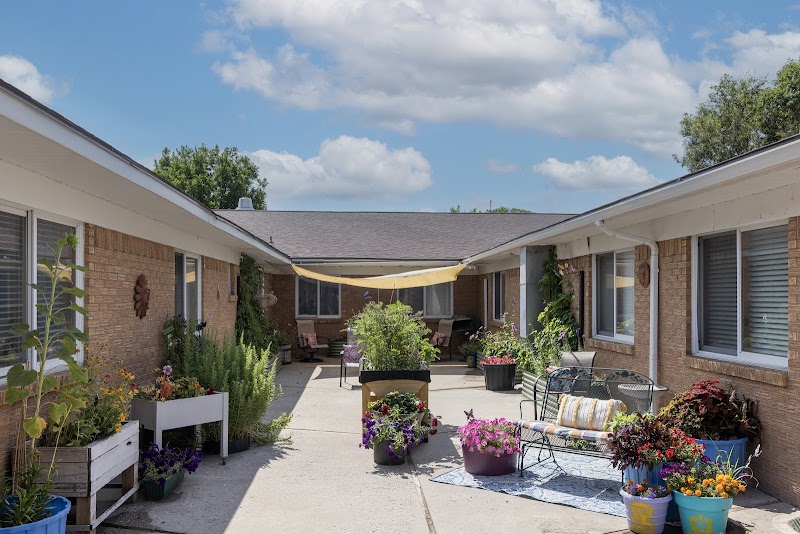
How is Wind River Snf Operations Llc Staffed?

CMS rates Wind River SNF Operations LLC's staffing level at 4 out of 5 stars, which is above average compared to other nursing homes. Staff turnover is 64%, which is 17 percentage points above the Wyoming average of 46%. High turnover can affect care consistency as new staff learn residents' individual needs.

What Have Inspectors Found at Wind River Snf Operations Llc?

State health inspectors documented 33 deficiencies at Wind River SNF Operations LLC during 2022 to 2025. These included: 3 that caused actual resident harm and 30 with potential for harm. Deficiencies causing actual harm indicate documented cases where residents experienced negative health consequences.
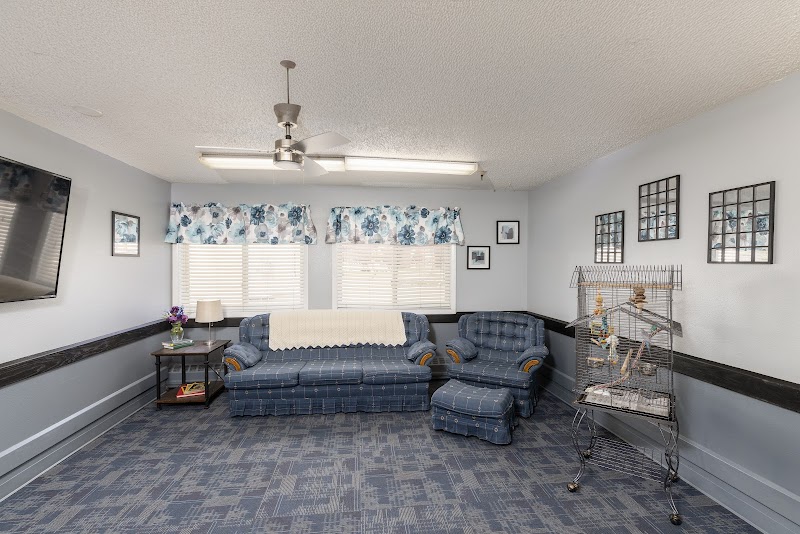
Who Owns and Operates Wind River Snf Operations Llc?

Wind River SNF Operations LLC is owned by a for-profit company. For-profit facilities operate as businesses with obligations to shareholders or private owners. The facility is operated by EMPRES OPERATED BY EVERGREEN, a chain that manages multiple nursing homes. With 81 certified beds and approximately 52 residents (about 64% occupancy), it is a smaller facility located in Riverton, Wyoming.

How Does Wind River Snf Operations Llc Compare to Other Wyoming Nursing Homes?

Compared to the 100 nursing homes in Wyoming, Wind River SNF Operations LLC's overall rating (2 stars) is below the state average of 2.9, staff turnover (64%) is significantly higher than the state average of 46%, and health inspection rating (2 stars) is below the national benchmark.

What Should Families Ask When Visiting Wind River Snf Operations Llc?

Based on this facility's data, families visiting should ask: "How do you ensure continuity of care given staff turnover, and what is your staff retention strategy?" "Can I visit during a mealtime to observe dining assistance and food quality?" "How do you handle medical emergencies, and what is your hospital transfer rate?" "Can I speak with family members of current residents about their experience?" These questions are particularly relevant given the facility's high staff turnover rate.

Is Wind River Snf Operations Llc Safe?

Based on CMS inspection data, Wind River SNF Operations LLC has a clean safety record: no substantiated abuse findings (meaning no confirmed cases of resident harm), no Immediate Jeopardy citations (the most serious violation level indicating risk of serious injury or death), and is not on the Special Focus Facility watch list (a federal program monitoring the lowest-performing 1% of nursing homes). The facility has a 2-star overall rating and ranks #100 of 100 nursing homes in Wyoming. While no facility is perfect, families should still ask about staff-to-resident ratios and recent inspection results during their visit.

Do Nurses at Wind River Snf Operations Llc Stick Around?

Staff turnover at Wind River SNF Operations LLC is high. At 64%, the facility is 17 percentage points above the Wyoming average of 46%. High turnover means new staff may not know residents' individual needs, medications, or preferences. It can also be disorienting for residents, especially those with dementia who rely on familiar faces. Families should ask: What is causing the turnover? What retention programs are in place? How do you ensure care continuity during staff transitions?

Was Wind River Snf Operations Llc Ever Fined?

Wind River SNF Operations LLC has been fined $47,522 across 3 penalty actions. The Wyoming average is $33,554. While any fine indicates a compliance issue, fines under $50,000 are relatively common and typically reflect isolated problems that were subsequently corrected. Families should ask what specific issues led to these fines and confirm they've been resolved.

Is Wind River Snf Operations Llc on Any Federal Watch List?

Wind River SNF Operations LLC is not on any federal watch list. The most significant is the Special Focus Facility (SFF) program, which identifies the bottom 1% of nursing homes nationally based on persistent, serious quality problems. Not being on this list means the facility has avoided the pattern of deficiencies that triggers enhanced federal oversight. This is a positive indicator, though families should still review the facility's inspection history directly.