Westward Heights Care Center
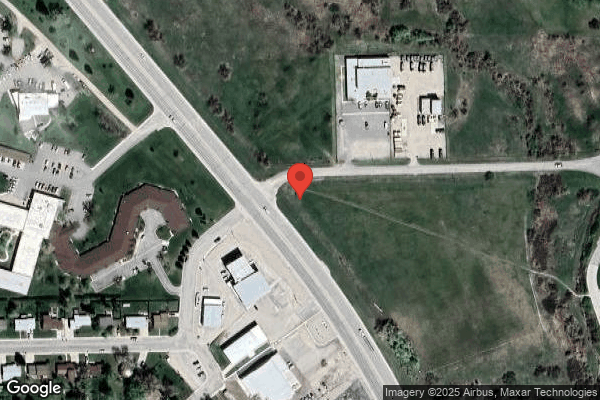
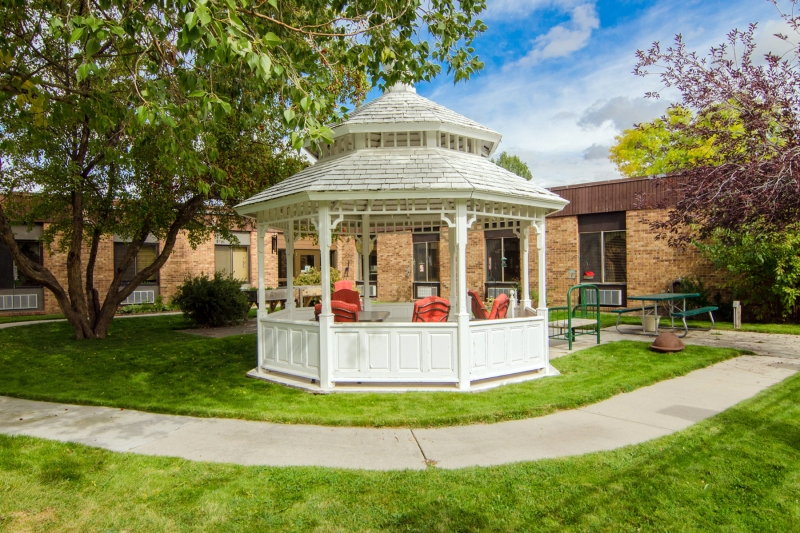
150 Caring Way, LANDER, WY 82520 (307) 332-5560
Non profit - Corporation 60 Beds Independent Data: November 2025
Trust Grade
90/100
#6 of 33 in WY
Last Inspection: March 2025

Within standard 12-15 month inspection cycle. Federal law requires annual inspections.

Overview

Westward Heights Care Center has received an excellent Trust Grade of A, indicating a high level of care and recommendation. It ranks #6 out of 33 facilities in Wyoming, placing it in the top tier, and is the best option among the four nursing homes in Fremont County. However, the facility is experiencing a worsening trend, with the number of issues increasing from 2 in 2024 to 4 in 2025. Staffing is a strength, with a 4/5 star rating and a turnover rate of 43%, which is below the state average, suggesting that staff are stable and familiar with residents' needs. On the downside, there were several concerns identified, including a failure to maintain proper infection control during meal assistance and a lack of gradual medication dose reduction for a resident, both of which could pose risks to resident safety.

Trust Score
A
90/100
In Wyoming
#6/33
Top 18%
Safety Record
Low Risk
No red flags
Inspections
Getting Worse
2 → 4 violations
Staff Stability
○ Average
43% turnover. Near Wyoming's 48% average. Typical for the industry.
Penalties
✓ Good
No fines on record. Clean compliance history, better than most Wyoming facilities.
Skilled Nurses
✓ Good
Each resident gets 59 minutes of Registered Nurse (RN) attention daily — more than average for Wyoming. RNs are trained to catch health problems early.
Violations
○ Average
8 deficiencies on record. Average for a facility this size. Mostly minor or procedural issues.
★★★★★
5.0
Overall Rating
★★★★☆
4.0
Staff Levels
★★★★★
5.0
Care Quality
★★★★☆
4.0
Inspection Score
Stable
2024: 2 issues
2025: 4 issues

The Good

  • 4-Star Staffing Rating · Above-average nurse staffing levels
  • 5-Star Quality Measures · Strong clinical quality outcomes
  • Full Sprinkler Coverage · Fire safety systems throughout facility
  • No fines on record
  • Staff turnover below average (43%)

    5 points below Wyoming average of 48%

Facility shows strength in staffing levels, quality measures, fire safety.

The Bad

Staff Turnover: 43%

Near Wyoming avg (46%)

Typical for the industry

The Ugly 8 deficiencies on record

Mar 2025 2 deficiencies
CONCERN (D)

Potential for Harm - no one hurt, but risky conditions existed

Medication Errors (Tag F0758)

Could have caused harm · This affected 1 resident

**NOTE- TERMS IN BRACKETS HAVE BEEN EDITED TO PROTECT CONFIDENTIALITY** Based on medical record review, staff interview, and policy and procedure review, the facility failed to ensure a gradual dose r...

Read full inspector narrative →
**NOTE- TERMS IN BRACKETS HAVE BEEN EDITED TO PROTECT CONFIDENTIALITY** Based on medical record review, staff interview, and policy and procedure review, the facility failed to ensure a gradual dose reduction was performed for 1 of 5 sample residents (#28) reviewed for unnecessary medications. The findings were: 1. Review of the quarterly MDS assessment dated [DATE] showed resident #28 had a brief interview for mental status score of 14 out 15, which indicated s/he was cognitively intact, and diagnoses which included end-stage renal disease and insomnia. Further review showed the resident used antidepressant medications during the look-back period. Review of the resident's physician orders showed s/he received trazodone (antidepressant) 50 mg by mouth at bedtime related to insomnia which was ordered on 7/21/23. The following concerns were identified: a. Review of the treatment administration records for January, February, and March 2025 showed the facility was monitoring the resident for restlessness at night and there were no documented episodes of restlessness indicated. b. Review of a Consultation Report dated January 1, 2025 through January 18, 2025 showed the pharmacist recommended to .Please attempt a gradual dose reduction (GDR) to 25 mg qhs (every day at hours of sleep). If you do not wish to decrease, please document risk vs. benefit of continuing Trazadone . The review showed the physician declined the recommendation because a GDR was Clinically Contraindicated for the resident and checked the box for the resident's target symptoms returned or worsened after the most recent GDR attempt within the facility and a GDR attempt at this time is likely to impair this individual's function or cause psychiatric instability by exacerbating an underlying medical condition or psychiatric disorder as documented below. Further review showed there was no additional or resident specific information documented below. c. Review of a Consultation Report dated May 20, 2024 through May 22, 2024 showed the pharmacist recommended If clinically appropriate, please consider a gradual dose reduction (GDR) to trazadone 25 mg daily, while concurrently monitoring for reemergence of target and withdrawal symptoms. The review showed the physician declined and checked the box that stated Continued use is in accordance with the current standard of practice and a GDR attempt at this time is likely to impair this individual's function or cause psychiatric instability by exacerbating and underlying medical condition or psychiatric disorder AS DOCUMENTED BELOW . Further review showed the physician wrote [S/he] is able to sleep with trazadone. d. Review of a Consultation Report dated January 29, 2024 through January 30, 2024 showed the pharmacist recommended If clinically appropriate, please consider a gradual dose reduction (GDR) to trazadone 25 mg daily, while concurrently monitoring for reemergence of target and withdrawal symptoms. The review showed the physician declined and checked the box that stated Continued use is in accordance with the current standard of practice and a GDR attempt at this time is likely to impair this individual's function or cause psychiatric instability by exacerbating and underlying medical condition or psychiatric disorder AS DOCUMENTED BELOW . Further review showed there was no additional or resident specific information documented below. 2. Interview with the DON on 3/27/25 at 10:22 AM revealed the resident #28 previously had a successful gradual dose reduction attempted and she was unable to find any unsuccessful attempts. In addition, she was unable to locate where the physician provided additional resident specific information for the need of the medication. 3. Review of the facility policy titled Psychoactive Medication and Medication Regimen Review Management Standard dated 9.2024 showed .5. Gradual Dose Reduction/Tapering of Medications: The requirements underlying this guidance emphasize the importance of seeking an appropriate dose and duration for each medication and minimizing the risk of adverse consequences, The purpose of tapering a medication is to find an optimal dose or to determine whether continued use of the medication is benefiting the resident. Tapering may be indicated when the resident's clinical condition has improved or stabilized, the underlying cases of the original symptoms have resolved, and/or non-pharmacological interventions, including behavioral interventions, have been effective in reducing symptoms .
CONCERN (E)

Potential for Harm - no one hurt, but risky conditions existed

Infection Control (Tag F0880)

Could have caused harm · This affected multiple residents

Based on observation, staff interview, and policy and procedure review, the facility failed to ensure infection prevention practices were implemented during meal delivery and assistance during 2 of 3 ...

Read full inspector narrative →
Based on observation, staff interview, and policy and procedure review, the facility failed to ensure infection prevention practices were implemented during meal delivery and assistance during 2 of 3 meal observations in the main dining room. The census was 56. The findings were: 1. Observation on 3/24/25 beginning at 5:43 PM showed CNA #1 was assisting a resident to eat dinner. The CNA was observed touching the resident's shoulder, arm, and wheelchair wheel while assisting the resident. Without performing hand hygiene, the CNA moved around the table and was observed placing her ungloved hand on top of another resident's hamburger and using her other hand to cut the hamburger in half. After it was cut, the CNA picked up half the hamburger, using both hands, and handed it to the resident, which the resident ate. The CNA then used her ungloved hand to pick up a French fry, dip it in ketchup, and hand it to the resident, which s/he ate. The CNA again picked up the resident's hamburger and handed it to the resident before standing from the table at washing her hands at the sink in the dining room. 2. Observation on 3/26/25 beginning at 12:04 PM showed CNA #1 assisted a resident by cutting his/her food and then touched the resident's shirt. The CNA left the table and obtained another plate at the kitchen window and took it to a 2nd resident, where she cut up the food using his/her silverware. The CNA placed her hand into her hair then obtained another plate from the kitchen window and delivered it to a 3rd resident. While delivering the meal tray, the CNA touched the resident's wheelchair before returning to the kitchen window to obtain another tray and delivering it to a 4th resident. No hand hygiene was performed during the observation. 3. Interview with the DON, infection preventionist, and dietary director on 3/27/25 at 9:48 AM revealed hand hygiene should occur during meal service between residents if resident contact occurred. They confirmed the CNA should perform hand hygiene before assisting a second resident and they would like staff to wear gloves if they are touching the resident's food items. Further interview revealed they expected hand hygiene to be performed after touching potentially contaminated items. 4. Review of a facility procedure titled . Hand Hygiene Competency dated 12.2019 showed .When to wash hands .Before each resident contact .After touching a resident or handling their belongings .After handling contaminated items (linens/garbage/briefs, etc.) .When can hand sanitizer be used .Before/after direct contact with resident .After contact with resident's intact skin .After contact with inanimate objects, such as medical equipment in resident's room or vicinity .
Jan 2025 2 deficiencies
CONCERN (D) 📢 Someone Reported This

A family member, employee, or ombudsman was alarmed enough to file a formal complaint

Potential for Harm - no one hurt, but risky conditions existed

Free from Abuse/Neglect (Tag F0600)

Could have caused harm · This affected 1 resident

**NOTE- TERMS IN BRACKETS HAVE BEEN EDITED TO PROTECT CONFIDENTIALITY** Based on medical record review, staff interview, facility incident review, and policy and procedure review, the facility failed ...

Read full inspector narrative →
**NOTE- TERMS IN BRACKETS HAVE BEEN EDITED TO PROTECT CONFIDENTIALITY** Based on medical record review, staff interview, facility incident review, and policy and procedure review, the facility failed protect the resident's right to be free from physical abuse by another resident for 1 of 3 sample residents (#2). Corrective measures were implemented prior to the survey and compliance was determined to be met on 8/9/24. The findings were: 1.Review of the quarterly MDS assessment dated [DATE] showed resident #2 had a BIMS score of 5 out of 15, indicating severe cognitive impairment, had diagnoses which included non-Alzheimer's dementia, and did not exhibit behaviors. Review of the admission MDS assessment dated [DATE] showed resident #3 had a BIMS score of 9 out of 15, indicating moderate cognitive impairment, had diagnoses which included non-Alzheimer's dementia, and did not exhibit behaviors. The following concerns were identified: a. Review of an incident report dated 7/20/24 and timed 5 PM showed both resident #2 and #3 were in the dining room when resident #3 was seen rubbing resident #2's shoulder. Resident #3 then put his/her hand in resident #2's groin area. Resident #2 and #3 were separated at the time of the incident. b. Interview with CNA #1 on 12/27/24 at 12:05 PM revealed s/he witnessed resident #3 massaging resident #2' s groin area outside his/her pants. The CNA revealed resident #3 was immediately redirected and separated from resident #2. The CNA stated the residents didn't know what happened, they both have dementia. The CNA stated resident #2 showed no changes in demeanor following the incident. c. Interview with RN #2 on 12/27/24 at 2 PM with revealed s/he did not witness the incident but was made aware of it by CNA #1 immediately after it happened. The RN revealed s/he followed the facility policy and procedure for reporting abuse which included notifying the social services director. RN #1 confirmed resident #2 and #3 were separated and resident #3 was placed on increased supervision. RN #1 revealed no effects were noted after the incident but it's hard to tell with dementia. 2.Review of the Resident Rights provided on admission and last revised 05/19 showed .Restraint and Abuse, your right to be free from abuse and neglect . 3.Review of the facility's policy titled Abuse and Neglect Prevention Standard, last revised 1/23 showed .the resident has the right to be free from abuse . The definition of sexual abuse was .non-consensual sexual contact of any type with a resident . The definition of sexual abuse included .capacity and consent-residents have the right to engage in consensual sexual activity, however anytime the facility has a reason to suspect that a resident may not have the capacity to consent to sexual activity, the facility must take steps to ensure that the resident is protected from abuse . 4.The following corrective action was implemented on 8/9/24 and verified during the survey: a. Resident #3 was monitored with increased supervision. b. Daily behavioral/intervention flow record was implemented for resident #3 until discharge from the facility on 8/9/24. c. New focus area with interventions was initiated in care plan on 7/25/24 for resident #3 to include out of character responses (sexual desires) due to dementia. Interventions included redirecting behaviors and providing male caregiver. d. Facility initiated assistance on 7/22/24 to family with helping find a memory care center for transfer. e. Abuse and neglect drill was performed 8/1/2024 and included summary of drill, improvement needed/actions taken and trends noted. f. Abuse and neglect education was provided at all staff meeting on 8/15/24. g. Safety fair on 11/14/24 for all staff included abuse and neglect training. h. Quality Assurance and Performance Improvement (QAPI) report included monthly abuse and neglect monitoring with trends and actions taken.
CONCERN (D) 📢 Someone Reported This

A family member, employee, or ombudsman was alarmed enough to file a formal complaint

Potential for Harm - no one hurt, but risky conditions existed

Quality of Care (Tag F0684)

Could have caused harm · This affected 1 resident

Based on medical record review, staff interview, and review of incident and facility documentation the facility failed to provide care in accordance with physician's orders and professional standards ...

Read full inspector narrative →
Based on medical record review, staff interview, and review of incident and facility documentation the facility failed to provide care in accordance with physician's orders and professional standards of practice for 1 of 3 residents (#1) with change in condition including resident #1. The facility had implemented corrective action prior to the survey and was determined to be in substantial compliance as of 11/19/24. The following concerns were identified: 1. Review of complaint/grievance report dated 11/13/24 showed resident #1 did not get transported to an appointment after it was ordered by the physician. 2. Medical record review showed resident #1 had a physician's order for an x-ray of his/her hip dated 10/26/24. On 11/8/24 the nurse attempted to have facility scheduler transport the resident for the x-ray; however, the scheduler was unable to take the resident until 11/11/24. Further review showed the resident received hip x-ray on 11/13/24, 5 days after it was ordered. 2. Interview with the social services staff member #4 on 12/30/24 at 11 AM revealed the delay in time of order and when x-ray done was due to facility miscommunication with scheduler and transportation. 3. Interview with the administrator on 12/27/24 at 12:40 PM confirmed the delay in completion of the treatment was due to facility miscommunication and transportation issues. 4.The facility implemented the following corrective action by 11/19/24 a. Inservice documentation on 11/18/24 revealed meeting with scheduling manager and DON regarding communication and transportation. b. Inservice documentation on 11/19/2024 revealed meeting with nursing staff regarding resident care management in regards to appointments and transportation process. c. QAPI report indicated issues with the timely appointment in trends and current actions taken as well as future intervention.
Jan 2024 2 deficiencies
CONCERN (D)

Potential for Harm - no one hurt, but risky conditions existed

Deficiency F0698 (Tag F0698)

Could have caused harm · This affected 1 resident

Based on observation, medical record review and staff and resident interviews, the facility failed to monitor the resident's access site upon return from dialysis treatment for 1 of 1 sample resident ...

Read full inspector narrative →
Based on observation, medical record review and staff and resident interviews, the facility failed to monitor the resident's access site upon return from dialysis treatment for 1 of 1 sample resident (#33) who received dialysis at an off-site dialysis center. The findings were: 1. Observation of resident #33 on 1/8/24 at 4:09 PM showed a bandage visible on his/her upper right chest. Interview with the resident at that time revealed s/he received dialysis three times a week at an off-site dialysis center. The following concerns were identified: a. Review of physician's orders showed the only order related to dialysis was for staff to record the resident's weight following dialysis. There lacked any orders related to the monitoring of the resident's dialysis access site. b. Review of the resident's care plan for hemodialysis initiated 8/23/23 showed Monitor/document/report PRN [as needed] signs/symptoms of infection to access site: redness, swelling, warmth or drainage and Monitor/document/report PRN for signs/symptoms of the following: bleeding, hemorrhage, bacteremia, septic shock. The care plan did not instruct staff to immediately monitor the status of the access port upon return from the dialysis center to observe for bleeding or other complications. c. Review of the December 2023 and January 2024 medication and treatment administration records and progress notes since December 1, 2023 showed no documentation that the resident's access site was monitored upon return from the dialysis center. d. During an interview on 1/10/24 at 3:23 PM the resident stated staff did not observe his/her access site when s/he returned from dialysis. e. On 1/10/24 at 3:24 PM RN #1 was asked what monitoring the resident received following a dialysis treatment. The RN stated they only needed to record the resident's weight, which the dialysis center usually recorded for them. f. On 1/11/24 at 8:23 AM the DON stated the facility did not have policies related to the monitoring of the access site. She confirmed the care plan only instructed for PRN monitoring and further confirmed there was no documentation to show staff were monitoring the access site.
CONCERN (D)

Potential for Harm - no one hurt, but risky conditions existed

Infection Control (Tag F0880)

Could have caused harm · This affected 1 resident

Based on observation, staff interviews, review of manufacturer's instructions, and policy review, the facility failed to ensure infection prevention practices were followed by staff during 1 of 6 medi...

Read full inspector narrative →
Based on observation, staff interviews, review of manufacturer's instructions, and policy review, the facility failed to ensure infection prevention practices were followed by staff during 1 of 6 medication pass observations which affected residents (#5, #20). The findings were: 1. Continuous observation on 1/9/24 starting at 11:38 AM showed LPN #1 obtained a blood glucose level on resident #20. After the procedure was completed, the glucometer was returned to the medication cart without being disinfected by the LPN. At 12:23 PM LPN #1 obtained a blood glucose level on resident #5 using the same glucometer. After the procedure was completed, the glucometer was returned to the medication cart without being disinfected by the LPN. 2. Interview on 1/9/24 at 12:37 PM with LPN #1 confirmed she had not disinfected the glucometer between residents. 3. During an interview on 1/9/23 at 3:12 PM the infection control nurse and the MDS coordinator both confirmed the facility did not have any residents with known blood borne pathogens. 4. Interview on 1/10/24 at 2 PM with the DON and ADON revealed it was the facility's expectation to clean the glucometers between resident use. 5. Review of the manufacturer's instructions provided by the DON on 1/11/24 at 8:35 AM showed Cleaning & Disinfecting Guidelines .Wash hands after taking off gloves. Contact with blood presents a potential infection risk. We suggest cleaning and disinfecting the meter between patient use using a commercially available EPA-registered disinfectant detergent or germicide wipe. 6. Review of the facility policy titled Blood Glucose Monitoring Equipment and Supplies provided by the DON on 1/11/23 at 9:54 AM showed .Clean and disinfect blood glucose meters between uses when equipment is shared .
Nov 2022 2 deficiencies
CONCERN (D)

Potential for Harm - no one hurt, but risky conditions existed

Medication Errors (Tag F0758)

Could have caused harm · This affected 1 resident

Based on medical record review and staff interview, the facility failed to ensure PRN orders for anti-psychotic medications were limited to 14 days for 1 of 3 sample residents (#95). The findings were...

Read full inspector narrative →
Based on medical record review and staff interview, the facility failed to ensure PRN orders for anti-psychotic medications were limited to 14 days for 1 of 3 sample residents (#95). The findings were: 1. Review of physician's orders for resident #95 showed an order dated 10/18/22 for Zyprexa (anti-psychotic) 5 mg every 24 hours as needed for agitation. Review of the MAR for October and November 2022 verified the medication was a PRN order, with a start date of 10/18/22. The resident received one dose on 10/27/22. 2. During an interview on 11/2/22 at 5:39 PM the DON confirmed the PRN order for Zyprexa was not limited to 14 days. She stated the medication order should have had a 14 day end date, but did not. She further stated the facility was aware that regulations required PRN orders for anti-psychotics be limited to 14 days and required the physician to evaluate the resident before renewing the order.
MINOR (C)

Minor Issue - procedural, no safety impact

Deficiency F0888 (Tag F0888)

Minor procedural issue · This affected most or all residents

Based on review of policy and procedures, staff interview, and review of the facility's staff vaccination and COVID-19 testing records, the facility failed to ensure 100% of staff were vaccinated agai...

Read full inspector narrative →
Based on review of policy and procedures, staff interview, and review of the facility's staff vaccination and COVID-19 testing records, the facility failed to ensure 100% of staff were vaccinated against SARS-CoV-2, held an exemption, or had a temporary delay. The facility's staff vaccination rate was 98.9%. In addition, the facility failed to ensure the policy was followed related to extra precautions for staff who were not fully vaccinated. The findings were: 1. Review of the facility's vaccination records showed CNA #1 was hired on 9/6/22 and was administered the first dose of a two dose COVID-19 vaccination series on 9/7/22. The vaccination log sheet showed a note dated 10/7/22 which stated the vaccine was unavailable at a local pharmacy and the pharmacy would contact the CNA when it was available. There was no evidence the CNA had received the second dose of the vaccine at the time of the survey. 2. Review of the facility's COVID-19 staff testing records showed CNA #1 had not been tested during the month of October 2022. Interview with the infection preventionist (IP) on 11/2/22 at 11:37 AM confirmed the unvaccinated CNA had not been tested for COVID-19 in October 2022. 3. Review of the Mandatory COVID-19 Vaccination Policy, last updated 10/4/22, and required the signature of the employee, showed New team members will be required to have their first vaccination prior to their first day on the job. The second dose would need to be administered within 30 days of the first dose. This policy failed to include what action would be taken if the deadline was not met. 4. Review of the COVID-19 Vaccine Mandate Policy and Procedure, last updated 10/5/22, showed All team members are required to receive vaccinations as determined by CMS, unless an exemption is approved, and the team member accepts a reasonable accommodation. Team members not in compliance with this policy will be placed on unpaid leave until their employment status is determined by the administrator. In addition the policy stated The facility will implement additional precautions to mitigate the transmission and spread of COVID-19 for all staff who are not fully vaccinated for COVID-19 including but not limited to: COVID-19 testing once per week. This policy failed to include a deadline for newly hired staff to have obtained the second dose of the primary vaccination series. 5. Interview with the NHA and the IP on 11/2/22 at 4:28 PM revealed there was a communication breakdown which resulted in the CNA working past the 30 day deadline without receiving the second dose of the COVID-19 vaccination series and not being tested weekly as specified in the policy.
Understanding Severity Codes (click to expand)
Life-Threatening (Immediate Jeopardy)
J - Isolated K - Pattern L - Widespread
Actual Harm
G - Isolated H - Pattern I - Widespread
Potential for Harm
D - Isolated E - Pattern F - Widespread
No Harm (Minor)
A - Isolated B - Pattern C - Widespread

Questions to Ask on Your Visit

  • "Can I speak with families of current residents?"
  • "What's your RN coverage like on weekends and overnight?"

Our Honest Assessment

Strengths
  • • Grade A (90/100). Above average facility, better than most options in Wyoming.
  • • No major safety red flags. No abuse findings, life-threatening violations, or SFF status.
  • • No fines on record. Clean compliance history, better than most Wyoming facilities.
  • • 43% turnover. Below Wyoming's 48% average. Good staff retention means consistent care.
Concerns
  • • No significant concerns identified. This facility shows no red flags across CMS ratings, staff turnover, or federal penalties.
Bottom line: Generally positive indicators. Standard due diligence and a personal visit recommended.

About This Facility

What is Westward Heights Care Center's CMS Rating?

CMS assigns Westward Heights Care Center an overall rating of 5 out of 5 stars, which is considered much above average nationally. Within Wyoming, this rating places the facility higher than 99% of the state's 100 nursing homes. This rating reflects solid performance across the metrics CMS uses to evaluate nursing home quality.
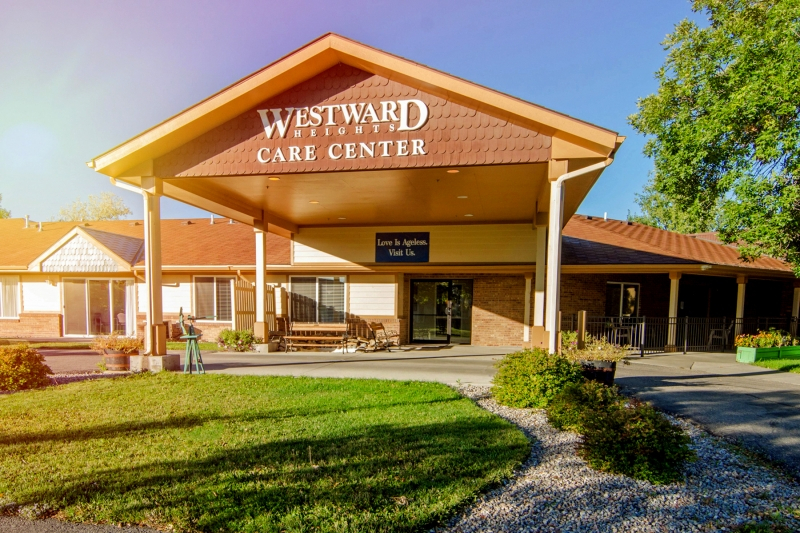
How is Westward Heights Care Center Staffed?
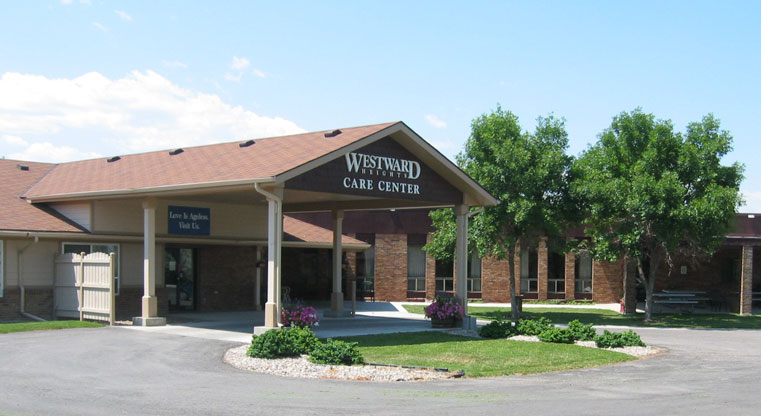
CMS rates Westward Heights Care Center's staffing level at 4 out of 5 stars, which is above average compared to other nursing homes. Staff turnover is 43%, compared to the Wyoming average of 46%. This relatively stable workforce can support continuity of care.

What Have Inspectors Found at Westward Heights Care Center?

State health inspectors documented 8 deficiencies at Westward Heights Care Center during 2022 to 2025. These included: 7 with potential for harm and 1 minor or isolated issues.

Who Owns and Operates Westward Heights Care Center?

Westward Heights Care Center is owned by a non-profit organization. Non-profit facilities reinvest revenue into operations rather than distributing to shareholders. The facility operates independently rather than as part of a larger chain. With 60 certified beds and approximately 51 residents (about 85% occupancy), it is a smaller facility located in LANDER, Wyoming.

How Does Westward Heights Care Center Compare to Other Wyoming Nursing Homes?

Compared to the 100 nursing homes in Wyoming, Westward Heights Care Center's overall rating (5 stars) is above the state average of 3.0, staff turnover (43%) is near the state average of 46%, and health inspection rating (4 stars) is above the national benchmark.

What Should Families Ask When Visiting Westward Heights Care Center?

Based on this facility's data, families visiting should ask: "Can I visit during a mealtime to observe dining assistance and food quality?" "How do you handle medical emergencies, and what is your hospital transfer rate?" "Can I speak with family members of current residents about their experience?"

Is Westward Heights Care Center Safe?

Based on CMS inspection data, Westward Heights Care Center has a clean safety record: no substantiated abuse findings (meaning no confirmed cases of resident harm), no Immediate Jeopardy citations (the most serious violation level indicating risk of serious injury or death), and is not on the Special Focus Facility watch list (a federal program monitoring the lowest-performing 1% of nursing homes). The facility has a 5-star overall rating and ranks #1 of 100 nursing homes in Wyoming. While no facility is perfect, families should still ask about staff-to-resident ratios and recent inspection results during their visit.

Do Nurses at Westward Heights Care Center Stick Around?

Westward Heights Care Center has a staff turnover rate of 43%, which is about average for Wyoming nursing homes (state average: 46%). Moderate turnover is common in nursing homes, but families should still ask about staff tenure and how the facility maintains care continuity when employees leave.

Was Westward Heights Care Center Ever Fined?

Westward Heights Care Center has no federal fines on record. CMS issues fines when nursing homes fail to meet care standards or don't correct problems found during inspections. The absence of fines suggests the facility has either maintained compliance or corrected any issues before penalties were assessed. This is a positive indicator, though families should still review recent inspection reports for the full picture.

Is Westward Heights Care Center on Any Federal Watch List?

Westward Heights Care Center is not on any federal watch list. The most significant is the Special Focus Facility (SFF) program, which identifies the bottom 1% of nursing homes nationally based on persistent, serious quality problems. Not being on this list means the facility has avoided the pattern of deficiencies that triggers enhanced federal oversight. This is a positive indicator, though families should still review the facility's inspection history directly.