OAKS ON PARKWOOD SKILLED NURSING FACILITY

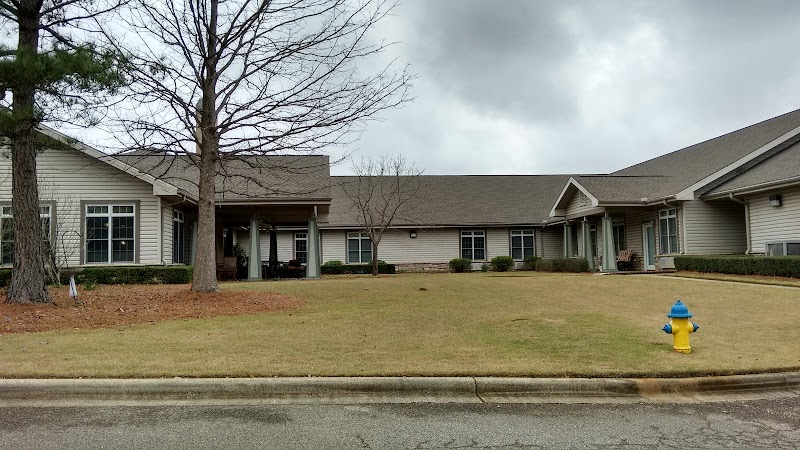
2625 LAUREL OAK DRIVE, BESSEMER, AL 35022 (205) 497-4520
Non profit - Corporation 130 Beds NOLAND HEALTH Data: November 2025
Trust Grade
45/100
#208 of 223 in AL
Last Inspection: May 2021

Over 2 years since last inspection. Current conditions may differ from available data.

Overview

Oaks on Parkwood Skilled Nursing Facility has a Trust Grade of D, indicating below-average performance with some significant concerns. Ranking #208 out of 223 facilities in Alabama places it in the bottom half, and #31 out of 34 in Jefferson County suggests there are better local options. Although the facility is improving, with issues decreasing from 2 in 2021 to 1 in 2023, it still reported 15 concerns during inspections, all categorized as potential harm. Staffing is a strength, with a 4 out of 5 rating and a turnover rate of 38%, which is lower than the state average, indicating that staff are likely to stay long-term and build relationships with residents. However, there were specific issues noted, such as not serving food at proper temperatures and discrepancies in portion sizes for meals, which could affect residents' nutrition and satisfaction.

Trust Score
D
45/100
In Alabama
#208/223
Bottom 7%
Safety Record
Low Risk
No red flags
Inspections
Getting Better
2 → 1 violations
Staff Stability
○ Average
38% turnover. Near Alabama's 48% average. Typical for the industry.
Penalties
✓ Good
No fines on record. Clean compliance history, better than most Alabama facilities.
Skilled Nurses
✓ Good
Each resident gets 45 minutes of Registered Nurse (RN) attention daily — more than average for Alabama. RNs are trained to catch health problems early.
Violations
⚠ Watch
15 deficiencies on record. Higher than average. Multiple issues found across inspections.
★☆☆☆☆
1.0
Overall Rating
★★★★☆
4.0
Staff Levels
★☆☆☆☆
1.0
Care Quality
★☆☆☆☆
1.0
Inspection Score
Stable
2021: 2 issues
2023: 1 issues

The Good

  • 4-Star Staffing Rating · Above-average nurse staffing levels
  • Full Sprinkler Coverage · Fire safety systems throughout facility
  • No fines on record
  • Staff turnover below average (38%)

    10 points below Alabama average of 48%

Facility shows strength in staffing levels, fire safety.

The Bad

1-Star Overall Rating

Below Alabama average (2.9)

Significant quality concerns identified by CMS

Staff Turnover: 38%

Near Alabama avg (46%)

Typical for the industry

Chain: NOLAND HEALTH

Part of a multi-facility chain

Ask about local staffing decisions and management

The Ugly 15 deficiencies on record

Nov 2023 1 deficiency
CONCERN (E) 📢 Someone Reported This

A family member, employee, or ombudsman was alarmed enough to file a formal complaint

Potential for Harm - no one hurt, but risky conditions existed

Deficiency F0658 (Tag F0658)

Could have caused harm · This affected multiple residents

**NOTE- TERMS IN BRACKETS HAVE BEEN EDITED TO PROTECT CONFIDENTIALITY** Based on interviews, record review, review of a facility policy titled Medication, Oral/Sublingual Administration, review of a F...

Read full inspector narrative →
**NOTE- TERMS IN BRACKETS HAVE BEEN EDITED TO PROTECT CONFIDENTIALITY** Based on interviews, record review, review of a facility policy titled Medication, Oral/Sublingual Administration, review of a Facility Reported Incident (FRI) received by the Alabama State Survey Agency, and review of the facility's investigative file, the facility failed to ensure Resident Identifier (RI) #9, RI #10, RI #11, and RI #13 received their medications on the three to eleven (3-11) PM shift on 01/09/2023 as ordered by the physician. This deficient practice had the potential to affect four of four residents residing on the secured unit at the facility; which is one of three units at the facility. Findings include: Review of a facility policy titled Medication, Oral/Sublingual Administration, with an effective date of 05/2014, revealed the following: PURPOSE: To administer oral medications in an organized and safe manner. STANDARD: Medications are administered orally under the orders of the attending physician. The facility submitted an Online Incident Report to the Alabama Department of Public Health on 01/10/2023. The report alleged Abuse and Neglect for four residents, RI #9, RI #10, RI #11, and RI #13. A narrative summary of the incident was documented in the report as follows: . DON (Director of Nursing) left yesterday with keys to med (medication) cart that contained medications for a total of four residents. Staff attempted to contact DON, spoke to her to let them (her) know they did not have keys to the cart for those residents. DON did not offer to return to the facility or offer any remedy to obtaining spare key to the cart. DON brought keys back to the facility today. Four residents identified did not receive medications as ordered during that time. The facility Incident Summary for the incident dated 01/10/2023 documented the following: . Description of Incident On 01/09/2023, 3p-11p shift nurses could not locate the medication cart keys for the secured unit.(LPN #8) contacted . (Former DON) who had the keys to that unit on the 7a-7p shift. (Former DON) stated she had the keys; she had accidentally brought them home, and would bring them back in the morning when she came in for her shift. (Former DON) did not bring them back immediately per the facility protocol. This caused 4 residents not to receive their medications in a timely manner, none of these were critical medications. (Former DON) returned the keys on 1/10/2023 and the residents received their morning medications as ordered. A review of the facility's investigative file revealed a Resident Incident Report that documented the following; Name: (Names of RI #10, RI #9, RI #13, RI #11) . Incident Date: 1/9/23 . Category . (Medication checked) . Describe Injury: no injuries . Narrative of incident and description of injuries: . On 1/9/23 RN (name of former DON) left facility with narcotic/med cart keys and 4 residents did not receive medications that was scheduled on 3-11 & (and) 11-7 . 1) RI #9 was admitted to the facility on [DATE] and readmitted on [DATE] and had diagnoses to include Dementia with Behavioral Disturbances, Constipation, Adjustment Disorder with Anxiety and Insomnia. A review of RI #9's January 2023 Physician Orders revealed RI #9 had orders for Depakote DR 125 mg to be administered by mouth twice a day for Dementia with Behaviors, Buspirone HCL 10 mg to be administered by mouth three times a day for Adjustment Disorder with Anxiety, Senna 8.6 mg by mouth to be given at bedtime for Constipation and Trazodone 50 mg by mouth to be administered at bedtime for Dementia with Behavior Disturbances/Insomnia. A review of RI #9's January 2023 eMAR (electronic Medication Administration Record) revealed on 01/09/2023, during the 3-11 PM shift, RI #9 did not receive Depakote DR 125 mg and Buspirone HCL 7.5 mg at 5:00 PM and Senna 8.6 mg and Trazodone 50 mg at 9:00 PM as ordered by the physician. 2) RI #10 was admitted to the facility on [DATE] and readmitted on [DATE], with diagnoses to include Vascular Dementia with Behavioral Disturbances, Bipolar Disorder, Post-Traumatic Stress Disorder, Hyperlipidemia, and Insomnia. A review of RI #10's January 2023 Physician Orders revealed RI #10 had orders for Lotrimin AF (Antifungal) 1% Cream twice a day until clear, PreserVision Areds Softgel one by mouth twice a day, Trileptal 150 mg 1/2 tab (75 mg) by mouth twice a day for Vascular Dementia with Behavioral Disturbances, Quetiapine 50 mg by mouth three times a day for Post-Traumatic Stress Disorder, Trazodone 50 mg by mouth at bedtime for Insomnia, Atorvastatin 40 mg by mouth every day for Hyperlipidemia, Melatonin 10 mg by mouth at bedtime for sleep and Tamsulosin 0.4 mg by mouth every day for Obstructive and Reflux Uropathy. A review of RI #10's January 2023 eMAR revealed on 01/09/2023, during the 3-11 PM shift, RI #10 did not receive Lotrimin AF 1% Cream, Trileptal 150 mg, PreserVision Areds Softgel and Quetiapine 50 mg at 5:00 PM, Tamsulosin 0.4 mg at 7:00 PM and Atorvastatin 40 mg, Melatonin 10 mg and Trazodone 150 mg at 9:00 PM as ordered by the physician. 3) RI #11 was admitted to the facility on [DATE], with a diagnosis of Hyperlipidemia. A review of RI #11's January 2023 Physician Orders revealed RI #11 had orders for Zetia 10 mg by mouth at bedtime for Hyperlipidemia. A review of RI #11's January 2023 eMAR revealed on 01/09/2023, during the 3-11 PM shift, RI #11 did not receive Atorvastatin 80 mg and Zetia 10 mg at 9:00 PM as ordered by the physician. 4) RI #13 was admitted to the facility on [DATE] and readmitted on [DATE], with diagnoses to include Dementia with Behavioral Disturbances, Major Depressive Disorder, Vascular Dementia with Behavioral Disturbances, Alzheimer's Disease, Bipolar Disorder, Multiple Fractures of Ribs, Left Side, with Routine Healing and Hyperlipidemia. A review of RI #11's January 2023 Physician Orders revealed RI #11 had orders for Refresh Optive Gel eye drops instill one drop in each eye twice a day, Trileptal 150 mg by mouth twice a day for Unspecified Dementia with Behavioral Disturbances, Namenda 10 mg by mouth twice a day for Vascular Dementia with Behavioral Disturbances, Zyprexa 5 mg one by mouth at bedtime for Vascular Dementia with Behaviors, Atorvastatin 40 mg one by mouth at bedtime, Trazodone 50 mg by mouth at bedtime for Insomnia, Aricept 10 mg by mouth at bedtime for Alzheimer's Disease and Norco 7.5-325 mg one by mouth every 8 hours. A review of RI #11's January 2023 eMAR revealed on 01/09/2023, during the 3-11 PM shift, RI #11 did not receive Trileptal 75 mg, Namenda 10 mg, Refresh Optive Gel eye drops, at 5:00 PM, Aricept 10 mg, Atorvastatin 40 mg, Trazodone 50 mg and Zyprexa 5 mg at 9:00 PM, and Norco 7.5-325 mg at 10:00 PM and on 01/10/2023 at 6:00 AM as ordered by the physician. On 11/15/2023 at 3:06 PM, the surveyor conducted an interview with the 3-11 PM shift LPN who had contacted the former DON about not being able to locate the keys to the medication cart for the secured unit. When asked who she informed when the former DON said she was not bringing the keys back to the facility, the LPN said besides the nurse who was on that cart, no one. The LPN said the facility's protocol when the keys to a medication cart were not available was to notify the DON. The LPN said in this case the DON was the one who had the keys, and she was notified. The LPN said when the former DON said she was not bringing the keys back to the facility, she probably could have called someone above the DON or called maintenance to see if they had a master key or not. The LPN said she was given a one on one in-service, by the Assistant [NAME] Present of Clinical Compliance nurse, that anyone who takes the medication keys from the facility must bring them back immediately, and if someone takes the keys home and refuse to bring them back, call their supervisor, the executive administrator or the DON. When asked were the physician orders followed if the residents did not get their medications on the 3-11 PM shift, the LPN said if the residents did not receive their medications the physician orders were not followed. On 11/15/2023 at 4:23 PM, an interview was conducted with a RN unit manager of one of the other units at the facility. The RN unit manager said the former DON came in on 01/10/2023 and informed her the staff had called her and asked her to bring the medication cart keys for the secured unit back to the facility. When asked where should the medication cart keys be at all times, the RN unit manager said with the nurse on the shift. The RN unit manager said that would be the nurse responsible for those residents. The RN unit manager said there were four residents from the secured unit on her unit at that time. The RN unit manager said looking at the resident's eMARs, EI #13's missed his/her 5:00 PM dose of Trileptal, Namenda, and Refresh eye drops; 9:00 PM dose of Aricept, Atorvastatin, Trazodone and Zyprexa and 10:00 PM dose of Norco 7.5 mg, RI #9 missed his/her 5:00 PM dose of Depakote and Buspirone, 9:00 PM dose of Senna and Trazodone, RI #11 missed his/her 5:00 PM dose of Namenda and 9:00 PM dose of Atorvastatin and Zetia; and RI #10 missed his/her 5:00 PM dose of Lotrimin Antifungal cream, Trileptal, PreserVision Ares (vitamin) and Seroquel, 7:00 PM dose of Flomax and 9:00 PM dose of Atorvastatin, Melatonin and Trazodone. When asked were the physician orders followed when the residents did not receive their medications, the RN unit manager said no, they were not followed. The RN unit manager said when resident do not receive their medication as ordered by the physician, in this this situation, there could be a potential for increased anxiety and loss of sleep. The RN unit manager said those were the two big things with the medications that were missed. On 11/16/2023 at 8:25 AM, 10:43 AM and 3:34 PM unsuccessful telephone attempts were made to contact the former DON. On 11/16/2023 at 9:45 AM, an interview was conducted with the RN Assistant [NAME] President of Clinical Compliance nurse. When asked how she became aware of an incident back in January of 2023, where four residents on the secured unit did not receive their evening medications, the RN Assistant [NAME] President of Clinical Compliance nurse said she believed the RN Director of MDS (Minimum Data Set) and Clinical Assessments informed her. The RN Assistant [NAME] President of Clinical Compliance nurse said she could not remember the exact words, but she was told the former DON had taken the cart keys home and refused to bring them back. The RN Assistant [NAME] President of Clinical Compliance nurse said she was already at the facility when she was informed . The RN Assistant [NAME] President of Clinical Compliance nurse said the facility identified the residents that were affected, notified the Medical Director (MD), notified the families, the residents were monitored for adverse effects of not receiving their evening medications and none were noted, and began in-servicing the nurses and the Macs (Medication Attendants Certified) regarding not taking medication carts keys home and the procedure for returning the keys. The RN Assistant [NAME] President of Clinical Compliance nurse also said it was discussed that if someone had taken the keys home and refused to bring them back, they were to notify the executive director immediately. The RN Assistant [NAME] President of Clinical Compliance nurse said an investigation was completed and it was found the former DON did not follow facility protocol which was when you take the keys home or realize that you have them you should bring them back immediately. The RN Assistant [NAME] President of Clinical Compliance nurse said four residents from the secured unit did not receive their medications on the 3-11 PM shift on 01/06/2023. When asked were the physicians orders followed when the residents did not receive their medications on the 3-11 PM shift on 01/06/2023, the RN Assistant [NAME] President of Clinical Compliance nurse said on 01/09/2023, on that shift they were not followed. On 11/16/2023 at 11:50 AM, a telephone interview was contacted with the Medical Director/physician of the four residents who missed their medications on the 3-11 PM shift on 01/09/2023. The MD said he was notified of the incident back in January of 2023 where the DON took the keys to the medication cart on the secured unit home with her. The MD said if he ordered medications for a resident, he would expect the nurses to follow the orders. The MD said from what he recalled about the incident, no resident experienced any adverse reactions nor did any harm occur due to the residents missing their medication that one time. On 11/16/2023 at 2:16 PM, the surveyor conducted an interview with the RN Director of MDS and Clinical Assessments nurse. When asked when she became aware the former DON had taken the keys to the mediation cart for the secured unit home with her and refused to bring them back, the RN Director of MDS and Clinical Assessments nurse said it was a staff member who informed her of that. The RN Director of MDS and Clinical Assessments nurse said she immediately called her supervisor the Assistant [NAME] Present of Clinical Compliance nurse. The RN Director of MDS and Clinical Assessments nurse said there four residents affected by this and it was on the 3-11 PM shift that this occurred. When asked were the physician orders followed if the resident did not receive their medication on the 3-11 PM shift, the RN Director of MDS and Clinical Assessments nurse said no. The RN Director of MDS and Clinical Assessments nurse said it would be important to follow physician orders because the residents have their medications ordered for a certain purpose. This deficient practice was cited as a result of the investigation of complaint/report number AL00042958. ************************************************************* The facility took immediate action to correct the noncompliance by: 01/09/2023- Staff identified that the Director of Nursing left the building with the medication cart keys for the Arbor unit. Call was made to the Director of Nursing by staff and she refused to return to the facility with the keys. 01/09/2023-Four residents on the Arbor unit did not receive medication on the 3-11 shift as ordered by the physician. 01/10/2023- Director of MDS/Clinical Assessment SNF was notified that the Director of Nursing left the faciity on [DATE] with medication cart keys and refused to return to the facility after being contacted by staff. 01/10/2023- Medical Director and representatives for the residents were notified of the incident. 01/10/2023-No adverse reactions noted from residents not receiving medications. 01/10/2023- Incident report completed 01/10/2023- Reported to ADPH and investigation began. The Director of Nursing was suspended pending investigation. 01/11/2023- Director of Nursing terminated after investigation completed. 01/11/2023- Educated and in-serviced staff (MACs and NURSES) on appropriate actions if med cart keys were removed from the facility. IF MEDICATION KEYS ARE TAKEN OUT OF THE FACILITY 1. If you count the medication cart with the oncoming shift, there should be no reason to take the cart keys out of the facility and home with you. 2. If you take the medication cart keys home with you, you must bring them back immediately upon discovering you have them. 3. If someone from the previous shift, takes the medication cart keys home you need to notify them immediately to bring them back to the facility 4. If someone takes the keys home and refuses to bring them back you must notify, your supervisor or, your DON or, your Executive Director or, your nurse consultant. You must ensure the residents receive their medications. 01/12/2023- Quality Improvement Action Plan initiated. 02/22/2023- Incident was brought to QA meeting. 01/10/23 till Present - No further issues with medication cart keys being taken out of the facility. ******************************************************* After review and verification of the information provided in the facility's corrective action plan, inservice/education records, and the facility's investigation, as well as staff interviews, the survey team determined the facility implemented corrective actions from 01/09/2023 through 02/22/2023; thus past noncompliance was cited.
May 2021 2 deficiencies
CONCERN (F)

Potential for Harm - no one hurt, but risky conditions existed

Menu Adequacy (Tag F0803)

Could have caused harm · This affected most or all residents

Based on observation, interview, review of the facility's policies titled Food Preparation Principles and Menus, Cycle and Meal Schedule, and review of the facility's Diet Spreadsheet, the facility fa...

Read full inspector narrative →
Based on observation, interview, review of the facility's policies titled Food Preparation Principles and Menus, Cycle and Meal Schedule, and review of the facility's Diet Spreadsheet, the facility failed to ensure: 1.) the portion size for fruit juice as documented on the Diet Spreadsheet for Day 4 - Wednesday, dated 5/19/2021, was served to residents at breakfast; 2.) the portion size for Scalloped Potatoes and for Pureed Scalloped Potatoes as documented on the Diet Spreadsheet for Day 4 - Wednesday, dated 5/19/2021, was served to residents at lunch; and 3.) portion sizes were identified for Mixed Vegetables on the Diet Spreadsheet for Day 4 - Wednesday, dated 5/19/2021, for the lunch meal. This had the potential to affect 85 of 85 residents receiving meals from the kitchen. Findings include: During an interview with Resident Identifier (RI) #23 on 5/18/2021 at 11:42 AM, RI #23 reported the facility was serving smaller portion sizes for meals. During an interview with RI #31 on 5/18/2021 at 4:40 PM, RI #31 reported portion sizes for meals had decreased. A review of the facility's policy titled Food Preparation Principles, effective 6/2018, revealed the following: . PURPOSE: To assure that the nutritive value of food is not compromised. STANDARD: . Food should be prepared . in sufficient quantity; . PROCESS: 1. The cook, or designee, should prepare menu items following the written menus and recipes. A review of the facility's policy titled Menus, Cycle and Meal Schedule, effective 11/2019, revealed the following: . PURPOSE: To meet the nutritional needs of residents, in accordance with the dietary reference intakes of the Food and Nutrition Board of the National Research Council, standardized menus are utilized. PROCESS: . 8. Menu changes should be indicated on the menu, prior to meal service and be of equal nutritive value. 9. The reason for a menu deviation should be noted on the menu. During an observation of breakfast service on 5/19/2021 at 8:01 AM, pre-portioned commercially packaged 4-ounce (1/2 cup) juice cups were seen placed on resident trays. Upon reviewing the facility's Diet Spreadsheet for Day 4 - Wednesday, dated 5/19/2021, a 3/4 cup (6-ounce) serving of juice was documented to be served to residents receiving Regular Diets, Dental Soft (Mechanical Soft) Diets, Pureed Diets, and Finger Food Diets. On 5/19/2021 at 8:40 AM, the surveyor verified the juice containers were 4-ounce servings by the information on the labels. Also at this time, Employee Identifier (EI) #1, the Registered Dietitian (RD) and Director of Food & Nutrition Services, also verified they were 4-ounce juice servings. On 5/19/2021 at 8:50 AM, the surveyor looked throughout the kitchen for any posting of scoop/dipper sizes and equivalents, but did not see anything posted with that information. During an observation of lunch service on 5/19/2021 at 11:10 AM, EI #3, the AM Cook, used a #12 scoop/dipper (3 ounces) for the Scalloped Potatoes and a #10 scoop/dipper (3 3/4 ounces) for the Pureed Scalloped Potatoes. Upon reviewing the facility's Diet Spreadsheet for Day 4 - Wednesday, dated 5/19/2021, a 4-ounce spoodle was documented to be used for the Regular Diets and the Dental Soft (Mechanical Soft) Diets. A #8 scoop/dipper (4 ounces) was documented to be used for the Pureed Diets. Also, during the observation of lunch service on 5/19/2021 at 11:10 AM, EI #3, the AM Cook, was observed using a 3-ounce slotted spoodle to serve a mixture of vegetables (Broccoli/Squash/Green Beans/Red Bell Pepper), which she identified as Mixed Vegetables, from the trayline for the residents. EI #3 also used a #10 scoop to serve a pureed item that she identified as Pureed Mixed Vegetables. The facility's Diet Spreadsheet for Day 4 - Wednesday, dated 5/19/2021, was reviewed, but it did not document anything about Mixed Vegetables for lunch. A review of the facility's Week I (May 16th - 22nd) Menu revealed Mixed Vegetables for the Wednesday, 5/19/2021, lunch meal, but it did not include any further information about the Mixed Vegetables. EI #3, the AM Cook, was interviewed on 5/19/2021 at 1:31 PM. When asked how she knew what to prepare for meals, EI #3 said there was a menu posted on the wall. EI #3 was shown the Diet Spreadsheet for Day 4 - Wednesday with the Regular Diet, Dental Soft (Mechanical Soft) Diet, Pureed Diet, and Finger Food Diet menus and asked if this was what was posted for today. EI #3 said yes. When asked how she knew what scoops/dippers or spoodles or ladles to use to portion the food items, EI #3 said it was listed on the Diet Spreadsheet. EI #3 was reminded that a #12 scoop was used for Scalloped Potatoes at lunch, but the Diet Spreadsheet indicated a 4-ounce spoodle. When asked if she knew the scoop/dipper equivalent for a 4-ounce spoodle, EI #3 said, No. When asked if there was anything posted in the Kitchen to document what an equivalent scoop/dipper would be, EI #3 said, Not that I know of. EI #3 was reminded that a #10 scoop/dipper was used for the Pureed Scalloped Potatoes at lunch, but the Diet Spreadsheet indicated a #8 scoop/dipper. EI #3 said she used the #10 scoop/dipper because that is what she had. When asked if she had spoken to EI #2, the Dietary Manager, or EI #1, the RD, about it, EI #3 said no. EI #1, the RD and Director of Food & Nutrition Services, was interviewed on 5/20/2021 at 8:53 AM. EI #1 was asked why the juice portion served at breakfast on 5/19/2021 was less than the amount listed on the Diet Spreadsheet; a 1/2 cup (4-ounce) serving was used instead of a 3/4 cup (6-ounce) serving. EI #1 said they normally use four ounces, but agreed that what was served did not match what what was listed on the menu. EI #1 was asked if there was a scoop/dipper portion size chart or a scoop/dipper and spoodle conversion chart readily available in the Kitchen for staff to refer to for guidance. EI #1 said we don't have it posted, but portion sizes are posted on the spreadsheet and the spreadsheet is posted on the wall. EI #1 further said the proper food portion would correspond with the scoop/dipper or spoodle size that was listed on Diet Spreadsheet. EI #1 was asked why portion sizes were included for the menu items on the Diet Spreadsheet and if there was any importance in doing that regarding nutrition for the residents. EI #1 said portion sizes are included to make sure that the residents get the proper nutrients. Upon being asked what was the potential problem for residents if Kitchen staff did not adhere to the menu portion sizes, EI #1 said they won't eat enough, which would lead to potential weight loss and skin break down. When asked why a #10 scoop/dipper (3 3/4 ounces) was used for Pureed Scalloped Potatoes instead of a #8 scoop (4 ounces) as indicated on the Dietary Spreadsheet for lunch on 5/19/2021, EI #1 said it should be around 4 ounces and that it was a cook error. EI #1 was asked why a #12 scoop (3 ounces) was used for Scalloped Potatoes for lunch on 5/19/2021 instead of a 4-ounce spoodle, as indicated on the Dietary Spreadsheet, or else an equivalent #8 scoop (4 ounces). EI #1 said it was a cook error. EI #1 was asked why there was no information about Mixed Vegetables included on the Diet Spreadsheet for lunch on 5/19/2021. EI #1 said, more than likely, EI #2, the Dietary Manager, made an error when the Diet Spreadsheet was created. EI #1 further said the Diet Spreadsheet comes from the menu and mixed vegetables got omitted when the spreadsheet was created. EI #1 was asked what was the potential problem in not including the Mixed Vegetable information on the Diet Spreadsheet. EI #1 said the cooks look at the menu and use the Diet Spreadsheet for portions. EI #1 further said vegetables should be a 4 ounce portion size. EI #4, the Regional RD/Director of Nutritional Services, was interviewed on 5/20/2021 at 9:58 AM. When asked why are portion sizes included for the menu items on the Diet Spreadsheet, EI #4 said portion sizes are included on the spreadsheet to direct the server as to the correct portion to serve. When asked if portion size had any importance regarding nutrition for the residents, EI #4 said to insure that they meet the daily food recommendation for the day. EI #4 was asked what was the potential problem for residents if Kitchen staff did not adhere to the menu portion sizes. EI #4 said potentially they may not receive an adequate diet. This deficient practice was cited as a result of the investigation of complaint/report #s AL00041351, AL00041352, AL00041353 and AL00041354.
CONCERN (F)

Potential for Harm - no one hurt, but risky conditions existed

Deficiency F0804 (Tag F0804)

Could have caused harm · This affected most or all residents

Based on observation, interviews, and review of a facility policy titled Food Preparation Principles, the facility failed to ensure residents received hot foods at palatable temperatures. This had the...

Read full inspector narrative →
Based on observation, interviews, and review of a facility policy titled Food Preparation Principles, the facility failed to ensure residents received hot foods at palatable temperatures. This had the potential to affect 85 of 85 residents receiving meals in the facility. Findings include: Review of a facility policy titled Food Preparation Principles, effective 6/2018, revealed the following: . STANDARD: . Food . should be served . at proper temperatures. On 5/18/2021 at 5:52 PM, the surveyor observed Resident Identifier (RI) #6's supper meal. RI #6 received a bowl of chicken noodle soup with the meal. As RI #6 began to eat the soup, he/she reported to the surveyor the soup was cold. RI #6 said, Please stick your finger in it. I am not going to eat it. You can see I am telling the truth. The surveyor told RI #6 she would not put her finger in the soup, however, RI #6 could spoon some of the soup into the surveyor's hand. RI #6 did so and the surveyor observed the soup to be cool to touch. On 5/19/2021 at 8:48 AM, the surveyor observed RI #24's breakfast meal. RI #24 received a breakfast tray sixteen minutes after the cart arrived on the hall. RI #24 received two pancakes and coffee. RI #24 said the coffee was warm, but the pancakes were cold. RI #24 said he/she was not going to eat them. The surveyor asked, how could RI #24 tell it was cold. RI #24 replied he/she had touched it. RI #24 tried to hand the surveyor a pancake. The surveyor said to break a piece off and put it in her hand. RI #24 broke a piece off a pancake and placed it in the surveyor's hand. The surveyor observed the piece of pancake was cold to touch. A Group Meeting was conducted on 5/19/2021 at 10:00 AM, with a total of seven residents in attendance. During the meeting, six of seven residents complained of hot foods being served cold. An observation of lunch meal service was made on Wednesday, 5/19/2021. At 12:34 PM, a test tray requested by the surveyor was prepared. The test tray was the last tray placed on the last tray cart, that left the kitchen at 12:36 PM. The cart arrived on the hall at 12:38 PM. At 12:44 PM, three staff people began serving trays on the hall. There were 21 resident trays on the cart, plus the one test tray. At 12:46 PM, a 4th staff person began serving trays. At 1:10 PM, the last resident tray was served, 32 minutes after the cart arrived on the hall. At 1:12 PM on 5/19/2021, the test tray was sampled with Employee Identifier (EI) #1, the Registered Dietitian (RD) and Director of Food & Nutrition Services. At the time of the test tray, the Scalloped Potatoes measured 118 degrees Fahrenheit (F); they were not hot. The mixed vegetables were 114 degrees F and were also not hot. The chicken noodle soup measured 126 degrees, and was also not hot/palatable. The coffee was described as lukewarm, and was not at a palatable temperature. On 5/19/2021 at 1:23 PM, EI #1 said, All we can do is make sure the food is hot coming out of the kitchen. I cannot control how quickly the trays get passed out. On 5/19/2021 at 3:56 PM, an interview was conducted with EI #6, a Certified Nursing Assistant (CNA). EI #6 was asked why would food be cold when delivered to residents. EI #6 replied trays not being passed in a timely manner. EI #6 was asked how often was hot food served cold. EI #6 replied it could be often as it takes a while to get all the trays out. On 5/19/2021 at 4:44 PM, an interview was conducted with EI #7, another CNA. EI #7 was asked when should residents' food that should be hot be received cold. EI #7 replied, it should not. EI #7 was asked what was the harm in residents' food being delivered cold. EI #7 replied it would not taste good and may not be pleasant to eat. On 5/20/2021 at 8:12 AM, an interview was conducted with EI #5, the Director of Nursing. EI #5 was asked when should residents get cold food. EI #5 replied never. EI #5 was asked why would food be cold when arriving to a resident room, if it was adequate temperature when leaving the kitchen. EI #5 replied the staff on the hall not getting the tray to the resident timely. EI #5 was asked what should be done if a resident complains of cold food. EI #5 replied the staff should warm it or get something else. EI #5 was asked what would the harm be of cold food. EI #5 replied the resident would not want to eat it, bad taste, not good texture, and it could cause other issues. EI #1, the RD and Director of Food & Nutrition Services, was interviewed on 5/20/2021 at 8:53 AM. EI #1 stated she was aware residents had complained of hot foods being served cold. EI #1 was asked what had been done to ensure food and beverages were served hot, as appropriate. EI #1 said when food leaves the kitchen, it is at the correct temperature. Upon being asked if she had discussed the cold food problem with nursing, EI #1 said yes. EI #1 further stated nursing told her they would take care of it. When asked what was the potential problem in serving residents cold food and beverages that should be served hot, EI #1 said they may not eat it and this could lead to weight loss and skin break down. EI #4, the Regional RD/Director of Nutritional Services, was interviewed on 5/20/2021 at 9:58 AM. EI #4 was asked what had been done to ensure food and beverages were served hot, as appropriate. EI #4 said food was served at the proper temperature from the kitchen at all meals. When asked what was the potential problem in serving residents cold food and beverages that should be served hot, EI #4 said the potential problem with serving hot food at a cold temperature was that it may not meet the resident's expectations and possibly result in them not consuming the food. On 5/20/21 at 11:32 AM, a follow-up interview was conducted with EI #5, the Director of Nursing. EI #5 was asked how long should it take for trays to be passed once they reach the hall. EI #5 replied they should be passed immediately upon reaching the hall. EI #5 was asked what would timely be if trays arrived to the unit at 12:38 PM and last tray removed from the cart was at 1:10 PM. EI #5 replied all trays for those that can feed themselves should be delivered within 10 to 15 minutes, and then pass trays to those requiring assistance with meals. This deficient practice was cited as a result of the investigation of complaint/report #AL00041354.
Jul 2019 6 deficiencies
CONCERN (D)

Potential for Harm - no one hurt, but risky conditions existed

Deficiency F0553 (Tag F0553)

Could have caused harm · This affected 1 resident

**NOTE- TERMS IN BRACKETS HAVE BEEN EDITED TO PROTECT CONFIDENTIALITY** Based on interviews and a review of the Resident Centered Care Plan Meeting facility policy, the facility failed to ensure Resid...

Read full inspector narrative →
**NOTE- TERMS IN BRACKETS HAVE BEEN EDITED TO PROTECT CONFIDENTIALITY** Based on interviews and a review of the Resident Centered Care Plan Meeting facility policy, the facility failed to ensure Resident Identifier (RI) #90 was invited to participate in his/her care plan meeting. This affected one of 22 sampled, in-house residents. Findings Include: The facility policy titled, . Resident Centered Care Plan Meeting with an effective date of 1/2018 included the following: .2.Resident centered care plan letters, emails and calls to responsible parties by SSD (Social Services Director) or designee should be done at least 2 weeks in advance. .4. The SSD or designee should set the tone of the meeting with the resident's representative and/or resident and advise them of the purpose of the meeting . .8. All IDCP (Interdisciplinary Care Plan) team members in attendance as well as the resident's representative and/or resident should sign the attendance form. RI #90 was admitted to the facility on [DATE] with a diagnosis of Chronic Obstructive Pulmonary Disease. The resident's Brief Interview for Mental Status score totaled 15 (of a possible 15) on the most recent Minimum Data Set assessment of 07/18/19, indicating his/her cognition was intact. On 07/16/19 at 12:30 PM, the surveyor asked RI #90 if he/she had an interest in attending his/her care plan meeting. RI #90 conveyed he/she was interested, and has resided in the facility since March, but had not yet been invited to attend his/her care plan meeting. On 07/18/19 at 1:50 PM, the surveyor asked the Licensed Social Worker, Employee Identifier (EI) #3, to provide documentation to show RI #90 had been invited to his/her care plan meeting. EI #3 said she had no documentation. EI #3 explained the residents have been told at Resident Council meetings they can go to their care plan meetings, or their family members may tell them, or she would tell them. When asked if RI #90 attended Resident Council meetings, EI #3 said, Sometimes. EI #3 explained RI #90's sponsor (a cousin) received the notification of care plan meetings for RI #90, but the sponsor neither visits, nor has she attended a care plan meeting.
CONCERN (D)

Potential for Harm - no one hurt, but risky conditions existed

Assessment Accuracy (Tag F0641)

Could have caused harm · This affected 1 resident

**NOTE- TERMS IN BRACKETS HAVE BEEN EDITED TO PROTECT CONFIDENTIALITY** Based on interviews and record review, the facility failed to ensure Resident Identifier (RI) #2's Gender and Ethnicity was code...

Read full inspector narrative →
**NOTE- TERMS IN BRACKETS HAVE BEEN EDITED TO PROTECT CONFIDENTIALITY** Based on interviews and record review, the facility failed to ensure Resident Identifier (RI) #2's Gender and Ethnicity was coded accurately on RI #2's admission Minimum Data Set (MDS) assessment dated [DATE]. This affected 1 of 26 sampled residents whose MDS' were reviewed. Findings Include: RI #2 was admitted to the facility on [DATE]. A review of RI #2's admission MDS assessment, with an Assessment Reference Date (ARD) of 03/28/19, coded RI #2 as being a Female under A0800 Gender. RI #2 was also checked as being Black or African American under A1000C Ethnicity. On 07/18/19 at 3:07 p.m., the surveyor asked RI#2 what was his/her race. RI #2 said white. On 07/18/19 at 3:28 p.m., the surveyor conducted an interview with Employee Identifier (EI) #10, a LPN (licensed Practical Nurse)/MDS Coordinator. The surveyor asked EI #10 what was the race of RI #2. EI #10 said the MDS says African American. When asked what race RI #1 was, EI #10 said she believed RI #2 was white. The surveyor asked EI #10 what was the issue with RI #2 being coded incorrectly. EI #10 said the resident could not be identified as the correct resident if someone was looking for him/her. On 07/18/19 at 4:29 p.m., the surveyor conducted an interview with EI #14, the Director of Admissions. When asked was she familiar with RI #2, EI #14 said yes. EI #14 said she must have accidentally clicked African American, but RI #2 was Caucasian. EI #14 said the issue with incorrectly inputting information would be the resident could be incorrectly identified.
CONCERN (D)

Potential for Harm - no one hurt, but risky conditions existed

Pressure Ulcer Prevention (Tag F0686)

Could have caused harm · This affected 1 resident

**NOTE- TERMS IN BRACKETS HAVE BEEN EDITED TO PROTECT CONFIDENTIALITY** Based on observation, interviews, record review and review of a facility policy titled Dressings, Clean (Wound Care), the facili...

Read full inspector narrative →
**NOTE- TERMS IN BRACKETS HAVE BEEN EDITED TO PROTECT CONFIDENTIALITY** Based on observation, interviews, record review and review of a facility policy titled Dressings, Clean (Wound Care), the facility failed to ensure Resident Identifier (RI) #81's dressing to his/her coccyx remained on the resident's coccyx at all times. This deficient practice affected RI #81, one of three residents observed for wound care. Findings Include: Review of a facility policy titled Dressing, Clean (Wound Care), with an effective date of 03/18, revealed the following: PURPOSE: To provide guidelines for the care of wounds . to decrease the potential for nosocomial infection . PROCESS: . 13. Dress wound . RI #81 was admitted to the facility on [DATE], and readmitted on [DATE], with a diagnosis of Pressure Ulcer of Sacral Region, Stage 4. RI #81's July 2019 Physician Orders revealed: . APPLY CALCIUM ALGINATE WITH SILVER TO COCCYX THEN COVER WITH A DRY PROTECTIVE DRESSING DAILY ., order date 5/06/19. 07/17/19 at 10:53 a.m., the surveyor observed Employee Identifier (EI) #11, the treatment nurse gather supplies to perform wound care for RI #81. EI #13, a Certified Nursing Assistant (CNA) was assisting EI #11. EI #11 and #13 entered RI #81's room and RI #81 was positioned to the right side. There was no dressing observed to RI #81's coccyx at this time. EI #11 said the dressing may have come off. When asked if anyone mentioned to her that the dressing was off, EI #11 said no. The surveyor asked EI #11 should a dressing be over the wound bed. EI #11 said yes, absolutely. During the observation the surveyor asked EI #13, the CNA, did she reposition RI #81 earlier. EI #13 said she did on her first rounds around 7:45 a.m. The surveyor asked EI #13 did RI #81 have a dressing on his/her coccyx at that time. EI #13 said no. When asked did she tell anyone RI #81 did not have a dressing to his/her coccyx, EI #13 said no. On 07/18/19 at 1:38 p.m., the surveyor conducted a second interview with EI #11. The surveyor asked EI #11 why should there have been a dressing covering RI #81's wound. EI #11 said first and foremost the order stated that a dressing should be applied after the treatment was done and the dressing keeps the ordered medication on the wound. On 07/18/19 at 1:50 p.m., the surveyor conducted an interview with EI #2, the Infection Control Nurse. The surveyor asked EI #2 why should RI #81's wound to the coccyx be kept covered with a dressing. EI #2 said to keep the wound bed from becoming infected. EI #2 said there was a potential for exposure from bowel and urine to the wound bed if not covered.
CONCERN (D)

Potential for Harm - no one hurt, but risky conditions existed

Deficiency F0761 (Tag F0761)

Could have caused harm · This affected 1 resident

Based on observation and interviews, the facility failed to ensure Employee Identifier(EI) #15 did not leave Resident Identifier (RI) #116's bottle of eye drops at the bedside during the medication ad...

Read full inspector narrative →
Based on observation and interviews, the facility failed to ensure Employee Identifier(EI) #15 did not leave Resident Identifier (RI) #116's bottle of eye drops at the bedside during the medication administration pass observation on 07/18/19. This deficient practice affected RI #116, one of four residents observed during the medication administration pass. Findings Include: RI #116 was admitted to the facility on 11//30/16, with the diagnosis of Unspecified Glaucoma. On 07/18/19 at 10:35 a.m., the surveyor observed Employee Identifier (EI) #15 administer RI #116's Brimonidine 0.2% eye drops. After administering the eye drops, EI #15 left the eye drops on the bedside table. When asked where she left RI #116's eye drops, EI #15 said on RI #116's bedside table. The surveyor asked EI #15 were the eye drops out of her view site. EI #15 said yes. When asked what would be the issue with medications being out of the site of the nurse, EI #15 said if the resident was confused they could grab it or the medication could get misplaced. On 07/18/19 at 4:53 p.m., the surveyor conducted an interview with EI #1, the Director of Nursing/Clinical Services Administration. The surveyor asked EI #1 should a nurse leave a medication unattended. EI #1 said never. When asked what was the issue with leaving a medication unattended, EI #1 said another resident or someone could get the medication. When asked should a nurse leave a medication out of her view site, EI #1 said never.
CONCERN (D)

Potential for Harm - no one hurt, but risky conditions existed

Infection Control (Tag F0880)

Could have caused harm · This affected 1 resident

**NOTE- TERMS IN BRACKETS HAVE BEEN EDITED TO PROTECT CONFIDENTIALITY** 2) A review of the facility's policy titled, . Isolation, Types of Infection, effective date 5/2017, revealed, Contact Isolation...

Read full inspector narrative →
**NOTE- TERMS IN BRACKETS HAVE BEEN EDITED TO PROTECT CONFIDENTIALITY** 2) A review of the facility's policy titled, . Isolation, Types of Infection, effective date 5/2017, revealed, Contact Isolation . are spread primarily by close or direct contact . Resident Identifier(RI) #12, was admitted to the facility on [DATE] with diagnoses including but not limited to Unspecified Dementia without Behavioral Disturbance, Enterocolitis due to Clostridium Difficile, recurrent and Cerebral Infarction,unspecified. On 7/17/19 at 6:18 p.m., the surveyor observed Employee Identifier (EI) # 6, Certified Nursing Assistant (CNA), feeding RI #12. EI #6 was observed sitting at RI #12 bedside, moving the over bed table and pulling on the privacy curtain with out gloves on hands. On 7/17/19 at 6:29 p.m., the surveyor conducted an interview with EI #6. EI #6 was asked how long she had been working as a CNA. EI #6 said 10 years. EI #6 was asked how long had she worked for this facility EI #6 said one year. EI #6 was asked what type of isolation was RI #12 on. EI #6 said isolation. EI #6 was asked what should she have had on when providing care for RI #12. EI #6 said gloves and a gown, in case of any spillage or bodily fluids. EI #6 was asked did RI #12 have an isolation cart set up at the door. EI #6 said yes. EI #6 was asked should she have had on gloves or a gown when providing care to RI # 12. EI #6 said she was not providing care ,she was feeding RI #12. EI #6 was asked did she have these items on while she was providing feeding assist to RI #12. EI#6 said no, she did not think she needed on these items while feeding. EI #6 was asked what was the potential issues of not having on gloves and gowns while providing care to RI #12. EI # said infection control. On 7/18/19 at 4:56 p.m., the surveyor conducted an interview with EI #2, Registered Nurse, Assistant Director of Nursing and Infection Control Nurse. EI # 2 was asked what type of isolation precaution was required for RI #12. EI # 2 said contact isolation. EI #2 was asked what should the staff have on while providing care for RI #12. EI # 2 said gloves and gowns with contact. EI #2 was asked when feeding RI #12 was that providing care. EI #2 said full care, when assisting with feeding. EI # 2 was asked should the staff have had on gloves and gowns when caring for RI #12. EI #2 said yes. EI #12 was asked what was the potential harm when staff does not use gloves and gowns with a resident on contact isolation. EI #2 said the spread of the infection to others in the facility. Based on observations, interviews, record review and review of a facility policy titled Isolation, Types of (Infection), the facility failed to ensure: 1) the treatment nurse, Employee Identifier (EI) #11, did not take take a bottle of Vashe Wound Cleanser (WC) into Resident Identifier (RI) #12's Isolation room, then bring the WC back out of the room and place it in the treatment cart on 07/17/19; and 2) a Certified Nursing Assistant (CNA), EI # 6, wore an isolation gown and gloves when entering RI #12's isolation room, to assist with care, on 07/17/19. These deficient practices occurred by EI #11 and EI #6, two of two staff who were observed to enter RI #12's isolation room to provide care to the resident. Findings Include: 1) RI #12 was admitted to the facility on [DATE], with a diagnosis of Enterocolitis due to Clostridium. RI #12's July 2019 Physician Orders revealed: . ISOLATION PRECAUTION FOR C-DIFF (Clostridium Difficile) date 4/29/19 . VASHE WOUND SOLUTION-CLEAN WOUND TO COCCYX . date 7/12/19. On 07/17/19 at 9:50 a.m., the surveyor observed the treatment nurse, EI #11 prepare to provide treatment for RI #12's coccyx wound. RI #11 removed a bottle of Vashe WC from the treatment cart and took the bottle of WC into RI #12's Isolation room. EI #11 provided treatment to RI #12's wound, using the Vashe WC, then returned the bottle of WC, along with a box of gloves back to the treatment cart. 07/18/19 at 1:38 p.m., the surveyor conducted an interview with EI #11. The surveyor asked EI #11, since RI #12 was on contact isolation, should supplies taken in the room be brought back out of the room and placed in the treatment cart. EI #11 said she guessed she could have put the wound solution in a medication cup. EI #11 said she was afraid 30 cc's (cubic centimeters) would not have been enough solution. When asked what was there a potential for when bringing supplies out of an isolation room, EI #11 said cross contamination. On 07/18/19 at 1:50 p.m., the surveyor conducted an interview with EI #2, the Infection Control Nurse. The surveyor asked EI #2 what should EI #11 have done with the Vashe WC and gloves that she took into RI #12's isolation room. EI #2 said first it was not appropriate for EI #11 to take the WC into the room. EI #2 said the WC could not be left in the room. EI #2 said EI #11 could have poured an amount out and EI #11 could have used the gloves RI #12 had in the room. EI #2 said if EI #11 was going to take gloves in the room, she should have left them in the room. The surveyor asked EI #2 what was there a potential for when removing items from an isolation room. EI #2 said spread of infection.
CONCERN (F)

Potential for Harm - no one hurt, but risky conditions existed

Food Safety (Tag F0812)

Could have caused harm · This affected most or all residents

Based on observations, interviews with staff, and a review of the 2017 United States (US) Food and Drug Administration (FDA) Food Code, the facility failed to consistently maintain the temperature of ...

Read full inspector narrative →
Based on observations, interviews with staff, and a review of the 2017 United States (US) Food and Drug Administration (FDA) Food Code, the facility failed to consistently maintain the temperature of the final rinse water of the dish machine within recommended levels. This had the potential to affect all 122 residents for whom meals were prepared and served at the time of the survey. Based on observation, the facility also failed to consistently date and label food items, stored in the nursing unit refrigerators, that were provided to residents during activity. This affected one of three nursing unit refrigerators. Findings included: 1) DISHWASHING The 2017 United States Food and Drug Administration Food Code mandates under 4-501.112 Mechanical Warewashing Equipment, Hot Water Sanitization Temperatures. (A) .in a mechanical operation, the temperature of the fresh hot water SANITIZING rinse as it enters the manifold may not be more than 194 degrees F . In reference to the above regulation, the Food Code Annex explains, .When the sanitizing rinse temperature exceeds 194 degrees F at the manifold, the water becomes volatile and begins to vaporize reducing its ability to convey sufficient heat to utensil surfaces. On 07/18/19 at 9:32 AM, the surveyor watched staff process seven racks of dishes and utensils through the dish machine. Of the seven cycles observed, three cycles were processed above the recommended rinse temperatures, at 195, 196, and 196 degrees Fahrenheit. The Corporate Dietitian, EI #5, stated he would contact Maintenance to reduce the booster heater by five degrees. On 07/18/19 at 9:55 AM, the surveyor watched as staff processed a rack of dome lids at a final rinse temperature of 194 degrees F. The surveyor asked the dish machine operator, EI #4, how hot the rinse water would get. EI #4 stated the final rinse temperatures got up to 200 degrees F. 2) NURSING STATION REFRIGERATORS FOR RESIDENTS' FOOD STORAGE According to the 2017 United States (US) Food and Drug Administration (FDA) Food Code, it documented, 3-501.17 Ready-to-Eat, . Date Marking. (F) . refrigerated, Ready-To-Eat, . prepared and held . more than 24 hours shall be clearly marked to indicate the date or day by which the FOOD shall be consumed on the premises. discarded . a) ARBOR NURSING STATION On 07/18/19 at 4:08 PM, the surveyor requested to see the refrigerator used by staff to store residents' food on the locked unit. EI #7 (CNA) took the surveyor to the refrigerator, which included the following: 1) A cool whip container with a light colored creamy item, which the EI #7 identified as icing made by the Activities Dept. for an activity. The container had no name or date; 2) One 7 lb 6 oz container of strawberry topping with no date, identified by EI #7 as used by Activities for sundaes the previous week; 3) One 10 oz container of candy sprinkles, which EI #7 identified as used by Activities for sundaes, with no date and 4) One bottle of caramel sauce, with no name, identified by EI #7 as belonging to Activities. On 07/18/19 at 4:25 PM, the CNA (EI #7) was asked how the food items should be labeled. EI #7 responded, with name and date. When asked what problem might result from the lack of a name or date, EI #7 stated they would not know how long it had been there and to whom it belonged. EI #7 stated the food should be held no more than two to three days.
Jul 2018 6 deficiencies
CONCERN (D)

Potential for Harm - no one hurt, but risky conditions existed

Deficiency F0583 (Tag F0583)

Could have caused harm · This affected 1 resident

**NOTE- TERMS IN BRACKETS HAVE BEEN EDITED TO PROTECT CONFIDENTIALITY** Based on observation, interview, review of Resident Identifier (RI) #8's medical record and the facility's policy titled Health ...

Read full inspector narrative →
**NOTE- TERMS IN BRACKETS HAVE BEEN EDITED TO PROTECT CONFIDENTIALITY** Based on observation, interview, review of Resident Identifier (RI) #8's medical record and the facility's policy titled Health Information/Medical Records, Employee Identifier (EI) #8, the Licensed Practical Nurse (LPN)/Treatment Nurse failed to close RI #8's treatment record when she entered the resident's room. EI #8 left the resident's treatment record open on the treatment care, with the resident's treatment orders visible for public view. This deficient practice affected RI #8, one of one sampled residents reviewed for privacy. Findings include: The facility's policy titled, Health Information/Medical Records with an effective date of March 2017, documented . All information related to the resident's care, treatment and medical condition is confidential . RI #8 was readmitted to the facility on [DATE] with an admit diagnosis of Pressure Ulcer of Sacral Region. During wound care observation performed by EI #8, the LPN/Treatment Nurse on 7/18/2018 at 2:17 PM, EI #8 left RI #8's treatment record open (for public view) on the treatment cart outside of the resident's room. In an interview on 7/18/18 at 2:45 PM, EI #8, the LPN/Treatment Nurse was asked when she came out of RI #8's room to get supplies, how did she find RI #8's treatment record. EI #8 replied, she honestly couldn't remember. When asked if she had closed the treatment record after she retrieved her supplies, EI #8 stated she may have closed the treatment book (record). EI #8 was asked if RI #8's treatment record was open to the resident's treatment orders. EI #8 replied, it could have been. EI #8 explained that she could have left RI #8's treatment record open after she showed it to the State Surveyor before entering the resident's room. When asked what the potential harm was for leaving RI #8's treatment record open on top of the treatment cart on the hall, EI #8 replied anyone could have come along and read the resident's orders.
CONCERN (D)

Potential for Harm - no one hurt, but risky conditions existed

Deficiency F0658 (Tag F0658)

Could have caused harm · This affected 1 resident

**NOTE- TERMS IN BRACKETS HAVE BEEN EDITED TO PROTECT CONFIDENTIALITY** Based on observation, interview, review of Resident Identifier (RI) #42's medical record and Fundamentals of Nursing, the facili...

Read full inspector narrative →
**NOTE- TERMS IN BRACKETS HAVE BEEN EDITED TO PROTECT CONFIDENTIALITY** Based on observation, interview, review of Resident Identifier (RI) #42's medical record and Fundamentals of Nursing, the facility failed to ensure Employee Identifier (EI) #5, a Licensed Practical Nurse (LPN) did not initial RI #42's Medication Administration Record (MAR) before she administered medication to the resident on 7/18/2018. This deficient practice affected RI #42, one of six residents observed for medication administration. Findings include: Chapter 32 titled Medication Administration, page 628 and 629 of FUNDAMENTALS OF NURSING NINTH EDITION with a copyright date of 2017, documented . After administering a medication, immediately document which medication was given on a patient's MAR . Never document that you have given a medication until after you have actually given it . RI #42 was readmitted to the facility on [DATE]. RI #42's PHYSICIAN'S ORDERS for July 2018, documented . ATIVAN 0.5 MG TABLET . GIVE 1 TABLET BY MOUTH 3 TIMES A DAY AS NEEDED FOR ANXIETY . OXYCODONE HCL 5 MG TABLET GIVE 1 TABLET BY MOUTH EVERY 4 HOURS AS NEEDED FOR PAIN . During medication administration observation on 7/18/2018 at 8:57 AM, EI #5, a LPN administered RI #42's routine medications. While in RI #42's room, the resident requested an Ativan and something for pain. EI #5 went back to the medication cart, retrieved the two requested medications, and initialed the back of the MAR before administering the medications to RI #42. In an interview on 7/19/2018 at 3:09 PM, EI #5, a LPN was asked when should the MAR be initialed during the medication administration pass. EI #5 replied, as soon as the resident had taken the medication. In an interview on 7/19/2018 at 5:45 PM, EI #3, a Registered Nurse (RN) Unit Manager was asked, when should the MAR be initialed during the medication administration. EI #3 replied, after the medication had been administered.
CONCERN (D)

Potential for Harm - no one hurt, but risky conditions existed

Deficiency F0676 (Tag F0676)

Could have caused harm · This affected 1 resident

**NOTE- TERMS IN BRACKETS HAVE BEEN EDITED TO PROTECT CONFIDENTIALITY** 2) RI #8 was admitted to the facility on [DATE]. RI #8's care plan titled . Incontinence with a problem onset date of 11/23/2016...

Read full inspector narrative →
**NOTE- TERMS IN BRACKETS HAVE BEEN EDITED TO PROTECT CONFIDENTIALITY** 2) RI #8 was admitted to the facility on [DATE]. RI #8's care plan titled . Incontinence with a problem onset date of 11/23/2016, had an approach of . * Incontinence care as needed. RI #8's Quarterly Minimum Data Set with an assessment reference date of 4/23/2018 indicated RI #8 required extensive assistance with toilet use and was always incontinent of bowel and bladder. During continuous observation of RI #8 on 7/18/2018 from 2:30 PM to 5:49 PM, RI #8 was not checked for incontinence. At 5:49 PM, Employee Identifier (EI) #9 and EI #10, both Certified Nursing Assistants (CNAs) entered RI #8's room to check the resident for incontinence. When RI #8's adult brief was removed, it was moderately saturated with urine and RI #8's bilateral buttocks was red in color. In an interview on 7/19/2018 at 4:27 PM, EI #9, a CNA was asked how often should RI #8 be checked for incontinence. EI #9 replied, usually every two hours but the staff tries to go more since the resident was a heavy wetter. When it was explained to EI #9 that RI #8 has been continuously observed on 7/18/2018 from 2:30 PM to 5:49 PM and was not checked for incontinence during that time frame, EI #9 stated at the that time she was assigned to another section. EI #9 explained that she became assigned to RI #8 at 3:00 PM. When asked what the potential harm was for not checking the resident for incontinence every two hours, EI #9 said the resident could be excessively wet, uncomfortable and could get a redden area. Based on observations, interviews and record review, the facility failed to ensure Resident Identifier (RI) #8 and RI #71, both residents who required extensive assistance with toileting, was toileted as needed. During continuous observation of RI #8 on 7/18/2018 from 2:30 PM to 5:49 PM, RI #8 was not checked for incontinence. When the staff provided incontinence care RI #8 was moderately saturated with urine. This deficient practice affected RI #8, one of three sampled residents reviewed for incontinence. On 7/19/2018, RI #71 was observed to sit in a soiled adult brief for over a time span of three hours. This deficient practice affected RI #71, one of one resident observed who required assistance with toileting. Finding include: 1) RI #71 was admitted to the facility on [DATE]. RI #71's plan of care titled Resident has incontinence related to decreased mobility and impaired cognition, with a problem onset date of 9/18/2017, had an approach of *Assist with toileting as needed . RI #71's Quarterly Minimum Data Set with an assessment reference date of 6/4/2018, indicated RI #71 was severely impaired in cognitive skills with a Brief Interview for Mental Status (BIMS) of 3. RI #71 was assessed as requiring extensive assistance with toilet use and personal hygiene. RI #71 was further assessed as being frequently incontinent of bowel and bladder. On 7/19/2018 at 10:28 AM, RI #71 was observed in the activity room. There was a wet looking area observed on RI #71's pants between the resident's upper thighs. At 11:03 AM, RI #71 remained in the activity. The wet looking area remained on RI #71's pants between the upper thigh. At 11:34 AM, RI #71 remained in the activity. The wet looking area remained between the resident's upper thighs. At 11:39 AM, RI #71 propelled his/herself to the main dining room. A staff member assisted RI #71 by pushing RI #71 to a table in the dining room. No staff was observed to check RI #71 for incontinence at this time. At 12:01 PM, RI #71 remained in the wheel chair sitting at the dining room table. At 12:24 PM, RI #71 remained in the dining room and was being assisted with the lunch meal at this time. At 12:38 PM, RI #71 was pushed by a staff member to the sitting area where RI #71 resided and left. No one checked RI #71 for his/her incontinent status at this time. The wet looking area remained on RI #71's pants. At 12:56 PM, RI #71 remained in the wheelchair in the sitting area. At 1:26 PM, RI #71 remained in the wheelchair. RI #71's eyes were closed as if the resident was asleep. The wet looking area on RI #71's pants between the upper thighs remained. At 1:42 PM, Employee Identifier (EI) #4, the Registered Nurse Unit Manager for the unit RI #71 resided on, informed the surveyor RI #71 was to be checked for his/her incontinent status every two hours. On 7/19/2018 at 1:52 PM, EI #6, RI #71's assigned Certified Nursing Assistant (CNA) pushed RI #71 in the wheelchair to RI #71's bathroom. When EI #6 assisted RI #71 to stand, the cushion in the seat of the wheelchair was observed to be wet and the entire backside of RI #71's pants had a wet looking area on it. There was a strong urine smell noted at this time. When RI #71's adult brief was removed the brief was saturated with urine. The surveyor asked EI #6 to describe what she observed. EI #6 said RI #71 was wet, there was a large amount of urine on the brief and the cushion in RI #71's wheelchair was wet as well.
CONCERN (D)

Potential for Harm - no one hurt, but risky conditions existed

Accident Prevention (Tag F0689)

Could have caused harm · This affected 1 resident

**NOTE- TERMS IN BRACKETS HAVE BEEN EDITED TO PROTECT CONFIDENTIALITY** 2) RI #8 was readmitted to the facility on [DATE] with an admit diagnosis of Pressure Ulcer of Sacral Region. During wound care ...

Read full inspector narrative →
**NOTE- TERMS IN BRACKETS HAVE BEEN EDITED TO PROTECT CONFIDENTIALITY** 2) RI #8 was readmitted to the facility on [DATE] with an admit diagnosis of Pressure Ulcer of Sacral Region. During wound care observation performed by EI #8, the LPN/Treatment Nurse on 7/18/2018 at 2:17 PM, EI #8 gathered her supplies from the treatment cart, entered RI #8's room and left the treatment cart unlocked. In an interview on 7/18/18 at 2:45 PM, EI #8, the LPN/Treatment Nurse was asked when she came out to the treatment cart to get the red bag, how did she find the treatment cart. EI #8 replied, unlocked. When asked if the treatment cart was out of her sight when she closed RI #'s room door, EI #8 said yes. EI #8 was asked, how the treatment cart should be left when out of sight. EI #8 stated the cart should have been secured. When asked if she secured the treatment cart when she entered RI #8's room, EI #8 replied, after she found it unlocked she secured it. When asked what items are kept on the treatment cart, EI #8 stated medications, ointments, gauze, tape, creams and powders. EI #8 was asked what the potential for harm was for the leaving the treatment cart unlocked. EI #8 answered, a resident or family member could have gone into the cart and taken items needed for care. Based on observations, interviews and medical record review, the facility failed to ensure Employee Identifier (EI) #5, a Licensed Practical Nurse (LPN) did not leave a pair of scissors unattended on top of the medication cart during medication administration observation on 7/18/2018. This was observed on one of two days of medication administration observation. The facility further failed to ensure EI #8, a LPN did not leave the treatment cart unlocked when she entered RI #8's room and closed the door, leaving the treatment cart out of her sight on 7/18/2018. This deficient practice was observed during one of three sampled residents reviewed for pressure ulcers. Findings include: 1) During medication administration observation on 7/18/2018 at 9:31 AM, EI #5, a Licensed Practical Nurse (LPN) cut the top of a Lidocaine patch open. EI #5 left the scissors on top of the medication cart unattended when she entered RI #81's room to administer medications to the resident. At 9:46 AM, EI #5 returned to the medication cart; however, she did not remove the scissors from the top of the medication cart. At 9:51 AM, EI #5 prepared medications for administration to RI #78. When EI #5 entered RI #78's room, she left the scissors unattended on top of the medication cart. In an interview on 7/19/2018 at 3:09 PM, EI #5, the LPN was asked where the nurse's scissors should be kept when not in use. EI #5 said in her pocket or in the medication drawer. When asked what the potential for harm was when she left scissors on top of the medication cart unattended, EI #5 said someone could pick them up and hurt themselves. During an interview on 7/19/2018 at 5:45 PM, EI #3, a Registered Nurse Unit Manager was asked where the nurse's scissors should be kept when not in use. EI #3 said the scissors should be kept where a resident could not get to them. When asked what the potential for harm was when the scissors are left on top of the medication cart unattended, EI #3 said that was a safety hazard or an accident could occur.
CONCERN (D)

Potential for Harm - no one hurt, but risky conditions existed

Tube Feeding (Tag F0693)

Could have caused harm · This affected 1 resident

**NOTE- TERMS IN BRACKETS HAVE BEEN EDITED TO PROTECT CONFIDENTIALITY** Based on observation, interviews, review of Resident Identifier (RI) #39's medical record, the facility's policy titled Guidelin...

Read full inspector narrative →
**NOTE- TERMS IN BRACKETS HAVE BEEN EDITED TO PROTECT CONFIDENTIALITY** Based on observation, interviews, review of Resident Identifier (RI) #39's medical record, the facility's policy titled Guidelines Enteral Feeding and the manufacturer's recommendations for prefilled enteral feeding containers, the facility failed to ensure RI #39's tube feeding did not hang for greater than 48 hours. This deficient practice affected RI #39, one of one sampled residents reviewed for tube feeding. Finding include: The facility's policy titled, Guidelines Enteral Feeding with an effective date of January 2018, documented . Other considerations related to Enteral Feeding . Enteral feedings ready to hang containers . Closed system enteral feedings can safely hang for up to 48 hours using clean technique . The manufacturer's instructions for Jevity documented . prefilled Enteral Feeding Containers can safely hang up to 48 hours . RI #39 was admitted to the facility on [DATE]. RI #39 has a medical history to include: Gastrostomy, Dysphagia and Adult Failure to Thrive. RI #39's Quarterly Minimum Data Set with an assessment reference date of 5/14/2018 indicated RI #39 had a swallowing disorder and a feeding tube. RI #39's PHYSICIAN'S ORDERS for July 2018, documented . JEVITY 1.5 @ (at) 55 ML/HR (milliters/hour) PER KANGAROO PUMP CONTIUNOUS (continuous) . On 7/17/2018 at 4:12 PM, RI #39's tube feeding was observed infusing, with approximately 200 cubic centimeters left in the container. The tube feeding's label indicated the date the tube feeding was hung as 7/15/2018 5:00 AM. In an interview on 7/17/2018 at 4:35 PM, Employee Identifier (EI) #7, a Licensed Practical Nurse (LPN) was asked to verify the date on RI #39's tube feeding. EI #7 said 7/15/2018. When asked why the tube feeding was still hanging, EI #7 said our tube feeding went for 72 hours. EI #7 was asked, when should the tube feeding be changed. EI #7 replied, it should have been changed this morning. EI #7 acknowledged she was aware RI #39's tube feeding was still hanging when she administered medications to the resident today. When asked why she didn't change the tube feeding, EI #7 said she should have changed it. When asked what the harm was for having a tube feeding hanging past 48 hours, EI #7 said the mild could spoil which could make the resident sick.
CONCERN (E)

Potential for Harm - no one hurt, but risky conditions existed

Infection Control (Tag F0880)

Could have caused harm · This affected multiple residents

Based on observations, interviews and review of the facility's policy titled Hand Washing (Infection Control), the facility failed to ensure Employee Identifier (EI) #5, a Licensed Practical Nurse (LP...

Read full inspector narrative →
Based on observations, interviews and review of the facility's policy titled Hand Washing (Infection Control), the facility failed to ensure Employee Identifier (EI) #5, a Licensed Practical Nurse (LPN) sanitized her hands after removing her gloves during medication administration observation on 7/18/2018. The deficient practice affected RI #7, RI #42, RI #78 and RI 81, four of six residents observed for medication administration. Findings include: The facility's policy titled Hand Washing (Infection Control), with an effective date of April 2018, documented PURPOSE: To provide guidelines to employees for proper and appropriate hand washing techniques that will aide in the prevention of the transmission of infections. STANDARD: Hand washing should be performed between procedures with residents . During medication administration observation on 7/18/2018 at 8:22 AM, EI #5, a Licensed Practical Nurse (LPN) prepared medications for RI #7. After EI #5 performed handwashing, she placed gloves on then gave one squirt of Flonase to the resident's left then right nostril. EI #5 removed her gloves and without sanitizing her hands went back to the medication cart and placed the Flonase back in a plastic container. EI #5 then opened the medication cart and placed the Flonase in a medication drawer and turned in the Medication Administration Record (MAR) to the next resident (RI #42) who she was to administer medications to. During medication administration observation on 7/18/2018 at 8:57 AM, EI #5, a LPN prepared medications for RI #42. EI #5 gloved her hands and administered one puff from an inhaler to the resident. EI #5 removed her gloves and without sanitizing her hands went back to medication cart and placed the inhaler in a plastic bag. While in the resident's room, RI #42 asked for an Ativan and something for pain. EI #5 prepared the medication for administration, took the medication back into the room and administered them to the resident. EI #5 then went back to the medication cart, and without sanitizing her hands opened the MAR, opened the medication cart to prepare medications for the next resident who was to receive medications, RI #81. During medication administration observation on 7/18/2018 at 9:31 AM, EI #5, a LPN prepared medications for RI #81. EI #5 applied a patch to RI #81's back. After removing the gloves, EI #5 did not sanitize her hands, returned to the medication cart and opened the MAR to proceed with administration of medications to RI #78. During medication administration observation on 7/18/2018 at 9:51 AM, EI #5, a LPN prepared medications for RI #78. After gloving, EI #5 administered puffs from two inhalers to RI #78. EI #5 removed her gloves and before sanitizing her hands went back to medication cart and gloved one hand. EI #5 cleaned the top of one of the inhalers then removed the glove. EI #5 regloved, cleaned the mouth piece of the second inhaler then removed the glove. EI #5 placed the inhalers in plastic bags, opened the medication cart and placed the inhalers back in the cart. EI #5 next initialed the MAR as medications administered. EI #5 did not sanitize her hand after removing any of the gloves and before touching the MAR during this medication administration observation. In an interview on 7/19/2018 at 3:09 PM, EI #5, the LPN observed during medication administration observation was asked, after administering a resident their medications what should she do when gloves are removed. EI #5 said you should wash and sanitize your hands. When asked what this could cause if it is not done, EI #5 replied, infections. During an interview with EI #3, a Registered Nurse Unit Manager, on 7/19/2018 at 5:45 PM, she was asked during medication administration what a nurse should do after removing gloves. EI #3 said wash their hands. When asked what this was considered when it was not done, EI #3 said cross contamination.
Understanding Severity Codes (click to expand)
Life-Threatening (Immediate Jeopardy)
J - Isolated K - Pattern L - Widespread
Actual Harm
G - Isolated H - Pattern I - Widespread
Potential for Harm
D - Isolated E - Pattern F - Widespread
No Harm (Minor)
A - Isolated B - Pattern C - Widespread

Questions to Ask on Your Visit

  • "Can I speak with families of current residents?"
  • "What's your RN coverage like on weekends and overnight?"

Our Honest Assessment

Strengths
  • • No major safety red flags. No abuse findings, life-threatening violations, or SFF status.
  • • No fines on record. Clean compliance history, better than most Alabama facilities.
  • • 38% turnover. Below Alabama's 48% average. Good staff retention means consistent care.
Concerns
  • • 15 deficiencies on record. Higher than average. Multiple issues found across inspections.
  • • Grade D (45/100). Below average facility with significant concerns.
Bottom line: Trust Score of 45/100 indicates significant concerns. Thoroughly evaluate alternatives.

About This Facility

What is Oaks On Parkwood Skilled Nursing Facility's CMS Rating?

CMS assigns OAKS ON PARKWOOD SKILLED NURSING FACILITY an overall rating of 1 out of 5 stars, which is considered much below average nationally. Within Alabama, this rating places the facility higher than 0% of the state's 100 nursing homes. A rating at this level reflects concerns identified through health inspections, staffing assessments, or quality measures that families should carefully consider.
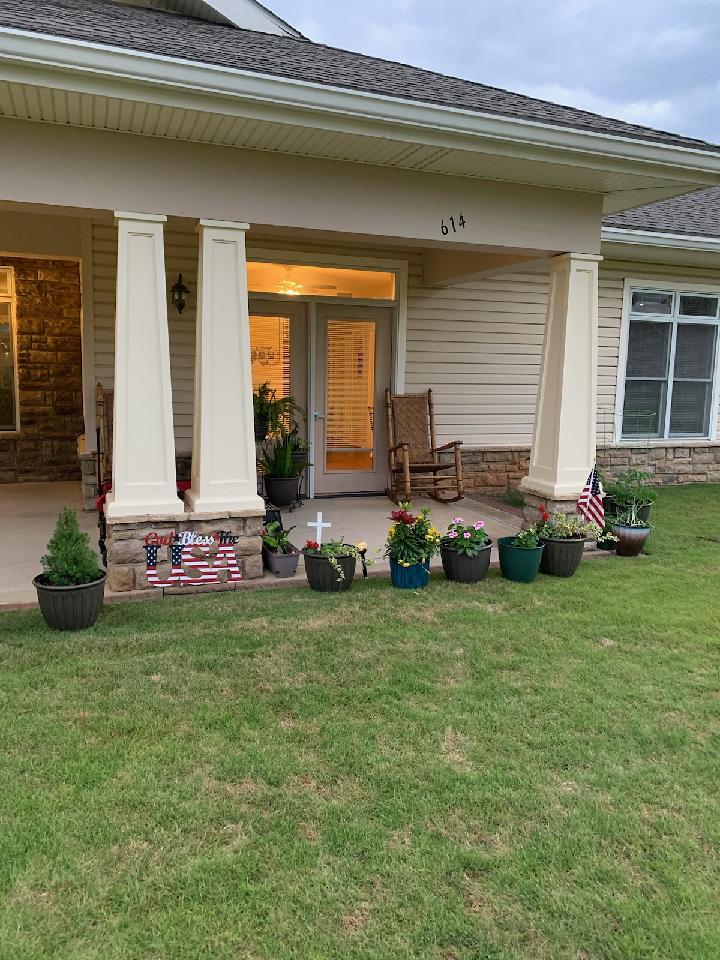
How is Oaks On Parkwood Skilled Nursing Facility Staffed?

CMS rates OAKS ON PARKWOOD SKILLED NURSING FACILITY's staffing level at 4 out of 5 stars, which is above average compared to other nursing homes. Staff turnover is 38%, compared to the Alabama average of 46%. This relatively stable workforce can support continuity of care.

What Have Inspectors Found at Oaks On Parkwood Skilled Nursing Facility?

State health inspectors documented 15 deficiencies at OAKS ON PARKWOOD SKILLED NURSING FACILITY during 2018 to 2023. These included: 15 with potential for harm.

Who Owns and Operates Oaks On Parkwood Skilled Nursing Facility?

OAKS ON PARKWOOD SKILLED NURSING FACILITY is owned by a non-profit organization. Non-profit facilities reinvest revenue into operations rather than distributing to shareholders. The facility is operated by NOLAND HEALTH, a chain that manages multiple nursing homes. With 130 certified beds and approximately 123 residents (about 95% occupancy), it is a mid-sized facility located in BESSEMER, Alabama.
How Does Oaks On Parkwood Skilled Nursing Facility Compare to Other Alabama Nursing Homes?

Compared to the 100 nursing homes in Alabama, OAKS ON PARKWOOD SKILLED NURSING FACILITY's overall rating (1 stars) is below the state average of 2.9, staff turnover (38%) is near the state average of 46%, and health inspection rating (1 stars) is much below the national benchmark.

What Should Families Ask When Visiting Oaks On Parkwood Skilled Nursing Facility?

Based on this facility's data, families visiting should ask: "Can I visit during a mealtime to observe dining assistance and food quality?" "How do you handle medical emergencies, and what is your hospital transfer rate?" "Can I speak with family members of current residents about their experience?"

Is Oaks On Parkwood Skilled Nursing Facility Safe?

Based on CMS inspection data, OAKS ON PARKWOOD SKILLED NURSING FACILITY has a clean safety record: no substantiated abuse findings (meaning no confirmed cases of resident harm), no Immediate Jeopardy citations (the most serious violation level indicating risk of serious injury or death), and is not on the Special Focus Facility watch list (a federal program monitoring the lowest-performing 1% of nursing homes). The facility has a 1-star overall rating and ranks #100 of 100 nursing homes in Alabama. While no facility is perfect, families should still ask about staff-to-resident ratios and recent inspection results during their visit.

Do Nurses at Oaks On Parkwood Skilled Nursing Facility Stick Around?

OAKS ON PARKWOOD SKILLED NURSING FACILITY has a staff turnover rate of 38%, which is about average for Alabama nursing homes (state average: 46%). Moderate turnover is common in nursing homes, but families should still ask about staff tenure and how the facility maintains care continuity when employees leave.

Was Oaks On Parkwood Skilled Nursing Facility Ever Fined?

OAKS ON PARKWOOD SKILLED NURSING FACILITY has no federal fines on record. CMS issues fines when nursing homes fail to meet care standards or don't correct problems found during inspections. The absence of fines suggests the facility has either maintained compliance or corrected any issues before penalties were assessed. This is a positive indicator, though families should still review recent inspection reports for the full picture.

Is Oaks On Parkwood Skilled Nursing Facility on Any Federal Watch List?

OAKS ON PARKWOOD SKILLED NURSING FACILITY is not on any federal watch list. The most significant is the Special Focus Facility (SFF) program, which identifies the bottom 1% of nursing homes nationally based on persistent, serious quality problems. Not being on this list means the facility has avoided the pattern of deficiencies that triggers enhanced federal oversight. This is a positive indicator, though families should still review the facility's inspection history directly.