ARABELLA HEALTH & WELLNESS OF BIRMINGHAM
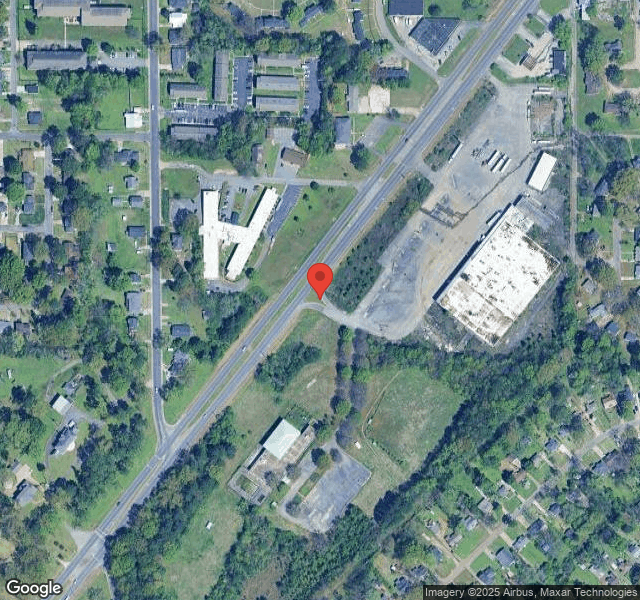
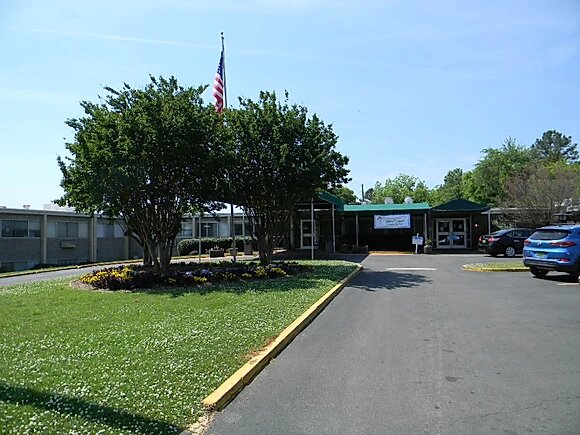
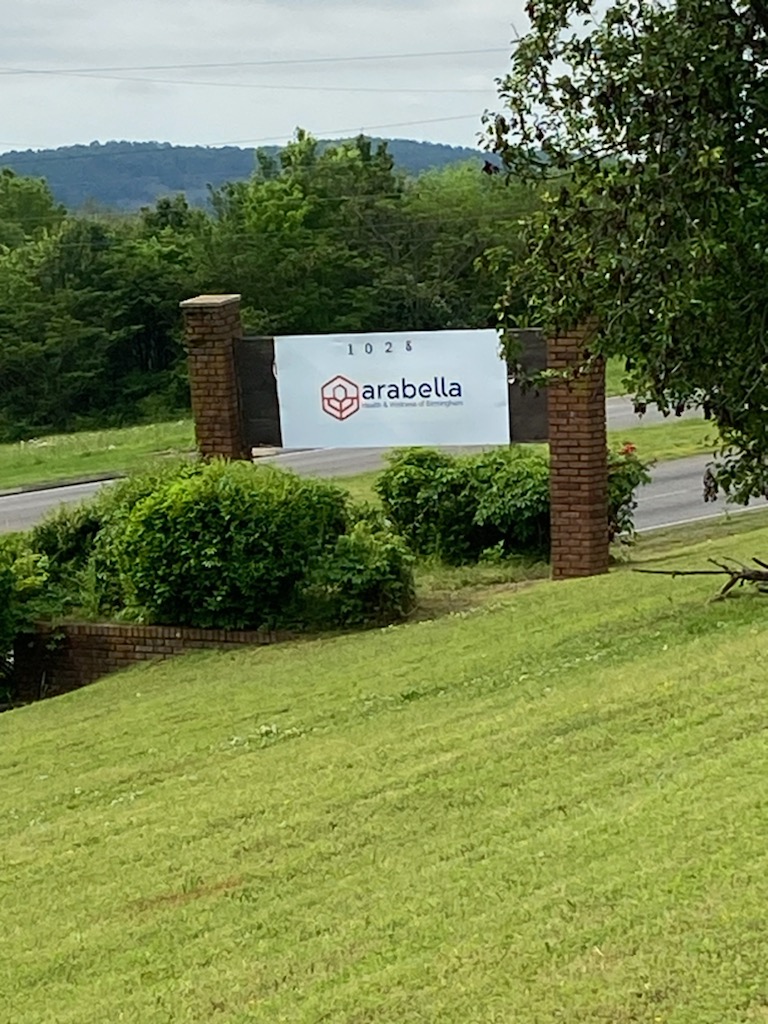
1028 BESSEMER RD, BIRMINGHAM, AL 35228 (205) 923-1777
For profit - Individual 163 Beds ARABELLA HEALTHCARE MANAGEMENT Data: November 2025
Trust Grade
55/100
#82 of 223 in AL
Last Inspection: October 2022

Over 2 years since last inspection. Current conditions may differ from available data.

Overview

Arabella Health & Wellness of Birmingham has a Trust Grade of C, which means it is average and sits in the middle of the pack compared to other nursing homes. It ranks #82 out of 223 facilities in Alabama, indicating it is in the top half, and #1 out of 34 in Jefferson County, meaning it is the best local option. The facility's trend is improving, with issues decreasing from 5 in 2019 to 4 in 2022, although staffing is a concern, rated at only 2 out of 5 stars with a high turnover rate of 72%. Notably, there have been no fines recorded, which is a positive sign, and the RN coverage is average, suggesting basic oversight for resident care. However, specific incidents of concern include a failure to issue proper Medicare notices to residents and inaccuracies in medical coding for a resident's pneumonia diagnosis, which could affect care planning. Overall, while there are strengths like no fines, the high turnover and specific deficiencies highlight areas for improvement.

Trust Score
C
55/100
In Alabama
#82/223
Top 36%
Safety Record
Low Risk
No red flags
Inspections
Getting Better
5 → 4 violations
Staff Stability
⚠ Watch
72% turnover. Very high, 24 points above average. Constant new faces learning your loved one's needs.
Penalties
✓ Good
No fines on record. Clean compliance history, better than most Alabama facilities.
Skilled Nurses
○ Average
Each resident gets 38 minutes of Registered Nurse (RN) attention daily — about average for Alabama. RNs are the most trained staff who monitor for health changes.
Violations
⚠ Watch
15 deficiencies on record. Higher than average. Multiple issues found across inspections.
★★★☆☆
3.0
Overall Rating
★★☆☆☆
2.0
Staff Levels
★★★☆☆
3.0
Care Quality
★★★☆☆
3.0
Inspection Score
Stable
2019: 5 issues
2022: 4 issues

The Good

  • Full Sprinkler Coverage · Fire safety systems throughout facility
  • No fines on record

Facility shows strength in fire safety.

The Bad

3-Star Overall Rating

Near Alabama average (2.9)

Meets federal standards, typical of most facilities

Staff Turnover: 72%

26pts above Alabama avg (46%)

Frequent staff changes - ask about care continuity

Chain: ARABELLA HEALTHCARE MANAGEMENT

Part of a multi-facility chain

Ask about local staffing decisions and management

Staff turnover is very high (72%)

24 points above Alabama average of 48%

The Ugly 15 deficiencies on record

Oct 2022 4 deficiencies
CONCERN (D)

Potential for Harm - no one hurt, but risky conditions existed

Assessment Accuracy (Tag F0641)

Could have caused harm · This affected 1 resident

**NOTE- TERMS IN BRACKETS HAVE BEEN EDITED TO PROTECT CONFIDENTIALITY** RI #32 was admitted to the facility on [DATE] and re-admitted [DATE]. RI #32 had a diagnosis of Pneumonia due to Methicillin Su...

Read full inspector narrative →
**NOTE- TERMS IN BRACKETS HAVE BEEN EDITED TO PROTECT CONFIDENTIALITY** RI #32 was admitted to the facility on [DATE] and re-admitted [DATE]. RI #32 had a diagnosis of Pneumonia due to Methicillin Susceptible Staphylococcus Aureus dated 5/24/22 RI #32's Annual Minimum Data Set (MDS) with an Assessment Reference Date (ARD) of 9/14/22 listed an Active Diagnosis as Pneumonia. In an interview on 10/25/22 at 4:13 PM, RI #32 stated she/he did not have pneumonia. In an interview on 10/27/22 at 2:05 PM, EI #2, RN/MDS Coordinator stated RI #32 had pneumonia May 2022. EI #2 stated pneumonia was not a current diagnosis for the resident. EI #2 stated pneumonia was coded on RI #32's 9/14/22 MDS but it was coded in error. EI #2 stated RI #32's MDS was not coded accurately since it was coded for pneumonia and pneumonia was not a current diagnosis for the resident. EI #2 stated RI #32's MDS did not reflect the accurate current diagnosis of the resident. Based on interview, record reviews, and review of Centers for Medicare & Medicaid Services (CMS)Long-Term Care Facility Resident Assessment Instrument 3.0 User ' s Manual, the facility failed to ensure Resident Identifier (RI) #23's Quarterly Minimum Data Set (MDS) dated [DATE] and RI #32's Annual MDS dated [DATE] were accurately coded to reflect RI #23's, and RI #32's active/current diagnoses. This affected two of 19 sampled residents for whom MDS assessments were reviewed. Findings Include: A review of the Centers for Medicare & Medicaid Services Long-Term Care Facility Resident Assessment Instrument 3.0 User's Manual Version 1.17.1, dated October 2019, revealed: . SECTION I: ACTIVE DIAGNOSES Intent: The items in this section are intended to code diseases that have a direct relationship to the resident's current functional status, cognitive status, mood or behavior status, medical treatments, nursing monitoring, or risk of death. One of the important functions of the MDS assessment is to generate an updated, accurate picture of the resident's current health status. RI #23 was admitted to the facility 8/18/21 and readmitted [DATE] with diagnoses to include Urinary Tract Infection and Other Seizures. A review of RI #23's Quarterly MDS with an Assessment Reference Date (ARD) of 9/28/22 revealed in Section I . Pneumonia and Septicemia marked with Yes indicating current diagnoses. A review of RI #23's Diagnosis sheet indicated Pneumonia and Septicemia with an onset date of 2/21/22. On 10/27/22 at 2:05 PM, an interview was conducted with Employee Identifier (EI) #2, Registered Nurse/ MDS Coordinator. EI #2 was asked if RI #23's diagnoses of pneumonia and septicemia were current diagnoses. EI #2 replied, no, they were not it was marked in error. EI #2 was asked, why was the last MDS dated [DATE] marked for Pneumonia and Septicemia. EI #2 replied, it was marked in error. EI #2 was asked, if the MDS was coded correct if RI #23 did not have current diagnoses of Pneumonia and Septicemia, EI #2 replied no it was not coded correctly. EI #2 was asked, what was the concern when an MDS was not coded correctly. EI #2 replied, it was not an accurate account of the resident's current diagnosis. EI #2 was asked, why should an MDS reflect a resident's correct medical diagnoses. EI #2 replied, it gives an accurate account for the resident.
CONCERN (D)

Potential for Harm - no one hurt, but risky conditions existed

Deficiency F0645 (Tag F0645)

Could have caused harm · This affected 1 resident

**NOTE- TERMS IN BRACKETS HAVE BEEN EDITED TO PROTECT CONFIDENTIALITY** Based on interview, record review and review of a facility policy admission CRITERIA, the facility failed to ensure a Level II e...

Read full inspector narrative →
**NOTE- TERMS IN BRACKETS HAVE BEEN EDITED TO PROTECT CONFIDENTIALITY** Based on interview, record review and review of a facility policy admission CRITERIA, the facility failed to ensure a Level II evaluation for Resident Identifier (RI) #58 was completed as indicated when the Level I screening determined a Level II was necessary. This affected Resident Identifier (RI) #58 one of two residents sampled for Pre-admission Screening and Resident Review (PASARR). Findings Include: A review of a facility policy with a revised date of December 2016 titled admission CRITERIA revealed . Policy Interpretation and Implementation . 8. Nursing and medical needs of individuals with mental disorders or intellectual disabilities will be determined by coordination with the Medicaid Pre-admission Screening and Resident Review program (PASARR) to the extent practicable. RI #58 was admitted to the facility on [DATE] with diagnoses of Schizophrenia and Unspecified Intellectual Disabilities. A review of RI #58's PASARR revealed . Level I Screening & Results for Mental Illness (MI)/ Intellectual Disability (ID)/ Related Condition (RC) . MAY REQUIRE A LEVEL II . 2. Does the individual have a current, suspected or history of a Major Mental Illness . 2 a. Schizophrenia . A review of a form titled PASARR LEVEL II SERVICE DETERMINATION indicated this evaluation was canceled. RI #58 was admitted to the facility on [DATE] and readmitted on [DATE] with diagnoses of Schizophrenia and Unspecified Intellectual Disabilities RI #58's PASARR in the record was reviewed. The Level I indicated may need Level II, no Level II was in the record. On 10/27/22 at 2:36 PM, an interview was conducted with Employee Identifier (EI) #3, Social Services. EI #3 was asked, what was the facility's process for identifying residents with a Level I or Level II need. EI #3 replied, review the diagnoses and mental status test to determine if more test for dementia or behavior services were needed. EI #3 was asked, what mental disorder or related condition did the RI #58 have prior to admission to the facility. EI #3 replied, schizophrenia. EI #3 was asked, how did the facility identify residents needing a Level II. EI #3 replied, it depended on where the resident was coming from, they review history and diagnosis. EI #3 was asked, who was responsible for ensuring the PASARR was correct. EI #3 replied, social services. EI #3 was asked, if a Level II PASARR was needed who was responsible for submitting the information. EI #3 replied, the social worker at that time. EI #3 was asked, when should RI #58's Level II had been completed. EI #3 replied, on 6/16/21 when it was discovered it had been canceled. EI #3 was asked, who was responsible for making the referral to the appropriate state designated authority when a resident was identified as having an evident or possible Mental Disorder, Intellectual Disability or related condition. EI #3 replied, the social service person. EI #3 was asked, what would the concern be in RI #58 not having a Level II completed. EI #3 replied, not knowing if there was a mental illness or Intellectual disability or a behavior, the resident could be treated wrong.
CONCERN (D)

Potential for Harm - no one hurt, but risky conditions existed

Comprehensive Care Plan (Tag F0656)

Could have caused harm · This affected 1 resident

**NOTE- TERMS IN BRACKETS HAVE BEEN EDITED TO PROTECT CONFIDENTIALITY** Based on Record review, interview and a facility policy titled Care Plans, Comprehensive Person-Centered, the facility failed to...

Read full inspector narrative →
**NOTE- TERMS IN BRACKETS HAVE BEEN EDITED TO PROTECT CONFIDENTIALITY** Based on Record review, interview and a facility policy titled Care Plans, Comprehensive Person-Centered, the facility failed to ensure a care plan was developed for Resident Identifier (RI) #1 when he/she was prescribed an anticoagulation medication. This affected one of two residents sampled for the use of anticoagulation (AC) medication. Findings Include: A review of a policy titled Care Plans, Comprehensive Person-Centered with a revised date of December 2016 documented: . A comprehensive, person-centered care plan that includes measurable objectives and timetables to meet the resident's physical, psychosocial and functional needs is developed and implemented for each resident. RI #1 was admitted to the facility on [DATE] and readmitted on [DATE] with diagnoses to include acute respiratory failure with hypoxia, COVID-19 and Cerebral Palsy. A review of RI #1's October 2022 physicians order documented .Eliquis Tablet 2.5 MG . Give 1 tablet by mouth two times a day . Order date 7/20/22 Start Date 7/20/22 . A review of RI #1's most recent Quarterly Minimum Data Set (MDS) dated [DATE] documented in Section N . Medications Received 7 . E. Anticoagulant . A record review on 10/25/22 at 4:11 PM revealed no care plan for the use of AC Medication Eliquis. On 10/27/22 at 2:08PM an interview was conducted with Employee Identifier (EI) # 2, MDS Coordinator. EI #2 was asked if RI #1 was prescribed an anticoagulant and she responded yes, it was prescribed on 7/20/22. EI #2 was asked if RI #1 had a care plan in place for the use of anticoagulant medication. EI #2 stated no, it was overlooked. EI #2 further stated RI # 1 should have a care plan in place for the use of anticoagulant medication. EI #2 was asked what was the importance of developing a care plan for the use of anticoagulation medication. EI #2 replied, to ensure there was no complications with the medication.
CONCERN (E)

Potential for Harm - no one hurt, but risky conditions existed

Deficiency F0582 (Tag F0582)

Could have caused harm · This affected multiple residents

**NOTE- TERMS IN BRACKETS HAVE BEEN EDITED TO PROTECT CONFIDENTIALITY** Based on record review, interview and a facility policy titled Medicare Advanced Beneficiary Notice, the facility failed to ensu...

Read full inspector narrative →
**NOTE- TERMS IN BRACKETS HAVE BEEN EDITED TO PROTECT CONFIDENTIALITY** Based on record review, interview and a facility policy titled Medicare Advanced Beneficiary Notice, the facility failed to ensure Resident Identifier (RI) # 13, RI #22, and RI #125 were issued a Notice of Medicare Non-Coverage (NOMNC) (CMS 10123). This affected three of three Skilled Nursing Facility (SNF) Beneficiary Protection Notices reviewed. Findings Include: A review of a facility policy titled Medicare Advanced Beneficiary Notice, dated April 2021 documented: .2. If the resident's Medicare Part A benefits are terminating for coverage reasons, the director of admissions or benefits coordinator issues the Notice of Medicare Non-Coverage (CMS form 10123) to the resident at least two calendar days before Medicare covered services end . RI # 13 was admitted to the facility on [DATE]. RI # 22 was admitted to the facility on [DATE] and readmitted on [DATE]. RI # 125 was admitted to the facility on [DATE]. On 10/27/22 at 3:57 p.m., a SNF Beneficiary Protection Notification review was conducted. There was no evidence that RI #13, RI #22 and RI #125 were issued a SNF, NOMNC (CMS 10123) letter which was required. On 10/27/22 at 5:00pm., an interview was conducted with EI (Employee Identifier) #1, Regional Business Office Manager. EI #1 was asked if RI #13, RI #22 and RI #125 were given a NOMNC Form CMS-10123. EI #1 said, no, verbal notice was given. EI #1 was asked should RI #13, RI #22, and RI #125 have been given a NOMNC (CMS 10123). EI #1 said, yes. EI #1 was asked why RI #13, RI #22 and RI #125 were not given a NOMNC (CMS 10123). EI #1 said, staff thought the verbal notice was sufficient. EI #1 was asked why residents should be given a NOMNC (CMS 10123). EI #1 said so if the resident wished to appeal the decision, they could do so prior to coverage ending.
Dec 2019 5 deficiencies
CONCERN (D)

Potential for Harm - no one hurt, but risky conditions existed

Safe Environment (Tag F0584)

Could have caused harm · This affected 1 resident

**NOTE- TERMS IN BRACKETS HAVE BEEN EDITED TO PROTECT CONFIDENTIALITY** Based on observations, interviews, and review of a facility policy titled Cleaning and Disinfection of Environmental Surfaces, t...

Read full inspector narrative →
**NOTE- TERMS IN BRACKETS HAVE BEEN EDITED TO PROTECT CONFIDENTIALITY** Based on observations, interviews, and review of a facility policy titled Cleaning and Disinfection of Environmental Surfaces, the facility failed to ensure: 1. Resident Identifier (RI) #54's mattress did not have a large smear of a brown substance covered by a sheet and 2. RI #34's side rail was free of a dried brown substance for two days. These observations were made on days one and two of the survey and affected two of 24 residents whose enviroment was observed. Findings include: A review of a facility policy titled Cleaning and Disinfection of Environmental Surfaces with a revised date of June 2009 revealed, . Policy Interpretation and Implementation . 9. Housekeeping surfaces . will be cleaned on a regular basis . and when these surfaces are visibly soiled. 10. Environmental surfaces will be disinfected (or cleaned) on a regular basis . and when surfaces are visibly soiled. 15. potentially infectious materials will promptly be cleaned and decontaminated. 1. RI #54 was admitted to the facility on [DATE]. Diagnoses included Other Acute Osteomyelitis, Right Ankle and Foot and Local Infection of the Skin and Subcutaneous Tissue. On 12/10/19 at 9:11 AM, an observation was made when the surveyor entered the room to interview RI #54. RI #54 was laying on the bed. There were no sheets on the bed and the room smelled of bowel movement (BM). The surveyor observed on the mattress a large smear of a brown substance and RI #54 was laying on it. On the floor, near the sink cabinet, was linen soiled with a brown substance and a pair of pajama pants. On 12/10/19 at 9:16 AM, a Certified Nursing Assistant (CNA) entered the room. An interview was conducted with Employee Identifier (EI) #6, the CNA. EI #6 was asked what was on the floor. EI #6 replied, she really did not know; it looked like a top sheet and pajamas RI #54 had on. EI #6 was asked what was on the sheet. EI #6 replied, she did not know, it did not look like BM (bowel movement/ feces). EI #6 was asked if she was caring for RI #54 that day. EI #6 replied, yes. EI #6 was asked if she put the linens and pajama pants on the floor. EI #6 replied, no she did not; he/she (resident) must have done it. The surveyor left the room so the CNA could clean up. The surveyor stood outside RI #54's room in the hallway. On 12/10/19 at 9:29 AM, the surveyor went into RI #54's room and observed the bed made. The surveyor asked EI #6 to pull back the bed covers and reveal the mattress. The covers were pulled back and the surveyor observed the brown substance was still on the mattress. EI #6 was asked what did the substance on the mattress look like to her. EI #6 replied, BM, she did not see that when she made the bed. On 12/10/19 at 12:30 PM, a second interview was conducted with EI #6. EI #6 was asked when she entered RI #54's room what was on the floor. EI #6 replied, linen. EI #6 was asked where was RI #54. EI #6 replied, in the bed. EI #6 was asked did she notice an odor in the room. EI #6 replied, yes BM. EI #6 was asked did she see BM on the mattress. EI #6 replied, no not until she was asked to identify what it was. EI #6 was asked if there was soiled linens on the floor and the resident was laying on a mattress with BM on it, was that considered a clean, homelike environment. EI #6 replied, no. 2. RI #34 was admitted to the facility on [DATE]. A diagnosis included Alzheimer's disease. On 12/09/19 at 5:11 PM, RI #34 was observed sleeping in bed. The surveyor observed on the inside of the left upper side rail was a dried brown substance. On 12/10/19 at 8:17 AM, RI #34 was sitting up in the bed eating breakfast. The surveyor observed the dried brown substance was on the inside of the left upper side rail. On 12/10/19 at 11:26 AM, an interview was conducted with EI #5, a housekeeper. EI #5 was asked to look at the left side rail and tell the surveyor what she saw. EI #5 stated, Probably some poop. EI #5 was asked who was responsible for cleaning the beds. EI #5 replied, housekeeping, or while providing care to a resident the side rail gets dirty, anybody could clean it off. EI #5 was asked if BM on the side rail created a risk to the resident. EI #5 replied, yes they could touch it. EI #5 was asked if there was BM on the side rail would that be considered a clean and homelike environment. EI #5 replied, no. On 12/10/19 at 11:31 AM, an interview was conducted with EI #4, Licensed Practical Nurse (LPN). EI #4 was asked to look on the left side rail and tell surveyor what she saw. EI #4 replied, BM. EI #4 was asked who was responsible for cleaning side rails. EI #4 replied, the CNA. EI #4 was asked if there was risk to RI #34 with BM being on the side rail. EI #4 replied, there was a risk any time there was contamination with body fluid. On 12/10/19 at 11:41 AM, an interview was conducted with EI #3, LPN. EI #3 was asked to look on the side rail and tell the surveyor what she saw. EI #3 replied, BM. EI #3 was asked who was responsible for cleaning side rails. EI #3 replied, if she was the person who saw it she would clean it. EI #3 was asked how the BM got on the side rail. EI #3 replied, she did not know. EI #3 was asked if she knew how long the BM had been on the side rail. EI #3 replied, she did not know and that the beds were supposed to be wiped down everyday. EI #3 was asked if BM on the side rail caused a risk to RI #34. EI #3 replied, it depended on whether or not RI #34 was in the bed. EI #3 was asked what was the risk if RI #34 was in the bed. EI #3 replied, he/she could touch the BM then touch food, face, and other items. EI #3 was asked if there was BM on the side rail was that considered a clean, sanitary, homelike environment. EI #3 replied, no. On 12/12/19 at 8:16 AM, an interview was conducted with EI #1, Registered Nurse (RN), Director of Nursing (DON), and Infection Control Preventionist. EI #1 was asked who was responsible for ensuring resident side rails and mattresses were free of BM. EI #1 replied, on a daily basis the CNAs and housekeeping were supposed to wipe off side rails during daily cleaning. EI #1 was asked why should mattresses and side rails be free of BM. EI #1 replied, it was an infection control issue; it was unsanitary. EI #1 was asked how often were side rails and mattresses cleaned. EI #1 replied, a disinfectant was used with deep cleaning, but if CNAs saw something they should get housekeeping to spray it down and clean it. EI #1 was asked when should mattresses and side rails be cleaned when soiled with BM. EI #1 replied, immediately. EI #1 was asked what defined a clean, homelike environment. EI #1 replied, clutter free room, everything wiped down, and floors clean and mopped. EI #1 was asked did dried BM on a side rail left for 2 days and BM left on a mattress and covered with a sheet describe a clean homelike environment. EI #1 replied, no. EI #1 was asked what was the risk to the resident if there was BM on a side rail and mattress. EI #1 replied, there were multiple risks; it could cause an illness. EI #1 was asked when was it an acceptable practice to leave BM on a resident's side rail for 2 days and BM on the mattress covered with a sheet. EI #1 replied, never. On 12/12/19 at 8:42 AM, an interview was conducted with EI #2, the Housekeeping Supervisor. EI #2 was asked when he was called into RI #54's room on Tuesday (12/10/19) regarding the soiled mattress what substance was seen on the mattress. EI #2 replied, BM. EI #2 was asked who was responsible for cleaning side rails and mattresses. EI #2 replied, CNAs should when something becomes soiled; then housekeeping will come behind them and disinfect. EI #2 added if a CNA was caring for a resident and they see something is dirty they should clean it and notify housekeeping to disinfect. EI #2 was asked why should side rails and mattresses be clean and free of substances like BM. EI #2 replied, to keep down germs and it was in part, the job of housekeeping and CNAs. EI #2 was asked when should a side rail and mattress be cleaned when soiled with BM. EI #2 replied, immediately as soon as it was noticed. EI #2 was asked what defined a clean homelike environment. EI #2 replied, clean like your own home. EI #2 was asked if BM on a side rail and mattress covered up with a sheet was clean and homelike. EI #2 replied, no. EI #2 was asked when was it an acceptable practice to leave BM on a side rail and mattress. EI #2 replied, never.
CONCERN (D)

Potential for Harm - no one hurt, but risky conditions existed

Deficiency F0730 (Tag F0730)

Could have caused harm · This affected 1 resident

Based on record reviews, interview, and review of a facility policy titled In-Service Training Program, Nurse Aide , the facility failed to ensure Certified Nursing Assistants received annual dementia...

Read full inspector narrative →
Based on record reviews, interview, and review of a facility policy titled In-Service Training Program, Nurse Aide , the facility failed to ensure Certified Nursing Assistants received annual dementia management training. This affected two of three Certified Nursing Assistants (CNA)s, Employee Identifier (EI) #11 and #12, whose training records were reviewed. Findings Include: A review of a facility policy title In-Service Training Program, Nurse Aide revealed . Policy Statement All nurse aide personnel shall participate in regularly scheduled in-service training classes . 3. Annual in-service must : . f. Include training in dementia management and abuse prevention. On 12/12/19 the surveyor reviewed Continuing Education records for the facility CNAs. Upon review no in-service was noted for dementia management training for EI #11 and #12. On 12/12/19 at 11:19 AM, an interview was conducted with Employee Identifier (EI) # 8, Registered Nurse (RN), Supervisor, Staff Development. EI #8 was asked how many hours did EI #11, CNA, show on the in-service training record. EI #8 replied, 14 hours. EI #8 was asked if the training record included any in-service related to the topic of dementia. EI #8 replied, she did not see any. EI #8 was asked how many hours of in-service training was on EI #12's, CNA in-service training record. EI #8 replied, 12 hours. EI #8 was asked if the training record included any in-service related to the topic of dementia. EI #8 replied, this one did not. EI #8 was asked who was responsible for in-service training for CNAs and meeting the federal requirements. EI #8 replied, in August and October, Human Resources was doing it and also the previous Administrator. In addition, she did handwashing training. EI #8 was asked what training was required. EI #8 replied, abuse, several part training for dementia, elder justice, HIPAA definitely, and patient rights. EI #8 was asked when should the training for dementia be done and how often. EI #8 replied, on hire, when working with that population and annually. EI #8 was asked what was the importance of meeting the training hour requirements to include dementia training. EI #8 replied, to know our staff could work with the specialty population adequately, properly, and safely.
CONCERN (D)

Potential for Harm - no one hurt, but risky conditions existed

Deficiency F0757 (Tag F0757)

Could have caused harm · This affected 1 resident

**NOTE- TERMS IN BRACKETS HAVE BEEN EDITED TO PROTECT CONFIDENTIALITY** Based on interviews, record review, and facility policies titled Antipsychotic Medication Use and Behavioral Assessment, Interve...

Read full inspector narrative →
**NOTE- TERMS IN BRACKETS HAVE BEEN EDITED TO PROTECT CONFIDENTIALITY** Based on interviews, record review, and facility policies titled Antipsychotic Medication Use and Behavioral Assessment, Intervention, and Monitoring, the facility failed to ensure: Resident Identifier (RI) #38 did not receive Seroquel, an anti-psychotic medication, without adequate monitoring including observation for side effects, effectiveness, and a baseline Abnormal Involuntary Movement Scale (AIMS). This affected one of five residents sampled for anti-psychotic medication usage. Findings Include: A facility policy titled Antipsychotic Medication Use, with a revised date of December 2016 revealed . Policy Interpretation and Implementation . 16. The staff will observe, document, and report to the Attending Physician information regarding the effectiveness of any interventions, including antipsychotic medications. 17. Nursing staff shall monitor and report any of the following side effects and adverse consequences of antipsychotic medications to the Attending Physician: . d. Neurologic: . extrapyramidal effects, . A facility policy titled Behavioral Assessment, Intervention, and Monitoring, with a revised date of December 2016 revealed . Management . 10. When medications are prescribed for behavioral symptoms, documentation will include: . h. Monitoring for efficacy and adverse consequences; . Resident Identifier (RI) #38 was admitted on [DATE] and re-admitted on [DATE]. A diagnosis included Vascular Dementia without Behavioral Disturbances. A review of RI #38's Physician Order Report revealed an order with start date of 11/8/2019 for Seroquel 12.5 milligram (mg) tab by mouth every night at beditme. On 12/11/2019 at 10:32 AM, an interview was conducted with Employee Identifier (EI) #9, Registered Nurse (RN). EI #9 was asked, how did staff monitor for side effects of anti-psychotic medications. EI #9 replied, staff had target behaviors with a list of side effects specific to each resident in the computer. EI #9 was asked, what anti-psychotic medication was ordered for RI #38. EI #9 replied, she did not think any anti-psychotic medications were ordered for RI #38. EI #9 checked the orders in the Electronic Health Record (EHR) and replied, Seroquel 12.5 mg at bedtime. EI #9 was asked, when was the Seroquel started. EI #9 replied,11/8/2019. EI #9 was asked, what monitoring for side effects was performed for Seroquel for RI #38. EI #9 replied, there was none. EI #9 was asked, was there any monitoring for side effects being performed by staff. EI #9 replied, no. EI #9 was asked, why was monitoring for side effects not being performed. EI #9 replied, the order was not put in to add the side effect monitoring task on the Electronic Medication Administration Record (eMAR). EI #9 was asked, what was the potential harm to a resident when an anti-psychotic medication was administered and side effects were not appropriately monitored. EI #9 replied, with it being a new drug order she should have been looking for side effects such as hypotension and sedation, and was not because she did not know Seroquel was being administered to RI #38. EI #9 was asked, were those side effects being monitored. EI #9 replied, she floated and administered medications at different medication carts. EI #9 added, since the order to monitor for side effects was not on the task list and the Seroquel was not administered on her shift; she did not know RI #38 was on Seroquel and to monitor for side effects. On 12/11/2019 at 11:15 AM, an interview was conducted with EI #10, RN, Unit Manager. EI #10 was asked, what was the potential harm to a resident who received Seroquel and not a task to monitor in place for side effects of the Seroquel. EI #10 replied, staff could not monitor for side effects if there was not a task on the eMAR. On 12/11/19 at 4:32 PM, a second interview was conducted with EI #10, RN, Unit Manager. The document titled, Physician Order Reports 11/11/19 - 12/11/19 for RI #38 was reviewed with EI #10. EI #10 was asked, what did the order dated 12/11/2019 regarding anti-psychotic medications prompt staff to do. EI #10 replied, the task prompted staff to look for over sedation, monitor effectiveness, and monitor for the listed side effects on order. EI #10 was asked, when the order above mentioned to monitor for side effects of anti-psychotic medications was not ordered, where did nurses document the monitoring of side effects. EI #10 replied, staff could document in progress notes and 24-hr notebook. EI #10 was asked, was there any documentation that staff monitored for side effects of anti-psychotic medication of Seroquel. EI #10 replied, no, neither the 24-hour notebook nor progress notes contained any documentation the monitoring for Seroquel. EI #10 was asked, did the facility monitor Abnormal Involuntary Movement Scale (AIMS) scores. EI #10 replied, yes. EI #10 was asked, was an AIMS assessment performed and documented for RI #38. EI #10 replied, no. EI #10 was asked, were side effects and effectiveness of Seroquel appropriately monitored for RI #38. EI #10 replied, no. On 12/12/2019 at 8:58 AM, an interview was conducted with EI #1, RN, Director of Nursing (DON). EI #1 was asked, how did staff know to monitor for side effects and effectiveness of anti-psychotic medications. EI #1 replied, a task should appear on the eMAR to prompt staff to monitor for side effects and effectiveness. EI #1 was asked, when the task to monitor for a medication was not on eMAR and staff were not aware the resident was on a medication, how could staff monitor for side effects and effectiveness of the medication. EI #1 replied, staff could not. EI #1 was asked, what was potential harm to a resident if side effects and effectiveness of an anti-psychotic medication were not being monitored across all shifts. EI #1 replied, side effects specific to the drug could go unnoticed and possibly improperly treated. On 12/12/2019 at 10:38 AM, a second interview with EI #1, RN, DON was conducted. EI #1 was asked, when were AIMS observations completed and documented for residents with anti-psychotic medication ordered. EI #1 replied, when the medication was started and bi-annually thereafter. EI #1 was asked, was an AIMS performed for RI #38. EI #1 replied, no. EI #1 replied, what would potential harm to a resident started on an anti-psychotic medication without baseline AIMS observation. EI #1 replied, staff could miss identifying side effects of anti-psychotic medications.
CONCERN (D)

Potential for Harm - no one hurt, but risky conditions existed

Medication Errors (Tag F0758)

Could have caused harm · This affected 1 resident

**NOTE- TERMS IN BRACKETS HAVE BEEN EDITED TO PROTECT CONFIDENTIALITY** Based on record review, interviews, and a facility policy titled Antipsychotic Medication Use, the facility failed to provide co...

Read full inspector narrative →
**NOTE- TERMS IN BRACKETS HAVE BEEN EDITED TO PROTECT CONFIDENTIALITY** Based on record review, interviews, and a facility policy titled Antipsychotic Medication Use, the facility failed to provide continued medical justification and indicated duration for as needed lorazepam for Resident Identifier (RI) #48 and RI #70. This affected two of six residents whose medical record was reviewed for as needed psychotropic medications. Findings Include: A facility policy titled Antipsychotic Medication Use, with a revised date of December 2016 revealed . Policy Interpretation and Implementation . 14. The need to continue PRN (as needed) orders for psychotropic medications beyond 14 days requires that the practitioner document the rationale for the extended order. The duration of the PRN order will be indicated in the order . 1) RI #48 was admitted to the facility on [DATE] and re-admitted on [DATE]. A diagnosis included anxiety disorder due to unknown physiological condition (admission). A review of RI #48's medical record revealed a physician's order dated 10/25/2019 for lorazepam . 0.5 milligram (mg) . Frequency: every four hours- PRN . Special Instructions: one tab every fours hours per gastric tube PRN anxiety / agitation . An interview was conducted with Employee Identifier (EI) #9, Registered Nurse (RN) on 12/11/2019 at 10:45 AM. EI #9 was asked, what medication was ordered for RI #48's anxiety/ agitation. EI #9 replied, the resident was on 0.5 mg of lorazepam every four hours as needed for anxiety/agitation. EI #9 was asked, when was the as needed lorazepam ordered. EI #9 replied, 10/25/19. An interview was conducted with EI #10, RN, Unit Manager on 12/11/2019 at 4:50 PM. EI #10 was asked, was there a physician documented rationale and indicated duration for the order of lorazepam on 10/24/19 for RI #48. EI #10 replied, No. 2) RI #70 was admitted to the facility on [DATE] and re-admitted on [DATE]. Diagnoses included Cerebral Palsy and Anxiety Disorder. A review of RI #70's medical record revealed a physician's order for lorazepam . 0.5 milligram (mg) . Special Instructions: 0.5 milliliter (1 mg total) into the muscle every 6 hours as needed for seizures, order date 8/19/2019 through Open Ended . and . lorazepam 0.5 mg gastric tube three times per day PRN for agitation, order date 10/11/19 through Open ended . An interview was conducted with EI #1, RN, Director of Nursing on 12/12/2019 at 8:48 AM. EI #1 was asked, was lorazepam a psychotropic medication. EI #1 replied, yes. EI #1 was asked, when should lorazepam be ordered as needed by a provider without an indicated duration or a provider documented rationale for duration greater than 14 days. EI #1 replied, never. EI #1 was asked, what was the ordered duration for the PRN lorazepam ordered on 10/25/19 for RI #48. EI #1 replied, there was not a duration. EI #1 was asked, who documented the rationale for PRN lorazepam use without an indicated duration which was ordered on 10/25/19 for RI #48. EI #1 replied, no one. On 12/12/2019 at 11:07 AM, an interview was conducted with EI #4, Licensed Practical Nurse (LPN). EI #4 was asked, what was the duration for RI #70's PRN lorazepam. EI #4 replied, there was not a stop date. EI #4 was asked, was there a physician documented rationale or indicated duration for the order of lorazepam on 10/11/2019 or 8/19/2019. EI #4 replied, no.
CONCERN (D)

Potential for Harm - no one hurt, but risky conditions existed

Deficiency F0761 (Tag F0761)

Could have caused harm · This affected 1 resident

Based on observation and interviews, the facility failed to ensure the box that contained the controlled Lorazepam (Ativan) was permanently affixed in the medication refrigerator in the Station 2 medi...

Read full inspector narrative →
Based on observation and interviews, the facility failed to ensure the box that contained the controlled Lorazepam (Ativan) was permanently affixed in the medication refrigerator in the Station 2 medication room. This was observed on 12/12/19 and affected one of two medication room refrigerators observed for stored medications. Findings Include: On 12/12/19 at 10:10 AM, the surveyor observed the medication room at station 2 with Employee Identifier (EI) #7, Licensed Practical Nurse. The surveyor asked what was stored in the refrigerator. EI #7 replied, medications only. EI #7 opened the locked refrigerator; the surveyor asked if there was stock Ativan in the refrigerator. EI #7 replied, yes and removed the locked box from the bottom shelf. The surveyor asked what was in the box. EI #7 replied, three vials of two (2) milliliter (mL) Ativan injectable and one 30 ml bottle of liquid oral Ativan. EI #7 was asked who was the medication for. EI #7 replied, the medication was stock medication. EI #7 was asked how should the locked box with the Ativan in it be kept. EI #7 replied, it should be permanently secured to the refrigerator. EI #7 was asked if the box with the Ativan was permanently secured to the refrigerator. EI #7 replied, no. EI #7 was asked what would the harm be in the box not being permanently secured to the refrigerator. EI #7 replied, someone could take it. On 12/12/19 at 10:40 AM, during an observation and interview with EI #1, the Director of Nursing, she was asked how should the Ativan in the refrigerator be stored. EI #1 replied, in a permanently affixed box. EI #1 was asked was the Ativan in the refrigerator in a permanently affixed box. EI #1 replied, it was in a box but the box was not permanently affixed. EI #1 was asked what was in the box. EI #1 replied, three Ativan two mL vials and a 30 mL bottle of oral Ativan. EI #1 was asked what was the harm in the Ativan in the box not permanently affixed. EI #1 replied, someone could take the whole box.
Nov 2018 6 deficiencies
CONCERN (D)

Potential for Harm - no one hurt, but risky conditions existed

Resident Rights (Tag F0550)

Could have caused harm · This affected 1 resident

**NOTE- TERMS IN BRACKETS HAVE BEEN EDITED TO PROTECT CONFIDENTIALITY** Based on observations, interviews and a facility policy titled, Quality of Life-Dignity, the facility failed to ensure staff did...

Read full inspector narrative →
**NOTE- TERMS IN BRACKETS HAVE BEEN EDITED TO PROTECT CONFIDENTIALITY** Based on observations, interviews and a facility policy titled, Quality of Life-Dignity, the facility failed to ensure staff did not conduct a social conversation with another staff while feeding RI (Resident Identifier) #96 during the lunch meal on 10/31/18. This deficient practice affected RI#96, one of nine residents who required assistance with meals. Findings Include: A review of a facility policy titled, Quality of Life-Dignity with a revised date of August 2009 documented: . Each resident shall be cared for in a manner that promotes and enhances quality of life, dignity, respect and individuality . RI #96 was admitted to the facility on [DATE] with a diagnosis of Unspecified Dementia with Behavioral Disturbance. On 10/31/18 at 1:12 p.m., the surveyor observed EI (Employee Identifier) #2, a LPN (Licensed Practical Nurse), feeding RI #96 during the lunch meal on 10/31/18. EI #2 and EI #3, a Registered Nurse, were engaged in a social conversation while EI #2 was feeding RI #96. On 11/01/18 at 2:08 p.m., an interview was conducted with EI #2, LPN. EI #2 was asked who was she feeding on 10/31/18, during the lunch meal. EI #2 said RI #96. EI #2 was asked if she was talking/interacting with another staff while feeding RI #96. EI #2 said, Yes I was. EI #2 was asked who was the other staff she was talking to. EI #2 said, (Name) EI #3. EI #2 was asked what was she discussing with EI #3 while feeding RI #96. EI # 2 said, She quoted a bible scripture and we were discussing it. EI #2 was asked what was it considered when talking to another staff while feeding a resident or providing assistance/care to a resident. EI #2 said, I don't know. EI #2 was asked could it be considered a dignity issue. EI #2 said, It could be considered a dignity issue. On 11/01/18 at 2:26 p.m., an interview was conducted with EI #3. EI #3 was asked on 10/31/18, during the lunch meal, what was she and EI #2 discussing while EI #2 was feeding RI #96. EI #3 said something in reference to church, a scripture or the quote of the day. EI #3 was asked if EI #96 was included in the conversation. EI #3 said, No. EI #3 was asked what was it considered when staff was assisting a resident with meals and not interacting or talking to residents. EI #3 said not interacting with the resident and she said she did not interact or talk to resident while EI #2 was feeding him/her. EI #3 was asked should EI #2 have been interacting with RI #96 rather than talking to her. EI #3 said, Yes, she should have been interacting with RI #96.
CONCERN (D)

Potential for Harm - no one hurt, but risky conditions existed

Deficiency F0582 (Tag F0582)

Could have caused harm · This affected 1 resident

**NOTE- TERMS IN BRACKETS HAVE BEEN EDITED TO PROTECT CONFIDENTIALITY** Based on interview and a document review of the SNF (Skilled Nursing Facility) Beneficiary Protection Notification Review, the f...

Read full inspector narrative →
**NOTE- TERMS IN BRACKETS HAVE BEEN EDITED TO PROTECT CONFIDENTIALITY** Based on interview and a document review of the SNF (Skilled Nursing Facility) Beneficiary Protection Notification Review, the facility failed to ensure RI ( Resident Identifier) #63 and RI #84 were issued a Medicare Coverage/Liability Notice. This deficient practice affected two out of three SNF Beneficiary Protection Notices reviewed. Findings Include: RI #63 was admitted to the facility on [DATE]. RI #84 was admitted to the facility on [DATE]. On 11/01/18 at 4:36 p.m., a SNF Beneficiary Protection Notification review was conducted. There was no evidence that RI #63 and RI #84 were issued a SNF, ABN(Advance Beneficiary Notice of Non-Coverage) letter which was required. On 11/01/18 at 4.59 p.m., an interview was conducted with EI (Employee Identifier) #1, Regional Business Office Consultant. EI #1 was asked if RI #63 and RI #84 were given a SNF-ABN letter. EI #1 said, No. EI #1 was asked should RI #63 and RI #84 have been given a SNF-ABN letter. EI #1 said, Yes. EI #1 was asked why were RI #63 and RI #84 not given a SNF-ABN letter. EI #1 said, I don't know,they could have been done, but got lost
CONCERN (D)

Potential for Harm - no one hurt, but risky conditions existed

Safe Environment (Tag F0584)

Could have caused harm · This affected 1 resident

**NOTE- TERMS IN BRACKETS HAVE BEEN EDITED TO PROTECT CONFIDENTIALITY** Based on observations, record review and interview, the facility failed to ensure: (1) the right arm rest on Resident Identifier...

Read full inspector narrative →
**NOTE- TERMS IN BRACKETS HAVE BEEN EDITED TO PROTECT CONFIDENTIALITY** Based on observations, record review and interview, the facility failed to ensure: (1) the right arm rest on Resident Identifier (RI) #35's wheelchair (W/C) was not torn; (2) the arm of RI #66's recliner chair was not torn/ripped; and (3) the right arm rest on RI #78's Geri chair was not torn/ripped. These deficient practices affected RI #'s 35, 66 and 78, three of 34 sampled residents who used a recliner chair, W/C or Geri chair. Findings Include: 1) RI #35 was admitted to the facility on [DATE], and readmitted on [DATE]. RI #35's Quarterly Minimum Data Set (MDS) assessment with an Assessment Reference Date (ARD) of 08/22/18, revealed RI #35 used a W/C for mobility. On 10/30/18 at 7:45 a.m., the surveyor observed RI #35 sitting in a W/C. The left arm rest of the W/C was torn. On 10/31/18 at 7:30 a.m., the surveyor again observed RI #35 sitting in the W/C. The left arm rest on the wheelchair remained torn. On 10/31/18 at 12:27 p.m., RI #35 was again observed sitting in the WC with the left arm rest torn. On 11/01/18 at 7:30 a.m., RI #35 was observed for a third day, sitting in the W/C with the left arm rest torn. On 11/01/18 at 3:42 p.m., the surveyor conducted an interview with Employee Identifier (EI) #4, the Maintenance Director. The surveyor asked EI #4 who was responsible for ensuring the residents equipment, such as the W/C's (Geri-chairs), are kept in good condition. EI #4 replied his department. The surveyor asked EI #4 should the arm rest on a resident's W/C be torn. EI #4 said no ma'am. When asked how the arm rest should look, EI #4 said if it was solid plastic it should not have any cracks in it and if it was leather it should not be torn. On 11/01/18 at 4:00 p.m., the surveyor asked EI #4 to describe the left arm rest on RI #35's W/C. EI # 4 replied it was badly torn. 2) RI # 66 was readmitted to the facility on [DATE]. On 10/30/18 at 10:26 a.m., the surveyor observed RI #66 sitting in hallway in a recliner. The recliner had jagged, torn edges on the arm of it. On 11/01/18 at 3:53 p.m., the surveyor asked EI #4 to describe the arm of RI #66's recliner chair. EI #4 described the arm of the chair as being ripped. When asked should the arm of the chair be ripped, EI #4 said no. EI #4 said the arm of the chair could be replaced. 3) RI #78 was admitted to the facility on [DATE]. On 10/30/18 at 10:36 a.m., the surveyor observed RI #78 sitting in a Geri chair with black tape on the edges of the arm rest, exposing the cushion. On 11/01/18 at 3:56 p.m., the surveyor observed RI #78 sitting in a Geri chair. The surveyor asked EI #4 to describe the end of the right arm rest. EI #4 said it was torn, ripped and need to be replaced.
CONCERN (D)

Potential for Harm - no one hurt, but risky conditions existed

Menu Adequacy (Tag F0803)

Could have caused harm · This affected 1 resident

**NOTE- TERMS IN BRACKETS HAVE BEEN EDITED TO PROTECT CONFIDENTIALITY** Based on observations, interviews, review of the 2018-2019 Fall and Winter Menus and a facility policy titled, MENUS, the facili...

Read full inspector narrative →
**NOTE- TERMS IN BRACKETS HAVE BEEN EDITED TO PROTECT CONFIDENTIALITY** Based on observations, interviews, review of the 2018-2019 Fall and Winter Menus and a facility policy titled, MENUS, the facility failed to ensure RI (Resident Identifier) # 19, #34 and #66 received their dessert during the lunch meal on 10/31/18 and RI #13 and RI #22 received their dessert during the dinner meal on 10/31/18. This deficient practice affected five of nine residents observed for meals. Findings Include: A review of an undated facility policy titled, MENUS revealed: POLICY .Menus are implemented by the Dietary Manager .Well planned menus aid in meeting the nutritional and psychosocial needs of the residents . A review of a document titled, .2018-2019 Fall and Winter Menus dated 10/3/18, revealed the dessert for the lunch meal for 10/31/18 was Oatmeal Raisin Cookie and the dessert for evening meal was Fruit Crisp. RI #19 was re-admitted to the facility on [DATE] and was on a Regular Mechanical Soft Diet. RI #34 was admitted to the facility on [DATE] and was on a Regular Diet. RI #66 was re-admitted to the facility on [DATE] and was on a Regular Mechanical Soft Diet. At 1:12 p.m. on 10/31/18, the Surveyor observed dining in the DR(Dining Room)/Activity Room. RI #19, RI #34 and RI #66 did not receive a dessert on their trays. On 11/01/18 at 2:01 p. m., an interview was conducted with EI (Employee Identifier)# 7, LPN (Licensed Practical Nurse). EI #7 was asked what resident she fed on 10/31/18, during the lunch meal. EI #7 said RI #66. EI #7 was asked if RI #6 had a dessert on his/her tray. EI #7 said, No (she/he) did not. On 11/01/18 at 2:42 p.m., an interview was conducted with EI #8, CNA (Certified Nursing Assistant). EI #8 was asked what resident she fed on 10/31/18, during the lunch meal. EI #8 said RI #19. EI #8 was asked if RI #19 had a dessert on his/her tray. EI #8 said, No (he/she) did not. On 11/01/18 at 3:05 p.m., an interview was conducted with EI #9, CNA. EI #9 was asked what resident she was feeding on 10/31/18, during the lunch meal on 10/31/18. EI #9 said RI #34. EI #9 was asked if RI #34 received a dessert with his/her lunch meal. EI #9 said, No (she/he) did not. RI #13 was re-admitted to the facility on [DATE] and was on a Consistent Carbohydrate Diet. RI #22 was re-admitted to the facility on [DATE] and was on a Consistent Carbohydrate Diet. On 10/31/18 at 6:24 p.m., the Surveyor observed RI #22 eating dinner in her/his room and RI #22 did not have a dessert on his/her tray. On 10/31/18 at 6:27 p.m., the Surveyor observed RI #13 eating dinner in his/her room and he/she was not served a dessert. The Surveyor asked RI #13 if he/she requested not to have a dessert. RI #13 said, No. On 11/01/18 at 3:10 p.m., an interview was conducted with EI #5, Dietary Manager. EI #5 was asked if she was aware that three residents did not receive a dessert with the lunch meal and two residents did not receive a dessert with the evening meal on 10/31/18. EI #5 said she was not made aware of residents not receiving dessert. EI #5 was asked, with the planned menu, were residents supposed to get a dessert. EI #5 said yes they were. EI #5 was asked why were the five residents not served a dessert. EI #5 said, Just human error.
CONCERN (F)

Potential for Harm - no one hurt, but risky conditions existed

Food Safety (Tag F0812)

Could have caused harm · This affected most or all residents

Based on observations, interviews and review of the 2017 U.S. (United States) Public Health Service Food Code, the facility failed to ensure: (1) a container of sliced dill pickles, mayonnaise, dill ...

Read full inspector narrative →
Based on observations, interviews and review of the 2017 U.S. (United States) Public Health Service Food Code, the facility failed to ensure: (1) a container of sliced dill pickles, mayonnaise, dill relish pickles, mustard, jelly and barbeque sauce in the walk-in-cooler contained a use by date; this was observed on 10/29/18, during the initial tour of the kitchen; (2) dented cans in the dry storage were not stored with the other canned food items; this was observed on 10/29/18, during the initial tour of the kitchen; and (3) dust was not on the fan on the back of the oven and on the pipes and sprinkler heads over the serving area; this was observed on two of four days of the survey. These deficient practices had the potential to affect all 90 residents receiving meals from the kitchen. According to the facility's RESIDENT CENSUS AND CONDITION OF RESIDENTS form, the census was 108. Findings Include: (1) A review of the 2017 U.S. Public Health Service Food Code revealed: . 3-5 LIMITATION OF GROWTH OF ORGANISMS OF PUBLIC HEALTH CONCERN . 3-501.17 Ready-to-Eat, Time/Temperature Control for Safety Food, Date Marking . (B) . FOOD prepared and PACKAGED by a FOOD PROCESSING PLANT shall be clearly marked, at the time the original container is opened in a FOOD ESTABLISHMENT and if the FOOD is held for more than 24 hours, to indicate the date or day by which the FOOD shall be consumed on the PREMISES . On 10/29/18 at 5:20 p.m., the surveyor observed food items in the walk-in-cooler. There was a one gallon container of sliced dill pickles with an open date of 10/9 (2018), a one gallon container of mayonnaise with an open date of 10/28 (2018), a container of dill pickle relish with an open date of 10/28 (2018), a six lb (pound) container of yellow mustard with an open date of 10/18 (2018), and a four lb jar of jelly with an open date of 10/27 (2018) and a one gallon container of barbeque sauce with an open date of 10/23 (2018). None of the food items had a use by date on the container. On 11/01/18 at 9:16 a.m., the surveyor conducted an interview with Employee Identifier (EI) #5, the Dietary Manager (DM). The surveyor asked EI #5 if there was no use by date on the food item, how would staff know when not to use the items. EI #5 said by the open date on the item. On 11/01/18 at 1:16 p.m., the surveyor conducted a telephone interview with EI #6, the Dietitian. The surveyor asked EI #6, what did she expect the dietary staff to do after opening any food item. EI #6 replied, make sure it was closed and dated. The surveyor asked EI #6, dated with what. EI #6 replied when it was opened and when it needed to be used by. (2) On 10/29/18 at 5:32 p.m., the surveyor observed the dry storage food area. Observed were eight, six pound 10 ounce cans of sliced peaches and three six pound cans of cheddar cheese sauce. Two of the eight cans of sliced peaches had dents on the side of the cans and one of the three cans of cheddar cheese sauce had a dent on the side of the top rim. On 11/01/18 at 9:24 a.m., the surveyor conducted an interview with EI #5. The surveyor asked EI #5 where should the cans with dents be stored. EI #5 said on the shelf that was labeled dented cans. The surveyor asked EI #5 why should the dented cans not be stored with the other canned food items. EI #5 said the risk of botulism, especially with high protein canned food items. (3) A review of the 2017 U.S. Public Health Service Food Code revealed: . 4-6 CLEANING OF EQUIPMENT AND UTENSILS . 4-601.11 . Nonfood-Contact Surfaces . (C) NonFOOD-CONTACT SURFACES . shall be kept free of an accumulation of dust . On 10/31/18 at 10:50 a.m., the surveyor observed dust like particles on the back of the oven fan. There were plate lid covers on top of the lid rack beneath the fan. On 11/01/18 at 9:33 a.m., the surveyor conducted an interview with EI #5. The surveyor asked EI #5 what did it look like was on the back of the oven fan. EI #5 replied, that was dust. The surveyor asked EI #5 what was there a potential for if the dust came loose. EI #5 said cross contamination; dust getting on the lid dome and then getting on residents' plate. On 10/31/18 at 11:03 a.m., the surveyor observed dust like particles on the sprinkler heads and the pipes above the serving line. There were plates (inside of plate facing up) beneath the area at this time. On 11/01/18 at 9:35 a.m., the surveyor asked EI #5 what did it look like was on the sprinkler heads and on the pipes above the serving line. EI #5 said dust. The surveyor asked EI #5 what was there a potential for if the dust came loose. EI #5 said cross contamination. EI #5 said the dust could get on the plates and on the residents' tray.
MINOR (C)

Minor Issue - procedural, no safety impact

Garbage Disposal (Tag F0814)

Minor procedural issue · This affected most or all residents

Based on observations and interviews, the facility failed to ensure the door to the dumpster was not left opened. This was observed on 10/29/18, during the initial tour of the kitchen. This deficient ...

Read full inspector narrative →
Based on observations and interviews, the facility failed to ensure the door to the dumpster was not left opened. This was observed on 10/29/18, during the initial tour of the kitchen. This deficient practice had the potential to affect all 108 residents residing in the facility. Findings Include: On 10/29/18 at 5:38 p.m., the surveyor observed the dumpster. The side door on the dumpster was open and three trash bags and a cardboard box with yellow looking gowns on the inside of it was observed. On 11/01/18 at 9:30 a.m., the surveyor conducted an interview with Employee Identifier (EI) #5, Dietary Manager. The surveyor asked EI #5 how should the door on the dumpsters be kept. EI #5 said closed. When asked what was there a potential for when left opened, EI #5 replied pests and rodents could get in the dumpster.
Understanding Severity Codes (click to expand)
Life-Threatening (Immediate Jeopardy)
J - Isolated K - Pattern L - Widespread
Actual Harm
G - Isolated H - Pattern I - Widespread
Potential for Harm
D - Isolated E - Pattern F - Widespread
No Harm (Minor)
A - Isolated B - Pattern C - Widespread

Questions to Ask on Your Visit

  • "Why is there high staff turnover? How do you retain staff?"
  • "Can I speak with families of current residents?"
  • "What's your RN coverage like on weekends and overnight?"

Our Honest Assessment

Strengths
  • • No major safety red flags. No abuse findings, life-threatening violations, or SFF status.
  • • No fines on record. Clean compliance history, better than most Alabama facilities.
Concerns
  • • 15 deficiencies on record. Higher than average. Multiple issues found across inspections.
  • • Grade C (55/100). Below average facility with significant concerns.
  • • 72% turnover. Very high, 24 points above average. Constant new faces learning your loved one's needs.
Bottom line: Mixed indicators with Trust Score of 55/100. Visit in person and ask pointed questions.

About This Facility

What is Arabella Health & Wellness Of Birmingham's CMS Rating?

CMS assigns ARABELLA HEALTH & WELLNESS OF BIRMINGHAM an overall rating of 3 out of 5 stars, which is considered average nationally. Within Alabama, this rating places the facility higher than 99% of the state's 100 nursing homes. This mid-range rating indicates the facility meets federal standards but may have areas for improvement.
How is Arabella Health & Wellness Of Birmingham Staffed?

CMS rates ARABELLA HEALTH & WELLNESS OF BIRMINGHAM's staffing level at 2 out of 5 stars, which is below average compared to other nursing homes. Staff turnover is 72%, which is 26 percentage points above the Alabama average of 46%. High turnover can affect care consistency as new staff learn residents' individual needs. RN turnover specifically is 80%, which is notably high. RNs provide skilled clinical oversight, so turnover in this role can affect medical care quality.

What Have Inspectors Found at Arabella Health & Wellness Of Birmingham?

State health inspectors documented 15 deficiencies at ARABELLA HEALTH & WELLNESS OF BIRMINGHAM during 2018 to 2022. These included: 14 with potential for harm and 1 minor or isolated issues.
Who Owns and Operates Arabella Health & Wellness Of Birmingham?

ARABELLA HEALTH & WELLNESS OF BIRMINGHAM is owned by a for-profit company. For-profit facilities operate as businesses with obligations to shareholders or private owners. The facility is operated by ARABELLA HEALTHCARE MANAGEMENT, a chain that manages multiple nursing homes. With 163 certified beds and approximately 87 residents (about 53% occupancy), it is a mid-sized facility located in BIRMINGHAM, Alabama.
How Does Arabella Health & Wellness Of Birmingham Compare to Other Alabama Nursing Homes?

Compared to the 100 nursing homes in Alabama, ARABELLA HEALTH & WELLNESS OF BIRMINGHAM's overall rating (3 stars) is above the state average of 2.9, staff turnover (72%) is significantly higher than the state average of 46%, and health inspection rating (3 stars) is at the national benchmark.

What Should Families Ask When Visiting Arabella Health & Wellness Of Birmingham?

Based on this facility's data, families visiting should ask: "How do you ensure continuity of care given staff turnover, and what is your staff retention strategy?" "Can you walk me through typical staffing levels on day, evening, and night shifts?" "Can I visit during a mealtime to observe dining assistance and food quality?" "How do you handle medical emergencies, and what is your hospital transfer rate?" These questions are particularly relevant given the facility's high staff turnover rate and the below-average staffing rating.

Is Arabella Health & Wellness Of Birmingham Safe?

Based on CMS inspection data, ARABELLA HEALTH & WELLNESS OF BIRMINGHAM has a clean safety record: no substantiated abuse findings (meaning no confirmed cases of resident harm), no Immediate Jeopardy citations (the most serious violation level indicating risk of serious injury or death), and is not on the Special Focus Facility watch list (a federal program monitoring the lowest-performing 1% of nursing homes). The facility has a 3-star overall rating and ranks #1 of 100 nursing homes in Alabama. While no facility is perfect, families should still ask about staff-to-resident ratios and recent inspection results during their visit.

Do Nurses at Arabella Health & Wellness Of Birmingham Stick Around?

Staff turnover at ARABELLA HEALTH & WELLNESS OF BIRMINGHAM is high. At 72%, the facility is 26 percentage points above the Alabama average of 46%. Registered Nurse turnover is particularly concerning at 80%. RNs handle complex medical decisions and coordinate care — frequent RN changes can directly impact care quality. High turnover means new staff may not know residents' individual needs, medications, or preferences. It can also be disorienting for residents, especially those with dementia who rely on familiar faces. Families should ask: What is causing the turnover? What retention programs are in place? How do you ensure care continuity during staff transitions?

Was Arabella Health & Wellness Of Birmingham Ever Fined?

ARABELLA HEALTH & WELLNESS OF BIRMINGHAM has no federal fines on record. CMS issues fines when nursing homes fail to meet care standards or don't correct problems found during inspections. The absence of fines suggests the facility has either maintained compliance or corrected any issues before penalties were assessed. This is a positive indicator, though families should still review recent inspection reports for the full picture.

Is Arabella Health & Wellness Of Birmingham on Any Federal Watch List?

ARABELLA HEALTH & WELLNESS OF BIRMINGHAM is not on any federal watch list. The most significant is the Special Focus Facility (SFF) program, which identifies the bottom 1% of nursing homes nationally based on persistent, serious quality problems. Not being on this list means the facility has avoided the pattern of deficiencies that triggers enhanced federal oversight. This is a positive indicator, though families should still review the facility's inspection history directly.