BIRMINGHAM NURSING AND REHABILITATION CTR LLC
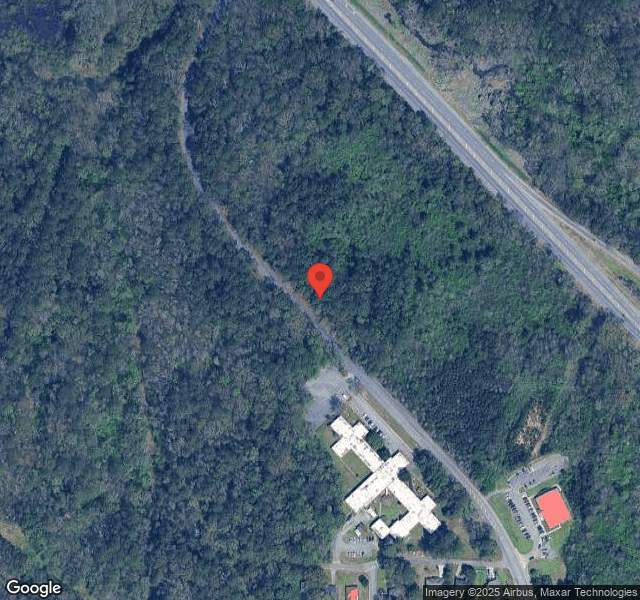

1000 DUGAN AVENUE, BIRMINGHAM, AL 35214 (205) 798-8780
For profit - Limited Liability company 132 Beds NORBERT BENNETT & DONALD DENZ Data: November 2025
Trust Grade
38/100
#145 of 223 in AL
Last Inspection: June 2024

Within standard 12-15 month inspection cycle. Federal law requires annual inspections.

Overview

Birmingham Nursing and Rehabilitation Center LLC has received a Trust Grade of F, indicating significant concerns with care quality. Ranking #145 out of 223 facilities in Alabama places it in the bottom half, while being #11 of 34 in Jefferson County suggests there are only a few local options that are better. The facility is showing an improving trend, with issues decreasing from 6 in 2024 to 3 in 2025. However, staffing is a weakness, with a 2/5 star rating and a turnover rate of 54%, which is around the state average. Specific incidents reported include staff failing to wash hands during dishwashing, risking cross-contamination, and discrepancies in meal portions and types served, which could affect residents' dietary needs. While the quality measures received a better score of 4/5 stars, the overall situation raises concerns for families considering this facility.

Trust Score
F
38/100
In Alabama
#145/223
Bottom 35%
Safety Record
High Risk
Review needed
Inspections
Getting Better
6 → 3 violations
Staff Stability
⚠ Watch
54% turnover. Above average. Higher turnover means staff may not know residents' routines.
Penalties
○ Average
$6,201 in fines. Higher than 60% of Alabama facilities. Some compliance issues.
Skilled Nurses
⚠ Watch
Each resident gets only 18 minutes of Registered Nurse (RN) attention daily — below average for Alabama. Fewer RN minutes means fewer trained eyes watching for problems.
Violations
⚠ Watch
15 deficiencies on record. Higher than average. Multiple issues found across inspections.
★★☆☆☆
2.0
Overall Rating
★★☆☆☆
2.0
Staff Levels
★★★★☆
4.0
Care Quality
★★☆☆☆
2.0
Inspection Score
Stable
2024: 6 issues
2025: 3 issues

The Good

  • 4-Star Quality Measures · Strong clinical quality outcomes
  • Full Sprinkler Coverage · Fire safety systems throughout facility
  • No fines on record

Facility shows strength in quality measures, fire safety.

The Bad

2-Star Overall Rating

Below Alabama average (2.9)

Below average - review inspection findings carefully

Staff Turnover: 54%

Near Alabama avg (46%)

Higher turnover may affect care consistency

Federal Fines: $6,201

Below median ($33,413)

Minor penalties assessed

Chain: NORBERT BENNETT & DONALD DENZ

Part of a multi-facility chain

Ask about local staffing decisions and management

The Ugly 15 deficiencies on record

Mar 2025 3 deficiencies
CONCERN (D) 📢 Someone Reported This

A family member, employee, or ombudsman was alarmed enough to file a formal complaint

Potential for Harm - no one hurt, but risky conditions existed

Free from Abuse/Neglect (Tag F0600)

Could have caused harm · This affected 1 resident

**NOTE- TERMS IN BRACKETS HAVE BEEN EDITED TO PROTECT CONFIDENTIALITY** Based on interviews, record review, review of a facility policy titled ABUSE PREVENTION, review of a Facility Reported Incident ...

Read full inspector narrative →
**NOTE- TERMS IN BRACKETS HAVE BEEN EDITED TO PROTECT CONFIDENTIALITY** Based on interviews, record review, review of a facility policy titled ABUSE PREVENTION, review of a Facility Reported Incident (FRI) submitted by the facility to the State Agency, and review of the facility's investigative file, the facility failed to ensure Resident Identifier (RI) #3 and RI #4 were free from physical abuse. On 01/26/2025, Certified Nursing Assistant (CNA) was transferring RI #3 back to the room when RI #4 hit RI #3 and they got into a physical altercation. This deficient practice affected RI #3 and RI #4, two of four residents sampled for abuse. This deficiency was cited as a result of the investigation of complaint/report number AL00050195. Findings include: A review of an undated facility policy titled, ABUSE PREVENTION, revealed: POLICY: The facility is committed to protecting the residents from abuse by anyone including, but not limited to: . other residents . DEFINITIONS: a) Abuse: Willful infliction of injury, unreasonable confinement, intimidation, or punishment with resulting physical harm, pain, or mental anguish. Abuse may be resident to resident, . d) Physical Abuse: This includes but is not limited to hitting, slapping, pinching and kicking. RI #3 was admitted to the facility on [DATE] with diagnosis to include Depression, Generalized Anxiety Disorder, Adjustment Disorder with Depressed Mood, and Pseudobulbar Disorder. RI #3's admission Minimum Data Set (MDS) assessment with an Assessment Reference Date (ARD) of 12/11/2024 indicated that RI #3 had a Brief Interview for Mental Status (BIMS) of 14 of 15 which indicated that RI #3 was cognitively intact. RI #4 was admitted to the facility on [DATE] with diagnosis to include Bipolar and Depression. RI #4's admission MDS assessment with an ARD of 12/10/2024, indicated RI #4 had a BIMS of 11 of 15 which indicated that RI #4 was cognitively intact. On 01/26/2025 at 6:39 PM the facility submitted a FRI to the State Agency that alleged physical abuse had occurred between RI #3 and RI #4. The report indicated RI #3 going back in his/her room from the dining room. RI #4 was on RI #3's side of the room adjusting heat unit and RI #3 hit RI #4 on both forearms. A review of the facility's signed investigation summary dated 01/31/2025, documented, (CNA #4) was the only witness to the incident. (CNA #4) took (RI #3) via wheelchair to room . (RI #3) noticed that (RI #4) had a bag on (his/her) bed that had potato chips sticking out the top. (RI #3) asked if they were (his/hers) and grabbed at the bag. (RI #4) hit (RI #3) on the R (right) shoulder. (RI #3) started slapping back . CNA (#4) separated the residents and called for the charge nurse. On 03/24/2025 at 4:21 PM, an interview was conducted with RI #4 who said his/her previous roommate cursed him/her. RI #4 stated RI #3 beat him/her up with his/her good hand. RI #4 stated a nurse had to come and get RI #3 off him/her and the police had to be called. RI #4 stated after the incident he/she was moved another room. On 03/25/2025 at 5:49 PM an interview was conducted with RI #3 who stated he/she got into a fight with his/her previous roommate because the roommate was in his/her snacks. RI #3 stated the nurse stopped them. RI #3 stated the facility sent him/her out and moved RI #4. On 03/25/2025 at 4:25 PM, an interview was conducted with CNA #4. She stated the altercation happened when RI #3 noticed his/her chips hanging out of RI #4's bag. He/she asked RI #4 if he/she had his/her chips and went to take the chips when he/she was going past the bed. RI #4 hit RI #3 and RI #3 hit back. CNA #4 said she called for the nurse. On 03/26/2025 at 10:01 AM, an interview was conducted with the Administrator regarding the incident. The Administrator stated RI #3 thought RI #4 had his/her bag of chips and attempted to grab them. RI #4 hit RI #3 and they started hitting each other. The Administrator stated the facility's investigation determined the residents made contact by hitting each other on the arms. During the interview on 03/26/2025 at 10:01 AM, the Administrator stated interventions that were implemented was RI #4 was moved permanently, both residents were seen by Integrated Behavior Health (IBH), care plans were updated, RI #3's Celexa was increased due to mood changes, urinalysis was obtained for both residents, staff were educated on how to recognize behaviors that were potential dangers to others and abuse training, and monitoring of all residents behaviors for potential dangers to others. ******************* The facility implemented the following corrective actions: - 01/26/2025, RI #3 and RI #4 separated - 01/26/2025, Body audits of both RI #3 and RI #4, No injury noted. - 01/26/,2025, RI #3 sent out to emergency room for psych evaluation. resident returned to facility no new orders. - 01/26/2025, RI #3 placed on 1:1 until seen by Integrated Behavior Health (IBH). - 01/26/2025, RI #4 room change - 01/26/2025, Medical Doctor and Representatives notified. - 01/26/2025 Emergency QAPI - 01/27/2025, RI #3 Urinalysis completed -Negative - 01/28/2025, RI #4 Urinalysis completed -Positive for UTI, Nitrofurantoin 100 mg ordered. - 01/27/2025- 02/07/2025, employee training on Recognizing and reporting Behaviors that may cause inappropriate resident to resident interactions/Abuse Prevention. - 01/27/2025, RI #3 and RI #4 care plans updated to include Resident Physically aggressive to peers. - 01/30/2025, RI #3 and RI #4 seen by IBH - 01/27/2025, Audits of Behavior Monitoring sheets for 5 weeks by social service. Administrator will review for completeness and accuracy. ************************* Upon review of the facility's corrective actions, it was determined the facility implemented changes with newly developed and ongoing monitoring to effectively prevent re-occurrence following the incident of resident-on-resident abuse that occurred on 01/26/2025. The facility is in compliance with F600. Correction date 02/07/2025.
CONCERN (D) 📢 Someone Reported This

A family member, employee, or ombudsman was alarmed enough to file a formal complaint

Potential for Harm - no one hurt, but risky conditions existed

Deficiency F0740 (Tag F0740)

Could have caused harm · This affected 1 resident

**NOTE- TERMS IN BRACKETS HAVE BEEN EDITED TO PROTECT CONFIDENTIALITY** Based on interviews, medical record review and review of a facility policy titled, Behavior Management and Psychopharmacological...

Read full inspector narrative →
**NOTE- TERMS IN BRACKETS HAVE BEEN EDITED TO PROTECT CONFIDENTIALITY** Based on interviews, medical record review and review of a facility policy titled, Behavior Management and Psychopharmacological Medication Monitoring Protocol, review of Facility Reported Incidents (FRIs) received by the Alabama State Survey Agency, and review of the facility's investigative file, the facility failed to ensure appropriate interventions were developed to manage Resident Identifier (RI) #2's wandering behaviors and ensure residents' safety. This deficient practice affected RI #2, one of four residents sampled for behaviors. This deficiency was cited as a result of the investigation of complaint/report number AL00049492. Findings include: A review of the Facility's policy titled, Behavior Management and Psychopharmacological Medication Monitoring Protocol, with a date of revision date of 2/25, documented, . PURPOSE: Residents with behaviors that are displayed routinely, that effect the resident's psychosocial well-being or that of other residents, or behaviors that can have potential for harm to self or others will be assessed with the development of a behavior program. DEFINITIONS: . Behavioral Interventions are the individualized non-pharmacological approaches to care that are provided as part of a supportive physical and psychosocial environment, and are directed toward understanding, preventing, relieving, and/or accommodating a resident's distress or loss of abilities as well as maintaining or improving a resident's mental, physical or psychosocial well-being. PROCEDURE: . 2. Established resident with new onset of adverse behaviors: . f) The Interdisciplinary Care team will update the care plan to include problem behavior, goals and approaches . RI #1's Minimum Data Set (MDS) assessment with an Annual Reference Date (ARD) of 01/21/2025 indicated RI #1 had a Brief Interview for Mental Status (BIMS) of 11 of 15 which indicated that RI #1 had intact cognition. RI #2 was admitted to the facility on [DATE] with diagnosis to include Dementia without Behaviors, Alzheimer's Disease with late onset, Adjustment Disorder with Anxiety, and Mood Disorder due to Physiological Condition with Depressive Features. RI #2's Quarterly MDS assessment with an ARD of 08/21/2024 indicated RI #2 had a BIMS of 2 of 15 which indicated that RI #2 had severely impaired cognition. A review of RI #2's care plan documented Focus Resident has behavior wandering into other resident's room . Date Initiated: 09/17/2024 . Goal The resident's safety will be maintained through the review date. Date Initiated: 09/17/2024 . Interventions . Monitor resident behavior and document. Date Initiated: 09/17/2024 . The facility's signed investigative summary dated 11/06/2024 documented, (CNA (Certified Nursing Assistant) #4) stated (RI #1) was yelling. She entered the room and noted (RI #2) standing to the right side and near the head of (RI #1)'s bed. (RI #1) stated that (RI #2) had entered (his/her) room from the bathroom. (RI #1) stated (he/she) had been yelling at (RI #2) to go back the other way and that (RI #2) had slapped (him/her) on the forehead. (RI #2 and RI #1's room) share a bathroom. (RI #2) had entered (RI #1)'s room after using the bathroom. (RI #2) immediately did not remember the incident. (RI #1) stated (he/she) yelled and pushed against (RI #2) to prevent (RI #2) from getting in (his/her) bed. (RI #1) also stated that (he/she) did not think (RI #2) meant to hit (him/her) forehead, that (RI #2) might have stumbled as (RI #1) pushed (his/her) hand away. A review of Investigative File, included a witness statement from RI #1. The statement was dated for 10/31/2024 at 10:05 AM. The statement documented, Q: can you tell me what happened last night? A: yes, . did not mean any harm. (He/she) came out of the bathroom the wrong way and tried to get in bed with me. I tried to push (him/her) away and (he/she) slapped me. (He/she) did not mean any harm though. On 03/24/2025 at 4:10 PM, an interview was conducted with RI #1. RI #1 stated he/she never had a problem with another resident while at the facility and if he/she did, RI #1 would tell the Administrator. RI #1 said he/she had never been hit by another resident. An interview was conducted with Licensed Practical Nurse (LPN) #5 on 03/25/2025 at 3:06 PM. LPN #5 stated she recalled RI #2 had two episodes of wandering into other residents' room. The one incident with RI #1 and another one about six weeks before that one. LPN #5 stated the night RI #2 wandered into RI #1's room, she was called to assist. LPN #5 stated she separated the two and conducted an assessment. LPN #5 said RI #2 was confused wandered into RI #1's room thinking that was his/her bed and tried to get in the bed. LPN #5 stated interventions implemented after the incident were observing resident more frequently and taking resident to the bathroom. An interview was conducted with CNA #4 on 03/25/2025 at 4:25 PM. CNA #4 stated RI #2 got confused a lot. CNA #4 stated the bathroom doors confused him/her. CNA #4 stated RI #2 would go in one door and go out the other door. CNA #4 stated when she got in the room RI #2 was standing over RI #1. CNA #4 stated she explained to RI #2 that he/she walked into the wrong room and took RI #2 back into his/her room and put to bed. CNA #4 stated the incident was reported to charge nurse then Administrator. On 03/26/2025 at 10:01 AM an interview was conducted with the Administrator regarding the incident. The Administrator said that RI #2 had entered the room and RI #1 told RI #2 to get out. The Administrator said staff heard the yelling and the residents were separated and assessed no injury noted. The Administrator stated RI #2 had previous wandering behaviors and had to be redirected back to his/her room. The last incident of wandering was documented on 09/17/2024. When asked if the interventions implemented on 09/17/2024 were effective, the Administrator stated not necessarily, that was why the facility had a Plan Do Study Act (PDSA). When asked how was the facility was monitoring RI #2, the Administrator stated staff just keeping a closer eye on RI #2 and watching where he/she was going. The Administrator stated, it was a concern when residents with behaviors that had a potential to harm to other residents were not monitored which could lead to incidents of abuse. *************************** The facility implemented the following corrective actions: 10/30/2024 - Residents immediately separated. RI #2 assisted back to his/her room. One-on-One supervision provided until assessed by Integrated Behavioral Health (IBH) assessed on 10/31/2024. 10/30/2024 - Body Audits conducted revealed no injuries. 10/30/2024 - MD notified. RI #1 assessed, and he/she felt safe. 10/31/2024 -Investigation started 10/31/2024- Stop sign place on RI #1's door and RI #2's name placed on their door (inside bathroom). 10/31/2024 -Trauma assessment for RI #2 10/31/2024-Behavior meeting regarding RI #2 with care plan updates. Labs completed. RI #2 positive for Urinary Tract Infection; treatment started. 10/31/2024- QAPI reviewed incident and response. Plan Do Study Act. Behavior Monitoring and Intervention Report Audit by Social Services/ADM/Nurse Management 5 times per week for 2 weeks, 3 times a week for 2 weeks, and then weekly. ADM monitor audits. Any behaviors noted on the audit to have the potential to harm ither resident will be reported to the ADM and Interdisciplinary team to determine interventions needed. QAPI will review November, December, and January 2025 for monitoring. 11/10/2024 - Education completed with all staff on Behavior Policy to include that all behaviors were potentially harmful to other residents should have immediate intervention. 11/10/2024- Education completed with all staff on Abuse Policy ************************ Upon review of the facility's corrective actions, it was determined the facility had implemented corrective actions from 10/30/2024 through 11/10/2024 with newly developed and ongoing monitoring to effectively prevent re-occurrence. The facility is in compliance with F740.
CONCERN (F) 📢 Someone Reported This

A family member, employee, or ombudsman was alarmed enough to file a formal complaint

Potential for Harm - no one hurt, but risky conditions existed

Infection Control (Tag F0880)

Could have caused harm · This affected most or all residents

**NOTE- TERMS IN BRACKETS HAVE BEEN EDITED TO PROTECT CONFIDENTIALITY** 3) A review of an undated facility policy titled, CONTACT PRECAUTIONS, revealed: POLICY: Contact Precautions are a transmission...

Read full inspector narrative →
**NOTE- TERMS IN BRACKETS HAVE BEEN EDITED TO PROTECT CONFIDENTIALITY** 3) A review of an undated facility policy titled, CONTACT PRECAUTIONS, revealed: POLICY: Contact Precautions are a transmission based precaution that will be utilized to reduce the risk if transmission of epidemiologically important micro-organisms by direct or indirect contact . DEFINTION: . B. Enhanced Barrier Precautions expands the use of PPE (Personal Protective Equipment) beyond situations in which expose to blood or body fluids is anticipate(d), refers to the use of gown and gloves during high-contact resident care activities that provide opportunities for transfer of MDROs (Multi-Drug Resistant Bacterias) to staff hands and clothing. EQUIPMENT: 1. Door sign that reads Contact Precautions . PROCEDURE: . 3. Apply protective equipment as indicated upon entering the room . The facility's door sign for EBP stated: ENHANCED BARRIER PRECAUTIONS . STOP . PROVIDERS AND STAFF MUST ALSO: . Wear gloves and a gown for the following High-Contact Resident Care Activities. Transferring Changing Linens . RI #8 was admitted to the facility on [DATE]. RI #8 had diagnoses that included Pressure Ulcer of Right Hip, Stage 4; Pruritus; and Disorder of the Skin and Subcutaneous Tissue. A review of RI #8's physician orders revealed an order dated 01/23/2025 for . ENHANCED BARRIER PRECAUTIONS DUE TO WOUND . The orders also contained an order for wound care to be provided for . PRESSURE ULCER OF RIGHT HIP, STAGE 4 . On 03/24/2024 at 4:13 PM an observation was made of CNA #3 as she entered RI #8's room without applying a gown. RI #8's door had the facility's sign which indicated that RI #8 was on EBP. CNA #3 was observed making contact with RI #8, the bed's linen, and the bed. CNA #3 repositioned resident up in the bed and covered RI #8 with a blanket. On 03/24/2025 at 4:14 PM, an interview was conducted with CNA #3 who said that RI #8 had an EBP sign on his/her door. CNA #3 said she was only wearing gloves when she repositioned RI #8 up in the bed. CNA #3 said she would don (put on) gloves only (not a gown) if she performed perineal care or bathed RI #8 unless resident was on a certain precaution that would require her wearing more PPE. CNA #3 said RI #8 was not on any type of precautions. On 03/26/2025 at 4:24 PM, an interview was conducted with the Infection Preventionist Nurse (IPN) who said RI #8 was on EBP for his/her wound. The IPN said signage was placed on RI #8's door to alert staff that EBP was in place and so the staff would know what type of PPE should be worn. The IPN said according to the facility's policy staff should don gloves and gown when entering a resident's room with EBP to prevent the spread of germs from one resident to another and cross-contamination. The IPN said for a resident on EBP staff should wear gloves and a gown when repositioning the resident and adjusted his/her linen. The IPN said staff not wearing the appropriate PPE for residents with EBP was an infection control concern. Based on observations, interviews, and facility policies titled Procedure for Infection Control for Laundry Department, and CONTACT PRECAUTIONS, the facility failed to ensure: 1)The north hall clean linen closet was clean and free from contaminants. This deficient practice had the potential to affect one of two linen closets observed. 2) Resident's laundry was handled in a manner to prevent the spread of infection. This deficient practice had the potential to affect 129 of 129 residents in the facility. 3) A staff member implemented Enhanced Barrier Precautions as indicated when providing care to Resident Identifier (RI) #8. This deficient practice affected Resident Identifier (RI) #8, one of one resident reviewed for transmission-based precautions. Findings include: 1) On 03/24/2025 at 11:51 AM, surveyor observed north hall linen closet. Surveyor observed five used dirty gloves around the closet, used tissues on both the floor and shelves, hair tracks on the floor, and hair on three PPE gowns. On 03/24/2025 at 12:02 PM, an interview was conducted with the Infection Preventionist (IP) during an observation of the north hall linen closet. The IP stated she saw trash on the floor, linen balled up, dirty gloves, lift pads that should be in bags, pillow that need to be in bags, hair tracks, a resident's leg brace that should not be in there, gloves in the corner, and hair on gowns. The IP said she could not tell if the items were dirty or clean. The IP stated, it looked like a nightmare in there and the closet looked that way every Monday. The IP stated the concern of the linen closet being in that condition was everything was contaminated. 2) Review of an undated facility's polity titled, Procedure for infection Control for Laundry Department, revealed, . When handling clean linen, all laundry employees will: . not allow linen to touch their uniform or body . Wear gloves and gowns during separation of laundry and folding laundry . Our goal is to ensure that the facility has a consistent access to clean linen . On 03/24/2025 at 12:16 PM, surveyor observed, the Floor Tech (FT) assisting with folding residents' laundry. During the observation the FT was folding residents' personal clothing items with the clothing items contacting his body and clothing. On 03/24/2025 at 12:28 PM, an interview was conducted with the FT. He stated when folding clothes the clothing should not touch staff's body or clothing. The FT stated the concern of clean laundry touching his body or clothing was cross-contamination. On 03/25/2025 at 11:08 AM, an interview was conducted with the Housekeeping Supervisor. She stated the concern of staff allowing clean linen to come in contact with their clothing was cross-contamination.
Jun 2024 1 deficiency
CONCERN (D)

Potential for Harm - no one hurt, but risky conditions existed

Respiratory Care (Tag F0695)

Could have caused harm · This affected 1 resident

**NOTE- TERMS IN BRACKETS HAVE BEEN EDITED TO PROTECT CONFIDENTIALITY** Based on observations, interviews, and resident record review, the facility failed to ensure Resident Identifier (RI) #26's nebu...

Read full inspector narrative →
**NOTE- TERMS IN BRACKETS HAVE BEEN EDITED TO PROTECT CONFIDENTIALITY** Based on observations, interviews, and resident record review, the facility failed to ensure Resident Identifier (RI) #26's nebulizer mask was in a storage bag and dated. This affected RI #26, one of two residents sampled for Respiratory Care. Findings include: RI #26 was admitted to the facility on [DATE] with diagnoses to include: Chronic Obstructive Pulmonary Disease. RI #26's June 2024 Electronic Medication Record documented Albuterol 2.5 mg (milligrams)0.5 ml (milliliters) could be given every six hours as needed. On 06/23/2024 at 3:40 PM RI #26 was observed with the nebulizer at the bedside not covered, and no date on the tubing. On 06/24/2024 at 11:12 AM RI #26's nebulizer was observed at the bedside uncovered and no date on the tubing. On 06/24/2024 at 5:40 PM Licensed Practical Nurse (LPN) #3 was asked about nebulizer masks and tubing. LPN #3 said, there was no date on the nebulizer tubing, it should be changed and dated on Wednesday on the 11 to 7 shift. LPN #3 said, the facility could verify the tubing was changed by dating a piece of tape and putting it around the tubing, it was to be done weekly. LPN #3 said, the mask should be covered when not in use and the cover should be dated. LPN #3 said, the concern of not dating the nebulizer tubing or storage bag was the growth of bacteria. On 06/24/2024 at 5:50 PM the Director of Nursing (DON) was asked about nebulizers and masks. The DON said, there was no date on the nebulizer tubing, and it should be changed and dated weekly every Wednesday. The DON said, the facility verified the tubing was changed by the QA (Quality Assurance) nurse checking it. The DON said, the nebulizer mask should be covered when not in use and the cover should be dated. The DON stated, the concern with the nebulizer tubing not dated was not knowing when it was last changed and the concern with the nebulizer mask not covered was germs and bacteria.
Jun 2024 1 deficiency
CONCERN (D) 📢 Someone Reported This

A family member, employee, or ombudsman was alarmed enough to file a formal complaint

Potential for Harm - no one hurt, but risky conditions existed

Deficiency F0602 (Tag F0602)

Could have caused harm · This affected 1 resident

**NOTE- TERMS IN BRACKETS HAVE BEEN EDITED TO PROTECT CONFIDENTIALITY** Based on interviews, record review, review of the of facility policies ABUSE PREVENTION, and HUMAN RESOURCES MANAGEMENT POLICY A...

Read full inspector narrative →
**NOTE- TERMS IN BRACKETS HAVE BEEN EDITED TO PROTECT CONFIDENTIALITY** Based on interviews, record review, review of the of facility policies ABUSE PREVENTION, and HUMAN RESOURCES MANAGEMENT POLICY AND PROCEDURES and the Alabama Department of Public health's (ADPH) Online Reporting System, the facility failed to ensure Resident Identifier (RI) #1 was free from misappropriation of funds from his/her personal funds. On 05/28/2024 the facility administrator was informed by the Business Office Manager (BOM) that RI #1 reported he/she had loaned Certified Nursing Assistant (CNA) #1 $250.00, and he/she had not been paid back as intended on 05/24/2024 and that today CNA #1 had told him/her it would be June 7, 2024 before she could repay the loan. This was cited as a result of investigation of complaint/report number AL00048072, and affected one of three residents reviewed for misappropriation of resident property. Findings Include: Review of an undated facility policy ABUSE PREVENTION, documented POLICY: . The facility is committed to protecting the residents from abuse by anyone including, but not necessarily limited to: facility staff .DEFINITIONS: g) Misappropriation of Resident Property: The deliberate misplacement, exploitation, or wrongful temporary or permanent use of a resident's belongings or money without the resident's consent. Review of a facility policy HUMAN RESOURCES MANAGEMENT POLICY AND PROCEDURES with an effective date of July 1, 2003, documented POLICY: The company forbids acceptance of tips, gifts or loans from our residents or family members. Gifts are to be returned with an explanation that our policy does not permit their acceptance .Procedures .C. Employees may not purchase, offer to purchase or borrow belongings of residents or family members .E. Soliciting money from . residents . may result in disciplinary action up to and including termination. The ADPH Online Facility Report Incident dated 05/28/2024, identified . Incident Type .Other Facility Incidents . Narrative summary of Incident: . 05/28/2024 during a phone conversation with the Business Office Manager, RI #1 mentioned that he/she had loaned CNA # 1, $250.00 and that she had not paid him/her back as intended on May 24, 2004 and that today she told him/her it would be June 7, 2024 before she could repay the loan. RI #1 was admitted to the facility on [DATE] with diagnoses of Sarcopenia. RI #1 was discharged from the facility on 05/22/2024. A review of Resident #1's five (5) day Minimum Data Set (MDS), with an Assessment Reference Date (ARD) of 04/08/2024, revealed Resident #1 had a Brief Interview for Mental Status (BIMS) score of 14 of 15, indicating the resident was cognitively intact. On 06/10/24 at 3:40 PM during an interview with RI #1, the resident confirmed he/she lent CNA # 1 $250.00. The resident said he/she called the Business office manager on 5/28/24 and reported the incident. The resident said he/she gave a statement and received the $250.00 back on 5/28/24. The resident said he/she was trying to help the CNA out by loaning her the money and did not feel threatened when she asked him/her to borrow the money. The resident said he/she was satisfied with the outcome of the matter and was happy to have received the money back. On 06/10/24 at 4:55 PM during an interview with CNA #1, the CNA confirmed she borrowed $250.00 from RI #1. CNA #1 said the resident had asked if he/she could do anything for her so she requested to borrow $250.00. The CNA said she gave the facility $250.00 on 05/28/24 and it was returned to the resident. The CNA said she was aware borrowing money from a resident was against the facility policy and she had been trained on the policy prior to borrowing the money from RI #1. The CNA confirmed as a result of the incident she was terminated from her position at the facility effective 05/28/24. On 06/10/24 at 4:45 PM during an interview with the administrator, the administrator said she became aware of the incident involving CNA # 1 and RI # 1 on 05/28/2024. The administrator said that an investigation was started, and the incident was reported to ADPH. The administrator said the investigation revealed that CNA # 1 borrowed $250.00 from RI #1, and CNA # 1 was terminated from her position due to the incident. On 06/13/24 at 1:00PM, during an interview with the BOM, it was mentioned that the BOM had received a call from RI # 1 on 5/28/24 to discuss insurance changes following his/her discharge on [DATE]. The BOM stated that at the conclusion of the call, RI # 1 informed her that a CNA had borrowed $250.00 and had not repaid it. The BOM reported the incident, leading to an investigation. The BOM confirmed that the facility received the $250.00 from CNA #1, and she personally visited RI # 1's residence on 05/28/24 to deliver the money, obtaining a signed receipt. The BOM noted that upon delivering the money to RI # 1, he/she appeared calm, appreciative, and satisfied with the outcome. This deficiency was cited as a result of complaint/report number AL00047985 ************************* The facility took immediate actions to correct the non-compliance and prevent reoccurrence by: - On 05/28/2024, RI # 1, a former resident who had discharged on 05/22/2024, called the BOM to discuss his/her insurance. During the conversation, he/she mentioned that he/she had loaned CNA #1 money on 05/10/2024 and she had not paid it back on 05/24/2024. CNA # 1 told RI # 1 that it would be 06/07/2024 before it would be paid back. - A report was made to the Alabama Department of Public Health (ADPH) on 05/28/2024. - 5-day report completed and submitted to ADPH on 05/28/2024. - An A-HOC QAPI meeting was held on 05/28/2024. - Repayment of the loan was completed on 05/28/2024. - CNA #1 was terminated effective 05/28/2024. - Education for all staff, all departments was started on 05/28/24 on Tips, Gifts, Loans, and Abuse (Misappropriation). Completed 06/04/2024. - Education for residents and discussion at the next two resident council meetings (June, July) on Tips, Gifts, and Loans. (Determine if any further events have occurred). Interview residents who do not attend council meetings on 6/4, 6/13, 6/20, and after July council meeting. ongoing. - Report findings of 6/4 resident council meeting to monthly QAPI. Completed 6/7/24. - Report findings of July resident council meeting to monthly QAPI in July. Dates to be determined, Ongoing. - Compliance has been met no further concerns identified. ************************* After review of documentation supporting the above corrective actions, including the facility's investigation file, and in-service/education records, the surveyor verified the facility implemented corrective actions including monitoring that began 05/28/2024, thus F602 was cited at past non-compliance.
Jan 2024 4 deficiencies
CONCERN (D)

Potential for Harm - no one hurt, but risky conditions existed

Deficiency F0558 (Tag F0558)

Could have caused harm · This affected 1 resident

**NOTE- TERMS IN BRACKETS HAVE BEEN EDITED TO PROTECT CONFIDENTIALITY** Based on observations, interviews, record review and review of RESIDENT BILL OF RIGHTS, the facility failed to accommodate the n...

Read full inspector narrative →
**NOTE- TERMS IN BRACKETS HAVE BEEN EDITED TO PROTECT CONFIDENTIALITY** Based on observations, interviews, record review and review of RESIDENT BILL OF RIGHTS, the facility failed to accommodate the needs of Resident Identifier (RI) #103 by failing to ensure the call light was accessible on three of four days of the survey. This affected RI #103, one of 25 sampled residents. Findings Include: Review of RESIDENT BILL OF RIGHTS, dated 01/2023, documented: . Facility residents shall have the right to: . 10. Reside and receive services in the facility with reasonable accommodation of resident needs and preferences . RI #103 was admitted to the facility on [DATE] with a diagnosis to include Spastic Quadriplegic Cerebral Palsy. On 01/22/2024 at 3:47 PM, during initial tour surveyor observed RI #103 sitting in a Geri-chair (Geriatric Chair) while the call light was behind RI #103 on the side of the bed. The call light was not in reach. On 01/23/2024 at 5:01 PM, surveyor observed RI #103 sitting up in the bed while the call light was laying across the nightstand in the corner of the room. The call light was not in reach. On 01/24/2024 at 12:21 PM, surveyor observed RI #103 sitting in the Geri-chair, watching television while the call light was behind RI #103 on the nightstand. The call light was not in reach. On 01/24/2024 at 3:56 PM, an interview was conducted with Registered Nurse (RN) #3. RN #3 accompanied the surveyor to RI #103's room. RN #3 was asked where was RI #103's call light located. RN #3 stated it was on RI #103's nightstand. RN #3 said the call light should have been within RI #103's reach. On 01/25/2024 at 8:06 AM, an interview was conducted with the Director of Nursing (DON). The DON stated RI #103's call light should have been in reach. The DON said that all nursing staff were responsible for making sure call lights were within reach of residents.
CONCERN (D)

Potential for Harm - no one hurt, but risky conditions existed

ADL Care (Tag F0677)

Could have caused harm · This affected 1 resident

**NOTE- TERMS IN BRACKETS HAVE BEEN EDITED TO PROTECT CONFIDENTIALITY** Based on observations, interviews, record review, and the facility policy titled FINGERNAILS/TOENAILS CARE the facility failed t...

Read full inspector narrative →
**NOTE- TERMS IN BRACKETS HAVE BEEN EDITED TO PROTECT CONFIDENTIALITY** Based on observations, interviews, record review, and the facility policy titled FINGERNAILS/TOENAILS CARE the facility failed to provide assistance with activities of daily living (ADLs) to ensure good grooming for a dependent resident, Resident Identifier (RI) #73. Specifically, the facility failed to ensure RI #73's fingernails were clean. This affected one of 25 sampled residents. Findings include: The facility's policy titled FINGERNAILS/TOENAILS CARE dated 10/2009 documented: . The purpose of this procedure is to clean the nail bed, to keep nails trimmed and to prevent infections . Nails can be partially cleaned during bath care . Nail care includes daily cleaning and regular trimming . The condition of the resident's nails and nail bed is to be reported to the charge nurse . RI #73 was readmitted to the facility on [DATE] with diagnoses to include Alzheimer's Disease and Type Two Diabetes Mellitus. A review of RI #73's most recent Quarterly Minimum Data Set (MDS) with an Assessment Reference Date (ARD) of 12/05/2023 documented a Brief Interview of Mental Status (BIMS) score of seven of 15, which indicated the resident had severe cognitive impairment. According to the MDS RI #73 required substantial/maximal assistance with personal hygiene. A review of RI # 73's care plan documented .Resident requires setup to total assistance with ADL's .Nail care on shower days . On 01/23/2024 at 9:53 AM, RI #73 was observed lying in bed. The condition of his/her fingernails was discolored and unclean. On 01/24/2024 2:35 PM, RI #73 was observed lying in bed. His/her fingernails appeared discolored and unclean, with a brown substance observed underneath the nails. On 01/25/2024 10:59 AM, RI #73 was observed in bed. His/her fingernails appeared discolored and unclean, with an unknown brown substance observed underneath the nails. On 01/24/2024 at 2:48 PM, an interview was conducted with Licensed Practical Nurse (LPN) #7. During the interview, LPN #7 was asked about RI #73's ability to perform his/her own nail care. LPN #7 said he/she was unable due to advanced dementia. LPN #7 was uncertain of the last time nail care was performed for RI #73. Upon observing RI #73's nails, LPN #7 said it looked like nail care had not been recently performed. LPN #7 described RI #73's nails as long, broken, and appearing unclean. LPN #7 said that neglecting nail care for dependent residents could result in unclean nails. On 01/25/2024 at 10:42 AM, an interview was conducted with the Director of Nursing (DON). During the interview, the DON said that nail care for residents should be performed as needed. When questioned about RI # 73, the DON said he/she refused to allow nurses to cut his/her nails. Additionally, the DON said that if a resident refused nail care, their nails should still be maintained clean by washing their hands and cleaning underneath the nails to the extent the resident allowed.
CONCERN (D)

Potential for Harm - no one hurt, but risky conditions existed

Respiratory Care (Tag F0695)

Could have caused harm · This affected 1 resident

**NOTE- TERMS IN BRACKETS HAVE BEEN EDITED TO PROTECT CONFIDENTIALITY** Based on observations, interviews, resident record review, and the facility policy titled Oxygen Therapy, the facility failed to...

Read full inspector narrative →
**NOTE- TERMS IN BRACKETS HAVE BEEN EDITED TO PROTECT CONFIDENTIALITY** Based on observations, interviews, resident record review, and the facility policy titled Oxygen Therapy, the facility failed to ensure Resident Identifier (RI) #11 received oxygen (O2) at the physician prescribed rate of two liters per minute (2 l/m). On 01/22/2024 and 01/23/2024, RI #11 was observed receiving O2 at a rate of four (4) l/m. This affected one of one resident sampled for respiratory care. Findings Include: Review of facility policy titled Oxygen Therapy dated 08/2014, documented: Policy: Oxygen (O2) is administered to promote adequate oxygenation and provide relief of symptoms of respiratory distress . PROCEDURE: 1. Oxygen therapy is to be provided under the direction of a written physicians order. 4. Adjust delivery rate as ordered. RI #11 was admitted to the facility 08/14/2014 and readmitted on [DATE] with a diagnosis of Chronic Obstructive Pulmonary Disease (COPD). Review of RI #11's Physician Orders for January 2024 documented an as needed oxygen order dated 05/31/2023 . O2 AT 2 LITERS/MIN (minute) VIA (by) NASAL CANNULA AS NEEDED FOR SHORTNESS OF BREATH . On 01/22/2024 at 4:48 PM, the surveyor observed RI #11's oxygen infusing by nasal cannula at a rate of four liters per minute. On 01/23/2024 at 8:18 AM, the surveyor observed RI #11's oxygen (O2) infusing per nasal cannula at a rate of four liters per minute. On 01/23/2024 at 3:35 PM, the surveyor observed RI #11's O2 infusing per nasal cannula at four liters per minute. LPN #4 entered the room and the surveyor asked her if RI #11 was receiving O2. LPN #4 said yes. On 01/23/2024 at 3:36 PM, LPN #4 was asked to observe RI #11's oxygen. LPN #4 said it was infusing per nasal cannula at four liters per minute. LPN #4 reviewed the January 2024 physician orders and told the surveyor the oxygen orders indicated the rate of flow should be two liters per minute. On 01/23/2024 at 3:40 PM, LPN #5, the Unit Manager entered RI #11's room. LPN #5 checked the rate of flow and said it almost four liters per minute by nasal cannula. On 01/23/2024 at 3:47 PM an interview was conducted with LPN #5. She said RI #11's oxygen should be infusing at two liters per minute. LPN #5 said it was not infusing at the two liters per minute. LPN #5 said it was the responsibility of the nurse working the hall to verify, regulate, and make sure it was infusing at the ordered rate. LPN #5 said the concern with the oxygen not infusing at the physician ordered rate was the resident could be getting too much oxygen. LPN #5 said the policy for oxygen administration each shift should check to ensure the oxygen was on, the machine was functioning properly, and check if it was infusing at the prescribed rate.
CONCERN (E)

Potential for Harm - no one hurt, but risky conditions existed

Infection Control (Tag F0880)

Could have caused harm · This affected multiple residents

**NOTE- TERMS IN BRACKETS HAVE BEEN EDITED TO PROTECT CONFIDENTIALITY** Based on observations, interviews, residents' record review, the Center for Disease Control (CDC) Core Infection Prevention and ...

Read full inspector narrative →
**NOTE- TERMS IN BRACKETS HAVE BEEN EDITED TO PROTECT CONFIDENTIALITY** Based on observations, interviews, residents' record review, the Center for Disease Control (CDC) Core Infection Prevention and Control Practices for Safe Healthcare Delivery in All Settings, and facility policies titled, Standard Precautions and ENTERAL TUBE MEDICATION ADMINISTRATION PROCEDURES the facility failed to ensure: 1) a Registered Nurse (RN) used technique to prevent contamination while preparing and administering medications to Resident Identifier (RI) #24 and RI #44; 2) an RN followed Standard Precautions when she picked up an alcohol swab with blood on it without wearing gloves; 3) a Licensed Practical Nurse (LPN) did not create the potential for cross-contamination during medication pass when she did not perform hand hygiene after removing gloves, after assisting a resident to remove their shoes and before putting on new gloves to administer medication through RI #61's gastric tube, after providing resident care including the administration of medication through RI #61's gastric tube, and before preparing and administering medication for RI #82; 4) an LPN did not remove gloves from her uniform pocket, put on the gloves, and then provide resident care; 5) an LPN cleaned her stethoscope after wearing it on her neck and before using the stethoscope to verify placement of RI #61's gastric tube; the LPN did not clean the stethoscope after use and before putting back on her neck, and 6) an LPN disposed of a Personal Protective Equipment (PPE) gown before exiting RI #61's room after she wore the gown while administering medication through RI #61's gastric tube. These deficient practices were observed on two of two facility units and had the potential to affect residents who received medication from two of five medication carts in the facility. Findings Include: The facility policy titled, Standard Precautions, dated 09/2019 documented: POLICY: Standard Precautions will be utilized to provide a primary strategy for the prevention of healthcare-associated infections (HAI) agents among patients and healthcare personnel.DEFINITION: Standard Precautions applies to all persons regardless of their diagnosis or presumed infectious status. Standard Precautions applies to blood . PROCEDURE: . 2. Wash hands when visibly soiled, after contact with . body fluids, secretions, excretions, patient's intact skin . and contaminated items immediately after removing gloves and between patient contacts . Wear gloves when touching blood, body fluids, secretions, excretions, contaminated items with mucus membranes and non-intact skin. If hands move from a contaminated site to a clean body site during care, wash hands .or alcohol based hand rub. Wash hands before direct contact with patients . 5. Handle soiled patient care equipment in a manner that prevents transfer of microorganisms to others and to the environment; wear gloves if visibly contaminated; perform hand hygiene . The CDC's Core Infection Prevention and Control Practices for Safe Healthcare Delivery in All Settings with a revised date of 11/29/2022 documented: Introduction Adherence to infection prevention and control practices is essential to providing safe and high quality patient care across all settings where healthcare is delivered . Scope The core practices in this document should be implemented in all setting where healthcare is delivered. These venues include . long-term care . Core Practice Category . Standard Precautions . Core Practices . Use Standard Precautions to care for all patients in all settings. Standard Precautions include: . 5a . Hand Hygiene . 5c . Medication Safety . 5d. Risk Assessment with Appropriate Use of Personal Protective Equipment . Comments . Standard Precautions are the basic practices that apply to all patient care, regardless of the patient's suspected or confirmed infectious state, and apply to all settings where care is delivered. These practices protect healthcare personnel and prevent healthcare personnel or the environment from transmitting infections to other residents . Core Practice Category . 5a . Hand Hygiene . Core Practices . 1. Require healthcare personnel to perform hand hygiene in accordance with Centers for Disease Control and Prevention (CDC) recommendations. 2. Use an alcohol-based hand rub or wash with soap and water for the following clinical conditions: a. Immediately before touching a patient . d. After touching a patient or the patient's immediate environment . f. Immediately after glove removal . . Core Practice Category . 5c . Medication Safety . Core Practices . 2. Use aseptic technique when preparing and administering medications . . Core Practice Category . 5d. Risk Assessment with Appropriate Use of Personal Protective Equipment . Core Practices . d. Remove and discard PPE, other than respirators, upon completing a task before leaving the patient's room or care area. e. Remove and discard disposable gloves upon completion of a task . The facility policy titled ENTERAL TUBE MEDICATION ADMINISTRATION PROCEDURES dated 06/2023 documented: POLICY: To safely and accurately administer oral medications through an enteral tube. PROCEDURE: . 3. Prepare medications for administration . 5. Wash hands and apply gloves . 6. Verify placement . 8. Administer each medication . 15. Wash hands as per facility policy. RI #24 was admitted to the facility 11/18/2013 and readmitted [DATE]. RI #44 was admitted to the facility 12/05/2017. On 01/24/2024 at 10:47 AM during a medication pass observation RN #3 was observed entering RI #24's room with blood glucose assessement equipment on a plastic medication tray. RN #3 placed the medication tray on RI #24's bedside table. While checking RI #24's blood glucose, RN #3 used a lancet to prick RI #24's little finger and then used an alcohol pad to wipe blood from RI #24's little finger. RN #3 put the blood-tinged alcohol swab on the plastic medication tray. On 01/24/2024 at 10:50 AM, RN #3 exited RI #24's room with the plastic tray with the blood-tinged alcohol pad on the tray. RN #3 put the medication tray on top of the medication cart without using a barrier to prevent cross-contamination. RN #3 used her bare hand to discard the blood-tinged alcohol pad. RN #3 did not clean the medication cart. RN #3 performed hand hygiene and began using the medication cart to prepare medications for RI #44. On 10/24/2024 at 10:55 AM RN #3 administered the prepared medications to RI #44. On 01/24/2024 at 10:57 AM an interview was conducted with RN #3. The RN said that she did not use a barrier between the contaminated medication tray and medication cart. RN #3 stated that she did not wear gloves when she picked up the bloody alcohol pad because she just did not think about it. RN #3 stated that she did not clean the medication cart top before pulling the medications for RI #44. RN #3 said there was risk for contamination when she placed the contaminated medication tray on the medication cart and did not clean the medication cart before preparing the next resident's medications. RN #3 stated that there was risk for blood exposure when she did not use gloves to handle the used alcohol pad. On 01/25/2024 at 8:45 AM an interview was conducted with LPN #2, the Infection Preventionist (IP). The IP stated there should have been a barrier placed on top of the medication cart before placing the contaminated items on it. The IP said the top of the cart should have been cleaned after a contaminated item was placed on the cart. The IP said that RN #3 should have donned (put on) gloves before picking up the blood-tinged alcohol pad. The IP said not using gloves to handle the blood-tinged alcohol pad created a potential for cross-contamination. RI #61 was admitted to the facility on [DATE] and readmitted on [DATE] with a diagnosis of Gastrostomy Status. RI #61's Physician Orders for the month of January 2024 documented an order for enhanced barrier precautions due to feeding tube. RI #82 was admitted to the facility 04/13/2021. On 01/24/2024 at 4:57 PM, LPN #6 was observed during medication pass. LPN #6 put on gloves, retrieved the medication, and then removed her gloves. LPN #6 did not perform hand hygiene after removing her gloves. LPN #6 entered RI #61's room and without performing hand hygiene, she assisted RI #61 to the bed and removed RI #61's jacket and shoes. LPN #6 pulled gloves from her uniform pocket and put on the gloves. LPN #6 removed her stethoscope from around her neck and then checked placement of the tube. LPN #6 added water to the medication with same gloves, adjusted her Personal Protective Equipment (PPE) gown, and then administered the medication through the resident's tube. LPN #6 removed her gloves, and did not perform hand hygiene. LPN #6 discarded the trash, placed the stethoscope back around her neck (without cleaning it), attached the call light, placed the wheelchair beside the bed, and exited the room while wearing the PPE gown. LPN #6 went to the medication cart, removed the PPE gown, and held the gown under her arm. LPN #6 took gown to the nurses' station and discarded the gown in the trash. LPN #6 documented the medications as administered on the Medication Administration Record (MAR). At 5:21 PM LPN #6 began preparing RI #82's medication without performing hand hygiene. LPN #6 handled the mouse for the computer, prepared the medication for RI #82, locked the medication cart, entered RI #82's room, and administered the medication to RI #82. On 01/24/2024 at 5:26 PM an interview was conducted with LPN #6. LPN #6 said she should have washed her hands before and after every resident and between some tasks. LPN #6 said she did not change gloves or wash her hands when she gave medication to RI #61. LPN #6 said she should have washed her hands when she first started and each time she removed her gloves. LPN #6 said when she did put on gloves, she took the gloves from her pocket and her pockets were not clean. LPN #6 said the concern in her not washing her hands between tasks was contamination, and the spread of infection. LPN #6 said the concern in not washing her hands between residents was contamination. LPN #6 said she should have cleaned the stethoscope after each use, and she did not clean it. LPN #6 said she used the stethoscope, laid it the on the bed, and then put it back around her neck. LPN #6 said not cleaning the stethoscope was possible contamination if used on another resident. LPN #6 said she should have removed the PPE gown in the resident's room and then washed her hands. LPN #6 said she did not wash her hands after removing the PPE gown and gloves. LPN #6 said she did not perform hand hygiene before preparing RI #82's medication. LPN #6 said going from one resident to another during the medication pass without washing or sanitizing her hands was contamination and possibly spreading infection. On 01/25/2024 at 8:35 AM during an interview with the IP, she said staff/nurse should wash or sanitize their hands before and after each resident. The IP nurse said if the nurse touched something other than the medication while on the medication pass, they should wash or sanitize again before administering the medication. She said they should wash or sanitize their hands before signing off the medication on the MAR. The IP nurse said when giving medications by tube the nurse should wash their hands before preparing the medication and before administering the medication. The IP said the nurse should have performed hand hygiene before putting on gloves. The IP said if the nurse touched something other than the medication, they would need to remove their gloves, perform hand hygiene, and put on new gloves. The IP said the nurse should have removed the gown before exiting the resident's room, discarded it in the trash in the room, and then washed her hands. The IP nurse said LPN #6 should have put on gloves once she was in the room and could have placed some gloves on the barrier. The IP said LPN #6 should have assisted the resident, washed her hands, and put on the gloves. The IP nurse said nurses should never use gloves from their uniform pockets, because pockets were dirty. The IP nurse said LPN #6 should have cleaned the stethoscope after each use to prevent cross-contamination. The IP nurse said the concern with LPN #6 not washing her hands between the tasks and residents was cross-contamination. The IP nurse said LPN #6 should have washed or sanitized her hands after finishing with RI #61 medication administration and before starting RI #82's medication administration. She said the concern with going from one resident to another without washing or sanitizing her hands was cross-contamination.
Aug 2023 4 deficiencies
CONCERN (D)

Potential for Harm - no one hurt, but risky conditions existed

Resident Rights (Tag F0550)

Could have caused harm · This affected 1 resident

**NOTE- TERMS IN BRACKETS HAVE BEEN EDITED TO PROTECT CONFIDENTIALITY** Based on observations, interviews and record review, the facility failed to ensure staff did not stand while feeding Resident Id...

Read full inspector narrative →
**NOTE- TERMS IN BRACKETS HAVE BEEN EDITED TO PROTECT CONFIDENTIALITY** Based on observations, interviews and record review, the facility failed to ensure staff did not stand while feeding Resident Identifier (RI) #63 the breakfast and lunch meals on 08/14/2023. This deficient practice affected RI #63, one of one resident observed requiring assistance at meal time. Findings Include: RI #63 was admitted to the facility on [DATE], with diagnoses to include Vascular Dementia and Alzheimer's Disease. RI #63's quarterly Minimum Data Set (MDS) assessment with an Assessment Reference Date (ARD) of 05/26/2023, assessed RI #63 with a Brief Interview for Mental Status (BIMS) score of three which indicated RI #63 had severely impaired cognitive skills for daily decision making; and RI #63 required one person assist with eating. On 08/14/2023 at 8:33 AM, RI #63 was observed being fed the breakfast meal by Employee Identifier (EI) #5, a Certified Nursing Assistant (CNA). EI #5 was standing while feeding RI #63 the breakfast meal. On 08/14/2023 at 12:40 PM, during lunch time, EI #5 was again observed standing while feeding RI #63. On 08/16/2023 at 10:46 AM, an interview was conducted with EI #5. The surveyor asked EI #5, when she was observed feeding RI #63 the breakfast and lunch meals on 08/14/2023, what position was she in. EI #5 said, standing. EI #5 said, she should have been sitting but there was no chair in RI #63's room. On 08/16/2023 at 12:05 PM, the surveyor conducted an interview with EI #2, the Director of Nursing (DON). When asked how staff should be positioned when feeding a resident, EI #2 said, sitting in a chair at eye level of the resident. The surveyor asked EI #2, when standing, what type concerns could that be. EI #2 said, it could be a dignity concern.
CONCERN (D)

Potential for Harm - no one hurt, but risky conditions existed

Infection Control (Tag F0880)

Could have caused harm · This affected 1 resident

Based on observations and interviews, the facility failed to ensure Employee Identifier (EI) #6, a Certified Nursing Assistant (CNA), washed or sanitized her hands during the delivery of the dinner me...

Read full inspector narrative →
Based on observations and interviews, the facility failed to ensure Employee Identifier (EI) #6, a Certified Nursing Assistant (CNA), washed or sanitized her hands during the delivery of the dinner meal trays on 08/13/2023. This affected the residents in Room Locators (RL) #'s 1-4, on one of two units at the facility. Findings Include: On 08/13/2023 at 6:11 PM, the dinner meal cart was delivered to the North Hall where RL #1-#4 were located. On 08/13/2023 at 06:13 PM, EI #6 entered RL #1 with a dinner tray. EI #6 was not observed to sanitize her hands before removing the tray from the meal cart. On 08/13/2023 at 6:14 PM, EI #6 went back to the meal cart, and did not sanitizer her hands when exiting RL #1. EI #6 went to the meal cart, removed another tray and took it into RL #1. EI #6 did not sanitize her hands before removing the dinner tray from the meal cart. On 08/13/2023 at 6:15 PM, EI #6 exited RL #1 and went back to the meal cart, and without sanitizing he hands, removed another meal tray from the cart. EI #6 took the meal tray into RL #2. On 08/13/2023 at 6:17 PM, EI #6 exited RL #2, did not sanitize her hands, and removed another tray from the meal cart. EI #6 took the meal tray into RL #3. On 08/13/2023 at 6:18 PM, EI #6 exited RL #3 and did not sanitize her hands. On 08/13/2023 at 6:19 PM, EI #6 removed another meal tray from the meal cart, without sanitizing hands, and took the tray into RL #4. EI #6 returned to the meal cart, removed another try and took the tray into RL #4 without sanitizing her hands before removing the meal tray from the meal cart. On 08/13/2023 at 6:20 PM, EI #6 exited RL #4 with a dinner plate in her hand and walked off floor. On 08/13/2023 at 6:23 PM, EI #6 came back to the hall with a residents meal tray and took the tray into RL #4. On 08/13/2023 at 6:26 PM, an interview was conducted with EI #6. When asked what should she do before removing a tray from the meal cart, and after exiting the resident's room after setting up the tray, EI #6 said, she should wash her hands. The surveyor asked EI #6 why did she not wash or use hand sanitizer on her hands when she was observed passing out the dinner meal trays. EI #6 said, she did not know. When asked what was there a potential for when hands were not sanitized between the passing out of meal trays, EI #6 said, germs could be spread. On 08/16/2023 at 12:05 PM, the surveyor conducted an interview with EI #2, the Director of Nursing (DON). When asked when should staff sanitize their hands during meal times, EI #2 said, between passing of each tray. EI #2 said, when hands were not sanitized properly when passing meal trays there was a potential for spreading germs.
CONCERN (F)

Potential for Harm - no one hurt, but risky conditions existed

Menu Adequacy (Tag F0803)

Could have caused harm · This affected most or all residents

Based on observation, interview, the facility policies for Menu Planning and Requirements and Menu Substitutions or Changes and Approval, and the facility menus and production sheets for Spring/Summer...

Read full inspector narrative →
Based on observation, interview, the facility policies for Menu Planning and Requirements and Menu Substitutions or Changes and Approval, and the facility menus and production sheets for Spring/Summer (S/S) 2023 Menu, Week 1, Day 2 and Day 3; the following menu discrepancies were observed: • Four ounces of Chicken & Dumplings instead of six ounces were served to residents on Regular diets for Supper on Monday, 08/14/2023. • The Puree Diet menu for the Supper meal on Monday, 08/14/2023 for the S/S 2023 Menu, Week 1, Day 2 listed Seasoned Spinach for the vegetable, not Pureed Spinach. The production sheet for that meal also listed Seasoned Spinach, not Pureed Spinach, • Capri Vegetables were served instead of [NAME] Beans for Lunch on Tuesday, 08/15/2023 for residents on Regular, Mechanical Soft, and Puree diets. The production sheet for that meal did not match the S/S 2023 Menu for Week 1, Day 3 and, instead of [NAME] Beans, it listed Capri Vegetables to be prepared for the Regular, Mechanical Soft, and Puree diets. • Sweet Potato Tots/Puffs were not prepared to be served to residents on the Finger Food diet for Lunch on Tuesday, 08/15/2023 as listed on the S/S 2023 Menu for Week 1, Day 3, although they were in the facility's freezer. This had the potential to affect 122 of 122 residents receiving meals from the facility's kitchen. Findings Include: The facility policy for Menu Planning and Requirements dated 2016, documented the following: Guideline: Menus are planned to provide nourishing, palatable, attractive meals that meet the nutritional needs of residents served, (based on age, size, gender, physical activity and state of health), in accordance with the Dietary Reference Intakes/Recommended Dietary Allowances as issued by the Food and Nutrition Board of the National Research Council, of the National Academy of Sciences, unless otherwise contraindicated by medical conditions and needs. Procedure: . 2. Menus are planned in . (advance) . The facility policy for Menu Substitutions or Changes and Approval dated 2016, documented the following: Guideline: Substitutions, whether a one-time substitution or a permanent menu change are recorded using a facility specific document. The registered dietitian (RD) periodically reviews the documented menu substitutions or menu changes for nutritional equivalency and appropriateness. Procedure: . 4. b. When making permanent changes to the menu, the appropriate spreadsheets are also modified or new spread sheets are created and approved by the registered dietitian for those days reflecting the permanent menu changes. The S/S 2023 Menu, Week 1, Day 2 was identified as the menu for Monday, 08/14/2023. The following observations were made of the Supper trayline on Monday, 08/14/2023, from 5:24 PM to 5:59 PM: At 5:24 PM, trayline was ongoing with four staff members performing the assembly of resident trays and loading the third of seven delivery carts. One aide set-up the trays with beverages and cold food at the start of the trayline. Employee Identifier (EI) #11, the PM Cook, and EI #12, the Dietary Manager, were serving hot food items from the steamtable onto plates. Another aide loaded trays onto the delivery carts. A fifth staff member, EI #7, the Dietary Supervisor, acted as a runner to replenish and assist the trayline. At 5:37 PM, Chicken and Dumplings was being served as the main entree with a 4-ounce spoodle. Also on the steamtable was an empty pan the steamed spinach had been served from, which EI #12 said, was empty because they ran out of spinach. At 5:59 PM, the last of seven delivery carts left the kitchen with resident supper trays. At 6:03 PM, the sizes of the serving utensils being used on the trayline for supper were verified with EI #12, the Dietary Manager. On 08/14/2023 at 6:30 PM, EI #11, the PM Cook, was interviewed. EI #11 said he knew what to prepare and how much to serve by looking at the Menu Book. When asked what happened with the spinach; EI #11 said there were only five bags in the freezer and he usually needs 10 to 12 bags, so it was not enough. EI #11 said a 4-ounce or a 6-ounce spoodle would be the correct serving size for Chicken and Dumplings. Upon being asked how he would know which spoodle size to use, EI #11 said it was in the book (Menu Book). EI #11 opened the Menu Book that was located in the trayline area. EI #11's review of the Menu Book revealed the serving size for Chicken and Dumplings was a 6-ounce spoodle. EI #11 said when they were low, they go down a size. EI #11 further said they did not have enough Chicken & Dumplings, so he used a 4-ounce spoodle so everybody could have some. The Menu Book for Monday Supper, S/S 2023 Menu, Week 1, Day 2 also revealed that the extended menu listed Seasoned Spinach, not Pureed Seasoned Spinach, on the Pureed Diet. Also the production sheet called for Seasoned Spinach, but not for any Pureed Seasoned Spinach. EI #11 said normally the Pureed Diet vegetable would be spinach, but pureed broccoli was used because there was not enough spinach. The S/S 2023 Menu, Week 1, Day 3 was identified as the menu for Tuesday, 08/15/2023. The Regular Diet for Lunch on the S/S 2023 Menu, Week 1, Day 3 listed the following: Roasted Turkey Breast, Gravy, Baked Fresh Sweet Potato, [NAME] Beans. Fruit Crisp, and Cornbread. The Alternate Regular Diet for Lunch on the S/S 2023 Menu, Week 1, Day 3 listed the following: Baked Pork Chop, Loaded Mashed Potatoes, and [NAME] Beans. The Finger Food Diet for Lunch on the S/S 2023 Menu, Week 1, Day 3 listed the following: Roast Turkey Strips, Sweet Potato Tots, [NAME] Beans, Seasonal Fresh Fruit, and Cornbread. The Production Sheet for Lunch on Tuesday, 08/15/2023 included the following: Sweet Potato Tots (finger food), Capri Vegetables, Pureed Capri Vegetables, Sliced Potatoes (alternate finger food), [NAME] Beans (alternate), Pureed [NAME] Beans (alternate). The following observations were made of the Lunch trayline on Tuesday, 08/15/2023, from 12:23 PM to 12:46 PM: At 12:23 PM, trayline was ongoing. The items on the steamtable included Sliced Turkey, Capri Vegetables, Baked Sweet Potatoes, Cornbread, Ground Turkey, Pureed Turkey, Loaded Mashed Potatoes, and Pureed Capri Vegetables. At 12:46 PM, the items on the steamtable were verified with EI #11, the AM Cook, Additional modified and alternate menu items in the trayline area included: Turkey Strips, Pork Chop Strips, [NAME] Beans, Mashed Sweet Potatoes, and Wedge Potato Fries. In addition, the Steamer contained a pan of Pork Chops. At 12:55 PM, EI #11 said no Pureed String Beans were prepared for lunch. At 12:56 PM, EI #7, the Dietary Supervisor, verified that the Wedge Potato Fries in were not made from Sweet Potatoes. EI #7 went into the Walk-in Freezer and pointed out the box of Sweet Potato Puffs. On 08/16/2023 at 9:33 AM, EI #12, the Dietary Manager, was interviewed. EI #12 said, she had only worked at the facility for three weeks. EI #12 said, she assumed the RD for the facility prepared the Spring/Summer 2023 Menu and the corresponding Production Sheet for the menu. EI #12 further said, the information was printed from a computer program. When asked how the facility ensured the diet served to the residents was nutritionally adequate, EI #12 said, by following the diet orders and reading the meal tickets for the residents. EI #12 said, six ounces of Chicken & Dumplings should have been served to the Regular diets at supper on Monday, 08/14/2023 for the S/S 2023 Menu, Week 1, Day 2. EI #12 said, four ounces was not the correct portion size. EI #12 further stated, if the residents did not get the accurate amount of nutrients, they could lose weight. Upon being asked the concern for Pureed Spinach not being listed on either the Pureed Diet menu or on the production sheet for Monday Supper, S/S 2023 Menu, Week 1, Day 2 on 08/14/2023; EI #12 said, the residents might not get the correct texture modification for spinach. When asked the concern for Sweet Potato Tots/Puffs not being served on the Finger Food diets at Tuesday Lunch, S/S 2023 Menu, Week 1, Day 3 on 08/15/2023; EI #12 said, if they offered something on the menu, they should get it. EI #12 did not know why Capri Vegetables were listed on the Production Sheet for the Regular, Mechanical Soft, and Pureed diets when the Tuesday Lunch, S/S 2023 Menu, Week 1, Day 3 for 08/15/2023 identified [NAME] Beans for the Regular, Mechanical Soft, and Pureed diets. EI #12 said, communication was the problem when items on the Production Sheet did not match the items on the approved menu. EI #12 further stated, the staff prepared and cooked something else, other than what was on the menu. On 08/16/2023 at 9:56 AM, EI #7, the Dietary Supervisor, was interviewed. EI #7 said, she had worked at the facility for about five months. When asked who prepared the Spring/Summer 2023 Menu for the facility, EI #7 said, they got those menus from (name of EI #9), the training/regional RD for the facility's corporation. EI #7 further stated, EI #10 was the new RD consultant. It was EI #7's understanding that the production sheets and menus all came from the facility's corporation. When asked how the facility ensured the diet served to the residents was nutritionally adequate, EI #7 said, they had people on different diets and textures; they follow the menu. EI #7 said, a 6-ounce spoodle of Chicken & Dumplings should have been served for the Regular diets at supper on Monday, 08/14/2023 for the S/S 2023 Menu, Week 1, Day 2. EI #7 said, a 4-ounce spoodle being used to serve the Chicken and Dumplings was a problem, the person was not getting the proper serving size. Upon being asked the concern for Pureed Spinach not being listed on either the Pureed Diet menu or on the production sheet for Monday Supper, S/S 2023 Menu, Week 1, Day 2 on 08/14/2023; EI #7 said, if staff were following the menu as they should, Seasoned Spinach would be served to the Pureed diets and pureed spinach would not be prepared. EI #7 further stated, a resident could choke. When asked why Sweet Potato Tots/Puffs were not prepared for the Finger Food diets at Tuesday Lunch, S/S 2023 Menu, Week 1, Day 3 on 08/15/2023, although they were in the freezer; EI #7 said, it should have been done, the cook did not follow the menu. When asked the concern for Sweet Potato Tots/Puffs not being served on the Finger Food diets at Tuesday Lunch, S/S 2023 Menu, Week 1, Day 3 on 08/15/2023; EI #7 said, not following the menu, because it was there. Upon being asked the problem with Capri Vegetables being listed on the Production Sheet for the Regular, Mechanical Soft, and Pureed diets on 08/15/2023 when the Tuesday Lunch, S/S 2023 Menu, Week 1, Day 3 identified [NAME] Beans for the Regular, Mechanical Soft, and Pureed diets; EI #7 said, that was conflicting information between the production sheet and the extended menu. EI #7 further said, it could affect ordering, would result in not following the menu, and residents would get upset if the menu was not followed as posted. On 08/16/2023 at 10:25 AM, EI #1, the Administrator, said the menus were from Dining RD, not the facility's corporation. EI #1 further stated, the menus were approved by an RD. During a telephone interview on 08/16/2023 at 11:23 AM, EI #10, the facility's Registered Dietitian, said the Dining RD website prepared the Spring/Summer 2023 Menu for the facility. When asked how the facility ensured the diet served to the residents was nutritionally adequate; EI #10 said the diets were RD approved, the facility ordered from approved vendors, the staff was trained on approved cooking techniques to conserve nutrients, and the staff were trained to handle and store food properly. EI #10 did not know who prepared the Production Sheet for the Spring/Summer 2023 Menu. When asked the problem with a 4-ounce portion of Chicken and Dumplings being served for the Regular diets at supper on 08/14/2023, instead of a 6-ounce serving as listed on the S/S 2023 Menu, Week 1, Day 2; EI #10 said, the menu spread sheet was not being followed and the residents were not getting what was planned for the meal. EI #10 further stated, monitoring of the trayline and weekly weights could help catch any continuation of a problem like that. Upon being asked the concern for Pureed Spinach not being listed on either the Pureed Diet menu or on the production sheet for Monday Supper, S/S 2023 Menu, Week 1, Day 2 on 08/14/2023; EI #10 said, he thought they would still puree it. EI #10 further stated, active managerial control should be in place to assure that puree food is pureed, but it should be listed as pureed on the menu and the production sheets. When asked the problem with the items on the Production Sheet not matching the items on the approved menus; EI #10 said, that was not following the planned menus.
CONCERN (F)

Potential for Harm - no one hurt, but risky conditions existed

Food Safety (Tag F0812)

Could have caused harm · This affected most or all residents

Based on observation, interview, the 2022 United States (U.S.) Food and Drug Administration (FDA) Food Code, and the facility's policies for Dishwashing: Machine Operation, Proper Handwashing and Glov...

Read full inspector narrative →
Based on observation, interview, the 2022 United States (U.S.) Food and Drug Administration (FDA) Food Code, and the facility's policies for Dishwashing: Machine Operation, Proper Handwashing and Glove Use, and Handwashing; the facility failed to prevent the potential for cross contamination on 08/13/2023 when Employee Identifier (EI) #8, a PM Aide, failed to wash hands during dishwashing when going from handling dirty dishes to clean ones. This had the potential to affect 122 of 122 residents receiving meals from the facility's kitchen. Findings Include: The facility's policy for Dishwashing: Machine Operation dated 2016, documented the following: Guideline: The Food and Nutrition Services staff shall maintain the operation of the dishwashing machine according to established procedure . to ensure effective cleaning and sanitizing of all tableware and equipment used in the preparation and service of food. Procedure: . 7. Follow the procedure for proper preparation and loading of dishes into the dishwashing machine. The standard sequence is as follows: a. Scrape all dishes and remove food debris. c. Stack dishes in racks . e. Monitor that the dishwashing machine is maintaining operating guidelines for wash, rinse, and final rinse temperatures. f. Use clean, washed hands to pull out clean racks . The facility's policy for Proper Hand Washing and Glove Use dated 2016, documented the following: Guideline: All employees will use proper handwashing procedures . Procedure: . 2. The proper procedure for washing hands is as follows: a. Turn on water as hot as comfortable. b. Wet hands and apply soap. c. Scrub 15 to 20 seconds or more: getting under nails, between fingers, and all exposed areas, such as back of hands and forearms. d. Rinse hands thoroughly. e. Dry hands with paper towel or air dyer (dryer). f. Turn off faucet with paper towel. 3. All employees will wash hands . between tasks. The facility's policy for Handwashing, dated September 2019, included the following: Policy: Staff will use proper handwashing technique to prevent the spread of infection. The 2022 U.S. FDA Food Code included the following: . 1-201.10 Statement of Application and Listing of Terms. (A) The following definitions shall apply in the interpretation and application of this Code. (B) Terms Defined. Handwashing Sink. (1) Handwashing sink means a lavatory, a basin or vessel for washing, a wash basin, or a plumbing fixture especially placed for use in personal hygiene and designed for the washing of the hands. Warewashing means the cleaning and SANITIZING of UTENSILS and FOOD-CONTACT SURFACES of EQUIPMENT. 2-301.11 Clean Condition. FOOD EMPLOYEES shall keep their hands and exposed portions of their arms clean. 2-301.12 Cleaning Procedure. (A) . FOOD EMPLOYEES shall clean their hands and exposed portions of their arms, including surrogate prosthetic devices for hands or arms for at least 20 seconds, using a cleaning compound in a HANDWASHING SINK . 2-301.14 When to Wash. FOOD EMPLOYEES shall clean their hands and exposed portions of their arms as specified under § 2-301.12 immediately before engaging in FOOD preparation including working with exposed FOOD, clean EQUIPMENT and UTENSILS, and unwrapped SINGLE-SERVICE and SINGLE-USE ARTICLES . and: . (E) After handling soiled EQUIPMENT or UTENSILS; . (I) After engaging in other activities that contaminate the hands. 2-301.15 Where to Wash. FOOD EMPLOYEES shall clean their hands in a HANDWASHING SINK or APPROVED automatic handwashing facility and may not clean their hands in a sink used for FOOD preparation or WAREWASHING, or in a service sink . 4-501.16 Warewashing Sinks, Use Limitation. (A) A WAREWASHING sink may not be used for handwashing . During the initial kitchen observation on 08/13/2023 at 4:15 PM, EI #8, a PM Aide, was seen breaking down returned resident trays from a transport cart and then washing the dishes by using the dishwashing machine. EI #8 was observed loading dirty dishes onto a rack and pushing it into the dishmachine. Then shortly, EI #8 was observed walking from the dirty side of the dishmachine to the clean side of the dishmachine. EI #8 then began unloading washed trays and glasses from racks on the clean side. EI #8 was asked if there was a handwashing sink he was using around the corner. EI #8 showed how he used the sprayer, which hung over the scraping sink, to rinse off his hands. EI #8 was interviewed on 08/13/2023 at 4:38 PM. When asked if he had been instructed on the importance of washing his hands between going from the dirty side of the dishmachine to the clean side; EI #8 said, Yes. EI #8 said, germs could get on the clean dishes. Upon being asked if he had been told it was okay to use the sprayer to wash his hands, EI #8 walked over to the hand sink in the kitchen and pointed to it. On 08/16/2023 at 9:33 AM, EI #12, the Dietary Manager, was interviewed. EI #12 was asked the problem with staff going from working on the dirty side of the dishmachine to the clean side of the dishmachine without washing their hands at a hand washing sink. EI #12 said, cross contamination. During an interview on 08/16/2023 at 9:56 AM, EI #7, the Dietary Supervisor, said cross contamination was the problem with staff going from working on the dirty side of the dishmachine to the clean side without washing their hands at a hand washing sink. EI #7 further stated, they have been trained, but sometimes people did not grasp the importance. During a telephone interview on 08/16/2023 at 11:23 AM, EI #10, the Registered Dietitian said, potential for cross contamination was the concern with staff going from the dirty side of the dishmachine to the clean side without washing their hands at a hand washing sink.
Feb 2023 2 deficiencies
CONCERN (D) 📢 Someone Reported This

A family member, employee, or ombudsman was alarmed enough to file a formal complaint

Potential for Harm - no one hurt, but risky conditions existed

Notification of Changes (Tag F0580)

Could have caused harm · This affected 1 resident

**NOTE- TERMS IN BRACKETS HAVE BEEN EDITED TO PROTECT CONFIDENTIALITY** Based on interviews, record review and review of a facility policy titled, NOTIFICATION OF A CHANGE IN A RESIDENT'S STATUS, the ...

Read full inspector narrative →
**NOTE- TERMS IN BRACKETS HAVE BEEN EDITED TO PROTECT CONFIDENTIALITY** Based on interviews, record review and review of a facility policy titled, NOTIFICATION OF A CHANGE IN A RESIDENT'S STATUS, the facility failed to ensure Resident Identifier (RI) #69's responsible party was notified when RI #69's physician gave a new order for Lasix 20 mg (milligrams) to be administered by mouth every morning. This deficient practice affected RI #69, one of 27 sampled residents. Findings include: Review of a facility policy titled, NOTIFICATION OF A CHANGE IN A RESIDENT'S STATUS, dated 11/2017, revealed the following: . RESPONSIBILITY: All Licensed Nursing Personnel. PROCEDURE: . 2. Document in the Interdisciplinary Team (IDT) notes: . c. Notification of responsible party. RI #69 was admitted to the facility on [DATE] and readmitted on [DATE]. A review of RI #69's Physician Orders List, revealed an order dated 01/17/2023 for Furosemide (Lasix) 20 mg one tablet by mouth every morning. This order was entered by Employee Identifier (EI) #8, Registered Nurse (RN). On 02/02/2023 at 3:00 PM, a telephone interview was conducted with RI #69's responsible party. When asked if she had been notified RI #69's physician had ordered RI #69 a medication for his/her edema, RI #69's responsible party said no. On 02/02/2023 at 2:21 PM, the surveyor conducted an interview with EI #8, RN. EI #8 said RI #69 had generalized edema and his/her physician gave an order for Lasix. The surveyor asked EI #8 when RI #69 received the Lasix. EI #8 said the Lasix 20 mg was given every day from 01/18/2023 through 01/24/2023. When asked where it would be documented the responsible party was notified, EI #8 said in the nurses notes. EI #8 said she did not see where she had documented in the nurses notes the responsible party had been notified of the Lasix order. The surveyor asked EI #8 why it would be important to document you had notified the responsible party of a new order. EI #8 said for proof you notified the family and to show what was done for the resident. On 02/06/2023 at 11:28 AM, the surveyor conducted an interview with EI #2, the Director of Nursing (DON). When asked what the nurse should have done when RI #69 was ordered the Lasix on 01/17/2023, EI #2 said notify the responsible party. When asked where there should be evidence this was done, EI #2 said in the nurses notes. A review of RI #69's nurses notes for 01/17/2023 revealed there was no documentation indicating the responsible party was notified of the new order for Lasix.
CONCERN (D) 📢 Someone Reported This

A family member, employee, or ombudsman was alarmed enough to file a formal complaint

Potential for Harm - no one hurt, but risky conditions existed

Medical Records (Tag F0842)

Could have caused harm · This affected 1 resident

**NOTE- TERMS IN BRACKETS HAVE BEEN EDITED TO PROTECT CONFIDENTIALITY** Based on interviews, record review and review of a facility policy titled, VITAL SIGNS, facility staff failed to document Reside...

Read full inspector narrative →
**NOTE- TERMS IN BRACKETS HAVE BEEN EDITED TO PROTECT CONFIDENTIALITY** Based on interviews, record review and review of a facility policy titled, VITAL SIGNS, facility staff failed to document Resident Identifier (RI) #419's, vital signs in accordance with the facility's policy. This deficient practice affected one of one resident sampled with vital sign concerns. Findings include: Review of a facility policy titled, VITAL SIGNS, with a revision date of 08/2011, revealed: . RESPONSIBILITY: All Nursing Personnel PROCEDURE: . 5. Assess vital signs every shift for 3 days upon admission. Establish baseline and document in the IDT note. RI #419 was admitted to the facility on [DATE]. RI #419's Instant Care Plan (baseline care plan), with an effective date of 12/27/2022, stated to monitor vital signs. Review of Daily Staffing Sheets revealed Employee Identifier (EI) #14, Licensed Practical Nurse (LPN), was the assigned nurse on the 11-7 shift on the hall RI #419 resided on the nights of 12/28/2023, 12/29/2023, and 12/30/2023. RI #419's Departmental Notes revealed no documented vital signs for the night shift on 12/28/2022, 12/29/2022 and 12/30/2022. An interview was conducted with EI #14 on 02/03/2023 at 9:20 AM. EI #14 stated she works the 11-7 shift. EI #14 stated nurses assessed residents and took vital signs. She stated vitals included blood pressure, pulse, respirations, temperature and oxygen levels. EI #14 stated she provided care for RI #64 while he/she was admitted to the facility the days of 12/28/2023, 12/29/2023 and 12/30/2023 and took vital signs as ordered, which are once a shift. A follow-up interview was conducted with EI #14 on 02/04/2023 at 6:00 PM. EI #14 stated if there was no documentation of vital signs that meant the readings were within normal limits. She stated she did not document vitals within normal limits. An interview was conducted with EI #2, Director of Nursing (DON), on 02/05/2023 at 9:48 AM. EI #2 stated vital signs are taken every shift for three days upon admission. A follow-up interview was conducted with EI #2 on 02/05/2023 at 2:09 PM. EI #2 stated vital signs are to be documented in the nurses notes for the first three days. She stated the facility has never told a nurse it was acceptable to not document vital signs when they are within normal limits.
Understanding Severity Codes (click to expand)
Life-Threatening (Immediate Jeopardy)
J - Isolated K - Pattern L - Widespread
Actual Harm
G - Isolated H - Pattern I - Widespread
Potential for Harm
D - Isolated E - Pattern F - Widespread
No Harm (Minor)
A - Isolated B - Pattern C - Widespread

Questions to Ask on Your Visit

  • "What safeguards are in place to prevent abuse and neglect?"
  • "Can I speak with families of current residents?"
  • "What's your RN coverage like on weekends and overnight?"

Our Honest Assessment

Strengths
  • • Licensed and certified facility. Meets minimum state requirements.
Concerns
  • • Multiple safety concerns identified: Federal abuse finding. Review inspection reports carefully.
  • • 15 deficiencies on record. Higher than average. Multiple issues found across inspections.
  • • Grade F (38/100). Below average facility with significant concerns.
Bottom line: This facility has a substantiated abuse finding. Extreme caution advised. Explore alternatives.

About This Facility

What is Birmingham Nursing And Rehabilitation Ctr Llc's CMS Rating?

CMS assigns BIRMINGHAM NURSING AND REHABILITATION CTR LLC an overall rating of 2 out of 5 stars, which is considered below average nationally. Within Alabama, this rating places the facility higher than 0% of the state's 100 nursing homes. A rating at this level reflects concerns identified through health inspections, staffing assessments, or quality measures that families should carefully consider.

How is Birmingham Nursing And Rehabilitation Ctr Llc Staffed?

CMS rates BIRMINGHAM NURSING AND REHABILITATION CTR LLC's staffing level at 2 out of 5 stars, which is below average compared to other nursing homes. Staff turnover is 54%, compared to the Alabama average of 46%. RN turnover specifically is 56%, which is notably high. RNs provide skilled clinical oversight, so turnover in this role can affect medical care quality.

What Have Inspectors Found at Birmingham Nursing And Rehabilitation Ctr Llc?

State health inspectors documented 15 deficiencies at BIRMINGHAM NURSING AND REHABILITATION CTR LLC during 2023 to 2025. These included: 15 with potential for harm.

Who Owns and Operates Birmingham Nursing And Rehabilitation Ctr Llc?

BIRMINGHAM NURSING AND REHABILITATION CTR LLC is owned by a for-profit company. For-profit facilities operate as businesses with obligations to shareholders or private owners. The facility is operated by NORBERT BENNETT & DONALD DENZ, a chain that manages multiple nursing homes. With 132 certified beds and approximately 118 residents (about 89% occupancy), it is a mid-sized facility located in BIRMINGHAM, Alabama.

How Does Birmingham Nursing And Rehabilitation Ctr Llc Compare to Other Alabama Nursing Homes?

Compared to the 100 nursing homes in Alabama, BIRMINGHAM NURSING AND REHABILITATION CTR LLC's overall rating (2 stars) is below the state average of 2.9, staff turnover (54%) is near the state average of 46%, and health inspection rating (2 stars) is below the national benchmark.

What Should Families Ask When Visiting Birmingham Nursing And Rehabilitation Ctr Llc?

Based on this facility's data, families visiting should ask: "What safeguards and monitoring systems are in place to protect residents from abuse or neglect?" "Can you walk me through typical staffing levels on day, evening, and night shifts?" "Can I visit during a mealtime to observe dining assistance and food quality?" "How do you handle medical emergencies, and what is your hospital transfer rate?" These questions are particularly relevant given the substantiated abuse finding on record and the below-average staffing rating.

Is Birmingham Nursing And Rehabilitation Ctr Llc Safe?

Based on CMS inspection data, BIRMINGHAM NURSING AND REHABILITATION CTR LLC has documented safety concerns. The facility has 1 substantiated abuse finding (meaning confirmed case of resident harm by staff or other residents). The facility has a 2-star overall rating and ranks #100 of 100 nursing homes in Alabama. Families considering this facility should ask detailed questions about what corrective actions have been taken since these incidents.

Do Nurses at Birmingham Nursing And Rehabilitation Ctr Llc Stick Around?

BIRMINGHAM NURSING AND REHABILITATION CTR LLC has a staff turnover rate of 54%, which is 8 percentage points above the Alabama average of 46%. Moderate turnover is common in nursing homes, but families should still ask about staff tenure and how the facility maintains care continuity when employees leave.

Was Birmingham Nursing And Rehabilitation Ctr Llc Ever Fined?

BIRMINGHAM NURSING AND REHABILITATION CTR LLC has been fined $6,201 across 1 penalty action. This is below the Alabama average of $33,141. While any fine indicates a compliance issue, fines under $50,000 are relatively common and typically reflect isolated problems that were subsequently corrected. Families should ask what specific issues led to these fines and confirm they've been resolved.

Is Birmingham Nursing And Rehabilitation Ctr Llc on Any Federal Watch List?

BIRMINGHAM NURSING AND REHABILITATION CTR LLC is not on any federal watch list. The most significant is the Special Focus Facility (SFF) program, which identifies the bottom 1% of nursing homes nationally based on persistent, serious quality problems. Not being on this list means the facility has avoided the pattern of deficiencies that triggers enhanced federal oversight. This is a positive indicator, though families should still review the facility's inspection history directly.