CHERRY HILL REHABILITATION & HEALTHCARE CENTER
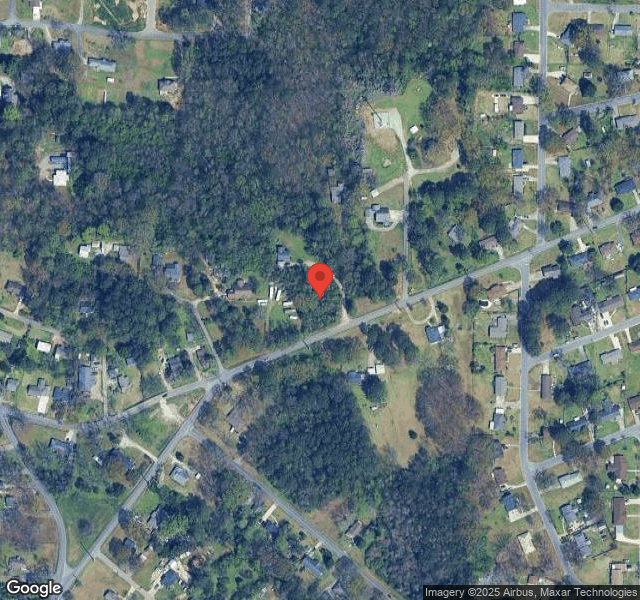
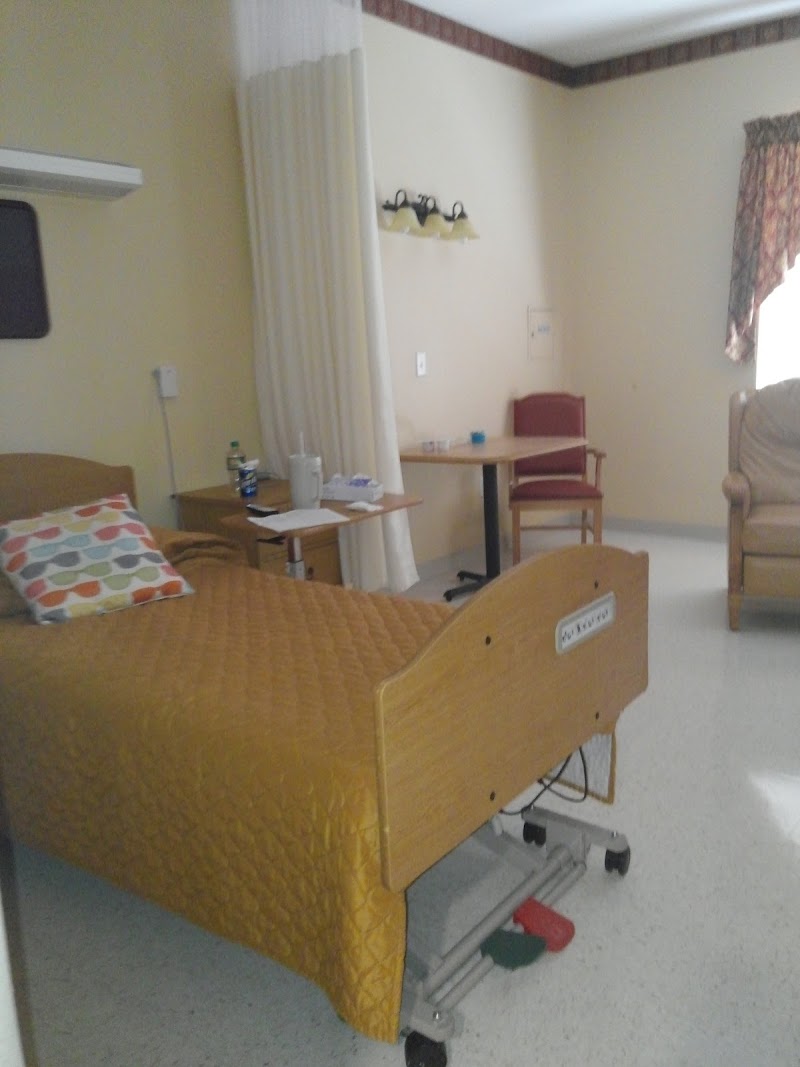
1250 JEFF GERMANY PARKWAY, BIRMINGHAM, AL 35214 (205) 796-0214
For profit - Corporation 117 Beds BALL HEALTHCARE SERVICES Data: November 2025
Trust Grade
45/100
#190 of 223 in AL
Last Inspection: December 2022

Over 2 years since last inspection. Current conditions may differ from available data.

Overview

Cherry Hill Rehabilitation & Healthcare Center has received a Trust Grade of D, indicating below-average quality with some concerning issues. They rank #190 out of 223 facilities in Alabama, placing them in the bottom half of the state, and #24 of 34 in Jefferson County, meaning there are only a few local options that perform better. The facility is worsening, with issues increasing from 1 in 2019 to 8 in 2022, reflecting ongoing care challenges. Staffing ratings are concerning with a 2/5 star rating and a high turnover rate of 58%, significantly above the state average of 48%. Although there are no fines on record, the facility has less RN coverage than 99% of Alabama facilities, which limits oversight of resident care. Recent inspections highlighted several critical areas of concern, including not properly serving meals in the correct portion sizes and failing to notify family members about medication changes for residents. While the absence of fines is a positive aspect, the combination of high turnover, low RN coverage, and multiple care issues raises significant red flags for families considering this facility.

Trust Score
D
45/100
In Alabama
#190/223
Bottom 15%
Safety Record
Low Risk
No red flags
Inspections
Getting Worse
1 → 8 violations
Staff Stability
⚠ Watch
58% turnover. Above average. Higher turnover means staff may not know residents' routines.
Penalties
✓ Good
No fines on record. Clean compliance history, better than most Alabama facilities.
Skilled Nurses
⚠ Watch
Each resident gets only 13 minutes of Registered Nurse (RN) attention daily — below average for Alabama. Fewer RN minutes means fewer trained eyes watching for problems.
Violations
○ Average
9 deficiencies on record. Average for a facility this size. Mostly minor or procedural issues.
★☆☆☆☆
1.0
Overall Rating
★★☆☆☆
2.0
Staff Levels
★☆☆☆☆
1.0
Care Quality
★★☆☆☆
2.0
Inspection Score
Stable
2019: 1 issues
2022: 8 issues

The Good

  • Full Sprinkler Coverage · Fire safety systems throughout facility
  • No fines on record

Facility shows strength in fire safety.

The Bad

1-Star Overall Rating

Below Alabama average (2.9)

Significant quality concerns identified by CMS

Staff Turnover: 58%

12pts above Alabama avg (46%)

Frequent staff changes - ask about care continuity

Chain: BALL HEALTHCARE SERVICES

Part of a multi-facility chain

Ask about local staffing decisions and management

Staff turnover is elevated (58%)

10 points above Alabama average of 48%

The Ugly 9 deficiencies on record

Dec 2022 8 deficiencies
CONCERN (D)

Potential for Harm - no one hurt, but risky conditions existed

Notification of Changes (Tag F0580)

Could have caused harm · This affected 1 resident

**NOTE- TERMS IN BRACKETS HAVE BEEN EDITED TO PROTECT CONFIDENTIALITY** Based on interviews, medical record review, and a review of a facility policy titled, Change in Medical Condition of Residents, ...

Read full inspector narrative →
**NOTE- TERMS IN BRACKETS HAVE BEEN EDITED TO PROTECT CONFIDENTIALITY** Based on interviews, medical record review, and a review of a facility policy titled, Change in Medical Condition of Residents, the facility failed to ensure that Resident Identifier (RI) #18's sponsor/family was notified when RI #18's medication, Oxcarbazepine was increased on 08/16/2022. This deficient practice affected RI #18; one of one sampled resident reviewed for notification. Findings Include: A review of facility's policy titled, Change in Medical Condition of Residents, with an effective date of 02/01/2004, documented, .Notification of . legal representative, or interested family member, should occur promptly, according to federal regulations, when there is a change in the resident's condition. A need to alter treatment . RI #18 was admitted to the facility on [DATE] and readmitted on [DATE] with diagnoses to include Alzheimer's Disease, Unspecified Mood (Affective) Disorder, Altered Mental Status and Vascular Dementia. RI #18's August 2022 physician orders documented RI #18's Oxcarbazepine (Trileptal) 150 mg (milligram) tablet give 1/2 tablet to equal 75 mg via tube every day. Nursing Notes for RI #18 dated 08/16/2022, documented, . Received new orders. Increase Oxcarbazepine 75 mg to 150 mg QDAY (everyday) BID per tube. This note was signed by Employee identifier (EI) # 12, Licensed Practical Nurse, (LPN). On 12/11/2022 at 5:55 PM, an interview was conducted with RI #18's sponsor. He/She stated that he/she was not notified when RI #18's medication was changed. On 12/14/2022 at 3:56 PM, an interview was conducted with EI #12, LPN. EI #12 stated the representative should be notified when a medication was modified or changed. EI #12 stated notification should be documented in the nurse's notes. EI #12 admitted she did not notify RI #18's representative on 08/16/2022 when his/her Oxcarbazepine was increased. She stated the concern of the representative not being notified was the family not knowing what's going on with the resident.
CONCERN (D)

Potential for Harm - no one hurt, but risky conditions existed

Deficiency F0638 (Tag F0638)

Could have caused harm · This affected 1 resident

**NOTE- TERMS IN BRACKETS HAVE BEEN EDITED TO PROTECT CONFIDENTIALITY** Based on interview, record review and a facility policy with the subject, Resident Assessment Instrument, the facility failed to...

Read full inspector narrative →
**NOTE- TERMS IN BRACKETS HAVE BEEN EDITED TO PROTECT CONFIDENTIALITY** Based on interview, record review and a facility policy with the subject, Resident Assessment Instrument, the facility failed to ensure a quarterly resident Minimum Data Set (MDS) assessment instrument was transmitted within the required timeframes. This affected Resident Identifier (RI) #61, one out of two residents investigated for resident assessments. Findings Include: A facility policy with the subject, Resident Assessment Instrument, with a revision date of 10/2013, revealed, . PURPOSE: Residents are assessed, using a comprehensive assessment process, in order to identify care needs and to develop a plan of care. PROCESS: . V. MDS Version 3.0 Quarterly Assessment . b) Quarterly assessments are due at least every 92 days, and at a minimum, three quarterly assessments and one comprehensive assessment is required in each twelve-month period. XI. Transmission Requirements a) Within 14 days after completion of a resident's assessment, the facility should be capable of transmitting that data to the QIES (Quality Improvement and Evaluation System) Assessment Submission and Processing System (ASAP). b) The facility should transmit, weekly, encoded, accurate, complete MDS data to CMS (Centers for Medicare and Medicaid Services) for all assessments conducted. RI #61 was admitted to the facility on [DATE] and readmitted [DATE], RI #61's Quarterly MDS with an Assessment Reference Date (ARD) of 10/11/2022 revealed a status of Open. In an interview on 12/13/22 at 5:57 PM, Employee Identifier (EI) #8, Interim MDS Coordinator/Corporate, reported the last accepted MDS for RI #61 was dated 07/11/2022 but there was an open assessment dated [DATE]. EI #8 stated the 10/11/2022 open assessment was supposed to be transmitted by 11/08/2022. EI #8 stated the assessment was not submitted due to an oversight. EI #8 stated the concern in the MDS not being submitted timely was inaccurate information.
CONCERN (D)

Potential for Harm - no one hurt, but risky conditions existed

Comprehensive Care Plan (Tag F0656)

Could have caused harm · This affected 1 resident

**NOTE- TERMS IN BRACKETS HAVE BEEN EDITED TO PROTECT CONFIDENTIALITY** RI #79 was admitted to the facility on [DATE] and readmitted on [DATE] with a diagnosis to include Retention of Urine. RI #79's...

Read full inspector narrative →
**NOTE- TERMS IN BRACKETS HAVE BEEN EDITED TO PROTECT CONFIDENTIALITY** RI #79 was admitted to the facility on [DATE] and readmitted on [DATE] with a diagnosis to include Retention of Urine. RI #79's December's Physician's Orders documented: Catheter for Urinary Retention. A review of RI #79's care plans did not reveal a care plan for the foley catheter. On 12/12/2022 at 9:35 AM, RI #79 was observed with a Foley Catheter. On 12/14/2022 at 6:05 PM, an interview was conducted with EI #8, MDS Coordinator, Registered Nurse (RN). EI #8 stated both RI #79 and RI #90 had catheters, but she did not see a care plan on either resident. She admitted that both residents should have care plans for catheter care. EI #8 stated the concern of not developing a care plan for catheter care was the facility not providing adequate care. Based on observation, interviews, record reviews and a review of the Long-Term Care Facility Resident Assessment Instrument (RAI), the facility failed to ensure Resident Identifier (RI) #79 and RI #90 had a care plan for Foley catheters. This deficient practice affected RI #79 and RI #90, two of four residents sampled for catheters. Findings Include: A review of the Long-Term Care Facility Resident Assessment Instrument 3.0 User's Manual Version 1.17.1 dated October 2019 revealed, . Chapter 4 Care Area Assessment Process and Care Planning . 4.7 . The care plan is driven not only by identified resident issues and/or conditions but also by a resident's unique characteristics, strengths and needs. Develops and implements an intradisciplinary care plan based on the assessment information gathered throughout the RAI process, with necessary monitoring and follow-up; . Provides information regarding how the causes and risks associated with issues and/or conditions can be addressed to provide for a resident's highest practicable level of well-being (care planning); . RI #90 was admitted to the facility on [DATE] with a diagnosis of Chronic Cystitis without Hematuria. A review of RI #90's November and December Physician orders revealed .Order date 11/28/22 . 16 FR (French) with 30 ML (milliliters) BULB FOLEY CATHETER DX (diagnosis): URINARY RETENTION . A review of RI #90's admission Minimal Data Set (MDS) with an Assessment Reference Date of 12/04/2022 revealed in section H . Appliances:indwelling catheter checked . A review of RI #90's care plans did not reveal a care plan for the foley catheter. On 12/14/2022 at 7:44 AM, an interview with Employee Identifier (EI) #14, MAC (Medical Assistant Certified), verified RI #90 had a foley catheter.
CONCERN (D)

Potential for Harm - no one hurt, but risky conditions existed

Tube Feeding (Tag F0693)

Could have caused harm · This affected 1 resident

**NOTE- TERMS IN BRACKETS HAVE BEEN EDITED TO PROTECT CONFIDENTIALITY** Based on observation, interviews, record review the facility failed to ensure the feeding tube containers for Resident Identifie...

Read full inspector narrative →
**NOTE- TERMS IN BRACKETS HAVE BEEN EDITED TO PROTECT CONFIDENTIALITY** Based on observation, interviews, record review the facility failed to ensure the feeding tube containers for Resident Identifier (RI) #79 were labeled appropriately. This deficient practice affected RI #79; one of three residents sampled receiving tube feedings. Findings Include: RI #79 was admitted to the facility on [DATE] and readmitted on [DATE] with a diagnosis to include Dysphagia following Cerebral Infarction. RI #79's December 2022 Physician's Orders documented, Jevity at 20 CC/HR (cubic centimeter/hour) with flush of 25 CC/HR x 23 HRS. On 12/12/2022 at 9:36 AM, RI #79 was observed lying in bed with head elevated, feeding hanging and machine beeping. The feeding containers were not labeled. On 12/12/2022 at 9:54 AM, an interview was conducted with Employee Identifier (EI) #9, Licensed Practical Nurse (LPN). EI #9 admitted feeding bags/bottles were not labeled. She stated they should be labeled with resident's name, time and date, rate of infusion for milk and water and person who hung the bags. EI #9 stated bags/bottles must be changed every 24 hours. EI #89 stated the concern of not labeling feeding bottles was not knowing how long it had been up there or if it had been changed. On 12/14/2022 at 3:48 PM, an interview was conducted with EI #2, Corporate, RN. EI #2 stated RI #79's feeding bottle should have been labeled with date, time the bag was hung, show rate as well as initial or name of person who hung the bag. EI #2 stated the concern of not being labeled was infection control and the bottle hanging too long.
CONCERN (D) 📢 Someone Reported This

A family member, employee, or ombudsman was alarmed enough to file a formal complaint

Potential for Harm - no one hurt, but risky conditions existed

Respiratory Care (Tag F0695)

Could have caused harm · This affected 1 resident

**NOTE- TERMS IN BRACKETS HAVE BEEN EDITED TO PROTECT CONFIDENTIALITY** Based on record review, and interview, the facility failed to ensure Resident Identifier (RI) #6's Nebulizer Treatments were adm...

Read full inspector narrative →
**NOTE- TERMS IN BRACKETS HAVE BEEN EDITED TO PROTECT CONFIDENTIALITY** Based on record review, and interview, the facility failed to ensure Resident Identifier (RI) #6's Nebulizer Treatments were administered in accordance with the physician's orders. This deficient practice affected RI #6, one of three residents sampled for respiratory care. Findings Include: RI #6 was admitted to the facility on [DATE] and readmitted on [DATE] with a diagnosis of Chronic Respiratory Failure. RI #6's November 2022 Physician Orders documented, Albuterol Sul (sulfate) 2.5 Mg/3ML (milligram/milliliter) SOLN (solution) -give 3ML Nebulizer treatment every 6 hours. RI #6's November's e-MAR (electronic medication administration record) documented, Albuterol Sul 2.5MG/3 ML SOLN-give 3ML Nebulizer Treatment every 6 hours . Order date 10/25/22. Review of RI #6's November's e-MAR revealed there was no documentation or explanation why RI #6 did not receive his/her nebulizer treatment for the following dates: 11/07/2022 (12 and 6 AM doses), 11/12/2022 (12 AM dose), 11/14/2022 (12 AM dose), 11/16/2022 (12 AM dose), 11/17/2022 (12 AM dose), 11/19/2022 (12 AM dose), 11/20/2022 (12 AM dose), 11/21/2022 (12 AM dose) , 11/22/2022 (12 AM dose), 11/23/2022 (12 AM dose), 11/26/2022 (12 AM, 6 AM and 6 PM dose), 11/28/2022 (12 AM dose) and 11/29/2022 (12 AM dose). On 12/14/2022 at 7:19 PM, an interview was conducted with Employee Identifier (EI) # 2, Corporate Registered Nurse. EI #2 stated RI #6's order for Albuterol was started on 10/25/2022. She stated according to the e-Mar it looked like some doses were not given per physician's order. EI #2 stated the medication should have been given. EI #2 stated the concern of not giving medication per Physician's order was the resident may not have the effect the medication was designed to have if it was not administered correctly. This deficiency was cited as a result of the investigation of compliant/report # AL00042490. Based on record review, and interview, the facility failed to ensure Resident Identifier (RI) #6's Nebulizer Treatments were administered in accordance with the physician's orders. This deficient practice affected RI #6, one of three residents sampled for respiratory care. Findings Include: RI #6 was admitted to the facility on [DATE] and readmitted on [DATE] with a diagnosis of Chronic Respiratory Failure. RI #6's November 2022 Physician Orders documented, Albuterol Sul (sulfate) 2.5 Mg/3ML (milligram/milliliter) SOLN (solution) -give 3ML Nebulizer treatment every 6 hours. RI #6's November's e-MAR (electronic medication administration record) documented, Albuterol Sul 2.5MG/3 ML SOLN-give 3ML Nebulizer Treatment every 6 hours . Order date 10/25/22. Review of RI #6's November's e-MAR revealed there was no documentation or explanation why RI #6 did not receive his/her nebulizer treatment for the following dates: 11/07/2022 (12 and 6 AM doses), 11/12/2022 (12 AM dose), 11/14/2022 (12 AM dose), 11/16/2022 (12 AM dose), 11/17/2022 (12 AM dose), 11/19/2022 (12 AM dose), 11/20/2022 (12 AM dose), 11/21/2022 (12 AM dose) , 11/22/2022 (12 AM dose), 11/23/2022 (12 AM dose), 11/26/2022 (12 AM, 6 AM and 6 PM dose), 11/28/2022 (12 AM dose) and 11/29/2022 (12 AM dose). On 12/14/2022 at 7:19 PM, an interview was conducted with Employee Identifier (EI) # 2, Corporate Registered Nurse. EI #2 stated RI #6's order for Albuterol was started on 10/25/2022. She stated according to the e-Mar it looked like some doses were not given per physician's order. EI #2 stated the medication should have been given. EI #2 stated the concern of not giving medication per Physician's order was the resident may not have the effect the medication was designed to have if it was not administered correctly. This deficiency was cited as a result of the investigation of compliant/report # AL00042490.
CONCERN (D)

Potential for Harm - no one hurt, but risky conditions existed

Laboratory Services (Tag F0770)

Could have caused harm · This affected 1 resident

**NOTE- TERMS IN BRACKETS HAVE BEEN EDITED TO PROTECT CONFIDENTIALITY** Based on observation, interviews, record review and review of a facility policy Diagnostic Testing Services, the facility failed...

Read full inspector narrative →
**NOTE- TERMS IN BRACKETS HAVE BEEN EDITED TO PROTECT CONFIDENTIALITY** Based on observation, interviews, record review and review of a facility policy Diagnostic Testing Services, the facility failed to ensure a laboratory specimen was picked up timely after orders were received on 12/10/22. This affected one of one resident to which a Urine specimen was observed in the Specimen refrigerator on 12/13/22. Findings Include: A review of a facility policy titled Diagnostic Testing Services with an effective date of February 1, 2004, revealed . PURPOSE: Each resident has the right to receive diagnostic services, in a timely manner, to meet his/her needs for diagnosis, treatment and prevention. Resident Identifier (RI) #48 was admitted to the facility on [DATE] and readmitted on [DATE] with a diagnosis of Type 2 Diabetes Mellitus without complications. A review of a handwritten Physician's order dated 12/10/22 revealed ' Urine albumin - creatine ratio Diabetes . On 12/13/22 at 12:55 PM, the surveyor observed a sign on the medication room door indicating a specimen refrigerator inside. An observation was made of the refrigerator with Employee Identifier EI #9, Licensed Practical Nurse. In the refrigerator was a urine specimen for RI #48 which was dated 12/10/22. EI #9 was asked when should the specimen have went out; she said the next day. EI #9 said lab specimens were picked up daily. EI #9 was asked when should the specimen for RI #48 have went out; she said on 12/11/22. On 12/13/22 at 1:05 PM, the Acting DON, EI #2 entered the medication room. The surveyor asked her what lab specimens were in the refrigerator. EI #2 took out the two specimen bags; she said one was to be picked up that day. EI #2 was asked what was the name on the second specimen; she said RI #48, it was a urine specimen dated 12/10/22. EI #2 was asked when should that specimen have went out; she said the day of or the day after it was obtained. EI #2 was asked why was it still there; she said she was not sure. On 12/14/22 at 11:00 AM, EI #10, Registered Nurse, (RN) was asked when did RI #48's specimen go out. EI #10 said if it was collected on 12/10/22 it would not have gone out until Monday at midnight. EI #10 was asked why was the specimen for RI #48 still in the refrigerator on 12/13/22 at 1:05 PM; she said she did not know. EI #10 was asked what was the lab order for; she said albumin and creatine ratio due to diabetes. EI #10 was asked what was the harm in labs not being sent out timely. EI #10 said it could result in not receiving a timely treatment.
CONCERN (D)

Potential for Harm - no one hurt, but risky conditions existed

Infection Control (Tag F0880)

Could have caused harm · This affected 1 resident

**NOTE- TERMS IN BRACKETS HAVE BEEN EDITED TO PROTECT CONFIDENTIALITY** Based on observations, interviews, and a facility policy titled Urinary Catheter Care, the facility failed to ensure Resident Id...

Read full inspector narrative →
**NOTE- TERMS IN BRACKETS HAVE BEEN EDITED TO PROTECT CONFIDENTIALITY** Based on observations, interviews, and a facility policy titled Urinary Catheter Care, the facility failed to ensure Resident Identifier (RI) #79's catheter bag was not touching the floor on 12/12/2022. This deficient practice affected one of two residents observed with catheters. Findings Include: A facility Policy titled, Urinary Catheter Care, with an effective date of 02/01/2004, documented, .Process: . i) Catheter tubing and drainage bags are kept off the floor to prevent contamination . RI # 79 was admitted to the facility on [DATE] and readmitted on [DATE] with a diagnosis to include Retention of Urine. RI #79's December's Physician's Orders documented: Catheter for Urinary Retention. On 12/12/2022 at 9:35 AM, RI #79's catheter bag was observed hanging from bed frame and touching the floor. On 12/12/2022 at 9:44 AM, an interview was conducted with Employee Identifier (EI) #11, Certified Nursing Assistant (CNA). EI #11 stated RI #79's catheter bag was on the floor. EI #11 admitted the catheter bag should not have been on the floor. On 12/12/2022 at 9:54 AM, an interview was conducted with EI #9, Licensed Practical Nurse (LPN). EI #9 stated she observed RI #79's catheter bag on the floor. She stated the bag should not be touching the floor. EI #9 stated the concern of the catheter bag touching the floor was infection control. On 12/14/2022 at 3:48 PM, an interview was conducted with EI #2, Corporate Nurse, Registered Nurse (RN). EI #2 stated a catheter bag should never be on the floor. She stated RI #79's bag should not have been on the floor when observed on 12/12/2022. EI #2 stated the concern of a catheter bag being on the floor was it could pose infection control risk for the resident.
CONCERN (F)

Potential for Harm - no one hurt, but risky conditions existed

Menu Adequacy (Tag F0803)

Could have caused harm · This affected most or all residents

Based on observation, interview, the facility's policy for Menus, the facility's Meal Guide Report for Week 3, the facility's Recipe Report for Pudding Parfait, and the facility's chart for scoop size...

Read full inspector narrative →
Based on observation, interview, the facility's policy for Menus, the facility's Meal Guide Report for Week 3, the facility's Recipe Report for Pudding Parfait, and the facility's chart for scoop size and capacity; the facility failed to ensure Pureed Lasagna and Chocolate Pudding Parfait were served in the portion sizes as indicated on the menu for Tuesday, 12/13/2022. This had the potential to affect 67 of 97 residents receiving meals from the kitchen. Findings Include: The facility's policy for Menus, dated 6/2017, included the following: Policy: Menus are planned to meet the nutritional needs of the residents in accordance with the Recommended Dietary Allowances of the Food and Nutrition Board of the National Research Council, National Academy of Sciences. The facility shall provide residents with a nourishing, palatable, well balanced diet that meets daily nutritional needs . Procedure: 1. Menus for regular and therapeutic diets are preplanned. Preplanned menus are developed to meet the nutritional needs of the majority of the residents . 3. The correct portion size for each menu item is listed for each diet included in the menu modifications. 5. Foods will be served as planned on the menu . 7. Menus are planned and modified by a registered dietitian and the DM (Dietary Manager) in accordance with the Recommended Dietary Allowances to include: . c. Portion sizes for each item are noted on the menu. 9. The current day's menu is posted in the kitchen near the serving line. 12. Standardized recipes are available for all items included on the cycle menu. 14. The current week's menu is posted in one or more accessible places for easy use by the food service staff during the preparation and service of food. The facility's Recipe Report for Parfait, Pudding w/ (with) Topping, copyright 1999-2022, included the following: . Yield: 99 . Portion: 1/2 cup . Ingredients . Pudding, Vanilla Pudding from Mix . Chocolate Pudding from Mix . Topping, Whipped . The facility's Menu Guide Report for Fall/Winter 2022/2023, Tuesday, Week 3, Day 3 included the following for lunch: . Pureed Lasagna 1 #6 dipper . for the Puree diet and . 1/2 cup Pudding Parfait . for the Regular, Mechanical Soft, Puree, Limited Fat, and Soft/Bland diets. The facility's chart for scoop size and capacity, undated, identified a blue-handle scoop as a #16 size scoop that yielded two fluid ounces or 1/4 cup. On 12/13/2022 at 10:30 AM, the AM Cook, Employee Identifier (EI) #6 was observed pureeing Lasagna. At 11:20 AM, the tray line was being set up for lunch. At 11:38 AM, the temperatures of the food items on the tray line were taken, including Pureed Lasagna. At 11:52 AM, EI #6, who was serving the hot food on tray line, said a #8 scoop/dipper was being used for portioning the Pureed Lasagna. The number eight was observed on the scoop/dipper. During the lunch tray line on 12/13/2022 at 12:21 PM, a Regular diet test tray was requested for the Two [NAME] cart. At 12:39 PM, the test tray was observed with EI #4, the Dietary Manager (DM). The Chocolate Pudding Parfait serving size looked small. It filled less than half the 4-ounce insulated bowl. EI #4 said it looked like two ounces. Later in the kitchen at 12:46 PM, EI #4 spooned the Pudding Parfait from the bowl into a #8 scoop/dipper (four ounces, 1/2 cup), but it did not fill the scoop/dipper. EI #4 agreed the Pudding Parfait serving was probably between two and three ounces. During an interview on 12/13/2022 at 12:50 PM, EI #4, the DM, observed that a #8 scoop/dipper was being used in the Pureed Lasagna. The Week 3, Meal Guide Report for Fall/Winter 2022/2023, Tuesday, Day 3, lunch menu was reviewed with EI #4. The Puree diet specified one #6 dipper (#6 scoop/dipper, six ounces, 2/3 cup) of Pureed Lasagna as a serving. The Pudding Parfait serving size was specified as 1/2 cup. When asked if a scoop/dipper chart with corresponding ounces and cup sizes was posted anywhere for staff to use, EI #4 said, No. On 12/14/2022 at 9:30 AM, EI #7, the Dietary Aide who prepared the Pudding Parfaits for lunch on 12/13/2022, was interviewed. EI #7 said he followed a recipe to make the pudding parfaits. EI #7 further said he didn't think he had enough chocolate pudding yesterday. When asked how did he know how much to use for a regular serving, EI #7 said normally he asked the Dietary Manager (EI #4) or the Assistant Dietary Manager (EI #5) what scoop/dipper to use, but yesterday he just grabbed one. EI #7 said the scoop/dipper he used was a three ounce, with a blue handle. EI #7 also said he thought he saw a three in a circle on the handle of the scoop/dipper. EI #7 said normally he just filled to the top of the bowl, but yesterday he just did not have enough pudding made. EI #7 further said EI #6, the AM Cook, made the pudding and he helped her by making the topping. When asked if there was a conversion sheet available to show how many ounces or what was the cup measurement in the different size scoops/dippers, EI #7 said EI #4, the DM, just put one on the wall. EI #7 then said there should be something in the recipe book. EI #7 showed the recipe used for Pudding Parfait and pointed to 1/2 cup as the serving size. EI #4, the DM, was interviewed on 12/14/2022 at 9:58 AM. When asked how staff knew how much to serve for a regular size portion for any menu item, EI #4 said it was on the menu. EI #4 said she used to have a conversion sheet posted to show how many ounces and the cup measurement for the different size scoops before the kitchen wall was painted. EI #4 then said she put up a new conversion sheet last night. Upon being asked what the portion size should have been for the Pureed Lasagna served yesterday (12/13/2022), EI #4 said six ounces. EI #4 further said the menu actually specified a #6 scoop/dipper for Pureed Lasagna on the Tuesday, Day 3, Week 3 menu. EI #4 said the portion size for the Pudding Parfait should have been four ounces and then said the menu actually specified 1/2 cup. When asked what was the problem if residents got served portions smaller than that specified on the menu, EI #4 said they could lose weight. On 12/14/2022 at 10:12 AM, EI #3, the Corporate Registered Dietitian, was interviewed. According to EI #3, the staff can refer to the menu spreadsheet or menu guide to know how much to serve for a regular size portion for any menu item. EI #3 said there should be a conversion sheet posted to show the number of ounces or the cup measurement for the different size scoops/dippers. EI #3 further said standardized measures were used to make sure the residents were getting their needed nutrients. EI #3 also said, if residents got served portions smaller than as specified on the menu, the residents' nutrient needs would not be met and then they could lose weight.
Dec 2019 1 deficiency
CONCERN (E)

Potential for Harm - no one hurt, but risky conditions existed

Food Safety (Tag F0812)

Could have caused harm · This affected multiple residents

Based on observation, interview and review of the facility policy, FOOD FROM OUTSIDE SOURCES, the facility failed to ensure food brought into the facility from friends and family was labeled with each...

Read full inspector narrative →
Based on observation, interview and review of the facility policy, FOOD FROM OUTSIDE SOURCES, the facility failed to ensure food brought into the facility from friends and family was labeled with each resident's name or date on which the food was received and stored, as well as the date it should be discarded. This involved the residents' refrigerator on the [NAME] Wing nursing station, one of two Nursing Units observed. Findings include: The facility policy, FOOD FROM OUTSIDE SOURCES with a revision date of 10/2017, specifies the following: . Food that is brought to residents from family, visitors or volunteers is handled in a safe and sanitary manner. .4. b. iii. The label includes the resident's name and room number, the date it is received and stored, and the date it should be discarded. On 12/12/19 at 11:35 AM, the surveyor viewed the contents of the [NAME] Hall Nursing Station refrigerator, identified by the Charge Nurse (Employee Identifier/EI #1) as used by staff to store resident food brought in from outside sources. EI #1 opened the freezing compartment to reveal a 1/2 gallon container of commercially prepared Homemade Vanilla Ice Cream. No name or room number was listed on the container, which was 1/2 full. The refrigeration unit contained a box of Popeye's chicken labeled for a resident, with no date of receipt or discard date. The surveyor questioned EI #1, who stated all stored items should have a name and date, and be kept no more than 24 hours to ensure safety, contrary to what was observed.
Understanding Severity Codes (click to expand)
Life-Threatening (Immediate Jeopardy)
J - Isolated K - Pattern L - Widespread
Actual Harm
G - Isolated H - Pattern I - Widespread
Potential for Harm
D - Isolated E - Pattern F - Widespread
No Harm (Minor)
A - Isolated B - Pattern C - Widespread

Questions to Ask on Your Visit

  • "Why is there high staff turnover? How do you retain staff?"
  • "Can I speak with families of current residents?"
  • "What's your RN coverage like on weekends and overnight?"

Our Honest Assessment

Strengths
  • • No major safety red flags. No abuse findings, life-threatening violations, or SFF status.
  • • No fines on record. Clean compliance history, better than most Alabama facilities.
Concerns
  • • Grade D (45/100). Below average facility with significant concerns.
  • • 58% turnover. Above average. Higher turnover means staff may not know residents' routines.
Bottom line: Trust Score of 45/100 indicates significant concerns. Thoroughly evaluate alternatives.

About This Facility

What is Cherry Hill Rehabilitation & Healthcare Center's CMS Rating?

CMS assigns CHERRY HILL REHABILITATION & HEALTHCARE CENTER an overall rating of 1 out of 5 stars, which is considered much below average nationally. Within Alabama, this rating places the facility higher than 0% of the state's 100 nursing homes. A rating at this level reflects concerns identified through health inspections, staffing assessments, or quality measures that families should carefully consider.

How is Cherry Hill Rehabilitation & Healthcare Center Staffed?

CMS rates CHERRY HILL REHABILITATION & HEALTHCARE CENTER's staffing level at 2 out of 5 stars, which is below average compared to other nursing homes. Staff turnover is 58%, which is 12 percentage points above the Alabama average of 46%. High turnover can affect care consistency as new staff learn residents' individual needs. RN turnover specifically is 67%, which is notably high. RNs provide skilled clinical oversight, so turnover in this role can affect medical care quality.

What Have Inspectors Found at Cherry Hill Rehabilitation & Healthcare Center?

State health inspectors documented 9 deficiencies at CHERRY HILL REHABILITATION & HEALTHCARE CENTER during 2019 to 2022. These included: 9 with potential for harm.

Who Owns and Operates Cherry Hill Rehabilitation & Healthcare Center?

CHERRY HILL REHABILITATION & HEALTHCARE CENTER is owned by a for-profit company. For-profit facilities operate as businesses with obligations to shareholders or private owners. The facility is operated by BALL HEALTHCARE SERVICES, a chain that manages multiple nursing homes. With 117 certified beds and approximately 102 residents (about 87% occupancy), it is a mid-sized facility located in BIRMINGHAM, Alabama.

How Does Cherry Hill Rehabilitation & Healthcare Center Compare to Other Alabama Nursing Homes?

Compared to the 100 nursing homes in Alabama, CHERRY HILL REHABILITATION & HEALTHCARE CENTER's overall rating (1 stars) is below the state average of 2.9, staff turnover (58%) is significantly higher than the state average of 46%, and health inspection rating (2 stars) is below the national benchmark.

What Should Families Ask When Visiting Cherry Hill Rehabilitation & Healthcare Center?

Based on this facility's data, families visiting should ask: "How do you ensure continuity of care given staff turnover, and what is your staff retention strategy?" "Can you walk me through typical staffing levels on day, evening, and night shifts?" "Can I visit during a mealtime to observe dining assistance and food quality?" "How do you handle medical emergencies, and what is your hospital transfer rate?" These questions are particularly relevant given the facility's high staff turnover rate and the below-average staffing rating.

Is Cherry Hill Rehabilitation & Healthcare Center Safe?

Based on CMS inspection data, CHERRY HILL REHABILITATION & HEALTHCARE CENTER has a clean safety record: no substantiated abuse findings (meaning no confirmed cases of resident harm), no Immediate Jeopardy citations (the most serious violation level indicating risk of serious injury or death), and is not on the Special Focus Facility watch list (a federal program monitoring the lowest-performing 1% of nursing homes). The facility has a 1-star overall rating and ranks #100 of 100 nursing homes in Alabama. While no facility is perfect, families should still ask about staff-to-resident ratios and recent inspection results during their visit.

Do Nurses at Cherry Hill Rehabilitation & Healthcare Center Stick Around?

Staff turnover at CHERRY HILL REHABILITATION & HEALTHCARE CENTER is high. At 58%, the facility is 12 percentage points above the Alabama average of 46%. Registered Nurse turnover is particularly concerning at 67%. RNs handle complex medical decisions and coordinate care — frequent RN changes can directly impact care quality. High turnover means new staff may not know residents' individual needs, medications, or preferences. It can also be disorienting for residents, especially those with dementia who rely on familiar faces. Families should ask: What is causing the turnover? What retention programs are in place? How do you ensure care continuity during staff transitions?

Was Cherry Hill Rehabilitation & Healthcare Center Ever Fined?

CHERRY HILL REHABILITATION & HEALTHCARE CENTER has no federal fines on record. CMS issues fines when nursing homes fail to meet care standards or don't correct problems found during inspections. The absence of fines suggests the facility has either maintained compliance or corrected any issues before penalties were assessed. This is a positive indicator, though families should still review recent inspection reports for the full picture.

Is Cherry Hill Rehabilitation & Healthcare Center on Any Federal Watch List?

CHERRY HILL REHABILITATION & HEALTHCARE CENTER is not on any federal watch list. The most significant is the Special Focus Facility (SFF) program, which identifies the bottom 1% of nursing homes nationally based on persistent, serious quality problems. Not being on this list means the facility has avoided the pattern of deficiencies that triggers enhanced federal oversight. This is a positive indicator, though families should still review the facility's inspection history directly.