DIVERSICARE OF RIVERCHASE
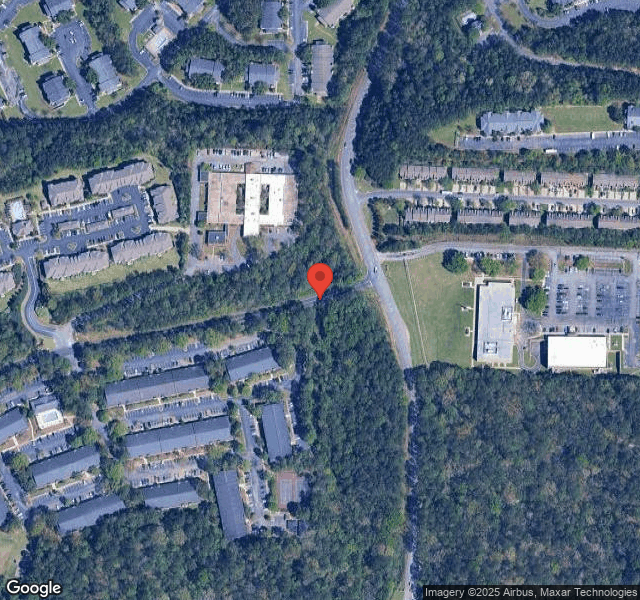

2500 RIVERHAVEN DRIVE, BIRMINGHAM, AL 35244 (205) 987-0901
For profit - Corporation 132 Beds DIVERSICARE HEALTHCARE Data: November 2025
Trust Grade
45/100
#196 of 223 in AL
Last Inspection: July 2021

Over 2 years since last inspection. Current conditions may differ from available data.

Overview

Diversicare of Riverchase in Birmingham, Alabama has received a Trust Grade of D, indicating below-average performance with some concerns. It ranks #196 out of 223 facilities in the state, placing it in the bottom half, and #26 out of 34 in Jefferson County, suggesting limited local options. Unfortunately, the facility is worsening, with issues increasing from 1 in 2021 to 9 in 2023. Staffing appears to be a strength, with a low turnover rate of 0%, which is significantly better than the state average of 48%. However, the facility has faced serious health and safety concerns, including instances where medications were left unattended, and a failure to create individualized discharge plans for residents, highlighting significant areas for improvement.

Trust Score
D
45/100
In Alabama
#196/223
Bottom 13%
Safety Record
Low Risk
No red flags
Inspections
Getting Worse
1 → 9 violations
Staff Stability
○ Average
Turnover data not reported for this facility.
Penalties
✓ Good
No fines on record. Clean compliance history, better than most Alabama facilities.
Skilled Nurses
○ Average
RN staffing data not reported for this facility.
Violations
⚠ Watch
18 deficiencies on record. Higher than average. Multiple issues found across inspections.
★☆☆☆☆
1.0
Overall Rating
★☆☆☆☆
1.0
Staff Levels
★★★★☆
4.0
Care Quality
★★☆☆☆
2.0
Inspection Score
Stable
2021: 1 issues
2023: 9 issues

The Good

  • 4-Star Quality Measures · Strong clinical quality outcomes
  • Full Sprinkler Coverage · Fire safety systems throughout facility
  • No fines on record

Facility shows strength in quality measures, fire safety.

The Bad

1-Star Overall Rating

Below Alabama average (2.9)

Significant quality concerns identified by CMS

Chain: DIVERSICARE HEALTHCARE

Part of a multi-facility chain

Ask about local staffing decisions and management

The Ugly 18 deficiencies on record

Apr 2023 9 deficiencies
CONCERN (D) 📢 Someone Reported This

A family member, employee, or ombudsman was alarmed enough to file a formal complaint

Potential for Harm - no one hurt, but risky conditions existed

Deficiency F0553 (Tag F0553)

Could have caused harm · This affected 1 resident

**NOTE- TERMS IN BRACKETS HAVE BEEN EDITED TO PROTECT CONFIDENTIALITY** Based on interviews, record review, and facility document titled POSITION DESCRIPTION for Social Services Supervisor the facilit...

Read full inspector narrative →
**NOTE- TERMS IN BRACKETS HAVE BEEN EDITED TO PROTECT CONFIDENTIALITY** Based on interviews, record review, and facility document titled POSITION DESCRIPTION for Social Services Supervisor the facility failed to ensure the care planning process facilitated the inclusion of resident and resident's representative for Resident Identifier (RI) #3 and RI #10 when the facility did not schedule a care plan meeting with resident or resident's representative. This affected two of three residents sampled for the right to participate in care planning. Findings Include: A review of facility document titled POSITION DESCRIPTION for Social Services Supervisor which was signed by Employee Identifier (EI) #13 on 11/03/2022 revealed .KEY RESPONSIBILITIES . 3. Documents progress and updates plans of care at the interdisciplinary care conference . RI #3 was admitted on [DATE] with diagnoses that included End Stage Renal Disease. RI #3 was discharged on 12/20/2022. On 04/26/2023 at 10:45 AM an interview was conducted with RI #3's responsible party and care conference person. He/she reported the facility did not communicate anything with them regarding a care plan meeting and he/she did not attend a care plan meeting. RI #10 was admitted on [DATE] with diagnoses that included Infection Following a Procedure, Other Surgical Site, Subsequent Encounter. RI #10 was discharged on 04/25/2023. On 04/26/2023 at 2:45 PM an interview was conducted with RI #10's family and care conference person. He/she reported the facility did not communicate anything with them regarding a care plan meeting and he/she did not attend a care plan meeting. On 04/26/2023 at 5:00 PM an interview was conducted with EI #11, Licensed Practical Nurse, Minimum Data Set (MDS) and Care Plan Assistant. EI #11 said that through interviews with residents and care plan meetings, she incorporated the residents and resident representative's goals and preferences into resident's care plans. EI #11 said social services should schedule care plan meetings with residents and sponsors upon admission and quarterly. EI #11 said it was important to include the resident and sponsor in care plan meetings to ensure the residents needs were met and the care plan was individualized. EI #11 continued, the care plan meeting was to address any specific concerns or request. On 04/27/2023 at 10:40 AM an interview was conducted with EI #4, Director of Care Coordination who said social services was responsible for scheduling care plan meetings and inviting resident and resident's representative. On 04/27/2023 at 10:50 AM an interview was conducted with EI #13, Social Services Director. EI #13 said social services, himself, was responsible for scheduling care plan meetings with residents and resident's representative. EI #13 said he scheduled the care plan meeting whenever it was determined to be necessary for residents or family. EI #13 said the care plan meeting should be within seven days of admission and then quarterly but were not being done at that frequency. EI #13 said he did not know when a care plan meeting was held for RI #3 or his/her representative. EI #13 said there was not an actual care plan meeting with RI #10 or his/her representative. EI #13 said when a care plan meeting was held it was documented on a sign-in sheet if held in-person and entered into resident notes in the electronic health record when representatives participated via phone. On 04/27/2023 at 12:15 PM an interview was conducted with EI #2, Registered Nurse, Director of Nursing. EI #2 said the EI #11, EI #13, or EI #4 was responsible for scheduling care plan meeting with residents and resident's representatives. EI #2 said nurse representative, therapy representative, social services, and other disciplines based on resident's needs or request should attend the meeting with resident and resident's representative. EI #2 said it was important to include the resident and representative in care plan meetings to update them on the care, changes, and communicate expectations and goals. ************************** This deficiency was cited as a result of the investigation of complaint/report number AL00042883.
CONCERN (D) 📢 Someone Reported This

A family member, employee, or ombudsman was alarmed enough to file a formal complaint

Potential for Harm - no one hurt, but risky conditions existed

Deficiency F0602 (Tag F0602)

Could have caused harm · This affected 1 resident

**NOTE- TERMS IN BRACKETS HAVE BEEN EDITED TO PROTECT CONFIDENTIALITY** Based on record reviews, interviews, and review of a policy titled, Abuse, Neglect, Misappropriation, Exploitation Policy, the f...

Read full inspector narrative →
**NOTE- TERMS IN BRACKETS HAVE BEEN EDITED TO PROTECT CONFIDENTIALITY** Based on record reviews, interviews, and review of a policy titled, Abuse, Neglect, Misappropriation, Exploitation Policy, the facility failed to protect Resident Identifier (RI) # 5, from misappropriation of resident property when his/her bag with personal belongings were placed in an unlocked closet when he/she was out of the facility. RI # 5 transferred to the hospital on [DATE] and on 12/27/2022 when his/her Power of Attorney came to retrieve his/her belongings the bag was missing from the unlocked closet. This affected RI #5, one of three residents sampled for abuse concerns. Findings Include: A review of the abuse policy titled, Abuse, Neglect, Misappropriation, Exploitation Policy, dated January 2019, revealed, .Purpose: To prohibit and prevent .misappropriation of resident property . RI # 5 was admitted to the facility on [DATE] and discharged to the hospital on [DATE]. On 12/28/2022 at 6:44 PM, the State Survey Agency received an initial report from the facility regarding an allegation of possible Misappropriation of Resident Property involving RI # 5. According to this initial report, RI # 5 was sent to the hospital on [DATE]. RI # 5's phone, phone charger and watch were locked up for safe keeping. On 12/23/2022 the remaining personal items were placed into a linen closet for storage. On 12/27/2022 RI # 5's Power of Attorney came to get his/her personal items and stated a wallet was missing. An interview was conducted with Employee Identifier (EI) # 4, Director of Care Coordinator on 4/26/2023 at 11:30AM. EI #4 stated that on 12/23/2022 she was instructed to removed RI # 5's personal items from his/her room due to a new admission. EI # 4 stated she placed clothing items and ball cap in a black carry-on suitcase. She said she looked in the black bag before placing the items and did not see a wallet, credit cards or state issued identification. She said she put the bag with the items in the west wing linen closet. She reported the linen closet was not locked and employees had access to the room. She further stated on 12/27/2022 an employee went to retrieve the bag and it was not in the linen closet. The clothes and ball cap were on a shelf in the linen closet. EI # 4 said several employees looked for the bag, but it was never located. She said she had no idea what happened to the bag. She further stated if asked now to remove personal items from a resident's room she would place them in a locked secure area. An interview was conducted with EI #2, Director of Nursing (DON) on 4/26/2023 at 12:00PM. EI # 2 recalled the incident involving RI # 5's missing items. She said in December of 2022 RI # 5 was discharged to the hospital. She said she became aware of the missing suitcase on 12/27/2022 when the sponsor came to retrieve RI #5's items. EI #2 stated during the time that RI #5 was gone, EI #4 had placed some of RI #5's items, including the black bag in the [NAME] wing linen closet. When RI #5's sponsor came to collect the items staff went to get items but the black bag was not there. EI # 2 said at that time the sponsor said a wallet, identification and credit cards were in the bag and were missing. EI # 2 said RI # 5's bag with personal items were placed in an unlocked closet on 12/23/2022 and if it had been locked it would have been harder for the suitcase to go missing due to limited people having access to a locked closet. On 4/26/2023 at 4:45PM, an interview was conducted with EI # 1, Administrator. EI # 1 stated he was not employed at the facility in December but had reviewed the report concerning RI #5. He stated the bag and wallet went missing and was never found. When asked what could have been done to prevent the bag from being misplaced, he said it could have been put in a secure area with a lock. He further said residents' personal items should be kept in a secure location until they are retrieved to ensure they are not misplaced. ********************************* This deficiency was cited as a result of the investigation of complaint/report number AL00042818.
CONCERN (D) 📢 Someone Reported This

A family member, employee, or ombudsman was alarmed enough to file a formal complaint

Potential for Harm - no one hurt, but risky conditions existed

Assessment Accuracy (Tag F0641)

Could have caused harm · This affected 1 resident

**NOTE- TERMS IN BRACKETS HAVE BEEN EDITED TO PROTECT CONFIDENTIALITY** Based on interview, record review, and review of the Centers for Medicare & (and) Medicaid Services Long-Term Care Facility Resi...

Read full inspector narrative →
**NOTE- TERMS IN BRACKETS HAVE BEEN EDITED TO PROTECT CONFIDENTIALITY** Based on interview, record review, and review of the Centers for Medicare & (and) Medicaid Services Long-Term Care Facility Resident Assessment Instrument 3.0 User's Manual Version 1.17.1, the facility failed to ensure Resident Identifier (RI) #15's Quarterly Minimum Data Set (MDS) assessment, with an Assessment Reference Date (ARD) of 03/22/2023 was accurately coded to reflect RI #15 used continuous oxygen during this assessment period. This deficient practice affected RI #15, one of 17 sampled residents for whom MDS assessments were reviewed. Findings include: RI #15 was admitted to the facility on [DATE], and has diagnoses to include Shortness of Breath (SOB). A review of the Centers for Medicare & Medicaid Services Long-Term Care Facility Resident Assessment Instrument 3.0 User's Manual Version 1.17.1, dated October 2019, revealed: . Section O0100: Special Treatments, Procedures, and Programs . O0100C, Oxygen therapy Code continuous or intermittent oxygen via (by way of) mask, cannula, etc., delivered to a resident to relieve hypoxia in this item. A review of RI #15's Order Summary Report (Physicians Orders) revealed RI #15 had a Physicians Order, with an order date of 02/28/2023, for Oxygen at 2 liters/minute via NC (nasal cannula) to maintain saturations greater than 90% (percent) every shift for SOB. RI #15's Quarterly MDS assessment, with an ARD of 03/22/2023, did not code RI #15 as using oxygen during this assessment period. A review of RI #15's March 2023 e-MAR (electronic-Medication Administration Record) revealed RI #15 had received oxygen at 2 liters/minutes from 03/01/2023 through 03/31/2023. On 04/28/2023 at 4:23 PM, the surveyor conducted an interview with Employee Identifier (EI) #11, the MDS Assistant. When asked should RI #15 be coded on his/her most recent MDS assessment dated [DATE] for oxygen use, EI #11 said if RI #15 used the oxygen between 03/16/2023 - 03/22/2023 he/she should be coded for oxygen use. The surveyor asked EI #11 where it would be found if RI #15 had used oxygen during those time frames. EI #11 said on the eMAR or in the nurse's notes. EI #11 said looking at RI #15's e-MAR the oxygen was used during those time frames and should have been coded on the 03/22/2023 MDS assessment. The surveyor asked EI #11 was the 03/22/2023 MDS assessment accurate. EI #11 said no. EI #11 said the importance of a resident having an accurate MDS assessment was to ensure the plan of care would be correct.
CONCERN (D)

Potential for Harm - no one hurt, but risky conditions existed

Comprehensive Care Plan (Tag F0656)

Could have caused harm · This affected 1 resident

**NOTE- TERMS IN BRACKETS HAVE BEEN EDITED TO PROTECT CONFIDENTIALITY** 2) RI #14 was admitted to the facility on [DATE] and readmitted on [DATE], with diagnoses to include Fracture of Unspecified Par...

Read full inspector narrative →
**NOTE- TERMS IN BRACKETS HAVE BEEN EDITED TO PROTECT CONFIDENTIALITY** 2) RI #14 was admitted to the facility on [DATE] and readmitted on [DATE], with diagnoses to include Fracture of Unspecified Part of Neck of Left Femur, Initial Encounter for Closed Fracture and Other Reduced Mobility. A review of RI #14's care plans revealed no care plans were found for potential for altered skin integrity due to decreased mobility or for the use of continuous oxygen. RI #14's Order Summary Report (Physician's Orders) revealed RI #14 had an order, with a start date of 03/28/2023, for Oxygen Use: 3L(liters)/MIN (minute) via (by way of) Nasal Cannula Continuously every day and night shift and an order with a start date of 04/24/2023, to clean left heel with wound cleanser cover with Xerofoam, 4x4 and wrap with Kerlix secure with tape change MWF (Monday, Wednesday, Friday) one time a day every Mon, Wed, Fri. On 04/28/2023 at 4:39 PM, an interview was conducted with Employee Identifier (EI) #11, Licensed Practical Nurse (LPN)/Minimum Data Set (MDS) Assistant. When asked who was responsible for initiating, implementing, and developing care plans, EI #11 said she does them on admission and updates them quarterly. EI #11 said that she looked at RI #14 when he/she was readmitted from the hospital and put in a fracture care plan, but she missed the oxygen. EI #11 admitted that if RI #14 was on oxygen when he/she was readmitted that an oxygen care plan should have been initiated when she initiated the fracture care plan. She stated the purpose of the care plan was to guide the resident's care. EI #11 was asked when a risk for altered skin integrity should be initiated and she said on admission and that RI #14 should have had one on readmission for potential for pressure ulcers. When asked what the potential for or risk for pressure ulcer care plan interventions would be, EI #11 said pressure reduction mattress, wheelchair cushion, turn and reposition resident as they will allow, and incontinent care were the ones that she recalled, but she could not recall everything at the moment. EI #11 stated that if she were developing a care plan for an actual heel wound such as the one RI #14 had developed, she would add for the heels to be floated as an approach. On 04/28/2023 at 5:03 PM, an interview was conducted with Employee Identifier (EI) #2, Registered Nurse (RN)/Director of Nursing (DON). EI #2 was asked when a care plan for oxygen should be initiated. EI #2 said when the order for oxygen was received. EI #2 said that RI #14 did not have a care plan for oxygen when he/she was readmitted with the order on 03/28/2023. She stated that a care plan should have been initiated at that time because a care plan directs staff to provide optimal care for the residents. She further stated that a resident should receive a care plan for potential for altered skin integrity on admission and it should be updated with any changes or if the resident developed an actual wound. When asked if RI #14 had a care plan implemented when a blister on his/her heel was identified on 04/24/2023, EI #2 said no, and the concern was that the care plan directs the care and not having a care plan could result in the pressure ulcer not improving or could even cause the area to worsen. Based on observations, interviews and record review, the facility failed to ensure: 1) Resident Identifier (RI) #4's intervention for padded side rails was implemented; and 2) an Oxygen care plan was developed for RI #14 when he/she was readmitted to the facility on [DATE]; and a pressure ulcer care plan was developed and implemented when RI #14's left heel wound was identified on 04/24/2023. These deficient practices affected RI #4 and RI #14, two of 17 residents whose plans of care were reviewed. Findings include: 1) RI #4 was admitted to the facility on [DATE] and readmitted on [DATE], with diagnoses to include Alzheimer's Disease and Impulsiveness. A review of RI #4's At risk for falls related to: use of psychotropic medications impaired mobility, dependent for all transfers, impaired vision care plan, with an initialed date of 03/16/2021, revealed the following intervention: . Padded side rails for positioning . RI #4's Order Summary Report (Physicians Orders) revealed RI #4 had an order, with a start date of 10/14/2022, for padded enablers. On 04/25/2023 at 5:59 PM, the surveyor observed RI #4 lying in bed with 1/2 upper side rails in use. There was no padding observed on the side rails. On 04/26/2023 at 7:49 AM, RI was again observed in bed with no padding on his/her 1/2 upper side rails. On 04/27/2023 at 7:33 AM, RI #4's side rails remained without padding. On 04/28/2023 at 7:51 AM, RI was again observed in bed with no padding on his/her 1/2 upper side rails. On 04/28/2023 at 6:30 PM, the surveyor conducted an interview with Employee Identifier (EI) #10, the Registered Nurse (RN)/Unit Manager of the unit RI #4 resided on. The surveyor asked EI #10, according to RI #4's plan of care, should RI #4's side rails be padded. EI #10 said yes. When asked why that intervention was put in place, EI #10 said RI #4's skin was fragile and the padding was to prevent skin tears and bruising to RI #4's knees. The surveyor asked EI #10 who would be responsible for ensuring RI #4's side rails were padded. EI #10 said nursing staff. When asked if RI #4's side rails were not padded was the intervention on the care plan being implemented, EI #10 said no. On 04/28/2023 at 6:39 PM, EI #10 escorted the surveyor to RI #4's room. EI #10 said she did not see any padding on RI #4's side rails at that time.
CONCERN (D) 📢 Someone Reported This

A family member, employee, or ombudsman was alarmed enough to file a formal complaint

Potential for Harm - no one hurt, but risky conditions existed

Deficiency F0657 (Tag F0657)

Could have caused harm · This affected 1 resident

**NOTE- TERMS IN BRACKETS HAVE BEEN EDITED TO PROTECT CONFIDENTIALITY** Based on interviews and record review the facility failed to ensure Resident Identifier (RI) #3's comprehensive care plan was de...

Read full inspector narrative →
**NOTE- TERMS IN BRACKETS HAVE BEEN EDITED TO PROTECT CONFIDENTIALITY** Based on interviews and record review the facility failed to ensure Resident Identifier (RI) #3's comprehensive care plan was developed timely. This affected RI #3; one of three residents sampled for timely development of comprehensive care plans. Findings Include: RI #3 was admitted on [DATE] with diagnosis that included End Stage Renal Disease. RI #3 was discharged on 12/20/2022. A review of RI #3's chart revealed only a base line care plan was in place for RI #3 and comprehensive care plans were never developed. On 04/26/2023 at 5:00 PM an interview was conducted with Employee Identifier (EI) # 11, Minimum Data Set (MDS) and Care Plan Assistant. EI #11said all residents should have a Comprehensive Care Plan developed by day 21 of each resident's stay. EI #11 said RI #3 did not have a Comprehensive Care Plan developed or implemented. EI #3 said RI #3's care plan should have been developed by 12/05/2022. EI #11 said it was important for residents to have a Comprehensive Care Plan because if the care plan was not created, the [NAME] could not be created, and direct staff would not have instructions on how to best care for the resident. On 04/27/23 at 12:15 PM an interview was conducted with EI #2, Registered Nurse, Director of Nursing. EI #2 said RI #3 did not have a Comprehensive Care Plan developed. EI #2 said the Comprehensive Care Plans are developed based on resident's assessment and informed staff on how to provide care to each resident. ************************** This deficiency was cited as a result of the investigation of complaint/report number AL00042883.
CONCERN (D)

Potential for Harm - no one hurt, but risky conditions existed

Pressure Ulcer Prevention (Tag F0686)

Could have caused harm · This affected 1 resident

**NOTE- TERMS IN BRACKETS HAVE BEEN EDITED TO PROTECT CONFIDENTIALITY** Based on observations, interviews, and a review of medical records, the facility failed to ensure interventions were implemented...

Read full inspector narrative →
**NOTE- TERMS IN BRACKETS HAVE BEEN EDITED TO PROTECT CONFIDENTIALITY** Based on observations, interviews, and a review of medical records, the facility failed to ensure interventions were implemented for Resident Identifier (RI) #14 when RI #14 developed a Stage II pressure ulcer on his/her left heel on 04/24/2023. This deficient practice affected RI #14; one of three sampled residents reviewed for pressure ulcers. Finding include: RI #14 was readmitted to the facility on [DATE] with a diagnoses including Fracture of Unspecified Part of Neck of Left Femur, Initial Encounter for Closed Fracture, Other Reduced Mobility, and Moderate Protein-Calorie Malnutrition. Review of RI #14's Order Summary Report (Physician's Orders) for April 2023, revealed the following order: . CLEAN LEFT HEEL WITH WOUND CLEANSER COVER WITH XEROFOAM, 4X4 AND WRAP WITH KERLIX SECURE WITH TAPE CHANGE MWF (MONDAY, WEDNESDAY, FRIDAY). ONE TIME A DAY EVERY MON, WED, FRI . Order Date 04/24/2023 . On 04/26/2023 at 2:48 PM, the surveyor observed RI #14 lying in bed with yellow non-skid socks on his/her feet and his/her heels were lying flat on the bed with no booties or pillows being utilized to relieve pressure to the left heel area. On 04/27/2023 at 7:43 AM, RI #14 was observed lying in bed with yellow non-skid socks to bilateral feet and his/her heels were lying flat on the bed with no booties or pillows being utilized to relieve pressure to the left heel area. On 04/27/2023 at 3:26 PM, RI #14 was lying in bed with yellow non-skid socks to bilateral feet and his/her heels were lying flat on the bed with no booties or pillows being utilized to relieve pressure to the left heel area. On 04/27/2023 at 3:41 PM, an interview was conducted with Employee Identifier (EI) #8, Nurse Practitioner. EI #8 was asked if he had been made aware of RI #14's left heel pressure ulcer and he said that they did not tell him, but he saw it in the chart where they documented that he/she had a blister. EI #8 looked into his computer and further stated that he would enter an order to elevate RI #14's heels because he did not see where he/she had elevation as an intervention, but that it should be done for the area to heal. On 04/28/2023 at 7:31 AM, RI #14 was lying in bed with yellow non-skid socks to bilateral feet and his/her heels were lying flat on the bed with no booties or pillows being utilized to relieve pressure to the left heel area. On 04/28/2023 at 8:47 AM, an interview was conducted with EI #3, Registered Nurse (RN)/Assistant Director of Nursing (ADON)/Interim Treatment Nurse. When asked how she became aware that RI #14 had a pressure area on his/her left heel, EI #3 said she was called at home late Friday or Saturday by the Director of Nursing (DON), and she told her about it. She further stated that the DON described it like a popped blister and that they discussed the treatment, and that she would assess the area on Monday. She said that a dressing was placed on the area by the DON, and she thought that they would have elevated RI #14's heels, but she had seen where EI #8, NP, had put in an order to elevate heels on 04/27/2023. EI #8 said the heel wound measured 5.4 cm (centimeters) in length and 3.2 cm in width and the wound bed was dry and pink with no slough, eschar, or drainage. On 04/28/2023 at 11:14 AM, surveyor into resident's room with EI #3, RN/ADON/Interim Treatment Nurse, to observe wound care to RI #14's left heel wound. RI #14 was lying in bed on back with yellow non-skid socks to bilateral feet and no booties or pillows being utilized at this time. Surveyor observed a Stage II pressure ulcer to RI #14's heel during dressing change. Upon completion of the dressing change, EI #3 went to the nurse's desk and asked a staff member to go get a pillow to elevate RI #14's heels from the bed. The surveyor asked EI #3 should RI #14's heels have been elevated when we entered his/her room and EI #8 said yes, they should have. On 04/28/2023 at 3:18 PM, an interview was conducted with EI #14, Licensed Practical Nurse (LPN)/Unit Manager. EI #14 was asked if she was aware that RI #14 had a wound on his/her left heel, and she said no. When asked what interventions should have been implemented when it was determined that RI #14 had developed a heel wound, EI #14 said contact the provider for an order for treatment and elevate the heels because the wound could get worse without the heel being elevated. On 04/28/2023 at 5:03 PM, an interview was conducted with EI #2, RN/Director of Nursing. When asked what intervention should be implemented when a resident develops a pressure ulcer on his/her heel, EI #2 stated to elevate the heels because the wound could worsen if the heels were not being elevated.
CONCERN (D)

Potential for Harm - no one hurt, but risky conditions existed

Medical Records (Tag F0842)

Could have caused harm · This affected 1 resident

**NOTE- TERMS IN BRACKETS HAVE BEEN EDITED TO PROTECT CONFIDENTIALITY** Based on interviews, record review, and review of facility policies titled Medication Administration and Oxygen Guideline, the f...

Read full inspector narrative →
**NOTE- TERMS IN BRACKETS HAVE BEEN EDITED TO PROTECT CONFIDENTIALITY** Based on interviews, record review, and review of facility policies titled Medication Administration and Oxygen Guideline, the facility failed to ensure: 1) licensed staff documented pain medication on the Electronic Medication Administration Record as administered when administering pain medication to Resident Identifier (RI) #2 and 2) did not document administration of oxygen for RI #14 when it was not being administered. This affected two of 17 residents sampled for documentation. Findings Include: A review of a facility policy titled Medication Administration with an effective date of 11/1997 and revised date of 04/2022 revealed: Policy: Medications are administered as prescribed, in accordance with good nursing principles and practices . Procedure: . This individual records the administration of medication on the resident's MAR (medication administration record)/EHR (electronic health record) at the time the medication is given. 1) RI #2 was admitted to the facility on [DATE] with diagnoses including Unspecified Pain. A review of RI #2's CONTROLLED SUBSTANCE INVENTORY RECORD (narcotic log/book/record) and Medication Administration Record (MAR) revealed that 76 doses of Norco were recorded as administered on the CONTROLLED SUBSTANCE INVENTORY RECORD between 03/18/2023 and 04/27/2023; and 13 doses were documented on the MAR from 03/18/2023 through 04/27/2023. On 04/28/2023 at 7:33 AM an interview was conducted with Employee Identifier (EI) #15, Licensed Practical Nurse (LPN). When asked, EI #15 stated the process for administering and documenting narcotics was to sign it out on the narcotic log when she takes out the medication and then after they actually take the medication and put it in their mouth she went back to the computer and click on the EMAR (electronic medication administration record) that they have taken it. EI #15 said that the biggest concerns with signing the medication out of the narcotic log and not signing it out on the MAR would be possible diversion and the log not matching the MAR. When asked EI #2 confirmed that RI #2's Norco was signed out on the narcotic log 29 times from March 18 - 31, 2023, however, it was only signed out on the [DATE] times. She then confirmed that RI #2's Norco was signed out on the narcotic log 47 times from April 1 - 27, 2023, but only eight (8) times on the MAR which made RI #2's MAR inaccurate. EI #15 then confirmed that she had signed out RI #2's Norco several times on the narcotic log but had not signed it out on the MAR because things got so hectic, she probably just forgot to do it both places. On 04/28/2023 at 10:07 AM, a telephone interview was conducted with EI #16, Registered Nurse (RN). When asked where should the administration of RI #2's Norco be documented, EI #16 said on the narcotic log and on the MAR, but they sign it out on the log when they pull it and then document it on the MAR when the residents take it so sometimes we may get busy and forget to sign the MAR if something happens and we get interrupted, but we are supposed to sign both places. On 04/28/2023 at 11:41 AM, an interview was conducted with EI #5, LPN. When asked the process for administering a PRN (as needed) narcotic, EI #5 said that they have to ask for it since it is as needed, and the nurse should ask about their pain level, where the pain is located, make sure that it is in time frame, sign it out on the narcotic log, give the resident the medication and click it on the MAR in PCC (Point Click Care). She said that she was going to be honest and say that it gets hectic, and she sometimes forgets to document it in PCC, but she documents on the narcotic log to make sure the count is accurate. When asked if she had ever administered RI #2's PRN Norco, EI #5 said she had and he/she tried to get her to leave it on his/her table, but she said she told him/her no. EI #5 confirmed that RI #2's Norco was signed out on the narcotic log in March 18-31, 2023, 29 times but was only documented on the MAR five (5) times. She further confirmed that his/her Norco was signed out on the narcotic log from April 1 - 27, 2023 47 times but was only documented on the MAR eight (8) times, so the MAR was not accurate. On 04/28/2023 at 5:03 PM, an interview was conducted with EI #2, RN/Director of Nursing. When asked, EI #2 said that nurses should sign out narcotics on the narcotic logbook when it is prepared and after the medication is taken, they should document the administration on the MAR. It was explained to EI #2 that from March 18 through April 27, 2023, RI #2 had 76 doses of Norco were signed out on the CONTROLLED SUBSTANCE INVENTORY RECORD, but only 13 doses were documented on the MAR. EI #2 stated that the nurses should have documented the administration of the Norco in both places because not signing it out on the MAR made RI #14's MAR/medical record inaccurate. 2) Review of a facility policy titled, Oxygen Guideline, with an effective date of 01/01/2022, documented: POLICY Medical oxygen is classified by the Food and Drug Administration as a drug and therefore it is provided in accordance with a health care provider's order and in accordance with acceptable standards of practice. RI #14 was readmitted to the facility on [DATE]. RI #14's April 2023 Order Summary Report (Physician's Orders) revealed RI #14 had an order for Oxygen Use: 3L(liters)/MIN (minute) via (by way of) nasal cannula continuously every day and every night with a start date of 03/28/2023. Review of RI #14's April 2023 MAR revealed documentation that the resident was receiving continuous oxygen via nasal cannula at 3L/MIN. On 04/26/2023 at 2:48 PM, the surveyor observed that there was no oxygen infusing and there was no concentrator in RI #14's room. On 04/27/2023 at 7:43 AM, the surveyor observed that there was no oxygen infusing and there was no concentrator in RI #14's room. On 04/28/2023 at 8:47 AM, an interview was conducted with EI #3, RN/ADON. When asked EI #3 said that she remembered seeing RI #14 with a cannula in his/her nose when he/she came back from the hospital after hip surgery, but she did not recall seeing it since then. She reviewed the documentation in RI #14's medical record and said that the nurses were falsifying documentation about him/her receiving oxygen which made his/her medical record inaccurate. On 04/28/2023 at 11:41 AM, an interview was conducted with EI #5, Licensed Practical Nurse (LPN). EI #5 said she was not aware that RI #14 had an order for continuous oxygen and had not seen a oxygen concentrator in his/her room. She stated when asked that documenting something that the resident was not receiving would be false documentation. On 04/28/2023 at 5:03 PM, an interview was conducted with EI #2, Registered Nurse (RN)/Director of Nursing. When asked why the nurses were documenting that RI #14 was receiving oxygen when there was no oxygen concentrator in his/her room, EI #2 said she was not sure, but they should not be documenting it if he/she was not getting it. She further stated the concern was RI #14's medical record was not accurate if the nurses were documenting that he/she was receiving oxygen when he/she was not.
CONCERN (E) 📢 Someone Reported This

A family member, employee, or ombudsman was alarmed enough to file a formal complaint

Potential for Harm - no one hurt, but risky conditions existed

Deficiency F0658 (Tag F0658)

Could have caused harm · This affected multiple residents

**NOTE- TERMS IN BRACKETS HAVE BEEN EDITED TO PROTECT CONFIDENTIALITY** 2) A review of [NAME] and Perry's FUNDAMENTALS OF NURSING with a copyright date of 2017, Chapter 32 Medication Administration, p...

Read full inspector narrative →
**NOTE- TERMS IN BRACKETS HAVE BEEN EDITED TO PROTECT CONFIDENTIALITY** 2) A review of [NAME] and Perry's FUNDAMENTALS OF NURSING with a copyright date of 2017, Chapter 32 Medication Administration, page 657, revealed the following STEP . l. Do not leave medications unattended . RATIONALE . Nurse is responsible for safekeeping of drugs. Review of a facility policy titled, Medication Administration General Guidelines, with a reviewed/updated date of 04/2022, revealed the following: POLICY: Medications are administered . in accordance with good nursing principles and practices . RI #2 was admitted to the facility on [DATE] and has a diagnosis of Cognitive Communication Deficit. RI #2's April 2023 Order Review Report (Physician's Orders) revealed RI #2 was receiving Gabapentin 300MG two capsules (600MG) at bedtime and Norco 7.5-325MG every 4 (four) hours as needed for pain. On 04/27/2023 at 9:41 AM, the surveyor observed RI #2 take an amber-colored bottle without a label out of his/her nightstand drawer. The bottle had a plastic medicine cup in the opening at the top of the bottle. The surveyor observed six medications in the bottom of the bottle. When asked what they were and how he/she got the medication, RI #2 stated that five of the pills were Norco and one of them was Gabapentin and that most of the nurses just left them on his/her overbed table with a cup of water and then left the room. RI #2 said that Norco caused constipation, so he/she did not take it unless he/she was in a lot of pain, but some of the nurses brought it to him/her whether it had been requested or not, so he/she would take out the Norco and put it in the bottle to take when he/she really needed it. When asked which nurse left the medications, RI #2 said that he/she did not recall any specific nurse and stated that several of them left his/her medications. The surveyor explained that staff would have to be notified that the medication was in the room and RI #2 said that the Administrator could come, and he/she would tell him about the medications, and it was explained that a management nurse would also have to be in the room to get the medication and RI #2 agreed. The surveyor stepped to the door and asked a staff member to ask the Administrator to come to RI #2's room and also asked her to get a nurse manager. On 04/27/2023 at 9:57 AM, Employee Identifier (EI) #1, the Administrator, entered RI #2's room, along with EI #3, Registered Nurse (RN)/Assistant Director of Nursing (ADON). When asked, RI #2 explained to them that nurses had left his/her medications on the overbed table and that they brought the Norco whether he/she had asked for it or not and it caused constipation, so he/she would take it out of the medicine cup and put it in the bottle and then take it when he/she really needed it later. RI #2 said he/she did not know why the Gabapentin was in there because he/she usually took it when the nurses left it. The surveyor asked EI #3 to get RI #2's medication cards to verify the medications in the bottle matched what was in the cards in the medication cart. EI #3 left the room and returned with RI #2's medication card of Norco 7.5MG and Gabapentin 300MG. She donned gloves and took a white caplet out of the bottle on RI #2's overbed table and held it beside the card of Norco 7.5MG with imprint M366 and compared it to white pills in bottle and stated that they matched the Norco 7.5 in the card. EI #3 then picked the yellow capsule out of the bottle and compared it to the card of Gabapentin with imprint of IP102 and stated that it matched the Gabapentin in the card. EI #3 was asked to describe the appearance of the pills and she said that they were intact, and she could read the imprint on them. When asked if she could determine if the pills had been administered to RI #2, she said it did not look like it to her because they were dry and intact and admitted that it was consistent with what RI #2 was reporting about the pills being left in the medication cup on the overbed table. On 04/27/2023 at 10:24 AM, an interview was conducted with EI #1, Administrator. EI #1 said that he was notified by a staff member that a state surveyor had requested for him and a registered nurse to come to RI #2's room. When asked, EI #1 said that he observed what appeared to be a prescription bottle container with a total of six medications and what appeared to be a medication cup with a hole in the top covering the prescription bottle. He said that RI #2 indicated that five of them were Norco and one was Gabapentin and that he/she was being given PRN (as needed) medication without him/her asking for them and that they would be left in the medication cup on his/her table and that he/she knew what those medications were for and they were constipating so he/she chose to hold on to the medication in the drawer and take them at a later time when he/she felt that the medication was needed. EI #1 further stated that the nurses should ensure that when they give medications that they stay with the residents to see the residents swallow the medications, but since RI #2's medications were intact he would have to say that they did not do that with him/her. On 04/28/2023 at 7:33 AM, an interview was conducted with EI #15, Licensed Practical Nurse (LPN). She stated that the only medications that should be left at a resident's bedside was if they had an order for an inhaler or something like that that could be kept at bedside. When asked how RI #2 would have been able to put his/her Norco 7.5 MG and Gabapentin 300 MG in a bottle in his/her nightstand, EI #15 said someone would have had to leave the medication in his/her room for that to happen, but she did not recall leaving either of those medications in RI #2's room. On 04/28/2023 at 8:47 AM, an interview was conducted with EI #3, RN/ADON. When asked how PRN narcotics should be administered, EI #3 said she did not give out a PRN unless the resident asked for it and she made sure that they took it while she was in there. She stated she became aware that there were narcotic medications in RI #2's room because EI #1, Administrator, had told her that State needed a nurse in his/her room, and she saw it when she entered the room. She further stated that she observed one Gabapentin 300 MG and five Norco 7.5-325 MG pills and that they were intact and did not appear to have been in RI #2's mouth. She said RI #2 told them that the nurses brought the Norco in and would just set them on the table and leave them even though he/she had not asked for it so he/she would take them out and put them in a bottle and would take them later when he/she needed them. When asked what the concern was with narcotics being left in RI #2's room, EI #8 said he/she could overdose or somebody else could go in there and take them so either way nothing good was going to come from it. On 04/28/2023 at 5:03 PM, an interview was conducted with EI #2, RN/Director of Nursing (DON). EI #2 was asked how should nurses administer PRN narcotics and she said if a resident requests a PRN, the nurse should assess them, validate the order, punch it out of the blister pack, sign it out on the narcotic book, take it in and then go back to the cart and document it on the MAR so that they can follow up and document the effectiveness of it. When asked what was determined about why RI #2 had five Norco and one Gabapentin in a bottle in his/her room that were still intact, EI #2 stated some of the nurses might have left them in there like RI #2 said, but they should have stayed with him/her until they were taken. 3) Review of a facility policy titled, Oxygen Guideline, with an effective date of 01/01/2022, documented: POLICY Medical oxygen is classified by the Food and Drug Administration as a drug and therefore it is provided in accordance with a health care provider's order and in accordance with acceptable standards of practice. RI #14 was readmitted to the facility on [DATE]. RI #14's April 2023 Order Summary Report (Physician's Orders) revealed RI #14 had an order for Oxygen Use: 3L (liters)/MIN (minute) via (by way of) nasal cannula continuously every day and every night. Review of RI #14's April 2023 Weights and Vitals Summary documented that RI #14 was on Room Air from 04/01/2023 - 04/17/2023, and from 04/19/2023 - 04/26/2023. On 04/26/2023 at 2:48 PM, the surveyor observed that there was no oxygen infusing and there was no concentrator in RI #14's room. The surveyor noted that RI #14 did not appear to be in any distress and he/she was able to talk and answer questions with no obvious signs or symptoms of shortness of breath. When asked, RI #14 said that he/she was on oxygen when he/she readmitted to the facility at the end of last month, but he/she had not used the oxygen, but a few days and he/she did not recall when the last time there was any oxygen in his/her room. On 04/27/2023 at 7:43 AM, the surveyor observed that there was no oxygen infusing and there was no concentrator in RI #14's room. On 04/28/2023 at 8:47 AM, an interview was conducted with EI #3, RN/ADON. When asked EI #3 said that she remembered seeing RI #14 with a cannula in his/her nose when he/she came back from the hospital after hip surgery, but she did not recall seeing it since then. She said she was not aware that RI #14 had an order for continuous oxygen but agreed that the order was not being followed since he/she did not have an oxygen concentrator in his/her room. On 04/28/2023 at 11:41 AM, an interview was conducted with EI #5, Licensed Practical Nurse (LPN). EI #5 said she was not aware that RI #14 had an order for continuous oxygen and had not seen an oxygen concentrator in his/her room. She stated that all doctor's orders should be followed and the concern with not following them would be that the resident was not getting what the doctor wanted them to have and RI #14 could have become short of breath if he/she needed the oxygen and was not getting it. On 04/28/2023 at 5:03 PM, an interview was conducted with EI #2, Registered Nurse (RN)/Director of Nursing. When asked if RI #14's Physician's Order to receive Oxygen at 3L/MIN continuously had been followed, EI #2 said no, but stated that all doctor's orders should be followed. She admitted that the concern with not following doctor's orders was that the resident was not receiving his/her prescribed care. Based on observations, interviews, record reviews, review of the Director of Social Services Job Description, review of facility policies titled, Medication Administration General Guidelines and Oxygen Guideline, and review of [NAME] and Perry's Fundamentals of Nursing, the facility failed to ensure: 1) Resident Identifier (RI) #1's admission Physician Orders were followed, as RI #1 was admitted with an order for a cardiologist appointment for 4/10/23, that was missed. This affected one of three residents sampled for appointments; and was cited as a result of investigation of complaint/report number AL00043987, 2) licensed nurses did not leave medications unattended at the bedside of RI #2, this affected one of 17 resident's sampled, 3) RI #3's Physician Order for Oxygen Use for 3L(liters)/MIN (minute) via nasal cannula continuously was followed, this affected one of 17 resident's whose orders were reviewed; and 4) provide evidence RI #4's Scopolamine patch was removed and reapplied on 02/13/2023 as ordered by the physician. This deficient practice affected RI #4, one of one resident having a Physicians Order for a Scopolamine patch; and was cited as a result of investigation of complaint/report number AL00043925. Findings include: 1) A review of Social Service Job Description, revealed. POSITION DESCRIPTION POSITION TITLE: Social Services Director . Key Responsibilities . 4. Arranges transportation, makes appointments and acts as liaison between all departments, residents' families and outside agencies. RI #1 was admitted to the facility on [DATE] with a diagnosis of Acute on Chronic Combined Systolic (Congestive) and Diastolic (Congestive) Heart Failure. A review of RI #1's discharge orders from the hospital revealed . Recommendations . At discharge . should follow up in CHF (Congestive Heart Failure) clinic on 4/10/23. Discharge Planning: (name of Hospital) CHF Discharge Instructions . CHF clinic 04/10/2023 10:40 . A review of the Order Summary Report for RI #1 revealed . Order Summary APPOINTMENT WITH . CHF CLINIC 4/10/23 at 10:40 AM . On 4/26/23 at 11:50 AM, during an interview with Employee Identifier (EI) #7, Social Service Director she was asked how she found out about resident appointments; she said the Nurse Practitioner (NP) or Director of nursing would tell her, and she did not know about RI #1's appointment. EI #7 was asked why she would not know about the appointment if she was the one who set up transport. EI #7 said once she knew about an appointment, she would set it up. When she was asked about the appointment and realized RI #1 had missed it, she called and rescheduled. EI #7 was asked what the problem could be if a resident missed an appointment. EI #7 said it varies depends on the type of appointment, she recalled the NP telling RI #1's family RI #1 missed the appointment and another was scheduled for the 4/18. EI #7 was asked where the appointment sheet was for 4/18/23; EI #7 said she did not make one, as RI #1's family was taking the resident out of the facility that day which was 4/11/23. On 4/28/23 at 8:00 AM during an interview with EI #9, the admitting nurse she was asked how did the facility get orders for RI #1. she said admit orders were faxed to the facility the day before RI #1 came. EI #9 was asked when was the cardiology appointment made known to the facility; EI #9 said with admission orders so she put it in the facility Physician Orders. When EI #9 was asked when was the appointment to be; she said on 4/10/23 at 10 something in the morning. EI #9 said she did not know if RI #1 went to the appointment or why the appointment was missed. When EI #9 was asked who was responsible for making transport arrangements; she said social service does that if they know about it. EI #9 was asked if the appointment was a doctor's order; she said yes. When EI #9 was asked how doctor's orders were followed if the appointment was missed; she said orders were not followed. On 4/28/23 at 8:20 AM during a follow up interview with EI #7, Social Services, she was asked how did she find out about resident appointments on current or new residents. EI #7 said in the morning meeting they discussed new admits and new orders and it was usually at that time she was told of appointments. EI #7 was asked what she recalled about RI #1 in the morning meeting on 4/6/23. EI #7 said honestly, she could not recall any discussion about an appointment, if she had she would have arranged transport and placed a sheet in the appointment book. EI #7 was asked why was the appointment for RI #1 on 4/10/23 missed. EI #7 said, Oversight. EI #7 was asked how did she find out about appointments. EI #7 said the Nurse Practitioner will call, nurses will call and in morning meetings if it was a new resident. When EI #7 was asked who was responsible for setting up appointments; she said she was and she got the appointment instructions and would arrange for transport. EI #7 said she then placed an appointment sheet in the appointment book; the staff would go to the book and see who had appointments and when and where and have the resident ready. EI #7 was asked what could the concern be in a resident missing an appointment. EI #7 said the problems may vary. When EI #7 was asked if the appointment was a doctor's order; she said yes. EI #7 was asked what was the concern with the appointment being missed; EI #7 said the facility did not follow doctor's orders. On 4/28/23 at 12:10 PM during an interview with EI #2, the Director of Nursing she said RI #1 had a follow up appointment on the admission orders for the Congestive Heart Failure Clinic. When asked who should have been notified of the appointment EI #2 said she should have told about it in the morning meeting the day after RI #1 was admitted , we discuss new admits and review the orders, and social services would have arranged transportation and placed paper in appointments book. EI #2 said they had determined the appointment was missed. EI #2 was asked why was the appointment missed; she said an oversight on our part. EI #2 was asked if the appointment was a doctors' order; she said yes. When EI #2 was asked how were doctors orders followed if the appointment was missed; she said the orders were not followed. 4) Page 311 of Chapter 23 titled Legal Implications in Nursing Practice of [NAME] and PERRY's FUNDAMENTALS OF NURSING, with a copyright date of 2017, documented: . Health Care Providers' Orders . Nurses follow health care providers' orders unless they believe that the orders are in error . RI #4 was admitted to the facility on [DATE] and readmitted on [DATE], with diagnoses to include Alzheimer's Disease, Adult Failure to Thrive and Encounter for Palliative Care. RI #4's Order Summary Report (Physicians Orders) revealed RI #4 had an order, with a start date of 02/14/2022, for Scopolamine Patch 72 Hour 1 MG (milligram)/3 DAYS Apply 1 patch transdermally every 72 hours for secretion and remove per schedule . On 04/26/2023 at 6:57 PM, the surveyor conducted a telephone interview with RI #4's representative. The resident representative alleged RI #4's Scopolamine patch was off for four days. A review of RI #4's February 2023 e-MAR (electronic Medication Administration Record) revealed on 02/13/2023, there was no evidence RI #4's Scopolamine patch had been removed and a new one applied as ordered by the physician. Further review of the eMAR revealed the next time there was evidence the Scopolamine patch had been replaced was on 02/16/2023, three days later. On 04/28/2023 at 11:55 AM, the surveyor conducted an interview with Employee Identifier (EI) #12, the CNA (Certified Nursing Assistant)/Medication Aide administering medications to RI #4 on 02/13/2023. When asked where there would be evidence RI #4's Scopolamine patch had been removed and a new one applied as ordered by the physician, EI #12 said that would be on the eMAR. The surveyor asked EI #12, looking at EI #4's February 2023 eMAR, did she see evidence RI #4's Scopolamine patch was removed and applied on 02/13/2023. EI #12 said no. The surveyor asked EI #12 how she as a Medication Aide would show the Physicians Orders had been carried out. EI #12 said by documenting on the eMAR. On 04/28/2023 at 6:30 PM, the surveyor conducted an interview with EI 10, the Registered Nurse (RN)/Unit Manager of the unit RI #4 resided on. When asked where there would be evidence RI #4's Scopolamine patch had been removed and a new one applied as ordered by the physician, EI #10 said that would be documented on the eMAR. The surveyor asked EI #10, looking at RI #4's eMAR, did she see evidence the Scopolamine patch was removed and a new one applied on 02/13/2023, EI #10 said no.
CONCERN (E) 📢 Someone Reported This

A family member, employee, or ombudsman was alarmed enough to file a formal complaint

Potential for Harm - no one hurt, but risky conditions existed

Deficiency F0660 (Tag F0660)

Could have caused harm · This affected multiple residents

**NOTE- TERMS IN BRACKETS HAVE BEEN EDITED TO PROTECT CONFIDENTIALITY** Based on interviews, record review, facility document titled POSITION DESCRIPTION for Social Services Supervisor, and facility p...

Read full inspector narrative →
**NOTE- TERMS IN BRACKETS HAVE BEEN EDITED TO PROTECT CONFIDENTIALITY** Based on interviews, record review, facility document titled POSITION DESCRIPTION for Social Services Supervisor, and facility policy titled Transfer & (and) Discharge the facility failed to ensure an individualized discharge plan of care which was a part of the comprehensive care plan was created for Resident Identifier (RI) #3, RI #10 and RI #16. This affected three of three residents sampled for discharge planning. Findings Include: A review of facility policy titled Transfer & Discharge with an effective date of November 1, 2016, revealed . PROCEDURE . Orientation for Transfer or Discharge . 7. In accordance with Federal and State law, (name of facility) will provide and document sufficient preparation and orientation to the Resident to ensure a safe and orderly . discharge from the Center and will be provided in a form and manner the Resident can understand. A review of facility document titled POSITION DESCRIPTION for Social Services Supervisor signed by Employee Identifier (EI) # 13 on 11/03/2022 revealed .KEY RESPONSIBILITIES . 6. Ascertains potential and develops discharge plans when clients are admitted . RI #3 was admitted on [DATE] with diagnoses that included End Stage Renal Disease. RI #3 was discharged on 12/20/2022. On 04/27/2023 RI #3's Care Conference Person and family reported that they were not informed a final discharge plan. RI #3 did not have an individualized discharge plan of care. RI #10 was admitted on [DATE] with diagnoses that included Infection Following a Procedure, Other Surgical Site, Subsequent Encounter. RI #10 was discharged on 04/25/2023. On 04/26/2023 at 2:45 PM RI #10 Care Conference Person and family reported that they were not informed of final discharge plan or when wheelchair for home would be delivered. RI #10's comprehensive care plan did not include an individualized discharge plan of care. RI #16 was admitted on [DATE] with diagnoses that included Cerebral Infarction Due to Unspecified Occlusion or Stenosis of Right Middle Cerebral Artery. RI #16 was discharged on 04/24/2023. RI #16's comprehensive care plan did not include an individualized discharge plan of care. On 04/26/2023 at 5:00 PM an interview was conducted with EI #11, Minimum Data Set and Care Plan Assistant. EI #11 said EI #4 or EI #13 was responsible for developing resident individualized discharge care plans. On 04/27/2023 at 10:20 AM an interview was conducted with EI #14, Licensed Practical Nurse, Regional Nurse, Unit Manager. EI #14 said EI #4 or EI #13 developed residents' discharge plan of care. EI #14 was asked, discharge planning was the process of creating an individualized discharge care plan, which was part of the comprehensive care plan, who was responsible for creating the individualized discharge care plan. EI #14 replied, EI #4. On 04/27/2023 at 10:40 AM an interview was conducted with EI #4, Director of Care Coordination who said social services was responsible for discharge plan of care and she was not sure what the process included. On 04/27/2023 at 10:50 AM an interview was conducted with EI #13, Social Services Director. EI #13 said he talked to the family and resident to ascertain and develop a discharge plan when residents are admitted . EI #13 did not know who was responsible for developing and updating resident discharge care plan. EI #13 was asked, discharge planning was the process of creating an individualized discharge care plan, which was part of the comprehensive care plan, who was responsible for creating the individualized discharge care plan. EI #13 replied, social services was not doing that and was not aware that it needed to be initiated by social services. EI #13 continued and said that EI #11 developed the comprehensive care plans. On 04/27/2023 at 12:15 PM an interview was conducted with EI #2, Registered Nurse, Director of Nursing. EI #2 said the discharging nurse should provide resident and family with any documentation to clarify and educate the family and resident on discharge, but it could be done better. EI #2 said MDS staff, EI #11, was responsible for developing resident's individualized discharge care plan. EI #2 said it was important to create a discharge plan of care to see if facility was meeting goals to allow resident to progress to other levels of care. EI #2 said RI #3, RI #10, and RI #16 did not have a discharge plan of care developed. ************************** This deficiency was cited as a result of the investigation of complaint/report number AL00042883.
Jul 2021 1 deficiency
CONCERN (D)

Potential for Harm - no one hurt, but risky conditions existed

Incontinence Care (Tag F0690)

Could have caused harm · This affected 1 resident

**NOTE- TERMS IN BRACKETS HAVE BEEN EDITED TO PROTECT CONFIDENTIALITY** Based on observation, interviews, and review of a facility policy Handwashing/Hygiene, and a facility tool titled Peri Care Audi...

Read full inspector narrative →
**NOTE- TERMS IN BRACKETS HAVE BEEN EDITED TO PROTECT CONFIDENTIALITY** Based on observation, interviews, and review of a facility policy Handwashing/Hygiene, and a facility tool titled Peri Care Audit Tool, the facility failed to ensure the Certified Nursing Assistant (CNA) washed or sanitized her hands between glove changes and did not place a clean cloth and clean brief under the resident with the same gloves she had on to clean bowel movement from the resident. This was observed on 6/30/21 and affected Resident Identifier (RI) #84 one of two residents observed for incontinent care. Findings Include: A review of a facility policy Handwashing/Hand Hygiene, with an effective date of 11/1/17, revealed . POLICY INTERPRETATION AND IMPLEMENTATION . 5. Use an alcohol based rub or, alternatively, soap . and water for the following situations: . h. before moving from a contaminated body site to a clean body site during resident care; . j. after handling contaminated equipment ect.; k. after removing gloves; . A review of an undated facility tool titled Peri Care Audit Tool revealed Action . 3. Remove soiled brief, wash front to back . 6. buttock, washes sides first then middle. 7. STOP! Remove gloves, washes/sanitizes hands and re-gloves. 8. Applies clean brief . 9. Removes gloves. RI #84 was admitted to the facility on [DATE] with a diagnosis of Cerebral Infarction. On 6/30/21 at 7:10 PM, Employee Identifier (EI) #3, CNA was observed to perform incontinent care for RI #84. EI #3 gathered the needed supplies, sanitized her hands and put on gloves. EI #3 pulled RI #84's pants down and loosened the brief. EI #3 wiped the front area three times using a new wipe each time. EI #3 turned RI #84 to the left side, rolled the soiled brief under the resident, the resident had a bowel movement. EI #3 wiped the buttocks area five times, using a clean wipe each time. EI #3 removed the soiled brief from under the resident and discarded in a trash bag. EI #3 removed her gloves and put on clean gloves, without sanitizing or washing her hands. EI #3 wiped the buttocks area two more times using a clean wipe each time; EI #3 discarded the wipes in the trash bag. EI #3 placed a clean cloth pad, and the clean brief under the resident with the same gloves she clean bowel movement from RI #84. EI #3 secured the brief and covered the resident. On 6/30/21 at 7:24 PM an interview was conducted with EI #3. EI #3 was asked how should you wash or sanitize your hands during incontinent care. EI #3 replied, when she changed gloves, after she remove the soiled and before putting the clean under the resident. EI #3 was asked when did she wash her hands. EI #3 replied, she did not. EI #3 was asked when should you place a clean cloth pad and clean brief with same gloves you had on to clean bowel movement from a resident. EI #3 replied she should not, she should have washed her hands after she wiped the resident and put on clean gloves to put the cloth pad and clean brief. EI #3 was asked when did she change her gloves and wash her hands before placing the clean cloth and brief. EI #3 replied she did not. EI #3 was asked what would the harm be in not washing her hands between glove changes. EI #3 replied she could have some of the bowel movement on her gloves and transfer it to the resident. EI #3 was asked what would the harm be in not changing gloves and sanitizing hands before placing a clean cloth pad and the clean brief. EI #3 replied, touching the clean things with her gloves that were dirty, she could pass germs and contaminate causing infection. On 7/1/21 at 11:09 AM, an interview was conducted with EI #2, Director of Nursing (DON), Infection Preventionist. EI #2 was asked when should staff wash their hands. EI #2 replied when going in to provide care and when taking gloves off. EI #2 was asked what was the facility policy for hand washing with glove changes. EI #2 replied, they can use sanitizer between each glove change and with resident contact. EI #2 was asked what was the policy for hand washing or sanitizing during incontinent care. EI #2 replied, when taking gloves off, when going from dirty to clean, wash hands put on a clean pair, handle what you are doing, then remove the gloves and wash your hands before new gloves. EI #2 was asked when should a CNA change gloves and not wash or sanitize her hands. EI #2 replied, they should not. EI #2 was asked when should a CNA clean bowel movement from a resident then with the same gloves place a clean cloth pad and a clean brief. EI #2 replied, she should not do that. EI #2 was asked, what would the harm be in the CNA not sanitizing or washing her hands between glove changes. EI #2 replied, it could cause contamination. EI #2 was asked what would the harm be in the CNA cleaning bowel movement from a resident then placing the clean cloth and brief with those same gloves. EI #2 replied, they could spread those germs and cause contamination.
Oct 2019 7 deficiencies
CONCERN (D)

Potential for Harm - no one hurt, but risky conditions existed

Deficiency F0688 (Tag F0688)

Could have caused harm · This affected 1 resident

**NOTE- TERMS IN BRACKETS HAVE BEEN EDITED TO PROTECT CONFIDENTIALITY** Based on observations, record review, and interview the facility failed to ensure Resident Identifier (RI) #47 had a palm guard ...

Read full inspector narrative →
**NOTE- TERMS IN BRACKETS HAVE BEEN EDITED TO PROTECT CONFIDENTIALITY** Based on observations, record review, and interview the facility failed to ensure Resident Identifier (RI) #47 had a palm guard on the left hand as ordered. This affected one of eleven residents sampled for Range of Motion. Findings Include: RI #47 was admitted to the facility on [DATE]. A diagnosis included Hemiplegia and Hemiparesis following Cerebral Infarction affecting right dominant side. A physician order dated 7/31/19 revealed, Caregivers to ensure that blue palm guard is in L (left) hand at all times after proper hygiene. On 10/01/19 at 12:31 PM, a sign was observed above RI #47's bed that stated, must wear palm guard at all times except during cleaning. RI #47 was observed with the left arm contracted, and not wearing a palm guard in the hand. On 10/01/19 at 04:38 PM, RI #47 was observed without a palm guard to the left hand. RI #47 was observed on 10/02/19 at 08:25 AM, not wearing a palm guard to the left hand. RI #47 was observed on 10/03/19 at 08:48 AM, and did not have a palm guard to the left hand. On 10/03/19 at 11:00 AM, an interview was conducted with Employee Identifier (EI) restorative CNA. EI #11 was asked, were you the restorative Certified Nursing Assistant (CNA) for RI #47. RI #11 replied, yes. EI #11 was asked, what devices did RI #47 require. EI #11 replied, he/she had a hand guard, it was a new little splint that went on his/her hand it is blue. EI #11 was asked, how often was RI #47 supposed to wear the palm guard to the left hand. EI #11 replied, every day, there was a hand roll that went on at night and the palm guard went on in the mornings. EI #11 was asked, was it on RI #47's hand then. EI #11 replied, no when she gave her care she was going to put it on. EI #11 was asked, why was it not on RI #47's hand. EI #11 replied, she had not been in there except to feed her. EI #11 was asked, what was the harm of it not being worn as ordered. EI #11 replied, it would close his/her hand up.
CONCERN (D)

Potential for Harm - no one hurt, but risky conditions existed

Incontinence Care (Tag F0690)

Could have caused harm · This affected 1 resident

**NOTE- TERMS IN BRACKETS HAVE BEEN EDITED TO PROTECT CONFIDENTIALITY** Based on observation, interview, and review of a facility form titled: Indwelling Cath (Catheter) Audit Tool, the facility faile...

Read full inspector narrative →
**NOTE- TERMS IN BRACKETS HAVE BEEN EDITED TO PROTECT CONFIDENTIALITY** Based on observation, interview, and review of a facility form titled: Indwelling Cath (Catheter) Audit Tool, the facility failed to ensure: 1. a Certified Nursing Assistant (CNA) Employee Identifier (EI) #1, removed soiled gloves and washed her hands prior to touching Resident Identifier (RI) #76's urinary catheter, clean brief, and urinal used for emptying urine from RI #76's bed side drainage bag, and 2. RI # 86 had an order for a catheter. This affected two of four residents sampled with urinary catheters. Findings Include: 1) A facility form titled: Indwelling Cath Audit Tool, with no effective date, revealed; Action . 2. wash hands . 3. Apply/don gloves. 4. Starting close to the urinary meatus, clean the catheter tubing in a circular motion along its length for about 6 inches, moving away from the body x 2 while changing position of the cloth. 5. STOP! Removes gloves. Wash Hands and Re-Glove . RI #76 was admitted to the facility on [DATE] with diagnoses of Neuromuscular Dysfunction of the Bladder, Urine Retention, and Presence of Urogenital Implants. Review of RI #76's admission Minimum Data Set (MDS) assessment with an Assessment Reference Date of 7/10/19 revealed a Brief Interview for Mental Status (BIMS) score of 15, which indicated RI #76 had intact cognitive skills for daily decision making, and RI #76 was totally dependent of staff for toilet use, required extensive assistance with personal hygiene, had an indwelling urinary catheter, and was always incontinent of bowel. On 10/01/19 at 12:32 PM, EI #1 CNA, put on gloves, provided perineal care, urinary catheter care, and cleaned bowel movement from RI #76's buttocks, while wearing the same pair of gloves for each task. EI #1 then applied ointment from a blue tube to RI #76's buttocks, massaged the cream onto RI #76's buttocks, and placed the tube of ointment back into the drawer of RI #76's bedside table, all while wearing the same soiled gloves. EI #1 then applied a clean brief onto RI #76 while also touching the urinary catheter tube, while wearing the same soiled gloves. EI #1 then got a urinal from the bathroom and gave it to the Licensed Practical Nurse (LPN) EI #2, who assisted her, while wearing the same pair of soiled gloves from the beginning of the perineal care, before removing the soiled gloves and washing her hands. LPN EI #2, took the urinal from EI #1 and emptied the BSDB into the urinal. The resident was transferred to wheel chair with mech lift x2 person assist, BSDB placed in bag, and placed under wheel chair. On 10/02/19 at 12:15 PM, EI #1 CNA, was asked what was done to prevent infections for RI #76 who had a foley catheter. EI #1 said, to provide perineal care, make sure the resident was clean, wash hands, and change gloves. EI #1 was asked when should she change gloves and wash her hands. EI #1 replied, wash and glove before the front and the back of he perineum, and change gloves and wash hands after application of the ointment. EI #1 was asked why she performed the entire care episode while wearing the same soiled gloves without changing gloves and washing her hands. EI #1 stated, she was trying to get RI #76 up from bed and finish with the care since that was what RI #76 wanted. EI #1 was asked why it was important to change gloves and wash her hands during care for RI #76, a resident with a F/C. EI #1 said, to prevent infection. 2. RI #86 was admitted to the facility on [DATE] with a diagnosis of Nontraumatic Intracerebral Hemorrhage, Unspecified. A review of the resident's active orders revealed there was no order for a Catheter until 10/3/19, during the facility annual survey. On 10/03/19 at 12:35 PM, an interview was conducted with EI #3, Director of Nursing (DON). EI #3 was asked, did RI #86 have an order for a catheter. EI #3 replied, they did not see one, no. EI #3 was asked, did RI #86 have a care plan for his/her catheter. EI #3 replied, no. EI #3 was asked, how did the staff know how to take care of his/her catheter. EI #3 replied, they in-serviced them on catheter care. EI #3 was asked, what is the potential concern with not having an order or a care plan for a resident with a catheter. EI #3 replied, we don't want to have infection control, for one. EI #3 was asked, did this resident currently have a UTI. EI #3 replied, yes. EI #3 was asked, what was concerning about a resident not having an order for a catheter or a care plan for a catheter and they developed a UTI. EI #3 replied, the order was for them to treat the catheter and let the nurses know, to prevent infection, and ensure the residents orders were carried out. The concern was that they did not follow the doctors order on it because there was not an order.
CONCERN (D)

Potential for Harm - no one hurt, but risky conditions existed

Pharmacy Services (Tag F0755)

Could have caused harm · This affected 1 resident

Based on observation, record review and interview, the facility failed to ensure the Prescription Drug Destruction Inventory log for controlled substance, dated 01/10/2019, had three signatures verify...

Read full inspector narrative →
Based on observation, record review and interview, the facility failed to ensure the Prescription Drug Destruction Inventory log for controlled substance, dated 01/10/2019, had three signatures verifying controlled substance destructions. This affected one of thirteen months of facility narcotic destruction logs that were reviewed. Findings Include: On 10/03/2019 at 4:30 PM, the surveyor reviewed narcotic Prescription Drug Destruction Inventory logs for the previous 13 months. The log dated 01/10/19 was observed to have only two signatures. The January 2019 Prescription Drug Destruction Inventory log indicated that Oxycodone, Zolpidem, Lorazepam, Tramadol, Alprazolam, Morphine and Fentanyl had been destroyed by the Consultant Pharmacist and the Director of Nursing Service (DON). There was no third signature observed. On 10/03/2019 at 7:03 PM, an interview was conducted with Employee Identifier (EI) #3, the DON. The surveyor asked EI #3 what was the process regarding narcotic destruction for the facility. EI #3 replied control substance were kept in her office under double lock and once a month destruction was performed with . Destroyer, with the Consulting Pharmacist and usually another nurse. She said three signatures were required to verify the destruction on the Prescription Drug Destruction Inventory log. EI #3 was shown the Prescription Drug Destruction Inventory log dated 01/10/2019, provided to the surveyor by the facility. EI #3 was asked if the document had three signatures. EI #3 responded, no it did not. EI #3 was asked why the Prescription Drug Destruction log did not have three signatures. EI #3 replied, she did not know. EI #3 was asked what was the concern of not having the three signatures on the Prescription Drug Destruction log. EI #3 replied, a displaced controlled substance.
CONCERN (D)

Potential for Harm - no one hurt, but risky conditions existed

Infection Control (Tag F0880)

Could have caused harm · This affected 1 resident

**NOTE- TERMS IN BRACKETS HAVE BEEN EDITED TO PROTECT CONFIDENTIALITY** Based on observation, interviews, medical record review, and a review of a facility form titled, Hand Hygiene Care Audit, the fa...

Read full inspector narrative →
**NOTE- TERMS IN BRACKETS HAVE BEEN EDITED TO PROTECT CONFIDENTIALITY** Based on observation, interviews, medical record review, and a review of a facility form titled, Hand Hygiene Care Audit, the facility failed to ensure Certified Nursing Assistants (CNA) washed their hands after removing their gloves when performing incontinence care on Resident Identifier (RI) #88 and RI #106. Further, the facility failed to ensure a Licensed Nurse used a clean bandage scissor to cut a sterile dressing while performing wound care on RI #88. This affected two of three residents observed for incontinence care and one of three residents observed for wound care. Findings Include: A review of a facility form titled: Hand Hygiene Care Audit, revealed: Hand Hygiene . 3. Hand Hygiene is done every time you remove gloves. 4. Hand washing is done every time you go from a dirty area to a cleaner area. Gloving . 8. Gloves should not be worn in the hall, removes gloves and washes hands before leaving a room. 9. Washes hands every time gloves are removed. 1) R I #106 was admitted to the facility on [DATE]. Diagnoses included Cerebral Vascular Disease and Dementia with Behavioral Disturbance. On 10/1/19 at 11:49 AM Employee Identifier (EI) #11, a CNA, was observed wiping stool from RI #106's buttocks and changing her gloves multiple times without washing her hands, while performing incontinence care. EI #11 went on the touch items in the room such as the clean brief, bed covers, and bed curtain with soiled hands. An interview was conducted on 10/1/19 at 12:11 PM, with EI #11. EI #11 was asked, what should be done every time she removed dirty gloves. EI #11 stated, Wash hands. EI #11 was asked, did she do that every time. EI #11 stated, Not every time, no. EI #11 was asked, what should be done before touching items, such as the clean brief. EI #11 stated, Wash Hands. EI #11 was asked did she do that. EI #11 stated, No ma'am. EI #11 was asked, what was the potential for harm. EI #11 stated, Bacteria. 2) RI #88 was admitted to the facility on [DATE] with diagnoses to include Alzheimer's Disease, Peripheral Vascular Disease, and Dementia with Behaviors. A review of the Physician's Orders dated 9/20/19 revealed: . Wound care-Foot Plantar (L) (left), Vascular, Clean with wound cleanser, Pat dry, apply Tegaderm Alginate AG, Cover with secondary dressing, Three times a week every day shift every Mon (Monday), Wed (Wednesday), Fri (Friday) related to PERIPHERAL VASCULAR DISEASE, . On 10/2/19 at 11:08 AM, EI #12, a CNA, was observed wiping stool from RI #88's buttocks without washing her hands or changing her gloves after wiping the perineum. EI #12 then went on to operate the lift, unbraid RI #88's hair, and transport RI #88 to the shower room and gave her a shower wearing the same soiled gloves. A phone interview was conducted with EI #12 on 10/2/19 at 4:56 PM. EI #12 was asked, what should be done after wiping stool from the buttocks. EI #12 replied, she should have changed her gloves, washed her hands and put on another pair of gloves. EI #12 was asked, what was the potential for harm. EI #12 replied, it can cause a bacterial infection to the resident or herself. On 10/2/19 at 12:25 PM, the surveyor observed EI #13, a Licensed Nurse/Wound Nurse remove her bandage scissor from her right pocket and cut two pieces of sterile Alginate dressing; then she placed the bandage scissor in the top drawer of the treatment cart. An interview was conducted on 10/2/19 at 12:58 PM, with EI #13. EI #13 was asked, were the supplies supposed to be stored in her pocket. EI #13 stated, No. EI #13 was asked, what did she remove from her pocket while she was setting up the clean field for wound care. EI #13 stated, Pen and Scissors. EI #13 was asked what was the potential for harm in storing pens and scissors in her pocket. EI #13 stated, Injury to myself and contamination.
CONCERN (E)

Potential for Harm - no one hurt, but risky conditions existed

Deficiency F0804 (Tag F0804)

Could have caused harm · This affected multiple residents

Based on observations, interviews, the facility's recipe for Pureed Asian Chicken, and the facility's recipe for Pureed Oriental Vegetables, the facility failed to prepare pureed foods per recipe inst...

Read full inspector narrative →
Based on observations, interviews, the facility's recipe for Pureed Asian Chicken, and the facility's recipe for Pureed Oriental Vegetables, the facility failed to prepare pureed foods per recipe instructions in order to maintain the nutritional content and flavor at lunch on 10/2/19. This had the potential to affect all residents on puree diets in the facility, 16 of 108 residents receiving meals from the kitchen. Findings include: The facility's recipe for Pureed Asian Chicken, dated 2019, required the ingredients of Asian Chicken, water, and chicken base and included the following instructions: . Combine chicken base and water to make chicken broth. Place prepared chicken in a washed and sanitized food processor. Gradually add broth and blend until smooth. Note: . 1. If product needs thinning, gradually add an appropriate amount of liquid (NOT WATER) to achieve a smooth, pudding or soft mashed potato consistency. 2. If the product needs thickening, gradually add a commercial or natural food thickener . to achieve a smooth, pudding or soft mashed potato consistency . Top pureed foods with appropriate sauces or gravies, as needed, to ensure adequate moisture for safe consumption and enhance flavor. The facility's recipe for Pureed Oriental Vegetables, dated 2019, required the ingredients of Oriental Blend Vegetables and margarine and included the following instructions: . Place prepared vegetables and margarine in a washed and sanitized food processor; blend until smooth. Note: . 1. If product needs thinning, gradually add an appropriate amount of liquid (NOT WATER) to achieve a smooth, pudding or soft mashed potato consistency. 2. If the product needs thickening, gradually add a commercial or natural food thickener . to achieve a smooth, pudding or soft mashed potato consistency . On 10/02/19 at 11:06 AM, Employee Identifier (EI) #7, the AM Cook, was observed preparing the Pureed Oriental Vegetables. When asked how many pureed diets she had to prepare for, EI #7 said 18 to 19. EI #7 added water (at least 8 to 10 ounces) from a pitcher to the vegetables in the Robot Coupe (food processor) and then added a commercial thickening agent (no measure) by using a large bin-style scoop (approximately 1 1/2 cups). After taking the lid off of the Robot Coupe and looking at the pureed mixture, EI #7 added more water. She pureed those ingredients and visually checked the mixture. EI #7 then added more commercial thickening agent and pureed the mixture again. When asked if there was a guide for preparing pureed foods, EI #7 said no. EI #7 said she eyeballed it to the desired consistency, like mashed potatoes. EI #6, the Dietary Manager (DM), who was icing cake on the other side of the preparation table told EI #7 that there was a guide. On 10/02/19 at 11:48 AM, EI #7 was observed preparing the Pureed Asian Chicken. EI #7 stated she was pureeing 18 chicken breast portions with 1/2 cup commercial thickening agent and 1 cup water to make 18 to 19 servings. When asked how many servings she was preparing, EI #7 said about 19 and that the commercial thickening agent stretched it. EI #7 then added 8 more chicken breast portions and approximately two tablespoons water to the Robot Coupe. On 10/02/19 at 1:27 PM, a plate of pureed items, which included Oriental Vegetables and Asian Chicken, was tasted by the surveyor, EI #7, and EI #6. The Pureed Oriental Vegetables tasted watered-down. EI #7 said the Pureed Oriental Vegetables tasted very watery. The Pureed Asian Chicken had no flavor. During an interview on 10/03/19 at 8:54 AM, EI #6, the Dietary Manager, was asked what was the guide for cooks to follow for pureeing foods. EI #6 replied the recipe. EI #6 further said if they follow the recipe, they can enhance it with salt, gravy, etcetera after tasting. EI #6 said if they follow the recipe, it should be fine. EI #6 was asked if it was common for the cooks to taste the food. EI #6 responded yes and said they are to taste the food. When asked how did cooks know where to find the recipe guide, EI #6 said the recipe book was kept on top of the counter at their station. EI #6 was asked how could not following the recipe negatively affect the residents. She said the food may not taste good, nutrients may be left out, and the texture may not be correct. EI# 6 stated staff are to follow the recipe instructions first. When asked if there was a reason why EI #7 would not follow the recipe or be able to locate the recipe. EI #6 responded no and said EI #7 knows where the recipes are located. EI #5, the full-time Registered Dietitian, was interviewed on 10/03/19 at 9:10 AM. EI #5 was asked how did cooks know how to prepare pureed foods. EI #5 stated they have a recipe book with instructions on portions. When asked what was the importance of preparing pureed foods according to recipes, EI #5 said to maintain proper consistency, texture, nutritional value, and taste. EI #5 further said they want it to be as palatable and aesthetically pleasing as possible. When asked what was the potential negative affect on residents if pureed foods were not prepared correctly, EI #5 said residents may not get the nutrition they are supposed to receive.
CONCERN (E)

Potential for Harm - no one hurt, but risky conditions existed

Deficiency F0919 (Tag F0919)

Could have caused harm · This affected multiple residents

**NOTE- TERMS IN BRACKETS HAVE BEEN EDITED TO PROTECT CONFIDENTIALITY** Based on observations, and interviews the facility failed to ensure the call system was working properly on the east wing. This...

Read full inspector narrative →
**NOTE- TERMS IN BRACKETS HAVE BEEN EDITED TO PROTECT CONFIDENTIALITY** Based on observations, and interviews the facility failed to ensure the call system was working properly on the east wing. This affected 60 of 60 residents residing on the east wing. Findings Include: On 10/01/19 at 02:47 PM, Resident Identifier (RI) #44 had the call light on. The call light was answered at 03:32 PM, by Employee Identifier (EI) #10 Unit Manager (UM). She was asked where the call bell rang to and she said the front nurse's station. On 10/01/19 at 05:14 PM, RI #44 was asked to push the call light and the surveyor walked up to nursing station and a light was lighting up on the call light box, but there was no sound. room [ROOM NUMBER] came on as well and it was not sounding. On 10/01/19 at 05:27 PM, room [ROOM NUMBER] light came on box and was not beeping. On 10/01/19 at 05:32 PM, a maintenance staff was asked to push all the call lights on the light board. On 10/01/19 at 05:48 PM, all lights on the board lit up, but none were making the beeping sound. An interview was conducted on 10/01/19 at 05:24 PM, with EI #10 RN UM. EI #10 was asked, how long had the call light box at the nurse's station not been beeping. EI #10 replied, she did not know, normally it sounded. EI #10 was asked, who had she told about it. EI #10 replied, when they discovered it, it was not working, she and the DON were trying to figure out why it was not working. EI #10 was asked, when was that. EI #10 replied, she was not sure what time. EI #10 was asked, what happened after she and the DON found out the call light system was not beeping at the desk. EI #10 replied, she went to take care of something else and she did not know what she (DON) did. EI #10 was asked, had she known it was not working before that day. EI #10 replied, no. EI #10 was asked, what rooms did the box serve. EI #10 replied 171, 91, 1-35. On 10/01/19 at 06:16 PM, an interview was conducted with EI #4, the Administrator. EI #4 was asked, what was being done for the residents on the east wing while the call system was not working. EI #4 replied, he was just made aware of it and there was a lose wire in the wall and they should be working now. EI #4 was asked, did he know how long they had not been working. EI #4 replied he was just made aware; they were going to call the company. He said they were going to hand all of the resident's bells until it was fixed. On 10/03/19 at 08:02 PM, an interview was conducted with EI #4 Administrator. EI #4 was asked, how often was maintenance done on the call bell system. EI #4 replied he was checking it every day or if something came up in the meantime. EI #4 was asked, when was he notified the system was not working. EI #4 replied on 10/1/19, he just knew it was in the afternoon. EI #4 was asked, how long had the system not been working. EI #4 replied, he did not know, he knew it had been working that morning because he heard it. EI #4 was asked, how many residents lived on the east wing. EI #4 replied 60 people. EI #4 was asked, what was the potential concern of the call system not working properly. EI #4 replied, it could delay having someone's needs met.
CONCERN (F)

Potential for Harm - no one hurt, but risky conditions existed

Food Safety (Tag F0812)

Could have caused harm · This affected most or all residents

Based on observation, interview, the 2017 Food and Drug Administration (FDA) Food Code, the facility's policy on Dry Storage, and the facility's policy on Team Member Sanitary Practices, the facility ...

Read full inspector narrative →
Based on observation, interview, the 2017 Food and Drug Administration (FDA) Food Code, the facility's policy on Dry Storage, and the facility's policy on Team Member Sanitary Practices, the facility failed to ensure: 1.) the food preparation sink's drain pipe did not extend into the floor drain, 2.) the ceiling of the Walk-in Cooler was free of removable dark matter, 3.) the shelving in the dry storage area was at least six inches from the floor, 4.) shredded chicken salad was discarded by the manufacturer's expiration date, 5.) staff with facial hair wore beard guards in the kitchen and food preparation areas, and 6.) staff did not chew gum in the kitchen area. This had the potential to affect 108 residents receiving meals from the kitchen, 108 of 111 residents in the facility. Findings include: 1.) The 2017 FDA Food Code included the following: . 5-402.11 Backflow Prevention. (A) . a direct connection may not exist between the SEWAGE system and a drain originating from EQUIPMENT in which FOOD . are placed. During the initial tour of the kitchen on 10/01/19 at 11:26 AM, the drain pipe under the food preparation sink was observed to be extended down into the floor drain. Employee Identifier (EI) #5, the Registered Dietitian (RD), was asked what was the problem with the food preparation sink's drain pipe going into the floor drain. EI #5 replied you do not want to have backflow from the floor drain. On 10/01/19 at 11:36 AM, EI #4, the Administrator, measured the distance from the top of the floor drain to the end of the food preparation sink's drain pipe and found the drain pipe extended into the floor drain by 1/16 inch. During an interview on 10/03/19 at 9:10 AM, EI #5 was asked what was the potential negative affect for residents if there was not an air gap between the drain pipe and the floor drain. EI #5 replied they did not want backflow from drainage or sewage to get into the clean water in the food preparation sink. EI #5 was asked what would be the potential affect on residents if backflow occurred. EI #5 responded residents could get sick by cross-contamination from what could come up with the backflow. 2.) The 2017 FDA Food Code included the following: . 4-601.11 Equipment, Food-Contact Surfaces, Nonfood-Contact Surfaces, and Utensils. (C) NonFOOD-CONTACT SURFACES of EQUIPMENT shall be kept free of an accumulation of dust, dirt, FOOD residue, and other debris. On 10/02/19 at 9:00 AM, dark spots were observed on the ceiling of the Walk-in Cooler. Some of the spots were black and some were brown. The surveyor touched a brown spot on the ceiling, which transferred residue to the surveyor's fingers and felt gritty. EI #5, the RD, was able to wipe some black spots from the ceiling using a paper towel. When asked what was the concern with debris/residue on the ceiling, EI #5 responded they did not want any foreign objects in food. 3.) The 2017 FDA Food Code included the following: . 3-305.11 Food Storage. (A) . FOOD shall be protected from contamination by storing the FOOD: . (3) At least 15 cm [centimeters] (6 inches) above the floor. The facility's policy titled Dry Storage, effective 01/01/2017, included the following: . POLICY It is the policy of this center to store, prepare and serve food that is stored in accordance with federal, state, and local sanitary codes. PROCEDURE . 4. Construction for shelving should be . designed to assure ease in cleaning. Food must be stored 6-11 inches off the floor . During the initial kitchen tour on 10/01/19 at 11:12 AM, an observation was made of a nutritional supplement carton on the floor in the corner underneath the bottom shelf of the dry storage area and the adjacent shelf appeared to be less than six inches from the floor. On 10/02/19 at 8:57 AM, the shelf in the dry storage area still appeared to be less than six inches from the floor and the nutritional supplement carton was still on the floor in the corner. The surveyor pointed out to EI #5, the RD, that one shelf in the dry storage room was crooked and appeared to be less than 6 inches from floor. Two cases of apple juice and a plastic container with packets of ground coffee were stored on the shelf that appeared to be less than 6 inches from the floor. When asked if the shelf appeared to be at least six inches from floor, EI #5 responded that it did not. When asked why was it important for the shelf to be at least six inches from floor, EI #5 said to keep everything dry and clean. Upon being asked how often the storage room was swept, EI #5 referred the question to EI #6, the Dietary Manager (DM), who said it was swept every night by the night (PM) [NAME] and last night it was (name of EI #8). The surveyor noted that the nutritional supplement carton from yesterday's observation was still on floor underneath shelving in the corner. On 10/02/19 at 10:42 AM, EI #4, the Administrator, measured the pantry shelf from the top of the bottom shelf to the floor as five inches. On 10/02/19 at 1:31 PM, EI #8, the PM Cook, was interviewed. EI #8 said he swept last night, but did not see the nutritional supplement carton on the floor in corner under the shelf when he swept. 4.) The 2017 FDA Food Code included the following: . 3-501.17 Ready-to-Eat, Time/Temperature Control for Safety Food, Date Marking. (B) . refrigerated, READY-TO-EAT TIME/TEMPERATURE CONTROL FOR SAFETY FOOD prepared and PACKAGED by a FOOD PROCESSING PLANT shall be clearly marked, . to indicate the date or day by which the FOOD shall be consumed on the PREMISES . or discarded . (2) The day or date marked . may not exceed a manufacturer's use-by date if the manufacturer determined the use-by date based on FOOD safety. During the initial tour on 10/01/19 at 11:18 AM, a commercially packaged container of shredded chicken salad was observed in the Walk-in Cooler with an opened date of 9/21/19 and a manufacturer's expiration date of 10/01/19. On 10/02/19 at 9:02 AM, the shredded chicken salad with the opened date of 9/21/19 and the manufacturer's expiration date of 10/01/19 was observed to still be in the Walk-in Cooler. EI #5, the RD, was asked when should the chicken salad be tossed out. EI #5 said they go by the manufacturer's date, so on the first of October it should have been thrown out. When asked how often products with use-by dates were being checked, EI #5 referred the question to EI #6, the DM, who said she checked every day. During an interview on 10/03/19 at 9:10 AM, EI #5 was asked what was the potential negative affect on residents of having shredded chicken salad with a manufacturer's expiration date of 10/01/2019 still located in the Walk-in Cooler on 10/02/19. EI #5 said they did not want residents getting sick from consuming food that was past the manufacturer's expiration date. 5.) The 2017 FDA Food Code included the following: . Hair Restraints . 2-402.11 Effectiveness. (A) . FOOD EMPLOYEES shall wear hair restraints such as . beard restraints . that are designed and worn to effectively keep their hair from contacting exposed FOOD; clean EQUIPMENT, UTENSILS, . The facility's policy entitled Team Member Sanitary Practices, effective January 1, 2017, included the following: . POLICY It is the policy of this center to promote guidelines for employee sanitary practices. PROCEDURE . 3. Wear hairnets or restraints . All hair including any facial hair must be completely covered. On 10/01/19 at 12:30 PM, EI #8, the PM Cook, was observed plating food for lunch from a portable steam table in the dining room. EI #8 was observed to have noticeable facial hair and was not wearing a beard guard. On 10/02/19 at 11:55 AM, EI #9, a Dietary Aide, was observed in the kitchen with noticeable hair above his upper lip and no beard guard covering the facial hair. When EI #9 opened the reach-in cooler, the surveyor asked him if he had a mustache. EI #9 responded, did he need one (a beard guard). EI #6, the DM, told EI #9 that he needed a beard guard. During an interview on 10/03/19 at 8:54 AM, EI #6, the DM, was asked if EI #9, the Dietary Aide, had a mustache. EI #6 said she knew he has a light mustache. When asked if EI #8, the PM Cook, had a beard, EI #6 responded yes and said he also had sideburns and a light mustache. EI #6 was asked why did EI #8 not wear a beard guard on Tuesday, 10/01/19 and why did EI #9 not wear one on Wednesday, 10/02/19. EI #6 said she could not give an answer because they (EI #8 and EI #9) knew the policy and beard guards were available. On 10/03/19 at 9:10 AM, EI #5, the RD, was asked why it was important for facial hair to be covered while in the kitchen preparing food/plating food. EI #5 said they did not want foreign objects in food or on clean utensils or on anything in contact with food surfaces. 6.) The 2017 FDA Food Code included the following: . 2-401.11 Eating, Drinking, or Using Tobacco. (A) . an EMPLOYEE shall eat, drink . only in designated areas where the contamination of exposed FOOD; clean EQUIPMENT, UTENSILS, and LINENS . can not result. The facility's policy entitled, Team Member Sanitary Practices, effective January 1, 2017, included the following: . PROCEDURE . 13. Do not eat, drink, chew gum . in kitchen areas. On 10/01/19 at 11:38 AM, EI #9, a Dietary Aide, was observed chewing gum while removing trays of clean dishes from the dish room. When asked if he was chewing gum, EI #9 responded, Oh and spit the gum out of his mouth and into the trash can. During an interview on 10/03/19 at 8:54 AM, EI #6, the DM, was asked why should staff not chew gum in the kitchen. EI #6 said because staff could spit on food, contaminate the food, or the gum could fall out of their mouth. EI #5, the RD, was interviewed on 10/03/19 at 9:10 AM and asked why should kitchen staff not chew gum in the kitchen while preparing food/plating food. EI #5 said due to the potential for cross contamination from bodily fluid to food or food contact surfaces. When asked what was the potential negative affect on residents if kitchen staff chewed gum while preparing food/plating food, EI #5 said residents could potentially get sick.
Nov 2018 1 deficiency
CONCERN (E)

Potential for Harm - no one hurt, but risky conditions existed

Food Safety (Tag F0812)

Could have caused harm · This affected multiple residents

Based on observation, interview and record review, the facility failed to ensure pureed foods were consistently served from the tray line at recommended safe and sanitary temperatures of 135 degrees F...

Read full inspector narrative →
Based on observation, interview and record review, the facility failed to ensure pureed foods were consistently served from the tray line at recommended safe and sanitary temperatures of 135 degrees Fahrenheit (F) or higher. Pureed casserole and fortified mashed potatoes were served from the 11/14/18 lunch tray line at substandard temperatures. This had the potential to affect all 15 residents for whom pureed meals were planned. Findings include: The facility policy, Tray Line and Meal Service Temperatures (dated 08/01/12) specifies the following: All hot food must be held at temperatures above 135 degrees F . The Procedure is specified as follows: 1.All food items that do not register a minimum of 135 degrees F will be returned to the stove and heated until they exceed 135 degrees F. On 11/14/18 at 12:10 PM, the morning Cook, Employee Identifier (EI) #4, checked the temperatures of the food on the lunch tray line. The pureed Cheesy Ham & Hash [NAME] Casserole was determined to be 125 degrees F. The fortified mashed potatoes (including milk and butter) were subsequently determined to be 110 degrees F. Neither food item was reheated prior to service from the tray line at 12:15 PM. On 11/14/18 at 1:25 PM, the surveyor interviewed the morning cook, EI #4. When asked what the goal temperature for food served from the tray line was, EI #4 responded, 135 degrees and above. EI #4 then affirmed she had checked the fortified mashed potatoes and determined them to be only 110 degrees F and the Hash [NAME] Casserole was 125 degrees F. The surveyor asked EI #4 why she had not reheated the items. EI #4 explained it had slipped her mind; she had been in a hurry. When asked what potential problem serving foods at less than 135 degrees could cause, EI #4 stated it was hazardous.
Understanding Severity Codes (click to expand)
Life-Threatening (Immediate Jeopardy)
J - Isolated K - Pattern L - Widespread
Actual Harm
G - Isolated H - Pattern I - Widespread
Potential for Harm
D - Isolated E - Pattern F - Widespread
No Harm (Minor)
A - Isolated B - Pattern C - Widespread

Questions to Ask on Your Visit

  • "Can I speak with families of current residents?"
  • "What's your RN coverage like on weekends and overnight?"

Our Honest Assessment

Strengths
  • • No major safety red flags. No abuse findings, life-threatening violations, or SFF status.
  • • No fines on record. Clean compliance history, better than most Alabama facilities.
Concerns
  • • 18 deficiencies on record. Higher than average. Multiple issues found across inspections.
  • • Grade D (45/100). Below average facility with significant concerns.
Bottom line: Trust Score of 45/100 indicates significant concerns. Thoroughly evaluate alternatives.

About This Facility

What is Diversicare Of Riverchase's CMS Rating?

CMS assigns DIVERSICARE OF RIVERCHASE an overall rating of 1 out of 5 stars, which is considered much below average nationally. Within Alabama, this rating places the facility higher than 0% of the state's 100 nursing homes. A rating at this level reflects concerns identified through health inspections, staffing assessments, or quality measures that families should carefully consider.
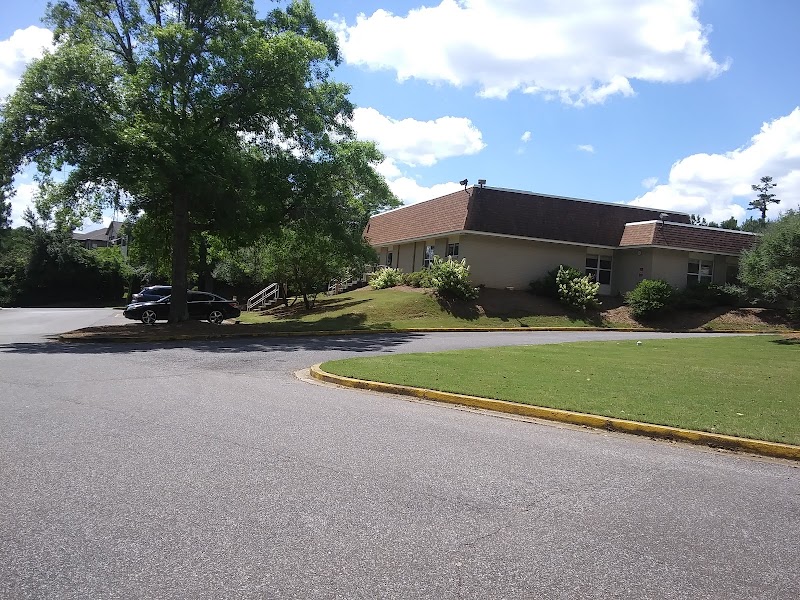
How is Diversicare Of Riverchase Staffed?

CMS rates DIVERSICARE OF RIVERCHASE's staffing level at 1 out of 5 stars, which is much below average compared to other nursing homes.

What Have Inspectors Found at Diversicare Of Riverchase?

State health inspectors documented 18 deficiencies at DIVERSICARE OF RIVERCHASE during 2018 to 2023. These included: 18 with potential for harm.
Who Owns and Operates Diversicare Of Riverchase?

DIVERSICARE OF RIVERCHASE is owned by a for-profit company. For-profit facilities operate as businesses with obligations to shareholders or private owners. The facility is operated by DIVERSICARE HEALTHCARE, a chain that manages multiple nursing homes. With 132 certified beds and approximately 123 residents (about 93% occupancy), it is a mid-sized facility located in BIRMINGHAM, Alabama.
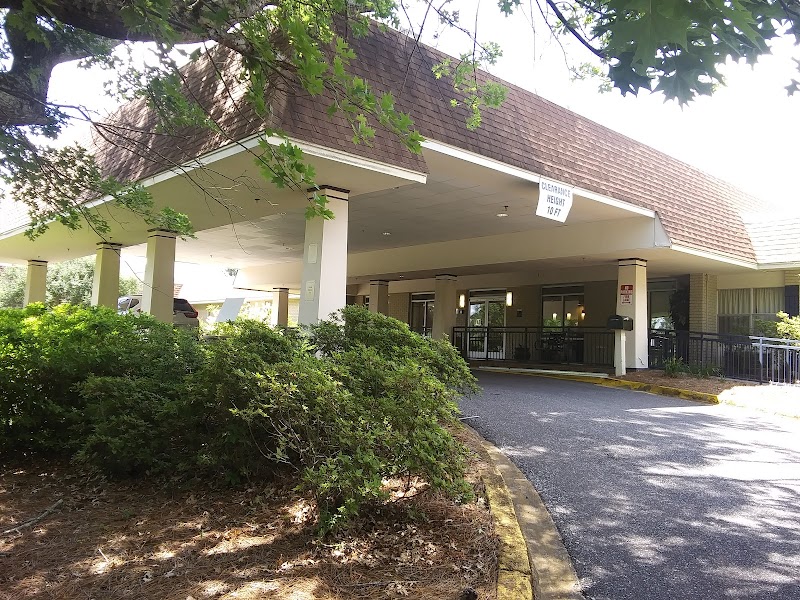
How Does Diversicare Of Riverchase Compare to Other Alabama Nursing Homes?

Compared to the 100 nursing homes in Alabama, DIVERSICARE OF RIVERCHASE's overall rating (1 stars) is below the state average of 2.9 and health inspection rating (2 stars) is below the national benchmark.

What Should Families Ask When Visiting Diversicare Of Riverchase?

Based on this facility's data, families visiting should ask: "Can you walk me through typical staffing levels on day, evening, and night shifts?" "Can I visit during a mealtime to observe dining assistance and food quality?" "How do you handle medical emergencies, and what is your hospital transfer rate?" "Can I speak with family members of current residents about their experience?" These questions are particularly relevant given the below-average staffing rating.

Is Diversicare Of Riverchase Safe?

Based on CMS inspection data, DIVERSICARE OF RIVERCHASE has a clean safety record: no substantiated abuse findings (meaning no confirmed cases of resident harm), no Immediate Jeopardy citations (the most serious violation level indicating risk of serious injury or death), and is not on the Special Focus Facility watch list (a federal program monitoring the lowest-performing 1% of nursing homes). The facility has a 1-star overall rating and ranks #100 of 100 nursing homes in Alabama. While no facility is perfect, families should still ask about staff-to-resident ratios and recent inspection results during their visit.

Do Nurses at Diversicare Of Riverchase Stick Around?

DIVERSICARE OF RIVERCHASE has not reported staff turnover data to CMS. Staff turnover matters because consistent caregivers learn residents' individual needs, medications, and preferences. When staff frequently change, this institutional knowledge is lost. Families should ask the facility directly about their staff retention rates and average employee tenure.

Was Diversicare Of Riverchase Ever Fined?

DIVERSICARE OF RIVERCHASE has no federal fines on record. CMS issues fines when nursing homes fail to meet care standards or don't correct problems found during inspections. The absence of fines suggests the facility has either maintained compliance or corrected any issues before penalties were assessed. This is a positive indicator, though families should still review recent inspection reports for the full picture.

Is Diversicare Of Riverchase on Any Federal Watch List?

DIVERSICARE OF RIVERCHASE is not on any federal watch list. The most significant is the Special Focus Facility (SFF) program, which identifies the bottom 1% of nursing homes nationally based on persistent, serious quality problems. Not being on this list means the facility has avoided the pattern of deficiencies that triggers enhanced federal oversight. This is a positive indicator, though families should still review the facility's inspection history directly.