ELITE NURSING AND REHABILITATION CARE CENTER
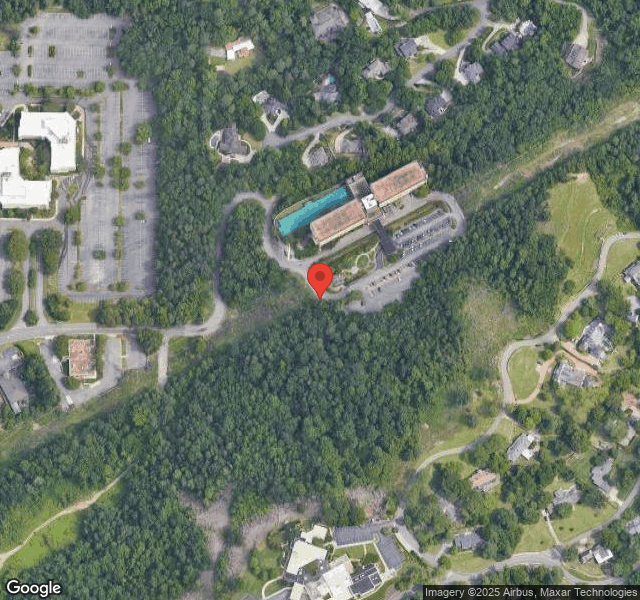
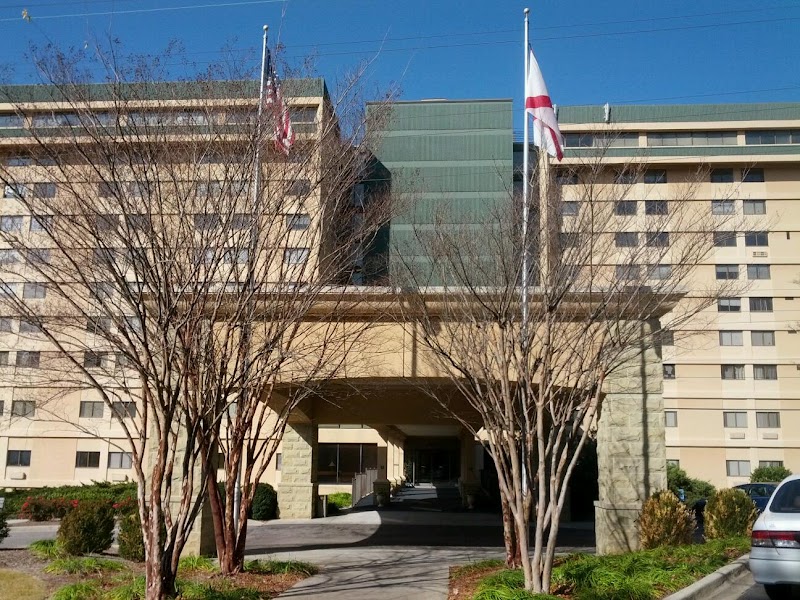
300 ROYAL TOWER DRIVE, BIRMINGHAM, AL 35209 (205) 870-5666
For profit - Limited Liability company 143 Beds Independent Data: November 2025
Trust Grade
38/100
#197 of 223 in AL
Last Inspection: March 2024

Within standard 12-15 month inspection cycle. Federal law requires annual inspections.

Overview

Elite Nursing and Rehabilitation Care Center has received a Trust Grade of F, indicating significant concerns about the quality of care provided there. They rank #197 out of 223 nursing homes in Alabama, placing them in the bottom half of facilities statewide, and #27 out of 34 in Jefferson County, meaning only a few local options are worse. The facility is showing a worsening trend, with reported issues increasing from 3 in 2019 to 12 in 2024. Staffing is average with a rating of 3 out of 5 stars and a turnover rate of 55%, which is higher than the state average, suggesting some instability among staff. However, there were concerning incidents noted during inspections, such as failing to notify families about high temperatures in the first-floor residents' rooms and not maintaining proper temperature control, which could affect resident comfort and safety. Additionally, kitchen sanitation issues were found, with heavy grease build-up observed, raising concerns about food safety for residents.

Trust Score
F
38/100
In Alabama
#197/223
Bottom 12%
Safety Record
Low Risk
No red flags
Inspections
Getting Worse
3 → 12 violations
Staff Stability
⚠ Watch
55% turnover. Above average. Higher turnover means staff may not know residents' routines.
Penalties
⚠ Watch
$6,682 in fines. Higher than 94% of Alabama facilities. Major compliance failures.
Skilled Nurses
⚠ Watch
Each resident gets only 23 minutes of Registered Nurse (RN) attention daily — below average for Alabama. Fewer RN minutes means fewer trained eyes watching for problems.
Violations
⚠ Watch
22 deficiencies on record. Higher than average. Multiple issues found across inspections.
★☆☆☆☆
1.0
Overall Rating
★★★☆☆
3.0
Staff Levels
★★☆☆☆
2.0
Care Quality
★☆☆☆☆
1.0
Inspection Score
Stable
2019: 3 issues
2024: 12 issues

The Good

  • Full Sprinkler Coverage · Fire safety systems throughout facility
  • No fines on record

Facility shows strength in fire safety.

The Bad

1-Star Overall Rating

Below Alabama average (2.9)

Significant quality concerns identified by CMS

Staff Turnover: 55%

Near Alabama avg (46%)

Higher turnover may affect care consistency

Federal Fines: $6,682

Below median ($33,413)

Minor penalties assessed

The Ugly 22 deficiencies on record

Oct 2024 1 deficiency
CONCERN (D) 📢 Someone Reported This

A family member, employee, or ombudsman was alarmed enough to file a formal complaint

Potential for Harm - no one hurt, but risky conditions existed

Investigate Abuse (Tag F0610)

Could have caused harm · This affected 1 resident

**NOTE- TERMS IN BRACKETS HAVE BEEN EDITED TO PROTECT CONFIDENTIALITY** Based on interviews, resident record review, review of the facility investigative file, review of a Facility Reported Incident (...

Read full inspector narrative →
**NOTE- TERMS IN BRACKETS HAVE BEEN EDITED TO PROTECT CONFIDENTIALITY** Based on interviews, resident record review, review of the facility investigative file, review of a Facility Reported Incident (FRI), and review of a facility policy titled Abuse, Neglect and Exploitation, the facility failed to conduct a thorough investigation of an allegation of physical abuse on 09/13/2024 to include determining the time the alleged incident occurred. This citation resulted from the investigation of complaint/report number AL00048805 and had the potential to affect Resident Identifier (RI) #1, one of six residents sampled for abuse. Findings include: A facility policy titled Abuse, Neglect and Exploitation, reviewed 01/2024, documented: . Definitions: Abuse means the willful infliction of injury . Physical Abuse includes, but is not limited to hitting, slapping, punching, biting, and kicking. V. Investigation of Alleged Abuse, Neglect and Exploitation . 6. Providing complete and thorough documentation of the investigation. RI #1 was re-admitted to the facility on [DATE] and had diagnoses to include Dementia. RI #1's quarterly Minimum Data Set (MDS) assessment with an Assessment Reference Date (ARD) of 07/11/2024 noted a Brief Interview for Mental Status (BIMS) score of three of 15 which indicated severe cognitive impairment. On 09/13/2024 at 3:10 PM the State Agency received an Online Incident Report from the facility alleging physical abuse occurred on 09/13/2024 at 1:15 PM when Floor Technician (FT) #7 observed Certified Nursing Assistant (CNA) #8 push RI #1 in the back of the head. On 10/02/2024 at 9:50 AM, FT #7 said the incident on 09/13/2024 occurred in the hallway outside of the shower. FT #7 said, he must have misunderstood what he saw when CNA #8 had a towel drying RI #1's hair. FT #7 did not remember what time the incident occurred or what time he reported the incident. The facility's investigative file was reviewed, and a report titled Investigation Summary dated 09/16/2024 for RI #1 documented: . On 9-13-24 it was reported . by . (FT #7) that (CNA #8) was observed pushing . (RI #1) on the back of (his/her) head. Upon interviewing (CNA #8) informed that she and another CNA were assisting (RI #1) with a shower . (CNA #8) denied pushing the resident in the back of (his/her) head, stating that she only dried residents' hair with a towel. Resident stated, they was messing with me, when asked how resident stated, they washed my hair. yea its ok. The Investigation Summary did not indicate what time the incident occurred and did not include documentation of efforts made to determine when the incident occurred. FT #7's witness statement included in the facility's investigative file was reviewed and it did not include documentation of when the alleged incident occurred. CNA #8's witness statement included in the facility's investigative file was reviewed and it did not include documentation of when the alleged incident occurred or when the statement was written. Further review of the facility investigative file revealed no documented evidence of efforts made by the facility to confirm when the abuse allegedly occurred. On 10/02/2024 at 11:11 AM CNA #8 was interviewed and reported she and CNA #9 showered RI #1 around 6:30 AM the morning of 09/13/2024 and RI #1 became upset during hair washing while in the shower. CNA #8 said, she tried to calm RI #1 and said she would get RI #1's coffee. On 10/02/2024 at 11:47 AM CNA #9 was asked about the incident on 09/13/2024. CNA #9 said, she assisted CNA #8 with RI #1's shower the morning of 09/13/2024 around 6:30 AM when RI #1 became upset and requested to go back to bed before breakfast. On 10/02/2024 at 2:02 PM Human Resources Director (HRD) #5 was interviewed and said he/she was notified around 12:45 or 1:00 PM on 09/13/2024 by FT #7 of the allegation of abuse. On 10/02/2024 at 3:45 PM the Director of Nursing (DON) was asked about the incident involving RI #1. The DON said she was notified of the alleged abuse allegation on 09/13/2024 around 1:00 PM. When asked what the process was for investigating an abuse allegation, the DON said, to protect the resident and start the investigation process of obtaining witness interviews and statements. The DON said, witness statements would include names, dates, and times. When asked what time the alleged incident occurred, the DON said she assumed right then when they were notified which was around 1:00 PM. The DON said, she was not aware of a time discrepancy of when the incident occurred. When asked why she was not aware, she said she just assumed it happened at that time it was reported. CNA #8 and CNA #9's facility witness statements were reviewed with the DON and she said, CNA #8's statement did not have a date or time documented, and CNA #9's statement did not have a time documented that the incident occurred. The DON said, the importance of obtaining times and verifying when an incident occurred would be for resident protection and for the integrity of the investigation. When the DON was asked if the facility completed a thorough investigation of the allegation, she said no.
Aug 2024 2 deficiencies
CONCERN (F) 📢 Someone Reported This

A family member, employee, or ombudsman was alarmed enough to file a formal complaint

Potential for Harm - no one hurt, but risky conditions existed

Notification of Changes (Tag F0580)

Could have caused harm · This affected most or all residents

Based on record reviews, interview, facility's policies titled Notification of Changes, and Information and Communication the facility failed to ensure residents' families were notified when the facil...

Read full inspector narrative →
Based on record reviews, interview, facility's policies titled Notification of Changes, and Information and Communication the facility failed to ensure residents' families were notified when the facility was unable to maintain the first floor's residents' right to a safe and homelike environment when the facility's air conditioning system failed to maintain temperatures less than 81 °F (degrees Fahrenheit) in the residents' common areas and residents' rooms on the first floor. Due to the elevated temperatures, the facility initiated an enhanced hydration round program. The facility did not notify residents' families or representatives of the elevated temperatures or the enhanced hydration round program. This deficient practice had the potential to affect all 98 residents residing on the first floor of the facility. This deficient practice was cited as a result of the investigation of complaint/report numbers AL00048537 and AL00048538. Findings Include: Cross-Reference F 584. The facility's policy titled Information and Communication with a revised date of 12/23 revealed: Policy: The purpose of this policy is to assure that all residents are informed of their rights . during their stay at the facility. Residents will receive notices orally and in writing in a format and language they understand. Compliance Guidelines: . 5. The facility will notify the resident and/or family of any changes/violation of rights. 6. The facility will require the resident and/or resident representative to acknowledge receipt of information by signing. The facility's policy titled, Notification of Changes with a revised date of 12/23 revealed: Policy: The purpose of this policy is to ensure the facility promptly informs the resident, consults the resident's physician; and notifies, consistent with his or her authority, the resident's representative when there is a change requiring notification. Compliance Guidelines: The facility must inform the resident, consult with the resident's physician and /or notify the resident's family member or legal representative when there is a change requiring such notification. Circumstances requiring notification include: . 3. Circumstances that require a need to alter treatment. On 08/12/2024 at 6:34 PM, an interview was conducted with the Administrator (ADM). When asked what issues the facility had experienced with the long-term care residents in the facility. The ADM stated abnormal temperature ranges secondary to the chiller only functioning at 60% (percent) of its' capacity. The ADM said the abnormal temperatures affected the first floor of the facility. The ADM said the problems with the chiller began on August 1, 2024 and the Medical Director was notified on August 2, 2024. The ADM said the facility began an enhanced hydration round program that included stationary hydration carts on each hall which included popsicles, ice creams, watermelon slices, and strawberries. The ADM said the hydration carts were also taken room to room to provide residents with additional hydration. The ADM said the facility in-serviced the staff on 08/02/2024 regarding keeping their residents hydrated due to the heatwave and the air conditioning system being repaired. The ADM said all of the residents' families were not notified, but she should have sent out written communication to each of them. The ADM was asked what was the concern with the families not being notified of the facility's concern regarding elevated ambient temperatures, and she said that they would not be aware of the temperatures being increased and the changes to their homelike environment. The ADM said 98 residents resided on the first floor and could have been affected by the chiller not performing efficiently.
CONCERN (F) 📢 Someone Reported This

A family member, employee, or ombudsman was alarmed enough to file a formal complaint

Potential for Harm - no one hurt, but risky conditions existed

Safe Environment (Tag F0584)

Could have caused harm · This affected most or all residents

Based on observations, interviews, record reviews, and the facility policy titled, Safe and Homelike Environment, the facility failed to maintain safe and comfortable temperatures in residents' common...

Read full inspector narrative →
Based on observations, interviews, record reviews, and the facility policy titled, Safe and Homelike Environment, the facility failed to maintain safe and comfortable temperatures in residents' common areas and residents' rooms on the first floor. The facility failed to ensure temperatures in residents' common areas and residents' rooms were not above 81 degrees from 08/09/2024 through 08/13/2024. The temperatures on the first floor were recorded above 81 °F (degrees Fahrenheit) during all five days of the survey. This deficient practice had the potential to affect all 98 residents residing on the first floor of the facility. The deficiency was cited as a result of the investigation of complaint/report number AL00047537 and AL00047538. Findings Include: On 08/07/2024, the State Survey Agency received an anonymous complaint alleging the facility had no air conditioning. On 08/08/2024, the State Survey Agency received a complaint alleging the facility had no air conditioning for four days, and it was 83 °F in the complainant's family member's room. A review of a facility policy titled, Safe and Homelike Environment with a revised date of 12/23, revealed: .'Comfortable and safe temperature levels' means that the ambient temperature should be in a relatively narrow range that minimizes residents' susceptibility to loss of body heat and risk of hypothermia/hyperthermia and is comfortable for the residents. Policy Explanation and Compliance Guidelines: . 7. The facility will maintain comfortable and safe temperature levels. a. The facility should strive to keep the temperature in common resident areas between 71 and 81 degrees Fahrenheit. On 08/09/2024, the Lead Maintenance Tech (LMT), measured the temperatures on the first floor of the facility with the highest ambient temperature recorded as 84 °F in an unoccupied dining room at 10:33 AM. On 08/09/2024 at 10:39 AM the LMT measured the temperature in Resident Identifier (RI) #1's room. The temperature in RI #1's room was 81.3 °F. RI #1 denied concerns with the temperature in his/her room. On 08/09/2024 at 10:48 AM, an interview was conducted with the LMT. The LMT stated that the problems with the air conditioning system had been going on for about a week. The LMT said the highest ambient temperature that he obtained during temperature rounds earlier that morning was 84 °F. The LMT stated that the facility was not in compliance since the temperature was higher than 81 °F. The LMT said that the residents could get too hot and get sick when temperatures were increased. On 08/10/2024 at 9:17 AM three residents were observed in the first floor hallway. The LMT measured the temperature in the hallway and said the temperature was 84 °F. On 08/10/2024 at 11:49 AM the temperature in RI #5's room was 83.6 °F. RI #5 denied concerns with the temperature. On 08/10/2024 at 11:53 AM five residents were observed in the hallway of the men's secured unit. The LMT measured the temperature and said it was 83.8 °F in the hallway. The highest ambient temperature measured by the LMT on 08/10/2024 was 85 °F. On 08/10/2024 at 12:08 PM, an interview was conducted with the Maintenance Tech (MT). The MT said that he checked room temperatures in the morning and after lunch usually, and that the temperatures had been up to 85 °F or 86 °F at the highest so far on the first floor. On 08/11/2024 at 12:58 PM, RI #11 and RI #12's room temperature was measured by the LMT and noted to be 86 °F. Both residents denied concerns with the room's temperature. The highest ambient temperature measured by the LMT on 08/11/2024 was 86.7 °F. On 08/12/2024 at 2:01 PM RI #17 was observed in his/her room and he/she denied concerns with the temperature in the room. The LMT measured his/her room's temperature and said it was 87.6 °F. The highest ambient temperature measured by the LMT on 08/12/2024 was 88.9 °F. On 08/13/2024, RI #18 was observed in his/her room and denied concerns with the temperature. RI #18 said he/she felt ok with the fan blowing on him/her. The LMT measured the temperature in RI #18's room and said the temperature was 87.7 °F. The highest ambient temperature measured by the LMT on 08/13/2024 was 90.3 °F. On 08/13/2024 at 5:47 PM, a telephone interview was conducted with the Regional Maintenance Director (RMD). The RMD said the ambient temperature should ideally be 71 °F to 81 °F per regulation and said the temperatures on the first floor of the facility were not within that regulation. The RMD said the temperatures were higher than 81 °F. An interview was conducted with the Administrator (ADM) on 08/12/2024 at 6:34 PM. The ADM said that she had been dealing with abnormal temperature ranges secondary to the chiller only functioning at 60 percent of its' capacity. She stated that the issue began on the morning of 08/01/2024. She further stated that the HVAC company checked the chiller (Air Conditioning Unit), gauged it, and said that it was only functioning at 60 percent. She said from there they developed a plan to replace and update the system. The ADM said the facility rented the larger portable heat pump/air conditioner/dehumidifiers, purchased several portable air conditioners, and began utilizing the fan-controlled air purifying units. The ADM said that ambient temperatures should be 71 °F to 81 °F in residents' rooms and care areas, but said that the temperatures were 78 °F to 88 °F and up to 90 °F. The ADM said 98 residents resided on the first floor and could have been affected by the chiller not performing efficiently. The ADM said that the concern with the temperatures being above 81 °F was a homelike environment was not provided and potential for dehydration or overall decline in residents' health.
Mar 2024 9 deficiencies
CONCERN (D)

Potential for Harm - no one hurt, but risky conditions existed

Assessment Accuracy (Tag F0641)

Could have caused harm · This affected 1 resident

**NOTE- TERMS IN BRACKETS HAVE BEEN EDITED TO PROTECT CONFIDENTIALITY** Based on interviews, resident record reviews, and review of the Centers for Medicare & (and) Medicaid Services Long-Term Care Fa...

Read full inspector narrative →
**NOTE- TERMS IN BRACKETS HAVE BEEN EDITED TO PROTECT CONFIDENTIALITY** Based on interviews, resident record reviews, and review of the Centers for Medicare & (and) Medicaid Services Long-Term Care Facility Resident Assessment Instrument 3.0 User's Manual Version 1.18.11, the facility failed to ensure Section N, Medications, of Resident Identifier (RI) #124's quarterly Minimum Data Set (MDS) was accurately coded for anticoagulant and antiplatelet medication. This deficient practice affected RI #124 one of twenty-six sampled residents whose MDS was reviewed during the survey. Findings Include: The Centers for Medicare &Medicaid Services Long-Term Care Facility Resident Assessment Instrument 3.0 User's Manual Version 1.18.11 October 2023 Section N documented: . N0415: High-Risk Drug Classes: Use and Indication .E. Anticoagulant ( . warfarin, heparin, or low-molecular weight heparin) . Do not code antiplatelet medications such as aspirin . or clopidogrel as N0415E, Anticoagulant. N04151I Check if an antiplatelet medication (e.g., aspirin . clopidogrel) was taken by the resident at any time during the 7-day observation period (or since admission/entry or reentry if less than 7 days) . RI #124 was admitted to the facility on [DATE] with diagnoses of Cerebrovascular Disease, Nontraumatic Subdural Hemorrhage, Unspecified, and Essential (Primary) Hypertension. A review of RI #124's Order Summary Report revealed an order for Plavix (clopidogrel) Oral Tablet 75 Milligrams (MG) give one tablet by mouth one time a day related to Essential Hypertension ordered on 10/25/2023 and started on 10/26/2023. A review of Section N of RI #124's quarterly MDS with an Assessment Reference Date (ARD) of 01/26/2024 indicated RI #124 was coded as taking an anticoagulant and was not coded as taking an antiplatelet. On 03/29/24 at 09:23 AM an interview with the Minimum Data Set Coordinator (MDSC) was conducted. The MDSC stated RI #124's MDS with ARD of 01/26/2024 was inaccurately coded for an anticoagulant, because RI #124 did not have an order for an anticoagulant. The MDSC said RI #124 had an order for Plavix, an antiplatelet, and it was not coded accurately on the MDS. The MDSC the care plans would not be correct when the MDS was coded inaccurately. The MDSC stated she did not know why RI #124 was coded for anticoagulant instead of an antiplatelet.
CONCERN (D)

Potential for Harm - no one hurt, but risky conditions existed

Deficiency F0645 (Tag F0645)

Could have caused harm · This affected 1 resident

**NOTE- TERMS IN BRACKETS HAVE BEEN EDITED TO PROTECT CONFIDENTIALITY** Based on record review, interview and review of the facility policy Resident Assessment - Coordination with PASARR Program, the ...

Read full inspector narrative →
**NOTE- TERMS IN BRACKETS HAVE BEEN EDITED TO PROTECT CONFIDENTIALITY** Based on record review, interview and review of the facility policy Resident Assessment - Coordination with PASARR Program, the facility failed to submit for a new Level I for Resident Identifier (RI) #14 when a new diagnosis for Psychotic Disorder was given on 07/07/2021. This affected RI #14 one of two residents reviewed for PASARR (Pre-admission Screening Annual Resident Review). Findings Include: Review of a facility policy Resident Assessment - Coordination with PASARR Program with a revised date of 12/2023 documented . Policy Explanation and Compliance Guidelines: 1. All applicants to this facility will be screened for serious mental disorders or intellectual disabilities and related conditions . a. PASARR Level I i. Negative Level I Screening - permits admission to proceed and ends the PASARR process unless a possible serious mental disorder arises later. 9. any resident who exhibits a newly evident or possible serious mental disorder, . or related condition will be referred promptly to the state mental health . c. A resident transferred, admitted , or readmitted to the facility following an inpatient psychiatric stay or and equally intensive treatment . RI #14 was admitted to the facility 05/07/2009 and readmitted [DATE]. A review of RI #14's diagnoses information indicated Psychotic Disorder with Delusions with an onset date of 07/08/2021 and Dementia with Behavioral Disturbances with an onset date of 10/01/2022. On 03/28/2024 at 9:44 AM while reviewing the resident's record a Level I or II was not found in the record. On 03/28/2024 at 10:30 AM the Social Worker (SW) was asked for RI #14's PASARR, she said RI #14 had been in the facility for a long time and she would find it. On 03/29/2024 at 9:25 AM, the SW brought two pages of the Level I screening for RI #14 dated 03/29/2009, when asked where was the second page she said she could not find it because the resident had been there for some time. The SW said she called the OBRA office but had not received a return call. On 03/29/2024 at 10:07 AM, during an interview with the Social worker (SW), she said RI #14 was admitted to the facility 05/07/2009. The SW said RI #14 received the diagnosis of Psychotic Disorder with Delusions on 07/08/2021. When asked what was the date of the current PASARR, she said 03/23/2009. The SW said a submission for a new level I should have been done with the new diagnosis of the Psychotic Disorder with Delusions on 07/08/2021. The SW said she should have submitted for a new Level I when RI #14 returned with a new diagnosis dated 07/08/2021. The SW said the facility process for identifying residents with a possible Mental Disorder, Intellectual Disability or a related condition prior to admission to the facility was to review the admitting diagnosis, and it should match the Level I that comes with the resident. The SW said if the resident went to the hospital or had a new diagnosis a new Level I should be submitted. The SW said she did not submit for a new Level I. The SW said social services was responsible for making the referrals to the appropriate state designated authority when a resident was identified as having an evident or possible Mental Disorder, Intellectual Disability or related condition. The SW said it was an oversight that RI #14 was not submitted for a updated Level I.
CONCERN (D) 📢 Someone Reported This

A family member, employee, or ombudsman was alarmed enough to file a formal complaint

Potential for Harm - no one hurt, but risky conditions existed

Comprehensive Care Plan (Tag F0656)

Could have caused harm · This affected 1 resident

**NOTE- TERMS IN BRACKETS HAVE BEEN EDITED TO PROTECT CONFIDENTIALITY** Based on interview ,record review and a facility policies titled Comprehensive Care Plans and Oxygen Administration, the facilit...

Read full inspector narrative →
**NOTE- TERMS IN BRACKETS HAVE BEEN EDITED TO PROTECT CONFIDENTIALITY** Based on interview ,record review and a facility policies titled Comprehensive Care Plans and Oxygen Administration, the facility failed to ensure a care plan was developed for Resident Identifier (RI) #13's use of oxygen therapy. This affected RI #13, one of 26 sampled residents whose plans of care were reviewed. Findings Include: A facility policy titled Comprehensive Care Plans revised 01/2023 indicated: .Policy: It is the policy of this facility to develop and implement a comprehensive person-centered care plan for each resident, consistent with resident rights, that includes measurable objectives and time frames to meet a resident's medical, nursing, and mental and psychosocial needs that are identified in the resident's comprehensive assessment . 8. Qualified staff responsible for carrying out interventions specified in the care plan will be notified of their roles and responsibilities for carrying out the interventions, initially and when changes are made . A facility policy titled Oxygen Administration revised 12/23 indicated . 4. The resident's care plan shall identify the interventions for oxygen therapy, based upon the resident's assessment and orders, such as but not limited to: a. The type of oxygen delivery system. b. When to administer, such as continuous or intermittent and or when to discontinue. c. Equipment setting for the prescribes flow rates . RI #13 was readmitted to the facility on [DATE], with a diagnosis of Failure to thrive and COVID 19. A Quarterly Minimum Data Set (MDS) assessment, with an Assessment Reference Date (ARD) of 01/19/2024, identified RI #13 as having received oxygen therapy during this assessment period. A review of RI #13's Active March 2024 Physicians Orders documented: . O2/2L via nasal cannula (N/C) , 02 Sat <90%. every shift for shortness of breath (3/6/2024 ) . On 03/28/2024 at 4:40 p.m., the surveyor reviewed RI #13's care plans. There were no care plan noted for the use of oxygen. On 03/29/2024 at 8:30 AM., the surveyor conducted an interview with the MDS Coordinator (MDSC). The MDSC looked in the computer and RI #13's medical records and stated she could not find that RI #13 had been care planned for the use of oxygen. The surveyor asked the MDSC should RI #13 be care planned for the use of oxygen and she replied yes. An interview was conducted with the Director of Nursing (DON) on 03/29/2024 at 11:43AM. The DON said a resident who received oxygen should have a care plan in place to ensure proper care was provided. The DON did not know why RI #13 did not have a care plan for use of oxygen but said he/she should have one in place.
CONCERN (D) 📢 Someone Reported This

A family member, employee, or ombudsman was alarmed enough to file a formal complaint

Potential for Harm - no one hurt, but risky conditions existed

Incontinence Care (Tag F0690)

Could have caused harm · This affected 1 resident

**NOTE- TERMS IN BRACKETS HAVE BEEN EDITED TO PROTECT CONFIDENTIALITY** Based on record review and interview the facility failed to ensure Resident Identifier (RI) #483 had a physician's order for a u...

Read full inspector narrative →
**NOTE- TERMS IN BRACKETS HAVE BEEN EDITED TO PROTECT CONFIDENTIALITY** Based on record review and interview the facility failed to ensure Resident Identifier (RI) #483 had a physician's order for a urinary catheter when he/she was admitted to the facility with a Catheter on 08/20/2022. This affected one of three residents sampled for urinary catheter use. Findings Include: RI #483 was admitted to the facility on [DATE]. A review of RI #483's Physician Orders for August 2022 revealed no order for the use of a catheter. A review of RI #483's progress notes from 08/28/2022 documented that RI #483's catheter was removed. A telephone interview with the Medical Director revealed that he gave a verbal order to remove the catheter on 08/28/2022. On 03/28/2024 at 10:54 AM an interview was conducted with the Admissions Nurse (AN). The AN stated that RI #483 was admitted to the facility on [DATE] with a foley catheter. On 03/29/2024 at 11:43AM an interview was conducted with the Director of Nurse (DON). The DON said that if a resident was admitted with a catheter a physician's order for the use of the catheter was needed. He said that an order was needed to ensure proper care. When asked about RI #483 the DON said the facility should have called and gotten a physician's order when he/she was admitted to the facility with a catheter on 08/20/2022. This deficiency was cited as a result of complaint AL00045866 ,
CONCERN (E) 📢 Someone Reported This

A family member, employee, or ombudsman was alarmed enough to file a formal complaint

Potential for Harm - no one hurt, but risky conditions existed

Safe Environment (Tag F0584)

Could have caused harm · This affected multiple residents

**NOTE- TERMS IN BRACKETS HAVE BEEN EDITED TO PROTECT CONFIDENTIALITY** Based on observations, interviews, review of a facility policy titled Safe and Homelike Environment, the facility document title...

Read full inspector narrative →
**NOTE- TERMS IN BRACKETS HAVE BEEN EDITED TO PROTECT CONFIDENTIALITY** Based on observations, interviews, review of a facility policy titled Safe and Homelike Environment, the facility document titled Plan of correction for torn floors and complaint/report number AL00046076, the facility failed to ensure Resident Identifier (RI) #128's room's floor covering was not torn, ceiling tiles were not stained in RI #128's room, and that RI #128's room did not have a urine odor. This affected RI #128. The torn floors had the potential to affect residents in 47 rooms. Findings Include: Review of a facility policy Safe and Homelike Environment with a revised date of 12/2023 documented Policy: In accordance with residents' rights, the facility will provide a safe, clean, comfortable and homelike environment, . A review of a facility document titled Plan of correction for torn floors dated 03/28/2024 documented the floor replacements started on 02/14/2024 and would be completed by 05/01/2024. The plan indicated 52 rooms floors were to be replaced. The plan indicated five of the 52 rooms had been completed. A review of Complaint/Report number AL00046076 received to the State Agency 10/31/2023 documented . there are leaks all over the building. the floors are coming up and some are taped down. RI #128 was admitted to the facility on [DATE]. On 03/26/2024 at 5:07 PM and on 03/27/2024 at 9:08 AM the surveyor observed the floor covering in RI #128's room was torn in six places and the areas were taped. The tapes on covering the torn floor was rolling up. The room also had a strong smell of urine and three ceiling tiles were stained. On 03/28/2024 at 9:07 AM, during an observation and interview with the Director of Nursing (DON). The DON said the odor may have gotten into the floor; he said the facility was in the process of replacing all the floor covering on the unit. When asked about the floor covering in RI #128's room, the DON said it had been torn and covered with the tape. The DON said he was not sure how long the flooring had been torn and taped as he had only been there a few months. The DON said it was not homelike when the room smelled like urine and the floor covering torn. On 03/28/2024 at 9:21 AM, observations were made of RI #128's room with The Director of Maintenance (DOM). An interview with the DOM was conducted at the same time. The DOM said the floor covering was torn and tape was used to repair it. He said there were several rooms on the unit the same way. The DOM said RI #128's room smelled like urine. The DOM said other rooms also smelled like urine and he felt it was in the floor covering which was due to be replaced. The DOM said the ceiling tiles were stained or broken. The DOM said it was not homelike when the room smelled like urine, the ceiling tiles were stained, and the floor covering was torn. This deficiency was cited as a result of AL00046076.
CONCERN (F) 📢 Someone Reported This

A family member, employee, or ombudsman was alarmed enough to file a formal complaint

Potential for Harm - no one hurt, but risky conditions existed

Food Safety (Tag F0812)

Could have caused harm · This affected most or all residents

Based on observations, interviews, the 2022 United States (U.S.) Food and Drug Administration (FDA) Food Code, and a facility's policy titled Sanitation Inspection, the facility failed to ensure the s...

Read full inspector narrative →
Based on observations, interviews, the 2022 United States (U.S.) Food and Drug Administration (FDA) Food Code, and a facility's policy titled Sanitation Inspection, the facility failed to ensure the stove top, knobs, handles, and drip pans were free of a heavy grease build up. This had the potential to affect 129 of 130 residents who received meals from the facility's kitchen. Findings Include: A review of 2022 United States (U.S.) Food and Drug Administration (FDA) Food Code, documented: (A) PHYSICAL FACILITIES shall be cleaned as often as necessary to keep them clean . A review of policy titled Sanitation Inspection dated 12/23 documented: .It is the policy of this facility, as part of the department's sanitation program, to conduct inspections to ensure food service areas are clean, sanitary .1. All food service areas shall be kept clean, sanitary . On 03/26/2024 at 2:31 PM, the initial kitchen tour was conducted by the Surveyor with the Dietary Manager. During the tour, it was observed that there was a significant accumulation of grease on the stove top, knobs, and handles. Additionally, the drip pans had a grease build up on the aluminum foil in both pans. The Dietary Manager mentioned that the cleaning schedule for these areas was on Wednesdays and Fridays. When questioned about the reason behind the grease build up, the Dietary Manager explained that there was an employee who was not cleaning properly and had been terminated the previous day. The Dietary Manager said that the problem with grease accumulation would be cross-contamination. This deficiency was cited as a result of AL00047294
CONCERN (F) 📢 Someone Reported This

A family member, employee, or ombudsman was alarmed enough to file a formal complaint

Potential for Harm - no one hurt, but risky conditions existed

Infection Control (Tag F0880)

Could have caused harm · This affected most or all residents

**NOTE- TERMS IN BRACKETS HAVE BEEN EDITED TO PROTECT CONFIDENTIALITY** Based on observations, interviews, and facility policies titled Hand Hygiene, Standard Precautions Infection Control, Handling C...

Read full inspector narrative →
**NOTE- TERMS IN BRACKETS HAVE BEEN EDITED TO PROTECT CONFIDENTIALITY** Based on observations, interviews, and facility policies titled Hand Hygiene, Standard Precautions Infection Control, Handling Clean Linen, and Water Management Program the facility failed to ensure: 1) Laundry Staff (LS) #7 washed her hands after leaving Resident Identifier (RI) #54 and RI #10's room with contaminated laundry hangers and touching clean clothing for RI #74. 2) LS #9 kept clean sheets off the floor and off her clothing while folding clean laundry on 03/28/24. 3) Clean blankets for the residents were stored in a clean dust free area and ensured the blankets were not touching the wall. 4) Certified Nursing Assistant (CNA) #10 washed or sanitized her hands after leaving RI #115's room and before picking up RI #23's meal tray while delivering meals on 3/28/24. 5) Maintenance Director (MD) implemented a water management program to prevent and identify Legionella This affected five of 26 sampled residents and had the potential to affect all residents residing in the facility. Findings Include: 1) Review of the facility policy titled Hand Hygiene with an implemented date of 12/22 and a reviewed date of 12/23 revealed: . Policy: . All staff will perform proper hand hygiene procedures to prevent the spread of infection to other personnel, residents, and visitors. This applies to all staff working in all locations within the facility. 2. Hand hygiene is indicated and will be performed under the conditions listed in, but not limited to, the attached hand hygiene table. Review of the facility's undated table titled Hand Hygiene Table revealed: . Between resident contacts .Before performing resident care procedures . RI #10 was admitted to the facility on [DATE]. RI #54 was admitted to the facility on [DATE]. RI #74 was admitted to the facility on [DATE]. An observation on 03/27/24 at 10:23 AM of LS #7 coming out of RI #54 and RI #10's room with 3 dirty hangers in her hand then placing the dirty hangers on the left side of the clean clothes hanging cart. Then LS #7 pushed the laundry hanging cart in front of RI #74's room. LS #7 then picked up pants that were on a hanger from the right side of the laundry hanging cart and went into RI #74's room without washing or sanitizing her hands. On 03/27/24 at 10:25 AM an interview with LS #7 was conducted. LS #7 stated that she was hanging clothes for RI #54 and RI #10 in the closet. LS #7 stated that she brought used clothes hangers from RI #54 and RI #10's closet. LS #7 stated the hangers had been used and were contaminated. LS #7 stated she picked up RI #74's clothes and went into his/her room and hung them in the closet. LS #7 stated that she should have washed her hands after touching the contaminated hangers. LS #7 stated that there was a risk of passing germs after touching contaminated items and then touching clean clothing. LS #7 stated that she should have washed her hands before picking up the clean clothes. On 03/29/2024 at 10:52 AM a follow-up interview was conducted with ADM/IP. ADM/IP stated that staff should not pick up dirty hangers until they are done passing out clean laundry to residents. She stated that when staff picks up the dirty laundry hangers, they should put them in a bag and take them to laundry to be disinfected. ADM/IP stated that staff should wash or sanitize their hands after handling laundry hangers that had been used. She stated there would be a risk of cross contamination if staff did not wash or sanitize their hands after touching a contaminated item. ADM/IP stated that facility policy for hand hygiene was to wash or sanitize hands after coming in contact with anything contaminated, before and after entering a room, and before picking up meal trays. 2) Review of the facility policy titled Handling Clean Linen with an implemented date of 12/22 and a reviewed date of 12/23 revealed: . Policy: It is the policy of this facility to handle, store, process, and transport clean linen in a safe and sanitary method to prevent contamination of the linen, which can lead to infection. 2. Linen can become contaminated with pathogens from contact with intact skin or body substances, or from environmental contaminants or contaminated hands. On 03/28/24 at 10:55 AM an observation of LS #9 folding sheets in the clean area of the laundry room. LS #9 picked up a top sheet from the clean laundry basket and the other side of the sheet touched the floor. Two personal phones and personal glasses were on the clean laundry folding table and at the end of the clean folding table was a box fan. LS #9 had long braids that touched the clean laundry when she turned or bent down. LS #9 picked up a sheet out of the basket and another sheet fell to the floor. LS #9 picked up the sheet off of the floor with her left hand and put it back into the clean cart. LS #9 folded the other sheet she was holding in her right hand touching her clothing, she was wearing a blue zipper jacket. LS #9 put the folded sheets on the blue covered cart in stacks. LS #9 picked up another sheet dropping one end of the sheet on the floor and put it on the clean folding table. LS #9 picked up another sheet out of the clean laundry basket and put it on the table. LS #9 picked up another sheet dropping one end of the sheet on the floor and then folded the sheet and put it on the clean folding table. On 03/28/24 at 11:00 AM an interview was conducted with LS #9. LS #9 stated that the sheets she folded touched, the table, the floor and her clothing. LS #9 stated that the sheets should not have touched the floor or her clothing. LS #9 stated that the sheets had a risk of getting dirt on them if the sheet touched the floor. LS #9 stated the sheets should be held away from her clothing and not touching the floor. On 03/28/24 at 11:30 AM an interview with ADM/IP was conducted. ADM/IP stated that clean linen should be handled away from the body and not to touch the floor. She stated that if clean linen were to touch the floor or touch a staff member's clothing it should be rewashed. On 03/29/2024 at 10:52 AM a follow-up interview was conducted with ADM/IP. ADM/IP stated that staff were supposed to keep clean laundry away from their body and clothing, and/or any other contaminated surfaces. ADM/IP stated that staff should hold clean laundry away from their body and off of the floor. She stated clean laundry is considered contaminated when touching the floor. ADM/IP stated there would be a risk of cross contamination if staff did not wash or sanitize their hands after touching a contaminated item. She stated that facility policy for hand hygiene was to wash or sanitize hands after coming in contact with anything contaminated, before and after entering a room, and before picking up meal trays. ADM/IP stated that clean laundry was considered contaminated/dirty if it touched the floor. She said that there was a risk of contamination of putting a sheet back into the clean laundry basket that had touched the floor. 3) Review of the facility policy titled Handling Clean Linen with an implemented date of 12/22 and a reviewed date of 12/23 revealed: . Policy: It is the policy of this facility to handle, store, process, and transport clean linen in a safe and sanitary method to prevent contamination of the linen, which can lead to infection. . 5. Guidelines for the storage of clean linen include, but are not limited to, the following: . c. A separate room, closet or other designated space with a closing door will be used to store clean linen to reduce the risk of accidental contamination. On 03/28/24 at 10:34 AM an observation was made in the laundry room of shelves adjacent to the entrance. The surveyor observed white blankets not covered and touching the wall. On 03/28/24 at 10:38 AM an interview was conducted with Laundry Aide (LA). LA has worked at the facility for four years. LA stated that blankets should be away from the wall. LA stated that according to facility policy the blankets should be in a place free of dust and dirt. She stated that the blankets touching the wall could cause contamination. On 03/29/24 at 10:52 AM an interview was conducted with Infection Preventionist/Administrator (ADM/IC). She stated that the Laundry Supervisor had only been in that position a couple of weeks. ADM/IC stated that there was a risk for contamination with the blankets being uncovered and stored on the shelves by the door in the laundry room. She stated that the blankets should not have touched the wall in the laundry room due to cross contamination. 4) Review of the facility policy titled Hand Hygiene with an implemented date of 12/22 and a reviewed date of 12/23 revealed: . Policy: . All staff will perform proper hand hygiene procedures to prevent the spread of infection to other personnel, residents, and visitors. This applies to all staff working in all locations within the facility. 2. Hand hygiene is indicated and will be performed under the conditions listed in, but not limited to, the attached hand hygiene table. Review of the facility table titled Hand Hygiene Table revealed: . Between resident contacts .Before performing resident care procedures . RI #23 was admitted to the facility on [DATE]. RI #115 was admitted to the facility on [DATE]. On 03/28/24 at 11:40 AM an observation was made of CNA #10 on unit 2 passing out lunch trays. CNA #10 brought a lunch tray into RI #115's room and set up the tray for the resident. CNA #10 lifted the plate cover, opened the straw and put the straw in the tea, CNA #10 put sugar in the tea for the resident. CNA #10 then walked out of the room without washing or sanitizing her hands. CNA #10 without washing or sanitizing her hands picked up the lunch tray for RI #23. CNA #10 set the lunch tray on the bedside table next to RI #23. On 03/29/2024 at 10:52 AM a follow-up interview was conducted with ADM/IP. ADM/IP stated that the risk of not washing or sanitize hands was cross contamination. ADM/IP stated staff should wash or sanitize hands after coming in contact with anything contaminated before and after entering a room and before picking up meal trays. She stated that there would be a risk of cross-contamination. On 03/28/24 at 12:20 PM an interview was conducted with CNA #10. CNA #10 stated that she did not wash or sanitize her hands. CNA #10 stated that she did not wash her hands after coming out of RI #115's room, and further stated she should have washed her hands. 5) Review of the facility policy titled Water Management Program with an implemented date of 12/22 and a reviewed date of 12/23 revealed: . Policy: It is the policy of this facility to establish water management plans for reducing the risk of legionellosis and other opportunistic pathogens . in the facility's water systems based on nationally accepted standards . Policy Explanation and Compliance Guidelines: 1. A water management team has been established to develop and implement the facility's water management program, including facility leadership, the Infection Preventionist, maintenance employees, safety officers, risk and quality management staff, and Director of Nursing. 2. The Maintenance Director maintains documentation that describes the facility's water system. 3. A risk assessment will be conducted by the water management team annually to identify where Legionella and other opportunistic waterborne pathogens could grow and spread in the faclitiy's water systems. The risk assessment will consider the following elements: . b. Clinical equipment: This includes medical devices and other equipment utilized in the facility that can spread Legionella through aerosols or aspiration. On 03/29/2024 at 10:52 AM an interview was conducted with the Maintenance Director (MD). MD stated that he had a plan typed up for Legionella prevention, but it had not been implemented at that time. On 03/29/24 at 10:52 AM an interview with ADM/IP was conducted. ADM/IP stated that the facility was working on a plan for legionella prevention. She stated the facility had not yet implemented a plan or procedure. ADM/IP stated they were not monitoring for legionella. ADM/IP stated that she did not have an answer for why the faclitiy did not have a plan for prevention of Legionella. ADM/IP stated that the risk of not testing for legionella is the residents could become exposed to Legionella.
CONCERN (F) 📢 Someone Reported This

A family member, employee, or ombudsman was alarmed enough to file a formal complaint

Potential for Harm - no one hurt, but risky conditions existed

Deficiency F0882 (Tag F0882)

Could have caused harm · This affected most or all residents

Based on interviews, record review, and facility's policy titled Infection Prevention and Control Program the facility failed to ensure the facility employed a certified infection preventionist from 1...

Read full inspector narrative →
Based on interviews, record review, and facility's policy titled Infection Prevention and Control Program the facility failed to ensure the facility employed a certified infection preventionist from 1/5/2022 until 3/29/2024. This deficient practice affected 130 residents in the facility. Findings Include: A review of a facility policy titled Infection Prevention and Control Program with an implemented date of 12/22, and a reviewed date of 12/2023 revealed: . Policy Explanation and Compliance Guidelines. 1. The designated Infection Preventionist is responsible for oversight of the program and serves a consultant to our staff on infectious diseases. A review of the facility's employment record for the previous certified infection preventionist revealed a hire date of 03/27/2020 and last day of employment as 01/05/2022. A review of TRAIN TRAINING PLAN PROOF OF COMPLETION for ADM/IC revealed: . (ADM/IC) has successfully completed Nursing Home Infection Preventionist Training Course as of 03/29/2024 On 03/29/2024 at 10:52 AM an interview was conducted with Administrator/Infection Control (ADM/IC). ADM/IC stated that she worked at the facility for 13 years. ADM/IC stated that she had been the infection preventionist for four years but really for just the last year. ADM/IC stated that she did not have all the modules completed for the infection preventionist. ADM/IC stated that the Previous Infection Preventionist (PIP) had been a Certified Infection Preventionist. On 03/29/2024 at 03:59 PM a follow up interview with ADM/IC was conducted. ADM/IC stated the last Certificated Infection Preventionist in the facility had a last day of 01/05/2022. ADM/IC stated that she thought she had completed her Infection Preventionist Certificate, but she had not finished the training. ADM/IC stated that it was the facility's policy to have a Certified Infection Preventionist in the facility.
CONCERN (F) 📢 Someone Reported This

A family member, employee, or ombudsman was alarmed enough to file a formal complaint

Potential for Harm - no one hurt, but risky conditions existed

Room Equipment (Tag F0908)

Could have caused harm · This affected most or all residents

Based on observations, interviews, and a review of the United States (U.S.) Food and Drug Administration (FDA) 2022 Food Code, the facility failed to ensure 1) Two ovens in the kitchen had exposed el...

Read full inspector narrative →
Based on observations, interviews, and a review of the United States (U.S.) Food and Drug Administration (FDA) 2022 Food Code, the facility failed to ensure 1) Two ovens in the kitchen had exposed electrical wiring and were in working condition 2) The walk-in freezer was free from excessive ice buildup on two fans, the floor, ceiling, and boxes containing food products. This was observed on the initial tour of the kitchen on 03/26/2024. This had the potential to affect 129 of 130 residents receiving meals from the facility kitchen. Findings Include: The 2022 U.S. Food and Drug Administration documents the following: . Maintenance and Operation 4-501.11 Good Repair and Proper Adjustment A) EQUIPMENT shall be maintained in a state of repair and condition that meets the requirements . On 03/26/2024 at 2:31 PM during the initial kitchen tour, two ovens were observed with exposed wiring at the base of both ovens. The Dietary Manager (DM) was interviewed and asked why the ovens had exposed wiring. The DM stated that the ovens were not working. When asked how long the ovens had not been working, she said that the ovens went out several times last year. The DM stated they had been completely out since around December 2023 or January 2024. On 03/26/2024 at 2:41 PM during the initial kitchen tour, the walk-in freezer was observed with excessive ice buildup on two fans, the floor, ceiling, and boxes containing food products. When asked how long the heavy ice buildup had been there, she said since January. When asked if this had been reported, she said yes both the oven and freezer had been reported to corporate office. She further stated a repair company was at the facility in February to work on the freezer. On 03/27/2024 at 8:41 AM a review of local repair company documentation with a work order date of 02/02/2024 revealed: . walk in freezer accumulating condensation and freezing- checked door seal and any pass thus. Foamed two opening in top of box. Insulation for box is likely compromised due to age of box. Replacement would be only permanent solution .
Nov 2019 3 deficiencies
CONCERN (D)

Potential for Harm - no one hurt, but risky conditions existed

Deficiency F0583 (Tag F0583)

Could have caused harm · This affected 1 resident

**NOTE- TERMS IN BRACKETS HAVE BEEN EDITED TO PROTECT CONFIDENTIALITY** Based on observation, medical record review, and interview, the facility failed to ensure Resident Identifier (RI) #14 was provi...

Read full inspector narrative →
**NOTE- TERMS IN BRACKETS HAVE BEEN EDITED TO PROTECT CONFIDENTIALITY** Based on observation, medical record review, and interview, the facility failed to ensure Resident Identifier (RI) #14 was provided privacy during medication administration by a licensed nurse. This affected RI #14, one of three residents observed during medication administration, and one of three licensed nurses observed during medication administration. Findings Include: RI #14 was admitted to the facility on [DATE] with diagnoses to include Dry Eye Syndrome of Bilateral Lacrimal Glands. On 11/19/19 at 08:22 a.m., Employee Identifier (EI) #3, Licensed Practical Nurse (LPN), was observed during a medication administration for RI #14. After EI #3 entered RI #14's room, she left the door and privacy curtain open for public view, and visible for RI #14's roommate. The Surveyor observed one unknown person walking down the hallway and RI #14's roommate, RI #46, sitting in a recliner across the room in front of RI #14's bed. EI #3 began administering RI #14's oral and eye drop medications with the door and privacy curtain open. On 11/19/19 at 08:42 a.m., the surveyor conducted an interview with EI #3, LPN. EI #3 was asked what should a nurse ensure was done prior to administering a medication to a resident. EI #3 stated you should close the resident's door and pull the privacy curtain. EI #3 was asked did you close the door and pull RI #14's privacy curtain after you entered the room to give RI #14's medication. EI #3 stated no she did not. EI #3 was asked why she had not closed the door and pulled RI #14's privacy curtain before administering the oral and eye drop medications. EI #3 stated she forgot because she was talking. EI #3 was asked what position was RI #14's door when you administered the oral and eye drop medications. EI #3 stated the door was wide open for public view and the roommate was in the room sitting in a recliner in view of RI #14. EI #3 was asked should the privacy curtain have been pulled between RI #14 and RI #46. EI #3 stated yes. EI #3 was asked what would be the concern with a licensed nurse leaving a resident's door and curtain open during an oral and eye drop medication administration. EI #3 stated due to privacy of the resident and someone could walk by and see the resident during medication pass.
CONCERN (D)

Potential for Harm - no one hurt, but risky conditions existed

Infection Control (Tag F0880)

Could have caused harm · This affected 1 resident

**NOTE- TERMS IN BRACKETS HAVE BEEN EDITED TO PROTECT CONFIDENTIALITY** Based on observation, interviews, record review, and review of a facility policy titled Infection Control- Hand Hygiene, the fac...

Read full inspector narrative →
**NOTE- TERMS IN BRACKETS HAVE BEEN EDITED TO PROTECT CONFIDENTIALITY** Based on observation, interviews, record review, and review of a facility policy titled Infection Control- Hand Hygiene, the facility failed to ensure Employee Identifier (EI) #1, a Licensed Practical Nurse (LPN), washed her hands after she placed a topical medication patch to Resident Identifier (RI) #120's right upper back, removed her gloves, and prior to placing RI #120's nasal medication in the medication cart drawer. This affected RI #120, one of three residents observed during the medication administration pass, and EI #1, one of three nurses observed during medication pass. Findings Include: A review of a facility policy titled, Infection Control - Hand Hygiene, dated 11/17/2017, revealed . It is the policy of the facility to perform hand hygiene with national standards . PROCEDURE: . 2.hand hygiene is to be performed: . d. after caring for a resident including after removing gloves . 3.hand hygiene should be performed: . o. After removing gloves . p. After completing duty . RI #120 was admitted to the facility on [DATE] and had a diagnosis of Wedge Compression Fracture of T(Thoracic)9-T10 Vertebra. On 11/19/2019 at 8:55 a.m., the surveyor observed EI #1 during the medication administration pass. The surveyor observed EI #1 put a topical medication patch on RI #120's right upper back, using gloved hands. EI #1 then removed her gloves, but did not wash her hands or use hand sanitizer. EI #1 opened the second drawer of the medication cart with both hands, and placed the nasal spray inside the medication cart. On 11/19/2019 at 5:00 p.m., the surveyor conducted an interview with EI #1, LPN. EI #1 was asked what she should have done after she placed a topical medication patch to RI #120's right upper back, removed her gloves, and prior to placing RI #120's nasal medication in the medication cart drawer. EI #1 stated she should have washed her hands or used hand sanitizer. EI #1 was asked why she had not washed her hands or used hand sanitizer. EI #1 stated she was nervous. EI #1 was asked what would be the concern if a licensed nurse did not wash or sanitize her hands after she gave a resident a topical medication patch, and prior to placing a nasal spray medication in the drawer of the medication cart with other medications. EI #1 stated it could cause cross contamination to the other medications and cause an infection to other residents. On 11/19/2019 at 5:15 p.m., the surveyor conducted an interview with EI #2, an Infection Control Preventionist/LPN. EI #2 was asked what was the facility policy on hand hygiene after a licensed nurse came in contact with a resident and removed her gloves. EI #2 stated you should wash your hands or use hand sanitizer. EI #2 was asked what would be the concern if a licensed nurse did not wash or sanitize her hands after she gave a resident a topical medication patch, removed her gloves, and prior to placing a nasal spray medication in the drawer of the medication cart with other medications. EI #2 stated it could cause an infection to another resident by cross contamination.
CONCERN (F)

Potential for Harm - no one hurt, but risky conditions existed

Food Safety (Tag F0812)

Could have caused harm · This affected most or all residents

Based on observation, interview, and review of the facility's policy titled Three Compartment Sink Sanitization, the facility failed to ensure a kitchen aide did not sanitize a knife in the three comp...

Read full inspector narrative →
Based on observation, interview, and review of the facility's policy titled Three Compartment Sink Sanitization, the facility failed to ensure a kitchen aide did not sanitize a knife in the three compartment sink containing food particles in the sanitizing compartment. Further, the kitchen aide removed the knife from the sink using bare hands and placed it on the wall with other clean knives for future use. This had the potential to affect 122 residents receiving meals from the facility's kitchen. Findings include: A review of the facility policy titled Three Compartment Sink Sanitization, dated 5/2018, revealed: .It is the policy of this facility to use the three-compartment sink to clean and sanitize pots, pans and serving utensils as part of the infection control program and eliminate the possibility of spreading harmful microorganisms in the ware washing process. Purpose: To prevent the spread of bacteria that may cause food borne illnesses .Procedure .: 1. First Sink-Wash Dishes . b. Scrape pots/pans as needed, wash pots, pans & utensils thoroughly removing all debris .3. Third Sink-Sanitizing .e.Inspect all pots, pans & utensils for any residue or debris or moisture before storage . On 11/17/19 at 3:05 p.m., the surveyor along with Employee Identifier (EI) #4, a Dietary Manager (DM), observed EI #5, Prep Pot Kitchen Aide, removed a knife from the sanitizing compartment of the three compartment sink. EI #5 touched the blade of the knife with her bare hands and placed it on the wall with other clean items to hang dry. The surveyor, along with EI #4, observed food particles in the sanitizing compartment of the three compartment sink. The surveyor asked EI #4 what did she observe happen. EI #4 stated EI #5 did not properly sanitize the knives because she took the knife out of the sanitizing sink with food particles, touched the blade with her hand and placed it back on the wall with the clean utensils. The surveyor asked EI #4 what was the potential harm in having food particles in the sanitizing sink and touching the blade with her bare hand. EI #4 stated cross contamination. On 11/19/19 at 2:38 p.m., a follow up interview was conducted with EI #4. EI #4 was asked should there have been food particles in the sanitizing sink. EI #4 stated no. EI #4 was then asked why there should not have been food particles in the sanitizing sink. EI #4 stated it meant something was left there and the process needed to be restarted. EI #4 was then asked if she considered the water in the sanitizing sink dirty. EI #4 stated yes. EI # 4 was asked what the aide did with the knife in the sanitizing sink. EI #4 stated the aide retrieved the knife out of the sink, touched the blade on the cutting side, and placed it on the wall with the clean knives. EI #4 was then asked if EI #5 should have put the knife back on the wall with the clean knives. EI #4 stated no. EI #4 was then asked why the aide should not have put the knife back on the wall with the clean knives. EI #4 stated she contaminated the clean knife storage area. On 11/20/19 at 7:30 a.m., EI #5 was interviewed. EI #5 was asked what she observed in the sanitizing compartment of the three compartment sink on 11/17/19 at 3:05 p.m EI #5 stated there were food particles in the sanitizing sink. EI #5 was then asked if there should have been food particles in the sanitizing sink. EI #5 stated no. EI #5 was asked why not, and EI #5 stated cross contamination. EI #5 was then asked if she considered the water in the sanitizing sink dirty. EI #5 stated yes. When EI #5 was asked what she did with the knife in the sanitizing sink, EI #5 stated she put it back on the wall with the clean knives. EI #5 stated she touched the blade on the sharp side with her bare hands and had made a mistake in doing that. EI #5 was asked should she have put the knife back on the wall with clean knives. EI #5 stated she should not have put the knife back on the wall with clean items because it would contaminate the other items and the knife could have been used to cut food for residents.
Nov 2018 7 deficiencies
CONCERN (D)

Potential for Harm - no one hurt, but risky conditions existed

Deficiency F0637 (Tag F0637)

Could have caused harm · This affected 1 resident

**NOTE- TERMS IN BRACKETS HAVE BEEN EDITED TO PROTECT CONFIDENTIALITY** Based on record review, interview and review of a policy titled Resident Assessment Instrument (RAI), the facility failed to ens...

Read full inspector narrative →
**NOTE- TERMS IN BRACKETS HAVE BEEN EDITED TO PROTECT CONFIDENTIALITY** Based on record review, interview and review of a policy titled Resident Assessment Instrument (RAI), the facility failed to ensure a Significant Change Minimum Data Set (MDS) assessment was completed when Resident Identifier (RI) #s 75, 94 and 82 elected to receive hospice benefits. This affected three of seven sampled residents reviewed for hospice, and three of 26 sampled residents for whom MDS assessments were reviewed. Findings Include: A facility policy tilted Resident Assessment Instrument (RAI), dated 11/17/17, documented: .PROCEDURE: . 4. Assessments are also completed for residents who have experienced a Significant Change. Within 14 days after the facility determines, or should have determined, that there has been a significant change .A significant change in status MDS is required when a resident elects . the hospice benefit . 1) RI # 75 was readmitted to the facility on [DATE] with a diagnosis of Cerebral Infarction due to Unspecified Occlusion or Stenosis of Unspecified Cerebral Artery. A physician order for RI # 75 documented: .ADMIT TO .HOSPICE SERVICES .FOR DX (diagnosis) OF CEREBRAL INFRACTION AS OF 7/10/18 . On 11/7/18 at 4:20 p.m., a review of RI # 75's medical record revealed no Significant Change MDS assessment was completed when Hospice services were initiated on 7/10/18. On 11/7/18 at 4:46 p.m. an interview was completed with Employee Identifier (EI) # 2, MDS Coordinator. EI # 2 stated RI # 75 was admitted to Hospice on 7/10/18. EI # 2 was asked if a Significant Change MDS assessment was competed after RI # 75 was admitted to Hospice. EI # 2 stated no. EI # 2 further stated a significant change MDS should have been completed because it was a change in condition. 2) RI #82 was readmitted to the facility on [DATE] with a diagnosis of Chronic Pulmonary Disease. A physician order for RI # 82 documented: .ADMIT TO HOSPICE SERVICES FOR DX OF COPD (Chronic Obstructive Pulmonary Disease) ON 8/10/18 . On 11/7/18 at 4:00 p.m., a review of RI # 82's medical record revealed no Significant Change MDS assessment was completed when Hospice services were initiated on 8/10/18. On 11/7/18 at 4:46 p.m. and interview was completed with EI # 2. EI # 2 stated no Significant Change MDS was completed when RI # 82 was admitted to hospice on 8/10/18. EI # 2 stated a Significant Change MDS should have been completed because it was a change of condition. 3) RI # 94 was readmitted to the facility on [DATE] with a diagnosis of Multiple Sclerosis. A physician order for RI # 94 documented: .ADMIT TO .HOSPICE SERVICES .ON 6/30/18 FOR DX (diagnosis) OF MS (Multiple Sclerosis) . On 11/7/18 at 4:15 p.m., a review of RI # 94's medical record revealed no Significant Change MDS assessment was completed when Hospice services were initiated on 6/30/18. On 11/7/18 at 4:46 p.m. an interview was completed with EI # 2. EI # 2 stated no Significant Change MDS was completed when RI # 94 was admitted to hospice. EI #2 stated RI # 94's last MDS was a Quarterly completed on 11/5/18. EI # 2 stated a Significant Change MDS should have been completed because it was a change in condition.
CONCERN (D)

Potential for Harm - no one hurt, but risky conditions existed

Comprehensive Care Plan (Tag F0656)

Could have caused harm · This affected 1 resident

**NOTE- TERMS IN BRACKETS HAVE BEEN EDITED TO PROTECT CONFIDENTIALITY** Based on record review, interview and review of a policy titled Resident Care Planning, the facility failed ensure a care plan w...

Read full inspector narrative →
**NOTE- TERMS IN BRACKETS HAVE BEEN EDITED TO PROTECT CONFIDENTIALITY** Based on record review, interview and review of a policy titled Resident Care Planning, the facility failed ensure a care plan was developed when Resident Identifier (RI) #s 82 and 92 elected to receive hospice benefits. This affected two of seven sampled residents reviewed for hospice. Findings Include: A review of a policy titled Resident Care Planing, dated 5/1/2002, revealed: .It is the policy of this facility that a written plan is developed to meet the individual needs of the resident. The services provided or arranged by the facility must meet professional standards of quality and be provided with each resident's written plan of care . 1) RI #82 was readmitted to the facility on [DATE] with a diagnosis of Chronic Pulmonary Disease. A review of a physician order for RI # 82 documented: .ADMIT TO HOSPICE SERVICES FOR DX (diagnosis) OF COPD (Chronic Obstructive Pulmonary Disease) ON 8/10/18 . A review of RI # 82's medical record revealed no care plan for hospice. An interview was completed with Employee Identifier (EI) # 2, MDS (Minimum Data Set) Coordinator, on 11/7/18 at 4:46 p.m. EI # 2 stated RI # 82 was admitted to Hospice on 8/10/18. EI # 2 was asked if a care plan was completed after RI # 2 was admitted to hospice. EI # 2 responded no. EI # 2 further stated a care plan should have been completed to let staff know the resident was on hospice. 2) RI # 92 was readmitted to the facility on [DATE] with a diagnosis of Alzheimer's Disease. A review of a physician order for RI # 92 documented: .ADMIT TO HOSPICE 8/11/18 . FOR DX OF Alzheimer's disease . A review of RI # 92's medical record revealed no care plan for hospice. An interview was completed with Employee Identifier (EI) # 2, on 11/7/18 at 4:46 p.m. EI # 2 stated RI # 92 was admitted to Hospice on 8/13/18. EI # 2 was asked if a care plan was completed after RI # 92 was admitted to hospice. EI # 2 responded no. EI # 2 further stated a care plan should have been competed to let staff know the resident was on hospice.
CONCERN (D)

Potential for Harm - no one hurt, but risky conditions existed

Deficiency F0658 (Tag F0658)

Could have caused harm · This affected 1 resident

**NOTE- TERMS IN BRACKETS HAVE BEEN EDITED TO PROTECT CONFIDENTIALITY** Based on observation, interview, record review and review of Potter and Perry's Fundamentals of Nursing, Ninth Edition, the faci...

Read full inspector narrative →
**NOTE- TERMS IN BRACKETS HAVE BEEN EDITED TO PROTECT CONFIDENTIALITY** Based on observation, interview, record review and review of Potter and Perry's Fundamentals of Nursing, Ninth Edition, the facility failed to ensure a licensed nurse followed the physician orders for catheter care provided to Resident Indentifier (RI) #94 on 11/7/18. This affected one of one observation of catheter care. Findings Include: A review of Potter and Perry's Fundamentals of Nursing, Ninth Edition, Chapter 23, Legal Implications in Nursing Practice, copyright date of 2017, page 311, revealed: . Health Care Providers' Orders . Nurses follow health care providers' orders unless they believe that the orders are in error . RI # 94 was readmitted to the facility on [DATE] with a diagnosis of Neuromuscular Dysfunction of Bladder. RI # 94's November 2018 Medication Administration Record (MAR) documented the following order for catheter care: .Clean supra-pubic catheter site with hydrogen peroxide and pat dry apply Vaseline/TAO (triple antibiotic ointment) to site twice daily and leave open to air . start : 01/25/2017 . On 11/7/18 at 1:46 p.m. the surveyor observed Employee Identifier (EI) # 5, Licensed Practical Nurse, perform catheter care on RI # 94. Incontinence care wipes were used to cleanse the skin around the catheter tubing. Moisture barrier was applied to skin and split gauze placed around tubing at skin. On 11/7/18 at 4:26 p.m. an interview was conducted with EI # 5. EI # 5 was asked what the physician order for RI # 94's catheter care told you to do. EI # 5 stated to use hydrogen peroxide. EI # 5 was asked if she followed the physician's order for catheter care. EI # 5 stated yes, except for the using the hydrogen peroxide. EI # 5 stated she used wipes instead. EI # 5 was asked what is the potential harm of not following the physician orders. EI # 5 stated when not using the hydrogen peroxide it may not get as clean. An interview was completed with EI # 6, Registered Nurse/Assistant Director of Nursing, on 11/7/18 at 4:32 p.m. EI # 6 was asked what was the potential harm of not following RI # 94's catheter care order on 11/7/18. EI # 6 sated the nurse was doing her own thing and it could cause harm to the resident. EI # 6 stated EI #5 should have followed the physician orders when she provided catheter care to RI # 94 on 11/7/18.
CONCERN (D)

Potential for Harm - no one hurt, but risky conditions existed

Food Safety (Tag F0812)

Could have caused harm · This affected 1 resident

**NOTE- TERMS IN BRACKETS HAVE BEEN EDITED TO PROTECT CONFIDENTIALITY** Based on observation and interview, the facility failed to ensure expired nutritional supplements were not stored in the medicat...

Read full inspector narrative →
**NOTE- TERMS IN BRACKETS HAVE BEEN EDITED TO PROTECT CONFIDENTIALITY** Based on observation and interview, the facility failed to ensure expired nutritional supplements were not stored in the medication room. This was observed in one of two medication rooms. Findings include: On [DATE] at 8:41 a.m. the surveyor observed the medication storage room with Employee Identifier (EI) # 7, Registered Nurse/Administrator. The surveyor observed the following expired items: 1. one bottle of boost (8 ounces) with an expiration date of [DATE], 2. three 8 ounce boxes of Very Vanilla with an expiration date of [DATE]; and 3. one container of thick and easy apple (4 ounces) with an expiration date of [DATE]. On [DATE] at 8:33 a.m. an interview was conducted with EI # 7. EI # 7 stated she observed the expired items in the medication room on [DATE]. EI # 7 stated it was the policy of the facility to discard expired items. EI # 7 stated they should not have been in the medication room. EI # 7 was asked what was the potential harm of having expired items in the medication room. EI # 7 stated it could cause illness if ingested by a resident.
CONCERN (D)

Potential for Harm - no one hurt, but risky conditions existed

Medical Records (Tag F0842)

Could have caused harm · This affected 1 resident

**NOTE- TERMS IN BRACKETS HAVE BEEN EDITED TO PROTECT CONFIDENTIALITY** Based on record review and interview, the facility failed to ensure licensed staff documented in Resident Identifier (RI) #94's ...

Read full inspector narrative →
**NOTE- TERMS IN BRACKETS HAVE BEEN EDITED TO PROTECT CONFIDENTIALITY** Based on record review and interview, the facility failed to ensure licensed staff documented in Resident Identifier (RI) #94's medical record that catheter care had been provided twice a day from November 1, 2018 until November 6, 2018. This affected one of 26 sampled residents for whom medical records were reviewed. Findings Include: RI # 94 was readmitted to the facility on [DATE] with a diagnosis to include Neuromuscular Dysfunction of Bladder. RI # 94's November 2018 Medication Administration Record (MAR) documented the following order for catheter care: .Clean supra-pubic catheter site with hydrogen peroxide and pat dry apply Vaseline/TAO (triple antibiotic ointment) to site twice daily and leave open to air . start : 01/25/2017 . There was no documentation of the completion of the catheter care from November 1, 2018 - November 6, 2018. An interview was completed with Employee Identifier (EI) # 5, Licensed Practical Nurse (LPN), on 11/7/18 at 4:26 p.m EI # 5 was asked why the November 2018 MAR for catheter care had not been signed. EI # 5 stated it was probably overlooked. EI # 5 was asked if the catheter care was provided twice a day in November. EI # 5 stated yes. An interview was conducted with EI # 6, Registered Nurse (RN) on 11/7/18 at 4:32 p.m EI # 6 was asked why the November 2018 MAR for catheter care had not been signed. EI # 6 stated he did not know. EI # 6 was asked what would be the potential harm of not signing the MAR. EI # 6 stated no one would know the care had been completed.
CONCERN (E)

Potential for Harm - no one hurt, but risky conditions existed

MDS Data Transmission (Tag F0640)

Could have caused harm · This affected multiple residents

Based on interviews, record reviews and a review of the Long-Term Care Facility Resident Assessment Instrument 3.0 User ' s Manual and review of CMS (Centers for Medicare and Medicaid Services) Submis...

Read full inspector narrative →
Based on interviews, record reviews and a review of the Long-Term Care Facility Resident Assessment Instrument 3.0 User ' s Manual and review of CMS (Centers for Medicare and Medicaid Services) Submission Report MDS (Minimum Data Set) 3.0 NH (Nursing Home) Final Validation, the facility failed to ensure Resident Identifier (RI) #s 14, 16, 76, 9, 15, 13, 19, 1, 6, 8, 12, 10, 11, 7, 5, and 17 MDS assessments were transmitted in a timely manner. This affected 16 of 26 sampled residents for whom MDS assessments were reviewed. Findings Include: Review of the Long-Term Care Facility Resident Assessment Instrument 3.0 User ' s Manual, Chapter 5: Submission and Correction of the MDS Assessments, page 5-3, revealed the following: . Transmitting Data: . Assessment Transmission: Comprehensive assessments must be transmitted electronically within 14 days of the Care Plan Completion Date . All other MDS assessments must be submitted within 14 days of the MDS Completion Date . A review of the CMS Submission Report MDS 3.0 NH Final Validation for 11/7/18 revealed: 1) RI #14's quarterly MDS with an ARD (Assessment Reference Date) of 9/27/18 was transmitted on 11/07/18. 2) RI #16's annual MDS with an ARD of 9/28/18 was transmitted on 11/07/18. 3) RI #76's quarterly MDS with an ARD of 09/25/18 was transmitted on 11/07/18. 4) RI #9's quarterly MDS with an ARD of 09/20/18 was transmitted on 11/07/18. 5) RI #15's quarterly MDS with an ARD of 09/27/18 was transmitted on 11/07/18. 6) RI #13's quarterly MDS with an ARD of 09/26/18 was transmitted on 11/07/18. 7) RI #19's quarterly MDS with an ARD of 09/28/18 was transmitted on 11/07/18. 8) RI #1's quarterly MDS with an ARD of 09/13/18 was transmitted on 11/07/18. 9) RI #6's quarterly MDS with an ARD of 09/18/18 was transmitted on 11/07/18. 10) RI #8's annual MDS with an ARD of 08/28/18 was transmitted on 11/07/18. 11) RI #12's quarterly MDS with an ARD of 09/28/18 was transmitted on 11/07/18. 12) RI #10's quarterly MDS with an ARD of 09/20/18 was transmitted on 11/07/18. 13) RI #11's quarterly MDS with an ARD of 09/21/18 was transmitted on 11/07/18. 14) RI #7's annual MDS with an ARD of 09/18/18 was transmitted on 11/07/18. 15) RI #5's annual MDS with an ARD of 09/14/18 was transmitted on 11/07/18. 16) RI #17's quarterly MDS with an ARD of 09/28/18 was transmitted on 11/07/18. An interview was conducted on 11/08/18 at 11:00 a.m., with Employee Identifier (EI) #1, the owner of the facility. EI #1 was asked when should MDS assessments be completed and submitted to CMS. EI #1 stated 14 days after the ARD date. EI #1 was asked who was responsible for ensuring the MDS assessments are submitted to CMS within the required time frame. EI #1 said she was. EI #1 was asked to review the CMS Submission Report MDS 3.0 NH Final Validation report for November 7, 2018 and determine if the residents' assessments listed above were submitted late. EI #1 stated the assessments were late. EI #1 was asked why were these residents' MDS assessments submitted late to CMS. EI #1 said she was not aware they were ready to go. EI #1 was asked what is the potential negative outcome of not submitting MDS assessments in a timely manner. EI #1 stated it was a requirement and it was a violation.
CONCERN (E)

Potential for Harm - no one hurt, but risky conditions existed

Deficiency F0761 (Tag F0761)

Could have caused harm · This affected multiple residents

On 11/6/18 at 3:18 p.m. the surveyor observed one of the medication carts on the first floor with Employee Identifier (EI) #8, LPN. The surveyor observed one bottle of B12 vitamin with an open date of...

Read full inspector narrative →
On 11/6/18 at 3:18 p.m. the surveyor observed one of the medication carts on the first floor with Employee Identifier (EI) #8, LPN. The surveyor observed one bottle of B12 vitamin with an open date of 8/27/18. The facility's policy titled Stability of Medications after Opened, dated 1/6/10, documented: . Purpose: To easily identify medications that need to be disposed of due to decreased stability of shelf-life since opened. A table included with the policy listing the stability of multiple medications indicated Vitamin B12 expired 30 days after opening, if stored at room temperature. On 11/7/18 at 8:41 a.m. the surveyor observed the medication storage room with EI # 7. The surveyor observed one bottle of Jevity 1.2 with an expiration date of September 2018. On 11/8/18 at 8:33 a.m. an interview was conducted with EI # 7, Administrator. EI # 7 stated she observed the expired Jevity in the medication room on 11/7/18. EI # 7 stated it was the policy of the facility to discard expired items. EI # 7 stated it should not have been in the medication room. EI # 7 was asked what was the potential harm of having expired items in the medication room. EI # 7 stated it could cause illness if ingested by the resident. Based on observation, interview, and review of a facility policies titled, Pharmacy Services and Stability of Medications After Opened, the facility failed to ensure expired medications were not stored on medication carts and in the medication storage room. This deficient practice affected three of the four medication carts and one of two medication rooms viewed for expired medications. Findings Include: Review of a facility policy titled, Pharmacy Services, revised 11/17/17, revealed the following: . 14. Expired/discontinued medication that is uncontrolled/controlled shall be removed from the Medication carts and destroyed . On 11/06/2018 at 2:54 PM, the surveyor conducted a medication cart review on the second floor. Employee Identifier (EI) #3, LPN/Licensed Practical Nurse was also present. The surveyor observed the following expired medication still on the medication cart: 1. one bubble pack of MAPAP 325 mg (Acetaminophen) with an expiration date of 8/31/18; and 2. one bubble pack of MAPAP 325 mg (Acetaminophen) with an expiration date of 10/31/18. On 11/06/2018 at 03:36 PM, the surveyor conducted a medication cart review on the third floor. EI #3, LPN, was also present. The surveyor observed the following expired medications still on the medication cart: 1. one bubble pack of MAPAP 325 mg (Acetaminophen) with an expiration date of 8/31/18; 2. one bubble pack of Omeprazole DR 20 mg capsules with an expiration date of 9/30/18; 3. one bubble pack of expired Omeprazole DR 20 mg capsules with an expiration date of 10/31/18; 4. one bubble pack of Daily-Vite tablets with an expiration date of 10/31/18; 5. one bubble pack of Memantine HCL 10 mg tablets with an expiration date of 8/31/18; and 6. one bubble pack of Memantine HCL 10 mg tablets with an expiration date of 10/31/18. On 11/07/2018 at 10:40 AM, an interview was conducted with EI #3, Licensed Practical Nurse (LPN). The surveyor asked EI #3 who was responsible for checking the 2 East and 3 east floor medication cart for expired medications. EI #3 stated all floor nurses should check the medication cart for expired medications. EI #3 agreed eight bubble packs of expired medications were observed on the 2 East and 3 East medication carts on 11/6/18. When asked why the expired medications were not discarded, EI #3 said they were overlooked. EI #3 stated if expired medications were administered there was a risk of adverse reactions and the medications would not be as potent. On 11/07/2018 at 1:47 PM, EI #4, Registered Nurse (RN)/ Director of Nursing, was interviewed. The surveyor asked EI #4, should expired medications have been on the medication carts. EI #4 stated, no. The surveyor asked EI #4, who is responsible for checking medications carts for expired meds. EI #4 stated, nurses on each unit, supervisors, pharmacy consultants and herself. EI #4 explained expired medication should be removed from the medication carts, but the expired medications observed were overlooked by the nurses. EI #4 stated if expired medications were to be used, they may not metabolize or have the same therapeutic effect.
Understanding Severity Codes (click to expand)
Life-Threatening (Immediate Jeopardy)
J - Isolated K - Pattern L - Widespread
Actual Harm
G - Isolated H - Pattern I - Widespread
Potential for Harm
D - Isolated E - Pattern F - Widespread
No Harm (Minor)
A - Isolated B - Pattern C - Widespread

Questions to Ask on Your Visit

  • "Can I speak with families of current residents?"
  • "What's your RN coverage like on weekends and overnight?"

Our Honest Assessment

Strengths
  • • No major safety red flags. No abuse findings, life-threatening violations, or SFF status.
Concerns
  • • 22 deficiencies on record. Higher than average. Multiple issues found across inspections.
  • • Grade F (38/100). Below average facility with significant concerns.
Bottom line: Trust Score of 38/100 indicates significant concerns. Thoroughly evaluate alternatives.

About This Facility

What is Elite Nursing And Rehabilitation's CMS Rating?

CMS assigns ELITE NURSING AND REHABILITATION CARE CENTER an overall rating of 1 out of 5 stars, which is considered much below average nationally. Within Alabama, this rating places the facility higher than 0% of the state's 100 nursing homes. A rating at this level reflects concerns identified through health inspections, staffing assessments, or quality measures that families should carefully consider.

How is Elite Nursing And Rehabilitation Staffed?

CMS rates ELITE NURSING AND REHABILITATION CARE CENTER's staffing level at 3 out of 5 stars, which is average compared to other nursing homes. Staff turnover is 55%, compared to the Alabama average of 46%. RN turnover specifically is 68%, which is notably high. RNs provide skilled clinical oversight, so turnover in this role can affect medical care quality.

What Have Inspectors Found at Elite Nursing And Rehabilitation?

State health inspectors documented 22 deficiencies at ELITE NURSING AND REHABILITATION CARE CENTER during 2018 to 2024. These included: 22 with potential for harm.

Who Owns and Operates Elite Nursing And Rehabilitation?

ELITE NURSING AND REHABILITATION CARE CENTER is owned by a for-profit company. For-profit facilities operate as businesses with obligations to shareholders or private owners. The facility operates independently rather than as part of a larger chain. With 143 certified beds and approximately 130 residents (about 91% occupancy), it is a mid-sized facility located in BIRMINGHAM, Alabama.

How Does Elite Nursing And Rehabilitation Compare to Other Alabama Nursing Homes?

Compared to the 100 nursing homes in Alabama, ELITE NURSING AND REHABILITATION CARE CENTER's overall rating (1 stars) is below the state average of 2.9, staff turnover (55%) is near the state average of 46%, and health inspection rating (1 stars) is much below the national benchmark.

What Should Families Ask When Visiting Elite Nursing And Rehabilitation?

Based on this facility's data, families visiting should ask: "Can I visit during a mealtime to observe dining assistance and food quality?" "How do you handle medical emergencies, and what is your hospital transfer rate?" "Can I speak with family members of current residents about their experience?"

Is Elite Nursing And Rehabilitation Safe?

Based on CMS inspection data, ELITE NURSING AND REHABILITATION CARE CENTER has a clean safety record: no substantiated abuse findings (meaning no confirmed cases of resident harm), no Immediate Jeopardy citations (the most serious violation level indicating risk of serious injury or death), and is not on the Special Focus Facility watch list (a federal program monitoring the lowest-performing 1% of nursing homes). The facility has a 1-star overall rating and ranks #100 of 100 nursing homes in Alabama. While no facility is perfect, families should still ask about staff-to-resident ratios and recent inspection results during their visit.

Do Nurses at Elite Nursing And Rehabilitation Stick Around?

ELITE NURSING AND REHABILITATION CARE CENTER has a staff turnover rate of 55%, which is 9 percentage points above the Alabama average of 46%. Moderate turnover is common in nursing homes, but families should still ask about staff tenure and how the facility maintains care continuity when employees leave.

Was Elite Nursing And Rehabilitation Ever Fined?

ELITE NURSING AND REHABILITATION CARE CENTER has been fined $6,682 across 1 penalty action. This is below the Alabama average of $33,146. While any fine indicates a compliance issue, fines under $50,000 are relatively common and typically reflect isolated problems that were subsequently corrected. Families should ask what specific issues led to these fines and confirm they've been resolved.

Is Elite Nursing And Rehabilitation on Any Federal Watch List?

ELITE NURSING AND REHABILITATION CARE CENTER is not on any federal watch list. The most significant is the Special Focus Facility (SFF) program, which identifies the bottom 1% of nursing homes nationally based on persistent, serious quality problems. Not being on this list means the facility has avoided the pattern of deficiencies that triggers enhanced federal oversight. This is a positive indicator, though families should still review the facility's inspection history directly.