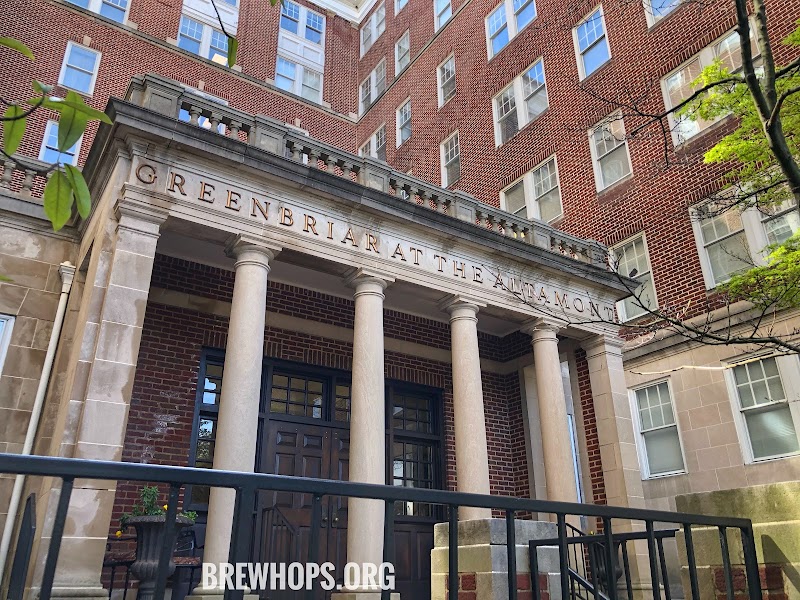
GREENBRIAR AT THE ALTAMONT SKILLED NURSING FACILIT
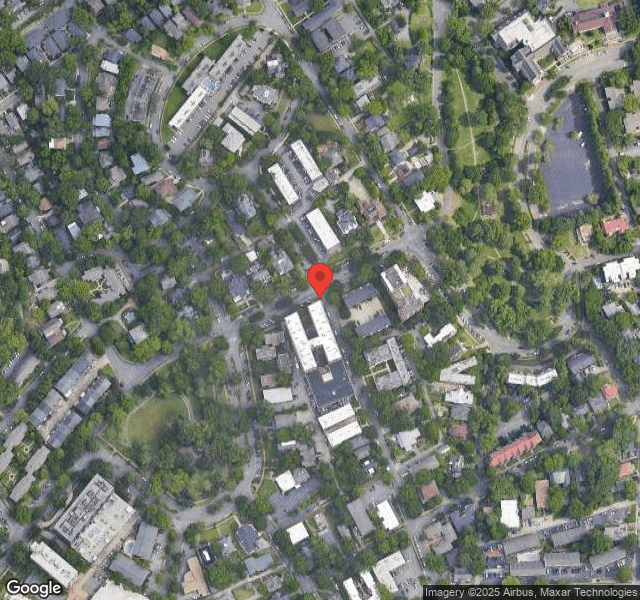
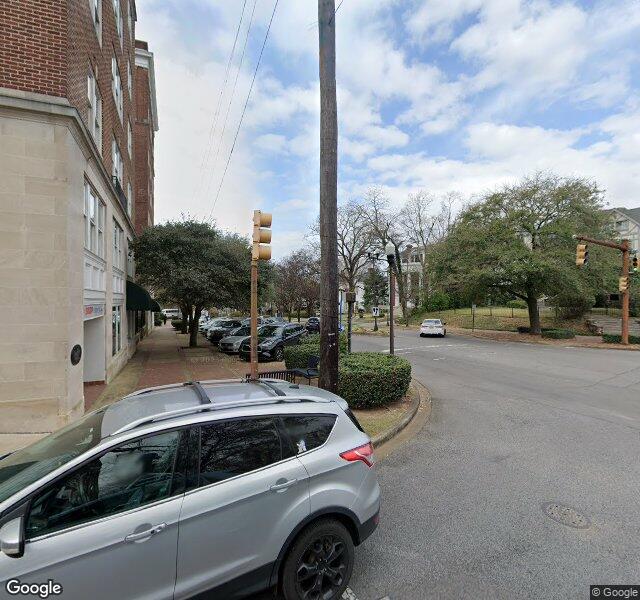
2831 HIGHLAND AVENUE SOUTH, BIRMINGHAM, AL 35205 (205) 323-2724
Non profit - Corporation 95 Beds NOLAND HEALTH Data: November 2025
Trust Grade
70/100
#110 of 223 in AL
Last Inspection: April 2021

Over 2 years since last inspection. Current conditions may differ from available data.

Overview

Greenbriar at the Altamont Skilled Nursing Facility has received a Trust Grade of B, indicating it is a good, solid choice for families looking for care. With a state rank of #110 out of 223, it places in the top half of facilities in Alabama, and at #7 out of 34 in Jefferson County, only a few local options are better. The facility is improving, having reduced its issues from two in 2020 to one in 2021, and it has a strong staffing rating of 4 out of 5 stars, with a turnover rate of 42%, which is lower than the state average. While there have been no fines reported, which is reassuring, there are some concerns, including issues with food safety practices, such as unlabeled food items and a failure to maintain a clean kitchen floor, which could pose risks to residents. Overall, while there are strengths in staffing and compliance, families should be aware of the identified concerns as they consider this facility.

Trust Score
B
70/100
In Alabama
#110/223
Top 49%
Safety Record
Low Risk
No red flags
Inspections
Getting Better
2 → 1 violations
Staff Stability
○ Average
42% turnover. Near Alabama's 48% average. Typical for the industry.
Penalties
✓ Good
No fines on record. Clean compliance history, better than most Alabama facilities.
Skilled Nurses
✓ Good
Each resident gets 46 minutes of Registered Nurse (RN) attention daily — more than average for Alabama. RNs are trained to catch health problems early.
Violations
○ Average
6 deficiencies on record. Average for a facility this size. Mostly minor or procedural issues.
★★★☆☆
3.0
Overall Rating
★★★★☆
4.0
Staff Levels
★★★☆☆
3.0
Care Quality
★★★☆☆
3.0
Inspection Score
Stable
2020: 2 issues
2021: 1 issues

The Good

  • 4-Star Staffing Rating · Above-average nurse staffing levels
  • Full Sprinkler Coverage · Fire safety systems throughout facility
  • No fines on record
  • Staff turnover below average (42%)

    6 points below Alabama average of 48%

Facility shows strength in staffing levels, fire safety.

The Bad

3-Star Overall Rating

Near Alabama average (2.9)

Meets federal standards, typical of most facilities

Staff Turnover: 42%

Near Alabama avg (46%)

Typical for the industry

Chain: NOLAND HEALTH

Part of a multi-facility chain

Ask about local staffing decisions and management

The Ugly 6 deficiencies on record

Apr 2021 1 deficiency
CONCERN (F)

Potential for Harm - no one hurt, but risky conditions existed

Food Safety (Tag F0812)

Could have caused harm · This affected most or all residents

Based on observation, interviews, the facility's policy for Cleaning of Miscellaneous Equipment and Utensils, and the 2017 Food Code, the facility failed to ensure the kitchen floor was smooth and eas...

Read full inspector narrative →
Based on observation, interviews, the facility's policy for Cleaning of Miscellaneous Equipment and Utensils, and the 2017 Food Code, the facility failed to ensure the kitchen floor was smooth and easily cleanable to reduce the potential for foodborne illness. This deficient practice had the potential to affect 78 of 78 residents receiving meals from the kitchen. Findings include: A review of the 2017 Food Code of the United States Public Health Service and the FDA (United States Food and Drug Administration) included the following: . 1-201.10 Statement of Application and Listing of Terms. Easily Cleanable. (1) 'Easily cleanable' means a characteristic of a surface that: (a) Allows effective removal of soil by normal cleaning methods; (b) Is dependent on the material, design, construction, and installation of the surface; and (c) Varies with the likelihood of the surface's role in introducing pathogenic or toxigenic agents or other contaminants into FOOD based on the surface's APPROVED placement, purpose, and use. 'Easily Movable' means: (1) Portable; mounted on casters, gliders, or rollers; or provided with a mechanical means to safely tilt a unit of EQUIPMENT for cleaning; . 'Smooth' means: . (3) A floor, wall, or ceiling having an even or level surface with no roughness or projections that render it difficult to clean. Preventing Contamination from the Premises 3-305.11 Food Storage. (A) . FOOD shall be protected from contamination by storing the food: (1) In a clean, dry location; (2) Where it is not exposed to splash, dust, or other contamination; . 3-305.14 Food Preparation. During preparation, UNPACKAGED FOOD shall be protected from environmental sources of contamination. Preventing Contamination from Other Sources 3-307.11 Miscellaneous Sources of Contamination. FOOD shall be protected from contamination that may result from a factor or source not specified under Subparts 3-301 - 3-306. Indoor Areas 6-101.11 Surface Characteristics. (A) . materials for indoor floor . surfaces under conditions of normal use shall be: (1) SMOOTH, durable, and EASILY CLEANABLE for areas where FOOD ESTABLISHMENT operations are conducted; . Cleanability 6-201.11 Floors, Walls, and Ceilings. . except for antislip floor coverings or applications that may be used for safety reasons, floors, floor coverings, . shall be designed, constructed, and installed so they are SMOOTH and EASILY CLEANABLE. A review of the 2017 Food Code of the United States Public Health Service and the FDA in the Annex 3 Public Health Reasons/Administrative Guidelines the following was included: . Preventing Contamination from the Premises 3-305.11 Food Storage. 3-305.12 Food Storage, Prohibited Areas. Pathogens can contaminate and/or grow in food that is not stored properly. Drips of condensate and drafts of unfiltered air can be sources of microbial contamination for stored food. Shoes carry contamination onto the floors of food preparation and storage areas. Even trace amounts of refuse or wastes . can become sources of food contamination. Moist conditions . promote microbial growth. 3-305.14 Food Preparation. Food preparation activities may expose food to an environment that may lead to the food's contamination. Just as food must be protected during storage, it must also be protected during preparation. Sources of environmental contamination . may be encountered when preparing food in a building that is not constructed according to Food Code requirements. Indoor Areas 6-101.11 Surface Characteristics. Floors, walls, and ceilings that are constructed of smooth and durable surface materials are more easily cleaned. Floor surfaces that are graded to drain and consist of effectively treated materials will prevent contamination of foods from dust and organisms from pooled moisture. The facility's policy Cleaning of Miscellaneous Equipment and Utensils, with an effective date of 11/2019, included the following: . Purpose: To prevent the spread of bacteria that may cause food borne illnesses. Standard: Equipment and utensils should be cleaned according to an established cleaning schedule. Process: . Basic procedures are as follows: . 14. Floors * Sweep floor at least daily and as needed. * Mop floor using disinfecting detergent solution, as needed, and at least once daily . * Move wheeled carts and other movable objects; clean under stationary equipment as much as possible . On 4/06/21 at 1:50 PM, Employee Identifier (EI) #2, the Registered Dietitian (RD) and Director of Food Service, said the kitchen was serving 78 residents on the Skilled Care floor of the facility. During the kitchen tour on 4/06/21 at 2:00 PM, five milk crates were observed to be holding up the lowest shelf in the chemical storage area. Due to the milk crates, the floor could not be easily swept or mopped under this shelf. There was more than one day's accumulation of dirt and trash (bottle lids) on the floor under the shelf. At 2:03 PM, EI #2 was asked what was the problem with the floor under the chemical shelving in the closet. EI #2 said, It is dirty and remains dirty. Pests. During the kitchen tour with EI #2 on 4/06/21 at 2:05 PM, the kitchen floor was observed to have patches of black and grey on red. During an inspection of the kitchen on 4/07/21 at 9:20 AM, the black strip on the floor between the Three Compartment Pot and Pan Washing Sink and the Cook's Food Preparation Area appeared very dirty and to have small, irregular-shaped particles attached to it. The particles appeared to be bits of plastic, paper, and foil. The black floor surface felt rough to the touch of the surveyor's fingers, while the red floor area felt smooth. On 4/07/21 at 10:00 AM, EI #1, the Maintenance Director, was interviewed in the Kitchen in the area between the Three Compartment Pot and Pan Washing Sink and the Cook's Food Preparation Area. When asked what was the material used for the floor where there was a rough black strip, he said it was concrete that had attracted the dirt and rubber from shoes and wheels. The surveyor touched the black surface of the floor and asked why does this feel rough compared to the rest of the floor. EI #1 said it was concrete and the rest of the floor had epoxy paint. He further said the area was due to a plumbing repair from around 2015. When asked if there were pieces of paper and plastic attached to the black section of floor, EI #1 said he thought that was paint. A piece of foil was peeled off of the black floor section by the surveyor. When asked why there was a distinct cut off from black to grey in the same high traffic area if the black was due to rubber-soled shoes and equipment wheels, EI #1 said maybe they do not stand in front of those shelves as much. Upon being asked if the black floor area was easily cleanable, EI #1 said he would pressure wash it. On 4/07/21 at 10:40 AM, the surveyor peeled off pieces of paper and foil from the black area on the floor located between the Three Compartment Pot and Pan Washing Sink and the Cook's Food Preparation Area. On 4/07/21 at 11:08 AM, EI #3, the Utility Aide scheduled from 7:00 AM to 3:00 PM was interviewed. EI #3 said he had worked at the facility for eleven years and his duties included sweeping, mopping, taking out garbage, dishwashing, and putting up stock. When asked how often he swept and mopped the kitchen, EI #3 said at 8:00 AM, 11:00 AM, and 2:00 PM. EI #3 said he swept and mopped the floor at least three times a day and at each time he mopped the high traffic area from the Dishwashing area to the Food Service Office, which passed between the Three Compartment Pot and Pan Washing Sink and the Cook's Food Preparation Area. The surveyor commented that the majority of the Kitchen floor was red, but there were long strips of black also. When asked if there was any problem in cleaning the black areas, EI #3 said the red part was smooth and easy to mop, but when they pulled up the pipes, they did something. EI #3 said the black was like tar and it would tear your mop up. EI #3 said he had to scrub it with a floor brush. EI #3 said the floor had been like that since the pipes were pulled up in that area years ago. He further said the floor was supposed to be sloped towards the drains, but these were not. When the surveyor said it looks hard to clean, EI #3 said, Right. EI #3 said he had to use a brush to loosen up whatever was on there and then mop. He further said that some of the black came up with the mop. He also said paper, like salt/pepper packets, stuck to the black section. When asked if he thought the black was a material and not dirt, EI #3 said the black strip was filled with something where they cut into the floor. He said it was not regular cement, it was something else. EI #3 further said the red floor was easy to clean, but the black and grey sections were not smooth and were not easy to clean. On 4/07/21 at 12:36 PM, EI #2, the RD and Director of Food Service, used a metal tape measure to measure the width and length of the black and grey areas. Near the Food Service Office and the elevator, there was a 14 inch wide and 52.5 inch length of mottled black over grey. This 14 inch wide strip then angled, became black, and went straight for 23 feet between the Three Compartment Pot and Pan Sink and the Cook's Preparation Area. The strip then angled again at the Hood area for 1.5 feet to the shelving area and then straight again for one foot and one inch. The strip then became grey for 5 feet to the dishwashing area entrance. The grey strip, still 14 inches wide, then made a 90 degree right angle toward a table, which was next to the steamtable used for Skilled Care breakfast. Close to the table the grey was mottled with black. There was also a 19 inch by 13 inch rough grey area in front of the ice machine. In addition, at the hall just entering the Kitchen by the elevator, the red floor was pitted in several large spots down to the underfloor so that the surface was uneven. On 4/08/21 at 11:01 AM, EI #2, the RD and Director of Food Service was interviewed. EI #2 said she had been working in the facility for about one year. EI #2 was asked if the kitchen floor was clean on 4/7/21 at 9:20 AM, 10:00 AM, or 12:36 PM. EI #2 said it had been mopped, but she was sure there were areas that were not. When asked if the black area that ran parallel to the Three Compartment Pot and Pan Sink was clean at those times, EI #2 said, No. EI #2 was asked why it was important to have clean floors in the kitchen. EI #2 said to prevent pest issues and accidents. Upon being asked when, how, and who cleaned the kitchen floor, EI #2 said the Utility Dietary Aides use a chemical pod in the mop water and typically mop after each meal, if not more often. In addition, EI #2 said yesterday the floors flooded due to a leak from the dishmachine so that was cleaned up in addition to the regular schedule and they had to use a wet vacuum due to the accumulation of water. When asked what challenges there were in maintaining a clean floor in this kitchen, EI #2 said the surface was uneven. Upon being asked if the floor surface was smooth and easily cleanable, EI #2 said in places it was smooth. When asked about other places of the floor, EI #2 said a few areas were rough. EI #2 was asked why a kitchen floor would be graded/sloped and she replied to drain. When asked what was the potential harm of having a floor that was difficult to clean, EI #2 said potential for pests and accidents. When asked what was the potential harm of having a dirty floor in the kitchen, EI #2 said potential for pests and accidents. Upon being asked how a dirty kitchen floor could potentially affect the residents, EI #2 said potential physical contaminants.
Feb 2020 2 deficiencies
CONCERN (E)

Potential for Harm - no one hurt, but risky conditions existed

Report Alleged Abuse (Tag F0609)

Could have caused harm · This affected multiple residents

**NOTE- TERMS IN BRACKETS HAVE BEEN EDITED TO PROTECT CONFIDENTIALITY** Based on record review and interviews the facility failed to ensure all alleged allegations of abuse were reported to the State ...

Read full inspector narrative →
**NOTE- TERMS IN BRACKETS HAVE BEEN EDITED TO PROTECT CONFIDENTIALITY** Based on record review and interviews the facility failed to ensure all alleged allegations of abuse were reported to the State Agency no later than two hours after the allegation was made. This affected Resident Identifier (RI) # 44, 24, and 68, three of three residents sampled for abuse allegation reporting. Findings Include: 1.) Resident Identifier (RI) #44 was re-admitted to the facility on [DATE]. The facility submitted an allegation of Physical Abuse involving RI #44 via Online Incident Reporting System on 9/2/2019 at 11:25 AM. The report identified the incident occurred on 9/2/2019 at 4:00 AM. On 2/05/2020 at 5:10 PM, an interview was conducted with Employee Identifier (EI) #3, Registered Nurse (RN) Unit Manager. EI #3 was asked, if she had knowledge of the incident involving RI #44. EI #3 replied, yes she did. EI #3 was asked, when she was made aware of the incident. EI #3 replied, sometime between midnight and 5:00 AM on 9/2/2019. EI #3 was asked, what time did she notify the Director of Nursing (DON). EI #3 replied, when she got off the phone with EI #4. EI #3 was asked, who was responsible for reporting to the State Agency. EI #3 replied, EI #1, Executive Director or EI #2, Director of Nursing. On 2/05/2020 at 5:43 PM an interview was conducted with EI #2. EI #2 was asked, when was she notified of the incident involving RI #44. EI #2 replied, sometime early the morning it occurred. EI #2 was asked if the incident met the definition of abuse. EI #2 replied, yes. EI #2 was asked, who she reported the incident to. EI #2 replied, EI #1. EI #2 was asked when did she report the incident to EI #1, Executive Director, Abuse Coordinator. EI #2 replied, sometime early that morning. EI #2 was asked what were the reporting requirements for suspected physical abuse. EI #2 replied, if there was bodily injury it should be reported within two hours. If there was no bodily injury then reporting should be within twenty-four hours. EI #2 was asked, when was the incident involving RI #44 reported to the State Agency. EI #2 replied, 11:25 AM on 9/2/2019. EI #2 was asked, if the incident involved abuse. EI #2 replied, a suspected allegation of abuse. EI #2 was asked if the incident involved alleged physical abuse why was it not reported within two hours. EI #2 replied, because there was no bodily injury. 2.) RI #24 was admitted to the facility on [DATE]. The facility submitted an allegation of Physical Abuse involving RI #24 via Online Incident Reporting System on 2/22/2019 10:09 AM. The report identified the incident occurred on 2/21/2019 7:45 PM. A review of Departmental Notes for RI #24 with a date and time of 2/21/2019 9:46 PM revealed, . at around 7:45 PM RI #24's roommate was noted standing outside their room and when asked why he/she was not in bed he/she stated that someone had hit him/her in the nose . On 2/06/2020 at 12:30 PM, an interview was conducted with EI #2. EI #2 was asked, when was she notified of the alleged abuse involving RI #24. EI #2 replied, on 2/21/2019. EI #2 was asked, what time was she made aware of the alleged abuse. EI #2 replied, immediately, about the time of the incident. EI #2 was asked, who notified her of the incident. EI #2 was asked, did she reported the incident to EI #1. EI #2 replied, yes. EI #2 was asked, at what time did she notify EI #1. EI #2 replied, almost immediately. EI #2 was asked, what was the response of EI #1. EI #2 replied, that the incident needed to be reported to the State Agency. EI #2 was asked why did the incident need to be reported to the State Agency. EI #2 replied, it was an allegation of abuse, resident on resident. EI #2 was asked when was the State Agency notified. EI #2 replied, 2/22/2019 at 10:00 AM. EI #2 was asked, if the reporting requirements were met. EI #2 replied, yes, there was no physical injury. EI #2 read the regulation. EI #2 was asked, after reading the regulation, were the reporting requirements met. EI #2 replied, no. EI #2 was asked, why were the reporting requirements not met. EI #2 replied, because it was an allegation of abuse. EI #2 was asked, who was responsible for reporting an allegation of abuse to the State Agency. EI #2 replied, social services, myself and EI #1. EI #2 was asked, did the facility ensure that all alleged violations involving abuse, neglect, exploitation or mistreatment, were reported immediately. EI #2 replied, no. On 2/06/2020 at 1:19 PM, an interview was conducted with EI #1. EI #1 was asked, when she was notified of the alleged abuse of RI #24. EI #1 replied, on the 21st of February. EI #1 was asked, what time was she notified. EI #1 replied, she did not remember. EI #1 was asked, when was the State Agency notified. EI #1 replied, on 2/22/19 and was not sure of the time. EI #1 was asked, was this incident an allegation of abuse. EI #1 replied, yes, an allegation of resident to resident. EI #1 was asked, what were the reporting requirements for allegation of abuse. EI #1 replied, per our policy if no serious body injury to report in 24 hours. EI #1 was asked, if this was still the facility policy. EI #1 replied, yes. EI #1 read the regulation. EI #1 was asked after reading the regulation, did the facility's policy comply with the regulation. EI #1 replied, there was some discrepancy. EI #1 was asked, should the incident have been reported within two hours. EI #1 replied, yes, based on the regulation. EI #1 was asked, why was the incident not reported within two hours to the Sate Agency. EI #1 replied, it was reported within twenty-four hours based on the facility policy. EI #1 was asked, who was responsible for reporting an allegation of abuse to the State Agency. EI #1 replied, the Abuse Coordinator. EI #1 was asked who was the Abuse Coordinator. EI #1 replied, herself. EI #1 was asked, did the facility ensure that all alleged violations involving abuse, neglect, exploitation or mistreatment, were reported immediately, but not later than two hours after the allegation was made. EI #1 replied, no 3.) RI #68 was admitted to the facility on [DATE] and re-admitted on [DATE]. The facility submitted an allegation of Mental Abuse involving RI #68 via Online Incident Reporting System on 6/4/2019 5:26 PM . The report identified the incident occurred on 6/3/2019 2:00 PM. On 2/06/2020 at 12:49 PM, an interview was conducted with EI #2, DON. EI #2 was asked, when was she notified of the allegation of mental abuse involving RI #68. EI #2 replied, on 6/3/19 around 3:00 PM. EI #2 was asked, who did she report the alleged abuse to. EI #2 replied, EI #1 was out on leave. EI #2 was asked, was she responsible for reporting abuse allegations in EI #1's absence. EI #2 replied herself or the social service director. EI #2 was asked who was responsible for reporting an allegation of abuse to the State Agency. She replied the social service director, herself or EI #1. EI #2 was asked, when was the State Agency notified. EI #2 replied, on 6/4/19 5:26 PM. EI #2 was asked, why was it important to report allegations of abuse. EI #2 replied, to ensure they were protecting their residents. EI #2 was asked, did the facility ensure that all alleged violations involving abuse, neglect, exploitation or mistreatment, were reported immediately, but not later than two hours after the allegation was made. EI #2 replied, no, it was greater than two hours. On 2/06/2020 at 1:40 PM, an interview was conducted with EI #1, Executive Director. EI #1 was asked, according to the investigative report, when was the alleged abuse reported for RI #68. EI #1 replied, per the online incident reporting, 6/4/2019. EI #1 was asked, according to the online incident reporting system narrative summary of the incident, when was the alleged abuse reported to the facility. EI #1 replied, on 6/03/19. EI #1 was asked, why was alleged abuse without serious bodily injury not reported within two hours to the State Agency. EI #1 replied, they reported based off their policy. This deficient practice was cited as a result of the investigation of complaint/report # AL00038071.
CONCERN (F)

Potential for Harm - no one hurt, but risky conditions existed

Food Safety (Tag F0812)

Could have caused harm · This affected most or all residents

Based on observations, interviews, and a facility policy titled Food Receipt and Storage, the facility failed to ensure a bag of six ham pieces and five crab cakes wrapped in plastic were labeled and ...

Read full inspector narrative →
Based on observations, interviews, and a facility policy titled Food Receipt and Storage, the facility failed to ensure a bag of six ham pieces and five crab cakes wrapped in plastic were labeled and dated prior to storage in the walk-in freezer. This had the potenital to affect 82 of 82 residents receiving meals from the kitchen. Findings Include: A facility policy titled Food Receipt and Storage with an effective date on 6/2018 revealed . PROCESS: 2. Storage: . n. frozen items removed from original packaging should be labeled . and dated. On 2/04/20 at 8:07 AM, an observation was made in the walk-in freezer of a food item wrapped in clear plastic. An immediate interview was conducted with Employee Identifier (EI) #6, Dining Services Manager. EI #6 was asked, what was in the the clear plastic wrap. EI #6 replied, it was five crab cakes. EI #6 was asked, where was the label. EI #6 replied, the crab cakes did not have a label. A second item was observed unlabeled by the surveyor. EI #6 was asked, what was in the the clear plastic wrap. EI #6 replied, it was six pieces of ham. EI #6 was asked, where was the label. EI #6 replied, it was not labeled. On 2/06/20 at 9:07 AM, a second interview was conducted with EI #6. EI #6 was asked, on the morning of 2/4/20, what was found in the walk-in freezer with the surveyor. EI #6 replied, crab cakes and ham pieces. EI #6 was asked, were the ham or the crab cakes labeled with use by date or identification of contents. EI #6 replied, no. EI #6 was asked, where should unlabeled frozen food items be stored. EI #6 replied, they should not be stored anywhere, all opened items in the freezer should be labeled with the delivery date, use by date, and contents labeled. EI #6 was asked, why was the ham in the freezer. EI #6 replied, the ham was used to season vegetables. EI #6 was asked, who was responsible for labeling items to be placed in the freezer. EI #6 replied, any and every individual in the dietary department should label items before placing them in the freezer. EI #6 was asked, how were items labeled for storage in the freezer. EI #6 replied, items were placed in the correct packaging and then labeled with use by date per policy and content label. EI #6 was asked, how many servings of vegetables would have been seasoned with the quantity of ham that was in the freezer unlabeled. EI #6 replied, it would have been used to season one dish for one meal, so around 200 servings of vegetables. EI #6 was asked, what was the potential harm to residents when food items were placed in the freezer without a use by date or content label. EI #6 replied, not knowing the date or the contents could lead to bacteria growth. On 2/06/20 at 12:16 PM, an interview was conducted with EI #5, Dietitian. EI #5 was asked, who was responsible for labeling items to be placed in the freezer. EI #5 replied, whoever placed the food in the freezer. EI #5 was asked, what was found unlabeled in the freezer on 2/4/20. EI #5 replied, some ham and some crab cakes. EI #5 was asked, where should unlabeled frozen food items be stored. EI #5 replied, there should not be any unlabeled frozen food. EI #5 was asked, when were food items labeled that were stored in the freezer. EI #5 replied, before placing into the freezer. EI #5 was asked, why were the crab cakes not labeled. EI #5 replied, because the cook put them in the freezer without labeling them. EI #5 was asked, why was the ham not labeled. EI #5 replied, because the cook put them in the freezer without labeling them. EI #5 was asked, how often was ham used to prepare food. EI #5 replied, a couple times per week. EI #5 was asked, how were items labeled for storage in the freezer. EI #5 replied, with the opened date, contents, and use by date.
Dec 2018 3 deficiencies
CONCERN (D)

Potential for Harm - no one hurt, but risky conditions existed

Pharmacy Services (Tag F0755)

Could have caused harm · This affected 1 resident

Based on record review, interview, and review of a facility policy titled, Disposal of Medications Non-Controlled Medication Destruction, the facility failed to ensure the required signatures were on ...

Read full inspector narrative →
Based on record review, interview, and review of a facility policy titled, Disposal of Medications Non-Controlled Medication Destruction, the facility failed to ensure the required signatures were on two of 11 Non-Controlled Record of Medication Destruction Sheets for the month of April, 2018. This affected one of 10 months of Non-Controlled Medication Destruction Records reviewed. Findings Include: Review of a facility policy titled, Disposal of Medications Non-Controlled Medication Destruction, dated 3/2011, revealed: . 3. The registered nurse and/or pharmacist witnessing the destruction .ensures that the following information is entered on the Record of Medication Destruction form . J. Signature of witnesses, two witnesses required for non-controlled substances . in the designated areas on the destruction form . On 12/12/2018 at 1:55 p.m., the surveyor reviewed the facility's Non-Controlled Medication Destruction Book. A review of the April 2018, Non-Controlled Medication Destruction Sheets, revealed two of 11 signature sheets, dated 04/27/2018, did not contain the required two signatures. On 12/12/18 at 05:15 p.m., the surveyor conducted an interview with Employee Identifier (EI) #2, the Director of Nursing. The surveyor asked EI#2, what information should be on the Non-Controlled Medication Destruction Sheet. EI#2 replied, the resident name, the medication, quantity of medication, date destroyed, and signatures of two nurses and/or pharmacy, should be listed. The surveyor asked EI#2, who was responsible for ensuring the Non-Controlled Medication Destruction Sheets were filled out completely. EI#2 said she was responsible for ensuring the sheets are filled out. The surveyor asked EI#2, on her review of the April 2018 Non-Controlled Medication Destruction Sheets, how many signatures did she observe. EI#2 said there was only one signature on two of the Non-Controlled Medication Destruction Sheets for April 2018. The surveyor asked EI#2, how many signatures should be on the Non-Controlled Medication Destruction Sheets. EI#2 replied, there should be two signatures on the Non-Controlled Medication Destruction Sheets.
CONCERN (D)

Potential for Harm - no one hurt, but risky conditions existed

Infection Control (Tag F0880)

Could have caused harm · This affected 1 resident

**NOTE- TERMS IN BRACKETS HAVE BEEN EDITED TO PROTECT CONFIDENTIALITY** Based on observation, interviews, and review of a facility policy titled, Medication Administration-General Guidelines, the faci...

Read full inspector narrative →
**NOTE- TERMS IN BRACKETS HAVE BEEN EDITED TO PROTECT CONFIDENTIALITY** Based on observation, interviews, and review of a facility policy titled, Medication Administration-General Guidelines, the facility failed to ensure a Licensed Practical Nurse (LPN) washed her hands prior to and after administering a topical medication ointment to Resident Identifier (RI) #74. This deficient practice affected one of five residents observed during medication administration with one of four nurses. Findings Include: A review of a facility policy titled, Medication Administration-General Guidelines, dated 03/2011, revealed: . Procedures . 6. Cleanse hands with soap and water before handling medication and before and after direct contact with resident. (Other examples where this would be necessary are when administering topical .medications.) . RI #74 was admitted to the facility on [DATE]. On 12/11/2018 at 08:12 a.m., the surveyor observed Employee Identifier (EI) #1, a Licensed Practical Nurse (LPN), during a medication administration pass for RI #74. The surveyor observed EI #1 put RI #74's pill medication cup in the garbage can after RI #74 took the oral medications, put gloves on both hands (did not wash hands prior to putting on the gloves), put a topical medication ointment on RI #74's lower back area, remove her gloves (did not wash her hands), and took the garbage bag out of the room. EI #1 did not wash her hands prior to and after administering the topical medication ointment to RI #74. On 12/11/2018 at 10:40 a.m., an interview was conducted with EI #1, LPN. EI #1 was asked did you wash your hands prior to putting on gloves before administering the topical medication ointment to RI #74's lower back during the medication administration pass. EI #1 stated no. EI #1 was asked if she washed her hands after she removed her gloves from administering the topical medication ointment to RI #74. EI #1 stated no. EI #1 was asked why she did not wash her hands prior to and after administering the topical medication ointment to RI #74. EI #1 stated that she forgot to wash her hands. EI #1 was asked what is the facility policy regarding hand hygiene during administration of a topical medication ointment to a resident. EI #1 stated you should cleanse your hands with soap and water before and after direct contact with the resident. EI #1 was asked if the facility policy was followed on RI #74 during administration of the topical medication ointment. EI #1 stated no. EI #1 was asked what would be the concern with a Licensed Practical Nurse not washing their hands prior to and after administering a topical medication ointment to a resident. EI #1 stated that it could cause pathogens to transport from host to host or recipient to recipient to a resident. EI #1 further stated that this could cause an illness to a resident. On 12/11/2018 at 10:49 a.m., an interview was conducted with EI #2, Director of Nursing (DON) and Infection Control Preventionist. EI #2 was asked what is the facility policy regarding hand hygiene during administration of a topical medication ointment. EI #2 stated you should clean your hands with soap and water or hand gel prior to and after giving a topical medication ointment. EI #2 was asked what would be the concern with a Licensed Practical Nurse not washing their hands prior to and after administering a topical medication ointment to a resident. EI #2 stated it could spread germs and cause infection to a resident. _______________________________________________
MINOR (C)

Minor Issue - procedural, no safety impact

Deficiency F0577 (Tag F0577)

Minor procedural issue · This affected most or all residents

Based on observation, resident group interview and staff interviews, the facility failed to ensure the results of the facility's most recent survey was readily accessible to residents, visitors and ot...

Read full inspector narrative →
Based on observation, resident group interview and staff interviews, the facility failed to ensure the results of the facility's most recent survey was readily accessible to residents, visitors and other individuals. This had a potential to affect all the residents, visitors and other individuals in the facility. Findings Include: On 12/10/18 1:28 at p.m., during the initial tour of the facility, the surveyor observed a letter written in small font, typed print, to notify visitors, families and residents on the location of survey results. This letter was posted outside the elevator on the third floor not easily visible to read by residents sitting in wheelchairs. Approximately eight residents were noted around this area sitting in wheelchairs. To read the posting, the surveyor was eye level, at approximately five feet tall, and approximately one foot distance from the posting. On 12/11/18 3:18 at p.m., the surveyor and Employee Identifier (EI) #2, Director of Nursing, toured the facility to observe the notification of survey results letter posted outside of the elevator on the third floor. When the surveyor asked EI #2 if the letter could be easily read by residents in wheelchairs, EI #2 stated, no, probably not. The Surveyor asked EI #2 how far the sign was from the floor. EI #2 responded probably about 4 1/2 or 5 feet from the floor. On 12/11/18 at 10:06 a.m., during the resident council meeting, the surveyor asked the 12 residents in attendance if they were aware of the location of the results from the last State Inspection. None of the 12 residents in attendance were aware of the Survey Inspection Results, nor the location of the results. An interview with EI #3, Executive Director (ED), was conducted on 12/12/18 at 11:07 a.m. EI #3 was asked where the survey results binders were located in the facility, EI #3 responded that one binder was located behind the south nurse's station and one binder was in the therapy gym. When asked how the residents or visitors could access the results at these locations, EI #3 responded that if anyone asked to see the results of the survey, they would have to ask staff. On 12/12/18 at 05:10 p.m., the surveyor observed the survey results binder on the wall beside the door on the inside of the therapy gym. The surveyor asked EI #5, Physical Therapy Assistant, who was inside the therapy gym at the time, if the therapy gym was opened twenty-four hours for anyone to enter the room. EI #5 stated the therapy gym door is closed and locked between the hours of 5:30 p.m. and 7:30 a.m. On 12/12/18 at 05:23 at p.m., the surveyor observed the survey results binder located behind the nurse's station on the facility's South locked unit. EI #6, a registered nurse on duty at the South's nurse's station, was asked it the unit doors were locked at all times and require a code to enter the south unit. EI #6 stated yes. EI #6 was asked if the residents or visitors are allowed behind the nurse's station. EI #6 stated no.
Understanding Severity Codes (click to expand)
Life-Threatening (Immediate Jeopardy)
J - Isolated K - Pattern L - Widespread
Actual Harm
G - Isolated H - Pattern I - Widespread
Potential for Harm
D - Isolated E - Pattern F - Widespread
No Harm (Minor)
A - Isolated B - Pattern C - Widespread

Questions to Ask on Your Visit

  • "Can I speak with families of current residents?"
  • "What's your RN coverage like on weekends and overnight?"

Our Honest Assessment

Strengths
  • • No major safety red flags. No abuse findings, life-threatening violations, or SFF status.
  • • No fines on record. Clean compliance history, better than most Alabama facilities.
  • • 42% turnover. Below Alabama's 48% average. Good staff retention means consistent care.
Concerns
  • • No major red flags. Standard due diligence and a personal visit recommended.
Bottom line: Mixed indicators with Trust Score of 70/100. Visit in person and ask pointed questions.

About This Facility

What is Greenbriar At The Altamont Skilled Nursing Facilit's CMS Rating?

CMS assigns GREENBRIAR AT THE ALTAMONT SKILLED NURSING FACILIT an overall rating of 3 out of 5 stars, which is considered average nationally. Within Alabama, this rating places the facility higher than 99% of the state's 100 nursing homes. This mid-range rating indicates the facility meets federal standards but may have areas for improvement.
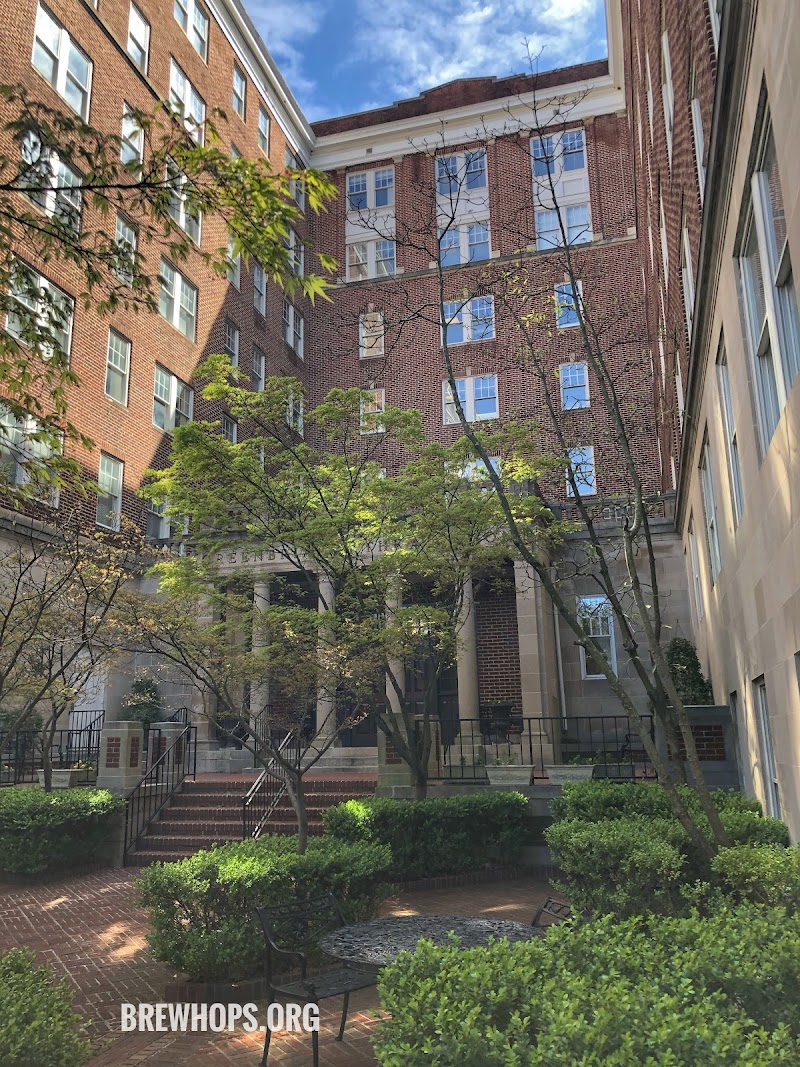
How is Greenbriar At The Altamont Skilled Nursing Facilit Staffed?

CMS rates GREENBRIAR AT THE ALTAMONT SKILLED NURSING FACILIT's staffing level at 4 out of 5 stars, which is above average compared to other nursing homes. Staff turnover is 42%, compared to the Alabama average of 46%. This relatively stable workforce can support continuity of care.

What Have Inspectors Found at Greenbriar At The Altamont Skilled Nursing Facilit?

State health inspectors documented 6 deficiencies at GREENBRIAR AT THE ALTAMONT SKILLED NURSING FACILIT during 2018 to 2021. These included: 5 with potential for harm and 1 minor or isolated issues.
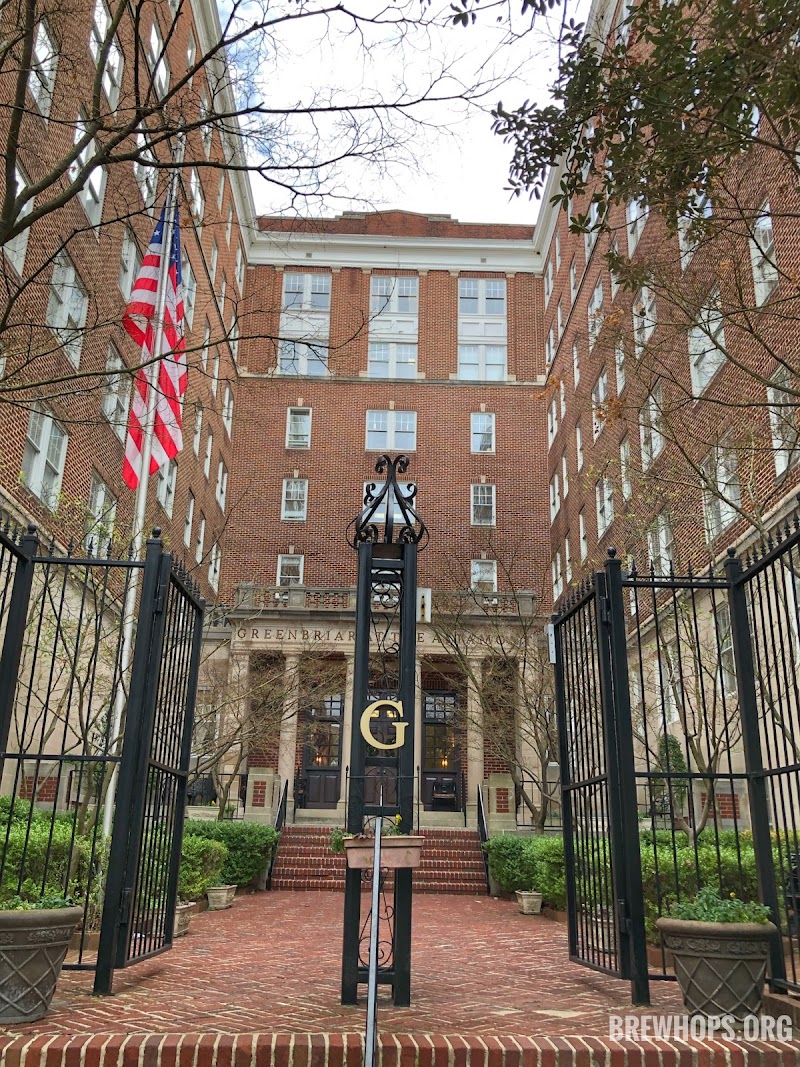
Who Owns and Operates Greenbriar At The Altamont Skilled Nursing Facilit?

GREENBRIAR AT THE ALTAMONT SKILLED NURSING FACILIT is owned by a non-profit organization. Non-profit facilities reinvest revenue into operations rather than distributing to shareholders. The facility is operated by NOLAND HEALTH, a chain that manages multiple nursing homes. With 95 certified beds and approximately 87 residents (about 92% occupancy), it is a smaller facility located in BIRMINGHAM, Alabama.
How Does Greenbriar At The Altamont Skilled Nursing Facilit Compare to Other Alabama Nursing Homes?

Compared to the 100 nursing homes in Alabama, GREENBRIAR AT THE ALTAMONT SKILLED NURSING FACILIT's overall rating (3 stars) is above the state average of 2.9, staff turnover (42%) is near the state average of 46%, and health inspection rating (3 stars) is at the national benchmark.

What Should Families Ask When Visiting Greenbriar At The Altamont Skilled Nursing Facilit?

Based on this facility's data, families visiting should ask: "Can I visit during a mealtime to observe dining assistance and food quality?" "How do you handle medical emergencies, and what is your hospital transfer rate?" "Can I speak with family members of current residents about their experience?"

Is Greenbriar At The Altamont Skilled Nursing Facilit Safe?

Based on CMS inspection data, GREENBRIAR AT THE ALTAMONT SKILLED NURSING FACILIT has a clean safety record: no substantiated abuse findings (meaning no confirmed cases of resident harm), no Immediate Jeopardy citations (the most serious violation level indicating risk of serious injury or death), and is not on the Special Focus Facility watch list (a federal program monitoring the lowest-performing 1% of nursing homes). The facility has a 3-star overall rating and ranks #1 of 100 nursing homes in Alabama. While no facility is perfect, families should still ask about staff-to-resident ratios and recent inspection results during their visit.

Do Nurses at Greenbriar At The Altamont Skilled Nursing Facilit Stick Around?

GREENBRIAR AT THE ALTAMONT SKILLED NURSING FACILIT has a staff turnover rate of 42%, which is about average for Alabama nursing homes (state average: 46%). Moderate turnover is common in nursing homes, but families should still ask about staff tenure and how the facility maintains care continuity when employees leave.

Was Greenbriar At The Altamont Skilled Nursing Facilit Ever Fined?

GREENBRIAR AT THE ALTAMONT SKILLED NURSING FACILIT has no federal fines on record. CMS issues fines when nursing homes fail to meet care standards or don't correct problems found during inspections. The absence of fines suggests the facility has either maintained compliance or corrected any issues before penalties were assessed. This is a positive indicator, though families should still review recent inspection reports for the full picture.

Is Greenbriar At The Altamont Skilled Nursing Facilit on Any Federal Watch List?

GREENBRIAR AT THE ALTAMONT SKILLED NURSING FACILIT is not on any federal watch list. The most significant is the Special Focus Facility (SFF) program, which identifies the bottom 1% of nursing homes nationally based on persistent, serious quality problems. Not being on this list means the facility has avoided the pattern of deficiencies that triggers enhanced federal oversight. This is a positive indicator, though families should still review the facility's inspection history directly.