NORTH HILL NURSING AND REHABILITATION CTR, LLC
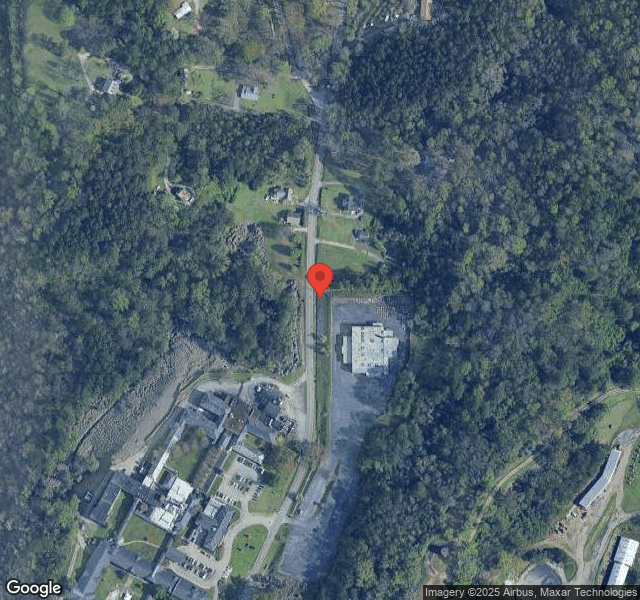
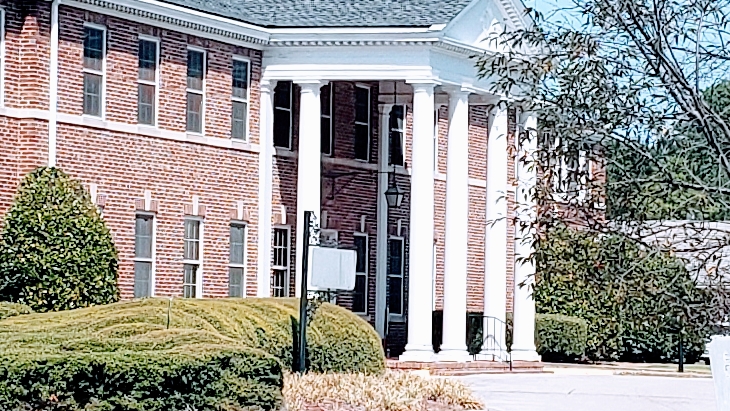
200 NORTH PINE HILL ROAD, BIRMINGHAM, AL 35217 (205) 849-2352
For profit - Corporation 190 Beds NORBERT BENNETT & DONALD DENZ Data: November 2025
Trust Grade
50/100
#171 of 223 in AL
Last Inspection: March 2024

Within standard 12-15 month inspection cycle. Federal law requires annual inspections.

Overview

North Hill Nursing and Rehabilitation Center has a Trust Grade of C, which means it is average and in the middle of the pack compared to other facilities. It ranks #171 out of 223 in Alabama, placing it in the bottom half, and #15 out of 34 in Jefferson County, indicating that only 14 local options are better. Unfortunately, the facility is worsening, with issues increasing from 2 in 2021 to 10 in 2024. Staffing is a concern, with a rating of 2 out of 5 stars and a high turnover of 66%, significantly above the state average of 48%. Although there have been no fines, which is positive, RN coverage is below average, with less coverage than 92% of facilities in Alabama. Recent inspections revealed several concerning incidents, such as staff improperly handling clean laundry, risking contamination, and using disposable food ware for residents in the memory care unit, which could impact their dignity. Additionally, there were previous issues of missing narcotic medications, indicating potential problems with medication management. While the facility has strengths in offering some quality measures, the combination of staffing challenges and specific deficiencies raises concerns for families considering this nursing home for their loved ones.

Trust Score
C
50/100
In Alabama
#171/223
Bottom 24%
Safety Record
Low Risk
No red flags
Inspections
Getting Worse
2 → 10 violations
Staff Stability
⚠ Watch
66% turnover. Above average. Higher turnover means staff may not know residents' routines.
Penalties
✓ Good
No fines on record. Clean compliance history, better than most Alabama facilities.
Skilled Nurses
⚠ Watch
Each resident gets only 19 minutes of Registered Nurse (RN) attention daily — below average for Alabama. Fewer RN minutes means fewer trained eyes watching for problems.
Violations
⚠ Watch
16 deficiencies on record. Higher than average. Multiple issues found across inspections.
★★☆☆☆
2.0
Overall Rating
★★☆☆☆
2.0
Staff Levels
★★★★☆
4.0
Care Quality
★★☆☆☆
2.0
Inspection Score
Stable
2021: 2 issues
2024: 10 issues

The Good

  • 4-Star Quality Measures · Strong clinical quality outcomes
  • Full Sprinkler Coverage · Fire safety systems throughout facility
  • No fines on record

Facility shows strength in quality measures, fire safety.

The Bad

2-Star Overall Rating

Below Alabama average (2.9)

Below average - review inspection findings carefully

Staff Turnover: 66%

19pts above Alabama avg (46%)

Frequent staff changes - ask about care continuity

Chain: NORBERT BENNETT & DONALD DENZ

Part of a multi-facility chain

Ask about local staffing decisions and management

Staff turnover is elevated (66%)

18 points above Alabama average of 48%

The Ugly 16 deficiencies on record

Mar 2024 10 deficiencies
CONCERN (D)

Potential for Harm - no one hurt, but risky conditions existed

Deficiency F0553 (Tag F0553)

Could have caused harm · This affected 1 resident

**NOTE- TERMS IN BRACKETS HAVE BEEN EDITED TO PROTECT CONFIDENTIALITY** Based on interviews, resident record review, and review of a facility policy titled COMPREHENSIVE PERSON CENTERED CARE PLANS the...

Read full inspector narrative →
**NOTE- TERMS IN BRACKETS HAVE BEEN EDITED TO PROTECT CONFIDENTIALITY** Based on interviews, resident record review, and review of a facility policy titled COMPREHENSIVE PERSON CENTERED CARE PLANS the facility failed to ensure Resident Identifier (RI) #109 had the opportunity to attend and participate in care plan meetings at least quarterly since June 2023. This deficient practice affected RI #109, one of 49 residents for whom care plans were reviewed. Findings include: A facility policy titled COMPREHENSIVE PERSON CENTERED CARE PLANS dated 03/2018 revealed the following: . PROCEDURE: . 4. The Interdisciplinary Team along with the resident and/or Resident Representative will identify resident problems, needs, strengths, life history, preferences, and goals . 7. The Comprehensive Person Centered Care Plan can be reviewed and/or revised at quarterly intervals in conjunction with the completion of MDS (Minimum Data Set) quarterly, significant change and annual assessments . RI #109 was admitted to the facility on [DATE] and readmitted on [DATE]. A review of RI #109's most recent quarterly MDS, with an Assessment Reference Date (ARD) of 02/20/2024, revealed RI #109 scored a 15 on the Brief Interview for Mental Status assessment which indicted RI #109 was cognitively intact. On 03/04/2024 at 12:31 PM RI #109 was asked about attending care plan meetings. RI #109 said, he/she had not attended a care plan meeting lately. A review of RI #109's INTERDISCIPLINARY CARE PLAN TEAM ATTENDANCE document revealed RI #109 had not had a care plan meeting since 06/2023, over eight months ago. Further review of RI #109's MDS assessments revealed other quarterly assessments dated 08/23/2023 and 11/21/2023 had been completed since June 2023. 03/06/2024 at 5:51 PM, an interview was conducted with the Social Service Director (SSD). The SSD said, the purpose of the care plan meeting was to have the resident and/or responsible party to come in to review the resident's care plans. When asked how often care plan meetings were held for the resident, the SSD said, quarterly. The SSD said, according to RI #109's Interdisciplinary Care Plan Team Attendance sheet, the last time RI #109 had a care plan meeting was June of 2023 and two meetings had not been done. The SSD said, it would be important to ensure care plan meetings were held for the resident so that the resident and family would know what was going on with the resident. The SSD said, it would be the responsibility of her department to ensure care plan meeting were being conducted.
CONCERN (D) 📢 Someone Reported This

A family member, employee, or ombudsman was alarmed enough to file a formal complaint

Potential for Harm - no one hurt, but risky conditions existed

Notification of Changes (Tag F0580)

Could have caused harm · This affected 1 resident

**NOTE- TERMS IN BRACKETS HAVE BEEN EDITED TO PROTECT CONFIDENTIALITY** Based on interviews, resident record review, and review of a facility policy titled, NOTIFICATION OF A CHANGE IN A RESIDENT'S ST...

Read full inspector narrative →
**NOTE- TERMS IN BRACKETS HAVE BEEN EDITED TO PROTECT CONFIDENTIALITY** Based on interviews, resident record review, and review of a facility policy titled, NOTIFICATION OF A CHANGE IN A RESIDENT'S STATUS, the facility failed to notify Resident Identifier (RI) #217's representative, who was the guardian, and RI #217's physician when RI #217 left the faciity on [DATE] by wheelchair van transportation. This deficient practice affected RI #217, one of three residents sampled for notification of change. Findings include: Review of a facility policy titled, NOTIFICATION OF A CHANGE IN A RESIDENT'S STATUS dated 11/2017, revealed the following: POLICY: The attending physician . and the resident representative will be notified of a change in a resident's condition, per standards of practice . RI #217 was admitted to the facility on [DATE] and readmitted to the facility on [DATE], and discharged from the facility on 02/17/2023. A review of RI #217's FACE SHEET listed RI #217's sister as the responsible party. A review of a legal document titled, . LETTERS OF GUARDIANSHIP . revealed the following: . Letters of Guardianship of (RI #217's name) are hereby granted to (RI #217 sister's name) . The document was signed by the PROBATE JUDGE on 10/29/2019. RI #217's departmental notes documented a nursing entry dated 02/17/2023 at 7:18 AM as follows: . RESIDENT WAS PICKED UP FOR DOCTOR'S APPT. (appointment) THIS MORNING BY (non-emergency medical) TRANSPORTATION PAPERWORK SENT WITH RESIDENT. This note was signed by Licensed Practical Nurse, (LPN) #18. There was no documentation of the resident's responsible party/guardian or physician being notified of the resident being transported from the the facility. On 03/06/2024 at 9:29 AM, a telephone interview was conducted with RI #217's responsible party/guardian. She confirmed that she was the residents' legal guardian and she was not notified of RI #217 leaving the facility on 02/17/2023. The responsible party/guardian stated, she was notified after the resident was transported to a family member's house from the facility. On 03/06/2024 at 4:35 PM, an interview was conducted with the Social Service Director (SSD). The SSD confirmed RI #217 was discharged from the facility on 02/27/2023 and that the resident's sister was his/her guardian. She further stated a guardian makes decisions on behalf of the resident. When asked how was RI #217 able to leave the facility on 02/17/2023, the SSD stated, she did not know, but the resident should not have left the facility without the guardian's consent. The SSD said, the resident's sister should have been notified. On 03/07/2024 at 8:36 AM, a telephone interview was conducted with LPN #18. She stated RI #217 left the faciity on [DATE] because she assumed RI #217 had a doctor's appointment. When asked how would she know if RI #217 had a doctor's appointment, LPN #18 stated, it would be on the calendar at the nurses station. She further stated, she did not look at the calendar at the nurse's station nor did she call anyone to verify if RI #217 had a doctor's appointment. LPN #18 stated, later that day she found out RI #217 did not have a doctor's appointment and had went home. When asked if she notified the resident's responsible party/guardian that RI #217 had left the facility, LPN #18 said, No ma'am. LPN #18 said, she should have notified RI #217's responsible party/guardian. On 03/07/2024 at 2:33 PM, an interview was conducted with Licensed Practical Nurse (LPN) Unit Manager, (UM) #8. UM #8 said, the resident's sister was RI #217's responsible party/guardian. She stated, the purpose of a guardian was to oversee the resident and help with decision making. When asked why RI #217 was allowed to leave the facility on 02/17/2023 without the guardian's consent, UM #8 said, she did not know. The UM said, the guardian should be notified about everything related to the resident and the guardian should have been contacted (notified) the day RI #217 left. On 03/07/2024 at 7:50 PM, a follow-up interview was conducted with the SSD. The SSD was asked when there was a change in the resident's condition, a resident transfers from the facility to the hospital, home or another facility who should be notified. The SSD said the sponsor/guardian and the doctor. The deficiency was cited as a result of the investigation of complaint/report number AL00043585.
CONCERN (D)

Potential for Harm - no one hurt, but risky conditions existed

Deficiency F0583 (Tag F0583)

Could have caused harm · This affected 1 resident

**NOTE- TERMS IN BRACKETS HAVE BEEN EDITED TO PROTECT CONFIDENTIALITY** Based on an observation, interviews and review of the RESIDENT BILL OF RIGHTS, the facility failed to ensure the eMAR (electroni...

Read full inspector narrative →
**NOTE- TERMS IN BRACKETS HAVE BEEN EDITED TO PROTECT CONFIDENTIALITY** Based on an observation, interviews and review of the RESIDENT BILL OF RIGHTS, the facility failed to ensure the eMAR (electronic Medication Administration Record) screen was closed, and did not reveal personal information concerning Resident Identifier (RI) #149. This deficient practice affected RI #149; and was observed on 03/04/2024, during the morning medication pass. Findings include: Review of the facility's RESIDENT BILL OF RIGHTS, with a History date of 01/2023, revealed the following: . A. Facility residents shall have the right to: . 33. To personal privacy and confidentiality in his or her . personal and medical . records . RI #149 was admitted to the facility on [DATE]. On 03/04/2024 at 10:25 AM, the privacy screen to an eMAR on top of a medication cart was left open, where anyone walking by could observe RI #149's patient information and medications. On 03/04/2024 at 10:26 AM, a Certified Nursing Assistant (CNA)/Medication Assistant Certified (MAC) returned to the medication cart. The MAC said it would be important to ensure the privacy screen was closed when you leave the medication cart for privacy of the resident's information. The MAC said she probably got distracted or something and left it opened. When asked how she would ensure the privacy screen was closed when she left the medication cart, the MAC said she would click on the privacy button and the screen would close down. On 03/07/2024 at 5:30 PM, an interview was conducted with Licensed Practical Nurse (LPN) #4. The LPN said when the nurse was away from the medication cart the privacy screen should be closed so the resident's information was not showing. LPN #4 said, it would be a privacy concern when the eMAR screen was left open and anyone walking by could observe the resident's information.
CONCERN (D)

Potential for Harm - no one hurt, but risky conditions existed

Report Alleged Abuse (Tag F0609)

Could have caused harm · This affected 1 resident

**NOTE- TERMS IN BRACKETS HAVE BEEN EDITED TO PROTECT CONFIDENTIALITY** Based on interview, review of a Facility Reported Incident (FRI) received by the Alabama Department of Public Health Online Inci...

Read full inspector narrative →
**NOTE- TERMS IN BRACKETS HAVE BEEN EDITED TO PROTECT CONFIDENTIALITY** Based on interview, review of a Facility Reported Incident (FRI) received by the Alabama Department of Public Health Online Incident Reporting System, and review of a facility policy titled, . ABUSE PREVENTION'' the facility failed to ensure an allegation of physical abuse was reported to the state agency within two hours on 08/29/2022 when Resident Identifier (RI) #94 was yelled at and slapped by RI #368. This deficient practice affected RI #94, one of 31 sampled residents, and one of five FRIs reviewed. Findings include: Review of a facility policy titled, ABUSE PREVENTION, with a History date of 10/2022, revealed the following: . POLICY: The facility is committed to protecting the residents from abuse by anyone including, but not necessarily limited to: facility staff, other residents . DEFINITIONS: . d) Physical Abuse: This includes but is not limited to hitting, slapping, pinching and kicking . REPORTING: . Alleged violations involving abuse, neglect, exploitation or mistreatment, including injuries of unknown source . are reported immediately, but not later than 2 hours after the allegation is made . RI #94 was admitted to the facility on [DATE]. RI #368 was admitted to the facility on [DATE]. The Alabama Department of Public Health Online Incident Reporting System received a report of physical abuse on 08/29/2022 at 9:53 AM, over three hours after the alleged abuse had been witnessed at 6:40 AM. On 03/07/2024 at 10:01 AM, an interview was conducted with the current Executive Director (ED)/Abuse Coordinator. The ED said that was her position since 03/08/2023 and she was asked about the incident that occurred on 08/29/2022. The ED said, the incident occurred at 6:40 AM and it was reported to ADPH at 9:53 AM. The ED said, it was not reported timely within two hours.
CONCERN (D)

Potential for Harm - no one hurt, but risky conditions existed

Pharmacy Services (Tag F0755)

Could have caused harm · This affected 1 resident

Based on interviews, review of the RECORD OF MEDICATION DESTRUCTION - NON CONTROLLED MEDICATIONS sheets and review of a facility policy titled . MEDICATION DESTRUCTION ., the facility failed to ensure...

Read full inspector narrative →
Based on interviews, review of the RECORD OF MEDICATION DESTRUCTION - NON CONTROLLED MEDICATIONS sheets and review of a facility policy titled . MEDICATION DESTRUCTION ., the facility failed to ensure all of the RECORD OF MEDICATION DESTRUCTION - NON CONTROLLED MEDICATIONS sheets contained the two required signatures. This deficient practice affected 26 pages from non-controlled destruction records dated January 2023 through January 2024 reviewed during the survey. Findings include: Review of a facility policy titled, . MEDICATION DESTRUCTION . dated 10/2022 revealed the following: . RESPONSIBILITY: All Licensed Nursing Personnel / Director of Nursing Services PROCEDURE: . 3. Two nurses are to witness the destruction and sign on the Record of Medication Destruction -- Non-Controlled Medication sheet . On 03/07/2024 at 8:43 AM, a review was done of the Non-Controlled Medication Drug Destruction sheets for 2023. One RECORD OF MEDICATION DESTRUCTION - NON CONTROLLED MEDICATIONS sheet for April 2023 did not have the required two signatures for two of the five medications destroyed on this sheet. One RECORD OF MEDICATION DESTRUCTION - NON CONTROLLED MEDICATIONS sheet for August 2023 did not have the two required signatures for six of the six medications destroyed on this sheet. Further review of the RECORD OF MEDICATION DESTRUCTION - NON CONTROLLED MEDICATIONS revealed 26 sheets with no date of destruction. On 03/07/2024 at 2:54 PM, a telephone interview was conducted with the Consultant Pharmacist. The Consultant Pharmacist said medication destruction was attempted at least once a month at the facility. When asked how many signatures were required on the non-controlled medication destruction sheets, the Consultant Pharmacist said two. The Consultant Pharmacist said there should be two signatures on these sheets because the two signatures were proof of the people who were there that verified the destruction of the medication. When asked why should there be a date on the medication destruction sheets, the Consultant Pharmacist said, because that would indicate when the medication destruction took place. On 03/07/2024 at 5:16 PM, an interview was conducted with the Licensed Practical Nurse (LPN) #4. When asked how many signatures should there be on the non- controlled drug medication record sheets, LPN #4 said two. LPN #4 said it was usually the Unit Manager and Assistant Director of Nursing but it could be any two nurses. LPN #4 said it would be important to ensure the required signatures were on the sheets because both are witnessing the medication was destroyed and the amount was correct. LPN #4 said, there should also be a date as to when the destruction occurred. LPN #4 said, looking at the non-controlled destruction records, April 2023 had two missing signatures, August 2023 had only one signature; and January, March, June, July and September of 2023; and January of 2024 had no date as to when the medications were destroyed.
CONCERN (D)

Potential for Harm - no one hurt, but risky conditions existed

Drug Regimen Review (Tag F0756)

Could have caused harm · This affected 1 resident

**NOTE- TERMS IN BRACKETS HAVE BEEN EDITED TO PROTECT CONFIDENTIALITY** Based on an observation, interviews, record review and review of a facility policy titled, PRESCRIBER MEDICATION ORDERS, the fac...

Read full inspector narrative →
**NOTE- TERMS IN BRACKETS HAVE BEEN EDITED TO PROTECT CONFIDENTIALITY** Based on an observation, interviews, record review and review of a facility policy titled, PRESCRIBER MEDICATION ORDERS, the facility failed to address Consultant Pharmacist recommendations for Resident Identifier (RI) #4 in a timely manner. The Nurse Practitioner (NP) responded to the recommendation on 02/05/2024, but the facility failed to implement the NP's response. A month later during the survey on 03/06/2024, RI #4 was observed receiving a one milligram Haldol tablet. This deficient practice affected RI #4, one of five residents sampled for the medication regimen review. Findings include: Review of a facility policy titled, PRESCRIBER MEDICATION ORDERS dated 08/2016, revealed the following: . 2. a. Each medication order is documented in the resident's medical record . The order is recorded on the physician order sheet . b. 4. When a new order changes an existing order, the old order will be discontinued, according to facility policy. For eMAR, . order changes will be discontinued or added to the eMAR electronically . RI #4 was admitted to the facility on [DATE] and readmitted on [DATE], with a diagnosis of Psychotic Disorder with Hallucinations due to known Physiological Condition. According to RI #4's March 2024 Physician Orders, RI #4 had been receiving Haloperidol (Haldol) 1 mg tablet one (1) tablet by mouth twice a day since 07/24/2023 for the diagnosis of Psychotic Disorder with Hallucinations due to known Physiological Condition. A review of the Consultant Pharmacist Communication to Physician form dated 01/23/2024, revealed: . Please consider the discontinuation, or taper and D/C (discontinue) of Haloperidol 1 mg BID (twice a day). The NP's written response dated 02/05/2024, was to change the Haldol to 0.5 mg twice a day. A review of RI #4's February and March 2024 EMARs revealed RI #4 continued to receive the Haldol 1 mg twice a day. On 03/06/2024 at 9:53 AM, the surveyor observed RI #4 receive morning medications to include a one mg Haldol tablet. On 03/07/2024 at 2:54 PM, a telephone interview was conducted with the Consultant Pharmacist. The Consultant Pharmacist said he visited the facility once a month typically and one of his job responsibilities was to do medication regimen reviews. The Consultant Pharmacist said a big part of that review was to review GDRs (Gradual Dose Reductions). The Consultant Pharmacist said he brings any irregularities to the attention of the unit manager or Director of Nursing (DON) to follow up with the physician or NP. The Consultant pharmacist said he sends a letter to the facility for the physician, and the DON gives the letter to the physician and the physician will respond to the GDR by saying he or she agrees or do not agree. The Consultant Pharmacist said if the physician agrees with the recommendation an order is written. When asked who writes the order, the Consultant Pharmacist said it may be the physician or NP. On 03/07/2024 at 4:18 PM, a telephone interview was conducted with the NP. The NP said once a recommendation is made by the Pharmacist, she or the physician will write the recommendation as an order to be carried out on the Consultant Pharmacist Communication to Physician form. The NP said she would then give the form to the DON to transcribe the order onto the physicians order form. When asked, when she wrote on the Consultant Pharmacist Communication to Physician form for RI #4's Haldol to be changed to 0.5 mg PO (by mouth) BID on 02/05/2024, would she have expected that order to have been implemented by this time, the NP said yes. On 03/07/2024 at 5:16 PM, an interview was conducted with Infection Preventionist (IP)/Licensed Practical Nurse (LPN). When asked who would have been responsible for transcribing onto the physicians order form the order to change RI #4's Haldol to 0.5 mg twice a day, the LPN said the DON was ultimately responsible for ensuring the order was placed on the physicians order. The LPN said the order should have been transcribed onto the physicians order form within 24 hours of receiving the order. The LPN said orders should be implemented in a timely manner because they were physician orders.
CONCERN (D)

Potential for Harm - no one hurt, but risky conditions existed

Deficiency F0761 (Tag F0761)

Could have caused harm · This affected 1 resident

**NOTE- TERMS IN BRACKETS HAVE BEEN EDITED TO PROTECT CONFIDENTIALITY** Based on observations, interviews, record review, and review of a facility policy titled, MEDICATION STORAGE, the facility faile...

Read full inspector narrative →
**NOTE- TERMS IN BRACKETS HAVE BEEN EDITED TO PROTECT CONFIDENTIALITY** Based on observations, interviews, record review, and review of a facility policy titled, MEDICATION STORAGE, the facility failed to ensure: 1) the medication refrigerator on the Memory Care Unit was kept between 36 degrees F and 46 degrees F; and 2) the medication room door was closed and locked and/or supervised on the memory care unit. These deficient practices had the potential to affect Resident Identifier (RI) #110 and all 36 residents on the Memory Care Unit. Findings include: RI #110 was admitted to the facility on [DATE] with diagnosis of Type II Diabetes Mellitus without complications. RI #110 had a physician order dated 12/20/2022 for the administration of Insulin Aspart 100 unit/ml accucheck with sliding scale before meals and at bedtime (AC/HS). A review of a facility policy titled, MEDICATION STORAGE, dated 01/2015 revealed: POLICY All drugs . must be stored securely and following . per facility policy. Procedure . 8. Medications requiring refrigeration must be stored between 36 degrees F and 46 degrees F in a refrigerator . On 03/07/2024 at 10:58 AM, the Memory Care Unit medication refrigerator was observed. The temperature record or log posted on the front of the refrigerator for March 2024 was an equipment temperature log, which included: . Temperatures: Refrigerator . 41 . or below . On 03/07/2024 at 12:06 PM, an interview was conducted with Licensed Practical Nurse (LPN) #10. LPN #10 stated the refrigerator in the medication room temperature was at 30 degrees. LPN #10 stated the refrigerator for medications temperature should be between 36 to 46 degrees. LPN #10 stated there was a concern that the medication could freeze with a refrigerator temperature of 30 degrees. LPN #10 stated there was Novolog Insulin 100 units per milliliter in the refrigerator. On 03/07/2024 at 12:09 PM, an interview was conducted with the Memory Care Unit Manager (MUM) #5. The MUM #5 stated there was Novolog insulin in the refrigerator. The MUM #5 stated the temperature log was documented at 30 degrees on the dates for March. The MUM #5 stated the instruction sheet for the Novolog insulin was to keep the medication at 36 to 46 degrees. The MUM #5 said the insulin could freeze if kept at 30 degrees. The MUM #5 stated there could be a risk that medication would not be effective if kept at 30 degrees. A review of a facility policy titled, MEDICATION STORAGE, with a revised date of 01/31/2023 revealed: POLICY . 1. Medication rooms, carts and medication supply rooms . kept locked at all time . On 03/07/2024 at 12:00 PM, the Memory Care Unit medication supply room was observed by two surveyors with the door propped open with a door stop and no licensed personnel present. On 03/07/2024 at 12:05 PM, an observation was made of LPN #10 returning to the Memory Care Unit medication supply room, where the door was open with the door stop. On 03/07/2024 at 12:06 PM, an interview was conducted with LPN #10. LPN #10 stated she left the medication supply room door open because she had just stepped out down the hallway. LPN #10 stated there was a sign on the door to keep the medication supply door locked at all times. On 03/07/2024 at 17:18 PM, an interview was conducted with the Registered Nurse, Interim Director of Nursing (IDON). The IDON stated the medication refrigerator should be between 36 to 46 degrees. The IDON said there was a concern of the refrigerator temperature being 30 degrees, and this was not in guidelines. The IDON stated there was a risk if the medication gets too cold it could freeze and the frozen medication could cause a risk of an adverse reaction. The IDON stated the medication supply room was supposed to be closed at all times. The IDON stated there was a risk of anyone going into the medication supply room. The IDON further stated even when housekeeping goes in the medication supply room a licensed personnel should be in the room with them per policy.
CONCERN (D)

Potential for Harm - no one hurt, but risky conditions existed

Medical Records (Tag F0842)

Could have caused harm · This affected 1 resident

**NOTE- TERMS IN BRACKETS HAVE BEEN EDITED TO PROTECT CONFIDENTIALITY** Based on interviews, observations, and review of facility policies titled CONTROLLED MEDICATIONS ADMINISTRATION and MEDICATION A...

Read full inspector narrative →
**NOTE- TERMS IN BRACKETS HAVE BEEN EDITED TO PROTECT CONFIDENTIALITY** Based on interviews, observations, and review of facility policies titled CONTROLLED MEDICATIONS ADMINISTRATION and MEDICATION ADMINISTRATION -GENERAL GUIDELINES the facility failed to ensure the Interim Director of Nursing (IDON) #2, Licensed Practical Nurse (LPN) #10, LPN #11, and LPN #12 documented Oxycodone/Acetaminophen on the electronic Medication Administration Record for Resident Identifier (RI) #473. This affected one of 31 sampled residents. Findings include: The facility policy with a reviewed date of 1/15, titled CONTROLLED MEDICATIONS ADMINISTRATION revealed, . PROCEDURE: . 6. When administering controlled medication, the authorized personnel record the administration on the MAR and enters all of the following information on the Controlled Drug Record: a. Date and time of administration b. Amount administered c. Signature of the person preparing the dose d. Quantity reconciled The facility policy with a HISTORY date of 1/15, titled MEDICATION ADMINISTRATION -GENERAL GUIDELINES revealed, . PROCEDURE: . 11. The resident's MAR/TAR is initialed by the person administering a mediation, in the space provided under the date, and on the line for that specific medication dose following medication administration. Initials on each MAR/TAR are verified with a full signature in the space provided or on the signature log. 12. Placing an initial in the space provided on the MAR also indicates that the nurse who administered the medication is observing for side effects. 13. When PRN medications are administered, the following documentation is provided: a. Date and time of administration, dose, route of administration (if other than oral), and, if applicable, the injection site. b. Complaints or symptoms for which the medication was given. c. Results observed from giving the dose and the time results were noted. d. Resident pain evaluation per facility policy, if applicable. e. Signature or initials of person recording administration and signature or initials of person recording effects, if different person administering. RI #473 was admitted to the facility on [DATE], readmitted on [DATE], and discharged on 02/02/2024 and had diagnoses to include: Cognitive communication deficit, Chronic pain syndrome, and Other psychoactive substance abuse, uncomplicated. A review of the facility form titled CONTROLLED DRUG RECORD revealed that Oxycodone-Acetaminophen 7.5-325 milligram (mg) was removed from the narcotic locked box and signed out on 01/14/2024 by IDON #2, 01/16/2024 and 01/22/2024 by LPN #10, 01/13/2024, 01/17/2024, 01/18/2024 by LPN #12, 01/20/2024 at 08:40 AM and 04:43 PM, 01/23/2024, 01/25/2024 at 05:30 PM, 01/26/2024 at 09:00 AM, 01/31/2024 at 09:00 AM, and 02/02/2024 by LPN #11. A review of the facility EMAR for RI #473 revealed that on 01/14/2024, 01/16/2024, 01/22/2024, 01/13/2024, 01/17/2024, 01/18/2024, 01/20/2024 at 08:40 AM and 04:43 PM, 01/23/2024, 01/25/2024 at 05:30 PM, 01/26/2024 at 09:00 AM, 01/31/2024 at 09:00 AM, and 02/02/2024 Oxycodone-Acetaminophen was not documented as given. On 03/07/2024 at 11:33 AM an interview was conducted with IDON #2. IDON #2 stated that she did sign out an Oxycodone 7.5/325 mg on 01/14/2024 for RI # 473 on the Controlled Drug Record but did not sign the EMAR. IDON #2 stated that the correct procedure when pulling a controlled medication was to sign the controlled medication record at the time the medication was pulled from the locked box and the EMAR signed when the medication was given. On 03/07/2024 at 02:02 PM an interview was conducted with LPN #10. LPN #10 stated that she signed the controlled medication record but did not sign the EMAR. She stated that she pulled and administered the Oxycodone on 01/16/3034 and 01/22/2024. On 03/07/2024 at 02:27 PM an interview was conducted with LPN #12. LPN #12 stated that she had signed the Controlled drug record for RI #473 for pulling Oxycodone 7.5/325 mg on 01/13/2024, 01/17/2024, and 01/18/2024. LPN #12 stated that she did not sign the EMAR on those days for administering the Oxycodone to RI #473. LPN #12 stated that she did administer the Oxycodone on 01/13/2024, 01/17/2024, and 01/18/2024. LPN #12 stated that she should have documented the Oxycodone as given. LPN #12 stated that there was a risk of not knowing when the medication was given if it was not documented on the EMAR. On 03/07/2024 at 03:03 PM a follow-up interview with LPN #11 was conducted. LPN #11 stated that she pulled Oxycodone 7.5/325 mg for RI #473 and administered on 01/20/2024 at 08:40 AM, 01/20/2024 at 04:43 PM, 01/23/2024 at 09:00 AM, 01/25/2024 at 11:00 AM, 01/25/2024 at 05:30 PM, 01/26/2024 at 9:00 AM, 01/26/2024 at 01:30 PM, 01/27/2024 at 08:35 AM, 01/27/2024 at 02:40 PM, 01/29/2024 at 10:00 AM, 01/31/2024 at 09:00 AM, 01/31/2024 at 05:00 PM, and 02/02/2024 at 02:00 PM. LPN #11 stated that she did not chart administered on the EMAR on 01/20/2024 at 08:40 AM, 01/20/2024 at 04:43 PM, 01/23/2024 at 09:00 AM, 01/25/2024 at 05:30 PM, 01/26/2024 at 9:00 AM, 01/26/2024 at 01:30 PM, 01/31/2024 at 09:00 AM, and 02/02/2024 at 02:00 PM. LPN #11 stated that the days that were not documented on the EMAR, the Oxycodone was given to RI #473. LPN #11 stated that the risk of not documenting on the EMAR would not show when the Oxycodone was given. On 03/07/2024 at 03:52 PM an interview was conducted with Clinical Operations Nurse (CON) #3. CON #3 stated that per facility policy when documenting controlled medication, the narcotic sheet and the EMAR should be documented on. CON #3 stated that when a controlled medication is given it should be documented on the EMAR. CON #3 stated that not documenting the Oxycodone on the EMAR looked like the medication was not administered.
CONCERN (E)

Potential for Harm - no one hurt, but risky conditions existed

Infection Control (Tag F0880)

Could have caused harm · This affected multiple residents

Based on observations and interviews, the facility failed to ensure Laundry Staff (LS) #13 handled clean clothing in the laundry department in a manner to prevent cross-contamination on 03/06/2024 whe...

Read full inspector narrative →
Based on observations and interviews, the facility failed to ensure Laundry Staff (LS) #13 handled clean clothing in the laundry department in a manner to prevent cross-contamination on 03/06/2024 when LS #13 was observed folding clean resident clothing. This was observed while LS #13 folded clean laundry from one cart of clothing and repeatedly and systematically held the clean clothing against her body and her scrub top while she folded the clean resident clothing. Findings include: On 03/06/2024 at 05:16 PM during an observation of the laundry department with the Environmental Service Director (ESD) #6, LS #13 picked up a pair of pink sweatpants from the unfolded clean laundry cart, placed her right hand inside one of the pant legs up to her shoulder to turn the pants inside out. LS #13 did not have on a clean gown or covering over her clothing. LS #13 held the pink pants against her scrub shirt on her chest and stomach. LS #13 placed the folded pink pants on the table with the other clean folded clothes. LS #13 picked a pair of green pants out of the clean laundry cart with her right hand and then held the green pants in her left hand, placing her right arm all the way down to the end of one of the pants legs while the green pants were touching her bare arm, bare hand, and scrub top and then pulled the pants leg out, and did the same on the other side of pants. LS #13 then put the green pair of pants against her scrub top and chest and folded the green pants. LS #13 placed the green pants on the clean table. LS #13 then picked up a pair of leopard print pajama pants out of the laundry cart. LS #13 put her right bare arm down one of the pant legs touching her bare arm, bare hand and all the way up to her shoulder touching her scrub top sleeve. LS #13 then folded the pajama pants touching her chest and scrub top, folded the pants, and placed them on the clean table. On 03/06/2024 at 05:20 PM during an interview with LS #13 she stated she had been holding the clothing up against her chest. LS #13 stated that she should not have held clean laundry up against her chest. LS #13 that holding the clothing up against her chest could cause a risk of cross contamination. On 03/06/2024 at 05:23 PM during an interview with ESD #6, she stated, she saw LS #13 was putting the clean clothing up against herself and touching her clothing with the clean clothing. ESD #6 stated, holding clean laundry up against LS #13's body and clothing could cause cross-contamination. On 03/07/2024 at 11:00 AM Infection Preventionist (IP) #4 stated, clean laundry should be held away from the body. IP #4 stated, holding clean linen up against the body can cause contamination. IP #4 stated, to prevent cross-contamination the clean linen should be held away from the body and not touch anything dirty with the clean.
MINOR (C)

Minor Issue - procedural, no safety impact

Staffing Data (Tag F0851)

Minor procedural issue · This affected most or all residents

**NOTE- TERMS IN BRACKETS HAVE BEEN EDITED TO PROTECT CONFIDENTIALITY** Based on record review, interviews, and the Payroll Based Journal (PBJ) Report, the facility failed to report accurate staffing ...

Read full inspector narrative →
**NOTE- TERMS IN BRACKETS HAVE BEEN EDITED TO PROTECT CONFIDENTIALITY** Based on record review, interviews, and the Payroll Based Journal (PBJ) Report, the facility failed to report accurate staffing data from July 1, 2023-September 2023 to the Center for Medicare and Medicaid Services (CMS). The PBJ report generated for the quarter of 07/01/2023 documented, .This Staffing Data Report identified area of concern that will be triggered metric . Excessively Low Weekend Staffing Triggered = Submitted Weekend Staffing data is excessively low . On 03/07/2024 at 5:23 PM, an interview was conducted with Executive Director (ED). The ED was asked why did the facility trigger for excessively low weekend staffing for the 4th Quarter, (July 1-September 30) 2023. She said because the therapy department was not there on the weekends, unless they had an evaluation that needed completed, the facility have the core nursing staffing, dietary and housekeeping on weekends. The ED was asked how do staff who normally work during the week, are coded to work on the weekends. The ED said, they are coded the same as what their job tile was during the week. On 03/07/2024 at 7:13 PM, an interview was conducted with the [NAME] President (VP) of [NAME] Company. The VP was asked if she aware that the facility had a one star rating and excessively low weekend staffing on the PBJ report for the 4th Quarter of 2023. She said she was aware of the facility's one star rating, but not the excessively low weekend staff. When asked why did the facility trigger for excessively low weekend staffing for the 4th quarter of 2023. She said Human Resources (HR) was not coding staff accurate in the right department to ensure they are counted in the hands on nursing (working on the floor). If they do not put in the right code for hands on nursing, PBJ will not pick it up. The VP was asked who was responsible for knowing about the excessively low weekend data and what will the facility do to correct this issue. The VP said, they will reeducated the Human Resources (HR) staff to ensure the staff have the right code when working on the floor and have the staffing person (coordinator) double check to make sure their hours are code accurately to reflect when they work on the floor.
May 2021 2 deficiencies
CONCERN (D)

Potential for Harm - no one hurt, but risky conditions existed

Safe Environment (Tag F0584)

Could have caused harm · This affected 1 resident

Based on observations and interview, the facility failed to ensure the dining area of the memory care unit was clean and sanitary. This deficient practice was observed on the memory care unit, one of ...

Read full inspector narrative →
Based on observations and interview, the facility failed to ensure the dining area of the memory care unit was clean and sanitary. This deficient practice was observed on the memory care unit, one of three units within the facility. Findings include: During an observation of the dining area on the memory care unit on 5/17/2021 at 1:23 PM, the floor was dirty and sticky. There were areas of spills, yellow and brown in color, that had dried to the floor. There were used gloves on the floor in front of the serving area. The cupboard and drawers were dirty, contained crumbs and dried food debris. During an observation of the dining area on the memory care unit on 5/18/2021 at 8:35 AM, the condiment holder was dirty, contained crumbs and debris. The floor was sticky with dark and yellow spots on the floor. The beverage service cart had dried spills down the sides of the cart. On 5/19/2021 at 8:50 AM, an interview with Employee Identifier (EI) #3, the housekeeper was conducted. EI #3 stated she worked three days a week on the memory care unit, cleaning the rooms daily along with the lobby where the residents watch television. EI #3 stated she normally cleaned the dining area after breakfast around 10:00 AM and then again after lunch around 3:00 PM. According to EI #3, for the last couple of days, the staff have brought the residents into the dining room early and she did not have enough time to clean between meals. EI #3 stated she didn't know why the floor was sticky.
CONCERN (E)

Potential for Harm - no one hurt, but risky conditions existed

Resident Rights (Tag F0550)

Could have caused harm · This affected multiple residents

Based on observations and interview, the facility failed to ensure residents that resided on the memory care unit were not served food in disposable, Styrofoam, or plastic ware. This deficient practic...

Read full inspector narrative →
Based on observations and interview, the facility failed to ensure residents that resided on the memory care unit were not served food in disposable, Styrofoam, or plastic ware. This deficient practice all the residents who resided on the memory care unit, one of three units in the facility. Findings include: During the lunch meal observation on the memory care unit on 5/17/2021 beginning at 12:15 PM, 18 residents were observed using disposable cups and service ware. During the breakfast meal observation on 5/18/2021 at 8:35 AM, 21 residents were in the dining room. The staff was observed serving the residents with plastic ware. The residents had Styrofoam cups with juice and thin plastic cups for water. During an interview with Employee Identifier (EI) #1, the Dietary Manager and EI #2, the Regional Dietician, on 5/19/2021 at 2:15 PM, EI #1 stated she was not aware that disposable ware was a dignity issue.
Feb 2019 4 deficiencies
CONCERN (D)

Potential for Harm - no one hurt, but risky conditions existed

Resident Rights (Tag F0550)

Could have caused harm · This affected 1 resident

**NOTE- TERMS IN BRACKETS HAVE BEEN EDITED TO PROTECT CONFIDENTIALITY** Based on observation, interview and record review, the facility failed to ensure staff did not stand while feeding Resident Iden...

Read full inspector narrative →
**NOTE- TERMS IN BRACKETS HAVE BEEN EDITED TO PROTECT CONFIDENTIALITY** Based on observation, interview and record review, the facility failed to ensure staff did not stand while feeding Resident Identifier (RI) #59 the breakfast meal on 02/13/19. This deficient practice affected RI #59, one of five residents observed requiring assistance at meal time. Findings Include: RI #59 was admitted to the facility on [DATE], and readmitted on [DATE], with diagnoses to include Adjustment Disorder with Mixed Anxiety and Depressed Mood. RI #59's Quarterly Minimum Data Set (MDS) assessment, with an Assessment Reference Date (ARD) of 12/17/18, assessed RI #59 as having short and long term memory problems with severely impaired cognitive skills for daily decision making and needing extensive assistance with eating. On 02/13/19 at 8:04 a.m., the surveyor observed Employee Identifier (EI) #8, a LPN (Licensed Practical Nurse) Unit Manager, standing while feeding RI #59 the breakfast meal. On 02/14/19 at 1209, the surveyor asked RI #59 if he/she minded staff standing while feeding him/her. RI #59 did not respond to the question. On 02/14/19 at 12:40 p.m., the surveyor conducted an interview with EI #8. The surveyor asked EI #8, what position was she in when the surveyor observed her feed RI #59 on 02/13/19. EI #8 said she was standing. The surveyor asked EI #8 how should staff be positioned when feeding the resident. EI #59 said staff should be sitting. When asked the type issue it could be considered when staff stood while feeding a resident, EI #8 said a dignity.
CONCERN (D)

Potential for Harm - no one hurt, but risky conditions existed

Infection Control (Tag F0880)

Could have caused harm · This affected 1 resident

**NOTE- TERMS IN BRACKETS HAVE BEEN EDITED TO PROTECT CONFIDENTIALITY** Based on observation, interview and review of a facility policy titled, INCONTINENT CARE the facility failed to ensure: 1. a Ce...

Read full inspector narrative →
**NOTE- TERMS IN BRACKETS HAVE BEEN EDITED TO PROTECT CONFIDENTIALITY** Based on observation, interview and review of a facility policy titled, INCONTINENT CARE the facility failed to ensure: 1. a Certified Nursing Assistant (CNA) did not place the soiled brief that was removed from Resident Identifier (RI) #108 on the floor beside the bed and 2. CNAs did not clean residents during incontinent care with gloved hands, then use the same gloves to place the clean brief on the resident and touch the top covers. This affected RI #108 and RI #40, two of three resident observed for incontinent care. Findings Include: A review of a facility policy titled, INCONTINENT CARE with a revised date of 7/12, revealed: POLICY: To provide routine, preventative skin, perineal care to residents after an incontinent episode.PROCEDURE: .7. Put on gloves . 8. Remove wet brief, incontinent pad, and any other soiled linen, soiled articles of clothing and discard .16. Remove gloves and discard. Wash hands. 17. Place a dry brief on the resident . 21. remove and dispose of all soiled linen. 22. Wash hands. RI #108 was admitted to the facility on [DATE], and readmitted on [DATE], with a diagnosis of Vascular Dementia with Behavioral Disturbance. On 2/12/19 at 6:05 AM, EI (Employee Indentifer) #4, CNA was observed performing incontinent care for RI #108. EI #4 entered RI #108's room and put on gloves. EI #4 loosened the brief and cleaned RI #108. EI #4 turned RI #108 and removed the soiled brief and placed it on floor next to bed. EI #4 placed the clean brief underneath the resident with the same soiled gloves, then placed the top cover on RI #108. On 2/12/19 at 6:15 AM, during an interview with EI #4, she was asked what was the policy on changing gloves during incontinent care. EI #4 replied, she had on two pairs of gloves. EI #4 was asked when removing a soiled brief where was she to place it. EI #4 replied, in a trash bag. EI #4 was asked where did she place the soiled brief. EI #4 replied, on the floor beside the bed. EI #4 was asked what was the policy on when to wash hands during care for a resident. EI #4 replied, wash hands before starting care, between care and after finished with care. EI #4 was asked when did she wash her hands. EI #4 replied, she did not. EI #4 was asked what was the harm in not washing hands between care and after care. EI #4 replied, she could pass germs. EI #4 was asked what was the harm in placing a soiled brief on the floor. EI #4 replied, it could spread germs. EI #4 was asked what was the harm in not changing gloves after cleaning a resident and before placing a clean brief. EI #4 replied, she could spread germs. 2. RI #40 was admitted to the facility on [DATE] and readmitted on [DATE] with a diagnosis of Hemiplegia following Cerebral Infarction affecting Right Dominant Side. A review of RI #40's Annual Minimal Data Set (MDS) with an Assessment Reference Date (ARD) of 11/28/18, revealed RI #40 was always incontinent of urine. On 2/12/19 at 12:02 PM, incontinent care for RI #40 was observed. EI #6, CNA took a clean brief and gloves and entered RI #40's room. EI #6 got the wipes from the resident in Bed A's drawer then continued to perform care for RI #40. EI #6 loosened RI #40's brief and continued with the incontinent care. EI #6 cleaned RI #40's front, then turned the resident to the left side and cleaned the buttocks. EI #6 placed the clean brief with the same soiled gloves she had on to clean RI #40. EI #6 turned RI #40 to the other side and removed the soiled brief and secured the clean brief and placed the top covers. On 2/12/19 at 1:00 PM, during an interview with EI #6, she was asked what was the policy on when to change gloves during incontinent care. EI #6 replied, after cleaning the resident and before touching the clean brief. EI #6 was asked what was the harm in touching clean items with soiled gloves. EI #6 replied, spread germs, possibly infection. On 2/12/19 at 1:15 PM, an interview was conducted with EI #5 Licensed Practical Nurse, Unit Manager. EI #5 was asked what was the policy for changing gloves during incontinent care. EI #5 replied, staff were to wash their hands before starting and putting on gloves, then after cleaning the resident they should change gloves after washing their hands and before touching the clean brief and covers. EI #5 was asked what was the harm in staff not changing gloves before touching clean items. EI #5 replied, they could pass infections. On 2/14/19 at 8:48 AM, during an interview with EI #2, the Director of Nursing/Infection Control Nurse, he was asked what was the policy for changing gloves during incontinent care. EI #2 replied, before starting the care, after cleaning the dirty and before placing a clean brief then after finishing. EI #2 was asked when should CNAs use the same gloves to clean a resident then place the clean brief. EI #2 replied, they should not. EI #2 was asked what was the harm in a CNA cleaning a resident then with same gloves placing the clean brief. EI #2 replied, they could spread germs and cause infection and cross contamination.
CONCERN (E)

Potential for Harm - no one hurt, but risky conditions existed

Deficiency F0602 (Tag F0602)

Could have caused harm · This affected multiple residents

**NOTE- TERMS IN BRACKETS HAVE BEEN EDITED TO PROTECT CONFIDENTIALITY** Based on interviews, record review, review of a facility policy titled, Abuse Prevention, review of the facility's investigative...

Read full inspector narrative →
**NOTE- TERMS IN BRACKETS HAVE BEEN EDITED TO PROTECT CONFIDENTIALITY** Based on interviews, record review, review of a facility policy titled, Abuse Prevention, review of the facility's investigative file and review of information from the Alabama Department of Public Health's (ADPH) Online Reporting System, the facility failed to ensure Resident Identifiers (RI) #'s 11, 92, 270 and 272 were not missing narcotic medications. These incidents occurred on two occasions, [DATE] and [DATE]. This deficient practice affected RI #'s 11, 92, 270 and 272, four of four residents who were observed for narcotic medication and resided on two of four units at the facility. Findings Include: A review of a facility policy titled Abuse Prevention, with a history date of 08/17, revealed the following: . DEFINITIONS: . g) Misappropriation of Resident Property: The deliberate misplacement, exploitation, or wrongful temporary or permanent use of a resident's belongings or money with or without the resident's consent . (1) RI #270 was admitted to the facility on [DATE], with a diagnosis of Chronic Pain Syndrome, and discharged from the facility on [DATE]. A review of RI #270's [DATE] Physician Orders revealed the following: MORPHINE SULF ER (Extended Release) 30 MG (milligrams) TABLET 1 TABLET BY MOUTH EVERY 12 HOURS . A review of an ADPH Online Facility Reported Incident dated [DATE], revealed the following: . Incident Type . Misappropriation of Resident Property . Incident Detail . Narrative summary of incident: While preparing to discharge (RI #270) after short stay skilled rehabilitation it was identified that narcotic medication, Morphine Sulf (Sulfate) ER (Extended Relief) 3 (30 mg), was 28 short based on the count . On [DATE] at 8:58 a.m., the surveyor conducted an interview with Employee Identifier (EI) #3, the RN (Registered Nurse) Staff Development Coordinator. The surveyor asked EI #3 when was she made aware that residents had missing narcotics. EI #3 said there were three residents with concerns (RI #11, #92, #270) and she found out about RI #270 when a RN was trying to order medications for a couple of residents who were out of their narcotics. EI #3 said RI #270 was discharging home on the day the discovery was made and RI #270's Morphine Sulfate ER 30 mg tablet was one of the narcotics she was attempting to reorder. EI #3 said she showed the RN how to reorder the narcotics. EI #3 said she left the unit and when she came back to the desk the RN and the Director of Nursing (DON), EI #2, were in conversation because the Pharmacy said they were not sending that refill because RI #270 should have seven to ten days of the medication left. EI #3 said at that point facility staff began to search for the narcotics. The surveyor asked EI #3 did the facility determine what happened to the narcotics. EI #3 said no, other than they were gone. EI #3 said the facility attempted to drug screen the RN, but she left the building and never came back. The surveyor asked EI #3 what was put in place to ensure an incident like that one would not reoccur. EI #3 said inservices were done and the surveyor would have to ask the DON, EI #2. When asked what type incident would this be considered, EI #3 said misappropriation of a resident's property. On [DATE] at 4:52 p.m., the surveyor conducted an interview with EI #2. The surveyor asked EI #2 when was he made aware that RI #270 had missing Morphine ER tablets. EI #2 it would have been on RI #270's discharge date . EI #2 said a RN came to him and said RI #270 did not have his/her medications to go home with. EI #2 said pharmacy informed him that a 28 day supply had already been sent over (on [DATE]st) and RI #270 should still have some tablets to go home with. When asked were the narcotics ever located, EI #2 said no. EI #2 said the incident was reported to ADPH as misappropriation. (2) A review of an undated facility form titled (Name of Facility) Missing Controlled Drug Record from the facility's investigative file revealed RI #272 was dispensed 60 Hydrocodone-APAP 7.5-325 milligrams tablets on [DATE], and found to have 52 missing tablets during the facility's investigation. RI #272 was admitted to the facility on [DATE], and readmitted on [DATE] with a diagnoses of Chronic Pain. A review of RI #272's [DATE] Physician Orders revealed the following: . NORCO 7.5-325 TABLET GIVE ONE (1) TABLET BY MOUTH EVERY 4 HOURS AS NEEDED . On [DATE] at 3:59 p.m., an interview was conducted with EI #2. EI #2 was asked when was it discovered that RI #272's narcotics we missing. EI #2 said it was discovered on [DATE], when the consultant nurse did her visit after RI #9 and RI #11's narcotics went missing. EI #2 was asked when RI #272 expired. EI #2 said [DATE]. EI #2 was asked what procedure was in place for storing/destroying narcotic medication when a resident expired. EI #2 said the narcotics were usually picked up on Thursdays, but with the holiday season, the facility got off track with that. EI #2 was asked where were RI #272's narcotics stored. EI #2 said they were still in the narcotic box on the cart. EI #2 was asked where/when should they have been destroyed. EI #2 said that was the correct place to store them, they just got off track removing them from the narcotic box and destroying them. EI #2 was asked if that was reported to ADPH. EI #2 said it was. EI #2 was asked what type incident this was considered to be and he said misappropriation. (3) A review of an ADPH Online Facility Reported Incident with a Date and time of incident of [DATE], revealed the following: . Subject Category: Misappropriation of Resident Property . Name(s) of resident(s) involved: (RI #11 and RI #92) . Narrative summary of incident: Two resident's narcotic cards unaccounted for . A review of an undated facility form titled (Name of Facility) Missing Controlled Drug Record from the facility's investigative file revealed RI #11 was dispensed 90 Hydrocodone-APAP 7.5-325 milligrams tablets on [DATE], and found to have 76 missing tablets. RI #11 was admitted to the facility on [DATE], and readmitted on [DATE] with a diagnosis of Rhabdomyolysis. A review of RI #11's [DATE] Physician Orders revealed the following: . NORCO 7.5-325 TABLET GIVE ONE (1) TABLET BY MOUTH Q4H (every 4 hours) AS NEEDED FOR PAIN . On [DATE] at 8:46 a.m., a telephone interview was conducted with EI #11, RN. EI #11 was asked if she was familiar with RI #11. EI #11 said she did not remember. EI #11 was asked when was she made aware he/she had missing narcotics. EI #11 said some time December she was called to the DON's office and asked if she had added or taken away from a narcotic sheet. EI #11 was asked if she altered the narcotic sheet and she said no. EI #11 was asked if she cared for RI #11 during the time the narcotics were missing and she said she did not specifically remember him/her. EI #11 was asked if the facility ever determined what happened to the narcotics. EI #11 said not that she was aware of. EI #11 was asked what procedure was in place to ensure narcotic medications were accounted for at all times. EI #11 said when the shift is started, the oncoming and off going nurse count the medication and compare it against what was in the narcotic book. EI #11 was asked if she was still employed by the facility at this time and she stated she left a little after the incident. On [DATE] at 8:58 a.m., an interview was conducted with EI #3. EI #3 was asked did the facility determine what happened to the narcotics. EI #3 said no. EI #3 was asked what procedure the facility had in place to ensure narcotics were accounted for. EI #3 said the nurses count at shift change and two nurses had to sign when narcotics were brought into the facility. (4) A review of an undated facility form titled (Name of Facility) Missing Controlled Drug Record from the facility's investigative file revealed RI #92 was dispensed 60 Hydrocodone-APAP 5-325 milligrams tablets on [DATE], and was found to have 45 missing tablets. RI #92 was admitted to the facility on [DATE], with a diagnosis to include Pain. A review of RI #92's [DATE] Physician Orders revealed the following: . NORCO 5-325 TABLET GIVE 1 TABLET BY MOUTH EVERY 12 HOURS AS NEEDED . On [DATE] at 8:46 a.m., a telephone interview was conducted with EI #11, RN. EI #11 was asked if she was familiar with RI #92. EI #11 said she did not remember. EI #11 was asked when was she made aware he/she had missing narcotics. EI #11 said some time December she was called to the DON's office and asked if she had added or taken away from a narcotic sheet. EI #11 was asked if she altered the narcotic sheet and she said no. EI #11 was asked if she cared for RI #92 during the time the narcotics were missing and she said she did not specifically remember him/her. EI #11 was asked if the facility ever determined what happened to the narcotics. EI #11 said not that she was aware of. EI #11 was asked what procedure was in place to ensure narcotic medications were accounted for at all times. EI #11 said when the shift is started, the oncoming and off going nurse count the medication and compare it against what was in the narcotic book. EI #11 was asked if she was still employed by the facility at this time and she stated she left a little after the incident. On [DATE] at 8:58 a.m., an interview was conducted with EI #3. EI #3 was asked did the facility determine what happened to the narcotics. EI #3 said no. EI #3 was asked what procedure the facility had in place to ensure narcotics were accounted for. EI #3 said the nurses count at shift change and two nurses had to sign when narcotics were brought into the facility. This deficiency was cited as a result of the investigation of complaint/report #AL00036123.
MINOR (C)

Minor Issue - procedural, no safety impact

Deficiency F0577 (Tag F0577)

Minor procedural issue · This affected most or all residents

Based on interviews and observations, the facility failed to ensure the survey results for the last three years were located in an area that was readily accessible to residents and visitors. This def...

Read full inspector narrative →
Based on interviews and observations, the facility failed to ensure the survey results for the last three years were located in an area that was readily accessible to residents and visitors. This deficient practice had the potential to affect all 177 residents who reside in the facility. Findings Include: On 02/12/19 at 1:26 PM, the surveyor walked to the 2400 and 2700 hall nursing station. The surveyor looked in the front lobby and could not find the last survey results posted. There was a sign posted at the nursing station desk on the 2400 hall and 2700 hall that stated the three years survey results were available upon request. On 2/12/19 at 3:00 PM, a Resident Council group meeting was held with 10 residents attending. All ten residents stated they did not know where to get the survey results without having to ask for them. One resident stated it was posted at the nurse's station where to ask for the survey results. On 02/13/19 at 1:45 PM, the surveyor walked to the 2400 and 2700 hall nursing station. The surveyor looked in the front lobby and could not find the survey results from the last three years posted. There was a sign posted at the nursing station desk on the 2400 hall and 2700 hall that stated the last three years survey results were available upon request. On 2/14/19 at 9:24 a.m., during an interview with EI (Employee Identifier) #7, Social Worker, she was asked how were the residents made aware of the survey results. EI #7 said residents were notified through Resident Council. EI #7 was asked if the survey results notebook, located behind the nursing station, was accessible to residents and/or visitors. EI #7 said, no. EI #7 was asked why was it important for the residents to know about the survey results. EI #7 said because they lived there and they needed to know what was going on. On 02/14/19 at 9:26 AM, the surveyor walked to the 2400 and 2700 hall nursing station. The surveyor looked in the front lobby and could not find the results of the last survey posted. There was a sign posted at the nursing station desk of the 2400 hall and 2700 hall that stated the last three years survey results were available upon request. At this time, the surveyor asked EI #7 to locate the survey results book. The surveyor accompanied EI #7 to the lobby area and EI #7 retrieved a notebook labeled North Hill Annual Survey from behind the nurse's station in a book case.
Understanding Severity Codes (click to expand)
Life-Threatening (Immediate Jeopardy)
J - Isolated K - Pattern L - Widespread
Actual Harm
G - Isolated H - Pattern I - Widespread
Potential for Harm
D - Isolated E - Pattern F - Widespread
No Harm (Minor)
A - Isolated B - Pattern C - Widespread

Questions to Ask on Your Visit

  • "Why is there high staff turnover? How do you retain staff?"
  • "Can I speak with families of current residents?"
  • "What's your RN coverage like on weekends and overnight?"

Our Honest Assessment

Strengths
  • • No major safety red flags. No abuse findings, life-threatening violations, or SFF status.
  • • No fines on record. Clean compliance history, better than most Alabama facilities.
Concerns
  • • 16 deficiencies on record. Higher than average. Multiple issues found across inspections.
  • • Grade C (50/100). Below average facility with significant concerns.
  • • 66% turnover. Above average. Higher turnover means staff may not know residents' routines.
Bottom line: Mixed indicators with Trust Score of 50/100. Visit in person and ask pointed questions.

About This Facility

What is North Hill Nursing And Rehabilitation Ctr, Llc's CMS Rating?

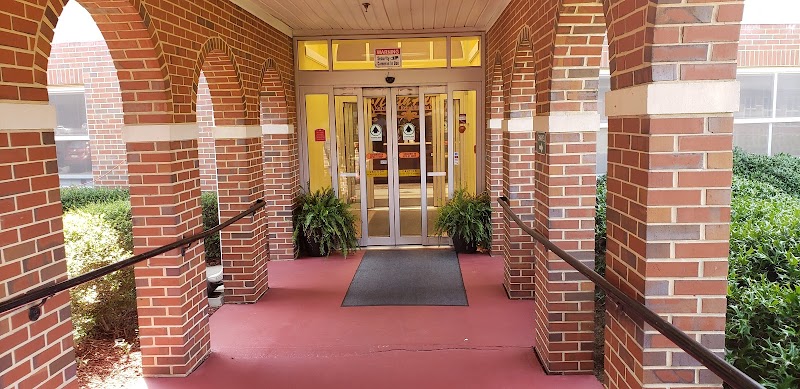
CMS assigns NORTH HILL NURSING AND REHABILITATION CTR, LLC an overall rating of 2 out of 5 stars, which is considered below average nationally. Within Alabama, this rating places the facility higher than 0% of the state's 100 nursing homes. A rating at this level reflects concerns identified through health inspections, staffing assessments, or quality measures that families should carefully consider.
How is North Hill Nursing And Rehabilitation Ctr, Llc Staffed?

CMS rates NORTH HILL NURSING AND REHABILITATION CTR, LLC's staffing level at 2 out of 5 stars, which is below average compared to other nursing homes. Staff turnover is 66%, which is 19 percentage points above the Alabama average of 46%. High turnover can affect care consistency as new staff learn residents' individual needs. RN turnover specifically is 73%, which is notably high. RNs provide skilled clinical oversight, so turnover in this role can affect medical care quality.

What Have Inspectors Found at North Hill Nursing And Rehabilitation Ctr, Llc?

State health inspectors documented 16 deficiencies at NORTH HILL NURSING AND REHABILITATION CTR, LLC during 2019 to 2024. These included: 14 with potential for harm and 2 minor or isolated issues.
Who Owns and Operates North Hill Nursing And Rehabilitation Ctr, Llc?

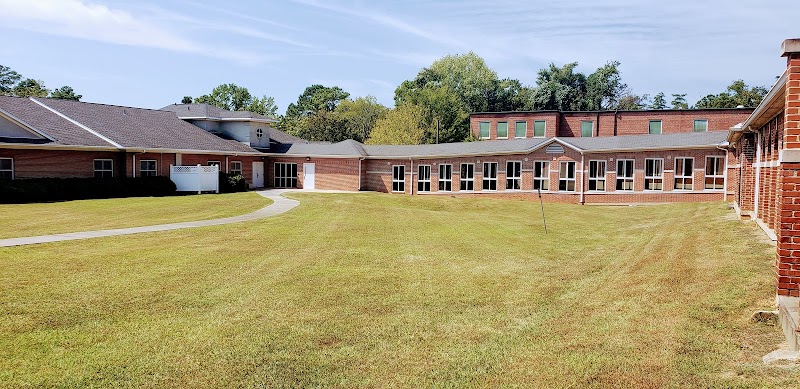
NORTH HILL NURSING AND REHABILITATION CTR, LLC is owned by a for-profit company. For-profit facilities operate as businesses with obligations to shareholders or private owners. The facility is operated by NORBERT BENNETT & DONALD DENZ, a chain that manages multiple nursing homes. With 190 certified beds and approximately 155 residents (about 82% occupancy), it is a mid-sized facility located in BIRMINGHAM, Alabama.
How Does North Hill Nursing And Rehabilitation Ctr, Llc Compare to Other Alabama Nursing Homes?

Compared to the 100 nursing homes in Alabama, NORTH HILL NURSING AND REHABILITATION CTR, LLC's overall rating (2 stars) is below the state average of 2.9, staff turnover (66%) is significantly higher than the state average of 46%, and health inspection rating (2 stars) is below the national benchmark.

What Should Families Ask When Visiting North Hill Nursing And Rehabilitation Ctr, Llc?

Based on this facility's data, families visiting should ask: "How do you ensure continuity of care given staff turnover, and what is your staff retention strategy?" "Can you walk me through typical staffing levels on day, evening, and night shifts?" "Can I visit during a mealtime to observe dining assistance and food quality?" "How do you handle medical emergencies, and what is your hospital transfer rate?" These questions are particularly relevant given the facility's high staff turnover rate and the below-average staffing rating.

Is North Hill Nursing And Rehabilitation Ctr, Llc Safe?

Based on CMS inspection data, NORTH HILL NURSING AND REHABILITATION CTR, LLC has a clean safety record: no substantiated abuse findings (meaning no confirmed cases of resident harm), no Immediate Jeopardy citations (the most serious violation level indicating risk of serious injury or death), and is not on the Special Focus Facility watch list (a federal program monitoring the lowest-performing 1% of nursing homes). The facility has a 2-star overall rating and ranks #100 of 100 nursing homes in Alabama. While no facility is perfect, families should still ask about staff-to-resident ratios and recent inspection results during their visit.

Do Nurses at North Hill Nursing And Rehabilitation Ctr, Llc Stick Around?

Staff turnover at NORTH HILL NURSING AND REHABILITATION CTR, LLC is high. At 66%, the facility is 19 percentage points above the Alabama average of 46%. Registered Nurse turnover is particularly concerning at 73%. RNs handle complex medical decisions and coordinate care — frequent RN changes can directly impact care quality. High turnover means new staff may not know residents' individual needs, medications, or preferences. It can also be disorienting for residents, especially those with dementia who rely on familiar faces. Families should ask: What is causing the turnover? What retention programs are in place? How do you ensure care continuity during staff transitions?

Was North Hill Nursing And Rehabilitation Ctr, Llc Ever Fined?

NORTH HILL NURSING AND REHABILITATION CTR, LLC has no federal fines on record. CMS issues fines when nursing homes fail to meet care standards or don't correct problems found during inspections. The absence of fines suggests the facility has either maintained compliance or corrected any issues before penalties were assessed. This is a positive indicator, though families should still review recent inspection reports for the full picture.

Is North Hill Nursing And Rehabilitation Ctr, Llc on Any Federal Watch List?

NORTH HILL NURSING AND REHABILITATION CTR, LLC is not on any federal watch list. The most significant is the Special Focus Facility (SFF) program, which identifies the bottom 1% of nursing homes nationally based on persistent, serious quality problems. Not being on this list means the facility has avoided the pattern of deficiencies that triggers enhanced federal oversight. This is a positive indicator, though families should still review the facility's inspection history directly.