OAK KNOLL HEALTH AND REHABILITATION, LLC
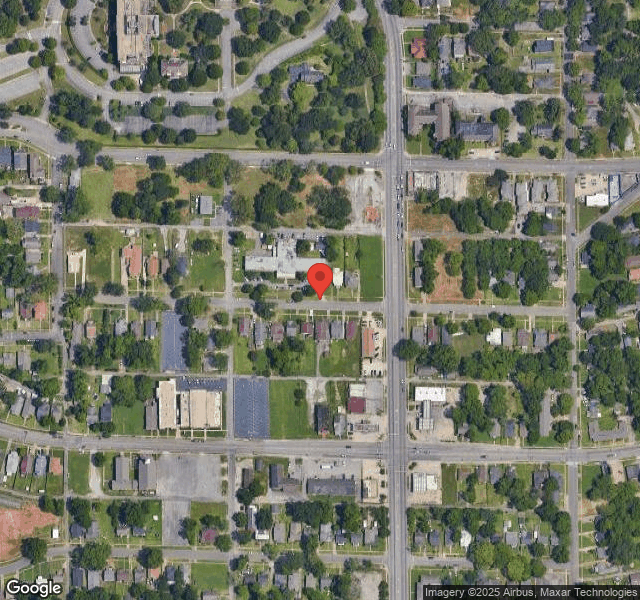
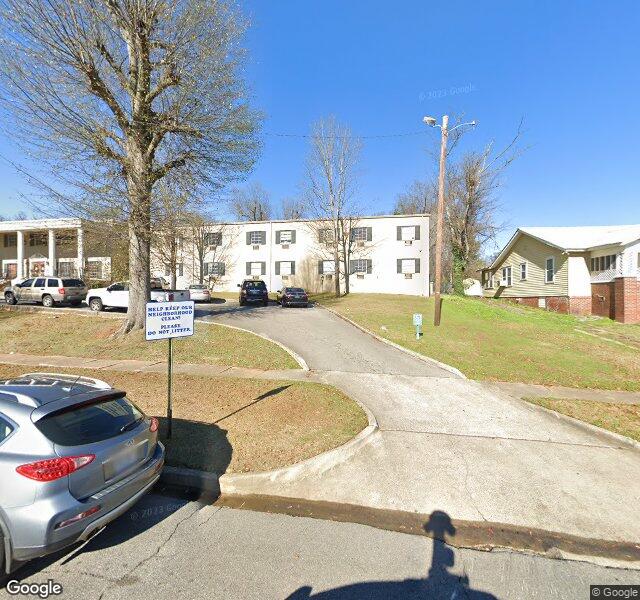
824 SIXTH AVENUE WEST, BIRMINGHAM, AL 35204 (205) 787-2619
For profit - Corporation 100 Beds NHS MANAGEMENT Data: November 2025 2 Immediate Jeopardy citations
Trust Grade
19/100
#207 of 223 in AL
Last Inspection: March 2021

Over 2 years since last inspection. Current conditions may differ from available data.

Overview

Oak Knoll Health and Rehabilitation, located in Birmingham, Alabama, has received a Trust Grade of F, indicating significant concerns about its quality and care. It ranks #207 out of 223 facilities in Alabama, placing it in the bottom half overall, and #30 out of 34 in Jefferson County, meaning there are very few local options that perform better. The facility's trend is stable, with two issues reported in both 2023 and 2024. Staffing is rated average at 3 out of 5 stars, with a turnover rate of 52%, slightly higher than the state average, suggesting that while some staff stay, there is still a notable amount of turnover. However, the facility has troubling fines of $22,340, higher than 91% of Alabama facilities, indicating potential compliance issues. Additionally, the level of registered nurse coverage is concerning, as it is below that of 87% of state facilities, which may affect the quality of care. Specific incidents reported by inspectors include a critical failure to secure a broken exterior door, allowing unauthorized individuals to enter the facility, and a lack of sanitary food preparation, which could pose health risks to residents. Overall, while there are some strengths in staffing, the facility's serious safety and compliance issues raise significant concerns for families considering this nursing home.

Trust Score
F
19/100
In Alabama
#207/223
Bottom 8%
Safety Record
High Risk
Review needed
Inspections
Holding Steady
2 → 2 violations
Staff Stability
⚠ Watch
52% turnover. Above average. Higher turnover means staff may not know residents' routines.
Penalties
✓ Good
$22,340 in fines. Lower than most Alabama facilities. Relatively clean record.
Skilled Nurses
⚠ Watch
Each resident gets only 25 minutes of Registered Nurse (RN) attention daily — below average for Alabama. Fewer RN minutes means fewer trained eyes watching for problems.
Violations
⚠ Watch
14 deficiencies on record. Higher than average. Multiple issues found across inspections.
★☆☆☆☆
1.0
Overall Rating
★★★☆☆
3.0
Staff Levels
★★★★☆
4.0
Care Quality
★☆☆☆☆
1.0
Inspection Score
Stable
2023: 2 issues
2024: 2 issues

The Good

  • 4-Star Quality Measures · Strong clinical quality outcomes
  • Full Sprinkler Coverage · Fire safety systems throughout facility
  • No fines on record

Facility shows strength in quality measures, fire safety.

The Bad

1-Star Overall Rating

Below Alabama average (2.9)

Significant quality concerns identified by CMS

Staff Turnover: 52%

Near Alabama avg (46%)

Higher turnover may affect care consistency

Federal Fines: $22,340

Below median ($33,413)

Minor penalties assessed

Chain: NHS MANAGEMENT

Part of a multi-facility chain

Ask about local staffing decisions and management

The Ugly 14 deficiencies on record

2 life-threatening
May 2024 2 deficiencies
CONCERN (D) 📢 Someone Reported This

A family member, employee, or ombudsman was alarmed enough to file a formal complaint

Potential for Harm - no one hurt, but risky conditions existed

Free from Abuse/Neglect (Tag F0600)

Could have caused harm · This affected 1 resident

Based on record review, interview, review of an Online Incident Report and review of facility policy Abuse, Neglect Misappropriation of Resident/Guest Property, Suspicious Injuries of Unknown Source, ...

Read full inspector narrative →
Based on record review, interview, review of an Online Incident Report and review of facility policy Abuse, Neglect Misappropriation of Resident/Guest Property, Suspicious Injuries of Unknown Source, Exploitation, the facility failed to ensure Resident Identifier RI #1 was not talked to in a demeaning way by a Certified Nursing Assistant (CNA) #4. This incident occurred on 1/28/24 and affected RI #1. This was cited as a result of investigation of complaint/report number AL00046804 and affected RI #1, one of one resident verbally abused. Findings include: Review of a facility policy Abuse, Neglect, Misappropriation of Resident/Guest Property, Suspicious Injuries of Unknown Source, Exploitation with an effective date of 10/15/2022 documented . Verbal- Verbal abuse is the use of oral, written or gestured communication or sounds that includes disparaging and derogatory terms to resident/guest(s) or their families/representatives . Review of a facility Online Reported Incident dated 01/28/2024 documented . 05:30 AM CNA #4 cursed out Resident (RI)#1 over a cigarette lighter. RI #1 stated CNA #4 had asked to borrow his/her lighter. RI #1 said the lighter was not returned . At the desk CNA #4 got mad and said F . you and your lighter. Further review of the Online Reported Incident documented CNA #4 admitted to cursing at RI #1. RI #1 admitted to the facility 06/25/2022 with diagnoses of Anxiety disorder, and Nicotine dependence, cigarettes. On 5/1/24 at 3:50 PM during an interview with Registered Nurse (RN) #3, she said she never saw RI #1 smoking in the facility. She said one night RI #1 was arguing with CNA #4 then RI #1 said he/she found his/her lighter in the shoe. She said she went to get the lighter and RI #1 would not give it to her, she said she told the Director of Nursing (DON) when she called her. RN #3 said she was only aware of RI #1 having a lighter that night when RI #1 said he/she found it in his shoe. RN #3 recalled RI #1 said CNA #4 borrowed the lighter, the CNA #4 said to RI #1 F . you and your lighter. RN #3 said she told CNA #4 to go home he could not talk that way to a resident. RN #3 said it was verbal abuse; she added RI #1 was not harmed. RN #3 said when she called the DON she told CNA #4 cursed at RI #1 and she sent him home, RN #3 said the concern with CNA #4 making a demeaning comment to RI #1 was verbal abuse. On 05/01/2024 at 12:01 PM during an interview with the Administrator she recalled CNA #4 and RI #1 having an argument about a lighter and RI #1 accused CNA #4 of keeping the lighter. She said CNA #4 said f . you and your lighter. CNA #4 admitted to saying that to RI #1, so RN #3 sent him home she heard him say that. The Administrator said the concern when CNA #4 said the demeaning comment to RI #1 was verbal abuse.
CONCERN (D) 📢 Someone Reported This

A family member, employee, or ombudsman was alarmed enough to file a formal complaint

Potential for Harm - no one hurt, but risky conditions existed

Accident Prevention (Tag F0689)

Could have caused harm · This affected 1 resident

Based on observations, interviews, and a review of a facility policy, Supervised Smokers, the facility failed to ensure Resident Identifier (RI) #1 was not found with a lighter in his possession on tw...

Read full inspector narrative →
Based on observations, interviews, and a review of a facility policy, Supervised Smokers, the facility failed to ensure Resident Identifier (RI) #1 was not found with a lighter in his possession on two separate occasions. This affected RI #1, one of 13 residents listed as a smoker. This was cited as a result of investigation of complaint/report number AL00047459. Findings Include: Review of a facility policy Supervised Smokers with an effective date of 10/15/2022 documented . PROCESS: . 2. Smoking materials should be kept at the nurse's station, and . 3. No fire igniting materials (matches/lighters) should be kept in resident/guest(s) possession. Smokers should obtain lighting materials from staff. On 5/1/24 at 3:50 PM during an interview with Registered Nurse (RN) #3, she said she recalled RI #1 and CNA #4 arguing over a lighter. RN #3 said she never saw the lighter. RN #3 said RI #1 said he/she found the lighter in his/her shoe. RN #3 went to the room to get the lighter and RI #1 said he/she did not have a lighter and was not going to give it to her. RN #3 said she was first aware of RI #1 with a lighter when CNA #4 and RI #1 were arguing about it. RN #3 said the concern with RI #1 having a lighter in his/her room was safety although she never saw RI #1 with a lighter. RN #3 said she told the unit manager and RI #1 gave the lighter to her at shift change. On 5/2/24 at 11:30 AM during an interview with the Director of Nursing she said RI #1 had lighters on 01/28/2024 and on 02/09/2024. She said on 01/28/2024 the unit manager got it from RI #1 and with the incident on 02/09/2024 RI #1 was sent to the hospital for an evaluation and returned later the same day, with the Administrator getting the lighter. The DON said the facility policy was for residents to not have lighters or cigarettes in their possession. The DON said the concern in residents having lighters in their possession was the risk of lighting up, and inside risk of accident. On 5/1/24 at 12:01 PM during an interview with the Administrator she said RI #1 had a lighter during the incident on 01/28/2024 with CNA #4, they were arguing about CNA #4 not returning the lighter to RI #1. The Adm said the unit manager took the lighter when she came on shift as RI #1 would not give it to RN #3. The Adm said with the next event on 02/09/2024 she took the lighter from RI #1 after he/she returned from the hospital. The Adm said she was not sure how RI #1 got the lighters. The Adm said the facility process for ensuring residents do not have lighters on their person was by Social services communicating with family to bring cigarettes and lighters to the SW. The Adm said the concern with a resident having a lighter on their person was safety and a fire risk.
May 2023 2 deficiencies 2 IJ (2 facility-wide)
CRITICAL (L) 📢 Someone Reported This

A family member, employee, or ombudsman was alarmed enough to file a formal complaint

Immediate Jeopardy (IJ) - the most serious Medicare violation

Safe Environment (Tag F0584)

Someone could have died · This affected most or all residents

⚠️ Facility-wide issue

Based on observations, interviews, record reviews, review of a facility policy titled, Resident Environmental Quality, a facility policy document titled, Resident Rights, a facility document used for ...

Read full inspector narrative →
Based on observations, interviews, record reviews, review of a facility policy titled, Resident Environmental Quality, a facility policy document titled, Resident Rights, a facility document used for weekly testing of fire door exits, and the State Agency's Online Incident Reporting System Report, the facility failed to ensure residents were safe and their property was protected by failing to provide a safe environment. The facility failed to repair a broken, unsecured door in the facility, allowing anyone to gain access to the facility, unauthorized and without staff knowledge. Also, the facility failed to ensure unauthorized person (i.e., former employees) did not have the active door entry code to gain access to resident care areas. The facility confirmed the code to the door entry keypad had not been changed for an undetermined amount of time. On 05/04/2023 at approximately 3:00 AM, two perpetrators, were able to enter the facility through a broken, unsecured exterior door, known by the facility to be broken for over a year. Both perpetrators, armed with handguns and wearing ski masks, entered this exterior door, input the code to a keypad on the interior door, and walked down the hallway on the second floor of the facility. The facility confirmed 45 residents resided on this floor but were asleep during the time of unauthorized entry. One perpetrator, later identified as a former employee, Employee Identifier (EI) #11, who was terminated on 03/13/2023, placed a gun to a male employee's back and guided him down the hallway to the unit charge nurse. The second perpetrator, identified as a Certified Nursing Assistant (CNA) and Medication Assistant Certified (MAC), EI #10, had been terminated on 03/13/2023 for theft of stock medications. EI #10 demanded the unit charge nurse surrender the keys to the two locked medication carts. EI #10 searched the medication carts after obtaining the keys from the unit charge nurse. The controlled narcotic medications for 26 residents and the cellular phone of the one employee was stolen before the perpetrators exited the facility. On 05/04/2023, after the incident, the facility changed one of the two door codes, but failed to change the master door code until 05/16/2023, after the survey team entered the facility. Further, the exterior door used by the perpetrators to enter the facility remained broken and unsecured when the survey team entered the facility. These deficient practices affected 26 residents, who had their controlled medication stolen and placed all 87 residents, who resided in the facility at the time of the incident, in immediate jeopardy, as an unauthorized armed robbery was likely to result in serious injury, serious harm, serious impairment or death. On 05/19/2023 at 2:58 PM, EI #21 Regional Administrator , EI #1 Administrator, EI #2 Interim Director of Nursing Services, EI #20 Director of Nursing Services, and EI #22 Regional Nurse Consultant were provided a copy of the immediate jeopardy templates and notified of the findings of substandard quality of care at the immediate jeopardy level in the area of Resident Rights, at F584 - Safe, Clean/Comfortable /Homelike Environment. The immediate jeopardy began 05/04/2023 and continued until 05/19/2023, when the facility implemented corrective actions to correct the identified deficient practice and prevent recurrence. Cross Reference F835. Findings included: A facility policy titled, Resident Environmental Quality with an effective date of 03/10/2014 revealed, . PURPOSE: The facility should be designed, constructed, equipped, and maintained to protect the health and safety of residents, personnel and the public. STANDARD: According to federal regulation, the facility must: . Maintain all essential mechanical, . equipment in safe operating condition. PROCESS: a) Preventive maintenance schedules, for the maintenance of the building and equipment, should be followed to maintain a safe environment. An undated document provided to residents upon admission revealed, Residents - These are YOUR Rights: YOU have the right to be treated with dignity, privacy, respect, and to live in a safe, . environment. A facility document identified by the facility as the tool used for weekly testing of Fire Door exits revealed: Instructions (name of the facility) . Steps: . 5. Door inspection Inspect all Egress and Exterior doors. Make repairs as needed . The Alabama Department of Public Health received a report of this incident on 05/04/2023. The Online Incident Reporting System Report documented two armed unknown people came in through stairwell to second floor, held staff at gunpoint, and took cart keys away from the nurse. Suspects went through cart and left with unknown items/medications from cart. A facility document titled Verification of Investigation which was signed on 05/10/2023 documented . SUMMARY AND OUTCOME OF INVESTIGATION . on 5/4/23, two unknown individuals entered the facility through a back stairwell, the entry point from the laundry shed to the building. They went straight up the stairs to the second floor . Both individuals were armed with 1 (one) handgun each . The female individual took the keys. She took all narcotics out of the locked narcotic boxes on each med (medication) cart including the STAT (emergency medication) box . The suspects knew the door codes as they were the same as the time of their termination, and as such were able to get into the building unabated. The summary also indicated the facility was able to use narcotic logs to order all stolen medications from the pharmacy. The prescriptions written on 05/04/2023 to replace the stolen medications for 26 residents were reviewed and included Hydrocodone-APAP (Acetaminophen) 5-325 MG (milligram), Hydrocodone-APAP 7.5-325 MG, Hydrocodone-APAP 10-325 MG, Diazepam 5 MG, Tramadol HCL (hydrochloride) 50 MG, Oxycodone 2.5-325 MG, Oxycodone HCL 5 MG, Oxycodone-APAP 10-325 MG, Oxycodone HCL 15 MG, Morphine Sulfate ER (extended release) 30 MG, Pregabalin 200 MG, Lorazepam 0.5 MG, Gabapentin 100 MG, Gabapentin 300 MG, Gabapentin 800 MG, Lacosamide 150 MG, and Locosamide 200 MG. An interview was conducted on 05/17/2023 at 8:55 AM with EI #14, a CNA on duty at the time of the robbery. EI #14 said about 2:00 AM he was coming out of a room and a male robber came toward him with a gun pointed at him. EI #14 stated by the sound of the robber's voice it sounded like a male's voice. EI #14 stated it scared him to death. EI #14 said the robber told him to come here and took his (EI #14's) cell phone. EI #14 stated the robber asked him who else was on the floor and he stated his nurse and another aide. EI #14 said they went to the nurses' station where EI #15, the nurse on duty at the time of the robbery, was sitting. EI #14 stated the robber pointed his gun at EI #15 and told her to get up. EI #14 said he heard a woman's voice say to EI #15, Give me the keys. EI #14 stated he did not see the other robber but could hear a female's voice. EI #14 said the male robber told him and EI #15 to go to the Director of Nursing's office door, lay on their belly, and don't move. He stated he could hear noises by the medication carts that sounded like the doors were opening and closing. EI #13, another CNA, came up later and the male robber instructed EI #13 to lay on the floor with us. EI #14 said he did not look around because he did not want to get shot. EI #14 said he just started praying and thinking about his family. He stated later the floor technician came over toward them and he told him they had been robbed. He stated he asked the floor technician if anyone was on the first floor and was informed, they were all working. EI #14 stated they paged the first floor and staff came up and they started checking the residents. EI #14 stated the door code he used was the Master Code that could be used on all the doors. EI #14 said that he had been there for 23 years and that had been the universal code for years. EI #14 said it was last changed on May 16th because he tried to use it when he came in to work (and it did not work). EI #14 was asked how armed robbers gained access to the keypad. EI #14 said the back door did not work and would not lock. EI #14 was asked if the codes had been changed prior to May 4th, how the armed persons could have entered the building. He answered they would not have been able to get in the building. EI #14 was asked what should have been in place to ensure the safety of staff and residents. He answered the exterior door should have been closed and locked. He added the codes should be changed. EI #14 was asked what the potential concern of armed persons on the hall was where residents reside. He answered their safety, the residents could have been hurt. A phone interview was conducted on 05/17/2023 at 9:52 AM, with EI #15, LPN (Licensed Practical Nurse). EI #15 stated she saw EI #14 being led down the hall toward the nurses' station by a person dressed in all black and wearing a ski mask. EI #15 said she saw EI #14's eyes and realized he could not talk. EI #15 stated the person behind EI #14 asked her if she was the nurse and she stated, yes. EI #15 said one of masked individuals asked her, Where are the keys? EI #15 stated she reached in her jacket pocket and gave them a set of keys. EI #15 stated the voice was a female's voice and she said, No, the other set of keys. EI #15 stated she got the other key ring and the male robber led EI #14 over towards the DON's office and had him on the floor. EI #15 stated the male robber told her to get on the floor face down, do not say anything, and do not move. After that she heard the carts were being opened and closed. EI #15 stated she could hear the female say, son bag and he responded, Oh, okay. EI #15 said after a while the rambling noises stopped and it got quiet. EI #15 stated they stayed down like they were told. EI #15 said she recognized the male by how he stood. EI #15 was asked how the armed persons would have gained access to the keypad to the second floor from the stair well. She answered from the outside door by the laundry because it never locked. EI #15 was asked if the door had been locked, how would the robbers have entered the stairwell and accessed the code pad. She said they would have had to have a key. EI #15 was asked if the codes had been changed prior to May 4th, how could the armed persons have entered the building. She answered they could not have. She added you cannot get in without the code. EI #15 was asked what should have been in place to ensure the safety of staff and residents. She said security, change the codes often, and have secured doors. EI #15 was asked what was the potential concern of armed persons on the hall where residents reside. She answered the residents getting hurt and their safety. An interview was conducted on 05/17/2023 at 7:56 AM with EI #13, CNA. EI #13 said that she went into a resident's room to get a tray. Then she went back toward the nurses' station and saw a man dressed in black with a hoodie and a mask with only his eyes uncovered. She was told to get on the floor with EI #14 and EI #15. EI #13 was asked how armed persons would have gained access to the keypad to the second floor from the stair well. She responded that the laundry door was always open because it did not lock or work. EI #13 was asked if both codes had been changed, how could the armed persons have gotten in the building. She responded they could not without a code that worked. EI #13 was asked what should have been in place to ensure the safety of staff and residents. She answered that back door should have been closed and locked. EI #13 was asked what was the potential concern of armed persons on the hall where residents resided. She answered it could have scared them or they could have been hurt. On 05/18/2023 at 11:09 AM, the local detective assigned to the robbery was interviewed. The detective stated the perpetrators, who entered the facility, the day of the incident, were able to enter the building because they were former employees and knew the door code. An observation was made of all exterior doors to the building during the initial tour on 05/16/2023 at 11:31 AM with EI #4, the Maintenance Supervisor. All the exterior doors were observed to be secured except for the door to the stairwell on the back of the East Wing which was opened and not secured. EI #4 demonstrated that it was propped open, and it did not work. EI #4 stated this was the doorway that was used by the robbers to gain entry to the stairwell on 05/04/2023. He stated the robbers went up to the second floor after entering that door. EI #4 said the door would close but not latch when shut. EI #4 demonstrated by closing and opening the door. It was observed that the exterior door handle, that should have been horizontal, was broken and dangled downward. EI #4 stated the door had not been in working order and secured since before he came to the facility approximately six weeks earlier. EI #4 stated, nothing had changed to the condition of the door since the robbery. EI #4 said he had requested funds for the door to be fixed by a door contractor. A follow-up interview was conducted on 05/16/2023 at 5:58 PM with EI #4. EI #4 reported he identified the exterior door used by the robbers to gain entry to the stairwell was not in working around the end of April 2023. During a walk-through his third week on the job, he identified the door and frame were warped. He added the door handle did not work because it would not shut and latch closed. When EI #4 was asked what he saw that made him believe the door was not secured, he responded the door was open and would not close. EI #4 added there was no magnetic lock on the door. EI #4 said the Master Code had been changed on 05/16/2023 at 5:30 PM. EI #4 said before the Master Code was changed anyone with the code could have accessed the stairwell on the first floor through the broken door in the back of the East Wing. EI #4 was asked who all knew the Master Code before it was changed. He said facility staff and pharmacy delivery staff, and apparently, it had been in use for a while because numerous people knew it. EI #4 acknowledged former employees could have known the Master Code. EI #4 said he did not know when the access code, intended for staff to use was changed, but it was before he started working at the facility on 03/27/2023. A third interview was conducted on 05/18/2023 at 2:38 PM with EI #4. EI #4 was asked what was the likelihood of the robbers entering the building if that door had been secured. EI #4 said, a lot less likely. EI #4 said he did not know how robbers could have entered the building if that door had been secured. An interview was conducted on 05/17/2023 at 2:33 PM with EI #5, the Housekeeping/Laundry Supervisor. EI #5 had worked at the facility for 33 years and the last eleven or twelve years at her current position. EI #5 said the East Wing exterior stairwell had been broken and unsecured for approximately a year ago. An interview was conducted on 05/18/2023 at 8:23 AM with EI #1, the Administrator. EI #1 was asked what he observed regarding the East Wing exterior stairwell door. He said it had sign indicating it was a fire door and to keep it shut. EI #1 said the door would not lock. EI #1 was asked on the morning of 05/04/2023, how did two masked and armed perpetrators enter the second-floor hall. EI #1 replied they came in the stairwell that was next to the laundry shed, went up to the second floor and let themselves in using the keypad code. EI #1 said the perpetrators took the keys from the nurse to both east and west medication carts which included the narcotic boxes. EI #1 said the facility's root cause analysis determined the root cause was that the perpetrators knew the door code. EI #1 was asked why the Master Code was not changed on 05/04/2023. He said he did not know why. EI #1 said residents were not provided a safe environment and were placed at risk when the exterior door was unsecured, and the door codes were not changed. ************************************************************************ After reviewing the facility's information provided in their Removal Plan and verifying the immediate actions had been implemented, the scope/severity level of F584 was lowered to a F level on 05/19/2023, to allow the facility time to monitor and/or revise their corrective actions as necessary to achieve substantial compliance.
CRITICAL (L) 📢 Someone Reported This

A family member, employee, or ombudsman was alarmed enough to file a formal complaint

Immediate Jeopardy (IJ) - the most serious Medicare violation

Administration (Tag F0835)

Someone could have died · This affected most or all residents

⚠️ Facility-wide issue

Based on observations, interviews, review of the Administrator's Job Description, facility policies titled, Resident Environmental Quality and Resident Rights, and the State Agency's Online Incident R...

Read full inspector narrative →
Based on observations, interviews, review of the Administrator's Job Description, facility policies titled, Resident Environmental Quality and Resident Rights, and the State Agency's Online Incident Reporting System Report, the facility administrator, who was responsible for day-to-day operations, failed to ensure the physical environment of the facility was safe and secure for residents' and staffs' safety. The Administrator, Employee Identifier (EI) #1, admitted to knowing an exterior door, leading to the inside of facility, needed to be repaired for approximately one year before the facility was robbed of residents' narcotic medications and an employee cellular phone on 05/04/2023. On 05/04/2023 at approximately 3:00 AM, two perpetrators, entered the facility through the broken, unsecured exterior door, known by the Administrator to be broken for over a year. Both perpetrators, armed with handguns and wearing ski masks, entered the broken exterior door, input the code to a keypad on the interior door, and walked down the hallway on the second floor of the facility. The facility confirmed 45 residents resided on this floor but were asleep during the time of unauthorized entry. One perpetrator, later identified as a former employee, EI #11, who was terminated on 03/13/2023, placed a gun to a male employee's back and guided him down the hallway to the unit charge nurse. The second perpetrator, also a former employee and identified as a Certified Nursing Assistant (CNA) and Medication Assistant Certified (MAC), EI #10, had been terminated on 03/13/2023 for theft of stock medications. EI #10 demanded the unit charge nurse surrender the keys to the two locked medication carts. EI #10 searched the medication carts after obtaining the keys from the unit charge nurse. The controlled narcotic medications for 26 residents and the cellular phone of the one employee was stolen before the perpetrators exited the facility. Further, according to staff interviews, the broken exterior door leads to an interior door that can be accessed with a security code. Several staff revealed in interviews that they would use the Master Code, that opened all doors, to enter doors. Staff revealed the secondary access security code and the master security code, were not changed often allowing anyone, including former employees, who knew the code to a gain access into the facility. However, after this incident, the Administrator ensured the facility changed the secondary door code but failed to ensure the Master Code was changed until 05/16/2023 at 5:30 PM. These deficient practices affected 26 residents, who had their controlled medication stolen and placed all 87 residents, who resided in the facility at the time of the incident, in immediate jeopardy, it was likely to result in serious injury, serious harm, serious impairment or death. On 05/19/2023 at 2:58 PM, EI #21 Regional Administrator, EI #1 Administrator, EI #2 Interim Director of Nursing Services, EI #20 Director of Nursing Services, and EI #22 Regional Nurse Consultant were provided a copy of the immediate jeopardy templates and notified of the findings at immediate jeopardy level in the area of Administration F835 - Administration. The immediate jeopardy began 05/04/2023 and continued until 05/19/2023, when the facility implemented corrective actions to correct the identified deficient practice and prevent recurrence. Cross Reference F584. Findings included: A review of the Administrator's job description that he signed on 10/11/2021 revealed, . Job Title: Administrator Department: . To direct the day-to-day functions of the facility in accordance with current Federal, State, and local standards governing long-term care facilities to ensure that the highest practicable level of care is provided to the residents. Standard Requirements . 2. Knowledgeable of resident rights and ensures an atmosphere, which allows for . well-being of all residents in a safe, secure environment. 6. Support, cooperate with, and implement specific procedures and programs for: a. Safety, including standard precautions and safe work practices, established fire/safety/disaster plans, risk management, and security, report and/or correct unsafe working conditions, equipment repair and maintenance needs.7. g. Follow up as appropriate with supervisor, co-workers or residents regarding reported complaints, problems, and concerns. A review of the facility policy titled, Resident Environmental Quality dated 03/01/2010 revealed, . PURPOSE: The facility should be designed, constructed, equipped, and maintained to protect the health and safety of residents, personnel and the public PROCESS: a) Preventive maintenance schedules, for the maintenance of the building and equipment, should be followed to maintain a safe environment. An undated document provided to residents upon admission revealed, Residents - These are YOUR Rights: YOU have the right to be treated with dignity, privacy, respect, and to live in a safe, . environment. The Alabama Department of Public Health received a report of this incident on 05/04/2023. The Online Incident Reporting System Report documented two armed unknown people entered through the stairwell to the second floor, held staff at gunpoint, and took cart keys away from the nurse. Suspects went through cart and left with unknown items/medications from cart. A facility document titled Verification of Investigation which was signed on 05/10/2023 documented . SUMMARY AND OUTCOME OF INVESTIGATION . on 5/4/23, two unknown individuals entered the facility through a back stairwell, the entry point from the laundry shed to the building. They went straight up the stairs to the second floor . Both individuals were armed with 1 (one) handgun each . The female individual took the keys. She took all narcotics out of the locked narcotic boxes on each med (medication) cart including the STAT (emergency medication) box . The suspects knew the door codes as they were the same as the time of their termination, and as such were able to get into the building unabated. An interview was conducted on 05/17/2023 at 2:33 PM with EI #5, the Housekeeping/Laundry Supervisor. EI #5 had worked at the facility for 33 years and the last eleven or twelve years at her current position. EI #5 said the East Wing exterior door, the entry point from the laundry shed to the building, had been broken and unsecured for approximately a year. EI #5 reported the door started dragging on the bottom across the concrete and the door handle kept getting stuck and it would no longer stay closed. EI #5 said she reported to EI #1 that the door handle was getting stuck, and it would not stay shut. When asked if anyone else was present when she made EI #1 aware that the door would not stay shut, she responded she mentioned it in a morning meeting a while ago but did not recall exactly when. EI #5 was asked what was the concern of an exterior door not closing or locking. EI #5 answered the residents could be harmed and it was a danger to residents and staff. EI #5 said anybody that had the door code could have entered the halls. EI #5 stated the condition of the door worsened and there was no response from the Administrator. EI #5 said nothing was done after the robbery to prevent unauthorized persons from entering that door. EI #5 knew the Master Code. She could not remember when the other code was changed before the robbery, but it had been a long time, maybe years. EI #5 was asked if the back door would not close and lock, and anyone entered the Master Code on the keypad, could they enter the resident hallways. EI #5 replied yes. An interview was conducted on 05/17/2023 at 6:02 PM with EI #18, MDS (Minimum Data Set) Coordinator. EI #18 recalled during a morning meeting approximately one year ago, the Laundry Supervisor brought to the attention of all present that the exterior door would not shut and lock. EI #18 confirmed knowing the Master Code. EI #18 could not recall the last time the codes had been changed. EI #18 said employees and former employees would also have known both codes. When asked who had access to a Master Code, EI #18 answered everyone she knew had it. EI #18 was asked if the fire doors were supposed to stay closed and she said yes. A review of an email sent to EI #1 on 03/08/2023 revealed a quote for the replacement of a fire door. During an interview on 05/18/2023 at 11:55 AM with EI #1 regarding the request for funding for the door, EI #1 provided the surveyor with an emailed quote dated 03/08/2023 for the door to be replaced. EI #1 said he did not request for it to be funded, because it was a lot of money. A review of the quote provided by EI #4, the Maintenance Supervisor, revealed a quote for replacement of a fire door on 04/26/2023. An interview was conducted on 05/17/2023 at 8:55 AM with EI #14, the other CNA on duty at the time of the robbery. EI #14 was asked what door code he used for the stairwell or other doors. EI #14 provided the number of the Master Code, saying that code worked on all of the doors. EI #14 stated he worked at the facility for 23 years, and it had been the universal code (Master Code) for years and had not been changed. EI #14 was asked how armed persons gained access inside the building. RI #14 stated the back door did not work and that is it was never locked. EI #14 stated they (armed persons) would not have been able to get in the building if door was locked. EI #14 was asked what should have been in place to ensure the safety of staff and residents. EI #14 stated the exterior door should have been locked and codes should be changed. A phone interview was conducted on 05/17/2023 at 9:52 AM with EI #15, an LPN (Licensed Practical Nurse), the nurse on duty at the time of the robbery. EI #15 was asked how armed persons would have gained access to the keypad to the second floor from the stair well. She answered from the outside door by the laundry because the door was never locked. EI #15 was asked if the codes had been changed prior to May 4th, could the armed persons have gotten in the building. She answered they could not because you cannot get inside the facility without the code. EI #15 was asked what should have been in place to ensure the safety of staff and residents. She said security, changing the codes often, and having secured doors. An interview was conducted on 05/17/2023 at 7:56 AM with EI #13, one of the CNAs on duty at the time of the robbery. EI #13 confirmed knowing the Master Code to the door's keypad. EI #13 said everybody that went in and out to take the linen out knew the Master Code. EI #13 was asked how did the armed persons gain access inside the building. EI #13 responded that the door was always open because it did not lock or work. EI #13 was asked what should have been in place to ensure the safety of staff and residents. She answered that back door should have been closed and locked. On 05/16/2023 at 3:20 PM, EI #23, a CNA was able to name one of the two door codes as the Master Code and admitted she knew it was the Master Code. On 05/16/2023 at 3:29 PM, EI #24, a member of the housekeeping staff reported one of the keypad codes had been changed. EI #24 was able to provide the Master Code to the surveyor. EI #24 stated she heard about the Master Code from other random employees about a year ago. She said the staff have access to both codes and former employees could know the Master Code. On 05/16/2023 at 3:40 PM, EI #25, LPN (Licensed Practical Nurse), confirmed knowing both codes, one being the Master Code. EI #25 said staff have access to both codes. On 05/16/2023 at 3:45 PM, EI #26, Medication Assistant Certified (MAC) confirmed knowing two codes, including the Master Code, that would unlock the doors that have a keypad. EI #26 stated staff and administration have access to both codes. When EI #26 was asked if any former employees could have the Master Code, she said probably. On 05/16/2023 at 4:56 PM, EI #27, CNA reported she had worked at the facility for 22 years. EI #27 was able to name the codes, including the Master Code. EI #27 stated currently there were two codes that would unlock stairwell doors and one of the codes was the Master Code. EI #27 stated she has known the Master Code for about a year. When asked if any former employees could have the Master Code, she said possibly. During an interview on 05/17/2023 at 4:21 PM it was determined EI #29, a CNA who worked the first and second floor knew the Master Code. EI #29 could not recall when the code was changed before the robbery. She added that she did not realize after they changed codes on 05/04/2023, the number she gave that was the Master Code was still going to work. When EI #29 was asked who all had access to both codes, she replied everyone that worked there and the people that robbed the place. EI #29 voiced she thought that when somebody got fired, they were supposed to change the codes. EI #29 said any former employees could have the Master Code. EI #29 said everybody that worked at the facility had access to the Master Code. An observation was made during the initial tour on 05/16/2023 at 11:31 AM with EI #4, the Maintenance Supervisor, of all exterior doors to the building. It was observed that all the exterior doors were secured except for the door to the stairwell on the back of the East Wing. This door observed to be open. The exterior door handle dangled downwards and was broken. EI #4 stated the door had not been in working order and secured since before he came to the facility approximately six weeks earlier. He states nothing had changed to the condition since the robbery. EI #4 stated he had requested funds for the door to be fixed by a door contractor. An observation was made on 05/16/2023 at 5:12 PM that the Master Code allowed access to hallways inside the facility from the stairwell on the back of the East Wing. An interview was conducted on 05/16/2023 at 5:58 PM with EI #4, the Maintenance Supervisor. EI #4 reported he identified the exterior door used by the robbers to gain entry to the stairwell was not working around the end of April. EI #4 stated, during a walk-through his third week on the job, he identified the door and frame were warped. He added the door handle did not work because it would not shut, and latch closed. EI #4 explained that he had been trying to figure out how to get the Master Code to the doors changed since the robbery but was unable until 05/16/2023 at 5:30 PM. EI #4 stated, apparently the Master Code had been in use for a while and numerous people knew it. EI #4 acknowledged former employees could have known the Master Code. EI #4 said until 5:30 PM on 05/16/2023 anyone with the code could have accessed the stairwell first floor through the broken door in the back of the East Wing. An interview was conducted on 05/18/2023 at 8:23 AM with EI #1, the Administrator. EI #1 was asked what he observed regarding the East Wing exterior stairwell door. He said that it would not lock and there was no magnetic lock on it. EI #1 was asked on the morning of 05/04/2023, how did two masked and armed perpetrators enter the second-floor hall. EI #1 answered they came in the stairwell that is next to the laundry shed (East Wing), went up to the second floor and let themselves in using the keypad code. EI #1 was asked when the facility changed door codes so that unauthorized persons, like ex-employees, would not have access. EI #1 stated they did not have a policy for that before the robbery. EI #1 said he did not know when either code was changed before the robbery on 05/04/2023. EI #1 was asked when he became aware of the condition of the East Wing exterior door that opens to the stairwell. EI #1 said he did not remember, but a couple of months ago they got an estimate on replacing it. EI #1 was asked if that was that the first time, he was made aware of the condition of that door. He responded no, but he could not recall when it was brought to his attention before. EI #1 said EI #5, the Housekeeping/Laundry Supervisor notified him the first time but did not recall when she notified him. EI #1 was asked what did he do in response to being notified by the Housekeeping/Laundry Supervisor. EI #1 stated he did nothing at that time. EI #1 was asked why would he want the building to be secure. He answered to keep the residents and employees safe. EI #1 stated he could have had a new door installed and added a magnetic lock. EI #1 confirmed nothing was in place to prevent unauthorized persons from entering that stairwell. EI #1 said when entry was gained through that door, a person could enter the stairwell and then have access to the stairs and the keypads to the top and bottom floors. EI #1 was asked if the key codes were not changed routinely and the exterior door was not secured, how could he ensure former employee would not come back to the building. He said he could not. EI #1 was asked who was responsible for ensuring the codes were changed. EI #1 stated he was the responsible person. EI #1 was asked when was the Master Code changed after the robbery. He answered Tuesday, May 16th. EI #1 was asked why was the Master Code was not changed on 05/04/2023 when the other door access was changed. EI #1 stated he forgot about the Master Code and did not think about it. EI #1 stated it was oversight on his part. EI #1 was asked how long he had been aware that staff knew the Master Code. He said he was only made aware on May 16th. EI #1 was asked with the East Wing exterior door not being secured or guarded and the Master Code not being changed until 05/16/2023 at 5:30 PM, who could have accessed the building, staff and residents before the Master Code was changed. He answered any employee or former employee that knew the code. EI #1 was asked who was responsible for ensuring the safety of the facility and residents. He said that would be him. EI #1 said residents were not provided a safe environment and were placed at risk when the exterior door was unsecured, and the door codes were not changed. A final interview was conducted on 05/19/2023 at 10:48 AM with EI #1. EI #1 said he did not make his Regional Administrator aware when he received the quote to replace the exterior door. EI #1 stated it fell by the wayside. EI #1 was asked who else was involved in that decision. EI #1 stated no one. EI #1 said at the time of the robbery that exterior door would not close and latch. EI #1 was asked was what his role as Administrator. He answered to be over the overall operations of the Nursing Facility. EI #1 was asked what was his role regarding safety. He said to ensure the safety of their residents and staff. An interview was conducted with EI #17, Chief Operating Officer on 5/19/23 11:09 AM. EI #17 was asked, what he was told about the condition of the East Wing exterior door. EI #17 said he was not made aware and if he had known about the condition of the door, it would have been handled before. ************************************************************************ After reviewing the facility's information provided in their Removal Plan and verifying the immediate actions had been implemented, the scope/severity level of F835 was lowered to a F level on 05/19/2023, to allow the facility time to monitor and/or revise their corrective actions as necessary to achieve substantial compliance.
Mar 2021 6 deficiencies
CONCERN (D)

Potential for Harm - no one hurt, but risky conditions existed

Comprehensive Care Plan (Tag F0656)

Could have caused harm · This affected 1 resident

Based on observation, record review and interviews the facility failed to develop and implement a comprehensive care plan for one (1) of two (2) residents that received dialysis services (Resident #66...

Read full inspector narrative →
Based on observation, record review and interviews the facility failed to develop and implement a comprehensive care plan for one (1) of two (2) residents that received dialysis services (Resident #66). The facility failed to implement the care plan regarding obtaining information from the dialysis center and failed to assess the fluid intake for Resident #66 who was on a fluid restriction. Findings include: Review of Resident #66's clinical record revealed a readmission date of 1/25/21; diagnoses included: Paranoid Schizophrenia; End Stage Renal Disease (ESRD); and Renal Osteodystrophy (complication of ESRD leading to skeletal and extraskeletal manifestations). Review of Resident's #66 Care Plan dated 1/25/21 for Fluid Restriction included the following interventions: assess intake and output (I&O) and obtain weight and labs from the dialysis center. Review of the Physician's Orders for 3/2021 included an order for a 1200 cubic centimeter (cc) fluid restriction with dietary to provide 720 cc, first shift to provide 240 cc, second shift to provide 120 cc and third shift to provide 120 cc. Review of Resident #66's Medication Administration Record (MAR) for 3/2021 lacked documentation of fluid intake. Interview with Registered Nurse (RN) #4 on 3/18/21 at 9:40 a.m. revealed the nurses did not document resident #66's fluid intake. He/she believed the Certified Nurse Aides (CNAs) completed the fluid intake documentation on their computers, but he/she could not access their documentation. Review of the 3/2021 Combined Dietary Report, completed by the CNAs for Resident #66 lacked consistent and accurate fluid intake documentation. For example, review of the report from 3/1/21 to 3/17/21 revealed: -On 3/1/21 staff documented at 10:56 p.m. the resident consumed 480 cc and at 10:57 p.m. the resident consumed 240 cc. -On 3/3/21 staff documented four (4) entries at 7:52 p.m. revealing the resident consumed 240 cc, 480 cc, 240 cc and 240 cc and documented two (2) entries at 7:53 p.m. revealing the resident consumed 240 cc and 240 cc. -On 3/4/21 staff documented at 7:56 p.m. the resident consumed 480 cc and at 7:57 p.m. documented two (2) entries revealing the resident consumed 480 cc and 480 cc. -On 3/5/21 and 3/6/21 staff did not document any fluid intake. -On 3/7/21 staff documented seven (7) entries revealing at 7:19 p.m. the resident consumed 240 cc, 240 cc, 480 cc, 480 cc, 240 cc, 240 cc and 480 cc and at 7:23 p.m. the resident consumed 240 cc and at 7:25 p.m. the resident consumed 246 cc. Review of the Report from 3/8/21 to 3/17/21 continued with inconsistent documentation similar to what was documented from 3/1/21 to 3/17/21. Review of Resident #66's clinical record revealed the presence of Dialysis Communication Records. The Dialysis Communication Records included a section for the facility to complete prior to the resident going to dialysis and a section for the dialysis center to fill out. The dialysis center was supposed to send the completed form back to the facility. The form included information such as pre and post dialysis weights. Review of Resident #66's clinical record from 11/16/2020 to 3/17/21 lacked evidence the facility received completed Dialysis Communication Records when or after the resident returned from dialysis, except on 1/5/21. Observation of Resident #66 on 3/18/21 at 9:04 a.m. revealed the resident lying in bed and staff had just removed the breakfast tray. Further observation revealed the resident had a partially consumed 16-ounce bottle of water in bed with him/her. Interview with the Minimum Data Set (MDS) Coordinator on 3/17/21 at 2:35 p.m. revealed he/she developed the nursing care plans for the residents. The MDS Coordinator stated he/she found out the resident's care needs based on the resident's orders and department head meetings held Monday through Friday. Interview with Registered Nurse (RN) #4 on 3/18/21 at 9:48 a.m. revealed the facility did not contact the dialysis center for an update on the resident or for pre and post dialysis weights. Interview with the Director of Nursing (DON) on 3/18/21 at 12:01 p.m. revealed the facility did not complete intake and output on residents unless it was ordered by the Physician. He/she stated the care plans were computer generated based of the resident's problems and agreed that if a resident was on a fluid restriction the staff should monitor the fluid intake to assess the compliance with the fluid restriction. Interview with the Regional Corporate Nurse on 3/18/21 at 1:25 p.m. revealed the facility should call the dialysis center for updates on the residents. The facility failed to implement the care plan for obtaining information from the dialysis center such as weights and monitoring intake and output.
CONCERN (D)

Potential for Harm - no one hurt, but risky conditions existed

Deficiency F0698 (Tag F0698)

Could have caused harm · This affected 1 resident

**NOTE- TERMS IN BRACKETS HAVE BEEN EDITED TO PROTECT CONFIDENTIALITY** Based on observation, interview, record review, and policy review the facility failed to ensure ongoing communication between th...

Read full inspector narrative →
**NOTE- TERMS IN BRACKETS HAVE BEEN EDITED TO PROTECT CONFIDENTIALITY** Based on observation, interview, record review, and policy review the facility failed to ensure ongoing communication between the facility and the dialysis center for two (2) of two (2) sampled residents (Resident #66 and Resident #86) reviewed for dialysis. In addition, the facility failed to complete intake and output records per Physician's Orders for Resident #66 who had a fluid restriction in place and failed to follow-up on the dialysis center Dietician's recommendation for Novosource (nutritional supplement). Findings include: 1. Review of Resident #66's clinical record revealed a readmission date of 1/25/21; the resident's diagnoses included: Paranoid Schizophrenia, End Stage Renal Disease (ESRD), and Renal Osteodystrophy (complication of ESRD leading to skeletal and extraskeletal manifestations). Review of Resident #66's Quarterly Minimum Data Set (MDS) assessment dated [DATE] revealed the resident had a Brief Interview for Mental Status (BIMS) score of 14 indicating intact cognition. The resident required extensive staff assistance with bed mobility and personal hygiene, required total assistance of two (2) staff for transfers, did not ambulate, and required set-up assistance with eating. The 2/21/21 MDS indicated Resident #66 received dialysis. Review of Resident #66's Care Plan for Fluid Restriction dated 1/25/21 included the following interventions: resident asks other residents for liquids in exchange for clothing items; required dialysis on Tuesday, Thursday and Saturday; assess Intake and output (I&O); and obtain weight and labs from the dialysis center. Review of the Care Plan addressing Potential for Weight Loss listed the intervention of providing snacks or supplements. Review of the Physician's Orders for 3/2021 included an order for a 1200 cubic centimeter (cc) fluid restriction with dietary to provide 720 cc, first shift to provide 240 cc, second shift to provide 120 cc and third shift to provide 120 cc. Review of Resident #66's Medication Administration Record for 3/2021 lacked documentation of fluid intake. Interview with Registered Nurse (RN) #4 on 3/18/21 at 9:40 a.m. revealed the nurses did not document resident #66's fluid intake. He/she believed the Certified Nurse Aides (CNAs) completed the fluid intake documentation on their computers, but he/she could not access their documentation. Review of the 3/2021 Combined Dietary Report, completed by the CNAs for Resident #66 lacked consistent and accurate fluid intake. For example, review of the report from 3/1/21 to 3/17/21 revealed: -On 3/1/21 staff documented at 10:56 p.m. the resident consumed 480 cc and at 10:57 p.m. the resident consumed 240 cc. -On 3/3/21 staff documented four (4) entries at 7:52 p.m. revealing the resident consumed 240 cc, 480 cc, 240 cc and 240 cc and documented two (2) entries at 7:53 p.m. revealing the resident consumed 240 cc and 240 cc. -On 3/4/21 staff documented at 7:56 p.m. the resident consumed 480 cc and at 7:57 p.m. documented two (2) entries revealing the resident consumed 480 cc and 480 cc. -On 3/5/21 and 3/6/21 staff did not document any fluid intake. -On 3/7/21 staff documented seven (7) entries revealing at 7:19 p.m. the resident consumed 240 cc, 240 cc, 480 cc, 480 cc, 240 cc, 240 cc and 480 cc and at 7:23 p.m. the resident consumed 240 cc and at 7: 25 p.m. the resident consumed 246 cc. Review of the Report from 3/8/21 to 3/17/21 continued with inconsistent documentation similar to what was noted for 3/1/21 to 3/17/21. Review of the Weight List revealed Resident #66 had experienced a gradual weight loss. The resident weighed 251 pounds on 5/9/2020, 242 pounds on 8/6/2020 and 228 pounds on 12/29/2020 consisting of a nine (9) percent weight loss in seven (7) months. Review of the monthly lab completed at the dialysis center dated 12/28/2020, revealed a low Albumin level (protein level) of 2.3 grams per deciliter (g/dl) with the normal range being 3.4 to 5.4 g/dl. Review of the Dialysis Communication Record dated 1/5/21 listed the dietary recommendation for Novosource (nutritional supplement for residents with renal concerns) eight (8) ounces. The recommendation did not include the frequency or the reason for the supplement. Review of the Resident #66's Physician Orders, Nurses' Notes and Registered Dietician (RD) notes lacked evidence the facility followed-up on the recommendation for the Novosource. Review of Resident #66's clinical record revealed there was a section for Dialysis Communication Records. The facility was to complete their section of the Dialysis Communication Record form prior to the resident going to dialysis including the resident's vital signs and any changes for the resident. The dialysis center was to fill out their section including the resident's pre and post weights, vital signs, and any changes in care and medications given during dialysis. The dialysis center should then send the Dialysis Communication Record back to the facility following dialysis. The Dialysis Communication Record from 11/16/2020 to 3/17/21 revealed a total of 15 Dialysis Communication Records for Resident #66. Of the 15, five (5) were blank, nine (9) had the pre-dialysis section filled out by the facility but not the post dialysis section that should have been filled out by dialysis center and one (1) had the documented recommendation for Novosource. Observation of Resident #66 on 3/18/21 at 9:04 a.m. revealed the resident lying in bed; staff had just removed the breakfast tray. Further observation revealed the resident had a partially consumed 16-ounce bottle of water (equaling 480 cc of fluid) in bed with him/her. Interview with RN #4 on 3/18/21 at 9:48 a.m. and at 11:00 a.m. revealed the facility should fill out the Dialysis Communication Record each time the resident went to dialysis. He/she further stated the dialysis center did not always send the form back. He/she stated if the staff needed information, they could call the dialysis center. RN #4 confirmed the facility did not know how much fluid was removed from the resident at dialysis since they did not weigh him/her and did not know what occurred during dialysis if the form was not filled out. Interview with the Director of Nursing (DON) on 3/18/21 at 12:01 p.m. revealed the facility did not complete I&O unless it was ordered by the Physician and the facility did not have a policy on I&O. The DON also stated the facility did not follow-up on the dialysis center's recommendation for the Novosource. Interview with Regional Corporate Nurse on 3/18/21 at 1:25 p.m. revealed the facility should complete and send the Dialysis Communication Sheet with the resident each time the resident went to dialysis. He/she also stated the dialysis center did not always send the sheet back to the facility and the facility had no control over that. However, the Regional Corporate Nurse stated the nurses should call the center to obtain the needed information. Review of the policy titled, Hemodialysis Care dated 11/1/01 directed the staff to obtain the dry weight from the dialysis center. Review of the policy titled, Fluid Restrictions dated 10/1/10 did not include the intervention to document the resident's fluid intake. The facility failed to assess Resident #66's fluid consumption in spite of a Physician's order for I&Os, failed to communicate with the dialysis center and failed to follow-up on the dialysis center Dietician's recommendation for Novosource. 2. Review of Resident #86's undated Face sheet revealed the resident was admitted to the facility 2/24/21 with diagnoses which included Other Sequelae of Cerebral Infarction; Dysphagia following Cerebral Infarction; Hemiplegia; Type 2 Diabetes with Diabetic Peripheral Angiopathy with Gangrene; End Stage Renal Disease; Hypocalcemia; Hyperlipidemia; Chronic Ulcer to Lower Leg; and Gastrostomy status. Review of the resident's Care Plan initiated on 2/24/21 revealed Resident #86 had Renal Disease: Requires Dialysis: (name of dialysis facility) start 2/26/21. Goal: I will not have any unresolved complications rt (related to) dialysis x (for) 90 days Interventions: Provide/Coordinate transportation to the dialysis center. apply pressure promptly if bleeding occurs. assess intake and output. check bruit and thrill as ordered. no blood pressure where site located. obtain weights and labs from dialysis center. Review of Resident #86's admission Minimum Data Set (MDS) assessment dated [DATE] revealed Resident #86 was assessed as having a Brief Interview for Mental Status (BIMS) score of four (4) indicating the resident was severely impaired in skills for daily decision-making. Resident #86 was assessed as needing total physical assistance of two (2) or more staff for bed mobility and bathing; total physical assistance of one (1) or more staff for dressing, eating, toilet use and personal hygiene. The resident was assessed as always incontinent of bladder and bowel. Resident #86 was assessed as receiving dialysis Review of Resident #86's medical records revealed there were no Dialysis Communication Sheets. Interview with Registered Nurse (RN) #2 on 3/18/21 at 11:30 a.m. revealed the dialysis communications sheets were filled out by the nurse on duty and sent with the resident to the dialysis center. He/she stated sometimes the form was completed when it was returned to the facility after the resident's appointment but most times it was not. He/she stated he/she had not called the dialysis center when the form was returned incomplete. RN #2 stated the form was used as a communication tool between the facility and the dialysis center. Interview on 3/18/2021 at 1:25 p.m. with the Regional Corporate Nurse revealed the facility utilized Dialysis Communication Sheets for continuation of care/communication with the dialysis centers. He/she stated the form should be filled out in the computer by the nurse, printed out and sent back to the facility with the resident. He/she stated the dialysis center should complete the form and sent it back with the resident. He/she stated most of the time, the form was not sent back. When asked if the nurses attempted to call the dialysis center for the information, he/she stated he/she was not sure if they did or did not. He/she stated the dialysis center called the facility if the resident had any issues or received any treatments during dialysis. He/she stated the nurses should document in the resident's chart any information given by the dialysis center. Interview on 3/18/2021 at 3:30 p.m. with the Regional Corporate Nurse revealed she was unable to find any Dialysis Communication Sheets for Resident #86. She stated they started inservicing staff on the use of the dialysis communication sheets. The inservicing began after the surveyors notified the facility regarding the incomplete and lack of Dialysis Communication Sheets.
CONCERN (D)

Potential for Harm - no one hurt, but risky conditions existed

Deficiency F0761 (Tag F0761)

Could have caused harm · This affected 1 resident

**NOTE- TERMS IN BRACKETS HAVE BEEN EDITED TO PROTECT CONFIDENTIALITY** Based upon observation, interview, and policy review the facility failed to ensure that medications were stored properly in one ...

Read full inspector narrative →
**NOTE- TERMS IN BRACKETS HAVE BEEN EDITED TO PROTECT CONFIDENTIALITY** Based upon observation, interview, and policy review the facility failed to ensure that medications were stored properly in one of two medication carts surveyed. One blister pack card of expired medication was found in Medication Cart #2. Findings include: A medication card of Oxycodone Hydrochloride (narcotic pain medication) five (5) milligrams (mg) with expiration date of [DATE] was found in the narcotics drawer of Medication Cart #2 during the medication cart inspection on [DATE] at 9:45 a.m. The Narcotics Log Sheets from [DATE] admission to [DATE] and resident's medical record reflected that the medication had an active order for the medication of one half (½) tablet by mouth PRN (as needed) every four (4) hours. Review of the 3/2021 Medication Administration Record (MAR) and 2/2021 Physician's Orders reflected that Oxycodone Hydrochloride was prescribed for Resident #55 who was readmitted to the facility on [DATE] after an acute hospital stay. The medication was prescribed on [DATE] for pain on an as-needed basis. The 3/2021 Medication Administration Record reflected that Resident #55 was also on a scheduled medication regimen for pain and had not taken the PRN Oxycodone Hydrochloride medication. During an interview with Registered Nurse (RN) #1 on [DATE] at 9:45 a.m., RN #1 stated the medication should have been removed from the medication cart and destroyed per the facility's narcotic disposal policy. RN #1 stated that it was every nurse's responsibility to monitor the medication expiration dates and that he/she must have missed it. During an interview with the Director of Nursing (DON) on [DATE] at 8:40 a.m. the DON stated that it was his/her expectation the medications on the medications carts be maintained per facility policy and professional standards. Review of the facility policy Storage of Medications and Biologicals dated 3/2011 reflected that outdated .medications .are removed from stock, disposed of according to procedures for medication disposal, and reordered from the pharmacy, if a current order exists. Review of the facility policy Medication Administration-General Guidelines (Procedures section) dated 3/2011 reflected .check expiration date on package/container.
CONCERN (D)

Potential for Harm - no one hurt, but risky conditions existed

Infection Control (Tag F0880)

Could have caused harm · This affected 1 resident

**NOTE- TERMS IN BRACKETS HAVE BEEN EDITED TO PROTECT CONFIDENTIALITY** Based on observations, interviews, and review of facility policy, two (2) staff failed to wear all required personal protective ...

Read full inspector narrative →
**NOTE- TERMS IN BRACKETS HAVE BEEN EDITED TO PROTECT CONFIDENTIALITY** Based on observations, interviews, and review of facility policy, two (2) staff failed to wear all required personal protective equipment (PPE) when entering two (2) residents' isolation rooms during meal-service (Resident #139 and Resident #140). Findings include: Observation on 3/16/21 at 1:18 p.m. revealed Certified Nurse Aide (CNA) #2, who was wearing gloves but no other personal protective equipment (PPE), provided the disposable lunch tray to Resident #140 in his/her room. CNA #2 placed the tray on the overbed table, moved the overbed table to the opposite side of the bed, and set-up the tray for the resident to eat. Further observation at that time revealed two (2) signs on the door from the hallway into the room. One sign identified the resident was on droplet precautions and the second sign identified the resident was on contact isolation. Review of the clinical record revealed Resident #140 was admitted on [DATE]: the diagnoses included Orthopedic Aftercare and Schizoaffective Disorder. Observation on 3/16/21 at 1:19 p.m. revealed CNA #3, who was only wearing gloves and no other PPE, provided the disposable lunch tray to Resident #139 in his/her room. CNA #3 set up the tray for the resident to eat. Further observation at that time revealed two (2) signs on the door. One sign identified the resident was on droplet precautions and the second sign identified the resident was on contact isolation. Interview with Registered Nurse (RN) #4 on 3/16/21 at 11:00 a.m. revealed the facility placed all new admissions or readmissions on isolation for 14 days due to Coronavirus (COVID)-19. RN #4 stated Resident #139 was admitted within the last 14 days and remained in isolation. Interview with CNA #2 on 3/16/21 at 1:23 p.m. revealed he/she thought Resident #140 was off isolation, but since Resident #140 was on contact and droplet isolation he/she should have worn PPE including gloves, a mask, and a gown when he/she entered the room. Interview with CNA #3 on 3/16/21 at 1:25 p.m. revealed the staff were allowed in the isolation room for 15 minutes before needing a gown and mask. Interview with Registered Nurse (RN) #4 on 3/18/21 at 9:40 a.m. revealed staff should wear a gown, mask and gloves when entering a resident's room who was on contact and droplet isolation. He/she believed that if the staff was just putting something down, such as a meal tray on the overbed table, they only had to wear gloves. Interview with the Director of Nursing (DON) on 3/18/21 at 10:22 a.m. revealed the staff should wear a gown, mask and gloves when entering a resident's room who was on contact and droplet isolation. Review of the facility policy titled, Droplet Precaution dated 9/1/17, revealed staff should wear a mask when entering the resident's room. Review of the facility policy titled, Contact Precautions dated 9/1/17 revealed staff should wear a gown and gloves when entering the resident's room.
CONCERN (E)

Potential for Harm - no one hurt, but risky conditions existed

Menu Adequacy (Tag F0803)

Could have caused harm · This affected multiple residents

Based on observation, record review, interview and review of facility policy, the facility failed to follow the menus. Specifically, the facility failed to follow the recipes for the pureed menu items...

Read full inspector narrative →
Based on observation, record review, interview and review of facility policy, the facility failed to follow the menus. Specifically, the facility failed to follow the recipes for the pureed menu items, failed to follow the menu for pureed corn bread, and failed to adhere to the appropriate serving size of the bread for 12 of 12 residents that received pureed diets (Resident #5, Resident #6, Resident #22, Resident #23, Resident #25, Resident #27, Resident #30, Resident #31, Resident #36, Resident #78, Resident #139, and Resident #140). Findings include: Interview on 3/17/21 at 10:55 a.m. revealed the Dietary [NAME] stated he/she would make 16 servings of the pureed menu items. There were 12 residents who received pureed diets. Review of the Physician Orders List for diets revealed 12 residents had orders for pureed diets (Resident #5, Resident #6, Resident #22, Resident #23, Resident #25, Resident #27, Resident #30, Resident #31, Resident #36, Resident #78, Resident #139, and Resident #140). Observation on 3/17/21 beginning at 10:55 a.m. revealed the Dietary [NAME] removed a steam table pan of brussels sprouts in water from the oven, pureed them in the Robot Coupe (commercial food processor) and then poured the pureed brussels sprouts back into the steam table pan. Four (4) different times the Dietary [NAME] added an unmeasured amount of water directly from the water spigot into the pureed brussels sprouts and stirred the mixture with a spoon. He/she then covered the pan and placed the pureed brussels sprouts back into the oven. The dietary [NAME] did not add thickener to the brussels sprouts and did not follow the recipe when he/she pureed the brussels sprouts. Review of the recipe for pureed brussels sprouts revealed the brussels sprouts should be steamed and then the cook should combine melted butter and salt and pepper and pour over the brussels sprouts. The recipe did not call for cooking in water or adding extra water. Observation on 3/17/21 at 11:07 a.m. revealed the Dietary [NAME] filled a steam table pan to approximately 30 percent full of water and then added an unmeasured amount of dry pureed bread mix two (2) different times and mixed with a spoon. The Dietary [NAME] then covered the pan. Observation on 3/17/21 at 11:12 a.m. revealed the Dietary [NAME] removed a steam table pan with pork (that was mushy in consistency amd combined with water) from the oven and used a wire whisk to mix the meat water mixture. The Dietary [NAME] then covered the steam table pan and placed it back in the oven. Interview with the Dietary [NAME] at that time revealed he/she had placed 16 servings of pork in the pan and had filled the steam pan approximately 1/3 full of water prior to heating. Review of the recipe for pureed pork chops revealed the staff should place the required number of servings into the food processor and add broth or gravy if the product needed thinning. The recipe did not call for the addition of water or for cooking in water. The Dietary [NAME] did not use broth or gravy as the recipe called for. Observation on 3/17/21 at 11:18 a.m. revealed a Dietary Aide made the pureed dessert of pound cake with blueberry topping. Interview and observation at that time revealed the Dietary Aide stated he/she put the pound cake in individual bowls, added the blueberry topping and an unmeasured amount of water to each bowl. The Dietary Aide stated the water would make the cake soft. When questioned who would mix the dessert to a pureed consistency, the Dietary Aide stated the Certified Nurse Aides serving the trays would mix the desserts up for the residents. Review of the recipe for pound cake with fruit topping revealed staff should place the desired number of servings into the food processor and blend until smooth. Staff could add commercial thickener or liquid as needed. Observation on 3/17/21 at 11:50 a.m. revealed the pureed food was located on the steam table. Dietary [NAME] added an unmeasured amount of thickener twice to the thin mixture of pureed meat prior to serving. Further observation on 3/17/21 from 11:50 a.m. to 12:50 p.m. revealed each pureed item was of different consistency. For example, the pureed bread appropriately held the scoop shape when placed on the plate, but the pureed brussels sprouts were of a thin liquid consistency and dispersed on the plate. Interview with the Dietary [NAME] at the end of the meal service on 3/17/21 at 12:50 p.m. revealed the menu called for four (4) ounces of pureed corn bread; however, the residents received two (2) ounces of regular pureed bread. The Dietary [NAME] did not respond when asked about the discrepancy. Interview on 3/17/21 at 1:00 p.m. with the Registered Dietician (RD) revealed the staff should follow the recipes and stated adding extra liquid to the pureed items decreased the nutrient source (content) of the food. Review of the Dietary Cook's Staff Competency Checklist dated 4/20/2020 revealed competency for: understands that menus should be prepared and served to meet the resident choices including nutritional and therapeutic need while using established standards and approved by the RD and understands and follows diet orders, menu spreadsheets, production sheets and recipes.
CONCERN (F)

Potential for Harm - no one hurt, but risky conditions existed

Food Safety (Tag F0812)

Could have caused harm · This affected most or all residents

Based on observations, record review, interviews and review of facility policy, the facility failed to store, prepare, and distribute food in a sanitary manner for two (2) of three (3) days of the sur...

Read full inspector narrative →
Based on observations, record review, interviews and review of facility policy, the facility failed to store, prepare, and distribute food in a sanitary manner for two (2) of three (3) days of the survey. This deficient practice has the ability to affect all residents that received food or beverage from the facility's kitchen. Findings include: Interview with the Dietary [NAME] on 3/16/21 at 10:00 a.m. revealed the Certified Dietary Manager (CDM) was not in the facility at this time. Observation during the initial tour of the kitchen on 3/16/21 from 10:00 a.m. to 10:30 a.m. revealed: -Dirt and leaves on the floor by the walk-in cooler, walk-in freezer, and dry storage area -A five (5) pound container of peanut butter opened and not labeled with the date when opened -Two (2) cans of blueberries with dents along the edges of the can on a shelf with other cans of blueberries -A bag of sliced cheese in the walk-in refrigerator opened to the air -Ice build-up in the walk-in freezer around the light and switch covering -Can opener with accumulated colored debris on the cutting blade -25-pound box of food thickener in a bag open to the air -Box of white rice with the lid opened to the air -Rusted shelf under the food prep area -Soffit separating from drop down ceiling above the prep area and three (3) compartment sink -Vents with black build-up substance and clear liquid dripping from the vents over the three (3) compartment sink and prep area -Black substance inside the window cut-out and around the window by the food prep area -Two (2) air conditioners by the three (3) compartment sink with black debris and dirt -Window-sill, around the window and the window air conditioner with black substance and dirt present by the drying area for clean steam table pans -Missing floor tile and black substance on the wall and floor by the three (3) compartment sink and drying area of the steam pans Observations on 3/17/21 from 10:52 a.m. to 1:00 p.m. revealed: -Dirt and leaves on the floor by the walk-in cooler, walk-in freezer, and dry storage area -Ice build-up in the walk-in freezer around the light and hanging from the ceiling -Rusted shelf under the food prep area -Soffit separating from drop down ceiling above the prep area and three (3) compartment sink -Clear liquid dripping from the vents over the three (3) compartment sink and prep area -Small amount of black substance inside the window cut-out and around the window by the food prep area -Window-sill, around the window and the window air conditioner with small amount of black substance and dirt present by the drying area for clean steam table pans -Missing floor tile and black substance on the wall and floor by the three (3) compartment sink and drying area of the steam pans Interview with the Dietary [NAME] on 3/16/21 at 10:05 a.m. revealed the dietary staff should throw the dented cans away. Interview with the CDM on 3/16/21 at 3:16 p.m. revealed the dietary staff should label all items when they were opened and put the dented cans when received on the designated dented can shelf. The CDM stated the leaves come in when the back outside door was opened. Additionally, all items found during the initial tour were reviewed with the CDM at this time. Observation on 3/16/21 at 3:40 p.m. of the reach in freezer revealed no thermometer present and two (2) boxes of frozen meat stored in a plastic bag with the bag and box lid opened to the air. On 3/16/21 at 4:30 p.m. all items regarding the kitchen environment were reviewed with the Maintenance Director. The Maintenance Director thought the ice build-up in the walk-in freezer was due to the staff not closing the door tightly. The Maintenance Director stated he/she would notify the surveyor of what would be done to correct these issues. Observation on 3/17/21 at 10:52 a.m. revealed the Maintenance Director was cleaning the top of the counter, with a dust buster and rag, next to the sink that had two (2) uncovered pans of thawing meat. Further observation revealed a ladder next to the oven and a hole in the ceiling next to the left edge of the ovens. The hole was approximately eight (8) by 12 inches and pink insulation could be seen through the hole. Observation revealed the staff preparing the noon meal and staff cutting and putting the dessert into bowls while the Maintenance Director worked in the kitchen. Observation on 3/17/21 at 11:10 a.m. revealed dietary staff cutting cake and using his/her gloved hands to put the cake into the bowls. This staff left the area he/she was working in, went to the storage area and then came back, without changing his/her gloves and began to put the cake in the bowls with the gloved hands. Observation on 3/17/21 at 11:59 a.m. revealed the CDM washed his/her hands, used a paper towel to wipe the back of his/her arms and then used the same paper towel to wipe the shelf of the steam table. Observation on 3/17/21 at 12:05 p.m. revealed the Dietary [NAME] removed two (2) tongs from the sanitization solution of the three (3) compartment sink and wiped them with a paper towel. Observation on 3/17/21 of the noon meal serving revealed the Dietary [NAME] used the same gloved hands that touched the plates, serving utensils, ovens and/or rested on the ledge of the three (3) compartment sink, and then reached into the bread sack to remove bread slices on three (3) different occasions, at 12:10 p.m., 12:28 p.m. and 12:39 p.m. to serve to the residents. Further observation on 3/17/21 at 12:55 p.m. revealed paint peeling and hanging down over the microwave and prep area, pipes exposed behind the stove and ovens sticky with dust and ice droplets on the ceiling of the walk-in freezer. Review of the Cleaning Schedules revealed the can opener should be cleaned after each use, daily checking that all food items were labeled and dated, daily cleaning and wiping down work areas, and daily sweeping and mopping in the work areas. Interview with the Dietary Aide on 3/17/21 at 10:52 a.m. revealed depending on your title in the kitchen and what time you were scheduled to work decided what cleaning schedule staff should follow. Each schedule was written out and staff must put their initials next to the assignment when completed. The Dietary Aide further stated when someone starts in the kitchen they were trained as to what needed to be done with each cleaning task. Interview with the Maintenance Director on 3/17/21 at 11:35 a.m. revealed he/she had weekly and monthly checks that were completed in the kitchen. The Maintenance Director also stated the kitchen staff would let him/her know if there were any leaks or concerns. Review of the requested Maintenance Checks log in the kitchen revealed the Maintenance Director checked the walk-in freezer and the range hood protection system on a monthly basis. Interview with the RD and the CDM on 3/17/21 at 1:00 p.m. revealed the staff should not wipe down any dishes or utensils with a paper towel; they should air dry all utensils and staff should not touch the bread with gloves but with clean tongs. On 3/17/21 at approximately 4:00 p.m. the Administrator was apprised of the issues in the kitchen. The Administrator agreed the areas needed to be fixed but could not be fixed while the dietary staff were working in the kitchen. Review of the policy titled, Handling Service ware/Silverware dated 2/1/02 documented, service ware should be air dried. Review of the policy titled, Food Receipt and Storage dated 8/23/17 documented all items delivered should be checked to ensure cans were intact and free of dents. Items that did not meet specification should be set aside and returned for credit or replacement. Staff should place dented, bulging, or rusty cans in a separate area. Open food items should be covered, labeled, and dated, and opened dry goods should be kept in tightly sealed containers.
Feb 2019 1 deficiency
CONCERN (D)

Potential for Harm - no one hurt, but risky conditions existed

Deficiency F0658 (Tag F0658)

Could have caused harm · This affected 1 resident

**NOTE- TERMS IN BRACKETS HAVE BEEN EDITED TO PROTECT CONFIDENTIALITY** Based on observation, interview and review of the Potter / [NAME] Fundamentals of Nursing Ninth Edition, the facility failed to ...

Read full inspector narrative →
**NOTE- TERMS IN BRACKETS HAVE BEEN EDITED TO PROTECT CONFIDENTIALITY** Based on observation, interview and review of the Potter / [NAME] Fundamentals of Nursing Ninth Edition, the facility failed to ensure licensed staff did not leave medications unattended at Resident Identifier (RI) #17's bedside while she left the resident's room for needed supplies. This affected one of six residents observed for medication pass and one of four nurses observed for medication pass. Findings Include: A review of the Potter/[NAME] Fundamentals of Nursing Ninth Edition Chapter 32 Unit V Foundations for Nursing Practice Administering Oral Medications . Implementation . page 657 revealed: . l. Do not leave medications unattended. Nurse is responsible for safekeeping of drugs. RI #17 was admitted to the facility on [DATE] and readmitted on [DATE]. Diagnoses included Diabetes Mellitus, Hypertension, Kidney Transplant Status, Pain and Chronic Pulmonary Edema. A review of RI #17's February 2019 Physician Orders revealed . Novolog . 20 UNITS THREE TIMES WITH MEALS . METOPROLOL TARTRATE 25 MG . GIVE 1/2 TABLET (12.5 mg) . TWICE A DAY . MYCOPHENOLATE 500 MG (MILLIGRAMS) GIVE ONE TABLET TWICE A DAY . LYRICA 100 MG CAPSULE GIVE ONE TABLET BY MOUTH 3 TIMES A DAY . FUROSEMIDE 40 MG ONE TABLET TWICE A DAY BEFORE MEAL . On 2/20/19 at 4:50 PM, Employee Identifier (EI) #2, Licensed Practical Nurse, was observed preparing medications for RI #17. EI #2 prepared Lasix 40 milligrams, Metoprolol 12.5 mg, Mycophenolate 500 mg, Lyrica 100 mg and Novolog insulin 20 units. After preparing the medications, EI #2 went to RI #17's room and placed the cup of medication, insulin injection and a glucometer machine on the over bed table. EI #2 then washed her hands and left the resident's room, leaving the medication unattended on the over the bed table. EI #2 returned to the medication cart, saying she needed to get wipes for the glucometer and gloves from the cart. EI #2 returned to RI #17's room and obtained the blood glucose level. EI #2 then picked up the cup of medication and the insulin injection and left the room, returning to the medication cart. EI #2 told the surveyor she wanted to verify the medication and the insulin before giving them. EI #2 verified each medication and returned to RI #17's room and administered the medications. On 2/20/19 at 5:15 PM, during an interview with EI #2, she was asked what was the policy on administering medication. EI #2 replied, she should prepare the medication then take it to the resident's room and give the medications. EI #2 was asked when should she leave medications unattended in a resident's room. EI #2 replied, she should not leave medications in the resident's room unattended. EI #2 was asked if she left a prepared injection of insulin and medication in a medication cup in RI #17's room on the over the bed table unattended. EI #2 replied yes. EI #2 was asked what would the harm be in leaving medications at a resident's bedside unattended. EI #2 replied another resident or a visitor could take the medications, or the resident could have taken them and maybe choked and that would be a problem. On 2/21/19 at 8:17 AM, during an interview with EI #1, Director of Nursing, she was asked what was the policy on leaving medications unattended at a resident's bedside. EI #1 replied, the nurse should have the medications in sight at all times and should not leave them in a resident room unattended. EI #1 was asked when should a nurse leave medications at a resident bedside unattended. EI #1 replied they should not. EI #1 was asked what was the harm in a nurse leaving medications at a resident's bedside unattended. EI #1 replied if the resident was unable to communicate needs or a dementia resident could have taken the meds that were not their's or injected the insulin. Someone may have taken it that should not have taken it.
Apr 2018 3 deficiencies
CONCERN (D)

Potential for Harm - no one hurt, but risky conditions existed

Accident Prevention (Tag F0689)

Could have caused harm · This affected 1 resident

**NOTE- TERMS IN BRACKETS HAVE BEEN EDITED TO PROTECT CONFIDENTIALITY** Based on interviews, record review, a review of a facility's policy titled, Incidents and Accidents, and a review of a facility ...

Read full inspector narrative →
**NOTE- TERMS IN BRACKETS HAVE BEEN EDITED TO PROTECT CONFIDENTIALITY** Based on interviews, record review, a review of a facility's policy titled, Incidents and Accidents, and a review of a facility document titled, Resident Incident Report, the facility failed to ensure Resident Identifier (RI) #38's bed was locked during peri-care on 08/23/17. RI #38 fell out of the bed which resulted in RI #38 being transported out of the facility for emergency treatment for a contusion to the left forehead. This affected one of two sampled residents reviewed for falls. Findings Include: A review of the facility's policy titled, Incident and Accidents, with an effective date of August 26, 2013, revealed: PURPOSE: The resident environment remains as free of accident hazards as is possible . RI #38 was admitted to the facility on [DATE] with diagnoses of Cerebrovascular Disease, and Vascular Dementia without Behavioral Disturbance. RI #38's Quarterly Minimum Data Set (MDS), with an Assessment Reference Date (ARD) of 08/14/2017, revealed RI #38 was assessed as requiring total assistance with bed mobility,total dependent on staff for toileting and impairment on both sides of upper and lower extremities. A review of a facility document titled, Resident Incident Report documented: . Date/Time: 8/23/17 07:59 PM . Narrative of incident and description of injuries: CNA (Certified Nursing Assistance) stated that as she was performing peri care on resident, the bed wasn't wheels wern't (the bed wheels were not), secured and resident rolled to the floor. Swelling of anterior forehead, lateral left side, 5cm in diameter. RI #38's ED (Emergency Department) report documented: . Chief Compliant Head Injury . ED Diagnoses Final diagnoses Contusion of forehead, initial encounter . Impression . 2. Moderate sized left frontal hematoma . During an interview on 04/12/18 at 3:27 p.m., Employer Identifier (EI) #1, a CNA was asked was she familiar with RI #38. EI #1 stated, yes ma'am. The surveyor asked EI #1 did she remember working with RI #38 the night of the fall on 08/23/17. EI #1 stated, during peri-care she turned RI #38 on his/her side, crossing his/her legs to keep RI #38 positioned. The side rails was up. She was holding the resident with one hand and leaned against the bed to clean his/her buttock with the other hand, the bed rolled, she lost her balance and was no longer able to hold RI #38. The resident rolled off the bed. EI #1 was asked what position should the bed wheels be in when providing resident's care. EI #1 stated, locked. EI #1 was asked could RI #38's fall been avoided. EI #1 stated, Oh, yes ma'am. On 04/12/18, at 4:04 p.m., an interview was conducted with EI #2, Registered Nurse (RN)/DON (Director of Nursing). EI #2 was asked was she familiar with RI #38. EI #2 stated, yes ma'am. When asked, was she aware of RI #38's fall that occurred on 08/23/17. EI #2 stated, yes ma'am. The staff reported to her the bed rolled when EI #1, turned the resident and leaned against the bed to provide peri-care to the resident's buttock. EI #2 was asked what position should the wheels on the bed be in when staff is performing care. EI #2 stated, locked. EI #2 was asked who was responsible for ensuring the wheels are locked on the bed. EI #2 stated, all staff. EI #2 was asked who has the ultimate responsibility to ensure the safety of the resident. EI #2 stated, the facility. EI #2 was asked could RI #38's fall been avoided if the wheels had been locked. EI #2 stated, yes ma'am.
CONCERN (D)

Potential for Harm - no one hurt, but risky conditions existed

Incontinence Care (Tag F0690)

Could have caused harm · This affected 1 resident

**NOTE- TERMS IN BRACKETS HAVE BEEN EDITED TO PROTECT CONFIDENTIALITY** Based on medical record review, interviews, a review of the facility's policy titled, Bowel and Bladder Program,and a review of ...

Read full inspector narrative →
**NOTE- TERMS IN BRACKETS HAVE BEEN EDITED TO PROTECT CONFIDENTIALITY** Based on medical record review, interviews, a review of the facility's policy titled, Bowel and Bladder Program,and a review of Resident Identifier's (RI) #99's Care Plan, the facility failed to ensure RI #99 was toileted upon request to maintain bladder function. This affected one of seven residents reviewed for bowel and bladder function. Findings Include: A review of the Facility's policy titled,Bowel and Bladder Program, with an effective date of October 1, 2010 revealed: . PURPOSE: A resident who is incontinent of bowel and bladder receives appropriate treatment & (and) services to prevent urinary tract infections & to restore as much normal bowel/bladder function as possible. STANDARD: Each resident who is incontinent of urine/bowel is identified, assessed and provided appropriate treatment and services to achieve or maintain as much normal urinary/bowel function as possible . PROCESS: 1. A Bowel and Bladder Review should be conducted at admission, with a change in cognition, physical ability or urinary tract or bowel function . 2. An attempt to establish a voiding pattern should be done with each bowel and bladder assessment. See form NM.I-22b. 3. Develop and implement appropriate, individualized interventions that address the incontinence including the resident's capabilities and underlying factors that can be removed, modified or stabilized and by monitoring the effectiveness of the interventions and modify them as appropriate. RI #99 was admitted to the facility on [DATE] with diagnoses to include Metabolic Encephalopathy and Rhabdomyolysis. RI #99's care plan, with a start date of 2/27/18, revealed, Requires Bowel/Bladder Retraining Program . Intervention . Provide frequent reminders . Schedule retraining program around voiding pattern / bowel elimination pattern . Prompted voiding . PROMPTED TOILETING PROGRAM: Staff to toilet resident before and after am (morning) care, after meals, and before going to bed. RI #99's quarterly Minimum Data Set (MDS )with a date of 3/26/18, revealed RI #99 is currently on a toileting program for bowel and bladder functioning. RI #99's Brief Interview for Mental Status (BIMS) cognition score was 15/15. On 4/10/18 at 4:31 p.m., RI #99 told the surveyor that if the staff would just take her to the bathroom, she thought she could use the toilet. RI #99 stated she needed help standing and pivoting. RI #99 stated she was wearing a brief. An interview was conducted on 4/12/18 at 9:46 a.m. with Employee Identifier (EI) # a Certified Nursing Assistant (CNA). EI #3 was asked, if she was aware RI #99 was coded on her MDS as being on a bladder/bowel training program? EI #3 stated, Yes Ma'am. EI #3 was asked why she was not taking RI #99 to the toilet instead of allowing her to eliminate in her brief. EI #3 stated, If she tells me to take her to the toilet, then I take her. She can use the toilet if you help her with transfer. EI #3 was asked, had she tried to toilet her lately? EI #3 stated, No, I've been on vacation, I don't know what 3/11 does. EI #3 was asked if she thought RI #99 could use the toilet if she was helped with transfer. EI #3 agreed that she could. An interview was conducted on 4/12/18 at 10:16 a.m. with EI #4, a Registered Nurse (RN), the MDS Co-ordinator. EI #4 was asked how often were residents prompted for toileting according to the facility's bowel and bladder policy. EI #4 replied, after morning care, after meals, and before bed. An interview was conducted on 4/12/18 at 6:00 p.m. with EI #5, an RN, the Unit Manager (UM). EI #5 was asked, if a resident request to go to the bathroom, what did she expect staff to do. EI #5 stated, Take them to the bathroom. EI #5 was asked, if the care plan said to provide frequent reminders, to toilet the resident before and after morning care, after meals, and before going to bed, what did she expect staff to do. EI #5 stated, To follow the care plan.
CONCERN (D)

Potential for Harm - no one hurt, but risky conditions existed

Infection Control (Tag F0880)

Could have caused harm · This affected 1 resident

**NOTE- TERMS IN BRACKETS HAVE BEEN EDITED TO PROTECT CONFIDENTIALITY** Based on observations, interviews, medical record review, a review of a facility's policy titled, Dentures-Cleaning and Storing,...

Read full inspector narrative →
**NOTE- TERMS IN BRACKETS HAVE BEEN EDITED TO PROTECT CONFIDENTIALITY** Based on observations, interviews, medical record review, a review of a facility's policy titled, Dentures-Cleaning and Storing, and [NAME] AND PERRY'S, FUNDAMENTALS OF NURSING, the facility failed to ensure RI (Resident Indentifer) #30's dentures were not soaking in a dirty, discolored solution containing debris and sediment. This was observed on two of three days of the survey. This deficient practice affected RI #30 one of twenty five sample residents. Findings Include: A review of a facility's policy titled, Dentures-Cleaning and Storing, with an effective date of October 1, 2010 revealed: .PURPOSE: Clean dentures help to freshen and clean the resident's mouth and lessen the potential for infections of the mouth. A review of [NAME] AND PERRY'S, FUNDAMENTAL OF NURSING, NINTH EDITION, CHAPTER 40, page 841 revealed: . Denture Care. Encourage patients to clean their dentures on a regular basis to avoid gingival infection and irritation. When patients become disabled, someone else assumes responsibility for denture care. Implement measures to prevent denture-induced stomatitis when caring for patients who wear dentures. To prevent denture-induced stomatitis, rinse the mouth and dentures after meals, clean them carefully and regularly, remove and soak them overnight, . RI #30 was admitted to the facility on [DATE] with a diagnosis of Cognitive Communication Deficit. RI #30's quarterly Minimum Data Set (MDS) dated [DATE] revealed, he/she had a Brief Interview for Mental Status (BIMS) of cognition rated at a 15/15 and needed assistance with personal hygiene. On 4/11/18 at 9:03 a.m., the surveyor observed upper and lower dentures in a denture container on the bedside table. The solution the dentures were soaking in looked dirty (discolored with much debris and sediment in the cup). On 4/11/18 at 3:50 p.m., the surveyor observed RI #30's dentures soaking in dirty solution in the denture container. On 4/12/18 at 8:12 a.m., the surveyor observed RI #30's dentures in a container soaking in a dirty solution. On 4/12/18 at 8:52 a.m., an interview was conducted with Employee Identifier (EI) #1, a Certified Nursing Assistant (CNA). EI #1 was asked how did the denture cup with dentures look to her. EI #1 stated, It looks gross. EI #1 was asked who was suppose to clean the dentures. EI #1 stated, 3/11 shift or whoever put them up, cleans them. EI #1 was asked how were dentures supposed to be cleaned. EI #1 stated, they were supposed to be rinsed and put in fresh water with a tablet (like Polident - a denture cleaning tablet). When RI #30 gets out of bed in the morning she/he will go to the sink and brush them. EI #1 was asked how often are dentures supposed to be cleaned. EI #1 stated, Everyday. EI #1 was asked what was the potential for harm. EI #1 stated, Bacteria. On 4/12/18 at 6:00 p.m., an interview was conducted with EI #5, a RN (Registered Nurse), Unit Manager. EI #5 was asked when should dentures be cleaned and how often. EI #5 replied, I think they do it at night. If they have not cleaned/brushed them at night, they should clean/brush them in a.m. (the morning) before putting them in. EI #5 was asked what was the potential for harm. EI #5 replied, If it's dirty, they can get an infection.
Understanding Severity Codes (click to expand)
Life-Threatening (Immediate Jeopardy)
J - Isolated K - Pattern L - Widespread
Actual Harm
G - Isolated H - Pattern I - Widespread
Potential for Harm
D - Isolated E - Pattern F - Widespread
No Harm (Minor)
A - Isolated B - Pattern C - Widespread

Questions to Ask on Your Visit

  • "What changes have you made since the serious inspection findings?"
  • "Can I speak with families of current residents?"
  • "What's your RN coverage like on weekends and overnight?"

Our Honest Assessment

Strengths
  • • Licensed and certified facility. Meets minimum state requirements.
Concerns
  • • Multiple safety concerns identified: 2 life-threatening violation(s). Review inspection reports carefully.
  • • 14 deficiencies on record, including 2 critical (life-threatening) violations. These warrant careful review before choosing this facility.
  • • $22,340 in fines. Higher than 94% of Alabama facilities, suggesting repeated compliance issues.
  • • Grade F (19/100). Below average facility with significant concerns.
Bottom line: Trust Score of 19/100 indicates significant concerns. Thoroughly evaluate alternatives.

About This Facility

What is Oak Knoll, Llc's CMS Rating?

CMS assigns OAK KNOLL HEALTH AND REHABILITATION, LLC an overall rating of 1 out of 5 stars, which is considered much below average nationally. Within Alabama, this rating places the facility higher than 0% of the state's 100 nursing homes. A rating at this level reflects concerns identified through health inspections, staffing assessments, or quality measures that families should carefully consider.
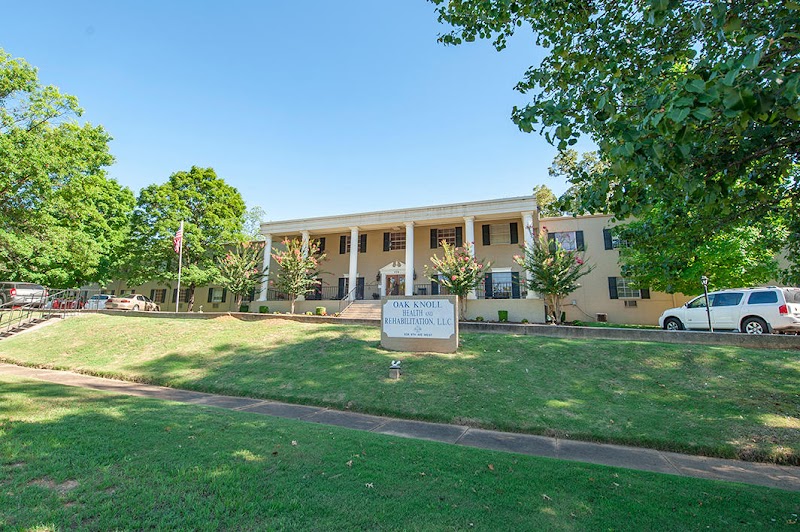
How is Oak Knoll, Llc Staffed?

CMS rates OAK KNOLL HEALTH AND REHABILITATION, LLC's staffing level at 3 out of 5 stars, which is average compared to other nursing homes. Staff turnover is 52%, compared to the Alabama average of 46%. RN turnover specifically is 58%, which is notably high. RNs provide skilled clinical oversight, so turnover in this role can affect medical care quality.

What Have Inspectors Found at Oak Knoll, Llc?

State health inspectors documented 14 deficiencies at OAK KNOLL HEALTH AND REHABILITATION, LLC during 2018 to 2024. These included: 2 Immediate Jeopardy (the most serious level, indicating potential for serious harm or death) and 12 with potential for harm. Immediate Jeopardy findings are rare and represent the most serious regulatory concerns. They require immediate corrective action.

Who Owns and Operates Oak Knoll, Llc?

OAK KNOLL HEALTH AND REHABILITATION, LLC is owned by a for-profit company. For-profit facilities operate as businesses with obligations to shareholders or private owners. The facility is operated by NHS MANAGEMENT, a chain that manages multiple nursing homes. With 100 certified beds and approximately 105 residents (about 105% occupancy), it is a mid-sized facility located in BIRMINGHAM, Alabama.

How Does Oak Knoll, Llc Compare to Other Alabama Nursing Homes?

Compared to the 100 nursing homes in Alabama, OAK KNOLL HEALTH AND REHABILITATION, LLC's overall rating (1 stars) is below the state average of 2.9, staff turnover (52%) is near the state average of 46%, and health inspection rating (1 stars) is much below the national benchmark.

What Should Families Ask When Visiting Oak Knoll, Llc?

Based on this facility's data, families visiting should ask: "What changes have been made since the serious inspection findings, and how are you preventing similar issues?" "Can I visit during a mealtime to observe dining assistance and food quality?" "How do you handle medical emergencies, and what is your hospital transfer rate?" "Can I speak with family members of current residents about their experience?" These questions are particularly relevant given the facility's Immediate Jeopardy citations.

Is Oak Knoll, Llc Safe?

Based on CMS inspection data, OAK KNOLL HEALTH AND REHABILITATION, LLC has documented safety concerns. Inspectors have issued 2 Immediate Jeopardy citations (the most serious violation level indicating risk of serious injury or death). The facility has a 1-star overall rating and ranks #100 of 100 nursing homes in Alabama. Families considering this facility should ask detailed questions about what corrective actions have been taken since these incidents.

Do Nurses at Oak Knoll, Llc Stick Around?

OAK KNOLL HEALTH AND REHABILITATION, LLC has a staff turnover rate of 52%, which is 6 percentage points above the Alabama average of 46%. Moderate turnover is common in nursing homes, but families should still ask about staff tenure and how the facility maintains care continuity when employees leave.

Was Oak Knoll, Llc Ever Fined?

OAK KNOLL HEALTH AND REHABILITATION, LLC has been fined $22,340 across 2 penalty actions. This is below the Alabama average of $33,302. While any fine indicates a compliance issue, fines under $50,000 are relatively common and typically reflect isolated problems that were subsequently corrected. Families should ask what specific issues led to these fines and confirm they've been resolved.

Is Oak Knoll, Llc on Any Federal Watch List?

OAK KNOLL HEALTH AND REHABILITATION, LLC is not on any federal watch list. The most significant is the Special Focus Facility (SFF) program, which identifies the bottom 1% of nursing homes nationally based on persistent, serious quality problems. Not being on this list means the facility has avoided the pattern of deficiencies that triggers enhanced federal oversight. This is a positive indicator, though families should still review the facility's inspection history directly.