SOUTH HEALTH AND REHABILITATION, LLC
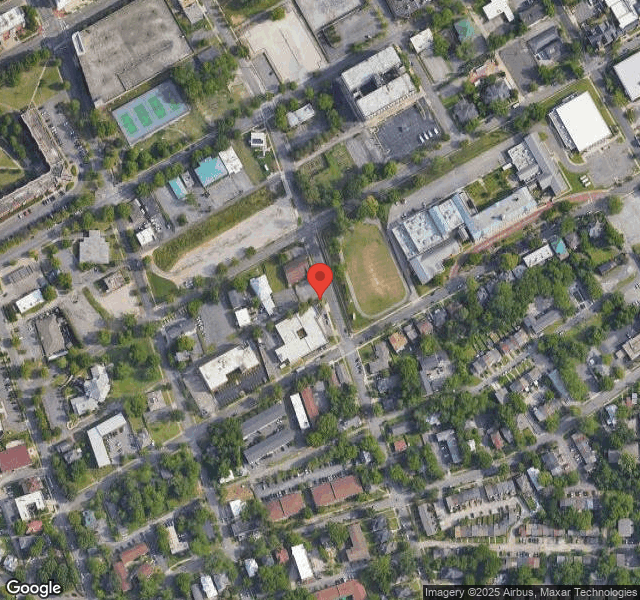
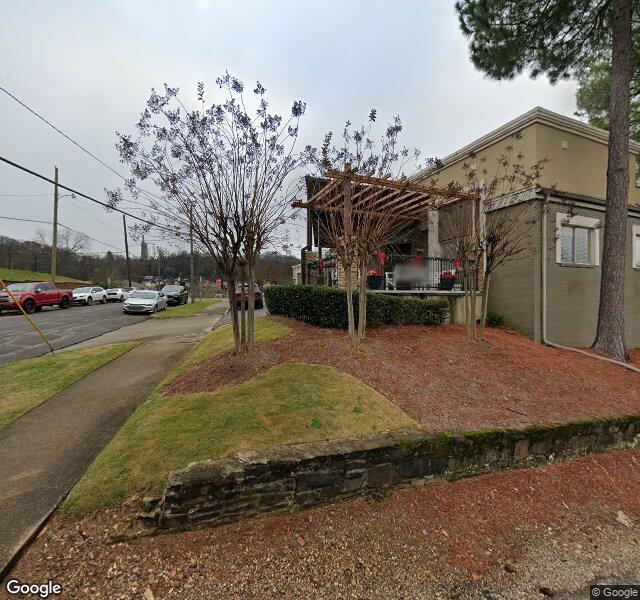
1220 SOUTH 17TH STREET, BIRMINGHAM, AL 35205 (205) 933-2180
For profit - Corporation 83 Beds NHS MANAGEMENT Data: November 2025 1 Immediate Jeopardy citation
Trust Grade
31/100
#179 of 223 in AL
Last Inspection: August 2023

Over 2 years since last inspection. Current conditions may differ from available data.

Overview

South Health and Rehabilitation in Birmingham, Alabama has a Trust Grade of F, indicating significant concerns and poor performance. It ranks #179 out of 223 facilities in Alabama, placing it in the bottom half, and #19 out of 34 in Jefferson County, meaning there are better options nearby. The facility's trend is worsening, with issues increasing from 1 in 2022 to 3 in 2023. Staffing is a mixed bag, with an average rating of 3 out of 5 stars but a concerning turnover rate of 64%, well above the state average of 48%. They have incurred $16,015 in fines, which is higher than 89% of Alabama facilities, pointing to compliance problems. Specific incidents of concern include a critical failure to honor a resident's Do Not Resuscitate order, leading to a serious violation of end-of-life wishes. Additionally, staff failed to follow a care plan for another resident, which resulted in serious injuries, including a fractured arm and ribs, due to improper transfers without the necessary mechanical lift. While the facility has some strengths, such as average RN coverage, these serious deficiencies highlight significant risks for potential residents.

Trust Score
F
31/100
In Alabama
#179/223
Bottom 20%
Safety Record
High Risk
Review needed
Inspections
Getting Worse
1 → 3 violations
Staff Stability
⚠ Watch
64% turnover. Above average. Higher turnover means staff may not know residents' routines.
Penalties
✓ Good
$16,015 in fines. Lower than most Alabama facilities. Relatively clean record.
Skilled Nurses
○ Average
Each resident gets 40 minutes of Registered Nurse (RN) attention daily — about average for Alabama. RNs are the most trained staff who monitor for health changes.
Violations
○ Average
7 deficiencies on record. Average for a facility this size. Mostly minor or procedural issues.
★★☆☆☆
2.0
Overall Rating
★★★☆☆
3.0
Staff Levels
★★☆☆☆
2.0
Care Quality
★★☆☆☆
2.0
Inspection Score
Stable
2022: 1 issues
2023: 3 issues

The Good

  • Full Sprinkler Coverage · Fire safety systems throughout facility
  • No fines on record

Facility shows strength in fire safety.

The Bad

2-Star Overall Rating

Below Alabama average (2.9)

Below average - review inspection findings carefully

Staff Turnover: 64%

17pts above Alabama avg (46%)

Frequent staff changes - ask about care continuity

Federal Fines: $16,015

Below median ($33,413)

Minor penalties assessed

Chain: NHS MANAGEMENT

Part of a multi-facility chain

Ask about local staffing decisions and management

Staff turnover is elevated (64%)

16 points above Alabama average of 48%

The Ugly 7 deficiencies on record

1 life-threatening 2 actual harm
Aug 2023 3 deficiencies 2 Harm
SERIOUS (G) 📢 Someone Reported This

A family member, employee, or ombudsman was alarmed enough to file a formal complaint

Actual Harm - a resident was hurt due to facility failures

Comprehensive Care Plan (Tag F0656)

A resident was harmed · This affected 1 resident

**NOTE- TERMS IN BRACKETS HAVE BEEN EDITED TO PROTECT CONFIDENTIALITY** Based on interviews, record reviews, facility document review, Resident #14's emergency department medical records, and the faci...

Read full inspector narrative →
**NOTE- TERMS IN BRACKETS HAVE BEEN EDITED TO PROTECT CONFIDENTIALITY** Based on interviews, record reviews, facility document review, Resident #14's emergency department medical records, and the facility's policy titled Person Centered Care Plans the facility failed to ensure staff implemented the care plan for transfers with a mechanical lift for Resident #14. Specifically, on 04/11/2023 Certified Nursing Assistant (CNA) #1 and CNA #2 failed to implement Resident #14's care planned intervention for transfers with mechanical lift, which resulted in the resident having arm pain while being transferred without the use of the mechanical lift and being lowered to the floor. The incident resulted in a left humerus fracture and numerous rib fractures. This deficient practice affected Resident #14, one of three residents reviewed for falls. Findings included: A review of a facility policy titled, Person Centered Care Plans, effective 08/15/2018, indicated, .STANDARD . the facility develops a comprehensive person centered plan of care for each resident/guest that includes measurable objectives and timetables to meet a resident/guest(s) medical, nursing and mental/psychosocial needs that are identified in the comprehensive assessment and based upon the resident/guest(s) goals and preferences . PROCESS .I. Assessment and Person Centered Care Plan Process . f) Upon completion of baseline care plan or comprehensive care plan and when reviewed quarterly/significant change, the MDSC [Minimum Data Set Coordinator] will ensure care plan intervention(s) are entered into Care Guide ADLs [Activities of Daily Living]/Intervention in the electronic medical record that are considered outside of routine care. This will provide the CNA with individualized information needed to meet the resident's care needs . A review of Resident #14's quarterly Minimum Data Set (MDS), with an Assessment Reference Date (ARD) of 03/07/2023, indicated the resident was admitted to the facility on [DATE]. The resident had active diagnoses that included Cerebrovascular Accident (transient ischemic attack or a stroke), Dislocation of Right Internal Hip Prosthesis, and Anxiety Disorder. Further review revealed the resident's Brief Interview for Mental Status (BIMS) score was 15, which indicated the resident was cognitively intact. The MDS indicated the resident had no delirium or behaviors. Per the MDS Resident #14 required total staff assistance for transfers and toilet use. A review of Resident #14's Care Plan, with a start date of 07/02/2021, revealed the resident had the potential for falls related to impaired mobility. An intervention, initiated on 09/01/2022, indicated the resident transferred with two-person assistance using a mechanical lift. A review of the Verification of Investigation document signed by the Administrator on 04/19/2023, revealed on 04/11/2023 at approximately 6:30 AM, CNA #1 and CNA #2 transferred Resident #14 with two-persons' assistance when the resident's care plan indicated the use of a mechanical lift was required. Further review revealed, CNA #1 acknowledged she and CNA #2 transferred the resident with two-person assistance and did not use a mechanical lift. CNA #1 reported the staff lowered the resident to the floor when the resident complained of pain and then lifted the resident from the floor with a mechanical lift pad to transfer the resident to the wheelchair. CNA #2 reported he did not know how the resident should transfer and was following the direction of CNA #1. The investigation included an interview with Resident #14 who reported that he/she told CNA #1 and CNA #2 that he/she could not transfer without the use of the mechanical lift. The resident stated the CNAs told him/her, We are going to transfer you the fast way. The resident said that while they were transferring him/her there was a pop in his/her arm and a sharp pain. When the resident's arm started hurting the CNAs lowered the resident to the floor. The CNAs then put a mechanical lift pad under him/her and lifted him/her into the chair without the mechanical lift. During a follow up interview, CNA #2 confirmed Resident #14 told the CNAs that they required a mechanical lift before they transferred the resident, but CNA #2 did not see anything wrong with just transferring them. CNA #2 reported the CNAs manually lifted the resident off the floor by lifting the mechanical lift pad underneath him/her. The ALLEGATON DISPOSITION section of the Verification of Investigation revealed, . All information provided points to [Resident #14's] fracture occurring during the improper transfer . A review of the hospital emergency department Radiology Results, dated 04/11/2023 at 3:26 PM, revealed Resident #14 sustained a fracture of the left humeral neck, subluxation [a partial dislocation] of the humeral head with a small humeral head impaction fracture, and numerous minimally angulated posterior rib fractures. During an interview on 08/20/2023 at 10:49 AM, Resident #14 stated they had a fall once at approximately 6:50 AM when the resident wanted to transfer to the wheelchair for an early appointment with an outside provider. Resident #14 stated they informed CNA #1 from the night shift that they transferred via mechanical lift, but CNA #1 said they would transfer the resident quickly and did not use the mechanical lift. Resident #14 said the CNAs transferred him/her under his/her arms. Resident #14 stated they fell during the transfer and screamed in pain. Resident #14 stated CNA #1 and the second CNA rolled the resident on the floor to place a mechanical lift pad under the resident and lifted the resident to the wheelchair manually and did not use the mechanical lift. The resident stated it was determined there was a shoulder fracture and rib fractures. During an interview on 08/23/2023 at 4:14 PM, Licensed Practical Nurse (LPN) #3 stated the resident had always used the mechanical lift to transfer, and it was on their care plan. During an interview on 08/23/2023 at 2:51 PM, the Administrator indicated the transfer status for a resident was shown on the CNA care plan in the CNA charting system. The staff referenced that before every shift and as needed during the shift. The Administrator stated CNA #1 and CNA #2 should have known Resident #14's transfer status by reviewing the documentation and known because the resident informed them; the resident told them to get the lift, and they should have reviewed the documentation to verify it and to ensure that was the accurate way to transfer the resident. The Administrator stated they should have transferred the resident via mechanical lift, as that was indicated on the CNA care plan. This deficient practice was cited as a result of complaint/intake #AL00043925. During the survey, no current failed practice related to F656-Develop/Implement Comprehensive Care Plan was identified; thus, past non-compliance was cited.
SERIOUS (G) 📢 Someone Reported This

A family member, employee, or ombudsman was alarmed enough to file a formal complaint

Actual Harm - a resident was hurt due to facility failures

Accident Prevention (Tag F0689)

A resident was harmed · This affected 1 resident

**NOTE- TERMS IN BRACKETS HAVE BEEN EDITED TO PROTECT CONFIDENTIALITY** Based on interviews, record reviews, facility document review, Resident #14's emergency department medical records, the facility...

Read full inspector narrative →
**NOTE- TERMS IN BRACKETS HAVE BEEN EDITED TO PROTECT CONFIDENTIALITY** Based on interviews, record reviews, facility document review, Resident #14's emergency department medical records, the facility's policies titled Lifting Devices and Incidents and Accidents, and a report submitted by the facility to the Alabama Department of Public Health Online Incident Reporting System the facility failed to ensure Resident #14 was transferred from his/her bed to their wheelchair with a mechanical lift in accordance with the resident's plan of care and facility policies which resulted in an accident. Specifically, on 04/11/2023 Certified Nursing Assistant (CNA) #1 and CNA #2 failed to transfer Resident #14 in accordance with the plan of care and the resident's voiced need to be transferred by the mechanical lift, also known as a Hoyer lift. While being transferred, Resident #14 complained of having arm pain and the staff lowered him/her to the floor. The facility further failed to ensure CNA #1 and/or CNA #2 reported the incident per facility policy to the nursing staff before the resident was transferred from the floor to the wheelchair resulting in the resident being moved unnecessarily before the resident's condition was assessed. The incident resulted in a left humerus fracture and numerous rib fractures. This deficient practice affected for one (Resident #14) of five resident reviewed for accidents. Findings included: A review of a facility policy titled, Lifting Device, effective 05/16/2014, revealed, . PURPOSE . A lifting device may be used to assist in lifting and repositioning residents per plan of care . A review of a facility policy titled, Incidents and Accidents, effective 11/10/2014, revealed, .PURPOSE . The resident/guest environment remains as free of accident hazards as possible, however, when an accident occurs, prompt response and reporting occurs . PROCESS . I. Handling Accident Occurrences .a) The resident/guest should not be moved unnecessarily until condition has been accessed . A review of Resident #14's quarterly Minimum Data Set (MDS), with an Assessment Reference Date (ARD) of 03/07/2023, indicated the resident was admitted to the facility on [DATE]. The resident had active diagnoses that included Cerebrovascular Accident (transient ischemic attack or a stroke), Dislocation of Right Internal Hip Prosthesis, and Anxiety Disorder. Further review revealed the resident's Brief Interview for Mental Status (BIMS) score was 15, which indicated the resident was cognitively intact. The MDS indicated the resident had no delirium or behaviors. The resident required total staff assistance for transfers and toilet use. The MDS indicated Resident #14 did not walk. A review of Resident #14's Care Plan, with a start date of 07/02/2021, revealed the resident had the potential for falls related to impaired mobility. An intervention, initiated on 09/01/2022, indicated the resident transferred with two-person assistance using a mechanical lift. On 04/12/2023 the facility submitted an initial report to the State Survey Agency via the Alabama Department of Public Health Online Incident Reporting System. This report indicated Resident #14 was transferred by CNA #1 and CNA #2 with two-persons' assistance when the resident's plan of care dictated that he/she should be transferred with use of a Hoyer lift. The CNA's reported they did not know his/her transfer orders. On 04/12/2023 after the resident returned to the facility, Resident #14 reported he/she informed the CNAs of his/her transfer status prior to them attempting the transfer and they transferred him/her anyways. A review of the Verification of Investigation document signed by the Administrator on 04/19/2023, revealed on 04/11/2023 at approximately 6:30 AM, CNA #1 and CNA #2 transferred Resident #14 with two-persons' assistance when the resident's care plan indicated the use of a mechanical lift was required. Further review revealed, CNA #1 acknowledged she and CNA #2 transferred the resident and did not use a mechanical lift. CNA #1 reported the staff lowered the resident to the floor when the resident complained of pain and then lifted the resident from the floor with a mechanical lift pad to transfer the resident to the wheelchair. CNA #2 reported he did not know how the resident should transfer and was following the direction of CNA #1. Further review of the facility investigation revealed the charge nurse, Licensed Practical Nurse (LPN) #3, reported she did not know about the incident until Resident #14 was in the wheelchair. Resident #14 reported that he/she told CNA #1 and CNA #2 that he/she could not transfer without the use of the mechanical lift. The resident stated the CNAs told him/her, We are going to transfer you the fast way. The resident said that during the transfer there was a pop in his/her arm and a sharp pain. When the resident's arm started hurting the CNAs lowered the resident to the floor. The CNAs then put a mechanical lift pad under him/her and lifted him/her into the chair without the mechanical lift. CNA #2 later confirmed Resident #14 told the CNAs that he/she required a mechanical lift before they transferred the resident, but CNA #2 did not see anything wrong with just transferring them. CNA #2 reported the CNAs manually lifted the resident off the floor by lifting the mechanical lift pad underneath him/her. The ALLEGATON DISPOSITION section of the Verification of Investigation revealed, .Both [Resident #14] and [CNA #2] reported that [Resident #14] informed the staff members of [his/her] hoyer lift transfer orders. They then chose to transfer [him/her] that way despite [his/her] information . All information provided points to [Resident #14's] fracture occurring during the improper transfer . A review of LPN #3's written statement dated 04/11/2023 indicated Resident #14 reported to her that two CNAs hurriedly tried to transfer him/her from the bed to the wheelchair without using the Hoyer lift resulting in him/her falling and popping his/her left shoulder. The statement also indicated that Resident #14 reported while he/she was on the floor the CNAs placed a pad underneath him/her and lifted him/her from the floor to the wheelchair causing lots of pain. A review of the hospital emergency department Radiology Results, dated 04/11/2023 at 3:26 PM, revealed Resident #14 sustained a fracture of the left humeral neck, subluxation [a partial dislocation] of the humeral head with a small humeral head impaction fracture, and numerous minimally angulated posterior rib fractures. According to the Departmental Notes, dated 04/12/2023 at 2:03 AM, the resident returned from the hospital on [DATE] at 11:44 PM with a sling on their left arm. During an interview on 08/20/2023 at 10:49 AM, Resident #14 stated they had a fall once at approximately 6:50 AM when the resident wanted to transfer to the wheelchair for an early appointment with an outside provider. Resident #14 stated he/she informed CNA #1 from the night shift that they transferred via mechanical lift, but CNA #1 said they would transfer the resident quickly. Resident #14 said the CNA did not use the mechanical lift. Resident #14 stated they fell during the transfer and screamed in pain. Resident #14 stated CNA #1 and the second CNA rolled him/her while on the floor to place a mechanical lift pad under him/her and then lifted him/her to the wheelchair manually without the use of the mechanical lift. The resident stated it was determined there was a shoulder fracture and rib fractures. Resident #14 said he/she did not know why the CNAs did not use the mechanical lift. During a follow-up interview on 08/23/2023 at 3:36 PM, Resident #14 stated they told CNA #1 she needed to get a lift to transfer him/her because the resident could not stand and walk. The resident stated CNA #1 said, they were going to do it the quick way, and lifted the resident without the mechanical lift. During an interview on 08/21/2023 at 7:36 AM, LPN #3 stated she was the charge nurse on the night shift on 04/10/2023. LPN #3 stated she was charting at the end of her shift the morning of 04/11/2023 when CNA #4 from the day shift reported the resident was crying and did not want to go to their appointment because of pain. LPN #3 stated she went to the resident's room to assess his/her pain, but the resident refused to allow a full assessment. LPN #3 stated she called her supervisor, Registered Nurse (RN) #5, and returned to the resident's room with her phone on speaker so RN #5 could speak to the resident about going to the appointment. LPN #3 stated the resident described the incident and how the CNAs had transferred the resident to their wheelchair by hand and did not use the mechanical lift, and the resident had a fall. LPN #3 stated she then ran to attempt to catch CNA #1 and CNA #2, but they had already left the building and did not answer text messages or phone calls. During a follow-up interview on 08/23/2023 at 4:14 PM, LPN #3 stated the resident had always used the mechanical lift to transfer, and it was on their care plan. She stated it was not appropriate to transfer a resident from the floor by manually lifting them with a mechanical lift pad; a mechanical lift should be used. During an interview on 08/22/2023 at 2:48 PM, Registered Nurse (RN) #5 stated she was the supervisor the morning of 04/11/2023. She stated Resident #14 transferred using a mechanical lift and had for approximately the past year because the resident was so heavy and could not stand. During an interview on 08/22/2023 at 7:31 AM, CNA #4 stated she worked with Resident #14 on the day shift on 04/11/2023, and the resident complained of arm pain. CNA #4 stated she did not know anything had happened to the resident and reported the pain to LPN #3. She stated Resident #14 used a mechanical lift to transfer, and CNA #1 and CNA #2 should have checked the resident's care plan and transferred the resident properly. CNA #4 stated it was unacceptable to lift any resident under their arms if the resident was assessed to need a mechanical lift. During an interview on 08/23/2023 at 2:51 PM, the Administrator stated CNA #1 and CNA #2 should have known Resident #14's transfer status by reviewing the documentation on the CNA care plan. When the resident informed the CNAs to get the lift, they should have reviewed the documentation to verify it and to ensure that was the accurate way to transfer the resident. The Administrator stated they should have transferred the resident via mechanical lift, as that was what was indicated on the CNA care plan. During an interview on 08/24/2023 at 3:41 PM, the Administrator was asked why the facility substantiated neglect at the conclusion of the investigation. The Administrator read the Allegation Disposition section on the Verification of Investigation form. The Administrator stated, due to the information collected during the investigation, the allegation of abuse, neglect will be indicated for the resident and both CNAs involved. Both Resident #14 and CNA #2 reported that Resident #14 informed the staff members of his/her Hoyer lift transfer orders. They then chose to transfer him/her that way despite his/her information. Resident #14's arm began hurting during said transfer and Resident #14 was found to have a fracture that afternoon. All information provided points to Resident #14's fracture occurring during the improper transfer and his/her injury being a result of the CNAs neglect to follow his/her proper care orders. This deficient practice was cited as a result of complaint/intake #AL00043925. During the survey, no current failed practice related to F689-Free of Accident Hazards/Supervision/Devices was identified; thus, past non-compliance was cited.
CONCERN (D)

Potential for Harm - no one hurt, but risky conditions existed

Deficiency F0554 (Tag F0554)

Could have caused harm · This affected 1 resident

Based on observations, interviews, record review, and facility policy review, the facility failed to ensure that one (Resident #63) of three sampled residents who self-administered medications was ass...

Read full inspector narrative →
Based on observations, interviews, record review, and facility policy review, the facility failed to ensure that one (Resident #63) of three sampled residents who self-administered medications was assessed as safe and appropriate to self-administer medications. Findings included: A review of the facility's policy titled, Self Administration of Drugs, effective 11/01/2001, revealed, .Residents will not be permitted to self-administer medications, unless so ordered by the attending physician, and approved by the care planning team . A review of Resident #63's Face Sheet revealed the facility admitted Resident #63 on 03/30/2023 with diagnoses that included Neuropathy, Conjunctivitis, and Gastro-esophageal Reflux Disease. A review of a quarterly Minimum Data Set (MDS), with an Assessment Reference Date (ARD) of 06/22/2023, revealed Resident #63 had a Brief Interview for Mental Status (BIMS) score of 15, indicating the resident was cognitively intact. According to the MDS, Resident #63 was independent with supervision for all activities of daily living (ADLs), except bathing, for which the resident required physical assistance of one person. A review of Resident #63's Care Plan, initiated on 03/31/2023, revealed there was no care plan for the resident to self-administer medications. A review of Resident #63's August 2023 Physician Orders revealed there was no order for the resident to self-administer medications. Observation on 08/20/2023 at 11:47 AM revealed Resident #63 was in their room. A medication cup with one blue pill was observed on the table next to Resident #63's bed. During an interview at that time, Resident #63 stated that the nurses would leave medication at the bedside if the resident was sleeping when they came in to give medications. Observation on 08/21/2023 at 7:34 AM revealed Resident #63 was in bed and a medication cup containing six pills was on the resident's bedside table. During an interview at that time, Resident #63 stated a nurse brought the medication but could not remember which nurse. The resident said the nurses knew the resident liked to sleep, so they just left the medications at the bedside. Resident #63 stated that the nurses knew the resident would take the medications when they woke up. In an interview on 08/21/2023 at 8:04 AM, Licensed Practical Nurse (LPN) #14 stated she took Resident #63's medications into the resident's room, but Resident #63 was in the bathroom. LPN #14 stated Resident #63 was alert and oriented, so she left the medications at the bedside. LPN #14 stated that she should not have left the medication at the bedside and should have stayed and watched the resident take the medications. LPN #14 stated the risk in leaving the medications was that another resident could come into the room and take the medication. LPN #14 stated the following medications were in Resident #14's medication cup at the bedside: - amlodipine (a medication used to treat high blood pressure) 10 milligrams (mg) - potassium chloride (KCl) 10 milliequivalents - omeprazole (a medication used to treat heartburn) 20 mg - meloxicam (a nonsteroidal anti-inflammatory medication) 15 mg - loratadine (an antihistamine)10 mg - gabapentin (an anti-seizure and nerve pain medication) 600 mg In an interview on 08/23/2023 at 8:45 AM, Registered Nurse (RN) #13, the Unit Manager, stated Resident #63 did not self-administer medications. RN #13 stated that if Resident #63 was going to self-administer medications, the resident would have to demonstrate appropriate self-administration, and it would have to be care planned. RN #13 stated that leaving Resident #63's medication at the bedside was unacceptable. In an interview on 08/23/2023 at 10:56 AM, the Regional Quality Assurance (QA) Nurse stated the nurse should stay and watch the resident take the medication to ensure that it was taken correctly. The Regional QA Nurse stated her expectation was that staff should contact the physician and complete an assessment to ensure the resident was safe to self-administer medications if they were going to allow a resident to self-administer medications.
Dec 2022 1 deficiency 1 IJ
CRITICAL (J) 📢 Someone Reported This

A family member, employee, or ombudsman was alarmed enough to file a formal complaint

Immediate Jeopardy (IJ) - the most serious Medicare violation

Deficiency F0578 (Tag F0578)

Someone could have died · This affected 1 resident

**NOTE- TERMS IN BRACKETS HAVE BEEN EDITED TO PROTECT CONFIDENTIALITY** Based on interviews, review of Resident Identifier (RI) #1's medical record, the facility's PROTOCOL FOR EMERGENT CARE, FUNDAMEN...

Read full inspector narrative →
**NOTE- TERMS IN BRACKETS HAVE BEEN EDITED TO PROTECT CONFIDENTIALITY** Based on interviews, review of Resident Identifier (RI) #1's medical record, the facility's PROTOCOL FOR EMERGENT CARE, FUNDAMENTALS OF NURSING NINTH EDITION, a facility policy titled Cardio Pulmonary Resuscitation (CPR), and a facility reported incident received by the Alabama State Survey Agency, the facility failed to honor the end-of-life wishes of RI #1, a resident with an Advanced Directive and a DNR (Do Not Resuscitate) Code Status. Code status describes what type of intervention a health care facility will provide should a resident stop breathing and/or their heart stops beating. DNR means when a resident stops breathing and/or their heart stops beating, staff are not to initiate emergency medical services, Cardiopulmonary Resuscitation, in an attempt to revive the resident. During the 11:00 PM to 7:00 AM shift on [DATE], RI #1 was found unresponsive with no pulse or respirations by Employee Identifier (EI) #6, Certified Nursing Assistant (CNA), and EI #3, Licensed Practical Nurse (LPN). EI #3 and EI #4, another LPN, then initiated CPR on RI #1, in an attempt to revive the resident. EI #3 and EI #4 did not check RI #1's code status prior to initiating CPR. This deficient practice placed RI #1, one of eight sampled residents reviewed for advance directives and code status, in immediate jeopardy, as the failure of facility staff to honor a resident's end-of-life wishes is likely to cause serious injury, serious harm, serious impairment, or death. On [DATE] at 12:53 PM, the Administrator and Director of Nursing (DON) were provided a copy of the immediate jeopardy template and notified of the findings at the immediate jeopardy level in the area of Resident Rights, F578-Request/Refuse/Discontinue Treatment/Formulate Advance Directives. Beginning [DATE] until [DATE], the facility implemented corrective actions to correct the identified deficient practice and prevent recurrence; thus immediate jeopardy past non-compliance was cited. Findings include: On [DATE] at 2:51 PM, the Alabama State Survey Agency received a facility reported incident which indicated staff found RI #1 unresponsive on [DATE] at 4:50 AM. This report documented EI #3 started chest compressions without checking RI #1's code status. The report further documented RI #1 had a DNR in place. The facility's policy titled Cardio Pulmonary Resuscitation (CPR), with an effective date of [DATE], documented: . PURPOSE: To circulate blood containing oxygen to vital organs pending the arrival of emergency medical services (EMS) to a resident/guest who experiences cardiac arrest (cessation of respirations and /or pulse) in accordance with the resident/guest(s) advance directives or in the absence of advance directives or a Do Not Resuscitate (DNR) order . A review of the facility's undated PROTOCOL FOR EMERGENT CARE, documented: .A staff member should access E-chart (electronic health record) immediately and verify the identification of the resident/guest .and if there is an order for DNR. This order will appear as one of the first orders when sorting by order type . FUNDAMENTALS OF NURSING NINTH EDITION, with a copyright date of 2017, Chapter 23, titled Legal Implications in Nursing Practice, page 305, documented: . Advance Directives include living wills, health care proxies, and durable powers of attorney for health care .They are based on values of informed consent, patient autonomy over end-of-life decisions, truth telling, and control over the dying process . Health care providers perform CPR when needed unless there is a DNR order in the patient's chart . RI #1 was readmitted to the facility on [DATE], with diagnoses of Hypertensive Heart Disease with Heart Failure and Cirrhosis of the Liver. Review of RI #1's medical record revealed a document titled ALABAMA CERTIFICATE OF HEALTH CARE DECISION SURROGATE. This document was signed, dated and notarized on [DATE], and indicated a family member of RI #1 was the .judicially-appointed guardian of the resident ., with the authority to make health care decisions for RI #1. RI #1's Alabama Portable Physician Do Not Attempt Resuscitation Order, No/CPR/Allow Natural Death, signed by the RI #1's designated health care surrogate on [DATE], documented: . After consultation with the attending physician, I hereby direct that resuscitative measures be withheld from the patient/resident in the event of cardiopulmonary cessation. I believe that this decision conforms as closely as possible to what the patient/resident would have wanted . During an interview on [DATE] at 9:08 AM, RI #1's designated health care surrogate indicated she had come down a few months prior and met with RI #1 and RI #1's physician, to discuss RI #1's health condition. RI #1's designated health care surrogate confirmed RI #1 was a DNR, which was consistent with his/her end-of-life wishes. EI #7, RI #1's physician, was interviewed on [DATE] at 12:30 PM. EI #7 reported he became aware staff had performed CPR on RI #1 when he arrived at the facility around 8:00 AM on [DATE]. EI #7 said he went to the DON to inform him RI #1 was a DNR. EI #7 indicated he and the DON then reviewed the chart and confirmed RI #1's code status was listed as DNR. Review of RI #1's [DATE] PHYSICIAN ORDERS, revealed an order dated [DATE] for .No CPR .DNR . A review of a facility document titled Verification of Investigation, summarizing the facility's investigation into the incident, documented that EI #6, CNA, and EI #3, LPN, went into RI #1's room and found him/her unresponsive around 4:50 AM on [DATE]. EI #3 was then assisted by EI #4, another LPN, and chest compressions were initiated, without checking RI #1's code status. RI #1 had a DNR order in place. Paramedics arrived promptly and called time of death at 5:06 AM. Review of the EMS run report, dated [DATE], indicated the facility contacted EMS on [DATE] at 4:51 AM. EMS arrived at the patient (RI #1) at 5:00 AM. The Narrative Section documented the following: . RESPONDED EMERGENCY ON A CARDIAC ARREST . LAST SEEN ALIVE AT 0300 (3:00 AM), CHECKED JUST BEFORE 0500 (5:00 AM) AND FOUND UNRESPONSIVE, .CPR INITIATED BY NH (Nursing Home) STAFF . PT (patient) UNRESPONSIVE, PULSELESS, APNEIC (not breathing) . EMS pronounced RI #1 deceased , with a time of death listed as 5:06 AM. An interview was conducted with EI #6, the CNA, on [DATE] at 10:40 AM. EI #6 was asked if she worked with RI #1 on [DATE]. EI #6 stated she was assigned to work with RI #1 on [DATE]. EI #6 explained she asked EI #3 to assist with patient care for RI # 1. EI #6 stated when they walked into RI #1's room he/she was found unresponsive. EI #6 stated EI #3 checked RI #1's pulse and breathing. EI #6 stated EI #3 told her to get help, and then the crash cart was brought into the room. On [DATE] at 9:00 AM an interview was conducted with EI #3, LPN. EI #3 explained she was asked to assist with resident care for RI #1 on [DATE]. According to EI #3, when she and EI #6, CNA, went into RI #1's room around 4:50 AM, RI #1 was unresponsive. EI #3 stated she told EI #6 to go get help. EI #3 stated within seconds the crash cart arrived. According to EI #3, EI #4, LPN, assisted her in placing RI #1 on the backboard and chest compressions were started. EI #3 said compressions continued until EMS arrived, and then they took over. EI #3 was asked about RI #1's code status. EI #3 stated RI #1 was a DNR, and she did not check the code status prior to initiating CPR. EI #3 explained, in the moment, everything was moving so fast and she forgot to check the code status, but acknowledged she should have. When asked the importance of knowing a resident's code status prior to initiating CPR, EI #3 stated to honor the resident's end-of-life wishes. A review of EI #4's statement from the investigation file dated [DATE], documented: . (EI #3) requested I call the paramedics around 4:50 am on [DATE]. After I called the paramedics I assisted in the code with (EI #3) . Upon the paramedics arrival, they took over and called time of death at 5:06am. I assumed that (EI #3) had checked code status prior to code . An interview was conducted with EI #2, Registered Nurse (RN)/Director of Nursing (DON), on [DATE] at 11:30 AM. EI #2 was asked about the incident on [DATE] involving RI #1. EI #2 stated RI #1, who had a DNR, was found unresponsive by staff, who initiated CPR without checking RI #1's code status first. EI #2 stated nurses are trained to check code status prior to initiating CPR, to ensure residents' end-of-life wishes are honored. An interview was conducted with EI #5, RN, Staff Development on [DATE] at 11:40 AM. EI #5 stated she became aware of the incident involving RI #1 on [DATE] when she arrived at work around 7:30 AM. EI #3 said she was told RI #1 expired and CPR was initiated, even though RI #1 was a DNR. EI #5 stated EI #3 told her everything happened so fast that the code status was not checked. EI #5 was asked what was the importance of checking a resident's code status prior to administering CPR, and EI #5 said to honor the resident's end-of-life wishes. This deficiency was cited as a result of complaint/report number AL00042248. ************************* The facility took immediate actions to correct the non-compliance by: - On [DATE] the facility identified that EI #3 initiated CPR on RI #1 when he/she had an active DNR. - On [DATE] an investigation was initiated, the event was reported to ADPH (Alabama Department of Public Health), the two LPNs involved were suspended pending the investigation. - EI #3 and EI #4 received one on one education about emergency care protocols on [DATE]. - On [DATE] education of all licensed nurses was initiated. Education was completed on [DATE]. - On [DATE] mock codes were initiated and continued on [DATE] to include all licensed nurses. - On [DATE] a review of all DNRs in the building was completed by EI #2, DON. - On [DATE] an emergency Quality Assurance and Performance Improvement (QAPI) meeting was completed related to Emergency Protocols. Monitoring was established that the facility would complete mock codes upon hire and quarterly with all licensed nurses and as needed when codes occur. ************************* After review of documentation supporting the above corrective actions, including the facility's investigation file, in-service/education records, QAPI documentation, and staff interviews, the survey team verified the facility implemented corrective actions from [DATE] to [DATE], thus immediate jeopardy past non-compliance was cited.
Jul 2021 1 deficiency
CONCERN (D)

Potential for Harm - no one hurt, but risky conditions existed

Food Safety (Tag F0812)

Could have caused harm · This affected 1 resident

**NOTE- TERMS IN BRACKETS HAVE BEEN EDITED TO PROTECT CONFIDENTIALITY** Based on observation and interview, the facility failed to ensure three expired mighty shake supplements in the milk cooler were...

Read full inspector narrative →
**NOTE- TERMS IN BRACKETS HAVE BEEN EDITED TO PROTECT CONFIDENTIALITY** Based on observation and interview, the facility failed to ensure three expired mighty shake supplements in the milk cooler were discarded. This deficient practice had the potential to affect up to three residents receiving mighty shake supplements. Findings Include: On [DATE] at 11:15 AM, the surveyor observed three 4-ounce mighty shake supplements in the milk cooler with a use by date of [DATE]. At this time, Employee Identifier (EI) #1, the Acting Dietary Manager, was asked what was the date on the mighty shakes. EI #1 said [DATE]. EI #1 was asked was that the use by date. EI #1 said yes. EI #1 was asked what should have been done with the expired might shake supplements. EI #1 said they should have been discarded. EI #1 was asked what was the potential harm with expired mighty shakes still being in the cooler. EI #1 said the potential harm was that they could be served to a resident.
May 2019 2 deficiencies
CONCERN (D)

Potential for Harm - no one hurt, but risky conditions existed

Respiratory Care (Tag F0695)

Could have caused harm · This affected 1 resident

**NOTE- TERMS IN BRACKETS HAVE BEEN EDITED TO PROTECT CONFIDENTIALITY** 2) RI #29 was admitted to the facility on [DATE] and re-admitted on [DATE] with diagnoses of Shortness of Breath and Cerebral I...

Read full inspector narrative →
**NOTE- TERMS IN BRACKETS HAVE BEEN EDITED TO PROTECT CONFIDENTIALITY** 2) RI #29 was admitted to the facility on [DATE] and re-admitted on [DATE] with diagnoses of Shortness of Breath and Cerebral Infarction. On 5/19/19 at 7:40 a.m., the Surveyor observed RI #29 receiving oxygen per nasal cannula. There was no date or time on the nasal cannula tubing, green connection tubing, or tubing connecting the water bottle to the concentrator. RI #68 was admitted to the facility on [DATE] with diagnoses of Chronic Respiratory Failure and Chronic Obstructive Pulmonary Disease. On 5/18/19 at 3:01 p.m., the Surveyor observed RI #68 receiving oxygen per nasal cannula. There was no date on the nasal cannula tubing, and no date on the tubing from the concentrator to the water bottle. RI #71 was admitted to the facility on [DATE] with diagnoses of Chronic Respiratory Failure and Chronic Obstructive Pulmonary Disease. On 5/18/19 at 3:06 p.m., the Surveyor observed RI #71 receiving oxygen per nasal cannula. There was no date on the cannula tubing or the tubing from the concentrator to the water bottle. On 5/20/19 at 10:16 a.m., and interview was conducted with EI# 3, Registered Nurse (RN). EI#3 was asked, how often does the facility change the nasal cannula tubing and the tubing running from the concentrator to the water bottle. EI#3 replied, it is changed weekly. EI#3 was asked, what documentation verifies those two tubes were changed. EI#3 replied, the tubing should be dated. EI#3 was asked, how would someone know if the tubing had been changed if there was no date on either tubing, including nasal cannula and tubing from the concentrator to the water bottle. EI#3 replied, they would not know. EI#3 was asked, what was the potential harm for not dating the oxygen tubing. EI#3 replied, the harm would probably be infection. Based on observation, interview, and review of a facility policy titled, Oxygen Administration, the facility failed to ensure: 1) Resident Identfier (RI) #28's oxygen tubing and humidifier bottles were changed weekly; and 2) RI #s 29, 68, and 71's nasal cannula tubing were dated. This affected four of seven sampled residents requiring the use of oxygen. Findings include: Review of a facility policy titled, Oxygen Administration, effective date December 8, 2005, revealed, . PROCESS: . 11. Cannulas and masks should be changed weekly . 1) RI #28 was admitted to the facility on [DATE] with diagnoses to include: Chronic Kidney Disease Stage 4, Unspecified Systolic (congestive) Heart Failure, and Shortness of Breath. An observation was made on 05/18/19 at 11:45 a.m. of RI #28's oxygen tubing and humidifier bottle; both were dated 04/29/19. An interview was conducted with Employee Identfier (EI) #1, Infection Control Nurse, on 05/20/19 at 9:18 a.m EI #1 was asked, who was responsible for labeling and changing out oxygen tubing and humidifier bottles. EI #1 replied, the eleven to seven shift does it on Sunday nights. EI #1 was asked, how often should oxygen tubing be changed. EI #1 replied, we change it weekly and as needed. EI #1 was asked, how often should the humidifier bottle be changed. EI #1 replied, we change it weekly and as needed. EI #1 was asked, what was the potential concern of this not being done weekly. EI #1 said she would say infection.
CONCERN (D)

Potential for Harm - no one hurt, but risky conditions existed

Infection Control (Tag F0880)

Could have caused harm · This affected 1 resident

Based on observation, interviews, and review of a facility policy titled, Hand Hygiene, the facility failed to ensure that a licenced staff performed hand hygiene after removing gloves. This affected...

Read full inspector narrative →
Based on observation, interviews, and review of a facility policy titled, Hand Hygiene, the facility failed to ensure that a licenced staff performed hand hygiene after removing gloves. This affected one of three nurses observed during medication pass. Findings include: Review of a facility policy titled, Hand Hygiene, with an effective date of September 1,2017, revealed, PURPOSE: To provide guidelines to employee for proper and appropriate hand washing techniques that will aide in the prevention of the transmission of infections. STANDARD: Hand washing should be performed between procedures with resident/guest(s) based upon the principle that all blood, body fluids, secretions, excretions (except sweat), non-intact skin, and mucus membranes may contain transmissible infectious agents. PROCESS: . III. Hand Hygiene. Hand hygiene continues to be the primary means of preventing the transmission of infection. The following is a list of some situations that require hand hygiene. After removing gloves . On 5/20/19 at 8:44 a.m., an observation was made of Employee Identifier (EI) #2, Licensed Practical Nurse (LPN), applying gloves to give a nasal spray. After administering the nasal spray, one glove was removed, and the nasal spray was taken out of the room. The other glove was then removed, and new gloves were applied to clean the top of the nasal spray. After cleaning the top of the spray, EI #2 removed her gloves, placed the nasal spray back in the medication cart, and then went to wash her hands. On 5/20/19 at 9:06 a.m., an interview was conducted with EI #2, LPN. EI #2 was asked, what should be done after removing gloves. EI #2 replied, wash your hands. EI #2 was asked if she had done that. EI #2 said she had not. EI #2 was asked, what was the potential concern of not performing hand hygiene after removing your gloves. EI #2 replied, infection control. On 5/20/19 at 9:47 a.m., an interview was conducted with EI #1, Infection Control Nurse. EI #1 was asked, what should be done after removing gloves. EI #1 replied, wash your hands. EI #1 was asked, what was the potential concern of not doing hand hygiene after removing gloves. EI #1 replied, spreading of infection.
Understanding Severity Codes (click to expand)
Life-Threatening (Immediate Jeopardy)
J - Isolated K - Pattern L - Widespread
Actual Harm
G - Isolated H - Pattern I - Widespread
Potential for Harm
D - Isolated E - Pattern F - Widespread
No Harm (Minor)
A - Isolated B - Pattern C - Widespread

Questions to Ask on Your Visit

  • "What changes have you made since the serious inspection findings?"
  • "Why is there high staff turnover? How do you retain staff?"
  • "Can I speak with families of current residents?"
  • "What's your RN coverage like on weekends and overnight?"

Our Honest Assessment

Strengths
  • • Licensed and certified facility. Meets minimum state requirements.
Concerns
  • • Multiple safety concerns identified: 1 life-threatening violation(s), 2 harm violation(s), Payment denial on record. Review inspection reports carefully.
  • • 7 deficiencies on record, including 1 critical (life-threatening) violation. These warrant careful review before choosing this facility.
  • • $16,015 in fines. Above average for Alabama. Some compliance problems on record.
  • • Grade F (31/100). Below average facility with significant concerns.
Bottom line: Trust Score of 31/100 indicates significant concerns. Thoroughly evaluate alternatives.

About This Facility

What is South, Llc's CMS Rating?

CMS assigns SOUTH HEALTH AND REHABILITATION, LLC an overall rating of 2 out of 5 stars, which is considered below average nationally. Within Alabama, this rating places the facility higher than 0% of the state's 100 nursing homes. A rating at this level reflects concerns identified through health inspections, staffing assessments, or quality measures that families should carefully consider.

How is South, Llc Staffed?

CMS rates SOUTH HEALTH AND REHABILITATION, LLC's staffing level at 3 out of 5 stars, which is average compared to other nursing homes. Staff turnover is 64%, which is 17 percentage points above the Alabama average of 46%. High turnover can affect care consistency as new staff learn residents' individual needs.

What Have Inspectors Found at South, Llc?

State health inspectors documented 7 deficiencies at SOUTH HEALTH AND REHABILITATION, LLC during 2019 to 2023. These included: 1 Immediate Jeopardy (the most serious level, indicating potential for serious harm or death), 2 that caused actual resident harm, and 4 with potential for harm. Immediate Jeopardy findings are rare and represent the most serious regulatory concerns. They require immediate corrective action.

Who Owns and Operates South, Llc?

SOUTH HEALTH AND REHABILITATION, LLC is owned by a for-profit company. For-profit facilities operate as businesses with obligations to shareholders or private owners. The facility is operated by NHS MANAGEMENT, a chain that manages multiple nursing homes. With 83 certified beds and approximately 69 residents (about 83% occupancy), it is a smaller facility located in BIRMINGHAM, Alabama.

How Does South, Llc Compare to Other Alabama Nursing Homes?

Compared to the 100 nursing homes in Alabama, SOUTH HEALTH AND REHABILITATION, LLC's overall rating (2 stars) is below the state average of 2.9, staff turnover (64%) is significantly higher than the state average of 46%, and health inspection rating (2 stars) is below the national benchmark.

What Should Families Ask When Visiting South, Llc?

Based on this facility's data, families visiting should ask: "What changes have been made since the serious inspection findings, and how are you preventing similar issues?" "How do you ensure continuity of care given staff turnover, and what is your staff retention strategy?" "Can I visit during a mealtime to observe dining assistance and food quality?" "How do you handle medical emergencies, and what is your hospital transfer rate?" These questions are particularly relevant given the facility's Immediate Jeopardy citations and the facility's high staff turnover rate.

Is South, Llc Safe?

Based on CMS inspection data, SOUTH HEALTH AND REHABILITATION, LLC has documented safety concerns. Inspectors have issued 1 Immediate Jeopardy citation (the most serious violation level indicating risk of serious injury or death). The facility has a 2-star overall rating and ranks #100 of 100 nursing homes in Alabama. Families considering this facility should ask detailed questions about what corrective actions have been taken since these incidents.

Do Nurses at South, Llc Stick Around?

Staff turnover at SOUTH HEALTH AND REHABILITATION, LLC is high. At 64%, the facility is 17 percentage points above the Alabama average of 46%. High turnover means new staff may not know residents' individual needs, medications, or preferences. It can also be disorienting for residents, especially those with dementia who rely on familiar faces. Families should ask: What is causing the turnover? What retention programs are in place? How do you ensure care continuity during staff transitions?

Was South, Llc Ever Fined?

SOUTH HEALTH AND REHABILITATION, LLC has been fined $16,015 across 3 penalty actions. This is below the Alabama average of $33,239. While any fine indicates a compliance issue, fines under $50,000 are relatively common and typically reflect isolated problems that were subsequently corrected. Families should ask what specific issues led to these fines and confirm they've been resolved.

Is South, Llc on Any Federal Watch List?

SOUTH HEALTH AND REHABILITATION, LLC is not on any federal watch list. The most significant is the Special Focus Facility (SFF) program, which identifies the bottom 1% of nursing homes nationally based on persistent, serious quality problems. Not being on this list means the facility has avoided the pattern of deficiencies that triggers enhanced federal oversight. This is a positive indicator, though families should still review the facility's inspection history directly.