BARON HOUSE OF HUEYTOWN
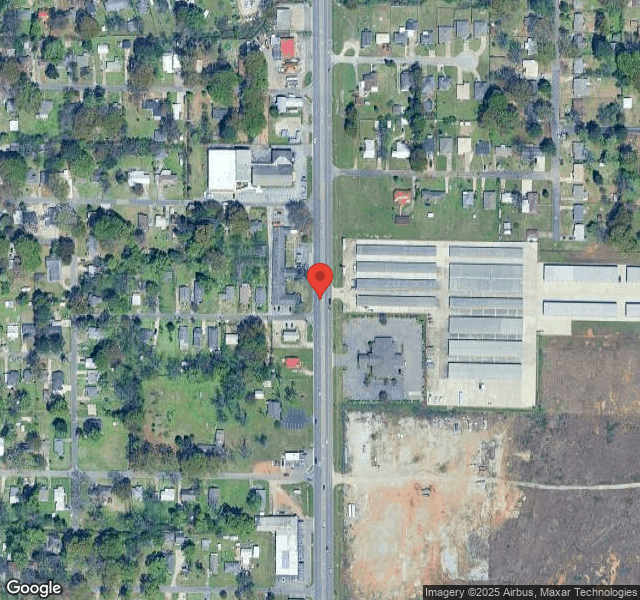
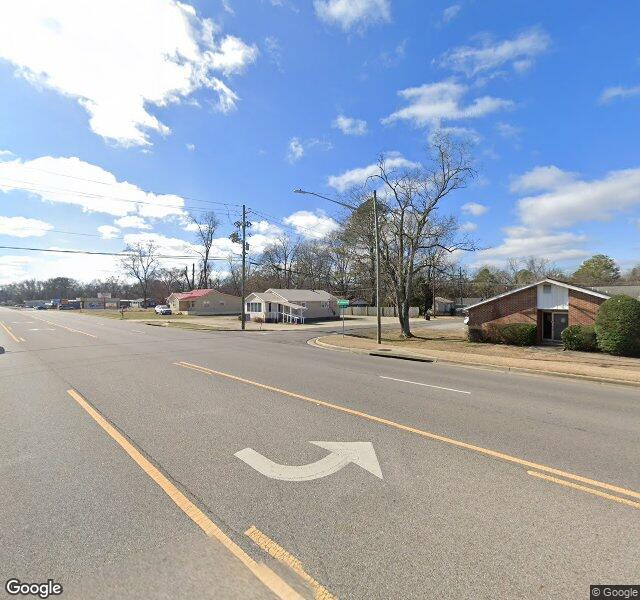
190 BROOKLANE DRIVE, HUEYTOWN, AL 35023 (205) 491-2905
For profit - Limited Liability company 50 Beds DIVERSICARE HEALTHCARE Data: November 2025
Trust Grade
63/100
#90 of 223 in AL
Last Inspection: March 2024

Within standard 12-15 month inspection cycle. Federal law requires annual inspections.

Overview

Baron House of Hueytown has a Trust Grade of C+, indicating it is decent and slightly above average compared to other facilities. It ranks #90 out of 223 in Alabama, placing it in the top half of the state, and #3 out of 34 in Jefferson County, suggesting only two local options are better. The facility is improving, with issues decreasing from five in 2023 to three in 2024. Staffing is rated average with a turnover rate of 47%, which is slightly below the Alabama state average of 48%. However, it has concerning fines of $9,685, which is higher than 90% of Alabama facilities, indicating potential compliance problems. In terms of RN coverage, the facility provides more RN coverage than 78% of state facilities, which is a positive sign for resident care. Specific incidents include failures to maintain safe water temperatures for residents, which could affect all 35 residents, and a lack of adequate corrective action after a water pipe burst caused hot water issues. Overall, while there are strengths in staffing and RN coverage, families should be aware of the recent compliance issues and fines that raise concerns about the facility's management.

Trust Score
C+
63/100
In Alabama
#90/223
Top 40%
Safety Record
Low Risk
No red flags
Inspections
Getting Better
5 → 3 violations
Staff Stability
⚠ Watch
47% turnover. Above average. Higher turnover means staff may not know residents' routines.
Penalties
⚠ Watch
$9,685 in fines. Higher than 79% of Alabama facilities, suggesting repeated compliance issues.
Skilled Nurses
○ Average
Each resident gets 41 minutes of Registered Nurse (RN) attention daily — about average for Alabama. RNs are the most trained staff who monitor for health changes.
Violations
⚠ Watch
14 deficiencies on record. Higher than average. Multiple issues found across inspections.
★★★☆☆
3.0
Overall Rating
★★★☆☆
3.0
Staff Levels
★★★☆☆
3.0
Care Quality
★★★☆☆
3.0
Inspection Score
Stable
2023: 5 issues
2024: 3 issues

The Good

  • Full Sprinkler Coverage · Fire safety systems throughout facility
  • No fines on record

Facility shows strength in fire safety.

The Bad

3-Star Overall Rating

Near Alabama average (2.9)

Meets federal standards, typical of most facilities

Staff Turnover: 47%

Near Alabama avg (46%)

Higher turnover may affect care consistency

Federal Fines: $9,685

Below median ($33,413)

Minor penalties assessed

Chain: DIVERSICARE HEALTHCARE

Part of a multi-facility chain

Ask about local staffing decisions and management

The Ugly 14 deficiencies on record

Mar 2024 3 deficiencies
CONCERN (D)

Potential for Harm - no one hurt, but risky conditions existed

Deficiency F0554 (Tag F0554)

Could have caused harm · This affected 1 resident

**NOTE- TERMS IN BRACKETS HAVE BEEN EDITED TO PROTECT CONFIDENTIALITY** Based on observations, interviews, record review, and review of facility policy titled Medication Administration, the facility f...

Read full inspector narrative →
**NOTE- TERMS IN BRACKETS HAVE BEEN EDITED TO PROTECT CONFIDENTIALITY** Based on observations, interviews, record review, and review of facility policy titled Medication Administration, the facility failed to ensure Resident Identifier (RI) #29 did not self-administer a nebulizer treatment on 03/10/2024 without authorization to do so by the attending physician. This affected RI #29, one of one resident sampled for self-administration of medications. Findings include: A review of the facility's policy titled Medication Administration with a reviewed date of 04/2022 revealed the following: POLICY: Medications are administered as prescribed, in accordance with good nursing principles and practices only by persons legally authorized to do so. PROCEDURE: . Residents may be allowed to self- administer medications only when specifically authorized by the attending physician and in accordance with procedures for Self-Administration of Medications. RI #29 was readmitted to the facility on [DATE] with diagnoses to include Chronic Obstructive Pulmonary Disease With (Acute) Exacerbation. RI #29's Order Summary Report documented . Ipratropium-Albuterol Inhalation Aerosol Solution 20-100 . 1 vial inhale orally every 6 hours related to CHRONIC OBSTRUCTIVE PULMONARY DISEASE . On 03/10/2024 at 2:53 PM, surveyor observed RI #29 receiving a nebulizer treatment with no nurse in the room. An interview was conducted with RI #29 on 03/10/2024 at 4:30 PM. RI #29 stated, he/she puts the medication in the nebulizer and gives himself/herself the nebulizer treatments. RI #29 stated, he/she keeps the medication in the room with him/her. An interview was conducted with Registered Nurse (RN) #5 on 03/12/2024 at 8:59 AM. RN #5 stated, the concern of RI #29 administering his/her nebulizer treatment was someone should be in the room monitoring RI #29 during the treatment. An interview was conducted with Director of Nursing (DON) on 03/12/2024 at 10:17 AM. The DON stated, the concern of RI #29 administering his/her own nebulizer treatment was RI #29 was not supposed to be self-administering his/her medication. An interview was conducted with the Medical Director on 03/12/2024 at 2:52 PM. The Medical Director stated, the concern of RI #29 administering his/her nebulizer treatment on 03/10/2024 was he/she did not have an order to self-administer.
CONCERN (D)

Potential for Harm - no one hurt, but risky conditions existed

Medical Records (Tag F0842)

Could have caused harm · This affected 1 resident

Based on resident record review and interview, the facility failed to ensure Resident Identifier (RI) #24's medical record was complete and accurate to include documented evidence of daily wound treat...

Read full inspector narrative →
Based on resident record review and interview, the facility failed to ensure Resident Identifier (RI) #24's medical record was complete and accurate to include documented evidence of daily wound treatment provided on 03/01/2024 through 03/08/2024 as ordered by physician for RI #24's sacral pressure ulcer. This had the potential to affect RI #24, one of 14 residents for whom records were reviewed. Findings include: RI #24 was readmitted to the facility 12/11/2023 with a diagnosis of End Stage Renal Disease. RI #24's Order Summary Report for active physician orders as of 03/10/2024 documented an order dated 12/26/2023 for a daily wound care treatment to the sacrum that included cleaning the wound and applying skin preparation; covering the wound bed with leptospermum honey and bordered gauze. RI #24's March 2024 Treatment Administration Record (TAR) documented a treatment for daily wound care to the sacrum that included cleaning the wound and applying skin preparation; covering the wound bed with leptospermum honey and bordered gauze. The TAR had spaces for daily documentation by the nurses to sign off as treatments were performed. The spaces for this treatment for 03/01/2024 through 03/08/2024 were blank and had not been signed or documented as provided. On 03/12/2024 at 9:11 AM during an interview with the Director of Nursing (DON), he said, he and the nurses were responsible for doing the treatment for RI #24. The DON was asked to review the March 2024 TAR for RI #24, then was asked who was responsible for signing off the treatment for RI #24 on 03/01/2024 through 03/08/2024. The DON said, Registered Nurse (RN) #3 was the RN that worked 03/02/2024 and 03/03/2024, and he was the nurse that did the treatment 03/04/2024 through 03/08/2024. The DON said, the treatment was to be done daily and he or the nurse working the weekend should have signed the treatment off as being done. The DON said, he did not sign the treatments as done. The DON said, the concern in the treatment not being signed as completed was, it could be looked at as not done, and there could be declines. The DON said, not signing the treatments as completed was an oversight as he would complete the treatments then go to something else and forget to sign it off as done.
MINOR (C)

Minor Issue - procedural, no safety impact

Staffing Data (Tag F0851)

Minor procedural issue · This affected most or all residents

Based on interview and review of the Payroll Based Journal (PBJ) Report, the facility failed to report accurate staffing data from October 1, 2023 - December 31, 2023, to Centers for Medicare & Medica...

Read full inspector narrative →
Based on interview and review of the Payroll Based Journal (PBJ) Report, the facility failed to report accurate staffing data from October 1, 2023 - December 31, 2023, to Centers for Medicare & Medicaid Services (CMS). This affected one quarter of data reviewed during the survey. Findings include: The PBJ report generated for the quarter of 10/01/2023 through 12/31/2023 documented: . This Staffing Data Report identifies areas of concern that will be triggered . Excessively Low Weekend Staffing . Triggered . Failed to have Licensed Nursing Coverage 24 Hours/Day . Triggered . On 03/12/2024 at 3:49 PM, an interview was conducted with the Director of Clinical Operations. She reported she was informed by her corporate office that the PBJ was submitted in a timely manner, however it was discovered that because the Director of Nursing (DON) and Registered Nurses (RN) were salary positions, they had not been clocking in, and their hours would not be reflected on the PBJ. She stated, it had the potential to affect resident care.
Feb 2023 5 deficiencies
CONCERN (D) 📢 Someone Reported This

A family member, employee, or ombudsman was alarmed enough to file a formal complaint

Potential for Harm - no one hurt, but risky conditions existed

Pharmacy Services (Tag F0755)

Could have caused harm · This affected 1 resident

**NOTE- TERMS IN BRACKETS HAVE BEEN EDITED TO PROTECT CONFIDENTIALITY** Based on interviews, review of Resident Identifier (RI) #1's medical record, and a facility document titled, Medication Error, t...

Read full inspector narrative →
**NOTE- TERMS IN BRACKETS HAVE BEEN EDITED TO PROTECT CONFIDENTIALITY** Based on interviews, review of Resident Identifier (RI) #1's medical record, and a facility document titled, Medication Error, the facility failed to ensure RI #1, an immunocompromised resident, had his/her prescribed medication Abacavir available at scheduled medication times during his/her stay. This deficient practice affected RI #1, one of three sampled residents reviewed for medications being given as ordered. Findings include: On 11/08/2022 the Alabama State Survey Agency received a complaint which alleged the facility did not administer Abacavir medication as ordered to RI #1, an immunocompromised resident. RI #1, an immunocompromised resident, was admitted to the facility on [DATE]. Review of RI #1's Order Review Report revealed an order dated 09/12/2022, for Abacavir Sulfate Tablet 300 mg (milligrams) by mouth two times a day. Review of RI #1's Medication Administration Records (MARs) for September 2022, revealed that RI #1 missed doses of Abacavir on 9/16 and 9/17/2022. Review of RI #1's MARs for October 2022, revealed that RI #1 missed doses of Abacavir on 10/17, 10/24, 10/27, 10/29, and 10/30/2022. Review of RI #1's MARs for November 2022, revealed that RI #1 missed doses of Abacavir on 11/01, 11/02, 11/03, 11/06, 11/07, 11/08, 11/09 and 11/10/2022. Review of a facility document titled Medication Error, dated 11/09/2022, documented: Incident Description Nursing Description: . informed that patient out of Abacavir Resident Description: Resident stated (he/she) has not received (his/her) medication . Other Info Resident on a program through infectious disease . Family is to pick up medication and bring medication to the facility, this has not occurred and resident went without medication . On 02/10/2023 at 2:12 PM an interview was conducted with Employee Identifier (EI) #3, Registered Nurse (RN)/Previous Interim Director of Nursing. EI #3 was asked when she was made aware that RI #1 had not received his/her ordered Abacavir. EI #3 said she did not recall what all medications RI #1 was taking, but after she researched it, she found out that the family was supposed to be bringing the medication because of a program that RI #1 was enrolled in that supplied the Abacavir, but the family had failed to bring the medication. She said that she called and made arrangements to get the medication in the facility and they did a four-point plan to ensure that all medications were available. On 02/10/2023 at 2:33 PM an interview was conducted with EI #9, RI #1's physician. EI #9 said he was notified that RI #1 did not receive ordered Abacavir at times during his/her stay in the facility. EI #9 stated that he did not recall the exact circumstances, but the facility addressed it and corrected the problem. He further stated that there was no indication of any adverse consequences to RI #1 due to missing doses of the medication. On 02/10/2023 at 3:10 PM an interview was conducted with EI #1, the Administrator. EI #1 said he was made aware by a family member that the resident was not receiving his/her medication Abacavir and he told them that he would make sure that the medication was ordered and available. He further stated that the past Director of Nursing worked with the pharmacy and got the medication ordered and they did a four-point plan to ensure that all medications were available. ************************* Once the facility became aware of the incident involving RI # 1's medication not being available on 11/08/2022, the following corrective action plan was developed and implemented: *Calling the pharmacy to get the medication filled. Vital signs and monitoring signs of the resident. MD notified. Resident notified of medications being out and the infectious disease was notified. No ill-effects identified as a result of the omission of medication not being provided. *Medication audit completed on all current residents to ensure medications on-hand. *Any missing medications would be acquired, and medication error investigation would be initiated. All meds available for every resident. No other incident identified. *On hire, annually and periodically education on medication administration to include what to do if medications are missing at the time of administration will be provided to nurses and medication aides. *Monitoring of medication omissions will be conducted during clinical start-up to ensure medication availability. *Education to nurses and medication aides on medication administration and medication availability procedures. * Weekly monitoring of three random residents will be conducted to ensure all medication is available times four weeks, any concerns identified will be brought to QAPI for further review and updates of plan as required. *After four weeks, if no issues arise, monitoring will continue for three months to ensure substantial compliance, any concerns identified will be brought to QAPI for further review and updates of plan as required. ************************* After review of the information provided in the facility's corrective action plan, in-service/education records, as well as observations and staff interviews, the survey team determined the facility implemented corrective actions from 11/08/2022-12/31/2022; thus, past noncompliance was cited. This deficiency was cited as a result of the investigation of complaint/report number AL00042214.
CONCERN (D) 📢 Someone Reported This

A family member, employee, or ombudsman was alarmed enough to file a formal complaint

Potential for Harm - no one hurt, but risky conditions existed

Infection Control (Tag F0880)

Could have caused harm · This affected 1 resident

**NOTE- TERMS IN BRACKETS HAVE BEEN EDITED TO PROTECT CONFIDENTIALITY** Based on observations, interviews, review of a facility document titled, Blood Glucose Monitoring Audit and review of a facility...

Read full inspector narrative →
**NOTE- TERMS IN BRACKETS HAVE BEEN EDITED TO PROTECT CONFIDENTIALITY** Based on observations, interviews, review of a facility document titled, Blood Glucose Monitoring Audit and review of a facility policy titled, Injectable Medication Administration, the facility failed to ensure that Employee Identifier (EI) #8, a Registered Nurse (RN): 1) washed her hands and donned gloves prior to obtaining Resident Identifier (RI) # 7's Fingerstick Blood Sugar (FSBS), 2) washed her hands and donned gloves prior to administering RI #7's insulin injections, and 3) washed her hands after administering RI #7's insulin injections prior to returning to the medication cart and placing the insulin pens back in a plastic bag and into the medication cart drawer. These deficient practices affected RI #7, one of four residents, and one of two nurses observed during medication pass observations. Findings include: A review of a facility document titled, Blood Glucose Monitoring Audit, dated February 2023, documented: . 5. Washes hands and don gloves. 11. Removes gloves and washes hands. A review of a facility policy titled, Injectable Medication Administration, reviewed/updated on 04/2022, revealed: . 1. Perform hand hygiene before preparing medication and before and after administration . 12. Apply gloves . RI #7 was readmitted to the facility on [DATE] with diagnoses including Type 2 Diabetes Mellitus Without Complications. On 02/09/2023 at 4:06 PM, EI #8, a RN, was observed administering a PO (by mouth) medication to RI #7 without washing or sanitizing her hands and without donning gloves. EI #8 was observed obtaining RI #7's FSBS and administering 36 U (units) of Lantus insulin in RI #7's left arm without washing or sanitizing her hands. EI #8 also did not don gloves. Next, EI #8 walked around to the other side of RI #7's bed and administered 12 U of Humalog insulin in his/her right arm without washing or sanitizing her hands and without donning gloves. Then, EI #8 left RI #7's room, returned to the medication cart, placed the lancet and needles in the sharp container, recapped both insulin pens and placed them in a plastic bag and returned them to a drawer in the medication cart before washing or sanitizing her hands and without applying gloves. On 02/09/2023 at 5:29 PM, an interview was conducted with EI #8, RN. EI #8 said that she knew she should have worn gloves when she obtained RI #7's FSBS and when she administered his/her insulin injections, but she did not because she was nervous. EI #8 stated she should have worn gloves to prevent cross contamination. EI #8 said she should wash her hands any time she comes into contact with blood, drainage, or anything like that. She further stated that she failed to wash or sanitize her hands after obtaining RI #7's FSBS and administering his/her insulin, which created concerns for cross contamination and infection control. On 02/10/2023 at 5:00 PM a telephone interview was conducted with EI #2, RN/Director of Nursing/Infection Control Preventionist. EI #2 stated the nurse should wash or sanitize her hands during medication administration before, after and then during, depending on the type of medications they were giving. EI #2 said a nurse should wear gloves when giving insulin, obtaining a FSBS, or when touching a resident. EI #2 stated that there could be exposure to the unknown and cross contamination if gloves were not worn during tasks involving blood products. This deficiency was cited as a result of the investigation of complaint/report number AL00042214.
CONCERN (F) 📢 Someone Reported This

A family member, employee, or ombudsman was alarmed enough to file a formal complaint

Potential for Harm - no one hurt, but risky conditions existed

Safe Environment (Tag F0584)

Could have caused harm · This affected most or all residents

**NOTE- TERMS IN BRACKETS HAVE BEEN EDITED TO PROTECT CONFIDENTIALITY** Based on observations, interviews, review of the Maintenance Supervisor Job Description, a facility document titled, Life Safety...

Read full inspector narrative →
**NOTE- TERMS IN BRACKETS HAVE BEEN EDITED TO PROTECT CONFIDENTIALITY** Based on observations, interviews, review of the Maintenance Supervisor Job Description, a facility document titled, Life Safety Checklist, and an anonymous complaint received by the State Survey Agency, the facility failed to ensure: 1) water temperatures in the clean utility sink and in the residents' shower rooms were consistently maintained at safe, comfortable levels. The facility's water pipe froze and burst on 12/24/2022, causing inconsistent water temperatures; and 2) room temperatures for Resident Identifier (RI) #4 and RI #6 were not below 71 degrees Fahrenheit (F) on 02/10/2023 at 8:32 AM. This deficient practice had the potential to affect all 35 residents residing in the facility. Findings include: Cross reference F835 and F867. On 02/07/2023, the State Survey Agency received an anonymous complaint alleging the facility had no hot water and that some of the heaters in residents' rooms were not working. The undated Maintenance Supervisor Job Description documented: Position Description, revealed: . Maintenance Functions: . Repair/replace HVAC (Heating, ventilation, and air-conditioning) systems (ducts, equipment, thermostats) . Repair/replace major and minor plumbing systems, i.e., drainage and supply systems, . Report all hazardous conditions to the Administrator . Maintain an equipment and tool log . 1) On 02/08/2023 at 2:47 PM the water temperature in the clean utility sink where Certified Nursing Assistants (CNAs) reportedly obtained water for bed baths was checked and measured 71 degrees F. One bathroom sink closest to the dietary office in the residents' hallway measured 74 degrees F at 2:49 PM and a bathroom sink past the nurse's station on the opposite end of the residents' hallway measured 72 degrees F at 2:53 PM. On 02/09/2023 at 12:13 PM, Employee Identifier (EI) #1, Administrator, checked the water temperature in the clean utility room sink and reported a temperature of 70 degrees F. EI #1 also measured the water temperatures in Shower room [ROOM NUMBER] and Shower room [ROOM NUMBER] (two of two shower rooms), which measured 70 degrees F and 99 degrees F respectively. The following interviews were conducted with residents regarding water temperature concerns at the facility: - An interview was conducted with RI #2 on 02/08/2023 at 2:29 PM. RI #2 indicated the facility did not have enough hot water for the residents to go to the shower, so they were getting bed baths instead. - An interview was conducted with RI #7 on 02/08/2023 at 2:45 PM. RI #7 reported the facility's hot water had been messed up since the pipes burst a month or so prior, so they had been getting bed baths instead of going to the shower. - An interview was conducted with RI #6 on 02/08/2023 at 3:01 PM. RI #6 reported to the surveyor that the facility's hot water had been out for a while, but he/she was of the impression the facility was working on it. RI #6 was unable to provide any other details. - An interview was conducted with RI #5 on 02/08/2023 at 3:17 PM. RI #5 said he/she had been getting bed baths at times due to some problems with the facility's hot water. RI #5 said the facility was working to address it. No other details were provided by RI #5. The following interviews were conducted with the direct care staff regarding water temperature concerns at the facility: - An interview was conducted with EI #14, a CNA, on 02/09/2023 at 1:51 PM. EI #14 said he had been employed at the facility for approximately two weeks and there had been a problem with the hot water for the duration of that time. - An interview was conducted with EI #11, CNA, on 02/09/2023 at 1:59 PM. EI #11 said they had a pipe burst on Christmas weekend, and did not have hot water afterwards. - An interview was conducted with EI #12, CNA, on 02/09/2023 at 2:21 PM. EI #12 said a pipe burst Christmas weekend, and the facility did not have any hot water. EI #12 further stated someone came and fixed it, but it still did not work for more than a minute and then there would be no more hot water. - An interview was conducted with EI #13, CNA, on 02/09/2023 at 3:04 PM. EI #13 said that the hot water was working before she went on vacation in December, and was not when she returned sometime in January. - An interview was conducted with EI #10, CNA, on 02/09/2023 at 3:16 PM. EI #10 said the facility had been having trouble with the availability of warm water, even before the pipe burst in December. EI #10 said the water would be warm for a little bit, then it would get cold again. EI #10 estimated this problem went back to October or the first of November 2022. On 02/09/2023 at 5:29 PM an interview was conducted with EI #8, Registered Nurse (RN). EI #8 confirmed the CNAs had reported the concern of no hot water to her. She further stated the issue had been going on for at least a couple of weeks, and was told they were working on it. On 02/10/2023 at 12:21 PM an interview was conducted with EI #6, RN/Assistant Director of Nursing (ADON). EI #6 said the concern with no hot water had been an on again, off again problem. EI #6 further stated the most recent issue had been going on for at least a week or two, to her knowledge. On 02/10/2023 at 3:10 PM EI #1, the Administrator, said they had a pipe burst on Christmas Eve (2022) and the water was off for eight hours. He stated the fire department had come and turned the water off. After that, EI #1 said he called the plumbers to fix the busted pipe. However, per EI #1, when they turned the water back on, it was cold. EI #1 said that they were told that it would take five to seven days for the pipes to defrost, so it would be cold for a while. EI #1 said that after seven days the water was still cold, so he called corporate, who contacted the Director of Maintenance at another facility to check on the problem. EI #1 said their facility had not had a maintenance director in the facility since 04/26/2022. EI #1 said even though the Director of Maintenance from the other facility came out to check on it, the water was still not fixed. EI #1 said he then contacted the Maintenance Director to inform him, and he did not show back up to check on it again for another week. When asked what temperature their water should be to ensure the comfort and safety of their residents, EI #1 said between 105 to 110 degrees F. EI #1 said that a homelike environment was not being totally provided if there was not enough hot water for the residents to go to the shower. EI #1 said the hot water problem had not been fully resolved since the pipe burst on 12/24/2022, but the plumbers would be out to the facility on Monday (02/13/2023) to hopefully resolve the issue completely. A Life Safety Checklist, dated January 2023, provided by the facility documented: . Water Temperature Logs - Weekly take water temperatures throughout the center and log. Check to ensure that they are within the regulated temperature range. However, the facility was unable to provide any documented water temperature logs. During a follow-up interview on 02/11/2023 at 10:32 AM, EI #1, Administrator, said he had not been recording the water temperatures in the facility's log because he had so many things going on that he did not get to it. He further stated that the Maintenance Director from the other facility had not logged any water temperatures either. 2) On 02/09/2023 at 1:59 PM an interview was conducted with EI #11, CNA. EI #11 said that the heat in RI #4 and RI #6's room (roommates) did not work sometimes. On 02/09/2023 at 3:16 PM an interview was conducted with EI #10, CNA. EI #10 said that RI #4 and RI #6 had complained that it was cold in their room, so she got two blankets to keep them warm. RI #4 was admitted to the facility on [DATE] with diagnoses of Anemia, Hypothyroidism, and Type Two Diabetes Mellitus. RI #6 was admitted to the facility on [DATE] with diagnoses of Iron Deficiency Anemia and Vitamin B12 Anemia. During an interview with RI #6 on 02/10/2023 at 8:05 AM, RI #6 stated the temperature of the room currently felt fine to him/her, but RI #4 often said he/she was cold. On 02/10/2023 at 8:05 AM, RI #4 was observed lying in bed with the sheet/blanket pulled up. He/she said that he/she was cold. EI #1, Administrator, brought RI #4 another blanket and stated that the maintenance man was on his way from another facility to check on the in-room heating unit. On 02/10/2023 at 8:32 AM, the Director of Maintenance from another facility checked the room temperature in RI #4 and RI #6's room. EI #4 showed the surveyor the readings obtained throughout their room: 63 degrees F, 64.8 degrees F, and 67 degrees F. On 02/10/2023 at 11:47 AM, an interview was conducted with the Maintenance Director from the other facility. He stated a wire had arced in RI #4 and RI #6's room, so he replaced/repaired it that morning. The Maintenance Director said the room temperatures in long term care facilities should be between 71 to 81 degrees F. He confirmed RI #4 and RI #6's room measured below that. On 02/10/2023 at 3:10 PM, EI #1, the Administrator, said according to regulations the temperature in the residents' rooms should be 71 to 81 degrees F when measured three feet from the floor. EI #1 said the concern with the temperature in RI #4 and RI #6's room being less than 71 degrees on 02/10/2023 was that the residents may not be comfortable with the temperature of the room. EI #1 further stated a homelike environment was not being provided at the time the temperature was too low. This deficiency was cited as a result of the investigation of complaint/report number AL00043306.
CONCERN (F) 📢 Someone Reported This

A family member, employee, or ombudsman was alarmed enough to file a formal complaint

Potential for Harm - no one hurt, but risky conditions existed

Administration (Tag F0835)

Could have caused harm · This affected most or all residents

Based on interviews, review of the Administrator's job description, and review of a facility document titled, Life Safety Checklist, Employee Identifier (EI) #1, the facility's Administrator, who is r...

Read full inspector narrative →
Based on interviews, review of the Administrator's job description, and review of a facility document titled, Life Safety Checklist, Employee Identifier (EI) #1, the facility's Administrator, who is responsible for directing and overseeing the day to day operations of the facility, failed to ensure that adequate repairs were made in order to consistently maintain comfortable water temperatures after a water pipe burst on 12/24/2022. In addition, the Administrator was not performing and/or was not ensuring that weekly routine checks of facility water temperatures were being performed and logged after concerns were identified. This deficient practice had the potential to affect all 35 residents residing in the facility. Findings include: Cross reference F584 and F867. A review of an undated facility document titled, POSITION DESCRIPTION . Administrator , documented: . Accountability Objective Directs, oversees and manages the 24/7 day to day operations of the . post-acute care center. Key Responsibilities . Ensure compliance with State and Federal Regulations; . A review of a facility document titled, Life Safety Checklist, page 4, dated January 2023, documented: . Water Temperature Logs - Weekly take water temperatures throughout the center and log. Check to ensure that they are within the regulated temperature range. On 02/10/2023 at 3:10 PM, an interview was conducted with EI #1, Administrator. EI #1 said the facility has been experiencing the issue of not having enough hot water since the water pipe burst on Christmas Eve. EI #1 also said the hot water issue had never been fully resolved after the pipe burst on Christmas Eve. On 02/11/2023 at 10:32 AM, a follow-up interview was conducted with EI #1, Administrator. EI #1 said he had not been checking the water temperatures and logging them per the facility's policy. EI #1 said he had not had enough time and had so many things going on that he had not gotten to it. On 02/11/2023 at 1:18 PM, a telephone interview was conducted with EI #5, Regional Plant Operations Manager. EI #5 said that the facility should check water temperatures and log them weekly. EI #5 said it was EI #1, the Administrator's, responsibility for checking and logging the water temperatures weekly. EI #5 said the facility should maintain water temperatures between 105 to 110 degrees Fahrenheit (F). This deficiency was cited as a result of the investigation of complaint/report number AL00043306.
CONCERN (F) 📢 Someone Reported This

A family member, employee, or ombudsman was alarmed enough to file a formal complaint

Potential for Harm - no one hurt, but risky conditions existed

QAPI Program (Tag F0867)

Could have caused harm · This affected most or all residents

**NOTE- TERMS IN BRACKETS HAVE BEEN EDITED TO PROTECT CONFIDENTIALITY** Based on observations, interviews, and review of a facility policy titled, Quality Assurance and Performance Improvement (QAPI),...

Read full inspector narrative →
**NOTE- TERMS IN BRACKETS HAVE BEEN EDITED TO PROTECT CONFIDENTIALITY** Based on observations, interviews, and review of a facility policy titled, Quality Assurance and Performance Improvement (QAPI), the facility's Quality Assessment and Assurance Committee failed to develop a corrective action plan after identifying that the facility did not have sufficient hot water after a water pipe burst on 12/24/2022. This deficient practice had the potential to affect all 35 residents residing in the facility. Findings include: Cross reference F584 and F835. A review of a facility policy titled, Quality Assurance and Performance Improvement (QAPI), dated February 2017, revealed: Purpose QAPI is a data driven, proactive approach to improving the quality of life, care and services in our centers. The activities of QAPI involve team members at all levels of the organization to identify opportunities for improvement; address gaps in systems or processes; develop and implement an improvement or corrective plan; and continuously monitor the effectiveness of our interventions. On 01/24/2023 the facility held a Quality Assurance and Performance Improvement (QAPI) Meeting to discuss data for December 2022. The Committee Members absent from the meeting included the maintenance position. There was no four-point corrective action plan provided for substandard water temperatures during this survey. On 02/08/2023 at 2:47 PM the water temperature in the clean utility sink where Certified Nursing Assistants (CNAs) reportedly obtained water for bed baths was checked and measured 71 degrees Farenheit (F). One bathroom sink closest to the dietary office in the residents' hallway measured 74 degrees F at 2:49 PM and a bathroom sink past the nurse's station on the opposite end of the residents' hallway measured 72 degrees F at 2:53 PM. On 02/09/2023 at 12:13 PM, Employee Identifier (EI) #1, Administrator, checked the water temperature in the clean utility room sink and reported a temperature of 70 degrees F. EI #1 also measured the water temperatures in Shower room [ROOM NUMBER] and Shower room [ROOM NUMBER] (two of two shower rooms), which measured 70 degrees F and 99 degrees F respectively. On 02/11/2023 at 10:32 AM, an interview was conducted with Employee Identifier (EI) #1, Administrator. EI #1 said that they discussed the water pipe that burst on Christmas Eve during QAPI on 01/24/2023, but did not develop a corrective action plan or implement interventions for the continuous monitoring of water temperatures. This deficiency was cited as a result of the investigation of complaint/report number AL00043306.
Oct 2019 2 deficiencies
CONCERN (D)

Potential for Harm - no one hurt, but risky conditions existed

Deficiency F0761 (Tag F0761)

Could have caused harm · This affected 1 resident

**NOTE- TERMS IN BRACKETS HAVE BEEN EDITED TO PROTECT CONFIDENTIALITY** Based on observation, interview and the review of a manual titled Potter / [NAME] Fundamentals of Nursing Ninth Edition, the fac...

Read full inspector narrative →
**NOTE- TERMS IN BRACKETS HAVE BEEN EDITED TO PROTECT CONFIDENTIALITY** Based on observation, interview and the review of a manual titled Potter / [NAME] Fundamentals of Nursing Ninth Edition, the facility failed to ensure Employee Identifier (EI) #2, Licensed Practical Nurse (LPN) and EI #3, Registered Nurse (RN) did not leave medication carts unlocked and unattended while administering medications. This deficient practice affected two of the four licensed staff observed during medication administration. Findings include: A review of a manual titled Potter /[NAME] Fundamentals of Nursing Ninth Edition, year 2017, revealed . Distribution Systems . Health care agencies have a special area for stocking and dispensing medications. Examples of storage areas include . locked carts, . Medication storage areas need to be locked when unattended. On 10/23/19 at 5:01 p.m., the surveyor observed EI #2 walk into resident's room after gathering supplies and left the medication cart unlocked and unattended. At this time, the surveyor opened a drawer on the medication cart to check the locked status of the cart. There was a visitor who walked out of the room and passed the cart as the nurse entered the resident's room. The medication cart was positioned in the middle of the hallway. On 10/23/19 at 5:03 p.m., the surveyor conducted an interview EI #2. The surveyor asked EI #2 how did she leave the medication cart lock positioned. EI #2 said unlocked. The surveyor asked EI #2 what was the issue with leaving the medication unlocked and unattended. EI #2 said patients can get into the medication cart. On 10/24/19 at 8:46 a.m., the surveyor observed a medication cart unlock and unattended, positioned in the middle of the hallway. The surveyor opened two of the drawers of the unlocked/unattended medication cart to verify the lock position. RI #3, was in a resident's room with the door closed. On 10/24/19 at 8:48 a.m., the surveyor conducted an interview with EI #3. The surveyor asked EI #3 what was the position of the lock on the medication cart. EI #3 said unlocked. The surveyor asked EI #3 what was the issue with the medication cart being left unlocked and unattended. EI #3 said a resident could have gotten into the medications from the medication cart. On 10/24/19 at 11:36 a.m., the surveyor conducted an interview with EI #1, Director of Nursing (DON). The surveyor asked EI #1 when could a medication cart be left unlocked and unattended. EI #1 said at no time. EI #1 was asked what was the issue with leaving the medication cart unlocked and unattended. EI #1 said safety.
CONCERN (D)

Potential for Harm - no one hurt, but risky conditions existed

Infection Control (Tag F0880)

Could have caused harm · This affected 1 resident

**NOTE- TERMS IN BRACKETS HAVE BEEN EDITED TO PROTECT CONFIDENTIALITY** Based on observation, interview, record review and a review of a policy titled, Infection Control, the facility failed to ensure...

Read full inspector narrative →
**NOTE- TERMS IN BRACKETS HAVE BEEN EDITED TO PROTECT CONFIDENTIALITY** Based on observation, interview, record review and a review of a policy titled, Infection Control, the facility failed to ensure licensed staff did not: 1. place an ungloved finger on the rim of a medication cup before administering medications to RI #4; 2. place Flonase medication box inside of his uniform pocket to take into Resident Identifier (RI) #4's room and 3. place the Flonase box on the unclean bedside table with no barrier. These deficient practices had the potential to affect one of five residents observed during medication administration. Finding included: A review of a facility policy titled, Infection Control, with as effective date of 11/01/17, revealed POLICY STATEMENT . prevent and manage transmission of diseases and infections. RI #4 was admitted to the facility on [DATE] with a diagnosis to include, but not limited to allergic rhinitus. On 10/23/19 at 8:27 a.m., the surveyor observed Employee Identifier (EI) #4, Registered Nurse (RN): 1. pick up a medication cup by the rim with ungloved fingers before giving medication to RI #4; 2. place a Flonase medication box inside of his uniform pocket then pick up a box of gloves and Kleenex from the medication cart and 3. place the Flonase box, box of gloves and Kleenex on the unclean bedside table. The surveyor then observed EI #4 return the Flonase box to the inside of the medication cart and place the box of gloves and Kleenex on the side of the cart. On 10/23/19 at 8:33 a.m., the surveyor conducted and interview with EI #4. The surveyor asked EI #4 how did he pick up the medication cup. EI #4 demonstrated picking up a medication cup with his ungloved fingers over the rim of the cup. The surveyor asked EI #4 how did he carry the box of Flonase into the resident's room. EI #4 said inside of his pocket. The surveyor asked EI #4 where did he place the Flonase box and the box of gloves and Kleenex once he entered RI #4's room. EI #4 said on the bedside table. The surveyor asked was there a barrier on the bedside table. EI #4 said no. The surveyor asked EI #4 what was the issue with placing those items on an unclean surface. EI #4 said infection control. On 10/24/19 at 11:22 a.m., the surveyor conducted an interview with EI #1. The surveyor asked EI #1 when could a nurse place their ungloved fingers/hand on the rim of a medication cup that had medications to be administered. EI #1 said they should never do that. The surveyor asked EI #1 when could a nurse carry a medication box containing a medication in their pocket, place it on the resident's bedside table then return the box to the medication cart. EI #1 said they should never. The surveyor asked EI #1 what was the issue with this. EI #1 said infection control.
Nov 2018 4 deficiencies
CONCERN (D)

Potential for Harm - no one hurt, but risky conditions existed

Resident Rights (Tag F0550)

Could have caused harm · This affected 1 resident

**NOTE- TERMS IN BRACKETS HAVE BEEN EDITED TO PROTECT CONFIDENTIALITY** Based on observations, medical record review and interviews, the facility failed to ensure a Registered Nurse did not stand whil...

Read full inspector narrative →
**NOTE- TERMS IN BRACKETS HAVE BEEN EDITED TO PROTECT CONFIDENTIALITY** Based on observations, medical record review and interviews, the facility failed to ensure a Registered Nurse did not stand while assisting Resident Identifier (RI) #1 and RI #4 with their lunch meal on 11/14/18. This affected RI #1 and RI #4, two of 26 residents observed during meals. Findings Include: RI #1 was readmitted to the facility on [DATE], with a diagnosis of Dysphagia Oropharyngeal Stage. On 11/14/18 at 12:21 p.m., during the dining observation in the main dining room, the surveyor observed Employee Identifier (EI) #3, Registered Nurse (RN), assisting/cuing RI #1 with eating while in a standing position beside RI #1's wheelchair. RI #4 was readmitted to the facility on [DATE], with a diagnosis of Dysphagia Following Other Cerebrovascular Disease. On 11/14/18 at 12:21 p.m., during the dining observation in the main dining room, the surveyor observed RI #4 being served lunch. EI #3 was observed assisting RI #4 with eating while in a standing position beside RI #4's chair. On 11/14/18 at 1:14 p.m., an interview was conducted with EI #3, RN. EI #3 was asked how should she be positioned when assisting a resident with eating. EI #3 replied, she was not sure what that meant. EI #3 was asked how was she positioned when assisting RI #1 with eating. EI #3 said she was standing beside his/her chair. EI #3 was asked how was she positioned when she was assisting RI #4 with eating. EI #3 replied, she was standing. On 11/15/18 at 4:08 p.m., an interview was conducted with EI #1, RN/Director of Nursing (DON). EI #1 was asked, should a staff member stand while assisting a resident with eating. EI #1 said no. EI #1 was asked what was the concern with standing while assisting a resident with eating. EI #1 answered, it was a dignity thing and they should have been at eye level.
CONCERN (D)

Potential for Harm - no one hurt, but risky conditions existed

Deficiency F0810 (Tag F0810)

Could have caused harm · This affected 1 resident

**NOTE- TERMS IN BRACKETS HAVE BEEN EDITED TO PROTECT CONFIDENTIALITY** Based on observations, interviews and medical record review, the facility failed to ensure Resident Identifier (RI) #4's lunch m...

Read full inspector narrative →
**NOTE- TERMS IN BRACKETS HAVE BEEN EDITED TO PROTECT CONFIDENTIALITY** Based on observations, interviews and medical record review, the facility failed to ensure Resident Identifier (RI) #4's lunch meal on 11/14/18, was served on a divided plate as stated on RI #4's care plan for assistive devices. This affected RI #4, one of three residents who required assistive devices for eating. Findings Include: RI #4 was readmitted to the facility on [DATE], with a diagnosis of Dysphagia Following Other Cerebrovascular Disease. A review of RI #4's Risk for Alteration in Nutrition and Dehydration Care Plan revealed: .Divided plate with meals . A review of RI #4's tray card revealed: .Adap (Adaptive) Equip (Equipment): Divided Plate; . On 11/14/18 at 12:21 p.m., during the dining room observation in the main dining room, the surveyor observed Employee Identifier (EI) #3, Registered Nurse (RN) assisting RI #4 with eating the lunch meal from a regular plate. On 11/14/18 at 1:14 p.m., an interview was conducted with EI #3, RN. EI #3 was asked to look at RI #4's tray card. EI #3 was asked what the tray card said RI #4's food should be served on. EI #3 said, divided plate. EI #3 was asked, what was RI #4's food served on for lunch. EI #3 replied, a regular plate. EI #3 was asked should RI #4's meal be on a regular plate. EI #3 answered no.
CONCERN (D)

Potential for Harm - no one hurt, but risky conditions existed

Infection Control (Tag F0880)

Could have caused harm · This affected 1 resident

**NOTE- TERMS IN BRACKETS HAVE BEEN EDITED TO PROTECT CONFIDENTIALITY** Based on observation, interview and review of facility policies titled, Handwashing/Hand Hygiene and Eye Drop Administration, th...

Read full inspector narrative →
**NOTE- TERMS IN BRACKETS HAVE BEEN EDITED TO PROTECT CONFIDENTIALITY** Based on observation, interview and review of facility policies titled, Handwashing/Hand Hygiene and Eye Drop Administration, the facility failed to ensure a Licensed Nurse washed her hands and changed gloves appropriately during medication administration for Resident Identifier (RI) #3 on 11/14/18. This affected RI #3, one of four residents observed during medication administration observation and one of three nurses observed. Findings Include: A review of a facility policy titled, Handwashing/Hand Hygiene with an effective date of November 1, 2017, revealed: .General Infection Control Practices 5. Use an alcohol-based hand rub, or alternatively, soap and water for the following situations: k. After removing gloves; .7. The use of gloves does not replace handwashing/ hand hygiene. A review of a facility policy titled, Eye Drop Administration dated 06/15, revealed: .B. Put on examination gloves.J. If another drop of the same or different medication is prescribed for the same eye at the same time .repeat procedure above . RI #3 was readmitted to the facility on [DATE]. On 11/14/18 at 4:11 p.m., during medication administration observation for RI #3, the surveyor observed Employee Identifier (EI) #7, Licensed Practical Nurse (LPN), administer RI #3's pill medication. EI #7 applied gloves to administer RI #3's eye drops without washing her hands or using hand sanitizer. EI #7 placed one drop of Pred Forte in RI #3's right eye, wiped the tip of the bottle with Kleenex and put the cap back on the bottle. While still wearing the same gloves, EI #7 administered one drop of Alphagan in RI #3's right eye, removed her gloves, and returned to the cart and used hand sanitizer. On 11/14/18 at 4:57 p.m. an interview was conducted with EI #7. EI #7 was asked when should she wash her hands when using gloves. EI #7 said, before and after. EI #7 was asked did she wash or use hand sanitizer after she gave RI #3's Keppra and before she applied gloves to administer RI #3's eye drops. EI #7 replied no. EI #7 was asked should she have. EI #7 stated yes. EI #7 was asked did she wash her hands and change her gloves in between administration of the Pred Forte and Alphagan drops for RI #3's right eye. EI #7 said, no, because the eye drops were in the same eye. EI #7 was asked what was the concern with not washing her hands and changing gloves appropriately when administering multiple eye drops. EI #7 answered, germs and infection control. On 11/15/18 at 4:08 p.m., an interview was conducted with EI #1, Registered Nurse/Director of Nursing/Infection Control Coordinator. EI #1 was asked, when should a nurse wash her hands when using gloves. EI #1 said prior to putting them on and after taking them off. EI #1 was asked, when administering eye drops should a nurse wash their hands or use hand sanitizer. EI #1 replied, prior to putting gloves on and when she takes them off, wash them again. EI #1 said with multiple drops, take the gloves off after the first drop, wash her hands and put on gloves to administer the second drop and wash again after removing those gloves. EI #1 was asked what was the concern with not washing hands and changing gloves when appropriate. EI #1 answered, infection control.
CONCERN (F)

Potential for Harm - no one hurt, but risky conditions existed

Food Safety (Tag F0812)

Could have caused harm · This affected most or all residents

Based on observation, interview, and review of the 2017 Food Code, the facility failed to prevent potential cross contamination by ensuring air gaps existed between the floor drains and the drain pipe...

Read full inspector narrative →
Based on observation, interview, and review of the 2017 Food Code, the facility failed to prevent potential cross contamination by ensuring air gaps existed between the floor drains and the drain pipes for the three compartment pots and pans sink, the dish sink/disposal, and the automatic dish machine. This deficient practice had the potential to affect 26 of 26 residents receiving meals from the kitchen. Findings Include: A review of the 2017 Food Code revealed: .5-402.11 Backflow Prevention (A) .a direct connection may not exist between the SEWAGE system and a drain originating from EQUIPMENT in which FOOD, portable EQUIPMENT, or UTENSILS are placed . On 11/13/18 at 10:44 a.m., during the initial tour of the kitchen area, the surveyor observed there was no air gap at the drains for the three compartment pots and pans sink, the dish sink/disposal and the dishmachine. All three pipes extended into one floor drain. On 11/14/18 at 4:55 p.m., an interview was conducted with Employee Identifier (EI) #5, Dietary Manager. EI #5 was asked did the drain have an air gap. EI #5 said she was not sure. EI #5 called EI #6, Director of Maintenance. EI #6 was asked if he saw an air gap. EI #6 replied no. EI #6 was asked how far did the three drain pipes extend into the floor drain. EI #6 said, the wash sink/disposal extended approximately three inches below the floor drain, the three compartment pots and pans sink extended approximately two and one half inches below the floor drain and the dishmachine extended approximately two inches below the floor drain. EI #6 was asked, should there have been an air gap at the floor drain. EI #6 said yes. EI #6 was asked what would be the potential harm if there was a backflow of the sewage system. EI #6 answered, cross contamination.
Understanding Severity Codes (click to expand)
Life-Threatening (Immediate Jeopardy)
J - Isolated K - Pattern L - Widespread
Actual Harm
G - Isolated H - Pattern I - Widespread
Potential for Harm
D - Isolated E - Pattern F - Widespread
No Harm (Minor)
A - Isolated B - Pattern C - Widespread

Questions to Ask on Your Visit

  • "Can I speak with families of current residents?"
  • "What's your RN coverage like on weekends and overnight?"

Our Honest Assessment

Strengths
  • • No major safety red flags. No abuse findings, life-threatening violations, or SFF status.
Concerns
  • • 14 deficiencies on record. Higher than average. Multiple issues found across inspections.
Bottom line: Mixed indicators with Trust Score of 63/100. Visit in person and ask pointed questions.

About This Facility

What is Baron House Of Hueytown's CMS Rating?

CMS assigns BARON HOUSE OF HUEYTOWN an overall rating of 3 out of 5 stars, which is considered average nationally. Within Alabama, this rating places the facility higher than 99% of the state's 100 nursing homes. This mid-range rating indicates the facility meets federal standards but may have areas for improvement.

How is Baron House Of Hueytown Staffed?

CMS rates BARON HOUSE OF HUEYTOWN's staffing level at 3 out of 5 stars, which is average compared to other nursing homes. Staff turnover is 47%, compared to the Alabama average of 46%. RN turnover specifically is 57%, which is notably high. RNs provide skilled clinical oversight, so turnover in this role can affect medical care quality.

What Have Inspectors Found at Baron House Of Hueytown?

State health inspectors documented 14 deficiencies at BARON HOUSE OF HUEYTOWN during 2018 to 2024. These included: 13 with potential for harm and 1 minor or isolated issues.

Who Owns and Operates Baron House Of Hueytown?

BARON HOUSE OF HUEYTOWN is owned by a for-profit company. For-profit facilities operate as businesses with obligations to shareholders or private owners. The facility is operated by DIVERSICARE HEALTHCARE, a chain that manages multiple nursing homes. With 50 certified beds and approximately 31 residents (about 62% occupancy), it is a smaller facility located in HUEYTOWN, Alabama.

How Does Baron House Of Hueytown Compare to Other Alabama Nursing Homes?

Compared to the 100 nursing homes in Alabama, BARON HOUSE OF HUEYTOWN's overall rating (3 stars) is above the state average of 2.9, staff turnover (47%) is near the state average of 46%, and health inspection rating (3 stars) is at the national benchmark.

What Should Families Ask When Visiting Baron House Of Hueytown?

Based on this facility's data, families visiting should ask: "Can I visit during a mealtime to observe dining assistance and food quality?" "How do you handle medical emergencies, and what is your hospital transfer rate?" "Can I speak with family members of current residents about their experience?"

Is Baron House Of Hueytown Safe?

Based on CMS inspection data, BARON HOUSE OF HUEYTOWN has a clean safety record: no substantiated abuse findings (meaning no confirmed cases of resident harm), no Immediate Jeopardy citations (the most serious violation level indicating risk of serious injury or death), and is not on the Special Focus Facility watch list (a federal program monitoring the lowest-performing 1% of nursing homes). The facility has a 3-star overall rating and ranks #1 of 100 nursing homes in Alabama. While no facility is perfect, families should still ask about staff-to-resident ratios and recent inspection results during their visit.

Do Nurses at Baron House Of Hueytown Stick Around?

BARON HOUSE OF HUEYTOWN has a staff turnover rate of 47%, which is about average for Alabama nursing homes (state average: 46%). Moderate turnover is common in nursing homes, but families should still ask about staff tenure and how the facility maintains care continuity when employees leave.

Was Baron House Of Hueytown Ever Fined?

BARON HOUSE OF HUEYTOWN has been fined $9,685 across 2 penalty actions. This is below the Alabama average of $33,176. While any fine indicates a compliance issue, fines under $50,000 are relatively common and typically reflect isolated problems that were subsequently corrected. Families should ask what specific issues led to these fines and confirm they've been resolved.

Is Baron House Of Hueytown on Any Federal Watch List?

BARON HOUSE OF HUEYTOWN is not on any federal watch list. The most significant is the Special Focus Facility (SFF) program, which identifies the bottom 1% of nursing homes nationally based on persistent, serious quality problems. Not being on this list means the facility has avoided the pattern of deficiencies that triggers enhanced federal oversight. This is a positive indicator, though families should still review the facility's inspection history directly.