ST MARTIN'S IN THE PINES

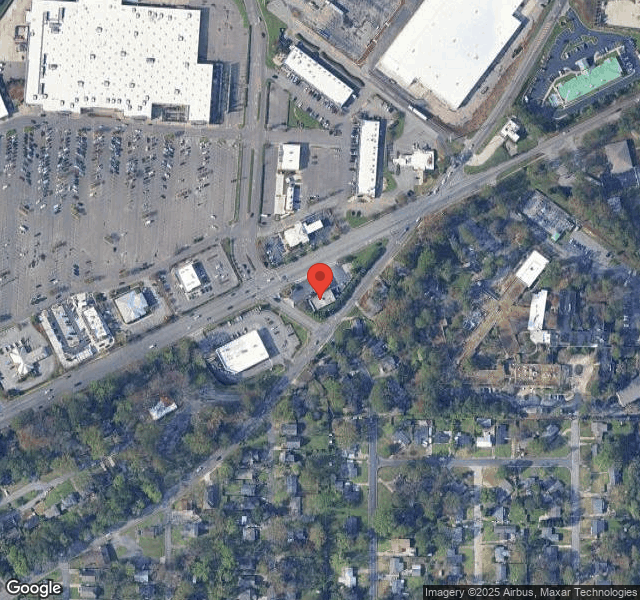
4941 MONTEVALLO ROAD, IRONDALE, AL 35210 (205) 956-1831
Non profit - Church related 128 Beds DIVERSICARE HEALTHCARE Data: November 2025 1 Immediate Jeopardy citation
Trust Grade
28/100
#217 of 223 in AL
Last Inspection: October 2019

Over 2 years since last inspection. Current conditions may differ from available data.

Overview

St. Martin's in the Pines has a Trust Grade of F, indicating significant concerns about the quality of care and overall operation. Ranking #217 out of 223 nursing homes in Alabama places it in the bottom half of facilities statewide and at #34 out of 34 in Jefferson County, suggesting there are no local options that perform better. The facility's trend is worsening, with the number of identified issues increasing from 2 in 2019 to 3 in 2025. Staffing is average, rated 3 out of 5 stars, but the turnover rate of 65% is concerning compared to the state average of 48%, indicating staff may not stay long enough to build strong relationships with residents. While there have been no fines, there have been critical safety issues, including a recent incident where kitchen staff created a fire hazard by improperly placing plastic containers in an oven, putting residents at risk.

Trust Score
F
28/100
In Alabama
#217/223
Bottom 3%
Safety Record
High Risk
Review needed
Inspections
Getting Worse
2 → 3 violations
Staff Stability
⚠ Watch
65% turnover. Above average. Higher turnover means staff may not know residents' routines.
Penalties
✓ Good
No fines on record. Clean compliance history, better than most Alabama facilities.
Skilled Nurses
○ Average
Each resident gets 39 minutes of Registered Nurse (RN) attention daily — about average for Alabama. RNs are the most trained staff who monitor for health changes.
Violations
⚠ Watch
13 deficiencies on record. Higher than average. Multiple issues found across inspections.
★☆☆☆☆
1.0
Overall Rating
★★★☆☆
3.0
Staff Levels
★★☆☆☆
2.0
Care Quality
★☆☆☆☆
1.0
Inspection Score
Stable
2019: 2 issues
2025: 3 issues

The Good

  • Full Sprinkler Coverage · Fire safety systems throughout facility
  • No fines on record

Facility shows strength in fire safety.

The Bad

1-Star Overall Rating

Below Alabama average (2.9)

Significant quality concerns identified by CMS

Staff Turnover: 65%

19pts above Alabama avg (46%)

Frequent staff changes - ask about care continuity

Chain: DIVERSICARE HEALTHCARE

Part of a multi-facility chain

Ask about local staffing decisions and management

Staff turnover is elevated (65%)

17 points above Alabama average of 48%

The Ugly 13 deficiencies on record

1 life-threatening
Jul 2025 3 deficiencies 1 IJ (1 affecting multiple)
CRITICAL (K) 📢 Someone Reported This

A family member, employee, or ombudsman was alarmed enough to file a formal complaint

Immediate Jeopardy (IJ) - the most serious Medicare violation

Accident Prevention (Tag F0689)

Someone could have died · This affected multiple residents

**NOTE- TERMS IN BRACKETS HAVE BEEN EDITED TO PROTECT CONFIDENTIALITY** Based on observation, interview, record review, and facility document and policy review, the facility failed to prevent a fire i...

Read full inspector narrative →
**NOTE- TERMS IN BRACKETS HAVE BEEN EDITED TO PROTECT CONFIDENTIALITY** Based on observation, interview, record review, and facility document and policy review, the facility failed to prevent a fire in a kitchen near residents. Specifically, kitchen staff placed plastic and foam containers in an oven on the second and third floor kitchens of Cottage B, causing the containers to melt and excessive smoke to [NAME] out of the oven into an area near residents.It was determined the facility's non-compliance with one or more requirements of participation caused, or was likely to cause, serious injury, harm, impairment, or death to residents. The Immediate Jeopardy (IJ) was related to 483.25(d)(1) (Accidents).The IJ began on 06/23/2025 at 11:46 AM when Food Service Worker (FSW) #24 placed five plastic containers and one foam to-go container holding food for a lunch meal into an oven set to the warm setting on the second floor of Cottage B. FSW #24 then proceeded to deliver the lunch meal to the third floor of Cottage B. There was then a strong smell of burnt plastic in the living area on the second floor of Cottage B. Certified Nurse Aide (CNA) #33 opened the oven, and smoke billowed out into the kitchen and common area where residents were sitting. CNA #33 then turned the oven off and opened the door to the outdoor balcony to air out the living area of the second floor. An observation on 06/23/2025 at 12:05 PM revealed two burnt and melted foam to-go containers sitting on a countertop in the kitchen on the third floor of Cottage B.The Administrator (ADM) and Community Executive Director (ED) were notified of the IJ and provided the IJ template on 06/23/2025 at 5:49 PM. A Removal Plan was requested. The Removal Plan was accepted by the state survey agency on 06/27/2025 at 11:01 PM. The IJ was determined to be removed on 06/29/2025 at 7:00 PM after the survey team performed onsite verification that the Removal Plan had been implemented. Noncompliance remained at the lower scope and severity of E that was not immediate jeopardy for F689.Additional findings were identified related to Residents #36, #92, #77, and #53. Specifically, Resident #36 suffered a right femur fracture when staff provided care and a thorough investigation was not conducted, Resident #92 suffered a fall and the facility did not investigate for the root cause of the fall, Resident #77 was assessed to need a sit-to-stand lift for transfers when one was not available for staff to use, and Resident #53 was found outside of the facility, gone for an unknown period of time.Findings included:1. A facility policy titled, Fire Safety, dated 08/01/2012, indicated, It is the policy of this facility to insure [sic] that equipment is in compliance with applicable state and local regulations regarding fire safety.An owner's manual provided by the facility staff titled, Direct Air Convection Built-In Electric Wall Oven, revised in May 2024, indicated Do not store or use flammable materials in or near an oven, including paper, plastic, pot holders, linens, wall coverings, curtains, drapes and gasoline or other flammable vapors and liquids.Product specifications provided by facility staff, dated 06/23/2025, indicated the foam to-go containers should be stored at temperatures from 55 to 90 degrees Fahrenheit (F) and the plastic deli containers maximum storage temperature was 212 degrees F.An observation on 06/23/2025 at 11:46 AM revealed double ovens in the kitchen on the second floor of Cottage B. The observation revealed both ovens were dirty with crusty black lumps on the bottom of the ovens and inside the doors. Further observation revealed FSW #24 placed five small plastic containers and one foam to-go container holding food for the lunch meal directly on metal racks in an oven. During an interview at that time, FSW #24 stated that foam and plastic containers could go in the oven to keep the food warm.An observation on 06/23/2025 at 11:55 AM, revealed a strong smell of burnt plastic in the kitchen second floor. The observation revealed CNA #33 opened the oven, and smoke billowed out into the kitchen and common area where residents were sitting. The observation revealed CNA #33 pulled the food out of the oven and opened the door to the outdoor balcony to air out the living area of the second floor.An observation on 06/23/2025 at 12:05 PM revealed two burnt and melted foam to-go containers sitting on a countertop in the kitchen on the third floor of Cottage B.During an interview on 06/29/2025 at 11:04 AM, CNA #27, who was on the third floor on 06/23/2025, stated she witnessed FSW #24 place the plastic and foam to-go containers into the oven, she knew they should not have been in the oven, but by the time she removed them from the oven they had already started melting.During an interview on 06/23/2025 at 4:05 PM, the Executive Chef stated the kitchen staff prepared food in the main kitchen located in the main building and then sent it to Cottage A and Cottage B in metal steam table pans, plastic deli containers, and individual meals in foam to-go containers. The Executive Chef further stated if the plastic containers holding the food for the residents in the cottages melted, then the ovens must have been on the wrong setting because they could withstand being reheated to 200 to 250 degrees F. Per the Executive Chef, the foam to-go containers were not designed to be put in an oven and should not have been in the oven at all. The Executive Chef further stated the plastic deli containers' maximum storage temperature was 212 degrees F and the foam to-go containers' storage temperature should be 55 to 90 degrees F per the product's specifications.During an interview on 06/28/2025 at 2:34 PM, the Director of Nursing Services (DNS) stated she expected staff to know how to operate the oven and to know what temperature to set the oven to when using it. The DNS further stated she expected staff to monitor the oven when in use for fire safety, and plastic and foam were not appropriate materials to use in the oven.During an interview on 06/28/2025 at 3:15 PM, the ADM stated he expected staff to keep the residents safe by having practices that met the safety requirements for fire prevention.On 06/28/2025 at 2:30 PM a Removal Plan was submitted by the facility and accepted by the State Agency. It read as follows: F689: Free from Accident Hazards/Supervision/Devices: Food placed in ovens in Cottages in plastic and Styrofoam [sic] containers which were not considered appropriate for the oven. Plastic overheated and created smoke on 2nd floor of Cottage B.1. Administrator and Maintenance Director were notified on 06/23/2025 at 12:15 p.m. by Nurse of containers placed in the oven which caused smoke.2. The ovens on the second and third floors of Cottage B were disabled by the Maintenance Director on 06/23/2025 at 8:05 p.m. The ovens were locked out/tagged out until assessed/repaired by Maintenance or an outside technician.3. Fire Safety re-education was initiated with [the facility's name] skilled nursing facility team members, nurses, aides, therapy, housekeepers and dietary, on 06/23/2025 by the Administrator/DNS or designee. An inservice [sic] was completed for all team members on not placing non cookware items on the stove top or in oven, no plastic or Styrofoam in the oven when heating/warming food and policy on fire safety. New hires will be educated by the Director of Clinical Orientation during orientation, and center does not utilize agency in the center.4. The Administrator or designee will monitor to ensure there are no inappropriate containers placed in the ovens for each meal for one week, five meals per week on each floor for four weeks then monthly for three months. Results will be reported at the monthly QAPI [Quality Assurance and Performance Improvement] for follow-up as needed.The immediacy of the IJ was removed on 6/23/25.On 06/28/2025 at 2:30 PM, the facility provided a Removal plan and was accepted by the State Survey Agency. Noncompliance remained at the lower scope and severity of E.Onsite Verification of Removal Plan:The IJ was removed on 06/29/2025 at 7:00 PM after the survey team performed onsite verification that the Removal Plan had been implemented. The survey team verified that the ADM and Maintenance Director were notified of the containers placed in the oven, which caused smoke. The survey team verified the ovens on the second and third floor of Cottage B were disabled by the Maintenance Supervisor. The ovens were locked out and tagged out until they were assessed and repaired by an outside technician. The completion of staff education related to fire safety was reviewed and verified by the survey team through interviews. The survey team reviewed and verified audit plans through interview with the ADM.2. A facility policy titled, [Facility Name] Event Communication Pathway, dated January 2021, revealed the section titled, Key Components of Investigation, included, Once the immediate threat has been removed and all patients/residents are safe initiate a thorough investigation. Key components of an investigation - Detailed description of the event/allegation (objective and factual) - Assessment of patient/resident and description of any injury - Interview summaries of all pertinent parties (the interviewer completes the summary, the interviewee signs confirmation of facts) - Immediate protection initiated - Relevant causal/contributing factors and observations - Specific interventions to prevent reoccurrence - Summary of the outcome/investigative findings - Any pertinent monitoring/follow up.An admission Record indicated the facility admitted Resident #36 on 10/03/2022. According to the admission Record, the resident had a medical history that included diagnoses of senile degeneration of the brain, osteoarthritis, a periprosthetic fracture around the internal prosthetic right hip joint (a break in the bone around the internal right hip prosthetic) (onset date 12/12/2024), and encounter for orthopedic aftercare (onset date 12/12/2024).An annual Minimum Data Set (MDS), with an Assessment Reference Date (ARD) of 04/16/2025, revealed Resident #36 had severe impairment in cognitive skills for daily decision-making and had a short-term and long-term memory problem per a Staff Assessment of Mental Status (SAMS). The MDS indicated Resident #36 was dependent on staff with rolling left and right when in bed. The MDS indicated Resident #36 received hospice care while a resident.Resident #36's Care Plan Report, included a focus area initiated on 12/04/2023, that indicated the resident had a self-care deficit related to decreased functional abilities, fluctuating self-performance, and impaired cognition, with a history of a periprosthetic fracture around the internal prosthetic right hip joint. Interventions directed staff to allow adequate time with tasks (initiated 12/04/2023) and to provide all the effort with tasks including rolling to the left and right (initiated 01/30/2025). Resident #36's Care Plan Report, included a focus area initiated on 02/29/2024, and revised on 04/24/2025, that indicated the resident needed pain management and monitoring related to osteoarthritis, polyneuropathy, a history of transient ischemic attacks, and a history of periprosthetic fracture around the internal prosthetic right hip joint. Interventions directed staff to administer pain medication as ordered; provide dim lighting/quiet environment; evaluate and establish level of pain on numeric scale/evaluation tool; evaluate characteristics and frequency/pattern of pain; evaluate what made the pain worse; reposition as needed; and ensure rest.Resident #36's Order Recap [Recapitulation] Report, for the timeframe from 11/01/2024 through 06/30/2025, included an order dated 09/04/2024 for tramadol HCL (tramadol hydrochloride, an opioid agonist to treat moderate to severe pain) 100 milligrams (mg) every four hours as needed for pain related to osteoarthritis; the order had an end date of 12/12/2024. The Order Recap Report included an order dated 12/01/2023 for acetaminophen (a pain reliever) 1000 mg three times a day for pain; the order had an end date of 12/12/2024.Resident #36's 12/2024 Medication Administration Record [MAR], revealed staff documented that the resident received tramadol HCL100 mg on 12/06/2024 at 6:20 AM for a pain level of 5 (on a pain scale of 0-10, with 10 being the worst possible pain), and it was effective. The MAR revealed staff documented that the resident received tramadol HCL100 mg on 12/06/2024 at 2:38 PM for a pain level of 8, and it was effective. The MAR revealed staff documented that the resident received acetaminophen 1000 mg on 12/06/2024 at 9:00 AM for a pain level of 6 and at 2:00 PM for a pain level of 8.Resident 36's Weights and Vitals Summary, indicated that on 12/05/2024 the resident's pain level was rated 0 at 10:58 AM, 3:05 PM, 10:47 PM, and 10:49 PM, and the resident's pain level was rated 5 on 12/06/2024 at 6:20 AM. Resident #36's hospice Visit Note Report, dated 12/06/2024, indicated a family member and Licensed Practical Nurse (LPN) #6 notified the hospice services that Resident #36 had severe pain in their right leg and requested a visit. The note revealed LPN #6 stated staff had left Resident #36 in bed due to hip pain, with no reports of a fall prior to the onset of pain. The note indicated the hospice nurse assessed Resident #36's right leg and noted the leg to be shortened and rotated with swelling to the thigh and no discoloration. The note indicated the hospice physician was notified, and the facility staff received an order to obtain an x-ray of Resident #36's right pelvis, hip, and femur. The note indicated Resident #36 received tramadol at 6:30 AM and 10:30 AM, and Tylenol (an analgesic, pain reliever) at 9:00 AM. The note indicated the hospice nurse visit began at 12:48 PM on 12/06/2024.A nursing Progress Notes, dated 12/06/2024 at 4:27 PM, indicated Resident #36 appeared to be in severe pain and was medicated with tramadol 100 mg per their PRN (pro re nata, as-needed) order. The Progress Notes indicated that upon assessment, Resident #36's right hip was swollen, very painful to touch, and the top part of the hip was larger than the bottom half. The Progress Notes indicated the nurse reached out to hospice staff, the hospice nurse came to the facility to assess the resident, and the hospice physician ordered an x-ray immediately. The Progress Notes indicated the x-ray results revealed a right femur fracture. The Progress Notes indicated the hospice physician was notified and then ordered Resident #36 to be sent to the emergency room for an evaluation. The Progress Notes indicated Resident #36's family was at bedside during that time. Resident #36's Radiology Interpretation, dated 12/06/2024 at 12:59 PM, indicated the resident had a right hip arthroplasty with displaced periprosthetic fracture at the subtrochanteric (upper area of the femur) femur with decreased osseous mineralization. The record revealed, This could reflect osteopenia or osteoporosis, in the correct clinical context.A facility incident report dated 12/06/2024 at 4:17 PM, indicated Resident #36 appeared to be in severe pain and was medicated with tramadol 100 mg per a PRN order. The report indicated that upon assessment, Resident #36's right hip appeared to be swollen, very painful to touch, and the top part of the hip was larger than the bottom half. The report indicated Resident #36 was unable to describe what occurred, and the resident's pain level was 8. The report indicated the physician was notified on 12/06/2024 at 1:23 PM. Resident #36's hospital Discharge Summaries, dated 12/12/2024, indicated the resident presented to the emergency room with right hip periprosthetic hip fracture. The summaries indicated that per the facility's records, Resident #36's sitter arrived at the facility on 12/06/2024 and was told by facility staff that the resident should not be transferred from the bed to the wheelchair due to hip pain. The summaries indicated that upon assessment, Resident #36's hip was found to be painful and swollen. The summaries indicated that due to the proximity of the fracture to the hardware, Resident #36 was transferred to another hospital for surgical repair. On 06/24/2025 at 1:58 PM, Family Member (FM #76), Resident #36's family member, stated they arrived at the facility on the day of the incident at about 8:00 to 8:30 AM after the sitter called them. FM #76 stated there was no urgency from staff that the staff thought anything was wrong, and the ambulance was not provided until 2:30 PM to 3:00 PM. FM #76 stated they met with the facility, and the facility said they were sorry and that the incident was not handled properly. FM #76 stated they thought the facility had notes, but there was no outcome from the investigation. FM #76 stated they did not know if Resident #36's bones were so brittle the bones could not stay attached to the prothesis, or if something happened.During an interview on 06/24/2025 at 3:03 PM, Hospice Nurse #42 stated a hospice nurse visited the resident on 12/06/2024 due to Resident #36's pain in the right leg. Hospice Nurse #42 stated Family Member #76 notified the hospice case manager, and LPN #6 called as well. Hospice Nurse #42 stated hospice services ordered an x-ray which revealed a right femur fracture. During an interview on 06/25/2025 at 8:12 AM, Resident #36's sitter, Sitter #72, stated they came in on the morning of 12/06/2024 around 7:15 AM, and the facility staff told the sitter not to get Resident #36 up because the resident's side hurt and was swollen. Sitter #72 stated they notified the family of Resident #36's condition because the resident's hip looked broken. Sitter #72 stated they asked a CNA to have a nurse look at Resident #36 and for some pain medication for the resident. Sitter #72 stated staff revealed they had administered pain medication to Resident #36 at 6:30 AM that morning. Sitter #72 stated at 8:30 AM they asked for pain medication again for Resident #36, and the resident was given Tylenol. Sitter #72 stated a family member notified the hospice nurse who then came and obtained an x-ray of Resident #36's right hip. During an interview on 06/25/2025 at 9:02 AM, LPN #6 stated Registered Nurse (RN) #7 gave her report (information sharing between shifts) on the morning of 12/06/2024, informing her that Resident #36's hip was red and painful to touch, but RN #7 had not notified anyone including hospice staff. LPN #6 stated she then assessed Resident #36, found the resident's hip bruised and painful to touch, and contacted the hospice nurse requesting a stat (statim, immediately) x-ray. LPN #6 stated the hospice nurse then came to the facility and obtained an x-ray that revealed a femur fracture. LPN #6 stated they then contacted the management team notifying them of the fracture. LPN #6 stated the Community ED had interviewed her about the incident. During an interview on 06/26/2025 at 7:24 AM, the Community ED stated Resident #36's fracture was not reported to the state because when staff turned the resident the morning of 12/06/2024, they heard a pop, so the fracture was of known origin. The Community ED stated she did not see her file about the incident and did not know who the staff member was that repositioned Resident #36 at the time. The Community ED stated she did not know why the night shift did not notify hospice or get an x-ray, did not know who was on the night shift, but would have talked with everyone who worked that shift to see what happened. The Community ED stated the incident occurred during the overnight shift and was reported to the oncoming shift, who notified hospice and the physician to get an x-ray. The Community ED stated Resident #36 had osteoporosis. By the time of the survey exit, no investigation of the incident had been presented to the surveyors. On 06/26/2025 at 7:41 AM, the Ombudsman stated the facility had a care plan meeting with the family after the event, and the care plan meeting did not go well as the Community ED was unable to be there and the interim Director of Nursing Services (DNS) at that time did not really know any specifics. The Ombudsman stated the Community ED did an investigation, but the family was frustrated as findings were not communicated well and were ambiguous. The Ombudsman stated the interim DNS was supposed to do an investigation that day but did not, and there were unresolved issues about a nurse being unable to get to Resident #36 due to being on another floor and uncertainty about Resident #36's foot being caught in a bed rail.During an interview on 06/26/2025 at 9:35 AM, RN #7 stated CNA #46 notified her that when she changed Resident #36's brief, the resident was in pain, and RN #7 told the next shift's nurse that Resident #36 was in pain and to notify the physician that morning. RN #7 stated no incidents occurred on her shift that could have led to the fracture, and she gave Resident #36 pain medication. RN #7 stated that she did not remember if she completed an incident report or entered a nurse note. RN #7 stated the incident occurred later in her shift and the next shift was about to start, so she gave the responsibility to the following shift. RN #7 stated she had three floors of residents to handle, to give medications to, and she told the next shift of the incident.During an interview on 06/26/2025 at 10:50 AM, CNA #46 stated that when she provided care to Resident #36 the morning of 12/06/2024, she turned the resident onto their right side and the resident moaned, made sounds like they were in pain, and grimaced. CNA #46 stated she did not know what was going on with Resident #36 because no incident occurred on her shift, and she did not want to make the resident's pain any worse, so she notified the nurse to assess the resident. CNA #46 stated she did not hear a pop, and Resident #36 did not fall or hit anything when moved during care, but was in pain that was not normal for her. During an interview on 06/26/2025 at 11:47 AM, RN #9 stated she asked some CNAs who took care of Resident #36 on 12/05/2024 if the resident was in pain when put to bed or if the resident was acting differently that night, but there was nothing reported. RN #9 stated they were surprised to learn of Resident #36's femur fracture because no incident occurred with the resident on her shift. RN #9 stated when there was an injury of unknown origin, an investigation into what happened should be done.During an interview on 06/27/2025 at 10:56 AM, Medical Director (MD) #5 stated with severe osteopenia just turning Resident #36 in the bed could cause a fracture. MD #5 stated without knowing how severe Resident #36's osteopenia was it was hard to speculate on exactly what happened, and there was no definitive cause. During an interview on 06/28/2025 at 9:53 AM, the DNS stated she expected staff to be trained in safe turning and repositioning of residents to prevent any injuries when caring for the residents. During an interview on 06/28/2025 at 12:09 PM, the ADM stated he expected staff to be trained to turn and reposition residents per their policy to prevent accidents. The ADM stated for any incident staff needed to inform the nurse, an assessment was needed, and at times an x-ray was needed.3. A facility policy titled, Falls Prevention, dated April 2024, indicated, Purpose: To establish a process that identifies risk and interventions to mitigate the occurrence of falls. The section titled Post Fall revealed, The risk event is initiated to capture a detailed description of the event, vital signs, witness statements, and notification of the NP/MD [Nurse Practitioner/Medical Doctor] and RP [Responsible Party]. The risk event prompts completion of the nurse progress notes and the Post Fall Analysis (PFA), and The PFA is completed to develop all appropriate interventions, record the care plan review, record notification of caregivers of new intervention and documentation of the IDT [Interdisciplinary Team] decision making process to prevent future falls. The policy also indicated, The IDT reviews post fall investigation and summarizes the team recommendations for interventions.An admission Record revealed the facility admitted Resident #92 on 05/20/2025. According to the admission Record, the resident had a medical history that included diagnoses of aftercare following surgery for neoplasm; malignant neoplasm of the mouth; malignant neoplasm of the hard palate; malignant neoplasm of the head, face and neck; depression; gastrostomy status; hypertension; and dysphagia. According to the admission Record Resident #92 was discharged to the hospital on [DATE].An admission Minimum Data Set (MDS), with an Assessment Reference Date (ARD) of 05/26/2025, revealed Resident #92 had a Brief Interview for Mental Status (BIMS) score of 11, which indicated the resident had moderate cognitive impairment. The MDS indicated Resident #92 had no falls in the last month prior to admission, no fractures related to a fall in the six months prior to admission, and no falls since admission.Resident #92's Care Plan Report, included a focus area revised 05/22/2025, that indicated the resident was at risk for falls related to a new environment and medication use. Interventions initiated on 05/22/2025 directed staff to keep the bed in low position, the call light and personal items available and in reach, the environment well-lit and free from clutter, to observe for side effects of medications, and provide orientation to the new room and roommate.A facility document titled Incidents by Incident Type, dated 06/25/2025, indicated Resident #92 had a fall incident on 06/02/2025 at 6:20 AM.Resident #92's, Post Fall Review, dated 06/03/2025, revealed the resident had an unwitnessed fall from the bed to the floor on 06/02/2025. The Post Fall Review revealed Resident #92 had no apparent injury, had a headache, was holding their head, and was sent to the hospital for an evaluation.During a phone interview on 06/24/2025 at 3:31 PM, Family Member (FM) #73, Resident #92's family member, indicated staff refused to go into Resident #92's room to take care of the resident's needs. FM #73 stated the Director of Nursing Services (DNS) told her the resident fell out of bed during the night shift while a sitter sat outside the resident's room with the door closed due to the resident having a Clostridium difficile (C. diff, a bacteria,) infection. FM #73 stated Resident #92 fell on [DATE], went to the hospital, and stayed a week with diagnoses of pneumonia, urinary tract infection, and atrial fibrillation. FM #73 stated Resident #92 went to a different skilled nursing facility after discharge from the hospital. During an interview on 06/27/2025 at 10:39 AM, Director of Clinical Operations (DCO) #26 stated the Post Fall Review was the only documentation the facility was able to find related to Resident #92's fall on 06/02/2025. During an interview on 06/27/2025 at 2:57 PM, DNS stated her expectation was that staff document, report, and investigate all falls. The DNS stated her expectation was that a Post Fall Review was completed in the electronic medical record documenting new interventions for each fall. The DNS stated there was no documentation in Resident #92's progress notes about the fall on 06/02/2025. The DNS stated that a nurse called her to report Resident #92's fall, but the nurse did not complete the Post Fall Review, so she completed it herself. The DNS stated Resident #92 had a sitter, who was sitting outside the resident's room with the door closed when the resident fell out of bed. The DNS confirmed she did not do an investigation into the cause of the Resident #92's fall, because the resident did not return to the facility. 4. A facility policy titled, Lift 4 Care-Safe 4 All, dated 02/2023, revealed the section titled, Purpose, included, To provide team members guidance with assisting residents to safely reposition or transfer. The policy revealed the section titled, Guideline, included, 2. A licensed healthcare provider must complete a lift evaluation for every resident upon admission, readmission or with any change of condition. The lift evaluation will assist in establishing the resident's independence or the need for assistance during repositioning or transfers. The evaluation will also assist in determining sling size if appropriate and/or the number of team members required to assist during transfer or repositioning. Documentation of the lift evaluation must be completed in the resident's [electronic] chart, and communication of the lift evaluation findings must be documented in the care plan, caregiver guide or Kardex. The policy also indicated, 4. The sit-to-stand lift should be used for residents who can bear at least 25% weight on one or both legs, have the ability to follow simple commands, have upper torso and body strength and able to grip with one or both hands. Further review revealed, 7. In order to maintain residents' safety, residents should be lifted or transferred by the lift and sling which is deemed appropriate after the lift evaluation is completed. There should be no interchanging of lifts and slings.An admission Record indicated the facility admitted Resident #77 on 11/21/2024. According to the admission Record, the resident had a medical history that included late onset Alzheimer's disease, abnormal posture, generalized muscle weakness, and lack of coordination.A quarterly Minimum Data Set (MDS), with an Assessment Reference Date (ARD) of 05/14/2025, revealed Resident #77 had a Brief Interview for Mental Status (BIMS) score of 3, which indicated the resident had severe cognitive impairment. The MDS indicated the resident was dependent on staff for chair/bed-to-chair transfers, going from the sitting to standing position, and tub/shower transfers.Resident #77's Care Plan Report, included a focus area initiated 11/22/2024, that indicated the resident had a physical functioning deficit with transfers. The care plan instructed staff to use the total mechanical lift with a large green sling and the EZ Way (type of sit-to-stand lift) Burgandy Large Sling. Both of these interventions were resolved on 01/09/2025. New interventions were implemented on 07/02/2025 that instructed the staff to use the sit-to-stand lift with the medium yellow sling, and physical therapy was to work with the resident to ensure safety with the sit-to-stand lift.Resident #77's Care Plan Report included a focus area initiated 04/11/2025, that indicated the resident had a self-care deficit related to impaired cognition/dementia. Interventions directed staff to provide all effort with transfers from the chair to the bed and tub and shower transfers since the resident was dependent on staff.Resident #77's Lift Transfer Evaluation (EZ Way), dated 11/22/2024, indicated the resident had a physical functioning deficit with transfers and required assistance of the EZ Way (sit-to-stand) lift with a large burgundy sling for weights of 190-320 pounds.Resident #77's Lift Transfer Evaluation (ARJO Maxi Sky Lift), dated 11/22/2024, indicated the resident had a physical functioning deficit with transfers and required assistance of the total mechanical lift with the large green sling for weights of 154-264 pounds.Resident #77's Progress Notes revealed a Clinical Health Status Evaluation note dated 11/21/2024 that indicated the resident transferred with the use of a sit-to-stand lift.Resident #77's Lift Transfer Evaluation (Hillrom/LIKO Ceiling Lift), dated 01/09/2025, indicated the resident transferred with a transfer/walking belt and one team member.Resident #77's Care Plan Report was updated to resolve the use of the lifts but did not reflect the use of the transfer/walking belt and one team member for transfers.Resident #77's Progress Notes revealed a Weekly Nurses Note dated 03/01/2025 that indicated the resident used a sit-to-stand lift for transfers.During an interview on 07/17/2025 at 3:10 PM, Registered Nurse (RN) #1 stated if a resident had been assessed and determined to need a lift for transfers, then it would not be safe to transfer a resident manually. She stated she thought Resident #77 was a 2-to-3-person transfer, but she was not sure and would have to check with the certified nursing assistants (CNAs).During a telephone interview on 07/18/2025 at 9:59 AM, RN #36 stated she thought Resident #77 could transfer with maximum assistance but thought the facility was requiring them to use lifts to get residents out of bed.During an interview on 07/1
CONCERN (D) 📢 Someone Reported This

A family member, employee, or ombudsman was alarmed enough to file a formal complaint

Potential for Harm - no one hurt, but risky conditions existed

ADL Care (Tag F0677)

Could have caused harm · This affected 1 resident

Based on observation, interview, record review, and facility policy review, the facility failed to ensure residents were provided baths/showers for 2 (Resident #70 and Resident #77) of 11 residents re...

Read full inspector narrative →
Based on observation, interview, record review, and facility policy review, the facility failed to ensure residents were provided baths/showers for 2 (Resident #70 and Resident #77) of 11 residents reviewed for activities of daily living (ADLs).Findings included:During an interview on 06/29/2025 at 5:53 PM, Director of Clinical Services (DCS) #12 stated they did not have a policy for ADL care; they only had a procedure. An undated form titled, CNA [Certified Nurse Aide] Bath & Shower Report, revealed, The following assessment is to be completed on all residents receiving a bath. The Charge Nurse will sign and verify each assessment for accuracy and completion. All wound and findings are to be addressed immediately by the Charge Nurse and forwarded to the Unit Manager and Treatment Nurse with follow up of a physician or Nurse Practitioner if needed. The bottom of the form included a place for the resident's name, the date, the name of the CNA who provided the bath or shower, and the name of licensed nurse who received the form.1. The admission Record revealed the facility admitted Resident #70 on 02/28/2025. According to the admission Record, the resident had a medical history that included diagnoses of unspecified dementia, limitation of activities due to disability, muscle weakness, cognitive communication deficit, the need for assistance with personal care, and hemiplegia and hemiparesis (weakness or partial paralysis on one side of the body) following a cerebral infarction (stroke).A quarterly Minimum Data Set (MDS), with an Assessment Reference Date (ARD) of 03/24/2025, revealed Resident #70 had a Brief Interview for Mental Status (BIMS) score of 7, which indicated the resident had moderate cognitive impairment. The MDS revealed the resident exhibited verbal behaviors that occurred four to six days during the assessment's lookback period. The MDS revealed the resident did not reject care during the assessment's lookback period. The MDS revealed the resident was dependent on staff for showering and/or bathing.Resident #70's Care Plan Report, revealed a focus area initiated on 03/04/2024 and revised on 04/14/2025, that indicated the resident had a self-care deficit related to decreased abilities due to right hemiplegia and dementia. The focus area revealed the goal was that the resident's ADL needs would be met in a comfortable and caring manner. Interventions directed staff to assist with bathing as needed; provide cueing, supervision, and assistance with ADLs as needed; and provide partial/moderate assistance with showering/bathing.An undated Cottage A Shower Schedule revealed that Resident #70 was scheduled to have showers provided on the 3:00 PM to 11:00 PM shift on Tuesdays, Thursdays, and Saturdays. The schedule indicated that all bath sheets must be turned in to charge nurse for review by 12noon on 7-3 [shift] and 7PM on 3-11 [shift].During an interview on 06/28/2025 at 3:07 PM, DCS #12 stated she was not able to locate any of the shower sheets for Resident #70. She stated that she would not necessarily assume that the resident had not had showers by not having the actual bath sheets.An observation on 06/23/2025 at 11:00 AM revealed Resident #70 was sitting up in bed. The resident's hair appeared oily to the point of looking wet, and there was an odor in the room. During a concurrent interview, Resident #70 stated that staff did not provide showers, and it had been a month since their last shower.An observation on 06/24/2025 at 3:25 PM revealed Resident #70 was in bed. The resident's hair still appeared greasy. There was an odor in the room. During a concurrent interview, Resident #70 stated that staff had not provided a bath or shower. An observation on 06/25/2025 at 12:35 PM revealed Resident #70's hair still appeared to be extremely greasy, to the point of looking wet. There was an odor in the room. During a concurrent interview, the resident reported that staff had still not provided a shower.An observation on 06/26/2025 at 12:21 PM revealed Resident #70 was sitting in bed. The resident's hair still appeared to be greasy, to the point where it almost looked wet. There was an odor in the room. During a concurrent interview, Resident #70 stated staff had not provided any bathing or a shower. During an interview on 06/26/2025 at 12:52 PM, CNA #47 stated staff were supposed to be providing showers three times a week. CNA #47 stated Resident #70 did not refuse showers.During an interview on 06/27/2025 at 8:18 AM, Licensed Practical Nurse (LPN) #51 stated she worked strictly in Cottage A. She stated that she did not track the showers staff provided. She stated staff were not turning in the shower sheets to her. LPN #51 stated she noticed Resident #70 was fairly malodorous, but the resident's showers were not on her shift, so she did not track them.During an interview on 06/27/2025 at 12:15 PM, DCS #12 stated that staff were supposed to be completing shower sheets when they provided showers or bathing as well as documenting in the electronic medical record (EMR).During an interview on 06/27/2025 at 1:33 PM, LPN #48 stated she normally worked in Cottage A where Resident #70 resided. She noted she was familiar with Resident #70, but did not know the resident's scheduled shower days. She stated the resident did not refuse care. LPN #48 stated staff were not putting any type of haircare products in the resident's hair. She noted that Resident #70 looked a little greasy at times. She stated staff should be offering showers/baths three times a week.An observation on 06/28/2025 at 9:50 AM revealed Resident #70 lying in bed asleep. The resident's hair appeared greasy, and there was an odor in the room that did not smell like urine or fecal material.During an interview on 06/28/2025 at 9:53 AM, Certified Medication Technician (CMT) #49 stated Resident #70 was not one who refused care, noting sometimes they had to coax the resident to do things.During an interview on 06/28/2025 at 9:59 AM, CNA #50 stated she was not sure when Resident #70's shower days were. She stated the staff did not put anything in the resident's hair, but she thought the resident's hair looked kind of oily.During an interview on 06/29/2025 at 11:12 AM, the Director of Nursing Services (DNS) stated she expected staff to make rounds when they first came in to observe the residents and as they were providing care. The DNS stated they had shower sheets available, and they were not being used. She stated they had processes that were broken that she was trying to fix. She stated she was familiar with Resident #70 and was not aware that the resident had not had a shower in a while until someone mentioned it to her the previous day. The DNS stated the task record showed her that the staff were not describing the care that was actually provided.During an interview on 06/29/2025 at 1:29 PM, the Administrator stated he expected residents' ADL needs to be met. He stated he was not aware that residents were not getting the care they needed.2. An admission Record revealed the facility admitted Resident #77 on 11/21/2024. According to the admission Record, Resident #77 had a medical history that included diagnoses of Alzheimer's disease, abnormal posture, generalized muscle weakness, and unspecified lack of coordination. A quarterly Minimum Data Set (MDS), with an Assessment Reference Date (ARD) of 05/14/2025, revealed Resident #77 had a Brief Interview for Mental Status (BIMS) score of 3, which indicated the resident had severe cognitive impairment. The MDS indicated the resident rejected care one to three days during the assessment's lookback period. The MDS revealed the resident was dependent on staff for showers/baths.Resident #77 Care Plan Report, included a focused area initiated 04/11/2025, that indicated the resident had a self-care deficit related to impaired cognition/dementia. Interventions directed staff to provide all the effort with showering/bathing as the resident was dependent on staff. The Care Plan Report included a focused area initiated 12/02/2024, that indicated the resident was resistive to care and refused care. Interventions directed staff that if the resident was resistive to ADLs, reassure the resident and leave and return five to ten minutes later and try again. Resident #77's 01/2025 Documentation Survey Report revealed the section titled ADL - Bathing contained no documentation to denote Resident #77 received a bath/shower from 01/01/2025 through 01/21/2025. Resident #77's 02/2025 Documentation Survey Report revealed the section titled ADL - Bathing contained no documentation to denote Resident #77 received a bath/shower from 02/07/2025 through 02/24/2025 and had no documentation of any refusals. A Customer Concern/Grievance Communication Form, dated 02/20/2025, revealed that Resident #77's family member complained that they came to visit and found the resident sitting on the side of their bed without any pants and urine on the floor. The form revealed that the family member alleged that every time they came to visit the resident was wet. The form revealed the grievance issues were addressed and added to the Kardex and care plan. Resident #77's 06/2025 Documentation Survey Report revealed the section titled ADL - Bathing contained no documentation to denote that Resident #77 received a bath/shower from 06/01/2025 through 06/18/2025 and had no documentation of any refusals. During an observation on 06/23/2025 at 11:59 AM, Resident #77 had a foul odor. On 06/27/2025 at 3:22 PM, Certified Nurse Aide (CNA) #18 said she was not aware of Resident #77 not getting a bath or shower for two weeks, noting the resident allowed CNA #18 to provide bed baths. On 06/27/2025 at 3:36 PM, CNA #19 said Resident #77 refused care at times due to being combative. On 06/28/2025 at 10:11 AM, the Director of Nursing Services (DNS) said that she expected residents to receive showers as scheduled and if the resident asked for a shower on a non-scheduled day, staff should provide the resident with a shower. She indicated that if there were blanks on the shower/bath task, it meant a shower/bath was not provided, noting if the resident refused, staff should document the refusal and notify a nurse. On 06/28/2025 at 12:15 PM, the Administrator said that he expected residents to receive their baths/showers per their scheduled times.
CONCERN (D) 📢 Someone Reported This

A family member, employee, or ombudsman was alarmed enough to file a formal complaint

Potential for Harm - no one hurt, but risky conditions existed

Deficiency F0697 (Tag F0697)

Could have caused harm · This affected 1 resident

Based on record review, interview, and facility policy review, the facility failed to have an effective pain management program for 1 (Resident #98) of 1 resident reviewed for pain management.Findings...

Read full inspector narrative →
Based on record review, interview, and facility policy review, the facility failed to have an effective pain management program for 1 (Resident #98) of 1 resident reviewed for pain management.Findings included:On 07/18/2025 at 6:03 PM, Corporate Director of Clinical Services (DCS) #12 stated the facility did not have a policy for pain management, but it was the resident's right to be free of pain.An admission Record indicated the facility admitted Resident #98 on 09/05/2024. According to the admission Record, the resident had a medical history that included orthopedic aftercare following surgical amputation of the right leg below the knee, peripheral vascular disease, chronic pain, and anxiety disorder. The admission record indicated the resident was discharged home with home health services on 09/25/2024.An admission Minimum Data Set (MDS), with an Assessment Reference Date (ARD) of 09/09/2024, revealed Resident #98 had a Brief Interview for Mental Status (BIMS) score of 15, which indicated the resident had intact cognition. The MDS indicated the resident frequently experienced pain that occasionally made it hard to sleep but rarely limited participation in therapy or day-to-day activities. The MDS indicated the resident rated their worst pain at an 8 (on a scale of 0 to 10, with 10 being the worst pain possible) in the last five days during the assessment period.Resident #98's Care Plan Report, included a focus area initiated 09/17/2024, that indicated the resident needed pain management and monitoring related to a surgical procedure, wound disruption, neuropathy, and peripheral vascular disease. Interventions directed staff to administer pain medication as ordered; evaluate and establish a level of pain on a numeric scale or using a pain evaluation tool; evaluate characteristics, frequency, and pattern of pain; evaluate need for routinely scheduled medications rather than as-needed pain medication administration; evaluate the need to provide medications prior to treatment or therapy; evaluate what made the resident's pain worse; provide dim lighting and quiet environment; reposition as needed; provide rest; and consults with the pharmacy as needed.Resident #98's hospital Discharge Summaries, dated 09/05/2024, indicated the resident's hospital course was complicated by difficulty controlling the resident's pain, and in-patient pain services were consulted. The summaries indicated that the resident was stable to transfer to a skilled nursing facility on a medication regimen.Resident #98's facility Order Recap [Recapitulation] Report, for the timeframe from 09/01/2024 through 06/24/2025, included an order dated 09/05/2024 for oxycodone 10 milligrams (mg) with instructions to give 10 mg orally every four hours as need for pain. Further review revealed there were no orders to monitor the resident's pain level on a routine basis or orders for non-pharmacological interventions.Resident #98's September 2024 Medication Administration Record [MAR], revealed Registered Nurse (RN) #79 documented that oxycodone 10 mg was administered on 09/19/2024 at 5:24 AM, for pain level that was rated 6 and documented as being ineffective with no follow-up. Further review revealed no non-pharmacological interventions were documented prior to the administration of the oxycodone.Resident #98's Progress Notes, revealed no evidence of non-pharmacological interventions implemented on 09/19/2024 prior to the administration of the oxycodone.Resident #98's Progress Notes revealed Daily Skilled Nurses Notes dated 09/15/2024, 09/16/2024, 09/18/2024, and 09/19/2024 that indicated the resident required frequent pain medication.During a phone interview on 07/18/2025 at 9:21 AM, RN #79 stated they should ask the resident what their pain level was every shift and when administering an as-needed pain medication. He stated if the medication was not effective, then he would give something else if it were available and if not, he would contact the physician to get something. He stated non-pharmacological interventions were not used often because the residents just wanted medication. RN #79 stated they did not remember Resident #98.During an interview on 07/18/2025 at 11:00 AM, former Director of Nursing Services (DNS) #53 stated that when a resident was in pain, it was up to the nurse to treat that resident's pain with something and get ahold of the physician for orders. During an interview on 07/18/2025 at 1:05 PM, Licensed Practical Nurse (LPN) #22, a Unit Manager, stated residents' pain should be monitored every shift and documented on the MAR. She stated they should try non-pharmacological interventions first and document them, but she was not sure where. She stated they should always reassess a resident's pain after as-needed pain medication was given, and if it was not effective, they should try something else if available or contact the physician. During an interview on 07/18/2025 at 3:10 PM, the DNS stated pain should be monitored every shift and documented on the MAR. She stated non-pharmacological interventions should be tried and documented on the MAR. She stated if an as needed pain medication was given, the nurse should follow up, and if it was not effective, the nurse should give something else or contact the physician. During an interview on 07/18/2025 at 5:59 PM, RN #1 stated they should be documenting the resident's pain level every shift and whenever giving an as-needed pain medication. She stated she would attempt deep breathing or repositioning, but if the resident had a pain medication, they usually wanted the medication. She stated there was not a place to document non-pharmacological intervention except in a progress note. She stated if the pain medication that was given was not effective, it should be reported to the physician to see if an adjustment needed to be made or if they wanted to prescribe a one-time dose for a pain medication.
Oct 2019 2 deficiencies
CONCERN (D)

Potential for Harm - no one hurt, but risky conditions existed

Tube Feeding (Tag F0693)

Could have caused harm · This affected 1 resident

**NOTE- TERMS IN BRACKETS HAVE BEEN EDITED TO PROTECT CONFIDENTIALITY** Based on observations, record review, interviews, and review of Fundamentals of Nursing, Ninth Edition, the facility failed to e...

Read full inspector narrative →
**NOTE- TERMS IN BRACKETS HAVE BEEN EDITED TO PROTECT CONFIDENTIALITY** Based on observations, record review, interviews, and review of Fundamentals of Nursing, Ninth Edition, the facility failed to ensure Resident Identifier (RI) #4's tube feeding bottle was labeled. This affected one of one resident sampled for tube feeding. Findings Include: Review of Fundamentals of Nursing, Ninth Edition, copyright 2017, Chapter 45 Nutrition, page 1082, revealed: . SAFETY GUIDELINES FOR NURSING SKILLS . When performing the skills in this chapter, remember the following points to ensure safe, individualized patient care. * Label enteral equipment with patient name and room number; formula name, rate, and date and time of initiation; and nurse initials . RI #4 was readmitted to the facility on [DATE] with a diagnosis of Dysphagia, oropharyngeal phase. RI #4's [DATE] Physician Orders included an order for Glucerna 1.5 at 55 mL/hr (milliliters per hour) time 23 hours via Percutaneous Endoscopic Gastrostomy tube. On [DATE] at 11:09 a.m., the surveyor observed RI #4's tube feeding infusing. There was no date, time, initials or rate on RI #4's tube feeding. On [DATE] at 2:10 p.m. the surveyor observed RI #4's tube feeding infusing and noted there was no date, time, initials or rate noted on RI #4's tube feeding. On [DATE] at 8:29 a.m., the surveyor again observed there was no date, time, rate or initials on RI #4's tube feeding. On [DATE] at 4:52 p.m., an interview was conducted with Employee Identifier (EI) #5, Register Nurse (RN). EI #5 was asked what was wrong with the tube feeding hanging for RI #4. EI #5 replied, it did not have a date, the resident name, the rate or the time on the tube feeding. EI #5 was asked who was responsible for putting the date, the time, the resident name and the rate on the tube feeding. EI #5 replied, the nurse that worked the 11 to 7 shift. EI #5 was asked who worked the 11 to 7 shift the last two nights. EI #5 stated EI #6. EI #5 was asked what was the facility's policy on hanging tube feedings. EI #5 replied, to label the right feeding tube, the right resident, the right date, rate and time. On [DATE] at 5:39 p.m., an interview was conducted with EI #6, RN. EI #6 was asked who was responsible for changing the tube feeding for RI #4. EI #6 replied she was. EI #6 stated tube feedings should be labeled with the resident name, the rate, and the time when they are hung. EI #6 was asked if RI #4's tube feeding was labeled with the date, rate, resident name or time. EI #6 replied, no ma'am, she did not label it. EI #6 was asked what was the potential harm in not having the date, resident name, the rate and the time on the tube feeding. EI #6 replied, the nurse would not be able to determine it is was the right tube feeding for the right resident. On [DATE] at 9:54 a.m., an interview was conducted with EI #2, Director of Nursing (DON). EI #2 was aked when should tube feedings be labeled for the residents. EI #2 replied, immediately before hanging a new bottle. EI #2 said the nurse hanging the tube feeding would be responsible for labeling it. EI #2 was asked what should be put on the tube feeding before hanging it. EI #2 replied, the date, resident name, rate, expiration, the person hanging the tube feeding initials and water flush. EI #2 was asked what was the potential harm in not labeling the tube feeding. EI #2 replied, the next person will not know if the tube feeding had expired. EI #2 further explained nurses should look at the bottle to make sure that it is infusing at the right rate, it is the correct formula, it is not expired, and is labeled correctly.
CONCERN (E)

Potential for Harm - no one hurt, but risky conditions existed

Food Safety (Tag F0812)

Could have caused harm · This affected multiple residents

Based on observation, interviews and review of a facility policy titled Section: SANITATION AND INFECTION CONTROL Subject: HAND HYGIENE, the facility failed to ensure the Certified Nursing Assistant (...

Read full inspector narrative →
Based on observation, interviews and review of a facility policy titled Section: SANITATION AND INFECTION CONTROL Subject: HAND HYGIENE, the facility failed to ensure the Certified Nursing Assistant (CNA) in the 3rd floor kitchen of Cottage A washed her hands before returning to the kitchen after assisting a resident. This had the potential to affect all 9 residents residing on the 3rd floor of Cottage A. Findings Include: A review of a facility policy Section: SANITATION AND INFECTION CONTROL Subject: HAND HYGIENE, revised 1/15, revealed: Policies: In the Food & Nutritional Services Department: All associates associated with the handling of food shall wash hands. Hands are washed with soap and water at the following times: . Before putting on gloves . After taking a break/when returning to the kitchen . After any other activity that may contaminate the hands . On 10/02/19 at 8:45 AM the surveyor conducted a kitchen observation in Cottage A on the 3rd floor. The surveyor observed Employee Identifier (EI) #4, CNA, cooking bacon and sausage. EI #4 removed her gloves and left the kitchen. EI #4 assisted a resident to a wheelchair then propelled the resident to the dining area. EI #4 returned to the kitchen. Without washing hands, EI #4 put on gloves and removed foods from the oven, including biscuits, bacon, sausage and breakfast casserole. EI #4 then took plates from the dish drainer and placed them on the counter next to the stove. EI #4 also took the temperatures of the foods. On 10/02/19 at 9:03 AM an interview was conducted with EI #4. EI #4 was asked to recap what she did after leaving the kitchen to assist a resident. EI #4 replied, she went in the resident's room and helped the resident up to the wheelchair and rolled them to the dining table. EI #4 said she returned to the kitchen, got gloves, put them on and took the foods from the oven. She then got the plates and placed them on the counter and took the temperatures of the foods. EI #4 was asked what she was supposed to do when entering the kitchen. EI #4 said she was supposed to wash her hands but forgot. EI #4 was asked when should she wash her hands. EI #4 replied, every time she left the kitchen and came back she should wash her hands. EI #4 was asked if she washed her hands after assisting a resident before returning to the kitchen. EI #4 replied, no. EI #4 was asked what was the harm in not washing her hands before returning to the kitchen. EI #4 replied, germs could be on her hands and could contaminate the food. On 10/03/19 at 9:55 AM an interview was conducted with EI #3, Dietary Manager. EI #3 was asked what was the policy on when staff working the kitchens in the cottages should wash their hands. EI #3 replied, they should wash their hands after returning from outside, after using the restroom, after leaving a resident room and before entering the kitchen. EI #3 was asked when would it be acceptable for the CNA in the cottage working the kitchen to assist a resident with care then return to the kitchen without washing their hands. EI #3 replied, never. EI #3 was asked what was the harm in the staff assisting a resident with care then returning to the kitchen without washing her hands. EI #3 replied, infection control.
Sept 2018 2 deficiencies
CONCERN (D)

Potential for Harm - no one hurt, but risky conditions existed

Deficiency F0657 (Tag F0657)

Could have caused harm · This affected 1 resident

**NOTE- TERMS IN BRACKETS HAVE BEEN EDITED TO PROTECT CONFIDENTIALITY** Based on record review and interview, the facility failed to ensure Resident Indentifier (RI) # 104's hospice care plan was revi...

Read full inspector narrative →
**NOTE- TERMS IN BRACKETS HAVE BEEN EDITED TO PROTECT CONFIDENTIALITY** Based on record review and interview, the facility failed to ensure Resident Indentifier (RI) # 104's hospice care plan was revised when he/she was discharged from Hospice services. This affected Resident Identifier (RI) #104, one of 26 sampled residents for whom care plans were reviewed. Findings Include: RI #104 was re-admitted to the facility on [DATE] with the diagnosis of Vascular Dementia Without Behavioral Disturbance. A review of RI #104's Discharge Summary from Hospice revealed that the hospice start date was 12/11/2017, and the end date was 08/03/2018. A review of RI #104's Physician Order dated 08/03/2018 revealed: Discharge from Hospice due to prolonged prognosis. On 09/26/18 at 03:10 p.m., the surveyor reviewed RI #104's care plans, including the hospice care plan. There was no revision indicating RI #104 had been discharged from hospice services. On 09/26/18 at 04:28 p.m., an interview was conducted with Employee Identifier (EI) #7, a Registered Nurse/Resident Assessment Coordinator. EI #7 was asked if RI #104 was on hospice. EI #7 stated no. EI #7 was asked what did RI #104's care plan state for hospice. EI #7 stated that the care plan stated the resident was on hospice. EI #7 was asked when was RI #104 discharged from hospice. EI #7 stated on 08/03/2018. EI #7 was asked if there should have been a revision to the hospice care plan. EI #7 stated yes, and the care plan should have been resolved. EI #7 was asked what was the purpose for revising a hospice care plan. EI #7 stated the care plan directs the care of the resident and how the staff should care for the resident.
CONCERN (D)

Potential for Harm - no one hurt, but risky conditions existed

Food Safety (Tag F0812)

Could have caused harm · This affected 1 resident

2. A review of a facility policy titled FOOD AND SUPPLY STORAGE PROCEDURES, with a revised date of 01/2015, documented: .PROCEDURES: .The .use-by date is the last date that a food can be consumed . ...

Read full inspector narrative →
2. A review of a facility policy titled FOOD AND SUPPLY STORAGE PROCEDURES, with a revised date of 01/2015, documented: .PROCEDURES: .The .use-by date is the last date that a food can be consumed . Foods past the use by . date should be discarded . On 9/24/18 at 05:21 p.m. during the kitchen tour in Cottage A, on the 2nd floor, with EI #1, a Certified Nursing Assistant (CNA), the surveyor observed 17 four fluid ounce prune juice cups with an expired manufacture use by date of 09/07/2018. On 9/25/18 at 12:14 p.m., an interview was conducted with EI #1, a CNA. EI #1 was asked what manufacture use by date did the 17 four fluid ounce cups of prune juice have on each container in the pantry storage room in Cottage A, on the 2nd floor. EI #1 replied 09/07/2018. EI #1 was asked what does the 09/07/2018 use by date mean. EI #1 stated that the prune juice should have been discarded by 09/07/2018. EI #1 was asked why they were not discarded by the use date. EI #1 stated that they were overlooked by the staff. EI #1 was asked what the potential harm was with expired items in the pantry storage room not being discarded by the use by date. EI #1 stated it could make a resident sick. On 9/25/18 at 12:41 p.m., an interview was conducted with EI #2, Registered Dietitian. EI #2 was asked should items with an expired use by date in the pantry storage room in Cottage A be discarded. EI #2 stated yes. EI #2 was asked if the facility has a policy on expired items with a use by date. EI #2 stated yes. EI #2 was asked what the facility policy states on expired items with a use by date. EI #2 stated the policy states that food past the use by date should be discarded. EI #2 was asked what the potential harm with expired items in the pantry storage room not being discarded by the use by date. EI #2 replied that a resident could get sick. Based on observation, interview, and review of the facility's policy titled, FOOD AND SUPPLY STORAGE PROCEDURES, the facility failed to ensure: 1. the kitchen staff air dried dishes, pots and pans; and 2. 17 four fluid ounce prune juice cups with a manufactured use by date of 09/07/2018 were not expired. These findings had the potential to affect all 9 residents living on the second floor in Cottage B and all ten residents living on the second floor in Cottage A. Findings Include: 1. On 9/25/18 at 9:55 a.m., Employee Identifier (EI) #5, Certified Nursing Assistant, hand dried with a paper towel three pots and pans, a metal bowl, a divided plate, four bowls and four plates, a serving tray, then placed them into the cabinets. On 9/26/18 at 1:32 PM EI #5 was interviewed. When asked how dishes, pots and pans were supposed to be dried after being washed, rinsed and sanitized, EI #5 said Air dried. EI #5 stated she had not air dried the dishes on 9/25/18. When asked what the potential for harm was in not allowing the dishes to air dry, EI #5 said, it Can cause bacteria. On 9/26/18 at 1:37 PM, EI #6, the Dietician, was asked how dishes, pots and pans were supposed to be dried after washing, rinsing and sanitizing. EI #6 said according to policy, they should be air dried to prevent the Potential for transfer of bacteria.
Aug 2017 6 deficiencies
CONCERN (D)

Potential for Harm - no one hurt, but risky conditions existed

Deficiency F0282 (Tag F0282)

Could have caused harm · This affected 1 resident

**NOTE- TERMS IN BRACKETS HAVE BEEN EDITED TO PROTECT CONFIDENTIALITY** Based on observations, interviews, and record reviews, the facility failed to ensure a care plan was followed for a sippy cup as...

Read full inspector narrative →
**NOTE- TERMS IN BRACKETS HAVE BEEN EDITED TO PROTECT CONFIDENTIALITY** Based on observations, interviews, and record reviews, the facility failed to ensure a care plan was followed for a sippy cup as ordered by the physician. This affected RI (Resident Identifier) #8, one of fourteen sampled residents. Findings Include: RI #8 was readmitted to the facility on [DATE] with diagnoses including Hypertension, Diabetes Mellitus Type 2, Vascular Dementia, and Dysphagia. A review of RI #8's Annual MDS (Minimum Data Set), with an assessment reference date of 5/16/17, revealed RI #8 required extensive assistance with ADLs (Activities of Daily Living). RI #8 required limited assistance with eating. RI #8's Care Plan with a review date of 8/14/17 revealed, Nutrition/hydration risk related to chewing/swallowing difficulty, dx (diagnosis) of dysphagia, needs assistance/cueing at meals, dependence on staff for the provision of fluid intake and eating . Approaches * .Elder to use sippy cup with all liquids . A review of RI #8's July and August 2017 Physician Orders revealed, Elder is to use sippy cup daily with all meals and throughout the day to facilitate with liquids. During the initial tour of the facility on 8/22/17 at 3:00 p.m., RI #8 was observed in bed asleep. A water pitcher with a straw was observed on RI #8's bedside table. There was no sippy cup observed in RI #8's room. On 8/23/17 at 7:40 a.m., an observation was made of RI #8 asleep in bed. A water pitcher with a straw was observed on RI #8's bedside table. There was no sippy cup observed in RI #8's room. On 8/23/17 at 8:35 a.m., an observation was made of RI #8 eating breakfast. RI #8 was feeding self. An observation of the breakfast tray was made and regular cups were on the tray containing milk, water, and cranberry juice. There were no sippy cups for the liquids. On 8/24/17 at 9:25 a.m., EI (Employee Identifier) #1, a CNA (Certified Nursing Assistant), was interviewed. EI #1 was asked if RI #8 used or required any assistive devices during meals. EI #1 stated RI #8 drinks out of a sippy cup and as ordered by the doctor. EI #1 stated RI #8 does not use regular cups. When asked how often were they to be used, EI #1 stated every meal. EI #1 was asked if sippy cups were provided for RI #8's liquids and she stated yes. When asked why they were not provided on the breakfast tray on 8/23/17, EI #1 stated the cups were being cleaned. EI #1 was asked if RI #8 was care planned for the sippy cups with meals and she stated she was told RI #8 was. EI #1 was asked if the care plan was followed. EI #1 stated it was not followed if RI #8 did not get the sippy cup. On 8/24/17 at 10:00 a.m., EI #2, Registered Dietician, was interviewed. EI #2 was asked if RI #8 required any assistive devices with meals and she stated a sippy cup. EI #2 was asked how often was a sippy cup to be used and she stated with all liquids. EI #2 was asked if RI #8 was care planned for sippy cups with meals and she stated yes. The surveyor explained the observations made of RI #8 without sippy cups in the resident's room and during the breakfast meal on 8/23/17. EI #2 was asked if the care plan was followed and she stated it was not followed.
CONCERN (D)

Potential for Harm - no one hurt, but risky conditions existed

Deficiency F0369 (Tag F0369)

Could have caused harm · This affected 1 resident

**NOTE- TERMS IN BRACKETS HAVE BEEN EDITED TO PROTECT CONFIDENTIALITY** Based on observations, interviews, and record reviews, including a facility policy titled, Section: RESIDENT FOOD SERVICES Subje...

Read full inspector narrative →
**NOTE- TERMS IN BRACKETS HAVE BEEN EDITED TO PROTECT CONFIDENTIALITY** Based on observations, interviews, and record reviews, including a facility policy titled, Section: RESIDENT FOOD SERVICES Subject: ADAPTIVE EATING EQUIPMENT, the facility failed to ensure an assistive device of a sippy cup ordered by the physician was provided for RI (Resident Identifier) #8. This was observed on 2 of 3 survey days. This affected RI #8, one of fourteen sampled residents. Findings Include: A facility policy with a revised date of 9/13 and titled, Section: RESIDENT FOOD SERVICES Subject: ADAPTIVE EATING EQUIPMENT, revealed, POLICY: Adaptive eating equipment will be available to any resident for whom the equipment would be beneficial in assisting the resident's ability to self-feed.Dining Services Department *Maintains a stock of adaptive equipment to include, but not be limited to, build-up flatware, scoop plates, no-spill cups, or as required by the community *Provide the adaptive equipment with meals and sanitizes them upon return. RI #8 was readmitted to the facility on [DATE] with diagnoses including Hypertension, Diabetes Mellitus Type 2, Vascular Dementia, and Dysphagia. A review of RI #8's Annual MDS (Minimum Data Set), with an assessment reference date of 5/16/17, revealed RI #8 required extensive assistance with ADLs (Activities of Daily Living). RI #8 required limited assistance with eating. RI #8's Care Plan, with a review date of 8/14/17, revealed, Nutrition/hydration risk related to chewing/swallowing difficulty, dx (diagnosis) of dysphagia, needs assistance/cueing at meals, dependence on staff for the provision of fluid intake and eating . Approaches * .Elder to use sippy cup with all liquids . A review of RI #8's July and August 2017 Physician Orders revealed, Elder is to use sippy cup daily with all meals and throughout the day to facilitate with liquids. During the initial tour of the facility on 8/22/17 at 3:00 p.m., RI #8 was observed in bed asleep. A water pitcher with a straw was observed on RI #8's bedside table. There was no sippy cup observed in RI #8's room. On 8/23/17 at 7:40 a.m., an observation was made of RI #8 asleep in bed. A water pitcher with a straw was observed on RI #8's bedside table. There was no sippy cup observed in RI #8's room. On 8/23/17 at 8:35 a.m., an observation was made of RI #8 eating breakfast. RI #8 was feeding self. An observation of the breakfast tray was made and regular cups were on the tray containing milk, water, and cranberry juice. There were no sippy cups for the liquids. At 9:05 a.m. on 8/23/17, RI #8 was observed awake in bed. RI #8 had a water pitcher but no sippy cup was observed on the bedside table. On 8/24/17 at 9:25 a.m., EI (Employee Identifier) #1, a CNA (Certified Nursing Assistant), was interviewed. EI #1 was asked if RI #8 used or required any assistive devices during meals. EI #1 stated RI #8 drinks out of a sippy cup and as ordered by the doctor. EI #1 stated RI #8 does not use regular cups. When asked how often were they to be used, EI #1 stated every meal. EI #1 was asked who was responsible for ensuring the device was provided to the resident. EI #1 stated CNAs. EI #1 further stated that if they did not have it, they talked to the nurse but most of the time they have it. EI #1 was asked if sippy cups were provided for RI #8's liquids and she stated yes. When asked why the cups were not provided on the breakfast tray on 8/23/17, EI #1 stated the cups were being cleaned. EI #1 was asked what was the purpose of the sippy cup for RI #8 and she stated she did not know. EI #1 stated RI #8 holds onto the sippy cup better and they do not spill. EI #1 was asked what was the concern of sippy cups not being provided to the resident and she stated the resident could waste it on themselves or on the floor. EI #1 was asked if RI #8 was care planned for the sippy cups with meals and she stated she was told RI #8 was. EI #1 was asked if the care plan was followed. EI #1 stated it was not followed if RI #8 did not get it. On 8/24/17 at 10:00 a.m., EI #2, Registered Dietician, was interviewed. EI #2 was asked if RI #8 required any assistive devices with meals and she stated a sippy cup. EI #2 was asked how often was a sippy cup to be used and she stated with all liquids. EI #2 was asked if RI #8 had any swallowing problems and she stated the resident had a history of dysphagia and that was the reason RI #8 was on an altered diet. EI #2 was asked if RI #8 was care planned for sippy cups with meals and she stated yes. The surveyor explained the observations made of RI #8 without sippy cups in the resident's room and during the breakfast meal on 8/23/17. EI #2 was asked if the care plan was followed and she stated it was not followed.
CONCERN (D)

Potential for Harm - no one hurt, but risky conditions existed

Deficiency F0441 (Tag F0441)

Could have caused harm · This affected 1 resident

**NOTE- TERMS IN BRACKETS HAVE BEEN EDITED TO PROTECT CONFIDENTIALITY** Based on observation, interviews, and a review of a the facility policy titled, Perineal Care, the facility failed to ensure sta...

Read full inspector narrative →
**NOTE- TERMS IN BRACKETS HAVE BEEN EDITED TO PROTECT CONFIDENTIALITY** Based on observation, interviews, and a review of a the facility policy titled, Perineal Care, the facility failed to ensure staff removed soiled gloves and washed hands before placing a clean adult brief on RI (Resident Identifier) #12, opening blinds, and opening RI #12's door to leave RI #12's room. This affected RI #12, one of six residents observed for incontinence care. Findings Include: A review of the facility's policy titled, Perineal Care, with a REV. 6/02, 3/08, 7/12. POLICY Peri-Care is to be performed after each incontinent episode, EQUIPMENT . PROCEDURE . FEMALE ELDER . 3. Apply brief if needed. 4. Bag soiled items for laundry and place ., 5. Bag all throw-away items ., 6. Remove soiled gloves. 7. Reposition elder and re-open blinds, curtains, and door. NOTES: .Remember to remove gloves before touching linens, call light, or other items in the room. A review of RI #12's medical record revealed the resident was admitted to the facility on [DATE], with diagnoses including Parkinson's Disease; Overactive Bladder; and Hemiplegia- left side following Cerebral Infarction. A review of a quarterly MDS (Minimum Data Set), with an ARD (Assessment Reference Date) of 07/03/2017, revealed RI #12 had a BIMS (Brief Interview for Mental Status) score of 14 out of a possible 15. This score indicated RI #12 was cognitively intact for daily decision making skills. RI #12 was coded as being totally dependent on staff for all ADLs (Activities of Daily Living.) RI #12 was coded as frequently incontinent of bladder and bowel function. An observation was made on 8/23/2017 at 2:51 p.m. by this surveyor of RI #12 receiving peri-care. The peri-care was performed by EI (Employee Identifier) #9, a CNA (Certified Nursing Assistant). EI #9 performed peri-care with no concerns observed until EI #9 placed a clean adult brief on RI #12 without removing soiled gloves and not washing her hands. EI #9 then opened the blinds and RI #12's door with soiled gloves and not washing her hands. An interview was completed on 8/23/2017 at 3:07 p.m. with EI #9. EI #9 was asked to explain to this surveyor the steps for providing the peri-care for RI #12. EI #9 explained step by step the peri-care performed for RI #12. EI #9 was asked why EI #9 should have washed her hands and put on clean gloves prior to placing a clean adult brief on RI #12 and opening RI #12's blinds and door. EI #9 replied she had germs on her gloves and touched clean items. EI #9 was asked why hands should be washed and soiled gloves removed prior to placing a clean brief on a resident and touching items in the resident's room. EI #9 replied because they (gloves) were dirty with germs. An interview was conducted on 8/24/2017 at 11:04 a.m. with EI #8, the DON (Director of Nursing). EI #8 was asked about incontinence care. EI #8 was asked what should staff that provided incontinence care do when the rectal area was cleansed and stool was found and removed, after cleaning/removing all stool, and before applying a clean adult brief. EI #8 replied gloves should have been removed and hands should have been washed, then apply the brief on the resident. EI #8 was asked why this should be done. EI #8 replied it was an infection control concern. EI #8 was asked should the CNA open the resident's blinds and the resident's door with soiled gloves on. EI #8 replied no. EI #8 was asked why and she stated it was an infection control issue.
CONCERN (E)

Potential for Harm - no one hurt, but risky conditions existed

Deficiency F0279 (Tag F0279)

Could have caused harm · This affected multiple residents

**NOTE- TERMS IN BRACKETS HAVE BEEN EDITED TO PROTECT CONFIDENTIALITY** Based on record review, a facility policy titled, Baseline Care Plan, and interviews, the facility failed to ensure care plans w...

Read full inspector narrative →
**NOTE- TERMS IN BRACKETS HAVE BEEN EDITED TO PROTECT CONFIDENTIALITY** Based on record review, a facility policy titled, Baseline Care Plan, and interviews, the facility failed to ensure care plans were developed for: 1. incontinence care for RI (Resident Identifier) #s 4, 6, and 8. 2. the use of the Bi-pap machine for RI #s 1 and 4. 3. catheter care for RI #4. 4. the use of an antipsychotic medication for RI #6. 5. the managment of anxiety for RI #6. This affected RI #s 1, 4, 6, and 8, four of twenty four sampled residents. This was observed in three of four units of the facility that housed residents. Findings Include: A review of a facility policy titled, Baseline Care Plan, with a revision date of 2017, revealed: . Policy: The facility will develop and implement a baseline care plan for each resident that includes the instructions needed to provide effective and person-centered care of the resident that meet professional standards of quality care. 1. A review of the medical record for RI #4 revealed an admission date of 6/9/17 with diagnoses to include Chronic Obstructive Pulmonary Disease, Anxiety Disorder, and Oxygen dependence. A review of the admission MDS (Minimum Data Set) assessment dated [DATE] revealed RI #4 required extensive assistance of one person for all ADLs (Activities of Daily Living). This assessment indicated RI #4 was incontinent of bowels. A review of the care plan for RI #4 revealed no deficit, goals, or interventions for incontinence care for RI #4. A review of RI #6's medical record revealed the resident was admitted to the facility on [DATE], with diagnoses of Major Depressive Disorder, Anxiety Disorder, and Dementia without behaviors. A review of RI #6's admission MDS with an ARD of 6/15/2017, revealed RI #6 was severely cognitively impaired for daily decision making skills. RI #6 was totally dependent on staff for all ADLs. RI #6 was incontinent of bowel and bladder. A review of RI #6's medical record revealed, a facility document titled, Care Plan. Upon review of RI #6's medical record no care plan for bowel and bladder incontinence was located that indicated deficit goals or interventions. In addition, there was no care plan for antipsychotic medications located. A review of the medical record for RI #8 revealed the resident was readmitted to the facility on [DATE] with diagnoses including Hypertension, Diabetes Mellitus Type 2, Vascular Dementia, and Dysphagia. A review of RI #8's Annual MDS with an assessment reference date of 5/16/17, revealed RI #8 was incontinent of bowel and bladder. RI #8's care plans were reviewed and there was no care plan for bowel and bladder incontinence that indicated deficit goals or interventions. 2. A review of the medical record for RI #1 revealed an admission date of 9/7/16 with diagnoses to include Respiratory Failure with Hypoxia, Obstructive Sleep Apnea and Shortness of Breath. A review of the admission MDS assessment dated [DATE] revealed RI #1 required extensive assistance from one to two persons for all ADLs. This assessment indicated RI #1 received specialized care for Oxygen therapy and Bipap use. A review of the care plan for RI #1 revealed no deficit, goals, or interventions for Bipap use for RI #1. A review of the admission MDS indicated RI #4 was incontinent of bowel. A review of the care plan for RI #4 revealed no deficit, goals, or interventions for Bipap use for #4. 3. A review of the MDS for RI #4 revealed RI #4 had a urinary catheter. A review for the care plan for RI #4 revealed no deficit, goals, or interventions for catheter care for RI #4. 4. A review of RI #6's medical record revealed, RI #6 was admitted to the facility on [DATE], with diagnoses of Major Depressive Disorder, Anxiety Disorder, and Dementia without behaviors. A review of RI #6's admission MDS with an ARD of 6/15/2017, revealed RI #6 was severely cognitively impaired for daily decision making skills. RI #6's MDS revealed the resident received antipsychotic medications. A review of RI#6's Physician Orders revealed an order for Seroquel 50 mg with an order date of 8/07/2017. A review of RI #6's care plan revealed, no deficit, goals, or interventions for antipsychotic medications. 5. A review of RI #6 medical record revealed, RI #6 was admitted to the facility on [DATE], with diagnoses of Major Depressive Disorder, Anxiety Disorder, and Dementia without behaviors. A review of RI #6's care plan revealed, no deficit, goals, or interventions for a diagnosis of anxiety. An interview was conducted with EI (Employee Identifier) #3, the Care Plan/MDS Coordinator on 8/24/17 at 8:27 a.m 1. EI #3 was asked if RI #4 was incontinent of bowel and bladder. EI #3 answered RI #4 had a urinary catheter and was incontinent of bowel. EI #3 was asked if RI #4 was care planned for incontinence of bowel and she answered no, it had been developed after the survey began. EI #3 was asked if the MDS indicated RI #4 was incontinent of bowel, would that trigger for development of a care plan. EI #3 answered yes. EI #3 was asked what was the concern of no care plan being developed for RI #4's incontinence of bowel. EI #3 answered concern for his/her care needs. EI #3 was asked if RI #8 was incontinent of bowel and bladder. EI #3 answered he/she was. EI #3 was asked if RI #8 had a care plan for incontinence. EI #3 answered RI #8 did not have a care plan for incontinence when the survey began. EI #3 was asked why RI #8 did not have a care plan that addressed incontinence. EI #3 answered it had not been addressed prior to EI#3's employment at the facility. EI #3 was asked who was responsible for developing the care plan. EI #3 answered the Interdisciplinary Team, the MDS Coordinator, Social Services staff, Activities staff, the Treatment Nurse, and staff from the Nursing Department. EI #3 was asked what information was used to develop a care plan. EI #3 answered the MDS assessment, assessment of the resident, and ADL charting. EI #3 was asked if the MDS indicated a resident as incontinent of bowel and bladder, would this trigger for development of a care plan for incontinence. EI #3 answered, Yes ma'am. EI #3 was asked who was responsible for ensuring care plans were developed. EI #3 answered the MDS Coordinator, herself. EI #3 was asked what was the concern of no care plan being developed for RI #8's incontinence of bowel and bladder. EI #3 answered those individualized needs not being met. 2. EI #3 was asked if RI #1 used a Bipap while admitted to the facility. EI #3 answered yes. EI #3 was asked if RI #1 was care planned for the use of a Bipap. EI #3 answered, No ma'am. EI #3 was asked what was the concern of RI #1 not having a care plan for the use of a Bipap. EI #3 answered concerns for care related to the use of the Bipap. EI #3 was asked if RI #4 used a Bipap. EI #3 answered yes. EI #3 was asked if RI #4 was care planned for the use of a Bipap. EI #3 answered, Not when the survey began. EI #3 was asked what was the concern of RI #4 not having a care plan for the use of a Bipap. EI #3 answered concerns for the resident needs not being met. 3. EI #3 was asked if RI #4 was care planned for care of a urinary catheter. EI #3 answered, We developed it after the survey started. EI #3 was asked what was the concern of RI #4 not having a care plan for care of a urinary catheter. EI #3 answered concerns for his/her care needs. 5. and 6. An interview was conducted on 8/24/2017 at 11:04 a.m. with EI #9, the facility's DON, (Director of Nursing). EI #9 was asked if care plans were to be developed, reviewed, and revised on all residents. EI #9 replied yes. EI #9 was asked why care plans should be developed on resident's needs/problems. EI #9 replied it was to provide continuity of care and to meet the needs the elder may have. EI #9 was asked what was the concern if care plans were not developed for a resident's specific problem/need. EI #9 replied not following up on the needs of the elder. There was no guide for the staff to provide total care for all the elders needs. EI #9 was asked to review RI #6's care plans in RI #6's medical record. EI #9 was asked to show this surveyor the care plan for the incontinent needs for RI #6. EI #9 was unable to find a care plan on incontinent care for RI #6. EI #9 was asked to review RI #6's care plan and provide this surveyor a care plan for the problem/need for antipsychotic medications. EI #9 replied there was not one. EI #9 was asked what the concern was if problems/needs were not care planned. EI #9 replied the elder may not get the care they need.
CONCERN (F)

Potential for Harm - no one hurt, but risky conditions existed

Deficiency F0371 (Tag F0371)

Could have caused harm · This affected most or all residents

Based on observation, interview, review of the 2013 Food Code, review of the facility's policies for Cleaning of Food and Nonfood Contact Surfaces, and Sanitizing Food Contact Surfaces, and review of ...

Read full inspector narrative →
Based on observation, interview, review of the 2013 Food Code, review of the facility's policies for Cleaning of Food and Nonfood Contact Surfaces, and Sanitizing Food Contact Surfaces, and review of the manufacturer's instructions for Oasis 146 Multi-Quat Sanitizer; the facility failed to ensure: 1.) Food was frozen solid in the kitchenette freezer of Cottage A on the second floor, as observed on two of three days of the survey. This had the potential to affect 10 of 10 residents receiving meals from this kitchenette. 2.) The sanitizer concentration in the three-compartment pot and pan sink was verified on 8/23/17 per the manufacturer's instructions. This had the potential to affect all 116 residents receiving food from the main kitchen, 116 of 117 residents in the facility. 3.) The drain pipes of three food preparation sinks, one three-compartment pot and pan sink, and the dishwashing area were placed over floor drains with air gaps to prevent back-siphonage. This had the potential to affect all 116 residents receiving food from the main kitchen, 116 of 117 residents in the facility. Findings include: 1.) The 2013 Food Code by the United States Public Health Service (USPHS) and the Food and Drug Administration (FDA) included the following: . 3-501.11 Frozen Food. Stored frozen FOODS shall be maintained frozen. On 8/22/2017 at 3:25 p.m., during the initial tour of Cottage A's second floor kitchen, the freezer was observed with an inside temperature of 26 degrees Fahrenheit (F). A staff member removed a cup of orange sherbet and found it soft to touch, not in a solid frozen state. A member of the maintenance staff also observed the sherbet was soft to touch and the freezer was not working properly. On 8/23/2017 at 8:00 a.m., the freezer in Cottage A's second floor kitchen was observed. The sherbet was still soft to touch and not frozen solid. On 8/23/2017 at 3:15 p.m., an interview was conducted with Employee Identifier (EI) #6, a Registered Nurse (RN). EI #6 was asked could she describe the orange sherbet in the freezer on the morning of 8/23/2017. EI #6 said it was not frozen solid. EI #6 was asked who was responsible for making sure the temperature in the freezer was correct and foods were frozen solid. EI #6 said the night shift and everyone. EI #6 was asked what does the facility policy say regarding safe freezer temperatures. EI #6 said she knows if the foods are not frozen or stored properly they discard it and order new. WI #6 was asked what should the correct temperature have been in the freezer. EI #6 said minus 0(zero) degrees F. EI #6 was asked what was a potential negative outcome for sherbet not frozen and not at the correct temperature. EI #6 answered it could make residents sick. An interview was conducted on 3/23/3017 at 4:15 p.m. with EI #7, a Maintenance employee. EI #7 was asked how was the sherbet when he touched it on 8/22/2017 at 3:25 p.m. EI #7 said it was soft. EI #7 was asked if it should have been that way. EI #7 answered no. EI #7 was asked had anyone made him aware the sherbet was not frozen solid. EI #7 said no. EI #7 was asked did he call anyone to look at the problem. EI #7 answered yes, he did this morning, the reason why this morning was because the temperature was back down to minus 0 degrees, but this morning he was made aware it was doing the same thing again. EI #7 stated that was when he called the repair company. EI #7 was asked what repair was made this morning. EI #7 said a new thermostat had to be ordered. 2.) The 2013 Food Code by the USPHS and the FDA included the following: . 4-501.114 Manual and Mechanical Warewashing Equipment, Chemical Sanitation-Temperature, pH, Concentration, and Hardness. (C) A quaternary ammonium compound solution shall: . (2) Have a concentration . as indicated by the manufacturer's use directions . 4-501.116 Warewashing Equipment, Determining Chemical Sanitizer Concentration. Concentration of the SANITIZING solution shall be accurately determined by using a test kit or other device. A review of the facility's policy titled, Sanitizing Food Contact Surfaces, with a revised date of January 2015, revealed: Policies: . Sanitizer solution must be at 200 ppm (parts per million) for Oasis 146 Multi-Quat Sanitizer; . Procedures: . Follow the instructions on the test strips package for the temperature of the solution when tested and the process that must be followed . A review of the facility's policy titled, Cleaning of Food and Nonfood Contact Surfaces, with a revised date of January 2015, revealed: Policies: Food Contact Surfaces . Warewashing sinks must be equipped with . sanitizer. When a three compartment sink is used, . the third must contain sanitizer solution at the proper concentration. Important: . Follow manufacturer's directions for using . sanitizers. A review of the manufacturer's instructions titled, Oasis 146 Multi-Quat Sanitizer, dated 2015, which were on a chart that was posted on the wall by the three compartment sink, revealed: . Sanitation Range Testing . (Diagram #1 displayed a cup with a thermometer inside the cup.) Testing solution should be at room temperature - 65 (degrees) F - (to) 75 (degrees) F . (Diagram #2 displayed a testing paper inside a cup.) Withdraw and tear off approximately 2 inches of test paper from dispenser. Dip test paper for 10 seconds in test solution. Don't shake. (Diagram #3 displayed test paper package with color coding.) Compare colors immediately with colors on the test paper package to determine ppm. ALWAYS COMPARE AGAINST PACKAGE SCALE. (Diagram #4 displayed test paper package with color coding for Acceptable Range.) Testing solution should be between 150 - 400 ppm. During a tour of the kitchen on 8/23/2017 at 10:12 a.m., EI #1, a Kitchen Employee, was observed cleaning pans in the three compartment sink. After washing the items in the first sink and rinsing them in the second sink, EI #1 then placed the items into the third sink, which contained a solution of sanitizer. During an interview on 8/23/2017 at 10:13 a.m., EI #10 was asked what was the proper process for checking the sanitizing solution concentration. EI #10 stated that he followed the instructions on the chart posted above the sink (the manufacturer's instructions titled, Oasis 146 Multi-Quat Sanitizer). EI #10 was asked how do you log the process and get the testing water. EI #10 said get a cup and put water from the third sink into it, then put a thermometer inside of the cup, get a temperature, and write the temperature on the log sheet. EI #10 was asked what you do next. EI #10 replied he/she put the test strip into the (third) sink. EI #10 was asked what was the temperature of the sanitizing solution in the cup taken from the third sink. EI #10 replied it was 78 degrees. EI #10 was asked what should the temperature reading be. EI #10 stated the temperature should be 65 to 75 degrees and it was a little over at 78 degrees. EI #10 said the sanitizing solution concentration was 400 (ppm). EI #10 was asked what was the problem if the temperature range and sanitizing solution concentration were not correct. EI #10 replied that pots and pans would not get clean. On 8/23/2017 at 10:40 a.m., EI #11, the Dining Services Manager, was interviewed. When asked what was the problem if you cannot verify if the sanitizer (concentration) was accurate because the temperature of the water was too hot, EI #11 said you cannot be sure the dishes are sanitized. 3.) The 2013 Food Code by the USPHS and the FDA included the following: . 5-402.11 Backflow Prevention. (A) . a direct connection may not exist between the SEWAGE system and a drain originating from EQUIPMENT in which FOOD, . or UTENSILS are placed. On 8/24/17 at 9:45 a.m., three two-compartment food preparation sinks and one three-compartment pot and pan sink were observed to have drain pipes extending into floor drains without air gaps to prevent direct connections between the drain pipes and the floor drains. At 9:48 a.m., EI #11, the Dining Manager, was asked if she understood what the problem was with the drains. EI #11 stated her understanding that water could back up from the floor drains and could siphon up into the drain pipes, since the drain pipes went down into the floor drains. EI #11 further said, Sometimes you just don't see things that have been there a long time. At 9:55 a.m., EI #12, a Maintenance Employee, was requested to measure each drain pipe extending into a floor drain. Using a tape measure, EI #12 measured from the top of the floor drain to the end of the drain pipe to determine how far the drain pipe extended into the floor drain. The results were as follows: a.) The drain pipe of the two-compartment food preparation sink across from the fryers extended 4 inches into the floor drain. b.) The drain pipe of the two-compartment food preparation sink by the Buffalo chopper extended 2 inches into the floor drain. c.) The drain pipe of the two-compartment food preparation sink across from the stove extended 6 inches into the floor drain. d.) The drain pipe of the three-compartment pot and pan sink extended 1 3/4 inches into the floor drain. On 8/24/2017 at 10:00 a.m., an observation was made of the drain pipes and floor drain in the dishwashing machine area. There were three polyvinyl chloride (PVC) drain pipes and three copper drain pipes positioned to use the one floor drain in the dishwashing machine area. One PVC drain pipe and two of the copper drain pipes extended down into the floor drain. EI #12 measured how far each drain pipe extended into the floor drain. The results were as follows: a.) The PVC drain pipe extended 2 inches into the floor drain. b.) The large copper drain pipe extended 1 1/2 inches into the floor drain. c.) The small copper drain pipe extended 1 inch into the floor drain. On 8/24/2017 at 10:07 AM, EI #13, the Director of Dietary Services, was interviewed. When asked what would be the problem with the drain pipes of food preparation sinks and warewashing drain pipes extending into the floor drains, EI #13 said, It would be an infection control issue, if sewers were to back up.
CONCERN (F)

Potential for Harm - no one hurt, but risky conditions existed

Deficiency F0372 (Tag F0372)

Could have caused harm · This affected most or all residents

Based on observations, staff interview, a review of the 2013 Food Code, and a review of the facility's policy for Solid Waste Disposal, the facility failed to ensure the lid to one of two dumpsters wa...

Read full inspector narrative →
Based on observations, staff interview, a review of the 2013 Food Code, and a review of the facility's policy for Solid Waste Disposal, the facility failed to ensure the lid to one of two dumpsters was closed on 8/23/2017, which could result in the harborage and feeding of pests. The facility further failed to ensure that food residue, food-related trash, clutter, weeds, pinestraw, foul odor, and flies were not present in the area surrounding the dumpsters and oil refuse container. In addition, three of four side doors on the two dumpsters had a build-up of food residue under the side doors on the exterior walls of the dumpsters. This had the potential to affect 117 of 117 residents residing at the facility. Findings Include: A review of the 2013 Food Code by the United States Public Health Services (USPHS) and the Food and Drug Association (FDA) included the following: . 5-501-110 Storing Refuse, Recyclables, and Returnables. Refuse . shall be stored in receptacles . so that they are inaccessible to insects and rodents. 5-501.113 Covering Receptacles. Receptacles and waste handling units for REFUSE, . shall be kept covered: . (B) With tight-fitting lids or doors if kept outside the FOOD ESTABLISHMENT. 5-501.115 Maintaining Refuse Area and Enclosures. A storage area and enclosure for REFUSE . shall be maintained free of unnecessary items, . and clean. 5-501.116 Cleaning Receptacles. (B) Soiled receptacles and waste handling units for REFUSE, . shall be cleaned at a frequency necessary to prevent them from developing a buildup of soil or becoming attractants for insects and rodents. A review of the facility's policy titled, Solid Waste Disposal (Revised June 2014) documented: Policies: Food waste and rubbish in the Dining Services Department will be disposed of in an approved manner to prevent contamination . Procedures: . Hose the area around the dumpster daily, . Keep lids closed on all outside trash receptacles. During an observation of the two dumpsters and the oil refuse container on 8/23/17 at 3:12 p.m., the lid of one dumpster was open. The lid was pushed down inside of the dumpster with bags of trash on top of it. A large amount of food debris with a foul odor was on the ground beside one dumpster. Also, one juice container, one styrofoam food container, two pieces of tomato, pasta noodles, two plastic gloves, a cracker packet, pine straw, weeds growing, and over twenty flies were observed around the dumpsters. A build-up of food residue was observed on the exterior walls under both the side doors of one dumpster and under one side door of the other dumpster. On 8/23/17 at 3:23 PM, Employee Identifier (EI) #11, the Dining Services Manager, was asked to accompany the surveyor to the dumpster and oil refuse area where the above conditions were again observed. An interview was conducted on 8/23/17 at 3:25 p.m. with EI #11, the Dining Services Manager. EI #11 was asked what would be the problem with the lid not being closed on the dumpster. EI #11 said rodents and other pests could rummage in and out of the dumpster area. EI #11 was asked what would be the problem with the food build-up on and around the dumpster. EI #11 stated the food build-up would attract rodents and flies. EI #11 also said it could be tracked back inside the building. EI #11 was asked what would happen if food soil was tracked inside the building from the dumpster area. EI #11 stated it could cause food contamination and it could contaminate the resident area.
Understanding Severity Codes (click to expand)
Life-Threatening (Immediate Jeopardy)
J - Isolated K - Pattern L - Widespread
Actual Harm
G - Isolated H - Pattern I - Widespread
Potential for Harm
D - Isolated E - Pattern F - Widespread
No Harm (Minor)
A - Isolated B - Pattern C - Widespread

Questions to Ask on Your Visit

  • "What changes have you made since the serious inspection findings?"
  • "Why is there high staff turnover? How do you retain staff?"
  • "Can I speak with families of current residents?"
  • "What's your RN coverage like on weekends and overnight?"

Our Honest Assessment

Strengths
  • • No fines on record. Clean compliance history, better than most Alabama facilities.
Concerns
  • • Multiple safety concerns identified: 1 life-threatening violation(s). Review inspection reports carefully.
  • • 13 deficiencies on record, including 1 critical (life-threatening) violation. These warrant careful review before choosing this facility.
  • • Grade F (28/100). Below average facility with significant concerns.
  • • 65% turnover. Above average. Higher turnover means staff may not know residents' routines.
Bottom line: Trust Score of 28/100 indicates significant concerns. Thoroughly evaluate alternatives.

About This Facility

What is St Martin'S In The Pines's CMS Rating?

CMS assigns ST MARTIN'S IN THE PINES an overall rating of 1 out of 5 stars, which is considered much below average nationally. Within Alabama, this rating places the facility higher than 0% of the state's 100 nursing homes. A rating at this level reflects concerns identified through health inspections, staffing assessments, or quality measures that families should carefully consider.

How is St Martin'S In The Pines Staffed?

CMS rates ST MARTIN'S IN THE PINES's staffing level at 3 out of 5 stars, which is average compared to other nursing homes. Staff turnover is 65%, which is 19 percentage points above the Alabama average of 46%. High turnover can affect care consistency as new staff learn residents' individual needs. RN turnover specifically is 67%, which is notably high. RNs provide skilled clinical oversight, so turnover in this role can affect medical care quality.

What Have Inspectors Found at St Martin'S In The Pines?

State health inspectors documented 13 deficiencies at ST MARTIN'S IN THE PINES during 2017 to 2025. These included: 1 Immediate Jeopardy (the most serious level, indicating potential for serious harm or death) and 12 with potential for harm. Immediate Jeopardy findings are rare and represent the most serious regulatory concerns. They require immediate corrective action.

Who Owns and Operates St Martin'S In The Pines?

ST MARTIN'S IN THE PINES is owned by a non-profit organization. Non-profit facilities reinvest revenue into operations rather than distributing to shareholders. The facility is operated by DIVERSICARE HEALTHCARE, a chain that manages multiple nursing homes. With 128 certified beds and approximately 101 residents (about 79% occupancy), it is a mid-sized facility located in IRONDALE, Alabama.

How Does St Martin'S In The Pines Compare to Other Alabama Nursing Homes?

Compared to the 100 nursing homes in Alabama, ST MARTIN'S IN THE PINES's overall rating (1 stars) is below the state average of 2.9, staff turnover (65%) is significantly higher than the state average of 46%, and health inspection rating (1 stars) is much below the national benchmark.

What Should Families Ask When Visiting St Martin'S In The Pines?

Based on this facility's data, families visiting should ask: "What changes have been made since the serious inspection findings, and how are you preventing similar issues?" "How do you ensure continuity of care given staff turnover, and what is your staff retention strategy?" "Can I visit during a mealtime to observe dining assistance and food quality?" "How do you handle medical emergencies, and what is your hospital transfer rate?" These questions are particularly relevant given the facility's Immediate Jeopardy citations and the facility's high staff turnover rate.

Is St Martin'S In The Pines Safe?

Based on CMS inspection data, ST MARTIN'S IN THE PINES has documented safety concerns. Inspectors have issued 1 Immediate Jeopardy citation (the most serious violation level indicating risk of serious injury or death). The facility has a 1-star overall rating and ranks #100 of 100 nursing homes in Alabama. Families considering this facility should ask detailed questions about what corrective actions have been taken since these incidents.

Do Nurses at St Martin'S In The Pines Stick Around?

Staff turnover at ST MARTIN'S IN THE PINES is high. At 65%, the facility is 19 percentage points above the Alabama average of 46%. Registered Nurse turnover is particularly concerning at 67%. RNs handle complex medical decisions and coordinate care — frequent RN changes can directly impact care quality. High turnover means new staff may not know residents' individual needs, medications, or preferences. It can also be disorienting for residents, especially those with dementia who rely on familiar faces. Families should ask: What is causing the turnover? What retention programs are in place? How do you ensure care continuity during staff transitions?

Was St Martin'S In The Pines Ever Fined?

ST MARTIN'S IN THE PINES has no federal fines on record. CMS issues fines when nursing homes fail to meet care standards or don't correct problems found during inspections. The absence of fines suggests the facility has either maintained compliance or corrected any issues before penalties were assessed. This is a positive indicator, though families should still review recent inspection reports for the full picture.

Is St Martin'S In The Pines on Any Federal Watch List?

ST MARTIN'S IN THE PINES is not on any federal watch list. The most significant is the Special Focus Facility (SFF) program, which identifies the bottom 1% of nursing homes nationally based on persistent, serious quality problems. Not being on this list means the facility has avoided the pattern of deficiencies that triggers enhanced federal oversight. This is a positive indicator, though families should still review the facility's inspection history directly.