PLANTATION MANOR NURSING HOME
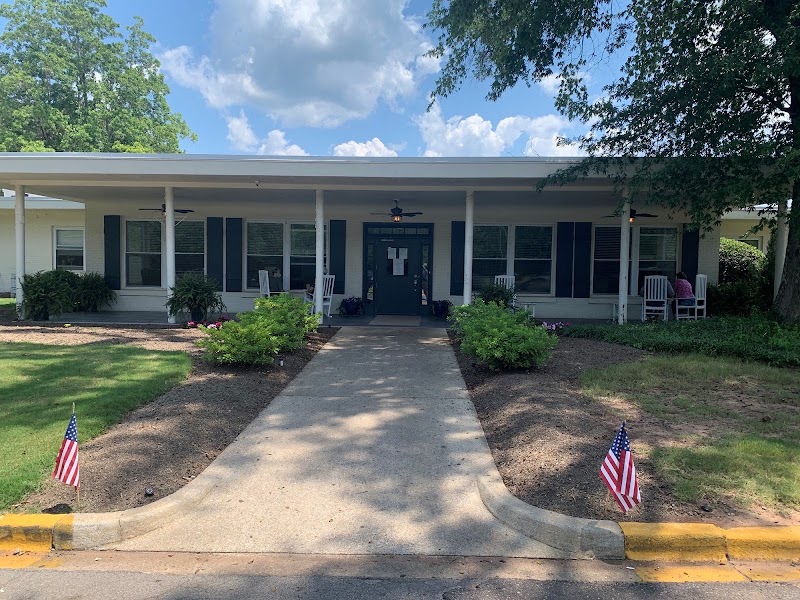
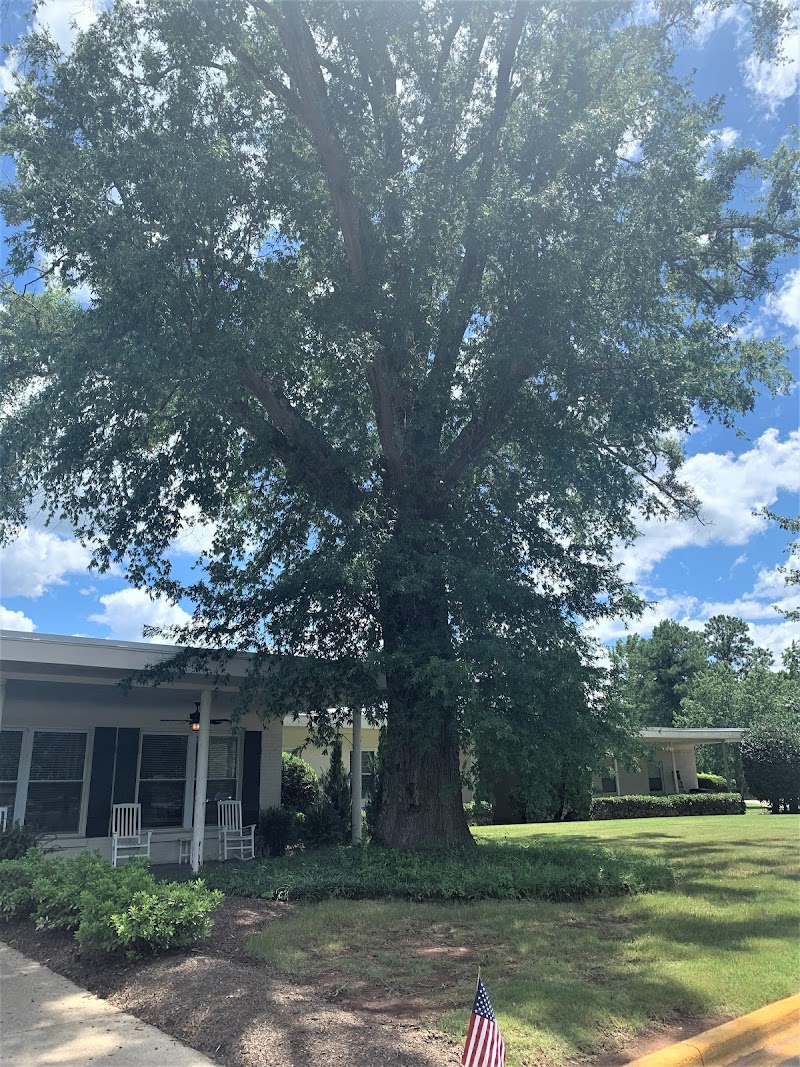
6450 OLD TUSCALOOSA HIGHWAY, MC CALLA, AL 35111 (205) 477-6161
For profit - Individual 103 Beds Independent Data: November 2025
Trust Grade
45/100
#209 of 223 in AL
Last Inspection: March 2020

Over 2 years since last inspection. Current conditions may differ from available data.

Overview

Plantation Manor Nursing Home has received a Trust Grade of D, indicating below-average performance with some concerning issues. It ranks #209 out of 223 facilities in Alabama, placing it in the bottom half overall, and #32 out of 34 in Jefferson County, meaning there are only two local options that are worse. The facility's performance is worsening, having increased from 2 reported issues in 2020 to 3 in 2022. Staffing is relatively strong, with a rating of 4 out of 5 stars and a turnover rate of 31%, which is well below the state average. However, there are serious concerns regarding RN coverage, which is lower than 76% of state facilities, meaning residents may not receive adequate nursing attention. Recent inspections uncovered specific issues, including a pest control failure that allowed dead and alive roaches to be present in the facility, potentially affecting all residents. Additionally, staff have been observed not following proper handwashing procedures when transitioning between dirty and clean tasks, which risks contamination during meal service. While there have been no fines recorded, these ongoing concerns, particularly around cleanliness and safety protocols, should be carefully weighed when considering care for a loved one.

Trust Score
D
45/100
In Alabama
#209/223
Bottom 7%
Safety Record
Low Risk
No red flags
Inspections
Getting Worse
2 → 3 violations
Staff Stability
○ Average
31% turnover. Near Alabama's 48% average. Typical for the industry.
Penalties
✓ Good
No fines on record. Clean compliance history, better than most Alabama facilities.
Skilled Nurses
⚠ Watch
Each resident gets only 25 minutes of Registered Nurse (RN) attention daily — below average for Alabama. Fewer RN minutes means fewer trained eyes watching for problems.
Violations
⚠ Watch
13 deficiencies on record. Higher than average. Multiple issues found across inspections.
★☆☆☆☆
1.0
Overall Rating
★★★★☆
4.0
Staff Levels
★☆☆☆☆
1.0
Care Quality
★★☆☆☆
2.0
Inspection Score
Stable
2020: 2 issues
2022: 3 issues

The Good

  • 4-Star Staffing Rating · Above-average nurse staffing levels
  • Full Sprinkler Coverage · Fire safety systems throughout facility
  • No fines on record
  • Staff turnover below average (31%)

    17 points below Alabama average of 48%

Facility shows strength in staffing levels, fire safety.

The Bad

1-Star Overall Rating

Below Alabama average (2.9)

Significant quality concerns identified by CMS

Staff Turnover: 31%

15pts below Alabama avg (46%)

Typical for the industry

The Ugly 13 deficiencies on record

Dec 2022 3 deficiencies
CONCERN (E) 📢 Someone Reported This

A family member, employee, or ombudsman was alarmed enough to file a formal complaint

Potential for Harm - no one hurt, but risky conditions existed

Deficiency F0565 (Tag F0565)

Could have caused harm · This affected multiple residents

Based on interviews, review of Resident Council Meeting minutes, the facility's grievance log, an undated facility policy titled, Resident Rights and a facility document titled, GRIEVANCES AND COMPLAI...

Read full inspector narrative →
Based on interviews, review of Resident Council Meeting minutes, the facility's grievance log, an undated facility policy titled, Resident Rights and a facility document titled, GRIEVANCES AND COMPLAINTS POLICY AND PROCEDURES, the facility failed to ensure grievances voiced during Resident Council meetings were addressed promptly and resolved. These grievances were voiced by residents from two of three units of the facility population. Findings include: A review of an undated facility document titled, GRIEVANCES AND COMPLAINTS POLICY AND PROCEDURES revealed, . POLICY: It is the policy of this facility to assist residents, representatives, and other interested family members . in filing grievances and complaints . 4. The Administrator had delegated the responsibility of grievances and or complaint investigation to the Social Service Director. A review of the undated facility policy titled; Resident Rights revealed: . Policy . 9. Grievances. The resident has the right to: a. voice grievances to the facility . b. The resident has the right to, and the facility must make prompt efforts by the facility to resolve grievances the resident may have. Grievances for the months of December 2021 through November 2022 revealed no grievances were filed in correlation with the grievances voiced during the Resident Council meetings held monthly. The following grievances were voiced during the facility's resident council meeting: 12/28/2021 the attendees voiced the shower rooms needed to be cleaned more. 1/28/2022 the attendees voiced housekeeping needed to put more paper towels in rooms. 2/28/2022 the attendees voiced housekeeping needed to clean the East Wing more, a lot of trash in garbage. 3/28/2022 the attendees voiced housekeeping needed to sweep and mop the floors more. 6/28/2022 the attendees voiced housekeeping - [NAME] Wing was not being cleaned regularly, needed mopping. An interview was conducted on 12/10/2022 at 8:40 AM with Employee Identifier (EI) #3, the Activities Director who facilitates the Resident Council Meetings. EI #3 reported when the complaints were made during the meetings, she should have notified the Social Service staff member and address the issue with all department heads. EI #3 reported she had no documentation of what she did regarding the resident complaints. In addition, EI #3 reported she had not reported any grievances regarding housekeeping complaints voiced by residents. EI #3 admitted she did not know she was supposed to file a grievance. EI #3 said the concern of residents complaining about housekeeping for months and she did not file a grievance on their behalf . Therefore, the complaints was not corrected. EI #3 admitted the facility policy indicated staff should file a grievance when complaints were made known to them. An interview was conducted on 12/10/2022 at 8:49AM with EI #14, the Social Service Designee. EI #14 said that grievances were being addressed without formal filing of a grievance. EI #14 stated if complaints were voiced by residents at resident council meetings, she would go to the resident, talk, and discuss it with them and try to solve the problem. EI #14 said if complaints were about housekeeping, she would go and talk to the department head of housekeeping. EI #14 said the housekeeping complaint in January there was no documentation, they just take care of the complaint. EI #14 said, she tried so take care of complaints herself if she could. EI #14 said she could not explain why there were complaints voiced in February and March if it had been resolved. EI #14 stated the complaint were fixed at the time, but it happened again. EI #14 said she had no documentation, and she knows if it was not documented it was not done. An interview was conducted on 12/10/2022 at 7:23 AM with Employee Identifier (EI) #2, the Director of Nursing. EI #2 said, she was not aware of complaints of the west wing not being cleaned regularly and needing to be mopped. Also, EI #2 said she was not aware of the complaints in March that there was a need for more sweeping and mopping. EI #2 said these complaints should have been addressed to the Administrator and housekeeping supervisor. This deficiency was cited as a result of the investigations of complaint/report numbers AL00042239.
CONCERN (E) 📢 Someone Reported This

A family member, employee, or ombudsman was alarmed enough to file a formal complaint

Potential for Harm - no one hurt, but risky conditions existed

Safe Environment (Tag F0584)

Could have caused harm · This affected multiple residents

Based on observations, an interview, review of the Maintenance Director's Job Description and review of a facility document titled, Resident Rights, the facility failed to ensure resident areas were p...

Read full inspector narrative →
Based on observations, an interview, review of the Maintenance Director's Job Description and review of a facility document titled, Resident Rights, the facility failed to ensure resident areas were properly maintained as evidenced by: 1. corroded faucets in 12 of 50 sinks designated for resident use; 2. 6 of 33 toilets with seats in need of repair; 3. molding was falling away from the walls in 2 of 33 toilet rooms; 4. paint that was peeling, bubbling up or flaking off in 6 of 33 toilet rooms. This affected 12 of 50 sinks, 6 of 33 toilet seats, molding on walls in 2 of 33 toilet rooms and paint in 6 of 33 toilet rooms on 3 of 3 halls. Findings include: A review of the job description for the Maintenance Director revealed: . JOB DESCRIPTION . Position Purpose Directs the day-to-day activities of the Maintenance Department . to assure the facility is maintained in a safe and comfortable manner. Ensures proper planning, direction, participation, and supervision of both preventative and unplanned maintenance and repair activities in the facility, . A review of an undated facility document titled; Resident Rights revealed: Policy: . 8. Safe environment. The resident has a right to a safe, clean comfortable and homelike environment, . On 12/9/2022 at 10:42 AM, an observation made with Employee Identifier (EI) #4, Maintenance Director. The following observations were discussed with EI #4 in: Area of Location (AL): AL 1 - the faucet was corroded and toilet seat had chips. AL 2 - the molding at the bottom was falling away from the wall and the faucet was corroded. AL 4 - there was a missing piece of metal from the faucet and there was corrosion. AL 5 - the molding was missing at the bottom of two walls, there was buckling sheet rock on the wall, and the faucet was corroded. EI #4 used a piece of tissue to wipe the corrosion and describes with rough surface and flaking off. AL 6 - toilet paper roll holder was missing, the faucet was heavily corroded with some of the metal broken off at the left side of the faucet, and the toilet seat was separating. AL 7 - the faucet was corroded. AL 8 - the faucet was corroded. AL 9 - the faucet was corroded and the toilet seat was loose. AL 10 - the paint was peeling and flaking off of the tiles in the bathroom. AL 11 - the paint was flaking off the tiles near the base of the floor in the bathroom. AL 12 - the faucet in the room was corroded, there was exposed sheet-rock to the right-side corner by the faucet, and paint was peeling away from the wall. AL 13 - the toilet seat was separating at the inner ring. AL 14 - there was no spacer on toilet seat lid, paint was flaking and peeling off of the tiles. AL 15 - the paint was peeling off of the tiles. AL 16 - the faucet was corroded and the toilet seat support mounted bars had spots of rust where the paint was missing. These areas were directly beside the toilet seat where residents would sit. AL 18 - the faucet was corroded. AL 19 - there were exposed plumbing pipes with no tiles covering them. AL 20 - the faucet in the room was corroded and paint was flaking off and peeling from tiles in bathroom. AL 21 - shared toilet room the paint was flaking and peeling off. AL 22 - the faucet and sink were rusted in the shared toilet room. These were the descriptions given by EI #4. An interview was conducted on 12/09/2022 at 11:24 AM with EI #4, the Maintenance Director. EI #4 reported his responsibilities were to ensure the facility was maintained in a comfortable and safe manner. EI #4 added he was to ensure preventive and unplanned maintenance was performed. EI #4 describe the buildup of corrosion observed on faucets and he described it as hard, rough texture and flaky. EI #4 said he inspects rooms for potentially needed repairs once a month. EI #4 had no documentation of his observations of toilet seats or faucets. EI #4 reported the concerns of the maintenance issues he observed during tour were that it was not clean and comfortable. EI #4 said the faucets were not in good repair. This deficiency was cited as a result of the investigations of complaint/report numbers AL00042239
CONCERN (F) 📢 Someone Reported This

A family member, employee, or ombudsman was alarmed enough to file a formal complaint

Potential for Harm - no one hurt, but risky conditions existed

Deficiency F0925 (Tag F0925)

Could have caused harm · This affected most or all residents

Based on observations, interviews, a review of pest control invoices and a facility document titled, Resident Rights, the facility failed to maintain an effective pest control program as evidenced by ...

Read full inspector narrative →
Based on observations, interviews, a review of pest control invoices and a facility document titled, Resident Rights, the facility failed to maintain an effective pest control program as evidenced by dead and alive roaches observed on 12/08-10/2022. This deficient practice had the potential to affect all 87 residents living at the facility on 3 of 3 units. Findings include: A review of an undated facility document titled; Resident Rights revealed: Policy: . 8. Safe environment. The resident has a right to a safe, clean comfortable and homelike environment, . A review of Pest control invoices revealed: . YOUR INVOICE FOR SERVICE ON 08/10/2022 . DESCRIPTION . Monthly . . Service Date: 09/14/2022 . TECHNICIAN COMMENTS: I removed all spider webs from the front entrance with a Webster. I performed an exterior inspection treatment. I also have spoken to (Name of Maintenance Director) before service and there are no issues. . Service Date: 11/04/2022 . TECHNICIAN COMMENTS: I removed all spider webs from the front entrance with a Webster. I performed an exterior inspection treatment. I also inspected and treated the interior common areas. . Service Date: 12/1/2022 . TECHNICIAN COMMENTS: I removed all spider webs from the front entrance with a Webster. I performed an exterior inspection treatment. I also have spoken to (Name of Maintenance Director) and there are having issues with cockroaches. I have treated the room. None of the invoices indicated the pest control company had been called out to address roaches until 12/1/2022 On 12/08/2022 at 5:05 PM, an observation was made of Unit one. Approximately 10 feet from the resident's television, there was a roach that had been smashed on the floor. The roach was dark brown with two wings approximately 1 inch long. During this observation, Employee Identifier (EI) #5, a Certified Nursing Assistant (CNA), said it looked like a water bug that's dead. EI #5 said she had seen roaches just like this one, as she picked the roach up off of the floor, every day. On 12/09/2022 at 6:07 AM, another observation was made of Unit one. A roach was observed approximately 1-1 1/4 inches long running down the hall. The roach went into a resident room. EI #4, the Maintenance Director, joined the observation tour at 6:22 AM in Area of Location (AL) 23. There was a dead mouse in a mouse trap that was stiff and had some cobwebs on it. The next observation with EI #4 was in AL 24. There was a dead roach observed up-side down on the floor. At 6:40 AM, EI #4 killed a roach at AL 29. He described it as 1/4-1/2 inch long. On tour of the facility on 12/09/2022 at 10:42AM, with EI #4, EI #4 admitted they had reported it to him about 3 weeks earlier that there was problems with roaches, and he had called the pest company. EI #4 had no documentation or invoices that the pest control company was notified the facility had roaches until 12/01/2022. A second interview was conducted on 12/09/2022 at 11:24 AM with EI #4, the Maintenance Director. EI #4 admitted he could not logically say their pest control program was effective if they were seeing pest alive or dead in the building. EI #4 added they should not see any live ones if it was effective. An observation was made on 12/09/2022 at 12:09 PM during an interview with EI #6, a housekeeper. A roach was observed on the wall 2 feet away in AL 31. EI #6 reported she sees live or dead roaches about two times a week. EI #6 said she swept up a dead roach the past Wednesday that a resident had killed. She said it was about an inch long and 1/2 inch wide. EI #6 said she tells her housekeeping manager, and she sees nothing being done to prevent the roaches, so they just keep sweeping them up. An interview was conducted on 12/09/2022 at 1:56 PM with EI #7, a housekeeper. EI #7 said, she sees one or two dead roaches a week. EI #7 said she had seen dead and live roaches in the halls and the last time was one day during the previous week. EI #7 said, she told her supervisor, and her supervisor notifies maintenance after she reports seeing roaches. An interview was conducted on 12/09/2022 at 2:24 PM with EI #8, a housekeeper that assigned to Unit one. EI #8 said, she has seen dead and live roaches in the shower daily. EI #8 said if they were alive, she killed them with her broom, swept them up with a dustpan, put them in a 7 X 10 trash can liner and takes them out to the dumpster. EI #8 said she reported her housekeeping supervisor to make him aware and he makes the maintenance supervisor aware. EI #8 reported she had seen large roaches in the AL 29 shower when she worked that hall. EI #8 said she had seen roaches too often, adding every day she worked. EI #8 said she saw dead and live ones.When EI #8 stated she reported the roaches to her supervisor and since the start of the survey, they were addressing the issue of roaches. A follow-up interview was conducted on 12/09/2022 at 3:17 PM with EI #5, a Certified Nursing Assistant. EI #5 said she has seen roaches alive and dead in the shower, once she turned the lights on, they scattered. EI #5 said this occurred every shift that she worked. EI #5 said she sees dead and live roaches in halls and in the resident's rooms. EI #5 said she kills them every day, then she gets the broom and sweeps them up. EI #5 added she kills the live ones if she can. EI #5 said she have not seen housekeeping or maintenance supervisors doing anything to prevent or control the roaches until this day. EI #5 said the pest control man came today (12/09/2022). EI #5 said, the concern of roaches being in resident areas daily they could get on the resident, and roaches carry diseases. An interview was conducted on 12/09/2022 at 3:41 PM with EI #9, a housekeeper. EI #9 reported when she sees live and dead roaches in showers. EI #9 said she gets them up and it is mostly dead water bugs that she observes. EI #9 said she sees dead and live roaches in the halls and resident's rooms at least a couple of times a week. EI #9 said she reports seeing the roaches to her supervisor and afterward she has seen maintenance staff spraying. An interview was conducted on 12/09/2022 at 4:04 PM with EI #10, a Licensed Practical Nurse (LPN). EI #10 said she has worked the 100 hall/Unit one for 5 years. EI #10 said she has seen big water bugs in the showers, but she does not check the showers, daily but at least monthly. EI #10 said she reported it to EI #4, the Maintenance Director. EI #10 said, she reported seeing dead and live roaches in the halls and resident rooms twice a week. EI #10 said EI #4 calls the pest control company when she notifies him of roaches and the pest control serviceman has come out at least 3 times in the last 2 years. EI #10 said she did not think pest control was effective or the roaches would not keep coming back. An interview was conducted on 12/09/2022 at 5:41 PM with EI #11, the Housekeeping Supervisor. EI #11 said they see dead roaches in the hallways, and they sweep them up. EI #11 said the last time he saw a dead roach on the hallway floors was on the previous Monday. EI #11 said he went to the closet, got a broom, then swept the roach up. EI #11 said he sees roaches on the floor once or twice a week. EI #11 said he tells EI 4, the Maintenance Director and EI #4 calls the pest control company. EI #11 said, EI #4 spraying for roaches maybe weekly. EI #11 claimed the pest control program was effective even though he reported seeing roaches once or twice a week. A follow-up interview was conducted on 12/09/2022 at 6:06 PM with EI #4, the Maintenance Director. EI #4 said the pest control company sprays for roaches monthly and if they are needed. EI #4 stated he had not called the pest control company out for roaches in the last 90 days but once. EI #4 said, he puts out bait for roaches and ants. EI #4 states the last time he utilized the roach bait was 6-8 months ago and the ant bait maybe twice in the last year. EI #4 denied that he had sprayed for roaches. EI #4 was asked how many invoices he had showing the pest control company had been to the facility in the last 90 days and he said three routine monthly visits. EI #4 admitted the only invoice that indicated he had made the company aware of bugs was on 12/1/2022. EI #4 said, he had no other documentation of the pest control company being notified of roaches. An observation was made on 12/10/2022 at 5:31 AM on Unit one of a dead roach approximately 2 feet from the nurses' desk. The insect was dark in colored and approximately 3/4 inch long. Also, at AL 29, a dead roach was observed that was 1/2-3/4 inch long. An interview was conducted on 12/10/22 at 6:10 AM with EI #12, a Registered Nurse. EI #12 said, she has seen one or two water bugs a week and they were alive. She reported they were by the door near the nurses' station. EI #12 admitted she did not tell anyone, but probably should have notified maintenance staff. EI #12 said the roaches were being controlled but the pest control program could be more effective. An interview was conducted on 12/10/2022 at 6:24 AM with EI #13, a CNA. EI #13said she sees roaches, they were mostly in the hallway, but some were in the rooms. EI #13 said she saw a one dead roach a week ago. EI #13 said she sees roaches maybe every other week. EI #13 said, the pest control program effectiveness would be worse if they were not doing anything. An interview was conducted on 12/10/2022 at 8:40 AM with EI #3, the Activities Director who facilitates Resident Council meetings. EI #3 reported that she notified EI #4, the Maintenance Director, on 8/29/22 of the bugs in (Area Location 9) that was reported to her in the Resident Council meeting. An interview was conducted on 12/10/2022 7:23 AM with EI #2, the Director of Nursing. EI #2 said she had seen roaches in the showers. EI #2 said the frequency was sporadic, once a month. EI #2 said she reported it to maintenance staff and the Administrator. EI #2 admitted she had seen roaches in the halls. EI #2 said the pest control program was not effective due to how often she and staff had reported seeing roaches. An interview was conducted on 12/10/2022 at 10:15 AM with EI #1, the Administrator. EI #1 said he had not seen any live roaches, but EI #1 did say he had seen some dead roaches. EI #1 said the pest control program was effective if the roaches seen were dead, but not if they were alive. This deficiency was cited as a result of the investigations of complaint/report numbers AL00042239
Mar 2020 2 deficiencies
CONCERN (D)

Potential for Harm - no one hurt, but risky conditions existed

Medical Records (Tag F0842)

Could have caused harm · This affected 1 resident

**NOTE- TERMS IN BRACKETS HAVE BEEN EDITED TO PROTECT CONFIDENTIALITY** Based on record reviews, interviews and review of the facility policy titled, MEDICATION ADMINISTRATION, the facility failed to ...

Read full inspector narrative →
**NOTE- TERMS IN BRACKETS HAVE BEEN EDITED TO PROTECT CONFIDENTIALITY** Based on record reviews, interviews and review of the facility policy titled, MEDICATION ADMINISTRATION, the facility failed to ensure that the Licensed Nurse signed off medication given on June 14, 15, 16 and 17, 2019 on the MAR (Medication Administration Record), for (Resident Identifier) RI #200. This affected one (1) of five (5) resident who's MAR was reviewed for medication administration. Findings include: A review of the facility's policy titled, MEDICATION ADMINISTRATION, with no date revealed, . Policy Explanation and Compliance Guidelines: . 17 . Sign MAR after administered . RI #200 was admitted to the facility on [DATE] for Encounter for other specified aftercare, Unspecified cirrhosis of the liver, and Chronic respiratory failure with hypoxia. A review of RI #200's Physicians orders, dated 5/24/2019 revealed . PROPRANOLOL 10 mg (tab) tablet give 1 tab by mouth twice a day . LACTULOSE 10(g) gram/15(ml) milliliter GIVE 45 ml by mouth . three times a day . Furosemide 20(mg) milligram give 1 tablet by mouth daily/prn (as needed) . XIFAXAN 550 MG TAB . give 1 tab by mouth twice daily . On 03/05/2020 at 9:37 a.m., an interview was conducted with EI #1 (Employee Identifier) Registered Nurse ( RN). EI #1was the RN assigned to RI # 200's on the 3-11 evening shift on June 16, 2019. EI #1 was asked, was she familiar with RI #200. EI #1 replied, she remembered that name. EI #1 was asked, why was RI #200 taking the Propranolol. EI #1 replied, RI #200 was taking it for a beta blocker. EI #1 was asked why RI #200's Propranolol was not given on June 16, 2019, 4 PM dosage. EI #1 replied, she always gave her medication. EI #1 further stated she may have forgot to sign it out. EI #1 was asked why would a nurse not give a resident their medication. EI #1 replied, if the doctor wanted to hold it for any reason. EI #1 was asked why was the resident taking the Xifaxan. EI #1 replied, she could not remember. EI #1 was asked why was the Xifaxan not given on June 16, 2019, 4 PM dosage. EI #1 replied, she forgot to sign it out. EI #1 further stated she always gave the resident's medications. On 03/05/2020 at 9:52 a.m., an interview was conducted with EI #2 (a Licensed Practical Nurse) LPN. EI #2 was the LPN assigned to RI #200 on the 3-11evening shift June 17, 2019. EI #2 was asked why was RI #200 taking the Propranolol. EI #2 replied, she could not remember. EI #2 was asked why was the Propranolol not given on June 17, 2019, 4 PM dosage. EI #2 replied, she did not remember. EI #2 stated, she always tried to sign her medications out as she gave them. EI #2 was asked what would be the concern if RI # 200 did not take the Propranolol. EI #2 replied, it could effect the resident's health. EI #2 was asked why was RI #200 taking the Xifaxan. EI #2 replied, she was not sure. EI#2 was asked why was the Xifaxan not given on June 17, 2019, 4 PM dosage. EI# 2 replied, she always gave her medications, and she just forgot to sign out the medication. EI #2 was asked what reason would a resident not receive their medication. EI #2 replied, if the medication was not there or the resident not available. On 03/05/2020 at 10:09 a.m., an interview was conducted with EI #3, RN. EI #3 was asked did she remember RI #200. EI #3 was the RN assigned to RI #200 on the 7-3 morning shift June 14, 2019. EI#3 replied, yes. EI #3 was asked why was RI #200 taking the Propranolol. EI #3 replied, blood pressure. EI#3 was asked why was the Propranolol not given on June 14, 2019, 8 AM dosage. EI # 3 replied, if RI #200 was in the facility she would have gave the medication. EI #3 was asked why was the medications not signed off. EI #3 replied, she over looked it. EI #3 was asked why was RI #200 taking the Xifaxan. EI #3 replied, she could not remember. EI #3 was asked why was the Xifaxan not given on June 14, 2019, 8 AM dosage. EI #3 replied, if it was ordered, she gave it. EI #3 was asked what reason would a resident not receive their medication. EI #3 replied, only if they refused the medication. On 03/05/2020 at 10:47 a.m., an interview was conducted with EI #4 RN (Director of Nursing) DON. EI #4 was asked how important was it for a nurse to give the medication to a resident. EI #4 replied, very important. EI #4 was asked should the nurse sign out a medication after he/she give it to the resident. EI#4 replied, yes they should. EI #4 was asked why should the nurse sign out medications after she/he gave it to a resident. EI #4 replied, to show that they gave it. EI #4 was asked why would a nurse not sign out a medication on the MAR. EI #4 replied. various reasons, EI #4 further stated it could be a human error, or she forgot. EI #4 was asked why would a nurse not give a resident their medication. EI #4 replied, if the doctor has written an order to not give the medication. EI #4 was asked what was the facility policy on documentation of medication. EI #4 that the nurse should sign the MAR after she gave a medication.
CONCERN (F)

Potential for Harm - no one hurt, but risky conditions existed

Food Safety (Tag F0812)

Could have caused harm · This affected most or all residents

Based on observations, interviews and a review of facility policies titled, Work Attire Guidelines, Hand Washing, and Cleaning Dishes/Dish Machine, the facility failed to ensure: 1. staff braids were ...

Read full inspector narrative →
Based on observations, interviews and a review of facility policies titled, Work Attire Guidelines, Hand Washing, and Cleaning Dishes/Dish Machine, the facility failed to ensure: 1. staff braids were completely enclosed inside of her hair net while at the tray line; 2. staff changed an apron (personal protective equipment) and washed her hands when going from a dirty task to another task and; 3. resident plates were not placed on wet trays and covered with wet domes. This had the potential to affect 95 of 95 residents who received meals from the kitchen. Findings Include: 1) A review of a facility guideline titled, Work Attire Guidelines revealed: Hair Restraints Wear a . hair restraint when in a food-prep area. This can keep hair from falling into food and onto food-contact services . On 3/4/2020 at 11:30 a.m., a worker was at the tray line asking staff to put her hair net on the back of her braids. The worker's braids were hanging down her back and not in a hair net at the tray line. On 3/04/2020 at 1:32 p.m., an interview was conducted with (Employee Identifier) EI #5, dietary aide. EI #5 was asked why was she at the tray line with her braids hanging down her back. EI #5 replied, she was waiting for someone to put her hair up for her. EI #5 was asked why did she ask staff to help her put her hair in a net at the tray line. EI #5 replied, she did not know. EI #5 was asked why did she come back to the tray line with her braids hanging out of her hair net. EI #5 replied, she did not know they had fallen. EI #5 was asked why should she not ask staff to help her put her braids up in a hair net at the tray line. EI #5 replied because she was around food. EI #5 was asked who should have hair nets on in the kitchen. EI #5 replied, everyone. EI #5 was asked should a hair net enclose all of her hair. EI #5 replied, yes ma'am. 2) A review of a facility guideline titled, Work Attire Guidelines revealed: . Remove aprons when leaving prep area. A review of a facility policy titled, Hand Washing revealed . Policy: Staff will wash hands as frequently as needed throughout the day following proper hand washing . When to wash hands . After engaging in other activities that contaminate the hands. On 3/04/2020 at 11:02 a.m., an observation was made of EI #6, the Cook. EI #6 was on the dirty side of the dish room. EI #6 was putting and pushing dirty dishes into the dishwasher. EI #6 was rinsing dirty dishes off, wearing an apron, and the water was splashing on her apron. After leaving the dish room, EI #6 changed gloves and washed her hands. EI #6 cleaned a table with a dish cloth and left the kitchen. At 11:05 a.m., EI #6 came back into the kitchen and did not wash her hands, nor change her apron. EI #6 put on a clean pair of gloves and took the temperature of the baked chicken. EI #6 then put rolls in a pan. During this observation EI #6 did not pull off the apron that was worn while she was washing dirty dishes. On 3/04/2020 at 1:56 p.m., an interview was conducted with EI #6. EI #6 was asked what did she do when she went to the dirty side of the dish room. EI #6 replied, she washed her pureed bowl. EI #6 was asked what PPE did she have on. EI #6 replied, an apron. EI #6 was asked did she change her apron. EI #6 replied, after she was informed about her mistake. EI #6 was asked did she put rolls in a pan before taking off her apron. EI #6 replied, yes. EI #6 was asked why did she not change her dirty apron. EI #6 replied, she was in a hurry. EI #6 was asked when washing down the table with a dish cloth, what did she do next. EI #6 replied, she put on gloves without washing her hands. EI #6 was asked when should she wash her hands in the kitchen. EI #6 replied, after every task. EI #6 was asked why should she wash her hands in the kitchen. EI #6 replied, to stop the spread of food borne illness. 3) A review of a facility policy titled, Cleaning Dishes/Dish Machine with a year date of 2013 revealed: . Procedure: . 9. Allow the dishes to air dry on the dish rack. 3/04/2020 at 11:30 a.m., trays were brought to the tray line wet. EI #6 put plates on five wet trays and then covered them with three wet domes. On 3/04/2020 at 1:57 p.m., an interview was conducted with EI #6. EI #6 was asked what was wet at the tray line. EI #6 replied, the trays and the domes. EI #6 was asked why were the trays and domes wet. EI #6 replied, they did not have time to dry. EI #6 was asked who was responsible for making sure they were dry. EI #6 replied, dietary aide and everybody. EI #6 was asked why should dishes be dry at the tray line. EI #6 replied, to stop food borne bacteria growth. EI #6 was asked how should dishes be allowed to dry. EI #6 replied, air dry. On 3/04/2020 at 2:03 p.m., an interview was conducted with EI #7, dining services. EI #7 was asked what did she observe at the tray line wet. EI #7 replied, a couple of trays and a couple of domes. EI #7 was asked who was responsible for making sure dishes were dry at the tray line today. EI #7 replied, that would have been herself. EI #7 was asked why were dishes wet. EI #7 replied, there was no excuse and she was sorry. EI #7 was asked why was it important that dishes were dry at the tray line. EI #7 replied, because of cross contamination and bacteria can build up. EI #7 continued to say the resident's immune system was very weak, and their job was to make sure the temperatures were good and everything was sanitized. EI #7 was asked how should dishes be allowed to dry. EI #7 replied, air dry.
May 2019 1 deficiency
CONCERN (D)

Potential for Harm - no one hurt, but risky conditions existed

Respiratory Care (Tag F0695)

Could have caused harm · This affected 1 resident

**NOTE- TERMS IN BRACKETS HAVE BEEN EDITED TO PROTECT CONFIDENTIALITY** Based on observation, interview and facility policies titled, Oxygen Concentrator and Oxygen Administration, facility failed to ...

Read full inspector narrative →
**NOTE- TERMS IN BRACKETS HAVE BEEN EDITED TO PROTECT CONFIDENTIALITY** Based on observation, interview and facility policies titled, Oxygen Concentrator and Oxygen Administration, facility failed to ensure Resident #54's nasal cannula tubing was labeled with a date and the tubing connecting the concentrator with the water bottle were not out of date. This had a potential to affect of one of three residents observed receiving oxygen therapy. Findings include: A review of the facility's policy titled, OXYGEN CONCENTRATOR, with no effective date, revealed: . Policy Explanation and Compliance Guidelines: 5. Care of the Concentrator . c. i. Change oxygen tubing and mask/cannula weekly and as needed if it becomes soiled or contaminated. .iii. If applicable, change nebulizer tubing and delivery devices every seventy-two hours. A review of the facility titled, Oxygen Administration, with no effective date, revealed: . Policy Explanation and Compliance Guidelines: . 5. d. If applicable, change nebulizer tubing and delivery devices every 72 hours and as needed if they become soiled or contaminated . RI# 54 was admitted to facility on 10/13/17 and readmitted on [DATE] with diagnosis of Chronic obstructive pulmonary disease, acute and chronic respiratory failure with hypercapnia, acute and chronic respiratory failure with hypoxia, and obstructive sleep apnea. On 04/30/19 at 09:56 am, the Surveyor observed Resident # 54 with oxygen, per nasal cannula, with no date on the nasal cannula tubing. The tubing connecting the concentrator and water bottle, dated 2/11/19, was handwritten on the tubing. The water bottle was dated 4/26/19. On 04/30/19 at 12:04 pm, the Surveyor observed Resident # 54 with oxygen per nasal cannula, with no date on the cannula tubing and a date of 2/11/19 was handwritten on the tubing connecting the concentrator and the water bottle. On 05/01/19 at 04:19 pm, the Surveyor observed Resident # 54 with oxygen in use by nasal cannula. No date was written on the nasal cannula tubing or the tubing connecting the concentrator with the water bottle. The water bottle was dated 5/1/19. On 05/02/19 01:18 PM, the Surveyor interviewed the Director of Nursing Employee Identifier (EI) #1. The Surveyor asked how often was the nasal cannula tubing and concentrator tubing changed. EI #1 replied, once a week. The Surveyor asked did they have a place to document the tubing changes. EI #1 replied, no. It should be written on the tubing. The Surveyor asked, if there was oxygen tubing that was dated for February 11, 2019, handwritten, what would that date represent. EI#1 replied, that would be the date that it was changed. The Surveyor asked, if the oxygen tubing was dated February 11, 2019, and was observed on 4/30/19, would that be considered correct, per facility policy. EI #1 replied, no it would not. The Surveyor asked, what specific tubing was changed weekly. EI #1 replied, the nasal cannula. The tubing connecting the concentrator to the water bottle was changed every three to four days. The Surveyor asked, was it a requirement of the staff to hand write the date of change on the tubing. EI #1 replied, yes. The Surveyor asked, how did they know if the tubing had been changed. EI #1 replied, by the date written on the tube. The Surveyor asked, what was the potential harm in not changing the oxygen tubing. EI #1 replied, infection.
Apr 2018 7 deficiencies
CONCERN (D)

Potential for Harm - no one hurt, but risky conditions existed

Assessment Accuracy (Tag F0641)

Could have caused harm · This affected 1 resident

**NOTE- TERMS IN BRACKETS HAVE BEEN EDITED TO PROTECT CONFIDENTIALITY** Based on an interview, a review of the medical record, and a review of a facility policy titled, Conducting an Accurate Resident...

Read full inspector narrative →
**NOTE- TERMS IN BRACKETS HAVE BEEN EDITED TO PROTECT CONFIDENTIALITY** Based on an interview, a review of the medical record, and a review of a facility policy titled, Conducting an Accurate Resident Assessment, the facility failed to ensure side rails were coded accurately on RI (Resident Identifier) #45's Quarterly MDS (Minimum Data Set) dated 3/2/18. This affected RI #45, one of twenty-three residents whose MDS assessments were reviewed. Findings Include: A review of an undated facility policy titled, Conducting an Accurate Resident Assessment, revealed: Policy: The purpose of this policy is to assure that all residents receive an accurate assessment, reflective of the resident's status at the time of the assessment, by staff qualified to assess relevant care areas. Accuracy of Assessments means that the appropriate, qualified health professionals correctly document the resident's medical, functional, and psychosocial status . Policy Explanation and Compliance Guidelines: . 7. A registered nurse will sign and certify that the assessment/correction request is completed. Each individual who completes a portion of the assessment will sign and certify the accuracy of that portion of the assessment. A review of the medical record for RI #45 revealed a re-admission date of 6/1/17 with diagnoses to include Paraplegia, Epileptic Spasms, and Sacral Spina Bifida without Hydrocephalus. A review of the Quarterly MDS dated [DATE] revealed RI #45 used bed rails as a restraint daily. A review of a Physician's order dated 9/12/16 revealed: . 1/2 (half) side rail in place for T&P (Turning and Positioning) . A review of RI #45's care plan, with a next review date of 6/8/18, revealed: Problem/Need . REQUIRES limited to Total ASSISTANCE WITH ADLs (Activities of Daily Living) . Approaches . siderails in place for safety & (and) T&P . An interview was conducted with EI (Employee Identifier) #4, the LPN (Licensed Practical Nurse)/MDS Coordinator, on 4/19/18 at 3:54 PM. EI #4 was asked who was responsible for ensuring restraints were coded correctly. EI #4 answered, Me. EI #4 was asked why did RI #45 use bed rails. EI #4 answered for turning and positioning and also related to a history of seizures. EI #4 was asked what did the care plan indicate the rails were used for and she replied for turning, re-positioning, and safety. EI #4 was asked if the rails were coded correctly on the Quarterly MDS and she answered no. EI #4 was asked why not. EI #4 answered because they were not used as a restraint. EI #4 was asked what was the facility's policy regarding accuracy of assessments. EI #4 answered everything should be checked for accuracy before the assessment was submitted. EI #4 was asked what was the concern of an assessment being coded incorrectly. EI #4 answered the care plan might not be accurate.
CONCERN (D)

Potential for Harm - no one hurt, but risky conditions existed

Deficiency F0700 (Tag F0700)

Could have caused harm · This affected 1 resident

**NOTE- TERMS IN BRACKETS HAVE BEEN EDITED TO PROTECT CONFIDENTIALITY** Based on medical record review, interviews, and a review of a facility policy titled, BED RAILS, the facility failed to ensure a...

Read full inspector narrative →
**NOTE- TERMS IN BRACKETS HAVE BEEN EDITED TO PROTECT CONFIDENTIALITY** Based on medical record review, interviews, and a review of a facility policy titled, BED RAILS, the facility failed to ensure a bed rail assessment was completed prior to use of bed rails for RI (Resident Identifier) #45. This affected RI #45, one of three residents sampled for bed rail use. Findings Include: A review of an undated facility policy titled, BED RAILS revealed: Policy: The facility must ensure that residents treatment and care in accordance with professional standards if (of) practice, the comprehensive person-centered care plan, and the resident's choices. Policy Explanation and Compliance Guidelines: . 2. If a bed or side rail is used, the facility must ensure correct installation, use and maintenance of bed rails, including but not limited to the following elements: a. Assess the resident for risk of entrapment from bed rails prior to installation. 7. The facility will conduct ongoing assessments to evaluate risks and assure the bed rails is used to meet the residents' needs. A review of the medical record for RI #45 revealed a re-admission date of 6/1/17, with diagnoses to include Paraplegia, Epileptic Spasms, and Sacral Spina Bifida without Hydrocephalus. A review of the Quarterly MDS dated [DATE], revealed RI #45 used bed rails as a restraint daily. A review of a Physician's order dated 9/12/16, revealed: . 1/2 (half) side rail in place for T&P (Turning and Positioning) . A review of RI #45's care plan, with a next review date of 6/8/18, revealed: Problem/Need . REQUIRES limited to Total ASSISTANCE WITH ADLs (Activities of Daily Living) . Approaches . siderails in place for safety & (and) T&P . A review of the medical record revealed no bed rail assessment was completed for RI #45. An interview was conducted with EI (Employee Identifier) #1, a LPN (Licensed Practical Nurse), on 4/19/18 at 12:26 PM. EI #1 was asked who was responsible for ensuring bed rail assessments were completed. EI #1 answered that he did them when residents were admitted to the facility. EI #1 was asked who was responsible for the assessment after admission. EI #1 answered staff would let him know and he would do it. EI #1 was asked if he was notified of the new rails for RI #45. EI #1 answered no and added he knew changes were made to the mattress and that was what he did. EI #1 was asked when should assessments be done for bed rail use and he answered as soon as bed rails were ordered. EI #1 was asked why should bed rail assessments be completed. EI #1 answered for safety and ongoing assessments to see if the resident's immobility had increased. EI #1 was asked what was the concern of not assessing a resident prior to use of bed rails. EI #1 answered the resident may not get the needed assistance from them. An interview was conducted with EI #5, the Director of Nursing, on 4/19/18 at 4:19 PM. EI #5 was asked who was responsible for ensuring bed rail assessments were completed. EI #5 answered EI #1. EI #5 was asked who was responsible for bed rail assessments after admission and she responded EI #1. EI #5 was asked if EI #1 was notified of the new bed rails for RI #45 and she answered yes. EI #5 was asked when should the assessments be completed for bed rail use. EI #5 answered when use began and per manufacturer's guidelines. EI #5 was asked why should bed rail assessments be completed. EI #5 answered to make sure residents do not become entrapped or restrained. EI #5 was asked what was the concern of not assessing a resident prior to the use of bed rails. EI #5 answered to make sure staff were doing what was appropriate for the resident.
CONCERN (D)

Potential for Harm - no one hurt, but risky conditions existed

Medical Records (Tag F0842)

Could have caused harm · This affected 1 resident

Based on medical record review, interviews, and a review of a facility policy titled, Incident and Accident Report, the facility failed to ensure an incident/accident report regarding a fall RI (Resid...

Read full inspector narrative →
Based on medical record review, interviews, and a review of a facility policy titled, Incident and Accident Report, the facility failed to ensure an incident/accident report regarding a fall RI (Resident Identifier) #45 sustained on 2/14/18 was done. This affected RI #45, one of two residents sampled for falls. Findings Include: A review of an undated facility policy titled, Incident and Accident Report, revealed: Purpose: Incident and accident reports are filled out to study the cause of an accident or incident and to take corrective action. Policy: The incident and accident form is to be filled out immediately by LPN (Licensed Practical Nurse) Charge Nurse, department head or supervisor when notified of an injury or accident. Procedure: A. If an incident or accident occurs: . 4. If the incident involved a resident, chart the information required including: Sponsor (who and when Notified) Time the physician was notified Resident vital signs . During the review of the fall reports, the surveyor was made aware by the facility RI #45 had a fall on 2/14/18. A review of RI #45's medical record revealed no incident/accident report for the fall sustained on 2/14/18. An interview was conducted with EI (Employee Identifier) #6, a LPN (Licensed Practical Nurse), on 4/19/18 at 3:33 PM. EI #6 was asked who was responsible for documenting resident information in the medical record and she answered, The Nurse. EI #6 was asked who should have documented the fall RI #45 had on 2/14/18. EI #6 answered, The Nurse that responded. EI #6 was asked who was the nurse that responded and she answered, Me, I was the Nurse. EI #6 was asked why was this not done. EI #6 answered, I had started it and had a medical emergency and had to leave the facility. EI #6 was asked what she documented prior to leaving. EI #6 answered she had documented everything except for the notification part and she had not gotten the witness statement. EI #6 was asked where was that documentation. EI #6 answered, We think it must have gotten lost. EI #6 was asked where she last saw the incident form. EI #6 answered, In the med room on East wing on the desk. EI #6 was asked what was the facility's policy regarding complete and accurate documentation in the medical record and she answered, For it to be done and correctly. EI #6 was asked what was the concern of documentation not being entered into the medical record. EI #6 answered, Patient safety because we need to know. EI #6 was asked who was responsible for ensuring documentation was completed and accurate and she answered everyone that documented. An interview was conducted with EI #5, the DON (Director of Nursing), on 4/19/18 at 3:46 PM. EI #5 was asked who was responsible for documenting resident information in the medical record and she answered, The Charge Nurses. EI #5 was asked who should have documented the fall RI #45 had on 2/14/18. EI #5 answered, The Charge Nurse. EI #5 was asked who was the Charge Nurse and she answered EI #6. EI #5 was asked why this was not done and she answered, I don't know. EI #5 was asked what was the facility's policy regarding completed and accurate documentation in the medical record. EI #5 answered, That it should be done and accurate. EI #5 was asked what was the concern of documentation not entered into the medical record. EI #5 answered, That something may have happened that no one is aware of. EI #5 was asked who conduced fall investigations and she answered, The Charge Nurse initiates including witness statements and the restorative nurse initiates interventions. EI #5 was asked if was done for RI #45's fall and she answered yes, but it was not documented. EI #6 was asked how can verification be obtained that a fall was investigated if there was no documentation. EI #5 repeated there was no documentation. EI #5 was asked who was responsible for ensuring documentation was completed and accurate. EI #5 stated she was responsible.
CONCERN (F)

Potential for Harm - no one hurt, but risky conditions existed

Food Safety (Tag F0812)

Could have caused harm · This affected most or all residents

Based on observations, interviews, and a review of the facility's policy and procedure titled, HANDWASHING the facility failed to ensure EI (Employee Identifier) #9, a dietary worker, performed hand w...

Read full inspector narrative →
Based on observations, interviews, and a review of the facility's policy and procedure titled, HANDWASHING the facility failed to ensure EI (Employee Identifier) #9, a dietary worker, performed hand washing when going from the dirty dish washing area to the clean dish washing area and when storing clean dishes after working in the dirty dish area. This was observed on one of three survey days and had the potential to affect all ninety-seven residents receiving meals from the kitchen. Findings Include: A review of an undated facility policy titled, HANDWASHING revealed: Policy: Staff will wash hands as frequently as needed throughout the day following proper hand washing procedures . 1. When to Wash Hands: . After handling soiled equipment or utensils. After engaging in other activities that contaminate the hands. On 04/18/18 at 03:00 PM, an observation of the dish washing process was made. EI #9 entered into the dish washing area. EI #9 was observed to place dirty dishes into the dish rack, then placed the dirty dishes into the dish washer and without washing his hands pulled clean dishes out of dish washer. EI #9 continued to load dirty dishes into the dish racks and move to the clean dish area and pick up clean dishes and took them to the storage area in the kitchen. EI #9 was never observed washing his hands in between movement from dirty to clean areas. EI #9 left the washing area and on return, stopped and tied his shoe, then continued into the clean dish area and never washed his hands. An interview was conducted with dietary worker, EI #9 on 04/18/18 at 4:38 PM. EI #9 was asked what was the facility policy for dish washing. EI #9 replied the dirty dishes had to be run through the dish washer and the clean dishes could not be put back with the dirty dishes because that was cross contamination. EI #9 also said he had to wash his hands when he touched the dirty dishes before he could touch the clean dishes. EI #9 was asked if he had followed the facility policy while washing dishes that day. EI #9 replied, no he did not. EI #9 also said he kept forgetting to wash his hands. EI #9 was informed of the observation made of him entering the dish washing area, placing dirty dishes in the washing racks, placing them into the dish washer, then going into the clean dish area and putting away clean dishes. EI #9 was asked if that was what he did. EI #9 replied yes that was what he did. EI #9 said he forgot to wash his hands. An interview was conducted with the Dietary Manager, EI #8 on 4/19/18 at 6:49 PM. EI #8 was asked what was observed on 4/18/18, during dish washing, after the lunch meal and before the dinner meal was served. EI #8 said the wash aide, EI #9, crossed over from the dirty dish washing side to the clean dish washing side multiple times without washing his hands. EI #8 also said EI #9 bent down to tie his shoe and did not wash his hands prior to returning to the clean dish washing side. EI #8 continued and said EI #9 started putting up the clean dishes. EI #8 was asked what was the problem/concern with handling dishes in the manner observed by this surveyor on 4/18/18. EI #8 replied a potential for cross contamination, infection control, food borne illness and bacterial growth. EI #8 was asked why should hand washing be performed when moving from the dirty dish area to the clean dish area. EI #8 replied to prevent cross contamination. EI #8 continued and said the policy was they should wash their hands anytime there was potential for cross contamination.
MINOR (C)

Minor Issue - procedural, no safety impact

Deficiency F0577 (Tag F0577)

Minor procedural issue · This affected most or all residents

Based on observations, interview, and a review of a facility policy titled, MEGA RULE REVIEW TOOL, the facility failed to ensure postings for the local and state ombudsman included an electronic maili...

Read full inspector narrative →
Based on observations, interview, and a review of a facility policy titled, MEGA RULE REVIEW TOOL, the facility failed to ensure postings for the local and state ombudsman included an electronic mailing address. This was observed on one of three survey days and had the potential to affect all ninety-eight residents that reside in the facility. Findings Include: A review of an undated facility document titled, MEGA RULE REVIEW TOOL, revealed: . Resident Rights . Furnish a list of names, addresses (mailing and email), and telephone numbers of all pertinent State regulatory and information agencies, resident advocacy groups . the State Long-Term Care Ombudsman program . An observation was made on 4/17/18 at 2:57 PM of the Ombudsman poster in the main lobby and on the east wing. The posters did not have the Ombudsman's email address listed. An observation was made on 4/17/18 at 5:15 PM of three posters with the Ombudsman's information. The Ombudsman's email address was not listed in the information. An interview was conducted with EI (Employee Identifier) #3, the Social Services designee, on 4/19/18 at 12:34 PM. EI #3 was asked who was responsible for ensuring contact information posted in the facility was complete and she answered, Me. EI #3 was asked what postings should be available to the residents and visitors. EI #3 answered, We have to have the local and state ombudsman, the elder abuse neglect exploitation hotline, and complaint hotline. EI #3 was asked what should those postings include. EI #3 answered, Name, address, email address, and phone number. EI #3 was asked had all of those requirements been included on the posters in the facility during the survey. EI #3 answered, Not the email address. EI #3 was asked what was the concern of posted contact information not including an email address. EI #3 answered, If they couldn't reach them on the phone, they may be able to reach them via email.
MINOR (C)

Minor Issue - procedural, no safety impact

Deficiency F0730 (Tag F0730)

Minor procedural issue · This affected most or all residents

Based on record reviews, an interview, and a review of a facility policy titled, IN-SERVICE TRAINING POLICY, the facility failed to ensure evidence could be provided for four CNAs (Certified Nursing A...

Read full inspector narrative →
Based on record reviews, an interview, and a review of a facility policy titled, IN-SERVICE TRAINING POLICY, the facility failed to ensure evidence could be provided for four CNAs (Certified Nursing Assistants) receiving 12 hours of mandatory annual training. This was observed in four of four CNA training records reviewed. Findings Include: A review of an undated facility policy titled, IN-SERVICE TRAINING POLICY, revealed: Employees will receive training (in-service) according to (Name of Facility) INCs (Incorporation's) requirements, and state and federal requirements. Procedure . D The facility will provide at least 12 hours of in-service training annually to include dementia & (and) abuse training. A review of inservice sign-in sheets provided to the surveyor revealed four CNAs names had been highlighted. However, there were no documented start/end times or number of hours for the in-services that were provided. There was no evidence of how many in-service hours the CNA's had obtained. An interview was conducted with EI (Employee Identifier) #7, the ADON (Assistant Director of Nursing), on 4/19/18 at 1:16 PM. EI #7 was asked who was responsible for ensuring CNAs received 12 hours of continuing education each year. EI #7 answered, I am. EI #7 was asked who was responsible for ensuring CNAs received training to include abuse and dementia care and she stated she was responsible. EI #7 was asked had CNAs received training to include abuse and dementia care and she answered, Yes. EI #7 was asked if she could provide evidence of the number of hours of training the CNAs had received and she answered, No. EI #7 was asked what was the facility's policy regarding annual training for CNAs. EI #7 answered, That they should receive 12 hours of inservice training per calendar year. EI #7 was asked what was the concern of not being able to verify CNAs had received 12 hours of training. EI #7 answered, I would not be able to prove that they got the training.
MINOR (C)

Minor Issue - procedural, no safety impact

Staffing Information (Tag F0732)

Minor procedural issue · This affected most or all residents

Based on observations, an interview, and a review of a facility policy titled, Nurse Staffing Posting Information the facility failed to ensure staffing hours were posted for shifts worked on two of t...

Read full inspector narrative →
Based on observations, an interview, and a review of a facility policy titled, Nurse Staffing Posting Information the facility failed to ensure staffing hours were posted for shifts worked on two of three survey days. This had the potential to affect all ninety-eight residents residing in the facility. Findings Include: A review of a facility policy titled, Nurse Staffing Posting, with a copyright date of 2018, revealed: . Policy: It is the policy of this facility to make staffing information readily available in a readable format to resident and visitors at any given time. Policy Explanation and Compliance Guidelines: 1. The nurse staffing information will be posted on a daily basis and will contain the following information: . d. The total number and the actual hours worked by the following categories of licensed and unlicensed staff directly responsible for resident care per shift: i. Registered Nurses ii. Licensed Practical Nurses/Licensed Vocational Nurses iii. Certified Nurse Aides. An observation was made on 4/17/18 at 2:57 PM of a dry erase board at the center nurse's station. The following shifts were identified: 10:30 PM-7:00 AM; 6:30 AM-3:00 PM; and 2:30 PM-11:00 PM. The names of staff were on the board according to the shifts to be worked, but there were no hours posted for the 10:30 PM-7:00 AM shift. An observation was made on 4/17/18 at 4:52 PM of the dry erase board. The posting of hours worked for 10:30 PM-7:00 AM and 6:30 AM-3:00 PM shifts was not completed. An observation was made on 4/18/18 at 11:46 AM of the board where staffing was to be posted. There were no hours documented as worked on the board for the 10:30 PM-7:00 AM shift at that time. An observation was made on 4/18/18 at 4:48 PM of the staff posting board. There were no entries for hours worked for any of these shifts: 10:30 PM-7:00 AM, 6:30 AM-3:00 PM, and 2:30 PM-11:00 PM shifts. An interview was conducted on 4/18/18 at 4:57 PM with EI (Employee Identifier) #7, the ADON (Assistant Director of Nursing). EI #7 was asked who was responsible for posting the staffing hours. EI #7 reported she was responsible. EI #7 was asked where in the building were staffing hours posted. EI #7 answered at the front desk (center station) on the left wall. The surveyor and ADON observed the board at the front desk. EI #7 was asked if anything (hours) had been posted the past two days and she answered no. EI #7 was asked should the hours have been posted and she answered yes, after each shift. EI #7 was asked why and she answered so people would know how many actual hours were worked.
Understanding Severity Codes (click to expand)
Life-Threatening (Immediate Jeopardy)
J - Isolated K - Pattern L - Widespread
Actual Harm
G - Isolated H - Pattern I - Widespread
Potential for Harm
D - Isolated E - Pattern F - Widespread
No Harm (Minor)
A - Isolated B - Pattern C - Widespread

Questions to Ask on Your Visit

  • "Can I speak with families of current residents?"
  • "What's your RN coverage like on weekends and overnight?"

Our Honest Assessment

Strengths
  • • No major safety red flags. No abuse findings, life-threatening violations, or SFF status.
  • • No fines on record. Clean compliance history, better than most Alabama facilities.
  • • 31% turnover. Below Alabama's 48% average. Good staff retention means consistent care.
Concerns
  • • 13 deficiencies on record. Higher than average. Multiple issues found across inspections.
  • • Grade D (45/100). Below average facility with significant concerns.
Bottom line: Trust Score of 45/100 indicates significant concerns. Thoroughly evaluate alternatives.

About This Facility

What is Plantation Manor's CMS Rating?

CMS assigns PLANTATION MANOR NURSING HOME an overall rating of 1 out of 5 stars, which is considered much below average nationally. Within Alabama, this rating places the facility higher than 0% of the state's 100 nursing homes. A rating at this level reflects concerns identified through health inspections, staffing assessments, or quality measures that families should carefully consider.
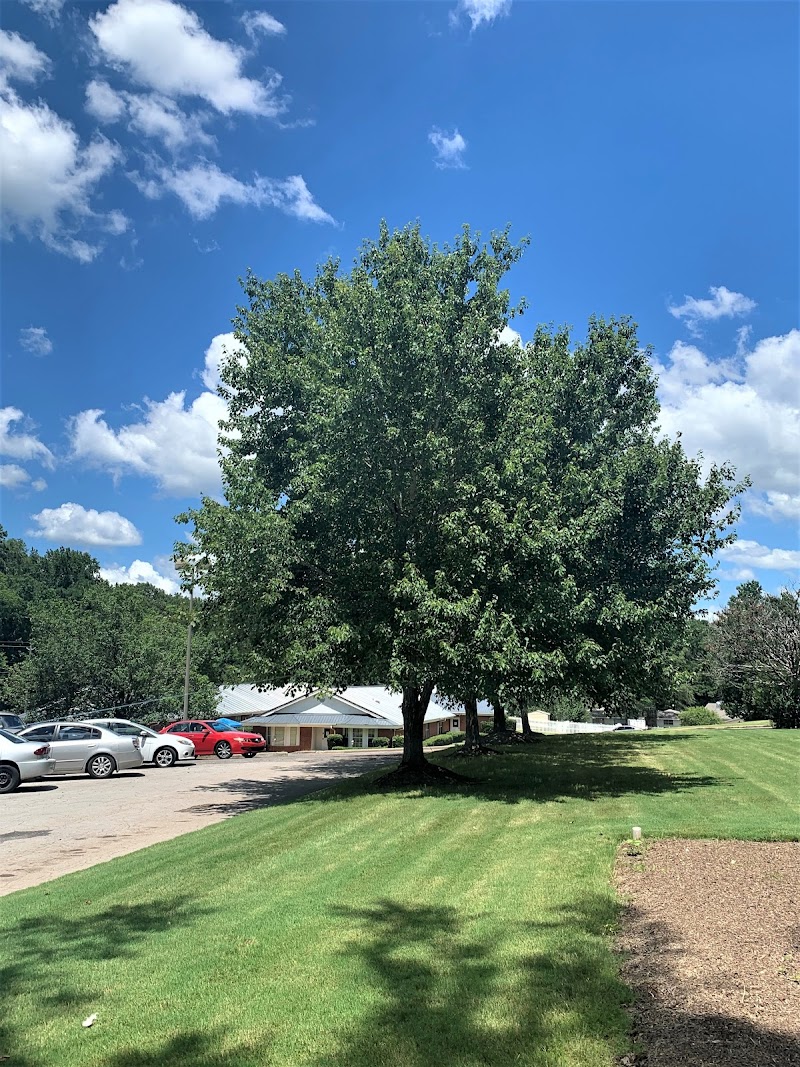
How is Plantation Manor Staffed?

CMS rates PLANTATION MANOR NURSING HOME's staffing level at 4 out of 5 stars, which is above average compared to other nursing homes. Staff turnover is 31%, compared to the Alabama average of 46%. This relatively stable workforce can support continuity of care.

What Have Inspectors Found at Plantation Manor?

State health inspectors documented 13 deficiencies at PLANTATION MANOR NURSING HOME during 2018 to 2022. These included: 10 with potential for harm and 3 minor or isolated issues.
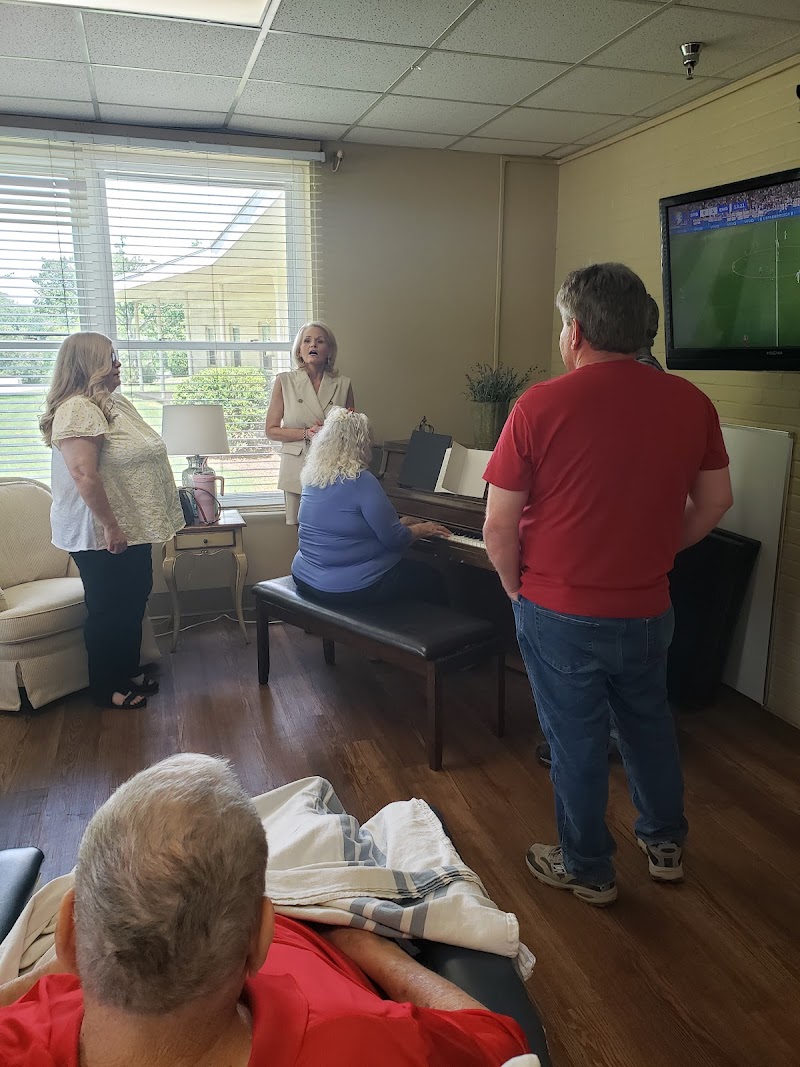
Who Owns and Operates Plantation Manor?

PLANTATION MANOR NURSING HOME is owned by a for-profit company. For-profit facilities operate as businesses with obligations to shareholders or private owners. The facility operates independently rather than as part of a larger chain. With 103 certified beds and approximately 96 residents (about 93% occupancy), it is a mid-sized facility located in MC CALLA, Alabama.
How Does Plantation Manor Compare to Other Alabama Nursing Homes?

Compared to the 100 nursing homes in Alabama, PLANTATION MANOR NURSING HOME's overall rating (1 stars) is below the state average of 2.9, staff turnover (31%) is significantly lower than the state average of 46%, and health inspection rating (2 stars) is below the national benchmark.

What Should Families Ask When Visiting Plantation Manor?

Based on this facility's data, families visiting should ask: "Can I visit during a mealtime to observe dining assistance and food quality?" "How do you handle medical emergencies, and what is your hospital transfer rate?" "Can I speak with family members of current residents about their experience?"

Is Plantation Manor Safe?

Based on CMS inspection data, PLANTATION MANOR NURSING HOME has a clean safety record: no substantiated abuse findings (meaning no confirmed cases of resident harm), no Immediate Jeopardy citations (the most serious violation level indicating risk of serious injury or death), and is not on the Special Focus Facility watch list (a federal program monitoring the lowest-performing 1% of nursing homes). The facility has a 1-star overall rating and ranks #100 of 100 nursing homes in Alabama. While no facility is perfect, families should still ask about staff-to-resident ratios and recent inspection results during their visit.

Do Nurses at Plantation Manor Stick Around?

PLANTATION MANOR NURSING HOME has a staff turnover rate of 31%, which is about average for Alabama nursing homes (state average: 46%). Moderate turnover is common in nursing homes, but families should still ask about staff tenure and how the facility maintains care continuity when employees leave.

Was Plantation Manor Ever Fined?

PLANTATION MANOR NURSING HOME has no federal fines on record. CMS issues fines when nursing homes fail to meet care standards or don't correct problems found during inspections. The absence of fines suggests the facility has either maintained compliance or corrected any issues before penalties were assessed. This is a positive indicator, though families should still review recent inspection reports for the full picture.

Is Plantation Manor on Any Federal Watch List?

PLANTATION MANOR NURSING HOME is not on any federal watch list. The most significant is the Special Focus Facility (SFF) program, which identifies the bottom 1% of nursing homes nationally based on persistent, serious quality problems. Not being on this list means the facility has avoided the pattern of deficiencies that triggers enhanced federal oversight. This is a positive indicator, though families should still review the facility's inspection history directly.