CAREGIVERS OF PLEASANT GROVE, INC
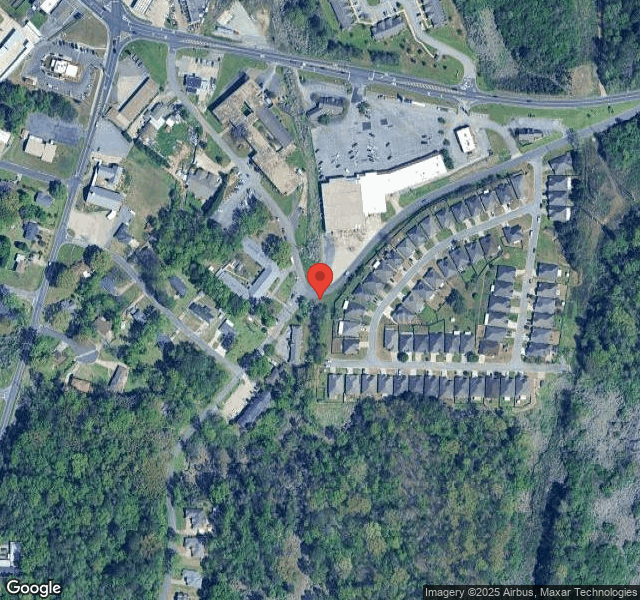
700 FIRST AVENUE, PLEASANT GROVE, AL 35127 (205) 744-8120
For profit - Corporation 64 Beds Independent Data: November 2025
Trust Grade
50/100
#189 of 223 in AL
Last Inspection: March 2021

Over 2 years since last inspection. Current conditions may differ from available data.

Overview

Caregivers of Pleasant Grove, Inc. has received a Trust Grade of C, which means it is considered average-neither great nor terrible. The facility ranks #189 out of 223 nursing homes in Alabama, placing it in the bottom half, and #23 out of 34 in Jefferson County, indicating that there are only a few local options that are better. Unfortunately, the facility is worsening, with issues increasing from 2 in 2020 to 5 in 2021. Staffing is rated average with a 3 out of 5 stars and a turnover rate of 54%, which is similar to the state average. There are no fines on record, which is a positive sign, and the facility has more registered nurse coverage than many others, helping to catch potential problems. However, there are some concerning specific incidents. For example, staff failed to properly sanitize a food thermometer and did not wash their hands, risking food safety for all residents. Additionally, there was a lack of an air gap in the kitchen sink, which could lead to sewage backflow, putting residents at risk. Lastly, several residents with urinary catheters did not have specific care plans in place, which could lead to improper management of their conditions. Overall, while there are strengths in staffing and no fines, the increasing number of health concerns should be carefully considered by families researching this facility.

Trust Score
C
50/100
In Alabama
#189/223
Bottom 16%
Safety Record
Low Risk
No red flags
Inspections
Getting Worse
2 → 5 violations
Staff Stability
⚠ Watch
54% turnover. Above average. Higher turnover means staff may not know residents' routines.
Penalties
✓ Good
No fines on record. Clean compliance history, better than most Alabama facilities.
Skilled Nurses
○ Average
Each resident gets 30 minutes of Registered Nurse (RN) attention daily — about average for Alabama. RNs are the most trained staff who monitor for health changes.
Violations
○ Average
9 deficiencies on record. Average for a facility this size. Mostly minor or procedural issues.
★☆☆☆☆
1.0
Overall Rating
★★★☆☆
3.0
Staff Levels
★☆☆☆☆
1.0
Care Quality
★★☆☆☆
2.0
Inspection Score
Stable
2020: 2 issues
2021: 5 issues

The Good

  • Full Sprinkler Coverage · Fire safety systems throughout facility
  • No fines on record

Facility shows strength in fire safety.

The Bad

1-Star Overall Rating

Below Alabama average (2.9)

Significant quality concerns identified by CMS

Staff Turnover: 54%

Near Alabama avg (46%)

Higher turnover may affect care consistency

The Ugly 9 deficiencies on record

Mar 2021 5 deficiencies
CONCERN (D)

Potential for Harm - no one hurt, but risky conditions existed

Deficiency F0583 (Tag F0583)

Could have caused harm · This affected 1 resident

**NOTE- TERMS IN BRACKETS HAVE BEEN EDITED TO PROTECT CONFIDENTIALITY** Based on observation, interview, and a review of a facility policy titled HIPPA (Health Insurance Portability and Accountability...

Read full inspector narrative →
**NOTE- TERMS IN BRACKETS HAVE BEEN EDITED TO PROTECT CONFIDENTIALITY** Based on observation, interview, and a review of a facility policy titled HIPPA (Health Insurance Portability and Accountability Act) PRIMARY RULES EMPLOYEE SECURITY AND CONFIDENTIALITY AGREEMENT, the facility failed to ensure a Registered Nurse (RN) Employee Identifier (EI) #9, did not leave the Electronic Medication Administration Record (EMAR) screen visible and unattended which exposed Resident Identifier (RI) #17 personal information and medications. This deficient practice affected RI #17. One of five residents observed during the medication administration pass, and EI # 9 one of four nurses observed administering medication. Findings Include: Review of the facility's undated HIPPA PRIMARY RULES EMPLOYEE SECURITY AND CONFIDENTIALITY AGREEMENT revealed, . 2. I will treat all information received in the course of my employment with the provider, which relates to the residents of the provider, as confidential and privileged information. RI #17 was admitted to the facility on [DATE] with a diagnosis of Schizoaffective Disorder, Depressive Type. On 3/09/2021 at 10:00 AM, the surveyor observed a MAR screen left unattended and open for public view with RI #17's personal information, primary contact, primary physician, diagnosis, current medication (Zyprexa and Lexapro) and other information exposed. EI #9 a Registered Nurse was observed walking out of RI #17's room to the unattended cart. The surveyor pointed at the screen and asked EI #9 what information was shown on the screen. EI #9 stated, patient information. The surveyor asked EI #9 why was the screen left open to view by anyone in the hall. EI #9 stated, she should have minimized her screen prior to leaving the medication cart. The surveyor asked EI # 9 why was it important to utilize the privacy screen when administering medication. EI #9 stated, anyone could walk by and view personal information and that was a HIPPA violation.
CONCERN (D)

Potential for Harm - no one hurt, but risky conditions existed

Assessment Accuracy (Tag F0641)

Could have caused harm · This affected 1 resident

**NOTE- TERMS IN BRACKETS HAVE BEEN EDITED TO PROTECT CONFIDENTIALITY** Based on interview, medical record review and a review of the CMS's (Center for Medicare Services) Long-Term Care Facility RAI (...

Read full inspector narrative →
**NOTE- TERMS IN BRACKETS HAVE BEEN EDITED TO PROTECT CONFIDENTIALITY** Based on interview, medical record review and a review of the CMS's (Center for Medicare Services) Long-Term Care Facility RAI (Resident Assessment Instrument) 3.0, User's Manual Version 1.17.1 October 2019, the facility failed to: 1) accurately code RI (Resident Identifier) #38 Admissions MDS's (Minimum Data Set) to reflect he/she was receiving dialysis, 2) accurately code RI #17's Quarterly MDS as having an indwelling catheter. This deficient practice affected two of 21 sampled residents whose MDS's were reviewed. 1) A review of the CMS's, RIA 3. 0 User's Manual, Chapter 3, . MDS Items (O) documented: . O0100J, Dialysis Code . renal dialyses which occurs . at another facility record treatment of hemofiltration . in this item . RI #38 was admitted to the facility on [DATE] and readmitted to the facility on [DATE] with a Diagnosis of End Stage Renal Disease and Chronic Kidney disease. RI #38's March 2021 Physician's order documented: . Dialysis . one time a day every other day . Order date 11/01/2020. RI #38's admission MDS 's dated 12/28/20 and 1/13/21 were not code for dialysis. On 3/10/21 at 3:34 PM, an interview was conducted with EI ( Employee Identifier) #6, LPN, (Licensed Practical Nurse), MDS Coordinator. EI #6 was asked if RI #38 was on dialysis. EI #6 said yes. EI #6 was asked if RI #38 was coded for dialysis on Section O of his/her admission MDS dated [DATE]. EI #6 said no he/she was not. EI #6 was asked should RI #38 had been coded for dialysis. EI #6 said, yes he/she should have. EI #6 was asked if RI #38 was coded for dialysis on the Section O for his /her admission MDS dated [DATE]. EI #6 said no he/she was not. EI #6 was asked should RI #38 had been coded for dialysis. EI #6 yes, she/he should have been. EI #6 was asked why RI #38 was not coded for dialysis. EI #6 said she did not know why. EI #6 was asked what was the importance of having an adequately coded MDS. EI #6 said to paint a picture of the resident and for payment. 2) RI #17 was admitted to the facility on [DATE]. Diagnoses included abnormal posture and muscle weakness. A review of RI #17's Active Orders As Of: 3/20/2021 revealed a prescriber written order . Change suprapubic catheter . (Q) month and as needed (PRN) . dated 10/30/2020. A review of RI #17's Quarterly MDS with a date of 12/1/2020 revealed the resident was coded for an indwelling urinary catheter in Section H. On 3/09/21 at 9:34 AM RI #17 was observed to have an indwelling urinary catheter. On 03/10/21 at 3:57 PM an interview was conducted with EI #4, Registered Nurse, Director of Clinical Services, former MDS coordinator. EI #4 was asked, when was RI #17's suprapubic catheter inserted. EI #4 replied, he/she was admitted with it on 12/14/18. EI #4 was asked, who was responsible for accurately completing the MDS. EI #4 replied, the MDS coordinator. EI #4 was asked, when was she the MDS coordinator. EI #4 replied, 2019 until November, 2020. EI #4 was asked, when different staff from different departments are completing sections of the MDS, who was ultimately responsible for accuracy of MDS. EI #4 replied, she was or whoever submitted it. EI #4 was asked, what was the date on the most recent MDS for RI #17. EI #4 replied, December 1, 2020. EI #4 was asked, what did that MDS indicate for section H.0100 question A. EI #4 replied, it said no, which indicated that he/she did not have an indwelling catheter. EI #4 was asked, did he/she have an indwelling catheter at that time. EI #4 replied, yes. EI #4 was asked, who completed the MDS dated [DATE]. EI #4 replied, the nursing department completed it and she locked and signed it. EI #6 was asked, what was the potential harm to a resident, with an indwelling urinary catheter or suprapubic urinary catheter, when the MDS indicated the resident did not have a urinary catheter. EI #4 replied, the data would have been entered by error or mistake and it would not give an accurate picture of the resident.
CONCERN (D)

Potential for Harm - no one hurt, but risky conditions existed

Deficiency F0692 (Tag F0692)

Could have caused harm · This affected 1 resident

**NOTE- TERMS IN BRACKETS HAVE BEEN EDITED TO PROTECT CONFIDENTIALITY** Based on record review, interviews, and review of a facility policy titled WEIGHT LOSS INTERVENTION, the facility failed to reco...

Read full inspector narrative →
**NOTE- TERMS IN BRACKETS HAVE BEEN EDITED TO PROTECT CONFIDENTIALITY** Based on record review, interviews, and review of a facility policy titled WEIGHT LOSS INTERVENTION, the facility failed to recognize and assess a ten pound weight loss over eight days for Resident Identifier (RI) #200. This affected one of four residents sampled for weight loss. This deficient practice was cited as the result of the investigation of complaint/ report number AL00041289. Findings Include: A review of a facility policy titled, WEIGHT LOSS INTERVENTION POLICY & PROCEDURE with an effective date of 12/1/2010 revealed: Purpose: To intervene in unplanned weight loss process and prevent further decline in weight status and/or restore weight back to usual body weight . RI #200 was initially admitted to the facility on [DATE] and readmitted on [DATE] with diagnoses of Unspecified Convulsions, Epilepsy and Spina Bifida. A review of a facility form titled Weights and Vitals Summary revealed weights for RI #200 for the month of January 2021: 1/21/21 105 pounds and 1/29/21 95.4 pounds. This documentation revealed a ten pound weight loss in eight days. On 3/11/21 at 2:15 PM, an interview was conducted with Employee Identifier, (EI )#5, Dietary Consultant. EI #5 was asked, what was RI #200's admission weight. EI #5 replied, 119 pounds and 64 inches on 1/18/19. EI #5 was asked, what were RI #200's weight concerns. EI #5 replied, fluctuating weight which was addressed several times in November 2020, January and February of this year. EI #5 was asked, how often did she assess residents. EI #5 replied, monthly, with readmissions, and as needed. EI #5 was asked, what was RI #200's January 2021 weights. EI #5 replied, she assessed the resident's weight of 105 on 1/29/21, the staff gave her a weight of 105. EI #5 was asked, what about the weight of 95 pounds on 1/29/21. EI #5 replied, she was not aware of a weight of 95 pounds, the staff gave her a weight of 105, and she did her assessment based on that weight. EI #5 was asked, why was RI #200's weight of 95 pounds in January not addressed. EI #5 replied, she was not aware of a 95 pound weight. On 3/11/21 at 2:30 PM an interview was conducted with EI #1, Administrator and EI #2, Director of Nursing was present. EI #1 was asked, who did the weights. EI #1 replied, the Certified Nursing Assistants (CNA), there was inconsistencies with which CNAs did them. EI #1 was asked, what was the process for obtaining weights. EI #1 replied, the CNA gets the weight and gives it to the nurse or the dietary manager for them to record it in the resident record. EI #1 was asked, who entered RI #200's weight of 95 pounds on 1/29/21 in the record. EI #1 replied, EI #8, the Dietary Manager. EI #1 was asked, why was the ten pound weight loss not addressed. EI #1 replied, she did not know; it must have been an oversight; had they realized it, it would have been addressed. EI #1 was asked, when the weight was discovered at a ten pound loss, what should have been done. EI #1 replied, re-weigh the resident to determine if it was actual weight and assess the nutritional status. EI #1 was asked, what would the harm be in not recognizing a weight loss of ten pounds in a week. EI #1 replied, there could be continued weight loss and not identifying a change in the resident's nutritional needs. On 3/11/21 at 3:15 PM, an interview was conducted with EI #8, Dietary Manager. EI #8 was asked, who entered RI #200's weights to the record on 1/21/21 and 1/29/21. EI #8 replied, she did. EI #8 was asked, why was the weight of 95 pounds, a ten pound loss not identified. EI #8 replied, it was an oversight. When she entered the weight of 95 pounds only that weight was seen and not the previous ones. EI #8 was asked, what was the policy for addressing weight loss. EI #8 replied, assess the weights on admit and on readmit, then refer to the dietary consultant. EI #8 was asked, what was the harm in not recognizing a ten pound weight loss on a resident. EI #8 replied, it could result in malnutrition.
CONCERN (E)

Potential for Harm - no one hurt, but risky conditions existed

Comprehensive Care Plan (Tag F0656)

Could have caused harm · This affected multiple residents

**NOTE- TERMS IN BRACKETS HAVE BEEN EDITED TO PROTECT CONFIDENTIALITY** Based on observations, interviews, and record review the facility failed to ensure Resident Identifier's (RI) #17, 34, and 29's,...

Read full inspector narrative →
**NOTE- TERMS IN BRACKETS HAVE BEEN EDITED TO PROTECT CONFIDENTIALITY** Based on observations, interviews, and record review the facility failed to ensure Resident Identifier's (RI) #17, 34, and 29's, residents with urinary catheters, had a care plan specific enough to guide urinary catheter care, and RI #6 had a care plan for oxygen use. This affected three of three sampled residents with urinary catheters, and one of one sampled residents with oxygen. Finding Include: 1) RI #17 was admitted to the facility on [DATE]. Diagnoses inlcuded abnormal posture and muscle weakness. A review of RI #17's Active Orders As Of: 3/20/2021 revealed a prescriber written order . Change suprapubic catheter . (Q) month and as needed (PRN) .dated 10/30/2020. On 3/9/21 at 9:34 AM RI #17 was observed with an indwelling catheter. 2. RI #34 was admitted to the facility on [DATE] and had diagnosis that included Neuromuscular dysfunction of the bladder. A review of RI #34's Active Orders As Of 3/11/2021 revealed an order . Change suprapubic catheter . monthly . and as needed (PRN) dated 10/30/2020. On 3/9/21 at 2:21 PM catheter bag was observed hanging at bedside. 3. RI #29 was admitted to the facility on [DATE] with diagnosis that included Neuromuscular dysfunction of bladder. A review of RI #29's Active Orders As Of 3/10/2021 revealed an order . Change suprapubic catheter . each month . and as needed (PRN) dated 11/20/2020. On 3/9/21 at 2:46 PM RI #29's urinary catheter site was observed. On 3/10/21 at 12:11 PM an interview was conducted with EI #21, Certified Nursing Assistant (CNA), a staffing agency CNA. EI #21 was asked, how did she know which residents required catheter care during her shift. EI #21 replied, the nurse told her. On 3/10/21 at 3:48 PM an interview was conducted with EI #20, CNA. EI #20 was asked, how did she know which residents needed catheter care. EI #20 replied, she was familiar with the residents that needed catheter care. EI #20 was asked, when agency staff were there, how did they know which residents required catheter care and when it was to be performed. EI #20 replied, the agency staff were given verbal instructions. EI #20 was asked, did CNAs use care plans to guide care. EI #20 replied, yes, it was on the kiosk. EI #20 was asked, was catheter care on the kiosk. EI #20 replied, the kiosk did not indicate if the resident had a catheter. On 3/10/21 at 3:57 PM an interview was conducted with EI #4, Registered Nurse (RN), Director of Clinical Services, previous Minimum Data Set (MDS) Coordinator. EI #4 was asked, when was RI #17's suprapubic catheter inserted. EI #4 replied, he/she was admitted with it on 12/14/18. EI #4 was asked, who was responsible for ensuring residents' care plans were comprehensive to their needs. EI #4 replied, each department did their own; EI #6 did the nursing sections. EI #4 was asked, when should a resident with a catheter have a care plan addressing the urinary catheter. EI #4 replied, anytime the resident had a catheter. EI #4 was asked, what interventions would be included on a care plan for a urinary catheter. EI #4 replied, cleaning information, monitoring for infection, notification of physician if removed, and emptying every shift. On 3/10/21 at 4:29 PM during an interview with EI #6, EI #6 was asked, did RI #29 have a care plan for urinary catheter and urinary catheter care specific enough to guide the provision of care. EI #6 replied, no. EI #6 was asked, why not. E I#6 replied, it did not have frequency for catheter care. On 3/11/21 at 9:32 AM an interview was conducted with EI #6. EI #6 was asked, what was the purpose of care plans in the facility. EI #6 replied, to paint an adequate picture so staff can provide care to the resident. EI #6 was asked, when should a care plan be specific enough to guide the provision of catheter care. EI #6 replied, when the resident had a catheter. EI #6 was asked, did RI #34 have a suprapubic catheter. EI #6 replied, yes, he/she had it since she was hired in 11/2019. EI #6 was asked, did RI #34 have a care plan for urinary catheter care specific enough to guide the provision of care. EI #6 replied, no. EI #6 was asked, what did the care plan not include. EI #6 replied, how often to perform suprapubic catheter care. EI #6 was asked, when should the catheter care of cleaning the catheter be performed. EI #6 replied, every day. EI #6 was asked, as of 3/10/21, did RI #17, 29, or 34 have a care plan specific enough to guide the provision of catheter care. EI #6 replied, not until 3/10/21. EI #6 was asked, did RI #17, 29, or 34 have a care plan that included measurable objectives and timeframes to meet their need of catheter care, cleaning of the catheter. EI #6 replied, no. EI #6 was asked, when should a resident with an indwelling catheter not have a care plan or physician's order for catheter care to be performed at least daily. EI #6 replied, they should not. On 3/11/21 3:08 PM an interview was conducted with EI #2, RN, Director of Nursing (DON). EI #2 was asked, what was the purpose of care plans in the facility. EI #2 replied, to document the care that was needed for residents. EI #2 was asked, when should a resident with an indwelling urinary catheter have a care plan for catheter. EI #2 replied, when it was placed, and the care plan should be re-assessed and changes made as necessary. EI #2 was asked, what interventions should the catheter care plan include. EI #2 replied, monitoring for redness and infection, and cleaning the catheter daily or as needed. EI #2 was asked, when should a care plan be specific enough to guide the provision of catheter care including cleaning the catheter. E I#2 replied, always. EI #2 was asked, why was important to have a care plan specific enough to guide the provision of catheter care that included cleaning the catheter. EI #2 replied, the care plan communicated with staff how to care for the catheter and prevent infection. EI #2 was asked, what was the potential harm to a resident with an indwelling urinary catheter and without a care plan that addressed cleaning the catheter. EI #2 replied, higher risk for infection. 4. RI #6 was admitted to the facility on [DATE] and had a diagnosis of Chronic obstructive pulmonary disease (COPD). A review of RI #6's Medication Administration Record for March 2021 revealed . Oxygen at two (2) liters (L) as needed (PRN) . Start date 2/8/2021. On 3/11/21 at 8:31 AM an observation was made of RI #6 with oxygen infusing through a nasal cannula. On 3/11/21 at 9:25 AM an interview was conducted with EI #6, LPN, MDS Coordinator. EI #6 was asked, did RI #6 receive oxygen. EI #6 replied, yes. EI #6 was asked, should a resident receiving oxygen continuously or as needed be care planned. EI #6 replied, yes. EI #6 was asked, to present the care plan for oxygen use. EI #6 replied, it was not there. EI #6 was asked, should RI #6 have a care plan. EI #6 replied, yes. EI #6 was asked, what was the purpose of a resident having a care plan. EI #6 replied, to paint a picture of the resident so staff can adequately take care of their needs. EI #6 was asked, who was responsible for ensuring he/she had a care plan. EI #6 replied, herself.
CONCERN (F)

Potential for Harm - no one hurt, but risky conditions existed

Food Safety (Tag F0812)

Could have caused harm · This affected most or all residents

Based on observations, interviews and a review of the facility's documents titled, Resource: Taking Accurate Temperatures, Proper Handwashing Technique, and Receiving And Storing Foods, the facility f...

Read full inspector narrative →
Based on observations, interviews and a review of the facility's documents titled, Resource: Taking Accurate Temperatures, Proper Handwashing Technique, and Receiving And Storing Foods, the facility failed to ensure on 3/8/21 and 3/9/21: 1. dietary staff did not sanitized the food thermometer in the red bucket sanitizing solution and ensure staff washed her hands after using the cloth from the red bucket solution; and 2. food in the deep freezer was labeled with an open and use by date. This had the potential to affect 41 of 41 residents who received meals from the kitchen. Findings Include: 1. A review of a policy titled, Resource: Taking Accurate Temperatures with a date of 2017 revealed .Taking Accurate Temperatures using metal stem thermometers 1. To take temperatures, a clean, rinsed, sanitized and air-dried thermometer that is the metal stem type, .Thermometers should be sanitized thermometers may be sanitized using a dish machine or three sink method. In between uses at one meal, an alcohol swab may be used to sanitize . A review of a facility document addressing proper handwashing technique revealed, .Objective The attendee will understand the importance of following proper handwashing techniques in order to prevent the spread of foodborne pathogens that are major cause of foodborne, illnesses. It is important to wash their hands when performing the following activities: . After using any cleaning, polishing or sanitizing solution . On 03/09/21 at 10:46 AM, the staff was observed using the cleaning cloth from the red sanitizing buckle to clean the side of the mash potatoes pot. Employee Identifier (EI) #7 (the cook) did not wash her hands after squeezing the cloth out. EI #7 was also observed cleaning off the top of grill with the cloth from the solution bucket. EI #7 did not wash her hand after cleaning the top of the grill. EI #7 cleaned the preparation table with the cloth from the sanitizer bucket and put the cloth back in the bucket. EI #7 did not wash her hands after using the cloth. Also, during this observation EI #7 was observed dipping a thermometer in the red bucket after taking it out of the mash potatoes. EI #7 put the thermometer holder back on the thermometer and put it in her apron pocket. At 10:56 AM, EI #7 used the thermometer from her pocket and placed it in the mash potatoes again. Afterward, she dipped the thermometer in the red bucket and placed the cap back on it and put it back in her apron pocket. EI #7 took the temperature of the collard greens and dipped the thermometer in the solution bucket and placed the thermometer back in her apron pocket. On 03/10/21 at 8:42 AM, an interview was conducted with EI #7, first shift cook. EI #7 was asked how should the thermometer be sanitized. EI #7 replied, the thermometers are placed in a solution from the third compartment sink in a cup. EI #7 was asked how did she sanitize the thermometer on 3/9/21. EI #7 replied, on yesterday, she did it incorrectly. EI #7 stated she used the sanitizing bucket. EI #7 stated, she dipped the thermometer in the sanitizer solution bucket used for the tables. EI #7 was asked why did she sanitize the thermometer by dipping it into the red bucket solution. EI #7 replied, she was trying to get the food on the line. EI #7 continued to say she was in a hurry. EI #7 was asked when the water was put in the red bucket. She replied she put it in there in the morning when she got there at 6am. When asked if the water was changed prior to the lunch meal, she replied she did not change it. EI #7 was asked what was in the red bucket. EI # 7 replied, a towel and solution. EI #7 was asked what kitchen equipment did she wipe down with the cloth from the red bucket. EI #7 replied, the counter top where she was cooking and the grill area. EI #7 was asked what did she do with the cloth after wiping down kitchen equipment. EI #7 replied, she put it back in the red bucket. EI #7 was asked what food temperatures did she take after dipping the thermometer in the red bucket. EI #7 replied, pork chop, mash potatoes, greens, and the hamburger patties. EI #7 replied, basically all of her food. EI #7 was asked when wiping down the preparation table, and the grill in the kitchen was the water solution in the red bucket clean. EI #7 replied, no ma'am. EI #7 was asked why was it important that the thermometer be sanitized properly before taking food temperatures. EI #7 replied, because of cross contamination. EI #7 continue to say if it was not clean you would contaminate the second food item that she was trying to take the temperature. EI #7 was asked what was the facility's policy on sanitizing thermometer. EI # 7 replied, put in a cup with the sanitizing solution. EI #7 was asked how had she been trained to sanitize the food thermometer. EI #7 replied, put it in the solution water. EI #7 was asked did she wash her hands after using the cloth from the red bucket solution. EI #7 replied, no ma'am. EI #7 was asked did she wash her hands each time she used the cloth from the sanitizer solution bucket. EI #7 replied, no ma'am. EI #7 was asked why did she not wash her hands after using the cloth from the red solution bucket. EI #7 replied, she forgot to. On 3/10/21 at 9:11 AM, an interview was conducted with EI #8, Dietary Manager. EI #8 was asked should staff wash their hands after using the cloth from the red bucket solution. EI #8 replied, yes. EI #8 was asked why should staff wash their hands after using the cloth from the red bucket solution. EI #8 replied, because the solution have chemical in it and it could contaminate the food. 2. A review of a facility document revealed, . Outline Proper receiving and storing procedures are essential to safe food handling and the first control point in the facility. Receiving . Label items with the date of delivery and the use by date. On 3/8/21 at 05:10 PM., a tour of the kitchen was conducted. The surveyor along with EI #8, observed chicken fingers in the chest freezer out of the original box with no used by date on it. There were about 30 chicken fingers in a bag. There was diced ham in a medium bag with no name of what it was and no use by date. On 3/10/21 at 9:11 AM, an interview was conducted with EI #8. EI #8 was asked what food items was in the freezer with no label on it. EI #8 replied, the chicken fingers and diced ham. EI #8 was asked, was the chicken fingers out of the original container. EI #8 replied, yes ma'am. EI #8 was asked, why was there no label on the food items. EI #8 replied, they (staff) intended to put the label on the food but probably got redirected. EI #8 was asked, who was responsible for labeling food items before placing them into the freezer. EI #8 replied, the cook. EI #8 was asked what did the facility policy say regarding labeling food items when placing them in the freezer. EI #8 replied, once the food comes in they need to be dated with a date and a use by date. EI #8 was asked why was it important to label food items before placing them in the freezer. EI #8 replied, so they can tell how long to keep the food and when to discard it.
Jan 2020 2 deficiencies
CONCERN (D)

Potential for Harm - no one hurt, but risky conditions existed

Infection Control (Tag F0880)

Could have caused harm · This affected 1 resident

Based on observation, interviews and review a facility policy Clean and Used Linen Policy and Procedure, the facility failed to ensure laundry staff was not transporting clean linens to the main build...

Read full inspector narrative →
Based on observation, interviews and review a facility policy Clean and Used Linen Policy and Procedure, the facility failed to ensure laundry staff was not transporting clean linens to the main building of the facility from the outside laundry building uncovered. This was observed on 1/13/20 and had the potential to affect 57 residents residing in the facility. Findings Included: A review of a facility policy titled Clean and Used Linen Policy and Procedure with an effective date of June 2019, revealed .From Pick-up Point to the Laundry: .Each linen storage cart must be carefully directed with the clean laundry on the cart covered. On 1/13/20 at 3:39 PM, the surveyor observed a laundry aide delivering linens to the hall on a 3 shelf rolling cart. On the very top of the cart was 2 stacks of brown and white blankets that were not covered. The middle shelves had towels, gowns, cloth pads, sheets and bath cloths, this section was covered with the blue cover over the cart. The laundry aide went to a linen closet, turned up the blue cover, placing it on top of the uncovered blankets and removed linens to place in the linen closet. On 1/13/20 at 3:44 PM, an interview was conducted with EI #6, Laundry Aide. EI #6 was asked what was on the cart. EI #6 replied, towels, sheets, pads, gowns and blankets. EI #6 was asked what was on the very top of the cart. EI #6 replied, blankets. EI #6 was asked if the blankets were covered. EI #6 replied, no. EI #6 was asked what was the policy on transporting linens and laundry. EI #6 replied, everything should be covered. EI #6 was asked where was the laundry department. EI #6 replied, out behind the facility. EI #6 was asked if she had to go out of the laundry room to outside then inside to the facility. EI #6 replied, yes. EI #6 was asked what was the harm in the linens not covered then transported from the outside laundry to the facility uncovered. EI #6 replied, germs could get on them. On 1/14/20 at 2:38 PM an interview was conducted with EI #5, Maintenance and Laundry Supervisor. EI #5 was asked how should linens be transported from the laundry department to the main building. EI #5 replied, on a cart and covered; everything being transported from or to the laundry should be covered. EI #5 was asked what would the harm be in linens being transported from the laundry department to the main building uncovered. EI #5 replied, there was a contamination risk.
CONCERN (F)

Potential for Harm - no one hurt, but risky conditions existed

Food Safety (Tag F0812)

Could have caused harm · This affected most or all residents

Based on observation, interviews and review of the 2017 Food Code, the facility failed to ensure there was an air gap between the 3 compartment sink and sewage drain. This has the potential for backfl...

Read full inspector narrative →
Based on observation, interviews and review of the 2017 Food Code, the facility failed to ensure there was an air gap between the 3 compartment sink and sewage drain. This has the potential for backflow from the sewage to the sink. This was observed on 1/14/20 and had the potential to affect 51 of 51 residents receiving meals from the kitchen. Findings Include: A review of the FDA 2017 Food Code revealed: . 5-402.11 Backflow Prevention. (A) . a direct connection may not exist between the SEWAGE system and a drain originating from EQUIPMENT in which FOOD, portable EQUIPMENT, or UTENSILS are placed. On 1/14/20 at 11:00 AM, the surveyor entered the kitchen to observe tray line. The surveyor observed a dietary staff at the 3 compartment sink washing pots and pans. There was no air gap noted under the sink. The drain extended from under the sink into the wall behind the sink. On 1/14/20 at 11:05 AM, an observation and interview was conducted with Employee Identifier (EI) #4, Dietary Manager. EI #4 was asked, was there a direct connection between the 3 compartment sink and the sewage drain. EI #4 replied, yes. EI #4 was asked if there was an air gap. EI #4 replied, no, but she would like for the maintenance man to check it. EI#4 was asked if she knew what an air gap was. EI #4 replied, yes it prevented backflow from sewage back to the sink. EI #4 was asked if there should be a direct connection from the sink to the sewage. EI #4 replied, no, because there could be back flow from the drain back to the sink. EI #4 was asked what was washed in the 3 compartment sink. EI #4 replied, pots and pans. EI #4 was asked how many residents received meals from the kitchen. EI #4 replied, 51. On 1/14/20 at 11:10AM, an observation and interview was conducted with EI #5, Maintenance Supervisor. EI #5 was asked, if there was a direct connection between the 3 compartment sink and the sewage drain. EI #5 replied, yes. EI #5 was asked what was the potential for harm with a direct connection. EI #5 replied, possibly back flow from the sewage to the 3 compartment sink. On 1/14/20 at 11:20 AM, the Administrator, EI #1, entered the kitchen and made an observation under the 3 compartment sink. An interview was conducted at that time. EI #1 was asked where was the air gap. EI #1 replied, he did not see it. EI #1 was asked what would the potential harm be in no air gap. EI #1 replied, he was not sure other than related to water draining from the sink to the sewage drain.
Nov 2018 2 deficiencies
CONCERN (D)

Potential for Harm - no one hurt, but risky conditions existed

Infection Control (Tag F0880)

Could have caused harm · This affected 1 resident

Based on observation, interviews, and review of a facility policy titled, Laundry Policy & Procedures Handling Soiled & Clean Linen, the facility failed to ensure a Laundry Aide did not allow clean to...

Read full inspector narrative →
Based on observation, interviews, and review of a facility policy titled, Laundry Policy & Procedures Handling Soiled & Clean Linen, the facility failed to ensure a Laundry Aide did not allow clean towels, sheets, wash cloths, and socks from the dryer to touch the staff's shirt on the their upper body area, and did not put one white sock and one white wash cloth in the large laundry container with other clothing after dropping them on the floor. This had the potential to affect one of three halls of residents (16 of 46 residents) in the facility. Findings Include: A review of a facility policy titled, Laundry Policy & Procedures Handling Soiled & Clean Linen with no date, revealed .a. Linen should not be allowed to touch the uniform or floor .to avoid contamination of air, surfaces, and persons . On 11/28/2018 at 12:10 p.m., the surveyor observed the laundry room in the facility. The surveyor observed Employee Identifier (EI) #2, a Laundry Aide, remove clean laundry from dryer one without an apron on over her clothes. EI #2 removed white towels, sheets, wash cloths, and socks from dryer one with the clean laundry items from the large laundry container touching the shirt on her upper body area. EI #2 dropped one white sock and one white wash cloth in the floor in front of the dryer, then put both of these items in the large laundry container with the other clothing that were removed from dryer one. EI #2 began folding the laundry that were mixed with the sock and wash cloth in the large laundry container. EI #2 stated when she finished folding these clothing items from the large container, she would take the items out to the residents on the back hall. On 11/28/2018 at 3:30 p.m., an interview was conducted with EI #2, Laundry Aide. EI #2 was asked if the clean clothing for the back hall touched her clothing without an apron on, when she removed the items from the dryer. EI #2 stated yes and that the clean clothes should not touch an employee's shirt. EI #2 was asked what is the concern with clean clothing touching an employee's shirt when taking clean clothing out of the dryer. EI #2 stated that the clothing could become contaminated and this could cause an infection for a resident. EI #2 was asked where she put the white sock and white wash cloth after taking both of these items out of the dryer. EI #2 stated she dropped the white sock and white wash cloth on the floor, then picked them up, and put the items in the large laundry container with the other clothes from dryer one. EI #2 was asked why did she put the white sock and white wash cloth in the large laundry container. EI #2 stated she thinks she did it by accident. EI #2 was asked what would be the concern with putting the white sock and white wash cloth that had fallen on the floor in the large laundry container with all the other laundry. EI #2 stated that the other clothing could become contaminated and could cause a resident to have an infection. EI #2 was asked if the facility has a policy on handling of clean laundry. EI #2 stated yes and it states the linen and clothing should not touch the uniform or floor. EI #2 was asked if the facility policy was followed when she put the laundry for the back hall from dryer one in the large container. EI #2 stated no. On 11/28/2018 at 4:30 p.m., an interview was conducted with EI #3, Director of Nursing/Infection Control Preventionist. EI #3 was asked what would be the concern with an employee taking the residents' laundry out of the dryer and touching the employee's shirt with the clean laundry, prior to putting the laundry in a large laundry container. EI #3 stated it could spread germs to other residents. EI #3 was asked what would be the concern with an employee taking a white sock and white wash cloth out of the dryer, dropping both on the floor, picking up both and putting in a large laundry container with other laundry from the dryer. EI #3 stated that this causes contamination to the clothing. EI #3 was asked if the facility had a policy on the handling of clean laundry. EI #3 stated yes and the policy stated that linen should not be allowed to touch the uniform or floor.
MINOR (C)

Minor Issue - procedural, no safety impact

Deficiency F0577 (Tag F0577)

Minor procedural issue · This affected most or all residents

Based on observations and interview, the facility failed to ensure the facility's most recent survey results were accessible for residents and/or visitors to obtain at the facility. This had the poten...

Read full inspector narrative →
Based on observations and interview, the facility failed to ensure the facility's most recent survey results were accessible for residents and/or visitors to obtain at the facility. This had the potential to affect all residents, staff, and visitors in the facility. Findings Include: On 11/26/2018 at 1:35 p.m., the surveyor toured the building and observed a note on the bulletin board, in the hallway across from Nursing Station One, that stated, Resident and Family Members. You can find a copy of the most recent survey in the foyer of our facility. However, the Surveyor observed no recent survey results posted in the foyer of the facility. On 11/26/2018 at 4:25 p.m., the surveyor again toured the building and observed no recent survey results posted in the foyer. On 11/26/18 at 4:35 p.m., the surveyor toured the facility foyer with Employee Identifier (EI) #1, Director of Social Services, to determine if a copy of the most recent survey was available. No survey results were posted. On 11/27/2018 at 8:30 a.m., an interview was conducted with EI #1, Director of Social Services. EI#1 was asked were the facility's most recent surveys posted in the facility on 11/26/2018 when toured with the surveyor. EI #1 stated no. EI #1 was asked according to the sign posted on the bulletin board in front of Nursing Station One, where should the most recent survey results be posted. EI #1 stated in the foyer. EI #1 was asked why the facility's most recent survey results were not posted in the foyer of the facility. EI #1 stated that someone placed the most recent survey binder in a shelf inside Nursing Station One by mistake. EI #1 was asked why the facility's most recent survey should be posted in the foyer as stated on the bulletin board in front of the Nursing Station One. EI #1 stated it should be placed in the foyer so the residents and visitors can easily obtain the recent surveys of the facility and know how the facility was rated.
Understanding Severity Codes (click to expand)
Life-Threatening (Immediate Jeopardy)
J - Isolated K - Pattern L - Widespread
Actual Harm
G - Isolated H - Pattern I - Widespread
Potential for Harm
D - Isolated E - Pattern F - Widespread
No Harm (Minor)
A - Isolated B - Pattern C - Widespread

Questions to Ask on Your Visit

  • "Can I speak with families of current residents?"
  • "What's your RN coverage like on weekends and overnight?"

Our Honest Assessment

Strengths
  • • No major safety red flags. No abuse findings, life-threatening violations, or SFF status.
  • • No fines on record. Clean compliance history, better than most Alabama facilities.
Concerns
  • • Grade C (50/100). Below average facility with significant concerns.
Bottom line: Mixed indicators with Trust Score of 50/100. Visit in person and ask pointed questions.

About This Facility

What is Caregivers Of Pleasant Grove, Inc's CMS Rating?

CMS assigns CAREGIVERS OF PLEASANT GROVE, INC an overall rating of 1 out of 5 stars, which is considered much below average nationally. Within Alabama, this rating places the facility higher than 0% of the state's 100 nursing homes. A rating at this level reflects concerns identified through health inspections, staffing assessments, or quality measures that families should carefully consider.
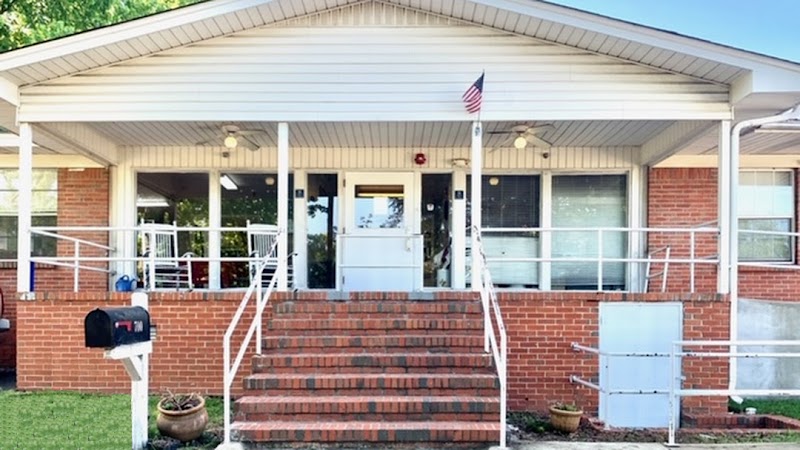
How is Caregivers Of Pleasant Grove, Inc Staffed?

CMS rates CAREGIVERS OF PLEASANT GROVE, INC's staffing level at 3 out of 5 stars, which is average compared to other nursing homes. Staff turnover is 54%, compared to the Alabama average of 46%.

What Have Inspectors Found at Caregivers Of Pleasant Grove, Inc?

State health inspectors documented 9 deficiencies at CAREGIVERS OF PLEASANT GROVE, INC during 2018 to 2021. These included: 8 with potential for harm and 1 minor or isolated issues.
Who Owns and Operates Caregivers Of Pleasant Grove, Inc?

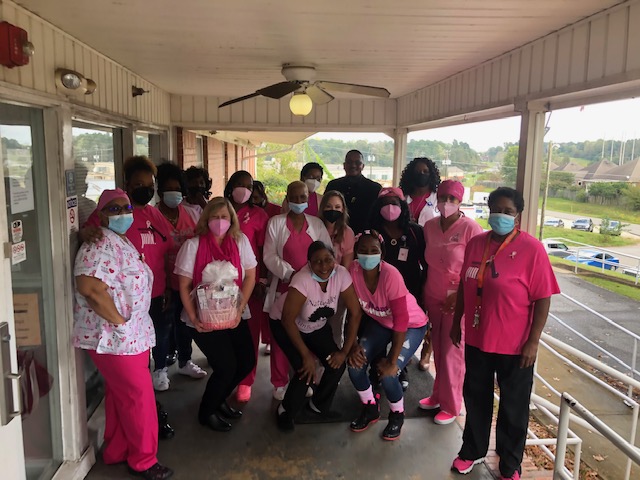
CAREGIVERS OF PLEASANT GROVE, INC is owned by a for-profit company. For-profit facilities operate as businesses with obligations to shareholders or private owners. The facility operates independently rather than as part of a larger chain. With 64 certified beds and approximately 54 residents (about 84% occupancy), it is a smaller facility located in PLEASANT GROVE, Alabama.
How Does Caregivers Of Pleasant Grove, Inc Compare to Other Alabama Nursing Homes?

Compared to the 100 nursing homes in Alabama, CAREGIVERS OF PLEASANT GROVE, INC's overall rating (1 stars) is below the state average of 2.9, staff turnover (54%) is near the state average of 46%, and health inspection rating (2 stars) is below the national benchmark.

What Should Families Ask When Visiting Caregivers Of Pleasant Grove, Inc?

Based on this facility's data, families visiting should ask: "Can I visit during a mealtime to observe dining assistance and food quality?" "How do you handle medical emergencies, and what is your hospital transfer rate?" "Can I speak with family members of current residents about their experience?"

Is Caregivers Of Pleasant Grove, Inc Safe?

Based on CMS inspection data, CAREGIVERS OF PLEASANT GROVE, INC has a clean safety record: no substantiated abuse findings (meaning no confirmed cases of resident harm), no Immediate Jeopardy citations (the most serious violation level indicating risk of serious injury or death), and is not on the Special Focus Facility watch list (a federal program monitoring the lowest-performing 1% of nursing homes). The facility has a 1-star overall rating and ranks #100 of 100 nursing homes in Alabama. While no facility is perfect, families should still ask about staff-to-resident ratios and recent inspection results during their visit.

Do Nurses at Caregivers Of Pleasant Grove, Inc Stick Around?

CAREGIVERS OF PLEASANT GROVE, INC has a staff turnover rate of 54%, which is 8 percentage points above the Alabama average of 46%. Moderate turnover is common in nursing homes, but families should still ask about staff tenure and how the facility maintains care continuity when employees leave.

Was Caregivers Of Pleasant Grove, Inc Ever Fined?

CAREGIVERS OF PLEASANT GROVE, INC has no federal fines on record. CMS issues fines when nursing homes fail to meet care standards or don't correct problems found during inspections. The absence of fines suggests the facility has either maintained compliance or corrected any issues before penalties were assessed. This is a positive indicator, though families should still review recent inspection reports for the full picture.

Is Caregivers Of Pleasant Grove, Inc on Any Federal Watch List?

CAREGIVERS OF PLEASANT GROVE, INC is not on any federal watch list. The most significant is the Special Focus Facility (SFF) program, which identifies the bottom 1% of nursing homes nationally based on persistent, serious quality problems. Not being on this list means the facility has avoided the pattern of deficiencies that triggers enhanced federal oversight. This is a positive indicator, though families should still review the facility's inspection history directly.