LEGACY HEALTH AND REHABILITATION OF PLEASANT GROVE
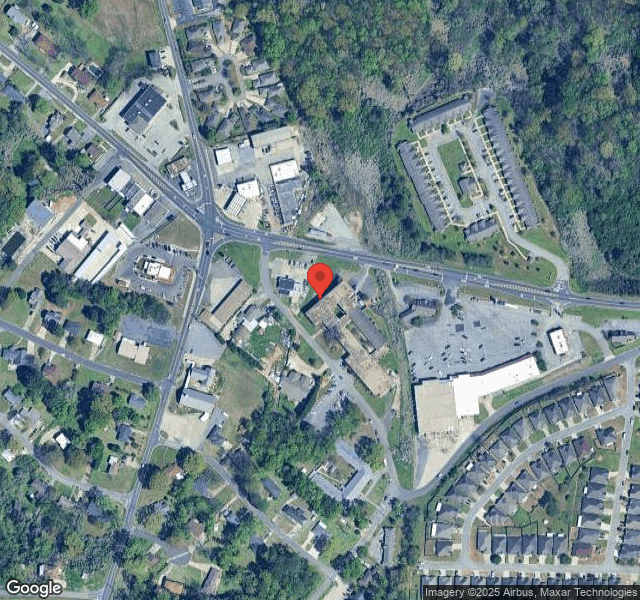
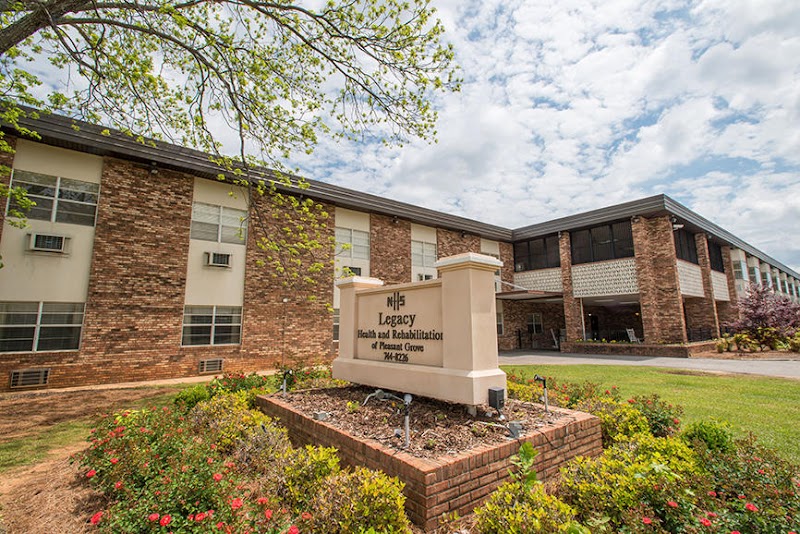
30 7TH STREET, PLEASANT GROVE, AL 35127 (205) 744-8226
For profit - Corporation 189 Beds NHS MANAGEMENT Data: November 2025
Trust Grade
45/100
#205 of 223 in AL
Last Inspection: February 2022

Over 2 years since last inspection. Current conditions may differ from available data.

Overview

Legacy Health and Rehabilitation of Pleasant Grove has received a Trust Grade of D, indicating below-average performance with some significant concerns. It ranks #205 out of 223 nursing homes in Alabama, placing it in the bottom half of facilities statewide, and #28 out of 34 in Jefferson County, meaning there are very few local options that are better. The facility is worsening, with issues increasing from 5 in 2019 to 8 in 2022. Staffing is relatively strong, rated 4 out of 5 stars, but the turnover rate of 51% is average for Alabama. Notably, there have been no fines, which is a positive aspect, but there is concerningly less RN coverage than 89% of state facilities, which could affect the quality of care. Specific incidents noted in recent inspections include failure to properly dispose of garbage, which could pose health risks, and cross-contamination issues in the kitchen that might affect food safety for residents. Additionally, dietary staff were found to be using dirty cloths to handle sanitized pots, and there were concerns about the dish machine not reaching the required temperatures for sanitation. Overall, while there are some strengths, particularly in staffing, the facility has serious weaknesses that families should consider carefully.

Trust Score
D
45/100
In Alabama
#205/223
Bottom 9%
Safety Record
Low Risk
No red flags
Inspections
Getting Worse
5 → 8 violations
Staff Stability
⚠ Watch
51% turnover. Above average. Higher turnover means staff may not know residents' routines.
Penalties
✓ Good
No fines on record. Clean compliance history, better than most Alabama facilities.
Skilled Nurses
⚠ Watch
Each resident gets only 29 minutes of Registered Nurse (RN) attention daily — below average for Alabama. Fewer RN minutes means fewer trained eyes watching for problems.
Violations
⚠ Watch
18 deficiencies on record. Higher than average. Multiple issues found across inspections.
★☆☆☆☆
1.0
Overall Rating
★★★★☆
4.0
Staff Levels
★★☆☆☆
2.0
Care Quality
★☆☆☆☆
1.0
Inspection Score
Stable
2019: 5 issues
2022: 8 issues

The Good

  • 4-Star Staffing Rating · Above-average nurse staffing levels
  • Full Sprinkler Coverage · Fire safety systems throughout facility
  • No fines on record

Facility shows strength in staffing levels, fire safety.

The Bad

1-Star Overall Rating

Below Alabama average (2.9)

Significant quality concerns identified by CMS

Staff Turnover: 51%

Near Alabama avg (46%)

Higher turnover may affect care consistency

Chain: NHS MANAGEMENT

Part of a multi-facility chain

Ask about local staffing decisions and management

The Ugly 18 deficiencies on record

Feb 2022 8 deficiencies
CONCERN (D)

Potential for Harm - no one hurt, but risky conditions existed

Deficiency F0553 (Tag F0553)

Could have caused harm · This affected 1 resident

**NOTE- TERMS IN BRACKETS HAVE BEEN EDITED TO PROTECT CONFIDENTIALITY** Based on interviews, record review, and review of a facility policy titled, Person Centered Care Plans, the facility failed to e...

Read full inspector narrative →
**NOTE- TERMS IN BRACKETS HAVE BEEN EDITED TO PROTECT CONFIDENTIALITY** Based on interviews, record review, and review of a facility policy titled, Person Centered Care Plans, the facility failed to ensure Resident Identifier (RI) #83 was invited to participate in care plan meetings. The deficient practice affected RI #83, one of one resident sampled for care plan meetings. Findings include: A review of facility policy titled, Person Centered Care Plans, with an effective date of 08/15/2018, revealed: . b. When the resident/guest is unable to participate in the care plan meeting (due to illness or cognitive impairments) the resident/guest(s) family members should be encouraged to attend, in behalf of the resident/guest, as permitted by the resident/guest. Family participation should be recorded in the EMR [electronic medical record] . II. Preparation for Care Plan Committee Meetings . c. The Social Service, or other designee, should inform the resident/guest and families of the scheduled meeting . A quarterly Minimum Data Set (MDS) assessment, with an Assessment Reference Date (ARD) of 12/27/2021, revealed RI #83 was admitted to the facility on [DATE] and had diagnoses to include Cerebrovascular Accident (CVA; stroke). Per the MDS, RI #83 had a Brief Interview for Mental Status (BIMS) score of 13 out of 15, indicating the resident was cognitively intact. On 02/08/2022 at 1:59 PM, RI #83 stated he/she had been at the facility for years but had not been to a care plan meeting. The resident's chart was reviewed, and the most recent care plan attendance form signed by RI #83 (indicating participation in the care plan meeting) was dated 07/11/2017. On 02/11/2022 at 12:15 PM, the surveyor conducted an interview with Employee Identifier (EI) #36, MDS Coordinator. EI #36 stated the last care plan meeting for RI #83 was held on 10/13/2020. EI #36 stated cognitively intact residents and residents who got out of bed were invited to care plan meetings. EI #36 stated RI #83 was not invited to the 10/13/2020 care plan meeting because RI #83 did not like to get out of bed. On 02/11/2022 at 12:27 PM, during a follow-up conversation with RI #83, RI #83 stated he/she would get out of bed to attend a care plan meeting. On 02/11/2022 at 1:21 PM, the surveyor conducted an interview with EI #2, Director of Nursing. The surveyor asked EI #2 if residents should be invited to care plan meetings. EI #2 stated all residents should be invited to their care plan meetings. EI #2 stated if RI #83 did not want to get out of bed but wanted to attend the meeting, the resident could be called on a cell phone or staff should have held the meeting in the resident's room.
CONCERN (D)

Potential for Harm - no one hurt, but risky conditions existed

ADL Care (Tag F0677)

Could have caused harm · This affected 1 resident

**NOTE- TERMS IN BRACKETS HAVE BEEN EDITED TO PROTECT CONFIDENTIALITY** Based on medical record review, interviews, observations, and review of a facility policy titled, Hygiene and Grooming, the faci...

Read full inspector narrative →
**NOTE- TERMS IN BRACKETS HAVE BEEN EDITED TO PROTECT CONFIDENTIALITY** Based on medical record review, interviews, observations, and review of a facility policy titled, Hygiene and Grooming, the facility failed to ensure Resident Identifier (RI) #52 received assistance with personal grooming. This deficient practice affected RI #52, one of two residents sampled for activities of daily living. Findings include: A review of a facility policy titled, Hygiene and Grooming, with an effective date of 10/01/2010, revealed, Guidelines for the provision of hygiene and grooming services are . Shaving daily or as needed. RI #52 was admitted to the facility on [DATE] and readmitted on [DATE] with diagnoses to include Adjustment Disorder with Depressed Mood, Unspecified Dementia Without Behavioral Disturbance, Gastrostomy Status, and Unspecified Anxiety Disorder. RI #52's significant change Minimum Data Set (MDS) assessment, dated 12/01/2021, revealed RI #52 had severely impaired decision-making skills and was totally dependent on one staff member for personal hygiene tasks. A review of the resident's Care Plan, with a start date of 04/12/2017, indicated RI #52 required staff assistance with all activities of daily living (ADLs), with interventions that directed nursing assistants to Assist with hair, brushing teeth/oral care, shaving, and nail care. On 02/08/2022 at 10:55 AM, RI #52 was lying in bed, with the head of the bed elevated. The resident had facial hair that was approximately a half inch long and the resident's hair appeared greasy. On 02/09/2022 at 3:58 PM, there was no change in the appearance of RI #52 from the previous day. On 02/10/2022 at 6:02 AM, Employee Identifier (EI) #7, Certified Nursing Assistant (CNA), stated they had just provided personal hygiene care to RI #52. At that time, EI #7 and the surveyor entered RI #52's room. EI #7 stated that CNAs were responsible for shaving the resident and that the resident needed to be shaved. On 02/10/2022 at 6:15 AM, EI #6, Licensed Practical Nurse, stated that ADL care should be completed by the CNAs and shaving should be done on the resident's bath/shower day. EI #7 stated RI #52 was on a Tuesday/Thursday/Saturday bath schedule, but then noted that hospice staff provided ADL care to RI #52. EI #7 stated that if hospice staff did not provide the care, then the CNAs were responsible. EI #7 stated she did see the resident that morning and the resident did need to be shaved. On 02/10/2022 at 11:54 AM, an ADL flow chart for the last two months for RI #52 that would contain documentation of grooming for the resident was requested of EI #1, Administrator. EI #1 stated there were no ADLs charted for RI #52. EI #1 stated hospice bathed RI #52, but the CNAs were responsible for shaving the residents if hospice did not provide the care. On 02/11/2022 at 10:57 AM, EI #2, Director of Nursing, stated that all nursing staff should take care of the resident's ADL care and confirmed RI #52 was totally dependent on staff for such care. EI #2 stated the resident should not have had the facial hair.
CONCERN (D)

Potential for Harm - no one hurt, but risky conditions existed

Tube Feeding (Tag F0693)

Could have caused harm · This affected 1 resident

**NOTE- TERMS IN BRACKETS HAVE BEEN EDITED TO PROTECT CONFIDENTIALITY** Based on medical record review, interviews, observations, and review of a facility policy titled, Enteral Tube Administration, t...

Read full inspector narrative →
**NOTE- TERMS IN BRACKETS HAVE BEEN EDITED TO PROTECT CONFIDENTIALITY** Based on medical record review, interviews, observations, and review of a facility policy titled, Enteral Tube Administration, the facility failed to ensure Employee Identifier (EI) #4, a Licensed Practical Nurse (LPN), did not manually use the plunger of a syringe to force medications into Resident Identifier (RI) #34's percutaneous endoscopic gastrostomy tube during medication administration on 02/10/2022. This deficient practice affected RI #34, one of one resident observed receiving medications via percutaneous endoscopic gastrostomy tube during medication pass observations Findings include: A review of a facility policy titled, Enteral Tube Administration, dated 03/2011, revealed, .Medications are administered via feeding tube in a safe and accurate manner when the resident is unable to take medication by mouth. The policy did not indicate to manually push medication or water flushes with the plunger of the syringe. RI #34 was admitted to the facility on [DATE] with diagnoses to include Dysphagia, Polyneuropathy, Acute Kidney Failure, Aphasia, and Gastrostomy Status. RI #34's quarterly Minimum Data Set (MDS) assessment, dated 11/15/2021, revealed a Brief Interview for Mental Status (BIMS) score of 12 out of 15, which indicated the resident had moderate cognitive impairment. The MDS also identified RI #34 had a feeding tube for nutrition. A review of RI #34's Physician Orders for the month of February 2022 indicated that the resident was to receive the following ten medications on a daily basis via percutaneous endoscopic gastrostomy (PEG; also called G-tube) tube (a feeding tube to the stomach used to provide liquids, such as fluids and medicine), which were administered during the morning medication pass: Paxil 40 milligram (mg), give one tablet Potassium chloride 10% 20 milliequivalent (MEQ) per 15 milliliters (mL), give 15 mL Amlodipine 10 mg, give one tablet Vitamin C 1000 mg, give one tablet Aspirin 81 mg, give one tablet Atorvastatin 40 mg, give one tablet Vitamin D3 1000 (International Units) IU Famotidine 20 mg, give one tablet Zinc sulfate 220 mg, give one capsule Hydralazine 50 mg, give one tablet During the 8:00 AM to 9:00 AM medication pass on 02/10/2022, EI #4, LPN, provided RI #34's ten crushed medications via G-tube. EI #4 crushed each of the ten medications separately and placed each crushed medication into individual medication cups. EI #4 placed each individual medication in a syringe and flushed with 5 millimeter (mL) of room temperature water during each administration. None of the flushes were allowed to flow via gravity but, instead, were forced via the plunger that goes inside of the syringe. On 02/11/2022 at 11:12 AM, EI #2, Director of Nursing, stated that G-tube medications should be administered separately, and should be provided via gravity in the syringe. EI #2 stated the plunger should not be used to manually force anything down the tube, as it could potentially cause various complications.
CONCERN (D)

Potential for Harm - no one hurt, but risky conditions existed

Medication Errors (Tag F0758)

Could have caused harm · This affected 1 resident

**NOTE- TERMS IN BRACKETS HAVE BEEN EDITED TO PROTECT CONFIDENTIALITY** Based on observations, interviews, record review, and review of a policy titled, Medication Monitoring Antipsychotics, the facil...

Read full inspector narrative →
**NOTE- TERMS IN BRACKETS HAVE BEEN EDITED TO PROTECT CONFIDENTIALITY** Based on observations, interviews, record review, and review of a policy titled, Medication Monitoring Antipsychotics, the facility failed to monitor behaviors for Resident Identifier (RI) #45 who was receiving the psychotropic medication Seroquel (antipsychotic). This deficient practice affected RI #45, one of seven residents reviewed for psychotropic medication use and behavior monitoring. Findings include: A review of the facility policy, Medication Monitoring Antipsychotics, dated 03/2011, revealed, .Policy Antipsychotic medications are monitored and dosages evaluated in an effort to ensure the resident receives the lowest effective dose with minimal side effects. Procedures: 1. Antipsychotics are given only if the resident has been diagnosed with one of the following indications .and the diagnosis is documented in the medical record . l. Dementing illness with associated behaviors . 2. In addition, the use of an antipsychotic must meet at least one of the following criteria: A. The symptoms are deemed as being due to mania or psychosis . B. The behavioral symptoms present a danger to the resident or to others; C. The symptoms are significant enough that the resident is experiencing one or more of the following: inconsolable or persistent distress (e.g., fear, continuously yelling, screaming, distress associated with end-of-life, crying); a significant decline in functioning; and/or substantial difficulty receiving needed care (e.g., not eating resulting in weight loss, not bathing leading to skin breakdown or infection. 3. Residents who receive antipsychotic medications for behaviors must have them qualitatively and objectively documented. The behavioral symptoms should be reevaluated periodically to determine effectiveness of the antipsychotic and the potential for reducing or discontinuing the dose . A review of RI #45's Face Sheet revealed RI #45 was originally admitted to the facility on [DATE]. Diagnoses listed included Adult Failure to Thrive, Unspecified Dementia with Behavioral Disturbances, and Adjustment Disorder with Depressed Mood. A review of RI #45's care plan, with a start date of 08/23/2021 and last reviewed on 11/27/2021, revealed RI #45 exhibited behaviors and would make false allegations against staff. Interventions included to place resident in an area where frequent observation is possible, talk in a calm voice when behavior is disruptive, refer to social services for evaluation, remove from public area when behavior is disruptive and unacceptable, praise for demonstrating desired behavior, discuss options for appropriate channeling of anger, approach wandering resident in a positive, calm, and accepting manner, administer behavior medications as ordered by physician, identify causes for behaviors and reduce factors that may provoke behaviors, observe and document target behaviors, when the resident becomes combative, leave and try to reapproach later. All interventions were started on 08/23/2021. A review of RI #45's significant change Minimum Data Set (MDS), dated [DATE], indicated a Brief Interview for Mental Status score of 9 out of 15, indicating moderate cognitive impairment. Per the MDS, medications taken in the last seven days included seven days of antipsychotics. This assessment also indicated RI #45 had no behaviors exhibited during the assessment period. Further review of RI #45's MDS data revealed RI #45 was discharged to the hospital with return anticipated on 01/26/2022 and was readmitted to the facility on [DATE]. A review of RI #45's January 2022 Physician Orders included orders for one 25 milligram (mg) tablet of Seroquel (antipsychotic) by mouth every evening for dementia with behaviors. This was started on 01/29/2022. The orders did not indicate any specific targeted behaviors. RI #45's nurse's notes from January 2022 to February 2022 were reviewed. There was no documentation or mention of behaviors or behavior monitoring. However, it was noted that prior to the resident's discharge to the hospital on 1/26/2022, RI #45 was receiving Seroqueal and behavior monitoring was being documented on the Medication Administration Record (MAR) up until the time of discharge. A review of the MAR for February 2022 revealed behavior monitoring had not been re-started since RI #45's readmission to the facility on [DATE]. On 02/11/2022 at 11:21 AM, in an interview with EI #3, the Assistant Director of Nursing, EI #3 confirmed there was no behavioral monitoring for RI #45 at this time. EI #3 stated they would expect someone on Seroquel to have behavioral monitoring. On 02/11/2022 at 1:10 PM, in an interview with EI #4, a Licensed Practical Nurse, EI #4 said if a resident was on a medication for behaviors, the behaviors would be recorded on the MAR, Treatment Administration Record (TAR), or in the nurse's notes. EI #4 further stated the physician orders would include the reason as to why a resident was on a psychotropic medication. On 02/11/2022 at 1:33 PM, in an interview with EI #2, the Director of Nursing, EI #2 stated the facility should monitor for behaviors since RI #45 took Seroquel. EI #2 indicated RI #45 had been taking Seroquel for a while for dementia with behaviors. EI #2 stated they didn't expect behaviors from RI #45, but they did normally monitor behaviors on the MAR each shift. EI #2 confirmed there was no behavior monitoring for RI #45. On 02/11/2022 at 2:25 PM, in an interview with EI #1, the Administrator, EI #1 stated the expectation was that behaviors should be noted in the medical record.
CONCERN (E)

Potential for Harm - no one hurt, but risky conditions existed

Safe Environment (Tag F0584)

Could have caused harm · This affected multiple residents

**NOTE- TERMS IN BRACKETS HAVE BEEN EDITED TO PROTECT CONFIDENTIALITY** Based on record review, interviews, and observations, the facility failed to ensure: 1. Resident Identifier (RI) #107's electric...

Read full inspector narrative →
**NOTE- TERMS IN BRACKETS HAVE BEEN EDITED TO PROTECT CONFIDENTIALITY** Based on record review, interviews, and observations, the facility failed to ensure: 1. Resident Identifier (RI) #107's electrical outlet was repaired, which had detached from the wall and was hanging by electrical wire approximately one to two feet from the resident while in bed; and 2. a handrail between a resident room and the linen room was securely affixed to the wall. This deficient practice affected one of 42 sampled residents and was observed with handrails located on one of four units in the facility. Findings include: 1. Resident Identifier (RI) #107 was admitted to the facility on [DATE]. The quarterly Minimum Data Set (MDS), dated [DATE], revealed the Staff Assessment for Mental Status indicated the resident had severely impaired decision-making skills. On 02/08/2022 at 11:08 AM, observation revealed RI #107's electrical outlet close to the bed was sticking out of the wall. On 02/10/2022 at 10:56 AM, EI #27, Maintenance and Environmental Services Director, observed RI #107's room. At that time, EI #27 stated he did not know about the exposed plug. On 02/11/2022 at 1:44 PM, EI #1, Administrator, stated all staff are responsible for reporting identified concerns to EI #27 so maintenance can address them. 2. During an observation on 02/08/2022 at 2:18 PM, the handrail between room [ROOM NUMBER] and the linen room was loose on the linen room side. During an observation on 02/09/2022 at 1:08 PM, the handrail between room [ROOM NUMBER] and the linen room continued to be broken on the end towards the linen room and could be moved two inches down, four inches up, and two inches away from the wall. During an interview and facility tour on 02/11/2022 at 9:46 AM with EI #27, the Maintenance and Environmental Services Director, EI #27 stated handrails were checked approximately every one and a half months. EI #27 did not know the handrail by the linen room was broken but when it was observed, he stated he could see it flopping from five feet away. EI #27 stated the housekeepers usually told him when things needed to be fixed, but it was typically light bulbs and items like that, not handrails.
CONCERN (E)

Potential for Harm - no one hurt, but risky conditions existed

Unnecessary Medications (Tag F0759)

Could have caused harm · This affected multiple residents

**NOTE- TERMS IN BRACKETS HAVE BEEN EDITED TO PROTECT CONFIDENTIALITY** Based on observations, interviews, record review, and review of a facility policy titled, Medication Administration - General Gu...

Read full inspector narrative →
**NOTE- TERMS IN BRACKETS HAVE BEEN EDITED TO PROTECT CONFIDENTIALITY** Based on observations, interviews, record review, and review of a facility policy titled, Medication Administration - General Guidelines, the facility failed to maintain a medication error rate less than 5%. There were 3 errors in 26 opportunities, which resulted in a 11.54% medication error rate involving Resident Identifier (RI) #59 and RI #93 during medication pass. Specifically, the facility failed to ensure: 1. RI #59 received a multivitamin and chewable aspirin as ordered by the physician; and 2. RI #93 received the correct dilution of an intravenous medication. This deficient practice affected RI #59 and RI #93, two of seven residents observed during medication pass. Findings included: A review of a facility policy titled, Medication Administration - General Guidelines, dated 03/2011, revealed, .Procedures . 2. Medications are administered in accordance with written orders of the attending physician . 1. RI #59 was admitted to the facility on [DATE] with diagnoses to include Essential Hypertension. RI #59's February 2022 Physician Orders included an order dated 06/03/2021 for one multivitamin tablet orally daily and a chewable, 81 milligram (mg) aspirin tablet orally daily. On 02/10/2022 at 11:10 AM, the surveyor observed Employee Identifier (EI) #22, Licensed Practical Nurse, during medication administration pass for RI #59. EI #22 gave RI #59 multiple medications to swallow, including a multivitamin with iron tablet and an enteric-coated, 81 mg tablet of aspirin. During an interview on 02/10/2022 at 2:02 PM, EI #2, Director of Nursing, was asked if an enteric-coated 81 mg tablet of aspirin was the same as a chewable 81 mg tablet of aspirin. EI #2 stated they were not the same. EI #2 was asked if a multivitamin was the same medication as a multivitamin with iron. EI #2 stated it was not the same medication. During a follow-up interview with EI #2, the Director of Nursing, on 02/11/2022 at 02:22 PM, EI #2 was asked about her expectations when nurses passed medications to residents. EI #2 stated she expected staff to check the orders and to check the medication. During an interview on 02/11/2022 at 01:52 PM, EI #1, Administrator, was asked about her expectations when nurses passed medications to residents. EI #1 stated she expected staff to follow physician orders when administering medications. 2. RI #93 was admitted to the facility on [DATE] with diagnoses including Psoas Muscle Abscess (collection of pus in the primary hip flexor muscle compartment of the back) and Wedge Compression Fracture of Lumbar Vertebrae (a fracture that usually occurs in the front of the vertebra, collapsing the bone in the front of the spine and leaving the back of the same bone unchanged creating a wedge shape). A review of RI #93's Physician Orders for February 2022 revealed the resident had an order for Vancomycin 1.5 grams (gm) per 300 milliliter (mL) bag per peripherally inserted central catheter (PICC) line twice daily for eight weeks, with a start date of 12/31/2021. On 02/10/2022 at 9:54 AM, Employee Identifier (EI) #3, Infection Preventionist/Assistant Director of Nursing, showed the surveyor the infusion pump (medical device used for infusing medication intravenously) for RI #93 that was labeled as Vancomycin 1.5gm/250mL NS (normal saline) to be provided over 90 minutes with a pressurized bulb. On 02/10/2022 at 3:36 PM, the local pharmacy was called to clarify the order. Licensed Pharmacist #1 stated they received the Vancomycin order on 12/31/2021 and had filled the order numerous times. Licensed Pharmacist #1 stated the order had not changed and that providing the Vancomycin in 300 mL versus 250 mL would only change the volume. He further stated the resident would receive the same amount of Vancomycin. At that time, the call was transferred to Licensed Pharmacist #2, who specialized in intravenous medications. Licensed Pharmacist #2 stated the medication was compounded at the pharmacy, but there was not a 300 mL bag for the compounded product. Licensed Pharmacist #2 explained the resident was receiving the right dose of Vancomycin at 1.5 gm, but not the sufficient volume. On 02/11/2022 at 11:12 AM, EI #2, Director of Nursing, stated that if the medication did not match the order, the nursing staff should have caught that when it was delivered. EI #2 stated the nursing staff should have clarified the physician order with the pharmacy. On 02/11/2022 at 1:48 PM, EI #1, Administrator, stated that nursing staff should follow physician's orders, and they should clarify orders with the physician before administering the medication if there are any discrepancies.
CONCERN (E)

Potential for Harm - no one hurt, but risky conditions existed

Deficiency F0886 (Tag F0886)

Could have caused harm · This affected multiple residents

Based on observations, interviews, and review of an Abbott BinaxNOW COVID-19 Ag procedure card, the facility failed to ensure proper administration of the COVID-19 test for Employee Identifier (EI) # ...

Read full inspector narrative →
Based on observations, interviews, and review of an Abbott BinaxNOW COVID-19 Ag procedure card, the facility failed to ensure proper administration of the COVID-19 test for Employee Identifier (EI) # 27, the Maintenance and Environmental Services Director, on 02/08/2022, when the result of his COVID-19 testing card was interpreted as negative before completion of the 15 minute required testing time-frame. This was observed during one of three observations of staff performing COVID-19 testing. Findings include: A review of an Abbott BinaxNOW COVID-19 Ag procedure card directed the user, in part, to Peel off adhesive liner from the right edge of the test card. Close and securely seal the card. Read result in the window 15 minutes after closing the card. In order to ensure proper test performance, it is important to read the result promptly at 15 minutes, and not before. Results should not be read after 30 minutes. On 02/08/2022 at 8:47 AM., the surveyor observed EI #27, Maintenance and Environmental Services Director, walk up to a table and retrieve testing packages out of a box labeled Abbott COVID Ag Card. The surveyor observed EI #27 place six drops of solution on a card, swab both nares, place the swab in the card, and close it. EI #27 walked away from the table and went down the hallway. Five minutes later, at 8:52 AM, EI #27 walked back to the table, completed his sheet for the test, placed it in a box, and threw his test in the trash. An interview with EI #1, Administrator, was conducted on 02/08/2022 at 11:42 AM. EI #1 said the corporate decision was to test staff daily while they were in outbreak, though there was no associated policy that stated that frequency of testing was required. EI #1 stated staff should wait the full 15 minutes to read the COVID-19 test or the result could be wrong. An interview was conducted on 02/08/2022 at 01:39 PM. EI #27 was asked to walk the surveyor through the process of what happened when he arrived to work that morning. EI #27 stated he came in and got his temperature taken and went over to the table to do his COVID test. EI #27 said while his test was running, he went to clock in, then went to answer a question at the nurses' station. He said by the time he did all that it had been about 15 minutes and came back and placed his test paper in the box. Per EI #27,if staff are comfortable doing it, they are allowed to read their own tests. An interview was conducted on 02/08/2022 at 2:57 PM. EI #3, Assistant Director of Nursing/Infection Preventionist, was asked to walk through the process when an employee arrived to work. EI #3 stated the employee came in and got their temperature checked, clocked in, and came back to have a COVID-19 test. EI #3 was asked where the time clock was located. EI #3 stated it was down the hallway by the nurses' station (when two surveyors walked the distance between the front door and the time clock, the time clock was noted to be approximately 70 feet from the front door). Per EI #3, staff did not have any patient interaction during the process. EI #3 stated the test should not be read before 15 minutes had elapsed. An interview was conducted on 02/11/2022 at 2:27 PM. EI #2, Director of Nursing, stated there was an expectation that staff performed COVID-19 tests correctly and waited the 15 minutes before results were read. Per EI #2, staff should be monitored to ensure that the tests were being done correctly. An interview was conducted on 02/11/2022 at 3:00 PM. EI #1, Administrator, stated there was an expectation that staff completed the COVID-19 test correctly and waited the 15 minutes before the results were read.
CONCERN (F)

Potential for Harm - no one hurt, but risky conditions existed

Garbage Disposal (Tag F0814)

Could have caused harm · This affected most or all residents

Based on observations, interviews, and review of the facility policies titled, Sanitation Principles and Garbage and Refuse, the facility failed to dispose of garbage and refuse in a sanitary method a...

Read full inspector narrative →
Based on observations, interviews, and review of the facility policies titled, Sanitation Principles and Garbage and Refuse, the facility failed to dispose of garbage and refuse in a sanitary method and in accordance with their policy. This deficient practice had the potential to affect all residents and staff in the facility. Findings include: A review of the dietary policy titled, Sanitation Principles, dated 08/10/2018, revealed: .Refuse containers and dumpsters outside the nursing facility should have tight fitting lids and should be kept covered when not actually being loaded. The areas around the dumpster should be kept free of debris . A review of the dietary policy titled, Garbage and Refuse, dated 02/01/2002, revealed: .Dumpsters should be emptied according to the facility contract; garbage should not accumulate or be left outside the dumpster . Per the policy, The schedule for garbage pick-up should be revised, as needed, based on the volume of refuse. During the initial tour of the kitchen, on 02/08/2022 at 9:23 AM, the surveyor observed the single dumpster on the facility grounds. Employee Identifier (EI) #14, Dietary Manager, was with the surveyor. The area around the dumpster had garbage on the ground, including disposable trays, bowls, and cups, plastic utensils, gloves, and two wooden pallets as well as wood from approximately five broken-down pallets. There were also multiple boxes on the ground which had been broken down. A bag of garbage was observed behind the dumpster on the ground by the fence. On 02/09/2022 at 8:37 AM, another observation of the dumpster revealed there were two boxes and three bags of garbage on the ground, and the top of the dumpster contained at least six bags of garbage, with one side of the dumpster lid open. The door on the far side of the dumpster was opened about four to six inches. EI #14 stated that EI #27, Maintenance and Environmental Services Director, had been contacted and would be calling the company to get an additional pickup scheduled for that day. Per EI #14, garbage had been picked up the prior morning on 02/08/2022 (a Tuesday). According to EI #14, the usual trash pick-up days were Tuesday and Thursday. On 02/09/2022 at 9:38 AM, EI #27 stated that trash from the dumpsters was to be picked up that day. EI #27 stated the dumpster company picked up trash every Monday, Tuesday, Thursday, and Friday. At 4:38 PM on 02/09/2022, an observation revealed that the amount of trash on the ground had increased from earlier in the day. The dumpster had not been emptied. There were now more boxes on the side of the dumpster away from the building as well as more bags on top and beside the dumpster on the ground nearest the building. On 02/10/2022 at 7:38 AM upon arriving to the facility, observations revealed the garbage had still not been emptied. EI #1, the Administrator, approached the surveyor at 7:49 AM on 02/10/2022 and stated that they were trying to get in touch with the dumpster company to see about getting an additional dumpster. She stated she had not considered that an option until mentioned by EI #17, Corporate Registered Dietitian, on 02/09/2022. EI #1 stated that they would have to determine if there was enough space to add another dumpster. The surveyor went out to the dumpster with EI #14 at 8:03 AM on 02/10/2022 and found that the door to the dumpster on the side nearest the facility was open with a bag of trash partially out of the door. The dumpster was full to overflowing with trash and there were still multiple bags and boxes on the ground as well as the dumpster lid on top being swung open with approximately 20 bags of garbage on top of the open lid. There were approximately 15 bags and boxes on the ground beside the dumpster. There was also a red trash can (no biohazards were inside) filled with garbage, also outside of the dumpster. At 8:28 AM on 02/10/2022, a truck arrived to remove the trash from the dumpster. The trash truck driver stated that he had to shake the dumpster to compact the trash on top and in the dumpster because he could not empty the dumpster until all the bags were in the dumpster. He further stated that, otherwise, the bags would drop onto the top of the truck and then fall onto the road as the truck was driven to the next pickup. The driver did not get out of the truck and only took the garbage that was inside the dumpster and did not take anything that was on the ground. The driver stated that usual pick-up dates for this location were Monday, Tuesday, Thursday, and Friday, and affirmed that there was usually this much garbage. The driver stated there were usually bags of garbage on the ground, as well as bags on top of the dumpster lid.
Jul 2019 5 deficiencies
CONCERN (D)

Potential for Harm - no one hurt, but risky conditions existed

Assessment Accuracy (Tag F0641)

Could have caused harm · This affected 1 resident

**NOTE- TERMS IN BRACKETS HAVE BEEN EDITED TO PROTECT CONFIDENTIALITY** Based on record review, interview and a document titled RAI (Resident Assessment Instrument) Version 3.0 Manual the facility fai...

Read full inspector narrative →
**NOTE- TERMS IN BRACKETS HAVE BEEN EDITED TO PROTECT CONFIDENTIALITY** Based on record review, interview and a document titled RAI (Resident Assessment Instrument) Version 3.0 Manual the facility failed to ensure Resident Identifier (RI) # 168's Annual Minimum Data Set (MDS) assessment with an Assessment Reference Date (ARD) of 3/11/19 accurately reflected the residents level of assistance needed with transfers. This affected RI # 168, one of 31 sampled residents for whom MDS assessments were reviewed. Findings Include: RI #168 was admitted to the facility on [DATE]. A review of a document titled RAI Version 3.0 Manual documented the following: .G0110:Activities of Daily Living (ADL) Assistance .Code 4, total dependence: if there was full staff performance of an activity with no participation by resident for any aspect of the ADL activity and the activity occurred three or more times. The resident must be unwilling or unable to perform any part of the activity over the entire 7-day look-back period . RI # 168's Annual MDS with an ARD of 3/11/19 documented the following: .Section G - Functional Status .G0110B1: Transfer: Self-performance .4. Total dependence-Full staff performance every time during entire 7-day period . On 7/1/19 at 2:51 p.m., Employee Identifier (EI) #13, a Certified Nursing Assistant assigned to RI #168, stated RI #168 had always required only one person for transfers because he/she was able to assist with the transfer. On 7/1/19 at 3:00 p.m., EI #14, the Rehab Director was interviewed. EI #14 referenced a Functional Maintenance Plan (FMP) for RI #168, dated 4/19/19, and stated RI #168 only required one person assist for transfers. EI #14 further stated RI #168 had the upper body strength to assist with transfers. An interview was completed EI # 12, Registered Nurse (RN)/MDS Coordinator on 7/1/19 at 3:45 p.m EI # 12 was asked why the 3/11/19 MDS coded RI # 168 as total dependence with transfers. EI # 12 stated it was a data entry mistake. EI # 12 was asked why RI # 168 was not total dependence for transfers. EI # 12 stated she reviewed the previous MDS and did not see anything in the ADL documentation or nursing notes that made him/her total dependence with transfers. EI #12 was asked if the 3/11/19 MDS for RI # 168 was coded correctly. EI # 12 stated section G was not coded correctly because he/she was not total dependence with transfers. EI # 12 was asked why the MDS should be accurate. EI # 12 stated because it needs to reflect the resident's ability.
CONCERN (D)

Potential for Harm - no one hurt, but risky conditions existed

Comprehensive Care Plan (Tag F0656)

Could have caused harm · This affected 1 resident

**NOTE- TERMS IN BRACKETS HAVE BEEN EDITED TO PROTECT CONFIDENTIALITY** Based on record review, interview, review of a policy tilted Person Centered Care Plans and review of a facility document tilted...

Read full inspector narrative →
**NOTE- TERMS IN BRACKETS HAVE BEEN EDITED TO PROTECT CONFIDENTIALITY** Based on record review, interview, review of a policy tilted Person Centered Care Plans and review of a facility document tilted Resident Incident Report the facility failed to ensure four people were used to transfer Resident Indentifier (RI) # 8 on 6/12/19 as required per RI #8's care plan. This affected RI # 8, one of 31 sampled residents for whom care plans were reviewed. Findings Include: A review of a facility policy tilted Person Centered Care Plans, dated 8/15/18, revealed: .Person centered plans of care are developed by the interdisciplinary team, to coordinate and communicate care approaches and goals of the resident/guest . RI # 8 was readmitted to the facility on [DATE] with a diagnosis of Morbid (severe) obesity. On 6/13/19 at 11:31 AM RI #8's family member stated RI #8 sustained a fall on 6/12/19 when staff were transferring the resident from the bed using a hoyer lift. A review of a facility documented tilted Resident Incident Report documented the following: . Date/Time: 6/12/19 03:45 PM . Resident (RI #8) was being transferred from bed to chair using a Hoyer lift per 3 CNA's (Certified Nursing Assistants). The hoyer (lift) tipped over and resident fell to the floor . This incident report indicated Employee Identifier (EI) #s 5, 7, and 8, CNAs, were assisting with the transfer at the time of the fall. However, RI # 8's Care Plans listed an intervention to transfer times four person assist per hoyer lift, start date 4/10/19. On 6/13/19 at 1:56 p.m., an interview was conducted with EI # 5, CNA. EI #5 was asked what RI #8's care plan said about transfers. EI #5 stated to transfer with four people. EI #5 was asked if the care plan was followed and she replied no. EI #5 was asked what was the potential harm of not following the care plan. EI #5 stated falls. On 6/13/19 at 3:34 p.m., an interview was conducted with EI #7, CNA. EI #7 was asked what the care plan said about RI #8's transfers. EI #7 stated transfer with four people. EI #7 was asked if the care plan was followed (on 6/12/19) and she replied no, they did not have four people. EI #7 was asked what was the potential harm in not following the care plan. EI #7 stated falls. On 6/13/19 at 3:53 p.m., an interview was conducted with EI #8, CNA. EI #8 was asked what RI #8's care plan said about his/her transfers. EI #8 stated it said transfer with four people. EI #8 was asked if the care plan was followed, and she stated no. EI #8 was asked what was the potential harm of not following the care plan. EI #8 replied injury, such as a fall. On 6/13/19 at 5:00 p.m. an interview was conducted with EI #6, Registered Nurse (RN)/Director of Nursing (DON). EI #6 was asked how many people were needed to transfer RI #8, according to the care plan. EI #6 stated the care plan says four people are needed. EI # 6 was asked if the care plan was followed regarding RI #8's transfer on 6/12/19. EI #6 replied, no, there were three CNAs in the room. EI #6 was asked if care plans should be followed. EI #6 stated, yes, they are put in place as a plan of care for the residents. On 6/13/19 at 6:08 p.m. an interview was conducted with EI #10, RN/ADON (Assistant Director of Nursing). EI #10 was asked if the four person assist per the Hoyer lift was in affect 6/12/19 when RI #8 fell. EI #10 stated, yes, it was put in place on 4/10/19. EI #10 was asked if the care plan was followed on 6/12/19 when RI #8 was transferred by three staff members. EI #10 stated, no it was not; there should have been four according to the care plan. EI #10 was asked what was the potential harm of not following the care plan. EI #10 stated it could cause injury or a fall.
CONCERN (D)

Potential for Harm - no one hurt, but risky conditions existed

Accident Prevention (Tag F0689)

Could have caused harm · This affected 1 resident

**NOTE- TERMS IN BRACKETS HAVE BEEN EDITED TO PROTECT CONFIDENTIALITY** Based on record review and interviews, the facility failed to ensure four staff members were present on 6/12/19 during a transfe...

Read full inspector narrative →
**NOTE- TERMS IN BRACKETS HAVE BEEN EDITED TO PROTECT CONFIDENTIALITY** Based on record review and interviews, the facility failed to ensure four staff members were present on 6/12/19 during a transfer with a Hoyer Lift, that resulted in Resident Identifier (RI) #8 sustaining a fall. This affected RI # 8, one of two sampled residents reviewed for fall concerns. Findings Include: RI # 8 was readmitted to the facility on [DATE] with a diagnosis of Morbid (severe) obesity. On 6/13/19 at 11:31 AM RI #8's family member stated RI #8 sustained a fall on 6/12/19 when staff were transferring the resident from the bed using a hoyer lift. A review of a facility documented tilted Resident Incident Report documented the following: . Date/Time: 6/12/19 03:45 PM . Resident (RI #8) was being transferred from bed to chair using a Hoyer lift per 3 CNA's (Certified Nursing Assistants). The hoyer (lift) tipped over and resident fell to the floor . This incident report indicated Employee Identifier (EI) #s 5, 7, and 8, CNAs, were assisting with the transfer at the time of the fall. However, RI # 8's Care Plans listed an intervention to transfer times four person assist per hoyer lift, start date 4/10/19. On 6/13/19 at 1:56 p.m., an interview was conducted with EI #5, CNA. EI #5 stated she was assigned to care for RI #8 on 6/12/19. EI #5 was asked to recall the incident involving RI #8 falling on 6/12/19. EI #5 stated the incident occurred around 3:30 p.m. in the afternoon. EI #5 stated three CNAs, including herself, were transferring RI #8 with a Hoyer lift from the bed to the wheelchair so he/she could attend therapy. EI #5 explained that during the transfer the Hoyer lift tilted, and when the lift tilted, RI #8 was lowered to the floor. EI #5 was asked when transferring RI #8 from the bed to wheel chair how many CNAs it took. EI # stated four or five. EI #5 was asked what was the concern of not using the correct number of CNAs to transfer RI #8. EI #5 stated a fall, which could result in an injury. On 6/13/19 at 3:34 p.m., an interview was conducted with EI #7, CNA. EI #7 was asked to recall the incident involving RI #8 on 6/12/19. EI #7 stated she went in RI #8's room to assist EI #5 transfer RI #8. EI #7 stated they hooked RI #8 up to the Hoyer lift and the lift tilted, causing RI #8 to fall. EI #7 was asked how many CNAs assisted with the transfer. EI #7 replied three. EI #7 was asked what the care plan said about RI #8's transfers. EI #7 stated transfer with four people. EI #7 was asked if the care plan was followed, and she replied no, they did not have four people. EI #7 further stated she had not checked the care plan before the transfer because she was not assigned to the resident, only assisting with the transfer. EI #7 was asked what was the potential for harm in not following the care plan. EI #7 stated falls. EI #7 was asked if not following the care plan contributed to RI #8's fall. EI #7 stated obviously the Care Plan said four people and there was a reason for that if it said four people. On 6/13/19 at 3:53 p.m., an interview was conducted with EI #8, the CNA assigned to RI #8 on 6/12/19. EI #8 was asked to recall the incident involving RI #8 on 6/12/19. EI #8 stated she went in RI #8's room to assist EI #5 with transferring RI #8. EI #8 stated that RI #8 was hooked up to the Hoyer lift, and during the transfer, the lift titled, causing RI #8 to fall onto the floor. EI #8 stated there were three CNAs involved in transferring RI #8 from the bed to the chair. EI # 8 was asked how many CNAs were required when transferring RI #8. EI #8 stated she thought three, but found out on 6/13/19 it should have been four. When asked how many staff were to assist in transferring RI #8 according to his/her care plan, EI #8 said she did not know what the care plan said, she just goes by what people tell her. After reviewing RI #8's care plan, EI #8 stated it indicated four people should assist, and that went into affect on 4/10/19. On 6/13/19 at 6:08 p.m., an interview was conducted with EI #10, Registered Nurse/ADON (Assistant Director of Nursing). EI #10 was asked if the intervention for the four person assist per the Hoyer lift was in affect on 6/12/19 when RI #8 fell. EI #10 stated, yes, it was put in place on 4/10/19. EI #10 said four staff should have assisted with RI #8's transfer. She further stated not using the right amount of assistance can cause an injury or fall.
CONCERN (D)

Potential for Harm - no one hurt, but risky conditions existed

Infection Control (Tag F0880)

Could have caused harm · This affected 1 resident

**NOTE- TERMS IN BRACKETS HAVE BEEN EDITED TO PROTECT CONFIDENTIALITY** Based on observation, interviews, and review of a facility policy titled Hand Hygiene, the facility failed to ensure a licensed ...

Read full inspector narrative →
**NOTE- TERMS IN BRACKETS HAVE BEEN EDITED TO PROTECT CONFIDENTIALITY** Based on observation, interviews, and review of a facility policy titled Hand Hygiene, the facility failed to ensure a licensed nurse washed her hands during medication administration for Resident Identifier (RI) #29 after putting a facemask on the resident, when changing gloves, after wiping the bedside table, and prior to leaving RI #29's room to return to the medication cart. This affected one of three licensed nurses observed during medication pass and one of three residents receiving medications during medication pass. Findings Include: A review of a facility policy titled, Hand Hygiene, with an effective date of 9/01/2017, revealed, Hand hygiene continues to be the primary means of preventing the transmission of infection . situations that require hand hygiene . After removing gloves . RI #29 was readmitted to the facility on [DATE]. On 6/12/19 at 10:02 a.m., the surveyor observed Employee Identifier (EI) #3, a Licensed Practical Nurse (LPN), during a medication administration pass for RI #29. The surveyor observed EI #3 take RI #29's breathing mask from a plastic bag that was dated 6/10/19, and put a medication in the reservoir of RI #29's face mask. Then, EI #3 did not wash or gel her hands prior to putting on another pair of gloves. On 6/12/19 at 10:12 a.m., the surveyor observed EI #3 during the medication pass wipe off RI #29's bedside table with disinfectant wipes, remove her gloves, and did not wash her hands prior to leaving RI #29's room and touching the laptop computer on Nursing Station 3's medication cart. On 6/12/19 at 3:06 p.m., the surveyor conducted an interview with EI #3. EI #3 was asked what should you have done after you put the face mask on RI #29 and removed your gloves, prior to putting on another pair of gloves. EI #3 stated she should have washed her hands or sanitized with gel, after she removed her gloves. EI #3 was asked what should you have done after you wiped off RI #29's bedside table with disinfectant wipes with gloves on, removed your gloves and discarded the gloves in the garbage can, prior to leaving RI #29's room, and touched the laptop computer keyboard that was located on the medication cart. EI #3 stated she should have washed her hands. EI #3 was asked why did you not wash your hands after removing your gloves after you put the face mask on RI #29, and after you discarded your gloves in the garbage can. EI # 3 states that she forgot to wash her hands. EI # 3 was asked what does your facility policy state that should be done after removing gloves. EI #3 stated you should do hand hygiene. EI #3 further stated you should wash your hands or sanitize with gel after you remove your gloves. EI #3 was asked if the facility policy was followed. EI #3 stated no. EI #3 was asked why should you wash your hands after removing gloves. EI #3 stated it is to prevent the transmission of infection. On 6/12/19 at 3:06 p.m., an interview was conducted with EI #6, an Infection Control Preventionist. EI #6 was asked what should a licensed nurse do after putting a face mask on a resident, removing her gloves, and prior to putting on another pair of gloves. EI #6 stated she should wash her hands. EI #6 was asked what should a licensed nurse do after she wiped a resident's bedside table with disinfectant wipes, removed her gloves, and put the gloves in the garbage can, prior to touching the laptop computer keyboard with her hands. EI #6 stated she should have washed her hands after removing her gloves. EI #6 was asked what does your facility policy state that should be done after removing gloves. EI #1 stated you should do hand washing or use hand sanitizer. EI #6 was asked why should a licensed nurse wash her hands after removing her gloves. EI #6 stated it is to prevent the transmission of infection.
CONCERN (F)

Potential for Harm - no one hurt, but risky conditions existed

Food Safety (Tag F0812)

Could have caused harm · This affected most or all residents

Based on observation, interview, and review of the Food and Drug Administration (FDA) 2017 Food Code, the facility failed to: 1) prevent the potential for cross contamination by ensuring there were ai...

Read full inspector narrative →
Based on observation, interview, and review of the Food and Drug Administration (FDA) 2017 Food Code, the facility failed to: 1) prevent the potential for cross contamination by ensuring there were air gaps between the floor drain and the drain pipes from the dishwasher and the pot and pan sinks, 2) ensure the drain pipe of the only handwashing sink in the dishroom was connected to the sink so that it could be functional for staff use, and 3) ensure three of ten air vents in the kitchen were clean and free of a black substance, identified by facility staff as mold. This had the potential to affect all residents receiving meals from the facility, 119 of 125 residents. Findings include: 1) The 2017 FDA Food Code included the following: . 5-402.11 Backflow Prevention. (A) . a direct connection may not exist between the SEWAGE system and a drain originating from EQUIPMENT in which FOOD, portable EQUIPMENT, or UTENSILS are placed. An initial tour of the kitchen was conducted on 6/11/19 at 9:56 a.m. with Employee Identifier (EI) #1, the Food and Nutrition Supervisor (FNS). At 10:49 a.m., a floor drain in the dishroom was observed with its sides raised so that it was not flush with the floor. Drain pipes were observed going into this floor drain. The dishwasher's drain pipe extended down into the floor drain. The drain pipe from the pot and pan washing sinks also extended down into the floor drain. Both of these pipes extended down below the top of the floor drain. There was no air gap to prevent possible backflow of sewage. At this time, EI #1 called EI #2, the Maintenance Supervisor, regarding the drain issue. On 6/11/19 at 10:55 a.m., EI #2 was asked what would be the concern with the dishwasher drain and the pot and pan sinks' drain extending down into the floor drain. EI #2 said it could back up and go into the machine. EI #2 further said contaminated water could go back up the drain pipes to the dish machine and to the pot and pan sinks. On 6/11/19 at 10:58 a.m., a two compartment food preparation sink was observed without an air gap between the end of the drain pipe and the top of a floor drain. When asked about this, EI #2 stated, I had a plumber out here last week and he mentioned the issue with the drain at the prep sink, but I needed to get an authorization. Corporate was closed when I called on Friday. On 06/11/19 at 11:41 a.m., EI #2 was asked if he had any regular inspections where the drain issues should have been noticed. EI #2 replied the plumber who came last week told him about the drain for the food preparation sink, but didn't mention the floor drain in back for the dishwasher and the pot and pan sinks. When asked how long he had worked at the facility, EI #2 said he had been there almost a year. On 06/12/19 at 9:00 a.m., a final interview was conducted with EI #2. Upon being asked for an update on the floor drain in the dish room, EI #2 stated the floor drain has to be replaced. EI #2 said the floor drain was made of PVC (Polyvinyl chloride) and it has to be changed to cast iron. EI #2 said the drain water coming from the pot and pan sinks was 150 to 180 degrees Fahrenheit (F) and that the PVC floor drain had warped due to the high temperatures of the waste water. EI #2 also said someone in the past had raised the floor drain up so it was no longer flush with the floor. EI #2 further said the repair for the drains from the dishwasher and the pot and pan sinks was a different type of a repair than for the food preparation sink's drain. EI #2 said it is not an easy fix because the concrete has to be dug up. 2) The 2017 FDA Food Code included the following: . 5-205.11 Using a Handwashing Sink. (A) A HANDWASHING SINK shall be maintained so that it is accessible at all times for EMPLOYEE USE. 5-205.15 System Maintained in Good Repair. A PLUMBING SYSTEM shall be: . (B) Maintained in good repair. 6-501.11 Repairing. PHYSICAL FACILITIES shall be maintained in good repair. An initial tour of the kitchen was conducted on 6/11/19 at 9:56 a.m. with EI #1, the FNS. At 10:49 a.m., the drain from the handwashing sink in the dishroom was observed to be disconnected and it was open at a joint above the p-trap, so that waste water from the drain would spill upon the floor. On 6/11/19 at 4:50 p.m., EI #1 was interviewed. When asked how long the handwashing sink's drain had been coming loose and draining waste water on the floor, EI #1 said approximately two weeks. EI #1 said maintenance problems were usually reported by using the maintenance log and when the Maintenance Supervisor (EI #2) came in the morning, he picked them up. EI #1 said she did not have any documentation that the sink issue had been reported because EI #2 always took the maintenance log sheet. When asked if EI #2 provided notification about repairs completed, EI #1 said he just tells me its done. EI #1 was asked if she knew of any repair work performed on the handwashing sink. EI #1 said I believe he (EI #2) had the plumber come out about two weeks ago. Upon being asked when did it start coming apart again, EI #1 said about a week ago, we have just been pushing it back together. When asked did this ever occur prior to the first report two weeks ago, EI #1 said yes, it had been doing it for about a month. EI #1 further said he (EI #2) fixed it and it continued to come apart, so we just started pushing it back together. EI #1 had not done a recent maintenance log entry since the one two weeks ago. When asked if she would consider the sink to be a functional hand washing sink with the sink's drain coming loose and draining upon the floor, EI #1 said they use it. Upon being being asked what would be the concern of the waste water draining upon the floor, EI #1 said you do not want water standing, as it grows bacteria. EI #1 further said it is just not a good idea. On 6/12/19 at 09:00 a.m., EI #2 was interviewed. When asked if he remembered getting a work order for the handwashing sink in the dishroom, EI #2 stated he did receive a work order from the kitchen a couple of weeks ago. EI #2 was asked what was done after receiving the work order for the handwashing sink in the dishroom. EI #2 stated he worked on it and it worked for a while, then it repeatedly came out and we would just push it up on there. EI #2 said he had a lot going on at that time. EI #2 was asked if he had received more than one work order for the handwashing sink. EI #2 said there was a work order a couple of weeks ago and then he was notified about it again. When asked if he kept documentation of work orders received, EI #2 said he did not and said his supervisor told him he didn't have to keep them. Upon being asked if he checked on repairs after they are performed, EI #2 said once I close a work order, I don't, unless it is a recurrent issue or a problem I haven't fixed yet. When asked why the drain pipe continued to disconnect, EI #2 said weight from the water and use of the sink results in it just pulling loose. EI #2 was asked if the drain pipe on the handwashing sink could be fixed. EI #2 said if the drain pipe comes loose again he is going to have the plumber come in and replace it. EI #2 was asked if he considered a sink with the drain disconnecting repeatedly to be a functioning, usable handwashing sink. EI #2 said no. 3) The 2017 FDA Food Code included the following: . 6-501.12 Cleaning, Frequency and Restrictions. (A) . PHYSICAL FACILITIES shall be cleaned as often as necessary to keep them clean. 6-501.14 Cleaning Ventilation Systems, Nuisance and Discharge Prohibition. (A) . Intake and exhaust air ducts shall be cleaned and filters changed so they are not a source of contamination by dust, dirt, and other materials. On 6/12/19 at 10:01 a.m., during a kitchen visit accompanied by EI #4, the Registered Dietitian (RD), and EI #1, the FNS, a ceiling air vent was observed with a dark substance on it. EI #1 was able to wipe off the dark substance with a paper towel. Of the ten air vents in the kitchen ceiling, three were noted to have a black substance upon them, which could be wiped off. EI #4 was asked what the substance might be. EI #4 said mold. One of the vents was over a food preparation table. When EI #4 was asked what was the potential harm from mold on the air vents, she said mold can blow out onto the food and can cause food-borne illness.
Jun 2018 5 deficiencies
CONCERN (D)

Potential for Harm - no one hurt, but risky conditions existed

Safe Environment (Tag F0584)

Could have caused harm · This affected 1 resident

**NOTE- TERMS IN BRACKETS HAVE BEEN EDITED TO PROTECT CONFIDENTIALITY** Based on observations and interviews, the facility failed to ensure Resident Identifier (RI) #36's room was homelike. This affe...

Read full inspector narrative →
**NOTE- TERMS IN BRACKETS HAVE BEEN EDITED TO PROTECT CONFIDENTIALITY** Based on observations and interviews, the facility failed to ensure Resident Identifier (RI) #36's room was homelike. This affected one of 24 sampled residents whose rooms were observed. Findings include: RI #36 was admitted to the facility on [DATE]. On 6/27/18 at 8:12 AM, RI #36's room was observed to have no personal items and no decorations. On 6/27/18 at 2:53 PM, RI #36's room was observed with no decorations, no pictures, and no personal items. When asked about his/her room, RI #36 said it was dull and it made him/her feel sad. On 6/27/18 at 5:00 PM, Employee Identifier (EI) #12, LBSW (Licensed Bachelor of Social Work), was asked who was responsible for ensuring the residents' rooms were homelike. EI #12 said the facility took full responsibility. EI #12 said RI #36 had been in the facility for close to a year. When asked what the facility did for a resident if the family was not willing or unable to provide items for a homelike environment, EI #12 said she usually ordered some items, such as personal care, room decorations, and clothing. When asked why the facility had not acted on behalf of RI #36 to ensure a homelike room, EI #12 said she did not know how to answer. She further stated it was important to ensure that residents have a homelike environment because the facility is their home, and they should have quality of life for the quantity they have left.
CONCERN (D)

Potential for Harm - no one hurt, but risky conditions existed

Pharmacy Services (Tag F0755)

Could have caused harm · This affected 1 resident

**NOTE- TERMS IN BRACKETS HAVE BEEN EDITED TO PROTECT CONFIDENTIALITY** Based on review of Resident Identifier (RI) #227's Medication Administration Record (MAR), review of RI #227's medication card, ...

Read full inspector narrative →
**NOTE- TERMS IN BRACKETS HAVE BEEN EDITED TO PROTECT CONFIDENTIALITY** Based on review of Resident Identifier (RI) #227's Medication Administration Record (MAR), review of RI #227's medication card, a medication cart check, review of facility policies titled Medication Administration, and Disposal of Medications, and staff interviews, the facility failed to ensure an expired medication prescribed for RI #227 was removed from the medication cart and not administered to RI #227. This affected one of 24 sampled residents and one of two medication carts observed. Findings Include: A review of a facility policy titled Medication Administration dated, 03/11, documented: . Procedures . 15. Check expiration date on package/container . A review of a facility policy titled Disposal of Medications, dated 03/11, documented: . Policy . expired medications . are destroyed or disposed of per federal/state regulations. RI #227 was admitted to the facility on [DATE] with diagnoses to include Cerebral Infarction due to Unspecified Occlusion or Stenosis of Unspecified Cerebral Artery. A review of RI #227's medication card documented . CARVEDILOL (Coreg) 25 MILLIGRAM (MG) GIVE 1 TABLET BY MOUTH 2 TIMES A DAY . Expired (Exp) 02/05/2018 . A review of RI #227's June 2018 MAR documented: . CARVEDILOL 25 MG TABLET, GIVE 1 TABLET (TAB) BY MOUTH TWO TIMES DAILY . June 26 . (staff initials as given) On 06/26/18 at 10:55 a.m., an observation was made during the medication cart check. The surveyor asked Employee Identifier (EI) #7, Licensed Practical Nurse (LPN), what was the expiration date on RI #227's Coreg 25 MG. EI #7 said the expiration date was 02/05/2018, and there were 17 tablets remaining out of 30. The surveyor asked EI #7 when the Coreg was last administered. EI #7 said RI #227 received the Coreg that morning (06/26/2018) at 8:55 a.m., and she had administered the medication. 06/27/18 at 3:13 p.m., a phone interview was conducted with EI #7, LPN. The surveyor asked what was the facility's policy and procedure on expired medications being on the medication cart. EI #7 said normally with expired medication, you sign a form and put the medication in the destruction box for the pharmacy to pick up. The surveyor asked EI #7 why were expired medications on the medication cart. EI #7 said she did not know, because they normally check it every day. EI #7 said she believed the expired medication was overlooked. The surveyor asked EI #7 who was responsible for checking the expiration dates on the medications. EI #7 said the nurses. On 06/27/18 at 3:27 p.m., an interview was conducted with EI #8, Registered Nurse (RN), Unit Manager. The surveyor asked what was the facility's policy and procedure on expired medication being on the medication cart. EI #8 said the medication is to be taken immediately off the cart and placed in the destruction box for pharmacy. The surveyor asked who was responsible for checking the expiration dates on the medications on the cart. EI #8 said the nurse that takes over that cart and the keys. The surveyor asked EI #8 what was the potential harm in administering an expired medication. EI #8 said it might not be as effective. The surveyor asked EI #8 why the nurses were giving RI #227's expired Coreg. EI #8 said the nurses were not attentive to the expiration date, and it should have been put in the destruction box for the pharmacy to pick up. On 06/27/18 at 3:45 p.m., the surveyor contacted the facility's pharmacy and spoke with the Pharmacist; however when asked about procedures for checking the carts for expired medications and why RI #227's Coreg was expired, the Pharmacist was unable to answer, and said he/she did not know the facility's policies.
CONCERN (D)

Potential for Harm - no one hurt, but risky conditions existed

Infection Control (Tag F0880)

Could have caused harm · This affected 1 resident

**NOTE- TERMS IN BRACKETS HAVE BEEN EDITED TO PROTECT CONFIDENTIALITY** Based on observation during medication administration, review of the facility's policies titled Hand Hygieneand Infection Preven...

Read full inspector narrative →
**NOTE- TERMS IN BRACKETS HAVE BEEN EDITED TO PROTECT CONFIDENTIALITY** Based on observation during medication administration, review of the facility's policies titled Hand Hygieneand Infection Prevention & (and) Control Program, and staff interviews, the facility failed to ensure licensed staff washed her hands after picking up a dropped pill and before administering Resident Identifier (RI) #88's medications. Further the licensed staff used gloves from her pocket to administer eye drops to RI #88. This affected one of five residents, and one of two nurses observed during mediation administration. Findings Include: A review of a facility policy titled Infection Prevention & Control Program with an effective date of September 1, 2017 documented: . PURPOSE . To provide guidelines to employees for . hand washing techniques that will aide in the prevention of the transmission of infections . GOALS . A. Decrease the risk of infection to resident . by breaking the chain of infection, preventing . transmission . D. Maintain compliance with state and federal regulations relating to infection prevention . RI # 88 was readmitted to the facility on [DATE] with a diagnosis of Sepsis. On 06/27/2018 at 10:45 a.m., during medication administration observations, Employee Identifier (EI) #10, Licensed Practical Nurse (LPN), went over to the side of the medication cart and picked a pill up off of the floor with her bare hands and put it in the sharps container. EI #10 did not wash her hands or use hand sanitizer. EI #10 then picked up the eye drops, Flonase bottle and the medication cup and went into RI #88's room. EI #10 took tissue out of the box and placed it on the overbed table and placed the Flonase and eye drops on the tissue. EI #10 handed the medication cup to RI #88. EI #10 then washed her hands and exited the room, and obtained gloves from the box. EI #10 placed one set of gloves in her scrub pocket and entered RI #88's room. After dropping one of the gloves on the floor, EI #10 pulled a glove out of her scrub pocket and placed it on her left hand to administer the eye drops to RI #88. On 06/27/18 at 10:45 a.m., an interview was conducted with EI #10, LPN. The surveyor asked EI #10 what she picked up off the floor beside the medication cart during medication administration. EI #10 said she had dropped a pill earlier for another resident and she picked it up off the floor to disposed of it in the sharps container. The surveyor asked EI #10 what she did after she picked up the pill with bare hands. EI #10 said she put the medication cards back in the drawer and gathered her medication cup with RI #88's medication in it and RI #88's other medications. EI #10 said she then went into RI #88's room, placed the tissue on the over bed table as a barrier, put the Flonase and the eye drops on the barrier, then I handed the medication cup to RI #88. The surveyor asked EI #10 what she should have done. EI #10 said she should have washed her hands or used hand sanitizer after picking up the pill off the floor with bare hands. The surveyor asked EI #10 why. EI #10 said because the pill was on the floor, and the floor is dirty, so her hands were then contaminated. The surveyor asked EI #10 what was the potential harm to the resident in not washing her hands or using hand sanitizer after she picked up the pill off the floor with bare hands. EI #10 said cross contamination to the resident. The surveyor then asked EI #10 what she did after she dropped the glove on the floor. EI #10 said she picked it up and threw it away, then pulled another glove out of her scrub pocket to put it on. The surveyor asked EI #10 what should you have done. EI #10 said she should have washed her hands and gotten some more clean gloves out of the box. On 06/27/18 at 4:17 p.m., an interview was conducted with EI #2, Director of Nursing (DON)/Registered Nurse (RN)/Infection Control. The surveyor asked EI #2 what were staff to do after picking a pill up from the floor with bare hands. EI #2 said wash hands. The surveyor asked EI #2 why. EI #2 said to prevent contamination. The surveyor asked EI #2 what was the potential harm in staff not washing their hands or using hand sanitizer after picking a pill up from the floor with bare hands and then administering medication. EI #2 said infection. The surveyor asked EI #2 what was the facility's policy and procedure on gloving. EI #2 said the policy did not specify, but staff were not to put gloves in their pockets and were not to use them after the gloves have been in their pockets. The surveyor asked EI #2 what staff should do after dropping a glove on the floor (then staff administered eye drops to the resident). EI #2 said wash their hands. EI #2 said using gloves out of the uniform pocket could result in contamination because pockets are not clean.
CONCERN (F)

Potential for Harm - no one hurt, but risky conditions existed

Food Safety (Tag F0812)

Could have caused harm · This affected most or all residents

Based on observations, interview, and review of the 2017 Food Code, the facility failed to ensure dietary staff did not use the same dirty washing cloth to lift the sanitized pots and pans from the sa...

Read full inspector narrative →
Based on observations, interview, and review of the 2017 Food Code, the facility failed to ensure dietary staff did not use the same dirty washing cloth to lift the sanitized pots and pans from the sanitizing sink and wipe off the bottoms of the pots and pans. Further, the facility failed to ensure the dish machine reached 180 degrees during the rinse cycle. This had the potential to affect all residents receiving meals from the kitchen. Findings include: 1) On 6/26/18 at 11:30 a.m., Employee Identifier (EI) #3, Dietary Staff, demonstrated the use of the three compartment sink. EI #3 used a washing cloth to wash the dirty dishes, then, after sanitizing the pots and pans, EI #3 used the same dirty washing cloth to remove them from the three compartment sink. EI #3 was then observed to use the dirty washing cloth to wipe the bottom of the pots and pans. A phone interview was conducted on 6/27/18 at 1:58 p.m. with EI #3. EI #3 was asked what she had used to lift the sanitized pots and pans from the three compartment sink, then wipe off the bottoms of the pots and pans. EI #3 said she used the same cloth she had washed the dirty dishes with. EI #3 was asked what was the potential for harm. EI #3 stated, Bacteria 2) Review of the 2017 Food Code revealed the following: . 4-501.112 Mechanical Warewashing Equipment, Hot Water Sanitization Temperatures. (A) . in a mechanical operation, the temperature of the fresh hot water SANITIZING rinse as it enters the manifold may not be . less than: .(2) For all other machines, . (180oF) (180 degrees Fahrenheit). On 6/25/18 at 6:51 p.m. the surveyor observed the dish machine rinse cycle only reached 150 degrees. An interview was conducted with Employee Identifier (EI) #4, the Dietary Manager, on 6/27/18 at 1:47 p.m EI #4 said the wash cycle of the dish machine should reach 150 degrees or higher and the rinse cycle 180 degrees. An Interview was conducted on 6/27/18 at 2:33 p.m. with EI #5, the Administrator. EI #5 was asked what the potential for harm was if the dish machine did not reach the right temperature. EI #5 stated, It wouldn't fully sanitize the dishes. Could leave germs on them.
MINOR (C)

Minor Issue - procedural, no safety impact

Staffing Information (Tag F0732)

Minor procedural issue · This affected most or all residents

Based on observation, interview, and review of the facility form titled REPORT OF NURSING STAFF DIRECTLY RESPONSIBLE FOR RESIDENT CARE and the facility protocol titled . Nurse Staff Posting Protocol, ...

Read full inspector narrative →
Based on observation, interview, and review of the facility form titled REPORT OF NURSING STAFF DIRECTLY RESPONSIBLE FOR RESIDENT CARE and the facility protocol titled . Nurse Staff Posting Protocol, the facility failed to ensure nurse staffing was posted for the evening shift on 6/25/18 when surveyors arrived at the facility. This had the potential to affect all 117 residents residing in the facility. Findings include: On 6/25/18 at 6:40 PM, the REPORT OF NURSING STAFF DIRECTLY RESPONSIBLE FOR RESIDENT CARE, dated 6/25/18, was observed posted in a glass case. The evening shift had not been completed for the number of staff or hours. The posting also did not include the census at the time of the evening shift. Review of the facility protocol titled . Nurse Staff Posting Protocol, effective 12/27/05, revealed the following: .designee will fill out the . nurse staffing form at the beginning of the day shift with the most current staff scheduled by shift and category and current in house census. On 6/27/18 at 4:11 PM, Employee Identifier (EI) #11, who was responsible for staffing, was asked what guidelines she followed for posting staff information on the form titled REPORT OF NURSING STAFF DIRECTLY RESPONSIBLE FOR RESIDENT CARE. EI #11 said she recorded the number of nurses, the number of Certified Nursing Assistants, and the number of hours they worked. When asked when the information should be posted, EI #11 said about 30 minutes prior to the start of the 7 AM-3 PM shift and and 30 minutes prior to the start of the 3 PM-11 PM shift. EI #11 said she apparently failed to complete the information for the posting observed on 6/25/18. EI #11 said it was important to post the staffing information at the start of the shift to keep track of the census and make sure they have enough staff to care for the residents.
Understanding Severity Codes (click to expand)
Life-Threatening (Immediate Jeopardy)
J - Isolated K - Pattern L - Widespread
Actual Harm
G - Isolated H - Pattern I - Widespread
Potential for Harm
D - Isolated E - Pattern F - Widespread
No Harm (Minor)
A - Isolated B - Pattern C - Widespread

Questions to Ask on Your Visit

  • "Can I speak with families of current residents?"
  • "What's your RN coverage like on weekends and overnight?"

Our Honest Assessment

Strengths
  • • No major safety red flags. No abuse findings, life-threatening violations, or SFF status.
  • • No fines on record. Clean compliance history, better than most Alabama facilities.
Concerns
  • • 18 deficiencies on record. Higher than average. Multiple issues found across inspections.
  • • Grade D (45/100). Below average facility with significant concerns.
Bottom line: Trust Score of 45/100 indicates significant concerns. Thoroughly evaluate alternatives.

About This Facility

What is Legacy Of Pleasant Grove's CMS Rating?

CMS assigns LEGACY HEALTH AND REHABILITATION OF PLEASANT GROVE an overall rating of 1 out of 5 stars, which is considered much below average nationally. Within Alabama, this rating places the facility higher than 0% of the state's 100 nursing homes. A rating at this level reflects concerns identified through health inspections, staffing assessments, or quality measures that families should carefully consider.
How is Legacy Of Pleasant Grove Staffed?

CMS rates LEGACY HEALTH AND REHABILITATION OF PLEASANT GROVE's staffing level at 4 out of 5 stars, which is above average compared to other nursing homes. Staff turnover is 51%, compared to the Alabama average of 46%. RN turnover specifically is 65%, which is notably high. RNs provide skilled clinical oversight, so turnover in this role can affect medical care quality.

What Have Inspectors Found at Legacy Of Pleasant Grove?

State health inspectors documented 18 deficiencies at LEGACY HEALTH AND REHABILITATION OF PLEASANT GROVE during 2018 to 2022. These included: 17 with potential for harm and 1 minor or isolated issues.
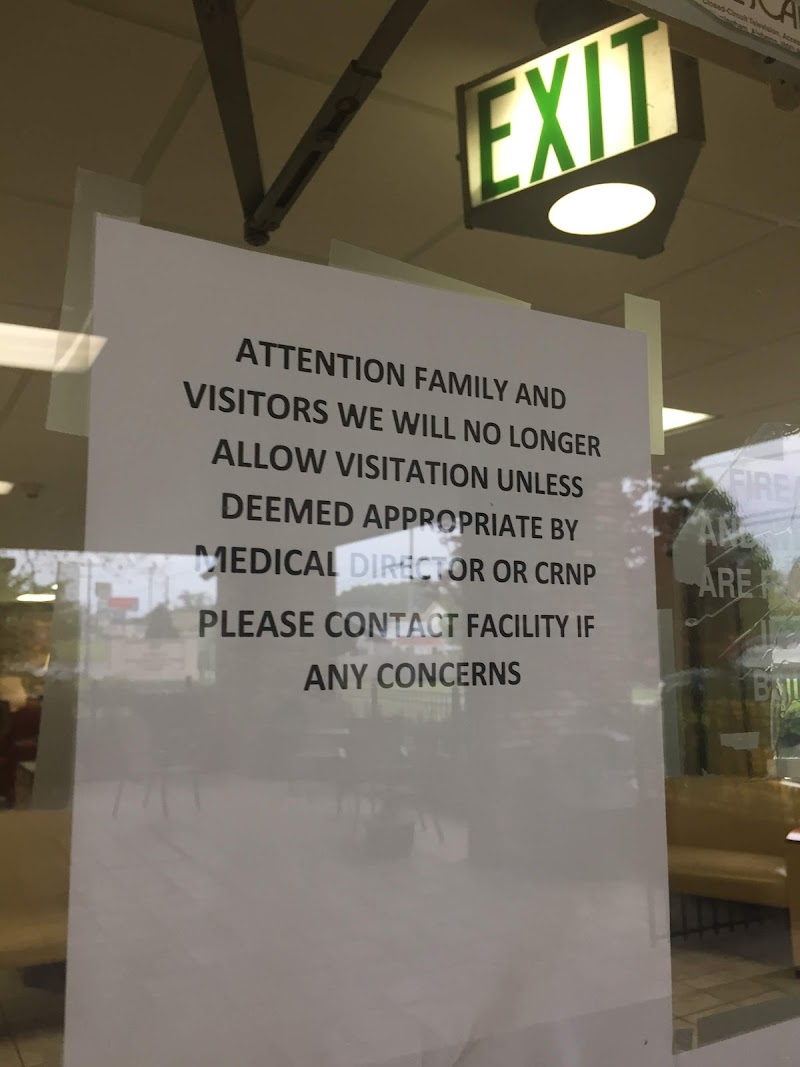
Who Owns and Operates Legacy Of Pleasant Grove?

LEGACY HEALTH AND REHABILITATION OF PLEASANT GROVE is owned by a for-profit company. For-profit facilities operate as businesses with obligations to shareholders or private owners. The facility is operated by NHS MANAGEMENT, a chain that manages multiple nursing homes. With 189 certified beds and approximately 130 residents (about 69% occupancy), it is a mid-sized facility located in PLEASANT GROVE, Alabama.
How Does Legacy Of Pleasant Grove Compare to Other Alabama Nursing Homes?

Compared to the 100 nursing homes in Alabama, LEGACY HEALTH AND REHABILITATION OF PLEASANT GROVE's overall rating (1 stars) is below the state average of 2.9, staff turnover (51%) is near the state average of 46%, and health inspection rating (1 stars) is much below the national benchmark.

What Should Families Ask When Visiting Legacy Of Pleasant Grove?

Based on this facility's data, families visiting should ask: "Can I visit during a mealtime to observe dining assistance and food quality?" "How do you handle medical emergencies, and what is your hospital transfer rate?" "Can I speak with family members of current residents about their experience?"

Is Legacy Of Pleasant Grove Safe?

Based on CMS inspection data, LEGACY HEALTH AND REHABILITATION OF PLEASANT GROVE has a clean safety record: no substantiated abuse findings (meaning no confirmed cases of resident harm), no Immediate Jeopardy citations (the most serious violation level indicating risk of serious injury or death), and is not on the Special Focus Facility watch list (a federal program monitoring the lowest-performing 1% of nursing homes). The facility has a 1-star overall rating and ranks #100 of 100 nursing homes in Alabama. While no facility is perfect, families should still ask about staff-to-resident ratios and recent inspection results during their visit.

Do Nurses at Legacy Of Pleasant Grove Stick Around?

LEGACY HEALTH AND REHABILITATION OF PLEASANT GROVE has a staff turnover rate of 51%, which is about average for Alabama nursing homes (state average: 46%). Moderate turnover is common in nursing homes, but families should still ask about staff tenure and how the facility maintains care continuity when employees leave.

Was Legacy Of Pleasant Grove Ever Fined?

LEGACY HEALTH AND REHABILITATION OF PLEASANT GROVE has no federal fines on record. CMS issues fines when nursing homes fail to meet care standards or don't correct problems found during inspections. The absence of fines suggests the facility has either maintained compliance or corrected any issues before penalties were assessed. This is a positive indicator, though families should still review recent inspection reports for the full picture.

Is Legacy Of Pleasant Grove on Any Federal Watch List?

LEGACY HEALTH AND REHABILITATION OF PLEASANT GROVE is not on any federal watch list. The most significant is the Special Focus Facility (SFF) program, which identifies the bottom 1% of nursing homes nationally based on persistent, serious quality problems. Not being on this list means the facility has avoided the pattern of deficiencies that triggers enhanced federal oversight. This is a positive indicator, though families should still review the facility's inspection history directly.