CAVALIER HEALTHCARE OF TRUSSVILLE
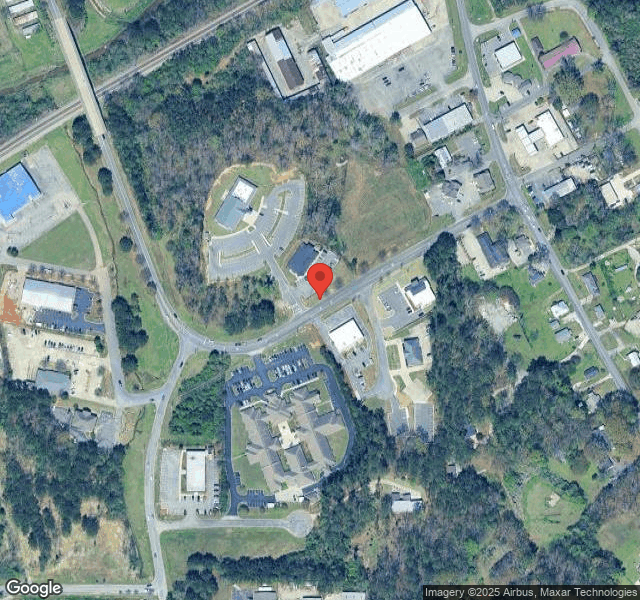
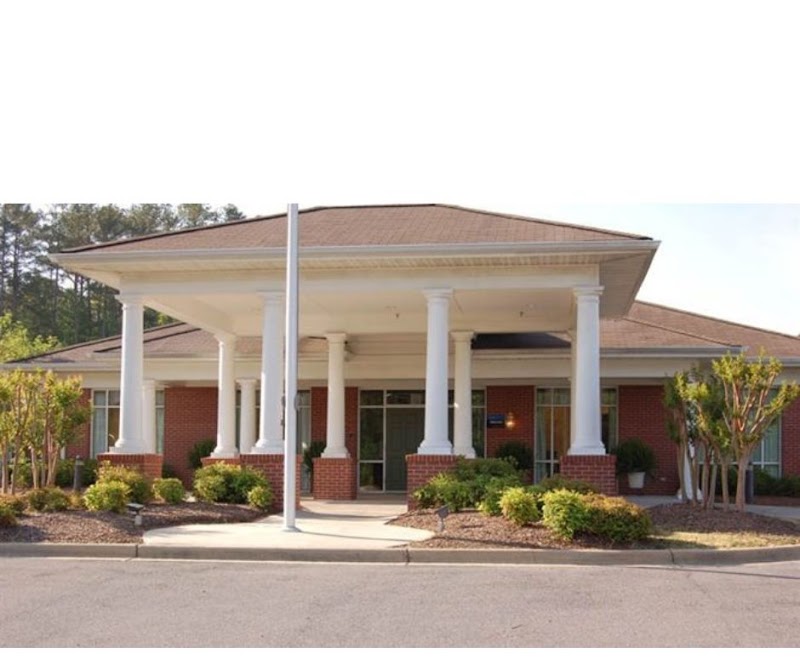
119 WATTERSON PARKWAY, TRUSSVILLE, AL 35173 (205) 655-3226
For profit - Corporation 125 Beds CAVALIER HEALTHCARE Data: November 2025
Trust Grade
55/100
#148 of 223 in AL
Last Inspection: May 2021

Over 2 years since last inspection. Current conditions may differ from available data.

Overview

Cavalier Healthcare of Trussville has a Trust Grade of C, meaning it falls in the average range compared to other facilities. It ranks #148 out of 223 in Alabama, placing it in the bottom half of the state, and #12 out of 34 in Jefferson County, indicating only a few local options are better. The facility's performance has been stable, with two issues reported in both 2021 and 2023, but it has a concerning staffing rating of 1 out of 5 stars and less RN coverage than 97% of Alabama facilities, suggesting potential gaps in care. Additionally, the home has faced $46,797 in fines, which is higher than 93% of similar facilities, raising concerns about compliance. Specific incidents noted include a failure to properly label food items, not addressing a family grievance about a resident's care, and neglecting to change wound dressings as required by a physician. While the low staff turnover is a positive aspect, families should weigh these strengths against the significant weaknesses observed.

Trust Score
C
55/100
In Alabama
#148/223
Bottom 34%
Safety Record
Low Risk
No red flags
Inspections
Holding Steady
2 → 2 violations
Staff Stability
○ Average
Turnover data not reported for this facility.
Penalties
⚠ Watch
$46,797 in fines. Higher than 99% of Alabama facilities. Major compliance failures.
Skilled Nurses
⚠ Watch
Each resident gets only 14 minutes of Registered Nurse (RN) attention daily — below average for Alabama. Fewer RN minutes means fewer trained eyes watching for problems.
Violations
⚠ Watch
11 deficiencies on record. Higher than average. Multiple issues found across inspections.
★★☆☆☆
2.0
Overall Rating
★☆☆☆☆
1.0
Staff Levels
★★★☆☆
3.0
Care Quality
★★★☆☆
3.0
Inspection Score
Stable
2021: 2 issues
2023: 2 issues

The Good

  • Full Sprinkler Coverage · Fire safety systems throughout facility
  • No fines on record

Facility shows strength in fire safety.

The Bad

2-Star Overall Rating

Below Alabama average (2.9)

Below average - review inspection findings carefully

Federal Fines: $46,797

Above median ($33,413)

Moderate penalties - review what triggered them

Chain: CAVALIER HEALTHCARE

Part of a multi-facility chain

Ask about local staffing decisions and management

The Ugly 11 deficiencies on record

Jun 2023 2 deficiencies
CONCERN (D) 📢 Someone Reported This

A family member, employee, or ombudsman was alarmed enough to file a formal complaint

Potential for Harm - no one hurt, but risky conditions existed

Grievances (Tag F0585)

Could have caused harm · This affected 1 resident

**NOTE- TERMS IN BRACKETS HAVE BEEN EDITED TO PROTECT CONFIDENTIALITY** Based on interviews, record review, and review of a facility policy titled, Investigating Grievances/Complaints, the facility fa...

Read full inspector narrative →
**NOTE- TERMS IN BRACKETS HAVE BEEN EDITED TO PROTECT CONFIDENTIALITY** Based on interviews, record review, and review of a facility policy titled, Investigating Grievances/Complaints, the facility failed to ensure that a grievance was completed and the family member was informed of the findings of the investigation when a grievance was received regarding a complaint from Resident Identifier (RI) #1's family member concerning the resident's dressing to his/her stump not being changed as ordered by the physician. This affected RI #1, one of one resident reviewed for grievances. Findings Include: Review of a facility policy titled, Investigating Grievances/Complaints, with a revised date of 04/2008, revealed the following: . Policy Statement Our facility investigates all grievances and complaints filed with the facility. Policy Interpretation and Implementation 1. The Administrator has assigned the responsibility of investigating grievances and complaints to the Director of Social Services and, in his or her absence, the Director of Nursing. 2. Upon receiving a grievance and complaint report, the Grievance Coordinator will begin an investigation into the allegations . 3. The Resident Grievance/Complaint Investigation Report Form must be filed with the Administrator within five (5) working days of the incident. 4. The resident, or person acting on behalf of the resident, will be informed of the findings of the investigation, as well as any corrective actions recommended, within 5 working days of the filing of the grievance or complaint. 5. A copy of the Resident Grievance/Complaint Investigation Report Form must be attached to the Resident Grievance/Complaint Investigation Report Form and filed in the business office. 6. Copies of all reports must be signed and will be available to the resident or person acting on behalf of the resident . RI #1 was admitted to the facility on [DATE] and readmitted on [DATE], with diagnoses to include Acquired Absence of Left Leg Below Knee and Acquired Absence of Right Leg Above Knee. Review of email communication dated 12/29/2022, from RI #1's family member to Employee Identifier (EI) #1, the former Administrator revealed the following: . From (name of RI #1's family member) . Sent: Thursday, December 29, 2022 7:47 AM To: (name of RI #1) . Subject: (RI #1) . (His/Her) doctor wrote an order on 12/19/22 for (his/her) leg dressings on surgery site to be changed DAILY, these orders were provided to (name of facility) on 12/19/22, they are not doing that . Review of email communication dated 12/29/2022, from EI #1 to RI #1's family member revealed the following: From (name of EI #1) . Date: Thu (Thursday), Dec (December) 29, 2022, 8:17 AM Subject: Re (concerning): (name of RI #1) To: (name of RI #1's family member) . Thanks so much for letting me know about your concerns . I will definitely be looking into these concerns and addressing them . I will be looking into the concern and will get back to you with the outcome and what will be done differently . On 06/07/2023 at 7:25 PM, a telephone interview was conducted with the family member of RI #1. The family member of RI #1said that the dressings were to be done daily and the facility nurses never did that. RI #1's family member said even after she complained of the dressings not being changed, the nurses still did not change them the way they should have. RI #1's family member said she thought she spoke with the Administrator (EI #1 the former Administrator) about her concerns. RI #1's family member said she was told the matter would be looked into but no one had called her back to tell her what had been done. On 06/08/2023 at 1:28 PM, a telephone interview was conducted with EI #1. The Administrator, EI #1, said the procedure for receiving a complaint from a family member was that the facility immediately started an investigation to determine if there was a problem or not. EI #1 said if the family member emailed the complaint it would be handled in the same way. EI #1 said if there was evidence that RI #1's family member's email was received 12/29/2022, it should be addressed on a grievance form. EI #1 said if the family member had filed a grievance, a resolution should be reached within five days and documented on the grievance form. EI #1 said if RI #1's family filed a grievance Social Services may have it with the grievance log. On 06/08/2023 at 6:50 PM, a telephone interview was conducted with EI #3, the Social Service Director. EI #3 said that she thought she was also sent the email back in December of 2022 from RI #1's family member regarding a grievance. EI #3 said a grievance form should have been completed but she did not complete one. EI #3 said it should only take five days for a resolution for a complaint/concern to be resolved. EI #3 said when a resolution is reached it should be placed on the grievance form and the family should be informed of the resolution. EI #3 admitted she had not informed RI #1's family member of the resolution from the concern made in December of 2022, and that was something that she usually did.
CONCERN (D) 📢 Someone Reported This

A family member, employee, or ombudsman was alarmed enough to file a formal complaint

Potential for Harm - no one hurt, but risky conditions existed

Pressure Ulcer Prevention (Tag F0686)

Could have caused harm · This affected 1 resident

**NOTE- TERMS IN BRACKETS HAVE BEEN EDITED TO PROTECT CONFIDENTIALITY** Based on interviews, record review and review of a facility policy titled . Clean Dressing Change Policy, the facility failed to...

Read full inspector narrative →
**NOTE- TERMS IN BRACKETS HAVE BEEN EDITED TO PROTECT CONFIDENTIALITY** Based on interviews, record review and review of a facility policy titled . Clean Dressing Change Policy, the facility failed to provide evidence wound care was provided to Resident Identifier (RI) #1's: (1) Right AKA (Above Knee Amputation) stump; and (2) Stage II sacrum ulcer as ordered by the physician. This deficient practice affected RI #1; one of three residents sampled for wound care. Findings Include: Review of a facility policy titled . Clean Dressing Change Policy, with an implemented date of 09/01/2020, revealed the following: Policy: . Physician's orders will specify type dressing and frequency of changes . RI #1 was admitted to the facility on [DATE] and readmitted on [DATE], with diagnoses to include Absence of Left Leg Below Knee and Acquired Absence of Right Leg Above Knee. RI #1's Order Summary Report (Physician's Orders) for January 2023, revealed RI #1 had a physician's order to Cleanse right stump (surgical site) with WDC (wound cleanser), pat dry, and cover with dry dressing daily and PRN (as needed) for soilage/dislodgement every day shift for surgical site . Cleanse sacrum with WDC, pat dry, place triad to wound and cover with dry dressing daily and PRN for soilage/dislodgement every day shift for wounds . RI #1's undated care plan, titled . I HAVE A SURGICAL SITE: right stump, THAT REQUIRES TREATMENT/MONITORING . had the intervention . PROVIDE TREATMENT AS ORDERED . Another undated care plan for RI#1, titled . The resident has stage 2 pressure ulcer sacrum r/t (related to) Immobility . had the intervention . Administer treatments as ordered and monitor for effectiveness . A review of RI #1's Treatment Administration Record (TAR) for December 2022, revealed RI #2 did not receive treatment to the sacrum 12 of 23 days during the month of December (Start Date 12/09/2022); and did not receive treatment to the right stump 12 of 22 days as ordered by the physician (Start Date 12/09/2022). On 06/08/2023 at 9:09 AM, an interview was conducted with Employee Identifier (EI) #4, the treatment nurse. EI #4 said when RI #1 was readmitted to the facility in December 2022, the treatments ordered were to clean the right stump with WDC, pat dry and cover with dry dressing daily and PRN. EI #4 said this was the responsibility of all nurses. EI #4 said evidence of the treatments would be on the TAR. EI #4 said looking at the December 2022 TAR there were days missing where treatments were not done. EI #4 also said RI #1 had an order to clean his/her sacrum area with wound cleanser, pat dry, apply Triad, cover with Mepilex daily. EI #4 said this would also be the responsibility of all nurses. EI #4 said she provided treatments whenever she worked and the nurses would provide the care when she was not available. EI #4 said it wound be important to provide wound treatments as ordered by the physician for healing purposes. 06/08/2023 at 2:25 PM an interview was conducted with EI #5 an LPN (Licensed Practical Nurse) who had provided care for RI #1 before. When asked, looking at RI 1#'s December 2022 MAR what type of treatment was being rendered, EI #5 said to cleanse the right stump with wound cleanser, pat dry and cover with dry dressing daily, and PRN for soilage or dislodgement and cleanse sacral area with wound cleanser every day shift. EI #4 said looking at RI #1's December 2022 MAR, it looked like (EI #4) signed off the days she provided the care and there were a couple of days that no one signed as providing the wound care. EI #5 said it would be important to provide wound treatments as ordered by the physician for wound healing. On 06/08/2023 at 4:05 PM, an interview was conducted with EI #2, the DON (Director of Nursing). EI #2 said the treatment nurse was responsible for providing wound care while she was there, and if she was not there, the nurses on the cart would have been responsible. EI #2 said there would be evidence wound care had been provided on the eTAR. EI #2 said it would be important to provide wound care to RI #1's pressure ulcer and stump as ordered by the physician to keep down infection and bacteria and to promote healing. This deficiency was cited as a result of the investigation of complaint/report #AL00042836.
May 2021 2 deficiencies
CONCERN (D)

Potential for Harm - no one hurt, but risky conditions existed

Deficiency F0558 (Tag F0558)

Could have caused harm · This affected 1 resident

**NOTE- TERMS IN BRACKETS HAVE BEEN EDITED TO PROTECT CONFIDENTIALITY** Based on observations, interviews, record review and review of the facility policy, the facility failed to accommodate the needs...

Read full inspector narrative →
**NOTE- TERMS IN BRACKETS HAVE BEEN EDITED TO PROTECT CONFIDENTIALITY** Based on observations, interviews, record review and review of the facility policy, the facility failed to accommodate the needs of one (1) of 43 sampled residents, by not ensuring the Resident Identifier (RI) #296's call light was accessible. Findings include: Review of the facility's policy titled Call Lights: Accessibility and Timely Response dated 8/21/2020 revealed With each interaction in the resident's room or bathroom, staff will ensure the call light is within reach of resident and secured, as needed. RI #296 was admitted to the facility on [DATE] with diagnoses including a Urinary Tract Infection, fractures of the second, third, fourth and fifth metatarsal bones on the right foot and Muscle Weakness. Review of RI #296's comprehensive Care Plan dated 4/28/21 revealed the resident was care planned for: I need assistance with my Activities of Daily Living (ADLs) R/T (related to): Weakness and medical problems with interventions that included Staff to ensure my call light is within reach but anticipate my needs and meet them accordingly, I have alteration in bowel and bladder related to I am incontinent of bowel and bladder, I require assist with toileting, and I wear briefs with interventions that included keep light within reach but anticipate needs due to cognitive decline, and; I am at risk for constipation R/T decreased mobility and medication use with interventions that included ask/encourage me to use call light and report need to toilet PRN. Review of RI #296's Minimum Data Set (MDS) admission assessment dated [DATE] revealed the resident had a Brief Interview for Mental Status (BIMS) score of 8 of 15 which indicated the resident had moderate impairment in cognition. The resident required extensive assistance of one-person physical assist for bed mobility, transfers, walking in room, dressing, toilet use, and personal hygiene. During an observation on 5/11/21 at 10:30 a.m. RI #296 was observed in his/her room sitting up in his/her wheelchair. RI #296's call light was not in reach. A bed side table was between the resident and the bed, the call light was located on the bed. RI #296 was asked if s/he could reach the call light. The resident attempted to reach the call light and could not reach it. When asked how s/he would call for help if s/he needed it, the resident stated that if s/he cannot reach the call light, s/he does not get help. The resident stated that s/he would have to wait for help. During an interview on 5/12/21 at 11:18 a.m. with Certified Nursing Aide (CNA) #1 s/he stated that the residents' care plans were located on the resident cardex in the CNA Kiosk. CNA #1 stated that this was where s/he went to review the care plan and to chart on the resident. CNA #1 stated that s/he received training on call light placement and knew to keep the call light within reach of the resident. During an observation on 5/12/21 at 4:20 p.m. RI #296 was observed lying in bed. The resident stated that s/he did not feel well and wanted help. When asked if the resident could call for help s/he looked around for his/her call light. The resident's call light was clipped to the right side of the bed above the resident's head. RI #296 attempted to reach the call light but was unable to do so. The resident asked the surveyor if s/he could get the nurse. The surveyor informed Licensed Practical Nurse (LPN) #7 that RI #296 needed assistance. During an interview on 5/13/21 at 11:19 a.m. with the Director of Nursing (DON). The DON stated call lights were the responsibility of all staff. The DON stated that s/he expected staff to ensure that the call light was within reach for the resident. The DON stated that RI #296 had never pressed the call light since s/he had been there, but that the resident was assessed for the ability to press the call light and was able. An interview was conducted on 5/13/21 at 1:18 p.m. with the facility's Administrator. The Administrator stated that it was his/her expectation that call lights were within reach, that staff followed the facility policies and procedures, and staff followed the residents' care plan and that s/he expected the call light to be in reach of the resident.
CONCERN (D)

Potential for Harm - no one hurt, but risky conditions existed

Comprehensive Care Plan (Tag F0656)

Could have caused harm · This affected 1 resident

**NOTE- TERMS IN BRACKETS HAVE BEEN EDITED TO PROTECT CONFIDENTIALITY** Based on observations, interviews, record review, and facility policy review, the facility failed to implement care plan interve...

Read full inspector narrative →
**NOTE- TERMS IN BRACKETS HAVE BEEN EDITED TO PROTECT CONFIDENTIALITY** Based on observations, interviews, record review, and facility policy review, the facility failed to implement care plan interventions related to call lights being within the reach for one (1) of 43 sampled residents, Resident Identifier (RI) #296. Findings include: Review of the facility's policy titled Comprehensive Care Plans dated 8/21/2020 revealed It is the policy of this facility to develop and implement a comprehensive person-centered care plan for each resident, consistent with resident rights, that includes measurable objectives and timeframes to meet a resident's medical, nursing, and mental and psychosocial needs that are identified in the resident's comprehensive assessment. RI #296 was admitted to the facility on [DATE] with diagnoses including Urinary Tract Infection and fractures of the second, third, fourth and fifth metatarsal bones, and muscle weakness. Review of RI #296's comprehensive Care Plans dated 4/28/21 revealed the resident was care planned for: I need assistance with my ADL's R/T (related to): Weakness and medical problems with interventions that included Staff to ensure my call light is within reach but anticipate my needs and meet them accordingly. I have alteration in bowel and bladder related to I am incontinent of bowel and bladder, I require assist with toileting, and I wear briefs with interventions that included keep light within reach but anticipate needs due to cognitive decline, and; I am at risk for constipation R/T decreased mobility and medication use with interventions that included ask/encourage me to use call light and report need to toilet PRN (as needed). Review of RI #296's Minimum Data Set (MDS) admission assessment dated [DATE] revealed the resident had a Brief Interview for Mental Status (BIMS) score of eight (8) of 15 which indicated the resident had moderate impairment in cognition. The resident required extensive assistance of one-person physical assist for bed mobility, transfers, walking in room, dressing, toilet use, and personal hygiene. An observation on 5/11/21 at 10:30 a.m. revealed RI #296 was sitting up in his/her wheelchair in his/her room with the call light not in reach. A bedside table was located between the resident and the bed, the call light was located on the bed. When the surveyor asked the resident if s/he could reach the call light, the resident attempted to reach the call light but was unsuccessful. RI #296 stated that if s/he cannot reach the call light, s/he does not get help if needed and would have to wait for help. During an Interview with Certified Nursing Aide (CNA) #1 on 5/12/21 at 11:18 a.m. revealed resident's care plans were located on the resident cardex in the CNA Kiosk. CNA #1 stated that this was where s/he went to review the care plan and to chart on the resident. An observation on 5/12/21 at 4:20 p.m. revealed RI #296's call light was clipped to the right side of the bed above the resident's head. RI #296 attempted to reach the light but was unable to reach the call light. The resident asked the surveyor if s/he could get the nurse so the surveyor informed Licensed Practical Nurse (LPN) #7 that RI #296 needed assistance. An interview on 5/13/21 at 11:19 a.m. with the Director of Nursing (DON) revealed that all staff should ensure that care plan interventions were in place. The DON stated call lights were the responsibility of all staff. The DON stated that s/he expected staff to ensure that the call light was within reach for the resident. An interview with the Administrator on 5/13/21 at 1:18 p.m. revealed it was his/her expectation that call lights were within reach, that staff followed the facility's policies and procedures, and that staff followed the residents care plans. The Administrator stated that if the care plan stated the call light was to be within reach, s/he expected the call light to be in reach.
Apr 2019 3 deficiencies
CONCERN (D)

Potential for Harm - no one hurt, but risky conditions existed

Tube Feeding (Tag F0693)

Could have caused harm · This affected 1 resident

**NOTE- TERMS IN BRACKETS HAVE BEEN EDITED TO PROTECT CONFIDENTIALITY** Based on observation, interview, record review, and review of a facility policy titled Medication Administration via Enteral Tub...

Read full inspector narrative →
**NOTE- TERMS IN BRACKETS HAVE BEEN EDITED TO PROTECT CONFIDENTIALITY** Based on observation, interview, record review, and review of a facility policy titled Medication Administration via Enteral Tube, the facility failed to ensure licensed staff checked Resident Identifier (RI) #94's gastrostomy tube for placement prior to use and did not push water into the gastrostomy tube with a syringe. This affected RI #94, one of one resident observed with a gastrostomy during medication administration. Findings include: Review of the facility policy titled Medication Administration via Enteral Tube, reviewed/revised 11/27/2017, revealed the following: .Policy Explanation and Compliance Guidelines: . 8. Enteral tube placement must be checked via auscultation and/or aspiration before any fluids or medication are administered. RI#94 was admitted to facility on 3/7/18 and readmitted [DATE] with a diagnosis of Acute and Chronic Respiratory Failure, MRSA (Methicillin Resistant Staphylococcus Aureus Infection), Tracheostomy Status, and Gastrostomy Status On 4/10/19 at at 4:30 PM, RI #94 was observed during medication administration performed by Licensed Practical Nurse (LPN), Employee Identifier (EI) #3, who failed to check for placement of RI #94's gastrostomy tube. EI #3 also pushed 200 cc (cubic centimeters) of water into RI #94's gastrostomy tube, instead of allowing the water to flow into the tube by gravity. EI #3 was interviewed on 4/11/19 at 3:34 PM. When asked what should be done before administering fluids or medication into an enteral gastric tube, EI #3 said she should check the tube for placement, by drawing back and checking for residual (aspiration). When asked what potential harm could occur if that was not done, EI #3 said it could be in their lungs and potentially cause aspiration. EI #3 was then asked how fluids should be administered via gastric tube during medication administration. EI #3 said by gravity. EI #2, Registered Nurse, was interviewed on 4/11/19 at 4:44 PM. When asked what should be done prior to administering medication by enteral gastric tube, EI #2 said auscultate and check for residual before doing anything. When asked if a water flush should be pushed, EI #2 said it should flow by gravity. EI #2 explained that the concern in pushing the flush instead of allowing it to flow by gravity would be if the tube was stopped up by anything, it could dislodge and potentially affect the tube.
CONCERN (D)

Potential for Harm - no one hurt, but risky conditions existed

Respiratory Care (Tag F0695)

Could have caused harm · This affected 1 resident

**NOTE- TERMS IN BRACKETS HAVE BEEN EDITED TO PROTECT CONFIDENTIALITY** Based on observations, interviews, and record review, the facility failed to ensure a Certified Nursing Assistant (CNA) did not ...

Read full inspector narrative →
**NOTE- TERMS IN BRACKETS HAVE BEEN EDITED TO PROTECT CONFIDENTIALITY** Based on observations, interviews, and record review, the facility failed to ensure a Certified Nursing Assistant (CNA) did not contaminate Resident Identifier (RI) #61's tracheostomy collar while wearing gloves worn and soiled during incontinent care. This affected RI #61, one of two residents sampled for tracheostomy care. Findings include: Review of an undated facility form titled Hand Hygiene Table for conditions requiring hand hygiene, revealed the following condition . After handling items potentially contaminated with . body fluids, secretions, or excretions . When, during resident care, moving from a contaminated body site to a clean body site . RI #61 was readmitted to the facility on [DATE], with a diagnosis of Tracheostomy Status. Review of RI #61's quarterly Minimum Data Set (MDS) with an Assessment Reference Date of 2/25/19 revealed RI #61 had severely impaired cognitive skills for daily decision making and received tracheostomy care. On 4/9/19 at 11:15 AM, RI #61 was observed while CNAs performed incontinent care. Employee Identifier (EI) #1, CNA, cleaned bowel movement from RI #61, and then, while wearing the same gloves, wiped RI #61's tracheostomy collar and placed a cloth across RI #61's chest under the tracheostomy collar. On 4/11/19 at 9:39 AM, EI #1, CNA, was asked when she should wash her hands or use hand sanitizer, during incontinent care. EI #1 said, before the care and when the care is done. EI #1 was asked when she should change her gloves. EI #1 said, if her gloves become soiled she should change them before she touched something clean. When asked what could happen if she provided tracheostomy care with gloves used during incontinent care, EI #1 said, it would be cross contamination. EI #1 was asked what she remembered doing during incontinent care. EI #1 replied, she changed the cloth and wiped secretions from RI #61's tracheostomy collar. EI #1 was asked why she did that with contaminated gloves. EI #1 said, she was not thinking of changing gloves. On 4/11/19 at 4:16 PM, EI #2, Registered Nurse/Infection Control, was asked why a CNA would wear soiled gloves used during incontinent care and touch a tracheostomy collar. EI #2 stated, that should not happen. When asked what should be done, EI #2 said, they should change their gloves and wash their hands.
CONCERN (D)

Potential for Harm - no one hurt, but risky conditions existed

Infection Control (Tag F0880)

Could have caused harm · This affected 1 resident

**NOTE- TERMS IN BRACKETS HAVE BEEN EDITED TO PROTECT CONFIDENTIALITY** 2) RI #94 was admitted to the facility on [DATE] and readmitted on [DATE] with diagnoses of Gastrostomy Status and Tracheostomy ...

Read full inspector narrative →
**NOTE- TERMS IN BRACKETS HAVE BEEN EDITED TO PROTECT CONFIDENTIALITY** 2) RI #94 was admitted to the facility on [DATE] and readmitted on [DATE] with diagnoses of Gastrostomy Status and Tracheostomy Status. On 4/10/19 at 4:30 PM, RI #94 was observed while EI # 3, Licensed Practical Nurse, administered medication via gastric tube and tracheostomy inhalation. EI #3 did not wash hands after removing gloves from the gastric tube administration, prior to administering inhaled medication via the tracheostomy. EI #3 was interviewed on 4/11/19 at 3:34 PM. When asked what should be done when you remove gloves after giving medication via gastric tube and then start to administer a nebulizer treatment via tracheostomy, EI #3 said wash hands and re-glove. EI #3 said the potential harm in not doing so would be potential cross contamination. On 4/11/19 at 4:44 PM, EI #2, Registered Nurse/Infection Control, was asked what the concern was in not washing hands and changing gloves between administration of medication via gastric tube and inhaled medication via tracheostomy. EI #2 said you would not want to breathe in any residual from handling the feeding. EI #2 said staff should have washed hands and changed gloves prior to administering the inhaled medication. 3) RI #26 was admitted to the facility on [DATE] and readmitted on [DATE]. On 4/11/19 at 9:00 AM, EI #5, Licensed Practical Nurse, was observed administering medications to RI #26. EI #5 left the resident's bedside after giving the medication and walked directly to the medication cart and typed on the computer (without washing hands). She then handed a cup to another resident that was passing by in the hallway. After giving the resident the cup, EI #5 returned to RI #26's room, and washed her hands. EI #5 was interviewed on 4/11/19 at 11:40 AM. EI #5 was asked when she should wash hands when giving residents medication. EI #5 said after every resident. When asked what the potential harm could be in touching the computer and handing another resident a cup without first washing hands, EI #5 said if they had flu, a contagious disease, or any type of infection, it could be passed on to someone else. When asked why she had not washed her hands after administering RI #26's medications (prior to returning to the medication cart and giving another resident a cup), she said she was not aware she had done that. On 4/11/19 at 4:44 PM, EI #2, Registered Nurse/Infection Control, was asked when staff should wash their hands when administering medications. EI #2 said before and after medication administration. She said if hands are not washed after administering medication, prior to moving on to other tasks, there is the potential to spread germs. Based on observations, interviews, record review, review of facility policies titled Hand Hygiene and MEDICATION ADMINISTRATION-GENERAL GUIDELINES, and review of a document titled Hand Hygiene Table, the facility failed to ensure: 1) Certified Nursing Assistants (CNAs) performed hand hygiene and glove changes when they became soiled before touching clean items, and did not contaminate incontinent care supplies (gloves, wipes, perineal wash placed back into circulation in Resident Identifier (RI) #61's room) during incontinent care provided to RI #61; 2) licensed staff washed their hands after removing gloves and before applying gloves while administering gastrostomy tube medication and tracheostomy inhalation medication for RI #94; and 3) licensed staff washed her hands after administration of medication to RI #26, before touching a medication computer and before providing a resident in the hallway with a cup. This affected two of two incontinent care observations for RI #61, and 2 of 5 residents observed during medication administration. Findings include: Review of a facility policy titled Hand Hygiene, reviewed/revised 11/27/17, revealed the following: Policy: Staff involved in direct resident contact will perform proper hand hygiene procedures to prevent the spread of infection to other personnel, residents, and visitors. Review of a facility policy titled MEDICATION ADMINISTRATION-GENERAL GUIDELINES, effective August 2018, revealed the following: . Procedures A. Preparation . 2) Handwashing and Hand Sanitization: The person administering medications adheres to good hand hygiene, which includes washing hands thoroughly .after coming into direct contact with a resident . b. Hand sanitization is done with an approved sanitizer. * between hand washings, when returning to the medication cart or preparation area (assuming hands have not touched a resident or potentially contaminated surface). * at regular intervals during the medication pass such as after each room . Review of an undated facility form titled Hand Hygiene Table for conditions requiring hand hygiene, revealed hands should be washed in the following conditions: . Between resident contacts . After handling contaminated objects . Before applying and after removing personal protective equipment (PPE), including gloves . after handling items potentially contaminated with . body fluids, secretions, or excretions . When, during resident care, moving from a contaminated body site to a clean body site . 1) RI #61 was readmitted to the facility on [DATE]. Review of RI #61's quarterly MDS with an Assessment Reference Date of 2/25/19 revealed RI #61 had severely impaired cognitive skills for daily decision making, was always incontinent and required extensive assistance with personal hygiene. On 4/09/19 at 11:15 AM, RI #61 was observed while CNAs performed incontinent care. Employee Identifier (EI) #1, CNA, cleaned bowel movement from RI #61, and then, wearing the same gloves, placed a clean pad and brief under RI #61 and continued to provide care as follows: wiped RI #61's tracheostomy collar, placed a cloth across RI #61's chest, removed her right glove, held the glove in her left hand and placed clean linen on RI #61. On 4/11/19 at 9:39 AM, EI #1 was asked when she should wash her hands or use hand sanitizer, during incontinent care. EI #1 said, before the care and when the care is done. EI #1 was asked when she should change her gloves. EI #1 said, if my gloves become soiled I should change them before I touch something clean. On 4/10/19 at 12:04 PM, CNAs entered RI #61's room to clean him/her up for transport to the hospital. At 12:19 PM, EI #4, a CNA, wiped RI #61's perineal area, then changed gloves without performing hand hygiene. RI #61 was wet with urine and had a medium loose bowel movement. While cleaning the bowel movement, EI #4 touched the perineal wash bottle and disposable wipes, without first washing her hands. At 12:45 PM, EI #4 bagged supplies at RI #61's bedside. EI #4 then placed the bag of supplies in RI #61's bedside table, and placed the boxes of wipes back on the shelf on the wall. The perineal wash bottle was placed into the top of the closet with RI #61's other hygiene supplies. EI #4 was interviewed on 04/10/19 at 6:30 PM. When asked what the facility's policy was for changing gloves and washing hands, EI #4 said if bowel movement gets on gloves, hands should be washed and gloves changed to make sure there is no contamination. EI #4 was asked why she had cleaned bowel movement from RI #61 and changed gloves, without washing hands. EI #4 said she forgot. When asked about the items she touched with dirty hands (the perineal wash bottle and wipes boxes), EI #4 said she had not realized she did that and placed them back into circulation for future use. EI #4 said the items should have been thrown away. On 4/11/19 at 4:16 PM, EI #2, Registered Nurse/Infection Control, was asked what should have been done when a CNA moved from a soiled area to a clean area, such as a clean brief. EI #2 said, they should remove their gloves and wash their hands. EI #2 was asked what was the potential harm in not performing hand hygiene after soiled glove removal. EI #2 said, it spreads germs. When asked what happens when items (such as the perineal wash bottle and wipes boxes) are used/handled with soiled gloves, EI #2 said they get contaminated. EI #2 further stated when placed into a bag with other supplies, the other supplies also become contaminated. EI #2 said the contaminated items should be thrown away so as not to contaminate other items in the resident's room.
May 2018 4 deficiencies
CONCERN (D)

Potential for Harm - no one hurt, but risky conditions existed

Free from Abuse/Neglect (Tag F0600)

Could have caused harm · This affected 1 resident

**NOTE- TERMS IN BRACKETS HAVE BEEN EDITED TO PROTECT CONFIDENTIALITY** Based on interviews, review of the facility policy titled Abuse, Neglect and Exploitation and review of the facility's investiga...

Read full inspector narrative →
**NOTE- TERMS IN BRACKETS HAVE BEEN EDITED TO PROTECT CONFIDENTIALITY** Based on interviews, review of the facility policy titled Abuse, Neglect and Exploitation and review of the facility's investigative summary related to alleged misappropriation of resident narcotics by Employee Identifier (EI) #4, Licensed Practical Nurse (LPN), the facility failed to ensure Resident Identifier (RI) #104 and RI #157 remained free from abuse/misappropriation of property on 4/1/18 when EI #4, LPN, took Narcotic medication belonging to these residents. This affected two of four residents who were reviewed for abuse. This tag is cited as a result of the investigation of complaint/report #AL00035648 for abuse/misappropriation of resident property. Findings include: On 4/1/18, the facility reported to the state agency an allegation of misappropriation of resident property (narcotics). On 4/1/18, Employee Identifier (EI) #5 DON (Director of Nurses) verified that the narcotic count was incorrect and there was a discrepancy. EI #4 LPN, had been the nurse assigned to the cart the night before. When the DON arrived at the facility and verified the discrepancy, it was determined that EI #4 had the medications (narcotics) belonging to RI #104 and RI #157. A facility policy titled, Abuse, Neglect and Exploitation with a date implemented of 11/27/2017, revealed: Policy Each resident has a right to be free from abuse . misappropriation of resident property . Residents must not be subject to abuse by anyone, including, . facility staff . Policy Explanation and Compliance Guidelines: . 2. Abuse . includes the deprivation by an individual, including a care taker, of goods or services that are necessary to attain or maintain physical, mental, and psychosocial well-being. 10. Misappropriation of Resident Property means the deliberate misplacement, exploitation, or wrongful, temporary or permanent, use of a resident's belongings . without the resident's consent. RI #104 was admitted to the facility on [DATE] with a diagnosis of Osteoarthritis and Bursitis. A review of RI #104's May 2018 physician orders revealed an order dated 1/17/18 for Hydrocodone-Acetaminophen 10 mg/325 mg (milligrams) to be administered three times a day for pain. On 5/3/18 at 02:45 PM an interview was conducted with EI #9, LPN, the oncoming nurse on RI #104's hall on 4/1/18. EI #9 was asked what was her position on 4/1/18. EI #9 said, cart nurse. EI #9 was asked who she was relieving on the med cart on 4/1/18. EI #9 said, EI #4. EI #9 was asked what medication had a miscount on her cart. EI #9 said, RI #104 was missing Norco 7.5 mg. EI #9 stated that EI #5, the DON, was the person who found the discrepancy because she counted the cart EI #4 had been working. RI #157 was admitted to the facility on [DATE] with diagnosis of Peripheral Vascular Disease. A review of RI #157's April 2018 physician orders revealed an order dated 3/11/18 for Oxycodone HCl 5 mg to be administered every 8 (eight) hours as needed for pain. On 5/3/18 at 10:07 AM, an interview was conducted with EI #6, Registered Nurse (RN), the oncoming nurse on RI #157's hall on 4/1/18. EI #6 was asked what was her position on 4/1/18. EI #6 said, nurse on the medication cart. When asked who she was relieving on the medication cart on 4/1/18, EI #4 said, EI #4, LPN. EI #6 was asked what was EI #4's demeanor on 4/1/18 when she were relieving EI #4. EI #6 said, she was on edge a little bit and she had a nonchalant attitude about the miscount. EI #6 was asked what medication had a miscount. EI #6 said, RI #157 was missing a card of 60 count Oxycodone, but the sheet was still in the book. EI #6 was asked if there were any other residents who had medication missing. EI #6 was asked what she did when she discovered the miscount. EI #6 said she called the on-call person, EI #8, admission Nurse, EI #7, LPN/Unit Manager, and EI #5, DON. When asked who came to the facility, EI #6 said, EI #5 came to the cart and EI #6 explained the miscount. EI #5 counted narcotics for RI #157. EI #5 then took her and EI #4 to the office and interviewed them separately. EI #6 was asked what occurred when EI #4 and EI #5 returned to the hall. EI #6 said, EI #4 gathered her things and EI #6 asked EI #4 if she could search her purse. EI #4 stated that EI #5 could check her bag but would not let EI #5 check her purse. EI # 6 stated she was told to call the police by EI #5. When the police arrived, EI #4 was placed in handcuffs. EI #5 and an officer found the medications in EI #4's possession. EI #6 further stated, she and EI #5 laid the medications on med cart and started separating them to identify them. An officer came out with a zip lock bag of more medications that were found in EI #4's possession. On 5/2/18 at 05:20 PM, an interview was conducted with EI #5, DON. EI #5 was asked what occurred on 4/1/18. EI #5 said, she received a call from EI #7, Unit Manager, informing her there was a card of RI #157's Oxycodone 5 mg missing when EI #6 was relieving EI #4. EI #5 said when she arrived at the facility and looked over everything, she verified there was a card of Oxycodone missing. She stated she took EI #4 and EI #6 to her office to ask them about the discrepancy. EI #5 said she asked EI #4 if the count was accurate the night before when she counted with EI #6 and she said yes, it was. EI #5 said she asked EI #4 if she agreed the count was wrong on 4/1/18, and she said yes. EI #5 said EI #4 reported she had not given her keys to anyone or left her cart unlocked at anytime during her shift. EI #5 then said the police were called and when they arrived at the facility, EI #4 began taking handfuls of medicine out of her purse and putting them on the medication cart. The police handcuffed EI #4 and she told them she was planning on selling the medications. EI #5 was asked if RI #104's and RI #157's medications had been on the same cart, and EI #5 said no, but EI #4 was working both of their carts on the night of 3/31/2018. Review of the facility's investigative summary related to the 4/1/18 incident, revealed the facility identified 60 missing Oxycodone Hcl 5mg (for RI #157) and one missing Hydrocodone-Acetaminophen tablet (for RI #104). After completing their investigation, the facility substantiated misappropriation of resident property.
CONCERN (D)

Potential for Harm - no one hurt, but risky conditions existed

Assessment Accuracy (Tag F0641)

Could have caused harm · This affected 1 resident

**NOTE- TERMS IN BRACKETS HAVE BEEN EDITED TO PROTECT CONFIDENTIALITY** Based on interview, record review and review of Resident Identifier (RI) #38's hospital discharge summary, the facility failed t...

Read full inspector narrative →
**NOTE- TERMS IN BRACKETS HAVE BEEN EDITED TO PROTECT CONFIDENTIALITY** Based on interview, record review and review of Resident Identifier (RI) #38's hospital discharge summary, the facility failed to ensure a new diagnosis of Seizure was included on the Minimum Data Set (MDS) assessments after RI #38's readmission from the hospital on [DATE]. This affected one of 26 residents whose MDS was reviewed. Findings include: RI #38 was readmitted to the facility on [DATE]. RI #38's hospital Discharge summary dated [DATE], documented the following: . PRINCIPAL DISCHARGING DIAGNOSES: 1. New onset seizure disorder . A review of RI #38's readmission and monthly Physician orders revealed an order dated 11/17/17 for medication for Seizures. A review of RI #38's MDS assessments, completed since readmission, with Assessment Reference Dates of 12/11/17 (quarterly assessment) and 2/26/18 (quarterly assessment)revealed Section I for Active Diagnoses did not indicateRI #38 had a diagnosis of Seizure Disorder. On 5/03/18 at 6:05 PM, EI #3 MDS/Care Plan Coordinator, was asked why RI #38 went to the hospital in November. EI #3 said, she did not know. When asked why RI #38 was on the medication Levetiracetam, EI #3 replied, seizure disorder. EI #3 was asked why that diagnosis was not included on MDS assessments upon readmission and since. EI #3 said, apparently the diagnosis did not get added on readmission. EI #3 was asked if it should it have been. EI #3 said, yes ma'am. When asked why it should have been added, EI #3 said, that was why RI #38 had been sent out, for any seizure activity.
CONCERN (D)

Potential for Harm - no one hurt, but risky conditions existed

Comprehensive Care Plan (Tag F0656)

Could have caused harm · This affected 1 resident

**NOTE- TERMS IN BRACKETS HAVE BEEN EDITED TO PROTECT CONFIDENTIALITY** Based on interview and record review the facility failed to ensure an individualized care plan was developed for Resident Identi...

Read full inspector narrative →
**NOTE- TERMS IN BRACKETS HAVE BEEN EDITED TO PROTECT CONFIDENTIALITY** Based on interview and record review the facility failed to ensure an individualized care plan was developed for Resident Identifier (RI) #38 for a diagnosis of Seizure and use of anti- seizure medication. This affected one of 26 residents for whom care plans were reviewed. Findings include: RI #38 was readmitted to the facility on [DATE]. RI #38's hospital Discharge summary dated [DATE], documented the following: . PRINCIPAL DISCHARGING DIAGNOSES: 1. New onset seizure disorder . DISCHARGING MEDICATIONS: . 10. Levetiracetam 500 mg (milligrams) twice a day. A review of RI #38's readmission and monthly Physician orders revealed an order dated 11/17/17 for Levetiracetam 500 mg every 12 hours for Seizures. Review of RI #38's comprehensive care plans revealed no interventions related to the seizure diagnosis or anti-seizure medication use. On 5/03/18 at 6:05 PM, EI (Employee Identifier) #3 MDS/Care Plan coordinator, was asked why RI #38 went to the hospital in November. EI #3 said, she did not know. When asked why RI #38 was on the medication Levetiracetam, EI #3 replied, Seizure Disorder. EI #3 was asked why RI #38 was not care planned for Seizures and the use of Levetiracetam. EI #38 said, she would have to go back and look. When asked if it should have been care planned, EI #38 replied, yes ma'am. EI #3 was asked why it should have been care planned. EI #3 said, to make the staff aware of it and to have continuity of care.
CONCERN (F)

Potential for Harm - no one hurt, but risky conditions existed

Food Safety (Tag F0812)

Could have caused harm · This affected most or all residents

**NOTE- TERMS IN BRACKETS HAVE BEEN EDITED TO PROTECT CONFIDENTIALITY** 5. FOOD LABELING The facility policy related to Storage of Healthshakes, effective 07/20/16, included: . Shakes do come in froz...

Read full inspector narrative →
**NOTE- TERMS IN BRACKETS HAVE BEEN EDITED TO PROTECT CONFIDENTIALITY** 5. FOOD LABELING The facility policy related to Storage of Healthshakes, effective 07/20/16, included: . Shakes do come in frozen and are thawed under refrigeration. Shakes thaw in 2 days and are used within 14 days of thawing. When shakes are removed from their original box, they will be labeled with a top date of a thawed/arrival date and a bottom date of a use by date . On 05/03/2018 at 8:44 AM, the surveyor and DM (EI #1) observed three 4-ounce cartons of Mighty Shakes in the East Wing pantry refrigerator. None of the cartons contained a label indicating the use-by-date. When asked to explain their policy regarding the labeling of shakes, EI #1 said an adhesive label was to be attached to each carton, with a discard date for the shakes of 14 days after thawed. EI #1 stated the potential harm in not using the shakes within 14 days would be the potential souring of these dairy products. Based on observations, staff interviews, a review of the 2017 Food Code and a review of the facility's Policy and Procedure for the Storage of Healthshakes, the facility failed to: 1. ensure tea urn spigots were cleaned daily; 2. prevent potential cross-contamination of utensils/dinnerware as evidenced by storing clean sanitized dinnerware in close proximity to a trash barrel used to scrape soiled food trays; ; 3. ensure frozen food (Ice Cream) received frozen, remained frozen during storage; 4. ensure clean/sanitized sectional plates were air-dried and were clean to sight/touch (no food debris); and 5. ensure Mighty Shakes (a nutritional supplement) were marked with a use by date per manufacturer's instructions. These deficient practices had the potential to affect all 90 residents who received meal trays from dining services. Findings include: 1. TEA SPIGOTS The Food Code, U.S. (United States) Public Health Service and FDA (Food and Drug Administration) 2017 specified the following: . 4-602.11 Equipment, Food-Contact Surfaces and Utensils .(E) .shall be cleaned: .(2) At least every 24 hours for iced tea dispensers . On 5/01/18 at 8:55 AM, an observation was made of two, five gallon Tea Urn spigots which were located in the kitchen area. The Dietary Manager (DM), Employee Identifier (EI) #1 was asked to disassemble the dispenser faucet. The plunger in the first urn contained a build-up of pinkish solid matter. The second plunger contained a dark brown solid matter, which adhered to the surface, but was removable with the thumbnail. The DM, EI #1 said, That hasn't (has not) been soaked. A request was made to the DM to view the facility cleaning schedule. The DM provided a document titled Daily Cleaning List. Tea Urns were the second item listed; however, the document/form was void of any recorded data. EI #1 stated, I do not have the one they signed off on. 2. COMPROMISED SANITARY STORAGE OF CLEAN DISHES On 5/01/18 at 9:05 AM. a Dietary Aide. EI #6 was observed to remove clean/sanitized dishware from racks and stack them on a cart positioned near a garbage can (barrel) used to deposit food from residents' soiled trays. In close proximity to the cart was a four tiered shelving which was used to stack/store the soiled dishes. On 5/01/18 at 12:45 PM, the RD/EI #2 was asked about the potential contamination and said the risk was for biological contamination. 3. FROZEN FOOD Regulation 3-501.11 Frozen Food of the 2017 Food Code revealed the following: .Stored frozen FOODS shall be maintained frozen. On 05/01/18 at 9:30 AM, the outside thermometer of the walk-in freezer displayed an interior temperature of 33 degrees Fahrenheit (F). The door of the adjoining walk-in freezer was standing open. Individual cups of ice cream were stored in the back of the freezer unit. Pressure was applied and finger indentations remained on the exterior of the cup. The interior temperature of the Ice Cream was measured by EI #1, DM, to be +9 degrees (F). The surveyor asked EI #1 if the ice cream was frozen solid. EI #1 replied, No Ma'am. 4. AIR DRIED, CLEAN TO SIGHT Review of the 2017 Food Code revealed the following: . 4-601.11 Equipment, Food-Contact Surfaces, Nonfood-Contact Surfaces, and Utensils. (A)EQUIPMENT FOOD-CONTACT SURFACES and UTENSILS shall be clean to sight and touch. 4-901.11 Equipment and Utensils, Air-Drying Required. After cleaning and SANITIZING, EQUIPMENT and UTENSILS: (A) Shall be air-dried . On 05/01/18 at 11:50 AM during lunch trayline observations, the surveyor noted three sectional plates on the line, ready to be used by staff for plating. One plate had rolling water inside and two plates contained food debris. The surveyor asked if the first plate was air dried. EI #2, the RD, said no. When asked how many plates had food debris, EI #2 said two. Later, at 12:45 PM, EI #2 was asked why the sectional plates were not clean and she responded that staff failed to monitor for cleanliness. Surveyor: Pavelec, [NAME]
Understanding Severity Codes (click to expand)
Life-Threatening (Immediate Jeopardy)
J - Isolated K - Pattern L - Widespread
Actual Harm
G - Isolated H - Pattern I - Widespread
Potential for Harm
D - Isolated E - Pattern F - Widespread
No Harm (Minor)
A - Isolated B - Pattern C - Widespread

Questions to Ask on Your Visit

  • "Can I speak with families of current residents?"
  • "What's your RN coverage like on weekends and overnight?"

Our Honest Assessment

Strengths
  • • No major safety red flags. No abuse findings, life-threatening violations, or SFF status.
Concerns
  • • 11 deficiencies on record. Higher than average. Multiple issues found across inspections.
  • • $46,797 in fines. Higher than 94% of Alabama facilities, suggesting repeated compliance issues.
  • • Grade C (55/100). Below average facility with significant concerns.
Bottom line: Mixed indicators with Trust Score of 55/100. Visit in person and ask pointed questions.

About This Facility

What is Cavalier Healthcare Of Trussville's CMS Rating?

CMS assigns CAVALIER HEALTHCARE OF TRUSSVILLE an overall rating of 2 out of 5 stars, which is considered below average nationally. Within Alabama, this rating places the facility higher than 0% of the state's 100 nursing homes. A rating at this level reflects concerns identified through health inspections, staffing assessments, or quality measures that families should carefully consider.
How is Cavalier Healthcare Of Trussville Staffed?

CMS rates CAVALIER HEALTHCARE OF TRUSSVILLE's staffing level at 1 out of 5 stars, which is much below average compared to other nursing homes.

What Have Inspectors Found at Cavalier Healthcare Of Trussville?

State health inspectors documented 11 deficiencies at CAVALIER HEALTHCARE OF TRUSSVILLE during 2018 to 2023. These included: 11 with potential for harm.
Who Owns and Operates Cavalier Healthcare Of Trussville?

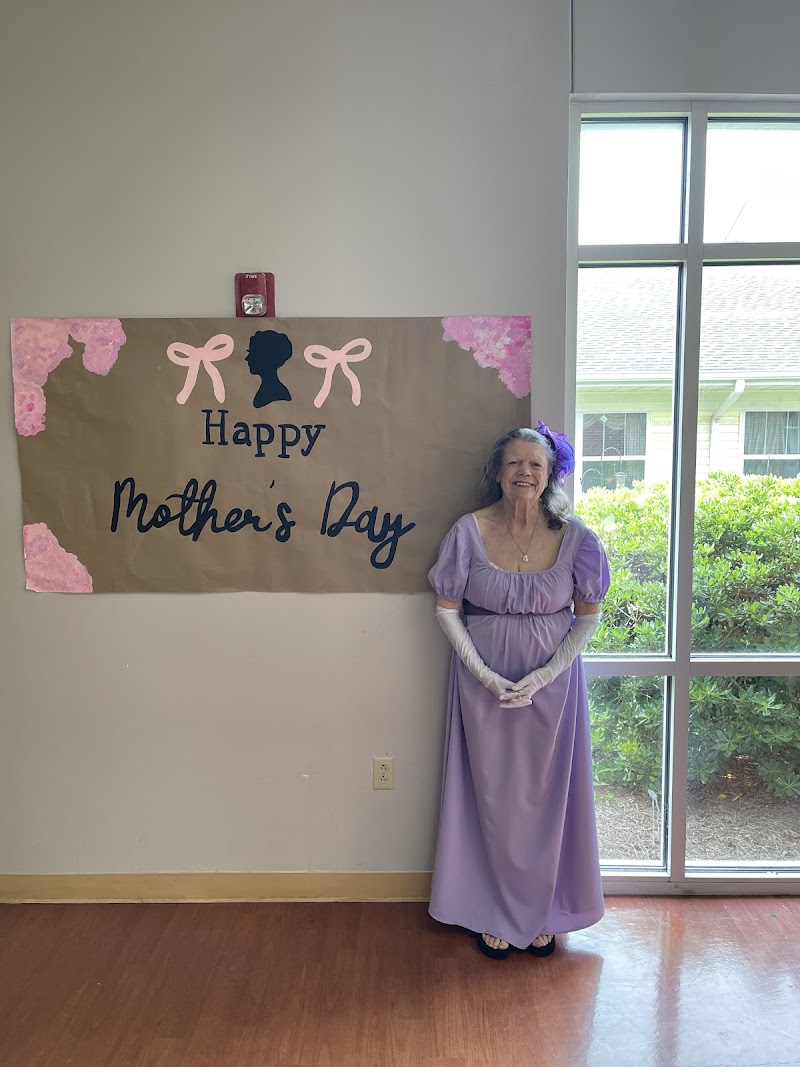
CAVALIER HEALTHCARE OF TRUSSVILLE is owned by a for-profit company. For-profit facilities operate as businesses with obligations to shareholders or private owners. The facility is operated by CAVALIER HEALTHCARE, a chain that manages multiple nursing homes. With 125 certified beds and approximately 102 residents (about 82% occupancy), it is a mid-sized facility located in TRUSSVILLE, Alabama.
How Does Cavalier Healthcare Of Trussville Compare to Other Alabama Nursing Homes?

Compared to the 100 nursing homes in Alabama, CAVALIER HEALTHCARE OF TRUSSVILLE's overall rating (2 stars) is below the state average of 2.9 and health inspection rating (3 stars) is at the national benchmark.

What Should Families Ask When Visiting Cavalier Healthcare Of Trussville?

Based on this facility's data, families visiting should ask: "Can you walk me through typical staffing levels on day, evening, and night shifts?" "Can I visit during a mealtime to observe dining assistance and food quality?" "How do you handle medical emergencies, and what is your hospital transfer rate?" "Can I speak with family members of current residents about their experience?" These questions are particularly relevant given the below-average staffing rating.

Is Cavalier Healthcare Of Trussville Safe?

Based on CMS inspection data, CAVALIER HEALTHCARE OF TRUSSVILLE has a clean safety record: no substantiated abuse findings (meaning no confirmed cases of resident harm), no Immediate Jeopardy citations (the most serious violation level indicating risk of serious injury or death), and is not on the Special Focus Facility watch list (a federal program monitoring the lowest-performing 1% of nursing homes). The facility has a 2-star overall rating and ranks #100 of 100 nursing homes in Alabama. While no facility is perfect, families should still ask about staff-to-resident ratios and recent inspection results during their visit.

Do Nurses at Cavalier Healthcare Of Trussville Stick Around?

CAVALIER HEALTHCARE OF TRUSSVILLE has not reported staff turnover data to CMS. Staff turnover matters because consistent caregivers learn residents' individual needs, medications, and preferences. When staff frequently change, this institutional knowledge is lost. Families should ask the facility directly about their staff retention rates and average employee tenure.

Was Cavalier Healthcare Of Trussville Ever Fined?

CAVALIER HEALTHCARE OF TRUSSVILLE has been fined $46,797 across 8 penalty actions. The Alabama average is $33,547. While any fine indicates a compliance issue, fines under $50,000 are relatively common and typically reflect isolated problems that were subsequently corrected. Families should ask what specific issues led to these fines and confirm they've been resolved.

Is Cavalier Healthcare Of Trussville on Any Federal Watch List?

CAVALIER HEALTHCARE OF TRUSSVILLE is not on any federal watch list. The most significant is the Special Focus Facility (SFF) program, which identifies the bottom 1% of nursing homes nationally based on persistent, serious quality problems. Not being on this list means the facility has avoided the pattern of deficiencies that triggers enhanced federal oversight. This is a positive indicator, though families should still review the facility's inspection history directly.