ASPIRE PHYSICAL RECOVERY CENTER AT CAHABA RIVER
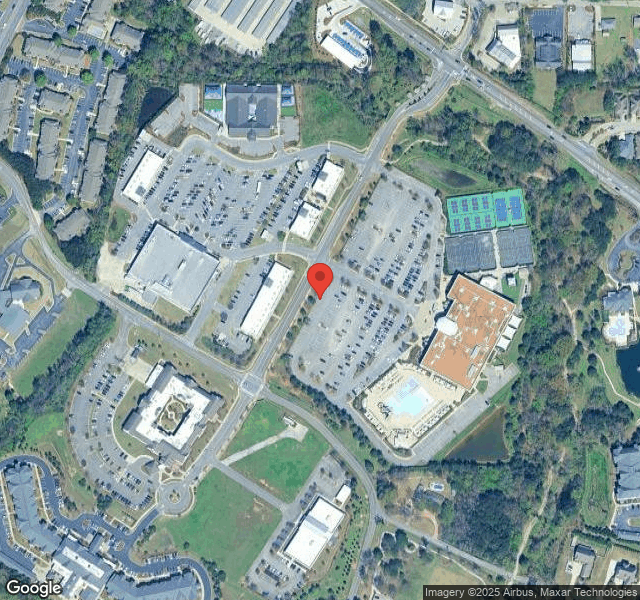

3070 HEALTHY WAY, VESTAVIA, AL 35243 (205) 977-7216
For profit - Limited Liability company 120 Beds NHS MANAGEMENT Data: November 2025 1 Immediate Jeopardy citation
Trust Grade
26/100
#185 of 223 in AL
Last Inspection: January 2024

Within standard 12-15 month inspection cycle. Federal law requires annual inspections.

Overview

Aspire Physical Recovery Center at Cahaba River has received a Trust Grade of F, indicating significant concerns about their care and operations. Ranked #185 out of 223 facilities in Alabama, they fall in the bottom half, and #20 out of 34 in Jefferson County, suggesting limited local options for better care. The facility is worsening, with issues increasing from 6 in 2019 to 8 in 2024. Staffing is rated 4 out of 5 stars, which is a strength, but the turnover rate is concerning at 68%, significantly higher than the state average of 48%. Additionally, they have incurred $16,801 in fines, which is higher than 87% of Alabama facilities, indicating ongoing compliance problems. Specific incidents include a critical failure to honor a resident's Do Not Resuscitate order, where CPR was mistakenly administered against the resident's wishes. Another concern involved food being served at unappetizing temperatures, impacting many residents during meals. While the facility has some strengths in staffing, these serious deficiencies highlight significant weaknesses in care and operations that families should consider carefully.

Trust Score
F
26/100
In Alabama
#185/223
Bottom 18%
Safety Record
High Risk
Review needed
Inspections
Getting Worse
6 → 8 violations
Staff Stability
⚠ Watch
68% turnover. Above average. Higher turnover means staff may not know residents' routines.
Penalties
⚠ Watch
$16,801 in fines. Higher than 99% of Alabama facilities. Major compliance failures.
Skilled Nurses
✓ Good
Each resident gets 57 minutes of Registered Nurse (RN) attention daily — more than average for Alabama. RNs are trained to catch health problems early.
Violations
⚠ Watch
17 deficiencies on record. Higher than average. Multiple issues found across inspections.
★☆☆☆☆
1.0
Overall Rating
★★★★☆
4.0
Staff Levels
★★★☆☆
3.0
Care Quality
★☆☆☆☆
1.0
Inspection Score
Stable
2019: 6 issues
2024: 8 issues

The Good

  • 4-Star Staffing Rating · Above-average nurse staffing levels
  • Full Sprinkler Coverage · Fire safety systems throughout facility
  • No fines on record

Facility shows strength in staffing levels, fire safety.

The Bad

1-Star Overall Rating

Below Alabama average (2.9)

Significant quality concerns identified by CMS

Staff Turnover: 68%

22pts above Alabama avg (46%)

Frequent staff changes - ask about care continuity

Federal Fines: $16,801

Below median ($33,413)

Minor penalties assessed

Chain: NHS MANAGEMENT

Part of a multi-facility chain

Ask about local staffing decisions and management

Staff turnover is elevated (68%)

20 points above Alabama average of 48%

The Ugly 17 deficiencies on record

1 life-threatening
Jan 2024 8 deficiencies 1 IJ
CRITICAL (J) 📢 Someone Reported This

A family member, employee, or ombudsman was alarmed enough to file a formal complaint

Immediate Jeopardy (IJ) - the most serious Medicare violation

Deficiency F0578 (Tag F0578)

Someone could have died · This affected 1 resident

**NOTE- TERMS IN BRACKETS HAVE BEEN EDITED TO PROTECT CONFIDENTIALITY** Based on interviews, Resident Identifier (RI) #264's medical record, FUNDAMENTALS OF NURSING NINTH EDITION, the facility's PROTO...

Read full inspector narrative →
**NOTE- TERMS IN BRACKETS HAVE BEEN EDITED TO PROTECT CONFIDENTIALITY** Based on interviews, Resident Identifier (RI) #264's medical record, FUNDAMENTALS OF NURSING NINTH EDITION, the facility's PROTOCOL FOR EMERGENT CARE, the facility policy titled Cardio Pulmonary Resuscitation (CPR), and a facility reported incident received by the Alabama State Survey Agency, the facility failed to honor the end-of-life wishes of RI #264, a resident with an Advanced Directive to withhold resuscitative measures in the event of cardiopulmonary cessation and an active physician's order for DNR (Do Not Resuscitate) code status. The DNR order directed staff to not initiate CPR when the resident stopped breathing and/or their heart stopped beating. During the evening shift on [DATE], RI #264 was found unresponsive with no pulse or respirations. Licensed Practical Nurse (LPN) #3 did not check RI #264's code status in accordance with the facility's protocol before she initiated CPR. As a result of initiating CPR and activating emergency medical services (EMS), facility staff performed chest compressions and EMS staff continued chest compressions with LUCAS Devise (a mechanical chest compression device), performed endotracheal intubation, performed decompression of RI #264's right lung, and obtained intravenous (IV) and intraosseous (IO) access during the attempt to resuscitate RI #264. This deficient practice placed RI #264, one of three sampled residents reviewed for advance directives and code status, in immediate jeopardy, as the failure of facility staff to honor a resident's end-of-life wishes was likely to cause serious injury, serious harm, serious impairment, or death. The Immediate Jeopardy (IJ) was related to State Operations Manual, Appendix PP, 483.10 Resident Rights at a scope and severity of J. On [DATE] at 5:15 PM, the Administrator and Regional Administrator were provided a copy of the immediate jeopardy template and notified of the findings at the immediate jeopardy level in the area of Resident Rights at F578-Request/Refuse/Discontinue Treatment/Formulate Advance Directives. The IJ began on [DATE] and continued until [DATE] when the facility implemented corrective actions to correct the identified deficient practice and prevent recurrence; thus, immediate jeopardy past non-compliance was cited. Findings include: FUNDAMENTALS OF NURSING NINTH EDITION, with a copyright date of 2017, Chapter 23, titled Legal Implications in Nursing Practice, page 305, documented: . Advance Directives include living wills, health care proxies, and durable powers of attorney for health care .They are based on values of informed consent, patient autonomy over end-of-life decisions, truth telling, and control over the dying process . Health care providers perform CPR when needed unless there is a DNR order . The facility's policy titled Cardio Pulmonary Resuscitation (CPR), with an effective date of [DATE], documented: . PURPOSE: To circulate blood containing oxygen to vital organs pending the arrival of emergency medical services (EMS) to a resident/guest who experiences cardiac arrest (cessation of respirations and/or pulse) in accordance with the resident/guest(s) advance directives or in the absence of advance directives or a Do Not Resuscitate (DNR) order . A review of the facility's undated PROTOCOL FOR EMERGENT CARE, documented: If A Resident/Guest Is Found To Be Unresponsive To Verbal and Physical Stimuli, You Must Initiate The Following Protocol For Emergent Care: . A staff member should access E-chart (electronic health record) immediately and verify the identification of the resident/guest . and if there is an order for DNR . Have a nurse notify Physician of change in condition and whether resident/guest has a current DNR order . RI #264 was admitted to the facility on [DATE], with diagnoses of Venous Insufficiency, Hypertensive Heart Disease and Chronic Kidney Disease. RI #264's Alabama Portable Physician Do Not Attempt Resuscitation Order, No/CPR/Allow Natural Death, signed by RI #264's designated health care proxy on [DATE], documented: . I, the undersigned, am the health care proxy . designated by the patient/resident to make decisions regarding the providing, withholding, or withdrawal of life-sustaining treatment for the patient/resident. I hereby direct that resuscitative measures be withheld from the patient/resident in the event of cardiopulmonary cessation . Review of RI #264's February 2023 PHYSICIAN ORDERS, revealed an order dated [DATE] for . Status . DNR . On [DATE] at 4:33 PM, the Alabama State Survey Agency received a Facility Reported Incident (FRI) which indicated staff found RI #264 unresponsive on [DATE] at 10:15 PM. The FRI report documented Narrative summary of the incident: Life-saving measures were provided to RI #264 .The guest did expire. Afterwards, the family alerted the nurse to the fact that RI #264 had a DNR order in place . Action(s) taken by the facility in response to the incident . It does appear that there was a DNR order in place and that life-saving measures were provided . The EMS run report, dated [DATE], indicated the facility contacted EMS on [DATE] at 9:37 PM. EMS arrived to RI #264 at 9:46 PM. The Narrative Section documented the following: . Dispatched on a call for CARDIAC ARREST . Control advised that CPR was in progress .The patient was apneic and being ventilated with a BVM (Bag Valve Mask) . EMS crews immediately took over CPR efforts and placed a [NAME] Device on the patient which provided compressions . A 18 G (gauge) IV (intravenous) was placed in the Right AC (antecubital) and the patient was intubated with 7.0 endotracheal tube and ventilated with a BVM . Paramedic . decompressed his/her right lung . blood came out of the decompression needle . Treatment included IV, IO access, ALS (Advanced Life Support) assessment, Vitals monitoring, endotracheal intubation, 5x EPI (epinephrine) 1:10,000, sodium bicarbonate, calcium chloride, 750 ml (milliliters) of normal saline bolus, The patient was treated using the AHA (American Heart Association) ACLS (Advanced Cardiac Life Support) Algorithm. The patient was not transported and CPR efforts were discontinued .Time of death was called at 22:20 (10:20 PM) . The facility document titled Verification of Investigation documented the facility's investigation and review of the incident. According to the facility's investigation, it was discovered that a physician's order had been issued for RI #264 to be a DNR; however, LPN #3 failed to adhere to the established protocol while searching for RI #264's code status. The investigation further revealed, the nursing staff had been trained to check the laptop first for code status, and if unavailable, refer to the hard chart. The investigation documented that there was no evidence to suggest that LPN #3 followed either of these steps before initiating CPR for RI #264. On [DATE] at 3:46 PM RI #264's Health Care Proxy (HCP) and spouse, was interviewed. The HCP confirmed that RI #264 was a DNR, which was consistent with RI #264's end-of-life wishes and his/her end-of-life wishes for RI #264. The HCP said when he/she arrived at the facility he/she was informed that CPR was performed, and he/she let the facility know that CPR should not have been performed because RI #264 had DNR code status in accordance with both of their wishes. The HCP said it was hard seeing RI #264 after the resuscitation efforts, and he/she saw bruises on RI #264's chest. On [DATE] at 9:52 AM, an interview was conducted with LPN #3 who said she reported to work at approximately 7:00 PM on [DATE]. According to LPN #3, early in the shift and while administering medication, Certified Nursing Assistant (CNA) #6 informed her that RI #264 was experiencing difficulty breathing. Upon observation and assessment, LPN #3 said RI #264 had labored breathing and an O2 (oxygen) saturation of 74 percent (%). LPN #3 said RI #264 stopped breathing shortly after she responded. LPN #3 said she looked in RI #264's medical chart and did not find any document indicating that RI #264 was a DNR. LPN #3 said she assumed that RI #264 was a full code because she did not see anything in the chart. LPN #3 said she obtained the crash cart and then entered RI #264's room, assessed his/her pulse, and initiated CPR. LPN #3 stated that she continued performing chest compression until another nurse arrived and took over. LPN #3 said that EMS personnel took over the CPR upon their arrival. LPN #3 said after RI #264 was pronounced dead, the resident's family arrived at the facility. LPN #3 said RI #264's spouse had asked why RI #264 was intubated since he/she had DNR code status. Later during the interview, LPN #3 stated the facility policy directed staff to first access the E-Chart to determine a resident's code status and only resort to the physical chart if the E-Chart was unavailable. LPN #3 admitted to not following the policy when she relied on the physical chart to locate the code status. LPN #3 said disregarding a resident's advanced directives resident could cause the resident to experience pain and trauma resulting from the resuscitation, intubation, and IV administration. An interview was conducted with LPN #27 on [DATE] at 1:55 PM. LPN #27 said that she did not check the code status when she responded to the code involving RI #264 on [DATE], because she assumed it had already been done. LPN #27 said the importance of following a resident's advanced directives was to ensure their wishes regarding CPR and end-of-life care were honored. An interview was conducted with LPN #5 on [DATE] at 7:21 PM. LPN #5 said she responded to the code involving RI #264 on [DATE] after the code was announced. LPN #5 explained that the facility's policy indicated the code status was to be verified before initiating a code. LPN #5 said when she arrived at the code, she assumed that RI #264 was a full code. An interview was conducted with the Director of Nursing (DON) on [DATE] at 5:20 PM. The DON said the potential harm of failing to follow an advanced directive could result in death or pain if CPR was administered. An interview was conducted with the Administrator on [DATE] at 12:30 PM. When asked about RI #264, the administrator said CPR was performed on this resident who was a DNR. The administrator said that the nurse did not follow policy when she checked RI #264's code status which resulted in CPR being performed on a resident with a DNR. The administrator said it was important to follow a resident's advanced directive to ensure the resident's wishes were carried out. The administrator said the potential harm of not following an advanced directive would be loss of dignity and rights for the resident. This deficiency was cited as a result of complaint/report number AL00043289. ************************* The facility took immediate actions to correct the non-compliance and prevent reoccurrence by: - On [DATE] the facility identified that Licensed staff had initiated CPR on RI #264 when RI #264 had an active DNR order and began immediate actions to correct the noncompliance. - On [DATE] an investigation was initiated, the event was reported to ADPH on [DATE], two LPNs involved both received one on one education and education of all licensed staff was initiated. - Education of licensed nurses was completed on [DATE]. - On [DATE] mock codes were initiated and continued on [DATE] to include all licensed nurses. - On [DATE] a review of all DNRs in the building was completed. - On [DATE] an emergency Quality Assurance and Performance Improvement (QAPI) meeting was completed related to Emergency Protocols. Monitoring was established that the facility would continue to monitor DNR codes by providing emergent care protocol training with code drill upon hire, quarterly and as needed. ************************* After review of documentation supporting the above corrective actions, including the facility's investigation file, in-service/education records, QAPI documentation, and staff interviews, the survey team verified the facility implemented corrective actions including ongoing monitoring from [DATE] to [DATE], thus immediate jeopardy past non-compliance was cited.
CONCERN (D) 📢 Someone Reported This

A family member, employee, or ombudsman was alarmed enough to file a formal complaint

Potential for Harm - no one hurt, but risky conditions existed

Resident Rights (Tag F0550)

Could have caused harm · This affected 1 resident

**NOTE- TERMS IN BRACKETS HAVE BEEN EDITED TO PROTECT CONFIDENTIALITY** Based on observations, interviews, residents' medical records, and the facility policy titled Federal Rights of Residents, the f...

Read full inspector narrative →
**NOTE- TERMS IN BRACKETS HAVE BEEN EDITED TO PROTECT CONFIDENTIALITY** Based on observations, interviews, residents' medical records, and the facility policy titled Federal Rights of Residents, the facility failed to ensure staff did not stand while feeding Resident Identifier (RI) #101 the lunch meal on 01/10/2024; and RI #91 the lunch meal on 01/11/2024. This deficient practice affected RI #101 and RI #91; two of four sampled residents observed being assisted with meals. Findings include: Review of a facility policy titled, Federal Rights of Residents, with an effective date of 03/01/2010, documented: . PURPOSE: All residents in long-term care facilities have rights guaranteed to them under Federal and State law. STANDARD: The resident has a right to a dignified existence . RI #101 was admitted to the facility on [DATE] and had diagnoses that included Metabolic Encephalopathy and Adult Failure to Thrive. RI #101's admission Minimum Data Set (MDS) assessment, with an Assessment Reference Date (ARD) of 12/28/2023, revealed RI #101 had a Brief Interview for Mental Status (BIMS) score of one of 15, which indicated RI #101 had severely impaired cognitive skills for daily decision making. The MDS indicated that RI #101 required partial/moderate assistance with eating. On 01/10/2024 at 12:45 PM, Certified Nursing Assistant (CNA) #20 was observed feeding RI #101 the lunch meal in the resident's room. CNA #20 was standing while RI #101 was seated in a chair. On 01/10/2024 at 1:07 PM, an interview was conducted with CNA #20. She admitted to feeding RI #101 his/her lunch meal, and that she was standing while assisting with the meal. CNA #20 stated she should have been sitting. CNA #20 stated the concern of standing while feeding a resident was not having eye contact with the resident. On 01/11/2024 at 5:24 PM, an interview was conducted with the Unit Manager (UM), Licensed Practical Nurse (LPN) #21. She stated staff should be sitting next to the resident when assisting with feeding a resident. UM #21 stated staff should never stand over a resident while feeding the resident. UM #21 stated the concern of staff standing while feeding a resident was staff were presenting themselves as dominant over the resident. 2) RI #91 was admitted to the facility on [DATE]. Review of a Quarterly MDS assessment, with an ARD of 12/20/2023, assessed RI #91 as having limitations on one side of his/her the upper extremities and needing substantial/maximal assistance with eating. On 01/11/2024 at 1:00 PM, CNA #23 was observed standing while feeding RI #91 the lunch meal. RI #91 was observed laying on a low bed. On 01/11/2024 at 1:33 PM, the surveyor conducted an interview with CNA #23 who said she was in a standing position while feeding RI #91 the lunch meal. CNA #23 stated she should have been in a sitting position while feeding RI #91. CNA #23 stated the concern of standing while feeding RI #91 was that it would have made the resident feel like she was rushing. CNA #23 stated seated, and at eye level, would be more comfortable for the resident. On 01/12/2024 at 4:50 PM, the surveyor conducted an interview with the Director of Nursing (DON). The DON said staff should be sitting and at eye level when feeding a resident.
CONCERN (D) 📢 Someone Reported This

A family member, employee, or ombudsman was alarmed enough to file a formal complaint

Potential for Harm - no one hurt, but risky conditions existed

Deficiency F0553 (Tag F0553)

Could have caused harm · This affected 1 resident

**NOTE- TERMS IN BRACKETS HAVE BEEN EDITED TO PROTECT CONFIDENTIALITY** Based on interviews, record review, and the facility policy titled, Person Centered Care Plan, the facility failed to ensure Res...

Read full inspector narrative →
**NOTE- TERMS IN BRACKETS HAVE BEEN EDITED TO PROTECT CONFIDENTIALITY** Based on interviews, record review, and the facility policy titled, Person Centered Care Plan, the facility failed to ensure Resident Identifier (RI) #34 and his/her representative was informed of RI #34's quarterly care plan meetings scheduled for August and November of 2023. This affected RI #34, one of 27 residents sampled for the right to participate in care planning. Findings include: Review of a facility policy titled, Person Centered Care Plan, dated 08/15/2018, revealed the following: PURPOSE: Person centered plans of care are developed by the interdisciplinary team, to coordinate and communicate care approaches and goals of the resident/guest, consistent with the resident/guest (s) rights. STANDARD: . The interdisciplinary plan of care committee may consist of . Resident/Guest(s) family members, other representatives, as desired by the resident/guest . PROCESS: . II. Preparation for Care Plan Committee Meetings . C. The social service . should inform the resident/guest and families of the scheduled meeting, by mailing Notice of Scheduled Plan of Care Conference . III. Conducting the Interdisciplinary Person Centered Care Plan Meeting A. The team including the resident/guest and their desired representatives . should present findings from assessments . discuss suggested new goals or approaches . RI #34 was admitted to the facility on [DATE]. RI #34's admission Minimum Data Set (MDS) assessment, with an Assessment Reference Date (ARD) of 01/17/2023 revealed RI #34 scored a 14 of 15 on the Brief Interview for Mental Status, which indicated RI #34 was cognitively intact. On 01/09/2024 at 04:19 PM, an interview was conducted with RI #34 and his/her responsible party. RI #34 and his/her responsible party reported the facility did not communicate anything with them regarding a care plan meeting in the last six months and they had not attended a care plan meeting during that time frame. On 01/11/2024 at 11:02 AM, an interview was conducted with the Licensed Bachelor Social Worker (LBSW). The LBSW said the family should be contacted when quarterly care plan meetings were scheduled. On 01/12/2024 at 11:45 AM, an interview was conducted with Licensed Practical Nurse (LPN) #9, the MDS and Care Plan Coordinator (CPC). The CPC said the resident family/responsible party were not notified of RI #34's care plan meetings held in August and November of 2023. On 01/12/2024 at 11:54 AM, in a follow-up interview, the LBSW said RI #34's responsible party missed two quarterly care plan meetings because they had not been notified.
CONCERN (D) 📢 Someone Reported This

A family member, employee, or ombudsman was alarmed enough to file a formal complaint

Potential for Harm - no one hurt, but risky conditions existed

Deficiency F0554 (Tag F0554)

Could have caused harm · This affected 1 resident

**NOTE- TERMS IN BRACKETS HAVE BEEN EDITED TO PROTECT CONFIDENTIALITY** Based on interviews, observations, resident's medical record, and the facility policy titled, . Self-Administration of Medicatio...

Read full inspector narrative →
**NOTE- TERMS IN BRACKETS HAVE BEEN EDITED TO PROTECT CONFIDENTIALITY** Based on interviews, observations, resident's medical record, and the facility policy titled, . Self-Administration of Medications, the facility failed to ensure Medical Assistant Certified (MAC) #11 and License Practical Nurse (LPN) #12 did not leave the room while Resident Identifier (RI) #54 received nebulizer treatments. RI #54 had not been assessed for the ability to self-administer medication. This deficient practice affected RI #54; one of three residents sampled for receiving nebulizer treatments. Finding include: A review of the facility's policy titled, . Self-Administration of Medications, with a reviewed date of 04/2020, documented: Policy Residents who desire to self-administer medications are permitted to do so if the facility's interdisciplinary team has determined that the practice would be safe for the resident and other residents of the facility. An order to self-administer must be given by the physician . 2. Facility staff will administer the resident's medication until the interdisciplinary team completes an assessment and a physician's order is obtained . RI #54 was admitted to the facility on [DATE], with a diagnosis of Chronic Obstructive Pulmonary Disease. RI #54's Physicians Orders for January 2024 documented: . IPRATROPIUM BR (Bromide) 0.02% SOLN (solution) GIVE ONE UNIT DOSE VIA (by way of) NEBULIZER EVERY 6 HOURS FOR SOB (shortness of breath)/wheezing (order date was 11/09/2023) . Albuterol 2.5MG (milligrams)/3ML (milliliters) SOL (solution) Give ONE UNIT DOSE VIA NEBULIZER EVERY 6 HOURS DAILY FOR SOB/WHEEZING (order date was 10/17/2023) . On 01/09/2024 at 3:11 PM, the surveyor observed RI #54 receiving a breathing treatment, which was a nebulizer treatment. RI #54's mask was connected to the nebulizer machine mist coming from the machine and no licensed staff were present. On 01/09/2024 at 3:11 PM, during an interview with RI #54, the resident stated he/she received a nebulizer treatment three times a day. RI #54 further stated the nurse put the medication in the tubing, RI #54 turned on the nebulizer machine, and the nurse left the room. The resident was asked if he/she was care planned to self-administer the medication and RI #54 stated he/she was not sure. On 01/12/2024 at 09:52 AM, an interview was conducted with LPN #12. She was asked if she gave RI #54 his/her nebulizer treatment on 01/09/2024. LPN #12 said yes, according to the Medication Administration Review (MAR) she signed the medication as administered. LPN #12 stated she did not stay in the room with RI #54 during his/her nebulizer treatment. LPN #12 was asked if RI #54 was assessed to self-administer his/her nebulizer treatment. LPN #12 was unable to locate a physician's order for RI #54 to self-administer his/her breathing treatment. LPN #12 was asked what was the potential harm of not staying in the room with RI #54 when the resident was receiving a nebulizer treatment. LPN #12 said the resident could have removed his/her mask and not received the treatment. On 01/11/2024 at 12:45 PM, the surveyor observed RI #54 in his/her room receiving a nebulizer treatment. The mask was connected to the nebulizer machine and mist was coming from the machine. No staff were present in the room. On 01/11/2024 at 12:48 PM, an interview was conducted with MAC #11. The MAC stated she administered RI #54's nebulizer treatment of Albuterol and she did not stay in the room with the resident while RI #54 received the nebulizer treatment. When asked if the resident was care planned to self-administer his/her medication, she replied no. The MAC said she should have stayed in the room with RI #54 when administering his/her nebulizer treatment because RI #54 could have taken the mask off, not received his/her treatment, and started coughing.
CONCERN (D) 📢 Someone Reported This

A family member, employee, or ombudsman was alarmed enough to file a formal complaint

Potential for Harm - no one hurt, but risky conditions existed

Comprehensive Care Plan (Tag F0656)

Could have caused harm · This affected 1 resident

**NOTE- TERMS IN BRACKETS HAVE BEEN EDITED TO PROTECT CONFIDENTIALITY** Based on interviews, observations, residents' medical records, and the facility policy titled, Person Centered Care Plans, the f...

Read full inspector narrative →
**NOTE- TERMS IN BRACKETS HAVE BEEN EDITED TO PROTECT CONFIDENTIALITY** Based on interviews, observations, residents' medical records, and the facility policy titled, Person Centered Care Plans, the facility failed to ensure Resident Identifier (RI) #54 and RI #314 had a care plan developed for the use of their oxygen. This deficient practice affected RI #54 and RI #314, two of 25 residents whose care plans were reviewed. Findings include: A review of a facility's policy titled, Person Centered Care Plans, with an effective date of 08/15/2018 documented: . PURPOSE: Person centered plans of care are developed by the interdisciplinary team, to coordinate and communicate care approaches and goals of the resident/guest . STANDARD: . the facility develops a comprehensive person centered plan of care for each resident/guest that includes measurable objective and timetables to meet a resident/guest(s) medical, nursing . needs that are identified in the comprehensive assessment . PROCESS: . d) Comprehensive Plan of Care-completed within 7 days of admission . 1) RI #54 was admitted to the facility on [DATE] with a diagnosis of Chronic Obstructive Pulmonary Disease. RI #54's Physicians Orders for January 2024 revealed an order (dated 10/13/2023) for OXYGEN @ (at) 4 (four) L( liters)/MIN (minute) PER NASAL CANNULA CONTINUOUS EVERY SHIFT D/T (due to) SOB (Shortness of Breath) . (an order dated 12/18/23 [2023]) NOCTURNAL O2 (Oxygen) ONLY (DOES NOT NEED DURING DAY) . RI #54's care plans were reviewed and there was no documentation of a care plan developed for his/her oxygen use. On 01/12/2024 at 12:16 PM, an interview was conducted with the Licensed Practical Nurse (LPN) #9, Care Plan Coordinator (CPC). She was asked if RI #54 required the use of oxygen. The CPC said yes, but no comprehensive care had been developed for RI #54's oxygen use. The CPC said RI #54 should have had a care plan developed, but it was missed. The CPC further said the purpose of the care plan was to direct the care and needs of the resident. 2) RI #314 was admitted to the facility on [DATE] with a diagnosis of Malignant Neoplasm of Unspecified Part of Unspecified Bronchus or Lung. RI #314's Physicians Orders for January 2024 revealed an order dated 01/10/2024, for . OXYGEN AT 3L (liters) CONTINUOUS THROUGH NASAL CANNULA . On 01/09/2024 at 3:03 PM, the surveyor observed RI #314 sitting in a recliner in his/her room with his/her O2 infusing via nasal cannula. On 01/10/2024 at 9:11 AM, the surveyor observed RI #314 coming out of his/her bathroom using a walker, with the O2 infusing per nasal cannula. On 01/12/2024 at 12:09 PM, an interview was conducted with the CPC. The CPC said she was responsible for developing care plans. She was asked if a care plan was developed for the use of RI #314's oxygen use. The CPC said no, but a care plan should have been developed because RI #314 required the use of oxygen. The CPC further stated the purpose of the care plan was to direct the care and needs of the resident.
CONCERN (D) 📢 Someone Reported This

A family member, employee, or ombudsman was alarmed enough to file a formal complaint

Potential for Harm - no one hurt, but risky conditions existed

Respiratory Care (Tag F0695)

Could have caused harm · This affected 1 resident

**NOTE- TERMS IN BRACKETS HAVE BEEN EDITED TO PROTECT CONFIDENTIALITY** Based on interviews, observation, residents' medical records, and the facility policy titled, Oxygen Administration, the facilit...

Read full inspector narrative →
**NOTE- TERMS IN BRACKETS HAVE BEEN EDITED TO PROTECT CONFIDENTIALITY** Based on interviews, observation, residents' medical records, and the facility policy titled, Oxygen Administration, the facility failed to ensure Resident Identifier (RI) #54's nebulizer mask was covered when not in use. The facility further failed to ensure RI #314's and RI #85's oxygen tubing was labeled/dated. This deficient practice affected RI #54, one of three residents reviewed for proper storage of respiratory supplies; and RI #314 and RI #85, two of three residents reviewed for respiratory care. Findings include: The facility's policy titled, Oxygen Administration, with an effective date of 12/08/2005, documented: . PURPOSE: To administer high purity oxygen for the treatment of certain disease or conditions . PROCESS . 11. Cannulas and masks should be changed weekly . 14. O2 cannula/mask should be stored in plastic bag when not in use . 1) RI #54 was admitted to the facility on [DATE] with a diagnosis of Chronic Obstructive Pulmonary Disease. RI #54's Physicians Orders dated 11/09/2023 documented: . IPRATROPIUM BR (Bromide) 0.02% SOLN (Solution) GIVE ONE UNIT DOSE VIA (by way of) NEBULIZER EVERY 6 HOURS FOR SOB (shortness of breath)/wheezing . (an order dated 10/17/23) . Albuterol 2.5MG (milligram) /3ML (milliliters) SOL (solution) Give ONE UNIT DOSE VIA NEBULIZER EVERY 6 HOURS DAILY FOR SOB/WHEEZING. On 01/10/2024 at 9:59 AM, the surveyor observed RI #54's nebulizer machine in a recliner, with the nebulizer mask on top of the machine, uncovered. On 01/10/2024 at 10:00 AM, an interview was conducted with the Unit Manager (UM)/Licensed Practical Nurse (LPN) #8. UM #8 stated RI #54's nebulizer machine was sitting in his/her recliner and the mask was not in a bag. UM #8 said the nebulizer mask should be covered to prevent bacteria. 2) RI #85 was admitted to the facility on [DATE] with a diagnosis of Chronic Obstructive Pulmonary Disease w (with)/Acute Exacerbation. RI #85's January 2024 Physicians Orders revealed: OXYGEN @ (at) 3 (three) L(liters)Min (Minute) VIA (by way of) NC (nasal cannula) CONT (continuous) FOR SHORTNESS OF BREATH . On 01/09/2024 at 2:32 PM, the surveyor observed RI #85 lying in bed with O2 (oxygen) on infusing at three liters per nasal cannula. There was no label/date on the tubing. On 01/10/2024 at 9:01 AM, the surveyor observed RI #85 sitting up in bed eating breakfast, with his/her O2 on infusing at three liters per nasal cannula. There was no label/date on the tubing. On 01/10/2024 at 9:33 AM, an interview was conducted with UM #8. UM #8 said she did not see a label/date on RI #85's oxygen tubing but there should have been. UM #8 stated, the concern with not having a label and date on the tubing was not getting the tubing changed and staff would not know when to change the tubing. 3) RI #314 was admitted to the facility on [DATE] with a diagnosis of Malignant Neoplasm of Unspecified Part of Unspecified Bronchus or Lung. RI #314's January 2024 physicians' order documented: . OXYGEN AT 3L CONTINUOUS THROUGH NASAL CANNULA . On 01/09/2024 at 3:03 PM, the surveyor observed RI #314 with O2 infusing; there was no label/date on the tubing. On 01/10/2024 at 9:11 AM, the surveyor observed RI #314 with O2 infusing and the oxygen tubing was not labeled or dated. On 01/10/2024 at 9:23 AM, an interview was conducted with UM #8. UM #8 said there was no label/date on RI #314's oxygen tubing, but there should be. UM #8 stated she was responsible for checking to ensure oxygen tubing was dated.
CONCERN (D) 📢 Someone Reported This

A family member, employee, or ombudsman was alarmed enough to file a formal complaint

Potential for Harm - no one hurt, but risky conditions existed

Pharmacy Services (Tag F0755)

Could have caused harm · This affected 1 resident

Based on RI #215's medical record, interviews, facility pharmacy records titled CONSOLODATED DELIVERY SHEETS, and the facility policy titled, Ordering and Receiving Medications from Provider Pharmacy ...

Read full inspector narrative →
Based on RI #215's medical record, interviews, facility pharmacy records titled CONSOLODATED DELIVERY SHEETS, and the facility policy titled, Ordering and Receiving Medications from Provider Pharmacy the facility failed to ensure Resident Identifier (RI) #215's Clonazepam was available for administration on 04/05/2023, 04/06/2023, 04/07/2023, and 04/11/2023. This deficient practice affected RI #215; one of three residents sampled for medication availability. Findings include: The facility policy titled, Ordering and Receiving Medications from Provider Pharmacy, dated 04/2020 revealed: Policy Medications and related products are received from the provider pharmacy on a timely basis. The facility maintains accurate records of medications order and receipt. RI #215 was admitted to the facility 04/05/2023 with a diagnosis of Vascular Dementia without Behaviors. A review of RI #215's discharge orders revealed: . date 04/05/2023 Scheduled Medications . Clonazepam (Klonopin) 0.5 mg (milligrams) oral Daily at bedtime . A review of RI #215's Medication Administration Record (MAR) for April 2023 revealed the Clonazepam was not administered on 04/05/2023, 04/06/2023, 04/07/2023 and 04/11/2023. The MAR indicated Registered Nurse (RN) #25, Licensed Practical Nurses (LPN) #24, and (LPN #26), documented the medication was not administered. The CONSOLIDATED DELIVERY SHEETS from the pharmacy dated 04/12/2023 indicated RI #215's Clonazepam was not delivered to the facility until 04/12/2023. On 01/09/2024 at 6:56 PM, a telephone interview with RI #215's sponsor who indicated staff did not administer RI #215's Clonazepam for several days. On 01/09/2024 at 8:24 PM, a telephone interview was conducted with Registered Nurse (RN) #25. The RN said she did not know why RI #215 missed four (4) doses of Clonazepam. RN #25 said the N on the MAR indicated the medication was not administered. On 01/11/2024 at 4:34 PM, an interview was conducted with the Pharmacist. The Pharmacist said the Clonazepam was filled and delivered on 04/11/2023, because the hard copy of the prescription had to be signed before the medication could be filled. She said the facility had to get the hard copy, and usually the provider who discharged the resident would provide it to the facility. The Pharmacist said controlled substances could not be filled unless the facility sent the signed copy of the prescription. She said the RI #215's admission orders did not have a signed prescription for the Clonazepam. On 01/11/2024 at 4:47 PM, during an interview with the Director of Pharmacy (DOP), the DOP said medications should always be available. The DOP said the facility needed the hard signed copy of the prescription for RI #215's Clonazepam. The DOP said the prescription needed was not received by the pharmacy until 04/11/2023. On 01/11/2024 5:16 PM, during an interview with the Director of Nursing (DON), she said residents' medications should be available when the resident arrived at the facility. The DON said a hard copy for a controlled medications should be obtained upon admission. The DON said medications should never be marked as not available. The DON said staff should call the doctor or the Nurse Practitioner if the medications were not available. This deficiency was cited as a result of complaint/report number AL00044814.
CONCERN (F) 📢 Someone Reported This

A family member, employee, or ombudsman was alarmed enough to file a formal complaint

Potential for Harm - no one hurt, but risky conditions existed

Deficiency F0804 (Tag F0804)

Could have caused harm · This affected most or all residents

**NOTE- TERMS IN BRACKETS HAVE BEEN EDITED TO PROTECT CONFIDENTIALITY** Based on observations, interviews, medical records, and the facility policy titled Food Preparation Guidelines, the facility fai...

Read full inspector narrative →
**NOTE- TERMS IN BRACKETS HAVE BEEN EDITED TO PROTECT CONFIDENTIALITY** Based on observations, interviews, medical records, and the facility policy titled Food Preparation Guidelines, the facility failed to ensure food was served at an appetizing temperature. Specifically, on 01/11/2024 during the breakfast meal, the eggs were not served at an appetizing temperature. This had the potential to affect 108 of the 109 residents receiving the breakfast meal from the facility's kitchen. Findings include: The facility's policy for Food Preparation Guidelines, dated 08/10/2018, included the following: . PURPOSE: . Food should be palatable, attractive, and at the proper temperature, as determined by the type of food, to ensure resident/guest(s) satisfaction. STANDARD: . Food . should be served attractively at proper temperatures. RI #216 was admitted to the facility on [DATE]. A review of an admission Minimum Data Set (MDS) assessment, with an Assessment Reference Date (ARD) of 02/08/2023, revealed RI #216 had a Brief Interview for Mental Status (BIMS) score of 15 of 15 which indicated RI #216 was cognitively intact. On 01/10/2024 at 9:32 AM, a telephone interview with RI #216 was conducted. RI #216 stated that the food was always cold, especially breakfast. RI #42 was admitted to the facility on [DATE]. A review of the MDS assessment, with an ARD of 12/10/2023, revealed RI #42 scored a BIMS of 14 of 15 which indicated RI #42 was cognitively intact. On 01/09/2024 at 3:20 PM, RI #42 was interviewed and stated that the facility's food was cold. RI #42 stated the eggs were cold in the morning for his/her breakfast meal. On 01/11/2024 at 9:28 AM, a follow up interview was conducted with RI #42 who stated the eggs were cold that morning for breakfast. RI #42 further stated the eggs were cold every morning. A test tray was conducted for the breakfast meal on 01/11/2024 at 8:16 AM. The test tray was sampled with the Certified Dietary Manager (CDM). When asked to describe the temperature of the eggs, the CDM stated the scrambled eggs were cold. On 01/11/2024 at 4:37 PM, the CDM was interviewed. The CDM said it would not be desirable to hot foods that were cold. The CDM also stated, once cooled down, the food gets in the danger zone and could be dangerous to eat. This deficiency was cited as a result of the investigation of complaint/report number AL00043581.
Sept 2019 6 deficiencies
CONCERN (D)

Potential for Harm - no one hurt, but risky conditions existed

Tube Feeding (Tag F0693)

Could have caused harm · This affected 1 resident

**NOTE- TERMS IN BRACKETS HAVE BEEN EDITED TO PROTECT CONFIDENTIALITY** Based on the facility's policy titled, Tube Feeding-Formula Documentation, observation and interviews, the facility failed to en...

Read full inspector narrative →
**NOTE- TERMS IN BRACKETS HAVE BEEN EDITED TO PROTECT CONFIDENTIALITY** Based on the facility's policy titled, Tube Feeding-Formula Documentation, observation and interviews, the facility failed to ensure Resident Identifier (RI) # 87's tube feeding pump water flush rate was set at 80 cubic centimeter (cc) an hour (per the physician orders), and not set at 50 cc an hour. The failed practice affected one of two residents receiving tube feeding. Findings include: A Review of the facility's policy titled, Tube Feeding-Formula Documentation, effective date December 1, 2012, revealed, . Process: . 4. Physician's orders should read as follows: . Flush every frequency/ hr (hour) with total cc H2O (water) . RI #87 was admitted to the facility on [DATE]. Diagnoses included dysphagia following cerebral infarction. A review of RI #87's September 2019 physician's orders included, Tube feeding per pump pole . 8/5/19 . Flush with 80 cc H2O q (every) 1 hour . 9/12/19 . On 09/17/19 at 9:51 am, the Surveyor observed hanging in RI #87's room Jevity 1.5 per pump with a rate of 55 ml (milliliter) an hour. The water bag, dated 9/16/19, was hanging with a flush rate of 50 ml an hour. On 9/18/19 at 9:47 am, the Surveyor made a second observation of RI# 87 tube feeding Jevity bottle infusing per pump at 55 ml per hour. The water bag was hanging with a flush or 50 cc per hour. Both bottle and bag had a handwritten date or 9/18/19. A Third observation was made by the Surveyor on 9/18/19 at 12:53 pm. Employee Identifier (EI) #11, Registered Nurse / Unit Manager was also present. The Surveyor and EI # 11 observed the setting on the feeding pump for the water infusion. The Surveyor observed the pump set at 50 cc an hour for the water flush. On 09/18/19 at 12:59 pm, the Surveyor conducted an interview with EI # 11. EI # 11 was asked, what was the setting for the water flush. EI # 11 replied, 50 ml every one hour. EI # 11 was asked, who was responsible for setting the flush on the pump. EI # 11 replied, the nurses, when the order was written they will set it up. EI # 11 was asked, when if ever, would the feeding or the flush rate change. EI # 11 replied, they have to have a physician or nurse practitioner order. EI # 11 was asked, what was RI # 87 physician order for the feeding pumps rates for feeding and flush. EI # 11 replied, flush rate was 80 cc of water every one hour. EI # 11 was asked, should the feeding pump be set at 80 cc an hour for water flush for Resident # 87. EI # 11 replied, yes ma'am. EI # 11 was asked, what was the flush rate set on the pump. EI # 11 replied, 50 cc an hour. EI # 11 was asked, why was the flush rate set on the pump at 50 cc an hour. EI # 11 replied, she was not sure. She would have to ask the nurse. EI # 11 was asked, what was the potential harm with the pump rate set at 50 cc hour when the physician order was 80 cc hour. EI # 11 replied, dehydration for RI # 87 . On 09/19/19 at 12:22 pm, the Surveyor conducted an interview with EI # 13, Assistant Director of Nursing. EI # 13 was asked, how were the settings on the tube feeding pump determined. EI # 13 replied, per the physician's order. EI # 13 was asked, what was the potential harm with not following the physician's order related to tube feeding. EI # 13 replied, it depended on the situation. EI # 13 was asked, what would be the potential harm with the flush rate being lower than the physician's order. EI # 13 replied, it could cause dehydration. EI # 13 was asked, why was the physician order not followed and the rate was lower on RI # 87's tube feeding flush. EI # 13 replied, he did not know, he would have to look into it and see why it was not followed.
CONCERN (D)

Potential for Harm - no one hurt, but risky conditions existed

Deficiency F0806 (Tag F0806)

Could have caused harm · This affected 1 resident

**NOTE- TERMS IN BRACKETS HAVE BEEN EDITED TO PROTECT CONFIDENTIALITY** Based on observation, interview, resident tray tickets, medical record review, and a review of the facility's policies for Perso...

Read full inspector narrative →
**NOTE- TERMS IN BRACKETS HAVE BEEN EDITED TO PROTECT CONFIDENTIALITY** Based on observation, interview, resident tray tickets, medical record review, and a review of the facility's policies for Person Centered Care Plans and Tray Tickets, the facility failed to ensure that requested or preferred food items were served to Resident Identifier (RI) #86 and RI #7 at lunch on 9/18/19. This affected two of 99 residents receiving meals from the kitchen, two of 100 residents residing in the facility. Findings include: The facility policy titled, Tray Tickets, with an effective date of 8/10/18 included: . PURPOSE: Tray tickets should be used to assist dietary staff to serve the resident/guest(s) meal according to food preference . STANDARD: . Menu items for the resident/guest should be consistent with . the resident/guest(s) preference for foods . The facility policy titled, Person Centered Care Plans with an effective date of 8/15/18 included: . STANDARD: . the facility develops a comprehensive person centered plan of care for each resident/guest . based upon the resident/guest(s) goals and preferences . 1.) RI #86 was admitted to the facility on [DATE] with diagnoses of Parkinson's Disease, Dementia Disease w/o (without) Behavioral Disturbances, and Cognitive Communication Deficits. A review of RI #86's care plan revealed the following: Care Plan Description POTENTIAL FOR WEIGHT LOSS R/T (related to) IMPAIRED COGNITION AND MOBILITY. Care Plan Goal I WILL NOT HAVE SIGNIFICANT WEIGHT LOSS X (times) 90 DAYS AEB (as evidenced by) WEIGHT REVIEW . Intervention . PROVIDE WITH FOOD/BEVERAGE PREFERENCES . Start Date 8/31/2019 . A review of RI #86's physician orders included the following order, dated 9/4/19: . MECHANICAL SOFT NAS (No Added Salt) DIET . A review of the tray ticket for RI #86 revealed the following: . NAS - Mech Soft Wednesday . Lunch 9/18/2019 . Turkey Sandwich . On 9/18/19 at 12:39 PM, during the tray line observation, RI #86 did not receive a turkey sandwich as listed on RI #86's tray ticket. Employee Identifier (EI) #7, the AM Cook, who was plating the food, was verbally reminded by EI #8, the Dietary Aide, that RI #86 needed a turkey sandwich on the tray. EI #7 said they did not have any turkey. RI #86's lunch tray was placed on the food cart without a turkey sandwich on it. On 9/18/19 at 4:30 PM, the surveyor attempted to interview RI #86 and found the resident to be not interviewable. On 9/18/19 at 4:32PM, an interview was conducted with RI #86's private sitter who was present at the bedside. RI #86's sitter said she stayed with RI #86 during the day from Monday through Saturday every week and had done so even before he/she entered the facility. When asked what was on RI #86's lunch tray that day, the sitter replied lima beans, greens, pork chop, cornbread, and butterscotch dessert. The sitter was asked who requested that RI #86 get a turkey sandwich. The sitter replied his family. The sitter said the resident was supposed to get a turkey sandwich every day. When asked why there was a daily request for a turkey sandwich, the sitter said because the resident ate a lot and liked turkey. The sitter was asked when was the last time the resident got a turkey sandwich. RI #86's sitter replied one day last week. On 9/19/19 at 8:28 AM, an interview was conducted with EI #7, the AM Cook. EI #7 was asked what was it called when a resident or family requested extra items or a different item on the meal tray. EI #7 said a special request. Upon being asked when did they honor a special request or preference, EI #7 replied when it was called in. When asked what if it was an item to be included with lunch. EI #7 said every day. EI #7 was asked how did she know what a resident special request or preference was. EI #7 said when it was called in or it was on the tray ticket. EI #7 was asked what did she do if a special requested item or preference item was not available. EI #7 replied they substituted the item. When asked how did she know what to substitute that item with. EI #7 said someone would ask the resident what they wanted. EI #7 was asked why did (name of RI #86) not get a turkey sandwich on his/her lunch tray the day before. EI #7 replied there was no sliced deli turkey. When asked what was the turkey sandwich substituted with, EI #7 replied (name of RI #86) did not get anything. Upon being asked what should she have done if sliced deli turkey was not available, EI #7 said to let the manager know. EI #7 was asked when a special request or preference item was not provided, what was the potential negative affect on the resident. EI #7 replied maybe they would not eat. On 9/19/19 at 12:29 PM, an interview was conducted with EI #6, the Regional Registered Dietitian (RD) Consultant. EI #6 was asked what was the concern if RI #86 did not receive the turkey sandwich each day. EI #6 said, not meeting the preference each day and the resident may not eat enough without it. 2.) RI #7 was admitted to the facility on [DATE] with diagnoses to include Cerebral Infarction, History of TIA (Transient Ischemic Attack), Unspecified Atrial Fibrillation, and Hypertension. A review of RI #7's physician orders included the following order, dated 3/13/18: . REGULAR NAS (no added salt) DIET . A review of RI #7's care plans revealed the following: . Care Plan Description POTENTIAL FOR WEIGHT LOSS R/T CVA EFFECTS AND OTHER CONDITIONS/MEDICATIONS . Care Plan Goal I WILL NOT HAVE SIGNIFICANT WEIGHT LOSS X 90 DAYS . Intervention . PROVIDE WITH FOOD/BEVERAGE PREFERENCES . Start date 3/13/18 . Intervention . FROZEN NUTRITIONAL TREAT ADDED DAILY FOR SUPPLEMENT . Start date 7/27/18 . Care Plan Description POTENTIAL FOR DEHYDRATION . Care Plan Goal MY HYDRATION STATUS WILL BE MAINTAINED . Intervention . OFFER/ENCOURAGE FLUIDS HONORING PREFERENCES . Start date 3/13/19 . A review of the tray ticket for RI #7 included the following: . NAS Wednesday . Lunch 9/18/19 . ice cream . milk . ice water . On 9/18/19 at 1:08 PM, RI #7 was observed sitting in his/her room eating lunch. The tray ticket listed the following items: fried pork chops, seasoned turnip greens, buttered baby lima beans, cornbread, ice cream, butterscotch tart, milk, sweet tea, ice water. There was no ice water, milk, or ice cream observed on tray. When asked what was missing from the tray, RI #7 said there was no ice cream. During an interview on 9/19/19 at 12:35 PM, EI #6, the Regional RD Consultant, was asked what would be the concern with no ice cream, milk and ice water not being on the tray for RI #7 as per the tray ticket documentation. EI #6 replied not providing the additional calories needed for weight stabilization and by not receiving the preferred beverage it might result in the resident not drinking enough. This regulation is cited as a result of the investigation of complaint/report # AL 00036405.
CONCERN (D)

Potential for Harm - no one hurt, but risky conditions existed

Infection Control (Tag F0880)

Could have caused harm · This affected 1 resident

**NOTE- TERMS IN BRACKETS HAVE BEEN EDITED TO PROTECT CONFIDENTIALITY** Based on a facility's policy titled, Isolation Food Trays, observation and interviews, the facility failed to ensure a disposabl...

Read full inspector narrative →
**NOTE- TERMS IN BRACKETS HAVE BEEN EDITED TO PROTECT CONFIDENTIALITY** Based on a facility's policy titled, Isolation Food Trays, observation and interviews, the facility failed to ensure a disposable tray was utilized for Resident # 22 on isolation for Clostridium difficile and was not served a meal on a non disposable meal tray on 09/18/19. The failed practice affected one of one resident who was on isolation. Findings include: Review of the facility's policy titled, Isolation Food Trays, effective date: August 10. 2002, revealed, . PURPOSE: To prevent the spread of bacteria from one resident/guest to another resident/ guest. Process: . d. All utensils and dishes entering the isolation room should be disposable. e. No left over foods or utensils should be returned to the dietary department; rather, they should be disposed of in the isolation room. RI #22 was admitted to the facility on [DATE] and readmitted on [DATE]. RI #22's diagnoses included Enterocolitis due to Clostridium difficile (C-diff) and sepsis due to streptococcus, group B. RI #22's September 2019 physician orders included contact isolation due to c-diff 9/16/19. On 09/18/19 at 1:12 pm, the Surveyor observed RI #22 eating a lunch meal his/her room on a non disposable tray. On 09/18/19 at 1:13 pm, the Surveyor conducted an interview with Employee Identifier (EI) #9, Patient Care Assistant (PCA). EI#9 was asked, what type of meal tray did RI # 22 have for the lunch meal on 09/18/19. EI #9 replied, regular. EI #9 was asked, what type of isolation was RI # 22 on. EI#9 replied, she really did not know. she thought C-diff. EI #9 was asked, what type of material was RI # 22's lunch tray and plate made out of on 09/18/19. EI #9 replied, tray was plastic, plate was glass, bowel was plastic and cup was plastic. On 09/18/19 at 1:22 pm, the Surveyor conducted an interview with EI #10, PCA. EI #10 was asked, did she take RI # 22's lunch meal tray into the resident's room on 09/18/2019. EI #10 replied, yes ma'am she did. EI #10 was asked what materials was the actual tray made of. EI #10 replied, it was the same as every one else's tray. EI #10 was asked what material was the lunch meal plate made of. EI #10 said it was a glass plate. EI #10 was asked what type isolation was RI #22 on. EI #10 replied, RI # 22 had C-diff. EI #10 was asked what material should RI # 22's tray be made from. EI #10 replied, something that was disposable. EI #10 was asked, why was RI # 22's lunch meal not served on disposable meal tray items. EI #10 replied, she was not sure about that. EI #10 was asked, what was the facility's policy regarding RI # 22 meal tray after consumption of the meal. EI #10 replied, she was told when they pick up RI # 22's non disposable meal tray to immediately take it downstairs to the kitchen. EI #10 was asked, who told her to immediately take the meal tray downstairs. EI #10 replied, EI #11. EI #10 was asked, who was EI #11. EI #10 replied, the unit manager. EI #10 was asked when did EI #11 tell her that. EI #10 replied, the day before, 09/17/19. EI #10 was asked why did EI#11 tell her that. EI #10 replied, she guessed because RI # 22 was on precautions and got a regular tray (non disposable). EI #10 was asked, where did she take RI # 22's used tray downstairs. EI #10 replied, to the kitchen. EI #10 was asked, where in the kitchen. EI #10 replied, she had not taken the non disposable tray down there before. EI #10 was asked, what was the harm with serving a meal to a resident on isolation on a non disposable tray. EI #10 replied, it could spread the precautions that RI # 22 was on to other residents. On 09/18/19 at 4:20 PM, the Surveyor conducted an interview with EI #11, Registered Nurse/Unit Manager. EI #11 was asked, what type of isolation was RI # 22 on. EI #11 replied, C-diff. EI #11 was asked, what did that mean. EI #11 replied, Clostridium difficile was in RI #22 feces. EI #11 was asked, what type of isolation was RI # 22 on. EI #11 replied, contact isolation. EI #11 was asked, what personal protective equipment (PPE) were required for contact isolation. EI #11 replied, gown, glove and mask. EI #11 was asked, what type of meal tray should a resident with C-diff contact precaution be using. EI #11 replied, disposable tray. EI #11 was asked, what type tray did RI # 22 receive for lunch on 9/18/19. EI #11 replied, a regular tray non disposable. EI #11 was asked, what was regular. EI #11 replied, hard plastic tray and regular porcelain plate with a silver lid. EI #11 was asked, who cleaned the meal tray for RI # 22. EI #11 replied, they take it directly down to dietary. EI #11 was asked, who took the lunch meal tray from RI # 22's room that day, 09/18/19. EI #11 replied, she thought EI#9. EI #11 was asked, what was the potential harm with using a non disposable meal tray for RI # 22, on isolation precautions for C- diff. EI#11 replied, contaminating other residents and staff. EI#11 was asked, were RI # 22's meal tray and equipment cleaned in the room prior to exiting room with it. EI#11 replied, not to her knowledge. 09/18/19 5:02 PM, the Surveyor conducted a second interview with EI #11. EI #11 reviewed the facility's policy titled, Isolation Food trays. EI #11 was asked, what did the facility's policy Isolation Food Trays read regarding disposable food trays. EI #11 replied, disposable tray service should only be utilized for resident/guest in isolation. EI #11 was asked, what was the purpose of the facility's policy titled, Isolation Food Trays. EI #11 replied, to prevent the spread of bacteria from one resident/guest to another resident/guest. EI #11 was asked, what did the process under d read of the policy. EI #11 replied, all utensils and dishes entering the isolation room should be disposable. EI #11 was asked, why should the items be disposable. EI #11 replied, to prevent spread of bacteria from one guest to another. On 09/19/19 at 09:00 am, the Surveyor conducted a second interview with EI #9. EI#9 was asked, what type of lunch tray did she remove from RI # 22 room after lunch on 09/18/19. EI #9 replied, a regular tray, a non disposable tray. EI #9 was asked, what time was that. EI #9 replied, probably like one. EI #9 was asked how did she know the time. EI #9 replied, they had got the trays about 12:45 so she normally picked up trays about 30 minutes after they passed them out. EI #9 was asked, what did she do with the non disposable meal tray that had been in RI # 22's room. EI #9 replied, she took it straight to the cafeteria. EI #9 was asked, who did she give it to. EI #9 replied, she gave it to one of the dietary people down there. EI #9 was asked, was she wearing PPE. EI #9 replied, no she it off in the room. EI #9 was asked, did she clean the tray and contents in RI # 22's room. EI #9 replied, no ma'am. EI #9 was asked, did she remove RI #22's breakfast tray from the isolation room that day, 09/19/19. EI #9 replied, no ma'am. EI#9 said EI #11 told her not to get it. EI#9 was asked why. EI #9 replied, the dietary are supposed to get it. On 09/19/19 at 12:17 pm, the Surveyor conducted an interview with EI #13, Assistant Director of Nursing/ Infection Control Registered Nurse. EI #13 was asked, what was the facility policy regarding meal trays and residents on isolation. EI #13 replied, residents on isolation use isolation trays/ disposable trays. EI #13 was asked, was the facility's policy followed for RI # 22 on isolation, with the meal trays on 09/18/19. EI #13 replied, no it was not. EI #13 was asked how was the policy not followed. EI #13 replied, a disposable meal tray was not used for RI # 22's meals. EI #13 was asked, what was the potential harm for not using a disposable meal tray for a resident on isolation. EI #13 replied, it could spread infection. EI #13 was asked, what type meal tray should have been used on a resident on isolation. EI #13 replied, disposable. EI #13 was asked, should a non disposable meal tray be removed from an isolation room and taken to the kitchen to be cleaned. EI #13 replied, no. EI #13 was asked, why. EI #13 replied, it could spread infection.
CONCERN (E)

Potential for Harm - no one hurt, but risky conditions existed

Menu Adequacy (Tag F0803)

Could have caused harm · This affected multiple residents

Based on observation, interview, the facility's Cycle Menus policy, the facility's Menu Changes policy, the facility's Menu Diet Guide Sheet, and the facility's Menu Measurement Conversion Factors, th...

Read full inspector narrative →
Based on observation, interview, the facility's Cycle Menus policy, the facility's Menu Changes policy, the facility's Menu Diet Guide Sheet, and the facility's Menu Measurement Conversion Factors, the facility failed to ensure the planned lunch menus for the Pureed and the Mechanical Soft diets were followed on Tuesday, 9/17/2019. This had the potential to affect the eighteen residents receiving mechanically altered diets, eighteen of 99 residents receiving their meals from the kitchen and eighteen of 100 residents in the facility. Findings include: The facility's Cycle Menus policy, effective date 10/01/2005, included the following: . PURPOSE: To meet the nutritional needs of resident/guest(s), . standard menus are utilized. PROCESS: . c. Menus should have portions stated in ounces, and/or measurements. A helpful conversion factors chart is attached as an exhibit to this policy. g. Menus should include but are not limited to the following: * Two cups milk or equivalent daily * Six ounces meat, poultry, fish or protein equivalent daily * Four servings of fruits and vegetables . Menu Measurement Conversion Factors . 1 ounce . #30 scoop 2 ounces . #16 scoop 3 ounces . #12 scoop 4 ounces . #8 scoop 6 ounces . #6 scoop . The facility's Menu Changes policy, effective 8/10/2018, included the following: . PURPOSE: Cycle menus are designed to meet the daily food allowance requirements . for residents/guest(s). STANDARD: The cycle menus should be followed whenever possible. When situations arise that prevent adherence to the menu, the FNS (Food and Nutrition Services) Manager should select food replacements that are of similar value. Process: a. Menu changes should be indicated on the menu, prior to meal service by Dietary Manager or R.D. (Registered Dietitian) . The facility's 2019 Spring/Summer menu Diet Guide Sheet for Lunch, Day 10 (Week 2 - Tuesday) indicated the following items were to be served for residents receiving a Pureed diet on 9/17/2019: Pureed Soft Tuna Salad 3 oz. (ounces) Pureed Pasta Salad ½ cup Pureed Marinated Broccoli Salad ½ cup Pureed Crackers 4 packages Pureed Oreo Fluff Parfait 1 each The facility's 2019 Spring/Summer menu Diet Guide Sheet for Lunch, Day 10 (Week 2 - Tuesday) indicated the following items were to be served for residents receiving a Mechanical Soft diet on 09/17/2019: Tuna Salad on Lettuce 3 oz. Pasta Salad ½ cup Marinated Broccoli Salad ½ cup Crackers 4 packages Oreo Fluff Parfait 1 each During a kitchen observation on 9/17/19 at 9:50 AM, the surveyors were given the facility's menu for Monday, 9/16/2019 through Thursday, 9/19/2019 by Employee Identifier (EI) #4, the Consultant RD. The menu received at this time only included Regular and CCD (Consistent Carbohydrate Diabetic) diets. The menu documented that the Regular diet lunch for Day 10 (Week 2 - Tuesday) on 9/17/2019 was to be Tuna Salad on Lettuce, Marinated Broccoli Salad, Pasta Salad, Crackers, and Oreo Fluff Parfait. There were no Pureed or Mechanical Soft selections listed for Day 10 (Week 2 - Tuesday) on this menu sheet titled, New alternates 2019 S/S (Spring/Summer) . (Facility's Name) . menu Diet Guide Sheet. On 9/17/19 at 11:03 AM, EI #5, an AM Cook, was observed using the mixer bowl to dip out chocolate pudding into individual cups for the Oreo Fluff Parfait. A #30 scoop was being used to portion the chocolate pudding into each dish. According to the Menu Measurement Conversion Factors, a #30 scoop was equivalent to one ounce. On 9/17/19 at 11:07 AM, EI #5 was asked if all of the residents were to get the Oreo Fluff Parfait for dessert. EI #5 responded no and said the residents on a CCD diet got diet pudding and no cookie. EI #5 further said the diet pudding used for the CCD diet was pre-packaged in individual cups. When asked what did the residents on Pureed and Mechanical Soft diets receive. EI #5 stated the residents on Pureed diets got either Ensure (a dietary supplement) pudding or the diet (sugar-free) pudding and the residents on Mechanical Soft diets got the pudding and whipped topping, but no cookie. On 9/17/19 at 11:45 AM, EI #5 was observed preparing pureed tuna salad, for 5 residents, using the Robot Coupe. EI #5 selected a #6 scoop (6 oz.) and a #16 scoop (2 oz.) to portion the salad. EI #6, the Regional Registered Dietitian (RD) Consultant, informed EI #5 that a #12 scoop (3 oz.) was needed for the tuna salad and a #8 scoop (4 oz.) was needed for each non-meat salad. EI #6 stated that she would repost the equivalency poster for explaining which scoop size to use. EI #5 then used a 3 oz. utensil to portion the pureed tuna salad into 4-ounce bowls. On 9/17/19 at 11:58 AM, EI #6 was asked when was the scoop equivalency poster first put up. EI #6 stated she believed there was an equivalency poster for scoops posted in August of 2014. EI #6 further said (name of EI #4, the Consultant RD) was printing out a chart for scoop sizes to post today. On 9/17/19 at 12:01 PM, EI #5 was observed making pureed pasta salad. EI #5 was then observed using a #8 scoop (4 oz.) to portion the puree pasta salad onto each of the five plates next to the bowl of pureed tuna salad. EI #5 then put an empty 4-ounce bowl on each plate with the pureed tuna salad and the pureed pasta salad. When asked what the empty bowl was for, EI #5 said soup. At 12:12 PM on 9/17/19, the pre-portioned and wrapped Pureed plates were placed on the delivery carts. An individual cup of pre-packaged sugar-free (diet) chocolate pudding was put atop each of the wrapped Pureed plates. During an interview on 9/17/19 at 4:58 PM, EI #4, the Consultant RD, was asked who planned the menu for the residents. EI #4 responded the chef, with her approval. When asked why should planned menus be used, EI #4 said to ensure the meals are nutritionally adequate, have variety, and are safe for the current population. When asked who approved the menus and why, EI #4 said she did so the staff would know what to cook to meet the needs of the population. When asked what diets were included on the extended therapeutic diet menu, EI #4 stated Regular and CCD. Upon being asked what pertinent information was included on the extended therapeutic diet menu, EI #4 said what to serve and portion sizes. When asked if Pureed and Mechanical Soft diets were served to the facility's residents, EI #4 said yes, you mean consistencies. EI #4 was asked how did staff know what food items and serving sizes to provide for the Pureed and Mechanical Soft diets. EI #4 stated there was a diet guide in a book in the main kitchen, the Diet Guide. EI #4 was then asked if the staff was expected to follow the Regular diet and change the texture, why did they not puree the Marinated Broccoli Salad and puree the Oreo Fluff Parfait. EI #4 stated that was unfortunate because it (the Diet Guide) is there for them to use. At this point during the interview, EI #4 provided the surveyors with a copy of the Diet Guide she was referencing, it was titled New alternates 2019 S/S (Spring/Summer) . (Facility's Name) . menu Diet Guide Sheet and it included menus for Regular, Mechanical Soft, Pureed, and CCD diets. Upon being asked why the Pureed diets did not get the Pureed Soft Tuna Salad, Pureed Pasta Salad, Pureed Marinated Broccoli Salad and Pureed Oreo Fluff Parfait, EI #4 said that was a lack of supervision and direction. The surveyor shared the observation from lunch on 9/17/19 about soup being exchanged for the Marinated Broccoli Salad for those receiving a Puree Diet and a four-ounce bowl being used. When asked if four ounces of soup would be sufficient, EI #4 said possibly not. When asked what would be an adequate portion of chocolate pudding to count as a serving of milk, EI #4 said it should probably be about four ounces. EI #4 was asked why would the cook give each of the Pureed diets a diet (sugar-free) chocolate pudding when none of them were on a CCD diet. EI #4 said the surveyor would have to ask the cook, it did not make any sense to her. When asked if the menus were being followed, EI #4 said not fully. EI #4 further said the menu serving sizes and pureed items were not being followed. EI #4 was asked if she thought the cooks had been instructed on the menus. EI #4 said it was either by choice or knowledge deficit.
CONCERN (F)

Potential for Harm - no one hurt, but risky conditions existed

Food Safety (Tag F0812)

Could have caused harm · This affected most or all residents

Based on observation, interview, and the 2017 Food and Drug Administration (FDA) Food Code, the facility failed to ensure: 1.) the dishwasher drain pipe did not extend into the floor drain by one inc...

Read full inspector narrative →
Based on observation, interview, and the 2017 Food and Drug Administration (FDA) Food Code, the facility failed to ensure: 1.) the dishwasher drain pipe did not extend into the floor drain by one inch, 2.) the table stand mixer's wire bowl guard did not have a white-yellow dried residue on the bottom wire when the cook used the mixer to make chocolate pudding for lunch on 9/17/19, and 3.) the Tuna Salad, Pasta Salad, and Oreo Fluff Parfait served for lunch on 9/17/19 were maintained at 41 degrees Fahrenheit (F) or lower during holding for service. This had the potential to affect 99 residents receiving meals from the kitchen, 99 of 100 residents. Findings include: 1.) The 2017 FDA Food Code included the following: . 5-402.11 Backflow Prevention. (A) . a direct connection may not exist between the SEWAGE system and a drain originating from EQUIPMENT in which FOOD, portable EQUIPMENT, or UTENSILS are placed. During the initial kitchen tour on 9/16/19 at 3:55 PM, the drain pipe from the dishwasher was observed to extend down into the floor drain and therefore below the level of the floor. On 9/16/19 at 4:07 PM, an interview began with Employee Identifier (EI) #3, the Maintenance Director. EI #3 measured how far the dishwasher drain pipe extended down into the floor drain. EI #3 said the dishwasher drain pipe extended one inch into the floor drain. When asked what would be the concern with the dishwasher drain pipe extending into the floor drain, EI #3 said it had the potential for backflow. Upon being asked what would be the proper length for the dishwasher drain pipe, EI #3 said it should be above the floor. On 9/17/19 at 4:58 PM, an interview was conducted with EI #4, the Consultant Registered Dietitian (RD). When asked how the dishwasher drain pipe being below floor level and extending into the floor drain had the potential to negatively affect the residents, EI #4 said back-siphonage of sewage. 2.) The 2017 FDA Food Code included the following: . 4-601.11 Equipment, Food-Contact Surfaces, Nonfood-Contact Surfaces, and Utensils. (A) EQUIPMENT FOOD-CONTACT SURFACES and UTENSILS shall be clean to sight and touch. (C) NonFOOD-CONTACT SURFACES of EQUIPMENT shall be kept free of an accumulation of dust, dirt, FOOD residue, and other debris. During the initial kitchen tour on 9/16/19 at 4:05 PM, the surveyor observed the table stand mixer's wire bowl guard had a white-yellow dried residue build-up along the bottom edge of the wire bowl guard, which was located over the mixer bowl. During a follow-up kitchen visit on 9/17/19 at 9:29 AM, the surveyor observed the white-yellow dried residue build-up was still present on the table stand mixer's wire bowl guard. On 9/17/19 at 11:03 AM, EI #5 (an AM Cook) was observed dipping out chocolate pudding from the table stand mixer bowl into individual dishes for the Oreo Fluff Parfait to be served at lunch on 9/17/19. EI #5 was asked when was the last time she used the table stand mixer. EI #5 said she used it that morning to make the chocolate pudding. When asked if she noticed the white-yellow dried residue build-up on the table stand mixer's wire bowl guard when she made the pudding, EI #5 replied no. EI #5 was asked what type of residue did it look like. EI #5 replied it looked like food residue. On 9/17/19 at 11:12 AM, an interview was conducted with EI #6, the Regional Registered Dietitian (RD) Consultant. EI #6 was shown the white-yellow dried residue build-up on the table stand mixer's wire bowl guard. When asked what was the potential problem with having the residue on the equipment, EI #6 said it could fall into the food. Upon being asked what was the potential problem if the residue fell into the food, EI #6 said contamination. 3.) The 2017 FDA Food Code included the following: . 3-501.16 Time/Temperature Control for Safety Food, Hot and Cold Holding. (C) . TIME/TEMPERATURE CONTROL FOR SAFETY FOOD shall be maintained: . (2) At . (41 . [degrees] . F) or less. On 9/17/19 the monitoring of food temperatures for the resident lunch tray service was observed for the 200/400 Halls in the Nourishment Room/Finishing Kitchen on 200 Hall and for the 100/300 Halls in the Nourishment Room/Finishing Kitchen on 100 Hall. At 12:28 PM in the Nourishment Room/Finishing Kitchen on 200 Hall, EI #7, an AM Cook, calibrated the thermometer in an ice slush. EI #7 then checked the cold food temperatures with the following results: Tuna Salad at 51 degrees F, Pasta Salad at 52 degrees F, and Oreo Fluff Parfait at 57 degrees F. At 12:40 PM in the Nourishment Room/Finishing Kitchen on 100 hall, EI #1, the Executive Chef, used a calibrated thermometer to check the cold food temperatures with the following results: Tuna Salad at 49.5 degrees F and Pasta Salad at 46.4 degrees F. At 12:44 PM, when asked what temperature should the salads be, EI #1 replied under 41 degrees F. At 12:45 PM, service began for lunch on the 100 hall and residents were served plates with the Tuna Salad and Pasta Salad. On 9/17/19 at 4:58 PM, an interview was conducted with EI #4, the RD Consultant. EI #4 was asked at what temperature should cold food be held on the serving line. EI #4 replied 41 degrees F or below to avoid the danger zone and bacterial growth.
CONCERN (F)

Potential for Harm - no one hurt, but risky conditions existed

Garbage Disposal (Tag F0814)

Could have caused harm · This affected most or all residents

Based on observation, interview, and the 2017 Food and Drug Administration (FDA) Food Code, the facility failed to ensure one of two dumpster's had the doors closed and further failed to ensure the ou...

Read full inspector narrative →
Based on observation, interview, and the 2017 Food and Drug Administration (FDA) Food Code, the facility failed to ensure one of two dumpster's had the doors closed and further failed to ensure the outside refuse storage area was kept clean to discourage vermin. This had the potential to affect 100 out of 100 residents living in the facility. Findings include: The 2017 FDA Food Code included: . 5-501.15 Outside Receptacles. (A) Receptacles and waste handling units for REFUSE, . used with materials containing FOOD residue and used outside the FOOD ESTABLISHMENT shall . have tight-fitting lids, doors, or covers. (B) Receptacles and waste handling units for REFUSE, . shall be installed so that accumulation of debris and insect and rodent attraction and harborage are minimized and effective cleaning is facilitated around . the unit. 5-501.110 Storing Refuse, Recyclables, and Returnables. REFUSE, . shall be stored in receptacles or waste handling units so that they are inaccessible to insects and rodents. 5-501.113 Covering Receptacles. Receptacles and waste handling units for REFUSE, . shall be kept covered: . (B) With tight-fitting lids or doors if kept outside the FOOD ESTABLISHMENT. 5-501.115 Maintaining Refuse Areas and Enclosures. A storage area and enclosure for REFUSE, . shall be . clean. On 09/16/19 at 4:11 PM, during a tour of the dumpster area with Employee Identifier (EI) #1, the Executive Chef, the following was observed: The doors were open on one of two dumpster's and approximately 3 flies were flying around the dumpster. Just outside the dumpster with the open doors, there was a large black trash bag broken open with its contents spilled out onto the cement ground surface. The large mound of food spillage included milk containers, fruit cups, beverage cups, cucumber slices, bread, and other food waste. EI #1 said the bulk of it looked like cooked apples. EI #1 was asked approximately how much spilled garbage was mounded upon the ground. EI#1 stated, At least 20 pounds. When asked what could result from the garbage being on the ground, EI #1 stated, It can bring maggots, flies, and critters. When asked how that could be a problem for the residents, EI #1 stated, Critters can bring disease. On 09/17/19 at 4:58 PM, EI #4, the Consultant Registered Dietitian (RD), was asked how could approximately 20 pounds of food refuse on the ground by the dumpster negatively affect the residents. EI #4 said it had the potential to attract pests and rodents.
Aug 2018 3 deficiencies
CONCERN (D)

Potential for Harm - no one hurt, but risky conditions existed

Deficiency F0582 (Tag F0582)

Could have caused harm · This affected 1 resident

Based on review of SNF (Skilled Nursing Facility) Beneficiary Protection Notices and interview, the facility failed to ensure Resident Identifiers (RI) #44 and RI #47 were issued a Medicare Coverage/L...

Read full inspector narrative →
Based on review of SNF (Skilled Nursing Facility) Beneficiary Protection Notices and interview, the facility failed to ensure Resident Identifiers (RI) #44 and RI #47 were issued a Medicare Coverage/Liability Notice, as required. This deficient practice affected two of three residents reviewed for Notice of Medicare Non-Coverage. Findings Include: On 8/16/18 at 3:30 a SNF ( Skilled Nursing Facility) Beneficiary Protection Notification review was conducted. There was no documentation that RI #44 and RI #47 were issued a SNF, ABN Form which was required. On 8/16/18 at 3: 40 p.m., an interview was conducted with EI (Employee Identifier) #2, Manager for [NAME] and Collections. EI #2 was asked if RI #44 and RI #47 were issued a SNF-ABN form. EI#2 said, No. EI #2 was asked should RI #44 and RI #47 have been issued a SNF-ABN form. EI #2 said, yes, they should have been issued a SNF-ABN form. EI #2 was asked why RI #44 and RI #47 should have been issued a SNF-ABN form. EI #2 said, RI #44 and RI #47 remained in the facility, therefore they should have been issued a SNF-ABN form.
CONCERN (E)

Potential for Harm - no one hurt, but risky conditions existed

Infection Control (Tag F0880)

Could have caused harm · This affected multiple residents

Based on observation and interviews, the facility failed to ensure a Licensed Practical Nurse (LPN) administered medications in a manner to prevent cross contamination. The LPN used a clip board fille...

Read full inspector narrative →
Based on observation and interviews, the facility failed to ensure a Licensed Practical Nurse (LPN) administered medications in a manner to prevent cross contamination. The LPN used a clip board filled with papers to transport medications from the medication cart into residents' rooms and placed the clip board on surfaces inside the residents' rooms. Further, the LPN placed her fingers inside medication cups and inside bags used for crushing medication. This affected Resident Identifier (RI) #s 11, 14, 30 and 53, four of nine residents observed during medication pass. Findings include: On 8/15/2018 at 4:28 PM, Employee Identifier (EI) #5, LPN, was observed administering medication to RI # 30. EI #5 then retrieved a clipboard full of papers from RI #30's bed. At 4:41 PM, EI #5 was observed preparing RI #11's medications. EI #5 placed her fingers inside the medication cup. She then used the clipboard as a tray to carry medications to residents' rooms. She entered RI #11's room and placed the clipboard on RI #11's over the bed table. At 4:45 PM, EI #5 was observed preparing medications for RI #53. While crushing RI #53's medications, EI #5 placed her fingers inside the crush pouch. She then entered RI #53's room with her clipboard and placed it on the over the bed table. She also placed the clipboard on the sink in RI #53's bathroom while washing her hands, then returned to the medication cart and placed the clipboard on the cart surface. At 5:00 PM, EI #5 prepared medications for RI #14 and used the clipboard as a tray to carry the medications to RI #14's room. Upon entering RI #14's room, EI #5 placed the clipboard on RI #14's over bed table. After administering the medications via tube, EI #5 returned to the medication cart and again placed the clipboard on the top surface of the cart. EI #5, LPN, was interviewed on 8/15/2018 at 6:21 PM. When asked how she was trained to handle medication cups and crush pouches to prevent contamination, EI #5 said she was trained to pick them up on the outside and not the inside. EI #5 admitted she placed her fingers inside the medication cup and crush pouch, and said it created the potential for contamination of the medication. When asked what the facility's policy was for carrying medications into residents' rooms, EI #5 said medications should be carried for one resident at a time. EI #5 was then asked why she carried her clip board from room to room and placed it on surfaces inside the residents' rooms, such as the over the bed tables, and then place it back on the medication cart. EI #5 said it made it easier to carry everything, but said it did create the potential for cross contamination. On 8/16/2018 at 5:17 PM, EI #1, Registered Nurse (RN)/Assistant Director of Nursing/Infection Control Nurse, was interviewed regarding the concerns observed during medication pass. EI #1 was asked what nurses are trained to do to prevent contamination of medications administered to residents. EI #1 said fingers should not be placed inside medication cups or crush pouches, but instead handled on the outside, due to contamination concerns. When asked about how nurses should carry multiple items into residents' rooms, EI #1 said the facility provided foam trays. EI #1 was then asked if nurses should use their clip board full of papers to carry medications into residents' rooms and place it on surfaces such as the residents' over the bed tables and bathroom sink, then return to the medication cart and place it on the top surface. EI #1 said not unless it was properly cleaned, because it could spread infection.
CONCERN (F)

Potential for Harm - no one hurt, but risky conditions existed

Food Safety (Tag F0812)

Could have caused harm · This affected most or all residents

Based on observations, interviews and a facility policy titled, Cleaning of Miscellaneous Equipment and Utensils, the facility failed to ensure: 1. a heavy build up of what appeared to be burnt on foo...

Read full inspector narrative →
Based on observations, interviews and a facility policy titled, Cleaning of Miscellaneous Equipment and Utensils, the facility failed to ensure: 1. a heavy build up of what appeared to be burnt on food particles was not on the double stack conviction oven and grill; 2. the ice machine did not have a build up of a dark black substance on the right and left sides of the inner plastic chute that reached from the right to left side; 3. the dish-washing machine did not have a heavy accumulation of brown substance/pieces around the edges on top of it; 4. the log with scheduled times for the temperatures of the dishwasher to be checked had been completed since breakfast on 8/14/18; and 5. the log with scheduled times for the sanitizing solution to be checked had been completed since breakfast on 8/14/18 Findings Include: The following observations were made on 08/13/18 05:15 PM: The double stack convection ovens was observed with a moderate buildup of what appeared to be food or food-like substances, black-brown color; The open top grill was observed with a moderate to heavy build-up of what appeared to be burnt on food, black color and The ice machine was observed with a mild amount of a dark black substance on the top right and left sides of the inner plastic chute that reached from the right to left side; On 08/15/18 11:34 AM, an observation of made of the ice machine. There were no changes. The black residue was still present. On 08/16/18 09:19 AM, a final observation was made in the kitchen, to include dishwashing. The tour was made with the Dietitian and Acting Dietary Manager, DM. The DM took a paper towel and wiped across the black residue in the ice machine and the residue came off on the paper towel. The grill remained with a moderate to heavy build-up of burnt on food particles. An observation was made of the 3 compartment sink sanitizing log, which had no entry since breakfast on 8/14/18. The dishwashing machine was observed with a heavy accumulation of light brown pieces a of dried substance on top. The log for the water temps on the dishwasher had not been documented since 8/14/18 at breakfast. 08/16/18 at 11:14 AM, an interview was conducted with Employee Identifier (EI) #3, Chief Assistant to Dietary Manager. EI #3 was asked to describe what he observed on the rack of the grill in the kitchen. He said he recalled there was left over food particles because it was able to be brushed off. When asked how much, he replied, mild. EI #3 was asked what was the concern with the grill rack having a heavy accumulation of burnt on food particles and un-burnt crumbs. He replied, pest or food poison EI #3 was asked what he observed in the ice machine. He replied, a black substance. When asked where was that substance, EI #3 said on the front side of the shield. When asked what was the concern of a black substance being on the inside of the machine that provided ice to the residents, EI #3 said it could fall in the ice. EI #3 was asked to describe what he observed on top of the dishwashing machine. He replied a brown residue. When asked how much, he reported, a moderate to almost heavy amount. EI #3 was asked what was the concern for the dishwashing machine having a heavy buildup of residue on top, over clean dishes. EI #3 stated there was a potential food poison from bacteria buildup. It could also lead to rodents and pests. When asked why was there scheduled times for checking the sanitizing solution in the 3 compartment sink, he replied, to make sure the sanitizing solution would kill the bacteria. EI #3 was asked what was the last documented check for the sanitizing solution in the 3 compartment sink. EI #3 responded, breakfast Tuesday. He was asked why was there scheduled times for checking the temperatures of the dishwashing machine, EI #3 replied, to make sure bacteria was killed. He was asked what was the last documented check for the dishwasher temperatures, EI #3 stated, breakfast Tuesday. When asked if logs are not kept up to date, how can you ensure the checks were done, EI #3 replied, you can't. On 08/16/18 at 11:25 AM, an interview was conducted with the Registered Dietitian, EI #4. She was asked what was the concern with the grill rack having a heavy accumulation of burnt on food particles and un-burnt crumbs. She replied, physical contamination. EI #4 was asked what was the concern of the ice machine having a black substance inside above the ice provided to residents. EI #4 replied, contamination. She was asked what was the concern for the dishwashing machine having a heavy buildup of residue on top, over clean dishes. EI #4 said, contamination of clean dishes. EI #4 was asked what was the importance for checking sanitizing solution for adequate Part Per Million, she replied, adequate or effective sanitization. EI #4 was asked what was the importance of checking dishwasher temperatures at the scheduled times. She reported, to ensure the machine is working properly to sanitize dishes. When asked if logs are not kept up to date, how can you ensure the checks were done, EI #4 replied, we cannot.
Understanding Severity Codes (click to expand)
Life-Threatening (Immediate Jeopardy)
J - Isolated K - Pattern L - Widespread
Actual Harm
G - Isolated H - Pattern I - Widespread
Potential for Harm
D - Isolated E - Pattern F - Widespread
No Harm (Minor)
A - Isolated B - Pattern C - Widespread

Questions to Ask on Your Visit

  • "What changes have you made since the serious inspection findings?"
  • "Why is there high staff turnover? How do you retain staff?"
  • "Can I speak with families of current residents?"
  • "What's your RN coverage like on weekends and overnight?"

Our Honest Assessment

Strengths
  • • Licensed and certified facility. Meets minimum state requirements.
Concerns
  • • Multiple safety concerns identified: 1 life-threatening violation(s). Review inspection reports carefully.
  • • 17 deficiencies on record, including 1 critical (life-threatening) violation. These warrant careful review before choosing this facility.
  • • $16,801 in fines. Above average for Alabama. Some compliance problems on record.
  • • Grade F (26/100). Below average facility with significant concerns.
Bottom line: Trust Score of 26/100 indicates significant concerns. Thoroughly evaluate alternatives.

About This Facility

What is Aspire Physical Recovery Center At Cahaba River's CMS Rating?

CMS assigns ASPIRE PHYSICAL RECOVERY CENTER AT CAHABA RIVER an overall rating of 1 out of 5 stars, which is considered much below average nationally. Within Alabama, this rating places the facility higher than 0% of the state's 100 nursing homes. A rating at this level reflects concerns identified through health inspections, staffing assessments, or quality measures that families should carefully consider.
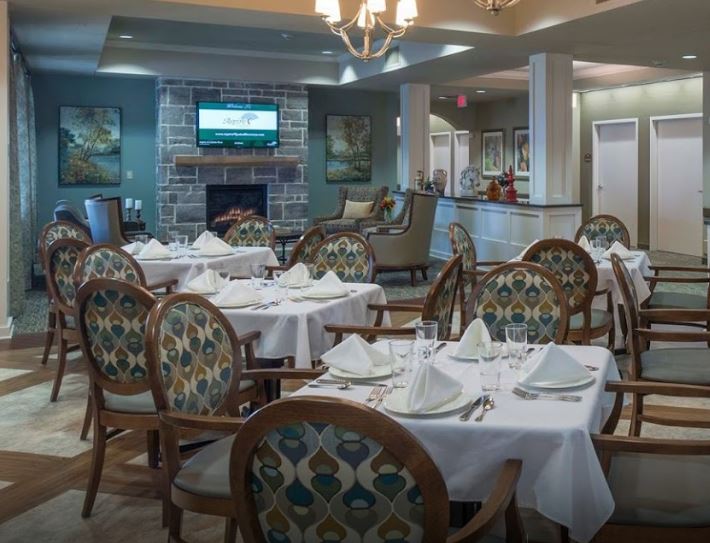
How is Aspire Physical Recovery Center At Cahaba River Staffed?

CMS rates ASPIRE PHYSICAL RECOVERY CENTER AT CAHABA RIVER's staffing level at 4 out of 5 stars, which is above average compared to other nursing homes. Staff turnover is 68%, which is 22 percentage points above the Alabama average of 46%. High turnover can affect care consistency as new staff learn residents' individual needs.

What Have Inspectors Found at Aspire Physical Recovery Center At Cahaba River?

State health inspectors documented 17 deficiencies at ASPIRE PHYSICAL RECOVERY CENTER AT CAHABA RIVER during 2018 to 2024. These included: 1 Immediate Jeopardy (the most serious level, indicating potential for serious harm or death) and 16 with potential for harm. Immediate Jeopardy findings are rare and represent the most serious regulatory concerns. They require immediate corrective action.
Who Owns and Operates Aspire Physical Recovery Center At Cahaba River?

ASPIRE PHYSICAL RECOVERY CENTER AT CAHABA RIVER is owned by a for-profit company. For-profit facilities operate as businesses with obligations to shareholders or private owners. The facility is operated by NHS MANAGEMENT, a chain that manages multiple nursing homes. With 120 certified beds and approximately 112 residents (about 93% occupancy), it is a mid-sized facility located in VESTAVIA, Alabama.
How Does Aspire Physical Recovery Center At Cahaba River Compare to Other Alabama Nursing Homes?

Compared to the 100 nursing homes in Alabama, ASPIRE PHYSICAL RECOVERY CENTER AT CAHABA RIVER's overall rating (1 stars) is below the state average of 2.9, staff turnover (68%) is significantly higher than the state average of 46%, and health inspection rating (1 stars) is much below the national benchmark.

What Should Families Ask When Visiting Aspire Physical Recovery Center At Cahaba River?

Based on this facility's data, families visiting should ask: "What changes have been made since the serious inspection findings, and how are you preventing similar issues?" "How do you ensure continuity of care given staff turnover, and what is your staff retention strategy?" "Can I visit during a mealtime to observe dining assistance and food quality?" "How do you handle medical emergencies, and what is your hospital transfer rate?" These questions are particularly relevant given the facility's Immediate Jeopardy citations and the facility's high staff turnover rate.

Is Aspire Physical Recovery Center At Cahaba River Safe?

Based on CMS inspection data, ASPIRE PHYSICAL RECOVERY CENTER AT CAHABA RIVER has documented safety concerns. Inspectors have issued 1 Immediate Jeopardy citation (the most serious violation level indicating risk of serious injury or death). The facility has a 1-star overall rating and ranks #100 of 100 nursing homes in Alabama. Families considering this facility should ask detailed questions about what corrective actions have been taken since these incidents.

Do Nurses at Aspire Physical Recovery Center At Cahaba River Stick Around?

Staff turnover at ASPIRE PHYSICAL RECOVERY CENTER AT CAHABA RIVER is high. At 68%, the facility is 22 percentage points above the Alabama average of 46%. High turnover means new staff may not know residents' individual needs, medications, or preferences. It can also be disorienting for residents, especially those with dementia who rely on familiar faces. Families should ask: What is causing the turnover? What retention programs are in place? How do you ensure care continuity during staff transitions?

Was Aspire Physical Recovery Center At Cahaba River Ever Fined?

ASPIRE PHYSICAL RECOVERY CENTER AT CAHABA RIVER has been fined $16,801 across 1 penalty action. This is below the Alabama average of $33,247. While any fine indicates a compliance issue, fines under $50,000 are relatively common and typically reflect isolated problems that were subsequently corrected. Families should ask what specific issues led to these fines and confirm they've been resolved.

Is Aspire Physical Recovery Center At Cahaba River on Any Federal Watch List?

ASPIRE PHYSICAL RECOVERY CENTER AT CAHABA RIVER is not on any federal watch list. The most significant is the Special Focus Facility (SFF) program, which identifies the bottom 1% of nursing homes nationally based on persistent, serious quality problems. Not being on this list means the facility has avoided the pattern of deficiencies that triggers enhanced federal oversight. This is a positive indicator, though families should still review the facility's inspection history directly.