HAVASU NURSING CENTER
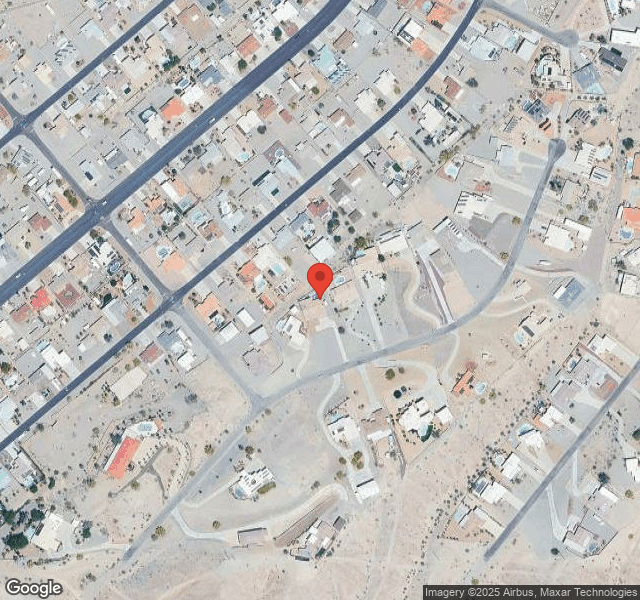
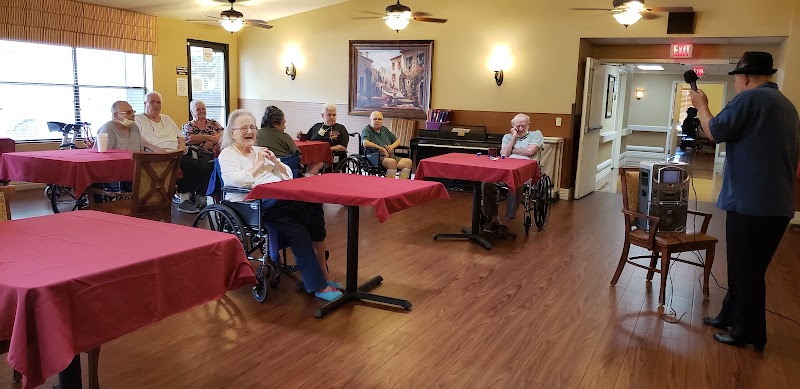
3576 KEARSAGE DRIVE, LAKE HAVASU CITY, AZ 86406 (928) 453-1500
For profit - Corporation 118 Beds CIRCLE B ENTERPRISES Data: November 2025
Trust Grade
65/100
#72 of 139 in AZ
Last Inspection: April 2025

Within standard 12-15 month inspection cycle. Federal law requires annual inspections.

Overview

Havasu Nursing Center has a Trust Grade of C+, indicating it is slightly above average but not outstanding. It ranks #72 out of 139 nursing homes in Arizona, placing it in the bottom half of facilities in the state, but #2 out of 6 in Mohave County, meaning it has only one local competitor that performs better. The facility's trend is worsening, with issues increasing from 4 in 2024 to 5 in 2025. Staffing is rated average, with a turnover rate of 46%, which is slightly below the state average, and the center has good RN coverage, exceeding 76% of other Arizona facilities, which helps ensure better care. However, there have been concerns, such as failing to notify the appropriate parties about resident discharges and not maintaining privacy during medication administration, which raises red flags about compliance with care standards. On the positive side, the facility has no fines on record, indicating it has not faced penalties for compliance issues.

Trust Score
C+
65/100
In Arizona
#72/139
Bottom 49%
Safety Record
Low Risk
No red flags
Inspections
Getting Worse
4 → 5 violations
Staff Stability
⚠ Watch
46% turnover. Above average. Higher turnover means staff may not know residents' routines.
Penalties
✓ Good
No fines on record. Clean compliance history, better than most Arizona facilities.
Skilled Nurses
○ Average
Each resident gets 40 minutes of Registered Nurse (RN) attention daily — about average for Arizona. RNs are the most trained staff who monitor for health changes.
Violations
⚠ Watch
16 deficiencies on record. Higher than average. Multiple issues found across inspections.
★★★☆☆
3.0
Overall Rating
★★★☆☆
3.0
Staff Levels
★★★☆☆
3.0
Care Quality
★★★☆☆
3.0
Inspection Score
Stable
2024: 4 issues
2025: 5 issues

The Good

  • Full Sprinkler Coverage · Fire safety systems throughout facility
  • No fines on record

Facility shows strength in fire safety.

The Bad

3-Star Overall Rating

Near Arizona average (3.3)

Meets federal standards, typical of most facilities

Staff Turnover: 46%

Near Arizona avg (46%)

Higher turnover may affect care consistency

Chain: CIRCLE B ENTERPRISES

Part of a multi-facility chain

Ask about local staffing decisions and management

The Ugly 16 deficiencies on record

Sept 2025 1 deficiency
CONCERN (E) 📢 Someone Reported This

A family member, employee, or ombudsman was alarmed enough to file a formal complaint

Potential for Harm - no one hurt, but risky conditions existed

Deficiency F0628 (Tag F0628)

Could have caused harm · This affected multiple residents

**NOTE- TERMS IN BRACKETS HAVE BEEN EDITED TO PROTECT CONFIDENTIALITY** Based on closed record review, staff interviews, and review of facility policy, the facility failed to ensure that transfer/disc...

Read full inspector narrative →
**NOTE- TERMS IN BRACKETS HAVE BEEN EDITED TO PROTECT CONFIDENTIALITY** Based on closed record review, staff interviews, and review of facility policy, the facility failed to ensure that transfer/discharge notifications were made for three sampled residents (#2), (#4) and (#6) to the representative of the Office of the State Long-Term Care Ombudsman. The deficient practice can result in further notifications of resident transfer/discharge not being provided to the Ombudsman.Findings include:-Resident #2 was admitted to the facility June 9, 2025 and discharged [DATE] with diagnoses that included encounter for other orthopedic aftercare, other specified degenerative diseases of basal ganglia, nontraumatic intracranial hemorrhage, unspecified, need for assistance with personal care.A discharge Minimum Data Set (MDS) assessment dated [DATE] revealed that the resident had an unplanned discharge home with hospice. A Brief Interview for Mental Status (BIMS) was conducted revealing a score of 07, indicating severe cognitive impairment. Further review of the MDS revealed no indicators for mood or behaviors and that the resident required partial to moderate assistance with activities of daily living. Review of the Order Summary Report did not reveal an order for the resident to be discharged home with hospice services.However, review of the resident's Census List indicated that the resident discharged on June 13, 2025. A progress note dated June 13, 2025 documented that the, residents family advised that transport was coming to pick up resident to take home. Family advised resident is now a patient of hospice. AMA form was explained to family, and family was educated about taking patient AMA. See chart for signed AMA form. Resident left at approx. 1141 via wheelchair.-Resident #4 was admitted to the facility July 10, 2025 and discharged (AMA) July 11, 2025 with diagnosis including aftercare following joint replacement surgery, chronic obstructive pulmonary disease, unspecified, need for assistance with personal care. Review of the MDS assessment dated [DATE] revealed BIMS for resident #4 was unavailable for review. Further review revealed no indicators for behaviors, required supervision to moderate assistance with ADL's with a recent hip and knee replacement. Review of the care plan conference summary dated July 11, 2025 documented Resident concerned about staying at the facility due to husband's pancreatic cancer, Parkinson's and chemo fog. Resident insisted on going home to be with her husband and agreed to sign the AMA paperwork-Resident left the facility before signing the AMA document.A progress note dated July 11, 2025 documented resident left AMA.-Resident #6 was admitted to the facility July 18, 2025 and discharged AMA August 14, 2025 with diagnosis including hemiplegia and hemiparesis following cerebral infarction affecting left non-dominant side, acute kidney failure, unspecified, unspecified abnormalities of gait and mobility, unsteadiness on feet. Review of the care plan date-initiated June 24, 2025 revealed a focus for discharge planning. Interventions included determine resident/representative goals for discharge.Review of the MDS assessment dated [DATE] revealed a BIMS of 15, indicating resident's cognition intact. There were no indicators for mood or behaviors and requires substantial to maximum assistance with ADL's.A progress note dated August 15, 2025 documented resident left the facility AMA and that the provider was made aware. Review of an Against Medical Advice Discharge Form dated August 14, 2025 was signed by resident #6 and Licensed Practical Nurse (Staff/LPN #62).A written request was submitted to the facility on September 4, 2025 at 1:47 pm requesting Ombudsman notification for June, July and August 2025.An interview was conducted on September 4, 2025 at 4:00 pm with the Administrator (Staff #23) and Director of Nursing (DON/Staff #19). It was stated when there is a resident who discharges from the facility AMA the facility will try to find out the need for discharge, ensure the resident is safe and provide notification of the AMA to all responsible parties. It was stated social services was responsible for notifying the ombudsman of all resident discharges, including those residents who discharge AMA. It was stated social services quit without notice, leaving administration to divide social service responsibilities among staff. Staff #23 stated he was responsible for notifying the state ombudsman and there was no documentation to provided that the state ombudsman was notified of AMA discharges. Review of the facility policy titled Discharging a Resident Without a Physician's Approval Revision date: March 2025 states a physician's or providers order is obtained for discharges, unless a resident or representative request the discharge against medical advice.Review of the facility policy titled Transfer or Discharge states Once admitted to the facility, residents have the right to remain in the facility. Transfers and discharges must meet specific criteria and require resident/representative notification, orientation, and documentation in the medical record.
Apr 2025 4 deficiencies
CONCERN (D)

Potential for Harm - no one hurt, but risky conditions existed

Deficiency F0583 (Tag F0583)

Could have caused harm · This affected 1 resident

Based on clinical record review, staff and family interviews, and facility documents and policy, the facility failed to ensure a resident's privacy was maintained during medication administration for ...

Read full inspector narrative →
Based on clinical record review, staff and family interviews, and facility documents and policy, the facility failed to ensure a resident's privacy was maintained during medication administration for one resident (resident #27). This deficient practice could result in further violations of resident privacy. Findings include: An observation was made on April 9, 2025 at 07:51 a.m. Licensed Practical Nurse (LPN) Staff #23 prepared medications for Resident #27. Staff #23 stepped away from the medication cart and went into Resident #27's room and gave the medications, however the computer screen was not closed or locked, displaying Resident #27's name, date of birth and medications. Staff #23 came back to screen and utilized the computer then turned around and went back into Resident #27's room again. The screen still had resident #27's name up with the screen unlocked. At 7:58 a.m. Staff #23 came back to the cart and was shown the screen and asked what could happen if the computer was left unlocked and unattended? Staff #23 stated somebody could come and mess with it. An interview was conducted on April 10, 2025 at 10:49 a.m. with Director of Nursing (DON) Staff #27 and revealed that the process for the medication pass and screen access is to either minimize or close the screen from any resident information display. Staff #27 state that if the screen was already left unlocked someone could see something that is HIPPAA (Health Insurance Portability and Accountability Act) protected. Asked how important is it to lock the screens and Staff #27 stated that it is absolutely important, everybody knows how important it is to protect the information. A review of the Resident Rights policy (revised February 2021), revealed that the Policy Statement reads: Employees shall treat all residents with kindness, respect, and dignity. Policy Interpretation and Implementation: 1. Federal and state laws guarantee certain basic rights to all residents of this facility. These rights include the resident's right to: section t. Privacy and confidentiality. A review of the HIPAA Training Program policy (revision date April 2007) revealed that under the Policy Interpretation and Implementation part 1. To ensure the confidentiality of out resident's protected health information (PHI) and facility information, a HIPAA and data security training program will be provided for all employees and business associates who have access to protected health and facility information.
CONCERN (D)

Potential for Harm - no one hurt, but risky conditions existed

Comprehensive Care Plan (Tag F0656)

Could have caused harm · This affected 1 resident

**NOTE- TERMS IN BRACKETS HAVE BEEN EDITED TO PROTECT CONFIDENTIALITY** Based on observations, clinical record review, staff interviews and policies and procedures, the facility failed to ensure that ...

Read full inspector narrative →
**NOTE- TERMS IN BRACKETS HAVE BEEN EDITED TO PROTECT CONFIDENTIALITY** Based on observations, clinical record review, staff interviews and policies and procedures, the facility failed to ensure that a centered care plan with interventions was developed for one resident (#15) with oxygen orders. The deficient practice could result in a care plan that is not person centered. Findings include: Resident #15 was admitted on [DATE], with diagnosis included hemiplegia and hemiparesis, Type 2 diabetes mellitus, hypothyroidism, and anxiety disorder. The quarterly Minimum Data Set (MDS) assessment dated [DATE] revealed a Brief interview Mental Status (BIMS) of 08 which indicated the resident was cognitively impaired. Review of Initial Care plan dated September 20, 2022 revealed no focus area for oxygen. A review of the documented physician order revealed oxygen at 2 liter via nasal cannula to keep oxygen levels at 90 or above with start date of March 24, 2025. Review of a health status provider note dated March 30, 2025 revealed a verbalized understanding and discussed patient decline and use of oxygen as patient is needing the oxygen to keep oxygen saturations above 90%. A physician order dated April 10, 2025 revealed that resident #15 was on continuous supplemental oxygen at 2 liter per minute, via nasal cannula to maintain oxygen saturation above 90%. However, review of the compressive care plan revealed no focused area for oxygen. An interview was conducted on April 09, 2025 at 08:48AM with Certified Nurse Assistant (CNA/staff #18), who stated that staff know who is on oxygen through the nursing reports or when the resident is admitted . Staff #18 stated that the nursing report will provide information regarding how many liters as well as which machine is used for a resident. Staff #18 stated that she was aware of resident #15 being on oxygen. Staff #18 stated that the CNA, Registered nurse, social workers, and resident coordinators help in creating the care plans for the residents. The oxygen should be care planned for the resident; and that, the risks is that their oxygen saturation can drop. An interview was conducted on April 09, 2025 at 10:24AM with Licensed Practical Nurse (LPN/Staff #23), who described the facility process for oxygen administration who stated that it was importantant that oxygen is properly connected and resident is getting adequate amounts of oxygen liter. Staff #23 stated that resident #15 had been declining and was on oxygen at 2 liters and her oxygen saturations are monitored throughout the day. Staff #23 stated that the oxygen is care planned, but was unable to locate it on care plan. She confirmed that it should have been care planned. Staff #23 stated the MDS coordinator does the care planning; but that, all staff assigned to the resident are responsible for it. An interview was conducted on April 09, 2025 at 10:38AM with Minimum Data Set (MDS) Coordinator (Staff #43), who confirmed that she participates in the care planning and reviews doctors ' orders then creates care plans. Staff #43 stated that if doctor had oxygen order she would add it to the care plan and nurse will do it as well. Staff #43 stated that she had been into resident #15 room, but could nott recall if the resident was on oxygen. She reviewed residents #15 order and confirmed that she did not care plan for oxygen. MDS coordinator stated that if oxygen is not care planned the resident will be at risk of respiratory failure. An interview was conducted on April 10, 2025 at 01:08PM with Director of Nursing (DON/staff #27), who stated that the facility expectation is to have oxygen care planned so that nurses can implement orders. Staff #27 stated that risks when oxygen administration are not care planned is that oxygen will not be delivered effectively such as possibly not getting tubing changed when it supposed to be. Further, staff #27 stated that staff members would not know if the resident needs oxygen and how much is needed. A review of policy titled Oxygen Administration revealed that review of the resident ' s care plan to asses for any special needs of the resident. A review of policy titled care plan revealed that care plan should focus on the course of action needed to attain or maintain highest practicable level of well-being, based on communication about reliable, consistent and understood by all team members.
CONCERN (D)

Potential for Harm - no one hurt, but risky conditions existed

Deficiency F0657 (Tag F0657)

Could have caused harm · This affected 1 resident

**NOTE- TERMS IN BRACKETS HAVE BEEN EDITED TO PROTECT CONFIDENTIALITY** Based on clinical record review, staff interviews, and policy and procedures, the facility failed to ensure that the care plan w...

Read full inspector narrative →
**NOTE- TERMS IN BRACKETS HAVE BEEN EDITED TO PROTECT CONFIDENTIALITY** Based on clinical record review, staff interviews, and policy and procedures, the facility failed to ensure that the care plan was revised after each fall for one (#94) of four sampled residents. The deficient practice could result in resident not getting the individualized care that they need. Findings include: Resident #94 was admitted to the facility on [DATE] with diagnoses that included type 2 diabetes mellitus, muscle weakness, unsteady on feet, abnormality of gait and mobility. An admission fall risk evaluation dated March 27, 2025 revealed that the resident had a history of 1-2 falls in the last 3 months. Further review of fall risk evaluation revealed that the resident was alert and oriented x 3. A care plan initiated on March 28, 2025 revealed that the resident had the high risk for falls. Interventions included to anticipate needs; ensure call light is within reach when in room; to participate in activities that promote exercise, physical activity for strengthening and improved mobility and ensure use of non-skid socks when ambulating or mobilizing in wheelchair. Further review of care plan revealed that the resident needed assistance with activity of daily living (ADL) tasks. An admission Minimum Data Set (MDS) assessment dated [DATE] revealed a Brief Interview for Mental Status (BIMS) score of 15, which indicated that the resident is cognitively intact. Further review of the MDS dated [DATE], revealed that the resident had two falls in the last six months prior to admission. A progress note dated April 7, 2025 revealed that the resident was observed by staff sitting on floor next to her bed. According to the note the resident stated that she lost her balance, slid to floor and denied any head injuries. Doctor and family were notified. However, there was no evidence in the clinical record that the care plan had been revised regarding the fall on April 7, 2025; and that, a fall incident report had been initiated. A progress note dated April 8, 2025 revealed that Resident #94 was observed by the nurse lying on the floor in her room in front of the bathroom door. The note indicated that the resident had green/purple bruising on her right ankle/foot. The progress further revealed that the resident had a pain level of eight out of ten and was sent to emergency room (ER) for evaluation and treatment. A progress note dated April 8, 2025 at 2:59 p.m. by Licensed Practical Nurse (LPN/ staff # 13) regarding post fall revealed that the resident had an acute facture of the right 4th rib with 1-2-millimeter (mm) displacement with mild swelling around rib and the doctor and family were notified. A fall incident report dated April 8, 2025, revealed that the resident sustained a fall with contributing factors listed as wet floor, weakness/fainted, ambulating without assistance. The fall incident report revealed resident mental status as oriented to place. No other information was provided in this report. Further, review of the care plan revealed no evidence that the care plan had been revised regarding the fall on April 8, 2025. A review of the Medical Center, discharge instructions diagnosis dated April 8, 2025 revealed an unspecified injury of the head, fracture of one rib, on right side. A final report of computed tomography (CT) chest without contrast dated April 8, 2025 at 5:21 a.m. revealed an acute facture in the right 4th rib with 1-2 mm displacement and mild soft tissue swelling around the right 4th rib. Occupational Therapy Treatment Encounter Notes dated April 8, 2025 revealed that the resident appeared to have increased confusion and impaired safety awareness, educated resident and nursing staff on the resident change in status. The note also relayed that the resident was no longer cleared to ambulate in room/to bathroom without staff present, that therapy is recommending that the patient use a wheelchair for mobility, and call for staff to be present for all transfers. An interview was conducted with the Resident #94 on April 8, 2025, at 1:49 p.m., who stated that she had a fall two days prior and one was this morning. The resident declined further interview at that time. During an interview with a Certified Nursing Assistant (CNA/ staff # 9) conducted on April 9, 2025 at 9:31 a.m., the CNA stated that the resident recently had an unwitnessed fall. The CNA further stated that after the fall, interventions were initiated that included frequent monitoring, calling staff during transfer, and educating resident to use call light. The CNA then stated that CNAs do not document monitoring and supervision of resident in the clinical record, but notify nursing. An interview was conducted with a LPN (staff #6) on April 9, 2025 at 1:16 p.m., who stated that Resident #94 had a decline in mental status including hallucinations and talking to herself. The LPN reviewed the resident's clinical record and stated that the resident was admitted to the facility three weeks ago and had unwitnessed falls on April 7, 2025, and April 8, 2025. The LPN further stated that the fall on April 8, 2025 resulted in a bruise on the resident's right foot and head, and during that incident, the resident's vital signs were monitored, 911 was called, family/provider were notified, and the resident was sent to the ER. The director of nursing then reviewed the Resident #94 hospital records included chest CT that revealed a rib fractured. The LPN then stated that interventions were initiated after the resident's two falls that included frequent monitoring, education on call light, and self-transfer, but the interventions were not updated on the care plan. During an interview with the Director of Nursing (DON/ staff #27) conducted on April 9, 2025 at 1:44 p.m., the DON stated that during admission, residents were evaluated for fall risk, vitals, elopement, skin assessment, and initial care plan would be developed. The DON reviewed the clinical record and stated that the resident had falls on April 7 and April 8, 2025, she further stated that there were no notes regarding updated fall interventions in the clinical record, however updated interventions include use of a wheelchair and assistance with activity of daily living for toileting and transfer. The DON then stated that the facility fall policy would include assess with the appropriate care plan intervention. She then said that the facility did not follow their policy; and, the risk of not having the care plan updated after each fall could result in staff not having full information regarding the resident's medical conditions. Review of the facility's policy titled Care Plan, Comprehensive Person-Centered, revised on March 2022, revealed that assessments of residents are ongoing and care plans are revised as information about the residents and the residents' conditions change. Review of the undated facility policy titled Fall revealed that falls can often be an indicator of an impending decline. Each fall must be followed up with and updated in the plan of care with new interventions.
CONCERN (E)

Potential for Harm - no one hurt, but risky conditions existed

Infection Control (Tag F0880)

Could have caused harm · This affected multiple residents

**NOTE- TERMS IN BRACKETS HAVE BEEN EDITED TO PROTECT CONFIDENTIALITY** Based on observation, clinical record review, interview, and review of policy and procedures the facility failed to ensure Enhan...

Read full inspector narrative →
**NOTE- TERMS IN BRACKETS HAVE BEEN EDITED TO PROTECT CONFIDENTIALITY** Based on observation, clinical record review, interview, and review of policy and procedures the facility failed to ensure Enhanced Barrier Protection (EBP) was in place for seven residents (#2, #19, #20, #343, #36, #195, #94) according to professional standards. This deficient practice could result in the increased risk of pathogen transmission. Findings include: -Resident #2 was admitted to the facility on [DATE] with diagnoses that include Pyothorax without fistula and a breakdown (mechanical) of nephrostomy catheter among others. The MDS revealed the resident's BIMS score of 14 and also urinary incontinence and indwelling catheter care. The clinical record revealed a doctor's order for a nephrostomy tube output three times a day. -Resident #36 was admitted on [DATE] with diagnosis including acute respiratory failure with hypoxia with a peripherally inserted central catheter (PICC line LUE location). -Resident #19 was admitted on [DATE] with diagnosis of chronic obstructive pulmonary disease. This resident has a Physician order for Foley catheter care on January 1, 2025. There is no order for EBP measures, however, there was a Physician order to use the facility skin and wound protocol if indicated. -Resident #195 was admitted on [DATE] with primary diagnosis of hemiplegia and hemiparesis following cerebral infarction affecting the right dominant side. The resident has a G- tube site cleansing order and a daily tracheostomy care ordered by the Physician on April 05, 2025. -Resident #343 was admitted on [DATE] with a primary diagnosis of unspecified severe protein-calorie malnutrition. This resident also has a Foley catheter care and maintenance order by the Physician on April 9, 2025. -Resident #94 was admitted on [DATE] with a primary diagnosis of pneumonia with plans to use long term use of antibiotics. The resident has a PICC line on her right upper extremity (RUE) with a weekly dressing order from the Physician on March 29, 2025. -Resident #20 was admitted on [DATE] with a primary diagnosis of urinary tract infection. The resident is currently wearing a Foley catheter with a catheter care order placed on February 20, 2025. However, the Care Plan failed to reflect on Physician's order for EBP protocol and interventions for the seven residents (#2, #19, #20, #343, #36, #195, #94). There is also no evidence of any interdisciplinary communications to provide this vital universal precaution measure to protect the spread of infections within the facility; including signage outside resident's room visibly posted. An observation was conducted on April 10, 2025 at 2:00 p.m. It was observed that there was no signage identifying the residents' need for EBP. In addition, each of the residents that qualified for EBP did not have personal protective equipment readily accessible for staff use. Documentation failed to mention that any of the identified residents refused care plan regarding infection control. An interview with a CNA staff #32 conducted on April 10, 2025 regarding the EBP protocols, the staff #32 stated that she understood that they have to follow procedures such as hand sanitizing prior donning the gloves, and proper doffing of gloves after tending to the residents. The staff #32 also stated that they follow this procedure if there is EBP signage outside the residents' room. However, another CNA staff #19 stated CNAs receive notice from the LPNs/RNs regarding following the EBP protocols. An interview with the Director of Nursing who is also the Infection Preventionist staff #27 conducted on April 10, 2025 at 1:37 p.m revealed that the facility's current understanding of EBP protocol only involved the residents with a history of active multidrug-resistant organisms (MDRO). The staff #27 confirmed that there are no current residents that fit those profile requirements at the facility. When asked about the EBP federal guidelines, the staff #27 stated that, I just got some new literature, and believes that it is a dignity issue having to put the signage outside the residents with no active MDRO. However, when asked about the risks of not following the BP guidance, the staff #27 stated, are obviously the spread of infections. DON reiterated, that up until now, they were up to my expectations. For example, the staff #27 stated that the resident #195 did not have EBP signage but moving forward there will be EBP signage outside this resident's room. A facility EBP policy titled, Enhanced Barrier Precautions dated to 2024 revealed that enhanced barrier protection be initiated for residents with: (i) wounds (e.g., chronic wounds such as pressure ulcers, diabetic foot ulcers, unhealed surgical wounds, and chronic venous stasis ulcers) and/or indwelling/ implanted medical devices (e.g., central lines, ports, urinary catheters, feeding tubes, tracheostomy/ ventilator tubes) even if the resident is not known to be infected or colonized with a MDRO; and that, EBP precautions should be used for the duration of the affected resident/s' stay in the facility or until resolution of the wound or discontinuation of the indwelling medical device that placed them at higher risk.
Feb 2024 4 deficiencies
CONCERN (D) 📢 Someone Reported This

A family member, employee, or ombudsman was alarmed enough to file a formal complaint

Potential for Harm - no one hurt, but risky conditions existed

Deficiency F0602 (Tag F0602)

Could have caused harm · This affected 1 resident

Based on review of the clinical record, facility documentation, staff interviews, and policy, the facility failed to ensure residents property is not misappropriated. Findings include: On March 31, 2...

Read full inspector narrative →
Based on review of the clinical record, facility documentation, staff interviews, and policy, the facility failed to ensure residents property is not misappropriated. Findings include: On March 31, 2023 the facility became aware that the residents Petty Cash box was missing $110.00. It appeared that the money went missing between April 1, 2023, and April 14, 2023. An interview was conducted on January 30, 2024, at 12:20 pm with the Administrator (Staff #38) in regard to the incident. Staff #38 was asked who had access to the resident cash account to which he replied the only individuals that had access to the money were the Office Manager (Staff #63), Accounts Receivable (Staff #32), and the Receptionist at the time (Staff #100). Staff #38 was asked if a facility investigation had been conducted in regard to the matter; Staff #38 stated that an internal investigation was conducted into the incident, which included going over the account logs and interviewing the staff with access to the funds. Staff #38 stated that at no time were any individuals who had access to the petty cash box placed on leave pending the investigation, nor was there any additional audit conducted to ensure that other money was not missing. After interviews with staff, the only conclusion that was made was that the money went missing with no account as to where or why. Staff #38 stated that On April 19, 2023, Staff #100 was interviewed; until this date, Staff #100 worked April 3, 2023, through April 6, 2023, and then was out sick from April 7, 2023, through April 14, 2023. During the interview, an admission of improper accounting regarding the incident was made by Staff#100, and her employment was immediately terminated. When asked if the incident had been reported to the applicable agencies as per the facility policy and state and federal regulations, Staff #38 stated, No. When asked why this had not been reported, Staff #38 stated that he chose to report it only to his regional operations consultant. Staff #38 was additionally asked if he was familiar with the facility policy in regards to reporting incidents in the facility as well as the state and federal regulations, to which he replied, Yes. An interview was conducted on January 30, 2024, at 12:50 pm with Staff #63 in regard to the incident. When asked, Staff #63 stated that she did recall the incident and that money was missing from the resident cash fund. She stated that the only individuals who have access to this fund at the time besides her where Staff #32 and Staff #100. She stated that while she had acess to the funds, handling them was not a normal task of hers and she only did it when the other staff members were unavailable. She stated that she was interviewed by Staff #38 in regards to the incident but was never put on leave pending the disposition of the investigation. To her recollection the money was never found. An interview was conducted on January 30, 2024, at 12:50 pm with Staff #63 in regard to the incident. She stated that she was the one that discovered the missing funds, it was after she had attempted to reconcile the residents petty cash fund that she found that it was missing $110.00. Staff #63 stated that the process of petty cash is that the facility keeps $300.00 in cash and that the residents who need cash can get it from the petty cash fund and then the funds are taken or reconciled from the residents account. She stated that she was interviewed by Staff #38 in regards to the incident but was never put on leave pending the disposition of the investigation. Staff #63 stated that during the investigation and through a process of elimination it was determined that could not have been anyone other than Staff#100, and when interviewed about the incident did not at anytime deny that she had taken the money. Per the facilities policy titled Abuse Prevention Program revised September 2021 it defines Misappropriation of resident property as the deliberate misplacement, exploitation, or wrongful, temporary or permanent used of a resident's belongings or money without the resident's consent. The policy states that if an incident occurs, or there is any allegation that an incident might have occurred, of abuse, neglect, mistreatment, or misappropriation of resident property, the administrator, or designee will investigate. Furthermore, while the investigation is being conducted, accused individuals or those suspected of being responsible for abuse, neglect, mistreatment, or misappropriation of resident property and are employees of the facility will be placed on suspension pending the results of the investigation. The policy further states that when an alleged violation involving abuse, neglect, exploitation or mistreatment, including injuries of unknown source and misappropriation of resident property, are reported immediately. The local police or sheriff is to be notified when items of a $25.00 or greater value are taken from a resident by an identified staff person.
CONCERN (D) 📢 Someone Reported This

A family member, employee, or ombudsman was alarmed enough to file a formal complaint

Potential for Harm - no one hurt, but risky conditions existed

Report Alleged Abuse (Tag F0609)

Could have caused harm · This affected 1 resident

Based on review of the clinical record, facility documentation, staff interviews, and policy, the facility failed to ensure residents property is not misappropriated. Findings include: On March 31, 2...

Read full inspector narrative →
Based on review of the clinical record, facility documentation, staff interviews, and policy, the facility failed to ensure residents property is not misappropriated. Findings include: On March 31, 2023 the facility became aware that the resident's Petty Cash box was missing $110.00. It appeared that the money went missing between April 1, 2023, and April 14, 2023. An interview was conducted on January 30, 2024, at 12:20 PM with the Administrator (Staff #38) in regard to the incident. Staff #38 was asked who had access to the resident cash account to which he replied the only individuals that had access to the money were the Office Manager (Staff #63), Accounts Receivable (Staff #32), and the Receptionist at the time (Staff #100). Staff #38 was asked if a facility investigation had been conducted in regard to the matter; Staff #38 stated that an internal investigation was conducted into the incident, which included going over the account logs and interviewing the staff with access to the funds. Staff #38 stated that at no time were any individuals who had access to the petty cash box placed on leave pending the investigation, nor was there any additional audit conducted to ensure that other money was not missing. After interviews with staff, the only conclusion that was made was that the money went missing with no account as to where or why. Staff #38 stated that On April 19, 2023, Staff #100 was interviewed; until this date, Staff #100 worked April 3, 2023, through April 6, 2023, and then was out sick from April 7, 2023, through April 14, 2023. During the interview, an admission of improper accounting regarding the incident was made by Staff#100, and her employment was immediately terminated. When asked if the incident had been reported to the applicable agencies as per the facility policy and state and federal regulations, Staff #38 stated, No. When asked why this had not been reported, Staff #38 stated that he chose to report it only to his regional operations consultant. Staff #38 was additionally asked if he was familiar with the facility policy in regards to reporting incidents in the facility as well as the state and federal regulations, to which he replied, Yes. An interview was conducted on January 30, 2024, at 12:50 PM with Staff #63 in regard to the incident. When asked, Staff #63 stated that she did recall the incident and that money was missing from the resident cash fund. She stated that the only individuals who have access to this fund at the time besides her were Staff #32 and Staff #100. She stated that while she had access to the funds, handling them was not a normal task of hers and she only did it when the other staff members were unavailable. She stated that she was interviewed by Staff #38 in regards to the incident but was never put on leave pending the disposition of the investigation. To her recollection the money was never found. An interview was conducted on January 30, 2024, at 12:50 PM with Staff #63 in regard to the incident. She stated that she was the one that discovered the missing funds, it was after she had attempted to reconcile the residents petty cash fund that she found that it was missing $110.00. Staff #63 stated that the process of petty cash is that the facility keeps $300.00 in cash and that the residents who need cash can get it from the petty cash fund and then the funds are taken or reconciled from the residents account. She stated that she was interviewed by Staff #38 in regards to the incident but was never put on leave pending the disposition of the investigation. Staff #63 stated that during the investigation and through a process of elimination it was determined that it could not have been anyone other than Staff#100, and when interviewed about the incident she did not at anytime deny that she had taken the money. Per the facilities policy titled Abuse Prevention Program revised September 2021 it defines Misappropriation of resident property as the deliberate misplacement, exploitation, or wrongful, temporary or permanent used of a resident's belongings or money without the resident's consent. The policy states that if an incident occurs, or there is any allegation that an incident might have occurred, of abuse, neglect, mistreatment, or misappropriation of resident property, the administrator, or designee will investigate. Furthermore, while the investigation is being conducted, accused individuals or those suspected of being responsible for abuse, neglect, mistreatment, or misappropriation of resident property and are employees of the facility will be placed on suspension pending the results of the investigation. The policy further states that when an alleged violation involving abuse, neglect, exploitation or mistreatment, including injuries of unknown source and misappropriation of resident property, are reported immediately. The local police or sheriff is to be notified when items of a $25.00 or greater value are taken from a resident by an identified staff person.
CONCERN (D) 📢 Someone Reported This

A family member, employee, or ombudsman was alarmed enough to file a formal complaint

Potential for Harm - no one hurt, but risky conditions existed

Investigate Abuse (Tag F0610)

Could have caused harm · This affected 1 resident

Based on review of the clinical record, facility documentation, staff interviews, and policy, the facility failed to ensure residents property is not misappropriated. Findings include: On March 31, 2...

Read full inspector narrative →
Based on review of the clinical record, facility documentation, staff interviews, and policy, the facility failed to ensure residents property is not misappropriated. Findings include: On March 31, 2023 the facility became aware that the residents Petty Cash box was missing $110.00. It appeared that the money went missing between April 1, 2023, and April 14, 2023. An interview was conducted on January 30, 2024, at 12:20 PM with the Administrator (Staff #38) in regard to the incident. Staff #38 was asked who had access to the resident cash account to which he replied the only individuals that had access to the money were the Office Manager (Staff #63), Accounts Receivable (Staff #32), and the Receptionist at the time (Staff #100). Staff #38 was asked if a facility investigation had been conducted in regard to the matter; Staff #38 stated that an internal investigation was conducted into the incident, which included going over the account logs and interviewing the staff with access to the funds. Staff #38 stated that at no time were any individuals who had access to the petty cash box placed on leave pending the investigation, nor was there any additional audit conducted to ensure that other money was not missing. After interviews with staff, the only conclusion that was made was that the money went missing with no account as to where or why. Staff #38 stated that On April 19, 2023, Staff #100 was interviewed; until this date, Staff #100 worked April 3, 2023, through April 6, 2023, and then was out sick from April 7, 2023, through April 14, 2023. During the interview, an admission of improper accounting regarding the incident was made by Staff#100, and her employment was immediately terminated. When asked if the incident had been reported to the applicable agencies as per the facility policy and state and federal regulations, Staff #38 stated, No. When asked why this had not been reported, Staff #38 stated that he chose to report it only to his regional operations consultant. Staff #38 was additionally asked if he was familiar with the facility policy in regards to reporting incidents in the facility as well as the state and federal regulations, to which he replied, Yes. An interview was conducted on January 30, 2024, at 12:50 PM with Staff #63 in regard to the incident. When asked, Staff #63 stated that she did recall the incident and that money was missing from the resident cash fund. She stated that the only individuals who have access to this fund at the time besides her where Staff #32 and Staff #100. She stated that while she had access to the funds, handling them was not a normal task of hers and she only did it when the other staff members were unavailable. She stated that she was interviewed by Staff #38 in regards to the incident but was never put on leave pending the disposition of the investigation. To her recollection the money was never found. An interview was conducted on January 30, 2024, at 12:50 PM with Staff #63 in regard to the incident. She stated that she was the one that discovered the missing funds, it was after she had attempted to reconcile the residents petty cash fund that she found that it was missing $110.00. Staff #63 stated that the process of petty cash is that the facility keeps $300.00 in cash and that the residents who need cash can get it from the petty cash fund and then the funds are taken or reconciled from the residents account. She stated that she was interviewed by Staff #38 in regards to the incident but was never put on leave pending the disposition of the investigation. Staff #63 stated that during the investigation and through a process of elimination it was determined that could not have been anyone other than Staff#100, and when interviewed about the incident she did not at anytime deny that she had taken the money. Per the facilities policy titled Abuse Prevention Program revised September 2021 it defines Misappropriation of resident property as the deliberate misplacement, exploitation, or wrongful, temporary or permanent used of a resident's belongings or money without the resident's consent. The policy states that if an incident occurs, or there is any allegation that an incident might have occurred, of abuse, neglect, mistreatment, or misappropriation of resident property, the administrator, or designee will investigate. Furthermore, while the investigation is being conducted, accused individuals or those suspected of being responsible for abuse, neglect, mistreatment, or misappropriation of resident property and are employees of the facility will be placed on suspension pending the results of the investigation. The policy further states that when an alleged violation involving abuse, neglect, exploitation or mistreatment, including injuries of unknown source and misappropriation of resident property, are reported immediately. The local police or sheriff is to be notified when items of a $25.00 or greater value are taken from a resident by an identified staff person.
CONCERN (D) 📢 Someone Reported This

A family member, employee, or ombudsman was alarmed enough to file a formal complaint

Potential for Harm - no one hurt, but risky conditions existed

Deficiency F0740 (Tag F0740)

Could have caused harm · This affected 1 resident

**NOTE- TERMS IN BRACKETS HAVE BEEN EDITED TO PROTECT CONFIDENTIALITY** Based on clinical record review, staff interviews, and policy review, the facility failed to ensure the appropriate services for...

Read full inspector narrative →
**NOTE- TERMS IN BRACKETS HAVE BEEN EDITED TO PROTECT CONFIDENTIALITY** Based on clinical record review, staff interviews, and policy review, the facility failed to ensure the appropriate services for mental or psychological difficulty was provided for one resident (#6). The deficient practice could lead to the resident not receiving the behavioral healthcare services needed. Findings include: Resident #6 was admitted to the facility on [DATE] with diagnosis of depressive episodes, type 2 diabetes, and hypertension. Review of the nursing note dated 6/22/2023 identified that the resident was talking in a loud voice and being argumentative with a Certified Nursing Assistant (CNA) in the dining room. A care conference note dated on 5/31/2023 at 10:45 AM revealed that resident #6 is smearing his stool on the curtain, the resident's bed, and himself. The care conference note revealed that resident #6 is declining to allow staff to assist in cleaning him up; this is a long-standing behavior that increases at times. A Minimum Data Set (MDS) assessment dated [DATE], revealed a Brief Interview for Mental Status (BIMS) score of 13, which indicated the resident was cognitively intact. Review of a care conference conducted on 11/21/2023 at 10:30 AM revealed that resident #6 was told multiple times to make sure his body is covered up while laying in bed or close the curtain. The care conference stated that resident #6 likes to lay in bed without clothes on at times. Review of the encounter note titled BHS Psych - Follow up on 01/17/2024 at 9:30 AM indicated the resident was being seen for a psychiatric reassessment for previous major depressive disorder (MDD). The encounter note indicated that the resident mood is 8 and symptoms of depression were denied during the psych visit. However, upon revealing the encounter note, it did not show that the resident behaviors of yelling and being argumentative with staff was addressed. In addition, the encounter note also did not address the resident behaviors of playing with his own feces and smearing it on his bed, curtain, and body. An interview was conducted on 01/31/2024 at 9:35 AM with a Licensed Practical Nurse (LPN/Staff #52) stated this resident has a wide variety of certain behaviors. He does not really participate in activities, lacks social skills, and has inappropriate behaviors with other residents and staff at times. Staff #52 also stated we would catch the resident playing with his feces and urine a couple times a week. Staff #52 states the resident would not utilize his call lights when he needs help and would smear his feces in his body, curtains, and bed. When asked if resident #6 was referred for an updated Preadmission Screening and Resident Review (PASRR) Level II, staff #52 stated she is not aware of it and it is not within her scope of practice to refer for a PASRR Level II. An interview was conducted with the Director of Nursing/Staff #69 on 01/31/24 at 12:15 PM revealed relayed that resident #6's PASRR was not filled out completely as it did not address the resident Scatolia behaviors and certain areas that asked if the resident has issues with the adaptation of change, interpersonal symptoms, and concentration/related tasks symptoms. Staff #69 stated the resident behaviors of playing with his own feces were already notified to the Psych provider. However, upon reviewing the psych provider notes dated 8/8/23, 11/15/23, 1/1/24, and 1/21/24, did not indicate the resident Scatolia behaviors were informed or reviewed by the psych provider. Review of the facility policy, Behavior Monitoring under the Abuse Prevention program reviewed and revised on 09/2021 stated the facility will provide appropriate treatment and services to a resident who displays mental or psychological adjustment difficulty, in order to correct the assessed problem or provide care that is appropriate to that problem. The goal will be to assist the resident to reach and maintain his or her highest level of mental health and psychosocial functioning. For a resident who is exhibiting difficulties in the area, the staff should assure that there is an assessment of the residents' .when indicated, a psychological or psychiatric evaluation to assess, diagnose, and treat the condition should be completed.
Mar 2023 1 deficiency
CONCERN (D) 📢 Someone Reported This

A family member, employee, or ombudsman was alarmed enough to file a formal complaint

Potential for Harm - no one hurt, but risky conditions existed

Free from Abuse/Neglect (Tag F0600)

Could have caused harm · This affected 1 resident

**NOTE- TERMS IN BRACKETS HAVE BEEN EDITED TO PROTECT CONFIDENTIALITY** Based on clinical record review, staff interviews, facility documentation and policies and procedures, the facility failed to en...

Read full inspector narrative →
**NOTE- TERMS IN BRACKETS HAVE BEEN EDITED TO PROTECT CONFIDENTIALITY** Based on clinical record review, staff interviews, facility documentation and policies and procedures, the facility failed to ensure that one resident (#23) was free from abuse by failing to address complaints of pain during wound treatment. The deficient practice could result in resident having psychological trauma wound treatment. Findings include: Resident #23 was admitted on [DATE] with diagnoses of peripheral vascular disease, chronic obstructive pulmonary disease (COPD), and chronic venous hypertension with ulcer of right and left lower extremities. The pain care plan dated September 5, 2022 revealed a goal that the resident's pain will be diminished and/or will be at an acceptable level. Interventions included to provide non-pharmacological interventions for pain; turn and reposition, rest and relaxation, watching TV, etc.; to administer medications as ordered; to monitor side effects and effectiveness of pain medications and consult with physician as needed. Review of the physician order recap for November 2022 revealed the following orders for: -Oxycodone (opioid) 10-325 mg (milligrams) give one tablet every 4 hours PRN (as needed) for moderate pain 6-10; and, -Ibuprofen (non-steroidal anti-inflammatory analgesic) 800 mg, give one tablet by mouth three times a day for pain. A progress note dated November 7, 2022 revealed that an incident happened at 1:00 a.m. Per the documentation, resident was medicated for pain at 11:30 p.m. and was later found in the bathroom in her wheelchair, had urinated in the trash can was soaking wet to include the bandages to the leg wounds. The documentation included that the bandages were changed to both legs; and that, the resident cried and screamed throughout the entire treatment. The note also included that the resident wanted a pain pill and was informed that it was too soon; and that, the resident had to wait until 2:30 a.m. Per the documentation, the resident was very angry but seemed to understand; however, 10 minutes later the resident was found on the floor in the bedroom sitting up and had removed all of the bandages and dressings to her legs. The note included that when the resident was asked what had happened, the resident replied that she did it because she wanted a pain pill right now. According to the documentation, the nurse educated the resident that she would still have to wait and would have to have the treatment to her legs done again. There was no evidence found in the clinical record that the facility managed the resident's complaints of pain during the dressing change on November 7, 2022. A review of the vital signs grid revealed that on November 6, 2022 at 4:24 a.m. the resident's verbal pain level was 6; and that, the resident was not re-evaluated until November 6, 2022 at 12:05 p.m. and the verbal pain level at that time was 8. The (Medication Administration Record) for November 2022 revealed oxycodone was administered as ordered on November 6, 2022 at 11:31 p.m. and on November 7, 2022 at 8:51 a.m. and at 4:19 p.m. However, the scheduled ibuprofen was not documented as administered on November 6 and 7. There was no evidence found in the clinical record why the scheduled ibuprofen was not administered as ordered. An interview with the medical doctor (staff #64) was conducted on March 16, 2023 at 12:09 p.m. Staff #64 stated that if there was an order for wound care once a day and the order was not time specific, the expectation was for the would care to be done that day. Staff #64 said that if a resident has pain related to wound care then a scheduled pain medication can be ordered to complete wound care. The medical doctor also said that if pain during wound care was not a common event, a PRN (as needed) medication can be offered; and, if there was no PRN medication available, his expectation was for the nurse/facility to call the provider and obtain an order for breakthrough pain management. Regarding resident #23, the medical doctor said that he could not recall facility calling him regarding the resident's pain during wound care that happened on the night shift. Staff #64 stated that if a resident was experiencing pain during any wound care treatments, the expectation was for the nurse/facility to administer PRN/scheduled pain medications as ordered, and to obtain an order for pain management if there is no order available. An interview was conducted with a licensed practical nurse (LPN/staff #12) on March 16, 2023 at 11:55 a.m. Staff #12 stated that if there was an order for once a day dressing changes/wound care then the treatment will be provided anytime that day unless a specific time was ordered. The LPN said that if a resident was having pain during a wound care the expectation was for staff to either administer scheduled/PRN pain medication, delay the wound care (if appropriate) closer to the scheduled/PRN medication time available or notify the provider and obtain an order for breakthrough pain management. Further, the LPN said that if a resident develops pain during the treatment, she would stop the dressing change, cover the wounds as appropriate and notify the provider. An interview was conducted with registered nurse (RN/staff #59) on March 16, 2023 at 12:05 p.m. The RN said that wound care is completed per the physician's order and typically are not time specific. Staff #59 stated the expectation was that the nursing staff address pain prior to wound care, administer any scheduled/PRN medications as ordered. The RN stated that if there was no scheduled/PRN pain medication available prior to wound care, it was reasonable for the nursing staff to delay the treatment (if appropriate) until closer to the time a pain medication would be available. She also stated that if a resident was experiencing pain during the treatment, the nurse should end the treatment. Further, the RN said the expectation was for nursing staff to exhaust all options to address pain prior to initiating wound care of a resident that has signs/symptoms of pain or verbalizes pain. The RN also said that residents have the right to refuse wound care. The facility wound and skin care protocols revealed that the assessment and documentation will always assess pain/pain control; and that, the goal of pain management in the pressure injury patient is to eliminate the cause of the pain, to provide analgesia or both. The protocol also included to assess all patients for pain related to the pressure injury or its treatment. Caregivers should not assume that because a patient cannot express or respond to pain that it does not exist. Manage pain by eliminating or controlling the source when possible (wound coverings, support surfaces, repositioning). Try to prevent or relieve pain associated with or made worse during dressing changes and debridement. Assess and care plan pain management (i.e., analgesia 30-45 minutes prior to dressing change) when appropriate. Contact physician/provider when additional pain management needed.
Oct 2022 6 deficiencies
CONCERN (D)

Potential for Harm - no one hurt, but risky conditions existed

Deficiency F0554 (Tag F0554)

Could have caused harm · This affected 1 resident

**NOTE- TERMS IN BRACKETS HAVE BEEN EDITED TO PROTECT CONFIDENTIALITY** Based on observation, clinical record review, staff interviews, and review of policy, the facility failed to ensure one resident...

Read full inspector narrative →
**NOTE- TERMS IN BRACKETS HAVE BEEN EDITED TO PROTECT CONFIDENTIALITY** Based on observation, clinical record review, staff interviews, and review of policy, the facility failed to ensure one resident (#13) was assessed to self-administer medications. The sample size was 14. The deficient practice could result in residents not receiving medications as ordered by the physician. Findings include: Resident #13 was admitted on [DATE] with diagnoses that included type 2 diabetes and dependence on renal dialysis. During an observation conducted on October 27, 2022 at 8:56 AM, a clear medication cup was observed on resident #13's sink countertop. The cup contained three medications. The resident was in bed asleep. Review of the clinical record revealed no evidence of physician orders for the resident to self-administer medication. Review of the care plan revealed no evidence of self-administration care planning. Continued review of the clinical record revealed the following medications were to be administered at 6:00 AM: -Levothyroxine (hypothyroidism) 125 mg (milligram) one tablet by mouth daily -hydralazine (hypertension) 100 mg one tablet by mouth three times a day. -clonidine HCL (hypertension) 0.1mg one tablet by mouth three times a day. An interview was conducted with a Licensed Practical Nurse (LPN/staff #49) on October 27, 2022 at 8:58 AM. The LPN stated that she had left Levothyroxine, hydralazine and clonidine in a medication cup on the sink countertop for the resident to take after the resident was done in the bathroom. She stated that the facility policy for medication administration was to stay in the room and ensure the resident consumes all medications. The LPN stated that the facility does not complete assessments for resident self-administration. She also stated that it is the facility policy to administer all medications according to the physician's orders. She further stated that it is the facility policy to discard medications that are refused by a resident. The LPN stated that she did not follow the facility policy and left the medications unattended. She stated that the risk could include someone else taking the medication, or the medication being taken too closely together. After the interview the nurse removed the medication cup from the resident's room and discarded them. An interview was conducted on October 27, 2022 at 11:00 AM with the Director of Nursing (DON/staff #130), who stated that the medication administration policy states that staff are not to leave medications at the bedside. She also stated that when a resident refuses medication, the nurse should put the medications in a cup and re-attempt later, but not to leave medications in the room. The DON stated that the risk of not administering blood pressure medication as ordered could result in a hypertensive crisis, especially for a dialysis resident. The facility's policy titled, Administering Medications, stated medications are administered in a safe and timely manner, and as prescribed. Medications are administered in accordance with the prescriber orders, including any required time frame. Medications are administered within one hour of their prescribed time, unless otherwise specified. Residents may self-administer their own medications only if the attending physician, in conjunction with the interdisciplinary care planning team, has determined that they have the decision-making capacity to do so safely. If a drug is refused, or given at a time other than the scheduled time, the individual administering the medication shall initial and circle the medication administration record space for that drug and dose.
CONCERN (D)

Potential for Harm - no one hurt, but risky conditions existed

PASARR Coordination (Tag F0644)

Could have caused harm · This affected 1 resident

**NOTE- TERMS IN BRACKETS HAVE BEEN EDITED TO PROTECT CONFIDENTIALITY** Based on clinical record review, staff interviews and facility policy, the facility failed to ensure one sampled resident (#34) ...

Read full inspector narrative →
**NOTE- TERMS IN BRACKETS HAVE BEEN EDITED TO PROTECT CONFIDENTIALITY** Based on clinical record review, staff interviews and facility policy, the facility failed to ensure one sampled resident (#34) with a diagnosis of a serious mental illness was referred to the appropriate State-designated authority for review when the resident's stay exceeded 30 days. The deficient practice could result in residents not receiving specialized services that they need. Findings include: Resident #34 was admitted to the facility on [DATE] and readmitted on [DATE] with diagnoses that included chronic venous hypertension with ulcer of the lower extremity, bipolar disorder and major depressive disorder. Review of the Level 1 PASARR (pre-admission screening and resident review) dated August 12, 2022 revealed the resident met the criteria for a 30-day convalescent care. The attending physician had certified, prior to admission, that the resident would require less than 30 calendar days of nursing facility services. The PASARR also revealed the nursing facility must update the Level 1 at such time that it appears the resident's stay will exceed 30 day. Review of physician orders revealed an order dated September 6, 2022 for Trazodone 150 milligrams (mg) by mouth daily for depression/insomnia, Zoloft 25 mg by mouth daily for depression, and September 12, 2022 for Lithium 300 mg twice daily by mouth for bipolar disorder. The care plan initiated on September 28, 2022 revealed the resident had depression and the goal was the signs and symptoms of depression will be managed with current interventions. Interventions including administering Trazodone and Zoloft as ordered. Review of the quarterly minimum data set (MDS) assessment dated [DATE] revealed the resident scored a 9 on the brief interview for mental status (BIMS) indicating moderate impaired cognition. The MDS assessment further revealed the resident displayed hallucinations/psychosis and was depressed. Continued review of the clinical record did not reveal evidence the Level 1 was updated or that the resident was referred for a Level 2 PASARR. An interview was conducted on October 27, 2022 at 12:13 PM with the Director of Social Services (staff #79). She stated that a PASARR is part of the resident's clinical record and that the Level 1 PASARR generally comes with the residents when they are admitted to the facility. She stated that she reviews the document and if there was any question about the need for a referral for a Level 2 PASARR, she refers to the DON (Director of Nursing). She stated the DON determines the need for a Level 2 referral based on the resident's diagnoses and medications. Staff #79 stated that if the resident has diagnoses of mental illness or takes behavior altering medications, a Level 2 is required. Staff #79 further stated that on the PASARR form, in order for a resident to meet the 30-day convalescent care criteria, the resident's stay must be less than 30 days in duration. She stated that although this option was selected on the Level 1 PASARR for resident #34, the resident has been at the facility for longer than 30 days. Staff #79 stated this indicated the need for a reassessment of the resident's Level 1 PASARR. On October 27, 2022 at 12:23 PM, an interview was conducted with the DON (staff #130). She stated that she handles all PASARR Level 2 requests. The DON stated that she has never requested a Level 2 assessment in her 20 years as a DON. She stated that she believes that someone comes into the facility to do the Level 2 assessments but was not sure who handles the assessment. She further stated that resident #34 had a mental illness diagnosis and should have had a Level 2 assessment done, but one was not done for this resident. The DON stated the fact that a Level 2 assessment was not done for this resident does not meet her expectation and is not acceptable. Review of the facility's Behavioral Assessment, Intervention and Monitoring Behaviors Policy (3/2019) revealed the facility would provide behavioral health services as needed to maintain the highest practicable wellbeing in accordance with the resident plan of care. All residents will receive a Level 1 PASARR screen prior to admission and if indicated that the resident meets the criteria for a mental disorder the resident will be referred to the state PASARR representative for a Level 2 screening. The Level 2 evaluation will be used when conducting the resident assessment and developing the care plan.
CONCERN (D)

Potential for Harm - no one hurt, but risky conditions existed

Quality of Care (Tag F0684)

Could have caused harm · This affected 1 resident

**NOTE- TERMS IN BRACKETS HAVE BEEN EDITED TO PROTECT CONFIDENTIALITY** Based on clinical record review, staff interviews, and policy reviews, the facility failed to ensure the necessary treatment and...

Read full inspector narrative →
**NOTE- TERMS IN BRACKETS HAVE BEEN EDITED TO PROTECT CONFIDENTIALITY** Based on clinical record review, staff interviews, and policy reviews, the facility failed to ensure the necessary treatment and services were provided for wound care for one sampled resident (#18). The deficient practice could result in skin lesions/wounds worsening. Findings include: Resident #18 was admitted on [DATE] with diagnoses that included epilepsy, traumatic brain injury and moderate protein-calorie malnutrition. Review of the clinical record revealed an open area on the temple was identified on March 10, 2022 and a forehead lesion was identified on April 4, 2022. Review of the physician's orders revealed: -Cleanse the open areas to the right forehead/temple with normal saline every day, dated March 18, 2022. -Cleanse the wounds to the head with a wound cleanser and pat dry. Apply Silvagel to the wounds and cover with a calcium alginate and island dressing every day, dated May 9, 2022. Review of a care plan initiated on March 22, 2022 revealed the resident had alteration in skin integrity related to open areas to the right forehead/temple. Interventions included a mattress, treatment to the right forehead/temple as ordered, assisting with turning and repositioning. Review of wound skin status report revealed: -May 11, 2022 Forehead lesion assessment/measurements -May 11, 2022 Right temple puncture assessment measurements Review of the clinical record revealed wound assessments for the forehead lesion and right temple puncture dated May 3, 2022, May 11, 2022, and July 13, 2022. Further clinical record review revealed no evidence of any other wound assessments for the forehead or temple lesions. Review of a Wound Healing Progress report revealed measurements for the forehead lesion and right temple puncture dated April 4, 2022, April 19, 2022, May 11, 2022, and July 13, 2022. Further review of the Wound Healing Progress report revealed no other measurements for the forehead and temple lesions. Review of the 2022 Treatment Administration Records (TARs) for May, June, July and August revealed the open areas to the right forehead/temple dressings were completed as ordered. Review of a quarterly Minimum Data Set (MDS) dated [DATE], revealed a Brief Interview of Mental Status (BIMS) of 13 which indicated intact cognition. The assessment also revealed the resident had open skin ulcers that were not ulcers, rashes or cuts. Further review of the medical record revealed no evidence that wound assessments had been completed during September 2022 and October 2022. Review of the TAR dated September 2022 and October 2022 revealed 9 days that there was no evidence the head wound dressings were completed as ordered, on 9/4, 9/6, 9/11, 9/13, 9/15, 9/19, 9/30/2022, 10/1, and 10/18. Further review of the TAR nursing notes revealed no evidence of the reason that the dressings were not completed on nine days during September 2022 and October 2022. An interview was conducted on October 26, 2022 at 12:06 PM with a Registered Nurse (RN/staff #47), who stated the resident does receive wound care to the right forehead and temple. She reviewed the medical record and stated that she did not see any evidence of wound measurements for the forehead and temple wounds. An interview was conducted on October 26, 2022 at 12:12 PM with the MDS Coordinator (staff #88), who stated there were no wound measurement/assessments documented in the clinical record or in the paper chart. An interview was conducted on October 26, 2022 at 12:30 PM with the Administrator (staff #64), who stated that the wound care nurse left two weeks ago, and since then the unit nurses were responsible for wound assessment and care. An interview was conducted on October 27, 2022 at 9:42 AM with a Certified Nursing Assistant (CNA/staff #116), who stated that the resident was admitted with open areas on the forehead, and that nurses complete the dressing changes. An interview was conducted on October 27, 2022 at 10:35 AM with a Licensed Practical Nurse (LPN/staff #49), who stated that the resident was admitted to the facility with a chronic head wound. She stated that nursing applies the dressing, but does not assess/measure the wounds regularly. She also stated that there was no one else that she was aware of that does assessments and measurements. The LPN further stated the wound dressing is documented in the TAR. She reviewed the medical record and stated that in September there were 7 days, and in October there were 2 days that an N was marked on the TAR, which means no. She further stated that if a resident refuses treatment it is marked as refused on the TAR ad there should be a nursing note. She stated that the facility policy is to follow physician orders as written. An interview was conducted on October 27, 2022 at 11:15 AM with the Director of Nursing (DON/staff #130), who stated that the TAR is signed when the dressing is completed. She also stated that an N on the TAR means not done, and there would be a checkmark if it was completed. She further stated that if an N is documented in the TAR, there should be documentation in the TAR nursing notes. The DON reviewed the clinical record and stated there was no evidence the dressings to the head wounds had been completed as ordered in September 2022 and October 2022 for 9 days. She further stated that the facility policy is to follow physician orders as written. The DON stated the risk of the dressings not being completed as ordered could result in an infection, and the wound becoming worse. Review of the facility policy titled, Wound and Skin Care Protocols and Procedures, revealed the DON is responsible for reviewing weekly wound report and monitoring progress/decline of any wound and assuring compliance with current standards of wound care practice. Review of the facility policy titled, Wound Care, revealed that the following information should be recorded in the resident's medical record: -type of wound care given -date/time the wound care was given. -all assessment date (wound bed color, size, drainage) obtained when inspecting the wound. -if the resident refused the treatment and the reason why. To notify the supervisor if the resident refuses.
CONCERN (D)

Potential for Harm - no one hurt, but risky conditions existed

Pressure Ulcer Prevention (Tag F0686)

Could have caused harm · This affected 1 resident

**NOTE- TERMS IN BRACKETS HAVE BEEN EDITED TO PROTECT CONFIDENTIALITY** Based on clinical record review, staff interviews, observation, and policy review, the facility failed to ensure pressure ulcer ...

Read full inspector narrative →
**NOTE- TERMS IN BRACKETS HAVE BEEN EDITED TO PROTECT CONFIDENTIALITY** Based on clinical record review, staff interviews, observation, and policy review, the facility failed to ensure pressure ulcer measurements were consistently done for one resident (#147). The sample size was 2. The deficient practice could result in pressure ulcers not being measured. Findings include: Resident #147 was admitted to the facility on [DATE], with diagnoses that included atherosclerotic heart disease. anemia, hyperlipidemia, hypothyroidism and hypertension. Review of the admission skin assessment dated [DATE] revealed the resident had a pressure ulcer to the coccyx. Review of a pressure ulcer care plan dated 10/12/22 revealed that the resident had a pressure ulcer. The goal was for the ulcer to heal and not become infected. Interventions included use of a wound vac, repositioning, specialty mattress and monitoring for changes. A physician's order dated 10/13/22 stated: Stage IV pressure ulcer - Wound vac- 75 MMHG continuous pressure - change every Mon- Wed- Fri. Review of the Treatment Administration Record (TAR) for October 2022 revealed the wound vac to the pressure ulcer was changed as ordered. Review of the admission Minimum Data Set (MDS) assessment dated [DATE], revealed the resident's cognitive skills for daily decision making were severely impaired. The MDS assessment also revealed the resident had a one stage 2 and one stage 4 pressure ulcer that were present upon admission. Review of the clinical record did not reveal any evidence the wound was measured except for on the initial assessment. An interview was conducted with the Director of Nursing (DON/staff #130) on 10/27/22 at 12:21 PM. The DON stated that the wound nurse had left the facility and so the wounds were now being taken care of by the nurses. She stated that she realized a few weeks ago that measurements were not being done. The DON stated that this is a QAPI issue and is now being addressed. She added that it is her responsibility to ensure wound measurements are being done and they are not. The DON stated this could result in wounds worsening and not being treated correctly. During an observation of a dressing change done with the Licensed Practical Nurse (LPN/staff#11) on 10/27/22 at 12:59 PM, the wound was observed to be measured by the LPN. An interview was conducted with the LPN (staff #11) on 10/27/22 at 1:20 PM. The nurse stated that the dressings on the resident's coccyx has a wound vac and is changed every Monday, Wednesday and Friday. He stated that the resident tolerates it well. He stated that he documents the dressing change but does not measure the wound or document it. The LPN admitted that the wound nurse used to do this. Review of the facility policy titled Wound Care Protocols (revised 6/2021) stated the Director of Nursing will be responsible for reviewing weekly wound reports and monitoring progress/decline of any wound and assuring compliance with current standards of wound care practice.
CONCERN (D)

Potential for Harm - no one hurt, but risky conditions existed

Medication Errors (Tag F0758)

Could have caused harm · This affected 1 resident

**NOTE- TERMS IN BRACKETS HAVE BEEN EDITED TO PROTECT CONFIDENTIALITY** Based on clinical record review, staff interviews, and policy review, the facility failed to ensure that one resident (#34) rece...

Read full inspector narrative →
**NOTE- TERMS IN BRACKETS HAVE BEEN EDITED TO PROTECT CONFIDENTIALITY** Based on clinical record review, staff interviews, and policy review, the facility failed to ensure that one resident (#34) receiving psychotropic medication was monitored for behaviors and side effects. The sample size was 5. The deficient practice could cause resident behaviors and side effects to not be addressed. Findings include: Resident #34 was admitted on [DATE] with diagnoses that included chronic venous hypertension with ulcer of the lower extremity, bipolar disorder and major depressive disorder. Review of physician orders revealed an order dated September 6, 2022 for Trazodone 150 milligrams (mg) by mouth daily for depression/insomnia, Zoloft 25 mg by mouth daily for depression, and September 12, 2022 for Lithium 300 mg by mouth twice daily for bipolar disorder. The care plan initiated on September 28, 2022 revealed the resident had depression and the goal was the signs and symptoms of depression will be managed with current interventions. Interventions including administering Trazodone and Zoloft as ordered and monitoring for side effects. Review of the quarterly minimum data set (MDS) assessment dated [DATE] revealed the resident scored a 9 on the brief interview for mental status (BIMS) indicating moderate impaired cognition. The MDS assessment also revealed the resident was administered antidepressant medications for 7 days of the 7 days lookback period. Review of the medication administration record (MAR) revealed no evidence that behavior or side effect monitoring was being done for the psychotropic medications. An interview with the Director of Nursing (DON/staff #130) was conducted on October 27, 2022 at 12:32 PM. The DON stated that both behavior monitoring and side effect monitoring are to be completed for any resident using psychotropic medications. She stated a resident that is not being monitored for either behaviors or side effects of psychotropic medications do not meet her expectations. The DON stated expectations include that all residents are monitored for both behaviors and side effects, and this information is expected to be documented in the resident's chart. Review of the facility policy Behavioral Assessment, Intervention and Monitoring (3/2019) revealed that when medications are prescribed for behavioral symptoms documentation will include monitoring for efficacy and adverse consequences.
CONCERN (D)

Potential for Harm - no one hurt, but risky conditions existed

Deficiency F0882 (Tag F0882)

Could have caused harm · This affected 1 resident

Based on staff interviews and the Center for Medicare and Medicaid Services (CMS) requirements, the facility failed to designate a qualified Infection Preventionist (IP) on an ongoing basis by failing...

Read full inspector narrative →
Based on staff interviews and the Center for Medicare and Medicaid Services (CMS) requirements, the facility failed to designate a qualified Infection Preventionist (IP) on an ongoing basis by failing to ensure that the acting IP had completed the Infection Preventionist certification. The deficient practice could lead to an unqualified staff acting as the IP and improper infection prevention practices within the facility. Findings include: An interview was conducted with the acting IP/director of nursing (DON/staff #130) on October 28, 2022 at 8:35 AM. Staff #130 presented the IP certificate in her name dated October 28, 2022. She stated that the prior IP left the facility about 3 months ago and there has been no certified IP in the building. She stated that she did just take the test and print the certificate and she was aware that it did not meet the regulation to have no one as a certified IP in the building. An interview was conducted on October 28, 2022 at 8:39 AM with the Administrator (staff # 64). He stated that he understood that the facility had been without a certified IP for three months and that is a concern as it does not meet the current regulations. Review of the CMS updated guidance for Nursing Home Resident Health and Safety fact sheet dated June 29, 2022 revealed facilities are required to have a part time Infection Preventionist (IP) that must work in the facility and is required to have specialized IP training.
Understanding Severity Codes (click to expand)
Life-Threatening (Immediate Jeopardy)
J - Isolated K - Pattern L - Widespread
Actual Harm
G - Isolated H - Pattern I - Widespread
Potential for Harm
D - Isolated E - Pattern F - Widespread
No Harm (Minor)
A - Isolated B - Pattern C - Widespread

Questions to Ask on Your Visit

  • "Can I speak with families of current residents?"
  • "What's your RN coverage like on weekends and overnight?"

Our Honest Assessment

Strengths
  • • No major safety red flags. No abuse findings, life-threatening violations, or SFF status.
  • • No fines on record. Clean compliance history, better than most Arizona facilities.
Concerns
  • • 16 deficiencies on record. Higher than average. Multiple issues found across inspections.
Bottom line: Mixed indicators with Trust Score of 65/100. Visit in person and ask pointed questions.

About This Facility

What is Havasu Nursing Center's CMS Rating?

CMS assigns HAVASU NURSING CENTER an overall rating of 3 out of 5 stars, which is considered average nationally. Within Arizona, this rating places the facility higher than 0% of the state's 100 nursing homes. This mid-range rating indicates the facility meets federal standards but may have areas for improvement.

How is Havasu Nursing Center Staffed?

CMS rates HAVASU NURSING CENTER's staffing level at 3 out of 5 stars, which is average compared to other nursing homes. Staff turnover is 46%, compared to the Arizona average of 46%.

What Have Inspectors Found at Havasu Nursing Center?

State health inspectors documented 16 deficiencies at HAVASU NURSING CENTER during 2022 to 2025. These included: 16 with potential for harm.

Who Owns and Operates Havasu Nursing Center?

HAVASU NURSING CENTER is owned by a for-profit company. For-profit facilities operate as businesses with obligations to shareholders or private owners. The facility is operated by CIRCLE B ENTERPRISES, a chain that manages multiple nursing homes. With 118 certified beds and approximately 45 residents (about 38% occupancy), it is a mid-sized facility located in LAKE HAVASU CITY, Arizona.

How Does Havasu Nursing Center Compare to Other Arizona Nursing Homes?

Compared to the 100 nursing homes in Arizona, HAVASU NURSING CENTER's overall rating (3 stars) is below the state average of 3.3, staff turnover (46%) is near the state average of 46%, and health inspection rating (3 stars) is at the national benchmark.

What Should Families Ask When Visiting Havasu Nursing Center?

Based on this facility's data, families visiting should ask: "Can I visit during a mealtime to observe dining assistance and food quality?" "How do you handle medical emergencies, and what is your hospital transfer rate?" "Can I speak with family members of current residents about their experience?"

Is Havasu Nursing Center Safe?

Based on CMS inspection data, HAVASU NURSING CENTER has a clean safety record: no substantiated abuse findings (meaning no confirmed cases of resident harm), no Immediate Jeopardy citations (the most serious violation level indicating risk of serious injury or death), and is not on the Special Focus Facility watch list (a federal program monitoring the lowest-performing 1% of nursing homes). The facility has a 3-star overall rating and ranks #100 of 100 nursing homes in Arizona. While no facility is perfect, families should still ask about staff-to-resident ratios and recent inspection results during their visit.

Do Nurses at Havasu Nursing Center Stick Around?

HAVASU NURSING CENTER has a staff turnover rate of 46%, which is about average for Arizona nursing homes (state average: 46%). Moderate turnover is common in nursing homes, but families should still ask about staff tenure and how the facility maintains care continuity when employees leave.

Was Havasu Nursing Center Ever Fined?

HAVASU NURSING CENTER has no federal fines on record. CMS issues fines when nursing homes fail to meet care standards or don't correct problems found during inspections. The absence of fines suggests the facility has either maintained compliance or corrected any issues before penalties were assessed. This is a positive indicator, though families should still review recent inspection reports for the full picture.

Is Havasu Nursing Center on Any Federal Watch List?

HAVASU NURSING CENTER is not on any federal watch list. The most significant is the Special Focus Facility (SFF) program, which identifies the bottom 1% of nursing homes nationally based on persistent, serious quality problems. Not being on this list means the facility has avoided the pattern of deficiencies that triggers enhanced federal oversight. This is a positive indicator, though families should still review the facility's inspection history directly.