LAKE FOREST SENIOR LIVING AT HOT SPRINGS VILLAGE
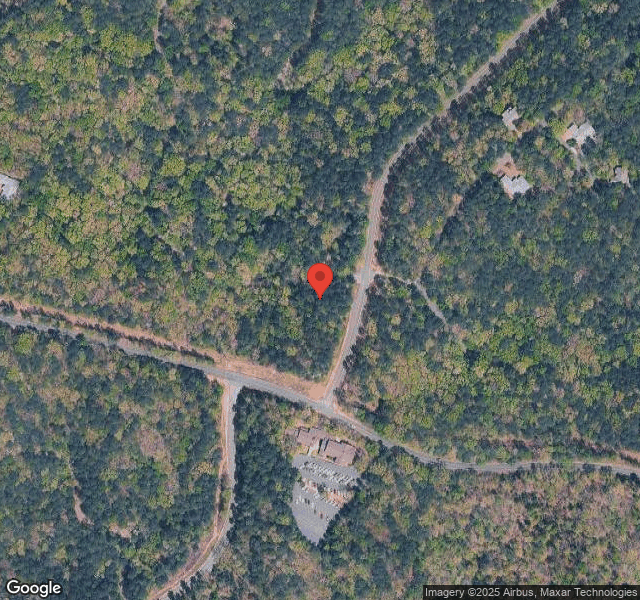

121 CORTEZ RD, HOT SPRINGS VILLAGE, AR 71909 (501) 915-1708
Non profit - Corporation 50 Beds CONTINUUM HEALTHCARE Data: November 2025 1 Immediate Jeopardy citation
Trust Grade
31/100
#149 of 218 in AR
Last Inspection: June 2024

Within standard 12-15 month inspection cycle. Federal law requires annual inspections.

Overview

Lake Forest Senior Living at Hot Springs Village has received a Trust Grade of F, indicating significant concerns about the quality of care provided at this facility. Ranked #149 out of 218 nursing homes in Arkansas, they fall into the bottom half of all facilities in the state, and they are ranked #8 out of 9 in Garland County, meaning there is only one local option that is better. The situation at the facility is worsening, with reported issues increasing from 5 in 2023 to 6 in 2024, and they have a concerning staffing turnover rate of 73%, which is well above the state average. While they do have good RN coverage, with more registered nurses than 94% of facilities in Arkansas, they have faced serious problems, such as failing to follow a resident's request for resuscitation, which resulted in a critical incident. Additionally, issues with food safety and the security of residents’ health information have been reported, indicating weaknesses that families should consider carefully before making a decision.

Trust Score
F
31/100
In Arkansas
#149/218
Bottom 32%
Safety Record
High Risk
Review needed
Inspections
Getting Worse
5 → 6 violations
Staff Stability
⚠ Watch
73% turnover. Very high, 25 points above average. Constant new faces learning your loved one's needs.
Penalties
✓ Good
$13,627 in fines. Lower than most Arkansas facilities. Relatively clean record.
Skilled Nurses
○ Average
Each resident gets 36 minutes of Registered Nurse (RN) attention daily — about average for Arkansas. RNs are the most trained staff who monitor for health changes.
Violations
⚠ Watch
18 deficiencies on record. Higher than average. Multiple issues found across inspections.
★★☆☆☆
2.0
Overall Rating
★★☆☆☆
2.0
Staff Levels
★★★★☆
4.0
Care Quality
★★☆☆☆
2.0
Inspection Score
Stable
2023: 5 issues
2024: 6 issues

The Good

  • 4-Star Quality Measures · Strong clinical quality outcomes
  • Full Sprinkler Coverage · Fire safety systems throughout facility
  • No fines on record

Facility shows strength in quality measures, fire safety.

The Bad

2-Star Overall Rating

Below Arkansas average (3.1)

Below average - review inspection findings carefully

Staff Turnover: 73%

26pts above Arkansas avg (46%)

Frequent staff changes - ask about care continuity

Federal Fines: $13,627

Below median ($33,413)

Minor penalties assessed

Chain: CONTINUUM HEALTHCARE

Part of a multi-facility chain

Ask about local staffing decisions and management

Staff turnover is very high (73%)

25 points above Arkansas average of 48%

The Ugly 18 deficiencies on record

1 life-threatening
Sept 2024 1 deficiency 1 IJ
CRITICAL (J) 📢 Someone Reported This

A family member, employee, or ombudsman was alarmed enough to file a formal complaint

Immediate Jeopardy (IJ) - the most serious Medicare violation

Deficiency F0678 (Tag F0678)

Someone could have died · This affected 1 resident

**NOTE- TERMS IN BRACKETS HAVE BEEN EDITED TO PROTECT CONFIDENTIALITY** Based on observation, interview, record review and facility policy review, the facility failed to follow residents request to in...

Read full inspector narrative →
**NOTE- TERMS IN BRACKETS HAVE BEEN EDITED TO PROTECT CONFIDENTIALITY** Based on observation, interview, record review and facility policy review, the facility failed to follow residents request to initiate resuscitative measures for one (Resident #1) of five residents who had a full code status. It was determined the facility's non-compliance with one or more requirements of participation had caused, or was likely to cause, serious injury, harm, impairment, or death to residents. The Immediate Jeopardy (IJ) was related to State Operations Manual, Appendix PP, 483.24 (Quality of Life) at a scope and severity of J. The IJ began on [DATE] at approximately 7:40 PM when Resident #1 became unresponsive in - the resident's room. No action to perform cardiopulmonary resuscitation (CPR) was taken by facility staff. Emergency Medical Services (EMS) arrived at the facility and performed CPR. Resident #1 was transported to the hospital and was pronounced expired. The Administrator was notified of the IJ on [DATE] at 1:55 PM. A Removal Plan was accepted by the State Agency on [DATE]. The findings are: Review of the Medical Diagnosis portion of Resident #1's electronic health record revealed diagnoses of coronary artery disease, heart failure, chronic obstructive pulmonary disease, hypertension, and acute respiratory failure. The admission Minimum Data Set (MDS) with an Assessment Reference Date (ARD) of [DATE] revealed a Brief Interview of Mental Status (BIMS) score of 14, indicating the resident was cognitively intact, and received supplemental oxygen. Review of Resident #1's Order Summary Report revealed an order for supplemental oxygen at two liters per minute, as needed for shortness of breath, that the resident used a ventilator at bedtime, and noted the resident wished to be resuscitated per their advanced directive. Review of Resident #1's Progress Notes for [DATE] at 10:09 PM revealed the resident had 2 episodes of unresponsiveness, a ventilator mask was applied, emergency medical services were called, and that Resident #1 became cyanotic as Emergency Service Personnel entered their room. On [DATE] at 3:00 PM, during an interview Certified Nursing Assistance (CNA) #1 stated on [DATE] she responded to CNA #2's call for help. She was unsure of the time. When she arrived at Resident #1's room, she saw Resident #1 sitting in a wheelchair slumped over unresponsive. After she entered the room Resident #1 became responsive and was talking to Licensed Practical Nurse (LPN) #2. CNA #1 reported a short time later, CNA #2 again called for nursing staff to come to Resident #1's room, Resident #1 had become unresponsive again. CNA #1 stated LPN #1 confirmed with LPN #2 that Resident #1 was a full code. CNA #1 reported she tried to obtain vital signs on Resident #1 but was unable to find any. She and CNA #2 requested to place Resident #1 on the floor to begin CPR. CNA #1 stated that LPN #2 denied the request to move the resident to the floor. When asked if the nurses had tried to assist the resident to the floor to begin CPR, she stated no they did not, they both (the nurses) have back problems. CNA #1 confirmed Resident #1 remained in wheelchair. On [DATE] at 3:20 PM, LPN #1, who was on duty the evening of [DATE], was interviewed and asked to explain the events of that evening pertaining to Resident #1. She responded, He was not my patient. She then said CNA #2 had called down the hall that she needed assistance right away and that resident #1 was going out. She stated LPN #2, CNA #1, and herself all went to Resident #1's room immediately. After going into room and assessing the resident, she retrieved the crash cart and brought it to Resident #1's room. When asked if staff had attempted to assist Resident #1 to the floor to start CPR, she confirmed they did not, stating, He was a large man, (clinical record documented weight at 195 pounds) and that they were unable to lift him. She stated the ambulance service initiated CPR when they arrived. On [DATE] at 11:00AM, via phone interview was conducted with LPN #2, who was Resident #1's nurse on the evening of [DATE]. She stated CNA #2 called for assistance to Resident #1's room, and all nursing personnel had responded. She stated Resident #1 was slumped over in a wheelchair in the bathroom in the resident's room, snore breathing and unresponsive. She related when resident was wheeled into the center of the room, Resident #1 became responsive. She stated Resident #1 had oxygen on via nasal cannula at 2 liters and that she replaced it with resident's tabletop positive pressure ventilation mask and that resident's saturation of peripheral oxygen (SPO2) was in the 90's according to the ventilation machine. LPN #2 stated that CNA #2 was behind the resident's wheelchair holding his head upright and the ventilation mask sealed. She reported LPN #1 brought the crash cart to the room. LPN #2 then related she had already called EMS and went to get contact information to contact the resident's family and when she got back to resident's room, Resident #1 had become unresponsive again and was snore breathing. LPN #2 then stated that the ambulance service arrived immediately. Resident #1 continued to be unresponsive and the ambulance crew immediately transferred resident from the wheelchair to the ambulance gurney and began resuscitation measures. LPN #2 was asked if the staff initiated any resuscitative measures and responded no, that resident was still responsive prior to the ambulance service arrival. LPN #2 confirmed she was CPR certified. When asked if she had contacted the doctor concerning Resident #1's change of condition she replied she had contacted the Director of Nurses on call but did not contact the doctor until notified by emergency room of resident expiring. Review of Resident #1's clinical record failed to reveal vital signs for the evening of [DATE]. On [DATE] at 12:00 PM the Director of Nursing (DON) was asked if she could locate the vital signs in Resident #1's medical record for the evening of [DATE] and she was unable to. The DON was then asked if she was present on the evening of [DATE]. She stated she was but was not DON at that time. She stated she was in facility when she heard CNA #2 call for assistance of nursing personnel, she responded as well. She was unsure of the time, but stated, It was late. She confirmed Resident #1 had become more responsive and stable, with staff talking to them, so she left the room. She is unsure about the events of the second occurrence. When asked about staff training for code status, she confirmed staff had CPR training, but being new to the position of DON, is unsure about further training. On [DATE] at 3:13 PM a phone interview was conducted with CNA#2. When asked what took place on the evening of [DATE] pertaining to Resident #1, she stated between 7:00 and 7:15 PM she assisted Resident #1 to the bathroom, with a rolling walker. As Resident #1 was brushing their teeth, the resident stated he was lightheaded. CNA #2 stated Resident #1 became cyanotic and fell back against her. She reported she called for help with no response. She said she grabbed the rolling walker and was able to assist the resident to sit. She then exited the bathroom to find the nurse. CNA #2 stated that she was unable to locate LPN #2 and after relating the urgency, LPN #1 came to Resident #1's room. Then LPN #2 and CNA #1 arrived. CNA #2 reported the first episode lasted approximately 7 or 8 minutes, then the resident became responsive. CNA #2 stated at approximately 7:25-7:30 PM Resident #1 became unresponsive again and it was 15-20 minutes before the ambulance service was called. She stated she was behind wheelchair holding Resident #1's head up and ventilation mask in place. She continued, CNA #1 was getting Resident #1's vital signs but could not get a blood pressure or pulse. She reported the ambulance service arrived and began resuscitative measures on the resident. On [DATE] at 10:50 AM a phone interview was conducted with Paramedic #1 Who confirmed they had responded to the event on [DATE] related to Resident #1. He stated when the ambulance service arrived there were 3 staff members in Resident #1's room. The resident was sitting in a wheelchair with what looked like a bi-level positive airway pressure (Bi-pap) mask on, was cyanotic, and in respiratory arrest. He went on to say the staff was not attempting any recitative measures. Paramedic #1 related CPR should have already been initiated. He stated Resident #1 was transferred to the gurney, CPR was initiated and they began ventilating with an artificial manual breathing unit (AMBU) bag. Paramedic #1 stated that the nursing home staff exited resident's room as soon as the ambulance service arrived. Review of LPN #2's employee record revealed documentation of CPR certification. A copy of the facility policy and procedure for, Emergency Procedure - Cardiopulmonary Resuscitation noted, immediately initiating CPR with Basic Life Support (BLS) increases the chance of surviving a sudden cardiac arrest, a licensed staff member trained in CPR should initiate CPR if a person is found unresponsive with abnormal breathing and continue with CPR/BLS until emergency medical personnel arrive. Removal Plan: 1. The facility will initiate education training of all staff on code blue. 2. The facility will initiate education training of all nurses on physician notification and CPR. 3. The facility will have a code blue drill on every shift. Onsite Verification: The IJ was removed on [DATE] at 5:30 AM, after the surveyor preformed an onsite verification that the Removal Plan had been implemented. Onsite verification of the Removal Plan began [DATE] at 10:00 AM, with verification of implementation A total of 5 staff interviews were conducted with staff for all shifts to verify training had been completed. The staff interview included certified nursing assistants, Licensed Practical Nurses, housekeeping, and maintenance. The staff interviewed verified they had been trained on: Code Blue response and participated in Code Blue drills. Licensed staff verified they had been trained on Physician notification, change of condition, and Cardiopulmonary Resuscitation and had participated in Code Blue Drills. A review of in-service sheets provided indicated 24 of 25 staff members had been provided training. In addition, 20 staff members were trained on use of an Automated external defibrillator (AED) on [DATE].
Jun 2024 5 deficiencies
CONCERN (D)

Potential for Harm - no one hurt, but risky conditions existed

Quality of Care (Tag F0684)

Could have caused harm · This affected 1 resident

**NOTE- TERMS IN BRACKETS HAVE BEEN EDITED TO PROTECT CONFIDENTIALITY** Based on observations, interviews, and record review, the facility failed to implement and carry out physician's orders for woun...

Read full inspector narrative →
**NOTE- TERMS IN BRACKETS HAVE BEEN EDITED TO PROTECT CONFIDENTIALITY** Based on observations, interviews, and record review, the facility failed to implement and carry out physician's orders for wound care and to identify new skin changes for 1 (Resident #18) of 1 resident reviewed for skin conditions. Findings include: A review of a facility policy titled, Skin Tear Treatment and Prevention, dated 05/21/2024, indicated, .To identify and treat skin tears as soon as possible. To promote early wound healing. To prevent further destruction of skin or infection . Skin Tear Treatment Skin tears should be treated before 12 hours have elapsed from the time of a tear so wound healing can begin as soon as possible.Check area of skin tear at least daily. Documentation may be captured in [Facility Computer Software] on the skin observation . A review of a facility policy titled, Physician/Practitioner Orders- Rehab/Skilled, dated 04/01/2024, indicated, .Note: The option for the physician/practitioner to select the agent of the prescriber is contained within the standing orders . Wounds: Orders must be obtained for wound care including product to be used, when to be change and when to reassess. A licensed nurse must provide wound care . A review of Resident #18's Medical Diagnosis form indicated the facility admitted Resident #18 with diagnoses that included: lack of coordination, difficulty in walking, unsteadiness on feet, abnormal posture, and malaise (a general feeling of discomfort, illness, or lack of well-being). The admission Minimum Data Set (MDS) with an Assessment Reference Date (ARD) of 05/27/2024, revealed Resident #18 had a Staff Assessment of Mental Status (SAMS) score of 3, which indicated the resident had severe cognitive impairment. This MDS showed no skin issues. A review of Resident #18's Care Plan revealed the resident had the potential for pressure ulcer development related to altered mental status, immobility, and incontinence. Interventions included educating the resident/family as to causes of skin breakdown including transfer/positioning requirements; importance of taking care during ambulating/mobility, good nutrition and frequent repositioning, initiated on 06/03/2024; and to notify the nurse immediately of any new areas of skin breakdown: redness, blisters, bruises, discoloration, etc. noted during bath or daily care, initiated 06/03/2024. A review of the Order Summary Report, revealed Resident #18 had a physician's order with an order date of 05/21/2024 which stated may use standing orders including agent of the prescriber. A review of the Treatment Record, revealed Resident #18 had not had any wound care orders appear on the treatment record for the month of June 2024, nor any documentation of any completed wound care that has been performed. A review of an Activity of Daily living task Skin Check, revealed Resident #18 had no data found for the past 30 days on the Skin Check task in the resident's electronic health record. During an observation on 06/09/2024 at 10:47 AM, the Surveyor noted a skin toned dressing in place to the right elbow with black substance underneath but visible from the external surface. During an observation on 06/11/2024 at 9:01 AM, the Surveyor noted 2 white border dressings on the right arm near the elbow, each dressing was dated 06/09/2024. The Surveyor also noted a skin tone colored dressing to the left elbow dated 06/01/2024. A review of the Nursing Admit Re-Admit Data Collection ([NAME]) form dated 05/21/2024, revealed Resident #18 had no skin issues at the time of the form completion. A review of Wound Data Collection form, revealed Resident #18 had an identified wound to the left elbow which documented a wound wash and bordered foam dressing was applied, this form was completed on 06/01/2024 at 11:49 AM. A review of Wound RN [Registered Nurse] Assessment dated 06/01/2024, revealed Resident #18 had a left elbow skin tear identified and this was an initial assessment by the RN. The RN also documented the physician was notified regarding wound status, modifications to treatment plan received, and the care plan was updated. During an interview on 06/12/2024 at 2:16 PM, Licensed Practical Nurse (LPN) #2 stated that once a skin change is identified the treatment nurse and wound nurse practitioner are notified and they will note the skin issue as well. The treatment nurse practitioner comes every Friday. LPN #2 reported nurses in the facility cannot put a dressing on any open wound without a physician's order. During a concurrent observation and interview on 06/12/2024 at 2:34 PM, LPN #4 stated the nursing staff perform weekly skin assessments and if changes are identified the treatment nurse practitioner is notified. Typically, the initial order is to cover with a border dressing, and it will be assessed in person on Friday by the treatment nurse practitioner. LPN #4 stated none of their residents had any skin conditions that required a dressing. LPN #4 accompanied the Surveyor to Resident #18's room and confirmed the Surveyor's observations of the dressings and confirmed the Surveyor's observed dates. LPN #4 stated the dressings were not observed due to not pulling back the covers to view the resident's arms. The Surveyor accompanied LPN #4 to the nurse's station. After reviewing Resident #18's electronic medical record, LPN #4 confirmed there were no orders for skin care dressings and the last skin assessment was completed on 06/01/2024 which was the RN assessment and wound data collection forms completed. During an interview on 06/12/2024 at 3:35 PM, the Director of Nursing (DON) was asked about the dressings in place to Resident 18's arms. The DON stated the Certified Nursing Assistant (CNA) should notify the nurses of skin changes during baths or the nurses should identify during the weekly skin assessment. The DON did confirm there were facility standing orders, which were requested by the Surveyor at this time. The DON confirmed there was no physician's orders for wound care in the resident's chart and that there was only the Nursing Admit Re-Admit Data Collection form, wound RN assessment form, and wound data collection form completed. The DON also confirmed there should have been a nursing skin assessment on 05/28/2024, 06/04/2024, and 06/11/2024. The DON stated the charted treatment on 06/01/2024 was completed without a physician's order and no follow up had been completed. The DON also confirmed the other skin conditions on the right arm had not been identified or any orders were put in place. A review of the Standing Orders, revealed the facility had a standing order for wound care: skin tear- unable to approximate edges. The order read: skin tear: cleanse all skin tears with sterile saline wound solution. If unable to approximate edges: apply skin barrier wipe to peri-wound and allow to dry. Apply hydrogel dressing to area and secure with bandage roll. Change every 3 days or PRN [as needed] if leakage or soiling.
CONCERN (E)

Potential for Harm - no one hurt, but risky conditions existed

Deficiency F0583 (Tag F0583)

Could have caused harm · This affected multiple residents

Based on observations, interviews, record review, facility document review, and facility policy review, it was determined the facility failed to secure residents private health information on facility...

Read full inspector narrative →
Based on observations, interviews, record review, facility document review, and facility policy review, it was determined the facility failed to secure residents private health information on facility computers to prevent unauthorized sharing of electronic medical records (EMR), by leaving the EMR open in the hallway without staff present for 1 (Residents #5) of 16 sampled residents who were reviewed for protection on the electronic medical record. Findings include: A review of a facility policy titled, HIPAA (Health Insurance Portability and Accountability Act) Assigned Security Responsibilities- Enterprise, dated 04/11/2019, indicated, Confirming that Sanford's ePHI (electronic personal health information) receives reasonable and appropriate safeguards to protect its confidentiality, integrity, and availability. During an observation on 06/10/2024 at 04:21 PM, the Surveyor observed a facility laptop on the snack cart in the hallway with the facility laptop screen facing the hallway. Visible on the facility laptop screen was Resident #5's electronic health record. Available on the laptop screen for all non-staff members to see was the resident's name with supplement order details and scheduling details. Multiple guests and family members were noted in the hallway with the laptop screen visible. During an observation on 06/10/2024 at 4:25 PM, the Surveyor continued to observe the facility laptop on the snack cart in the hallway with the facility laptop screen facing the hallway. Visible on the facility laptop screen was Resident #5's electronic health record. Available on the laptop screen for all non-staff members to see was the resident's name with supplement order and scheduling details. Multiple guests and family members were noted in the hallway with the laptop screen visible. During an observation on 06/10/2024 at 4:48 PM, the Surveyor observed Licensed Practical Nurse (LPN) #1 return to the medication cart, then continue to work on computer screen before taking the medication cart down the hallway. During an interview on 06/12/2024 at 2:01 PM, LPN #2 was asked by the surveyor, What should be done to the facility laptops prior to leaving them unattended while in the hallway of the facility. LPN #2 stated, The screen should be locked within the electronic health record system prior to walking away in the hallway. LPN #2 confirmed this is performed to protect the privacy and confidentiality of each resident's electronic medical record. During an interview on 06/12/2024 at 03:07 PM, the Director of Nursing (DON) confirmed the facility laptop screen should be locked within the electronic medical record system prior to leaving the laptop unattended in the facility hallway. The DON also confirmed this process is in place to protect the confidentiality of each resident's electronic medical record in the facility.
CONCERN (E)

Potential for Harm - no one hurt, but risky conditions existed

Accident Prevention (Tag F0689)

Could have caused harm · This affected multiple residents

Based on observations, interviews, and record review, the facility failed to ensure harmful chemicals, nail trimmers, and razors were stored securely to promote resident safety for 1 (Resident #135) o...

Read full inspector narrative →
Based on observations, interviews, and record review, the facility failed to ensure harmful chemicals, nail trimmers, and razors were stored securely to promote resident safety for 1 (Resident #135) of 1 sampled resident reviewed for accidents and hazards. Findings include: On 06/12/2024 at 4:59 PM, the Administrator stated the facility did not have a policy for chemical storage/hazards. A review of the Medical Diagnosis List, indicated the facility admitted Resident #135 with diagnoses that included unsteadiness on feet, difficulty in walking, not elsewhere classified, acute kidney failure, aftercare following joint replacement surgery. During an observation on 06/09/2024 at 10:40 AM, a large grey top Germicidal disposable wipe container noted in Resident #135's room on the over the bed table. During an observation on 06/09/2024 at 10:52 AM, the Surveyor observed the Bath room on the 300 Hall was fully unlocked with no lock present and the door opened for the Surveyor. Upon entering the room, the Surveyor observed a plastic storage cabinet in the room with a combination lock through a hole on the upper right door but not latched or through both doors. The bottom doors were fully unlocked with no lock present. The cabinet doors were opened for observation. The Surveyor identified: A. (2) large spray bottles of a multi surface disinfectant cleaner with a chemical label in place was over 50% full. B. (1) 32 ounce (oz) spray bottle of a disinfectant. C. (1) disposable razor D. (1) small set of nail trimmers During an observation on 06/09/2024 at 01:10 PM, a container hand sanitizing wipes were noted in the resident common/activity area across from the nurse's station sitting on the bookshelf at waist high. During an observation on 06/09/2024 at 1:13 PM, a large grey top germicidal disposable wipe container was noted in Resident #135's room on the bedside dresser. During an observation on 06/09/2024 at 1:59 PM, the Surveyor observed the Bath room on the 300 Hall was unlocked with no lock present and the door opened for the Surveyor. Upon entering the room, the Surveyor observed a plastic storage cabinet in the room with a combination lock through a hole on the upper right door but not latched or through both doors. The bottom doors were fully unlocked with no lock present. The cabinet doors were opened for observation. The Surveyor identified: A. (2) large spray bottles of a multi surface disinfectant cleaner with a chemical label in place was over 50% full. B. (1) 32 oz spray bottle of a disinfectant. C. (1) disposable razor. D. (1) small set of nail trimmers. During an observation on 06/09/2024 at 2:01 PM, the Surveyor observed the bathing/spa room on the 100 Hall. The door was closed but opened with a light touch by the Surveyor. The sign on the door read, Please keep door closed at all times this was in all caps and red letters. There was a keypad lock in place, but the door was not secured shut. Upon entering the room, the Surveyor observed a low wall mounted cabinet. This cabinet did not have locks in place. The cabinet doors were opened for observation. The Surveyor identified the following: A. (1) small set of nail trimmers. B. (1) 8 oz spray bottle of wound cleanser. C. (1) large spray bottle of an all-purpose cleaner. D. (1) large spray bottle with a chemical label in place of a multi surface disinfectant cleaner, which was full. During an observation on 06/10/2024 at 9:06 AM, a large grey top germicidal disposable wipe container was noted in Resident #135's room on the bedside dresser. During an observation on 06/10/2024 at 5:22 PM, a large grey top germicidal disposable wipe container was noted in Resident #135's room on the bedside dresser. During an interview on 06/12/2024 at 2:08 PM, Licensed Practical Nurse (LPN) #2 confirmed chemicals should be stored in storage rooms, in medication/treatment carts, or anywhere secure that residents cannot get to them. LPN #2 stated they are to be secure, because a resident could use a germicidal wipe to wipe their face or perineal area and all chemicals are potentially dangerous. LPN #2 confirmed razors and nail trimmers are stored in the facility storage room to keep them out of reach of residents. LPN #2 added that with nail trimmers and razors the residents could cut themselves which could be even worse if they were on a blood thinner. During a concurrent observation and interview on 06/12/2024 at 2:53 PM, the Director of Nursing (DON) stated chemicals are always stored in locked areas, and this does not include shower/bathing areas. The DON confirmed nail trimmers and razors should be stored locked up to prevent a resident from cutting themselves especially if they are on anticoagulants. The DON observed at this time with the Surveyor the Bath room on the 300 Hall was unlocked with an unlocked cabinet containing chemicals, razor, and a nail trimmer. A review of a facility safety data sheet titled, [Germicidal Disposable Wipes], dated 10/12/2022, indicated, Use as a disinfectant on hard, non-porous surfaces. For professional and hospital use. Description of first aid measures: inhalation- not a normal route of exposure. If symptoms develop move victim to fresh air. Get medical attention if symptoms develop. Eye contact- rinse thoroughly with water. Get medical attention if irritation develops or persists. Skin contact- no first aid should be required. Wash skin with water. Get medical attention if irritation develops or persists. Ingestion- ingestion is unlikely for solid products. No first aid is required for small amounts transferred from hands to mouth. A review of a facility safety data sheet for the [All Purpose Cleaner] dated 10/19/2015, indicated, All-purpose cleaner. Reserved for industrial and professional use. Hazardous statements: causes eye irritation. Wash skin thoroughly after handling. A review of a facility safety data sheet for the [Multi Surface Disinfectant Cleaner] dated 08/18/2022, indicated, Disinfectant. Reserved for industrial and professional use. Hazardous statements: Causes severe skin burns and eye damage. Harmful if inhaled. Precautionary statement: Avoid breathing mist or vapors. Wash skin thoroughly after handling. Use only outdoors or in a well-ventilated area. Wear protective gloves/protective clothing/eye protection/face protection. If swallowed: rinse mouth. Do not induce vomiting. If on skin or hair take off immediately all contaminated clothing. Rinse skin with water/shower. If inhaled, remove person to fresh air and keep comfortable for breathing. Immediately call poison center/doctor. If in eyes rinse cautiously with water for several minutes. Remove contact lenses, if present and easy to do. Continue rinsing. Storage: store locked up. A review of a facility safety data sheet for the [Disinfectant] dated 03/26/2014, indicated, Disinfectant. Reserved for industrial and professional use. Hazardous statements: causes serious eye damage. Wear eye protection/face protection. Warning! Do not use together with other products. May release dangerous gases (chlorine). If in eyes: rinse cautiously with water for several minutes. Remove contact lenses, if present and easy to do. Continue rinsing. Immediately call a poison center or doctor/physician A review of a facility safety data sheet for the [Hand Sanitizing Wipes] dated 08/09/2018, indicated, Antiseptic. Precautionary Statements: keep away from heat, hot surfaces, sparks, open flames or other ignition sources, no smoking. Use explosion proof, electrical, ventilating, or lighting equipment. Wash thoroughly after handling. Wear eye protection. In case of fire: use water fog, alcohol-resistant foam, carbon dioxide and dry chemicals to extinguish.
CONCERN (E)

Potential for Harm - no one hurt, but risky conditions existed

Infection Control (Tag F0880)

Could have caused harm · This affected multiple residents

Based on observations, interviews, and record review, the facility failed to perform proper hand hygiene during resident care for 1 (Resident #23) of 1 sampled resident reviewed for tube feeding. Find...

Read full inspector narrative →
Based on observations, interviews, and record review, the facility failed to perform proper hand hygiene during resident care for 1 (Resident #23) of 1 sampled resident reviewed for tube feeding. Findings include: 1. A review of a facility policy titled, Hand Hygiene- Enterprise dated 03/29/2022, indicated, Hand Hygiene: a general term that applies to either handwashing or applying hand sanitizer. Handwashing includes washing hands with soap and water. Hand sanitizer involves using a waterless antiseptic agent. All employees are responsible for maintaining adequate hand hygiene by adhering to specific infection control practices. All employees in patient care areas (unless otherwise noted in their policy) will adhere to the 4 moments of hand hygiene and 2 zones of hand hygiene. 1. Entering room. 2. Before clean task. 3. After bodily fluid/glove removal. 4. Exiting room. 5. Zones: patient zone and health-care zone. Gloves are a protective barrier for the HCW (Healthcare Worker) according to standard precautions. 1. Gloves are never to be reused or sanitized. 2. Hand hygiene should be performed after glove removal. A review of the Order Summary Report indicated the facility admitted Resident #23 with diagnoses that included hemiplegia and hemiparesis following cerebral infarction affecting left non-dominant side, dysphagia following cerebral infarction, and encounter for attention to other artificial openings of digestive tract. The Quarterly Minimum Data Set (MDS) with an Assessment Reference Date (ARD) of 05/13/2024, revealed Resident #23 had a Staff Assessment of Mental Status (SAMS) score of 3 which indicated the resident had severe cognitive impairment and had a feeding tube while a resident. A review of Resident #23's Care Plan revised on 02/27/2024, revealed the resident required tube feedings. Interventions included the resident was to receive a nutritional supplement 5 times a day (every 4 hours from 6:00 AM to 10:00 PM daily) and the head of the bed was to be elevated 45 degrees during and 30 minutes after each tube feeding bolus. A review of the Order Summary Report, revealed Resident #23 had a Physician's Order dated 11/20/2023 for a nutritional supplement bolus five times a day with 100 cc (cubic centimeters) of water before and after each bolus. During an observation on 06/11/2024 at 2:00 PM, Licensed Practical Nurse (LPN) #2 checked the residual of the PEG (percutaneous endoscopic gastrostomy) tube using a large syringe. LPN #2 removed her gloves to retie the resident's gown and did not perform hand hygiene and applied a new pair of clean gloves and finished the task. During an interview on 06/11/2024 at 2:26 PM, LPN #2 confirmed contaminated gloves were removed to retie the isolation gown and hand hygiene was never performed before applying a clean pair of gloves. LPN #2 said hand hygiene should be performed when applying a new pair of gloves and removing a used pair to prevent cross contamination to the new pair of gloves. During an interview on 06/12/2024 at 2:49 PM, the Director of Nursing (DON) confirmed hand hygiene should be performed following each glove removal and/or before applying a clean pair of gloves to prevent the transmission of bacteria.
CONCERN (F)

Potential for Harm - no one hurt, but risky conditions existed

Food Safety (Tag F0812)

Could have caused harm · This affected most or all residents

Based on observation, record reviews and interviews, the facility failed to ensure serving items were properly handled, hand sanitation was utilized, the kitchen was free from buildup of unknown subst...

Read full inspector narrative →
Based on observation, record reviews and interviews, the facility failed to ensure serving items were properly handled, hand sanitation was utilized, the kitchen was free from buildup of unknown substances that had the potential to cross-contaminate food items to be served, equipment was in safe and useable state, open food items were properly closed or sealed and had an open date, food items were not expired. The findings are as follows: On 06/09/2024 at 10:35 AM, the following observations were made during the initial kitchen tour: The right side of the floor water drain grate was broken in 2 pieces. The larger piece inside the floor drain grate were covered in a brownish unknown substance with paint missing. The left side of the floor drain grate had paint missing and was covered in a black and brownish unknown substance. The floor under the ice machine had a grimy, sticky looking black and blackish-brown unknown substance. The cleaning closet contained boxes directly on the floor. The dry goods storage room had unknown stains and spots of black, brown, and various specks of debris, paper, and plastic; one 8 ounce bottle of water and one 6 ounce can of lime soda was on the floor; a 3-tier rolling cart had brownish-orange spills with a blue cloth with purplish colored stains. The walk-in freezer and refrigerator doors and walls on either side were covered in a blackish-brown unknown substance. The floor crevasse along the walls had a thick greyish-black substance built up with various white and brown unknown particles. A ventilation cover screwed into a wood like frame had a buildup of white, brown and/or grey fuzzy unknown substance. A three-tiered cart in the main kitchen area held 1 box of hot breakfast cereal and spaghetti noodles in the original package that was sealed shut with clear wrap. The three-tiered cart had a grimy buildup of a black unknown substance. The Dietary Manager confirmed the cart needed to be cleaned and could have bacteria and cause cross contamination. The sandwich refrigerator cart had a white plastic cutting board with numerous cut indentations and a yellowish-brown stain. When the Dietary Manager lifted the cutting board a pool of stagnant whitish liquid covered the surface directly under. The front panel had streaks of brown, white and grey with adhered pieces of white and brown unknown substances. The front right wheel had a buildup of an unknown whitish substance. The floor under the cart had a thick black, white, and grey built up. The Dietary Manager confirmed stagnate pooling water was a concern due to mildew, mold, and bacteria. The dishwasher room had 5 dish racks sitting directly on the floor. The floor under the dishwasher, sink compartment and countertop had a blackish build up between the tile grooves and floor drain gratings. The dishwasher front had white streaks running down the front. The top had a brownish unknown substance built up around the bottom groove of the detergent and rinse container. The temperature gauge side and cover of the dishwasher had a brown build up and white speckles of unknown substances that adhered to the dish washer outer surface. 2. On 06/11/2024 at 7:18 AM, the following was observed in the kitchen area: The can opener blade had black, orange, and white unknown substances adhered to the blade. On 6/11/24 at 1:25 PM, the Dietary Manager confirmed the can opener needed to be cleaned and could cause cross-contamination or an allergic reaction. A preparation table held 2 desert bowls, 1 stack of Styrofoam plates, and 4 desert bowls that were not covered. One 32 ounce opened bottle of lemon juice was on the prep table. There was not an open date on the bottle and directions showed, refrigerate after opening. The Lead [NAME] confirmed the bowls and Styrofoam plates were not covered and the lemon juice did not have an open date, nor had it been placed in the refrigerator. The dishwasher room had 5 dish racks sitting directly on the floor. The floor under the dishwasher, sink compartment and countertop had a blackish build up between the tile grooves and floor drain gratings. The dishwasher front had white streaks running down the front. The top had a brownish unknown substance built up around the bottom groove of the detergent and rinse container. The temperature gauge side and cover of the dishwasher had a brown build up and white speckles of unknown substances that adhered to the dish washer outer surface. There was one spray bottle of a multi-surface cleaning substance in the serving area on the bottom shelf next to the bread. One bottle of multi-surface cleaning substance was in the kitchen on the bottom shelf of the prep table in front of a one gallon container of white distilled vinegar. The label showed, .All food contact surfaces must be thoroughly rinsed with potable water after use of this product.; Keep out of reach of children .Wash hands thoroughly after handling; .Read Safety Data Sheet before using this product . On 06/11/2024 at 1:26 PM, the Dietary Manager confirmed the kitchen and equipment needed to be cleaned so cross-contamination does not occur. 3. On 06/11/2024 at 7:47 AM, the Food Service Assistant placed his left thumb on the surface area of the plate then place food items on the plate. At 1:27 PM, the Dietary Manager confirmed nothing should meet the plate surface. 4. On 06/11/2024 at 7:50 AM, the Food Service Assistant left the serving area, opened the door between the serving area and kitchen area with his right hand, then placed his right hand on the handle of the can opener. The Food Service Assistant then returned to the serving line and began to serve. The Lead [NAME] informed the Food Service Assistant that hand washing was required prior to serving when you leave the serving area. 5. On 06/11/2024 at 10:05 AM, during observation of the spice cabinets, the following spices were open and did not have an open date: One 18 ounce container of ground cinnamon; One 16 ounce container of ground cloves; One 16 ounce container of ground all spice; One 16 ounce container of ground turmeric; One 8 ounce container of cinnamon sticks; Two 16 ounce containers of paprika; One 13 ounce container of Mediterranean style ground oregano; One 23 ounce container of Montreal chicken; One 16 ounce container of ground mustard; One 20 ounce container of lemon and pepper seasoning salt; One 29 ounce container of Montreal steak seasoning; One 11 ounce container of ground thyme; Two16 ounce containers of chili powder; One 18 ounce container of ground white pepper; One 6 ounce container of whole rosemary; One 14 ounce container of ground cumin; One 6 ounce container of rubbed sage; One 12 ounce container of poultry seasoning; One 26 ounce container of granulated garlic. The Lead Food Service Assistant confirmed there were no open dates on the containers. 6. On 06/11/2024 at 10:15 AM, during observation of the spice cabinets the following items were expired: One 15-ounce container of dessert sauce mango flavor expired 04/27/2023; One 5-ounce container of dill week expired 05/24/2024; One 15-ounce container of dessert sauce kiwi lime expired on 02/23/2024. 7. On 06/11/2024 at 8:45 AM, the following was observed in the walk-in refrigerator: The door did not seal properly. At 1:15 PM, the Dietary Manager confirmed the door did not properly seal. The following items failed to have an expiration date: 1 pan of sloppy joe meat; 1 pan or brown gravy; 2 pans of mashed potatoes; 1 pan of mandarin oranges; 1 pan of roasted potatoes; 1 pan meatballs and sauce. The Lead [NAME] confirmed the items did not have an expiration date. At 1:18 PM, the Dietary Manager confirmed there was not an expiration date and said an expiration date needs to be on the items to know when they are not safe to serve. 8. The following open items in the walk-in refrigerator did not have an opened date: One 12-pound container of potatoes salad; One 15-pound box of bacon; One box with 4 of 6 packages of 12-pound deli sliced turkey breast. One 15-pound box of bacon was not completely sealed. At 1:19 PM, the Dietary Manager confirmed the items needed an open date written on the containers or boxes. 9. On 06/11/2024 at 9:20 AM, the following was observed in the dry good storage area: a. A container holding elbow noodles had a black and white unknown substance on the bottom of the container b. The opened food items did not have an open date. Food items removed from their transportation boxes did not have a received date nor an open date. c. One 6.75-pound can of pineapple slices with a dent by the top rim and a dent by the bottom rim; and another 6 pound can of pineapple slices with a dent on the bottom of the can. The Lead Food Service Assistant confirmed the dents and that the dents could lead to ruptures that could cause botulism. d. Six 40-ounce boxes of hashbrown potatoes were past the best by date of 12-19-23. 10. On 06/11/2024 at 4:45 PM the Administrator provided Policy for Food-Supply Storage which showed, .Plastic bins may be used if preferred but must be in good repair and washed routinely. Stock items are individually dated with delivery date if removed from the original container .Foods that have been opened or prepared are placed in an enclosed container, dated, labeled, and stored properly .Once meal service is over, cover, date, and label trays of individually portioned items such as desserts, salads, glasses of juice, milk, and supplements . Chemicals are not stored near food items . 11. On 06/11/2024 at 4:45 PM the Administrator provided a policy for Cleaning Schedule which showed, .Check each equipment item in kitchen for cleanliness and that it is in good repair.7. Dry storage areas: a. Floors are to be swept and scrubbed regularly. b. Walls are to be spot cleaned on an as-needed basis and washed at a minimum annually . 10. Floor drains: a. Wear heavy-duty gloves. b. Clean with drain brush . 14. Walls and vents: a. Wipe up splashes as soon as possible with clean cloth and detergent. b. Schedule thorough cleaning about every six months or at a minimum, annually . 16. Refrigerator, freezer, and gaskets: a. Place on weekly cleaning schedule. b. Report concerning the DFN [Director of Food and Nutrition Services]. 17. Cabinets, drawers, and counter tops: a. Clean and sanitize between uses and at the end of the day. b. Empty and clean drawers weekly. 18. Carts: a. Clean and sanitize at the beginning of the a.m. shift and at least every four hours throughout the day. b. clean wheels weekly . 12. On 06/11/2024 at 4:45 PM, the Administrator provided a policy titled, Chemical Use and Storage which shows, .5. Chemicals are stored away from the food supply in a separate room, on a shelf and off the floor .
Jul 2023 5 deficiencies
CONCERN (D)

Potential for Harm - no one hurt, but risky conditions existed

ADL Care (Tag F0677)

Could have caused harm · This affected 1 resident

Based on interview and record review, the facility failed to ensure that baths were provided for 1 (Resident #184) of 7 (Residents #5, 9, 10, 17, 182, 184, 187) sampled residents that relied on the fa...

Read full inspector narrative →
Based on interview and record review, the facility failed to ensure that baths were provided for 1 (Resident #184) of 7 (Residents #5, 9, 10, 17, 182, 184, 187) sampled residents that relied on the facility for bathing assistance. The findings are: On 07/03/23 at 10:51 AM observed Resident #184 lying in bed. The Surveyor asked if the facility was providing hygiene care to meet her needs. The resident stated, Mostly, it's been a really long time since I've had a bath. The Surveyor asked Resident #184 if she could remember when her last bath was. She stated, I don't know .at least a week. The Surveyor asked if anyone had offered a bath during that time. She stated, No. Review of the Care Plan for Resident #184 initiated on 06/23/23 documented, The resident has an ADL [Activities of Daily Life] self-care performance deficit: Bathing: Resident requires shower chair, shower gurney, with 1-2 staff assist . A review of the task sheet dated 7/5/23 with a lookback period of 14 days revealed Resident #184 was provided a bed bath on 06/27/23. On 6/30/23 and 7/4/23 Did not occur was documented. On 07/06/23 at 11:33 AM the Surveyor asked the Director of Nursing (DON) if the facility had documentation showing the reason Resident #184 did not receive a bath on 6/30/23 and 7/4/23. She stated, We don't have a separate binder. If the resident refused, it should have been documented in the resident chart. Review of policy titled, Activities of Daily Living, last revised on 11/29/22 revealed, ADLs are those necessary tasks conducted in the normal course of a resident's daily life. Included in these are the following: Bathing: Preparation for and the activity of washing and drying the body as well as transferring into and out of a tub or shower
CONCERN (D) 📢 Someone Reported This

A family member, employee, or ombudsman was alarmed enough to file a formal complaint

Potential for Harm - no one hurt, but risky conditions existed

Accident Prevention (Tag F0689)

Could have caused harm · This affected 1 resident

**NOTE- TERMS IN BRACKETS HAVE BEEN EDITED TO PROTECT CONFIDENTIALITY** Based on record review and interview the facility failed to ensure a resident did not leave the building unattended for 1 (Resid...

Read full inspector narrative →
**NOTE- TERMS IN BRACKETS HAVE BEEN EDITED TO PROTECT CONFIDENTIALITY** Based on record review and interview the facility failed to ensure a resident did not leave the building unattended for 1 (Resident # 15) of 2 (Resident #14, and Resident #15) sampled residents that were at risk for elopement. The findings are: An incident report dated [DATE] at 2:30 PM specified, Resident #15 was found outside the building by the dietary manager. [She was] walking around with assist of wheelchair .Resident unable to give description .Dietary Manager and other staff member assisted resident as she was wheeled back into the building. Resident was given a cool drink of water for comfort . No injuries observed at the time of the incident . A review of Resident #15 medical records indicated he had diagnoses of Alzheimer's Disease with Late Onset, Dementia and Confusion. The Physician Order Summary revised [DATE] indicated, Resident may wear Wander Guard bracelet to alert staff to movement in facility Check Wander Guard bracelet every shift to ensure it is functioning and not expired. Use the Wander Guard Universal Tester in the long-term care cart; every shift for functionality of wander guard (point tester at the bracelet and push button; light will turn green if functioning) The Quarterly Minimum Date Set with an Assessment Reference Date (ARD) of [DATE] revealed a Staff Assessment for Mental Status that indicated Resident #15 had short- and long-term memory problems, and her decision making was severely impaired. Resident #15 required supervision with locomotion on and off the unit. A review of Resident #15 Care Plan dated [DATE] revealed the resident had impaired cognitive function, impaired thought processes, potential for elopement, wandering in wheelchair and on foot, and poor safety awareness at exit doors. A review of Resident #15 Elopement Risk assessment dated [DATE] indicated that she was a risk for elopement. On [DATE] at 11:32 AM Resident #15 was in her room sitting in a wheelchair. She had a wander guard on her left wrist. Resident #15 was not able to answer questions. On [DATE] at 1:02 PM the surveyor asked the Director of Nurses (DON), How did Resident #15 get out of the building by herself? She stated, Assumption, I didn't see her no one saw her. We assume it was a door that did not latch. The Surveyor asked, how does the facility ensure that residents don't exit the building without staff assistance? She stated, They have wonder guards if their safety is a concern. On [DATE] at 2:27 PM the surveyor asked Licensed Practical Nurse (LPN) #1, Has Resident #15 had an elopement? She stated, She has, I had just got here on the day it occurred. The Surveyor asked, When did the elopement happen? She stated, Few days ago. The Surveyor asked, What were the circumstances around the elopement? She stated, I was made aware she had made it through a set of doors and out the other doors. On [DATE] at 2:32 PM the surveyor asked the Dietary Manager, Has Resident #15 had an elopement? She stated, Yes. The Surveyor asked, When did the elopement happen? She stated, Friday I don't remember the day. Dietary employee #1 and I were outside. I was out back by the door. I went to throw something in the golf cart, and I looked up and saw somebody. I looked and saw Resident #15 pushing her wheelchair. I asked her to walk with me up to the back kitchen door. When I made it to the kitchen hollered for my cook, and he went for a nurse. When Licensed Practical Nurse (LPN) #1 came, we all got her back in. On [DATE] at 9:59 AM the surveyor asked the administrator, Has Resident #15 had an elopement? She stated, Yes. The Surveyor asked, When did the elopement happen? She stated, I think it was the on Friday [DATE]rd. The Surveyor asked, What were the circumstances around the incident? She stated, I was informed that the resident was outside with the dietary manager. I went outside and saw the Activities Director and CNA #1 bringing the resident back in. The Surveyor asked, Do you know how she got out of the building?' She stated, I can only make an assumption of how she got out the building? She stated, We think the emergency exit door on the end of 200 hall was cracked, and she got out that way because maintenance had to go and install another door arm so it could close tightly. The Surveyor asked, What could have happened if the kitchen staff had not noticed Resident #15? She stated, She could've been out there a longer period of time. She could have gotten lost. She could have been injured in some way.
CONCERN (E)

Potential for Harm - no one hurt, but risky conditions existed

Quality of Care (Tag F0684)

Could have caused harm · This affected multiple residents

Based on observation, interview, and record review, the facility failed to ensure dressings were replaced for 1 (Resident #13) of 3 (Residents #13, 15, 17) sampled residents who had a Physician's orde...

Read full inspector narrative →
Based on observation, interview, and record review, the facility failed to ensure dressings were replaced for 1 (Resident #13) of 3 (Residents #13, 15, 17) sampled residents who had a Physician's order for wound care. The findings are: On 07/03/23 at 02:45 PM observed a dressing dated 07/01 on Resident #13 left wrist. On 07/05/23 at 09:17 AM observed a dressing dated 07/01 on Resident #13 left wrist. On 07/05/23 at 02:30 PM observed a dressing dated 07/01 on Resident #13 left wrist. An incident report for Resident #13 dated 06/19/23 at 07:14 AM noted, the resident slid down in her geriatric chair and two Certified Nursing Assistants (CNA) reclined the chair and pulled the resident up in the chair. The resident's left hand was caught under the arm rest and caused a skin tear to the back of left hand. A Physician's order for Resident #13 dated 06/19/23 at 05:00 PM noted a wound care order for the left wrist, to be changed every three days, and as needed. The Treatment Administration Record (TAR) for Resident #13 revealed wound care was provided on 7/1/23 but did not document wound care on 07/04/23. On 07/05/23 at 03:46 PM, the Surveyor asked Licensed Practical Nurse, (LPN) #1 to identify the date written on the dressing for Resident #13. She stated, 07/01. The Surveyor asked LPN #1 to identify what the wound care order for the resident documented. She stated, it says change it every 3 days. It should have been changed yesterday. The Surveyor asked LPN #1 to identify if a refusal had been documented for the wound care. She stated, No, it's not charted. On 07/06/23 at 10:50 AM the Director of Nurses (DON) reviewed the TAR and confirmed the dressing change was not documented and confirmed there was no documentation of the resident refusing, and confirmed the dressing change should have been done. On 07/06/23 at 1:08 PM the Administrator provided a policy titled, Wound Dressing Change- R/S LTC, Therapy and Rehab, last revised on 11/2/22. It documented, Purpose: To promote wound healing, to help wound remain free of infection, check Physician's order; review previous assessment and notes, identify time, date, and initials on dressing chart dressing change and wound observations
CONCERN (E)

Potential for Harm - no one hurt, but risky conditions existed

Respiratory Care (Tag F0695)

Could have caused harm · This affected multiple residents

Based on observation, interview, and record review the facility failed to ensure an oxygen mask was covered and dated for 1(Resident #5) of 4 (Resident #5, #14, #15, and #17) sampled residents that ha...

Read full inspector narrative →
Based on observation, interview, and record review the facility failed to ensure an oxygen mask was covered and dated for 1(Resident #5) of 4 (Resident #5, #14, #15, and #17) sampled residents that has an order for a nebulizer, and the facility failed to ensure a sign was posted indicating that oxygen was in use for 1 (Resident #182) of 4 (Resident #5, #14, #15, and #17) sampled residents that had an order for oxygen. The findings are: 1. Resident #5 had a diagnosis of unspecified asthma, uncomplicated. A Minimum Data Set (MDS) with an assessment reference date of 5/17/23 indicated Resident #5 had a Brief Interview for Mental Status (BIMS) Score of 6, which indicated the resident had severe cognitive impairment. A. A review of the physician orders with a start date of 1/05/23 documented, .DuoNeb Solution 0.5-2.5 (3) MG [milligrams]/3ML [milliliters] (Ipratropium-Albuterol) 1 vial inhale orally via [by] nebulizer three times a day for SOB [shortness of breath]/pneumonia . B. On 7/03/23 at 11:37 AM a nebulizer oxygen mask was laying on the bedside table. There was not a date on the nebulizer, and it was not covered. C. On 7/05/23 at 09:55 AM a nebulizer oxygen mask was laying on the bedside table. There was not a date on the nebulizer, and it was not covered. D. On 7/05/23 at 9:56 AM Licensed Practical Nurse (LPN) #2 was giving Resident #5 her morning medications. The surveyor asked LPN #2, Does Resident #5 use her nebulizer oxygen mask? She stated, Yes she uses it at night. The Surveyor asked, Do you know why it is on the table uncovered, and not dated? She stated, No I do not. E. On 7/06/23 at 1:10 PM the surveyor asked the Director of Nurse (DON), where should the nebulizer mask be stored? She stated, They should be stored in a bag, a zip lock, or something to be covered. The Surveyor asked, When should the tubing and the humidifier be dated? She stated, When they put it on them. F. A review of a facility policy titled, .Oxygen Administration . documented, .When oxygen is not in use, store cannula, face mask, or face tent and tubing in zip lock bag/plastic bag secured to oxygen cylinder or concentrator. 2. Resident #182 had diagnoses of Chronic respiratory failure with hypoxia and Chronic obstructive pulmonary disease. Resident #182 had a Physician's Order that documented, oxygen at 3 liters via nasal cannula. A. On 07/03/23 at 10:07 AM observed Resident #182 lying in bed. The resident was receiving supplemental oxygen from a nasal cannula attached to an oxygen concentrator at bedside. There was no signage observed in the doorway of the resident's room to alert staff and visitors that oxygen was in use. B. On 07/03/23 at 03:17 PM observed Resident #182 lying in bed receiving oxygen. There was no signage observed in the doorway of the resident's room to alert staff and visitors that oxygen was in use. C. On 07/04/23 at 08:30 AM observed Resident #182 lying in bed receiving oxygen. There was no signage observed in the doorway of the resident's room to alert staff and visitors that oxygen was in use. d. On 07/05/23 at 2:17 PM the Surveyor asked LPN #3 if Resident #182 was receiving supplemental oxygen. LPN #3 stated, Yes. The Surveyor asked if there was anything missing from the doorway of the resident's room. She stated, Oh, yes. It got put on the wrong room and retrieved an oxygen alert sign from another doorway and placed it on the doorway of Resident #182's room. The Surveyor asked LPN #3 why posting the alert was important. She stated, It would let people know not to smoke in the room and prevent fires. e. On 07/06/23 at 01:02 PM the Administrator provided a policy titled, Oxygen Administration, Safety, Mask Types- R/S, LTC, Therapy & Rehab. The policy documented under the heading of Equipment, Signage for door-oxygen precaution/in use if appropriate.
CONCERN (E)

Potential for Harm - no one hurt, but risky conditions existed

Food Safety (Tag F0812)

Could have caused harm · This affected multiple residents

FACILITY Kitchen Based on observation and interview, the facility failed to store food items in a manner that would prevent contamination. This failed practice had the potential to affect all 29 resid...

Read full inspector narrative →
FACILITY Kitchen Based on observation and interview, the facility failed to store food items in a manner that would prevent contamination. This failed practice had the potential to affect all 29 residents residing in the facility as documented by a list provided by the Administrator on 07/07/23 at 09:16 AM. The findings are: On 07/03/23 at 10:46 AM observed the kitchen's walk-in refrigerator with Dietary Employee #1 (DE#1). Observed a metal tray containing peaches partially covered with plastic wrap. The tray was resting on the middle shelf allowing liquid to drip from the top shelf into the tray containing food intended to be served to the residents. Observed an open plastic bag sitting on the top shelf of the rack containing two pieces of ham. The Surveyor asked DE#1 if there was an issue with how these items were stored. DE #1 stated, Yeah they should be sealed. On 07/06/23 at 09:07 AM the Dietary Manager (DM) accompanied the Surveyor to the refrigerator. Observed an open plastic bag full of chocolate chips resting on the top shelf. The DM confirmed the bag should be closed and further stated, Things could get in there, it could get contaminated. On 07/06/23 at 01:08 PM the Administrator provided a policy titled, General Sanitation-Food and Nutrition. The policy documented, .Policy .The location stores, prepares, distributes, and serves food under sanitary conditions at all times .
May 2022 7 deficiencies
CONCERN (D)

Potential for Harm - no one hurt, but risky conditions existed

Deficiency F0655 (Tag F0655)

Could have caused harm · This affected 1 resident

Based on observation, record review and interview, the facility failed to ensure the baseline care plan included the use of oxygen and CPAP (Continuous Positive Airway Pressure) to provide staff with ...

Read full inspector narrative →
Based on observation, record review and interview, the facility failed to ensure the baseline care plan included the use of oxygen and CPAP (Continuous Positive Airway Pressure) to provide staff with necessary care and treatment meet professional standards of care for 1 (Resident #77) of 13 (Resident #16, 24, 75, 6, 1, 23, 7, 21, 26, 77, 12, 9, 8) residents whose care plans were reviewed. The findings are: Resident #77 had diagnoses of a Fractured Right and Left Pubis, Fractured T 11-12 Vertebrae, and Chronic Obstructive Pulmonary Disease. The admission Minimum Data Set (MDS) with an Assessment Reference Date (ARD) 05/02/22 was still in process. a. A Physician's Order dated 04/06/22 documented, Oxygen via nasal cannula 1-4 liters per minute as needed for Dyspnea, Hypoxia (O2 saturation less than 88%) or Acute Angina. Call provider/practitioner with Nursing Report. every 8 hours as needed for Dyspnea, Hypoxia, Acute Angina . There was no Physician's Order for the CPAP. b. On 05/02/22 at 12:00 PM, Resident #77 was not in the room. A CPAP [Continuous Positive Airway Pressure] machine was on the nightstand with the mask lying in a wash basin. c. On 05/03/22 at 09:16 AM, a CPAP mask was lying in the wash basin. d. On 05/03/22 at 01:31 PM, Resident #77 was lying in bed with the CPAP mask on. e. On 05/04/22 at 09:20 AM, Resident #77 was not in bed. The CPAP mask was lying on the nightstand. f. As of 5/4/2022, there was no documentation for the use of oxygen and a CPAP on the Baseline Care Plan. g. On 05/04/22 at 09:30 AM, Licensed Practical Nurse (LPN #1) was asked, what is her CPAP order? She answered, I don't see an order. She was asked, should she have an order for the CPAP and for the maintenance and cleaning of the CPAP? She answered, Yes. She was asked, Is the use of oxygen and a CPAP documented on her care plan? She answered, It's not on there. She was asked, Should the use of oxygen and CPAP be on the care plan? She answered, Yes if that is part of her care. h. A Policy titled, Care Plan which was provided by the Administrator on 05/04/22 at 12:40 PM documented, . Baseline Care Plan - includes instructions needed to provide effective and person-centered care of the resident what meet professional standards of quality care . A baseline care plan will be developed upon admission according to federal and state regulations . i. On 05/04/22 at 01:00 PM, the MDS [Minimum Data Set] Coordinator was asked, Should oxygen be on the care plan? She answered, Absolutely. She was asked, should the use of a CPAP be on the care plan? She answered, Yes. She was asked, What could happen if oxygen or CPAP are not on the care plan? She answered, It could be devastating. The patients need it. She was asked, When should a baseline care plan be completed? She answered, Within 48 hours. We have to know how to care for the residents. She was asked, What could happen if the care plans are not accurate or reviewed and revised? She answered, The staff won't know how to care for the resident accurately.
CONCERN (D)

Potential for Harm - no one hurt, but risky conditions existed

Accident Prevention (Tag F0689)

Could have caused harm · This affected 1 resident

Based on observation, record review, and interview, the facility failed to ensure a portable oxygen cylinder was stored safely when not in use to prevent a potential accident for 1 (Resident #77) of 6...

Read full inspector narrative →
Based on observation, record review, and interview, the facility failed to ensure a portable oxygen cylinder was stored safely when not in use to prevent a potential accident for 1 (Resident #77) of 6 (Resident #77, 16, 6, 23, 7, 8) sampled residents who used oxygen. The findings are: Resident #77 had diagnoses of Fractured Right and Left Pubis, Fracture T 11-12 Vertebrae, and Chronic Obstructive Pulmonary Disease. The admission Minimum Data Set (MDS) with an Assessment Reference Date (ARD) 05/02/22 was still in process. a. A Physician's Order dated 04/06/22 documented, Oxygen via nasal cannula 1-4 liters per minute as needed for Dyspnea, Hypoxia (O2 saturation less than 88%) or Acute Angina. Call provider/practitioner with nursing report every 8 hours as needed for Dyspnea, Hypoxia, Acute Angina . b. On 05/02/22 at 12:00 PM, Resident #77 was not in the room. A small portable oxygen cylinder was sitting unsecured on the floor beside the closet. c. On 05/03/22 at 09:16 AM, a small portable oxygen cylinder was sitting unsecured on the floor beside the closet d. On 05/04/22 at 09:20 AM, Resident #77 was not in bed. The small portable oxygen cylinder was sitting unsecured on the floor beside the closet. e. A Policy titled, Oxygen Administration, Safety . which was provided by the Administrator on 05/04/22 at 10:28 AM documented, . To . store oxygen in a safe manner . oxygen cylinder chained on a stand . All oxygen cylinders should be chained in place, racked, or stored in stable carts at all times . f. On 05/04/22 at 09:30 AM, Licensed Practical Nurse (LPN #1) was asked, What is the appropriate way to store a portable oxygen cylinder? She answered, Out of the room in a locked area. But she wouldn't let me take that from her room. She was afraid it would get lost. g. On 05/04/22 at 01:00 PM, the MDS (Minimum Data Set) Coordinator was asked, How should portable oxygen cylinders be stored? She answered, Not on the floor. They should be on a stand of a rolling cart. Always secured. She was asked, What could happen if a portable oxygen cylinder is not stored correctly? She answered, It could blow up.
CONCERN (D)

Potential for Harm - no one hurt, but risky conditions existed

Respiratory Care (Tag F0695)

Could have caused harm · This affected 1 resident

Based on observation, record review, and interview, the facility failed to ensure there was physician order for the use of a CPAP (Continuous Positive Airway Pressure) and the mask was stored appropri...

Read full inspector narrative →
Based on observation, record review, and interview, the facility failed to ensure there was physician order for the use of a CPAP (Continuous Positive Airway Pressure) and the mask was stored appropriately to prevent risk for infection for 1 of 1 (Resident #77) sampled resident who used a CPAP machine. The findings are: Resident #77 had diagnoses of Fractured Right and Left Pubis, Fracture T 11-12 Vertebrae, and Chronic Obstructive Pulmonary Disease. The admission Minimum Data Set (MDS) with an Assessment Reference Date (ARD) 05/02/22 was still in process. a. A Physician's Order dated 04/06/22 documented, Oxygen via nasal cannula 1-4 liters per minute as needed for Dyspnea, Hypoxia (O2 saturation less than 88%) or Acute Angina. Call provider/practitioner with nursing report every 8 hours as needed for Dyspnea, Hypoxia, Acute Angina . There was no Physician's Order for the CPAP. b. On 05/02/22 at 12:00 PM, Resident #77 was not in the room. A CPAP machine was on the nightstand with the mask lying in a wash basin. c. On 05/03/22 at 09:16 AM, the CPAP mask was lying in the wash basin. d. On 05/03/22 at 01:31 PM, Resident #77 was lying in bed with the CPAP mask on. e. On 05/04/22 at 09:20 AM, Resident #77 was not in bed. The CPAP mask was lying on the nightstand. f. On 05/04/22 at 09:30 AM, Licensed Practical Nurse (LPN #1) was asked, What is her CPAP order? She answered, I don't see an order. She was asked, Should she have an order for the CPAP and for the maintenance and cleaning of the CPAP? She answered, Yes. g. On 05/04/22 at 01:00 PM, the MDS (Minimum Data Set) Coordinator was asked, How should a CPAP mask be stored when not in use? She answered, In a case or a plastic bag. She was asked, Should there be a physician's order for the use of a CPAP? She answered, Absolutely. h. A Policy titled Non-Invasive Respiratory Support which was provided by the Administrator on 05/04/22 at 10:28 AM documented, . Provider orders must be obtained stipulating when the device can be removed and how it is to be used while the resident is performing activities of daily living . Cleaning . The Machine . Refer to the user manual .
CONCERN (D)

Potential for Harm - no one hurt, but risky conditions existed

Food Safety (Tag F0812)

Could have caused harm · This affected 1 resident

Based on observation, record review, and interview, the facility failed to ensure expired milk was discarded to prevent the potential for food borne illness for residents who received milk with meals ...

Read full inspector narrative →
Based on observation, record review, and interview, the facility failed to ensure expired milk was discarded to prevent the potential for food borne illness for residents who received milk with meals from the kitchen. These failed practices had the potential to affect 23 residents who received meals from the kitchen, as documented on the Diet List provided by the Administrator on 05/04/2022. The findings are: On 05/02/2022 at 11:00 AM , there was a one-gallon jug containing milk in the small refrigerator located in the hydration area of the kitchen. The gallon jug was approximately half full of milk. The jug had an opened date of 05/01/2022 written on it and the use by date/ expiration date of 04/23/2022 stamped near the written date. a. On 05/05/2022 at 10:15 AM., The Dietary Manager was asked, What could the potential outcome have been if the residents were served outdated/expired milk? The Dietary Manager stated, Expired milk can cause the residents to become sick. b. A Policy titled, Food Supply/Storage which was provided by the Administrator on 05/04/2022 at 10:28 AM documented, . Use by/Use of Freeze By (expiration date) . these products should be consumed on or before the date listed on the package due to the product's perishable nature and the product should be disposed of . dates are checked on a regular basis . foods/fluids that have expired or are otherwise unsafe for use are to be discarded .
CONCERN (E)

Potential for Harm - no one hurt, but risky conditions existed

Resident Rights (Tag F0550)

Could have caused harm · This affected multiple residents

Based on observation, record review and interview, the facility failed to ensure residents seated at the same table were served their meals at the same time to allow the residents to eat together and ...

Read full inspector narrative →
Based on observation, record review and interview, the facility failed to ensure residents seated at the same table were served their meals at the same time to allow the residents to eat together and staff sat at eye level when assisting with eating to promote dignity for 1 (Resident #3) who required assistant with eating. This failed practice had the potential to affect 13 residents who received a meal tray in the dining room as documented on the Seating Chart for the Healthcare Dining Room. The findings are: 1. On 05/02/22 at 12:14 PM, the first lunch tray was served in the Main Dining Room to Resident #3. There was one other resident sitting at the table but was not served their meal until other residents at other tables were served. The second tray from the kitchen was served to a resident at another table and not to the resident seated at the table with Resident #3. The third tray was served to a resident at a third table. The fourth tray was served to a resident at another table. The fifth tray was served to the resident who shared the table with Resident #3. 2. On 05/02/22 at 12:30 PM, the Acting Director of Nursing (DON) approached Resident #3 and began to assist her with the meal, but she did not sit at eye level with the resident. She stood up and offered Resident #3 bites of food. After a period, the Dietary Manager took a stool to the table and provided the DON with a seat. 3. On 05/04/22 at 12:10 PM, the Dietary Manager was asked, Should the residents be served one table at a time in sequence? She answered, Yes. She was asked, Could it be considered a dignity issue if the residents are served out of sequence? She answered, Yes. She was asked, What position should the staff be in when they assist a resident with a meal? She answered, They should be sitting at eye level and conversing. She was asked, Could it be a dignity issue if a staff member stands over a resident to assist them with a meal? She answered, It would be to me. 4. On 05/04/22 at 12:40 PM, the MDS (Minimum Data Set) RN on duty was asked, Should the residents be served one table at a time in sequence? She answered, Yes. She was asked, Could it be considered a dignity issue if the residents are served out of sequence? She answered, Yes. She was asked, What position should the staff be in when they assist a resident with a meal? She answered, They should be sitting at eye level. She was asked, Could it be a dignity issue if a staff member stands over a resident to assist them with a meal? She answered, Yes. 5. A Policy titled Dignity in Dining, which was provided by the Administrator on 05/04/22 at 12:40 PM documented, .To provide dining in a manner that enhances resident dignity . Treat each resident like an individual and focus on making the dining experience as individualized as possible . Serving all residents at the table at the same time so residents can eat together except by resident choice .
CONCERN (E)

Potential for Harm - no one hurt, but risky conditions existed

Comprehensive Care Plan (Tag F0656)

Could have caused harm · This affected multiple residents

Based on record review and interview, the facility failed to develop and implement a comprehensive person-centered care plan that included measurable objectives and timeframes to meet residents' needs...

Read full inspector narrative →
Based on record review and interview, the facility failed to develop and implement a comprehensive person-centered care plan that included measurable objectives and timeframes to meet residents' needs and includes resident goals, desired outcomes, and preferences for 2 (Resident #24 and 8) of 13 (Resident #16, 24, 75, 6, 1, 23, 7, 21, 26, 77, 12, 9, 8) sampled residents whose care plans were reviewed. The findings are: 1. Resident #8 had diagnoses of Anxiety Disorder and Mild to Moderate Pain. The Quarterly Minimum Data Set (MDS) with an Assessment Reference Date (ARD) of 03/14/22 documented the resident scored 4 (0-7 indicates severe impairment) on the Brief Interview for Mental Status (BIMS), received 7 days of Antianxiety Medications and 7 days of Antidepressant Medications during the look back period. a. A Physician's Order dated 03/01/22 documented, Escitalopram Oxalate Tablet 5 mg [milligrams] Give 5 mg by mouth one time a day related to ANXIETY DISORDER, UNSPECIFIED . c. As of 5/4/2022, the resident's Care Plan did not document the use of Antidepressant Medications. d. A Policy titled, Care Plan which was provided by the Administrator on 05/04/22 at 12:40 PM documented, This plan of care will be modified to reflect the care currently required/provided for the resident . The interdisciplinary team will review care plans at least quarterly. Care plans also will be reviewed, evaluated and updated when there is a significant change in the resident's condition . e. On 05/04/22 at 01:00 PM, the MDS (Minimum Data Set) Coordinator asked, Should the use of antidepressants be documented on the care plan? She answered, Yes. She was asked, What could happen if the care plans are not accurate or reviewed and revised? She answered, The staff won't know how to care for the resident accurately. 2. Resident #24 had a diagnosis of Type II Diabetes Mellitus with Diabetic Polyneuropathy. The admission Minimum Data Set (MDS) with an Assessment Reference Date (ARD) of 04/07/22 documented a score of 13 (13-15 indicates cognitively intact) on the Brief Interview for Mental Status. He received 7 days of injections, and 7 days of Insulin during the look back period. a. A Physician's Order dated 04/22/22 documented, Humulin N Suspension (Insulin NPH (Human) (Isophane)) Inject 20 unit subcutaneously at bedtime related to TYPE 2 DIABETES MELLITUS WITH DIABETIC POLYNEUROPATHY . b. A Physician's Order dated 04/22/22 documented, Humulin N Suspension (Insulin NPH (Human) (Isophane)) Inject 40 unit subcutaneously one time a day related to TYPE 2 DIABETES MELLITUS WITH DIABETIC POLYNEUROPATHY . c. As of 5/4/2022, there was no documentation on the resident ' s care plan for the treatment of diabetes including the use of insulin. 3. A Policy titled, Care Plan which was provided by the Administrator on 05/04/22 at 12:40 PM documented, .Each resident will have an individualized, person centered, comprehensive plan of care that will include measurable goals and timetables directed toward achieving and maintaining optimal medical, nursing, physical, functional, spiritual, emotional, psychosocial, and educational needs . The care plan will emphasize the care and development of the whole person ensuring that the resident will receive appropriate care and services . 4. On 05/04/22 at 01:00 PM, the MDS (Minimum Data Set) Coordinator was asked, Should the use of insulin be documented on the care plan? She answered, Yes. Absolutely. She was asked, What could happen if the care plans are not reviewed and revised? She answered, The staff won't know how to care for the resident accurately.
CONCERN (E)

Potential for Harm - no one hurt, but risky conditions existed

Deficiency F0657 (Tag F0657)

Could have caused harm · This affected multiple residents

Based on record review and interview, the facility failed to review and revise the Care Plan to meet the needs of the residents who had a history of falls for 1 (Resident #12) of 13 (Resident #16, 24,...

Read full inspector narrative →
Based on record review and interview, the facility failed to review and revise the Care Plan to meet the needs of the residents who had a history of falls for 1 (Resident #12) of 13 (Resident #16, 24, 75, 6, 1, 23, 7, 21, 26, 77, 12, 9, 8) sampled residents whose Care Plans were reviewed. The findings are: Resident #12 had diagnoses of Cardiac Arrhythmia, Unspecified, other Amnesia, Alzheimer's Disease with Late Onset, Unsteadiness on Feet, other Abnormalities of Gait and Mobility. The Annual Minimum Data Set (MDS) with an Assessment Reference Date (ARD) of 3/23/22 documented the resident scored 1 (0-7 indicates severe impairment) on the Brief Interview for Mental Status (BIMS), required limited assistance of one person with transferring, toileting and ambulating in room. a. An Incident Progress Note dated 7/19/21 at 11:14 AM documented, Note Text: MDS [Minimum Data Set] nurse found resident on floor in closet. Appears resident was ambulating unassisted which resident has been observed doing on multiple occasions over the past few days . An Incident Progress Note dated 7/28/21 at 12:03 PM documented, Note Text: Resident was witnessed sliding out of her w/c [wheelchair] onto the floor by housekeeper . An Incident Progress Note dated 4/13/22 at 12:30 AM documented, Note Text: Staff heard crying from resident's room and upon entering, found her on the floor between her wheelchair and nightstand lying on her right side . An Incident Progress Note dated 4/24/22 at 10:00 PM documented, Note Text: resident found lying on the floor in her room in front of the bathroom door lying on her right side. Resident said she was going to the bathroom, and she started to wobble then fell down . b. As of 5/2/22, there was no documentation on the Care Plan of revision for any of the falls/incidents. c. On 5/2/22 at 1:05 PM, the resident was in her room without assistance and having complications with moving her wheelchair out of doorway of restroom. Certified Nursing Assistant (CNA) notified of resident being up in her room. CNA #1 came to assist resident and stated, She is not to be up in her room alone she is a fall risk. d. On 5/5/22 at 9:10 AM, Registered Nurse (RN) #1 was asked, How often are care plans to be revised regarding a resident ' s fall? She stated, I am as needed here and have not worked here in 6 months, but I would think they needed to be updated at least every 3 months or so. e. On 5/5/22 at 10:10 AM, the Administrator was asked, How often should a care plan be revised/updated when a resident has a fall? She stated, Oh, we generally revise them with each fall. We do the falls and incident meeting after we have our morning meeting with the teams and do them then.
Understanding Severity Codes (click to expand)
Life-Threatening (Immediate Jeopardy)
J - Isolated K - Pattern L - Widespread
Actual Harm
G - Isolated H - Pattern I - Widespread
Potential for Harm
D - Isolated E - Pattern F - Widespread
No Harm (Minor)
A - Isolated B - Pattern C - Widespread

Questions to Ask on Your Visit

  • "What changes have you made since the serious inspection findings?"
  • "Why is there high staff turnover? How do you retain staff?"
  • "Can I speak with families of current residents?"
  • "What's your RN coverage like on weekends and overnight?"

Our Honest Assessment

Strengths
  • • Licensed and certified facility. Meets minimum state requirements.
Concerns
  • • Multiple safety concerns identified: 1 life-threatening violation(s). Review inspection reports carefully.
  • • 18 deficiencies on record, including 1 critical (life-threatening) violation. These warrant careful review before choosing this facility.
  • • $13,627 in fines. Above average for Arkansas. Some compliance problems on record.
  • • Grade F (31/100). Below average facility with significant concerns.
Bottom line: Trust Score of 31/100 indicates significant concerns. Thoroughly evaluate alternatives.

About This Facility

What is Lake Forest Senior Living At Hot Springs Village's CMS Rating?

CMS assigns LAKE FOREST SENIOR LIVING AT HOT SPRINGS VILLAGE an overall rating of 2 out of 5 stars, which is considered below average nationally. Within Arkansas, this rating places the facility higher than 0% of the state's 100 nursing homes. A rating at this level reflects concerns identified through health inspections, staffing assessments, or quality measures that families should carefully consider.

How is Lake Forest Senior Living At Hot Springs Village Staffed?

CMS rates LAKE FOREST SENIOR LIVING AT HOT SPRINGS VILLAGE's staffing level at 2 out of 5 stars, which is below average compared to other nursing homes. Staff turnover is 73%, which is 26 percentage points above the Arkansas average of 46%. High turnover can affect care consistency as new staff learn residents' individual needs. RN turnover specifically is 91%, which is notably high. RNs provide skilled clinical oversight, so turnover in this role can affect medical care quality.

What Have Inspectors Found at Lake Forest Senior Living At Hot Springs Village?

State health inspectors documented 18 deficiencies at LAKE FOREST SENIOR LIVING AT HOT SPRINGS VILLAGE during 2022 to 2024. These included: 1 Immediate Jeopardy (the most serious level, indicating potential for serious harm or death) and 17 with potential for harm. Immediate Jeopardy findings are rare and represent the most serious regulatory concerns. They require immediate corrective action.
Who Owns and Operates Lake Forest Senior Living At Hot Springs Village?

LAKE FOREST SENIOR LIVING AT HOT SPRINGS VILLAGE is owned by a non-profit organization. Non-profit facilities reinvest revenue into operations rather than distributing to shareholders. The facility is operated by CONTINUUM HEALTHCARE, a chain that manages multiple nursing homes. With 50 certified beds and approximately 31 residents (about 62% occupancy), it is a smaller facility located in HOT SPRINGS VILLAGE, Arkansas.

How Does Lake Forest Senior Living At Hot Springs Village Compare to Other Arkansas Nursing Homes?

Compared to the 100 nursing homes in Arkansas, LAKE FOREST SENIOR LIVING AT HOT SPRINGS VILLAGE's overall rating (2 stars) is below the state average of 3.1, staff turnover (73%) is significantly higher than the state average of 46%, and health inspection rating (2 stars) is below the national benchmark.

What Should Families Ask When Visiting Lake Forest Senior Living At Hot Springs Village?

Based on this facility's data, families visiting should ask: "What changes have been made since the serious inspection findings, and how are you preventing similar issues?" "How do you ensure continuity of care given staff turnover, and what is your staff retention strategy?" "Can you walk me through typical staffing levels on day, evening, and night shifts?" "Can I visit during a mealtime to observe dining assistance and food quality?" These questions are particularly relevant given the facility's Immediate Jeopardy citations, the facility's high staff turnover rate, and the below-average staffing rating.

Is Lake Forest Senior Living At Hot Springs Village Safe?

Based on CMS inspection data, LAKE FOREST SENIOR LIVING AT HOT SPRINGS VILLAGE has documented safety concerns. Inspectors have issued 1 Immediate Jeopardy citation (the most serious violation level indicating risk of serious injury or death). The facility has a 2-star overall rating and ranks #100 of 100 nursing homes in Arkansas. Families considering this facility should ask detailed questions about what corrective actions have been taken since these incidents.

Do Nurses at Lake Forest Senior Living At Hot Springs Village Stick Around?

Staff turnover at LAKE FOREST SENIOR LIVING AT HOT SPRINGS VILLAGE is high. At 73%, the facility is 26 percentage points above the Arkansas average of 46%. Registered Nurse turnover is particularly concerning at 91%. RNs handle complex medical decisions and coordinate care — frequent RN changes can directly impact care quality. High turnover means new staff may not know residents' individual needs, medications, or preferences. It can also be disorienting for residents, especially those with dementia who rely on familiar faces. Families should ask: What is causing the turnover? What retention programs are in place? How do you ensure care continuity during staff transitions?

Was Lake Forest Senior Living At Hot Springs Village Ever Fined?

LAKE FOREST SENIOR LIVING AT HOT SPRINGS VILLAGE has been fined $13,627 across 1 penalty action. This is below the Arkansas average of $33,215. While any fine indicates a compliance issue, fines under $50,000 are relatively common and typically reflect isolated problems that were subsequently corrected. Families should ask what specific issues led to these fines and confirm they've been resolved.

Is Lake Forest Senior Living At Hot Springs Village on Any Federal Watch List?

LAKE FOREST SENIOR LIVING AT HOT SPRINGS VILLAGE is not on any federal watch list. The most significant is the Special Focus Facility (SFF) program, which identifies the bottom 1% of nursing homes nationally based on persistent, serious quality problems. Not being on this list means the facility has avoided the pattern of deficiencies that triggers enhanced federal oversight. This is a positive indicator, though families should still review the facility's inspection history directly.