BELVEDERE NURSING AND REHABILITATION CENTER, LLC
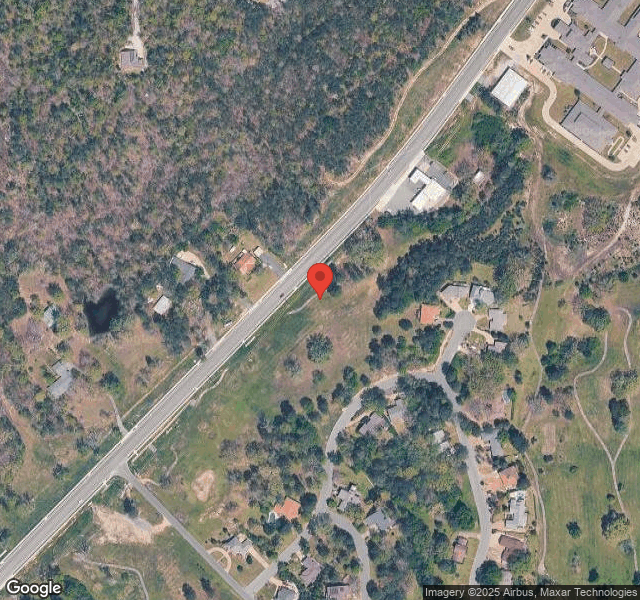
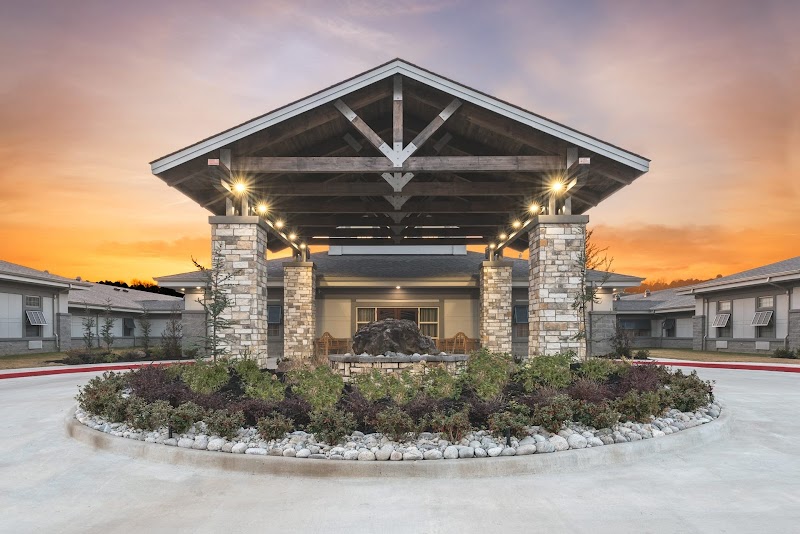
2600 PARK AVE, HOT SPRINGS, AR 71901 (501) 321-4276
For profit - Limited Liability company 119 Beds CENTRAL ARKANSAS NURSING CENTERS Data: November 2025 1 Immediate Jeopardy citation
Trust Grade
0/100
#185 of 218 in AR
Last Inspection: November 2024

Within standard 12-15 month inspection cycle. Federal law requires annual inspections.

Overview

Belvedere Nursing and Rehabilitation Center holds a Trust Grade of F, indicating significant concerns about the facility's quality and care. Ranking #185 out of 218 facilities in Arkansas places it in the bottom half, and it is the lowest-rated facility in Garland County. Although the facility is improving, with issues decreasing from four in 2024 to one in 2025, there are still serious deficiencies, including a critical failure to manage water safety, which poses health risks to residents. Staffing is average with a 3/5 star rating, but turnover is high at 56%, which can disrupt care continuity. Additionally, the facility has incurred $209,455 in fines, higher than 99% of Arkansas facilities, raising concerns about compliance. Specific incidents include a resident suffering serious injuries due to improper transfer methods and a failure to implement fall prevention measures, highlighting both weaknesses in care and the need for improvement.

Trust Score
F
0/100
In Arkansas
#185/218
Bottom 16%
Safety Record
High Risk
Review needed
Inspections
Getting Better
4 → 1 violations
Staff Stability
⚠ Watch
56% turnover. Above average. Higher turnover means staff may not know residents' routines.
Penalties
⚠ Watch
$209,455 in fines. Higher than 94% of Arkansas facilities. Major compliance failures.
Skilled Nurses
⚠ Watch
Each resident gets only 12 minutes of Registered Nurse (RN) attention daily — below average for Arkansas. Fewer RN minutes means fewer trained eyes watching for problems.
Violations
⚠ Watch
29 deficiencies on record. Higher than average. Multiple issues found across inspections.
★☆☆☆☆
1.0
Overall Rating
★★★☆☆
3.0
Staff Levels
★★★★☆
4.0
Care Quality
★☆☆☆☆
1.0
Inspection Score
Stable
2024: 4 issues
2025: 1 issues

The Good

  • 4-Star Quality Measures · Strong clinical quality outcomes
  • Full Sprinkler Coverage · Fire safety systems throughout facility
  • No fines on record

Facility shows strength in quality measures, fire safety.

The Bad

1-Star Overall Rating

Below Arkansas average (3.1)

Significant quality concerns identified by CMS

Staff Turnover: 56%

Near Arkansas avg (46%)

Frequent staff changes - ask about care continuity

Federal Fines: $209,455

Well above median ($33,413)

Significant penalties indicating serious issues

Chain: CENTRAL ARKANSAS NURSING CENTERS

Part of a multi-facility chain

Ask about local staffing decisions and management

Staff turnover is elevated (56%)

8 points above Arkansas average of 48%

The Ugly 29 deficiencies on record

1 life-threatening 3 actual harm
Mar 2025 1 deficiency 1 Harm
SERIOUS (G) 📢 Someone Reported This

A family member, employee, or ombudsman was alarmed enough to file a formal complaint

Actual Harm - a resident was hurt due to facility failures

Accident Prevention (Tag F0689)

A resident was harmed · This affected 1 resident

Based on observation, record review, and interview, the facility failed to ensure staff followed care planned interventions requiring one staff member to perform transfers with gait belt to promote re...

Read full inspector narrative →
Based on observation, record review, and interview, the facility failed to ensure staff followed care planned interventions requiring one staff member to perform transfers with gait belt to promote resident safety and prevent injury for 1 (Resident #2) of 3 sampled residents who required one-person transfers with a gait belt. This failed practice resulted in actual harm for Resident #2, who was transferred without the use of a gait belt and sustained a dislocation of the shoulder, proximal humerus fracture, ligamentous injury, and clavicle injury. The findings are: 1. The quarterly Minimum Data Set (MDS), with an Assessment Reference Date (ARD) of 02/26/2025, revealed Resident #2 had a Brief Interview for Mental Status (BIMS) score of 11 (8-12 indicated the resident had moderate cognitive impairment). Resident #2 had diagnoses of age-related osteoporosis, osteoarthritis of hip, other chronic pain, vitamin D deficiency, displaced fracture of surgical neck of left humerus, closed fracture. a. Resident #2 ' s Care Plan with a revision date of 12/20/2023, indicated, Focus: (Resident #2) has an ADL self-care performance deficit related to impaired mobility; Intervention: Transfer: (Resident #2) requires extensive assist of 1 staff and a gait belt for transfers between surfaces b. The Closet Care Plan Form dated 09/14/2023, for Resident #2 that was observed in Resident #2 ' s closet on 03/13/2025 indicated that resident needed assistance of one [staff member] and instructed staff to utilize a gait belt with all transfers. c. A form titled Witness Statement Form completed by Certified Nursing Assistant (CNA) #1 on 01/08/2025 at 5:55 PM, indicated Certified Nursing Assistant (CNA) #1 assisted Resident #2 to bed. Resident #2 was in [Resident #2] wheelchair beside the bed. CNA #1 did not use a gait belt and grasped Resident #2's left upper arm. CNA #1 lifted Resident #2 and transferred the resident to the bed supporting part of the resident ' s weight by their left arm and pivoted the resident to the bed. CNA #1 indicated that Resident #2's arm popped while transferring resident. CNA #1 indicated that Resident #2 complained a little about their arm hurting so she ran and got the nurse. d. A form titled Witness Statement Form completed by Licensed Practical Nurse (LPN) #1, on 01/08/2025 at 5:55 PM, indicated Licensed Practical Nurse (LPN) #1 was passing meds when CNA #1 alerted him that Resident #2 complained of shoulder pain after hearing a loud pop during transfer. LPN #1 assessed Resident #2 shoulder and determined that it was necessary to notify the on-call provider. LPN #1 indicated that Resident #2's shoulder popped when moving the arm and the movement caused the resident 7/10 pain, resident indicated that the pain was minimal when not moved. e. A form titled Witness Statement Form for Resident #2 was written by LPN #1 on 01/08/2025 at 10:00 PM, LPN #1 took Resident #2 ' s statement as to how resident ' s arm/shoulder was hurt. Resident #2 indicated that CNA #1 was helping me out of my wheelchair. Resident #2 indicated that CNA #1 was not going slow, but did not know how to explain it. Resident #2 indicated that ' it ' (shoulder) popped and began to hurt immediately. Resident #2 indicated that CNA #1 went to get help after that. f. A form titled Emergency Department [Named], date 01/08/2025, Medical Decision Making: Differential diagnosis includes dislocation of the shoulder, proximal humerus fracture, ligamentous injury, clavicle injury. X-ray of the shoulder is pending to further evaluate g. A form titled Emergency Department [Named] Imaging Services dated 01/08/2025, indicated findings: Mildly displaced transverse fracture through the surgical neck of the humerus. h. A form titled Academy: CARE Academy with a completion date 08/29/2024, For CNA #1 shows CNA #1's Skill Assessments were completed on 08/29/2024, Return demonstration - Transfers and Gait Belt, progress 100 percent. i. Undated Gail Belt, Use of Policy provided by the Administrator on 03/14/2025, indicated gait belts will be utilized for any resident transfers. j. The Undated Care Plan Policy provided by the Administrator on 03/14/2025, indicated, facility will develop and review the care plan of each resident. k. On 03/12/2025 at 12:03 PM, this surveyor spoke with Resident #2. Resident #2 indicated they could tell their shoulder was injured after the improper transfer. Resident #2 stated, The girl (CNA #1) was kind of rough with me and she does not work here anymore. Resident #2 indicated that [Resident #2] had heard they were having a lot of complaints about the CNA that hurt [Resident #2]. This surveyor asked Resident #2 where they were when CNA #1 helped the resident up and caused the injury. Resident #2 indicated [Resident #2] was in [Resident #2 ' s] wheelchair in [Resident #2 ' s] room and wanted to go to bed. Resident #2 indicated that CNA #1 did not use a gait belt and grabbed [Resident #2] under the arm and then it popped and hurt. Resident #2 demonstrated that CNA #1 grabbed their upper arm (left) under the shoulder, and then stated, it got a little broke. Resident #2 stated She (CNA #1) was helping me from the wheelchair to the bed and she (CNA #1) was rough. If she would have been careful it would not have happened. l. On 03/13/2025 at 9:25 AM, CNA #4 was asked how they know a resident needs one person or two-person assistance with transfers. CNA #4 indicated staff utilized the closet care plan. CNA #4 was asked how often the closet care plan was checked. CNA #4 stated Every day, because it can change. CNA #4 was asked if she had been in-serviced on transfers. CNA #4 stated Yes, less than 6 months ago. CNA #4 was asked how a resident that needed one person assistance should be transferred. CNA #4 stated With a gait belt. m. On 03/13/2025 at 9:38 AM, CNA #5 was asked how they know what care a resident might need. CNA #5 stated, I check the closet care plan in the resident ' s closet. CNA #5 was asked how they would know if a person needed one or two-person assistance with transfers. CNA #5 stated, Closet care plan. CNA #5 was asked how often she checked the closet care plan. CNA #5 stated Every day, because it can change. CNA #5 was asked if she had been in-serviced on transfers. CNA #5 stated Yes, a few months ago. CNA #5 was asked how a resident who needs one person assistance should be transferred. CNA #5 stated, With a gait belt. n. On 03/13/2025 at 9:50 AM, CNA #6 was asked how they would know what care a resident might need. CNA #6 stated Check the closet care plan. CNA #6 was asked how they would know if a resident needed one or two-person assistance. CNA #6 stated, By their care plan. CNA #6 was asked how often they checked a resident's closet care plan. CNA #6 stated, Every day, because it may change. CNA #6 was asked how a resident who needed one person assistance should be transferred. CNA #6 stated With a gait belt. CNA #6 was asked if she had been in-serviced on transfers recently. CNA #6 stated Yes, I think it was within the last month. o. On 03/13/2025 at 10:10 AM, CNA #3 was asked how much assistance Resident #2 needed with transfers. CNA #3 stated two-person assistance due to [Resident #2 ' s] arm. CNA #3 was asked how they would know what care a resident may need. CNA #3 stated I check the closet care plan. CNA # 3 was asked how often she checked the closet care plan. CNA #3 stated Every time I go into the resident's room, at least once a day. CNA #3 was asked if she had received any training recently. CNA #3 indicated that she had just been in-serviced on transfers a few weeks ago. p. On 03/13/2025 at 10:20 AM, CNA #2 was asked how much assistance Resident #2 needed with transfers. CNA #2 stated Resident #2 ' s plan says one, but if the resident was weak that day I will ask for more help. CNA #2 was asked how you should transfer a resident that is one person assistance. CNA #2 stated, With a gait belt. CNA #2 was asked if she had been in-serviced on transfers recently. CNA #2 stated, Maybe a week or two ago. q. On 03/13/2025 at 1:21 PM, the Director of Nursing (DON) was interviewed and indicated she started on 01/27/2025. The DON was asked how staff know what care a resident needed. The DON indicated staff had the closet care plan in the room to refer to, they are in each resident room. The DON was asked how they [staff] find that out (to utilize the closet care plans). The DON indicated staff were trained when hired to always refer to closet care plan. The DON was asked who updated the closet care plans. The DON indicated that the Assistant Director of Nursing (ADON) did, anytime a change was made. The DON was asked when staff should check a closet care plan, and indicated before any care was given to a resident. The DON was asked how much assistance Resident #2 needed for transfers. The DON indicated that Resident #2 needed 1 person assistance, then indicated it was based on a resident ' s care plan. The DON also indicated that she had the department supervisors go around each day and check 5 closet care plans per day to audit and make sure the closet care plans were current and in place. The DON was asked who determined if a resident was a one person or two-person transfer. The DON indicated Physical Therapy. The DON indicated that she monitored ten transfers a day to make sure they are done correctly. r. On 03/13/2025 at 3:15 PM, the Administrator (AD) indicated that he was advised of the situation with Resident #2 by phone. The AD indicated that his on-call supervisor called him, but he could not remember who was on-call that night. The AD indicated that he was told a resident was hurt due to an improper transfer. The AD indicated that he called his consultant and then he went to the facility. The AD indicated that CNA #1 self-reported that she transferred Resident #2 without a gait belt. The AD indicated that he called the police and notified the family and the doctor. The AD indicated that he watched the cameras to see if he could observe anything. He indicated that cameras were in the halls but not in the rooms and that he did not see anything. The AD indicated that the DON started abuse and neglect in-services that night. The AD indicated that CNA #1 was suspended immediately that night, pending investigation. He indicated that there was no need to just suspend CNA #1, due to her self-reporting that she transferred resident improperly without using a gait belt, so she was terminated that night. s. On 03/13/2025 at 3:18 PM, the Nurse Consultant (NC), advised that the previous Director of Nursing (PDON) had started a monitoring program for transfers, right after this incident and she checked as of 03/11/2025, it was still in place with the current DON. The NC also indicated that they had done a QAPI (Quality Assurance and Performance Improvement) on the improper transfer and injury. The facility provided the following evidence of corrective actions that were initiated after the incident, but prior to the Complaint Survey: 1. Record of in-service dated 01/09/2025, titled Abuse, Neglect, Misappropriation and Exploitation with attached policy Abuse, Neglect, Misappropriation and Exploitation Investigation & Reporting Policy attached for staff to read. 2. Form titled Transfers provided by the DON, showing where transfers have been monitored since 01/09/2025 to make sure they are being done correctly. 01/08/25 - 01/23/25 30 transfers a day were observed. 01/24/35 - 02/06/25 20 transfers a day were observed. 02/07/25 - 03/14/25 10 transfers a day were observed. 3. Quality Assurance and Performance Improvement (QAPI) meeting minutes for 01/31/2025 were provided by the DON. It shows that the Reportable was discussed and monitoring system had begun for monitoring system of proper gait belt transfer with CNA's weekly. 4. Employee Timesheet for CNA #1 was provided by the Administrator to show that CNA #1 was not showing time after 01/08/2025. It shows CNA #1 clocked out at 10:15 PM on 01/08/25.
Nov 2024 4 deficiencies
CONCERN (D)

Potential for Harm - no one hurt, but risky conditions existed

Comprehensive Care Plan (Tag F0656)

Could have caused harm · This affected 1 resident

Based on observation and record review, the facility failed to develop and implement a comprehensive person-centered care plan for 1 (Resident #11) of 1 resident residing in the Memory Unit, related t...

Read full inspector narrative →
Based on observation and record review, the facility failed to develop and implement a comprehensive person-centered care plan for 1 (Resident #11) of 1 resident residing in the Memory Unit, related to identification of the medications the resident was receiving related to the Resident's medical needs. The findings are: 1. On 11/05/24 at 9:18 PM, a review of the Resident's Care Plan, Physician's Orders, and the Minimal Data Set (MDS) for Resident #111 identified Resident #111's Care Plan did not identify the following medications ordered for Resident #111: a. Risperidone oral tablet 0.25 milligram (MG), the resident was given 1 tablet by mouth two times a day for severe dementia with agitation. b. Trazodone oral tablet 150 MG, the resident was given 1 tablet by mouth at bedtime related to the resident's sleep disorder. c. Duloxetine oral capsule delayed release particles 60 MG resident was given 1 capsule by mouth two times a day related to major depressive disorder. d. Mirtazapine oral tablet 7.5 MG, resident was given 1 tablet by mouth at bedtime related to moderate protein-calorie malnutrition. e. Quetiapine Fumarate oral tablet 25 MG resident was given 1 tablet by mouth at bedtime related to dementia with agitation. f. Clonazepam oral tablet 0.5 MG a controlled drug, resident was given 1 tablet by mouth at bedtime for agitation related to Dementia with agitation. 2. Review of an admission MDS with an Assessment Reference Date (ARD) of 09/16/2024 revealed Resident #111 had a Brief Interview for Mental Status (BIMS) of 3, indicating severe cognitive impairment. 3. On 11/06/24 at 10:40 AM, MDS Coordinator #1 confirmed Resident #111 was ordered Duloxetine on 9/10/24, Trazodone on 9/10/24, Risperidone on 9/10/24, Quetiapine on 10/11/24, Mirtazapine on 9/10/24, and Clonazepam on 9/10/24. MDS Coordinator #1 confirmed the resident's care plan does not address these medications. MDS Coordinator #1 said Resident #111's care plan should identify the medications the resident is prescribed so the care plan shows the most current status of the resident.
CONCERN (D)

Potential for Harm - no one hurt, but risky conditions existed

Infection Control (Tag F0880)

Could have caused harm · This affected 1 resident

Based on observation, interview, and facility policy review, it was determined that the facility failed to ensure proper hand hygiene was performed during peri care to reduce the risk of cross contami...

Read full inspector narrative →
Based on observation, interview, and facility policy review, it was determined that the facility failed to ensure proper hand hygiene was performed during peri care to reduce the risk of cross contamination, and the spread of infection for 1 sampled (Resident #55) resident reviewed for bowel and bladder. Findings include: Review of an in-service was provided titled Return Demonstration-Peri Care, revealing the dates of in-servicing of staff was done on 03/13/2024, 06/05/2024, and 07/01/2024, but no educational information was provided. A policy/procedure was provided titled Perineal/Catheter Care, revised 11/22/2016, revealing after perineal care gloves should be changed before placing a clean brief under resident and replacing the bedspread and giving resident the call light. On 11/04/2024 at 11:30 AM, during perineal care Certified Nursing Assistant (CNA) #2, and CNA #3 were observed cleaning Resident #55 of urine and stool without changing their gloves or washing hands prior to placing a clean brief and lift pad under the resident, pulling Resident #55's clothing up, and looking in the resident's bedside table. On 11/04/2024 at 11:40 AM, CNA #2 revealed she thought hand hygiene was supposed to be done at the beginning of perineal care, and when finished. CNA #2 confirmed hand hygiene should have been done after cleaning residents perineal area before dressing her and touching the environment. CNA #3 revealed she should have performed hand hygiene or changed her gloves after cleaning stool from resident's buttocks before dressing her and placing a clean lift pad under Resident #55 to avoid cross contamination. During an interview with Director of Nursing (DON) on 11/07/24 at 8:30 AM, the DON stated staff should wash their hands prior to beginning perineal care and should use one hand to hold the perineal area, and a clean hand should be used for wiping. The DON was asked if staff used both hands to clean a resident, if they are expected to do anything before dressing the resident. The DON stated staff should wash their hands before touching anything clean to prevent the spread of bacteria and prevent the harboring of infection.
CONCERN (E)

Potential for Harm - no one hurt, but risky conditions existed

Accident Prevention (Tag F0689)

Could have caused harm · This affected multiple residents

Based on observation, record review, interview, and facility record review, the facility failed to ensure the central bath and soiled utility room on 300 Hall were locked to prevent resident access to...

Read full inspector narrative →
Based on observation, record review, interview, and facility record review, the facility failed to ensure the central bath and soiled utility room on 300 Hall were locked to prevent resident access to dirty linens, chemicals, and wet floors to prevent accidents and injuries. The facility failed to ensure the mechanical lift was in good working order to prevent accidents and injuries to 1 (Resident #49) of 1 sampled resident reviewed for accidents and injuries. Findings include: 1. a. On 11/04/24 at 10:34 AM, the surveyor observed the central bath door on 300 hall was unlocked. A clear bottle of blue fluid labeled [named] disinfectant cleaner was observed sitting just inside the door resting on a bedside chair. The bottle says hazardous to humans and animals, avoid contact with eyes and clothes and includes an emergency toll free number to call. A blue plastic container on the bedside commode contained anti-perspirant and [named] hygiene and barrier foam. b. On 11/05/24 at 10:36 AM, a deep bathtub, moist floor, shower area with 2 [named] fragrance body spray, and shampoo were observed in the central bath. The body spray was labelled as flammable, and not for underarm use. A low hanging cabinet observed not locked containing perineal skin cleanser, shave cream, and [named] hygiene and barrier foam. c. On 11/05/24 at 10:45 AM, the door to the soiled utility room opened easily and revealed two closed laundry bags, and two open containers of soiled linens. There were 2 containers of [named] sanitizing wipes displaying on the containers to call poison control for treatment resting on the cabinet. d. On 11/05/24 at 10:46 AM, Certified Nursing Assistant (CNA) #3 presented to the soiled utility room and stated the soiled utility room is supposed to stay locked so residents can not touch the soiled linens and harm themselves. CNA #3 stated that is why we have a separate room to store dirty linens, and it has a lock. CNA #3 was asked if the central bath is supposed to be locked, and why. CNA #3 confirmed the shower room should be locked due to chemicals, wet flooring, and stated residents could fall in the shower, or into the tub. e. During an interview with Director of Nursing (DON) on 11/07/24 at 8:40 AM, the DON was asked if bathrooms, and soiled utility rooms were to be locked, and why. The DON stated the central bath and soiled utility rooms are to remain locked and that is why there is a key code on the door to prevent residents from having access to dirty linens, chemicals, and wet floors that could cause residents to slip or fall. The DON stated maintenance was responsible for making sure the battery was changed in the key code lock, so they were in good working order. The Surveyor requested any policy or procedure, and maintenance logs showing the procedure for maintaining key coded doors. f. On 11/07/24 at 9:30 AM, the DON confirmed there was no policy or procedure addressing keeping the central bath or soiled utility rooms locked, and there was no log provided showing where maintenance checked the working order of doors with a key code to prevent resident access. 2. A review of Medical Diagnosis revealed Resident #49 had diagnoses of stroke, type II diabetes, and seizure disorder. a. The admission Minimum Data Set (MDS) with an Assessment Reference Date (ARD) of 06/06/2024 indicated Resident #49 had a Brief Interview for Mental Status (BIMS) score of 15 (13-15 indicated cognitively intact). Section GG suggest resident requires maximum assistance for bathing. b. On 11/05/24 at 2:40 PM, the surveyor observed Certified Nursing Assistant (CNA) #4 and CNA #5 removing the mechanical lift from Resident #49 with a clip missing from the right side on the 1st hook, and where the hang bar is attached to the mechanical lift there is a large piece of plastic missing at the top, exposing the metal bar. CNA #5 confirmed 3 times the lift pad is always connected to the 1st and 3rd hook and never the middle hook on the arm of the lift. CNA #5 stated she did not know what the metal clips were for, but assumed it was a safety feature to keep the lift pad from coming off the hook. CNA #4, and CNA #5 both stated they contacted maintenance, and he is coming to fix the mechanical lift, but they used it anyway because Resident #49 wanted to shower before getting a visitor. c. On 11/06/24 at 2:44 PM, Licensed Practical Nurse (LPN) #6 was asked the procedure for using a mechanical lift if a clip was missing and pointed out the broken plastic connecting the hanger bar to the mechanical lift. LPN #6 stated she would not use the lift if it was missing a clip for safety reasons. CNA #5 stated there was a risk that Resident #49 could have fallen by using a lift with a missing clip. d. On 11/05/24 at 3:45 PM, the DON provided a document from [named] Durable Medical Equipment (DME) service company showing the mechanical lift was serviced on 10/26/2024 and passed inspection. e. On 11/06/24 at 9:21 AM, Assistant Administrator provided a procedure titled Two Person Lift, revised 11-22-2016 that does not apply to the mechanical lift. e. On 11/06/24 at 9:30 AM, the Assistant Administrator provided a manual titled Hydraulic/Electric Patent Lift Warning Label Kit, revealing staff should check to see if the sling is properly attached to the hooks of the hanger bar, and if any attachments are not in place the resident should be lowered back to a stationary position. Part of maintenance is checking for missing hardware. f. On 11/07/24 at 8:35 AM, the DON was asked what process staff was expected to do before using a mechanical lift to transfer a resident. The DON revealed that durable medical equipment (DME) should be inspected to make sure everything is there or in good working condition before use. Maintenance should be notified, and the equipment removed from service, and the equipment should not return to service until it has been repaired. The DON was asked with the missing plastic and metal hook clip missing, should the mechanical lift been used. The DON stated the mechanical lift should have been pulled back and not used on Resident #49. g. On 11/07/24 at 9:30 AM, DON provided a copy of their medical equipment service agreement showing they provide service to durable medical equipment (DME) and other products.
CONCERN (E)

Potential for Harm - no one hurt, but risky conditions existed

Food Safety (Tag F0812)

Could have caused harm · This affected multiple residents

Based on observation, interview, record review, and facility policy review, the facility failed to ensure dietary staff washed their hands before handling clean equipment or food items when contaminat...

Read full inspector narrative →
Based on observation, interview, record review, and facility policy review, the facility failed to ensure dietary staff washed their hands before handling clean equipment or food items when contaminated; 1 of 1 ice machines was maintained in a clean and sanitary condition, and cold dairy products were maintained at 41 degrees Fahrenheit or below for one meal observed. The findings are: 1. On 11/06/24 at 10:12 AM, Dietary Aide (DA) #7 opened the refrigerator, removed a pan of cookies, and placed it on the counter. Then DA #7 removed gloves from the glove box and placed them on her hands. Using her gloved hands, which were now contaminated, DA #7 picked up each piece of cookie from the pan placed them individually into separate bags to be served to the residents for lunch meal 2. On 11/06/24 at 10:22 AM, the following leftover dairy products were in a cooler by the steam table: a. There were 5 cartons of leftover whole milk, 2 cartons of chocolate ice cream, 4 cartons of sherbets and one carton of vanilla ice cream. The Assistant Dietary Manager was asked if she could check the temperature of the milk and check if the ice cream had thawed. She stated the milk temperature on the first carton was 43 degrees Fahrenheit and the second carton of milk temperature was 45 degrees Fahrenheit. After opening the cartons of ice cream and sherbets, the Assistant Dietary Manager confirmed the ice cream and sherberts had melted and should have been pulled from the cooler and put in the freezer at 8:50 AM, and she didn't know if staff checked the temperature on dairy products or if the ice cream had melted before putting them back in the freezer. 3. On 11/06/24 at 10:28 AM, the ice machine panel had wet black residue on it. The Surveyor asked the Assistant Dietary Manager to wipe the area, and the residue easily transferred to the tissue. The Assistant Dietary Manager stated it was dirty with black residue on the tissue, and the Certified Nursing Assistants (CNA) use it to fill beverages served to the residents at mealtimes and fill water pitchers in the resident's rooms and clean it every week. 4. On 11/06/24 at 11:05 AM, Dietary Aide (DC) #8 walked out of the restroom with tissue on his hands. Then, DA #8 picked up tray cards and placed them on the counter. Without washing his hands, he picked up napkins and placed them on the trays for the residents to use to wipe their mouths when eating. DA #8 was asked what the napkins were used for. DA #8 stated they use them to wipe their mouths while eating and he should have washed his hands. 5. A review of facility policy titled, In-Service Manual, initiated 2/92024, provided by the Assistant Dietary Manager on 11/7/2024 indicated, before, during, and after food preparation employees and after engaging in other activities that contaminate hands.
Dec 2023 10 deficiencies 1 Harm
SERIOUS (G)

Actual Harm - a resident was hurt due to facility failures

Accident Prevention (Tag F0689)

A resident was harmed · This affected 1 resident

Based on observation, record review, and interview, the facility failed to implement interventions for previous falls as indicated from the care plan to decrease the potential for future falls with in...

Read full inspector narrative →
Based on observation, record review, and interview, the facility failed to implement interventions for previous falls as indicated from the care plan to decrease the potential for future falls with injuries which resulted in a fall with a fracture for 1 (Resident #53); This failed practices had the potential to affect 23 residents who were at risk for falls according to a list provided by the Assistant Director of Nursing on 12/21/23 at 10:39AM. The facility failed to ensure residents who were at risk for fluid aspiration had the correct thickened consistency per physician's orders for 2 of 2 (#85 and #89). The Findings are: 1a. Resident #53 had a fall on 08/02/23 resulted in a radius fracture, ulnar fracture, seventh and eight rib fractures. b. Resident #53 had a fall on 08/21/23 which resulted in a knot to the right side of her head. c. Resident #53 had a fall on 08/26/23 resulted in a right femur fracture. d. Resident #53 had a fall on 10/30/23 with no injuries. e. On 12/19/23 at 7:00 PM review of Resident #53's electronic showed Nursing-I&A Note Effective Date:8/26/2023 15:30:00 written by Licensed Practical Nurse Created Date: 8/26/2023 19:18:30: Advanced Practice Nurse (APN) contacted at 1541. Family contacted at 1559. Incident Description: This nurse was alerted to noise and then a resident yelling she fell. Stood up from nurses' station to see resident laying on her right side in foyer to courtyard. Approached resident and wheelchair was noted to be at end of her body near her feet. Asked resident what happened, and she said she got up to go pee and fell. Resident reported some tenderness to right leg but was able to move leg. Resident was assisted by two staff members out of floor and into wheelchair. CNA [Certified Nursing Assistant] educated that one CNA is to be in common area at all times to watch the residents. Immediate Intervention: Staff educated that an CNA is to be in common area watching resident at all times. Nursing Note on effective Date: 8/21/2023 10:39:00 created by Licensed Practical Nurse Date:8/21/2023 10:42:23 Physician Contacted and Family Contacted Resident went into another resident's room, and it appears that she went to the restroom by herself and then somehow fell backwards, hitting her head on the wall on the way down. She has a knot on the right side of her head and states its sore. I tried calling Power of Attorney, but no answer so I left a voice nail. I spoke with [physician contact: name] and we started neuro checks, assessed for other injuries, helped her back to her wheelchair. Immediate Intervention: non-slip socks wheelchair alarm Nursing Note on Effective Date: 8/2/2023 05:40:00 Created Date: 8/2/2023 05:43:43 physician at 4:30 AM multiple attempts have been made to reach family but she still has not answered as of 5:45 AM. Incident Description: Resident found lying in her bathroom floor on her right side. Her head was sticking out of the bathroom doorway and could be seen from the common area. Resident was partially dressed and barefooted. Immediate Intervention: Resident assessed for injury. Resident's left arm appeared deformed, and Resident was guarding it in pain. ROM [range of motion] performed on other 3 extremities. Resident assisted out of floor and into w/c [wheel chair] with gait belt x 3 people. Telehealth call performed with on call and n/o [no orders] received to send resident to ER [Emergency Room] for possible arm fx [fracture] with uncontrollable pain. h. On 12/20/23 at 9:08 AM after being observed for 3 days the Surveyor asked Licensed Practical Nurse (LPN) #3 if she could locate the following interventions from previous falls, shoes with back closures, rear tilted wheelchair seat, (measured front and back of wheel chair seat to the ground and noted 17 inches observed by LPN#3 and Certified nurse aide # 3), a seat belt, high back broad, anti-rollbacks. LPN #3 confirmed that none of the planned interventions were in place. During interview, the Surveyor asked LPN #3 was asked if the interventions should have been in place. LPN #3 stated, yes. The Surveyor asked LPN #3 was asked how the Certified Nursing Assistant (CAN)s knew how to care for the residents. LPN #3 stated, They have a closet care plan (CCP). The Surveyor asked show the surveyor the CCP. On the CCP were interventions that were not implemented. i. On 12/20/23 at 9:39 AM, the Director of Nursing (DON) was asked if she expected her staff to follow the interventions explicitly Resident # 53. The DON stated Yes, they should be in place every day. 3.a On 11/03/23 at 3:00PM, Resident #85 had orders for thickened liquids. Nectar Thick Liquids every shift. b. A care plan dated 11/3/23 documented change to mech soft, diet changed to puree, nectar thick liquids, date Initiated: 12/20/2021 with a revision date on 11/13/23. c. On 12/21/23 at 8:56AM the Surveyor asked CNA #3 to observe the thickened liquids and explain what was wrong. CNA #3 stated, I'm not sure. The Surveyor asked CNA #3 if there was a possibility Resident #85 could get any kind of liquids that the Resident might ingest that she shouldn't. CNA #3 stated, Oh yes, she can drink the melted ice. CNA #3 stated, She can aspirate and that can cause death. d. An order dated 09/13/23 at 3:00 PM an order for Honey Thick Liquids Every shift was documented in the Physicians Orders. e. On 08/02/23 the Care plan documented Diet changed to mech soft, honey thick liquids. f. On 12/18/23 at10:13 AM Resident #89's honey thick liquids were sitting at bedside in ice in a face pan. The ice was melting. g. On 12/19/23 at 9:15 AM, a warm ice pack with a small amount of thin water in pan at bedside with honey thick liquids floating in the water was observed. h. On 12/19/23 at 2:43 PM Resident # 89's thickened liquids from yesterday were in a pan of small amount of water with a warm ice pack on top of them at bedside. i. On 12/20/23 at 08:40 AM resident #89s thickened liquids were sitting in a pan of ice from Monday. The ice was melting and was 1/3 full of water. j. On 12/21/23 at 9:05AM, LPN #3 was asked to observe the thickened liquids and explain what was wrong. LPN #3 stated, The ice is melting, and she can drink it, aspirate fluids in her lungs and die. 4.a. On 12/18/23 at10:13 AM, Resident #89's honey thick liquids were sitting at bedside in ice in a face pan. The ice was melting. b. On 12/19/23 at 9:15 AM, a warm ice pack with a small amount of thin water in pan at bedside with honey thick liquids floating in the water was observed. c. On 12/19/23 at 2:43 PM Resident # 89's thickened liquids from yesterday were in a pan of small amount of water with a warm ice pack on top of them at bedside. d. On 12/20/23 at 8:40 AM, Resident #89's thickened liquids were sitting in a pan of ice from Monday. The ice was melting and was 1/3 full of water. e. On 12/21/23 at 9:05AM, LPN #3 was asked to observe the thickened liquids and explain what was wrong. LPN #3 stated, The ice is melting, and she can drink it, aspirate fluids in her lungs and die. g. On 12/20/23 at 4:26 the Assistant Director of Nurses (ADON) provided a form titled, Incident and Accident Policy. This policy isn't pertinent to the concern. h. On 12/21/23 at 10:39 AM, the Assistant Director of Nursing was asked to observe the thickened liquids sitting in thin water and explain what she observed. The ADON stated, The ice should be changed out more often to keep the consistency per physicians orders because if they drink the thin liquid they could aspirate and possibly die.
CONCERN (D)

Potential for Harm - no one hurt, but risky conditions existed

Deficiency F0637 (Tag F0637)

Could have caused harm · This affected 1 resident

Based on record review and interview, the facility failed to complete a Significant Change in Status Minimum Data Set (MDS) after a decline in two or more Activities of daily living (ADL) for 1 (Resid...

Read full inspector narrative →
Based on record review and interview, the facility failed to complete a Significant Change in Status Minimum Data Set (MDS) after a decline in two or more Activities of daily living (ADL) for 1 (Resident #53) of 1 sampled resident whose MDSs were reviewed. This failed practice had the potential to affect all 119 residents in the facility. Findings are: 1. Resident #53 had a decline in 3 areas of ADLs according to the last 2 Quarterlies dated 6/6/23-and 9/1/23. a. The Minimum Data Set (MDS) a Quarterly Assessment with an Assessment Reference Date (ARD) of 6/6/23 documented that the resident required, bed mobility ext. assist of 1 person, eating supervision with set up, transfers ext. assist of 1 person, toileting ext. assist of 1 person. b. The Minimum Data Set a Quarterly Assessment with an Assessment Reference Date of 9/1/23 documented, bed mobility ext. assist of 2 person, eating supervision with set up, transfers ext. assist of2-personn, toileting ext. assist of 2 person. c. On 12/20/23 at 9:25AM, the Surveyor asked the MDS Coordinator (MDSC) to review the last 2 Minimum Data Sets for Resident #53. MDSC stated, There is a decline in 2 or more areas between the 2 MDSs. The Surveyor asked the MDSC what should have been done. The MDSC stated, I missed it; it should have had a significant change done. The Surveyor asked the MDSC what negative outcome could occur from a missed MDS. The MDSC stated, She could fall. d. On 12/20/23 at 9:35 AM, the Director of Nurses (DON) was asked if she expected the MDSC to complete all required MDSs. She stated, I can get with [named] ADON to see, but anytime there is a decline, you should do a MDS. The Surveyor asked the DON what is a possible negative outcome for missing a significant change MDS. The DON stated, I'm not sure, they might realize something like a further decline and don't communicate it. e. The ADON provided a form titled, Long - Term Care Facility Resident Assessment Instument 3.0 User's Manual. - Version 3.0 April 2012 which documented, A significant Change is a decline or improvement in a resident's status that: will not normally resolve itself without intervention .2. Impacts more than one area of the resident's health status . A significant change is appropriate if there are either two or more areas of improvement or decline .
CONCERN (D)

Potential for Harm - no one hurt, but risky conditions existed

Deficiency F0638 (Tag F0638)

Could have caused harm · This affected 1 resident

Based on record review and interview, the facility failed to complete a comprehensive assessment using the Resident Assessment Instrument (RAI) process within regulatory time frames for 2 (Resident #7...

Read full inspector narrative →
Based on record review and interview, the facility failed to complete a comprehensive assessment using the Resident Assessment Instrument (RAI) process within regulatory time frames for 2 (Resident #70, and #277) of 2 sampled residents whose MDS were reviewed. The findings are: 1. On 12/19/23 at 11:31 AM the Electronic Record was reviewed for resident #70. The admission MDS (Minimum Data Set) with an Assessment Reference Date (ARD) of 08/04/23 was completed. There were no other MDSs indicating no MDS for 120 days. 2. On 12/19/23 at 11:46 AM the Electronic Record (Electronic Record) was reviewed for Resident #277. The MDS Quarterly with An ARD of 8/7/23 was completed. There were no other MDSs. 3. On 12/20/23 at 9:25 AM, the Surveyor asked the MDS Coordinator (MDSC), how often is a MDS required? The MDSC stated, Every 3 months. The MDSC looked in the ER and stated Resident # 70 and #277 both should have had a quarterly done last month. That's my mistake. 4. On 12/20/23 at 9:35AM, the Surveyor asked the Director of Nurses how often regulatory MDSs are required. The DON stated, I'm not sure, I can get with [named] ADON(Assistant Director of Nursing). The DON was asked if she thought there should have been a MDS done since August. The DON stated, I'll have to ask [named}ADON. 5. On 12/20/23 at 4:20PM, the ADON provided CMS's RAI version 3.0 Manual . 05 Quarterly Assessment. The Quarterly Assessment is an OBRA non-comprehensive assessment for a resident that must be completed at least every 92 days following the previous OBRA assessment of any type .Assessment Management Requirements .: Federal Requirements dictate that, at a minimum, three Quarterly assessments be completed in each 12-month period .
CONCERN (E)

Potential for Harm - no one hurt, but risky conditions existed

Resident Rights (Tag F0550)

Could have caused harm · This affected multiple residents

Based on observation, interview and record review, the facility failed to ensure catheter output bags were concealed in a privacy bag to protect the resident's dignity for 2 (Resident's #39, and #62) ...

Read full inspector narrative →
Based on observation, interview and record review, the facility failed to ensure catheter output bags were concealed in a privacy bag to protect the resident's dignity for 2 (Resident's #39, and #62) of 3 sampled residents who had an indwelling catheter on 300 hall. The findings are: 1. On 12/18/23 at 10:02 AM, the Surveyor observed Resident #39 sitting up in chair with the output catheter bag one quarter full of yellow liquid, attached to a trash can, facing the door, visible from the doorway and to visitors. a. On 12/18/23 at 12:54 PM, the Surveyor observed Resident #39, sitting up in chair with the output catheter bag 1/4 full of yellow liquid, hanging on a trash can, facing the door, visible from doorway and to visitors. b. On 12 /19/23 at 08:22 AM, the Surveyor observed Resident #39 up in chair with the output catheter bag 1/8 full of amber colored liquid, attached to a trash can, facing the door, visible from doorway entrance for visitors to see. c. Resident #39's physician order documented .APRN to change Super Pubic Foley 16fr(French)/5cc(cubic centimeters)- Change every month on first and PRN. Active 12/01/2023 . 2. On 12/18/23 at 11:29AM, the Surveyor observed Resident #62 lying in bed with the output catheter bag ¼ full of amber colored liquid, attached to the bedrail facing the door, visible from the doorway and to visitors. a. On 12/18/23 at 1:04 PM, the Surveyor observed Resident #62 lying in bed with the output catheter bag 1/3 full of amber colored liquid, attached to the bed rail facing the door, visible from the doorway and to visitors. b. R #62 physician order documented .Foley Catheter: 16/FR 10ml(milliliters) balloon change night shift on 19th and ending on 20th every month. 3. On 12/20/23 at 2:58 PM, the Surveyor interviewed Certified Nursing Assistant (CNA), #1, and asked when are your resident's foley catheters checked? CNA #1 confirmed, every shift. The Surveyor asked what should be attached to the foley bag? CNA#1 confirmed, a privacy bag. 4. On 012/20/23 at 3:02 PM, the Surveyor asked Licensed Practical Nurse (LPN) #1 when are catheters checked? LPN #1 confirmed every shift. The Surveyor asked, what should be attached to the foley bag? LPN #1 confirmed it should have a privacy bag covering it. 5. On 12/20/23 at 11:50 AM, the Surveyor asked the Director of Nursing (DON), what does a foley catheter bag need to have over it. The DON confirmed a privacy bag, and said it's a dignity issue. 6. The facility policy titled Resident Rights provided by the DON on 712/20/23 at 3:37 PM documented .34. To be treated with consideration, respect and full recognition of dignity and individuality .
CONCERN (E)

Potential for Harm - no one hurt, but risky conditions existed

Comprehensive Care Plan (Tag F0656)

Could have caused harm · This affected multiple residents

**NOTE- TERMS IN BRACKETS HAVE BEEN EDITED TO PROTECT CONFIDENTIALITY** Based on observation, record review and interview, the facility failed to ensure a resident's care plan was individualized to ad...

Read full inspector narrative →
**NOTE- TERMS IN BRACKETS HAVE BEEN EDITED TO PROTECT CONFIDENTIALITY** Based on observation, record review and interview, the facility failed to ensure a resident's care plan was individualized to address the residents hearing loss to ensure appropriate care was received for one Resident (#41) of one sampled resident with hearing loss. The findings are: 1. Resident #41 had a diagnosis of dementia, no diagnosis of hearing loss. The minimum data set [MDS] with an assessment reference dated [ARD] of 12/10/2023 documented a brief interview of mental status [BIMS] of 08 which indicates a moderately impaired cognitive status. The MDS also documented highly impaired hearing, able to understand others. a. On 12/18/23 at 11:05 AM, during interview with Resident #41 the Resident was unable to hear what was being said. Resident #41 kept repeating stating what. Resident #41's relative stated, Yeah, she is hard of hearing. My uncle bought her some hearing aids a before, but she refused to use them. I think she may be a little [NAME]. b. Review of diagnosis list, physician orders, and care plan did not document a hearing loss for Resident #41. c. On 12/20/2023 at 11:30 AM, the Surveyor asked Licensed Practical Nurse [LPN] #2, How do you communicate with Resident #41, with her hearing loss? LPN #2 stated, Sometimes it takes a few times repeating to get her to understand, I get down to eye level and she sometimes can read your lips. d. On 12/20/2023 at 11:45 AM, the Surveyor interviewed the MDS Coordinator. The Surveyor asked the MDS Coordinator How does staff communicate with Resident #41? The MDS Coordinator stated, The family had stated she has some hearing issues, but you can communicate if you get down to eye level with her. We have an audiologist that comes, the social worker sets that up. The Surveyor asked the MDS Coordinator to review the Residents plan of care to see if hearing loss was addressed. After looking at the care plan, MDS Coordinator said it is not on there. The Surveyor asked why is it important to ensure the care plan is accurate? The MDS Coordinator stated, So we can meet the resident's needs, to ensure the proper care and treatments are being done. e. The facility care plan policy documented, .After completing the MDS .the IDT (interdisciplinary team) must evaluate the information gained to develop a care plan that addresses those findings to the context of the resident's strengths, problems and needs .
CONCERN (E)

Potential for Harm - no one hurt, but risky conditions existed

Deficiency F0657 (Tag F0657)

Could have caused harm · This affected multiple residents

**NOTE- TERMS IN BRACKETS HAVE BEEN EDITED TO PROTECT CONFIDENTIALITY** Based on observation, interview and record review, the facility failed to ensure resident's individualized care plan were update...

Read full inspector narrative →
**NOTE- TERMS IN BRACKETS HAVE BEEN EDITED TO PROTECT CONFIDENTIALITY** Based on observation, interview and record review, the facility failed to ensure resident's individualized care plan were updated to ensure appropriate care was received for two Residents (R #33 and R#99) of 2 sampled residents. This failed practice had the potential to affect all 119 residents who reside in the facility. The findings are: 1. Resident #33 had a diagnosis of Alzheimer. The Annual Minimum Data Set [MDS] with an assessment reference date [ARD] of [DATE], had a brief interview of mental status [BIMS] of 5 (0-7 indicates severely impaired) and documented that R #33 required extensive assistance of staff with activities of daily living and fed self after set up. a. On 12/18/23 at 11:50 AM Resident #33 was observed sitting in a positioning chair at a table in the dining area, which is used for residents who need assistance, leaning to the left without any positioning devices in place. b. The care plan with a revision date of 05/04/2020 documented that resident was able to turn and position self, dress self, self-perform personal hygiene, transfer self, use a walker to ambulate, bathed and fed self with minimal assistance. c. On 12/20/23 at 10:18 AM, during interview certified nursing assistant [CNA] #2 confirmed she responsible for the care of R #33. The Surveyor asked CNA #2, What can R #33 do for herself? CNA #2 responded, Sometimes she can feed herself, but usually she is assisted with eating, but we do all her other care. CNA #2 confirmed that R #33 required two-person assist with turning, transfers (using a lift), bathing, incontinent care, dressing and personal hygiene. d. On 12/20/2023 at 11:25 AM, the MDS Coordinator was asked if R #33's care plan accurately reflects R #33's needs. After reviewing R# 33's care plan, the M DS coordinator stated, No, that's not right, (R #33) doesn't do any of their own care, they feed themselves at times, but no its not accurate. I don't know how that didn't update. e. On 12/20/2023 at 11:30 AM, the MDS Coordinator observed R #33's closet care plan. The closet care plan in place was dated 09/07/2022 and documented, one person assist with transfers and toileting, and ambulated with a rolling walker and non-skid strips at bedside which was incorrect. 2. On 12/18/23 at 10:04 AM, the Surveyor observed an isolation sign on R #99's door, and 3 drawer isolation cart was out in front by R #99's door. a. On 12/20/23 at 2:30 PM, during record review Surveyor observed R #99's care plan had not been updated with any information related to isolation or antibiotics. b. On 12/20/23 at 4:26 PM a policy received from the Director of Nurses (DON), titled, Care Plan Completion showed the following: .Nursing homes should also evaluate the appropriateness of the care plan after each Quarterly assessment and modify the care plan on an ongoing basis, if appropriate.
CONCERN (E)

Potential for Harm - no one hurt, but risky conditions existed

Respiratory Care (Tag F0695)

Could have caused harm · This affected multiple residents

Based on observation, interview and record review, the facility failed to ensure a physician's order was in the electronic health record prior to administration of oxygen for 1 Resident (d#44) of 5 sa...

Read full inspector narrative →
Based on observation, interview and record review, the facility failed to ensure a physician's order was in the electronic health record prior to administration of oxygen for 1 Resident (d#44) of 5 sampled residents; the facility failed to ensure oxygen tubing and nebulizer mouthpieces were stored in a sanitary manner to prevent the spread of bacteria for 2 Residents (#44 and #270) of 8 sampled residents. The findings are: 1.a. On 12/18/2023 at 11:43 AM, Resident# 44 was lying in bed wearing a nasal cannula attached to an oxygen concentrator that was providing oxygen at 2.5 Liters per minute. b. On 12/18/2023 at 2:15 PM, Resident# 44 was lying in bed wearing a nasal cannula attached to an oxygen concentrator that was providing oxygen at 2.5 Liters per minute. c. On 12/20/2023 at 9:42 AM, Resident# 44 was lying in bed wearing a nasal cannula attached to an oxygen concentrator that was providing oxygen at 2.0 Liters per minute. 2.a. On 12/18/23 at 11:01 AM, Resident #270 was sitting up in wheelchair with the nasal cannula tubing rolled up and hanging on the wheelchair handle connected to the E-tank, tubing was not bagged. The nebulizer mouthpiece and tubing were laying on nebulizer machine on top of nightstand and the mouthpiece and tubing was not bagged. b. On 12/18/23 at 1:41 PM, Resident #270's nebulizer mouthpiece and tubing was laying on top of nightstand. The mouthpiece and tubing was not bagged. c. On 12/19/23 at 8:46 AM, Resident #270's nebulizer mouthpiece and tubing were laying on top of nightstand. The mouthpiece and tubing was not bagged. 3. On 12/20/2023 at 10:00 AM, the Surveyor asked Licensed Practical Nurse (LPN) #4, once an order is received for oxygen what is the next process? LPN #4 stated, Inform the resident and Power of Attorney, get supplies, hook them up, tell about the oxygen use on the 24 hour report. The Surveyor asked, does Resident #44 receive oxygen therapy? Can you show me the order? LPN #4 stated, The Resident has had oxygen, I do not see an order for oxygen. The Surveyor asked, should there be an oxygen order? LPN #4 stated, Yes, there should be an oxygen order. The Surveyor asked, Why should there be an order? LPN #4 stated, If there is not an active order then the resident should not be receiving it if not. The Surveyor asked, how should a nebulizer and oxygen tubing be stored? LPN #4 started, In a bag with name, date, and time. The Surveyor asked, why should the tubing be stored in a bag? LPN #4 stated, To prevent infections. 4. On 12/20/2023 at 10:04 AM, the Surveyor asked Director of Nurses (DON), what is your process for oxygen administration? The DON stated, Get an order first, evaluate, and apply as needed The Surveyor asked, why should there be an oxygen order? The DON stated, To apply the oxygen as needed so the resident doesn't go into respiratory distress. The Surveyor asked, how should nebulizer and oxygen tubing be stored? The DON replied, In a bag with date and changed weekly. The Surveyor asked, why should the tubing be stored in a bag? The DON stated, sanitary reasons. 5. On 12/20/2023 at 11:30 AM the Assistant Director of Nurses provided a policy titled Oxygen Safety which stated, .Oxygen therapy is administered to the resident only upon the written order of a licensed physician .
CONCERN (E)

Potential for Harm - no one hurt, but risky conditions existed

Deficiency F0761 (Tag F0761)

Could have caused harm · This affected multiple residents

Based on observation, interview and record review, the facility failed to ensure medications were not left in a resident's room for one Resident (R#97) of one sampled resident. The findings are: 1. Re...

Read full inspector narrative →
Based on observation, interview and record review, the facility failed to ensure medications were not left in a resident's room for one Resident (R#97) of one sampled resident. The findings are: 1. Resident #97 had a diagnosis of dementia. The Quarterly Minimum Data Set [MDS] with an assessment reference date [ARD] of 12/05/2023 documented a brief interview of mental status [BIMS] of 14 which indicates cognitively intact. a. On 12/18/23 at 10:39 AM, R #97 was observed lying in bed watching tv, on top of an overbed table to the right of Resident's bed there was a medication containing 7 calcium carbonate chewable tablets. Another medication cup was sitting at beside on the table with a thick white substance in it. When questioned about the medication cups, R #97 said it was her pain cream, she uses it for the arthritis in her hands. b. Review of R #97's Physician's orders did not document an order for calcium carbonate and documented an order for Voltaren 1% topical gel every 6 hours as needed. c. On 12/20/2023 Licensed Practical nurse [LPN] #2 was asked, Should medications be left at bedside? LPN #2 confirmed that it should not. d. On 12/20/2023 at 2:00 PM, the Surveyor asked the Director of Nursing [DON], should medication be left in a resident's room at beside and why or why not? The DON stated, No, you wouldn't know if the resident is taking them and when or they (the resident) may store them which can cause many problems. On 12/20/2023 at 3:30 PM, the Surveyor asked if R #97 had an assessment for self-administration of medication and the DON confirmed they did not. e. On 12/20/2023 at 3:30 PM, the surveyor asked for a policy on medication storage, at 4:26 PM the Assistant Director of nurses [ADON] stated, The facility does not have a policy on medication storage. f. Review of the facility Self-Administration of Medications documented.A resident may be permitted to administer or retain medication in his/her room under the following conditions: Assessment and approval by the interdisciplinary team .order is obtained from physician f. Review of the facility Self-Administration of Medications documented.A resident may be permitted to administer or retain medication in his/her room under the following conditions: Assessment and approval by the interdisciplinary team .order is obtained from physician
CONCERN (E)

Potential for Harm - no one hurt, but risky conditions existed

Deficiency F0865 (Tag F0865)

Could have caused harm · This affected multiple residents

Based on record review and interview, the facility failed to ensure the Quality Assurance and Performance Improvement program (QAPI) Committee developed and implemented appropriate plans of action to ...

Read full inspector narrative →
Based on record review and interview, the facility failed to ensure the Quality Assurance and Performance Improvement program (QAPI) Committee developed and implemented appropriate plans of action to prevent repeated deficiencies with updating care plans and initiating a care area on the care plan. These failed practices had the potential to affect all 119 residents. The findings are: 1. A Recertification Survey was conducted on 09/28/2022 at the facility. During this survey, the team identified concerns with development and implementation of care plans and care plan revision. 2. There was no Plan of Correction noted from the previous survey. 3. A Recertification Survey was conducted on 12/18/23 at the facility. During this survey, the team identified concerns with care plans not having implementation of care areas and no revision. 4. A policy titled, Quality Assessment and Assurance (QAA) Quality Assurance and Performance Improvement (QAPI), provided by the Administrator on 12/21/2023 at 12:10 PM documented, .1. The facility will develop, implement, monitor, evaluate, and maintain a QAPI program that is effective, data driven, comprehensive, and will focus on performance indicators as well as high-risk, high-volume, or problem-prone areas, as well as resident safety, choice, autonomy, and quality of care. 2. The plan describes the process for identifying and correcting adverse events and problems . 5. On 12/21/2023 at 11:15 AM, the Surveyor asked the Administrator, How does the QAA Committee know when an issue arises in any department? Administrator , stated, We bring it to the daily meeting and review it then to see if it can wait till the big QA [Quality Assurance] meeting or take care of it now The Surveyor asked, how does the QAA Committee know when a deviation from performance or a negative trend is occurring? The Administrator stated, Through tracking and trending, morning meetings, and communication with staff. The Surveyor asked, How does the QAA Committee decide which issues to work on? The Administrator stated, We prioritize of need with resident safety being first The Surveyor asked, How long will the QAA Committee monitor an issue that it has been corrected? The Administrator answered, Three to six months The Surveyor asked, Is the QAA Committee aware of repeated survey deficiencies? The Administrator answered, yes. The Surveyor asked, If aware, did the Committee implement corrective action? The Administrator answered, yes. The Surveyor asked, Is the Committee monitoring to ensure corrective action has been implemented? The Administrator answered, yes.
CONCERN (E)

Potential for Harm - no one hurt, but risky conditions existed

Infection Control (Tag F0880)

Could have caused harm · This affected multiple residents

Based on observation, interview and record review, the facility failed to store the ice scoop in a closed container to ensure the infection prevention and control program was followed to provide a saf...

Read full inspector narrative →
Based on observation, interview and record review, the facility failed to store the ice scoop in a closed container to ensure the infection prevention and control program was followed to provide a safe and sanitary environment to help prevent the transmission of communicable diseases and infection. The findings are: 1. On 12/18/2023 at 10:11 AM, in 100 hall hydration room the ice chest containing ice for residents' water pitchers contained the handheld ice scoop laying directly on top of the ice. 2. On 12/18/2023 at 10:12 AM, the Surveyor asked Certified Nursing Assistant (CNA) #4 is the ice scoop supposed to be inside the ice chest? CNA #4 confirmed It is supposed to be in the side container. The Surveyor asked CNA #4 what is the reason for the ice scoop to be in the side container? CNA #4 confirmed to keep it clean. 3. On 12/18/2023 at 10:14 AM, the Surveyor asked Licensed Practical Nurse (LPN) #2 where is the ice scoop to be kept? LPN #2 confirmed in the container on the side of ice chest. The Surveyor asked LPN #2 what is the reason for the ice scoop to be in the side container? LPN #2 confirmed if left in there I guess it can be considered cross-contamination. 4. On 12/20/2023 at 10:04 AM the Surveyor asked Director of Nursing (DON) where are the ice scoops to the ice chests are to be kept? The DON confirmed the scoop is to be kept in compartment with a lid. The Surveyor asked what is the reason for the ice scoop to be kept in the side container? The DON confirmed for infection control sanitary reasons. 5. A policy provided by the Assistant Director of Nursing (ADON) on 12/20/2023 at 11:30 AM titled Infection Prevention and Control Program states .Facility will utilize standard and transmission-based precautions to prevent spread of infections .
Oct 2023 1 deficiency 1 IJ (1 facility-wide)
CRITICAL (L) 📢 Someone Reported This

A family member, employee, or ombudsman was alarmed enough to file a formal complaint

Immediate Jeopardy (IJ) - the most serious Medicare violation

Infection Control (Tag F0880)

Someone could have died · This affected most or all residents

⚠️ Facility-wide issue

Based on record review and interview, the facility failed to develop and implement a water management program to prevent the likelihood of waterborne illnesses caused by opportunistic pathogens such a...

Read full inspector narrative →
Based on record review and interview, the facility failed to develop and implement a water management program to prevent the likelihood of waterborne illnesses caused by opportunistic pathogens such as Legionella. This failed practice had the potential to affect all 114 residents in the facility based on the Midnight Census Report which was provided by the Administrator on 10/4/23 at 10:15 a.m. These findings were determined to be Immediate Jeopardy. The Surveyor provided the State Operations Manual Appendix Q Immediate Jeopardy template to the Administrator and informed of the Immediate Jeopardy on 10/5/23 at 2:43 PM. The findings are: Review of a chest x-ray report for Resident #1 dated 9/16/23 showed, the chest x-ray had significantly worsened from 9/6/23 and may represent multifocal infectious processes to include a viral agent. Review of a lab report dated 9/18/23 for Resident #1 showed the specimen was positive for Legionella AG. Review of a chest x-ray report for Resident #2 dated 9/30/23 showed possible chronic lung disease or mild superimposed pulmonary edema. Review of a lab report dated 9/28/23 for Resident #2 showed the specimen was positive for Legionella AG. Review of a Physician's Order for Resident #2 dated 10/2/23 showed an order for Levofloxacin, an antibiotic for Legionnaires' Disease. On 10/4/23 at 1:40 p.m. review of the Nosocomial Infection Report for September 2023 revealed 10 upper respiratory infections during the month and no lower respiratory infections. A review of the color-coded Infection Control Log revealed 10 upper respiratory infections colored blue on the log. A review of the facility map with color code revealed the100 hall had 2 respiratory illnesses, 200 hall had 1 respiratory illness, 300 hall had 2 respiratory illnesses, 400 hall had 1 respiratory illness. Two of the residents on the log were Resident #1 and #2. On 10/4/23 at 1:50 p.m. seven legionella urine test results that were performed on 9/19/23 were reviewed. Only one (Resident #8) resident tested was documented on the Infection Control log as having respiratory symptoms during the month of September 2023. On 10/4/23 at 12:00 p.m. the Maintenance Director provided water temperature logs from August 2023. Water temperatures ranged from 106 degrees to 112 degrees consistently with the 112 degrees being in the laundry eye wash station. On 10/5/23 at 8:15 a.m. The Maintenance Director provided the water temperature logs from September 2023. Water temperatures ranged from 105 degrees to 109 degrees consistently. Review of the facility water testing results with a collection date of 9/27/23 showed Legionella > 2272.6. During an interview on 10/4/23 at 10:05 a.m. Infection Preventionist (IP) #1 said the facility was notified of positive legionella tests for two residents who were hospitalized . IP #1 said all residents who had respiratory symptoms were tested for legionella, which were all negative. IP #1 said the housekeepers started leaving water dripping, all the fountains have been turned off and the Maintenance Director has a water management plan that is followed. Review of the document, Developing a Water Management Program, revealed the page titled Identifying Buildings at Increased Risk was not completed. On 10/4/23 at 10:15 AM the Administrator confirmed the facility used the document as the water management program policy and procedure. On 10/4/23 at 10:30 a.m., the Maintenance Director was asked, what actions did the facility take when residents tested positive for Legionella? The Maintenance Director said, I heard about it and the Health Department came last Thursday and tested our water. We will have the results tomorrow. They said our water temperatures were fine. There was a little more chlorine in the cold water than there was in the hot water. The city tests our domestic water for lead and chlorine, but they do not test for Legionella. We have never had this issue before. The Surveyor asked, when was the last time the city tested your water? They came 2 or 3 months ago. I think they come quarterly. They do not give us a report. If there was an issue they would probably say so. The Surveyor asked, what was the facility doing in the way of water management prior to the two positives? He answered, housekeepers run water in the rooms for ten minutes while they are cleaning. We have a circulating system to ensure the hot water travels through the pipes at all times. The Surveyor asked, does the facility have a fountain or water feature? We have one, but it's turned off. It is decorative. There is no water in it. The Surveyor asked, does the facility have a boiler? No. Each hall has an independent hot water heater. The Surveyor asked, tell me about your sprinkler system? They are tested quarterly but there is no outlet for the water unless there is a fire. The Surveyor asked, do you have a flow diagram of the water systems? We have a blueprint that we provide to contractors. The Surveyor asked who is on the water management team? Just me, and I guess the housekeepers. This is new to me. I had never heard of legionella. On 10/4/23 at 11:30 a.m., the Surveyor asked the Maintenance Director, prior to the two residents testing positive for legionella, had the facility assessed the water system or used diagrams to determine where waterborne pathogens can grow or spread? I have diagrams of how our water flows in. There is no standing water. The Surveyor asked, have you assessed the water system after the two residents tested positive? There is no telling where the legionella came from. Our water is constantly being circulated. The Surveyor asked, prior to the two residents testing positive for legionella, what were the control measures in place to prevent growth of waterborne pathogens? Just with our normal cleaning, running water, aerators are cleaned, shower heads sanitized. The Surveyor asked what are the measures in place now? Normal cleaning, run water for 10 minutes, sanitize shower hoses quarterly. The Surveyor asked prior to the two residents testing positive for Legionella, how did you monitor the measures that you had in place? I tested the water temps. I check the water temps in three rooms a week in various areas in the building. Nothing else written down specifically. The Surveyor asked, how do you monitor now? Same thing. He was shown the incomplete Page 2 of the Water management program and asked do you have a completed copy of this page in your water management program documentation? Let me go see what I have. On 10/4/23 at 11:45 a.m. The Maintenance Director provided an undated packet titled, Infection Control Assessment and Response (ICAR) Tool for General Infection Prevention and Control (IPC) Across Settings which showed, has a facility water infection control risk assessment been performed to identify potential issues arising from water exposures - Yes. If yes, when was the last assessment performed 9/23. He was asked, do you have the risk assessment from last year? No. On 10/4/23 at 12:15 p.m., the Surveyor asked IP #1 and #2 how long after exposure would symptoms present for legionella? IP #2 said anytime from 2 to 10 days. The Surveyor asked, are you on the water management team and do you have meetings to discuss the water management program? We meet weekly to discuss all infections and prior to this we never had to discuss it because there never was a positive. On 10/4/23 at 12:30 p.m., the Surveyor asked the Administrator if your waterborne pathogens risk assessment from 2022 included in the facility assessment? No. I just came here a few months ago and I'm not sure where the previous administrator kept it. I haven't seen one. A review of the Facility Assessment Tool did not reveal a risk assessment for water borne pathogens. On 10/4/23 at 2:15 p.m., the Surveyor asked IP nurse #1 of the 10 respiratory illnesses in September with 2 having positive legionella tests, were the other residents tested for legionella? No. The Surveyor asked why did you perform tests on the 7 residents on 9/19/23? IP #1 answered, they all lived on the 100 hall where the first positive resident lived. We were trying to determine if there was something wrong on that hall. The second positive just happened a few days ago. The hospital tested her because there may be something going on with the city water. On 10/5/23 at 8:00 a.m. the Surveyor asked the Administrator do you have a risk assessment that may have been done prior to September 2023 with diagrams of the water flow? I will look in the previous Administrator's files and see if I can find anything. On 10/5/23 at 8:15 a.m., the Surveyor asked the Maintenance Director, do you have any documentation of a water management program risk assessment that may have been done prior to September 2023? I purge my files after a survey, and I do not have one that was done prior to 9/23. On 10/5/23 at 9:15 a.m., the Surveyor asked the Administrator if he had a copy of the most recent city water testing. He stated, I have that. They come once a year. He provided the report titled, 2022 Annual Drinking Water Quality Report. Review of the report showed Chlorine level detected was average: 1.0 (Range 0.09 - 108) parts per million and the public health goal is 4.0. On 10/5/23 at 11:45 a.m. the Administrator said the preliminary test was positive for legionella. On 10/5/23 at 12:05 p.m., the Administrator said the State Agency instructed the facility to turn the water heaters up to 140 degrees and let the water circulate. The Administrator said the contractor scheduled to perform the super chlorination on Monday, then the state agency will return to retest. On 10/5/23 at 2:43 p.m. the Administrator was asked to provide the facility's Emergency Preparedness plan. On 10/5/23 at 4:50 p.m., the Administrator did not provide the facility's Emergency Preparedness plan. On 10/6/23 at 10:50 p.m., personnel from the remediation company arrived on site. On 10/13/23 the facility received negative results for Legionella and the plan of removal was accepted on 10/13/23 at 5:02 PM.
Nov 2022 4 deficiencies 1 Harm
SERIOUS (G) 📢 Someone Reported This

A family member, employee, or ombudsman was alarmed enough to file a formal complaint

Actual Harm - a resident was hurt due to facility failures

Accident Prevention (Tag F0689)

A resident was harmed · This affected 1 resident

**NOTE- TERMS IN BRACKETS HAVE BEEN EDITED TO PROTECT CONFIDENTIALITY** Based on record review and interview, the facility failed to ensure a cognitively impaired resident was adequately supervised wh...

Read full inspector narrative →
**NOTE- TERMS IN BRACKETS HAVE BEEN EDITED TO PROTECT CONFIDENTIALITY** Based on record review and interview, the facility failed to ensure a cognitively impaired resident was adequately supervised when drinking hot liquids which resulted in an injury for 1 (Resident #5) and failed to supervise a cognitively impaired resident who got a hot curling iron from behind the nurses station for 1 (Resident #4) of 5 (Residents #1, #2, #3, #4 and #5) sampled residents who resided on the Secure Unit. This failed practice had the potential to affect all 23 residents residing on the Secure Unit as documented on the Census provided by the Administrator on 11/28/22 at 10:18 a.m. The findings are: 1. Resident #5 had diagnosis of Vascular Dementia. The Quarterly MDS with an ARD of 09/06/22 documented the resident scored 2 (0-7 indicates severely cognitively impaired) on a BIMS and required supervision and set up help with eating. a. The Care Plan with an initiated date of 09/02/22 documented, .is at risk for burns from hot liquids due to confusion and frequently attempts to dump her coffee or other hot liquids into her oatmeal, or into her plate. Also had a spill today of her coffee into her lap . b. The Incident and Accident Report (I&A) dated 09/03/22 documented, .Incident Description Nursing Description: Resident was at the dining room table and was drinking a cup of coffee and dropped it in her lap. Resident Description: Oops, I dropped it . Immediate Action Taken Description: Resident taken to her room and cold water was applied. Skin assessment performed with slight redness to the skin on the thighs radiating between the inside of the legs. 0 [no] blistering noted at this time . c. The Hot Liquid assessment dated [DATE] at 2:48 PM documented, .Hot Liquids Material Management History 1. Can the resident manage coffee cup on their own? No. 2. Does the resident require cup with a lid? No. 3. Does the resident require a cup with two handles? No. 4. Does the resident require a weighted cup No. 5. Does resident have a history of hot liquid spills? Yes. 6. Has resident experienced burn from spills? Yes . 2. Resident #4 had a diagnosis of Cognitive Communication Deficit. The Quarterly MDS with an ARD of 10/11/22 documented the resident scored 1 (0-7 indicates severely cognitively impaired) on a BIMS and required extensive physical assistance of two plus persons with transfers, limited physical assistance of one person with locomotion on and off the unit and extensive physical assistance of one person with personal hygiene. a. The Incident and Accident Report dated 11/03/22 documented, .Incident Description Nursing Description: resident was found behind nursing station holding in her hand a warm curling iron. No injuries . Resident Description: she said she didn't know that it was warm, she just wanted to take it to her room . Immediate Action Taken Description: NO curling irons left behind the nurses station. Immediate Intervention: items not be left where resident have access to them. b. The Progress Note dated 11/04/22 at 2:49 AM documented, .Hot Rack Charting: Resident was holding a warm curling iron on previous shift. 0 c/o [complaints of] pain or discomfort to residents hands. 0 s/s [signs and or symptoms] of burns, redness, or swelling noted at this time. Resident in bed resting with eyes closed. Call light, fluids and bedside table within reach . 3. On 11/29/22 at 9:41 a.m., the Surveyor asked Certified Nursing Assistant (CNA) #3 How did [Resident #4] obtain a hot curling iron on the Secure Unit? CNA #3 stated, I don't know anything about it. The Surveyor asked, Who is responsible for ensuring a hot curling iron isn't available? She stated, Each staff member who uses them should replace them in the shower room cabinet. The nurse should check behind. 4. On 11/30/22 at 8:20 a.m., the Surveyor asked the Director of Nursing (DON), When did you start? The DON stated, I began after Labor Day. The Surveyor asked the DON to review the I&A for Resident #5. The Surveyor asked, Did the spilled coffee result in an injury as documented? The DON stated, Slight redness not a burn, but just in case she treated it with cool water to proactively treat the area in case a burn came up.
CONCERN (E) 📢 Someone Reported This

A family member, employee, or ombudsman was alarmed enough to file a formal complaint

Potential for Harm - no one hurt, but risky conditions existed

Report Alleged Abuse (Tag F0609)

Could have caused harm · This affected multiple residents

**NOTE- TERMS IN BRACKETS HAVE BEEN EDITED TO PROTECT CONFIDENTIALITY** 7. On 11/29/2022 at 8:49 a.m., the Surveyor asked the Director of Nursing (DON), When any alleged abuse is reported, what is the...

Read full inspector narrative →
**NOTE- TERMS IN BRACKETS HAVE BEEN EDITED TO PROTECT CONFIDENTIALITY** 7. On 11/29/2022 at 8:49 a.m., the Surveyor asked the Director of Nursing (DON), When any alleged abuse is reported, what is the facilities process for investigation? The DON stated, Immediately protect the resident, report to state, obtain witness, assess the resident involved, notify family, doctor and start in-services on abuse and neglect , and protecting the residents is suspending someone with an allegation. The Surveyor asked, Why wasn't there a reportable submitted for [Resident #4] for the incident and accident dated 11/3/2022, related to the hot iron incident? The DON stated, She wasn't injured, she had no injury, and we care planned it. The Surveyor asked, Was there a body audit performed? The DON stated, If they would have done one, it would have been scheduled that week. The Surveyor asked, Why wasn't there a reportable submitted for [Resident #5] for the incident and accident dated 9/2/2022 related to the incident involving the hot coffee? The DON stated, I didn't work then. I became the DON on 9/6/2022, the day after Labor Day. The Surveyor asked, How are residents protected if staff are not reporting allegations of abuse? The DON stated, Staff have to be in-serviced, if something is brought to light, we start then. I can't speak for what happened before, but I know what we are doing now can protect them. The Surveyor asked, What are your expectations from your staff regarding following the facilities policy and procedure and following the Centers for Medicare and Medicaid [CMS] guidelines? The DON stated, That they follow them. 8. On 11/29/22 at 9:41 a.m., the Surveyor asked CNA #3, Did a staff member notify you about a staff member running water in [Resident #1's] face? CNA #3 stated, No. The Surveyor asked, Did a staff member notify you about a staff member hitting [Resident #2's] hands? She stated, No. 9. On 11/30/22 at 9:38 a.m., the Surveyor asked the Administrator, How long have you been here? He stated, I started 11/09/22. The Surveyor asked, When was the date and time you were notified of the alleged abuse? He replied On 11/16/22 at 11:00 a.m. The Surveyor asked who he was notified by. He stated, The Office of Long Term Care. The Surveyor asked, Why should allegations of abuse be reported immediately? He stated, For protection of the residents. The Surveyor asked, How do you monitor for potential or actual reported allegations of abuse? He stated, You talk to your staff, make rounds, you look for signs and symptoms of abuse, you listen to your residents. The Surveyor asked, When is abuse reported? He stated, Immediately. The Surveyor asked, To whom is it reported to? He stated, Immediate Supervisor, Director of Nursing or Administrator. The Surveyor asked, How long does a facility have to notify the OLTC? He stated, Two hours. The Surveyor asked, What are your expectations from your staff regarding following the facility policy and procedures and CMS guidelines? He stated, For them to follow the follow the rules. 10. The facility policy titled, Abuse, Neglect, Misappropriation and Exploitation Investigation & Reporting Policy, provided by the Administrator on 11/28/22 at 2:54 PM documented .All alleged, witness, or suspected resident abuse shall be immediately reported to Administrant or immediate supervisor and investigated by facility management. The Administrator or the Administrators Designee will report events required by State law or regulation . Based on record review and interview, the facility failed to ensure staff reported an allegation of abuse immediately to the Administrator, the Office of Long-Term Care, and other authorities in accordance with state law, to prevent a delay in initiating an investigation and implementing protective measures for 2 (Residents #1 and #2) sampled residents and failed to report an injury due to a hot coffee incident was reported to the state agency for 1 (Resident #5) and an incident with a hot curling iron was reported to the state agency for 1 (Resident #4) of 5 (Residents #1, #2, #3, #4 and #5) sampled residents who resided on the Secure Unit. These failed practices had the potential to affect all 23 residents who resided on the Secure Unit as documented on the Census Report provided by the Administrator on 11/28/22 at 10:28 a.m. The findings are: 1. Resident #1 had a diagnosis of Alzheimer's Disease with Late Onset. The Quarterly Minimum Data Set (MDS) with an Assessment Reference Date (ARD) of 11/01/22 documented the resident scored 0 (0-7 indicates severely cognitively impaired) on a Brief Interview for Mental Status (BIMS). a. The Arkansas Department of Health and Human Services Division of Medical Services (DMS) Office of Long Term Care Incident & (and) Accident (I&A) Next Day Reporting Form (DMS-7734) dated 11/16/22 documented, .Date of I & A [Incident and Accident ]: 11/16/2022 . [Resident #1] . Status of Alleged Perpetrator: Facility Employee . Type of Incident: Abuse: .Physical .SUMMARYOF INCIDENT .On 11/16/2022 at 11 am I returned the call of OLTC [Name] who said she had allegations to report to me. She stated that a person by the name of [Facility Employee Name] had sprayed water in the face of a resident named [Resident #1] about 4 weeks ago on the unit. Investigation immediately began at this time. 2. Resident #2 had a diagnosis of Unspecified Dementia. The Quarterly MDS with an ARD of 10/25/22 documented the resident scored 0 (0-7 indicates severely cognitively impaired) on a BIMS. a. The DMS-7734 dated 11/16/22 documented, .Date of I & A: 11/16/22 . [Resident #2] . Status of Alleged Perpetrator: Facility Employee . Type of Incident: Abuse: .Physical .SUMMARYOF INCIDENT .On 11/16/2022 at 11 am I returned the call of OLTC [Name] who said she had allegations to report to me. She stated that week someone by the name of [Facility Employee Name] had slapped a resident by the name of [Resident #2] on the hands in the unit. Investigation immediately began at this time. 3. Resident #5 had diagnosis of Vascular Dementia. The Quarterly MDS with an ARD of 09/06/22 documented the resident scored 2 (0-7 indicates severely cognitively impaired) on 2 on a BIMS. a. The Incident and Accident Report dated 09/03/22 documented, .Incident Description Nursing Description: Resident was at the dining room table and was drinking a cup of coffee and dropped it in her lap. Resident Description: Oops, I dropped it . Immediate Action Taken Description: Resident taken to her room and cold water was applied. Skin assessment performed with slight redness to the skin on the thighs radiating between the inside of the legs. 0 blistering noted at this time . 4. Resident #4 had a diagnosis of Cognitive Communication Deficit. The Quarterly MDS with an ARD of 10/11/22 documented the resident scored 1 (0-7 indicates severely cognitively impaired) on a BIMS and required extensive physical assistance of two plus persons with transfers, limited physical assistance of one person with locomotion on and off the unit and extensive physical assistance of one person with personal hygiene. a. The facility Incident and Accident Report dated 11/03/22 documented, .Incident Description Nursing Description: resident was found behind nursing station holding in her hand a warm curling iron. No injuries . Resident Description: she said she didn't know that it was warm, she just wanted to take it to her room . Immediate Action Taken Description: NO curling irons left behind the nurses station. b. The Progress Note dated 11/04/22 at 2:49 AM documented, .Hot Rack Charting: Resident was holding a warm curling iron on previous shift. 0 c/o [complaints of] pain or discomfort to residents hands. 0 s/s [signs and or symptoms] of burns, redness, or swelling noted at this time. Resident in bed resting with eyes closed. Call light, fluids and bedside table within reach . 5. On 11/28/22 at 11:02 a.m., the Surveyor asked Certified Nursing Assistant (CNA) #1, What are the abuse types? CNA #1 stated, Abuse, neglect. The Surveyor asked, When is abuse reported? She stated, Right when it happens. The Surveyor asked, To whom is abuse reported to? She stated, The person at that time who is in charge. The Surveyor asked, Did you ever hear of a resident's face being sprayed with water? She stated, No. The Surveyor asked, Did you ever see or hear of someone slapping a resident? She stated, No. 6. On 11/28/22 at 11:03 a.m., the Surveyor asked CNA #2, What are the abuse types? CNA #2 stated, Physical, neglect, verbal. The Surveyor asked, When is abuse reported? She stated, Immediately. The Surveyor asked, To whom is abuse reported to? She stated, To the charge nurse, follow the chain of command. The Surveyor asked, Did you ever hear of a resident's face being sprayed with water? She stated, No. The Surveyor asked, Did you ever see or hear of someone slapping a resident? She stated, No.
CONCERN (E) 📢 Someone Reported This

A family member, employee, or ombudsman was alarmed enough to file a formal complaint

Potential for Harm - no one hurt, but risky conditions existed

Investigate Abuse (Tag F0610)

Could have caused harm · This affected multiple residents

**NOTE- TERMS IN BRACKETS HAVE BEEN EDITED TO PROTECT CONFIDENTIALITY** 7. On 11/29/2022 at 8:49 a.m., the Surveyor asked the Director of Nursing (DON), When are body audits performed on the residents...

Read full inspector narrative →
**NOTE- TERMS IN BRACKETS HAVE BEEN EDITED TO PROTECT CONFIDENTIALITY** 7. On 11/29/2022 at 8:49 a.m., the Surveyor asked the Director of Nursing (DON), When are body audits performed on the residents? The DON stated, Weekly. The Treatment Nurse does weekly body audits. The Surveyor asked, Why should a body audit be performed after an allegation of abuse and neglect? The DON stated, Assess the resident and protect the residents. The Surveyor asked, When are witness statements obtained from the residents? The DON stated, They are obtained when they are being obtained from the staff. The Surveyor asked, How are residents protected if staff are not reporting allegations of abuse? The DON stated, Staff have to be in-serviced. If something is brought to light, we start then. I can't speak for what happened before, but I know what we are doing now can protect them. The Surveyor asked, How is an allegation of abuse fully investigated, if there are no body audits and witness statements from the residents? The DON stated, We found out when the state called us. Nothing was brought up to me, and the Administrator wasn't here. The Surveyor asked, What are your expectations from your staff regarding following the facilities policy and procedure and following the Centers for Medicare and Medicaid (CMS) guidelines? The DON stated, That they follow them. 8. On 11/29/22 at 9:41 a.m., the Surveyor asked CNA #3, Did a staff member notify you about a staff member running water in [Resident #1's] face? CNA #3 stated, No. The Surveyor asked, Did a staff member notify you about a staff member hitting [Resident #2's] hands? She stated, No. 9. On 11/30/22 at 9:38 a.m., the Surveyor asked the Administrator, How long have you been here? He stated, I started 11/09/22. The Surveyor asked, When was the date and time you were notified of the alleged abuse? He replied On 11/16/22 at 11:00 a.m. The Surveyor asked who he was notified by. He stated, The Office of Long Term Care. The Surveyor asked, Why should allegations of abuse be reported immediately? He stated, For protection of the residents. The Surveyor asked, How do you monitor for potential or actual reported allegations of abuse? He stated, You talk to your staff, make rounds, you look for signs and symptoms of abuse, you listen to your residents. The Surveyor asked, When is abuse reported? He stated, Immediately. The Surveyor asked, To whom is it reported to? He stated, Immediate Supervisor, Director of Nursing or Administrator. The Surveyor asked, How long does a facility have to notify the OLTC? He stated, Two hours. The Surveyor asked, What are your expectations from your staff regarding following the facility policy and procedures and CMS guidelines? He stated, For them to follow the follow the rules. 10. The facility policy titled, Abuse, Neglect, Misappropriation and Exploitation Investigation & Reporting Policy, provided by the Administrator on 11/28/22 at 2:54 PM documented .All alleged, witness, or suspected resident abuse shall be immediately reported to Administrant or immediate supervisor and investigated by facility management. The Administrator or the Administrators Designee will report events required by State law or regulation . Based on record review and interview, the facility failed to ensure a thorough investigation was conducted after an allegation of staff-to-resident physical abuse, to include interviewing other staff and residents to determine if abuse occurred and whether any other residents may have been affected for 2 (Residents #1 and #2) and failed to ensure an injury due to a hot coffee incident was thoroughly investigated and protective measures were immediately implemented to prevent further potential injuries for 1 (Resident #5), and an incident with a hot curling iron was thoroughly investigated and protective measures were immediately implemented to prevent potential injuries for 1 (Resident #4) of 5 (Residents #1, #2, #3, #4 and #5) sampled residents who resided on the Secure Unit. These failed practices had the potential to affect all 23 residents on the Secure Unit as documented on the Census Report provided by the Administrator on 11/28/22 at 10:28 a.m. The findings are: 1. Resident #1 had a diagnosis of Alzheimer's Disease with Late Onset. The Quarterly Minimum Data Set (MDS) with an Assessment Reference Date (ARD) of 11/01/22 documented the resident scored 0 (0-7 indicates severely cognitively impaired) on a Brief Interview for Mental Status (BIMS). a. The Arkansas Department of Health and Human Services Division of Medical Services (DMS) Office of Long Term Care Incident & (and) Accident (I&A) Next Day Reporting Form (DMS-7734) dated 11/16/22 documented, .Date of I & A [Incident and Accident ]: 11/16/2022 . [Resident #1] .Status of Alleged Perpetrator: Facility Employee . Type of Incident: Abuse: .Physical .SUMMARYOF INCIDENT .On 11/16/2022 at 11 am I returned the call of OLTC [Name] who said she had allegations to report to me. She stated that a person by the name of [Facility Employee Name] had sprayed water in the face of a resident named [Resident #1] about 4 weeks ago on the unit. Investigation immediately began at this time. 2. Resident #2 had a diagnosis of Unspecified Dementia. The Quarterly MDS with an ARD of 10/25/22 documented the resident scored 0 (0-7 indicates severely cognitively impaired) on a BIMS. a. The DMS-7734 dated 11/16/22 documented, .Date of I & A: 11/16/22 . [Resident #2] . Status of Alleged Perpetrator: Facility Employee . Type of Incident: Abuse: . Physical . SUMMARYOF INCIDENT . On 11/16/2022 at 11 am I returned the call of OLTC [Name] who said she had allegations to report to me. She stated that week someone by the name of [Facility Employee Name] had slapped a resident by the name of [Resident #2] on the hands in the unit. Investigation immediately began at this time. 3. Resident #5 had diagnosis of Vascular Dementia. The Quarterly MDS with an ARD of 09/06/22 documented the resident scored 2 (0-7 indicates severely cognitively impaired) on 2 on a BIMS. a. The Incident and Accident Report dated 09/03/22 documented, .Incident Description Nursing Description: Resident was at the dining room table and was drinking a cup of coffee and dropped it in her lap. Resident Description: Oops, I dropped it . Immediate Action Taken Description: Resident taken to her room and cold water was applied. Skin assessment performed with slight redness to the skin on the thighs radiating between the inside of the legs. 0 blistering noted at this time . b. As of 11/29/22 at 2:00 p.m., there were no resident witness statements after the allegation for Resident #5 to the Administrator for a comprehensive investigation. 4. Resident #4 had a diagnosis of Cognitive Communication Deficit. The Quarterly MDS with an ARD of 10/11/22 documented the resident scored 1 (0-7 indicates severely cognitively impaired) on a BIMS and required extensive physical assistance of two plus persons with transfers, limited physical assistance of one person with locomotion on and off the unit and extensive physical assistance of one person with personal hygiene. a. The facility Incident and Accident Report dated 11/03/22 documented, .Incident Description Nursing Description: resident was found behind nursing station holding in her hand a warm curling iron. No injuries . Resident Description: she said she didn't know that it was warm, she just wanted to take it to her room . Immediate Action Taken Description: NO curling irons left behind the nurses station . b. The Progress Note dated 11/04/22 at 2:49 AM documented, .Hot Rack Charting: Resident was holding a warm curling iron on previous shift. 0 c/o [complaints of] pain or discomfort to residents hands. 0 s/s [signs and or symptoms] of burns, redness, or swelling noted at this time. Resident in bed resting with eyes closed. Call light, fluids and bedside table within reach . c. As of 11/29/22 at 2:00 p.m., there were no body audits and resident/staff interviews after the allegation for Resident #4 to the Administrator for a comprehensive investigation. 5. On 11/28/22 at 11:02 a.m., the Surveyor asked Certified Nursing Assistant (CNA) #1, What are the abuse types? CNA #1 stated, Abuse, neglect. The Surveyor asked, When is abuse reported? She stated, Right when it happens. The Surveyor asked, To whom is abuse reported to? She stated, The person at that time who is in charge. The Surveyor asked, Did you ever hear of a resident's face being sprayed with water? She stated, No. The Surveyor asked, Did you ever see or hear of someone slapping a resident? She stated, No. 6. On 11/28/22 at 11:03 a.m., the Surveyor asked CNA #2, What are the abuse types? CNA #2 stated, Physical, neglect, verbal. The Surveyor asked, When is abuse reported? She stated, Immediately. The Surveyor asked, To whom is abuse reported to? She stated, To the charge nurse, follow the chain of command. The Surveyor asked, Did you ever hear of a resident's face being sprayed with water? She stated, No. The Surveyor asked, Did you ever see or hear of someone slapping a resident? She stated, No.
CONCERN (E) 📢 Someone Reported This

A family member, employee, or ombudsman was alarmed enough to file a formal complaint

Potential for Harm - no one hurt, but risky conditions existed

Infection Control (Tag F0880)

Could have caused harm · This affected multiple residents

Based on observation, interview, and record review, the facility failed to ensure staff implemented proper infection prevention and control practices to prevent the development and transmission of COV...

Read full inspector narrative →
Based on observation, interview, and record review, the facility failed to ensure staff implemented proper infection prevention and control practices to prevent the development and transmission of COVID-19 and other communicable diseases and infections by ensuring staff wore appropriate personal protective equipment (PPE) while providing care to COVID-19 positive residents; failed to ensure staff doffed contaminated PPE before exiting the room after providing care to a COVID-19 positive resident; failed to ensure staff wore face masks that covered the mouth and nose in the facility during a COVID-19 outbreak, and failed to ensure proper signage was displayed to alert staff and visitors of transmission based precautions (TBP). These failed practices had the potential to affect 86 residents according to the Roster Matrix provided by the Administrator on 11/28/2022 at 10:28 a.m. The findings are: 1. On 11/28/2022 at 10:54 a.m., Registered Nurse (RN) #1 was behind the medication cart on the 400 Hall with her face mask below the nose. RN #1 pulled her face mask up and over the nose when the Surveyors approached the medication cart. The Surveyor asked RN #1, Did you pull your face mask up over your nose when we walked up? RN #1 stated, Yes, my glasses keep fogging up. 2. On 11/29/2022 at 8:34 a.m., RN #1 was behind the medication cart on the 400 Hall with her face mask below the nose. 3. On 11/29/2022 at 9:59 a.m., Certified Nursing Assistant (CNA) #4 and Licensed Practical Nurse (LPN) #1 were in (Resident #6's room) assisting and providing care to Resident #6 who was being prepared to be transferred to the COVID Hall. CNA #4 and LPN #1 were not wearing a face shield or eye googles. 4. On 11/29/2022 at 10:02 a.m., CNA #4 and LPN #1 exited Resident #6's room with Resident #6 into the hallway wearing PPE: gloves, N95 mask, and an isolation gown. Staff did not doff PPE prior to exiting (Resident #6's room). The Surveyor asked LPN #1, Why is [Resident #6] on isolation? LPN #1 stated, [Resident #6] was on isolation for Vancomycin-Resistant Enterococci [VRE] in the urine, but has now tested positive for COVID-19, and we are taking [Resident #6] to [COVID] Hall. The Surveyors followed CNA #4 and LPN #1 to COVID Hall. 5. On 11/29/2022 at 10:05 a.m., the double doors to the COVID Unit did not display TBP signage to notify staff or visitors what PPE should be worn, or what precautions should be taken prior to entering the Unit. 6. On 11/29/2022 at 10:06 a.m., CNA #4 and LPN #1 were in Resident #6's Room on the COVID Unit. CNA #4 and LPN #1 did not have a face shield or eye googles on. There was no TBP signage outside Resident #6's room to notify staff or visitors what PPE should be worn, or what precautions should be taken prior to entering the room. 7. On 11/29/2022 at 10:07 a.m., Resident #8 was positive for COVID-19, two staff members entered Resident #8's with no face shield or eye goggles on. There was no TBP signage outside of the room to notify staff or visitors what PPE should be worn, or what precautions should be taken prior to entering the room. 8. On 11/29/2022 at 10:08 a.m., CNA #4 and LPN #1 were in Resident #6's room, who had tested positive for COVID, no face shield or eye goggles on. 9. On 11/29/2022 at 10:09 a.m., Resident #7 lying in bed in her room on the COVID Hall. There was no TBP signage on the outside of the door to notify staff or visitors what PPE should be worn, or what precautions should be taken prior to entering the room. 10. On 11/29/2022 at 1:53 p.m., the Surveyor asked RN #2, What type of TBPs are implemented for residents who are COVID-19 positive? RN #2 stated, Isolate them, droplet-N95 mask, face shield or goggles, gown, and gloves. The Surveyor asked, What PPE is to be worn when assisting/providing care to a COVID-19 positive resident? RN #2 stated, Gloves, gown, N95 mask, face shield or goggles. The Surveyor asked, Why should there be signage on the use of specific PPE outside the resident's rooms that are COVID-19 positive? RN #2 stated, To help protect and prevent the spread of infection and keep everyone safe. The Surveyor asked, When should PPE be donned and doffed when providing care to COVID-19 positive residents? RN #2 stated, Donned when you enter the room, and doffed when exiting the room. The Surveyor asked, Why should staff wear masks with active cases of COVID-19 in the facility? RN #2 stated, To help prevent the spread of COVID and protect residents and decrease the transmission. The Surveyor asked, What are your expectations from staff for following the facility policy and procedures and following the Centers for Medicare and Medicaid Services (CMS) guidelines? RN #2 stated, Provide education, appropriate times to perform hand hygiene, ensure wearing face shields or goggles. 11. On 11/30/2022 at 8:27 a.m., the Surveyor asked the Director of Nursing (DON), What type of TBPs are implemented for residents who are COVID-19 positive? The DON stated, Droplet. The Surveyor asked, What PPE is to be worn when assisting/providing care to a COVID-19 positive resident? The DON stated, Gown, gloves, N95, face shield or goggles. The Surveyor asked, Why should there be signage on the use of specific PPE outside the resident's rooms that are COVID-19 positive? The DON stated, In order to allow staff to know what PPE is to be worn and to alert visitors. The Surveyor asked, When should PPE be donned and doffed when providing care to COVID 19 positive residents? The DON stated, Donned prior to entering room, and doffed before exiting the room. The Surveyor asked, Why should staff wear masks with active cases of COVID-19 in the facility? The DON stated, To help prevent the spread of COVID. The Surveyor asked, What are your expectations from your staff regarding following the facility policy and procedures and following the CMS guidelines? The DON stated, That they follow them. 12. On 11/30/2022 at 10:04 a.m., the Surveyor asked LPN #2, Why should face masks be worn over the mouth and nose while in the facility during a COVID-19 outbreak? LPN #2 stated, To attempt to prevent any droplets from spreading. The Surveyor asked, Why is wearing eye protection important when assisting/proving care for a COVID-19 positive residents? LPN #2 stated, To attempt to protect any droplets from splashing in the eyes. The Surveyor asked, What TBPs are residents placed on when COVID-19 positive? LPN #2 stated, Droplet. The Surveyor asked, Why is posted signage important for staff and visitors for residents on isolation or COVID-19? LPN #2 stated, So they know what PPE to wear, be more cautious when they come out. The Surveyor asked, What PPE is to be worn while performing/assisting care for a COVID-19 positive resident? LPN #2 stated, Goggles or a face shield, N95 mask, gown, and gloves. The Surveyor asked, How do you know what PPE is to be worn when assisting a resident who is on isolation or COVID-19 positive? LPN #2 stated, In-services and signage. 13. On 11/30/2022 at 11:15 a.m., the Surveyor asked the Administrator, Why should signage for the use of PPE and the type of TBPs be posted for visitors and staff, especially outside resident's rooms who are on TBPs and the COVID unit? The Administrator stated, So everyone knows how to protect themselves and the residents. The Surveyor asked, What type of TBPs are residents placed on when COVID-19 positive? The Administrator stated, Droplet. The Surveyor asked, What PPE is to be worn when performing care for or to a COVID-19 positive resident? The Administrator stated, N95, face shield or googles, gloves and a gown. The Surveyor asked, When should PPE be doffed after assisting/performing care on a COVID-19 positive resident? The Administrator stated, Upon exiting the room. The Surveyor asked, Why should face masks be covering the mouth and nose while in the facility during a COVID-19 outbreak? The Administrator stated, To protect the resident or staff. The Surveyor asked, What are your expectations from your staff regarding following the facilities policy and procedures and following the Centers for Medicare and Medicaid Services (CMS) guidelines regarding infection control and the prevention and spread of COVID-19? The Administrator stated, We follow the CMS and the Center for Disease Control and Prevention (CDC) guidelines. 14. The facility policy titled, Guidelines for Suspected or Confirmed COVID-19, provided by the Administrator on 11/29/2022 at 10:37 a.m. documented, .A resident with suspected or confirmed COVID-19, immediate infection prevention and control measure will be put into place . Facility will follow the current CMS guidelines . Hand hygiene . Face covering or mask (covering mouth and nose) . Instructional signage throughout the facility and proper visitor education on COVID 19 . Infection control precautions . Specified entries . Exits and routes to designated areas . Appropriate staff use of PPE . 15. The facility policy titled, Infection Prevention and Control Program, provided by the Administrator on 11/29/2022 at 10:37 a.m. documented, .Infection Prevention and Control Program . Facility will utilize standard and transmission-based precautions to prevent spread of infections . Transmission-based precautions shall be used when caring for residents who are documented or suspected to have communicable diseases or infections that can be transmitted to others . Facility will identify the isolation based on the type of infection agent or organism . The isolation based would be categorized as .Airborne precautions . Contact precautions . Droplet precautions . 16 The facility policy titled, Standard Precautions, provided by the Administrator on 11/29/2022 at 10:37 a.m. documented, .Standard Precautions will be used in the care of all residents regardless of their diagnoses, or suspected or confirmed infection status . Wear gloves . Wear a mask and eye protection or face shield . Wear a gown . 17. The facility policy titled, Isolation Precautions, Categories of, provided by the Administrator on 11/29/2022 at 10:37 a.m. documented, .Transmission-based isolation precautions have been established in order to ensure that appropriate isolation techniques are implemented in this facility when necessary . Droplet In addition to Standard Precaution, Droplet Precautions must be implemented for a patient documented or suspected to be infected with microorganisms transmitted by droplets . that can be generated by the patient coughing, sneezing, talking . Signs - Color coded signs will be used to alert staff of the implementation of isolation precautions, and the type or precaution the resident requires .
Sept 2022 9 deficiencies
CONCERN (D)

Potential for Harm - no one hurt, but risky conditions existed

Assessment Accuracy (Tag F0641)

Could have caused harm · This affected 1 resident

Based on record review and interview, the facility failed to ensure the Quarterly Minimum Date (MDS) Assessment was coded correctly to reflect a Deep Tissue Injury and an ulcer to facilitate appropria...

Read full inspector narrative →
Based on record review and interview, the facility failed to ensure the Quarterly Minimum Date (MDS) Assessment was coded correctly to reflect a Deep Tissue Injury and an ulcer to facilitate appropriate care planning and to ensure continuity of care for 1 (Resident #37) of 4 (Residents #6, #6, #37 and #38) sampled residents who had developed wounds in the past 4 months. This failed practice had the potential to affect 8 residents who had developed a pressure sore or ulcer in the past 4 months according to a list provided by the Director of Nursing on 9/28/22 at 11:50AM. The findings are: 1. Resident #37 had diagnoses of Alzheimer's Dementia, Congestive Heart Failure and Peripheral Vascular Disease. The Quarterly MDS with an Assessment Reference Date (ARD) of 8/9/22 documented the resident scored 9 (8-12 indicates moderately cognitively impaired) on a Brief Interview for Mental Status (BIMS) and required limited physical assistance of one person with bed mobility, transfers, dressing, toileting, and personal hygiene and did not have one or more unhealed pressure ulcers/injuries. a. The Weekly Skin Wound Audit dated 7/28/22 documented, .Notes: .Resident BLE [Bilateral Lower Extremities] red, tight, she denies pain. still has hair on legs. maroon colored blister to LT [left] heel, a dark punched wound to RT [Right] anterior ankle, with dark eschar. resident refused any treatment, education given to her, that these are painful wounds if they continue without treatment, resident responded by that time, i will take care of it called [Family Member] informed him of non-compliant behavior and response, he would like to add this to care plan meeting scheduled for next week . b. The Physician's Order dated 7/28/22 documented, .TX: [Treatment] Cleanse DTI [Deep Tissue Injury] to LT heel with Betadine, apply gauze, wrap with kerlix, secure with tape, change Q [every] M/W/F [Monday/Wednesday/Friday] and PRN [as needed] every day shift every Mon [Monday], Wed [Wednesday], Fri [Friday] and as needed . c. The Care plan with a revision date of 8/15/22 documented, .Focus: [Resident #37] has Peripheral Vascular Disease [PVD] r/t [related to] CHF [Congestive Heart Failure] .Goal: The resident will remain free of complications related to PVD through review date . Intervention: .Monitor the extremities for s/sx [signs and or symptoms] of injury, infection, or ulcers. Monitor/document/report PRN [as needed] any s/sx of skin problems related to PVD: Redness, Edema, Blistering, Itching, Burning, Bruises, Cuts, other skin lesions . The Care Plan did not address wounds on her feet. d. On 09/26/22 at 1:47 PM, Resident #37 was sitting in a wheelchair in her room. The resident had dressings to her left and right foot. The Surveyor asked Resident #37, How long have you had wounds on your feet? Resident #37 stated, I do not know. e. The Physicians Order dated 9/27/22 documented, .TX: Cleanse open lesion to RT anterior ankle with Theraworx, apply Medihoney, cover with Aquacel, circle wound with rolled Ostomy Paste, apply Triad to macerated peri wound, cover with gauze, cover with abd pad, wrap with kerlix, secure with tape, change Q M/W/F and PRN every day shift every Mon, Wed, Fri AND as needed . f. On 09/27/22 at 2:45 PM, the Surveyor asked the Minimum Data Set (MDS) Coordinator, Does [Resident #37] have any wounds? The MDS Coordinator stated, I believe she does have one. Yes, she has a lesion to her right anterior ankle and to her left heel. The Surveyor asked, When did [Resident #37] develop these wounds? The MDS Coordinator stated, Let me look at her wound assessment and see what that says. The weekly skin audit documented that both wounds were found on 7/28/22. The Surveyor asked, Does the MDS with an Assessment Reference Date (ARD) of 8/9/22 address that the resident has a DTI (Deep Tissue Injury) on her left heel or a mixed ulcer on her right anterior ankle? The MDS Coordinator stated, No it does not. The Surveyor asked, Should the MDS with an ARD of 8/9/22 address that the resident had a DTI on her left heel and a wound on her right anterior ankle? The MDS Coordinator stated, The treatment nurse is supposed to do that section. The department heads have had to work the floor quite a lot recently and it got missed on the MDS. The Surveyor asked, Why is it important that the resident's MDS is accurate? The MDS Coordinator stated, To ensure continuity of care. g. On 09/27/22 at 3:35 PM, the Surveyor asked the Treatment Nurse, Does [Resident # 37] have any wounds? The Treatment Nurse stated, Yes she has two wounds. The Surveyor asked, Who is responsible for filling out the section on the MDS that addresses wounds? The Treatment Nurse stated, The MDS Coordinator is. The surveyor informed the Treatment Nurse that the MDS Coordinator had stated to the surveyor that the Treatment Nurse was responsible for that part of the MDS. The Treatment Nurse stated, I am not that familiar with doing that. The Surveyor asked, Have you been completing any of the resident's wound assessments on the MDS? The Treatment Nurse stated, I was not aware I was supposed to be doing it, but my nurse consultant has been working with me I have been doing it for about 2 months. When I first took the position, I did not know that was part of my responsibilities. The Surveyor asked, Do you know why it is important that the MDS is completed correctly and is accurate? The Treatment Nurse stated, Yes. [MDS Coordinator] explained to me that the care plan comes from that and knowing the resident has wounds can help us make sure we do better care for the resident. h. The facility policy titled, Resident Assessment, provided by the Director of Nursing (DON) on 9/28/22 at 10:37AM documented, . Procedure: 1. This facility will conduct and document, initially and periodically, comprehensive assessments on all residents . 7. Each resident's comprehensive assessment is conducted or coordinated by the registered nurse with the appropriate participation of health professionals . Each individual who completes a portion of the assessment will sign and certify the accuracy of that portion of the assessment .
CONCERN (D)

Potential for Harm - no one hurt, but risky conditions existed

Deficiency F0657 (Tag F0657)

Could have caused harm · This affected 1 resident

Based on observation, interview, and record review, the facility failed to ensure the Care Plan was reviewed and revised to include a wound on the left heel and right anterior ankle to ensure appropri...

Read full inspector narrative →
Based on observation, interview, and record review, the facility failed to ensure the Care Plan was reviewed and revised to include a wound on the left heel and right anterior ankle to ensure appropriate coordination of care for 1 (Resident #37) of 4 (Residents #6, #7, #37 and #38) sampled residents who developed pressure ulcers and/or injuries in the past 4 months. The failed practice had the potential to affect 8 residents who developed pressure ulcers/injuries in the past 4 months according to a list provided by the Treatment Nurse on 9/28/22 at 11:50 AM. The findings are: 1. Resident #37 had a diagnosis of Alzheimer's Dementia, Congestive Heart Failure, and Peripheral Vascular Disease. The Quarterly Minimum Data Set (MDS) with an Assessment Reference Date (ARD) of 8/9/22 documented the resident scored 9 (8-12 indicates moderate impairment) on a Brief Interview for Mental Status (BIMS) and required limited physical assistance of one person with bed mobility, transfers, dressing, toileting, and personal hygiene and did not have one or more unhealed pressure ulcers/injuries. a. The Weekly Skin Wound Audit dated 7/28/22 documented, .Notes: .Resident BLE [Bilateral Lower Extremities] red, tight, she denies pain. still has hair on legs. maroon colored blister to LT [left] heel, a dark punched wound to RT [Right] anterior ankle, with dark eschar. resident refused any treatment, education given to her, that these are painful wounds if they continue without treatment, resident responded by that time, i will take care of it called [Family Member] informed him of non-compliant behavior and response, he would like to add this to care plan meeting scheduled for next week . b. On 09/26/22 at 1:47 PM, Resident #37 was sitting in a wheelchair in her room. The resident had dressings to her left and right foot. The Surveyor asked Resident #37, How long have you had wounds on your feet? Resident #37 stated, I do not know. c. The Care plan with a revision date of 8/15/22 documented, .Focus: [Resident #37] has Peripheral Vascular Disease [PVD] r/t [related to] CHF [Congestive Heart Failure] .Goal: The resident will remain free of complications related to PVD through review date . Intervention: .Monitor the extremities for s/sx [signs and or symptoms] of injury, infection, or ulcers. Monitor/document/report PRN [as needed] any s/sx of skin problems related to PVD: Redness, Edema, Blistering, Itching, Burning, Bruises, Cuts, other skin lesions . The Care Plan did not address wounds on her feet. d. The Physicians Order dated 9/27/22 documented, .TX: Cleanse open lesion to RT anterior ankle with Theraworx, apply Medihoney, cover with Aquacel, circle wound with rolled Ostomy Paste, apply Triad to macerated peri wound, cover with gauze, cover with abd pad, wrap with kerlix, secure with tape, change Q M/W/F and PRN every day shift every Mon, Wed, Fri AND as needed . e. The Physician's Order dated 7/28/22 documented, .TX: [Treatment] Cleanse DTI [Deep Tissue Injury] to LT heel with Betadine, apply gauze, wrap with kerlix, secure with tape, change Q [every] M/W/F [Monday/Wednesday/Friday] and PRN [as needed] every day shift every Mon [Monday], Wed [Wednesday], Fri [Friday] and as needed . f. On 09/27/22 at 2:45 PM, the Surveyor asked the Minimum Data Set (MDS) Coordinator, Does [Resident #37] have any wounds? The MDS Coordinator stated, I believe she does have one. Yes, she has a lesion to her right anterior ankle and to her left heel. The Surveyor asked, When did [Resident #37] develop these wounds? The MDS Coordinator stated, Let me look at her wound assessment and see what that says. The weekly skin audit documented that both wounds were found on 7/28/22. The Surveyor asked, Does [Resident #37's] Care Plan address that she has a DTI on her left heel and a mixed ulcer on her right anterior ankle? The MDS Coordinator looked at the electronic record and stated, I have that she has PVD [Peripheral Vascular Disease], but I do not have the injuries in there. The Surveyor asked, Should [Resident # 37's] Care Plan address that she has a DTI and/or a mixed ulcer? The MDS Coordinator stated, Yes it should. The Surveyor asked, Why is it important to address the fact a resident has a DTI and a mixed ulcer on their care plan? The MDS Coordinator stated, So that everyone is aware of the injury, and it will be taken care of. g. On 09/27/22 at 3:35 PM, the Surveyor asked the Treatment Nurse, Does [Resident # 37] have any wounds? The Treatment Nurse stated, Yes she has two wounds. The Surveyor asked, Who is responsible for filling out the section on the MDS that addresses wounds? The Treatment Nurse stated, The MDS Coordinator is. The surveyor informed the Treatment Nurse that the MDS Coordinator had stated to the surveyor that the Treatment Nurse was responsible for that part of the MDS. The Treatment Nurse stated, I am not that familiar with doing that. The Surveyor asked, Have you been completing any of the resident's wound assessments on the MDS? The Treatment Nurse stated, I was not aware I was supposed to be doing it, but my nurse consultant has been working with me I have been doing it for about 2 months. When I first took the position, I did not know that was part of my responsibilities. The Surveyor asked, Do you know why it is important that the MDS is completed correctly and is accurate? The Treatment Nurse stated, Yes. [MDS Coordinator] explained to me that the care plan comes from that and knowing the resident has wounds can help us make sure we do better care for the resident. h. On 9/27/22 at 10:00 AM, the Surveyor asked the Administrator, Do you have a policy on Care Plans? The Administrator stated, I will look for one for you. i. On 9/28/22 at 11:10 AM, the Administrator stated, We do not have a policy for Care Plans. We use the RAI [Resident Assessment Instrument] manual.
CONCERN (D)

Potential for Harm - no one hurt, but risky conditions existed

Quality of Care (Tag F0684)

Could have caused harm · This affected 1 resident

Based on observation, interview, and record review, the facility failed to notify the physician and obtain orders for wound care to promote continuity of care when a resident hit their hand causing a ...

Read full inspector narrative →
Based on observation, interview, and record review, the facility failed to notify the physician and obtain orders for wound care to promote continuity of care when a resident hit their hand causing a wound for 1 (Resident #34) of 3 (Residents #6, #34 and #40) sampled residents who had an incident causing a wound in the past 4 months according to a list provided by the Administrator on 9/28/22 at 12:45 PM. The findings are: 1. Resident #34 had diagnoses of Stroke with Right Hemiplegia, Diabetes Mellitus and Arthritis. The Annual Minimum Data Set (MDS) with an Assessment Reference Date (ARD) of 8/2/22 documented the resident scored 15 (13-15 indicates cognitively intact) on a Brief Interview for Mental Status (BIMS) and required limited physical assistance with bed mobility, transfer, dressing, toileting, and personal hygiene. a. The Care Plan with a revision date of 8/15/22 documented, Focus: The resident has a Skin Tear/potential for skin tear r/t [related to] fragile skin . Intervention: Monitor/document location, size and treatment of skin tear. Report abnormalities, failure to heal, s/sx [signs and symptoms] of infection, maceration etc. [etcetera] to MD [Medical Doctor] . b. The September 2022 Physician's Orders did not address wound care to Resident #34's left hand. c. The Weekly Skin Audit dated 9/22/22 and signed by the Treatment Nurse documented, . stable skin condition without findings of new rash or lesions at this time, drsg [dressing] c/d/i [clean/dry/intact] to left hand, skin tear improving, will continue with poc [plan of care] and monitor weekly . d. On 09/26/22 at 2:32 PM, Resident #34 was sitting up in her recliner in her room. Her right hand was elevated on a pillow and the resident had a transparent dressing on the back of her left hand. There was a small amount of clear drainage under the dressing. The Surveyor stated to Resident # 34, I noticed you have a dressing on your left hand. The Surveyor asked, What happened to your hand? Resident #34 stated, I accidently bumped my hand when I was doing an activity with colors. The Surveyor asked, Are staff changing the dressing? Resident # 34 stated, Yes, and they wrapped it in a bandage when I went to do my volunteer work, so I did not accidently bump it again. e. On 09/27/22 at 8:20 AM, Resident #34 was sitting in her room in her recliner. She had a transparent dressing on the back of her left hand. There was a small amount of clear drainage under the dressing. The Surveyor asked, How long have you had the wound on your left hand? Resident #34 stated, I do not remember exactly, but I think it is about a week. f. On 09/27/22 at 2:25 PM, the Surveyor asked Licensed Practical Nurse (LPN) #5, Are you [Resident #34's] nurse? LPN #5 stated, Yes, I am her nurse. The Surveyor asked, Does [Resident #34] have a dressing on her left hand? LPN #5 stated, Yes, she has a clear dressing on her left hand. The Surveyor asked, Does [Resident #34] have an order for the treatment to her left hand? LPN #5 looked in the electronic record and stated, I am not sure if treatment orders are documented in a different place to the other resident orders. The Treatment Nurse was at the Nurses Station and LPN #5 asked her, Where will I find the order for [Resident #34's] treatment to her hand? The Treatment Nurse stated, The order got changed and I have not put it in there yet. The Treatment nurse was informed by the surveyor, When I reviewed the orders, I did not see the original order for the wound care that was written when it first occurred. The Treatment Nurse stated, I believe there was an I&A [Incident and Accident] report last week. Let me go and talk with [Staff Member] and find out where the order is. The Surveyor asked LPN #5, Who is the Treatment Nurse going to talk with? LPN #5 stated, [Staff Member]. The Surveyor asked LPN #5, What is the [Staff Member's] job title? LPN #5 stated, She works in Medical Records. I do not see an order for the wound care, that is why I asked her [Treatment Nurse] to show me where the order is in the record. LPN #5 continued to look in the electronic record and stated, I do see where the wound is documented as being on her left hand on her skin assessment on 9/26/22. g. On 9/27/22 at 3:20 PM, the Surveyor asked the Director of Nursing (DON), Can you tell me when [Resident #34] got the wound on her left hand? The DON stated, [Treatment Nurse] asked me to help her with that. Let me get her to come to my office and we can discuss that. The Surveyor asked the Treatment Nurse, When did [Resident #34] get the wound on her left hand? The Treatment Nurse stated, The resident got the wound on Sunday the 18th. She was putting crayons away and she caught her hand on the back of the box causing a skin tear. She went and told [LPN #2] when it happened. The Surveyor asked the Treatment Nurse, Did he get an order for the treatment at that time? The Treatment Nurse stated, No. On the following Tuesday, the resident stopped me and said I have to go to work tomorrow, can you put something over my hand. I did not have any supplies with me at the time, but I went and got a bandage and wrapped her hand. The Surveyor asked the Treatment Nurse, Had the charge nurse put a dressing on the wound when the resident reported it to him on Sunday? The Treatment Nurse stated, I have left the staff a copy of orders to use for skin tears and the charge nurse did put a dressing on it. The Surveyor asked the Treatment Nurse, Did the charge nurse write an order for the treatment at that time? The Treatment Nurse stated, I did not see one. The Surveyor asked the Treatment Nurse, Should the charge nurse have gotten an order for the treatment? The Treatment Nurse stated, He should have written an order. The Surveyor asked the Treatment Nurse, Did the charge nurse do an incident report when the resident reported the wound to him? The Director of Nursing stated, No. They should have done an incident report no matter how minor the incident was, but he did not. We are going to make sure there is an order for the treatment now and we are going to call the charge nurse to get him to complete the incident report that he should have done when it happened. h. The facility policy titled, Physician Services, provided by the DON on 9/28/22 at 11:43AM documented, .Policy: V. Physician Orders . 4. Medications, diets, specialized rehabilitation, therapy, or any other treatment may not be administered to the resident without the written approval from the attending physician .
CONCERN (D)

Potential for Harm - no one hurt, but risky conditions existed

Tube Feeding (Tag F0693)

Could have caused harm · This affected 1 resident

**NOTE- TERMS IN BRACKETS HAVE BEEN EDITED TO PROTECT CONFIDENTIALITY** Based on observation, record review, and interview, the facility failed to ensure the Licensed Practical Nurse checked for tube ...

Read full inspector narrative →
**NOTE- TERMS IN BRACKETS HAVE BEEN EDITED TO PROTECT CONFIDENTIALITY** Based on observation, record review, and interview, the facility failed to ensure the Licensed Practical Nurse checked for tube placement according to standard nursing practice prior to administering medications through a peg tube for 1 (Resident #229) of 3 (Residents #38, #228 and #229) sampled residents who had peg tube as documented on a list provided by the Administrator on 9/27/22 at 3:11 PM. The findings are: 1.Resident #229 was admitted on [DATE] with diagnoses of Gastrostomy and Dysphagia following Cerebral Infarction The admission Minimum Data Set (MDS) was still in progress. a. The Physician's admission Orders dated 09/23/22 documented, Check placement of peg tube prior to meds [medications] and feedings every shift . Aspirin 81 Tablet Chewable 81 MG (Aspirin) Give 1 tablet via PEG-Tube one time a day . Gabapentin Capsule 100 MG [milligrams] Give 4 capsule via PEG-Tube two times a day for pain . Levothyroxine Sodium Tablet 50 MCG [micrograms] Give 1 tablet via PEG-Tube one time a day . b. The Care Plan with an initiated date of 09/28/22 documented, [Resident #229] has nutritional problem or potential nutritional problem . Provide and serve diet as ordered. Bolus feedings Jevity 1.5 . The Care Plan did not address checking placement of peg tube prior to medications and feedings. c. On 9/27/22 at 8:20 AM, Licensed Practical Nurse (LPN) #1 entered Resident #229's room after filling the medication cup with ASA [Aspirin] 81mg, Gabapentin 100mg. and Levothyroxine 50 mcg. LPN #1 filled two cups with water and went to the left side of Resident #229's bed. LPN #1 removed the cap from the feeding tube and placed the barrel of the syringe into the peg tube opening. LPN #1 then poured 60cc (cubic centimeters) of water into the barrel of the syringe. The nurse placed the stethoscope on Resident #229's abdomen near the peg tube insertion site and opened the clamp on the peg tube allowing the water to enter the peg tube. Then the nurse poured approximately 5cc's of water into the medication cup and poured the medications into the barrel of the syringe still connected to the peg tube and allowed the medications to flow through the peg tube. When the LPN #1 was finished administering the medications and flushing the peg tube she clamped the peg tube and washed her hands and left the room. d. On 9/27/22 at 8:34 AM, the Surveyor asked LPN#1, Did you check for peg tube placement before you administered [Resident #229's] medications? She stated, Yes, I auscultated for it. The Surveyor asked, Please tell me how you checked for placement of the peg tube? She stated, I put the syringe into the peg tube and put my stethoscope on his abdomen and poured the water in the syringe and listened for the swoosh sound. e. On 09/27/22 at 8:42 AM, the Surveyor asked the Director of Nursing (DON), Please tell me the facility's process for checking for peg tube placement? The DON stated, I gather the syringe, water . explain to the resident what I am going to do, then I place the stethoscope on their abdomen and inject a small amount of air into the peg tube and listen for the that. The Surveyor asked, Would it be appropriate for the nurse to check placement by inserting water instead of air into the peg tube and listening for the swoosh with their stethoscope to check for placement? The DON stated, I wouldn't practice that way. If it was not in place, then inserting the water could be outside of the stomach . f. The facility policy titled, Enteral Tube Feeding via Syringe Bolus, provided by the DON on 9/27/22 at 9:38 AM documented, .7. Verify placement of tube . 8. If anything suggests improper tube positioning, do not administer feeding or medication. Notify the Charge Nurse or Physician .
CONCERN (D)

Potential for Harm - no one hurt, but risky conditions existed

Deficiency F0805 (Tag F0805)

Could have caused harm · This affected 1 resident

Based on observation and interview, the facility failed to ensure pureed food items were blended to a smooth, lump-free consistency to minimize the risk of choking or other complications for residents...

Read full inspector narrative →
Based on observation and interview, the facility failed to ensure pureed food items were blended to a smooth, lump-free consistency to minimize the risk of choking or other complications for residents who required pureed diets for 2 of 2 meals observed. This failed practice had the potential to affect 4 residents who received pureed diets as documented on the Diet List provided by the Dietary Supervisor on 9/27/22. The findings are: 1. On 9/26/2022 at 11:03 AM, Dietary Employee (DE) #4 used a #6 scoop to place 4 servings of meat sauce into a blender and pureed. At 11:05 AM, he poured the pureed meat sauce into a pan, covered the pan with foil, and placed it in the warmer. The consistency of the pureed meat sauce was gritty and not smooth. 2. On 9/26/22 at 11:11 AM, DE #4 used a #10 scoop to place 4 servings of ground pasta into a blender and a 2 ounce spoon to add 6 servings of gravy and then pureed. At 11:15 AM, he poured the pureed pasta into a pan and placed it in the warmer. The consistency of the pureed pasta was thick. 3. On 9/26/22 at 12:26 PM, the Residents on pureed diets were served pureed heated green peas. The consistency of the pureed green peas was thick and not smooth. 4. On 9/26/22 at 12:27 PM, the Surveyor asked Licensed Practical Nurse (LPN) #5 to describe the consistency of the pureed food items served to the residents on pureed diets. She stated, The pureed peas had chunks of peas, the pureed pasta was thick, hard, and sticky and the pureed meat sauce had pieces of meat. 5. On 9/26/22 at 12:37 PM, the Surveyor asked Certified Nursing Assistant (CNA) #2 to describe the consistency of the pureed food items served to the residents on pureed diets. She stated, The pureed pasta was thick, and the pureed meat sauce was a little like gritty. 6. On 9/26/22 at 12:38 PM, the Surveyor asked CNA #3 was asked to describe the consistency of the pureed food items served to the residents on pureed diets. She stated, The pureed pasta was hard, the pureed meat sauce was a little gritty and the pureed peas was chunky.
CONCERN (E)

Potential for Harm - no one hurt, but risky conditions existed

Comprehensive Care Plan (Tag F0656)

Could have caused harm · This affected multiple residents

Based on observation, record review, and interview, the facility failed to ensure the Comprehensive Care Plan accurately described the care and services that were to be provided to assist residents in...

Read full inspector narrative →
Based on observation, record review, and interview, the facility failed to ensure the Comprehensive Care Plan accurately described the care and services that were to be provided to assist residents in achieving or maintaining their highest practicable level of well-being for 1 (Resident #40) of 7 (Residents #1, #24, #35, #44, #72 and #228) sampled residents who received oxygen therapy and 1 (Resident #36) of 1 sampled resident who was admitted with pressure ulcers/injury in the past 4 months. The findings are: 1. Resident #40 had diagnoses of Idiopathic Sleep Related Nonobstructive Alveolar Hypoventilation, Unilateral Pulmonary Emphysema, Essential Hypertension, Respiratory Failure, Chronic Obstructive Pulmonary Disease. The admission Minimum Data Set (MDS) with an Assessment Reference Date (ARD) of 08/05/22 documented the resident scored 6 (0-7 indicates severely cognitively impaired) on a Brief Interview for Mental Status (BIMS) and did not receive oxygen therapy. a. The Physician's Order dated 7/26/22 documented, .O2 [oxygen] at 2 Liters via N/C [nasal cannula] for O2 SAT [saturation] less than 90% [percent] or SOB [shortness of breath] as needed for decreased O2 SAT [and]/[or] SOB . b. The Care Plan with an initiated date of 08/22/22 did not address Oxygen Therapy. c. On 09/27/22 at 1:40 PM, the surveyor asked the Director of Nursing (DON), If a resident is receiving Oxygen should it be reflected on the resident's Care Plan? She replied, Yes, I would think so. The Surveyor asked, Who is responsible for Care Plan accuracy? She stated, The nurses and the team that provides care. It is generally triggered by the MDS assessment. d. On 09/27/22 at 1:50 PM, the Surveyor asked the MDS Nurse, Where does the Care Plan focus, goals and interventions information come from? She stated, We have a standard care plan that we use and then the MDS will trigger certain care based on the resident's needs. The Surveyor asked, Do you think if a resident has oxygen therapy ordered it should be reflected on the Care Plan for the resident? She stated, Yes, if the resident has it. We do have standing orders to use in case the resident needs to use it. The Surveyor asked, If the resident has an oxygen concentrator and equipment set up in her room to use, does that mean it should be on the residents Care Plan? She stated, You seen it in her room? If you did, then it should be on the Care Plan. 2. Resident #36 had a diagnosis of Peripheral Vascular Disease, Pressure Ulcer Right Heel Unstageable, and Pressure Ulcer Left Heel Unstageable. The admission MDS with an ARD of 8/2/22 documented the resident scored 8 (8-12 indicates moderately cognitively impaired) on a BIMS and had 3 unstageable pressure ulcers. a. The Care Plan with an initiated date of 8/29/22 did not address the residents unstageable pressure ulcers. b. The Physician's Order dated 9/22/22 documented, .TX [Treatment]: Cleanse Unstageable PI [Pressure Injury] to RT [Right] heel with Betadine, apply Prisma to moist wound base, cover with gauze, wrap with kerlix, secure with tape, cover with #5 tube gauze, change Q M/W/F [Monday/Wednesday/Friday] and PRN [as needed] every day shift every Mon [Monday], Wed [Wednesday], Fri [Friday] and as needed . c. The Physician's Order dated 9/6/22 documented, .TX: Cleanse Unstageable PI to LT [left] heel with betadine, cover with gauze, wrap with kerlix, secure with tape, cover with #5 tube gauze, change Q M/W/F and PRN every day shift every Mon, Wed, Fri AND as needed . d. On 09/25/22 at 10:18 PM, Resident #36 was being assisted up into a wheelchair. The resident had bandages on both feet. e. On 09/26/22 at 1:24 PM, Resident #36 was sitting in her wheelchair in her room. There were dressings on both feet. The Surveyor asked Resident #36, Do you know when you got the wounds on your feet? Resident #36 stated, I am not really sure. I think my heels got sore after I got here. f. On 09/27/22 at 2:58 PM, the Surveyor asked the MDS Coordinator, Does [Resident #36's] Care Plan address that she has unstageable pressure ulcers on her right and left heel? The MDS Coordinator stated, I do not see it on the Care Plan. The Surveyor asked, Should [Resident #36's] Care Plan address that she has unstageable pressure ulcers on her right and left heel? The MDS Coordinator stated, Yes. The Surveyor asked, Why is it important to address the fact that a resident has unstageable pressure ulcers on their heels on their Care Plan? The MDS Coordinator stated, For continuity of care and so the staff know what care to provide to the resident. g. On 9/27/22 at 10:00 AM, the Surveyor asked the Administrator, Do you have a policy on Care Plans? The Administrator stated, I will look for one for you. h. On 9/28/22 at 11:10 AM, the Administrator stated, We do not have a policy for care plans. We use the RAI (Resident Assessment Instrument) manual.
CONCERN (E)

Potential for Harm - no one hurt, but risky conditions existed

Respiratory Care (Tag F0695)

Could have caused harm · This affected multiple residents

Based on observation, record review, and interview, the facility failed to ensure oxygen was administered at the flow rate ordered by the physician to reduce the potential for respiratory complication...

Read full inspector narrative →
Based on observation, record review, and interview, the facility failed to ensure oxygen was administered at the flow rate ordered by the physician to reduce the potential for respiratory complications for 2 (Residents #44 and #72) of 7 (Residents #1, #24, #35, #44, #50, #72 and #228) sampled residents who had orders for oxygen therapy. This failed practice had the potential to affect 24 residents who had physician orders for oxygen therapy as documented on a list provided by the Administrator on 09/27/22 at 3:11 PM. The findings are: 1. Resident #44 had diagnoses of Stroke, Aphasia, and Shortness of Breath. The Quarterly Minimum Data Set (MDS) with an Assessment Reference Date (ARD) of 8/15/22 documented the resident scored 0 (0-7 indicates severely cognitively impaired) on a Brief Interview for Mental Status (BIMS) and received oxygen therapy. a. The Physician's Order dated 11/11/21 documented, .Apply O2 [Oxygen] at 3 liters via nasal cannula for O2 SAT [Saturation] less than 90% [percent] or SOB [Shortness of Breath] as needed for decreased O2 SAT/SOB . b. The Care Plan with a revision date of 8/15/22 documented, Focus: [Resident # 44] has oxygen therapy r/t [related to] SOB . Intervention: Apply O2 per orders via nasal cannula for O2 SAT less than 90% or SOB . c. On 09/25/22 at 10:32 PM, Resident #44 was lying in bed with eyes closed. Oxygen was in use at 1 liter per nasal cannula. d. On 09/26/22 at 2:20 AM, Resident #44 was lying in bed with her eyes closed. Oxygen was in use at 1 liter per nasal cannula. e. On 09/27/22 at 3:44 PM, the Surveyor asked the Director of Nursing (DON), Are you familiar with [Resident #44] and her care? The DON stated, Yes, I am familiar with her. She has expressive aphasia [partial loss of the ability to produce language], but she is able to let us know what's she wants or needs. The Surveyor asked, What is [Resident # 44's] oxygen flow rate supposed to be set at? The DON looked in the electronic record and stated, The orders says apply at 3 liters per nasal cannula for Oxygen saturation less than 90% or shortness of breath and it says to check every shift. The Surveyor asked, How often does [Resident # 44] use her oxygen? The DON stated, I have not seen her use the oxygen unless she uses it at night. The Surveyor asked, How long have you been the DON at this facility? The DON stated, I have been the DON for 4 weeks. The Surveyor informed the DON that Resident #44 was observed using her Oxygen on the night shift and that each time she was observed the Oxygen rate was set at 1 liter per nasal cannula. The DON stated, We have some very good staff here, we just need consistency with what we do. I will start in-servicing on checking the oxygen flow rate today. 2. Resident #72 had diagnoses of Chronic Obstructive Pulmonary Disease, Respiratory Failure, and Anxiety. The Quarterly MDS with an ARD of 9/12/22 documented the resident scored 15 (13-15 indicates cognitively intact) on a BIMS and received oxygen therapy. a. The Physicians Order dated 9/2/20 documented, .Check O2 sat Q [every] shift. Apply O2 @ [at] 2 LPM [Liters Per Minute] via N/C [Nasal Cannula] for O2 sat less than 90% or SOB every shift . b. The Care Plan with a revision date of 1/17/22 documented, . Focus: [Resident #72] has Emphysema/COPD . Intervention: . Oxygen Settings: 2 LPM via NC for O2 SAT less than 90% or SOB PRN [as needed] . c. On 09/25/22 at 10:36 PM, Resident #72 was lying in bed with eyes closed. Oxygen was in use at 3 liters per nasal cannula. d. On 09/26/22 at 2:25 AM, Resident #72 was lying on her right side with eyes closed. Oxygen was in use at 3 liters per nasal cannula. e. On 09/26/22 at 12:18 PM, Resident #72 was sitting up on the side of bed eating lunch. Oxygen was in use at 3 liters per nasal cannula. f. On 09/26/22 at 2:07 PM, Resident #72 was sitting up in bed. Oxygen was in use at 3 liters per nasal cannula. The Surveyor asked Resident #72, Do you use the oxygen at all times? Resident #72 stated, Yes, I have to use it all the time, even when I take a shower. g. On 09/27/22 at 7:31 AM, Resident # 72 was lying in bed with eyes open. Oxygen was in use at 3 liters per nasal cannula. h. On 09/27/22 at 2:23 PM, the Surveyor asked Licensed Practical Nurse (LPN) #5 to accompany the Surveyor to Resident #72's Room. The Surveyor asked LPN #5, What is [Resident #72's] oxygen flow rate set at? LPN #5 stated, It is set between 3 and 3.5. The Surveyor asked, What should [Resident #72's] oxygen flow rate be set at? LPN #5 looked in the electronic record and stated, The order says it should be set at 2 liters. The Surveyor asked, Who is responsible for ensuring the oxygen is set at the correct flow rate? LPN #5 stated, The nurse. The Surveyor asked, How often should the oxygen flow rate be checked? LPN #5 stated, We check it once every shift. The Surveyor asked, Should doctors order for the oxygen flow rate be followed? LPN #5 stated, Yes Ma'am. i. On 09/27/22 at 3:41 PM, the Surveyor asked the DON was asked, Who is responsible for ensuring the Oxygen is set at the correct flow rate? The DON stated, The nurses are responsible. The Surveyor asked, How often should the Oxygen flow rate be checked? The DON stated, Each shift. It's triggered on the MAR [Medication Administration Record] each shift and they change the tubing out every Sunday. They can check then. As we, the nurses, are doing vital signs, we can get down at eye level and check oxygen levels. The Surveyor asked, Should doctors order for Oxygen flow rate be followed? The DON stated, Yes. j. The facility policy titled, Oxygen Safety, provided by the DON on 9/28/22 at 11:39AM documented, .Policy: The Facility will properly handle oxygen and other flammable gases . Procedure: 1. Oxygen is administered to the resident only upon the written order of a licensed physician .
CONCERN (E)

Potential for Harm - no one hurt, but risky conditions existed

Deficiency F0761 (Tag F0761)

Could have caused harm · This affected multiple residents

**NOTE- TERMS IN BRACKETS HAVE BEEN EDITED TO PROTECT CONFIDENTIALITY** Based on observation and interview, the facility failed to ensure medications were kept locked and secured when unattended on th...

Read full inspector narrative →
**NOTE- TERMS IN BRACKETS HAVE BEEN EDITED TO PROTECT CONFIDENTIALITY** Based on observation and interview, the facility failed to ensure medications were kept locked and secured when unattended on the medication cart and the treatment cart to prevent potential loss of medication and/or access by staff/residents who were able to ambulate without assistance. This failed practice had the potential to affect 28 self-mobile residents who resided in the nursing facility on the 100 Hall and ate in the main dining room area as documented on a list provided by the Director of Nursing (DON) on 9/27/22 at 3:20 PM. The findings are: 1. The following Medication Carts were left unattended and unlocked: a. On 09/25/22 at 10:40 PM, a Medication Cart sitting by the Nurses Station facing the 100 Hall was unlocked and unattended. Licensed practical Nurse (LPN) #2 was down the hallway toward the front entrance area of the facility. The Surveyor waited for LPN #2 to come back to the station. b. On 09/25/22 at 10:45 PM, the Surveyor asked LPN #2, Who is responsible for this medication cart? He stated, It belongs to me, both of these carts are mine at this time of the night. The Surveyor asked, Why is the cart unlocked and unattended? He stated, Is it open? Oh, I know I bet I left it open when you all called to come into the facility. I was putting the Nystatin in the cart for a resident when you all called on the phone for me to come let you in the front door. The Surveyor asked, So it has been unlocked since 10:00 pm? He stated, Yes, I had to come let you in the front door of the facility c. On 09/26/22 at 12:03 PM, a medication cart was in the Main Dining Room unlocked and unattended during lunch time with residents in the dining room waiting on the lunch meal to be served. LPN #3 was sitting at a round table feeding a resident and there were other LPNs walking around the room assisting residents with meal set up. d. On 09/26/22 at 12:10 PM, the Surveyor asked, Why is this cart unlocked and unattended? LPN #3 stood up and stated, Oh, is it open. The Surveyor asked, Should it be unlocked and unattended? She stated, No ma'am, it should not be open. The Surveyor asked, What could happen? She stated, The residents could open it and get in it and take the wrong medication. e. On 09/26/22 at 2:40 PM, a medication cart was sitting at the 100 Hall Nurses Station facing the hallway unlocked and unattended. The Surveyor waited for staff to return to area. f. On 09/26/22 at 2:45 PM, LPN #4 returned from down the hall from the Computer Office Room area. The Surveyor asked, Should this medication cart be unlocked and unattended in the hallway? She stated, No. The Surveyor asked, What could happen with the medication cart being unlocked and unattended in the hallway? She stated, Anyone could get in it and take the medications. g. On 09/27/22 at 12:00 PM, The Surveyor asked the Administrator should a medication cart be left unlocked and unattended on the hallway? She replied, they need to be attended. Surveyor asked, should a medication cart be left unlocked and unattended in the main dining room when residents or present in the area for lunch? She stated, well I know they will leave them unlocked if they need to assist a resident with opening something at the table, but it should be attended all the time. Surveyor asked, what could happen if it is left unlocked and unattended by staff? She stated, someone could get into it that shouldn't. h. On 09/27/22 at 1:25PM, Surveyor asked the Director of Nursing (DON) should the medication cart be left unlocked and unattended in the hallway or in the dining room? She stated, No, I would think it needed to be locked. Now if it is in the dining room the nurses give medications, but it should never be unattended. Surveyor asked, what could happen if it is left unlocked and unattended? The DON stated, a resident could get in it if they could pull the drawers open, I am not sure how these carts are if they are easy to pull open or not. If they are like the carts in the other nursing facilities I worked at they can be pulled open and they should probably be locked. Surveyor asked, so if the medication cart is unlocked and unattended and the residents can pull out the drawers of the medication cart what could happen? She stated, they could get in it and get into the medications. i. On 9/27/22 at 12:33PM, the Administrator stated, we don't have a policy that is specifically for medication safety storage for the medication carts. We have the CE Pathway is all.2. The following Treatment Carts were left unattended, unlocked, with the keys on the cart: a. On 09/26/22 at 2:22 PM, a Treatment Cart was sitting between the 200 Hall Dining Room and the Nurses Station with the keys hooked on the outside of the cart. Three bottles of Theraworx wound cleanser and two packages of Theraworx wipes was in a container on the side of the cart. The Surveyor asked LPN #1, What kind of cart is that? She stated, It's the Treatment Cart. The surveyor continued to observe the unsecured treatment cart until 2:49 PM. b. On 9/26/22 at 2:49 PM, the Surveyor asked LPN #1, Should the keys to the Treatment Cart be hooked to the front of the cart? LPN#1 stated, That would be a question for [Name] the Treatment Nurse. The Surveyor asked LPN #1, Were you aware the keys were hooked to the front of the treatment cart? LPN #1 stated, No. LPN #1 paged the Treatment Nurse. Certified Nursing Assistant (CNA) #1 was sitting at the Nurses Station with LPN #1. The Surveyor asked CNA #1, Where you aware of this cart having the keys hooked to the front of it? CNA #1 stated, No. c. On 9/26/22 at 2:50 PM, the Treatment Nurse approached the Treatment Cart on the 200 Hall. The Surveyor asked, What do you store in this cart? The Treatment Nurse removed the keys from the cart and stated, Hydrophilic and hydrosolic dressings (pointing to the 5 large tubes in the cart), wound cleansers, foam dressings. The Surveyor also observed 6 pairs of scissors, and multiple dressings. The Surveyor asked, Should the keys to this cart be hung on the side of the cart? She stated, No. I am supposed to keep them on me, or I leave them with the nurses. The Surveyor asked, How long were the keys left on the side of the cart? The Treatment Nurse stated, I was gone about 30 minutes . The Surveyor asked, Should these bottles of wound cleanser be kept in this container on the outside of the cart when it is unattended? She stated, No, and then she moved the bottles inside the cart. The Surveyor asked, What are the potential negative outcomes of the wound cleanser and the keys being stored outside of the cart when the cart is unattended? The Treatment Nurse stated, Family and residents and even the aides could get stuff out of it and could contaminate them if they didn't wash their hands. The Surveyor asked, What is a potential negative outcome of a resident getting something from the treatment cart? The Treatment Nurse stated, They could use something they are not supposed to . I agree, I shouldn't have left the keys on the cart .
CONCERN (F)

Potential for Harm - no one hurt, but risky conditions existed

Food Safety (Tag F0812)

Could have caused harm · This affected most or all residents

Based on observation and interview, the facility failed to ensure 1 of 2 ice machines and scoop holders were maintained in clean condition to prevent the potential contamination of residents' food or ...

Read full inspector narrative →
Based on observation and interview, the facility failed to ensure 1 of 2 ice machines and scoop holders were maintained in clean condition to prevent the potential contamination of residents' food or beverages; staff washed their hands before handling clean equipment or food items to prevent potential for cross contamination; foods stored in the freezer were covered and sealed; expired food items were promptly removed and discarded on or before the expiration date, and food items stored in the dry storage area were dated to minimize the potential for food borne illness for residents who received meals from 1 of 1 kitchen. These failed practices had the potential to affect 77 residents who received meals from the kitchen (Total Census: 80), as documented on a list provided by the Dietary Supervisor on 9/27/2022. The findings are: 1. On 9/26/2022 at 8:41 AM, the ice scoop holder on the right side of the ice machine in the room leading into the kitchen had wet gray residue settled at the bottom of it. The ice scoop was resting directly on the wet gray residue at the bottom of the scoop holder. The Surveyor asked the Dietary Supervisor to wipe the gray residue at the bottom of the ice scoop holder. She did, and the wet gray residue easily transferred to the tissue. The Surveyor asked her to describe what was on the tissue. She stated, There's a black residue. We pull it out after every meal and clean it. The Surveyor asked, Does it look like it has been cleaned? She stated, No. 2. On 9/26 /22 at 8:43 AM, the ice machine located in a room leading into the kitchen had a wet black residue across the top panel. The Surveyor asked the Dietary Supervisor to wipe the residue off the ice machine. She did, and the wet black residue easily transferred to the tissue. The Surveyor asked her to describe what was on the tissue. She stated, There's a black residue. The Surveyor asked, Who uses the ice from the ice machine and how often do you clean the ice machine? She stated, The maintenance man cleans it every month. a. On 9/27/22 at 12:13 PM, the Surveyor asked Certified Nursing Assistant (CNA) #3 who used the ice from the ice machine. She stated, CNAs use it for the water pitchers in the residents' rooms. 3. On 9/26/22 at 9:16 AM, Dietary Employee (DE) #1 touched his mask and without washing his hands, he picked up clean plates and stacked them on a clean cart with his fingers touching the interior surfaces of the plates. 4. On 9/26/22 at 9:27 AM, DE #2 touched his mask and without washing his hands, he picked up clean plates and placed them on a cart with his fingers inside the plates. 5. On 9/26/22 at 9:46 AM, the following were in the walk-in freezer: a. An opened box of hamburger patties was on a shelf in the freezer. The box was not sealed. b. An opened box of biscuits was on a shelf in the freezer. The box was not covered or sealed. 6. On 9/26/22 at 9:53 AM, DE #1 touched his mask and without washing his hands, he folded napkins for the residents to use to wipe their mouth when eating their noon meal. The Surveyor immediately asked what he should have done after touching dirty objects and before handling clean equipment. He stated, I should have washed my hands. 7. On 9/26/22 at 9:57 AM, the following were in the Storage Room: a. 4 boxes of Spanish rice with no received date on them. b. 7 boxes of tortilla chips with an expiration date of 8/23/2022. c. 4 boxes of corn chips with an expiration date of 9/6/2022. d. 3 boxes of tortilla chips with an expiration date of 8/22/2022. 8. On 9//26/22 at 10:44 AM, the following were in the refrigerator in the Unit: a. 8 cartons of prune juice with no received date. b. 1 bag of movie theater butter popcorn with an expiration date of 9/20/2020. c. 1 opened container of peanut butter with no opened date. 9. On 9/26/22 at 11:02 AM, DE #3 picked up gloves that she had removed from her hands and placed them on the counter. Without washing her hands, she removed clean gloves and placed them on the counter contaminating the gloves. She then placed a glove on her hand and used it to pick up diced ham from the cutting board and placed on the salad to be served to the resident who requested salad with their meal. The Surveyor asked, What should you have done after touching dirty objects and before handling clean equipment? Stated, Washed my hands. 10. On 9/26/22 at 11:23 AM, DE #4 touched a recipe book. Without washing his hands, he placed gloves on his hands contaminating the gloves. He picked up a clean blade and attached it to the base of the blender to be used in pureeing soft food items to be served to the residents for the noon meal. The Surveyor asked, What should you have done after touching dirty objects and before handling clean equipment? He stated, Washed my hands. 11. The facility policy titled, Handwashing/Hand Hygiene, provided by the Administrator on 9/27/2022 at 3:49 PM documented, The facility considers hand hygiene the primary means to prevent the spread of infection. 1. All personnel shall follow the handwashing/hand hygiene procedures to help prevent the spread of infections to other personnel, residents, and visitors . 5. Hand hygiene is the final step after removing and disposing of personal protective equipment. 6. The use of gloves does not replace hand washing/hand hygiene. Integration of glove use along with routine hand hygiene is recognized as the best practice for preventing healthcare-associated infections .
Understanding Severity Codes (click to expand)
Life-Threatening (Immediate Jeopardy)
J - Isolated K - Pattern L - Widespread
Actual Harm
G - Isolated H - Pattern I - Widespread
Potential for Harm
D - Isolated E - Pattern F - Widespread
No Harm (Minor)
A - Isolated B - Pattern C - Widespread

Questions to Ask on Your Visit

  • "What changes have you made since the serious inspection findings?"
  • "Why is there high staff turnover? How do you retain staff?"
  • "Can I speak with families of current residents?"
  • "What's your RN coverage like on weekends and overnight?"

Our Honest Assessment

Strengths
  • • Licensed and certified facility. Meets minimum state requirements.
Concerns
  • • Multiple safety concerns identified: 1 life-threatening violation(s), 3 harm violation(s), $209,455 in fines, Payment denial on record. Review inspection reports carefully.
  • • 29 deficiencies on record, including 1 critical (life-threatening) violation. These warrant careful review before choosing this facility.
  • • $209,455 in fines. Extremely high, among the most fined facilities in Arkansas. Major compliance failures.
  • • Grade F (0/100). Below average facility with significant concerns.
Bottom line: Trust Score of 0/100 indicates significant concerns. Thoroughly evaluate alternatives.

About This Facility

What is Belvedere, Llc's CMS Rating?

CMS assigns BELVEDERE NURSING AND REHABILITATION CENTER, LLC an overall rating of 1 out of 5 stars, which is considered much below average nationally. Within Arkansas, this rating places the facility higher than 0% of the state's 100 nursing homes. A rating at this level reflects concerns identified through health inspections, staffing assessments, or quality measures that families should carefully consider.
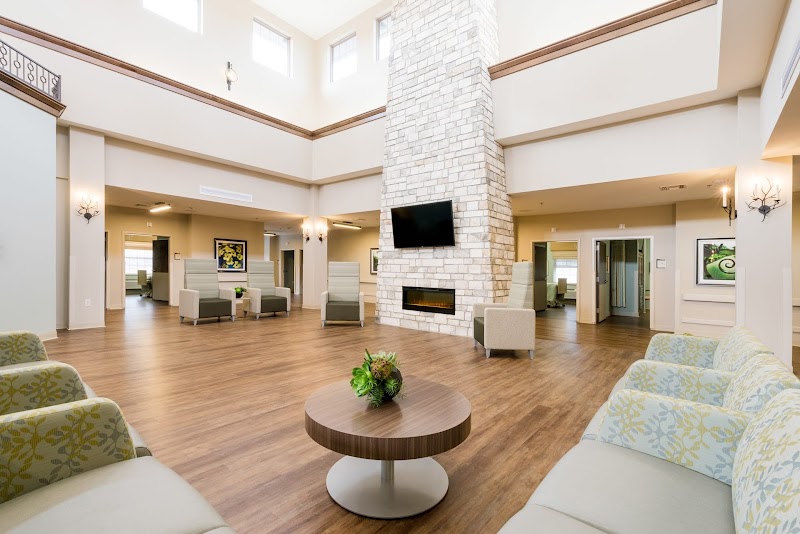
How is Belvedere, Llc Staffed?

CMS rates BELVEDERE NURSING AND REHABILITATION CENTER, LLC's staffing level at 3 out of 5 stars, which is average compared to other nursing homes. Staff turnover is 56%, which is 9 percentage points above the Arkansas average of 46%. High turnover can affect care consistency as new staff learn residents' individual needs. RN turnover specifically is 60%, which is notably high. RNs provide skilled clinical oversight, so turnover in this role can affect medical care quality.

What Have Inspectors Found at Belvedere, Llc?

State health inspectors documented 29 deficiencies at BELVEDERE NURSING AND REHABILITATION CENTER, LLC during 2022 to 2025. These included: 1 Immediate Jeopardy (the most serious level, indicating potential for serious harm or death), 3 that caused actual resident harm, and 25 with potential for harm. Immediate Jeopardy findings are rare and represent the most serious regulatory concerns. They require immediate corrective action.
Who Owns and Operates Belvedere, Llc?

BELVEDERE NURSING AND REHABILITATION CENTER, LLC is owned by a for-profit company. For-profit facilities operate as businesses with obligations to shareholders or private owners. The facility is operated by CENTRAL ARKANSAS NURSING CENTERS, a chain that manages multiple nursing homes. With 119 certified beds and approximately 116 residents (about 97% occupancy), it is a mid-sized facility located in HOT SPRINGS, Arkansas.
How Does Belvedere, Llc Compare to Other Arkansas Nursing Homes?

Compared to the 100 nursing homes in Arkansas, BELVEDERE NURSING AND REHABILITATION CENTER, LLC's overall rating (1 stars) is below the state average of 3.1, staff turnover (56%) is near the state average of 46%, and health inspection rating (1 stars) is much below the national benchmark.

What Should Families Ask When Visiting Belvedere, Llc?

Based on this facility's data, families visiting should ask: "What changes have been made since the serious inspection findings, and how are you preventing similar issues?" "How do you ensure continuity of care given staff turnover, and what is your staff retention strategy?" "Can I visit during a mealtime to observe dining assistance and food quality?" "How do you handle medical emergencies, and what is your hospital transfer rate?" These questions are particularly relevant given the facility's Immediate Jeopardy citations and the facility's high staff turnover rate.

Is Belvedere, Llc Safe?

Based on CMS inspection data, BELVEDERE NURSING AND REHABILITATION CENTER, LLC has documented safety concerns. Inspectors have issued 1 Immediate Jeopardy citation (the most serious violation level indicating risk of serious injury or death). The facility has a 1-star overall rating and ranks #100 of 100 nursing homes in Arkansas. Families considering this facility should ask detailed questions about what corrective actions have been taken since these incidents.

Do Nurses at Belvedere, Llc Stick Around?

Staff turnover at BELVEDERE NURSING AND REHABILITATION CENTER, LLC is high. At 56%, the facility is 9 percentage points above the Arkansas average of 46%. Registered Nurse turnover is particularly concerning at 60%. RNs handle complex medical decisions and coordinate care — frequent RN changes can directly impact care quality. High turnover means new staff may not know residents' individual needs, medications, or preferences. It can also be disorienting for residents, especially those with dementia who rely on familiar faces. Families should ask: What is causing the turnover? What retention programs are in place? How do you ensure care continuity during staff transitions?

Was Belvedere, Llc Ever Fined?

BELVEDERE NURSING AND REHABILITATION CENTER, LLC has been fined $209,455 across 2 penalty actions. This is 6.0x the Arkansas average of $35,173. Fines at this level are uncommon and typically indicate a pattern of serious deficiencies, repeated violations, or failure to correct problems promptly. CMS reserves penalties of this magnitude for facilities that pose significant, documented risk to resident health or safety. Families should request specific documentation of what issues led to these fines and what systemic changes have been implemented.

Is Belvedere, Llc on Any Federal Watch List?

BELVEDERE NURSING AND REHABILITATION CENTER, LLC is not on any federal watch list. The most significant is the Special Focus Facility (SFF) program, which identifies the bottom 1% of nursing homes nationally based on persistent, serious quality problems. Not being on this list means the facility has avoided the pattern of deficiencies that triggers enhanced federal oversight. This is a positive indicator, though families should still review the facility's inspection history directly.