The Blossoms at the Village Rehab & Nursing Center
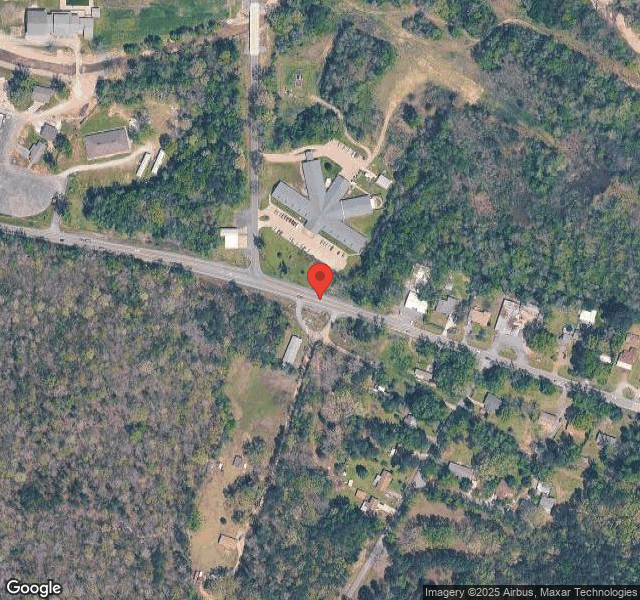
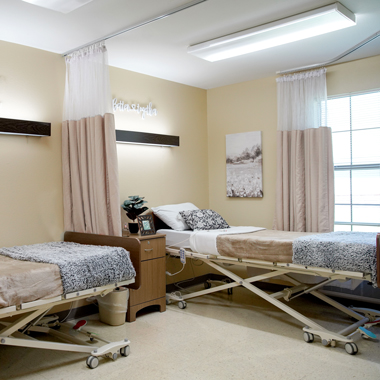
1208 NORTH HIGHWAY 7, HOT SPRINGS, AR 71909 (501) 624-5238
For profit - Limited Liability company 101 Beds Independent Data: November 2025
Trust Grade
55/100
#136 of 218 in AR
Last Inspection: August 2024

Within standard 12-15 month inspection cycle. Federal law requires annual inspections.

Overview

The Blossoms at the Village Rehab & Nursing Center has a Trust Grade of C, which means it is average and positioned in the middle of the pack among nursing homes. It ranks #136 out of 218 facilities in Arkansas, placing it in the bottom half, and #7 out of 9 in Garland County, indicating that only two local options are rated better. The facility is improving, having reduced issues from 14 in 2023 to 4 in 2024. Staffing is average with a 3/5 rating and a turnover rate of 59%, which is around the state's average, but it has concerning RN coverage, being lower than 91% of facilities in Arkansas. There have been no fines on record, which is a positive sign, but there are notable concerns regarding hygiene practices; for example, dietary staff have been observed not washing their hands before handling food, which risks foodborne illness for residents. Additionally, there were issues with the facility not adequately assessing residents’ ability to self-administer medications, which could compromise their safety and independence. Overall, while there are some strengths, families should be aware of the weaknesses in hygiene and medication management.
Trust Score
C
55/100
In Arkansas
#136/218
Bottom 38%
Safety Record
Low Risk
No red flags
Inspections
Getting Better
14 → 4 violations
Staff Stability
⚠ Watch
59% turnover. Above average. Higher turnover means staff may not know residents' routines.
Penalties
✓ Good
No fines on record. Clean compliance history, better than most Arkansas facilities.
Skilled Nurses
⚠ Watch
Each resident gets only 13 minutes of Registered Nurse (RN) attention daily — below average for Arkansas. Fewer RN minutes means fewer trained eyes watching for problems.
Violations
⚠ Watch
24 deficiencies on record. Higher than average. Multiple issues found across inspections.
★★★☆☆
3.0
Overall Rating
★★★☆☆
3.0
Staff Levels
★★☆☆☆
2.0
Care Quality
★★★☆☆
3.0
Inspection Score
Stable
2023: 14 issues
2024: 4 issues

The Good

  • Full Sprinkler Coverage · Fire safety systems throughout facility
  • No fines on record

Facility shows strength in fire safety.

The Bad

3-Star Overall Rating

Near Arkansas average (3.1)

Meets federal standards, typical of most facilities

Staff Turnover: 59%

12pts above Arkansas avg (46%)

Frequent staff changes - ask about care continuity

Staff turnover is elevated (59%)

11 points above Arkansas average of 48%

The Ugly 24 deficiencies on record

Aug 2024 4 deficiencies
CONCERN (E)

Potential for Harm - no one hurt, but risky conditions existed

Deficiency F0554 (Tag F0554)

Could have caused harm · This affected multiple residents

Based on observations, interviews, record review, facility document review, and facility policy review, it was determined that the facility failed to assess for, obtain physician's order for, and care...

Read full inspector narrative →
Based on observations, interviews, record review, facility document review, and facility policy review, it was determined that the facility failed to assess for, obtain physician's order for, and care plan for self-administration of medications for 2 (Resident #41 and Resident #73) of 2 residents reviewed for self-administration of medications. Findings include: 1. A review of a facility policy titled, Medication, Self-Administration of Policy and Procedure, provided 08/15/2024 indicated, the purpose is to provide patient with right to self-administer medication when deemed safe and In order to maintain the residents' high level of independence, residents who desire to self-administer medications are permitted to do so if the facility's interdisciplinary team has determined that the practice would be safe for the resident and other residents of the facility and there is a prescriber's order to self-administer. 2. Review of the admission Record indicated the facility admitted Resident #73 on 08/31/2023 with diagnoses that included dementia, age-related physical debility, and glaucoma. a. The signification change Minimum Data Set (MDS) with an Assessment Reference Date (ARD) of 05/29/2024, revealed Resident #73 had a Brief Interview for Mental Status (BIMS) score of 5, which indicated the resident had severe cognitive impairment. b. A review of Resident #73's Care Plan, initiated on 05/20/2024, revealed the resident has a terminal prognosis related to Alzheimer's disease and has was admitted to hospice. Interventions included: observe patient closely for signs of pain, administer pain medications as ordered, and notify physician immediately if there is breakthrough pain and work with nursing staff to provide maximum comfort for the resident. No care plan was located to indicate self-administration of medication. c. An Order Summary Report that listed orders active as of 08/15/2024 revealed Resident #73 did not have an order for any type of eye medication/drops and had no order to self-administer medications. d. A review of the Assessments portion of Resident #73's electronic health records revealed that no self-administration of medications assessment was completed. e. During an observation on 08/12/2024 at 10:05 AM, a bottle of artificial tears was noted on the nightstand beside Resident #73's bed. f. During an observation on 08/13/2024 at 8:04 AM, a bottle of artificial tears was noted on top of the nightstand beside Resident #73's bed. g. During an interview on 08/13/24 at 8:26 AM, Medication Assistant Certified (MA-C) #4 confirmed there was a bottle of artificial tears that was on the nightstand of Resident #73. MA-C #4 picked up the bottle of artificial tears and reported that the resident's family member brought the medication into the facility and leaves the medication at bedside. MA-C #4 then confirmed that the back of the bottle stated, Keep out of reach of children. 2. A review of the admission Record indicated the facility admitted Resident #41 on 07/29/2024 with diagnoses that included vascular dementia with agitation, chronic obstructive pulmonary disease and allergic rhinitis. a. The admission Minimum Data Set (MDS), with an Assessment Reference Date (ARD) of 08/01/2024, revealed Resident #41 had a Brief Interview for Mental Status (BIMS) score of 15 which indicated the resident is cognitively intact. b. A review of Resident #41's Care Plan, initiated 08/05/2024, revealed the resident has a behavior problem: refuses medication. Intervention included explaining all procedures to the resident before starting and allowing the resident to adjust to changes. No care plan was located to indicate self-administration of medication. c. An Order Summary Report that listed orders active as of 08/14/2024 revealed Resident #41 had orders for ipratropium/albuterol inhaler 20-100 microgram/actuation (mcg/ACT) one puff orally two times a day and fluticasone propionate nasal suspension 50 mcg/ACT two sprays in both nostrils two times a day. d. A review of the Assessments portion of Resident #41's electronic health records revealed that no self-administration of medications assessment was completed. e. During an observation on 08/14/2024 at 7:31 AM, Medication Assistant-Certified #4 (MA-C), went into Resident #41's room to administer medications. The ipratropium/albuterol inhaler and fluticasone propionate nasal suspension were sitting on the bedside table in front of the resident. Once pill form medications were administered, Resident #41 picked up the fluticasone propionate nasal suspension and inserted into right nostril and squirted spray two times without waiting between sprays, then moved to left nostril and squirted spray two times without waiting between sprays. Resident #41 placed the cap on the fluticasone and then picked up the ipratropium/albuterol inhaler. One puff was administered by the resident with no issues. Resident #41 then put the inhaler back in her mouth and took a second puff. f. During an interview on 08/14/2024 at 7:35 AM, MA-C #4 confirmed that Resident #41 did administer inhaler and spray and that no instructions were given to the resident prior to resident self-administering the medication. g. During an interview on 08/14/2024 at 12:00 PM, the Assistant Director of Nursing (ADON) confirmed before a resident self-administers medications, the physician must evaluate and give orders, an assessment must be completed, and the resident is care planned for self-administration of medications.
CONCERN (E)

Potential for Harm - no one hurt, but risky conditions existed

Accident Prevention (Tag F0689)

Could have caused harm · This affected multiple residents

Based on observations and interviews, the facility failed to ensure an unattended medication cart was not left unlocked and keys unattended. The findings include: On 08/15/24 at 9:35 AM, the Surveyor...

Read full inspector narrative →
Based on observations and interviews, the facility failed to ensure an unattended medication cart was not left unlocked and keys unattended. The findings include: On 08/15/24 at 9:35 AM, the Surveyor observed an unattended medication cart in the hallway on the secured unit unlocked with the keys in the lock. On 08/15/24 at 9:41 AM, Licensed Practical Nurse (LPN) #9 confirmed the unattended medication cart was unlocked with keys inside lock. LPN #9 stated anyone could have gotten anything, any of the drugs or narcotics, and a resident could get a medication that could harm or kill them. On 08/15/24 at 10:54 AM, the Administrator confirmed an unattended medication cart should not be unlocked with the keys in the lock. The Administrator stated there was access to the medications, the residents can take the medications, and/or harm themselves. On 08/15/24 at 12:22 PM, the Surveyor was informed there was not a policy on accidents and hazards.
CONCERN (E)

Potential for Harm - no one hurt, but risky conditions existed

Food Safety (Tag F0812)

Could have caused harm · This affected multiple residents

Through observation, interview, and policy review, the facility failed to ensure food brought in for residents was properly labeled, food items received had both open and expiration dates, and food se...

Read full inspector narrative →
Through observation, interview, and policy review, the facility failed to ensure food brought in for residents was properly labeled, food items received had both open and expiration dates, and food serving items were properly stored. The findings are as follows: 1. On 8/14/2024 at 5:46 AM, three drink pitchers were laying on their side with the opening not properly covered to prevent foreign substances from entering the pitchers used for resident's drinks. 2. On 8/14/2024 at 5:47 AM, four cups were laying on their side with the opening not properly stored to prevent foreign substances from entering the cups used for resident's drinks. 3.On 8/14/2024 at 5:51 AM, four food dome covers were sitting on the counter, by the serving window, with the inside facing the ceiling, not covered. 4. On 8/14/2024 at 5:57 AM, a container with pureed breadcrumbs was not completely sealed. 5. On 8/14/2024 at 7:29 AM, the nourishment room refrigerator contained the following items: a. one plastic bag that contained one open bottle of thousand island dressing, one open bag of yellow cheese squares, one open bag of ham circles, one unopened bag of imitation crab meat, and one bag of [brand] string cheese sticks without residents' name, date of purchase, or and open date b. One 2-quart 100% vegetable juice did not have a resident's name or open date on the container. c. One 8-ounce medium cheddar shredded cheese without a resident's name or a received date. d. The Dietetic Technician inferred the refrigerator was for resident use only, and the residents name should have been on the items. 6. On 8/14/2024 at 7:44 AM, one brownie mix package had an expiration date of 8/4/2024. The Dietetic Technician confirmed the product had expired and needed to be thrown away. 7. On 8/14/2024 at 7:50 AM five 14.75 ounce cans of classic pink salmon did not have a received date. The Dietetic Technician confirmed the product was missed when the other cans had been dated. 8. On 8/14/2024, Dietetic Technician confirmed the pureed breadcrumbs were not completely sealed. Dietetic Technician then properly sealed the container without stating why the container should have been properly covered. 9. On 8/12/2024, a document titled Storage of Resident Food: Policy and Procedure (undated) showed, Family and resident will be encouraged to date items 10. On 8/14/2024 at 3:10 PM, a Food Storage Areas Policy and Procedure (undated) showed, Refrigerated and frozen foods are dated upon delivery. Canned goods should be dated. 11. On 08/15/24 at 9:40 AM, the Dietetic Technician stated that something could get in the opened pureed bread container. 12. On 8/15/2024 at 11:00 AM, a Handling Clean Equipment and Utensils Policy and Procedure (undated) showed, Clean equipment will be stored in a clean, dry location in a way that protects them from splashes, dust, or other contamination. Glasses and cups will be stored on a clean sanitary surface.
CONCERN (E)

Potential for Harm - no one hurt, but risky conditions existed

Infection Control (Tag F0880)

Could have caused harm · This affected multiple residents

Based on observations, interviews, record review, facility document review, and facility policy review, the facility failed to ensure hand hygiene was performed during medication administration, faile...

Read full inspector narrative →
Based on observations, interviews, record review, facility document review, and facility policy review, the facility failed to ensure hand hygiene was performed during medication administration, failed to ensure drinking cups did not become contaminated while preparing for medication administration, and failed to follow procedures for Enhanced Barrier Precautions for a resident with a feeding tube for 2 (Resident #92 and Resident #67) of 2 residents reviewed for infection prevention and control and hand hygiene; and failed to provide proper storage for oxygen tubing and updraft tubing and apparatus at bedside for 1 (Resident #7) of 1 reviewed for infection prevention and control measures. Findings include: A review of an undated facility policy titled, Hand Hygiene Policy and Procedure, supplied 08/14/2024, indicated the process and purpose was to cleanse the hands between resident direct contact and to prevent spread of infection. 1(e) before and after entering isolation precaution settings. 1(j) before and after handling peripheral vascular catheters and other invasive devices. A review of an undated facility policy titled, Isolation Policy and Procedure supplied 08/15/2024 indicated that the purpose was to prevent the spread of infection. To be utilized on all residents in isolation: a) isolation and precaution categories include a) Isolation and Precaution Categories include: (i)Enhanced Barrier Precautions (EBP). Enhanced Barrier Precautions (EBP): 1. EBP precautions are utilized for residents that have wounds and/or indwelling medical devices (central line, catheter, feeding tube, tracheostomy) and has a multi-drug resistant organism. An undated facility policy titled, Oxygen Administration Policy and Procedure supplied 08/15/2024 offered no relevant information in regard to how oxygen tubing and updraft tubing and apparatus should be stored at bedside. A review of the admission Record, indicated the facility admitted Resident #7 with diagnoses of chronic obstructive pulmonary disease and atherosclerotic heart disease of native coronary artery without chest pain. The quarterly Minimum Data Set (MDS) with an Assessment Reference Date (ARD) of 07/01/2024 revealed Resident #7 had a Brief Interview for Mental Status (BIMS) score of 8, which indicated the resident has moderate cognitive impairment. Resident was not marked as having oxygen in special treatments, procedures, and programs. A review of Resident #7's Care Plan, initiated on 09/28/2022, revealed that Resident#7 has 1) altered respiratory status/difficulty breathing related to chronic obstructive pulmonary disease with shortness of breath. Interventions include oxygen per medical doctor's orders and administer medication/puffers as ordered. Monitor for effectiveness and side effects. 2) Resident #7 has oxygen therapy related to chronic obstructive pulmonary disease. Interventions include: monitor/document side effects and effectiveness and give medications as ordered by physician. 3) Resident #7 has a behavior problem-at times resident takes her oxygen bag and puts trash in it and throws it away. Intervention includes: if reasonable, discuss the resident's behavior. Explain/reinforce why behavior is inappropriate and/or unacceptable to the resident. A review of Order Summary Report, revealed Resident #7 has the following orders: 1) change oxygen tubing, humidifier water (if applicable), bag and date every Wednesday night shift for oxygen use. 2) Change updraft mask and tubing weekly, bag and date every Wednesday night shift for updraft use. 3) Oxygen at two liters per minute via nasal cannula as needed for shortness of breath. During an observation on 08/12/24 at 10:19 AM, Resident # 7 was lying in bed. Oxygen was being administered via nasal cannula at 2 liters per minute. No date seen on tubing. No humidifier bottle. The updraft machine at bedside had the tubing and apparatus (mask) lying on the nightstand without proper storage. During an observation on 08/13/24 at 8:39 AM, Resident # 7's oxygen concentrator was not in use and the oxygen tubing was draped across the nightstand and concentrator without proper storage. The updraft mask was lying on top of the nightstand without proper storage. During an interview on 08/13/24 at 8:45 AM, Certified Nursing Assistant #7 confirmed the tubing for the updraft machine and the oxygen tubing was not properly stored. During an interview on 08/13/24 at 8:50 AM Licensed Practical Nurse (LPN) #8 confirmed the oxygen tubing was lying across the nightstand and not being properly stored. LPN #8 confirmed the updraft tubing was not properly stored. When LPN #8 was asked what the importance was of keeping them properly stored, she stated, To keep from giving them more germs. During an interview on 08/15/24 at 12:00 PM, the Assistant Director of Nursing stated, Oxygen and updraft tubing should be in plastic bags with their names and date on them. They should not be left out lying around. A review of the admission Record, indicated the facility admitted Resident #67 with diagnoses of schizophrenia and dysphagia (difficulty swallowing). The quarterly MDS, with an ARD of 06/04/2024 revealed Resident #67 had a BIMS score of 6, which indicated the resident had severe cognitive impairment. During an observation on 08/14/2024 at 8:00 AM, LPN #3 was at a medication cart. LPN#3 removed gloves from prior medication administration and without sanitizing hands picked up two plastic drinking cups which were stuck together. LPN #3, with fingers inside the cup, separated the two plastic cups and placed the one the fingers had been inside of on top of the medication cart and filled the cup with water. Medications were then prepared for Resident #67. Medications were then delivered to the resident, and Resident #67 consumed the water inside the drinking cup. LPN #3 confirmed that cups were pulled apart with fingers being placed inside of the cups. Confirmation was given by LPN #3 that gloves were removed and hands were not sanitized before medication administration. A review of the admission Record, indicated the facility admitted Resident #92 with diagnoses that included: encounter for attention to gastrostomy, dysphagia, pharyngeal phase, and moderate protein-calorie malnutrition. The quarterly Minimum Data Set (MDS), with an ARD of 07/18/2024, revealed Resident #92 had BIMS score of 13 which indicated the resident is cognitively intact and Nutritional Approaches marked as feeding tube while a resident. A review of Resident #92's Care Plan, initiated on 04/15/2024, revealed the resident requires tube feeding related to dysphagia due to osteophyte protrusion and moderate protein-calorie malnutrition. Interventions included all medications may be given simultaneously through feeding tube, flush feeding tube per facility protocol before and after medication administration. A review of Order Summary Report revealed Resident #92 had an order for nothing by mouth and tube feeding formula 1.5 at 70 cubic centimeter (cc)/hour via pump continuously with water flushes of 35 milliliters (ml)/hour. May disconnect as needed for activities of daily living, medications, and flushes. May mix medication with up to 60 ml of water prior to medication administration. Flush feeding tube with 60 ml of water before and after medication administration. During an observation on 08/14/2024 at 3:30 PM, LPN #3 did not sanitize hands prior to medications being set up for administration to Resident #92. After medications were placed in plastic medication cup, without sanitizing hands, placed medications in a pill crushing pouch and crushed the medications. The medications were then placed in a plastic drinking cup. After placing stethoscope and a pair of gloves in scrub pocket, LPN #3 entered Resident #92's room. LPN #3 did not put on a gown or gloves prior to entering the resident's room. After entering, LPN #3 went into the bathroom to obtain tap water from the sink, returned to the bedside of Resident #92 and placed the water and medication glass on the bedside table. LPN #3 left the bedside and went back to the medication cart, outside of the resident's room door and picked up a plastic spoon, applied gloves, added water to the medication glass and stirred with the plastic spoon. LPN #3 went over to the resident, explained medications were going to be administered and lifted the covers from the abdominal area to access the feeding tube. LPN #3 adjusted the feeding tube, disconnected the feeding tube and draped the tubing over the feeding pump pole. Using the same gloves without sanitizing hands, removed the stethoscope from scrub pocket, placed a piston syringe in the feeding tube port and auscultated and aspirated feeding tube to verify placement. Once placement was confirmed, the piston syringe was removed from the port, the plunger was removed and then piston syringe was placed back into the port. The feeding tube was flushed with 60 milliliters (ml) of water, medication mixture was added, after medications passed through the feeding tube, tube was flushed with 60 ml of water. LPN #3 reconnected the feeding to the feeding tube, straightened Resident 92's gown, placed trash in trash can, adjusted the covers over the resident, moved the bedside table and wheelchair closer to the bed, removed the gloves, left the room, went to the medication cart and sanitized hands. LPN #3 confirmed hand hygiene and glove changes had not occurred during the process of administering medications through the feeding tube.
Nov 2023 11 deficiencies
CONCERN (D)

Potential for Harm - no one hurt, but risky conditions existed

Deficiency F0554 (Tag F0554)

Could have caused harm · This affected 1 resident

Based on observation, interview, and record review the facility failed to ensure resident without self-administration approved by the Interdisciplinary Team [IDT]. This failed practice affected 1 resi...

Read full inspector narrative →
Based on observation, interview, and record review the facility failed to ensure resident without self-administration approved by the Interdisciplinary Team [IDT]. This failed practice affected 1 resident (R#92) of 4 sampled residents (R#69, R#74, R#90, R#92) and had the potential to affect 11 residents with nebulizer orders. The findings are: a. Resident #92 with diagnoses of chronic obstructive pulmonary disease, unspecified, anorexia and muscle wasting and atrophy, not elsewhere classified, multiple sites. b. On 10/30/23 at 10:16 AM, the Surveyor observed Resident #92 sitting on the bedside holding a nebulizer over the resident's nose and mouth. Resident #92 was observed holding the mask with the resident's left hand, removed the head strap and placed the nebulizer mask back over the nose and mouth. c. On 10/30/23 at 10:19 AM, the Surveyor observed Resident #92 turning nebulizer off and placed it back in the storage bag. The surveyor looked in the nebulizer bag and observed clear fluid in the chamber. Resident #92 said, I am finished. c. On 10/30/23 at 10:24 AM, the Surveyor asked Licensed Practical Nurse [LPN] #2 to explain the process for administering nebulizer treatments and updrafts. LPN #2 said, We set them up and let them do their own treatment. They can do that on my hall. The Surveyor asked if the Interdisciplinary Team [IDT] team has assessed resident #92 and the other residents using a nebulizer for administration rights. LPN #2 said, I do not know. The Surveyor asked LPN #2 if resident #92 got the complete dose. LPN #2 walked to the bedside and removed the nebulizer mask and chamber from the storage bag. LPN #2 told resident #92 that the resident had missed some of the medication and LPN #2 wanted to make sure the resident got it all. LPN #2 was observed placing the nebulizer mask on resident and turning the updraft machine on. d. On 11/01/23 at 12:15 PM, the Surveyor asked the Director of nursing [DON] what was their process for administering nebulizers, and do they have any residents that have self-administration rights. The DON said, Nobody, has self-administration rights. The nurse must go in with the resident and stay while they are getting nebulizers or updrafts. The Surveyor asked why is this important and the DON told the Surveyor to make sure they get the full dose of medication and do not pull off their mask or dump their medication out. The DON told the Surveyor if they refuse to complete the treatment it should be dumped out, the chamber cleaned and placed to dry. e. On 11/01/2023 at 12:37 PM, The DON provided the Medication, Self-Administration of Policy and Procedure.Policy: In order to maintain the residents' high level of independence, residents who desire to self-administer medications are permitted to do so if the facility's interdisciplinary team has determined that the practice would be safe for the resident and other residents of the facility and there is a prescriber's order to self-administer . 2. If the resident indicates no desire to self-administer medications, this is documented in the appropriate place in the resident's medical record, and the resident is deemed to have deferred this right to the facility. f. On 11/02/2023 at 10:30 AM The DON told the Surveyor they have not documented resident #92 has deferred the right to self-administrate medication.
CONCERN (D)

Potential for Harm - no one hurt, but risky conditions existed

Deficiency F0646 (Tag F0646)

Could have caused harm · This affected 1 resident

Deficiency Text Not Available

Read full inspector narrative →
Deficiency Text Not Available
CONCERN (E)

Potential for Harm - no one hurt, but risky conditions existed

Resident Rights (Tag F0550)

Could have caused harm · This affected multiple residents

.Based on observation and interview the facility failed to ensure residents who reside on the secure unit were fed in a manner that provided dignity to each resident. This included standing over resid...

Read full inspector narrative →
.Based on observation and interview the facility failed to ensure residents who reside on the secure unit were fed in a manner that provided dignity to each resident. This included standing over residents while feeding and calling residents honey, sweetie, mama, baby and granny. This failed practice had the ability to affect 24 residents residing on the secured unit as documented on the resident list by hall that was provided by the Administrator on 10/30/23. a. On 10/31/23 at 12:27 PM Certified Nursing Assistant (CNA) #1 was observed standing over residents feeding them. CNA #1 walked to the opposite end of the table and stood over the resident assisting them with feeding. CNA#1 was calling resident's honey, swettie, mama, and sugar. b. On 10/31/23 12:31 PM CNA #1 was observed leaving that end of the table and went to another resident to assist her with feeding standing over her the entire time. c. On 11/01/23 at 12:26 PM CNA#1 was observed in dining room at the end of the table standing in between two residents assisting them both with feeding. d. On 11/01/18 at 12:34 PM CNA #1 was observed moving to the side of the dining table and standing over a resident to assist her with eating. e. On 11/02/23 at 8:17 AM CNA #1 was asked, should staff stand over a resident while assisting them to eat? CNA # replied, No. f. On 11/2/23 at 8:17 AM CNA#1 was asked, how should you address a resident. CNA#1 replied, by their name we shouldn't call them honey, and sweetie. g. On 11/02/23 at 8:19 AM Licensed Practical Nurse (LPN) #1 was asked, should staff stand over a resident while assisting them with meals? LPN #1 replied, No. h. On 11/2/23 at 8:19 AM LPN#1 was asked, How should a resident be addressed. LPN#1 stated, by their name. i. On 11/02/23 at 8:30 AM Director of Nurses (DON) was asked, should a staff stand over a resident while assisting them with meals? DON replied, No j. On 11/2/23 at 8:30 am DON was asked, how should a resident be addressed. DON stated, by their name [NAME] was asked, is calling them honey, sweetie, mama, appropriate. DON replied, No it isn't. k. On 11/2/23 at 9:15 am DON informed surveyor that facility did not have a policy and procedure on Dignity.
CONCERN (E)

Potential for Harm - no one hurt, but risky conditions existed

Deficiency F0568 (Tag F0568)

Could have caused harm · This affected multiple residents

Based on interview and record review, the facility failed to ensure residents received an individual financial record statement quarterly for 1 (Resident #18) of 82 residents. This failed practice had...

Read full inspector narrative →
Based on interview and record review, the facility failed to ensure residents received an individual financial record statement quarterly for 1 (Resident #18) of 82 residents. This failed practice had the potential to affect 82 residents that had resident trusts managed by the facility. The findings are: 1. On 10/31/23 at 3:47 PM, the Surveyor asked the Business Office Manager (BOM) how often statements are provided. The BOM stated, Quarterly. The Surveyor asked how they were issued. The BOM stated, Through the mail. We do have some that we hand out here. 2. On 10/31/23 at 3:47 PM, the Surveyor asked the BOM for documentation that a statement was provided to R#18. The BOM stated, I do not have documentation. I mailed [R#18's] out to [the resident's] daughter per daughter's request. The Surveyor asked BOM to look in the computer to see if daughter was Resident #18 financial POA. BOM stated, no [the daughter] is not, [the daughter] is only POA for [R#18's] care not for finances. The Surveyor asked so should you have sent his quarterly statement to [the resident's] daughter. BOM replied, no I should not have. 3. On 11/02/23 at, 12:18 PM the Surveyor asked the Administrator who should receive quarterly resident trust statements. The Administrator stated, Whoever is listed as the responsible party or to the resident if they are listed as their own person. The Surveyor asked when POA's were active. The Administrator stated, When the resident is incapacitated. The Surveyor asked if a resident was their own person should they be receiving their statements and not the responsible party. The Administrator stated, Yes. 4. On 11/02/23 at 12:20 PM, the Surveyor asked the Administrator if the facility had a Trust Account Policy, Administrator stated, we do not.
CONCERN (E)

Potential for Harm - no one hurt, but risky conditions existed

Deficiency F0569 (Tag F0569)

Could have caused harm · This affected multiple residents

F569 Based on interview and record review, the facility failed to ensure Medicaid recipient residents and/or their responsible parties were notified when their resident trust balance was within $200 o...

Read full inspector narrative →
F569 Based on interview and record review, the facility failed to ensure Medicaid recipient residents and/or their responsible parties were notified when their resident trust balance was within $200 of the maximum Medicaid recipient cash assets for 1 (Resident #18,) of 82 residents who were dependent on Medicaid for services and had trust funds managed by the facility. The findings are: 1. On 10/31/23 at 11:48 AM, The surveyor asked for October Trust account balances, and Business Office Manager (BOM) told surveyor they had not closed out the month of October yet. Surveyor then asked for the most recent month of statements she had closed out. BOM then provided surveyor with the month of September account balances. 2. On 10/31/23 at 12:25 PM, the Surveyor asked BOM manager to provide a letter for R #18 who had a balance of $3267.42. BOM provided copy of the letter that she stated she had given to Resident #18. The Surveyor went to resident #18 room to discuss the letter and the amount he had in his trust fund. Resident #18 informed the surveyor that he had never received a letter notifying him that he had that much money in his account. Surveyor then asked Resident #18 do you receive a quarterly statement? Resident replied, I have never received anything regarding my money, I wasn't aware of how much money I had. 3. On 10/31/23 at 3:47 PM surveyor interviewed Business Office Manager (BOM). The Surveyor asked, do you provide letters monthly when a resident is within $200 of his Medicaid allowable Balance. (BOM) replied, Every month I put them in envelopes and put them in the Activity Directors Box for her to pass out to the residents. The Surveyor asked, so you never personally give the notification monthly letter to the resident, (BOM) replied No I don't the surveyor asked did you give Resident #18 a quarterly statement. (BOM) stated, No I sent it to his daughter per her request. The Surveyor asked (BOM) to confirm that she was his POA. (BOM) looked on the computer then stated, She is only POA for his care, not his finanances the surveyor asked, should you have given the quarterly and monthly statement to resident #18 yourself. (BOM) replied, yes I should have. 4. On 11/2/23 at 11:58 AM Business Office Manager (BOM) was asked if the facility had a policy addressing a residents Personal Funds.( Bom) stated ,we do not have a Policy.
CONCERN (E)

Potential for Harm - no one hurt, but risky conditions existed

Deficiency F0577 (Tag F0577)

Could have caused harm · This affected multiple residents

Based on observation, interview, and record review the facility failed to ensure state survey results, and contact information for the ombudsman, and the Office of Long-Term Care [OLTC] was readily av...

Read full inspector narrative →
Based on observation, interview, and record review the facility failed to ensure state survey results, and contact information for the ombudsman, and the Office of Long-Term Care [OLTC] was readily available for residents, family members, and staff in the locked unit. This failed practice affected 1 resident (R#2) of 4 sampled residents (R#2, R#74, R#90, R#100) and had the potential to affect 24 residents residing in the locked unit. The findings are: a. Resident #2 with a diagnosis of EPILEPSY, UNSPECIFIED, NOT INTRACTABLE, WITHOUT STATUS EPILEPTICUS, BRIEF PSYCHOTIC DISORDER, and ANXIETY DISORDER, UNSPECIFIED. The Minimum Data Set [MDS] with an assessment reference date [ARD]s of 09/11/2023, and a Brief Interview for Mental Status [BIM]s of 7 (0-7 means severely impaired cognition). b. On 11/01/2023 at 10:40 AM, Resident #2 asked Surveyors for the contact information of the OLTC. The Surveyors looked around the locked unit and were unable to find contact information for the OLTC, and ombudsman. c. On 11/01/2023 at 10:50 AM, the surveyors left the unit and asked the Director of Nursing [DON] where contact information for the ombudsman, and the OLTC were kept readily assessable to residents, family members and staff in the unlocked and locked areas of the facility. The DON walked down 100 hall and located the ombudsman poster, but not the contact information for the OLTC. The surveyor asked the DON what her process is when residents, and family members ask for the OLTC and ombudsman contact information. The DON told the surveyor nobody has ever asked for this contact information before. The surveyor told the DON and RN #1 that a resident in the locked unit asked for it today. The DON said, We do not have the contact information for the ombudsman and the OLTC in the closed unit. d. On 11/01/2023 at 10:54 AM, RN #1 was observed looking in the main lobby for the contact information for the OLTC and said, I know we do not have the OLTC's number posted. e. On 11/01/2023 at 11:20 AM, The administrator told the surveyor that the contact information for the ombudsman, and the OLTC was found in the main lobby near the DON office, but not in the locked unit, on 300 hall. f. On 11/01/2023 at 02:00 PM, The DON provided the Resident Rights and Quality of Life Policy and Procedure and it states: Policy: All residents have the right to a dignified existence, self-determination, and communication with and access to people and services inside and outside the facility. Residents' rights will be explained to the responsible party or legal guardian as appropriate. 8. To be informed of his or her legal rights, including the manner of protecting personal funds, a description of the requirements and procedures for qualifying for Medicaid, a posting of the names, addresses, and telephone numbers of all pertinent state client advocacy groups, and a statement that the resident may file complaints with the state survey and certification agency . 26. To seek immediate access to any of the following: . b. Any representative of the State . d. The State's long-term care ombudsman .
CONCERN (E)

Potential for Harm - no one hurt, but risky conditions existed

Accident Prevention (Tag F0689)

Could have caused harm · This affected multiple residents

Based on observation, interview and record review, the facility failed to ensure that resident chairs were free of tears, exposing the foam cushion in the smoking area to ensure an environment free of...

Read full inspector narrative →
Based on observation, interview and record review, the facility failed to ensure that resident chairs were free of tears, exposing the foam cushion in the smoking area to ensure an environment free of accident hazards. This failed practice had the potential to affect 4 sampled residents (R#26, R#69, R#92, R#95) of 18 residents residing on 100 hall, 200 hall, and 400 hall that smoke in the main smoking area. The findings are: a. 11/01/23 10: 08 AM, The Surveyor observed the 10:00 AM smoke break with Certified Nursing Assistant [CNA] #3 and CNA #4. The surveyor observed two chairs that have torn seats with the foam stuffing exposed. One chair has what appears to be a 12 x 3 rip down the middle of the seat with the foam cushion exposed. The second chair is ripped across the front of the seat exposing the foam cushion in an area that appears to measure 12 x 3 1/2. CNA #4 pointed out the fire extinguisher and fire blanket. CNA #4 told the Surveyor to her knowledge there has not been any smoke related accidents. b. 11/01/23 3:14 PM, The Surveyor asked the Director of Nursing [DON] to accompany the Surveyor to the smoking area off the dining room. The Surveyor observed the DON looking at the ripped chairs with exposed cushion foam. The Surveyor asked the DON if the torn chairs with exposed cushion seat foam were appropriate to use in an area where residents smoke. The DON told the Surveyor said she was concerned the foam stuffing from the ripped chairs could be a fire hazard and needed to be thrown away. c. On 11/02/2023 at 12:43, The MDS nurse provided a Smoking/Tobacco/Electronic Smoking Device Policy and Procedure Purpose: To provide a safe environment for those residents who choose to smoke .
CONCERN (E)

Potential for Harm - no one hurt, but risky conditions existed

Deficiency F0692 (Tag F0692)

Could have caused harm · This affected multiple residents

Based on observation, interview, and record review the facility failed to ensure water was accessible and provided for 1 (Resident #46) of 5 sampled residents ( R#40, #44, #46,#61,#65), who required a...

Read full inspector narrative →
Based on observation, interview, and record review the facility failed to ensure water was accessible and provided for 1 (Resident #46) of 5 sampled residents ( R#40, #44, #46,#61,#65), who required assistance with getting fluids. The failed practice had the potential to affect 9 residents who drink water according to the documentation of resident's who take fluid by mouth who are dependent on staff that was provided on 11/2/23 at 10:38 am by the (DON) Director of Nursing. The findings are: 1. Resident #46 had a diagnosis of unspecified Dementia, severe with Agitation. The quarterly (MDS) Minimum Data Set with an (ARD) Assessment Reference Date of 10-20-2023 documented the resident scored a 00 (0-7 indicates severe cognitive impairment) on the (Brief Interview for Mental Status) BIMS and Section G documented extensive +1-person assistance with eating, extensive +2-person assistance with bed mobility and total dependence 2-person assistance with toileting. a. On 10-30-23 at 09:38 AM, the Surveyor observed resident #46 out in the lobby and remained out in the lobby until resident was taken to dining area for lunch. Resident had no access to water while in the common area. No water was on resident #46 tray for lunch. b. On 10/31/23 at 08:10 AM, observed Resident #46 up in common area in geri chair until lunch time when they took resident to room to change her and then took resident#46 to dining room. Resident #46 had no access to water while out in the common area that morning. At 01:48 PM resident was lying in her bed with eyes closed. Water pitcher was across the room on the dresser with small amount of water in it, no ice or straw. Not close to where resident could reach it. c. On 11/01/23 at 08:09 AM, observed resident #46 up in geri chair in dining room being fed breakfast. No water or juice was on tray. After breakfast resident was taken to common area. At 08:42 AM Administrator came out and asked staff to take residents to their rooms. Resident #46 was taken to her room and left up in her geri chair in her room with no access to water. At 1:31 PM resident #46 was being fed lunch by staff, no water was on tray and resident did not like the pink liquid that was offered she wouldn't drink it. At 02:42 PM resident was lying in bed on her right side with eyes closed. Water pitcher was on bedside table at the end of her bed with small amount of water and no ice in it. Out of reach of resident. d. On 11/02/23 at 10:42 am The Surveyor interviewed Certified Nursing Assistant (CNA) # 2, surveyor asked, while resident is up in common area who is responsible for making sure water is offered? CNA #2 replied, there should be someone assigned to give them fluids. Should water be available and in reach for a resident when they are in their rooms. ( CNA)#2 replied, yes who is responsible for making sure there is water and it is placed in reach of the resident.(CNA)#2 , any staff who comes in the room. Should water be offered when staff is in the room if a resident is unable to get the water themselves. (CNA)#2 replied, yes we all should. e. On 11/2/23 at 10:47 am surveyor interviewed Licensed Practical Nurse (LPN)#3, When a resident is up in the dining area who is responsible for making sure they receive hydration. (LPN)#3 replied, the CNA who is assigned to the resident should make sure they are getting fluid. When resident is brought back to their room who is responsible for making sure the resident is offered fluids. (LPN)#3 replied, the nurse and the cna who is taking care of the resident. Should the water pitcher be in reach of the resident. (LPN)#3 replied, yes it should be on their bedside table, or if they are up in a chair it should be in reach of them. f. On 11/2 23 at 10:54 am the DON was asked, When a resident is sitting up in the common area for several hours who is responsible for making sure they receive fluids. DON replied, all the staff should. When the resident is taken back to their rooms should there be fluids in their room. DON replied, yes Where should the fluids be located in the room. DON replied, Where the resident can reach them. When staff enter the room should residents who cannot get their water themselves be offered a drink of water. DON replied, yes, most definitely. 2. Policy provided on 11-01-23 at 2:00 PM from the Director of Nurses titled Hydration Policy and Procedure. Purpose To assure that the resident receives the sufficient amount of fluid based on individual needs to prevent dehydration. Policy the facility will provide oral fluid with each meal and during med pass. Also, refreshments will be offered mid-morning, mid-afternoon, and at bedtime. Procedure 1. Nurses will provide water, juice, and/or house supplement with each med pass. 2. C.N.A. will offer fluid to the resident at mid-morning, mid- afternoon, and at bedtime. 3. C.N.A. will document hydration program in effect for each shift on the resident's ADL's .
CONCERN (E)

Potential for Harm - no one hurt, but risky conditions existed

Deficiency F0804 (Tag F0804)

Could have caused harm · This affected multiple residents

**NOTE- TERMS IN BRACKETS HAVE BEEN EDITED TO PROTECT CONFIDENTIALITY** Based on observation, record review and interview, the facility failed to ensure meals were served in a method that maintained t...

Read full inspector narrative →
**NOTE- TERMS IN BRACKETS HAVE BEEN EDITED TO PROTECT CONFIDENTIALITY** Based on observation, record review and interview, the facility failed to ensure meals were served in a method that maintained the appearance of cold and hot food products and at temperatures that were acceptable to the residents to improve palatability and encourage good nutritional intake during 2 of 2 meals observed. This failed practice had the potential to affect 24 residents who receive meal trays in their rooms on the 300 Hall (Unit), as documented on a list provided by the Dietary Supervisor on 11/02/23/13/2023 at :AM. The findings are: 1. On 11/01/23 at 11:50 AM An unheated food cart that contained 23 trays for lunch was delivered to 300 hall (Unit) by the Certified Nursing Assistant#1. 2. 11/01/23 12:58 PM, the surveyor was rounding on secure unit when she got to room [ROOM NUMBER] and noticed R#67 was lying in her bed with hands in the air talking jibberish to the ceiling. There was no evidence of a lunch tray anywhere in the resident room. I went back down the hall and looked in the tray cart and found the resident tray untouched. At 1:01 asked the Licensed Practical Nurse #1 if the resident in room [ROOM NUMBER] R#67 had eaten and she stated she did not know, I showed her the tray in the cart. The nurse immediately asked the Certified Nursing Assistant #1 to go down and bring the resident to the dining room. The other surveyor asked her how long the trays had been in the cart, Certified Nursing Assistant #1 stated we got the trays at about 11:50 am At 01:07 PM The Licensed Practical Nurse #1 (LPN) started pulling the tray from the cart and the other surveyor #2 asked LPN #1 to wait so she could temp the tray. The LPN #1 checked the food temperatures on the tray and stated, a. milk was 55.4V. b. The shake was 63.8 degrees Fahrenheit. The manufacturer specification on the carton documented keep refrigerated. c. Macaroni and cheese with meat sauce was 102.3. degrees Fahrenheit. The LPN asked the surveyors if the temperature was ok and surveyor #2 asked her, What do you think. LPN #1 replied, the tray has been there a while and we need to get her a new tray. LPN #1 stated, we need to get her a new tray. 3. On 11/02/23 at 07:17 AM An unheated food cart that contained trays for breakfast was delivered to 300 hall by the Certified Nursing Assistant #5. At 07:59 AM immediately after the last resident was served in their room on 300 hall (Unit), temperature of the food items on the tray used as test trays were taken and read by the Dietary Supervisor with the following results: a. Milk 50.9 degrees Fahrenheit. b. Shake 53.6 degrees Fahrenheit. c. Scrambled eggs 83.6 degrees Fahrenheit. d. Ground sausage 84.3 degrees Fahrenheit. e. Hush brown 81.9. f. Regular sausage 80 degrees Fahrenheit. g. Oatmeal 109. degrees Fahrenheit. h. Pureed eggs 82 degrees Fahrenheit. i. Pureed oatmeal 106 degrees Fahrenheit. j. Pureed sausage 84,5 degrees Fahrenheit. K. Pureed bread 83.1 degrees Fahrenheit.
CONCERN (E)

Potential for Harm - no one hurt, but risky conditions existed

Infection Control (Tag F0880)

Could have caused harm · This affected multiple residents

Based on observation, interview, and record review, the facility failed to ensure staff washed and/or sanitized their hands during meal service on the facility's 'special secured unit to prevent cross...

Read full inspector narrative →
Based on observation, interview, and record review, the facility failed to ensure staff washed and/or sanitized their hands during meal service on the facility's 'special secured unit to prevent cross-contamination which had the potential to affect 24 residents residing on the 'special secured unit as documented on the resident list by hall provided by the Administrator on 10/30/23. The findings are: 1. On 10/31/23 at 12:24 PM, the Surveyor observed Certified Nursing Assistant (CNA) #1 feeding a resident then she moved to the resident next to her and started mixing ice cream and milk to make her a milkshake without sanitizing hands. CNA#1 goes over to another resident at the table pats her arm and then begins feeding her without sanitizing hands after last resident, and after touching her arm. 2. On 11/01/2023 at 12:26PM CNA #1 is standing between two residents and is feeding one, then another without sanitizing her hands. CNA #1 stops feeding both residents and moves around to other residents at table and starts assisting them with feeding never sanitizing her hands in between any of the resident she was assisting. a. On 11/02/23 at 8:17 AM, the CNA#1 was asked what should occur after touching a resident's spoon and glass before assisting another resident with feeding? CNA#1 replied, we should sanitize our hands. CNA #1 was asked, what should happen between assisting a resident with eating and then lifting up another residents legs, then going over to another resident to assist them with their meal. The CNA#1 stated, Oh no. I should have washed and sanitized. I know better. CNA#1 was asked what could happen when hands are not washed or sanitized before touching a resident's plate, silverware, lids, and straw. The CNA#1 stated, Cross contamination. b. On 11/02/23 at 8:20 AM, the Licensed Practical Nurse (LPN) #1 was asked when should hand washing, or sanitization be performed during meal service. The LPN stated, Before and after, and sanitize between trays, and between feeding residents. The LPN was asked if hands needed to be washed or sanitized after touching a resident's legs what could the outcome be if this is not done. LPN replied, cross contamination. c. On 11/2/23 at 08:30 am, surveyor asked DON, what should happen when feeding a resident and then going to another resident to assist them with feeding. DON replied, they should sanitize their hands. What could happen if someone doesn't sanitize/wash hands in between feeding residents. DON replied, they can transfer infection. d. On 11/2/23 at 09:47 am the DON provided the facility policy titled Hand Hygiene Policy and Procedure Purpose To cleanse the hands between resident direct contact, to prevent spread of infection. Policy Hand hygiene will be performed by all staff consistent with accepted standards of practice, to reduce the spread of infections and prevent cross contamination . Procedure1. H. Before and after assisting a resident with meals .
CONCERN (F)

Potential for Harm - no one hurt, but risky conditions existed

Food Safety (Tag F0812)

Could have caused harm · This affected most or all residents

Based on observation and interview, the facility failed to ensure dietary staff washed their hands before handling clean equipment or food items to prevent potential food borne illness for residents w...

Read full inspector narrative →
Based on observation and interview, the facility failed to ensure dietary staff washed their hands before handling clean equipment or food items to prevent potential food borne illness for residents who received meals from 1 of 1 kitchen, These failed practices had the potential to affect 103 residents who received meals from the kitchen, (total census: 104 ) as documented on a list provided by the Dietary Supervisor #1 on 11/02/23 at The findings are: 1. On 11/01/23 10:26 AM Dietary Employee (DE) #1 opened the refrigerator door, removed a bag of shredded cheese, and placed it on the food preparation counter. At 10:27 AM DE #1 removed gloves from the glove box and held it while he picked up the empty glove box and threw it into the trash. Without washing his hands, he placed gloves on his hands, contaminated the gloves, he then used the same contaminated gloved hand to remove shredded cheese from the bag and sprinkled them on top of macaroni with kidney beans and meat sauce. He placed the pan in the oven to be baked and served it to the residents for lunch meal. 2. On 11/01/23 at 10:39 AM DE #1 picked up a pot that contained beef broth from the stove and placed it on top of the food preparation counter, he plugged the code attached to the blender on the wall socket. Without washing his hands. He removed a glove from the glove, contaminating the glove. Then used the same contaminated gloved hand to pick up a clean blade and attached it to the base of the blender to be used in pureeing food items to be served to the residents who required pureed diets. 3. On 11/01/23 at 10:45 AM DE #2 pushed a cart that contained 4 bags of orange mix and 4 pitchers towards the food preparation sink. She turned on the sink faucet and obtained water in each pitcher. Then, she turned off the faucet with her bare hands. She opened bags of orange mix, emptied, in a pitcher each mixed. Without washing her hands, she picked up a lid to each pitcher with her fingers inserted inside the lid and covered the pitchers. She placed the pitchers of orange mix in the refrigerator to be served to the residents for lunch meal. 4. On 11/01/23 10:56 AM DE #1 picked up a pot that contained milk from the stove and placed it on the counter. Without washing his hands, he removed a glove from the glove box, contaminating the glove. He then used the contaminated glove to pick up a clean blade and attached it to the base of the blender to be used in pureeing food items to be served to the residents who required pureed diets. 5. On 11/01/23 at 11:16 AM DE #3 pushed a cart that contained pans of dessert toward the food preparation area. She transferred the pans to the counter. She placed gloves on her hands, contaminating the gloves. She picked up a knife and used it to slice Iced oatmeal cake. Then, she used her contaminating gloved hands to pick up sliced Iced oatmeal cake and placed it in individual bowls to be served to the residents for lunch. 6. On 11/01/23 at 11:23 AM DE #3 placed a pan that contained Iced oatmeal cake on the counter. Without changing gloves and washing her hands, she picked up a clean blade and attached it to the base of the blender. At 11:27 AM When DE #3 was ready to place dessert into a blender to puree. The surveyor immediately asked DE #3 what should you have done after touching dirty objects and before handling clean equipment? She stated, I should have washed my hands. 7. On 11/01/23 at 11:34 AM DE #2 opened the refrigerator door. She took out a pitcher that contained orange juice and placed it on the counter. Without washing her hands, she picked up glasses by their rims and poured orange juice in them to be served to the residents for lunch meal. The surveyor asked DE #3 what should you have done after touching dirty objects and before handling clean equipment? She stated, I should have washed my hands. 8. A facility policy titled . Proper hand washing, and gloves use provided by the Dietary Surveyor on 11/02/2023 at 01:11 PM documented, Gloves are changed any time hand washing would be required or if the gloves become contaminated by touching other non-food contact surface such as door handles and equipment. Staff should be reminded that gloves become contaminated just as hands do, and should be changed often. When in doubt, remove gloves and wash hands again. When gloves must be changed, they are removed, hand washing procedure is followed, and a new pair of gloves is applied. Gloves are never placed on dirty hands; the procedure is always wash, glove, remove, rewash, and re-glove.
Jul 2023 1 deficiency
CONCERN (E) 📢 Someone Reported This

A family member, employee, or ombudsman was alarmed enough to file a formal complaint

Potential for Harm - no one hurt, but risky conditions existed

Accident Prevention (Tag F0689)

Could have caused harm · This affected multiple residents

Based on observation and interview, the facility failed to ensure the medication cart on the Secure Unit was locked and medications were not left out on top of the medication cart unsupervised. This f...

Read full inspector narrative →
Based on observation and interview, the facility failed to ensure the medication cart on the Secure Unit was locked and medications were not left out on top of the medication cart unsupervised. This failed practice had the potential to affect 17 residents who were ambulatory or moved independently in a wheelchair on the 300 Hall. The findings are: 1. On 07/16/23 at 6:34 PM, the medication cart was parked on the end of the 300 Hall by the exit door. The medication cart was unlocked, and there were 8 cups with medications in them, and a bottle of Tylenol on top of the cart. There were no staff on the hall. 2. On 07/16/23 at 6:35 PM, Licensed Practical Nurse (LPN) #1 was outside with a resident smoking. 3. On 07/16/23 at 6:41 PM, Certified Nursing Assistant (CNA) #1, and CNA #2 were coming out of a resident's room. 4. On 07/16/23 at 6:50 PM, LPN #1 walked in the building from the back door of the 300 Hall. The Surveyor asked, What time are the medications due that you have pulled? She stated, 6:00 PM. The Surveyor asked, Can you tell me why you left the medications unattended? She stated, I shouldn't have. The Surveyor asked, Can you tell me why you pulled the medications before you were ready to administer them? She stated, I have no good answer for you. The Surveyor asked, Is the medication cart locked? She stated, No, it's not locked. I'm on a Dementia unit and everything I've done is completely wrong. I'm very sorry it won't happen again. The Surveyor asked, Should you leave medications unattended? She stated, No. The Surveyor asked, What could happen if you leave medications unattended? She stated, Anybody can take them and have a reaction. 5. On 07/17/23 at 2:45 PM, the Surveyor asked the DON, Should the nurses leave medications out on their medication cart unattended? She stated, Not at any time. The Surveyor asked, Should the medication cart be locked if it is left unattended? She stated, Yes. The Surveyor asked, Why is it important that medications are not left unattended? She stated, It could harm someone. A resident could walk by and pick up the medication. 6. A facility policy titled, titled, Medication Administration General Guidelines Policy and Procedure, provided by the Director of nursing (DON) on 07/17/23 at 2:09 PM documented, .2. Administration .c.medications are administered at the time they are prepared. Medications are not pre-poured .l. During administration of medications, the medication cart is kept closed and locked when out of sight of the medication nurse or aide .
Jun 2023 1 deficiency
CONCERN (E) 📢 Someone Reported This

A family member, employee, or ombudsman was alarmed enough to file a formal complaint

Potential for Harm - no one hurt, but risky conditions existed

Pressure Ulcer Prevention (Tag F0686)

Could have caused harm · This affected multiple residents

Based on observation, interview, and record review, the facility failed to ensure orders for twice daily wound care for a resident unstageable pressure ulcer to the left ischium was implemented when o...

Read full inspector narrative →
Based on observation, interview, and record review, the facility failed to ensure orders for twice daily wound care for a resident unstageable pressure ulcer to the left ischium was implemented when ordered to promote healing of the pressure ulcer for 1 (Resident #1) of 2 (#1 and #2) sampled Residents. The failed practice had the potential to affect 3 residents that had pressure ulcers according to the list provided by the Administrator on 06/06/23 at 2:30PM. The findings are: 1. Resident #1 admission Minimum Data Set (MDS) with an Assessment Reference Date (ARD) of 04/25/25 documented that the resident had one unstageable pressure ulcer present on admission. a. The Care Plan with a revision date of 05/08/23 documented, . Focus: Resident #1 has potential for pressure ulcer development .Goal: The residents' Pressure Ulcer will show signs of healing and remain free from infection .Intervention/Tasks: . Follow facility policies/protocols for the prevention/treatment of skin breakdown . b. The Physician's Order from the Hyperbaric Wound Clinic dated 05/08/23 at 13:45 [1:45] documented, .Lt (left) Ischial - pack with Dakin's moist ½ inch Nugauze, dry 4 x4, Opti lock [4x4], Medi pore tape. Change dressings at least twice daily . c. The Physician's Order with a start date of 05/10/23 documented, Left ischial Unstageable Pressure injury: Clean with Dakin's, apply Medi honey, then Hydrogel gauze and cover with dry dressing QD [each day] and PRN [as needed] everyday shift for wound as needed for soiled or dislodged . d. The Physician Order from the Hyperbaric Wound Clinic dated 05/22/23 documented, .Lt Ischial: pack with Dakin's moisten gauze, Opti lock [5x5.5], Medi pore tape - change BID (Twice Daily) e. On 06/06/23 at 11:25AM, the Surveyor asked Licensed Practical Nurse (LPN) #1, Did you provide care to (Resident #1)? LPN #1 stated, Yes. The Surveyor asked, Did (Resident #1) have wounds? LPN #1 stated, Yes. She was admitted with 14 wounds. The Surveyor asked, Where were Resident #1's wounds located? LPN #1 stated, She had the most wounds on her feet. She had a surgical wound on her abdomen, a wound on her right long finger and a wound on her left ischium. The Surveyor asked, Was Resident #1 going to the wound clinic? LPN #1 stated, Yes. The Surveyor asked, When Resident #1 went to the wound clinic on 05/08/23 what were the orders she came back with for her wound on her left ischium? LPN #1 looked in the Electronic Record and stated, Pack with Dakin's moist ½ inch Nugauze, dry 4x4, Opti lock 4x4 and Medi pore tape. The Surveyor asked, How often did the order say to do wound care on the left ischial wound? LPN #1 stated, It is supposed to be done twice daily. The Surveyor asked, Was that order written? LPN #1 looked in the Electronic Record and stated, Yes. The Surveyor asked, Why was the order changed on 05/10/23? LPN #1 stated, I am not sure. The Surveyor asked, Do you know who changed the orders? LPN #1 looked in the Electronic Record and stated, My DON [Director of Nursing] put the order into the record. The Surveyor asked, When Resident #1 went to the wound clinic on 05/22/23 what were the orders that she came back with for her wound on her left ischium? LPN #1 looked in the Electronic Record and stated, Pack with Dakin's moistened gauze, Opti lock, Medi pore tape. Change BID. The Surveyor asked, Did that order get written? LPN #1 stated, Not that I see. The Surveyor asked, Why were the new orders not carried out? LPN #1 stated, I am not sure. The Surveyor asked, Why did Resident #1 continue to go to the wound clinic if the facility was not following their recommended orders for the wound to her ischium? LPN #1 stated, I am not sure. f. On 06/06/23 at 11:45AM, the Surveyor asked the DON, Did you provide care to Resident #1? The DON stated, Yes. The Surveyor asked, Did Resident #1 have wounds? The DON stated, Yes. The Surveyor asked, Where were her wounds? The DON stated, She had a wound on her left ischium, one of her middle fingers, a surgical wound on her abdomen and multiple wounds on her feet. The Surveyor asked, Did Resident #1 go to the wound clinic? The DON stated, Yes. The Surveyor asked, When Resident #1 went to the wound clinic on 05/08/23 what were the orders she came back with for her wound on her left ischium? The DON looked in the Electronic Record and stated, Pack with Dakin's moist ½ inch Nugauze, dry 4x4, Opti lock 4x4 and Medi pore tape. The Surveyor asked, How often does it say the dressing is to be changed? The DON stated, Change the dressing at least twice daily. The Surveyor asked, Was this order written? The DON stated, Yes. The Surveyor asked, Why was the order changed on 05/10/23? The DON stated, I talked with (Primary Care Physician) and informed him that packing the wound with Nugauze and the resident then having to sit on it was causing pressure on the surrounding tissues. This was causing the skin to turn purple resulting in more trauma to the area. I asked if we could change the treatment to Meta honey and hydrogel daily because Meta honey helps to debride, and he agreed with changing the order. The Surveyor asked, Did you contact the wound clinic when you changed the order? The DON stated, No. I did not. The Surveyor asked, When Resident #1 went to the wound clinic on 05/22/23 what were the order she came back with for her wound on her left ischium? The DON looked in the Electronic Record and stated, Pack with Dakin's moisten gauze, Opti lock 5 x5.5, Medi pore tape. Change BID. The Surveyor asked, Was that order carried out? The DON looked in the Electronic Record and stated, No the order was not changed. I did not see these orders. There is a note saying she returned with no new orders. I do not know why the order did not get carried out. The Surveyor asked, Should these orders have been carried out since they were the most current wound care orders for the wound on the resident left ischial wound? The DON stated, Yes they should. The Surveyor asked the DON for a copy of the facilities policy for wound care. g. On 06/06/23 at 1:05PM, the Surveyor asked the Administrator, Should facility staff implement the orders that are written by the wound clinic for care of a resident's wounds when the resident is being seen at the wound clinic? The Administrator stated, Yes. When they send orders back with them, we should follow those orders. The Surveyor asked, Were you aware that the wound clinic sent order back on Resident #1's wounds and those orders were not implemented? The Administrator stated, I was made aware in stand-up meeting that the wound clinic sent orders and her PCP [Primary Care Physician] came in and he changed that order. The Surveyor asked, Were you aware that there was an order written by the wound clinic on 05/22/23 that changed the order the PCP wrote that was not implemented? The Administrator stated, I was not aware of that. When she came back from the wound clinic, they should have carried out the order or contacted the PCP to clarify the order if they had questions about it. h. The facility policy untitled, provided by the DON on 06/06/23 at 12:15 PM, documented, .Policy: Any resident identified with a wound/skin concern will have a treatment in place to assist with healing of the wound/skin concern .Procedure: .Treatment Order will be entered in the physician orders for the identified wound/skin concern .Treatment Nurse or designee will perform wound care/skin care as order by the physician .
Feb 2023 1 deficiency
CONCERN (E) 📢 Someone Reported This

A family member, employee, or ombudsman was alarmed enough to file a formal complaint

Potential for Harm - no one hurt, but risky conditions existed

Deficiency F0655 (Tag F0655)

Could have caused harm · This affected multiple residents

**NOTE- TERMS IN BRACKETS HAVE BEEN EDITED TO PROTECT CONFIDENTIALITY** Based on record review and interview the facility failed to ensure a Baseline Care Plan was completed with the minimum necessary...

Read full inspector narrative →
**NOTE- TERMS IN BRACKETS HAVE BEEN EDITED TO PROTECT CONFIDENTIALITY** Based on record review and interview the facility failed to ensure a Baseline Care Plan was completed with the minimum necessary information to meet the resident's care needs within 48 hours after admission for 4 (Resident #1, #2, #3, #4) of 4 case mix residents who were admitted in the past 30 days. The failed practice had the potential to affect 31 residents who were admitted in the past 30 days, as documented on the list provided by the Administrator 2/7/23 at 2:30 p.m. The findings are: 1. Resident #1 was admitted to the facility on [DATE] and had diagnoses of Unspecified Fracture 4th [fourth] Thoracic Vertebra, Chronic Kidney Disease, and Essential Hypertension. a. Resident #1's Baseline Care Plan was completed on 1/16/23. 2. Resident #2 was admitted to the facility on [DATE] and had diagnoses of Essential Hypertension, Glaucoma, and other Cord Compression. a. Resident #2's Baseline Care Plan was completed on 1/30/23. 3. Resident #3 was admitted on [DATE] and had diagnoses of Essential Hypertension, Chronic Obstructive Pulmonary Disease, and Rheumatoid Arthritis. a. Resident #3's Baseline Care Plan was completed on 1/30/23. 4. Resident #4 was admitted on [DATE] and had diagnoses of Post Laminectomy, Acute Kidney Failure, and Metabolic Encephalopathy. a. Resident #4's Baseline Care Plan was completed on 2/7/23. 1. On 2/9/23 at 12:30 pm, the Surveyor asked Licensed Practical Nurse (LPN) #1, who is responsible for doing the Baseline Care Plan? He stated, the admitting nurse. The Surveyor asked, if the Baseline Care Plan is not done in a timely manner how would staff know how to take care of the resident? He stated, They wouldn't. The Surveyor asked, you admitted R #2 on 1/23/23 and didn't complete the Baseline Care Plan until 1/30/23, can you explain that? He stated, I have 2 halls and I'm very busy. The Surveyor asked, how long do you have to do a Baseline Care Plan? He stated, 24 hours. 2. On 2/9/23 at 12:40 pm, the Surveyor asked LPN #2, who is responsible for doing the Baseline Care Plan? she stated, usually the admitting nurse. The Surveyor asked, if the Baseline Care Plan is not done in a timely manner how would staff know how to take care of the resident? She stated, the nurse would have to look up the information and pass the information to the Certified Nursing Assistants (CNA)'s. The Surveyor asked, how long do you have to do a Baseline Care Plan? she stated, I just know they have to be done on admission or within 24 hours. 3. On 2/9/23 at 1:30 pm, the Surveyor asked the Assistant Director of Nursing (ADON), who is responsible for doing the Baseline Care Plan? she stated, on admit the nurse does them. The Surveyor asked, if the Baseline Care Plan is not done in a timely manner how would staff know how to take care of the resident? She stated, the nurses would have to refer to the hospital paperwork and the CNAs would check with the nurse. The Surveyor asked, how long do you have to do a Baseline Care Plan? she stated, within the 1st [first] 24 hours. 4. On 2/9/23 at 2:25 pm, the Surveyor asked the Nurse Consultant, who is responsible for doing the Baseline Care Plan? she stated, normally it is the nurse who is admitting the resident. The Surveyor asked, if the Baseline Care Plan is not done in a timely manner how would staff know how to take care of the resident? She stated, by asking or getting the information during report. The Surveyor asked, how long do you have to do a Baseline Care Plan? She stated, I think it's within the 1st 24 hours. 5. On 2/9/23 at 2:50 pm, the Surveyor asked the Administrator, who is responsible for doing the Baseline Care Plan? She stated, The floor nurses. The Surveyor asked, if the Baseline Care Plan is not done in a timely manner how would staff know how to take care of the resident? She stated, they would have to ask, and that's the thing, we check to see if they are done, if not the ADON would have them come back and do it. The Surveyor asked, how long do you have to do a Baseline Care Plan? She stated, in the 1st 24 hours.
Jul 2022 6 deficiencies
CONCERN (D)

Potential for Harm - no one hurt, but risky conditions existed

Resident Rights (Tag F0550)

Could have caused harm · This affected 1 resident

Based on observation, interview and record review the facility failed to ensure privacy and dignity was maintained by providing a privacy bag for a foley catheter for 1 Resident (Resident #84) of the ...

Read full inspector narrative →
Based on observation, interview and record review the facility failed to ensure privacy and dignity was maintained by providing a privacy bag for a foley catheter for 1 Resident (Resident #84) of the sampled residents. This failed practice had the potential to affect 8 residents with foley catheters according to the roster matrix provided by the Administrator on 7/25/22 at 11:15 am. The findings are: 1. Resident #84 was admitted to the facility with diagnoses of Alzheimer's Disease, Unspecified and Encounter for Fitting and Adjustment of Urinary Device. On the Minimum Data Set (MDS) with an Assessment Reference Date (ARD) of 7/5/22 showed resident scored 12 (8-12 indicates moderate impairment) on the Brief Interview for Mental Status (BIMS). The MDS showed resident is independent with eating and requires extensive assistance with bed mobility, transfer, dressing, toilet use, and personal hygiene. a. The 4/11/22 Physician Order showed, Foley French (_16_) and bulb (_5) cc [cubic centimeter]: change foley Cath Q [every] 30 days PRN [as needed] leakage obstruction or patient removal every night shift starting on the 11th [eleventh] and ending on the 11th every month. b. The 4/11/22 Physician Order showed, Foley Cath [catheter] care q [every] shift and prn [as needed] with soap and water or wipes every shift. c. The Care Plan initiated on 4/11/22 showed, . [Resident name] has Indwelling Catheter: Neurogenic bladder Change catheter on the 11th of each month .16 Fr (French), 5 ml [milliliters] foley . d. The 7/25/22 Physician Order showed, Irrigate foley catheter with 30 ml [milliliter] sterile water as needed every shift for signs of obstruction as needed for foley catheter obstruction related to OTHER OBSTRUCTIVE AND REFLUX UROPATHY irrigate with 30 ml sterile water as needed. e. On 07/25/22 at 1:12 pm, Resident #84 had a foley catheter that was not in a privacy bag hanging on the side of the bed. f. On 7/27/22 at 11:34 am, the Director of Nursing (DON) was asked, Should a foley catheter be in a privacy bag? DON stated, Yes or at least have a privacy cover on it. The Surveyor asked, Why should it be in a cover? DON stated, To protect the privacy and dignity of the resident. g. On 7/27/22 at 11:36 am, the Surveyor asked the Assistant Director of Nursing (ADON), Should a foley catheter be in a privacy bag? The ADON stated, Yes. The Surveyor asked, Why should it be in a cover? ADON stated, For patient dignity. h. On 7/27/22 at 1:47 pm, the Administrator provided a copy of Arkansas Resident Rights. The Rights documented, . (9) The right to have privacy in treatment and in caring for personal needs . (21) The right to be treated courteously, fairly, and with the fullest measure of dignity .
CONCERN (D)

Potential for Harm - no one hurt, but risky conditions existed

Deficiency F0657 (Tag F0657)

Could have caused harm · This affected 1 resident

Based on record review and interview, the facility failed to conduct, and invite the resident or their representative to participate in, Care Plan meetings to develop and revise the resident's Care Pl...

Read full inspector narrative →
Based on record review and interview, the facility failed to conduct, and invite the resident or their representative to participate in, Care Plan meetings to develop and revise the resident's Care Plan for 1 (Resident #40) sampled resident. The findings are: 1. Resident #40 had a Diagnosis of a Fractured Left Femur. The Quarterly Minimum Data Set (MDS) with an Assessment Reference Date (ARD) of 07/12/22 showed a score of 9 (7-11 indicates moderate impairment) on the Brief Interview for Mental Status. 2. Resident #40's Comprehensive Care Plan showed a revision date of 05/13/21. 3. A Care Plan Conference Summary for Resident #40, dated 07/28/20 was provided by the MDS [Minimum Data Set] Coordinator on 07/26/22 at 08:53 AM, and showed a telephone conference with members of the Interdisciplinary Team and Resident #40's wife. 4. A Care Plan Conference Summary for Resident #40, dated 09/8/20 was provided by the (MDS) Coordinator on 07/26/22 at 08:53 AM, and showed a telephone conference with members of the Interdisciplinary Team and Resident #40's wife. 5. A Policy titled, Care Planning - Interdisciplinary Team, which was provided by the Administrator on 07/27/22 at 08:47 AM showed, . The resident, the resident's family and/or the resident's legal representative/guardian or surrogate are encouraged to participate in the development of and revisions to the resident's care plan . 6. On 07/25/22 at 01:58 PM, the Surveyor asked Resident #40's wife, are you invited to meetings to participate in setting goals and planning your husband's care? She answered, I don't get invited to meetings. 7. On 07/27/22 at 11:30 AM, the Surveyor asked the Director of Nursing (DON), how often do you have Care Plan meetings? She answered, That is a question for the Social Director. 8. On 07/27/22 at 11:35 AM, the Surveyor asked the MDS Coordinator, how often do you have Care Plan meetings? She answered, Quarterly and as needed. The Surveyor asked, how do the representatives get notified of Care Plan meetings? She answered, The Social Director sends out letters or calls or emails. 9. On 07/27/22 at 11:39 AM, the Surveyor asked the Social Director, how often do you have Care Plan meetings? She answered, Quarterly, change of therapy, on admit, and as needed. The Surveyor asked, how are the representatives notified of Care Plan meetings? She answered, I call them. The Surveyor asked, do you document the meetings on a form or in the electronic record? She answered, Yes. The Surveyor asked, can you provide me with a printout of the meetings for Resident #40? She answered, I will try. I don't think we've had a meeting with her in a long time.
CONCERN (E)

Potential for Harm - no one hurt, but risky conditions existed

Transfer Notice (Tag F0623)

Could have caused harm · This affected multiple residents

**NOTE- TERMS IN BRACKETS HAVE BEEN EDITED TO PROTECT CONFIDENTIALITY** Based on record review and interview, the facility failed to notify the resident or representative in writing the reason for tra...

Read full inspector narrative →
**NOTE- TERMS IN BRACKETS HAVE BEEN EDITED TO PROTECT CONFIDENTIALITY** Based on record review and interview, the facility failed to notify the resident or representative in writing the reason for transfer/discharge to the hospital in writing in language they understand for 2 (Resident #40, #44) of 6 (Resident #40, 44, 57, 41, 2, 46) sampled residents who transferred to the hospital in the last 120 days, as documented on a list provided by the Business Office Manager on 7/27/22 at 12:03 PM. The findings are: 1. Resident #40 had a Diagnosis of a Fractured Left Femur. The Quarterly Minimum Data Set (MDS) with an Assessment Reference Date (ARD) of 7/12/22 showed a score of 9 (7-11 indicates moderate impairment) on the Brief Interview for Mental Status. a. A Progress Note dated 5/17/22 showed, Contact Droplet Precautions with Vital Signs q [every] 4 Hours for COVID-19 for 10 Days Resident in hospital ER [emergency room]. b. A Discharge Return Anticipated MDS dated [DATE] showed Resident #40 transferred to Acute Care hospital. c. A BOM [Business Office Manager] Facility Initiated Transfer form dated 5/17/22, provided by the BOM on 07/26/22 at 12:59 PM, showed, . The discharge or transfer is necessary for the resident's welfare and the facility cannot meet the resident's needs . 2. Resident #44 had a Diagnosis of Chronic Obstructive Pulmonary Disease. The Annual MDS with an ARD of 5/19/22 showed a score of 11 on the BIMS. a. A Progress Note dated 4/11/22 showed, . send to ER for further evaluation . b. A Discharge Return Anticipated MDS with an ARD of 4/11/22 showed, transfer to acute care hospital. c. A BOM Facility Initiated Transfer form dated 4/11/22, which was provided by the BOM on 7/26/22 at 2:00 PM showed . The discharge or transfer is necessary for the resident's welfare and the facility cannot meet the resident's needs . d. A Progress note dated 5/24/22 showed, . Seizure s/p (status post) fall-acute, new onset, send to ER for further evaluation . e. A Discharge Return Anticipated MDS with an ARD of 5/24/22 showed transfer to acute care hospital. f. A BOM Facility Initiated Transfer form dated 5/24/22, which was provided by the BOM on 7/26/22 at 12:45 PM showed . The discharge or transfer is necessary for the resident's welfare and the facility cannot meet the resident's needs . g. On 07/27/22 at 11:45 AM, the Surveyor asked the Director of Nursing (DON), does the facility provide the resident/representative a reason for transfer to the hospital in writing? She answered, We call them. We send a bed hold policy. That's the only thing we send in writing.
CONCERN (E)

Potential for Harm - no one hurt, but risky conditions existed

Respiratory Care (Tag F0695)

Could have caused harm · This affected multiple residents

3. Resident #43 was admitted with a Diagnosis of Unspecified Dementia without Behavioral Disturbance. According to the Quarterly MDS with a 05/22/22 ARD documented resident scored a 12 (7-12 indicates...

Read full inspector narrative →
3. Resident #43 was admitted with a Diagnosis of Unspecified Dementia without Behavioral Disturbance. According to the Quarterly MDS with a 05/22/22 ARD documented resident scored a 12 (7-12 indicates moderate impairment) on the BIMS and the resident requires limited assistance with eating, extensive assistance with bed mobility, dressing, toilet use, personal hygiene, and total assistance for transfer. a. The 06/12/21 the care plan showed, . [Resident name] has oxygen therapy r/t ineffective gas exchange .OXYGEN SETTINGS: O2 @ LPM PRN [Resident name] may take off at times .The resident has altered respiratory status/difficulty breathing r/t respiratory failure . b. The 03/24/22 Physician Order showed, 2L NC when sleeping. c. The 03/24/22 Physician Order showed, O2 at 2L NC for sob [shortness of breath] PRN every shift. d. The 03/24/22 Physician Order showed, Change and date 02 tubing and water bottle every week every night shift every Sat for hypoxia. e. On 07/25/22 at 1:04 p.m., Resident #43 wearing oxygen at 2L [two liters] per nasal cannula. The humidified water was dated 07/16/22 and the storage bag was dated 07/25/22. f. On 07/27/22 at 1:15 p.m., the Surveyor asked LPN #1, Should there be a humidified water bottle still in use dated 07/16/22? LPN #1 stated, No, there should not. g. On 07/27/22 at 1:30 p.m., the Surveyor asked LPN #2, Should there be a humidified water bottle still in use dated 07/16/22? LPN #2 stated, No. h. On 07/27/22 at 1:45 p.m., the Surveyor asked LPN #3, Should there be a humidified water bottle still in use dated 07/16/22? LPN #3 stated, No. i. On 07/27/22 at 1:50 pm, Assistant Director of Nursing (ADON) was asked, Should there be a humidified water bottle still in use dated 07/16/22? ADON stated, No. 2. Resident #40 had a history of Respiratory Failure with Congestive Heart Failure. The Annual MDS with an ARD of 01/24/22 showed the use of oxygen. a. A Physician's Order dated 12/10/20 showed, Oxygen @ (at) 2L/min via NC (Nasal cannula) PRN for SOB (shortness of breath) every shift for SOB related to DEPENDENCE ON SUPPLEMENTAL OXYGEN . b. A Physician's Order dated 10/21/21 showed, Change and date 02 tubing and water bottle weekly every night shift every Sat (Saturday) . c. A Care Plan dated 02/7/20 showed, . has PRN oxygen therapy r/t [related to] history of respiratory failure with CHF [Congestive Heart Failure] . d. A Policy titled, Oxygen Administration, which was provided by the Administrator on 07/26/22 at 11:50 PM documented, . Equipment and Supplies . Humidifier bottle . e. On 07/25/22 at 11:29 a.m., Resident #40 was lying in bed. An Oxygen in Use sign was on the door. Oxygen was in use at 2 liters by nasal cannula. The oxygen tubing was dated 7/25/22. There was no humidifier bottle attached to the concentrator. f. On 07/25/22 at 02:11 p.m., Resident #40 was lying in bed with oxygen in use at 2 liters by nasal cannula. There was no humidifier bottle attached to the concentrator. g. On 07/26/22 at 07:53 a.m., Resident #40 was lying in bed with oxygen in use at 2 liters by nasal cannula. There was no humidifier bottle attached to the concentrator. h. On 07/27/22 at 11:48 a.m., the Surveyor asked the DON, why do some residents not have a humidifier bottle on their oxygen concentrator? She answered, Do you mean those water bottles? During COVID-19, we attached the tubing to the Christmas trees. We did that because of the droplets. She was asked, your physician orders say to change and date the water bottle. Can you explain why the facility is not following the physician's orders? She answered, I can't address that. There are water bottles here. Based on observation, record review and interview, the facility failed to ensure the humidifier bottle was changed weekly as ordered for 1 (Resident #43), failed to ensure humidifier bottles were in use according to Physician orders for 2 (R#20 and R#40), failed to ensure oxygen was at the correct flow rate and oxygen tubing was stored properly, to prevent potential complications for 1 (R#20) of 8 (#20, #2, #5, #44, #43, #79, #37, and #40) sampled residents with physician orders for oxygen therapy as documented on a list provided by the Director of Nurses (DON) on 07/27/22 at 11:50 a.m. The findings are: 1. Resident #20 had Diagnoses of Aphasia following Cerebral Infarction, Dependence on Supplemental oxygen, Hemiplegia and Hemiparesis following Cerebral infarction affecting the right side . The admission Minimum Data set (MDS) with an Assessment Reference Date (ARD) of 04/24/22 showed a Brief Interview for Mental Status [BIMS] of 02 (13-15 indicates severely impaired), required extensive assistance for bed mobility, dressing, toilet use, and personal hygiene, was totally dependent with bathing and transfers. a. A Physician Order dated 04/20/22 showed Oxygen at 2 liters/minute NC [nasal cannula] PRN [as needed] SOB [shortness of breath] b. On 07/25/22 at 11:16 a.m., The resident was out of his room, his Oxygen concentrator was running, the flow rate setting was 2.5L [liters], and his nasal cannula was tucked between the mattress and the springs of the bed. (Picture taken) There was no storage bag for O2 (Oxygen) tubing. c. On 07/25/22 at 3:15 p.m., The resident was back in bed; his Oxygen concentrator flow rate was set on 2.5L [liters] d. On 07/26/22 at 8:30 a.m., The resident was lying in bed; his Oxygen concentrator flow rate was set on 2.5L. e. On 07/27/22 at 1:15 p.m., the Surveyor asked Licensed Practical Nurse (LPN)#1, what should a resident's oxygen flow rate be set on? She stated, What is ordered Should Physician Orders be followed, such as flow rate and humidifier bottle use? She stated, Yes, they should all be followed. How should oxygen tubing be stored? She stated, In a bag. How often should the flow rate be checked? She stated, Every shift. f. On 07/27/22 at 1:30 p.m., the Surveyor asked LPN #2, what should a resident's oxygen flow rate be set on? She stated, What is ordered Should physician orders be followed, such as flow rate and humidifier bottle use? She stated, Yes. How should oxygen tubing be stored? She stated, In a bag, that is dated. How often should the flow rate be checked? She stated, Every shift. g. On 07/27/22 at 1:45 p.m., the Surveyor asked LPN #3, what should a resident's oxygen flow rate be set on? he stated, What is ordered, R#20 is supposed to be on 2L Should physician orders be followed, such as flow rate and humidifier bottle use? he stated, Yes, follow whatever the order is. How should oxygen tubing be stored? he stated, In a bag, with the date attached to the Concentrator. How often should the flow rate be checked? She stated, Every shift. f. On 07/27/22 at 1:50 p.m., the Surveyor asked the Assistant Director of Nursing (ADON), what should a resident's oxygen flow rate be set on? She stated, What is ordered Should physician orders be followed, such as flow rate and humidifier bottle use? She stated, Yes, all orders should be followed. How should oxygen tubing be stored? She stated, In an approved bag with the date on it. How often should the flow rate be checked? She stated, Every shift.
CONCERN (E)

Potential for Harm - no one hurt, but risky conditions existed

Deficiency F0885 (Tag F0885)

Could have caused harm · This affected multiple residents

Based on record review and interview, the facility failed to inform the residents and/or their representatives by 5:00 PM. the next day following the occurrence of a single confirmed COVID-19 infectio...

Read full inspector narrative →
Based on record review and interview, the facility failed to inform the residents and/or their representatives by 5:00 PM. the next day following the occurrence of a single confirmed COVID-19 infection. This failed practice had the potential to affect all 89 residents in the facility, as documented on the Resident Census and Conditions of Residents, which was provided by the Administrator on 7/26/22 at 9:34 AM. The findings were: 1. QSO-20-29 NH dated 05/6/20 showed, .COVID-19 Reporting. The facility must . Inform residents, their representatives, and families of those residing in facilities by 5 PM the next calendar day following the occurrence of either a single confirmed infection of COVID-19, or three or more residents or staff with new-onset of respiratory symptoms occurring within 72 hours of each other . 2. On 07/25/22 at 10:20 AM, the Administrator stated the facility used Clinic Onex Notifications to notify residents, their representatives, and families of confirmed or suspected COVID-19 activity in the facility. 3. On 07/25/22 at 05:37 PM, the Clinic Onex Notifications were reviewed for Residents #87, 40, 86, 75, 44, 78, 23, and 79. The last documented notifications were on 05/17/22. 4. A list provided by the Administrator on 07/26/22 at 12:00 PM showed the facility had 1 COVID-19 positive staff member and 4 positive residents in the last 4 weeks. 5. On 07/27/22 at 08:33 AM, the Surveyor asked the Administrator to provide documentation of any Clinic Onex notifications that were sent out after May 17th. She stated, I sent them out. With this change of ownership, there is a lag in our Point Click Care. Let me see if I can find out a way to pull those up because I sent them out. 6. On 07/27/22 at 09:52 AM, the Surveyor asked Resident #40's representative, does the facility notify you when there are changes in COVID-19? She answered, they told me about one maybe a couple of weeks ago. I visit every day. 7. On 07/27/22 at 10:28 AM, the Surveyor asked Resident #81's representatives, does the facility contact you when there is a change in COVID-19 in the building? They answered, They used to send a recording, but it's been well over a month since we got one. The Surveyor asked, did anyone from the facility notify you of a positive resident on or around July 14th? They answered, No. The lady who screened us told us when we visited. 8. On 07/27/22 at 10:40 AM, the Surveyor asked Resident #8's representative, does the facility contact you when there is a change in COVID-19 in the building? He answered, It's been a while. I can't remember when. The Surveyor asked, did anyone from the facility notify you of a positive resident on or around July 14th? I don't remember. Maybe they did. 9. On 07/27/22 at 11:43 AM, the Surveyor asked the Director of Nursing (DON), does the facility notify the representatives of changes with COVID-19 by 5:00 PM the next day when you get a positive result? She answered, That goes out on a computer-generated call. That is not me. 10. On 07/27/22 at 11:47 AM, The Administrator stated, I am doing a PIP (Performance Improvement Plan) now for our QA (Quality Assurance) about these Clinic Onex Notifications. 11. On 07/27/22 at 1:15 PM, the Surveyor asked Resident #58's representative, Does the facility contact you when there is a change in COVID-19 in the building? He answered, It's been a while. More than a month ago. The Surveyor asked, did anyone from the facility notify you of a positive resident on or around July 14th? He answered, No. 12. On 07/27/22 at 1:15 PM, the Surveyor asked Resident #86's Representative, does the facility contact you when there is a change in COVID-19 in the building? He answered, It's been more than a month ago. The Surveyor asked, did anyone from the facility notify you of a positive resident on or around July 14th? He answered, No. I haven't heard from anyone in over a month.
CONCERN (F)

Potential for Harm - no one hurt, but risky conditions existed

Food Safety (Tag F0812)

Could have caused harm · This affected most or all residents

Based on observation, record review and interview, the facility failed to ensure dietary staff washed their hands between dirty and clean tasks and before handling clean equipment or food items to pre...

Read full inspector narrative →
Based on observation, record review and interview, the facility failed to ensure dietary staff washed their hands between dirty and clean tasks and before handling clean equipment or food items to prevent potential for cross contamination for the residents who received meals from 1 of 1 kitchen. These failed practices had the potential to affect 88 residents who received meals from the kitchen (total census 89) as documented on a list provided by Dietary Supervisor. The findings were: 1. On 7/27/22 at 9:11 AM, the following observations were made during the initial tour of the kitchen: a. On 7/27/22 at 10:28 AM, Dietary Employee #1 opened the door for resident to come in. She walked into the kitchen and went straight to the storage room. She came out with a basket that contained condiments and placed it on the counter. She picked a bag that contained lids and placed it on the counter. She opened the refrigerator and took out pitchers that contained punch, water, apple juice and placed them on the counter. Without washing her hands, she picked up glasses by the rims and poured beverages in them to be served to the residents for lunch. b. On 7/27/22 at 10:44 AM, Dietary Employee #2 walked out of the bathroom and applied sanitizer to his hands. Without washing his hands, he picked up a pan liner and spread it on the pan. When he was about to scoop no bake cookies on the pan, he was stopped and was asked what should you have done after touching dirty objects and before handling clean equipment? He stated, I should have washed my hands. c. On 7/27/22 at 11:11 AM, Dietary Employee #1 picked up mittens from the shelf above the food preparation counter and placed them on her hands. She used the mittens to pick up a pan of brownies located on top of the steamer and placed it on the counter. Without washing her hands, she placed each individual brownie in a bag to be served to the residents for lunch. d. On 7/27/22 at 11:27 AM, Dietary Employee #1 picked up a bag that contained paper bowls from under the food preparation counter, she untied the bag and placed it on the counter. Without washing her hands, she removed the bowl from the bag and placed them on the counter to be used in portioning dessert to be served to the residents for lunch. At 11:53 AM the Surveyor asked Dietary Employee #1, what should you have done after touching dirty objects and before handling food items? He stated, I should have washed my hands. e. On 7/27/22 at 11:37 AM, Dietary Employee #2 opened the refrigerator and took out a zip lock bag that contained slices of cheese and placed it on the counter. Without washing his hands, he removed gloves from the glove bag and placed them on his hands, contaminated the gloves. He untied the bread bag, removed slices of bread, and placed them on a pan liner on the counter. He removed slices of cheese from a zip lock bag and placed on each slice of bread then top each bread with another slice of bread to be grilled and served to the residents for lunch. f. On 7/27/22 at 11:49 AM, Dietary Employee #2 opened the refrigerator door and took out a bag of fully cooked chicken. He opened the bag of chicken and poured them on the cutting board. He wiped his hands on his pants. Without washing his hands, he removed gloves from the glove box and placed on his hands, which contaminated the gloves. In the process, he picked up a knife and placed his gloved hand on a piece of chicken to slice it. He was stopped and was asked what you should have done after touching dirty objects and before handling food items? He stated, I should have washed my hands. g. The facility's hand washing policy provided by the Administrator on 7/28/22 at 9:20 AM showed, Wash hands after handling dirty equipment.
Understanding Severity Codes (click to expand)
Life-Threatening (Immediate Jeopardy)
J - Isolated K - Pattern L - Widespread
Actual Harm
G - Isolated H - Pattern I - Widespread
Potential for Harm
D - Isolated E - Pattern F - Widespread
No Harm (Minor)
A - Isolated B - Pattern C - Widespread

Questions to Ask on Your Visit

  • "Why is there high staff turnover? How do you retain staff?"
  • "Can I speak with families of current residents?"
  • "What's your RN coverage like on weekends and overnight?"

Our Honest Assessment

Strengths
  • • No major safety red flags. No abuse findings, life-threatening violations, or SFF status.
  • • No fines on record. Clean compliance history, better than most Arkansas facilities.
Concerns
  • • 24 deficiencies on record. Higher than average. Multiple issues found across inspections.
  • • Grade C (55/100). Below average facility with significant concerns.
  • • 59% turnover. Above average. Higher turnover means staff may not know residents' routines.
Bottom line: Mixed indicators with Trust Score of 55/100. Visit in person and ask pointed questions.

About This Facility

What is The Blossoms At The Village Rehab & Nursing Center's CMS Rating?

CMS assigns The Blossoms at the Village Rehab & Nursing Center an overall rating of 3 out of 5 stars, which is considered average nationally. Within Arkansas, this rating places the facility higher than 0% of the state's 100 nursing homes. This mid-range rating indicates the facility meets federal standards but may have areas for improvement.

How is The Blossoms At The Village Rehab & Nursing Center Staffed?

CMS rates The Blossoms at the Village Rehab & Nursing Center's staffing level at 3 out of 5 stars, which is average compared to other nursing homes. Staff turnover is 59%, which is 12 percentage points above the Arkansas average of 46%. High turnover can affect care consistency as new staff learn residents' individual needs. RN turnover specifically is 56%, which is notably high. RNs provide skilled clinical oversight, so turnover in this role can affect medical care quality.

What Have Inspectors Found at The Blossoms At The Village Rehab & Nursing Center?

State health inspectors documented 24 deficiencies at The Blossoms at the Village Rehab & Nursing Center during 2022 to 2024. These included: 24 with potential for harm.
Who Owns and Operates The Blossoms At The Village Rehab & Nursing Center?

The Blossoms at the Village Rehab & Nursing Center is owned by a for-profit company. For-profit facilities operate as businesses with obligations to shareholders or private owners. The facility operates independently rather than as part of a larger chain. With 101 certified beds and approximately 92 residents (about 91% occupancy), it is a mid-sized facility located in HOT SPRINGS, Arkansas.

How Does The Blossoms At The Village Rehab & Nursing Center Compare to Other Arkansas Nursing Homes?

Compared to the 100 nursing homes in Arkansas, The Blossoms at the Village Rehab & Nursing Center's overall rating (3 stars) is below the state average of 3.1, staff turnover (59%) is significantly higher than the state average of 46%, and health inspection rating (3 stars) is at the national benchmark.

What Should Families Ask When Visiting The Blossoms At The Village Rehab & Nursing Center?

Based on this facility's data, families visiting should ask: "How do you ensure continuity of care given staff turnover, and what is your staff retention strategy?" "Can I visit during a mealtime to observe dining assistance and food quality?" "How do you handle medical emergencies, and what is your hospital transfer rate?" "Can I speak with family members of current residents about their experience?" These questions are particularly relevant given the facility's high staff turnover rate.

Is The Blossoms At The Village Rehab & Nursing Center Safe?

Based on CMS inspection data, The Blossoms at the Village Rehab & Nursing Center has a clean safety record: no substantiated abuse findings (meaning no confirmed cases of resident harm), no Immediate Jeopardy citations (the most serious violation level indicating risk of serious injury or death), and is not on the Special Focus Facility watch list (a federal program monitoring the lowest-performing 1% of nursing homes). The facility has a 3-star overall rating and ranks #100 of 100 nursing homes in Arkansas. While no facility is perfect, families should still ask about staff-to-resident ratios and recent inspection results during their visit.

Do Nurses at The Blossoms At The Village Rehab & Nursing Center Stick Around?

Staff turnover at The Blossoms at the Village Rehab & Nursing Center is high. At 59%, the facility is 12 percentage points above the Arkansas average of 46%. Registered Nurse turnover is particularly concerning at 56%. RNs handle complex medical decisions and coordinate care — frequent RN changes can directly impact care quality. High turnover means new staff may not know residents' individual needs, medications, or preferences. It can also be disorienting for residents, especially those with dementia who rely on familiar faces. Families should ask: What is causing the turnover? What retention programs are in place? How do you ensure care continuity during staff transitions?

Was The Blossoms At The Village Rehab & Nursing Center Ever Fined?

The Blossoms at the Village Rehab & Nursing Center has no federal fines on record. CMS issues fines when nursing homes fail to meet care standards or don't correct problems found during inspections. The absence of fines suggests the facility has either maintained compliance or corrected any issues before penalties were assessed. This is a positive indicator, though families should still review recent inspection reports for the full picture.

Is The Blossoms At The Village Rehab & Nursing Center on Any Federal Watch List?

The Blossoms at the Village Rehab & Nursing Center is not on any federal watch list. The most significant is the Special Focus Facility (SFF) program, which identifies the bottom 1% of nursing homes nationally based on persistent, serious quality problems. Not being on this list means the facility has avoided the pattern of deficiencies that triggers enhanced federal oversight. This is a positive indicator, though families should still review the facility's inspection history directly.