THE PINES NURSING AND REHABILITATION CENTER
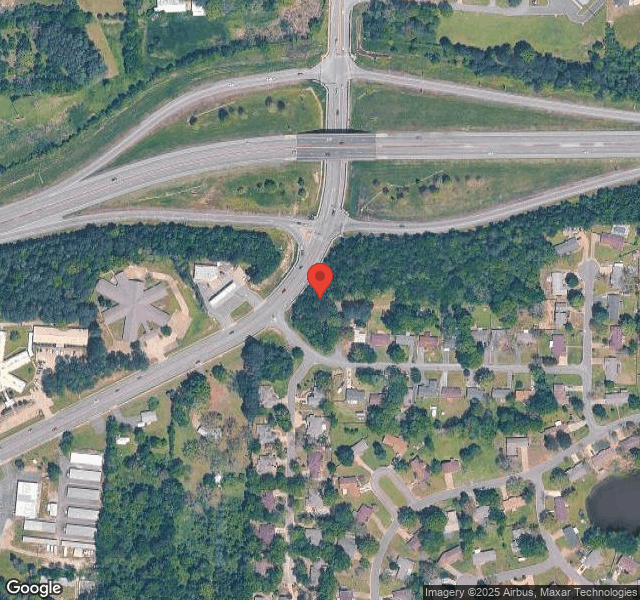

524 CARPENTER DAM ROAD, HOT SPRINGS, AR 71901 (501) 262-4124
For profit - Limited Liability company 125 Beds SOUTHERN ADMINISTRATIVE SERVICES Data: November 2025 1 Immediate Jeopardy citation
Trust Grade
46/100
#127 of 218 in AR
Last Inspection: April 2025

Within standard 12-15 month inspection cycle. Federal law requires annual inspections.

Overview

The Pines Nursing and Rehabilitation Center has a Trust Grade of D, indicating below-average quality with some concerning issues. Ranking #127 out of 218 facilities in Arkansas places it in the bottom half, while it is #5 out of 9 in Garland County, meaning only four local options are better. The facility is trending positively, having reduced its total issues from 7 in 2024 to 4 in 2025. Staffing is average with a 3/5 rating and a turnover rate of 58%, which is typical for the state. However, the facility has received $13,863 in fines, which is higher than 77% of Arkansas facilities, highlighting ongoing compliance problems. Additionally, there have been critical incidents, including a failure to properly administer anticoagulation therapy for a resident, which led to complications. Concerns were also raised about dietary practices, such as not washing hands properly and failing to discard expired food, which could risk foodborne illness. Overall, while there are some strengths, such as an improving trend and average staffing, the facility faces significant challenges that families should consider.

Trust Score
D
46/100
In Arkansas
#127/218
Bottom 42%
Safety Record
High Risk
Review needed
Inspections
Getting Better
7 → 4 violations
Staff Stability
⚠ Watch
58% turnover. Above average. Higher turnover means staff may not know residents' routines.
Penalties
✓ Good
$13,863 in fines. Lower than most Arkansas facilities. Relatively clean record.
Skilled Nurses
⚠ Watch
Each resident gets only 28 minutes of Registered Nurse (RN) attention daily — below average for Arkansas. Fewer RN minutes means fewer trained eyes watching for problems.
Violations
⚠ Watch
15 deficiencies on record. Higher than average. Multiple issues found across inspections.
★★★☆☆
3.0
Overall Rating
★★★☆☆
3.0
Staff Levels
★★★☆☆
3.0
Care Quality
★★★☆☆
3.0
Inspection Score
Stable
2024: 7 issues
2025: 4 issues

The Good

  • Full Sprinkler Coverage · Fire safety systems throughout facility
  • No fines on record

Facility shows strength in fire safety.

The Bad

3-Star Overall Rating

Near Arkansas average (3.1)

Meets federal standards, typical of most facilities

Staff Turnover: 58%

12pts above Arkansas avg (46%)

Frequent staff changes - ask about care continuity

Federal Fines: $13,863

Below median ($33,413)

Minor penalties assessed

Chain: SOUTHERN ADMINISTRATIVE SERVICES

Part of a multi-facility chain

Ask about local staffing decisions and management

Staff turnover is elevated (58%)

10 points above Arkansas average of 48%

The Ugly 15 deficiencies on record

1 life-threatening
Apr 2025 4 deficiencies
CONCERN (D)

Potential for Harm - no one hurt, but risky conditions existed

Infection Control (Tag F0880)

Could have caused harm · This affected 1 resident

Based on observations, interviews, facility document review, and policy review, the facility failed to ensure Enhanced Barrier Precautions were implemented for 1 (Resident #64) of 2 Residents reviewed...

Read full inspector narrative →
Based on observations, interviews, facility document review, and policy review, the facility failed to ensure Enhanced Barrier Precautions were implemented for 1 (Resident #64) of 2 Residents reviewed for Enhanced Barrier Precautions. The findings are: 1. The Minimum Data Set (MDS) with an Assessment Reference Date (ARD) of 02/25/2025, indicated Resident #64 had a Brief Interview for Mental Status (BIMS) score of 14 (indicating the resident was cognitively intact), and had diagnoses including anemia, heart failure, pneumonia, and Multidrug-Resistant Organism (MDRO). The resident was receiving intravenous (IV) antibiotics. 2. On 04/01/2025 at 3:19 PM, Licensed Practical Nurse (LPN) #2 was observed administering an IV antibiotic solution to Resident #64. The resident's room was observed to have signage on the door indicating the resident needed Enhanced Barrier Precautions (EBP) for high-contact care. The EBP sign indicated staff should wear Personal Protective Equipment (PPE), that included both a gown and gloves. a. LPN #2 took medication and pump to the resident's room, performed hand hygiene, and put on a gown and gloves. LPN #2 entered the room and began attempting to find an available electrical outlet for the medication pump, then attempted to move the resident's bed with gloved hands. LPN #2 sat on the floor, with the gown touching the floor, and reached under the bed to access the surge protector using both gloved hands. LPN #2 then stood up and began the process of medication administration by touching the alcohol pads, flushes, and manipulating the Peripherally Inserted Central Catheter (PICC line) without re-performing hand hygiene or putting on a new gown and gloves 3. On 04/01/2025, during an interview immediately after the observation, LPN #2 confirmed their gloves should have been changed prior to starting the infusion. 4. The Director of Nursing (DON) provided documents/policies for review. The document titled, Frequently Asked Questions (FAQs) about Enhanced Barrier Precautions in Nursing Homes, from the Centers for Disease Control and Prevention (CDC) indicated, Residents with indwelling medical devices should be placed on EBP, which includes staff performing hand hygiene, and wearing gown/gloves while performing high-contact resident care activities. 5. On 04/02/2025 at 10:18 AM, during an interview with the DON, it was confirmed the gloves should have been changed so that contamination did not occur. 6. On 04/02/2025 at 10:24 AM, during an interview with the Administrator, it was confirmed the nurse should have taken off the original PPE and put on new PPE to avoid introducing possible contamination. 7. On 04/02/25 at 11:35 AM, during an interview with the Advanced Practice Registered Nurse (APRN), it was confirmed that after a staff member touched under the bed it would have been appropriate for them to change gloves and gown, to help not spread infection to patients and staff.
CONCERN (E)

Potential for Harm - no one hurt, but risky conditions existed

Unnecessary Medications (Tag F0759)

Could have caused harm · This affected multiple residents

Based on observation, record review, interview, and facility policy review, the facility failed to ensure a medication error rate of less than 5% for two (Resident #5, #29) of five sampled residents o...

Read full inspector narrative →
Based on observation, record review, interview, and facility policy review, the facility failed to ensure a medication error rate of less than 5% for two (Resident #5, #29) of five sampled residents observed during medication pass. Two (2) errors in medications were observed during thirty-eight (38) opportunities for errors in medication administration. This resulted in a medication error rate of 5.26%. The findings include: 1. A review of the quarterly Minimum Data Set (MDS) with the Assessment Reference Date (ARD) 02/26/2025, revealed Resident #29 had a Brief Interview of Mental Status (BIMS) score of 15, indicating cognitively intact. a. A review of the Care Plan Report for Resident #29 (revision date 11/26/2024), revealed that Resident #29 had altered respiratory status/difficulty breathing related to (r/t) Congestive Heart Failure (CHF), Obstructive Sleep Apnea (OSA), and asthma. Administer medication/treatment as ordered and observe for effectiveness. b. A review of the Medication Administration Record (MAR) revealed that Resident #29 had an order for a [Name brand Bronchodilator] (medication used to relax the muscles in the lungs) inhalation aerosol solution 108 Micrograms per Activated Clotting Time (MCG/ACT) 2 inhalation inhale orally three times a day for increased cough, shortness of breath (SOB), and/or wheezing, wait one minute between puffs. c. On 04/01/25 at 08:10 AM, this surveyor observed Medication Administration Certified (MAC) #1 give Resident #29 the inhaler. Resident #29 self-administered two puffs, then inhaled. d. On 04/01/25 at 11:20 AM, during an interview, Resident #29 stated the way the inhaler was given by self was, the medication was shaken, puff, puff, then inhaled. Resident #29 asked this surveyor Did I do something wrong? Because I do not want to get any of my people in trouble. I like my people. e. On 04/01/25 at 11:30 AM, during an interview, MAC #1 stated Resident #29 administered the inhaler by giving two [puffs] back-to-back. f. On 04/02/25 at 11:32 AM, during an interview, Licensed Practical Nurse (LPN) #3 stated according to the Physician's Order, [Name Brand Bronchodilator] should be administered by waiting one minute between puffs to give the medicine time to open the lungs. 2. A review of the quarterly MDS with the ARD of 03/04/2025 revealed Resident #5 had a BIMS score of 03, indicating severely impaired cognition. a. A review of the Care Plan Report for Resident #5 (initiated date 08/11/2020) revealed that Resident #5's vision was adequate with aides. b. A review of the MAR revealed that Resident #5 had an order for a [Name Brand Optic Beta-Blocker] (medication used to reduce eye pressure) 0.25 % instill 1 drop in both eyes, two times a day for pressure in the eye, wait 3-5 minutes between drops in the same eye; and a [Name Brand Optic Alpha Agonist] (medication used to reduce eye pressure) 0.2 % instill 1 drop in both eyes, three times a day related to unspecified glaucoma, wait 3-5 minutes between drops in the same eye. c. On 04/01/25 at 8:25 AM, this surveyor observed MAC #1 administer the [Name Brand Optic Alpha Agonist], 1 drop to each eye, then the [Name Brand Optic Beta-Blocker] 1 drop to each eye. There was no wait time between the two medications. This surveyor did not see MAC #1 with a watch in place or observe her look at a clock. d. On 04/01/25 at 9:05 AM, during an interview, MAC #1 stated she did not wait 3-5 minutes between administrating the two eye drops. e. On 04/01/25 at 11:30 AM, during an interview, MAC #1 confirmed she did not have a watch in place, and stated I am not sure when asked how time was kept up with between drops. f. On 04/02/25 at 11:32 AM, during an interview, LPN #3 stated according to the Physician's Order, the eye drops (Beta-blocker and Alpha Agonist) should be administered by waiting 3-5 minutes between administrating drops in the same eye, to allow the medication time to work. g. On 04/02/25 at 11:38 AM, during an interview, the Director of Nursing (DON) stated eye drops (Beta-Blocker and Alpha Agonist) should be administered 3-5 minutes apart, according to the Physician's Order. The DON stated a [Name brand Bronchodilator] should be administered by waiting 1 minute between puffs according to the Physician's Order. h. A review of a policy titled Medication Administration-General Guidelines effective date 01/01/15, noted medications are administered as prescribed.
CONCERN (E)

Potential for Harm - no one hurt, but risky conditions existed

Menu Adequacy (Tag F0803)

Could have caused harm · This affected multiple residents

Based on observation, interview, and review of the menu, the facility failed to ensure meals were prepared and served according to the planned written menu to meet the nutritional needs of the residen...

Read full inspector narrative →
Based on observation, interview, and review of the menu, the facility failed to ensure meals were prepared and served according to the planned written menu to meet the nutritional needs of the residents for 1 of the 2 meals observed. The findings are: 1. During the observation of noon meal preparation in the kitchen on 03/30/25 at 10:34 AM, Dietary [NAME] (DC) #4 deboned seven (7) pieces of chicken thighs into a blender, of which one chicken thigh weighed 1.7 ounces, ground, and placed into a pan to serve 14 residents who received mechanical soft diets. 2. During an observation of noon meal service on 03/30/25 at 12:11 AM, DC # 4 used a #8 scoop (4 oz) to serve ground fried chicken. He gave half a portion (2 oz or 1/2 cup) per serving. DC #6, who observed DC #4, stated she should have given full serving to the residents, instead of half servings. 3. During an interview on 03/30/25 at 12:41 PM, DC #4, who prepared lunch meals, was asked how many residents were on mechanical soft diets. He stated about seven (7) residents. He was also asked how many servings of fried chicken he prepared for the residents on mechanical soft diets. He stated about seven (7) pieces of chicken thighs. DC #4 was informed by DC #6 there were 14 residents on mechanical diets. DC #6 stated she observed DC #4 serving half a portion of a #8 scoop, instead of full portion. DC #4 stated he would start giving full portions. DC#4 was interviewed was asked if he reviewed the menu before serving the noon meal. He stated he did not. 4. During the noon meal service on 03/30/25 at 12:15 PM, DC #6 served one fried chicken thigh to some residents, two chicken thighs were served to seven (7) residents who received a large portion, one (1) resident received one chicken leg and a wing, another resident received three (3) chicken wings, and another resident received one chicken thigh. The remaining residents received two chicken wings. 5. During an interview on 03/30/25 at 12:32 PM, DC #6, who assisted in serving the noon meal, was asked if she would weigh the same amount of chicken served to the resident. She did and stated one thigh weighed 1.7, one wing weighed 0.7ounce, 2 wings weighed 1.1 ounce, 3 wings weighed 1.4 ounce, one leg and 1 one wing weighed 2.1 ounces. DC #6 stated not enough protein was served. DC #6 was asked if she reviewed the menu before serving the noon meal. She stated she did not. All residents on regular diets, mechanical soft diets, and pureed diets were served less than 4 ounces of fried chicken for lunch. 6. During an interview on 03/30/25 at 12:35 PM, the Dietary Manager was asked what the concerns would be of the residents not getting enough meat with their meal. She stated they may not get enough protein. In the kitchen the staff had a menu, and each diet count was posted on the wall. 7. During an interview on 03/31/25 at 12:04 PM, the Administrator was asked what the concerns would be of the residents not getting enough meat with their meal. He stated it would be not getting sufficient protein. 8. During an interview on 03/31/25 at 12:06 PM, the Director of Nursing (DON) was asked what the concerns would be of the residents not getting enough meat with their meal. She stated they would not be getting protein.
CONCERN (F)

Potential for Harm - no one hurt, but risky conditions existed

Food Safety (Tag F0812)

Could have caused harm · This affected most or all residents

Based on observation, record review, interview, and facility policy review, the facility failed to ensure expired food items and leftover food items were promptly removed and/or discarded on or before...

Read full inspector narrative →
Based on observation, record review, interview, and facility policy review, the facility failed to ensure expired food items and leftover food items were promptly removed and/or discarded on or before the expiration or use by date, dietary staff washed their hands between dirty and clean tasks and before handling clean equipment, and hot food items were maintained at above 135 degrees Fahrenheit on the steam table while awaiting meal service for 1 of 1 meals observed. The findings are: 1. On 03/30/25 at 10:34 AM, Dietary [NAME] (DC) #4 was wearing gloves on his hands when he deboned seven (7) servings of chicken thighs and emptied them into a blender to ground. He brushed spilled pieces of meat crumbs from the counter into his gloved hands, contaminating the gloves. He then removed the gloves from his hands and placed new gloves contaminating them by not washing his hands. He used his contaminated gloved hands to push ground chicken into a pan to be served to the residents who received mechanical soft diets for lunch. 2. On 03/30/25 at 11:27 AM, one packet of turkey slices was on a shelf in the refrigerator with an expiration date of 03/7/2025. 3. On 03/30/25 at 11:31 AM, there was an open box of biscuits on a shelf in the freezer. The box was not covered or sealed. The Dietary Manager was interviewed and asked what the concerns were if food was kept open in the freezer. She stated it would cause freezer burn. 4. On 03/30/25 at 11:40 AM, Dietary Aide (DA) #5 turned on the hand washing sink and washed his hands. DA #5 turned off the faucet with his bare hands, contaminating his hands. DA #5 used his contaminated bare hands to pick up glasses by their rims and poured fortified milk, then placed them on the trays to be served to the residents for lunch. 5. During an interview on 03/30/25 12:45 PM, DA #5 was asked what should have been done after touching dirty objects and before handling clean equipment. He stated he should have washed his hands. 6. On 03/30/25 at 11:52 AM, the temperatures of food items were checked and read on the steam table by DC #6 with the following results: a. Pureed cut green beans -120 degrees Fahrenheit. b. Pureed meat -125 degrees Fahrenheit. c. Ground chicken-120 degrees Fahrenheit. d. Pureed bread with milk -100 degrees Fahrenheit. The above food items were not reheated before they were served to the residents. During an interview on 03/30/25 at 12:36 PM, DC #6 was asked what she should have done when the foods were not hot enough to be served to the residents, to which she replied, reheat the food. 7. On 03/30/25 at 12:15 PM, DC #6, who was on the tray line serving the lunch meal service, picked up tray cards and placed them on the trays. Without washing her hands, she picked up plates and placed them on the trays with her fingers inside the plates and bowls. She was interviewed and asked what she should have done after touching dirty objects and before handling clean equipment, she stated it was cross contamination, and she should have washed her hands. 8. The review of facility policy titled, Handwashing/Hand Hygiene, initiated 2001, provided by the Dietary Manager on 03/31/2025, indicated all personnel are trained and regularly in-serviced on the importance of hand hygiene in preventing the transmission of healthcare-associated infections.
Aug 2024 3 deficiencies 1 IJ
CRITICAL (J) 📢 Someone Reported This

A family member, employee, or ombudsman was alarmed enough to file a formal complaint

Immediate Jeopardy (IJ) - the most serious Medicare violation

Deficiency F0760 (Tag F0760)

Someone could have died · This affected 1 resident

**NOTE- TERMS IN BRACKETS HAVE BEEN EDITED TO PROTECT CONFIDENTIALITY** Based on observation, record review, and interview, the facility failed to ensure residents were free from significant medicatio...

Read full inspector narrative →
**NOTE- TERMS IN BRACKETS HAVE BEEN EDITED TO PROTECT CONFIDENTIALITY** Based on observation, record review, and interview, the facility failed to ensure residents were free from significant medication errors related to insulin administration for 1 (Resident #1) of 3 residents reviewed for newly admitted residents. Specifically, Resident #1 was admitted to a local hospital on 7/19/2024 due to a fall and left upper extremity pain. While at the hospital, the resident was diagnosed with left upper extremity thrombosis and had a necrotic ulcer on the left elbow, which was debrided at the hospital. On 07/31/2024, Resident #`1 was admitted to the nursing home facility with an order for continued anticoagulation (blood thinner) therapy. The resident's nursing home admission diagnosis was embolism or thrombosis of the arteries in the upper extremity. The physician's order for the blood thinner was not transcribed by the admitting nurse. From 07/31/2024 to 08/07/2024, the resident complained of left arm pain and received medication for the pain. On 08/07/2024, Resident #1 was found unresponsive, cool, clammy to touch, and the resident's left arm was blue and cold to touch. The resident was sent to the local hospital on [DATE] and passed away on 08/09/2024 from a stroke. It was determined the facility's non-compliance with one or more requirements of participation had caused, or was likely to cause, serious injury, harm, impairment, or death to residents. The Immediate Jeopardy (IJ) was related to State Operations Manual, Appendix PP, 483.45 (Pharmacy Services) at a scope and severity of J. The IJ began on 07/31/2024, when Resident #1 was admitted to the facility with orders for a blood thinning medication. The Administrator was notified of the past noncompliance (PNC) IJ on 08/28/2024 at 9:27 AM. The facility implemented corrective actions which were completed prior to the State Agency's completion of its survey, thus it was determined to be a Past Noncompliance citation. The findings include: A review of the admission Record, indicated the facility admitted Resident #1 on 07/31/2024 with diagnoses that included upper extremity blood clots, muscle wasting, difficulty walking, cognitive communication deficit, pain in the left arm, dementia, heart disease, irregular heart rhythm, and heart failure. The admission Minimum Data Set (MDS), with an Assessment Reference Date (ARD) of 08/05/2024, revealed Resident #1 had a Brief Interview for Mental Status (BIMS) score of 10 which indicated the resident had moderate cognitive impairment. Further review indicated the resident was not on any blood thinning medication. A review of Resident #1's care plan, revised on 08/06/2024, revealed the resident had impairment to skin integrity of the upper, inner left arm. The first goal, initiated on 08/02/2024 indicated the resident had skin impairment but the specific information was left blank. Interventions included evaluating skin concern weekly and as needed, observing the location, size and treatment of the skin injury and to report any abnormalities to the doctor, and to provide treatment to skin concern as ordered. A review of an After Visit Summary indicated Resident #1 was to be discharged from the hospital to the facility on [DATE] and the resident's medication list indicated the resident needed to take a blood thinning medication two times a day. During the resident's hospital stay, the resident was diagnosed with a blood clot in the left arm and a necrotic wound in the left elbow. A review of Clinical Summary, from the local hospital completed on 07/31/2024 indicated Resident #1 was prescribed a blood thinning medication to take twice daily. A computerized tomography (CT) scan of the resident's head was completed on 07/19/2024 with no acute findings. A review of Order Summary Report indicated Resident #1 had a physician's order to treat the wound to the left arm every Tuesday, Thursday, and Saturday, however, there were no orders for a blood thinning medication. A review of an Advanced Practical Registered Nurse (APRN) visit on 07/31/2024 at 9:35 PM indicated APRN #22 visited Resident #1 for extremity pain and the resident was recently hospitalized for a blood clot in the resident's arm and the resident was having significant pain to that arm. There were no indication the resident's physician's orders were reviewed to ensure the resident was taking a blood thinning medication. APRN #22 ordered a pain medication. A review of Drug Regimen Review, with an effective date of 08/01/2024 indicated a drug regimen review was completed to identify clinically significant medications issues. The potential concern indicated was a drug-to-drug interaction. There was no information related to a blood thinning medication. A review of Pharmacy MRRs [medication regimen review] - *New Admit with an effective date of 08/03/2024, completed by Pharmacist #1 indicated the resident's medications had been reviewed with no discrepancies noted. A review of an APRN visit on 08/01/2024 at 11:23 AM indicated APRN #19 visited Resident #1 to review discharge orders and ensure the patient is medically stable post-discharge from the hospital. APRN #19 indicated Resident #1 had an artery blockage that required irrigation and debridement. APRN #19 reviewed 13 different concerns, including the resident's wound, pain in the left arm, and an irregular heart rate, however a blood thinning medication was not addressed or indicated. Resident #1 was seen again by APRN #19 on 08/06/2024 at 11:50 AM and the blood thinning medication was not addressed or indicated. This note was not signed off on until 08/11/2024. A review of Progress Notes indicated on 08/07/2024 at 7:40 AM, Licensed Practical Nurse (LPN) entered Resident #1's room to provide medication and the resident was unresponsive, cool, clammy to touch and the resident's blood sugar was 191. Emergency Medical Services (EMS) was notified to send to the emergency room. Resident #1 left the facility at 8:00 AM. A review of the hospital's ED [Emergency Department] Provider Note indicated on 08/07/2024, Resident #1 presented to the ED with an infected wound to the left inner elbow, had an altered mental status, had a low level of oxygen in their body, and had low blood pressure. An oral blood thinner was listed on the current medication list. Further review indicated it was reported to the hospital that the resident was not taking the oral blood thinner. The History and Physical portion indicated per the resident's family member, on the evening of 08/06/2024, the resident appeared tired and leaning to the right and this morning, staff noted worsening confusion and decreased responsiveness. The Plan indicated the hospital had attempted to transfer the resident to another hospital during the previous stay, but it was not possible, for various reasons. Resident #1 was treated with a blood thinner, which showed clinical improvement and was discharged to the facility on oral blood thinner. Resident #1 had an MRI (Magnetic resonance imaging) on 08/08/2024, which showed the resident had an acute stroke. On 08/09/2024, Resident #1 was pronounced dead at 3:30 PM. During a telephone interview on 08/27/2024 at 1:52 PM, Pharmacist #1 stated for new admission residents, she allows the facility time to put physician's orders in the resident's electronic health record (EHR) before she reviews the resident's medications. Pharmacist #1 stated she looks for significant drug interactions, duplicate therapies, or anything that needs to be addressed before the monthly pharmacy consultant reviews the resident's EHR. Pharmacist #1 stated she does not look at hospital discharge orders because she would not be able to decipher which medications are supposed to be continued from the hospital and if the admitting doctor wanted to make any changes. Pharmacist #1 stated she bases her review on what orders the facility nurse puts into the EHR and she relied on the nursing staff to put in the correct orders. Pharmacist #1 stated if the order was not entered into Resident #1's EHR, then she would not have caught the discrepancy and she only reviewed active orders. During an interview on 08/28/2024 at 1:43 PM, LPN #3 stated on 08/07/2024, she prepared Resident #1's medication and took it to the resident. Upon entering the room, the resident did not look right and looked gray. LPN #3 stated Resident #1 was not responding, and the resident's arm was blue. LPN #3 called the ambulance and sent the resident to the hospital. LPN #3 stated she had sent three residents to the hospital that day. During an interview on 08/28/2024 at 2:15 PM, LPN #6 stated Resident #1 was admitted from the hospital because of the arm issue. LPN #6 stated the resident was complaining of pain, so she called APRN #22, who prescribed a pain medication. LPN #6 stated that Resident #1's family was present one evening and asked LPN #6 if there was anything different with the resident. LPN #6 stated she assessed the resident, who was able to answer all of the nurses' questions. LPN #6 advised the family that they could request for the resident to go to the hospital, but the family declined. LPN #6 stated the resident had a blood clot that the hospital tried to extract. During an interview on 08/29/2024 at 10:10 AM, APRN #19 stated the facility staff go through the resident's discharge summary from the hospital and make sure medications are in the resident's EHR and verify with APRN #19 to make sure everything matches. APRN #19 stated she was not aware Resident #1 should have been on an oral blood thinning medication. APRN #19 stated she reviews all of the medications listed on the resident's EHR and did not have the After Visit Summary available at the time to review. During an interview on 08/29/2024 at 10:51 AM, Registered Nurse (RN) #11 stated the Assistant Director of Nursing (ADON) was responsible for transcribing medications for newly admitted residents. During an interview on 08/29/2024 at 1:15 PM, the ADON stated on the day Resident #1 was admitted to the facility, there were four new admissions total that day and she transcribed the orders for those residents. The ADON stated she did not recall omitting any medication. The ADON stated Resident #1 did have an order for an oral blood thinning medication on the After Visit Summary. The ADON stated the facility called her on the evening of 08/08/2024 and asked if she knew anything about the resident being on the blood thinner. The ADON stated she came back to work the following day and reported the error to the Administrator, and she was placed on unpaid suspension. The ADON was able to return to work the following Thursday 08/15/2024 and was required to be retrained on the admission process, double checking physician orders, having another nurse check the orders, and contacting the physician to go over the resident's medical record. During an interview on 08/29/2024 at 2:39 PM, the Director of Nursing (DON) stated Resident #1 had an incision and draining (I & D) procedure for a blood clot in their left arm. The DON stated Resident #1's family came to the facility and packed the resident's personal items. LPN #3 told the DON the family wanted to know when the last dose of the resident's blood thinner was given and wanted the After Visit Summary from the hospital. The DON stated we started to get everyone on board of a double check of orders. It was so in your face that it was missed. We have to do a checks and balance system on it. People can make errors. We checked all of the new admits to double check to see if anything was missed within the last several months. We brought it to QA [quality assurance] and that's how we developed the plan. During an interview on 08/29/2024 at 3:55 PM, the Administrator stated the missing physician's order for Resident #1 should have been caught within 24 hours of admission. The Administrator stated it was overlooked by the nurse, the nurse practitioner, and the management team during the daily startup meeting. The facility implemented corrective actions which were completed prior to the State Agency's completion of its survey, thus it was determined to be a Past Noncompliance citation. The facility has implemented the following actions to correct the deficient practice effective 08/20/2024: RE: admission Process The following will serve as the admission process for all new admissions to The Pines Nursing and Rehabilitation. After clinical and financial acceptance, the legal admission paperwork will be generated by DON or designee. The signatures of the resident will be captured by the DON or designee. 1. The admitting charge nurse will enter all orders from the discharge summary (AVS) provided by the hospital. 2. The admitting nurse will make a copy of the AVS and tum it over to the Medical Records Nurse or designee. 3. The MR [medical record] Nurse or designee will provide a copy of the AVS to the DON as well as the APRN or MD for review and recommendations. 4. The nurse management team will jointly verify the accuracy of the orders against the hospital AVS at the following morning nurse start up meeting. 5. For late evening Friday or weekend admissions, the Weekend RN supervisor will review the admission AVS and reconcile against entered orders. Any discrepancy will be immediately reported to the DON and [ .] on call provider for clarification and correction. 6. All weekend admissions will be reviewed again on Monday morning by the nurse management team at nurse start up meeting. The facility alleged compliance on 08/20/2024. A review of Inservice Education Report completed on 08/09/2024, indicated 35 staff signatures for education provided on abuse, neglect, and misappropriation of property. A review of Inservice Education Report completed on 08/15/2024 indicated the ADON was provided education related to verification of medications upon admission. A review of Licensed Nurse Orientation Checklist indicated on 08/16/2024, the ADON was re-oriented by the DON on the facilities admission, transfer, and discharge procedure, job description, written and oral communication, diagnostic testing/lab, controlled drugs - location and accountability, ordered drugs, receiving drugs, stop orders, transcribing physician orders, medication administration record, documentation of anticoagulation therapy, and incident and accident documentation. A review of Medication Pass Worksheet was completed for seven licensed nurses with no errors.
CONCERN (E) 📢 Someone Reported This

A family member, employee, or ombudsman was alarmed enough to file a formal complaint

Potential for Harm - no one hurt, but risky conditions existed

Notification of Changes (Tag F0580)

Could have caused harm · This affected multiple residents

Based on observations, interviews, and record review, it was determined that the facility failed to notify the physician and/or the resident's representative of abnormal finger stick blood sugars, ele...

Read full inspector narrative →
Based on observations, interviews, and record review, it was determined that the facility failed to notify the physician and/or the resident's representative of abnormal finger stick blood sugars, elevated white blood cell count, and the identification of a new pressure ulcer for 1 (Resident #3) of 4 residents reviewed for notification of change. Findings include: A review of the facility's undated policy titled Notification of Change, indicated The nursing facility will immediately inform the Resident/Elder and consult with the Resident/Elder's physician, when a significant change occurs. The nursing facility will also notify the Resident/Elder's legal representative or a designated contact person when a significant change occurs. A review of the admission Record, indicated Resident #3 had diagnoses that included type 2 diabetes, pressure ulcer to the left buttock, heart disease, muscle weakness, difficulty walking, pain, cognitive communication deficit, and a history of falling. The admission Minimum Data Set (MDS), with an Assessment Reference Date (ARD) of 07/22/2024, revealed Resident #3 had a Brief Interview for Mental Status (BIMS) score of 15 which indicated the resident was cognitively intact. Further review indicated the resident had diabetes and the resident was not admitted with any pressure ulcers. A review of Resident #3's plan of care, initiated on 07/20/2024, revealed the resident had diabetes mellitus. Interventions included observing and/or reporting any signs or symptoms of hyperglycemia and notifying the medical practitioner of lab results. The resident's care plan did not include information related to the resident's pressure ulcer. A review of Order Summary Report, revealed Resident #3 had an order to have their blood sugars checked before meals and at bedtime. There were no orders listed on when to notify the physician if the resident's blood sugar was high or low. Resident #3 also had a physician's order for a treatment to an unstageable pressure ulcer to the resident's left buttock, with a start date of 07/25/2024. A review of Blood Sugar Summary for Resident #3 indicated the resident's blood sugar was 443 on 08/06/2024 at 8:15 AM and 456 at 3:33PM, both completed by Licensed Practical Nurse (LPN) #9. A review of Lab Results Report, with a reported date of 08/06/2024 at 7:44 PM, indicated Resident #3 had a white blood cell count of 23.81, when a normal value would be between 4.23 and 9.07. A review of Progress Notes did not indicate the physician and/or designee was notified of the elevated blood sugars on 08/06/2024. There were no progress notes indicating the resident's representative was notified of the pressure ulcer identified on 07/25/2024. There were no progress notes indicating the physician and/or designee addressed the abnormal lab value from 08/06/2024. During an interview on 08/28/2024 at 1:43 PM, the LPN #3 stated if a resident's blood sugar was below 60 or above 400, staff were to notify the resident's physician, and those parameters should be on the resident's physician's orders. LPN #3 stated Resident #3's blood sugar started to increase probably because the resident had an infection. LPN #3 stated she was aware the resident's blood sugars were going up because the resident's normal values were around 200 and she received in a verbal shift change report that the resident's value had gone up to over 400. LPN #3 stated the Advanced Practical Registered Nurse (APRN) was responsible for reviewing lab results and the nurses do not typically review them unless the lab calls with critical values. LPN #3 stated Resident #3 had a pressure ulcer that developed at the facility but did not know much about it and the resident's family should have been notified. During an interview on 08/28/2024 at 2:15PM, the LPN #6 stated blood sugar parameters to notify the physician should be on the Medication Administration Record. LPN #6 stated she was aware of one physician's order that indicated to notify the physician if the resident's blood sugar was below 60 or above 400 but Resident #3 was not on sliding scale insulin, so she was not sure what the order was for Resident #3. LPN #6 stated the APRN was responsible for reviewing resident's labs, which should be done every day. During an interview on 08/28/2024 at 3:13 PM, Registered Nurse (RN) #10, who was the treatment nurse, stated Resident #3 had a facility acquired unstageable pressure ulcer to the left buttock and any time a resident had a newly acquired pressure ulcer, the resident's family should be notified. RN #10 stated she could not remember if she notified Resident #3's family or not. RN #10 stated the resident's labs are reviewed by the APRN, however, she stated she should be reviewing them because they are related to wound care, and it was a very important step. RN #10 stated she was aware Resident #3 had high blood sugars, which could have affected Resident #3's wounds. During an interview on 08/29/2024 at 9:48 AM, Resident #3's Responsible Party (RP) stated he was not notified of the resident's pressure ulcer, the elevated blood sugars, or the abnormal lab values. The RP stated he would call the facility every day and staff would just state Resident #3 was good, and they had more conversations about the resident's diet and physical therapy. During an interview on 08/29/2024 at 10:10 AM, APRN #19 stated if a resident's blood sugar was below 40 or above 400, staff should notify the physician and there should be a physician's order indicating the parameters for notification. APRN #19 stated she could not locate any documentation that she was notified of the resident's blood sugars. APRN #19 stated labs should be reviewed by the APRN that was working the day the labs were received. At this time, APRN #19 reviewed Resident #3's physician's orders and verified there were no parameters indicated. APRN #19 verified the resident's labs were ordered on 08/06/2024 and the resident's white blood cell count was elevated but the labs were not reviewed until 08/09/2024 by herself and she stated she did not know why the labs were not reviewed before then. During an interview on 08/29/2024 at 10:51 AM, RN #11 stated Resident #3's wound was facility acquired but was no aware if the resident's family was notified. RN #11 stated if a resident's blood sugar was greater than 400, staff should notify the physician. During an interview on 08/29/2024 at 1:15 PM, the Assistance Director of Nursing (ADON) stated if a resident has a newly identified pressure ulcer, the resident's family should be notified. The ADON stated if a resident's blood sugar was below 60 or above 400, the resident's physician should be notified and Resident #3's physician should have been notified of the high blood sugar levels. During an interview on 08/29/2024 at 2:39 PM, the Director of Nursing (DON) stated she was not aware if Resident #3's pressure ulcer was facility acquired or not, but family should be notified of any newly acquired pressure ulcers. During an interview on 08/29/2024 at 3:55 PM, the Administrator stated the physician and/or designee should be notified if a resident's blood sugar was below 60 or above 400. LPN #9 was called numerous times throughout the survey and did not return the surveyor's phone call during the survey.
CONCERN (E) 📢 Someone Reported This

A family member, employee, or ombudsman was alarmed enough to file a formal complaint

Potential for Harm - no one hurt, but risky conditions existed

Pressure Ulcer Prevention (Tag F0686)

Could have caused harm · This affected multiple residents

Based on observations, interviews, record review, facility document review, it was determined that the facility failed to ensure physicians orders were followed for wound care treatment for 2 (Residen...

Read full inspector narrative →
Based on observations, interviews, record review, facility document review, it was determined that the facility failed to ensure physicians orders were followed for wound care treatment for 2 (Resident #2 and Resident #4) of 3 residents reviewed for skin concerns and/or pressure ulcers. Specifically, the facility failed to ensure wound care was provided to residents when the designated wound care nurse was out sick. Findings include: 1. A review of the admission record, indicated the facility admitted Resident #2 with diagnoses that included liver failure, metabolic disorder, major depression, schizophrenia, and sepsis left buttock stage 4 pressure ulcer. The signification change Minimum Data Set (MDS), with an Assessment Reference Date (ARD) of 08/07/2024, revealed Resident #2 had a Staff Assessment of Mental Status (SAMS) score of 2 which indicated the resident was moderately impaired for daily decision making Resident #2 had a stage 4 pressure ulcer. A review of Resident #2's care plan, revealed the resident had a left lluteal stage 4 pressure ulcer. Interventions included to assist the resident to keep skin clean and dry, educate staff on proper technique of removal of dirty brief so as not to damage skin, conduct a body audit weekly, encourage adequate nutrition, and encourage and assist with fluid intake. A review of Order Summary Report, revealed Resident #2 had physician's orders to treat a stage 4 pressure ulcers every day and as needed. A review of Treatment Administration Record, revealed Resident #2 missed wound care treatment on 08/26/2024. During an interview on 08/28/2024 at 1:43 PM, LPN # 3 stated she was assigned to Resident #2 on 08/26/2024. LPN #3 stated Registered Nurse (RN) #10 was the treatment nurse, however, RN #10 was sick on 08/26/2024, so LPN #3 was responsible for all wound care on her assigned hall. LPN #3 stated she was unable to provide wound care treatment on all her assigned residents and she was not able to complete Resident #2's wound care. LPN #3 stated she was told by the Director of Nursing (DON) the treatments that had no been completed would be completed by someone else. LPN #3 stated she did not notify the oncoming shift of which resident's wound care had not been completed. During an interview on 08/28/2024 at 3:13 PM, Registered Nurse (RN) #10 stated she was the treatment nurse for the facility but was out sick for the week. RN #10 stated when she is not at work and there was a scheduled wound care treatment for any resident, the floor nurse assigned to the resident should complete the wound care orders. During an interview on 08/29/2024 at 11:07 AM, Registered Nurse (RN) #11 stated Resident #2 had been sent to the hospital a few times and was readmitted to the facility on antibiotics due to sepsis. RN #11 stated each nurse was responsible for completing treatment orders if the treatment nurse was not on shift when the treatment was due. During an interview on 08/29/2024 at 1:15 PM, the Assistance Director of Nursing (ADON) stated if the treatment nurse was not working when a treatment was due for a resident, the facility would designate a staff member to complete the treatments. and her expectations were that physician's orders were followed. During an interview on 08/29/2024 at 2:41 PM, the DON stated Medication Attendant Certified (MAC)'s could not complete dressing changes for wound care on residents and the nurse on the floor was always aware the treatment nurse was to complete the wound care. The DON stated the nurses on the floor knew to ask her for assistance, if needed. The DON stated she was unaware the nurse needed her assistance on completing wound care on 08/26/2024. During an interview on 08/29/2024 at 3:55 PM, the Administrator stated he expected physician's orders to be followed for wound care and the task should be delegated to the floor nurse if the treatment nurse was not available. 2. A review of the admission record, indicated the facility admitted Resident #4 with a diagnosis of dementia, bipolar, depression, diabetes, osteoarthritis, and unstageable pressure ulcer of the back, buttock and hip. The quarterly Minimum Data Set (MDS), with an Assessment Reference Date (ARD) of 03/04/2024, revealed Resident #4 had a Brief Interview for Mental Status (BIMS) score of 15 which indicated the resident was cognitively intact. A review of Resident #4's care plan, dated, 06/14/2024 revealed the resident had a stage 4 pressure ulcer on their sacrum, and a shear on the left trochanter. Resident #4 also had a deep tissue pressure infection to the left heel. Interventions included to educate the resident to reposition often, offer a wedge, complete treatment as ordered until healed, continue to promote nutrition, reposition every two hours, completed a body audit weekly, and provide a low air mattress. A review of Order Summary Report, revealed Resident #4 had physician's orders to treat an unstageable left hip pressure ulcer on Monday, Wednesday and Friday, a treatment to a healed pressure ulcer on the right hip every five days, and a treatment order for a stage 4 pressure ulcer to the sacrum every day. A review of Treatment Administration Record, revealed Resident #4 was missing wound care treatment on 08/25/2024 and 08/26/2024 for the sacral wound and left heel. Resident #4 was also missing wound care on 08/26/2024 for the left and right hip pressure ulcer. During an interview on 08/29/2024 at 2:15 PM, LPN # 3 stated she was unable to provide wound care treatment on 08/25/2024 and 08/26/2024 on all her assigned residents and Resident #4 was one of them. LPN #3 stated the treatment nurse provided the care, but she was home sick. LPN # 3 stated she was told by the Director of Nursing to finish her assigned tasks and the treatments would get done by someone else. LPN #3 stated she did not complete wound care on Resident #4 and did not relay to the oncoming shift that treatment had not been provided. During interview on 08/29/2024 at 1:07 PM, Advanced Practical Registered Nurse (APRN) #19 stated APRN #21 completed wound care and she did not. During an interview on 08/29/2024 at 1:07 PM APRN #21 stated she had seen Resident #4 a couple of times and visited with the family and the family signed a document that the resident's wounds were unavoidable. During interview on 08/29/2024 at 2:41 PM, the DON stated Medication Attendant Certified (MAC) cannot do dressing changes for wound care on residents and the nurse on the floor was always aware the nurse was responsible for wound care. The DON stated she let the LPN know to come to the DON if she needed help. The DON stated she was aware on 08/26/2024 the LPN assigned to complete wound care treatments needed assistance with wound care.
Feb 2024 4 deficiencies
CONCERN (D)

Potential for Harm - no one hurt, but risky conditions existed

Assessment Accuracy (Tag F0641)

Could have caused harm · This affected 1 resident

Based on interview, and record review, the facility failed to ensure the Minimum Data Set [MDS] accurately reflected the residents discharge status for 1(Resident #80) sampled resident who discharged ...

Read full inspector narrative →
Based on interview, and record review, the facility failed to ensure the Minimum Data Set [MDS] accurately reflected the residents discharge status for 1(Resident #80) sampled resident who discharged home. The findings are: 1.Resident #80 had diagnoses of Right fractured shaft of humerus, Anxiety, Depression, Gastroesophageal reflux disease (GERD), Hypertension (HTN), and Arthritis. The admission Minimum Data Set (MDS) with an Assessment Reference Date (ARD) of 12/11/23 documented that the resident scored 15 (13-15 indicates cognitively intact) and that the resident's overall goal was to discharge to the community. a. A physician's order dated 12/23/23 documented, .May discharge resident to home with all medications and personal belongings . b. A nurses note dated 12/23/23 at 10:52 documented, .resident signed and acknowledged all discharge paperwork. Signed out narcotics to resident. resident was then escorted out of facility to vehicle by this nurse. all personal belongings and medications sent home with resident . c. The MDS with an ARD of 12/23/23 noted, Discharge -return not anticipated . Short-Term General Hospital . e. On 2/22/24 at 2:45PM, the MDS Coordinator was asked, when was (Resident #80) discharged from the facility? The MDS Coordinator stated, The resident discharged on 12/23/23. The MDS Coordinator was asked, where did (Resident #80) discharge to? The MDS Coordinator stated, Home. The MDS Coordinator was asked, where does the MDS document the resident discharged to? The MDS Coordinator stated, It says she discharged to the hospital. The MDS coordinator was asked, is the MDS accurate? The MDS Coordinator stated, No. It is false and it will be modified. The MDS Coordinator was asked, why is it important that the MDS is accurate? The MDS Coordinator stated, The MDS is an assessment tool that helps us provide better care by painting a picture of the resident. It is also used for finances, and it should be accurate. I will make sure it is modified. f. On 2/22/24 at 3:55PM the MDS Coordinator stated, We do not have a policy on accuracy of MDS assessments. We refer to the RAI (Resident Assessment Instrument) Manual.
CONCERN (E)

Potential for Harm - no one hurt, but risky conditions existed

Transfer Notice (Tag F0623)

Could have caused harm · This affected multiple residents

**NOTE- TERMS IN BRACKETS HAVE BEEN EDITED TO PROTECT CONFIDENTIALITY** 3. Resident #12 was hospitalized on [DATE] and readmitted on [DATE]. Resident #12 was re-hospitalized on [DATE] and readmitted o...

Read full inspector narrative →
**NOTE- TERMS IN BRACKETS HAVE BEEN EDITED TO PROTECT CONFIDENTIALITY** 3. Resident #12 was hospitalized on [DATE] and readmitted on [DATE]. Resident #12 was re-hospitalized on [DATE] and readmitted on [DATE]. Notice of Transfer was not sent to Ombudsman when Resident #12 was sent to hospital on either occassion. 2. Resident #24 had diagnoses of Chronic obstructive pulmonary disease, Major depressive disorder, and Infection and inflammatory reaction due to internal right hip prosthesis. The Annual MDS with an ARD of 10/27/23 noted a BIMS score of 15 (13-15 indicates cognitively intact), and that the Resident required set up assistance for eating, dependent on transfers, personal hygiene, and bathing. Resident #24 required complete to moderate assistance for dressing. Resident #24 required a pressure relieving device for chair and bed and receives surgical wound care. A. Review of Nurses note dated 10/21/2023 at 1:34 PM noted, Resident c/o [complaint of] of being cold; gave resident more blankets and turned off fan . Resident was transferred into [transport provider] vehicle, via stretcher. Will call hospital for a later update . b. On 02/22/2024 at 01:25 PM, the Administrator was asked when was the last time the notice of discharge and transfers was sent to the ombudsman and he stated they did not know they were supposed to notify the ombudsman. Based on record review and interview, the facility failed to send the State Long Term Care Ombudsman a copy of the notice of transfer/discharge to the hospital to ensure protection of Resident Rights for 3 (Resident #12, #24, and #39) sampled residents who were discharged /transferred to the hospital. The findings are: 1. Resident #39 had diagnoses of Metabolic encephalopathy, Diabetes mellitus, and Anemia. The Quarterly Minimum Data Set (MDS) with an Assessment Reference Date (ARD) of 2/14/24 documented that the resident scored 15 (13-15 indicates cognitively intact) on the Brief Interview for Mental Status (BIMS). a. A physician's order dated 12/23/2023 documented, .send resident out to [named organization] emergency room for possible GI bleed . b. Resident #39 was admitted to the hospital on [DATE] and discharged back to the facility on [DATE]. The hospital progress notes documented, .Discharge Summary .12/27/23: Pt (patient) admitted [DATE] for 1. GI (Gastrointestinal) Bleed 2. UTI (Urinary Tract Infection) 3. Acute Metabolic Encephalopathy . c. On 02/22/24 at 1:25PM, the Administrator provided a report titled Action Summary dated Feb (February) 22, 2024 12:58PM that contained information on resident discharges/transfers for October, November, and December 2023. There was no documentation that 12/23/23 transfer to the hospital for Resident #39 had been sent to the State Long Term Care Ombudsman. d. On 02/22/2024 at 01:30 PM, the Administrator said he was not aware that they were supposed to send a list of resident transfers and discharges to the ombudsman. The Administrator said the list of residents they gave to the Surveyors was printed and just faxed to the ombudsman today. The Administrator identified Social Services as the person that will be responsible for reporting to the ombudsman. Social Services agreed that she had not been sending information to the ombudsman, because she did not know that she was supposed to. The Surveyor asked Social Services if they had a process in place now for notifying the ombudsman. Social Services said at the beginning of the month they will report for the previous month. Social Services was asked if they understand why the ombudsman would require resident information and she told the Surveyor, No, I really do not understand why and verbalized that she would reach out to the ombudsman for more information. e. On 2/22/2024 at 3:20PM, the MDS Coordinator was asked for a policy on transfers and discharges. f. On 2/22/2024 at 3:55PM, The policy titled Admission, Transfer, Discharge (undated) provided by the Minimum Data Set (MDS) Coordinator documented, .Notice before discharge .The nursing facility shall send a copy of the notice to a representative of the office of State Long Term Care Ombudsman .
CONCERN (E)

Potential for Harm - no one hurt, but risky conditions existed

Menu Adequacy (Tag F0803)

Could have caused harm · This affected multiple residents

Based on observation, record review and interview, the facility failed to ensure meals were prepared and served according to the planned written menu to meet the nutritional needs of the residents for...

Read full inspector narrative →
Based on observation, record review and interview, the facility failed to ensure meals were prepared and served according to the planned written menu to meet the nutritional needs of the residents for 1 of 1 meal observed. The findings are: 1. On 02/20/24, the menu for the lunch meal documented residents who received regular were to receive 3oz (ounces) of baked ham; and residents who received pureed diets were to receive a # (number) 8 scoop of pureed ham (4oz) and a #8 scoop (1/2 cup) of pureed cornbread. 2. On 02/20/24 at 01:07 PM, the residents' regular diets were served less than 3 ounces of baked ham, instead of 3 ounces as per the menu. 3. On 02/20/24 at 01:10 PM, the resident on a pureed diet was served pureed dressing, pureed ham, pureed turnip greens and pureed plain cake. There was no pureed cornbread served to the resident on a pureed diet. 4. On 02/20/24 at 01:18 PM, the surveyor asked Dietary Employee (DE) #3 the reason the resident on a puree diet was not served. DE #3 stated, The cornbread or bread were not pureed. The resident received stuffing. Is stuffing not bread? 3. On 02/20/24 at 01:32 PM, the surveyor asked DE #3 to weigh the same amount of ham served to the residents on regular diets and resident on pureed diets. She did so and stated, Regular ham weighed 2.3 ounce and pureed ham weighed 3.1 ounce.'
CONCERN (F)

Potential for Harm - no one hurt, but risky conditions existed

Food Safety (Tag F0812)

Could have caused harm · This affected most or all residents

Based on observation and interview, the facility failed to ensure dietary staff washed their hands before handling clean equipment or food items to prevent potential food borne illness for residents w...

Read full inspector narrative →
Based on observation and interview, the facility failed to ensure dietary staff washed their hands before handling clean equipment or food items to prevent potential food borne illness for residents who received meals from 1 of 1 kitchen, failed to ensure the ice machine was maintained in clean and sanitary condition to prevent contamination of airborne particles, failed to ensure food items stored in the refrigerator or freezer were sealed, labeled and dated, failed to ensure foods were dated the day received to assure first in, first out usage to prevent potential for food bone illness, failed to ensure expired food items were promptly remove/discarded by the expiration or use by dates, and failed to ensure kitchen floors and kitchen walls were free of stains and chips. These failed practices had the potential to affect 75 residents who received meals from the kitchen (total census: 76). The findings are: 1. On 02/20/24 at 10:06 AM, Dietary Employee (DE) #1 took the coffee dispenser to the dining room and walked back into kitchen. Without washing her hands, she picked up glasses by their rims and poured beverages to be served to the residents for noon meal. 2. On 02/20/24 at 10:07 AM, DE #1 took a can of vegetable juice from the storage room and placed it on the counter. She opened the can of vegetable juice, without washing her hands, she picked up glasses by their rims and poured the juice in them to be served to the residents for noon meal. 3. On 02/20/24 at 10:09 AM, DE #2 picked up the water hose with her bare hand, used it to spray leftover food from inside of the dishes, contaminating her hands. She placed the dirty dishes in the dirty racks and pushed the racks into the dish washing machine to wash. After the dishes stopped washing, she moved to the clean side of the dishwasher area and picked up clean dishes and placed them on the plate warmer to be used in serving noon meal to the residents. The Surveyor asked DE #2 immediately, What you should have done after touching dirty objects or before handling clean Equipment? She stated, I should have washed my hands. 4. On 02/20/24 at 10:12 AM, the wall by the 2- compartment sink and wall leading to the dish washing machine room had black stains on them. The floor in the storage room was chipped, exposing the concrete. 5. On 02/20/24 at 10:29 AM, the following observations were made in the refrigerator: a. A container of leftover diced pepper was on a shelf in the refrigerator with no opened or received date on it. b. A box of sausage had no received date on it. c. An opened box of nectar thickened tea had no open date on it. d. There was a pan of unidentified red liquid drink on a shelf in the refrigerator. There was no name written on the pan and there was no date when the unidentified red liquid item was prepared in or stored. e. There was a pan of unidentified red liquid drink on a shelf in the refrigerator. There was no name written on the pan and there was no date when the unidentified red liquid item was prepared in or stored. f. A zip lock bag that contained mechanical soft chopped lettuce and one that contained lettuce leaf and sliced tomatoes and carrots were on a shelf in the refrigerator. Both mechanical and regular salad were wilted, have green liquid, and were discolored. The surveyor asked the Dietary Supervisor to describe the appearance of the salad in the bags. She stated, They look terrible. g. Cherry pie filling with open date of 1/29/24. The surveyor asked the Dietary Surveyor how long you keep your open food items. She stated, 3 days usually this can keep longer. I will contact our supplier. On 02/21/24 at 08:03 AM, the surveyor asked the Dietary Supervisor how long should cherry filling be kept once opened? She stated, The company stated 3 days. 6. On 02/20/24 at 10:43 AM, the following observations made in the second door refrigerator were: a. A container of super calorie pudding with preparation date of 02/14/2024 written on the container. The surveyor asked the Dietary Supervisor how long leftover foods should be kept. She stated, We keep them for 3 days. b. An opened zip lock bag that contained slices of cheese was on a shelf in the refrigerator, exposing them to the air or cross contamination. c. An opened box of sausage was on a shelf on the refrigerator. There was no date as of when it was opened. d. A leftover container of pork roast dated 02/14/24 was on a shelf in the refrigerator. e. A gallon of French dressing was on a shelf in the refrigerator. There was no date on the gallon to indicate when it was opened. f. An opened bottle of pickles was on a shelf in the refrigerator. There was date on the bottle when it was opened. Another opened gallon of pickles with a received date of 09/26 was on a shelf in the refrigerator. The container did not indicate the year when food item was received. g. A -5-pound container of cottage cheese was on a shelf in the refrigerator with an expiration date of 02/03/24. 7. On 02/20/24 at 10:59 AM, the following observations made in the freezer were: a. Two of the 2 bags of pancakes were on a shelf in the freezer. Each of the bags contained 18 counts of pancake, and there was no received date on either bag to assure first in and first out. b. A box of dinner rolls on a shelf in the freezer has no date when it was opened. c. On 02/20/24 at 11:05 AM, a bag that contained 8 hot dog buns was on the counter. One of the buns had a sage color on it. The surveyor asked the Dietary Supervisor to describe what was on the bun. She stated, It was mold on it. d. An opened zip lock that contained an opened box of oatmeal was on the counter by the grill. The box was not covered or sealed. On 02/20/24 at 11:16 AM, the following observations made in the storage room: a. A gallon of chocolate fudge Icing was on a shelf in the storage room. There was no open date on the gallon. The manufacturer specification on the bottle documented, Keep 7 to 10 days once opened. b. An opened box of coconut was on a shelf in the storage room. There was no opened date on the box. 8. On 02/20/24 at 11:33 AM, DE #4 removed individual cartons of butter from a box in the refrigerator and placed them in a container. Without washing his hands, he picked up glasses by their rims and placed them on the counter. DE #4 removed gloves from the glove box and placed them on her hands, contaminating the gloves. He removed 3 cartons of milk from the milk refrigerator and emptied them into 3 individual glasses. At 11:35 AM, DE #4 removed 3 packages of dry drink mix from the storage room and emptied a packet in each glass of milk. He used his contaminated gloved hand to hold the glasses by their rims, as he mixed the milk mixture to be served to the residents who required supplement with their noon meal. 9. On 02/20/24 at 11:53 AM, DE #4 was wearing gloves on her hands when she opened the over door and removed a pan of baked sweet potatoes on placed it on the counter. She removed mittens from her hands and placed them on the counter. Without washing her, used her contaminated hand to touch a few baked sweet potatoes to see if they were done. 10. On 02/20/24 at 11:54 AM, DE #4 picked up a box of saran wrap and placed it on the counter. Opened a can of vegetable juice. Without washing her hands, she picked up glasses by their rims and poured vegetable juice in them, then opened the door to the room, where lids to cover glasses, and paper dishes were kept, removed lids with her fingers touching inner surface that goes over the glasses and covered the glasses with it. 11 On 02/20/24 at 11:56 AM, DE #1 took a tea container into the dining room and walked back into the kitchen, contaminating her hands. Without washing her hands, she picked up a coffee filter with her bare and placed it in a coffee basket and attached it to the coffee maker to brew. 12. On 02/20/24 at 12:00 PM, Dietary Supervisor picked up trays that contained clean glasses from under the counter and placed them on the window. Without washing her hands, she picked up a clean blade and attached it to the base of the blender to be used in pureeing food items to be served to the residents for lunch. 13. On 02/20/24 at 12:35 PM, the following observations were made in the storage room: a. A gallon of Worcestershire sauce was on the shelf in the storage room with no open date. b. An opened gallon of distilled vinegar was on a shelf in the storage room. There was no date on the gallon to indicate when it was opened. c. A bag of puff was on a shelf in the storage room with an expiration date of 09/23/2023. 14. On 02/20/24 at 12:46 PM, the ice machine in a room on 400 hall had wet black residue around the area where ice forms before dropping in to the ice collector. DE #5 was asked to wipe the black/brown residue on the plane of the ice machine. She did so, and the black/brown residue easily transferred to the tissue. DE #5 was asked, How often do you clean the ice machine. Who uses the ice from the ice machine? She stated, The maintenance man cleaned it on 01/13/24 and I cleaned it on 02/12/2024. That's the ice the CNAs [Certified Nursing Assistants] use for the water pitchers in the residents' rooms, and we use it in the kitchen to fill beverages served to the residents at meals. 15. On 02/20/24 at 01:34 PM, a pan that contained 20 cartons of chocolate leftover ice cream and 3 cartons of vanilla ice from lunch was placed on a shelf in the freezer by the DE #4. The surveyor asked DE #4 to see if the ice cream was still frozen. DE #3 felt the ice cream and stated, It was soft. The surveyor asked DE #4 to open a vanilla ice cream cup, then to describe the appearance of the ice cream. DE #4 did so and stated, It looked like a milk shake. The surveyor asked DE #4 the reason the ice cream was placed in the freezer. DE #4 stated, That was the way it had been done since I started working two weeks ago. The surveyor asked if ice cream should have been refrozen after been thawed. DE #6 stated, No, they should be thrown away, never to them back in the freezer. 16. On 02/21/24 at 07:55 AM, the following observations were made in the deep freezer in the emergence storage room: a. A bag of California vegetable blend in the freezer had no recovered date on it. b. An opened box of pork chops. The box was not covered or sealed. c. A box of winter vegetables in the freezer has no open date on it. 17 On 02/21/24 at 08:06 AM, the following observations were made in the refrigerator in the Riser room on the 600 hall: a. A container of chicken spaghetti was on a shelf in the refrigerator. There was no name to show whom it belongs to and there was no to indicate when it was received. b. A container of beef stew was on a shelf in the refrigerator. There was no name or received date on the container. c. A clear sealed wrap that contained bacon cheeseburger was on a shelf in the refrigerator. The bacon and the hamburger meat had dried white film on them. slice of cheese was dried, and the bun was dried. The surveyor asked the Dietary Supervisor to describe the appearance of bacon cheeseburger. She stated, It was gross. e. An opened zip lock bag that contained pepperoni was on a shelf. The bag was not sealed, exposing it to air or cross contamination. f. A zip lock bag of petite carrots was on a shelf in the refrigerator with an expiration date of 01/30/2024. g. A container of fresh guacamole was on a shelf in the refrigerator. The guacamole was discolored. The surveyor asked the Dietary surveyor to describe the appearance of the guacamole. She did and stated, It was nasty gross. h. An opened bottle of grape jelly was on a shelf in the refrigerator with no open date on it. i. A bottle of peanut butter, bottle of barbeque sauce, bottle of pickle bites, a bottle prune juice on a shelf in the refrigerator have no open date on them. j. A paper plate the contained turkey dressing and cornbread was on a shelf in the refrigerator. The dressing and the meat were discolored. The surveyor asked the Dietary Supervisor to describe the appearance of the food item. She stated, old and gross. It doesn't look good. k. An opened box of pizza was on a shelf in the refrigerator. The slices of pizza were dried. There was no received or opened on the box. The surveyor asked the Dietary Supervisor to describe the appearance of the pizza. She stated, It was very dried. 18. On 02/21/24 at 08:19 AM, the following observations were made in the freezer in the Riser room on the 600 Hall: a. A cup of ice cream with a straw was on a shelf in the freezer. There was no opened or received date on it. The ice cream was discolored. b. An opened container of vanilla bean ice cream was on shelf in the freezer. There was no received on it. c. A box of chicken pot pie was in the freezer with no received date on it. d. A box of shrimp egg in the freezer has no received date on it. e. An opened vanilla deluxe ice cream in the freezer has no opened or received date on it. The ice cream discolored and had pop cycle on it. The Dietary Supervisor stated, It has frost on it. f. An opened zip lock bag that contained eggs was in the freezer. The bag was not sealed. There was no opened or received date on it. g. An opened box of chicken eggs was in the freezer. The box was not covered or sealed. There was no received or opened date on it. h. A box of neapolitan bar ice cream sandwich was in the freezer, there was no received date on the box. i. A box of big bar ice was in the freezer with no received date on it. j. There were 37 loose pop cycle in the freezer with received date. 19 A facility policy tilted .Hand washing/ wash your hands often to stay healthy documented, a. Before, during and after preparing food. b. After eating food.
Dec 2022 4 deficiencies
CONCERN (D)

Potential for Harm - no one hurt, but risky conditions existed

Deficiency F0657 (Tag F0657)

Could have caused harm · This affected 1 resident

**NOTE- TERMS IN BRACKETS HAVE BEEN EDITED TO PROTECT CONFIDENTIALITY** Based on interviews and record review, the facility failed to ensure a resident was provided with the opportunity to participate...

Read full inspector narrative →
**NOTE- TERMS IN BRACKETS HAVE BEEN EDITED TO PROTECT CONFIDENTIALITY** Based on interviews and record review, the facility failed to ensure a resident was provided with the opportunity to participate in care planning meetings for 1 (Resident #74) of 24 sampled residents reviewed for care plan participation. Findings included: During an interview on 12/08/2022 at 2:06 PM, the Administrator stated the facility did not have a policy regarding care plan meetings. A review of a resident demographic record revealed Resident #74 was his/her own responsible party. Review of a quarterly Minimum Data Set (MDS), dated [DATE], revealed Resident #74 had a Brief Interview for Mental Status (BIMS) score of 13, which indicated the resident was cognitively intact. The MDS indicated the resident had active diagnoses of coronary artery disease, heart failure, non-Alzheimer's dementia, anxiety, and depression. Per the MDS, the resident had no hearing, speech, or vision impairment. Review of Resident #74's care plan revealed the last care plan review was completed on 10/16/2022. The name and signature portion for the individuals who developed/revised the care plan was blank. During an interview on 12/07/2022 at 9:54 AM, Resident #74 revealed they had not attended a care plan meeting. On 12/08/2022 at 9:40 AM, the Administrator stated she became the Administrator of the facility on 10/01/2022. She revealed she had discovered the facility had not been conducting care plan meetings. The Administrator indicated care plan meetings were discussed in the facility's Quality Assurance (QA) meeting on 10/13/2022. She stated the facility decided to try to catch up with the care plan meetings by conducting a care plan meeting in conjunction with each resident's next MDS assessment. She stated she did not know when Resident #74's care plan meeting was scheduled but that social services would be able to provide that information. During an interview on 12/08/2022 at 9:46 AM, the Social Service Director (SSD) stated care plan meetings had been addressed in the facility's QA program on 10/13/2022. The SSD indicated the facility started doing care plan meetings in conjunction with the MDS assessments. The SSD did not know why they did not have a care plan meeting for Resident #74 when the MDS assessment was completed on 11/01/2022. According to the SSD, Resident #74 had a care plan meeting scheduled for 12/16/2022. She stated she told Resident #74 in person about the 12/16/2022 care plan meeting but did not recall when she had notified the resident. The SSD stated she had no documentation that the resident had been invited to the care plan meeting. According to the SSD, Resident #74 was their own responsible party; consequently, no letter/notification was sent to the resident's family. During an interview on 12/08/2022 at 12:48 PM, Resident #74 denied having been informed of the care plan meeting scheduled for 12/16/2022. During an interview on 12/09/2022 at 1:23 PM, the Director of Nursing stated he was new and had not participated in the QA process. During a follow-up interview on 12/08/2022 at 11:00 AM, the Administrator revealed she had forgotten to include in the QA action plan, a process to ensure a resident who was their own responsible party was notified of the care plan meetings, how to notify the resident, and how to document the resident had been notified.
CONCERN (E)

Potential for Harm - no one hurt, but risky conditions existed

Accident Prevention (Tag F0689)

Could have caused harm · This affected multiple residents

Based on observation, record review, and interview, the facility failed to ensure an environment free from accident hazards over which the facility had control and provided supervision to each residen...

Read full inspector narrative →
Based on observation, record review, and interview, the facility failed to ensure an environment free from accident hazards over which the facility had control and provided supervision to each resident to prevent avoidable accidents for 1 (Resident #32) of 1 sampled resident. This failed practice had the potential to affect 18 residents residing on the 100 Hall who were self-mobile according to a list provided by the Administrator on 12/8/22 at 10:58 am. The findings are: 1. Resident #32 had diagnoses of Heart Failure, Cerebral Infarction, Cerebral Palsy, Abnormal Coagulation Profile, and Hypertension. The Annual Minimum Data Set (MDS) with an Assessment Reference Date (ARD) of 9/28/22 documented that the resident scored 13 (13-15 indicates cognitively intact) on the Brief Interview for Mental Status (BIMS) and required extensive assistance with toileting, totally dependent for transferring, and required set up and supervision with eating. a. The Physicians Order dated 10/21/22 documented, .Resident wishes to not be given any medications prior to noon . b. The Medication Administration Record (MAR) documented the following medications were given at 1:00 pm on 12/06/22 and were signed by Licensed Practical Nurse (LPN) #1's initials: i. Cardizem LA Tablet Extended Release 24 Hour 180 MG [milligram] (dilTIAZem HCL [Hydrochloride] ER [Extended Release] Coated Beads), Give 1 tablet by mouth in the afternoon related to HEART FAILURE, UNSPECIFIED. ii.) Cholecalciferol Tablet 1000 UNIT, Give 3 tablet by mouth in the afternoon for vitamin D deficiency. iii.) Docusate Sodium Tablet 100 MG, Give 1 tablet by mouth in the afternoon related to CONSTIPATION, UNSPECIFIED. iv.) Eliquis Tablet 5 MG (Apixaban), Give 1 tablet by mouth in the afternoon related to CEREBRAL INFARCTION, UNSPECIFIED. v.) Ferrous Sulfate Tablet 325 (65 Fe) MG, Give 1 tablet by mouth in the afternoon related to IRON DEFICIENCY. vi.) Furosemide Tablet 20 MG, Give 1 tablet by mouth in the afternoon related to HEART FAILURE, UNSPECIFIED. vii.) Gabapentin Capsule Give 400 mg by mouth in the afternoon related to CEREBRAL PALSY, UNSPECIFIED viii.) Potassium Chloride ER Tablet Extended Release 20 MEQ [milliequivalent], Give 1 tablet by mouth in the afternoon related to HYPOKALEMIA ix.) Protonix Tablet Delayed Release 40 MG (Pantoprazole Sodium), Give 1 tablet by mouth in the afternoon related to GASTROESOPHAGEAL REFLUX DISEASE WITHOUT ESOPHAGITIS x.) Requip Tablet 1 MG (rOPINIRole HCl), Give 1 tablet by mouth in the afternoon for RLS [Restless Leg Syndrome]. c. On 12/06/22 at 4:16 pm, Resident #32 was in her room in her bed with her eyes closed. with the over bed table positioned over the resident's abdomen. There were 2 medication cups sitting on the over bed table, one cup contained 10 pills and the other cup contained 2 pills. Resident #32 opened her eyes when the Surveyor walked into the room. The Surveyor asked, Are those your medications that you are to take? Resident #32 replied, I guess, I have been sick. The Surveyor asked, Did the nurse leave the medications for you to take? Do you know when she left them? She replied, I don't know. I have been sick, really sick. d. On 12/07/22 at 1:00 pm, the Surveyor asked LPN #1, Who provided medication administration on the 100 Hall yesterday [12-6-22] for the noon medication pass? LPN #1 stated, I gave those. The Surveyor asked, Did you leave [Resident #32's] medications on the over the bed table in cups for her to take? She replied, Yes, she will not take medications prior to noon, so those were her 1:00 pm medications and since she is so with it, she asks us a lot to leave them, and she will take them later. The Surveyor asked, Where those her 1:00 pm medications that were still in there at 4:16 pm, when I entered her room? LPN #1 stated, Yes, she likes to finish her lunch and I let her, and she asks us to leave them often and she will take them. The Surveyor asked, Do you know if she ever took the medications in the cup? Did you go back and check prior to you leaving for the day? She replied, I don't know, I know they were gone when I came in this morning. e. On 12/07/22 at 2:15 pm, the Administrator came to Surveyor and stated, I know there has been some issues with medications being left in a resident's room by a nurse and I just wanted to let you know that has been addressed and we are in the process of doing an incident report and contacting the physician and the pharmacist. The Surveyor asked, Does anyone know if the resident took the medications or not? She stated, We will be finding out, we are speaking with [LPN #1] now, and we are going to call the nurse that worked the night shift as well to see. She should have never left them in the room, you just don't do that, that is totally unacceptable. f. On 12/09/22 at 08:30 am, the Surveyor asked LPN #2, If you entered a resident's room and the resident was sleeping, or eating is it acceptable to set the medication cup containing medications on the table and leave them? She replied, No not at all. The Surveyor asked, What is the procedure if that occurs? She replied, I would try to get the resident to take them and if they refuse, I will bring them back to my cart and label them and then go back within the hour and attempt to give them to the resident. g. On 12/09/22 at 8:40 am, the Surveyor asked LPN #3, If you entered a resident's room and the resident was sleeping, or eating is it acceptable to set the medication cup containing medications on the table and leave them? She replied, No. The Surveyor asked, What is the procedure if that occurs? She replied, I take it and lock it up on my cart and label it with the residents name and then try again to get them to take them. The Surveyor asked, Is it acceptable to chart the medications were given if the resident did not take them at that time? Stated, No, you don't chart them, till the resident actually takes them. h. The facility's policy and procedure titled, Preparation and General Guidelines, provided by the Assistant Director of Nursing (ADON) on 12/09/22 at 8:15 am documented, .4) when medications are administered by mobile cart taken to the resident's location (room, dining area, etc.) medications are administered at the time they are prepared .
CONCERN (E)

Potential for Harm - no one hurt, but risky conditions existed

Deficiency F0760 (Tag F0760)

Could have caused harm · This affected multiple residents

Based on observation, record review, and interview, the facility failed to ensure physician orders were followed to prevent a significant medication error for 1 (Resident #32) of 1 sampled resident wh...

Read full inspector narrative →
Based on observation, record review, and interview, the facility failed to ensure physician orders were followed to prevent a significant medication error for 1 (Resident #32) of 1 sampled resident who had physician orders for Cardizem LA twice a day and 1 (Resident #32) of 4 (Residents #28, #32, #74 and #78) sampled residents who had physician orders for Eliquis twice a day. This failed practice had the potential to effect 1 resident who had physician orders for Cardizem and 10 residents who had physician orders for Eliquis and resided in the facility according to a list provided by the Administrator on 12/08/22 at 1:45 pm. The findings are: 1. Resident # 32 had diagnoses of Heart Failure, Cerebral Infarction, Cerebral Palsy, Abnormal Coagulation Profile and Hypertension. The Annual Minimum Data Set (MDS) with an Assessment Reference Date (ARD) of 9/28/22 documented the resident scored 13 (13-15 indicates cognitively intact) on a Brief Interview for Mental Status (BIMS) and required extensive assistance with toileting, totally dependent for transferring, and required set up and supervision with eating. a. The December 2022 Physicians Order documented, .Resident wishes to not be given any medications prior to noon . Order Date 10/21/22 .Cardizem LA Tablet Extended Release 24 Hour 180 MG [milligram] Give 1 tablet by mouth in the afternoon . Order Date 8/18/21 . Cardizem LA Tablet Extended Release 24 Hour 180 MG Give 1 tablet by mouth at bedtime . Order Date 8/18/21 . Eliquis Tablet 5 MG Give 1 tablet by mouth in the afternoon . Order Date 7/21/21 and .Eliquis Tablet 5 MG Give 1 tablet by mouth at bedtime . Order Date 7/21/21 . b. The Medication Administration Record (MAR) documented the following medications were given at 1:00 pm on 12/06/22 and were signed by Licensed Practical Nurse (LPN) #1's initials: i.) Cardizem LA Tablet Extended Release 24 Hour 180 MG [milligram] (dilTIAZem HCL [Hydrochloride] ER [Extended Release] Coated Beads), Give 1 tablet by mouth in the afternoon related to HEART FAILURE, UNSPECIFIED. ii.) Cholecalciferol Tablet 1000 UNIT, Give 3 tablet by mouth in the afternoon for vitamin D deficiency. iii.) Docusate Sodium Tablet 100 MG, Give 1 tablet by mouth in the afternoon related to CONSTIPATION, UNSPECIFIED. iv.) Eliquis Tablet 5 MG (Apixaban), Give 1 tablet by mouth in the afternoon related to CEREBRAL INFARCTION, UNSPECIFIED. v.) Ferrous Sulfate Tablet 325 (65 Fe) MG, Give 1 tablet by mouth in the afternoon related to IRON DEFICIENCY. vi.) Furosemide Tablet 20 MG, Give 1 tablet by mouth in the afternoon related to HEART FAILURE, UNSPECIFIED. vii.) Gabapentin Capsule Give 400 mg by mouth in the afternoon related to CEREBRAL PALSY, UNSPECIFIED viii.) Potassium Chloride ER Tablet Extended Release 20 MEQ [milliequivalent], Give 1 tablet by mouth in the afternoon related to HYPOKALEMIA ix.) Protonix Tablet Delayed Release 40 MG (Pantoprazole Sodium), Give 1 tablet by mouth in the afternoon related to GASTROESOPHAGEAL REFLUX DISEASE WITHOUT ESOPHAGITIS x.) Requip Tablet 1 MG (rOPINIRole HCl), Give 1 tablet by mouth in the afternoon for RLS [Restless Leg Syndrome]. c. On 12/06/22 at 4:16 pm, Resident #32 was in her room in her bed with her eyes closed. with the over bed table positioned over the resident's abdomen. There were 2 medication cups sitting on the over bed table, one cup contained 10 pills and the other cup contained 2 pills. Resident #32 opened her eyes when the Surveyor walked into the room. The Surveyor asked, Are those your medications that you are to take? Resident #32 replied, I guess, I have been sick. The Surveyor asked, Did the nurse leave the medications for you to take? Do you know when she left them? She replied, I don't know. I have been sick, really sick. d. On 12/07/22 at 1:00 pm, the Surveyor asked LPN #1, Who provided medication administration on the 100 Hall yesterday [12-6-22] for the noon medication pass? LPN #1 stated, I gave those. The Surveyor asked, Did you leave [Resident #32's] medications on the over the bed table in cups for her to take? She replied, Yes, she will not take medications prior to noon, so those were her 1:00 pm medications and since she is so with it, she asks us a lot to leave them, and she will take them later. The Surveyor asked, Where those her 1:00 pm medications that were still in there at 4:16 pm, when I entered her room? LPN #1 stated, Yes, she likes to finish her lunch and I let her, and she asks us to leave them often and she will take them. The Surveyor asked, Do you know if she ever took the medications in the cup? Did you go back and check prior to you leaving for the day? She replied, I don't know, I know they were gone when I came in this morning. The Surveyor asked, If those medications in the cup were her 1:00 pm dose and she is to then get her evening doses of her medications that are ordered twice a day at 9:00 pm, could that cause an issue? LPN #1 stated, Well yes, I guess it could but like I said, I don't know if she took them or not. e. On 12/07/22 at 2:15 pm, the Administrator came to Surveyor and stated, I know there has been some issues with medications being left in a resident's room by a nurse and I just wanted to let you know that has been addressed and we are in the process of doing incident report and contacting the physician and the pharmacist. The Surveyor asked, Does anyone know if the resident took the medications or not? She stated, We will be finding out, we are speaking with [LPN#1] now, and we are going to call the nurse that worked the night shift as well to see. The Surveyor asked, Is it a concern that she had not taken the 1:00 pm dosage of her twice a day medications at 4:16 pm and then she had 5 medications, one being a hypertension medication and one being a blood thinner, due again at 9 pm? She stated, Oh yes, that is a big concern, and we are contacting the pharmacist like I said. f. On 12/07/22 at 3:00 pm, the Surveyor asked the Assistant Director of Nursing (ADON), Has it been determined if [Resident #32] took the 1:00 pm medications on 12/6/22 and at what time? She stated, I am not sure. We are trying to figure it out. The Surveyor asked, Do you consider any of those medications a significant medication error? The ADON replied, I don't know. I am a nurse, and I will have to ask the pharmacist about that. g. On 12/08/22 at 8:50 am, the Surveyor asked the ADON, the Director of Nursing (DON) and the Administrator, Has it been determined if [Resident #32] took the medication that was left on her over bed table or not? The ADON stated, We know that the night nurse stated the medications were gone when she entered the room after she started her shift. The Surveyor asked, What time did she go into the resident's room, do you know? She stated, No, we don't know that. Her next dosages were given per the MAR at 9:00 pm. The Administrator stated, The resident was asked but she could not remember when she took them or if she did. The DON stated, She has a boyfriend, and he usually goes in to eat supper with her and I can ask him if the medications where there when they ate supper, and I will let you know what he says. h. On 12/08/22 at 9:30 am, the DON came to Surveyor and stated, [Resident #32's] boyfriend, who is also a resident in the facility states the medications were still there when he went in to eat supper with her and he made her take them then, and she took them. That would have been around 5:00 pm. i. The facility policy titled, Preparation and General Guidelines, provided by the ADON on 12/09/22 at 8:15 AM, documented, .7) The person who prepares the does for administration is the person who administers the does . 13) Medications designed to be administered over a 24-hour period (ex: sustained -release) are scheduled accordingly. In these cases, an order for twice a day, for example, shall be interpreted as every 12 hours .
CONCERN (E)

Potential for Harm - no one hurt, but risky conditions existed

Deficiency F0761 (Tag F0761)

Could have caused harm · This affected multiple residents

**NOTE- TERMS IN BRACKETS HAVE BEEN EDITED TO PROTECT CONFIDENTIALITY** Based on observation and interview, the facility failed to ensure medications were stored in a locked medication cart. This fail...

Read full inspector narrative →
**NOTE- TERMS IN BRACKETS HAVE BEEN EDITED TO PROTECT CONFIDENTIALITY** Based on observation and interview, the facility failed to ensure medications were stored in a locked medication cart. This failed practice had the potential to affect 18 self-mobile residents who resided in the facility on the 100 Hall as documented on a list provided by the Administrator on 12/08/22 at 10:58 AM. The findings are: a. On 12/07/22 at 8:10 AM, on the entrance to the 100 Hall there was an unlocked medication cart. There were no staff visible on 100 Hall or in the nurse's station. The Surveyor waited until Licensed Practical Nurse (LPN) #1 returned to cart. When LPN #1 returned to the medication cart the Surveyor asked, Should the medication cart be unlocked and unattended? LPN #1 stated, No, it should not, but I heard a resident yelling down the hall, and I had to go check on them. The Surveyor asked, What room did you have to go to? LPN #1 stated, I rushed to room [ROOM NUMBER]. The Surveyor asked, Why should the medication cart not be unlocked and unattended? LPN #1 stated, The residents may get into it, and it is a dangerous situation if they get in it and take something. b. On 12/07/22 at 2:15 PM, the Administrator came to Surveyor and stated, I have been told about the medication cart on 100 Hall, being left unlocked and unattended by the nurse. I wanted you to know we have spoken with her and explained the importance of always locking it. She is new, and it shows, but like I said, I told her I don't care how busy you are or what is going on, the medication cart must be locked. Anyone can come by and get into it and take whatever, that is just not acceptable. c. On 12/09/22 at 8:30 AM, the Surveyor asked LPN #2, If you need to walk away from your medication cart when you are passing medications what should you do? She replied, Lock it. The Surveyor asked, Should it ever be left unlocked and unattended? She replied, No. The Surveyor asked, What could happen? She stated, Residents that wander could get in it and take something. d. On 12/09/22 at 8:45 AM, the Surveyor asked LPN #3, If you need to walk away from your medication cart when you are passing medications what should you do? She replied, We are to lock it, can't leave it unlocked. The Surveyor asked, Should it ever be left unlocked and unattended? She replied, No. The Surveyor asked, What could happen? She stated, Residents can get in the cart and gain access to the medications. Or really anyone in the facility can get in the cart and have access to the medications. e. The facility policy titled, Preparation and General Guidelines, provided by the Assistant Director of Nursing (ADON) on 12/9/22 at 8:15 AM documented, .16) During administration of medications, the medication cart is kept closed and locked when out of sight of the medication nurse or aide .
Understanding Severity Codes (click to expand)
Life-Threatening (Immediate Jeopardy)
J - Isolated K - Pattern L - Widespread
Actual Harm
G - Isolated H - Pattern I - Widespread
Potential for Harm
D - Isolated E - Pattern F - Widespread
No Harm (Minor)
A - Isolated B - Pattern C - Widespread

Questions to Ask on Your Visit

  • "What changes have you made since the serious inspection findings?"
  • "Why is there high staff turnover? How do you retain staff?"
  • "Can I speak with families of current residents?"
  • "What's your RN coverage like on weekends and overnight?"

Our Honest Assessment

Strengths
  • • Licensed and certified facility. Meets minimum state requirements.
Concerns
  • • Multiple safety concerns identified: 1 life-threatening violation(s). Review inspection reports carefully.
  • • 15 deficiencies on record, including 1 critical (life-threatening) violation. These warrant careful review before choosing this facility.
  • • $13,863 in fines. Above average for Arkansas. Some compliance problems on record.
  • • Grade D (46/100). Below average facility with significant concerns.
Bottom line: Trust Score of 46/100 indicates significant concerns. Thoroughly evaluate alternatives.

About This Facility

What is The Pines's CMS Rating?

CMS assigns THE PINES NURSING AND REHABILITATION CENTER an overall rating of 3 out of 5 stars, which is considered average nationally. Within Arkansas, this rating places the facility higher than 0% of the state's 100 nursing homes. This mid-range rating indicates the facility meets federal standards but may have areas for improvement.

How is The Pines Staffed?

CMS rates THE PINES NURSING AND REHABILITATION CENTER's staffing level at 3 out of 5 stars, which is average compared to other nursing homes. Staff turnover is 58%, which is 12 percentage points above the Arkansas average of 46%. High turnover can affect care consistency as new staff learn residents' individual needs. RN turnover specifically is 60%, which is notably high. RNs provide skilled clinical oversight, so turnover in this role can affect medical care quality.

What Have Inspectors Found at The Pines?

State health inspectors documented 15 deficiencies at THE PINES NURSING AND REHABILITATION CENTER during 2022 to 2025. These included: 1 Immediate Jeopardy (the most serious level, indicating potential for serious harm or death) and 14 with potential for harm. Immediate Jeopardy findings are rare and represent the most serious regulatory concerns. They require immediate corrective action.
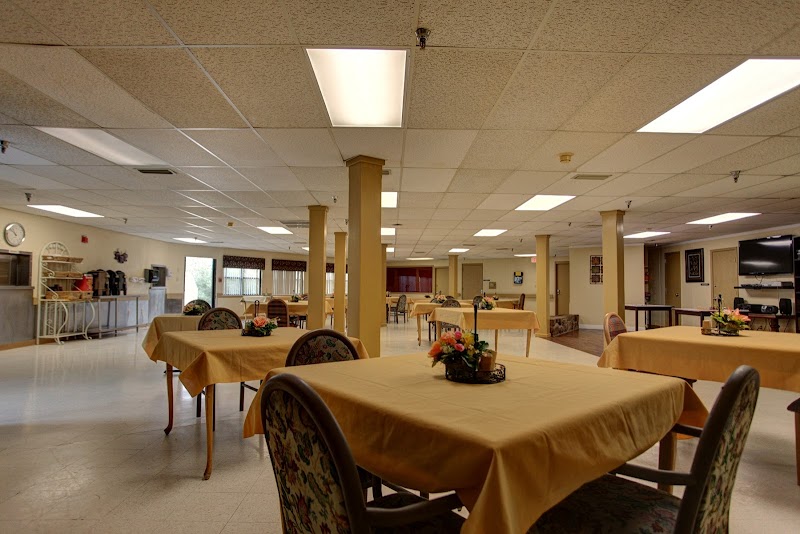
Who Owns and Operates The Pines?

THE PINES NURSING AND REHABILITATION CENTER is owned by a for-profit company. For-profit facilities operate as businesses with obligations to shareholders or private owners. The facility is operated by SOUTHERN ADMINISTRATIVE SERVICES, a chain that manages multiple nursing homes. With 125 certified beds and approximately 73 residents (about 58% occupancy), it is a mid-sized facility located in HOT SPRINGS, Arkansas.

How Does The Pines Compare to Other Arkansas Nursing Homes?

Compared to the 100 nursing homes in Arkansas, THE PINES NURSING AND REHABILITATION CENTER's overall rating (3 stars) is below the state average of 3.1, staff turnover (58%) is significantly higher than the state average of 46%, and health inspection rating (3 stars) is at the national benchmark.

What Should Families Ask When Visiting The Pines?

Based on this facility's data, families visiting should ask: "What changes have been made since the serious inspection findings, and how are you preventing similar issues?" "How do you ensure continuity of care given staff turnover, and what is your staff retention strategy?" "Can I visit during a mealtime to observe dining assistance and food quality?" "How do you handle medical emergencies, and what is your hospital transfer rate?" These questions are particularly relevant given the facility's Immediate Jeopardy citations and the facility's high staff turnover rate.

Is The Pines Safe?

Based on CMS inspection data, THE PINES NURSING AND REHABILITATION CENTER has documented safety concerns. Inspectors have issued 1 Immediate Jeopardy citation (the most serious violation level indicating risk of serious injury or death). The facility has a 3-star overall rating and ranks #100 of 100 nursing homes in Arkansas. Families considering this facility should ask detailed questions about what corrective actions have been taken since these incidents.

Do Nurses at The Pines Stick Around?

Staff turnover at THE PINES NURSING AND REHABILITATION CENTER is high. At 58%, the facility is 12 percentage points above the Arkansas average of 46%. Registered Nurse turnover is particularly concerning at 60%. RNs handle complex medical decisions and coordinate care — frequent RN changes can directly impact care quality. High turnover means new staff may not know residents' individual needs, medications, or preferences. It can also be disorienting for residents, especially those with dementia who rely on familiar faces. Families should ask: What is causing the turnover? What retention programs are in place? How do you ensure care continuity during staff transitions?

Was The Pines Ever Fined?

THE PINES NURSING AND REHABILITATION CENTER has been fined $13,863 across 1 penalty action. This is below the Arkansas average of $33,218. While any fine indicates a compliance issue, fines under $50,000 are relatively common and typically reflect isolated problems that were subsequently corrected. Families should ask what specific issues led to these fines and confirm they've been resolved.

Is The Pines on Any Federal Watch List?

THE PINES NURSING AND REHABILITATION CENTER is not on any federal watch list. The most significant is the Special Focus Facility (SFF) program, which identifies the bottom 1% of nursing homes nationally based on persistent, serious quality problems. Not being on this list means the facility has avoided the pattern of deficiencies that triggers enhanced federal oversight. This is a positive indicator, though families should still review the facility's inspection history directly.