CRAIGHEAD NURSING CENTER
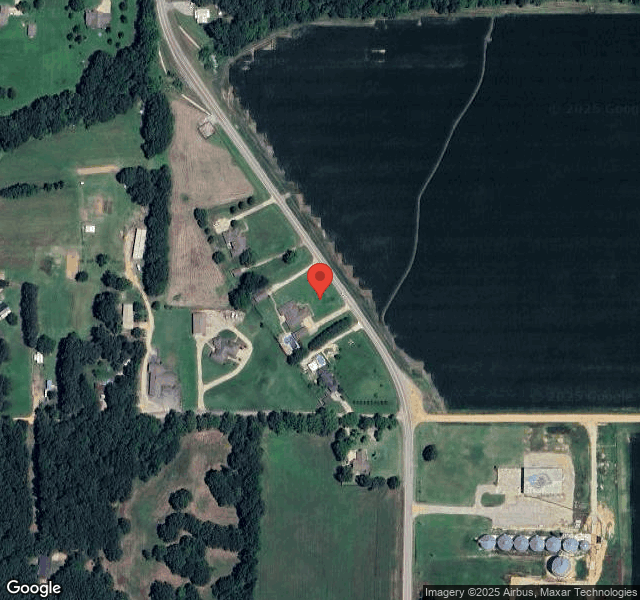

5101 HARRISBURG RD, JONESBORO, AR 72404 (870) 933-4535
Government - County 121 Beds Independent Data: November 2025
Trust Grade
60/100
#102 of 218 in AR
Last Inspection: July 2024

Within standard 12-15 month inspection cycle. Federal law requires annual inspections.

Overview

Craighead Nursing Center has a Trust Grade of C+, indicating it is slightly above average, but not without its issues. It ranks #102 out of 218 facilities in Arkansas, placing it in the top half, and #2 of 6 in Craighead County, meaning it has only one local competitor that performs better. The facility is on an improving trend, having reduced its issues from five in 2024 to just one in 2025. Staffing is rated 4 out of 5 stars, which is a strength, though the turnover rate is 51%, aligning with the state average. Notably, there have been no fines, which is a positive sign. However, there are some concerns. Recent inspections revealed that the kitchen was not maintained in a sanitary manner, posing a potential risk for foodborne illnesses affecting 84 residents. Additionally, there were failures to transfer residents using mechanical lifts as required, which could lead to accidents. Lastly, the facility did not adequately update care plans for residents with significant changes in their condition, highlighting potential gaps in resident monitoring. While there are strengths, families should be aware of these weaknesses when considering this nursing home.

Trust Score
C+
60/100
In Arkansas
#102/218
Top 46%
Safety Record
Low Risk
No red flags
Inspections
Getting Better
5 → 1 violations
Staff Stability
⚠ Watch
51% turnover. Above average. Higher turnover means staff may not know residents' routines.
Penalties
✓ Good
No fines on record. Clean compliance history, better than most Arkansas facilities.
Skilled Nurses
⚠ Watch
Each resident gets only 21 minutes of Registered Nurse (RN) attention daily — below average for Arkansas. Fewer RN minutes means fewer trained eyes watching for problems.
Violations
⚠ Watch
22 deficiencies on record. Higher than average. Multiple issues found across inspections.
★★★☆☆
3.0
Overall Rating
★★★★☆
4.0
Staff Levels
★★☆☆☆
2.0
Care Quality
★★★☆☆
3.0
Inspection Score
Stable
2024: 5 issues
2025: 1 issues

The Good

  • 4-Star Staffing Rating · Above-average nurse staffing levels
  • Full Sprinkler Coverage · Fire safety systems throughout facility
  • No fines on record

Facility shows strength in staffing levels, fire safety.

The Bad

3-Star Overall Rating

Near Arkansas average (3.1)

Meets federal standards, typical of most facilities

Staff Turnover: 51%

Near Arkansas avg (46%)

Higher turnover may affect care consistency

The Ugly 22 deficiencies on record

Apr 2025 1 deficiency
CONCERN (E) 📢 Someone Reported This

A family member, employee, or ombudsman was alarmed enough to file a formal complaint

Potential for Harm - no one hurt, but risky conditions existed

Quality of Care (Tag F0684)

Could have caused harm · This affected multiple residents

**NOTE- TERMS IN BRACKETS HAVE BEEN EDITED TO PROTECT CONFIDENTIALITY** Based on record review, interview, manufacturer guidelines, and facility policy review, the facility failed to ensure residents ...

Read full inspector narrative →
**NOTE- TERMS IN BRACKETS HAVE BEEN EDITED TO PROTECT CONFIDENTIALITY** Based on record review, interview, manufacturer guidelines, and facility policy review, the facility failed to ensure residents were transferred via mechanical lift in accordance with manufacturer guidelines, staff training, and resident care plans to prevent accidents for two (Resident #1, Resident #2) of five residents reviewed for transfers. The findings are: 1. A review of an Order Summary indicated Resident #1 was admitted to the facility with diagnoses that included dementia, degenerative disease of the nervous system and malnutrition. A review of the Quarterly Minimum Data Set (MDS) with an Assessment Reference Date (ARD) of 01/28/2025, indicated that Resident #1 had a SAMS (Staff Assessment for Mental Status) score of 3, which indicated Resident #1 was severely impaired of cognitive skills for daily decision making. A review of Section GG revealed that Resident #1 was marked dependent, (Helper does all of the effort. Resident does none of the effort to complete the activity or, the assistance of 2 or more helpers was required for the resident to complete the activity) for activity of daily living care such as transfers, personal hygiene, rolling left to right, and dressing. A review of a Care Plan initiated on 09/03/2024, indicated Resident #1 had an activity of daily living performance deficit with interventions for transfers which included: the resident was dependent on two (2) staff with mechanical lift; use purple/medium lift pad. An intervention for bed mobility included: the resident was totally dependent on two (2) staff for repositioning and turning in bed every two (2) hours and as necessary. A review of the Progress Notes indicated on 01/14/2025, Resident #1 was Up in Geri chair in common area. Continues on [Local Hospice Agency] related to malnutrition. Respirations are even and unlabored. No shortness of breath or cough noted. No signs or symptoms of pain or distress noted. No abnormal lung sounds noted. Resident #1 is alert and orientated x1. No confusion, hallucinations or delusions noted. Takes medications crushed without difficulty. Takes meals in the dining room with staff assist x 1. Incontinent of bowel and bladder with peri care every two hours and as needed. Bowel sounds noted in all quadrants. Mechanical lift for all transfers with 2 staff. Non-ambulatory. Needs anticipated by staff. Will continue to observe. A review of the Document Survey Report indicated Resident #1 was charted on day shift of 01/16/2025, by CNA (Certified Nursing Assistant) #1 as dependent (helper does all the effort) for activity of daily living care such as transfers, dressing, rolling side to side, and personal hygiene. 2. A review of a Physicians Order Summary revealed Resident #2 was admitted to the facility on [DATE], with diagnosis that included unspecified dementia. Review of the Annual Minimum Data Set (MDS) with an Assessment Reference Date (ARD) of 01/14/2025, revealed Resident #2 had a Brief Interview of Mental Status (BIMS) scored of 06, (which indicated severe cognitive impairment). A review of Section GG revealed that Resident #2 was marked dependent (Helper does all of the effort. Resident does none of the effort to complete the activity or, the assistance of 2 or more helpers was required for the resident to complete the activity) for activity of daily living care such as transfer, personal hygiene, rolling left to right, and dressing A review of the Care Plan for Resident #2 noted the resident required the use of a mechanical lift with 2-person staff assistance for transfers. A review of the Document Survey Report indicated Resident #2 was charted on day shift of 01/16/2025, by CNA #1 as dependent (helper does all the effort) for activity of daily living care such as transfers, dressing, rolling side to side, and personal hygiene. On 04/07/2025 at 1:40 PM, during an interview CNA #1 stated the day before, I had been complaining that I needed help. CNA #1 then continued by stating, If I left my residents up they would have been soaked through, and not clean, I laid them down to take care of them. CNA #1 stated the nurse watched me transfer Resident #1 by myself then reported that I was doing it by myself. CNA #1 stated the residents did not get hurt and I do not neglect my residents. CNA #1 stated I have been an aide for 18 years and was trained how to do mechanical lifts properly. On 04/07/2025 at 3:04 PM, during an interview, the Assistant Director of Nursing (ADON) stated the incident was an isolated occurrence, there are usually three to four CNAs on each hall. The ADON stated on the day of the incident CNA #1 should have had help, as it was required to have two staff members for a mechanical lift. The ADON stated that CNA #1 signed training on hire competencies in September, and she was re-educated that day. The ADON stated I saw CNA #1 leaving Resident #2's room alone and when CNA #1 was questioned she denied the allegation by stating she had help The ADON continued stating that the CNA was looking down the hall as if she were looking for someone. The ADON stated I reminded CNA #1 that you are supposed to have two (2) for mechanical lift transfers. I did give her a verbal reminder. The ADON stated this happened before lunch. Later that day I saw CNA #1 go into Resident #1's room alone and asked LPN #5 to go in there to confirm if she was transferring by herself again. The ADON stated LPN #5 then told me that CNA #1 was transferring by herself. The ADON stated CNA #1 was terminated. We then investigated, and the residents were not harmed. The ADON stated, CNA #1 had been licensed for a long time and knew better. During an interview on 04/07/25 at 12:30 PM, CNA #4 confirmed the facility had at least three (3), but typically four (4) CNAs on each hall, and the nurses assist as needed. She also confirmed that CNA #1 did not ask her for assistance to transfer Resident #1 or Resident #2 and she was available to assist CNA #1. During an interview on 04/07/2025 at 1:00 PM, CNA #2 confirmed CNA #1 did not ask for assistance to transfer Resident #1 or Resident #2 on 01/16/2025, and she was available along with the nurse. She also confirmed the facility has at least three (3) CNAs staffed on each hall, but typically four (4). During an interview on 04/08/2025 at 9:35 AM, Restorative CNA #8, who was responsible for training, confirmed training for mechanical lifts was completed at the beginning of employment and as a refresher, every six (6) months. Upon completion of training, each employee utilized a teach back demonstration to ensure each step was understood. During an interview on 04/08/2025 at 9:15 AM, the Administrator confirmed proper technique when completing a lift was important for the safety of the residents. When asked what possible outcomes could be when improper lifts are completed, she stated, Possible harm to the resident. During an interview on 04/08/2025 at 9:15 AM, LPN #5 confirmed she observed CNA #1 completing a transfer for Resident #1, alone, via the mechanical lift. She stated, I saw her go into the room, so I walked into the room to see if she needed assistance, since this resident was a 2-assist with all care. She was unhooking the lift pad as I walked in and said she didn't need help. LPN #5 also confirmed she was not asked to assist with any resident transfers by CNA #1. On 04/08/2025 at 10:30 AM, during an interview, the ADON stated the negative outcome of using the mechanical lift improperly could lead to the resident ending up with an injury; a fractured arm or leg, dislocation, fall from the lift, skin tear, or the resident could become combative and hurt themselves. On 04/08/2025 at 10:40 AM, during an interview, Medication Assistant Certified (MAC) #3 stated that I was up here at the nurse's station, and she asked if I could help her. I helped her with transferring Resident #2. That was the only time I helped her all day. She never asked again. MAC #3 stated they had plenty of staff that day to help with transfers. A review of the Office of Long-Term Care (OLTC) Incident and Accident report indicated Description of Incident: On 01/16/25, it was reported to Licensed Practical Nurse (LPN) #5 that CNA #1, was in Resident #1's room, using the mechanical lift by herself after CNA #1 had been educated earlier that day on always having two CNAs present when operating the mechanical lift. LPN #5 went to Resident #1's room and observed CNA#1 rolling Resident #1 side to side, removing the lift pad. No other staff member was present in the room. LPN #5 asked CNA #1 Do you need any help? and CNA #1 stated, No, I got it now. A review of the OLTC Incident and Accident Report: indicated Description of Incident: On 01/16/25, it was reported to the charge nurse, CNA #1, was in Resident #2's room, using the mechanical lift by herself. The charge nurse spoke with the ADON and asked if the ADON would come to the hall and speak with CNA #1. When the ADON arrived to the hall, CNA #1 was in Resident #2's room pushing out the shower chair. The ADON asked CNA #1 if she was in the room by herself and CNA #1 replied, Yeah. The ADON re-educated CNA #1 on having two staff members when operating the lift. CNA #1 replied, I know, I had help. She went out there. CNA #1 went to the door looking for someone and there was no one present. CNA #1 did not give a name to the ADON of who assisted her with the transfer. A review of the Transfer Competency indicated for mechanical lift always operate lift with two certified nursing assistants (CNA) at all times. CNA #1 signed the competency on 07/30/2024, which stated, my signature indicates my understanding and compliance to this protocol and my use of equipment appropriately. A review of the Assignment Sheet on 01/16/2025, indicated, on 400 hall four (4) CNA's and a Medication Assistant-Certified (MAC) were staffed from 6:00 AM to 2:30 PM. A review of the [Name Brand] Lift Training indicated CNA #1 signed understanding of mechanical lift transfers on 09/11/2024. A review of the Proper Transfers Using Mechanical Lift , in-service on 01/16/25 stated, You must use two (2) people at all times for transfers. A review of the [Name Brand] Battery-Powered Patient Lift User Manual indicated, Although [Name Brand] recommends that two assistants be used for all lifting preparation and transferring from and transferring to procedures, our equipment will permit proper operation by one (1) assistant. The use of one (1) assistant is based on the evaluation of the healthcare professional for each individual case Further review indicated Danger: Risk of death injury, or damage. Improper use of this product may cause death, injury, or damage. A review of the document titled Transfer Status and Mobility Device, indicated for each hall the transfer status of every resident in the facility included what mechanical lift to use, the color/size of the lift pad, the device used for mobility, the type of transfer, and how many staff were needed to transfer. A review of the Care Stickers indicated that on each doorway in the upper corners they were utilized to notify staff about the status of the residents; for non-weight bearing a feather was used with a color code for the lift pad size when transferring with a mechanical lift, and for two (2)-person assist a double flower was indicated. A review of CNA #1 ' s employment file indicated CNA #1 was trained by Restorative CNA #8 on 07/30/24, which was signed by CNA #1 as well. The training titled [Facility Name] Competency Evaluation: [Brand Name] Lift indicated Important: Always Operate Lift with Two CNAs at All Times. Under the instructions and above the signature section, it stated, My signature indicates my understanding and compliance to this protocol and my use of the equipment appropriately
Jul 2024 5 deficiencies
CONCERN (E) 📢 Someone Reported This

A family member, employee, or ombudsman was alarmed enough to file a formal complaint

Potential for Harm - no one hurt, but risky conditions existed

Deficiency F0657 (Tag F0657)

Could have caused harm · This affected multiple residents

Based on observations, interviews, record review, facility document review, and facility policy review, it was determined the facility failed to ensure care plan interventions were added to the care p...

Read full inspector narrative →
Based on observations, interviews, record review, facility document review, and facility policy review, it was determined the facility failed to ensure care plan interventions were added to the care plan for elopement monitoring device for 1 (Resident #21). Findings include: A review of a facility policy titled, Care Plan Revisions Upon Status Change dated 03/25/2024, indicated the comprehensive care plan will be reviewed and revised as necessary, when a resident experiences a status change. A review of the Medical Diagnosis indicated the facility admitted Resident #21 with diagnosis of unspecified dementia. Review of the quarterly Minimum Data Set (MDS) with an Assessment Reference Date (ARD) of 04/15/2024 revealed Resident #21 had a Brief Interview for Mental Status (BIMS) score of 12, which indicated the resident was moderately cognitively impaired. A review of an Incident and Accident (I&A), Follow Up note dated 02/14/2024 at 12:37 PM, indicated the long-term intervention was an elopement monitoring device applied to the right ankle due to wandering and increased confusion. The I &A note stated that intervention was added to the care plan. A review of Resident #21's Care Plan updated 02/13/2024, revealed the resident was at risk for falls related to confusion, deconditioning and gait balance problems, and Resident #21 had had a fall with a hematoma. No new interventions were added. During an observation on 07/10/2024 at 8:36 AM, upon entering Resident #21's room, Resident #21 was sitting in a wheelchair. No elopement monitoring device could be seen on the right or left ankle of the resident. During a concurrent interview and observation on 07/10/2024 at 8:39 AM, Certified Nursing Assistant (CNA) #8 and CNA #13 were asked by the surveyor to check Resident #21 for an electronic monitoring device. C.N.A. #8 and C.N.A. #13 confirmed there was no device on the resident. C.N.A. #13 informed the surveyor that some people on the 300 Hall have the elopement monitoring device and some do not. When asked if the resident was supposed to have an elopement monitoring device, CNA #8 and CNA #13 said let us go look. Both CNAs went to the nurse's desk to check to see if the resident had on an elopement the device. After returning to Resident #21's room, the surveyor was informed by C.N.A. #13 that the resident was supposed to have one on. During an observation on 07/10/2024 at 8:49 AM, the Director of Nursing (DON) and Licensed Practical Nurse (LPN) #12 went into Resident #21's room with the surveyor. The DON was asked to see if she could locate Resident #21's elopement monitoring device. The DON assessed both of Resident #21's arms and legs for the elopement monitoring device. The DON confirmed no device was located. During an interview on 07/11/2024 at 8:45 AM the DON was asked who revises and changes the care plans when changes need to be made. The DON replied that she was the one who initiates the care plans when an incident and accident (I&A) occurs and includes the intervention(s). Care plan revisions and resolving are made by the interdisciplinary team. When asked how the front-line staff knows when new interventions have been put into place, the DON stated meetings are held with the restorative aides and folders that contain information on the residents are updated at the nurse's desk and if the staff need to know immediately of an intervention, in-services are provided at that time.
CONCERN (E) 📢 Someone Reported This

A family member, employee, or ombudsman was alarmed enough to file a formal complaint

Potential for Harm - no one hurt, but risky conditions existed

Accident Prevention (Tag F0689)

Could have caused harm · This affected multiple residents

**NOTE- TERMS IN BRACKETS HAVE BEEN EDITED TO PROTECT CONFIDENTIALITY** Based on observations, interviews, record reviews, facility document review, and facility policy review, it was determined the f...

Read full inspector narrative →
**NOTE- TERMS IN BRACKETS HAVE BEEN EDITED TO PROTECT CONFIDENTIALITY** Based on observations, interviews, record reviews, facility document review, and facility policy review, it was determined the facility failed to ensure interventions to prevent falls were implemented for 1 (Resident #21) resident and the sharps container (a container to dispose of used needles and other sharp objects) in the shower room was not overfilled to prevent access/injury. Findings include: 1. A review of a facility policy titled Accidents and Supervision signed and dated by the Administrator on 07/11/2024 indicated, The resident environment will remain as free of accident hazards as is possible. Each resident will receive adequate supervision and assistive devices to prevent accidents. This includes: 1) identifying hazard(s) and risk(s); 2) evaluating and analyzing hazard(s) and risk(s); 3) implementing interventions to reduce hazard(s) and risk(s); 4) monitoring for effectiveness and modifying interventions when necessary . A review of the Medical Diagnoses indicated Resident #21 had diagnoses that included unspecified dementia; fracture of unspecified part of neck of right femur; atrial fibrillation; Parkinson's disease; hemiplegia and hemiparesis following cerebral infarction affecting the left non-dominant side; epilepsy; muscle wasting and atrophy; difficulty walking; unspecified abnormalities of gait and mobility; fibromyalgia; and age-related osteoporosis. A review of the quarterly Minimum Data Set (MDS), with an Assessment Reference Date (ARD) of 04/15/2024, revealed Resident #21 had a Brief Interview for Mental Status (BIMS) score of 12, which indicated Resident #21 was moderately cognitively impaired. A review of Resident #21's Care Plan, updated 07/03/2024 revealed the resident had a risk for falls related to confusion, deconditioning, and gait balance problems. Interventions included on 06/27/2024 anti-rollbacks were placed on the wheelchair. During an observation on 07/10/2024 at 8:36 AM, Resident #21 was sitting in the resident's room in a wheelchair. The fall mat was beside the bed. Anti-rollbacks were not on the rear of the wheelchair. During an observation and concurrent interview on 07/10/2024 at 8:38 AM with Certified Nursing Assistant (CNA) #8, and CNA #13, both CNA #8 and CNA #13 informed the surveyor that anti-rollbacks had never been seen on Resident #21's wheelchair. CNA #8 was asked how staff were to know what kind of assistance and interventions were needed with the resident. CNA #13 stated the information was on the task section of the electronic charting system used by the CNAs and the assistance required was on the back of the nurse's station door. During an observation and concurrent interview on 07/10/2024 at 8:49 AM, the Director of Nursing (DON) and Licensed Practical Nurse (LPN) #12 entered Resident #21's room. The DON was asked to look at Resident #21's wheelchair for anti-rollbacks. The DON stated, They are not on the chair. During an interview with the Director of Nursing (DON) on 07/11/2024 at 10:30 AM, the DON was asked who was responsible for carrying out interventions and making sure that those interventions were put into place. The DON stated that maintenance would add the anti-rollback brakes and that she and the restorative aides would meet to discuss and decide if interventions were effective or if the intervention needed to be changed. During an interview with the Maintenance Director on 07/10/2024 at 4:30 PM, regarding any maintenance requests for Resident #21 and anti-rollbacks. The maintenance request was in the maintenance request logbook and was dated 07/09/2024, the request had been made by the Director of Nursing. 2. During an observation on 07/09/2024 at 9:35 AM, Shower room [ROOM NUMBER] was inspected for cleanliness. The sharps container on the wall was overflowing, a bottle of aftershave, gloves and a bottle of lotion were sitting on top of the sharps container. During an interview and concurrent observation on 07/09/2024 at 2:14 PM, the surveyor and the Maintenance Supervisor were walking on the 300 Hall. The door to the shower room was noted to be slightly open. After knocking on the door, no one was observed in the shower room. The sharps container was still overflowing. According to the Maintenance Supervisor, no requests had been made for the sharps container to be changed out or picked up. When asked how the sharps, once full, should be handled, the Maintenance Supervisor explained that the Certified Nursing Assistants (C.N.A.) and the nurses communicate the sharps need to be changed and picked up. The Maintenance Supervisor then picks the sharps containers up and places them in biohazard bags/boxes and the boxes are then stored in the shed for biohazard waste until picked up by the medical waste company. During an observation on 07/09/2024 at 2:16 PM, a CNA entered the Shower room [ROOM NUMBER] and then exited the shower room and pulled the door closed and the door remained slightly open. The Surveyor walked over to the door and pushed on the door and the door opened. During an observation on 07/09/2024 at 2:30 PM, a CNA walked into the shower room and walked back out and left the door open. It was within sight of the CNAs that were in the hall. A CNA walked over and shut the door to Shower room [ROOM NUMBER]. During an interview and concurrent observation on 07/09/2024 at 2:40 pm, the Administrator was asked to come to Shower room [ROOM NUMBER]. Upon arriving to the shower room, the door was pulled to with the privacy curtain hanging outside the door. The Administrator knocked on the door. At that time a CNA was finishing with a resident. As the CNA exited the room, the surveyor asked the CNA to pull the door to so that the Administrator could see the door closing. The door was pulled to and let go. The door did not close completely. The Administrator then looked at the sharps container and made the comment, Oh my, that is a little full. The Administrator confirmed that it was possible for alert and ambulatory residents to get into the shower room since the door was not shutting completely. During an interview on 07/09/2024 at 2:45 PM, the DON walked up to Shower room [ROOM NUMBER] and was shown the sharps container and was informed by the Administrator that the door was not being shut completely and that residents that were alert and ambulatory could enter the shower room. The DON concurred that it could happen with the door not shutting completely.
CONCERN (E)

Potential for Harm - no one hurt, but risky conditions existed

Respiratory Care (Tag F0695)

Could have caused harm · This affected multiple residents

Based on observations, interviews, record reviews, and facility policy review, it was determined the facility failed to administer oxygen at the physician ordered rate for 1 (Resident #47) of 1 sample...

Read full inspector narrative →
Based on observations, interviews, record reviews, and facility policy review, it was determined the facility failed to administer oxygen at the physician ordered rate for 1 (Resident #47) of 1 sampled resident. Findings include: A review of a facility policy titled, Oxygen Administration dated 03/22/2024 indicated, Oxygen is administered to residents who need it, consistent with professional standards of practice, the comprehensive person-centered care plans, and the resident's goals and preferences. 1. Oxygen is administered under orders of a physician, except in the case of an emergency. 4. The resident's care plan shall identify the interventions for oxygen therapy, based upon the resident's assessment and orders such as, but not limited to: a. The type of oxygen delivery system. b. When to administer, such as continuous or intermittent and/or when to discontinue. c. Equipment setting for the prescribed flow rates. d. Monitoring of oxygen saturation levels and/or vital signs, as ordered. e. Monitoring for complications associated with the use of oxygen. A review of the Medical Diagnosis, indicated the facility admitted Resident #47 with diagnoses that included chronic obstructive pulmonary disease (COPD), pulmonary embolism, and lobar pneumonia. A review of the admission Minimum Data Set (MDS) with an Assessment Reference Date (ARD) of 01/26/2024, revealed Resident #47 had a Brief Interview for Mental Status (BIMS) of 13, which indicated the resident was cognitively intact. Resident #47's MDS was marked in the following sections as: 1. Section I6200 as having Asthma, chronic obstructive pulmonary disease, or chronic lung disease. 2. Section J1100 was marked a) shortness of breath or trouble breathing with exertion; b) shortness of breath or trouble breathing when sitting at rest; and c) shortness of breath or trouble breathing when lying flat. 3. Section O-0110: C1 oxygen therapy. A review of Resident #47's Care Plan initiated 02/02/2024, revealed the resident has chronic obstructive pulmonary disease and is at risk for shortness of breath. Intervention: Oxygen at two liters per minute via nasal cannula as needed for shortness of breath or decrease in oxygen saturation. A review of the Physician Orders revealed Resident #47 had an order updated on 02/12/2024 for oxygen at two liters per minute via nasal cannula as needed for shortness of breath or decrease oxygen saturation. A review of the Treatment Administration Record (TAR) for Resident #47 revealed oxygen two liters per minute via nasal cannula as needed for shortness of breath or decreased oxygen saturation every day and night shift and had been marked as being administered at the correct rate from July 1, 2024, through July 10, 2024. During an observation on 07/08/2024 at 11:42 AM, Resident #47 had an oxygen concentrator delivering oxygen at 1.5 liters per minute via a nasal cannula. During an observation on 07/10/2024 at 8:46 AM, Resident #47 was lying in bed with the head of bed slightly elevated. Oxygen via nasal cannula in place. The oxygen concentrator rate was set and running at four liters per minute. During an interview on 07/10/2024 at 8:45 AM, with Licensed Practical Nurse (LPN) #12, the surveyor asked for LPN #12 to look up Resident #47's physician's orders for oxygen and to tell the surveyor what the oxygen concentrator should be set at. LPN #12 confirmed the order should be at two liters per minute. During a concurrent observation and interview on 07/10/2024 at 8:57 AM, with the Director of Nursing (DON) and LPN #12, both the DON and LPN #12 entered Resident #47's room. The DON was asked to check the oxygen concentrator and to tell the surveyor what rate the concentrator was set on. She confirmed that it was set on four liters per minute. LPN #12 also confirmed that the concentrator was set to four liters per minute. LPN #12 then stated, I will correct the rate, and then adjusted the oxygen concentrator setting to two liters per minute. The DON stated, I just completed rounds earlier and I checked the oxygen in the rooms.
CONCERN (E)

Potential for Harm - no one hurt, but risky conditions existed

Deficiency F0805 (Tag F0805)

Could have caused harm · This affected multiple residents

Based on observation and interview, the facility failed to ensure pureed food items were blended to a smooth, lump-free consistency to minimize the risk of choking or other complications for residents...

Read full inspector narrative →
Based on observation and interview, the facility failed to ensure pureed food items were blended to a smooth, lump-free consistency to minimize the risk of choking or other complications for residents who required pureed diets for 3 of 3 meals observed. This failed practice had the potential to affect 4 residents who received pureed diets, as documented on the List provided by the Dietary Manager on 07/09/2024 at 1:45 PM. The findings are: 1. On 07/08/2024 at 1:29 PM, the pureed English peas and pureed cake served to the residents on pureed diets was thin and not formed. At 1:30 PM, the surveyor asked the Dietary Manager to describe the consistency of the pureed English peas and pureed cake served to the residents on pureed diets. She stated, Pureed peas and pureed cake were thin. 2. On 07/08/2024 at 4:50 PM, Dietary [NAME] (DC) #5 used an 8-ounce spoon to place 6 servings of pizza casserole into a blender, added beef broth and pureed. At 4:58 PM, DC #5 poured the pureed pizza casserole consisting of pasta, ground beef, pepperoni and cheese and placed it on the steam table. The consistency of the pureed pizza casserole was thick, lumpy, and not smooth. There were pieces of pasta visible in the mixture. 3. On 07/08/2024 at 5:03 PM, Dietary Aide #4 placed 6 bread sticks into a blender, added chicken broth and pureed. She portioned pureed bread sticks into 6 bowls. The consistency of the pureed bread was thick, lumpy, and not smooth. At 5:15 PM, the surveyor asked the Dietary Manager to describe the consistency of the pureed pizza casserole and pureed bread. She stated, Pureed pizza could have been pureed a little longer. It still had pieces of noodles in it. Pureed bread sticks were thick and had lumps.
CONCERN (E) 📢 Someone Reported This

A family member, employee, or ombudsman was alarmed enough to file a formal complaint

Potential for Harm - no one hurt, but risky conditions existed

Food Safety (Tag F0812)

Could have caused harm · This affected multiple residents

Based on observation and interview, the facility failed to ensure dietary staff washed their hands between dirty and clean tasks and before handling clean equipment or food items to prevent potential ...

Read full inspector narrative →
Based on observation and interview, the facility failed to ensure dietary staff washed their hands between dirty and clean tasks and before handling clean equipment or food items to prevent potential for cross contamination and food borne illness for residents who received meals from 1 of 1 kitchen; leftover food items were not used for residents who received meals from 1 of 1 kitchen to maintain food quality and prevent the growth of bacteria; and failed to ensure dietary staff secured facial hair in a hairnet when preparing food. The failed practices had the potential to affect 87 residents who received their meals from one of one kitchen according to a list provided by the Dietary Manager on 07/09/2024 at 9:12 AM. The findings are: 1. On 07/08/2024 at 11:29 AM, Dietary Aide #2 picked up a box of gloves and placed it on the counter, then removed gloves and placed them on her hands, contaminating the gloves, she untied the bread bag and used her contaminated gloved hand to remove slices of bread and placed them on a pan liner on the counter. She removed a lid from a container of chicken salad, she scooped chicken salad out of the container and placed it on each slice of bread to be used in making chicken salad to be served to the residents who asked for a chicken salad sandwich with their meal. The Surveyor asked Dietary Aide #2 what she should have done after touching dirty objects and before handling clean equipment. She stated, I should have removed the gloves and washed my hands. 2. On 07/08/2024 at 11:33 AM, Dietary Aide #3 walked out of the walk-in freezer with a box of sugar cookies and placed it on the counter. She opened the box, contaminating her hands. Without washing her hands, she unwrapped the bag inside the box that held the cookies, removed cookies with contaminated gloved hand and placed them on a pan to be baked and served to the residents who asked for sugar cookies with their lunch meal. At 12:17 PM, the Surveyor asked Dietary Aide #3 what she should have done after touching dirty objects and before handling clean equipment. She stated, I should have hands washed before putting the gloves on. 3. On 07/08/2024 at 11:34 AM, Dietary Aide #2 picked up a can of thickener from the cabinet and placed it on the counter. Without washing her hands, she picked glasses by their rims and poured beverages to be served to the residents with their lunch meal. 4. On 07/08/2024 at 12:04 PM, Dietary Aide #4 placed a piece of paper and a marker on the counter, contaminating her hands. Without washing her hands, she picked up clean bowls with her fingers inside the bowls and placed them on the trays to be used in portioning desserts to be served to the residents for lunch. 5. On 07/08/2024 at 3:48 PM, Dietary Aide #4 opened the refrigerator and removed a can of diced pears and placed it on a cart and pushed it towards a can opener attached at the end of the counter. After opening the can of diced pears with the can opener, she poured it into a bowl, contaminating her hands. Without washing her hands, she picked up clean bowls from the tray on the counter and placed them on the food preparation counter with her fingers inside them. Just as she was about to place diced pears into individual bowls to be served to the residents for supper meal. The surveyor immediately stopped her and asked Dietary Aide #4, What should you have done after touching dirty objects and before handling clean equipment? She stated, I should have washed my hands. I will rewash the bowls. She removed the bowls and rewashed them. 6. On 07/08/2024 at 4:26 PM, Dietary Aide #4 turned on the food preparation sink and rinsed tomatoes. She turned off the faucet with her bare hand. She picked up a cutting board and a knife and placed them on the counter. She removed gloves and placed them on her hands, contaminating the gloves. Without washing her hands and changing gloves, she diced tomatoes and placed them into a bowl. The surveyor asked Dietary Aide #4 what are the tomatoes for? She stated, There are for the mechanical soft salad. The surveyor asked Dietary Aide #4 What should you have done after touching dirty objects and before handling clean equipment? She stated, I should have washed my hands. 7. On 07/08/2024 at 4:38 PM, Dietary Aide #2 picked up a non-stick spray bottle and sprayed the pan liner inside the pans. Next, she removed gloves from the glove box and placed them on her hands, contaminating the gloves. Without changing gloves and washing her hands, she removed bread sticks from the original box, placed them on the pan liners in the pans, and put them in the oven to heat up and be served to the residents for the supper meal. The surveyor asked, What should you have done after touching dirty objects and before handling clean equipment? She stated, I should have washed my hands. 8. The facility policy titled, Handwashing provided by the Dietary Manager on 07/09/2024 at 9:12 AM documented, HANDS MUST BE WASHED. 1. When employee reports to work . 4. After handling anything considered dirty (example: cans from the storeroom soiled dishes.) 5. After leaving the kitchen for any reason . 7. Hands should be wash after any probable contamination. 9. On 07/08/2024 at 12:38 PM, Certified Nursing Assistant (CNA) #7 had Resident #81's tray on the counter in the dining room. Resident #24 reached for Resident #81's tray. CNA #7 touched Resident #24's hand and moved it away from the tray. She removed the bread from the parchment paper on Resident #81's tray and broke the bread into pieces without washing her hands. 10. On 07/10/2024 at 10:05 AM, CNA #7 was asked what should she have done after touching Resident #24's hand, and before touching the bread on Resident #81's tray? She stated, I forgot to sanitize. After I cut up his bread, I thought about it. I should have used the paper the bread came in to cut it up.
Sept 2023 7 deficiencies
CONCERN (D)

Potential for Harm - no one hurt, but risky conditions existed

Deficiency F0561 (Tag F0561)

Could have caused harm · This affected 1 resident

Based on observation, record review and interview, the facility failed to ensure timely assistance was provided with eating for 1 (Resident #79) of 1 sampled resident. 1. Resident #79's Comprehensive...

Read full inspector narrative →
Based on observation, record review and interview, the facility failed to ensure timely assistance was provided with eating for 1 (Resident #79) of 1 sampled resident. 1. Resident #79's Comprehensive Care Plan with a revision 02/17/23 states the resident is able to feed self with tray set up. 2. On 08/28/23 at 12:20 PM, Resident #79 was sitting at the middle table in the Assist Dining Room. A meal tray was placed on the table in front of Resident #79. Set up was not completed. At 12:23 PM, observed Resident #79 picking up her piece of cake with her hands and begin to eat it. 3. On 08/29/23 at 12:14 PM, observed Resident #79 sitting at the middle table in the Assist Dining Room. A meal tray was placed on the table in front of Resident #79. A Certified Nursing Assistant (CNA) left the tray without performing the setup of the tray. Resident #79 lifted the lid and held it in the air for a few seconds staring at the food on the plate. Observed Resident #79 insert her fork into her pork chop, raise it into the air and then returned the pork chop to the plate. 4. On 08/29/23 at 12:18 PM, Resident #79 continued to sit with her tray on the table and had not been provided with assistance. Two more trays were delivered and placed in front of two other residents sitting at the middle table. The trays were not set up. At 12:20 PM, three trays were delivered to the third table. The food remained covered with no set up completed. 5. On 08/29/23 at 12:25 PM, a CNA approached the table and stated to Resident #79, Are you gonna eat? Resident #79 did not respond. At this time the pork chop was cut up into bite size pieces. At 12:27 PM, the CNA began to prompt the other 2 residents sitting at the middle table. At 12:29 PM, a second tray was set up. At 12:30 PM, the CNA began to encourage Resident #79 to eat. Eleven minutes after Resident #79 received her tray the assistance necessary for her to consume her meal was provided. 6. On 09/01/23 at 9:30 AM, the Surveyor asked CNA #1 to describe the process of helping in the dining room. CNA #1 stated that it is important to set up the tray at the time it is placed in front of the resident. If a person requires help with the actual feeding process, then the CNA should be ready to provide that help immediately, prior to the food being allowed to get cold.
CONCERN (D)

Potential for Harm - no one hurt, but risky conditions existed

ADL Care (Tag F0677)

Could have caused harm · This affected 1 resident

Based on observation, interview and record review, the facility failed to ensure resident fingernails were trimmed and clean for 2 (Residents #9 and #14) of 2 sampled residents who were dependent for ...

Read full inspector narrative →
Based on observation, interview and record review, the facility failed to ensure resident fingernails were trimmed and clean for 2 (Residents #9 and #14) of 2 sampled residents who were dependent for nail care. The findings are: 1. On 08/28/23 at 10:45 AM, Resident #9 was sitting in a geri chair in his room. Resident #9's fingernails had a dark brown/black substance under them. The Surveyor asked if he was provided nail care. Resident #9 stated, Sometimes. a. A Care Plan with a revision date 02/03/21 noted Resident #9 was to have his nails checked and cleaned on bath day and as necessary. 2. On 08/28/23 at 10:50 AM, Resident #14 was sitting in her wheelchair in her room. The Surveyor asked to see her fingernails. She held out her hands. Resident #14's fingernails on her left hand were protruding out over the end of her fingers and were irregular in shape. The Surveyor asked if she enjoyed having her nails long. She stated, Not like this, these need to be cut. a. On 09/01/23 at 9:30 AM, the Surveyor asked Certified Nursing Assistant (CNA) #2 the Surveyor asked when a resident's nails should be trimmed and cleaned. She stated, Wherever they need it. b. On 09/01/23 at 11:06 AM, the Surveyor asked the Director of Nursing (DON) when a resident's nails should be trimmed and cleaned. She stated, On shower days and as needed. c. A Care Plan with a revision date of 06/26/23 noted Resident #14 was to have her nails cleaned and trimmed on bath day and as necessary. 3. The facility policy titled, the facility policy titled, Care of Fingernails/Toenails, provided by the Administrator on 09/01/23 at 9:22 AM documented, .The purposes of this procedure are to clean the nail bed, to keep nails trimmed, and to prevent infections . General Guidelines 1. Nail care includes daily cleaning and regular trimming .
CONCERN (E)

Potential for Harm - no one hurt, but risky conditions existed

Deficiency F0761 (Tag F0761)

Could have caused harm · This affected multiple residents

Based on observation and interview, the facility failed to ensure the Narcotic Lock Box in the refrigerator was permanently affixed to the refrigerator, and expired medications were removed and discar...

Read full inspector narrative →
Based on observation and interview, the facility failed to ensure the Narcotic Lock Box in the refrigerator was permanently affixed to the refrigerator, and expired medications were removed and discarded. The findings are: 1. On 08/31/23 at 1:34 PM, observed the Medication Storage Room on the 400 Hall with Licensed Practical Nurse (LPN) #2. The refrigerator had a vial of multi dose Humulin N with an opened date of 06/14/23. The Package Insert for Humulin N Insulin provided by Director of Nursing on 08/31/23 at 2:07 PM noted a multidose vial of Humulin N Insulin can only be used for a total of 31 days including both not in use (unopened) and in use (opened) storage time. 2. On 08/31/23 at 1:38 PM, observed the Medication Cart in the Medication Room on the 400 Hall with LPN #2. In a drawer of PRN (as needed) medications was a tube of Triamcinolone Acetonide 1% Cream nearly empty, the expiration date on the tube was 1/2023. 3. On 08/31/23 at 1:14 PM, observed the refrigerator located in the 400 Hall Medication Room. The Narcotic Lock Box was sitting on the top shelf not secured to the shelf in the refrigerator. 4. On 08/31/23 at 1:34 PM, the Surveyor asked LPN #2 how long an opened insulin vial was good for. LPN #2 said, Thirty one days. The Surveyor asked who was responsible for ensuring expired medications were removed from the medication room/carts. LPN #2 said, The RN [Registered Nurse] in charge. The Surveyor asked how often the carts and the medication rooms drugs were checked. LPN #2 said, Everyday. I think. 5. On 09/01/23 at 9:45 AM, the Surveyor asked the Director of Nursing (DON) if she knew why the Narcotic Lock Box in the 400 Hall Medication Room was not secured to the inside of the refrigerator. The DON stated, No. The Surveyor asked how the Narcotic Lock Box should be stored. The DON said, Behind two locks. The Surveyor asked once a vial of insulin is opened, how long is it good for. The DON said, It depends on the type of insulin. A Humulin N or R is 28 days, Lantus is 30 days. The Surveyor asked if a medication is expired, how often are the medications checked. The DON said, They have a Pharmacy Consultant that comes once a month and checks all the meds [medications] in the rooms and cart. The Surveyor asked who was responsible for the expired medications. The DON said, I am, the DON or the ADON [Assistant Director of Nursing]. 6. A facility policy titled, Storage of Medications, provided by the DON on 08/31/23 documented, .The facility shall store all drugs and biologicals in a safe, secure, and orderly manner. Policy Interpretation and Implementation .4. The facility shall not use discontinued, or deteriorated drugs or biologicals. All such drugs shall be returned to the dispensing pharmacy or destroyed . The policy did not address narcotic storage.
CONCERN (E)

Potential for Harm - no one hurt, but risky conditions existed

Deficiency F0805 (Tag F0805)

Could have caused harm · This affected multiple residents

Based on observation and interview, the facility failed to ensure pureed food items were processed to the correct consistency to meet the needs of 6 (Residents #33, #45, #49, #51, #68 and #72) of 6 sa...

Read full inspector narrative →
Based on observation and interview, the facility failed to ensure pureed food items were processed to the correct consistency to meet the needs of 6 (Residents #33, #45, #49, #51, #68 and #72) of 6 sampled residents who had a Physicians Order for a pureed diet according to a list provided by the Administrator on 09/01/23 at 9:22 AM. The findings are: 1. On 08/29/23 at 9:30 AM, Dietary Employee (DE) #1 placed 10 pork chops into the receptacle of the blender along with 4 slices of white bread. DE #1 stated, I put the bread in there for our enhanced, so they are sure to get their bread and it helps it to be smoother. The Surveyor asked DE #1 to identify the desired consistency of pureed food. She stated, Mashed potatoes. 2. On 08/29/23 at 12:31 PM, observed a pureed lunch tray as it was served to a resident. The plate contained a scoop of pureed pork with gravy. The pork was congealed into a firm product which could be sliced with a spoon. The turnip greens had spread across the surface of the plate and dark green water from the greens had filled one half of the plate. The pureed black-eyed peas were in a bowl and if tilted would pour out. The pureed spiced apples were also thin enough to pour. A second tray contained a scoop of pork with gravy. The pork was firm and could be sliced with a spoon. The turnip greens and black-eyed peas had spread to cover the entire surface of the plate. [NAME] water surrounded the edge of the peas. 3. On 08/29/23 at 12:40 PM, the Surveyor asked the Dietary Manager what consistency pureed food should be. She stated, Like mashed potatoes. The Surveyor asked her to describe the turnip greens. She stated, They look like baby food. The Surveyor asked if there was a recipe for the pureed pork. The Breaded Pork Chop Recipe provided by the Assistant Dietary Manager called for 3 ounces of breaded pork chop, food thickener and water or beef broth. The Surveyor informed the Assistant Dietary Manager of the 10 pork chops, 4 slices of bread and beef broth used by the cook for today's lunch. The Assistant Dietary Manager stated, I would have probably used the bread because I do feel like it makes it more smooth. The Surveyor asked Assistant Dietary Manager to address the decrease in protein related to the addition of bread. She stated, I would have probably increased the portion size so they would still have gotten the same amount of protein. The Surveyor asked the Assistant Dietary Manager to describe the pureed pork. She stated, I think it's a little thick, but the gravy is going to make it a little thinner. The Assistant Dietary Manager used a scoop to obtain some of the pureed greens. As she tilted the scoop the greens poured from the side of the scoop back into the pan. The Surveyor asked if pureed food should pour. She stated, Yes, pourable but still thick. 4. On 08/29/23 at 12:45 PM, the Assistant Dietary Manager agreed that the addition of the bread to the pork chops would decrease the protein intake, however I would still probably use the bread, because it does help make it smooth. I would have just increased the portion. 5. On 09/01/23 at 11:30 AM, the Surveyor asked the Dietary Manager why it was important to ensure that pureed food was the correct consistency. She stated, Because they could choke.
CONCERN (E)

Potential for Harm - no one hurt, but risky conditions existed

QAPI Program (Tag F0867)

Could have caused harm · This affected multiple residents

Based on record review and interview, the facility failed to ensure the Quality Assurance and Performance Improvement program (QAPI) Committee developed and implemented effective plans of action to pr...

Read full inspector narrative →
Based on record review and interview, the facility failed to ensure the Quality Assurance and Performance Improvement program (QAPI) Committee developed and implemented effective plans of action to prevent a repeated deficiency with food products stored in a manner to prevent food borne illness. This failed practice had the potential to affect 84 residents who received trays from the kitchen as identified on a Resident Listing report provided by the Administrator on 09/01/23 at 9:22 AM. The findings are: 1. A Recertification survey was conducted on 08/28/23 at the facility. During this survey, the team identified concerns with the kitchen facility cleanliness and being maintained in a manner to prevent potential food borne illness; hands were washed between clean and dirty tasks, and food was served in a manner to prevent the potential for cross contamination. The findings are: 2 A recertification survey was conducted on 5/13/22. During the survey the team identified concerns with the storage of food in an acceptable manner to prevent potential food borne illness. 2. The Plan of Correction for proper techniques used for storage and disposal of food to prevent potential for bacteria growth or food borne illness, with a completion date of 06/13/2022, indicated staff were provided with additional education related to the deficient practices and the Certified Dietary Manager (CDM) or designee would observe food preparation and service at least once. Any negative findings will result in re-education and/or corrective action by the observer. The DON and/or his designee will report all monitoring activity to the Quality Assurance/Improvement Committee monthly for three months to review the need for continued intervention or amendment of plan. 3. A policy titled, 2023 Quality Assurance & Performance Improvement (QAPI) Plan ., provided by the Administrator on 09/01/23 at 12:11 PM documented, Policy Our QAPI plan is a framework for an effective, comprehensive, data driven program that focuses on indicators that reflect outcomes of care and quality of life. The QAPI plan will be reviewed on an annual basis by the quality assurance committee. Revisions will be made as needed . 4. On 09/01/23 at 11:35 AM, the Surveyor asked the Administrator, How does the Quality Assurance and Performance Improvement (QAPI) Committee know when an issue arises in any department? She stated, They can put in concerns in a message box or my office or the DON (Director of Nursing) office is always open. The Surveyor asked, How does the facility decide which issues to work on? She stated, It depends. On the first of the year, we start doing assessments. This may be anything a board member may suggest, any survey issues, or any patterns found in grievances. We will set goals and immediately start to work on them. The surveyor asked, How does the facility know that corrective action has been implemented, is effective, and improvement is occurring? She stated, Because we monitor what has been put in place until there are no negative occurrences. If it's fixed, then you know it's successful.
CONCERN (E)

Potential for Harm - no one hurt, but risky conditions existed

Safe Environment (Tag F0921)

Could have caused harm · This affected multiple residents

**NOTE- TERMS IN BRACKETS HAVE BEEN EDITED TO PROTECT CONFIDENTIALITY** Based on observation, interview, and record review, the facility failed to call lights, walls, privacy curtains, and door handle...

Read full inspector narrative →
**NOTE- TERMS IN BRACKETS HAVE BEEN EDITED TO PROTECT CONFIDENTIALITY** Based on observation, interview, and record review, the facility failed to call lights, walls, privacy curtains, and door handle These failed practices had the potential to affect 35 residents that reside on 300 hall. The findings are: 1. On 08/28/23, the following observations were made on the 300 Hall: a. At 10:31 AM, in Resident Rooms 302, 303, 304, 305, 306, 307, 308, 314, 316, 317, 218, 319, 320, 321, 322 and 323, the bathroom walls in all of the rooms were scratched, scuffed, and had holes in the sheet rock. b. At 10:44 AM, in Resident room [ROOM NUMBER]A, the call light cord was loose from the handpiece, exposing the wires. The call light cords in Resident Rooms 302, 314, 316, 318, 322 and 323 were loose from the hand piece and had exposed wires. c. At 11:23 AM, in Resident room [ROOM NUMBER], the resident's call light was detached from the main rubber cord wrapped around the wiring. At 11:25 AM, the Surveyor asked LPN #2 if she saw a problem with the resident ' s call light. LPN #2 confirmed the call light was broken. At 11:33 AM, the Maintenance Supervisor #1 confirmed the call light was broken. 2. On 8/29/23 at 11:00 AM, the Surveyor informed Maintenance Supervisor #1 there were additional residents whose call light cords had come loose from the hand piece and had exposed wires on the 300 Hall. Maintenance Supervisor #1 said, That many? 3. On 08/29/23 at 11:57 AM, observed in Resident Rooms 305, 310 and 316 the privacy curtains were not attached to the track. 4. On 08/31/23 at 11:36 AM, observed in Resident Rooms 305, 310 and 316, sections of the privacy curtains were loose and hanging. 5. On 08/31/23 at 11:49 PM, in Resident room [ROOM NUMBER], when leaving the room and closing the door the door handle came off in the Surveyor's hand. 6. On 08/31/23 at 11: 50 PM, the Surveyor asked Maintenance Supervisor #2 if he had noticed the bathroom walls on the 300 Hall have scuff marks, paint missing, and some with holes in the wall. Maintenance Supervisor #2 said it has been this way since I started working here. The Surveyor asked if he knew if there was a plan to paint and plaster the walls. Maintenance Supervisor #2 said sometimes they are told to repaint halls, which they recently did. Sometimes they will be given orders to do a string of rooms. We are actually painting three rooms and bathrooms on the 400 Hall. If they're getting a new resident, they are usually told to fix up the room, plaster, paint, and strip and polish the floors. 7. On 08/31/23 at 12:16 PM, the Surveyor asked Maintenance Supervisor #1 if he knew how long the privacy curtains had been detached. Maintenance Supervisor #1 said, I am not sure, I usually do not go into the resident's rooms unless I am told there is a problem. 8. On 08/31/23 at 12:57 PM, the Surveyor asked Maintenance Supervisor #1 to look at the Resident room [ROOM NUMBER]'s door handle. The Maintenance Supervisor #1 said, There is not a door handle. 9. On 08/31/23 at 1:13 PM, the windows between the 300 Hall and the 400 Hall had several missing and torn mini blinds.
CONCERN (F)

Potential for Harm - no one hurt, but risky conditions existed

Food Safety (Tag F0812)

Could have caused harm · This affected most or all residents

Based on observation, interview and record review, the facility failed to ensure the kitchen area was maintained in a clean and sanitary manner to prevent the potential for food borne illness, as evid...

Read full inspector narrative →
Based on observation, interview and record review, the facility failed to ensure the kitchen area was maintained in a clean and sanitary manner to prevent the potential for food borne illness, as evidence by uncovered trash cans, greasy work tables, shelfs and appliances, stick walls and appliance, and food splatter; dietary staff washed their hands between clean and dirty tasks, and when checking the temperature of food items, the handle of the thermometer did not touch the food to prevent potential food borne illness for residents who received meals from 1 of 1 kitchen. The failed practices had the potential to affect 84 residents who received their meals from 1 of 1 kitchen according to a list provided by the Administrator on 09/01/23 at 9:22 AM. The findings are: 1. On 08/28/23 at 10:41 AM, a large trash can with trash level with the top of the can was at the end of a worktable. The lid attached to the can was standing up, propped against the wall. A second large trash can with trash level with the top of the can was by the dishwashing room. The lid to the can was standing between the wall and the can. 2. On 08/28/23 at 10:50 AM, a worktable across from the range extended down the middle of the kitchen. The border of the table along the wall was covered in a greasy residue and was tacky to the touch. The wall between the top edge of the worktable and the shelf above was covered with tan and brown spots. The wall was sticky to the touch. Located on top of the worktable was a large plastic aluminum foil dispenser. The top of the dispenser was covered with a tacky substance. The top of a second dispenser was covered in a greasy substance. 3. On 08/28/23 at 10:55 AM, the stainless-steel back of the range and the shelf extending approximately 8 inches over the burners was covered with dried food splatters and the surface was rough to the touch. The shelf was covered in a coat of grease and grime. Two small and one medium saucepan and a large stainless steel bowl were sitting upside down on top of the shelf. 4. On 08/28/23 at 11:00 AM, a toaster was covered in breadcrumbs and had a dried spill on top that was running toward the bread slot. 5. On 08/29/23 at 9:30 AM, the cook placed items necessary for preparation of pureed food items on a 3 tiered, rolling cart. The shelves of the cart contained food particles and dried spills. 6. On 08/29/23 at 9:32 AM, the steamer located next to the range had dried liquid on the front of the equipment. The bottom shelf of the steamer was littered with food particles and dried spills. 7. On 08/29/23 at 9:33 AM, the plaster wall behind the worktable located at the back of the kitchen was littered with dried food splatters and spills. The 3 plug ins/covers were discolored with a sticky, greasy build up. The electric plug for the blender extended from the outlet. The plug was covered in a greasy substance with dust/crumbs adhered to it. The side of the blender had dried food spills. The equipment located across from the worktable was covered in a film of grease and grime. A plastic storage block for knives on the wall was sticky to the touch and contained food particles. A food scale on the worktable had a gummy substance on the top. The partition between the range and the fryer was splattered with food and the top of the partition was covered with dust. 8. On 08/29/23 at 9:40 AM, Dietary Employee (DE) #1 removed two gloves from the glove box and held the gloves between her arm and her person, contaminating the gloves. She then placed the gloves on the worktable and placed a steam table pan containing pork chops and a loaf of bread on the worktable. Without washing her hands, DE #1 then placed the gloves on her hands. 9. On 08/29/23 at 9:45 AM, the top of the convection oven was covered in a rough, sticky substance. The front of the oven doors and the control panel contained splatters and was tacky to the touch. 10. On 08/29/23 at 11:44 AM, when checking the temperature of the food items for the lunch meal the dietary employee extended the thermometer into the pureed pork chops with the plastic handle touching the food item. 11. On 09/01/23 at 11:40 AM, the Surveyor asked the Dietary Manager if there was a cleaning schedule for the kitchen. She stated, Yes, we have a weekly and monthly list. We also have someone who comes in once a week to do deep cleaning. The Surveyor asked the Dietary Manager when hands should be washed. She stated, Between tasks, when you go to the restroom, before you put on gloves or when you are changing gloves.
Apr 2023 1 deficiency
CONCERN (E) 📢 Someone Reported This

A family member, employee, or ombudsman was alarmed enough to file a formal complaint

Potential for Harm - no one hurt, but risky conditions existed

Accident Prevention (Tag F0689)

Could have caused harm · This affected multiple residents

**NOTE- TERMS IN BRACKETS HAVE BEEN EDITED TO PROTECT CONFIDENTIALITY** The facility failed to ensure mechanical lift transfers were completed in a manner to promote safety and prevent potential accid...

Read full inspector narrative →
**NOTE- TERMS IN BRACKETS HAVE BEEN EDITED TO PROTECT CONFIDENTIALITY** The facility failed to ensure mechanical lift transfers were completed in a manner to promote safety and prevent potential accident or injury for 1 (Resident #1) of 3 (#1, #2, and #3) case mix residents. This failed practice had the potential to affect 14 residents that require mechanical lift transfers according to the list provided by the Director of Nursing on 03/31/23 at 8:59am. The findings are: 1. Resident #1 was admitted to the facility on [DATE] with a Diagnosis of Vascular Dementia. The Quarterly Minimum Data Set (MDS) with Assessment Reference Date (ARD) of 03/13/23 documented was severely impaired in cognitive skills for daily decision-making per a Staff Assessment for Mental Status (SAMS). Resident required limited assistance with eating, required extensive assistance with bed mobility and required total dependence with transfer, dressing, toilet use, and personal hygiene. a. The Care Plan initiated on 09/17/19 documented, . [Resident name] has an Activities of Daily Living (ADL) self-care performance deficit r/t [related to] cognitive deficits and mobility impairments .TRANSFER: The resident requires Swing lift for transfers with 2 staff assistance for transfers . [Resident name] at risk for falls r/t history of falls, cognitive deficits, and mobility impairments. [Resident Name] requires 2 person assist with transfers using the swing lift only. She is mobile via Geri-chair propelled per staff . [Resident Name] has an alteration in musculoskeletal status r/t fracture to her right knee .Immobilizer to right knee r/t fracture. Apply and monitor placement per Medical Doctor (MD) orders . b. On 03/30/23 at 11:15am., the Surveyor asked Resident #1, What happened to your leg? Resident #1 stated, It's broke. The Surveyor asked, How did you break it? Resident #1 stated, Putting me to bed hit the rail and broke it. The Surveyor asked, Who broke it? Resident #1 was unable to answer the question. c. On 03/30/23 at 11:25am., Certified Nursing Assistants (CNA) #5 and CNA #6 entered Resident #1's room with a mechanical lift to transfer her out of the bed into her Geri-chair to get ready for lunch. She had a sling under her body when the Surveyor entered the room. As the CNAs were attaching the lift to the sling, she stated, I ain't done nothing. I am still dry. Don't hurt my sore leg. My leg is broke please don't hurt my leg. Resident #1's leg was in a knee immobilizer. The CNA's transferred her from the bed to the chair without any difficulties and completed the transfer correctly, supporting her right leg. d. On 03/30/23 at 11:45am., the Surveyor asked CNA #6, When transferring a resident with a mechanical lift, why does it require two people? CNA #6 stated, One person watches the top of the resident, and one person watches the bottom of the resident. e. On 03/30/23 at 11:46am., the Surveyor asked CNA #5, When transferring a resident with a mechanical lift, why does it require two people? CNA #5 stated, One to watch the resident's head and one to watch their arms and legs. f. On 03/30/23 at 11:56am., the Surveyor asked CNA #1, How long have you worked here? CNA #1 stated, Five months. The Surveyor asked, How long have you been a CNA? CNA #1 stated, Eleven years. The Surveyor asked, Were you involved in the transfer with Resident #1 that caused a skin tear? CNA #1 stated, Yes, ma'am. The Surveyor asked, Can you tell me what happened during the transfer? CNA #1 stated, We were transferring her from the Geri-chair to the bed. The sling was under her. I was at her feet and saw her right leg was on the side of the footrest of the chair as she always leans to the right side. CNA #4 was lifting the sling and I told her to stop. I picked up her leg and laid it back on the footrest in the right spot. We continued to transfer her and laid her down in bed. As I was taking her pants off, I saw a cut on her shin. It looked like a papercut. I reported it to the nurse on day shift and I told the Treatment Nurse. The Treatment Nurse went into the room with me and cleaned it up and put a band aid on the cut. The Surveyor asked, Did the resident complain of any pain when her leg was under the footrest? CNA #1 stated, No, ma'am. The Surveyor asked, Did the resident hit her leg on anything or the footrest? CNA #1 stated, No, not that I am aware of. The Surveyor asked, Was the resident dropped? CNA #1 stated, No. The Surveyor asked, Why do you use two people when using a mechanical lift to transfer a resident? CNA #1 stated, So there aren't any accidents. One person to maneuver the lift and the other to guide the resident and safety reasons. g. On 03/30/23 at 3:05pm., CNA #2 and CNA #3 transferred Resident #1 from the Geri-chair to the bed. Both CNAs placed the sling under her in the Geri-chair. The CNAs did not support her fractured right leg while rolling to place the sling under her. CNA #3 rolled the mechanical lift to the feet of the Geri-chair. Resident #1's right foot was between the mast and handlebar and her leg was not supported. The CNAs attached the sling to the mechanical lift with the straps of the sling. CNA #3 began elevating Resident #1 and her right foot and her leg remained between the mast and the handlebar not supported. CNA #2 positioned her head and upper body. CNA #3 moved the lift out from under the chair and pushed it under the bed. CNA #3 rotated Resident #1 by pushing on her left foot to remove her right leg out from between the mast and the handlebar. She was rotated and placed over the bed while her right leg remained unsupported. She was lowered to the bed and the CNAs unhooked the sling from the lift. The mechanical lift was removed from under the bed. The CNAs then rolled Resident #1 from side to side to remove the sling from underneath her. While the CNAs were rolling Resident #1 from side to side, her right leg was not supported. h. On 03/30/23 at 3:14pm., CNA #3 stated, Resident #1 is usually in bed when we get here, and we don't have to put her to bed. i. On 03/30/23 at 3:25pm., the Surveyor asked CNA #2, When using a mechanical lift to transfer a resident, why does it require two people to complete? CNA #2 stated, For safety reasons. No lift should ever be used by one person. The Surveyor asked, What safety concerns are your looking for? CNA #2 stated, Proper position, no bumping anything. Main thing is the legs. The Surveyor asked, Where was the resident's right arm during the transfer you completed? CNA #2 stated, It was under her. The Surveyor asked CNA #2, Where were her legs during the transfer? CNA #2 stated, One was caught up in the bar. It was not a good transfer. The Surveyor asked, Can you tell me why it was not a good transfer? CNA #2 stated, She was not positioned correctly. Her right leg was not supposed to be between the bars. The Surveyor asked, What is wrong with the resident's right leg? CNA #2 stated, To my knowledge it is broke. The Surveyor asked, Should her right leg have been supported during the transfer? CNA #2 stated, Yes ma'am without a doubt it should have been. The Surveyor asked, Was there potential for an accident during the transfer? CNA #2 stated, Yes, ma'am. When her leg got caught up in the bar there could have another accident. j. On 03/30/23 at 3:35pm., the Surveyor asked CNA #3, When using a mechanical lift to transfer a resident, why does it require two people to complete? CNA #3 stated, I guess because anything can happen like a fall, or malfunction. We don't know what can happen maybe prevent injuries and for safety reasons. The Surveyor asked, What safety concerns are your looking for? The CNA #3 stated, Make sure everything is working. Match the straps. The area is safe while up in the sling. Make sure they are positioned right, with no rocking while in the sling and watch that they don't fall out of the sling. Watch the head so that it doesn't get bumped. Watch the legs and feet to make sure they don't get hung up or go into part of the lift or hit the rail and nothing bumps the legs. The Surveyor asked, Where was the resident's right arm during the transfer you completed? CNA #3 stated, On her side where it wasn't supposed to be. It should have been crossed on her chest. The Surveyor asked, Where were her legs and were they supported during the transfer? CNA #3 stated, Her legs were between the bars then they were removed and no they were not supported. The Surveyor asked, Was there potential for an accident or injury during the transfer? CNA #3 stated, Yes, In my opinion. k. On 03/30/23 at 3:48pm., the Surveyor asked the Director of Nursing (DON), Why are two people used during a mechanical left transfer? The DON stated, Safety. Sometimes the elderly doesn't follow directions. One person to operate and one person to watch and position to ensure safety. The Surveyor asked, What safety concerns do you observe? The DON stated, That the person is in lift harness correctly, don't put pressure in certain areas, watching position of resident and correcting them. The Surveyor asked, What body parts are you watching? The DON stated, All extremities, hands, legs, head and feet. The Surveyor asked, Should the resident's legs go between the bars of the lift? DON stated, No, they should never go there. The Surveyor asked, Should Resident #1 right leg be supported during a mechanical lift transfer? The DON stated, Yes, it should be supported at all times during a transfer. The Surveyor asked, What can happen to Resident #1 when the leg is not supported during transfer? The DON stated, Could reinjure from the previous injury she has now, maybe even cause vascular damage. l. On 03/31/23 at 9:44am., CNA #4 and Nursing Assistant (NA) #1 transferred Resident #1 from the Geri-chair to her bed. Her left leg and foot were hanging off the side of the Geri-chair footrest. CNA #4 picked up her left foot and placed it back onto the Geri-chair. CNA #4 and NA #1 rolled her from side to side in the Geri-chair to place the sling under her. Her right leg was not supported during the placement of the sling. NA #1 rolled the mechanical lift under the Geri-chair and spread open the legs of the lift. The hooks of the sling were connected to the lift. They elevated Resident #1 in the sling and rolled her to the bed. She was not positioned correctly in the sling. There was approximately 1-1.5inchs of the sling on the left side of Resident #1, placing her close to the edge of the sling. There was approximately 1 foot of sling on the right side of Resident #1 with a pillow under her right arm. Her buttock was not placed correctly in the sling as the sling hole was under her right leg. CNA #4 supported Resident #1's right leg while in the air. She turned Resident #1 to put her head at the top of the bed and her feet at the bottom of the bed. Her right leg was not supported while being rotated into the correct bed position. Once Resident #1 was over the bed, NA #1 and CNA #4 lowered her to the bed. They removed the straps of the sling and disconnected her from the lift. The lift was moved out of the way and they rolled Resident #1 from side to side to remove the sling. While rolling her to each side, her right leg was not supported. 2. The facility policy titled, Mechanical Lift Transfer Policy/Procedure, provided by the DON on 03/31/23 at 8:59am documented, It is the policy of this facility to ensure that residents are handled and transferred safely to prevent or minimize risks for injury and provide and promote a safe, secure, and comfortable experience for the resident while keeping the employees safe in accordance with current standards and guideline .All residents require safe handling when transferred to prevent or minimize the risk for injury to themselves and the employees that assist them .10. Two staff members must be utilized when transferring residents with a mechanical lift .12. The staff must demonstrate competency in the use of mechanical lifts prior to use and annually with documentation of that competency placed in their education file. 13. Staff members are expected to maintain compliance with safe handling/transfer practices. Failure to maintain compliance may lead to disciplinary action up to and including termination of employment. 14. Resident lifting and transferring will be performed according to the resident's individual plan of care. 15. Staff will perform mechanical lift/transfers according to the manufacturer's instructions for use of the device .
May 2022 8 deficiencies
CONCERN (D)

Potential for Harm - no one hurt, but risky conditions existed

Deficiency F0638 (Tag F0638)

Could have caused harm · This affected 1 resident

Based on record review and interview, the facility failed to ensure Quarterly Minimum Data Set (MDS) assessments were completed at least once every three months to identify any changes in status and f...

Read full inspector narrative →
Based on record review and interview, the facility failed to ensure Quarterly Minimum Data Set (MDS) assessments were completed at least once every three months to identify any changes in status and facilitate the ability to revise plans of care to provide appropriate care and services for 1 of 1 (Resident#1) sampled resident whose Quarterly Minimum Data Set Assessments should have been completed in the March 2022. This failed practice had the potential to affect 14 residents who were scheduled for Quarterly Assessments in March 2022, as documented on a list provided by the MDS Coordinator on 05/12/2022 at 1:02 PM. The Findings are. 1. As of 05/11/2022 at 4:00 PM., the last completed and transmitted Minimum Data Set Assessment for Resident #1 was a Quarterly MDS with an Assessment Reference Date (ARD) of 12/20/2021. A Quarterly MDS should have been completed by 03/20/2022. The Long-Term Care (LTC) computer software documented a Quarterly MDS was In progress. 2. On 05/12/2022 at 9:55 AM., the MDS (Minimum Data Set) Coordinator provided a list of resident's ARD dates and summitted dates. Beside [Resident #1 ' s] name, ARD 3/16/2022, and handwritten note, I missed this one. I will complete it today and submit it . 3. On 05/12/2022 at 1:02 PM., the MDS Coordinator was asked, Who is responsible for completing the Quarterly MDSs in three months and submitting them timely? The MDS Coordinator stated, I am. 4. On 05/12/2022 at 2:08 PM., the Administrator was asked, Who is responsible for ensuring the MDS Coordinator completed and submits the MDS in per the CMS guidelines? The Administrator stated, I guess that would be me or the DON (Director of Nursing).
CONCERN (D)

Potential for Harm - no one hurt, but risky conditions existed

Comprehensive Care Plan (Tag F0656)

Could have caused harm · This affected 1 resident

**NOTE- TERMS IN BRACKETS HAVE BEEN EDITED TO PROTECT CONFIDENTIALITY** Based on record review and interview, the facility failed to ensure comprehensive care plan included the use of hand rolls to pr...

Read full inspector narrative →
**NOTE- TERMS IN BRACKETS HAVE BEEN EDITED TO PROTECT CONFIDENTIALITY** Based on record review and interview, the facility failed to ensure comprehensive care plan included the use of hand rolls to provide necessary care and services for 1 of 1 (Residents #43) case mix resident who required hand rolls. The failed practice had the potential to affect 3 residents who were to have hand rolls in place. The findings are: Resident #43 was admitted on [DATE] with diagnoses of Dementia with Lewy Bodies, Muscle Wasting with Atrophy, and Cerebral Infarction. An admission Minimum Data Set with an Assessment Reference Date of 02/18/2022 there was no Brief Interview for Mental Status or Staff Assessment for Mental Status completed. The resident functional limitation in range of motion of both upper and lower extremities. a. On 05/09/2022 at 2:37 pm., the resident had a hand roll in right hand. The left hand was contracted, but there was no hand roll in that hand. The hand roll was laying on the nightstand. b. On 05/10/2022 at 1:08 pm., the resident ' s hand roll was on the nightstand. There was a hand roll in right hand but none in the left hand. c. As of 05/11/2022 at 1:15 pm., there was documentation in the resident ' s medical record for an order for hand tolls and no documentation on the care plan for hand rolls. d. On 05/11/2022 at 1:20 pm., Certified Nurse ' s Assistant (CNA) #1 was asked, How do you know to use hand rolls with [Resident #43]? She stated, It's on the care plan in the chart. e. On 05/11/2022 at 1:24 pm., Licensed Practical Nurse #1 (LPN) was asked, Are [Resident #43]'s hand rolls on the care plan? She stated, I don't see it. f. On 05/11/2022 at 1:32 pm., MDS (Minimum Data Set) Coordinator was asked, Are hand rolls for [Resident #43] on the care plan? She stated, I don't see them on there. She was asked, How would you know that she uses them? She stated, If there are orders, then I would know because I check new orders every morning, but if not then I won't know unless staff tells me.
CONCERN (E)

Potential for Harm - no one hurt, but risky conditions existed

MDS Data Transmission (Tag F0640)

Could have caused harm · This affected multiple residents

Based on record review and interview, the facility failed to ensure Minimum Data Set (MDS) assessments were transmitted within fourteen days of completion for 8 (Residents #1, #2, #3, #4, #5, #6, #7 a...

Read full inspector narrative →
Based on record review and interview, the facility failed to ensure Minimum Data Set (MDS) assessments were transmitted within fourteen days of completion for 8 (Residents #1, #2, #3, #4, #5, #6, #7 and #8) of sampled residents (Residents #1, #2, #3, #4, #5, #6, #7, #8, #12, #15, #18, #20, #28, #43, #44, #46, #48, #50, #52, #62, #64, #65, #67, and #226) who required Minimum Data Sets (MDS) completed in the last four months. This failed practice had the potential to affect all 78 residents in the building, according to the Census and Conditions provided by the Administrator on 05/09/22. The findings are: 1. As of 05/12/22 at 9:55 a.m., Resident #1 had a Quarterly Assessment completed on 03/16/22. The MDS was not transmitted until 05/11/22. 2. As of 05/12/22 at 9:55 a.m., Resident #2 had a Significant Change Assessment completed on 03/27/22. The MDS was not transmitted until 05/11/22. 3. As of 05/12/22 at 9:55 a.m., Resident #3 had a Discharge Return not Anticipated Assessment completed on 03/30/22. The MDS was not transmitted until 05/11/22. 4. As of 05/12/22 at 9:55 a.m., Resident #4 had an Entry Assessment completed on 04/15/22. The MDS was not transmitted until 05/11/22. 5. As of 05/12/22 at 9:55 a.m., Resident #5 had a Quarterly Assessment completed on 03/29/22. The MDS was not transmitted until 05/11/22. 6. As of 05/12/22 at 9:55 a.m., Resident #6 had a Significant Change Assessment completed on 04/13/22. The MDS was not transmitted until 05/11/22. 7. As of 05/12/22 at 9:55 a.m., Resident #7 had an Annual Assessment completed 03/30/22. The MDS was not transmitted until 05/11/22. 8. As of 05/12/22 at 9:55 a.m., Resident #8 had an Annual Assessment completed 03/31/22. The MDS was not transmitted until 05/11/22. 9. On 05/12/22 at 1:18 p.m., MDS (Minimum Data Set) Coordinator was asked, When are MDSs' supposed to be transmitted? She stated, I'm thinking one or two weeks. She was asked, So the list you gave us. She stated, Yeah, they're all late. 10. On 05/12/22 at 2:08 p.m., the Administrator was asked, Who is responsible that the MDS coordinator gets the MDSs done on time? She stated, I guess that would be the DON or me. 11. On 5/12/22 at 2:08pm the administrator was asked, Who is responsible that the MDS coordinator gets the MDSs done on time? She stated, I guess that would be the DON (Director of Nurses) or me.
CONCERN (E)

Potential for Harm - no one hurt, but risky conditions existed

Quality of Care (Tag F0684)

Could have caused harm · This affected multiple residents

Based on observation, record review and interview, the facility failed to ensure a hand brace was applied as ordered by the physician to promote healing and prevent potential complication for 1 (Resid...

Read full inspector narrative →
Based on observation, record review and interview, the facility failed to ensure a hand brace was applied as ordered by the physician to promote healing and prevent potential complication for 1 (Resident #46) of 2 (Resident #29, and #46) sample residents who had a physician order for a brace / splint. The findings are: Resident #46 had diagnosis of Cellulitis. The admission Minimum Data Set (MDS) with an Assessment Reference Date (ARD) of 02/15/22 documented the resident scored 3 (0-7 indicates severe impairment); required total assistance with one-person assist with bathing, extensive assistance with one-person assist for bed mobility, transfers, dressing, toilet use, and personal hygiene, had no limited range of motion to upper extremities. a. A Physician Order dated 4/15/22 documented, Apply Silver Alginate to skin lesion on ring finger after cleansing with wound cleanser, cover with band aid. Place cushion of hand brace between fingers. b. The Revised Care Plan dated 4/16/22 documented, Cellulitis lesion to 4th digit left hand. Apply Silver Alginate to skin lesion on ring finger after cleaning with wound cleanser. Place cushion of hand brace or alternative divider between fingers every day for Cellulitis. c. On 5/09/22 at 12:03 PM, the resident was sitting in her wheelchair in the common area. Her left hand was in a fist position with no hand device in place. d. On 5/10/22 at 8:40 AM, the resident was out of her room, a blue hand brace was laying on the bed side table. The resident was sitting in the dining room. The resident ' s left hand was in a fist position with no hand device in place. e. On 5/10/22 at 8:45 AM, the LPN (Licensed Practical Nurse) #3 was asked, Does the resident have a contracture? She replied, I do not know. She was asked, Should she have a device in her left hand? She replied, I do not know. The LPN reviewed the resident's physicians order, and replied, The resident has a treatment ordered for a skin lesion and to wear a brace. The Treatment Nurse would be the one to do the treatment and put the brace on. f. On 5/10/22 at 8:47 AM, LPN #4 (Treatment Nurse) was asked, Does the resident have an order to wear a brace? She replied, Let me check her orders. Yes, she does. I do the wound care treatment to her finger and the nurses are responsible for applying the brace and making sure it's on.
CONCERN (E)

Potential for Harm - no one hurt, but risky conditions existed

Respiratory Care (Tag F0695)

Could have caused harm · This affected multiple residents

Based on observation, record review and interview, the facility failed to ensure humidification was combined with oxygen and oxygen was administered at the flow rate ordered by the physician to reduce...

Read full inspector narrative →
Based on observation, record review and interview, the facility failed to ensure humidification was combined with oxygen and oxygen was administered at the flow rate ordered by the physician to reduce the potential for complications for 1 (Resident #44) of 2 (Resident #62, and #44) sampled residents with physician orders for oxygen therapy. The findings are: Resident #44 had diagnoses of Heart Failure and Shortness of Breath (SOB). The admission Minimum Data Set (MDS) with an Assessment Reference Date (ARD) of 2/21/2022 documented the resident scored 10 (8 -12 indicates moderately impaired) on the Brief Interview for Mental Status and received oxygen therapy. a. A Physician's Order dated 2/14/2022 documented, Change oxygen nasal cannula, humidifier (for 3 l/m [liters/milliliters] or > [greater]), & [and] clean concentrator filter every Tuesday and Friday night shift when O2 [oxygen] in use. Label, date, and initial tubing. every night shifts every Tue [Tuesday], Fri [Friday] . Oxygen 2 l/m via nasal cannula PRN [as needed] for SOB or decreased O2 Sat.[saturation] as needed for SOB or decreased O2 Sat. b. On 5/09/2022 at 3:03 PM, the resident was resting in bed with eyes closed and receiving oxygen via nasal cannula at 3L. There was no humidifier bottle attached to the oxygen concentrator. c. On 5/10/2022 at 8:28 AM, the resident was lying in bed and receiving oxygen via nasal cannula at 3L. There was no humidifier bottle attached to the oxygen concentrator. The resident was asked if she changed her oxygen flow on the concentrator, she stated no. d. On 5/10/2022 at 8:35 AM, LPN [Licensed Practical Nurse] #2 was asked, How many liters of oxygen is the resident ordered to be on? She replied, 3 liters. The LPN reviewed the resident's Physician's Orders and stated, No, she is ordered to be on 2L [liters]. The LPN was accompanied this Surveyor to the resident's room and was asked, According to the air flow on the oxygen concentrator how many liters is the resident on? She replied, 3. The LPN was asked, Should the resident have a humidifier bottle? She replied, I do not know, I will check into that. e. The Plan of Care contained no documentation regarding the administration of the oxygen, or of the care and monitoring required related to the use, and potential side effects of oxygen administration. f. The Policy on Oxygen Administration was received on 5/02/2022 from the DON documented, . Licensed Nurse to administer oxygen per Physician's Order. Attach humidifier to flow meter . Label humidifier with date opened.Connect tubing to humidifier outlet . Adjust liter flow as ordered.
CONCERN (E)

Potential for Harm - no one hurt, but risky conditions existed

Food Safety (Tag F0812)

Could have caused harm · This affected multiple residents

Based on observation and interview, the facility failed to ensure frozen food items were kept frozen until used to prevent potential for bacteria growth or food-borne illness for residents who receive...

Read full inspector narrative →
Based on observation and interview, the facility failed to ensure frozen food items were kept frozen until used to prevent potential for bacteria growth or food-borne illness for residents who received meals from 1 of 1 kitchen. These failed practices had the potential to affect 3 residents who received meals from the kitchen (total census: 78), as documented on a list provided by the Dietary Supervisor on 5/12/22 at 1:49 PM. The findings are: 1. On 5/11/22 at 6:00 PM., Dietary Employee #1 took an ice chest that contained cartons of ice cream that were left over from lunch to the freezer. The Surveyor stopped her and asked her to check the products to see if they were still frozen. She did so and stated, They're melted. She still took the container that contained 12 cartons of ice cream and placed it on a shelf in the freezer. Dietary Employee stated, I normally take them back to the freezer. I didn ' t know I wasn't supposed to do it. 2. On 5/12/22 at 8:12 AM., there were 12 cartons of ice cream in a container that was stored on a shelf in the freezer. The cartons of ice cream were soft to touch. Dietary Employee #2 was asked to see if the ice cream was frozen. She removed a lid on one of the ice cream cartons and stated, It was soft. They were left over from breakfast. 3. The facility's policy on leftover food usage provided by the Dietary Supervisor on 5/12/22 at 1:49 PM documented under procedure, Do not refreeze thawed.
CONCERN (E)

Potential for Harm - no one hurt, but risky conditions existed

Infection Control (Tag F0880)

Could have caused harm · This affected multiple residents

**NOTE- TERMS IN BRACKETS HAVE BEEN EDITED TO PROTECT CONFIDENTIALITY** Based on observations, record reviews and interviews the facility failed to ensure a visitor (Beautician) was appropriately wear...

Read full inspector narrative →
**NOTE- TERMS IN BRACKETS HAVE BEEN EDITED TO PROTECT CONFIDENTIALITY** Based on observations, record reviews and interviews the facility failed to ensure a visitor (Beautician) was appropriately wearing source control, face mask, in accordance with national standards, while in the facility providing beautician services to the residents. This failed practice had the potential to affect 10 (R#46, R#64, R#18, R#2, R#15, R#8, R#1, R#225, R#44, R#43) of the sampled residents that received services in the beauty shop as per list provided by the Administrator on 5/12/2022. The Findings are: 1. On 5/11/2022 at 8:41 AM., the Beautician in the facility's beauty shop with her mask pulled down under her nose. There was one female resident in the beauty shop with her who was approximately two feet away. 2. On 5/11/2022 at 9:32 AM., the Beautician shampooing a female resident's hair in the facility's beauty shop with her mask pulled below her chin, exposing the Beautician's mouth and nose. 3. On 5/11/2022 at 9:53 AM., the Beautician's mask was pulled down below her nose in the facility's beauty shop combing a female resident's hair. 4. On 5/11/2022 at 9:57 AM., the IP (Infection Prevention) Nurse was asked to provide the vaccination status for the Beautician. The IP nurse stated, She is a visitor. She is not on staff here. She is hired by the residents and their families to fix their hair. She only comes on Wednesdays. The IP nurse was asked to provide the Beautician's COVID-19 visitor screening forms. 5. On 5/11/2022 at 10:23 AM., the IP Nurse provided a form titled Visitor Screening Form that documented, Visitor Name: [the Beautician's name] date and time of visit: 5/11/ 2022 at 7:55 AM . Resident Visited: Beautician .Acknowledgement by my signature below, I certify .I express my understanding and agreement to do the following, as conditions of visitation: I understand I must always wear a face mask during my visit . I understand that the visitation may be monitored in order to observe adherence to these conditions, and if I fail to abide by any of these conditions of visitation the privilege of visitation will be revoked . I understand the SARS-COV-2, the virus responsible for COVID-19, is highly transmissible virus and Long-Term Care facilities by nature house persons who are highly susceptible to COVID-19 and account for a large portion of morbidity and mortality related to COVID-19. As a result, visitation by persons outside of a long-term facility with residents of that facility presents an increased risk of virus transmission and negative outcomes . effective May 2021 . the document was signed by the Beautician and dated 5/11/2022. 6. On 5/11/2022 at 11:55 AM., the Beautician's mask was pulled below her nose in the facility's beauty shop while combing a female resident's hair. 7. On 5/11/2022 at 12:23 PM., the Beautician was asked, How often do you provide your services to the residents? She stated, Once a week. She was asked, Have you been instructed on when to wear a mask, and if so, what were you instructed? She stated, Yes I was, I am supposed to wear the mask anytime that we are with residents. It [face mask] slips down occasionally when I am with the residents. I have some residents that can't (cannot) hear and can read lips so I have to pull it [face mask] down to talk to them. The Beautician was sweeping the beauty shop floor and did not put her mask on while being interviewed. 8. On 5/11/2022 at 1:47 PM., the Administrator was asked, When do you expect your Beautician [name] to wear a mask? She stated, As she comes in the door and while she is performing all duties . she is classified as a visitor and has been coming here for about two months now . The Administrator was asked, Who is responsible for monitoring the facility's visitors to ensure they are wearing their mask appropriately while they are in the facility? She stated, All of the staff . 9. On 5/11/2022 at 1:49 PM., the DON (Director of Nursing) was asked, What are the potential complications of a visitor who is shampooing etc. the resident's hair while not wearing a mask? The DON stated, The transmission of respiratory or viral infections . 10. A policy provided by the DON (Director of Nursing) titled COVID-19 Visitation/Mask Mandate Policy Update CMS Ref (Reference) QSO-20-39-NH (Nursing Home) revised 3/10/2022 documented, All visitors should wear face coverings/masks at all times while in facility . Placement of instructional signage notifying /educating visitors at entrance .
MINOR (C)

Minor Issue - procedural, no safety impact

Social Worker (Tag F0850)

Minor procedural issue · This affected most or all residents

Based on interviews and record reviews, the facility failed to ensure a qualified social worker was employed on a full-time basis for the facility licensed for more than 120 beds. This failed practice...

Read full inspector narrative →
Based on interviews and record reviews, the facility failed to ensure a qualified social worker was employed on a full-time basis for the facility licensed for more than 120 beds. This failed practice had the potential to affect all 78 of the resident's that resided at the facility per a list provided by the Administrator on 5/9/22. Findings are: 1. On 5/10/22 at 1:14 PM., the Administrative Assistant was asked, Who is this facility's Social Worker? She stated, [Social Services Director]. She was asked to provide Social Services Director Social Worker's License. 2. On 5/10/22 at 2:14 PM., the Administrative Assistant provided a copy of the Social Services Director's Degree in Criminology. She stated, She doesn't have a license in Social Work, her degree is in Criminology. We have a Licensed Social Worker Consultant that reviews her work 3. On 5/11/22 at 1:47 PM., the Social Services Director was asked, What is your job title? She stated, Social Director. She was asked, How long have you been working as the facility's Social Services Director? She stated, Since the last week in March of this year [2022]. Social Services Director was asked, How much supervised training have you had with a Licensed Social Worker? She stated, I have met her twice, but my training has been with the Minimum Data Set (MDS) Coordinator, the Resident Care Coordinator and with the Administrative Assistant. Social Services Director was asked, Are they Licensed Social Workers? She stated, No . the Social Services Director was asked, What are your job duties? She stated, I complete the Quarterly Social Worker Assessments for the components of the MDS and document them in the MDS and then in the progress notes, I do the care plan meetings, set up the resident's transportation, I go through the admission process with [Administrator Assistant], and help find the resident's lost items . I was a CNA (Certified Nursing Assistant) for 14 years before I started doing this job. I have a degree in Criminology. The Social Services Director was asked, Is a Criminology Degree a Human Service Degree? She stated, Yes. The Social Services Director was asked, Have you received any formal training for the Social Director position? She stated, I am scheduled to go to a training on June Twentieth and the Twenty-First . 4. On 5/12/22 at 12:29 PM., received a document titled Social Service Director Job Description that documented, Job Summary . Social services works with residents, families and healthcare providers to help residents .to receive appropriate services . This position will plan, organize, and lead individual or group conferences to understand, accept, and follow medical recommendations for residents.Essential Job Duties: 1. MDS (Minimum Data Set) Sections . Update Care Plans Quarterly . Social Worker Progress notes to keep necessary information up to date . The job description was signed by the Social Director on 3/28/22. 5. On 5/13/22 at the Administrator was asked, How many beds is this facility licensed for? The Administrator stated,121. The Administrator was asked, Do you have a full-time Social Worker? The Administrator stated, No, not at this time. The Administrator was asked, Has [Social Services Director] had one year of supervised work? She stated, No, we have a Licensed Social Worker who has access remotely and she comes at least monthly. 6. A policy provided by the DON (Director of Nursing) on 5/13/22 titles, Social Worker Qualifications documented, It is the policy of [facility] to employ an individual for the position of Social Services Director who is an individual with a minimum of bachelor ' s degree in Sociology, Gerontology, Special Education, Rehabilitation Counseling and Psychology; and one year of supervised social work experience in a health care setting working directly with individuals.
Understanding Severity Codes (click to expand)
Life-Threatening (Immediate Jeopardy)
J - Isolated K - Pattern L - Widespread
Actual Harm
G - Isolated H - Pattern I - Widespread
Potential for Harm
D - Isolated E - Pattern F - Widespread
No Harm (Minor)
A - Isolated B - Pattern C - Widespread

Questions to Ask on Your Visit

  • "Can I speak with families of current residents?"
  • "What's your RN coverage like on weekends and overnight?"

Our Honest Assessment

Strengths
  • • No major safety red flags. No abuse findings, life-threatening violations, or SFF status.
  • • No fines on record. Clean compliance history, better than most Arkansas facilities.
Concerns
  • • 22 deficiencies on record. Higher than average. Multiple issues found across inspections.
Bottom line: Mixed indicators with Trust Score of 60/100. Visit in person and ask pointed questions.

About This Facility

What is Craighead Nursing Center's CMS Rating?

CMS assigns CRAIGHEAD NURSING CENTER an overall rating of 3 out of 5 stars, which is considered average nationally. Within Arkansas, this rating places the facility higher than 0% of the state's 100 nursing homes. This mid-range rating indicates the facility meets federal standards but may have areas for improvement.

How is Craighead Nursing Center Staffed?

CMS rates CRAIGHEAD NURSING CENTER's staffing level at 4 out of 5 stars, which is above average compared to other nursing homes. Staff turnover is 51%, compared to the Arkansas average of 46%.

What Have Inspectors Found at Craighead Nursing Center?

State health inspectors documented 22 deficiencies at CRAIGHEAD NURSING CENTER during 2022 to 2025. These included: 21 with potential for harm and 1 minor or isolated issues.

Who Owns and Operates Craighead Nursing Center?

CRAIGHEAD NURSING CENTER is owned by a government entity. Government-operated facilities are typically run by state, county, or municipal agencies. The facility operates independently rather than as part of a larger chain. With 121 certified beds and approximately 84 residents (about 69% occupancy), it is a mid-sized facility located in JONESBORO, Arkansas.

How Does Craighead Nursing Center Compare to Other Arkansas Nursing Homes?

Compared to the 100 nursing homes in Arkansas, CRAIGHEAD NURSING CENTER's overall rating (3 stars) is below the state average of 3.1, staff turnover (51%) is near the state average of 46%, and health inspection rating (3 stars) is at the national benchmark.

What Should Families Ask When Visiting Craighead Nursing Center?

Based on this facility's data, families visiting should ask: "Can I visit during a mealtime to observe dining assistance and food quality?" "How do you handle medical emergencies, and what is your hospital transfer rate?" "Can I speak with family members of current residents about their experience?"

Is Craighead Nursing Center Safe?

Based on CMS inspection data, CRAIGHEAD NURSING CENTER has a clean safety record: no substantiated abuse findings (meaning no confirmed cases of resident harm), no Immediate Jeopardy citations (the most serious violation level indicating risk of serious injury or death), and is not on the Special Focus Facility watch list (a federal program monitoring the lowest-performing 1% of nursing homes). The facility has a 3-star overall rating and ranks #100 of 100 nursing homes in Arkansas. While no facility is perfect, families should still ask about staff-to-resident ratios and recent inspection results during their visit.

Do Nurses at Craighead Nursing Center Stick Around?

CRAIGHEAD NURSING CENTER has a staff turnover rate of 51%, which is about average for Arkansas nursing homes (state average: 46%). Moderate turnover is common in nursing homes, but families should still ask about staff tenure and how the facility maintains care continuity when employees leave.

Was Craighead Nursing Center Ever Fined?

CRAIGHEAD NURSING CENTER has no federal fines on record. CMS issues fines when nursing homes fail to meet care standards or don't correct problems found during inspections. The absence of fines suggests the facility has either maintained compliance or corrected any issues before penalties were assessed. This is a positive indicator, though families should still review recent inspection reports for the full picture.

Is Craighead Nursing Center on Any Federal Watch List?

CRAIGHEAD NURSING CENTER is not on any federal watch list. The most significant is the Special Focus Facility (SFF) program, which identifies the bottom 1% of nursing homes nationally based on persistent, serious quality problems. Not being on this list means the facility has avoided the pattern of deficiencies that triggers enhanced federal oversight. This is a positive indicator, though families should still review the facility's inspection history directly.