Lompoc Skilled Nursing & Rehabilitation Center
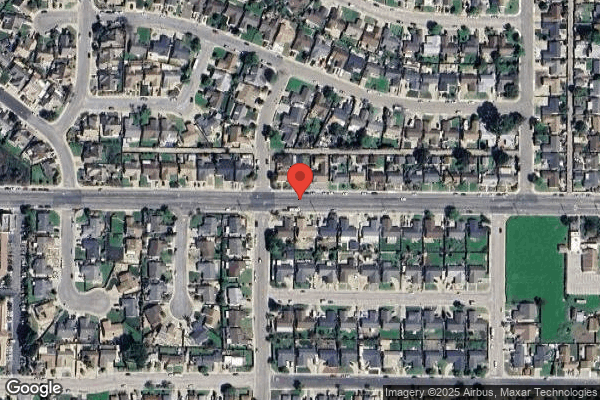
1428 West North Avenue, Lompoc, CA 93436 (805) 735-4010
For profit - Limited Liability company 120 Beds GENERATIONS HEALTHCARE Data: November 2025
Trust Grade
71/100
#394 of 1155 in CA
Last Inspection: February 2025

Within standard 12-15 month inspection cycle. Federal law requires annual inspections.

Overview

Lompoc Skilled Nursing & Rehabilitation Center has a Trust Grade of B, which indicates it is a good facility and a solid choice for care. It ranks #394 out of 1155 nursing homes in California, placing it in the top half of facilities statewide, but it is #12 of 14 in Santa Barbara County, meaning only two local options are better. The facility's performance is worsening, with issues increasing from 1 in 2024 to 11 in 2025. Staffing is a strength, with a 4 out of 5 rating and a turnover rate of 28%, which is below the state average. However, there are some concerns, including $4,893 in fines, which is average for the state and suggests some compliance issues. In terms of care, there have been specific incidents such as staff not using proper personal protective equipment when interacting with residents on enhanced precautions, which raises infection risk. Additionally, a resident was not re-weighed after significant weight loss, leading to delays in necessary medical treatment. On a positive note, the facility has a good level of RN coverage, which helps ensure better resident oversight. Overall, while there are notable strengths in staffing and overall care, families should be aware of the increasing number of compliance issues.

Trust Score
B
71/100
In California
#394/1155
Top 34%
Safety Record
Low Risk
No red flags
Inspections
Getting Worse
1 → 11 violations
Staff Stability
✓ Good
28% annual turnover. Excellent stability, 20 points below California's 48% average. Staff who stay learn residents' needs.
Penalties
⚠ Watch
$4,893 in fines. Higher than 93% of California facilities. Major compliance failures.
Skilled Nurses
⚠ Watch
Each resident gets only 29 minutes of Registered Nurse (RN) attention daily — below average for California. Fewer RN minutes means fewer trained eyes watching for problems.
Violations
⚠ Watch
30 deficiencies on record. Higher than average. Multiple issues found across inspections.
★★★★☆
4.0
Overall Rating
★★★★☆
4.0
Staff Levels
★★★★☆
4.0
Care Quality
★★★★☆
4.0
Inspection Score
Stable
2024: 1 issues
2025: 11 issues

The Good

  • 4-Star Staffing Rating · Above-average nurse staffing levels
  • 4-Star Quality Measures · Strong clinical quality outcomes
  • Low Staff Turnover (28%) · Staff stability means consistent care
  • Full Sprinkler Coverage · Fire safety systems throughout facility
  • No fines on record
  • Staff turnover is low (28%)

    20 points below California average of 48%

Facility shows strength in staffing levels, quality measures, staff retention, fire safety.

The Bad

Federal Fines: $4,893

Below median ($33,413)

Minor penalties assessed

Chain: GENERATIONS HEALTHCARE

Part of a multi-facility chain

Ask about local staffing decisions and management

The Ugly 30 deficiencies on record

Jun 2025 2 deficiencies
CONCERN (D) 📢 Someone Reported This

A family member, employee, or ombudsman was alarmed enough to file a formal complaint

Potential for Harm - no one hurt, but risky conditions existed

Deficiency F0658 (Tag F0658)

Could have caused harm · This affected 1 resident

**NOTE- TERMS IN BRACKETS HAVE BEEN EDITED TO PROTECT CONFIDENTIALITY** Based on interview and record review, the facility failed to follow its facility policy to re-weigh residents with a five percen...

Read full inspector narrative →
**NOTE- TERMS IN BRACKETS HAVE BEEN EDITED TO PROTECT CONFIDENTIALITY** Based on interview and record review, the facility failed to follow its facility policy to re-weigh residents with a five percent (5%) or greater weight loss and immediately notify the Registered Dietician (RD) in writing for one (1) of three (3) sampled residents (Resident 1). This failure resulted in Resident 1's increased weight loss, worsening malnutrition (not getting enough healthy food or nutrients), delayed medical treatment, and adverse consequences as evidenced by slower healing of pressure sores. Findings: Review of [NAME] and [NAME], 7th Edition, Mosby's Fundamentals of Nursing, page 243 in the section titled, Data Documentation indicates, Observation and recording of client status is a legal and professional responsibility. The nurse practice acts in all states and the American Nurses Association Nursing's Social Policy Statement (2003) mandate, or require, accurate data collection and recording as independent functions essential to the role of the professional nurse. During a review of Resident 1's admission Record (AR), the AR indicated the resident was admitted on [DATE] with diagnoses including anemia (low number of red cells in the blood), malnutrition, dysphagia (difficulty swallowing) and multiple pressure ulcers (injuries to the skin/tissue from prolonged pressure) on various areas of the body. During a review of Resident 1's Weights and Vitals Report (WVR), dated 4/19/25 - 5/28/25, the WVR indicated Resident 1 had the following weight readings: On 4/19/25, Resident 1 weighed 88.8 pounds. On 4/27/25, Resident 1 weighed 83.8 pounds, indicating a 5.63% weight loss in one week. On 5/05/25, Resident 1 weighed 81.2 pounds, indicating a 3.10% weight loss in one week. On 5/12/25, Resident 1 weighed 76.4 pounds, indicating a 5.91% weight loss in one week. On 5/18/25, Resident 1 weighed 72.2 pounds, indicating a 5.49% weight loss in one week. During a review of Resident 1's Progress Notes dated 4/28/25 to 5/28/25, there was no documentation indicating the Registered Dietitian (RD) notified of Resident 1's significant weight loss. During an interview on 6/25/25 at 12:29 p.m. with the RD, the RD acknowledged that nursing staff do not communicate weight losses of five percent (5%) or greater in writing. During a concurrent interview and record review on 6/25/25 at 1:15 p.m. with the Director of Nursing (DON), the facility's policy and procedure (P&P) titled, Weight Assessment and Intervention, dated March 2022 was reviewed. The P&P indicated Any weight change of 5% (five percent) or more since the last weight assessment is retaken the next day for confirmation. a. If the weight is verified, nursing will immediately notify the dietitian in writing. The DON said we are not doing that (referring to the P&P). If we see a 5% or greater weight loss, we notify the dietician verbally .the RNA will re-weigh the resident right away. The DON acknowledged the facility's current process does not match the P&P.
CONCERN (D) 📢 Someone Reported This

A family member, employee, or ombudsman was alarmed enough to file a formal complaint

Potential for Harm - no one hurt, but risky conditions existed

Infection Control (Tag F0880)

Could have caused harm · This affected 1 resident

**NOTE- TERMS IN BRACKETS HAVE BEEN EDITED TO PROTECT CONFIDENTIALITY** Based on record review, observation, and interview, the facility failed to ensure standard and transmission-based precautions we...

Read full inspector narrative →
**NOTE- TERMS IN BRACKETS HAVE BEEN EDITED TO PROTECT CONFIDENTIALITY** Based on record review, observation, and interview, the facility failed to ensure standard and transmission-based precautions were followed to prevent the spread of infections when: 1. A Foley catheter bag (urine collection bag) was not touching the floor in one of three residents (Resident 1). 2. Staff didn't follow handwashing protocol per infection control standards to provide hand hygiene to one of three sampled residents (Resident 1) and one unsampled resident (Resident 2) before serving lunch meal trays. These facility failures had the potential to transmit and spread infection to residents, visitors, and staff. Findings: During a review of Resident 1's admission Record (AR), the AR indicated the resident was admitted on [DATE] with diagnoses including displaced intertrochanteric fracture of right femur (a break in the bone between the hip and thigh bone), acute kidney failure (decline kidney function), pressure ulcers on right and left buttock and on the sacral region (injuries to the skin and underlying tissue caused by prolonged pressure on the skin), pressure induced deep tissue damage of right and left heel (injuries to the soft tissues beneath the skin, often caused by prolonged pressure or shear forces), and dysphagia (difficulty or discomfort during swallowing). 1. During an observation on 5/28/25 at 12:00 p.m., in Resident 1's room, observed a catheter bag was lying on the floor on the left side of Resident 1's bed. During an interview on 5/28/25 at 12:35 p.m., with licensed nurse (LN) 2, LN 2 acknowledged the urinary catheter bag for Resident 1 was lying on the floor. LN 2 stated that it should not be on the floor. During a review of the facility's P&P titled, Catheter Care, Urinary, dated August 2022, indicated in part, .2. Be sure the catheter tubing and drainage bag are kept off the floor. 2. During an observation on 5/28/25 at 12:17 p.m., in Resident 1 and Resident 2's room, a certified nursing assistant (CNA) 1 was observed delivering lunch trays to both Residents 1 and Resident 2 and placed them on the resident's bedside tables. The residents began eating their meal and CNA 1 walked out of the room without offering hand hygiene. During an interview with CNA 1 on 5/28/25 at 12:23 p.m., CNA 1 acknowledged not offering hand hygiene to Resident 1 and Resident 2 before they started eating. During a review of the facility's policy and procedure (P&P) titled, Standard Precautions, dated September 2022, indicated, g. Personnel assist the residents with hand hygiene before meals, after toileting and when indicated.
Feb 2025 9 deficiencies
CONCERN (D)

Potential for Harm - no one hurt, but risky conditions existed

Deficiency F0554 (Tag F0554)

Could have caused harm · This affected 1 resident

Based on observation, interview, and record review, the facility failed to ensure one of five sampled residents, (Resident 62), self-administration of medication was with interdisciplinary team (IDT- ...

Read full inspector narrative →
Based on observation, interview, and record review, the facility failed to ensure one of five sampled residents, (Resident 62), self-administration of medication was with interdisciplinary team (IDT- healthcare professionals from different specialties working together to provide patient care) approval and determination as clinically safe and appropriate. This failure had the potential for Resident 62 to unsafely self-administer medication. Findings: During a concurrent observation and interview on 2/19/25 at 9:47 a.m., with Resident 62, a rescue inhaler labeled Atrovent HFA (medication that relaxes muscles in the airways, 17 mcg (microgram -unit of measure) was observed inside Resident 62's bedside table drawer. Resident 62 stated the inhaler was brought from home to use as a back-up when going outside the facility to smoke. During an interview on 2/19/25 at 9:48 a.m. with Licensed Nurse (LN2), LN2 stated not being aware of the presence of the inhaler in Resident 62's drawer. LN 2 further stated Resident 62 did not have approval from the physician and the IDT team to self-administer own medications. During a review of the facility's policy and procedure (P&P), titled, Administering Medications, dated April 2019, the P&P, indicated in part, Residents may self-administer their own medications only if the attending physician, in conjunction with the interdisciplinary care planning team, has determined that they have the decision-making capacity to do so safely.
CONCERN (D)

Potential for Harm - no one hurt, but risky conditions existed

Deficiency F0577 (Tag F0577)

Could have caused harm · This affected 1 resident

Based on observation interview and record review, the facility failed to have the most current survey results accessible to the public, in the facility survey results binder. This facility failure den...

Read full inspector narrative →
Based on observation interview and record review, the facility failed to have the most current survey results accessible to the public, in the facility survey results binder. This facility failure denied the opportunity for residents, family members, and legal representatives of residents, to be aware of the most recent survey results. Findings: During a concurrent observation and interview on 2/18/25, with the Administrator (ADM) inside the facility's main entrance, the facility's survey results binder was reviewed. The most current survey results in the binder were from 3/15/24. The survey results binder lacked the survey results from 4/8/24 through 1/30/25. The ADM acknowledged the survey results binder was not current and verbalized the survey results binder would need to be updated. During a review of the facility's policy and procedure tilted Survey Results, Examination of dated 4/7, indicated in part A copy of the most recent standard survey, including any subsequent extended surveys, follow-up revisits reports, etc., along with state approved plans of correction of noted deficiencies, is maintained in a 3-ring binder located in an area frequented by most residents, such as the main lobby or resident activity room.
CONCERN (D)

Potential for Harm - no one hurt, but risky conditions existed

Comprehensive Care Plan (Tag F0656)

Could have caused harm · This affected 1 resident

Based on observation, interview, and record review, the facility failed to follow care plan (a document that summarizes how a patient's needs will be met, and their care will be managed) interventions...

Read full inspector narrative →
Based on observation, interview, and record review, the facility failed to follow care plan (a document that summarizes how a patient's needs will be met, and their care will be managed) interventions for call lights, for two of 23 sampled residents (Resident 17 and Resident 44) when: 1. Resident 44's call light was out of reach, on the floor. 2. Resident 17's call light was out of reach. These failures had the potential for Resident 44 and Resident 17's needs to go unmet by staff. Findings: 1. During an observation on 2/19/25 at 10:06 a.m. Resident 44's call light was observed on the floor and out of reach of Resident 44. During a concurrent observation and interview on 2/19/25 at 10:22 a.m. with Certified Nursing Assistant (CNA 2), CNA 2 confirmed and verbalized Resident 44's call light was on the floor and out of reach of Resident 44. During a review of Resident 44's Care Plan Report undated, indicated in part, Resident 44 was at risk for falls with an approach to Ensure call light is within reach and encourage the resident to use it for assistance as needed. 2. During an observation on 2/19/25 at 3:02 p.m. in Resident 17's room, Resident 17's call light was observed behind Resident 17's radio on the nightstand, out of reach of Resident 17. During a concurrent observation and interview on 2/19/25 at 3:04 p.m., with Certified Nursing Assistant (CNA) 1, CNA 1 verbalized Resident 17's call light was out of reach. During a review of Resident 17's Care Plan Report undated, indicated in part, Resident 17 was at risk for falls with an approach to Be sure The residents call light is within reach. During a review of the facility's policy and procedure tilted Care Plans, Comprehensive Person-Centered dated 3/22, indicated in part A comprehensive, person-centered care plan that includes measurable objectives and timetables to meet the resident's physical, psychosocial and functional needs is developed and implemented for each resident .The Comprehensive, person-centered care plan .describes the services that are to be furnished to attain or maintain the resident's highest practical physical, mental, and psychosocial well-being.
CONCERN (D)

Potential for Harm - no one hurt, but risky conditions existed

Deficiency F0658 (Tag F0658)

Could have caused harm · This affected 1 resident

**NOTE- TERMS IN BRACKETS HAVE BEEN EDITED TO PROTECT CONFIDENTIALITY** Based on record review and interview, the facility failed to follow physician orders for three of 23 sampled residents (Resident...

Read full inspector narrative →
**NOTE- TERMS IN BRACKETS HAVE BEEN EDITED TO PROTECT CONFIDENTIALITY** Based on record review and interview, the facility failed to follow physician orders for three of 23 sampled residents (Resident 93, Resident 32, and Resident 12) when the facility staff did not: 1. Check Resident 93's blood pressure prior to the administration of hydralazine (a medication used to treat blood pressure). This failure had the potential for Resident 93 to receive Hydralazine, against physician orders, secondary to no monitoring. 2. Weigh Resident 32 per physician orders. This failure had the potential to adversely affect Resident 32's heart condition. 3. Check Resident 12's blood pressure prior to the administration of Lisinopril (a medication used to treat blood pressure). This failure had the potential for Resident 12 to receive Lisinopril, without following the precautionary parameters ordered by the physician. Findings: Review of [NAME] and [NAME], 7th Edition, Mosby's Fundamentals of Nursing, page 419 in the section titled, Legal Implications in Nursing Practice indicates, Nurses are obligated to follow physician order unless they believe they orders are in error or would harm clients 1. During a concurrent record review and interview, on 2/20/25, starting at 10:08 a.m., with the Director of Staff Development (DSD), Resident 93's Medication Administration Record (MAR) was reviewed. The MAR indicated, had a physician order dated 1/14/25 to administer Hydralazine HCL Oral Tablet 50 MG (milligrams) . Give 1 tablet by mouth two times a day for htn (Hypertension - high blood pressure), hold (do not give) if SBP (systolic blood pressure - pressure in the arteries/upper reading) < (less than) 110. The DSD verbalized the facility could not provide documentation indicating facility staff had taken Resident 93's blood pressure shortly before the 5:00 p.m. administration of the hydralazine on 1/14/25, 1/19/25, 1/20/25, 1/21/25, 1/23/25, 1/25/25, 1/26/25, 1/27/25, 1/31/25, 2/1/25, 2/2/25, 2/4/25, 2/6/25, 2/8/25, 2/9/25, 2/11/25, 2/12/25, 2/13/25 and 2/15/25. During a review of the facility policy and procedure titled Administering Medications dated 4/19, indicated in part Mediations are administered in a safe and effective manner, and as prescribed. 2. During a review of Resident 32's Physicians Orders dated 9/16/24, the Physicians Orders indicated, weigh daily, notify MD if > (greater than) 3 lbs. in the morning for heart failure monitoring. During a review of Resident 32's Treatment Administration Record (TAR), the TAR indicated no weight was recorded for 2/11/25. During a concurrent interview and record review on 2/20/25 at 3:30 p.m. with Director of Staff Development (DSD), Resident 32's Physicians Orders dated 9/16/25, and TAR dated February 2025 were reviewed. The TAR indicated, for 2/11/25 there was no check mark in the box for Resident 32's daily weight to demonstrate the weight was taken. DSD verbalized yes, there is an order for daily weights, and there was no documentation on the TAR dated 2/11/25 that indicated Resident 32 was weighed. DSD stated, there should have been a weight taken, if there is no check mark it was not done. 3. During a review of Resident 12's Medication Administration Record (MAR) dated February 2025, the MAR a physician order for Lisinopril (medicine to treat high blood pressure/heart conditions) Oral Tablet 10 MG (milligram -unit of measure), Give 1 tablet by mouth one time a day for hypertension (high blood pressure). Hold if SBP (systolic (top number) blood pressure) is less than 110. Further review of the MAR indicated, lisinopril was not given on 2/3/25, 2/4/25, and 2/16/25 and there was no documentation of Resident 12's blood pressure (BP) reading. The reasons for not giving the medication were coded as 2 (no med required - outside parameter). During a concurrent interview and record review on 2/20/25 at 2:31 p.m. with the Director of Staff Development (DSD), Resident 12's MAR and Weights and Vital Signs Summary (WVSS) dated February 2025 was reviewed. The DSD stated, the electronic health record (eHR) forces a BP entry in the MAR if a medication is administered but it does not force an entry of a BP value if staff do not administer the medication and code the reason as a 2. Upon further review of Resident 12's MAR and WVSS, after verifying the BP values, the DSD acknowledged the following: On 2/3/25 at 9:30 a.m., Lisinopril was not given. The reason provided was coded as 2 (no medication required-outside parameter). No blood pressure (BP) reading was documented on the MAR or the WVSS. On 2/4/25 at 10:40 a.m., Lisinopril was not given. The reason provided was coded as 2. Review of the WVSS indicated the BP reading was taken at 8:15 a.m., over an hour before the prescribed time. On 2/16/25 at 10:05 a.m., Lisinopril was not given. The reason provided was coded as 2. Review of the WVSS indicated a BP reading was taken at 8:05 a.m., over an hour before the prescribed time. During a review of the facility's policy and procedure (P&P) titled, Administering Medications, dated April 2019, the P&P indicated in part, 7. Medications are administered within one (1) hour of their prescribed time, unless otherwise specified (for example, before and after meal orders) .11. The following information is checked/verified for each resident prior to administering medications: a. Allergies to medications; and b. Vital signs, if necessary.
CONCERN (D)

Potential for Harm - no one hurt, but risky conditions existed

Pharmacy Services (Tag F0755)

Could have caused harm · This affected 1 resident

Based on observation and interview, the facility failed to ensure emergency drugs were available to residents when ordered. The facilities Emergency Drug Supply Kit (E-Kit) was not re-ordered timely a...

Read full inspector narrative →
Based on observation and interview, the facility failed to ensure emergency drugs were available to residents when ordered. The facilities Emergency Drug Supply Kit (E-Kit) was not re-ordered timely after being opened for use. This failure had the potential for emergency drugs to not be available during an emergency. Findings: During a concurrent observation and interview on 2/19/25 at 1:27 p.m., with the Director of Staff Development (DSD) in the medication storage room, one opened E-Kit was observed in the refrigerator room with red locks. The DSD stated a red lock indicates an E-Kit has been opened by facility staff, and the nurse who opened it should have reordered it that same day. During an interview on 2/21/25 at 1:58 p.m., with the Director of Staff Development (DSD), the DSD stated the last time the E-Kit was ordered was in August 2024. There was no other documented evidence that the refrigerator E-kit was reordered from the time it was opened to 2/19/25. During a review of the facility's Policy and Procedure titled, Emergency Medications, dated April 2021, the P&P indicated, Medications and supplies used from the emergency kit must be replaced upon the next routine drug order.
CONCERN (D)

Potential for Harm - no one hurt, but risky conditions existed

Deficiency F0760 (Tag F0760)

Could have caused harm · This affected 1 resident

**NOTE- TERMS IN BRACKETS HAVE BEEN EDITED TO PROTECT CONFIDENTIALITY** Based on interview and record review, the facility failed to ensure medications were administered as directed and ordered when: ...

Read full inspector narrative →
**NOTE- TERMS IN BRACKETS HAVE BEEN EDITED TO PROTECT CONFIDENTIALITY** Based on interview and record review, the facility failed to ensure medications were administered as directed and ordered when: 1. Resident 72 was not given /administered with Insulin (a medication to lower blood sugar levels) when the resident's blood sugar level /reading went above the parameter set by the physician. 2. Resident 42 was not administred with Diltiazem (medication for high blood pressure )when the resident's blood pressure level was above the parameter set by the physician. These failures had the potential medication errors secondary to non administration as ordered. Findings: 1. During review of Resident 72's admission Record (AD), the AD indicated Resident 72 was admitted on [DATE] with diagnoses that include non-pressure chronic pressure ulcer of left heel and midfoot (a persistent, open sore located on the left heel and middle part of the foot that develops due to underlying conditions like poor circulation or diabetes), type 1 diabetes mellitus with ketoacidosis (a life-threatening complication that occurs when the body doesn't have enough insulin, the body breaks down fat producing ketones, which can build up to dangerous levels in the blood), diabetic neuropathy (nerve damage caused by diabetes), pressure-induced deep tissue damage of left heel (a serious injury where prolonged pressure on the heel area has caused damage to the underlying soft tissues beneath the skin). During a review of Resident 72's Medication Administration Records (MAR, a legal record of the drugs administered to a patient), dated 01/01/25 - 01/31/25 and 02/01/25 - 02/19/25, the MAR's indicated Insulin Aspart (a synthetic, rapid-acting insulin analog used to treat diabetes) Injection Solution 100 unit/mL (Insulin Aspart) inject as per sliding scale: if 0-99 = 0 unit, BS less than 70 mg/dl = Initiate HYPOGLYCEMIA (a condition where the blood glucose (sugar) level drops below normal) PROTOCOL: 100 - 140 = 2 Units 141 - 180 = 4 Units 181 - 220 = 6 Units 221 - 260 = 8 Units 261 - 300 = 10 Units 301 - 340 = 12 Units 341 - 380 = 14 Units 381 - 400 = 16 Units 16 Units MAX even if BS above 400+ per MD Upon further review of the MAR's, the MAR's indicated: On 1/6/25 at 06:30 a.m., Resident 72's BS was 140, insulin was not given, and the reason was coded as 2 (no med required - outside parameter). When the BS was checked at 11:30 a .m., the BS result was 366. On 1/28/25 at 06:30 a.m., BS was 119, no insulin was given, and the reason was coded as 2 (no med required - outside parameter). When the BS was checked at 11:30 a.m., the BS result was 389. On 2/10/25 at 06:30 a.m., BS was 114, no insulin was given, and reason was coded as 2 (no med required - outside parameter). When the BS was checked at 11:30 a.m., the BS result was 336. On 2/16/25 at 06:30 a.m., BS was 114, no insulin was given, and reason was entered as 2 (no med required - outside parameter). When the BS was checked at 11:30 a.m., the BS result was 222. During an interview on 2/20/25 at 11:02 a.m. with Licensed Nurse (LN3), LN3 stated Resident 72 should have received 2 units of Aspart insulin on 1/6/25, 1/28/25, 2/10/25, and 2/16/25 according to the insulin sliding scale and the BS results. LN3 confirmed there was no documentation in the progress notes to indicate why the insulin was not given on those dates. During an interview on 2/21/25 at 11:38 a.m. with the Director of Staff Development (DSD), DSD acknowledged the insulin sliding scale was not followed for Resident 72 on 1/6/25, 1/28/25, 2/10/25, and 2/16/25. 2. During review of Resident 42's admission Record (AD), the AD indicated Resident 42 was admitted on [DATE] with diagnoses that include type 2 diabetes mellitus with diabetic peripheral angiopathy (a condition where a person has type 2 diabetes and narrowed arteries in the legs or arms), chronic obstructive pulmonary disease (COPD - a chronic lung disease causing difficulty in breathing), paroxysmal atrial fibrillation (a type of heart rhythm disorder where the upper chambers of the heart (atria) beat irregularly and rapidly for a short period of time), essential (primary) hypertension (high blood pressure that has no identifiable cause). During a review of Resident 42's MAR, dated 01/01/25 - 01/31/25 and 02/01/25 - 02/19/25, the MAR's indicated Diltiazem (a medicine used to treat high blood pressure), 24H ER (extended release) (CD [controlled delivery]) 180 MG CP, Give 1 capsule by mouth one time a day for A-FIB ( a condition where the upper chambers of the heart (atria) beat irregularly and rapidly, instead of in a steady rhythm. This irregular beating can cause the heart to pump blood less efficiently and increase the risk of blood clots and stroke). Hold for SBP (systolic blood pressure) 100 or HR (heart rate) <60), Metoprolol Tartrate ( a medication that slows down the heart which allows it to put less pressure on the body's blood vessels) Tablet 50 MG, Give 1 tablet by mouth two times a day for HTN Hold for SBP <100 or HR <55, Clonidine (a medicine used to treat high blood pressure) HCl Tablet 0.1 MG, Give 1 tablet by mouth every 8 hours for HTN Hold if SBP <100. Upon further review of the MAR's, the MAR's indicated: On 1/21/25 blood pressure (BP) was 109/62, HR: 76 diltiazepam was not given, and the reason was coded as 2 (no med required - outside parameter). On 1/24/25 BP was 110/62, HR: 76 diltiazepam was not given, and the reason was coded as 2 (no med required - outside parameter). On 2/02/25 BP: 107/65 and HR: 85, diltiazepam was not given, and the reason was coded as 2 (no med required - outside parameter). On 2/14/25 BP: 96/54 and HR: 74, diltiazepam given. On 1/5/25 BP 100/ 60, HR: 81 at 0900 metoprolol tartrate was not given, the reason was coded as 2 (No Med Required-Outside Parameter) On 1/21/25 BP 109/ 62, HR: 76 at 0900 metoprolol tartrate was not given; the reason was coded as 2 (No Med Required-Outside Parameter) 1/21/25 BP 111/ 60, HR: 65 at 2100 metoprolol tartrate was not given; the reason was coded as 2 (No Med Required-Outside Parameter) On 1/24/25 BP 110/ 62, HR: 76 at 0900 metoprolol tartrate was not given; the reason was coded as 2 (No Med Required-Outside Parameter) 2/2/25 BP 107/ 65, HR 85 at 0900 metoprolol tartrate was not given, the reason was coded as 2 (No Med Required-Outside Parameter) 2/3/25 BP 111/ 63, HR 69 at 2100 metoprolol tartrate was not given, the reason was coded as 2 (No Med Required-Outside Parameter) 2/4/25 BP 104/ 54, HR 88, at 2100 metoprolol tartrate was not given, the reason was coded as 2 (No Med Required-Outside Parameter) 2/14/25 BP 96/ 54, HR 74 at 0900 metoprolol was given. Medication was outside of parameter and should have been held. 1/7/25 BP 99/ 67, at 0600 clonidine was given. Medication was outside of parameter and should have been held. 1/7/25 BP 100/ 67, at 1400 clonidine was not given, the reason was coded as 2 (No Med Required-Outside Parameter) 1/13/25 BP 110/ 68, at 1400 clonidine was not given, the reason was coded as 2 (No Med Required-Outside Parameter) 1/21/25 BP 109/ 62, at 1400 clonidine was not given, the reason was coded as 2 (No Med Required-Outside Parameter) 1/21/25 BP 111/ 60, at 2200 clonidine was not given, the reason was coded as 2 (No Med Required-Outside Parameter) 2/2/25 BP 110/ 69, at 1400 clonidine was not given, the reason was coded as 2 (No Med Required-Outside Parameter) 2/3/25 BP 111/ 63, at 2200 clonidine was not given, the reason was coded as 2 (No Med Required-Outside Parameter) 2/4/25 BP 104/ 54, at 2200 clonidine was not given, the reason was coded as 3 (Hold/Progress Note MD Notification) 2/12/25 BP 102/ 54, at 0600 clonidine was not given, the reason was coded as 3 (Hold/Progress Note MD Notification) 2/18/25 BP 100/ 62, at 0600 clonidine was not given, the reason was coded as 2 (No Med Required-Outside Parameter) During a concurrent interview and record review on 02/21/25 at 11:21 a.m. with the DSD, Resident 42's MAR's dated January 2025 and February 2025 were reviewed. The DSD acknowledged staff did not follow medication administration parameters for Resident 42's diltiazepam, metoprolol tartrate, and clonidine medications on multiple dates. During a review of the facility's policy and procedure (P&P) titled Administering Medications, dated April 2019, the P &P indicated, 1. Medications are administered in accordance with prescriber orders, including any required time frame.
CONCERN (D)

Potential for Harm - no one hurt, but risky conditions existed

Deficiency F0761 (Tag F0761)

Could have caused harm · This affected 1 resident

**NOTE- TERMS IN BRACKETS HAVE BEEN EDITED TO PROTECT CONFIDENTIALITY** Based on observation, interview, and record review, the facility failed to ensure: 1. Six opened nebulizer (turns medicine into ...

Read full inspector narrative →
**NOTE- TERMS IN BRACKETS HAVE BEEN EDITED TO PROTECT CONFIDENTIALITY** Based on observation, interview, and record review, the facility failed to ensure: 1. Six opened nebulizer (turns medicine into a mist) medications were labeled with opened dates for two sampled residents (Resident 11 and Resident 94) and three unsampled residents (Resident 43, Resident 103, and Resident 463) per facility policy. 2. Three expired test strips in one medication cart were discarded and not readily available for staff use. These failures had the potential for residents to receive expired and ineffective medications. Findings: 1. a. During a concurrent observation and interview on [DATE] at 2:14 p.m., with the Director of Staff Development (DSD) in the nurses' station, the following liquid inhalation medication solution packets were observed to be unlabeled and undated: D1 Medication Cart One Albuterol packet for Resident 463. One DuoNeb packet for Resident 463. Three Budesonide packets for Resident 103. A1 Medication Cart Two Budesonide packets for Resident 43. One DuoNeb packet for Resident 11. C2 Medication Cart Three Budesonide packets for Resident 94. DSD stated the all the inhalation solution found in D1, A1, and C2 medication carts should all be labeled with opened dates and it was not done. During a review of the facility's Policy and Procedure titled, Administering Medications, dated 2021, the P&P indicated, 12. The expiration/beyond use date on the medication label is checked prior to administering. When opening a multi-dose container, the date opened is recorded on the container. 2. During a concurrent observation and interview on [DATE] at 2:14 p.m., with the DSD, at the C/D nurses station, 2 vials of Coaguchek XS PT test strips (testing strips used with a device to measure how long it takes for a blood sample to clot) were observed with an expiration date of [DATE] and one vial was observed with an expiration date of [DATE] in the C1 medication cart. The DSD stated the 3 vials are expired and should be discarded. During a review of the facility's Policy and Procedure titled, Medication Labeling and Storage, dated 2021, the P&P indicated, Medication storage 3. If the facility has discontinued, outdated or deteriorated medications or biologicals, the dispensing pharmacy is contacted for instructions regarding returning or destroying these items.
CONCERN (D)

Potential for Harm - no one hurt, but risky conditions existed

Medical Records (Tag F0842)

Could have caused harm · This affected 1 resident

**NOTE- TERMS IN BRACKETS HAVE BEEN EDITED TO PROTECT CONFIDENTIALITY** Based on observation, interview and record review, the facility failed to ensure medical records for three out of 23 residents (...

Read full inspector narrative →
**NOTE- TERMS IN BRACKETS HAVE BEEN EDITED TO PROTECT CONFIDENTIALITY** Based on observation, interview and record review, the facility failed to ensure medical records for three out of 23 residents (Resident 17, 37, 94) accurately documented POLST (Physician Orders for Life-Sustaining Treatment (gives instructions for care in life-threatening medical situations) information in the electronic medical record (EMR) when: 1. Resident 94's POLST did not match the electronic health record. 2. Resident 37's POLST did not match the electronic health record. 3. Resident 17's POLST did not match the electronic health record. These failures had the potential to result in Residents 17, 37, and 94 not receiving their desired preferences for end of life care. 1. During a review of Resident 's admission Record (AR), the AR indicated, Resident 94 is a [AGE] year-old female admitted on [DATE] with diagnosis of chronic respiratory failure with hypercapnia (inadequate breathing) and COPD (chronic obstructive pulmonary disease - lung condition caused by inflammation that limits airflow into and out of the lungs). During a concurrent interview and record review on [DATE] at 2:45 p.m. with licensed nurse (LN) 2, Resident 94's POLST dated [DATE] was reviewed. The POLST indicated, do not attempt resuscitation (DNR - means a person has decided not to have cardiopulmonary resuscitation (CPR) attempted on them if their heart or breathing stops). Review of Resident 94's EMR indicated a physician order dated [DATE] for FULL CODE (medical term used to indicate patient's preference for all possible life saving measures to be taken in the event of a cardiac or respiratory arrest). LN 2 acknowledged the EMR did not accurately match POLST did not match and stated, the EMR should have been updated to reflect DNR status when the POLST was completed on [DATE]. 2. During a review of Resident 37's admission Record (AR), the AR indicated, Resident 37 is a [AGE] year-old female admitted on [DATE] with diagnosis of bilateral (both sides) hip fractures (a break in the upper portion of the thigh bone), osteoporosis (bone disease when structure and strength of bone decreases), difficulty walking, and Alzheimer's disease (progressive disease that destroys memory and other important mental functions). During a concurrent interview and record review on [DATE] at 2:00 p.m. with the facility's Director of Staff Development (DSD), Resident 37's POLST dated [DATE] was reviewed. The POLST indicated, DNR. Review of Resident 37's EMR indicated a physician order dated [DATE] for FULL CODE. DSD acknowledged the records did not match and stated, The EMR should have been updated when the daughter signed the POLST on [DATE] and it wasn't. 3. During an observation and record review on [DATE] at 10:50 a.m. on memory care unit (MCU), the Electronic Health Record (EHR) showed Resident 17, Full code, CPR [Cardiopulmonary resuscitation] with no artificial means of nutrition. During an interview on [DATE] at 10:56 a.m. with Licensed Nurse (LN) 1, LN 1 verbalized that the order for the new Do Not Resuscitate (DNR) status was not updated in the EHR to reflect the new code status. During a review of Resident 17's Physician Orders for Life Sustaining Treatment (POLST), dated [DATE], the POLST indicated, Resident 17 DNR.
CONCERN (D)

Potential for Harm - no one hurt, but risky conditions existed

Infection Control (Tag F0880)

Could have caused harm · This affected 1 resident

**NOTE- TERMS IN BRACKETS HAVE BEEN EDITED TO PROTECT CONFIDENTIALITY** Based on observation, interview, and record review the facility failed to maintain infection control practices when: 1. Respirat...

Read full inspector narrative →
**NOTE- TERMS IN BRACKETS HAVE BEEN EDITED TO PROTECT CONFIDENTIALITY** Based on observation, interview, and record review the facility failed to maintain infection control practices when: 1. Respiratory care equipment was not stored in a manner to prevent cross contamination (accidently transferring harmful bacteria) for one of five sampled residents (Resident 62). 2. Nasal cannula tubing (a small plastic tube, which fits into the person's nostrils for providing supplemental oxygen) was not labeled and dated for three of six sampled residents (Resident 12, Resident 70 and Resident 89). These facility failures had the potential to result in cross-contamination (the transfer of harmful bacteria) that could impact residents' health and safety and cause preventable HAIs (Healthcare Associated Infections) for residents in an already compromised condition. Findings: 1. During review of Resident 62's admission Record (AD), the AD indicated Resident 62 was admitted on [DATE] with diagnoses that include hypertensive heart disease with heart failure (high blood pressure that causes blood to move less effectively, increasing the pressure in the heart, and making it harder for the heart to deliver oxygen and nutrients to the body), chronic obstructive pulmonary disease (COPD - a chronic lung disease causing difficulty in breathing), and dependence on supplemental oxygen. During an observation on 2/18/25 at 11:44 a.m. in Resident 62's room, a nebulizer (a device that converts liquid medication into a fine mist, allowing it to be inhaled directly into the lungs) with attached T-piece (a small, T-shaped mouthpiece that fits into a nebulizer) and tubing were observed on top of a nightstand exposed and not covered. During a concurrent observation and interview on 2/18/25 at 12:32 p.m., with Licensed Nurse (LN2), in Resident 62's room, the nebulizer T-piece and tubing were observed in the same placement as observed prior. LN2 acknowledged the nebulizer T-piece, and the tubing were exposed and not covered. LN2 stated not being aware the T-piece, and tubing had to be covered or enclosed. During an interview on 02/19/25 at 10:10 a.m. with Licensed Nurse (LN5), LN5 stated that the nebulizer tubing and mask must be stored in black antimicrobial bag when not in use. Additionally, LN5 said oxygen tubing is changed out every 7 days or sooner as needed and the tubing must be labeled with the date it was changed. During a review of the facility's Policy and Procedure (P&P) titled Administering Medications through a Small Volume (Handheld) Nebulizer, dated October 2010 was reviewed. The P&P indicated in part, When treatment is complete, turn off nebulizer and disconnect T-piece, mouthpiece and medication cup .When equipment is completely dry, store in a plastic bag with the resident's name and the date on it. 2. a. During review of Resident 12's admission Record (AD), the AD indicated Resident 12 was admitted on [DATE] with diagnoses that include chronic obstructive pulmonary disease (COPD - a chronic lung disease causing difficulty in breathing). During an observation on 02/18/25 at 11:37 a.m. in Resident 12's room, Resident 12 was observed wearing a nasal canula connected to an oxygen concentrator with no label to indicate when the nasal cannula tubing was changed. Additionally, the oxygen tubing was touching the floor. During a follow-up observation on 02/19/25 at 9:33 a.m. in Resident 12's room, the oxygen tubing was touching the floor and tubing had no date label. During a concurrent observation and interview on 02/19/25 at 10:33 a.m. in Resident 12's room, with Licensed Nurse (LN6), Resident 12's oxygen tubing was on the floor and did not have a date label. LN6 stated it (referring to the oxygen tubing) is not supposed to be laying on the floor and should be dated. I will take care of it. b. During review of Resident 89's admission Record (AD), the AD indicated Resident 89 was admitted on [DATE] with diagnoses that include acute and chronic respiratory failure with hypoxia (lungs have a hard time loading the blood with oxygen or removing carbon dioxide causing shortness of breath, air hunger, and/or confusion), and interstitial pulmonary disease (inflammation and scarring in your lungs with symptoms of shortness of breath and a dry cough). During an observation on 02/18/25 at 12:15 p.m. in Resident 89's room, Resident 89 was observed wearing a nasal canula connected to an oxygen concentrator; the oxygen tubing was touching the floor and was not labeled with the date it was last changed. During a concurrent observation and interview on 2/18/25 at 12:32 p.m., with Licensed Nurse (LN2), in Resident 89's room, LN2 acknowledged the oxygen tubing was touching the floor and was not dated. LN2 stated that oxygen tubing should not be touching the floor and the oxygen tubing, and the humidifier should be labeled with the date it was changed. c. During review of Resident 70's admission Record (AD), the AD indicated Resident 70 was admitted on [DATE] with diagnoses that include COVID-19 (a respiratory disease caused by the SARS-CoV-2 virus). During an observation on 2/8/25 at 12:21 p.m., in Resident 70's room, Resident 70 was observed wearing a nasal cannula connected to an oxygen concentrator (a medical device used to deliver oxygen) without a label on the nasal cannula tubing. During a concurrent observation and interview on 2/18/25 at 4:00 p.m., with Licensed Nurse (LN 4), LN 4 confirmed Resident 70's nasal cannula tubing was not labeled. LN 4 stated there should be a label on the tubing. During an interview on 2/20/25 at 11:06 a.m., with the Infection Preventionist (IP), the IP stated oxygen nasal cannula tubing and nebulizers are changed every Thursday and labels are placed on tubing with date and time it was changed. The IP stated, the nurse should have labeled the oxygen tubing. During a review of the facility's Policy and Procedure (P&P) titled Oxygen Administration, dated 7/1/2020 was reviewed. The P&P indicated in part, 2. Oxygen tubing and humidifier will be changed and labeled every 7 days and as needed.
Dec 2024 1 deficiency
CONCERN (D) 📢 Someone Reported This

A family member, employee, or ombudsman was alarmed enough to file a formal complaint

Potential for Harm - no one hurt, but risky conditions existed

Comprehensive Care Plan (Tag F0656)

Could have caused harm · This affected 1 resident

Based on interview, and record review, the facility failed to ensure 1 of three sampled residents (Resident 1), urine outputs via Foley catheter (thin, flexible tube that drains urine from the bladder...

Read full inspector narrative →
Based on interview, and record review, the facility failed to ensure 1 of three sampled residents (Resident 1), urine outputs via Foley catheter (thin, flexible tube that drains urine from the bladder into a bag outside the body) were not accurately documented. This failure may have contributed to the hospital transfer to the emergency room for Resident 1. Findings During an interview on 11/19/24 at 11:41 a.m. with Resident 1 (RS1), stated, I was having some pain regarding the catheter, and then I went to the ER [Emergency Room] and the ER pulled the catheter, and then a bunch of urine came out and the pain was relieved . The day I went to the ER there seemed to be a disconnect with the staff, one staff was telling me to drink more water, and another was telling me to stop playing with the catheter . During an interview on 11/21/24 at 12:36 p.m. with Director of Staff Development (DSD), DSD wrote via email, .it looks like the task for the catheter output was not initiated until 11/7/24. That has to be done for it to trigger on PCC [Point Click Care, electronic charting system] for the Nurses/CNA's to document the output. During an interview on 12/05/2024 at 11:21 a.m. with Director of Staff Development (DSD), DSD wrote via email, he was one of the ones that did not have the task for output in PCC. His Intake is listed, no output as there was no task. During a review of Resident 1's Physician Orders (PO), dated 11/2/24, the PO indicated, send to ER for eval r/t [related to] excess hematuria [the presence of blood in the urine]. During a review of Resident 1's Intake and Output (I&O), dated 10/29-11/6/24, the I&O indicated, no urine outputs were documented until 11/7/24. During a review of Resident 1's Catheter Care Plan (CCP), dated November 7th 2024, the CCP indicated, Empty catheter bag and record amount of urine at end of shift. During a review of the facility's policy and procedure (P&P) titled, Catheter Care, Urinary, dated August 2022, the P&P indicated, Follow the facility procedure for measuring and documenting input and output.
Oct 2023 1 deficiency
CONCERN (D) 📢 Someone Reported This

A family member, employee, or ombudsman was alarmed enough to file a formal complaint

Potential for Harm - no one hurt, but risky conditions existed

Quality of Care (Tag F0684)

Could have caused harm · This affected 1 resident

Based on record review and interview, the facility failed to ensure physician orders for Lactulose (a medication that helps prevent complications of liver disease and relieves constipation) were adher...

Read full inspector narrative →
Based on record review and interview, the facility failed to ensure physician orders for Lactulose (a medication that helps prevent complications of liver disease and relieves constipation) were adhered to, for one of two sampled residents (Resident 1) when: 1. Resident 1 did not receive a scheduled dose of Lactulose due to a family outing. 2. Nursing staff did not notify Resident 1's physician, when Resident 1 had less than three bowel movements a day, on four separate occasions. This failure placed Resident 1 at risk to have irregular bowel moements and other adverse reactions. Findings: 1.During a concurrent interview and record review, on 10/3/23, starting at 12:57 p.m., with the Assistant Director of Nursing (ADON 1), Resident 1's Medication Administration Record (MAR) was reviewed. Resident 1's MAR indicated on 10/9/22, an active order for Lactulose Solution 10 GM (grams)/15 ML (milliliters) Give 30 ml by mouth three times a day for Alcoholic liver cirrhosis (a condition where a person's liver is scarred and permanently damaged). Resident 1's MAR indicated on 10/9/22, at 1:00 p.m., Resident 1 did not receive the prescribed dose of Lactulose. The ADON 1 verbalized Resident 1 had not received the scheduled dose of Lactulose on 10/9/22, due to Resident 1 being outside of the facility, on a family outing. The ADON 1 further verbalized, when residents leave the facility, such as for family outings, the nursing staff can sometimes provide the family with the scheduled medications, or nursing staff can call the physician to obtain a one-time order for the scheduled medication to be administered, when the resident returns. When asked if the facility could provide documentation indicating the nursing staff provided Resident 1's family with the medication, or that Resident 1's physician was contacted to obtain a new one time order or instructions for the medication, post Resident 1's return to the facility, the ADON stated No documentation found. The ADON 1 acknowledged facility records indicated Resident 1 received two doses of Lactulose on 10/9/22, instead of the prescribed three doses. 2. During a concurrent interview and record review, on 10/3/23, starting at 12:57 p.m. with the ADON 1, Resident 1's medication record was reviewed. Resident 1's Plan of Care Note dated 10/18/22, indicated in part, Resident 1's physician (MD 1) had given a verbal order wherein ADON 1 wrote Lactulose 60 ml to be given until 3 stools have been reached. I (ADON 1) explained to [MD 1] that per pharmacy max dose is to be 180 ml. MD 1 stated that MD 1 was overriding pharmacy and it was okay to start giving (Resident 1) 60 ml of lactulose q (every) 6 hours to achieve three stools (bowel movements)/day if not we will notify him and increase the times that it is being administered. Resident 1's MAR indicated an order starting on 10/18/22, for Lactulose Solution 10 GM/15 ML Give 60 ml by mouth four times a day for Alcoholic liver cirrhosis Patient (Resident 1) to have 3 stools/day. Facility records including both Resident 1's MAR and Resident 1's Documentation Survey Report (a form used by certified nursing assistants to document various activities of daily living, including the frequency of bowel movements) indicated on 10/19/22, 10/20/22,10/21/22, and 10/25,22, Resident 1 had less than three bowel movements per day. When asked if MD 1 was ever notified on these dates, the ADON 1 verbalized MD 1's order was incorrectly/incompletely transcribed into the MAR by ADON 1, so the nurses didn't know it was a requirement to notify MD 1, when Resident 1 had less than three bowel movements a day. During a review of the facility policy and procedure titled Verbal Orders dated 7/1/20, indicated in part The individual receiving the verbal order will: a. read the order back to the practitioner to ensure that the information is clearly understood and correctly transcribed.
Oct 2023 1 deficiency
CONCERN (D) 📢 Someone Reported This

A family member, employee, or ombudsman was alarmed enough to file a formal complaint

Potential for Harm - no one hurt, but risky conditions existed

Medical Records (Tag F0842)

Could have caused harm · This affected 1 resident

Based on interview and record review and, the facility failed to ensure staff accurately assessed and documented a fall risk evaluation for one of two residents (Residents 1). This failure had the pot...

Read full inspector narrative →
Based on interview and record review and, the facility failed to ensure staff accurately assessed and documented a fall risk evaluation for one of two residents (Residents 1). This failure had the potential to result in Resident 1 not receiving appropriate interventions for falls. Findings: During a review of Resident 1's admission Record, dated 5/26/23, this indicated Resident 1 had a history of falling. During a review of the record titled,SBAR Communication Form dated 8/15/23, this record indicated Resident 1 was observed in a seated position on the floor near the foot of the bed. During a review of the record titled,NSG: Fall Risk Evaluation dated 8/15/23, this indicated Resident 1 was high risk for falls with a care plan and interventions. During a review of the record titled,SBAR Communication Form dated 8/20/23, this record indicated Resident 1 had a fall and was sent to the hospital for further evaluation and treatment. During a review of the record titled,NSG: Fall Risk Evaluation dated 8/20/23, this indicated Resident 1 was at moderate risk for falls with a care plan and interventions. During a concurrent interview and record review on 9/6/23 at 2:36 p.m. with the assistant director of nursing (ADON), the record Fall Risk Evaluation, dated 8/20/23 was reviewed. The Fall Risk Evaluation indicated, Moderate Risk. The ADON stated, the Fall Risk Evaluation was not accurate, Resident 1 was a high risk and that the interventions for a moderate fall risk could be different than for a resident with a high fall risk. During a review of the facility's policy and procedure P&P titled, Fall and Fall Risk, Managing, dated 7/1/20, the P&P indicated, Based on previous evaluations and current data, the staff will identify interventions related to the resident's specific risks and causes to try to prevent the resident from falling and to try to minimize complications from falling.
Aug 2023 8 deficiencies
CONCERN (D)

Potential for Harm - no one hurt, but risky conditions existed

Resident Rights (Tag F0550)

Could have caused harm · This affected 1 resident

**NOTE- TERMS IN BRACKETS HAVE BEEN EDITED TO PROTECT CONFIDENTIALITY** Based on observation, interview, and record review, the facility failed to promote Resident 95's dignity when Resident 95 receiv...

Read full inspector narrative →
**NOTE- TERMS IN BRACKETS HAVE BEEN EDITED TO PROTECT CONFIDENTIALITY** Based on observation, interview, and record review, the facility failed to promote Resident 95's dignity when Resident 95 received assistance with eating, in the dining room in the Alzheimer's unit, 45 minutes before a resident at the same table received his meal, and while six other residents in the small dining room waited for their lunch meal. In addition, Resident 40 was not provided dining in a dignified manner when Resident 40 received assistance with eating in a hallway, while multiple other residents in the same hallway continued to wait 45 minutes for their lunch meal. Findings: During an observation on 08/15/23, at 12:35 p.m., in the hallway in front of Resident 40's room, Resident 40 was observed in his wheelchair receiving assistance with eating lunch from Certified Nursing Assistant (CNA) 2. Another resident was observed sitting in a chair in close proximity to Resident 40, while multiple other resident's located in the same hallway waited for their lunch. During a concurrent observation and interview on 08/15/23, at 12:42 p.m., with CNA 1, in the dining room in the Alzheimer's unit, Resident 95 was observed receiving assistance with eating by CNA 1. A resident was observed sitting at the same table as Resident 95, without his lunch. There were six other resident's located in the same small dining room waiting for their lunch. CNA 1 stated, Resident 95's lunch meal tray arrived about 12:15 p.m. CNA 1 stated, it was the usual dining operation for resident's with scheduled early trays to receive their meal at 12:15 p.m., and the other resident's who eat in the same dining room, or hallway, receive their lunch meal trays at about 12:45 p.m. CNA 1 stated, Resident 95 receives an early lunch meal because Resident 95 takes longer to eat. During an interview on 08/15/23, at 12:53 p.m., with CNA 2, CNA 2 verified she was assisting Resident 40 with eating in the hallway in front of his room. CNA 2 stated Resident 40 was scheduled to receive early meals because he takes longer to eat and the reason he eats in the hallway was because his roommate yells at him for making loud noises while eating. During this observation, other resident's in the hallway could be heard asking staff when they will be eating lunch. During an observation on 08/15/23, at 12:57 p.m., a meal delivery cart arrived in front of the dining room in the Alzheimer's unit. During a review of the facility's posted meal times for the Alzheimer's unit lunch meals are scheduled to arrive at 12:45 p.m. During a review of Resident 95's Minimum Data Set (MDS) (a standardized assessment tool that measures health status in nursing home residents), dated 7/07/2023, the MDS indicated, Resident 95 had not had a score entered for BIMS (Brief Interview for Mental Status), and was marked as having severely impaired cognitive skills for daily decision making. An interview with Resident 95 was not possible. During a review of Resident 40's MDS, dated [DATE], Resident 40 had a BIMS of 03 which indicated severe cognitive impairment, therefore, was unable to obtain a resident interview. During an interview on 08/17/23, at 4:18 p.m., with Director of Nursing (DON), the above observations were discussed with DON. DON verified Resident 40's and Resident 95's dignity was not maintained during dining when meals were not provided to all residents at a table, or in very close proximity in the hallway, at the same time. DON acknowledged that was a dignity concern, and DON stated, That is straightforward. During a review of the facility's policy and procedure (P&P) titled, Quality of Life - Dignity, dated 9/4/17, the P&P indicated, Policy: Each resident shall be cared for in a manner that promotes and enhances quality of life, dignity, respect and individuality .Policy Interpretation and Implementation: .Staff shall treat cognitively impaired residents with dignity and sensitivity .
CONCERN (D)

Potential for Harm - no one hurt, but risky conditions existed

Deficiency F0552 (Tag F0552)

Could have caused harm · This affected 1 resident

**NOTE- TERMS IN BRACKETS HAVE BEEN EDITED TO PROTECT CONFIDENTIALITY** Based on interview and record review, the facility failed to ensure a written informed consent was secured from one of 25 sample...

Read full inspector narrative →
**NOTE- TERMS IN BRACKETS HAVE BEEN EDITED TO PROTECT CONFIDENTIALITY** Based on interview and record review, the facility failed to ensure a written informed consent was secured from one of 25 sampled residents (Resident 61) or from the resident's representative, for a dosage increase of the medication Duloxetine [a psychotropic medication (alters mood, perceptions, and behavior) used to treat depression and anxiety]. This failure violated Resident 61's right to be informed of a change in psychotropic medication regimen. Findings: During a review of Resident 61's admission Record (AR), dated 3/9/22, the AR indicated in part, Resident 61 was a [AGE] year-old, female resident, who was initially admitted to the facility on [DATE] with diagnoses including hemiplegia and hemiparesis (paralysis of one side of the body), unspecified insomnia (sleeplessness), and unspecified anxiety disorder. During a review of Resident 61's Order Summary Report, dated 8/18/23, the report indicated, the physician order, dated 9/8/22, Duloxetine HCl (hydrochloride) capsule delayed release, sprinkle 60 mg (milligrams), give two capsules by mouth at bedtime for BLE (bilateral lower extremities) neuropathic pain (damage to the nerves causing pain), two capsules = 120 mg, take with food. During a concurrent interview and record review on 8/18/23, at 10:22 a.m., with the Director of Nursing (DON), Resident 61's clinical records were reviewed. The clinical records a Informed Consent for Psychotherapeutic Antidepressants, dated 3/25/22, for a physician order Duloxetine HCl 60 mg (one capsule) for BLE neuropathic pain. No written informed consent was found for Resident 61's most recent Duloxetine order, dated 9/8/23. DON verified Resident 61's new order for Duloxetine, dated 9/8/22, and agreed that a new written informed consent from the resident was required, since there was a medication dosage increase. DON confirmed that a new written informed consent for the Duloxetine dosage increase was not obtained from Resident 61 and acknowledged one should have been secured. During a review of the facility's policy and procedures (P&P) titled, Antipsychotic Medication Use, dated 7/20, the P&P indicated in part, .7) Antipsychotic medications shall generally be used only for the following conditions/diagnoses . e) Mood disorders (e.g., bipolar disorder, depression with psychotic features, and treatment of refractory major depression) . 12) Antipsychotic medications will be used within the dosage guidelines . and informed consent shall be obtained by the physician from the resident of representative, and clinical justification will be documented for dosages that exceed the listed guidelines for more than 48 hours.
CONCERN (D)

Potential for Harm - no one hurt, but risky conditions existed

Deficiency F0692 (Tag F0692)

Could have caused harm · This affected 1 resident

**NOTE- TERMS IN BRACKETS HAVE BEEN EDITED TO PROTECT CONFIDENTIALITY** Based on interview, and record review, the facility failed to ensure an accurate and effective system for monitoring parameters ...

Read full inspector narrative →
**NOTE- TERMS IN BRACKETS HAVE BEEN EDITED TO PROTECT CONFIDENTIALITY** Based on interview, and record review, the facility failed to ensure an accurate and effective system for monitoring parameters of nutritional status for one of 6 sampled residents (Resident 43), when: 1. A comprehensive nutrition assessment was incomplete when Resident 43's individual daily calorie, protein and fluid needs were not assessed on admission. 2. A gradual, weight loss goal consisting of twenty-four pounds was documented as non-significant weight loss on Resident 43's admission Nutrition Comprehensive Assessment (NCA) and on the interdisciplinary team (IDT) nutrition care plan (IDTNCP) had not involved the physician to ensure the provider responsible for the care of the patient was guiding the nutrition care plan. The NCA and/or IDTNCP lacked documentation to ensure communication of risks/benefits of weight loss for the [AGE] year old resident with dementia occurred with Resident 43's responsible party (RP) to ensure informed decision, when weight loss was not in accordance with standards of practice for nutrition care for the elderly. 3. Resident 43 had lost significant weight, the facility IDT developed an IDT Nutrition Care Plan (IDTNCP) to address unplanned/unexpected weight loss, in which time another IDTNCP, developed by the Registered Dietitian (RD), was concurrently in place that indicated gradual weight loss was the goal. As a result, there was nursing staff confusion as to the goal for nutrition care for Resident 43. Contradictory and unclear weight goal communication to IDT members had the potential to cause delays in assessing, planning and implementing nutrition interventions in a timely manner to address weight loss. Facility failure to involve the physician, responsible for the care of Resident 43, in decision making related to a weight loss goal of twenty-four pounds from the weight at admission in an [AGE] year old resident had the potential to promote loss of lean body mass (consists of your bones, ligaments, tendons, internal organs and muscles) that has multiple negative health implications. Findings: 1. During a concurrent interview and record review on 08/16/23 at 09:49 a.m., with RD, Resident 43's NCA, dated 10/30/22 was reviewed. The NCA form under the heading of Estimated Nutritional Requirements was blank for estimated caloric, protein and fluid needs for Resident 43. The NCA form indicated, Obtain height and weight in order to complete assessment . RD stated, Resident 43 was re-admitted to the facility on [DATE], and nursing staff had not taken Resident 43's height and weight that was required to be able to assess the resident's daily calorie, protein and fluid needs. RD stated, she usually circles back to complete the nutrition assessment once admission height and weight was obtained, but it was missed. RD verified the admission comprehensive nutrition assessment was incomplete. During a concurrent interview and record review on 08/17/23 at 10:21 a.m., with Licensed Nurse (LN) 1, LN 1 reviewed Resident 43's electronic health record (EHR), and LN 1 stated, Resident 43's admission weight was documented on 10/31/22 by nursing staff. During a review of the facility's policy and procedure (P&P) titled, Weight Management, dated June 16, 2016, the P&P indicated, Procedure - Weights: .Weight will be obtained upon admission . During a review of the facility's policy and procedure (P&P) titled, Nutritional Assessment, dated 7/01/20, the P&P indicated, The nutritional assessment will be conducted by the multidisciplinary team and shall identify at least the following components: a. Nursing: .Current height and weight .Dietitian: An estimate of calorie, protein, nutrient and fluid needs; Whether the resident's current intake is adequate to meet his or her nutritional needs . 2. During a concurrent interview and record review on 08/16/23 at 09:49 a.m., with Registered Dietitian (RD), Resident 43's NCA, dated 10/30/22 was reviewed. The NCA indicated, Past Medical History .Type 2 diabetes mellitus, Alzheimer's disease, .dementia ., Goal: The resident will have gradual, non-significant (5% [loss of body weight] x 30 days and 10% x 180 days) weight loss towards daughter's goal of 160 lbs [pounds], .The resident has nutritional problem: Overweight related to sedentary lifestyle and excess energy intake as evidenced by daughter's report of significant weight gain, approach: Diet Order: Consistent Carb [carbohydrate] diet [for diabetes] .Offer snack at HS [bedtime] .UBW [usual body weight] 190 [lbs], .BLE [Bilateral Lower Extremity ;in/on both legs] + 1 non pit [occurs when excess fluid builds up in the body causing swelling]. per 10/25/22 Nrsg [nursing] Admit Eval [evaluation] . The NCA documentation included Resident 43 had four different DTI [deep tissue injury pressure ulcers] per 10/27/22 weekly documentation for Pressure Sore (done by nursing) .'spoke with daughter [name of daughter] who was visiting resident .Daughter advised of resident's 10/5/2020 weight (156.8 lbs) with daughter replying 'Yes, she has gained some weight and now weighs 190 lbs. The (chronic) swelling to her legs hasn't helped. It would be better for her to lose weight, maybe weigh 160 lbs. The RD was asked if weight loss was in the best interest for Resident 43, and RD stated, Weight loss may be desirable to possibly improve medical conditions, such as her diabetes. During a review of HHS (Health and Human Services) Public Access, titled Excessive Body Weight in Older Adults: Concerns and Recommendations, dated 8/1/2015, indicated, Obese, 80+ years and/or with complicating circumstances: There are essentially no studies of obesity reduction in adults 80 year of age or older. In these individuals, we would therefore advocate for weight maintenance with an emphasis on a healthy diet and exercise as tolerated. This would also be the case for any older adult with a terminal illness, those with severe chronic medical conditions, and persons with moderate to severe dementia. (HHS Public Access Author manuscript; Clin Geriatr Med. Author manuscript; available in PMC 2015 August 01) During a review of Resident 43's History and Physical (H&P), dated 10/26/22, the H&P indicated, .comes in [condition of resident when admitted to the facility] generalized weakness, demented, and unable to care for herself. Patient is brought in for rehabilitation .Extremities: No edema .pressure ulcer present on admission. Continue wound care .Generalized weakness. Patient will need physical therapy . During a concurrent interview and record review on 08/16/23 at 09:55 a.m., with RD, Resident 43's NCA, dated 10/30/22 was reviewed. RD stated, it was the resident's daughter (Responsible Party; RP) who set the goal of 160 lbs so she honored the RP's request. RD was asked for her professional expertise as to whether weight loss for an elderly resident with dementia and limited ability to exercise was within geriatric nutrition standards of practice, and RD stated, Well the daughter wanted it and so I have to honor that. RD then stated, significant weight loss in elderly residents was not advised per standards of practice because it could promote a loss of lean body mass [lean body mass consists of your bones, ligaments, tendons, internal organs and muscles]. RD stated, there was no documentation related to communication with RP of risks and/or reasons why RP's weight loss goal was not supported by standards of practice to ensure RP was making an informed choice. RD reviewed Resident 43's EHR, and RD stated, she documented a weight change note on 6/14/23 which included the daughter has remarked the weight loss is desirable and anticipated. During a review of an IDT note, dated 6/16/2023, the IDT note indicated, IDT met to review significant weight loss of 18.6 lbs. x [within] 6 months. Current weight is 164.2 lbs. Weight loss is unplanned and r/t [related to] reduced PO (food eaten by mouth) intake secondary to dementia. Daughter has remarked that weight loss is desirable & anticipated, as well as progression of dementia. Resident is eating 0-100 [percent of meals], primarily 0-25%, of meals, 0-100% of SF [sugar free] house supplement [health shake to increase calorie and protein intake] 4 oz [ounces] @ [at] lunch & dinner, 0-100% of Med Pass 2.0 [an oral liquid nutrition supplement to increase calorie and protein intake] 60 ml [millimeters; a unit of measurement] BID [two times a day] and is offered HS [bedtime] snack. RD has no recommendaitons at this time. During a concurrent interview and record review on 08/16/23, at 10:00 a.m., the RD stated, she had developed the IDTNCP, dated as initiated on 10/30/22, Revision on: 5/11/2023, Target Date: 10/15/2023, the IDTNCP indicated, Goal: The resident will have gradual, non-significant (<5% x 30 days and <10% x 180 days) weight loss towards daughter's goal of 160 lbs ., Approaches/Tasks: Diet Order: Consistent Carb diet .Offer snack at HS, SF House supplement, 4 oz @ breakfast and lunch, Med Pass 2.0 60 mL twice daily .Revision on 7/22/2023. During a review of Resident 43's Weights and Vitals Summary, effective date range 10/25/22 - 08/16/2023, Resident 43 weighed 184.2 lbs on 10/31/2022, and weighed 157.8 lbs on 08/15/2023 which was a loss of 13% of Resident 43's body weight in ten months. During a review of National Library of Medicine, an article titled Weight Loss - Unintentional (WL), WL, dated 2/2/2023, indicated, When to Contact a Medical Professional; You have lost more than 10 pounds (4.5 kilograms) or 5% of your normal body weight over 6 to 12 months or less, and you do not know the reason. (https://medlineplus.gov/ency/article/003107.htm) During a review of National Library of Medicine, an article titled An approach to the management of unintentional weight loss in elderly people, dated March 15, 2005, indicated, Weight loss of 4% to 5% or more of body weight within 1 year, or 10% or more over 5 to 10 years or longer, is associated with increased mortality or morbidity or both. ( https://www.ncbi.nlm.nih.gov/pmc/articles/PMC552892/) During a review of Resident 43's Weights and Vitals Summary, effective date range 10/25/22 - 08/16/2023, Resident 43 weighed 184.2 lbs on 10/31/2022, and weighed 157.8 lbs on 08/15/2023 which was a loss of 13% of Resident 43's body weight in ten months. During a concurrent interview and record review on 08/16/23 at 10:08 a.m., with RD, RD was asked if the physician was aware the facility documented a goal weight of 160 lbs, and RD stated, Probably not. RD stated, she did not coordinate the goal of weight loss with the doctor and acknowledged the doctor was responsible for the care of the resident and needed to be involved in that. RD verified there was not a doctor's order to direct a physician-prescribed weight-loss regimen. RD stated, she did not know whose responsibility it was to speak with the doctor to obtain orders and coordinate for a planned weight loss. During a concurrent interview and record review on 08/17/23 at 10:43 a.m., with Director of Nursing (DON), DON reviewed Resident 43's IDTNCP, dated 10/30/22, that documented gradual weight loss toward's 160 lbs as the goal. DON verified there was no documentation in the EHR to indicate Resident 43's physician was involved with establishing a weight goal of 160 lbs. DON stated, she would have expected the RD to communicate with Resident 43's physician relating to a 24 lb weight loss goal since the RD was the one who developed the IDTNCP. The DON verified that risks/benefits and nutrition standards of practice should have been documented discussions with the RP for an informed decision/choice, and was not. During a review of Resident 43's physician Progress Note, dated 11/05/2022 through 07/29/2023, there was no documentation related to Resident 43 having physician direction for weight loss and/or for Resident 43 to have a weight loss goal to 160 lbs. During a review of the facility's policy and procedure (P&P) titled, Care Planning- Interdisciplinary Team, dated 07/01/2020, the P&P indicated, It is the policy of this facility that the Care Planning/Interdisciplinary Team will be responsible for the development of an individualized comprehensive care plan for each resident ., The care plan is based on the resident's comprehensive assessment and is developed by a Care Planning/Interdisciplinary Team which includes, but is not necessarily limited to the following personnel: a. The resident's Attending Physician; b. The Registered Nurse who has responsibility for the resident; c. The Dietary Manager/Dietician; .The Director of Nursing (as applicable); The Charge Nurse responsible for resident care .The resident, the resident's family and/or the resident's legal representative/guardian or surrogate are encouraged to participate in the development of and revisions to the resident's care plan . During a review of the facility's P&P titled, Prevention of Pressure Injuries, dated 2001, the P & P indicated, The purpose of this procedure is to provide information regarding .interventions for specific risk factors .Nutrition: 5. Monitor the resident for weight loss and intake of food and fluids. 6. Include nutritional supplements in the resident's diet to increase calories and protein, as indicated in the care plan . During a concurrent interview and record review on 08/16/23 at 09:49 a.m., with RD, Resident 43's NCA, dated 10/30/22 was reviewed. TheNCA indicated, Nutritional Intervention .SF Prostat [nutrition supplement to increase protein] related to wound healing. RD stated, the facility did not take action to actively help Resident 43 with weight loss and RD stated, we [the facility] did provide multiple nutrition interventions for increased calories and protein. During a review of the facility's policy and procedure (P&P) titled, Care Plans, Comprehensive Person-Centered, dated 2001, the P&P indicated, .The comprehensive, person-centered care plan: .c. includes the resident's stated goals upon admission and desired outcomes; d. builds on the resident's strengths; and e. reflects currently recognized standards of practice for problem areas and conditions . During a review of the facility's policy and procedure (P&P) titled, Nutritional Assessment, dated 7/01/20, the P&P indicated, Policy: As part of the comprehensive assessment, a nutritional assessment, including current nutritional status and risk factors for impaired nutrition, shall be conducted for each resident .The multidisciplinary team shall identify, upon the resident's admission and upon his or her change of condition, the following situations that place the resident at increased risk for impaired nutrition .Cognitive or functional decline .Once current conditions and risk factors for impaired nutrition are assessed and analyzed, individual care plans will be developed that address or minimize to the extent possible the resident's risks for nutritional complications . According to the American Academy of Family Physician journal, indicated Elderly patients with unintentional weight loss are at higher risk for infection, depression and death. (American Family Physician, February 15, 2002/Volume 65, Number 4) According to the American Academy of Family Physician journal, indicated Involuntary weight loss can lead to muscle wasting, .depression and an increased rate of disease complications. Various studies demonstrated a strong correlation between weight loss and morbidity and mortality. One study showed that nursing home patients had a significantly higher mortality rate in the six months after losing 10 percent of their body weight, irrespective of diagnoses or cause of death. In another study, institutionalized elderly patients who lost 5 percent of their body weight in one month were found to be four times more likely to die within one year. (February 15, 2002/Volume 65, Number 4 www.aafp.org/afp American Family Physician) According to the Journal of the American Dietetic Association (currently called the Academy of Nutrition and Dietetics), indicated Unintended weight loss is defined as a gradual, unplanned weight loss that may occur slowly over time or have a rapid onset. In older adults, a 5% or more unplanned weight loss in 30 days often results in protein-energy undernutrition as critical lean body mass is lost. (Journal of the American Dietetic Association, October 2010/Volume 110, Number 10). 3. During a concurrent interview and record review on 08/16/23, at 10:00 a.m., the RD stated, she had developed the IDTNCP,dated as initiated on 10/30/22, Revision on: 5/11/2023, Target Date: 10/15/2023, the IDTNCP indicated, Goal: The resident will have gradual, non-significant (<5% x 30 days and <10% x 180 days) weight loss towards daughter's goal of 160 lbs ., Approaches/Tasks: Diet Order: Consistent Carb diet .Offer snack at HS, SF House supplement, 4 oz @ breakfast and lunch, Med Pass 2.0 60 mL twice daily .Revision on 7/22/2023. During a concurrent interview and record review on 08/17/23, at 10:08 a.m., with Licensed Nurse (LN) 1, LN 1 was asked what the facility's nutrition plan of care was related to Resident 43's weight. LN 1 reviewed Resident 43's IDT Care Plans in the electronic health record (EHR), and LN 1 stated she saw two IDT Nutrition Care plans that were both active, current care plans that both had a target date of completion or review on 10/15/23. LN 1 stated, it's not clear what the weight goal was from the IDT Nutrition Care plans because they conflicted each other. LN 1 stated one was for a planned gradual weight loss towards daughter's goal of 160 lbs and one was developed to address unplanned/unexpected weight loss with a goal of returning to baseline range lbs by review date. LN 1 stated, she did not know what specific weight was meant by baseline range lbs, and LN 1 verified, it would be difficult to monitor, and know when to re-evaluate the effectiveness of care plans with unclear, conflicting care plans were in place. During a concurrent interview and record review on 08/17/23, at 10:38 a.m., with Director of Nursing (DON), Resident 43's IDTNCP, dated as initiated on 10/30/22, Revision on: 5/11/2023, Target Date: 10/15/2023, the IDTNCP indicated, Goal: The resident will have gradual, non-significant (<5% x 30 days and <10% x 180 days) weight loss towards daughter's goal of 160 lbs ., was reviewed. Resident 43's other IDTNCP, dated as initiated on 2/17/23, revision on 5/11/2023, target date: 10/15/23 was reviewed. The IDTNCP indicated, Problem: Unplanned/unexpected weight loss r/t [related to] poor food intake; Goal: The resident's weight will return to baseline range lbs by review date. DON verified both IDTNCP were active, and currently in place. DON verified the two IDTNCP care plans were contradictory and unclear. DON was asked to clarify the goal of resident's weight will return to baseline range lbs, and DON stated, the baseline weight was 160 lbs. During a concurrent interview and record review on 08/17/23, at 10:45 a.m., with DON, Resident 43's Weights and Vitals Summary was reviewed. Resident 43 weighed 184.2 lbs on 10/31/22 and weighed 174.6 lbs on 2/12/23. DON verified the facility provided nutrition interventions (SF Health Shake 4 oz. lunch and dinner) to address Resident 43's weight loss when Resident 43 weighed 174.6 lbs, and added an additional nutrition intervention (Med Pass 2.0 60 mL two times a day) when Resident 43 weighed 164.9 lbs. DON verified the facility was concerned about Resident 43's weight loss and acknowledged that a baseline range lbs goal weight of 160 lbs did not make sense, when the facility was concerned when Resident lost ten pounds from 184 lbs to 174.6 lbs, therefore provided a nutrition supplement. DON verified the baseline range lbs goal was not specifically specified and was unclear and ineffective communication to the IDT. DON stated, the IDTNCP indicating planned gradual weight was developed by the RD on 10/30/22, and the IDTNCP to address unplanned weight loss was developed on 2/17/23, as a result of the IDT wt variance committee, dated 2/17/2023. DON verified the facility had two IDTNCP care plans in place that were contradictory, unclear and not accurate communication to the IDT which could impede effective monitoring and evaluating parameters of nutritional status for Resident 43. During a review of the facility's policy and procedure (P&P) titled, Care Plans, Comprehensive Person-Centered, dated 2001, the P&P indicated, A comprehensive, person-centered care plan that includes measurable objectives and timetables to meet the resident's physical, psychosocial and functional needs is developed and implemented for each resident. Policy Interpretation and Implementation: .Assessments of residents are ongoing and care plans are revised as information about the residents and the residents' conditions change. The interdisciplinary team reviews and updates the care plan: a. when there has been a significant change in the resident's condition; when the desired outcome is not met . During a review of the facility's policy and procedure (P&P) titled, Care Planning- Interdisciplinary Team, dated 07/01/2020, the P&P indicated, It is the policy of this facility that the Care Planning/Interdisciplinary Team will be responsible for the development of an individualized comprehensive care plan for each resident ., The care plan is based on the resident's comprehensive assessment and is developed by a Care Planning/Interdisciplinary Team which includes, but is not necessarily limited to the following personnel: a. The resident's Attending Physician; b. The Registered Nurse who has responsibility for the resident; c. The Dietary Manager/Dietician; .The Director of Nursing (as applicable); The Charge Nurse responsible for resident care .The resident, the resident's family and/or the resident's legal representative/guardian or surrogate are encouraged to participate in the development of and revisions to the resident's care plan . During a review of the facility's policy and procedure (P&P) titled, Weight Management, dated June 16, 2016, the P&P indicated, Procedure - Weight Management Committee .The committee will review and update the resident's care plan as indicated.
CONCERN (D)

Potential for Harm - no one hurt, but risky conditions existed

Deficiency F0801 (Tag F0801)

Could have caused harm · This affected 1 resident

Based on observation, interview, and record review, the facility failed to ensure the director of food and nutrition services (Dietary Manager] received consistent and sufficient frequently scheduled ...

Read full inspector narrative →
Based on observation, interview, and record review, the facility failed to ensure the director of food and nutrition services (Dietary Manager] received consistent and sufficient frequently scheduled consultations from the facility's Registered Dietitian (RD) to include overseeing food safety and sanitation, food preparation, meal service and food storage. As a result, there were lapses in the delivery of food and nutrition services associated with safe food handling and sanitation (Cross Reference F812), meal distribution (Cross Reference F550) and implementation of therapeutic diets (Cross Reference F803). Findings: During a concurrent observation and interview on 08/15/23, at 10:06 a.m., with Dietary Aide (DA) 1, in the kitchen, DA 1 was observed using a spray bottle to spray a solution onto a meal delivery cart and proceeded to immediately wipe off the solution with a white terry cloth towel. During an interview on 08/15/23, at 10:09 a.m., with Dietary Manager (DM) and DA 1, DA 1 verified he did spray the sanitizing solution onto the meal delivery cart and immediately wiped off with a cloth. DM and DA 1 was asked what the manufacturer's contact time was for the product in order to effectively sanitize. DM went to a closet located near the dish machine washing area and reviewed a poster titled SMARTPOWER Sink & Surface Cleaner Sanitizer provided by the manufacturer of the sanitizer. DM stated, the sanitizing solution should remain wet for 60 seconds. DM verified the manufacturer's directions to ensure effective sanitizing of the meal delivery cart had not been followed. DM stated, the specific sanitizing product had been in use in the kitchen for about a month. During a concurrent interview and record review on 08/16/23 at 3:32 p.m., with Dietary Manager (DM), DM reviewed the logged entry, dated 9/19/22, on the facility's Food & Nutrition: 2-Stage Cooling Temperature Log (CL), and DM stated, it was his initial's indicating he cooled down the fortified soup that day. DM reviewed the logged entry for 9/19/22 and stated the CL had not reflected correct and safe cool down procedures when the temperature of the fortified soup was 99 degrees F, after the 2-hour initial cool down. DM reviewed the CL, dated 9/3/22 through 6/27/23, and verified 3 of 5 logged entries on the CL was not done safely when the 2-hour initial cool temperatures were not down to 70 degrees F or less, yet staff continued the cool down process. DM verified the Corrective Action/Notification column located on the CL was blank. During a review of the facility's CL, the CL reflected unsafe cool down practices had occurred since at least September 2022 (11 months), without prompt corrective action and resolution to ensure the health and safety of residents. During an interview on 08/16/22, at 02:59 p.m., with RD, RD stated, she tried to do a food safety and sanitation audit over the foodservice operations once a month but has missed several months. RD stated, she did a recent audit and will provide a copy, and repeated, previous to that it had been several months since she had completed one. RD stated, it was the DM who was responsible for the day- to- day foodservice operations. RD stated, there was not a formal, designated scheduled time set aside to ensure the monthly food safety and sanitation audit was completed, and it just depended if she had the time as her nutrition assessments were priority. During an interview with DM on 08/17/23, at 11:34 a.m., DM stated, he was the Certified Dietary Manager and responsible for the day-to-day foodservice operation. DM stated, the RD audit over food safety and sanitation should be done once a month. DM stated, the RD has completed them the last couple of months and verified they were not consistently completed once a month. DM was requested to provide copies of the audits that have been done the past couple of months by RD, as none had been received yet from the facility and/or RD. DM provided one kitchen audit that was titled Dietary Services - Kitchen Sanitation, dated 8/5/2023, in which two out of four pages of the audit were provided, page 2 and page 4 were missing, and page 1 was blank. During a concurrent observation and interview on 08/16/23, at 11:30 a.m., of the lunch trayline meal service in the kitchen, a salt packet was observed on Resident 53's lunch meal tray, and DA 1 was asked if a Heart Healthy diet gets a salt packet. DA 1 stated, Yes. During a concurrent interview and record review on 08/16/23 at 12:23 p.m., with DM, DM was asked if a heart healthy diet was to receive a salt packet. DM reviewed the therapeutic menu extension spreadsheet and verified there was no direction to dietary staff to not provide a salt packet for heart healthy diet orders. During an interview on 08/16/23, at 01:07 p.m., with DM, DM stated, he called his corporate office and spoke with the person who developed the heart healthy menu, and who had conducted a nutrient analysis for the Heart Healthy menus, and was told a heart healthy diet should not get a salt packet provided on the meal tray. During an interview on 08/16/23, at 02:59 p.m., with RD, RD stated, a salt packet should not be provided with a therapeutic Heart Healthy diet order. RD reviewed therapeutic spreadsheet for Heart Healthy diet and verified direction to not provide a salt packet was not readily available for dietary staff. RD verified DM and dietary staff should have had the system and clear guidance provided to them for them to follow, and RD stated, It's just more for me to do. RD stated, she did review and sign off on the facility's menus, including therapeutic diets, and facility's diet manual. During a review of Resident 53's Order Listing Report (OLR), the OLR indicated, Heart Healthy (Low Fat, Low Chol [cholesterol], 2-3 GM Na+ [sodium]) diet, dated 7/17/2023. During a review of the facility's nutrient analysis for the facility's heart healthy menu, one day (Thursday) provided 4,377 mg of sodium in a day. During a review of the titled Dietary Services - Kitchen Sanitation, dated 8/5/2023, under Menu And Meal Planning, the column titled Menu Guide, Diet and P & P Manuals were marked as Yes (no concerns identified). During a concurrent observation and interview on 08/16/23, at 12:27 p.m., of the lunch trayline meal service in the kitchen, [NAME] 1 was observed to plate Resident 89's lunch meal to include green beans. Resident 89's meal tray card indicated Texture: Soft & Bite-Sized SB6. [NAME] 1 was asked what size of food was meant by Bite-Sized. [NAME] 1 reviewed the therapeutic menu spreadsheet for SB6 diet and pointed to the Green Beans-chopped as indicated on the spreadsheet, and [NAME] 1 stated, Chopped. [NAME] 1 stated he was not trained on a specific size to chop food for SB6 diet. During a concurrent observation and interview on 08/16/23, at 12:30 p.m., of the lunch trayline meal service in the kitchen, Dietary Manager (DM) observed the green beans on Resident 89's plate and reviewed the therapeutic menu spreadsheet, and DM stated, he did not know what size constituted chopped for SB6 diet. DM was requested to refer to the facility's Diet Manual to review SB6 diet and was informed IDDSI [International Dysphagia [difficulty in swallowing] Diet Standardisation], was standardized and SB6 diet indicated for 1.5 cm [centimeters; a unit of measurement] x 1.5 cm sized food. [NAME] 1 and DM both verified the green beans were larger in size than that. During an interview on 08/16/23, at 03:05 p.m., with RD, the observation of the SB6 diet during trayline was shared with RD. RD stated, the ST (Speech Therapist) provided training on implementing the IDDSI diet system because she did not have time to assist with implementation of the new therapeutic diet orders at the facility, and referred any questions about the SB6 diet to the ST. RD stated, she told the DM to have a tray checker position [DA 1] and had provided verbal guidance over trayline from time to time but acknowledged it was not a formal structure with scheduled time to ensure that task was consistently accomplished. RD was asked if she could provide any documented in-services or training's she had provided to dietary staff, and RD stated, no, because she needed the time she had at the facility, three days a week, to do clinical nutrition care. RD stated, she did not attend QAPI meetings (quality assurance performance improvement) because QAPI meetings were not held on the days she worked at the facility, plus it would take time away from her conducting resident nutrition assessments. During a concurrent observation and interview on 08/17/23, at 08:49 a.m., with ST, ST observed a picture that was taken of Resident 89's lunch meal plate that [NAME] 1 and DM had observed, and ST stated, the green beans were not appropriate size for SB6 diet. ST verified the green been pieces were too large for SB6 diet. ST stated, she trained the nursing staff at the facility on the new IDDSI therapeutic diets, and she thought a dietary manager from corporate instructed the dietary staff. ST verified the RD told her she did not have time to collaborate with ST to implement the new system for IDDSI therapeutic diet orders/menus at the facility. During a review of the RD's job description titled Dietitian, dated 9/25/2019, the job description indicated, The primary purpose of your job position is to plan, organize, develop and direct the overall operation of the Food Services Department in accordance with current federal, state, and local standards, guidelines, and regulations that governing our facility, and as may be directed by the Administrator, to assure that quality nutritional services are being provided on a daily basis and that the food services department is maintained in a clean, safe, and sanitary manner .Duties and Responsibilities .Assume the administrative authority, responsibility and accountability of directing the Food Services Department., Plan, develop, organize, implement, evaluate, and direct our facility's Food Services Department, its programs and activities, Coordinate food service activities with other related departments (i.e., Nursing, Environmental, Activities, Social Services, etc.) as necessary ., Assist the food services staff in the development and use of departmental procedures governing food service activities, equipment, supplies, etc., .Develop, implement, and maintain an ongoing quality assurance program for the Food Services Department, .Visit residents periodically to evaluate the quality of meals served .meal times ., Assist in planning regular and special diet menus as prescribed by the attending physician, .Assist the Director of Food Services in planning menus ., Review therapeutic and regular diet plans and menus to assure they are in compliance wit the physician's orders, Meet with Administration, medical and nursing staff, as well as other related departments, in planning food service programs and activities, .Meet with food service personnel, on a regularly scheduled basis, and solicit advice from staff concerning the operation of the Food Services Department. Assist in identifying and correcting problem areas, and/or the improvement of services, .Develop and participate in the planning, conducting, and scheduling of timely in-service training classes that provide instructions on how to do the job, to ensure a well-educated food services department ., Ensure that all food storage rooms, preparation areas, etc., are maintained in a clean, safe, and sanitary manner, .Ensure that all food service personnel follow established departmental policies and procedures .
CONCERN (D)

Potential for Harm - no one hurt, but risky conditions existed

Menu Adequacy (Tag F0803)

Could have caused harm · This affected 1 resident

**NOTE- TERMS IN BRACKETS HAVE BEEN EDITED TO PROTECT CONFIDENTIALITY** Based on observation, interview and record review, the facility failed to follow the therapeutic diet/menu as planned during lun...

Read full inspector narrative →
**NOTE- TERMS IN BRACKETS HAVE BEEN EDITED TO PROTECT CONFIDENTIALITY** Based on observation, interview and record review, the facility failed to follow the therapeutic diet/menu as planned during lunch trayline (a system of food preparation in which trays move along an assembly line) when: 1. A salt packet was placed on the lunch meal tray for 2 of 25 sampled residents (Resident 53 and Resident 112) who had a physician prescribed Heart Healthy diet order. 2. The Soft, Bite Sized Food (SB6) diet was not followed related to the size of green beans in accordance with the facility's Diet Manual for SB6 diet, for one of 25 sampled residents (Resident 89). This failure had the potential to negatively impact the residents nutritional and/or medical status. In addition, not following the correct size of food for a SB6 diet had the potential to place the resident at an increased risk of choking. Findings: 1. During a concurrent observation and interview on 08/16/23, at 11:30 a.m., of the lunch trayline meal service in the kitchen, Resident 53's meal tray was observed placed on the meal delivery cart by dietary aid (DA) 1 after checking the meal tray for accuracy. Resident 53's meal tray card indicated Special Diets: Heart Healthy . A salt packet was observed on Resident 53's lunch meal tray, and DA 1 was asked if a Heart Healthy diet gets a salt packet. DA 1 stated, Yes. Dietary Aide (DA) 2, who placed the salt packet on Resident 53's lunch meal tray, and DA 1 both stated they had never been told to not serve a salt packet for a heart healthy diet. During a concurrent observation and interview on 08/16/23, at 11:54 a.m., of the lunch trayline meal service in the kitchen, Resident 112's lunch meal tray was observed to have two salt packets on his lunch meal tray. Resident 112's lunch meal card indicated Special Diets: Heart Healthy . DA 2 stated, two packets of salt was placed in error because they [the salt packets] stuck together. DA 2 stated, there should only be one salt packet on the heart healthy meal tray. During a concurrent interview and record review on 08/16/23 at 12:23 p.m., with Dietary Manager (DM), DM was asked if a heart healthy diet was to receive a salt packet. DM reviewed the therapeutic menu extension spreadsheet and verified there was no direction to dietary staff to not provide a salt packet for heart healthy diet orders. DM stated, a Heart Healthy diet was a 2 gram sodium diet (a diet that is limited to 2,000 milligrams [a unit of measurement] of salt in a day). During an interview on 08/16/23, at 01:07 p.m., with DM, DM stated, he called his corporate office and spoke with the person who developed the heart healthy menu, and who had conducted a nutrient analysis for the Heart Healthy menus, and was told a heart healthy diet should not get a salt packet provided on the meal tray. During an interview on 08/16/23, at 02:59 p.m., with Registered Dietitian (RD), RD stated, a salt packet should not be provided with a therapeutic Heart Healthy diet order. During a review of the facility's Diet Manual for 2 Gram Sodium Diet [provided by DM when asked for a copy of the Heart Healthy diet from the facility's Diet Manual], last approved by the facility on 01/17/2023, 2 gm sodium diet indicated, Indications and Rationale: This diet may be indicated for residents with the following conditions: Cardiovascular disorders (heart failure or hypertension) ., .the elimination of iodized salt [salt packets] ., provides .a restriction of 2 grams (2,000 mg) of Sodium . During a review of Resident 53's Order Listing Report (OLR), the OLR indicated, Heart Healthy (Low Fat, Low Chol [cholesterol], 2-3 GM Na+ [sodium]) diet, dated 7/17/2023. During a review of Resident 112's OLR, the OLR indicated, Heart Healthy (Low Fat, Low Chol [cholesterol], 2-3 GM Na+ [sodium]) diet, dated 8/07/2023. During a review of the facility's nutrient analysis for the facility's heart healthy menu, one day (Thursday) provided 4,377 mg of sodium in a day. During a review of the facility's policy and procedure (P&P) titled, Menu Planning, dated 2017, the P&P indicated, Regular and therapeutic menus will be written by the facility's food and nutrition professional in accordance with the facility's approved diet manual or purchased from an approved vendor. The registered dietitian nutritionist (RDN) or designee will approve all menus. During a review of the facility's policy and procedure (P&P) titled, Diet/Nutrition Care Manual, dated 2017, the P & P indicated, Policy: The diet/nutrition care manual used in the facility will reflect current nutritional knowledge and recommendations, and will be approved for use by the medical staff . 2. During a concurrent observation and interview on 08/16/23, at 12:27 p.m., of the lunch trayline meal service in the kitchen, [NAME] 1 was observed to plate Resident 89's lunch meal to include green beans. Resident 89's meal tray card indicated Texture: Soft & Bite-Sized SB6. [NAME] 1 was asked what size of food was meant by Bite-Sized. [NAME] 1 reviewed the therapeutic menu spreadsheet for SB6 diet and pointed to the Green Beans-chopped as indicated on the spreadsheet, and [NAME] 1 stated, Chopped. [NAME] 1 stated he was not trained on a specific size to chop food for SB6 diet. During a concurrent observation and interview on 08/16/23, at 12:30 p.m., of the lunch trayline meal service in the kitchen, Dietary Manager (DM) observed the green beans on Resident 89's plate and reviewed the therapeutic menu spreadsheet, and DM stated, he did not know what size constituted chopped for SB 6 diet. DM was requested to refer to the facility's Diet Manual to review SB6 diet and was informed IDDSI [International Dysphagia [difficulty in swallowing] Diet Standardisation], was standardized and SB 6 diet indicated for 1.5 cm [centimeters; a unit of measurement] x 1.5 cm sized food. [NAME] 1 and DM both verified the green beans were larger in size than that. During a concurrent observation and interview on 08/17/23, at 08:49 a.m., with Speech Therapist (ST), ST observed a picture that was taken of Resident 89's lunch meal plate that [NAME] 1 and DM had observed, and ST stated, the green beans were not appropriate size for SB6 diet. ST verified the green been pieces were too large for SB6 diet. During a review of Resident 89's Order Listing Report (OLR), the OLR indicated, Regular diet Soft & Bite-Sized texture . During a review of Resident 89's Speech Therapy Treatment Encounter (STTE), dated 10/19/22, the STTE indicated, Pt [patient] presents with oropharyngeal dysphagia [swallowing problems occurring in the mouth and/or the throat] . During a review of the facility's Diet Manual for the Soft and Bite Size (SB6) diet, last approved by the facility on 01/17/2023, the SB6 diet indicated, Indications and Rationale: The IDDSI Soft and Bite Size (Level 6 .) diet is indicated for the resident who has difficulty chewing or swallowing .Food pieces are to be no larger than 15 mm [millimeter] length by 15 mm width (adults). Refer to a speech-language pathologist [ST] as needed ., Vegetables are to be cooked to a fork-mashable (soft) texture and no > [no greater than] 15 mm pieces . During a review of IDDS FAQ (frequently asked questions), IDDSI FAQ indicated, All foods need to meet the particle size requirements for Level 6 Soft & Bite-sized. The relationship between particle size and risk of asphyxiation [the state or process of being deprived of oxygen] has been identified in the literature ([NAME] & [NAME], 2006; [NAME] et al., 2014) .In order to avoid asphyxiation, particles should be small enough to pass through rather than block the trachea [the windpipe]. The average tracheal size for adult males is 22mm and for adult females is 17 mm ([NAME] et al., 1996). Particle sizes of 15 mm (i.e. 1.5cm) size are therefore more likely to pass through the trachea, than block it. (https://iddsi.org/FAQ/Foods)
CONCERN (D)

Potential for Harm - no one hurt, but risky conditions existed

Deficiency F0806 (Tag F0806)

Could have caused harm · This affected 1 resident

Based on observation, interview, and record review, the facility failed to ensure one of 25 sampled residents (Resident 43) meal tray card that listed dinner roll as a food dislike was honored when a ...

Read full inspector narrative →
Based on observation, interview, and record review, the facility failed to ensure one of 25 sampled residents (Resident 43) meal tray card that listed dinner roll as a food dislike was honored when a dinner roll was served on Resident 43's lunch meal plate. Failure to follow a resident's food preferences had the potential to result in decreased meal consumption and weight loss. Findings: During a concurrent observation and interview on 08/15/23, at 01:02 p.m., with Certified Nursing Assistant (CNA) 4, in Resident 43's room, CNA 4 observed a dinner roll on Resident 43's lunch meal plate and verified dinner rolls was listed as a food dislike on Resident 43's lunch meal card. CNA 4 stated the dinner roll should not have been served. Resident 43 stated she does not like dinner rolls and when the list of dislikes listed on her meal tray card was reviewed with her, Resident 43 pointed to her dinner roll, and stated, Imagine that. During a review of the facility's planned lunch menu for 8/15/23, the lunch meal included Dinner Roll . During a review of the facility's policy and procedure (P&P) titled, Meal Identification and Preference Cards/Tickets, dated 2017, the P&P indicated, Policy: A meal identification (ID) and food preferences card (meal ID card/ticket) will be used to properly identify each individual's needs including food and beverage preferences ., meal ID card/ticket should include the name of the individual, diet order, beverage preferences, food dislikes and any other applicable diet information .Meal ID cards/tickets will be used during meal service to assure the correct diet is being served and food preferences are honored.
CONCERN (D)

Potential for Harm - no one hurt, but risky conditions existed

Food Safety (Tag F0812)

Could have caused harm · This affected 1 resident

Based on observation, interview, and record review, the facility failed to ensure effective sanitary practices and safe food handling when: 1. One of two food and nutrition services staff was not fol...

Read full inspector narrative →
Based on observation, interview, and record review, the facility failed to ensure effective sanitary practices and safe food handling when: 1. One of two food and nutrition services staff was not following manufacturer's guidelines for contact time related to sanitizing meal delivery carts to ensure they were effectively sanitized. 2. Three of five logged entries on the Cooling Temperature Log indicated TCS foods (Time-Temperature Control for Safety - food that requires time-temperature control to prevent the growth of bacteria) were not accurately cooled down to ensure food safety. 3. Dry food ingredients were stored directly in non-food grade trash liners. As a result, residents were placed at an increased risk for developing a food borne illness. Findings: 1. During a concurrent observation and interview on 08/15/23, at 10:06 a.m., with Dietary Aide (DA) 1, in the kitchen, DA 1 was observed using a spray bottle to spray a solution onto a meal delivery cart and proceeded to immediately wipe off the solution with a white terry cloth towel. DA 1 was observed three times spraying different areas of the meal delivery cart with the solution located in the spray bottle, and each time was observed to immediately use a white terry cloth towel to wipe off the solution. DA 1 stated, he was sanitizing the meal delivery cart that was returned to the kitchen that had contained dirty breakfast meal trays from residents. DA 1 showed the spray bottle was filled with a sanitizing solution called Sink and Surface Sanitizer. During an interview on 08/15/23, at 10:09 a.m., with Dietary Manager (DM) and DA 1, DA 1 verified he did spray the sanitizing solution onto the meal delivery cart and immediately wiped off with a cloth. DM and DA 1 was asked what the manufacturer's contact time was for the product in order to effectively sanitize. DM went to a closet located near the dish machine washing area and reviewed a poster titled SMARTPOWER Sink & Surface Cleaner Sanitizer provided by the manufacturer of the sanitizer. DM stated, the sanitizing solution should remain wet for 60 seconds. DM verified the manufacturer's directions to ensure effective sanitizing of the meal delivery cart had not been followed. DM stated, the specific sanitizing product had been in use in the kitchen for about a month. During an interview on 08/15/23, at 10:45 a.m., with [NAME] (Cook 2), [NAME] 2 was asked how he sanitized the food contact counter prior to use. [NAME] 2 stated, he used a spray bottle that contained Sink & Surface Cleaner Sanitizer, observed located on the lower shelf under trayline near the cook's station, and stated he keeps the sanitizer on the surface for 60 seconds. During a review of the poster for the sanitizing solution, the poster indicated Directions for Use .spraying or immersion until thoroughly wet for at least 60 seconds . Further review of the Sink & Surface Cleaner Sanitizer indicated, Kills SARS-CoV-2 [which causes COVID-19] in 15 seconds, Kills Norovirus, common cold and flu viruses in 30 seconds, and Kills bacteria and reduces the risk of foodborne illness in 60 seconds . (https://www.ecolab.com/offerings/sink-surface-cleaner-sanitizer). During a review of the commercial label for the Sink & Surface Cleaner Sanitizer, the label indicated to allow the solution to air dry. During a review of the facility's policy and procedure (P&P) titled, General Sanitation of Kitchen, dated 2017, the P&P indicated, Food and nutrition services staff will maintain the sanitation of the kitchen ., Method and materials/cleaning compounds to be used for cleaning/sanitizing will be written for each task, employees will be trained on how to perform cleaning tasks . During a review of the FDA (Food and Drug Administration) Food Code Annex 2022 (Annex), the Annex indicated, Cloth drying of equipment and utensils is prohibited to prevent the possible transfer of microorganisms to equipment or utensils. (FDA Food Code Annex 2022; 4-901.11 Equipment and Utensils, Air-Drying Required) 2. During a concurrent interview and record review on 08/16/23 at 3:30 p.m., with a cook (Cook 2), the facility's Food & Nutrition: 2-Stage Cooling Temperature Log (CL), dated 9/3/22 through 6/27/23 was reviewed. The CL indicated, on 6/7/23, fortified soup began the cool down process at 7:20 a.m. at 172 degrees F (Fahrenheit) and at 9:20 a.m. the temperature of the soup was 75 degrees F, and had the initial of [NAME] 2. [NAME] 2 stated, when the fortified soup reached 75 degrees F after the 2 hour initial cool down process he then placed the fortified soup on ice and continued to cool down the soup for another four hours until it reached 38 degrees F at 1:20 p.m. [NAME] 2 was asked if the fortified soup was cooled down in accordance with the directions located on the CL. [NAME] 2 stated, No. During a concurrent interview and record review on 08/16/23 at 3:32 p.m., with Dietary Manager (DM), DM reviewed the logged entry, dated 9/19/22, on the CL and stated it was his initial's indicating he cooled down the fortified soup that day. DM reviewed the logged entry for 9/19/22 and stated the CL had not reflected correct and safe cool down procedures when the temperature of the fortified soup was 99 degrees F, after the 2-hour initial cool down. DM reviewed the CL and verified 3 of 5 logged entries on the CL was not done safely as the 2-hour initial cool temperatures were not down to 70 degrees F or less. DM verified the Corrective Action/Notification column located on the CL was blank. During a review of the directions located on the CL, the CL indicated, Instructions: Food must be cooled from 140 degrees F to 70 degrees F within the first 2 hours; 70 degrees F to 41 degrees F within the next 4 hours. If these temperatures are not reached in the appropriate time, corrective action is to throw away the food or to reheat to 165 degrees F for 15 seconds, then start cooling process again. This can only be done once. During a review of the facility's policy and procedure (P&P) titled, General HACCP [hazard analysis critical control point] Guidelines for Food Safety, dated 2017, the P&P indicated, Policy: Food and nutrition services staff will be educated and supervised on all HACCP information and procedures. A good training program and the proper systems and tools will help to assure a successful HACCP/Food Safety Program. Procedure: .Cooling: Safe cooling .to 70 degrees F in 2 hours and from 70 degrees F to 41 degrees F in 4 hours (not to exceed 6 hours). During a review of the FDA (Food and Drug Administration) Food Code 2022 (Food Code), the Food Code indicated, Cooling. Cooked time/temperature control for safety food shall be cooled: Within 2 hours from 135 degrees F to 70 degrees F . During a review of the FDA Food Code Annex 2022 (Annex), the Annex indicated, Time/Temperature Control for Safety Food .Bacterial growth and/or toxin production can occur if time/temperature control for safety food remains in the temperature Danger Zone . too long. Up to a point, the rate of growth increases with an increase in temperature within this zone. During a review of the FDA Food Code Annex 2022 (Annex), the Annex indicated, The following guidance may be used for determining the appropriate corrective action for improper cooling. Cooked hot food may be reheated to 165 ºF for 15 seconds and the cooling process started again using a different cooling method if the food is: Above 70 ºF and two hours or less into the cooling process; and Above 41 ºF and six hours or less into the cooling process. Cooked hot food should be discarded immediately if the food is: Above 70 ºF and more than two hours into the cooling process; or Above 41 ºF and more than six hours into the cooling process. (FDA Food Code Annex 5; 7. Assessing Cooing) 3. During an observation on 08/15/23, at 09:16 a.m., in the dry food storage room in the kitchen, three different dry food storage stored flour, oatmeal, and thickener inside clear liners located in the bins. During an interview on 08/15/23, at 10:24 a.m., with Dietary Manager (DM), DM was asked if the clear liners used to store dry food ingredients were food grade liners and memory). DM stated, he was unsure and he pointed to the box of liners that were located on a high shelf in the dish machine room. The box of liners were labeled by the manufacturer as Sysco Classic Can Liners. There was no indication on the box that the liners were food grade. During an interview on 08/17/23, at 11:51 a.m., with DM, DM stated, he verified with Sysco the can liners used in the bins that stored the dry food ingredients were not food grade. DM verified food grade liners should be used when storing food. During a review of the facility's policy and procedure (P&P) titled, Food Receiving and Storage, dated as revised 10/2017, the P&P indicated, Foods shall be received and stored in a manner that complies with safe food handling practices. During a review of the FDA Food Code 2022 Annex (Annex), the Annex indicated, Food that is inadequately packaged or contained in damaged packaging could become contaminated by microbes, dust, or chemicals introduced by products or equipment .Packaging must be appropriate for preventing the entry of microbes and other contaminants such as chemicals. These contaminants .may contaminate food if the packaging is inadequate . (FDA Food Code Annex; 3-302.1) During a review of the United States Department of Agriculture (USDA), USDA indicated, The use of plastic trash bags for food storage or cooking is not recommended because they are not food-grade plastic and chemicals from them may be absorbed into the food. (https://ask.usda.gov/s/article/Can-I-cook-or-store-foods-in-a-trash-bag)
CONCERN (E)

Potential for Harm - no one hurt, but risky conditions existed

Infection Control (Tag F0880)

Could have caused harm · This affected multiple residents

Based on observation, interview, and record review, the facility failed to properly implement infection prevention and control practices according to recognized guidelines when: 1. Personal protective...

Read full inspector narrative →
Based on observation, interview, and record review, the facility failed to properly implement infection prevention and control practices according to recognized guidelines when: 1. Personal protective equipment (PPE - gowns, gloves, masks, and face/eye protection to protect body from injury or infection) supplies required during contact with residents placed on Enhanced Standard/Barrier Precautions [ESBP - an infection control intervention to reduce transmission of multidrug-resistant organisms (MDROs) in nursing homes and involve gown and glove use during high-contact resident care activities] were placed inside the room in close proximity to the residents. 2. A certified nursing assistant (CNA 3) was observed changing bed linen in a resident's room placed on ESBP without appropriate PPE. 3. An environmental services staff (ESS 1) failed to verbalize correct concentration of the diluted bleach solution used to cleanse and disinfect the floor in resident care areas. These failures had the potential to result in cross-contamination, spread of infectious agents, and ineffective disinfection of environmental surfaces. Findings: 1. During a review of the Centers for Disease Control (CDC's) guideline titled, Implementation of Personal Protective Equipment (PPE) Use in Nursing Homes to Prevent Spread of Multidrug-Resistant Organisms (MDROs), updated 7/12/22, the guideline indicated in part, When implementing Contact Precautions or Enhanced Barrier Precautions, it is critical to ensure that staff have awareness of the facility's expectations about hand hygiene and gown/glove use, initial and refresher training, and access to appropriate supplies. The guideline further indicated, To accomplish this: - Post clear signage on the door or wall outside of the resident room indicating the type of precautions and required PPE (e.g., gown and gloves). - For Enhanced Barrier Precautions, signage should also clearly indicate the high-contact resident care activities that require the use of gown and gloves. - Make PPE, including gowns and gloves, available immediately OUTSIDE of the resident room. - Ensure access to alcohol-based hand rub in every resident room (ideally both inside and outside of the room). - Position a trash can inside the resident room and near the exit for discarding PPE after removal, prior to exit of the room or before providing care for another resident in the same room. - Incorporate periodic monitoring and assessment of adherence to recommended infection prevention practices, such as hand hygiene and PPE use, to determine the need for additional training and education. - Provide education to residents and visitors. During a concurrent observation and record review, on 8/15/23, at 9:52 a.m., a tour of the resident care areas was conducted, and the following resident rooms (total of 11 rooms) were observed with ESBP signage posted outside the room: Rooms A-11, B-6, B-14, C-4, C-6, C-8, C-9, C-11, D-1, D-14, and D-15. The posted signage indicated, Enhanced Barrier Precautions . Everyone must: clean their hands including before entering and when leaving the rom. Providers and staff must also wear gloves and a gown for the following high-contact resident care activities: dressing, bathing/showering, transferring, changing linens, providing hygiene, changing briefs or assisting with toileting, device care use [central line, urinary catheter, feeding tube, tracheostomy (a surgical opening that's made through the neck into the windpipe)], wound care (any skin opening requiring a dressing). The rooms were inspected for the location of the PPE supplies and mostly revealed the supplies were stored in hanging plastic organizers, hung just outside the resident's closet door. During a concurrent observation and interview, on 8/16/23, at 3:30 p.m., with the facility's Infection Preventionist (IP), a tour of the EBSP rooms was conducted. When asked why PPE supplies were stored inside the resident rooms, IP verbalized, the PPE supplies could be stored either inside or outside the rooms, but preferred them to be inside so staff could easily access them. IP acknowledged however, that unused PPE supplies inside the room had a higher probability of getting contaminated by both residents and staff. During a concurrent interview and record review, on 8/16/23, at 3:57 p.m., with IP, the CDC's guideline titled, Implementation of PPE Use in Nursing Homes to Prevent Spread of MDRO's, updated 7/12/22, was reviewed. The guideline indicated in part, Make PPE, including gowns and gloves, available immediately OUTSIDE of the resident room. IP verbalized understanding of the guideline and acknowledged PPE supplies would be less likely to become contaminated if stored outside the resident rooms. During a review of the facility's, policy and procedures (P&P), titled, Enhanced Standard Precautions, dated 6/16/23, the P&P indicated in part, Table 2. Guide for Using Enhanced Standard Precautions to Care for High-Risk SNF (Skilled Nursing Facility) Residents . Use of Gloves and Gowns . Rationale: Hand hygiene, gowns, and gloves prevent the transfer of infectious agents from the resident's skin, clothing, bedding, and environmental surfaces to the healthcare personnel's (HCP) skin and clothing. The P&P indicated further, Contamination of HCP skin and clothing is unlikely when contact with resident and any environmental surfaces in close proximity to the resident can be reliably avoided. 2. During a concurrent observation and record review, on 8/15/23, at 3:42 p.m., CNA 3 was observed changing bed linen inside Room D-14 with just gloves on as PPE. An ESBP signage was posted outside Room D-14, which partly indicated, Providers and Staff must also: wear gloves and a gown for the following high-contact resident care activities: .changing linens. During an interview, on 8/15/23, at 3:46 p.m., with CNA 3, CNA 3 was aware of the ESBP signage posted outside Room D-14, including the PPE requirements, but was not sure which resident was on ESBP. CNA 3 acknowledged, a gown should have been worn prior to changing bed linen regardless. During an interview, on 8/16/23, at 4:20 p.m., with IP, IP was informed that CNA 3 was observed changing bed linen in an ESBP room (Room D-14) with only gloves on as PPE. IP acknowledged, CNA 3 should have worn a gown as well, as indicated on the ESBP PPE requirements for high-contact resident care activities. 3. During a concurrent observation and interview, on 8/16/23, at 9:41 a.m., ESS 1 was observed cleaning a resident's room. ESS 1 showed the products used to cleanse and disinfect high-touch surfaces in resident care areas as requested. When asked what solution was used daily to cleanse and disinfect the floors and during spills involving blood and body fluids, ESS 1 verbalized using a diluted bleach solution but could not describe the exact measurement or specific bleach concentration used, and stated, I mix a little bleach with water. During an interview, on 8/16/23, at 4:30 p.m., with IP, IP was informed that during an interview with ESS 1 on 8/16/23, at 9:41 a.m., ESS 1 did not know the exact measurement or bleach concentration of the solution used for the daily cleaning and disinfection of floors and during clean-up of blood/body fluid spills. IP acknowledged that all ESS should have understanding of the different concentration of bleach solution used in the facility and their effectiveness against specific infectious agents. During a review of the facility's, P&P, titled, Cleaning and Disinfecting Environmental Surfaces, undated, the P&P indicated in part, . 12) Disinfecting (or detergent) solutions will be prepared as needed and replaced with solution frequently (e.g., floor mopping solution will be replaced every three resident rooms, or as necessary) . 16) The following procedures will be implemented for site decontamination of spills of blood of other potentially infectious materials (OPIM): .c) If sodium hypochlorite (commonly known in dilute solution as bleach) are selected, use a 1:100 (1/4 cup of bleach in a gallon of water) dilution to decontaminate nonporous surfaces after a small spill (e.g., less than 10 ml) of either blood or OPIM, d) If a spill involves large amounts (e.g., more than 10 ml) of blood or OPIM . use a 1:10 dilution (1-1/2 cup cups of bleach in a gallon of water) . e) Follow this decontamination process with a terminal disinfection, using a 1:100 dilution of sodium hypochlorite. The P&P indicated further, . 19) In units with high rates of endemic Clostridium difficile infection (a bacterial infection of the colon causing diarrhea) or in an outbreak setting . 1:10 dilution of household bleach will be used for routine environmental disinfection.
Aug 2023 2 deficiencies
CONCERN (D) 📢 Someone Reported This

A family member, employee, or ombudsman was alarmed enough to file a formal complaint

Potential for Harm - no one hurt, but risky conditions existed

Comprehensive Care Plan (Tag F0656)

Could have caused harm · This affected 1 resident

**NOTE- TERMS IN BRACKETS HAVE BEEN EDITED TO PROTECT CONFIDENTIALITY** Based on record review and interview, the facility failed to implement a care planned intervention, to monitor meal intake perce...

Read full inspector narrative →
**NOTE- TERMS IN BRACKETS HAVE BEEN EDITED TO PROTECT CONFIDENTIALITY** Based on record review and interview, the facility failed to implement a care planned intervention, to monitor meal intake percentage, and to offer a meal alternative, if less than 50% of a meal was consumed, for one of two sampled residents (Resident 1). This facility failure had the potential to be a contributing factor in Resident 1's weight loss, while at the facility. Findings: During a concurrent record review and interview on 8/11/23, starting at 9:33 a.m., with the Assistant Director of Nursing (ADON 1) and the Medical Records Assistant (MRA 1), Resident 1's medical record was reviewed. Resident 1's Care Plan indicated in part. At risk for altered nutritional status r/t (related to) inadequate energy intake with an approach/task to Monitor food intake and record every meal. If resident (Resident 1) consumes less that 50% of meal offer alternative. This care planned problem and approach/task was initiated when Resident 1 was admitted to the facility on [DATE]. Review of Resident 1's Documentation Survey Report (a form used by facility staff that tracks a residents meal intake percentage and if a meal alternative was offered) was reviewed. This form indicated, on 7/5/23, 7/6/23, 7/10/23, 7/16/23, 7/17/23, 7/18/23, 7/23/23, 7/25/23 and 7/26/23, staff failed to document a combination of Resident 1's meal intake percentage, if a meal alternative was offered when Resident 1 refused a meal, and/or ate 25% or less of a meal. The ADON 1 and MRA 1 reviewed the document and acknowledged on those dates, staff either failed to document Resident 1's meal intake percentage, or if Resident 1 was offered a meal alternative when refusing a meal or eating 25% or less of a meal. During a review of the facility policy and procedure (P&P) titled, Care Plans, Comprehensive Person-Centered, dated 3/22, the P&P indicated in part, The comprehensive, person-centered care plan . describes the services that are to be furnished to attain or maintain the resident's highest practicable physical, mental and psychosocial well-being.
CONCERN (D) 📢 Someone Reported This

A family member, employee, or ombudsman was alarmed enough to file a formal complaint

Potential for Harm - no one hurt, but risky conditions existed

Deficiency F0658 (Tag F0658)

Could have caused harm · This affected 1 resident

Based on record review and interview, the facility failed to provide documentation indicating multiple physician orders were carried out, for one of two sampled residents (Resident 1). This facility f...

Read full inspector narrative →
Based on record review and interview, the facility failed to provide documentation indicating multiple physician orders were carried out, for one of two sampled residents (Resident 1). This facility failure had the potential for Resident 1's care needs to go unmet. Findings: During a concurrent record review and interview on 8/11/23, starting at 9:33 a.m., with the Assistant Director of Nursing (ADON 1) and the Medical Records Assistant (MRA 1), Resident 1's physician orders were reviewed. Resident 1 had a physician order for staff to monitor for signs and symptoms of infection and changes for a right ankle wound, every shift. On 7/6/23, 7/12/23, and 7/24/23, Resident 1's Medication Administration Record (MAR), dated 7/23, had missing night shift entries. Resident 1 had a physician order for a wound vacuum (a device that decreases air pressure on a wound, to help the wound heal more quickly) dressing change every Monday, Wednesday, and Friday; and to irrigate the wound with normal saline, pat dry with gauze, protect wound margins with adhesive strips and trim vacuum foam to fit/fill within wound cavity, every day shift. Resident 1's MAR on 7/10/23 for this order was blank. Resident 1 had a physician order to elevate legs and off load heels, when in bed every shift. Resident 1's MAR indicated, missing night shift entries on 7/6/23, 7/12/23 and 7/24/23. Resident 1 had a physician order for a sacral/coccyx (tailbone region) deep tissue injury, to apply clear aid every shift and to monitor for signs and symptoms of skin breakdown, every shift. Resident 1's MAR indicated a missing night shift entry on 7/24/23. The ADON 1 and MRA 1 acknowledged all of the above, missing MAR entries, and could not provide additional documentation indicating the physician orders had been carried out on those dates.
Mar 2023 1 deficiency
CONCERN (D) 📢 Someone Reported This

A family member, employee, or ombudsman was alarmed enough to file a formal complaint

Potential for Harm - no one hurt, but risky conditions existed

Medical Records (Tag F0842)

Could have caused harm · This affected 1 resident

**NOTE- TERMS IN BRACKETS HAVE BEEN EDITED TO PROTECT CONFIDENTIALITY** Based on interview and record review, the facility failed to follow State law and their own Policy and Procedure (P&P) for one o...

Read full inspector narrative →
**NOTE- TERMS IN BRACKETS HAVE BEEN EDITED TO PROTECT CONFIDENTIALITY** Based on interview and record review, the facility failed to follow State law and their own Policy and Procedure (P&P) for one of two sampled residents (Resident 1), when the responsible party (RP 1-a representative of a resident responsible for making decisions while on admission) and legal spouse of Resident 1 requested a copy of Resident 1 ' s medical record after Resident 1 died, and the facility told RP 1 a death certificate was required before facility would release the records. This failure resulted in Resident 1 ' s RP initially being denied access to Resident 1's medical records. Findings: A review of California's Health and Safety Code 12311 (b) (1) indicates, in part . Additionally, any patient or patient ' s personal representative shall be entitled to a paper or electronic copy of all or any portion of the patient records that they have a right to inspect, upon presenting a request to the health care provider specifying the records to be copied . During a review of Resident 1 ' s admission Record, dated [DATE], the record indicated, Resident 1 was admitted on [DATE], from an acute care hospital to recover from a severe infection. Resident 1 experienced a change of condition, and was transferred to an Emergency Department on [DATE]. Resident 1 died on [DATE] of respiratory failure. RP 1 was listed as Resident 1 ' s RP, and spouse. During an interview on [DATE], at 12:03 p.m., with Director of Medical Records (DMR), the DMR verbalized, RP 1 requested a copy of Resident 1 ' s medical record on [DATE]. DMR explained, RP 1 was told to provide a death certificate, before Resident 1 ' s medical records could be released to RP 1. During a review of the facility ' s P&P titled, Resident/Personal Representative Access to Protected Heath Information, dated [DATE], the P&P indicated, in part, .The facility shall allow an adult resident or his/her personal representative to inspect or receive copies of his/her protected health information (PHI) in a designated record set with an oral or written request . Persons granted access to a deceased resident's protected health information are: .or a person who is otherwise legally authorized to act on behalf of the deceased individual or his estate . During an interview on [DATE], at 12:00 p.m., with Administrator (ADM), ADM verbalized, Resident 1's spouse requested Resident 1's medical record and a death certificate is not required before releasing medical records.
Oct 2019 5 deficiencies
CONCERN (D)

Potential for Harm - no one hurt, but risky conditions existed

Deficiency F0658 (Tag F0658)

Could have caused harm · This affected 1 resident

**NOTE- TERMS IN BRACKETS HAVE BEEN EDITED TO PROTECT CONFIDENTIALITY** 2. During a review of the clinical record for Resident 68, a physician's readmission order was written on [DATE] which included ...

Read full inspector narrative →
**NOTE- TERMS IN BRACKETS HAVE BEEN EDITED TO PROTECT CONFIDENTIALITY** 2. During a review of the clinical record for Resident 68, a physician's readmission order was written on [DATE] which included two medications Metoprolol and Losartan (medication used to lower blood pressure). No parameters for checking blood pressure or holding the medication for low blood pressure were included in the physician's order for the two medications. Resident 68's Medication Administration Record (MAR),showed there were no parameters for the two medications documented prior to administering the medications. During an observation of the medication cards (cardboard with plastic bubbles containing a supply of the pills) from the pharmacy, on [DATE], at 9:22 AM, the card had directions from the pharmacy with parameters to check blood pressure and heart rate prior to administering both medications. During an interview with LN 5, on [DATE], at 9:22 AM, LN 5 stated, Those medications in the bubble packs were from the previous admission of the resident. We don't check parameters because there's no order for it, we should have clarified the orders with the doctor. The facility's policy and procedures titled, Medication Reconciliation - Clinical Protocol, indicated in part, The nurse is responsible for reconciling medication discrepancies by reviewing with the admitting/attending physician whether in person or by telephone. Based on observation, interview, and record review, the facility failed to ensure professional standards were met for three of 30 sampled residents (Resident 506, Resident 68, and Resident 62) when: 1. Facility Social Services Designee (SSD) failed to record Resident 506 belongings [hearing aids], and was unaware of the presence of hearing aids from Resident 506's admission to death; and 2. Facility Licensed Nurse (LN 5) failed to verify physician orders for two antihypertensive medications (used to treat high blood pressure) with no medication parameters for Resident 68; and 3. Facility Licensed Nurse (LN 4) failed to follow Resident 62's physician order of water hydration through Gastrostomy tube (tube placed in the stomach for nutritional support), when water hydration bag was left almost full for 12 hours. These failures had the potential to result in residents not having belongings kept safely, or sustaining adverse effects from medication or lack of fluids. Findings: 1. During medication cart observation in A-Station with a Licensed Nurse (LN 3), on [DATE], at 5:19 AM, two hearing aids in a black box were found at the bottom drawer of medication cart labeled with Resident 506's name. During an interview with LN 3, on [DATE], at 5:23 AM, LN 3 stated, I am not sure why the hearing aids are here. The resident is no longer here. LN 3 also indicated Resident 506 died last September [2019]. During an interview with the SSD, on [DATE], at 6:05 AM, the SSD stated, I did not know that it [hearing aids] was here [medication cart]. Their belongings are one of my primary responsibilities when they are being admitted or discharged . I spaced out. A review of Resident 506's belongings inventory list titled, Inventory of Personal Effects dated [DATE] on admission, and [DATE] on discharge had no hearing aids listed. The inventory list was signed by the SSD. A review of facility job description titled, Social Service Designee indicated in part,Delegation of Authority: As Social Service Designee, you are delegated the administrative authority, responsibility, and accountability necessary for carrying out your assigned duties. A review of facility's policy titled, Personal Property, dated [DATE], indicated in part, The resident's personal belongings and clothing shall be inventoried and documented upon admission and as such items are replenished; .In the event the resident is physically or cognitively unable to mark their personal inventory items, and he or she does not have an authorized resident representative, facility personnel may assist with inventorying personal items .Subsequent items brought into or removed from the facility shall be added to or deleted from the personal property inventory by the facility at the written request of the resident or an authorized resident representative. 4. During an observation, on [DATE], at 8:30 AM, a one liter water hydration bag for Resident 62 was still hanging and almost full, with its tubing attached to the machine pump running at 75 ml/hr (ml- volume of measurement; hr- hour). During an interview with a Licensed Nurse (LN 4), on [DATE], at 8:40 AM, LN 4 indicated the water hydration bag for Resident 62 had been hung the previous night, and should be finished or least half empty by 8:00 AM the following day. LN 4 further indicated the water hydration bag should be discarded by 8:00 AM. During a review of the clinical record for Resident 62, the history and physical indicated that Resident 62 was admitted to the facility with diagnoses which included dysphagia (difficulty of swallowing) following cerebral infarction (blood supply to the part of the brain is interrupted), and had a gastrostomy tube (a tube inserted into the stomach to provide nutrition and fluids). The physician orders dated [DATE], indicated, GTF (Gastrostomy Tube Feeding) Jevity 1.5 at 75 ml/hr x 12 hours from 8:00 PM to 8:00 AM to provide 1350 Kcals (Kilocalories - unit of caloric measurement) and 684 ml of free water .
CONCERN (D)

Potential for Harm - no one hurt, but risky conditions existed

Deficiency F0761 (Tag F0761)

Could have caused harm · This affected 1 resident

Based on observation, interview and record review, the facility failed to label the water hydration bag with the resident name, date and time the bag was hung for one of three sampled resident (Reside...

Read full inspector narrative →
Based on observation, interview and record review, the facility failed to label the water hydration bag with the resident name, date and time the bag was hung for one of three sampled resident (Resident 62). This failure has the potential for not correctly administering the correct amount of water that needed to be given to the resident. Findings: During an observation on October 7, 2019, at 8:29 AM, an empty water hydration bag for Resident 62 was observed without a label. During an interview with a Licensed Nurse (LN 8), on October 7, 2019 on 8:33 AM, LN 8 confirmed the water hydration bag needs to be labeled with the name of the resident, the date and time the water hydration bag was hung. During an observation on October 9, 2019, at 8:35 AM, the water hydration bag for Resident 62 was almost full, and was not labeled. During an interview with a Licensed Nurse (LN 1), on October 9, 2019 at 8:40 AM, LN 1 confirmed that the water hydration bag for Resident 62 should be labeled with the name of the resident, and the date it was hung. During a review of the clinical record for Resident 62, a physician order dated March 28, 2019, indicated Resident 62 was to receive 684 ml (milliliters - volume measurement) of water over a period of 12 hours from 8 PM to 8 AM.
CONCERN (D)

Potential for Harm - no one hurt, but risky conditions existed

Medical Records (Tag F0842)

Could have caused harm · This affected 1 resident

Based on record review and interview, the facility failed to ensure complete medical records for 1 of 30 sampled residents (Resident 68). This failure had the potential to result in confusion or inacc...

Read full inspector narrative →
Based on record review and interview, the facility failed to ensure complete medical records for 1 of 30 sampled residents (Resident 68). This failure had the potential to result in confusion or inaccurate entries into the medical record of Resident 68. Findings: During a review of the clinical record for Resident 68, the Weekly Weights Record had the date and weight recorded, but no identifiable information on whom the record belonged to. During an interview with a Licensed Nurse (LN 6) on October 9, 2019, at 10:33 AM, LN 6 reviewed the record and confirmed that no sufficient identifiable information was on the record and stated, There should be a written resident information on the record or sticker with resident's information. During an interview with the Medical Records Director (MR), on October 9, 2019, at 2:13 PM, the MR stated, All records should have written resident information or a sticker with the resident's identifiable information. The facility policy and procedure titled, RECORD CONTENT, dated 01/04, indicated in part, Identification of Records - Each sheet in the residents' health record shall be identified with the following minimal information: Resident's full name and resident/health record number.
CONCERN (D)

Potential for Harm - no one hurt, but risky conditions existed

Antibiotic Stewardship (Tag F0881)

Could have caused harm · This affected 1 resident

Based on interview and record review, the facility failed to ensure antibiotic use protocol for Resident 95 when: 1. The facility had no documented monitoring of clinical signs and symptoms for effect...

Read full inspector narrative →
Based on interview and record review, the facility failed to ensure antibiotic use protocol for Resident 95 when: 1. The facility had no documented monitoring of clinical signs and symptoms for effectiveness or adverse effects during antibiotic therapy; and 2. The facility used the antibiotic as physician ordered, without documented duration of antibiotic therapy; and 3. Facility did not include Resident 95 in the list of other residents who received antibiotics for the months of September, and October 2019. These findings has the potential for Resident 95 to have development of antibiotic-resistant organisms, and other adverse effects from unnecessary or inappropriate antibiotic use. Findings: During a review of the clinical record for Resident 95, the admission records indicated Resident 95 was admitted to the facility in February 2019, with diagnoses of a urinary tract infection (UTI), and chronic kidney disease. The physician orders dated February 14, 2019, indicated, Cephalexin (antibiotic to treat UTI) 250 mg (milligram-unit of measure) 1 capsule by mouth daily indefinitely for urinary tract infection prophylaxis. No documented evidence of antibiotic monitoring for side effects or effectiveness, and no antibiotic duration changes from the physician orders since February 11, 2019 were found. During an interview with a licensed nurse (LN 9), on October 9, 2019 at 10:03 AM, LN 9 stated We need to clarify the physician's order if there is no duration with the use of antibiotic. Prolonged used of antibiotics may lead resistance to the medication. During an interview a Licensed Nurse (LN 2), on October 9, 2019, at 11:17 AM, LN 2 stated, Antibiotics must have duration documented, and needs monitoring for side effects. If the physician ordered antibiotics with indefinite duration, we should call and clarify it [duration] with the physician. During an interview with Infection Preventionist (IP), on October 9, 2019, at 12:08 AM, the IP stated We do not do laboratory testing for [Resident 95] because it says here [pointing to the Physician Orders for Life Sustaining Treatment (POLST)] comfort measure only. No laboratory. During an interview with Director of Nursing (DON), on October 10, 2019, at 8:45 AM, the DON stated The antibiotic stewardship reduces antibiotic use. We have criteria for assessing the residents who are on an antibiotic. The doctor decides for antibiotic time-out. During a review of the clinical record for Resident 95 with the DON, the document titled, Plan of Care, dated February 11, 2019 indicated in part, At risk for recurrent UTI .monitor for adverse effects .The DON found no documented evidence of facility or hospice monitoring for assessing the effectiveness and/or side effects of Cephalexin antibiotics. A review of facility list of residents on antibiotics, dated September, and October 2019, indicated no recorded information of Resident 95. A review of facility pharmacy document, titled, Medication Regimen Review, dated February 27, 2019, indicated, This resident has received chronic antibiotic prophylaxis for urinary tract infections since 2/14/19. Please consider discontinuation of the following antibiotic with documentation of symptom monitoring- Cephalexin 250 mg daily. The physician's response, dated March 11, 2019, indicted, Disagree; please continue due to very frequent recurrent UTI. A review of facility pharmacy document, titled, Note to Attending Physician /Prescriber, dated August 28, 2019, indicated, This hospice resident has received chronic antibiotic prophylaxis for urinary tract infections. Please consider discontinuation of the following antibiotic with documentation of symptom monitoring: Cephalexin 250 mg daily since 2/14/19. The physician's/prescriber's response, dated September 3, 2019, documented, Disagree; continue low dose of Keflex [trade name of cephalexin], has been effective, it prevents UTI. A review of facility document titled, Antimicrobial Stewardship, dated September 2016, indicated in part, It is the policy to implement an Antimicrobial Stewardship Program (ASP) which will promote appropriate use of antimicrobials while optimizing the treatment of infections, at the same time reducing the possible adverse events associated with antimicrobial use. This policy has the potential to limit antimicrobial resistance in the post-acute care setting, while improving the treatment efficacy and resident safety; LEADERSHIP: >Review infections and monitor antimicrobial usage patterns on a regular basis; and ACTION: Facility may consider protocols to address: >Improving the evaluation and communication of clinical signs and symptoms when a resident is first suspected of having an infection. >Optimizing the use of diagnostic testing. >Optimize the use and duration of antimicrobial therapy.
CONCERN (F)

Potential for Harm - no one hurt, but risky conditions existed

Infection Control (Tag F0880)

Could have caused harm · This affected most or all residents

**NOTE- TERMS IN BRACKETS HAVE BEEN EDITED TO PROTECT CONFIDENTIALITY** 5. During an observation and concurrent interview with Resident 26, on October 7, 2019, at 7:36 AM, Resident 26 had two opened m...

Read full inspector narrative →
**NOTE- TERMS IN BRACKETS HAVE BEEN EDITED TO PROTECT CONFIDENTIALITY** 5. During an observation and concurrent interview with Resident 26, on October 7, 2019, at 7:36 AM, Resident 26 had two opened milk cartons which were half empty, one unopened milk carton, and one unopened yogurt, all at room temperature sitting on the bedside table. All four had no date or time to indicate when it was served. When asked how long the items had been there, Resident 26 stated, Since yesterday, but nobody cleaned it. During an interview with the Director of Staff Development (DSD), on October 8, 2019, at 1:28 PM, the DSD stated, All staff are aware not to leave anything at bedside after each meal unless the resident requested it. They will come back to check if the food or drinks are consumed and take it away. During an interview with the Dietary Supervisor (DS), on October 9, 2019, at 11:38 AM, the DS stated, We have four hours from the time we serve the food, then it should be removed from bedside and dining table. The U.S. Food and Drug Administration (FDA) recommends a milk serving temperature of 33 to 41 degrees Fahrenheit. The facility policy and procedure titled, In-Room Dining (Room Service), undated, indicated,in part, .Hot food must be hot, and cold food must be cold (as acceptable to the individual being served). Based on observation, interview, and record review, the facility failed to ensure infection prevention and control when: 1. Facility staff failed to perform handwashing before and after wearing gloves during medication pass observation for Resident 505; 2. Expired biological culture vials were found in the medication cart; 3. Facility recorded laundry washer and dryer temperatures without any device such as thermometer; 4. Facility used alcohol swabs to disinfect the blood glucometer for one of 10 sampled residents: 5. Three cartons of milk, and one yogurt were found at room temperature in Resident 26's bedside table. These findings had the potential to develop and transmit communicable diseases and infections to Residents. Findings: 1. During an observation of medication administration with a Licensed Nurse (LN 3), beginning October 8, 2019, at 5:10 AM, LN 3 came out from a resident room [room [ROOM NUMBER]] without hand sanitization using antimicrobial gel, or handwashing. LN 3 was then observed to put on gloves to administer medication to Resident 505, and remove gloves after medication administration, and did not wash hands. During an interview with LN 3, on October 8, 2019, at 5:27 AM, LN 3 stated, I forgot to wash my hands. During an interview with the Director of Nursing (DON), on October 8, 2019, at 6 AM, the DON stated, The staff should wash their hands before and after wearing gloves. The staff can also use the hand sanitizer mounted on the wall. The facility policy and procedure titled, Hand Washing - Hand Hygiene, dated July 2019, indicated in part, This facility considers hand hygiene the primary means to prevent the spread of infections .Personnel shall follow the hand washing/hand hygiene procedures to help prevent the spread of infections to other personnel, residents, and visitors .When indicated, employees must wash their hands for at least fifteen (15) seconds using antimicrobial or non-antimicrobial soap and water. 2. During an inspection of the A-Station medication cart with a Licensed Nurse (LN 3), on October 8, 2019, at 5:30 AM, a vial labeled, [name of the company] Solution for Culture Peds Plus: Culture Vials, dated September 30, 2019, with bar code 44943577841 was found. During an interview with LN 3, on October 8, 2019, at 5:32 AM, LN 3 stated, This is [referring to culture vial] for culture purposes and it is expired. LN 3 also stated, If it is expired and used it, the result will not be accurate. The facility policy and procedure titled, Labeling of Biologicals and Storage of Biologicals, dated April 2018, indicated in part, Drugs and biologicals used in the facility are labeled in accordance with currently accepted professional principles, and include the appropriate accessory and cautionary instructions and expiration date when applicable .Ensure that all drugs and biologicals used in the facility are labeled in accordance with professional standards, including expiration dates. 3. During an observation of facility laundry area with the Housekeeping Supervisor (HS), and the Maintenance Director (MT), on October 9, 2019, at 2:10 PM, the facility had two laundry washers and three dryers which did not have any built-in thermometers to monitor the temperatures. Inside the laundry soiled area, the sink faucet with running water had 145 degrees Fahrenheit as checked by the MT using thermometer gun. During an interview with the MT, on October 9, 2019, at 2:15 PM, the MT stated, We get the temperature here in the faucet using thermometer gun once a day. The acceptable temperature for washers is 145 to 160 degrees Fahrenheit. The MT also stated, There is no thermometer in the washers or dryers, and we do not check the dryer temperatures. During an interview with a Laundry Staff member (LS 1), on October 9, 2019, at 3 PM, the LS 1 stated, Yes, there is no thermometer. But I know if the washers and dryers has 160 degrees because it is too hot when you stand nearby it [washers and dryers]. And when you hold it, it is too hot. The LS 1 also stated, We have a log and I document it [temperature] without using a thermometer. I just know that it is 160 degrees. During an interview with a Laundry Staff member (LS 2), on October 9, 2019, at 3:05 PM, LS 2 stated, We copied and documented it [160 degrees Fahrenheit] from the guidelines [pointing on the posted laundry guidelines] and write it here [pointing on the logbook]. And we know if it is not warm enough, the linen will be wrinkled. A review of facility laundry form titled, Laundry Load Tracking Form, dated from October 1 to October 9, 2019, indicated Machine #1 [washer 1] and Machine #2 [washer 2] had water temperatures of 160 degrees Fahrenheit in each load of linens, blankets, soiled clothes, bibs, pink pads, and cart covers. The laundry times noted were between 5 AM to 9 PM. The laundry staff initialed the Laundry Load Tracking Forms. During an observation and review of laundry products, on October 10, 2019, at 11:57 AM, the facility uses the following products, and the product use indicated: - Premium Plus High Quality Laundry Detergent Plus Oxygen Bleach, indicated, For best results: Wash water temperature should be between 120 degrees Fahrenheit and 140 degrees Fahrenheit. Do not rinse at temperatures over 155 degrees Fahrenheit. - Ultra-Clean Laundry, Laundry Detergent, indicated, Directions: .Make sure water temperature is 140 degrees to 160 degrees Fahrenheit. A review of facility policy and procedures titled, Laundry and Linen Policy, dated January 2018, indicated in part, Washing: Linen washed at a temperature of 160 degrees or higher for 25 minutes and low temperature wash at 71-77 degrees with the addition of a 125 part-per-million chlorine bleach rinse may be used per choice of facility .If a facility chooses to process laundry using a hot water temperature environment, the temperature maintained for 25 minutes should be 160 degrees Fahrenheit. 4. A. During an observation of a Licensed Nurse (LN 3) passing medications, on October 8, 2019, at 0535 AM, LN 3 showed the glucometer control testing process, and how to disinfect the glucometer (device to measure blood sugar) using an alcohol swab. During an interview with LN 3, on October 8, 2019, at 0540 AM, LN 3 stated, We do not use any other wipes except for alcohol swabs. LN 3 further stated, I do not use these wipes [pointing on wipe container with red top cover indicated (name of the company) Micro-Kill+TM ]. A record review of facility list of residents for glucose testing titled, Accu-Checks indicated three residents in A Station and seven residents in C Station had blood glucose testing performed routinely. B. During a medication pass observation, on October 8, 2019 at 6:14 AM, Licensed Nurse (LN 7), did a blood sugar check for Resident 12, proceeded to clean the glucometer with an alcohol swab, and then placed it inside the top drawer of the medication cart. During an interview with LN 7, on October 8, 2019, at 6:30 AM, LN 7 confirmed that the glucometer needs to cleaned with the correct sanitizer and not by an alcohol swab. During an interview with the Director of Nursing (DON), on October 8, 2019, at 0657 AM, the DON stated, We are not using alcohol swabs for glucometer. During an interview with the Infection Preventionist (IP), on October 8, 2019, at 1:06 PM, the IP stated, We are not using alcohol swabs for the glucometer. We need to use wipes from the red top container [name of the company: Micro-Kill+TM]. During a review of the clinical record for Resident 12, the admission record indicated Resident 12 was admitted to the facility on [DATE], with diagnoses which included diabetes mellitus (disorder which the blood sugar is abnormally high). A review of the Medication Administration Record (MAR) for Resident 12 indicated, FSBS (Finger Stick Blood Sugar) every AM at 0630. A record review of facility policy and procedure titled, Glucometer - Cleaning and Disinfecting, dated October 2018, indicated in part, To clean the meter, use a moist (not wet) lint-free cloth dampened with mild detergent .The following products may be used to disinfect the meter and lancing device: Dispatch Hospital Cleaner Disinfect Towels with Bleach; Medline Micro-Kill+TM Disinfecting, Deodorizing, Cleaning Wipes with Alcohol; Clorox Healthcare Bleach Germicidal and Disinfectant Wipes; Medline Micro-Kill+TM Bleach Germicidal Bleach Wipes.
Understanding Severity Codes (click to expand)
Life-Threatening (Immediate Jeopardy)
J - Isolated K - Pattern L - Widespread
Actual Harm
G - Isolated H - Pattern I - Widespread
Potential for Harm
D - Isolated E - Pattern F - Widespread
No Harm (Minor)
A - Isolated B - Pattern C - Widespread

Questions to Ask on Your Visit

  • "Can I speak with families of current residents?"
  • "What's your RN coverage like on weekends and overnight?"

Our Honest Assessment

Strengths
  • • No major safety red flags. No abuse findings, life-threatening violations, or SFF status.
  • • $4,893 in fines. Lower than most California facilities. Relatively clean record.
  • • 28% annual turnover. Excellent stability, 20 points below California's 48% average. Staff who stay learn residents' needs.
Concerns
  • • 30 deficiencies on record. Higher than average. Multiple issues found across inspections.
Bottom line: Mixed indicators with Trust Score of 71/100. Visit in person and ask pointed questions.

About This Facility

What is Lompoc Skilled Nursing & Rehabilitation Center's CMS Rating?

CMS assigns Lompoc Skilled Nursing & Rehabilitation Center an overall rating of 4 out of 5 stars, which is considered above average nationally. Within California, this rating places the facility higher than 99% of the state's 100 nursing homes. This rating reflects solid performance across the metrics CMS uses to evaluate nursing home quality.

How is Lompoc Skilled Nursing & Rehabilitation Center Staffed?

CMS rates Lompoc Skilled Nursing & Rehabilitation Center's staffing level at 4 out of 5 stars, which is above average compared to other nursing homes. Staff turnover is 28%, compared to the California average of 46%. This relatively stable workforce can support continuity of care.

What Have Inspectors Found at Lompoc Skilled Nursing & Rehabilitation Center?

State health inspectors documented 30 deficiencies at Lompoc Skilled Nursing & Rehabilitation Center during 2019 to 2025. These included: 30 with potential for harm.

Who Owns and Operates Lompoc Skilled Nursing & Rehabilitation Center?

Lompoc Skilled Nursing & Rehabilitation Center is owned by a for-profit company. For-profit facilities operate as businesses with obligations to shareholders or private owners. The facility is operated by GENERATIONS HEALTHCARE, a chain that manages multiple nursing homes. With 120 certified beds and approximately 99 residents (about 82% occupancy), it is a mid-sized facility located in Lompoc, California.

How Does Lompoc Skilled Nursing & Rehabilitation Center Compare to Other California Nursing Homes?

Compared to the 100 nursing homes in California, Lompoc Skilled Nursing & Rehabilitation Center's overall rating (4 stars) is above the state average of 3.2, staff turnover (28%) is significantly lower than the state average of 46%, and health inspection rating (4 stars) is above the national benchmark.

What Should Families Ask When Visiting Lompoc Skilled Nursing & Rehabilitation Center?

Based on this facility's data, families visiting should ask: "Can I visit during a mealtime to observe dining assistance and food quality?" "How do you handle medical emergencies, and what is your hospital transfer rate?" "Can I speak with family members of current residents about their experience?"

Is Lompoc Skilled Nursing & Rehabilitation Center Safe?

Based on CMS inspection data, Lompoc Skilled Nursing & Rehabilitation Center has a clean safety record: no substantiated abuse findings (meaning no confirmed cases of resident harm), no Immediate Jeopardy citations (the most serious violation level indicating risk of serious injury or death), and is not on the Special Focus Facility watch list (a federal program monitoring the lowest-performing 1% of nursing homes). The facility has a 4-star overall rating and ranks #1 of 100 nursing homes in California. While no facility is perfect, families should still ask about staff-to-resident ratios and recent inspection results during their visit.

Do Nurses at Lompoc Skilled Nursing & Rehabilitation Center Stick Around?

Staff at Lompoc Skilled Nursing & Rehabilitation Center tend to stick around. With a turnover rate of 28%, the facility is 18 percentage points below the California average of 46%. Low turnover is a positive sign. It means caregivers have time to learn each resident's needs, medications, and personal preferences. Consistent staff also notice subtle changes in a resident's condition more quickly.

Was Lompoc Skilled Nursing & Rehabilitation Center Ever Fined?

Lompoc Skilled Nursing & Rehabilitation Center has been fined $4,893 across 2 penalty actions. This is below the California average of $33,128. While any fine indicates a compliance issue, fines under $50,000 are relatively common and typically reflect isolated problems that were subsequently corrected. Families should ask what specific issues led to these fines and confirm they've been resolved.

Is Lompoc Skilled Nursing & Rehabilitation Center on Any Federal Watch List?

Lompoc Skilled Nursing & Rehabilitation Center is not on any federal watch list. The most significant is the Special Focus Facility (SFF) program, which identifies the bottom 1% of nursing homes nationally based on persistent, serious quality problems. Not being on this list means the facility has avoided the pattern of deficiencies that triggers enhanced federal oversight. This is a positive indicator, though families should still review the facility's inspection history directly.