ARROWHEAD SPRINGS HEALTHCARE
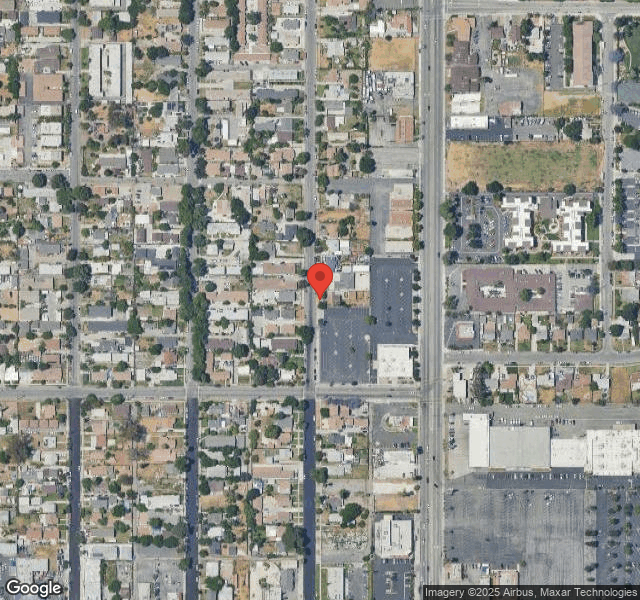

1335 N. WATERMAN AVENUE, SAN BERNARDINO, CA 92404 (909) 885-0268
For profit - Corporation 119 Beds THE ENSIGN GROUP Data: November 2025
Trust Grade
80/100
#11 of 1155 in CA
Last Inspection: April 2025

Within standard 12-15 month inspection cycle. Federal law requires annual inspections.

Overview

Arrowhead Springs Healthcare in San Bernardino, California has a Trust Grade of B+, indicating it is above average and recommended for potential residents. It ranks #11 out of 1155 facilities in California, placing it in the top half overall, and #2 out of 54 in San Bernardino County, meaning only one local option is better. Unfortunately, the facility is worsening, with the number of issues increasing from 2 in 2024 to 8 in 2025. Staffing is a relative strength with a 4/5 star rating and a turnover rate of 37%, which is slightly below the state average. However, the facility has concerning RN coverage, with less than 15% of facilities having lower coverage, which might affect care quality. While there have been no fines, which is a positive sign, there have been some critical concerns raised in inspector findings. For example, the facility failed to maintain proper hygiene by not ensuring call lights were answered in a timely manner, leaving some residents in soiled conditions for extended periods. Additionally, maintenance issues were found with the kitchen stove, where clogged gas lines and missing knobs posed a potential fire risk. Lastly, garbage disposal practices were lacking, as one recycling container was overflowing and open, which could attract pests. Overall, families should weigh these strengths and weaknesses carefully when considering Arrowhead Springs Healthcare for their loved ones.

Trust Score
B+
80/100
In California
#11/1155
Top 1%
Safety Record
Low Risk
No red flags
Inspections
Getting Worse
2 → 8 violations
Staff Stability
○ Average
37% turnover. Near California's 48% average. Typical for the industry.
Penalties
✓ Good
No fines on record. Clean compliance history, better than most California facilities.
Skilled Nurses
⚠ Watch
Each resident gets only 20 minutes of Registered Nurse (RN) attention daily — below average for California. Fewer RN minutes means fewer trained eyes watching for problems.
Violations
⚠ Watch
32 deficiencies on record. Higher than average. Multiple issues found across inspections.
★★★★★
5.0
Overall Rating
★★★★☆
4.0
Staff Levels
★★★★★
5.0
Care Quality
★★★★☆
4.0
Inspection Score
Stable
2024: 2 issues
2025: 8 issues

The Good

  • 4-Star Staffing Rating · Above-average nurse staffing levels
  • 5-Star Quality Measures · Strong clinical quality outcomes
  • Full Sprinkler Coverage · Fire safety systems throughout facility
  • No fines on record
  • Staff turnover below average (37%)

    11 points below California average of 48%

Facility shows strength in staffing levels, quality measures, fire safety.

The Bad

Staff Turnover: 37%

Near California avg (46%)

Typical for the industry

Chain: THE ENSIGN GROUP

Part of a multi-facility chain

Ask about local staffing decisions and management

The Ugly 32 deficiencies on record

Apr 2025 6 deficiencies
CONCERN (D) 📢 Someone Reported This

A family member, employee, or ombudsman was alarmed enough to file a formal complaint

Potential for Harm - no one hurt, but risky conditions existed

Safe Environment (Tag F0584)

Could have caused harm · This affected 1 resident

**NOTE- TERMS IN BRACKETS HAVE BEEN EDITED TO PROTECT CONFIDENTIALITY** Based on observation, interview, and record review, the facility failed to ensure, supplies were kept in good condition for one ...

Read full inspector narrative →
**NOTE- TERMS IN BRACKETS HAVE BEEN EDITED TO PROTECT CONFIDENTIALITY** Based on observation, interview, and record review, the facility failed to ensure, supplies were kept in good condition for one out of twenty-five residents (Resident 54) when Resident 54's mattress was found peeled, discolored, and in disrepair. This failure had the potential for Resident 54 to experience physical discomfort, sleep disturbances, and increased risk of infections or skin breakdown. Findings: During an observation on April 21,2025, at 10:21 AM, in Resident 54's room, Resident 54 was awake lying in bed, half of the mattress at the foot of the bed, was peeled and discolored. During a concurrent observation and interview on April 21, 2025, at 04:50 PM, with the Administrator (ADMIN), in Resident 54's room, the ADMIN stated, Oh, we need to change this mattress right now. The ADMIN stated, Resident 54 has [name of the insurance company] insurance and Admin was going to contact them (the insurance company) to replace the mattress. During a review of Resident 54's admission Record (contains medical and demographic information), the admission Record indicated Resident 54 was admitted on [DATE], with diagnoses which included morbid obesity (a severe form of obesity characterized by a significantly excessive body weight that poses serious health risks) due to excess calories, type 2 diabetes mellitus (a chronic condition characterized by high blood sugar levels due to the body either not producing enough insulin or not using insulin properly) with other circulatory complications, anxiety disorder (a condition that causes excessive feelings of fear, dread, and worry that persist over time and interfere with daily life). During a concurrent interview and record review on April 22, 2025, at 03:15 PM, with the ADMIN, The ADMIN reviewed the facility's policy and procedure (P&P) titled, Physical Environment, undated. The P&P indicated, . 6. If equipment requires repair other than routine maintenance or servicing, the vendor through which the equipment was purchased will be contacted and arrangements made for repair/replacement. The ADMIN stated, Usually, we do call the vendor and take care of it right away.
CONCERN (D) 📢 Someone Reported This

A family member, employee, or ombudsman was alarmed enough to file a formal complaint

Potential for Harm - no one hurt, but risky conditions existed

Comprehensive Care Plan (Tag F0656)

Could have caused harm · This affected 1 resident

**NOTE- TERMS IN BRACKETS HAVE BEEN EDITED TO PROTECT CONFIDENTIALITY** Based on observation interview and record review the facility failed develop and implement comprehensive, person-centered care p...

Read full inspector narrative →
**NOTE- TERMS IN BRACKETS HAVE BEEN EDITED TO PROTECT CONFIDENTIALITY** Based on observation interview and record review the facility failed develop and implement comprehensive, person-centered care plans (a care plan that includes all the health problems, preferences and goals) for two of three residents (Residents 22 and 17) that were reviewed for care plans needs when: 1. Resident 22 did not have a care plan developed to address ongoing podiatry needs for long fingernails and toenails since admission, on October 4, 2024. 2. Resident 17 did not have a care plan developed for intravenous (IV) antibiotic therapy with Ceftazidime Intravenous Solution ( a strong antibiotic given through a vein (IV) that helps kill bacteria caused infection). These failures had the potential to result in unmet medical needs for Residents 22 and 17, and can cause delay in treatment and lack of coordinated care, placing Resident 22 and 17 at risk for complications. Findings: 1. During a Review of Resident 22's admission Record (contains demographic and medical information), it indicated Resident 22 was admitted to the facility on [DATE], with diagnoses which included, difficulty walking (trouble walking which may be due to weakness, pain or poor balance), chronic diastolic (congestive) heart failure ( a long term heart condition that causes fatigue, shortness of breath and swelling) and transient ischemic attack (TIA) and cerebral infarction without residual deficits (mini-stroke, it happens when blood flow to the brain is briefly blocked. It may cause coordination problems, especially in the hands making it hard to do basic tasks). During a concurrent observation and interview on April 21, 2025, at 9:47 AM inside Resident 22's room, Resident 22 was lying on bed looking through the door. Resident 22 had long fingernails on both hands, his skin appeared dry. Resident 22 stated he asked the staff to cut his nails several times, but no one helped him. Resident 22 further stated he had not been seen by a podiatrist since he was admitted to the facility on [DATE]. During a review of Resident 22's Physician Order dated February 24, 2025, at 5:25 PM indicated, Nail care appointment with PCP (primary care physician), Dr. [name of the doctor] on March 17, 2025, at 1:20 PM [Name and name of the city where the hospital is located.] Pending transportation. One time only for nail care appointment . During a concurrent interview and record review on April 24, 2025, at 4:17 PM with the Assistant Director of Nurses (ADON), Resident 22's clinical records were reviewed. The ADON was not able to find documented evidence that Resident 22's had a care plan that address podiatry needs. The ADON stated staff did not initiate a care plan for Resident 22 for podiatry services and it should have been initiated upon admission on [DATE]. 2. During a review of Resident 17's admission Record, it indicated Resident 17 was admitted to the facility on [DATE], with diagnoses of acute osteomyelitis of the left ankle and foot (a serious bone infection that causes pain, swelling and redness and usually requires antibiotics through a vein to treat the infection deeply in the bone), end stage renal disease (the final stage of chronic kidney disease where the kidney stops working, making the body less able to fight infections and process medications) and immunodeficiency due to conditions classified elsewhere (a weakened immune system caused by another medical conditions. During a review of Resident 17's physician's order dated April 17, 2025, it indicated Resident 17 had an order for Ceftazidime 2 gram (unit of measurement) intravenously one time a day every Monday, Wednesday and Friday for OM (OM - Osteomyelitis, a serious infection in the bone) of the left foot for 12 days. Order end date April 30, 2025. During a further observation and interview on April 23, 2025, at 9:47 AM inside Resident 17's room. Resident 17 was observed lying in bed, awake, talking with his roommate and watching television. Resident 17's had a left hallux (pressure wound on the left big toe, this type of wound is caused by prolonged pressure that damages the skin) and. dry, cracked skin on both heels. Resident 17 stated he received antibiotic to treat the infection. During a concurrent interview and record review on April 24, 2025, at 4:29 PM with the ADON, Resident 17's clinical records were reviewed. The ADON was not able to find documented evidence that Resident 17 had a care plan that address IV antibiotic with Ceftazidime. The ADON stated staff did not initiated a care plan for Resident 17, for IV antibiotic therapy, and one should have been initiated when the antibiotic was started on April 18, 2025. During a concurrent interview and record review on April 24, 2025, at 4:32 PM with the ADON the facility's policy and procedure (P&P) titled Comprehensive Person-Centered Care Planning, revised February, 2025, was reviewed. The P&P indicated, It is the policy of this facility that the IDT shall develop a comprehensive person-centered care plan for each resident that includes measurable objectives and timeframes to meet a resident's medical, nursing, mental and psychosocial needs that are identified in the comprehensive assessment. The IDT team will also develop and implement a baseline care plan for each resident, within 48 hours of admission that includes minimum healthcare information necessary to properly care for each resident and instructions needed to provide effective and person-centered care that meet professional standards of quality care. The ADON acknowledged stated the staff did not follow the care plan policy. The ADON further stated that the nurses should have developed a care plan to address the IV Antibiotic and the podiatry services.
CONCERN (D) 📢 Someone Reported This

A family member, employee, or ombudsman was alarmed enough to file a formal complaint

Potential for Harm - no one hurt, but risky conditions existed

ADL Care (Tag F0677)

Could have caused harm · This affected 1 resident

**NOTE- TERMS IN BRACKETS HAVE BEEN EDITED TO PROTECT CONFIDENTIALITY** Based on observations, interviews and record review, the facility failed to provide proper hygiene and grooming care (help with ...

Read full inspector narrative →
**NOTE- TERMS IN BRACKETS HAVE BEEN EDITED TO PROTECT CONFIDENTIALITY** Based on observations, interviews and record review, the facility failed to provide proper hygiene and grooming care (help with keeping the body clean and neat including cutting nails, brushing hair, shaving and general personal appearance) for one of eight residents (Resident 22) when Resident 22 had long thickened and yellow toenails curling over the tips on both feet, as well as long, untrimmed fingernails on both hands. This failure had the potential for Resident 22 to experience pain, skin breakdown, fungal infection (infection caused by germs [fungus] that grow on the skin or nails, in toenails, it can make them thick, yellow brittle and sometimes painful), refusal of mobility and negatively impacted Resident 22's dignity and quality of life. Findings: During a Review of Resident 22's admission Record (contains demographic and medical information), it indicated Resident 22 was admitted to the facility on [DATE], with diagnoses which included difficulty walking (trouble walking which may be due to weakness, pain or poor balance), chronic diastolic (congestive) heart failure (long term heart condition that causes fatigue, shortness of breath and swelling) and history of transient ischemic attack (TIA) (mini-stroke, it happens when blood flow to the brain is briefly blocked. It may cause coordination problems). During a concurrent observation and interview on April 21, 2025, at 9:47 AM, inside Resident 22's room, Resident 22 was lying on bed looking through the door. Resident 22 had long fingernails on both hands and his skin appeared dry. Resident 22 stated he asked the staff to trim his nails for several times, but no one helped him. Resident 22 further stated he had not been seen by a podiatrist since he was admitted on [DATE]. During a review of Resident 22's physician's order, dated February 24, 2025, it indicated, Nail care appointment with PCP (primary care physician), Dr. [name of the doctor] on March 17, 2025, at 1:20 PM [Name and name of the city where the hospital is located.] Pending transportation. One time only for nail care appointment . During a further concurrent observation and interview on April 24, 2025, at 8:10 AM, with Certified Nursing Assistant (CNA 3), inside Resident 22's room, Resident 22 was lying in bed, just finished with his breakfast. Resident 22 informed CNA 3 he wanted his nails, including his toenails to be trimmed. While wearing gloves CNA 3, removed resident's yellow socks to observe his feet. Resident 22's toenails were visible long, yellow in color, thick in appearance, and curling at the edges. The skin on the feet appeared dry and cracked. CNA 3 stated Resident 22's toenails had not been trimmed and he had not received podiatry care recently. During a concurrent interview and record review on April 24, 2025, at 9:54 AM, with the Assistant Director of Nurses (ADON), the ADON reviewed Resident 22's LN -Skin Evaluation - PRN (as need it) / Weekly (a form used to document all ulcers, wounds and other skin problems) form, dated March 6, 2025. The Skin evaluation indicated, . Noted the ff (findings found) R/L (right and left) hypertrophic toenails (something abnormally enlarged or overgrown) mildly dry skin to R/L foot . The ADON stated the nurses should have followed up. The ADON was not able to find documented evidence in the nurses' progress notes that address staff followed up on Resident 22's feet hypertrophic nails. During an interview on April 24, 2025, at 9:52 AM with the ADON, the ADON stated Resident 22 was not diabetic and therefore his nail care included trimming of fingernails and toenails, may be performed by CNA's and licensed nursing staff as a part of routine grooming. The ADON further stated nail care is documented under Activities of Daly living (ADL's), specifically withing the hygiene and grooming section of the resident's care plan. During a further interview on April 24, 2025, at 9:58 AM with the ADON, the ADON was able to find documented evidence that Resident 22 attended a podiatry appointment on March 17, 2025. The ADON stated nursing staff is expected to assess and document nail condition during body assessments and initiate appropriate follow-up when needed. During a concurrent interview and record review on April 24, 2025, at 9:59 AM with the ADON, the facility's policy and procedure (P&P) Podiatry services, undated, was reviewed. The P&P indicated, Procedure . A. As part of the admission assessment the nurse will inspect the condition of the patient's feet and will notify the attending physician of the patient need for podiatry care if necessary . 1. Routine uncomplicated foot care, including trimming of nails will be managed by the license nurse as part of general hygiene regiment. The ADON sated the policy was on place and stated the staff failed to follow it, as Resident 22's nails had not been trimmed and no documentation was found to explain the delay. The ADON further stated nursing staff is responsible for identifying and addressing hygiene related needs, including nail care, during routine assessments.
CONCERN (D) 📢 Someone Reported This

A family member, employee, or ombudsman was alarmed enough to file a formal complaint

Potential for Harm - no one hurt, but risky conditions existed

Deficiency F0700 (Tag F0700)

Could have caused harm · This affected 1 resident

**NOTE- TERMS IN BRACKETS HAVE BEEN EDITED TO PROTECT CONFIDENTIALITY** Based on observation, interviews and record review, the facility failed to ensure the bilateral side rails (an adjustable metal ...

Read full inspector narrative →
**NOTE- TERMS IN BRACKETS HAVE BEEN EDITED TO PROTECT CONFIDENTIALITY** Based on observation, interviews and record review, the facility failed to ensure the bilateral side rails (an adjustable metal or rigid plastic bars that attach to the bed) were in place for one of eight residents (Resident 58) reviewed for safety when a physician order to install bilateral side rails was not carried out for 37 days (March 17, 2025). This failure had the potential to place Resident 58 at risk for falls or injury. Findings: During a Review of Resident 58's admission Record (contains demographic and medical information), it indicated Resident 58 was admitted to the facility on [DATE], with diagnoses which included kidney transplant status (a transplanted kidney), congestive heart failure (a chronic condition where the heart doesn't pump blood as well as it should) and pancytopenia (a condition where all types of blood cells are low, reducing the body's ability to fight infection, carry oxygen and control bleeding, making any injury more serious). During a concurrent observation and interview on April 22, 2025, at 12:47 PM, in Resident 58's room, Resident 58, was lying in bed checking his cellphone and very close to the left edge of the bed. The bed did not have bilateral side rails in place. A trapeze (a triangular device suspended above the bed that allows resident to grasp and use their upper body strength to assist with repositioning or mobility) was attached above the bed. Resident 58 stated he requested to have bilateral side rails approximately two months ago and he was told he needed to sign a waiver. Resident 58 further stated he signed the waiver, but no side rails had been installed. Resident 58 stated, I feel unsafe of falling at any time because the trapeze alone was not enough, especially due to his above the right knee leg amputation. During an interview on April 24, 2025, at 9:30 AM, with the Assistant Director of Nursing (ADON), the ADON stated Resident 58 had signed a consent form for bilateral side rails use on March 17, 2025. The ADON further stated a side rail safety assessment and a physician's order were completed on the same date. The ADON acknowledge the side rails were not implemented at that time. The ADON stated although the order was present since March 17, 2025, it was not carried out. During a review of Resident 58's Fall Risk Evaluation (an assessment tool used to identify how likely a resident is to experience a fall, based on mobility, balance, history of falls, medications and medical conditions), dated March 18, 2025, it indicated, . Score 13 . Category: High Risk (resident is on high risk for falls) . E. Gait/Balance/Ambulation . 1. Requires use of assistive devices (i.e. cane, walker, wheelchair). During a review of Resident 58's Physician Orders dated, March 17, 2025, it indicated, B (bilateral) siderails recommended for bed positioning bed mobility and pressure relief. During a review of Resident 58's Use of Bed Rail Record of informed Consent, dated March 17, 2025, it indicated, [Resident 58's name], . I have been fully informed about the use of rail, the possible negative outcomes of their use and have been provided a copy of FDA's (Food and Drug administration, is a federal agency that provides safety guidelines for medical devices, including bed rails, to help prevent injuries such as entrapment, suffocation or falls) clinical guidance related to the use of bedrails . I have been informed that the decision to use or to discontinue the use of bed rail will be made based on the interdisciplinary team's (a group of healthcare professionals who work together to plan, coordinate, and deliver care for a resident) assessment to ensure my safety . After careful consideration of the information provided to me, I hereby . Give my permission for the use of bed rails, signed by Resident 58 and staff. During a review of Resident 58's Bed Rail Safety Evaluation, dated March 17, 2025, it indicated, IDT (interdisciplinary team)recommendations: . a. Bed rail recommended. Proceed to resident education re: risks and benefits and confirm informed consent has been obtained prior to installation of bedrail . 1b. Justification (reason) For bed mobility and positioning as an enabler (is a device that helps a resident to do something more safety or easily, without limiting their movement [as bedrails). During a concurrent review and interview on April 24, 2025, at 12:24 PM, with the ADON, the facility's policy and procedure (P&P) titled Side Rails Use of, undated, was reviewed. The P&P indicated, 1. Resident will be assess upon admission for the use of side rails taking in consideration the following: entrapment, strangulation, suffocation, accidental suspension, major injury . 2. Side rails will be used for the purpose of bed mobility and positioning.3. If side rail is not use as an enabler, will be documented in the assessment. The ADON stated the policy was in place and the staff did not follow the policy as the Resident 58 side rails were not implemented despite a physician's order, completed safety assessment and documented justification for use as an enabler.
CONCERN (D) 📢 Someone Reported This

A family member, employee, or ombudsman was alarmed enough to file a formal complaint

Potential for Harm - no one hurt, but risky conditions existed

Infection Control (Tag F0880)

Could have caused harm · This affected 1 resident

**NOTE- TERMS IN BRACKETS HAVE BEEN EDITED TO PROTECT CONFIDENTIALITY** Based on observation, interview and record review the facility failed to maintain infection control practices for one of eight r...

Read full inspector narrative →
**NOTE- TERMS IN BRACKETS HAVE BEEN EDITED TO PROTECT CONFIDENTIALITY** Based on observation, interview and record review the facility failed to maintain infection control practices for one of eight residents (Resident 74) when Resident 74's oxygen tubing (is a small, flexible plastic tube that connects an oxygen source [like a machine or a tank]) was found on the floor under the bed. This failure had the potential to spread infectious disease (disease cause by bacteria, viruses, fungi or parasite) to Resident 74. Findings: During a review of Resident 74's admission Record (contains demographic and medical information), it indicated Resident 74 was admitted to the facility on [DATE], with diagnoses of acute chronic diastolic (congestive) heart failure (the heart can't pump blood well, so fluid can back up into the lungs, causing trouble breathing), paroxysmal atrial fibrillation (the heart has episodes of irregular beating) and muscle weakness (generalized) (when muscles are very weak and can make it hard to breathe deeply.) During a concurrent observation and interview on April 21, 2025, at 9:12 AM, with Licensed Vocational NUrse (LVN 1), inside Resident 74's room. Resident 74 was lying down in bed, awake and with the head of the bed elevated. There was an oxygen concentrator (a machine that delivers oxygen) turned on, next to the bed. The oxygen tubing was connected to a humidifier ( a container that adds moisture to the oxygen to keep the nose and throat from getting dry) and the nasal cannula (a soft, flexible tube with two small prongs that go in the nose) it was lying on the floor under Resident 74's bed. LVN 1 acknowledged the oxygen tubing was on the floor and stated it should not be there because it was contaminated. During a review of Resident 74's physician's order, dated January 14, 2025, it indicated, .Continuous oxygen (oxygen that is given without stopping, all day and night) at (1-2) L/ MIN (at flow rate of 1 to 2 liters per minute) via nasal cannula/ mask (a plastic mask that covers the nose and mouth) to keep oxygen saturation above 90% (the goal is to keep oxygen in the blood measured as a percentage at above 90%, is when the body is getting enough oxygen to function properly) every shift. During a concurrent interview and record review on April 23, 2025, at 9:37 AM, with the Infection Preventionist Nurse (IP) the facility's policy and procedure (P&P) titled, Oxygen, Use of, undated, was reviewed. The P&P indicated, It is the policy of this facility to promote resident safety in administered oxygen . Procedures: use the following guidelines will observe in oxygen administration . 2. Tubing should be kept off the floor. The IP stated the staff did not follow the facility's policy. The IP further stated that the oxygen tubing should not be touching the floor to prevent bacterial contamination ( harmful germs are present on something and can spread to people).
CONCERN (F) 📢 Someone Reported This

A family member, employee, or ombudsman was alarmed enough to file a formal complaint

Potential for Harm - no one hurt, but risky conditions existed

Garbage Disposal (Tag F0814)

Could have caused harm · This affected most or all residents

Based on observation, interviews, and record reviews, the facility failed to ensure proper disposal of garbage when one of two lids in the outside recycling receptacles was not closed and overflowing ...

Read full inspector narrative →
Based on observation, interviews, and record reviews, the facility failed to ensure proper disposal of garbage when one of two lids in the outside recycling receptacles was not closed and overflowing with trash. This failure had the potential to attract pests. Findings: During a concurrent observation and interview on April 22, 2025, at 7:45 AM, with the Registered Dietician (RD), in the garbage storage area, located outside the facility, there were three garbage containers. One container (the recycling container- a large container for holding or transporting waste or items for recycling) was not closed and it was overflowing with open cardboard boxes. The RD stated the recycling container should be close and should not be overflowing. During an interview on April 24, 2025, at 7:55 AM, with the Administrator (Admin), the Admin verbalized his expectation is for staff to break down boxes and flatten out boxes for recycling receptacle to close, because of potential to attract pests. The Admin further stated, I know we should have the recycling bins closed. During a review, of the facility's policy and procedure (P&P) titled, Garbage and Trash, (undated), was reviewed. The P&P indicated, .3. Adequate, clean, vermin-proof areas must be provided for storage and rubbish. Trash, .2. Garbage and trash cans must be inspected daily. During a review of the FDA (Food and Drug Administration) Food Code 2022, 5-501.15, indicated, (A) Receptacles and waste handling units for REFUSE, recyclables, and returnables used with materials containing FOOD residue and used outside the FOOD ESTABLISHMENT shall be designed and constructed to have tight-fitting lids, doors, or covers.
Mar 2025 1 deficiency
CONCERN (D) 📢 Someone Reported This

A family member, employee, or ombudsman was alarmed enough to file a formal complaint

Potential for Harm - no one hurt, but risky conditions existed

Accident Prevention (Tag F0689)

Could have caused harm · This affected 1 resident

**NOTE- TERMS IN BRACKETS HAVE BEEN EDITED TO PROTECT CONFIDENTIALITY** Based on observation, interview, and record review, the facility failed to ensure adequate supervision was provided to prevent a...

Read full inspector narrative →
**NOTE- TERMS IN BRACKETS HAVE BEEN EDITED TO PROTECT CONFIDENTIALITY** Based on observation, interview, and record review, the facility failed to ensure adequate supervision was provided to prevent avoidable accidents for one of three sampled residents Resident1 (R1) when: 1. Resident 1 fell out of bed, sent to acute hospital for open laceration to right side of head. 2. No floor mats at bedside as recommended. This failure contributed to Resident 1 sustaining an open injury to forehead and being set out to hospital for further evaluation and received staples. Findings: During review of Residents 1's admission Record (general demographics), the document indicated Resident 1 was admitted to the facility on [DATE], with diagnoses to include: urinary tract infection (urine infection), syncope and collapse (fainting, loss of consciousness), hypertension (high blood pressure), history of falling. During a concurrent interview and record review of Resident 1's Medical Record with Infection Prevention Nurse (IP), reviewed and verified the following: 1. admission Fall Risk assessment dated [DATE], at 7:43PM: High Risk. 2. Situation Background Assessment Recommendation (SBAR) Note dated February 05, 2025, at 10:58PM: Fall with abrasion to Right side of head. Unwitnessed fall, resident was found on floor right side of bed. Resident is alert/oriented X2 (person, place, time and event), Resident in pain. Resident has cut on right side of head about 7cm with moderate bleeding. Resident is able to move all extremities with discomfort. Vital taken with first aid to injury. Resident said he was trying to roll on his side and found himself on the floor .[name] notified 10:58PM, sent to emergency room. 3. Interdisciplinary Team (IDT) Note February 07, 2025, at 6:12PM, Fall, episodes of confusion, resident received 4 staples to right side of head. Neuro checks, bed will remain in lowest position with the call light within reach, recommended bilateral floor mats to reduce the risk of injury from potential future falls.: 4. Careplan: Has had an actual fall with laceration wound to Right side of head poor balance, poor communication/comprehension, psychoactive drug use, unsteady gait .interventions bed in lowest position, floor mat, room assignment to the nurse station. During an observation on February 19, 2025, at 10:55 AM., in room [ROOM NUMBER]-A, Resident 1, (R1) wearing yellow colored fall risk band on right wrist. No Floor Mats noted on each side of bed. No Falling star noted on (R1) name tag outside of door. During an observation and interview on February 19, 2025, at 12:07PM, with Certified Nursing Assistant CNA (CNA1) CNA1 states, we know by the falling star next to their name, at the name doorway if they are a fall risk resident. I ask the charge nurse if any resident is a fall risk. Or we ask physical therapy, they do have a wrist band, Fall Risk. In the charting it will say required low bed or mats. According to the charting, Resident 1 should have had floor mats. The falling star on the door does alert you to any issues with Fall Risk residents.: Observation of electronic medical records, CAN 1 shows Resident 1 charting, it does show floor mat with falling star in system for resident. During an interview on February 19, 2025, at 12:19PM, with Certified Nursing Assistant CNA (CNA2) CNA2 states, the residents have yellow wrist band with Fall Risk, some have floor mats, and some have tab alarm. If a resident is a Fall Risk and I don't see any floor mats I will let the nurse and maintenance aware. We do have falling stars at doorways to notify us if a resident is a Fall risk. During an observation and interview on February 19, 2025, at 11:10AM, with License Vocational Nurse (LVN) right outside of (R1) room, LVN states, (R1) fell a couple days ago, on admission day. Interventions for falls, on admission the info comes from the admitting hospital, we monitor all residents for fall risk though. Fall High risk residents get a low bed and floor mats at bedside. So far since the initial fall, he has been ok. When asked, is there a reason why (R1) has no floor mats, he did have a fall in facility? LVN states, He should have had a floor mats. I will get maintenance to get him floor mats . all residents have fall risk bands. Observation LVN telling maintenance, Oh can you get me some floor mats. During an interview on February 19, 2025, at 12:43PM, with Infection Prevention Nurse (IP Nurse) IP Nurse states, (R1) was a High Fall Risk on admission. He did have a fall on admission, we did Change of Condition and sent him out to acute hospital. He came back with staples to head. He did have floor mats; he was moved to another room. We did a room change February 14, 2025; he should have had the floor mats during the room change. We will place the mats and the falling star at door. During a review of the facility's policy and procedure titled, Fall Management System revised [February 2025], the policy and procedure indicated, It is the policy of this facility to provide an environment that remains as free of accident hazard as possible. It is also the policy of this facility to provide each resident with appropriate assessment and interventions to prevent falls and to minimize complications if a fall occurs. 2. Residents with high risk factors identified on the Fall Risk Evaluation will have an individualized care plan developed that includes measurable objectives and timeframes. A. The care plan interventions will be developed to prevent falls by addressing the risk factors and will consider the particular elements of the evaluation that put the resident at risk. During a review of the facility's policy and procedure titled, Change of Condition revised [December 2023], the policy and procedure indicated, It is the policy of this facility to ensure each resident receives quality of care and services to attain and maintain highest practicable physical mental and psychological well-being in accordance with the interdisciplinary comprehensive assessment and plan of care.
Feb 2025 1 deficiency
CONCERN (D) 📢 Someone Reported This

A family member, employee, or ombudsman was alarmed enough to file a formal complaint

Potential for Harm - no one hurt, but risky conditions existed

Quality of Care (Tag F0684)

Could have caused harm · This affected 1 resident

**NOTE- TERMS IN BRACKETS HAVE BEEN EDITED TO PROTECT CONFIDENTIALITY** Based on observation, interview and record review the facility failed to follow its Activities of Daily Living ADLs policy and p...

Read full inspector narrative →
**NOTE- TERMS IN BRACKETS HAVE BEEN EDITED TO PROTECT CONFIDENTIALITY** Based on observation, interview and record review the facility failed to follow its Activities of Daily Living ADLs policy and procedure for 4 of 10 sampled Residents (Resident's 1,2, 3 and 4) when: 1. Resident 1 used call light to get staff attention for help and assistance and it takes a 1 hour to answer and NOC shift doesn't even come at all. 2. Resident 2 was left soiled for a long period of time on NOC shift. 3. Resident 3 used call light needed assistance due to feelings of low blood sugar and waited 3 hours long to get assistance. 4. Resident 4 needed assistance with ADLS and wait time was well over an hour or closer to shift change. This failure had the potential to cause (Resident 1,2,3, and 4) health and safety to be at risk for skin break down when their care needs were not met. Findings: During interview and Records Reviewed with (Resident 1,2, 3, and 4) indicates as followed: 1. During review of Residents 1's admission Record (general demographics), the document indicated Resident 1 was admitted to the facility on [DATE], with diagnoses to include: epilepsy (nerve activity in brain is disturbed causing seizures), diabetes type II (body does not produce enough insulin), cerebral infarction (blood flow in interrupted in brain, stroke). During observation and interview on February 04, 2025, at 10:40AM, with Resident 1, Observation 1of 2 side tables on other side of room, resident unable to access that table. Resident 1 states, I call for assistance and it takes them 1 hour to answer and NOC (night or overnight) shift they don't even come at all. 2. During review of Residents 2's admission Record (general demographics), the document indicated Resident 2 was admitted to the facility on [DATE], with diagnoses to include: fracture of left femur (broken thigh bone), diabetes type II (body does not produce enough insulin), history of falling. During an interview on February 04, 2025, at 10:57AM with Resident 2 (R2) R2 states, NOC shift I have sat in wet diaper for over an hour. Even my doctor said we are having trouble with NOC shift staff. 3. During review of Residents 3's admission Record (general demographics), the document indicated Resident 3 was admitted to the facility on [DATE], with diagnoses to include: diabetes type II (body does not produce enough insulin), rhabdomyolysis (breakdown of muscle tissues leasing protein in blood), fibromyalgia (tender and painful joints), history of falling. During an interview on February 04, 2025, at 11:30AM with Resident 3 (R 3) R3 states, I have waited 3 hours on NOC shift to get assistance, but it can be on all shifts. You hear them talking out in the hall instead of assisting the residents. The nurse, I kept calling for help cause my sugar was low and they took too long to come check in on me. She finally came in and told me, Well I will check it when I come back , I told her I was not feeling good, my mom died because of this. 4. During review of Residents 4's admission Record (general demographics), the document indicated Resident 4 was admitted to the facility on [DATE], with diagnoses to include: above knee amputation left and right legs (absence of legs), diabetes type II (body does not produce enough insulin), hypertension (high blood pressure). During an interview on February 12, 2025, at 1:44PM with Resident 4 (R4) R4 states, Call lights, long waits are brought up in the council meetings. This happens to me at nighttime shift, over an hour for them to answer or they don't even come. They check on us until 4AM closer to the other shift coming in. 2 months complaining about this and it's still happening. I need assistance to get up, they don't want myself to get in wheelchair, but if they don't come, I have to get myself up. Where are they .everyone is sleeping. During an interview on February 12, 2025, at 1:11PM, with Certified Nursing Assistant CNA (CNA1) CNA1 states, PM and NOC shift I did have a resident crying she was left soiled at night, the resident is no longer here. I found 3 residents from yesterday and just in a brief no gown. Who the CNAs where I don't know. I do notify the Director of Staff Development (DSD) of issues; the PM or NOC nurses only check if the light is on for long periods. During an interview on February 12, 2025, at 2:35PM, with Director of Staff Development (DSD), DSD states, I have not had any complaints from residents about care, I do go talk to the residents. We do have some complaints, but not daily, we will always have some here or there. I have not had any complaints from the staff. If something is brought up, we have in-service with call light and educate the staff. As soon as we see it, we answer the call light. The residents should not be waiting over an hour to get assistance. Activities does let me know if any issues in the council meeting. During an interview on February 12, 2025, with the Administrator (Admin) Admins states, We have not heard of any issues with long waits or call lights from the residents. Expectation of Call lights are to answer within 5 minutes or less. There is a monitor on the nurse station with sound and monitor. It sends a message out if its more than 7 minutes. We use an outside source to monitor the call light system, have not heard anything from them. We have guardian angels staff goes around daily checking on residents. In the council meetings, we have not gotten any concerns, NOC shift nurse back station has a phone automated system, they have a phone and get a text. During a review of the facility's policy and procedure titled, Activities of Daily Living ADLs, Services to Carry Out revised [[DATE]], the policy and procedure indicated, It is the policy of this facility that residents are given the appropriate treatment and services to maintain or improve his/her abilities .2.Residents who are unable to carry out activities of daily living (ADL) will receive necessary services to maintain: Good nutrition, Grooming, Personal hygiene, Oral hygiene. During a review of the facility's policy and procedure titled, Call Light revised [[DATE]], the policy and procedure indicated, It is the policy of this facility to provide the resident a means of communication with nursing staff. 1.Answer the light/bell within a reasonable time. 2.Turn off the call light/bell. 3.Listen to the resident's request/need.4. Respond to the request. If the item is not available or you are unable to assist, explain to the resident and notify the charge nurse for further instructions. During a review of the facility's policy and procedure titled, Resident Rights revised [[DATE]], the policy and procedure indicated, It is the policy of this facility that all resident rights be followed per state and federal guidelines as well as other regulative agencies. The Resident has the right: 1. To be treated with consideration, respect, and full recognition of his or her dignity and individuality.
Nov 2024 1 deficiency
CONCERN (D) 📢 Someone Reported This

A family member, employee, or ombudsman was alarmed enough to file a formal complaint

Potential for Harm - no one hurt, but risky conditions existed

Quality of Care (Tag F0684)

Could have caused harm · This affected 1 resident

**NOTE- TERMS IN BRACKETS HAVE BEEN EDITED TO PROTECT CONFIDENTIALITY** Based on interview, and record review the facility failed to ensure that one of three sampled residents, (Resident 1) received t...

Read full inspector narrative →
**NOTE- TERMS IN BRACKETS HAVE BEEN EDITED TO PROTECT CONFIDENTIALITY** Based on interview, and record review the facility failed to ensure that one of three sampled residents, (Resident 1) received treatment and care in accordance with professional standards of practice, when Resident 1 fell off the bed unto the floor during care by a Certified Nursing Assistant (CNA 2). This failure resulted in Resident 1 sustaining a laceration on her right eyebrow. Findings: During a review of Resident 1 ' admission Record (general demographics) the document indicated Resident 1 was originally admitted to the facility on [DATE], with diagnoses that included age-related cataract (a condition of blindness), quadriplegia (a condition of loss of movement and feelings in both arms and legs, cerebral palsy (a condition that affects the movements and coordination) and history of falling (July 9, 2023). During an interview on October 22, 2024, at 12:15 PM, with the Certified Nursing Assistant (CNA 1), the CNA 1 stated, I usually call another CNA to help me change and turn her because she is not able to turn herself. During a concurrent interview and record review on October 22, 2024, at 12:25 PM, Resident 1 ' s clinical report, titled SBAR (Situation Background Assessment Recommendation) a communication tool, dated October 6, 2024, with the Director of Nursing (DON), the document indicated, Fell from bed during patient care. Laceration 3 cm [(Centimeters) units of measurement] noted above right eye. The DON stated, The resident slipped onto the floor when a staff (CNA 2) was providing care to the resident. The DON further stated, The resident requires one to two persons assistance and so the staff (CNA 2) should have called for assistance with providing care to the resident. During an interview on October 22, 2024, at 12:20 PM, with Licensed Vocational Nurse (LVN), the stated, Usually, it requires two persons in turning, changing and transferring her (Resident 1) during care. A review of Resident 1 ' s care plan dated, July 10, 2023, was reviewed. The care plan indicated, Focus: ADL (Activities of daily living) Self Care Performance Deficit r/t(related to) severe cognitive/physical . Goal: ADL needs will be met with total care as required . Interventions: . May provide 1-2 person assist during ADL care . During a review of the facility ' s undated Policy and Procedure (P&P), titled, Quality of Care Falls and Fall Risk, Managing, the P&P indicated, .Based on previous evaluations and current data, the staff will identify interventions related to the resident ' s specific risks and causes to try to prevent the resident from falling and try to minimize complications from falling .
May 2024 1 deficiency
CONCERN (D) 📢 Someone Reported This

A family member, employee, or ombudsman was alarmed enough to file a formal complaint

Potential for Harm - no one hurt, but risky conditions existed

Infection Control (Tag F0880)

Could have caused harm · This affected 1 resident

**NOTE- TERMS IN BRACKETS HAVE BEEN EDITED TO PROTECT CONFIDENTIALITY** Based on observation, interview, and record review, the facility failed to implement their infection prevention and control prog...

Read full inspector narrative →
**NOTE- TERMS IN BRACKETS HAVE BEEN EDITED TO PROTECT CONFIDENTIALITY** Based on observation, interview, and record review, the facility failed to implement their infection prevention and control program when Resident 1, on enhanced barrier precautions (EBP - an approach of targeted gown and glove use during high contact resident care activities, designed to reduce transmission of multidrug resistant organisms [MDRO – bacteria that have become resistant to certain antibiotics]), did not have identifiable enhanced barrier precautions signage outside the resident ' s room in accordance with the facilities policy and procedure and Centers for Disease Control and Prevention (CDC) guidance. This failure had the potential for staff to not identify that Resident 1 was on enhanced barrier precautions and required the use of a gown and gloves during high-contact resident care activities which increased Resident 1 ' s risk of either acquisition of or transmission of MDRO ' s. Findings: A review of Resident 1 ' s admission Record (contains medical and demographic information) indicated Resident 1 was admitted on [DATE], with diagnoses which included end-stage renal disease (the last stage of kidney failure), dependence on renal dialysis (renal dialysis – a type of treatment that helps your body remove extra fluid and waste products rom your blood when the kidneys are not able to), and anemia (a deficiency of red blood cells). During a review of Resident 1 ' s nurses progress notes, a note dated April 16, 2024, indicated, To reduce the spread of MDRO in LTC facilities per CDC guidelines, Resident has been placed on IC: Transmission Based Precautions – Enhanced Barrier Precautions D/T [due to] ESRD [end-stage renal disease] with HD [hemodialysis]. Primary MD [medical doctor] agrees with recommendation, resident made aware and verbalized understanding . During an observation on May 24, 2024, at 12:52 PM, at Resident 1 ' s room, the resident ' s name was posted adjacent to the door and had an orange dot next to it. There was no signage on the door or area around the doorway indicating the resident was on Enhanced Barrier Precautions. Additionally, there was no Personal Protection Equipment (PPE – refers to protective clothing or other equipment worn to prevent exposure or spread of infection or illness.) available outside Resident 1 ' s doorway or in the immediate vicinity. During an interview on May 24, 2024, at 12:58 PM, with CNA 1, CNA 1 stated to determine if a resident was on enhanced barrier precautions, she looks for the Enhanced Barrier Precautions, sign posted at the entrance of the resident ' s room, or a PPE cart outside the resident ' s doorway. When asked what it meant if a resident had a round orange sticker next to their name, CNA 1 stated she thought it meant the resident had hepatitis but stated she was unsure. During an interview on May 24, 2024, at 1:10 PM, with the Director of Staff Development (DSD), the DSD stated all residents who were on enhanced barrier precautions were supposed to have an Enhanced Barrier Precautions sign posted at the entrance of the resident ' s room and an orange sticker next to the resident ' s name. During a concurrent observation and interview on May 24, 2024, at 1:16 PM, outside Resident 1 ' s room, with the Infection Preventionist (IP), the IP stated the facility identified which residents were on enhanced barrier precautions because they were all supposed to have an Enhanced Barrier Precautions sign outside the resident ' s doorway. The IP further they would place an orange dot sticker next to the resident ' s name. The IP observed Resident 1 ' s room and stated the resident was on enhanced barrier precautions and was supposed to have an Enhanced Barrier Precautions sign posted at the entryway of the residents room but did not. The IP stated she thought when the resident left the facility a few days ago, the sign was removed and never put back up once the resident returned to the facility. During a concurrent observation and interview on May 24, 2024, at 1:25 PM, in Resident 1 ' s room, Resident 1 stated she recieved dialysis through her central venous catheter (a flexible catheter that is threaded through your skin into a central vein). Resident 1 pointed to her right upper chest area to show where her central line was located. During a follow up interview on May 24, 2024, at 1:42 PM, with the IP, the IP stated the facility follows guidance provided by the Centers for Disease Control and Prevention (CDC) regarding infection control and transmission-based precautions. During a concurrent interview and record review on May 28, 2024, at 1:36 PM, with the IP, the facility ' s policy and procedure titled, IPCP Standard and Transmission-based precautions, revised March 2024, was reviewed. The Policy indicated, It is the policy of this facility to implement infection control measures to prevent the spread of communicable diseases and conditions 3. Enhanced Barrier Protection (EBP): used in conjunction with standard precautions and expand the use of PPE through the use of gown and gloves during high-contact resident care activities that provide opportunities for indirect transfer of MDROs to staff hands and clothing then indirectly transferred to residents or from resident-to-resident. (e.g., residents with wounds and indwelling medical devices are at especially high risk of both acquisition of and colonization with MDROs) .6. Implementation: a. The facility will implement a system to alert staff, residents, and visitors that a resident is on TBP. i. Post clear signage on the door or wall outside of the resident room indicating the type of precautions and required PPE (e.g., gown and gloves) ii. For Enhanced Barrier Precautions, signage should also clearly indicate the high-contact resident care activities that require the use of gown and gloves .b. Make PPE, including gowns and gloves, available immediately outside of the resident room . The IP acknowledged the facility did not follow the policy and procedure. During a review of the Centers for Disease Control and Prevention (CDC) guidance titled, Implementation of Personal Protective Equipment (PPE) Use in Nursing Homes to Prevent Spread of Multidrug-resistant Organisms (MDROs), dated April 2, 2024, the guidance indicated, .This document is intended to provide guidance for PPE use and room restriction in nursing homes for preventing transmission of MDROs, including as part of a public health response .Implementation -When implementing Contact Precautions or Enhanced Barrier Precautions, it is critical to ensure that staff have awareness of the facility ' s expectations about hand hygiene and gown/glove use, initial and refresher training, and access to appropriate supplies,. To accomplish this: -Post clear signage on the door or wall outside of the resident room indicating the type of Precautions and required PPE (e.g. gown and gloves). For Enhanced Barrier Precautions, signage should also clearly indicate the high-contact resident care activities that require the use o gown and gloves. -Make PPE, including gowns and gloves, available immediately outside of the resident room .
Sept 2023 1 deficiency
CONCERN (D) 📢 Someone Reported This

A family member, employee, or ombudsman was alarmed enough to file a formal complaint

Potential for Harm - no one hurt, but risky conditions existed

Pressure Ulcer Prevention (Tag F0686)

Could have caused harm · This affected 1 resident

**NOTE- TERMS IN BRACKETS HAVE BEEN EDITED TO PROTECT CONFIDENTIALITY** Based on observation, interview, and record review the facility failed to follow their policy and procedure for a thorough admis...

Read full inspector narrative →
**NOTE- TERMS IN BRACKETS HAVE BEEN EDITED TO PROTECT CONFIDENTIALITY** Based on observation, interview, and record review the facility failed to follow their policy and procedure for a thorough admission assessment when a surgical wound did not receive a treatment order on admission causing a delay in treatments for one of five sampled residents (Resident 1). This failure had the potential to place a clinically compromised Resident (Resident 1) health and safety at risk. When the surgical wound assessments and treatments to promote wound healing were started 4 days after admission. Findings: During review of Residents 1's admission Record (general demographics), the document indicated Resident 1 was admitted to the facility on [DATE], with diagnoses to include: fracture of T11-T12 vertebra (thoracic spine fracture), diabetes type II (body does not produce enough insulin, or resist insulin), obstructive sleep apnea (airflow blockage during sleep), hypertension (high blood pressure). During a review concurrent interview and record review of Resident 1's Medical Record with the Director of Nursing (DON), reviewed are as follows: 1. Skin Evaluation dated July 23, 2023 at 11:07: Mid back surgical incision length 30 width 1.0, Rash/redness under right breast, 1+ pitting edema, Xerosis(rough, dry skin) Right and Left feet, hyperpigmentation to Right and Left lower legs, Intravenous Left Arm, Pacemaker(battery-powered device to prevent heart from beating slow) in place, skin tear to Left lower arm covered with Mepilex(foam dressing) C/D/I dressing, ecchymosis(bruising) to Left upper arm, ecchymosis to Right lower abdomen, Spine surgery with 69 staples present, covered with mepilex AG C/D/I, dry scab on posterior aspect of neck fold. 2. No record of wound care physician notification of Skin Evaluation on July 23, 2023, for wound care treatments. 3. Treatment Administration Record (TAR) dated July 01, 2023-July 31, 2023: 2a. Order date 07/26/23: Ammonium Lactate external cream 12% apply to Right and Left foot every day .Treatment started on July 27, 2023. 2b. Order date July 26, 2023: Mid-back surgical site, cleanse with Normal saline pat dry, cover with dry dressing every day for 21 days .Treatment started on July 27, 2023. 2c. Order date July 26, 2023: Posterior aspect of neck fold moisture associated wound with scab; cleanse w/Normal Saline, pat dry, paint w/Betadine, may leave open to air every day, shift for 21 days .Treatment started on July 27, 2023. 2d. Order date July 27, 2023: Skin tear to left forearm (POA), Cleanse with Normal saline, pat dry, cover with foam dressing and change every other day and PRN x 21 days. Treatment started on July 29, 2023. During an interview on August 22, 2023, at 11:30 AM, with the Treatment Nurse, Treatment nurse stated, On admission Resident 1 came in with the wounds, the skin assessment was done the following day, but the treatment orders were placed on the July 26, 2023. I don't know why the orders should have been placed when admission assessment was done, and it wasn't. During a concurrent interview and record review on August 22, 2023, at 12:11 PM, with the Director of Nursing (DON), of Resident 1's Medical Records, DON stated, Resident 1 came in on August 22, 2023, at 9:58 PM, there was an initial skin evaluation the following day from admission. I do see the treatments starting on July 27, 2023. I don't know why the wound care treatments were not done until days later from admission. I can agree that it should had been on initial skin assessment, we should have had and order for wound treatments sooner. During a concurrent interview and record review on August 22, 2023, at 12:14 PM, with the Operation Manager (OM), of Resident 1's Medical Records, when asked, Should the resident have had wound care treatments sooner rather than starting 4-5 days later from admission? Yes, resident should have had a wound treatment care sooner. During a review of the facility's policy and procedure titled, Wound Care & Treatment Guidelines (reviewed January 2023), the policy and procedure indicated, It is the policy of this facility to provide excellent wound care to promote healing. During a review of the facility's policy and procedure titled, Skin Management System (reviewed January 2023), the policy and procedure indicated, It is the policy of this facility that any resident who enters the facility without pressure ulcers will have appropriate preventative measures take to ensure that the resident does not develop pressure ulcers, or that residents admitted with wounds will not develop signs and symptoms of infection, unless the residents clinical condition makes the development unavoidable .1. Residents will have a head-to-toe skin assessment by a licensed nurse at the time of admission. Any skin lesions will be documented on the Nursing admission Assessment. A treatment order will be obtained from the Attending for areas requiring treatment. i.e. pressure injury, surgical wounds, open skin tears, abrasions, lacerations etc. 7. Surgical wound sites will be checked for signs and symptoms of infection until staples are removed or areas have healed .
Aug 2023 1 deficiency
CONCERN (E) 📢 Someone Reported This

A family member, employee, or ombudsman was alarmed enough to file a formal complaint

Potential for Harm - no one hurt, but risky conditions existed

Quality of Care (Tag F0684)

Could have caused harm · This affected multiple residents

**NOTE- TERMS IN BRACKETS HAVE BEEN EDITED TO PROTECT CONFIDENTIALITY** Based on observation, interview, and record review the facility failed to follow Its policy and procedure to provide Activities ...

Read full inspector narrative →
**NOTE- TERMS IN BRACKETS HAVE BEEN EDITED TO PROTECT CONFIDENTIALITY** Based on observation, interview, and record review the facility failed to follow Its policy and procedure to provide Activities of Daily Living Services (ADLS) and ensure call lights are answered in timely manner for 4 of 5 sampled residents. (Resident's 2,3,4, and 5). This failure had the potential to place four clinically compromised Residents (Resident 2,3,4 and 5) health and safety at risk. When residents were left soiled, and their hygiene needs were not met. Findings: During a review of Resident 2's admission Record (general demographics), the document indicated Resident 2 was admitted to the facility on [DATE], with diagnoses to include, urinary tract infection (urine infection), multiple sclerosis (damage to nerves in brain and spinal cord), difficulty walking, hypertension (high blood pressure). During interview and observation on August 22, 2023, at 10:34 AM, with Resident 2, resident 2 states, The longest I have been in soiled bed is 7 hours on the night shifts, it's so uncomfortable. Some of the staff just does not care about the residents here. Call lights takes 2.5 hours the longest. I told my family member I need to get out of here, it's better for me to be home and get better myself than be here. Observation, resident getting teary eyed. During a review of Resident 3's admission Record (general demographics), the document indicated Resident 3 was admitted to the facility on [DATE], with diagnoses to include, metabolic encephalopathy (chemical imbalance in the brain), type 2 diabetes (body doesn't produce enough insulin, or resist insulin), hypertension (high blood pressure). During interview and observation on August 22, 2023, at 10:45 AM, with Resident 3, resident 3 states, I have bed sores, I've waiting 4 hours at night to get cleaned up. I was soaked and my wound bandaged came off and they left me like that until the treatment nurse did my dressing. After hours staff is not good and not professional, they take a very long time when I call for them, I'm sitting here wet. When they do come in, it's like we are not people, that's why I say unprofessional. I worry if my roommate leaves, I will really be on my own. Observation, facial expression worrisome. During a review of Resident 4's admission Record (general demographics), the document indicated Resident 4 was admitted to the facility on [DATE], with diagnoses to include, methicillin susceptible staphylococcus aureus infection MRSA (infection caused by bacteria), (abscess of right foot (accumulation of pus), hypertension (high blood pressure), difficulty in walking. During interview on August 22, 2023, at 11:17 AM, with Resident 4, resident 4 states, I have waited hours once. I call for assistance, my neighbor, he has needed help and it takes them hours to get someone. This is in all shifts. He is not here right now but I see that problem here with the call lights/ the call system and having someone come and care for my roommate. During a review of Resident 5's admission Record (general demographics), the document indicated Resident 5 was admitted to the facility on [DATE], with diagnoses to include osteomyelitis to right ankle and foot (inflammation of bone caused by infection), cellulitis right lower limb (bacterial skin infection), type 2 diabetes (body doesn't produce enough insulin, or resist insulin), hypertension (high blood pressure). During interview on August 22, 2023, at 11:26 AM, with Resident 5, resident 5 states, At night I've called for the staff to help my roommate because he is soaked and he needs assistance, I must go look for them. I push the call light and I see the staff just walking around and no one answer and help change my roommate. During an interview on August 22, 2023, at 1:11 PM with the Director of Nursing (DON), DON states, the call lights and PM shifts, we are coming in and some staff are even working overtime because we do not want to use registry anymore, there is no accountability with registry. When asked, should residents be left in soiled briefs? No, they should not. During an interview on August 22, 2023, at 1:14 PM with the Operations Manager (OM), (OM) states, We just had a meeting the end of July, are focus is call lights. The residents should not be left soiled. We need to come in on other shifts to see what is happening. During a review of the facility's policy and procedure titled, Call light revised May 2021, the policy and procedure indicated, It is the policy of this facility to provide the resident a means of communication with nursing staff .1. Answer the light/bell within a reasonable time, 3. Listen to the resident's request/need. 4. Respond to the request .5. Leave the resident comfortable . During a review of the facility's policy and procedure titled, ADL, Services to carry out revised January 2023, the policy and procedure indicated, It is the policy if this facility that residents are given the appropriate treatment and services to maintain or improve his/her abilities .2.Residents who are unable to carry out activities of daily living (ADL) will receive necessary services to maintain: good nutrition, grooming, personal hygiene, oral hygiene.
May 2022 9 deficiencies
CONCERN (D)

Potential for Harm - no one hurt, but risky conditions existed

Deficiency F0578 (Tag F0578)

Could have caused harm · This affected 1 resident

**NOTE- TERMS IN BRACKETS HAVE BEEN EDITED TO PROTECT CONFIDENTIALITY** Based on interview, and record review, the facility failed to discuss and provide information on advanced directives (a written ...

Read full inspector narrative →
**NOTE- TERMS IN BRACKETS HAVE BEEN EDITED TO PROTECT CONFIDENTIALITY** Based on interview, and record review, the facility failed to discuss and provide information on advanced directives (a written statement of a person's wishes regarding medical treatment, should the person be unable to communicate with the doctor) for one of six sampled residents reviewed for advanced directives (Residents 70) when the Physician's Orders for Life Sustaining Treatment (POLST) for one resident (Resident 70) was not initiated upon admission. This failure had the potential to cause Resident 70's values and desires related to end-of-life care not to be carried out. Findings: 1. A review of Resident 70's face sheet (a document that gives a summary of resident's information), undated, indicated an admission date of [DATE], with a diagnosis of chronic obstructive pulmonary disease (airway obstruction from the lungs), dysphasia (difficulty speaking), chronic respiratory failure with hypercapnia (not able to exchange oxygen due to not having enough oxygen in blood). A review of Resident 70's MDS, Minimum Data Set (a process for clinical assessment of all residents in Medicare and Medicaid certified nursing homes) for Cognitive Patterns, dated [DATE], indicated Resident 70 was severely impaired for cognitive skills for daily decision making. During a review of Resident 70's clinical record, the POLST, undated, was reviewed and indicated, Resident 70's first and last name listed with medical record number. However, Section A: Cardiopulmonary Resuscitation (CPR), B: Medical Interventions, C: Artificially administered nutrition, D: Information and Signatures section, were all left blank. The second page of POLST was reviewed, the section for patient information, nurse practitioner/physician assistant supervising physician and additional contact were blank. During a concurrent interview and record review on [DATE], at 12:55 PM, with the Social Services (SS), Resident 70's POLST form was reviewed. The SS stated the POLST form was blank and needed to be completed within 24 hours of admission. She indicated the admitting nurse initiates the form and Social Services checks to make sure it got completed timely. The SS stated Resident 70 was readmitted from the hospital on [DATE], and the old POLST was with the medical records in their office. During an interview on [DATE], at 1:14 PM, with the Licensed Vocational Nurse (LVN 1), the LVN stated, I would go to my supervisor if I saw a blank POLST form and I would start CPR if I would not know what the Resident wanted as their wishes. During an interview on [DATE], at 2:23 PM, with the Licensed Vocational Nurse (LVN 2), the LVN 2 stated, when the patient returned from the hospital the POLST needed to be completed on admission because the Residents may change their POLST wishes. During an interview on [DATE], at 12:21 PM, with the Director of Nursing (DON), the DON stated POLST needed to be completed within 24 to 48 hours of admission and the admission nurse needed to initiate it, but it was not initiated. When asked Social Services about POLST policy the facility gave POLST Cover sheet 2020 form. A review of POLST form 2020, indicated, . Physician Orders for Life Sustaining Treatment (POLST) is a medical order that helps give people with serious illness more control over their care during a medical emergency. POLST can help make sure you get the care you want, and also protect you from getting medical treatments you DO NOT want . The POLST form is not valid until it is signed by both you (or your designated decision maker) AND your physician, nurse practitioner, or physician assistant.
CONCERN (D)

Potential for Harm - no one hurt, but risky conditions existed

Deficiency F0688 (Tag F0688)

Could have caused harm · This affected 1 resident

**NOTE- TERMS IN BRACKETS HAVE BEEN EDITED TO PROTECT CONFIDENTIALITY** Based on observations, interviews, and record review, the facility failed to provide appropriate treatment and services to incre...

Read full inspector narrative →
**NOTE- TERMS IN BRACKETS HAVE BEEN EDITED TO PROTECT CONFIDENTIALITY** Based on observations, interviews, and record review, the facility failed to provide appropriate treatment and services to increase range of motion or to prevent further decrease in range of motion for two of 11 sampled residents (Resident 8 and 52), when range of motion exercises and splints were not provided as per physician orders, by the restorative nursing assistants (RNA- certified nursing assistants specially trained to do range of motion and splints) 1. For Resident 8, Restorative Nursing Assistant (RNA-a certified nursing assistance with training on range of motion and the application of splints) services were not provided to resident as ordered by the physician, for the month of May 2022. 2. For Resident 52, Restorative Nursing Assistant services were not provided to the resident, as ordered by the physician, for the month of May 2022. This failure had the potential to decrease in the range of motion and could have resulted in worsening of contractures (joint stiffness) and mobility for Residents 8 and 52. Findings: 1. During a review of Resident 8's clinical record, the admission Record [contains demographic and medical information], indicated the resident was admitted to the facility on [DATE] , 2017, with diagnoses which included chronic respiratory failure with hypercapnia (low blood oxygen level cause hypoxemic respiratory failure and high carbon dioxide levels causes hypercapnic respiratory failure), subdural hemorrhage ( a pool of blood between the brain and its outermost covering), dysphagia (difficulty swallowing foods or liquids), hypertension (A condition in which the force of the blood against the artery walls is too high), chronic obstructive pulmonary disease (A group of lung diseases that block airflow and make it difficult to breath). During a review of Resident 8's Order Listing Report [a summary of physician orders], dated May 25, 2022, indicated the following physician orders for restorative nursing: a. Physician's order dated April 12, 2022, indicated, RNA [restorative nursing assistant] for PROM [passive range of motion] to RUE [right upper extremity], daily 5x [five times]/week everyday shift. b. Physician's order dated April 12, 2022, indicated, RNA [restorative nursing assistant] for PROM [passive range of motion] to LUE [left upper extremity], daily 5x [five times]/week everyday shift. c. Physician's order dated April 12, 2022, indicated, RNA to don/doff [put on/take off] left elbow extension splint x 4 hours or as tolerated daily 5x/week everyday shift. During a review of Resident 8's Restorative Nursing sheet (a sheet used by facility staff to document restorative nursing activities) dated May 1, 2022, through May 31, 2022, indicated, Resident 8 did not receive RNA services as per physician orders for range of motion for RUE, LUE and don/doff of left elbow extension splint on May 2,5,6,17 and 23 of 2022. During a concurrent interview and record review on May 25, 2022, at 2:38 PM, with a Restorative Nursing Assistant 1 (RNA 1), a Licensed Vocational Nurse 3 (LVN 3) and an Occupational Therapy Manager (OT manager). Resident 8's Restorative Nursing sheet, dated May 1, 2022, through May 31, 2022, was reviewed. RNA1, LVN 3 and OT manager confirmed there was no documented evidence that Resident 8 received RNA services as ordered by the physician on May 2, 5, 6,17 and 23 of 2022. RNA 1 stated, she was a staff member who performed RNA services for the residents and if the services were performed, there would have been documentation written on the Restorative Nursing sheet but confirmed there was no such documentation on May 2, 5, 6, 17 and 23. RNA 1 and LVN 3 both stated if the resident refused services, that would have also been documented on the Restorative Nursing sheet. Both RNA 1 and LVN 3 confirmed there was no documentation of refusal of services. During an interview on May 25, 2022, at 3:15PM, with Resident 8, Resident 8 was observed to be lying in his bed with limited mobility of his right arm. Resident 8 stated, he could not remember the last time staff performed range of motion exercises with his right and left arm. During a review of Resident 8's care plan (an individualized plan for the medical care of a resident) (untitled), dated May 9, 2022, the care plan indicated, ADL [activities of daily living] self-care deficit r/t [related to] muscle weakness and contracture. Interventions/Tasks .RNA for PROM exercises to RUE, LUE daily 5x/week .RNA to don/doff left elbow extension splint x 4 hours or as tolerated daily 5x/week. During a review of the facility's policy and procedure titled, Restorative Program, revised March 2022, the policy indicated, It is the policy of this facility to provide a Restorative Program designed to restore or maintain a resident's mobility skills to maximum independence and safety and prevent loss of functioning in existing functional abilities .The program will be conducted in the facility with reduced distractions, and interruptions . 2. During a review of Resident 52's clinical record, the admission Record [contains demographic and medical information], indicated the resident was admitted to the facility on [DATE], with diagnoses which included hemiplegia (paralysis of one side of the body) and hemiparesis (weakness or inability to move one side of the body), heart failure, lack of coordination, and cerebral infarction (also known as a stroke is damage to tissues in the brain as a result of a lack of oxygen). During a review of Resident 52's Order Listing Report [a summary of physician orders], dated May 26, 2022, indicated the following physician orders for restorative nursing: a. Physician's order dated April 28, 2022, indicated, RNA [restorative nursing assistant] for PROM [passive range of motion] to LUE [Left arm], daily 5x [five times]/wk everyday shift. b. Physician's order dated April 28, 2022, indicated, RNA to don/doff [put on/take off] left elbow extension splint x 2.5 hours or as tolerated daily 5x/wk everyday shift. c. Physician's order dated April 22, 2022, indicated, RNA to sit resident @ [at] EOB [edge of bed] x 10 mins [minutes] or as tolerated, daily 5x week everyday shift . During a review of Resident 52's Restorative Nursing sheet (a sheet used by facility staff to document restorative nursing activities) dated May 1, 2022, through May 31, 2022, the document was blank for each of the prescribed RNA services dated from May 1, 2022, through May 23, 2022 (three weeks). There was no documented evidence RNA services were provided to the resident during that time. During a concurrent interview and record review on May 26, 2022, at 10:25 AM, with a Certified Nursing Assistant 1 (CNA 1) and a Licensed Vocational Nurse 3 (LVN 3), Resident 52's Restorative Nursing sheet, dated May 1, 2022, through May 31, 2022, was reviewed. CNA 1 and LVN 1 both confirmed there was no documented evidence that Resident 52 received RNA services as ordered by the physician between May 1, 2022, and May 23, 2022. CNA 1 stated she was a staff member who performed RNA services for the residents and if the services were performed, there would have been documentation written on the Restorative Nursing sheet but confirmed there was no such documentation. CNA 1 and LVN 1 both stated if the resident refused services, that would have also been documented on the Restorative Nursing sheet. Both CNA 1 and LVN 1 confirmed there was no documentation of refusal of services. During an interview on May 26, 2022, at 11:15 AM, with Resident 52, Resident 52 was observed to be lying in his bed with limited mobility of his left arm. Resident 52 stated he could not remember the last time staff put on his left elbow extension splint or performed range of motion exercises with his left arm. Resident 52 further stated it had been about a month since someone sat him at the edge of his bed. During an interview on May 26, 2022, at 11:35 AM, with the Director of Nursing (DON), the DON reviewed Resident 52's Restorative Nursing sheet, dated May 1, 2022, through May 31, 2022. The DON confirmed the sheet was blank from May 1, 2022, through May 23, 2022 (3 weeks) and stated her expectation was that the RNA services were performed and documented immediately afterward. The DON further stated the facility policy was not followed because there was no documented evidence that RNA services were provided to the resident as was ordered by the physician. The DON further reviewed the clinical record for Resident 52 and was unable to find documented evidence RNA services were provided to the resident during that time. During a review of Resident 52's care plan (an individualized plan for the medical care of a resident) (untitled), dated March 16, 2022, the care plan indicated, ADL [activities of daily living] self-care deficit r/t [related to] Cerebral infarction affecting left non-dominant side at risk fo [sic] developing complications associated the [sic] decreased ADL self-performance .Interventions/Tasks .RNA for PROM exercises to LUE, daily 5x/wk .RNA to don/doff left elbow extension splint x 2.5 hours or as tolerated daily 5x/wk .RNA to sit resident @ EOB x 10 mins or as tolerated, daily 5x week. During a review of the facility's policy and procedure titled, Restorative Program, revised March 2022, the policy indicated, It is the policy of this facility to provide a Restorative Program designed to restore or maintain a resident's mobility skills to maximum independence and safety and prevent loss of functioning in existing functional abilities .The program will be conducted in the facility with reduced distractions, and interruptions .
CONCERN (D)

Potential for Harm - no one hurt, but risky conditions existed

Deficiency F0692 (Tag F0692)

Could have caused harm · This affected 1 resident

**NOTE- TERMS IN BRACKETS HAVE BEEN EDITED TO PROTECT CONFIDENTIALITY** Based on observation, interview, and record review, the facility did not maintain acceptable parameters of nutritional status wh...

Read full inspector narrative →
**NOTE- TERMS IN BRACKETS HAVE BEEN EDITED TO PROTECT CONFIDENTIALITY** Based on observation, interview, and record review, the facility did not maintain acceptable parameters of nutritional status when Resident 53's enteral feeding (nutrition taken through a tube that goes directly to the stomach or small intestine) was not assessed correctly by the Registered Dietitian after re-admission to the facility from a hospital stay. This failure resulted in the Resident losing 3% of his body weight in one month after re-admission. Unintentional weight loss in the elderly population is associated with increased morbidity and mortality. Findings: During a review of Resident 53's admission Record, indicated Resident 53 was initially admitted to the facility on [DATE], with a diagnosis of dysphagia ( difficulty swallowing ) and hemiplegia ( a condition, caused by a brain injury , that results in varying degrees of weakness, stiffness and lack of control in one side of the body) . During an observation on May 24, 2022 at 3:30 PM, Reident 53 was in bed and appeared to be sleeping, he was unresponsive to his name being called. Resident was connected to enteral feeding, at a rate of 70 milliliters per hour from 2:00 PM to 10:00 AM. During a review of Residents 53's Weights and Vital Summary, records indicated Resident 53 weighted teh following: 180 pounds on February 7, 2022 171 pounds on March 9, 2022 165 pounds on April 4, 2022 166 pounds on May 2, 2022 During a review of the progress notes, Resident 53 was admitted to [Name of general acute care hospital] on March 4, 2022, with coffee ground emesis (vomit that looks like coffee grounds) . Resident 53 was re-admitted back to the facility on March 8, 2022. During an interview and concurrent record review on May 25, 2022, at 9:44 AM, with the Registered Dietitian (RD 1) she stated that Resident 53 had some weight loss, and was currently tolerating his enteral feeding. The RD1 stated that his enteral feeding order was put in wrong on March 8th, 2022 when he was re-admitted . The order stated he would receive 2200 calories from a rate of 55 milliliters per hour for 20 hours, however per the RD1 it wasn't possible to provide that rate twice in a 20 hour period, so that rate only provided a total of 1320 calories. When she did her re-assessment of the resident after he was re-admitted to the facility on [DATE]th, 2022, she did not catch that the order was written wrong. She assumed the resident was receiving 2200 calories. She stated that she did not catch that he was only receiving 1320 calories until her next review of the resident on March 25, 2022. At that time she increased the rate to 65 milliliters per hour for 20 hours for him to receive 1560 calories. She stated she should have caught that he was actually only receiving 1320 calories from that tube feeding rate on March 8, 2022. During a review of Resident 53's medical administration record (MAR), indicated on March 8, 2022, Glucerna 1.2 two times per day at a rate of 55 milliliters per hour for 20 hours, resident to receive 2200 calories. Review of the resident 53's orders indicated on March 24, 2022 a new order was done for Glucerna 1.2 at 65 milliliters/hour for 20 hours, resident to receive 1560 calories. On April 8, 2022 order was increased again to 70 milliliters per hour for 20 hours to provide 1680 calories. During review of the RD-Nutritional Assessment dated March 9, 2022, indicated the estimated calorie needs for Resident 53 (estimate of calories needed to maintain current body weight) to be 1900 to 2300 calories per day. Also noted under Enteral Nutrition/Total Parenteral Nutrition order stated Glucerna 1.2 at 55 milliliters per hour for 20 hours equals 2200 calories. During an interview on May 25, 2022, at 10:30 AM, The Food and Nutrition Resource Dietitian (RD 2) that oversees RD 1, stated that her expectation is that the RD would ensure the tube feeding order is correct when she does her assessment. During a review of the standards of practice for Registered Dietitians from the Pocket Resource for Nutrition Assessment by Dietetics in Health Care Communities, dated 2009, indicates The Registered Dietitian (RD), is responsible for the analysis of nutrition data to determine Nutrition Diagnosis, Intervention, and Evaluation. The RD needs to Define and implement interventions that are consistent with resident needs.
CONCERN (D)

Potential for Harm - no one hurt, but risky conditions existed

Tube Feeding (Tag F0693)

Could have caused harm · This affected 1 resident

**NOTE- TERMS IN BRACKETS HAVE BEEN EDITED TO PROTECT CONFIDENTIALITY** Based on observation, interview, and record review, the facility failed to ensure an enteral nutrition container (container with...

Read full inspector narrative →
**NOTE- TERMS IN BRACKETS HAVE BEEN EDITED TO PROTECT CONFIDENTIALITY** Based on observation, interview, and record review, the facility failed to ensure an enteral nutrition container (container with liquid nutritional formula administered to a resident through a feeding tube inserted directly into the stomach) for one resident (Resident 53) was labeled with nurse initials and start time (time the feeding was started) as indicated in the facility's policy and procedure. This failure had the potential for the bottle to exceed the manufacturer's prescribed hang-time (the time a feeding is safe to use after opened), and for Resident 53 to not receive the prescribed amount of nutritional calories resulting in weight loss. Findings: During a review of Resident 53's clinical record, the admission Record [contains demographic and medical information], indicated the resident was initially admitted to the facility on [DATE], with diagnoses which included heart failure, chronic respiratory failure, and diabetes mellitus (a chronic metabolic disease which results in elevated blood sugar levels). During an observation on May 23, 2022, at 10:38 AM, Resident 53 had an enteral nutrition container at his bedside which was infusing through a pump. The enteral nutrition was labeled with the date (5/22), the flow rate in milliliters per hour (70 mls/hr), and Resident 53's name and room number. It was not labeled with the initials of the nurse who started the tube feeding or the start time. During an interview on May 23, 2022, at 10:40 AM, with Licensed Vocational Nurse 5 (LVN 5), LVN 5 observed the enteral nutrition container which was being administered to Resident 53 and confirmed there was no nurse's initials or start time documented on the container. LVN 5 stated both the nurse's initials and the start time were required to be written on the container. During an interview on May 23, 2022, at 12:36 PM, with the Director of Nursing, the DON stated enteral nutrition containers should have the residents name, date, flow rate, start time, and nurse's initials documented on it per the facility's policy and procedure. During an interview on May 23, 2022, at 1:44 PM with the Infection Preventionist Nurse (IPN), the IPN stated the requirement for labeling of the enteral nutrition containers included the residents name, date, flow rate, start time, and nurse's initials. During a review of the facility's policy and procedure titled, Enteral Formulas, Administration of Closed System, dated October 2021, the policy indicated, .This policy provides a means to safely administer a complete nutritional feeding to the resident using a premixed formula in a closed container system .Equipment: .6. Label formula container with resident's name, room #, date, starting time, rate @ [at] ml/hr [milliliters per hour], and your initials .
CONCERN (D)

Potential for Harm - no one hurt, but risky conditions existed

Pharmacy Services (Tag F0755)

Could have caused harm · This affected 1 resident

**NOTE- TERMS IN BRACKETS HAVE BEEN EDITED TO PROTECT CONFIDENTIALITY** Based on interview and record review, the facility failed to ensure nursing staff identified an irregularity during medication a...

Read full inspector narrative →
**NOTE- TERMS IN BRACKETS HAVE BEEN EDITED TO PROTECT CONFIDENTIALITY** Based on interview and record review, the facility failed to ensure nursing staff identified an irregularity during medication administration and monthly drug regimen review for one of one residents (Resident 72) reviewed for anticoagulants (blood thinners) when it was not identified that the resident had a physician's order for heparin (an anticoagulant) to be administered intramuscularly (into the muscle tissue) instead of subcutaneously (into fatty tissue). Nursing staff administered the medication subcutaneously and did not identify the discrepancy, nor seek clarification from the physician regarding the route of administration. This failure had the potential for the resident to receive heparin intramuscularly which may have resulted in the formation of a hematoma (abnormal collection of blood outside of a blood vessel). Findings: During a review of Resident 72's clinical record, the admission Record [contains demographic and medical information], indicated the resident was admitted to the facility on [DATE], with diagnoses which included hemorrhagic disorder due to extrinsic circulating anticoagulants (bleeding disorder due to the use of anticoagulants) ,dependence on respirator (ventilator - a machine which aids in mechanical ventilation by moving breathable air into and out of the lungs), diabetes mellitus (a chronic metabolic disease which results in elevated blood sugar levels), and acute (severe and sudden onset) and chronic (long-term) respiratory failure. During a review of Resident 72's Order Summary Report [list of physician's orders], printed May 25, 2022, an order dated July 9, 2021, with a start date of February 1, 2022, indicated, Heparin Sodium (Porcine) Solution 5000 UNIT/ML [units per milliliter] inject 5000 unit intramuscularly every 8 hours for clotting prevention. During a review of Resident 72's Medication Administration Records [MAR - a document where medication administration is recorded], dated February 2022, through May 2022, the MARs all included a physicians order dated July 9, 2021, which indicated, Heparin Sodium (Porcine) Solution 5000 UNIT/ML inject 5000 unit intramuscularly every 8 hours for clotting prevention. This order was present on the MARs for all four months reviewed (February 2022 through May 2022). Additionally, documentation on the MARs indicated nursing staff had been administering the medication via the subcutaneous route. During a concurrent interview and record review on May 25, 2022, at 12:54 PM, with the Director of Nursing (DON), Resident 72's MARs, dated February 2022, through May 2022, were reviewed. The DON confirmed there was a physician's order dated July 9, 2021, which indicated Heparin was to be administered via intramuscular route. The DON further stated heparin is usually administered subcutaneously (into fatty tissue). The DON further stated the documentation on the MARs indicated nursing staff had been administering the heparin via the subcutaneous route. The DON stated there was no evidence that the order was ever clarified with the physician as to which route was intended in the order (subcutaneous or intramuscular) and that the order needed to be clarified. During a follow up interview on May 25, 2022, at 2:28 PM, with the DON, the DON stated she and the nursing staff in the facility were responsible to perform monthly medication review for all residents. The DON stated Resident 72's physician order for intramuscular administration of heparin was not identified as needing clarification, but it should have been clarified. During a concurrent interview and record review on May 26, 2022, at 12:31 PM, with Licensed Vocational Nurse 6 (LVN 6), Resident 72's MARs dated February 2022, through May 2022, were reviewed. LVN 6 stated she assisted the facility in performing physicians order recap reviews every month and any irregularity identified would need to be clarified with the physician and a new order obtained. LVN 6 stated she was the individual who reviewed Resident 72's physicians orders for May 2022, and she was the one who signed the order recap along with Physician 1 (P 1). LVN 6 stated she should have identified that Resident 72's heparin order needed clarification regarding the route of administration, but it was an oversight. LVN 6 further stated the nurse who signed for review of the MAR for March 2022 also missed the irregularity and the nurse was no longer working at the facility. LVN 6 was unable to find documented evidence that a physicians order recap was performed for Resident 72's orders for the month of April 2022. During a review of the facility's policy and procedure titled, Physician's Orders, Telephone Orders and Recapitulation [summary review] Process, dated February 2022, the policy indicated, .Monthly Physician's Orders Recap Process .3. Printing of the physician orders, medication/treatment sheets and any other forms for the facility will take place the 1st of the month (midnight). 4. All printed forms will be delivered to the nursing station or to the licensed staff member(s) responsible for review. 5. All orders shall be reviewed by a licensed nurse prior to the placement of these orders in the resident's medical record .8. Monthly recaps shall be noted by a licensed nurse when the physician signs the recapitulation of orders. During a review of the facility's policy and procedure titled, Medication Administration - General Guidelines, dated February 23, 2015, the policy indicated, .B. Administration .3. If a dose seems excessive considering the resident's age and condition, or a medication order seems to be unrelated to the resident's current diagnoses or conditions, the nurse calls the provider pharmacy for clarification prior to the administration of the medication or if necessary, contacts the prescriber for clarification. This interaction with the pharmacy and/or prescriber and the resulting order clarification are documented in the nursing notes and elsewhere in the medical record as appropriate.
CONCERN (D)

Potential for Harm - no one hurt, but risky conditions existed

Drug Regimen Review (Tag F0756)

Could have caused harm · This affected 1 resident

**NOTE- TERMS IN BRACKETS HAVE BEEN EDITED TO PROTECT CONFIDENTIALITY** Based on interview and record review, the facility failed to ensure the monthly medication review was implemented per the facili...

Read full inspector narrative →
**NOTE- TERMS IN BRACKETS HAVE BEEN EDITED TO PROTECT CONFIDENTIALITY** Based on interview and record review, the facility failed to ensure the monthly medication review was implemented per the facility's policy and procedure for one of six residents (Resident 72) reviewed for medication regimen review when the pharmacist failed to identify Resident 72's physician's order for heparin (an anticoagulant or blood thinner) was to be administered intramuscularly (into the muscle tissue) every 8 hours. This failure had the potential for the resident to receive heparin intramuscularly which may have resulted in the formation of a hematoma (abnormal collection of blood outside of a blood vessel). Findings: During a review of Resident 72's clinical record, the admission Record [contains demographic and medical information], indicated the resident was admitted to the facility on [DATE], with diagnoses which included hemorrhagic disorder due to extrinsic circulating anticoagulants (bleeding disorder due to the use of anticoagulants), dependence on respirator (ventilator - a machine which aids in mechanical ventilation by moving breathable air into and out of the lungs), diabetes mellitus (a chronic metabolic disease which results in elevated blood sugar levels), and acute (severe and sudden onset) and chronic (long-term) respiratory failure. During a review of Resident 72's Order Summary Report [list of physician's orders], printed May 25, 2022, an order dated July 9, 2021, with a start date of February 1, 2022, indicated, Heparin Sodium (Porcine) Solution 5000 UNIT/ML [units per milliliter] inject 5000 unit intramuscularly every 8 hours for clotting prevention. During a review of Resident 72's Medication Administration Records [MAR - a document where medication administration is recorded], dated February 2022, through May 2022, the MARs all included a physicians order dated July 9, 2021, which indicated, Heparin Sodium (Porcine) Solution 5000 UNIT/ML inject 5000 unit intramuscularly every 8 hours for clotting prevention. This order was present on the MARs for all four months reviewed (February 2022 through May 2022). During a concurrent interview and record review on May 25, 2022, at 12:54 PM, with the Director of Nursing (DON), Resident 72's MARs, dated February 2022, through May 2022, were reviewed. The DON confirmed there was a physician's order dated July 9, 2021, which indicated Heparin was to be administered via intramuscular route. The DON further stated heparin is usually administered subcutaneously (into fatty tissue). During a follow up interview on May 25, 2022, at 2:28 PM, with the DON, the DON stated every month the facility's Consultant Pharmacist (C. PHARM) performed a monthly review of the medication regimen for all residents. The DON further stated for the months of February 2022, through May 2022, the C. PHARM did not report any irregularities or discrepancies regarding Resident 72's physician's order for heparin to be administered intramuscularly every 8 hours. During an interview on May 25, 2022, at 2:38 PM, with the C. PHARM, the C. PHARM stated he performed a monthly medication review for the residents in the facility. The C. PHARM further stated he did not identify Resident 72's heparin order was written for intramuscular administration and had he identified it, he would have given the facility a recommendation to change it from intramuscular to subcutaneous administration. The C. PHARM confirmed he did not make any recommendations to the facility regarding Resident 72's heparin order in February, March, April, or May of 2022. During a review of the facility's policy and procedure titled, Medication Regimen Review (MRR), dated February 2022, the policy indicated, Policy: It is the policy of this facility that: 1. The drug regimen of each resident, which includes a review of the resident's medical chart; will be reviewed at least once a month by a licensed pharmacist; 2. Irregularities will be documented on a separate written report; that is sent to the attending physician, the facility's Medical Director and the Director of Nursing Services and lists the resident's name, the relevant drug, and the irregularity the pharmacist identified .Procedures: 1. The pharmacist reviews each resident's medication regimen at least once a month in order to identify irregularities and to identify clinical significant risks and/or adverse consequences resulting from or associated with medications .
CONCERN (D)

Potential for Harm - no one hurt, but risky conditions existed

Medical Records (Tag F0842)

Could have caused harm · This affected 1 resident

**NOTE- TERMS IN BRACKETS HAVE BEEN EDITED TO PROTECT CONFIDENTIALITY** Based on interview and record review, the facility failed to ensure the Physician's Orders for Life Sustaining Treatment (a writ...

Read full inspector narrative →
**NOTE- TERMS IN BRACKETS HAVE BEEN EDITED TO PROTECT CONFIDENTIALITY** Based on interview and record review, the facility failed to ensure the Physician's Orders for Life Sustaining Treatment (a written medical order from a physician, nurse practitioner or physician assistant that specifies the type of medical treatment to provide an individual during serious illness) was signed by a physician, nurse practitioner, or physician's assistant, for one of six sampled residents investigated for advanced directives (Resident 52). This failure resulted in information and decisions determined on the POLST to not be an official physician's order which had the potential for the needs and desires regarding end-of-life medical treatment to not be carried out in accordance with the resident's request. Findings: During a review of Resident 34's clinical record, the admission Record [contains demographic and medical information], indicated the resident was admitted to the facility on [DATE], with diagnoses which included nontraumatic intracerebral hemorrhage (bleeding into the brain in the absence of trauma or surgery), dysphasia (difficulty speaking), and seizures. During a review of Resident 34's clinical record, the POLST, dated September 11, 2020, was reviewed. The POLST indicated, .A copy of the signed POLST form is a legally valid physician order .To be valid a POLST form must be signed by (1) a physician, or by a nurse practitioner or a physician assistant acting under the supervision of a physician and within the scope of practice authorized by law and (2) the patient or decisionmaker . Further review of the POLST indicated Section D for Information and Signatures: indicated there was no signature present by a physician, nurse practitioner or physician's assistant. This section was blank. During a concurrent interview and record review on May 25, 2022, at 7:27 AM, with the Social Services Designee (SSD), Resident 34's POLST, dated September 11, 2020, was reviewed. The SSD stated Resident 34's POLST was incomplete because it was missing a physician signature. The SSD stated she had oversight of the completion of the POLST for the facility's residents and she was responsible to ensure the POLST was completed in its entirety for each resident soon after they were admitted . The SSD further stated the POLST was supposed to be signed by the physician or provider within 24-72 hours or as soon as possible after the resident is admitted to the facility. The SSD the missing signature on Resident 34's POLST was an oversight. The SSD was unable to find any other documented evidence of a POLST in the client's clinical record or medical record storage. During a concurrent interview and record review on May 25, 2022, at 7:56 AM, with the Director of Nursing (DON), Resident 34's POLST, Dated September 11, 2020, was reviewed. The DON stated the nursing staff and social service department was responsible to ensure the POLST is completed for each resident. The DON further stated Resident 34's POLST was incomplete, and it should have had a physician or provider signature but did not. During a review of the facility's policy and procedure titled, What is a POLST, undated. The policy indicated, .The POLST form should be completed by your doctor or another trained medical provider after you've had a good conversation about the form's medical terms and options .The POLST form is not valid until it is signed by both you (or your designated decisionmaker) AND your physician, nurse practitioner, or physician assistant .
CONCERN (D)

Potential for Harm - no one hurt, but risky conditions existed

Infection Control (Tag F0880)

Could have caused harm · This affected 1 resident

**NOTE- TERMS IN BRACKETS HAVE BEEN EDITED TO PROTECT CONFIDENTIALITY** Based on observation, interview, and record review, the facility failed to implement their infection control program to prevent ...

Read full inspector narrative →
**NOTE- TERMS IN BRACKETS HAVE BEEN EDITED TO PROTECT CONFIDENTIALITY** Based on observation, interview, and record review, the facility failed to implement their infection control program to prevent the spread of infectious microorganisms when three staff members (Licensed Vocational Nurse 4 [LVN 4], Admissions Coordinator [AC], and Certified Nursing Assistant 2 [CNA 2]) did not follow precautions when they were observed to enter the room of a resident (Resident 83) on contact precautions (precautions intended to prevent transmission of infectious agents which are spread by direct or indirect contact with the patient or the patient's environment) for Candida Auris (a fungus capable of causing severe infection) and all three staff members did not have on a gown. This failure had the potential for the contamination of the environment and the spread of Candida Auris to the 88 vulnerable residents living within the facility who did not already have Candida Auris infection. Findings: During a review of Resident 83's clinical record, the admission Record [contains demographic and medical information], indicated the resident was admitted to the facility on [DATE], with diagnoses which included candidiasis (a fungal infection), encephalopathy (disease, damage or malfunction of the brain), and hemiplegia and hemiparesis (weakness and paralysis of one side of the body). During further review of Resident 83's clinical record, an untitled facility document indicated a physicians order, dated May 21, 2022, which indicated, .Transmission based precaution - contact isolation for positive of Candida Auris . During a review of Resident 83's untitled care plan (an individualized plan for the medical care of a resident), dated April 29, 2022, the care plan indicated, Has infection of the candida Auris (admitted positive) .interventions/tasks .Maintain transmission based precaution - contact isolation for positive of candida Auris . During an observation on May 24, 2022, at 10:18 AM, Resident 83 was observed to be in her room and had signs posted outside the doorway and a cart near the entrance which contained personal protective equipment (PPE - equipment worn to prevent or minimize exposure to a hazard. i.e., gowns, gloves, eye protection etc.). One sign posted at the entryway indicated, Stop - Contact Precautions .providers and staff must also: . put on gown before room entry. discard gown before room exit . During a concurrent observation and interview on May 24, 2022, at 10:19 AM, with a Licensed Vocational Nurse 4 (LVN 4), LVN 4 entered Resident 83's room without a gown. LVN 4 proceeded to touch the enteral nutrition bag (liquid nutrition administered through a tube directly inserted into the stomach) hanging next to Resident 83's bed. LVN 4 then exited the room and never put on a gown while he was in the resident's room. LVN 4 stated he did not put on a gown upon entering into Resident 83's room and stated he should have. During a follow up interview on May 24, 2022, at 3:14 PM, with LVN 4, LVN 4 stated staff were supposed to wear the PPE indicated on the signage outside the resident's door if they are on transmission-based precautions. LVN 4 further stated if he had any questions regarding the facility's infection control practices, he would refer to the Director of Nursing (DON). During an interview on May 25, 2022, at 12:40 PM, with the DON, the DON stated all staff were supposed to put on all required PPE prior to entering the room of a resident in transmission-based precautions. The DON further stated the PPE required to enter the individual's room is posted outside the door at the entryway. The DON stated the PPE required to enter Resident 83's room included a gown. During a concurrent observation and interview on May 25, 2022, at 12:42 PM, with the Admissions Coordinator (AC), the AC entered Resident 83's room without a gown or gloves. Upon exiting the room, the AC stated she entered Resident 83's room because the call light was on and she went to attend to the resident. The AC further stated she did not put on a gown or gloves because she was confused about the signage posted outside the doorway and thought she did not need to wear a gown or gloves. During a follow up interview on May 25, 2022, at 12:47 PM, with the DON, the DON stated all staff members who enter Resident 83's room should have on a gown and gloves before entering. During an interview on May 25, 2022, at 1:36 PM, with the Infection Preventionist Nurse (IPN), the IPN stated all staff entering Resident 83's room should have put on a gown and gloves because the resident was on contact precautions for Candida Auris. During a concurrent observation and interview on May 26, 2022, at 4:34 PM, with Certified Nursing Assistant 2 (CNA 2), CNA 2 entered Resident 83's room without a gown. Upon exiting the room, CNA 2 stated she changed Resident 83's depends (diaper or brief) while she was in the room and that she did not wear a gown because she forgot. CNA 2 further stated she did not see the contact precaution sign posted outside the entryway or the PPE cart at the entryway and stated it was an oversight. During a review of the facility's policy and procedure titled, COVID-19 Mitigation Plan, dated February 25, 2022, the policy indicated, .3. Personal Protective Equipment (PPE) .Signs are posted immediately outside of resident rooms indicating appropriate infection control and prevention precautions and required PPE in accordance with CDPH guidance.
CONCERN (F)

Potential for Harm - no one hurt, but risky conditions existed

Room Equipment (Tag F0908)

Could have caused harm · This affected most or all residents

Based on observation, interview, and record review, the facility failed to do maintenance on the stove in the kitchen on an annual basis per their policy , when two of the burners were not lit because...

Read full inspector narrative →
Based on observation, interview, and record review, the facility failed to do maintenance on the stove in the kitchen on an annual basis per their policy , when two of the burners were not lit because the gas lines were clogged with grease/corrosion and five out of eight dials that function to turn on the burners and adjust gas flow were missing. This failure had the potential to cause a grease fire and put staff and 91 residents at risk. Findings: 1. During an observation and concurrent interview with the Dietary Services Supervisor (DSS) on May 23, 2022,at 10:10 AM, the six burner industrial stove was missing five plastic knobs that were used to turn on the burners and adjust the gas flow. The left front and rear middle pilot burners were not lit, the remaining four burners were lit with a low flame. According to the DSS, the cook grabs a plastic knob from another location and uses it on the missing knobs to turn on and adjust the gas for the burners. She stated that she was not sure why two of the burners were not lit. She stated that the cook uses a lighter and the knob to turn on the gas and light the two burners that were not currently lit. During an interview with the DSS, on May 23, 2022, at 3:03 pm, she stated that they tried ordering the knobs for the stove but the company did not have them in stock. She stated that she was not aware that all the stove burners needed to be constantly lit. During an interview on May 23, 2022, at 3:41 pm, with the Maintenance Resource, he stated the two stove burners that were not lit were not working. He stated he did not think gas was leaking but planned to call a technician out as soon as possible to see what the issue was. He stated all the burners are usually constantly lit because gas was flowing to each burner all the time. During an interview on May 24, 2022, at 2:55 pm, with a Technician from [company name], he stated that the pilots of the two burners that were not lit, were clogged from grease or corrosion. He stated they need to be cleaned out every so often and it should be done by a professional with experience in maintenance of industrial stoves. He stated he recommend that maintenance be done yearly. During an interview on May 24, 2022, at 3:30 PM, the DSS stated that they have not had the stove serviced before. During Record Review of the Kitchen Equipment Annual Inspection log, dated May 12, 2022, the log indicated, there were no records which showed the stove burner maintenance was performed. During a review of the facility policy, titled Cooking Equipment Preventive Maintenance, dated February, 2022, indicated that Inspection and servicing of the cooking equipment shall be made at least annually by properly trained and qualified persons. Cooking equipment that collects grease below the surface, behind the equipment, or in cooking equipment gas exhaust, such as griddles or char broilers, shall be inspected and, if found with grease accumulation, cleaned by a properly trained, qualified person.
Oct 2019 11 deficiencies
CONCERN (D)

Potential for Harm - no one hurt, but risky conditions existed

Deficiency F0558 (Tag F0558)

Could have caused harm · This affected 1 resident

**NOTE- TERMS IN BRACKETS HAVE BEEN EDITED TO PROTECT CONFIDENTIALITY** Based on observation, interview, and record review, the facility failed to ensure that a reasonable accommodation and safe envir...

Read full inspector narrative →
**NOTE- TERMS IN BRACKETS HAVE BEEN EDITED TO PROTECT CONFIDENTIALITY** Based on observation, interview, and record review, the facility failed to ensure that a reasonable accommodation and safe environment was provided for one (1) of 32 sampled residents (Resident 85) when a fan was placed at the resident's doorway partially blocking the door with the cord laying on the floor. This failure limits the ability of the resident's ease in getting in and out of the room there by impeding Resident 85's independence and posing a danger to the resident. Findings: A review of the clinical record indicated that Resident 85 was admitted to the facility on [DATE], with diagnoses that included chronic atrial fibrillation (heart disease), type 2 diabetes mellitus (abnormal blood sugar), and major depressive disorder. During a facility tour on October 15, 2019, at 8:45 AM Resident 85 was observed sitting in her wheel chair inside her room by the doorway. Resident 85 was alert and oriented able to communicate well. At the doorway of the room a fan was observed blowing air into the room partially blocking the door with the cord laying on the floor. Resident 85 stated the fan was in the way making it hard for her to get in and out of the door. During an interview with the Certified Nursing Assistant (CNA 1) on October 15, 2019 at 8:55 AM, the CNA 1 agreed that the fan was partially blocking the doorway and the cord of the fan was laying on the floor. CNA 1 stated she will let maintenance know. During an interview with the Environmental Supervisor (ES) at 9:00 AM, ES stated the fan with the cord sticking out can be a hazard and stated, I will remove the fan and place another one where it will not be blocking the door and the cord will be out of the way. A review of the facility's policy and procedure titled Injury/Illness Prevention Program dated reviewed May 5, 2017, indicated Policy: 2. The Injury/Illness Prevention Program shall be carried out under the direction of the Administrator and reviewed by the Quality Assurance/Assessment Committee. 3. The committee will be responsible for: a. Identifying and evaluating workplace hazards. b. Conducting periodic, documented inspections to identify unsafe condition .c. Recommending corrections .
CONCERN (D)

Potential for Harm - no one hurt, but risky conditions existed

Comprehensive Care Plan (Tag F0656)

Could have caused harm · This affected 1 resident

**NOTE- TERMS IN BRACKETS HAVE BEEN EDITED TO PROTECT CONFIDENTIALITY** Based on observation, interview, and record review, the facility failed to implement the care plan (summary of the care being pr...

Read full inspector narrative →
**NOTE- TERMS IN BRACKETS HAVE BEEN EDITED TO PROTECT CONFIDENTIALITY** Based on observation, interview, and record review, the facility failed to implement the care plan (summary of the care being provided to the patient) intervention for one of nine residents (Resident 109) who was reviewed for pressure injury (resulting from prolonged pressure on the skin), when he was not provided with the neck pillow for his contracted (stiffness) neck. This failure had the potential to result in Resident 109's recurrent right ear pressure injury to heal. Findings: A review of Resident 109's admission Record indicated Resident 109 was originally admitted to the facility on [DATE], with a readmission date on May 2, 2019, with the diagnoses of unspecified joint contracture, quadriplegia (paralysis of all four limbs), and chronic respiratory failure with ventilator support (artificial respiration). A review of Resident 109's Minimum Data Set (MDS- resident assessment) titled Section G- Functional Status dated September 28, 2019, indicated Resident 109 was total dependent for bed mobility. During a multiple observation on October 15, 2019, at 3:34 PM, October 16, 2019, at 10:19 AM, and on October 17, 2019, at 6:35 AM, in Resident 109's room, Resident 109 was lying on his right side, fowlers position, and his neck hyper extended to the right side with no neck pillow (u-shaped pillow to give support to head and neck) placed under his neck. During an interview on October 17, 2019, at 6:37 AM, with the Certified Nursing Assistant (CNA 8), CNA 8 stated she was not aware that Resident 109 had a right ear pressure injury and his care plan intervention was for the use of a neck pillow when he was positioned on his right side. CNA 8 acknowledged that she did not see the neck pillow beginning of her shift and did not use it during her shift for Resident 109. CNA 8 stated she should be responsible for reviewing the individualized care plan on the electronic health record and implementing the intervention while she was taking care of the residents. During an interview on October 17, 2019, at 6:41 AM, with the Licensed Vocational Nurse (LVN 5), LVN 5 stated Resident 109 had right ear pressure injury and he was supposed to be on the neck pillow when he was positioned to his right side to alleviate (relieve) the pressure. LVN 5 stated she was unable to find his neck pillow in the closet and it should have been replaced if the neck pillow was taken for laundry. During a concurrent interview and record review on October 17, 2019, at 6:51 AM, with the Wound Care Coordinator (WCC 1), WCC 1 stated for Resident 109, a care plan was created on September 4, 2019, for recurrent right ear pressure injury with intervention included using the neck pillow for Resident 109 when he was positioned on his right side to relieve the constant pressure from the right side contracted neck. During an interview on October 17, 2019, at 8:21 AM, with the Director of Nursing (DON), the DON stated the nursing staff were expected to follow the care plan intervention and should be using appropriate pressure relieving devices as recommended. A review of facility's policy and procedure titled Wound and Pressure Ulcer Management dated September 2018, was verified with the DON. The policy indicated Policy: It is the policy to provide guidelines for skin care to prevent the development of pressure ulcers and to provide guidelines for the care of wounds to promote healing; Key procedural points: .5. Limit positioning the resident on a pressure ulcer. Use positioning devices to raise a pressure ulcer off the support surface. Use protective pressure relieving devices as ordered . A review of facility's policy and procedure titled Care Planning dated April 2012, indicated Purpose: To assure that all residents care needs are identified through continuous assessments and that those needs are care planned with corresponding measurable objectives and adequate interventions; Policy: All residents will have comprehensive care plan to meet their individual needs.
CONCERN (D)

Potential for Harm - no one hurt, but risky conditions existed

ADL Care (Tag F0677)

Could have caused harm · This affected 1 resident

**NOTE- TERMS IN BRACKETS HAVE BEEN EDITED TO PROTECT CONFIDENTIALITY** Based on observation, interview and record review the facility failed to ensure activities of daily living (ADLs-daily care) was...

Read full inspector narrative →
**NOTE- TERMS IN BRACKETS HAVE BEEN EDITED TO PROTECT CONFIDENTIALITY** Based on observation, interview and record review the facility failed to ensure activities of daily living (ADLs-daily care) was provided for two (2) of 32 sampled residents (Resident 64 and Resident 66) when: 1. Resident 64 was observed to have thick, dry, crusted, and whitish secretion to his lips and mouth. 2. Resident 66 was not showered twice a week as scheduled. These failures had the potential to result in an embarrassment and diminished quality of life for residents depending on staff assistance for their ADLs. Findings: 1.A review of clinical record indicated Resident 64 was re-admitted to the facility on [DATE] with diagnoses that included pneumonia (lung infection) anoxic brain damage (lack of oxygen in the brain), and dysphagia (difficulty swallowing). During a concurrent interview and observation with Resident 64 on October 15, 2019 at 9:00 AM, Resident 64 was lying in bed awake,alert and able to communicate. The Resident's mouth was observed to have thick, dry, crusted, whitish secretions on his lips and mouth. Resident 64 stated I was supposed to get oral care but most of the time I don't get it. During an interview with CNA 2 he verified that the resident had thick, dry, crusted, whitish oral secretions and stated yes, he needed oral care badly. During an interview with the Director of Nursing (DON) on October 18, 2019 at 10:00 AM, the DON stated, that the CNAs were expected to provide residents the ADLs they needed on a daily basis or as needed. Policy and procedure titled Dental/Oral Hygiene dated October, 2010. Purpose: The purpose of this procedure are to clean and freshen the resident's mouth, to prevent infection of the mouth, to maintain the teeth and gums in a healthy condition, to stimulate the gums, and to remove food particles from between the teeth. The purpose of this procedure are to keep the residents lips an oral tissues moist, to cleanse and freshen the resident's mouth, and to prevent infections of the mouth. 2. A review of clinical record indicated that Resident 66 was admitted to the facility on [DATE], with diagnoses that included chronic respiratory failure, type 2 diabetes (abnormal blood sugar), and chronic obstructive pulmonary disease (lung disease that causes shortness of breath). During a concurrent interview, and observation with Resident 66 on October 16, 2019 at 8:15 AM, Resident 66 was alert, and oriented able to verbalize his needs. Resident 66 stated that he was supposed to get a showered twice a week but for the past two (2) weeks he had only 1 shower a week. During an interview with Certified Nursing Assistant (CNA 4) on October 16, 2019, at 9:15 AM CNA 4 stated that the resident missed his scheduled shower for October 5, and October 12, 2019 because the shower team was pulled to do bedside care. During an interview with the Director of Staff Development (DSD) on October 16, 2019, the DSD stated that if the shower team gets pulled to do bedside care the CNA assigned to the resident supposed to perform a bed bath. There was no documentation to show that the resident got a bed bath on the days that Resident 64 missed the showers. A review of the facility's policy and procedure titled Bathing a Resident dated October, 2010. Purpose: The purpose of this procedure are to promote cleanliness, provide comfort to the resident and to observe the condition of the resident's skin. Policy: Residents will receive, according to resident choice, a shower, tub, or full bed bath twice a week and as needed.
CONCERN (D)

Potential for Harm - no one hurt, but risky conditions existed

Respiratory Care (Tag F0695)

Could have caused harm · This affected 1 resident

**NOTE- TERMS IN BRACKETS HAVE BEEN EDITED TO PROTECT CONFIDENTIALITY** Based on observation, interview, and record review, the facility failed to ensure two of 32 sampled residents (Resident 95 and 6...

Read full inspector narrative →
**NOTE- TERMS IN BRACKETS HAVE BEEN EDITED TO PROTECT CONFIDENTIALITY** Based on observation, interview, and record review, the facility failed to ensure two of 32 sampled residents (Resident 95 and 66) when: 1. Resident 95 did not have a physicians order for oxygen administration (supplemental oxygen to ease breathing difficulty). 2. Resident 66's oxygen humidifier (device to keep the air moist) was dry. These failures had the potential to affecting the resident's care not being met and cause discomfort from nasal dryness due to lack of moist air. Findings: 1.During a concurrent observation and interview on October 15, 2019, at 12:19 PM, Resident 95, was lying on her bed with oxygen being delivered via nasal cannula (NC- a soft plastic tube used to deliver oxygen through the nose) at 2 Liters Per Minute (LPM-unit of measurement delivered per minute). Resident 95 stated she was on oxygen since admission for her breathing difficulty. During a review of Resident 95's clinical record admission Record (contains demographic information), indicated, Resident 95 was admitted on [DATE], with a diagnoses of respiratory failure (difficulty in breathing). During a review of Resident 95's admission Minimum Data Set (MDS- an assessment of resident's functional and health status) dated September 20, 2019, indicated, Brief Interview for Mental Status (BIMS- this a representative score, based on a resident's level of mental status, scales from 00 - 15, with 15 being the highest achievable score) score of 15. A further review of Resident 95's MDS, Section N- special treatments, procedures and programs indicated, Resident 95 received oxygen therapy while a resident in the facility. During an interview and record review with Licensed Vocational Nurse (LVN 1) on October 16, 2019, at 3:01 PM, LVN 1 stated Resident 95 was on continuous oxygen through NC for short of breath. LVN 1 further stated Resident was admitted from the hospital with oxygen. LVN 1 reviewed Resident 95's clinical record, and was unable to find a documented evidence of physician order for oxygen. LVN 1 stated oxygen administration required a physician order. During an interview and record review with the Director of Nursing (DON) on October 16, 2019, at 3:18 PM, the DON stated oxygen was considered as a medication and the residents on oxygen should have a physician order. The DON further reviewed Resident 95's clinical record and acknowledged there was no physician order for oxygen. During a concurrent interview and record review with the DON on October 17, 2019, at 8: 13 AM, the DON reviewed facility's undated policy and procedure titled, Oxygen administration - delivery device indicated, . 5. Procedure: In order: a. check the physician's orders in the resident's clinical record. The DON further stated the facility did not follow the policy and procedure by not obtaining a physician order. 2. During a review of clinical record indicated that Resident 66 was admitted to the facility on [DATE], with diagnoses that included chronic respiratory failure, type 2 diabetes (abnormal blood sugar), and chronic obstructive pulmonary disease (COPD-lung disease that makes it hard to breathe.). During a concurrent observation and interview on October 15, 2019, at 9:15 AM, with Resident 66, he was alert, oriented, and able to communicate well. Resident 66 was observed receiving oxygen at 5 liters per minutes via nasal cannula (NC a tube that delivers oxygen to the nose), however, the NC was not in his nose. Resident 66 stated the air blowing to his nose was irritating and drying his nose so he takes the nasal cannula off. The oxygen humidifier was observed to be empty. During an interview with Licensed Vocational Nurse (LVN 2) on October 15, 2019, at 8:30 AM, she verified that the oxygen humidifier was dry and stated, it is not supposed to be dry because it can be irritating to the nasal passages. During an interview with the Respiratory Therapist (RT 1) on October 15, 2019, at 8:45 AM, RT 1 stated the oxygen humidifier should be changed when the water is low and not wait until it is dry, it is the nurse responsibility to change the humidifier when the water gets to a low level. A review of facility's policy and procedure titled Oxygen Storage and Use dated October 2010, indicated 10. When humidifiers are used, they shall be changed per the manufacturer's recommendation. Humidifiers shall be checked periodically and changed prior to loss of fluid in the container.
CONCERN (D)

Potential for Harm - no one hurt, but risky conditions existed

Deficiency F0802 (Tag F0802)

Could have caused harm · This affected 1 resident

Based on observation, interview, and facility document review, the facility failed to ensure the competency of the kitchen staff when a Diet Aid staff did not know appropriate procedures for checking ...

Read full inspector narrative →
Based on observation, interview, and facility document review, the facility failed to ensure the competency of the kitchen staff when a Diet Aid staff did not know appropriate procedures for checking the dish machine sanitizer and assessing sanitation strength. These failures had the potential for the contamination of food leading to food borne illness in 45 residents who ate from the kitchen of a facility census of 116. Findings: During an observation on October 15, 2019, at 9:50 AM with Diet Aide 1, Diet Aide 1 who ran the dish machine then checked dish machine sanitizer strength by dipping the test strip for chlorine in the water reservoir. The color of the strip was a very dark purple. Diet Aide 1 stated the strip read 50 ppm (parts per million- measure of small levels of concentrations). When the surveyor asked her again what strength the strip indicated, she changed her mind and stated 200 ppm when she compared to test strip guidelines on package. During an interview on October 15, 2019, at 9:55 AM, with Diet Aide 1, she acknowledged she was the one who checked the machine and documented on the log that morning. She stated the test strip was the very dark purple color that she acknowledged was 200 ppm. When the surveyor asked why she logged 50 ppm if the test strip showed 200 ppm, she stated she did not know. During a concurrent interview and observation on October 15, 2019, at 10:02 AM, with the Dietary Assistant, the Dietary Assistant stated, the Diet Aid 1 tested incorrectly and that she had to place the strip on something such as a plate after it ran through the dish machine sanitizing. She ran the dish machine then placed the strip on a large tub after she removed it from the machine. She stated the strip showed the strength was between 50 - 100 ppm. Surveyor confirmed the color which was lighter than when Diet Aide 1 tested the water from the reservoir. The Dietary Assistant stated the chlorine level should be between 50 - 100 ppm. During a review of the documentation log titled Temperature and Chlorine Testing for a Low Temp Dish Machine, dated October 2019, showed that the morning of October 15, 2019 the chlorine testing was documented as 50 ppm. During an interview on October 17, 2019, at 9:49 AM, the Registered Dietitian (RD), stated her expectation of the staff is to know how to check the sanitizer of the dish machine and the staff should know how to check and read the chlorine strips. RD further stated she has not asked Diet Aide 1 to demonstrate the sanitization levels for her. Review of the facility document tilted Cleaning Procedure #13-Machine Dishwashing dated 2018, indicated when items were sent through the dish machine the sanitizer was to be checked and the chlorine should be 50 ppm and the ppm was to be recorded on the log. Review of the facility's policy and procedure titled Food & Nutrition Services Aide (Kitchen Aide) dated January 1, 2017, showed Under general supervision performs a variety of simple, routine tasks related to the preparation and serving of foods; to clean kitchen area and cooking utensils .3. Operates dish machine, garbage disposal and keeps area clean .
CONCERN (D)

Potential for Harm - no one hurt, but risky conditions existed

Deficiency F0806 (Tag F0806)

Could have caused harm · This affected 1 resident

Based on observation, interview and document review, the facility failed to provide 1 resident (Resident 75) with an alternative entree that maintained a similar nutritive value to the entrée s...

Read full inspector narrative →
Based on observation, interview and document review, the facility failed to provide 1 resident (Resident 75) with an alternative entree that maintained a similar nutritive value to the entrée served when the resident was served an alternate entrée with less protein that the menu entrée. This finding had the potential for the resident to receive less nutrients than what was provided on the planned menu and had the potential to lead to weight loss or nutrient related medical complications. Findings: During an observation on October 15, 2019, at 12:50 PM in the dining room, one resident (Resident 75), ate a large salad that looked mainly of shredded lettuce, shredded carrots and some cheese. She did not have any other food in front of her. During an interview on October 15, 2019, at 12:55 PM, Certified Nursing Assistant (CAN 7) stated the salad for Resident 75 was the Chef's Salad which is one of the alternates available. She further stated the resident requested the alternate because she did not want the regular food. Review of the alternate menu undated document showed the alternative meals available to the all residents in place of the regular menu served included chef salad, grilled cheese, cheese quesadilla, egg or tuna salad, peanut butter and jelly sandwich, bean and cheese burrito, hamburger and cottage cheese and fruit plate. During a review of the clinical record for Resident 75, on October 16, 2019, indicated that Resident 75's had a dietary order dated May 10, 2019 that read, Regular diet, regular texture, one ounce (1 oz) extra protein at lunch and dinner. During an interview on October 16, 2019, at 10:48 AM, [NAME] 1 stated she made the chef salad for only one resident (Resident 75), for lunch yesterday who requested no meat, so she gave her lettuce, one ounce of cheese, one egg and shredded carrots. During a concurrent interview and review of the food labels on October 16, 2019, at 2:20 PM, the Kitchen Supervisor looked at nutrient content for cheese that was used for chef salad. The label on the shredded cheese that KS confirmed was the cheese used for chef salad showed that there was 7 grams of protein in ¼ cup. A 1/8 cup of cheese equals one ounce in volume so the amount of cheese served on the chef salad was 3.5 grams of protein. It is known that 1 large egg contains 6 grams of protein. The amount of protein in the chef salad served to the resident was 9.5 grams. It is also known that 3 ounces of meat contains 23 grams of protein. Based on theses calculations, Resident 75 received 41 percent of the amount of protein that should have been served in the alternate entrée. KS confirmed the calculations. She stated the resident that received the chef salad preferred no meat in the salad and the cook should have increased the amount of egg and cheese since the resident didn't want meat. KS verified the amount of protein served in the alternate should equal the amount of protein served for lunch that day. Review of the document titled Therapeutic Spreadsheets and used as the menu for lunch of 10/15/19. Showed the regular portion entrée was 3 ounces of meat. During an interview on October 17, 2019, at 7:45 AM, [NAME] 1 confirmed that she prepared the chef salad for Resident 75 with one ounce of cheese and one egg. She stated she measured the cheese with a 1-ounce scoop. Review of the undated recipe titled Chef Salad showed chef salad had 2 or 3 ounces of meat depending on the protein of the regular meal. In addition to the meat, the recipe showed the chef salad and ½ ounce of cheese and ½ an egg. During an interview on October 17, 2019, at 9:49 AM, the Registered Dietitian stated the alternate meal should be equivalent to the regular meal in nutritive value and the cook should be able to obtain the information to serve the right amount of protein. Review of the facility's policy and procedure titled Alternates on the Menu and Meal Substitutions revised January 1, 2018 indicated, To utilize a menu that offers alternates (not to be confused with menu substitutions). These alternates are for the residents to choose from when they choose not to eat the scheduled menu item .5. The entrée alternates will provide three ounces (3 oz) protein or equivalent portion as specified on the menu for that meal .
CONCERN (D)

Potential for Harm - no one hurt, but risky conditions existed

Infection Control (Tag F0880)

Could have caused harm · This affected 1 resident

**NOTE- TERMS IN BRACKETS HAVE BEEN EDITED TO PROTECT CONFIDENTIALITY** Based on observation, interview, and record review, the facility failed to ensure infection prevention and control program was i...

Read full inspector narrative →
**NOTE- TERMS IN BRACKETS HAVE BEEN EDITED TO PROTECT CONFIDENTIALITY** Based on observation, interview, and record review, the facility failed to ensure infection prevention and control program was implemented when: 1. Resident 265 had no left leg wound dressing as ordered by the physician. 2. Resident 97's feeding tube was uncapped and left on Resident 97's bed. 3. Resident 20's syringe plunger was placed on the Resident 20's bed during medication administration. These failures had the potential to cause virus and/or bacterial contamination of the wounds and tube feeding supplies that compromise health and wellbeing of the 32 sampled residents from the universe of 116. Findings: 1. During an observation on October 15, 2019, at 8:05 AM, Resident 265 was awake, lying on his bed, and right leg had a gauze bandage (protect the wound from bacterial infection) applied from calf muscle (middle leg) area to the foot. Resident 265's left leg was observed with three open wounds as follows: left lateral (outer side) lower leg about eight to ten centimeters (cm- a unit of measurement) in length and about three centimeters in width, two circle shape wounds were on the inner side of the left foot and ankle. A review of Resident 265's admission Record indicated Resident 265 was admitted on [DATE], with the diagnoses of type 2 diabetic mellitus (high blood sugar) and right sided hemiplegia (left side body weakness). During an interview on October 15, 2019, at 8:25 AM, with Wound Care Coordinator (WCC 1), WCC 1 stated Resident 265 needs to have a gauze bandage on his wounds as ordered by the physician and she did not know why it was left open with no dressing. WCC 1 stated if the wound care nurses were not available to do wound dressing, licensed nurses are responsible to do wound dressing as they have access to the wound care supplies. During an interview on October 15, 2019, at 8:33 AM, with the Licensed Vocational Nurse (LVN 6), LVN 6 stated, Resident 265, physician ordered a wound care treatment daily for his left lateral lower leg venous ulcer (problems with blood flow in leg veins) and two diabetic ulcers (open sore due to prolonged high blood sugar) on the ankle and foot. LVN 6 stated the wounds should be covered with dressing all the time to prevent infection. During a concurrent interview and record review of Resident 265's Order Summary Report (physician order) dated October 5, 2019, with LVN 6, LVN 6 reviewed and verified the physician order for wound care dressing. The order indicated cleanse with NS [normal saline], pat dry, apply hydrogel [healing ointment], cover with ABD pad [used to absorb discharges], and wrap with rolled gauze every day shift for 21 days. During an interview on October 16, 2019, at 9:03 AM, with the Director of Nursing (DON), the DON stated wound care nurses were not only responsible for wound care dressing, all the licensed nurses were supposed to do the wound care dressing if the residents dressing were soiled and accidently removed. A review of facility's document tilted Licensed Vocational Nurse Job Description undated indicated Duties and Responsibility Standards: Demonstrates competency in skills pertinent to the functioning of a LVN; .7. Performs treatments: .dressing changes .any treatment consistent with training and legacy policy. 2. Review of clinical record indicated that Resident 97 was admitted to the facility on [DATE] with diagnoses that included chronic respiratory failure, type 2 diabetes (abnormal blood sugar), and presence of gastrostomy tube (GT a tube inserted into the abdomen for nutrition). During the medication pass observation with Licensed Vocational Nurse (LVN 4) on October 17, 2019 at 9:15 AM, LVN 4 was observed disconnecting Resident's 97's feeding tube from the GT and placed the feeding tube directly on the resident's bed without placing a cap or a barrier to protect the tip of the feeding tube. After infusing the medications via the gastrostomy tube, she proceeded to reconnect the feeding tube that was connected to the enteral nutrition. During an interview with LVN 4 on October 17, 2019 at 9:30 AM, LVN 4 verified she placed the feeding tube on the bed and stated she should have capped it or placed a barrier to keep the tubing clean. During an interview with the Director of Staff Development (DSD) on October 18, 2019 at 9:00 AM, the DSD stated the nurse should have capped the feeding tube, and further stated the management already discussed the issues on infection control and the staff will be in-serviced and be re-educated. 3. During a review of the clinical record, the clinical record indicated that Resident 20 was admitted to the facility on [DATE] with diagnoses that included non-traumatic subarachnoid hemorrhage (bleeding in the brain), encephalopathy (disease, damage or malfunction of the brain), and gastrostomy tube (GT a tube inserted into the abdomen or nutrition). During the medication pass observation with Licensed Vocational Nurse (LVN 4) on October 17, 2019 at 9:45 AM, LVN 4 was observed giving medication to Resident 20 via the gastrostomy tube. LVN 4 used a 50 ml (Milliliter a unit of measure) syringe to administer the medication. LVN 4 placed the syringe plunger in the bed beside the resident where the blue chuck was and continue to administer the medications. After she finished administering the medications she picked up the plunger, stuck it back in the case, placed it in the syringe bag and hung it on the feeding pole. During an interview with LVN 4 on October 17, 2019 at 10:00 AM, LVN 4 stated she thought the bed was clean, and further stated, but now that you point it out I agreed I should have placed the plunger in the bag or placed a barrier to keep it clean. During an interview with the Director of Staff Development (DSD) on October 18, 2019 at 9:00 AM, the DSD stated the nurse should have placed the syringe plunger in the bag to keep it clean, and further stated the management already discussed the issues on infection control and the staff will be in-serviced and get re-educated. A review of facility's policy and procedure titled Enteral Feedings dated October 20, 2010, indicated Purpose: To provide for safe enteral nutrition and hydration for residents who have clinical condition that demonstrates the need for tube feeding. Procedure 1. Tube feedings is a clean procedure .
CONCERN (D)

Potential for Harm - no one hurt, but risky conditions existed

Room Equipment (Tag F0908)

Could have caused harm · This affected 1 resident

Based on observation, interview and facility document review, the facility failed to ensure the maintenance of 1 of 2 reach-in freezers used for kitchen food storage when there was a significant amoun...

Read full inspector narrative →
Based on observation, interview and facility document review, the facility failed to ensure the maintenance of 1 of 2 reach-in freezers used for kitchen food storage when there was a significant amount of ice buildup on the top inside surface and covering food packaging. The failure to maintain the freezer had the potential to affect the quality of food stored in the freezer for 45 residents who ate food from the kitchen out of a facility census of 116. Findings: During an initial tour on October 15, 2019, at 7:50 AM, in the dry storeroom a reach in freezer (3 door) had a significant amount of ice buildup on the top shelf. Icicles and a thick layer of ice buildup were observed on the packaging of meat stored on the top shelf. The freezer also contained other items such as egg rolls and frozen vegetables. During an interview on October 15, 2019, at 8:20 AM, Kitchen Assistant (KA) stated ice builds up in the freezer every now and then and have had to call a freezer company in the past to fix it. During an interview on October 15, 2019, at 3:35 PM, Environmental Services (ES) stated the freezers were not checked regularly. He said he usually check the freezers when kitchen staff notified him of a problem. He stated he was not aware of the ice buildup in the freezer located in the dry storeroom. During an interview on October 16, 2019, at 8:23 AM, Kitchen Supervisor (KS), stated she was not aware of the ice buildup in the freezer and would verbally inform maintenance who would call a freezer maintenance company to come in if it needed maintenance. During an interview on October 16, 2019, at 9:15 AM, ES confirmed that monthly rounds are done for kitchen maintenance. He further stated he does go into the dry storeroom every month but did not look in the freezer unless a problem was reported. During an interview on October 17, 2019, at 9:49 AM, the Registered Dietitian stated ice buildup in the freezer located in the dry store room comes and goes and there should not be ice buildup in the freezer. During a review of the facility's policy and procedure titled Equipment Maintenance revised January 1, 2018, indicated, Adequate equipment in working order will be maintained to operate the Food and Nutrition Department .2. The maintenance department routinely monitors all equipment for proper functioning and safety and performs routine preventative maintenance as per community (facility) procedures. According to the 2017 Federal Food Code, equipment is to be designed and constructed to be durable and to retain the characteristic qualities under normal use.
CONCERN (E)

Potential for Harm - no one hurt, but risky conditions existed

Safe Environment (Tag F0584)

Could have caused harm · This affected multiple residents

**NOTE- TERMS IN BRACKETS HAVE BEEN EDITED TO PROTECT CONFIDENTIALITY** Based on observation, interview, and record review, the facility failed to ensure that hot water was available for 21 Residents ...

Read full inspector narrative →
**NOTE- TERMS IN BRACKETS HAVE BEEN EDITED TO PROTECT CONFIDENTIALITY** Based on observation, interview, and record review, the facility failed to ensure that hot water was available for 21 Residents in a universe of 116 Residents when: 6 bathrooms had hot water temperature less than 100 degrees Fahrenheit (F- unit of measurement). This failure had the potential for the residents to be susceptibility to loss of body heat and risk of hypothermia (low body temperature). Findings: During an observation on October 15, 2019, at 9:30 AM, Resident 40 was awake, lying in bed, alert and oriented. Resident 40 stated he had no hot water in his bathroom sink and he had been using cold water for his bed bath for the last several months. During an observation on October 15, 2019, at 9:35 AM, the water faucet was left running for five minutes, and there was no hot water. During an interview with Certified Nursing Assistant (CNA 6) on October 15, 2019, at 10:01 AM, CNA 6 stated [room numbers] usually don't have hot water. During an interview with Licensed Vocational Nurse (LVN 3) on October 15, 2019, at 10:15 AM. LVN 3 turned on the water faucet in [room numbers] bathroom, after eight minutes LVN 3 verified that there was no hot water. During an interview with the Director of Nurses (DON) on October 15, 2019, at 11:20 AM, the DON stated he was not aware of the hot water problem until this morning and the expectation is to have hot water available for all their residents at all times. During an interview with the Environmental Services Supervisor (ES), on October 15, 2019, at 12:05 PM, the ES stated that the hot water temperature is checked and logged weekly. And the expectation is to have the water temperature at 105 to 120 degrees F. During an observation with the ES, on October 15, 2019, at 2:35 PM, the water temperature of the six bathrooms were obtained with the facility and the surveyor's thermometer and the temperature ranged from 86.4 degrees F to 99.5 degrees F. The facility temperature log titled Weekly Water Temperature Check dated October 2019, indicated Water Temperatures MUST always be between 105 - 120 degrees at All times.
CONCERN (E)

Potential for Harm - no one hurt, but risky conditions existed

Menu Adequacy (Tag F0803)

Could have caused harm · This affected multiple residents

Based on observation, interview, and facility document review, the facility failed to follow the menu when the portion size of roast beef and carrots were not followed. Serving more calories and nutri...

Read full inspector narrative →
Based on observation, interview, and facility document review, the facility failed to follow the menu when the portion size of roast beef and carrots were not followed. Serving more calories and nutrients than what the menu stated had the potential to cause weight gain and other nutrition related complications for 21 residents who received the regular portion and regular texture entrée and 2 residents who received large portion diet out of a census of 116. Findings: During an observation of tray line on October 15, 2019, at 11:50 AM, [NAME] 2 served roast beef slices without measuring. The roast beef was inconsistent in the size of the slices and some of the meat was broken up. During the same observation of tray line on October 15, 2019, at 11:50 AM, [NAME] 2 served large portion 2 # 8 scoops carrots and the tray was put on cart. Surveyor asked supervisor if should get 2 scoops. She verified that the menu read there should be 1 #8 scoop During a concurrent observation and interview on October 15, 2019, at 11:55 AM, the surveyor asked the Kitchen Supervisor (KS) to weigh a regular serving of the roast beef without gravy and it weighed seven ounces (7 oz), KS stated it was too much according to the menu and confirmed that some of the slices of roast beef were very thin and some were thick. Review of the spreadsheet menu dated 9/17/19, 10/15/19, 11/12/19, 12/10/19, 1/7/2020 titled SNF [Skilled Nursing Facility] Cycle 4 2019 used as the menu for lunch on October 15, 2019, showed the regular portion of the roast beef was 3 ounces (3oz). During the same observation of tray line on October 15, 2019, at 12:15 AM, [NAME] 2 served two, number 8 scoops to a large portion diet and the tray was put on cart. The surveyor asked supervisor if large portion diets should get 2 scoops of carrots. She verified that the menu read there should be 1, #8 scoop. Review of the spreadsheet menu dated 9/17/19, 10/15/19, 11/12/19, 12/10/19, 1/7/2020 titled SNF [Skilled Nursing Facility] Cycle 4 2019 used as the menu for lunch on October 15, 2019, showed large portion diets received one number 8 scoop of carrots. During an interview on October 17, 2019, at 9:49 AM, the Registered Dietitian (RD), stated the meat should be weighed if the slices were inconsistent in size and the extra amount of food could cause weight gain and other conditions to the residents. A review of the facility's policy and procedure titled, Food Preparation and Timing revised, January 1, 2018 indicated, the menu was to be followed to ensure that adequate nutrients were served .
CONCERN (E)

Potential for Harm - no one hurt, but risky conditions existed

Food Safety (Tag F0812)

Could have caused harm · This affected multiple residents

Based on observation, interview, and facility document review, the facility failed to store, prepare, distribute, and serve food in accordance with professional standards for food service safety when:...

Read full inspector narrative →
Based on observation, interview, and facility document review, the facility failed to store, prepare, distribute, and serve food in accordance with professional standards for food service safety when: A. The inside of the ice machine was dirty B. No air gap for the ice machine C. Food storage containers were not air dried D. Residue was on top of freezer and ceiling in the dry storeroom These failures had the potential to cause food borne illness for 45 who consumed food from the facility out of a facility census of 116. Findings: A. During a concurrent observation and interview on October 15, 2019, at 10:25 AM, Environmental Services (ES) opened the ice machine by removing the front and top panels. On the inside surface of the front panel was a yellow residue that wiped off easily with a paper towel. On the ice machine components that the front panel covered and on the inside surface of the side walls was a significant amount of black and yellow residue that wiped off with a paper towel. The surface of the reservoir that held water to make ice was covered with a yellow residue. The residue was slimy and wiped off easily with a paper towel. On the lip of reservoir was a dead insect that resembled a fly. The evaporator plate (the area where water runs over and ice is formed) had a very thick accumulation of slimy black residue as well as a yellow residue that was easily removed with a paper towel. ES verified it was dirty and that he did not clean or sanitized the inside of the ice machine and he stated that it was about a year since a company cleaned the machine. During an interview on October 15, 2019, at 12:38 PM, the Director of Nursing stated that they use the ice from that ice machine to put in water pitchers for the residents and to keep supplements cold. He also confirmed there was only one ice machine for the facility. During a concurrent observation and interview on October 15, 2019, at 3:20 PM, the technician from an outside company cleaned the ice machine. He acknowledged the ice machine was dirty and stated that the water quality in the area was bad and recommended the inside of the ice machine be cleaned every three months. He also stated the hose that pumped the water from the reservoir to the evaporator plate should be replaced because it was covered with a residue on the inside. The hose was transparent and a black residue covered the inside of the length of the hose. A review of the invoice for maintenance of the ice machine from an outside company dated October 8, 2018, showed the ice machine was cleaned and sanitized just over a year from the surveyors' observation on October 15, 2019. During a review of the facility policy and procedure titled Ice Machine-Cleaning and Maintenance revised June 2017 indicated, Our facility will regularly inspect, clean and filters in the facility ice machine. During a review of the manufacturer's manual for the ice machine titled [Manufacturer and model of the ice machine] Instruction Manual revised November 7, 2018, indicated, The appliance must be maintained in accordance with the instructions manual and labels provided .A. Maintenance Schedule, the maintenance schedule below is a guideline. More frequent maintenance may by required on water quality .B. The ice maker must be cleaned and sanitized at least once a year . According to the 2017 Federal Food Code, food-contact surfaces are to be smooth, shall be clean to sight and touch. In addition, non-food contact surfaces are to be kept free of dirt and other debris. B. During an observation on October 15, 2019, at 10:25 AM, two plastic pipes that lead from the back of the ice machine to a floor sink went below the floor level into the sink so there was no air gap (a space from the flood level of the floor to pipes that drain water from a piece of equipment). During a concurrent observation and interview on October 16, 2019, at 9:20 AM, ES verified the pipes from the ice machine drained water from the machine and there was no air gap between the pipes and the floor sink. He was not aware of the requirements for air gaps. During an interview on October 17, 2019, at 9:49 AM, the Registered Dietitian (RD), stated she looked for air gaps on equipment in the kitchen but did not notice that there was not an air gap for the ice machine. The 2017 Federal Food Code requires that an air gap between the water supply inlet and the flood level rim of the plumping fixture be at least twice the diameter of the water supply inlet and may not be less than one inch. C. During an initial tour of the kitchen on October 15, 2019, at 7:50AM, an observation and concurrent interview with the Kitchen Assistant (KA) five plastic containers stored on a shelf under the coffee and juice machine area were stacked within each other and wet. KA acknowledged the containers were wet and stated they should be air dried. During an interview on October 17, 2019, at 9:49 AM, the Registered Dietitian (RD), verified that the containers should be dry before stacking on top of each other. Review of the facility policy and procedure titled Cleaning procedure # [number]13 - Machine dishwashing dated 2018, showed that after washing items used in the kitchen such as dishes and utensils, the items are to be air dried. D. During an observation on October 15, 2019, at 8:31 AM in the dry storeroom black residue was on the ceiling coming out from under the ceiling light fixture. KA confirmed there was black residue on the ceiling and stated she did not know what it was. During an interview on October 15, 2019, at 3:35 PM, ES stated he was not aware of the black substance on the ceiling in the dry storeroom. During an interview on October 16, 2019, at 8:23 AM, Kitchen Supervisor (KS), stated she was not aware of the black residue in the dry storeroom on the ceiling near the light fixture. She further stated she did not accompany maintenance on the monthly rounds of the dry storeroom. During an interview on October 16, 2019, at 11:20 AM, Maintenance Staff (MS 3) stated he cleaned the ceiling after the surveyors identified the residue on the ceiling in the dry storeroom. He stated the residue was dust. During a concurrent observation and interview on October 16, 2019, at 11:43 AM, black residue was observed on the ceiling after ES stated he cleaned it. The surveyor climbed a ladder to look at the residue from a closer distance. There was a gap over a foot long in the ceiling under the light fixture. In the gap was a thick, dark black/gray, fuzzy residue. There was also air flowing out through the gap at the point where the surveyor originally identified the black residue on the ceiling. ES confirmed there was air blowing and dark gray residue coming out from under the ceiling light fixture. He stated it was not okay for there to be a gap in the ceiling under the light fixture. He also stated it was very dusty. A concurrent observation showed a thick, gray, fuzzy residue covering the entire surface of the top of the door freezer. ES confirmed the residue on top of the freezer and stated it did not look like it was cleaned for a while. During an interview on October 16, 2019 at 2:26 PM, the KS stated it was the responsibility of maintenance staff to clean the tops of the freezers and the ceiling. During an interview on October 16, 2019 at 4:00 PM, ES stated both the kitchen and maintenance staff were responsible for cleaning the tops of freezers and the ceiling in the dry storeroom. He stated he did not have a policy and procedure that described who was responsible and the process. Review of the policy and procedure titled Housekeeping Procedures revised June 2016, showed housekeeping was responsible for cleaning areas such as walls, supply/storage areas, and food storage areas. During an interview on October 17, 2019, at 9:49 AM, the RD verified that the tops of the freezer should be routinely cleaned. During an interview on October 17, 2019 at 1:09 PM, House Keeping Supervisor state she was not familiar with the Housekeeping Procedures policy. She stated housekeeping did not clean in the dry storeroom. According to the 2017 Federal Food Code, non-food contact surfaces are to be kept free of dirt and other debris.
Understanding Severity Codes (click to expand)
Life-Threatening (Immediate Jeopardy)
J - Isolated K - Pattern L - Widespread
Actual Harm
G - Isolated H - Pattern I - Widespread
Potential for Harm
D - Isolated E - Pattern F - Widespread
No Harm (Minor)
A - Isolated B - Pattern C - Widespread

Questions to Ask on Your Visit

  • "Can I speak with families of current residents?"
  • "What's your RN coverage like on weekends and overnight?"

Our Honest Assessment

Strengths
  • • Grade B+ (80/100). Above average facility, better than most options in California.
  • • No major safety red flags. No abuse findings, life-threatening violations, or SFF status.
  • • No fines on record. Clean compliance history, better than most California facilities.
  • • 37% turnover. Below California's 48% average. Good staff retention means consistent care.
Concerns
  • • 32 deficiencies on record. Higher than average. Multiple issues found across inspections.
Bottom line: Generally positive indicators. Standard due diligence and a personal visit recommended.

About This Facility

What is Arrowhead Springs Healthcare's CMS Rating?

CMS assigns ARROWHEAD SPRINGS HEALTHCARE an overall rating of 5 out of 5 stars, which is considered much above average nationally. Within California, this rating places the facility higher than 99% of the state's 100 nursing homes. This rating reflects solid performance across the metrics CMS uses to evaluate nursing home quality.

How is Arrowhead Springs Healthcare Staffed?

CMS rates ARROWHEAD SPRINGS HEALTHCARE's staffing level at 4 out of 5 stars, which is above average compared to other nursing homes. Staff turnover is 37%, compared to the California average of 46%. This relatively stable workforce can support continuity of care.

What Have Inspectors Found at Arrowhead Springs Healthcare?

State health inspectors documented 32 deficiencies at ARROWHEAD SPRINGS HEALTHCARE during 2019 to 2025. These included: 32 with potential for harm.

Who Owns and Operates Arrowhead Springs Healthcare?

ARROWHEAD SPRINGS HEALTHCARE is owned by a for-profit company. For-profit facilities operate as businesses with obligations to shareholders or private owners. The facility is operated by THE ENSIGN GROUP, a chain that manages multiple nursing homes. With 119 certified beds and approximately 106 residents (about 89% occupancy), it is a mid-sized facility located in SAN BERNARDINO, California.

How Does Arrowhead Springs Healthcare Compare to Other California Nursing Homes?

Compared to the 100 nursing homes in California, ARROWHEAD SPRINGS HEALTHCARE's overall rating (5 stars) is above the state average of 3.2, staff turnover (37%) is near the state average of 46%, and health inspection rating (4 stars) is above the national benchmark.

What Should Families Ask When Visiting Arrowhead Springs Healthcare?

Based on this facility's data, families visiting should ask: "Can I visit during a mealtime to observe dining assistance and food quality?" "How do you handle medical emergencies, and what is your hospital transfer rate?" "Can I speak with family members of current residents about their experience?"

Is Arrowhead Springs Healthcare Safe?

Based on CMS inspection data, ARROWHEAD SPRINGS HEALTHCARE has a clean safety record: no substantiated abuse findings (meaning no confirmed cases of resident harm), no Immediate Jeopardy citations (the most serious violation level indicating risk of serious injury or death), and is not on the Special Focus Facility watch list (a federal program monitoring the lowest-performing 1% of nursing homes). The facility has a 5-star overall rating and ranks #1 of 100 nursing homes in California. While no facility is perfect, families should still ask about staff-to-resident ratios and recent inspection results during their visit.

Do Nurses at Arrowhead Springs Healthcare Stick Around?

ARROWHEAD SPRINGS HEALTHCARE has a staff turnover rate of 37%, which is about average for California nursing homes (state average: 46%). Moderate turnover is common in nursing homes, but families should still ask about staff tenure and how the facility maintains care continuity when employees leave.

Was Arrowhead Springs Healthcare Ever Fined?

ARROWHEAD SPRINGS HEALTHCARE has no federal fines on record. CMS issues fines when nursing homes fail to meet care standards or don't correct problems found during inspections. The absence of fines suggests the facility has either maintained compliance or corrected any issues before penalties were assessed. This is a positive indicator, though families should still review recent inspection reports for the full picture.

Is Arrowhead Springs Healthcare on Any Federal Watch List?

ARROWHEAD SPRINGS HEALTHCARE is not on any federal watch list. The most significant is the Special Focus Facility (SFF) program, which identifies the bottom 1% of nursing homes nationally based on persistent, serious quality problems. Not being on this list means the facility has avoided the pattern of deficiencies that triggers enhanced federal oversight. This is a positive indicator, though families should still review the facility's inspection history directly.