CENTRAL GARDENS POST ACUTE
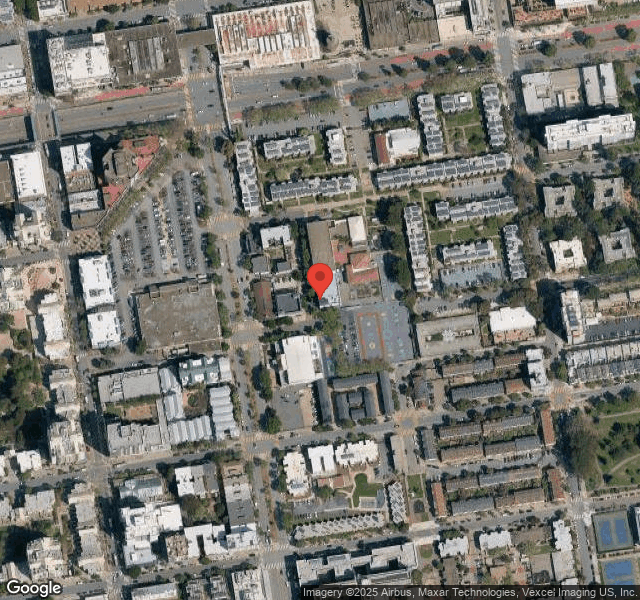
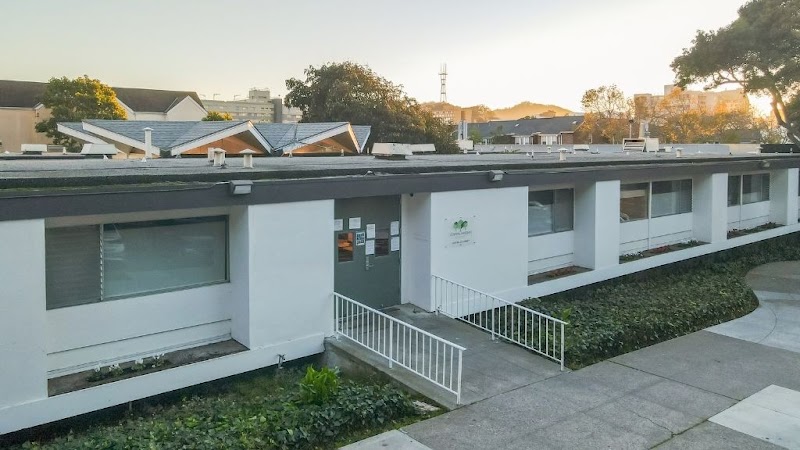
1355 ELLIS STREET, SAN FRANCISCO, CA 94115 (415) 567-2967
For profit - Limited Liability company 92 Beds PACS GROUP Data: November 2025
Trust Grade
83/100
#41 of 1155 in CA
Last Inspection: February 2025

Within standard 12-15 month inspection cycle. Federal law requires annual inspections.

Overview

Central Gardens Post Acute in San Francisco has a Trust Grade of B+, indicating it is above average and recommended for families seeking care. It ranks #41 out of 1155 facilities in California, placing it in the top half, and #2 out of 17 in San Francisco County, meaning there is only one better option nearby. The facility's overall performance is stable, with 35 issues identified, but no critical or serious problems noted. Staffing is decent with a 3/5 rating and a turnover rate of 27%, which is lower than the state average, suggesting staff tend to stay longer. While there are no fines against the facility, which is a positive sign, there are concerns about food safety practices and infection control, including unclean food storage and improper hand hygiene by staff, which could pose risks for residents.

Trust Score
B+
83/100
In California
#41/1155
Top 3%
Safety Record
Low Risk
No red flags
Inspections
Holding Steady
3 → 3 violations
Staff Stability
✓ Good
27% annual turnover. Excellent stability, 21 points below California's 48% average. Staff who stay learn residents' needs.
Penalties
✓ Good
No fines on record. Clean compliance history, better than most California facilities.
Skilled Nurses
○ Average
Each resident gets 41 minutes of Registered Nurse (RN) attention daily — about average for California. RNs are the most trained staff who monitor for health changes.
Violations
⚠ Watch
35 deficiencies on record. Higher than average. Multiple issues found across inspections.
★★★★★
5.0
Overall Rating
★★★☆☆
3.0
Staff Levels
★★★★★
5.0
Care Quality
★★★★☆
4.0
Inspection Score
Stable
2024: 3 issues
2025: 3 issues

The Good

  • 5-Star Quality Measures · Strong clinical quality outcomes
  • Low Staff Turnover (27%) · Staff stability means consistent care
  • Full Sprinkler Coverage · Fire safety systems throughout facility
  • No fines on record
  • Staff turnover is low (27%)

    21 points below California average of 48%

Facility shows strength in quality measures, staff retention, fire safety.

The Bad

Chain: PACS GROUP

Part of a multi-facility chain

Ask about local staffing decisions and management

The Ugly 35 deficiencies on record

Feb 2025 3 deficiencies
CONCERN (D)

Potential for Harm - no one hurt, but risky conditions existed

Deficiency F0645 (Tag F0645)

Could have caused harm · This affected 1 resident

**NOTE- TERMS IN BRACKETS HAVE BEEN EDITED TO PROTECT CONFIDENTIALITY** Based on interview, record review, and facility policy review, the facility failed to ensure a Level I Pre-admission Screening a...

Read full inspector narrative →
**NOTE- TERMS IN BRACKETS HAVE BEEN EDITED TO PROTECT CONFIDENTIALITY** Based on interview, record review, and facility policy review, the facility failed to ensure a Level I Pre-admission Screening and Resident Review (PASARR) accurately reflected the presence of diagnosed mental illnesses for 1 (Resident #7) of 3 residents reviewed for PASARR requirements. Specifically, Resident #7 had a Level I PASARR completed upon readmission to the facility that did not reflect all their mental health diagnoses. Findings included: An undated facility policy titled, admission Criteria, indicated, 9. All new admissions and readmissions are screened for mental disorders (MD), intellectual disabilities (ID) or related disorders (RD) per the Medicaid Pre-admission Screening and Resident Review (PASARR) process. Resident #7's admission Record indicated the facility originally admitted the resident on 10/03/2020 and most recently admitted the resident on 05/04/2024. According to the admission Record, the resident had a medical history that included diagnoses of delusional disorders and schizophrenia. Resident #7's Care Plan Report included a focus area, initiated on 02/14/2023, that indicated the resident had a mood problem related to schizophrenia. A discharge Minimum Data Set (MDS), with an Assessment Reference Date (ARD) of 04/26/2024, revealed that at the time of the assessment, Resident #7 had active diagnoses that included psychotic disorder and schizophrenia. Resident #7's Level I PASSAR, completed by a local hospital on [DATE], revealed Section III- Serious Mental Illness, question 10 was answered no to indicate the resident did not have a serious diagnosed mental disorder such as depressive disorder, anxiety disorder, panic disorder, schizophrenia/schizoaffective disorder, or symptoms of psychosis, delusions, and/or mood disturbance. As a result, the resident's Level I PASARR was Negative, and a Level II Evaluation was not required. During an interview on 02/19/2025 at 9:04 AM, the Director of Nursing (DON) stated the Admissions Director and the Marketer were responsible for reviewing PASARRs completed by a hospital at the time of each resident's admission. The DON further stated he expected the admissions team to ensure all pertinent diagnoses were included on PASARRs. The DON stated Resident #7 had diagnoses of schizophrenia and delusional disorder, which were considered serious mental illnesses. The DON further stated Resident #7's Level I PASARR dated 05/03/2024 was inaccurate because it did not reflect the resident's mental health diagnoses. During an interview on 02/20/2025 at 9:08 AM, the Admissions Director stated he received Level I PASARRs from the hospital for new admissions, and he reviewed them for accuracy. The Admissions Director further stated he would have reviewed Resident #7's most recent PASARR dated 05/03/2024 for accuracy and was not sure how the resident's mental health diagnoses were missed. The Admissions Director stated Resident #7's 05/03/2024 Level I PASARR was not accurate, because it did not reflect the resident's mental health diagnoses. During an interview on 02/20/2025 at 10:40 AM, the Administrator stated Level I PASARRs were completed at the hospital prior to each resident's admission. The Administrator further stated Resident #7 went to the hospital in May 2024, and their PASARR was completed by the hospital. The Administrator stated Resident #7's Level I PASARR completed on 05/03/2024 was inaccurate because it did not include their mental health diagnoses, and the admitting staff should have caught the inaccuracy and completed a new Level I PASARR for Resident #7.
CONCERN (D)

Potential for Harm - no one hurt, but risky conditions existed

Unnecessary Medications (Tag F0759)

Could have caused harm · This affected 1 resident

Based on observation, interview, record review, and facility policy review, the facility failed to maintain a medication error rate of less than 5 percent (%). Specifically, the facility had 2 errors ...

Read full inspector narrative →
Based on observation, interview, record review, and facility policy review, the facility failed to maintain a medication error rate of less than 5 percent (%). Specifically, the facility had 2 errors out of 30 opportunities, resulting in a medication error rate of 6.67 %, affecting 1 (Resident #39) of 6 residents observed during medication administration. Findings included: A facility policy titled Medication Administration, revised 04/2019, indicated, 10. The individual administering the medication verifies the right resident, right medication, right dosage, right time and right method (route) of administration before giving the medication. An admission Record revealed the facility admitted Resident #39 on 07/19/2024. According to the admission Record, Resident #39 had a medical history that included a diagnosis of unspecified bipolar disorder. A quarterly Minimum Data Set (MDS), with an Assessment Reference Date (ARD) of 01/22/2025, revealed Resident #39 had a Brief Interview for Mental Status (BIMS) score of 13, which indicated the resident had intact cognition. Resident #39's Care Plan Report included a focus area, initiated 10/10/2024, that indicated the resident was at risk for complications related to a sinus infection. An intervention dated 10/10/2024 directed staff to administer medication per physician's orders. The Care Plan Report also included a focus area, initiated 02/18/2025, that indicated the resident had a behavior problem manifested by angry outbursts. An intervention dated 02/18/2025 directed staff to administer medications as ordered. Resident #39's Order Summary Report contained an active order dated 02/01/2025 for Debrox otic solution 6.5 % with instructions to instill 10 drops into both ears twice a week on Wednesdays and Saturdays for ear wax removal. The Order Summary Report also contained an order dated 01/21/2025 for lurasidone hydrochloride (an antipsychotic medication) 20 milligrams (mg) with instructions to give 40 mg (equivalent to two tablets) each morning for bipolar disorder. A concurrent observation and interview on 02/19/2025 at 7:41 AM revealed Registered Nurse (RN) #1 was preparing morning medications for Resident #39. As RN #1 prepared the resident's medications, it was noted she placed only one 20 mg tablet of lurasidone into the medication cup. RN #1 was stopped and asked to read the medication directions on the label and to review the physician's order on the resident's Medication Administration Record (MAR). The nurse then added a second tablet of lurasidone to the medication cup. During medication administration, RN #1 picked up the bottle of Debrox otic solution and placed the bottle into the resident's right nasal passage. The nurse was stopped before she instilled the drops into the resident's left nostril. RN #1 was interviewed immediately upon leaving Resident #39's room. She confirmed she had not read the label correctly for the lurasidone and had only placed one 20 mg tablet into the cup until reminded to read the medication label and orders. RN #1 stated she also made a mistake by instilling the resident's ear drops into the resident's nostril due to being nervous. The Director of Nursing (DON) was interviewed on 02/19/2025 at 9:10 AM and stated that when a nurse gave medications, he expected the nurse to check and make sure the right dose was given to the right patient in the right room by the right route at the right time. The DON stated RN #1 should have read the label carefully for the lurasidone and given two tablets as ordered by the physician. The DON stated he would have expected the ear drops to be administered by the right route for Resident #39. A telephone interview was held with the Consultant Pharmacist (CP) on 02/20/2025 at 7:56 AM. The CP stated he expected nurses to double check medications before administering them to make sure the medications had been prepared correctly, which included making sure the right dose of the right medication was given to the right resident by the right route. The CP stated instilling ear drops into Resident #39's nose and preparing the wrong dose of lurasidone were considered medication errors. The DON was interviewed on 02/20/2025 at 10:00 AM and stated the nurse made medication errors when she gave the medication by the wrong route and did not give the correct dosage of lorasidone. He stated he expected nurses to give the right medication by the right route and expected the right dose to be given. The Administrator was interviewed on 02/20/2025 at 10:15 AM. The Administrator stated he expected the nurses to make sure they gave the right medication, the right dosage, by the right route, to the right resident. The Administrator stated that when RN #1 had not given the right dosage of medication to Resident #39 and administered the ear drops by the wrong route, medication errors were made.
CONCERN (D)

Potential for Harm - no one hurt, but risky conditions existed

Infection Control (Tag F0880)

Could have caused harm · This affected 1 resident

Based on observation, interview, and record review, the facility failed to ensure staff implemented enhanced barrier precautions (EBP) when providing care to 1 (Resident #155) of 1 resident requiring ...

Read full inspector narrative →
Based on observation, interview, and record review, the facility failed to ensure staff implemented enhanced barrier precautions (EBP) when providing care to 1 (Resident #155) of 1 resident requiring EBP observed during the provision of care. Specifically, staff failed to wear a gown during resident care that consisted of touching the resident and their feeding tube. Findings included: An admission Record revealed the facility admitted Resident #155 on 02/08/2025. According to the admission Record, Resident #155 had a medical history that included a diagnosis of gastrostomy (surgical procedure to create an opening in the abdominal wall into the stomach) status. Resident #155's Care Plan Report included a focus area, initiated on 02/08/2025, that indicated the resident required tube feeding related to dysphagia (difficulty swallowing). The Care Plan Report also included a focus area, initiated on 02/17/2025, that indicated the resident required EBP during high-contact resident-care activities due to the presence of an indwelling medical device (feeding tube). During a concurrent observation and interview on 02/17/2025 at 10:35 AM, Licensed Vocational Nurse (LVN) #2 entered Resident #155's room and donned a pair of gloves but no gown. While in the room providing care to the resident, LVN #2 was observed leaning over the resident's bed and body, touching the resident's body, and manipulating the resident's feeding tube. LVN #2 stated she should have donned a gown before going into the resident's room, due to the risk of spreading germs. The Infection Preventionist (IP) was interviewed on 02/19/2025 at 12:20 PM. The IP stated if a resident required EBP, and staff went into the resident's room and touched the resident and/or manipulated their feeding tube, she expected staff to wear both a gown and gloves to minimize the risk of spreading germs to other residents and to themselves. The Director of Nursing (DON) was interviewed on 02/20/2025 at 10:09 AM. The DON stated Resident #155 required EBP, and staff should have worn a gown when touching the resident and manipulating the resident's feeding tube. The Administrator was interviewed on 02/20/2025 at 10:13 AM. The Administrator stated staff had been trained to wear gowns when entering a resident's room to provide care if the resident required EBP.
Apr 2024 2 deficiencies
CONCERN (E) 📢 Someone Reported This

A family member, employee, or ombudsman was alarmed enough to file a formal complaint

Potential for Harm - no one hurt, but risky conditions existed

Report Alleged Abuse (Tag F0609)

Could have caused harm · This affected multiple residents

**NOTE- TERMS IN BRACKETS HAVE BEEN EDITED TO PROTECT CONFIDENTIALITY** Based on Interviews and record reviews, the facility failed to ensure the allegation of resident-to-resident abuse was promptly ...

Read full inspector narrative →
**NOTE- TERMS IN BRACKETS HAVE BEEN EDITED TO PROTECT CONFIDENTIALITY** Based on Interviews and record reviews, the facility failed to ensure the allegation of resident-to-resident abuse was promptly reported to the State Agency (SA, which is the California Department of Public Health, CDPH) in accordance with the facility ' s policy and procedure for four of 4 sampled residents (Resident 1, Resident 2 Resident 3, and Resident 4). Failure to promptly report allegation of abuse had the potential for further abuse to happen and thereby increasing the chances of harm to the residents. Findings: During a review of admission Record, dated [DATE], indicated, Resident 1, admitted to facility on [DATE], with diagnoses including: Seizures (involuntary body jerking), Adult failure to thrive, Dementia (loss of memory). Resident discharged on [DATE]. Review of admission record, dated, [DATE], indicated, Resident 2, admitted to facility on [DATE] with diagnoses including: Compression Fracture Lumbar, Cirrhosis of Liver ( damaged liver from various causes) , Malignant Neoplasm of Larynx (Cancer of the voice box). Patient expired [DATE]. During a review of facility Investigation Summary, dated, [DATE], indicated, on [DATE] at 2125, CNA reported to LN that Resident 2 told him that his roommate alleged splashed liquid in his face. LN separated residents .Resident 2, alert and oriented, interviewed by LN, per resident, was about to go sleep, when other resident who was sitting in his bed, opened the curtain and splashed liquid in my face. It feels like water from a cup .Resident 1 was transferred to another room. Per resident 1, I don ' t know what happened, I did not do anything. I ' m sorry about that. Resident 1is confused at baseline. Assessment done for both residents .Resident 2 was happy when resident 1 was transferred to another room. MD notified, RP notified for both. Local police notified, Ombudsman notified, CDPH notified, SOC faxed . During an interview on [DATE] at 2;14 PM, with Scial Worker Designee (SW), per SW, she remembers the incident, these two were roommates, resident 1 is a wanderer, he has Dementia. Resident 1 splashed water on roommate ' s face, it was in the evening. Resident 2 is alert and oriented, he stated, that his roommate opened the curtain and splashed liquid in his face most likely water from his table. They were separated, resident 1was moved to another room and resident 2 was satisfied and thank staff for the prompt action. During a review of nurses notes for monitoring, for 11/9/- [DATE], resident 1, no signs of distress, was in bed all night .confused, walking in hallway wanted to smoke . confused walking in the hallway looking for relative. Refused nicotine patch application but consented when wife arrived . During an interview on [DATE] at 2:33 PM , with Registered Nurse ( RN), PM nurse supervisor, per RN, resident 1, got up and threw water to resident 2. Resident 1 was transferred to another room, and resident 2 like that. There was no issue after that. SOC was completed, left voicemail message with CDPH and Ombudsman. both patients monitoring done, DSD gave inservice to staff on abuse. Mr Papkov was on Hospice and expired [DATE]. During a review of Interdisciplinary Note ( IDT) note, dated [DATE], indicated, at 2125 CNA notified LN that resident that Resident 2 told him that his roommate alleged splashed liquid in his face. LN separated residents .Resident 2, alert and oriented, interviewed by LN, per resident, was about to go sleep, when other resident who was sitting in his bed, opened the curtain and splashed liquid in my face. It feels like water from a cup .Resident 1 was transferred to another room. Per resident 1, I don ' t know what happened, I did not do anything. I ' m sorry about that. Resident 1is confused at baseline. Assessment done for both residents .Resident 2 was happy when resident 1 was transferred to another room. MD notified; RP notified for both. Local police notified with reference number, Ombudsman notified. At 2152 CDPH notified and spoke with [NAME], after 15 minutes [NAME] from CDPH called the facility and informed the LN that they can send the SOC 341 tomorrow morning after 8 PM if having trouble faxing it.At 740 AM,DON faxed the SOC to CDPH, at 0805 , DON called CDPH phone number to verify if the SOC was received, went straight to voicemail, VM was left awaiting response. During an interview on [DATE] at 5 PM, with Director of Nursing (DON), per DON, the RN called the CDPH number to notify about the alleged abuse and faxed the SOC. The faxed machine on [DATE] was not printing receipts, but able to fax out as indicated in the fax machine window message. No confirmation of transmittal page was printed. During an iInterview on [DATE] at 5 PM, with RN, per RN, she called the CDPH number from the website, she has to search the number (unable to give that phone number), and spoke to two people from CDPH,and informed LN that they can send the SOC 341 tomorrow morning after 8 PM if having trouble faxing it. During a review of facility document, Care Plan, initiated [DATE] for both residents, updated, no issues. Interview on [DATE] at 3:23 Pm, with Director of Staff Development (DSD), /DSD, per DSD, Abuse inservices are given every month for all staff. It is given through powerpoint presentation in the conference room. During a review of voicemail messages in the CDPH office on [DATE] at 9AM with CDPH office staff, per office staff no voicemail message left on [DATE] or [DATE], to report abuse . SOC 341 was received in the office on [DATE] via fax. During a record review of admission Record, dated, [DATE], indicated, Resident 3 admitted to facility on [DATE] with diagnoses including: Compression Fracture of Lumbar vertebra, ( small breaks or cracks in the bones of the spinal column) Osteonecrosis ( death of a bone tissue due to interruption of blood supply), Anxiety Disorder ( uncontrollable feelings of fear). Patient discharged on [DATE]. During a review for Resident 3 ' s MDS- Cognitive Patterns, dated [DATE], indicated, Brief Interview for Mental Status (BIMS), score is 11, no cognitive impairment. During a review of admission Record, dated, [DATE], indicated, Resident 4 admitted to facility on [DATE] with diagnoses including Intracranial( brain) injury without loss of consciousness s/p pedestrian injured in traffic accident, Hemiplegia (weakness in one side of body) Cervicalgia (formal way of calling neck pain or cervical pain). Patient discharged [DATE]. During a review for Resident 4 ' s MDS- Cognitive Patterns, dated [DATE], indicated, Brief Interview for Mental Status(BIMS), score is 12, no cognitive impairment. During a review of facility ' s Investigation Summary, dated, [DATE], indicated, On [DATE], Resident 3 came back from his appointment at 1550, upon returning to his room, resident 3 informed Administrator in Training (AIT), claiming that his former roommate allegedly stole his Identification card and $32.00 cash .Resident 4 was discharged on [DATE]. Ombudsman was notified via phone. CDPH was informed at 1710 via phone and spoke with [NAME]. Local police were notified. SOC 341 was faxed afterwards. RN called Resident 4 ' s listed number .not answering phone with multiple attempts. Facility not able to get a statement from resident 4 . facility investigation, spoke with the staff worked with resident 3, staff stated no awareness of said allegation, staff also were not notified by resident 3 he has some cash in his possession. Residents interviewed stated, no concerns about care rendered by staff . no mention in his inventory list that he signed that he has cash in possession . During a review on [DATE] at 4PM, of facility document, Inventory of Personal Items, signed by resident 3 on [DATE], no indication of ID or cash on the list. During a review of Interdisciplinary Team (IDT) note, dated [DATE], indicated, on [DATE], Resident 3 came back from his appointment at 1550, upon returning to his room, resident 3 informed Administrator in Training (AIT), claiming that his former roommate allegedly stole his Identification card and $32.00 cash .Resident 4 was discharged on [DATE]. DPOA for patient care was called at 1645 and was informed in regards to patient ' s complain. Ombudsman informed at 1700 via phone call and voicemail was left. CDPH was informed at 1710 via phone and spoke with an agent ([NAME]) and reported the alleged financial abuse. Local police were notified at 1720. PIMG was called at 1725 and was able to talk to PA (Physician Assistant). Ombudsman called back the facility at 1745, LN was able to talk to him in regards to alleged financial abuse .patient monitored for any emotional and psychological distress every shift. During an interview on [DATE] at 5PM, with Director of Nursing, per DON, he called CDPH office and talked to an agent named [NAME] as indicated in nurses notes and IDT notes dated [DATE]. During an interview on [DATE] at 3PM, with Director of Staff Development(DSD), per DSD, the inservice for Abuse is given monthly to all staff via powerpoint. Review of Inservice Lesson Plan dated [DATE], was provided and [DATE] to include, Inventory guidelines. Per DSD, no specific inservice for misappropriation, it ' s a part of the Abuse class. During an interview on [DATE] at 2:15PM, with Social Worker Designee (SW), per SW these residents were roommates, resident 3 was admitted first in that room. There was no complaints from both of them, but that [DATE], alleged financial abuse. The staff will list all personal belongings on admission, money is not in the list. Most patients will want to keep them if alert and oriented. Or we put in safe, patient has to agree to that. During an interview on [DATE] at 9:30 AM, with CDPH office staff, per office staff, no voicemail notification from facility on [DATE], no staff or agent at CDPH named [NAME]. No SOC 341 received via fax on [DATE]. Office received 5day summary on [DATE]. Facility provided transmission verification result with fax number [PHONE NUMBER] (not CDPH fax number). Review of facility Policy and Procedure, Abuse, Neglect, Exploitation or Misappropriation-Reporting and Investigation, dated 9/22, indicated, 2. The administrator or the individual making the allegation immediately reports his or her suspicion to the following agencies: a. The state licensing/certification agency responsible for surveying/licensing the facility .3. Immediately is defined as: a. Within two hours of an allegation involving abuse or result in serious injury .
CONCERN (E) 📢 Someone Reported This

A family member, employee, or ombudsman was alarmed enough to file a formal complaint

Potential for Harm - no one hurt, but risky conditions existed

Deficiency F0655 (Tag F0655)

Could have caused harm · This affected multiple residents

**NOTE- TERMS IN BRACKETS HAVE BEEN EDITED TO PROTECT CONFIDENTIALITY** Based on interview and record review, the facility failed to ensure baseline care plan was developed within 48 hours of admissio...

Read full inspector narrative →
**NOTE- TERMS IN BRACKETS HAVE BEEN EDITED TO PROTECT CONFIDENTIALITY** Based on interview and record review, the facility failed to ensure baseline care plan was developed within 48 hours of admission for Resident 6 and a copy of the baseline care plan summary was provided to the resident and/or representative for three of 3 sampled residents (Resident 5, 6, and 7). A Baseline Care Plan (BCP) includes minimum healthcare information necessary to properly care for each resident immediately upon their admission, which would address resident-specific health and safety concerns to prevent decline, injury, such as elopement or fall risk, and would identify needs for supervision, behavioral interventions, and assistance with activities of daily living, as necessary. The deficient practice resulted in Resident 5, 6, and 7, and/or RP not receiving information of the initial plan of care; and had the potential to result in inadequate care and services rendered to the residents. Findings: Review of Resident 5 ' s admission record indicated, admitted to facility on 4/11/24 with diagnoses including rhabdomyolysis (a breakdown of muscle tissue that releases a damaging protein into the blood), kidney disease, pulmonary hypertension (a type of high blood pressure that affects arteries in the lungs and in the heart), and major depressive disorder (persistently depressed mood or loss of interest in activities, causing significant impairment in daily life). Review of Resident 5 ' s Minimum Data Set (MDS, a resident assessment tool) dated 4/15/24, indicated, no cognitive (thought process) impairment. Review of Resident 5 ' s Baseline Care Plan dated 4/11/24, indicated, na (not applicable) under section E. Baseline Care Plan Summary – Resident and/or Resident Representative (RR) participated in the Baseline Care Plan review with a printed/written summary provided . Printed Baseline Care Plan provided via: 2a. In person .2b. Fax .2c. Mail .2d. Email . Review of Resident 6 ' s admission record indicated, admitted to facility on 12/1/23 with diagnoses including cancer of the prostate, cervical disc degeneration (caused by decreased water content of the disc or desiccation which leads to tears in the outer ring or the annulus fibrosus), and glaucoma (a group of eye diseases that can cause vision loss and blindness by damaging a nerve in the back of the eye). Review of Resident 6 ' s MDS dated [DATE], indicated no cognitive impairment. Review of Resident 6 ' s Baseline Care Plan dated 12/1/23, indicated, all sections were not completed within 48 hours. The baseline care plan indicated, Social Services section was completed on 12/4/23, Rehabilitative Services completed on 12/5/23, and Activity Preferences completed on 12/4/23. Further review indicated, Resident 6 ' s Baseline Care Plan Summary dated 12/1/23, indicated, na (not applicable) under section E. Baseline Care Plan Summary – Resident and/or Resident Representative (RR) participated in the Baseline Care Plan review with a printed/written summary provided . Printed Baseline Care Plan provided via: 2a. In person .2b. Fax .2c. Mail .2d. Email . Review of Resident 7 ' s admission record indicated, admitted to facility on 4/23/24 with diagnoses including kidney disease, congestive heart failure (a long term condition in which the heart doesn't pump blood as well as it should), atrial fibrillation (an irregular, often rapid heart rate that commonly causes poor blood flow), and depression. Review of Resident 7 ' s Baseline Care Plan Summary dated 4/23/24, indicated, na (not applicable) under section E. Baseline Care Plan Summary – Resident and/or Resident Representative (RR) participated in the Baseline Care Plan review with a printed/written summary provided . Printed Baseline Care Plan provided via: 2a. In person .2b. Fax .2c. Mail .2d. Email . During interview and concurrent record review on 4/25/24 at 5:08 PM, the Director of Nursing (DON) reviewed Resident 5, Resident 6, and Resident 7 ' s Baseline Care Plan. The DON acknowledged and stated, Resident 6 ' s baseline care plan was not completed on time and that all sections should be completed within 48 hours. During further interview, the DON stated, na written on the Baseline Care Plan Summary means not reviewed and provided to the resident. Review of facility ' s policy and procedure titled, Care Plans – Baseline, revised December 2022, indicated, A baseline plan of care should be developed for each resident within forty-eight (48) hours of admission. 1. The baseline care plan should include instructions needed to provide effective, person-centered care of the resident, which may include the following: . d. Therapy services; e. Social Services . 4. The resident and/or representative should be provided a written summary of the baseline care plan as guided by the discussion noted above.
Jan 2024 1 deficiency
CONCERN (D) 📢 Someone Reported This

A family member, employee, or ombudsman was alarmed enough to file a formal complaint

Potential for Harm - no one hurt, but risky conditions existed

Quality of Care (Tag F0684)

Could have caused harm · This affected 1 resident

**NOTE- TERMS IN BRACKETS HAVE BEEN EDITED TO PROTECT CONFIDENTIALITY** Based on interview, record review, and observation, the facility failed to provide needed care and assistance in accordance with...

Read full inspector narrative →
**NOTE- TERMS IN BRACKETS HAVE BEEN EDITED TO PROTECT CONFIDENTIALITY** Based on interview, record review, and observation, the facility failed to provide needed care and assistance in accordance with professional standards of practice when Resident 1, one of one sampled residents, did not receive pain medication or bathroom assistance, throughout the entire night. This failure caused undue suffering and neglect to the resident. Findings: Resident 1 was admitted to the facility on [DATE], at 3:30 PM, for Physical Therapy and Occupational Therapy services after transfer from hospital. Resident 1's diagnoses included, lumbar fracture from fall, back surgery from fall fracture, back pain, high blood pressure, gout (inflammatory joint pain and swelling), urinary tract infection, and liver disease. Required assistance with toileting, transferring, bathing and dressing. Resident is not incontinent of urine (has control of her urine). Alert and oriented, denied pain upon admittance. Resident was medicated prior to transfer from hospital. Resident is [AGE] years old and does not speak English. During an interview and observation on 1/27/2024, at 11:28 AM, at nurses station, son of Resident 1 stated his mother has been waiting for pain medications since yesterday. She had back surgery a week ago and was transferred from hospital to facility yesterday. She has back pain. She has also needed to urinate and had the call light on all night long trying to get help. No one came. In resident's room, Resident looked anxious, distressed, face grimacing. Speaking in Cantonese to son, who translated, Resident stated she walked to bathroom with walker, without assistance, needing help, because she couldn't wait any longer to urinate. Last night her pain level was 8 out of 10. No one ever came to assist her. Later that night she had to go to the bathroom again. She wet her bed and laid in her wet bed until 7:30 AM this morning. Son stated there were no Cantonese speaking staff available and they did not use translater services. She received her first pain medication at 11:30 AM on 1/27/2024. And they never answered her call light all night. Record review of facility policy, revised March, 2018, Activities of Daily Living (ADLs), Supporting indicated, Residents will be provided with care, treatment and services as appropriate to maintain or improve their ability to carry out activities of daily living (ADLs). Residents who are unable to carry out activities of daily living independently will receive the services necessary to maintain good nutrition, grooming and personal and oral hygiene .2. Appropriate care and services will be provided for residents who are unable to carry out ADLs independently, with the consent of the resident and in accordance with the plan of care, including appropriate support and assistance with: a. Hygiene (bathing, dressing, grooming, and oral care); b. Mobility (transfer and ambulation, including walking); c. Elimination (toileting); d. Dining (meals and snacks); and e. Communication (speech, language and any functional communication systems). 3. Care and services to prevent and/or minimize functional decline will include appropriate pain management . Review of Progress Notes dated 1/27/2024 at 4:44 PM, At 10:30 AM, Director of Nurses (DON) spoke with resident's son, he has some concern regarding the care of his mother, DON acknowledge and informed son he will look at it and address the situation . During a telephone interview on 4/9/2024 at 4 PM, son of resident stated his mother, had a pain scale of 9 out of 10 in the morning due to back pain. Nobody answered the light all night long. She got up by herself and walked to the bathroom by herself and should not have been walking at all, unassisted. (Resident) only speaks Cantonese. They had no one who spoke Cantonese and they did not use interpreter services. She came into facility at 3:30 PM on 1/26/2024 and had received pain medication at the hospital before transfer. When she needed pain medication later that night, they had none. She waited until the next day, 1/27/2024, before they were able to give her pain medications again and they never answered her call light that night . \
May 2023 8 deficiencies
CONCERN (D)

Potential for Harm - no one hurt, but risky conditions existed

Deficiency F0655 (Tag F0655)

Could have caused harm · This affected 1 resident

**NOTE- TERMS IN BRACKETS HAVE BEEN EDITED TO PROTECT CONFIDENTIALITY** Based on interview and record review, the facility failed to create a baseline care plan based on physician admitting order of o...

Read full inspector narrative →
**NOTE- TERMS IN BRACKETS HAVE BEEN EDITED TO PROTECT CONFIDENTIALITY** Based on interview and record review, the facility failed to create a baseline care plan based on physician admitting order of one of three residents (Resident 78) reviewed when Resident 78 admitted [DATE] with enteral feeding order, care plan was only initiated on 5/24/23. This failure can result in Resident 1 not getting tube feeding as ordered. Findings: Review of Resident 78's admission Record indicated, admitted to facility on 5/15/23 with diagnosis including Dysphagia (difficulty in swallowing), Esophageal Cancer (cancer of the tube that runs from the throat to the stomach). Review of Physician Order dated 5/17/23, indicated, Enteral Feed (form of nutrition delivered into the digestive system as liquid) Order, Jevity 1.5 at 100 ml/hr x 8 hours (9:00 PM-5:00 AM), one time in the evening. Review of Care Plan, indicated, resident requires tube feeding r/t (related to) esophageal cancer s/p (status post, after) esophagectomy (removal of esophagus), esophageal stricture initiated 5/24/23. Interview on 5/25/23 with DON, DON stated, care plan should be initiated in 24 - 48 hours upon admission. The MDS (Minimum Data Set, an assessment tool) nurse missed this. Review of the facility Policy and Procedure, Care Plans-Baseline, no date, indicated, A baseline plan of care should be developed for each resident within forty-eight (48) hours of admission. The baseline care plan should include instructions needed to provide effective, person-centered care of the resident, which may include the following . b. Physician's orders .
CONCERN (D)

Potential for Harm - no one hurt, but risky conditions existed

Comprehensive Care Plan (Tag F0656)

Could have caused harm · This affected 1 resident

**NOTE- TERMS IN BRACKETS HAVE BEEN EDITED TO PROTECT CONFIDENTIALITY** Based on observation, interview, and record review, the facility failed to implement fall care plan for one of three sampled res...

Read full inspector narrative →
**NOTE- TERMS IN BRACKETS HAVE BEEN EDITED TO PROTECT CONFIDENTIALITY** Based on observation, interview, and record review, the facility failed to implement fall care plan for one of three sampled residents (Resident 6) when there was no landing pad (known as fall mat) in place after his fall incident on 2/20/23. This failure placed Resident 6 at risk for injury from another fall. Findings: Review of Resident 6's clinical record indicated, Resident 6 was admitted to the facility on [DATE] with diagnoses including mild cognitive impairment (a condition where people experience memory and thinking problems), hypertension (high blood pressure), and history of falling. Review of Resident 6's MDS (Minimum Data Set, an assessment tool), dated 12/3/22 and 5/7/23, indicated, Resident 6 was severely cognitively impaired. During a concurrent observation and interview on 5/25/23, at 9:21 AM, with Certified Nursing Assistant (CNA) 2, in Resident 6's room, there was no landing pad in place. There was no sign in Resident 6's room and at the door indicating that he was at high risk of falling. CNA 2 stated, He is not high fall risk when asked. During an interview on 5/25/23, at 11:33 AM, with the Director of Nursing (DON), DON stated, Resident 6 was not at high fall risk although he had a history of falls prior to his admission when asked. During a concurrent interview and record review on 5/25/23, at 11:34 AM, with the DON, Resident 6's clinical record titled, 02. Nursing -Fall Risk Observation/Assessment - V 2.0 (Fall Risk Assessment), dated 8/1/22 was reviewed. The Fall Risk Assessment indicated, . Score: 18 . Type: admission . in the header. The Fall Risk Assessment also indicated, . The Score and Category will appear in the header of this assessment as per the scoring below . C. HIGH RISK 16-42 . DON stated, high-risk fall scores ranged from 16 to 42 when asked. Then DON acknowledged, Resident 6 was at high risk for falls from his admission to the facility. Review of Resident 6's clinical record titled, eINTERACT Change in Condition Evaluation - V 5.1, dated 2/20/23 indicated, . 11. Falls . 02/20/2023 . CNA discovered patient sitting on floor next to foot of bed with fecal matter rubbed on floor near head of bed and all over bed at 0650 . 7. No changes observed . During a concurrent interview and record review on 5/25/23, at 11:38 AM, with the DON, Resident 6's clinical record titled, 02. Nursing -Fall Risk Observation/Assessment - V 2.0 (Fall Risk Assessment), dated 2/20/23 was reviewed. The Fall Risk Assessment indicated, . Score: 24 . in the header. DON stated, Yes when asked if the score of 24 was high risk for falls. DON stated, CNA 2 would not have known because he was a registry when asked why CNA 2 did not know that Resident 6 was at high risk for falls. When asked if it was reasonable to not know because CNA 2 is a registry, DON did not answer. Review of Resident 6's care plan indicated, . unwitnessed fall 2/20/23 . [NAME] pad (typo of landing pad) in place Date initiated: 02/21/2023 . During a concurrent observation and interview on 5/25/23, at 12:00 PM, with CNA 2 and DON, at the door of Resident 6's room, there was no fall mat on the floor in the room, and no signage of high fall risk. DON acknowledged, the fall mat (landing pad) was not in place. CNA 2 stated, I wasn't aware in front of DON when asked if he was aware that Resident 6 was at high risk for fall. During an interview on 5/26/23, at 10:29 AM, with Director of Staff Development (DSD), DSD stated, No when asked CNA 2's practice that he did not know that Resident 6 was at high risk for falls is acceptable given that Resident 6 had falls in the facility. During an interview on 5/26/23, at 12:27 PM, with the DSD, DSD stated, there was no fall mat (landing pad) in Resident 6's room, then acknowledged they did not implement care plan of 2/21/23 after his fall on 2/20/23. During an interview on 5/26/23, at 12:50 PM, with DSD, DSD verified, Resident 6 fell on 9/3/22, 10/26/22, 12/23/22, 2/20/23, and 5/20/23. DSD stated, Yes when asked if five falls in the facility were a lot for Resident 6. Review of the facility's policy and procedure (P&P) titled, Assessing Falls and Their Causes, undated, indicated, . 1. Falls are a leading cause of morbidity and mortality among the elderly in nursing homes . 4 . Relevant risk factors must be addressed promptly . 6. Appropriate interventions taken to prevent future falls . Review of the facility's P&P titled, Falls and Fall Risk, Managing, revised in March 2018, indicated, . Based on previous evaluations and current data, the staff will identify interventions related to the resident's specific risks and causes to try to prevent the resident from falling . 5. If falling recurs despite initial interventions, staff will implement additional or different interventions .
CONCERN (D)

Potential for Harm - no one hurt, but risky conditions existed

Deficiency F0657 (Tag F0657)

Could have caused harm · This affected 1 resident

**NOTE- TERMS IN BRACKETS HAVE BEEN EDITED TO PROTECT CONFIDENTIALITY** Based on observation, interview, and record review, the facility failed to revise the fall care plan for one of three sampled re...

Read full inspector narrative →
**NOTE- TERMS IN BRACKETS HAVE BEEN EDITED TO PROTECT CONFIDENTIALITY** Based on observation, interview, and record review, the facility failed to revise the fall care plan for one of three sampled residents (Resident 6) after his fall incident on 10/26/22. This failure had the potential to put Resident 6 at risk for another fall. Findings: Review of Resident 6's clinical record indicated, Resident 6 was admitted to the facility on [DATE] with diagnoses including mild cognitive impairment (a condition where people experience memory and thinking problems), hypertension (high blood pressure), and history of falling. Review of Resident 6's MDS (Minimum Data Set, an assessment tool), dated 12/3/22 and 5/7/23, indicated, Resident 6 was severely cognitively impaired. During a concurrent observation and interview on 5/23/23, at 11:17 AM, with Resident 6, in his room, Resident 6 was sitting in wheelchair. He was confused with time and place when asked. During an observation on 5/25/23, at 9:23 AM, in hallway, Resident 6 was sitting in wheelchair, and roaming around in the hallway by himself. During an interview on 5/25/23, at 9:30 AM, with Resident 6, he was confused with place when asked. During an interview on 5/25/23, at 11:38 AM, with Director of Nursing (DON), DON stated, He gets up on his own . He frequently roams around with wheelchair. Review of Resident 6's care plan indicated, he fell on 9/3/22, 10/26/22, 12/23/22, 2/20/23, and 5/20/23. Review of Resident 6's clinical record titled, eINTERACT Change in Condition Evaluation - V 5.1, dated 10/26/22 indicated, .11. Falls . 10/26/2022 . No changes observed . Review of Resident 6's clinical record titled, 02.Nursing -Fall Risk Observation/Assessment - V 2.0(Fall Risk Assessment), dated 10/26/22, indicated, . Score: 24 . in the header. The Fall Risk Assessment indicated, . During the last 90 days the resident has had . 1-2 Falls . 4. Ambulates with problems and with devices (gait is unsteady, slow, lurching) . 11. Scoring . The Score . will appear in the header of this assessment as per the scoring below . C. HIGH RISK 16-42 . During an interview on 5/25/23, at 1:32 PM, with DON, DON stated, Resident 6 had multiple falls before and after his admission to the facility. DON stated, .We don't provide sitter here . We involve them (family member) . There are work to do to prevent fall . when asked about the facility's interventions. But when asked why Resident 6 had multiple falls if the facility's intervention was effective, DON did not answer. DON acknowledged, Resident 6's multiple falls in the facility were excessive. During an interview on 5/26/23, at 12:50 PM, with the Director of Staff Development (DSD), DSD verified, Resident 6 fell on 9/3/22, 10/26/22, 12/23/22, 2/20/23, and 5/20/23. She stated, Yes when asked if Resident 6's five falls in the facility were a lot for him. During a concurrent interview and record review on 5/26/23, at 2:10 PM, with DSD, Resident 6's care plan was reviewed together. There was no revision of care plan after his fall on 10/26/22. DSD stated, NO when asked if she could see care plan revision on 10/26/22. When asked if the goal was met, she stated, No. When asked if the previous interventions were effective, she stated, No because he fell again. Review of the facility's policy and procedure (P&P) titled, Assessing Falls and Their Causes, undated, indicated, . 1. Falls are a leading cause of morbidity and mortality among the elderly in nursing homes . 6. Appropriate interventions taken to prevent future falls . Review of the facility's P&P titled, Falls and Fall Risk, Managing, revised in March 2018, indicated, . Based on previous evaluations and current data, the staff will identify interventions related to the resident's specific risks and causes to try to prevent the resident from falling . 5. If falling recurs despite initial interventions, staff will implement additional or different interventions, or indicate why the current approach remains relevant . Review of the facility's P&P titled, Goal and Objectives, Care Plans, undated indicated, . 5. Goals and objectives are reviewed and/or revised . a. when there has been a significant change in the resident's condition; b. when the desired outcome has not been achieved .
CONCERN (D) 📢 Someone Reported This

A family member, employee, or ombudsman was alarmed enough to file a formal complaint

Potential for Harm - no one hurt, but risky conditions existed

Pharmacy Services (Tag F0755)

Could have caused harm · This affected 1 resident

**NOTE- TERMS IN BRACKETS HAVE BEEN EDITED TO PROTECT CONFIDENTIALITY** Based on observation, interview, and record review the facility failed to maintain an accurate accountability sheet that documen...

Read full inspector narrative →
**NOTE- TERMS IN BRACKETS HAVE BEEN EDITED TO PROTECT CONFIDENTIALITY** Based on observation, interview, and record review the facility failed to maintain an accurate accountability sheet that documented the number of controlled substances (Oxycodone tablets, pain medication) that should be available for destruction, and an accurate count of controlled substance (Oxycodone tablets) physically available for destruction compared to the documented amount that should be available for destruction for one out of eight residents reviewed (Resident 441). This failure has the potential to cause medication diversion (illegal use of medication not intended by the provider). Findings: Review of Resident 441 admission Record indicated that Resident 441 was admitted on [DATE], with the medical diagnosis including left hip osteoarthritis (joint and bone disease which causes pain and stiffness), pain in left lower leg, and kidney failure. Resident 441 was discharged from the facility on 1/09/23. During a concurrent interview and observation on 5/24/23 at 11:00 AM, with the Director of Nursing (DON), in the DON's office, it was observed that the medication (Oxycodone tablets) were in the office for destruction and did not have an accountability sheet associated with the medication. It was observed that the DON counted eight Oxycodone tablets. The DON stated that every medication should have an accountability sheet. The DON stated when a medication is in need for destruction the bedside Nurse filled out an accountability sheet that includes the residents name, the medication name, dosage, and quantity to be destroyed. When the medication is given to the DON for destruction, the DON and the bedside Nurse review the accountability sheet, and both individuals sign off on the information's validity. The DON stated that the medication is then kept for destruction in a safe lock box to be destroyed with the Pharmacist later. During an interview on 5/25/23 at 2:00 PM with the DON, the DON stated that an accountability sheet was recovered for Resident 441's Oxycodone tables that documented 12 original tablets, and one tablet was administered, leaving 11 tablets available for destruction. Review of Resident 441 Controlled Substance Accountability sheet for Oxycodone tablet indicated that 12 tablets were available on 1/9/23 and one tablet was administered leaving 11 tablets available. Review of Resident 441's Medication Administration Record (MAR) indicated that one tablet of Oxycodone was administered on 1/9/23 at 07:31 AM. Review of the Receipt of dispensed medication from the facilities automated dispensing unit (ADU, Automated machine that dispenses medication to the nurses) indicated that 11 tablets of Oxycodone were dispensed for Resident 441. During an interview on 5/26/23 at 09:00 AM with the DON, it was stated that the automated dispensing unit (ADU) dispensed 11 tablets for Resident 441, and a receipt from the machine was provided. It was stated the one tablet is recorded as being administered to Resident 441, leaving ten tablets available for destruction. The DON stated that they physically have eight tablets for destruction, and two tablets are unaccounted for. Review of the undated policy titled Controlled Substances reads: Controlled substances are separately locked in permanently affixed compartments. Controlled Substances remaining in the facility after the order has been discontinued or the resident has been discharged are securely locked in area with restricted access until destroyed. Accountability records for discontinued controlled substances are kept with the unused supply until it is destroyed or disposed of as required by applicable law or regulation.
CONCERN (D) 📢 Someone Reported This

A family member, employee, or ombudsman was alarmed enough to file a formal complaint

Potential for Harm - no one hurt, but risky conditions existed

Deficiency F0761 (Tag F0761)

Could have caused harm · This affected 1 resident

**NOTE- TERMS IN BRACKETS HAVE BEEN EDITED TO PROTECT CONFIDENTIALITY** Based on observation, interview, and record review the facility failed to store controlled substances intended for destruction i...

Read full inspector narrative →
**NOTE- TERMS IN BRACKETS HAVE BEEN EDITED TO PROTECT CONFIDENTIALITY** Based on observation, interview, and record review the facility failed to store controlled substances intended for destruction in a separately locked and permanently affixed storage compartment when Oxycodone (controlled substance for pain) tablets and solutions were found on the floor, and in a cardboard box in plain sight, for one out of seven Residents reviewed (Resident 441). This failure had the potential to cause medication diversion (illegal use of medication not intended by the provider). Findings. Review of Resident 441 admission Record indicated that Resident 441 was admitted on [DATE], with the medical diagnoses including left hip osteoarthritis (joint and bone disease causing pain and stiffness) , Pain in left lower leg, and kidney failure. Resident 441 was discharged from the facility on 1/09/23. During concurrent observation and interview on 5/24/23 at 10:30 AM in the Director of Nursing (DON) office, it was observed that packaged Oxycodone tablets (controlled substance that has a high risk for addiction and dependence) were laying on the floor (unsupervised, unlocked, and in plain sight) next to a cardboard box. It was also observed that the safe lock box where controlled medications were kept for destruction was lifted off the floor and placed on top of the desk. The DON stated that the medications should not be on the floor and should be in a locked safe for destruction. The DON also stated that the safe lock box was lifted off from the floor and placed on the counter to make it easier to review the contents inside. Review of the undated policy titled Controlled Substances, indicated controlled substances are separately locked in permanently affixed compartments. Controlled Substances remaining in the facility after the order has been discontinued or the resident has been discharged are securely locked in area with restricted access until destroyed.
CONCERN (D) 📢 Someone Reported This

A family member, employee, or ombudsman was alarmed enough to file a formal complaint

Potential for Harm - no one hurt, but risky conditions existed

Deficiency F0806 (Tag F0806)

Could have caused harm · This affected 1 resident

**NOTE- TERMS IN BRACKETS HAVE BEEN EDITED TO PROTECT CONFIDENTIALITY** Based on observation, interview and, record review, the facility failed to accommodate food preferences of one of nine sampled r...

Read full inspector narrative →
**NOTE- TERMS IN BRACKETS HAVE BEEN EDITED TO PROTECT CONFIDENTIALITY** Based on observation, interview and, record review, the facility failed to accommodate food preferences of one of nine sampled residents (Resident 11) when she was served cheeseburger instead of the preferred pork vegetable stir fry during lunch on 5/25/23. This deficient practice had the potential for Resident 11 to experience an unpleasant dining experience due to receiving foods she did not request or like. Findings: Review of Resident 11's admission Record, indicated Resident 11 was admitted on [DATE]. Review of Resident 11's Minimum Data Set (MDS, an assessment tool), dated 4/27/23, indicated Resident 11 was cognitively intact. During a concurrent observation and interview on 5/25/23 at 12:50 PM, Resident 11 was in her room, eating a cheeseburger. Resident 11 stated I had cheeseburger for lunch and dinner yesterday, and lunch today. I did not request for an alternate menu, so I don't know why I'm having a cheeseburger again. During a concurrent observation of Resident 11 and interview on 5/25/23 at 1:01 PM, the Dietary Manager (DM) confirmed Resident 11 was served cheeseburger for dinner on 5/24/23 and for lunch on 5/25/23. Resident 11 asked the DM what was on the menu for lunch on 5/25/23. The DM stated, Today's menu is pork vegetable stir fry, white rice, and cucumber salad. Resident 11 stated, That would have been nice to have for lunch. During a review on 5/25/23 at 2:33 PM, of Resident 11's tray ticket (menu based on the resident's diet order, standing orders and food preferences) for lunch on 5/23/23, the tray ticket indicated, Diet Order: Regular, Consistent Carbohydrate .Lunch .Regular food only . In a concurrent interview, the DM stated that she verified there was no documented request from Resident 11 for cheeseburger or alternate menu for lunch on 5/25/23. Review of the facility's lunch menu for 5/25/23 indicated, Pork Stir Fry with vegetables, Parsley Rice, Cucumber Salad, and Vanilla Pudding. Review of the undated facility policy and procedure (P&P) titled, Resident Food Preferences, indicated, Policy Statement: Individual food preferences will be assessed upon admission and communicated to the disciplinary team .Policy Interpretation and Implementation . 2. When possible, staff will interview the resident directly to determine current food preferences based on history and life patterns related to food and mealtimes . Review of the undated facility P&P titled, Tray Identification, indicated, Policy Interpretation and Implementation .2. The Food Services Manager or supervisor will check trays for correct diets before the food carts are transported to their designated areas. 3. Nursing staff shall check each food tray for the correct diet before serving the residents .
CONCERN (E) 📢 Someone Reported This

A family member, employee, or ombudsman was alarmed enough to file a formal complaint

Potential for Harm - no one hurt, but risky conditions existed

Unnecessary Medications (Tag F0759)

Could have caused harm · This affected multiple residents

**NOTE- TERMS IN BRACKETS HAVE BEEN EDITED TO PROTECT CONFIDENTIALITY** Based on observation, interview, and record review the facility failed to maintain a medication error rate less than five percen...

Read full inspector narrative →
**NOTE- TERMS IN BRACKETS HAVE BEEN EDITED TO PROTECT CONFIDENTIALITY** Based on observation, interview, and record review the facility failed to maintain a medication error rate less than five percent for two out of seven Residents observed (Residents 53 and Resident 8). This created an error rate of 9.68 percent (3 errors out of thirty-one opportunities). This failure had the potential to cause worsening medical conditions for each resident. Findings. 1. Symbicort was not administered during the appropriate time frame for Resident 53 (omission of medication). 2. Depakote delayed release tablets was crushed and administered for Resident 8. 3. Lidocaine patch was not applied to Resident 8 and documented as administered (omission of medication). 1. During an observation on 5/23/23 at 9:49 AM in Resident 53's room, it was observed that licensed vocational nurse (LVN) 1 administered tablet medications only to Resident 53. It was observed that Resident 53 was offered stool softeners, and that Resident 53 refused the stool softener. Review of Resident 53's Medication orders and Medication Administration Record, indicated that Resident 53 had Symbicort (inhaler used for respiratory disorders) due on 5/23/23 at 09:00 AM and it was not administered. During an interview on 5/23/23 at 11:30 AM with LVN 1, LVN 1 stated that the medication Symbicort inhaler was scheduled to be given at 09:00 AM but was not given because the Symbicort inhaler was unavailable. LVN 1 stated that the Symbicort inhaler was ordered earlier (on 5/23/23), and it should be arriving later in the evening or early the next day. Review of the Policy titled Medication ordering and receipt record revised in 2001, indicated that medications should be ordered in advance, based on the dispensing required lead time. 2. & 3. Review of Resident 8's MDS dated 5/15/23 indicated Resident 8 was admitted on [DATE] with medical diagnoses including Epilepsy (seizure disorder), dysphagia (difficulty swallowing), and cognitive communication deficit (unable to communicate and/or understand). During an observation on 5/24/23 at 8:36 AM, in Resident 8's room, it was observed that LVN 2 crushed and administered Amlodipine (blood pressure medication), Aspirin, Folic Acid, Metformin (medication for diabetes), Gabapentin (medication for seizures), Prednisone(steroid medication), Vitamin B12, and Depakote delayed release tablet (medication used for seizures and other conditions. Delayed release tablets are meant to be absorbed over a period, allowing the medication dose to be released into the blood stream over that time). Review of Resident 8's Medication Administration Record and orders indicated that Resident 8 was scheduled to be given a Lidocaine patch (medication to relieve pain) on 5/24/23 at 09:00 AM. During an interview with LVN 2 on 5/24/23 at 3:00 PM, LVN 2 stated that she crushed the Depakote delayed release tabled because the resident has issues swallowing. When questioned if delayed release tablets should be crushed LVN 2 replied No. LVN 2 stated that she should not have crushed the delayed release tablets and instead should have called the doctor and pharmacy to get a different form of the medication that would be safe to administer. LVN 2 stated that the Lidocaine patch was scheduled for administration at 09:00 AM for Resident 8, and it was not administered because per LVN 2's assessment Resident 8 was not in pain. When it was asked to review the medication record stating that Resident 8 did not receive the Lidocaine patch, the medication record was pulled up but showed that the Lidocaine patch was administered on 5/24/23 at 1:12 PM. LVN 2 stated that the Lidocaine patch was documented but not administered. LVN 2 stated that she gave all the medications at 08:30 AM and then at 1:00 PM went back to document her medication administrations, and at that time incorrectly documented the Lidocaine patch as given. During review of the undated policy titled Documentation of Medication Administration, indicated that administration of medication is documented immediately after it is given. Documentation of medication administration should include date and time of administration, reasons why it was withheld. During review of the undated policy titled Crushing Medications indicated that the nursing staff and/or consultant pharmacist shall notify any attending physician who gives an order to crush a drug that the manufacturer states should not be crushed (for example; long acting or enteric coated mediations). The attending physician or consultant pharmacist must identify an alternative medication or dosage form.
CONCERN (E) 📢 Someone Reported This

A family member, employee, or ombudsman was alarmed enough to file a formal complaint

Potential for Harm - no one hurt, but risky conditions existed

Infection Control (Tag F0880)

Could have caused harm · This affected multiple residents

**NOTE- TERMS IN BRACKETS HAVE BEEN EDITED TO PROTECT CONFIDENTIALITY** 5. Review of Resident 39's MDS (Minimum Data Set, tool used for a comprehensive Resident assessment) dated 5/1/23 indicated that...

Read full inspector narrative →
**NOTE- TERMS IN BRACKETS HAVE BEEN EDITED TO PROTECT CONFIDENTIALITY** 5. Review of Resident 39's MDS (Minimum Data Set, tool used for a comprehensive Resident assessment) dated 5/1/23 indicated that Resident 39 was admitted on [DATE] with medical diagnoses including depression, hypertension (high blood pressure), and hyperlipidemia (high cholesterol). Review of Resident 53's MDS dated 5/6/23 indicated that Resident 53 was admitted on [DATE] with medical diagnoses including chronic obstructive pulmonary disease (long term condition affecting the lungs), Heart failure, and vascular dementia (cognitive function loss from inadequate blood supply to the brain). Review of Resident 44's MDS dated 5/5/23 indicated that Resident 44 was admitted on [DATE] with a medical diagnosis of Epilepsy (seizure disorder), Wedge compression fracture of T7-T8 (broken bones in the spine), and Depression. During an observation on 5/23/23 at 09:30 AM in Resident 39's room, it was observed that licensed vocational nurse (LVN)1 took a blood pressure (BP) for Resident 39 and returned the BP cuff to the BP machine without cleaning or sanitizing it. At 10:10 AM in Resident 53's room, it was observed that LVN 1 took the same BP cuff that was used on Resident 39 and took the BP for Resident 53. After taking the BP for Resident 53 the BP cuff was returned to the BP machine without being cleaned or disinfected. At 10:30 AM in Resident 44's room, it was observed that LVN 1 used the same BP cuff ( the one used for Resident 39 and 53) and used it to take Resident 44's BP. After taking the BP for Resident 44 the BP cuff was returned to the BP machine without being cleaned or disinfected During an interview on 5/23/23 at 10:45 AM with LVN 1, LVN 1 stated that the BP cuff should be cleaned and sanitized in between each Resident use. LVN 1 stated that she did not clean the BP cuff in between each Resident use. Review of the undated policy and procedure titled Cleaning and Disinfection of Resident-Care items and Equipment, the policy indicated that Durable medical equipment (DME, medical equipment such as blood pressure cuffs, oxygen sensors etc.) must be cleaned and disinfected before reuse by another Resident. 4. During an observation on 5/23/23, at 1:02 PM, in hallway, Certified Nursing Assistant (CNA) 1 entered the Resident 49's room without performing hand hygiene (hand washing with soap and water, or cleaning hands with alcohol-based hand sanitizers). Then she exited the room after touching Resident 49 to change his position on the bed with another staff member. CNA 1 did not perform hand hygiene when exiting the room. As soon as she came out of Resident 49's room, she went straight to the next room where Resident 4 was without performing hand hygiene. Then she touched Resident 4's walker and left Resident 4's room, but she did not perform hand hygiene. Then, she went straight to Resident 49's room again and exited without performing hand hygiene. During an interview on 5/23/23, at 1:04 PM, with CNA 1, CNA 1 stated, No when asked if she performed hand hygiene between the two rooms. She stated, No when asked if she was trained to perform hand hygiene between residents' rooms. CNA 1 stated, she did not know that she had to perform hand hygiene between residents' rooms. During an interview on 5/23/23, at 1:12 PM, with Registered Nurse (RN) 1, RN 1 stated, You have to wash (hand) . when asked what to do when going to and from residents' rooms. She acknowledged, CNA 1's practice was not right. During an interview on 5/23/23, at 1:55 PM, with Infection Preventionist (IP), IP stated, Before and after the resident contact when asked about the facility's policy of hand hygiene. She stated, Before you enter the resident room, you have to wash your hands. During an interview on 5/23/23, at 3:00 PM, with IP, IP stated, Whenever staff member touches or in contact with belonging of a resident, staff members are reminded through in-services and on the spot hand hygiene observation to do proper hand hygiene after touching belongings. She also stated, it is the best practice to perform hand hygiene before and after entering a resident room. During an interview on 5/24/23, at 2:22 PM, with IP, IP verified, CNA 1 had already been trained prior to this incident to perform hand hygiene when entering and exiting residents' rooms. Review of the facility's policy and procedure (P&P) titled, Handwashing/Hand Hygiene, revised in August 2019, the P&P indicated, . This facility considers hand hygiene the primary means to prevent the spread of infections . 7. Use an alcohol-based hand rub containing at least 62% alcohol; or, alternatively, soap (antimicrobial or non-antimicrobial) and water for the following situations . b. Before and after direct contact with residents . g. Before handling clean or soiled dressing, gauze pads, etc. k. After handling used dressings, contaminated equipment, etc . Based on observation, interview, and record review, the facility failed to provide a safe and sanitary environment when: 1. The Red Zone (isolation room) door, with Resident 434 inside, was fully open while staff was cleaning the room. 2a. A dirty urinal was hung on the side rail of Resident 44's bed on 5/23/23. 2b. Resident 44's urinal jug containing urine was placed on the overbed table. 3. Staff did not perform hand hygiene after glove removal. 4. Staff did not perform hand hygiene when she entered between two residents' rooms. 5. Staff did not clean and disinfect medical equipment (blood pressure cuff) in between multiple residents (Resident 39, Resident 53, and Resident 44). These failures had the potential for cross contamination of infection that can compromise the health and safety of the residents and the potential to spread infectious disease from one resident to another. Findings: 1. Resident 434 was admitted on [DATE] with diagnoses including septicemia (an infection that occurs when germs get into the bloodstream and spread). Review of Resident 434's Lab Results Report, dated 5/19/23 indicated Resident 434 tested positive for COVID-19 infection (a very contagious disease that spreads quickly, caused by a virus named SARS-CoV-2). During a concurrent observation and interview with Registered Nurse (RN) 1, on 5/23/23 at 1:19 PM, Resident 434's door was closed. A posted signage on Resident 434's door indicated, Red Zone. RN 1 stated, He (Resident 434) is on COVID isolation, tested positive last week. During an observation on 5/24/23 at 2:12 PM, Resident 434's room door was fully open while Resident 434 was inside the room. Housekeeping Staff (HS) was inside Resident 434's room, mopping the floor. During a concurrent observation and interview on 5/24/23 at 2:14 PM, RN 2 verified the aforementioned observation. RN 2 asked HS for the reason for keeping Resident 434's room door open. HS stated, Because I'm cleaning the room. During the concurrent interview on 5/24/23 at 2:14 PM, the Housekeeping Director (HD) stated that the door of Red Zone room should be closed during cleaning. The HD stated, Because we don't want to spread the virus (referring to COVID-19). 2a. Resident 44 was admitted on [DATE] with diagnoses including seizure disorder (unusual electrical activity in the brain that can cause changes in behavior, movement, or feelings) and depression (persistent sadness and a lack of interest or pleasure in previously rewarding or enjoyable activities). Review of Resident 44's Minimum Data Set (MDS, an assessment tool), dated 5/5/23, indicated Resident 44 had moderate cognitive impairment. During a concurrent observation and interview with Resident 44 on 5/23/23 at 9:55 AM, an uncovered urinal jug was hanging on the side rail of Resident 44. Brown-colored particles were found on the opening, in the interior, and exterior of the urinal jug. Resident 44 stated, It's an old one. There's no cover. I want it with cover. It's dirty, I don't want to use it if it's dirty. During a concurrent observation of Resident 44's urinal jug and interview on 5/23/23 at 10:00 AM, Certified Nursing Assistant (CNA) 1 stated, It (referring to the urinal jug) is a week old, it's dirty. It should have a cover, for hygiene. During an interview 5/23/23 at 11:02 AM, RN 1 stated, There should be a cap (referring to the urinal jug). If dirty, it's not supposed to be there. It's unsanitary, not hygienic. 2b. During a concurrent observation and interview on 5/24/23 at 10:55 AM, Resident 44's urinal jug containing amber-colored liquid was placed on Resident 44's overbed table. RN 2 stated, It's urine, about 5 ml (milliliter), not supposed be there, not on the table. He eats there, for infection (control) and patient safety. 3. During a concurrent observation and interview on 5/24/23 at 10:24 AM, CNA 3 was inside room [ROOM NUMBER] with gloved hands. CNA 3 removed her gloves, disposed the gloves in the trash can inside room [ROOM NUMBER], and proceeded to get new gloves without performing hand hygiene. During continued observation, CNA 3 exited room [ROOM NUMBER] while holding the gloves. CNA 3 stated, I should have performed hand hygiene (after glove removal), for infection control. During an interview 5/25/23 at 2:50 PM, the Infection Preventionist (IP) stated that the door of the Red Zone needs to be closed for isolation since there is possibility of spread of the virus because the resident is inside (the isolation room). The idea is to minimize the spread of the virus that's why we keep the door closed. The IP also stated dirty urinals should not be hung on resident's side rails and placed on a resident's overbed table. The IP stated, It's not acceptable. It can be a source of potential contamination, especially, if it's next to drink or food. The IP further stated, Staff should perform hand hygiene after they remove their gloves and before putting on a new one. When requested for a policy and procedure (P&P) for cleaning of the Red Zone room, the IP provided a facility IP&IP titled, Cleaning and Disinfecting Residents' Rooms, revised on 8/2021. The P&P did not address the cleaning of the Red Zone room (isolation room). The IP stated, We don't have a specific policy but we provide education to staff that the door needs to be closed for the Isolation Room. Review of the facility P&P titled, Bedpan/Urinal, Offering/Removing, revised 2/2018 indicated, After Assisting the Resident: 5. Take the bedpan or urinal into the bathroom .7. Empty the bedpan or urinal into the commode. Flush the commode. 8. Clean the bedpan or urinal. Wipe dry with a clean paper towel .Store the bedpan or urinal per facility policy . Review of the facility P&P titled, Handwashing/Hand Hygiene, revised 8/2019 indicated, This facility considers hand hygiene the primary means to prevent the spread of infections. Policy Interpretation and Implementation .7. Use an alcohol-based hand rub containing at least 62% alcohol or, alternatively, soap (antimicrobial or non-antimicrobial) and water for the following situations: m. after removing gloves .
May 2023 2 deficiencies
CONCERN (D) 📢 Someone Reported This

A family member, employee, or ombudsman was alarmed enough to file a formal complaint

Potential for Harm - no one hurt, but risky conditions existed

Investigate Abuse (Tag F0610)

Could have caused harm · This affected 1 resident

Based on interview and record review, the facility failed to thoroughly investigate a hip fracture of unknown origin for Resident 1. Missing from the facility's investigation were interviews of: A. P...

Read full inspector narrative →
Based on interview and record review, the facility failed to thoroughly investigate a hip fracture of unknown origin for Resident 1. Missing from the facility's investigation were interviews of: A. Potential witnesses such as roommate(s), neighboring roommates and/or any family members/responsible parties. B. Other residents assigned to the same care area and/or other family members, friends that visited the facility around 11/19/2021. C. Out of the twelve direct care givers working with Resident 1's between 11/15/2021 to 11/19/2021, only two direct care givers (16.7%) were interviewed regarding the hip fracture. Failure to thoroughly investigate a fracture of unknown origin did not ensure the facility could rule out neglect as a possible cause for Resident 1's fracture. Findings: Review of Resident 1's document titled MINIMUM DATA SET (MDS, a standardized resident assessment tool), dated 11/17/2021, indicated she had unclear speech, and sometimes understood others. Her vision was highly impaired. Her BIMS was 0 out of 15 (BIMS=Brief Interview for Mental status, a standardized test for memory and reasoning functions. A score of 0 out of 15 indicates severe impairment in memory and reasoning). According to her MDS: 1. She had no rejection of care; she had no behavior issues. 2. She required extensive assistance of two staff for bed mobility, transfers, and toilet use. 3. She required extensive assistance of one staff with dressing, eating, and personal hygiene. 4. She was totally dependent on staff for bathing. 5. She was frequently incontinent of urine (unable to control urination). 6. She was always incontinent of bowel (unable to control stool). 7. Staff implemented a bed alarm daily to monitor unsafe and unassisted attempts to get out of bed. Review of Resident 1's fall care plan, initiated on 2/12/21, indicated Resident 1 .had a unwitnessed fall on 5/3/2021 . Review of Resident 1's records Central Gardens Post Acute Order Summary Report, printed on 11/23/2021, indicated Resident 1 had multiple diagnoses including: high blood pressure, depression, urine retention, Parkinson's Disease (a progressive disorder that affects the nervous system and the parts of the body controlled by the nerves), diabetes (chronic progressive high blood sugar disease), impaired memory and judgement, history of falling, trouble sleeping, generalized muscle weakness, abnormal pattern of walking, and unspecified convulsions (uncontrolled shaking of the body). Review of a Resident 1's record, titled . - History and Physical Central Gardens Post Acute, dated 11/24/21, indicated . Completely dependent for personal care. From whatever cause(physical or cognitive). Diagnosis this visit: Hip fracture . 11/23/2021 . It is unknown how she fell. However, seems like there was concern for hip pain, so, x-ray of .(hip) was ordered at skilled nursing facility which showed a hip fracture. This prompted transfer to the hospital. Presumed fall from bed Patient essentially bedbound at baseline. Unknown how hip fracture had happened. Review of Resident 1's Routed Notes, dated 11/24/2021, indicated resident 1 after hospitalization for LEFT hip fracture (pathologic fracture) she now returned back to facility for conservative non-surgical management, and ongoing long-term care. Left Hip Fracture (Pathologic fracture of L femoral Neck) - Patient essentially bedbound at baseline. Unknown how hip fracture had happened. Pathologic fracture (fracture caused by disease). Resident 2 was a roommate of Resident 1. During an interview on 10/17/2022 at 11:05 AM, Resident 2's family member stated . My mother been there for a long time.there are several incidents when my mother went to her bathroom by herself and one time, she fell and broke her right hand. She's considered a high fall risk.(some) employees there .(may not be) familiar with my mother's condition or needs. She .(has) dementia not able to communicate or express herself. She speaks (a language other than English) It's very hard to understand her. Unless you are regular employee who works with .(Resident 2) .So over the years, there's .(been) 6-7 times that she has fallen and I have brought it to the attention of everyone .There are times the facility has shortages. Whoever is working there has to cover like a whole wing where they don't have partner or a 2nd worker with them. Review of the facility's investigation documents submitted to this Department indicated the Director of Nursing interviewed two Certified Nursing Assistants (CNAs) regarding Resident 1's hip fracture. These interviews were conducted on 11/22/2021. The facility was asked to provide a list of direct care givers from 11/15/2021 to 11/19/2021. Twelve different direct care givers worked with Resident 1 during this time period. Only two out of 12 were interviewed (16.7%) regarding Resident 1's hip fracture. Additionally, two housekeepers working during that time period were not interviewed. During an interview on 10/11/2022 at 2:47 PM, the DON was asked to provide documented evidence this hip fracture was thoroughly investigated to rule out falls versus a pathological fracture. The DON provided documents that two direct care staff were interviewed regarding Resident 1's hip fracture. The DON was unable to provide documented evidence other direct staff, other residents, and/or family members were interviewed regarding this hip fracture incident. Review of a facility policy titled Abuse, Neglect, Exploitation or Misappropriation - Reporting and Investigating, revised on 09/2022, indicated The individual conducting the investigation as a minimum: a. reviews the documentation and evidence; b. reviews the resident's medical record to determine the resident's physical and cognitive status at the time of the incident and since the incident; c. observes the alleged victim, including his or her interactions with staff and other residents; d. interviews the person(s) reporting the incident; e. interviews any witnesses to the incident; f. interviews the resident (as medically appropriate) or the resident's representative; g. interviews the resident's attending physician as needed to determine the resident's condition; h. interviews staff members (on all shifts) who have had contact with the resident during the period of the alleged incident; i. interviews the resident's roommate, family members, and visitors; j. interviews other residents to whom the accused employee provides care or services; k. reviews all events leading up to the alleged incident; and l. documents the investigation completely and thoroughly.
CONCERN (D) 📢 Someone Reported This

A family member, employee, or ombudsman was alarmed enough to file a formal complaint

Potential for Harm - no one hurt, but risky conditions existed

Assessment Accuracy (Tag F0641)

Could have caused harm · This affected 1 resident

**NOTE- TERMS IN BRACKETS HAVE BEEN EDITED TO PROTECT CONFIDENTIALITY** Based on interview and record review, facility staff failed to accurately assess Resident 3 regarding his wandering behavior. Fa...

Read full inspector narrative →
**NOTE- TERMS IN BRACKETS HAVE BEEN EDITED TO PROTECT CONFIDENTIALITY** Based on interview and record review, facility staff failed to accurately assess Resident 3 regarding his wandering behavior. Failure to accurately access Resident 3 may potentially prevent the facility from implementing effective interventions regarding Resident 3's wandering behavior. Findings: Review of a communication from the facility to this Department titled Intake Information, received on [DATE], indicated Resident 3 wandered into Resident 4's room .on [DATE] .(Resident 3) began to look through .(Resident 4's) belongings, . (Resident 3) punched .(Resident 4) in the face. Review of Resident 3's MINIMUM DATA SET (MDS, a standardized resident assessment tool), dated [DATE], indicated staff assessed Resident 3 as exhibiting no wandering behaviors for the last six days (from[DATE] to [DATE]). According to Resident 3's MDS, staff did implement an alarm device for his wandering behaviors. The MDS nurse was interviewed on [DATE] at 2:50 PM regarding the MDS assessment done on Resident 3 on [DATE]. The MDS nurse stated the wandering alarm was implement on [DATE] for Resident 3. The MDS nurse was unable to provide an explanation why Resident 3's behavior (wandering into Resident 4's room on [DATE]) was not captured in Resident 3's [DATE]'s MDS assessment. Review of a CMS (Centers for Medicare & Medicaid Services) publication titled MDS-3.0-RAI-Manual-v1.17, revised on 10/2019, indicated for wandering assessment .1. Review the medical record and interview staff to determine whether wandering occurred during the 7-day look-back period. o Wandering is the act of moving (walking or locomotion in a wheelchair) from place to place with or without a specified course or known direction. Wandering may or may not be aimless. The wandering resident may be oblivious to his or her physical or safety needs. The resident may have a purpose such as searching to find something, but he or she persists without knowing the exact direction or location of the object, person or place. The behavior may or may not be driven by confused thoughts or delusional ideas (e.g. when a resident believes she must find her mother, who staff know is deceased ). Review of a facility policy titled Certifying Accuracy of the Resident Assessment, not dated, indicated . 1. Any person who completes any portion of the MDS assessment, tracking form, or correction request form is required to sign the assessment certifying the accuracy of that portion of that assessment. 2. The information captured on the assessment reflects the status of the resident during the observation (look-back) period for that assessment. Different items on the MDS may have different observation periods.
Mar 2023 1 deficiency
CONCERN (D) 📢 Someone Reported This

A family member, employee, or ombudsman was alarmed enough to file a formal complaint

Potential for Harm - no one hurt, but risky conditions existed

Room Equipment (Tag F0908)

Could have caused harm · This affected 1 resident

**NOTE- TERMS IN BRACKETS HAVE BEEN EDITED TO PROTECT CONFIDENTIALITY** Based on observation, interview, and record review, the facility failed to maintain shower chairs in safe operating condition wh...

Read full inspector narrative →
**NOTE- TERMS IN BRACKETS HAVE BEEN EDITED TO PROTECT CONFIDENTIALITY** Based on observation, interview, and record review, the facility failed to maintain shower chairs in safe operating condition when two of three shower chairs found were: 1. both shower chairs had ineffective wheel locks. 2. both shower chairs had back rest issues. Failure to maintain these shower chairs had the potential to put residents at risk for injuries when using these shower chairs. Findings: During a concurrent observation and interview with the Director of Nursing (DON) on 1/27/22 at 2:10 PM, three shower chairs were randomly selected for observation. These shower chairs were constructed of white plastic pipes with small roller type lockable wheels on the legs and blue nylon webbing on the back rest. In room [ROOM NUMBER] ' s shared bathroom, there was a shower chair over the commode. The blue nylon webbing across the back rest of the chair was found to be frayed. Additionally, even with all four wheel locks applied, the chair could still be slide around with minimal force. In room [ROOM NUMBER] ' s shared bathroom, the shower chair was over the commode. There was no webbing across the back rest of the chair. When all four wheel locks were applied, the chair could still be slide around with minimal force. These observations were witnessed by the DON. The DON acknowledged that the observed condition of these two shower chairs were not normal. During a review of the facility ' s policy titled Maintenance Services, not dated, indicated that .The Maintenance Department is responsible for maintaining the buildings, grounds, and equipment in a safe and operable manner at all times.
Mar 2023 3 deficiencies
CONCERN (E) 📢 Someone Reported This

A family member, employee, or ombudsman was alarmed enough to file a formal complaint

Potential for Harm - no one hurt, but risky conditions existed

Safe Environment (Tag F0584)

Could have caused harm · This affected multiple residents

**NOTE- TERMS IN BRACKETS HAVE BEEN EDITED TO PROTECT CONFIDENTIALITY** Based on observation, interviews and record reviews, the facility failed to have an effective system in place to manage resident...

Read full inspector narrative →
**NOTE- TERMS IN BRACKETS HAVE BEEN EDITED TO PROTECT CONFIDENTIALITY** Based on observation, interviews and record reviews, the facility failed to have an effective system in place to manage residents ' belongings for Resident 1, 2, and 3, three of six sampled residents. The facility failed to: A. Accurately inventory resident ' s belongings B. Properly store/safe guard resident ' s belongings C. have an effective system in place to update Resident's inventory list on a regular basis These failures resulted in Resident 1 ' s clothing being found stored in Resident 2 ' s closet and Resident 1 ' s inventoried jewelry was missing. Resident 2 had personal items missing for 16 months and her inventory list was not updated to reflect the loss. Resident 3 ' s glasses were not entered into his inventory list upon admission. His glasses went missing and was not replaced by the facility. Failure to have an effective system in place to manage resident ' s belongings has the potential to negatively impact all resident ' s quality of life. Findings: Resident 1 During a concurrent observation and interview on 06/21/2022 at 11:40 AM with the SSD (Social Service Director), Resident 1 ' s clothing was found in Resident 2 ' s closet. Resident 1 was residing in room [ROOM NUMBER]B and Resident 2 was residing in room [ROOM NUMBER]B. room [ROOM NUMBER]B was approximately 6 rooms away from room [ROOM NUMBER]B along a long hallway. The SSD stated Resident 1 and 2 must have switched rooms and staff probably forgot to move Resident 1 ' s clothing into room [ROOM NUMBER]B. Review of Resident 1 ' s record titled Inventory List, dated 01/15/2014, indicated she had an Insigna TV. Observation and search of Resident 1 ' s room with the SSD found no Insigna Television set. Review of an untitled document with Resident 1 ' s name and filed next to the Resident 1 ' s inventory list, dated 03/31/2014 indicated Resident 1 had 4 Necklace 2 Bracelet 1 [NAME] .(with) purple stone 1 pin .(with) white stone 1 pin .(with) green leaf and white flower 1 ring .(with) purple stone 2 rings .(with) white stone clear 8 earrings 1 pendant (green color) . Kept in Narcotic Box . During an observation and concurrent interview on 06/21/2022 at 12:26 PM, the SSD stated the Narcotic Box referenced in Resident 1 ' s document was not actually a narcotic box. It was a big heavy lock box that was at the nursing station in a cabinet. The SSD stated the box was used previously to store resident ' s belongings. The SSD looked thru the nursing station and the DON ' s office and was not able to locate the narcotic box. The SSD stated the narcotic box may have been move since the facility ' s recent remodel in 2020 and he had no idea where the narcotic box was currently located. The SSD discovered other resident ' s item while searching through Resident 1 ' s closet for her missing inventoried items. Found in Resident 1 ' s closet was Resident 4 ' s shirt, a mauve colored jacket with no name, a red bag containing a framed picture and three CD (compact disc: data storage disc) containing Chinese songs (Resident 1 is Japanese), and CNA 1 ' s hand bag. Resident 2 During an interview on 06/21/2022 at 11:40 AM, Resident 2 stated she told staff that she was missing her rosary and her crucifix. Resident 2 stated these items have been missing since February of last year and were of tremendous sentimental value to her. Review of Resident 2 ' s record titled INVENTORY OF PERSONAL ITEMS, dated 02/17/2021, indicated she had 3 . (rosary: prayer beads) cross. During an interview on 06/21/2022 at 11:50 AM, the SSD stated the facility update inventory lists when there are changes. The SSD stated staff update a resident ' s inventory list when a family member brings in items. The SSD stated the facility does not update resident ' s inventory lists on a regular scheduled basis. The SSD nodded in agreement that resident ' s inventory lists may not be up to date and accurate with their current system. Resident 3 During an interview on 06/17/2922 at 2:00 PM, Resident 3 ' s family member stated Resident 1 was admitted to the facility with his glasses. Staff failed to ensure the glasses were entered into Resident 1 ' s inventory list. When Resident 1 was discharged without his glasses, the facility refused to reimburse Resident 1 because the glasses were not on the inventory list. Review of a facility policy title Lost and Found (not dated) indicated .Our facility shall assist all personnel and residents in safe-guarding their personal property. Based on observation, interviews and record reviews, the facility failed to have an effective system in place to manage residents ' belongings for Resident 1, 2, and 3, three of six sampled residents. The facility failed to: A. Accurately inventory resident ' s belongings B. Properly store/safe guard resident ' s belongings C. have an effective system in place to update Resident's inventory list on a regular basis These failures resulted in Resident 1 ' s clothing being found stored in Resident 2 ' s closet and Resident 1 ' s inventoried jewelry was missing. Resident 2 had personal items missing for 16 months and her inventory list was not updated to reflect the loss. Resident 3 ' s glasses were not entered into his inventory list upon admission. His glasses went missing and was not replaced by the facility. Failure to have an effective system in place to manage resident ' s belongings has the potential to negatively impact all resident ' s quality of life. Findings: Resident 1 During a concurrent observation and interview on 06/21/2022 at 11:40 AM with the SSD (Social Service Director), Resident 1 ' s clothing was found in Resident 2 ' s closet. Resident 1 was residing in room [ROOM NUMBER]B and Resident 2 was residing in room [ROOM NUMBER]B. room [ROOM NUMBER]B was approximately 6 rooms away from room [ROOM NUMBER]B along a long hallway. The SSD stated Resident 1 and 2 must have switched rooms and staff probably forgot to move Resident 1 ' s clothing into room [ROOM NUMBER]B. Review of Resident 1 ' s record titled Inventory List, dated 01/15/2014, indicated she had an Insigna TV. Observation and search of Resident 1 ' s room with the SSD found no Insigna Television set. Review of an untitled document with Resident 1 ' s name and filed next to the Resident 1 ' s inventory list, dated 03/31/2014 indicated Resident 1 had 4 Necklace 2 Bracelet 1 [NAME] .(with) purple stone 1 pin .(with) white stone 1 pin .(with) green leaf and white flower 1 ring .(with) purple stone 2 rings .(with) white stone clear 8 earrings 1 pendant (green color) . Kept in Narcotic Box . During an observation and concurrent interview on 06/21/2022 at 12:26 PM, the SSD stated the Narcotic Box referenced in Resident 1 ' s document was not actually a narcotic box. It was a big heavy lock box that was at the nursing station in a cabinet. The SSD stated the box was used previously to store resident ' s belongings. The SSD looked thru the nursing station and the DON ' s office and was not able to locate the narcotic box. The SSD stated the narcotic box may have been move since the facility ' s recent remodel in 2020 and he had no idea where the narcotic box was currently located. The SSD discovered other resident ' s item while searching through Resident 1 ' s closet for her missing inventoried items. Found in Resident 1 ' s closet was Resident 4 ' s shirt, a mauve colored jacket with no name, a red bag containing a framed picture and three CD (compact disc: data storage disc) containing Chinese songs (Resident 1 is Japanese), and CNA 1 ' s hand bag. Resident 2 During an interview on 06/21/2022 at 11:40 AM, Resident 2 stated she told staff that she was missing her rosary and her crucifix. Resident 2 stated these items have been missing since February of last year and were of tremendous sentimental value to her. Review of Resident 2 ' s record titled INVENTORY OF PERSONAL ITEMS, dated 02/17/2021, indicated she had 3 . (rosary: prayer beads) cross. During an interview on 06/21/2022 at 11:50 AM, the SSD stated the facility update inventory lists when there are changes. The SSD stated staff update a resident ' s inventory list when a family member brings in items. The SSD stated the facility does not update resident ' s inventory lists on a regular scheduled basis. The SSD nodded in agreement that resident ' s inventory lists may not be up to date and accurate with their current system. Resident 3 During an interview on 06/17/2922 at 2:00 PM, Resident 3 ' s family member stated Resident 1 was admitted to the facility with his glasses. Staff failed to ensure the glasses were entered into Resident 1 ' s inventory list. When Resident 1 was discharged without his glasses, the facility refused to reimburse Resident 1 because the glasses were not on the inventory list. Review of a facility policy title Lost and Found (not dated) indicated .Our facility shall assist all personnel and residents in safe-guarding their personal property.
CONCERN (E) 📢 Someone Reported This

A family member, employee, or ombudsman was alarmed enough to file a formal complaint

Potential for Harm - no one hurt, but risky conditions existed

Comprehensive Care Plan (Tag F0656)

Could have caused harm · This affected multiple residents

**NOTE- TERMS IN BRACKETS HAVE BEEN EDITED TO PROTECT CONFIDENTIALITY** Based on observation, interview and record review, the facility failed to develop comprehensive resident-centered care plans for...

Read full inspector narrative →
**NOTE- TERMS IN BRACKETS HAVE BEEN EDITED TO PROTECT CONFIDENTIALITY** Based on observation, interview and record review, the facility failed to develop comprehensive resident-centered care plans for Residents 2, 5, and 6, three of six sampled residents. For Resident 2, she had four items of clothing since admission 18 months ago. This issue was not care planned. Residents 5 and 6 fell recently and there were no new interventions addressing the root cause of their falls nor any new interventions to minimize injuries in the event of a fall. Failure to develop individualized care plans had the potential to negatively impact Resident 2 ' s quality of life. For Resident 5 and 6, failure to develop individualized care plans interventions which target the root cause of their falls and/or new interventions to minimize fall injuries had the potential for Resident 5 and 6 to sustain serious injuries during their next fall. Findings: Resident 2 During a concurrent observation and interview on 06/21/2022 at 11:40 AM with the SSD (Social Service Director), Resident 2 ' s was seen wearing a hospital and a sweater over the hospital gown. Resident 2 ' s closet contained none of her clothing items. The SSD stated that upon admission approximately 18 months ago, Resident 2 came with very few clothing. Review of Resident 2 ' s inventory list titled INVENTORY OF PERSONAL ITEMS, dated 02/17/2021, indicated she had .3 sweaters (and) 1 Pink .(robe) . The SSD stated the facility offered Resident 1 donated clothing and Resident 2 said she did not want to wear other people ' s clothing. The SSD stated the facility also offered Resident 2 a clothing catalog to pick out outfits for purchase and Resident 2 refused. The SSD was asked if this problem was documented and care planned. The SSD searched through Resident 2 ' s records including her care plans and said no, this problem was not documented or care planned. Resident 5 During a concurrent record review and interview on 06/21/2022 at 1:02 PM, the MDS Coordinator was reviewing Resident 5 ' s chart and stated Resident 5 slid down from her wheelchair and fell on [DATE]. Review of Resident 5 ' s chart and care plan found no intervention addressing Resident 5 sliding down from her wheelchair. Resident 6 During a concurrent record review and interview on 06/21/2022 at 1:15 PM, the MDS Coordinator was reviewing Resident 6 ' s chart and stated Resident 6 fell on [DATE] and 05/24/2022. Review of Resident 6 ' s chart and care plan found no new intervention(s) to decrease Resident 6 ' s fall risks and/or ways to minimize her injuries in case of a fall.
CONCERN (E) 📢 Someone Reported This

A family member, employee, or ombudsman was alarmed enough to file a formal complaint

Potential for Harm - no one hurt, but risky conditions existed

Infection Control (Tag F0880)

Could have caused harm · This affected multiple residents

**NOTE- TERMS IN BRACKETS HAVE BEEN EDITED TO PROTECT CONFIDENTIALITY** Based on observation, interview, and record review the facility failed to ensure staff were aware and implementing infection con...

Read full inspector narrative →
**NOTE- TERMS IN BRACKETS HAVE BEEN EDITED TO PROTECT CONFIDENTIALITY** Based on observation, interview, and record review the facility failed to ensure staff were aware and implementing infection control practices when: 1. staff failed to move Residents 1 and 2 ' s clothing items upon room change. 2. a staff was storing her hand bag inside Resident 1 ' s closet Failure to implement infection control practices had the potential to subject all residents, visitors and staff to cross contamination and the spread of infectious diseases. Findings: 1. During a concurrent observation and interview on 06/21/2022 at 11:40 AM with the SSD, Resident 1 ' s clothing was found in Resident 2 ' s closet. The SSD stated Resident 1 and 2 must have switched rooms and staff probably forgot to move Resident 1 ' s clothing into room [ROOM NUMBER]B. Review of an email communication with the Administrator on 06/29/2022 at 3:01 PM indicated Resident 1 switched rooms with Resident 2 on 05/23/2022 and staff failed to move Resident 1 ' s clothing for approximately 29 days. Failure to move personal items during a room change and sanitize the closet space had the potential to expose residents and staff to infectious diseases. 2. During a concurrent observation and interview on 06/21/2022 at 12:45 PM with the SSD, CNA 1 ' s hand bag was found in Resident 1 ' s closet. The SSD acknowledged CNA 1 ' s hand bag should not be in Resident 1 ' s closet. During an interview 06/21/2022 at 12:46 PM, CNA 1 confirmed it was her hand bag that was found in Resident 1 ' s closet. CNA 1 stated she should have put her hang bag in the employee lockers down stairs. CNA 1 offered no explanation when asked if she knew the infection control consequences of her action. Review of a facility document titled Employee Lockers and/or Storage Areas (not dated) indicated .Our facility may provide lockers and/or storage areas for employees, at no cost to the employees, for safekeeping of their personal effects. Based on observation, interview, and record review the facility failed to ensure staff were aware and implementing infection control practices when: 1. staff failed to move Residents 1 and 2 ' s clothing items upon room change. 2. a staff was storing her hand bag inside Resident 1 ' s closet Failure to implement infection control practices had the potential to subject all residents, visitors and staff to cross contamination and the spread of infectious diseases. Findings: 1. During a concurrent observation and interview on 06/21/2022 at 11:40 AM with the SSD, Resident 1 ' s clothing was found in Resident 2 ' s closet. The SSD stated Resident 1 and 2 must have switched rooms and staff probably forgot to move Resident 1 ' s clothing into room [ROOM NUMBER]B. Review of an email communication with the Administrator on 06/29/2022 at 3:01 PM indicated Resident 1 switched rooms with Resident 2 on 05/23/2022 and staff failed to move Resident 1 ' s clothing for approximately 29 days. Failure to move personal items during a room change and sanitize the closet space had the potential to expose residents and staff to infectious diseases. 2. During a concurrent observation and interview on 06/21/2022 at 12:45 PM with the SSD, CNA 1 ' s hand bag was found in Resident 1 ' s closet. The SSD acknowledged CNA 1 ' s hand bag should not be in Resident 1 ' s closet. During an interview 06/21/2022 at 12:46 PM, CNA 1 confirmed it was her hand bag that was found in Resident 1 ' s closet. CNA 1 stated she should have put her hang bag in the employee lockers down stairs. CNA 1 offered no explanation when asked if she knew the infection control consequences of her action. Review of a facility document titled Employee Lockers and/or Storage Areas (not dated) indicated .Our facility may provide lockers and/or storage areas for employees, at no cost to the employees, for safekeeping of their personal effects.
Mar 2023 3 deficiencies
CONCERN (D) 📢 Someone Reported This

A family member, employee, or ombudsman was alarmed enough to file a formal complaint

Potential for Harm - no one hurt, but risky conditions existed

Deficiency F0608 (Tag F0608)

Could have caused harm · This affected 1 resident

Deficiency Text Not Available

Read full inspector narrative →
Deficiency Text Not Available
CONCERN (D) 📢 Someone Reported This

A family member, employee, or ombudsman was alarmed enough to file a formal complaint

Potential for Harm - no one hurt, but risky conditions existed

Investigate Abuse (Tag F0610)

Could have caused harm · This affected 1 resident

**NOTE- TERMS IN BRACKETS HAVE BEEN EDITED TO PROTECT CONFIDENTIALITY** Based on interview and record review, the facility failed to conduct a thorough investigation regarding an allegation of abuse b...

Read full inspector narrative →
**NOTE- TERMS IN BRACKETS HAVE BEEN EDITED TO PROTECT CONFIDENTIALITY** Based on interview and record review, the facility failed to conduct a thorough investigation regarding an allegation of abuse by Resident 1. Inaccurate and/or missing elements within the facility ' s investigation were: 1. There was no documented evidence regarding when Resident 1 was interviewed and what questions Resident 1 was asked regarding the incident. 2. Interview questions of staff and other residents during the investigation did not cover the time frame when Resident 1 was at the facility. 3. The facility did not have procedures in place if an alleged discharged victim states he/she can visually identify the alleged perpetrator. Failure to thoroughly investigate allegations of abuse did not ensure residents were protected from abuse. Findings: Review of Resident 1 ' s Minimum Data Set (MDS, a standardized assessment tool for residents) dated 07/02/2022, indicated her Brief Interview for Mental Status (BIMS) score was 15 out of 15. This BIMS assessment indicated she was alert, oriented and had no memory and/or cognition problems. During an interview on 09/27/2022 at 2:56 PM, Resident 1 stated .There was a . CNA (Certified Nursing Assistant who works at night and this happened) at 3:30AM in the morning. This CNA would be screaming at my . roommate . (My roommate) couldn ' t understand the instruction. So I finally yelled at this .(CNA.) ENOUGH. This CNA came around to my side of the bed. I thought she was going to hit me. This CNA yelled at me saying I have 28 patients.(Then this) CNA took my call bell and clip it away from me. It was hard for me to find it later.(This CNA) was so abusive I reported her to a couple people there. They denied I complained about her. She ' s a CNA, short chubby, Asian brownish hair with red/blonde highlight. She worked from . 11 PM to 7 AM.(There was a) PT (physical therapy) woman. I told her what happened and she said I know who you are talking about. Resident 1 stated she could visually identify this CNA if she was shown some staff pictures. The facility was asked to provide all investigation documents regarding this allegation. Review of the facility investigation, dated 7/29/2022, indicated this was a summary of the investigation and not actual interview or raw data gathered during an investigation. The summary indicated .On Monday 7/25/22 the SF (San Francisco) Ombudsman notified the Administrator of Central Gardens Post Acute through email that they received a complaint of verbal abuse from a former resident of Central Gardens Post Acute. The email stated the former resident witnessed a staff member yelling loudly at her and her roommate that she has 28 tither residents to care for . Furthermore, the former resident reported that this staff member clipped her c:ll light out of her reach when attending to her. The former resident described the staff member as a CNA or Nurse who was short, Asian, with yellow to red hair. The email from the Ombudsman did not originally identify the former resident.The administrator requested the identity and found out later from the Ombudsman that the former resident's name . the Administrator called .(Resident 1) to obtain any additional information. She expressed no additional detail that was not already stated in the email from the Ombudsman. Documenting investigation interviews During an interview on 10/03/2022 at 3:00 PM, the Administrator stated . (Resident 1) reiterated what was in the ombudsman report. I did not record the phone response (from Resident 1). The Administrator was asked if he documented any of the phone conversation with Resident 1. The Administrator replied, I did not do any of that. The Administrator was asked if he wrote down the date and time, he interviewed Resident 1. The Administrator stated No. Failure to document date and time and actual interview data did not ensure specific details such as date and time of incident, description of alleged perpetrator/staff, ability to identify staff via photograph, would be capture for further investigation or verification by an independent party at a later date. Wrong look back period for investigation Review of a facility document titled 01.NURSING - ADMISSION/readmission ASSESSMENT, dated 6/29/2022, indicated Resident 1 was admitted on [DATE]. Review of a facility document title Progress Notes dated 10/6/22, indicated Resident was discharged to home on 7/2/22. Review of the investigation documents sent by the facility (untitled) indicated 12 staff were interviewed regarding this allegation. The dates of the interview were from 7/25/22 to 7/26/22. The interview questions were . Did you hear staff talking loudly to a resident in your shift in the past 2 weeks? .Did you hear a resident complaining of verbal abuse in your shift in the past two weeks?. The look back period for these interviews was 7/11/22 to 7/25/22. On 10/03/2022 at 3:00 PM, the Administrator was interview regarding why the look back period of these interviews did not cover the time period when Resident 1 was residing at the facility (6/29/22 to 7/2/22). The Administrator did not have an answer. No procedure in place for visual identification of alleged perpetrator Email communication with the Director of Nursing (DON) on 9/29/22 at 11:06 AM indicated the facility would not provide head shots of staff for Resident 1 to visually identify the alleged perpetrator. On 10/03/2022 at 3:00 PM, the Administrator was interviewed about facility policy if Resident 1 has left the facility and could only give a vague verbal description of the alleged perpetrator. However, Resident 1 stated during an interview that she can visually identified the alleged perpetrator. The Administrator stated .I never had a scenario where this can happen. I don ' t have head shots of all my staff. I would never do a line up. It ' s not appropriate for me to take a photo and share it with a resident. The facility was unable to provide a policy that specifically address this scenario regarding visual identification of alleged perpetrator.
CONCERN (E) 📢 Someone Reported This

A family member, employee, or ombudsman was alarmed enough to file a formal complaint

Potential for Harm - no one hurt, but risky conditions existed

Deficiency F0925 (Tag F0925)

Could have caused harm · This affected multiple residents

Based on interview and record review, the facility failed to maintain an effective pest control program for roaches. Resident 3 saw roaches in the facility and pest control reports confirm roaches wit...

Read full inspector narrative →
Based on interview and record review, the facility failed to maintain an effective pest control program for roaches. Resident 3 saw roaches in the facility and pest control reports confirm roaches within the facility. Failure to maintain an effective pest control program have the potential to subject residents to an unsanitary environment and the spread of diseases. Findings: During an interview on 08/03/2022 2:47 PM, Resident 3 complained about seeing cockroaches in the facility. Review of a facility pest control document titled Invoice Customer Service Report, dated 5/24/22, indicated a pest control company provided services to the facility and reported .Patient/Guest Rooms-Interior--hole/gap noted Corner trim along room perimeter including doorways and door frame these are contributing to cockroach harborage . Review of a facility pest control document titled Invoice Customer Service Report, dated 6/30/22, indicated a pest control company provided services to the facility and reported .Pest activity found during service: (YES) Kitchen Area-Interior-Cockroaches noted during service Underneath dish machine . Review of a facility pest control document titled Invoice Customer Service Report, dated 9/2/22, indicated a pest control company provided services to the facility and reported .Pest activity found during service: (YES) Kitchen Area-Interior - Cockroaches noted during service Underneath dish machine .
Oct 2019 12 deficiencies
CONCERN (D)

Potential for Harm - no one hurt, but risky conditions existed

Resident Rights (Tag F0550)

Could have caused harm · This affected 1 resident

Based on observation, interview, and record review, the facility failed to maintain or enhance three of 22 sampled residents' dignity and respect in full recognition of their individuality when Certif...

Read full inspector narrative →
Based on observation, interview, and record review, the facility failed to maintain or enhance three of 22 sampled residents' dignity and respect in full recognition of their individuality when Certified Nursing Assistant (CNA) 1 stood over them as she assisted with their meals. This failure prevented the residents from exercising their right to have a dignified existence, and quality of care. Findings: During dining observation on 10/1/19 at 12:45 PM in the hallway of Unit 2, Residents 1, 32, and 57 were being fed by CNA 1. CNA 1 was standing over the residents while assisting them with their meals. During an interview with CNA 1 on 10/1/19 at 1 PM, CNA 1 acknowledged standing over the residents while assisting with their meals and stated, I have 7-8 patients, I am assigned here once a week .yes, we have in service training .my explanation is . (no words). During an interview with the Director of Nursing (DON) on 10/1/19 at 1:04 PM, DON acknowledged the finding and stated, .they should know that (they cannot stand while they feed the residents). During an interview with the DSD on 10/1/19 at 1:07 PM, the DSD acknowledged the finding and stated, I will talk to them again .I will definitely look into that, and do an in service again. During a review of the facility's policy and procedure titled: Assistance with Meals. Policy Interpretation and Implementation, it indicated, . 3. Residents who cannot feed themselves will be fed with attention to safety, comfort and dignity, for example: a. Not standing over residents while assisting them with meals .
CONCERN (D)

Potential for Harm - no one hurt, but risky conditions existed

Deficiency F0554 (Tag F0554)

Could have caused harm · This affected 1 resident

**NOTE- TERMS IN BRACKETS HAVE BEEN EDITED TO PROTECT CONFIDENTIALITY** Based on observation, interview, and record review, the facility's Interdisciplinary Team failed to complete an assessment to de...

Read full inspector narrative →
**NOTE- TERMS IN BRACKETS HAVE BEEN EDITED TO PROTECT CONFIDENTIALITY** Based on observation, interview, and record review, the facility's Interdisciplinary Team failed to complete an assessment to determine the appropriateness to self-administer medication for one of one sampled resident (Resident 485) when one bottle of fluticasone nasal spray (medication used for relief of allergic nasal symptoms) and a tube of desonide cream (medication used for relief of itchiness) were found at Resident 485's bedside table. This failure had the potential for Resident 485 to overuse the medications which can lead to untoward effects and for Resident 485 to feel inadequate. Findings: Resident 485 was admitted on [DATE] with diagnoses including Chronic Obstructive Pulmonary Disease (COPD, lung disease), Parkinson's disease (brain disorder that leads to shaking, stiffness, and difficulty with walking and balance) and major depressive disorder (excessive feeling of sadness and hopelessness). The Minimum Data Set (MDS, an assessment tool) indicated a Brief Interview of Mental Status (BIMS, a brief determination of cognitive functioning) score of 15 (cognitively intact). During the initial tour observation of Resident 485's room and concurrent interview on 10/1/19 at 9:45 AM, one bottle of fluticasone nasal spray, and one tube of desonide cream was on the bedside table. Resident 485 stated, those are mine, I brought them in. I have been using them for a while. It's for my allergies and the cream is for my hands. The nurses knew about the medication but they didn't say anything about it. They ask me if I used the spray [fluticasone nasal spray] and I tell them I did. Resident 485 opened his hands and was observed to have generalized redness of both palms. Resident 485 stated they're itchy. During an interview with Licensed Vocational Nurse 1 (LVN 1) on 10/1/19 at 9:55 AM, LVN 1 acknowledged a bottle of fluticasone nasal spray and a tube of desonide cream was at the bedside table and stated, these medications are not supposed to be here. LVN 1 took the medications and left the room. During a concurrent interview with the Registered Nurse 1 (RN 1) and LVN 2 on 10/3/19 at 10:50 AM, at the nurses station A, when asked how the staff determined a resident's ability to self administer medications, LVN 2 stated, we have no encounter with any resident who self administer medication. RN 1 stated, we don't' have any resident self administering medications at this time. During an interview with the Director of Nursing (DON) on 10/3/19 at 2:30 PM, DON stated, when we find medications at the resident's bedside, we take them. For him [Resident 485], we need to assess him, his skin, and call the doctor to get an order for the cream. During an interview with Resident 485 on 10/4/19 at 10 AM, Resident 485 stated, .Nobody talked to me about the medications. If I have a choice, I want to keep those [fluticasone nasal spray and desonide cream]. I don't need to wait for the nurse to bring them [fluticasone nasal spray and desonide cream] when I know how to use them. I have been using them for a while now. I used the nasal spray twice a day and the cream it's at least twice a day. Review of an undated facility document on Self administration of Medications, indicated, Resident have the right to self administer medications if the interdisciplinary team has determined that it is clinically appropriate and safe for the resident to do so. Review of the undated facility document on Administering Medications, indicated, Policy Statement Medications shall be administered . and as prescribed .
CONCERN (D)

Potential for Harm - no one hurt, but risky conditions existed

Deficiency F0688 (Tag F0688)

Could have caused harm · This affected 1 resident

**NOTE- TERMS IN BRACKETS HAVE BEEN EDITED TO PROTECT CONFIDENTIALITY** Based on observation, interview and record review, the facility failed to ensure two of 22 sampled residents (Residents 15 and 7...

Read full inspector narrative →
**NOTE- TERMS IN BRACKETS HAVE BEEN EDITED TO PROTECT CONFIDENTIALITY** Based on observation, interview and record review, the facility failed to ensure two of 22 sampled residents (Residents 15 and 7) received appropriate treatment and services to maintain and improve range of motion (ROM) when the physician's order for Restorative Nursing Assistant (RNA) program was not implemented. This deficient practice had the potential for Residents 15 and 7, to experience reduction in range of motion. Findings: - Review of the clinical record titled Minimum Data Set (MDS, a resident assessment tool), for Resident 15, dated 7/8/19, indicated Resident 15 was cognitively intact. The MDS also indicated Resident 15 had impairment on both lower extremities and required assistance with her activities of daily living (ADL)s. Review of the clinical record for Resident 15, the admission Record, dated 10/3/19, indicated an admission date of 6/30/17. She had diagnoses that included muscle weakness, and difficulty walking. During an observation and concurrent interview on 10/1/9, at 9:47 AM, Resident 15 was sitting in the wheelchair watching television. Resident 15 stated, .I'm supposed to be doing the bike and walking with the staff . nobody has done anything . they don't have a back up for [NAME] . Review of Resident 15's clinical record, titled, Order Summary Report, dated 10/1/19, indicated, . RNA for Ambulation Program with FWW (front wheel walker)/parallel Bars 3x/week . Active . 8/21/19 . and . RNA for AROM (Active Range of Motion) exercise BUE (bilateral upper extremities)/BLE(bilateral lower extremities), omnicycle BUE/LUE 3x/week Active . 5/10/19 . Review of Resident 15's clinical record, ADL care plan, dated 8/1/19, indicated, Focus . ADL/Mobility Deficit RT (related to): . Muscle weakness . Impaired functional Mobility . Goal . Will maintain current level of function . Interventions . Assistance . required for mobility: Extensive . Assistance . required for transfers: Extensive . Review of Resident 15's clinical record and concurrent interview with RNA (Restorative Nursing Assistant) 1, the document titled, RESTORATIVE CHARTING RECORD, dated 09/01/2019 09/30/2019, indicated as follows: - 9/1/19 - 9/7/17 = 9/3 signed by RNA 1; 9/4 and 9/5 indicated, R. RNA 1 stated R meant the resident refused. When asked where RNA 1 documented why the resident refused, RNA 1 replied, I don't know where . I do not document the reason . - 9/8/19 - 9/14/19 = 9/12 signed by RNA 1; 9/11 and 9/13 indicated R. - 9/15/19 - 9/21/19 = 9/17 signed by RNA 1; 9/16 indicated R. RNA 1 acknowledged that RNA program was only offered twice this week period because RNA 1 was pulled to work on the floor instead. When asked who provided the RNA program when RNA 1 worked on the floor, she responded, No one. - Review of clinical record titled, Minimum Data Set (MDS, a resident assessment tool), for Resident 7, dated 6/28/19, indicated a Brief Interview for Mental Status (BIMS, a brief assessment to help detect cognitive impairment) score of 8, indicating resident had moderately impaired cognition. The MDS also indicated Resident 7 required assistance with ADLs and had been receiving dialysis (process of removing waste products and excess fluid from the body) Review of clinical record for Resident 7, the admission Record, dated 10/3/19, indicated an admission date of 4/26/19, with diagnoses that included stage 5 chronic kidney disease (or end stage renal disease, ESRD, is when the kidneys have lost nearly all their ability to remove waste products and excess fluid from the body effectively) and anemia (low red blood cells or hemoglobin count). Review of Resident 7's clinical record, titled, Order Summary Report, dated 10/1/19, indicated, . RNA for Ambulation Program . 4x/week . Active 5/17/19 . Review of Resident 15's clinical record and concurrent interview with RNA (Restorative Nurse Assistant) 1, the document titled, RESTORATIVE CHARTING RECORD, dated 09/01/2019 09/30/2019, indicated as follows: - 9/1/19 - 9/7/19 = 9/3, 9/4, and 9/5 were signed by RNA 1. - 9/8/19 - 9/14/19 = 9/12 and 9/13 were signed by RNA 1. - 9/15/19 - 9/21/19 = 9/16, 9/17, and 9/18 were signed by RNA 1. RNA 1 acknowledged the above findings for Resident 7. RNA 1 further stated Resident 7 should have received RNA for ambulation four (4) times a week. Review of the facility policy and procedure titled, Restorative Nursing Services, no date, indicated, Policy Statement . Residents will receive restorative nursing care as needed to help promote optimal safety and independence . Policy Interpretation and Implementation . 3. Restorative goals and objectives are individualized and resident centered, and are outlined in the resident's plan of care . 5. Restorative goals may include, but are not limited to supporting and assisting the resident in: . b. Developing, maintaining or strengthening his/her physiological and psychological resources .
CONCERN (D)

Potential for Harm - no one hurt, but risky conditions existed

Accident Prevention (Tag F0689)

Could have caused harm · This affected 1 resident

Based an observation, interview and record review, the facility failed to provide an environment that is free from accidents when one of 22 sampled residents (Resident 11) two upper bed rails were bro...

Read full inspector narrative →
Based an observation, interview and record review, the facility failed to provide an environment that is free from accidents when one of 22 sampled residents (Resident 11) two upper bed rails were broken. This deficient practice had the potential for Resident 11 to have an accident, which may result in injury. Findings: During a review of clinical record titled Minimum Data Set (MDS, a resident assessment tool), for Resident 11, dated 7/5/19, it indicated a Brief Interview for Mental Status (BIMS, a brief assessment to help detect cognitive impairment) score of 6, indicating Resident 11 had severely impaired cognition. The MDS also indicated Resident 11 required extensive two person assist with transfers. During review of clinical record for Resident 11, the admission Record, dated 10/3/19, indicated diagnoses that included dementia (group of symptoms associated with a decline in memory or other thinking skills severe enough to reduce a person's ability to perform everyday activities), history of falling and weakness. During an observation and concurrent interview on 10/1/19, at 9:49 AM, in Resident 11's room, Resident 11's two upper bed rails were loose. Licensed Vocational Nurse (LVN) 1 acknowledged the finding and stated the bed rails locking mechanism was broken. LVN 1 further stated that Resident 11 use the bed rails during transfers and repositioning. LVN 1 also stated, It (the broken bed rails locking mechanism) is not safe for both the resident and staff. Review of Resident 11's Care plan, dated 4/12/19, indicated, Focus . Moderate risk for falls r/t (related to) Gait/balance problems, impaired cognition, poor safety awareness, generalized weakness . DX (Diagnosis) Dementia . Interventions . The resident needs a safe environment . Review of the facility policy and procedure titled, Use of Side Rails, undated, indicated, . Purpose . The purposes of these guidelines are to ensure the safe use of side rails as resident mobility aids . General Guidelines . 10. Manufacturer instructions for the operation of side rails will be adhered to .
CONCERN (D)

Potential for Harm - no one hurt, but risky conditions existed

Medical Records (Tag F0842)

Could have caused harm · This affected 1 resident

**NOTE- TERMS IN BRACKETS HAVE BEEN EDITED TO PROTECT CONFIDENTIALITY** Based on interview and record review, the facility failed to ensure accurate medical record for one of 22 sampled residents (Res...

Read full inspector narrative →
**NOTE- TERMS IN BRACKETS HAVE BEEN EDITED TO PROTECT CONFIDENTIALITY** Based on interview and record review, the facility failed to ensure accurate medical record for one of 22 sampled residents (Resident 82) when licensed staff did not sign and document in the Medication Administration Record (MAR) on eight (8) medication administration opportunities and one (1) blood sugar check reading. This failure had the potential to result in improper communication between licensed nurses that may adversely affect potential medication error. Findings: Resident 82 was admitted on [DATE] and re admitted on [DATE] with diagnoses including diabetes mellitus (high blood sugar), cellulitis (a common and potentially serious bacterial skin infection of left upper limb) and schizoaffective disorder (a mental health condition including schizophrenia and mood disorder symptoms). During a review of the September to October 2019, Medication Administration Record (MAR), for Resident 82, it indicated: 1) Insulin Glargine solution (Lantus - a long acting insulin used to improve blood sugar levels) 50 units was not signed at 9:00 AM on 9/20/19 2) Blood sugar and the insulin unit dose were not recorded at 6:30 AM on 9/29/19. 3) The insulin unit dose was not recorded at 11:30 AM on 10/2/19. 4) Levothyroxine (used to treat underactive thyroid gland) 125 mcg (microgram) was not signed at 6:30 AM on 9/10/19 and on 9/12/19. 5) Clonazepam Tablet (used to prevent and treat seizures, panic disorder, and the movement disorder known as akathisia) 0.5 mg (milligram) was not signed at 9:00 AM on 9/10/19. 6) Depakote (used to treat seizure disorders, certain psychiatric conditions, and to prevent migraine headaches) 500 mg 4 tablet was not signed at 9:00 PM on 9/12/19. 7) Pantoprazole (used to treat gastroesophageal reflux disease and a damaged esophagus) 40 mg was not signed at 6:30 AM on 9/15/19. 8) Hydralazine (lowers blood pressure and allows blood to flow more easily through veins and arteries) 25 mg was not signed at 9:00 AM on 9/19/19. During a review of the above medications on the MAR and nursing progress notes, with the Director of Staff Development (DSD) and Registered Nurse 2 (RN 2), on 10/3/19, at 9:25 AM, DSD and RN 2 acknowledged the above medications were not signed on the MAR. During an interview with RN 2 on 10/3/19, at 9:25 AM, RN 2 stated, maybe medications were not delivered from pharmacy .we don't know nurses gave medication to resident or not . During an interview with the DSD on 10/3/19, at 9:25 AM, DSD stated, looks like these medications were not given .no signature on MAR . During an interview with the Director of Nursing (DON) on 10/3/19, at 11:26 AM, DON stated, maybe medications were given, just didn't sign . I can't find the evidence . During a review of the facility policy and procedure titled, Administering Medications, undated, it indicated, . The individual administering the medication must initial the resident's MAR on the appropriate line after giving each medication and beforeadministering the next ones .
CONCERN (E)

Potential for Harm - no one hurt, but risky conditions existed

Deficiency F0582 (Tag F0582)

Could have caused harm · This affected multiple residents

Based on interview and record review, the facility failed to give adequate and timely notice of Medicare coverage end date for three of three sampled residents, Resident 7, Resident 30, and Resident 8...

Read full inspector narrative →
Based on interview and record review, the facility failed to give adequate and timely notice of Medicare coverage end date for three of three sampled residents, Resident 7, Resident 30, and Resident 84, when: 1. No evidence Resident 7 received Notice of Medicare Non Coverage (NOMNC - a notice that informs Residents of their Medicare Part A coverage end date and how to appeal). 2. Residents 30 and Resident 84 received NOMNC on the same day their coverage ended. These failures resulted in Resident 7, Resident 30, and Resident 84 not being sufficiently informed of their potential financial responsibility or their right to appeal termination of Medicare Part A (insurance that covers skilled services like physical therapy) in an acceptable amount of time. Findings: During a review of the clinical record for Resident 7, the documented titled Facesheet, indicated an admission date of 4/26/19, with a history of chronic stage 5 kidney disease (long term, severe kidney damage). Review of the document titled, NOMNC no date, indicated Medicare Part A coverage end date of 5/16/19. The NOMNC, did not have the signature of Resident 7 nor the responsible party (RP, person legally appointed to make financial and or health care decisions) for Resident 7, to indicate the NOMNC was received. During a review of the clinical record for Resident 30, the document titled Facesheet, indicated an admission date of 7/2/19, with a history of metabolic encephalopathy (brain dysfunction caused by chemical imbalance in the blood). Review of the document titled, NOMNC, dated 8/4/19, indicated NOMNC was signed by Resident 30 on 8/4/19. NOMNC indicated Medicare Part A coverage end date of 8/4/19. During a review of the clinical record for Resident 84, the documented titled Facesheet, indicated an admission date of 9/4/19, with a history of subdural hemorrhage (collection of blood outside the brain). Review of the document titled, NOMNC dated 8/23/19, indicated NOMNC was signed by RP, for Resident 84, on 8/23/19. NOMNC indicated Medicare Part A coverage end date of 8/23/19. During record review and interview with the Director of Nursing (DON) on 10/2/19, at 3 PM, DON reviewed the form titled, Notice of Medicare Non Coverage, for Resident 7, and was unable to find a signature. DON stated there was no documented evidence of NOMNC was given to Resident 7. DON reviewed the document titled, NOMNC for Resident 30 and Resident 84, and confirmed Resident 30 and Resident 84 signed and dated the NOMNC the same day Medicare Part A ended. DON stated the NOMNC notice must be provided to residents 24 hours prior to coverage end date. During an interview with Administrator (Admin), on 10/3/19, at 10:25 AM, Admin stated the document titled, Form Instructions for the Notice of Medicare Non Coverage (FI NOMNC) is used to determine when to provide (NOMNC) CMS 10123 to Residents 7, Resident 30, and Resident 84. Admin reviewed FI NOMNC, and confirmed Residents are to receive the NOMNC two calendar days prior to coverage end date. During an interview with Admin, on 10/3/19 at 11:30 AM, Admin reviewed the NOMNC for Residents 7, Resident 30, and Resident 84, and acknowledged Residents 7, Resident 30, and Resident 84 were not given two calendar days-notice of Medicare Part A coverage ending. Admin stated, we were in the wrong. Review of Document titled: Form Instructions for the Notice of Medicare Non Coverage (NOMNC) CMS 10123, indicated The NOMNC must be delivered at least two calendar days before Medicare covered services end or the second to last day of service if care is not being provided daily . the provider must ensure that the beneficiary/enrollee or representative signs and dates the NOMNC to demonstrate that the beneficiary/enrollee or representative received the notice and understands that the termination decision can be disputed.
CONCERN (E)

Potential for Harm - no one hurt, but risky conditions existed

Deficiency F0726 (Tag F0726)

Could have caused harm · This affected multiple residents

2. Review of clinical record titled Minimum Data Set (MDS, a resident assessment tool), for Resident 82, dated 9/23/19, indicated a Brief Interview for Mental Status (BIMS, a brief assessment to help ...

Read full inspector narrative →
2. Review of clinical record titled Minimum Data Set (MDS, a resident assessment tool), for Resident 82, dated 9/23/19, indicated a Brief Interview for Mental Status (BIMS, a brief assessment to help detect cognitive impairment) score of 15 indicating resident is cognitively intact. Resident 82 had diagnoses that included type 2 diabetes mellitus (high blood sugar), cellulitis (a common and potentially serious bacterial skin infection of left upper limb) and schizoaffective disorder (a mental health condition including schizophrenia and mood disorder symptoms). Review of the clinical record for Resident 82, the document titled, Order Summary Report, dated 10/1/19, indicated, Insulin Aspart Solution inject as per sliding scale: if 0 69=0 initiate hypoglycemia protocol; 70 130=0;131 180=4; 181 240=8; 241 300=10;301 350;12; 351 400=16; 401 500=20 given insulin and call MD . Review of the clinical record for Resident 82, the Medication Administration Record (MAR) dated 10/2/19, blood sugar was recorded as 223 (mg/dl) at 11:30 AM. The Insulin unit dose to be injected to Resident 82 at 11:30 AM was not recorded on the MAR. During an interview with LVN 3, on 10/3/19, at 8:56 AM, LVN 3 stated that she forgot to record insulin unit dose of 11:30 AM on 10/2/19 on the MAR. LVN 3 stated that she injected eight (8) units of insulin to Resident 82 at 11:30 AM on 10/2/19. During an interview with the Director of Staff Development (DSD) on 10/3/19, at 9:10 AM, DSD acknowledged eight (8) units of insulin was not recorded at 11:30 AM on 10/2/19 on the MAR. DSD stated, if day shift nurse does not record the dose of insulin on the MAR, evening shift nurse would not be able to find how much dose of insulin was injected or not injected at all. During an interview with the DON, on 10/3/19, at 11:26 AM, DON stated, if licensed nurse does not record the insulin dose on the MAR, they would not be able to find the evidence of administrating the medication. Review of the facility Policy and Procedure titled: Administering Medications, undated, indicated, . the medication will record in the resident's medical record: a. The date and time the medication was administered; b. The dosage; c. The route of administration; d. The injection site (if applicable) . Based an observation, interview and record review, the facility failed to ensure the licensed nursing staff possessed the competency and skills to meet resident needs when: 1. Three (3) licensed nursing staff did not know how to properly disinfect the multi resident use glucometer per disinfecting wipes' manufacturer's recommendation. 2. A licensed staff did not provide safe medication administration and documentation for Resident 82. This failure had the potential to affect residents' safety and their physical, mental, and psychosocial well-being. Findings: 1. During a medication pass observation on 10/2/19, at 11:20 AM, Licensed Vocational Nurse (LVN) 1 checked Resident 11's blood sugar using a multi resident use glucometer . Then, LVN 1 placed the soiled multi resident use glucometer back into the clean container mixed with clean lancets and clean glucometer strips. Afterwards, she returned to the medication cart, took out the soiled multi resident use glucometer, and cleanse it with the Micro Kill+ Disinfecting, Deodorizing, Cleaning Wipes with Alcohol for approximately 15 seconds. Finally, LVN 1 placed the multi resident use glucometer back to the bin and covered it. LVN 1 was about to use the same multi resident use glucometer on another resident when the survoyer stopped her. During an interview with LVN 1, on 10/2/19, at 11:40 AM, when asked how long was the wet/contact time for the wipes to effectively disinfect, LVN 1 checked the directions on the disinfecting wipes container and replied, The contact time is at least 2 minutes. LVN 1 acknowledged that the multi resident use glucometer should be kept wet for 2 minutes and should be air dried. During an interview with the Director of Staff Development (DSD), on 10/2/19, at 11:41 AM, when asked how long is the wet/time for the disinfecting wipes to effectively disinfect the multi resident use glucometer after each resident use, she replied, I think one minute. When asked how the DSD teaches and evaluates licensed nurses about disinfecting the multi resident use glucometer, the DSD did not reply. DSD was not able to provide evidence on how she taught and checked staff competency for all licensed staff on how to properly disinfect multi resident use glucometer. During an interview with Registered Nurse (RN) 1, on 10/2/19, at 12:22 PM, when asked how long was the wet/contact time when disinfecting the multi resident use glucometer after each resident use, he replied, 30 seconds. During an interview with the Director of Nursing (DON), on 10/2/19, at 11:50 AM, DON stated the staff should wipe and keep the surface wet of the multi resident use glucometer for at least two minutes, in order to properly disinfect it using the Micro Kill wipes. Review of the Micro Kill+ Disinfecting, Deodorizing, Cleaning Wipes with Alcohol label and concurrent interview, on 10/2/19 at 11:55 AM, indicated, DIRECTIONS FOR USE . DISINFECTION . Thoroughly wet pre cleaned, hard, non porous surface with a wipe and keep wet for 2 minutes (5 minutes if fungus is suspected), and let it air dry. Use as many wipes as needed for the treated surface to remain wet for the entire contact time . DSD stated, Glucometers should be kept wet for at least two minutes.
CONCERN (E)

Potential for Harm - no one hurt, but risky conditions existed

Unnecessary Medications (Tag F0759)

Could have caused harm · This affected multiple residents

**NOTE- TERMS IN BRACKETS HAVE BEEN EDITED TO PROTECT CONFIDENTIALITY** Based on observation, interview, and record review, the facility failed to ensure a medication error rate of less than 5% when s...

Read full inspector narrative →
**NOTE- TERMS IN BRACKETS HAVE BEEN EDITED TO PROTECT CONFIDENTIALITY** Based on observation, interview, and record review, the facility failed to ensure a medication error rate of less than 5% when six errors were observed in 25 opportunities which resulted in a 24% medication error rate. The errors were as follows: 1. Cilostazol (medicine that prevents the formation of blood clots) was not administered according to manufacturer's specification for two of nine residents (Residents 42 and 38). 2. Sevelamer (a phosphate binder, limits absorption and decreases phosphate concentrations in the blood) was not prepared according to physician's orders for one of nine residents (Resident 7). 3. Multivitamins with minerals was not administered according to physician's orders for one of nine residents (Resident 38). 4. Hydrochlorothiazide (HCTZ - medication to decrease blood pressure) was not administered according to physician's orders for one of nine residents (Resident 38). 5. Ciprofloxacin (an antibiotic used to treat bacterial infections) eye drops was not administered per manufacturer's specification for one of nine residents (Resident 54). This deficient practice had the potential to result in adverse effects from the medications which can lead to hospitalizations. Findings: 1. a) Review of clinical record titled Minimum Data Set (MDS, a resident assessment tool), for Resident 42, dated 8/19/19, indicated Resident 42 had severely impaired short and long term memory deficits. MDS also indicated Resident 42 required one /two-person total assist with her activities of daily living (ADL)s. Review of clinical record for Resident 42, the admission Record, dated 10/3/19, indicated an admission date of 3/12/18. She had diagnoses that included hemiplegia (paralysis in one vertical half of the body) and hemiparesis (weakness on one side of the body) following cerebral infarction (stroke, damage to the brain) affecting left non dominant side, diabetes (high blood sugar) and dementia (group of symptoms associated with a decline in memory or other thinking skills severe enough to reduce a person's ability to perform everyday activities). During a medication pass observation, record review and staff interview on 10/2/19, at 8:39 AM, in Side A, LVN 1 was preparing medication for Resident 42. LVN 1 poured a tablet of cilostazol (an antiplatelet agent, are medicines that inhibit the formation of blood clots) into a medication cup. Then, she crushed the medication and mixed it with applesauce. Finally, she administered the medication to Resident 42. Review of the cilostazol punch card indicated, take on empty stomach. LVN 1 stated Resident 42 finished his breakfast around 8 AM. Review of Resident 42's clinical record, the physician order dated 8/14/19, indicated, Pletal (cilostazol) 100 mg (milligram) give 1 tab twice a day for prophylaxis [to prevent disease] related to . cerebral infarction . There was no physician order that the cilostazol can be taken with meals. 1. b) Review of clinical record titled Minimum Data Set (MDS, a resident assessment tool), for Resident 38, dated 5/17/19, indicated a Brief Interview for Mental Status (BIMS, a brief assessment to help detect cognitive impairment) score of 6 indicating resident had severely impaired cognition. MDS also indicated Resident 38 required one to two person extensive to total assist with his ADLs. Review of clinical record for Resident 38, the admission Record, dated 10/3/19, indicated an admission date of 11/14/18, with diagnoses that included atrial fibrillation (a type of heart rhythm disorder), hypertension (high blood pressure), hyperlipidemia (an abnormally high concentration of fats in the blood), and cerebral infarction (stroke, damage to the brain). During a medication pass observation on 10/2/19, at 8:52 AM, in Side A, LVN 1 was preparing medication for Resident 38. LVN 1 poured a tablet of cilostazol into a medication cup. Then, LVN 1 crushed the tablet and mixed it with apple sauce. Finally, she administered the medication to Resident 38. Review of the cilostazol punch card indicated, take on empty stomach. LVN 1 stated Resident 38 finished his breakfast around 8:30 AM. Review of Resident 38's clinical record, the physician order dated 8/26/19, indicated, Cilostazol tab 100 mg (milligram) give 1 tab twice a day for cerebral infarction . There was no physician order that the cilostazol can be taken with meals. During an interview with the Director of Nursing (DON) on 10/4/19, at 11:15 AM, when asked what Take on empty stomach meant, DON replied the medication should be given 30 minutes before or 2 hours after meals. According to Lexicomp online, .Cilostazol . Administration . Administer 30 minutes before or 2 hours after meals (breakfast and dinner) . [http://online.[NAME].com/lco/action/interact] 2. Review of clinical record titled Minimum Data Set (MDS, a resident assessment tool), for Resident 7, dated 6/28/19, indicated a Brief Interview for Mental Status (BIMS, a brief assessment to help detect cognitive impairment) score of 8 indicating resident had moderately impaired cognition. MDS also indicated Resident 7 required assistance with ADLs and had been receiving dialysis (process of removing waste products and excess fluid from the body) Review of clinical record for Resident 7, the admission Record, dated 10/3/19, indicated an admission date of 4/26/19, with diagnoses that included stage 5 chronic kidney disease (or end stage renal disease, ESRD, is when the kidneys have lost nearly all their ability to remove waste products and excess fluid from the body effectively) and anemia (low red blood cells or hemoglobin count). During a medication pass observation and concurrent interview on 10/2/19, at 8:46 AM, LVN 1 was preparing medications for Resident 7. LVN 1 poured two (2) tablets of sevelamer (a phosphate binder, limits absorption and decreases phosphate concentrations in the blood) into a medicine cup. LVN 1 was about to give medication to Resident 7 when the writer intervened. Writer asked LVN 1 how many sevelamer tabs she was about to give to Resident 7, she replied 2. Review of Resident 7's sevelamer punch card indicated sevelamer hydrochloride 800 mg tab, 1 tab three times a day. LVN 1 acknowledged that she should have only poured 1 tablet. Review of Resident 7's clinical record, the physician's orders, on 10/2/19, at 10:45 PM, indicated sevelamer carbonate 800 mg 1 tab three times a day for stage 5 chronic kidney disease with an order date of 8/23/19. 3. During a medication pass observation and interview, on 10/2/19, at 8:58 AM, LVN 1 was preparing Resident 38's medication. LVN 1 poured a tablet of multivitamin daily into a medication cup. Then, LVN 1 crushed the medication and mixed it with apple sauce. Finally, LVN 1 administered the medication to Resident 38. Review of Resident 38's clinical record, and concurrent interview, on 10/2/19, at 10:59 AM, the physician orders indicated Multivital tablet (multiple Vitamins Minerals) give 1 tab by mouth every day for failure to thrive. LVN 1 acknowledged that she administered the multivitamin daily and not the Multivital tablet as ordered. 4. During a med pass observation and concurrent staff interview on 10/2/19, at 8:58 AM, LVN 1 was preparing Resident 38's medication. LVN 1 took Resident 38's blood pressure and pulse. LVN 1 got the result of 98/59 mmHg (millimeter mercury) and 113 beats per minute (bpm). LVN 1 stated she was not going to give the medication for blood pressure because there was an order for a hold parameter if systolic blood pressure (SBP) was <125 mmHg. LVN 1 further stated the medication for blood pressure that she held were hydrochlorothiazide (HCTZ - medication to decrease blood pressure) 12.5 mg 1 capsule (cap), losartan potassium 25mg 1 tablet, and metoprolol tartrate 25mg 1 tablet Review of Resident 38's clinical record, the physician orders dated 10/2/19, at 10:59 AM, indicated, . Order date . 8/26/19 . hydrochlorothiazide tab 12.5 mg 1 cap by mouth everyday. There was no physician order to hold hydrochlorothiazide if SBP was less than 125 mmHg. The physician orders also indicated, . Order date . 8/26/19 . Metoprolol Succinate ER (extended release) tab ER 24 hr 25mg .Give 1 tab by mouth every 8 hours for hypertension. There was no physician order for the metoprolol tartrate 25mg tab. 5. Review of clinical record titled Minimum Data Set (MDS, a resident assessment tool), for Resident 54, dated 8/29/19, indicated a Brief Interview for Mental Status (BIMS, a brief assessment to help detect cognitive impairment) score of 15 indicating resident was cognitively intact. MDS also indicated Resident 54 required assistance with ADLs. Review of clinical record for Resident 54, the admission Record, dated 10/3/19, indicated admission date of 8/22/19, with diagnoses that included sepsis (a disease that can occur when the whole body reacts to an infection), heart failure (a weakness of the heart that leads to a buildup of fluid in the lungs and surrounding body tissues) and pneumonia (an infection that inflames the air sacs in one or both lungs). During a medication pass observation on 10/2/19, at 11:30 AM, LVN 1 was preparing medications for Resident 54. LVN 1 prepared the medication ciprofloxacin 0.3% eye drops. Then, LVN 1 administered two drops to Resident 54's right eye. LVN 1 did not press the Resident 54's lacrimal sac. Review of Resident 54's clinical record, the physician orders, dated 10/2/19, at 1 PM, indicated, .ciprofloxacin 0.3 % 1 2 drops to right eye . According to Lexicomp online, .Ciprofloxacin (Ophthalmic) . Administration .Solution: Apply gentle pressure to lacrimal sac during and for 1 to 2 minutes after instillation or instruct patient to gently close eyelid after administration to decrease risk of absorption and systemic effects . [http://online.[NAME].com/lco/action/interact] Review of the facility policy and procedure titled, Administering Medications, no date, indicated, . Policy Statement . Medications shall be administered in a safe and timely manner, and as prescribed . Policy Interpretation and Implementation . 3. Medications must be administered in accordance with the orders, including any required time frame . 7. The individual administering the medication must check the label THREE (3) times to verify the right resident, right medication, right dosage, right time, and right method (route) of administration before giving the medication .
CONCERN (E)

Potential for Harm - no one hurt, but risky conditions existed

Deficiency F0760 (Tag F0760)

Could have caused harm · This affected multiple residents

**NOTE- TERMS IN BRACKETS HAVE BEEN EDITED TO PROTECT CONFIDENTIALITY** Based on observation, interview and record review, the facility failed to ensure that residents were free of significant medicat...

Read full inspector narrative →
**NOTE- TERMS IN BRACKETS HAVE BEEN EDITED TO PROTECT CONFIDENTIALITY** Based on observation, interview and record review, the facility failed to ensure that residents were free of significant medication errors when two of 17 sampled residents (Resident 11 and 42) were administered insulin (a hormone that lowers the level of blood sugar) that had beyond use by date. This deficient practice had the potential to negatively affect Resident 11 and 42's health and safety and may lead to unnecessary treatment and/or hospitalization. Findings: During the Side A medication cart inspection and concurrent staff interview with Licensed Vocational Nurse (LVN) 1, on 10/3/19, at 10:10 AM, the following medications were found: - For Resident 11, Insulin Lispro (a rapid acting insulin) 100 Unit/ml Vial. The label on the medication indicated open date 8/3/19. - For Resident 42, Lantus (insulin glargine, is a man made form of a hormone,insulin) 100 unit/ml Vial. The label on the medication indicated, open date 9/2/19 and discard after 9/30/19. LVN 1 acknowledged the above findings and stated that the multi dose insulin vials were only good 28 days after opening the vial. When asked if staff had used the same multi dose insulin vials for Resident 11 and 42, she answered, yes. LVN 1 further stated she did not check the open date on the medication label prior administering them to the residents. - Review of clinical record titled Minimum Data Set (MDS, a resident assessment tool), for Resident 11, dated 7/5/19, indicated a Brief Interview for Mental Status (BIMS, a brief assessment to help detect cognitive impairment) score of 6 indicating resident had severely impaired cognition. The MDS also indicated Resident 11 required assistance with activities of daily living (ADL). Review of clinical record for Resident 11, the admission Record, dated 10/3/19, indicated an admission date of 10/26/17. She had diagnoses that included diabetes (high blood sugar), dementia (group of symptoms associated with a decline in memory or other thinking skills severe enough to reduce a person's ability to perform everyday activities), history of falling and weakness. Review of Resident 11's clinical record, titled, Clinical Physician's Order, indicated, . Ordered . 8/16/19 . HumaLOG solution 100 UNIT/ML . INject as per sliding scale: if 0 70 = 0 Give orange Juice; 71 200 [=] 0; 201 250 [=] 2 units; 251 300 [=] 4 units . subscutaneously before meals for diabetes . Review of Resident 11's clinical record, the medication administration record (MAR), dated Sep 2019, indicated Resident 11 received the medication, Humalog insulin five (5) times (9/3= 2 units; 9/14= 2 units; 9/16= 4 units; 9/18= 2 units; 9/9= 2 units). - Review of clinical record titled Minimum Data Set (MDS, a resident assessment tool), for Resident 42, dated 8/19/19, indicated Resident 42 had severely impaired short and long term memory deficits. MDS also indicated Resident 42 required one /two- person total assist with her ADLs. Review of clinical record for Resident 42, the admission Record, dated 10/3/19, indicated an admission date of 3/12/18. She had diagnoses that included diabetes (high blood sugar) and dementia (group of symptoms associated with a decline in memory or other thinking skills severe enough to reduce a person's ability to perform everyday activities). Review of Resident 42' clinical record, titled, Clinical Physician's Order, indicated . Ordered . 8/14/19 .0630 . Lantus Solution . Inject 8 units subcutaneously one time a day related to TYPE 2 DIABETES MELLITUS WITHOUT COMPLICATIONS . Review of Resident 42' clinical record, the medication administration record (MAR), dated [DATE], indicated Resident 42 received the medication, Lantus three (3) times (10/1/19, 10/2, and 10/3). Review of Resident 42's clinical record, the diabetes care plan, dated 5/5/19, indicated . Focus . At risk for hyper/hypoglycemia due to diagnosis of diabetes mellitus . Interventions . Administer meds as ordered and evaluate effect . Pharmacist to review drug regimen monthly . During an interview with the Director of Nursing on 10/4/19, at 11:15 AM, DON stated that licensed nurse staff should date the multi dose insulin vials after opening so the staff would know when to throw it out. The licensed staff should also check the open date and beyond use date on the label before administering the medication to the resident. Review of the facility policy and procedure, titled Administering Medications, no date, indicated, . Policy Interpretation and Implementation . 9. The expiration /beyond use date on the medication label must be checked prior to administering. When opening a multi dose container, the date opened shall be recorded on the container. According to Lexicomp online, .Insulin Lispro . Storage/Stability . Once punctured (in use), vials may be stored under refrigeration or at room temperature <30°C (<86°F); use within 28 days . [http://online.[NAME].com/lco/action/interact]
CONCERN (E)

Potential for Harm - no one hurt, but risky conditions existed

Deficiency F0761 (Tag F0761)

Could have caused harm · This affected multiple residents

Based on observation, interview and record review, the facility did not provide pharmaceutical services to meet the needs of residents when: 1. In Side A medication cart, the following medications wer...

Read full inspector narrative →
Based on observation, interview and record review, the facility did not provide pharmaceutical services to meet the needs of residents when: 1. In Side A medication cart, the following medications were found: 1a. Seven (7) opened multi dose vials of insulin (a hormone that lowers the level of blood sugar) were stored beyond use date 1b. Four (4) opened, undated multi dose vials of insulin 1c. One (1) opened, undated multi dose insulin pen (a device that help people inject insulin. It contains a cartridge, a dial to measure dosage, and a disposable needle) 1d. Five (5) opened, undated multi dose inhalers (a portable device for administering a drug which is to be breathed in, used for relieving asthma and other bronchial or nasal congestion) 2. In Side B medication room, a box of rectal suppositories was stored with oral medications and tube feeding formulas. 3. In Side B medication refrigerator, 2 packages of rectal suppositories were stored with eye drop medications and vials of flu vaccines. This failure had the potential to increase the risk of cross contamination and medication errors. Findings: 1. During the Side A medication cart inspection and concurrent staff interview with Licensed Vocational Nurse (LVN) 1, on 10/3/19, at 10:10 AM, the following medications were found: 1a. Seven (7) opened multi dose vials of insulin were stored beyond use by date: Lantus (insulin glargine, is a man made form of a hormone,insulin) 100 Unit/ml (milliliters) vial. The label on the medication indicated, open date 9/4/19 and discard 10/2/19 (For Resident 63); Novolog (insulin aspart, is a fast acting insulin) 100 unit/ml. The label on the medication indicated, open date 8/20/19 and discard after 28 days (For Resident 71); Insulin Lispro (a rapid acting insulin) 100 Unit/ml Vial. The label on the medication indicated, open date 8/3/19 (For Resident 11); Lantus 100unit/ml Vial. The label on the medication indicated, open date 9/2/19 and discard after 9/30/19 (for Resident 42); Lantus 100 unit/ml vial. The label on the medication indicated, open date 8/26/19 and discard after 28 days (For Resident 54); Novolin R (a short acting type insulin) 100 unit/ml. The label on the medication indicated, open date 7/5/19 (For Resident 63); and Lantus 100 Unit/Ml Vial The label on the medication indicated, open date 9/4/19 and discard on 10/2 (For Resident 63). LVN 1 acknowledged the above findings and stated that the multi dose insulin vials were only good 28 days after opening the vial. 1b. Four (4) opened, undated multi dose vials of insulin: Lantus 100 unit/ml vial, no open date on the medication label (For Resident 77); Insulin Lispro 100 unit/ml vial, no open date on the medication label (For Resident 54); Lantus 100 unit/ml, no open date on the medication label (For Resident 55); and Novolog 100 unit/ml vial, no open date on the medication label (For Resident 21). LVN 1 acknowledged the above findings and stated the staff who opened the vial should have put the open date so that staff would know when to discard the insulin vial. 1c. One (1) opened, undated multi dose insulin pen: Novolog 100 unit/ml, the medication label indicated, discard 28 days after opening (For Resident 54). There was no open date on the medication label. 1d. Five (5) opened, undated multi dose inhalers: Albuterol HFA 90mcg (micrograms) Inhaler, no open date written (for Resident 71); Wixela (fluticasone propionate and salmeterol inhalation powder, USP) 250 50 Inhub, LVN 1 was unable to read the open date written on the box and stated, I'm not sure if it is 7/19 or 9/19. There were 7 doses remaining. The label on the box indicated, Discard 1 month after removal from the foil pouch (For Resident 64); Anoro Ellipta 62.5 25mcg inhaler, no open date, label on the box indicated, discard 40 days after opening (For Resident 71); Incruse ellipta 62.5mcg inhaler, no open date (For Resident 64); and Fluticasone salmeterol inhaler powder no open date, the box label indicated, discard after 30 days (For Resident 83). During an interview with the Director of Nursing (DON) on 10/4/19, at 11:15 AM, DON stated that licensed nurse staff should date the multi dose insulin and inhaler after opening so the staff would know when to throw it out. The licensed staff should also check the open date and beyond use date on the label before administering the medication to the resident. Review of the facility policy and procedure, titled Administering Medications, no date, indicated, . Policy Interpretation and Implementation . 9. The expiration /beyond use date on the medication label must be checked prior to administering. When opening a multi dose container, the date opened shall be recorded on the container. 2. During an observation and concurrent staff interview on 10/1/19, at 2:32 PM, in Side B medication room, a box of house supply rectal suppositories were stored with house supply oral medications and tube feeding formulas in the same cabinet. Registered Nurse (RN) 3 acknowledged the above findings and stated, .It (rectal suppositories) should not be there. We normally keep suppositories in the refrigerator . 3. During an observation and concurrent staff interview on 10/1/19, at 2:40 PM, in Side B medication refrigerator, one (1) blister pack of house supply acetaminophen 650 milligrams (mg) rectal suppositories were on top of eye drop medications inside a bin; another blister pack of house supply acetaminophen 650 mg rectal suppositories were mixed with vials of flu vaccines. RN 3 acknowledged the above findings and stated internal and external medications should not mix to prevent spread of infection.
CONCERN (F)

Potential for Harm - no one hurt, but risky conditions existed

Food Safety (Tag F0812)

Could have caused harm · This affected most or all residents

Based on observation, interview and record review, the facility failed to store and prepare food in accordance with professional standards for food service safety when: A. 16 cups of juices, six thic...

Read full inspector narrative →
Based on observation, interview and record review, the facility failed to store and prepare food in accordance with professional standards for food service safety when: A. 16 cups of juices, six thickened milk were not dated and not labeled; B. The refrigerator for resident food in nurse station A was not clean; C. Three cutting boards had rough, deep scratches; one cutting board had dark residue on the surface; D. Four large sheet pans had dark brown/ black thick residue on the inside surface; E. Three muffin pans had dark brown and sticky yellow residue on the inside surface; and F. Three non stick pans had rough, scratched inside coating; one with broken handle. These failures had the potential to cause food borne illness for 83 residents who received food from the kitchen out of the facility census of 83. Findings: A. During the kitchen observation and concurrent interview on 10/1/19 at 8:58 AM, 16 cups of juices and six cups of thickened milk were found not dated and not labeled in refrigerator two. The Kitchen Supervisor stated, we do not label them. Review of facility's undated document on Food Receiving and Storage, indicated, Policy Interpretation and Implementation, 8. All foods stored in the refrigerator . will be . labeled and dated (use by date) . B. During observation of refrigerator for resident food in the nurses station A and concurrent interview with staff on 10/3/19 at 1 PM, were the following: 1. Dark residue on the inside wall of the refrigerator and freezer doors; 2. Significant amount of dark brown and yellow residue on the rubber strip and on top of the lower refrigerator door; 3. Dark residue on the refrigerator floor; 4. Dark slimy residue at the drain area. 5. Dark brown and yellow residue on the shelf of the freezer door; and 6. Dark brown, yellow, red and orange residue on the inside of refrigerator door frames. The Registered Nurse 1 (RN 1) using his fingers felt the dark slimy residue at the drain area. The RN 1 and the Director of Staff Development (DSD) acknowledged the resident food refrigerator had dark residue on the inside wall of the refrigerator and freezer doors, significant amount of dark brown and yellow residue on the rubber strip and on top of the lower refrigerator door, dark residue on the refrigerator floor, dark slimy residue at the drain area, dark brown and yellow residue on the shelf of the freezer door, and dark brown, yellow, red and orange residue on the inside of refrigerator door frames. The DSD stated, it is not clean. The housekeeping is supposed to clean it [the resident food refrigerator at the nurses station A] daily. Review of facility's undated document on Food Receiving and Storage, indicated, Food shall be received and stored in a manner that complies with safe food storage at all times. Policy Interpretation and Implementation 1.designated staff, will maintain clean food storage areas at all times Review of facility's undated document on Refrigerators and Freezers, indicated, This facility will ensure safe refrigerator . maintenance, .and sanitation . 8. Refrigerators . will be kept clean, free of debris, and cleaned with sanitizing solution on a scheduled basis and more often as necessary. C. During kitchen observation and concurrent interview with Dietary Supervisor (DS) on 10/1/19 at 9:05 AM, three large thick cutting boards were found with a significant amount of deep scratch marks making the surface appear white. One thick cutting board was discolored with black residue. The Dietary Supervisor (DS) confirmed the cutting boards were scratched, with rough surface and had dark residue and stated that's stained. D. During kitchen observation and concurrent interview with the DS on 10/1/19 at 9:09 AM, three large sheet pans had a significant amount of built up dark brown/black residue around the top surface sides and corners making the pans rough to touch. DS confirmed the dark brown/black residue and stated the pans were used for cookies and stated, they have been there when I got here. E. During kitchen observation and concurrent interview on 10/1/19 at 9:12 AM, two muffin pans had sticky dark brown and yellow residue on the inside surface. The DS confirmed the sticky dark brown and yellow residue and stated the pans are used for making muffins. F. During kitchen observation and concurrent interview with the DS on 10/1/19 at 8:55 AM, three non stick pans had rough, scratched inside coating; one with broken handle. DS acknowledged the three pans had rough and scratched inside surface and stated that she had not asked for replacement. According to the 2017 Federal Food Code, food contact surfaces are to be smooth, free of inclusions, pits and similar imperfections, and are to be clean to sight and touch. Also, food contact surfaces of cooking equipment and pans are to be kept free of encrusted soil accumulations. In addition, nonfood contact surfaces are to be free of crevices to allow easy cleaning and are to be constructed of corrosion resistant, smooth material and are to be kept free of an accumulation of food residue and other debris. Review of facility's undated document on Food Service Sanitation, indicated, . 2.equipment shall be kept clean, maintained in good repair and shall be free from breaks, corrosions, open seams, cracks, chipped areas that may affect their use or proper cleaning . 3. All equipment, food contact surfaces and utensils shall be washed to remove or completely loosen soils by using the manual or mechanical means necessary .
CONCERN (F)

Potential for Harm - no one hurt, but risky conditions existed

Infection Control (Tag F0880)

Could have caused harm · This affected most or all residents

Based on observation, interview and record review, the facility failed to maintain an infection prevention and control program designed to provide a safe, sanitary environment to prevent the developme...

Read full inspector narrative →
Based on observation, interview and record review, the facility failed to maintain an infection prevention and control program designed to provide a safe, sanitary environment to prevent the development and transmission of communicable diseases and infections when: 1. CNA 2, without wearing gloves, transported unbagged, soiled laundry from a resident's room to a hamper in the shower room. 2. An unlabeled, uncovered urinal, with scant yellowish liquid, was found on Resident 13's bedside table. 3. Licensed Vocational Nurse (LVN) 1 did not observe infection control techniques when administering Resident 10's eye drop medication. 4. LVN 1 did not handwash in between patient care. 5. Multi resident use glucometer was not disinfected according to disinfecting wipes' directions for use 6. Certified Nursing Assistant (CNA) 1 did not perform hand hygiene while feeding three residents (Residents 1, 31 and 57). This failure had the potential to spread communicable diseases and infections from one resident to another. Findings: 1. During observation of Certified Nursing Assistant 2 (CNA 2) on 10/4/19, at 8:39 AM, in the hallway of B side of the nursing station, CNA 2 transported unbagged soiled laundry, without wearing gloves, from the resident's room to the linen hamper in the shower room. During an interview with CNA 2 on 10/4/19, at 9:10 AM, CNA 2 stated that resident feces was in the towel and she did not want the resident to smell feces in the room. During an interview with the DSD on 10/4/19, at 9:12 AM, DSD stated CNA should have brought the linen hamper close to the resident room and placed the soiled linen directly into the hamper. 6. During dining observation on 10/1/19 at 12:45 PM in the hallway of Unit 2, three residents: Resident 1, Resident 32, and Resident 57, were being fed by Certified Nursing Assistant (CNA) 1. CNA 1 was observed not practicing hand hygiene in between feeding each resident. During an interview with CNA 1 on 10/1/19 at 1 PM, she stated, I have 7-8 patients, I am assigned here once a week .yes, we have in service training .my explanation is (no words). During an interview with the DON on 10/1/19 at 1:04 PM, she acknowledged the finding and stated, .they should know that [they have to practice hand hygiene in between feeding each resident] . During an interview with the DSD on 10/1/19 at 1:07 PM, she acknowledged the finding and stated, I just had an in service on hand washing . I will talk to them again . I will definitely look into that, and do an in service again. During a review of the facility policy and procedure titled, Infection Control Guidelines for All Nursing Procedures, it indicated: Purpose, Preparation, General Guidelines 3. Employees must wash their hands for ten (10 to fifteen (15) seconds using antimicrobial or non antimicrobial soap and water . a. Before and after direct contact with residents . 2. During an observation and concurrent interview on 10/1/19, at 9:55 AM, an unlabeled, uncovered urinal, with a scant yellowish liquid, was on top of Resident 13's bedside table. Licensed Vocational Nurse (LVN) 1 acknowledged the above finding and stated that the urinal should be labeled, dated, and rinsed after use; since Resident 13 was sharing the room with another resident. During an interview with the DSD, on 10/4/19, at 11 AM, DSD stated that urinal should be labeled so that staff or resident knows which to use; and also to prevent the spread of infection between residents. Review of the facility policy and procedure titled, Bedpan/Urinal, Offering/Removing, undated, indicated, . General Guidelines . 3. Empty and clean it as necessary . Steps in the Procedure . After Assisting the Resident . 7. Empty the bedpan or urinal into the commode . 8. Clean the bedpan or urinal. Wipe dry with a clean paper towel . Store the bedpan or urinal per facility policy . 3. During the medication pass observation on 10/2/19, at 11:30 AM, in Resident 54's room, LVN 1 had finished administering an antibiotic eye drops to Resident 54's right eye. LVN 1 removed her gloves and applied hand sanitizer. LVN 1 did not complete hand washing. LVN 1 returned to the medication cart and began to prepare medications for another resident. During an interview with the DON on 10/4/19, at 11:10 AM, DON stated that licensed staff should always complete hand washing after removing gloves. DON further stated this would prevent the spread of infection to other residents. Review of the facility policy and procedure titled, Infection Control Guidelines for All Nursing Procedures, undated, indicated, .Purpose . To Provide guidelines for general infection control while caring for residents . General Guidelines . 1. Standard Precautions will be used in the care of all residents in all situations regardless of suspected or confirmed presence of infectious diseases . 3. Employee must wash their hands for ten (10) to fifteen (15) seconds using antimicrobial or non antimicrobial soap and water under the following conditions: . d. After removing gloves; . 4. During a medication pass observation on 10/2/19, at 1:43 PM, LVN 1 went to Resident 10's room. First, LVN 1 placed the eye drop container on the bedside table. Second, LVN 1 put on a pair of gloves. Third, she touched the bed controls located in the bed rails, to place the resident in a semi flat position. Fourth, she opened the medication bottle, put the cap of the bottle on the bedside table, and used the same gloved hand to pull Resident 10's lower eyelid; and lastly, proceeded to administer the eye drop medication. During an interview with the DSD on 10/4/19, at 11 AM, DSD stated LVN 1 should have put the gloves on after repositioning the patient. DSD further stated staff should have used a barrier, like a medication tray, between the eye drop container and the bedside table to prevent the spread of infection. Review of the facility policy and procedure titled, Administering Medications, undated, indicated, Policy Statement . Medications shall be administered in a safe and timely manner, and as prescribed . Policy Interpretation and Implementation . 22. Staff shall follow established facility infection control procedures (e.g., handwashing, antiseptic technique, gloves, .) for the administration of medications, as applicable . 5. During a medication pass observation on 10/2/19, at 11:20 AM, Licensed Vocational Nurse (LVN) 1 checked Resident 11's blood sugar using a multi resident use glucometer. Then, LVN 1 placed the soiled multi resident use glucometer back into the clean container mixed with clean lancets and clean glucometer strips. Afterwards, she returned to the medication cart, took out the soiled multi resident use glucometer, and cleansed it with the Micro Kill+ Disinfecting, Deodorizing, Cleaning Wipes with Alcohol for approximately 15 seconds. Finally, LVN 1 placed the multi resident use glucometer back to the bin and covered it. LVN 1 was about to use the same multi resident use glucometer for another resident when the surveyor stopped her. During an interview with LVN 1, on 10/2/19, at 11:40 AM, when asked how long should the wet/contact time be for the wipes to effectively disinfect, LVN 1 checked the directions on the disinfecting wipes container and replied, The contact time is at least 2 minutes. LVN 1 acknowledged that the multi resident use glucometer should be kept wet for 2 minutes and should be air dried. During an interview with the DSD, on 10/2/19, at 11:41 AM, when asked how long should the wet/time be for the disinfecting wipes to effectively disinfect the multi resident use glucometer after each resident use, she replied, I think one minute. When asked how the DSD taught and evaluated licensed nurses on disinfecting the multi resident use glucometer, DSD did not reply. DSD was not able to provide evidence on how she taught and completed competency checks for all licensed staff on how to properly disinfect multi resident use glucometer. During an interview with Registered Nurse (RN) 1, on 10/2/19, at 12:22 PM, when asked how long should the wet/contact time be when disinfecting the multi resident use glucometer after each resident use, he replied 30 seconds. During an interview with the DON, on 10/2/19, at 11:50 AM, DON stated the staff should wipe and keep the surface wet of the multi resident use glucometer for at least two minutes, in order to properly disinfect it using the Micro Kill wipes. During an interview and concurrent review of the Micro Kill+ Disinfecting, Deodorizing, Cleaning Wipes with Alcohol label, on 10/2/19 at 11:55 AM, indicated, DIRECTIONS FOR USE . DISINFECTION . Thoroughly wet pre cleaned, hard, non porous surface with a wipe and keep wet for 2 minutes (5 minutes if fungus is suspected), and let it air dry. Use as many wipes as needed for the treated surface to remain wet for the entire contact time . DSD stated, Glucometers should be kept wet for at least two minutes.
Understanding Severity Codes (click to expand)
Life-Threatening (Immediate Jeopardy)
J - Isolated K - Pattern L - Widespread
Actual Harm
G - Isolated H - Pattern I - Widespread
Potential for Harm
D - Isolated E - Pattern F - Widespread
No Harm (Minor)
A - Isolated B - Pattern C - Widespread

Questions to Ask on Your Visit

  • "Can I speak with families of current residents?"
  • "What's your RN coverage like on weekends and overnight?"

Our Honest Assessment

Strengths
  • • Grade B+ (83/100). Above average facility, better than most options in California.
  • • No major safety red flags. No abuse findings, life-threatening violations, or SFF status.
  • • No fines on record. Clean compliance history, better than most California facilities.
  • • 27% annual turnover. Excellent stability, 21 points below California's 48% average. Staff who stay learn residents' needs.
Concerns
  • • 35 deficiencies on record. Higher than average. Multiple issues found across inspections.
Bottom line: Generally positive indicators. Standard due diligence and a personal visit recommended.

About This Facility

What is Central Gardens Post Acute's CMS Rating?

CMS assigns CENTRAL GARDENS POST ACUTE an overall rating of 5 out of 5 stars, which is considered much above average nationally. Within California, this rating places the facility higher than 99% of the state's 100 nursing homes. This rating reflects solid performance across the metrics CMS uses to evaluate nursing home quality.
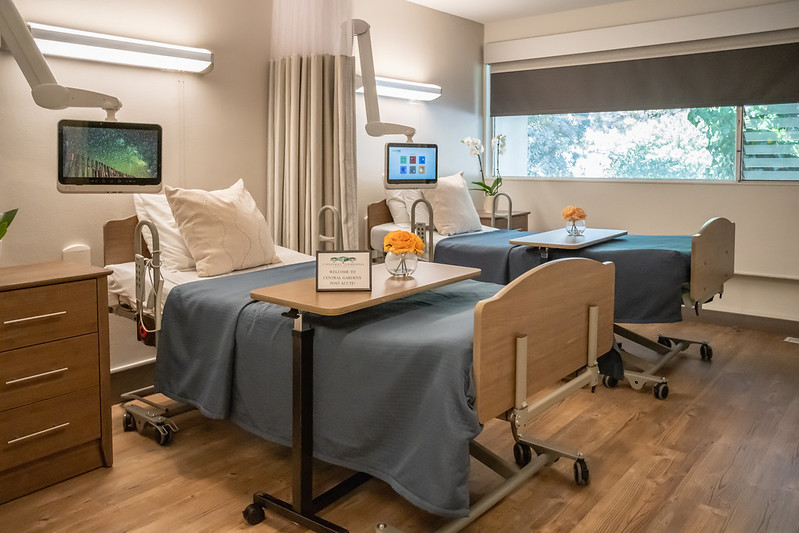
How is Central Gardens Post Acute Staffed?

CMS rates CENTRAL GARDENS POST ACUTE's staffing level at 3 out of 5 stars, which is average compared to other nursing homes. Staff turnover is 27%, compared to the California average of 46%. This relatively stable workforce can support continuity of care.

What Have Inspectors Found at Central Gardens Post Acute?

State health inspectors documented 35 deficiencies at CENTRAL GARDENS POST ACUTE during 2019 to 2025. These included: 35 with potential for harm.
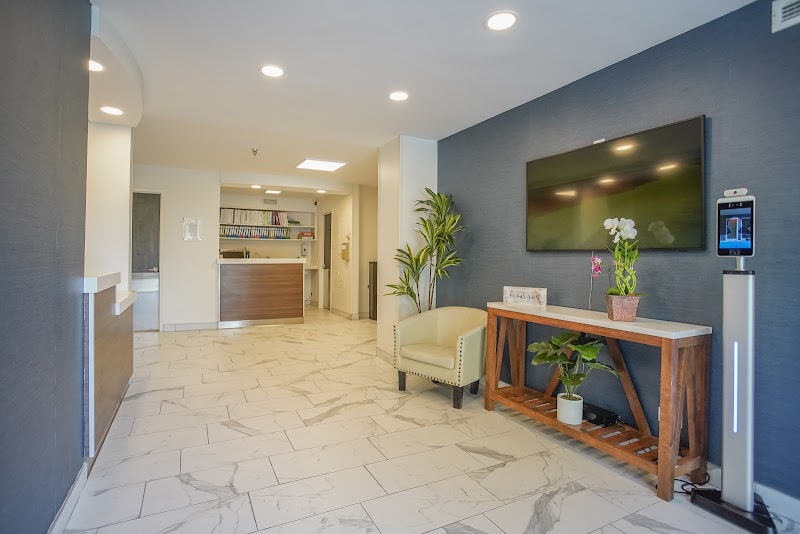
Who Owns and Operates Central Gardens Post Acute?

CENTRAL GARDENS POST ACUTE is owned by a for-profit company. For-profit facilities operate as businesses with obligations to shareholders or private owners. The facility is operated by PACS GROUP, a chain that manages multiple nursing homes. With 92 certified beds and approximately 86 residents (about 93% occupancy), it is a smaller facility located in SAN FRANCISCO, California.
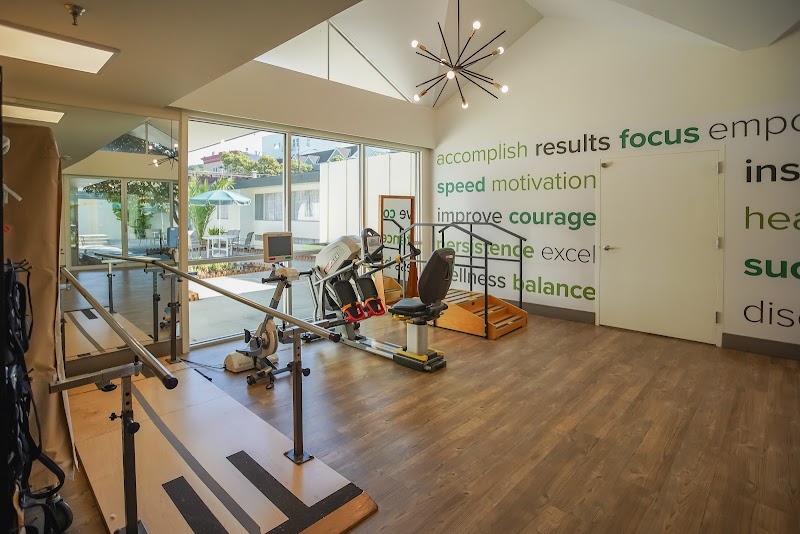
How Does Central Gardens Post Acute Compare to Other California Nursing Homes?

Compared to the 100 nursing homes in California, CENTRAL GARDENS POST ACUTE's overall rating (5 stars) is above the state average of 3.2, staff turnover (27%) is significantly lower than the state average of 46%, and health inspection rating (4 stars) is above the national benchmark.

What Should Families Ask When Visiting Central Gardens Post Acute?

Based on this facility's data, families visiting should ask: "Can I visit during a mealtime to observe dining assistance and food quality?" "How do you handle medical emergencies, and what is your hospital transfer rate?" "Can I speak with family members of current residents about their experience?"

Is Central Gardens Post Acute Safe?

Based on CMS inspection data, CENTRAL GARDENS POST ACUTE has a clean safety record: no substantiated abuse findings (meaning no confirmed cases of resident harm), no Immediate Jeopardy citations (the most serious violation level indicating risk of serious injury or death), and is not on the Special Focus Facility watch list (a federal program monitoring the lowest-performing 1% of nursing homes). The facility has a 5-star overall rating and ranks #1 of 100 nursing homes in California. While no facility is perfect, families should still ask about staff-to-resident ratios and recent inspection results during their visit.

Do Nurses at Central Gardens Post Acute Stick Around?

Staff at CENTRAL GARDENS POST ACUTE tend to stick around. With a turnover rate of 27%, the facility is 19 percentage points below the California average of 46%. Low turnover is a positive sign. It means caregivers have time to learn each resident's needs, medications, and personal preferences. Consistent staff also notice subtle changes in a resident's condition more quickly.

Was Central Gardens Post Acute Ever Fined?

CENTRAL GARDENS POST ACUTE has no federal fines on record. CMS issues fines when nursing homes fail to meet care standards or don't correct problems found during inspections. The absence of fines suggests the facility has either maintained compliance or corrected any issues before penalties were assessed. This is a positive indicator, though families should still review recent inspection reports for the full picture.

Is Central Gardens Post Acute on Any Federal Watch List?

CENTRAL GARDENS POST ACUTE is not on any federal watch list. The most significant is the Special Focus Facility (SFF) program, which identifies the bottom 1% of nursing homes nationally based on persistent, serious quality problems. Not being on this list means the facility has avoided the pattern of deficiencies that triggers enhanced federal oversight. This is a positive indicator, though families should still review the facility's inspection history directly.