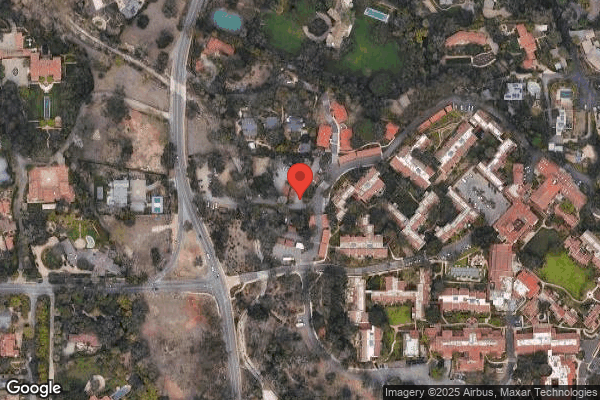

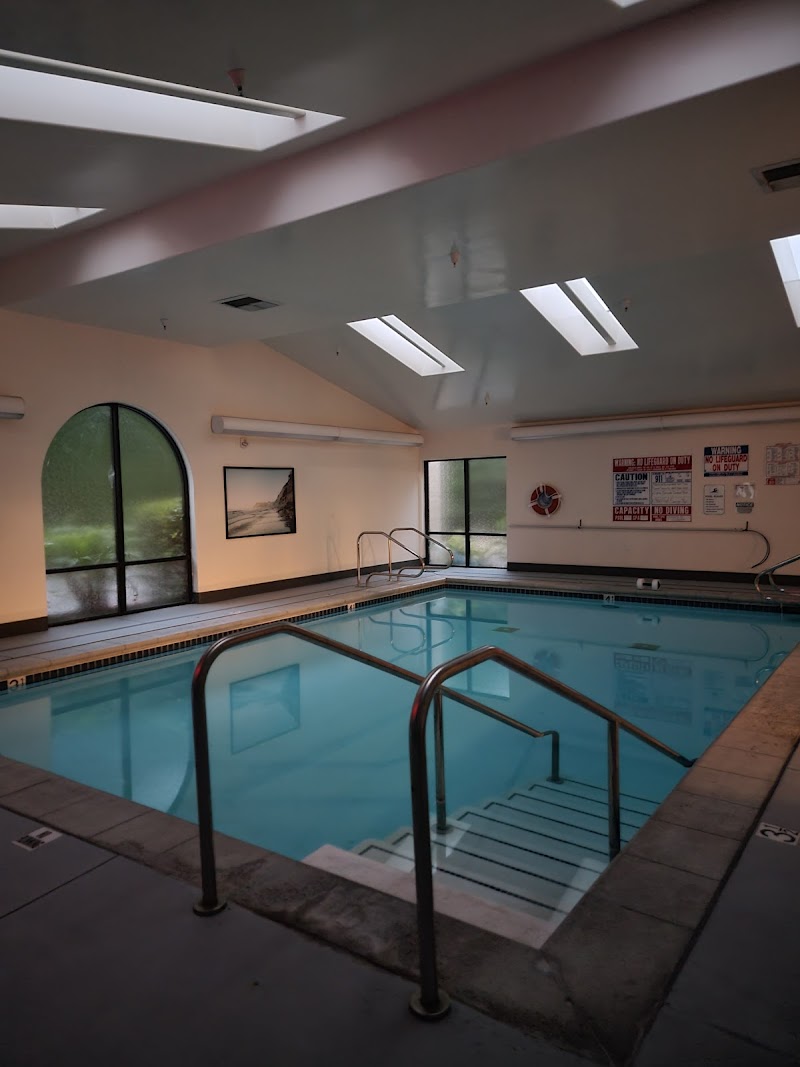


Casa Dorinda

300 Hot Springs Road, Santa Barbara, CA 93108 (805) 969-8051
Non profit - Corporation 52 Beds Independent Data: November 2025
Trust Grade
85/100
#61 of 1155 in CA
Last Inspection: December 2024

Within standard 12-15 month inspection cycle. Federal law requires annual inspections.

Overview

Casa Dorinda has received a Trust Grade of B+, indicating it is above average and recommended for families seeking care. It ranks #61 out of 1155 facilities in California, placing it in the top half, and #3 out of 14 in Santa Barbara County, meaning only two other local options are better. However, the facility's trend is concerning as it has worsened from 9 issues in 2022 to 14 in 2024. Staffing is a strength, with a 5-star rating and only 16% turnover, which is well below the California average, and there are no fines on record, suggesting compliance with regulations. Unfortunately, there have been specific incidents, such as failures to maintain sanitary conditions in food services and concerns about accurate staffing reporting to Medicare, which could potentially affect resident safety and care quality. Overall, while Casa Dorinda has strong staffing and no fines, families should be aware of the recent increase in reported issues and the need for improvement in food safety practices.

Trust Score
B+
85/100
In California
#61/1155
Top 5%
Safety Record
Low Risk
No red flags
Inspections
Getting Worse
9 → 14 violations
Staff Stability
✓ Good
16% annual turnover. Excellent stability, 32 points below California's 48% average. Staff who stay learn residents' needs.
Penalties
✓ Good
No fines on record. Clean compliance history, better than most California facilities.
Skilled Nurses
✓ Good
Each resident gets 52 minutes of Registered Nurse (RN) attention daily — more than average for California. RNs are trained to catch health problems early.
Violations
⚠ Watch
29 deficiencies on record. Higher than average. Multiple issues found across inspections.
★★★★★
5.0
Overall Rating
★★★★★
5.0
Staff Levels
★★★★★
5.0
Care Quality
★★★★☆
4.0
Inspection Score
Stable
2022: 9 issues
2024: 14 issues

The Good

  • 5-Star Staffing Rating · Excellent nurse staffing levels
  • 5-Star Quality Measures · Strong clinical quality outcomes
  • Low Staff Turnover (16%) · Staff stability means consistent care
  • Full Sprinkler Coverage · Fire safety systems throughout facility
  • No fines on record
  • Staff turnover is low (16%)

    32 points below California average of 48%

Facility shows strength in staffing levels, quality measures, staff retention, fire safety.

The Bad

No Significant Concerns Identified

This facility shows no red flags. Among California's 100 nursing homes, only 1% achieve this.

The Ugly 29 deficiencies on record

Dec 2024 9 deficiencies
CONCERN (D)

Potential for Harm - no one hurt, but risky conditions existed

Comprehensive Care Plan (Tag F0656)

Could have caused harm · This affected 1 resident

Based on interview and record review, the facility failed to ensure the specific inappropriate behavior was documented for one of four sampled residents, (Resident 9) as stated in the careplan. This ...

Read full inspector narrative →
Based on interview and record review, the facility failed to ensure the specific inappropriate behavior was documented for one of four sampled residents, (Resident 9) as stated in the careplan. This failure had the potential to inadequately identify what behavior needed to be monitored /planning of intervention to address the resident's inappropriate behavior. Findings: During a review of Resident 9's, admission Record (AR), dated 07/20/21, the AR indicated, Resident 9 had diagnoses including, Alzheimer's disease (a brain disorder that slowly destroys memory and thinking skills, and eventually the ability to carry out daily activities) with late onset and major depressive disorder. During a review of Resident 9's, Care Plan, dated 10/01/24, the care plan indicated, Monitor and document episodes of inappropriate behavior directly/indirectly towards staff members. Special Instructions: Please be specific and document occurrence or quote in progress notes as well. Three Times A Day 02:00 PM, 10:00 PM, 06:00 AM. During a review Resident 9's, Medication Administration Record (MAR), dated 01/01/24 - 12/04/24, the MAR indicated inappropriate behavior episodes occurred on the following dates: one episode 03/14/24, one episode 03/17/24, one episode 06/21/24, four episodes 06/23/24, one episode 06/29/24, one episode 07/20/24, two episodes 07/28/24, one episode 08/04/24, one episode 08/11/24, one emailing staff episode 08/12/24, one episode 08/20/24, one episode 10/09/24, one episode 11/13/24, one episode 11/16/24, two episodes 11/22/24. During review of Resident 9's progress notes, dated 01/01/24 - 12/04/24, there was no specific documentation for the inappropriate behavior being monitored as instructed in the care plan/ special instructions. During an interview on 12/4/24 at 3:55 PM with Registered Nurse (RN3),RN3 acknowledged Resident 9 had incidents of inappropriate behavior on multiple occasions this year (2024). RN3 confirmed there were no progress notes detailing the specifics of the inappropriate behavior episodes.
CONCERN (D)

Potential for Harm - no one hurt, but risky conditions existed

Deficiency F0657 (Tag F0657)

Could have caused harm · This affected 1 resident

Based on interview and record review, the facility failed to ensure a care plan for inappropriate behavior was updated to reflect episodes of inappropriate behaviors in one of four sampled residents (...

Read full inspector narrative →
Based on interview and record review, the facility failed to ensure a care plan for inappropriate behavior was updated to reflect episodes of inappropriate behaviors in one of four sampled residents ( Resident 9) per facility's policy and procedure. This failure had the potential for the Resident 9's inappropriate behaviors to have no effective interventions in place which can affect the resident's daily interactions with others and vice versa affecting the quality of life in the facility. Findings: During a review of Resident 9's, admission Record (AR), dated 07/20/21, the AR indicated, Resident 9 had diagnoses including, Alzheimer's disease (a brain disorder that slowly destroys memory and thinking skills, and eventually the ability to carry out daily activities) with late onset and major depressive disorder. During a review of Resident 9's, Medication Administration Record (MAR), dated 01/01/24 - 12/04/24, the MAR indicated inappropriate behavior episodes occurred on the following dates: one episode 03/14/24, one episode 03/17/24, one episode 06/21/24, four episodes 06/23/24, one episode 06/29/24, one episode 07/20/24, two episodes 07/28/24, one episode 08/04/24, one episode 08/11/24, one emailing staff episode 08/12/24, one episode 08/20/24, one episode 10/09/24, one episode 11/13/24, one episode 11/16/24, two episodes 11/22/24. During a review of Resident 9's, Care Plan titled, Behavioral Symptoms indicated, problem start date of 08/08/2022 and long-term goal target date was 10/12/2024. The care plan further indicated no update was done or initiated after 08/08/2022 During a review of the facility's, policy and procedure (P&P) titled, Person Centered/Comprehensive Care Plans, dated 01/24/2017, the P&P indicated, Procedure: Care plans will be revised as changes in the resident's condition dictates. A review of the care plan will be completed no less than quarterly. During a review of the facility's policy and procedure (P&P) titled, IDT Care Plan Meeting, dated 11/2/2023, the P&P indicated, Procedure: IDT members will report on current status and discuss needed changes in the resident's care plan based upon assessments and observations. During a review of Resident 9's interdisciplinary reports (IDR), dated from 10/31/23 - 10/01/24, monitoring of the resident's inappropriate behavior was not addressed in the IDT quarterly meeting notes. A concurrent interview and record review was conducted on 12/04/24 2:34 PM and 12/5/24 at 10:52 AM with Minimum Data Set Nurse (MDSN), the MDSN stated, Monitoring behaviors is not as accurate as it should. MDSN confirmed Resident 9's care plan for monitoring inappropriate behavior target goal date was 10/12/24 and was not updated on 09/30/24 when the quarterly MDS was done.
CONCERN (D)

Potential for Harm - no one hurt, but risky conditions existed

Deficiency F0658 (Tag F0658)

Could have caused harm · This affected 1 resident

**NOTE- TERMS IN BRACKETS HAVE BEEN EDITED TO PROTECT CONFIDENTIALITY** Based on interview and record review, the facility failed to ensure a doctor's recommendation for a psychiatric consultation was...

Read full inspector narrative →
**NOTE- TERMS IN BRACKETS HAVE BEEN EDITED TO PROTECT CONFIDENTIALITY** Based on interview and record review, the facility failed to ensure a doctor's recommendation for a psychiatric consultation was followed up for implementation in one of four sampled residents (Resident # 9). This failure had the potential and risk for the resident's psychosocial health care needs to be unattended which can result in the deterioration of the physical, mental, and psychosocial well-being. Findings: Review of [NAME] and [NAME], seventh Edition, Mosby's Fundamentals of Nursing, page 336 in the section titled, Physician's Orders indicates, Nurses follow physician orders unless they believe the orders are in error or harm clients. Therefore, you need to assess all orders, and if you find one to be erroneous or harmful, clarification from the physician is necessary. During a review of Resident 9's, admission Record (AR), dated 07/20/21, the AR indicated, diagnoses including, Alzheimer's disease (a brain disorder that slowly destroys memory and thinking skills, and eventually the ability to carry out daily activities) with late onset and major depressive disorder. During record review of Resident 9's social services notes (SSN), dated 10/13/22, the SSN indicated Resident requested to see a psychiatrist and upon clarification stated he sometimes feels depressed. During record review of Resident 9's physician notes, dated 10/17/2022 at 9:08 PM, the note indicated .OA Depression .Depression and feelings of De JaVu (a feeling of having already experienced the present situation). Psych consult. During record review of the nurses' notes, dated 10/17/22 at 10:41 PM, the note indicated, Seen by [attending physician] this pm, new orders received. Medical Doctor (MD) rec psych MD per resident's request for c/o Déjà [NAME]. During record review of Resident 9's medical record, no progress notes, consultation notes, or medical notes indicating Resident 9 was seen by a psychiatrist was located. During an interview on 12/04/24 at 03:24 PM with Registered Nurse (RN3) and Director of Nursing (DON), RN3 acknowledged Resident 9 requested a psychiatric consultation. RN3 said she forgot to order the psychiatric request (failed to put in an MD order). RN3 stated, I forgot to document it (referring to the resident requesting to see a psychiatrist).
CONCERN (D)

Potential for Harm - no one hurt, but risky conditions existed

Deficiency F0688 (Tag F0688)

Could have caused harm · This affected 1 resident

**NOTE- TERMS IN BRACKETS HAVE BEEN EDITED TO PROTECT CONFIDENTIALITY** Based on observation, record review, and interview, the facility failed to ensure one of four sampled residents (Resident 15) de...

Read full inspector narrative →
**NOTE- TERMS IN BRACKETS HAVE BEEN EDITED TO PROTECT CONFIDENTIALITY** Based on observation, record review, and interview, the facility failed to ensure one of four sampled residents (Resident 15) development of a foot drop was monitored and assessed for appropriate intervention to prevent further decline in range of motion. This failure resulted in reduced mobility of the foot with potential for contractures ( hardening and stiffening of muscle /bones). Findings: During an observation on 12/3/24, at 2:26 p.m., in room [ROOM NUMBER], Resident 15 was observed on bed, in a supine position (facing upwards) with feet on a pillow. The toes of both feet were noted to be flexed or extending, pointing towards the foot of the bed (outward) instead of upward (towards the ceiling). During a review of Resident 15's Physical Therapy Evaluation & Plan & Treatment, dated 2/11/22, under Musculoskeletal System Assessment, the AROM (Active Range of Motion) - (R) Ankle Dorsiflexion (upward or backward bending of a body part, often referring to a hand or foot) = WNL (Within Normal Limits); Plantar (sole of the foot/feet) Flexion (bending) = WNL. The AROM - (L) Ankle Dorsiflexion = WNL; Plantar Flexion = WNL. The Physical Therapy evaluation indicated Resident 15 had no extension or flexed feet on 2/11/22. ( admission /initial assessment). During a review of Resident 15's Annual MDS (Minimum Data Set [process that provides a comprehensive assessment of resident's functional capabilities and helps nursing home staff identify health problems]), dated 4/10/24, indicated Resident 15 did not receive any kind of therapies from the Rehabilitation Department (OT (Occupational Therapy)/PT (Physical Therapy)/ST (Speech Therapy). During a review of Resident 15's Quarterly MDS, dated [DATE], Section GG indicated Resident is dependent on staff for mobility while Section O indicated Resident 15 did not receive any kind of therapies from the Rehabilitation Department (OT/PT/ST). During an interview with the assistant director of nursing (ADON), on 12/3/24, at 2:59 p.m., in the ADON's office, regarding the observed foot drop of Resident 15, the ADON reviewed the electronic rehabilitation records dated 2/11/22 and concurred the noted footdrop was new. The ADON indicated, the footdrop cause might be attributed to how the resident was positioned. The ADON added , I will call the doctor to get an order to have rehab evaluate the resident. During an interview with the Director of Rehabilitation (ReD), on 12/5/24, at 10:18 a.m., in the rehab room, the ReD concurred with the finding regarding Resident 15's footdrop, and that it should be reported to rehab for assessment and timely intervention.
CONCERN (D)

Potential for Harm - no one hurt, but risky conditions existed

Pharmacy Services (Tag F0755)

Could have caused harm · This affected 1 resident

Based on record review, observation, and interview, the facility failed to ensure the change of shift narcotics reconciliation count was properly counted and signed by two licensed nurses to ensure ac...

Read full inspector narrative →
Based on record review, observation, and interview, the facility failed to ensure the change of shift narcotics reconciliation count was properly counted and signed by two licensed nurses to ensure accuracy of the narcotic/controlled medications. This failure had the potential to result in an inaccurate count and drug diversion (the illegal distribution or abuse of controlled prescription drugs) of controlled medications. Findings: During a medication pass observation, on 12/3/24, at 7:53 a.m., in the East Wing, first floor of the facility, the narcotic count book/log (a book/log recording the systemic monitoring, counting, and documentation of controlled medications/substances every start and end of each shift) for the month of November, was observed to be missing several signatures from both the incoming and outgoing licensed nurses. During record review, the following were noted. On November 21, 2024, the incoming 3-11 shift nurse failed to sign at the start and at the end of the shift. On November 21, 2024, the incoming 11-7 shift nurse failed to sign at the start of the shift and at the end of the shift on November 22, 2024, at 7 a.m. On November 22, 2024, the incoming 3-11 shift nurse failed to sign at the start of the shift. On November 31, 2024, the incoming 3-11 shift nurse failed to sign at the start and at the end of the shift. On November 31, 2024, the incoming 11-7 shift nurse failed to sign at the start of the shift. During an interview with RN 2, at 8 a.m., in the East Wing hallway, RN 2 reviewed the document and concurred with the finding. RN 2 stated, Yes, there are missing signatures in the narcotic count book. During a review of the facility's policy and procedure titled, Narcotic Medication Control, dated 4/7/17 and revised 10/22/23, indicated in part, 2. Narcotics will be counted daily at shift change by two licensed nurses ., b. On coming shift will count the narcotics and sign Narcotic Count Log under Nurse On column ., c. Outgoing shift will call out number of remaining medication as indicated on the individual medication count log and sign Narcotic Count Sheet under Nurse Off) column.
CONCERN (D)

Potential for Harm - no one hurt, but risky conditions existed

Deficiency F0761 (Tag F0761)

Could have caused harm · This affected 1 resident

Based on observation, interview, and record review, the facility failed to ensure biologicals were properly stored and labeled and the medications of discharged residents were properly stored, discard...

Read full inspector narrative →
Based on observation, interview, and record review, the facility failed to ensure biologicals were properly stored and labeled and the medications of discharged residents were properly stored, discarded , labeled per policy and procedure . This failure had the potential for biologicals, medications, medication items to be diverted. Findings: During a concurrent medication pass observation and interview, on 12/3/24, at 9:50 a.m., in the East Wing, first floor of the facility, with Registered nurse (RN 2), the following were noted in the 1 East medication cart (EMC). Five plastic containers of Polyethylene Glycol 3350 Powder for Solution (a laxative used to prevent constipation) had the respective room numbers written/labeled on the caps but were missing the open dates. One of the plastic bottles of Polyethylene Glycol 3350 Powder for Solution belonging to a discharged resident . RN 2 inspected the 5 plastic bottles of Polyethylene Glycol 3350 Powder for Solution and stated, The open dates were not labeled, and the bottle of the discharged resident should have been removed from the medication cart. During another concurrent observation and interview, on 12/3/24, at 10 a.m., at the first-floor nursing station medication room, with LVN 2, the following were noted. Three used insulin pens (a medication/hormone that lowers the level of glucose in the blood of diabetics) belonging to one discharged resident were in the medication refrigerator. The three insulin pens were NovoLOG Flex Pen 100 UNIT/1ML insulin pen, Insulin Glargine (LANTUS) 100 units/1 ml., and insulin aspart (NovoLOG) 100 units/1 ml. All three insulin pens were used but missing open dates. LVN 2 indicated the three insulin pens were for a resident who was transferred out/discharged to the hospital , and as to why it were still in the medication refrigerator at the nursing medication room , LN 2 had no response /explanation . During a review of the facility's policy and procedure titled, General Dose Preparation and Medication Administration, dated 12/1/07 and revised 4/30/24, indicated in part, 2.10 Facility staff should enter the date opened on the label of medications with shortened expiration dates (e.g., insulin, irrigation solutions, etc.). 2.10.1 Facility staff may enter the expiration date based on date opened on the label of medications with shortened expiration dates. No policy and procedure for medications brought from home or hospital or on discontinued medications was presented upon request .
CONCERN (D)

Potential for Harm - no one hurt, but risky conditions existed

Infection Control (Tag F0880)

Could have caused harm · This affected 1 resident

**NOTE- TERMS IN BRACKETS HAVE BEEN EDITED TO PROTECT CONFIDENTIALITY** Based on observation, interview, and record review, the facility failed to ensure proper handwashing was observed in between vit...

Read full inspector narrative →
**NOTE- TERMS IN BRACKETS HAVE BEEN EDITED TO PROTECT CONFIDENTIALITY** Based on observation, interview, and record review, the facility failed to ensure proper handwashing was observed in between vital signs taking and medication pass by one of one nurse (RN 2). This failure had the potential to result in cross contamination and spread of infections to residents , compromising their wellbeing. Findings: During an observation on 12/3/24, at 9:18 a.m., with RN 2, in Unit 1 East, RN 2 was observed using a hand sanitizer on the wall, sanitized his hands and donned surgical gloves, before knocking and entering room [ROOM NUMBER]A with the vital sign machine on wheels. RN 2 failed to sanitize the vital signs machine which was observed previously used on another resident. RN 2 then proceeded to take the resident's vital signs. Subsequently, RN 2 completed the task of obtaining the residents vital signs and proceeded to wheel the vital signs machine out of the room. RN 2 once again, failed to sanitize the vital signs machine after use. RN 2 doffed and disposed of the surgical gloves, failed to hand sanitize and proceeded to prepare the residents medications. RN 2 took the prepared medications, re-entered room [ROOM NUMBER]A without hand sanitizing to administer the prepared medications. RN 2 exited the room and failed to hand sanitize before touching medication cart and proceeding to the next resident. During an observation on 12/3/24, at 9:45 a.m., RN 2 failed to observe hand hygiene etiquette before entering room [ROOM NUMBER]A to administer medications and after exiting room [ROOM NUMBER]A. The CDC (Centers for Disease Control and Prevention) article titled Clinical Safety: Hand Hygiene for Healthcare Workers, dated 2/27/24, indicated, CDC provides the following recommendations for hand hygiene in healthcare settings. 1) Immediately before touching a patient. 2) After touching a patient or patient's surroundings. 3) Immediately after glove removal. During a review of the facility's policy and procedure titled, Hand Hygiene, dated 2/27/17 and revised on 10/30/23, indicated in part, C. Decontaminate hands: 1. Before direct contact with residents .3. After contact with a residents intact skin. During a review of the facility's policy and procedure titled, General Dose Preparation and Medication Administration, dated 12/1/07 and revised 4/30/24, indicated in part, 1.1 Appropriate hand hygiene should be performed before and after direct resident contact.
CONCERN (E)

Potential for Harm - no one hurt, but risky conditions existed

Food Safety (Tag F0812)

Could have caused harm · This affected multiple residents

**NOTE- TERMS IN BRACKETS HAVE BEEN EDITED TO PROTECT CONFIDENTIALITY** Based on observation, interview and record review, the facility failed to follow food safety requirements when: 1. Three (3) con...

Read full inspector narrative →
**NOTE- TERMS IN BRACKETS HAVE BEEN EDITED TO PROTECT CONFIDENTIALITY** Based on observation, interview and record review, the facility failed to follow food safety requirements when: 1. Three (3) containers of prepared food were mislabeled as to date prepared of expiry date and is ante-dated (written date is one day after date of inspection) 2. One (1) of three (3) red buckets tested was below the recommended concentration of sanitizing solution. These failures has the potential for food borne illnesses affecting residents when safe refrigerated food are mislabelled, food has no use-by date, and sanitizing solutions are not safe when preparing foods. Findings: 1. During an observation on 12/02/24 at 11:36 a.m. at the kitchen freezer section, three stainless steel containers were identified. Two (2) containers with precut vegetables, and one (1) container with potatoes with spices, covered in clean [NAME] wrap and is labelled as 12/3/24. There is no evidence to indicate a date prepared or use by date. During an interview on 12/3/24 at 11:36 a.m. with Dietary Aide (DA1), DA verbalized that the staff who had previously worked on the weekend may have made a mistake and not checked on the date. DA 1 validates that there was no date prepared and use by date. During a review of Policy and Procedure (P&P) Titled: Storage of Food Supplies dated 11/04/24, the Storage of Food Supplies indicated in part . It is the policy of this facility to properly store dining service supplies in clean, appropriate containers at the proper temperature in the location and manner as prescribed by law . The following procedures are the responsibility of the dining services director: 11. Check foods in refrigerator to make sure they are properly covered. All prepared foods not in original containers must be covered, labelled, and dated. 13. Leftovers shall be tightly covered, stored appropriately and clearly labelled and dated. Leftovers shall be used within 72 hours and if not used within this time, will be properly discarded. 2. During a concurrent observation and interview on 12/03/24 at 10:13 a.m., testing of sanitizing solution used to clean surfaces of the kitchen in 3 Red Buckets were conducted with DA 2 with the following results: Bucket 1 400 ppm (unit of measure); Bucket 2 100 ppm; Bucket 3: 200 ppm. DA 2 states that the solution was changed early in the morning, cannot explain the discrepancy or difference in the test results. During an interview 12/03/24 at 2:30 p.m. with Sous Chef (SC), SC verbalized that the person in charge may have forgotten to change the solution or that the solution was diluted and that the sanitizing liquid may have lowered its potency. SC validates that disinfection process may be inadequate. During a review of P&P titled Red Sanitation Bucket Policy undated, the P&P indicated in part: Test solutions with test strips regularly to ensure they are maintaining the proper strength of sanitizer for food contact surfaces. There are three factors that influence the effectiveness of chemical sanitizers. 1. Concentration, recommended is from 200 ppm - 400 ppm.
CONCERN (F)

Potential for Harm - no one hurt, but risky conditions existed

Staffing Data (Tag F0851)

Could have caused harm · This affected most or all residents

Based on interview and record review, the facility failed to run reports 1700D (employee report), 1702D (individual daily staffing report) and 1702S (staffing summary report) to ensure payroll-based j...

Read full inspector narrative →
Based on interview and record review, the facility failed to run reports 1700D (employee report), 1702D (individual daily staffing report) and 1702S (staffing summary report) to ensure payroll-based journal (PBJ) data (a system for facilities to submit staffing information on a regular and frequent basis, ensuring accuracy) was received by the Center for Medicare and Medicaid (CMS). This failure resulted in CMS not receiving registered nurse (RN) hours and licensed nursing coverage data for the month of June 2024. Findings: During a review of PBJ Staffing Data Report CASPER (Certification And Survey Provider Enhanced Reports) Report 1705D, Quarter 3 2024 (April 1 - June 30) run 11/25/2024 indicated, One Star Staffing Rating, No RN hours, and failure to have licensed nursing coverage 24 hours/day. During an interview on 12/4/24 at 10:30 a.m. with the Director of Nursing (DON), DON verbalized they are responsible for sending staffing information to CMS, also verbalizing they were not aware of the reports to run to ensure CMS received data sent. During a review of the facility's policy and procedure (P&P) titled, PBJ Process dated 1/15/24, the P&P indicated, After the data is submitted the DON generates a report from CASPER to verify that the data has been submitted.
Nov 2024 2 deficiencies
CONCERN (D) 📢 Someone Reported This

A family member, employee, or ombudsman was alarmed enough to file a formal complaint

Potential for Harm - no one hurt, but risky conditions existed

Comprehensive Care Plan (Tag F0656)

Could have caused harm · This affected 1 resident

F656 Develop/Implement Comprehensive Care Plan §483.21(b) Comprehensive Care Plans §483.21(b)(1) Based on interview and record review, the facility failed to ensure Resident 1 ' s burn woun...

Read full inspector narrative →
F656 Develop/Implement Comprehensive Care Plan §483.21(b) Comprehensive Care Plans §483.21(b)(1) Based on interview and record review, the facility failed to ensure Resident 1 ' s burn wound care plan included wound measurements and documentation requirements to monitor wound progression towards healing. This failure resulted in resident ' s burn wounds not being measured and documentation performed as required. Finding: During a concurrent review of Resident 1 ' s medical record and interview with the Director of Nursing (DON) on 10/15/24 at 2:00 p.m., the DON reported that on 10/5/24 a License Vocational Nurse (LVN) poured coffee into Resident 1 ' s mug. Resident 1 started sipping the coffee and then accidentally dropped the mug on his lap. Resident 1 sustained a third degree burn on both thighs. The DON reported weekly measurements and documentation of the wounds were performed. The burn wounds were only measured and documented on 10/6/24. The DON confirmed the record does not contain any other measurements and documentation of the resident ' s burn wounds. During a concurrent review of Resident 1 ' s burn wounds care plan and interview with the Assistant Director of Nursing (ADON) on 10/15/24 at 3:35 p.m., the care plan was asked where it indicates when the wounds need to be measured and/or documented weekly. The ADON reviewed the care plan thoroughly and stated I agree, this care plan does not say the wounds need to be measured and documented weekly . A review of the facility policy and procedure titled Documentation of Wounds and Skin Conditions, dated 10/26/23, indicated Resident skin conditions will be accurately assessed, treated, and documented until resolved. 6. Document weekly on the event until resolved.
CONCERN (D) 📢 Someone Reported This

A family member, employee, or ombudsman was alarmed enough to file a formal complaint

Potential for Harm - no one hurt, but risky conditions existed

Deficiency F0658 (Tag F0658)

Could have caused harm · This affected 1 resident

F658 Services Provided Meet Professional Standards §483.21(b)(3) Comprehensive Care Plans The services provided or arranged by the facility, as outlined by the comprehensive care plan, must- (i) ...

Read full inspector narrative →
F658 Services Provided Meet Professional Standards §483.21(b)(3) Comprehensive Care Plans The services provided or arranged by the facility, as outlined by the comprehensive care plan, must- (i) Meet professional standards of quality. Based on interview and record review, the facility failed to implement standards of practice when Resident 1 ' s burn wounds were not assessed and documented according to standards of practice and its policy. This failure resulted in resident ' s burn wounds only being assessed and documented only one time. Findings: According to the national institute of health NIH (2023) at https://www.nih.gov. The frequency of burn wound assessments depends on the stage of healing and the patient's needs. Initial assessment: Patients with burns should be seen the day after the injury to assess pain, adjust medication, and check dressing changes. Subsequent assessments: Patients are typically seen weekly until the wound heals. However, if there are concerns about pain control or wound care, the patient may need to be seen daily. A review of the facility policy and procedure titled Documentation of Wounds and Skin Conditions, dated 10/26/23, indicated Resident skin conditions will be accurately assessed, treated, and documented until resolved. 5. Open a Skin Integrity observation as indicated in the electronic health record EHR for each affected area that is expected to take 14 days or longer to resolve. Note: indicate the affected area in the short description. b. Skin integrity- non pressure ulcer for non-pressure skin problems. 6. Document weekly on the event until resolved. During a concurrent review of Resident 1 ' s medical record and interview with the Director of Nursing (DON) on 10/15/24 at 2:00 p.m., the DON reported that on 10/5/24 resident sustained a third degree burn on both thighs. The burn wounds were assessed and documented on 10/6/24. The DON confirmed the record does not contain any other documentation of the resident ' s burn wounds. The DON was asked how the facility assesses, monitors, and documents the progression of the burn wounds. The DON reported weekly documentation of the wounds are performed. The DON further explained their computer software system has an observation template to document and describe a wound initially, then, weekly thereafter or until wound is resolved. A copy of a blank Skin Integrity observation template was provided. Then, DON was asked if there was a completed observation documentation for Resident 1 ' s wounds. DON replied No, this resident does not have one (Skin Integrity observation documentation). No, we did not initiate the weekly observation for this resident and yes, we should have done it. The DON acknowledged Resident 1 ' s wounds will take longer than 14 days to resolve therefore they should have opened and document under the Skin Integrity observation/template documentation.
Apr 2024 3 deficiencies
CONCERN (E) 📢 Someone Reported This

A family member, employee, or ombudsman was alarmed enough to file a formal complaint

Potential for Harm - no one hurt, but risky conditions existed

Deficiency F0801 (Tag F0801)

Could have caused harm · This affected multiple residents

Based on observation, interview, and record review, the facility failed to ensure the director of dining services (DDS/CDM; certified dietary manager) received sufficient frequently scheduled consulta...

Read full inspector narrative →
Based on observation, interview, and record review, the facility failed to ensure the director of dining services (DDS/CDM; certified dietary manager) received sufficient frequently scheduled consultations from the facility's Registered Dietitian (RD) to include oversight over sanitation of the main kitchen when: 1. RD had not reviewed the monitoring logs for the main kitchen's high temperature dish machine that resulted in not identifying and addressing sanitation concerns, in a timely manner, related to meal service for the health and safety of residents residing in the skilled nursing facility. 2. RD had not reviewed the monitoring log for the main kitchen's three (3) compartment sink to ensure accurate and complete guidance was available on the log, and followed, related to washing and sanitizing food service equipment in the 3-compartment sink in accordance with the facility's policy and procedures. These deficient practices had the potential to cause foodborne illness to the highly susceptible residents currently residing in the skilled nursing facility (SNF) who received their meals from the main kitchen. (The majority of SNF residents received their meals from the main kitchen except for those residents who received their nutrition via a feeding tube.) Cross Reference F812 Findings: 1. During a concurrent observation and interview on 3/14/24 at 11:16 a.m. with dish washer (DW) 1 in the main kitchen, DW 1 was observed running breakfast dishes through the high temperature dish machine. DW 1 observed the wash temperature gauge affixed externally to the dish machine and DW 1 stated the wash water reached 110 degrees F (Fahrenheit), the rinse temperature gauge reached 130 degrees F, and the final rinse temperature gauge reached 158 degrees F. DW 1 was observed to continue to use the high temperature dish machine to wash the resident's dishes from the morning breakfast. During a concurrent observation and interview on 3/14/24 at 11:21 a.m., upon surveyor request, the Sous Chef (SC) observed the high temperature dish machine while in use. SC stated the final rinse temperature needed to reach 180 degrees F in order to have sanitized the dishes. SC observed the final rinse temperature was not reaching 180 degrees F. SC went to the side of the high temperature dish machine and stated the switch (located under a label titled Heater) was not turned on, the dish machine was off as indicated by a red light was not showing per SC. SC verified kitchen staff were almost done washing the dishes. During a concurrent interview and record review on 3/14/24 at 11:30 a.m. with SC,the facility's High Temp Dish Machine monitoring log that was completed for the AM Reading was reviewed. The AM Reading column, dated 3/14/24 indicated Sanitizer - 180 degrees F, Rinse - 154 degrees F, and Wash - 164 degrees F, with DW 1 initial's next to the logged data. SC was unable to explain how the temperatures were recorded as such when SC said the dish machine was found to be off. The directions located on the High Temp Dish Machine indicated, Sanitizer Temp > 180 F, Rinse Temp > 160 F, Wash Temp > 150 F. SC stated that he had a supervisory role over the dish machine area. SC stated DW 1 had not reported any problems to him related to the high temperature dish machine. During a concurrent observation and interview on 3/14/24 at 11:35 a.m., SC had DW 1 run another load of dishes through the high temperature dish machine, and SC stated the wash water temperature continued to show 110 degrees F, and the final rinse temperature was 200 degrees F. During a concurrent observation and interview on 3/14/24 at 11:49 a.m., SC ran another load of dishes through the high temperature dish machine and stated the wash water reached 110 degrees F, and the rinse water temperature gauge reached 150 degrees F, and the final rinse temperature was greater than 180 degrees F. SC stated the high temperature dish machine manufacturer's guidelines were not being met for the wash and rinse cycles. During an interview on 3/14/24 at 12:13 p.m. with RD, RD stated his main responsibility was clinical nutrition services for the residents in skilled nursing facility. RD stated he had weekly, scheduled meetings with DDS/CDM and Executive Chef primarily related to menus and dining room services for residents residing in the skilled nursing facility. RD stated, there was not a structure, nor schedule in place, in which he would provide oversight over safe and sanitary conditions in the main kitchen. RD stated he had conducted a couple of mock surveys on 5/2/23 and 10/30/23, in which there were no concerns with the high temperature dish machine temperatures noted. RD stated there was not a formal schedule in place, or expectation, as to when another mock survey (kitchen audit) may be performed. During a review of the facility's High Temp Dish Machine (HTDM) temperature monitoring logs, dated 11/1/23 through 3/14/24, the Sanitizer column that should be greater than or equal to 180 degrees F was recorded less than 180 degrees F for 23 of 136 logged entries. During the same time period the Rinse column that should be 160 degrees F or greater was recorded less than 160 degrees F for 59 of 136 logged entries. During the same time period the Wash column that should be greater than or equal to 150 degrees F was recorded less than 150 degrees F for 10 of 136 logged entries. The HTDM temperature monitoring log had a location at the bottom of the log that indicated, Issues, Concerns, Unusual Incidents that was blank for the logs reviewed 11/1/23 through 3/14/24. During an interview on 3/14/23 at 1:06 p.m. with DDS/CDM and RD, DDS/CDM verified there was not effective oversight related to reviewing the HTDM temperature monitoring log in order to identify sanitation concerns in a timely manner for prompt resolution for the health and safety of residents. RD and DDS/CDM confirmed there was no routine, scheduled RD oversight/monitoring related to sanitation of the main kitchen. During a review of the facility's policy and procedure (P&P) titled, High Temp Machine Ware Washing, dated 6/21/21, the P&P indicated, Policy/Purpose: All flatware, serving dishes, and utensils are washed, rinsed, and sanitized after each use. The machine for ware washing will be checked prior to each meal period to ensure that it is functioning properly.Procedure.Temperatures should be at least: Wash - Temp 150 F, Rinse - Temp 160 F, Sanitizer - Temp 180 F . During a review of the facility's job description titled Director, Dining Services (DDS), dated 7/11/23, the DDS indicated, 3. Makes routine inspections of all work, storage and serving areas to ensure that regulations and sanitations procedures are being followed. During a review of the facility's job description titled Dietitian/Nutritional Services Manager (RDM), dated 8/2/23, the RDM indicated, 9. Monitor food service operations to ensure conformance to nutritional, safety, sanitation and quality standards, as well as, state and federal regulations. 2. During a concurrent observation and interview on 3/14/24 at 11:54 a.m., with Sous Chef (SC), SC observed a dish washer (DW 2) place another load of foodservice equipment into the wash water compartment at the 3-compartment sink. SC checked the wash water temperature, located in the first compartment, utilizing a digital thermometer and SC stated, It's 100 degrees F. DW 2 checked the concentration of the sanitizer, located in the third compartment, with a sanitizer concentration testing strip, and DW 2 stated, It's 100 [PPM -parts per million]). It's been in use a while. Should be changed. DW 2 stated the sanitizer concentration should be at 200 PPM in order to effectively sanitize. DW 2 stated the sanitizing solution located in the third compartment that tested at 100 PPM had been there since 6 a.m. During a concurrent interview and record review on 3/14/24 at 11:58 a.m. with SC, a log located near the 3-compartment sink titled Three Compartment Daily Sanitizer Log (3CSL) was reviewed. The 3CSL indicated, Chemical reading should be between 150-350 ppm. SC verified the 3CSL had not provided direction to dish washing staff to monitor the temperature of the wash water compartment to ensure it was at least 110 degrees F while in use. During a review of the manufacturer's guidelines (MGs) located on the bottle of sanitizer that facility used in the third compartment of the 3-compartment sink, the MG's indicated, To sanitize food processing equipment, utensils, and other food contact articles. in a three compartment sink: 4. Sanitize by immersing articles with a use-solution.200-400 PPM.for at least 60 seconds. During a review of the facility's policy and procedure (P&P) titled, 3 Comp Sink P&P, dated 7/23/2021, the P&P indicated, Follow the 5 steps for appropriate use of the 3 compartment sink, to ensure that all items are washed and sanitized appropriately. This will ensure the safety for all people dining on our food. Procedure: While there are only three sinks, there are five essential steps you need to complete when using your three compartment sink.2) Clean items in the first sink. Wash them in detergent solution at least 110 degrees F. replace the water when the suds are gone or the water is dirty.4) Sanitize them in the third sink. Soak in sanitizer solution. Soak time and temperature should be based on manufacturer's recommendation, with a minimum soak time of 60 seconds. The chemical levels must be checked with the test strip, every time the water is changed and solution is added. Currently our chemical levels should read between 200-400 ppm.5) Air dry all items. Place items upside down so they will drain. During an interview on 3/14/24 at 12:13 p.m. with RD, RD stated his main responsibility was clinical nutrition services for the residents in skilled nursing facility. RD stated he had weekly, scheduled meetings with DDS/CDM and Executive Chef primarily related to menus and dining room services for residents residing in the skilled nursing facility. RD stated, there was not a structure, nor schedule in place, in which he would provide oversight over safe and sanitary conditions in the main kitchen. RD stated he had conducted a couple of mock surveys on 5/1/23 and 10/30/23. RD stated there was not a formal schedule in place, or expectation, as to when another mock survey (kitchen audit) may be performed. RD stated he was not responsible for providing the main kitchen with a 3-compartment sink monitoring log. During a review of the RD's kitchen audits, dated 5/1/23 and 10/30/23, there was no concern noted related to the pot and pan washing area, and no documentation to indicate identifying the 3CSL was not providing direction to dish washing staff that aligned with the facility's 3 Comp Sink P & P guidance. During a review of the facility's policy and procedure (P&P) titled, 3 Comp Sink P&P, dated 7/23/2021, the P&P indicated, Follow the 5 steps for appropriate use of the 3 compartment sink, to ensure that all items are washed and sanitized appropriately. This will ensure the safety for all people dining on our food. Procedure: While there are only three sinks, there are five essential steps you need to complete when using your three compartment sink.2) Clean items in the first sink. Wash them in detergent solution at least 110 degrees F. replace the water when the suds are gone or the water is dirty.4) Sanitize them in the third sink. Soak in sanitizer solution. Soak time and temperature should be based on manufacturer's recommendation, with a minimum soak time of 60 seconds. The chemical levels must be checked with the test strip, every time the water is changed and solution is added. Currently our chemical levels should read between 200-400 ppm.5) Air dry all items. Place items upside down so they will drain. During a review of the facility's job description titled Director, Dining Services (DDS), dated 7/11/23, the DDS indicated, 3. Makes routine inspections of all work, storage and serving areas to ensure that regulations and sanitations procedures are being followed. During a review of the facility's job description titled Dietitian/Nutritional Services Manager (RDM), dated 8/2/23, the RDM indicated, 9. Monitor food service operations to ensure conformance to nutritional, safety, sanitation and quality standards, as well as, state and federal regulations.
CONCERN (E) 📢 Someone Reported This

A family member, employee, or ombudsman was alarmed enough to file a formal complaint

Potential for Harm - no one hurt, but risky conditions existed

Menu Adequacy (Tag F0803)

Could have caused harm · This affected multiple residents

Based on observation, interview and record review, the facility failed to ensure the correct portion size for the regular diet orders, with regular portion sizes (i.e.; meaning not a small portion or ...

Read full inspector narrative →
Based on observation, interview and record review, the facility failed to ensure the correct portion size for the regular diet orders, with regular portion sizes (i.e.; meaning not a small portion or large portion) was served following the planned menu. This facility failure had the potential to not meet the resident's nutritional needs for 20 residents who were prescribed a regular diet, with regular portions, per the facility's Resident Diet Information, dated 3/14/24, provided by the Registered Dietitian (RD). (Resident's 1, 2, 3, 4, 5, 6, 7, 8, 9, 10, 11, 12, 13, 14, 15, 16, 17, 18, 19, 20). Findings: During a concurrent observation and interview on 3/14/24 at 12:01 p.m. with RD in the trayline kitchen (trayline kitchen was the name used by the facility referring to the kitchen that plated food for residents who used meal trays), a Server (1) was observed using a 4 (four) ounce (oz.) serving spoon to plate the main entree of Shrimp and Sausage Jambalaya for the regular diet with regular portion sizes. RD observed the 4 oz. serving spoon placed in the pan of shrimp and sausage Jambalaya located in the steam table. RD asked Server 1 how much Jambalaya she was serving to the residents with a regular diet order on regular portions. Server 1 pointed to the serving spoon labeled as 4 ounces located in the shrimp and sausage jambalaya pan, and Server 1 stated Four ounces. RD showed Server1 the planned menu, as listed on each resident's individual meal tray ticket that listed 8 (eight) oz. next to Shrimp and Sausage Jambalaya for regular diet, regular portion orders. Server 1 stated then I need an 8 oz. spoon. RD stated to Server 1 to go ahead and continue to use the 4 oz. serving spoon but to serve two spoons of the Jambalaya. Server 1 repeated she needed an 8 oz spoon or scoop size, and RD 1 repeated it was okay to use the 4 oz. serving spoon but serve two 4 oz portions to equal 8 ounces. RD 1 verified with the dietary aide's that three meal delivery carts had already left the trayline kitchen for distribution of the lunch meal to residents. During a concurrent interview and record review on 3/14/24 at 1:30 p.m. with RD, a Resident Diet Information list provided by RD was reviewed that indicated there were 20 residents on a regular diet with regular portions. A review of the planned lunch menu for regular diet with regular portions indicated Shrimp and Sausage Jambalaya - 8 oz. During a review of the facility's policy and procedure (P&P) titled, Portion Control, dated 10/4/2022, the P&P indicated, Policy/Purpose: Individuals will receive the appropriate portions of food as outlined on the menu. Control at the point of service is necessary to assure that accurate portion sizes are served. Procedure: 2. The menu should list the specific portion size for each food item. Menus should be posted at the tray line so staff can refer to the proper portions for each diet. 3. Food should be served with ladles, scoops, spoodles, and spoons of standard sizes.a. Portions that are too small result in the individual not receiving the nutrients needed. During a review of the facility's P&P titled, Menu Planning, undated, the P&P indicated, Policy/Purpose: Nutritional needs of individuals will be provided in accorance with the established national standards.Regular and therapeutic menus will be written.in adequate amounts at each meal to satisfy recommended daily allowances.The registered dietitian (RDN -Registered Dietitian Nutritionist).will approve all menus. During a review of the facility's job description titled Dietitian/Nutritional Services Manager (RDM), dated 8/2/23, the RDM indicated, 10. Monitor food control systems such as food temperatures, portion control, preparation methods, garnishment and presentation of food in order to ensure that food is prepared and presented in an acceptable manner.
CONCERN (F) 📢 Someone Reported This

A family member, employee, or ombudsman was alarmed enough to file a formal complaint

Potential for Harm - no one hurt, but risky conditions existed

Food Safety (Tag F0812)

Could have caused harm · This affected most or all residents

Based on observation, interview, and record review, the facility failed to ensure sanitary conditions were maintained in the food and nutrition services when: 1. The high temperature dish machine was ...

Read full inspector narrative →
Based on observation, interview, and record review, the facility failed to ensure sanitary conditions were maintained in the food and nutrition services when: 1. The high temperature dish machine was not reaching proper wash, rinse and final rinse temperatures in order to effectively sanitize in accordance with the manufacturer's guidelines. 2. The three compartment sink used to wash pots and pans was not implemented in an effective manner to properly wash and sanitize the foodservice equipment. 3. The tube to dispense sanitizer was located in the hand washing sink. These failures had the potential to result in cross contamination and food borne illness in a highly susceptible resident population in which the majority of residents were on oral diets. Cross Reference F801 Findings: 1. During a concurrent observation and interview on 3/14/24 at 11:16 a.m. with dish washer (DW) 1 in the main kitchen, DW 1 was observed running breakfast dishes through the high temperature dish machine. DW 1 observed the wash temperature gauge affixed externally to the dish machine and DW 1 stated the wash water reached 110 degrees F (Fahrenheit), the rinse temperature gauge reached 130 degrees F, and the final rinse temperature gauge reached 158 degrees F. DW 1 was observed to continue to use the high temperature dish machine to wash the resident's dishes from the morning breakfast. During a concurrent observation and interview on 3/14/24 at 11:21 a.m., upon surveyor request, the Sous Chef (SC) observed the high temperature dish machine while in use. SC stated the final rinse temperature needed to reach 180 degrees F in order to have sanitized the dishes. SC observed the final rinse temperature was not reaching 180 degrees F. SC went to the side of the high temperature dish machine and stated the switch (located under a label titled Heater) was not turned on, the dish machine was off as indicated by a red light was not showing per SC. SC verified kitchen staff were almost done washing the dishes. During a concurrent interview and record review on 3/14/24 at 11:30 a.m. with SC,the facility's High Temp Dish Machine monitoring log that was completed for the AM Reading was reviewed. The AM Reading column, dated 3/14/24 indicated Sanitizer - 180 degrees F, Rinse - 154 degrees F, and Wash - 164 degrees F, with DW 1 initial's next to the logged data. SC was unable to explain how the temperatures were recorded as such when SC said the dish machine was found to be off. The directions located on the High Temp Dish Machine indicated, Sanitizer Temp > 180F, Rinse Temp > 160 F, Wash Temp > 150F. SC stated that he had a supervisory role over the dish machine area. SC stated DW 1 had not reported any problems to him related to the high temperature dish machine. During a concurrent observation and interview on 3/14/24 at 11:35 a.m., SC had DW 1 run another load of dishes through the high temperature dish machine, and SC stated the wash water temperature continued to show 110 degrees F, and the final rinse temperature was 200 degrees F. During a concurrent observation and interview on 3/14/24 at 11:49 a.m., SC ran another load of dishes through the high temperature dish machine and stated the wash water reached 110 degrees F, and the rinse water temperature gauge reached 150 degrees F, and the final rinse temperature was greater than 180 degrees F. SC stated the high temperature dish machine manufacturer's guidelines were not being met for the wash and rinse cycles. During a concurrent observation and interview on 3/14/24 at 1:06 p.m. with Director of Dining Services (DDS) and the Registered Dietitian (RD), DDS stated SC informed him the high temperature dish machine was not meeting manufacturer's guidelines after surveyor identified the problem and he (DDS) then contacted an outside service to assess the high temperature dish machine. At that time, the outside service was observed in the main kitchen working on the high temperature dish machine. DDS stated the outside service informed him the dish machine was not meeting temperatures in accordance with manufacturer directions and a heating element needed to be replaced. During a review of the facility's policy and procedure (P&P) titled, High Temp Machine Ware Washing, dated 6/21/21, the P&P indicated, Policy/Purpose: All flatware, serving dishes, and utensils are washed, rinsed, and sanitized after each use. The machine for ware washing will be checked prior to each meal period to ensure that it is functioning properly.Procedure.Temperatures should be at least: Wash - Temp 150 F, Rinse - Temp 160 F, Sanitizer - Temp 180F . During a review of the manufacturer's directions located on a data plate (DP) affixed to the high temperature dish machine, the DP indicated, Final Sanitizing Rinse Minimum Temperature: 180 degrees F, Pumped Rinse Tank Minimum Temperature: 160 degrees F, Wash Tank Minimum Temperature: 150 degrees F . During a review of the FDA (Food & Drug Administration) Food Code Annex (FDAFC), dated 2022, the FDAFC indicated, The data plate provides the operator with the fundamental information needed to ensure that the machine is effectively washing, rinsing, and sanitizing equipment and utensils. The warewashing machine has been tested, and the information on the data plate represents the parameters that ensure effective operation and sanitization and that need to be monitored. (FDA Food Code Annex 3, 4-204.113 Warewashing Machine, Data Plate Operating Specifications.) During a review of the FDAFC, dated 2022, the FDAFC indicated, To ensure properly cleaned and sanitized equipment and utensils, warewashing machines must be operated properly. The manufacturer affixes a data plate to the machine providing vital, detailed instructions about the proper operation of the machine including wash, rinse, and sanitizing cycle times and temperatures which must be achieved. (FDA Food Code Annex 3, 4-501.15 Warewashing Machines) 2. During an observation on 3/14/24 at 11:22 a.m. in main kitchen, a dish washer (DW) 2 was washing pots, pans, and large food storage containers at the 3 (three)-compartment sink, in which first compartment contained wash water, second compartment contained rinse water, and third compartment contained a sanitizing solution. During an observation on 3/14/24 at 11:29 a.m., in main kitchen, DW 2 removed a large food storage bin and large lid from the second compartment and placed into the third compartment (sanitizer). The large food storage bin and lid were partially immersed into the sanitizing solution, with the other half sticking up above the sanitizing solution. During a concurrent observation and interview on 3/14/24 at 11:47 a.m. with Sous Chef (SC) at the 3-compartment sink in the main kitchen, DW 2 was observed removing the large food storage bin and lid from the 3-compartment sink and placed on a rack to air dry. SC stated, It was not okay. SC verified the foodservice equipment was not completely sanitized as half of the equipment was not immersed into the sanitizer solution. SC verified once the foodservice equipment was placed on the rack to air dry the equipment would be available for use. During a review of the manufacturer's guidelines (MGs) located on the bottle of sanitizer that facility used in the third compartment of the 3-compartment sink, the MG's indicated, To sanitize food processing equipment, utensils, and other food contact articles. in a three compartment sink: 4. Sanitize by immersing articles with a use-solution.200-400 PPM.for at least 60 seconds. Articles too large for immersing must be visibly wetted by rinsing, spraying, or swabbing. During a concurrent observation and interview on 3/14/24 at 11:54 a.m., with SC, SC observed DW 2 place another load of foodservice equipment into the wash water compartment at the 3-compartment sink. SC checked the wash water temperature, located in the first compartment, utilizing a digital thermometer and SC stated, It's 100 degrees F. DW 2 checked the concentration of the sanitizer, located in the third compartment, with a sanitizer concentration testing strip, and DW 2 stated, It's 100 [PPM -parts per million]). It's been in use a while. Should be changed. SC and DW 2 stated the sanitizer concentration should be at 200 PPM in order to effectively sanitize. DW 2 stated the sanitizing solution located in the third compartment that tested at 100 PPM had been there since 6 a.m. During a concurrent interview and record review on 3/14/24 at 11:58 a.m. with SC, a log located near the 3-compartment sink titled Three Compartment Daily Sanitizer Log (3CSL) was reviewed. The 3CSL indicated, Chemical reading should be between 150-350 ppm. SC stated the facility had not required staff to check the wash water temperature at the 3-compartment sink to ensure it was an appropriate temperature while in use. During a review of the facility's policy and procedure (P&P) titled, 3 Comp Sink P&P, dated 7/23/2021, the P&P indicated, Follow the 5 steps for appropriate use of the 3 compartment sink, to ensure that all items are washed and sanitized appropriately. This will ensure the safety for all people dining on our food. Procedure: While there are only three sinks, there are five essential steps you need to complete when using your three compartment sink.2) Clean items in the first sink. Wash them in detergent solution at least 110 degrees F. replace the water when the suds are gone or the water is dirty.4) Sanitize them in the third sink. Soak in sanitizer solution. Soak time and temperature should be based on manufacturer's recommendation, with a minimum soak time of 60 seconds. The chemical levels must be checked with the test strip, every time the water is changed and solution is added. Currently our chemical levels should read between 200-400 ppm.5) Air dry all items. Place items upside down so they will drain. 3. During a concurrent observation and interview on 3/29/24 at 11:05 a.m. with lead diet aide (LDA) in the trayline kitchen (staff refer to that kitchen as trayline kitchen and/or medical [skilled nursing facility] kitchen), a long tube was curled up and laying on the sink bed of a designated hand washing sink. LDA stated the tube was used to dispense sanitizer solution and should not have been located in the hand washing sink. LDA pointed to the food production sink and stated the tube should be over in that area as it was used to dispense sanitizer for food contact surfaces. During a concurrent observation and interview on 3/29/24 at 11:38 a.m. with Executive Chef (EC) in the medical/trayline kitchen, EC observed the outlet portion of the long tube that was used to dispense sanitizer solution was located in the hand washing sink. EC verified the tube should not be in the hand washing sink as it was an infection control concern. During a review of the facility's policy and procedure (P&P) titled, Hand Washing, undated, the P&P indicated, Procedure: Use only hand sinks designated for that purpose. Do not wash hands in sinks in the production area. Dry hands with single use towels or a mechanical hot dryer.Turn off faucets using a paper towel in order to prevent recontamination of clean hands.
Oct 2022 9 deficiencies
CONCERN (D)

Potential for Harm - no one hurt, but risky conditions existed

Deficiency F0554 (Tag F0554)

Could have caused harm · This affected 1 resident

Based on observation, interview, and record review, the facility failed to ensure an interdisciplinary team (IDT- team members from different discipline with common purpose, to set goals, share respon...

Read full inspector narrative →
Based on observation, interview, and record review, the facility failed to ensure an interdisciplinary team (IDT- team members from different discipline with common purpose, to set goals, share responsibilities and make decisions together) meeting was conducted for the self-administration of medication for one of 12 sampled residents (Resident 8). This failure had the potential for Resident 8 to unsafely self-administered a medication, without IDT's approval for self-administration. Findings: During a medication pass observation on 10/18/22, at 8:43 a.m., and a concurrent interview with the Licensed Nurse (LN 2), the surveyor observed a bottle of eye drop, labelled, Soothe-XP - emollient lubricant (medication to moisten the eyes), 15ml, on Resident 8's bedside table. During an interview with LN 2, LN 2 verbalized, he did not know the bottle was there, and had asked Resident 8, Resident 8 informed LN 2, Resident 8 self-administered the medication for dry eyes. LN 2 further verbalized, he had checked the Resident's 8 electronic record (patient's medical information in the computer system), there were no IDT meeting notes indicating Resident 8 had been allowed to administer own medications. During an interview with the Director of Nursing (DON), on 10/20/22, at 9:23 a.m., the DON verbalized, self-administration of medication is done by the IDT for the approval if a resident will be allowed to self-administer his or her own medications. The resident is allowed to administer own medications, after the determination of resident's safety to self-administer own medication with a doctor's order. The DON further verbalized and acknowledged, the IDT was not notified and that Resident 8 had not meet the self-administration of medications. During a review of the facility's policy and procedure (P&P), titled, Self-Administration of Medications, dated 3/31/17, the P&P, indicated in part, The Medical Center team will assess and document resident's mental, physical, and visual ability to determine if the resident is clinically appropriate to self-administer medications. Should the IDT has deemed it safe, the resident will be permitted to do so with a doctor's order.
CONCERN (D)

Potential for Harm - no one hurt, but risky conditions existed

Deficiency F0578 (Tag F0578)

Could have caused harm · This affected 1 resident

**NOTE- TERMS IN BRACKETS HAVE BEEN EDITED TO PROTECT CONFIDENTIALITY** Based on record review and interview the facility failed to update the medical records with current wishes for life sustaining t...

Read full inspector narrative →
**NOTE- TERMS IN BRACKETS HAVE BEEN EDITED TO PROTECT CONFIDENTIALITY** Based on record review and interview the facility failed to update the medical records with current wishes for life sustaining treatment (POLST-Physician Order for Life Sustaining Treatment) for one of three sampled residents (Resident 8). This failure had the potential to prevent facility staff and emergency personnel from providing life sustaining treatment to Resident 8 in case of emergency. Findings: During a review of Patient 8's medical record, the POLST (POLST-Physician Order for Life Sustaining Treatment), dated [DATE] indicated, Attempt Resuscitation/CPR (life sustaining treatments in an emergency). The Face Sheet and Physician Order Sheet effective through [DATE] indicated, DNR (DNR-Do Not Resuscitate). During a concurrent interview and record review on [DATE] at 11:50 a.m., Patient 8 reviewed the POLST dated [DATE] and confirmed the signature, date, and Attempt Resuscitation/CPR on the POLST are correct. Resident 8 stated, Yes, in an emergency I want CPR. During a concurrent record review and interview with licensed nurse 1 (LN1) on [DATE], at 12:02 p.m., Resident 8's medical record was reviewed. The POLST dated [DATE] indicated Attempt Resuscitation/CPR. The Face Sheet, and Physician Order Sheet effective through [DATE] indicated DNR (Do Not Resuscitate). When asked if the Face Sheet and Physician Order Sheet for DNR were updated to reflect Resident 8's wishes for life sustaining treatment on the POLST, LN1 stated No. LN1 indicated, this was the only POLST the facility had for Resident 8. During a review of the facility policy and procedure titled Advance Directives dated [DATE], the policy and procedure indicated in part, [Facility Name] has defined advance directives as preferences regarding treatment options which will include, but not be limited to: Polst - a physicians order for life sustaining treatment .Changes or revocations of a directive will be submitted to [Facility Name] in writing.
CONCERN (D)

Potential for Harm - no one hurt, but risky conditions existed

Deficiency F0692 (Tag F0692)

Could have caused harm · This affected 1 resident

**NOTE- TERMS IN BRACKETS HAVE BEEN EDITED TO PROTECT CONFIDENTIALITY** Based on interview, and record review, the facility failed to ensure an accurate system for monitoring parameters of nutritional...

Read full inspector narrative →
**NOTE- TERMS IN BRACKETS HAVE BEEN EDITED TO PROTECT CONFIDENTIALITY** Based on interview, and record review, the facility failed to ensure an accurate system for monitoring parameters of nutritional status for one of 2 sampled residents (Resident 16), when: 1. An inaccurate nursing weekly assessment failed to identify a significant weight loss which resulted in a missed referral to the Registered Dietitian (RD). 2. An inaccurate weight goal was documented on the interdisciplinary team (IDT) nutrition care plan that had not been assessed by the RD or involved the decision making of the participant or responsible party (RP). 3. The facility lacked monitoring of a nutrition intervention, such as a high protein shake, when delivered with the meal trays. 4. The IDT nutrition care plan was not updated and revised to reflect changes the RD made to the intervention for weekly weights. As a result, there was potential for the resident's nutritional needs to go unmet. Findings: 1. During a concurrent interview and record review on 10/19/22 at 01:50 p.m., with RD, Resident 16's admission Nutrition Assessment (ANA), dated 8/23/21, was reviewed. RD stated, Resident 16 weighed 93 pounds (lbs) on 8/23/21 and had already lost 9 lbs since admission on [DATE]. RD stated, he assessed Resident's 16's daily calorie needs to promote weight gain as the goal. During a review of Resident 16's Weight Vitals the following weights were noted: 8/10/21 - 102 lbs 8/18/21 -93 lbs 8/23/21 - 96 lbs 6/14/22 - 108 lbs 7/14/22 - 109 lbs 8/15/22 - 110 lbs 9/15/22 - 110 lbs 10/16/22 - 104 lbs During a concurrent interview and record review on 10/19/22 at 02:10 p.m., with RD, RD stated, changes in a resident's weight, either weight loss or weight gain, is brought to his attention via referral after a nurse identifies the weight change via the nursing weekly assessments conducted for residents. Resident 16's Weekly Summary (WS), dated 10/19/22 was reviewed. The WS indicated, weight was documented as 104 lbs and a check mark was listed for Stable next to the category of Weight Gain/Loss. The same WS listed the following directions, If gain/loss of 3 lbs in one week or 5 lbs in one month, was MD and RD notified?, with a check mark next to N/A [not applicable. RD stated, the weekly summary was not accurate, and he should have received a referral because the resident had more than a 5 lb weight loss in one month. RD stated, Resident 16 weighed 110 lbs on 9/15/22, and weighed 104 lbs on 10/16/22 which was a 5.45% significant unplanned weight loss. RD verified the facility missed providing a referral to the RD due to inaccurate weekly nursing assessment. During a concurrent interview and record review on 10/19/22 at 03:23 p.m., with director of nursing (DON), DON reviewed Resident 16's Weekly Summary (WS), dated 10/19/22. DON verified the inaccuracy when a nurse documented 104 lbs as stable under weight section. DON stated, Resident 16 should have been noted for weight loss and the nurse should have referred to the RD. During a review of the facility's policy and procedure (P&P) titled, Clinical Documentation, dated 4/5/2017, the P&P indicated, 7. All entries shall be complete, concise, descriptive and accurate. During a review of the facility's policy and procedure (P&P) titled, Weight Variance, dated 3/31/2017, the P & P indicated, c. A licensed nurse will verify any weight variance of 5 pounds or more in 30 days or 3 pounds in one week, by immediate reweigh, and will report to RD if verified . 2. During a concurrent interview and record review on 10/19/22 at 01:50 p.m., with RD, Resident 16's admission Nutrition Assessment (ANA), dated 8/23/21, was reviewed. The ANA indicated Resident 16 weighed 93 pounds (lbs) on 8/23/21 and had already lost 9 lbs since admission on [DATE]. RD stated he assessed Resident's 16's daily calorie needs to promote weight gain as the goal. During a review of Resident 16's Weight Vitals the following weights were noted: 8/10/21 - 102 lbs 8/18/21 -93 lbs 8/23/21 - 96 lbs 6/14/22 - 108 lbs 7/14/22 - 109 lbs 8/15/22 - 110 lbs 9/15/22 - 110 lbs 10/16/22 - 104 lbs During a concurrent interview and record review on 10/19/22 at 02:30 p.m., with RD, Resident 16's Interdisciplinary Nutrition Care Plan (IDT NCP), initiated on 8/16/22 and current through 11/15/22 was reviewed. The IDT NCP indicated a goal of, Resident will maintain current wt. [weight] of 104 lbs +- 5 lbs for the next 3 months. IBW (ideal body weight) 108-132 lbs . RD stated, I never assessed a goal weight. RD stated, he noticed that as a routine the MDS Coordinator puts +- 5 lbs for most residents on the IDT nutrition care plans, without a resident being individually assessed as a goal weight, and without involvement of the resident and/or RP. RD stated, I do not document anything on the IDT nutrition care plans, the MDS Coordinator does. RD verified that documenting a weight goal to include a further weight loss of five pounds (from 104 - 99 lbs), after already having a significant unplanned weight loss, was not acceptable nor within geriatric nutrition standards of practice, as weight loss leads to loss of lean body mass which should be avoided, when possible. RD verified the IDT Nutrition Care Plan was not accurate for Resident 16's documented goal weight. During a review of the facility's policy and procedure (P&P) titled, Weight Variance, dated 3/31/2017, the P&P indicated, Policy/Purpose: .to ensure all residents maintain proper nutrition and body weight. Any unplanned significant weight loss/gain is investigated and every reasonable effort to reverse the weight variance is made .Procedure: .d. The RD will compute the percentage of weight variance. Any variance 2% weight loss in a week, 5% in 30 days, 7.5% in a 90 day period and 10% in 180 day period will trigger the following: 2. The Registered Dietitian will: a. Assess each resident with a significant weight, makes appropriate recommendations to physicians and update resident care plan . During a review of the facility's policy and procedure (P&P) titled, Care Planning/Interdisciplinary Team, dated 3/28/2017, the P&P indicated, The Medical Center Care Planning/Interdisciplinary Team will develop a comprehensive person centered care plan for each Medical Center Resident. Procedure; 2. The care plan will be developed by the Medical Center Planning/Interdisciplinary Team which will include, but not necessarily be limited to: .e. Dietitian .3. To the extent practicable, the resident, the resident's family or the resident's legal representative will participate in the development of the care plan . 3. During a concurrent interview and record review on 10/19/22 at 01:50 p.m., with RD, Resident 16's admission Nutrition Assessment (ANA), dated 8/23/21, was reviewed. RD stated, Resident 16 weighed 93 pounds (lbs) on 8/23/21 and had already lost 9 lbs since admission on [DATE]. RD stated he assessed Resident's 16's daily calorie needs to promote weight gain as the goal. RD stated, he added a nutrition intervention of in-house protein shakes, three times a day, monitor weight, and labs. RD stated each in house protein shake provided 310 calories and 28 grams of protein. RD was asked how he monitored intake of the protein shake, and RD stated, he asks nursing if the resident has been drinking the protein shakes. RD acknowledged nursing would not be able to recall the quantity of shake consumed on any given day and facility had not been documenting consumption of protein shake consumed when it was delivered on meal trays. RD verified lack of documenting quantity consumed of a nutrition intervention, such as the protein shakes, would impede the RDs ability to assess calorie and protein intake to compare to a resident's assessed daily needs, resulting in a less accurate nutrition assessment. RD acknowledged lack of documentation of quantity consumed of a nutrition intervention also was not effective for monitoring effectiveness and identifying when an alternative nutrition approach may be warranted. During a concurrent interview and record review on 10/19/22 at 03:42 p.m., with director of nursing (DON) in the presence of the RD, the DON verified the facility had not been documenting quantity consumed of the protein shakes for Resident 16. The DON reviewed the Vitals Report that included documentation for amount of food eaten from breakfast, lunch and dinner completed by certified nursing assistants (CNAs), and there was no documentation specific to the consumption of the protein shakes for Resident 16. DON verified the facility had not been documenting quantity of consumption of nutrition interventions that are delivered with the meal trays, that could include high protein house shakes, Ensure, Magic Cup, Beneprotein, etc. (those are nutrition supplements/interventions that could be prescribed to increase calorie and protein intake) to monitor for effectiveness. The DON acknowledged the facility did have a method to document quantity consumed of nutrition interventions that are delivered during the medication pass, documented on the MAR, but needed to also do it for the nutrition interventions that were delivered on the meal trays. The RD and DON acknowledged separating intake of nutrition interventions from the food provided during routine mealtimes, would allow a method for monitoring the effectiveness or when it may become necessary to re-evaluate, and to improve the accuracy of nutrition assessments. During a review of the facility's policy and procedure (P&P) titled, Dietary Assessment, dated 3/31/2017, the P&P indicated, 2. A dietary assessment will be conducted and such information will include at least the resident's: .e. Nutritional intake . During a review of the facility's policy and procedure (P&P) titled, Meal Percentages, dated 3/31/2017, the P&P indicated, Staff will document the percentage of food consumed by each resident at every meal to ensure that every resident receives adequate nourishment to maintain the highest quality of life possible . 4. During a concurrent interview and record review on 10/19/22 at 01:50 p.m., with RD, Resident 16's admission Nutrition Assessment (ANA), dated 8/23/21, was reviewed. RD stated, Resident 16 weighed 93 pounds (lbs) on 8/23/21 and had already lost 9 lbs since admission on [DATE]. During a review of Resident 16's Interdisciplinary Nutrition Care Plan (IDT NCP), dated 8/27/21 and current through 11/15/22, the IDT NCP indicated, Monitor/record weight weekly. Notify MD and family of significant weight change. During a concurrent interview and record review on 10/20/22 at 10:05 p.m., with certified nursing assistant (CNA 1), CNA 1 provided the binder that contained the residents on Weekly Weights was reviewed, dated from April 2022 through October 11, 2022. CNA 1 verified the last entry for Resident 16 was in April 2022. CNA 1 stated the RD removed Resident 16 from weekly weights to monthly weights starting in May 2022. During a telephone interview on 10/20/22, at 10:15 a.m., with RD, RD stated, he changed the nutrition care plan to weigh Resident 16 monthly, instead of weekly, beginning in May 2022. The RD stated the facility's system was for the MDS Coordinator to review the RD notes to see what changes were made for the MDS Coordinator to update the IDT NCP. RD stated he could have communicated with the MDS Coordinator, as well, but did not. During an interview on 10/20/22, at 10:33 a.m., with MDS Coordinator, MDS Coordinator stated, she should have looked at the RD's notes for any change to update and revise the IDT NCP and did not. During a review of the facility's policy and procedure (P&P) titled, Care Planning/Interdisciplinary Team, dated 3/28/2017, the P&P indicated, The Medical Center Care Planning/Interdisciplinary Team will develop a comprehensive person centered care plan for each Medical Center Resident. Procedure; 2. The care plan will be developed by the Medical Center Planning/Interdisciplinary Team which will include, but not necessarily be limited to: a. Attending physician, b. Director of Nursing, c. Licensed nurse who has responsibility for the resident, d. Nursing assistants responsible for resident care, e. Dietitian . During a review of the facility's policy and procedure (P&P) titled, Dietitian, dated 3/31/2017, the P&P indicated, 2. The dietitian will (but not necessarily be limited to): .d. Participate in interdisciplinary care planning . During a review of the facility's policy and procedure (P&P) titled, Clinical Documentation, dated 4/5/2017, the P&P indicated, 7. All entries shall be complete, concise, descriptive and accurate.
CONCERN (D)

Potential for Harm - no one hurt, but risky conditions existed

Pharmacy Services (Tag F0755)

Could have caused harm · This affected 1 resident

**NOTE- TERMS IN BRACKETS HAVE BEEN EDITED TO PROTECT CONFIDENTIALITY** Based on observation, interview and record, review, the facility failed to follow it's policy and procedures (P&P) (set of rules...

Read full inspector narrative →
**NOTE- TERMS IN BRACKETS HAVE BEEN EDITED TO PROTECT CONFIDENTIALITY** Based on observation, interview and record, review, the facility failed to follow it's policy and procedures (P&P) (set of rules for employees to follow in an organization) for disposition (process for destroying unused medications) of expired and controlled medications (medications that are potential for abuse), and to reconcile (record keeping) accounting for controlled medications brought from home to the facility by family members for one unsampled resident (Resident 229) when the following was observed on [DATE], during a facility tour: 1. Eight packets of 4 vials each, 0.9% sodium chloride inhalation (nebulazer solution), expiration date 1/17, located at second floor Medication Room. 2. A small biohazard sharps container with narcotic medication as reported by the licensed staffs, located at first floor west station medication cart narcotic drawer. 3. A bottle of Hydrocodone (opiod to treat pain) with 12 tablets and the narcotic count sheet wrapped around the bottle located at first floor west station medication cart narcotic drawer. 4. A plastic bag filled with Fentanyl patches (opiod for pain management) located at first floor west station medication cart narcotic drawer. This failure had the potential to place resident's safety at risk if procedures for accurate acquiring, receiving, dispensing, and administering of all drugs are not followed to meet the needs of each resident. Findings: 1.During an interview with the Minimum Data Set Coordinator (MDSC - nurse responsible for each resident's assessment as required by the Centers for Medicare and Medicaid Services in a nursing facility), on [DATE], at 10:05 a.m., MDSC confirmed and verbalized medications were expired, and should have been checked for expiration date per manufacturer's recommendation and removed from the cabinet. During a review of the facility's P&P, titled, Storage and Expiration of Medications, Biologicals, Syringes and Needles, dated, [DATE], the P&P indicated, Once any medication or biological package is opened, Facility should follow manufacturer/supplier guidelines with respect to expiration dates for opened medications. 2. During an interview with the Licensed Vocational Nurse (LN 2), on [DATE], at 10:52 a.m., LN 2 verbalized, medications that were dropped, refused by a resident, including narcotics were placed inside the biohazard sharps container, and required two nurses signed off on the narcotic count sheet. Once the container is filled up, the container will be given to the Director of Nursing (DON) and will be placed in a bucket of solution for destruction. LN 2 observed the surveyor opened the sharps container by hand. LN 2 further verbalized, anyone can have access and use the narcotic medication in the sharps container. During an interview with the Licensed Vocational Nurse (LN 1), on [DATE], at 12:15 a.m., LN 1 verbalized and verified that the sharps container inside the narcotic drawer were used for any dropped medication, medication refused by the residents, both narcotics and non-narcotics are placed inside the biohazard sharps container, after two nurses signed off the narcotic count sheet. LN 1 further verbalized, that is how she does it. During an interview with the DON, on [DATE] 9:20 a.m., the DON agreed and verbalized, problem in the current system of disposing the narcotic in the sharps container done by the nurses on the floor. DON further verbalized, the narcotic medication should be placed inside the sharps container, instead the narcotics should have been turned in to her for disposal with the pharmacist. 3. During an interview with MDSC, on [DATE], at 12:18 p.m., MDSC verbalized, the bottle of medication was brought by the resident's (Resident 229) family so Resident 229 can have it while waiting for the medications to be delivered by the pharmacy. MDSC further verbalized, the medication does not have a narcotic count sheet, so the nurses created one, but did not place it on the narcotic log for reconciliation. During an interview with the DON, on [DATE] 9:30 a.m., the DON verbalized, narcotic medications that were brought from home to the facility by the resident's family, must be counted, and recorded. The DON further verbalized, the narcotic count sheet was not included in the narcotic logbook for reconciliation. 4. During an interview with LN1, on [DATE], at 12:23 p.m., LN 1 verbalized, narcotic count sheets are turned in to the medical records once patches are used. The used patches are collected and given to the DON for destruction. During an interview with the DON, on [DATE], at 9:17 a.m., the DON verbalized, Fentanyl patches must be given to the DON once administered and removed from the resident, once two nurses sign off on the narcotic count sheet. The narcotic count sheet will be given, not to the medical records, but to the DON for reconciliation and destruction of the patches with the pharmacist. The DON further verbalized, and verified, the narcotic count sheet with the used patches was not given to her for reconciliation and destruction. During a review of the facility's P&P, titled, Inventory of Controlled Substances, dated [DATE], the P&P indicated, A Facility representative should regularly check the inventory records to reconcile inventory. Facility should regularly reconcile: 5.1 Current and discontinued inventory of controlled substances to the log used in Facility's controlled medication inventory system. 5.2 Current inventory to the controlled medication declining inventory record and to the resident's MAR (Medication Administration Record); and 5.3 Unused controlled substances held in storage awaiting destruction with the declining inventory record.
CONCERN (D)

Potential for Harm - no one hurt, but risky conditions existed

Deficiency F0757 (Tag F0757)

Could have caused harm · This affected 1 resident

**NOTE- TERMS IN BRACKETS HAVE BEEN EDITED TO PROTECT CONFIDENTIALITY** Based on record review and interview, the facility failed to ensure one of 12 sampled residents (Resident 23) had been assessed ...

Read full inspector narrative →
**NOTE- TERMS IN BRACKETS HAVE BEEN EDITED TO PROTECT CONFIDENTIALITY** Based on record review and interview, the facility failed to ensure one of 12 sampled residents (Resident 23) had been assessed for the use of antipsychotic (medicine for mental disorders) while having a diagnosis of dementia (a condition of the brain affecting ability to remember, think or make decisions with doing everyday activities), as outlined in the manufacturer's black box warning. This failure resulted in Resident 23, taking this medication and placed Resident 23, at increased risk of death as outlined by the black box warning and making this as inappropriate drug for Resident 23. Findings: During a review of an untitled document, dated, 10/20/22, the untitled document, indicated, the interdisciplinary team (IDT) (team members from different discipline with common purpose, to set goals, share responsibilities and make decisions together), reviewed Resident 23's plan of care. The untitled document further indicated, Resident 23 had been on Seroquel (type of medicine for mental disorder) while having a diagnosis of dementia. During a review of Resident 23, Doctor's Progress Notes, dated 5/31/22, the Doctor's Progress Notes, indicated, Resident 23 was on Seroquel for a diagnosis of delusional behavior while having a diagnosis of Dementia. During a review of the document, titled, Omnicare Drug Information - Quetiapine Fumarate, dated 10/20/22, the Omnicare Drug Information - Quetiapine Fumarate, indicated, This medication is not approved for the treatment of dementia-related behavior problems. During a review of the document on 10/20/22, at 4:23 p.m., with the DON, the DON googled the package inserts (a document included in the package of a medication that provides information about the drug and its use) for Seroquel manufactured by Astra [NAME], dated, 6/16, the package inserts for Seroquel indicated, Warning: Increased mortality in elderly patients with dementia-related psychosis; and suicidal thoughts and behaviors. Elderly patients with dementia-related psychosis are at an increased risk of death. Seroquel is not approved for the treatment of patients with dementia-related psychosis. During an interview with the DON, on 10/20/22, at 4:23 p.m., the DON verbalized and acknowledged, the facility had been giving this medication for the treatment of Resident 23's diagnosis of delusional behavior with the diagnosis of dementia.
CONCERN (D)

Potential for Harm - no one hurt, but risky conditions existed

Deficiency F0804 (Tag F0804)

Could have caused harm · This affected 1 resident

Based on observation, interview and record review the facility failed to ensure a cook followed the puree recipe for a puree egg omelet as a method to ensure nutritive value. As a result, the resident...

Read full inspector narrative →
Based on observation, interview and record review the facility failed to ensure a cook followed the puree recipe for a puree egg omelet as a method to ensure nutritive value. As a result, the resident was provided a puree egg omelet with less nutritive value than planned. Findings: During a concurrent observation and interview on 10/18/22, at 11:21 a.m., with [NAME] (1), in the kitchen, [NAME] 1 was observed to prepare pureed egg omelet. [NAME] 1 stated, she had one pureed egg omelet to make as a food preference for lunch that day for a resident. [NAME] 1 stated she placed three cooked eggs into the food processor. [NAME] 1 was observed to add one cup of milk and one cup of water and thickener to the food processor. [NAME] 1 was asked how much thickener she used, and [NAME] 1 stated, We don't really measure the thickener. [NAME] 1 stated she goes by overall puree texture consistency versus paying attention to how much thickener was used. [NAME] 1 was shown how much thickener was observed in the glass measuring cup that was added to the food processor and [NAME] 1 verified the amount used was a quarter cup of thickener. [NAME] 1 was asked if she had a puree egg omelet recipe available for guidance, and [NAME] 1 stated, When I need it. [NAME] 1 was asked where the puree egg omelet recipe was located, and [NAME] 1 stated, With [name of team lead supervisor]. During a concurrent interview and record review on 10/18/22 at 11:26 a.m., with team lead supervisor (TLS), TLS stated [NAME] 1, Was supposed to follow the recipe and measure the thickener because too much thickener can displace the nutrients. TLS provided the recipe that should have been followed titled Scrambled Egg that indicated, Puree: Place prepared portions needed into a food processor. Process to a fine texture. For every 5 portions needed, prepare a slurry with 1 TBSP [tablespoon] thickener and ¼ [quarter]cup water or milk; mix well with a wire whip. Add the slurry to the eggs; process until smooth . During an observation on 10/18/22, at 11:50 p.m., in the kitchen, Resident 22's menu was observed on the countertop for tray line (where the meals are assembled), which had a handwritten note on the menu puree omelet. During a review of the facility's policy and procedure (P&P) titled, Standardized Recipes, dated 2013, the P&P indicated, Policy: Standardized recipes are used when preparing menu items. Procedure: 1. Standardized recipes (in appropriate portion sizes) for each set of cycle menus are maintained in the facility .3. Cooks/chefs are expected to use and follow the recipes provided .
CONCERN (D)

Potential for Harm - no one hurt, but risky conditions existed

Deficiency F0808 (Tag F0808)

Could have caused harm · This affected 1 resident

Based on observation, interview, and record review, the facility failed to ensure the Registered Dietitian provided care within the scope of practice guidelines of the California Business and Professi...

Read full inspector narrative →
Based on observation, interview, and record review, the facility failed to ensure the Registered Dietitian provided care within the scope of practice guidelines of the California Business and Professions Code 2586 (a)(1) when the facility approved order writing privileges to the RD related to writing orders for nutritional supplements and therapeutic diets. As a result, the RD was performing services outside of RD scope of practice per State law. Findings: During a concurrent interview and record review on 10/19/22 at 01:40 p.m., with Registered Dietitian (RD), Resident 16's admission Nutrition Assessment (ANA), dated 8/23/21 was reviewed. The ANA indicated Resident 16 had a significant unplanned weight loss since admission. RD stated, he added an intervention of protein shakes three times a day. During an interview on 10/19/22 at 01:45 p.m., with RD, RD stated, the doctors practicing at the facility granted him order writing privileges RD stated, he was allowed to write orders to modify therapeutic diets and write orders for nutrition supplements without first obtaining an order from the physician. RD verified that he was informed he did not have to obtain orders for the above things, and that he could write the therapeutic diet orders or supplement orders on the physician order section, without a verbal or telephone order from the MD. RD verified this practice could apply to any resident; it was not specific to Resident 16. RD stated, the order writing privileges were granted soon after he began working at the facility, approximately one year ago. During an interview on 10/19/22 at 03:42 p.m., with RD and Director of Nursing (DON), the DON verified the facility had a policy and procedure that the facility doctor's approved allowing the RD to write direct orders to modify therapeutic diet orders and for nutrition supplements. The RD stated, he was concerned about the policy and procedure to be granted order writing privileges, initially. During a review of the facility's policy and procedure (P&P) titled, Nutrition Related Ordering Guidelines, undated, the P&P indicated, Policy: As part of the medical interdisciplinary team the Registered Dietitian (RD) may write and implement nutrition orders/recommendations that affect the nutritional care of our residents. Procedure: 1. The RD may write orders for nutritional supplements (House supplements, protein shakes, Magic Cup, TwoCal HN, Beneprotein etc.- These are all supplements to increase calories and protein which could impact a resident's weight). 2. The RD may write orders for screening/evaluation for speech therapy and occupational therapy when related to chewing/swallowing problems or feeding skill., 3. The RD may write orders for changes in therapeutic diets. 4. The RD may write orders to downgrade the texture of diet. The RD will refer to speech therapy for a follow-up evaluation . During a review of the facility's policy and procedure (P&P) titled, Dietitian, dated 3/31/2017, the P&P indicated, 2. The dietitian will (but not necessarily be limited to): b. Develop and write therapeutic orders as delegated by the attending physician . The above policy and procedures allowed the RD to work out of RD scope of practice according to the practice guidelines of the California Business and Professions Code (BPC) 2586 (a)(1), and BPC 2586 (b).
CONCERN (D)

Potential for Harm - no one hurt, but risky conditions existed

Food Safety (Tag F0812)

Could have caused harm · This affected 1 resident

Based on observation, interview, and record review, the facility failed to ensure safe food handling when: 1. Expired, leftover lentil soup that had not been cooled down safely was available for use i...

Read full inspector narrative →
Based on observation, interview, and record review, the facility failed to ensure safe food handling when: 1. Expired, leftover lentil soup that had not been cooled down safely was available for use in the walk-in refrigerator, and 2. The ice machine dispenser located in a kitchenette was not clean. As a result, residents were placed at risk for developing a food borne illness. Findings: 1. During a concurrent observation and interview on 10/17/22, at 09:35 a.m., with Sous Chef (SC), in the main kitchen's walk-in refrigerator, was a large pan of prepared potato salad. The SC stated, he cooked thirty pounds of potatoes that morning. SC stated he cooked the potatoes to 165 degrees Fahrenheit (F) and put them in the reach-in freezer for one hour in which they were then 39 degrees F. SC stated he does not write down the cool down process on a cool down log. SC verified the potato salad would be served for lunch that day to include the residents living in the skilled nursing facility. During a concurrent observation and interview on 10/17/22, at 10:26 a.m., with team leader supervisor (TLS), in the skilled nursing facility's (SNF) kitchen's walk-in refrigerator, was a large pan of lentil soup dated 10/9/22. TLS stated, he did not know if the main kitchen prepared the lentil soup or by the staff in the SNF kitchen. TLS stated the lentil soup should not be there because the facility does not store leftovers. TLS verified lentil soup is a TCS (time/temperature control for food safety) and/or a PHF (potentially hazardous food capable of supporting microbial growth) food item and would have needed to be cooled down safely. TLS verified the facility does not have a cool down log to demonstrate it was cooled down safely. TLS stated, he would ask the Chef if the facility had a policy and procedure on cool down. TLS stated the facility had shelf -life guidelines that he was not able to locate at the time, and TLS stated in general food is not stored more than three days. During an interview on 10/17/22, at 10:43 a.m., with the Chef (Chef 1), Chef 1 stated, they have not been using a cool down log for the potatoes for the potato salad, and he was unsure who cooked the lentil soup. Chef 1 verified potatoes and lentil soup are both PHF foods and he does not know about a cool down log but will ask the Certified Dietary Manager (CDM) who was currently out of town. Chef 1 stated the facility did not have a policy and procedure (P & P) on cool down for TCS and/or PHF foods. During an interview on 10/18/22, at 9:16 a.m., with Chef 1, Chef 1 confirmed the facility cooks TCS/PHF foods that do go through the temperature danger zone (pathogens grow within this temperature range), to include items such as potatoes, pasta, and lentils that would need to be cooled down for food safety. Chef 1 confirmed the facility lacked a cool down log to monitor the cool down process for food safety and lacked a P & P on cool down. During a review of the facility's policy and procedure (P&P) titled, Use of Leftovers, dated 2021, the P&P indicated, Policy: Excess leftovers should be avoided. Leftovers will be properly handled and used or discarded as appropriate. Leftover foods will not be used for pureed diets. Procedure: .3. Leftovers must be cooled to 70 degrees F within 2 hours and then to 41 degrees F within another 4 hours. 4. Leftovers that have not been properly stored will be discarded. (When in doubt, throw it out.) 5. Food that is leftover will be handled as noted above and may be used as follows. A. Leftovers can be used within 7 days (the day of preparation is counted as day 1 according to the 2017 Federal Food Code) and if reheated to 165 degrees F for a minimum of 15 seconds for hot foods . During a review of the facility's policy and procedure (P&P) titled, Food Safety - Director of Food and Nutrition Services' Responsibilities, dated 2021, the P & P indicated, Policy: The director of food and nutrition services will be responsible for providing safe foods to all individuals. Procedure: The director of food and nutrition services should assure all the following: 1. HACCP [Hazard Analysis Critical Control Point] procedures will be followed ., 3. All refrigerated and frozen foods will be stored and handled properly . 2. During an interview on 10/17/22, at 10:43 a.m., with Chef (1), Chef 1 stated, the ice-machines are cleaned by an outside service company. Chef 1 provided an invoice from the outside service company, dated 9/29/22, that indicated Description; Perform monthly Preventive Maintenance on customer owned equipment per agreement. Always sanitize ice equipment during each PM .performed preventative maintenance on med [medical center/skilled nursing facility] second floor . During a concurrent observation and interview on 10/17/22, at 12:02 p.m., with the facility's designated infection preventionist (IP), in the kitchenette on the 2nd floor next to the resident's dining room, the ice machine dispenser was observed to have white discoloration and small black spots on the inside and outside of the ice-machine dispenser. The IP was asked if it was acceptable to serve ice to residents from the ice-machine, and the IP stated, Probably not, but I'll have to check. The IP stated, the small white spots were probably calcium build-up, and verified the small black spots indicated the dispenser was not in a clean condition. The IP showed a form located in a folder on the wall titled, Kitchen Cleaning Checklist. The IP stated, the housekeeping staff complete the tasks on the kitchen cleaning checklist. Next to number 6. on the checklist indicated Ice Machine with a hand -written note in that column that indicated, Juice Machine General Clean. During an interview on 10/17/22, at 12:05 p.m., with housekeeper (HK 1), in a hallway on the 2nd floor, HK 1 stated, housekeeping does not clean any parts of the ice machine that was in the kitchenette. During a review of the ice-machine's manufacturer's guidelines (MG's) provided by the facility, the MG's included, If the ice machine requires more frequent cleaning and sanitizing, consult a qualified service company to test the water quality and recommend appropriate water treatment. If required, an extremely dirty ice machine may be taken apart for cleaning and sanitizing . During a review of the Federal and Drug Administration (FDA) Food Code 2017 Annex, Ice makers and ice bins must be cleaned on a routine basis to prevent the development of slime, mold, or soil residues that may contribute to an accumulation of microorganisms. (4-602.11) During a review of the FDA Food Code 2017, the FDA Food Code indicated, that ice bins and components of ice makers need to be cleaned: (a) At a frequency specified by the manufacturer, or (b) Absent manufacturer specifications, at a frequency necessary to preclude accumulation of soil or mold. (4-602.11 Equipment Food-Contact Surfaces and Utensils)
CONCERN (E)

Potential for Harm - no one hurt, but risky conditions existed

Deficiency F0802 (Tag F0802)

Could have caused harm · This affected multiple residents

Based on observation, interview, and record review, the facility failed to employ sufficient staff with the appropriate competencies and skill sets to carry out the functions of the food and nutrition...

Read full inspector narrative →
Based on observation, interview, and record review, the facility failed to employ sufficient staff with the appropriate competencies and skill sets to carry out the functions of the food and nutrition services when: 1. The dishwasher was unable to accurately record dish machine wash water and sanitizing (final rinse) temperatures. The dishwasher was not competent to know when to report a problem to ensure properly washed and sanitized dishes were used for residents. 2. A pot washer was not competent on the correct concentration of sanitizer for the 3-compartment sink to ensure the pots and pans were effectively sanitized. 3. A cook was not competent on thermometer calibration to ensure temperatures obtained were accurate to promote food safety for the residents. These failures placed residents at risk of cross contamination and acquiring foodborne illness. 1. During a concurrent observation and interview on 10/17/22, at 10:00 a.m., with Dish Washer (DW 4), in the main kitchen, DW 4 was observed running dishes through the dish machine. In the presence of the Sous Chef (SC), who translated for DW 4, DW 4 stated, he was responsible for completing the dish machine temperature monitoring log. DW 4 stated the wash water temperature gauge that was attached to the machine should be between 160-165 degrees Fahrenheit (F). During a concurrent interview and record review, on 10/17/22, at 10:05 a.m., with SC and DW 4, the ADC Forty Four Low Temp Dish Machine (temp monitoring log), dated 10/1/2022 through AM (morning) reading on 10/17/2022, was reviewed. The column under Temp [temperature] indicated ten entries were documented as 80 (degrees F). DW 4 verified it was his initials next to the documented entries but was unable to explain where those numbers came from or what they meant, despite stating the wash water temperature should be between 160-165 degrees F. During a concurrent observation and interview on 10/17/22 at 10:08 a.m., with SC and DW 4, DW 4 pointed to an external gauge that indicated Rinse that he said he used to complete the column titled Sanitizer on the temp monitoring log, which had entries that ranged from 162 degrees F through the highest temperature documented was 180 degrees F. The 180 degrees F was documented two times from 10/1/2022 - 10/17/2022. SC stated, DW 4 pointed to the wrong temperature gauge to use for the Sanitizer column. SC pointed to another temperature gauge that was located toward the back right hand side of the dish machine and was labeled as Final Rinse .180 degrees F. SC stated, a final rinse temperature of 180 degrees F would indicate the dishes were sanitized. SC verified it was the final rinse temperature gauge results that should be recorded on the dish machine temperature monitoring log under the Sanitizer column. SC acknowledged DW 4 was not competent in accurately monitoring the temperature gauges for the wash and final rinse (sanitizing) temperatures for the dish machine. During a joint observation on 10/17/22, at 10:10 a.m., in the main kitchen, with SC, the external wash water temperature gauge on the dish machine was observed to reach 150 degrees F (that matched the guidance affixed to the dish machine wash water temperature gauge), and the Final Rinse temperature gauge toward the back of the machine reached 190 degrees F. During a concurrent interview and record review on 10/17/22 at 10:43 a.m , with the Chef (1), the ADC Forty Four Low Temp Dish Machine, dated 10/1/2022 - 10/17/2022, was reviewed. Chef 1 stated, the incorrect log form was being used as it was for a low temperature dish machine and the facility had a high temperature dish machine. Chef 1 acknowledged guidance on the expected temperatures for the wash and final rinse cycle were not readily available to DW 4 since the wrong dish machine temperature monitoring log was being used. Chef 1 verified DW 4 was not competent on his assigned duties of dish washer. During a concurrent interview and record review on 10/17/22 at 10:45 a.m., with Chef 1, Chef 1 reviewed the dish machine log used from 9/1/2022 through 10/1/2022 titled, CMA High Temp Dish Machine that included directions on the log of, Sanitizer Temp greater than or equal to 180 F, Rinse Temp greater than or equal to 160 F, Wash Temp greater than or equal to 150 F. Chef 1 verified the Sanitizer column should be used for the Final Rinse temperature gauge and if it does not reach 180 degrees F, that meant the dishes were not sanitized. A review of the log indicated 80 was documented under the Sanitizer twenty-eight out of thirty-one entries on the log for the AM (morning shift) temperature. Chef 1 verified DW 4 was not competent on his assigned duty as dish washer. In addition, Chef 1 verified there was inadequate monitoring of the logs by himself or the Certified Dietary Manager (CDM), to identify the problem and rectify it immediately to ensure the health and safety of the residents. The CDM was not on site to interview. During a review of the facility's policy and procedure (P&P) titled, Dish Machine Temperature Log, dated 2021, the P&P indicated, Policy: Dishwashing staff will monitor and record dish machine temperatures to assure proper sanitizing of dishes. Procedure: The director of food and nutrition services will post a log near the dish machine for the staff to document temperature .1. Staff will monitor dish machine temperatures throughout the dishwashing process. 2. Staff will record dish machine temperatures for the wash and rinse cycles at each meal. The director of food and nutrition services will spot check this log to assure temperatures are appropriate and staff is correctly monitoring dish machine temperatures. 3. Staff will be trained to report any problems with the dish machine to the director of food and nutrition services as soon as they occur. 4. The director of food and nutrition services will promptly assess any dish machine problems and take action immediately to assure proper sanitation of dishes. 2. During a concurrent observation and interview on 10/17/22, at 10:15 a.m., with a dish washer (DW 5) in the presence of the Sous Chef (SC), who translated for DW 5, in the main kitchen, the three- compartment sink was observed filled with wash water, rinse water and sanitizer. DW 5 used a chemistry strip and immersed the strip into the sanitizing solution, located in the third compartment of the 3-compartment sink. DW 5 compared the color to the color-coded graph on the chemistry strip vial, and DW 5 stated, It's 100 [PPM; parts per million]. SC observed the chem strip and verified it was 100 PPM. DW 5 stated he last used the three -compartment sink to wash pots and pans at 9:20 a.m. that morning. DW 5 stated, 100 PPM was okay, and said the sanitizer concentration should be between 100 - 200 PPM. DW 5 stated, he has worked as a pot washer at the facility for three years. During a review of the Three Compartment Daily Sanitizer Log (3CDSL), dated 10/1/2022 through the AM (morning) shift of 10/17/2022, DW 5 documented the sanitizer was 100 PPM five times that month for the AM shift. According to the directions on the Three Compartment Daily Sanitizer Log, the log indicated, Chemical reading should be between 150-350 ppm. However, according to the manufacturer's guidelines (MGs) located on the bottle of sanitizer that was used in the third compartment sink, the MGs indicated, To sanitize food processing equipment, utensils, and other food contact articles .in a three - compartment sink: .4. Sanitize by immersing articles with a use-solution 200-400 ppm .for at least 60 seconds . SC verified the manufacturer's guidelines for the sanitizer should have been followed and the sanitizer concentration should be 200-400 ppm to effectively sanitize. During an interview on 10/17/22, at 10:43 a.m., with Chef 1, Chef 1 stated, he verified the sanitizer was documented as 100 PPM on the 3CDSL, and it is low. In addition, Chef 1 verified there was inadequate monitoring of the logs by himself or the Certified Dietary Manager (CDM), to identify the problem and rectify it immediately to ensure the health and safety of the residents. The CDM, whose job description was titled Director, Dining Services per Chef 1, was not on site to interview. During a review of the facility's job description for Potwasher/Dishwasher, the job description indicated, 1. Wash all china, dishes, silverware, pots, pans and utensils with appropriate chemicals and equipment. 2. Sanitizes dishes and utensils in manner dictated by state regulations . During a review of the facility's policy and procedure (P&P) titled, Cleaning Dishes - Manual Dishwashing, the P & P indicated, Policy: Dishes and cookware will be cleaned and sanitized after each meal. Procedure: .Sink 3: Sanitize. Measure the appropriate amount of sanitizing chemical into the appropriate amount of water (following the manufacturer's guidelines) . During a review of the facility's job description (JD) titled, Director, Dining Services, dated 7/18/2022, the JD indicated, 3. Makes routine inspections of all work, storage and serving areas to ensure that regulations and sanitations procedures are being followed . 3. During a concurrent observation and interview on 10/18/22, at 09:26 AM., with a [NAME] (1), in the kitchen, cook 1 was observed to have a digital thermometer. [NAME] 1 stated she calibrates the digital thermometer once a week. [NAME] 1 stated, she waits until the digital thermometer reads 0 degrees Fahrenheit (F) to determine when the thermometer has been calibrated. [NAME] 1 proceeded to demonstrate how she calibrates the thermometer. [NAME] 1 immersed the digital thermometer in ice water and [NAME] 1 stated she waits for ten seconds. [NAME] 1 stated, it shows 39.9 degrees F, and stated that was fine and meant it was calibrated. During an interview on 10/18/22, at 09:43 AM, with Registered Dietitian (RD), RD stated, he expected staff to calibrate the thermometers using the ice method. RD was asked what temperature he would expect to determine the thermometer was calibrated, and RD stated, Would expect zero degrees F for thermometer calibration and will check with thermometer specifications since they are all different and the cook has been trained on that. RD stated, he would get a copy of the in-service provided to the cook because the Chef would do that. During a concurrent interview and record review on 10/18/22 at 10:20 AM., with Team Lead Supervisor (TLS), TLS provided documentation of monthly in-services given on thermometer calibration. TLS stated, 39.9 degrees F means the thermometer was not calibrated as it should have reached 32 degrees F to show it was calibrated. During a review of the in-service titled Instructions for calibrating pocket Thermometer, dated 10/1/22, the in-service indicated, Remove thermometer from sheath and immerse stem a minimum of two inches into a 50/50 ice and water slush bath when positioned at the end, use the hexagon opening as a wrench to calibrate. Holding the dial with one hand and the sheath with the other, adjust calibration nut until indicator reads 32 F at sea level The in-service signature page had not contained [NAME] 1's signature. In addition, the in-service directions had not pertained to the type of thermometer in use by [NAME] 1, which was a digital thermometer. During a review of the facility's policy and procedure (P&P) titled, Calibrating the thermometer, undated, the P&P indicated, For all thermometers, follow the manufacturer's directions for calibration. There are two ways to calibrate a bimetallic thermometer: the ice point method and the boiling point method. Thermometers should be calibrated at least monthly. The P & P guidance had not reflected specific guidance to staff related to the digital thermometer that was used by [NAME] 1. During a review of the facility's staff job description titled Dietitian/Nutritional Services Manager, dated 8/22/21, the job description included, Essential Job Duties: .9. Monitor food service operations to ensure conformance to nutritional, safety, sanitation and quality standards, as well as state and federal regulations .,10. Monitor food control systems such as food temperatures .
Mar 2019 6 deficiencies
CONCERN (D)

Potential for Harm - no one hurt, but risky conditions existed

Deficiency F0552 (Tag F0552)

Could have caused harm · This affected 1 resident

Based on interview and record review, the facility failed to obtain informed consent before increasing an antipsychotic (a class of medications used to treat behavioral disturbances) medication dosage...

Read full inspector narrative →
Based on interview and record review, the facility failed to obtain informed consent before increasing an antipsychotic (a class of medications used to treat behavioral disturbances) medication dosage for one (Resident 6) out of five residents. This failure was a violation of the resident/resident representative's right to be informed of the risks associated with increasing the dosage of an antipsychotic medication. Findings: During a concurrent interview and record review on 3/14/19, at 12:38 p.m., the Director of Nursing (DON) acknowledged the record did not contain documentation that informed consent was obtained and should have been done prior to increasing the medication. During review of the resident's record the antipsychotic medication was increased from two times per day to three times per day on 3/12/19. There was no documentation of informed consent being obtained in the record for Resident 6. The facility policy and procedure titled Psychopharmacological Medication Use, dated 09/12/17, indicates in Section 10.3 If Physician/Prescriber of a resident in a skilled nursing facility prescribes, orders, or increases an order for a psychotherapeutic medication for the resident, the physician/prescriber shall do the following . Section 10.3.1 Provide information that is material to the resident's decision to accept or refuse any proposed administration of psychotherapeutic drugs including . Sections 10.3.1.7 The resident has the right to accept or refuse proposed treatment. Section 10.3.2 indicates Obtain informed consent of the resident for purposes of prescribing, ordering, or increasing an order for the medication . Section 10.3.3 indicates Obtain informed consent of the resident's authorized representative for purposes of prescribing, ordering, or increasing an order for the medication personally or via telecommunication.
CONCERN (D)

Potential for Harm - no one hurt, but risky conditions existed

Comprehensive Care Plan (Tag F0656)

Could have caused harm · This affected 1 resident

2. During a review of Resident 19's clinical record on 3/13/19 at 10:50 a.m., indicated a diagnosis of type 2 diabetes. Resident 19's Physician orders dated 2/13/19-3/13/19 indicated the resident was ...

Read full inspector narrative →
2. During a review of Resident 19's clinical record on 3/13/19 at 10:50 a.m., indicated a diagnosis of type 2 diabetes. Resident 19's Physician orders dated 2/13/19-3/13/19 indicated the resident was receiving Lantus 5 units (insulin) at bedtime and Novolog (insulin) three times a day with meals per sliding scale (progressive increase in pre-meal insulin dose based on blood sugar ranges). During an interview and concurrent record review on 3/13/19 at 10:55 a.m., the director of nursing (DON) acknowledged there was no care plan implemented for insulin use for Resident 19 and there should have been. DON further indicated the facility monitors for signs and symptoms of hyper/hypoglycemia (high/low blood sugars) but did not implement a care plan. The facility policy and procedure titled Person Centered/Comprehensive Care Plans dated 1/24/17, indicated .a comprehensive care plan will be developed for each medical center resident .the plan will include measurable objectives and timetables to meet the resident's medical, nursing, mental and psychological needs .resident care plan will be designed to: incorporate identified problem areas, incorporate risk factors associated with identified problems, reflect treatment goals, prevent declines in the resident's functional status and/or functional levels. Based on interview and record review the facility failed to ensure a comprehensive, person-centered, care plan was developed for two out 13 sampled residents (Resident 19 and Resident 26) when: 1. Resident 26's care plan did not include information about the use of the wanderguard (A Roam Alert bracelet---a wrist or ankle band used to track persons at risk from leaving a facility without being accompanied by an authorized person. The device alarms when the person moves outside of a defined area) to prevent elopement from the facility 2. Resident 19 had no care plan for type 2 diabetes (a disease when your blood sugar is too high and the body does not make enough insulin) and receiving insulin (a hormone that controls blood sugar) This failed practice placed the residents at risk for harm and delay in treatment and interventions related to their disease processes. Findings: 1. During a review of Resident 26's clinical record on 3/12/19, at 12:32 p.m., several nursing notes contained documentation of the resident's wandering throughout the facility. During a concurrent chart review and interview on 3/13/19, at 9:27 a.m., Licensed Nurse (LN2) indicated that Resident 26 has on a wanderguard to prevent him from leaving the facility without being accompanied by a staff member. LN 2 was unable to find documentation of the wanderguard in the care plan. The facility policy and procedure titled Elopement Prevention dated 3/29/17, indicates under procedure # 5c The interdisciplinary team will develop a comprehensive elopement prevention plan as part of the interdisciplinary care plan to include prevention measures such as implementation of wandering prevention technology. During a concurrent record review and interview on 3/14/19, at 9:53 a.m., the DON acknowledged the wanderguard was not on the careplan but should have been according to the Elopement Prevention policy # 8e: The process for the application and care of the Roam alert bracelet (wanderguard) is as follows: Document the application and location of the bracelet in the care plan.
CONCERN (D)

Potential for Harm - no one hurt, but risky conditions existed

Medication Errors (Tag F0758)

Could have caused harm · This affected 1 resident

2) During a review of Resident 19's clinical record on 3/14/19 at 11:16 a.m., indicated the resident was on Rozerem (a sedative medication used for the inability to sleep) for anxiety manifested by in...

Read full inspector narrative →
2) During a review of Resident 19's clinical record on 3/14/19 at 11:16 a.m., indicated the resident was on Rozerem (a sedative medication used for the inability to sleep) for anxiety manifested by insomnia (inability to sleep) Resident 19's Physician orders dated 3/1/19-3/31/19 indicated the resident was on Rozerem 8mg tablet by mouth at bedtime PRN, with the start date of 12/18/18 and no end date. The Pharmacists MMR (medication monthly review) dated 1/7/19, indicated . Resident 19 had a PRN order for sedative/hypnotic, ROZEREM for over 14 days . the recommendation was to discontinue PRN Rozerem .if the medication cannot be discontinued the prescriber needs to document the indication for use, the intended duration of therapy, and rationale for the extended time period. Further review of the Pharmacists MMR indicated the physician declined the Pharmacists recommendation and continues the Rozerem without a duration for use. During an interview and concurrent record review on 3/14/19 at 11:20 a.m., the director of nursing (DON) acknowledged the physician orders for PRN Rozerem, and had a start date of 12/18/18 with no end date. DON further indicated the physician orders should have a duration for use. The facility policy and procedure titled Psychopharmacological Medication Use dated 9/12/17, indicated .prn orders for psychotropic drugs are limited to 14 days .if the prescribing physician believes that it is appropriate for the PRN order to be extended beyond the 14 days he or she should document their rational in the resident's medical record and indicate the duration for the PRN order Based on interview and record review the facility failed to ensure PRN(as needed) psychotropic (any medication affecting the mind, emotions and behavior) medications, after 14 days, had an order for duration or an end date for two out of five sampled residents (Resident 6 and Resident 19). This facility failure places residents at risks for adverse side effects from the continued use of psychotropic medications. Findings: 1) During clinical record review of Resident 6, the pharmacist documented in a consultation report, dated 2/12/19 that Resident has a PRN (as needed) order for Lorazepam (a medication used to treat anxiety), which has been in place for greater than 14 days without a stop date Recommendation: If PRN Lorazepam cannot be discontinued at this time, please extend order for no more than 90 days then reassess behavior and need for continued use. The physician's response: I decline the recommendation. During a concurrent record review and interview on 3/14/19, at 11:55a.m., the DON acknowledged the pharmacist's recommendation, the physician's response to the medication, and that the order for lorazepam still did not have a stop date. The DON acknowledged a stop date for the lorazepam should be in place.
CONCERN (D)

Potential for Harm - no one hurt, but risky conditions existed

Deficiency F0761 (Tag F0761)

Could have caused harm · This affected 1 resident

**NOTE- TERMS IN BRACKETS HAVE BEEN EDITED TO PROTECT CONFIDENTIALITY** Based on observation, interview, and record review the facility failed to discard expired medications and supplies. These facili...

Read full inspector narrative →
**NOTE- TERMS IN BRACKETS HAVE BEEN EDITED TO PROTECT CONFIDENTIALITY** Based on observation, interview, and record review the facility failed to discard expired medications and supplies. These facility failures had the potential for adverse reactions to patients. Findings: The facility policy and procedure titled Disposal/Destruction of Expired or Discontinued Medications dated 1/1/13 indicated the facility will dispose of expired medications and supplies. 1. During an observation and concurrent interview on 3/13/19 at 10:38 a.m. in the second floor med room a box of [NAME] point syringes (tube with a nozzle and bulb for pulling in and ejecting liquid) with an expiration date of 2/2015 were available for use on residents. The director of nursing (DON) confirmed these expired supplies should have been discarded. 2. During an observation and concurrent interview on 3/13/19 at 10:38 a.m. in the second floor med room six liter bags of dextrose (medical fluids used intravenously) with an expiration date of 2/16/19 were available for use on residents. The director of nursing (DON) confirmed these expired medications should have been discarded. 3. During an observation and concurrent interview on 3/13/19 at 10:38 a.m. in the second floor med room one biopatch (protective dressing cover used to reduce risk for infections) with expiration date of 10/2018 was available for use on residents. The director of nursing (DON) confirmed the expired patch should have been discarded. 4. During an observation and concurrent interview on 3/13/19 at 10:38 a.m. in the second floor med room [ROOM NUMBER] blood vial tubing with preservatives had expiration dates of 7/2016. Eight blood vial tubing's had expiration dates of 11/2016 and were available for resident use. The director of nursing (DON) confirmed the expired tubing's should have been discarded.
CONCERN (D)

Potential for Harm - no one hurt, but risky conditions existed

Deficiency F0883 (Tag F0883)

Could have caused harm · This affected 1 resident

Based on interview and record review, the facility failed to ensure education regarding the risks and benefits of the Influenza vaccine was provided to Residents or Residents responsible party for fiv...

Read full inspector narrative →
Based on interview and record review, the facility failed to ensure education regarding the risks and benefits of the Influenza vaccine was provided to Residents or Residents responsible party for five of out of 13 sampled Residents (Residents 32, 23, 27, 1, and 30). This deficient practice violated the Resident and responsible party's rights to make an informed decision regarding the risks, potential side effects and benefits to receive or not to receive the Influenza vaccine. Findings: During an interview on 3/14/18 at 9:38 a.m. the Director of Staff Development and Infection Control (DSD) stated, We have them sign a standing order for vaccines on admission, we give them the Vaccine Information Statement from the CDC for education and screen for contraindications. The Annual vaccine orders are standing orders based on Physician assessments, nursing educates them and they can decline, it is all computerized. No consents are required. Record review of influenza vaccine chart reviews indicated: 1. Resident 32 received the Influenza vaccine on 10/21/18 and the most current consent in the chart was dated 10/2/17. 2. Resident 23 received the Influenza vaccine on 10/3/18 and the most current consent in the chart was dated 9/29/16. 3. Resident 27 received the Influenza vaccine on 10/1/18 and the most current consent in the chart was dated 9/29/16, signed by responsible party. 4. Resident 1 received the Influenza vaccine on 10/1/18 and the most current consent in the chart was dated 9/28/18, signed by responsible party. 5. Resident 30 received the Influenza vaccine on 10/10/18 and the most current consent in the chart was dated 10/13/14. During an interview on 3/14/19 at 11:35 a.m., the (DSD) indicated the education regarding influenza vaccines provided to Residents would be documented in the Resident's electronic medical record (e-mar). The DSD confirmed that the Influenza vaccine education for all five residents was not documented in the e-mar. During an interview on 3/14/19 at 12:04 p.m., the Director of Nursing (DON) indicated that the expectation is that nurses document vaccination education and the receipt of educational documents provided to Residents in the e-mar. The facility policy and procedure titled Immunization of Residents dated 2/27/2017, indicated in part . Influenza immunizations will be offered to each resident annually between October 1 and March 31 .unless medically contraindicated or the resident or their legal representative refuses consent .Related forms: Immunization record; Immunization Consent; Vaccination Information Statements .
CONCERN (E)

Potential for Harm - no one hurt, but risky conditions existed

Food Safety (Tag F0812)

Could have caused harm · This affected multiple residents

Based on observation, interview, and record review, the facility failed to ensure: 1. Dented cans were removed from the pantry 2. An opened bulk food item in the walk in pantry was labeled 3. Refriger...

Read full inspector narrative →
Based on observation, interview, and record review, the facility failed to ensure: 1. Dented cans were removed from the pantry 2. An opened bulk food item in the walk in pantry was labeled 3. Refrigerated food items were labeled and dated 4. Expired refrigerated food item was discarded These facility failures had the potential to cause the growth of microorganisms which could lead to foodborne illnesses in an already compromised resident population. Findings: During an observation and concurrent interview of the kitchen on 3/12/19, at 8:30 a.m., the following were noted: 1) Three 46 ounce cans of V 8 juice in the walk in pantry were found to be dented, 2) A large container of black rice on the shelf in the walk in pantry had been opened and was noted labeled. These observations were acknowledged by the Food Services Receiver (FSR) who indicated these findings were not acceptable. During an observation and concurrent interview on 3/12/19, at 8:20 a.m., the following were noted: 1) Refrigerated hot sauce had been opened, but did not contain a label and 2) Two plastic containers of microgreens in the refrigerator had been opened, but did not have a label. Observations acknowledged by FSR who indicated this practice was not acceptable. During an observation and concurrent interview on 3/13/19, at 11:11 a.m., cranberry juice in the walk in refrigerator was opened and dated 2/24/19. The manufacturer's label on the juice indicated not to exceed 14 days in refrigerator after opening. The Dietician (DS) acknowledged the juice had been opened and refrigerated 17 days and should have been discarded. The facility policy and procedure titled Food Storage, dated 5/22/18, indicated in procedure #1 Upon delivery, all food products are inspected for damage, expiration dates or potent hazards . Procedure # 14f of the same policy reads, Refrigerated food storage: All foods should be covered labeled and dated. All foods will be checked to assure that the foods will be consumed by their safe use by dates, frozen or discarded. The facility document titled Food Storage Guidelines, undated, indicate All foods shall be used by the manufacturer's expiration/use by date, or by the discard date indicated below, whichever comes first. Unused foods falling outside these guidelines will be discarded.
Understanding Severity Codes (click to expand)
Life-Threatening (Immediate Jeopardy)
J - Isolated K - Pattern L - Widespread
Actual Harm
G - Isolated H - Pattern I - Widespread
Potential for Harm
D - Isolated E - Pattern F - Widespread
No Harm (Minor)
A - Isolated B - Pattern C - Widespread

Questions to Ask on Your Visit

  • "Can I speak with families of current residents?"
  • "What's your RN coverage like on weekends and overnight?"

Our Honest Assessment

Strengths
  • • Grade B+ (85/100). Above average facility, better than most options in California.
  • • No major safety red flags. No abuse findings, life-threatening violations, or SFF status.
  • • No fines on record. Clean compliance history, better than most California facilities.
  • • 16% annual turnover. Excellent stability, 32 points below California's 48% average. Staff who stay learn residents' needs.
Concerns
  • • 29 deficiencies on record. Higher than average. Multiple issues found across inspections.
Bottom line: Generally positive indicators. Standard due diligence and a personal visit recommended.

About This Facility

What is Casa Dorinda's CMS Rating?

CMS assigns Casa Dorinda an overall rating of 5 out of 5 stars, which is considered much above average nationally. Within California, this rating places the facility higher than 99% of the state's 100 nursing homes. This rating reflects solid performance across the metrics CMS uses to evaluate nursing home quality.

How is Casa Dorinda Staffed?

CMS rates Casa Dorinda's staffing level at 5 out of 5 stars, which is much above average compared to other nursing homes. Staff turnover is 16%, compared to the California average of 46%. This relatively stable workforce can support continuity of care.

What Have Inspectors Found at Casa Dorinda?

State health inspectors documented 29 deficiencies at Casa Dorinda during 2019 to 2024. These included: 29 with potential for harm.

Who Owns and Operates Casa Dorinda?

Casa Dorinda is owned by a non-profit organization. Non-profit facilities reinvest revenue into operations rather than distributing to shareholders. The facility operates independently rather than as part of a larger chain. With 52 certified beds and approximately 38 residents (about 73% occupancy), it is a smaller facility located in Santa Barbara, California.

How Does Casa Dorinda Compare to Other California Nursing Homes?

Compared to the 100 nursing homes in California, Casa Dorinda's overall rating (5 stars) is above the state average of 3.2, staff turnover (16%) is significantly lower than the state average of 46%, and health inspection rating (4 stars) is above the national benchmark.

What Should Families Ask When Visiting Casa Dorinda?

Based on this facility's data, families visiting should ask: "Can I visit during a mealtime to observe dining assistance and food quality?" "How do you handle medical emergencies, and what is your hospital transfer rate?" "Can I speak with family members of current residents about their experience?"

Is Casa Dorinda Safe?

Based on CMS inspection data, Casa Dorinda has a clean safety record: no substantiated abuse findings (meaning no confirmed cases of resident harm), no Immediate Jeopardy citations (the most serious violation level indicating risk of serious injury or death), and is not on the Special Focus Facility watch list (a federal program monitoring the lowest-performing 1% of nursing homes). The facility has a 5-star overall rating and ranks #1 of 100 nursing homes in California. While no facility is perfect, families should still ask about staff-to-resident ratios and recent inspection results during their visit.

Do Nurses at Casa Dorinda Stick Around?

Staff at Casa Dorinda tend to stick around. With a turnover rate of 16%, the facility is 29 percentage points below the California average of 46%. Low turnover is a positive sign. It means caregivers have time to learn each resident's needs, medications, and personal preferences. Consistent staff also notice subtle changes in a resident's condition more quickly. Registered Nurse turnover is also low at 17%, meaning experienced RNs are available to handle complex medical needs.

Was Casa Dorinda Ever Fined?

Casa Dorinda has no federal fines on record. CMS issues fines when nursing homes fail to meet care standards or don't correct problems found during inspections. The absence of fines suggests the facility has either maintained compliance or corrected any issues before penalties were assessed. This is a positive indicator, though families should still review recent inspection reports for the full picture.

Is Casa Dorinda on Any Federal Watch List?

Casa Dorinda is not on any federal watch list. The most significant is the Special Focus Facility (SFF) program, which identifies the bottom 1% of nursing homes nationally based on persistent, serious quality problems. Not being on this list means the facility has avoided the pattern of deficiencies that triggers enhanced federal oversight. This is a positive indicator, though families should still review the facility's inspection history directly.