Channel Islands Post Acute
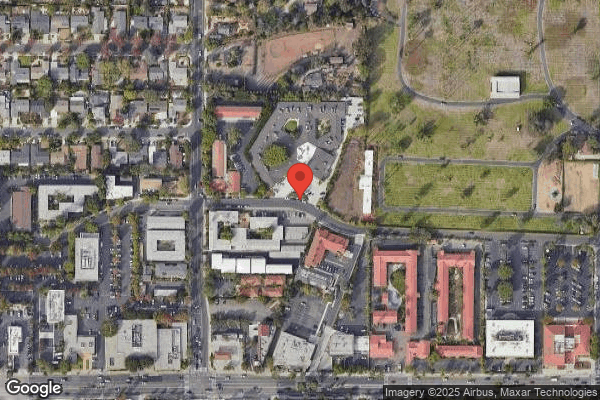
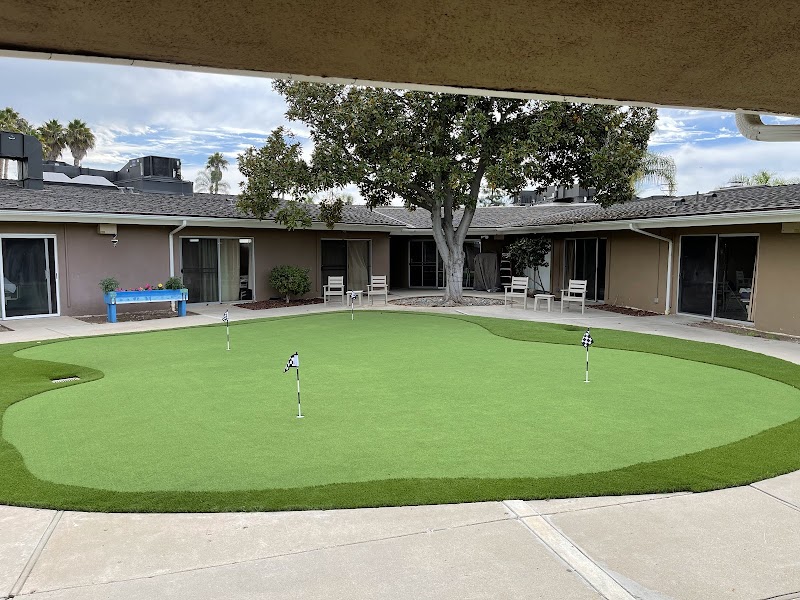
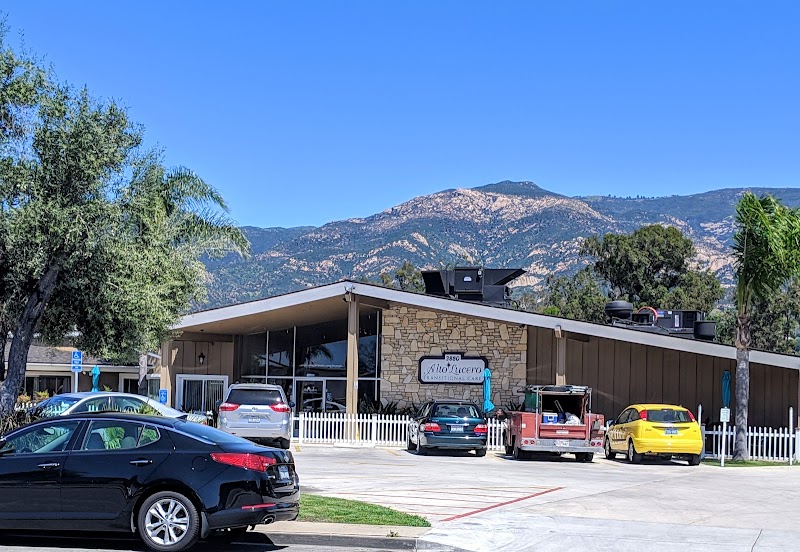
3880 Via Lucero, Santa Barbara, CA 93110 (805) 687-6651
For profit - Corporation 156 Beds THE ENSIGN GROUP Data: November 2025
Trust Grade
70/100
#329 of 1155 in CA
Last Inspection: May 2025

Inspected within the last 6 months. Data reflects current conditions.

Overview

Channel Islands Post Acute in Santa Barbara, California has a Trust Grade of B, indicating it's a good choice among nursing homes. It ranks #329 out of 1155 facilities in California, placing it in the top half, but only #11 out of 14 in Santa Barbara County, suggesting limited local competition. The facility's trend is worsening, with issues increasing from 5 in 2024 to 11 in 2025. Staffing is relatively strong with a 4 out of 5-star rating and a turnover rate of 31%, which is below the California average, but RN coverage is only average, which may mean less oversight of residents. Although the facility has not incurred any fines, there are concerning incidents noted in inspections, such as the presence of expired medications and failures in timely medication administration, which could negatively impact resident safety. Additionally, there was a failure to communicate a significant change in a resident's condition with the physician, leading to delays in treatment. While the nursing home has strengths in its staffing and no fines, these recent issues underscore the importance of careful consideration.
Trust Score
B
70/100
In California
#329/1155
Top 28%
Safety Record
Low Risk
No red flags
Inspections
Getting Worse
5 → 11 violations
Staff Stability
○ Average
31% turnover. Near California's 48% average. Typical for the industry.
Penalties
✓ Good
No fines on record. Clean compliance history, better than most California facilities.
Skilled Nurses
○ Average
Each resident gets 32 minutes of Registered Nurse (RN) attention daily — about average for California. RNs are the most trained staff who monitor for health changes.
Violations
⚠ Watch
23 deficiencies on record. Higher than average. Multiple issues found across inspections.
★★★★☆
4.0
Overall Rating
★★★★☆
4.0
Staff Levels
☆☆☆☆☆
0.0
Care Quality
★★★★☆
4.0
Inspection Score
Stable
2024: 5 issues
2025: 11 issues

The Good

  • 4-Star Staffing Rating · Above-average nurse staffing levels
  • Full Sprinkler Coverage · Fire safety systems throughout facility
  • No fines on record
  • Staff turnover below average (31%)

    17 points below California average of 48%

Facility shows strength in staffing levels, fire safety.

The Bad

Staff Turnover: 31%

14pts below California avg (46%)

Typical for the industry

Chain: THE ENSIGN GROUP

Part of a multi-facility chain

Ask about local staffing decisions and management

The Ugly 23 deficiencies on record

Aug 2025 1 deficiency
CONCERN (D) 📢 Someone Reported This

A family member, employee, or ombudsman was alarmed enough to file a formal complaint

Potential for Harm - no one hurt, but risky conditions existed

Deficiency F0725 (Tag F0725)

Could have caused harm · This affected 1 resident

Based on observation, interview and record review, the facility failed to provide sufficient staffing to provide care for the residents.This failure has the potential to affect the resident quality of...

Read full inspector narrative →
Based on observation, interview and record review, the facility failed to provide sufficient staffing to provide care for the residents.This failure has the potential to affect the resident quality of care.A review of All Facilities Letter (AFL) dated 3/17/21, the AFL summary indicated In accordance with HSC sections 1276.5 and 1276.65, and W & I section 14126.022, this notice provides updated guidelines for facility requirements during state audits for compliance with the 3.5 DHPPD staffing requirements, of which a minimum of 2.4 DHPPD shall be performed by certified nurse assistants (CNAs).During a concurrent interview and record review on 8/19/25 at 4:30 p.m with the Director of Nursing (DON) the Census and Direct Care Service Hours Per Patient Day (DHPPD - a staffing metric for skilled nursing facilities (SNFs), for the dates of 7/24/25 - 8/6/25 was reviewed. On 7/6/25 (Saturday) the actual DHPPD was 3.03 and for Certified Nursing Assistant (CNA) was 1.71.On 7/2/25 (Sunday) the actual DHPPD was 2.93 and for CNA was 1.82. On 8/1/25 (Friday) the actual DHPPD for CNA was 2.24.On 8/2/25 (Saturday) the actual DHPPD is 2.73 and for CNA was 1.65.On 8/3/25 (Sunday) the actual DHPPD is 2.58 and for CNA wss 1.65.On 8/4/25 (Monday) the actual DHPPD for CNA was 2.08.On 8/5/25 (Tuesday) the actual DHPPD for CNA is 2.13.On 8/6/25 (Wednesday) the actual DHPPD for CNA is 2.02. And DON validated the findings.During an interview on 08/12/25 at 1:34 p.m. with the Director of Staff Development (DSD) DSD stated that the facility has developed and conducted Certified Nursing Assistant (CNA) classes where graduates can be hired under contract as a CNA for the facility. The DSD also stated that CNA from a sister facility help out when there is insufficient staffing. Supervisors or administrative staff who are licensed CNA also help out when there is not enough staff. Family emergencies are the common reasons when staff call in on the last minute. During a record review of facility fall logs, one (1) resident had a fall on 7/27/25, two (2) residents had a fall on 8/2/25, one (1) resident had a fall on 8/2/25. There were two (2) residents who had a fall on 8/4/25. There were two (2) hospital transfers on the dates of 7/26/25 and 8/05/25. There were no reported missed or medication errors within the alleged time frame. During a review of Policies and Procedures (P&P) titled Nursing Services: Staffing: Adequate dated 03/22, the Nursing Services: Staffing, Adequate indicates in part, 2. The facility maintains adequate staff on each shift to assure that the residents needs are met.
Aug 2025 1 deficiency
CONCERN (D) 📢 Someone Reported This

A family member, employee, or ombudsman was alarmed enough to file a formal complaint

Potential for Harm - no one hurt, but risky conditions existed

Notification of Changes (Tag F0580)

Could have caused harm · This affected 1 resident

**NOTE- TERMS IN BRACKETS HAVE BEEN EDITED TO PROTECT CONFIDENTIALITY** Based on interview, and record review, the facility staff failed to ensure a significant change in condition for one of three sa...

Read full inspector narrative →
**NOTE- TERMS IN BRACKETS HAVE BEEN EDITED TO PROTECT CONFIDENTIALITY** Based on interview, and record review, the facility staff failed to ensure a significant change in condition for one of three sampled resident (Resident 1) was communicated to ensure prompt consult with the resident's physician when the Certified Nursing Assistant (CNA 1) noticed Resident 1 was becoming more tired and needed to be assisted with meals. This failure resulted in delay in treamnet for the resident. Review of Resident I clinical records indicated, Resident 1 was admitted to the facility on [DATE], with diagnoses that included Alcohol cirrhosis (chronic liver failure) of liver with ascites (abnormal build up of fluid in the abdomen), hepatic encephalopathy (altered level of consciousness as a result of liver failure), pleural effusion (accumulation of excessive fluid in the space that surrounds each lung), heart failure, generalized swelling. Furhter review of clinical records showed, Resident 1 had a change of condition (COC) on 7/08/2025, for weakness and dysphagia (difficulty swallowing), and COC on 7/09/2025 for altered level of consciousness with abnormal vital signs (pulse 174), and was sent out to the hospital via 911.During an interview on 7/16/2025 at 2:30 p.m. with CNA 1, CNA 1 stated that on 7/9/2025, In the morning around 7-7:30 a.m., I went to wake (Resident 1) up and he noticed he was was tired. I explained that I was going to change his brief and I got his breakfast tray to feed him. but didn't eat much . usually eats almost everything . (Resident 1) was a bit confused . I told the nurse, (LN 1), that he was confused and talking gibberish. I couldn't understand him. LN 1 checked and took vital signs and told me to check on him .During an interview on 7/16/2025 at 2:50 p.m. with CNA 2, CNA 2 stated that on 7/8/25 , I noticed Resident 1 was becoming more tired and needed to be assisted with meals. probably about a week or so.used to talk more, then would just answer OK when spoken to.would fall asleep eating, not eating as much, drank most of the shakes. Required a lot of encouragement. I told the nurse and LN 2 made rounds.During an interview on 7/16/2025 at 3:10 p.m. with licensed nurse (LN 2), LN 2 stated that on 7/9/25, in part, I passed meds about 11:30 a.m.-12:00 p.m. and Resident 1 was able to take meds for me. The daughter was here and the CNA called me to tell me she wanted to see me. She wanted Resident 1 sent to the hospital and said didn't look right, but Resident 1 didn't want to go. I discussed the risks and benefits of going because Resident 1's pulse was elevated at that time . Agreed to go, he was tired and wasn't speaking in full sentences, stated OK The CNA never told me Resident 1 was talking gibberish. When I passed morning meds, Resident 1 took medication with no problems. I never told anyone to :check on him.During an interview on 7/17/2025 at 12:30 p.m., with the Assistant Administrator ( AA ), AA explained CNA 1 and LN 1 were spoken to about the timeline discrepancy. CNA 1 told AA she had not told LN 1 after breakfast about Resident 1's change in condition as she had told this writer when interviewed. AA asked CNA 1, Why would you tell the surveyor that you did tell the nurse? AA reported that CNA 1 said didn't know why. AA then reported follow up with LN 1 confirmed that CNA 1 had not reported it.During a review of the facility's policy and procedure titled, Change of Condition, dated 11/2024, indicated in part ., Procedure: 1. If, at any time, it is recognized by any one of the team members that the condition or care needs of the resident have changed, the Licensed Nurse or Nurse Supervisor should be made aware. Examples would be the following . : Change in ability or decline in physical function . Change in mental status, . Change in ability to eat or drink .
Jun 2025 1 deficiency
CONCERN (D) 📢 Someone Reported This

A family member, employee, or ombudsman was alarmed enough to file a formal complaint

Potential for Harm - no one hurt, but risky conditions existed

Deficiency F0557 (Tag F0557)

Could have caused harm · This affected 1 resident

**NOTE- TERMS IN BRACKETS HAVE BEEN EDITED TO PROTECT CONFIDENTIALITY** Based on observation, interview and record review, the facility failed to have one of three sampled residents (Resident 1) the r...

Read full inspector narrative →
**NOTE- TERMS IN BRACKETS HAVE BEEN EDITED TO PROTECT CONFIDENTIALITY** Based on observation, interview and record review, the facility failed to have one of three sampled residents (Resident 1) the right to retain and use personal possessions when a denture delivered to the resident was never documented nor found. This facility failure has the potential to create negative consequences whereby the resident feels not treated with respect. Findings: During a review of Resident 1's admission Record (AR), dated 6/4/25, the AR indicated Resident 1 was admitted to the facility on [DATE] with including diagnosis of Anxiety disorders (a group of mental health conditions characterized by excessive and persistent worry, fear) and altered mental status (AMS - refers to a change in a person's level of consciousness, awareness, or cognitive function). Further review of Resident 1's Dental notes record indicated dated 11/21/22, that Resident 1 full upper and full dentures were delivered. However, review of Resident 1's Inventory of Personal Effects record dated 4/15/22 showed record of documentation regarding dentures. A review of Mail & Packages Log also showed Resident 1 has had multiple packages delivered. And no theft and loss record documented. During an interview on 6/4/25 at 2:10 p.m. with CNA 2, when asked about resident's inventories and record keeping, CNA 2 verbalized that when resident is new to the facility, CNA documents resident's personal belonging on the inventory list and new items brought in by family member are labelled either by the Central Supply (CS) or she marks the items with resident's name and updates the inventory list. During an observation on 6/4/25 at 10:45 a.m. Resident 1's face had a sunken appearance, lips were thin and closed together, chin and cheek bones structures was very pronounced. During an interview on 6/4/25 at 11:25 a.m. with the Activity Aide (AA), the Activity Aide verbalized, that activity personnel check the mail and packages delivery 3:00 p.m. every day at the front desk. Packages are recorded in a log with the resident's name, staffs initial, date delivered and the package tracking number. The activity personnel deliver the package to the resident. Once package is open, the item is labeled with resident's name then the Certified Nursing Assistant (CNA) updates the inventory list. During an interview on 6/4/25, at 11:40 a.m. with the Social Services Assistant (SSA), the SSA verbalized that on admission, resident's personal belongings are labelled with resident's name and recorded in the inventory list including resident's dentures. Any personal brought in after resident's admission are labelled and inventory list are updated. During a concurrent interview and record review on 6/4/25, at 12:15 p.m. with the Social Services Director (SSD) and the SSA, the theft and loss binder and the Resident 1's dental visit document was reviewed. The SSD verbalized that Resident 1 was last seen by the dentist in November 2024 and declined dental services. SSS further verbalized, dental visit notes recorded that dentures were delivered 11/21/22, dentures must be recorded in the inventory list. Both SSD and SSA was unaware of Resident 1's missing denture. SSD acknowledged that the missing dentures should have been recorded in the theft and loss log and was not. During an interview on 6/5/25, at with the Assistant Administrator (AADM 1), the AADM 1 acknowledged that several packages were delivered at the facility. AADM 1 further acknowledged that the list of inventory list of personal belongings was never updated since Resident 1's admission. During an interview on 6/11/25, at 2:05 p.m. with the Assistant Director of Nursing (ADON), the ADON acknowledged that the policy for theft and loss and personal belongings was not followed. During a review of the facility's P&P titled, Theft & Loss, dated 12/2024, the P&P indicated, It is the policy of this facility to provide a theft and loss program which protects and conserves residents, facility, visitor, and employee property .2. Completed Resident Property Loss Report forms will be filed in a binder which will be retained in the Social Service Department Office. Each Report must be: A. Retained at least 12 months. B. Made available to the State Department of Health Services, the County Health Department, law enforcement agencies and/or the State Long-Term Care Ombudsman I response to a specific complaint. 3. A written Resident personal property inventory must be recorded on a appropriate form upon the resident's admission and it must be: A. Retained during resident's stay. B. Provided to the resident or to the person acting upon the resident's behalf. C. Maintained current by noting all items, being added or deleted by the written request of the resident or the person acting upon the resident's behalf . Further review of the facility's P&P titled, Personal Effects, Inventory of Belongings, dated 11/2024, the P&P indicated, It is the policy of the facility to take reasonable steps to protect the personal property of the residents .1. On Admission. A. When a resident is admitted to the facility, an inventory of the resident's personal effects shall be done by a staff member of the facility .These personal effects shall be recorded on the Inventory of Personal Effects Form .2. During Resident's Facility Stay. A. When any personal item which may have a direct or indirect bearing on the resident's health and safety is brought into the facility for a resident after admission, the item shall be recorded, dated and signed by a staff member .
May 2025 7 deficiencies
CONCERN (D)

Potential for Harm - no one hurt, but risky conditions existed

Deficiency F0554 (Tag F0554)

Could have caused harm · This affected 1 resident

**NOTE- TERMS IN BRACKETS HAVE BEEN EDITED TO PROTECT CONFIDENTIALITY** Based on observation, interview, and record review, the facility failed to follow its policy and procedure with Self-Administrat...

Read full inspector narrative →
**NOTE- TERMS IN BRACKETS HAVE BEEN EDITED TO PROTECT CONFIDENTIALITY** Based on observation, interview, and record review, the facility failed to follow its policy and procedure with Self-Administration of Medications for 1 of 31 sampled residents (Resident 39) found with multiple self-medications by the bedside. This failure has the potential to result in medication error. Findings: During a concurrent observation and interview of Resident 39's room on 05/05/25 at 09:45 a.m., supplemental medications were found by beside namely: Primal Harvest Hair Growth - Hair Growth Complex Supplement Immuneti Advanced Immune Defense. Primal Multivitamins (primal harvest). During an interview with Resident 39 when asked about the medication, Resident 39 stated I have been taking them by myself since I moved here into here into the facility. During a review of Resident 39's medical record (MR) indicated, resident was admitted to the facility on [DATE] with diagnoses that includes Suicidal Ideations (thinking about or being overly focused on death and dying), Alcohol abuse (craving and drinking drinks excessively) and Opioid Use (opioid - a class of drug used to reduce moderate to severe pain). During a concurrent interview and record review on 05/05/25 at 10:15 a.m. with the Registered Nurse (RN1) RN1 indicated, they were no self-administration assessment done for Resident 39 and could not locate a documentation for Resident 39's desire to participate in self-administration. And no interdisciplinary team (IDT - a group of healthcare professionals with diverse specialties who collaborate to provide comprehensive care to patients) notes, or a care plan referring to the resident desire to participate in self-administration of medication were found. RN1 acknowledged, there should have been one. During a concurrent record review and interview on 05/07/25 at 10:05 a.m. with the Director of Nursing in Training (DONIT), the DONIT confirmed there were no IDT notes and care plans for Resident 39's desire to participate in self-administration of medications. During another concurrent interview and record review on 05/08/25 at 12:18 p.m. with the Director of Nursing (DON), the DON confirmed there were no IDT notes and care plans for Resident 39's desire to participate in self-administration of medications. During a review of the facility's policy and procedure (P&P) titled, Self-Administration of Medications, last reviewed 11/2024 indicated, . If a resident desires to participate in self-administration, the interdisciplinary team will assess and periodically re-evaluate. Nursing will be responsible for recording self-administration doses in the resident's medication administration record. Appropriate notation of these determinations will be placed in the residents care plan.
CONCERN (D)

Potential for Harm - no one hurt, but risky conditions existed

Safe Environment (Tag F0584)

Could have caused harm · This affected 1 resident

Based on observation, interview, and record review, the facility failed to provide safe, clean and home-like environment to 2 of 31 sampled residents (Residents 73 and 127) when: 1. Resident 127's ro...

Read full inspector narrative →
Based on observation, interview, and record review, the facility failed to provide safe, clean and home-like environment to 2 of 31 sampled residents (Residents 73 and 127) when: 1. Resident 127's room was found with loose floor tiles partially lifted creating a raised gap. 2. Resident 73's room was found with cobwebs in the ceiling, scratches on the wall by the headboard, and missing wall tiles in bathroom. These failures have the potential to affect residents' well-being. Findings: 1. During an observation on 5/5/25 at 10:20 a.m. in resident 127's room, one of the tiles on the floor was found to be loose and was partially lifted, creating a raised gap. During a review of the maintenance logbook for Station H2 (the section of the facility where Resident 127's room is located) reviewed dated 3/1/25 to 5/7/25 showed no requests directly added to maintenance logbook entries regarding a floor tile repairs for Resident 127's room and bathroom. During a concurrent observation and interview on 05/07/25 at 8:53 a.m. with the Maintenance supervisor (MS) in Resident 127's room, the MS confirmed the section of the loose floor tiles partially lifted creating a raised gap. And MS stated, I can see that there can be a problem, I will fix it right away. 2. During an observation on 5/5/25 at 10:28 a.m. in Resident 73's room, cobwebs (spider's web) were found hanging from the ceiling above resident's bed. The wall behind the headboard of the resident's bed had visible scratches with paint coming off and exposing the brown underlayer of the wall. Some of the tiles surrounding the bathtub in resident's 73's bathroom were missing exposing the brown and black residue left on the wall. During a concurrent observation and interview on 05/07/25 at 08:57 a.m. with the Maintenance Supervisor (MS) in Resident 73's room, MS confirmed the cobwebs in the ceiling, wall scratches and missing wall tiles in the bathroom and MS stated, We have been wanting to repair them, and this is one of the last rooms on the list. During a review of the maintenance logbook for station H2 (H2 - the section of the facility where Resident 73's room is located), the logbook dated from 3/1/25 to 5/7/25 showed no entries submitted for maintenance work for Resident 73's room. During an interview on 05/07/25 at 03:36 p.m. with the Laundry and Housekeeping Supervisor (LHS) and District Manager of Laundry and Housekeeping Services, (DMLS) in LHS's office, the DMLS acknowledged the Resident 73's room must have been overlooked. During a review of the facility's policy and procedure (P&P) titled, Safe and Homelike Environment, revised 11/2024, section 3 of the P&P indicated, Housekeeping and maintenance services will be provided as necessary to maintain a sanitary, orderly, and comfortable environment. The term sanitary is defined in P&P as, .includes but is not limited to, preventing the spread of disease-causing organisms by keeping resident care equipment clean and properly stored. Resident care equipment includes, but is not limited to, equipment used in the completion of activities of daily living. In addition, section 9 (f) stated, . Staff to deliver requests/findings directly to the department or add to maintenance logbook. During a review of the facility's policy and procedure (P&P) titled, Safe and Homelike Environment, revised 11/2024, section 3 indicated, Housekeeping and maintenance services will be provided as necessary to maintain a sanitary, orderly, and comfortable environment. In addition, section 9 (f) stated, . Staff to deliver requests/findings directly to the department or add to maintenance logbook.
CONCERN (D)

Potential for Harm - no one hurt, but risky conditions existed

Assessment Accuracy (Tag F0641)

Could have caused harm · This affected 1 resident

**NOTE- TERMS IN BRACKETS HAVE BEEN EDITED TO PROTECT CONFIDENTIALITY** Based on observations, interviews and record review, the facility failed to accurately assess the status of residents to reflect...

Read full inspector narrative →
**NOTE- TERMS IN BRACKETS HAVE BEEN EDITED TO PROTECT CONFIDENTIALITY** Based on observations, interviews and record review, the facility failed to accurately assess the status of residents to reflect with the Minimum Data Set (MDS - an assessment tool used to assess residents in nursing homes) for 3 of 3 unsampled residents (Resident 95, Resident 119 and Resident 130) when: 1. Resident 95 had an inaccurate assessment for injection (administering a substance using a needle and a syringe) use. 2. Resident 119 had an inaccurate assessment for anticoagulants (a medication that prevents blood clots from forming) use. 3. Resident 130 had an inaccurate assessment for tobacco use. These failures have the have the potential to prevent relevant care areas about the resident's status not being met. Findings: 1. During a review of Resident 95's admission Record (AR), dated 5/5/25, the AR indicated Resident 95 had a diagnosis of Type 2 Diabetes (abnormal blood sugar). During a review of the Physician's Progress Notes (PPN), dated 3/30/25, the PPN indicated, Resident 95 was taking insulin (a hormone that regulates blood sugar levels) due to diagnosis of Diabetes. Further review of Resident 95's clinical record indicated, the physician ordered an insulin injection to be administered subcutaneously (beneath the skin) four times a day and to follow the insulin sliding scale (insulin dosing) as ordered. During a review of Resident 95's Medication Administration Record (MAR), the MAR indicated Resident 95 received an insulin injection from 3/9/25 to 3/15/25. During a review of Resident 95's MDS Annual Assessment section N0300 for injection, Assessment Reference Date (ARD - the last day of the observation period for a resident's assessment), dated 3/25/25, the N0300 indicated, 0 meaning Resident 95 did not receive an injection of any type. During a concurrent interview and record review with the MDS coordinator (MDSC 1), on 5/7/25 at 11:15 a.m. the MDS assessment for injection and Resident 95's MAR were reviewed. And MDSC 1 acknowledged that the inaccurate assessment entered for section N0300 for Resident 95's MDS assessment. 2. During a review of the Physician Progress Notes (PPN) dated 3/30/25, the PPN indicated, Resident 119 current medications include Apixaban (a type of anticoagulant medication). During a review of the Physician's Order (PO), dated 4/3/24, the PO indicated to administer Apixaban 5 milligrams (mg - unit of measurement) by mouth two times a day to prevent DVT (Deep Vein Thrombosis - a condition where blood clot forms in deep veins). During a review of Resident 119's MAR, the MAR indicated Resident 119 received an anticoagulant medication from 4/8/25 to 4/14/25. During a review of Resident 119's MDS Annual Assessment section N0415, ARD, dated 4/14/25, the N0415 indicated, No meaning Resident 95 did not receive an anticoagulant medication. During a concurrent interview and record review with the MDSC 1, dated 5/7/25, at 11:15 a.m. the MDS assessment for anticoagulant medication use and Resident 119's MAR reviewed. MDSC 1 verified the inaccurate assessment and verbalized that Resident 119 received an anticoagulant for 7 days. During a review of the P&P titled, RAI, dated 10/2024, the RAI coding instruction indicated, N0415: High-Risk Drug Classes (drugs that can cause significant harm to patient) .E. Anticoagulant .Check if the resident is taking any medications by pharmacological classification during the 7-day observation period (or since admission/entry/reentry if less than 7 days. During a review of the facility's policy and procedure (P&P) titled, Resident Assessment Instrument (RAI), dated 10/2024, the RAI coding instruction indicated, N0300: Record the number of days during the 7-day [NAME] back period(or since admission/entry or reentry if less than 7 days) that the resident received any type of medication, antigen, vaccine etc., by injection. Insulin injections are counted in this item . 3. During a review of the P&P titled, RAI, dated 10/2024, the Resident Assessment Instrument (RAI) coding instruction indicated, Code 0 if there are no indications that the resident used any form of tobacco. Code 1, yes: if the resident or any other source indicates that the resident used tobacco in some form during the look-back period. During a concurrent observation and interview on 5/5/25 at 10:00 a.m. with Resident 130, a vaping device (smoking paraphernalia) was observed on top of the bedside table next to Resident 130's bed in the room. And Resident 130 acknowledged owning the vaping device. During an observation on 5/8/25 at 11:44 a.m. Resident 130 was observed smoking cigarettes at the designated smoking area in the facility's courtyard. During a review of Resident 130's Physician Progress Notes dated 3/13/25, PPN indicated, Resident 130 was a smoker and was counseled for smoking cessation. During a review of the document titled, Smoking Evaluation (SE), dated 4/2/25, the smoking evaluation indicated that Resident 130 smokes four times a day. During a concurrent interview and record review on 5/8/25 at 2:09 p.m. with MDCS 3, Resident 130's SE and the MDS evaluation for tobacco use, ARD dated 4/4/25 reviewed indicated, Resident 130 does not use any form of tobacco. SE dated 4/2/25, the smoking evaluation indicated that Resident 130 smokes four times a day. And, MDCS 3 acknowledged the assessment were incorrect for Resident 130 During a review of the facility's policy and procedure (P&P) titled, Resident Assessment Instrument (RAI), dated 10/2024, the RAI coding instruction indicated, N0300: Record the number of days during the 7-day [NAME] back period(or since admission/entry or reentry if less than 7 days) that the resident received any type of medication, antigen, vaccine etc., by injection. Insulin injections are counted in this item .
CONCERN (D)

Potential for Harm - no one hurt, but risky conditions existed

Deficiency F0645 (Tag F0645)

Could have caused harm · This affected 1 resident

**NOTE- TERMS IN BRACKETS HAVE BEEN EDITED TO PROTECT CONFIDENTIALITY** Based on interview and record review, the facility failed to ensure that a PASSR Level I (preliminary assessment for individuals...

Read full inspector narrative →
**NOTE- TERMS IN BRACKETS HAVE BEEN EDITED TO PROTECT CONFIDENTIALITY** Based on interview and record review, the facility failed to ensure that a PASSR Level I (preliminary assessment for individuals seeking admission to a Medicaid-certified nursing facility to determine if they might have a serious mental illness (SMI), intellectual disability (ID), or a related condition (RC)) and Level II (a comprehensive assessment conducted on individuals identified in the Level 1 screening as potentially having a mental illness or intellectual disability ID) were conducted for 2 of 31 sampled residents (Resident 10 and Resident 92). These failures had the potential to compromise resident care planning of the actual problems not to be addressed. Findings: During a review of the Medical Records (MR) for Resident 10 on 5/6/2025 indicated, Resident 10 was admitted to the facility dated on 03/08/2024 with diagnoses that includes Unspecified Schizophrenia' (a condition where a resident's symptoms do not meet the full diagnostic criteria for Schizophrenia or another more specific psychotic disorder), and Bipolar (a mental health condition characterized by extreme mood swings, including periods of intense emotional highs (mania or hypomania) and periods of intense sadness or depression). No PASRR Level 1 Screening from 3/8/2024 to 5/6/2025 was located for Resident 10's MR. During an interview on 05/06/2025 at 3:20 p.m. with Director of Nursing (DON), Residents 10's PASRR, DON confirmed there were no PASRR Level 1 Screening from 3/8/2024 to 5/6/2025 located for Resident 10's. And DON acknowledged and stated Oh, we missed this one. During a review of the MR for Resident 92 on 5/6/2025, indicated, Resident 92 was admitted to the facility on [DATE] with a diagnosis that includes Unspecified Psychosis (a diagnosis assigned when someone experiences psychotic symptoms (delusions or hallucinations). During a further review of the MR, the pre-admission PASRR Level 1 Screening, dated 9/27/2022 revealed Resident 92 was Positive (+) for Serious Mental Illness (SMI). Further review of a letter from The Department of Health Care Services (DHCS) dated 9/29/2022, indicated, Positive Level I Screening Indicates a Level II Mental Health Evaluation is Required. And, no Level II PASRR was in the MR from 09/27/2022 to present for Resident 92 was noted. During an interview on 5/6/25 at 3:45 p.m. with the DON, DON confirmed that the PASRR Level II was not done for Resident 92. During a review of the facility's policy and procedure (P&P) titled, Resident Assessment - PASRR, dated 11/2024, the P&P indicated in part, Level 1 Screening is required for any individual that is discharging from a hospital to a nursing facility (NF). A Level 1 Screening is also required when the individual is being admitted to a NF directly from the community, and for current NF residents, readmissions or inter-facility transfers when there is a significant change in the resident's physical or mental condition . and The hospital is required to complete a Level 1 Screening, and if needed, arrange for a Level 2 Evaluation to be performed by the state approved contractor to help ensure the individual discharging from the hospital receives services in the most integrated setting.
CONCERN (D)

Potential for Harm - no one hurt, but risky conditions existed

Deficiency F0761 (Tag F0761)

Could have caused harm · This affected 1 resident

Based on observation, interview and review of the facility's policy and procedure (P&P), the facility failed to store medications in the storage refrigerator under proper temperature controls. This fa...

Read full inspector narrative →
Based on observation, interview and review of the facility's policy and procedure (P&P), the facility failed to store medications in the storage refrigerator under proper temperature controls. This failure has the potential to result in a loss of effectiveness in medications. Findings: During a concurrent observation and interview on 5/07/25 at 11:49 a.m. with Licensed Nurse (RN3), the thermometer inside the medication storage refrigerator, there were Tuberculin (PPD - a diagnostic reagent used in the tuberculin skin test (TST) to detect tuberculosis (TB) infection), Insulin (medications used to treat sugar in the blood), and Hepatitis vials (single-dose vials containing purified surface antigen) stored inside the refrigerator. And the refrigerator temperature read 32°F (degrees Fahrenheit - temperature scale). During a concurrent observation and interview on 5/07/25 at 11:49 a.m. with RN3, RN3 confirmed the storage refridgerator temperature reading of 32°F and acknowledged the medications kept in the refrigerator were outside the acceptable range for the storage of medications. During review of the facility's P&P titled Storage of Medications, dated 11/2024, indicated K. Medications requiring refrigeration or temperatures between 2°C (degrees Celsius - temperature scale) (36°F) and 8°C (46°F) are kept in a refrigerator with a thermometer to allow temperature monitoring. Please notify Maintenance if refrigerator temperature is out of range for immediate corrective action.
CONCERN (D)

Potential for Harm - no one hurt, but risky conditions existed

Food Safety (Tag F0812)

Could have caused harm · This affected 1 resident

Based on observation, interview and record review, the facility failed to ensure the dietary staff labelled and dated food storage stored. These deficient practices placed the residents at risk for f...

Read full inspector narrative →
Based on observation, interview and record review, the facility failed to ensure the dietary staff labelled and dated food storage stored. These deficient practices placed the residents at risk for foodborne illnesses (refers to illness caused by the ingestion of contaminated food or beverages). Findings: During an observation on 5/5/2025 at 9:20 am at the facitlity the kitchen, the following were observed: Three (3) packets of traditional stuffing with a date received but no label for date opened and expiry date were found. One open bag of bread buns, undated and in the freezer section, one bag containing four hamburger patties were undated and no expiry date. During an interview on 5/5/2025 at 9:20 a.m with the Assistant Administrator (AADM), the AADM acknowledged these findings. During a review of Policies and Procedures (P&P) titled Labeling and Dating of Foods dated 2023, the Labeling and Dating of Foods indicated in part, the use by date will be the absolute date in which the food must be consumed or discarded by the facility .the individual opening or preparing a food shall be responsible for date marking at the time processing and/or storage.
CONCERN (E)

Potential for Harm - no one hurt, but risky conditions existed

Pharmacy Services (Tag F0755)

Could have caused harm · This affected multiple residents

Based on observation, interview, and record review, the facility failed to follow its facility policies when: 1) Four expired drugs were available to be administered to residents 2) One medication w...

Read full inspector narrative →
Based on observation, interview, and record review, the facility failed to follow its facility policies when: 1) Four expired drugs were available to be administered to residents 2) One medication was not administered as ordered by the physician for 1 of 31 sampled residents (Resident 43) 3) A consistent medication re-ordering process was not implemented 4) Multiple resident medications were not available timely and consistently 5) Two bags of sodium chloride (a salty solution given for dehydration) were inside the intravenous emergency kit (IV e-kit: a container with all the components needed to inject fluids, nutrients, and medications directly in the veins) but were not listed on the contents label. These failures had the potential to result in negative resident outcomes, jeopardizing the quality of safety of resident care. Findings: 1. a. During a concurrent observation and interview on 5/07/25 at 11:30 a.m. with Licensed Nurse (RN3) inside the medication storage room, a Med Pass 2.0 (a ready to drink calorie and protein-dense nutritional shake) with a use by date of 02/10/25 was available for residents. RN3 acknowledged it was expired. b. During a concurrent observation and interview on 5/08/25 at 10:53 a.m. with RN3, a bottle of 0.9% (percent) Sodium Chloride (a salty solution used to wash and clean body cavities, tissues or wounds) was found in the medication storage room with an expiration date of 7/2015. RN3 acknowledged the bottle was expired and stated, I can't argue with that. c. During a concurrent observation and interview on 5/08/25 from 2:37 p.m. until 2:58 p.m. with Licensed Nurse (RN6), an open single use bottle of 0.25% acetic acid (sterile solution used for urinary bladder irrigation) was available for use and an Estradiol 0.01% vaginal cream (topical low-dose medication used to treat vaginal symptoms such as vaginal dryness, burning and itching) with an expiration date of 5/05/25 were inside the treatment cart. RN6 acknowledged the bottle of acetic acid was for single use and should have been discarded once used. Additionally, RN6 acknowledged the estradiol vaginal cream was expired and should have been discarded. d. During a concurrent observation and interview on 5/08/25 at 3:09 p.m. with Licensed Nurse (RN5), an Anoro Ellipta (a medication in form of a spray [inhaler] that is inhaled through the nose or mouth to treat lung symptoms) with an open date of 3/02/25 was found inside the medication cart. RN5 stated he was unaware that the inhaler was only good for 6 weeks from the date opened and acknowledged the inhaler expired on 4/16/25 and should have been discarded. During a review of the facility's policy and procedure (P&P) titled, Storage of Medications, dated 11/2024, the P&P indicated M. Outdated, contaminated, or deteriorated medications .are immediately removed from stock, disposed of according to procedures for medication disposal, and reordered from the pharmacy if a current order exists. 2. During a concurrent observation and record review on 5/06/25 at 08:04 a.m. in Resident 43's room, Licensed Nurse (LN1) administered two drops of Refresh Plus eyedrops (artificial tears used to moisturize and lubricate the eyes) in each eye. Review of Resident 43's medical record titled Order Summary (OS), dated 5/06/25, the OS indicated Refresh Tears Instill 1 drop in both eyes two times a day for dry eyes. During a review of the facility's P&P titled, Medication Administration, dated 11/2024, the P&P indicated Accurate and timely administration according to MD [medical doctor] order is essential . 3. During a review of the Re-Ordered Medication Binder (RMB- a binder used by nursing staff to document re-ordered medications from the pharmacy), dated 3/01/25, 3/16/25, 3/18/25, 4/05/25, 4/17/25, 5/02/25, 5/03/25, and 5/04/25 indicated Residents 9, 10, 11, 22, 32, 66, 86, 110, 118, 126, 129, 200, 201, 202, 203, and 204 were either out of medications or only had one to three doses left. During an interview with RN3 on 5/08/25 at 10:30 a.m. RN3 stated nurses are supposed to order medications 5 days in advance. During a review of the facility's P&P titled, Ordering and Receiving Medications from the Dispensing Pharmacy, dated 11/2024, the P&P indicated, 2a. Reorder medication five days in advance of need to assure an adequate supply is on hand. 4. a. During a concurrent observation and interview on 05/06/25 at 08:04 a.m. with LN1, in Resident 43's room, observed LN1 did not apply the Buprenorphine Transdermal patch (a patch with pain relieving medication applied on the skin) 10 mcg/hr. (microgram/hour - unit of measurement) as ordered in electronic health record (EHR). LN1 stated that the MD changed the order on 5/05/25 from 5 mcg to 10 mcg/hr. and the pharmacy had not delivered it yet. During a review of Resident 43's OS, dated 5/06/25, the OS indicates, Buprenorphine Transdermal Patch Weekly 10 mcg/hr (Buprenorphine) *Controlled Drug* Apply 1 patch transdermally one time a day every 7 day(s) for Chronic Pain. b. During a concurrent observation and interview on 5/06/25 at 08:35 a.m. with Licensed Nurse (LN1), in Resident 110's room, observed LN1, did not administer the Losartan Potassium (medication primarily used to treat high blood pressure). LN1 stated there were no more pills left to give. During an interview on 5/06/25 at 08:45 a.m. with Licensed Nurse (LN4). LN4 stated the emergency kit (e-kit) was checked and found that there were no Losartan medications in the e-kit. Additionally, LN4 stated this happens occasionally. We should be checking it and staying on top of it. c. During a concurrent observation and interview on 5/06/25 at 09:14 a.m. with Licensed Nurse (LN6), inside Resident 93's room, LN6 did not administer Sildenafil Citrate Oral Tablet 20 mg (medication primarily used to treat high pulmonary blood pressure). LN6 stated it's not available. d. During review of Resident 81's nursing Progress Notes (PN), dated 5/05/25, the PN indicated the reason why the resident did not receive medications Donepezil (medication primarily used to treat cognitive decline) and Atorvastatin (medication used to treat high cholesterol) was due to awaiting pharmacy delivery. e. During review of Resident 95's nursing PN, dated 5/06/25, the PN indicated, the reason why the resident did not receive the medication Advair Diskus (an inhaler medication used to treat asthma and reduce inflammation in the lungs) was due to Awaiting pharmacy. f. During review of Resident 130's nursing PN, dated 5/06/25, the PN indicated the reason why the resident did not receive the medication Symbicort (an inhaler medication used to treat asthma and reduce inflammation in the lungs) was due to awaiting pharmacy. g. During review of Resident 143's nursing PN, dated 5/06/25, the PN indicated, the reason why the resident did not receive the medication Budesonide Formoterol Fumarate Inhalation (an inhaler used to reduce inflammation and open airways, making it easier to breathe) was due to Awaiting pharmacy. h. During review of Resident 103's nursing PN, dated 5/06/25, the PN indicated, the reason why the resident did not receive medications Symbicort, Fluticasone (medication used to treat allergy symptoms), and Cymbalta (medication used to treat depression) was due to Awaiting pharmacy. i. During a review of the Re-Ordered Medication Binder (RMB) containing faxed pharmacy refill forms, dated 4/04/25, 4/05/25, 5/02/25, and 5/03/25, the pharmacy refill forms indicated, Residents 1, 2, 10, 11, 22, 28, 32, 58, 66,75, 77, 86, 92, 109, 110, 119, 126, and 129 had missing cycle medications (routine resident medications that are taken on a consistent basis and refilled monthly). During an interview with the Administrator (ADM) on 05/07/25 at 10:45, the ADM stated the facility had an agreement with the pharmacy to have a pharmacy staff go to the facility once a month to refill the resident cycle medications. The ADM stated that the pharmacy has not gone to the facility once a month to refill the cycle medications as previously agreed. During a review of the facility's policy and procedure (P&P) titled, Ordering and Receiving Medications from the Dispensing Pharmacy, dated 11/2024, the P&P indicated, Policy: Medications and related products are received from the dispensing pharmacy on a timely basis. During a review of the facility's P&P titled, Medication Administration, dated 11/2024, the P&P indicated, Accurate and timely administration according to MD [medical doctor] order is essential . 5. During a concurrent observation and interview on 5/07/25 at 11:30 a.m. inside the medication storage room, with RN3, two 100 mL (milliliters - unit of measurement) bags of 0.9 % sodium chloride were found inside the IV2 e-kit. The label outside the e-kit indicated there were zero100 mL bags of 0.9 % sodium chloride. RN3 acknowledged the contents inside the e-kit did not match the label and they should match. Additionally, RN3 stated the pharmacy is responsible in ensuring the contents inside the e-kits accurately matches the content on the label. During a review of the facility's policy and procedure (P&P) titled, Ordering and Receiving Medications from the Dispensing Pharmacy, dated 11/2024, the P&P indicated, Policy: Medications and related products are received from the dispensing pharmacy on a timely basis. The facility maintains accurate records of medication order and receipt.
Apr 2025 1 deficiency
CONCERN (D) 📢 Someone Reported This

A family member, employee, or ombudsman was alarmed enough to file a formal complaint

Potential for Harm - no one hurt, but risky conditions existed

Deficiency F0624 (Tag F0624)

Could have caused harm · This affected 1 resident

**NOTE- TERMS IN BRACKETS HAVE BEEN EDITED TO PROTECT CONFIDENTIALITY** Based on interviews and records review, the facility failed to provide sufficient discharge planning for one of three sampled re...

Read full inspector narrative →
**NOTE- TERMS IN BRACKETS HAVE BEEN EDITED TO PROTECT CONFIDENTIALITY** Based on interviews and records review, the facility failed to provide sufficient discharge planning for one of three sampled residents (Resident 1) when the facility did not ensure needed home health services were in place prior to Resident 1's discharge. This failure resulted in Resident 1 not being provided needed home services. Findings: During a review of Resident 1, admission Record (AR), dated 04/09/25, the AR indicated, Resident 1 is a [AGE] year old male, admitted on [DATE] with diagnoses that included, fracture of right acetabulum and right pubis (a break in the socket of the hip joint), fall-subsequent encounter, Type 2 Diabetes Mellitus (the body cannot use insulin correctly and sugar builds up in the blood), and long-term use of insulin. Resident 1 was discharged to home on [DATE] at 11:14 a.m. with home health agency (HHA) services. During an interview on 4/09/25 at 12:24 p.m. with the Social Services Director (SSD), the SSD stated that social services staff coordinates continuity of care when discharging residents. The SSD said, they had coordinated home health services for physical therapy (PT), occupational therapy (OT), and nursing services when Resident 1 was discharged . The SSD provided copies of the documents that were faxed to the HHA but was unable to provide evidence of confirmation the HHA received the referral for Resident 1. SSD acknowledged Resident 1 contacted the facility post discharge regarding caregiver services which he was expecting to receive and had not received yet. During a review of Resident 1's Social Services Notes (SSN), dated 3/24/25, the SSN indicated, Resident 1, had called the facility asking for assistance to follow up on private caregiving. The social services staff called the Veterans Administration (VA) and were informed they had not followed up with the authorization since the March 11th request and that they would re-submit another request. During a telephone interview on 4/10/25 at 11:27 a.m. with Resident 1, Resident 1 stated he was discharged several weeks ago with the understanding he would be receiving home health care services however he had not received any assistance yet. Resident 1 said he had already fallen since he was discharged . During an interview on 4/10/25 at 11:58 a.m. with the Assistant Director of Nursing (ADON), the ADON said she followed up with the home health agency (HHA) on 4/09/25 and was informed Resident 1 had not been seen for home health care services. The HHA representative stated they could not get a hold of the resident and were still awaiting VA approval. During a telephone interview on 4/10/25 at 12:06 p.m. with the SSD, the SSD stated the facility does not typically follow up with HHA's or discharged residents unless the HHA notifies the facility that they cannot provide services to the resident or if they are unable to get a hold of the resident. The SSD stated the HHA that was supposed to provide home health care services for Resident 1 did not contact the facility to inform them they were not able to get in contact with the resident or that they were still awaiting VA approval to provide services. During a review of an email correspondence from the social services staff to the HHA, dated 4/09/25, the email indicated, the HHA had not seen Resident 1 because they still did not have authorization from the VA and had been unable to get in contact with Resident 1. The email indicated, the HHA contacted the VA to request authorization and obtain more demographic information but never heard back. During a review of the facility's policy and procedure (P&P) titled, Discharge or Transfer, dated 11/2023, the P&P indicated, It is the policy of this facility to provide the Resident with a safe organized structured transfer and or discharge from the Facility to include but not limited to hospital, another healthcare facility or home that will meet their highest practical level of medical, physical and psychosocial well-being .D. Social Services (or other designated individual) will initiate contact with a home health agency to ensure continuity of care as deemed appropriate.
Jul 2024 3 deficiencies
CONCERN (D) 📢 Someone Reported This

A family member, employee, or ombudsman was alarmed enough to file a formal complaint

Potential for Harm - no one hurt, but risky conditions existed

Deficiency F0557 (Tag F0557)

Could have caused harm · This affected 1 resident

**NOTE- TERMS IN BRACKETS HAVE BEEN EDITED TO PROTECT CONFIDENTIALITY** Based on record review and interview, the facility failed to ensure that one of the three sampled residents (Resident 1) was tre...

Read full inspector narrative →
**NOTE- TERMS IN BRACKETS HAVE BEEN EDITED TO PROTECT CONFIDENTIALITY** Based on record review and interview, the facility failed to ensure that one of the three sampled residents (Resident 1) was treated with respect and dignity when Resident 1's personal belongings were relocated to another room. This failure created a situation whereby resident1's right to retain and use personal possessions was prevented. Findings: During a review of Resident 1's (R1) Clinical Record (CR) on 7/11/24 at 11:30 AM. The CR revealed Resident 1 was admitted to the facility on [DATE] with diagnoses that included Chronic Obstructive Pulmonary Disease (COPD - lung disease that causes obstructed air flow from the lungs), Congestive Heart Failure (CHF - heart's capacity to pump blood can't keep up with the body's need), pneumonia (infection of the lungs). During a review of Resident 1's inventory of personal effects (IPE-belonging list), dated 6/10/24, the IPE indicated, R1's personal items included cell phone/cord/charger and reading glasses. During a review of Resident 1's Nursing Progress Notes (NPN) dated 6/15/24, the NPN indicated, .Resident had episode of agitation and made verbal accusations towards staff . Resident stated that his phone was taken away from him. However, staff later found his phone in another room with the eyeglasses, charger but phone was returned to the resident . During an interview with a licensed nurse (RN1) on 7/11/24 at 1:13 PM, RN1 confirmed that Resident 1 had complained about his missing items. However, there was some miscommunication that night due to Resident 1 being initially COVID positive but night shift staff were not aware the resident was done with the ten days isolation protocol. The Certified Nursing Assitant (CNA) transferred his stuff to another room. Which was later found and returned to Resident 1's room. During a review of the facility's policy and procedure (P&P) titled Resident Rights, the P&P indicated, It is the policy of this facility that all resident rights be followed per State and Federal guidelines . The Resident has the right to keep and use personal . possessions in the nursing center as space permits unless doing so would infringe upon the rights or safety of other residents .
CONCERN (D) 📢 Someone Reported This

A family member, employee, or ombudsman was alarmed enough to file a formal complaint

Potential for Harm - no one hurt, but risky conditions existed

Comprehensive Care Plan (Tag F0656)

Could have caused harm · This affected 1 resident

**NOTE- TERMS IN BRACKETS HAVE BEEN EDITED TO PROTECT CONFIDENTIALITY** Based on observation, interview, and record review, the facility failed to develop and implement a comprehensive person focused ...

Read full inspector narrative →
**NOTE- TERMS IN BRACKETS HAVE BEEN EDITED TO PROTECT CONFIDENTIALITY** Based on observation, interview, and record review, the facility failed to develop and implement a comprehensive person focused care plan for one of the three sampled residents(Resident 1) when activities of daily living (ADL) self-care deficit nursing needs were not addressed. This failure placed Resident 1 at risk of not having care needs met secondary to no plan in place. Findings: During a review of Resident 1's (R1) Clinical Record (CR) on 7/11/24 at 11:30 AM. The CR revealed Resident 1 was admitted to the facility on [DATE] with diagnoses that included Chronic Obstructive Pulmonary Disease (COPD - lung disease that causes obstructed air flow from the lungs), Congestive Heart Failure (CHF - heart's capacity to pump blood can't keep up with the body's need), pneumonia (infection of the lungs). During a review of Resident 1's Comprehensive Care Plan (CP) dated 6/10/24, CP indicated, Resident1 had ADL self-care deficit related to .muscle weakness, unsteady gait .CHF ., with interventions, Resident 1 requires staff assistance to wash hands, adjust clothing, clean self, transfer onto toilet, transfer off toilet, and to use toilet. During a review of Resident 1 ' s admission Minimum Data Sheet (MDS - an assessment tool), dated 6/16/24, the MDS indicated that R1 has moderate cognitive impairment; continence of both bowel and bladder; and R1 required one person ' s assistance to complete his ADLs such as toileting. During a review of the facility ' s policy and procedure (P&P) titled Care Planning revised 11/2023, the P&P indicated, It is the policy of this facility that the interdisciplinary team (IDT) shall . implement a comprehensive person-centered care plan for each resident, consistent with the resident ' s rights, that includes measurable objectives and timeframes to meet a resident ' s medical, nursing, and mental and psychosocial needs that are identified in the comprehensive assessment.
CONCERN (D) 📢 Someone Reported This

A family member, employee, or ombudsman was alarmed enough to file a formal complaint

Potential for Harm - no one hurt, but risky conditions existed

ADL Care (Tag F0677)

Could have caused harm · This affected 1 resident

**NOTE- TERMS IN BRACKETS HAVE BEEN EDITED TO PROTECT CONFIDENTIALITY** Based on record review and interview, the facility failed to ensure that one (Resident 1) of the three sampled residents receive...

Read full inspector narrative →
**NOTE- TERMS IN BRACKETS HAVE BEEN EDITED TO PROTECT CONFIDENTIALITY** Based on record review and interview, the facility failed to ensure that one (Resident 1) of the three sampled residents received services (bathroom help) to maintain grooming and personal hygiene. Resident 1 was not assisted to the availability of a urinal ( bedside portable plastic receptable for male urine) for over an hour after requesting assistance with toileting and ended up wetting/urinating on self. This failure had the potential to weaken resident 1 ' s bladder muscles and could raise risk of moisture associated skin damage (MASD) if exposed to various body wastes and fluids over an extended period of time. Findings: During a review of the facility policy and procedure (P&P) titled ADL, Services to carry out reviewed 1/2024, the P&P indicated, .Residents who are unable to carry out activities of daily living will receive necessary services, on a daily and as needed basis, to maintain . grooming and personal hygiene . During a review of the complaint report [Number], received 7/3/24, the report indicated, .Resident 1 (R1) was concerned that when he needed assistance by the staff that they would not listen to him. R1 provided the reporter [Name] with examples of how he was not being listened to such as his mattress being uncomfortable, not getting his toothbrush for him to brush his teeth in a timely manner, the television not working, not getting his urinal bottle for over an hour causing him to urinate on himself, staff would not follow through with his requests when they would respond to his room or be upset that he was requesting for assistance . During a review of Resident 1 ' s (R1) closed Clinical Record (CR) on 7/11/24 at 11:30 AM. The CR revealed R1 had been admitted to the facility on [DATE] for post-acute (hospital) care therapy, with diagnoses including, but not limited to, chronic obstructive pulmonary disease (COPD - lung disease that causes obstructed air flow from the lungs), congestive heart failure (CHF - heart ' s capacity to pump blood can ' t keep up with the body ' s need), pneumonia (infection of the lungs), muscle weakness, unsteadiness on feet, and need assistance with personal care. R1 had been discharged home on 6/21/24. During a review of R1 ' s admission Minimum Data Sheet (MDS - an assessment tool), dated 6/16/24, the MDS indicated that R1 has moderate cognitive impairment; no behaviors; continence of both bowel and bladder; and the resident required one person ' s assistance to complete his ADLs such as toileting. During a review of R1 ' s care plan (CP), initiated 6/10/24, the CP indicated, R1 had ADL self-care deficit related to .muscle weakness, unsteady gait .CHF ., with interventions including but not limited to, R1 requires staff assistance to wash hands, adjust clothing, clean self, transfer onto toilet, transfer off toilet, and to use toilet. R1 had actual impairment to skin integrity related to coccyx deep tissue injury (DTI) with intervention including but not limited to, keep body parts from excessive moisture. During an interview on 7/11/24 at 11:41 AM with Resident 2 (R2) in his room [Room number]. R2 was asked regarding request for ADLs assistance, staff response and wait times. R2 stated, call lights wait times on the average is 15 minutes or more. So, I just do it. They are busy. During an interview with Resident 3 (R3) in front of his room [Room number] on 7/11/24 at 2:19 PM. When asked about the staff ' s response to his call for assistance and wait times. R3 verbalized, I had to wait 20 minutes before the staff responded, sometimes longer. I wish it was quicker. I waited a long time for my pain medication; it happened twice.
May 2024 2 deficiencies
CONCERN (D)

Potential for Harm - no one hurt, but risky conditions existed

Deficiency F0645 (Tag F0645)

Could have caused harm · This affected 1 resident

Based on interview, record review, and facility policy review, the facility failed to ensure residents with a positive Level I Preadmission Screening and Resident Review (PASRR) received a Level II ev...

Read full inspector narrative →
Based on interview, record review, and facility policy review, the facility failed to ensure residents with a positive Level I Preadmission Screening and Resident Review (PASRR) received a Level II evaluation. Specifically, after the cases for 2 (Resident #80 and Resident #5) of 5 residents reviewed for PASRR requirements were closed, the facility failed to resubmit Level I PASRRs to reopen the cases as directed by the Department of Health Care Services to ensure Level II evaluations were completed. Findings Included: A facility policy titled, PASRR, reviewed in 01/2024, revealed, It is the policy of this facility to ensure that each resident is properly screened using the PASRR specified by the State. 1. An admission Record revealed the facility originally admitted Resident #80 on 01/24/2012 and readmitted the resident on 12/24/2022. According to the admission Record, the resident had a medical history that included diagnoses of bipolar disorder, major depressive disorder, anxiety disorder, post-traumatic stress disorder (PTSD), and paranoid schizophrenia. A quarterly Minimum Data Set (MDS), with an Assessment Reference Date (ARD) of 01/22/2024, revealed Resident #80 had a Brief Interview for Mental Status (BIMS) score of 12, which indicated the resident had moderate cognitive impairment. The MDS indicated Resident #80 had active diagnoses that included non-Alzheimer's dementia, anxiety disorder, depression, bipolar disorder, and PTSD. Resident #80's care plan included a Focus area, revised on 12/30/2022, that indicated the resident was at risk for impaired cognitive function or impaired thought processes related to Parkinson's disease, dementia, bipolar disorder, schizophrenia , anxiety, depression, and PTSD. Resident #80's care plan also included a Focus area, revised on 10/28/2023, that indicated the resident had episodes of talking to their self, screaming, yelling, and cursing at others when passing by in the hallway. Resident #80's Order Summary Report, listing active orders as of 05/02/2024, revealed the following orders: - fluoxetine hydrochloride (an antidepressant) tablet 10 milligrams (mg), five tablets by mouth in the morning for depression with melancholy, with a start date of 05/02/2023; - haloperidol decanoate (an antipsychotic) 50 mg/milliliters (ml), inject 50 mg intramuscularly one time a day every one month starting on the fifteenth for one day for bipolar disorder with manic symptoms of increased agitation and aggressiveness, with a start date of 08/15/2023; - haloperidol tablet 10 mg, one tablet by mouth two times a day for paranoid schizophrenia, with a start date of 04/19/2024; - clonazepam (a benzodiazepine) tablet 0.5 mg, one and a half tablets by mouth in the morning for anxiety, with a start date of 03/20/2024; and - clonazepam tablet 1 mg, one tablet by mouth at bedtime for anxiety, with a start date of 03/29/2024. Resident #80's PASRR Level II letter from the state Department of Health Care Services, dated 01/06/2023, indicated that the previous Level I screening was completed on 12/29/2022. The letter indicated that the resident had a positive Level I screening, but the Level II evaluation was not scheduled due to the resident being isolated as a health or safety precaution. The letter indicated that the case was closed and instructed the facility to submit a new Level I to reopen the case. During an interview on 04/30/2024 at 12:52 PM, the Director of Nursing (DON) revealed he was in charge of PASRR screenings and was not sure why the evaluating agency indicated that the resident was unable to participate in the evaluation as they could have participated by phone. He stated that he did not look at the reason the evaluation was not completed. The DON stated he was not aware that a new Level I should have been completed after the Level II evaluation was closed. 2. An admission Record revealed the facility admitted Resident #5 on 08/31/2011. According to the admission Record, the resident had a medical history that included diagnoses of bipolar disorder, major depressive disorder, anxiety disorder, hydrocephalus (a build-up of fluid in the brain), traumatic brain injury, and schizoaffective disorder. A quarterly Minimum Data Set (MDS), with an Assessment Reference Date (ARD) of 03/21/2024, revealed Resident #5 had a Brief Interview for Mental Status (BIMS) score of 15, which indicated that the resident was cognitively intact. The MDS indicated Resident #5 had active diagnoses that included anxiety disorder, depression, bipolar disorder, psychotic disorder, and schizophrenia. Resident #5's care plan included a Focus area, initiated on 08/20/2020, that revealed the resident was at risk for impaired cognitive function or impaired thought process related to psychotropic drug use, a history of traumatic brain injury, schizoaffective disorder, anxiety disorder, and bipolar disorder. Resident #5's care plan also included a Focus area, revised on 10/27/2022, that indicated the resident had schizoaffective disorder with aggressive statements and tendencies toward others. Resident #5's Order Summary Report, listing active orders as of 05/02/2024, revealed an active order for aripiprazole (an antipsychotic) oral tablet, 2 milligrams (mg) by mouth one time a day for schizoaffective disorder for aggressive statements and tendency towards others, with a start date 03/22/2024. Resident #5's PASRR Level II letter from the state Department of Health Care Services, dated 08/07/2023, indicated that the previous Level I screening was completed on 07/27/2023. The letter indicated that the resident had a positive Level I screening, but the Level II evaluation was not scheduled due to the resident being unable to participate in the Evaluation. The letter indicated that the case was closed and instructed the facility to submit a new Level I screening to reopen the case. During an interview on 04/30/2024 at 12:52 PM, the Director of Nursing (DON) revealed that he was in charge of the facility's PASRR process. He stated that he was not sure why the evaluating agency indicated that the resident was unable to participate in the Level II evaluation. He stated that he did not look at the reason the evaluation was not completed. Per the DON, he was not aware that a new Level I should have been completed after the Level II evaluation was closed.
CONCERN (D)

Potential for Harm - no one hurt, but risky conditions existed

Accident Prevention (Tag F0689)

Could have caused harm · This affected 1 resident

Based on observation, interview, record review, and facility document and policy review, the facility failed to ensure the residents' environment remained as free of accident hazards as possible when ...

Read full inspector narrative →
Based on observation, interview, record review, and facility document and policy review, the facility failed to ensure the residents' environment remained as free of accident hazards as possible when unsecured medications were observed in residents' rooms without staff present. This deficient practice affected 1 (Resident #33) of 3 sampled residents reviewed for accidents and 1 (Resident #65) of 2 sampled residents reviewed for choices. Findings included: A facility policy titled, Medication Administration-General, revised in 11/2023, revealed, 9. The person administering medication must remain with the resident until all medication has been swallowed. A facility policy titled, Accident Prevention and Intervention, revised in 11/2023, revealed, It is the policy of this facility that the resident environment remains as free of accident hazards as is possible and that each resident receives adequate supervision and assistance devices to prevent accidents. A facility policy titled, Storage of Medications, revised in 11/2023 , indicated, It is the policy of this facility that all medications and biologicals are stored in a safe, secure, and orderly manner. The policy indicated, 1. Drugs and biologicals used in the facility are stored in locked compartments under proper temperature, light and humidity controls. Only persons authorized to prepare and administer medications have access to locked medications. A document provided by the facility, dated 05/02/2024, revealed the facility identified four residents in the facility that wandered . 1. An admission Record revealed the facility admitted Resident #33 on 09/27/2017 and readmitted the resident on 02/08/2024. According to the admission Record, the resident had a medical history that included diagnoses of type two diabetes mellitus, gastro-esophageal reflux disease, and protein-calorie malnutrition. A quarterly Minimum Data Set (MDS), with an Assessment Reference Date (ARD) of 03/05/2024, revealed Resident #33 had a Brief Interview for Mental Status (BIMS) score of 14, which indicated the resident was cognitively intact. Resident #33's care plan revealed no care plan focus areas or interventions related to self-administration of medications. A review of Resident #33's medical record revealed no evidence the resident had been assessed to self-administer their medications. Resident #33's Order Summary Report, listing active orders as of 04/29/2024, contained an order, dated 03/14/2024, for Protonix delayed release (an acid suppressing medication) 20 milligrams (mg) by mouth daily. The Order Summary Report also contained an order, dated 04/11/2024, for Synjardy (a diabetic medication) 5-1000 mg by mouth twice daily. The Order Summary Report did not reflect an order for the resident to self-administer their medications. During an observation and interview on 04/29/2024 at 9:46 AM, Resident #33 was observed in bed, and two medications in two different medication cups were on the resident's bedside table. Resident #33 stated that the medications were for their stomach and diabetes. Resident #33 stated the nurse brought the medications to their room and left. The resident stated they would take the medications when they were ready to take them. During an observation and interview on 04/29/2024 at 9:50 AM, Licensed Vocational Nurse (LVN) #2 observed the two pills at Resident #33's bedside and stated the pills were left by LVN #3, the night nurse. She identified the two pills as Protonix and Synjardy. She stated that medications should not be left at the resident's bedside because it was a potential accident hazard. She stated she did not know if Resident #33 had an assessment to self-administer their medications. During a telephone interview on 04/30/2024 at 7:18 PM, LVN #3 stated he took care of Resident #33 on 04/28/2024. LVN #3 stated he gave Resident #33 Protonix on 04/28/2024 and allowed Resident #33 to take it on their own since they were alert and oriented. LVN #3 stated he trusted that Resident #33 would take the Protonix medication but admitted he did not know if they took the medication because they did not remain with the resident. LVN #3 stated he did not provide Resident #33 any diabetic medication because they were not scheduled on his shift. He stated residents should be assessed and be deemed clinically appropriate to self-administer medication, and he did not know if Resident #33 had a current self-administration assessment. LVN #3 stated he expected safe medication administration practices by ensuring all medications were taken by the resident while the nurse was in the resident's room. During an interview on 05/02/2024 at 8:12 AM, LVN #4 stated she worked on 04/28/2024 and provided Resident #33 their diabetic medication that day. She stated she watched Resident #33 take most of their medications but was unsure if Resident #33 took all their medications because Resident #33's roommate needed help, and she stepped away to help them. She stated she had been trained to stay with the resident during medication administration to ensure the resident took all their medications. She stated she expected safe medication administration practices to prevent accidents from happening. During an interview on 05/02/2024 at 7:35 AM, Physician Assistant (PA) #5 stated medications should be administered by a nurse and that the nurse should stay with the resident to ensure the resident took all their medications, did not choke, or give them to someone else. She stated medications should be locked in a medication cart when a resident did not have an order to self-administer medications. During an interview on 05/02/2024 at 8:34 AM, the Director of Nursing (DON) stated that he expected the nurse passing medications to not leave the resident until all medications were taken. He stated the potential consequence of not watching a resident take all their medications included that there was no assurance the medication was taken, negative side effects of not taking prescribed medication, and the potential for other residents to obtain the medications. The DON stated that they currently had no residents that were assessed to self-administer medications. He stated he expected safe medication administration practices to prevent accidents or hazards. During an interview on 05/02/2024 at 8:50 AM, the Administrator stated she expected nurses to follow physician orders and stay with the resident during medication administration to ensure the resident took all their medication, unless a resident was assessed and able to self-administer. She stated the potential negative consequences of a nurse not staying with the resident until all medications were taken were clinical outcomes or other residents obtaining and consuming the medication. She stated she expected safe medication practices to prevent accident hazards and potential negative outcomes of not taking medications as ordered by a physician. 2. An admission Record revealed the facility admitted Resident #65 on 02/08/2024. According to the admission Record, the resident had a medical history that included diagnoses of spinal stenosis (spinal narrowing), spondylosis (degeneration of the bones and disks in the neck), and depression. An admission Minimum Data Set (MDS), with an Assessment Reference Date (ARD) of 02/13/2024, revealed Resident #65 had a Brief Interview for Mental Status (BIMS) score of 12, indicating the resident had moderate cognitive impairment. Resident #65's care plan revealed it did not include any information related to the storage of medications at the resident's bedside or the resident's ability to self-administer their medication. A review of Resident #65's medical records on 04/29/2024 revealed no records that indicated the resident had been assessed to self-administer their medications. Observation on 04/29/2024 at 9:41 AM revealed a bottle of Osteo-Biflex in Resident #65's room on a table beside their bed. Resident #65's Order Summary Report, listing active orders as of 04/29/2024, revealed it did not include an order for Osteo-Biflex or an order to store Osteo-Biflex at the resident's bedside. During an interview on 04/30/2024 at 1:27 PM, Resident #65 stated they started taking Osteo-Biflex about two months prior, when they were first admitted to the facility. Resident #65 further stated they told their physician about the supplement, who approved its use. During an interview on 05/02/2024 at 11:10 AM, the Director of Nursing (DON) stated he expected medications to be securely stored and inaccessible to residents. Per the DON, if a resident self-administered a medication, that medication should be stored in a secured lock box for resident safety. During an interview on 05/02/2024 at 11:15 AM, the Administrator stated medications should be stored securely in a locked medication cart or in a locked medication room. The Administrator further stated it was important to ensure all medications were locked and stored properly for accident prevention.
Sept 2023 1 deficiency
CONCERN (D) 📢 Someone Reported This

A family member, employee, or ombudsman was alarmed enough to file a formal complaint

Potential for Harm - no one hurt, but risky conditions existed

Comprehensive Care Plan (Tag F0656)

Could have caused harm · This affected 1 resident

Based on observation, interview, and record review, the facility failed to implement one of two sampled residents (Resident 1) care plans indicating, Resident 1's bed should have bedside rails. The fa...

Read full inspector narrative →
Based on observation, interview, and record review, the facility failed to implement one of two sampled residents (Resident 1) care plans indicating, Resident 1's bed should have bedside rails. The facility's failure placed Resident 1 at risk of falling out of bed and needing assistance with mobility and repositioning. Findings: During a concurrent observation and interview on 8/28/23 at 4:00 p.m with certified nursing assistant (CNA 2), Resident 1's bed was observed without 1/4 side rails. CNA 2 stated, No, there has not been any side rails on this bed as long as I can remember . During a review of Resident 1's care plan titled, ADL Self-Care Performance deficit r/t disease process, Dementia, Cognitive impairment, , revised 4/5/22, the care plan indicated, under Interventions,SIDE RAILS: ¼ side rails up as enabler for bed mobility and repositioning. The care plan titled, At risk for falls r/t Dementia, HTN, with BP medication management, MVA, Confusion, Hx. of closed injury, Psychotropic medication use, revised 2/7/23, indicated under Interventions, 1/4 bedside rails X 2. During an interview on 9/6/23 at 12:45 p.m. with the administrator (Admin), the Admin acknowledged and agreed the care plans were not implemented because the resident's bed did not have the side rails as indicated in the care plans.
Jul 2023 1 deficiency
CONCERN (D) 📢 Someone Reported This

A family member, employee, or ombudsman was alarmed enough to file a formal complaint

Potential for Harm - no one hurt, but risky conditions existed

Quality of Care (Tag F0684)

Could have caused harm · This affected 1 resident

**NOTE- TERMS IN BRACKETS HAVE BEEN EDITED TO PROTECT CONFIDENTIALITY** Based on interview and record review, the facility failed to ensure the facility's policy and procedures (P&Ps) titled, Change o...

Read full inspector narrative →
**NOTE- TERMS IN BRACKETS HAVE BEEN EDITED TO PROTECT CONFIDENTIALITY** Based on interview and record review, the facility failed to ensure the facility's policy and procedures (P&Ps) titled, Change of Condition Reporting, Diabetes Mellitus-Resident Management, and Wound Management were followed for one out of two sampled residents (Resident 1), when: 1. The physician was not notified of Resident 1's hypotension (abnormally low blood pressure -normal adult blood pressure 90/60-120/80; low blood pressure below 90/60) during physical and occupational therapy on 6/10/23, 6/13/23, 6/14/23, 6/15/23, 6/19/23, and 6/20/23. 2. The physician was not notified of Resident 1's hyperglycemia (abnormally high blood sugars -normal adult blood sugars are below 200; high blood sugar greater than 200) on 6/20/23. 3. The Weekly Pressure Site Sheet (wound flowsheet assessment) dated 6/2023 was not completed weekly. These failures had the potential to contribute to Resident 1's acute change of condition episode of hypotension, hyperglycemia, and lethargy (lack of energy, mental capacity, and motivation) requiring transfer to the hospital; and lack of wound assessment contributed to the further breakdown of Resident 1's deep tissue injury. Findings: 1. During a review of Resident 1's admission Record, dated 6/9/23, the record indicated, Resident 1 was diagnosed with fracture of the right acetabulum (hip bone socket). During an interview on 6/28/23, at 1:45 p.m. with Physical Therapist (PT 1), PT 1 verbalized Resident 1 was at the facility for a right broken hip and physical therapy. PT 1 verbalized Resident 1 would have episodes of low blood pressure when sitting at the edge of the bed. PT 1 verbalized Resident 1 would experience dizziness, nausea and sometimes throw up. PT 1 verbalized Resident 1 could tolerate range of motion exercises while lying in bed, however the main goal was to get into a wheelchair. When asked if the physician was notified of the low blood pressures, PT 1 verbalized telling the nurse about the blood pressures and further verbalized the nurse would be the one to inform the physician. During a concurrent interview and record review, on 7/13/23, at 4:09 p.m., with the Director of Nursing (DON) and the Administrator (ADMIN 1), Resident 1's Physical Therapy (PT) and Occupational Therapy (OT) treatment notes were reviewed. The notes indicated: A. Occupational Therapy Treatment Notes, dated 6/10/23, Resident 1 was walking with front wheeled walker and began to feel dizzy, lightheaded, and nauseous. The blood pressure could not be assessed while in the standing position. B. Physical Therapy Treatment Notes, dated 6/13/23, after activity/sitting: Resident 1's blood pressure was 77/55. Barriers impacting treatment= yes, vomiting and nausea after sitting, orthostatic hypotension (low blood pressure that happens when standing after sitting or lying down). C. Occupational Therapy Treatment Notes, dated 6/14/23, Resident 1 continues to have low blood pressure with position changes. Blood pressure lying down was 106/55, blood pressure when sitting was 78/48, with signs and symptoms of dizziness and nausea. D. Physical Therapy Treatment Notes, dated 6/15/23, the notes indicated, Resident 1 was seen in wheelchair today, blood pressure read 85/56. E. Occupational Therapy Treatment Notes, dated 6/15/23, Resident 1's blood pressure lying down was 133/68 when seated at edge of the bed, blood pressure was 89/51 with dizziness. F. Physical Therapy Treatment Notes, dated 6/19/23, Resident 1 was doing both lower extremity therapeutic exercises, focused on active exercise, and active assisted range of motion, supine in bed. Resident 1 was nauseated and vomited, nurse was aware and blood pressure was 91/44 and 100/49. G. Physical Therapy Treatment Notes, dated 6/20/23, Resident 1 was up in chair blood pressure read 89/56. Resident 1 was transferred back to bed; nurse was present and knows about vital signs. The DON acknowledged Resident 1's signs and symptoms of dizziness, nausea, vomiting, and low blood pressures on 6/10/23, 6/13/23, 6/14/23, 6/15/23, 6/19/23, and 6/20/23 during therapy. DON could not find any documentation of staff notifying physician of Resident 1's low blood pressures. DON verbalized, Physician should be notified and further verbalized, these low blood pressures, and signs and symptoms, are considered a change in condition during activity. DON further verbalized, the blood pressures were not documented in the facility's computer system (Point Click Care-PCC), they were only documented in the therapy notes. DON acknowledged Resident 1's low blood pressures were not reviewed by the physician and were not in PCC; and verbalized there needs to be better communication between staff. During a review of the facility's P&P titled, Change of Condition Reporting, revised 1/2021, the P&P indicated in part, . It is the policy of this facility that all changes in resident condition will be communicated to the physician . all symptoms and unusual signs will be communicated to the physician promptly .the nurse in charge is responsible for notification of physician prior to end of assigned shift when a significant change in resident's condition is noted .document resident change of condition and response in nursing progress notes, on 24- Hour Report (24 Hour Report Form) and update resident Care Plan, as indicated. 2. During a review of Resident 1's admission Record, dated 6/9/23, the record indicated, Resident 1 was diagnosed with Type 2 Diabetes Mellitus (a disease that results in too much sugar in the blood) without complications. During a review of Resident 1's Order Summary Report, dated 6/9/2023, the orders indicated, Resident 1 was to receive insulin lispro injection 100 units/ML (milliliters) subcutaneously before meals for type 2 diabetes mellitus .inject per sliding scale: if blood sugar is 71-150 give 0 units, if blood sugar is 151-200 give 2 units, if blood sugar is 201-250 give 4 units, if blood sugar 251-300 give 6 units, if blood sugar is 301-350 give 8 units, if blood sugar 351-400 give 10 units, if blood sugar is 401+ give 12 units. Further review of the orders indicated to give orange juice or glucose gel for blood sugar of 61-70 and to notify the physician. During a concurrent interview and record review, on 7/13/23, at 3:50 p.m., with DON, Resident 1's Medication Administration Record (MAR), dated June 2023, was reviewed. The MAR indicated, on 6/19/23 at 6:30 a.m., Resident 1's blood sugar was 419 and 12 units of insulin was given. On 6/19/23, at 11:30 a.m. Resident 1's blood sugar was 450 and 12 units of insulin was given. On 6/20/23, at 6:30 a.m., Resident 1's blood sugar was 401 and 12 units of insulin was given. The DON verbalized there was no documentation of notifying the physician about these blood sugars, in Resident 1's medical record. During a concurrent interview and record review, on 7/18/23, at 9:40 a.m., with DON, the facility's P&P titled Diabetes Mellitus and Resident Management, revised 11/22, was reviewed and Resident 1's blood sugars from 6/19-6/20/23 were also reviewed. The P&P indicated in part, . It is the policy of this facility to assist the resident to establish a balance between diet, exercise, and medications (insulin [a medication to lower blood sugar ] or oral hypoglycemic agents [a group of medications to reduce the amount of blood sugar present in the blood]) .recognize and assist in the treatment of complications commonly associated with diabetes .notify the resident's physician when blood sugars are out of range per orders .monitor blood sugar as needed for any change in behavior or symptoms of hyper/hypoglycemia (high blood sugar/low blood sugar) .unless otherwise ordered by the physician, report blood glucose levels greater than 400 or less than 60 .document the blood sugar reading & physician orders, as well as the residents response to the interventions in the medical record. Further review of Resident 1's record indicated the physician was finally notified later, at 11:30 a.m., on 6/20/23, when Resident 1's blood sugar was 448 and having signs and symptoms of lethargy and not feeling well. DON acknowledged the facility P&P was to notify the physician if a resident's blood sugar was over 400. The DON verbalized the physician was not notified when Resident 1's blood sugar was greater than 400 and the P&P was not followed. During a review of Resident 1's Progress Notes, dated 6/20/23, at 6:10 p.m., the notes indicated, Resident 1 was lethargic, not eating, barely responding, with blood sugar at 241, and blood pressure 95/64. Resident 1 was sent to the emergency room (ER) via ambulance for high blood sugar, low blood pressure, and lethargy. 3. During a review of Resident 1's Hospital Skin, Wound, Ostomy Therapy (SWOT) Notes dated 6/21/23, the notes indicated, Resident 1 was admitted to the hospital on [DATE] for altered mental status, an ileus (inability of the intestine to contract normally and move waste out of the body), acute kidney injury, and consult and treat for pressure ulcer. The notes further indicated Resident 1 was seen for wounds on the coccyx (tail bone) and bilateral gluteal ridges (left and right curved bones above buttocks) .there is an area of soft leathery eschar (dead tissue) right over the coccyx area consistent with an unstageable pressure injury (when the base of the wound cannot be determined because it is covered by a layer of dead tissue). The immediate peri wound (tissue surrounding the wound) to that area is pink and blanchable .farther out over the gluteal ridges, there is a dark purple nonblanching area with scattered partial thickness (through 2 layers of skin [epidermis and dermis]) areas of broken skin and purple/red base .these are consistent with deep tissue injury. During an interview on 6/28/23, at 11:55 a.m., with director of nursing (DON), DON verbalized, Resident 1 was admitted to the facility for right hip fracture. The DON verbalized Resident 1 came with a deep tissue injury (DTI-is a form of pressure ulcer or injury [injury to the skin and underlying tissue resulting from prolonged pressure on the skin] with persistent non-blanchable deep red, purple, or maroon areas of intact skin, non-intact skin, or blood-filled blisters caused by damage to the underlying soft tissues) to the left buttocks upon admission. The DON verbalized the facility has a treatment nurse to do the daily treatments and a wound physician that rounds on residents once a week. During a review of Resident 1's Care Plan, dated 6/10/23, the Care Plan indicated, Resident 1 has a pressure ulcer or potential for pressure ulcer development. The interventions indicated to monitor/document/report to physician as needed with changes in skin status: appearance, color, wound healing, signs and symptoms of infection, wound size, and stage .weekly head to toe skin at risk assessment. During a concurrent interview and record review, on 7/18/23, at 9:55 a.m., with DON, the facility's P&P titled, Wound Management, revised 11/2022, and Resident 1's Weekly Pressure Site Sheet (wound assessment flowsheet), dated 6/10/23, were reviewed. The P&P indicated in part, . It is the policy of this facility to have a central consistent flowsheet to enable medical staff to evaluate status of wounds .a weekly skin assessment will be completed on all residents and documented in the nurses notes .a wound flowsheet will be started as soon as a wound is identified .see: Pressure Site Sheet, Weekly .Non-Pressure Site Sheet, Weekly .each wound will be measured in centimeters weekly .measurements, size and depth, drainage, odor, color and a short statement on progress (or lack of) will be documented on the wound flowsheet . The Weekly Pressure Site Sheet indicated, Resident 1 had a DTI (deep tissue injury) on left buttock upon admission. The injury measured 2.0 centimeters in length by 2.0 centimeters in width, had redness all around and no drainage. The injury possibly related to a fall. Upon further review of Resident 1's medical record, there was no other documentation of a second wound assessment flowsheet (Weekly Pressure Site Sheet) for 6/17/23, a week after the initial assessment. DON acknowledged the facility P&P indicated staff should document on the wound assessment flowsheet weekly. The DON verbalized, there was no other wound assessment flowsheet documentation in Resident 1's medical record and there should be. The DON acknowledged the P&P for wound management was not followed.
Dec 2022 1 deficiency
CONCERN (D) 📢 Someone Reported This

A family member, employee, or ombudsman was alarmed enough to file a formal complaint

Potential for Harm - no one hurt, but risky conditions existed

Deficiency F0837 (Tag F0837)

Could have caused harm · This affected 1 resident

Based on interview and record review the facility failed to ensure one resident (Resident1) was picked up timely after dialysis treatment. This failure has the potential for the resident ' s safety to...

Read full inspector narrative →
Based on interview and record review the facility failed to ensure one resident (Resident1) was picked up timely after dialysis treatment. This failure has the potential for the resident ' s safety to be compromised and for condition to changed with no knowledge of all care personnels involved . Findings: During an interview on 10/11/22 at 9:45 am, the complainant indicated Resident 1 goes to the next town for dialysis treatment. On 9/28/22, the resident's scheduled dialysis treatment was in the afternoon to be done at 6pm. Resident 1 stayed in the dialysis center up to 9:00 pm (three hours past post treatment)as no transportation picked up the resident to be returned back to the facility The complainant further indicated, the facility had to be called to let them know the resident was still in the dialysis center. During an interview on 10/11/22 at 10 am, the director of nursing (DON) indicated the transport service usually calls the facility and receiving facility to confirm the pick up and drop off time, facility's Social Services (SS) is the one who coordinates with the transport service. The DON was not able to explain what happenned in this case for Resident 1 and did not indicate the facility followed up the whereabouts of the resident after failing to be back in the facility post dialysis treatment . During another interview on 10/11/22 at 10:35 am, the DON indicated on 9/28/22, the facility was not informed the transport service failed to pick up the resident after dialysis until a family member called .The DON further indicated the resident arrived in the facility late that night. The DON verbally acknowledged the facility should have check with the transport service if the resident was picked up and no one did . During an interview and concurrent record review with the SS on 10/11/22 at 10:40 am. the SS indicated usually Resident 1 returns back from the dialysis treatment next town before 9:00 pm. On 9/28/22, the transport services did not informed the facility the resident was not picked up and no follow was done from the facility's side. Review of the resident ' s medical record/ dialysis notes indicated no documentation from facility staff to follow up the resident ' s whereabouts when the resident did not show up in the facility past 6:00 pm. The facility policy and procedure titled Transportation to and from appointments and off-site certified dialysis center undated, indicates it is the policy of this facility to assist residents in arranging transportation to/from appointments and off-site dialysis facility.
May 2021 4 deficiencies
CONCERN (D)

Potential for Harm - no one hurt, but risky conditions existed

Assessment Accuracy (Tag F0641)

Could have caused harm · This affected 1 resident

**NOTE- TERMS IN BRACKETS HAVE BEEN EDITED TO PROTECT CONFIDENTIALITY** Based on record review, and interview, the facility failed to ensure one of 22 sampled residents (Resident 5) received an accura...

Read full inspector narrative →
**NOTE- TERMS IN BRACKETS HAVE BEEN EDITED TO PROTECT CONFIDENTIALITY** Based on record review, and interview, the facility failed to ensure one of 22 sampled residents (Resident 5) received an accurate admission Minimum Data Set (MDS, a standardized tool for care management) that is reflective of Resident 5's status. This facility failure had the potential to affect Resident 5's care needs and outcome. Findings: The facility policy titled Comprehensive Assessment dated 11/2019 indicated, in part, . It is the policy of this facility to complete a comprehensive assessment of the resident's needs which are based on the State's specific Resident Assessment Instrument. A review of the clinical record for Resident 5 revealed the following: >Resident 5 was admitted to the facility on [DATE] with diagnoses that included major depressive disorder, and unspecified dementia without behavioral disturbance. >A physician order dated 2/11/21 for the medication Celexa (for depression manifested by verbalizing sad statements). >An admission MDS dated [DATE] indicating Resident 5 received no antidepressant medication. >A care plan dated 2/11/21 for depression with interventions including to administer Celexa medication as ordered. > A Medication Administration Record (MAR) dated from February until May 2021 revealed Resident 5 received an antidepressant daily since 2/11/21. During an interview with a licensed nurse responsible for completion of the MDS assessments, (LN 1) on 5/26/21 at 5:32 PM, and concurrent review of the clinical record for Resident 5, the admission MDS for Resident 5 was discussed. LN 1 confirmed Resident 5 received an antidepressant medication daily, and acknowledged the anti-depressant was not coded in the admission MDS assessment as required.
CONCERN (D)

Potential for Harm - no one hurt, but risky conditions existed

Deficiency F0658 (Tag F0658)

Could have caused harm · This affected 1 resident

Based on observation, interview, and record review, the facility failed to ensure policy and procedure was followed when: 1. No bottom sheet covered specialized mattress while one of twenty-two sample...

Read full inspector narrative →
Based on observation, interview, and record review, the facility failed to ensure policy and procedure was followed when: 1. No bottom sheet covered specialized mattress while one of twenty-two sampled residents (Resident 54) was lying in bed. This failure had the potential to cause skin breakdown and discomfort. 2. Staff did not dispose of thin single layer plastic bag containing brief with feces before holding the handles of a wheelchair to transport of one of twenty-two sampled residents (Resident 54) from the resident room into the common hallway. This failure had the potential to cause cross contamination of facility surfaces. Findings: 1. During an observation of Resident 54 on 5/24/21 at 11:47 a.m., Resident 54 was lying directly on a specialized bed mattress with no sheet covering the mattress. During an interview with a facility licernsed nurse (LN 2) on 5/24/21 at 11:47 a.m. LN 2 confirmed there was not sheet between Resident 54 and the mattress, and stated We have a special sheet we use for the mattress. The facility policy and procedure titled Low Air Loss, Alternating Pressure Pad or Mattress dated 11/2019 indicated in part, . For Low Air Loss mattress one layer of linen is to be used, preferably a draw sheet. During an interview with the facility director of nursing (DON) on 5/27/21 at 8:24 a.m., the DON stated There should have been a sheet on top of the specialized mattress. The policy was not followed by staff and should have been. 2. During an observation of Resident 54 and concurrent interview with a certified nursing assistant (CNA 1) on 5/24/21 at 12:05 p.m., CNA 1 transported Resident 54 in a wheelchair out of the resident's room and into the common hallway while using an ungloved left hand to hold onto wheelchair handles and a thin plastic bag containing soiled brief and feces. CNA 1 confirmed observation and stated I should have thrown the bag away before wheeling the resident. That was my mistake. The facility policy and procedure titled Transportation of Soiled Linen/Trash dated 11/2007 indicated, in part . Careful precautionary procedures must be followed by facility personnel to prevent the spread of infectious diseases to other staff members, residents and visitors .Trash should be transported through the facility . wrapped in a leak resistant bag, provided the bag is sturdy . During an interview with the DON on 5/27/21 at 8:24 a.m., the DON acknowledged the facility policy was not followed by staff, and should have been.
CONCERN (D)

Potential for Harm - no one hurt, but risky conditions existed

Menu Adequacy (Tag F0803)

Could have caused harm · This affected 1 resident

Based on observation, interview and record review, the facility failed to follow the menu as planned when: 1. Cranberry-ginger citrus sauce was placed on top of turkey for one of 22 sampled residents...

Read full inspector narrative →
Based on observation, interview and record review, the facility failed to follow the menu as planned when: 1. Cranberry-ginger citrus sauce was placed on top of turkey for one of 22 sampled residents (Resident 54) on a CCHO diet (controlled carbohydrate/diabetic diet), instead of gravy as planned. 2. The portion size for one pureed item did not match the menu for one of 22 sampled residents (Resident 94). This facility failure had the potential to not meet the resident's nutritional needs per the planned menu as approved by the facility's Registered Dietitian. Findings: 1. During an observation on 5/25/20 at 11:15 AM, of the lunch trayline meal service in the kitchen, a cook (Cook 1) placed cranberry-ginger citrus sauce on top of turkey for Resident 54. Resident 54's meal tray card indicated, Diet Order: Mech [mechanical] Soft, Controlled CHO (CCHO). The meal tray was then placed on the meal delivery cart by a dietary aid (DA 2) after checking the meal tray for accuracy. DA 2 was asked to re-check Resident 54's meal tray for accuracy, in which she replied that it was correct. Concurrently, the Dietary Manager was asked to observe Resident 54's lunch meal tray, in which she then informed [NAME] 1 that the planned menu for the CCHO diet indicated to serve gravy on top of the turkey, and not the cranberry-ginger-citrus sauce. A review of the facility's recipe for the cranberry-ginger-citrus sauce included cranberry sauce, orange juice, and brown sugar. The recipe indicated, Special Diets: CCHO: Serve 1 oz (ounce) gravy. 2. During an observation on 5/25/20 at 11:25 AM, of the lunch trayline meal service in the kitchen, a cook (Cook 1) plated Resident 94's lunch meal. Resident 94's meal tray card indicated, Diet Order: Puree, Fortified. According to the planned menu, a puree diet included a number 12 scoop size/portion of bread dressing. [NAME] 1 stated that he used a number 10 scoop size/portion of bread pudding to serve the puree bread pudding on Resident 94's lunch meal plate. Concurrently, the Dietary Manager (DM) verified that the incorrect portion size of puree bread pudding was served for the puree diet. The DM looked for a #12 scoop and stated there were not any number 12 scoops available in the kitchen. The facility policy and procedure titled Tray Card System, dated 2018, indicated, in part, . Each meal tray at breakfast, lunch and dinner will have a tray card which designates the resident's name, diet, food dislikes, food requests, allergies, beverage preferences and portion size. The facility policy and procedure titled Menu Planning, dated 2020, indicated, in part, . The menus are planned to meet nutritional needs of residents in accordance with established national guidelines, Physician's orders and, to the extent medically possible, in accordance with the most recent recommended dietary allowances of the Food and Nutrition Board of the National Research Council National Academy of Sciences. The menus provides a variety of foods in adequate amount each meal.
CONCERN (D)

Potential for Harm - no one hurt, but risky conditions existed

Food Safety (Tag F0812)

Could have caused harm · This affected 1 resident

Based on observation, interview and record review, the facility failed to ensure a potentially hazardous food that was leftover from a dinner meal was cooled down to ensure food safety. This facility ...

Read full inspector narrative →
Based on observation, interview and record review, the facility failed to ensure a potentially hazardous food that was leftover from a dinner meal was cooled down to ensure food safety. This facility failure had the potential to cause foodborne illness. Findings: During an observation on 05/24/21 at 9:11 AM, inside the walk-in refrigerator in the kitchen, there was a container of cooked corn labeled 5/21 with a use by date of 5/24. A dietary aid (DA 1) stated the corn was leftover from dinner tray line meal service that occurred on 5/21/21. DA 1 was asked if the corn was expected to be on the cool down log, and she stated, Yes. Concurrently, DA 1 and the Dietary Manager (DM) reviewed the facility's cool down log and verified that the corn was not on the cool down log. The DM stated the corn needed to be thrown out since it was not documented as being cooled down safely. A review of the facility's menu indicated Confetti Corn was on the planned menu for the resident's dinner meal on 5/21/21. The facility policy and procedure titled Cooling And Reheating Potentially Hazardous Foods (PHF) also called Time/Temperature Control for Safety (TCS) dated 2018, indicated, in part, . Cooked potentially hazardous foods shall be cooled and reheated in a method to ensure food safety. Potentially hazardous foods include: a food of plant origin that is heat treated. When potentially hazardous cooked food will not be served right away it must be cooled as quickly as possible; The method is: Cool cooked food from 140 degrees F (Fahrenheit) to 70 degrees F within two hours. Then cool from 70 degrees F to 41 degrees F or less in an additional four hours for a total cooling time of six hours. When cooling down food, use the Cool Down Log to document proper procedure. The facility policy and procedure titled Food Preparation; Leftover Foods, dated 2018, indicated, in part, . Leftover foods will be stored and served in a safe manner. Leftover foods are those that have been prepared for a meal and not served. As soon as hot food has dropped to 140 degrees F, the proper methods of cooling food must be used.
Understanding Severity Codes (click to expand)
Life-Threatening (Immediate Jeopardy)
J - Isolated K - Pattern L - Widespread
Actual Harm
G - Isolated H - Pattern I - Widespread
Potential for Harm
D - Isolated E - Pattern F - Widespread
No Harm (Minor)
A - Isolated B - Pattern C - Widespread

Questions to Ask on Your Visit

  • "Can I speak with families of current residents?"
  • "What's your RN coverage like on weekends and overnight?"

Our Honest Assessment

Strengths
  • • No major safety red flags. No abuse findings, life-threatening violations, or SFF status.
  • • No fines on record. Clean compliance history, better than most California facilities.
  • • 31% turnover. Below California's 48% average. Good staff retention means consistent care.
Concerns
  • • 23 deficiencies on record. Higher than average. Multiple issues found across inspections.
Bottom line: Mixed indicators with Trust Score of 70/100. Visit in person and ask pointed questions.

About This Facility

What is Channel Islands Post Acute's CMS Rating?

CMS assigns Channel Islands Post Acute an overall rating of 4 out of 5 stars, which is considered above average nationally. Within California, this rating places the facility higher than 99% of the state's 100 nursing homes. This rating reflects solid performance across the metrics CMS uses to evaluate nursing home quality.

How is Channel Islands Post Acute Staffed?
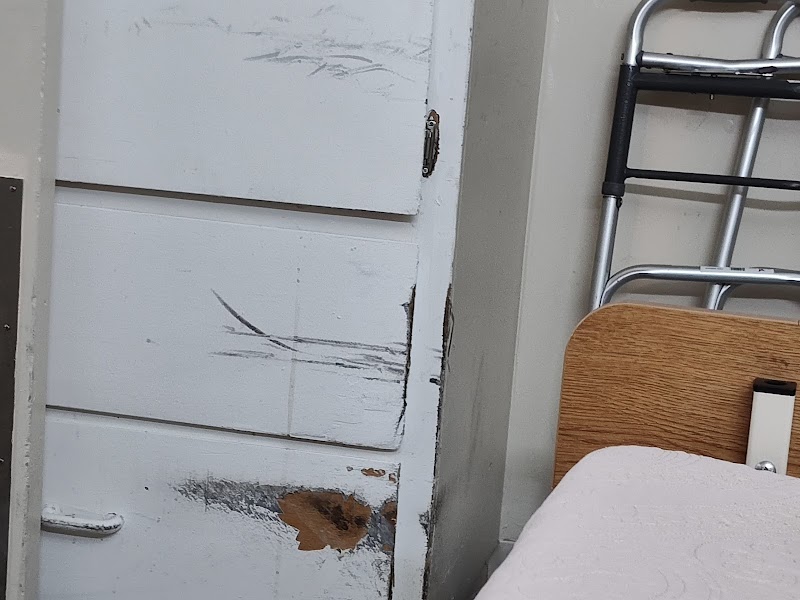
CMS rates Channel Islands Post Acute's staffing level at 4 out of 5 stars, which is above average compared to other nursing homes. Staff turnover is 31%, compared to the California average of 46%. This relatively stable workforce can support continuity of care.

What Have Inspectors Found at Channel Islands Post Acute?

State health inspectors documented 23 deficiencies at Channel Islands Post Acute during 2021 to 2025. These included: 23 with potential for harm.

Who Owns and Operates Channel Islands Post Acute?

Channel Islands Post Acute is owned by a for-profit company. For-profit facilities operate as businesses with obligations to shareholders or private owners. The facility is operated by THE ENSIGN GROUP, a chain that manages multiple nursing homes. With 156 certified beds and approximately 148 residents (about 95% occupancy), it is a mid-sized facility located in Santa Barbara, California.

How Does Channel Islands Post Acute Compare to Other California Nursing Homes?

Compared to the 100 nursing homes in California, Channel Islands Post Acute's overall rating (4 stars) is above the state average of 3.2, staff turnover (31%) is significantly lower than the state average of 46%, and health inspection rating (4 stars) is above the national benchmark.

What Should Families Ask When Visiting Channel Islands Post Acute?

Based on this facility's data, families visiting should ask: "Can I visit during a mealtime to observe dining assistance and food quality?" "How do you handle medical emergencies, and what is your hospital transfer rate?" "Can I speak with family members of current residents about their experience?"

Is Channel Islands Post Acute Safe?

Based on CMS inspection data, Channel Islands Post Acute has a clean safety record: no substantiated abuse findings (meaning no confirmed cases of resident harm), no Immediate Jeopardy citations (the most serious violation level indicating risk of serious injury or death), and is not on the Special Focus Facility watch list (a federal program monitoring the lowest-performing 1% of nursing homes). The facility has a 4-star overall rating and ranks #1 of 100 nursing homes in California. While no facility is perfect, families should still ask about staff-to-resident ratios and recent inspection results during their visit.

Do Nurses at Channel Islands Post Acute Stick Around?

Channel Islands Post Acute has a staff turnover rate of 31%, which is about average for California nursing homes (state average: 46%). Moderate turnover is common in nursing homes, but families should still ask about staff tenure and how the facility maintains care continuity when employees leave.

Was Channel Islands Post Acute Ever Fined?

Channel Islands Post Acute has no federal fines on record. CMS issues fines when nursing homes fail to meet care standards or don't correct problems found during inspections. The absence of fines suggests the facility has either maintained compliance or corrected any issues before penalties were assessed. This is a positive indicator, though families should still review recent inspection reports for the full picture.

Is Channel Islands Post Acute on Any Federal Watch List?

Channel Islands Post Acute is not on any federal watch list. The most significant is the Special Focus Facility (SFF) program, which identifies the bottom 1% of nursing homes nationally based on persistent, serious quality problems. Not being on this list means the facility has avoided the pattern of deficiencies that triggers enhanced federal oversight. This is a positive indicator, though families should still review the facility's inspection history directly.