Mission Park Healthcare Center
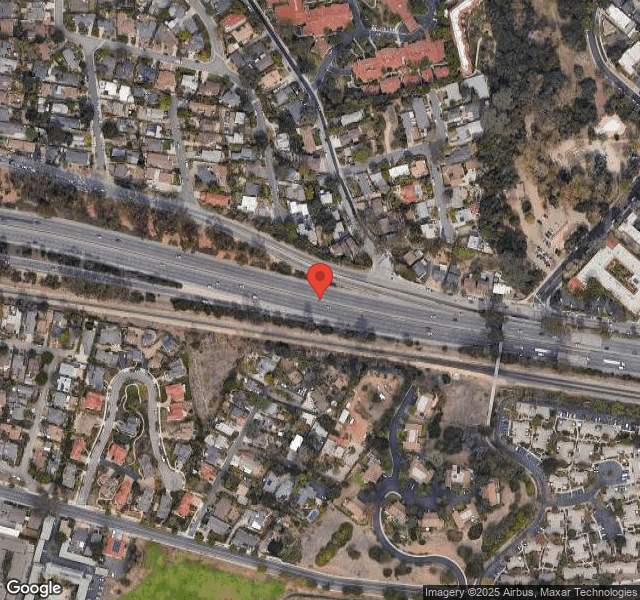
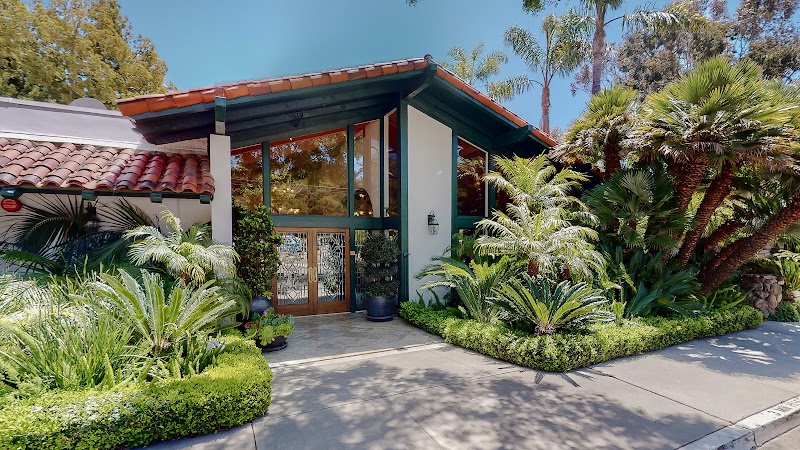
623 West Junipero Street, Santa Barbara, CA 93105 (805) 682-7443
For profit - Limited Liability company 138 Beds Independent Data: November 2025
Trust Grade
85/100
#142 of 1155 in CA
Last Inspection: December 2024

Within standard 12-15 month inspection cycle. Federal law requires annual inspections.

Overview

Mission Park Healthcare Center in Santa Barbara, California, has a Trust Grade of B+, indicating it is above average and recommended for potential residents. It ranks #142 out of 1,155 facilities in California, placing it in the top half, and #6 out of 14 in Santa Barbara County, meaning only five local options are better. However, the facility is currently worsening, with issues doubling from 4 in 2023 to 8 in 2024. Staffing is a concern, earning only 2 out of 5 stars, and while the turnover rate is 43%, which is average, there is less RN coverage than 95% of California facilities, which could impact resident care. Importantly, there have been several concerning incidents, including failures to complete fall assessments after residents fell and a lack of available pain medication for a resident, as well as not involving a resident’s representative in care planning, which could affect the quality of care. Overall, while the facility has strengths in its high inspection and quality ratings, these staffing and incident concerns warrant careful consideration.

Trust Score
B+
85/100
In California
#142/1155
Top 12%
Safety Record
Low Risk
No red flags
Inspections
Getting Worse
4 → 8 violations
Staff Stability
○ Average
43% turnover. Near California's 48% average. Typical for the industry.
Penalties
✓ Good
No fines on record. Clean compliance history, better than most California facilities.
Skilled Nurses
⚠ Watch
Each resident gets only 14 minutes of Registered Nurse (RN) attention daily — below average for California. Fewer RN minutes means fewer trained eyes watching for problems.
Violations
⚠ Watch
14 deficiencies on record. Higher than average. Multiple issues found across inspections.
★★★★★
5.0
Overall Rating
★★☆☆☆
2.0
Staff Levels
★★★★★
5.0
Care Quality
★★★★★
5.0
Inspection Score
Stable
2023: 4 issues
2024: 8 issues

The Good

  • 5-Star Quality Measures · Strong clinical quality outcomes
  • Full Sprinkler Coverage · Fire safety systems throughout facility
  • No fines on record
  • Staff turnover below average (43%)

    5 points below California average of 48%

Facility shows strength in quality measures, fire safety.

The Bad

Staff Turnover: 43%

Near California avg (46%)

Typical for the industry

The Ugly 14 deficiencies on record

Dec 2024 2 deficiencies
CONCERN (D)

Potential for Harm - no one hurt, but risky conditions existed

Accident Prevention (Tag F0689)

Could have caused harm · This affected 1 resident

Based on observation, interview, record review, and facility policy review, the facility failed to ensure an incident report was completed and a post-fall assessment and investigation was completed af...

Read full inspector narrative →
Based on observation, interview, record review, and facility policy review, the facility failed to ensure an incident report was completed and a post-fall assessment and investigation was completed after 1 (Resident #1) of 1 sampled resident reviewed for accidents sustained a fall. Findings included: A facility policy titled, Fall Risk Assessment, dated 10/01/2023, indicated C. An episode where a resident lost his/her balance and would have fallen, if not for staff intervention or the if the resident caught themselves, is considered a fall. D. A fall without injury is still a fall. A facility policy titled, Fall Management Program, dated 10/01/2023, indicated IV. Post-Fall A. Following a resident's fall, the licensed nurse will complete an incident report and a Post-Fall Assessment & Investigation within 24 hours or as soon as practicable. B. The Licensed Nurse will review the circumstances of the fall, review the plan of care, implement new interventions as appropriate, and revise the plan as indicated. An admission Record indicated the facility admitted Resident #103 on 11/06/2024. According to the admission Record, the resident had a medical history that included diagnoses of syncope and collapse, orthostatic hypotension, abnormalities of gait, need for assistance with personal care, glaucoma, history of falls, and use of anticoagulants. An admission Minimum Data Set (MDS), with an Assessment Reference Date (ARD) of 11/08/2024, revealed Resident #103 had a Brief interview of Mental Status (BIMS) of 15, which indicated the resident had intact cognition. The MDS indicated the resident required partial/moderate assistance with toileting hygiene. During an interview on 12/10/2024 at 2:17 PM, Resident #103 stated they had a fall over the prior weekend and was still sore on their left side. Resident #103 stated the fall occurred the bathroom and that a staff member was at the bathroom door, but distracted when they fell. During a concurrent observation and interview on 12/10/2024 at 3:30 PM, the Director of Nursing (DON) asked Resident #103 to roll over in bed and the surveyor visualized a large dark purple discoloration on the left flank region of Resident #103. Resident #103 reported they fell over the weekend during the day shift and a female staff member was present when they fell. According to Resident #103, as they stood at the sink in, they fell. Resident #103 stated the female staff member that assisted them to the bathroom, stated they were distracted at the time of the fall and did not watch the resident. Resident #103 stated a second staff member assisted the female staff member in getting them to a standing position. Resident #103 stated no one performed a skin assessment to determine if there were any injuries after the fall. The DON stated she was not aware the resident had bruising or had a fall. During an interview on 12/10/2024 at 4:48 PM, Licensed Vocational Nurse (LVN) #4 stated she was on duty and assigned to Resident #103 on Saturday 12/07/2024 during day shift when the resident sustained a fall in their bathroom. LVN #4 stated she could not recall the name of the nurse aide (NA), but she was notified by the NA that as the resident stood in the bathroom, the resident got dizzy, lost their balance and dropped onto the toilet riser. LVN #4 stated she did not consider it a fall as the resident did not initially complain of pain. LVN #4 acknowledged she did not complete an incident report or assess the resident for injuries after she was notified the resident had a fall. According to LVN #4, she assisted the NA to stand the resident and walked with the resident back to their bed and she continued on with caring for the other residents. During an interview on 12/11/2024 at 10:37 AM, NA #6 stated NA #7 took Resident #103 to the bathroom and when she went to ask NA #7 about another resident, NA #7 turned to talk to her and that was when Resident #103 fell from a standing position. NA #6 stated she went to the get LVN #4. According to NA #6, after LVN #4 arrived in the resident's room and the resident was walked backed to their bed, she left and did not do anything else with Resident #103 for the remainder of her shift. During an interview on 12/11/2024 at 11:52 AM, NA #7 stated she recalled Resident #103 fell around 10:30 AM on 12/07/2024. NA #7 stated she was not the NA to place the resident on the toilet, but as the resident stood to wash their hands, another NA approached the door to ask her something about another resident and in the process of her replying to the other NA, she took her eyes off the resident, the resident lost their balance and landed on the back of the toilet. NA #7 stated she did not witness the fall that she only heard it. NA #7 stated she asked the other NA to get the nurse. According to NA #7, when the nurse arrived, the nurse asked the resident if they had pain and the resident stated they had pain on their left side, felt dizzy, and out of breath. NA #7 stated the nurse informed her that Resident #103 had hypotension and their blood pressure would rise and fall. Per NA #7, she was unaware and that she just saw a call light on, answered the call light, and did not want to leave the resident alone in the bathroom. NA #7 stated the resident was okay to stand, so she and the nurse walked the resident back to their bed. During an interview on 12/11/2024 at 1:12 PM, the Director of Nursing (DON) stated a fall was to be considered whether a resident landed on the floor or not. The DON stated Resident #103's fall should have been investigated and a full assessment of the resident should have been completed. During an interview on 12/11/2024 at 1:34 PM, the Administrator stated a loss of balance was considered a fall. The Administrator stated the nurse should have done an assessment and documented the resident experienced a fall. Per the Administrator, the nurse and the NA should have communicated all the details of the resident's fall so that an investigation could have been completed.
CONCERN (D)

Potential for Harm - no one hurt, but risky conditions existed

Pharmacy Services (Tag F0755)

Could have caused harm · This affected 1 resident

**NOTE- TERMS IN BRACKETS HAVE BEEN EDITED TO PROTECT CONFIDENTIALITY** Based on interview, record review, and facility policy review, the facility failed to ensure pain medication was available for a...

Read full inspector narrative →
**NOTE- TERMS IN BRACKETS HAVE BEEN EDITED TO PROTECT CONFIDENTIALITY** Based on interview, record review, and facility policy review, the facility failed to ensure pain medication was available for administration for 1 (Resident #267) of 3 sampled residents reviewed for pain management. Findings included: A facility policy titled, Ordering and Receiving Controlled Medications, dated 01/2020, indicated, Medications included in the Drug Enforcement Administration (DEA) classification as controlled substances, and medications classified as controlled substances by stated law, are subject to special ordering, receipt, and record keeping requirements in the nursing care center in accordance with federal and state laws and regulations. The nursing care center obtains and keeps current and on file any permits require by state agencies. The policy specified, If only one refill remains or only a partial fill quantity remains, the pharmacy will simultaneously dispense the remaining fill, and, if necessary proactively seek out a new, complete prescription form the prescriber for a new prescription upon request for a medication with no remaining fills available. An admission Record indicated the facility admitted Resident #267 on 11/29/2024. According to the admission Record, the resident had a medical history that included diagnoses of chronic pain syndrome, restless leg syndrome, myasthenia gravis, and malignant neoplasm of the left breast. An admission Minimum Data Set (MDS), with an Assessment Reference Date (ARD) of 12/02/2024, revealed Resident #267 had a Brief Interview for Mental Status (BIMS) score of 15, which indicated the resident had intact cognition. The MDS indicated the resident had occasional pain and received as-needed pain medication. Resident #267's care plan, included a focus area initiated 12/04/2024, that indicated the resident had pain related to a recent surgery. Interventions directed staff to administer the resident's pain medications as ordered. Resident #267's Order Summary Report which contained active orders as of 12/10/2024, revealed an order dated 11/29/2024, for acetaminophen oral tablet 500 milligrams (mg), give two tablets by mouth every six hours as needed for mild to moderate pain and an order dated 11/29/2024, for tramadol hydrogen chloride oral tablet 50 mg, give one tablet by mouth every six hours as needed for pain. Resident #267's occupational therapy note dated 12/09/2024, indicated Resident #267 refused all four attempts for occupational therapy. According to the occupational therapy note, the resident had difficulty with medications and physician orders and requested for their occupational therapy to be placed on hold until all was sorted out. On 12/09/2024 at 9:22 AM, Resident #267 stated the facility was out of their pain medication on 12/08/2024. According to Resident #267, the night nurse on 12/08/2024 contacted the physician several times; however, the physician did not respond. Resident #267 stated they were not in pain at the present time, but they would refuse therapy on 12/09/2024 because they did not have any pain medication and therapy was painful. On 12/10/2024 at 11:54 AM, Occupational Therapist (OT) #8 stated when she entered Resident #267's room, the resident informed her about their medications. OT #8 stated the resident did not want to risk being in pain and the Tylenol would not have been enough. OT #8 stated she went back to the resident four times and each time, the resident stated the facility did not have their pain medication and that nursing was working on it. OT #8 stated the resident was not in pain, but was afraid to chance movement and potential pain. On 12/10/2024 at 3:36 PM, Licensed Vocational Nurse (LVN) #1 stated when he came in to work and took count for the medication cart, the resident did not have any pain medication on the medication cart. LVN #1 stated when he realized the resident did not have any pain medication, he called the on-call physician and followed up with the nurse practitioner when the on-call physician did not return his call. Per LVN #1, he did not get a response from neither the nurse practitioner nor the on-call physician, so he administered Tylenol to the resident. Per LVN #1, the resident told him that they usually wanted their tramadol pain medication before therapy. On 12/10/2024 at 4:04 PM, LVN #3 stated she administered the last tramadol tablet to Resident #267. Per LVN #3, she did not reorder the medication as it was reported to her that the medication had already been reordered. On 12/10/2024 at 4:27 PM, the Pharmacist stated there were no prior requested refills for Resident #267's tramadol pain medication. The Pharmacist stated the pharmacy received a prescription on 12/09/2024 at 1:48 PM from the physician to dispense tramadol for the resident and the pharmacy sent 90 tablets to the facility on [DATE] in the afternoon delivery. The Pharmacist stated the pharmacy would not know when the resident was out of medication as the facility staff had to request a refill. On 12/11/2024 at 8:19 AM, the Director of Nursing (DON) stated it was up to the nurses to determine when to order the resident's medications. The DON stated the nurses informed her that they ordered the resident's medications; however, the pharmacy indicated the medication had not been reordered. According to the DON, there appeared to be a problem with the integration process between the facility and the pharmacy. Per the DON, there was a break in the ordering process. On 12/11/2024 at 8:58 AM, the Administrator stated he expected staff to have the medication in the facility, and if they did not have the medications on hand, he expected staff to use every route to ensure the medications were there as soon as possible.
Sept 2024 2 deficiencies
CONCERN (D) 📢 Someone Reported This

A family member, employee, or ombudsman was alarmed enough to file a formal complaint

Potential for Harm - no one hurt, but risky conditions existed

Deficiency F0553 (Tag F0553)

Could have caused harm · This affected 1 resident

Based on record review and interview, the facility failed to ensure resident ' s representative (RR) was invited and included in the formulation of a person-centered baseline care plan (CP -implementa...

Read full inspector narrative →
Based on record review and interview, the facility failed to ensure resident ' s representative (RR) was invited and included in the formulation of a person-centered baseline care plan (CP -implementation of care plan goals and interventions) that was to be done within 48 hours of resident ' s admission when the facility discussed the initial plan of care to one of two cognitively impaired (problems with ability to think, learn and remember) sampled residents (Resident 1). This failure resulted in RR being uninformed and was not given at the opportunity to participate in making decisions for Resident 1 ' s initial plan of care, treatment, and healthcare goals that could affect Resident 1 ' s care and quality of life. Findings: During a review of the facility ' s policy and procedure (P&P), titled, Care Planning, dated 10/2023, the P&P indicated, in part, I. The facility will develop a person-centered Baseline Care Plan for each resident within 48 hours of admission .A. The facility will invite the resident, if capable, and their family to the care planning meetings and use its best effort to schedule care planning meetings at times convenient for the resident and family .B. IDT meetings may be conducted via teleconference. During a review of Resident 1 ' s admission packet (AP), titled, Health & Safety Code 1599, undated, the AP indicated, Written policies regarding the rights of patients shall be established and shall be available to patient, to any guardian, next of kin, sponsoring agency or representative payee, and to the public.in part .Any rights under this chapter of a patient judicially determined to be incompetent, or who is found by his physician to be medically incapable of understanding such information, or who exhibits a communication barrier, shall devolve to such patient ' s guardian, conservator, next of kin, sponsoring agency or representative payer, except when the facility itself is the representative of the payer. During a review of Resident 1 ' s Nursing admission Assessment (NAA),dated 8/2/24, the NAA neurological assessment (assessing mental status and level of consciousness) indicated, Resident 1 was alert, oriented to person, had difficulty in new situations. Further review of NAA, dehydration screening functional signs indicated, that Resident 1 had cognitive impairment. During a review of Resident 1 ' s History and Physical (H&P),dated 8/3/24, the H&P indicated, Resident 1 can make needs known but cannot make medical decisions. During a review of Resident 1 ' s MDS section C for mental status, dated 8/5/24, Resident 1 ' s had a Brief Interview for Mental Status (BIMS) of 08, score between 13-15, cognitively intact, score 8-12, moderate impairment, and a score of 0-7, severe impairment. During a review of Resident 1 ' s CP for cognitive functioning(mental status), dated 8/4/24, the CP indicated, that Resident 1 had impaired cognitive functioning and thought processes (ability to use, analyze and understand information) related to short term memory (ability to store information for short period of time) loss. Resident 1 ' s CP interventions include, to communicate with resident/family/caregivers regarding resident ' s capabilities and needs, to cue (hint) resident and supervise as needed and to present just one thought, idea, question, or command at a time. During a review of the document titled, Baseline Care Plan Summary (BCPS), dated 8/2/24, the BCPS indicated, the initial plan of care was discussed with Resident 1 on 8/3/24. Further review of the BCPS, the BCPS had missing RR signature. and no documentation if the RR was invited for the initiation of Resident 1 ' s baseline CP or if the initial plan of care was discussed with the RR via phone. During an interview on 9/11/24, at 11:01 a.m. with the treatment nurse (TXN), TXN verbalized, that Resident 1 had cognitive impairment but was able to make her needs known such as pain or likes and dislike. LN 1 further verbalized, that Resident 1 had two representatives that were very involved with resident ' s care, one being more involved than the other. During a review of Resident 1 ' s clinical record from 8/2/24 to 8/7/24, six days after Resident 1 ' s admission, no documentation of the RR ' s attendance when the baseline care plan was discussed with Resident 1. Further review of Resident 1 ' s clinical record indicated, it was during the care conference on 8/8/24 when the RR attended the meeting. During a concurrent record review and interview on 9/25/24, at 3:42 p.m. with the Director of Nursing (DON), and LN 1, the Resident 1 ' s cognitive status on NAA, H&P, CP, and the BCPS were reviewed, indicating Resident 1 ' s cognitively impairment. LN 1 claimed that the RR was present on 8/3/24 when baseline care plan summary was discussed with Resident 1, LN 1 was unable to prove the claim of RR ' s attendance. The DON acknowledged the RR ' s missing signature on the BCPS. The DON further acknowledged, that signature should have been obtained at the time of the meeting to prove RR ' s attendance but it was missed.
CONCERN (D) 📢 Someone Reported This

A family member, employee, or ombudsman was alarmed enough to file a formal complaint

Potential for Harm - no one hurt, but risky conditions existed

Deficiency F0655 (Tag F0655)

Could have caused harm · This affected 1 resident

Based on record review and interview, the facility failed to provide resident or the resident ' s representative (RR) a summary of the baseline care plan (initial plan of care) for one of two sampled ...

Read full inspector narrative →
Based on record review and interview, the facility failed to provide resident or the resident ' s representative (RR) a summary of the baseline care plan (initial plan of care) for one of two sampled residents ' (Resident 1). This failure resulted in RR to have no knowledge of the initial care plan goals and interventions being provided to Resident 1. Findings: During a review of the facility ' s policy and procedure (P&P) titled, Care Planning, dated 10/2023, the P&P indicated, in part . I. The facility will develop a person-centered Baseline Care Plan for each resident within 48 hours of admission .Once the Baseline Care Plan is completed, the Facility must provide the resident and /or the resident ' s representative with a written summary of the Baseline Care Plan that includes: A. Initial goals based on admission orders. B. Physician ' s orders. C. Dietary orders. D. Therapy Services. E. Social services. F. PASARR recommendations, if applicable .The medical record must contain evidence that the summary was given to the resident and/or resident ' s representative. During a review of the document titled, Baseline Care Plan Summary (BCPS), dated 8/2/24, the BCPS indicated, the Care Plan was discussed with Resident 1 on 8/3/24 during the initial care plan meeting. Further review of the BCPS, the BCPS had missing RR signature and no documentation if the Care Plan was discussed with the RR present during the meeting. During an interview on 9/12/24, at 11:45 a.m. with the Licensed Vocational Nurse (LN 1), LN 1 stated, details of Resident 1 ' s plan of care was discussed with the RR. LN 1 was unsure if RR was provided with BCPS at the time of the meeting. During an interview on 9/23/24, at 10:52 a.m. with the Assistant Administrator (AADM), the AADM was unable to provide proof of RR receiving the Baseline Care Plan Summary. AADM acknowledged, that the BCPS was missed. Further interview on 9/23/24 at 1:04 p.m. with the Director of Nursing (DON), the DON confirmed that the BCPS was not provided to the RR.
May 2024 2 deficiencies
CONCERN (D) 📢 Someone Reported This

A family member, employee, or ombudsman was alarmed enough to file a formal complaint

Potential for Harm - no one hurt, but risky conditions existed

Free from Abuse/Neglect (Tag F0600)

Could have caused harm · This affected 1 resident

Based on observation, interview, and record review, the facility failed to keep one of three residents (Resident 1) free from abuse when the resident was the victim of sexual abuse by Resident 2. This...

Read full inspector narrative →
Based on observation, interview, and record review, the facility failed to keep one of three residents (Resident 1) free from abuse when the resident was the victim of sexual abuse by Resident 2. This failure resulted in psychosocial harm to Resident 1 and had the potential to result in harm to other female residents. Findings: During a review of Resident 1's Medical Record, the Medical Record indicated, Resident 1 had diagnoses that included, anxiety disorder (persistent and excessive worry and fear) and aftercare following joint replacement surgery. Further review shows, Resident 1 had decision making capacity. During an interview on 4/2/2024 at 9:55 a.m. with Resident 1, Resident 1 explained that when she was in the hallway, Resident 2 approached her and asked about the cast on her leg. Resident 1 stated, I said it's a cast and it's very heavy. He asked if he could touch it, and I said yes, and he reached down and touched it and within a second, he reached up and grabbed my right breast, and I said no you can't do that! He said please let me touch you, and I said no you can't do that! Resident 1 began to cry and then stated, I thought I was over this. I guess I'm not. I've been speaking with a psychologist. My guard was down. Resident 1 further stated, I won't make eye contact with any men here now. I have my guard up because I have to. During an interview on 4/2/2024 at 10:48 a.m. with a Certified Nursing Assistant (CNA 1), CNA 1 was asked if CNA 1 noticed any recent changes in Resident 1's behavior. The CNA stated, We did a transfer and I asked therapy (female) to help me and even with therapy she panicked and that was after that happened. When I had done this with her before she was totally fine and then after this happened, with two people there to help her, she still had that moment of panic. It was after the toilet transfer, and I was wondering why she panicked, and I questioned her, the therapist, and she notified me of the incident. During an interview on 4/2/2024 at 1:44 p.m. with the Social Services Director (SSD), when asked how Resident 1 has been since the incident, the SSD stated, She's been kind of up and down. She has some moments where she has a tough time processing it. She sees a psychologist here who has a good rapport and good with sharing feelings and says it's going to take some time to move on from the situation. During an interview on 4/2/2024 at 9:21 a.m. with the Assistant Administrator (AADMIN), the AADMIN stated, (Resident 2) has cognitive impairment, so it's inappropriate behavior. During a review of the facility's 5-Day Investigative Report (5-DIR), dated 3/22/2024, the 5-DIR indicated on 3/19/2024 Resident 1 reported to staff the inappropriate touching of her left breast by a male resident (Resident 2) that happened the day before on 3/18/2024. She relayed that she and the alleged perpetrator were going opposite directions in the hallway of Station 2, when he stopped to touch my cast and then quickly went up toward my left breast.The perpetrator wheeled away after she stopped him from the act. When questioned, Resident 2 made statements in Spanish that maybe he could have done it. During a record review of Resident 1's Psychology Notes, dated 3/25/2024, the Psychology Notes indicated, Resident 1 had a depressed mood with intermittent periods of anxiety and Resident 1 stated, I'm not doing great. The psychology notes further indicated, Resident 1 described incident of inappropriate contact with a male resident and male residents wandering into her room as well as a documented incident of inappropriate contact made by a male resident. During a review of Resident 2's care plan, dated 10/18/23, the care plan indicated Resident 2 has impaired cognitive function. A review of facility policy and Procedure (P/P) titled Abuse Prevention and Prohibition Program dated October 1, 2023 indicated, I. Each resident has the right to be free from abuse .II The facility is committed to protecting residents from abuse by anyone .
CONCERN (D) 📢 Someone Reported This

A family member, employee, or ombudsman was alarmed enough to file a formal complaint

Potential for Harm - no one hurt, but risky conditions existed

Report Alleged Abuse (Tag F0609)

Could have caused harm · This affected 1 resident

Based on interviews and record review, the facility failed to report sexual abuse within two hours per regulation and their abuse policy and procedure when one of three residents (Resident 3) was the ...

Read full inspector narrative →
Based on interviews and record review, the facility failed to report sexual abuse within two hours per regulation and their abuse policy and procedure when one of three residents (Resident 3) was the victim of sexual abuse by Resident 2. This failure had the potential to result in further harm to Resident 3 and harm to other female residents. Findings: During a review of the facility'ss policy and procedure (P&P) titled, Abuse Prevention and Prohibition Program, dated October 1, 2023, the P&P indicated, IX. Special Considerations for Reporting Suspected Incidents of Criminal Sexual Abuse A. Anyone who suspects that criminal sexual abuse has been committed against a resident must immediately report this information to Administrator and to the Director of Nursing Services. i. The Facility will treat allegations as criminal sexual abuse wherein the Facility determines that the resident does not have the decision-making capacity to consent to the sexual act. B. The Director of Nursing Services or designee will immediately report this information to the Attending Physician. C. The Administrator then acts to ensure the following steps are taken: i. The proper authorities and individuals are notified immediately or within two (2) hours, including but not limited to law enforcement, the Attending Physician, the resident's representative, the state survey agency, and adult protective services. X. Reporting/Response A. Facility Staff are Mandatory Reporters i. Facility owners, operators, employees, managers, agents, and contractors are obligated by the Elder Justice Act and the California Elder Abuse and Dependent Adult Civil Protection Act to report known or suspected instances of abuse of elder or dependent adults. B. The Administrator is the Abuse Coordinator. i. In order to facilitate reporting, ensure confidentiality, and promote order at the Facility, the Administrator, or his/her designee, shall be the individual who reports known or suspected instances of abuse of residents at the Facility to the proper authorities. ii. Facility Staff will report known or suspected instances of abuse to the Administrator, or his/her designee. iii. Facility Staff members shall be notified that the Administrator, or his/her designee, has this responsibility, and that inquiries concerning resident abuse and reporting requirements should be referred to the Administrator, or his/her designee. During a review of Resident 3's Alert note, dated 3/18/2024 at 11:45 p.m., the Alert Note indicated, When RN passed by (Resident 3's room number) RN noticed that patient was grabbing and rubbing a female patient ' s right breast. RN stopped the patient ' s behavior right away and examined female patient with no injury findings. Female patient appeared shocked and stoned. Patient's daughter notified, MD and supervisor made aware. Advised all CNAs to monitor patient and female patients' safety. During a review of Resident 3's Incident Report, dated 3/18/24 at 7:40 p.m., the Incident Report indicated, Spoke with resident, in her room, regarding alleged inappropriate contact from another resident on 3/18/24. Resident did not recall incident and stated everything was going well. Then, she stated, I don't mind, I'm lonely anyway. She denies feeling harmed or unsafe. Explained to resident the behavior from the other resident, if it happened, is inappropriate and staff is here to ensure she feels safe. Resident verbalized understanding. Resident has a BIMs- ([BIMS] used to assess cognitive status) score of 9/15 which indicated moderately impaired cognition and doesn't always have good recall or insight. During a review of Resident 3's Incident Report, dated 3/19/24 at 9:10 a.m., the Incident Report indicated, Met with (Resident 3) in the living room to follow-up on allegation of inappropriate touching by a male resident. (Resident 3) told me, 'what are you talking about?' Asked her if there was any encounter with a man the night before, planned or unplanned encounter, she claimed, 'I don't recall anything.' (Resident 3) is smiling and expressed wanting to go to activities. During a review of Resident 3's Medical Record, the Medical Record indicated, Resident 3 had diagnoses including, unspecified dementia (loss of brain function) and was pleasantly confused. During an interview on 4/2/24 at 12:06 p.m., with the Director of Nursing (DON), the DON stated, (Resident 3) was saying that (Resident 3) was touched, and then when the nurse went there to ask (Resident 3) about that (Resident 3) said didn't recall . We did the monitoring for the behavior and then we made the decision if it's reportable, we investigate and talk to the patient and notify the MD and family. During an interview on 4/2/24 at 1:44 p.m., with the Social Services Director (SSD), the SSD stated, They did mention that (Resident 2) did touch (Resident 3), but (Resident 3) has no recollection, and I could not get (Resident 3) to remember. (Resident 3's) short-term memory is really poor. When asked if the incident was reported to authorities, the SSD stated, I'm not sure if it was or not. During a review of Resident 2's Medical Record, the Medical Record indicated, Resident 2 had diagnoses including, cognitive communication deficit (difficulty with thinking and how somebody uses language), mild cognitive impairment, unspecified dementia (loss of brain function)/unspecified severity/with other behavioral disturbance. During a review of Resident 2's Minimum Data Set (MDS an assessment tool used to guide care), dated 10/23/2023, the MDS indicated Resident 2 had a BIMS score of 9/15 which signified moderately impaired cognition. During a concurrent interview and P&P review on 4/2/24 at 2:20 p.m., with the DON, the facility's P&P titled, Abuse Prevention and Prohibition Program, dated October 1, 2023, was reviewed. The P&P indicated, IX. Special Considerations for Reporting Suspected Incidents of Criminal Sexual Abuse . i. The Facility will treat allegations as criminal sexual abuse wherein the Facility determines that the resident does not have the decision-making capacity to consent to the sexual act . C(i) The proper authorities and individuals are notified immediately or within two (2) hours, including but not limited to law enforcement, the Attending physician, the resident's representative, the state survey agency, and adult protective services . The DON stated, We didn't report it because of the fact that when we investigated it, (Resident 3) was denying it. The DON further verbalized Resident 2 is not independent in decision making. The DON stated, We did not report it. We should have reported it, and further verbalized, they did not follow their P&P.
Apr 2024 1 deficiency
CONCERN (D) 📢 Someone Reported This

A family member, employee, or ombudsman was alarmed enough to file a formal complaint

Potential for Harm - no one hurt, but risky conditions existed

Quality of Care (Tag F0684)

Could have caused harm · This affected 1 resident

Based on record review, and interview, the facility failed to adhere to their medication administration policy and procedures, for two of two sampled Residents (Resident 1 and Resident 2). This facili...

Read full inspector narrative →
Based on record review, and interview, the facility failed to adhere to their medication administration policy and procedures, for two of two sampled Residents (Resident 1 and Resident 2). This facility failure had the potential for both residents to experience negative outcomes. Findings: During a review of Resident 1 ' s Order Summary Report undated, indicated in part, Resident 1 had an order for Metoprolol Tartrate (a medication used to treat high blood pressure, referred to as hypertension). The order read Metoprolol Tartrate Oral Tablet 25 MG (milligrams) Give 25 mg by mouth one time a day for HTN (Hypertension > high blood presure) Hold if SBP (systolic blood pressure) less than 110 and HR (heart rate) less than 55 (55 heart beats per minute). During a concurrent record review, and interview, on 4/9/24 at 2:52 p.m., with Licensed Nurse LN 2, and the Director of Nursing (DON), Resident 1 ' s Medication Administration Record (MAR) indicated, from 12/23 through 1/24, Resident 1 received the medication Metoprolol Tartrate on 12/22/23, 12/25/23, 12/26/23, 12/27/23, 12/28/23, 12/30/23, 1/1/24, and 1/2/24. The LN 2 and the DON confirmed Resident 1 received the medication on those dates, and acknowledged the facility could not provide documentation indicating Resident 1 ' s systolic blood pressure or heart rate had been assessed prior to the administration of the Metoprolol Tartrate, as per the medication order. During a review of the facility ' s policy and procedure titled Medication - Administration, dated 10/1/23, indicated in part When administration of the drug is dependent upon vital signs or testing, the vital signs/testing will be completed prior to administration of the medication and recorded in the medical record (i.e., BP (blood pressure), pulse (heart rate), finger stick blood glucose monitoring etc.). During a concurrent record review, and interview, on 4/9/24, starting at 2:52 p.m., with LN 2, Resident 2 ' s MAR dated 1/24, was reviewed. Resident 2 ' s MAR indicated Resident 2 refused the ordered medication of Senokot (a medication used to treat constipation) from 1/2/24 through 1/14/24. The LN 2 verbalized no documentation could be found indicating a reason Resident 2 refused the medication during those dates. The LN 2 could not provide documentation indicating Resident 1 ' s physician was notified of the repeat refusals of the Senokot. During a concurrent record review, and interview, on 4/9/24, at 4:25 p.m., with LN 2, and DON, Resident 1 ' s MAR was reviewed. Resident 1 ' s MAR indicated Resident 1 refused the ordered medication of Senokot on 12/22/23, 12/23/23, 12/24/23, 12/26/23, 12/27/23, 12/28/23, 12/29/23, 12/30/23, and 1/1/24. The LN 2 and the DON 1 confirmed the facility did not document a reason why Resident 1 refused the medication on those dates. The LN 2 and the DON 1 acknowledged there was no documentation indicating staff had reapproached and or offered Resident 1 the medication at a later time. The LN 1 and the DON 1 also confirmed there was no documentation indicating Resident 1 ' s physician had been notified of Resident 1 ' s repeated refusals of the mediation. During a review of the facility ' s policy and procedure titled Medication - Administration, dated 10/1/23, indicated in part If resident is refusing to take medication .Documentation will be entered on the back of the MAR stating the reason for refusal . The Licensed Nurse will re-approach the resident and attempt to give the medications at a later time .If the resident repeatedly refuses medication, the Licensed Nurse will contact the physician to discuss alternative measures for medication administration.
Jan 2024 1 deficiency
CONCERN (D) 📢 Someone Reported This

A family member, employee, or ombudsman was alarmed enough to file a formal complaint

Potential for Harm - no one hurt, but risky conditions existed

Deficiency F0658 (Tag F0658)

Could have caused harm · This affected 1 resident

Based on interview and record review, the facility failed to follow a physician's order for treatment and care as ordered for one of two sampled residents (Resident 1). This failure had the potential ...

Read full inspector narrative →
Based on interview and record review, the facility failed to follow a physician's order for treatment and care as ordered for one of two sampled residents (Resident 1). This failure had the potential to result in increased swelling and complications to Resident 1's affected elbow. Findings: During a review of Resident 1's admission physician office note dated 09/08/2023, Resident 1 was admitted to the facility for 10 days for respite care (provides short-term relief for primary caregivers). During a review of Resident 1's nurses notes dated 09/08/23, this indicated Resident 1 was alert to self only with episodes of confusion with redirection from staff. During a review of Resident 1's physician office visit note dated 09/08/23, Resident 1 had left elbow bursitis (a painful swelling, usually around your joints) and to compress Resident 1's elbow with an ACE Bandage (a stretchable bandage that provides a gentle pressure that helps reduce swelling) or compression sleeve (applies a therapeutic compression to the elbow joint to improve blood flow and promote healing of elbow injuries). Additional physician orders dated 09/11/23, indicated Resident 1 had an order for compression to left elbow with an Ace Bandage or sleeve. During a review of Resident 1's order summary dated 12/1/23, there were no orders for an Ace Bandage or sleeve for Resident 1's affected elbow. During a review of Resident 1's nurses notes dated 09/10/23, nurses' notes indicated Resident 1 had a left elbow pocket of fluids and family to call his concierge physician for orders, however there was no documentation found that an Ace wrap and/or compression was applied to Resident 1's elbow. During a concurrent interview and record review on 12/01/23 at 10:40 a.m., with licensed nurse (LN)1, Resident 1's nurses note dated 09/10/23 was reviewed, this indicated Resident 1 had a left elbow pocket of fluids and family stated they would call the concierge physician who would call in to the facility with orders. LN 1 confirmed there was no documentation that a follow up for orders was done by the nurses. During a concurrent interview and record review on 12/01/23 at 11:00 a.m. with the director of nursing (DON), DON stated the facility follows standard practice when orders are called in or received, the nurse verifies the orders, and the orders are implemented with no delay for respite care or long-term care residents. The DON confirmed both orders dated 09/08/23 or 09/11/23 for the Ace wrap or sleeve for Resident 1 was not followed and a follow up call to the physician was not done by the nurses. According to the Scope of Regulations excerpt for the Business and Professions Code Division 2, Chapter 6. Article 2, Section 2725, Legislative Intent: Practice of Nursing Defined of the California Nursing Practice Act, .(b) The Practice of nursing .including all of the following .(2) direct and indirect patient care services .necessary to implement a treatment, disease preventing rehabilitative regime ordered by and within the scope of licensure of a physician .
Dec 2023 1 deficiency
CONCERN (D) 📢 Someone Reported This

A family member, employee, or ombudsman was alarmed enough to file a formal complaint

Potential for Harm - no one hurt, but risky conditions existed

Deficiency F0655 (Tag F0655)

Could have caused harm · This affected 1 resident

Based on record review and interview, the facility failed to ensure a person centered careplan was developed and implemented for one of two residents (Resident 1) per the facility's policy and procedu...

Read full inspector narrative →
Based on record review and interview, the facility failed to ensure a person centered careplan was developed and implemented for one of two residents (Resident 1) per the facility's policy and procedure regarding a physician order (PO) to monitor and record Intake and Output (Intake refers to the number of fluids the client ingests, and output refers to the amount of fluids that leave the body) every shift for Foley catheter ( FC- rubberized tube inserted into the bladder for urine passage) use. This failure has the potential to not have a plan in place on how to care and direct staff in managing the resident's bodily input and output which can either result to urine retention detrimental to the resident's overall health. Findings: During a review of Resident 1's medical record titled face sheet(a document that gives a patient's information at a quick glance) indicated, an admission date of 11/1/23 with diagnoses that included Hypotension (Low blood pressure) Heart Failure (occurs when the heart muscle doesn't pump blood as well as it should) Chronic Kidney Disease ( condition in which the kidneys are damaged and cannot filter blood as well as they should) and Benign Prostatic Hyperplasia (BPH - Non - cancerous enlargement of the prostate gland) with lower urinary tract symptoms. During a review of Resident 1 ' s Order Summary Report (OSR- monthly physician ' s orders reports) dated 11/2/23, the OSR indicated, Foley Catheter (F/C) French (Fr) size 16 change as needed (PRN) when clogged or pulled out. And to monitor and record Intake and Output and output every shift for Foley catheter use for 30 Days. During a concurrent record review and interview with Director of Nursing (DON) on 12/15/23, at 2:30 p.m. indicated, there was no care plan developed and implemented for Resident 1 that included the instructions needed to to monitor and record intake and output as ordered by the physician. During a review of the facility ' s policy and procedure (P&P) titled, Care Planning dated October 2023, the P&P indicated, I. The Facility will develop a person-centered Baseline Care Plan for each resident within 48 hours of admission. The Baseline Care Plan will include at least the following information: A. Initial goals based on admission orders B. Physician Order X. The Comprehensive Care Plan must be completed within 7 days after completion of the Comprehensive admission Assessment and must be periodically reviewed and revised by a team of qualified persons after each assessment, including the comprehensive and quarterly review assessments.
Sept 2023 1 deficiency
CONCERN (D) 📢 Someone Reported This

A family member, employee, or ombudsman was alarmed enough to file a formal complaint

Potential for Harm - no one hurt, but risky conditions existed

Accident Prevention (Tag F0689)

Could have caused harm · This affected 1 resident

**NOTE- TERMS IN BRACKETS HAVE BEEN EDITED TO PROTECT CONFIDENTIALITY** Based on interview and record review, the facility failed to provide adequate supervision for one of two sampled residents (Resi...

Read full inspector narrative →
**NOTE- TERMS IN BRACKETS HAVE BEEN EDITED TO PROTECT CONFIDENTIALITY** Based on interview and record review, the facility failed to provide adequate supervision for one of two sampled residents (Resident 1), when Resident 1 eloped (a situation in which a resident with impaired cognition or poor safety awareness or judgment successfully leaves the facility undetected or unsupervised by staff) across a street, on two separate occasions. This facility failure had the potential for Resident 1 to suffer negative outcomes. Findings: During a review of Resident 1's admission Record undated, indicated in part, Resident 1 was admitted to the facility on [DATE], with diagnoses including dementia, history of falling, mild cognitive impairment, muscle weakness and other abnormalities of gait and mobility. During a review of Resident 1's care plan, undated, indicated in part Resident 1 was a High Elopement Risk related to Cognitive impairment, exit seeking behaviors, ability to move around independently in wheelchair. Resident 1's care plan further indicated Resident 1 had actual elopement from the facility on 4/15/23, 5/9/23, and 6/4/23. During a review of Resident 1's Wandering and Elopement Risk Assessment form dated 4/15/23, indicated in part, Resident 1 had an episode of elopement on 4/15/23. The form also indicated Resident 1's wandering and elopement risk score was selected as a Significant Actual Risk. The form further indicated, The resident (Resident 1) makes repeated attempts to leave a safe place and is regularly close to or achieves this successfully. During a review of Resident 1's progress notes dated 5/7/23, indicated in part Housekeeping notified CNA (certified nursing assistant) that the front door was opened at the time CNA reported to nurse on station 3 about reported situation, charge nurse asked CNA's on station 3 to count residents, while nurse checked outside the front door, nurse noticed resident (Resident 1) across the street from the building. During an interview on 9/13/23, at 2:20 p.m., with the Director of Nursing (DON 1), the DON 1 was asked how Resident 1 had eloped from the facility and across the street, without staff being aware. The DON 1 verbalized during Resident 1's elopement on 5/7/23, the double doors by the main entrance, which were supposed to be locked until the receptionist arrived, to man the main lobby and main entrance of the facility, was unlocked by housekeeping. The DON 1 further verbalized that Resident 1 proceeded through the unlocked double doors, entered the main lobby, and exited the main entrance door, all unseen by staff. During a review of Resident 1's progress notes dated 6/4/23, indicated in part Resident 1 was Found across street at park; unwitnessed elopement. During an interview on 9/13/23, at 3:31 p.m., with the DON 1, the DON 1 was asked if the facility had determined/concluded how Resident 1 had eloped out of the facility on 6/4/23. The DON 1 verbalized a belief that Resident 1 had eloped through the side entrance of the building, by nursing station 3, but the facility could not confirm Resident 1's path of travel, out of the facility on 6/4/23. During a review of the facility's policy and procedure titled, Elopement Behavior Management dated 12/16, indicated in part, It is the policy of this facility to ensure that each resident who is a elopement risk is identified, assessed and provided appropriate intervention, adequate supervision and assistive devices.
Aug 2023 2 deficiencies
CONCERN (D) 📢 Someone Reported This

A family member, employee, or ombudsman was alarmed enough to file a formal complaint

Potential for Harm - no one hurt, but risky conditions existed

Comprehensive Care Plan (Tag F0656)

Could have caused harm · This affected 1 resident

**NOTE- TERMS IN BRACKETS HAVE BEEN EDITED TO PROTECT CONFIDENTIALITY** Based on observation, interview, and record review the facility failed to implement one of two sample residents' (Resident 1's) ...

Read full inspector narrative →
**NOTE- TERMS IN BRACKETS HAVE BEEN EDITED TO PROTECT CONFIDENTIALITY** Based on observation, interview, and record review the facility failed to implement one of two sample residents' (Resident 1's) care plan. This facility failure resulted in Resident 1 crying, verbalizing feeling depressed, expressing suicidal ideations, and delayed psychiatry services for possible medication regime adjustments. Findings: During a review of the facility's policy and procedure (P&P) titled, Comprehensive Plan of Care, dated 12/16, the P&P indicated, The comprehensive care plan must describe services that are provided to the resident to attain or maintain the resident's highest practicable physical, mental, and psychosocial well-being. During a review of Resident 1's care plan titled, [Name] has a psychosocial well-being problem r/t suicidal ideation, initiated on 7/11/23, the care plan indicated in the Interventions part, Consult with . Psych services, Other: During a concurrent observation and interview, on 7/19/23, at 2:30 p.m., with Resident 1, in the facility, the resident started crying without reason, within three minutes. Resident stated, I am sad. My family left me here . Resident kept crying unconsolably and non-stop. During an interview on 7/19/23, at 2:40 p.m., with Licensed Nurse (LN 1), who cares for resident, LN 1 was asked if resident had cried before. LN 1 stated, Yes, lately she has been crying all the time. During a concurrent record review and interview, on 8/3/23 at 11:31 a.m., with LN 2, LN 2 confirmed authoring Resident 1's care plan, dated 7/11/23, and not implementing the intervention indicating to consult with psychiatric services. LN 2 stated, No I did not call [psychiatrists name]. But I notified [director of nursing's name]. During an interview on 8/3/23, at 11:45 a.m., with the Director of Nursing (DON), DON was asked if s/he had consulted and/or called the psychiatrist as indicated by the care plan. DON stated, No, I did not call [psychiatrists name]. The resident was already on anti-depressant medications .
CONCERN (D) 📢 Someone Reported This

A family member, employee, or ombudsman was alarmed enough to file a formal complaint

Potential for Harm - no one hurt, but risky conditions existed

Deficiency F0658 (Tag F0658)

Could have caused harm · This affected 1 resident

**NOTE- TERMS IN BRACKETS HAVE BEEN EDITED TO PROTECT CONFIDENTIALITY** Based on observation, interview and record review, the facility failed to notify the Physician of a change of condition (COC) fo...

Read full inspector narrative →
**NOTE- TERMS IN BRACKETS HAVE BEEN EDITED TO PROTECT CONFIDENTIALITY** Based on observation, interview and record review, the facility failed to notify the Physician of a change of condition (COC) for one of two sampled residents (Resident 1), when resident expressed suicidal ideations, continued exhibiting symptoms of depression, i.e., continuously crying, as per standards of practice and their policy and procedure (P&P). This facility failure resulted in resident suffering psychologically as evidence by crying, verbalizing feeling depressed, expressing suicidal ideations and a delay in psychiatry services for possible medication regime adjustments. Findings: According to the Standards of Competent Performance, California Code of Regulations, Title 16, Section 1443.5 (5): A registered nurse (RN) shall be considered to be competent when he/she consistently demonstrates the ability to transfer scientific knowledge from social, biological and physical sciences in applying the nursing process, as follows: · evaluate the effectiveness of the care plan through observation of the client's physical condition and behavior. · reaction to treatment through communication with . the health team members. RN is continually making collaborative and independent judgments related to the appropriateness/effectiveness of the plan of care and makes modifications based on changes in patient condition . RN plays the predominate role in the timely communication of the patient's response or lack of response to treatment to others, i.e., informing the physician. During a review of the facility's policy and procedure (P&P) titled, Change of Condition, dated 8/17, the P&P indicated It is the facility's policy that it should promptly notify . attending physician . of changes in that resident's medical/mental condition and/or status. In the PROCEDURE part indicated, Acute medical changes or any sudden change in condition manifested by a marked change in .mental .status: a. License nurse will notify the physician. During a review of Resident 1's medical record, the resident information document (face sheet) indicated, resident was a [AGE] year-old female, admission date 7/10/23, diagnosis included depression, and mood disorder due to known physiological condition with major depressive like episode. The Minimum Data Set (MDS-assessment tool), dated 7/16/2, indicated, Brief Interview for Mental Status (BIMS- a test used to get a quick snapshot of functioning cognitively), resident's score was 13. A score of 13 to 15 suggests the patient is cognitively intact, 8 to 12 suggests moderately impaired and 0 to 7 suggests severe impairment. Resident 1 required extensive assistance with one-person physical assist for bed mobility, dressing, toilet use, personal hygiene and did not walk in room or corridor. Medications included Buspirone (treat generalized anxiety disorder) 15 milligrams (mg) by mouth 3 times a day. Venlafaxine (treat depression) ER 112.5 mg by mouth daily. During a review of Resident 1's nurses note, dated 7/11/23 at 10:48 p.m., created by LN 2, the note indicated, Resident on bed, alert and oriented times 3. Suicidal ideation noted. Resident verbalizes that her family hates her and that she is depressed, noted resident crying. Verbalizes that she wants to take her own life and needs help to complete that . Resident was crying. The nurses note, dated 7/12/23, at 1:30 p.m., indicated,, Times two episodes of verbalizing sadness . hopelessness. The nurses note, dated 7/12/23, at 9:10 p.m., indicated, Constant verbalization of sadness reported throughout shift. During a concurrent observation and interview, on 7/19/23 at 2:30 p.m., with Resident 1, in resident's room, resident was observed in bed. Less than three minutes into the conversation, the resident started crying without reason. Resident stated, I am sad. My family left me here . Resident kept on crying unconsolably and non-stop. Then resident requested to be left alone. During an interview with Licensed Nurse (LN 1) caring for resident on 7/19/23 at 2:40 p.m., LN 1 was asked if resident had cried before. LN 1 stated, Yes, lately she has been crying all the time. During an interview on 7/19/23, at 1:27 p.m., with Occupational Therapist (O.T.), the O.T. stated, Resident is in bed most of the time, has not gotten up or out of bed since she arrived. She refuses to participate with P.T. and O.T. She seems depressed and sad most of the time. During a concurrent record review and interview, on 7/19/23, at 4:35 p.m., with Director of Nursing (DON), Resident 1's medical record was reviewed. DON was asked what the expectation of the nursing staff was if a resident expressed suicidal ideations. The DON reported, the expectation is that if a resident expressed suicidal ideations the nursing staff would notify the physician; this will be considered a Change of Condition (COC). The DON was asked to show surveyor the COC documentation and the notification to the physician when resident expressed suicidal ideations on 7/11/2,3 at 10:48 p.m. The DON navigated the record for a while and was not able to locate a COC documentation for the incident. The DON acknowledged and confirmed, there was no COC or any documentation in the record indicating the nursing staff notified the physician regarding resident expressing suicidal ideations on 7/11/23. Furthermore, confirmed psychiatry service had not been consulted or called for this resident. During a concurrent record review and interview, on 8/3/23, at 11:31 a.m., with LN 2, LN 2 confirmed authoring the nurses note dated, 7/11/23, at 10:48 p.m., not completing a COC documentation in the resident's record, and not notifying the physician that resident had expressed suicidal ideations on 7/11/23.
Jan 2022 1 deficiency
CONCERN (D)

Potential for Harm - no one hurt, but risky conditions existed

Deficiency F0692 (Tag F0692)

Could have caused harm · This affected 1 resident

Based on observation, interview, and record review, the facility failed to ensure an accurate system for monitoring the effectiveness of nutrition interventions in order to have the ability to identif...

Read full inspector narrative →
Based on observation, interview, and record review, the facility failed to ensure an accurate system for monitoring the effectiveness of nutrition interventions in order to have the ability to identify and evaluate when to revise as necessary, and for comparison of nutrition intake to the assessed daily nutrition needs, per facility policy and procedure, for one of 14 sampled residents (Resident 53). This failure had the potential to result in inaccurate nutrition assessment and potential delay in identifying and evaluating the necessity of an alternative nutrition approach. Findings: During a review of the facility's policy and procedure (P&P) titled, Nutrition Assessment, dated January 2022, the P&P indicated, The resident will be seen in a timely manner, assessed and a plan put in place to identify and address nutritional concerns. Procedure 3. Comprehensive Nutrition Assessment d. Determine calorie, protein and fluids needs, compare to food/fluid intake . During a concurrent observation and interview on 01/19/22, at 11:40 a.m., inside Resident 53's room, Resident 53 was eating independently with the lunch tray set up with an individualized sized bottle of Ensure Plus (a supplemental nutritional drink to increase calories and protein). Resident 53 verbalized requested an Ensure drink to be included with every meal tray. During an interview on 01/19/22, at 11:45 a.m., with Certified Nursing Assistant (CNA 1), CNA 1 verbalized, CNA 1 was taught by the Director of Staffing Development (DSD), if resident ate 80 percent of the meal and drank 100 percent of the Ensure, CNA 1 would document 100 percent meal intake (food and liquid eaten) on resident's Activities of Daily Living (ADL) record, and if resident ate only 25 percent of the meal served, but drank 100 percent of the Ensure, CNA 1 would document 100 percent of the meal eaten on the ADL. During a concurrent interview and record review, on 01/19/22, at 11:55 a.m., with Licensed Vocational Nurse (LN 1), the Medication Administration Record (MAR), dated January 2022 was reviewed. The MAR indicated, Ensure Plus 1 PO (by mouth) TID (Three Times a day) to be given with meals. LN 1 verbalized that the initials on the MAR meant the nourishment was provided to Resident 53. LN 1 further verbalized there was no documentation of how much nourishment Resident 53 consumed on the MAR, instead a CNA would document intake on Resident 53's ADL record. During a review of Resident 53's Physician's Orders (PO), dated 01/12/22, the PO indicated, Resident 53 was to have Ensure Plus TID PO as a Supplement. During an interview on 01/20/22, at 9:57 a.m., with Registered Dietitian (RD), RD confirmed that there is not an effective system to record, and monitor, the planned nutrition supplement that was given due to an unplanned weight loss that had occurred during a recent hospital stay. The RD confirmed that including an Ensure Plus order into the overall percent meal intake had not provided a method to determine calorie and protein consumption of the meal intake (compared to the calories that is provided just from the meal alone), and did not provide the ability to determine protein and calorie intake from the Ensure Plus, in order to compare the calorie and protein intake to Resident 53' assessed daily calorie and protein needs. The RD stated the monitoring of nutrition intake could be improved to improve the accuracy of a nutrition assessment, and the ability to identify and evaluate when an alternative nutrition approach may be warranted. During a concurrent interview and record on 01/21/22 at 9:57 a.m., with the RD, Resident 1's MAR, and ADL flow sheet, dated January 2022 was reviewed. The MAR and ADL flow sheet did not indicate quantity of consumption of nutritional supplemental taken by Resident 53. The RD stated, There are no documentation on the MAR and ADL flow sheet for supplemental drink. No system in place for staff to document consumption for Ensure Plus, which is separate from the diet order.
May 2019 1 deficiency
CONCERN (D)

Potential for Harm - no one hurt, but risky conditions existed

MDS Data Transmission (Tag F0640)

Could have caused harm · This affected 1 resident

Based on interview and record review the facility failed to ensure a completed Minimum Data Set (MDS, an assessment tool) were transmitted timely per regulation for one sampled resident (Resident 6) a...

Read full inspector narrative →
Based on interview and record review the facility failed to ensure a completed Minimum Data Set (MDS, an assessment tool) were transmitted timely per regulation for one sampled resident (Resident 6) and four un-sampled residents (Residents 4, 5, 7 and 36). This failure resulted in the facility's non-compliance with the regulatory requirements and with the potential for records unaccountability of resident's whereabouts and current conditions. Findings: A review of facility MDS transmittal records was condcuted on 5/2/19 and the following were noted. -Resident 4 was discharged on 11/17/18 and the MDS assessment for discharge was completed on 11/29/18. -Resident 5 was discharged on 12/3/18 and the MDS assessment was completed on 12/17/18. -Resident 6's quarterly assessment was completed on 3/18/19. -Resident 7 was discharged on 1/29/19 and MDS assessment was completed on 2/1/19. -Resident 36's significant change of condition assessment was completed on 3/28/19. On 5/2/19 all five assessments were found not transmitted to the federal database and pass the 14 days requirement for submission. During an interview on 5/02/19, at 8:45 AM, the Minimum Data Set coordinator (MDSC) acknowledged the MDS transmittals for Residents 4,5,6,7 and 36 were not transmitted within 14 days as stipulated in the regulation. The facility policy and procedure titled Resident Assessment dated November 2011 indicated, Data collection time period has a no more than fourteen (14) day span . The second seven (7) days of the assessment period will be inclusive of the completion of the Minimum Data Set (MDS), as specified by the state. Once MDS is completed, it will be sent for transmission to CMS.
Understanding Severity Codes (click to expand)
Life-Threatening (Immediate Jeopardy)
J - Isolated K - Pattern L - Widespread
Actual Harm
G - Isolated H - Pattern I - Widespread
Potential for Harm
D - Isolated E - Pattern F - Widespread
No Harm (Minor)
A - Isolated B - Pattern C - Widespread

Questions to Ask on Your Visit

  • "Can I speak with families of current residents?"
  • "What's your RN coverage like on weekends and overnight?"

Our Honest Assessment

Strengths
  • • Grade B+ (85/100). Above average facility, better than most options in California.
  • • No major safety red flags. No abuse findings, life-threatening violations, or SFF status.
  • • No fines on record. Clean compliance history, better than most California facilities.
  • • 43% turnover. Below California's 48% average. Good staff retention means consistent care.
Concerns
  • • 14 deficiencies on record. Higher than average. Multiple issues found across inspections.
Bottom line: Generally positive indicators. Standard due diligence and a personal visit recommended.

About This Facility

What is Mission Park Healthcare Center's CMS Rating?

CMS assigns Mission Park Healthcare Center an overall rating of 5 out of 5 stars, which is considered much above average nationally. Within California, this rating places the facility higher than 99% of the state's 100 nursing homes. This rating reflects solid performance across the metrics CMS uses to evaluate nursing home quality.
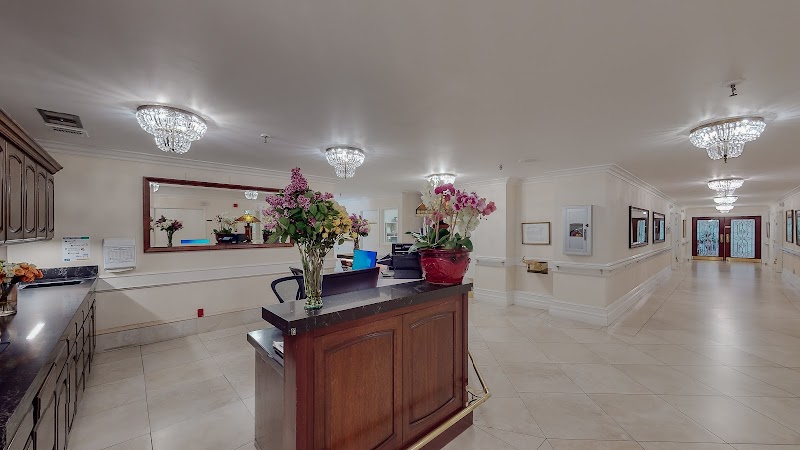
How is Mission Park Healthcare Center Staffed?
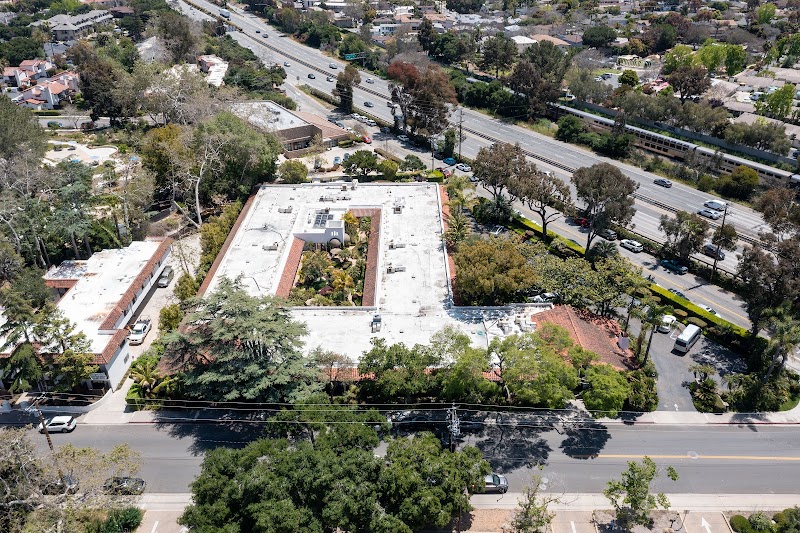
CMS rates Mission Park Healthcare Center's staffing level at 2 out of 5 stars, which is below average compared to other nursing homes. Staff turnover is 43%, compared to the California average of 46%. This relatively stable workforce can support continuity of care. RN turnover specifically is 75%, which is notably high. RNs provide skilled clinical oversight, so turnover in this role can affect medical care quality.

What Have Inspectors Found at Mission Park Healthcare Center?

State health inspectors documented 14 deficiencies at Mission Park Healthcare Center during 2019 to 2024. These included: 14 with potential for harm.

Who Owns and Operates Mission Park Healthcare Center?

Mission Park Healthcare Center is owned by a for-profit company. For-profit facilities operate as businesses with obligations to shareholders or private owners. The facility operates independently rather than as part of a larger chain. With 138 certified beds and approximately 128 residents (about 93% occupancy), it is a mid-sized facility located in Santa Barbara, California.

How Does Mission Park Healthcare Center Compare to Other California Nursing Homes?

Compared to the 100 nursing homes in California, Mission Park Healthcare Center's overall rating (5 stars) is above the state average of 3.2, staff turnover (43%) is near the state average of 46%, and health inspection rating (5 stars) is much above the national benchmark.

What Should Families Ask When Visiting Mission Park Healthcare Center?

Based on this facility's data, families visiting should ask: "Can you walk me through typical staffing levels on day, evening, and night shifts?" "Can I visit during a mealtime to observe dining assistance and food quality?" "How do you handle medical emergencies, and what is your hospital transfer rate?" "Can I speak with family members of current residents about their experience?" These questions are particularly relevant given the below-average staffing rating.

Is Mission Park Healthcare Center Safe?

Based on CMS inspection data, Mission Park Healthcare Center has a clean safety record: no substantiated abuse findings (meaning no confirmed cases of resident harm), no Immediate Jeopardy citations (the most serious violation level indicating risk of serious injury or death), and is not on the Special Focus Facility watch list (a federal program monitoring the lowest-performing 1% of nursing homes). The facility has a 5-star overall rating and ranks #1 of 100 nursing homes in California. While no facility is perfect, families should still ask about staff-to-resident ratios and recent inspection results during their visit.

Do Nurses at Mission Park Healthcare Center Stick Around?

Mission Park Healthcare Center has a staff turnover rate of 43%, which is about average for California nursing homes (state average: 46%). Moderate turnover is common in nursing homes, but families should still ask about staff tenure and how the facility maintains care continuity when employees leave.

Was Mission Park Healthcare Center Ever Fined?

Mission Park Healthcare Center has no federal fines on record. CMS issues fines when nursing homes fail to meet care standards or don't correct problems found during inspections. The absence of fines suggests the facility has either maintained compliance or corrected any issues before penalties were assessed. This is a positive indicator, though families should still review recent inspection reports for the full picture.

Is Mission Park Healthcare Center on Any Federal Watch List?

Mission Park Healthcare Center is not on any federal watch list. The most significant is the Special Focus Facility (SFF) program, which identifies the bottom 1% of nursing homes nationally based on persistent, serious quality problems. Not being on this list means the facility has avoided the pattern of deficiencies that triggers enhanced federal oversight. This is a positive indicator, though families should still review the facility's inspection history directly.