Samarkand Skilled Nursing Facility
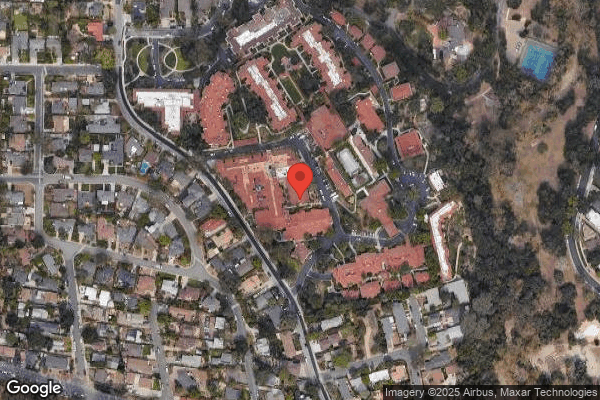
2566 Treasure Drive, Santa Barbara, CA 93105 (805) 687-0701
Non profit - Corporation 63 Beds COVENANT LIVING Data: November 2025
Trust Grade
80/100
#215 of 1155 in CA
Last Inspection: December 2024

Within standard 12-15 month inspection cycle. Federal law requires annual inspections.

Overview

Samarkand Skilled Nursing Facility has a Trust Grade of B+, indicating it is above average and recommended for care. It ranks #215 out of 1,155 in California, placing it in the top half of facilities statewide, and #7 out of 14 in Santa Barbara County, meaning only six local options are better. The facility is improving, with issues dropping from 10 in 2024 to 2 in 2025. Staffing is rated 4 out of 5 stars, with a turnover rate of 37%, which is slightly below the state average, suggesting staff stability. Notably, the facility has not incurred any fines, which is a positive sign. However, there have been concerns regarding food safety practices, including expired food items and inadequate labeling, which could pose health risks. Additionally, the facility lacked a qualified Dietary Manager, leading to lapses in food handling and nutrition services. Overall, while there are strengths in staffing and trustworthiness, food safety practices need significant improvement.

Trust Score
B+
80/100
In California
#215/1155
Top 18%
Safety Record
Low Risk
No red flags
Inspections
Getting Better
10 → 2 violations
Staff Stability
○ Average
37% turnover. Near California's 48% average. Typical for the industry.
Penalties
✓ Good
No fines on record. Clean compliance history, better than most California facilities.
Skilled Nurses
○ Average
Each resident gets 31 minutes of Registered Nurse (RN) attention daily — about average for California. RNs are the most trained staff who monitor for health changes.
Violations
⚠ Watch
32 deficiencies on record. Higher than average. Multiple issues found across inspections.
★★★★★
5.0
Overall Rating
★★★★☆
4.0
Staff Levels
★★★★★
5.0
Care Quality
★★★★☆
4.0
Inspection Score
Stable
2024: 10 issues
2025: 2 issues

The Good

  • 4-Star Staffing Rating · Above-average nurse staffing levels
  • 5-Star Quality Measures · Strong clinical quality outcomes
  • Full Sprinkler Coverage · Fire safety systems throughout facility
  • No fines on record
  • Staff turnover below average (37%)

    11 points below California average of 48%

Facility shows strength in staffing levels, quality measures, fire safety.

The Bad

Staff Turnover: 37%

Near California avg (46%)

Typical for the industry

Chain: COVENANT LIVING

Part of a multi-facility chain

Ask about local staffing decisions and management

The Ugly 32 deficiencies on record

Sept 2025 1 deficiency
CONCERN (D) 📢 Someone Reported This

A family member, employee, or ombudsman was alarmed enough to file a formal complaint

Potential for Harm - no one hurt, but risky conditions existed

Room Equipment (Tag F0908)

Could have caused harm · This affected 1 resident

**NOTE- TERMS IN BRACKETS HAVE BEEN EDITED TO PROTECT CONFIDENTIALITY** Based on interviews, and record review, the facility failed to ensure the Wander Guard bracelets (a monitoring bracelet that ala...

Read full inspector narrative →
**NOTE- TERMS IN BRACKETS HAVE BEEN EDITED TO PROTECT CONFIDENTIALITY** Based on interviews, and record review, the facility failed to ensure the Wander Guard bracelets (a monitoring bracelet that alarms once the bracelet crosses sensors on an exit door) were maintained in safe operating condition for two of three sampled residents (Resident 1 and Resident 2) when the Wander Guard's batteries were not checked nor the bracelets periodically cleaned and disinfected.This facility failure has the potential for the Wander Guards to malfunction resulting in resident elopement (leaving/departing without anyone knowing and unsupervised).During an interview on 9/08/25 at 6:43 p.m. with a licensed nurse (LN1), LN 1 stated she had training to check the placement of the wander guard every shift but was unaware of a process to check if the Wander Guards on the residents are working (are operational) batteries or cleaning.During an interview on 9/10/25 at 11:53 a.m. with the Director of Nursing (DON), the DON stated the facility does not have a process or documentation to verify that the Wander Guards worn by the residents are functioning appropriately, have sufficient battery life, or for operational integrity such as tampering or cleaning. During a review of the manufacturer's operational manual titled [NAME]-CARE700 Wander Management System, dated 5/2019, the manual indicated The SF705 tag [wander guard bracelet] does not have a visual LED indicator. It must have the battery tested weekly by the ID-TAD Tag activator/deactivator [a second-generation version of the secure tag activator/deactivator]. Like any piece of medical hardware, the tags should be periodically cleaned and disinfected. Tags should only be wiped down with a 3% hydrogen peroxide and water solution or isopropyl alcohol. Tags should be removed from the resident or asset prior to cleaning .Each facility should develop a tag sanitation and battery test regimen.The ID-TAD will show LB (low battery) next to the tag number. Replace the tag if the battery condition is low.During a review of the facility's policy and procedure (P&P) titled, Wandering and Elopements, dated 3/2019, the P&P indicated, If identified as at risk for wandering, elopement, or other safety issues, the resident's care plan will include strategies and interventions to maintain the resident's safety (is. Wander Guard, redirection).
May 2025 1 deficiency
CONCERN (D) 📢 Someone Reported This

A family member, employee, or ombudsman was alarmed enough to file a formal complaint

Potential for Harm - no one hurt, but risky conditions existed

Deficiency F0658 (Tag F0658)

Could have caused harm · This affected 1 resident

***REPEAT Deficiency*** Based on record review and interview, the facility failed to ensure two of two sampled residents' (Resident 1 and Resident 2) assessments were performed by a registered nurse (...

Read full inspector narrative →
***REPEAT Deficiency*** Based on record review and interview, the facility failed to ensure two of two sampled residents' (Resident 1 and Resident 2) assessments were performed by a registered nurse (RN) to meet professional standards of practice. This facility failure place residents at risk of not being assessed appropriately and potentially resulting in harm to residents. Finding: According to the Nursing Practice Act, Business & Professions Code, Chapter 6, Nursing Section 2725 indicates, .(b) The . RN is accountable for an ongoing comprehensive assessment that includes data collection (LVN data collection contribution), analysis, and drawing conclusions/making judgments in order to: formulate diagnoses and update diagnoses, formulate or change the plan of care, decide on specific activities to implement the plan of care, prioritize and coordinate delivery of care, delegate to nursing care competent staff to deliver required care . RN uses scientific knowledge and experience to make clinical judgments/assessments about observed abnormalities and changes based on a series of complex, independent and collaborative decision-making activities Set priorities for implementation of nursing care, priorities regarding urgency of patient concerns . LVN is not prepared by formal education to make RN level nursing judgments/assessments that include independent analysis, synthesis, and decision-making. RN is responsible for collecting (LVN data collection), analyzing, and collaborating with all information sources to ensure a comprehensive written plan of care that is based on current standards of safe practice. According to the Scope of Vocational Nursing Practice, section 518.5 indicates, The licensed vocational nurse performs services requiring technical and manual skills which include the following: (a) Uses and practices basic assessment (data collection), participates in planning, executes interventions in accordance with the care plan or treatment plan, and contributes to evaluation of individualized interventions related to the care plan or treatment plan. The data collection performed by the LVN is integrated into the data collection the RN collects to analyze, synthesize, and make decisions regarding patient/residents' care as outlined above. During a concurrent review of Resident 1's assessments and interview with the director of nursing (DON) and administrator (Admin) on 4/17/25 at 1:16 p.m., the document titled SBAR Communication Form . which consist of resident's evaluation of ten body systems was reviewed. The Admin was asked under which category this document was located. The Admin stated The SBAR Communication form is located under the assessments category. On the front page of document indicated Before calling Physician/NP/PA/other healthcare professional: Evaluate the Resident: Complete relevant aspects of the SBAR form below . On the second page of document indicated Resident Evaluation .listed 10 body systems to be evaluated. The DON and Admin confirmed the SBAR form was an assessment of a resident. A review of the resident assessments indicated the following: SBAR Communication forms dated 4/8/25 at 12:05 p.m., and 3/8/25 at 6:00 a.m., were not signed by a nursing staff, the signature area was left blank. SBAR Communication forms, dated 3/31/25 at 11:25 p.m., and 2/26/25 at 12:23 a.m., were signed by an LVN and not an RN. During a concurrent interview and record review on 4/17/25 at 1:16 p.m. with director of nursing (DON) and administrator (Admin) Resident 2's assessments and SBAR (Situation, Background, Assessment, and Recommendation - a tool used to share information about a patient) Communication Form, dated 2/11/25 at 5:59 a.m. were reviewed. The assessment was not signed by a nursing staff, the signature area was left blank. The DON and Admin were informed that the residents' SBAR forms required a signature to indicate who is completing the assessment, and the assessments need to be completed by an RN. If an assessment is completed by a licensd vocational nurse (LVN) then an RN must validate the assessments and/or cosign the assessments. It is not within the LVN scope of practice (activities and duties a healthcare professional is allowed to do) to perform assessments independently. The Admin stated OK . The DON stated OK .
Dec 2024 9 deficiencies
CONCERN (D)

Potential for Harm - no one hurt, but risky conditions existed

Deficiency F0583 (Tag F0583)

Could have caused harm · This affected 1 resident

Based on record review, observation, and interview, the facility failed to provide privacy and confidentiality of resident's electronic health record (name, diagnosis, medication list and other person...

Read full inspector narrative →
Based on record review, observation, and interview, the facility failed to provide privacy and confidentiality of resident's electronic health record (name, diagnosis, medication list and other personal information) for two unsampled residents (Resident 13 and 40). Residents 13 and 40's electronic health records were exposed to the public when staff left the facility's computer on. This failure violated Resident 13 and 40's right to privacy. Findings: During an observation on 12/17/24, at 10:10 a.m., the Registered Nurse (LN4) left the medication cart at the Garden Court station with an open computer exposing the Resident 13 and 40's electronic health record. Further observation, two individuals passed by the medication cart while the electronic record were exposed out in public's view. During an interview on 12/17/24, at 10:25 a.m., with the LN 4, LN4 acknowledged Resident 13 and 40's electronic record were left exposed to the public when the computer was left open. LN4 further acknowledged after using residents' electronic medical record, it must be closed at all times. During a review of the facility's policy and procedure titled, Confidential Information, undated, the P&P indicated, Knowledge of confidential information is a trust to be honored. It is critical that all team members respect the resident's right to confidentiality .All team members should respect the confidentiality of residents' and co-workers' protected health information (PHI). In order to maintain the privacy of residents and ensure compliance with HIPAA (Health Insurance Portability Accountability Act - a federal law that protects sensitive health information from being disclosed without a patient's consent) regulations, team members are not to post electronic information about residents and/or family members. During a review of the P&P titled, Medication Administration General Guidelines, dated 2007, the P&P indicated in part, .18. Resident's health information needs to remain private. The pages of the MAR (Medication Administration Record) notebook containing resident health information must remain closed or covered when in not in direct use. During a review of the P&P titled, Resident's Rights, dated 02/2021, the P&P indicated, Federal and state laws guarantee certain basic rights to all residents in this facility. These rights include the resident's right to privacy and confidentiality. During an interview on 12/19/24 at 3:28 p.m. with the Director of Nursing (DON), the DON acknowledged that residents' rights on privacy and confidentiality of medical records must be followed and respected and for this incident it was not.
CONCERN (D)

Potential for Harm - no one hurt, but risky conditions existed

MDS Data Transmission (Tag F0640)

Could have caused harm · This affected 1 resident

**NOTE- TERMS IN BRACKETS HAVE BEEN EDITED TO PROTECT CONFIDENTIALITY** Based on interview and record review, the facility failed to ensure two of two unsampled residents (Resident 31 and 37), had the...

Read full inspector narrative →
**NOTE- TERMS IN BRACKETS HAVE BEEN EDITED TO PROTECT CONFIDENTIALITY** Based on interview and record review, the facility failed to ensure two of two unsampled residents (Resident 31 and 37), had their Minimum Data Set (MDS - a core set of screening, clinical, and functional status data elements) records transmitted to Centers for Medicare & Medicaid (CMS) Internet Quality Improvement and Evaluation System (iQIES) within the required timeframes. These failures resulted in delayed validation of the assessment by iQIES and had the potential to result in errors in billing to CMS or payment to the facility and quality ratings of the facility. Findings: During a review of the facility's Centers for Medicare & Medicaid Services' Long-Term Care Facility Resident Assessment Instrument (RAI) User's Manual, dated 10/2023, the RAI indicated, Timeliness Criteria . Completion Timing . must be no later than 14 days after the Assessment Reference Date . Encoding Data . For a quarterly . encoding must occur within 7 days after the MDS Completion Date . Assessment Transmission . All other MDS assessments must be submitted within 14 days of the MDS Completion Date . Tracking Information Transmission . Death in the facility tracking records, information must be transmitted within 14 days of the Event Date. During a review of Resident 31's Face Sheet (FS), printed [DATE], the FS indicated, Resident 31 was discharged [DATE]. During an interview and record review on [DATE] at 11:02 a.m. with a licensed nurse (LN1), Resident 31's discharge assessment MDS transmission date was not available because it had not been transmitted. LN1 further stated it should have been transmitted within 14 days of their discharge date on [DATE]. During a review of Resident 37's FS, printed [DATE], the FS indicated, Resident 37 was admitted to the facility on [DATE] and discharged from the facility on [DATE] when Resident 37 expired. During a concurrent interview and record review on [DATE] at 11:02 a.m. with LN1, Resident 37's untitled record of transmitted MDS assessments (MDS record), was reviewed. The MDS record indicated: 1) MDS quarterly assessment reference date (ARD - the specific end date of the resident observation period) [DATE] that was transmitted [DATE], 39 days after the ARD date. 2) MDS quarterly assessment ARD [DATE] that was transmitted [DATE], 28 days after the ARD date. LN1 stated LN1 does not recall why they were late. During a concurrent interview and record on [DATE] at 9:40 a.m. with LN1, Resident 37's MDS, dated [DATE] was reviewed. The MDS indicated, Resident 37 was discharged [DATE] with a discharge status of deceased . LN1 stated this MDS should have been submitted within 14 days of the death in the facility and it wasn't.
CONCERN (D)

Potential for Harm - no one hurt, but risky conditions existed

Comprehensive Care Plan (Tag F0656)

Could have caused harm · This affected 1 resident

**NOTE- TERMS IN BRACKETS HAVE BEEN EDITED TO PROTECT CONFIDENTIALITY** Based on observation, interview, and record review, the facility failed to develop a care plan for urinary catheter (foley cathe...

Read full inspector narrative →
**NOTE- TERMS IN BRACKETS HAVE BEEN EDITED TO PROTECT CONFIDENTIALITY** Based on observation, interview, and record review, the facility failed to develop a care plan for urinary catheter (foley catheter flexible rubberized tube inserted into the urinary tract to drain the urine out) care in one of two sampled residents (Resident 36). This failure has the potential for Resident 36's to have the urinary catheter in place with no follow up or plan of care resulting to urianry tract infections (UTI), dislodgement and other bladder issues. Findings: During an observation on 12/16/24 at 10:45 a.m., Resident 36 was observed in bed with a urinary catheter connected to a urine bag. During a concurrent interview and record review of Resident 36's clinical record, on 12/19/24 at 07:30 a.m., with Licensed Nurse (LN2), the face sheet indicated an admission date of 9/19/24, and a condition of urinary indwelling catheter for obstructive and reflex uropathy ( inability to completely drain urine out of the urinary tract). The Progress notes indicated Resident 36 was hospitalized for UTI on 10/31/24 and re-admitted back to the facility on [DATE], on antibiotic treatment, which resolved the UTI . Further review of the clincial record for Resident 36 indicated no careplan for the urinary catheter was developed for the care. LN2 acknowledged no careplan was in place for the urinary catheter. During a review of facility's policy and procedure (P&P) titled Care Plans, Comprehensive Person-Centered, dated March 2022, P&P indicated, The interdisciplinary team (IDT), in conjunction with the resident and his/her family or legal representative, develops and implements a comprehensive, person-centered care plan for each resident, which describes the services that are to be furnished to attain or maintain the resident's highest practicable physical, mental, and psychosocial well-being .reflects currently recognized standards of practice for problem areas and conditions.
CONCERN (D)

Potential for Harm - no one hurt, but risky conditions existed

Deficiency F0657 (Tag F0657)

Could have caused harm · This affected 1 resident

**NOTE- TERMS IN BRACKETS HAVE BEEN EDITED TO PROTECT CONFIDENTIALITY** Based on interview and record review, the facility to failed to review and update the plan of care (CP) after a fall for one of ...

Read full inspector narrative →
**NOTE- TERMS IN BRACKETS HAVE BEEN EDITED TO PROTECT CONFIDENTIALITY** Based on interview and record review, the facility to failed to review and update the plan of care (CP) after a fall for one of 16 sampled residents (Resident 18). This failure placed Resident 18 at a higher risk for recurring falls secondary to no updated plan in place for staff to follow and implement for prevention. Findings: During an interview on 12/16/24, at 12:15 p.m. with Resident 18, Resident 18 verbalized having a fall two weeks prior; which resulted to a week stay in the hospital . The resident further verbalized while at the hospital an antibiotic treatment was started due to an infection. During a review of Resident 18's hospital Discharge summary, dated [DATE], the discharge summary indicated, Resident 18 was admitted to the hospital after a ground level fall and a diagnosis of septic joint (infection of the joint). Resident was discharged with an intravenous antibiotic administered through the vein) treatment. During a concurrent record review and interview on 12/18/24, 12:05 p.m. with the Director of Nursing (DON). The interdisciplinary ( IDT) notes and CP for fall, dated 11/14/24 were reviewed. The IDT notes indicated Resident 18 had a fall incident and CP will be updated upon return to the facility to include resident teaching on using call button for assistance. Upon review of the fall CP, the last updated date was 10/20/24, no update was entered when resident returned to the facility on [DATE]. The DON acknowledged the care plan for fall was not updated when the resident returned to the facility from the hospital on [DATE]. During a review of the facility's policy and procedure (P&P) titled, Care Plans, Comprehensive Person-Centered, dated 3/2011, the P&P indicated, 1. The interdisciplinary team (IDT - group of people with different areas of expertise to solve a problem or care for a patient) in conjunction with the resident and his/her family or legal representative, develops and implements a comprehensive, person-centered care plan for each resident .11. Assessments of residents are ongoing and care plans are revised as information about the residents and the resident's condition change.
CONCERN (D)

Potential for Harm - no one hurt, but risky conditions existed

Pharmacy Services (Tag F0755)

Could have caused harm · This affected 1 resident

Based on observation, interview and record review, the facility failed to provide an eye drop medication for glaucoma ( degenerating of eye condition leading to vision loss or blindness) as ordered by...

Read full inspector narrative →
Based on observation, interview and record review, the facility failed to provide an eye drop medication for glaucoma ( degenerating of eye condition leading to vision loss or blindness) as ordered by the physician when supply runned out for one of 16 sampled residents (Resident 12). This failure resulted to Resident 12, not receiving the eye medication as ordered with the potential and risk for rapid vision loss /blindness. Findings: During the medication pass observation on 12/18/24, at 9:00 a.m. with the Registered Nurse (LN5), LN5 indicated Resident 12's eye drop medication for glaucoma will not be adminsitered as ordered as currently the medication is being reordered. During a review of physician's order (PO), dated 7/10/24, the PO indicated, Resident 12 is to receive Timolol Maleate 0.5% (percent) eye drops to both eyes for glaucoma daily. During a concurrent record review and interview on 12/19/24, at 2:15 p.m. with the Minimum Data Set Coordinator (LN1). Resident 12's current Medication Administration Record (MAR) was reviewed and indicated the eye medication Timolol Maleate 0.5% (percent) was not administered 12/17 and 12/18/2024. LN1 acknowledged the non administration of the eye medication on Resident 12 on 12/17 and 12/18/24. During a review of the facility's policy and procedure (P&P) titled, Medication Administration General Guidelines, dated 2007, the P&P indicated in part, .c. Certain products or package types such as multi-dose vials and ophthalmic (eye) drops have specific shortened end-of-use dating, once opened, to ensure medication purity and potency .Position statements from American Society of Ophthalmic Registered Nurses and American Society of Cataract & Refractory Surgery (ASCRS) state that the multi-use eye drops and ointments should be disposed of 28 days after initial use. During a review of the pharmacist recommendation titled, Executive Summary of Consultant Pharmacist's Medication Regimen Review (MMR), dated 6/29/24, pharmacist notes indicated, Per P&P, most eye drops should be discarded after 2 months from the open date for infection control, regardless of the manufacturer expiration date. During a concurrent record review and interview on 12/19/24, at 3:33 p.m. with the Director of Nursing (DON). The pharmacist MMR recommendation and the facility's P&P, both provided by the DON were reviewed. The DON was unaware of the pharmacist MMR recommendation for the eye drop medication. The DON acknowledged, the conflicting information on eye drops medication administration from the pharmacist and the facility's policy. The DON further acknowledged, that as a result Resident 12 did not receive the medication for two days.
CONCERN (D)

Potential for Harm - no one hurt, but risky conditions existed

Deficiency F0757 (Tag F0757)

Could have caused harm · This affected 1 resident

**NOTE- TERMS IN BRACKETS HAVE BEEN EDITED TO PROTECT CONFIDENTIALITY** 2. During a review of Resident 57's Medication orders, dated 8/10/24, order indicated, Oxycodone 5 mg tablet (1 tablet) as neede...

Read full inspector narrative →
**NOTE- TERMS IN BRACKETS HAVE BEEN EDITED TO PROTECT CONFIDENTIALITY** 2. During a review of Resident 57's Medication orders, dated 8/10/24, order indicated, Oxycodone 5 mg tablet (1 tablet) as needed for mild (pain level 1-3) or shortness of breath (SOB). Oxycodone 5 mg tablet (2 tablets) as needed for moderate (pain level 4-6) to severe (pain level 7-10) or shortness of breath (SOB). During an interview on 12/19/24 at 11:15 a.m. with Licensed Nurse (LN3), she stated that there was no pain evaluation or assessment prior to administering Oycodone 1 tablet for mild pain (pain level 1-3) per physician order. During the record review of Resident 57's Medication Administration Record (MAR) dated 12/9, 12/11, and 12/16/24, record indicated Oxycodone were administered without pain assessments on these dates and results were marked effective. During a review of facility's policy and procedure (P&P), titled Medication Management dated 2007, P&P indicated in part There are various opportunities during the care process to evaluate the effects of medications on a resident's physical, mental and psychosocial well-being, and to consider whether the medications should be continued, reduced, discontinued, or otherwise modified, opportunities include during the monthly medication regimen review, the pharmacist evaluates resident-related information for dose, duration, continued need, and the emergence of adverse consequences for all medications. and each resident's drug regimen is reviewed to ensure it is free from unnecessary medication that includes any drug without adequate monitoring. Based on interview and record review, facility failed to ensure residents were free of unnecessary medications for two sampled residents (Resident 54 and 57) when: 1. A. Resident 54 was not properly assessed and provided with the correct medication per physician's order. B. Resident 54's blood pressure parameter per physician order was not followed. 2. Resident 57's pain level was not assessed and the pain level parameter per physician order was not followed. These failures resulted in Resident 57 and 54 to receive unnecessary medication and not in accordance with what the physician had ordered. Findings: 1. A. During a review of Resident 54's physician's visit notes (PVN), dated 8/28/24, the PVN indicated, Resident 54 is an 82-years old with the diagnosis of hypertension (high blood pressure), Stroke (brain attack), and left femur (thigh bone) fracture, and thoracic vertebral compression fracture (a break in a bone in the spine where bone collapses). During a review of Resident 54's physician's order (PO), dated 12/24, the PO indicated, Resident 54 is to receive an Acetaminophen 325 mg (milligram - unit of measurement) tablet, two tablets orally (by mouth) as needed every four hours for mild pain and Tramadol 25 mg orally for moderate to severe pain. During a review of the document titled, Universal Pain Assessment Tool (UPAT), undated, the UPAT indicated, pain scale 0 = no pain, 1-2 = mild pain, 3-5 = moderate pain, 6-8 severe pain, and 9-10 = worst pain. During a review of Resident 54's Medication Administration Record (MAR) dated, 12/2, 12/5, and 12/18, Resident 54 had a pain scale of seven out of 10, and six out of 10 on 12/9 and 12/10. Resident 54 was administered Acetaminophen 325 mg (milligram - unit of measurement) tablet, two tablets orally (by mouth) as needed every four hours for mild pain for a pain scale of seven, instead of Tramadol 25 mg orally for moderate to severe pain on 12/2,/12/5,12/18, and 12/9,and 12/10/24 for a pain scale of six . During a concurrent record review and interview on 12/19/24, at 11:15 a.m. with Minimum Data Set Coordinator (LN1), LN1 confirmed that an Acetaminophen was given when Resident 54 was assessed to have seven out of 10 pain on 12/2, 12/5, and 12/18, and six out of 10 pain on 12/9 and 12/10. During an interview on 12/19/24, at 3:50 p.m. with the Director of Nursing (DON). The DON acknowledged that the physician's order was not followed on the administration of Resident 54's pain medication. The DON was unable to provide additional proof of documentation that support why the pain medication was administered to the resident without following the physician's order and if the physician had been notified. During a review of the facility's policy and procedure (P&P) titled, Medication Administration General Guidelines, dated 2007, the P&P indicated in part, .1. Medications are administered in accordance with written orders of the prescriber. If dose seems excessive .or a medication order seems to be unrelated to the resident's current diagnosis or condition, the nurse calls the provider pharmacy for clarification prior to administration of the medication. If necessary, the nurse contacts the prescriber for clarification. This interaction with the pharmacy and the resulting order clarification are documented in the nursing notes and elsewhere in the medical record as appropriate .3. Medication administration timing parameters include the following: e. Any additional facility specific policies and procedures. B. During a review of Resident 54's PVN, dated 8/28/24, the PVN indicated, Resident 54 is an [AGE] years old with the diagnosis of hypertension (high blood pressure (BP)), Stroke (brain attack), and left femur (thigh bone) fracture, and thoracic vertebral compression fracture (a break in a bone in the spine where bone collapses). During a review of Resident 54's physician's order (PO), dated 12/2024, the PO indicated, Resident 54 is to receive Irbesartan 300 mg, one tablet orally at hour of sleep and to hold the medication if the SBP (systolic blood pressure - the pressure in the arteries when the heart beats) is less than 110. During a review of the Medication Administration Record (MAR), dated 12/13 and 12/17, Resident 54's SBP was recorded as 109 and 99. During a concurrent record review and interview on 12/19/24, at 11:15 a.m. with LN1, LN1 confirmed that BP medication was administered to Resident 54 despite of the SBP was below the parameters the physician had ordered. During an interview on 12/19/24, at 3:50 p.m. with the DON. The DON acknowledged that the physician's order was not followed for BP medication. The DON was unable to provide additional proof of documentation that support why the BP medication was administered to the Resident 54 below the parameters as instructed on the physician's order and if the physician had been notified. During a review of the facility's policy and procedure (P&P) titled, Medication Administration General Guidelines, dated 2007, the P&P indicated in part, .1. Medications are administered in accordance with written orders of the prescriber.
CONCERN (D)

Potential for Harm - no one hurt, but risky conditions existed

Medication Errors (Tag F0758)

Could have caused harm · This affected 1 resident

2. During a review of Resident 12's Clinical Record (CR), dated 12/19/24, the CR indicated Resident 12 has a diagnosis of major depressive disorder (a mood disorder that causes a persistent feeling of...

Read full inspector narrative →
2. During a review of Resident 12's Clinical Record (CR), dated 12/19/24, the CR indicated Resident 12 has a diagnosis of major depressive disorder (a mood disorder that causes a persistent feeling of sadness and loss of interest). During a review of Resident 12's Physician Order Sheet (POS) for December 2024, dated 12/19/24, the POS indicated an order for trazodone 100 mg (milligram) tablet as needed for sleep for 90 days was renewed on 12/4/24. Current order was compared to previous order that had monitoring for hours of sleep and side effects. There was no order to monitor side effects or hours of sleep. During a review of Resident 12's Care plan (CP), undated status active (current), the CP indicated, Monitor for side effects of medication (constipation [condition in which stool becomes hard, dry, and difficult to pass], dry mouth, anxiety, agitation, headache, falls). During a concurrent interview and record review on 12/19/24 at 6:07 p.m., with the Director of Nursing (DON), the Medication Administration Record (MAR) for December 2024 was reviewed for Resident 12. The last dose of trazodone administered was on 12/6/24 at 1:16 a.m. The DON stated hours of sleep and side effects monitoring are documented when Trazodone is administered. No documented evidence of hours of sleep or side effect monitoring on 12/6/24 was found. The DON stated, it was missed. During a review of the facility's Policy and Procedure (P&P) titled Psychotropic Medication Use, dated July 2022, the P&P indicated, Psychotropic medication management includes: .d. adequate monitoring for efficacy and adverse consequences . Based on interview and records review, the facility failed to ensure psychotropic drugs (any medication capable of affecting the mind, emotions, and behavior) were not used unnecessarily for two of seven sampled residents (Resident 57 and 12) when 1. There was no justification from the physician for continued use beyond 14 days of the drug Ativan and/or Lorazepam (a medication used to help control anxiety) for Resident 57. 2. No monitoring for side effects and hours of sleep was done for trazodone (an antidepressant medication used to treat depression, anxiety [feelings of tension, worried thoughts, and physical changes like increased blood pressure], and insomnia [trouble sleeping]) for Resident 12. These failures had the potential to result in use of unnecessary psychotropic drugs and the potential to develop unrecognized side effects due to the inadequate monitoring of efficacy of the medication. Findings: 1.During a review of physician order for Resident 57, the order indicated medication orders of: a. Ativan 0.5 mg tablet (1 tablet) as needed every four hours for anxiety and shortness of breath (SOB) starting 7/18/24 with no STOP date. b. Lorazepam 0.5 mg tablet (2 tablets) as needed every four hours for moderate anxiety, SOB, or nausea/vomiting starting 8/10/24 with no STOP date. c. Lorazepam 0.5 mg tablet (4 tablets) as needed every four hours for severe anxiety, SOB, or nausea/vomiting starting 8/10/24 with no STOP date. d. Lorazepam 2 mg/ml oral concentrate (0.25 ml) as needed every four hours for mild anxiety, SOB, or nausea/vomiting starting 8/10/24 with no STOP date. e. Lorazepam 2 mg/ml oral concentrate (0.5 ml) as needed every four hours for moderate anxiety, SOB, or nausea/vomiting starting 8/10/24 with no STOP date. f. Lorazepam 2 mg/ml oral concentrate (1 ml) as needed every four hours for severe anxiety, SOB, or nausea/vomiting starting 8/10/24 with no STOP date. During the interview on 12/19/24 at 1:30 p.m. with the Director of Nursing (DON), DON acknowledged there was no Stop date nor physician's justification for continued use beyond 14 days of Ativan and/or Lorazepam. During a review of facility's policy and procedure (P&P) titled Medication Monitoring, Medication Management, dated 1/24, P&P indicated, Order may be extended beyond 14 days if the attending physician or prescribing practitioner believes it is appropriate to extend the order and attending physician or prescribing practitioner should document the rationale for the extended time period in the medical record and indicate a specific duration.
CONCERN (D)

Potential for Harm - no one hurt, but risky conditions existed

Deficiency F0761 (Tag F0761)

Could have caused harm · This affected 1 resident

**NOTE- TERMS IN BRACKETS HAVE BEEN EDITED TO PROTECT CONFIDENTIALITY** Based on observation, interview and record review, the facility to failed to remove: 1. Expired medical supplies in the medicati...

Read full inspector narrative →
**NOTE- TERMS IN BRACKETS HAVE BEEN EDITED TO PROTECT CONFIDENTIALITY** Based on observation, interview and record review, the facility to failed to remove: 1. Expired medical supplies in the medication storage room. 2. Expired unopen box of medication. These failures had the potential for the residents to receive expired, and ineffective medications and medical supplies. Findings: 1. During An observation on [DATE] 10:15 a.m. the Garden Court station medication room, the following medical supplies were found inside the intravenous (IV - a medical procedure involving inserting a needle through a vein) starter bin: - One expired medical supply: [NAME] IV start kit, expiration date: [DATE]. - One filter needle 19-gauge (unit of measurement), expiration date: 05/2020. - One opened box of bio patch disc (a medical supply that is applied to the IV catheter insertion site on the skin), expiration date: [DATE]. 2. One box, unopened, anti-diarrheal (loose, watery, bowel movements) medication, expiration date: 11/2024 located in the garden court station medication cart. During an interview on [DATE], 10:45 a.m. with the Registered Nurse (LN4), the LN4 verified the expired medication and medical supplies. During an interview on [DATE] 3:40 p.m. with the Director of Nursing (DON). The DON acknowledged the expired medication and medical supplies. The DON further acknowledged, that expired items must be removed and discarded. During a review of the facility's policy and procedure (P&P) titled, Administering Medication, dated 4/2019, the P&P indicated in part, .Medications are administered in a safe and timely manner and as prescribed .12. The expiration/beyond use date on the medication label is checked prior to administering. During a review of the P&P titled, Medication Storage, dated 2007, the P&P indicated in part, .14. Outdated, contaminated, discontinued or deteriorated medications and those in containers that are cracked, soiled, or without secure closures are immediately removed from stock, disposed of according to procedures for medication disposal .
CONCERN (F)

Potential for Harm - no one hurt, but risky conditions existed

Food Safety (Tag F0812)

Could have caused harm · This affected most or all residents

Based on observation, interview and record review, the facility failed to follow professional food standards for food safety , when facility : 1. Failed to label food items as to date prepared and exp...

Read full inspector narrative →
Based on observation, interview and record review, the facility failed to follow professional food standards for food safety , when facility : 1. Failed to label food items as to date prepared and expiry date 2. Failed to provide adequate concentration of sanitizing solution in red buckets These failures has the potential for food borne illnesses to the residents. Findings : 1.During an observation on 12/16/24 at 9:50 AM at the kitchen, the following food items were beyond the expiry date: One (1) pack of Ground Beef with a discard date of 12/15/24; six (6) bags of potato wedges with expired date of 11/19/24; One (1) bag of hamburger buns with expiry date of 12/15/24; One (1) bag of diner rolls, unlabeled and undated. During an interview on 12/16/24 at 9:50 AM with Dietary Manager (DM) validates the findings that the identified food were expired. During an observation on 12/17/24 at 10: 36 AM at the kitchen, 4 bags of grapes brought in from the independent living kitchen had no labels with one of the four bags having mold. During an interview on 12/17/24 at 10:36 AM with DM, DM validates the findings that the identified food are expired. 2. During an observation on 12/17/24 at 2:16 PM at the kitchen, two (2) red buckets were tested. Dietary Aide (DA1) tested the solutions and the result with the comparator chart with both buckets having a result of 170 ppm (parts per million / a unit of measure). During a concurrent interview with DA on and review of the comparator chart on 12/17/24 at 2:16 PM, the recommended concentration of the sanitizing solution is 272-700 ppm. During an interview on 12/17/24 at 2:16 PM with DM, DM validates the findings and verbalized that a consult on how to adjust the concentration of the sanitizing solution and the solution is not as effective based on concentration. During a review of Policies and Procedures (P&P) titled Sanitation and Infection Control: Sanitation Buckets, the Sanitation and Infection Control indicates in part: d. Test sanitizer solution when buckets are filled and ensure that the concentration is 272-700 parts per million (ppm). e. Sanitizer solution in the buckets should be changed at minimum of 4 hours or more as needed to keep the water clean and maintain effectiveness of the sanitizer.
May 2024 1 deficiency
CONCERN (D) 📢 Someone Reported This

A family member, employee, or ombudsman was alarmed enough to file a formal complaint

Potential for Harm - no one hurt, but risky conditions existed

Deficiency F0658 (Tag F0658)

Could have caused harm · This affected 1 resident

**NOTE- TERMS IN BRACKETS HAVE BEEN EDITED TO PROTECT CONFIDENTIALITY** Based on record review and interview, the facility failed to ensure Resident 1's post fall assessment and other assessments were...

Read full inspector narrative →
**NOTE- TERMS IN BRACKETS HAVE BEEN EDITED TO PROTECT CONFIDENTIALITY** Based on record review and interview, the facility failed to ensure Resident 1's post fall assessment and other assessments were performed by a registered nurse (RN) to meet professional standards of practice. The facility's failure place residents at risk of not being assessed appropriately and potentially resulting in harm to residents. Finding: According to the Nursing Practice Act, Business & Professions Code, Chapter 6, Nursing Section 2725 indicates, .(b) The practice of nursing within the meaning of this chapter means those functions, including basic health care, that help people cope with difficulties in daily living that are associated with their actual or potential health or illness problems or the treatment thereof, and that require a substantial amount of scientific knowledge or technical skill . RN is accountable for an ongoing comprehensive assessment that includes data collection (LVN data collection contribution), analysis, and drawing conclusions/making judgments in order to: formulate diagnoses and update diagnoses, formulate or change the plan of care, decide on specific activities to implement the plan of care, prioritize and coordinate delivery of care, delegate to nursing care competent staff to deliver required care . RN uses scientific knowledge and experience to make clinical judgments/assessments about observed abnormalities and changes based on a series of complex, independent and collaborative decision-making activities Set priorities for implementation of nursing care, priorities regarding urgency of patient concerns . LVN is not prepared by formal education to make RN level nursing judgments/assessments that include independent analysis, synthesis, and decision-making. RN is responsible for collecting (LVN data collection), analyzing, and collaborating with all information sources to ensure a comprehensive written plan of care that is based on current standards of safe practice. According to the Scope of Vocational Nursing Practice, section 518.5 indicates, The licensed vocational nurse performs services requiring technical and manual skills which include the following: (a) Uses and practices basic assessment (data collection), participates in planning, executes interventions in accordance with the care plan or treatment plan, and contributes to evaluation of individualized interventions related to the care plan or treatment plan. The data collection performed by the LVN is integrated to the data collection the RN collects to analyzed, synthesized, and make decisions regarding patient/residents' care as outlined above. During a concurrent review of Resident 1's SBAR Communication Form . dated 04/11/24 and interview with the interim assistant director of nursing (IADON) on 4/18/24 at 1:25 p.m., the IADON was asked if this SBAR communication form on 4/11/24 at 4:43 a.m., was the nursing assessment the patient received prior to being sent to the hospital emergency department ED, were there any other nursing assessments documented elsewhere in the record. The IADON confirmed the SBAR Communication form was an assessment and was created by a licensed vocational nurse (LVN). The IADON stated This SBAR form is the nursing assessment done before patient left to the ED. This is the only one (assessment). The SBAR document consisted of resident's assessment of all the body systems. A review of Resident 1's Daily Skilled Progress Note , dated 4/10/24 at 12:37 p.m., was conducted on 4/18/24. This progress note also consisted of the evaluation/assessment of the resident body systems. This assessment was also created by an LVN. During an interview with the IADON and administrator (ADMIN) on 4/18/24 at 2:05 p.m., the ADMIN and IADON were explained Resident 1's assessment dated [DATE] and 4/10/24 were conducted by an LVN without having an RN validate the assessments and/or cosign the assessments. It is not within the LVN scope of practice to perform assessments independently. The ADMIN acknowledged this and stated, I understand we need to look into this and change our practice.
Feb 2023 14 deficiencies
CONCERN (D)

Potential for Harm - no one hurt, but risky conditions existed

Deficiency F0558 (Tag F0558)

Could have caused harm · This affected 1 resident

Based on observation, interview, and record review, the facility failed to ensure one of 19 sampled residents (Resident 53), received reasonable accommodation on the use of a call bell. This failure ...

Read full inspector narrative →
Based on observation, interview, and record review, the facility failed to ensure one of 19 sampled residents (Resident 53), received reasonable accommodation on the use of a call bell. This failure had the potential to not meet the health care needs of the Resident 53. Findings: During a review of Resident 53's MDS (Minimum Data Set - a federally mandated process for clinical assessment of all residents in Medicare or Medicaid certified nursing homes) 3.0 Nursing Home Quarterly Assessment . Section C - Cognitive Patterns . BIMS (Brief Interview for Mental Status) Summary Score, dated 1/12/23, Resident 53's BIMS indicated, a score of 11. During a concurrent observation and interview, on 2/6/23 at 10:45 a.m., with Resident 53, Resident 53 was observed in bed, awake, alert, and verbally consented to an interview. A visual inspection of Resident 53's room revealed, a call light system wall receptacle was installed, but the actual call light device cord was missing. A metal, desk call bell was noted on top of the Resident 53's left bedside table. When asked how Resident 53 would alert the staff if Resident 53 needed help or assistance, Resident 53 stated, Resident 53 would yell, Help, help! Resident 53 was reminded there was a call bell on the bedside table. To demonstrate how accessible the call bell was for Resident 53, Resident 53 was asked to reach for it while in bed, but Resident 53 could not do it. During a concurrent observation and interview, on 2/8/23 at 2:57 p.m., with a licensed nurse (LN 1), inside Resident 53's room, Resident 53's living set up was observed. Resident 53's call bell was noted in the same location, on top of the left bedside table, far from the resident's reach. Resident 53 could not reach the call bell while in bed when requested to use it. LN 1 confirmed and acknowledged, the call bell was not accessible to Resident 53. LN 1 mentioned, staff conducted their rounds frequently to check on Resident 53, but could not specify the exact times, nor was able to provide documentation of those rounds. During a review of Resident 53's, Care Plan Report, undated, the Care Plan Report indicated, (Resident 53) does not use the call light for assistance. The call light is a hazard for the resident due to possible tripping or getting wrapped around it. Further review of the Care Plan Report indicated, the intervention, Place call bell accessible to the resident. The intervention was not followed as observed inside Resident 53's room. During a review of the facility's policy and procedure (P&P), titled, Care Plans, Comprehensive Person-Centered, dated 12/16, the P&P indicated in part, Policy Interpretation and Implementation . 9) Areas of concern that are identified during the resident assessment will be evaluated before interventions are added to the care plan, 10) Identifying the problem areas and their causes, developing interventions that are targeted and meaningful to the resident The P&P also indicated, 11) Care interventions are chosen only after careful data gathering, proper sequencing of events, careful consideration of the relationship between the resident's problem areas and their causes and relevant clinical decision making.
CONCERN (D)

Potential for Harm - no one hurt, but risky conditions existed

Deficiency F0575 (Tag F0575)

Could have caused harm · This affected 1 resident

Based on observation and interview, the facility failed to ensure a list of the name, address, and telephone number of the Office of the State Long-Term Care Ombudsman was posted in at least four spec...

Read full inspector narrative →
Based on observation and interview, the facility failed to ensure a list of the name, address, and telephone number of the Office of the State Long-Term Care Ombudsman was posted in at least four specific locations, that are frequently visited and readily accessible to the residents. This failure had the potential for residents to not know how to contact the Ombudsman, to address their concerns. Findings: During the initial tour of the facility on 2/6/23, at 10:50 a.m., the Ombudsman's contact information was not posted in the facility's dining and activity rooms, that are frequently visited by the residents. There was only one poster with the Ombudsman's information located in the facility. During an observation on 2/6/23, at 11:30 a.m., with the Director of Nursing (DON), the DON acknowledged, there was only one Ombudsman poster in the facility. During a follow up interview with the DON on 2/9/23, at 11:16 a.m., the DON further acknowledged, the Ombudsman's information was not posted in a location frequently visited and accessible to the residents.
CONCERN (D)

Potential for Harm - no one hurt, but risky conditions existed

Deficiency F0577 (Tag F0577)

Could have caused harm · This affected 1 resident

Based on observation and interview, the facility failed to ensure the binder, containing the results of the previous survey, was readily accessible to view by residents, resident's representatives, an...

Read full inspector narrative →
Based on observation and interview, the facility failed to ensure the binder, containing the results of the previous survey, was readily accessible to view by residents, resident's representatives, and/or other individuals. This failure had the potential to deny individuals, including residents and representatives', access to the facility's history of survey results. Findings: During a concurrent observation and interview, on 2/6/23, at 11:15 a.m., with the Medical Records Director (MRD - an individual that oversees resident's health record in healthcare facilities), the MRD was unable to locate the binder containing the previous survey results. During an interview on 2/6/23, at 11:20 a.m., with the Certified Nursing Assistant Scheduler (CNA Scheduler - an employee responsible for CNA daily working schedule), the CNA Scheduler acknowledged, the binder was in the Administrator's office, and was not in the reception area, at the front lobby, where the binder was supposed to be. During an interview on 2/9/23, at 11:16 a.m., with the Director of Nursing (DON), the DON, verbalized, the binder must be at the reception area at all the times, accessible for the residents and the family members to read.
CONCERN (D)

Potential for Harm - no one hurt, but risky conditions existed

Deficiency F0582 (Tag F0582)

Could have caused harm · This affected 1 resident

Based on record review and interview, the facility failed to provide the Notice of Medicare Non-Coverage (NOMNC), at least two days before the end of a Medicare covered Part A stay, or when all of Par...

Read full inspector narrative →
Based on record review and interview, the facility failed to provide the Notice of Medicare Non-Coverage (NOMNC), at least two days before the end of a Medicare covered Part A stay, or when all of Part B therapies were ending for one of three sampled residents (Resident 29). This failure resulted in Resident 29 not afforded the opportunity for an appeal. Findings: During a concurrent interview and record review, on 2/8/23 at 3:09 p.m., with the Director of Nursing (DON), Resident 29's NOMNOC form, dated 2/17/22 was reviewed. The NOMNC indicated, Resident 29 had signed the form on 12/17/22, the day after coverage ended on 12/16/22. The DON concurred, the date (12/17/22) on the NOMNOC, was after the services were discontinued on 12/16/22.
CONCERN (D)

Potential for Harm - no one hurt, but risky conditions existed

Transfer Requirements (Tag F0622)

Could have caused harm · This affected 1 resident

Based on record review and interview, the facility failed to provide appropriate documentation for one of four sampled residents' (Resident 23) clinical record, dated 2/2, when Resident 23: 1. Had no ...

Read full inspector narrative →
Based on record review and interview, the facility failed to provide appropriate documentation for one of four sampled residents' (Resident 23) clinical record, dated 2/2, when Resident 23: 1. Had no documentation when Resident 23 went for an appointment with the wound specialist and returned back to the facility. 2. Had no documentation of Resident 23's overall condition when Resident 23 was taken to the hospital, by Resident 23's family representative, for gastrostomy tube placement (a procedure for placement of feeding tube through the stomach). This failure had the potential for Resident 23 to be at increased risk for complications, and adverse outcomes. Findings: 1. During a review of Resident 23's After Visit Summary, dated 2/2/23, at 10:45 a.m., the After Visit Summary indicated, Resident 23's stage 3 pressure ulcer (a bedsore that was deep involving skin loss throughout the thickness of the skin) was addressed and Resident 23 is to come back for follow up visit on 2/9/23, at 2:45 p.m. During an interview on 2/8/23, at 4:00 p.m., with the Minimum Data Set Coordinator (MDSC - a person responsible for collecting data for assessments in a nursing home), the MDSC verbalized, Resident 23 went for a wound specialist appointment on 2/2, and there was no documentation if Resident 23 returned and came back to the facility. 2. During a concurrent record review and interview on 2/8/23, at 3:26 p.m., with the MDSC, the Minimum Data Set Discharge Assessment (MDSDA - an assessment collected when a resident is discharged from a facility) was reviewed. The MDSDA indicated, Resident 23 was discharge and expected to return to the facility. The MDSC verified, Resident 23 was discharged on 2/2, and had not returned back to the facility. During a review of Resident's 23's Resident Notes Report, dated 2/2023, the Resident Notes Report indicated, Resident 23 was taken to the hospital by Resident 23's representative to be assessed for gastrostomy tube placement. During an interview on 2/9/23, at 10:10 a.m., with the Licensed Vocational Nurse (LN 6), LN 6 acknowledged, not documenting, and should have documented Resident 23's overall condition on the clinical record when Resident 23 was taken to the hospital. During an interview on 2/9/23, at 11:16 a.m., with the Director of Nursing (DON), the DON acknowledged and verbalized, there was no documentation when Resident 23 was seen by the wound specialist and no documentation of the overall condition when Resident 23 was discharge on 2/2. The DON further verbalized, there must be a documentation on the resident's clinical record. During a review of the facility's policy and procedure (P&P) titled, Admission, Discharge, and Transfer of Care, dated 11/2016, the P&P indicated, 5. Recommend use of discharge/transfer form .with final documentation in the resident medical record. Specify the following .Facility must provide and document orientation regarding transfer or discharge to ensure a safe transition to the extent possible. During a review of the facility's P&P titled, Charting and Documentation, dated 7/2017, the P&P indicated, Documentation in the medical record will be objective .complete, and accurate. Documentation of procedures and treatments will include care-specific details, including: a. the date and time the procedure/treatment was provided; b. the name and title of the individual(s) who provided the care; c. the assessment data and and/or any unusual findings obtained during the procedure/treatment; d. how the resident tolerated the procedure; e. whether the resident refused the procedure/treatment; f. notification of family, physician, or other staff .and g. the signature and title of the individual documenting.
CONCERN (D)

Potential for Harm - no one hurt, but risky conditions existed

Deficiency F0657 (Tag F0657)

Could have caused harm · This affected 1 resident

Based on observation, interview, and record review, the facility failed to ensure the care plan for one of 19 sampled residents (Residents 53) was followed, and evaluated, to reflect the residents' cu...

Read full inspector narrative →
Based on observation, interview, and record review, the facility failed to ensure the care plan for one of 19 sampled residents (Residents 53) was followed, and evaluated, to reflect the residents' current health needs were met when Resident 53's call bell was not accessible for use. This failure had the potential not to meet the health care needs of the Resident 53. Findings: 1) During a review of Resident 53's, MDS (Minimum Data Set - a federally mandated process for clinical assessment of all residents in Medicare or Medicaid certified nursing homes) 3.0 Nursing Home Quarterly Assessment .Section C - Cognitive Patterns .BIMS (Brief Interview for Mental Status) Summary Score, dated 1/12/23, Resident 53's BIMS indicated, a score of 11. During a concurrent observation and interview, on 2/6/23, at 10:45 a.m., with Resident 53, the resident was observed in bed, awake, alert, and verbally consented for an interview. A visual inspection of Resident 53's room revealed, a call light system wall receptacle was installed, but the actual call light device cord was missing. A metal, desk call bell was noted on top of the Resident 53's left bedside table. When asked how the resident would alert the staff if he needed help or assistance, Resident 53 stated, Resident 53 would yell, Help, help! Resident 53 was reminded there was a call bell on the bedside table. To demonstrate how accessible the call bell was for Resident 53, the resident was asked to reach for it while in bed, but Resident 53 could not do it. During a concurrent observation and interview, on 2/8/23, at 2:57 p.m., with a licensed nurse (LN 1), inside Resident 53's room, Resident 53's room layout was observed. Resident 53's call bell was noted in the same location, on top of the left bedside table, far from the resident's reach. Resident 53 could not reach the call bell while in bed, when requested to use it. LN 1 confirmed and acknowledged, the call bell was not accessible to the resident. LN 1 mentioned, staff conducted their rounds frequently to check on Resident 53, but could not specify the exact times, nor was able to provide documentation of those rounds. During a review of Resident 53's, Care Plan Report, undated, a care plan indicated, (Resident 53) does not use the call light for assistance. The call light is a hazard for the resident due to possible tripping or getting wrapped around it. Further review of the care plan indicated, the intervention, Place call bell accessible to the resident. The intervention was not followed as observed inside Resident 53's room. During a review of the facility's, policy and procedure (P&P), titled, Care Plans, Comprehensive Person-Centered, dated 12/16, the P&P indicated in part, Policy Interpretation and Implementation . 9) Areas of concern that are identified during the resident assessment will be evaluated before interventions are added to the care plan, 10) Identifying the problem areas and their causes, developing interventions that are targeted and meaningful to the resident The P&P also indicated, 11) Care interventions are chosen only after careful data gathering, proper sequencing of events, careful consideration of the relationship between the resident's problem areas and their causes and relevant clinical decision making.
CONCERN (D)

Potential for Harm - no one hurt, but risky conditions existed

Pharmacy Services (Tag F0755)

Could have caused harm · This affected 1 resident

**NOTE- TERMS IN BRACKETS HAVE BEEN EDITED TO PROTECT CONFIDENTIALITY** 2. According to the facility policy and procedure titled, Use of Psychotropic Medications review date 4/2014 indicated in part, ...

Read full inspector narrative →
**NOTE- TERMS IN BRACKETS HAVE BEEN EDITED TO PROTECT CONFIDENTIALITY** 2. According to the facility policy and procedure titled, Use of Psychotropic Medications review date 4/2014 indicated in part, Any resident prescribed a psychotropic medication will receive an assessment and evaluation prior to the start of the medication and an appropriate consent will be presented, reviewed, and signed by the consenting parties . When medication is prescribed, residents will only receive the medications in the dose and for the duration clinically indicated to treat the resident's assessed condition . During a concurrent record review and interview with the director of nursing (DON) on [DATE] at 12:59 p.m. Resident 322's clinical records were reviewed. The Facility Verification/Informed Consent for Psychotherapeutic Medications (informed consent form) signed by Resident 322's representative, a facility witness, and the Physician, indicated 10 milligrams of Sertraline (a drug that helps treat depression) be given by mouth once a day, for depression. The Physician Order Sheet indicated Sertraline 100 mg tablet, oral (by mouth), one time daily, starting on [DATE]. Also, the January and February 2023 Medications (medication administration record) indicated Resident 322 received 100 mg Sertraline once a day from [DATE] through [DATE] instead of the 10 mg indicated and agreed upon on the informed consent form. Additionally reviewed the facility policy and procedure Use of Psychotropic Medications. When asked if giving 100 mg of Sertraline instead of the consented 10 mg of Sertraline to Resident 322 was appropriate and if the facility policy and procedure for psychotropic medication use was followed/implemented, the DON acknowledged, No. Based on record review, inspection, and interview, the facility failed to meet residents' needs with pharmaceutical services and medications when: 1. Expired and unusable drugs/medications were available for resident administration. 2. One of three residents (Resident 322) received a higher dose of psychotropic medication than agreed to on the Facility Verification/Informed Consent for Psychotherapeutic Medications. These failures had the potential to cause a decline in residents' health from receiving ineffective/expired and/or overdose of medications which may have been unsafe, improper, and unapproved for medication administration. Findings: 1. Inspection of the facility's Treasure Medication room and the Garden Medication room nursing stations on [DATE] between 9:50 am and 3:23 pm, revealed the following expired/unuseable medications: One bottle of Debrox (ear cleaning solution) had been unopened but this bottle had a manufacturer's expiration date of [DATE]. Two open bottles of PPD (Purified Protien Derivative), which are used for Tuberculosis testing, the drug manufacturer (on the outside of the bottle), indicates that this product must be discarded 30 days after opening. One (I.V.) intravenous piggyback antibiotic (Ceftriaxone, also know as Rocephin) in 100 milliliters of Sodium Chloride solution had been stored in the facility's medication refrigerator with an expiration date of [DATE]. One bottle of Amoxicillin Clavulanate Potsssium (an antibiotic) oral suspension 250 milligrams in 150 milliliters, which had been mixed by the facility's Pharmacy on [DATE]. The Pharmacy had written a expiration date of 7/2024 on the outside of this bottle, but on the outside of this bottle the drugs manufacturer's label read: discard after 10 days. Multiple packets of Triple antibiotic Onitment with an expiration date of 1/2023 were found inside the facility's medication treatment cart.
CONCERN (D)

Potential for Harm - no one hurt, but risky conditions existed

Medication Errors (Tag F0758)

Could have caused harm · This affected 1 resident

**NOTE- TERMS IN BRACKETS HAVE BEEN EDITED TO PROTECT CONFIDENTIALITY** 2. Resident 36, an [AGE] year-old, was admitted on [DATE], with multiple diagnoses, including major depressive disorder (a mood ...

Read full inspector narrative →
**NOTE- TERMS IN BRACKETS HAVE BEEN EDITED TO PROTECT CONFIDENTIALITY** 2. Resident 36, an [AGE] year-old, was admitted on [DATE], with multiple diagnoses, including major depressive disorder (a mood disorder that causes a persistent feeling of sadness and loss of interest). During a review of Resident 36's Order Profile (a list of medications) dated 1/12/23, the Order Profile indicated, an order for trazodone, 50 mg (milligrams) tablet, 1 tab (tablet) Oral. The order indicated, Dx: (diagnosis) insomnia m/b (manifested by) inability to fall asleep, Instructions: Therapeutic Range: One Time Daily Starting 01/12/2023. Instructions: Therapeutic Range: One Time Daily Starting 01/12/2023. During a review of Resident 36's Facility Verification/Informed Consent for Psychotherapeutic Medication form, dated 1/12/23, the form indicated, Trazodone dose, 50mg, Route, PO, (by mouth) frequency, gHS (give hour of sleep) Indications, insomnia m/b (manifested by) inability to fall asleep. During a review of Resident 36's care plan titled, Risk for falls risk for alteration in sleep patterns, the care plan indicated, .inability to fall asleep. (Resident 36) is on Trazodone for insomnia and Melatonin to help regulate circadian rhythm (a natural, internal process that regulates the sleep-wake cycle and repeats roughly every 24 hours). There were no interventions in place for non-drug therapy to assist with Resident 36's inability to sleep. During an interview on 02/08/23, at 10:31 a.m., with licensed nurse (LN 2), LN 2 was asked if Resident 36 receives the medication trazadone. LN 2 stated, Yes, we give trazadone for sleep. One night (Resident 36) would sleep fine, and the next night (Resident 36) would not sleep at all. During an interview on 02/09/23, at 01:30 p.m., with the Director of Nursing (DON), the DON was asked about the trazadone medication order for Resident 36, with an indication of inability to sleep. The DON stated, There should have been a clarification on the order for correct diagnosis. During a review of the Pragma Pharmaceuticals, LLC (the manufacturer of Trazodone), manufacturer's label, the label indicated, in their product package information, dated 6/2017, (Trazodone) DESYREL is indicated for the treatment of major depressive disorder (MDD) (1). DOSAGE AND ADMINISTRATION, Starting dose: 150 mg IN Divided DOSES DAILY. May be increased by 50 mg per day every three to four days. Maximum dose: 400 mg per day in divided doses (2.1) . As indicated in the manufacturer's product information, this medication should be administered in Divided daily dosages, not just once a day at BEDTIME. Based on record review and interview, the facility failed to ensure psychotropic medication orders were written with appropriate indications for two sampled residents (Res 36 and 39). 1. Quetiapine (Seroquel) (medication to treat Schizophrenia (mental disorder causing a person to become disconnected with reality) was ordered for Res 39 with a diagnosis of Dementia. 2. Resident 36 was prescribed Trazodone (a medication used to treat depression), for the inability to fall asleep. This failure resulted in Resident 39 and Resident 36 receiving an unnecessary medication. Findings: 1. During a review of Res 39's Physician Order Sheet, dated February 2023, the Physician Order Sheet indicated in part, .Quetiapine 100 milligram tablet Dx (diagnosis): Dementia with behavioral disturbances M/B (manifested by) yelling/screaming during care . Quetiapine 25 milligram tablet .Dx: Dementia with behavioral disturbances . During a review of the facility's Long Term Care Nursing Drug Handbook PharMerica, page 1436, dated 2017, indicated in part, . [US Boxed Warning]: Elderly patients with dementia-related psychosis treated with anti-psychotics are at an increased risk of death During an interview on 02/09/23, at 1:30 p.m., with the Director of Nursing (DON), the DON stated, I'm familiar with the Black Box Warning with antipsychotics with elders with dementia diagnosis. When asked if this was an inappropriate indication, the DON confirmed, that the order for Quetiapine with Dx of Dementia was inappropriate by stating, Yes, based on the Black Box Warning. During a review of Facility Verification/ Informed Consent for Psychotropic Medications, dated 6/20/22 and 7/19/22, both forms indicated in part, .Indication for Use .Dementia with behavioral disturbances . During a review of the facility's policy and procedure titled, Use of Psychotropic Medications, dated 4/03/14, indicated in part, . Policy: It is the policy of .to work with all providers and the interdisciplinary team to ensure a resident's medication regimen is free of unnecessary drugs. This includes the prescription and use of psychotropic medications Purpose: . an appropriate consent will be presented, reviewed, and signed by the consenting parties
CONCERN (D)

Potential for Harm - no one hurt, but risky conditions existed

Deficiency F0804 (Tag F0804)

Could have caused harm · This affected 1 resident

Based on observation, interview and record review, the facility failed to ensure puree standardized recipes were followed during the puree diet meal preparation for one of one sampled residents (Resid...

Read full inspector narrative →
Based on observation, interview and record review, the facility failed to ensure puree standardized recipes were followed during the puree diet meal preparation for one of one sampled residents (Resident 6) which could decrease nutritive value of the puree meal. Findings: During an observation on 02/07/23, at 11:57 a.m., in the main kitchen, lead cook (LC) was observed to obtain chicken noodle soup from a pot over the stove range. LC placed the chicken noodle soup in a measured pitcher to 50 cc (cubic centimeter). LC then used a 2-ounce (oz.) black scoop to add three scoops of thickener for a total of 6 oz. of thickener. LC stated there was one resident (Resident 6) on a puree diet, but he made two portions just in case. During an observation on 02/07/23, at 12:05 p.m., in the main kitchen, LC was observed adding two portions, 4 ounces per portion, of cooked Italian blend vegetables into a large bowl. LC went to the stove range and was observed using a ladle to add hot water. The ingredients in the bowl resembled the appearance of a soup. LC was observed using the 2 oz. black scoop to add thickener, and he did that three times. LC then placed the ingredients in the food processor to obtain a puree consistency. LC was asked to confirm the ingredients and quantity that was used, and LC stated, he used two portions of the cooked vegetables (4 oz. each), 4 oz. of hot water that he pointed to over the stove range, 1 oz. of butter and 3 scoops of thickener (2 oz. per scoop) to make two portions of puree vegetables. During an interview on 02/07/23, at 12:10 p.m., with LC, LC was asked if there were puree recipes for the items he just prepared, and LC stated, Yes, there in, a binder. He grabbed a binder from a top shelf above his cooking area. LC stated the DM could help locate the puree recipes located in the binder. During a concurrent interview and record review on 02/08/23, at 10:28 a.m., with DM, the puree recipe for the puree vegetables was reviewed. The puree recipe was developed for six, 4-ounce sized portions and indicated to use 5 ounces of hot water with 1 ½ pounds [24 ounces] of Italian blend vegetables. The recipe then indicated, In a food processor, add vegetables and hot water. Process for 2 to 3 minutes, or until smooth. The DM verified there was no direction in the puree recipe to add thickener, nor to add thickener to the chicken noodle soup. The DM stated the puree recipes were not followed and should have been. The DM verified excessive amount of thickener could displace nutrients and decrease nutritive value. During a review of Resident 6's Diet Order (DO), dated 4/14/2022, the DO indicated, Pureed Diet. During a review of the facility's policy and procedure (P&P) titled, Menus Production Systems - SS-505, dated 3/2010, the P&P indicated, Policy: A production system will be compiled by the General Manager and will be utilized by all personnel involved in daily food production ., Procedure: .Standardized recipes will be used for all menu items .
CONCERN (D)

Potential for Harm - no one hurt, but risky conditions existed

Deficiency F0805 (Tag F0805)

Could have caused harm · This affected 1 resident

Based on observation, interview and record review, the facility failed to ensure one of 19 sampled residents (Resident 18) received food in the form needed to meet the resident's nutritional needs per...

Read full inspector narrative →
Based on observation, interview and record review, the facility failed to ensure one of 19 sampled residents (Resident 18) received food in the form needed to meet the resident's nutritional needs per the diet order and speech therapist assessment. As a result of kitchen staff not following the diet order, this placed the resident at an increased risk for choking and/or difficulty with consuming adequate nutrition. Findings: During a concurrent observation and interview on 02/06/23, at 12:29 p.m., with Registered Dietitian (RD), in the hallway, Resident 18's lunch meal tray was observed by the RD on the meal delivery cart. RD observed an intact whole sandwich on Resident 18's meal tray and compared the uncut sandwich with the diet order on Resident 18's meal tray ticket that indicated Bite Sized. The RD stated, she would leave the meal tray on the meal delivery cart to follow up with the Speech Therapist (ST) to determine if the resident should have been served a whole, unchopped, sandwich by dietary staff. During an interview on 02/06/23, at 03:51 p.m., with RD, RD stated, she checked with ST and verified dietary staff should not have provided an intact, whole sandwich to Resident 18 since the diet order indicated bite sized. RD acknowledged that dietary staff should follow the diet order listed on the meal tray cards to ensure food leaving the kitchen was in the form to meet the resident's nutritional needs. During a concurrent observation and interview on 02/07/23, at 1:02 p.m., with Dietary Aide (DA) 2, in the main kitchen, Resident 18's lunch meal tray was observed on the meal delivery cart. DA 2 observed Resident 18's lunch meal tray that included a chopped salad and a side dish of two slices of avocado cut lengthwise, not chopped. DA 2 was asked if the avocado slices needed to be chopped due to the diet order indicating bite sized. DA 2 stated, Oh, I don't know. DA 2 verified it was his role to place the side dish of avocado on the meal tray. During a concurrent observation and interview on 02/07/23, at 1:02 p.m., with Dietary Manager (DM), in the main kitchen, DM observed Resident 18's side dish of avocado slices on the meal tray, and DM stated, there was not direction on the meal tray ticket to indicate the order of bite sized did not need to be followed for the avocado, and he informed the cook to chop the avocado. DM added, I'll check with ST. During a review of Resident 18's Diet Order (DO), dated 11/18/2022, the DO indicated, Soft Bite Size, Continue thin liquids. During a review of Resident 18's Interdisciplinary Nutrition Care Plan (IDT NCP), labeled as Active (Current), indicated, Underweight related to inability to consume sufficient energy ., Interventions .soft and bite sized . During a review of Resident 18's Dysphagia Therapy; Swallowing Eval [evaluation] (DT) notes, dated 11/18/22, the DT notes indicated ST had the diet order changed to soft and bite sized 6 (SB6) to help with safe chewing and swallowing. During a review of the Academy of Nutrition and Dietetics Nutrition Care Manual (NCM), dated 2023, the Soft & Bite Sized 6 diet (SB6) definition included, The Level 6 Soft and Bite-Sized diet is prescribed for people who have difficulty chewing hard, tough, stringy or crunchy food and are unable to safely bite off pieces of food. Some chewing ability is required to break food further into pieces and to move food around for a safe swallow. This diet requires a texture modification so that foods are soft, tender, moist and have no separate thin liquids. Foods should have a particle size no larger than 1.5 centimeters (cm) x 1.5 centimeters. Foods should further meet the complete descriptive and testing specifications of the International Dysphagia Diet Standardisation Initiative (IDDSI, 2019a; IDDSI, 2019b). During a review of the International Dysphagia Diet Standardisation Initiative, the SB6 diet indicated, For adults the lump size is no bigger than 1.5cm x 1.5cm, which is about the width of a standard dinner fork .examples of food to avoid .lettuce. During a review of the facility's policy and procedure (P&P) titled, Section 8: Nutrition Care Diet Orders, undated, the P & P indicated, Policy: The Food & Nutrition Services Department will maintain a record of the current physician prescribed diet order for each resident to ensure resident meal services are provided in accordance with the current diet order.
CONCERN (E)

Potential for Harm - no one hurt, but risky conditions existed

MDS Data Transmission (Tag F0640)

Could have caused harm · This affected multiple residents

Based on interview and record review, the facility failed to ensure the Minimum Data Set (MDS, an assessment tool) were transmitted timely, per regulation for four of eight residents sampled (Resident...

Read full inspector narrative →
Based on interview and record review, the facility failed to ensure the Minimum Data Set (MDS, an assessment tool) were transmitted timely, per regulation for four of eight residents sampled (Residents 57, 28, 9, and 54). This failure resulted in the facility's non-compliance with the regulatory requirements; and had the potential for not knowing resident's whereabouts and current conditions. Findings: During a review of the facility's provided CMS RAI (Resident Assessment Instrument) 3.0 Manual, dated October 2019, the manual indicated, .The Quarterly assessment must be transmitted no later than 14 calendar days after the MDS completion date. The Entry and Discharge tracking must be transmitted no later than 14 calendar days after the Entry and discharge date . During a concurrent record review and observation on 2/9/23, at 11:30 a.m., with the MDS coordinator (MDSC), the facility's MDS transmittal records (multiple dates) was reviewed. The records indicated: -Resident 57's quarterly assessment, with reference date of 12/29/22, remained open with no completion date. Resident 57 was discharged on 1/6/23, and the MDS assessment was completed on 1/6/23. -Resident 28's quarterly assessment, with reference date of 12/27/22, remained open without a completion date. -Resident 9's quarterly assessment, with reference date of 12/14/22, was completed on 1/9/23. -Resident 54 was discharged on 9/25/22, and the MDS assessment was completed on 9/25/22. On 2/9/23 all five assessments were found not transmitted to the federal database, and the 14 days requirement for submission was unmet. During an interview with the MDSC on 2/9/23, at 2:50 p.m., the MDSC acknowledged, the MDS transmittals for Residents 57, 28, 9, and 54 were not transmitted as stipulated in the regulation.
CONCERN (E)

Potential for Harm - no one hurt, but risky conditions existed

Menu Adequacy (Tag F0803)

Could have caused harm · This affected multiple residents

Based on observation, interview and record review, the facility failed to follow the menu as planned when: 1a. The portion size for the regular diet was not followed during the lunch tray line observ...

Read full inspector narrative →
Based on observation, interview and record review, the facility failed to follow the menu as planned when: 1a. The portion size for the regular diet was not followed during the lunch tray line observation located in the main dining room. 1b. In addition, the portion size for soup was not followed during a lunch tray line observation located in the main kitchen. 2. A therapeutic diet order was not followed per the planned Heart Healthy menu for one of 19 sampled residents (Resident 100). The facility failure to ensure dietary staff followed the menu had the potential to not meet the residents' nutritional needs. There was a total of 53 residents receiving meals from the main kitchen and main dining room. Findings: 1a. During a concurrent observation and interview on 02/06/23, at 12:03 p.m., with Dietary Aide (DA) 1, in the main dining room, DA 1 was observed serving residents the lunch meal from a steam table. DA 1 pointed to the ladle that was located in the soup, and DA 1 stated, she was serving 2 ounces (oz.) of chowder soup for the regular diet orders. DA 1 showed the blue handled scoop she used for the macaroni and cheese (mac & cheese), and DA 1 stated, she was serving 2 oz. of the mac & cheese for the regular diet orders. DA 1 was observed using a slotted spoon to serve the broccoli for the regular diet orders, and DA 1 stated, the slotted spoon had not contained a measurement on the utensil. DA 1 stated she had been employed at the facility for approximately eight months. During a concurrent observation and interview on 02/06/23, at 12:06 p.m., with Director of Dining (DOD), in the main dining room, the DOD stated, DA 1 knew what portion sizes to use by training. DOD observed the portion sizes DA 1 was serving. DOD had not identified a concern with the portion sizes being served by DA 1 on the regular diet orders. During an interview on 02/06/23, at 12:35 p.m., with Registered Dietitian (RD), RD stated, she wasn't aware what portion sizes were planned today but she can get a copy of the menu extension. RD stated, she was not aware dietary staff serving meals in the dining room did not have the menu extension posted that contained direction on the portion sizes to serve. RD stated, Dietary Manager would know. The RD stated she was the clinical Dietitian. The Dietary Manager (DM) was not available on 2/6/23 to interview. During a concurrent observation and interview on 02/06/23, at 12:39 p.m., with RD, in the main dining room, the RD compared the portion sizes being served by DA 1 for the regular diet to the menu extension. The RD stated 2 oz. of mac & cheese was served and it should have been 4 oz. The RD stated 2 oz. of soup was served and it should have been 8 oz The RD stated, DA 1 was not serving 4 oz. of broccoli and should have used a measured scoop to ensure 4 oz. of broccoli was served. During an interview on 02/08/23, at 10:07 a.m., with DM, DM stated, DA 1 should have had the menu extension readily available and should have followed the portion sizes listed on the menu extension. The DM was asked if there was a monitoring, or audit system in place to ensure dietary staff in the dining room followed the planned portion sizes. The DM stated, he did not know how long it had been that the menu extensions were not posted in the main dining room to be followed. DM stated, approximately 15 - 20 residents receive their lunch meal from the main dining room. During a review of the menu extension (ME), labeled as Spring Week 1 Monday, the ME indicated, Regular [diet], .Chowder Soup - 8 oz Ladle, Baked Mac & Cheese - 4 oz ladle, Broccoli 4 oz . 1.b During a concurrent observation and interview on 02/07/23, at 1:10 p.m., with Lead [NAME] (LC), in the main kitchen, LC was observed placing chicken noodle soup into a bowl using a ladle located in the soup in the steam table for regular diet orders. LC was observed using one ladle for the soup. LC observed the measurement listed on the ladle, and LC stated, It's 6 ounces (oz.). LC was asked if 6 oz was the correct portion size, and LC checked the menu extension that was posted behind him underneath other papers, and LC stated, 6 oz. was not correct, and he should have used an 8 oz. ladle. During a concurrent observation and interview on 02/07/23, at 1:13 p.m., with Lead [NAME] (LC), in the presence of dietary aide (DA) 2, in the main kitchen, Resident 47's meal tray was located on the meal delivery cart. Resident 47's meal tray ticket indicated fortified diet and to serve fortified soup. LC was asked the quantity of fortified soup that was served to Resident 47, and LC stated, 6 oz. LC verified the incorrect portion of fortified soup was served to Resident 47. During a review of the menu extension (ME), labeled as Spring Week 1 Tuesday, the ME indicated, Regular diet, chicken noodle soup - 8 oz. Ladle ., Fortified diet 8 oz. Fortified soup. During a review of Resident 47's Diet Order (DO), dated 10/18/2022, the DO indicated, Fortified diet and fortified soup for lunch and dinner. During a review of the facility's policy and procedure (P&P) titled, Every Bite Counts (fortified foods), undated, the P & P indicated, Purpose: Creation of an individualized high-calorie, high-protein food intervention for residents at nutritional risk. The Every Bite Counts (EBC program) increases the amount of calories and protein served to residents . During a review of the facility's policy and procedure (P&P) titled, Section 2: Diets & Menus Menu Extensions/Diet Spreadsheets, dated 1/2016, the P & P indicated, Policy: Menu extensions are to be available, referred to, and followed with each meal that is prepared and served. Therapeutic menus will be written for all diets served in the facility. Procedures: 1. Each employee is responsible for following the prepared menu extensions. 2. It is the management team's duty to ensure that the menu extensions are accurate and updated as needed. Management team will provide menu extensions for every serving area. 3. When serving, the employee refers to the menu extensions to ensure that the proper portion sizes and diet needs are being met . 2. During a concurrent observation and interview on 02/07/23, at 1:00 p.m., with dietary aide (DA) 2, in the main kitchen, Resident 100's lunch meal tray was observed on the meal delivery cart. Resident 100's meal tray ticket indicated Heart Healthy diet. A packet of salt was observed on Resident 100's meal tray. DA 2 was asked to remove Resident 100's meal tray from the meal delivery cart and check it for accuracy. DA 2 reviewed the lunch meal tray and had not identified any concerns. DA 2 was asked to review the menu extension that indicated cardiac/heart healthy: No salt packet ., and DA 2 stated, New to me. DA 2 verified that he had placed the salt packet on the meal tray and verified he was unaware that residents on a heart healthy diet should not be served a salt packet according to the menu. During an interview on 02/08/23, at 10:31 a.m., with Dietary Manager (DM), DM stated, a salt packet should not be on the meal tray with diet orders for heart healthy diet. DM verified the therapeutic heart healthy menu was not followed for Resident 100. During a review of Resident 100's Diet Order (DO), dated 1/17/2023, the DO indicated, Low fat/low chol [cholesterol], NAS [no added salt], regular texture thin liquids. During a review of the facility's policy and procedure (P&P) titled, Section 2: Diets & Menus Menu Extensions/Diet Spreadsheets, dated 1/2016, the P & P indicated, Policy: Menu extensions are to be available, referred to, and followed with each meal that is prepared and served. Therapeutic menus will be written for all diets served in the facility. Procedures: 1. Each employee is responsible for following the prepared menu extensions. 2. It is the management team's duty to ensure that the menu extensions are accurate and updated as needed. Management team will provide menu extensions for every serving area. 3. When serving, the employee refers to the menu extensions to ensure that the proper portion sizes and diet needs are being met . During a review of the facility's policy and procedure (P&P) titled, Section 8: Nutrition Care Diet Orders, undated, the P & P indicated, Policy: The Food & Nutrition Services Department will maintain a record of the current physician prescribed diet order for each resident to ensure resident meal services are provided in accordance with the current diet order.
CONCERN (E)

Potential for Harm - no one hurt, but risky conditions existed

Food Safety (Tag F0812)

Could have caused harm · This affected multiple residents

**NOTE- TERMS IN BRACKETS HAVE BEEN EDITED TO PROTECT CONFIDENTIALITY** Based on observation, interview, and record review, the facility failed to maintain safe and sanitary food handling practices wh...

Read full inspector narrative →
**NOTE- TERMS IN BRACKETS HAVE BEEN EDITED TO PROTECT CONFIDENTIALITY** Based on observation, interview, and record review, the facility failed to maintain safe and sanitary food handling practices when: 1. Expired peeled, chopped garlic was available for use in the refrigerator. 2. TCS food (Time Temperature Control for Safety - food that requires time-temperature control to prevent the growth of bacteria) was not documented on the facility's cooling log to ensure food safety. 3. A scoop was stored directly on rice in an ingredient bin increasing the risk of cross contamination. 4. A dietary employee failed to identify the proper sanitizing chemical. 5. Food delivery boxes were stored directly on the floor and then placed in the refrigerator, freezer and/or dry food storage room. These failures had the potential to result in foodborne illnesses. Findings: 1. During a concurrent observation and interview on 02/06/23, at 9:45 a.m., with Lead [NAME] (LC), in the walk-in refrigerator in the main kitchen, LC observed a five pound container of peeled garlic labeled as prep 1-21-23, Discard by 2-4-23. Another smaller container of chopped garlic was labeled as Opened 1/29/23 1:34 p.m., Discard 2/5/23 1:34 p.m. LC stated, the garlic was expired and should not be available for use. During a review of the facility's policy and procedure (P&P) titled, C-26 Date Marking Ready to Eat TCS .Foods, dated 4-1-22, the P&P indicated, Refrigerated, ready to eat, .food prepared and held in a food establishment must be clearly marked with a consume by/discard date . 2. During a concurrent observation and interview on 02/06/23, at 9:45 a.m., with Lead [NAME] (LC), in the walk-in refrigerator in the main kitchen, LC observed a large pan of cooked pasta labeled as 2-6-23 9:45 a.m. LC stated, he cooked the pasta that morning and it was for macaroni and cheese for the residents lunch today. During a concurrent observation and interview on 02/06/23, at 10:03 a.m., in the presence of the Registered Dietitian (RD), LC was asked for the cool down log. LC stated, We don't have a cool down log. LC stated the three pounds of pasta was done cooking at 9 a.m. that morning. LC stated he put the pasta on ice and the pasta was less than 41 degrees F in 18-20 seconds. Concurrently, LC used a digital thermometer and inserted the thermometer in the pasta, and LC stated, It's 46.4 degrees F. LC verified he had not documented the cool down process on a cool down log. Concurrently, the RD verified pasta is a TCS food, and RD stated, she did not know if the staff had a cool down log. The RD stated the Dietary Manager (DM) would know as she was the clinical Dietitian. During an interview on 2/8/23, at 10 a.m., with DM, DM stated, the cook should have begun documenting the cool down process for the pasta on the cooling log. During a review of the facility's policy and procedure (P&P) titled, C-23 Cooling and Chilling, dated 4-01-22, the P&P indicated, Cooked TCS/PHF [potentially hazardous food] food shall be cooled: from 140 degrees F to 70 degrees F within 2 hours or less and then to 40 degrees F or below with an additional 4 hours (total maximum cooling time 6 hours) .Cooling and chilling temperatures must be taken with a calibrated thermometer and recorded on the HACCP [Hazard Analysis Critical Control Point] Cooling and Chilling log . 3. During a concurrent observation and interview on 02/06/23, at 10:02 AM, with Registered Dietitian (RD), in the main kitchen, a scoop was observed touching uncooked rice inside a dry storage ingredient bin. The RD verified the scoop should not have been stored touching the rice as it was a source for potential cross contamination. Concurrently, another ingredient bin was observed to have a sign posted on the lid of the bin that indicated, Do Not Leave Scoop In Bin. During an interview on 2/8/23, at 10:02 a.m., with DM, DM verified the scoop should not have been stored inside the dry ingredient bin touching the rice. 4. During a concurrent observation and interview on 02/07/23, at 09:39 a.m., with dish washer (DW) 1, in the main kitchen, DW 1 was observed using a red cloth and wiping down a utility cart. DW 1 then proceeded to load dishes into the dish machine. In the presence of a dietary aide (DA) 3 translating in Spanish for DW 1, DW 1 stated, he was not done cleaning the utility cart as he still needed to sanitize it. DW 1 held up a bottle titled Orange Oasis Cleaner and stated that is what he used to sanitize. The Dietary Manager (DM) was present for the above observation and interview. During an interview on 02/07/23, at 9:41 a.m., with DM, DM stated, the Orange Oasis 137 Orange Force was a multipurpose cleaner and not a sanitizer. DM verified it was DW 1's assigned task to clean and sanitize the utility carts. DM stated, DW 1 should have sanitized the utility cart after cleaning using a quat (quaternary ammonium compounds) 146 sanitizer that was available in the kitchen. The DM provided a Sanitizer Solution Log- U.S. that indicated, Required concentration for Oasis 146: must be set at 150-400 ppm [parts per million] for all dispensing equipment, use on stationary equipment, spray bottles, solutions for storing wiping cloths. During a review of the facility's policy and procedure (P&P) titled, C-8 Preventing Cross Contamination, dated 08/01/2020, the P&P indicated, .Utensils and equipment used for both raw and ready to eat foods must be cleaned and sanitized between uses . 5. During a concurrent observation and interview on 02/07/23, at 09:30 a.m., with Dietary Aide (DA) 3, in the main kitchen, DA 3 was observed receiving a food delivery supply in which the boxes of food were placed directly on the kitchen floor. DA 3 verified the cardboard boxes of food would be placed directly on the shelves inside the refrigerator, freezer and dry food storage room, as applicable. One of the boxes of food stored directly on the floor was a cardboard box labeled as pasteurized shell eggs, and another cardboard box was labeled as [NAME] Sure Crisp (French fries). During an interview on 2/8/23, at 10:02 a.m., with DM, DM stated they did not have a policy that indicated the food delivery cannot be placed directly on the floor, in which that same cardboard box is then placed on the food storage shelves. During a review of the Food and Drug Administration (FDA) Food Code, dated 2022, the FDA Food Code included, Employees are verifying that foods delivered to the food establishment are placed into appropriate storage locations such that they are maintained at the required temperatures, protected from contamination . (FDA Food Code 2022, 2-103.11) During a review of the FDA Food Code Annex 2-103.11, the FDA Food Code Annex indicated, When food and other purchased goods are delivered and placed into designated locations within the food establishment .the Person in Charge must make sure food employees inspect such product and verify that it is from the appropriate supplier, is in the desired condition, and was delivered to a proper storage location. Distributors deliver and place food and other goods in refrigeration units, freezers, and dry storage areas for confirmation of receipt and inspection by employees immediately upon arrival to the food establishment ., Upon delivery, all food must be appropriately stored in a safe and secure manner within the food establishment. For example, time/temperature control for safety foods must be stored within refrigeration units and held at temperatures of 41°F or below. Likewise, if the food product is frozen, it must be placed into the freezer.
CONCERN (F)

Potential for Harm - no one hurt, but risky conditions existed

Deficiency F0801 (Tag F0801)

Could have caused harm · This affected most or all residents

Based on observation, interview and record review, the facility failed to ensure the Director of Food and Nutrition Services (Dietary Manager) met the state's education qualification requirements, as ...

Read full inspector narrative →
Based on observation, interview and record review, the facility failed to ensure the Director of Food and Nutrition Services (Dietary Manager) met the state's education qualification requirements, as required per federal regulation, to be the Dietary Manager to carry out the functions of the food and nutrition services. In addition, the facility failed to ensure the full-time Clinical Dietitian provided frequently scheduled consultation to the Dietary Manager to include overseeing food safety and sanitation, food preparation, meal service and food storage. As a result, there were lapses in the delivery of food and nutrition services associated with safe food handling and sanitation (Cross Reference F812), meal distribution accuracy (Cross Reference F803, F805) and puree meal preparation (Cross Reference F804), which lacked the benefit of a qualified Food and Nutrition Services Director (DM) responsible for the day to day food service operation for the skilled nursing facility. In addition, the facility lacked the benefit of the expertise of RD input when there was not sufficient oversight over the food service operations via frequently scheduled consultation to the DM by the RD, when the RD was the full-time Clinical Dietitian. There was a total of 53 residents receiving meals from the main kitchen and main dining room. Findings: During a concurrent observation and interview on 02/06/23, at 9:45 a.m., with Lead [NAME] (LC), in the walk-in refrigerator in the main kitchen, LC observed a large pan of cooked pasta labeled as 2-6-23 9:45 a.m. LC stated, he cooked the pasta that morning and it was for macaroni and cheese for the residents lunch today. During a concurrent observation and interview on 02/06/23, at 10:02 AM, with Registered Dietitian (RD), in the main kitchen, a scoop was observed touching uncooked rice inside a dry storage ingredient bin. The RD verified the scoop should not have been stored touching the rice as it was a source for potential cross contamination. The RD was asked where the dietary staff were supposed to store the scoop, and RD stated, she did not know but the Dietary Manager (DM) would know. The DM was not available on 2/6/23 to interview. During a concurrent observation and interview on 02/06/23, at 10:03 a.m., in the presence of the RD, LC was asked for the cool down log. LC stated, We don't have a cool down log. Concurrently, the RD verified pasta is a TCS food, and RD stated, she did not know if the staff had a cool down log. The RD stated the DM would know as she was the clinical Dietitian. During an interview on 02/06/23, at 12:35 p.m., with RD, RD stated, she wasn't aware what portion sizes were planned today but she can get a copy of the menu extension. RD stated, she was not aware dietary staff serving meals in the dining room did not have the menu extension posted that contained direction on the portion sizes to serve. RD stated, Dietary Manager would know. The RD stated she was the clinical Dietitian. The DM was not available on 2/6/23 to interview. During a concurrent observation and interview on 02/06/23, at 12:39 p.m., with RD, in the main dining room, the RD compared the portion sizes being served by DA 1 for the regular diet to the menu extension. The RD stated 2 oz. of mac & cheese was served and it should have been 4 oz. The RD stated 2 oz. of soup was served and it should have been 8 oz The RD stated, DA 1 was not serving 4 oz. of broccoli and should have used a measured scoop to ensure 4 oz. of broccoli was served. During an interview on 02/08/23, at 10:37 a.m., with DM, DM stated he was responsible for running the day-to-day food service operations for the skilled nursing facility. The DM stated he was not a Certified Dietary Manager and his credentials are ServSafe, and restaurant experience. During an interview on 02/08/23, at 10:45 a.m., with DM, in the presence of the Administrator (Admin), the DM reviewed the state's qualifying pathways that meet a DM's state education qualifications as listed in the Health and Safety Code 1265.4 (H & SC 1265.4). DM stated, he had not met any of the qualifying pathways to be a dietary manager (interchangeable with the state's terminology for a dietary services supervisor) as listed in H &SC 1265.4. The following state Title 22 requirement was shared with the DM and Admin; Title 22, 72035. Dietetic Service Supervisor. Dietetic service supervisor means a person who has completed the training requirements specified in section 1265.4(b) of the Health and Safety Code. During an interview on 02/08/23, at 10:45 a.m., with DM, in the presence of the Administrator (Admin), the DM verified that he was in charge of the day to day food service operation for the skilled nursing facility residents. The DM verified the RD was the Clinical Dietitian. The deficiencies that occurred during the survey related to food and nutrition services had not had the benefit of the RD expertise to have an opportunity to assist the facility to self-identify and self- resolve the food safety and food distribution concerns to ensure resident health and safety, as evidenced by interviews with the RD. The RD had not had a sufficient role to provide frequently scheduled consultation to the DM related to safety and sanitation of the food service department. The Admin stated, the DM and RD speak all the time. The Admin was unable to provide written consultation reports by the RD related to food safety, food preparation, food storage or sanitation of the food service operation. The Admin stated, Oh, so you are saying it needs to be in writing?. During an interview on 02/08/23, at 10:50 a.m., with RD, RD stated, she was unaware the facility's Dietary Manager was not a Certified Dietary Manager. The RD stated she works for an outside contract and was contractually hired to be the facility's full time Clinical Dietitian. The RD stated, she does not have a role or any tasks related to overseeing food safety and sanitation to include food preparation, monitoring meal tray line service and food storage. The RD verified the responsibility of the day to day food service operation was the Dietary Manager's position. The RD stated she does not perform any type of food safety and sanitation audits or monitoring over the food service operation. The RD stated her interactions that pertained to the dietary staff were limited to instructing on the diet manual, periodically reviews accuracy of residents meal tray tickets (the paper tickets that include diet orders and resident specific instruction regarding meal service) but does not include overseeing, or monitoring tray line meal service, and she used a form to complete with residents regarding their experience with their meals. RD stated, she had worked at the facility for approximately 2 ½ years. During a review of the Centers for Medicare and Medicaid Services (CMS) State Operations Manual (SOM), the SOM defined the word Consultants as the following; means an individual who gives professional advice or services. They are generally not direct employees of the facility and may work either full or part-time. During a review of the RD's job description (JD), the JD indicated, Clinical Dietitian; Position Summary: Responsible for providing comprehensive nutrition assessments and care planning for patients and residents with special needs. Implements business practices in order to uphold Company mission and values. Contributes to account revenues and operating profit contribution through the implementation of services ., Duties: Directs dietary care of patients and residents with special needs including screening, assessment, intervention, care and discharge planning to ensure patient nutrition needs and customer satisfaction levels are met. Educates medical staff and counsels patients/residents and their families on proper nutritional care. Manages and promotes food and nutrition programs according to [name of contracted company] standards and policy. Collaborates and communicates with culinary and clinical departments on established processes, special diets, and menu requests. Stays current with most recent nutrition-related trends, research, policy, certifications, and standards of practice. Probes potential problems and apprises manager of status on resolution of problems or issues using appropriate [name of outside company] resource when necessary. Ensures compliance with all federal, state and local regulations as well as [name of outside company]/client policies and procedures .Establishes operating standards, implements quality improvements and communicates them to other departments. During an interview on 02/08/23, at 12:07 p.m., 6/3/18, with Director of Dining (DOD), the DOD stated, the DM was hired to be the Dietary Manager to run the day to day food service operations for the skilled nursing facility residents. The DOD verified the RD was hired to be the Clinical Dietitian. The DOD described her position as an Administration function dealing with fiscal. The DOD stated she was not involved in the day to day food service operation of the main kitchen for the skilled nursing facility, and stated she had not met any of the educational pathways to be a Dietary Manager as listed in the H & SC 1265.4. During a review of the DOD's job description (JD) titled GM 4, Food, that was provided by the DOD, the JD indicated, Position Summary: Provides local leadership and strategic direction to build client relationships and new business opportunities to enhance profitability for the Company. Directs business practices in order to uphold Company mission and values. Develops new and emerging business solutions for sustained growth and effective day-to-day operations ., Duties: .Supervises day-to-day work activities by delegating authority, assigning and prioritizing activities, and monitoring operating standards ., Creates and manages the budget by increasing revenue and controlling unit expenditures to ensure accuracy of operating and administrative budget ., Directs daily food service operations, including: menu evaluation and planning, purchasing, inventory, receiving, food preparation and storage. Maintains kitchen and storage facilities to meet/exceed sanitary conditions, monitors internal quality assurance and food safety audit process (including HACCP [Hazard Analysis Critical Control Point] record keeping). During a review of the DM's job description (JD) titled Health Care Dietary Manager, the JD indicated, Purpose of Position: This position is responsible for all aspects of supervision and administration of the day to day nutritional care and food service operations for the Skilled Nursing at the [name of the Skilled Nursing Facility] ., reports to Director of Dining Services [DOD].
May 2019 6 deficiencies
CONCERN (D)

Potential for Harm - no one hurt, but risky conditions existed

Deficiency F0658 (Tag F0658)

Could have caused harm · This affected 1 resident

**NOTE- TERMS IN BRACKETS HAVE BEEN EDITED TO PROTECT CONFIDENTIALITY** Based on record review and interview, the facility failed to clarify a physician order for an end of life choice for one of 18 s...

Read full inspector narrative →
**NOTE- TERMS IN BRACKETS HAVE BEEN EDITED TO PROTECT CONFIDENTIALITY** Based on record review and interview, the facility failed to clarify a physician order for an end of life choice for one of 18 sampled residents (Resident 49). This failure had the potential for the facility staff to not follow Resident 49's choices in an medical emergency situation. Findings: According to the Fundamentals of Nursing second edition, [NAME] and Treas, 2011, page 312,If you feel uncertain about an order you must question it. During a record review for Resident 49, on [DATE], at 10:22 a.m., the electronic health record (EHR) and physician order dated [DATE] indicated Do Not Resuscitate (DNR ). The Physician Orders for Life Sustaining Treatment (POLST - care directives during life threatening situations) form dated [DATE], indicated orders of Attempt Resuscitation/Cardio Pulmonary Resuscitation (CPR)signed by Resident 49 and counter signed and dated by the physician. During an interview with Licensed Nurse 3 (LN 3) on [DATE] at 10:32 a.m., ,LN 3 indicated the order for Resident 49 is a DNR.When the POLST was reviewed with LN3, LN3 acknowledged the end of life orders in the POLST and EHR don't match. During an interview with the Director of Nursing (DON), on [DATE], at 10:28 a.m., the DON confirmed the orders for end of life choice in the POLST and EHR don't match.
CONCERN (D)

Potential for Harm - no one hurt, but risky conditions existed

Respiratory Care (Tag F0695)

Could have caused harm · This affected 1 resident

**NOTE- TERMS IN BRACKETS HAVE BEEN EDITED TO PROTECT CONFIDENTIALITY** Based on observation, interview, and record review the facility failed to ensure a humidified (air passing thru a bottle of wate...

Read full inspector narrative →
**NOTE- TERMS IN BRACKETS HAVE BEEN EDITED TO PROTECT CONFIDENTIALITY** Based on observation, interview, and record review the facility failed to ensure a humidified (air passing thru a bottle of water for moisture) oxygen therapy was administered as ordered by the physician, for one un-sampled resident (Resident 18). Resident 18's humidifier bottle was almost empty of water (running out of water- not bubbling signifying no humidification) and was not changed. This failure of not following the physician order for humidified oxygen therapy had the potential to cause dryness and irritation of the inside of the nose and mouth of Resident 18. Findings: During a review of the clinical record for Resident 18 on [DATE], indicated diagnoses including chronic obstructive pulmonary disease (COPD- airway obstruction),chronic respiratory failure with hypoxia (decrease oxygen concentration) The physician order dated [DATE] indicated oxygen (O2) therapy at 2 liters per minute via nasal cannula (NC with tubing) with humidification. The Care Plan dated [DATE] indicated Resident 18 is dependent on oxygen with interventions to change/fill humidifier bottle (HB) and change NC tubing as ordered by physician. During an observation and concurrent interview with licensed nurse (LN 1) on [DATE] at 10:20 a.m. Resident 18 was on oxygen via NC from an oxygen concentrator (a machine that pulls oxygen out of the room air to provide the prescribed oxygen concentration the resident needs) attached to an undated HB. The HB was almost empty with the NC tubing dated [DATE]. LN1 confirmed the HB was almost empty, undated, and the NC tubing was expired. LN 1 further confirmed the HB needed to be changed every 24 hours and the tubing every seven days . According to [NAME] and [NAME], 7th Edition, Mosby's Pocket Guide to Nursing Skills & Procedures, indicated in part to keep oxygen humidification container filled at all times. According to Fundamentals of Nursing - 7th Edition ([NAME] and [NAME]; Mosby; 2009; p. 336) , Nurses follow physician's orders unless they believe the orders are in error or harm clients. During an interview and concurrent record review with the director of nursing (DON)on [DATE] at 9:45 a.m., the DON reviewed Resident 18's physician's orders for humidified oxygen therapy and care plan interventions. The confirmed an empty HB does not provide the humidified oxygen therapy ordered by the physician for the resident. The DON further confirmed the HB should be changed every 24 hours and was not. The facility policy and procedure titled Respiratory Therapy - Prevention of Infection revised 11/11 indicated humidifier bottles shall be dated and initialed upon opening and discarded after twenty-four hours and oxygen cannula and tubing every seven days.
CONCERN (D)

Potential for Harm - no one hurt, but risky conditions existed

Infection Control (Tag F0880)

Could have caused harm · This affected 1 resident

**NOTE- TERMS IN BRACKETS HAVE BEEN EDITED TO PROTECT CONFIDENTIALITY** Based on observation, interview, and record review the facility failed to ensure oxygen tubing was changed every week as ordered...

Read full inspector narrative →
**NOTE- TERMS IN BRACKETS HAVE BEEN EDITED TO PROTECT CONFIDENTIALITY** Based on observation, interview, and record review the facility failed to ensure oxygen tubing was changed every week as ordered humidifier bottles (HB-bottle with water for air moisture attached to the oxygen concentrator (oxygen machine) was changed and dated for one un-sampled resident (Resident 18). This failure had the potential to cause respiratory infection. Findings: During a review of the clinical record for Resident 18 on [DATE], indicated diagnoses including chronic obstructive pulmonary disease (COPD- airway obstruction), chronic respiratory failure with hypoxia ( decrease oxygen concentration ). The physician order dated [DATE] indicated oxygen (O2) therapy at 2 liters per minute via nasal cannula (NC with tubing ) with humidification (air passing thru a bottle of water for moisture). Another physician order dated [DATE] indicated O2 tubing scheduled for change every Sunday and licensed nurses shall visually check oxygen tubing for date and initials each shift. The Care Plan dated [DATE] indicated Resident 18 is dependent on oxygen with interventions to change/fill humidifier bottle (HB) and change NC tubing as ordered by physician. During an observation and concurrent interview with licensed nurse (LN 1) on [DATE] at 10:20 a.m. Resident 18 was on oxygen via NC from an oxygen concentrator attached to an undated HB. The HB was almost empty (running out of water- not bubbling signifying no humidification) with the NC tubing dated [DATE]. LN1 confirmed the HB was almost empty, undated, and the NC tubing was expired. LN 1 further confirmed the HB needed to be changed every 24 hours and the tubing every seven days . According to [NAME] and [NAME], 7th Edition, Mosby's Pocket Guide to Nursing Skills & Procedures, indicated in part to keep oxygen humidification container filled at all times. During an interview and concurrent record review with the director of nursing (DON)on [DATE] at 9:45 a.m., the DON reviewed Resident 18's physician's orders for humidified oxygen therapy and care plan interventions. The confirmed an empty HB does not provide the humidified oxygen therapy ordered by the physician for the resident. The DON further confirmed the NC tubing should be changed every seven days and the HB every 24 hours and were not. The facility policy and procedure titled Respiratory Therapy - Prevention of Infection revised 11/11 indicated humidifier bottles shall be dated and initialed upon opening and discarded after twenty-four hours and oxygen cannula and tubing every seven days.
CONCERN (E)

Potential for Harm - no one hurt, but risky conditions existed

Medical Records (Tag F0842)

Could have caused harm · This affected multiple residents

**NOTE- TERMS IN BRACKETS HAVE BEEN EDITED TO PROTECT CONFIDENTIALITY** Based on interview and record review, the facility failed to ensure: 1. Pain reassessment after pain medication was administere...

Read full inspector narrative →
**NOTE- TERMS IN BRACKETS HAVE BEEN EDITED TO PROTECT CONFIDENTIALITY** Based on interview and record review, the facility failed to ensure: 1. Pain reassessment after pain medication was administered, was documented in the resident's medication administration record (MAR) for 6 of 18 residents (Residents 27, 11, 36, 45, 49 and 301). This failure resulted in inaccurate documentation which has the potential to result in pain management goals not being met. 2. Documentation on Resident 18's clinical record for physician orders to check oxygen tubing every shift, oxygen tubing changed every Sundays, and humidified oxygen therapy administered were accurately documented as initialed, dated, and checked by licensed staff. Resident was found with an expired oxygen tubing, an undated and almost empty water humidifier bottle (bottle containing water for air to go thru for moisture). This failure resulted to the resident not receiving the care and services as ordered by the physician. Findings: 1. a. During a review of the clinical record for Resident 27, the care plan titled Comfort/pain, risk for alteration in comfort for pain, the goal revealed in part, . pain resolved within one hour of intervention. The resident's MAR, indicated on [DATE] at 9:56 PM, Resident 27 received Tramadol 50 mg tablet as needed (PRN) for a pain level of 8 (on a scale of 0-10 where 10 is the worst imaginable). The re-assessment documented in the MAR at 11:56 PM, (two hours after) indicated the medication was effective. During an interview with the director of nursing (DON), on [DATE] at 3:15 PM, the DON indicated the nurses are prompted by the electronic health record (EHR) to re-assess the effectiveness of pain medication within an hour after medication administration, however, the system automatically time stamps it exactly two hours after the pain medication was given. The DON indicated consulting the corporate information technology (IT) on how to track the exact time of pain re-assessment. The DON could not provide any evidence. Resident 27 was re-assessed for pain one hour after Tramadol was administered. During an interview with licensed nurse 5 (LN5), on [DATE] at 3:30 PM, LN5 indicated the system prompts the nurses to re-assess pain within an hour of medication administration, but does not reflect the actual time in the EHR. LN5 stated, It must be a system thing. During an interview with the minimum data set coordinator (MDSC- assessment nurse) on [DATE] at 9:30 AM, the MDSC indicated it is a professional standard of practice to re-assess pain within an hour of medication administration, and the care plan must be updated to reflect the same goals and interventions for it to be effective. 1.b. Review of the clinical records for Residents 11, 36, 45, and 49 from [DATE] - [DATE] ,indicated care plan goals for pain management of resident's pain will resolve with an hour of intervention. The MARs for Residents 11, 36, 45, and 49 indicated pain was monitored two hours after pain medication administration. During an interview on [DATE] at 9:42 AM, the DON acknowledged pain management reassessment within an hour of pain medication administration is the professional standard, and staff are expected to follow that standard .The DON indicated whether the post assessment was done in an hour, half an hour, or past an hour of pain medication administration, the computer system time stamps the reassessment of pain two hours after the pain medication administration. 2. During a review of the clinical record for Resident 18 on [DATE], the physician order dated [DATE] indicated oxygen (O2) therapy at 2 liters per minute via nasal cannula with humidification (moisture). Another physician order dated [DATE] indicated O2 tubing scheduled for change every Sunday, and licensed nurses shall visually check oxygen tubing for date and initials each shift. During an observation and concurrent interview with licensed nurse (LN 1) on [DATE] at 10:20 a.m. Resident 18 was on oxygen via NC from an oxygen concentrator (a machine that pulls oxygen out of the room air to provide the prescribed oxygen concentration the resident needs) attached to an undated humidifier bottle (HB). The HB was almost empty with the NC tubing dated [DATE]. LN1 confirmed the HB was almost empty, undated, and the NC tubing was expired. LN 1 further confirmed the HB needed to be changed every 24 hours and the tubing every seven days . During a concurrent interview and record review with LN2 on [DATE] at 10:18 a.m.,Resident 18's [DATE] Treatments was reviewed. The treatment record indicated LN2 signed off (initialed and dated) on the resident's oxygen tubing as not expired and the HB was with humidification (with water) on [DATE], [DATE], [DATE], [DATE], [DATE] and on [DATE]. LN 2 confirmed ownership of the initials and stated, I could have sworn the tubing was not expired and HB was with water. During a record review and interview with the DON on [DATE] at 9:45 a.m., the DON confirmed the last real oxygen tubing change for Resident 18 occurred on [DATE], nursing staff is not documenting accurately, and should be. The facility policy and procedure titled Charting and Documentation revised 7/17 indicated in part documentation of treatments and services shall be accurate. According to [NAME] and [NAME], 7th Edition, Fundamentals of Nursing page 389 in the section titled, Accurate documentation indicated . nurses chart only their own observations and actions. The signature holds that nurse accountable for information recorded. 1.c. Review of the clinical record for Resident 301 on [DATE], indicated an order for Tylenol 325 mg. 2 tablets by mouth every 4 hours as needed. The care plan for pain management included goals for pain to resolve with an hour. The MAR indicated Tylenol was administered to Resident 301 on [DATE] at 7:22 PM, [DATE] at 7:54 AM, [DATE] at 9:12 PM and [DATE] at 3 AM. The pain reassessment documented on the MAR indicated the reassessment occurred two hours after pain medication administration. During an interview with LN4 on [DATE] at 10:20 AM, LN4 indicated post pain assessment is done two hours after pain medication administration. During a review of a Facility policy and procedure titled, Pain, dated [DATE], indicated in part, . a comprehensive care plan will be developed based on assessment tools and data analysis with interventions designed to manage pain for each resident .will be monitored, and the care plan updated to reflect the needs of the patient. The facility policy and procedure does not indicated the time for pain reassessment after pain medication administration. During a group interview with the DON, on [DATE] at 9:42 AM, the DON confirmed it is professional standard for pain re-assessment to be done within an hour after pain medications are given, and staff are held to that standard. During an interview with LN6 and LN7, on [DATE] at 2:40 PM, LN6 and LN7 both indicated care plan goals on pain cannot be achieved using the current practice, because of of how the EHR system documents the time /hour the pain is reassessed. During another interview with the DON, on [DATE] at 3:10 PM, the DON shared with the surveyors an email communication between corporate IT and the DON. The email indicated the facility's EHR setting shows two hours for follow up after pain medications were administered, this is a corporate-wide setting and can be adjusted accordingly upon the (name of corporation)) approval. The DON was not able to show proof corporate IT was informed of the facility's one hour versus two hours issue on pain reassessment as time stamped in the EHR.
CONCERN (E)

Potential for Harm - no one hurt, but risky conditions existed

QAPI Program (Tag F0867)

Could have caused harm · This affected multiple residents

Based on interview and record review, the facility failed to ensure their Quality Assurance and Performance Improvement (QAPI) program included identification of the pain reassessment inaccuracy as do...

Read full inspector narrative →
Based on interview and record review, the facility failed to ensure their Quality Assurance and Performance Improvement (QAPI) program included identification of the pain reassessment inaccuracy as documented in residents electronic health record and the implementation of the corrective plan of action This failure resulted in residents pain reassessment being documented two hours post medication administration, instead of one hour with the potential to cause residents to have ineffective pain monitoring and management. Findings: During a review of clinical records on 5/21/19 to 5/23/19, the medication administration record (MAR) for six of 18 residents (Residents 27, 11,36,45,49 and 301) indicated administration of pain medications as ordered with the pain reassessment (post medication administration) documented two hours after. Further review of the clinical records for Residents 11,27, 36, 45, 49 and 301, indicated each resident had care plan goal of pain to be resolved within an hour of pain medication administration. During an interview on 5/23/19 at 10:20 AM, the licensed nurse (LN4) indicated post pain assessment is done two hours after pain medication administration. During an interview with the director of nursing (DON)on 5/24/19 at 9:42 AM, the DON indicated pain management reassessment within an hour of pain medication administration is the professional standard staff is expected to follow but the facility's electronic health record (EHR) system does not reflect that. The DON indicated whether the post assessment was done in an hour, half an hour or past an hour of pain medication administration, the computer system will always time stamp it for two hours after pain medication administration. Review of the facility's QAPI Plan undated indicated the DON was part of the QAPI committee. During an interview with the facility's administrator (ADM)on 5/24/19 at 2:31 PM, regarding QAPI programs and meeting minutes,the ADM indicated not being aware of the facility's EHR documentation issues on post pain re -assessments and of the facility's EHR computer system of time stamping post pain reassessment two hours after pain medication administration. According to CMS.gov, Nursing Home Quality Initiatives Questions and Answers, dated August 29, 2017, Nursing home QAPI is the coordinated application of two mutually-reinforcing aspects of a quality management system: Quality Assurance (QA) and Performance Improvement (PI). QAPI takes a systematic, comprehensive, and data-driven approach to maintaining and improving safety and quality in nursing homes while involving residents, families, and all nursing home caregivers in practical and creative problem-solving. QA is the specification of standards for quality of care, service and outcomes, and systems throughout the facility for assuring that care is maintained at acceptable levels in relation to those standards. QA is on-going, both anticipatory and retrospective in its efforts to identify how the organization is performing, including where and why facility performance is at risk or has failed to meet standards. PI (also called Quality Improvement or QI) is the continuous study and improvement of processes with the intent to improve services or outcomes and prevent or decrease the likelihood of problems, by identifying opportunities for improvement and testing new approaches to fix underlying causes of persistent/systemic problems or barriers to improvement. Cross reference F842.
CONCERN (F)

Potential for Harm - no one hurt, but risky conditions existed

Food Safety (Tag F0812)

Could have caused harm · This affected most or all residents

Based on observation, interview, and document review, the facility failed to ensure: 1. Dirty dishwares on a cart were transported covered per facility's policy and procedure through the kitchen's cl...

Read full inspector narrative →
Based on observation, interview, and document review, the facility failed to ensure: 1. Dirty dishwares on a cart were transported covered per facility's policy and procedure through the kitchen's clean area into the dirty area of the kitchen. 2. Raw chicken thighs and juices in plastic baggies on a shelf directly over defrosting turkey meat in the facility's refrigerator were stored in a non leak proof container. 3. No expired cartons of single serve milk were at tray line ready to be placed onto residents' food trays for consumption. 4. A scooper was not left stored inside of bulk rice bin. 5. A plastic baggy of tomato slices ready for use, stored in the cook's refrigerator was dated, and labeled with the expiration date. 6. A dirty mobile cart was clean and sanitary and not in contact with a clean cart containing residents water pitchers. These failures had the potential for the spread of food-borne illnesses to residents, staff, and visitors. Findings: 1. During an observation and concurrent interview with diet aide 1 (DA1) and certified dietary manager (CDM) on 5/21/19 at 9:22 a.m., DA1 transported uncovered dirty dishes and cups on a cart through the clean area of the kitchen during food preparation. DA1 indicated the dirty dishes were from the dumbwaiter (small elevator between floors) and are transported to the dirty dishwashing area of the kitchen for soaking and cleaning. The CDM indicated there are no 'clean or dirty areas' in the kitchen but it is 'just the main part of the kitchen'. The CDM further indicated for transporting dirty dishware and utensils from residents dining areas/rooms is through the kitchen door adjacent to the dirty dishwashing area. The facility policy and procedure titled Section 7: Meal Service Transport of Soiled Dishware dated 1/2016 indicated The facility will transport soiled dishes to kitchen in a manner that prevents a sanitation hazard. Bin will be covered with a cloth or cover to prevent foods and liquid debris from splashing onto floors, wall, etc. 2. The FDA Food Code dated 2017 page 421 indicated in part, thawing raw animal foods should be stored in leak proof containers to prevent cross contamination and . incomplete seals on the package increase the risk of cross-contamination from these products packaged in-house. During an observation of the facility's kitchen refrigerator and concurrent interview with the CDM on 5/21/19 at 8:55 a.m., chicken thighs in a plastic baggy with juices were on an open grate type shelf directly above a pan of thawing turkey meat. The CDM indicated the chicken thighs are not in a non leaked container and stored directly above the turkey meat can cause cross contamination. The undated facility policy and procedure titled Four ways to safely thaw foods indicated Remove raw food from carton and place on sheet pans. 3. The FDA Food Code dated 2017 pages 11 and 458 indicated older adults are more likely than other people in the general population to experience foodborne disease because they are immunocompromised. Manufacturers assign a date to products for various reasons, and spoilage may or may not occur before pathogen growth renders the product unsafe. During an observation and concurrent interview with the dietary aide 2 (DA2) on 5/21/19 at 12:11 p.m., prepared small cartons of fat free milk at the tray line had a 'best used by' date of 5/20/19. DA2 confirmed the containers of milk were expired and should not be on the tray line ready for placing onto residents' food trays. During an observation and concurrent interview with the CDM on 5/21/19 at 12:14 p.m., the CDM indicated the expired cartons of milk should not be on the tray line ready for residents' food trays. The CDM removed the expired small cartons of milk. The facility policy and procedure titled Labeling & Dating dated 1/2016 indicated use-by dates are monitored and followed. The facility policy and procedure titled Food Safety Policies Food Safety Product Labeling & Dating Guide page 2 of 4 revised 7/14 indicated PHFs (potentially hazardous foods such as milk) from a manufacturer. Food may not exceed manufacturers 'use by'/sell by'/'best by'/'good through' dates. 4. The FDA Food Code dated 2017 page 425 indicated Some pathogenic microorganisms survive outside the body for considerable periods of time. Food that comes into contact directly or indirectly with surfaces that are not clean and sanitized is liable to such contamination. The handles of utensils, even if manipulated with gloved hands, are particularly susceptible to contamination. During an observation inside the kitchen and concurrent interview with the CDM on 5/21/19 at 9:05 a.m. a scoop was observed inside the bulk rice bin. The CDM indicated the scoop inside of the bulk rice bin should not be there because it is a safety and infection control risk. The facility policy and procedure titled HACCP/Food Safety Program Food Safety Standards & Requirements revised 8/16 indicated All foods set up for service must be protected by sneeze guards or otherwise covered to prevent contamination. 5. The FDA Food Code dated 2017 pages 422 and 423 indicated cut tomatoes are a potentially hazardous food and require time and temperature control for safety to prevent pathogens from multiplying and becoming a potential food hazard. During an observation and concurrent interview with the CDM on 5/21/19 at 9:05 a.m., an undated, no expiration date, and unlabeled zip top baggy of cut tomato slices was found in the 'cooks refrigerator' adjacent to the food preparation area of the kitchen.The CDM indicated the baggy of tomato slices should be labeled, dated, and have an expiration date for safe food preparation. The facility policy and procedure titled HACCP/Food Safety Program Food Safety Standards & Requirements not dated indicated All Foods prepared in operation must be covered and labeled as to contents and date of preparation prior to storage in refrigerators and freezers .with date to be consumed. 6. The FDA Food Code 2017 page 425 indicated Pathogens can be transferred to food from utensils that have been stored on surfaces which have not been cleaned and sanitized. They may also be passed on by consumers or employees directly, or indirectly from used tableware or food containers. Some pathogenic microorganisms survive outside the body for considerable periods of time. Food that comes into contact directly or indirectly with surfaces that are not clean and sanitized is liable to such contamination. The handles of utensils, even if manipulated with gloved hands, are particularly susceptible to contamination. During an observation and concurrent interview with the CDM on 5/21/19 at 9:32 a.m., a two shelved mobile cart was with pooled water, food particles on both shelves and handles. The mobile cart handles were with white substances and food particles, touching the cover of a clean cart parked nearby, containing residents' water pitchers. The CDM confirmed the dirty cart should be cleaned and not in direct contact/parked beside the clean cart of water pitchers for residents use. The facility policy and procedure titled Section 11: Sanitation & Infection Control Cleaning Schedules dated 1/2016 indicated the 'Food & Nutrition Services' department maintains high levels of sanitation by utilizing cleaning schedules for the daily cleaning of kitchen equipment.
Understanding Severity Codes (click to expand)
Life-Threatening (Immediate Jeopardy)
J - Isolated K - Pattern L - Widespread
Actual Harm
G - Isolated H - Pattern I - Widespread
Potential for Harm
D - Isolated E - Pattern F - Widespread
No Harm (Minor)
A - Isolated B - Pattern C - Widespread

Questions to Ask on Your Visit

  • "Can I speak with families of current residents?"
  • "What's your RN coverage like on weekends and overnight?"

Our Honest Assessment

Strengths
  • • Grade B+ (80/100). Above average facility, better than most options in California.
  • • No major safety red flags. No abuse findings, life-threatening violations, or SFF status.
  • • No fines on record. Clean compliance history, better than most California facilities.
  • • 37% turnover. Below California's 48% average. Good staff retention means consistent care.
Concerns
  • • 32 deficiencies on record. Higher than average. Multiple issues found across inspections.
Bottom line: Generally positive indicators. Standard due diligence and a personal visit recommended.

About This Facility

What is Samarkand Skilled Nursing Facility's CMS Rating?

CMS assigns Samarkand Skilled Nursing Facility an overall rating of 5 out of 5 stars, which is considered much above average nationally. Within California, this rating places the facility higher than 99% of the state's 100 nursing homes. This rating reflects solid performance across the metrics CMS uses to evaluate nursing home quality.

How is Samarkand Skilled Nursing Facility Staffed?

CMS rates Samarkand Skilled Nursing Facility's staffing level at 4 out of 5 stars, which is above average compared to other nursing homes. Staff turnover is 37%, compared to the California average of 46%. This relatively stable workforce can support continuity of care.

What Have Inspectors Found at Samarkand Skilled Nursing Facility?

State health inspectors documented 32 deficiencies at Samarkand Skilled Nursing Facility during 2019 to 2025. These included: 32 with potential for harm.

Who Owns and Operates Samarkand Skilled Nursing Facility?

Samarkand Skilled Nursing Facility is owned by a non-profit organization. Non-profit facilities reinvest revenue into operations rather than distributing to shareholders. The facility is operated by COVENANT LIVING, a chain that manages multiple nursing homes. With 63 certified beds and approximately 59 residents (about 94% occupancy), it is a smaller facility located in Santa Barbara, California.

How Does Samarkand Skilled Nursing Facility Compare to Other California Nursing Homes?

Compared to the 100 nursing homes in California, Samarkand Skilled Nursing Facility's overall rating (5 stars) is above the state average of 3.2, staff turnover (37%) is near the state average of 46%, and health inspection rating (4 stars) is above the national benchmark.

What Should Families Ask When Visiting Samarkand Skilled Nursing Facility?

Based on this facility's data, families visiting should ask: "Can I visit during a mealtime to observe dining assistance and food quality?" "How do you handle medical emergencies, and what is your hospital transfer rate?" "Can I speak with family members of current residents about their experience?"

Is Samarkand Skilled Nursing Facility Safe?

Based on CMS inspection data, Samarkand Skilled Nursing Facility has a clean safety record: no substantiated abuse findings (meaning no confirmed cases of resident harm), no Immediate Jeopardy citations (the most serious violation level indicating risk of serious injury or death), and is not on the Special Focus Facility watch list (a federal program monitoring the lowest-performing 1% of nursing homes). The facility has a 5-star overall rating and ranks #1 of 100 nursing homes in California. While no facility is perfect, families should still ask about staff-to-resident ratios and recent inspection results during their visit.

Do Nurses at Samarkand Skilled Nursing Facility Stick Around?

Samarkand Skilled Nursing Facility has a staff turnover rate of 37%, which is about average for California nursing homes (state average: 46%). Moderate turnover is common in nursing homes, but families should still ask about staff tenure and how the facility maintains care continuity when employees leave.

Was Samarkand Skilled Nursing Facility Ever Fined?

Samarkand Skilled Nursing Facility has no federal fines on record. CMS issues fines when nursing homes fail to meet care standards or don't correct problems found during inspections. The absence of fines suggests the facility has either maintained compliance or corrected any issues before penalties were assessed. This is a positive indicator, though families should still review recent inspection reports for the full picture.

Is Samarkand Skilled Nursing Facility on Any Federal Watch List?

Samarkand Skilled Nursing Facility is not on any federal watch list. The most significant is the Special Focus Facility (SFF) program, which identifies the bottom 1% of nursing homes nationally based on persistent, serious quality problems. Not being on this list means the facility has avoided the pattern of deficiencies that triggers enhanced federal oversight. This is a positive indicator, though families should still review the facility's inspection history directly.