Marian Regional Medical Center D/P SNF
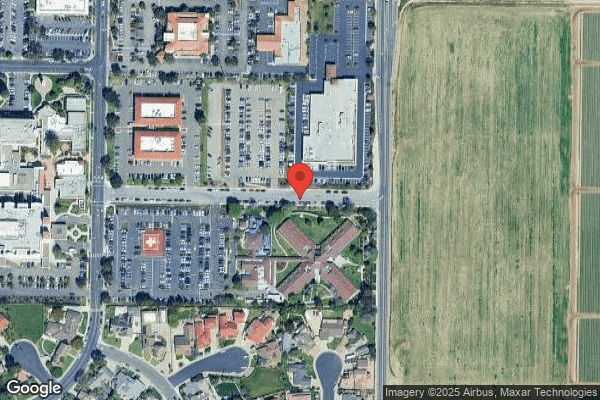
1530 East Cypress Way, Santa Maria, CA 93454 (805) 739-3650
Non profit - Other 95 Beds COMMONSPIRIT HEALTH Data: November 2025
Trust Grade
90/100
#139 of 1155 in CA
Last Inspection: April 2025

Within standard 12-15 month inspection cycle. Federal law requires annual inspections.

Overview

Marian Regional Medical Center D/P SNF has received an excellent Trust Grade of A, which means it is highly recommended and stands out among nursing homes. It ranks #139 out of 1,155 facilities in California, placing it in the top half, and #5 out of 14 in Santa Barbara County, indicating only a few local options are better. The facility is improving, having reduced its number of issues from 7 in 2024 to 5 in 2025. Staffing is a notable strength, with a 5 out of 5 rating and a low turnover rate of 24%, significantly below the state average of 38%. While there have been no fines, which is great, there are some concerns. Recent inspections revealed issues like a brown substance in the ice machine and food items stored above safe temperatures, which could lead to foodborne illnesses. Additionally, the food service manager lacked proper training, and dietary staff did not monitor dishwashing temperatures correctly, raising potential health risks for residents. Overall, while there are strengths to consider, families should be aware of these areas needing improvement.

Trust Score
A
90/100
In California
#139/1155
Top 12%
Safety Record
Low Risk
No red flags
Inspections
Getting Better
7 → 5 violations
Staff Stability
✓ Good
24% annual turnover. Excellent stability, 24 points below California's 48% average. Staff who stay learn residents' needs.
Penalties
✓ Good
No fines on record. Clean compliance history, better than most California facilities.
Skilled Nurses
✓ Good
Each resident gets 125 minutes of Registered Nurse (RN) attention daily — more than 97% of California nursing homes. RNs are the most trained staff who catch health problems before they become serious.
Violations
⚠ Watch
19 deficiencies on record. Higher than average. Multiple issues found across inspections.
★★★★★
5.0
Overall Rating
★★★★★
5.0
Staff Levels
★★★★☆
4.0
Care Quality
★★★★☆
4.0
Inspection Score
Stable
2024: 7 issues
2025: 5 issues

The Good

  • 5-Star Staffing Rating · Excellent nurse staffing levels
  • 4-Star Quality Measures · Strong clinical quality outcomes
  • Low Staff Turnover (24%) · Staff stability means consistent care
  • Full Sprinkler Coverage · Fire safety systems throughout facility
  • No fines on record
  • Staff turnover is low (24%)

    24 points below California average of 48%

Facility shows strength in staffing levels, quality measures, staff retention, fire safety.

The Bad

Chain: COMMONSPIRIT HEALTH

Part of a multi-facility chain

Ask about local staffing decisions and management

The Ugly 19 deficiencies on record

Jun 2025 2 deficiencies
CONCERN (D) 📢 Someone Reported This

A family member, employee, or ombudsman was alarmed enough to file a formal complaint

Potential for Harm - no one hurt, but risky conditions existed

Incontinence Care (Tag F0690)

Could have caused harm · This affected 1 resident

**NOTE- TERMS IN BRACKETS HAVE BEEN EDITED TO PROTECT CONFIDENTIALITY** Based on interview and record review, the facility failed to implement scheduled toileting interventions for one of three sample...

Read full inspector narrative →
**NOTE- TERMS IN BRACKETS HAVE BEEN EDITED TO PROTECT CONFIDENTIALITY** Based on interview and record review, the facility failed to implement scheduled toileting interventions for one of three sampled residents (Resident 1), as indicated in the resident's care plan. This failure had the potential to result in negative outcomes such as incontinence, skin breakdown, and decreased quality of care. Finding: During a review of Resident 1's Clinical Record (Record), the Record indicated, Resident 1 was admitted to the facility on [DATE]. Resident 1's diagnoses included, chronic kidney disease, hypertension (elevated blood pressure), post-surgical pain, impaired mobility, and post lumbar spinal decompression. During a review of Resident 1's Physician Orders (Orders), dated 9/28/24, the Orders indicated, Lasix (medication used to increase urine production in the body) 20 milligram (mg) daily and Hydrodiuril (medication used to help remove excess fluid in the body) 25 mg daily. During a review of Resident 1's Care Plan (CP), dated 9/27/24, the CP under the genitourinary interventions section indicated in part, Offer toileting every two hours. During a review of Resident 1's Bowel and Bladder Flow Sheet (FS), dated 9/27/24 through 10/1/24, the Flow Sheet indicated, incontinence with no documentation of offering toileting every two hours. During an interview on 6/05/25 at 2:20 p.m. with Director of Nursing (DON), the DON confirmed and acknowledged that there was no documentation indicating the care plan was followed. Additionally, the DON confirmed and acknowledged that there is no way to know if the care plan was followed because the Certified Nursing Assistants (CNAs) only chart by exception. During a review of the facility's policy and procedure (P&P) titled, Care of Patient / Resident, revised 1/19 indicated . Resident care needs will be identified based upon an initial assessment of the person's needs . Initial assessments will commence at the time of admission of the person . Measures will be implemented to prevent and reduce incontinence for each person . During a review of the facility's P&P titled, Bladder Program, revised 1/17 indicated, Resident at [facility name] can expect to be assessed on admission and quarterly for the ability to manage urinary incontinence . Offer toileting every two hours .
CONCERN (D) 📢 Someone Reported This

A family member, employee, or ombudsman was alarmed enough to file a formal complaint

Potential for Harm - no one hurt, but risky conditions existed

Deficiency F0697 (Tag F0697)

Could have caused harm · This affected 1 resident

Based on interview and record review, the facility failed to administer pain medications per physician orders for one resident (Resident 1). This failure had the potential to result in negative reside...

Read full inspector narrative →
Based on interview and record review, the facility failed to administer pain medications per physician orders for one resident (Resident 1). This failure had the potential to result in negative resident outcomes, jeopardizing the quality and safety of resident care. Findings: During a concurrent interview and record review on 6/5/25 at 2:20 p.m. with the director of nursing (DON), Resident 1's Medication Administration Record (MAR), was reviewed. The MAR indicated, an order dated 9/27/24 for Norco (pain medication for moderate to severe pain) 1 tab 7.5 mg - 325 mg for pain scale of 4-10 (pain scale of 1-10 with 1 being the least pain and 10 being the worst pain) q4h (every four hours) prn (as needed). There was also an order for acetaminophen 650 mg PO 1 tab q4h prn for mild pain (1-3). On 9/28/24 the order for Norco was changed to Norco 2 tabs 7.5 mg - 325 mg for pain scale of 7-10 q4h prn. Resident 1 received Norco on 9/28/24 at 12:43 p.m. for a documented pain level of 1. On 9/30/24 at 8:41 a.m. Resident 1 was administered Norco for a documented pain level of 2. There was no documentation Resident 1 ever received acetaminophen. The DON acknowledged and confirmed staff did not follow physician orders. During a review of the facility's policy and procedure (P&P) titled, Pain Management, revised date 10/19, the P&P indicated, Staff will evaluate the severity of pain using the 10 point pain assessment scale with [0] meaning no pain and [10] meaning the most excruciating pain they have ever experienced . During a review of the facility's P&P titled, Medication/Treatment Administration, revised date 12/20, the P&P indicated, No drugs shall be administered except upon the order of the physician .
Apr 2025 3 deficiencies
CONCERN (D)

Potential for Harm - no one hurt, but risky conditions existed

Accident Prevention (Tag F0689)

Could have caused harm · This affected 1 resident

Based on observation, interview, and record review, the facility failed to ensure one of four sampled residents (Resident 5), was transferred from wheelchair to bed using a two person assist. This fa...

Read full inspector narrative →
Based on observation, interview, and record review, the facility failed to ensure one of four sampled residents (Resident 5), was transferred from wheelchair to bed using a two person assist. This failure had the potential to result in an avoidable fall for Resident 5. Findings: During a review of the facility's policy and procedure (P&P) titled, No-Lift Policy- Use of Required Equipment, undated, the P&P indicated, [Facility name] will provide a safe work environment in patient care areas by providing and requiring the use of safety materials, equipment and training designed to prevent personal and patient injury. During a review of Resident 5's care plan (CP) titled, Musculoskeletal, last updated 3/6/24, the CP indicated, Provide Appropriate Level of Assistance with Transfer as Indicated . Liko lift for transfers. During an observation on 4/1/25 at 1:05 p.m. in Resident 5's room, a certified nursing assistant (CNA 1) positioned a Liko Lift (equipment used to safely transfer residents) next to Resident 5's bed. CNA 1 then placed Resident 5, seated in their wheelchair, next to their bed. CNA 1 then closed the door to Resident 5's room. During a concurrent observation and interview on 4/1/25 at 1:30 p.m. in Resident 5's room, Resident 5 was in bed with the Liko Lift near the bed. CNA 1 stated resident 5 was lifted from the wheelchair to the bed without assistance from a second staff member. CNA 1 further stated Resident 5 required two-person assistance for transfers. During a review of CNA 1's training titled, Safe Patient Handling, dated 1/8/25, the training indicated, Completion Date . 1/8/2025. During an interview on 4/4/25 at 11:59 a.m. with the Director of Nursing (DON), DON stated all staff are trained to use two person assist when using the Liko Lift. During a review of the facility's staff training titled, Liko Lift, undated, the staff training indicated, Always a 2 person assist.
CONCERN (E)

Potential for Harm - no one hurt, but risky conditions existed

Deficiency F0806 (Tag F0806)

Could have caused harm · This affected multiple residents

Based on observation, interview, and record review, the facility failed to ensure that the grilled cheese sandwich, provided as an alternative meal option, was of similar or nutritive value to the sch...

Read full inspector narrative →
Based on observation, interview, and record review, the facility failed to ensure that the grilled cheese sandwich, provided as an alternative meal option, was of similar or nutritive value to the scheduled entrée when residents (Residents 5, 9, 62) requested a different meal choice. This resulted in resident's not being provided equal nutritive value which may result in weight loss, further compromising the nutritional and medical status. Findings: During an observation of the lunch meal service on 4/1/25 at 12:15 PM, [NAME] 1 was making grilled cheese sandwich on white bread on the stove. There were two slices of orange cheese and white bread with butter. The grilled cheese sandwich was for Resident 9. A concurrent observation of Resident 9's meal tray showed the grilled cheese sandwich, diet cranberry juice, two Italian ice with no sugar added. Review of Resident 9's meal ticket showed grilled cheese sandwich and a consistent carbohydrate diet (a diet providing the same amount of carbohydrates at each meal and snack to help manage blood sugar levels, especially for individuals with diabetes). During an interview with [NAME] 1 on 4/1/25 at 12:20 PM, she stated she used two slices of cheese to make the grilled cheese sandwich. During an observation of the lunch meal service on 4/2/25 at 11:34 AM, [NAME] 2 was preparing grilled cheese sandwiches on the stove with two slices of white bread and two slices of orange cheese. The grilled cheese sandwich was observing being placed on the meal tray for Resident 62 at that time. During a review of Resident 62's meal ticket showed the resident was on a regular chopped meats diet (a modified diet where foods, including meats, are prepared to be easily chewed and swallowed, often chopped or round into smaller, manageable pieces, typically about ½ inch or smaller). During an interview with [NAME] 2 on 4/2/25 at 11:36 AM, she stated she used two slices of orange cheese to make the grilled cheese sandwich. During an observation at 4/2/25 at 11:40 AM, [NAME] 2 was preparing a grilled cheese sandwich on the stove with two slices of white bread and two slices of orange cheese. The grilled cheese sandwich on white was placed on Resident 5's meal tray with a bowl of tomato soup. During a review of Resident 5's meal ticket showed the resident was on regular diet. During a review of the nutrition label on the package of American cheese, showed that two slices of cheese provided five (5) grams of protein. During a review of the nutrition facts of the regular cut French split loaf, showed the serving size was one-ounce (one slice) for two (2) grams of protein. During a review of the facility menu, showed for the lunch meal contains three ounces of meat (protein). One ounce of protein provides seven (7) grams of protein so three ounces provides 21 grams of protein. During a review of the grilled cheese sandwich recipe, showed two slices of bread, two slices of cheddar cheese and two each margarine. During an interview with the Kitchen Manager (KM) on 4/2/2025 at 3:26 PM she confirmed that each grilled cheese sandwich contained approximately nine (9) grams of protein for the 5 grams from two slices of cheese and four (4) grams of protein from two slices of white bread. KM acknowledged that the protein in the grilled cheese alternate meal choice was much lower in protein than the regular entrée which is three ounces of meat.
CONCERN (F)

Potential for Harm - no one hurt, but risky conditions existed

Food Safety (Tag F0812)

Could have caused harm · This affected most or all residents

Based on observation, interview, and record review, the facility failed to ensure food and ice were stored in accordance with professional standards for food service safety when: 1. The ice machine lo...

Read full inspector narrative →
Based on observation, interview, and record review, the facility failed to ensure food and ice were stored in accordance with professional standards for food service safety when: 1. The ice machine located in the kitchen had a brown substance on the grate above the water trough where water was present; and 2. Food items were above 41 degrees Fahrenheit (F) in three of the four wings (Wing 100, 300, 400) unit refrigerators located on the nursing units. These failures have the potential to result in a growth of microorganisms which can increase the risk of foodborne illness for all the residents eating and drinking at the facility. The facility census was 89. Findings: 1. During an observation of the ice machine located in the kitchen in the presence of the Maintenance Facility Engineer (MFE) on 4/3/2025 at 11:35 AM a brown substance was present on the interior grate located above the water trough inside the ice machine. A concurrent interview was conducted at this time, MFE confirmed the presence of a brown substance in the interior grate above the water trough of the kitchen ice machine and stated that he was able to remove it, indicating a need for more effective cleaning and maintenance. During an observation in the hallway of the facility on 4/3/2025 at 11:53 AM, there was a large drink dispenser with lemonade and ice. During an interview with the Kitchen Manager (KM) on 4/3/25 at 11:59 AM, KM stated the ice from the kitchen's ice machine is used for events, cold drinks on the tray line, and the hallway lemonade dispenser. KM confirmed the lemonade in the hallway is provided as a hydration option for residents. During an interview with the Director of Plant Operations (DPO) on 4/3/25 at 12:56 PM, DPO stated the ice machine is cleaned by contractor quarterly and annually. He stated they just ended the contract with the current vendor and would be starting a new contract through the corporate vendor soon. Review of the work order for the ice machine with a description of Semi-Annual Ice Machine date assigned 1/2/25, showed employee hours entry dated 1/16/25, Food service ice machine cuber for five and a half hours and descaled bin, auger, reservoir and all other surfaces and filled with sanitizing solution then rinsed and drained. Review of the manufacturer's directions of the ice machine, undated, indicated the ice maker must be cleaned and sanitized at least once per year and more frequent cleaning and sanitizing may be required in some water conditions. 2. During an observation of the unit refrigerator on wing 100 on 4/3/25 at 3:04 PM, temperature gauge located inside the refrigerator was 50 degrees F. Low fat milk was 46.4 degrees F, reduced fat milk was 44 degrees F. A concurrent observation and interview were conducted at this time with LN 1, she confirmed thermometer readings of the milk. During an observation of the unit refrigerator on wing 300 on 4/3/2025 at 3:10 PM, The gauge located inside the Refrigerator showed 44 degrees F. Reduced fat milk was 44.1degrees F. A concurrent observation and interview were conducted at this time with CNA 1, she confirmed thermometer readings of milk. During an observation of the unit refrigerator on wing 400 on 4/3/2025 at 3:12 PM, the thermometer gauge located inside the refrigerator showed 42 degrees F, a carton of reduced fat milk was 45.9 degrees F. A concurrent observation and interview were conducted at this time with LN 2, she confirmed the thermometer reading of the milk. During a review of the temperature log located on the unit refrigerators dated April 2025, showed food temperatures are to be between 34 and 41 degrees F. During a review of the facility's policy and procedure titled, Food and Nutrition Services (FNS): Food Handling, (August 1, 2024), indicated in part, .temperature of food storage areas and cold food vending and monitored and action is taken to maintain temperatures within ranges recommended by licensing and surveying agencies .
Feb 2024 7 deficiencies
CONCERN (D)

Potential for Harm - no one hurt, but risky conditions existed

Deficiency F0637 (Tag F0637)

Could have caused harm · This affected 1 resident

**NOTE- TERMS IN BRACKETS HAVE BEEN EDITED TO PROTECT CONFIDENTIALITY** Based on interview and record review, the facility failed to ensure one of three sampled residents (Resident 61), had a comprehe...

Read full inspector narrative →
**NOTE- TERMS IN BRACKETS HAVE BEEN EDITED TO PROTECT CONFIDENTIALITY** Based on interview and record review, the facility failed to ensure one of three sampled residents (Resident 61), had a comprehensive assessment (completion of the Minimum Data Set [MDS] a standardized assessment and care screening tool) including completion of the Care Area Assessment [CAA] a process for guiding review of the triggered areas of the MDS) and care planning (health professionals and the resident agreeing on specific care needs and treatments) after a significant change (a major decline in the resident's status that will not normally resolve itself without further intervention by staff) was identified by the Preadmission Screening and Resident Review (PASRR - a tool used to assess for a possible mental illness [MI]). This facility failure had the potential to delay the care or services recommended by the PASRR Level II Determination Report for Resident 61. Findings: During a review of Resident 61's MDS, dated 1/4/2023, the MDS indicated, Section A. Identifying Information . A1500. Preadmission Screening and Resident Review (PASRR) . Is the resident currently considered by the state level II PASRR process to have serious mental illness and/or intellectual disability or a related condition . No . Observation end date: 01-04-2023. During a review of Resident 61's Physician Note (PN), dated 2/3/2023, the PN indicated, Resident 61 had a diagnosis of schizophrenia (a mental illness). During a review of Resident 61's PASRR Level I Screening (PASRR I), dated 4/28/2023, the PASRR I indicated, Resident 1 was positive for suspected MI. During a review of Resident 61's letter from Department of Health Care Services (Letter), dated 5/5/2023, the Letter indicated, The results of this Level II Evaluation are provided in the PASRR Determination Report attached to this letter. Facility staff will receive a copy of this Determination Report, will discuss the results with you in a timely manner, and will incorporate the recommendations into your care plan. During a review of Resident 61's Individualized Determination Report (Report), dated 5/5/2023, the report indicated, This Determination Report is based on a review of the applicant's medical and social history which reveals a significant medical condition with mental stressors that require nursing care . Personal goals were considered in making recommendations for specialized services, including to improve relationships, improve relationships with current friends, improve mobility, improve sleep and reduce pain. Recommended Specialized Services: Services and supports that supplement nursing facility care to address mental health needs. During a concurrent interview and record review on 2/14/24 at 10:48 a.m. with a licensed nurse (LN2), Resident 61's MDS dated [DATE], Letter dated 5/5/2023 and Report dated 5/5/2023 were reviewed. LN2 stated, A significant change [comprehensive assessment] should have been done but was not. During a review of the Center's for Medicare & Medicaid Services user manual for the comprehensive assessment (User Manual) titled, Long-Term Care Facility Resident Assessment Instrument 3.0 User's Manual, dated 10/2023, the User Manual indicated, Significant Change in Status Assessment (SCSA) . The SCSA is a comprehensive assessment for a resident that must be completed when the IDT [Interdisciplinary Team of health care professionals] has determined that a resident meets the significant change guidelines.
CONCERN (D)

Potential for Harm - no one hurt, but risky conditions existed

Comprehensive Care Plan (Tag F0656)

Could have caused harm · This affected 1 resident

2. During a review of Resident 61's Physician Note (PN), dated 2/7/24, the PN indicated, Resident 61's had diagnoses including left below-knee amputation (leg below the knee surgically removed) and ri...

Read full inspector narrative →
2. During a review of Resident 61's Physician Note (PN), dated 2/7/24, the PN indicated, Resident 61's had diagnoses including left below-knee amputation (leg below the knee surgically removed) and right hemiparesis (one sided weakness). During a review of Resident 61's Minimum Data Set ((MDS) a standardized assessment and care screening tool), dated 12/28/2023, the MDS at Section GG indicated, Resident 61 was dependent on staff to be able to roll from lying on back to left and right side on the bed, to move from sitting on side of bed to lying flat on the bed, to transfer to and from a bed to a chair or wheelchair, to get on and off a toilet or commode, and to get in and out of a tub/shower. During a review of Resident 61's Musculoskeletal Care Plan ((CP) a summary of health conditions, specific care needs, current treatments, and identifies which healthcare discipline is responsible for providing the care needed), last updated 11/3/2023, the CP indicated, Provide Appropriate Level of Assistance with Transfer as Indicated. During a concurrent interview and record review on 2/15/2024 at 10:40 a.m. with a licensed nurse (LN3), Resident 61's CP and MDS were reviewed. LN3 agreed the intervention to provide appropriate level of assistance with transfers did not indicate the level of assistance Resident 61 required. LN3 stated the CP was not resident specific and it should have been. During a review of the facility's policy and procedure (P&P) titled, Documentation of the Implementation of the Plan of Care, dated 7/23, the P&P indicated, Development of a comprehensive plan of care is based on the initial assessment of each resident by the nursing staff and/or IDT members and includes the necessary information to ensure the safety and well-being of the resident . An IDT Care Conference will be held within 14 days of admission, quarterly thereafter, and/or at the time of significant change of condition to review assessments, interventions and goals of care. Based on interview and record review, the facility failed to ensure two of six sampled residents (Residents 6 and 61): 1. For Resident 6, a person-centered interdisciplinary team nutrition care plan (IDTNCP - detailed plans of care created by representatives from several medical disciplines or specialties) was developed to include resident's goals and preferences, clear measurable objectives, and resident specific nutrition interventions. This failure resulted in unclear measurable weight gain goal and lacked resident specific dietary instructions which impedes the IDT from effectively monitoring, evaluating and revising the care plan, as appropriate, to ensure nutrition care needs would not go unrecognized and unmet. (Cross Reference F806) 2. For Resident 61, a musculoskeletal care plan (relating to bones, muscles, joints, tendons and ligaments that support the body when it moves around) included interventions (an action taken to improve a disorder) that were person-centered (care specific to Resident 61's needs). This failure had the potential to result in an avoidable fall. Findings: 1. During a concurrent interview and record review on 02/14/24 at 3:19 p.m. with Registered Dietitian (RD), Resident 6's admission Nutrition Services Assessment (NA), dated 11/30/23 was reviewed. The NA indicated, Resident 6 had severe protein calorie malnutrition (a nutritional status in which reduced availability of nutrients leads to changes in body composition and function). RD stated Resident 6's daily calorie needs were assessed to promote weight gain and an appetite stimulant was ordered to aide with weight gain. NA indicated, Resident 6's weight was 84 pounds (lbs) as of 11/23/23. RD stated the ideal body weight (IBW) listed on the NA of 52.38 kg (kilograms - a unit of mass equivalent to 115 lbs) was automatically populated by the software used for the electronic health record (EHR) and was not used in the plan of care for Resident 6, nor discussed with Resident 6. RD stated there was no documentation related to a goal weight for Resident 6. NA indicated, Nutrition Care Plan, Dietitian's Recommendations: 1. Diet adjusted to regular-chopped meat . 2. Ensure [an oral liquid nutrition supplement to add calories and protein] BID [two times a day] B/L [breakfast, lunch], 3. Honor pt [patient] preferences, 4. Appetite stimulant usage to encourage PO [food by mouth] intake, 5. Wts [weight] as ordered, 6. Monitor intakes [quantity of food/beverage consumed], skin and pertinent labs, POC [plan of care] to be adjusted as needed. During a concurrent interview and record review on 02/14/24 at 3:24 p.m. with RD, Resident 6's LTC [long term care] Nutritional Status IPOC [interdisciplinary plan of care] (IDTNCP), initiated [activated] on 11/30/23, was reviewed. IDTNCP indicated, Weight change more than 5% [percent] in 1 [one] month, . Encourage snacks between meals and with activities, Supplements as ordered, Monitor weight as ordered, Obtain and honor food preferences, Food preferences reviewed and updated, Consult to dietitian for -2.2 kg [minus five lbs] weight loss . RD stated the listed outcome of weight change more than 5% in 1 month meant the facility did not want the resident to lose weight of 5% in 1 month. RD stated, the IDTNCP was not person-centered as Resident 6 had recently lost significant weight of 5% in one month during a previous admission and could not afford to lose weight due to her underweight status, and protein calorie malnutrition. RD stated it would be important to identify weight loss in Resident 6, and address, prior to becoming a significant weight loss. RD stated the goal was for Resident 6 to gain weight. RD stated, the IDTNCP had not indicated the plan for weight gain, there was no goal weight determined and she had not discussed what a reasonable goal weight would be with Resident 6. RD verified the IDTNCP was not person-centered and had not reflected a measurable goal related to facility's nutrition plan of care for resident to gain weight. During a concurrent interview and record review on 02/14/24 at 3:26 p.m. with RD, Resident 6's Dietitian Note (DN), dated 1/11/24, indicated, CHMT modifier [chopped meat] r/t [related to] pt inability to easily cut meats ., no difficulty chewing or swallowing foods. Pt c/o [complaint of] not receiving deli meat sandwiches or pulled pork sandwich, possibly r/t CHMT modifier. RD messaged ST [speech therapist] to evaluate pt ability. RD will coordinate with kitchen to allow pt to receive finger foods [food served in such a form that it can conveniently be eaten with the fingers] as is, as tolerated ., RD observed pt difficulty holding water cup. Will add sippy cup TID [three times a day] with all meals . Resident 6's DN, dated 2/7/24, indicated, Continues to tolerate regular diet + CHMT modifier (entrée, whole meat finger foods OK). RD stated that meant the entree should have chopped meat, however resident could have a sandwich or a burger, for example, intact not chopped. RD stated there was no documentation on Resident 6's IDTNCP indicating a sippy cup would help Resident 6 be able to consume beverages, or that Resident 6 had a regular chopped meat diet order but was allowed to have finger foods, or whole meat for sandwiches, to aide in honoring resident food preferences. RD stated, the IDTNCP was not person centered to reflect resident specific details in order to communicate to IDT about changes that impacted Resident 6's nutritional status. During a concurrent interview and record review on 02/15/24 at 10:26 a.m. with Director of Nursing (DON), Resident 6's IDTNCP, initiated [activated] on 11/30/23, was reviewed. DON verified Resident 6's IDTNCP had not contained measurable objectives and was not resident centered care when the care plan lacked resident specific, detailed, interventions and resident preferences. DON stated the software used for the EHR automatically populates care plans with specific verbiage when triggered. DON stated the facility needed to work on tailoring the care plans to be resident specific, with measurable objectives, for person centered care. During a review of the facility's policy and procedure (P&P) titled, Documentation of the Implementation of the Plan of Care, dated 7/23, the P&P indicated, Purpose: The implementation of person centered care management is the responsibility of an interdisciplinary team (IDT) .the initial plan that includes but is not limited to: a. The initial goals of the resident, b. A summary of the resident's medication and dietary instructions, c. Known services and treatments to be administered by the facility and personnel acting on behalf of the facility, d. Updated information based on the details of the comprehensive plan of care, if applicable. During a review of the facility's P&P titled, Weights and Heights, dated 1/24, the P&P indicated, Purpose: To obtain pertinent patient data to develop a person centered plan of care.
CONCERN (D)

Potential for Harm - no one hurt, but risky conditions existed

Deficiency F0700 (Tag F0700)

Could have caused harm · This affected 1 resident

Based on observation, interview, and record review, the facility failed to ensure an entrapment risk assessment (an assessment to evaluate and monitor a patient's risk for getting entangled on a bed r...

Read full inspector narrative →
Based on observation, interview, and record review, the facility failed to ensure an entrapment risk assessment (an assessment to evaluate and monitor a patient's risk for getting entangled on a bed rail) was completed and an informed consent (a process in which a healthcare provider educates a patient about the risks, benefits, and alternatives of a given procedure or treatment) was obtained prior to the use of bed rails for one of 18 sampled residents (Resident 21). These failures do not support optimal bed safety which could potentially place Resident 21 at risk for entrapment and serious injury. Findings: During an observation on 2/12/24 at 11:52 a.m., Resident 21 was observed sleeping in a large specialty bed with a low air loss mattress (a pressure-relieving mattress used to prevent skin breakdown). The head of the bed was slightly elevated and all four bed rails were up. During a review of Resident 21's Physician Notes (PN), dated 2/5/24, the PN indicated in part, Resident 21 had a history of severe traumatic brain injury from a motor vehicle accident in 2012, resulting in quadriplegia (paralysis of both upper and lower limbs), mutism (inability to speak), seizure disorder, and dependence on gastric tube (G-tube - a way of providing nutrition directly to the stomach with the use of a long, flexible tube inserted through the abdomen) feeding. During a concurrent interview and record review, on 2/13/24 at 12:22 p.m., with a licensed nurse (LN 1), Resident 21's Electronic Medical Record (EMR), was reviewed. LN 1 stated Resident 21's quadriplegic condition required him to be in a specialty bed. LN 1 stated that the lower bed rails kept the mattress from sliding down. LN 1 also mentioned there were numerous occasions where staff had to pull Resident 21 back to preferred position because the mattress slid too much. LN 1 confirmed an informed consent was required for having all four bed rails up, but could not locate in Resident 21's EMR documentation that a consent was signed by Resident 21's responsible party (RP - person designated to make healthcare decisions on behalf of a patient) for the use of all four bedrails. LN 1 was also unable to locate documentation that an entrapment risk assessment was done for Resident 21. During an interview on 2/14/24 at 12:20 p.m., with the Director of Nursing (DON), DON stated Resident 21 has been using the specialty bed for about five years now but could not recall whether a consent was obtained, or an entrapment risk assessment done. DON was informed that a review of Resident 21's EMR, together with LN 1, did not contain documentation that an informed consent was signed, nor an entrapment risk assessment was done. DON acknowledged that these documents should have been completed. During an interview on 2/14/24 02:25 p.m. with Resident 21's RP, the RP stated not receiving information about bed rails on the days following Resident 21's admission to the facility. Resident 21's RP verbalized that staff just now informed her about the bed rails and was instructed to sign the consent. During a review of the facility's policy and procedures (P&P) titled, Restraints, dated 8/21, the P&P indicated in part, Lower side rails being used as enablers . no order will be obtained, however, informed choice regarding the enabler will be obtained. The P&P indicated further, Education of the resident of the risks associated with the use of lower side rails will occur when they provide additional safety measure although it is not medically indicated.
CONCERN (D)

Potential for Harm - no one hurt, but risky conditions existed

Deficiency F0805 (Tag F0805)

Could have caused harm · This affected 1 resident

Based on observation, interview, and record review the facility failed to ensure that food was prepared in a form to meet resident needs for one of 18 sampled residents (Resident 67), when a minced an...

Read full inspector narrative →
Based on observation, interview, and record review the facility failed to ensure that food was prepared in a form to meet resident needs for one of 18 sampled residents (Resident 67), when a minced and moist diet was served as a pureed diet. This failure had the potential for risk of weight loss for Resident 67. Findings: During an interview on 2/12/24 at 11:50 a.m. with Resident 67's responsible party (RP), RP stated, current diet was pureed per the dietitian's recommendation as the dietitian observed swallowing difficulty. During a concurrent observation and interview on 2/13/24 at 10:42 a.m. with the [NAME] in the kitchen, in the presence of Food Service Manager (FSM), the cook placed carrots in a food processor, and when finished, the carrots appeared to be pureed. Then the [NAME] stated, I'm going to make puree carrots next, and stated those were the minced and moist carrots. During an observation on 2/13/24 at 11:55 a.m. in Resident 67's room, with RP, Resident 67's lunch meal appeared to be pureed and was observed to have liquid separation and RP stated it was pureed. A picture was taken of Resident 67's lunch meal after RP stated Resident 67 was not going to eat the lunch provided by the facility. During an interview on 2/14/24 at 2:23 p.m. with Speech Therapist (ST) and Director of Nursing (DON), ST read the ST evaluation notes dated 1/12/24, 1/17/24 and 1/23/24 and summarized the notes and stated, It's two parts, the resident does have some swallowing trouble as indicated in the ST notes and it's cognition. The resident had been evaluated by ST and went from regular diet to SB 6 (Soft and Bite Sized) on 1/12/24 and to minced and moist level 5 on 1/17/24. ST looked at the picture of Resident 67's lunch meal served on 2/13/24 and ST stated, the chicken was minced and moist and not the rest. DON verified the picture of resident's lunch meal tray served on 2/13/24 of chicken, carrots, pasta and DON stated it looked like puree texture. During a review of Resident 67's Doctor Orders, dated 1/17/24, the Doctor Orders indicated, Level 5 Minced and Moist Dysphagia Diet (MM5). During a concurrent observation and interview on 2/14/24 at 2:25 p.m. with FSM, FSM observed the picture of Resident 67's lunch meal from 2/13/24 and FSM stated the food did appear more like puree than minced and moist and verified there was separation of thin liquids which was not allowed with a minced and moist diet. FSM stated, the lunch served to Resident 67 was a puree texture and should have been minced and moist per Resident 67's diet order. During a review of Level 5 Minced and Moist Dysphagia Diet (MMD)-Diet Manual, dated [undated], the MMD indicated, This diet is prescribed to people who are unable to bite foods, have pain or difficulty chewing foods, or become easily tired when chewing foods. This diet requires a texture modification so that food are minced, soft, and moist and can be scooped and easily shaped into a ball . No separation of thin liquids. During a review of facility's policy and procedure (P&P) titled, PC090 FNS Menus, Policies, Medical Therapeutic Diets and Diet Manual (DM), dated [undated], P&P indicated, FNS [Food & Nutrition Services] leader in collaboration with the RD [Registered Dietitian] leader or dietician designee oversee the review of menus, policies, procedure, medical therapeutic diets, and diet manual.
CONCERN (D)

Potential for Harm - no one hurt, but risky conditions existed

Deficiency F0806 (Tag F0806)

Could have caused harm · This affected 1 resident

Based on interview and record review, the facility failed to ensure one of 18 sampled residents (Resident 6) food preferences were honored in a timely manner. This facility failure to honor Resident 6...

Read full inspector narrative →
Based on interview and record review, the facility failed to ensure one of 18 sampled residents (Resident 6) food preferences were honored in a timely manner. This facility failure to honor Resident 6's food preferences in a timely manner could diminish appetite, caloric intake and promote continued weight loss. Findings: During a concurrent interview and record review on 02/14/24 at 3:19 p.m. with Registered Dietitian (RD), Resident 6's admission Nutrition Services Assessment (NA), dated 11/30/23 was reviewed. The NA indicated, Resident 6 had severe protein calorie malnutrition (a nutritional status in which reduced availability of nutrients leads to changes in body composition and function). RD stated Resident 6's daily calorie needs were assessed to promote weight gain and an appetite stimulant was ordered to aide with weight gain. NA indicated, Pt [patient] denies difficulty chewing/swallowing . Nutrition Care Plan, Dietitian's Recommendations: .Honor pt [patient] preferences . During a concurrent interview and record review on 02/15/24 at 09:15 a.m. with RD, Resident 6's Dietitian Note (DN), dated 1/11/24, was reviewed. DN indicated, CHMT modifier [chopped meat] r/t [related to] pt inability to easily cut meats ., no difficulty chewing or swallowing foods. Pt c/o [complaint of] not receiving deli meat sandwiches or pulled pork sandwich, possibly r/t CHMT modifier. RD messaged ST [speech therapist] to evaluate pt ability. RD will coordinate with kitchen to allow pt to receive finger foods [food served in such a form that it can conveniently be eaten with the fingers] as is, as tolerated . RD stated, a Nutrition Services Communication, dated 1/12/24, was completed on 1/12/24 based on the ST's assessment that indicated, CHMT entree, pt OK to have whole meats for finger food options such as sandwiches . RD stated, the Nutrition Services Communication automatically prints out in the dietary services department in the kitchen. During a review of Resident 6's Active Order Profile (OP), dated 1/12/24, the OP indicated, Start Date: 1/12/24, Orderable: Nutrition Services Communication .Details/Comments; CHMT entree, pt OK to have whole meats for finger food options such as sandwiches ., Status: Ordered. During a review of the facility ' s policy and procedure titled, Hybrid Menu Selection, dated 2019, the P&P indicated, If personal choice in compliance with patient's diets, diet clerk will complete change in menu request. Diet clerk will enter change on PC028 menu substitution log. During a concurrent interview and record review on 02/15/24 at 09:20 a.m. with RD, Resident 6's F/U [follow up] Food Preferences (FP) noted by the Food Services Manager (FSM), dated 1/26/24, was reviewed. The FP indicated, [Name of resident] wanted to know why she could not get a turkey or ham sandwich. I stated that her diet order may be preventing her from getting them. I just reviewed Meal IQ [software program in dietary department] and with her diet order, Meal IQ does not allow these sandwiches. I did order a chicken salad sandwich for her for her 1500 [3 p.m.] snack time. [Name of resident] also requested brownies that she does not receive also because of her diet order. I will reach out to facility RD for her to f/u with SLP [speech language pathologist] for a screen to see if [name of resident] diet can be upgraded. RD stated it seemed like the kitchen [staff] was not aware the resident could have sandwiches, and the resident's food preferences for sandwiches was not honored. RD stated there was a delay in honoring the resident's food preferences which could impact caloric intake and contribute to further weight loss. During a review of Resident 6's DN, dated 2/7/24, indicated, .noted -2.2kg/5.5% loss [five percent loss of body weight] x < 1 month [less than one month] ( .not beneficial) .Continues to tolerate regular diet + CHMT modifier (entrée, whole meat finger foods OK).
CONCERN (D)

Potential for Harm - no one hurt, but risky conditions existed

Food Safety (Tag F0812)

Could have caused harm · This affected 1 resident

Based on observation, interview and record review, the facility failed to ensure food was consistently dated in the kitchen in one of three chilling (refrigerator/freezer) units. This failure had the...

Read full inspector narrative →
Based on observation, interview and record review, the facility failed to ensure food was consistently dated in the kitchen in one of three chilling (refrigerator/freezer) units. This failure had the potential to affect food quality and/or food safety, and would not provide a mechanism to ensure the facility's shelf life guidelines could be followed. Findings: During a concurrent observation and interview on 2/12/24 at 10:10 a.m. with Food Service Manager (FSM), in the walk in freezer, there were two bags (packed from manufacturer) of pieces of chicken and one bag of the chicken pieces was opened and not dated, the other bag was unopened and not dated. Two large, ten pound, uncooked frozen turkeys located on the shelf were undated. Four tubes of uncooked beef were undated. FSM verified, they were not dated, and FSM stated, frozen foods should have been dated when placed in the freezer, and should have been dated once opened, as without a date the facility's freezer storage shelf-life policy and procedure could not be followed. During a review of the facility's policy and procedure (P&P) titled, PC017: Frozen Storage, dated [undated], P&P indicated, Freezer Storage-Expiration dates printed by the manufacturer apply until the product is open. Once opened, use these time limits unless manufacturer's date is earlier. The day of delivery and opening/preparation counts as Day 1. Shelf life of frozen storage without the manufacturer date unopened is 1 year unless the manufacturer's date is earlier.
CONCERN (F)

Potential for Harm - no one hurt, but risky conditions existed

Deficiency F0801 (Tag F0801)

Could have caused harm · This affected most or all residents

Based on observation, interview and record review, the facility failed to ensure the Food Service Manager (FSM) demonstrated skills sets to carry out the functions of the food and nutrition service wh...

Read full inspector narrative →
Based on observation, interview and record review, the facility failed to ensure the Food Service Manager (FSM) demonstrated skills sets to carry out the functions of the food and nutrition service when: 1. Dietary staff were not trained on monitoring, and documenting, wash water temperature for the high temperature dish machine in accordance with manufacturer's guidelines and facility policy and procedure. 2. There was not a system, to include a policy and procedure, to guide staff on the requirement to purchase pasteurized shell eggs to have readily available in order to honor a resident's request for an undercooked egg, such as sunny side up eggs, in a safe manner for Resident A (confidential resident). This failure resulted in an inadequate monitoring system for the wash water temperature of the high temperature dish machine to ensure dishes used by the residents would be clean before being sanitized to allow the sanitizer (high temperature of 180 degrees Fahrenheit [F] for rinse cycle) to achieve its maximum benefit. In addition, the facility failed to honor Resident A's request for a runny egg due to lack of purchasing pasteurized shell eggs which would have allowed for resident preference while maintaining food safety. Findings: 1. During an observation on 2/12/24 at 10:56 a.m. in the kitchen, the facility used a high temperature dish machine (heat sanitization) in which the manufacturer's data plate with directions affixed to the dish machine indicated minimum wash temperature of 150 degrees F and minimum rinse temperature of 180 degrees F. During concurrent interview and review on 2/12/24 at 10:56 a.m. with FSM, the manufacturer's data plate for the high temperature dish machine was reviewed. FSM stated, a monitoring system was in place to ensure rinse temperature would meet 180 degrees F for sanitizing but there was not a monitoring system in place to ensure the wash water temperature would reach 150 degrees F. FSM acknowledged without a system to monitor the wash water temperature the staff would not be able to identify when it was out of range to report the problem for a solution. During a concurrent interview and record review on 2/13/24 at 4:00 p.m. with FSM the facility's policy and procedure (P&P) titled, IC137: Food Nutrition Services (FNS) Dish Machine Documentation of Temperatures, dated [undated] was reviewed. The P&P indicated, 1. Dish machine wash and rinse temps must be maintained based on manufacturer guidelines . 3. Document temperature. Reconcile temperatures out of range. Ensure staff is in-serviced on how to address out-of-range temperatures . 5. Stop using dish machine if out of range . FSM stated, the dish machine policy and procedure was not followed, and stated, I'm not going to argue that because it wasn't followed. During a review of facility's job description (JD) titled Manager of Nutrition Services-Patient Services (JD), dated [undated], the JD indicated, Job Summary-Responsible to maintain and administer dietary and nutrition services and to provide for the operational needs of staff . Job Responsibility 1- Directs all patient interactive positions (i.e., dieticians, diet clerks, etc.) and provides for the operational needs of these positions. Maintains regulatory compliance and infection control practices. During a review of the FDA (Food & Drug Administration) Food Code Annex (FDAFC), dated 2022, the FDAFC indicated, The data plate provides the operator with the fundamental information needed to ensure that the machine is effectively washing, rinsing, and sanitizing equipment and utensils. The warewashing machine has been tested, and the information on the data plate represents the parameters that ensure effective operation and sanitization and that need to be monitored. (FDA Food Code Annex 3, 4-204.113 Warewashing Machine, Data Plate Operating Specifications.) During a review of the FDAFC, dated 2022, the FDAFC indicated, To ensure properly cleaned and sanitized equipment and utensils, warewashing machines must be operated properly. The manufacturer affixes a data plate to the machine providing vital, detailed instructions about the proper operation of the machine including wash, rinse, and sanitizing cycle times and temperatures which must be achieved. (FDA Food Code Annex 3, 4-501.15 Warewashing Machines, Manufacturers' Operating Instructions) 2. During concurrent observation and interview on 2/12/24 at 10:00 a.m. with FSM in the walk-in refrigerator, there seemed to be no availability of pasteurized shell eggs. FSM was asked where the pasteurized shell eggs were stored, and FSM stated, We only have these eggs and pointed to a bag of pasteurized liquid eggs and also showed a bag of hard-boiled eggs that was purchased already boiled from the vendor. FSM verified those were the only type of eggs purchased by the facility, and FSM stated the facility does not purchase pasteurized shell eggs. FSM stated, their menu did not have the need for pasteurized shell eggs. FSM was asked if they have had a resident request a sunny side up or soft fried egg and FSM stated on occasion, but we do not have pasteurized shell eggs, so we do not prepare them. FSM was asked how she handles a resident's request for a soft fried egg, or sunny side up egg and FSM said they do not prepare them for the resident and instead they redirect the resident to a menu called Personal Choices. During an interview on 2/13/24 at 11:09 a.m. with Resident A during the confidential Resident Council meeting, Resident A stated, that she has asked for a medium well egg and the yolk was completely cooked when it should be a little runny. During a review of Center for Clinical Standards and Quality/Survey and Certification Group- . Interpretive guidance and Procedures for Sanitary Conditions, Preparation of Eggs in Nursing Homes, dated 5/20/2014, indicated, Pasteurized shell eggs are commercially available, are clearly labeled and allow the safe consumption of undercooked eggs. Federal regulation expect nursing facilites to make reasonable efforts to respect resident choices and can honor resident choice while maintaining health and safety standards through the use of pasteurized eggs. During a review of Job Description Manager of Nutrition Services-Patient Services (JD), dated [undated], the JD indicated, Job Responsibility 4- Actively collaborates in the process of menu development for patient, cafeteria, and catering services. Manages facility diet manual, as well as patient diet and nutritional analysis compliance with the diet manual. During a review of the facility's policy and procedure (P&P) titled, Cooking Cold Prep Foods, dated 2019, the P&P indicated, 4. Unpasteurized eggs if used at facility, must reach internal temp [temperature] of 160 degrees F [fahrenheit] for 15 seconds . 5. Pasteurized eggs do not need cooking to 145 degrees for 15 secones. But must be used immediately after cooking .
Mar 2023 7 deficiencies
CONCERN (D)

Potential for Harm - no one hurt, but risky conditions existed

Deficiency F0551 (Tag F0551)

Could have caused harm · This affected 1 resident

Based on interview and record review, the facility failed to ensure family notification was documented in the medical record for one of seven sampled residents (Resident 21), when Resident 21 develope...

Read full inspector narrative →
Based on interview and record review, the facility failed to ensure family notification was documented in the medical record for one of seven sampled residents (Resident 21), when Resident 21 developed a wound infection and was prescribed an antibiotic. This failure resulted in Resident 21's representative not being informed of Resident 21's wound infection and treatment. Findings: During a review of the admission agreement titled, California Standard admission Agreement for Skilled Nursing Facilities, dated 9/29/22, the admission agreement indicated, If a patient lacks the ability to understand these rights and the nature and consequences of proposed treatment, the patient's representative shall have the rights specified in this section to the extent the right may devolve to another . During a review of Resident 21's MDS Minimum Data Set (MDS - a standardized tool used to assess and plan care of residents in Medicare or Medicaid certified facility), the MDS cognitive pattern (resident assessment for mental status) indicated, Resident 21 had a Brief Interview for Mental Status (BIMS - 0-15 score system to measure mental capacity, 0 to 7 severe impairment, 8-12 moderate impairment and 13-15 intact) score of 00. During a review of Resident 21's History and Physical (H&P), dated 3/1, the H&P indicated, Resident 21 had medical diagnoses of Vascular dementia (problems in thought processes, reasoning, planning, judgement, memory caused by brain damaged from lack of blood supply to the brain), Sinus Sick Syndrome (problem with heart beat), and history of Cardiovascular Accident (Stroke - lack of oxygen to the brain due to impaired blood flow.) The H&P further indicated, Resident 21 was under Hospice Services (Comfort Care). During an interview 3/20/23, at 9:25 a.m., with the Licensed Vocational Nurse (LN 1), LN 1 verbalized Resident 21 was alert, verbally responsive with confusion, forgetfulness and unable to fully comprehend their overall medical conditions. LN 1 further verbalized Resident 21's representative was very involved in Resident 21's care and must be notified of any changes in Resident 21's care. During a review of the, Wound Specialist Progress Note for Resident 21, dated 3/6, the Wound Specialist Progress Note indicated Resident 21's right heel ulcer had purulent (pus) discharge, and a culture (a test to determine the type of germ that cause the infection) had been obtained and sent to the lab. During a review of the, Physician's Order, dated 3/9, the Physician's Order indicated Resident 21 was to receive Sulfamethoxazole-trimethoprim 800/160 mg, (define as antibiotic) one tablet orally every 12 hours for seven days for the right heel wound. During an interview on 3/22/23, at 9:35 a.m., with the Minimum Data Set Coordinator (MDSC 1 - an individual responsible to assess and plan care of a resident the MDS), the MDSC 1 acknowledged Resident 21 had a right heel wound infection which required antibiotic therapy. The MDSC confirmed Resident 21's representative was very involved in Resident 21's care. The MDSC also confirmed there was no documentation in the medical record to indicate Resident 21's representative was notified of the wound infection and antibiotic treatment.
CONCERN (D)

Potential for Harm - no one hurt, but risky conditions existed

Deficiency F0655 (Tag F0655)

Could have caused harm · This affected 1 resident

Based on interview and record review, the facility failed to ensure a baseline care plan was developed for one of two sampled residents (Resident 628) who had an automatic implantable cardioverter def...

Read full inspector narrative →
Based on interview and record review, the facility failed to ensure a baseline care plan was developed for one of two sampled residents (Resident 628) who had an automatic implantable cardioverter defibrillator (AICD - a small, electronic device that is implanted into the chest to monitor abnormal heart rhythm). This failure had the potential to not meet the resident's safety needs should the device malfunction. Findings: During an interview with Resident 628, on 3/20/23, at 12:20 p.m., the resident verbalized he underwent placement of cardiac stents (a small mesh tube used to hold open narrowed arteries) and AICD in December 2022. During a review of Resident 628's hospital records, an Operative Report, dated 12/30/22, indicated Resident 628 underwent a procedure with, successful completion of a dual-chamber AICD via left femoral (artery on the groin) approach. During a concurrent interview and record review, with a licensed nurse (RN 1), on 3/22/23 at 10:57 a.m., Resident 628's clinical records were reviewed. RN 1 verified through Resident 628's operative report, that the resident had an AICD device implanted. When reviewing Resident 628's care plan focusing on cardiovascular issues, there was no documentation of the baseline assessment, goals, and care interventions pertaining to the resident's AICD device. RN 1 acknowledged a baseline care plan for Resident 628 with an AICD device should have been developed. During a review of the facility's, policies and procedures (P&P), titled, Documentation of the Implementation of the Plan of Care Policy 8620-13, dated 1/23, the P&P indicated, Policy .Interdisciplinary members' responsibilities include, but are not limited to: 1) Development of a baseline care plan that is based on the initial assessment of each resident by nursing staff and or interdisciplinary team member/s .a) Be developed within 48 hours of a resident's admission, b) Include the minimum healthcare information necessary to properly care for a resident .including but not limited to .physician orders, c) Upon completion of the baseline care plan .written summary .includes but is not limited to: the initial goals of the resident, a summary of the resident's medication and dietary instructions, any services and treatments to be administered by the facility.
CONCERN (D)

Potential for Harm - no one hurt, but risky conditions existed

Comprehensive Care Plan (Tag F0656)

Could have caused harm · This affected 1 resident

Based on interview and record review, the facility failed to ensure one of five sampled residents (Resident 43), had a comprehensive care plan (plan to care for resident), that addressed Resident 43's...

Read full inspector narrative →
Based on interview and record review, the facility failed to ensure one of five sampled residents (Resident 43), had a comprehensive care plan (plan to care for resident), that addressed Resident 43's weight loss. This failure resulted in Resident 43 not having interventions to prevent weight loss when Resident 43 lost 8.8 pounds (lbs.) in 6 months and had the potential for Resident 43 to have an overall decline in health status. Findings: During a review of the facility's policy and procedure (P&P) titled, Significant Unintentional Weight Change, dated 08/21, the P&P indicated, The following guidelines are used to evaluate unintentional significant weight change: 1 week - equal or greater than 2.5 % weight change; 1 month - equal or greater than 5% weight change; 3 months - equal or greater than 7.5 % weight change; 6 months - equal or greater than 10 % weight change. a). A member of the Clinical Nutrition Staff will complete a full nutrition assessment following the Nutrition Care Process, addressing, and identifying the weight change. 1. Interventions to address significant, unintentional weight change will be implemented. During a review of the facility's P&P titled, Documentation of the Implementation of the Plan of Care Policy, dated 04/13, the P&P indicated, II. Development and implementation of a comprehensive, individualized plan of care that is based on the assessments of the person .B. All appropriate services providing assessments, approaches, and goals for care of the person will be documented by appropriate discipline. During a review of Resident 43's Nutrition Services Note, dated 3/9, the Nutrition Services Note indicated Resident 43 received hemodialysis (a treatment to clean the wastes and water from the blood), had an edema (swelling), and prior history of weight changes. Resident 43 had an 8.8 lbs., (10 %) significant weight loss in 6 months. During a concurrent interview and record review on 3/21/23 at 8:35 a.m., with the Minimum Data Set Coordinator (MDSC 1 - an individual responsible to assess and plan care of a resident using a standardized tool used in a Medicare or Medicaid certified facility), Resident 43's Nutritional Care plan, dated 1/21, was reviewed. The MDSC 1 confirmed Resident 43's Nutritional Care Plan was last updated on 1/21/23, when Resident 43 had a weight change of 5% in a month. The MDSC 1 further acknowledged the care plan was not updated to reflect Resident 43's significant weight loss and should have been.
CONCERN (D)

Potential for Harm - no one hurt, but risky conditions existed

Deficiency F0805 (Tag F0805)

Could have caused harm · This affected 1 resident

Based on observation, interview, and record review the facility failed to ensure food was prepared in a form to meet the individual needs of a resident, Resident 33. This failure had the potential to ...

Read full inspector narrative →
Based on observation, interview, and record review the facility failed to ensure food was prepared in a form to meet the individual needs of a resident, Resident 33. This failure had the potential to result in choking and aspiration (food or liquid is breathed into the lungs, instead of being swallowed) in a resident with difficulty swallowing. Findings: During a concurrent observation and record review in the kitchen, on 3/21/23, at 12:14 p.m., Resident 33's meal ticket indicated SB6 (Level 6 Soft & Bite Sized Dysphagia Diet (ordinary foods that are soft and easy to chew), the cook plated a whole jumbo size hot dog and bun for Resident 33, who was on a Dysphagia (problems swallowing) Diet. During a review of Resident 33's Order Sheet (OS), dated 2/21/23, the OS indicated, Level 6 Soft & Bite Sized Dysphagia Diet . Chopped Dysphagia Diet During an interview on 3/22/23, at 3:00 p.m., with Registered Dietitian (RD), RD stated, the cook should be following the diet order and a jumbo hot dog should not have been served whole, it should have been chopped. The RD stated the resident does not have teeth so prefers things cut up so he can eat it better. During a review of facility's document from the facility Diet Manual, undated, the document indicated in part, . A diet used in the dietary management of dysphagia with food texture modification described as soft, tender, moist . foods should have a particle size no greater than 15mm in length by 15mm width for adults. The document further indicated, Foods Not Recommended Protein foods in sizes larger than 1.5cm x 1.5cm pieces . Sausage skin. Review of the International Dysphagia Diet Standardization Initiative (IDDSI) website, https://iddsi.org/IDDSI/media/images/ConsumerHandoutsAdult/6_Soft_Bite_Sized_Adult_consumer_handout_30Jan2019.pdf, accessed on 3/29/23, indicated, Level 6 - Soft & Bite-Sized food may be used if you are not able to bite off pieces of food safely but are able to chew bite-sized pieces down into little pieces that are safe to swallow. Soft & Bite-Sized foods need a moderate amount of chewing, for the tongue to 'collect' the food into a ball and bring it to the back of the mouth for swallowing. The pieces are 'bite-sized' to reduce choking risk.
CONCERN (D)

Potential for Harm - no one hurt, but risky conditions existed

Medical Records (Tag F0842)

Could have caused harm · This affected 1 resident

Based on interview and record review, the facility failed to ensure monitoring for signs and symptoms of bleeding was documented in the clinical record for one of two sampled residents (Resident 58) o...

Read full inspector narrative →
Based on interview and record review, the facility failed to ensure monitoring for signs and symptoms of bleeding was documented in the clinical record for one of two sampled residents (Resident 58) on the anticoagulant Apixaban (a medication that decreases the blood's ability to clot). This failure had the potential for Resident 58's response to the medication to result in assessments that were inaccurate which could affect care and services rendered to the resident. Findings: During a review of Resident 58's, Physician Note, dated 11/22/22, the note indicated, Assessment/ Plan .Atrial fibrillation (quivering of the heart) .acute, now stable, with history of sinus chronic tachycardia (increased heart rate) .Continue Eliquis (brand name for Apixaban) 5 milligrams (mg) twice daily (BID) for anticoagulation. During a review of Resident 58's, Active Order Profile, dated 11/9/22, there was a medication order which indicated, Apixaban (Eliquis) 5 mg by mouth (PO), BID, priority: Routine, Indication: blood clot prevention. The medication triggered a system-generated order, dated 11/9/22, which indicated, Rx Monitoring - Anticoagulants .Monitoring for Apixaba. During a concurrent interview and record review, with a licensed nurse (RN 2), on 3/22/23 at 3:52 p.m., Resident 58's clinical records were reviewed. RN 2 verified Resident 58 was on Apixaban and a baseline care plan to monitor the resident for signs and symptoms (s/s) of bleeding was in place. RN 2 verbalized staff assessed Resident 58 daily for s/s of bleeding but could not provide the documentation of monitoring when requested. RN 2 further verbalized staff would only document in the record if Resident 58 had an actual bleeding episode, i.e., a change in the resident's condition, otherwise, it was not documented when there's none. RN 2 acknowledged there was no proper documentation of Resident 58's monitoring for s/s of bleeding and should have been. During a review of the facility's, policies and procedures (P&P), titled, Documentation of the Implementation of the Plan of Care Policy 8620-13, dated 1/23, the P&P indicated, Policy .Interdisciplinary members' responsibilities include, but are not limited to: 1) Development of a baseline care plan that is based on the initial assessment of each resident by nursing staff and or interdisciplinary team member/s .a) Be developed within 48 hours of a resident's admission, b) Include the minimum healthcare information necessary to properly care for a resident . including but not limited to .physician orders, c) Upon completion of the baseline care plan .written summary .includes but is not limited to: the initial goals of the resident, a summary of the resident's medication and dietary instructions, any services and treatments to be administered by the facility. During a review of the facility's, P&P, titled, Documentation - MECC 8721-10, dated 2/17, the P&P indicated, Nursing Practice Standard .The staff will document patient care as directed .1) The staff documentation may include but is not limited to the following: assessments/evaluations, patient care plan, interventions provided, the patient's response and the outcome of the interventions. During a review of the facility's P&P titled, Medication/Treatment Administration 8721-13, dated 12/20, the P&P indicated, Tests and taking of vital signs, upon which administration of medications or treatments are monitored, will be performed as required and the results recorded.
CONCERN (F)

Potential for Harm - no one hurt, but risky conditions existed

Menu Adequacy (Tag F0803)

Could have caused harm · This affected most or all residents

**NOTE- TERMS IN BRACKETS HAVE BEEN EDITED TO PROTECT CONFIDENTIALITY** Based on observation, interview, and record review, the facility failed to ensure: 1. the planned menu was followed when incorr...

Read full inspector narrative →
**NOTE- TERMS IN BRACKETS HAVE BEEN EDITED TO PROTECT CONFIDENTIALITY** Based on observation, interview, and record review, the facility failed to ensure: 1. the planned menu was followed when incorrect portion sizes were given of the mashed potatoes for the 17 residents on the regular diet (Resident 52, 2, 51, 49, 41, 24, 48, 10, 62, 127, 130, 132, 133, 135, 621, 622, 625, 58 and 16 residents on the carbohydrate controlled diets (Resident 36, 27, 25, 22, 53, 8, 56, 66, 23, 122, 125, 126, 128, 131, 623, 628); and of the zucchini for the 15 residents on the heart healthy or low sodium diet (Resident 33, 14, 46, 25, 38, 42, 7, 20, 6, 121, 123, 124, 129, 134, 627; 2. the menus reflected the needs of the resident's when they had a lack of variety for five residents on a puree diet (Resident 3, 19, 5, 26, 421); 3. the menus were updated periodically. These deficient practices had the potential to affect the resident population because of decreased food variety, food repetition, and could lead to lack of interest in eating and could result in weight loss. Also, these failures had the potential for residents to receive the wrong caloric intake and not meet the nutritional needs of the residents, which could further compromise their medical status. The resident census was 77. Findings: 1. During a review of the facility's Menu - Week 3, Day 17 Tuesday (3/21/23), dated 6/26/2021, the menu indicated a serving size of 1 cup (8 ounces) of zucchini, for residents on a Heart Healthy and Low Sodium diet. The menu further indicated the serving size of mashed potatoes is ½ cup (4 oz.) for all diets (regular, consistent carbohydrate are examples). a. During an observation of lunch meal service on 3/21/23, starting at 11:22 a.m., [NAME] served residents mashed potatoes using a three-ounce scoop for residents on the regular and consistent carbohydrate diets. During an interview on 3/21/23, at 11:43 a.m., with Cook, [NAME] confirmed she was using a three ounce scoop to serve the mashed potatoes. During a review of the facility Census Report from CBORD (electronic menu system in the facility kitchen), dated 3/21/23, showed 17 residents on the regular diet (Resident 52, 2, 51, 49, 41, 24, 48, 10, 62, 127, 130, 132, 133, 135, 621, 622, 625, 58 and 16 residents on the Consistent Carbohydrate diets (Resident 36, 27, 25, 22, 53, 8, 56, 66, 23, 122, 125, 126, 128, 131, 623, 628). b. During an observation of the lunch meal service on 3/21/23, starting at 11:22 a.m., [NAME] served residents ½ cup (4 ounces) of zucchini with a four-ounce spoodle (type of serving spoon). FSW 3 was designated as the starter. FSW 3 was observed preparing the meal tray by placing cutlery and napkins on the tray. Additionally, the responsibility of the starter position was to verbally communicate the physician ordered diet to the cook as well as any food dislikes/preferences for the entrée plate. It was noted FSW 3 did not accurately communicate the diet order. As an example, for residents with a physician ordered regular texture, consistent carbohydrate diet (a diet used to treat diabetes) FSW 3 did not communicate the consistent carbohydrate diet component, rather the information transmitted to the cook was limited to the regular texture as well as any pertinent likes/dislikes. During an interview on 3/21/23 at 12:05 p.m. with the Food Service Manager (FSM), FSM confirmed that the heart healthy diet should get one cup zucchini not ½ cup. During an interview on 3/21/23 at 12:12 p.m., with Cook, [NAME] confirmed she was serving four ounces of zucchini or green beans (an alternate vegetable if residents did not like zucchini). During a review of the facility Census Report from CBORD, dated 3/21/23, showed 15 residents on the heart healthy or low sodium diets (Resident 33, 14, 46, 25, 38, 42, 7, 20, 6, 121, 123, 124, 129, 134, 627). During an interview on 3/21/23, at 3:43 p.m., with FSM, she stated her expectation is the menu is followed. 2. During an observation of the lunch meal service on 3/21/23 starting at 11:22 a.m., test tray meals were ordered from the kitchen. One regular meal tray and one puree meal tray. The regular meal tray received chicken [NAME], mashed potatoes, zucchini and peach crisp. The puree meal tray received a pureed chicken mold, mashed potatoes, pureed green bean mold and chocolate pudding. During a review of the lunch menu Day 17 for 3/21/23, showed the regular diet to get chicken [NAME] + sauce, mashed redskin potatoes, zucchini, and peach crisp. The puree diet showed puree chicken, mashed potatoes, puree green beans and chocolate pudding. During an interview while conducting a tasting of the test trays with FSM, on 3/21/23 at 12:50 p.m., FSM acknowledged the puree mold with [NAME] sauce didn't taste as good as the regular chicken [NAME] and that the flavor was not as good. She stated she wanted to puree the regular food but she was not able to change the menus. FSM acknowledged there was not as much variety in the puree menus and those residents are a vulnerable population. During an interview on 3/22/23, at 9:02 a.m., with Resident 19 and an interpreter (CNA 1), Resident 19 stated he gets the same thing every day. During a review of the facility's Menu - Week 3, dated 6/26/2021, Day 15 to Day 21 showed, pureed omelet for breakfast six out of seven days a week. The pureed green bean mold, mashed potatoes and puree carrot mold was served on six out of seven days a week. During a further review of the facility's Menu - Week 1, dated 6/26/2021, Day 1 to Day 7 showed, the pureed omelet for breakfast was served daily, seven days a week Pureed green bean mold was served once a day for five out of seven days ., The pureed carrot molds are served daily on four out of seven days. During a further review of the facility's Menu - Week 2, dated 6/26/2021, Day 8 to Day 14 showed, pureed omelet four out of seven days a week. The pureed green bean mold and pureed carrot mold were served on three out of seven days. The pureed vegetables on the 21 Day menu were: green beans, carrots, broccoli, peas and the pureed butternut squash was served once. During a review of the facility's document titled, Regular Diet, the document indicated in part, healthful nutrition from a variety of foods . a variety of fresh, frozen, and canned (unsalted) whole vegetables . 3. During a review of the facility's Menu - Week 3, Day 17 Tuesday (3/21/23), dated 6/26/2021, showed the regular diet to get chicken [NAME] + sauce, mashed redskin potatoes, zucchini, and peach crisp. During an interview on 3/22/23, at 12:06 p.m., with FSM , FSM confirmed menus had not been updated since 2021. FSM stated menus should be updated periodically to meet the nutritional needs of the residents.
CONCERN (F)

Potential for Harm - no one hurt, but risky conditions existed

Food Safety (Tag F0812)

Could have caused harm · This affected most or all residents

**NOTE- TERMS IN BRACKETS HAVE BEEN EDITED TO PROTECT CONFIDENTIALITY** Based on observation, interview, and record review, the facility failed to store, prepare, and serve food in accordance with pro...

Read full inspector narrative →
**NOTE- TERMS IN BRACKETS HAVE BEEN EDITED TO PROTECT CONFIDENTIALITY** Based on observation, interview, and record review, the facility failed to store, prepare, and serve food in accordance with professional standards for food service safety when: 1. Kitchen staff failed to monitor cool down procedure for potentially hazardous foods. 2. The scoop handle in the bulk oatmeal bin, had oatmeal in the handle. 3. Dented cans were not removed from the dry food storage room. 4. There were undated, thawed health shakes in the nourishment refrigerator. These facility failures had the potential to result in the growth of microorganisms and the potential for foodborne illness in a vulnerable resident population. Findings: 1. a. During the initial kitchen tour observation on 3/20/23, starting at 9:32 a.m., the reach in refrigerator had one container of previously cooked mashed potatoes dated 3/19 use by 3/21 with an internal temperature of 55 degrees Fahrenheit (F), one container of previously cooked diced potatoes dated 3/20 use by 3/23 with an internal temperature of 84.6 degrees F, and one container previously cooked pasta, dated 3/18 used by date 3/20, with an internal temperature of 41.7 degrees F, and a container of tomato soup dated 3/18 use by 3/20 with an internal temperature of 40 degrees F. A concurrent interview at this time with the Cook, [NAME] stated we used the diced potatoes for breakfast, she put them in the refrigerator at 8:30 a.m. and sometimes we use the potatoes again later. During an observation on 3/20/23, at 10:43 a.m., the reach in refrigerator had one container of previously mashed potatoes dated 3/19 use by 3/21 with an internal temperature of 52.3F, one container of previously cooked diced potatoes dated 3/20 use by 3/23 with an internal temperature of 76.1F, and one container of tomato soup dated 3/18 use by 3/20 with an internal temperature of 40F. During an interview on 3/20/23, at 10:45, with Cook, [NAME] verified the cool down procedure was not used for foods that require Temperature Control Safety (TCS). The [NAME] stated only meats are cooled, and not vegetables or potatoes. The [NAME] was not able to verbalize the proper cooling procedure, or temperatures, for cooling potentially hazardous food. During an interview on 3/20/23, at 10:43, with Registered Dietitian (RD), RD stated cool down process will be done on all cooked foods and was not aware cool down was only being done on meat. During an interview on 3/20/23, at 10:48 a.m., with Food Services Manager (FSM), FSM stated cool down should have been done on the potatoes, and the soup. FSM stated the items should be discarded. During a review of the cooling logs, hung on the reach in refrigerator, showed there were no foods written on the log. During an interview on 3/20/23 at 11:53 a.m. with the FSM, she confirmed that no cooling logs from December to current. FSM stated they know what the problem is now and are working to correct it. During a review of the facility's policy and procedure (P&P) titled Cooling Food, dated 2021, the P&P indicated in part Food should be cooled from 135 to 70 degrees within 2 hrs., from 70 to 141 degrees within 4 hrs., (with a total [NAME] time of 6 hrs. or less). During a review of the facilities In-Service documentation title The Flow of Food: Preparation, undated, the document indicated in part . Cooling Food - Pathogens grow well in the temperature danger zone. The grow much FASTER between 125F and 70F. Food must pass through this temp range quickly to reduce pathogen growth. Cool TCS food from 135F to 41F or lower with 6 hours. b. During the initial kitchen tour observation on 3/20/23, starting at 9:32 a.m., the reach in refrigerator across from the FSM office, there was a container of tuna salad dated 3/19 use by 3/21 with an internal temperature of 41 degrees F, and a container of chicken salad dated 3/19 use by date 3/21 with an internal temperature of 40.3 degrees F. During an interview with Food Service Worker (FSW 4) on 3/22/23 at 10:59 a.m., FSW 4 stated her job is to make the tuna, chicken and egg salad. FSW 4 stated when she makes the tuna salad, she will get the tuna from the dry storeroom and the mayo is usually in the fridge. FSW 4 stated she will make the salads following directions from the recipe then will put them in the fridge or make sandwiches with them. FSW 4 confirmed she does not take a temperature of those foods after she makes them or before they are put in the refrigerator. During an interview with the FSM on 3/22/23 at 12:06 p.m., the FSM acknowledged there was no monitoring of the cooling of ambient/room temperature foods being done. FSM acknowledged there were no foods on the cooling logs, and they will be working on that. During a review of the facility's policy and procedure (P&P) titled Cooling Food, dated 2021, the P&P indicated 2. Food prepared with room temperature food could be cooled to 41 degrees F within 4 hours. 2. During a concurrent observation and interview on 3/20/23, at 10:00 a.m., with Food Service Worker (FSW) 1 in the presence of the FSW and the RD, the contents in the dry storage room were observed. The scoop in the bulk oatmeal container had oatmeal inside the handle. FSW 1 confirmed the bin was too full and the scoop should not be touching the food of the container. RD stated they needed to not fill the container as high with oatmeal and they needed to remove the scoop. RD stated food should not be touching the scoop handle. During a review of the 2022 Federal Drug Administration (FDA) Food Code, Section 3-304.12 In-Use Utensils, Between-Use Storage, During pauses in food preparation or dispensing, food preparation and dispensing utensils shall be stored: . in the food with their handles above the top of the food and the container. 3. During a concurrent observation and interview on 3/20/23, at 10:00 a.m., with FSW 1, in the dry storage room, there were four #10 (approximately 109 ounces) cans of mandarin oranges, unopened, dented, and available for use. There was one large, unopened, dented can of caramel topping available for use. FSW 1 verified the dented canned food items should not have been on the shelf and available for use. During a review of the facility's P&P titled, FNS (Food & Nutrition Services) receiving, undated, the P&P indicated in part, FNS staff also refuses products damaged . or dented. Make sure that staff understand that if product appears damaged or mislabeled that it should not be accepted and logged correctly. 4. During an observation on 3/20/23, at 12:34 p.m., in Wing 200, there were two 4-ounce cartons of thawed chocolate mighty shakes in the nourishment refrigerator. The containers were unlabeled and undated. During an interview on 3/20/23, at 12:53 p.m., with FSW 1 in Wing 200, FSW 1 confirmed mighty shakes should not be stored in the refrigerator. FSW 1 stated, they shouldn't be there. During a review of the manufacture's guideline on the label of the mighty shake container, the label indicated, Store Frozen. Thaw at or below 40F. Use thawed product within 14 days.
Understanding Severity Codes (click to expand)
Life-Threatening (Immediate Jeopardy)
J - Isolated K - Pattern L - Widespread
Actual Harm
G - Isolated H - Pattern I - Widespread
Potential for Harm
D - Isolated E - Pattern F - Widespread
No Harm (Minor)
A - Isolated B - Pattern C - Widespread

Questions to Ask on Your Visit

  • "Can I speak with families of current residents?"
  • "What's your RN coverage like on weekends and overnight?"

Our Honest Assessment

Strengths
  • • Grade A (90/100). Above average facility, better than most options in California.
  • • No major safety red flags. No abuse findings, life-threatening violations, or SFF status.
  • • No fines on record. Clean compliance history, better than most California facilities.
  • • 24% annual turnover. Excellent stability, 24 points below California's 48% average. Staff who stay learn residents' needs.
Concerns
  • • 19 deficiencies on record. Higher than average. Multiple issues found across inspections.
Bottom line: Generally positive indicators. Standard due diligence and a personal visit recommended.

About This Facility

What is Marian Regional Medical Center D/P Snf's CMS Rating?

CMS assigns Marian Regional Medical Center D/P SNF an overall rating of 5 out of 5 stars, which is considered much above average nationally. Within California, this rating places the facility higher than 99% of the state's 100 nursing homes. This rating reflects solid performance across the metrics CMS uses to evaluate nursing home quality.

How is Marian Regional Medical Center D/P Snf Staffed?

CMS rates Marian Regional Medical Center D/P SNF's staffing level at 5 out of 5 stars, which is much above average compared to other nursing homes. Staff turnover is 24%, compared to the California average of 46%. This relatively stable workforce can support continuity of care.

What Have Inspectors Found at Marian Regional Medical Center D/P Snf?

State health inspectors documented 19 deficiencies at Marian Regional Medical Center D/P SNF during 2023 to 2025. These included: 19 with potential for harm.

Who Owns and Operates Marian Regional Medical Center D/P Snf?

Marian Regional Medical Center D/P SNF is owned by a non-profit organization. Non-profit facilities reinvest revenue into operations rather than distributing to shareholders. The facility is operated by COMMONSPIRIT HEALTH, a chain that manages multiple nursing homes. With 95 certified beds and approximately 90 residents (about 95% occupancy), it is a smaller facility located in Santa Maria, California.

How Does Marian Regional Medical Center D/P Snf Compare to Other California Nursing Homes?

Compared to the 100 nursing homes in California, Marian Regional Medical Center D/P SNF's overall rating (5 stars) is above the state average of 3.2, staff turnover (24%) is significantly lower than the state average of 46%, and health inspection rating (4 stars) is above the national benchmark.

What Should Families Ask When Visiting Marian Regional Medical Center D/P Snf?

Based on this facility's data, families visiting should ask: "Can I visit during a mealtime to observe dining assistance and food quality?" "How do you handle medical emergencies, and what is your hospital transfer rate?" "Can I speak with family members of current residents about their experience?"

Is Marian Regional Medical Center D/P Snf Safe?

Based on CMS inspection data, Marian Regional Medical Center D/P SNF has a clean safety record: no substantiated abuse findings (meaning no confirmed cases of resident harm), no Immediate Jeopardy citations (the most serious violation level indicating risk of serious injury or death), and is not on the Special Focus Facility watch list (a federal program monitoring the lowest-performing 1% of nursing homes). The facility has a 5-star overall rating and ranks #1 of 100 nursing homes in California. While no facility is perfect, families should still ask about staff-to-resident ratios and recent inspection results during their visit.

Do Nurses at Marian Regional Medical Center D/P Snf Stick Around?

Staff at Marian Regional Medical Center D/P SNF tend to stick around. With a turnover rate of 24%, the facility is 22 percentage points below the California average of 46%. Low turnover is a positive sign. It means caregivers have time to learn each resident's needs, medications, and personal preferences. Consistent staff also notice subtle changes in a resident's condition more quickly. Registered Nurse turnover is also low at 21%, meaning experienced RNs are available to handle complex medical needs.

Was Marian Regional Medical Center D/P Snf Ever Fined?

Marian Regional Medical Center D/P SNF has no federal fines on record. CMS issues fines when nursing homes fail to meet care standards or don't correct problems found during inspections. The absence of fines suggests the facility has either maintained compliance or corrected any issues before penalties were assessed. This is a positive indicator, though families should still review recent inspection reports for the full picture.

Is Marian Regional Medical Center D/P Snf on Any Federal Watch List?

Marian Regional Medical Center D/P SNF is not on any federal watch list. The most significant is the Special Focus Facility (SFF) program, which identifies the bottom 1% of nursing homes nationally based on persistent, serious quality problems. Not being on this list means the facility has avoided the pattern of deficiencies that triggers enhanced federal oversight. This is a positive indicator, though families should still review the facility's inspection history directly.