Santa Maria Post Acute
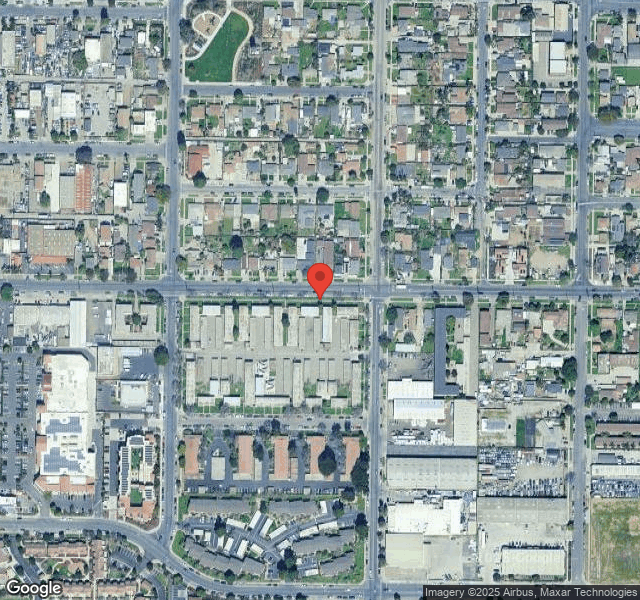

820 West Cook Street, Santa Maria, CA 93458 (805) 925-8877
For profit - Limited Liability company 55 Beds HELENE MAYER Data: November 2025
Trust Grade
60/100
#690 of 1155 in CA
Last Inspection: November 2024

Within standard 12-15 month inspection cycle. Federal law requires annual inspections.

Overview

Santa Maria Post Acute has a Trust Grade of C+, indicating it is slightly above average but not exceptional. With a state rank of #690 out of 1155, it falls within the bottom half of California nursing homes and is #13 out of 14 in Santa Barbara County, meaning there are only a few better options nearby. The facility shows an improving trend, reducing issues from 21 in 2024 to just 3 in 2025. However, staffing is a concern with a rating of 2 out of 5 stars and a high turnover rate of 54%, well above the state average of 38%. On the positive side, there have been no fines reported, which suggests compliance with regulations. The RN coverage is average, meaning residents receive a reasonable level of nursing attention. Some specific issues noted include a failure to properly sanitize ice machines and instances of expired food found in storage areas, which could pose health risks. Additionally, there were incidents of staff not following hand hygiene protocols after medication administration, highlighting areas for improvement in infection control practices. Overall, while there are strengths, families should be aware of the challenges this facility faces.

Trust Score
C+
60/100
In California
#690/1155
Bottom 41%
Safety Record
Low Risk
No red flags
Inspections
Getting Better
21 → 3 violations
Staff Stability
⚠ Watch
54% turnover. Above average. Higher turnover means staff may not know residents' routines.
Penalties
✓ Good
No fines on record. Clean compliance history, better than most California facilities.
Skilled Nurses
⚠ Watch
Each resident gets only 25 minutes of Registered Nurse (RN) attention daily — below average for California. Fewer RN minutes means fewer trained eyes watching for problems.
Violations
⚠ Watch
49 deficiencies on record. Higher than average. Multiple issues found across inspections.
★★★☆☆
3.0
Overall Rating
★★☆☆☆
2.0
Staff Levels
★★★★☆
4.0
Care Quality
★★★☆☆
3.0
Inspection Score
Stable
2024: 21 issues
2025: 3 issues

The Good

  • 4-Star Quality Measures · Strong clinical quality outcomes
  • Full Sprinkler Coverage · Fire safety systems throughout facility
  • No fines on record

Facility shows strength in quality measures, fire safety.

The Bad

3-Star Overall Rating

Near California average (3.1)

Meets federal standards, typical of most facilities

Staff Turnover: 54%

Near California avg (46%)

Higher turnover may affect care consistency

Chain: HELENE MAYER

Part of a multi-facility chain

Ask about local staffing decisions and management

The Ugly 49 deficiencies on record

Mar 2025 1 deficiency
CONCERN (D) 📢 Someone Reported This

A family member, employee, or ombudsman was alarmed enough to file a formal complaint

Potential for Harm - no one hurt, but risky conditions existed

Deficiency F0726 (Tag F0726)

Could have caused harm · This affected 1 resident

**NOTE- TERMS IN BRACKETS HAVE BEEN EDITED TO PROTECT CONFIDENTIALITY** Based on interview and record review, the facility failed to ensure a routine medication was available for one of three sampled ...

Read full inspector narrative →
**NOTE- TERMS IN BRACKETS HAVE BEEN EDITED TO PROTECT CONFIDENTIALITY** Based on interview and record review, the facility failed to ensure a routine medication was available for one of three sampled residents (Resident 1). This failure resulted in Resident 1 not receiving scheduled medication and caused the resident distress. Findings: During an interview on 3/7/25 at 3:40 p.m. with the director of nursing (DON), the DON stated Resident 1 was admitted on [DATE] at 5:30 p.m. The list of medications was sent electronically to the pharmacy and the facility eventually received delivery of the medications from the pharmacy. Missing from the medications was Alprazolam (medication for anxiety) 2 mg (milligrams). Resident 1 takes Alprazolam 2 mg. at bedtime routinely. During a telephone interview on 3/7/25 at 4:20 p.m. with the pharmacist, the pharmacist stated all controlled medications need to be faxed to the pharmacy. The facility can send medication requests, even controlled medications electronically but a fax still needs to be sent for any controlled medication. The only exception for not sending a fax for a controlled medication is when the doctor/prescriber sends the order electronically directly to the pharmacy. During an interview on 3/7/25 at 4:50 p.m. with admitting nurse (LN 1), LN 1 stated admitted Resident 1 on 3/4/25 at 5:30 p.m., reconciled the medications, sent the medication list electronically to the pharmacy and called the pharmacy to confirm they received the requested medication list sent. LN 1 admitted was not aware a fax had to be sent for the controlled medication, Alprazolam 2 mg. During a review of Resident 1's Nursing Progress Notes (Notes), dated 3/4/25 at 10:42 p.m., the Notes indicated, LN 2 documented, Medication did not arrive with pharmacist sender. Will call and get information on it . There were no further updates/documentation regarding the missing Alprazolam or attempt to call the physician to request an alternative medication. During a review of Resident 1's Notes, dated 3/5/25 at 10:56 p.m., LN 4 documented, Patient was upset Alprazolam wasn't here. This writer explained to pt (patient) that I will call pharmacy for ETA (Estimated Time of Arrival) of med.(medication) MD notified requesting alternative med d/t (due/to) Alprazolam not available. Resident 1's Representative was very upset and signed Resident 1 out of the facility AMA (Against Medical Advise) on 3/5/25 at 10 p.m. During an interview on 3/7/25 at 4:55 p.m with the DON, the DON stated LN 2 called the pharmacy to follow up on the medications. Pharmacy did not respond since it was close to midnight. LN 2 gave report to oncoming nurse, LN 3 (day shift [7A - 7P]) to follow up with the pharmacy. LN 3 did not document any follow up with pharmacy. LN 4 documented on 3/5/25 at 10:56 p.m., that Resident 1's Alprazolam 2 mg has still not been delivered by pharmacy. When DON was asked why LN 1 was unaware of faxing an order for controlled medication(s), why LN 2 & 3 did not call the doctor to request an alternate medication (Ativan) which was available in the e-kit, the DON did not have an answer. During a review of the facility's policy and procedure (P&P) titled, Ordering and Receiving Controlled Medications, dated 2023, the P&P indicated in part, Medications included in the Drug Enforcement Administration (DEA) classification as controlled substances, and medications classified as controlled substances by state law, are subject to special ordering, receipt, and record keeping requirements in the facility, in accordance with federal and state laws and regulations. And C. New and refill orders for controlled medications are ordered as detailed in the procedure for Ordering and Receiving Medications from Dispensing Pharmacy. When a physician's signature is needed to validate a controlled drug refill, a facility specific Control Drug Order form can be completed by the physician or physician's agent, signed by the physician and faxed to the pharmacy.
Feb 2025 1 deficiency
CONCERN (D) 📢 Someone Reported This

A family member, employee, or ombudsman was alarmed enough to file a formal complaint

Potential for Harm - no one hurt, but risky conditions existed

Quality of Care (Tag F0684)

Could have caused harm · This affected 1 resident

Based on interview and record review, the facility failed to follow physician orders for one of two sampled residents (Resident 1), when pain medication was not ordered until two days post orders and ...

Read full inspector narrative →
Based on interview and record review, the facility failed to follow physician orders for one of two sampled residents (Resident 1), when pain medication was not ordered until two days post orders and incorrect frequency of medication recorded. This failure had the potential for Resident 1 to suffer unnecessary physical discomfort. Findings: During a review of Resident 1's Medication List, from discharging hospital, dated 1/31/25, Hydrocodone 10 mg oral tablet (controlled substance, pain medication) was prescribed for back pain to be given every 4 hours as needed. During a review of Resident 1's Order Summary Report (Orders), dated 2/3/25, Hydrocodone 10-325 mg oral tablet with instructions to give by mouth every 6 hours as needed for lower back pain was entered on 2/2/25. During a concurrent interview and record review on 2/19/25 at 4:40 p.m. with Director of Nursing (DON), Resident 1's Medication List and Orders were reviewed. DON confirmed the order for the pain medication should have been written to physician's specified frequency and submitted to the pharmacy on 1/31/25 instead of 2/2/25. During a review of facility's policy and procedure (P&P) titled, Medication and Treatment Orders, dated July 2016, the P&P indicated, Drug and biological orders must be recorded on the physician's order sheet in the resident's chart.
Jan 2025 1 deficiency
CONCERN (D) 📢 Someone Reported This

A family member, employee, or ombudsman was alarmed enough to file a formal complaint

Potential for Harm - no one hurt, but risky conditions existed

Accident Prevention (Tag F0689)

Could have caused harm · This affected 1 resident

**NOTE- TERMS IN BRACKETS HAVE BEEN EDITED TO PROTECT CONFIDENTIALITY** Based on record review, interview, and observation, the facility failed to ensure adequate supervision for one of three sampled ...

Read full inspector narrative →
**NOTE- TERMS IN BRACKETS HAVE BEEN EDITED TO PROTECT CONFIDENTIALITY** Based on record review, interview, and observation, the facility failed to ensure adequate supervision for one of three sampled residents (Resident 1), to prevent elopement. The facility identified Resident 1 to be at risk for elopement and implemented a wander guard system (a wander management system that uses wearable bracelets, sensors, and a technology platform to help keep residents safe) but failed to provide adequate supervision and Resident 1 eloped on 12/30/24. Resident 1 was found five blocks away from the facility, unaccompanied. This failure resulted in Resident 1 eloping from the facility without staff knowledge, posing a potential risk for harm. Findings: During a review of Resident 1's admission Record, undated, the admission Record indicated, Resident 1 was admitted to the facility on [DATE] with the following diagnoses, Unspecified dementia (loss of brain function), essential hypertension (high blood pressure), age related osteoporosis (bones become weak and fragile), major depressive disorder (low mood, loss of interest or pleasure), need for assistance with personal care, adjustment disorder with mixed disturbance of emotions and conduct (a mental health condition that involves a combination of emotional and behavioral issues), and unspecified fall. During a review of Resident 1's Minimum Data Set (MDS), (a standardized assessment tool that measures health status in nursing home residents) dated 9/13/2024, the MDS indicated, a Brief Interview for Mental Status ([BIMS] a standardized assessment that is used to help identify cognitive patterns of a resident) score of 0 for Resident 1. A BIMS score can range from 0 to 15, severely impaired (0-7 points), moderately impaired (8-12 points), or cognitively intact (13-15 points). During a review of Resident 1's Health and Physical (H&P), dated 9/23/24, the H&P indicated, Resident 1 is unable to care for him/herself, therefore he/she is a long term care resident. During a review of Resident 1's Order Summary Report (OSR), dated 6/26/20, the OSR indicated, a physician's order dated 7/9/20, Placement of wanderguard due to increased confusion, elopement, poor judgment. During a review of the facility's Policy and Procedure (P&P) titled, Utilization of Wanderguard system, dated April 2014, the P&P indicated, 2) The Wanderguard bracelet is to be placed on the resident's left wrist unless there exists a medical contraindication or other circumstance requiring an alternate location. In such a case the right wrist or lower extremities may be utilized .5) Door alarm panels are located at the front entrance to the facility and at the entrance from the back patio. These devices shall be tested by the environmental services department weekly to monitor the devices continue to perform appropriately. Necessary repairs shall be completed timely. During a review of WanderGuard BLUE v1.5 User & Deployment Guide (WGBDG) (wanderguard manual), dated March 2022, WGBDG indicated, We recommend that you test the Controller at the door once a day and make sure it locks and issues alarms as expected. Staff should also check the WGB system status lights at least daily to verify that there are no system errors .The WanderGuard BLUE Door Controller will alarm when all the following conditions are met at the same time: 1. The monitored door is opened, or in the case of passageways, motion is detected in the passageway near the WanderGuard BLUE Door Controller. 2. The WanderGuard BLUE Door Controller detects a valid signal from a bracelet that is worn by a monitored resident. During an interview on 1/6/25 at 10:47 a.m. with the administrator (ADMIN), ADMIN stated, (Resident 1) had the wanderguard on. The police found (Resident 1), and I picked the resident up and brought the resident back. ADMIN verbalized ADMIN didn't know if the front door wanderguard alarm sounded when Resident 1 eloped, and it wasn't reported by staff that they heard it. During a concurrent observation and interview on 1/6/2025 at 12:10 p.m. with director of nursing (DON) and ADMIN in the facility's front lobby, the facility's wanderguard door alarm was observed mounted on a wall by the facility's front door inside the facility's lobby. DON assisted Resident 4, in a wheelchair with a wanderguard bracelet located on the wheelchair, past the wanderguard door alarm through the facility's front door to exit the facility. DON assisted Resident 4 outside and back inside the facility's front door, passing by the wanderguard door alarm for a total of 6 times. The wanderguard door alarm sounded 3 out of 6 times. ADMIN stated, It should alarm every time no matter where the wander guard is located, on a wheelchair or on a person. ADMIN verbally agreed the wanderguard door alarm located inside the lobby at the facility's front door did not go off each time Resident 4 was assisted past the alarm with the wanderguard bracelet and further verbalized they can't rely on the alarm if it doesn't go off each time a resident goes out the door. During a concurrent observation and interview on 1/6/25 at 12:21 p.m. with DON in Resident 1's room, DON checked Resident 1's wrist and leg for a wanderguard bracelet. DON verbalized there was no wander guard on Resident 1, and it was only on Resident 1's wheelchair. The wander guard was located on the left backside of Resident 1's wheelchair. During an interview on 1/6/25 at 12:38 p.m. with licensed nurse (LN 1), LN 1 verbalized Resident 1 can get confused. When Resident 1 wheels self out of the room, Resident 1 can be redirected. The day prior to Resident 1's elopement, the resident stated was going to go next door to watch the football game, but LN 1 kept an eye on Resident 1 and could redirect the resident. Resident 1 eloped that night, and stated wanted to go to a basketball game, but it was a football game on that day. During a telephone interview on 1/7/25 at 7:35 a.m. with LN 2, LN 2 verbalized before Resident 1 eloped that evening, at the beginning of LN 2's shift, LN 2 saw Resident 1 in their room, in bed, alert and watching TV. LN 2 verbalized Resident 1 would need help to transfer from the bed to the wheelchair. LN 2 last saw Resident 1 on 12/30/24 at 7:30 p.m., after report and around 8 p.m. A certified nurses asistant (CNA) told LN 2 Resident 1 wasn't in their room. LN 2 contacted police and family about 8:30 p.m. or 8:45 p.m. LN 2 stated, The nurse that I got report from told me that (Resident 1) was trying to go next door to watch a game. During a telephone interview on 1/7/25 at 3:15 p.m. with DON, DON stated the south side nurses check the front door wander guard alarm when they check the residents at night and there is no documentation that the tests have been done. During a telephone interview on 2/3/25 1:03 p.m., with Securitas health technician for wander guard system (TECH), TECH verbalized the wander guard system should alarm every time a resident with a wander guard exits through the door and if it doesn't then there's something wrong and they should call technical support and trouble shoot it. It should alarm every time.
Dec 2024 2 deficiencies
CONCERN (D) 📢 Someone Reported This

A family member, employee, or ombudsman was alarmed enough to file a formal complaint

Potential for Harm - no one hurt, but risky conditions existed

Resident Rights (Tag F0550)

Could have caused harm · This affected 1 resident

Based on observation, interview, and record review, the facility failed to ensure one of two residents (Resident 1) was treated with dignity when the resident's behavior was escalating, and de-escalat...

Read full inspector narrative →
Based on observation, interview, and record review, the facility failed to ensure one of two residents (Resident 1) was treated with dignity when the resident's behavior was escalating, and de-escalation techniques were not utilized. This failure had the potential to cause psychosocial harm to Resident 1 Findings: During an observation on 12/2/24 at 12 p.m. with the administrator (ADMIN), in the Admin's office, video footage dated 11/17/24 was observed. The video indicated, Resident 1 was at the nurse's station and a licensed nurse (LN 1) was on the phone behind the station. Resident 1 was cursing and reaching over the station to grab the phone while LN 1 continued to sit at the station. During an interview on 12/2/24 at 11:09 a.m. with licensed nurse (LN 1), LN 1 stated Resident 1 kept asking for medication, by shouting and cursing. LN 1 stated Resident 1's medications were late and was upset the medications were not given at a specific time. LN 1 stated Resident 1 kept coming up to the nurse's station upset, swearing, and cursing and requesting LN 2 who was in another room and continued medication pass while Resident 1 was at the nurses station continuing to esculate. LN 1 stated she called Resident 1's representative to see if she could calm her down, Resident 1 stood yelling at the nurse's station and demanded the phone, reached over the station to grab the phone that LN 1 was on and in the process of pulling her arm back, sustained a skin tear to her left arm. LN 1 denied Resident 1 her requests and did not employ any de-escalation techniques to calm Resident 1. LN 2 continued to give the rest of her assigned residents medications and did not offer Resident 1 her medications sooner causing Resident 1 to wait until last to recieve hers while escalating Resident 1 behaviors further. During an interview on 12/2/24 at 11:19 a.m. with LN 2, LN 2 stated she was Resident 1's primary nurse on 11/26/24 p.m. shift, which was the morning of 11/27/24. LN 2 stated she went into Resident 1's room to give Resident 2's medications and was explaining Resident 2's medications during administration. Resident 1 overheard the discussion and became upset and requested her medications. LN 2 stated to Resident 1 she was helping Resident 2 and told Resident 1 to relax, Resident 1 then called LN 2 a bitch. The activities director came in and tried to redirect Resident 1. LN 1 stated Resident 1 came to the nurse's station and called her a fat pig. LN 2 stated she gave Resident 2's medications and left the room. Additionally, LN 2 continued medication administrations which escalated Resident 1's behaviors. LN 2 stated Resident 1 would follow her on medication pass to each room until Resident 1 received her medications. LN 2 stated she witnessed an altercation between LN 1 and Resident 1 when LN 1 asked Resident 1 to go back to her room and Resident 1 kept cursing. LN 2 stated LN 1 denied Resident 1 requests or any de-escalation. LN 2 stated she did not provide medications at that moment, the use of the phone or employ and de-escalation techniques other than asking Resident 1 to go back to her room. During an interview on 12/2/24 at 12:45 p.m. with the director of nursing (DON), the DON stated Resident 1 was alert and oriented, difficult to please at times and behaviors on 11/26/24 p.m. DON stated de-escalation techniques should have been utilized by LN 1 and LN 2. The DON stated staff have training in de-escalation training. During a concurrent interview and record review on 12/2/24 at 1:15 p.m. with ADMIN, the facility policy and procedure (P&P) titled, Abuse, Neglect, Exploitation and Misappropriation Prevention Program, dated revised April 2021 was reviewed. The P&P indicated in part . a facility wide commitment to support the following objective . Establish and maintain a culture of compassion and caring for all residents and particularly those with behavioral, cognitive or emotional problems. ADMIN stated de-escalation and compassion could have prevented the escalation of Resident 1's behavior on 1/26/24 p.m. shift and staff are trained in de-escalation.
CONCERN (D) 📢 Someone Reported This

A family member, employee, or ombudsman was alarmed enough to file a formal complaint

Potential for Harm - no one hurt, but risky conditions existed

Deficiency F0919 (Tag F0919)

Could have caused harm · This affected 1 resident

Based on observation, interview, and record review, the facility failed to ensure a call light was functioning for one of two sampled residents (Resident 2). This failure had the potential to result i...

Read full inspector narrative →
Based on observation, interview, and record review, the facility failed to ensure a call light was functioning for one of two sampled residents (Resident 2). This failure had the potential to result in Resident 2 not having their needs met and sustain complications. Findings: During a concurrent observation and interview on 12/2/24 at 10:40 a.m. with Resident 2 in Resident 2 ' s room, Resident 2 stated staff did not come when the call light was pushed. Resident 2 pressed the call light and waited five minutes. There was no response, no ringing heard and the light outside of the room above the doorway was not lit. The call bell was observed not plugged into the wall. During a concurrent observation and interview on 12/2/24 at 10:45 a.m. in Resident 2 ' s room, with certified nursing assistant (CNA 1), CNA 1 stated could not hear the call bell ring and the light outside of the room above the doorway was not lit. CNA 1 observed call light plug was not plugged into the wall and stated the call light should always be plugged into the wall. During a concurrent interview and record review on 12/2/24 at 1 p.m. with the administrator (ADMIN), the facility ' s Policy & Procedure (P&P) titled, Answering the Call Light, dated revised September 2022 was reviewed. The P&P indicated in part .Be sure the call light is plugged in and functioning at all times . answer the call light immediately. The ADM stated call lights should always be functioning.
Nov 2024 14 deficiencies
CONCERN (D)

Potential for Harm - no one hurt, but risky conditions existed

Deficiency F0552 (Tag F0552)

Could have caused harm · This affected 1 resident

Based on interview and record review, the facility failed to ensure there was an informed consent for the use of medication Xanax (drug that helps to control anxiety and panic attacks) in one of two s...

Read full inspector narrative →
Based on interview and record review, the facility failed to ensure there was an informed consent for the use of medication Xanax (drug that helps to control anxiety and panic attacks) in one of two sampled residents (Resident 44). This failure had the potential for Resident 44 to be on Xanax without being informed of the risk and benefits of the drug. Findings: During a concurrent interview and record review on 11/20/24 at 3:35 p.m. with the director of nursing (DON), Resident 44's physician's order was reviewed. The order indicated, Xanax Oral tablet 0.25 mg (milligram) 1 tablet every 8 hours if needed for anxiety and panic. There was no informed consent found for the use of Xanax indicating resident or representative was educated on the risk and benefits of the medication. DON was unable to locate a consent for the Xanax in Resident 44's chart. During a review of the facility's policy and procedures (P&P) titled, Informed Consent-Psychotherapeutic Medications and Restraint Devices, (undated), the P&P indicated in part, The healthcare practitioner ordering a psychotherapeutic medication is responsible for obtaining informed consent and providing documentation that informed consent was obtained.
CONCERN (D)

Potential for Harm - no one hurt, but risky conditions existed

Deficiency F0577 (Tag F0577)

Could have caused harm · This affected 1 resident

Based on observation, interview, and record review, the facility failed to have the most recent recertification survey results available to residents, family members and legal representatives of resid...

Read full inspector narrative →
Based on observation, interview, and record review, the facility failed to have the most recent recertification survey results available to residents, family members and legal representatives of residents. This facility failure denied the opportunity for residents, family members, and legal representatives of residents to be aware of the facility's survey results. Findings: During an observation on 11/18/24 at 2:40 p.m. at the entrance check-in counter, the survey binder was inspected. The survey binder was missing the recertification survey results and plan of correction from the most recent recertification survey held 8/15/22 - 8/18/22. During an interview on 11/19/24 at 11:45 a.m. with the director of nursing (DON), the DON confirmed the most recent survey results inside the binder was dated July 2021. The DON was unaware a recertification survey had been conducted August 2022 and stated, It was? I will look into it and get back to you. During an interview on 11/19/24 at 12 p.m. with the administrator (ADM), the ADM stated the results of the last recertification survey from August 2022 was in his office and not in the survey binder at the check-in counter. During a review of the facility's policy and procedure (P&P) titled, Examination of Survey Results, dated April 2007, the P&P indicated, A copy of the most recent standard survey, including any subsequent extended surveys, follow-up revisits reports, etc., along with state approved plans of correction of noted deficiencies, is maintained in a 3-ring binder located in an area frequented by most residents, such as the main lobby or resident activity room.
CONCERN (D)

Potential for Harm - no one hurt, but risky conditions existed

Comprehensive Care Plan (Tag F0656)

Could have caused harm · This affected 1 resident

**NOTE- TERMS IN BRACKETS HAVE BEEN EDITED TO PROTECT CONFIDENTIALITY** Based on interview and record review, the facility failed to develop and implement a comprehensive person-centered care plan for...

Read full inspector narrative →
**NOTE- TERMS IN BRACKETS HAVE BEEN EDITED TO PROTECT CONFIDENTIALITY** Based on interview and record review, the facility failed to develop and implement a comprehensive person-centered care plan for two of four sampled residents (Residents 44 and 17) when: 1. No care plan was developed for Resident 44 for the use of the medication Xanax (medication that helps control anxiety and panic attacks). 2. No care plan was developed for Resident 17 for the use of the anticoagulant medication Apixaban (a medication that helps prevent blood clots). These failures had the potential to result in misidentifying potential unneccessary use and abnormal bleeding complications for these residents. Findings: 1. During a concurrent interview and record review on 11/20/24 at 3:50 p.m. with the Director of Nursing (DON), Resident 44's Plan of Care was reviewed and there was no care plan addressing behavior monitoring and continuous use of Xanax found in the record. DON acknowledged there was no care plan regarding the use of the medication Xanax. 2. During a review of Resident 17's admission Record (AR), the AR indicated, Resident 17 is a [AGE] year old female with diagnosis including, anemia (a condition where the body does not have enough healthy red blood cells) and atrial fibrillation (irregular heart rhythm). During a concurrent interview and record review on 11/20/24 at 10:19 a.m. with the DON, Resident 17's electronic clinical record was reviewed. Review of Resident 17's Order Summary Report (OSR), dated 11/2024, the OSR indicated, a physician order for the medication Apixaban oral tablet 5mg two times a day for anticoagulation. Further review of Resident 17's clinical record failed to indicate that a care plan was developed for the resident's use of this medication. The DON was unable to locate and produce a documented care plan for the resident's use of the said medication and stated, There should be a care plan and there isn't. During a review of the facility's policy and procedures (P&P) titled, Care Plans, Comprehensive Person-Centered, dated March 2022, the P&P indicated in part, The interdisciplinary team (IDT - a group of healthcare professionals with various expertise who work together toward the goal of their patients), in conjunction with the resident and his/her family or legal representative, develops, and implements a comprehensive, person-centered care plan for each resident . 7. The comprehensive, person-centered care plan: . b. describes the services that are to be furnished to attain or maintain the resident's highest practicable physical, mental and psychosocial well being.
CONCERN (D)

Potential for Harm - no one hurt, but risky conditions existed

Deficiency F0657 (Tag F0657)

Could have caused harm · This affected 1 resident

**NOTE- TERMS IN BRACKETS HAVE BEEN EDITED TO PROTECT CONFIDENTIALITY** Based on observation, interview, and record review, the facility failed to ensure the timely revision/update of a comprehensive ...

Read full inspector narrative →
**NOTE- TERMS IN BRACKETS HAVE BEEN EDITED TO PROTECT CONFIDENTIALITY** Based on observation, interview, and record review, the facility failed to ensure the timely revision/update of a comprehensive care plan for one of four sampled residents (Resident 12), to reflect changes in Resident 12's choices and change in condition. This failure resulted in an inaccurate care plan and had the potential to result in placing the resident at risk of not receiving the appropriate care. Findings: During an observation on 11/18/24 at 4:04 p.m. in room [ROOM NUMBER]-2, Resident 12 was observed in bed with a foot cradle (a frame attached to the foot of the bed to keep sheets and blankets away from feet and legs for pressure relief). Resident 12's feet were observed positioned on opposite sides of the pillow instead of above the pillow (used to off load feet to prevent pressure ulcer(s) from developing in the heel(s)), with a very pronounced foot drop (difficulty in lifting the front part of the foot). The foot board distance to the soles of the feet was approximately one (1) foot (12 inches). During an interview on 11/18/24 at 4:23 p.m. with the restorative nurse aide (RNA), in room [ROOM NUMBER]-2, RNA stated Resident 12 had an order for bilateral lower extremities splinting, but the resident is non-compliant. Resident 12 takes the bilateral splints off and throws them on the floor. RNA verbalized only the Rehab Director was notified about Resident 12's non-compliance verbally and not the licensed nurses. RNA further verbalized there was no documentation regarding Resident 12's refusal/non-compliance. RNA added documentation is entered electronically and there was no option to type a narrative in the electronic charting, only checkmarks. During an interview on 11/18/24 at 4:25 p.m. with the rehab director (ReD), ReD stated Resident 12 has been discharged from rehab and is on the RNA program and nursing is responsible for care planning for any changes. ReD further stated Resident 12's non-compliance was reported to him by the RNA, but he did not report the information to anyone else. During a concurrent interview and record review on 11/21/24 at 8:55 a.m. with the MDS nurse, Resident 12's Physician Orders and care plans were reviewed. The MDS nurse confirmed off-loading Resident 12's bilateral heels was not in the physician orders or on the resident's care plans. MDS nurse stated it should have been in the care plan and updated as needed. Resident 12's refusal/non-compliance to wear the bilateral splints and foot drop were not documented/care planned. The foot drop was not in the change of condition documentation. The MDS nurse said that a foot drop is a change of condition and should have been documented. During a record review of Resident 12's task titled, RESTORATIVE: Bilateral splints ankle/foot. Monitor skin for signs of edema, infection, wounds. Resident 12 was to receive 30 minutes of restorative nursing assistant (RNA) therapy. Review of Resident 12's tasks indicated on the following dates the resident received: 10/23/24 - 15 minutes 10/25/24 - no RNA therapy 10/28/24 - 15 minutes 10/30/24 - no RNA therapy 11/6/24 - no RNA therapy 11/13/24 - 15 minutes 11/15/24 - 15 minutes 11/18/24 - 5 minutes. There was no documentation as to why Resident 12 did not receive the ordered 30 minutes of RNA therapy or resident's refusal/non-compliance. During a review of Resident 12's Care Plan, dated 4/24/24 and revised 11/18/24, the Care Plan indicated, Resident able to tolerate Bilateral ankle foot splint 2-3 hours or as tolerated by patient. For contracture management. pt (patient) often resistant to wearing. During a review of the facility's policy and procedure (P&P) titled, Care Plans, Comprehensive Person-Centered, dated March 2022, the P&P indicated, Policy Statement: A comprehensive, person-centered care plan that includes measurable objectives and timetables to meet the resident's physical, psychosocial and functional needs is developed and implemented for each resident and Policy Interpretation and Implementation: #3) The care plan interventions are derived from a thorough analysis of the information gathered as part of the comprehensive assessment.
CONCERN (D)

Potential for Harm - no one hurt, but risky conditions existed

Deficiency F0658 (Tag F0658)

Could have caused harm · This affected 1 resident

**NOTE- TERMS IN BRACKETS HAVE BEEN EDITED TO PROTECT CONFIDENTIALITY** 3. During a review of Resident 34's Clinical Record (CR), dated 11/20/24, the CR indicated in part, Resident 34 was a [AGE] year...

Read full inspector narrative →
**NOTE- TERMS IN BRACKETS HAVE BEEN EDITED TO PROTECT CONFIDENTIALITY** 3. During a review of Resident 34's Clinical Record (CR), dated 11/20/24, the CR indicated in part, Resident 34 was a [AGE] year-old female with diagnoses including, end stage renal disease (a condition where the kidney reaches advanced state of loss of function, dependence on renal dialysis, essential primary hypertension (high blood pressure), and paroxysmal atrial fibrillation (irregular heart rhythm). During an interview on 11/18/24 at 4:32 p.m. with Resident 34, Resident 34 stated, I go to dialysis every Monday, Wednesday and Friday at 10 a.m. During a concurrent interview and record review on 11/19/24 at 3:37 p.m., with Licensed Nurse 1 (LN 1) at the nurse's station, LN 1 stated the Nurses Dialysis Communication Record (NDCR) is to be completed by the facility once the resident returns from dialysis. LN 1 stated, We are supposed to take vital signs and assessment of dialysis access sites before and after each time a resident goes to dialysis. During a concurrent interview and record review on 11/20/24 at 10:22 a.m. with Director of Nursing (DON), Resident 34's NDCRs were reviewed. The NDCRs dated 10/28/24 (Monday), 10/30/24 (Wednesday), and 11/8/24 (Friday) indicated, post dialysis assessment information was incomplete by nursing staff. DON reviewed the records and confirmed nursing staff did not complete the resident's post dialysis vital signs and access assessments for the said dates. DON verbalized that it was expected for the nurses to completely fill out the post dialysis assessment portion of the NDCRs and they were not. During a review of the facility's Policy and Procedure (P&P) titled, Hemodialysis catheters - Access and care of, dated February 2023, the P&P indicated in part, Documentation .The nurse should document in the resident's medical record every shift as follows: . 5. Observations post dialysis. 2. According to [NAME] and Perry's, Fundamentals of Nursing, eighth edition, on page 336, Nurses follow physicians' orders unless they believe the orders are in error or harm clients. During a review of Resident 50's, admission Record (AR), dated 11/21/24, the AR indicated, Resident 50 was admitted on [DATE] with diagnoses including, Hypertensive heart disease (heart problems that occur because of high blood pressure that is present over a long time), chronic kidney disease (a condition where the kidneys are damaged and can't filter blood properly), Type 2 diabetes mellitus (a chronic disease that occurs when your body doesn't produce enough insulin or doesn't use insulin properly), resulting in high blood sugar levels: Chronic obstructive pulmonary disease (a group of lung diseases that make it difficult to breathe and worsen over time), Vascular dementia (problems with reasoning, planning, judgment, memory and other thought processes caused by brain damage from impaired blood flow to your brain), and Post COVID-19 condition. During a review of Resident 50's Order Recap Report (ORR - facility's communication tool regarding physician orders and communication method), dated 08/30/24, the ORR indicated, CBC (complete blood count - a blood test used to measure the amount and types of cells in the blood, including red blood cells, white blood cells, and platelets to help identify and monitor conditions like anemia and infection) & CMP (comprehensive metabolic panel - a blood test to measure various substances in the blood, including blood sugar, electrolytes, and proteins, to assess overall metabolic health) one time only for swollen abdomen with left upper quadrant rebound tenderness for 1 day. During a concurrent interview and record review on 11/21/24 at 9:15 a.m., with the minimum data set coordinator (MDS), MDS acknowledged that the ORR indicated a verbal physician order was received on 08/30/24 for a CBC and CMP lab tests for Resident 50. MDS looked through Resident 50's paper chart and was unable to locate any lab results for the ordered tests. During a concurrent interview and record review with licensed nurse (LN 1) on 11/21/24 at 9:27 a.m., LN 1 acknowledged she received a verbal order from the physician for a CBC and CMP for Resident 50. LN 1 reviewed the lab log binder but was unable to locate a copy of the completed laboratory requisition. LN 1 called the two laboratories used by the facility and neither laboratory had test results for Resident 50 collected on 8/30/24. LN 1 stated there were no lab results for Resident 50 for 8/30/24. Based on observation, interview, and record review, the facility failed to ensure staff followed professional standards to provide quality care for three of seven sampled residents (Residents 403, 50, and 34) when: 1. A medication for Resident 403 was not administered per doctors' order. 2. A physician order was not carried out for Resident 50. 3. Post dialysis (treatment for kidney failure where blood is cleaned through an artificial filter) assessments were not completed for Resident 34. These failures had the potential to inappropriately identify and manage resident's health issues that may lead to serious harm. Findings: 1. During a review of Resident 403's Medication Orders, 11/19/24 the Orders indicated, an order for Furosemide (a medication that increases amount of urine output, helping the body eliminate accumulated/excess fluids) Oral Tablet 20 mg. (milligram). Give one tablet by mouth two times (9 a.m. and 9 p.m.) a day for CHF (Congestive Heart Failure - a long term condition that happens when the heart cannot pump blood well enough to normally supply the body. Blood and fluids accumulate in the lungs and legs over time.) During a review of Resident 403's Medication Administration Record (MAR), for November 2024, the MAR indicated, Furosemide Oral Tabled 20 mg was administered as follows: 11/18/24 at 10:44 a.m. by LN 3 - 1 hour, 44 minutes late. 11/19/24 at 00:21 a.m. by LN 4 - 3 hours, 21 minutes late. 11/17/24 at 1:44 p.m. by LN 5 - 4 hours, 44 minutes late. 11/16/24 at 2:20 p.m. by LN 5 - 5 hours, 20 minutes late. 11/14/24 at 10:32 a.m. by LN 6- 1 hour, 32 minutes late. 11/13/24 at 10:10 p.m. by LN 7- 1 hour , 10 minutes late. 11/10/24 at 10:14 p.m. by LN 6 - 1 hour, 14 minutes late. 11/09/24 at 10:30 p.m. by LN 6 - 1 hour, 30 minutes late. 11/09/24 at 11:51 a.m. by LN 8 - 2 hours, 51 minutes late. 11/08/24 at 10:13 a.m. by LN 6 - 1 hour, 13 minutes late. 11/06/24 at 10:14 a.m. by LN 6 - 1 hour, 14 minutes late. 11/05/24 at 2:26 p.m. - 1 hour, 26 minutes late. There was no documentation as to why the medication was administered late on the above dates. During a concurrent interview and record review on 11/19/24 at 12:07 p.m. with the director of nursing (DON), Resident 403's MAR was reviewed. The DON concurred with the findings and stated, These are all registry nurses. During a review of the facility's policy and procedure (P&P) titled, IIA2: MEDICATION ADMINISTRATION - GENERAL GUIDELINES, the P&P indicated, Part B. Administration ii) Medications are administered in accordance with written orders of the attending physician . x) Medications are administered within (60 minutes) before or after the scheduled time . According to the National Library of Medicine, authored by [NAME] and [NAME] M. [NAME], dated 9/4/23, 'Right time' - administering medications at a time that was intended by the prescriber. Often, certain drugs have specific intervals or window periods during which another dose should be given to maintain a therapeutic effect or level. A guiding principle of this 'right' is that medications should be prescribed as closely to the time as possible, and nurses should not deviate from this time by more than half an hour to avoid consequences such as altering bioavailability or other chemical mechanisms.
CONCERN (D)

Potential for Harm - no one hurt, but risky conditions existed

Pharmacy Services (Tag F0755)

Could have caused harm · This affected 1 resident

Based on observation, interview, and record review, the facility failed to ensure: 1. Acetaminophen (treat minor aches and pains, and reduces fever) was given as ordered for one of four sampled resid...

Read full inspector narrative →
Based on observation, interview, and record review, the facility failed to ensure: 1. Acetaminophen (treat minor aches and pains, and reduces fever) was given as ordered for one of four sampled residents (Resident 403) 2. Levothyroxine (to treat an underactive thyroid gland [hypothyroidism]) was given before breakfast for one of four sampled residents (Resident 404) 3. Acamprosate (a medication used to help overcome alcohol dependence), and Magnesium Oxide (a supplement) were administered as prescribed to one of four sampled residents (Resident 202) These failures had the potential for the residents to not receive the maximum benefit from the medications. Findings: 1. During a medication administration observation on 11/19/24 at 08:02 a.m. with Resident 403, licensed nurse (LN 3) administered Acetaminophen (treat minor aches and pains, and reduces fever) 325 mg (milligrams) 1 tablet instead of 2 tablets as per the physician order to give Acetaminophen 650 mg. 2. During a medication administration observation on 11/19/24 at 8:18 a.m. with Resident 404, LN 3 administered Levothyroxine (to treat an underactive thyroid gland [hypothyroidism]) 88 mcg (micrograms) after the resident had eaten breakfast and had taken the other oral medications. Review of Davis's Drug Guide for nurses (a drug reference handbook) used by the facility indicated, Levothyroxine should be taken on an empty stomach at least 1 hour before eating. 3. During a medication administration observation and interview on 11/19/24 at 8:31 a.m. with LN 3, did not administer Magnesium Oxide 40 mg and Acamprosate as per physician order to Resident 202. LN 3 documented in the Medication Administration Record (MAR) as refused in both medications however reasons for refusal was not indicated. When clarified, LN 3 stated Resident 202 refused the Magnesium Oxide due to causing stomach upset while Acamprosate was refused because he did not want to be on it anymore. During an interview on 11/19/24 at 11:45 a.m. with Resident 202, the resident denied having stomach symptoms from the Magnesium Oxide and did not refuse it and stated would have taken the medications if they were available.
CONCERN (D)

Potential for Harm - no one hurt, but risky conditions existed

Drug Regimen Review (Tag F0756)

Could have caused harm · This affected 1 resident

Based on interview and record review, the facility failed to ensure there was a Medication Regimen Review for Xanax (drug that helps to control anxiety and panic attacks) for one of two sampled reside...

Read full inspector narrative →
Based on interview and record review, the facility failed to ensure there was a Medication Regimen Review for Xanax (drug that helps to control anxiety and panic attacks) for one of two sampled residents (Resident 44). This failure had the potential for Resident 44 to have complications from the medication. Findings: During a concurrent interview and record review on 11/20/24 at 3:15 p.m. with the Director of Nursing (DON), Resident 44's physician's order was reviewed and indicated, Xanax oral tablet 0.25 mg (milligrams) was ordered on 10/30/24. Review of Resident 44's Medication Regimen Review (MRR), dated November 2024 indicated, there was no review for Xanax's continued use beyond 14 days. DON confirmed not finding any pharmacist review for Xanax. During a review of facility's policy and procedure (P&P) titled, Consultant Pharmacist Services Provider Requirements, (undated), the P&P indicated in part, Reviewing the medication regimen of each resident at least monthly, or more frequently under certain conditions and Communicating to the responsible prescriber and the facility leadership potential or actual problems detected and other findings relating to medication therapy orders as well as recommendations for changes in medication therapy and monitoring of medication therapy.
CONCERN (D)

Potential for Harm - no one hurt, but risky conditions existed

Medication Errors (Tag F0758)

Could have caused harm · This affected 1 resident

Based on interview and record review, the facility failed to ensure there was a practitioner's (physician) justification for the continued use of Xanax (drug that helps to control anxiety and panic at...

Read full inspector narrative →
Based on interview and record review, the facility failed to ensure there was a practitioner's (physician) justification for the continued use of Xanax (drug that helps to control anxiety and panic attacks) beyond 14 days for one of two sampled residents (Resident 44). This failure had the potential for Resident 44 to receive an unnecessary medication and have complications due to the medication. Findings: During a concurrent interview and record review on 11/20/24 at 3:15 p.m. with the director of nursing (DON), Resident 44's physician's orders and progress notes were reviewed. The order indicated, Xanax Oral tablet 0.25 mg 1 tablet every 8 hours if needed for anxiety and panic. There was no documentation found in the physician's progress notes justifying the need for continuous use of Xanax beyond 14 days. DON acknowledged there was no provider justification for the continued use of the drug (Xanax) beyond 14 days. During a review of facility's policy and procedure (P&P) titled, Psychotropic Medication Use, dated July 2022, the P&P indicated in part, PRN (if needed) orders for psychotropic medications are limited to 14 days and if the prescriber or attending physician believes it is appropriate to extend the order beyond 14 days, he will document the rationale for extending its use.
CONCERN (D)

Potential for Harm - no one hurt, but risky conditions existed

Unnecessary Medications (Tag F0759)

Could have caused harm · This affected 1 resident

Based on observation, interview, and record review, the facility failed to ensure the medication error rate was less than five percent. During medication administration for three of five residents (Re...

Read full inspector narrative →
Based on observation, interview, and record review, the facility failed to ensure the medication error rate was less than five percent. During medication administration for three of five residents (Residents 403, 404 and 202) four medication errors were observed out of 27 opportunities which resulted in an error rate of 14.81 percent. This failure had the potential for the residents to not receive the maximum benefit from the medications and sustain complications and side effects. Findings: 1. During a medication administration observation on 11/19/24 at 8:02 a.m. with Resident 403, licensed nurse (LN 3) administered Acetaminophen (treat minor aches and pains, and reduces fever) 325 mg (milligrams) 1 tablet instead of 2 tablets as per the physician order to give Acetaminophen 650 mg. 2. During a medication administration observation on 11/19/24 at 08:18 a.m. with Resident 404, LN 3 administered Levothyroxine (to treat an underactive thyroid gland [hypothyroidism]) 88 mcg (micrograms) after the resident had eaten breakfast and had taken other oral medications. Review of Davis's Drug Guide for nurses (a drug reference handbook) used by the facility indicated, Levothyroxine should be taken on an empty stomach at least 1 hour before eating. 3. During a medication administration observation and interview on 11/19/24 at 8:31 a.m. with LN 3, LN 3 did not administer Magnesium Oxide 40 mg (supplement) and Acamprosate (a medication used to help overcome alcohol dependence) as per physician order to Resident 202. LN 3 stated Resident 202 refused the pill (Magnesium Oxide) due to causing stomach upset. LN 3 documented the medication, Acamprosate as refused. During the interview on 11/19/24 at 11:45 a.m. with Resident 202, the resident denied having stomach symptoms from the Magnesium Oxide and did not refuse it and stated would have taken the medications if they were available.
CONCERN (D)

Potential for Harm - no one hurt, but risky conditions existed

Deficiency F0761 (Tag F0761)

Could have caused harm · This affected 1 resident

Based on observation, interview, and record review, the facility failed to ensure medications and biologicals were safely labeled and stored in the medication storage room when: 1. An opened one-liter...

Read full inspector narrative →
Based on observation, interview, and record review, the facility failed to ensure medications and biologicals were safely labeled and stored in the medication storage room when: 1. An opened one-liter bottle of 0.9% Sodium Chloride solution (a solution used for wound cleaning) was found without an open date label. 2. Temperature logs for three sampled months for the two refrigerators used to store medications had days when temperature readings were out-of-range. The log did not have a section to indicate if adjustment was done when temperature readings were out-of-range. 3. A box of lemon glycerin swab sticks (cotton swabs used to soothe dry mouth) was found in the freezer. 4. Two plastic bags containing multiple labeled and unlabeled medications were found in the medication storage room sink. 5. One opened container of glucometer strips (a strip inserted in a device used to measure blood sugar level) was found in one medication cart without an open date label. These failures had the potential to result in ineffective and unsafe medication administration. Findings: 1. During a concurrent observation and interview on 11/18/24 at 11:15 a.m. with a licensed nurse (LN 2) inside the medication storage room, an opened one-liter bottle of 0.9% Sodium Chloride solution was observed with no open date label on it. LN 2 confirmed the finding and acknowledged that there was no way of determining when to discard the solution. The bottle label instructions indicated, to discard the unused portion. 2. During a concurrent interview and record review on 11/18/24 at 11:30 a.m. with LN 2, the facility log, titled, Medication Room and Refrigerator Temp. Logs, dated November 2024, were reviewed. The logs indicated to notify the Director of Nursing (DON) if the refrigerator temperature is not ranging from 36 degrees F (Fahrenheit) to 46 degrees F. An entry dated, 11/14 /24 during the morning (AM) shift indicated, a temperature reading of 48 degrees F. LN 2 verbalized the medication refrigerator was not within the safe temperature range and confirmed that there was no section in the log to write what action was taken to correct the temperature. LN 2 also confirmed there were numerous out-of-range readings between 47 degrees F to 58 degrees F logged (25 during morning shifts and 11 during night shifts) during the periods of September 2024 through October 2024. During a review of the facility's policy and procedure (P&P) titled, Medication Storage, (undated), the P&P indicated in part, Medications requiring refrigeration should be kept within temperatures of 36 degrees F to 46 degrees F 3. During a concurrent observation and interview on 11/18/24 at 11:45 a.m. with LN 2, a box of Lemon Glycerin Swab Stick was observed inside the freezer of a refrigerator used to store medications. The box label indicated, Do Not Freeze. LN 2 acknowledged the swab sticks were frozen and should have not been. 4. During a concurrent observation and interview on 11/18/24 at 12:10 p.m. with LN 2 inside the medication storage room, two plastic bags containing multiple labeled and unlabeled resident medications were found in the sink. The labeled medications belonged to a current resident. LN 2 verbalized not being aware why the medications were in the sink and was not sure what to do with them. During a review of the facility's P&P titled, Disposal of Medications and Medication-Related Supplies, (undated), the P&P indicated in part, Medications awaiting disposal are stored in a locked, secured area for that purpose until destroyed 5. During a concurrent observation and interview on 11/18/24 at 12:20 p.m. with LN 4 the medication cart in the north nurse station was observed to have an opened container of glucometer strips with no label indicating the date it was opened. The instruction in the container indicated, to discard after 60 days of opening. LN 4 acknowledged there was no reference as when to discard the test strips if there was no indication on the container when it was opened.
CONCERN (D)

Potential for Harm - no one hurt, but risky conditions existed

Infection Control (Tag F0880)

Could have caused harm · This affected 1 resident

Based on interview and record review, the facility failed to ensure measures/system were in place to prevent the growth of Legionella (a bacteria found in water systems such as air conditioners, showe...

Read full inspector narrative →
Based on interview and record review, the facility failed to ensure measures/system were in place to prevent the growth of Legionella (a bacteria found in water systems such as air conditioners, shower, sinks, and water fountains) and other opportunistic waterborne (a disease/infection from infected water) pathogens in their water system. This failure resulted in not having a water management program/system which had the potential to expose the residents of the facility to Legionella and other harmful waterborne pathogens. Findings: During a concurrent interview and record review on 11/20/24 at 4:52 p.m. with the Administrator (ADM) and Director of Nursing (DON), in the ADM's office, the Facility Assessment did not address a water management program. The ADM admitted they did not have a system in place to test and track for Legionella and other waterborne pathogens. The ADM stated they had not conducted water testing to ensure Legionella or other harmful waterborne pathogens were not present in the facility's water system. The ADM added that the facility did not have a water management program or a water management team in place to prevent the development and transmission of Legionnaires' disease (a type of pneumonia caused by the legionella bacteria), caused by the bacteria Legionella pneumophilla, found in potable and non-potable water systems (showers, sinks, air conditioning, water systems) and other opportunistic waterborne pathogens. During a review of the facility's policy and procedure (P&P) titled, Legionella Water Management Program, dated September 2022, the P&P indicated in part, 1. As part of the infection control program, our facility has a water management program, which is overseen by the water management team. During a review of the facility's P&P titled, Legionella Surveillance and Detection, dated September 2022, the P&P indicated in part, 4. Microbiologic sampling of ice, ice machines and ice storage chest/containers will be conducted during epidemiological investigations. The policy statement of the P&P indicated, Our facility is committed to the prevention, detection and control of water-borne contaminants, including Legionella. Legionnaire's disease is included as part of our infection surveillance activities. The Centers for Disease Control and Prevention (CDC) guideline, titled, Legionella-Water Management in Healthcare Facilities, dated March 25, 2021, indicated, CDC encourages healthcare facilities included in the scope of ASHRAE (American Society of Heating and Air-Conditioning Engineers) Standard 188 (Section 5.2) to develop and implement comprehensive water management programs. Water management programs can help reduce the risk for Legionella growth and transmission. A comprehensive water management program can have additional benefits in the control of other water related healthcare associated infections. Water management programs should therefore be monitored for their efficacy in reducing the risk for a variety of pathogens.
CONCERN (D)

Potential for Harm - no one hurt, but risky conditions existed

Safe Environment (Tag F0921)

Could have caused harm · This affected 1 resident

**NOTE- TERMS IN BRACKETS HAVE BEEN EDITED TO PROTECT CONFIDENTIALITY** Based on observation, interview, and record review, the facility failed to ensure to provide a safe, functional, sanitary, and c...

Read full inspector narrative →
**NOTE- TERMS IN BRACKETS HAVE BEEN EDITED TO PROTECT CONFIDENTIALITY** Based on observation, interview, and record review, the facility failed to ensure to provide a safe, functional, sanitary, and comfortable environment for two of four sampled residents (Residents 6 and 12). This failure resulted in compromising the comfort and safety of the residents and had the potential to result in adversely affecting the resident's health and well-being. Findings: During an observation on 11/18/24 at 12:56 p.m. in room [ROOM NUMBER]-2, Resident 6's bed was not in working order. Resident 6 was observed having difficulty feeding self. Attempts to elevate the head of the bed using the bed control switch proved unsuccessful. Resident 6 occupied B bed, next to her was A bed which was fully functional. During an interview on 11/18/24 at 1:04 p.m. with the maintenance supervisor (MS), MS stated was verbally informed on 11/14/24 by a night shift CNA the bed was not working. MS further stated parts have been ordered to repair the defective bed. When asked why Resident 6 was not moved to the other unoccupied bed (bed A), MS stated the nursing department should have moved the resident to the next bed (bed A). During an observation on 11/18/24 at 4:04 p.m. in room [ROOM NUMBER]-2, an extension cord with six (6) sockets was positioned on the bedside table to Resident 12's right side approximately a foot (12 inches) from Resident 12's head. The bed control switch had a frayed wire, which was observed on the Resident 12's right side of the bed and within easy reach of the resident. During a concurrent interview and observation on 11/19/24 at 10:30 a.m. with the director of nursing (DON) and the maintenance supervisor (MS), in room [ROOM NUMBER]-2, Resident 12's extension cord and frayed wiring were observed. The DON and MS confirmed the finding. Record review of the facility's policy and procedure (P&P) titled, Maintenance Service, dated December 2009, the P&P indicated in part, 1. The maintenance department is responsible for maintaining the buildings, grounds, and equipment in a safe and operable manner at all times. During a review of the facility's P&P titled, EQUIPMENT IN SAFE OPERATING CONDITION, (undated), the P&P indicated in part, 1. The facility has procedures to maintain mechanical, electrical and patient care equipment is maintained in safe operating condition. 3. Facility personnel routinely inspect residents' beds, including the control panel for safe operating condition. 4. Facility personnel inspect the bed's power cord, cord plug, and wall plug for safe operating condition.
CONCERN (E)

Potential for Harm - no one hurt, but risky conditions existed

Deficiency F0725 (Tag F0725)

Could have caused harm · This affected multiple residents

Based on interview and record review, the facility failed to provide nursing staff on a 24-hour basis to care for the residents' needs. This failure had the potential to result in residents not receiv...

Read full inspector narrative →
Based on interview and record review, the facility failed to provide nursing staff on a 24-hour basis to care for the residents' needs. This failure had the potential to result in residents not receiving necessary care. Findings: During a review of Report: Calculated Time by Entry, transmitted by the facility for the Payroll Based Journal (PBJ - quarterly staffing data report submitted to the Centers for Medicare and Medicaid Services [CMS] by long-term care facilities including the hours nursing staff are paid to work each day) Report for Quarter 1, 2024 (October 1, 2023 - December 31, 2023) with infraction dates of 11/05 (Sunday), 11/09 (Thursday), 11/12 (Sunday), 12/10 (Sunday) and 12/25 (Monday), there were no assigned Registered Nurses on the staffing assignments. For Quarter 2, 2024 (January 1, 2024 - March 31, 2024) with infraction dates of 1/19 (Friday), 3/02 (Saturday), 3/03 (Sunday) and 3/15 (Friday), there were no assigned Registered Nurses on the staffing assignments. During an interview on 11/20/24 at 3:15 p.m. with the facility Administrator (ADM), ADM validated the PBJ report and acknowledged the facility did not have assigned registered nurses for the infraction dates listed.
CONCERN (F)

Potential for Harm - no one hurt, but risky conditions existed

Food Safety (Tag F0812)

Could have caused harm · This affected most or all residents

2. During a review of the facility ice machine's, Manitowoc S Model Ice Machines Installation, Use and Care Manual, dated 10/2009, the manual indicated in part .Sanitizing Procedure: This procedure mu...

Read full inspector narrative →
2. During a review of the facility ice machine's, Manitowoc S Model Ice Machines Installation, Use and Care Manual, dated 10/2009, the manual indicated in part .Sanitizing Procedure: This procedure must be performed a minimum of once every six months. During a concurrent observation and interview on 11/18/24 at 4:32 p.m. with the facility's maintenance supervisor (MS), MS was asked how often the ice machine was sanitized. MS opened the ice machine's top access panel to reveal the dates when sanitization was performed. The most recent sanitization date noted was on 3/18/24. MS verbalized the sanitization procedure is performed by an outside vendor and would look for the service record/invoices for the said date. During a concurrent interview and record review on 11/19/24 at 10:50 a.m. with MS, MS presented the ice machine service record/invoice and acknowledged the ice machine was last sanitized on 3/18/24. MS could not produce any other ice machine sanitization service records/invoices after 3/18/24 and acknowledged it was not done in the past six months. During an interview on 11/19/24 at 11:31 a.m. with the Director of Nursing (DON), DON confirmed the ice machine was not sanitized within the last six months as recommended by the ice machine care manual. During a review of the facility's P&P titled, Ice Machine Policy, (undated), the P&P indicated in part, Policy: It is the policy of (name of facility) to clean/disinfect exterior and interior of the ice machine . Person Responsible: (name of outside vendor) (six months) During a review of the FDA (Food & Drug Administration) Food Code Annex, 2017, the FDA Food Code indicated, Ice that has been in contact with unsanitized surfaces .may contain pathogens and other contaminants (3-303.11). The FDA Food Code indicated further, Pathogens can be transferred to food from utensils that have been stored in surfaces which have not been cleaned and sanitized (3-304.11). Based on observation, interview, and record review, the facility failed to ensure food safety standards were followed when: 1. A dietary aide/cook (DAC) was observed not following proper hygiene and sanitary practices during lunch tray preparation. 2. The frequency of the facility's ice machine sanitization schedule was not followed according to manufacturer's recommendations. These failures had the potential to cause food-borne illness to vulnerable residents currently residing in the facility. Findings: 1. During a lunch tray line observation on 11/19/24 at 12:15 p.m. inside the facility kitchen, with the registered dietitian (RD), certified dietary manager (CDM), and DAC, DAC was observed preparing cooked food for resident lunch tray distribution. DCA was noted measuring the food temperatures with gloved hands. Using the same pair of gloves, DCA continued to open/close cabinets and drawers, taking out spoons and scoops placing them onto the food trays for serving. Upon further observation, DCA was noted resting the plate against her body while scooping food onto the plate. DCA's apron and identification (ID) badge were noted touching the edge of the plate. During a concurrent observation and interview on 11/19/24 at 12:20 p.m. with CDM, CDM was informed of DCA's food handling practices who confirmed them through direct observation. CDM acknowledged that DCA should have changed gloves and performed hand hygiene frequently and should have been mindful and cautious not to contaminate plated foods which will be served to the residents. During a review of the facility's policy and procedure (P&P) titled, Food Handling, dated 2023, the P&P indicated in part, POLICY: Food will be prepared in a safe and sanitary manner. During a review of the facility's P&P titled, Food Preparation and Service, dated 11/22, the P&P indicated in part, General Guidelines . 3) Food preparation staff adhere to proper hygiene and sanitary practices to prevent the spread of foodborne illness
Aug 2024 1 deficiency
CONCERN (D) 📢 Someone Reported This

A family member, employee, or ombudsman was alarmed enough to file a formal complaint

Potential for Harm - no one hurt, but risky conditions existed

Pressure Ulcer Prevention (Tag F0686)

Could have caused harm · This affected 1 resident

Based on interview and record review, the facility failed to ensure one of three residents (Resident 1) Deep Tissue Injury (DTI) did not worsen and the resident did not develop further wounds. This fa...

Read full inspector narrative →
Based on interview and record review, the facility failed to ensure one of three residents (Resident 1) Deep Tissue Injury (DTI) did not worsen and the resident did not develop further wounds. This failure resulted in the DTI becoming worse and the development of three additional pressure injuries, an additional hospital stay, and increased pain for Resident 1. Findings: During a review of Resident 1's admission Record, dated 4/20/24, the admission Record indicated, Resident 1 had diagnoses including, a pressure induced deep tissue damage (localized, pressure-related damage to the skin and/or underlying tissue usually over a bony prominence) of right heel, spiral fracture of right tibia (break in bone from a twisting motion), Type II Diabetes (a chronic condition that causes high blood sugar levels in the blood which can delay and/or complicate wound healing), hemiplegia (Total paralysis of one side of the body) following a cerebral infarction (stoke, damage to tissue in the brain) muscle weakness and abnormal gait (walking). During a review of Resident 1 ' s Nursing admission Summary, dated 4/20/24, the Summary indicated, Resident 1 was discharged last week on 4/13/24. Resident 1 had a brace on her RLE (Right Lower Extremity) due to a fall at home after discharge. Resident 1 also had a Deep Tissue Injury (DTI) on her right heel, measured about 3 cm (centimeter) x 3 cm x 0.5 cm. During a concurrent interview and record review on 8/22/24 at 10:06 a.m. with a Licensed Nurse (LN 1), Resident 1 ' s Nursing admission Summary, dated 4/20/24 was reviewed. LN 1 stated Resident 1 came in with a fracture of right tibia and had a cast which caused irritation and had a pressure ulcer from the cast located on the heel. The cast was a half cast covering the posterior lower extremity and had a Velcro strap that went over the top of the right foot to secure it and Velcro around the lower right leg. The admission nurse removed the half cast to assess the heel and noticed the DTI. The wound assessment on 5/29/24 indicated wound goes from the heel to right ankle. This was a change. Resident 1 came in with one wound and ended up with an additional three wounds. Wound 1 is the right heel (present during admission), Wound 2 lateral right ankle, Wound 3 posterior right ankle, and Wound 4 medial right ankle. During a review of an email from Central Coast Orthopedics to Dr. (Name of Dr.) dated 5/2/24, the email indicated, Per Dr. (Name of Dr.), okay to modify immobilizer and add padding. If needed call the Orthotist that placed the immobilizer. During a review of Resident 1 ' s Orders, dated 5/11/24, the Orders indicated, RLE (Right Lower Extremity) brace – do not modify or remove until follow-up with orthopedic surgeon. During a review of Resident 1 ' s Wound Consult Progress Notes (Notes), dated 4/23/24 through 5/28/24, the Notes indicated the following: 1) On 4/23/24 Right heel Deep Tissue Injury (DTI) measurements, 3 cm (centimeters) x 4 cm x 0 (Length x Width x Depth). Wound color purple/maroon, 100% epithelialization, and skin intact. 2) On 4/30/24 Right lateral heel is a chronic Stage 3 Pressure Injury Pressure Ulcer and has received a status of Not Healed. Assessment of the wound was the same as on 4/23/24. Treatment (Tx) for Wound: Cleanse wound with mild soap and water, apply calcium alginate, cover with foam dressing, change dressing every day and as needed. Other: Heel protector. 3) On 5/7/24 Right lateral heel measurements, 5 cm x 4 cm x 0 with 100% epithelialization. A second wound was identified, right ankle DTI, measurements 2.5 cm x 4 cm x 0, persistent non-blanchable, maroon or purple discoloration and a status of Not Healed. No drainage, 100% epithelialization. This came from a pressure placed by an orthopedic device which has now been removed. Will continue to monitor. Wound orders changed. Orders the same for both wounds – Cleanse with NS/water, Apply skin prep M, W, F, cover with foam dressing – pad areas of concern. 4) On 5/14/24 No change in assessments or treatment orders. 5) On 5/21/24 Wounds #1 and #2, no change in assessments or treatment orders. A third wound was identified, medial ankle DTI, measurements 3 cm x 2 cm x 0, persistent non-blanchable, maroon or purple discoloration and a status of Not Healed. No drainage, 100% epithelialization. Continue same tx. as ordered on 5/7/24 for all three wounds. 6) On 5/28/24 A fourth wound was identified, posterior ankle DTI, measurements 2.5 cm x 2 cm x 0. Wounds #1, #2 and #3 remain without change. Continue same wound tx. For all four wounds. During a review of Nurse Progress Notes (NPN), dated, 5/22/24 through 5/29/24, the NPN indicated the following: 1) On 5/22/24, the Resident has been having extensive pain and is non-compliant with positioning . She has a brace to be left on continuously to the right leg, until her next appointment with the surgeon. 2) On 5/23/24, continued increased redness/dark purple to medial/lateral ankle due to pressure from immobilizer brace; skin remains intact; foam cushion padding between skin and immobilizer for pressure reduction. 3) On 5/27/24 at 10:24 a.m., Resident 1 was in significant pain and attempted to pull brace off. The wound care nurse and I went in the room and saw significant areas of eschar to posterior and medical ankle, and heel of the right foot. The wound care nurse removed the brace as it was significantly pushing in on her skin and disrupting the integrity of the skin. The wounds were measured, and pictures were sent to MD. The feet were placed in heel boots and propped with pillows for alignment and comfort. The splint edges caused deep tissue injuries into the skin and squeezed the ankles despite extra cushioning of the brace. Dr. (Name of Dr.) called and awaiting a call back. 4) On 5/28/24, Dr. (Name of Dr.) was in to see the pt. last night and agrees the pt. should not be wearing the brace she currently has due to the wounds she has. Waiting for a call from Dr. (Name of Dr.) office to see what our next option will be. Pt. foot is wrapped with gauze and placed in a heel protector with pillows propped to keep the leg aligned. 5) On 5/29/24 at 10:31 a.m., eschar to lateral/medial/posterior ankle due to increased pressure from immobilizer brace that has since been removed due to increased damage. 6) On 5/29/24 at 10:49, The patient has significant abnormal lab values and UTI. She has lost weight and does not want food. She is in pain throughout the day due to her pressure wounds and fractures. Dr. (Name of Dr.) informed of the labs and concerns. She was sent to the hospital at 10:30 a.m. via AMR. On 5/30/24, the Discharge Summary (DS) was reviewed. The DS indicated the following: Resident has been having worsening of eschar on Achilles area and the eschar is progressively getting worse. Pt. has an orthotic placed around the lower extremity that need to be taken off given the extension of the deep ulceration. Pt. was transferred to the hospital. Pt. has significant deep eschar around Achilles area as well as may be on lateral aspects of the foot where the orthotic is lying. Lower extremity ulceration exacerbated by brace. During a concurrent interview and record review on 8/22/24 at 2:10 p.m., with the Director of Nursing (DON), Resident 1 ' s Care Plans (CP) were reviewed. CP date initiated 2/26/24, Revision on 7/1/24 – DTI right foot heel – DTI right lateral/medial/posterior ankle (5/7/24) (caused by pressure from immobilizer brace related to spiral fx.) immobilizer brace removed 5/27/24. The DON was unable to provide an answer why it was 20 days from the DTI to the time the brace was removed. During a concurrent interview and record review on 8/22/24 at 2:10 p.m. with the DON, the facility ' s policy and procedure titled, Pressure Injuries Overview, revision date March 2020 was reviewed. The P&P indicated, .Pressure ulcers/injuries occur as a result of intense and/or prolonged pressure or pressure in combination with shear . Avoidable means that the resident developed a pressure ulcer/injury and that one or more of the following was not completed: Evaluation of the resident ' s clinical condition and risk factors; . Implementation of interventions that are consistent with resident needs, resident goals, and professional standards; Monitoring or evaluation of the impact of the interventions; or Revision of the interventions as appropriate . Deep Tissue Pressure Injury (DTPI): Persistent non-blanchable deep red, maroon or purple discoloration . This injury results from intense and/or prolonged pressure and shear forces at the bone-muscle interface. The DON confirmed the facility P&P was not followed.
Apr 2024 1 deficiency
CONCERN (D) 📢 Someone Reported This

A family member, employee, or ombudsman was alarmed enough to file a formal complaint

Potential for Harm - no one hurt, but risky conditions existed

Deficiency F0836 (Tag F0836)

Could have caused harm · This affected 1 resident

Based on observation, interview and record review, the facility failed to comply with the state requirement of unusual occurrence by not reporting to the Department (State Agency) a fall with injury f...

Read full inspector narrative →
Based on observation, interview and record review, the facility failed to comply with the state requirement of unusual occurrence by not reporting to the Department (State Agency) a fall with injury for one of two sampled residents (Resident 1). This deficient practice resulted in a delayed investigation by the Department for Resident 1's fall. Findings: During a review of Resident 1 ' s clinical record, dated 10/22/22, the clinical record indicated, Resident 1 sustained an unwitnessed fall from a wheelchair in the dining room of the facility, resulting in injuries, requiring emergency medical services (EMS) to be contacted and resident sent to the emergency room (ER). During an interview on 3/12/24 at 11:27 a.m. with the Administrator (ADM), ADM verbalized there was no report filed, the former Administrator at the time, did not report the fall to California Department of Public Health (CDPH) because the patient did not return to the facility from the hospital and therefore, they were not given a diagnosis. During a review of the facility ' s policy and procedure (P&P) titled, Unusual Occurrence Reporting dated December 2007, the P&P indicated, Unusual occurrences shall be reported via telephone to appropriate agencies as required by current law and/or regulations within twenty-four (24) hours of such incident or as otherwise required by federal and state regulations. The P&P also indicated, A written report detailing the incident and actions taken by the facility after the event shall be sent or delivered to the state agency (and other appropriate agencies as required by law} within forty-eight (48) hours of reporting the event or as required by federal and state regulations.
Apr 2024 1 deficiency
CONCERN (D) 📢 Someone Reported This

A family member, employee, or ombudsman was alarmed enough to file a formal complaint

Potential for Harm - no one hurt, but risky conditions existed

Deficiency F0604 (Tag F0604)

Could have caused harm · This affected 1 resident

Based on observation, interview, and record review, the facility failed to provide an environment free from restraints for one of two sampled residents (Resident 1) when the facility raised all four s...

Read full inspector narrative →
Based on observation, interview, and record review, the facility failed to provide an environment free from restraints for one of two sampled residents (Resident 1) when the facility raised all four side rails. This failure had the potential to negatively affect the Resident 1's physical mobility and psychosocial well-being. Findings: During a review of the facility's policy and procedure (P&P) titled, Use of Restraints, dated 4/17, the P&P indicated in part, Practices that inappropriately utilize equipment to prevent resident mobility are considered restraints and are not permitted, including: a. using bedrails to keep a resident from voluntary getting out of bed as opposed to enhancing mobility while in bed. During a review of Resident 1's Consent for use of siderails, dated 7/30/19, the Consent indicated, I DO NOT consent to the use of side rail(s) recommended above and understand the related liabilities was marked. During an observation of Resident 1's room on 3/21/2024 at 10:40 a.m., Resident 1 was observed in the bed with all four bed side rails up. During an interview on 3/21/2024 at 10:43 a.m. with a Certified Nursing Assistant (CNA 1), CNA 1 stated that Resident 1 was ambulatory but had fallen in the past when attempting to use the bathroom. CNA 1 further stated they had raised all four bed side rails to prevent Resident 1 from getting out of bed. During an interview on 3/21/24 at 11 a.m. with Director of Nursing (DON), DON stated that staff should not use bed side rails to prevent residents from getting out of bed as they are considered restraints. During a concurrent interview and record review on 3/21/24 at 11:24 a.m. with Administrator (Admin), Residents 1's health records were reviewed. When asked about all four bed side rails being up when Resident 1 was in bed, Admin verbalized, having all four bed side rails up is considered a restraint. Admin further stated Res 1 should not have the side rails up as the resident did not consent.
Feb 2024 1 deficiency
CONCERN (D) 📢 Someone Reported This

A family member, employee, or ombudsman was alarmed enough to file a formal complaint

Potential for Harm - no one hurt, but risky conditions existed

Deficiency F0625 (Tag F0625)

Could have caused harm · This affected 1 resident

Based on observation, interview and record review, the facility failed to ensure one of four sampled residents (Resident 1), was provided a written Bed Hold notice. This failure resulted in Resident ...

Read full inspector narrative →
Based on observation, interview and record review, the facility failed to ensure one of four sampled residents (Resident 1), was provided a written Bed Hold notice. This failure resulted in Resident 1 being denied readmission to the facility, after hospitalization. Findings: During an interview on 1/6/24 at 3 p.m. with the Business Office Assistant (BOA), BOA verbalized, she spoke to the Resident 1's representative per phone regarding the bed hold notification. The representative was not provided a written copy of the bed hold notification. During a review of Resident I's Bed Hold and Return Notification, dated 11/29/23, the Bed Hold and Return Notification indicated, the form was unsigned by Resident I's representative. During a review of Resident I's California Standard admission Agreement for Skilled Nursing Facilities and Intermediate Care Facilities, dated 8/3/23, the Agreement indicated, If you must be transferred to an acute hospital for seven days or less, we will notify you or your representative that we are willing to hold your bed.
Jan 2024 1 deficiency
CONCERN (D) 📢 Someone Reported This

A family member, employee, or ombudsman was alarmed enough to file a formal complaint

Potential for Harm - no one hurt, but risky conditions existed

Assessment Accuracy (Tag F0641)

Could have caused harm · This affected 1 resident

**NOTE- TERMS IN BRACKETS HAVE BEEN EDITED TO PROTECT CONFIDENTIALITY** Based on interview and record review, the facility failed to accurately assess the skin status for one resident (Resident 1) upo...

Read full inspector narrative →
**NOTE- TERMS IN BRACKETS HAVE BEEN EDITED TO PROTECT CONFIDENTIALITY** Based on interview and record review, the facility failed to accurately assess the skin status for one resident (Resident 1) upon admission. This failure had the potential for Resident 1 to not receive needed care. Findings: During a review of Resident 1's History & Physical (H&P), the H&P indicated, Resident 1 was a [AGE] year-old female admitted on [DATE] for short term rehab after a Right (R) Total Knee Arthroplasty (TKA). Other diagnoses included, Osteoarthritis of right knee, difficulty in walking, muscle weakness and abnormal gait and mobility. During an interview on 12/13/23 at 5:30 p.m. with Director of Nursing (DON), DON stated Resident 1 came with bruises on her right side - hip, flank, and back. During an interview on 1/24/24 at 12 p.m. with Administrator (ADMIN), ADMIN stated the DON described Resident 1's bruising to have already been black and blue, turning yellow/green and fading. During a review of Resident 1's Nursing admission Screening/History, dated 10/23/23, the Nursing admission Screening/History indicated under section for skin, Skin notes: none. During a review of Resident 1's care plan for skin integrity initiated on 10/23/23, the care plan indicated: Goal: Will have intact skin free of redness, blisters, or discoloration by/through review date of 11/6/23. Care plan Interventions included, daily body checks initiated 10/23/23. During a concurrent interview and record review on 1/24/24 at 11:15 a.m. with the Minimum Data Set Nurse (MDSN), Resident 1's five day Minimum Data Set (MDS), (MDS is a standardized assessment tool that measures health status in nursing home residents) was reviewed. MDSN confirmed she did not capture any bruising on Resident 1, only the surgical wound for R TKA. MDSN stated the bruising was not noted on the admission nursing assessment and this is why she did not capture the bruising on the MDS. In addition, Resident 1's Nursing admission Screening History, dated 10/23/24 was reviewed. MDSN confirmed section L. SKIN Relevant History/Dx is blank; section 3. Notes: none. MDSN stated, We missed the bruising. MDSN confirmed there was no documentation of daily body checks in the certified nurses assistant (CNA) flow sheets. During a review of the facility's policy and procedure (P&P) titled, admission Assessment and Follow up: Role of the Nurse, dated 9/12, the P&P indicated, Steps in the Procedure 8. Conduct a physical assessment, including the following systems: j. Skin. 9. Conduct supplemental assessments . including: . e. Skin assessment . During a review of the facility's P&P titled, Resident Examination and Assessment, dated 2/14, the P&P indicated, Steps in the Procedure . Physical Exam . 8. Skin: . e. presence of bruises, pressure sores, redness, edema, rashes .
Jun 2023 1 deficiency
CONCERN (D) 📢 Someone Reported This

A family member, employee, or ombudsman was alarmed enough to file a formal complaint

Potential for Harm - no one hurt, but risky conditions existed

Comprehensive Care Plan (Tag F0656)

Could have caused harm · This affected 1 resident

Based on interview and record review, the facility failed to follow care plan interventions for one of two sampled residents (Resident 1), when Resident 1 was not wearing a wanderguard bracelet (an al...

Read full inspector narrative →
Based on interview and record review, the facility failed to follow care plan interventions for one of two sampled residents (Resident 1), when Resident 1 was not wearing a wanderguard bracelet (an alarm that is activated and staff respond to the alarm when a patient or resident attempts to leave a safe area). This facility failure resulted in Resident 1 eloping from the facility on 5/5/23. Findings: During a review of Resident 1's clinical record indicated, Resident 1 was diagnosed with dementia with agitation. A review of Resident 1's Order Summary Report, dated 5/8/23, an order dated 3/17/23, indicated, Wanderguard bracelet check for placement and functioning every shift. During a review of Resident 1's IDT Incident Review (Interdiscpinary Team), dated 5/8/23, the IDT indicated, Resident 1 was identified as not in the facility about 1 p.m., found by neighbors about 2 blocks from the facility, notified staff at facility Resident 1 was picked up by EMS (Emergency Medical Services) at approximately 12:30 p.m. taken to the ER and returned to the facility. During a review of the facility's policy and procedure (P&P) titled, Comprehensive Assessment and the Care Delivery Process, dated 12/16, the P&P indicated, Comprehensive assessments, care planning and the care delivery process involve collecting and analyzing information, choosing and initiating interventions, and then monitoring results and adjusting interventions. During a review of Resident 1's Care plan, dated 5/10/22, indicated, Focus: Resident 1 has a wanderguard bracelet as (Resident) is an elopement risk. Interventions: Provide me a wanderguard bracelet to assist in redirecting me when I get close to the exit door. Location on my wrist. During a review of Resident 1's Medication Administration Record (MAR), dated 5/1/23 - 5/31/23, the MAR indicated, wanderguard bracelet check for placement and functioning every shift with documentation of N for no on 5/3/23, 5/4/23, and 5/5/23. During a concurrent interview and record review on 5/18/23, at 12:15 p.m., with the director of nursing (DON), Resident 1's MAR dated 5/1/23 - 5/31/23, was reviewed. DON stated there are days where the staff documented that the wanderguard was not on and they didn't do anything. Additionally, DON stated, I would expect staff to notify me or a supervisor that Resident 1's wanderguard was missing, I confirmed with the hospital that Resident 1 was not wearing a wanderguard.
Apr 2023 1 deficiency
CONCERN (D) 📢 Someone Reported This

A family member, employee, or ombudsman was alarmed enough to file a formal complaint

Potential for Harm - no one hurt, but risky conditions existed

Pharmacy Services (Tag F0755)

Could have caused harm · This affected 1 resident

**NOTE- TERMS IN BRACKETS HAVE BEEN EDITED TO PROTECT CONFIDENTIALITY** Based on interview and record review, the facility failed to ensure nursing staff accounted for a 30 ml (milliliter) liquid vial...

Read full inspector narrative →
**NOTE- TERMS IN BRACKETS HAVE BEEN EDITED TO PROTECT CONFIDENTIALITY** Based on interview and record review, the facility failed to ensure nursing staff accounted for a 30 ml (milliliter) liquid vial of Lorazepam (A controlled medication which has the potential for misuse and dependence, used to treat anxiety) by physically confirming the location of the medication and matching it to the count of the medication to the count sheet and not relinquishing controlled medications to the Director of Nursing (DON) no later than 72 hours upon a resident's discharge. This failure resulted in a missing narcotic reported on [DATE] and increased risk of drug diversion. Findings: During a review of the facility policy and procedure (P&P) titled, Controlled Medications: Storage, Count, and Discontinued Medications. [undated], indicated, If there are controlled medications that are in the locked refrigerator, both the oncoming/offgoing are to go and physically confirm the location of of the medication and match the count of the medication to the count sheet. The P&P also indicated, Controlled medications are to be given to the DON no later than 72 hours from discharge from the facility. This is to reduce the risk of medication error and reduce the risk of diversion. During a review of Resident 1's admission Record, the record indicated, Resident 1 had diagnoses including, history of falling and was on palliative care (specialized medical care for people living with a serious illness). Review of Resident 1's Medication Orders, the orders indicated, Lorazepam solution 2 mg (milligrams)/ml 0.25 ml by mouth as needed for anxiety. Resident 1 was discharged from the facility on [DATE]. During an interview on [DATE], at 1:55 p.m., with Licensed Nurse (LN) 1, LN 1 indicated, before shift and end of shift, a count of the narcotics is performed with outgoing and oncoming nurse, where they physically confirm the location of the narcotic medication and match the count of the medication to the count sheet. LN 1 stated, The nurse's signature on the Controlled Substance Inventory, signifies they physically saw the medication. LN 1 confirmed Resident 1's date of discharge was [DATE] and stated, When a resident has left the facility or expired, the controlled substance medication should be given to the DON right away or within 48 hours. During a concurrent interview and record review, on [DATE], at 2:25 p.m., with DON, the Controlled Substance Shift Inventory, [undated] was reviewed. The inventory indicated, on [DATE] at 1930 (5:30 p.m.) and [DATE] at 1925 (7:25 p.m.), LN 3 signed as physically seeing the controlled substance, Lorazepam, and there was no discrepancy. DON indicated, upon investigation with LN 3, LN 3 admitted to not physically checking the Lorazepam on [DATE] nor [DATE]. DON stated, It is the responsibility of the nurse to visually see the narcotic medication before signing, which indicates they followed policy. DON confirmed, LN 3 should not have signed if she didn't physically see the narcotic medication. DON also confirmed it is the responsibility of the LN's to give controlled medications to her no later than 72 hours upon discharge or expiration of resident.
Mar 2023 1 deficiency
CONCERN (D) 📢 Someone Reported This

A family member, employee, or ombudsman was alarmed enough to file a formal complaint

Potential for Harm - no one hurt, but risky conditions existed

Deficiency F0658 (Tag F0658)

Could have caused harm · This affected 1 resident

Based on interview and record review, the facility failed to ensure care rendered to one of three sampled residents (Resident 1) met professional standards of practice when: 1. A care plan interventio...

Read full inspector narrative →
Based on interview and record review, the facility failed to ensure care rendered to one of three sampled residents (Resident 1) met professional standards of practice when: 1. A care plan intervention to monitor Resident 1 ' s pedal pulse (pulse felt over the inner ankle or top of the foot) was not implemented. 2. Resident 1 ' s dislodged pacemaker device (an implanted device to help control heartbeat) was not recognized as a significant change in the resident ' s condition needing urgent or emergency care. These failures had the potential for serious or life-threatening complications. Findings: 1. During a review of Resident 1 ' s, History and Physical (H&P), dated 12/28/22, the H&P indicated in part, Resident 1 had a history of dementia (a general term for impaired ability to remember, think, or make decisions that interfered with everyday activities), atrial fibrillation (quivering of the heart), fall with fracture (break in the bone), and a pacemaker device. During a concurrent interview and record review, on 2/17/23, at 4:45 p.m., with the Director of Nursing (DON), Resident 1 ' s, clinical records were reviewed. A review of Resident 1 ' s, Pacemaker Care Plan, dated 1/4/23, indicated in part, an intervention, To monitor Resident 1 ' s pedal pulse every shift and to report abnormalities to MD as necessary. DON verbalized care plan interventions that required monitoring by staff would be transcribed in either Resident 1 ' s medication administration record (MAR) or treatment administration record (TAR) so they could be tracked and signed off. DON confirmed the care plan intervention was not transcribed in Resident 1 ' s MAR and TAR and acknowledged Resident 1 ' s pedal pulse monitoring was not done and should have been. 2. During a review of Resident 1 ' s, Skin/Wound Note, dated 1/19/23, the note indicated in part, Pacemaker is exposed with scant, purulent exudate (pus) present. Site is not improving. During a review of Resident 1 ' s, Physician Progress Notes, dated 1/19/23, authored by physician (MD 1), the note indicated in part, To physician (MD 3), no plans for intervention of pacemaker pocket. If area continues to heal without evidence of bleed, would consider re-initiation of low-dose Eliquis (blood thinner). During a review of Resident 1 ' s, Nurses Note, dated 1/23/23, the note indicated, Called MD 1 ' s office in regard to resident ' s (Resident 1) pacer is out, no skin holding in place. Left a message for further orders. Will continue to monitor. The note indicated further, TC (telephone call) from MD 1, stated no extraction of pacemaker due to patient ' s (Resident 1) age, no nothing, just keep site clean and dry and cover with dressing to keep the pacemaker in place During a review of Resident 1 ' s, Communication – With Physician note, dated 1/25/23, the note indicated in part, Situation: Pacemaker site is completely open, and pacemaker has fallen out, only connected by wiring During a review of Resident 1 ' s, Skin/Wound Note, dated 1/26/23, the note indicated in part, Re-assessment by physician (MD 2) and wound care RN (registered nurse) of pacemaker site. Pacemaker is out of wound and secured to chest with paper tape. No s/s (signs and symptoms) of infection at this time. During a review of Resident 1 ' s, Nurses Note, dated 1/30/23, the note indicated in part, Resident (Resident 1) sent to ER with mask on via gurney, picked up by non-emergency ambulance due to pacemaker came off, needs to fix During a review of Resident 1 ' s, hospital records from (acute hospital), a physician Consultation, dated 1/31/23, indicated in part, History of Present Illness . due to her (Resident 1) severe dementia, she tore the skin overlying the device and pulled the pacemaker such that all slack was removed from the chronic lead (wire). The lead moved in a pulsatile (throbbing) pattern and given her present mental status, presented an immediately life-threatening risk should she tear the lead out and have resultant cardiac perforation (rupture of the heart tissue) During a concurrent interview and record review, on 2/17/23, at 5 p.m., with the Director of Nursing (DON), Resident 1 ' s clinical records were reviewed. Based on the timeline of events documented in Resident 1 ' s progress notes, it took 11 days, before the resident was sent to the emergency room for evaluation from the time the resident ' s exposed pacemaker was discovered. There was no evidence of significant change of condition documentation for Resident 1 within that timeframe and DON acknowledged there should have been. During a review of the facility ' s, policies and procedures (P&P), titled, Change in a Resident ' s Condition or Status, dated 5/17, the P&P indicated in part, Policy Interpretation and Implementation . 1) The nurse will notify the resident ' s Attending Physician or physician on-call when there has been a (an): .d) significant change in the resident ' s physical/emotional/mental condition, 2) A significant change of condition is a major decline or improvement in the resident status that: a) will not normally resolve itself without intervention by staff or by implementing standard disease-related clinical interventions (is not self-limiting). The P&P indicated further, .8) The nurse will record in the resident ' s medical record information relative to changes in the resident ' s medical/ mental condition or status.
Aug 2022 11 deficiencies
CONCERN (D)

Potential for Harm - no one hurt, but risky conditions existed

Deficiency F0655 (Tag F0655)

Could have caused harm · This affected 1 resident

**NOTE- TERMS IN BRACKETS HAVE BEEN EDITED TO PROTECT CONFIDENTIALITY** Based on record review and interview, the facility failed to ensure a baseline care plan was initiated within forty-eight hours ...

Read full inspector narrative →
**NOTE- TERMS IN BRACKETS HAVE BEEN EDITED TO PROTECT CONFIDENTIALITY** Based on record review and interview, the facility failed to ensure a baseline care plan was initiated within forty-eight hours of admission for one sampled resident (Resident 40). This failure had a potential for the staff to not have proper guidelines to follow to ensure proper care and services for Resident 40 were received. Findings: During a review of Resident 40's clinical records on 8/18/22 at 09:17 AM, the record indicated Resident 40 was admitted to the facility on [DATE] with diagnoses including but not limited to displaced comminuted fracture of shaft of left fibula (A fracture where the bones are broken in several fragments and are not aligned of the lower leg), displaced fracture of medial malleolus of left tibia (a break in the bone on the inside of the ankle where the bone fragments are not in alignment) and unspecified fall. Review of the admission minimum data set (MDS-part of the federally mandated process for assessing individuals receiving care in certified skilled nursing facilities) dated 7/27/22 indicated, under Section V, the care area assessment summary which revealed the care areas triggered were dated 8/2/22. Further review of Resident 40's clinical records revealed her care plans were initiated on 7/15/22, seven days after admission. During an interview on 8/18/22 at 12:14 PM with the assistant director of nursing (ADON), the ADON reviewed Resident 40's clinical records and she concurred the care plans were not developed within 48 hours of admission and should have been. The facility policy and procedure titled, Care Plans-Baseline dated 12/2016 indicated in part, To assure that the resident's immediate care needs are met and maintained, a baseline care plan will be developed within forty-eight (48) hours of the resident's admission.
CONCERN (D)

Potential for Harm - no one hurt, but risky conditions existed

Deficiency F0657 (Tag F0657)

Could have caused harm · This affected 1 resident

**NOTE- TERMS IN BRACKETS HAVE BEEN EDITED TO PROTECT CONFIDENTIALITY** Based on interview, and record review, the facility staff failed to ensure for one resident's (Resident 41) comprehensive care p...

Read full inspector narrative →
**NOTE- TERMS IN BRACKETS HAVE BEEN EDITED TO PROTECT CONFIDENTIALITY** Based on interview, and record review, the facility staff failed to ensure for one resident's (Resident 41) comprehensive care plan pertaining to psychotropic (drugs that affect a person's mental state) use was reviewed, evaluated for effectiveness, and revised. This failure resulted in resident 41's behaviors not being monitored to justify the continued use of the psychotropic medications. Findings: Review of the clinical record for Resident 41 on 8/18/22 at 09:37 AM, indicated Resident 41 was admitted to the facility on [DATE] with diagnoses included, but not limited to unspecified anxiety disorder and unspecified depression. Review of the current care plan for Resident 41,dated 6/9/22, indicated in part, The resident uses anti-anxiety medication related to panicky feeling with intervention included to monitor for target behavior. The resident uses antidepressant medication related to episode of tearfulness with intervention included to monitor change in behavior. Review of the admission Minimum Data Set (MDS-part of the federally mandated process for assessing individuals receiving care in certified skilled nursing facilities) dated 6/15/22, indicated Resident 41 received the antianxiety medication on all seven days and the antidepressant medication on six days of the assessment period. Review of the physician's order for Resident 41, included, but were not limited to the following: - Alprazolam 1 milligram (mg) 1 tablet at bedtime ordered on 7/24/22 for anxiety - Fluoxetine 20 mg 1 capsule daily ordered on 7/20/22 for depression. - Trazodone 150 mg 1 tablet ordered on 7/20/22 for depression. Review of the medication administration record (MAR) dated from 6/2022 to 8/2022, indicated Resident 41 had received the following medications: - Alprazolam 2 mg one tablet at bedtime from 6/9/22 to 7/17/22, 7/20/22 to 7/23/22, and Alprazolam 1 mg one tablet from 7/24/22 through 8/2022 for anxiety. - Fluoxetine 40 mg 1 capsule daily from 6/10/22 to 7/14/22, and 7/17/22; and Fluoxetine 20 mg 1 capsule daily from 7/20/22 through 8/2022 for depression. -Trazodone 150 mg 1 tablet at bedtime from 6/9/22 to 6/30/22 to 7/17/22, from 7/20/22 through 8/2022 for depression. Further review of the medication administration record (MAR), revealed the MAR had no documented evidence of behavior and side effect monitoring for the period of 7/20/22 through 8/8/22 for both the antianxiety and antidepressant medication use. During an interview on 8/18/22 at 12:05 PM, the assistant director of nursing (ADON) reviewed resident 41's clinical records. The ADON confirmed Resident 41's care plan was not revised to indicate continued monitoring of behaviors for use of antianxiety and antidepressant medications and should have been. The facility policy and procedure titled, Care Plans, Comprehensive Person-Centered, dated 12/2016, indicated, Assessments of residents are ongoing and care plans are revised as information about the residents and the resident's condition change.
CONCERN (D)

Potential for Harm - no one hurt, but risky conditions existed

Pharmacy Services (Tag F0755)

Could have caused harm · This affected 1 resident

**NOTE- TERMS IN BRACKETS HAVE BEEN EDITED TO PROTECT CONFIDENTIALITY** Based on observation, interview and record review, the facility failed to ensure medications were accurately administered to two...

Read full inspector narrative →
**NOTE- TERMS IN BRACKETS HAVE BEEN EDITED TO PROTECT CONFIDENTIALITY** Based on observation, interview and record review, the facility failed to ensure medications were accurately administered to two of 13 sampled residents (Resident 21, Resident 22) when: 1. Resident 22 received 37.5 mg of metoprolol tartrate (a medication to lower blood pressure) instead of 50 mg. 2. Resident 21 received one patch of 4% lidocaine (a numbing agent) instead of two patches applied to the lower back. 3. Resident 21 received two drops of Dorzolamide HCL 2% (eye drops used to treat increased eye pressure) to both eyes and then immediately followed by two drops of Tears Naturale (a solution that act as artificial tears). The three to five minutes interval between the two medications was not observed. 4. Resident 21 inhaled two puffs of Trelegy Elipta Aerosol Powder, (a combination of drugs used for patients with Chronic Obstructive Pulmonary Disease or COPD which is a group of lung disease that block airflow and make it difficult to breathe). Resident 21 was provided with water to rinse the mouth with, did not spit it out, but instead swallowed it. These failures had the potential for adverse drug reactions for Resident 21 and Resident 22. Findings: 1. During an observation on 8/16/22, at 8:24 a.m., in room [ROOM NUMBER] A, with Licensed Nurse (LN) 3, LN 3 gave Resident 22, metoprolol tartrate, 25 mg per tablet, one and a half tablet or 37.5 mg, was crushed and was administered through a percutaneous endoscopic gastrostomy /PEG tube. (PEG tube is the placement of feeding tube through the skin and the stomach wall). During a concurrent interview and record review, on 8/16/22, at 3:29 p.m., with LN 3, Resident 22's medication order was reviewed. The medication order dated 6/15/22, indicated, Metoprolol tartrate 50 mg tablet two times a day, for hypertension via PEG tube. LN 3 verbalized, I am to give 50 mg of metoprolol instead of 37.5 mg, it was my mistake. During a review of the facility's policies and procedures (P&P) titled, Administering Oral Medications, dated 10/2010, the P&P indicated in part, 6. Check the label on the medication and confirm the medication name and dose with the Medication Administration Record (MAR) .8. Check the medication dose. Re-check to confirm the proper dose. 2. During an observation on 8/16/22, at 8:51 a.m., in room [ROOM NUMBER] B, with LN 3, LN 3 applied one patch of Lidocaine 4% to the lower back of Resident 21. During a concurrent interview and record review, on 8/16/22, at 3:37 p.m., with LN 3, Resident 21's medication order was reviewed. The order indicated, Apply 2 patches of Lidocaine 4% to the lower back. LN 3 stated, I only gave 1 patch of 4% lidocaine instead of 2, that's on me. During a review of facility's P&P titled, Administering Medications, dated 4/2019, the P&P indicated in part, 4. Medications are administered in accordance with prescribing orders, including any required time frame .10. The individual administering medications checks the label three (3) times to verify the right resident, right medication, right dosage, right time, and right method (route) of administration before giving the medication. 3. During an observation on 8/16/22, at 8:51 a.m., in room [ROOM NUMBER]B, with LN 3, LN 3 instilled two drops of Dorzolamide HCL 2% to both eyes on Resident 21. After about 30 seconds, two drops of Tears Naturale were instilled to both eyes of Resident 21. During an interview on 8/16/22, at 3:42 p.m., with LN 3, LN 3 stated, The Tears Naturale (referring to eye drops) will wash it off, she will not benefit from the medication (sic Dorzolamide). LN 3 also stated that he should have waited 3-5 minutes before instilling the second eye drops. During a review of the facility's, P&P titled, Instillation of Eye Drops, dated 2014, the P&P indicated in part, General Guidelines: 4. When administering two or more different eye drops allow three to five minutes between each application. 4. During an observation on 8/16/22, at 8:51 a.m., in room [ROOM NUMBER] B, Resident 21 inhaled two puffs of Trelegy Elipta Aerosol Powder. LN 3 handed Resident 21 half a cup of water to rinse the medication and spit water back into the cup. Resident 22 swished the water in her mouth and immediately swallowed the water. During an interview on 8/16/22, at 3:40 p.m., with LN 3, LN 3 stated, Residents should spit out the rinsing water after using an inhaled medication. During a review of the facility's, P&P titled, Medication Administration Oral Inhalations, dated 2007, the P&P indicated in part, 15. For steroid inhalers, provide resident with cup of water and instruct him/her to rinse mouth and spit water back into cup. During a review of, Nursing Drug Handbook/Pharmerica, dated 2018, the drug Trelegy Ellipta was reviewed. Under the section on administration of the drug, the inhalation procedure indicated in part, following administration, rinse mouth with water after use (do not swallow).
CONCERN (D)

Potential for Harm - no one hurt, but risky conditions existed

Deficiency F0761 (Tag F0761)

Could have caused harm · This affected 1 resident

**NOTE- TERMS IN BRACKETS HAVE BEEN EDITED TO PROTECT CONFIDENTIALITY** Based on observation, interview and record review, the facility failed to appropriately label and store drugs when: 1. Two (2) b...

Read full inspector narrative →
**NOTE- TERMS IN BRACKETS HAVE BEEN EDITED TO PROTECT CONFIDENTIALITY** Based on observation, interview and record review, the facility failed to appropriately label and store drugs when: 1. Two (2) boxes of Tylenol/Paracetamol (a medication for pain relief) suppositories were improperly stored in the medication room based on temperature requirements of 20-25 ºC (68-77º F) or in a cool place. 2. One (1) vials of Purified Protein Derivative (PPD also known as Tuberculin, (used to diagnose tuberculosis) was located in the refrigerator in the medication room. The opened date was documented on the box as [DATE]. 3. A medication of hydrocodone acetaminophen (Norco 5-325 a medication for pain relief) found in the north wing medication cart was expired with a an expiration date of 7/22. These failures had the potential for residents to receive expired, ineffective, and contaminated medications. Findings: 1. During an observation on [DATE], at 03:25 p.m. in the medication storage room, 2 boxes of Tylenol /paracetamol suppository were located in one of the storage cabinets. The Tylenol suppository, manufactured by [NAME], had the expiration date of 04/2024. Under other information, instructions indicate Store at 20-25 ºC (68-77º F) or in a cool place. During an observation on [DATE], 03:28 p.m., in the medication storage room, a medium sized electric fan and a personal refrigerator containing medications and biologicals, an external thermometer at the side of the refrigerator and a medication room temperature record in a clip board were found. The actual temperature reading for the medication room is 81º F and was validated by the Director Of Nursing (DON). During a review of the facility's, Medication Room Temperature Record, for the month of [DATE]-31, 2022, the Medication Room Temperature Record indicated room temperature range was from 77-81º Fahrenheit. For the month of [DATE]-15, 2022, the recorded room temperature range was from 77-80º Fahrenheit. The record indicated, Notify Supervisor if room temperature is more than 77ºF, or Refrigerator is less than 36ºF or more than 45ºF. During a review of the facility's P&P titled, Medication Storage, Storage of Medication, dated 2007, the P&P indicated in part, 10. Medications requiring storage at room temperature are kept at temperatures ranging from 15 ºC (59 º F) to 25 ºC (77 º F). Controlled room temperature is defined as 20 ºC (68 º F) to 25 ºC (77 º F). Excursions between 15 ºC (59 º F) to 30 ºC (86 ºF) are allowed, with transient spikes to 40 ºC (104 º F) as long as they don't exceed 24 hours. 2. During a concurrent observation and interview on [DATE], at 3:28 p.m., with the DON, in the Medication Room, 1 vial of Purified Protein Derivative/Tuberculin was located in the refrigerator and was expired. The box had an opened date of [DATE]. The vial does not have an expiration date written on it. The DON validates the findings that one box has an opened date and stated, the expiration date is 30 days after opening. During a review of facility's document titled, Medication with Special Expiration Date, undated, the Medication with Special Expiration date indicated that PPD (Aplisol/Tubersol) is 30 days after opening, store in refrigerator. During a review of the facility's P&P titled, Administering Medications, the P&P indicated in part, 12. The expiration/beyond use date on the medication label is checked prior to administering. 3. During a concurrent observation and interview on [DATE], at 12:49 p.m. with a Licensed Nurse (LN 3), a medication of hydrocodone acetaminophen for Resident 29 was reviewed. The medication bubble pack was observed to be full, the medication to be provided PRN (as needed), and the expiration date was labeled [DATE]. LN 3 verified the medication was expired. During a review of the facility's P&P titled, Administering Medications, dated [DATE], the P&P indicated in part, 12. The expiration/beyond use date on the medication label is checked prior to administering.
CONCERN (D)

Potential for Harm - no one hurt, but risky conditions existed

Deficiency F0825 (Tag F0825)

Could have caused harm · This affected 1 resident

**NOTE- TERMS IN BRACKETS HAVE BEEN EDITED TO PROTECT CONFIDENTIALITY** Based on interview and record review, the facility failed to provide physical therapy (PT) services as ordered to one of 13 samp...

Read full inspector narrative →
**NOTE- TERMS IN BRACKETS HAVE BEEN EDITED TO PROTECT CONFIDENTIALITY** Based on interview and record review, the facility failed to provide physical therapy (PT) services as ordered to one of 13 sampled residents (Resident 22). This failure prevented Resident 22 from receiving PT services to improve functional mobility and had the potential to promote deterioration of muscle strength. Findings: During a review of Resident 22's, admission Record (AR), dated 8/18/22, the AR indicated in part, Resident 22 was an [AGE] year-old, female resident who was admitted in the facility on 12/2/21, with diagnoses including, Hemiplegia/ Hemiparesis following Cerebral Infarction (weakness/paralysis on one entire side of the body caused by stroke), Chronic Kidney Disease (gradual loss of kidney function), and Vascular Dementia (altered thought processes caused by brain damage from impaired blood flow to the brain). During a review of Resident 22's, Order Summary (OS), from 12/1/21 through current, the OS indicated in part, the physician order that read, Continue PT 5x per week for ther ex (therapeutic exercise), ther activity (therapeutic activity), neuro re-ed (neuromuscular re-education - training to restore normal body movement patterns), progress to transfer/gait training as able. The PT was ordered 12/30/21 and discontinued 3/29/22. During an interview and concurrent record review, with a licensed nurse (LN1), on 8/17/22 at 4:02 p.m., the PT order, dated 12/30/21, in Resident 22's clinical record was reviewed. LN1 verified the PT order. When requested to review the, PT Plan of Care and documentation of, PT treatments done on Resident 22 specific to this PT order, the LN1 could not provide them. LN1 mentioned the facility contracted an agency to provide PT services for the residents and should have been records for Resident 22's PT services. During an interview and concurrent record review, with the Assistant Director of Nursing (ADON), on 8/18/22 at 9:39 a.m., Resident 22's, PT order, dated 12/30/21, was reviewed. The ADON verified the PT order and had confirmed with the contracted agency providing PT services for the facility, that this specific PT order for Resident 22 was not implemented and they could not provide documentation on the reason why it was not done. The ADON acknowledged that the PT order should have been implemented. During a review of the facility's policy and procedures (P&P), titled, Functional Impairment - Clinical Protocol, dated 3/18, the P&P indicated in part, Assessment and Recognition .3) The staff and physician will identify individuals with potential for significant improvement in function or significant decline in function. The P&P further indicated, Treatment/Management .2) The staff and physician will collaborate to identify a rehabilitative or restorative care plan to help improve function and quality of life .5) The physician will order any therapy services based on the above consideration .Monitoring and Follow-Up .1) The staff will monitor and document the resident/patient's function (for example, evidence of reduced ADL dependency, improved ambulation, improved balance and gait, etc.).
CONCERN (D)

Potential for Harm - no one hurt, but risky conditions existed

Deficiency F0883 (Tag F0883)

Could have caused harm · This affected 1 resident

**NOTE- TERMS IN BRACKETS HAVE BEEN EDITED TO PROTECT CONFIDENTIALITY** Based on interview and record review the facility failed to document accurately the consent for Pneumococcal (bacterial infectio...

Read full inspector narrative →
**NOTE- TERMS IN BRACKETS HAVE BEEN EDITED TO PROTECT CONFIDENTIALITY** Based on interview and record review the facility failed to document accurately the consent for Pneumococcal (bacterial infection) immunizations for one resident (Resident 40) and provide a Pneumococcal immunization for one resident (Resident 12). This facility failure had the potential to result in residents acquiring complications from Pneumococcal disease. Findings: Review of the facility policy and procedure (P&P) titled, Infection Control - Influenza and Pneumonia Immunizations for Residents, dated 5/12/22, the P&P indicated in par, That the resident either received the pneumococcal immunization or did not receive the pneumococcal immunization due to medical contraindication or refusal. During an interview and concurrent record review on 8/16/22, at 4:01 pm, with the infection preventionist (IP), Resident 12's Pneumococcal Immunization informed consent dated 7/8/22 was reviewed. The consent indicated Resident 12 gave consent to get the Pneumococcal immunization. The IP confirmed Resident 12 has not received the pneumococcal immunization and further indicated that Resident 12 should have. During an interview and concurrent record review on 8/16/22, at 4:01 pm with the IP, Resident 40's, Pneumococcal Polysaccharide Consent Form, indicated in part, I request that the vaccine be given to me. (per son [NAME]) .I am declining due to the following reasons: I do not wish to say why I decline (with a signature by son). The IP confirmed Resident 40's consent for the pneumococcal immunization is unclear.
CONCERN (E)

Potential for Harm - no one hurt, but risky conditions existed

Comprehensive Care Plan (Tag F0656)

Could have caused harm · This affected multiple residents

**NOTE- TERMS IN BRACKETS HAVE BEEN EDITED TO PROTECT CONFIDENTIALITY** 4. Review of Resident 14's medical record on 8/7/22 at 11:35 AM, indicated Resident 14 had a care plan for psychotropic behavior...

Read full inspector narrative →
**NOTE- TERMS IN BRACKETS HAVE BEEN EDITED TO PROTECT CONFIDENTIALITY** 4. Review of Resident 14's medical record on 8/7/22 at 11:35 AM, indicated Resident 14 had a care plan for psychotropic behavior with an intervention of administer psychotropic medication as ordered be the physician, Monitor effects and effectiveness Q shift and a care plan for antidepressant medication related to depression with an intervention of administer antidepressant medications as ordered by the physician. Monitor/document side effects and effectiveness Q-shift. The resident had physician's orders for Seroquel (drug use to treat psychosis) 25 MG , give 50 MG by mouth at bedtime and Trazodone (drug used to treat depression) 50 MG, give 37.5 MG by mouth at bedtime for depression. Review of Resident 14's medical record on 8/7/22 at 11:40 AM, indicated on the medication administration record (MAR) that on 8/11/22 at 9 PM, Seroquel 50 MG by mouth was not documented as having been administered and Trazodone 37.5 MG by mouth was also not documented as having been administered to Resident 14. Monitoring for side effects and effectiveness of both the Seroquel and the Trazodone also were not documented on the MAR for the evening shift of 8/11/22. During an interview on 8/7/22 at 3:30 PM, the director of nursing (DON) acknowledge there was no documentation for the administration of or effectiveness of Seroquel and Trazodone for the evening shift for Resident 14. The facility policy and procedure titled, Care Plans, Comprehensive Person-Centered, dated December 2016, indicated in part, A comprehensive person-centered care plan that includes measurable objectives and timetables to meet the resident's physical and functional needs is developed and implemented for each resident. Based on record review and interview, the facility failed to ensure a comprehensive person-centered care plan was developed and implemented with measurable objectives and individualized interventions for four of 13 residents in the sample. (Residents 40, 45, 41 and 14). As a result of this deficient practice, the residents had a potential to be at risk of not attaining or maintaining their highest practicable physical, mental, and psychosocial well-being and, had a potential negative impact on the resident's quality of life, as well as quality of care and services received. Findings: 1. During a review of Resident 40's clinical records on 8/17/22 at 09:23 AM, the record indicated Resident 40 was admitted to the facility on [DATE] with diagnoses including but not limited to anxiety disorder and depression. Concurrent review of the admission Minimum Data Set (MDS-an assessment) dated 7/27/22, in Section E, documented resident 40 has manifested delusions; and in Section N, documented the resident has received antianxiety and antidepressant medications. Review of Resident 40's care plan for behavior problem initiated on 7/15/22 did not include an intervention of behavior monitoring. Review of the medication administration record (MAR) dated 7/8/2022 through 8/2022, the MAR revealed Resident 40 had received antianxiety medication as needed and an antidepressant twice a day since 7/8/22. However, no behavior monitoring was documented in the MAR for the antianxiety or the antidepressant medication use. During an interview on 8/17/22 at 11:25 AM, Resident 40's record was discussed with the assistant director of nursing (ADON), the ADON confirmed Resident 40's behaviors were not monitored or documented in the medical record and should have been. 2. During a review of Resident 45's clinical records on 8/18/22 at 11:48 AM, the record indicated Resident 45 was admitted to the facility on [DATE] with diagnoses including but not limited to psychosis. Review of the admission Minimum Data Set (MDS-an assessment) dated 8/5/22, in Section E, documented Resident 45 has a psychotic disorder (mental health issue); and in Section N, documented the resident had received antipsychotic medications. Review of Resident 45's care plan for behavior problems initiated on 7/30/22 included an intervention to monitor behavior episodes. Review of the medication administration record (MAR) dated 7/30/2022 through 8/2022, the MAR revealed Resident 45 had received medications for psychosis since 7/30/22. However, no monitoring for behavior was documented in the MAR. During an interview on 8/18/22 at 11:54 AM, Resident 45's health record was discussed with the assistant director of nursing (ADON), the ADON confirmed Resident 45's behaviors were not monitored or documented in the medical record and should have been. 3. During a review of Resident 41's clinical records on 8/18/22 at 11:07 AM, the record indicated Resident 41 was admitted to the facility on [DATE] with diagnoses including but not limited to symptomatic bradycardia (slow heart rate). Review of the admission Minimum Data Set (MDS-an assessment) dated 7/26/22, in Section I, documented Resident 41 had active diagnosis of encounter for surgical aftercare following surgery on circulatory system; and in Section N, documented the resident had received anticoagulant (help keep blood clots from forming) medications. Review of the discharge summary from (hospital name), dated 7/20/22, revealed, Resident 41 underwent pacemaker (device used to control heart rhythm) placement due to symptomatic bradycardia and was started on anticoagulant medication post operatively. Review of Resident 41's care plan revealed no care plan was developed for care of the pacemaker or anticoagulant medications therapy. During an interview on 8/18/22 at 12:10 PM, Resident 41's health record was discussed with the assistant director of nursing (ADON). The ADON confirmed the findings and agreed the care plans for care of the pacemaker and anticoagulant therapy should have been developed within 48 hours of admission for Resident 41.
CONCERN (E)

Potential for Harm - no one hurt, but risky conditions existed

Unnecessary Medications (Tag F0759)

Could have caused harm · This affected multiple residents

**NOTE- TERMS IN BRACKETS HAVE BEEN EDITED TO PROTECT CONFIDENTIALITY** Based on observation, interview and record review, the facility staff failed to ensure the facility is free of a medication erro...

Read full inspector narrative →
**NOTE- TERMS IN BRACKETS HAVE BEEN EDITED TO PROTECT CONFIDENTIALITY** Based on observation, interview and record review, the facility staff failed to ensure the facility is free of a medication error rate of 5% or more as evidenced by 4 medication errors out of 42 medication administration opportunities or an error rate of 9.52%. when: 1. Resident 22 received 37.5 mg of metoprolol tartrate (a medication to lower blood pressure) instead of 50 mg. 2. Resident 21 received 1 patch of 4% lidocaine (a numbing agent) instead of 2 patches applied to the lower back. 3. Resident 21 received 2 drops of Dorzolamide HCL 2% (eye drops used to treat residents increased eye pressure) to both eyes immediately followed by 2 drops of Tears Naturale (a viscous solution that acts as an artificial tear). There should be a 3-5-minute interval between the two medications. 4. Resident 21 inhaled 2 puffs of Trelegy Elipta Aerosol Powder, (a combination of drugs used for patients with Chronic Obstructive Pulmonary Disease or COPD which is a group of lung disease that block airflow and make it difficult to breathe). Resident 21 was provided with water to rinse and spit off the medication, however Resident 21 swallowed the rinsing fluid. These failures have the potential for significant adverse medication reactions for Resident 21 and Resident 22 and has the potential to affect all resident receiving medications who reside at the facility. Findings: 1. During an observation on 8/16/22, at 8:24 a.m., in room [ROOM NUMBER] A, with a Licensed Nurse (LN) 3, LN 3 gave Resident 22, metoprolol tartrate, 25 mg per tablet, one and a half tablet or 37.5 mg, was crushed and was administered through a percutaneous endoscopic gastrostomy /PEG tube. (PEG tube is the placement of feeding tube through the skin and the stomach wall). During a concurrent interview and record review, on 8/16/22, at 3:29 p.m., with LN 3, Resident 22's medication order was reviewed. Resident 22's order dated 6/15/22 indicated, metoprolol tartrate 50 mg tablet two times a day, for hypertension via PEG tube. LN 3 verbalized, I am to give 50 mg of metoprolol instead of 37.5 mg, it was my mistake. During a review of the facility's Policy and Procedure (P&P) titled, Administering Oral Medications, dated 10/2010, the P&P indicated in part, 6. Check the label on the medication and confirm the medication name and dose with the Medication Administration Record (MAR) .8. Check the medication dose. Re-check to confirm the proper dose. 2. During an observation on 8/16/22, at 8:51 a.m., in room [ROOM NUMBER] B, with LN 3, LN 3 applied 1 patch of Lidocaine 4% to the lower back of the Resident 21. During a concurrent interview and record review, on 8/16/22, at 3:37 p.m., with LN 3, Resident 21's medication order was reviewed. The order indicated, apply 2 patches of Lidocaine 4% to the lower back. LN 3 stated I only gave 1 patch of 4% lidocaine instead of 2, that's on me. During a review of facility's P&P titled, Administering Medications, dated 4/2019, the P&P indicated in part, 4. Medications are administered in accordance with prescribing orders, including any required time frame .10. The individual administering medications checks the label three (3) times to verify the right resident, right medication, right dosage, right time, and right method (route) of administration before giving the medication. 3. During an observation on 8/16/22, at 8:51 a.m., in room [ROOM NUMBER]B, with LN 3, LN 3 instilled 2 drops of Dorzolamide HCL 2% to both eyes on Resident 21. After about 30 seconds, 2 drops of Tears Naturale was given to both eyes of Resident 21. During an interview on 8/16/22, at 3:42 p.m., with LN 3, LN 3 stated, the tears naturale will wash it off, she will not benefit the medication (sic Dorzolamide). LN 3 verbalized that he should have waited 3-5 minutes before instilling the second eye drops. During a review of the facility's P&P titled, Instillation of Eye Drops dated 2014, the P&P indicated in part, General Guidelines: 4. When administering two or more different eye drops allow three to five minutes between each application. 4. During an observation on 8/16/22, at 8:51 a.m., in room [ROOM NUMBER] B, Resident 21 inhaled 2 puffs of Trelegy Elipta Aerosol Powder. LN 3 handed Resident 21 half a cup of water to rinse the medication and spit water back into the cup. Resident 21 swished the water in her mouth and immediately swallowed the water. During an interview on 8/16/22, at 3:40 p.m., with LN 3, LN 3 verbalized that residents should spit out the rinsing water after using an inhaled medication. During a review of the facility's P&P titled, Medication Administration Oral Inhalations, dated 2007, the P&P indicated in part, 15. For steroid inhalers, provide resident with cup of water and instruct him/her to rinse mouth and spit water back into cup. During a review of the facility's, Nursing Drug Handbook/Pharmerica, dated 2018, the drug Trelegy Ellipta was reviewed. Under the section on administration of the drug, the inhalation procedure indicated in part, following administration, rinse mouth with water after use (do not swallow).
CONCERN (E)

Potential for Harm - no one hurt, but risky conditions existed

Food Safety (Tag F0812)

Could have caused harm · This affected multiple residents

Based on observation, interview, and record review, the facility failed to ensure safe food handling and sanitation were implemented when: 1. Food items were unlabeled and/or undated in the utility re...

Read full inspector narrative →
Based on observation, interview, and record review, the facility failed to ensure safe food handling and sanitation were implemented when: 1. Food items were unlabeled and/or undated in the utility refrigerator adjacent to the nursing station. 2. Staff could not demonstrate competency during chemical testing of the kitchen sanitizing solution. These failures had the potential to cause foodborne illness to the highly susceptible residents currently residing in the facility. Findings: According to the FDA (Food and Drug Administration) Food Code 2017, A Highly susceptible population means persons who are more likely than other people in the general population to experience foodborne disease because they are: (1) Immunocompromised; . or older adults; and (2) Obtaining food at a facility that provides services such as . health care. 1. During a concurrent observation and interview on 8/17/22, at 10:51 am, with Director of Nursing (DON), the utility room refrigerator was inspected and DON stated it was used to store things for med pass like apple sauce or pudding for residents. The DON opened the refrigerator and observed undated and unlabeled items including ice coffee, candy, and orange juice. DON confirmed items should have been labeled and dated. During a review of the facility's policy and procedure titled, Labeling and Dating of Foods, dated 2020, the P&P indicated in part, All food items in the storeroom, refrigerator, and freezer need to be labeled and dated .Food will be used by expiration date or discarded. 2. During a concurrent observation and interview on 8/16/22, at 9:35 am, in the kitchen, two Dietary Aides (DA1, DA2) and a [NAME] (C1) were asked to demonstrate how to test the sanitizing solution in the red bucket used to wipe down equipment and surfaces in the kitchen. DA1, DA2, and C1 were not able to demonstrate how to correctly check the concentration of the sanitizing solution. The Dietary Supervisor (DS) confirmed staff should know how to test the sanitizing solution. Review of the manufacturer's instructions for use titled, Quat Test Papers, undated, indicated in part, Dip test paper into the solution to be tested. Submersion time of test strip can vary by manufacturer, refer to instructions on test paper container. Then compare the test paper color against the color standards shown above .Required concentration to sanitize: 200 ppm - 400 ppm (part per million). Review of the manufacturer's instructions for use on the test paper container titled, Hydrion, undated, indicated in part, Dip paper in quat solution .for 10 seconds. Don't shake. Compare colors at once.
CONCERN (E)

Potential for Harm - no one hurt, but risky conditions existed

Infection Control (Tag F0880)

Could have caused harm · This affected multiple residents

Based on observation, interview, and record review the facility failed to maintain infection control practices when the contact time (time product should stay wet) of a disinfectant/cleaner could not ...

Read full inspector narrative →
Based on observation, interview, and record review the facility failed to maintain infection control practices when the contact time (time product should stay wet) of a disinfectant/cleaner could not be verbalized by staff. This facility failure had the potential to result in cross-contamination (the transfer of harmful bacteria) that could impact residents' health and safety and cause preventable HAIs (Healthcare Associated Infections) for residents in an already compromised condition. Findings: During an observation and concurrent interview on 8/18/22, at 9:36 am, with a janitor (JA1) and a housekeeper (HK1), HK1 had a bucket with bleach and water to use as disinfectant/cleaner on cleaning cart. HK1 stated the contact time for the bleach and water mixture is one minute. HK1 and JA1 could not verbalize the correct contact time for the products used when asked. The infection preventionist (IP) confirmed that HK1 and JA1 should be able to verbalize contact times for products being used. During a review of the facility policy and procedure (P&P) titled, Cleaning and Disinfection of Environmental Surfaces, revised 8/2019, the P&P indicated in part, Environmental surfaces will be cleaned and disinfected according to current CDC recommendations for disinfection of healthcare facilities and the OSHA Bloodborne Pathogens Standard .Non-critical surfaces will be disinfected with an EPA-registered intermediate or low-level hospital disinfectant according to the label's safety precautions and use directions .Most EPA-registered hospital disinfectants have a label contact time of 10 minutes .By law, all applicable label instructions on EPA-registered products must be followed. During a review of the label for the disinfectant cleaner titled, Pure Bright Germicidal Ultra Bleach, undated, the label indicated in part, Disinfectant use and contact time .Leave surfaces wet for 5 minutes for HIV and 10 minutes for HBV/HCV.
CONCERN (E)

Potential for Harm - no one hurt, but risky conditions existed

Deficiency F0886 (Tag F0886)

Could have caused harm · This affected multiple residents

Based on interview and record review, the facility failed to follow its Mitigation Plan for the prevention and containment of COVID-19 when testing for two of three sampled staff were not conducted ac...

Read full inspector narrative →
Based on interview and record review, the facility failed to follow its Mitigation Plan for the prevention and containment of COVID-19 when testing for two of three sampled staff were not conducted according to the recommended frequency. This deficient practice had the potential to contribute to the transmission and spread of infectious diseases, such as COVID-19, to residents, staff, and visitors in the facility. Findings: During an interview and concurrent record review on 8/16/22, at 4:01 pm, with the Infection Preventionist (IP), (nurse who helps prevent and identify the spread of infectious agents like bacteria and viruses in a healthcare environment) the IP stated that during an outbreak of COVID-19 the facility test all staff and Residents twice a week. The IP stated due to an outbreak twice weekly testing was being performed from 13/30/21 until 2/4/22. IP was not able to provide documentation for twice weekly testing for licensed nurse (LN2) on1/4/22,1/14/22, and 2/4/22 or for laundry staff (L1) on 1/4/22, missing 1/7/22).The IP confirmed the twice weekly testing was not done for LN2 or L1 and should have been done due to the outbreak. Review of the facility's, Mitigation Plan Manual, dated 7/22, indicated in part, The policy of this Facility is to protect our residents, staff, and others who may be in the Facility from harm during emergency events .In Response driven testing, Facility tests 100% of Staff and Residents twice weekly until no new positives are revealed over a 2-weeks or 4 rounds of testing.
May 2019 11 deficiencies
CONCERN (D)

Potential for Harm - no one hurt, but risky conditions existed

Deficiency F0577 (Tag F0577)

Could have caused harm · This affected 1 resident

Based on observation, interview, and record review, the facility failed to ensure results of the most recent survey was posted in a location readily accessible to residents/or responsible parties and ...

Read full inspector narrative →
Based on observation, interview, and record review, the facility failed to ensure results of the most recent survey was posted in a location readily accessible to residents/or responsible parties and the public. This failure had the potential to infringe on the residents right to know the facility's overall rating on resident care issues and the corrected actions being implemented. Findings: During the facility tour on 5/20/19 at 2:40 p.m., no recent survey results was noted posted for residents and public to view inside the facility area. During an interview with administrator (Admin) on 5/20/19 at 2:47 p.m., the ADM acknowledged the binder containing the previous year's survey is usually kept at the main entrance on the credenza (side board/table). Admin further acknowledged the survey binder was not on the credenza and stated they're out looking for it. The facility policy and procedure titled Survey results, Examination of dated 2007, indicated A copy of the most recent standard survey, including any subsequent extended surveys, follow-up revisits reports, etc., along with state approved plans of correction of noted deficiencies, is maintained in a 3-ring binder located in an area frequented by most residents, such as the main lobby or resident activity room.
CONCERN (D)

Potential for Harm - no one hurt, but risky conditions existed

Deficiency F0578 (Tag F0578)

Could have caused harm · This affected 1 resident

Based on record review and interview, the facility failed to ensure the presence or non presence of an advance directive (legal statement of the residents life sustaining measures choices ) was determ...

Read full inspector narrative →
Based on record review and interview, the facility failed to ensure the presence or non presence of an advance directive (legal statement of the residents life sustaining measures choices ) was determined upon admission in one sampled resident (Resident 41). This failure had the potential to not validate the legal life sustaining choices to be implemented on the resident during a life emergency situation. Findings: During a review of the medical record for Resident 41, the face sheet, dated 4/30/19, under the section Advance Directive was left blank. The documentation on the undated Social Services Assessment sheet, under the category advance directive indicated see POLST. Review of Resident 41's POLST dated 4/29/19, indicated the resident was not to be resuscitated (DNR -do not resuscitate) when breathing stops, comfort measures only to relieve pain and trial artificial feeding. Section D for advance directive was left blank. Resident 41's POLST was signed by a responsible party. The facility policy and procedure titled Physician Orders for Life Sustaining Treatment (POLST) dated 5/9/13, indicatedDuring the admission process, facility staff will determine if the resident has an advance health care directive. If an advance directive exists, obtain a copy and attach it to the POLST. Include these documents in the medical record . Review of the POLST for Resident 41 dated 4/29/19, the POLST instructions stated in part .POLST compliments the advance directive and is an not intended to replace thatdocument. During an interview with the medical records technician (MRT), on 5/21/19 at 11:36 a.m., the MRT acknowledged unable to locate any documentation of screening for/or determination if Resident 41 had an advance directive to legally compliment Resident 41's POLST of DNR, comfort measures, and trial artifical feeding.
CONCERN (D)

Potential for Harm - no one hurt, but risky conditions existed

Accident Prevention (Tag F0689)

Could have caused harm · This affected 1 resident

Based on observation, interview, and record review the facility failed to ensure a tab alarm (alarming device) was in place on the wheelchair for one of two sampled residents (Resident 49) as careplan...

Read full inspector narrative →
Based on observation, interview, and record review the facility failed to ensure a tab alarm (alarming device) was in place on the wheelchair for one of two sampled residents (Resident 49) as careplanned as one of the intervention for falls. This failure had the potential for staff to be not alerted when the resident gets up and out of the wheelchair with no assistance which can result to a fall and injury. Findings: During a review of the clinical record for Resident 49 the care plan titled Falls dated 04/01/16, indicated Resident 49 was a high risk for falls. One of the care plan interventions to prevent falls and maintain a safe environment was a tab alarm in place at all times on the wheelchair and bed. The Fall Risk Assessments dated 10/17/18, 01/17/19, and 4/17/19, indicated the facility assessed Resident 49 to be a high risk for falls During an observation on 5/22/19, at 10:43 a.m., Resident 49 was sitting up in wheelchair and propelling self down the hallway. The resident's whellchair had no tab alarm in place. During an observation and concurrent interview on 5/22/19 at 10:44 a.m., the certified nurse assistant (CNA 1) indicated Resident 49 was a fall risk and acknowledged the non presence of a tab alarm in the wheelchair. CNA 1 further indicated not being aware Resident 49 should have a tab alarm on the wheelchair. During an observation and concurrent interview on 5/22/19 at 11:00 a.m., the director of nursing (DON) acknowledged Resident 49 was a fall risk and did not have a tab alarm on the wheelchair and should have one on. The facility policy and procedure titled Fall Assessment Policy dated 04/2014, indicated .the staff will identify interventions related to the resident's specific risks and causes to try and prevent the resident from falling . on admission nursing staff will complete initial fall assessment tool sheet and initiate a care plan based on findings .staff will monitor and document each resident's response to interventions intended to reduce falling or risks of falling .if interventions have been successful in preventing falling, staff will continue interventions or reconsider whether these measures are still needed.
CONCERN (D)

Potential for Harm - no one hurt, but risky conditions existed

Respiratory Care (Tag F0695)

Could have caused harm · This affected 1 resident

Based on observation and interview the facility failed ensure a cautionary sign for oxygen usage was posted outside a resident room while oxygen was in use for one of three sampled residents (Resident...

Read full inspector narrative →
Based on observation and interview the facility failed ensure a cautionary sign for oxygen usage was posted outside a resident room while oxygen was in use for one of three sampled residents (Resident 5). This failure placed residents and visitors at risk for non knowledge of the cautionary measures to be implemented (like no smoking) when in an environment with oxygen on. The failure can result to fire, explosion, or burns Findings: During an observation on 5/20/19 at 3:00 p.m., Resident 5 was on oxygen via a nasal cannula ( NC-tubing for oxygen via nose). Posted sign indicating oxygen use was not noted outside the resident's room. During an observation and concurrent interview with licensed nurse (LN 3) on 5/20/19 at 3:36 p.m., LN 3 confirmed Resident 5 was receiving oxygen and acknowledged no sign was posted outside the resident's room. LN 3 indicated a sign is supposed to be posted outside a resident's room when oxygen therapy is being administered.
CONCERN (D)

Potential for Harm - no one hurt, but risky conditions existed

Deficiency F0741 (Tag F0741)

Could have caused harm · This affected 1 resident

Based on record review and interview, the facility failed to ensure facility staff received the required 5 hours training on dementia care (memory loss) to enable and equipped staff on caring for the ...

Read full inspector narrative →
Based on record review and interview, the facility failed to ensure facility staff received the required 5 hours training on dementia care (memory loss) to enable and equipped staff on caring for the needs of residents with mental and or psychosocial disorders. This failure has the potential for residents not to received the needed care to attain or maintain their highest practicable mental and psychosocial well-being. Findings: The facility policy and procedure titled Staff Development Program revised 4/10, indicated All personnel must participate in initial orientation and regularly scheduled in-service training classes . 2. All personnel are required to attend staff development classes . During a review of the facility In-Service Calendar for 2019, the bottom of the page indicates CNA's are required to have 5 hours of dementia specific training per year During the review of the employee file for certified nursing assistant (CNA 4) the Individual In-Service Training Record for 2018 indicated only one hour of dementia training was received. During an interview with the director of staff development (DSD) on 5/22/19 at 9:36 a.m., the DSD acknowledged CNA 4 had only one hour of dementia training in 2018 from the facility, and five hours of dementia training is required each year by the CNA staff. The DSD then indicated she does not know or keep record if the employee receives the dementia training education elsewhere.
CONCERN (D)

Potential for Harm - no one hurt, but risky conditions existed

Medication Errors (Tag F0758)

Could have caused harm · This affected 1 resident

Based on observation, interview and record review, the facility failed to ensure the use of the medication Seroquel (antipsychotic medication used to treat certain mental/mood conditions) in one of fo...

Read full inspector narrative →
Based on observation, interview and record review, the facility failed to ensure the use of the medication Seroquel (antipsychotic medication used to treat certain mental/mood conditions) in one of four sampled residents (Resident 38) with the condition of dementia (memory loss) was evaluated for necessity and effectiveness. This failure had the potential for the unnecessary use of antipsychotic medication with the risks for complications on the resident. Findings: The facility policy and procedure titled Antipsychotic Medication Use revised 2/14, indicated Antipsychotic medications may be considered for residents with dementia but only after medical, physical, functional, psychological, emotional psychiatric, social and environmental causes of behavioral symptoms have been identified and addressed .6. Antipsychotic medications shall generally be used only for the following conditions/diagnosis as documented in the record, consistent with the definition(s) in the Diagnostic and Statistical Manual of Mental Disorders: .(f) Psychosis in the absence of dementia . During a review of the clinical record for Resident 38, the physician orders, dated 4/3/19, indicated an order for Seroquel 25 milligrams (mg) one tablet daily by mouth at hour of sleep for dementia with psychotic features manifested by resistive to care. The Medication Regimen Review (MRR) by the pharmacist dated 4/4/19, indicated This resident is currently receiving the atypical antipsychotic Seroquel 25 mg at time of sleep for dementia. Please be aware of the black box warning related to both conventional and atypical antipsychotic as noted below: Dementia: [US Boxed Warning] Patients with dementia-related psychosis treated with atypical antipsychotic are at an increased risk of death compared to placebo. An increased incidence of cerebrovascular adverse events (including fatalities) has been reported in elderly patients with dementia-related psychosis .This recommendation is NOT intended to suggest abruptly discontinuing the medication, but rather to review and document the risks v. benefits of this agent for this resident . The physician response to the MRR was we stopped the med The physician orders dated 4/4/19, indicated to hold (not administer) Seroquel for one week, call if insomnia, anxiety, agitation. Another physician order dated 4/9/19 ( 5 days after) indicated to resume Seroquel 25 mg one tablet by mouth every night at sleep for dementia with psychotic features manifested by resistive to care. During a review of the medical record for Resident 38, the medication administration record (MAR) dated 4/19, indicated there were no episodes of resistive to care documented on dates 4/4/19 thru 4/10/19 and only 3 episodes during April 2019, the night shift all of which were noted after the re-order of Seroquel on 4/9/19. During a review of the medical record for Resident 38, the Progress Notes dated 4/19/19, indicates 2. Dementia, better on Seroquel . and on 5/17/19 indicates Dementia well controlled, continue current meds During an interview with the physician (MD1) for Resident 38 on 5/22/19, at 4:04 p.m., when asked what was the indication for the use of Seroquel , MD1 indicated dementia with psychosis manifested by agitation and resistive to care According to the US Federal Drug Administration (FDA) guide to Seroquel found at https://www.fda.gov/media/72986/ , indicates SEROQUEL may cause serious side effects, including: 1. risk of death in the elderly with dementia . Medicines like SEROQUEL can increase the risk of death in elderly people who have memory loss (dementia). SEROQUEL is not for treating psychosis in the elderly with dementia.
CONCERN (D)

Potential for Harm - no one hurt, but risky conditions existed

Deficiency F0825 (Tag F0825)

Could have caused harm · This affected 1 resident

Based on observation, interview and record review the facility failed to ensure: 1.A resting hand splint (support device) was in place and worned by Resident 6 as ordered by the physician. This fail...

Read full inspector narrative →
Based on observation, interview and record review the facility failed to ensure: 1.A resting hand splint (support device) was in place and worned by Resident 6 as ordered by the physician. This failure had the potential for the resident to developed increased contractures (tightening of bones and muscles). 2. Resident 6 received Range of Motion (ROM) exercises as ordered by the physician. This failure has the potential for the resident to developed muscle weakness which can result to decrease mobility (movement). Findings: 1.During a review of the clinical record for Resident 6 on 5/20/19, the Physician's Order, dated 2/15/19, indicated, right resting hand splint to prevent further contractures and prevent skin breakdown. During an observation on 5/20/19 at 12:55 P.M. inside Resident 6's room, Resident 6 was without a right resting hand splint as ordered on 02/15/19. During a concurrent record review and interview with the occupational therapy assistant (OTA) on 5/20/19 at 3:35 P.M., the OTA stated, I ordered a resting hand for (Resident 6), I think the Administrator may have not ordered it. I need to follow up on it. 2.During an interview with Resident 6 on 5/20/10 at 12:55 P.M., Resident 6 stated, Not sure about staff doing ROM on me. During a review of the clinical record for Resident 6, and concurrent interview with the Minimum Data Set (MDS) nurse on 5/22/19 at 10:30 A.M., the Physician's Order dated 02/27/19 indicated, the RNA program was to be initiated with passive ROM to upper and lower extremities, 3-5X/week. The MDS nurse stated, The RNA (restorative nursing aide)order was never carried over to the monthly med recaps. The MDS nurse confirmed the RNA program had never been initiated. The facility policy and procedure titled: 24 hour checks of new orders by Noc Nurse revised 02/2011, indicated in part .It is the night nurses responsibility to check all charts for accuracy and follow through.
CONCERN (D)

Potential for Harm - no one hurt, but risky conditions existed

Medical Records (Tag F0842)

Could have caused harm · This affected 1 resident

Based on observation interview and record review the facility failed to accurately document in the treatment record when: 1. Resident 18 refuses to wear arm brace/splint. 2. Resident 51's order for ra...

Read full inspector narrative →
Based on observation interview and record review the facility failed to accurately document in the treatment record when: 1. Resident 18 refuses to wear arm brace/splint. 2. Resident 51's order for range of motion (ROM) exercises at five times per week (5x/wk) was only implemented at three times per week (3x/wk). These failures had potential for inaccurate documentation which can affect the implementation of the care the resident receives with the potential decline in the residents' medical condition. Findings: 1. During an observation on 5/20/19, at 2:26 p.m., Resident 18 was sitting up in bed. Resident 18 had a contracted left hand and not wearing an arm brace. During an observation and concurrent interview on 5/22/19 at 9:48 a.m., the nurse assistant (CNA2) acknowledged Resident 18 was asleep at this time and not wearing the arm brace. CNA 2 indicated the resident refuses to wear the brace sometimes when asleep. During an observation on 5/23/19 at 8:54 a.m. Resident 18 was asleep in bed, in supine position, and not wearing a brace on the left arm. During a review of the clinical record for Resident 18 the Order Summary Report dated 04/23/19, indicated left upper extremity brace to be worn daily: on at 8am and off at 8 pm and off for showers; remove per schedule. During a review of the clinical record for Resident 18 the care plan titled Functional Status dated 04/01/16, indicated Resident 18 had alteration in mobility, transfer and locomotion due to weakness and CVA (cerebral vascular accident [stroke]) with left sided hemiparesis (paralysis to the left side). One of the care plan interventions, to assist with mobility, is to provide a brace/splint to the left upper extremity. During an interview and concurrent record review on 5/23/19 at 11:24 a.m., a licensed treatment nurse (LVN 1) acknowledged Resident 18's Treatment Administration Record (TAR) that indicated the resident had the arm brace on at 8:00 AM on 5/20, 5/21, 5/22, 5/23. LVN 1 indicated if the resident refuses to wear the brace the LVN will chart refused on the TAR. When informed about the above observations of Resident 18 not wearing the arm brace: on 5/20/19, 5/22/19, and 5/23/19, LVN 1 acknowledged there is a discrepancy in the documentation and the TAR is not accurate. LVN 1 further indicated if the resident refuses to wear the brace and takes it off at different times of the day, after 8:00 AM, the CNA does not document on the TAR. During an interview and concurrent record review on 5/23/19 at 11:26 a.m., the director of nursing (DON) acknowledged there is no documentation in Resident 18's clinical record when the resident refuses to wear the brace after 8:00 am. The DON indicated there should be documentation in the chart when the resident does not wear the brace. 2. During review of the clinical record for Resident 51 the Physician Orders dated 12/19/18 at 10:35 a.m., indicated restorative nursing assistant (RNA) for ROM to all extremities 5x/week During a review of the clinical record for Resident 51, the Treatment Administration Record (TAR) dated 5/19, indicated RNA for ROM to all extremities 5x/week every Monday, Wednesday, and Friday the staff RNA documented ROM provided only on Monday Wednesday and Friday even though the order is for 5x per week. During an interview with the RNA1 on 5/21/19 at 3:50 p.m., RNA1 agreed the physician order was for ROM exercises to all extremities 5x per week. RNA1 further indicated she was providing the ROM exercises 5 times per week but she was only documenting 3x per week on the treatment record for Resident 51. The Facility policy and procedure titled Charting and Documentation dated 2013, indicated .All services provided to the resident, or any changes in the resident's medical or mental condition shall be documented in the resident's medical record .documentation of procedures and treatments shall include care-specific details and shall include at a minimum: date and time the procedure/treatment was provided, name and title of the individual who provided the care, how the resident tolerated procedure/treatment, whether the resident refused the procedure/treatment.
CONCERN (E)

Potential for Harm - no one hurt, but risky conditions existed

Deficiency F0658 (Tag F0658)

Could have caused harm · This affected multiple residents

**NOTE- TERMS IN BRACKETS HAVE BEEN EDITED TO PROTECT CONFIDENTIALITY** Based on observation, interview, and record review the facility failed to ensure the facility's policy and procedure on medicati...

Read full inspector narrative →
**NOTE- TERMS IN BRACKETS HAVE BEEN EDITED TO PROTECT CONFIDENTIALITY** Based on observation, interview, and record review the facility failed to ensure the facility's policy and procedure on medication administration was implemented by one licensed nurse (LN2) during a medication pass observation. The facility failure had the potential to cause medication errors. Findings: According to [NAME] and [NAME], seventh Edition, Fundamentals of Nursing. Chapter 35, Medication Administration, page 709, indicates Record medication administration as soon as medications are given. During observation of medication administration and concurrent interview with LN2 on 5/21/19, at 12:02 P.M., LN2 initialed the Medication Administration Record (MAR) prior to administrating medication for one sampled resident, (Resident 13), and four unsampled residents, (Residents 4,11,35, and 37). LN2 stated,I was told to pop, sign and pass and if they refuse then circle and write reason on the back of the MAR. The facility policy and procedure titled: Medication Pass Procedure, revised 02/2017, indicated, The policy for medication pass procedure shall be as follows per Title 22: 1) Pour medication 2) Administer medication 3) Chart medication.
CONCERN (F)

Potential for Harm - no one hurt, but risky conditions existed

Food Safety (Tag F0812)

Could have caused harm · This affected most or all residents

Based on observation, interview, and record review, the facility failed to store and distribute food in accordance with professional standards for food service safety when: 1. Expired food items were ...

Read full inspector narrative →
Based on observation, interview, and record review, the facility failed to store and distribute food in accordance with professional standards for food service safety when: 1. Expired food items were found in the dry food storage room. 2. Dented can stored in dry food storage room. 3. Food items were stored on the floor in the emergency supply room. 4. Expired food items were found in the emergency supply room. 5. A dietary staff employee was not wearing protective hair covering while in kitchen. These facility failures had the potential for to spread food borne illnesses. Findings: 1. During an observation and concurrent interview with the food and nutrition manager (Mngr 1) on 5/20/19 at 12:02 p.m., one container of olives was with the expiration date of 4/19/19 and one bottle of red wine vinegar was with the expiration date of 11/4/18 were found in the dry food storage room,. Mngr 1 confirmed the olives and vinegar were expired and stated, Yes it's expired. 2. During an observation and concurrent interview on 5/20/19 at 12:05 p.m., in the dry food storage room, one dented can of beans was stored alongside other canned goods. Mngr1 confirmed the presence of the dented can of beans and indicated it will be removed. 3. During an observation and concurrent interview with Mngr 1 on 5/20/19 at 12:34 p.m., inside the emergency supply room, three cases of bottled water, two boxes of pudding, one can of diced pears, one can of carrots and two cans of corn were stored on the floor. Mngr 1 acknowledged the items were on the floor and should not be. 4. During an observation and concurrent interview with Mngr 1 on 5/20/19 at 12:39 p.m., inside the emergency supply room, two boxes of assorted jelly with an expiration date of 2/13/19, one box of syrup was labeled with an expiration date of 2/3/19, two cans of corn were with an expiration date of 2/6/19 and one bag of powdered milk was labeled with an expiration date of 4/10/19. Mngr 1 confirmed the presence of the expired food items inside the emeergency supply room and stated I will get rid of them. The facility policy and procedure titled Food Storage dated 2013, indicated .Sufficient storage facilities are provided to keep foods safe, wholesome, and appetizing .food is stored in an area that is clean, dry, and free from contaminants .food items will be stored on shelves .all stock must be rotated with each new order received . rotating stock is essential to assure freshness and highest quality foods .food should be dated as it is placed on shelves .many foods are shelf stable and can be stored at room temperature for long periods of time safely however they do not retain quality forever and should be discarded after their printed expiration date .Discard any cans that have dents or rust .food should be stored a minimum of 6 inches above the floor, 18 inches from the ceiling and 2 inches from the wall on clean racks and protected from contamination. 5. During an observation and concurrent interview with Mngr 1 inside the facility's kitchen on 5/21/19 at 9:58 a.m., a dietary aid (Dietary 1) was washing dishes without a hair net on. Mngr 1 stated, He should be wearing a hair net. The facility policy and procedure titled Employee Sanitary Practices dated 2013, indicated .All Kitchen employees will practice standard sanitary procedures .all employees shall wear hair restraints (hairnet, hat, and/or beard restraint) to prevent hair from contacting exposed food.
CONCERN (F)

Potential for Harm - no one hurt, but risky conditions existed

Infection Control (Tag F0880)

Could have caused harm · This affected most or all residents

2. During observation of medication administration on: 5/21/19 at 12:02 P.M., Licensed Nurse (LN2) did not wash hands after administering medication for two unsampled residents, (Resident's 4 and 35)....

Read full inspector narrative →
2. During observation of medication administration on: 5/21/19 at 12:02 P.M., Licensed Nurse (LN2) did not wash hands after administering medication for two unsampled residents, (Resident's 4 and 35). During interview with: LN2 on 5/21/19 at 12:30 P.M., regarding not washing hands, stated, Oh really? I didn't? I thought if you didn't touch med or resident it was okay. The facility policy and procedure titled: Handwashing/Hand Hygiene revised 4/2012 indicated in part 2. All personnel shall follow the handwashing/hand hygiene procedures to help prevent the spread of infections to other personnel, residents, and visitors. 4. at least 15 seconds using soap and water v. After completing duty. 5.the preferred method .is with alcohol-based hand rub d. Before preparing or handling medications. Based on observation, interview and record review, the facility failed to ensure: 1. The appropriate personal protective equipment (PPE) was worn by staff when sorting soiled laundry 2. Hand hygiene was performed in-between patients when passing medications These facility failures had the potential to result in cross contamination of micro-organisms and spread of infectious disease to residents and staff Findings: 1. During an observation on 5/22/19 at 10:22 a.m., in the facility soiled laundry room, the laundry staff (LS1) was wearing an apron with no sleeves, covering only the front of her uniform, and gloves. During an interview with the Maintenance Supervisor(MS) whom the laundry staff report to, on 5/22/19 at 10:35 a.m., the MS acknowledged the apron used by the laundry staff did not cover the arms of LS1 and there was an opportunity for the soiled linen to come in contact with the skin and clothing of LS1. The facility policy and procedure titled Departmental (Environmental Services) - Laundry and Linen revised 2/14, indicates Employees sorting or washing linen must wear a gown and gloves. A mask may be worn if aerosolization is expected .
Understanding Severity Codes (click to expand)
Life-Threatening (Immediate Jeopardy)
J - Isolated K - Pattern L - Widespread
Actual Harm
G - Isolated H - Pattern I - Widespread
Potential for Harm
D - Isolated E - Pattern F - Widespread
No Harm (Minor)
A - Isolated B - Pattern C - Widespread

Questions to Ask on Your Visit

  • "Can I speak with families of current residents?"
  • "What's your RN coverage like on weekends and overnight?"

Our Honest Assessment

Strengths
  • • No major safety red flags. No abuse findings, life-threatening violations, or SFF status.
  • • No fines on record. Clean compliance history, better than most California facilities.
Concerns
  • • 49 deficiencies on record. Higher than average. Multiple issues found across inspections.
Bottom line: Mixed indicators with Trust Score of 60/100. Visit in person and ask pointed questions.

About This Facility

What is Santa Maria Post Acute's CMS Rating?

CMS assigns Santa Maria Post Acute an overall rating of 3 out of 5 stars, which is considered average nationally. Within California, this rating places the facility higher than 0% of the state's 100 nursing homes. This mid-range rating indicates the facility meets federal standards but may have areas for improvement.

How is Santa Maria Post Acute Staffed?
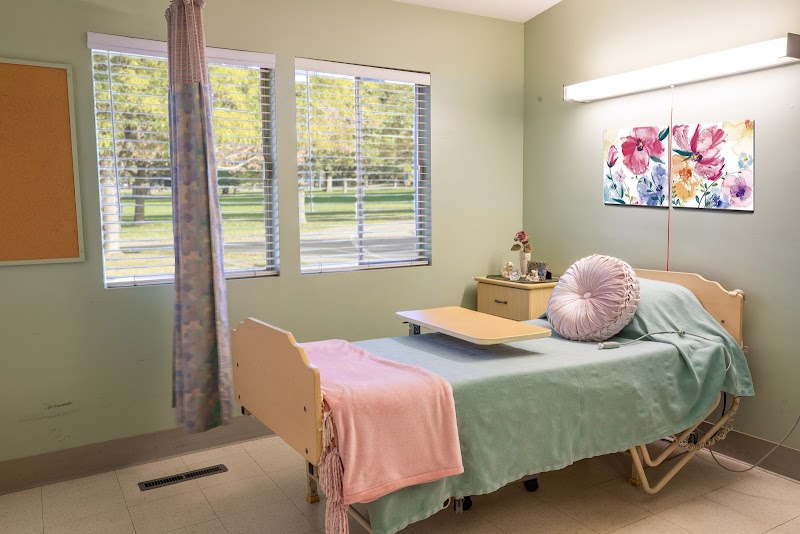
CMS rates Santa Maria Post Acute's staffing level at 2 out of 5 stars, which is below average compared to other nursing homes. Staff turnover is 54%, compared to the California average of 46%. RN turnover specifically is 88%, which is notably high. RNs provide skilled clinical oversight, so turnover in this role can affect medical care quality.

What Have Inspectors Found at Santa Maria Post Acute?

State health inspectors documented 49 deficiencies at Santa Maria Post Acute during 2019 to 2025. These included: 49 with potential for harm.

Who Owns and Operates Santa Maria Post Acute?

Santa Maria Post Acute is owned by a for-profit company. For-profit facilities operate as businesses with obligations to shareholders or private owners. The facility is operated by HELENE MAYER, a chain that manages multiple nursing homes. With 55 certified beds and approximately 50 residents (about 91% occupancy), it is a smaller facility located in Santa Maria, California.

How Does Santa Maria Post Acute Compare to Other California Nursing Homes?

Compared to the 100 nursing homes in California, Santa Maria Post Acute's overall rating (3 stars) is below the state average of 3.1, staff turnover (54%) is near the state average of 46%, and health inspection rating (3 stars) is at the national benchmark.

What Should Families Ask When Visiting Santa Maria Post Acute?

Based on this facility's data, families visiting should ask: "Can you walk me through typical staffing levels on day, evening, and night shifts?" "Can I visit during a mealtime to observe dining assistance and food quality?" "How do you handle medical emergencies, and what is your hospital transfer rate?" "Can I speak with family members of current residents about their experience?" These questions are particularly relevant given the below-average staffing rating.

Is Santa Maria Post Acute Safe?

Based on CMS inspection data, Santa Maria Post Acute has a clean safety record: no substantiated abuse findings (meaning no confirmed cases of resident harm), no Immediate Jeopardy citations (the most serious violation level indicating risk of serious injury or death), and is not on the Special Focus Facility watch list (a federal program monitoring the lowest-performing 1% of nursing homes). The facility has a 3-star overall rating and ranks #100 of 100 nursing homes in California. While no facility is perfect, families should still ask about staff-to-resident ratios and recent inspection results during their visit.

Do Nurses at Santa Maria Post Acute Stick Around?

Santa Maria Post Acute has a staff turnover rate of 54%, which is 7 percentage points above the California average of 46%. Moderate turnover is common in nursing homes, but families should still ask about staff tenure and how the facility maintains care continuity when employees leave.

Was Santa Maria Post Acute Ever Fined?

Santa Maria Post Acute has no federal fines on record. CMS issues fines when nursing homes fail to meet care standards or don't correct problems found during inspections. The absence of fines suggests the facility has either maintained compliance or corrected any issues before penalties were assessed. This is a positive indicator, though families should still review recent inspection reports for the full picture.

Is Santa Maria Post Acute on Any Federal Watch List?

Santa Maria Post Acute is not on any federal watch list. The most significant is the Special Focus Facility (SFF) program, which identifies the bottom 1% of nursing homes nationally based on persistent, serious quality problems. Not being on this list means the facility has avoided the pattern of deficiencies that triggers enhanced federal oversight. This is a positive indicator, though families should still review the facility's inspection history directly.