Valley Oaks Post Acute
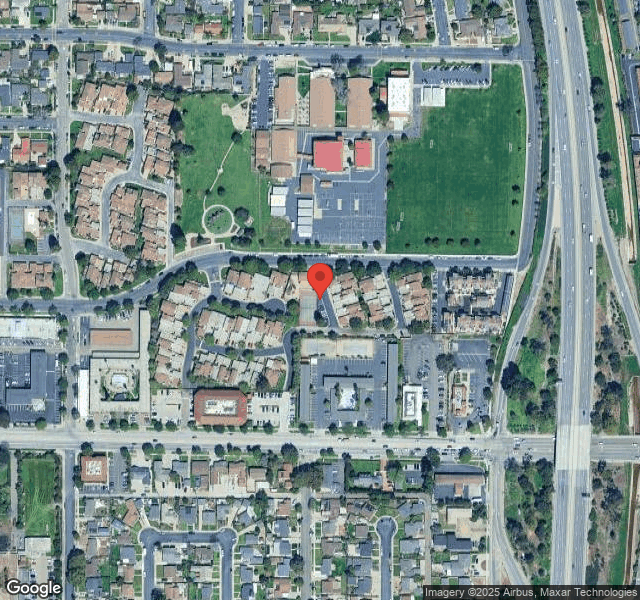
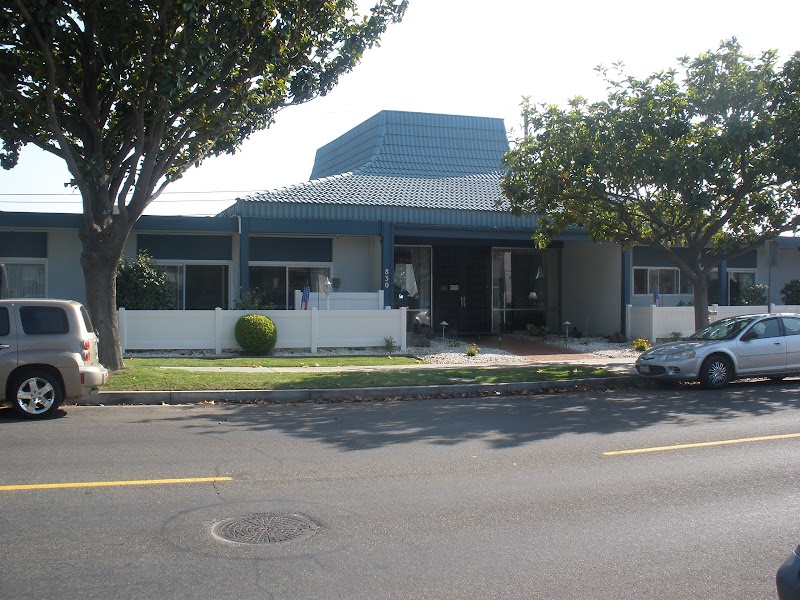
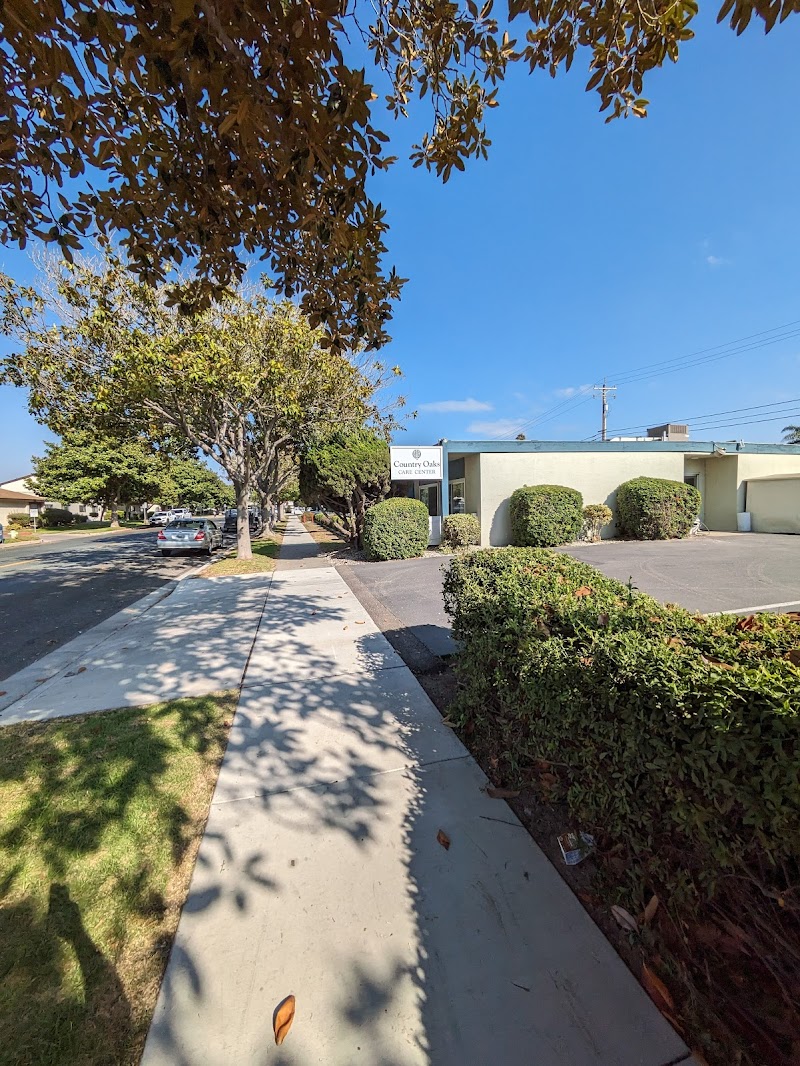
830 East Chapel Street, Santa Maria, CA 93454 (805) 922-6657
For profit - Limited Liability company 59 Beds Independent Data: November 2025
Trust Grade
60/100
#716 of 1155 in CA
Last Inspection: December 2024

Within standard 12-15 month inspection cycle. Federal law requires annual inspections.

Overview

Valley Oaks Post Acute in Santa Maria, California, has a Trust Grade of C+, indicating a decent level of care that is slightly above average. It ranks #716 out of 1155 facilities in California, placing it in the bottom half of the state, and #14 out of 14 in Santa Barbara County, meaning there are no better local options. The facility has shown improvement, reducing issues from eight in 2024 to five in 2025, which is a positive trend. Staffing is average with a 3 out of 5 rating and a turnover rate of 42%, which is near the California average, but they have good RN coverage, exceeding 78% of state facilities. There have been no fines, which is a good sign, but some concerning incidents were noted, such as wet dishes being stacked improperly, which could lead to foodborne illness, and a failure to create individualized activity plans for residents, potentially impacting their well-being. Overall, while there are strengths in staffing and a lack of fines, the facility needs to address its food handling practices and resident engagement strategies.
Trust Score
C+
60/100
In California
#716/1155
Bottom 39%
Safety Record
Low Risk
No red flags
Inspections
Getting Better
8 → 5 violations
Staff Stability
○ Average
42% turnover. Near California's 48% average. Typical for the industry.
Penalties
✓ Good
No fines on record. Clean compliance history, better than most California facilities.
Skilled Nurses
○ Average
Each resident gets 41 minutes of Registered Nurse (RN) attention daily — about average for California. RNs are the most trained staff who monitor for health changes.
Violations
⚠ Watch
41 deficiencies on record. Higher than average. Multiple issues found across inspections.
★★★☆☆
3.0
Overall Rating
★★★☆☆
3.0
Staff Levels
★★☆☆☆
2.0
Care Quality
★★★☆☆
3.0
Inspection Score
Stable
2024: 8 issues
2025: 5 issues

The Good

  • Full Sprinkler Coverage · Fire safety systems throughout facility
  • No fines on record
  • Staff turnover below average (42%)

    6 points below California average of 48%

Facility shows strength in fire safety.

The Bad

3-Star Overall Rating

Near California average (3.1)

Meets federal standards, typical of most facilities

Staff Turnover: 42%

Near California avg (46%)

Typical for the industry

The Ugly 41 deficiencies on record

Sept 2025 1 deficiency
CONCERN (D) 📢 Someone Reported This

A family member, employee, or ombudsman was alarmed enough to file a formal complaint

Potential for Harm - no one hurt, but risky conditions existed

Medical Records (Tag F0842)

Could have caused harm · This affected 1 resident

**NOTE- TERMS IN BRACKETS HAVE BEEN EDITED TO PROTECT CONFIDENTIALITY** Based on interview and record review, the facility failed to maintain accurate medical records for one resident (Resident 1) whe...

Read full inspector narrative →
**NOTE- TERMS IN BRACKETS HAVE BEEN EDITED TO PROTECT CONFIDENTIALITY** Based on interview and record review, the facility failed to maintain accurate medical records for one resident (Resident 1) when it was documented a medication was administered when in fact the resident left the facility, and the medication was administered by an outside provider.This failure resulted in Resident 1's medication administration record (MAR) reflecting inaccurate documentation of prescribed medication.Findings:During a review of Resident 1's Medication Administration Record (MAR), dated 8/2/25 through 8/7/25 the MAR indicated, on 8/3/25 and 8/7/25 medication given.During a review of Resident 1's outside provider's Medication Dosing Log (MDL), dated 8/2/25 through 8/7/25 the MDL indicated, on 8/3/25 and 8/7/25 medication was administered at their facility.During an interview on 9/22/25 at 4:30 p.m. with Director of Nursing (DON), DON verbalized, the resident did not receive the medication in the facility, was receiving the medication from an outside provider.Review of [NAME] and [NAME], Tenth Edition, Fundamentals of Nursing, page 609 in the section titled, Medication Administration, indicated, After administering a medication, immediately document which medication was given on a patient's MAR per agency policy to verify that it was given as ordered.
Jul 2025 1 deficiency
CONCERN (D) 📢 Someone Reported This

A family member, employee, or ombudsman was alarmed enough to file a formal complaint

Potential for Harm - no one hurt, but risky conditions existed

Deficiency F0637 (Tag F0637)

Could have caused harm · This affected 1 resident

**NOTE- TERMS IN BRACKETS HAVE BEEN EDITED TO PROTECT CONFIDENTIALITY** Based on interview and record review, the facility failed to document a comprehensive nursing assessment for one of two resident...

Read full inspector narrative →
**NOTE- TERMS IN BRACKETS HAVE BEEN EDITED TO PROTECT CONFIDENTIALITY** Based on interview and record review, the facility failed to document a comprehensive nursing assessment for one of two residents sampled (Resident 1). This failure had the potential for the receiving facility not to have sufficient information necessary to develop and implement a plan of care to meet Resident 1's needs. Findings: During a concurrent interview and record review on 7/3/25 at 4:27 p.m. with Director of Nursing (DON), Resident 1's Nursing Progress Notes (NPN), dated 3/13/25 through 3/19/25 were reviewed. There was no evidence in the NPN that a comprehensive assessment was completed before Resident 1 was sent to the Emergency Department (ED) for coffee ground emesis (is a sign of upper gastrointestinal [GI] bleeding). DON stated there was no assessment documented and there should have been. Review of [NAME] and [NAME], Tenth Edition, Fundamentals of Nursing, page 365 in the section titled, Informatics and Documentation, indicated, Documentation is a key communication strategy that produces a written account of pertinent data, clinical decisions and interventions, and patient responses in a health record. Documentation in a patient's health record is a vital aspect of nursing practice.
Jul 2025 2 deficiencies
CONCERN (D) 📢 Someone Reported This

A family member, employee, or ombudsman was alarmed enough to file a formal complaint

Potential for Harm - no one hurt, but risky conditions existed

Deficiency F0658 (Tag F0658)

Could have caused harm · This affected 1 resident

**NOTE- TERMS IN BRACKETS HAVE BEEN EDITED TO PROTECT CONFIDENTIALITY** Based on interview and record review, the facility failed to ensure one of three residents (Resident 1) received treatment for t...

Read full inspector narrative →
**NOTE- TERMS IN BRACKETS HAVE BEEN EDITED TO PROTECT CONFIDENTIALITY** Based on interview and record review, the facility failed to ensure one of three residents (Resident 1) received treatment for two pressure ulcers. This failure had the potential for the pressure ulcers to become worse and delay healing. Findings: During a review of Resident 1's admission Record (AR), [undated], the AR indicated in part, Resident 1 was admitted to the facility on [DATE] with diagnoses including, pressure ulcer of sacral region (base of the spine) stage 4 (most severe stage of a bedsore that is an open wound with extensive tissue damage that extends to muscle, bone, tendon, or other supporting structures), pressure induced deep tissue damage of left heel (a severe form of pressure ulcer where the injury originates beneath the skin's surface with damage to underlying soft tissue), Type 2 Diabetes Mellitus (the body cannot use insulin [a hormone which regulates the amount of glucose in the blood] correctly and sugar builds up in the blood), chronic kidney disease stage 4 (condition in which kidneys have moderate to severe damage and cannot filter blood as well as they should), acute respiratory failure with hypoxia (lungs cannot adequately oxygenate the blood, resulting in low blood oxygen levels (hypoxemia) without a significant increase in carbon dioxide levels), and bacteremia (presence of bacteria in the bloodstream). During a review of Resident 1's Order Summary Report (OSR), [undated], the OSR indicated in part, an order dated 5/23/25, Left heel dark purple discoloration pressure ulcer: Cleanse with NS. Pat dry. Apply triad cream to wound bed and cover with foam dressing. Change every day shift. An additional order dated 5/23/2025 indicated, Stage 4 pressure ulcer sacro-coccyx: Cleanse with NS. Pat dry. Apply hydrogel to wound bed. Cover with foam dressing. Change every day shift. During a concurrent interview and record review on 7/2/25 at 2:15 p.m. with the director of nurses (DON), Resident 1's Treatment Administration Record (TAR) schedule for May 2025 was reviewed. The TAR indicated, missing entries on 5/23/2025 and 5/24/2025 for Left heel dark purple discoloration pressure ulcer: Cleanse with NS. Pat dry. Apply triad cream to wound bed and cover with foam dressing. Change every day shift. Order Date 5/23/25 1444, and missing entries on 5/23/2025 and 5/24/2025 for Stage 4 pressure ulcer sacro-coccyx: Cleanse with NS. Pat dry. Apply hydrogel to wound bed. Cover with foam dressing. Change every day shift. Order Date 05/23/2025 1444. The DON verbalized blank indicates it wasn't done, and if it was done there should be a checkmark. The DON further stated, This is a new admit and it's the weekend. They should have been started. It's there already and supposed to be done. During a review of the facility's policy and procedure (P&P) titled, Pressure Ulcers/Skin Breakdown - Clinical Protocol, dated April 2018, P&P indicated 2. In addition, the nurse shall describe and document/report the following: (a) Full assessment of pressure sore including location, stage, length, width and depth, presence of exudates or necrotic tissue .d) Current treatments, including support surfaces . According to Fundamental of Nursing, by [NAME] and [NAME], Eighth Edition, on page 336, under the section, Physicians' Orders indicated, Nurses follow physician orders unless they believe the orders are in error or harm patients.
CONCERN (D) 📢 Someone Reported This

A family member, employee, or ombudsman was alarmed enough to file a formal complaint

Potential for Harm - no one hurt, but risky conditions existed

Quality of Care (Tag F0684)

Could have caused harm · This affected 1 resident

**NOTE- TERMS IN BRACKETS HAVE BEEN EDITED TO PROTECT CONFIDENTIALITY** Based on interview and record review, the facility failed to ensure assessments and notifications of change in conditions were c...

Read full inspector narrative →
**NOTE- TERMS IN BRACKETS HAVE BEEN EDITED TO PROTECT CONFIDENTIALITY** Based on interview and record review, the facility failed to ensure assessments and notifications of change in conditions were completed for one of three sampled residents (Resident 1) when: 1. A change in condition (COC) was not completed for Resident 1's right eye. 2. A post fall risk assessment was not completed. 3. Family was not notified of Resident 1's COCs. 4. Interdisciplinary Team (IDT) meeting was not conducted within 72 hours of Resident 1's COCs. These facility failures resulted Resident 1's medical record not reflecting accurate change in condition and assessment, family not notified of Resident 1's changes in conditions, hospice not notified of Resident 1's fall, delayed interdisciplinary team review of Resident 1's changes in conditions and had the potential for Resident 1 to not receive adequate care to meet Resident 1's highest practicable physical, mental, and psychosocial well-being. Findings: During a review of Resident 1's admission Record (AR), [undated], the AR indicated in part, Resident 1 was admitted to the facility on [DATE] with diagnoses including, pressure ulcer of sacral region (base of the spine) stage 4 (most severe stage of a bedsore that is an open wound with extensive tissue damage that extends to muscle, bone, tendon, or other supporting structures), pressure induced deep tissue damage of left heel (a severe form of pressure ulcer where the injury originates beneath the skin's surface with damage to underlying soft tissue), Type 2 Diabetes Mellitus (the body cannot use insulin [a hormone which regulates the amount of glucose in the blood] correctly and sugar builds up in the blood), chronic kidney disease stage 4 (condition in which kidneys have moderate to severe damage and cannot filter blood as well as they should), acute respiratory failure with hypoxia (lungs cannot adequately oxygenate the blood, resulting in low blood oxygen levels (hypoxemia) without a significant increase in carbon dioxide levels), and bacteremia (presence of bacteria in the bloodstream). 1. During an interview on 7/2/25 at 12:49 p.m., with Licensed Nurse (LN 1), LN 1 stated, I saw (Resident 1) when one eye was blood shot. I think therapy was telling me the resident was nauseous and was trying to throw up and when he looked back up his eye was red, so he was straining too hard. LN 1 further stated, It should be documented because it's a COC. During a concurrent interview and record review on 7/2/25 at 2:09 p.m. with the Director of Nursing (DON), Resident 1's medical record was reviewed. A Situation Background Assessment Recommendation (SBAR) (a document to provide essential, concise information regarding a change in condition) related to a change in Resident 1's right eye was not located in Resident 1's medical record. The DON verbalized there was no COC completed for Resident 1's eye, and there should be one. The DON further verbalized there was a notification on the same day that the doctor and hospice were notified, but there was no actual assessment and there should have been. The DON stated, For the COC it should have been written by the SBAR and there is none. During a review of the facility's policy and procedure (P&P) titled, Change in Resident's Condition or Status, dated May 2017, the P&P indicated, 6. The nurse will record in the resident's medical record information relative to changes in the resident's medical/mental condition or status. During a review of the facility's P&P titled, Charting and Documentation, dated 2001, the P&P indicated, All services provided to the resident, progress toward the care plan goals, or any changes in the resident's medical, physical, functional or psychosocial condition, shall be documented in the resident's medical record. The medical record should facilitate communication between the IDT regarding the resident's condition and response to care .2) The following information is to be documented in the resident medical record .d) Changes in the resident's condition; e) Events, incidents or accidents involving the resident . 2. During an interview on 7/2/25 at 11 a.m. with the Director of Nursing (DON), DON stated Resident 1 fell one time on 5/31/2025 and was found sitting on the floor. During a concurrent interview and record review on 7/2/2025 at 2:09 p.m., with the DON, Resident 1's medical record was reviewed. A post fall assessment was not located in Resident 1's medical record. DON verbalized there's no policy that says you have to do a post fall assessment and further stated, The post fall assessment was not done for this patient, and it's something that should be done. I agree, and if we're doing it, it should be in our policy and procedure and unless I'm missing it, I didn't see any that talked about it . It's part of our orientation and education upon hire. During a review of Nurse Orientation Procedures and Documentation (NOPD), [undated], the NOPD indicated, Falls. 3) Assessment post fall. During a review of the facility's P&P titled, Assessing Falls and their Causes, dated March 2018, the P&P indicated, The purpose of this procedure are to provide guidelines for assessing a resident after a fall and to assist staff in identifying causes of the fall . Performing a Post-Fall Evaluation: 1) After a first fall, a nurse and/or physical therapist will watch the resident attempt to rise from a chair without using his or her arms, walk several paces, and return to sitting, and will document the results of this effort . Documentation. When a resident falls, the following information should be recorded in the resident's medical record: 5) Completion of a falls risk assessment. 3. During a concurrent interview and record review on 7/2/25 at 11 a.m., with the DON, the facility's P&P titled, Change in a Resident's Condition or Status, was reviewed. The P&P indicated, Policy Statement - Our facility shall promptly notify the resident, his or her Attending Physician, and representative of changes in the resident's medical/mental condition and/or status . Policy Interpretation and Implementation 2. Unless otherwise instructed by the resident, a nurse will notify the resident's represenative when: a. The resident is involved in any accident or incident that results in an injury . b. There is a significant change in the resident's physical . The DON stated Resident 1 fell one time, was found sitting on the floor, didn't complain of any pain. There was an incident after that, (Resident 1) was nauseated 2-3 days after and coughing and (Resident 1's) right eye was blood shot. The doctor was notified and Hospice was aware also. When Resident 1 fell, we notified hospice. Resident 1 fell on 5/31/25. DON stated, I'm not seeing that the family was notified . If a patient is alert and oriented we ask if they want their family notified. I'm not sure if the nurse had the conversation with the patient as to if they want family to be notified and it should have been done. No one other than hospice was notified of the fall. Resident 1 had blood shot eyes, and the hospice was notified. Both responsible parties should have been notified. The nurses note has doctor notified and (Name of Hospice) on 6/3/25. During an interview on 7/2/2025 at 12:49 p.m., with Licensed Nurse (LN 1), LN 1 stated If a patient falls, we notify the provider and family . It is standard practice at the facility to call family if a patient falls. 5. During a concurrent interview and record review on 7/2/225 at 2 p.m., with the DON, Resident 1's Interdisciplinary Team Note, dated 6/20/25 at 05:22 indicated, IDT MET: 06/17/2025 at 2 p.m. Patient had a fall incident on 5/31/25 at 3:45 p.m. MD/RP/(name) Hospice was notified of the incident. Patient also noted with right eye bloodshot (subconjunctival hemorrhage) on 6/3 (6/3/25) . Hospice and MD were notified by LN. Hospice notified RP . (family) from out of the area came to visit patient on 6/16, discussed with (family) the fall incident . Possible cause of red eye discussed with (family) . (family) in agreement with POC at this time. Hospice aware. DON stated, It (IDT meting) should be in 72 hours, so this wasn't done. I will take responsibility of that fall. During a review of the facility's P&P titled, Charting and Documentation, dated 2001, the P&P indicated, All services provided to the resident, progress toward the care plan goals, or any changes in the resident's medical, physical, functional or psychosocial condition, shall be documented in the resident's medical record. The medical record should facilitate communication between the interdisciplinary team regarding the resident's condition and response to care .2) The following information is to be documented in the resident medical record .d) Changes in the resident's condition; e) Events, incidents or accidents involving the resident .
Jan 2025 1 deficiency
CONCERN (D) 📢 Someone Reported This

A family member, employee, or ombudsman was alarmed enough to file a formal complaint

Potential for Harm - no one hurt, but risky conditions existed

Quality of Care (Tag F0684)

Could have caused harm · This affected 1 resident

**NOTE- TERMS IN BRACKETS HAVE BEEN EDITED TO PROTECT CONFIDENTIALITY** Based on interview and record review, the facility failed to ensure one of three residents (Resident 1) received quality care wh...

Read full inspector narrative →
**NOTE- TERMS IN BRACKETS HAVE BEEN EDITED TO PROTECT CONFIDENTIALITY** Based on interview and record review, the facility failed to ensure one of three residents (Resident 1) received quality care when Resident 1 was admitted to the facility with a diagnosis of Type 2 Diabetes ([DM2] a chronic condition when blood sugar levels are persistently high [hyperglycemia]) and continued to have high blood glucose levels. This failure resulted in Resident 1 being transferred to the hospital and had the potential to contribute to the resident's death the following morning. Findings: During a review of Resident 1's Face Sheet, the Face Sheet indicated, Resident 1 was admitted to the facility on [DATE] with diagnoses that included: DM2 with neuropathy (a type of nerve damage that can occur if you have diabetes), Chronic Obstructive Pulmonary Disease ([COPD] lung disease causing restricted airflow and breathing problems), Pneumonia (an infection of the lungs), atherosclerotic heart disease (a buildup of fats, cholesterol and other substances in the arteries), chronic kidney disease (kidneys are damaged and cannot filter blood as well as they should), congestive heart failure (heart muscle is weakened or damaged and cannot pump blood well), high blood pressure, transient ischemic attack (interruption in blood flow to the brain), and cerebral infarct (stroke-disrupted blood flow to the brain). During a review of Resident 1's documents from the acute hospital located in the facility's medical record for Resident 1 indicated, History & Physical (H&P), dated 12/31/24, the H&P indicated, Resident 1 had an active diagnosis of DM2. Under Additional Current Orders . insulin lispro sliding scale. In addition, under Assessment and Plan . resume lantus (a long-acting insulin used to control high blood sugar) 5 units daily and ssi (sliding scale insulin). Further review of documents from the acute hospital indicated, a physician progress note dated 1/5/25 under Assessment/Plan 3: dm2-continue lantus 5 units daily and ssi. A physician progress note dated 1/6/25, indicated, Resident 1 was on Lantus sliding scale. The medication reconciliation sheet from the acute hospital, dated 1/2/25 indicated, insulin lispro sliding scale. There was no discharge summary from the acute hospital in the facility's medical record for Resident 1. During a concurrent interview and record review on 1/27/25 at 12:40 p.m. with the Director of Nursing (DON), Resident 1's Medical Record was reviewed. DON verbalized Resident 1 had a diagnosis of DM2 and was not admitted to the facility with an insulin sliding scale order, but they have a protocol in place to check the sugar and they checked it daily. The admission nurse put the resident on the protocol for finger stick checks. Our facility protocol is to call the doctor if the blood sugar result is over 400 and if it is below 70, we have a hypoglycemia protocol in place and we call the doctor. There were some high blood sugar results like 380 and it was more consistently high. It was 230 at some points and sugar checks are early in the morning at 6:30 a.m. Resident 1 was admitted for respiratory, maybe the flu. During a review of Resident 1's Progress Note, dated 1/14/25, by the Physician Assistant, the Progress Note indicated, This is an [AGE] year-old gentleman with significant past medical history of coronary artery disease with diastolic dysfunction, COPD, and multiple other medical issues who was admitted for shortness of breath. Patient was found to have COPD exacerbation with upper respiratory infection with rhinovirus. Medically, patient was treated and subsequently was sent here for further rehabilitation. The only mention of Resident 1 having DM2 is under the heading Current Medications, Glucose gel. Under Assessment/Plan there is no mention of a plan for Resident 1's DM2. The only mention of Resident 1 having DM2 is under the heading Current Medications, Glucose gel. Under Assessment/Plan there is no mention of a plan for Resident 1's DM2. During a review of Resident 1's Progress Notes, dated 1/15/25, the Progress Note indicated, Dr. (name) was notified at approximately 0550 because the resident ' s finger stick was HI. It was taken twice. Dr. (name) said to give him 10 units of Lispro and recheck in one hour. At approximately 0715 the finger stick was retaken and it still read out HI. Message left with Dr. The AM nurse was told about this resident ' s finger sticks and the insulin was given. She was told that the fingerstick was retaken and it read out HI. There was no order written or signed by the physician for the 10 units of Lispro. There were no further progress notes regarding Resident 1's glucose until 1/17/25. Resident 1's blood glucose level was documented on the MAR on 1/16/25 as 388. During a concurrent interview and record review on 1/27/25 at 1:05 p.m. with Licensed Nurse (LN 1) Resident 1's Medication Administration Record (MAR) was reviewed and indicated, blood sugar checks began on 1/9/25 with a result of 144 fasting. LN 1 further verbalized Resident 1's blood sugar kept getting higher, it was 252 the next day then 385 and the next day 390. Our standard is to notify the doctor if it is above 400. The night shift nurse notified the doctor on 1/15/25 at 5:58 a.m. and the order received from the doctor was to give 10 units of Lispro and check in one hour, then it was checked at 7:15 a.m. and it was reading HI and that was during shift change and Resident 1 was endorsed to the next nurse. LN 1 verbalized there was no further documentation about blood sugars until 1/17/25 when Resident 1's blood sugar had another high result and that is when they sent Resident 1 out. During a review of Resident 1's Health Status Note, created 1/25/25, the Note indicated Late entry, This note is a follow up to: 1/17/2025 06:55 Health Status note. Effective Date 1/18/25 at 01:21. Administered 10 units of Lispro as per order at 0645. Resident is alert and verbally responsive. Rechecked fingerstick at 0720am, result 482mg/dl. Oncoming nurse made aware. During a review of Resident 1's Health Status Note, created 1/26/25, the Note indicated Late entry, This note is a follow up to: 1/17/2025 16:14 Health Status note. Effective Date 1/17/25 at 10:05. 7:30 Pt in bed, arousable. Breakfast being served to the residents. Around 8:15, pt in bed awake and responsive. Fingerstick re checked, high. MD was notified. Aware of the 10 units administered in the morning. MD stated he will do rounds. Around 9, pt awake in bed and stated he did not feel like eating. But routine morning meds given and tolerated well. VS WNL. O2 at 96 via NC. Fingerstick re checked at this time at 398. Around 9:40 MD in the facility was notified of patients events regarding his BS (blood sugar) . During a review of Resident 1's, Order Summary Report, dated 1/17/25, the Order indicated, Insulin Lispro subcutaneous Pen-Injector 200 unit/ml inject as per sliding scale . subcutaneously before meals for Hyperglycemia. Notify MD if BS <70 or >400; Insulin Lispro subcutaneous Pen-Injector 200 unit/ml inject as per sliding scale . subcutaneously at bedtime for Hyperglycemia . During a review of Resident 1's Weights and Vitals Summary (WVS), the WVS indicated, blood sugar results as follows: 1/9/25 - 144 mg/dl (milligrams per deciliter, a unit of measurement) at 6:38 a.m. 1/10/25 - 252 at 6:47 a.m. 1/11/25 - 385 at 6:30 a.m. 1/12/25 - 390 at 6:17 a.m. 1/13/25 - 296 at 6:30 a.m. 1/14/25 - 389 at 6:24 a.m. 1/15/25 - 498 at 6:10 a.m. 1/16/25 - 388 at 5:31 a.m. 1/17/25 - 500 at 6:03 a.m. During a review of American Medical Response (AMR), document, dated 1/17/25 at 9:48 a.m., the AMR indicated, The patient was found laying on his bed at the SNF. He was A/Ox0. Staff said he is normally A/Ox4. They said he wasn ' t acting normal and they checked his BG. They said it read High. I was unable to get a BG, ours read E-S. He was trauma. Skin signs were normal. Lung sounds rhonchi (low pitched rattling sound) No signs of vomiting. He had a clear open airway. Report and transfer care to the RN. During a review of Resident 1's Emergency Department (ED), document, dated 1/17/25, ED indicated, Reason for visit; clinical diagnosis: altered mental status . Medication list, home meds as of 1/17/25 insulin glargine order date 7/22/18, insulin Lispro order date 7/22/18 . During a review of Resident 1's hospital Discharge Summary, dated 1/18/25, the Discharge Summary indicated, Final diagnoses: 1. Diabetic ketoacidosis with coma. 2. Acute kidney injury related to diabetic ketoacidosis. 3. Ventricular tachycardia (serious heart rhythm disorder with a rapid, irregular heartbeat . Resident 1 (name) is an unfortunate [AGE] year-old man who presented to the ED from the nursing home he was rehabilitating at and was noted to have obtundation. He was sent to the ED and was found to be in diabetic ketoacidosis with his blood glucose at 862. He was with AKI (Acute Kidney Failure) as well with a creatinine of 2.5 and a BUN of 50 . he was extremely dehydrated, somnolent, not really responding to questions appropriately and confused. He was given IV fluid, started on insulin drip and admitted to the ICU. Overnight, the patient ' s blood glucose levels dropped into the 250 range . he had sporadic low blood pressures . later he was noted in the ICU to have persistent bradycardia into the 50's and then at 3:35 he developed ventricular tachycardia and subsequently asystole. Time of death was 3:38 a.m. on 1/18/25. During a review of the facility's policy and procedure (P&P) titled, Nursing care of the older adult with diabetes mellitus, revised November 2020, the P&P indicated, Purpose. To provide an overview of diabetes in the older adult, its symptoms and complications, and the principles of glucose monitoring. For further diabetes education and guidelines, refer to the provider orders and instructions as well as the American Diabetes Association, Standards of Medical Care in Diabetes. Symptoms associated with Diabetes 1) Hyperglycemia. Uncontrolled diabetes from lack of insulin or inadequate insulin results in hyperglycemia (blood sugar above target levels) . 2) Diabetic ketoacidosis (DKA) (diabetic coma). Ketoacidosis occurs when hyperglycemia is untreated and the cells begin to metabolize fat for energy . DKA is a life-threatening emergency that needs immediate medical attention . During a review of the facility's P&P titled, Attending Physician Responsibilities/Documentation, revised August 2014, the P&P indicated, The Attending Physicians shall be the primary practitioners responsible for providing medical services and coordinating the healthcare of each resident in the facility. Each attending physician will be responsible for the following: 1) Accepting responsibility for initial and subsequent resident care; 4) Providing appropriate resident care; 5) Providing appropriate, timely medical orders; Providing appropriate, timely, and pertinent documentation . Accepting Responsibility for Resident Care 1) The Attending Physician will assess new admissions in a timely fashion, according to the individual's medical stability. 2) The Attending Physician will seek, provide, and analyze information regarding a resident ' s current status, recent history, and medications and treatments to enable safe, effective continuing care . 2b) The review should be extensive enough to ensure that the current approach overall is consistent with the individual's medical condition, goals, prognosis, and wishes. Providing Appropriate Care 3) In consultation with facility staff, the Physician will identify appropriate treatments and services, consistent with each individual's diagnoses, condition, prognosis, and wishes .
Dec 2024 5 deficiencies
CONCERN (D)

Potential for Harm - no one hurt, but risky conditions existed

Deficiency F0567 (Tag F0567)

Could have caused harm · This affected 1 resident

Based on interviews, record review, and facility policy review, the facility failed to provide residents with access to their personal funds on weekends for 1 (Resident #20) of 5 residents sampled for...

Read full inspector narrative →
Based on interviews, record review, and facility policy review, the facility failed to provide residents with access to their personal funds on weekends for 1 (Resident #20) of 5 residents sampled for personal funds . Findings included: A facility policy titled, Deposit of Resident Funds, revised 03/2021, revealed 1. Should the resident permit the facility to hold, safeguard, and manage his or her personal funds, the facility will: c. provide the resident access to funds of fifty (50) dollars or less within twenty-four (24) hours, and access to funds in excess of fifty (50) dollars within three banking days. 2. Funds not on deposit in the resident's account are deposited into the resident petty cash fund managed by the facility on behalf of the residents. The State Operations Manual (SOM) Appendix PP - Guidance to Surveyors for Long Term Care Facilities guidance at tag F567 indicated, Resident requests for access to their funds should be honored by facility staff as soon as possible but no later than: - The same day for amounts less than $100.00 ($50.00 for Medicaid residents); - Three banking days for amounts of $100.00 ($50.00 for Medicaid residents) or more. An admission Record revealed the facility admitted Resident #20 on 10/12/2022. According to the admission Record, the resident had a medical history that included diagnoses of type 2 diabetes mellitus with hyperglycemia, hypothyroidism, and mixed hyperlipidemia. A quarterly MDS, with an ARD of 11/01/2024, revealed Resident #20 scored 15 on a BIMS, which indicated the resident had intact cognition. During an interview on 12/18/2024 at 12:41 PM, Resident #20 stated they had asked for funds on the weekend and were told they could not get any because, I have to ask the lady [Business Office employee] for it. The resident stated the Administrator could not give the money to them because, we have to ask on the weekdays. During an interview on 12/18/2024 at 3:02 PM, the Director of Nursing (DON) stated the Business Office employee was available five days a week. The facility would manage the residents' money for them, and whenever they asked for their money after hours and on weekends, they expected that the residents would have access to it. The DON indicated both the Administrator and the DON had access to the residents' funds. During an interview on 12/18/2024 at 3:59 PM, the Administrator stated that upon admission, the residents were encouraged to have their valuables and funds stored for them. The Administrator indicated that on the weekends, they wanted to limit who had access to the residents' funds. The Administrator stated he was available on weekends for an emergency but, if it can wait until Monday, then we encourage that. He indicated the facility tried to accommodate the residents before the weekend if they were aware.
CONCERN (E)

Potential for Harm - no one hurt, but risky conditions existed

Accident Prevention (Tag F0689)

Could have caused harm · This affected multiple residents

**NOTE- TERMS IN BRACKETS HAVE BEEN EDITED TO PROTECT CONFIDENTIALITY** Based on observations, interviews, records reviews, and facility policy review, the facility failed to ensure an evaluation for ...

Read full inspector narrative →
**NOTE- TERMS IN BRACKETS HAVE BEEN EDITED TO PROTECT CONFIDENTIALITY** Based on observations, interviews, records reviews, and facility policy review, the facility failed to ensure an evaluation for causative factors was conducted and documented after each fall to facilitate the ability to develop effective fall prevention interventions and failed to ensure accurate information about residents' falls was maintained for 2 (Resident #36 and Resident #25) of 2 sampled residents reviewed for accidents. Findings included: A facility policy titled, Fall Risk Assessment, revised 03/2018, indicated, 9. The staff and attending physician will collaborate to identify and address modifiable fall risk factors and interventions to try to minimize the consequences of risk factors that are not modifiable. A facility policy titled, Falls and Fall Risk, Managing, revised 03/2018, indicated, Based on previous evaluations and current data, the staff will identify interventions related to the resident's specific risks and causes to try to prevent resident from falling and to try to minimize complication from falling. The policy also specified, According to the Minimum Data Set (MDS), a fall is defined as: unintentionally coming to rest on the ground, floor, or other lower level, but not as a result of an overwhelming external force (e.g. [for example], a resident pushes another resident). According to the policy, A fall without injury is still a fall. Unless there is evidence suggesting otherwise, when a resident is found on the floor, a fall is considered to have occurred. The policy also indicated, 5) If falling recurs despite initial interventions, staff will implement additional or different interventions or indicate why current approaches remain relevant. 6) If underlying causes cannot be readily identified or corrected, staff will try various interventions, based on assessment of the nature or category of falling, until falling is reduced or stopped, or until the reason for the continuation of the falling is identified as unavoidable. A facility policy titled, Assessing Falls and Their Causes, revised 03/2018, indicated, The purposes of the procedure are to provide guidelines for assessing a resident after a fall and to assist staff in identifying the causes of a fall. The policy specified, Defining Details of Falls: 1. After an observed or probable fall, clarify the details of the fall, such as when the fall occurred and what the individual was trying to do at the time the fall occurred. 2. For each individual, distinguish falls in the following categories: a. Rolling, sliding, or dropping from an object (e.g., from bed or chair to floor); b. Falling while attempting to stand up from a sitting or lying position. c. Falling while already standing and trying to ambulate. The policy indicated, Identifying Causes of a Fall or Fall Risk: 1. Within 24 hours of a fall, begin to try to identify possible or likely causes of the incident. Refer to resident-specific evidence including medical history, known functional impairments, etc. [et cetera]. 2. Evaluate chains of events or circumstances preceding a recent fall, including: a. Time of day of the fall; b. Time of last meal; c. What the resident was doing; d. Whether the resident was standing, walking, reaching, or transferring from one position to another; e. Whether the resident was among other persons or alone; f. Whether the resident was trying to get to the toilet; g. Whether any environmental risk factors were involved (e.g., slippery floor, poor lighting, furniture or objects in the way); and/or h. Whether there is a pattern of falls for this resident. 3. Continue to collect and evaluate information until the cause of falling is identified or it is determined that the cause cannot be found. The policy also indicated, Documentation: When a resident falls, the following information should be recorded in the resident's medical record: 1. The condition in which the resident was found. 2. Assessment data, including vitals and any obvious injuries. 3. Interventions, first aid, or treatment administered. 4. Notification of the physician and family, as indicated. 5. Completion of a falls risk assessment. 6. Appropriate interventions taken to prevent future falls. 1. An admission Record indicated the facility re-admitted Resident #36 on 01/04/2024. According to the admission Record, the resident had a medical history that included diagnoses of hepatic encephalopathy, alcoholic cirrhosis, and chronic hypoxic respiratory failure. An admission Minimum Data Set (MDS), with an Assessment Reference Date (ARD) of 01/10/2024, revealed Resident #36 scored 7 on a Brief Interview for Mental Status (BIMS), which indicated the resident had severe cognitive impairment. According to the MDS, the resident used a walker for mobility, required substantial/maximal assistance with rolling to the left and right and with chair/bed transfer, and required partial/moderate assistance with moving from a lying to a sitting position and moving from a sitting to a standing position. The MDS indicated the resident did not have a fall at any time in the last two to six months prior to admission. A review of the care plan for Resident #36 revealed a focus area dated as initiated 01/04/2024 that indicated the resident was at high risk for falls related to gait/balance problems secondary to morbid obesity, generalized pain/weakness, incontinence, chronic anemia, and an unawareness of safety needs. Interventions dated as initiated on 01/04/2024 directed staff to anticipate and meet the resident's needs; be sure the resident's call light was within reach and encourage the resident to use it for assistance as needed; ensure the resident was wearing appropriate footwear when ambulating or mobilizing in the wheelchair; follow the facility's fall protocol; and review information on past falls and attempt to determine the cause of falls, record possible root causes, alter or remove any potential causes if possible, and educate the resident / family / caregivers / interdisciplinary team (IDT) as to the causes. A document titled SBAR [Situation, Background, Appearance, Review] Communication Form and Progress Note for RNs [Registered Nurses]/LPNs [Licensed Practical Nurses]/LVNs [Licensed Vocational Nurses], dated 03/01/2024 and completed by Licensed Vocational Nurse (LVN) #6, indicated the LVN was notified at 9:35 PM that Resident #36 had fallen. According to the evaluation, a certified nurse aide (CNA) was providing incontinence care to the resident when the resident rolled to the right and rolled off the bed. The evaluation indicated the resident was seen on the side of the bed on their knees. According to the evaluation, the resident was assisted back to bed and complained of pain to their knees. The evaluation revealed that an abrasion was identified to the resident's right knee. The evaluation indicated acetaminophen was provided and that staff would continue to monitor. The evaluation indicated the physician was notified on 03/02/2024 at 10:00 PM. The resident's care plan did not contain evidence of any new interventions that were added after the resident's fall out of bed on 03/01/2024. As of 12/18/2024, all the interventions on the resident's fall prevention care plan were dated as initiated 01/04/2024. Review of Resident #36's medical record on 12/17/2024 revealed no evidence that the resident had experienced any further falls after 03/01/2024. An Incidents by Incident Type log, printed by the facility on 12/17/2024, revealed a list of the names of residents who had fallen between 01/01/2024 and 12/17/2024, as well as the dates of their individual falls; Resident #36's fall on 03/01/2024 was not included on the list. A Nursing Staffing Assignment and Sign-in Sheet, dated 03/01/2024 for the evening shift (the shift that began at 3:00 PM), indicated LVN #6 and Certified Nurse Aides (CNAs) #7, #8, #9, #10, #11, #12, and #13 were on duty on the date/shift of Resident #2's fall. During an interview on 12/18/2024 at 1:40 PM, LVN #6 stated he had worked a few shifts at the facility through a local staffing agency. LVN #6 stated he had not received any fall-specific training at the facility; however, he knew that when a resident fell while he was on duty, a change of condition form and a progress note must be completed after the resident was assessed. LVN #6 indicated he could not recall Resident #36 falling while he was on duty or any details related to any fall sustained by Resident #36. During an interview on 12/18/2024 at 2:05 PM, CNA #13 revealed that she had received fall training in the facility; however, she could not recall a fall sustained by Resident #36 while she was on duty. Attempts were made to contact CNAs #7, #8, #9, #10, #11, and #12 without success on the following dates/times: - CNA #7: 12/18/2024 at 2:46 PM (the surveyor left a message requesting a return call, but no return call was received). - CNA #8: 12/18/2024 at 2:48 PM (there was no option to leave a message). - CNA #9: 12/18/2024 at 2:49 PM (the surveyor left a message requesting a return call, but no return call was received). - CNA #10: 12/18/2024 at 2:56 PM (the surveyor left a message requesting a return call, but no return call was received). - CNA #11: 12/18/2024 at 2:52 PM (the surveyor left a message requesting a return call, but no return call was received). - CNA #12: 12/18/2024 at 3:04 PM (the surveyor left a message requesting a return call, but no return call was received). During an interview on 12/18/2024 at 10:03 AM, the Director of Nursing (DON) indicated that once a nurse completed an eInteract (SBAR) form, the fall was to be reviewed the next working day during the clinical stand-up meeting, which was attended by the Administrator, DON, Social Worker, Activity Director, and a nurse (either the Infection Preventionist or the Director of Staff Development). The DON stated that during a fall investigation, the facility attempted to interview the resident and/or their family, as well as any possible staff witnesses. The DON indicated that due to Resident #36's size, the facility would usually provide education to staff about the proper way to turn the resident to prevent falls from the bed. During an interview on 12/18/2024 at 1:57 PM, the DON revealed she was unable to locate any documentation that an investigation was completed related to Resident #36's 03/01/2024 fall, nor was she able to locate any documentation that the IDT had met to discuss the fall or that specific interventions were implemented to prevent further potential falls for Resident #36. During an interview on 12/19/2024 at 11:50 AM, the Director of Medical Records indicated she was responsible for conducting audits on all falls in the facility to ensure the nursing staff had conducted the proper assessments and completed all the required documentation in the resident's electronic medical record. She stated she had been responsible for these audits for approximately three years. She stated that the nurse must complete a communication note in the electronic medical record to alert her that a fall had occurred and was ready for review. She stated if the nurse did not initiate the communication note and someone started a change of condition form, that person could add a note in the change of condition book at the nurses' station. She indicated staff had to manually make the notation in this area; otherwise, she was not notified of the fall or change in condition. She stated she conducted audits twice weekly for missing documentation and provided notices to the nursing staff when documents were incomplete or missing, and then the nurse must initial the notice and return it to her when the documents were completed. During an interview on 12/19/2024 at 11:53 AM, the DON stated the nurse on duty at the time of a fall/incident should follow the guidance when recording an incident. She stated the SBAR notes did not notify management in any way and that the only way for management to know about an incident was for the nurse to fill out the communication note. During an interview on 12/19/2024 at 12:22 PM, the DON revealed that she utilized a screen called the dashboard on the electronic medical record system to notify her when a fall had occurred. She stated the nurse at the time of the fall was to enter a communication note in the electronic medical record and handwrite a note in the change of condition binder at the nurses' station. The DON explained if there was a communication note written after a fall, then the fall was discussed during the daily clinical meeting in order to determine the root cause of the fall and determine a plan for appropriate interventions. During an additional interview on 12/19/2024 at 2:56 PM, the DON stated she had no knowledge of Resident #36's 03/01/2024 fall prior to this week. She indicated the Medical Records Director would not be aware of a fall either, if the nurse did not complete a communication note. She stated her expectation was that nurses complete all required documents during the shift when the incident occurred. During an interview on 12/19/2024 at 3:12 PM, the Administrator indicated he expected the nurses to complete all required documentation on the shift when the incident occurred. During an interview on 12/19/2024 at 3:43 PM, the DON stated the last training the facility had provided on falls was in March of this year. 2. An admission Record indicated the facility admitted Resident #25 on 10/06/2022. According to the admission Record, the resident had a medical history that included diagnoses of Alzheimer's disease, subsequent encounter for an unspecified fall, and age-related osteoporosis. An annual Minimum Data Set (MDS), with an Assessment Reference Date (ARD) of 10/04/2024, revealed Resident #25 had short- and long-term memory impairment. The assessment indicated the resident was independent with ambulation and had sustained one fall with no injury since entry or since the prior assessment. Resident #25's care plan included a focus area (not dated) that indicated the resident was at risk for falls related to confusion, dementia, hypertension, psychoactive drug use, an unawareness of safety needs, wandering, and the use/side effects of medication. Interventions (not dated) directed staff to anticipate and meet the resident's needs; be sure the resident's call light was within reach and encourage the resident to use it for assistance as needed; ensure the resident was wearing appropriate footwear when ambulating or mobilizing in the wheelchair; follow the facility's fall protocol; and review information on past falls and attempt to determine the cause of falls, record possible root causes, alter or remove any potential causes if possible, and educate the resident / family / caregivers / interdisciplinary team (IDT) as to the causes. A document titled SBAR [Situation, Background, Appearance, Review] Communication Form and Progress Note for RNs [Registered Nurses]/LPNs [Licensed Practical Nurses]/LVNs [Licensed Vocational Nurses], dated 06/19/2024 and completed by Registered Nurse (RN) #14, indicated Resident #25 sustained an unwitnessed fall and was found on the floor between room [ROOM NUMBER] and the [NAME] nurse's station. Resident #25 was sitting on their buttocks with their arms extended for support. The report indicated that Resident #25 sustained no apparent injury . During an interview on 12/19/2024 at 8:40 AM, RN #14 indicated he worked in the facility periodically since May of 2024. RN #14 stated he recalled Resident #25 but was not present at the time of Resident #25's fall on 06/19/2024; however, he had been asked by the facility's Infection Preventionist (IP) nurse to initiate the documentation when he came on duty on the morning of 06/19/2024. RN #14 explained he was told the fall had occurred on the shift prior to his, but the documentation was not done, so he was asked to initiate it. RN #14 stated he did not have all the details of the fall and, therefore, could not complete all required documentation, but the initiation of the documentation would allow the facility to complete the remainder when they knew more details. An SBAR Communication Form and Progress Note for RNs/LPNs/LVNs, dated 10/04/2024 and completed by Licensed Vocational Nurse (LVN) #15, indicated Resident #25 sustained a fall on 10/04/2024 after being seen kicking a barrel in anger and losing their balance. During an interview on 12/19/2024 at 9:18 AM, LVN #15 indicated she was familiar with Resident #25; however, she was not present at the time of the resident's fall on 10/04/2024 but had come in as the charge nurse on day shift. LVN #15 stated she recalled the nurse present at the time of the fall had to leave the facility, and she was asked to initiate the eInteract form on the nurse's behalf. An SBAR Communication Form and Progress Note for RNs/LPNs/LVNs, dated 10/17/2024 and completed by Licensed Vocational Nurse (LVN) #18, indicated Resident #25 sustained a fall on 10/17/2024; however, the document did not provide details related to how the fall occurred. Attempts were made to contact LVN #18 for a telephone interview on 12/18/2024 at 8:16 PM and 12/19/2024 at 10:22 AM (the surveyor left two messages requesting a return call, but no return call was received). An SBAR Communication Form and Progress Note for RNs/LPNs/LVNs, dated 11/27/2024 and completed by Registered Nurse (RN) #17, indicated Resident #25 sustained a fall on 11/27/2024 due to weakness, low blood pressure, and seizure-like activity for a few seconds. An interview with RN #17 was not possible, as the Administrator informed the survey team that RN #17 was out of the country at the time of the survey. During an interview on 12/18/2024 at 10:03 AM, the Director of Nursing (DON) indicated that once a nurse completed an eInteract form, the fall was to be reviewed the next working day during the clinical stand-up meeting, which was attended by the Administrator, DON, Social Worker, Activity Director, and a nurse (either the Infection Preventionist or the Director of Staff Development). The DON stated that during the investigation, the facility attempted to interview the resident and/or their family as well as any possible staff witnesses. During an interview on 12/18/2024 at 1:57 PM, the DON indicated she was unable to locate any documentation that an investigation was completed and that the IDT had met to discuss the resident's falls, nor was she able to provide documentation of interventions that were initiated to prevent further potential falls for Resident #25. During an interview on 12/19/2024 at 11:50 AM, the Director of Medical Records indicated she was responsible for conducting an audit on all the falls in the facility to ensure the nursing staff had completed all required documentation in the resident's electronic medical record. She indicated that the nurse must complete communication documentation to alert her a fall had occurred and was ready for review. She stated she conducted these audits twice weekly for missing documentation and provided notices to the nursing staff when documents were incomplete or missing, and the nurse must initial the notice and return it to her when the documents were completed. During a follow-up interview on 12/19/2024 at 12:22 PM, the DON revealed that she utilized a screen called the dashboard on the electronic medical record system to notify her when a fall had occurred as well as complete a handwritten note in a binder located at the nurses' station. The DON explained if there was a communication note written after a fall, then the fall was discussed during the daily clinical meeting in order to determine the root cause of the fall and determine a plan for appropriate interventions. During an additional interview on 12/19/2024 at 2:56 PM, the DON stated she had no knowledge of Resident #25's falls prior to this week and that the Medical Records Director would not be aware of falls and start her audits either if no communication notes were done. She stated her expectation was that the nurses complete all required documents during the shift when the incident occurred. During an interview on 12/19/2024 at 3:12 PM, the Administrator indicated he expected the nurses to complete all required documentation on the shift when the incident occurred.
CONCERN (E)

Potential for Harm - no one hurt, but risky conditions existed

QAPI Program (Tag F0867)

Could have caused harm · This affected multiple residents

**NOTE- TERMS IN BRACKETS HAVE BEEN EDITED TO PROTECT CONFIDENTIALITY** Based on interview, record review, and facility document review, the facility failed to ensure the quality assessment and assura...

Read full inspector narrative →
**NOTE- TERMS IN BRACKETS HAVE BEEN EDITED TO PROTECT CONFIDENTIALITY** Based on interview, record review, and facility document review, the facility failed to ensure the quality assessment and assurance (QAA) committee developed and implemented appropriate plans of action to correct and identify quality deficiencies related to evaluation, tracking, and documentation of falls to facilitate the ability to identify any patterns, determine causal factors, and enable the facility to ascertain whether appropriate and effective interventions were implemented for 2 (Resident #25 and Resident #36) of 2 residents reviewed for falls. Findings included: The facility's Quality Assurance Performance Improvement (QAPI) Plan 2024, dated 01/2024, indicated, Feedback, Data Systems, and Monitoring a. Describe the overall system that will be put in place to monitor care and services, drawing data from multiple sources. The plan also specified several sources of data that would be monitored through QAPI, one of which was, Adverse events (incident reports, 24 hour report) and indicated that the interdisciplinary team (IDT) would review adverse events daily. The plan specified the processes by which the information would be communicated included a dashboard, monthly reports/graphs, logs, and minutes of all meetings. During the survey conducted from 12/16/2024 to 12/19/2024, review of Resident #36's and Resident #25's medical records revealed the following occasions when residents experienced falls and there was insufficient documentation to indicate the facility followed up on the falls in accordance with their established processes by discussing the falls in morning meetings, conducting root-cause analyses, developing and implementing interventions to address any identified root causes, and/or evaluating interventions for their effectiveness: a. A document titled SBAR [Situation, Background, Appearance, Review] Communication Form and Progress Note for RNs [Registered Nurses]/LPNs [Licensed Practical Nurses]/LVNs [Licensed Vocational Nurses], dated 03/01/2024 and completed by Licensed Vocational Nurse (LVN) #6, indicated the LVN was notified at 9:35 PM that Resident #36 had fallen. According to the evaluation, a certified nurse aide (CNA) was providing incontinence care to the resident when the resident rolled to the right and rolled off the bed. The evaluation indicated the resident was seen on the side of the bed on their knees. According to the evaluation, the resident was assisted back to bed and complained of pain to their knees. The evaluation revealed that an abrasion was identified to the resident's right knee. The resident's care plan did not contain evidence of any new interventions that were added after the resident's fall out of bed on 03/01/2024. An Incidents by Incident Type log, printed by the facility on 12/17/2024, revealed a list of the names of residents who had fallen between 01/01/2024 and 12/17/2024, as well as the dates of their individual falls; Resident #36's fall on 03/01/2024 was not included on the list. During an interview on 12/18/2024 at 1:57 PM, the DON revealed she was unable to locate any documentation that an investigation was completed related to Resident #36's 03/01/2024 fall, nor was she able to locate any documentation that the IDT had met to discuss the fall or that specific interventions were implemented to prevent further potential falls for Resident #36. b. An SBAR Communication Form and Progress Note for RNs/LPNs/LVNs, dated 06/19/2024 and completed by Registered Nurse (RN) #14, indicated Resident #25 sustained an unwitnessed fall and was found on the floor between room [ROOM NUMBER] and the [NAME] nurse's station. Resident #25 was sitting on their buttocks with their arms extended for support. The report indicated that Resident #25 sustained no apparent injury. During an interview on 12/19/2024 at 8:40 AM, RN #14 indicated he was not present at the time of Resident #25's fall on 06/19/2024; however, he had been asked by the facility's Infection Preventionist (IP) nurse to initiate the documentation when he came on duty on the morning of 06/19/2024. RN #14 explained he was told the fall had occurred on the shift prior to his, but the documentation was not done, so he was asked to initiate it. RN #14 stated he did not have all the details of the fall and, therefore, could not complete all the required documentation. An SBAR Communication Form and Progress Note for RNs/LPNs/LVNs, dated 10/04/2024 and completed by Licensed Vocational Nurse (LVN) #15, indicated Resident #25 sustained a fall on 10/04/2024 after being seen kicking a barrel in anger and losing their balance. During an interview on 12/19/2024 at 9:18 AM, LVN #15 indicated she was familiar with Resident #25 but was not present at the time of the resident's fall on 10/04/2024; however, she had come on duty as the charge nurse on the day shift following the incident. LVN #15 stated she recalled the nurse present at the time of the fall had to leave the facility, and she was asked to initiate the eInteract (SBAR) form on the nurse's behalf. An SBAR Communication Form and Progress Note for RNs/LPNs/LVNs, dated 10/17/2024 and completed by Licensed Vocational Nurse (LVN) #18, indicated Resident #25 sustained a fall on 10/17/2024; however, the document did not provide details related to how the fall occurred. Attempts were made to contact LVN #18 for a telephone interview on 12/18/2024 at 8:16 PM and 12/19/2024 at 10:22 AM (the surveyor left two messages requesting a return call, but no return call was received). An SBAR Communication Form and Progress Note for RNs/LPNs/LVNs, dated 11/27/2024 and completed by Registered Nurse (RN) #17, indicated Resident #25 sustained a fall on 11/27/2024 due to weakness, low blood pressure, and seizure-like activity for a few seconds. An interview with RN #17 was not possible, as the Administrator informed the survey team that RN #17 was out of the country at the time of the survey. A completed Matrix for Providers (CMS-802) provided by the facility on 12/16/2024 indicated there were no residents who had experienced falls, with or without injury, in the past 120 days. Resident #25's falls in the past 120 days (as listed above) were not captured on the CMS-802. An Incidents by Incident Type log, printed by the facility on 12/17/2024, revealed a list of the names of residents who had fallen between 01/01/2024 and 12/17/2024, as well as the dates of their individual falls; Resident #25's falls on 06/19/2024, 10/04/2024, 10/17/2024, and 11/27/2024 were not included on the list. During an interview on 12/18/2024 at 1:57 PM, the DON indicated she was unable to locate any documentation that investigations were completed or that the IDT had met to discuss the resident's falls, nor was she able to provide documentation of interventions that were initiated to prevent further potential falls for Resident #25. The following interviews were conducted regarding the facility's processes for follow-up and audits related to falls: During an interview on 12/19/2024 at 11:53 AM, the Director of Nursing (DON) stated a communication note should be completed by the nurse at the time of an incident, and then the communication notes were reviewed during the daily morning meetings. The DON revealed that completion of an incident report did not trigger a notification to administration/management, and the only way the electronic health record (EHR) system would alert management of an incident was if the staff completed a communication note. During an interview on 12/19/2024 at 12:22 PM, the DON stated the dashboard of the electronic health record (EHR) system alerted her to review when there was a communication note. The DON stated the nurse had to choose Communication Note and New to initiate a communication note. She stated when an incident occurred, the nurse was also supposed add a handwritten note to the Change of Condition (COD) binder for the resident to be monitored. The DON stated the Medical Records staff audited the EHR communications and the COD binder. The DON indicated the nurse was required to initiate and complete a risk management report and that this would also populate a progress note. The DON stated that when there was a communication note regarding a fall, the IDT would discuss the incident during the clinical part of the morning meetings. She revealed the staff who attended that meeting were the DON, the Infection Preventionist (IP), the Activity Director, the dietitian, and the Administrator. The DON stated that during the meeting, they discussed incidents, including who was involved, how the incident happened, and what they could do about the issue. She stated the purpose of the meeting was to do a root-cause analysis and then decide on a plan of intervention. The DON stated they had identified an ongoing issue with the communication notes. The DON indicated registry (staffing agency) nurses were given a written process/checklist to follow for recording an incident and that filling out a communication form was on the list. According to the DON, when a registry nurse came to work in the building for the first time, the nurse who was going off duty showed the new or agency staff where to find the listed items in the EHR. During an interview on 12/19/2024 at 3:23 PM, the Administrator stated he was the QAA contact person. He explained that during QAA meetings, the IDT discussed issues that affected the entire facility. He indicated root-cause analyses were completed for all concerns that were discussed. The Administrator stated the QAA committee had discussed the audit processes but had not discussed the missing falls documentation. According to the Administrator, the facility had previously identified that registry staff had not completed all the required falls documentation. The Administrator revealed if documents were noted to be missing, the management staff reached out to registry staff to have them completed. The Administrator revealed the resolution of the issue was for the facility to no longer use registry staff. The Administrator stated they had put several things in place to attempt to recruit and hire permanent staff, including referral bonuses at each quarter for the new staff and the staff person who referred them, sponsoring the CNAs through training, advertising positions on job search websites, and hiring registry staff who performed well. The actions, as described the Administrator, did not specify how the QAA committee would identify and address when staff failed to initiate documentation to alert the IDT, management, or the QAA committee of falls and the lack of follow-up that occurred as a result of the missing documentation (evaluation for causative factors, development of interventions, follow-up monitoring) after a fall occurred.
CONCERN (E)

Potential for Harm - no one hurt, but risky conditions existed

Infection Control (Tag F0880)

Could have caused harm · This affected multiple residents

Based on observation, interview, record review, facility document review, facility policy review, and review of the Centers for Disease Prevention and Control (CDC) guidelines, the facility failed to ...

Read full inspector narrative →
Based on observation, interview, record review, facility document review, facility policy review, and review of the Centers for Disease Prevention and Control (CDC) guidelines, the facility failed to ensure staff adhered to contact isolation precautions and donned the appropriate personal protective equipment while performing care or services in the room of a resident (Resident #26) with a known communicable disease (Clostridium difficile [C. diff]), to prevent the potential spread of C. diff infection to other residents. The failed practice was identified for 1 (Resident #26) of 1 resident reviewed for transmission-based precautions (TBP) and had the potential to affect 14 other residents who resided on the East Hall and were likely to receive care from staff assigned to Resident #26. Findings included: An undated facility policy titled, Standard and Other Precautions, indicated, Contact Precautions The following is adapted from CDC publication 2007 Guideline for Isolation Precautions: Preventing Transmission of Infections Agents in Healthcare Settings, which can be obtained at www.cdc.gov. The policy specified, Contact Precautions are followed by all personnel when instructed to do so by the health department, state licensing agency, resident's physician, or other infection control professionals. Procedure The following procedures are followed when a resident must be on Contact Precautions: 2. Personal Protective Equipment a. Personnel caring for a resident on Contact Precautions wear a gown and gloves for all interactions that may involve contact with the resident or potentially contaminated areas in the resident's environment b. Gloves i. Wear gloves whenever touching the resident's intact skin or surfaces and articles in close proximity to the resident (e.g. [such as], personal care equipment, bed rails). ii. [NAME] gloves upon entry into the room. c. Gowns i. [NAME] gown upon entry into the room. ii. Remove gown and observe hand hygiene before leaving the resident-care environment. iii. After gown removal, ensure that clothing and skin do not contact potentially contaminated environmental surfaces that could result in possible transfer of microorganism to other residents or environmental surfaces. d. Donning personal protective equipment upon room entry and discarding before exiting the resident room is done to contain pathogens, especially those that have been implicated in transmission through environmental contamination (e.g., VRE [Vancomycin-resistant Enterococcus], C. difficile, noroviruses and other intestinal tract pathogens. The CDC guidance titled, C. diff: Facts for Clinicians dated 03/05/2024 and obtained from https://www.cdc.gov/c-diff/hcp/clinical-overview/index.html, indicated, C. diff spores can transfer to patients by the hands of healthcare personnel who have touched a contaminated surface or item. The guidance also indicated, Wear gloves and gown when treating patients with potential infectious diarrhea, including C. diff, even during short visits. Gloves are important because hand sanitizer doesn't kill C. diff. In addition, handwashing alone may not be sufficient to eliminate all C. diff spores. The guidance indicated, If CDI [C. diff infection] is confirmed: Continue isolation and contact precautions. An admission Record revealed the facility admitted Resident #26 on 11/20/2024. According to the admission Record, the resident had diagnoses that included recurrent enterocolitis due to Clostridium difficile, end stage renal disease (ESRD), and need for assistance with personal care. An admission Minimum Data Set (MDS), with an Assessment Reference Date (ARD) of 09/16/2024, revealed Resident #26 had a Brief Interview for Mental Status (BIMS) score of 6, which indicated the resident had severe cognitive impairment. The MDS also revealed resident #26 had an active diagnosis of a multidrug-resistant organism (MDRO), had a urinary tract infection in the last 30 days, and was taking antibiotics and/or had taken them in the past seven days. Resident #26's care plan included a focus area, dated 11/21/2024, that indicated the resident had C. difficile. Interventions directed staff to administer antibiotics/medications as ordered; disinfect all equipment used before leaving the room; implement enhanced contact isolation, including wearing gowns and masks when changing contaminated linens and bagging linens tightly before taking them to laundry; and use as much disposable equipment as possible or use dedicated equipment such as a thermometer and blood pressure cuff. The resident's care plan also had a focus area, revised on 11/29/2024, that indicated the resident was on oral antibiotic therapy (Vancomycin) until 01/08/2025 related to C. diff. Interventions directed staff to administer antibiotic medications as ordered by the physician and monitor and document side effects and effectiveness every shift. An observation on 12/16/2024 at 9:07 AM revealed a sign was posted outside the door to Resident #26's room that indicated the resident was on contact precautions. The sign indicated everyone was to clean their hands before entering and when leaving the room and that providers and staff were to put on gloves and a gown before entering the room and discard the gloves and gown before exiting the room. During an observation on 12/16/2024 at 9:50 AM, Housekeeper #3 went into Resident #26's room wearing gloves and a mask but no gown. During an interview on 12/16/2024 at 10:54 AM, Housekeeper #3 revealed she knew she was supposed to wear a gown to go in Resident #26's room, where the resident was on contact precautions, but she had forgotten to put on a gown when she went in to clean the room. During an observation on 12/16/2024 at 11:11 AM, Certified Nurse Aide (CNA) #4 went into Resident #26's room without donning PPE. CNA #4 folded up Resident #26's wheelchair and moved it across the room. CNA #4 used hand sanitizer upon exiting the resident's room but did not wash her hands. CNA #4 then went into another resident's room. During an interview on 12/19/2024 at 10:40 AM, CNA #4 revealed she had been trained in the previous 30 days on infection control. CNA #4 stated that when she went into the room of a resident who was on contact precautions, she should put on a gown and gloves before going in. CNA #4 stated she would take the gown and gloves off and put them in the trash in the resident's room and then wash her hands. CNA #4 stated that when she moved Resident #26's wheelchair on 12/16/2024, she was busy and forgot to put on PPE. During an observation on 12/18/2024 at 4:19 PM, CNA #5 went into Resident #26's room and retrieved gloves from the box of gloves near the door on the inside the room. Without donning a gown, CNA #5 went to the resident's bedside and proceeded to rearrange and spread the bed linens, which touched her clothing at least twice. After rearranging the resident's top sheet and blankets, CNA #5 did not remove her gloves or wash or sanitize her hands before exiting the room with a wadded piece of material, which she placed in the linen hamper. After closing the linen hamper, she touched the lid of the hamper all over while still wearing the contaminated gloves, then proceeded to push the hamper down the hall. During an interview on 12/18/2024 at 4:19 PM, CNA #5 stated she was not required to wear a gown because she did not provide personal care to the resident. She asserted that a gown was only needed if she provided personal care to the resident. CNA #5 stated she did not remove her gloves because she was touching the linen hamper. During an interview on 12/19/2024 at 9:21 AM, the Infection Preventionist (IP) stated the types of infection control precautions used in the facility were standard, contact, droplet, and enhanced barrier. He stated if a resident was on contact precautions, any staff going into that cubicle (area around the resident's bed) needed to wear gown and gloves. The IP stated staff should use proper hand hygiene. He indicated Resident #26 was on contact precautions, and any staff who went into the resident's area of the room should wear a gown and gloves. He stated staff should remove the PPE before leaving the room and put it in the trash receptacle provided inside the resident's room. The IP stated that because Resident #26 had C. diff, all staff should have washed their hands with soap and water. He indicated staff should not have entered another resident's room or touched another resident without first washing their hands with soap and water. The IP stated staff should not wear gloves that they wore in Resident #26's room out into the hall. During an interview on 12/19/2024 at 11:45 AM, the Director of Nursing (DON) revealed that for a new admission, they used the hospital records to know what infection control precautions were needed. She stated if the resident had a change in their need for precautions, then they would verify the needs with the IP. She indicated the IP would post a sign for the appropriate precautions for staff. The DON revealed that for a resident on contact precautions, staff were required to wear gloves and a gown anytime they were touching the resident or areas with which the resident came into contact. She stated if they were touching the bedding or the resident's belongings, including the trash, the staff would be required to wear gloves and a gown. The DON stated the gloves and gown should be removed after providing for the resident's needs and before leaving the room. She stated the staff should go into the resident's bathroom and wash their hands with soap and water before leaving the resident's room. The Administrator sat in on the interview and agreed with the expectations expressed by the DON.
CONCERN (F)

Potential for Harm - no one hurt, but risky conditions existed

Food Safety (Tag F0812)

Could have caused harm · This affected most or all residents

Based on observations, interviews, facility policy review, and review of the United States (U.S.) Food and Drug Administration (FDA) 2022 Food Code, the facility failed to ensure dishware was allowed ...

Read full inspector narrative →
Based on observations, interviews, facility policy review, and review of the United States (U.S.) Food and Drug Administration (FDA) 2022 Food Code, the facility failed to ensure dishware was allowed to air dry before being stacked in 1 of 1 facility kitchen. Stacking the dishes while still wet/damp had the potential to create an environment conducive to microbial growth, which could result in foodborne illness. The failed practice had the potential to affect all 51 residents who resided in the facility and received meals from the kitchen. Findings included: An undated facility policy titled Dishwashing indicated, Dishes are to be air dried in racks before stacking and storing. The U.S. FDA 2022 Food Code requirement for drying equipment and utensils indicated, Items must be allowed to drain and to air-dry before being stacked or stored. Stacking wet items such as pans prevents them from drying and may allow an environment where microorganisms can begin to grow. On 12/17/2024 at 10:10 AM, Dietary Aide #2 was observed to stack three visibly wet dessert bowls on a tray on top of each other without allowing them to air-dry. There were also several visibly wet plate holders and plate covers that were observed stacked on top of each other. During an interview on 12/17/2024 at 10:10 AM, Dietary Aide #2 stated she normally processed the dirty dishes, and the cook would then put away the clean dishes. She stated that sometimes, she did help the cook put away plate holders and covers along with the dessert cups, and always stacked them on top of each other. She stated it was important not to stack dishes wet because it could lead to bacterial growth. During an interview on 12/17/2024 at 10:15 AM, [NAME] #1 stated she put plate holders and plate covers away after flipping them over to remove the excess water. She picked up a plate holder she had stacked, and it was still visibly wet. She stated she would let the plate covers sit for a couple of minutes after they came out of the dishwasher. She confirmed the plate holders and plate covers were not dry and stated if they did not dry properly before they were stacked, bacteria could grow. She confirmed the stacked dessert bowls were still wet as well. During an interview on 12/17/2024 at 10:25 AM, the Food Service Supervisor (FSS) stated the staff were to let everything that came out of the dishwasher air-dry and not wipe anything dry. She stated dishes should be dry before stacking. She stated the stacked plate holders, plate covers, and dessert bowls were still wet. She stated it was important for the dishes to be dry before stacking because bacteria could grow. She stated the facility had approximately 60 plate holders and 60 plate covers. During an interview on 12/17/2024 at 2:12 PM, the Director of Nursing (DON) stated she did not know the process for drying and storing dishes in the kitchen. She indicated she would expect kitchen staff to know the process behind properly drying and storing dishware. She stated all 52 residents in the facility received meals from the kitchen, and they had no residents on enteral (tube) feedings. (On 12/18/2024 at 8:51 AM, the facility corrected the previously provided census to 51 plus one bed hold). During an interview on 12/17/2024 at 2:41 PM, the Administrator stated the dishwasher had to reach a certain temperature, and then the dishes were supposed to be allowed to air-dry thoroughly before being stored. He stated if dishes were not dried and stored properly, it created an environment that could potentially grow bacteria. He expected the dishes to be dried and stored properly.
Nov 2024 3 deficiencies
CONCERN (D) 📢 Someone Reported This

A family member, employee, or ombudsman was alarmed enough to file a formal complaint

Potential for Harm - no one hurt, but risky conditions existed

Report Alleged Abuse (Tag F0609)

Could have caused harm · This affected 1 resident

Based on record review and interview, the facility failed to submit the findings of an alleged abuse investigation to the State Survey Agency (Department) within five working days of the incident. Thi...

Read full inspector narrative →
Based on record review and interview, the facility failed to submit the findings of an alleged abuse investigation to the State Survey Agency (Department) within five working days of the incident. This failure had the potential to compromise resident's health and safety, and delay necessary actions to protect residents from abuse. Findings: Review of a facility report incident (FRI) submitted by the facility to the Department dated 9/30/24, indicated, an alleged abuse incident involving two residents, (Residents 1 and 2) that occurred on 9/29/24 at 5:30 p.m. The FRI indicated, [Resident 2] was yelling because [Resident 1] was in his bed. [Resident 1] kicked at [Resident 2] and made contact with his leg. During an interview on 9/30/24 at 3:22 p.m. with the facility's administrator (ADM), the ADM confirmed an alleged abuse incident occurred on 9/29/24. The ADM indicated there would be an investigation into the incident between Residents 1 and 2. During an interview on 11/18/24 at 12:10 p.m. with the ADM, the ADM stated the investigation was completed but the results were not submitted to the Department. During a review of the facility's policy and procedure (P&P) titled, Abuse Investigation and Reporting, revised July 2017, the P&P indicated, The administrator, or his/her designee, will provide the appropriate agencies or individuals listed above with a written report of the findings of the investigation within five (5) working days of the occurrence of the incident.
CONCERN (D) 📢 Someone Reported This

A family member, employee, or ombudsman was alarmed enough to file a formal complaint

Potential for Harm - no one hurt, but risky conditions existed

Assessment Accuracy (Tag F0641)

Could have caused harm · This affected 1 resident

**NOTE- TERMS IN BRACKETS HAVE BEEN EDITED TO PROTECT CONFIDENTIALITY** Based on interview and record review, the facility failed to ensure the Minimum Data Set ([MDS] a standardized tool that measure...

Read full inspector narrative →
**NOTE- TERMS IN BRACKETS HAVE BEEN EDITED TO PROTECT CONFIDENTIALITY** Based on interview and record review, the facility failed to ensure the Minimum Data Set ([MDS] a standardized tool that measures health status in nursing home residents) assessment accurately reflected the residents status for one of three sampled residents (Resident 1). This failure resulted in the documentation of inaccurate assessments and had the potential for Resident 1's identified care needs to go unmet. Findings: Resident 1 was admitted to the facility on [DATE] with diagnoses including, dementia (loss of cognitive functioning; thinking, remembering, and reasoning and interferes with a person's daily life and activities), Alzheimer's disease (a brain disorder that slowly destroys memory and thinking skills), depression (a persistent feeling of sadness and loss of interest in activities) and hypertension (high blood pressure). During a review of Resident 1's admission MDS - Section E -Behavior, dated 10/12/22, the MDS indicated, Physical behavioral symptoms directed toward others (e.g., hitting, kicking, pushing, scratching, grabbing, abusing others sexually) = Behavior of this type occurred 1 to 3 days. During a review of Resident 1's Nursing Progress Notes (NPN), dated 9/18/24, the NPN indicated, Change in Condition . Behavioral Status Evaluation: Physical aggression, Verbal aggression, Danger to self or others. During a review of Resident 1's NPN dated 9/21/24, the NPN indicated, [Resident 1] became aggressive towards another resident. During a review of Resident 1's NPN dated 9/30/24, the NPN indicated, [Resident 1] is on alert charting for kicking another resident in the leg after entering their room. During a concurrent interview and record review on 11/19/24 at 11:55 a.m. with the facility's director of nursing (DON), Resident 1's NPN dated 9/18/24 was reviewed. The DON acknowledged Resident 1 exhibited a change in condition and showed aggressive behavior towards other residents in the facility. During a review of Resident 1's MDS - Section E -Behavior, dated 10/4/24, the MDS indicated, Physical behavioral symptoms directed toward others (e.g., hitting, kicking, pushing, scratching, grabbing, abusing others sexually) = Behavior not exhibited. During a concurrent interview and record review on 11/19/24 at 12:10 p.m. with the facility's DON, Resident 1's MDS Section E Behavior dated 10/4/24 was reviewed. DON acknowledged Resident 1's MDS assessment and confirmed the assessment dated [DATE] did not accurately reflect the status of Resident 1's aggressive behavior.
CONCERN (D) 📢 Someone Reported This

A family member, employee, or ombudsman was alarmed enough to file a formal complaint

Potential for Harm - no one hurt, but risky conditions existed

Deficiency F0657 (Tag F0657)

Could have caused harm · This affected 1 resident

**NOTE- TERMS IN BRACKETS HAVE BEEN EDITED TO PROTECT CONFIDENTIALITY** Based on record review and interview, the facility failed to follow their policy and procedure (P&P) to review and revise a pers...

Read full inspector narrative →
**NOTE- TERMS IN BRACKETS HAVE BEEN EDITED TO PROTECT CONFIDENTIALITY** Based on record review and interview, the facility failed to follow their policy and procedure (P&P) to review and revise a person-centered comprehensive care plan for one of three residents (Resident 1) who exhibited aggressive behavior towards other residents. This failure resulted in Resident 1 becoming aggressive and kicking another resident (Resident 2) in the leg and had the potential to place other residents at risk for serious injury. Findings: Resident 1 was admitted to the facility on [DATE] with diagnoses including Dementia (loss of cognitive functioning; thinking, remembering, and reasoning and interferes with a person's daily life and activities), Alzheimer's disease (a brain disorder that slowly destroys memory and thinking skills), depression (a persistent feeling of sadness and loss of interest in activities) and hypertension (high blood pressure). During a review of Resident 1's Nursing Progress Notes (NPN), dated 9/18/24, the NPN indicated, Change in Condition . Physical aggression, Verbal aggression, Danger to self or others. During a review of Resident 1's NPN dated 9/21/24, the NPN indicated, [Resident 1] became aggressive towards another resident. During a review of Resident 1's NPN dated 9/30/24, the NPN indicated, [Resident 1] is on alert charting for kicking another resident [Resident 2] in the leg after entering their room. During a review of Resident 1's Care Plan ([CP] a document that summarizes how a patient's needs will be met, and their care will be managed), dated 10/11/22, the CP indicated, Exhibits behavioral symptoms (verbal, or physical aggressiveness, socially inappropriate, disruption as exhibited by anger towards staff, anger towards family, yelling out, striking out. The care plan further indicated, Revision on: 7/8/24. During an interview on 9/30/24 at 3:49 p.m.,with the facility's director of nursing (DON), the DON confirmed Resident 1's care plan was not revised after Resident 1 had a change in status. During a review of the facility's policy and procedure (P&P) titled, Care Plans, Comprehensive Person-Centered, last revised March 2022, the P&P indicated, Assessments of residents are ongoing and care plans are revised as information about the residents and the resident's conditions change.
Jun 2023 1 deficiency
CONCERN (D) 📢 Someone Reported This

A family member, employee, or ombudsman was alarmed enough to file a formal complaint

Potential for Harm - no one hurt, but risky conditions existed

Deficiency F0692 (Tag F0692)

Could have caused harm · This affected 1 resident

**NOTE- TERMS IN BRACKETS HAVE BEEN EDITED TO PROTECT CONFIDENTIALITY** Based on interview and record review, the facility failed to ensure adequate supervision of food pocketing (holding food in the ...

Read full inspector narrative →
**NOTE- TERMS IN BRACKETS HAVE BEEN EDITED TO PROTECT CONFIDENTIALITY** Based on interview and record review, the facility failed to ensure adequate supervision of food pocketing (holding food in the mouth without swallowing) behavior and assistance in oral care was provided to one of three sampled residents (Resident 1). These failures had the potential to impair Resident 1's health and nutrition which could result in serious complications. Findings: During a review of Resident 1's, admission Record, dated 3/4/23, the record indicated, Resident 1 was admitted to the facility on [DATE], with admission diagnoses including, unspecified dementia (impaired ability to remember, think, or make decisions that interferes with doing everyday activities), heart failure, muscle weakness, and unspecified lack of coordination. During a review of Resident 1's, Nutrition Care Plan, dated 3/6/23, a care plan focus indicated in part, The resident (Resident 1) has nutritional problem related to poor appetite . disease process (dementia). Care plan interventions included, Explain and reinforce to the resident the importance of maintaining the diet ordered . Monitor/document/report . pocketing . holding food in mouth During a review of Resident 1's, Health Status Note, dated 4/3/23, the note indicated in part, IDT [Interdisciplinary Team - a group of healthcare professionals (e.g., Physician/Medical Director, Administrator, DON, Nurse, Social Services, Dietitian, Activity Director, Pharmacist) with various areas of expertise who work together towards the goals of their residents] Met: .Patient (Resident 1) noted pocketing food on 3/29, no difficulty swallowing noted, no coughing at this time. MD notified and agreed to downgrade diet to mechanical soft, ground meat. Patient (Resident 1) this month weighed 165.8 lbs. (pounds), noted with weight loss During a review of Resident 1's, Nutrition Dietary Note, dated 4/4/23, the note indicated in part, . Intake continues to be low . Inadequate energy intake related to intake not meeting estimated needs, -5.0% (five percent significant weight loss), -8.8 lbs. (8.8 pounds weight loss) in one month During an interview on 4/13/23 at 10:23 a.m., with the Director of Nursing (DON), DON verbalized during an internal investigation, it was found CNA 1 did not provide adequate oral care to Resident 1 after eating on several occasions. During a review of the facility ' s, policy and procedures (P&P), titled, Mouth Care, dated 2/18, the P&P indicated in part, Purpose . The purposes of this procedure are to keep the resident's lips and oral tissues moist, to cleanse and freshen the resident's mouth, and to prevent oral infection.
Mar 2023 1 deficiency
CONCERN (D) 📢 Someone Reported This

A family member, employee, or ombudsman was alarmed enough to file a formal complaint

Potential for Harm - no one hurt, but risky conditions existed

Report Alleged Abuse (Tag F0609)

Could have caused harm · This affected 1 resident

**NOTE- TERMS IN BRACKETS HAVE BEEN EDITED TO PROTECT CONFIDENTIALITY** Based on observation, interview, and record review, the facility failed ensure one of two sampled residents (Resident 1) was fre...

Read full inspector narrative →
**NOTE- TERMS IN BRACKETS HAVE BEEN EDITED TO PROTECT CONFIDENTIALITY** Based on observation, interview, and record review, the facility failed ensure one of two sampled residents (Resident 1) was free from physical harm and verbal abuse when they failed to: 1. Report an allegation of abuse as required to local state and federal agencies. 2. Suspend an employee alleged of resident abuse immediately pending outcome of investigation. 3. Notify Resident 1's representative, attending physician, and facility medical director of alleged abuse as required. These facility failures caused Resident 1 to sustain a fall with injuries, be verbally abused,, and had the potential to subject Resident 1 and other residents cared for by the staff member to additional physical, mental, and psychosocial harm. Findings: During a review of Resident 1's admission Record (AR), the AR indicated, Resident was a [AGE] year old, with diagnoses that included, abnormal gait and mobility (abnormal walking), Alzheimer's disease (a disease of the brain that affects thinking), and history of fall. During a concurrent interview and record review on 2/6/23, at 4:50 p.m., with a student nurse (SN) the Incident Report (IR), dated 1/30/23 was reviewed. The IR for Resident 1 indicated, at approximately 8 a.m., Resident 1 was observed leaving the facility. The SN followed Resident 1 outside and attempted to redirect resident back to facility. A licensed nurse (LN1) approached Resident 1 with anger stating, We are not going to deal with this shit today. The SN stated, LN1 very aggressively linked his arm under Resident 1's arm and twirled him around so quickly the resident lost his footing, fell to the ground hard, hitting the left side of his cheek first, and then LN1 fell on top of Resident 1. LN1 did not assess if Resident 1 had injuries. LN1 then scooped Resident 1 up off the ground, dragged him back to the facility and plopped him on the couch. Resident 1 complained he couldn't breathe. The SN stated, the administrator trainee (ADMT) called me into his office, and I told him everything that happened, and stated, I am so shaken up about the situation, it's really abusive. The SN told the director of nursing (DON) that morning too. The SN asked the DON, Why are we not sending (Resident 1 name) out (to the hospital)? He hit his head hard. The DON stated, Resident 1's vital signs were fine, so the resident didn't need to be sent out. The SN indicated, an x-ray confirmed Resident 1 had a fractured rib. During a review of the Central Coast Portable Imaging Radiology Interpretation (CCPI),dated 1/27/23, for Resident 1, the CCPI indicated x-rays completed for left shoulder, left hand, right hand, and chest. The CCPI indicated, fracture of left seventh rib (broken rib). During an observation and concurrent interview on 2/7/23, at 1:27 p.m., Resident 1 was observed standing in the doorway of room. Resident 1 was alert to name and able to answer simple questions. Resident 1 looked at surveyor badge and stated, Another girl had one of these. This guy pushed me on the ground and fell on top of me. He thought he was being cute. I said you ' re a tough guy huh. Made me really angry, thought he was being cute. When asked if resident had any injuries, Resident 1 demonstrated hard to breath with fast and shallow inspirations and showed both hands that have reddish, purplish, brown discoloration on fingers and anterior of both hands. Resident 1 then looked down the hallway and saw LN1 and stated, That's the guy. Resident 1 motioned towards LN1, pointing with finger, The one that thought he was being cute. Resident 1 appeared fearful and concerned and watched LN1 who was about 20 feet away until LN1 was no longer there. Resident 1 stated, Being pushed down made me feel horrible, that guy thought he was being cute. During a review of the facility's policy and procedure (P&P) titled, Abuse Investigation and Reporting, dated July 2017, the P&P indicated, All reports of resident abuse, neglect, exploitation misappropriation of resident property, mistreatment and/or injuries of unknown source (abuse) shall be promptly reported to local, state, and federal agencies (as defined by current regulations) and thoroughly investigated by facility management. Findings of abuse investigations will also be reported. The administrator will suspend immediately any employee who has been accused of resident abuse, pending the outcome of the investigation. The administrator will ensure that any further potential abuse, neglect, exploitation, or mistreatment is prevented. The administrator will inform the resident and his/her representative of the status of the investigation and measures taken to protect the safety and privacy of the resident. All alleged violations involving abuse, neglect, exploitation, or mistreatment, including injuries of an unknown source and misappropriation of property will be reported by the facility administrator, or his/her designee, to the following persons and or agencies: the state licensing/certification agency, the local/state ombudsman, the resident's representative (sponsor) of record, adult protective services, law enforcement officials, the resident's attending physician; and the facility medical director. An alleged violation of abuse, neglect, exploitation, or mistreatment (including injuries of unknown source) and misappropriation of resident property will be reported immediately, but not later than 2 hours if the alleged violation involves abuse. During a review of LN1's Time Sheet (TS), dated 2/7/23, the TS indicated, LN1 continued to work until 6:27 p.m. on 1/27/23 despite the DON and ADMT being informed of the alleged abuse that morning by the SN. During a concurrent interview and record review on 2/7/23, at 1:50 p.m., with the DON, ADMT, and the SN, the facility P&P, Abuse Investigation and Reporting, was reviewed. The ADMT and the DON confirmed the facility did not follow the policy when a SN reported suspected abuse and should have.
Feb 2022 15 deficiencies
CONCERN (D)

Potential for Harm - no one hurt, but risky conditions existed

Deficiency F0558 (Tag F0558)

Could have caused harm · This affected 1 resident

Based on observation, interview, and record review, the facility failed to ensure two of 12 sampled residents (Residents 36 and 41) were provided reasonable accommodation for the use of the facility's...

Read full inspector narrative →
Based on observation, interview, and record review, the facility failed to ensure two of 12 sampled residents (Residents 36 and 41) were provided reasonable accommodation for the use of the facility's call light system. This facility failure had the potential for the residents not to have their needs met. Findings: 1) During a review of Resident 41's, admission Record (AR), dated 9/30/19, the AR indicated, Resident 41 was admitted with diagnoses including, Urinary Tract Infection (UTI - infection in any part of the urinary system), Hemiplegia/Hemiparesis (paralysis to one side of the body), and Pressure Ulcer of Sacral Region, Stage 4 (deep, extensive wound of the lower back). During a concurrent observation and interview on 2/8/22, at 10:42 a.m., with Resident 41, the resident was observed in bed, with eyes closed, but arousable when name was called. Resident 41 had a slight contracture (a permanent shortening of a muscle or joint) of the left arm, had arthritic (swelling and tenderness of one or more joints) fingers on both hands, and had suffered a stroke (a medical emergency that causes disability when blood supply to the brain is cut off) in the past. Resident 41 was unable to use the call light to get help when needed. Resident 41 stated, I usually just yell at (resident roommate's name) and ask her to turn the light (referring to the call light) on. The call light equipment in each of the resident rooms was a wall-mounted switch attached to a cord, with a round plastic ball and a clip at the end that residents would pull for the alarm system to be activated. Resident 41's call light had a short cord, pulled tight with the clip attached to the right sleeve of her shirt. Resident 41 could not reach the cord. During an interview on 2/8/22, at 11:10 a.m., with the Director of Nursing (DON), the DON stated, The facility is old, the call lights were like that when I came on board. The DON acknowledged Resident 41's call light cord was too short and not accessible to the resident. During a review of Resident 41's, Care Plans (CPs), dated 11/29/21 and 1/24/22, the CPs indicated in part, focus areas on, ADL (Activities of Daily Living) self-care performance deficit r/t (related to) weakness, hx (history) of CVA (Cerebrovascular Accident/Stroke) with left-sided hemiparesis (paralysis) and Resident is dependent of staff, needs to help with ADLs. Further review of the CPs did not include interventions for the resident's use of the call light or any adaptive equipment as a way to communicate needs to staff. 2) During a review of Resident 36's, admission Record (AR), dated 10/18/21, the AR, indicated in part, admission diagnoses, which included, Type 2 Diabetes Mellitus (a group of diseases that cause too much sugar in the blood), Anoxic Brain Damage (lack of oxygen in the brain), and End Stage Renal Disease (decline or loss of kidney function). The AR, indicated further, Resident 36's primary language was Spanish. During a concurrent observation and interview on 2/9/22, at 9:15 a.m., with Resident 36, with language interpretation assistance from a certified nursing assistant (CNA 1), Resident 36 could not tell what the call light cord was used for and CNA 1 stated, She calls for somebody if she wants help. During an interview on 2/16/22, at 3:30 p.m., with the Director of Staff Development (DSD), the DSD stated, (Resident 36) yells out to staff if assistance is needed. During a review of Resident 36's, CPs, dated 11/29/21 and 12/6/21, the CPs indicated in part, focus areas on Communication problem r/t language barrier (Spanish speaking only) and Impaired cognitive function . r/t brain damage injury. Further review of the CPs did not include interventions for the resident's use of the call light, to check on frequently or any adaptive equipment as a way to communicate needs to staff. During a review of the facility's policy and procedure (P&P) titled, Answering Call Light, the P&P indicated in part, General Guidelines .1) Upon admission and periodically as needed, explain and demonstrate use of the call light to the resident .5) When the resident is in bed or confined to a chair, be sure the call light is within easy reach of the resident .6) Some residents may not be able to use their call light. Be sure to check these residents frequently.
CONCERN (D)

Potential for Harm - no one hurt, but risky conditions existed

Deficiency F0637 (Tag F0637)

Could have caused harm · This affected 1 resident

Based on observation, interview, and record review, the facility failed to complete a Change of Condition (COC - a system for identifying, evaluating, and reporting when resident's condition changed) ...

Read full inspector narrative →
Based on observation, interview, and record review, the facility failed to complete a Change of Condition (COC - a system for identifying, evaluating, and reporting when resident's condition changed) per their policy and procedure for one of 12 sampled residents (Resident 35) when Resident 35 fell. This facility failure had the potential for vulnerable residents to not receive appropriate care, decline in their functional mobility, and development of skin breakdown and have a delay in treatment and services. Findings: During a review of the facility's Policy and Procedure (P&P) titled, Change in a Resident's Condition or Status, dated May 2017, the P&P indicated, Prior to notifying the Physician or healthcare provider, the nurse will make detailed observations and gather relevant and pertinent information for the provider, including information prompted by the Interact SBAR (a tool to help in facilitating communication between nurses and prescribers) Communication Form. During a concurrent interview and record review, on 2/9/22, at 11:35 a.m., with Minimum Data Set Coordinator (MDSC), the nurses progress notes, neuro check, and care plan for Resident 35's fall incident dated, 1/30/22 were reviewed. The MDSC confirmed, Resident 35's COC assessment tool was not done. During an interview on 2/9/22, at 4:31 p.m., with the Assistant Director of Nursing/Infection Preventionist (ADON/IP), the ADON/IP stated, when a resident had a fall, a COC assessment must be initiated. During a concurrent interview and record review, on 02/16/22, at 09:33 a.m., with the Director of Nursing (DON), the DON stated, The nurse should have done a COC when the incident happened.
CONCERN (D)

Potential for Harm - no one hurt, but risky conditions existed

Deficiency F0676 (Tag F0676)

Could have caused harm · This affected 1 resident

Based on observation, interview, and record review, the facility failed to provide a proper and alternative means of communication for translation services for one of 12 sampled residents (Resident 16...

Read full inspector narrative →
Based on observation, interview, and record review, the facility failed to provide a proper and alternative means of communication for translation services for one of 12 sampled residents (Resident 16). This facility failure has the potential for Resident 16's physical and psychosocial needs not being met. Findings: During an observation and interview on 2/8/22, at 1:45 p.m., with Resident 16 in the resident's room, Resident 16 was only able to communicate in Spanish. There were no other means of communication observed in the resident's room. During an interview on 2/8/22, at 2 p.m., with Certified Nursing Assistant (CNA), the CNA stated, she was the only Spanish speaking staff member at that time but was not assigned to Resident 16. The CNA further stated, whenever they needed translation for Resident 16, she would be called to do so, but is not readily available all the time. During an interview on 2/16/22, at 8:20 a.m., with the Director of Nursing (DON), the DON confirmed there was no adequate system in place to communicate with non-English speaking residents. The DON further confirmed proper communication is key for a resident's well-being. During a review of the facility's policy and procedure (P&P) titled, Translation and/or Interpretation of Facility Services, dated November 2020, the P&P indicated, This facility's language access program will ensure that individuals with limited English proficiency shall have meaningful access to information and services provided by the facility. Further review indicated in part, Competent oral translation of vital .and non-vital information shall be provided in a timely manner and at no cost to the resident.
CONCERN (D)

Potential for Harm - no one hurt, but risky conditions existed

Unnecessary Medications (Tag F0759)

Could have caused harm · This affected 1 resident

Based on observation, interview, and record review, the facility failed to ensure its medication error rate during staff medication administration was less than five percent. The facility had a cumula...

Read full inspector narrative →
Based on observation, interview, and record review, the facility failed to ensure its medication error rate during staff medication administration was less than five percent. The facility had a cumulative medication error rate of eight percent when 2 errors of 25 opportunities for errors, were observed between two licensed nurses who administered medication, to one unsampled resident (Resident 42) and 1 of 12 sampled residents (Resident 41). The observed medication administration errors were: 1) Resident 42's medication order of Carafate Suspension (Sucralfate - medication used to treat and prevent ulcers in the stomach) was to be administered before meals and at bedtime. A licensed nurse (LN3) administered the medication after Resident 42 had eaten breakfast; 2) Resident 41's medication order of Juven (a therapeutic nutrition powder for wound healing) powdered supplement was to be mixed in eight oz. (ounces) of fluid before administration. LN4 did not measure the fluid that was mixed with the powdered supplement. These findings had to potential for adverse consequences to the residents. Findings: 1) During a review of Resident 42's admission Record (AR), dated 1/19/22, the AR indicated, admission diagnoses, that included, Anemia, Unspecified (a low blood count), Abnormal Levels of Other Serum Enzymes (result of injury to the tissues), and Gastroesophageal Reflux Disease (GERD - (occurs when stomach acid frequently flows back into the tube connecting your mouth and stomach (esophagus). During a concurrent observation, interview, and record review on 2/9/22, at 8:10 a.m., with LN3, LN3 was observed in the East Wing of the facility preparing Resident 42's medications. LN3 removed Resident 42's breakfast tray upon entry into the resident's room and confirmed Resident 42 had finished eating breakfast. LN3 proceeded to administer Carafate Suspension (medication used to treat and prevent ulcers in the intestines) to Resident 42. A review of Resident 42's, Medication Administration Record (MAR), dated 2/1-2/28/22, a medication order for Carafate Suspension indicated, Carafate Suspension 1 gm (one gram) / 10 ml (ten milliliters) (Sucralfate). Give 10 ml by mouth before meals and at bedtime for GI bleed (bleeding in the gastrointestinal tract) x (times) 21 days. LN3 confirmed physician orders were not followed when Carafate Suspension was administered after Resident 42 had finished eating breakfast. 2) During a review of Resident 41's, admission Record (AR), dated 9/30/19, the AR indicated, admission diagnoses including, Urinary Tract Infection (UTI - infection in any part of the urinary system), Hemiplegia/Hemiparesis (paralysis to one side of the body), and Pressure Ulcer of Sacral Region, Stage 4 (deep, extensive wound of the lower back). During a concurrent observation, interview, and record review, on 2/16/22, at 8:20 a.m., LN4 was observed preparing medications to administer to Resident 41 in the [NAME] Wing of the facility. LN4 tore the Juven (supplement to support wound healing by enhancing collagen) packet open, transferred the powdered contents into a white, styrofoam cup, poured water into the cup, and mixed the solution with a plastic spoon. The styrofoam cup had no markings to measure fluid volume and LN4 did not measure the amount of water that was mixed with the (Juven) supplement. Review of Resident 41's Medication Administration Record (MAR), dated 2/1-2/28/22, indicated a medication order, Juven Packets (Nutritional Supplement). Give one packet by mouth one time a day for wound management MIXED in 8 oz. (ounces) of fluid. LN4 acknowledged physician orders were not followed by not measuring the fluid to mix the supplement with, and stated, That's how I've always done it. During an interview on 2/16/22 at 8:40 a.m., with the Director of Nursing (DON), the DON acknowledged LN4 should have prepared and administered the Juven as ordered. The DON also stated, staff are expected to wear complete PPE prior to entering residents' rooms under TBP. During a review of the facility's, Policy and Procedures (P&P), titled, Administering Medications, dated 4/19, the P&P, indicated in part, Medication are administered in a safe and timely manner, and as prescribed. The P&P, indicated further, .4) Medications are administered in accordance with prescriber orders, including any required time frame .7) Medications are administered within one (1) hour of their prescribed time, unless otherwise specified (for example, before and after meal orders), and .10) The individual administering the medication checks the label THREE (3) times to verify .right dosage .right method (route) of administration before giving the medication.
CONCERN (D)

Potential for Harm - no one hurt, but risky conditions existed

Deficiency F0760 (Tag F0760)

Could have caused harm · This affected 1 resident

Based on observation, interview, and record review, the facility failed to ensure its medication error rate during staff medication administration was less than five percent. The facility had a cumula...

Read full inspector narrative →
Based on observation, interview, and record review, the facility failed to ensure its medication error rate during staff medication administration was less than five percent. The facility had a cumulative medication error rate of eight percent when 2 errors of 25 opportunities for errors, were observed between two licensed nurses who administered medication, to one unsampled resident (Resident 42) and 1 of 12 sampled residents (Resident 41). The observed medication administration errors were: 1) Resident 42's medication order of Carafate Suspension (Sucralfate - medication used to treat and prevent ulcers in the stomach) was to be administered before meals and at bedtime. A licensed nurse (LN3) administered the medication after Resident 42 had eaten breakfast; 2) Resident 41's medication order of Juven (a therapeutic nutrition powder for wound healing) powdered supplement was to be mixed in eight oz. (ounces) of fluid before administration. LN4 did not measure the fluid that was mixed with the powdered supplement. These findings had to potential for adverse consequences to the residents. Findings: 1) During a review of Resident 42's admission Record (AR), dated 1/19/22, the AR indicated, admission diagnoses, that included, Anemia, Unspecified (a low blood count), Abnormal Levels of Other Serum Enzymes (result of injury to the tissues), and Gastroesophageal Reflux Disease (GERD - (occurs when stomach acid frequently flows back into the tube connecting your mouth and stomach (esophagus). During a concurrent observation, interview, and record review on 2/9/22, at 8:10 a.m., with LN3, LN3 was observed in the East Wing of the facility preparing Resident 42's medications. LN3 removed Resident 42's breakfast tray upon entry into the resident's room and confirmed Resident 42 had finished eating breakfast. LN3 proceeded to administer Carafate Suspension (medication used to treat and prevent ulcers in the intestines) to Resident 42. A review of Resident 42's, Medication Administration Record (MAR), dated 2/1-2/28/22, a medication order for Carafate Suspension indicated, Carafate Suspension 1 gm (one gram) / 10 ml (ten milliliters) (Sucralfate). Give 10 ml by mouth before meals and at bedtime for GI bleed (bleeding in the gastrointestinal tract) x (times) 21 days. LN3 confirmed physician orders were not followed when Carafate Suspension was administered after Resident 42 had finished eating breakfast. 2) During a review of Resident 41's, admission Record (AR), dated 9/30/19, the AR indicated, admission diagnoses including, Urinary Tract Infection (UTI - infection in any part of the urinary system), Hemiplegia/Hemiparesis (paralysis to one side of the body), and Pressure Ulcer of Sacral Region, Stage 4 (deep, extensive wound of the lower back). During a concurrent observation, interview, and record review, on 2/16/22, at 8:20 a.m., LN4 was observed preparing medications to administer to Resident 41 in the [NAME] Wing of the facility. LN4 tore the Juven (supplement to support wound healing by enhancing collagen) packet open, transferred the powdered contents into a white, styrofoam cup, poured water into the cup, and mixed the solution with a plastic spoon. The styrofoam cup had no markings to measure fluid volume and LN4 did not measure the amount of water that was mixed with the (Juven) supplement. Review of Resident 41's Medication Administration Record (MAR), dated 2/1-2/28/22, indicated a medication order, Juven Packets (Nutritional Supplement). Give one packet by mouth one time a day for wound management MIXED in 8 oz. (ounces) of fluid. LN4 acknowledged physician orders were not followed by not measuring the fluid to mix the supplement with, and stated, That's how I've always done it. During an interview on 2/16/22 at 8:40 a.m., with the Director of Nursing (DON), the DON acknowledged LN4 should have prepared and administered the Juven as ordered. The DON also stated, staff are expected to wear complete PPE prior to entering residents' rooms under TBP. During a review of the facility's, Policy and Procedures (P&P), titled, Administering Medications, dated 4/19, the P&P, indicated in part, Medication are administered in a safe and timely manner, and as prescribed. The P&P, indicated further, .4) Medications are administered in accordance with prescriber orders, including any required time frame .7) Medications are administered within one (1) hour of their prescribed time, unless otherwise specified (for example, before and after meal orders), and .10) The individual administering the medication checks the label THREE (3) times to verify .right dosage .right method (route) of administration before giving the medication.
CONCERN (D)

Potential for Harm - no one hurt, but risky conditions existed

Deficiency F0761 (Tag F0761)

Could have caused harm · This affected 1 resident

Based on observation, interview, and record review, the facility failed to keep an unattended medication cart locked while parked at the nursing station. This facility failure has the potential for re...

Read full inspector narrative →
Based on observation, interview, and record review, the facility failed to keep an unattended medication cart locked while parked at the nursing station. This facility failure has the potential for residents and/or visitors to have access to medications that could lead to adverse complications. Findings: During an observation on 2/8/22, at 3:35 p.m., at the central nursing station, an unattended medication cart was found to be parked on the side. The medication cart was unlocked and a drawer was able to be opened without resistance. During an interview on 2/8/22, at 3:41 p.m., with Licensed Nurse (LN) 2, LN2 stated, she forgot to lock the medication cart after use, before leaving it on the side of the nursing station. LN2 acknowledged the medication cart should be locked when not in use. During an interview on 2/16/22, at 8:15 a.m., with the Director of Nursing (DON), the DON stated, the medication cart should be locked at all times, when not in use or unattended. During a review of the facility's policy and procedure (P&P) titled, Storage of Medications, dated April 2019, the P&P indicated, 8. Compartments (including, but not limited to, drawers, cabinets, rooms, refrigerators, carts, and boxes) containing drugs and biologicals are locked when not in use. 9. Unlocked medication carts are not left unattended.
CONCERN (D)

Potential for Harm - no one hurt, but risky conditions existed

Dental Services (Tag F0791)

Could have caused harm · This affected 1 resident

**NOTE- TERMS IN BRACKETS HAVE BEEN EDITED TO PROTECT CONFIDENTIALITY** Based on observation, interview, and record review, the facility failed to provide dental services to 1 of 12 sampled residents ...

Read full inspector narrative →
**NOTE- TERMS IN BRACKETS HAVE BEEN EDITED TO PROTECT CONFIDENTIALITY** Based on observation, interview, and record review, the facility failed to provide dental services to 1 of 12 sampled residents (Resident 38). This resulted in Resident 38 not having teeth to chew food, having to be put on a modified diet, and has the potential for weight loss and poor self-image. Findings: During a review of the facility policy and procedure (P&P) titled, Dental Examination/Assessment, dated December 2013, the P&P indicated: Policy Statement 1. Resident shall be offered dental services as needed . 4. Upon conducting a dental examination, a resident needing dental services will be promptly referred to a dentist. During a review of Resident 38's admission Record, the record indicated, Resident 38 was admitted to the facility on [DATE] with a diagnosis of unspecified dementia with behavioral disturbance (disorder of the mental processes caused by brain disease or injury and marked by memory disorders, personality changes, and impaired reasoning). During a review of Resident 38's Order Summary Report, dated 1/14/22, the report indicated, Dental and Ophthalmology Consult and treatment as needed for patient health and comfort. During a review of Resident 38's CAA (Care Area Assessment is the further investigation of triggered areas, to determine if the care area triggers require interventions and care planning) Worksheet, dated 2/17/22, the worksheet indicated, Resident 38 Mouth or facial pain, discomfort or difficulty with with chewing. RT (related to) admit with poor dentition. Has very few teeth .Has upper partial that will wear. One tooth on top and about two teeth on bottom. Didn't bring lower partial. Family aware of poor dental and trouble chewing. Care plan to monitor for oral discomfort and improve po (oral) intake preventing sig (significant) weight loss. During a review of Resident 38's Nutrition/Dietary note dated, 1/21/22, the note indicated, Diet intake: 50% intake over 1 week. MDS (Minimum Data Set is a standardized, primary screening and assessment tool of health status) states intake is poor and is used to eating smaller portions. Also indicated mouth or facial pain, discomfort, or difficulty with chewing. During an observation on 2/8/22, at 11:55 a.m., in Resident 38's room, the resident was observed to be missing most teeth, only 2 teeth observed and appeared dark brown and very jagged. During an interview on 2/16/22, at 2:53 p.m., with the Social Service Director (SSD), the SSD stated, (Resident 38's name) the minimum data set (MDS) coordinator will let me know if issue with dental but she did not let me know with this resident. I was not informed by (MDS coordinator name) that dental was needed. During an interview and concurrent record review, on 2/17/22, at 9:09 a.m., with the MDS coordinator, the MDS coordinator confirmed dental service/referral should have been made for Resident 38 and stated, Yes, resident should have been referred to Social Service for dental.
CONCERN (D)

Potential for Harm - no one hurt, but risky conditions existed

Deficiency F0802 (Tag F0802)

Could have caused harm · This affected 1 resident

Based on interview and record review, the facility failed to ensure one cook (Cook1) was competent on internal cooking temperatures for ground beef and poultry to ensure food safety. This failure pla...

Read full inspector narrative →
Based on interview and record review, the facility failed to ensure one cook (Cook1) was competent on internal cooking temperatures for ground beef and poultry to ensure food safety. This failure placed the residents at risk of a foodborne illness. Findings: During an interview on 2/8/22, at 3:39 p.m., with [NAME] (Cook1) and the Dietary Service Manager (DSM), [NAME] 1 stated, I just look at it (ground beef) to determine the meat is done. The DSM stated, a thermometer should be used to check for internal cooking temperatures to determine when food is thoroughly cooked. During an interview on 2/8/22, at 4:10 p.m., with [NAME] (Cook1), Cook1 stated, I would cut open the chicken and check temperature to read above 160 (degrees Fahrenheit [F]. During an interview on 2/8/22, at 4:12 p.m., with the DSM, the DSM stated, the internal temperature of ground beef should be 155 degrees F and chicken should reach an internal cooking temperature of 165 degrees F. The DSM stated, she would expect a cook to be competent on internal cooking temperatures for food safety. During a review of the facility's policy and procedure (P&P) titled, Hazard Analysis Critical Points (HACCP) Corrective Action Plan, dated 1/1/17, the P&P indicated, Policy: To monitor critical control points during food preparation and prior to meal service ., Critical Temperature for Food Handling .Minimum for cooking poultry - 165 degrees F ., Minimum for cooking .ground meats .- 155 degrees F .
CONCERN (D)

Potential for Harm - no one hurt, but risky conditions existed

Menu Adequacy (Tag F0803)

Could have caused harm · This affected 1 resident

Based on observation, interview and record review, the facility failed to follow the menu as planned when: 1. A fortified menu item was not served for 1 of 12 sampled residents (Resident 23) as direc...

Read full inspector narrative →
Based on observation, interview and record review, the facility failed to follow the menu as planned when: 1. A fortified menu item was not served for 1 of 12 sampled residents (Resident 23) as directed on the meal tray card. 2. The menu for a therapeutic renal diet was not followed for 1 of 12 sampled residents (Resident 36). These failures had the potential to not meet the residents nutritional needs per the planned menu as approved by the facility's Registered Dietitian. Findings: 1. During a concurrent observation and interview on 2/9/22, at 11:43 a.m., with Dietary Aide (DA) 1, in the kitchen, DA1 removed Resident 23's tray from the meal delivery cart and reviewed Resident 23's meal tray ticket that included, fortified, regular diet. DA1 asked the cook what the fortified item was, and the cook (Cook1) stated, I can give two pats of butter. Concurrently, the Dietary Services Manager (DSM) observed Resident 23's meal tray that was removed from the meal delivery cart and confirmed there should have been two pats of butter and the fortified menu item for the fortified diet was not followed. During a review of Resident 23's physician orders, dated 11/22/21, the order summary included, fortified regular diet. During a review of the facility's policy and procedure (P&P) titled, Fortified Diet, dated 2017, the P&P indicated, The Fortified diet provides nutrient dense foods for residents requiring extra protein and calories who are unable to consume adequate amounts of foods ., Fats .All types .one or more tbsp. [tablespoon]. 2. During a concurrent observation and interview on 2/9/22, at 11:45 a.m., in the kitchen, with DA 1, DA1 remove Resident 36's meal tray from the meal delivery cart to check it for accuracy. Resident 36's meal tray contained a meal tray card that indicated, Pls (please) follow renal diet plan. DA1 stated, Resident 36's meal tray was accurate. Observation of Resident 36's meal tray indicated, vanilla pudding was on the tray. DA1 proceeded to ask the DSM if the resident could have vanilla pudding. Concurrently, the DSM observed vanilla pudding on Resident 36's meal tray and stated, it was not allowed per the planned menu for the renal diet. During a review of the facility's Daily Cooks Menu, the menu did not include vanilla pudding on the therapeutic renal diet. During a review of Resident 36's physician orders, dated 11/19/2021, the order summary indicated Resident 36 was to receive a renal diet. During a review of the facility's diet manual, (undated), the diet manual indicated, .Renal Diet, .The goal is to slow the progression of the disease, maintain optimal nutritional status . During a review of the facility's policy and procedure (P&P) titled, Menu Planning, dated 1/1/17, the P&P indicated, .All menus shall be approved by the dietitian ., Menus must meet the nutritional needs of residents .menus must be followed .
CONCERN (E)

Potential for Harm - no one hurt, but risky conditions existed

Grievances (Tag F0585)

Could have caused harm · This affected multiple residents

Based on observation, interview, and record review, the facility failed to post a copy of the facility's grievance procedure on the resident bulletin board as required in its policy and procedure titl...

Read full inspector narrative →
Based on observation, interview, and record review, the facility failed to post a copy of the facility's grievance procedure on the resident bulletin board as required in its policy and procedure titled, Grievances/Complaints, Filing, dated April 2017. This facility failure has the potential for: 1) all residents or resident representatives not knowing how to file a grievance/complaint and resident's issues not being heard or resolved; and 2) not properly documenting and recording resident grievances in the, Resident Grievance Complaint Log. Findings: During a review of the facility's policy and procedure (P&P) titled, Grievances/Complaints, Filing, dated April 2017, the P&P indicated: Policy statement - Residents and their representatives have the right to file grievances, either orally or in writing, to the facility staff or to the agency designated to hear grievances (e.g , the State Ombudsman) .Policy Interpretation and Implementation (4) .A copy of our grievance/complaint procedure is posted on the resident bulletin board. During an interview on 2/9/22, at 4:20 p.m., with the Resident Council, 6 of 11 attendees stated, they did not know how to file a grievance/complaint with the facility. During an interview and concurrent record review on 02/15/22, at 1:08 p.m., by the business office in front of the residents' bulletin board, with the Social Services Director (SSD), the SSD confirmed the grievance procedure was not posted on the residents' bulletin board per the facility policy, Grievances/Complaints and should be. During an interview on 2/16/22, at 10:27 a.m., with Resident 25, Resident 25 stated, I go to (SSD's name). Resident 25 further stated, There is a posting on the wall in front by (SSD's name) office for the ombudsman. Resident 25 is not aware of a complaint procedure. Resident 25 stated, I've never seen it (grievance procedure) there (posted on the residents' bulletin board).
CONCERN (E)

Potential for Harm - no one hurt, but risky conditions existed

Deficiency F0680 (Tag F0680)

Could have caused harm · This affected multiple residents

Based on observation, interview, and record review, the facility failed to ensure the activity director (AD) had the required qualifications and experience per the facility job description titled, [Na...

Read full inspector narrative →
Based on observation, interview, and record review, the facility failed to ensure the activity director (AD) had the required qualifications and experience per the facility job description titled, [Name of Facility] Activity Director Job Description, (undated). This failure has the potential to result in physical and psychosocial harm to residents. Findings: The facility job description, [Name of facility] Activity Director Job Description , (undated) indicated: Position - Under the direction of the administrator and/or the director of nursing services develops, implements, and supervises the activity program and maintains required record . 1. Qualifications - .and shall receive consultation by an occupational therapist, occupational therapist assistant, or recreation therapist who has at least 1 year of experience in a health care setting. Examples of Duties: Develops, implements, and supervises all the activity programs and recreation of the facility and coordinates the activity schedule with other patient services . Evaluates each patient to plan a meaningful program . Maintains progress notes specific to the patient's activity plan which are recorded at least quarterly, and more frequent if needed, in the patients' medical record . Maintains a current record of the type and frequency of the activities provided and the names of patients participating in the activity . Individual and group participation is encouraged with attempt to aid each patient to reach his/her physical and mental capabilities and to realize the fullest extent of his/her usefulness. During onsite observations from 2/8/22 to 2/16/22, multiple residents residing in the East side of the facility were observed in their rooms, lying in bed, not engaged in activities or watching television. No staff were observed providing any activities or encouraging residents to participate. No books, puzzles, or other items were observed in resident areas to engage residents. During a concurrent observation, interview, and record review on 02/16/22, at 3:25 p.m., outside of Resident 18's room with the activity director (AD) and the director of nursing (DON), Resident 18 was observed in the room, lying in bed, awake. The television was off, and Resident 18 was just staring at the ceiling. The AD confirmed Resident 18 was not participating in any activities. The AD stated, they had not completed individual activity plans for any residents and they are not documenting on any resident participation in activities. Review of the P&P, titled, Activity planning and Procedures for the Activity Director indicated, each resident should have an individual activity plan and there should be consistent documentation of resident's participation and progress. The AD confirmed the residents do not have an individual activity plan and there is no documentation as it is not being done. The AD indicated she had little to no training as an Activities director. The DON confirmed the AD should have individual plans and be documenting progress per facility policy and this has not been. The DON acknowledged the AD did not have sufficient training for her job. During an interview and concurrent record review on 2/23/22 at 4:27 p.m. with the assistant director of nursing (ADON), the facility P&P, [Name of facility] Activity Director Job Description, (undated) was reviewed. The ADON confirmed the facility did not have documentation the AD received consultation from an occupational therapist, an occupational therapist assistant, or a recreational therapist with one year of experience as required. The ADON confirmed the AD did not have the required qualifications per facility P&P.
CONCERN (E)

Potential for Harm - no one hurt, but risky conditions existed

Deficiency F0813 (Tag F0813)

Could have caused harm · This affected multiple residents

Based on observation, interview, and record review, the facility failed to develop a policy and procedure to ensure safe and sanitary storage, handling, and consumption of food items when food was sto...

Read full inspector narrative →
Based on observation, interview, and record review, the facility failed to develop a policy and procedure to ensure safe and sanitary storage, handling, and consumption of food items when food was stored in a designated refrigerator, adjacent to the nursing station, that could include food brought to residents by family and visitors. This failure has the potential for unsafe food storage, handling, and consumption that could place the residents at an increased risk of foodborne illness. Findings: During an interview on 2/8/22, at 11:35 a.m., with Certified Nurse Assistant (CNA) 2, CNA2 stated, when family brings in food from outside, they give it to the Charge Nurse to put it away in the refrigerator in the medication storage room. During a concurrent observation and interview on 02/08/22, at 11:39 a.m., with Assistant Director of Nursing (ADON), located at the refrigerator in the medication room, at the nursing station, ADON stated that is the refrigerator where food brought to residents by family or visitors would be stored. The refrigerator had an electronic temperature monitoring device that indicated 40 degrees F. There was no food brought in from family or visitors stored at that time. There was a container that stored yogurt, and another container that stored applesauce. The ADON stated, those items came from the facility and was used during medication pass to help resident's swallow their medications, when necessary. During a review of the facility's temperature monitoring log that was posted on the refrigerator door, titled, Temperature Log for Refrigerator - Fahrenheit, indicated, 4. If any out-of-range temp [temperature] see instructions to the right. The right of the monitoring log contained directions that included, Take action if temp is out of range - too warm (above 46 degrees F) .Further, the log contained directions to staff related to storage of vaccines. During a concurrent interview and record review on 2/8/22 at 3 p.m., with the Director of Nursing (DON) of the temperature log for food refrigerator called, Temperature Log for Refrigerator-Fahrenheit the DON verified the temperature on the log was documented above 41 degrees Fahrenheit, and stated, I would think when it's above 46 degrees Fahrenheit (when to report the refrigerator temperature). During a review of the facility's policy and procedure (P&P) titled, Food Storage, dated 1/1/17, the P&P indicated, All readily perishable foods or beverages shall be maintained at a temperature of 41 degrees F or below at all times, except during necessary periods of preparation and service. During a review of the facility's Temperature Log for Refrigerator - Fahrenheit, indicated 9 out of 15 entries had documented temperatures greater than 41 degrees F. During a review of the Food Code (published by the Food and Drug Administration [FDA]), dated 2017, the Food Code indicated, Time/Temperature Control for Safety Food, Hot and Cold Holding. (A) Except during preparation, cooking or cooling .Time/Temperature for Safety Food shall be maintained .at 41 degrees F or less. (FDA Food Code 2017, 3-501.12) During an interview on 2/9/22, at 2:38 p.m., Director of Nursing (DON) and Dietary Services Manager (DSM) stated, the facility did not have a policy and procedure regarding use and storage of foods brought to residents by family and other visitors to ensure safe and sanitary storage, handling and consumption.
CONCERN (E)

Potential for Harm - no one hurt, but risky conditions existed

Infection Control (Tag F0880)

Could have caused harm · This affected multiple residents

Based on observation, interview, and record review, the facility failed to ensure its policies and procedures (P&P) on COVID-19 (a respiratory infection caused by the SARS-Cov 2 virus) infection preve...

Read full inspector narrative →
Based on observation, interview, and record review, the facility failed to ensure its policies and procedures (P&P) on COVID-19 (a respiratory infection caused by the SARS-Cov 2 virus) infection prevention and control were followed when: 1) the facility did not properly screen the State/Federal survey team for COVID-19 upon entry at the facility's north wing entrance; and 2) LN4 did not follow the facility's polices and procedures (P&P), Infection Prevention and Control Measures, and Administering Medications, during medication administration to two sampled residents (Residents 36 and 41) who were on transmission-based precautions (TBP) in the facility's designated COVID-19 quarantine zone. These failures had the potential to spread COVID-19 to residents, staff and/or other visitors going in and out of the facility. Findings: 1) On 2/8/22 at 10:15 a.m., the State/Federal survey team, arrived at the facility to conduct its required annual federal recertification survey. The survey team entered the facility through the north wing entrance which directly accessed the main nurses' station. Upon entry to the facility, the survey team was greeted by staff and were instructed to undergo COVID-19 screening procedures for visitors prior to conducting the survey. Without staff supervision and assistance, the members of the survey team proceeded to take their own temperature readings and fill out a COVID-19 visitor screening questionnaire, which included, inquiries on contact/exposure to COVID-19, recent travel, COVID-19 testing, and COVID-19 vaccination status. The survey team would continue to perform the COVID-19 self -screening procedureon the survey dates (2/9, 2/15, 2/16, and 2/17/22) that followed, with no designated facility staff assigned to oversee the screening procedure. During an interview with the Assistant Director of Nursing/Infection Preventionist (ADON/IP), on 2/9/22, at 3:30 p.m., the ADON/IP was informed of the absence of a designated COVID-19 screener for visitors at the north wing entrance of the facility. The ADON/IP stated that it was mostly staff that used this entrance and that staff screened themselves as well. During a review of the facility's, P&P, titled, Infection Prevention and Control Measures, dated 7/20, the P&P indicated in part, Screening . 2) Anyone entering the facility (including staff) is screened and triaged for signs and symptoms of and exposure to others with SARS-CoV 2 (virus that causes COVID-19 disease) infection, including: a) fever . b) cough, c) shortness of breath or difficulty of breathing, d) fatigue .Physical Distancing . 5) Visitor restrictions and screening are outlined in the COVID-19 visitors policy. During a review of the facility's, P&P, titled, Indoor/In-Room Visitation Guidelines, (undated), the P&P indicated in part, All visitors must be screened, and verify vaccination status or document evidence of a negative PCR/POC COVID-19 test (tests to detect the presence of the SARS-CoV 2 virus) of unvaccinated visitors within 72 hours of scheduled visit. Facility can test visitors using POC COVID-19 testing and can accommodate testing for vaccinated visitors upon request or if symptomatic. 2) During a concurrent observation, interview, and record review, on 2/16/22, at 8:20 a.m., LN4 was observed preparing medications to administer to residents in the [NAME] Wing of the facility (designated COVID-19 quarantine and COVID-19 positive resident cohorting zones). The residents in these zones were placed on TBP with Personal Protective Equipment (PPE) (face mask/respirator, eye/face protection, isolation gown, gloves) required. Residents 36 and 41's rooms were in the COVID-19 quarantine zone. LN 4 entered Resident 41's room with a N95 mask (a fitted, protective respiratory device/face mask), face shield, and gloves but without a gown on and administered Resident 41's ordered medications. LN4 entered Resident 36's room, with a N95 mask (a fitted, protective respiratory device/face mask), face shield, and gloves but without a gown on and administered Resident 36's medications. The facility's P&Ps titled, Infection Prevention and Control Measures and Administering Medications. LN4 stated, a gown was to be worn and wasn't. During an interview on 2/16/22 at 8:40 a.m., with the Director of Nursing (DON), the DON acknowledged LN4 should have prepared and administered the Juven as ordered. The DON also stated, staff are expected to wear complete PPE prior to entering residents' rooms under TBP. During an interview on 2/16/22 at 8:40 a.m., with the Director of Nursing (DON), the DON stated, staff are expected to wear complete PPE prior to entering residents' rooms under TBP. During a review of the facility's, Policy and Procedures (P&P), titled, Administering Medications, dated 4/19, the P&P, indicated in part, . 23) Staff follows established facility infection control procedures (e.g., hand washing, antiseptic technique, gloves, isolation precautions, etc.) for the administration of medications, as applicable. During a review of the facility's, P&P, titled, Infection Prevention and Control Measures, dated 7/20, the P&P indicated in part, Personal Protective Equipment .) For a resident with known or suspected COVID-19: a) staff wear gloves, isolation gown, eye protection and an N95 or higher-level respirator if available (a face mask is an acceptable alternative if a respirator is not available .6) Signage on the use of specific PPE (for staff) is posted in appropriate locations in the facility (e.g., outside of a resident's room, wing or facility-wide) .
CONCERN (F)

Potential for Harm - no one hurt, but risky conditions existed

Deficiency F0679 (Tag F0679)

Could have caused harm · This affected most or all residents

Based on observation, interview , and record review, the facility failed to ensure staff implemented its policy and procedure (P&P), Activity planning and Procedures for the Activity Director, (undate...

Read full inspector narrative →
Based on observation, interview , and record review, the facility failed to ensure staff implemented its policy and procedure (P&P), Activity planning and Procedures for the Activity Director, (undated), for 40 of 40 sampled residents when: 1) residents did not receive a written evaluation as to their abilities to participate in activities and signed by a physician; 2) residents did not receive an individual activity treatment plan based on their individual likes and preferences; and 3) there was no documentation of individual problems, needs, and goals in any of the 40 resident's medical records. These cumulative failures have the potential to result in physical and psychosocial harm to residents and a reduction in achieving and/or maintaining their highest level of mental and physical well being. Findings: During a review of the facility's policy and procedure (P&P) titled, Activity Planning and Procedures for the Activity Director, (undated), the P&P indicated: Purpose: To fulfill the social, psychological, and physical needs of the patients. To return them to reality and prevent the deterioration of body, mind, and spirit. To enable them to cope with their illness and accept their surroundings. I. ACTIVITY PLANNING AND PROGRAM: Patients will be encouraged to participate in activities planned to meet their individual needs. RECORDS AND REPORTS: B. An evaluation is made by the director as to the patient's ability to participate in activities and will be integrated with the individual interdisciplinary patient care plan. C. After the evaluation is made it is written up and signed by the attending physician if it is acceptable, and any restrictions will be noted by the attending physician at that time. D. The Activity Treatment is then placed in the patient's health record. E. It is recapped monthly on the Doctor's order sheet and reviewed by the physician quarterly. During onsite observations from 2/8/22 to 2/16/22, multiple residents residing in the East side of the facility were observed in their rooms, lying in bed, not engaged in any activity or watching television. No staff were observed providing any activity or encouraging residents to participate. No books, puzzles, or other items were observed in resident areas to engage residents. During a concurrent observation, interview, and record review on 02/16/22, at 3:25 p.m., outside of Resident 18's room with the activity director (AD) and the director of nursing (DON), Resident 18 was observed in the room, lying in bed, awake. The television was off, and Resident 18 was just staring at the ceiling. The AD confirmed Resident 18 was not participating in any activities. The AD stated, they had not completed individual activity plans for any residents and they have not been documenting on any resident participation in activities. Review of the P&P, titled, Activity planning and Procedures for the Activity Director indicated, each resident should have an individual activity plan and there should be consistent documentation of resident's participation and progress. The AD confirmed the residents do not have an individual activity plan and there is no documentation as it is not being done. The AD stated, I didn't know I was supposed to do that. The DON confirmed the AD should have individual plans and be documenting progress per facility policy and this has not been. The DON stated, If it is not documented it is not done. I agree it is important .(AD name) should be trained better.
CONCERN (F)

Potential for Harm - no one hurt, but risky conditions existed

Food Safety (Tag F0812)

Could have caused harm · This affected most or all residents

Based on observation, interview, and record review, the facility failed to ensure safe food handling and sanitation were implemented when: 1) Two of two buckets containing sanitizing solution was not ...

Read full inspector narrative →
Based on observation, interview, and record review, the facility failed to ensure safe food handling and sanitation were implemented when: 1) Two of two buckets containing sanitizing solution was not at an effective concentration to sanitize a food contact surface. 2) The ice machine was not maintained in a sanitary manner. 3) The temperature monitoring log for the refrigerator, located at the nursing station, was greater than 41 degrees Fahrenheit (F) multiple times in which the staff failed to identify and report for immediate remedy. These failures had the potential to place the residents at an increased risk of foodborne illness. Findings: 1. During a concurrent observation and interview on 2/8/22, at 11:03 a.m., with Dietary Aide (DA) 2, in the kitchen, DA2 was observed wiping down a food utility cart with a cloth. DA2 stated, the cloth was from a red bucket that contained sanitizer. DA2 checked the concentration of the sanitizer; opened a new package of chem (chemistry) test strips (measures the concentration of sanitizer in solution) and tested the quaternary sanitizing solution with a quaternary chem strip. DA2 stated, It has to be 200 and we change [the bucket of sanitizing solution] every 2 hours. DA2 compared the chem test strip to the color coded graph on the chem strip vial, and DA2 stated, It is zero. DA2 confirmed the chem strip had been immersed in the sanitizing solution for ten seconds per the manufacturer's directions. On 2/08/22, at 11:04 a.m., another red bucket was observed in the 2-compartment sink. DA2 stated, it was the Cook's bucket. DA2 immersed a chem strip for ten seconds into the sanitizing solution located in the red bucket. DA2 compared the color of the chem strip to the color coded graph located on the chem strip vial, and DA2 stated, It's zero, as the color of the chem strip indicated zero PPM (parts per million) when compared to the graph on the vial. During a concurrent observation and interview, on 2/8/22, at 11:06 a.m., with the Food and Nutrition Supervisor (FNS), in the kitchen, the FNS checked the concentration of the sanitizing solutions for both red buckets. The FNS checked bucket 1, and stated, No sanitizer in there, as the chem strip matched the colored coded graph for 0 (zero) PPM. FNS checked the 2nd bucket of sanitizer solution, and FNS stated, No sanitizer, same. During a concurrent observation and interview on 2/8/22, at 11:07 a.m., DA2 filled another red bucket with sanitizing solution obtained from the janitorial closet, located in the kitchen. DA2 proceeded to use another chem strip to test the solution, and DA2 stated, Zero PPM. The FNS observed DA2's chem strip color, and FNS stated, Not acceptable. During a review of the facility's policy and procedure (P&P) titled, Cleaning and Sanitizing-Basics, (undated), the P&P indicated, Sanitize surfaces .per manufacturer's recommendation .Required concentrations of different sanitizers are as follows: Quaternary Ammonia 200 ppm . During a concurrent observation and interview on 2/8/22, at 11:10 a.m., inside the kitchen, the FNS reviewed the manufacturer's guidelines located on the bottle of sanitizer, and the FNS stated, the sanitizer bottle contained directions to be 200-400 PPM, in order to effectively sanitize. 2. During a concurrent observation and interview on 2/8/22, at 3:22 p.m., with Maintenance Supervisor (MS), in front of the ice machine in the hallway, MS removed the top panel of the ice-machine to show the internal components of the ice making apparatus. Upon removal, black markings were observed, and MS stated, It was supposed to be cleaned in January . MS verified that the black smudges were able to be wiped off and that the ice-machine needed to be cleaned. During a review of FDA (Food & Drug Administration) Food Code and Food Code Annex, 2017, the FDA Food Code indicated, Equipment food-contact surfaces .shall be clean to sight and touch, and nonfood-contact surfaces of equipment shall be kept free of an accumulation of dust, dirt, food residue, and other debris ., and nonfood-contact surfaces shall be cleaned at a frequency necessary to preclude accumulation of soil residues .The presence of food debris or dirt on nonfood-contact surfaces may provide a suitable environment for the growth of microorganisms which employees may inadvertently transfer to food. (4-601.11, 4-602.13, 4-602.13 Annex) During a review of FDA (Food & Drug Administration) Food Code Annex, 2017, the FDA Food Code indicated, Ice that has been in contact with unsanitized surfaces .may contain pathogens and other contaminants. (3-303.11) 3. During an interview on 2/8/22, at 11:35 a.m., with Certified Nurse Assistant (CNA) 2, CNA 2 stated, when family brings in food from outside of the facility, they give it to the Charge Nurse to put it away in the refrigerator in the medication room. During a concurrent observation and interview on 02/08/22, at 11:39 a.m., with the Assistant Director of Nursing (ADON), at the refrigerator in the medication room, at the nursing station, the ADON stated, that is the refrigerator where food brought to residents by family or visitors would be stored. The refrigerator had an electronic temperature monitoring device that indicated 40 degrees F. There was no food brought in from family or visitors stored at that time. There was a container that stored yogurt, and another container that stored applesauce. The ADON stated, those items came from the facility and are used during medication pass to help resident's swallow their medications, when necessary. During a review of the facility's temperature monitoring log that was posted on the refrigerator door, titled, Temperature Log for Refrigerator - Fahrenheit, indicated, 4. If any out-of-range temp (temperature) see instructions to the right. The right of the monitoring log contained directions that included, Take action if temp is out of range - too warm (above 46 degrees F) . Further, the log contained directions to staff related to storage of vaccines. During a concurrent observation and interview on 2/8/22, at 11:54 a.m., with the Dietary Services Manager (DSM), at the refrigerator located in the medication room at the nursing station, DSM used a digital thermometer to obtain the internal temperature of the yogurt that was 55.5 degrees Fahrenheit (F), and the apple sauce was 52 degrees F. The DSM stated, Not okay, the temperature should be 41 degrees or less. The DSM stated the food and nutrition services department did not have a delegated role into monitoring food safety for the refrigerator located at the nursing station. During a review of the facility's Temperature Log for Refrigerator - Fahrenheit, indicated 9 out of 15 entries had documented temperatures greater than 41 degrees F. During a concurrent observation and interview, on 2/8/22, at 12:49 p.m., a medication cart was observed in the hallway, not currently in use. Concurrently, Licensed Nurse (LN) 4 stated, she had passed medications on that hall that morning. LN 4 stated, she obtained the yogurt and apple sauce from the kitchen at 7 a.m. that morning, and used to 11 a.m., and she was about to discard the yogurt and applesauce. During a concurrent interview and record review on 2/8/22 at 3 p.m., with the Director of Nursing (DON) of the temperature log for food refrigerator called, Temperature Log for Refrigerator-Fahrenheit the DON verified the temperature on the log was documented above 41 degrees Fahrenheit, and stated, I would think when it's above 46 degrees Fahrenheit (when to report the refrigerator temperature). During a review of the facility's policy and procedure (P&P) titled, Food Storage, dated 1/1/17, the P&P indicated, All readily perishable foods or beverages shall be maintained at a temperature of 41 degrees F or below at all times, except during necessary periods of preparation and service. During a review of the Food Code (published by the Food and Drug Administration [FDA]), dated 2017, the Food Code indicated, Time/Temperature Control for Safety Food, Hot and Cold Holding. (A) Except during preparation, cooking or cooling .Time/Temperature for Safety Food shall be maintained .at 41 degrees F or less. (FDA Food Code 2017, 3-501.12)
Mar 2020 11 deficiencies
CONCERN (D)

Potential for Harm - no one hurt, but risky conditions existed

Comprehensive Care Plan (Tag F0656)

Could have caused harm · This affected 1 resident

Based on observation, interview, and record review, the facility failed to ensure: 1. A comprehensive care plan was developed for one of 12 sampled residents (Resident 26). This facility failure had t...

Read full inspector narrative →
Based on observation, interview, and record review, the facility failed to ensure: 1. A comprehensive care plan was developed for one of 12 sampled residents (Resident 26). This facility failure had the potential to prevent Resident 26 from having immediate needs met. 2. A comprehensive care plan was not implemented for one of 12 sampled residents (Resident 40).This failure had the potential for Resident 40 to have a fall from bed with possible injury. Findings: 1. Review of Resident 26's clinical records on 3/12/20, at 10:33 a.m. indicated, discharge to hospital on 3/5/20 with readmission back to facility on 3/7/20. The Physician's admitting diagnosis included, diabetes mellitus type 2 (body does not effectively process sugars and starches) and chronic kidney disease stage 3 (kidneys are moderately unable to function properly). Also, Resident 26 was confirmed by laboratory results with infection of norovirus on 3/9/20 and placed on contact isolation precautions by the physician. Further record review indicated, no care plan with interventions implemented within 48 hours of readmission was found. During a concurrent interview and record review on 3/12/20 at 11:30 a.m., with Licensed Nurse 1 (LN1) indicated, care plans are usually only found in the residents' physical charts. LN1 reviewed Resident 26's physical chart and electronic health records and indicated no care plan was found. LN1 further indicated and confirmed no care plan was initiated within 48 hours of Resident 26's readmission and should have been. The facility policy and procedure titled, Care Plans - Baseline revised 12/2016 indicated, A baseline plan of care to meet the resident's immediate needs shall be developed for each resident within forty-eight (48) hours of admission. 2. During a concurrent observation and interview on 3/09/2020, at 1:48 p.m., with Certified Nursing Assistant (CNA 1), observed Resident 40's lying in bed with bed elevated in high position. CNA 1 stated, It should be low. During a review of Resident 40's care plan, dated 6/10/17, the care plan indicated, Bed in lowest position .Resident 40 is on Fall Precautions. During a review of the facility's policy and procedure titled, Falls and Fall Risk, Managing, dated March 2018, indicated in part Policy Statement- Based on previous evaluations and current data, the staff will identify interventions related to the resident's specific risks and causes to try to prevent the resident from falling and to try to minimize complications from falling.
CONCERN (D)

Potential for Harm - no one hurt, but risky conditions existed

Deficiency F0658 (Tag F0658)

Could have caused harm · This affected 1 resident

**NOTE- TERMS IN BRACKETS HAVE BEEN EDITED TO PROTECT CONFIDENTIALITY** Based on observation, interview, and record review, the facility failed to ensure standards of care were followed when administe...

Read full inspector narrative →
**NOTE- TERMS IN BRACKETS HAVE BEEN EDITED TO PROTECT CONFIDENTIALITY** Based on observation, interview, and record review, the facility failed to ensure standards of care were followed when administering medication to three unsampled residents (Residents 5, Resident 32, and Resident 46). This facility failure had the potential for medication errors. Findings: Review of [NAME] and [NAME], 6th Edition, Mosby's Fundamentals of Nursing, page 847 in the section titled, Medication Administration, indicated in part, After administering a medication, the nurse records it immediately on the appropriate record form. The nurse never charts a medication before administering it. Recording immediately after administration prevents errors. During a concurrent observation and interview on 3/11/2020, beginning at 8:27 a.m., while observing medication administration, Licensed Nurse (LN 2) initialed the medication administration record (MAR) prior to administering medications. LN 2 stated, I've done it this way since I've worked here and that's how I learned in school. During a review of the facility's policy and procedure titled, Documentation of Medication Administration, dated 4/2007, indicated in part, 2. Administration of medication must be documented immediately after (never before) it is given.
CONCERN (D)

Potential for Harm - no one hurt, but risky conditions existed

Deficiency F0761 (Tag F0761)

Could have caused harm · This affected 1 resident

**NOTE- TERMS IN BRACKETS HAVE BEEN EDITED TO PROTECT CONFIDENTIALITY** Based on observation, interview and record review, the facility failed to ensure medication storage was free from expired medica...

Read full inspector narrative →
**NOTE- TERMS IN BRACKETS HAVE BEEN EDITED TO PROTECT CONFIDENTIALITY** Based on observation, interview and record review, the facility failed to ensure medication storage was free from expired medication. This failure had the potential for residents to receive expired medication. Findings: During a review of the facility's policy and procedure titled, Storage of Medications, dated 4/2007, indicated in part, 4. The facility shall not use discontinued, outdated, or deteriorated drugs or biological's. All such drugs shall be returned to the dispensing pharmacy or destroyed. During a concurrent observation and interview on [DATE], at 11:25 a.m., with Licensed Nurse (LN 1), in the medication room, observed one bottle of Multivitamin with minerals expired 02/2020 and one full box of Ipratropium Bromide 0.5 milligrams (mg) and Albuterol Sulfate 3 mg Inhalation solution expired 01/2020. LN 1 confirmed that these items were expired. LN 1 stated, Yes they are expired.
CONCERN (D)

Potential for Harm - no one hurt, but risky conditions existed

Menu Adequacy (Tag F0803)

Could have caused harm · This affected 1 resident

Based on observation, interview, and record review, the facility failed to ensure dietary staff followed recipes and menus accurately as printed when menu recipe for puree lemon cake for 3/11/20 was n...

Read full inspector narrative →
Based on observation, interview, and record review, the facility failed to ensure dietary staff followed recipes and menus accurately as printed when menu recipe for puree lemon cake for 3/11/20 was not followed. This failure had the potential for residents to receive inadequate and/or incorrect nutrition that could compromise their health status. Findings: During an observation and interview on 3/11/20 at 11:19 a.m., [NAME] 1 (CK1) pureed lemon cake for the lunch service that day. CK1 stated, cranberry juice was used in the pureed lemon cake recipe and any kind of juice may be used in the pureed lemon cake recipe. During a review of the pureed lemon cake recipe indicated, apple juice or milk shall be used per portion pureed. During an interview on 3/11/20, at 11:30 a.m., CK1 reviewed recipe and confirmed the recipe for pureed lemon cake was not followed. The facility's policy and procedure titled, Pureed Diet dated 1/1/17, indicated in part, 'Mechanically altered diet' is one in which the texture of a diet is altered. When the texture is modified, the type of texture modification must be specific and part of the physicians' order .7. Standardized recipes will be followed when pureeing food items. These can be found in the recipe book provided with each menu cycle and/or within the regular recipes provided.
CONCERN (E)

Potential for Harm - no one hurt, but risky conditions existed

Antibiotic Stewardship (Tag F0881)

Could have caused harm · This affected multiple residents

Based on interview and record review, the facility failed to implement its policy and procedure regarding antibiotic use for one sampled resident (Resident 25) and two unsampled residents (Residents 3...

Read full inspector narrative →
Based on interview and record review, the facility failed to implement its policy and procedure regarding antibiotic use for one sampled resident (Resident 25) and two unsampled residents (Residents 37 and 50). This facility failure resulted in a lack of data to assist the practitioner in prescribing antibiotics and had the potential to result in avoidable harm associated with unnecessary antibiotic use. Findings: During a review of the facility's policy and procedure (P&P) titled, Antibiotic Stewardship - Review and Surveillance [close supervision] of Antibiotic Use and Outcomes, dated 12/2016, the P&P indicated, Antibiotic usage and outcome data will be collected and documented using a facility-approved antibiotic surveillance tracking form . The information gathered will include: a. Resident name and medical record number; b. Unit and room number; c. Date symptoms appeared; d. Name of antibiotic (see approved surveillance list); e. Start date of antibiotic; f. Pathogen [bacterium, virus, or other microorganism that can cause disease] identified (see approved surveillance list); g. Site of infection; h. Date of culture [growing microorganisms in a lab to determine the type of organism]; i. Stop date; j. Total days of therapy; k. Outcome; and l. Adverse events [unexpected medical problem]. During a review of the Monthly Infection Log (MIL), dated 01/2020, the MIL indicated: a. Resident 25 was treated for a nosocomial (facility acquired) infection with Macrobid (antibiotic that fights bacteria). b. Resident 37 was treated for a community acquired infection with Doxycycline (antibiotic that fights bacteria). c. Resident 50 was treated for a community acquired infection with Cephalexin (antibiotic that fights bacteria). During an interview on 03/12/20 at 8:20 a.m., with an infection preventionist nurse (certified in methods to prevent infections) (LN3), LN3 stated the nurses have not been completing the antibiotic surveillance tracking form titled, Individual Infection Report. LN3 further stated, It has been at least six months, since LN3 last followed up on the reports. LN3 indicated, working the night shift and teaching certified nursing assistant classes, Makes it hard to do the infection preventionist job. LN3 additionally stated, both administrators (ADM, ADM1), the assistant administrator (ADM2) and director of nursing (DON) were aware LN3 was not able to perform their duties as the facility infection preventionist.
CONCERN (F)

Potential for Harm - no one hurt, but risky conditions existed

Food Safety (Tag F0812)

Could have caused harm · This affected most or all residents

**NOTE- TERMS IN BRACKETS HAVE BEEN EDITED TO PROTECT CONFIDENTIALITY** Based on observation, interview, and record review the facility failed to store, prepare, and serve food in a safe and sanitary ...

Read full inspector narrative →
**NOTE- TERMS IN BRACKETS HAVE BEEN EDITED TO PROTECT CONFIDENTIALITY** Based on observation, interview, and record review the facility failed to store, prepare, and serve food in a safe and sanitary manner when: 1. A pan used in food preparation was improperly stored in an unclean area. 2. The minimum data set coordinator (MDS) did not wash hands between providing care to two of two un-sampled residents (Residents 10 and 29) during lunch. 3. Certified nurse assistant did not wash hands after touching soiled trays from lunch and before providing food to one of one un-sampled residents (Resident 10). 4. Two boxes of cereal found unsealed and open to air in the pantry storage area. 5. The door leading from the kitchen to the outside was left open with no barrier to prevent flies or rodents from entering the kitchen. 6. During food preparation a dietary aide used bare hands to mop up a spill and did not wash hands before touching a food cart. 7. Potentially hazardous foods stored in the refrigerator had no expiration dates, use by dates, and no cool down was performed to indicate foods were safe for residents to consume. 8. An entry on the facility's Cool Down Log indicated pork cooked at the dinner meal on 3/1/20 had an improper cool down performed on 3/2/20 and marked as standard met. These deficient practices had the potential to cause foodborne illness to the highly susceptible residents currently residing in the facility. According to the FDA (Food and Drug Administration) Food Code 2017, A Highly susceptible population means persons who are more likely than other people in the general population to experience foodborne disease because they are: (1) Immunocompromised; .or older adults; and (2) Obtaining food at a facility that provides services such as .health care . Findings: According to the Food and Drug Administration (FDA) Food Code 2017 in the section, Foodborne Illness Estimates, Risk Factors, and Interventions Epidemiological outbreak data repeatedly identify five major risk factors related to employee behaviors and preparation practices in retail and food service establishments as contributing to foodborne illness: improper holding temperatures, inadequate cooking, such as undercooking raw shell eggs, contaminated equipment, food from unsafe sources, and poor personal hygiene. The same document identified potentially hazardous foods included eggs, meat, and cereals and .foods prepared from ingredients at ambient temperature, such as .canned tuna. The facility policy and procedure titled Policy and Procedure dated Revision 1/1/17 (1), (2), (3), and unrevised dated 2017 indicated in part .once equipment is cleaned .it must be placed on a clean dry surface .hands must be washed .avoid bare hand contact with [resident] food . wash hands after picking up soiled trays .label and date foods .doors should be closed to prevent flies and rodents .do not do cleaning while food is being prepared .foods shall be labeled with day prepared and discarded on or before the 7th day .cooked foods are best cooled rapidly within 2 hours from 135ºF to 70°F, and within 4 more hours to the temperature of approximately 41°F or below. The total time for cooling from 135ºF to 71°F should not exceed 6 hours. 1. During a tour of the kitchen on 3/9/20, at 11:50 a.m., a pan used in food preparation was observed sitting on top of bagged kitchen equipment touching a binder and kitchen log papers. During a concurrent observation and interview on 3/9/20, at 1:06 p.m., the dietary services supervisor (DSS) observed the pan still sitting on top of bagged kitchen equipment next to the kitchen door to the outside and touching a binder and papers. The DSS indicated the pan was not stored correctly and is not sanitary. 2. During a concurrent observation and interview on 3/9/20, at 12:25 p.m., the MDS was sitting next to and assisting Resident 29 eat lunch. The MDS got up, did not sanitize or wash hands, approached Resident 10, unwrapped a sandwich using unwashed bare hands, and handed the sandwich to Resident 10. Resident 10 took the sandwich from the MDS and began eating. The MDS returned to Resident 29, did not wash or sanitize hands, and continued to assist with lunch. The MDS agreed and confirmed hands were not sanitized or washed between providing patient care and handling prepared food and should have been. 3. During an observation on 3/9/20, at 12:43 p.m., the certified nurse assistant (CNA4) pick up and transported a dirty lunch tray containing left over foods with utensils to the soiled tray cart for transport back to the kitchen for washing. CNA4 did not wash hands, picked up and took a container of pudding to Resident 10. Resident 10 opened the container of pudding and began eating. CNA4 agreed and confirmed hands were not sanitized or washed after handling dirty lunch tray and before providing food to Resident 10 and should have. 4. During an observation of the facility kitchen on 3/9/20, at 1:06 p.m. a box of Hospitality Quick Oats (dry cereal) with an opened date of 3/1/20 was not sealed and was open to air inside the kitchen dry storage area. The DSS observed the opened box of dry cereal confirmed and agreed the dry cereal not stored properly and should be sealed. During a visit to the facility kitchen on 3/11/20 at 10:04 a.m. observed an opened box of Cheerios dry cereal with an open plastic inner seal and no opened date. The DSS observed, confirmed, and agreed the box of dry cereal was undated, opened, and the inner bag was unsealed. The DSS also indicated this is a failure and the boxes of cereals should have an opened date and inner plastic lining sealed. 5. During an observation on 3/9/20, at 1:17 p.m., the door leading from the kitchen to the outside was open with no barrier preventing flies or rodents from entering the kitchen. The DSS observed the open door, pulled it closed, and indicated someone taking out the garbage must have forgotten to close the door. The DSS also indicated the door should not be opened because it is not sanitary and could permit flies and rodents to enter the kitchen. 6. During an observation on 3/11/20, at 11:24 a.m., the dietary aide 1 (DA1) touch and transport a dirty bucket and mop with bare hands from the kitchen dirty utility room to where food preparation was taking place. DA1 then moved the cart back to the dirty utility room, wrung the mop out with a mechanical wringer, and carried the mop to a spill of white liquid in the food preparation area. DA1 then used unwashed hands to move a kitchen cart of prepared lunch foods away from spill, and mopped up a small spill of white liquid. DA1 agreed and confirmed mopping should not have been performed while food preparation was in process. DA1 further agreed and confirmed gloves should have been worn and the cart of lunch foods should not have been touched with dirty hands. 7. During an interview on 3/11/20, at 2:52 p.m., the DSS indicated, there were no facility cool down logs because the facility does not save or serve left-over cooked foods and discards all left over foods. During an observation with the DSS on 3/11/20, at 2:59 p.m. inside the kitchen refrigerator, in separate covered plastic containers dated 3/11/20 the following was observed: left-over turkey with condensation inside of lid, left-over turkey without condensation on inside of lid, egg salad (using in house boiled eggs), cooked chocolate cake, cooked dietetic lemon cake, and three peeled boiled (in house) eggs in a bowl covered with plastic wrap. In addition, there was a covered plastic container of cooked jello dated 3/10/20, and two unpeeled boiled (in house) eggs in a bowl covered with plastic wrap dated 3/9/20. The above refrigerated foods had no labels indicating a use by or expired date and no cool down times and temperatures found on the facility Cool Down Log for Potentially Hazardous Foods (PHF). During a concurrent interview, observation, and record review on 3/11/20, at 3:09 p.m. cook (CK2) observed the two containers of left-over turkey inside of the kitchen refrigerator and indicated was notified by the cook who prepared the turkey a proper cool down was performed and the turkey was ok to use for residents' dinner meal on 3/11/20. CK2 reviewed the cool down log and confirmed no cool down entries for cooked turkey found on the log. CK2 stated .If I get the ok to use it [a food item] I use it. If not ok, I dump it. During an observation, interview, and record review with the DSS on 3/12/20 at 3:18 p.m. observed inside the kitchen refrigerator ready to serve to residents: 8 un-dated egg sandwiches and one container of left-over tuna salad. The DSS observed the food items, indicated and confirmed the boiled eggs are cooked in the kitchen and the tuna and egg salads were prepared on 3/12/20 during lunch preparation. The DSS reviewed the facility's Menu Alternates dated 2017 and confirmed egg and tuna salad sandwiches are available to residents daily. 8. During a record review with the DSS on 3/11/20 at 3:04 p.m., the facility's Winter Menu indicated pork was served for the dinner meal on 3/1/20. Further review of the menu indicated pork was not served on 3/2/20. Review of the facility's Cool Down Log for Potentially Hazardous Foods (PHF) [[NAME] called log] dated 3/2/20 indicated a cool down procedure was performed on pork. The log indicated the following times and temperatures for the cooling down process of pork: initial temperature 180 degrees, the two-hour temperature 139 degrees, the four-hour temperature 119 degrees, the six-hour temperature 50 degrees, and the 'Standard Met Yes or No' indicated cool down was properly performed and marked 'yes=ok'. During an interview and record review on 3/12/20 at 5:02 p.m. the DSS reviewed and confirmed the facility Cool Down Log for Potentially Hazardous Foods (PHF) indicated the safe cool down procedure is within 2 hours from 135ºF to 70°F; and within a total of 6 hours from 135ºF to 41°F or less. The DSS further indicated and confirmed the facility Cool Down Log for Potentially Hazardous Foods (PHF) had no entries for any of the left-over foods in the kitchen refrigerator, the pork cool down was performed improperly, and only the left-over tuna had a label indicating a use by date. The DSS also indicated the expectation is foods in the refrigerator should have expiration or use by dates and proper cool down procedures should be performed on any PHF and entered onto the log. During an interview on 3/12/20 at 6:08 p.m. the registered dietician (RD) indicated she was not aware facility cooked boiled eggs, stored and used cooked left-over foods, and did not perform and log in cool down times and temperatures. The RD also indicated facility risks were not addressed and should have been.
CONCERN (F)

Potential for Harm - no one hurt, but risky conditions existed

Deficiency F0865 (Tag F0865)

Could have caused harm · This affected most or all residents

Based on observation, interview, and record review, the facility failed to identify systemic issues with their infection prevention and control program. This facility failure had the potential to affe...

Read full inspector narrative →
Based on observation, interview, and record review, the facility failed to identify systemic issues with their infection prevention and control program. This facility failure had the potential to affect the health of the residents, visitors and staff. Findings: During a review of the facility's policy and procedure (P&P) titled, Infection Prevention and Control Program, dated 08/2016, indicated, The infection prevention and control program is a facility-wide effort involving all disciplines and individuals and is an integral part of the quality assurance and performance improvement program. During an interview on 03/12/20, at 4:06 p.m., with an assistant administrator (ADM2), ADM2 stated they were not aware, but should have been aware of the systemic deficient practices related to the infection prevention and control program. Cross-reference F880 and F881.
CONCERN (F)

Potential for Harm - no one hurt, but risky conditions existed

Infection Control (Tag F0880)

Could have caused harm · This affected most or all residents

**NOTE- TERMS IN BRACKETS HAVE BEEN EDITED TO PROTECT CONFIDENTIALITY** b. During an observation, record review, and interview on 3/09/20 at 4:09 p.m. the tubing attached to Resident 8's portable oxyg...

Read full inspector narrative →
**NOTE- TERMS IN BRACKETS HAVE BEEN EDITED TO PROTECT CONFIDENTIALITY** b. During an observation, record review, and interview on 3/09/20 at 4:09 p.m. the tubing attached to Resident 8's portable oxygen concentrator used for administering breathing treatments was not dated. Resident 8's Physician Orders dated 3/7/20 indicated breathing treatments as needed every four hours for five days for bronchitis and wheezing (difficulty breathing). Certified nursing assistant (CNA1) observed the undated tubing, and indicated the tubing is not dated and should be dated. c. During an observation and interview on 3/09/20 at 4:11 p.m. certified nurse assistant (CNA5) exited room three (3) wearing vinyl gloves and did not remove gloves, sanitize hands, and entered room four (4). CNA5 confirmed, and indicated did not remove gloves or sanitize hands after exiting room three (3) and before entering room four (4) and should have removed the gloves and sanitized hands between resident rooms. d. During a record review and observation on 3/10/20 at 12:01 p.m. Physician's orders indicated, Resident 26 placed on contact isolation precautions since 3/9/20 for noroviruas. Contact isolation precaution signage is outside of Resident 26's door alerting staff and visitors to put on personal protective equipments (PPE) before entering Resident 26's bed area. Resident 26 occupies a shared room and bathroom with two other residents not on contact isolation for norovirus. The bathroom contains a single unlined open to air trash can. During an observation and interview on 3/10/20 at 12:23 p.m., the certified nurse assistant (CNA3) removed soiled PPE after providing care to Resident 26 and placed the soiled PPE into the shared trash can. CNA3 removed the trash can from Resident 26's bathroom, carried the trash can through the facility, and disposed the contents into an outside trash barrel. CNA3 re-entered the facility and did not sanitize, clean, and line the trash can with a plastic liner before placing the trash can back into Resident 26's shared bathroom. CNA3 confirmed placing soiled PPE into Resident 26's shared trash can, carried it without a covering through the facility, and did not clean or sanitize the trash can before replacing into the shared bathroom. CNA3 indicated this is the process followed and then I wash my hands. e. During an observation and interview on 3/12/20 at 11:56 a.m., two water pitchers found on nursing station counter by the sink and blocking access to the soap dispenser. Certified nurse assistant (CNA5) observed the two water pitchers at nursing station counter by the sink, blocking access to the soap dispenser, confirmed the two water pitchers are dirty and should not be stored at the nursing station. CNA5 further indicated dirty water pitchers are customarily placed in this spot until all the clean pitchers from dietary are provided to residents but should not be because it is not sanitary. 6. During a concurrent observation and interview on 03/12/20, at 10:38 a.m., with a laundry supervisor (LW2), at the outside laundry closet, LW2 was observed wearing the PPE provided to them by the facility. A reusable apron covering chest and hips and single use disposable gloves covering hands and wrists. Both arms were noted to be exposed. LW2 stated, We have never used heavy duty gloves. LW2 further stated, they have never used gowns that protect their arms from exposure while sorting dirty laundry. During a review of the facility's policy and procedure (P&P) titled, Standard Precautions [level of personal protection used for all residents] dated 12/2007, the P&P indicated, Linen a. Handle, transport, and process used linen soiled with blood, body fluids, secretions, excretions in a manner that prevents skin and mucous membrane exposures, contamination of clothing, and avoids transfer of microorganisms to other residents and environments. Based on observation, interview, and record review, the facility failed to implement their infection prevention and control program in the areas of: 1. Coordination and oversight, 2. Surveillance, 3. Data analysis, 4. Outbreak management, 5. Prevention of infection, and 6. Monitoring employee health and safety. These facility failures had the potential to place residents, visitors and staff at increased risk of infections. Findings: During a review of the facility's policy and procedure (P&P) titled, Infection Prevention and Control Program, dated 08/2016, the P&P indicated, The infection prevention and control program is a facility-wide effort involving all disciplines and individuals . Coordination and Oversight . The infection prevention and control program is coordinated and overseen by an infection prevention specialist (infection preventionist) . Surveillance . Surveillance tools are used for recognizing the occurrence of infections, recording their number and frequency, detecting outbreaks and epidemics, monitoring employee infections, and detecting unusual pathogens with infection control implications . Data Analysis . Data gathered during surveillance is used to oversee infections and spot trends . Outbreak Management . Outbreak management is a process that consists of . preventing the spread to other residents . reporting the information to appropriate public health authorities . Prevention of Infection . Important facets of infection prevention include . ensuring that they adhere to proper techniques and procedures . following established general and disease specific guidelines . Monitoring Employee Health and Safety . those with potential direct exposure to blood or body fluids are trained in and required to use appropriate precautions and personal protective equipment . The facility provides personal protective equipment, checks for its proper use . 1. During an interview on 03/12/20, at 8:20 a.m., with a licensed nurse (LN3), LN3 stated, they are the infection preventionist (a nurse specially trained to make sure healthcare workers and residents are doing all the things they should to prevent infections), LN3 revealed they had been working the night shift and teaching certified nursing assistant classes, stating, It makes it hard to do the infection preventionist job. Adding both administrators (ADM, ADM1), the assistant administrator (ADM2) and director of nursing (DON) were aware LN3 was not able to perform the duties of the infection preventionist (IP). During an interview on 03/12/20, at 8:47 a.m., DON indicated they have an infection preventionist certificate and had been attending the infection control meetings. DON stated, No, they have not been performing the infection preventionist duties while LN3 had been working the night shift. During an interview on 03/12/20, at 4:06 p.m., ADM2 stated they were not aware, but should have been aware, of deficient practices related to the infection prevention and control program. 2. During an interview on 03/12/20, at 8:20 a.m., LN3 was unable to locate any surveillance (monitoring) data and stated, It's been at least a year, since the last handwashing surveillance took place. 3. During an interview on 3/12/20, at 8:25 a.m. LN3 indicated, when antibiotics being ordered for a resident, the nurse completes the Individual Infection Report (IIR) form. LN3 stated, At least six months, since LN3 followed up on the incomplete IIRs. 4. During an interview on 03/12/20, at 8:30 a.m., LN3 stated, It has been years, since they last reported any communicable (contagious) diseases to public health. LN3 was not able to recall any communicable diseases that are required to be reported. LN3 stated, We did have a list, but I can't say the last time I saw it. At least a year ago. LN3 indicated, she was aware Resident 26 was diagnosed with norovirus (vomiting and diarrhea caused by a very contagious virus), further stating, I haven't followed up on it. 5. a. During a review of the facility's policy and procedure (P&P) titled, Norovirus Prevention and Control, dated 10/2011, the P&P indicated, Place residents on Contact Precautions [level of personal protection used when near a resident or their items when they have an infection caused by germs that can be spread by touching] in a single occupancy room, if possible, when symptoms are consistent with norovirus gastroenteritis. During a review of Resident 26's Physician Orders, dated 03/09/20, the physician order indicated, Contact isolation X [for] 7 days (norovirus). During an observation on 03/10/20, starting at 10:12 a.m., in room [ROOM NUMBER] (a three bed room), certified nursing assistants (CNA2 and CNA3) were providing bedside care to Resident 26 in the bed farthest from the hallway door and restroom. The other two beds were occupied. After giving Resident 26 a bed bath, CNA2 carried the bucket of dirty bed bath water to the room fivr (5) resident bathroom, emptied the water, and got paper towels from the dispenser. CNA2 dispensed paper towels wearing contaminated gloves. CNA3 carried Resident 26's dirty linen past the other two resident beds to the dirty linen bucket located in the hallway. CNA3 opened the door wearing contaminated gloves. CNA2 was observed to open the privacy curtain between the resident beds while wearing contaminated gloves. CNA2 and CNA3 completed care and left the room without disinfecting the bathroom or the door knob. During a concurrent observation and interview on 03/10/20, starting at 10:42 a.m., with DON, in the hallway outside of resident room five (5), a sign was posted indicating, Contact Precautions, Private room is desirable. If not available, cohort residents with similar infection. DON stated, Resident 43 does use the bathroom in resident room [ROOM NUMBER] where the contaminated bed bath water from Resident 26 was discarded. DON further stated, I guess we didn't think that one all the way out DON further stated, Yes, they did observe the laundry worker deliver a white shirt to a resident after it had brushed over the white bucket containing the contaminated dirty linen from Resident 26.
MINOR (B)

Minor Issue - procedural, no safety impact

Deficiency F0582 (Tag F0582)

Minor procedural issue · This affected multiple residents

Based on interview and record review, the facility failed to inform three of three sampled residents (Resident 5, Resident 37, and Resident 55) of their appeal rights and protections regarding Medicar...

Read full inspector narrative →
Based on interview and record review, the facility failed to inform three of three sampled residents (Resident 5, Resident 37, and Resident 55) of their appeal rights and protections regarding Medicare denial of covered skilled nursing service(s). This facility failure had the potential to result in them being unaware of their right to dispute the termination decision. Findings: During a review of the facility's policy and procedure (P&P) titled, Notice of Medicare Non-Coverage (NOMNC), dated 01/02/19, the P&P indicated, The facility will give an advance, completed copy of the Notice of Medicare Non-Coverage (NOMNC) to enrollees receiving skilled nursing no later than two days before the termination of services. During a review of the facilities business record for Resident 5, the NOMNC required for services ending 01/03/20 was omitted. During a review of the facilities business record for Resident 37, the NOMNC required for services ending 02/28/20 was omitted. During a review of the facilities business record for Resident 55, the NOMNC required for services ending 02/11/20 was omitted. During an interview on 03/11/20, at 1:57 p.m., with a social service designee (SSD), SSD stated they did not provide NOMNC to the three sampled residents.
MINOR (B)

Minor Issue - procedural, no safety impact

Transfer Notice (Tag F0623)

Minor procedural issue · This affected multiple residents

Based on record review, and interview, the facility failed to ensure one of three unsampled residents (Resident 49) and the Long Term Care Ombudsman's office received a copy of the Notice of Transfer ...

Read full inspector narrative →
Based on record review, and interview, the facility failed to ensure one of three unsampled residents (Resident 49) and the Long Term Care Ombudsman's office received a copy of the Notice of Transfer form, when transferred to an acute hospital. This failure had the potential for Resident 49 to not have access to an advocate who could inform resident 49 of their options and rights regarding discharge. Findings: During a review of the facility's policy and procedure titled, Transfer and Discharge Notice, dated December 2016, indicated, 4. A copy of the notice will be sent to the Office of the State Long-Term Ombudsman. During a review of the facility's policy and procedure titled, Transfer or Discharge, Emergency, dated August 2018, indicated, 4. d. Prepare a transfer form to send with the patient. During a concurrent interview and record review, on 3/12/2020, at 4:01 p.m., with Licensed Nurse (LN 2), Resident Transfer and Referral Record, dated 12/16/2019, was reviewed. The Resident Transfer and Referral Record did not indicate that the Long- Term Ombudsman's office was notified in writing. LN 2 stated, No, I can't find it anywhere. During an interview on 3/12/2020, at 4:05 p.m., with the Director of Nursing (DON), stated, We never send anything to the resident or responsible party (RP) and on the bottom of the transfer sheet it should say that the transfer sheet was faxed to the Ombudsman office.
MINOR (B)

Minor Issue - procedural, no safety impact

Deficiency F0625 (Tag F0625)

Minor procedural issue · This affected multiple residents

Based on interview and record review, the facility failed to notify one unsampled resident (Resident 56) of the facility bed-hold and return policy. For Resident 56, this facility failure had the pote...

Read full inspector narrative →
Based on interview and record review, the facility failed to notify one unsampled resident (Resident 56) of the facility bed-hold and return policy. For Resident 56, this facility failure had the potential to result in being unaware a bed-hold and return could be requested. Findings: During a review of the facility's policy and procedure (P&P) titled, Bed-Holds and Returns, dated 03/2017, the P&P indicated, Prior to transfers . residents or resident representatives will be informed in writing of the bed-hold and return policy. During an interview on 03/10/20, at 10:56 a.m., with an administrator (ADM1), ADM1 stated, [Resident 56] went to the hospital over the weekend. Further stating, We couldn't fill out the bed hold form because there was no family here at the time. ADM1 continued stating, I don't want to charge for a bed-hold. [Resident 56] likes us, [Resident 56's] family likes us, [Resident 56] will be back. During an interview on 03/11/20, at 10:20 a.m., with a medical record clerk (MR), MR reviewed Resident 56's clinical record and was unable to find documentation of Resident 56 or Resident 56's representative receiving a bed-hold and return policy notification. During an interview on 03/11/20, at 10:30 a.m., ADM1 stated not providing the bed-hold and return policy notification was a choice ADM1 made, Because I have a heart. During a review of Resident 56's Interdisciplinary Progress Note (IPN), dated 03/07/20, at 10:50 p.m., the IPN indicated, Res. wife and son was at the bedside, Resident verbalized of wanting to go to the ER just to be safe.
Understanding Severity Codes (click to expand)
Life-Threatening (Immediate Jeopardy)
J - Isolated K - Pattern L - Widespread
Actual Harm
G - Isolated H - Pattern I - Widespread
Potential for Harm
D - Isolated E - Pattern F - Widespread
No Harm (Minor)
A - Isolated B - Pattern C - Widespread

Questions to Ask on Your Visit

  • "Can I speak with families of current residents?"
  • "What's your RN coverage like on weekends and overnight?"

Our Honest Assessment

Strengths
  • • No major safety red flags. No abuse findings, life-threatening violations, or SFF status.
  • • No fines on record. Clean compliance history, better than most California facilities.
  • • 42% turnover. Below California's 48% average. Good staff retention means consistent care.
Concerns
  • • 41 deficiencies on record. Higher than average. Multiple issues found across inspections.
Bottom line: Mixed indicators with Trust Score of 60/100. Visit in person and ask pointed questions.

About This Facility

What is Valley Oaks Post Acute's CMS Rating?

CMS assigns Valley Oaks Post Acute an overall rating of 3 out of 5 stars, which is considered average nationally. Within California, this rating places the facility higher than 0% of the state's 100 nursing homes. This mid-range rating indicates the facility meets federal standards but may have areas for improvement.
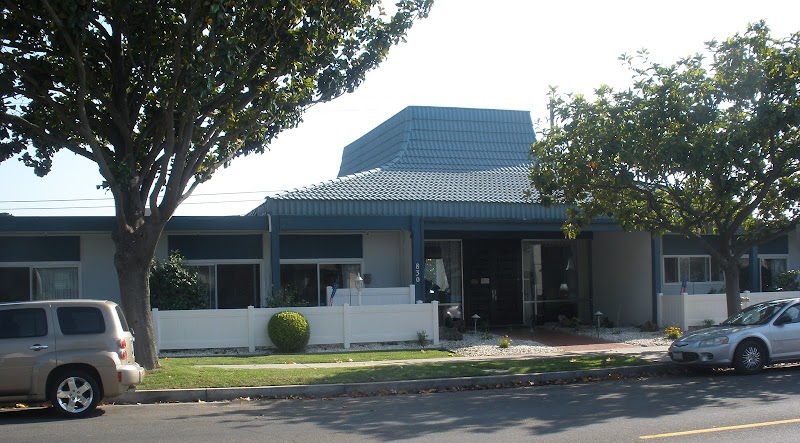
How is Valley Oaks Post Acute Staffed?
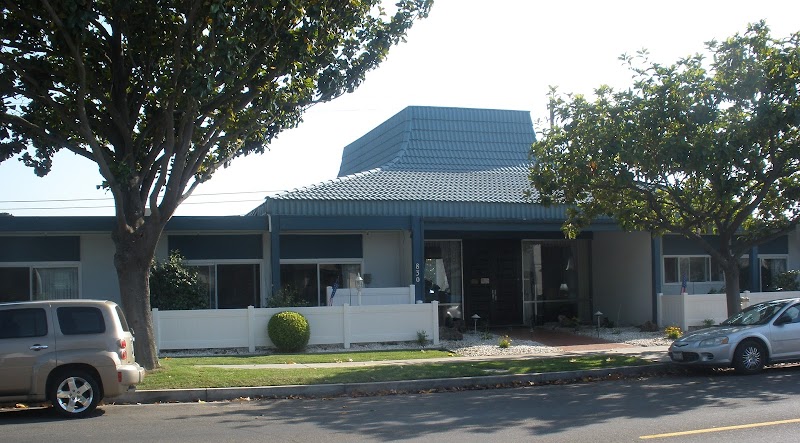
CMS rates Valley Oaks Post Acute's staffing level at 3 out of 5 stars, which is average compared to other nursing homes. Staff turnover is 42%, compared to the California average of 46%. This relatively stable workforce can support continuity of care.

What Have Inspectors Found at Valley Oaks Post Acute?

State health inspectors documented 41 deficiencies at Valley Oaks Post Acute during 2020 to 2025. These included: 38 with potential for harm and 3 minor or isolated issues.

Who Owns and Operates Valley Oaks Post Acute?

Valley Oaks Post Acute is owned by a for-profit company. For-profit facilities operate as businesses with obligations to shareholders or private owners. The facility operates independently rather than as part of a larger chain. With 59 certified beds and approximately 58 residents (about 98% occupancy), it is a smaller facility located in Santa Maria, California.

How Does Valley Oaks Post Acute Compare to Other California Nursing Homes?

Compared to the 100 nursing homes in California, Valley Oaks Post Acute's overall rating (3 stars) is below the state average of 3.1, staff turnover (42%) is near the state average of 46%, and health inspection rating (3 stars) is at the national benchmark.

What Should Families Ask When Visiting Valley Oaks Post Acute?

Based on this facility's data, families visiting should ask: "Can I visit during a mealtime to observe dining assistance and food quality?" "How do you handle medical emergencies, and what is your hospital transfer rate?" "Can I speak with family members of current residents about their experience?"

Is Valley Oaks Post Acute Safe?

Based on CMS inspection data, Valley Oaks Post Acute has a clean safety record: no substantiated abuse findings (meaning no confirmed cases of resident harm), no Immediate Jeopardy citations (the most serious violation level indicating risk of serious injury or death), and is not on the Special Focus Facility watch list (a federal program monitoring the lowest-performing 1% of nursing homes). The facility has a 3-star overall rating and ranks #100 of 100 nursing homes in California. While no facility is perfect, families should still ask about staff-to-resident ratios and recent inspection results during their visit.

Do Nurses at Valley Oaks Post Acute Stick Around?

Valley Oaks Post Acute has a staff turnover rate of 42%, which is about average for California nursing homes (state average: 46%). Moderate turnover is common in nursing homes, but families should still ask about staff tenure and how the facility maintains care continuity when employees leave.

Was Valley Oaks Post Acute Ever Fined?

Valley Oaks Post Acute has no federal fines on record. CMS issues fines when nursing homes fail to meet care standards or don't correct problems found during inspections. The absence of fines suggests the facility has either maintained compliance or corrected any issues before penalties were assessed. This is a positive indicator, though families should still review recent inspection reports for the full picture.

Is Valley Oaks Post Acute on Any Federal Watch List?

Valley Oaks Post Acute is not on any federal watch list. The most significant is the Special Focus Facility (SFF) program, which identifies the bottom 1% of nursing homes nationally based on persistent, serious quality problems. Not being on this list means the facility has avoided the pattern of deficiencies that triggers enhanced federal oversight. This is a positive indicator, though families should still review the facility's inspection history directly.