Atterdag Care Center
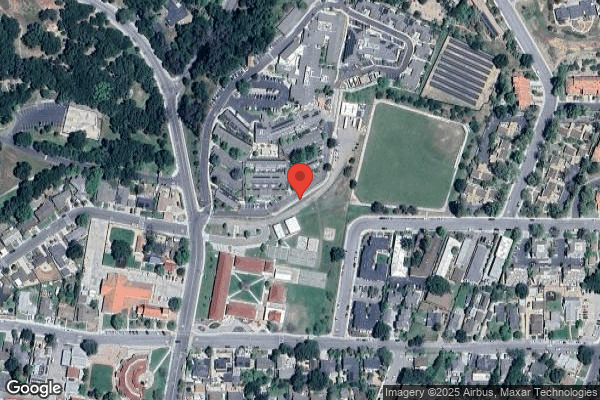

636 Atterdag Road, Solvang, CA 93463 (805) 688-5645
Non profit - Other 50 Beds Independent Data: November 2025
Trust Grade
80/100
#15 of 1155 in CA
Last Inspection: January 2025

Within standard 12-15 month inspection cycle. Federal law requires annual inspections.

Overview

Atterdag Care Center has a Trust Grade of B+, which means it is recommended and performs above average compared to other nursing homes. It ranks #15 out of 1,155 facilities in California, placing it in the top half, and is the top facility among 14 in Santa Barbara County. However, the trend is concerning as the number of identified issues worsened from 8 in 2023 to 10 in 2025. While staffing is relatively stable with a 36% turnover rate, which is below the state average, the facility has faced several significant concerns. For instance, there were failures in ensuring proper food safety standards and monitoring blood pressure for a resident on medication, which could lead to serious health risks. Despite having no fines on record and maintaining good RN coverage, these incidents highlight areas needing improvement.

Trust Score
B+
80/100
In California
#15/1155
Top 1%
Safety Record
Low Risk
No red flags
Inspections
Getting Worse
8 → 10 violations
Staff Stability
○ Average
36% turnover. Near California's 48% average. Typical for the industry.
Penalties
✓ Good
No fines on record. Clean compliance history, better than most California facilities.
Skilled Nurses
⚠ Watch
Each resident gets only 24 minutes of Registered Nurse (RN) attention daily — below average for California. Fewer RN minutes means fewer trained eyes watching for problems.
Violations
⚠ Watch
26 deficiencies on record. Higher than average. Multiple issues found across inspections.
★★★★★
5.0
Overall Rating
★★★★☆
4.0
Staff Levels
★★★★★
5.0
Care Quality
★★★★☆
4.0
Inspection Score
Stable
2023: 8 issues
2025: 10 issues

The Good

  • 4-Star Staffing Rating · Above-average nurse staffing levels
  • 5-Star Quality Measures · Strong clinical quality outcomes
  • Full Sprinkler Coverage · Fire safety systems throughout facility
  • No fines on record
  • Staff turnover below average (36%)

    12 points below California average of 48%

Facility shows strength in staffing levels, quality measures, fire safety.

The Bad

Staff Turnover: 36%

Near California avg (46%)

Typical for the industry

The Ugly 26 deficiencies on record

Jul 2025 1 deficiency
CONCERN (D) 📢 Someone Reported This

A family member, employee, or ombudsman was alarmed enough to file a formal complaint

Potential for Harm - no one hurt, but risky conditions existed

Deficiency F0557 (Tag F0557)

Could have caused harm · This affected 1 resident

Based on interview and record review, the facility failed to ensure that the personal property inventory list was updated for one of two sampled residents (Resident 1). This facility failure had the ...

Read full inspector narrative →
Based on interview and record review, the facility failed to ensure that the personal property inventory list was updated for one of two sampled residents (Resident 1). This facility failure had the potential for Resident 1's belongings to be lost or unaccounted for. Findings: During an interview with the Social Services staff (SS) on 7/2/25 at 11:08 a.m., the SS stated that Resident 1 had complained she could not locate a pair of pants she purchased (online store name). The SS assisted Resident 1 and located the missing pants, which had a tag with the resident's name. During an interview with Licensed Nurse 1 (LN1) on 7/2/25 at 11:22 a.m., LN1 stated that when a resident brings in new clothing, facility staff should label the items and update the inventory list kept in the resident's closet. During an interview with Certified Nursing Assistant 1 (CNA1) on 7/2/25 at 11:30 a.m., CNA1 stated that when a resident brings in new clothes, staff should label them and update the resident's inventory list when placing them in the closet. During a concurrent interview and record review with the Director of Nursing (DON) on 7/2/25 at 11:35 a.m., the resident's inventory list was reviewed and found to be outdated, having not been updated since admission. The DON acknowledged that the inventory list was not current and stated it should be updated once the resident's pants were labeled. During a review of the facility's policy and procedure titled Personal Property, dated 9/1/2011, indicated: Record additional belongings on the clothing list when they are brought in or remove them from the list
Jan 2025 9 deficiencies
CONCERN (D)

Potential for Harm - no one hurt, but risky conditions existed

Deficiency F0578 (Tag F0578)

Could have caused harm · This affected 1 resident

**NOTE- TERMS IN BRACKETS HAVE BEEN EDITED TO PROTECT CONFIDENTIALITY** Based on interview and record review, the facility failed to ensure the Physician Orders for Life-Sustaining Treatment (POLST- a...

Read full inspector narrative →
**NOTE- TERMS IN BRACKETS HAVE BEEN EDITED TO PROTECT CONFIDENTIALITY** Based on interview and record review, the facility failed to ensure the Physician Orders for Life-Sustaining Treatment (POLST- a form that documents a resident's treatment wishes in the event of a medical emergency) matched the electronic medical record (EMR) in one of one sampled resident (Resident 23). This failure had the potential to cause a delay in receiving or incorrectly administering life-sustaining treatments. Findings: During a review of Resident 23's admission Record (AR), the AR indicated, Resident 23 is a [AGE] year-old female admitted on [DATE] with diagnosis of senile degeneration of the brain (a brain and nerve disorder characterized by a progressive decline in cognitive function [how a person thinks, behaves, and their ability to remember things], impacting memory, reasoning, and the ability to perform everyday activities). During a concurrent interview and record review on [DATE] at 10:01 a.m. with the Minimum Data Set Coordinator (MDS 1), Resident 23's POLST was reviewed. The POLST dated [DATE] indicated, do not attempt resuscitation (DNR). Resident 23's Order Summary Report (OSR) in the EMR was reviewed. The OSR indicated, a physician order for cardiopulmonary resuscitation (CPR) dated [DATE]. The MDS 1 acknowledged the records did not match and stated, The order did not get updated when the POLST was changed. The MDS 1 further indicated the orders in the EMR needed to be updated to reflect the resident's current wishes on the POLST. During a review of the facility's Policy and Procedure (P&P) titled, Life sustaining measures, Advanced Health Care Directives, dated [DATE], the P&P indicated, If the resident desires to be a 'do not resuscitate (DNR)' status, the physician shall review the request with the resident and/or surrogate and write the DNR order on the physician's order sheet.
CONCERN (D)

Potential for Harm - no one hurt, but risky conditions existed

Comprehensive Care Plan (Tag F0656)

Could have caused harm · This affected 1 resident

**NOTE- TERMS IN BRACKETS HAVE BEEN EDITED TO PROTECT CONFIDENTIALITY** Based on interview and record review, the facility failed to develop a care plan to address Restorative Nursing Assistant (RNA) ...

Read full inspector narrative →
**NOTE- TERMS IN BRACKETS HAVE BEEN EDITED TO PROTECT CONFIDENTIALITY** Based on interview and record review, the facility failed to develop a care plan to address Restorative Nursing Assistant (RNA) services for one of three sampled resident (Resident 27). This failure had the potential for care and services not to be provided to Resident 27 that could potentially cause a decline in mobility and muscle strength. Findings: During a review of Resident 27's admission Record (AR), the AR indicated, Resident 27 was admitted on [DATE] with diagnoses including muscle weakness (generalized), other abnormalities of gait (the way a person walks) and mobility, and repeated falls. During a concurrent interview and record review on 1/24/25 at 9:36 a.m. with the Minimum Data Set Coordinator (MDS 1), Resident 27's order summary report (OSR) was reviewed. The OSR indicated, RNA Range of Motion (active) right upper extremity AROM (active range of motion) / PROM (passive range of motion) exercises to maintain mobility RNA: Range of Motion (passive) right upper extremity AROM/PROM exercises to maintain mobility ordered on 12/31/24. Resident 27's care plans were also reviewed and there was no documented evidence of a care plan addressing RNA services. The MDS 1 stated, I do not see a care plan for RNA. During a review of the facility's Policy and Procedure (P&P) titled, Care Plans, dated 11/01/11,the P&P indicated, .all disciplines will have input on the care plan . Update each long-term care plan as new changes occur.
CONCERN (D)

Potential for Harm - no one hurt, but risky conditions existed

Deficiency F0658 (Tag F0658)

Could have caused harm · This affected 1 resident

Based on review of the medical record for resident, interview with the resident's nurse, and interview with the facility's Director of Nursing (DON) on 1/23/2025, regarding resident 247, the facility ...

Read full inspector narrative →
Based on review of the medical record for resident, interview with the resident's nurse, and interview with the facility's Director of Nursing (DON) on 1/23/2025, regarding resident 247, the facility failed to ensure that Standards of Practice regarding Tachycardic pulses which resulted in abnormal results, had been addressed by the facility and medical staff. The facility also failed to develop a policy and procedure which identified tachycardia. This failure had the potential to put this resident at risk for a heart attack or a stroke. Findings: Review of resident 247's clinical record revealed that this resident, had an elevated Pulse recorded in the resident's medical record on the evening of 1/22/2025. This resident's pulse had been recorded as 103 beats per minute, which had been flagged in the nurse's computer as being highlighted in red by the facility's computer system to help bring this resident's elevated pulse to the nurse's attention. Review of the textbook, the Fundamentals of Nursing, 11th edition, which had been dated, 2023, (which represents the Standard of Nursing practice), on page 511 in table 29.4, stated: Acceptable ranges of Heart Rate, Adult: 60-100 (beats per minute). This confirmed that this resident's pulse had been truly elevated. The textbook also stated the following regarding pulses: Two common abnormalities in pulse rate are tachycardia and bradycardia. Tachycardia is an abnormally elevated heart rate, above 100 beats/minute in adults. This resident had meet the Standard definition for Tachycardia, which had not been addressed by the facility's administration, the facility's policies and procedures and the facility's nursing staff. Interview with the nurse who had been responsible for taking care of this resident, indicated that she had seen the resident's elevated pulse (103), but she did not recheck this resident's pulse again that day. During the interview with this medication nurse, she indicated that normally, we recheck the resident's pulse after the computer tells us that the resident's pulse had been elevated, to see whether the intervention that we provided, had worked to resolve the resident's out of range pulse. which was elevated according to the system (in red) indicating that the resident had a pulse of 103. This resident's pulse had not been retaken until the following day, on 1/23/2025, and pulse at this time remained elevated at 106 (even 3 mg of mercury) higher than the last pulse on the previous day. Interview again with the resident's medication nurse on 1/23/2024 at 3:00 pm revealed that no preventative actions had been taken by the facility to address this resident's elevated pulses/Tachycardia. During an interview with the DON on 1/23/2025 at 3:40 pm, the facility's DON confirmed that this resident's elevated pulse (Tachycardia) had not been address by facility staff for two days. The DON stated during a concurrent interview that: it would have been my expectation that this resident's elevated pulses would have been addressed as soon as they would have been identified.
CONCERN (D)

Potential for Harm - no one hurt, but risky conditions existed

Room Equipment (Tag F0908)

Could have caused harm · This affected 1 resident

Based on observation, interview and record review, the facility failed to ensure and validate the dishwashing machine was functioning properly and was in safe operating condition when the temperatures...

Read full inspector narrative →
Based on observation, interview and record review, the facility failed to ensure and validate the dishwashing machine was functioning properly and was in safe operating condition when the temperatures of the wash and rinse were not reaching manufacturer's directions. This failure had the potential to result in temperatures not reaching proper temperature levels which led to all the dishware, silverware, utensils, pots and pans not being sanitized to which can result in the growth of microorganisms which can lead to food borne illness for the highly susceptible population that was eating at the facility. The facility census was 49. Findings: During an observation on 1/22/25 at 9:17 a.m. in main kitchen at dishwashing station, dishwashing rinse temp gauge read 124F and dishwashing wash temp gauge read 128F. During an interview on 1/22/25 at 9:30 a.m. with Director of Dietary Services (DDS), the DDS states staff use display gauges on front of machine to confirm machine temperatures. DDS states they have no other method for temperature validation. During a concurrent observation and interview on 1/24/25 at 10:55 a.m. with DDS and Administrator (ADM) at main kitchen dish machine. DDS states that the indicator on the temperature test strips where to change from Navy to Bright Orange at temperature of 180F. Testing strips were cycled in dishwashing cycle and indicator line remained a darkened color. During an observation and interview on 1/24/25 at 11:48 a.m. with DDS and ADM a temperature test strip was submerged in a cup of 187F water with indicator strip changing to bright orange. Color change was confirmed by DDS and ADM. During a review of the facility's policy and procedure titled Recording of Dish machine Temperatures, dated 8/29/2023, the policy and procedure indicated Periodically the Director of Food and Nutrition Services or other clinically qualified professional should check the accuracy of the gauges by sending a thermal strip through the dishmachine. Report temperatures that are less than the required levels (See above) to the Director of Food and Nutrition Services or other clinically qualified nutrition professional and immediately convert to paper service until the temperature is corrected. During an interview on 1/24/25 at 3:00 p.m. with Vendor Technician (VT2), VT2 states temperature gauges for wash and rinse temperatures on dishwashing machine are not working and recommends replacement. According to the Food and Drug Administration (FDA) Food Code 2022, Section 6-501.11 Repairing, Physical Facilities shall be maintained in good repair.
CONCERN (E)

Potential for Harm - no one hurt, but risky conditions existed

Pharmacy Services (Tag F0755)

Could have caused harm · This affected multiple residents

**NOTE- TERMS IN BRACKETS HAVE BEEN EDITED TO PROTECT CONFIDENTIALITY** Based on review of the medical record for resident and interview with the facility's Director of Nursing (DON) on 1/23/2025, reg...

Read full inspector narrative →
**NOTE- TERMS IN BRACKETS HAVE BEEN EDITED TO PROTECT CONFIDENTIALITY** Based on review of the medical record for resident and interview with the facility's Director of Nursing (DON) on 1/23/2025, regarding resident 20's blood pressures, the facility had failed to ensure that this resident's blood pressure monitoring had been ordered by the resident's physician and not by the facility's nursing staff. The facility also failed to develop a policy and procedure which identified hypotension for the nursing staff. The facility's failure had the potential to put this resident at risk of severe hypotension which could result in ultimate organ failure and shock. Findings: Review of resident 20's clinical record revealed that this resident had been admitted to the facility on [DATE]. On revealed that this resident's physician had ordered, Coreg 6.25mg (a blood pressure medication) to be given twice daily for hypertension, please give with meals. without any blood pressure or pulse parameters on 9/11/2024. This resident continued to receive his Coreg from 9/12/2024 to 10/13/2024 without regard for the resident's blood pressure (BP) and pulse (P). Interview with the DON on 1/23/2025 at 3:45 pm confirmed that none of the facility's nurses had reached out to the resident's doctor to clarify if this blood pressure order needed clarification (as the order did not address the resident's BP and/or P). Further review of resident 20's medical record and interview with the facility's DON revealed that on 10/13/2024 at 4:10 pm, one of the facility's nurses revised this resident's BP medication on the Medication Administration Record (MAR) without obtaining direction from the resident's physician. The resident's MAR after 10/13/2024, now included recordings of a daily BP and a Pulse. Part of the concern was that nursing staff were not using the blood pressures and the pulses which were being taken by the nursing staff and using these parameters to determine whether the resident should be given his Coreg twice daily. During an interview with resident 20's medication nurse on 1/23/2025 at 3:45pm, the medication nurse was asked if she knew the definition of hypotension. The medication nurse then went to the Mayo Clinic and found the definition of hypotension and she found the following definition: Low blood pressure is a condition in which the force of the blood pushing against the artery walls is too low. It's also called hypotension. Blood pressure is measured in millimeters of mercury (mm Hg). In general, low blood pressure is a reading lower than 90/60 mm Hg. Review of resident 20's MAR from 10/13/2024 to 1/23/2025 revealed the following hypotensive episodes during which this resident received his BP medication: on10/16/2024 at 7:30 am (104/48), on10/23/2024 at 7:30 am (115/45), on11/13/2024 at 7:30 am (115/50), on11/13/2024 at 4:30 pm (102/49), on12/10/2024 at 7:30 am (104/43), on12/13/2024 at 7:30 am (97/46), on12/14/2024 at 4:30 pm (97/46), on12/23/2024 at 4:30 pm (102/46), on12/31/2024 at 4:30 pm (91/44). These example above show that this resident's blood pressure had already been low prior to recieving his blood pressure medication (Coreg) and the administration of this medication could have resulted in an abnormal drop in this resident's blood pressure which ultimately could have lead to this resident having vital organs not getting enough oxygen and nutrients, which could ultimately lead to this resident going into shock.
CONCERN (E)

Potential for Harm - no one hurt, but risky conditions existed

Deficiency F0761 (Tag F0761)

Could have caused harm · This affected multiple residents

Based on interview and record review, the facility failed to monitor the medication refrigerator temperature twice a day and maintain the temperature within acceptable range. This failure had the pot...

Read full inspector narrative →
Based on interview and record review, the facility failed to monitor the medication refrigerator temperature twice a day and maintain the temperature within acceptable range. This failure had the potential for the residents to receive ineffective medications due to improper storage. Findings: During an interview on 1/21/25 at 3:26 p.m. with the Director of Nursing (DON), in the medication storage room, the DON stated the temperatures of the refrigerator in the medication storage room are monitored once a day in degrees Fahrenheit (F). During a concurrent interview and record review on 1/21/25 at 4:20 p.m., with the DON, Medical Room Refrigerator Temperature Monitoring Log (MRRTML), for October 2024, November 2024, and December 2024 were reviewed. The MRRTMLs indicated the following temperatures in Farenheit (F): 12/8/24: 34 degrees 11/14/24: 34 degrees 11/22/24: 34 degrees 11/24/24: 30 degrees 11/27/24: 32 degrees 11/28/24: 34 degrees 11/29/24: 34 degrees 11/30/24: 34 degrees 10/12/24: 32 degrees Additionally, the MRRTML indicated Report all temperatures that do not meet standards. Note corrective action. The DON acknowledged the temperature readings of the above said dates are below accepted temperature range of 36-46 degrees F and there is no documented evidence that there was any corrective action when the temperatures were noted out of range. During an interview on 1/24/25 at 12:07 p.m. with the DON, the DON confirmed influenza vaccines are stored in the medication room refrigerator and stated, Our policy states we should have been monitoring the temperature twice a day and we were not. During a review of the facility's Policy and Procedure (P&P) titled, Medication Storage, storage of medication (California Specific), dated 01/23, the P&P indicated, Medications requiring 'refrigeration' or 'temperatures between 2 C (Celsius) (36 F) and 8 C (46 F) are kept in a refrigerator with a thermometer to allow temperature monitoring . The temperature of any refrigerator that stores vaccines should be monitored and recorded twice daily.
CONCERN (E)

Potential for Harm - no one hurt, but risky conditions existed

Deficiency F0800 (Tag F0800)

Could have caused harm · This affected multiple residents

**NOTE- TERMS IN BRACKETS HAVE BEEN EDITED TO PROTECT CONFIDENTIALITY** Based on observation, record review, and interview the facility failed to ensure residents were provided a well-balanced, physic...

Read full inspector narrative →
**NOTE- TERMS IN BRACKETS HAVE BEEN EDITED TO PROTECT CONFIDENTIALITY** Based on observation, record review, and interview the facility failed to ensure residents were provided a well-balanced, physician prescribed diet that met their nutritional needs when meal ticket and diet order did not match for seven (7) residents (Residents 7, 23, 29, 34, 35, 37, and 38). This failure had the potential for residents to receive incorrect diets and have nutritional deficits. Findings: During a concurent observation and interview in the kitchen on 1/21/25 starting at 11:45 a.m. with the Director of Dining Srvices (DDS), a lunch meal service was observed. Resident 33's meal ticket showed the resident was on a puree small portion diet. Further review of the meal ticket indicated, the resident was to receive a #6 scoop (5.33 ounces) of lamb. The DDS stated was not sure why the meal ticket showed #6 scoop, but they use half portions on all items when serving a small portion diet. During a concurrent interview and record review on 1/23/2025 at 10:56 a.m. with Registered Dietitian (RD), the PontClickCare (PCC) diet report electronic record was reviewed. The PCC indicated, there were diets that were not the same as on the meal ticket report. During an interview on 1/23/25 at 11:24 a.m. with the RD, the RD stated will run a diet type report from both PCC and [NAME] diet list every couple of months. RD stated there are diet discrepancies between those reports. During review of facility documents of the PCC diet report and the [NAME] meal ticket diet report on 1/23/2025 at 11:24 a.m., RD confirmed the following: Resident 7's PCC diet order indicated, Regular, Fortified. Resident 7's [NAME] meal ticket diet report indicated, Regular, Fortified, Small Portion. Resident 23's PCC diet order indicated, Regular, Fortified. Resident 29's [NAME] meal ticket diet report indicated, Regular, Fortified, Small Portion. Resident 29's PCC diet order indicated, Regular, Pureed. Resident 29's [NAME] meal ticket diet report indicated, Pureed, Small Portion. Resident 34's PCC diet order indicated, Regular, Easy to Chew. Resident 34's [NAME] meal ticket diet report indicated, Easy to Chew, Small Portion. Resident 35's PCC diet order indicated, Regular, Pureed, Fortified. Resident 35's [NAME] meal ticket diet report indicated, Regular, Pureed, Consistent Carbohydrate (CCHO), Fortified. Resident 37's PCC diet order indicated, Regular. Resident 37's [NAME] meal ticket diet report indicated, Regular, Small Portion. Resident 38's PCC diet order indicated, Regular, Easy to Chew, Chopped Meat. Resident 38's [NAME] meal ticket diet report indicated, Regular, Easy to Chew. During a review of the facility's Policy and Procedure (P&P) titled, Transmission of Diet Orders, dated 09/04/2018, the P&P indicated, 2. Upon admission or change of diet order, a Dietary Communication form should be completed, dated, signed by a Licensed Nurse, and sent to Dietary with a confirmation of the prescribed diet order and a copy goes in Dietary section of the chart .4. A tray card is prepared according to the prescribed diet and inserted in its proper place for tray setup.
CONCERN (E)

Potential for Harm - no one hurt, but risky conditions existed

Menu Adequacy (Tag F0803)

Could have caused harm · This affected multiple residents

**NOTE- TERMS IN BRACKETS HAVE BEEN EDITED TO PROTECT CONFIDENTIALITY** Based on observation, interview and record review, the facility failed to ensure the menus were followed when: 1. The incorrect ...

Read full inspector narrative →
**NOTE- TERMS IN BRACKETS HAVE BEEN EDITED TO PROTECT CONFIDENTIALITY** Based on observation, interview and record review, the facility failed to ensure the menus were followed when: 1. The incorrect portion sizes for meat and vegetables were served for the puree diet during the lunch meal on 1/22/25 for four residents (Residents 2, 3, 29, 35); and 2. The incorrect portion sizes were served for one resident (Resident 30) for the lunch meal on 1/21/25. This failure has the potential to result in residents not having their nutritional needs met. Findings: 1. During a review of the facility document titled, Daily Spreadsheet, dated 1/22/25 for the lunch meal, the Daily Spreadsheet indicated, for the puree diet, #6 scoop (2/3 cup) [NAME] broil (red meat), 1 ounce gravy, #8 scoop (1/2 cup) puree potatoes, and #10 scoop (3/8 cup) puree zucchini. During a concurrent observation and record review on 1/22/25 at 11:49 a.m., the lunch meal service steamtable contained puree meat ([NAME] broil) with a #8 scoop (1/4 cup), puree zucchini with a #8 scoop and mashed potatoes with a #8 scoop. [NAME] 1 (C1) was observed using a #8 scoop for the puree diets. Residents 2, 3, 29 and 35 received their puree diets with the incorrect amounts of meat, potatoes and zucchini. Review of the residents meal tickets indicated: Resident 2 was on regular, pureed, mildly thick, fortified diet. Resident 3 was on consistent carbohydrates, pureed, regular diet. Resident 29 was on regular, pureed diet. Resident 35 was on special nutrition fortified, pureed diet. During an interview on 1/22/25 at 12:24 p.m. with C1, and the Director of Dietary Services (DDS), C1 confirmed using #8 scoops for the puree diets and #8 scoops were not the correct portion sizes for the meat and vegetable. The DDS confirmed C1 was supposed to use a #6 scoop for the meat and #10 scoop for the vegetable. 2. During a review of the facility document titled, Daily Spreadsheet, dated 1/21/25, the lunch meal indicated, the regular diet, regular portion was to receive 3 ounces baked cod with panko crust, #8 scoop (1/2 cup) sun dried tomato polenta, #8 scoop sauteed fresh spinach and a dinner roll. During an observation of the lunch meal service starting at 11:45 a.m., C1 had two different scoops in the food products, #8 for regular portions and #12 scoops (1/3 cup) for small portions. C1 would scoop portions onto the plate depending on the diets called out by another kitchen staff. During an observation and review of the meal ticket for Resident 30, C1 portioned ½ serving of cod, #12 scoops of polenta and spinach on the plate which was placed on the tray and then into the meal cart. During a concurrent observation and interview on 1/21/25 at 12:20 p.m. with the Clinical Nutrition Coordiantor (CNC), Resident 30's plate was observed and meal ticket was reviewed. The CNC confirmed the portion sizes of the sides looked smaller than the other regular portion plates. CNC then asked C1 to portion another plate with regular portions for Resident 30. During a concurrent interview and record review on 1/23/25 at 10:56 a.m. with the Registered Dietitian (RD), the RD stated occasionally does an observation of tray accuracy or test tray but that is more about checking temperatures and that it had been awhile since she had done one of those. RD stated was not aware staff was not following menu portion sizes. Review of the daily spreadsheet indicated, portion sizes were not consistent day to day. RD stated was not aware that some says the portion sizes were different than on other days and confirmed they were not consistent. During an interview on 1/23/25 at 11:25 a.m. with the RD, RD stated expectation is that kitchen staff follow the menu daily spreadsheet and the portion sizes on the menu.
CONCERN (F)

Potential for Harm - no one hurt, but risky conditions existed

Food Safety (Tag F0812)

Could have caused harm · This affected most or all residents

Based on observation, interview and review of facility documents, the facility failed to ensure food was stored, prepared, distributed and served in accordance with professional standards for food ser...

Read full inspector narrative →
Based on observation, interview and review of facility documents, the facility failed to ensure food was stored, prepared, distributed and served in accordance with professional standards for food service safety when: 1. The high temperature dish machine was not reaching 150 degrees Fahrenheit (F) for the wash cycle and 180 degrees F for the rinse cycle and the facility did not have a mechanism to verify the plate level temperature was reached according to their policy and procedure; and 2. [NAME] 2 (C2) did not change gloves after touching raw meat then touching other items. These failures resulted in equipment, utensils, dishware and silverware not being properly cleaned and sanitized and had the potential to result in the growth of microorganisms which can cause foodborne illness for the 49 residents eating food from the kitchen. Findings: 1. During a concurrent observation and interview on 1/21/25 at 10:35 a.m. with Dishwasher 1 (DW1), the last rack was observed being placed in the dish machine. DW 1 stated he knows the dish machine is working properly when the wash temperature is 150 degrees F and rinse temperature is 180 degrees F. The gauges on front showed 130 degrees F. During an observation of the lunch meal service on 1/21/25 at 11:45 a.m., [NAME] 1 (CK 1) was calibrating thermometers in an ice water bath. Surveyor put in surveyor thermometer (DeltaTrak min/max) to calibrate with facility thermometers. Surveyor's thermometer read 33 degrees F and facility thermometers was 32 degrees F. During a concurrent observation and interview on 1/22/25 at 9:16 a.m. with Dishwasher (DW) in presence of the Director of Dietary Services (DDS) at dish machine in main kitchen, the gauges indicated, wash and rinse temperatures approximately 130/132 degrees F. Towards the back of the dish machine there was another gauge that indicated, final rinse temperature was 180 degrees F. There was an Ecolab display that indicated, Refill Detergent and temperature of 133.1 degrees F. DW stated the rinse temperature needs to be 180 degrees F. Surveyor put the DeltaTrak min/max thermometer (waterproof thermometer that can be used for dish machines) in the dish machine on a rack with dishes when the dishes were going through. Surveyor thermometer showed 136.4 degrees F as the max temperature. Surveyor placed it through on the racks a second times and got a temperature of 137.9 degrees F. The DDS stated they use the display gauges on the dish machine and not the Ecolab display monitor. The DDS stated the facility did not have any way to verify temperatures and would follow up with Ecolab. During the review of the manufacturer's directions posted on the dish machine, showed the hot water sanitizing recommended minimum temperatures for wash was 150 degrees F, final rinse 180 degrees F. During a concurrent observation and interview on 1/23/25 at 09:19 a.m. with DDS and Maintenance Engineer (ME1) in main kitchen at dish machine, surveyor min/max thermometer temperature was 139 degrees F. ME1 stated pipe labeled final rinse is water supplied to machine with temp reading 175 degrees F. ME1 infrared thermometer temp on water inside paused dish machine and the reading was 119 degrees F and concurrent measurement with survey thermometer reading was 129.6 degrees F. DDS stated he would reach out to ecolab again and let them know it was an emergency. During an interview on 1/23/25 at 11:15 a.m. with the Ecolab Vender Technician (VT1), VT1 stated the surface temperature was 149 degrees F when he checked it and then stated the dish machine needed to be at 160 degrees F at the plate level for proper sanitation. VT1 stated this was his first time to facility and if it cannot be repaired, will provide sanitizer. VT1 was changing out the Ecolab display monitor at the time. VT1 confirmed contracted vendor should be coming to facility once per month. DDS confirmed vendor should be coming once per month. During a concurrent observation and interview in the presence of DDS on 1/23/25 at 12:30 p.m., Ecolab monitor showed 114 degrees F for the wash and 150 degrees F for the rinse. Surveyor ran the DeltaTrak thermometer through the dish machine a couple times, all max temperatures showed similar readings to 124.9 degrees F. DDS drained the dish machine and restarted it, then the Ecolab monitor started showing temperatures of 140 degrees F for wash and rinse of 180 degrees F. DDS stated the verification strips would be in tomorrow morning and they would verify if the gauges were accurate. During an interview with the Registered Dietitian (RD) on 1/23/25 at 10:56 a.m., the RD stated she periodically goes into the kitchen to do inspections. RD stated she probably should be doing those monthly. During an interview on 1/23/25 at 11:24 a.m., with the RD stated was not aware of any problems with the dish machine. RD stated there were surface temperature devices to verify high temperature dish machine and she was not aware the facility had no way to verify temperatures of the gauges or that plate/surface level was met. RD stated she does periodic kitchen inspections and that means quarterly. RD stated she does not verify if the dish machine was meeting appropriate temperatures. During a concurrent interview and record review on 1/24/2025 at 10:10 a.m. with the DDS, the Dish machine Temperature Logs dated November 2024, December 2024, and January 2025 were reviewed. The Dish machine Temperature Log for November 2024 indicated five recordings of a final temp below 180F. The Dish machine Temperature Log for December 2024 indicated three recordings of final temp below 180F. DDS states was not made aware of low temperature readings. It is unclear if or when he checks the logs. During a review of the January Dish machine temperature logs, showed there was 13 times the wash temperature was not 150 degrees F. The January logs dated on the 21st showed for breakfast the wash temperature was 141 degrees F. The 22nd showed for breakfast the wash temperature was 149 degrees F and for the lunch meal it was 147 degrees F and dinner it was 145 degrees F. The log showed the code for adequate temperature for wash was 150 and rinse 180 or higher. Under Litmus strips it showed a zero with a line through it. During a review of Dishmachine Temperature Log dated November 2024, December 2024, and January 2024 the Dishmachine Temperature Log indicated missing weekly surface temperatures for all three months. During a review of Eco lab Regular Service Call, the Regular Service Call indicated last service visit date of 11/29/2024 at 12:07 p.m. During a review of facility's policy and procedure titled Dishwashing Procedure dated 11/19/2019, the policy indicated, Once a week the Dietary Manager should check the accuracy of the gauges by sending a lollipop thermometer or a T-strip through the dish machine. It indicated the thermometer or test strip will measure surface or utensil temperature. Surface temperature is the temperature of the water that is contacting the dish, utensil, etc. Surface temperature should be 160°F or above. Wash, & rinse temperatures must be observed and logged during the dishwashing period 3 times a day. The rack level temperature must be logged once a week. Final Rinse Temperature [greater than or equal to] 180F. During a review of the facility's policy and procedure titled Recording of Dishmachine Temperatures, dated 08/29/2023, the policy indicated, Any inaccurate temperatures must be brought to the attention of the Director of Food and Nutrition Services or other clinically qualified nutrition professional immediately. 2. During an observation on 1/22/25 at 9:38 a.m. main kitchen griddle, C2 used gloved hands to repeatedly obtain raw meat from storage container, place on griddle, use tongs to remove meat, and placing cooked meat on pan with grate. Using same gloves, cooked meat was adjusted on pan with grate. At 10:04 a.m. C2 used same gloved hands to obtain more grates from stack of grates and rested tongs used for raw meat on grates. During an interview on 1/23/2025 at 11:24 a.m. with RD, RD stated the expectation of glove use would be staff would change them [gloves] after touching raw meat and would not want the same gloves when they touch raw meat and meat that is cooked even if it goes in oven for additional cooking. RD stated staff can get a false sense of security with gloves on their hands. According to the Food and Drug Administration (FDA) Food Code 2022, Annex 3, showed the failure of food-handlers to wash hands in certain situations (such as . handling raw meat .), wear clean disposable gloves, or use clean utensils is responsible for the foodborne transmission of these pathogens. According to the FDA Food Code 2022, Section 3-304.15 Gloves, Use Limitation. It showed if used, single-use gloves shall be used for only one task such as working with .or with raw animal food, used for no other purpose, and discarded when damaged or soiled, or when interruptions occur in the operation.
Jul 2023 8 deficiencies
CONCERN (D)

Potential for Harm - no one hurt, but risky conditions existed

Comprehensive Care Plan (Tag F0656)

Could have caused harm · This affected 1 resident

**NOTE- TERMS IN BRACKETS HAVE BEEN EDITED TO PROTECT CONFIDENTIALITY** Based on observation, interview, and record review, the facility failed to initiate a care plan for one of 14 sampled residents ...

Read full inspector narrative →
**NOTE- TERMS IN BRACKETS HAVE BEEN EDITED TO PROTECT CONFIDENTIALITY** Based on observation, interview, and record review, the facility failed to initiate a care plan for one of 14 sampled residents (Resident 19), to prevent a pressure ulcer (an injury that breaks down the skin and underlying tissue) on the buttocks from developing or getting worse. This failure resulted in the development of two stage I (first stage- shearing off of the first layer of the skin ) pressure ulcers to the left and right buttocks. Findings: During a review of facility's policy and procedure (P&P) titled, Care Planning, dated 2/11/20, the P&P indicated in part, .To assure all residents care needs are identified through continuous assessments and those needs are care planned .All residents will have a comprehensive care plan to meet their individual needs . During a review of Resident 19's admission Record, dated 3/2/23, the record indicated, resident is a [AGE] year-old with admitting diagnoses including Multiple Sclerosis (nervous system disease that affects your brain and spinal cord) and is confined to bed. Resident 19's Physician Progress Note, dated 3/2/23, indicated active problems of pressure injury involving buttocks and resident cannot reposition self in bed. During a review of Resident 19's care plans, dated 3/9/2023, the care plan indicated, no sacral, coccyx or buttocks wounds. Further review indicated, care plans dated, 07/27/23 at 09:04 a.m., 4:32 p.m. and 7/28/23, at 9:03 a.m., indicated, no care plan for pressure wounds on buttocks. During a concurrent observation and interview, on 7/25/2023, at 10:24 a.m., in Resident 19's room, resident was being repositioned by Certified Nursing Assistants (CN) 3 and 4. CN 3 and 4 verbalized the resident had reddened areas on left and right buttocks. During a concurrent observation and interview, on 7/26/2023, at 12:48 p.m., Resident 19's Minimum Data Set (MDS-an assessment tool), dated 7/9/23, and 7/26/23 were reviewed with the MDS Coordinator (MDSC). The MDS on admission, section M for skin conditions indicated, there were no wounds and open areas present on the Resident 19's, sacral, left and right buttocks. The MDS, dated [DATE], indicated, no locations documented on the three wounds noted. The MDSC verified, no wounds on first MDS and no wound locations noted on latter. During a concurrent observation and interview, on 7/26/2023, at 1:15 p.m., in Resident 19's room, Resident 19 was observed lying in bed, on back with head elevated. LN 1 states, Resident 19's buttock redness is new and there is no care plan update or assessment of this wound. During an interview on 7/27/23, at 10:34 a.m. with the Director of Nursing (DON), the DON stated, there is no care plan for preventing or treating buttocks pressure wounds for Resident 19.
CONCERN (D)

Potential for Harm - no one hurt, but risky conditions existed

Deficiency F0692 (Tag F0692)

Could have caused harm · This affected 1 resident

**NOTE- TERMS IN BRACKETS HAVE BEEN EDITED TO PROTECT CONFIDENTIALITY** Based on observation, interview, and record review, the facility failed to ensure an accurate, and effective system for monitori...

Read full inspector narrative →
**NOTE- TERMS IN BRACKETS HAVE BEEN EDITED TO PROTECT CONFIDENTIALITY** Based on observation, interview, and record review, the facility failed to ensure an accurate, and effective system for monitoring parameters of nutritional status when: 1. An order for a therapeutic (to cure or restore to health) liquid nutritional supplement (Mighty Shake) was not documented as being provided and lacked documentation of quantity of consumption of the therapeutic nutrition supplement for effective monitoring pertaining to parameters of nutritional status for one of ? sampled residents (Resident 41). 2. Speech therapist (ST) recommendation for 1:1 supervision during mealtimes was not communicated via an order to ensure the recommendation based on ST assessment would be implemented for Resident 41's health and safety when the texture of a diet order was modified. Failure to consistently ensure nutrition interventions were carried out and monitored had the potential to ineffectively evaluate nutrition interventions and delay an alternative nutrition approach, if necessary, to help prevent or minimize a potential negative outcome. Findings: 1. During an observation on 7/25/23, at 12:27 p.m., in the main dining room, Resident 41 was served her lunch and a Mighty Shake (liquid nutrition supplement to increase calories and protein intake) was not provided. During a concurrent observation and interview on 07/26/23, at 08:59 a.m., with Resident 41, in Resident 41's room, Resident 41 stated, she used to get supplement shakes and she liked them, but she doesn't get them often. Resident 41 stated, she was aware she had lost weight but is eating well and trying to put on weight. During an observation on 7/26/23, at 12:45 p.m., in the main dining room, Resident 41 was served her lunch and a Mighty Shake was not provided. During a review of Resident 41's electronic medical record (EMR), the EMR, under Census tab, indicated Resident 41 was admitted to the facility on [DATE], and left the faciity on 5/20/2023. During a review of Weights and Vitals Summary, Resident 41 weighed 119 pounds (lbs) on 5/09/2023, and 112 lbs on 05/15/2023, a 5.9% (percent) significant weight loss. During a review of Resident 41's EMR, under Census tab, indicated Resident 41 returned to the facility on 6/20/2023. During a review of Resident 41's Minimum Data Set (MDS) (MDS - a standardized assessment and care planning tool) admission Assessment, dated 6/27/2023, the MDS indicated, K0300. Weight Loss; Loss of 5% or more in the last month or loss of 10% or more in last 6 months was marked as Yes, not on physician-prescribed weight-loss regimen. During a review of Resident 41's Weights and Vitals Summary, Resident 41 weighed 108 lbs on 6/26/2023, and weighed 106 lbs on 7/10/2023. During a review of Resident 41's Nutritional Risk Assessment-Alternate (NRA), dated 6/27/2023, the NRA included, UBW [usual body weight] per CDL [California Driver License): 110 # (pounds) .Goal Weight: 103 - 113 # ., PO (by mouth intake) averaging ~40-45% of meals, meeting ~69-85% of estimated energy needs and 67-74% of estimated protein needs .Oral intake: Fluids: Consumes < 1,000 cc [cubic centimeter; a measurement of volume]/[per]day, Recommended fluid intake: 1425 - 1600/d [day]. She is drinking 360-720 cc/d per ADLs [activities for daily living documentation]. Fluid intake needs to be encouraged . During a review of Resident 41's Nutrition/Dietary Note, dated 7/12/2023, the Registered Dietitian (RD) documented, [name of resident] weight has dropped since her first admission. Initial admit weight: 5/9/23: 119#. Weight this admission: 108#, with a subsequent drop to 106.0# .MD notified via fax with the recommendation to add a Mighty Shake at breakfast and one in the afternoon. P[plan]) Follow progress, weekly weights. During a review of Resident 41's breakfast meal tray ticket (that provides direction to kitchen staff on what food, portion sizes and supplements to place on the meal tray), dated 7/25/2023, there was no direction to provide a Mighty Shake on the breakfast meal tray for Resident 41. During a review of the facility's Meal Times, the posted breakfast meal time for the dining room was 7:30 a.m. During a concurrent interview and record review on 07/27/23 at 01:47 p.m., with Licensed Vocational Nurse (LN) 2, Resident 41's Order Summary Report (OSR), dated 5/09/2023 was reviewed. LN 2 stated, Ensure (a liquid nutrition supplement to add calories and protein intake) BID [two times a day] between meals was ordered on 5/9/2023 and discontinued on 5/20/2023 because she was not drinking the Ensure. LN 2 reviewed the OSR, dated 7/12/2023 and stated Mighty Shake two times a day for Supplement was ordered to provide to Resident 41 at 0800 (8 a.m.) and 1400 (2 p.m.). During an observation on 7/27/23, at 2:45 p.m., in Resident 41's room, Resident 41 was not observed in her room. There was no Mighty Shake observed on Resident 41's bedside table. During a concurrent observation and interview on 07/27/23, at 02:47 p.m., with Resident 41, in the living room, Resident 41 was observed watching television with her husband. Resident 41 was asked if she received a Mighty Shake at 2 p.m., and she requested more of a description. Resident 41 was informed the Mighty Shake was a small carton and was like a protein shake. Resident 41 stated, she hadn't seen one but they did mention she needed it. Resident 41's husband asked Resident 41 if she wanted it, and Resident 41 stated, Sure. During a review of Resident 41's Minimum Data Set admission Assessment, dated 6/27/2023, the MDS indicated, Resident 41 had a BIMS (Brief Interview for Mental Status) score of 13 which indicated cognitive response (thought process) was intact. During a concurrent interview and record review on 7/27/23, at 3:30 p.m., with LN 2, Resident 41's Medication Administration Record (MAR), dated July 2023 was reviewed. LN 2 stated, the MAR did not list the order for Mighty Shake at 0800 and 1400 as expected because the order got incorrectly entered in the EMR under dietary supplement and not under medication for it to print out on the MAR, as expected by the facility. LN 2 verified there was no documentation by the facility that the order for Mighty Shake two times a day at 8 a.m., and 2 p.m. was implemented, as ordered fifteen days previously. LN 2 stated, she was going to enter the order correctly now so that it would show up on the MAR and be able to be tracked and documented as given. LN 2 stated, the facility does not document quantity consumed of the Mighty Shake for monitoring. LN 2 stated, the facility expectation was for the order to have been on the MAR and then nurse's document the order was implemented as signified by a check mark. LN 2 repeated the facility does not document and monitor quantity consumed of Mighty Shake nutrition intervention. During a review of Resident 41's Order Summary Report (OSR), dated 5/9/2023, the OSR indicated, Ensure BID between meals two times a day. During a review of Resident 41's Medication Administration Record (MAR), dated May 2023, the MAR included, Ensure BID between meals two times a day; at 1000 (10 a.m.) and 1430 (2:30 p.m.) D/C [discharged ] date 05/20/2023 with a check mark and nursing initials on each day next to 10 a.m., and 2:30 p.m. until discontinued on 5/20/23. The May 2023 MAR showed the Ensure order, dated 5/9/23 - 5/20/23 was implemented by nursing, as ordered, but lacked documentation on quantity of consumption of the nutrition intervention that was ordered as an addition to the standard breakfast, lunch and dinner mealtimes. During a concurrent interview and record review on 7/27/23, at 3:50 p.m., with Certified Nursing Assistant (CNA) 3, CNA 3 showed Resident 41's meal intake percentages located on a clipboard, and CNA 3 stated, the CNA's document food intake on the form located on the clipboard which gets transferred to the EMR. CNA 3 stated, if a resident gets a supplemental shake, that is noted as part of the meal as a whole and recorded into the overall meal percentage. CNA 3 verified a Mighty Shake order does not get documented, and monitored, separately above and beyond the usual breakfast, lunch and dinner meal. During a review of Resident 41's Nutrition Report where the average percent of meal intake for the week (including any intake of a Mighty Shake per CNA 3) gets documented in the EMR was reviewed, dated 7/13/2023 - 7/27/2023. There was no specific documentation that the physician order for Mighty Shake at 8 a.m. and a Mighty Shake at 2 p.m. was implemented/provided to Resident 41, as ordered. During a concurrent interview and record review on 07/27/23 at 4:06 p.m., with Director of Nursing (DON), Resident 41's July 2023 MAR was reviewed in the EMR. DON verified the facility did not have documentation to show the order for Mighty Shake BID, at 0800 and 1400, ordered on 7/12/2023, was implemented. DON verified the facility expectation was for the nutrition supplement order to have been entered in the EMR so that it would automatically print on the MAR for the nursing staff to ensure the order was given. During the same interview with DON, DON stated it was the facility expectation for CNAs to document the quantity of cc's consumed of the Mighty Shake into the overall cc of fluid intake. DON verified the overall cc of fluid intake could be from a variety of fluid sources, and not just from the Mighty Shake. DON verified the facility had not had a system, nor trained nursing staff, to document the specific quantity consumed of the nutrition intervention (Mighty Shake) separately above and beyond the usual fluids and/or meals provided to a resident. DON acknowledged lack of monitoring consumption of a planned nutrition intervention could impede the accuracy of the Registered Dietitian's nutrition assessment and could impede the ability to evaluate the effectiveness of the intervention, or the need to revise a nutritional approach in a timely manner, without relying on a potential negative outcome such as further unplanned weight loss to determine if the intervention was adequate or not. During a review of Resident 41's Interim admission Care Plan, dated 6/20/23, the Problem/Need column under Nutrition/hydration/eating indicated, Hx [history] of dehydration, hx of weight loss, hx of malnutrition, hx special diet, hx swallowing problems . Approaches included to monitor intake and output, monitor percent intake, RD assessment . During a review of the facility's policy and procedure (P & P) titled, Care Planning, dated February 11, 2020, the P & P indicated, Purpose: To assure that all residents care needs are identified through continuous assessments and that those needs are care planned with corresponding measurable objectives and adequate interventions. Approaches are the individualized interventions that staff will do to help resident reach their goal . During a review of the facility's P & P titled, Subject/Title: Maintaining Acceptable Parameters of Nutritional Status, dated March 8, 2017, the P&P indicated, The purpose is to ensure the resident maintains, to the extent possible, acceptable parameters of nutritional status and that the facility: .Chart review: Review meal intake; .Review acceptance of nourishment .team members will .assure implementation of interventions .Definitions: 'Parameters of nutritional status' refers to factors (e.g., weight, food/fluid intake .that reflect the resident's nutritional status. During a review of the facility's P & P titled, Physician Orders/Recap System, dated July 1, 2014, the P & P indicated, Purpose: To ensure that physician orders are complete, clear and accurately reflect the physician's plan .and carried through properly . 2. During an observation on 7/25/23, at 12:27 p.m., in the main dining room, Resident 41 was sitting in her wheelchair at a dining table with three other residents around the dining table. During a concurrent observation and interview on 07/26/23, at 11:42 a.m., with Resident 41, in Resident 41's room, Resident 41 stated, the food tastes good but she doesn't like the texture when it is all cut up. Resident 41 stated, prior to admission she cut her own food. During an observation on 7/26/23, at 12:45 p.m., in the main dining room, Resident 41 was sitting in her wheelchair at a dining table with other residents around the dining table. During a review of Resident 41's electronic medical record (EMR), under Census tab, indicated Resident 41 was re-admitted to the facility on [DATE]. During a review of Resident 41's Order Summary Report (OSR), dated 6/20/2023, the OSR indicated, Regular diet Minced and Moist texture . (A minced and moist diet consist of food that is soft, moist, 4 mm (A millimeter is a unit measuring length ) by 4 mm in size and needs very little chewing per IDDSI. The International Dysphagia Diet Standardisation Initiative (IDDSI) is a global standard with terminology and definitions to describe texture modified foods and thickened liquids used for individuals with dysphagia of all ages, in all care settings, and for all cultures.) During a review of Resident 41's Speech therapy evaluation of swallow (STE), dated 6/21/2023, the STE indicated, Patient presents with oral and suspected pharyngeal dysphagia [inability to push food from the mouth into the esophagus] based on clinical swallow evaluation completed this date .Patient also with prolonged mastication [inefficient chewing] and mild oral residue [incomplete clearance of food from the mouth] which worsened with regular diet texture. No overt s/s [signs and symptoms] aspiration [food going into airway] on puree solids or soft solids. Given overt s/s aspiration observed at the bedside and progressive nature of underlying PD [Parkinson's Disease; a progressive disease of the nervous system], recommend further MBS [modified barium swallow; is a fluoroscopic procedure designed to determine whether food or liquid is entering a person's lungs]evaluation in order to inform current swallow function, least restrictive/safest diet recommendations, and baseline in the setting of disease progression. In the interim, recommend soft and bite sized solids (IDDSI 6) [Soft and bite sized diet, SB 6 per IDDSI may be used if you are not able to bite off pieces of food safely but are able to chew bite-sized pieces down into little pieces that are safe to swallow. Soft & Bite-Sized foods need a moderate amount of chewing. The pieces are ' bite-sized ' , 1.5 cm [centimeter; a unit of measurement] by 1.5 cm, to reduce choking risk] with thin liquids by single sip ONLY, 1:1 supervision during meals, oral care following all meals. Recommend close monitoring of patient respiratory status and tolerance of current recommendations . During a review of Resident 41's Diet Order & Communication (DOC) form, dated 6/21/23, completed by the Speech Therapist (ST), the DOC indicated, Diet Order: Regular, Texture: IDDSI Level 6. During a review of Resident 41's meal tray card (used by dietary staff for directions on what type and quantity of food to serve the resident), dated 7/25/2023, listed texture IDDSI Level 6: Soft and Bite-Sized. During a concurrent interview and record review on 07/27/23 at 03:04 PM, with the Director of Rehabilitation (DOR) and the Occupational Therapist (OT), Resident 41's STE, dated 6/21/2023 was reviewed. The DOR and the OT verified that Resident 41 eating in the main dining room was not 1:1 supervision that was assessed and recommended by the ST. Both the DOR and the OT reviewed the ST's order that was placed in Resident 41's paper medical chart and verified the ST mistakenly did not include the 1:1 supervision in the order, when the diet order was changed from minced and moist texture to soft and bite-sized texture. ST was not at the facility to interview, however, the DOR communicated with ST via text and DOR verified ST forgot to put 1:1 supervision in the order located in the paper medical record. The DOR stated, the ST was new to the facility and had not had access to the EMR where the order should have been entered. During a concurrent interview and record review on 07/27/23 at 4:06 p.m., with Director of Nursing (DON), Resident 41's STE, dated 6/21/2023, was reviewed. The DON verified the ST order located in the paper medical record had omitted the ST recommendation for 1:1 supervision and therefore did not get implemented, and should have been. During a review of the facility's policy and procedures (P & P) titled, Physician Orders/Recap System, dated July 2, 2014, the P & P indicated, Purpose: To ensure that physician orders are complete, clear and accurately reflect the physician's plan .and carried through properly ., Record Keeping: All documentation pertaining to Physician orders shall be maintained in the resident's medical record. Current month's administration records will be maintained in the Point Click Care eMAR System . During a review of the facility's P & P titled, Speech- Language Pathologist, dated 7/29/17, the P & P indicated, Duties and Responsibilities: .Develop and implement treatment plans ., complete all documentation in resident's chart including care plans, telephone orders .
CONCERN (D)

Potential for Harm - no one hurt, but risky conditions existed

Deficiency F0802 (Tag F0802)

Could have caused harm · This affected 1 resident

Based on observation, interview, and record review, the facility failed to ensure a nutrition services employee had the appropriate competency and skill set to carry out the function of accurately com...

Read full inspector narrative →
Based on observation, interview, and record review, the facility failed to ensure a nutrition services employee had the appropriate competency and skill set to carry out the function of accurately completing the Dishmachine Temperature Log. The facility failure to have accurate documentation of dish machine temperatures and lack of monitoring of the dishmachine temperature log impeded the facility's ability to identify temperature problems that could have occurred for prompt resolution to ensure the health and safety of residents. Findings: During a concurrent observation and interview on 07/25/23, at 10:36 a.m., with Nutrition Services employee (NS) 4, in the main kitchen, NS 4 was observed running resident dishes through the high temperature dish machine. NS 4 stated, he was responsible for completing the Dishmachine Temperature Log (DTL). In the presence of the Director of Nutrition Services (DNS), who translated in Spanish to NS 4, NS 4 was asked to show or explain how he documented the temperature for the Wash Temp [temperature] column located on the DTL. NS 4 showed the wash water temperature that displayed on the digital screen affixed to the dish machine that indicated, wash 157.3 degrees F [Fahrenheit] . NS 4 then pointed to the Wash Temp column located on the DTL. NS 4 verified the DTL indicated 181 under Wash Temp column, and 186 under Rinse Temp on the DTL. NS 4 repeatedly stated the 181 temperature on the wash temp column on the log was the wash temperature. NS 4 was asked multiple times, in Spanish by DNS, to point to the thermometer used to record a temperature of 181 degrees F that was located on the DTL. NS 4 continually pointed to the external thermometer located on the dish machine labeled as wash water temperature, and to the digital display that indicated the wash water temperature, however the wash water temperature was not observed to reach 181 degrees F. DNS pointed to another temperature gauge that was located toward the side, and further back from the dish machine that was labeled as the final rinse temperature gauge and asked NS 4 if that was the temperature gauge that was used to record the temperature of 181 degrees F that was located on the Wash Temp column on the DTL, and NS 4 stated, yes. DNS verified NS 4 was not completing the DTL log correctly. During a review of the manufacturer's plate affixed to the high temperature dishmachine indicated, Hot Water Sanitizing; Final Sanitizing Rinse Minimum Temperature: 180 degrees F, Pumped Rinse Tank Minimum Temperature: 160 degrees F, Wash Tank Minimum Temperature: 150 degrees F . During a concurrent interview and record review on 07/25/23 at 10:41 a.m., the DTL log, dated July 2023, from 7/1/23 through lunch time on 7/25/23 was reviewed with DNS. DNS verified the Wash Temp column had documented temperature of at least 180 degrees F for twenty-five days of July 2023 even though the wash water temperature does not reach 180 degrees F. DNS verified multiple nutrition services staff that had their initials on the DTL for documenting wash water temperatures had not documented the wash water temperature accurately. DNS verified that the final rinse temperature gauge located more on the side, and toward the back, of the dish machine was the final rinse temperature that needed to reach at least 180 degrees F for the dishes/utensils to be sanitized. DNS acknowledged that the monitoring of the dish machine temperatures located on the log was inaccurate. During a review of the facility's policy and procedure (P&P) titled, Recording of Dishmachine Temperatures, undated, the P&P indicated, Read temperature gauges on top of the machine while racks are in machine. Record temperatures daily on Dishmachine Temperature Log .Wash Temperature High Temperature Dishmachines : 140 - 160 degrees F, Rinse temperature greater than or equal to 180 degrees F. Any inaccurate temperatures must be brought to the attention of the Dining Services Director immediately ., Dishmachine Temperature Log (Form 408): a. To ensure that the wash and rinse temperatures are properly monitored and controlled, a log must be completed by those who are directly involved in the dishwashing process. Entries must be made for each meal. b. Post the log in the immediate vicinity of the dishwashing area. c. Wash and rinse temperatures must be entered in the log by the dishmachine operator three times daily. d. Actual temperatures must be entered in the log by the dishmachine operator three times daily. e. Report temperatures that are less than the required levels (see above) to the Dining Services Director and immediately convert to paper service until the temperature is corrected.
CONCERN (D)

Potential for Harm - no one hurt, but risky conditions existed

Menu Adequacy (Tag F0803)

Could have caused harm · This affected 1 resident

Based on observation, interview and record review, the facility failed to follow the menu as planned when: 1. The SB 6 (Soft, Bite Sized Food) diet was not followed related to the size of meat in acc...

Read full inspector narrative →
Based on observation, interview and record review, the facility failed to follow the menu as planned when: 1. The SB 6 (Soft, Bite Sized Food) diet was not followed related to the size of meat in accordance with the facility's planned menu, and Diet Manual for SB 6 diet for two of 14 sampled residents (Resident 35 and Resident 3). 2. A regular portion diet was not followed per the planned menu, and diet order, for one of 14 sampled residents (Resident 8) when small portions were served by a cook in the main kitchen. This failure had the potential to not meet the resident's nutritional needs per the planned menu as approved by the facility's Registered Dietitian. In addition, not following the correct size of meat for a SB 6 diet had the potential to place resident's at an increased risk of choking. Findings: 1. During a concurrent observation and interview on 07/25/23, at 12:19 p.m., in the kitchenette next to the main dining room, licensed nurse (LN) 1 was observed lifting the lid that covered Resident 3's lunch plate and compared it to Resident 3's diet order listed on Resident 3's meal tray card (a meal tray card indicates resident specific diet orders/textures, and instructions on food items that should be on the meal tray, food allergy, and supplements, if any, for example). LN 1 stated, Resident 3's diet order texture was Soft and Bite-Sized. LN 1 was asked if she was trained on what size meat constituted Bite-Sized, and she said she did not know. LN 1 was asked if Bite-Sized meant half inch sized pieces of meat, and LN 1 stated, she did not know but there were pieces of meat (pork loin) larger than half-inch and proceeded to hand Resident 3's lunch tray to a certified nursing assistant (CNA) to provide to Resident 3. During a concurrent observation and interview on 7/25/23, at 12:21 p.m., in the kitchenette next to the main dining room, LN 1 was observed checking Resident 35's lunch meal plate and compared it to the Soft and Bite-Sized diet order texture listed on Resident 35's meal tray card, and LN 1 verified the pieces of meat (pork loin) were larger than half inch and proceeded to hand Resident 35's lunch meal tray to a CNA to serve to Resident 35. During a concurrent observation and interview on 07/25/23, at 03:41 p.m., the Director of Nutrition Services (DNS) observed pictures that were taken of Resident 3's, and Resident 35's lunch meal plate and meal tray card during the lunch meal observation earlier on 7/25/23. DNS stated, the pieces of pork loin served on the IDDSI 6 Soft and Bite-Sized diet (SB6) were too large. DNS verified the meal tray card for the Soft and Bite-Sized diet indicated to serve 3 oz. (ounces) SB [soft & bite-sized) 6 Pork Loin. The meal tray card used by LN 1 to compare the contents of the meal tray had not provided detailed guidance on what size meat to look for in order to ensure compliance with the diet order texture. During a concurrent interview and record review on 7/25/23, at 3:45 p.m., with DNS, DNS reviewed the therapeutic menu spreadsheet for SB6 that nutrition services staff had available during lunch trayline (assembly of resident meal trays in accordance with the planned menu and resident specific meal tray cards), and DNS stated, the therapeutic menu spreadsheet had not provided direction to the cook on the size of meat to serve for SB6 diet orders. DNS stated, the cook was instructed on bite-sized pieces of meat via an in-service, on 3/15/2023, and was shown pictures of bite-sized pieces for an illustration. During a concurrent observation and interview on 07/26/23, at 10:04 a.m., the Registered Dietitian (RD) observed pictures that were taken of Resident 3's, and Resident 35's lunch meal plate, including the pork loin, and meal tray card during the lunch meal observation earlier on 7/25/23. RD stated, the pieces of pork loin were too large for a SB6 diet. During a review of the facility's approved diet manual, dated 2/22/23, for the IDDSI Level 6 Soft & Bite-Sized Food for Adults (SB6), the SB6 diet indicated, This diet is used for individuals with chewing or swallowing issues. Biting is not required but chewing is required, and sizes of food pieces minimize choking risk ., Meat cooked tender and chopped to pieces are no bigger than 1.5 cm [centimeter; a unit of measurement] x 1.5 cm lump size. During a review of Resident 3's Order Listing Report (OLR), dated 7/25/2023, the OLR indicated, Regular diet Soft and Bite-Sized texture ., ordered on 4/20/2023. During a review of Resident 35's Speech Therapy Treatment Encounter (STTE), dated 5/27/2022, the STTE indicated, Pt [patient] demonstrated coughing 1 x with soft and bite sized .D/C [discontinue] pt from ST [speech therapy] services d/t [due to] pt on safest and least restrictive diet ., continue utilizing safe swallow strategies and continue current diet of soft and bite sized with ground meat and thin liquids with close supervision . During a review of Resident 35's OLR, dated 7/25/2023, the OLR indicated, Regular diet Soft and Bite-Sized texture, Regular consistency, ground meat, may have smooth soft bread, no nuts, sees, no hard rolls. May have regular texture soup, ordered on 3/26/2022. During a review of the facility's policy and procedure (P&P) titled, Diet Manual, Updated 08/2014, the P&P indicated, Policy: A current therapeutic diet manual approved by the Dietitian and Medical Director is readily available to attending Physicians, Nursing, and Dietary Department personnel in order to ensure that all therapeutic diets are prepared as ordered by the attending Physician . During a review of the facility's P & P titled, Physician Orders/Recap System, dated July 2, 2014, the P & P indicated, Purpose: To ensure that physician orders are complete, clear and accurately reflect the physician's plan .and carried through properly . During a review of the facility's P & P titled, Accuracy of Tray Line, undated, the P & P indicated, Policy: Tray line positions and set up procedures are planned for an efficient and orderly delivery system. All trays are checked by dietary personnel for accuracy. Trays are also checked by the employees serving the trays before giving the tray to the resident. Procedure: 1. The menu extension sheet displays food items and amounts for each kind of diet ., The tray is checked against the spread sheet to ensure that foods are served as listed on the menu. Staff will refer to the tray card for dislikes and substitute appropriately for those items .Each tray will be checked for correct name, room number and diet order, accuracy of following diet extension, proper portion sizes, special requests (food preferences) ., Problems with tray accuracy are resolved immediately. Ongoing problems are brought to the attention of the dietary manager. 2. During a concurrent observation and interview on 07/26/23, at 12:05 p.m., in the presence of the Director of Nutrition Services (DNS), a cook (Nutrition Services 1) NS 1, in the main kitchen, NS 1 was observed using a blue handled scoop to serve puree noodles and puree green beans onto Resident 8's plate. NS 1 pointed to the blue handled scoop located in the pan of puree noodles, and another blue handled scoop in the pan of puree green beans, and NS 1 stated, They are both a #16 scoop size. There were no other scoops observed located in the pan of puree noodles and the pan of puree green beans. DNS verified the blue handle scoop was a #16 scoop size, and should not have been used to serve Resident 8 puree noodles and puree green beans as he was on a regular portion size diet, verified by Nutrition Services employee (NS 2), who called out the diet order to NS 1. DNS was asked if it was the correct size to use, and DNS told NS 1 to use a gray handled scoop (#8 scoop) for the puree noodles and puree green beans for a regular portion diet for Resident 8. NS 1 proceeded to obtain two gray handled scoops and placed them next to the blue handled scoop that was to be used for small portion diet orders, only. During a review of Resident 8's meal tray card (MTC), the MTC indicated, Diet: Regular, Texture: IDDSI Level 4: Pureed, .1/2 cup PU4 (puree) Noodles & sauce, 1/2 cup PU4 green beans . During a review of the facility's policy and procedure (P&P) titled, Standard Serving Portions, undated, the P&P indicated, Policy: .#16 scoop = 1/4 cup, #8 scoop = 1/2 cup . During a review of Resident 8's Order Listing Report (OLR), dated 7/27/2023, the OLR indicated, Regular diet Pureed texture . During a review of the facility's P & P titled, Standard Portions, undated, the P & P indicated, Policy: Uniform food portions shall be established for each diet and served to all residents. Procedure: 1. Provide proper equipment for portioning out the correct quantity of food for the residents, 2. Instruct all Dietary employees in the procedures of standardized portions. 3. Recipes and menus should have appropriate portions noted. 4. The Dining Services Director should monitor the cooks and their use of portion control utensils on the steamtable/serving area. During a review of the facility's P & P titled, Accuracy of Tray Line, undated, the P & P indicated, Policy: Tray line positions and set up procedures are planned for an efficient and orderly delivery system. All trays are checked by dietary personnel for accuracy ., Tray line positions for breakfast, lunch and dinner are determined and planned: According to the menu .
CONCERN (D)

Potential for Harm - no one hurt, but risky conditions existed

Deficiency F0868 (Tag F0868)

Could have caused harm · This affected 1 resident

**NOTE- TERMS IN BRACKETS HAVE BEEN EDITED TO PROTECT CONFIDENTIALITY** Based on interview and record review, the facility failed to ensure its required QAA (Quality Assessment and Assurance) Committe...

Read full inspector narrative →
**NOTE- TERMS IN BRACKETS HAVE BEEN EDITED TO PROTECT CONFIDENTIALITY** Based on interview and record review, the facility failed to ensure its required QAA (Quality Assessment and Assurance) Committee (a committee organized by the facility which is responsible for developing and implementing corrective action plans for identified quality deficiencies) members included a credentialed Infection Preventionist [(IP - a staff trained to have oversight of the facility's infection prevention and control program (IPCP)]. This failure had the potential to result in the facility's IPCP not getting implemented effectively which could lead to misinformation, inadequate surveillance and reporting, and spread of healthcare associated infections. Findings: During a review of the facility's policy and procedures (P&P) titled, QAPI (Quality Assurance Performance Improvement - an ongoing process that guides the facility's efforts in assuring care and services are maintained at acceptable level of performance), dated 11/6/17, the P&P failed to indicate the facility-designated IP as a member of the QAPI Committee. During an interview on 7/25/23, at 4:45 p.m., with the Director of Nursing (DON), DON verbalized overseeing the facility's IPCP together with another nurse. However, DON also verbalized not completing the required training to assume the IP role and stated, I have only completed 11 hours of the CDC (Centers for Disease Control) IP training and not certified. During a review of the CMS (Center for Medicare and Medicaid Services) Memorandum QSO-19-10-NH, dated 3/11/19, the memo indicated in part, . The CMS and CDC collaborated on the development of a free on-line training course in infection prevention and control for nursing home staff in the long-term care setting . Effective November 28, 2019, the final requirement includes specialized training in infection prevention and control for the individual(s) responsible for the facility's IPCP. The memo indicated further, . The course if approximately 19 hours long and is made up of 23 modules and submodules . In order to receive continuing education for the course and a certificate of completion, learners must complete all modules and pass a post-course exam During an interview on 7/28/23, at 11:03 a.m., with the Executive Director/Administrator ([NAME]), [NAME] verbalized the facility hasn't had a credentialed IP for approximately four years now due to a shortage in nurse staffing and the amount of time needed to complete the IP training. [NAME] also verbalized that currently, oversight of the facility's IPCP has been divided between the DON and Director of Staff Development (DSD) who were both registered nurses but have not completed the required IP training. [NAME] acknowledged that the facility should have a credentialed IP.
CONCERN (D)

Potential for Harm - no one hurt, but risky conditions existed

Deficiency F0882 (Tag F0882)

Could have caused harm · This affected 1 resident

Based on interview, and record review, the facility failed to designate a credentialed Infection Preventionist [(IP - a staff trained to have oversight of the facility's infection prevention and contr...

Read full inspector narrative →
Based on interview, and record review, the facility failed to designate a credentialed Infection Preventionist [(IP - a staff trained to have oversight of the facility's infection prevention and control program (IPCP)]. This failure had the potential for no coordination of infection control practices, increasing the risk of infections for residents, staff, visitors and others in the facility. Findings: During a review of the CMS (Center for Medicare and Medicaid Services) Memorandum QSO-19-10-NH, dated 3/11/19, the memo indicated in part, The CMS and CDC collaborated on the development of a free on-line training course in infection prevention and control for nursing home staff in the long-term care setting . Effective November 28, 2019, the final requirement includes specialized training in infection prevention and control for the individual(s) responsible for the facility's IPCP. The memo indicated further, . The course if approximately 19 hours long and is made up of 23 modules and submodules . In order to receive continuing education for the course and a certificate of completion, learners must complete all modules and pass a post-course exam During an interview on 7/26/23, at 9:30 a.m., with the Director of Nursing (DON), the DON verbalized that she performs the responsibility of the IP. DON further stated, I only have 11 hours of training and I am not certified. During a review of the facility's policy and procedure (P&P) titled, Infection Prevention Plan, dated 2017, the P&P indicated in part, Division of Responsibilities for Infection Prevention Activities, IP or designee is ultimately responsible for the infection prevention program. The responsibility is delegated to the IP to carry out the daily functions of the IP program. The IP has knowledge of and interest in infection prevention.
CONCERN (E)

Potential for Harm - no one hurt, but risky conditions existed

Food Safety (Tag F0812)

Could have caused harm · This affected multiple residents

Based on observation, interview and record review, the facility failed to ensure safe food handling and sanitation when: 1.Expired pizza sauce per the facility's refrigerated shelf- life guidance was ...

Read full inspector narrative →
Based on observation, interview and record review, the facility failed to ensure safe food handling and sanitation when: 1.Expired pizza sauce per the facility's refrigerated shelf- life guidance was available for use in the walk-in refrigerator. 2. Opened bag of cheese was not dated when opened to have a system to follow the facility's Refrigerated Storage Chart, shelf-life guidance. 3. The dry food storage room stored an undated opened bag of pasta, multiple large, unopened canned foods not dated with a received date, ingredient bins containing flour, and thicken-up were not dated, and a dented can of tuna was available for use. 4. The wall located by the clean side of the high temperature dish machine had extensive black colored substance on the surface of the wall. And the covers to the light fixture in the dish machine room were cracked and broken which posed a risk for foreign object cross-contamination. 5. The preparation of cantaloupe was not done in accordance with food safety standards of practice. 6. The facility lacked temperature monitoring of the refrigerator located in the rehabilitation dining room that stored nourishments for residents. As a result of the above findings the residents were placed at an increased risk for foodborne illness and/or diminished quality of food. Findings: 1. During a concurrent observation and interview on 7/25/23, at 9:53 a.m., with Director of Nutrition Services (DNS), in the walk-in refrigerator in the main kitchen, DNS observed a pan covered with tin foil, dated 7/15/23. DNS stated, it's pizza sauce. DNS was asked how nutrition services staff would know how long the pizza sauce could be stored, and DNS stated, We usually keep things for about a week. DNS stated, the facility had shelf life guidelines posted on the refrigerator that staff were to follow. DNS reviewed the Refrigerated Storage: Quick Reference Guide (DOC 409), that was posted on the refrigerator, and pointed to tomato sauce and said the pizza sauce could be stored in the refrigerator, after opening, for five days. DNS stated the pizza sauce should have been thrown away as it was expired. During a review of the facility's policy and procedure (P&P) titled, Food Storage, dated 2011, the P&P indicated, .Food items should be stored .in accordance with good sanitary practice. Any expired or outdated food products should be discarded .Refrigerated Storage Quick Reference Guide (DOC 409) may be used for a more efficient method of noting use by dates on products . 2. During a concurrent observation and interview on 7/25/23, at 9:58 a.m., inside the walk-in refrigerator, was an opened bag of cheese without and open date, and DNS stated, the cheese should have had a date when opened. During a review of the facility's policy and procedure (P&P) titled, Food Storage, dated 2011, the P&P indicated, .Food items should be inspected for safety and quality and be dated upon receipt with the exception of herbs and spices, when open, and when prepared. Use Use-By dates on all food stored in refrigerators ., Refrigerated Storage Quick Reference Guide (DOC 409) may be used for a more efficient method of noting use by dates on products . During a review of the Refrigerated Storage Quick Reference Guide (DOC 409), the guide indicated cheese should be used within two months, once opened. 3. During a concurrent observation and interview on 7/25/23, at 10:06 a.m., in the dry food storage room, was an opened bag of dry, uncooked pasta, and the DNS stated, there was not an opened date and should have been. Additionally, there were multiple large, unopened canned food without a receive date. DNS stated, some of the cans come with a manufacturer's use by or best by date, but not all cans are dated. DNS stated, he had not required staff to date the cans that had not had a manufacturer's date, with a receive date. DNS stated the facility had dry food storage shelf life guidelines, and acknowledged that without a receive date the facility did not have a method to follow the facility's dry food storage guidelines. During a concurrent observation and interview on 7/25/23, at 10:09 a.m., in the dry food storage room, in the main kitchen, there was a dry ingredient storage bin that was labeled as flour, undated. DNS was asked if he expected staff to date the bin when the flour was placed in the ingredient bin, and DNS stated, Guess they should. There was another 20 quart- sized dry ingredient storage bin labeled as Thicken-up that was half full, undated. DNS was asked if he would expect the Thicken-up to be dated, either with a date the thicken-up was placed in the bin, or a use- by date, and DNS stated, I guess. During a review of the facility's policy and procedure (P&P) titled, Food Storage, dated 2011, the P&P indicated, .Food items should be inspected for safety and quality and be dated upon receipt with the exception of herbs and spices, when open, and when prepared ., use dates according to the timetable in the Dry, Refrigerated and Freezer Storage Charts (POLs 154a, 154b, 154c) found in this section .Remember to cover, label and date! .Dry Storage .Any opened products should be placed in seamless plastic or glass containers with tight-fitting lids and labeled and dated ., Remove food stored in bins from their original packaging. Label and date all storage containers or bins ., Refer to the Dry, Refrigerated And Freezer Storage Chart .These timeframes are not only used to control sanitation but the quality of the food also. Following is a recommended outline of proper storage times for opened and unopened dry, refrigerated and frozen items. Where different, follow manufacturer's directions and expiration dates . During a concurrent observation and interview on 7/25/23, at 10:10 a.m., there was a dented 4 lb (pound) ounce, unopened, can of Chicken Chunk Albacore on a shelf, available for use. The dented can was observed to have a deep dent and dent along the rim of the can. DNS stated the dented can of tuna was acceptable to use for residents, and DNS left the dented can of tuna on the shelf available for use. During a concurrent observation and interview on 7/25/23 at 3:30 p.m., a review of AskUSDA (U.S. Department of Agriculture) indicated, .Discard deeply dented cans. A deep dent is one that you can lay your finger into. Deep dents often have sharp points. A sharp dent on either the top or side seam can damage the seam and allow bacteria to enter the can. Discard any can with a deep dent on any seam. The information was discussed with DNS. DNS observed the surveyor place two fingers into the dented portion of the can demonstrating the can had a deep dent. DNS verified the can had a deep dent and should not be available for use for the residents. During a review of the facility's policy and procedure (P&P) titled, Food Storage, dated 2011, the P&P indicated, .Dented or bulging cans should be placed on Damaged Goods Shelf and returned for credit . 4. During a concurrent observation and interview on 7/25/23, at 10:25 a.m., with Director of Nutrition Services (DNS), in the dishmachine room in the main kitchen, an extensive amount of black colored substance was observed on the wall near the clean side of the high temperature dishmachine. DNS stated, he did not know if it was mold but verified the wall was not clean. DNS was able to easily rub off the black colored substance. During the same observation and interview, with DNS, in the dish machine room, DNS observed the covers over two light fixtures located on the wall were cracked and/or had missing pieces of cover, and black colored substances on the inside of the light fixture. DNS stated, he had not identified and reported the broken and dirty light fixtures for repair and/or replacement. DNS acknowledged the cracked fixtures had the potential to cause foreign object cross contamination to items located below and/or around the cracked covers. During a review of the facility's policy and procedure (P&P) titled, Walls and Ceilings, undated, the P&P indicated, Sanitation: .Walls and ceilings must be washed thoroughly at least twice a year. Heavily soiled surfaces must be cleaned more frequently as required .Lights should be covered and working . 5. During a concurrent observation and interview on 7/26/23, at 11:02 a.m., with Nutrition Services employee (NS) 3, in the main kitchen, NS 3 was observed wearing blue gloves and was next to a sink with running water where cantaloupe with intact rinds appeared wet, located on the counter top next to the sink. In the presence of the Director of Nutrition Services (DNS), NS 3 was asked how he washed the cantaloupe. NS 3 stated he washed them in the food preparation sink with water and used his gloved hand to run the water over the cantaloupe. NS 3 was asked if he used any foodservice utensil or if he solely used his hand to help run water over the cantaloupe, and NS 3 stated, just his hand. NS 3 was observed to proceed to use a knife to cut off the outside rinds of the cantaloupe. During an interview on 07/27/23, at 9:35 a.m., with DNS, DNS stated, he wanted to clarify the above observation to include that NS 3 also submerged the cantaloupe under water to soak in the food preparation sink. DNS was asked if NS 3 was trained to use a scrub brush on the outer rind of the cantaloupe prior to slicing, and DNS stated, no. During a review of the FDA Food Code Annex (Annex), dated 2022, the Annex, 3-302.15 titled Washing Fruits and Vegetables, the Annex indicated, All fresh produce, except commercially washed, pre-cut, and bagged produce, must be thoroughly washed under running, potable water or with chemicals as specified in Section 7-204.12, or both . Infiltration of microorganisms can occur through stem scars, cracks, cuts or bruises in certain fruits and vegetables during washing. Once internalized, bacterial pathogens cannot be removed by further washing or the use of sanitizing solutions. To reduce the likelihood of infiltration, wash water temperature should be maintained at 10°F warmer than the pulp temperature of any produce being washed. Because certain fruits and vegetables are susceptible to infiltration of microorganisms during soaking or submersion, it is recommended that soaking or submerging produce during cleaning be avoided . During a review of FDA Food Code Annex, 3-302.15 titled Washing Fruits and Vegetables, the Annex indicated, Scrubbing with a clean brush is only recommended for produce with a tough rind or peel, such as carrots, cucumbers or citrus fruits that will not be bruised easily or penetrated by brush bristles. Scrubbing firm produce with a clean produce brush and drying with a clean cloth towel or fresh disposable towel can further reduce bacteria that may be present. During a review of Good Agricultural Practices for Melons (GAPM), supported by United States Department of Agriculture, the GAPM indicated, Pathogenic Behavior: Melons present one of the highest risks to consumers for microbial contamination. Melon rind is a particular challenge to food safety, as it is extremely susceptible to harboring bacteria. Harmful pathogens such as Salmonella and E.coli O157:H7 have been shown to stick to the exterior of melons, multiply, and travel though the porous rind to the interior of the fruit. (https://www.nifa.usda.gov/sites/default/files/resource/Melons%20Good%20Agricultural%20Practices508.pdf) During a review of the facility's policy and procedure (P&P) titled, Food Storage, dated 2011, the P&P indicated, Fresh Fruits .The outside surface of cantaloupe should be scrubbed with a clean brush and rinsed well. 6. During a concurrent observation, interview and record review on 07/26/23 at 9:40 a.m., with Licensed Nurse (LN) 2, a list titled Daily Check List For Rehab Break Room, posted to the outside of the refrigerator located in the rehabilitation (rehab) dining room was reviewed. The check list had items that included milk, juice, jello, thickened water, apple sauce, pudding, yogurt and ice-cream. LN 2 stated, the items were snacks/nourishments for residents. LN 2 opened the refrigerator that was observed to contain multiple items on the check list, and LN 2 stated, there was no internal or external thermometer for monitoring of the refrigertor temperature. LN 2 verified there was no posted temperature monitoring log for the refrigerator. During an interview on 07/26/23, at 09:42 a.m., with Registered Dietitian (RD), RD stated, it should be dietary department monitoring the temperature of the refrigerator located in the rehab dining room for food safety. During a concurrent observation and interview on 07/26/23, at 09:53 a.m., with Director of Nutrition Services (DNS), in the rehab dining room, DNS observed the inside of the refrigerator and freezer and verified there was no thermometer in the refrigerator or freezer compartment of the refrigerator. DNS stated, the check list of nourishments attached to the refrigerator is stocked by the dietary department. DNS was asked if the facility monitors temperature of the refrigerator, and DNS stated, the nurse's should be doing that, as the dietary department does not monitor temperature for that specific refrigerator. During a concurrent interview and record review on 07/26/23 at 11:24 a.m., with Director of Nursing (DON), DON stated, the night shift nursing staff should have been monitoring the temperature of the refrigerator in the rehab dining room used to store nourishments for residents. DON verified she was unable to locate a temperature monitoring log for the refrigerator. DON stated, the temperature monitoring log should have been taped on the refrigerator unit, and was not, and DON was unable to locate any previously completed temperature monitoring logs in a binder located in the DON's office. DON provided a document titled 11-7 Duties, that was a list of duties that nursing shift working from 11 p.m. to 7 a.m. should complete which included, Check all refrigerators for temps [temperature] - kitchen-refrigerator, freezer . During a review of the facility's policy and procedure (P&P) titled, Record of Refrigeration Temperatures, dated 7/2014, the P&P indicated, Policy: A daily temperature record is to be kept of refrigerated items .The refrigerator must be clean and temperatures must be 41 degrees F [fahrenheit] or less ., Nursing unit refrigerators and freezers any any other refrigerators/freezers having resident food stored in it must .have temperatures recorded.
CONCERN (E)

Potential for Harm - no one hurt, but risky conditions existed

Infection Control (Tag F0880)

Could have caused harm · This affected multiple residents

**NOTE- TERMS IN BRACKETS HAVE BEEN EDITED TO PROTECT CONFIDENTIALITY** 3. During an observation on [DATE], at 7:58 a.m., LN 5 was observed performing a blood sugar check on Resident 24. After perform...

Read full inspector narrative →
**NOTE- TERMS IN BRACKETS HAVE BEEN EDITED TO PROTECT CONFIDENTIALITY** 3. During an observation on [DATE], at 7:58 a.m., LN 5 was observed performing a blood sugar check on Resident 24. After performing the procedure, LN 5 failed to sanitize the glucometer test kit before storing it back in the medication cart. LN 5 also failed to perform hand hygiene after removing the gloves used during the procedure. During an interview on [DATE], at 8:00 a.m., with LN 5, LN 5 was asked if the glucometer test kit was sanitized after using it on Resident 24. LN 5 stated, No, and acknowledged that the kit should have been sanitized. LN 5 also admitted not performing hand hygiene after removing the gloves worn during the procedure, and acknowledged it should have been done. During an observation, on [DATE], at 8:10 a.m., with LN 5, LN 5 demonstrated how the glucometer test kit should have been sanitized. LN 5 showed the disinfectant wipes the staff used to sanitize the glucometer test kit. The wipes came in individual pouches and contained 0.63% sodium hypochlorite solution (commonly known in dilute solution as bleach). LN 5 proceeded to sanitize the test kit as requested. During a review of glucometer test kit's, Manufacturer's Instructions for Use (MIU), the MIU indicated in part, . Use of (brand of wipes) Germicidal Wipes containing 0.55% sodium hypochlorite (bleach) and paper towels, cleaning carefully, keeping meter surfaces wet for 60 seconds, and drying with a paper towel. During a review of the facility's P&P titled, Blood Glucose Monitoring, dated [DATE], the P&P indicated in part, The licensed nurse shall perform the blood glucose testing as ordered utilizing the instructions from the testing device . The blood glucose meter shall be cleaned between residents. During a review of the facility's P&P titled, Glucometer Disinfection, dated 2017, the P&P indicated in part, The licensed nurse shall perform hand hygiene immediately after removal of gloves and before touching other medical supplies intended for use on other residents. During an interview on [DATE], at 2:32 p.m., with the DON, DON verbalized, staff were expected to clean and sanitize shared equipment, like the glucometer, after each use. DON was informed that LN 5 was observed performing a blood sugar check to Resident 24 and failed to sanitize the glucometer test kit after using it, and LN 5 did not perform hand hygiene after removing the gloves worn during the procedure. DON acknowledged LN 5 should have sanitized the kit and performed hand hygiene afterwards. DON also verbalized, a staff in-service on glucometer disinfection was recently conducted and will remind all nursing staff about it. 4. During a review of the facility's P&P titled, Infection Prevention and Control Program, dated [DATE], the P&P indicated in part, .promotion of a healthy and safe environment to reduce the risk of infections . During an observation on [DATE], at 2:15 p.m., at the facility's East Nurse Station, the contents of the main treatment cart was inspected. The cart contained an expired catheter stabilization device and an opened, non-reusable wound care dressing. During a concurrent observation and interview, on [DATE], at 2:30 p.m., with the Director of Nursing (DON), the DON visually verified the expired and opened, non-reusable items found in the treatment cart. The DON acknowledged the items found should have been discarded and not kept in the cart. During a review of the facility's, policy and procedures (P&P), titled, Storage of Medications, dated 9/18, the P&P indicated in part, . 14) Outdated, contaminated, discontinued, or deteriorated medications and those in containers that are cracked, soiled, or without secure closures are immediately removed from stock, disposed of according to procedures for medication disposal 2. During an observation on [DATE], at 7:50 a.m., a LN 1 was observed doing medication pass at the hallway just across the main dining room. LN 1 was preparing to administer an albuterol inhaler (inhaled medication to prevent and treat wheezing, difficulty breathing, and coughing) to Resident 34, who was sitting inside the dining room. Upon further observation, LN 1 failed to sanitize the inhaler and don gloves before administering the medication to Resident 34. LN 1 also failed to sanitze the inhaler before storing it back in the medication cart. During a review of the facility's P&P titled, Infection Prevention and Control Program, dated [DATE], the P&P indicated in part, . Standard and transmission-based precautions to be followed to prevent spread of infections . f. The hand hygiene procedures to be followed by staff involved in direct resident care. During an interview on [DATE], at 4:45 p.m., with LN 3, LN 3 verbalized, the nurse administering the medication should sanitize hands first or don gloves before taking out the inhaler inside the medication cart. LN 3 further verbalized, the nurse would then sanitize the inhaler prior to giving it to the resident, inhaler would be sanitized again before storing it in the medication cart, and the nurse would perform hand hygiene. Based on observation, interview, and record review, the facility failed to ensure standard infection control practices were followed when: 1. A Housekeeping Staff (HK 1) did not use gloves while sweeping and collecting trash inside a resident's room (room [ROOM NUMBER]), and did not perform hand hygiene after contact with potentially contaminated items. 2. A Licensed Nurse (LN 1) did not sanitize the handheld inhaler of one unsampled resident (Resident 34) before and after use and did not perform hand hygiene after contact with the resident. 3. LN 5 did not sanitize a glucometer test kit (a kit containing test strips and a device used to measure blood sugar) and perform hand hygiene after checking the blood sugar of one of 14 sampled residents (Resident 24). 4. Expired catheter stabilization device (a device, alternative to tape, used to secure catheters in place) and an opened, non-reusable wound care dressings were found in the treatment cart (storage for medical and treatment supplies). These failures had the potential to result in the spread of healthcare associated infections. Findings: 1. During an observation on [DATE], at 10:27 a.m., at the facility's north wing hallway, HK 1 and HK 2 were observed entering room [ROOM NUMBER] for routine housekeeping activities. room [ROOM NUMBER] was empty at this time. Upon further observation, HK 1 was collecting trash bags and sweeping the floor without gloves on. Without performing hand hygiene, HK 1 proceeded to replace the trash bags with clean ones. During an interview on [DATE], at 10:30 a.m., with HK 1 and HK 2, HK 1 verbalized being new to the job and with no housekeeping experience in a medical facility, which was confirmed by HK 2. HK 2 was training HK 1 as mentioned, but was not following a training plan. When asked if following standard precautions, such as wearing gloves to touch potentially contaminated items, was a requirement when performing their housekeeping duties, both verbalized yes. HK 1 was informed of not wearing gloves before collecting trash and sweeping the room, and not performing hand hygiene afterwards. Both acknowledged HK 1 should have worn gloves and performed hand hygiene. During a review of the facility's policy and procedures (P&P), titled, Infection Prevention and Control Program, dated [DATE], the P&P indicated in part, . 5) Written standards, policies, and procedures for the program which must include but are not limited to: .c) Standard and transmission-based precautions to prevent the spread of infections During a review of the facility's, P&P, titled, Terminal and Isolation Cleaning, dated 9/21, the P&P indicated in part, Policy: Staff should follow established terminal cleaning guidelines when performing housekeeping and/or laundry duties. The P&P also indicated, Procedures: 1) Wear appropriate personal protective equipment (PPE - equipment worn designed to protect the wearer's body from injury or infection) when entering room. Gown, gloves, mask . 6) Upon completion, remove PPE and thoroughly wash hands.
Feb 2020 8 deficiencies
CONCERN (D)

Potential for Harm - no one hurt, but risky conditions existed

Deficiency F0578 (Tag F0578)

Could have caused harm · This affected 1 resident

Based on record review and interview, the facility failed to ensure a code status was ordered by the physician for three of 13 sampled residents (Resident 12, Resident 26, and Resident 95) . This def...

Read full inspector narrative →
Based on record review and interview, the facility failed to ensure a code status was ordered by the physician for three of 13 sampled residents (Resident 12, Resident 26, and Resident 95) . This deficient practice had the potential to result in resident wishes for end of life care not being honored. Findings: A review of the facility's policy, titled Do Not Resuscitate Orders and Witholding/Withdrawal of Life Supports, effective 9/24/12, indicated a Do not resuscitate order requires a physician order and documentation in the medical record of conversation with the resident/surrogate regarding the resident's desires. During a concurrent interview and record review on 2/25/20 at 11:00 AM, with both a licensed nurse (LN 2) and the Medical Records Director (MRD) present, LN 2 acknowledged the medical record for Resident 12 indicated the resident would like comfort-focused treatment at the end of life, including Do Not Resuscitate (DNR) . The MRD agreed there is no code status ordered for Resident 12 in either the electronic or paper medical record. During a concurrent interview and record review on 2/24/20, at 12:10 PM, LN 2 agreed there is no code status ordered for Resident 26. LN 2 explained that staff is supposed to audit all medical records to make sure a code status is ordered for each resident, but Resident 26 got missed. During a concurrent interview and record review on 2/24/20, at 2:44 PM, the Medical Records Director (MRD) acknowledged that there is information in the medical record indicating Resident 26 would like selective treatment at the end of life, including Do Not Resuscitate (DNR). The MRD confirmed that there is no physician order for code status in the paper chart. During a concurrent interview and record review, on 02/24/2020, at 12:03 P.M., with a licensed nurse (LN 1), the Order Summary Report for Resident 95, dated 02/01/2020 was reviewed. The Order Summary Report for Resident 95 did not have a physician's order for a Do Not Resusitate (DNR) status. LN 1 acknowledged that there is information in the medical record indicating Resident 95 would like selective treatment at the end of life, including Do Not Resuscitate (DNR). stated, It's not there. It must have gotten missed when (Resident 95) returned from the hospital.
CONCERN (D)

Potential for Harm - no one hurt, but risky conditions existed

Comprehensive Care Plan (Tag F0656)

Could have caused harm · This affected 1 resident

Based on record review and interview, the facility failed to follow the plan of care for one of 13 sampled residents, (Resident 28), when side effects and effectiveness of a prescribed medication were...

Read full inspector narrative →
Based on record review and interview, the facility failed to follow the plan of care for one of 13 sampled residents, (Resident 28), when side effects and effectiveness of a prescribed medication were not monitored and documented. This deficient practice had the potential to result in Resident 28 receiving an unsuitable type or dosage of medication. Findings: During a review of the clinical record for Resident 28, the Order Summary Report, indicated an active order dated 1/16/20 for Memantine HCl Extended Release Capsule, to be given once daily for dementia. Resident 28's care plan for impaired cognitive function/dementia, dated 1/23/20, indicated the following intervention was to be done: Administer medications as ordered. Monitor/document for side effects and effectiveness. Side effects of Memantine include: dizziness, confusion, headache, constipation, cough, high blood pressure, backache, pain. During a concurrent interview and review of Resident 28's medical record, on 2/25/20 at 2:55 PM, the Director of Staff Development (DSD) confirmed there is no documentation of side effects or resident behavior for Memantine. The DSD explained the reason to monitor side effects and behavior is because medication may need to be adjusted, and acknowledged it is important to document the information so the physician can see it, and adjust the medication if needed.
CONCERN (D)

Potential for Harm - no one hurt, but risky conditions existed

Deficiency F0658 (Tag F0658)

Could have caused harm · This affected 1 resident

Based on observation, interview, and record review, the facility failed to: 1.Follow a physician's order for oxygen administration for one sampled resident, Resident 26 2. Clarify a physician's order ...

Read full inspector narrative →
Based on observation, interview, and record review, the facility failed to: 1.Follow a physician's order for oxygen administration for one sampled resident, Resident 26 2. Clarify a physician's order for oxygen administration for one sampled resident, Resident 26 3. Follow a physician's order for pain medication for one sampled resident, Resident 11 These failures resulted in two out of 13 sampled residents not receiving the correct treatment as ordered by the physician. Findings: 1. During an observation and interview on 2/24/20 at 2:24 PM, Resident 26 was receiving oxygen via tubing that goes into the nose. The oxygen was set at a rate between 2.5 and 3 liters per minute (L). Resident 26 answered that she normally wears 2L of oxygen. During an observation and concurrent interview with a licensed nurse (LN 3) on 2/24/20 at 2:32 PM, LN 3 agreed that Resident 26's oxygen was running at a rate between 2.5 and 3L, and indicated that Resident 26's order for oxygen is for 2L. A review of Resident 26's medical history indicated the resident has a diagnosis of chronic obstructive pulmonary disease (an irreversible disease of the lungs that causes difficulty with breathing). 2. A review of the facility's policy, titled Physician Orders/Recap System, dated 7/1/2014, indicated All written and telephone physician orders are reviewed by the licensed nurse receiving the order for completeness, accuracy, and clarity. Any discrepancies or issues with clarity will be corrected by contacting the physician for clarification orders. A review of the Order Summary Report for Resident 26 indicated an active order for oxygen as follows: OXYGEN 2L VIA NASAL CANNULA TO KEEP 02 SAT >90% CONTINUOUS every shift related to CHRONIC OBSTRUCTIVE PULMONARY DISEASE, 02 @ 3L VIA NASAL CANNULA. During an interview on 2/26/20 at 9:27 AM, the Director of Staff Development (DSD) acknowledged that when looking at the oxygen order, you cannot be sure if the order is for 2L or 3L, and would need to get clarification. The DSD agreed the order for oxygen is confusing. During an interview on 2/26/20 at 1:00 PM, the Director of Nursing (DON) acknowledged that Resident 26's order for oxygen mentions both 2L and 3L. The DON indicated that the order for oxygen needs to be adjusted so it is clear. 3. The facility policy and procedure titled Medication Administration dated 9/24/2012 indicated medication and biological orders shall be reviewed by a licensed nurse prior to administration. Orders shall be reviewed for allergies, food/drug interaction, compliance with dose guidelines, duplicate or unnecessary drugs and consent when applicable. Review of Resident 11's clinical record on 2/25/2020 at 10:31 AM indicated an order for Tramadol 50 mg (a pain medication) every 6 hours orally for moderate to severe pain, a scale of 6-10/10 pain. Review of Resident 11's clinical record on 2/25/2020 indicated Tramadol was given for pain lower than 6/10 pain on three occasions (1/5/2020 at 1 AM, 2/2/2020 at 1201 AM, and 2/14/2020 at 1:07 AM). During an interview on 2/25/2020 at 10:55 AM, a licensed nurse (LN 1) acknowledged the Tramadol was given on three occasions for pain lower than 6/10.
CONCERN (D)

Potential for Harm - no one hurt, but risky conditions existed

Food Safety (Tag F0812)

Could have caused harm · This affected 1 resident

Based on observation, interview, and record review, the facility failed to store food in accordance with professional standards for food service safety when: 1. A box of bananas was stored on the floo...

Read full inspector narrative →
Based on observation, interview, and record review, the facility failed to store food in accordance with professional standards for food service safety when: 1. A box of bananas was stored on the floor of the dry storage room. 2. An open bottle containing granulated garlic on the spice rack was not labeled with an open date. These failures had the potential for residents to be at risk for food borne illness. Findings: The facility policy and procedure titled Food Storage dated 9/4/2018 indicated all foods should be stored away from walls, off the floor and clear of ceiling sprinklers, sewers/ waste disposal pipes and vents. The policy further indicated any opened products should be placed in seamless plastic or glass containers with tight fitting lids, labeled and dated. 1. During an observation and concurrent interview on 2/24/2020 at 8:55 AM, a box of bananas was observed to be on the floor of the dry storage room. The dietary manager (DM) indicated the bananas should be off the floor. 2. During an observation and concurrent interview on 2/24/2020 at 9 AM, an open container of granulated garlic was observed to have no opened date written on the container. The DM acknowledged the container was not labeled with an open date.
CONCERN (D)

Potential for Harm - no one hurt, but risky conditions existed

Garbage Disposal (Tag F0814)

Could have caused harm · This affected 1 resident

Based on observation, interview and record review, the facility failed to ensure the trash container in the kitchen was covered. This failure had the potential to expose prepared food and clean dishw...

Read full inspector narrative →
Based on observation, interview and record review, the facility failed to ensure the trash container in the kitchen was covered. This failure had the potential to expose prepared food and clean dishware to garbage waste. Findings: The facility policy and procedure titled Garbage and Trash Cans dated 5/31/2018, indicated all food waste must be placed in covered garbage and trash cans. During an observation on 2/25/2020 at 11:30 AM, an uncovered trash container was observed in the kitchen near the food preparation area. During an interview on 2/25/2020 at 12:20 PM with the dietary manager (DM), the DM acknowledged the trash container was uncovered, and should be covered.
CONCERN (D)

Potential for Harm - no one hurt, but risky conditions existed

Infection Control (Tag F0880)

Could have caused harm · This affected 1 resident

Based on observation, interview, and record review, the facility failed to ensure a nebulizer tubing was changed timely and per policy for one of 13 sampled residents (Resident 26). This failure had t...

Read full inspector narrative →
Based on observation, interview, and record review, the facility failed to ensure a nebulizer tubing was changed timely and per policy for one of 13 sampled residents (Resident 26). This failure had the potential to result in Resident 26 developing a respiratory infection. Findings: A review of the facility's policy titled Medication Administration dated 1/30/19, indicated in part, Nebulizer tubing should be changed weekly. A review of the Order Summary Report for Resident 26 indicated the resident had an active order for a respiratory medication, Ipratropium-Albuterol Solution (breathing medication), to be inhaled orally three times a day related to chronic obstructive pulmonary disease (an irreversible disease of the lungs that causes difficulty with breathing). During an observation on 2/24/20, at 9:34 AM, Resident 26's nebulizer (a device used to turn medication into a breathable mist) tubing was sitting on the bedside table and was labeled 1/29/20. During a concurrent observation and interview on 2/24/20 at 2:24 PM, a licensed nurse (LN 3) agreed Resident 26's nebulizer treatment tubing was dated as last changed on 1/29/20, but was not sure how frequently tubing is supposed to get changed. LN 3 indicated the tubing should probably be changed, and explained that the risk of keeping tubing too long is that bacteria can grow and contribute to an infection.
CONCERN (E)

Potential for Harm - no one hurt, but risky conditions existed

Deficiency F0804 (Tag F0804)

Could have caused harm · This affected multiple residents

Based on observation, interview, and record review, the facility failed to ensure food was prepared in a manner which conserved flavor when puree recipe for meats was not followed. This facility fail...

Read full inspector narrative →
Based on observation, interview, and record review, the facility failed to ensure food was prepared in a manner which conserved flavor when puree recipe for meats was not followed. This facility failure had the potential for decreased food intake by the residents due lack of palatability. Findings: The facility policy and procedure titled Puree Recipe Book undated, indicated to process meat until meat is smooth in consistency, gradually add broth and thickener to meat while processing. During an observation and concurrent interview on 2/25/2020 11:15 AM. a dietary staff member (DS 1) was observed placing pureed salisbury steak on the steam tray table. When asked how was the pureed salisbury steak was prepared, DS 1 indicated hot water was used during the preparation of the pureed salisbury steak instead of broth. During an interview on 2/25/2020 at 12:20 PM, the DM acknowledged DS 1 incorrectly used hot water instead of broth and thickener to prepare the pureed meat.
MINOR (B)

Minor Issue - procedural, no safety impact

Deficiency F0727 (Tag F0727)

Minor procedural issue · This affected multiple residents

Based on observation, interviews, and record reviews, during the survey period 2/24/20 to 2/26/20 the facility had a waiver in place for the failure to provide registered nurse coverage for the facili...

Read full inspector narrative →
Based on observation, interviews, and record reviews, during the survey period 2/24/20 to 2/26/20 the facility had a waiver in place for the failure to provide registered nurse coverage for the facility at least 8 hours per day, 7 days per week. Findings: Observations, interviews, and record reviews nursing care under the waiver conditions were provided by registered nurses to meet the needs of the residents. No adverse effects were noted on residents health and waiver secondary to non coverage of registered nurses at least 8 hours per day, 7 days per week. Recommendation to continue the registered nurse staffing waiver.
Understanding Severity Codes (click to expand)
Life-Threatening (Immediate Jeopardy)
J - Isolated K - Pattern L - Widespread
Actual Harm
G - Isolated H - Pattern I - Widespread
Potential for Harm
D - Isolated E - Pattern F - Widespread
No Harm (Minor)
A - Isolated B - Pattern C - Widespread

Questions to Ask on Your Visit

  • "Can I speak with families of current residents?"
  • "What's your RN coverage like on weekends and overnight?"

Our Honest Assessment

Strengths
  • • Grade B+ (80/100). Above average facility, better than most options in California.
  • • No major safety red flags. No abuse findings, life-threatening violations, or SFF status.
  • • No fines on record. Clean compliance history, better than most California facilities.
  • • 36% turnover. Below California's 48% average. Good staff retention means consistent care.
Concerns
  • • 26 deficiencies on record. Higher than average. Multiple issues found across inspections.
Bottom line: Generally positive indicators. Standard due diligence and a personal visit recommended.

About This Facility

What is Atterdag Care Center's CMS Rating?

CMS assigns Atterdag Care Center an overall rating of 5 out of 5 stars, which is considered much above average nationally. Within California, this rating places the facility higher than 99% of the state's 100 nursing homes. This rating reflects solid performance across the metrics CMS uses to evaluate nursing home quality.

How is Atterdag Care Center Staffed?

CMS rates Atterdag Care Center's staffing level at 4 out of 5 stars, which is above average compared to other nursing homes. Staff turnover is 36%, compared to the California average of 46%. This relatively stable workforce can support continuity of care.

What Have Inspectors Found at Atterdag Care Center?

State health inspectors documented 26 deficiencies at Atterdag Care Center during 2020 to 2025. These included: 25 with potential for harm and 1 minor or isolated issues.

Who Owns and Operates Atterdag Care Center?

Atterdag Care Center is owned by a non-profit organization. Non-profit facilities reinvest revenue into operations rather than distributing to shareholders. The facility operates independently rather than as part of a larger chain. With 50 certified beds and approximately 46 residents (about 92% occupancy), it is a smaller facility located in Solvang, California.

How Does Atterdag Care Center Compare to Other California Nursing Homes?

Compared to the 100 nursing homes in California, Atterdag Care Center's overall rating (5 stars) is above the state average of 3.2, staff turnover (36%) is near the state average of 46%, and health inspection rating (4 stars) is above the national benchmark.

What Should Families Ask When Visiting Atterdag Care Center?

Based on this facility's data, families visiting should ask: "Can I visit during a mealtime to observe dining assistance and food quality?" "How do you handle medical emergencies, and what is your hospital transfer rate?" "Can I speak with family members of current residents about their experience?"

Is Atterdag Care Center Safe?

Based on CMS inspection data, Atterdag Care Center has a clean safety record: no substantiated abuse findings (meaning no confirmed cases of resident harm), no Immediate Jeopardy citations (the most serious violation level indicating risk of serious injury or death), and is not on the Special Focus Facility watch list (a federal program monitoring the lowest-performing 1% of nursing homes). The facility has a 5-star overall rating and ranks #1 of 100 nursing homes in California. While no facility is perfect, families should still ask about staff-to-resident ratios and recent inspection results during their visit.

Do Nurses at Atterdag Care Center Stick Around?

Atterdag Care Center has a staff turnover rate of 36%, which is about average for California nursing homes (state average: 46%). Moderate turnover is common in nursing homes, but families should still ask about staff tenure and how the facility maintains care continuity when employees leave.

Was Atterdag Care Center Ever Fined?

Atterdag Care Center has no federal fines on record. CMS issues fines when nursing homes fail to meet care standards or don't correct problems found during inspections. The absence of fines suggests the facility has either maintained compliance or corrected any issues before penalties were assessed. This is a positive indicator, though families should still review recent inspection reports for the full picture.

Is Atterdag Care Center on Any Federal Watch List?

Atterdag Care Center is not on any federal watch list. The most significant is the Special Focus Facility (SFF) program, which identifies the bottom 1% of nursing homes nationally based on persistent, serious quality problems. Not being on this list means the facility has avoided the pattern of deficiencies that triggers enhanced federal oversight. This is a positive indicator, though families should still review the facility's inspection history directly.