ACCEL AT LONGMONT HEALTH AND REHAB, LLC
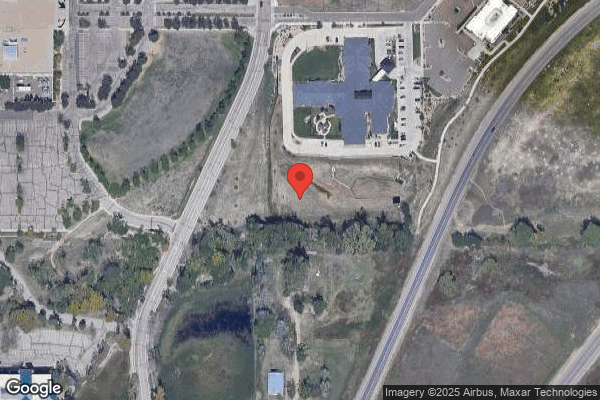
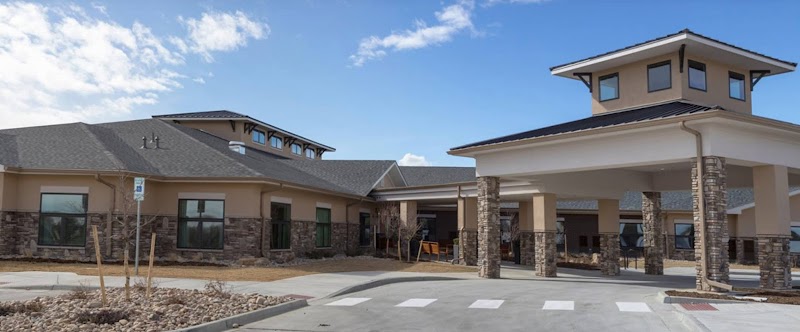
1960 S FORDHAM ST, LONGMONT, CO 80503 (720) 494-2624
For profit - Partnership 5 Beds STONEGATE SENIOR LIVING Data: November 2025 1 Immediate Jeopardy citation
Trust Grade
3/100
#179 of 208 in CO
Last Inspection: August 2024

Within standard 12-15 month inspection cycle. Federal law requires annual inspections.

Overview

Accel at Longmont Health and Rehab, LLC has received a Trust Grade of F, indicating poor performance with significant concerns about care quality. They rank #179 out of 208 nursing homes in Colorado, placing them in the bottom half of facilities statewide, and #9 out of 10 in Boulder County, meaning there are only a few local options that are better. However, the facility is showing signs of improvement, having reduced the number of identified issues from 14 in 2024 to just 2 in 2025. Staffing is relatively stable with a turnover rate of 0%, significantly better than the state average, and they provide more RN coverage than 94% of Colorado facilities, which is a positive aspect. On the downside, the facility has incurred $87,758 in fines, which is concerning and suggests ongoing compliance issues. Recent inspector findings revealed serious problems, including failing to provide timely treatment for residents at risk of pressure injuries, which led to severe infections and hospitalizations. Another incident involved a resident who fell multiple times due to inadequate supervision and unsafe conditions, resulting in fractures. Lastly, there were medication errors that contributed to a resident's decline in mental status, further highlighting the need for improvement in care and safety protocols. Overall, while there are some strengths in staffing and trending improvement, the facility has critical weaknesses that families should consider carefully.

Trust Score
F
3/100
In Colorado
#179/208
Bottom 14%
Safety Record
High Risk
Review needed
Inspections
Getting Better
14 → 2 violations
Staff Stability
○ Average
Turnover data not reported for this facility.
Penalties
⚠ Watch
$87,758 in fines. Higher than 95% of Colorado facilities. Major compliance failures.
Skilled Nurses
⚠ Watch
Each resident gets only 22 minutes of Registered Nurse (RN) attention daily — below average for Colorado. Fewer RN minutes means fewer trained eyes watching for problems.
Violations
⚠ Watch
37 deficiencies on record. Higher than average. Multiple issues found across inspections.
★☆☆☆☆
1.0
Overall Rating
★☆☆☆☆
1.0
Staff Levels
★★★☆☆
3.0
Care Quality
★☆☆☆☆
1.0
Inspection Score
Stable
2024: 14 issues
2025: 2 issues

The Good

  • Full Sprinkler Coverage · Fire safety systems throughout facility
  • No fines on record

Facility shows strength in fire safety.

The Bad

1-Star Overall Rating

Below Colorado average (3.1)

Significant quality concerns identified by CMS

Federal Fines: $87,758

Well above median ($33,413)

Moderate penalties - review what triggered them

Chain: STONEGATE SENIOR LIVING

Part of a multi-facility chain

Ask about local staffing decisions and management

The Ugly 37 deficiencies on record

1 life-threatening 3 actual harm
Jul 2025 2 deficiencies
CONCERN (D) 📢 Someone Reported This

A family member, employee, or ombudsman was alarmed enough to file a formal complaint

Potential for Harm - no one hurt, but risky conditions existed

Deficiency F0561 (Tag F0561)

Could have caused harm · This affected 1 resident

**NOTE- TERMS IN BRACKETS HAVE BEEN EDITED TO PROTECT CONFIDENTIALITY** Based on record review and interviews, the facility ensure residents had a right to make choices about aspects of his or her lif...

Read full inspector narrative →
**NOTE- TERMS IN BRACKETS HAVE BEEN EDITED TO PROTECT CONFIDENTIALITY** Based on record review and interviews, the facility ensure residents had a right to make choices about aspects of his or her life in the facility that were significant to the resident for two (#6 and #11) of 10 residents out of 11 sample residents.Specifically, the facility failed to ensure Resident #6 and Resident #11 received showers according to their preferences. Findings include:I. Facility policy and procedureThe Resident Showers policy, implemented on 6/1/25, was provided by the regional vice president of operations (RVPO) on 7/23/25 at 2:03 p.m. The policy revealed this facility assisted residents with bathing to maintain proper hygiene, stimulate circulation and help prevent skin issues as per current standards of practice. Residents would be provided showers as per request or as per facility schedule protocols and based upon resident safety.II. Resident #6A. Resident observation and interviewsThe resident and his wife were interviewed on 7/23/25 at 1:36 p.m. The resident sat in a wheelchair in his room. The resident said he preferred to have two showers each week and he had not refused a shower. The resident's wife said the resident did not receive two showers each week. She said his shower days were Wednesday and Saturday evenings. She said the resident was incontinent of the bladder and he urinated on himself at times. She said it was important for him to get his showers because of being soaked in urine. She said missing a shower was not good for her husband.B. Resident statusResident #6, age greater than 65, was admitted on [DATE]. According to the July 2025 computerized physician orders (CPO), the diagnoses included atherosclerotic (buildup of fats, cholesterol and other substances in and on the artery walls) heart disease of native coronary artery with angina pectoris (a condition where chest pain and or discomfort arose from reduced blood flow to the heart muscle due to narrowed or blocked coronary arteries), vascular dementia with mood disturbance, lack of coordination, muscle wasting with atrophy and abnormalities of gait and mobility.The 6/12/25 minimum data set (MDS) assessment revealed the resident had both short and long-term memory problems. The resident was severely impaired with cognitive skills for daily decision-making through staff assessment. The resident was dependent on staff for all activities of daily living. C. Record reviewThe care plan for activities of daily living (ADL) for self-care performance deficit related to activity intolerance and dementia was initiated on 6/20/25. The interventions, initiated on 6/27/25, included the resident was dependent on staff for showering. The resident preferred showers on Wednesday and Saturday evenings.Resident #6's June 2025 (6/1/25 to 6/31/25) and July 2025 (7/1/25 to 7/22/25) shower documentation was reviewed on 7/22/25 at approximately 3:00 p.m. The documentation revealed the resident did not have a shower or refusal of a shower from 6/21/25 through 7/8/25; a period of 18 days.III. Resident #11A. Resident observation and interviewsResident #11 was interviewed on 7/23/25 at 11:50 a.m. He said his shower days were on Monday and Thursdays. He said he wanted at least two showers each week. He said it made him feel smelly and dirty when he missed his showers.B. Resident statusResident #11, age less than 65 years, was admitted on [DATE]. According to the July 2025 CPO, diagnoses included diabetes mellitus, polyneuropathy (a condition where multiple peripheral nerves were damaged, causing various symptoms like numbness, tingling, pain, and muscle weakness), reduced mobility and contracture of the right and left hands.The 5/19/25 MDS assessment revealed the resident was cognitively intact and had a brief interview for mental status (BIMS) score of 15 out of 15. The resident required substantial/maximal assistance for showering.C. Record reviewThe care plan for being at risk for ADL self-care performance deficit related to polyneuropathy, diabetes, chronic pain, left and right hand contractures was initiated on 6/20/25. Interventions included the resident required substantial to maximum staff assistance for showers on Monday and Thursday evenings.Resident #11's June 2025 (6/1/25 to 6/31/25) and July 2025 (7/1/25 to 7/22/25) shower documentation was reviewed on 7/22/25 at approximately 3:00 p.m. The documentation revealed the resident did not have a shower or refusal of a shower from 6/10/25 through 7/12/25; a period of 32 days.III. Staff interviewsThe director of nursing (DON) and RNC #1 were interviewed together on 7/23/25 at 10:07 a.m. The DON said the facility was unable to find any additional documentation on showers for either resident. The DON said to her knowledge, neither resident refused showers. The DON said Resident #11 received his showers on Monday and Thursday evenings and the resident was a substantial/maximum staff assistance for showers. The DON said staff should document in the electronic medical records (EMR) and on a bathing sheet before the end of their shift. The DON said she expected the staff to document if a shower had been provided or if the resident refused the shower. The DON said if a resident refused a shower, the resident could receive a shower on a different day and time as per their choice.Registered nurse (RN) #2 was interviewed on 7/23/25 at 3:28 p.m. RN #2 said the CNAs provided showers for the residents. RN #2 said a resident should receive two or more showers each week, if they wanted them.The DON was interviewed again on 7/23/25 at 4:11 p.m. The DON agreed the facility shower documentation revealed Resident #11 did not have a documented shower from 6/10/25 through 7/12/25; a period of 32 days.The DON and RNC #1 were interviewed on 7/23/25 at 3:56 p.m. The DON said Resident #6 received his showers on Wednesday and Saturday Evenings. The DON said Resident #6 was dependent on staff for showers and a staff member should document when they provide the resident with a shower. The DON said Resident #6's shower documentation revealed the resident did not have a shower or refusal of a shower from 6/21/25 through 7/8/25; a period of 18 days. The DON said a resident should receive two or more showers each week if they want them.Certified nurse aide (CNA) #2 was interviewed on 7/24/25 at 8:27 a.m. She said she did provide showers to residents. She said residents should receive two or more showers each week if they want them. She said she documented in the resident's EMR by the end of her shift.
CONCERN (E) 📢 Someone Reported This

A family member, employee, or ombudsman was alarmed enough to file a formal complaint

Potential for Harm - no one hurt, but risky conditions existed

Deficiency F0583 (Tag F0583)

Could have caused harm · This affected multiple residents

Based on record review and interviews, the facility failed to ensure residents had the right to secure and confidential personal and medical records.Specifically, the facility failed to ensure residen...

Read full inspector narrative →
Based on record review and interviews, the facility failed to ensure residents had the right to secure and confidential personal and medical records.Specifically, the facility failed to ensure residents' medical records were stored securely. Findings include:I. Facility policy and procedureThe Health Insurance Portability and Accountability Act (HIPPA) Sanctions policy, implemented 4/11/25, was provided by the regional vice president of operations (RVPO) on 7/23/25 at 12:13 p.m. The policy revealed this facility would apply sanctions against employees who fail to comply with all policies and procedures regarding the protection of our residents' personal identifiable health information. The facility, as a covered entity under the Health Insurance Portability and Accountability Act of 1996 (HIPAA), would implement policies and procedures to prevent, detect, contain, and correct any HIPAA violations. All employees were expected to comply with all policies and procedures regarding the protection of personal identifiable health information of our residents. All employees would be educated on relevant policies and procedures for which they were expected to comply, including this sanctions policy. Any employee who failed to comply with relevant policies and procedures regarding the protection of personal identifiable health information of our residents would be subject to disciplinary action up to and including termination of employment. Examples of violations included the intentional or negligent mishandling, altering, or destruction of confidential information or media/workstations that house such information.II. Observations and interviewsOn 7/21/25 at 8:51 a.m. at the nurse's station in the facility there were three brown paper bags and one large black trash bag that contained residents' medical information. The full bags were positioned just inside the nurse's station and the bags were open with visible resident information. Regional nurse consultant (RNC) #1 arrived at the nurse's station at 8:53 a.m. and started removing the bags. RNC #1 said the facility did not have any designated shred box containers in the facility at that time. RNC #1 said the three paper bags and the large trash bag contained confidential resident information. The director of nursing (DON) arrived at the nurse's station at 8:54 a.m. The DON said the bags contained resident information and should not be left at the nurse's station. The DON said she had only been working at the facility for a few weeks and just recently negotiated a new contract with a service company for designated shred box containers. At approximately 9:00 a.m. an unidentified staff member said the paper bags and the black trash bag that contained confidential resident information had been sitting at the nurse's station for several weeks.On 7/23/25 at 11:53 a.m. a locked medication cart was parked in the hallway outside the nurse's station. The computer screen was visible to individuals walking by. There were no facility personnel in the vicinity of the medication cart. A portion of Resident #13's medication administration record (MAR) for July 2025 was visible to individuals walking by. RNC #1 said she observed the medication cart screen and the visibility of Resident #13's MAR for July 2025. RNC #1 said the screen should not have been visible to the public. RNC #1 pushed the lock button on the screen and the screen went dark. RNC #1 said the nurse working on the medication cart should have pushed the lock button at the top of the computer screen; this action would make the screen not visible to the public.III. Staff interviewsRegistered nurse (RN) #1 was interviewed on 7/23/25 at 11:58 a.m. She said the computer screen attached to the medication cart should not be visible to the public. She said the screen was not locked and displayed a portion of the information of Resident #13'2 MAR for July 2025. RN #1 said there was a lock button on the computer screen. RN #1 said she had observed the three paper bags and the black trash bag filled with resident documents at the nurse's station. RN #1 said the documents had been in the bags at the nurse station since 6/1/25. RN #1 said she was told to put the confidential resident documents in the bags. RN #1 said the facility did not have shred boxes.The DON was interviewed together on 7/24/25 at 9:43 a.m. The DON said the three paper bags and the large trash bag contained confidential resident information as observed on 7/21/25 at 8:54 a.m. The DON said the facility did not have confidential shred boxes containers in the facility at this time. The DON said a contract had recently been finalized for shredded boxes containers at the nurse's station and in the copy room area. The DON said she expected the shred boxes containers to arrive in the coming week. The DON said until the shred containers arrive, the resident's confidential information would be stored in her office.
Aug 2024 14 deficiencies 1 IJ
CRITICAL (J) 📢 Someone Reported This

A family member, employee, or ombudsman was alarmed enough to file a formal complaint

Immediate Jeopardy (IJ) - the most serious Medicare violation

Pressure Ulcer Prevention (Tag F0686)

Someone could have died · This affected 1 resident

**NOTE- TERMS IN BRACKETS HAVE BEEN EDITED TO PROTECT CONFIDENTIALITY** Based on interviews, record review, and observations, the facility failed to provide two of five residents (#85 and #140) out of...

Read full inspector narrative →
**NOTE- TERMS IN BRACKETS HAVE BEEN EDITED TO PROTECT CONFIDENTIALITY** Based on interviews, record review, and observations, the facility failed to provide two of five residents (#85 and #140) out of 24 sample residents, with the timely and necessary treatment and services to prevent and manage facility-acquired deep tissue pressure injuries (DTI) that resulted in the development of infection and sepsis, and required hospitalization. Cross-reference F880 (Infection Prevention and Control), F882 (Infection Preventionist) and F867 (Quality Assurance and Performance Improvement). RESIDENT #85 Resident #85, who had a diagnosis of diabetes, kidney disease, and generalized muscle weakness, was admitted to the facility on [DATE] for rehabilitation and strengthening. Resident #85 was assessed on admission with intact skin of the lower extremities, feet, and heels, and a stage 2 pressure injury to her coccyx/sacrum. She was evaluated at moderate risk of developing pressure injuries due to a history of previous pressure injury and stroke. On 11/16/23, nine days after admission, a weekly skin assessment documented bilateral heel discoloration. However, the resident's primary care physician (PCP) did not become aware of the resident's skin condition until 11/20/23. In a note that day, the PCP documented the resident had deep tissue injury (DTI) changes to both heels and right lower extremity cellulitis (skin infection), ascending on the right calf. The resident was sent to the hospital where she was diagnosed with cellulitis and sepsis from cellulitis, as well as a trauma injury to the right big toe, a stage 3 pressure injury on her coccyx/sacrum, and unstageable pressure injuries to her right and left heel. She was treated with intravenous (IV) antibiotics and spent a week in the hospital, including one day in the intensive care unit (ICU). Record review revealed the facility failed to provide the resident with timely and necessary services to prevent the development of the resident's heel wounds and to promote the healing of her coccyx/sacral wound. Specifically: -While an 11/16/23 assessment revealed discoloration to bilateral heels and a nursing note the same day documented the physician was notified of the resident's DTI injuries, a change of condition assessment was not completed, and a PCP note on 11/20/24, four days later, indicated the physician was unaware of the heel wounds, citing new wounds on feet have not been seen before. -While the resident's care plan for skin integrity was initiated on 11/7/23, and included interventions to assist the resident in turning and repositioning frequently and to off-load heels, there was insufficient evidence these interventions were implemented. Further, the discovery of bilateral heel discoloration on 11/16/23 did not trigger the facility to consider new interventions to prevent further skin breakdown despite being noted as a problem on the care plan. -While a review of the medication and treatment administration records (MAR and TAR) revealed orders for the resident's coccyx/sacral wound, there was no treatment order for the resident's heels in November 2023. RESIDENT #140 Resident # 140, who had a diagnosis of sacral fracture, peripheral vascular disease, and idiopathic neuropathies, was admitted to the facility on [DATE]. Resident #140 was admitted to the facility with intact skin on the lower extremities, feet, and heels. At the time of admission, he was assessed at mild risk for pressure injuries due to a history of skin tears, stroke, and left-sided weakness. On 8/12/24, two days after admission and during the wound care nurse (WCN) assessment, a blister to the right foot, DTI was noted. On 8/21/24, nine days later, the wound care physician assessed the resident and documented the resident had a large DTI on his right first toe and right heel. On 8/25/24, the daily skilled nurse's note read the resident's right foot had become edematous and painful to touch with bruising to the right fourth toe and new right foot swelling with edema and pain. On 8/27/24, Resident #140 developed altered mental status, fever, and chills and was sent to the hospital where he was diagnosed with cellulitis due to an infected right heel wound. He spent one night in the ICU and was administered IV antibiotics. Record review revealed the facility failed to provide the resident with timely and necessary services to prevent and manage the resident's pressure injuries. Specifically: -Record review revealed no evidence the resident's heels were off-loaded, even though heel off-loading was documented on his admission care plan. -Record review revealed the resident's daily skilled notes failed to accurately reflect the resident's skin condition. -Record review revealed staff failed to ensure the physician was timely notified of resident changes in condition. The facility's systemic failure to provide Resident #85 and Resident #140 with timely interventions and necessary treatment and services to prevent and manage pressure injuries created an immediate jeopardy situation with the likelihood of serious harm to other residents with similar conditions. Findings include: I. Immediate Jeopardy A. Findings of immediate jeopardy RESIDENT #85 The facility failed to prevent the development of pressure injuries for Resident #85. The resident was admitted to the facility on [DATE]. She was identified to be at moderate risk for pressure injuries due to her diagnosis of diabetes and kidney disease. Although she had a stage 2 coccyx/sacral wound, she did not have any injuries on her legs, feet, or heels. However, an 11/16/23 assessment revealed discoloration to bilateral heels, and on 11/20/23, a physician's note revealed the nurse asked the physician to see lesions on the resident's feet. The note read the resident had new deep tissue injury DTI) wounds to both heels and ascending cellulitis to the right calf. The physician wrote that the resident is a diabetic and was at risk for diabetic foot infection that could threaten life or limb. The resident was sent to the emergency room for further evaluation. While in the hospital, the resident was diagnosed with cellulitis and sepsis from cellulitis as well as a trauma injury to the right big toe, a stage 3 coccyx/sacral pressure injury, and unstageable pressure injuries on her right and left heel. The resident was hospitalized for a week but her wounds did not heal and she was admitted to hospice on 11/28/23. Record review revealed the facility failed to provide the resident with timely and necessary services to prevent the development of the resident's heel wounds and to promote the healing of her coccyx/sacral wound. Specifically: -While an 11/16/23 assessment revealed discoloration to bilateral heels and a nursing note the same day documented the physician was notified of the assessment, a change of condition assessment was not completed, and a physician note on 11/20/24, four days later, indicated the physician was unaware of the heel wounds, citing new wounds on feet have not been seen before. -While the resident's care plan for skin integrity was initiated on 11/7/23, and included interventions to assist the resident in turning and repositioning frequently and to off-load heels, there was insufficient evidence these interventions were implemented. Further, the discovery of bilateral heel discoloration on 11/16/23 did not trigger the facility to consider new interventions to prevent further skin breakdown despite being noted as a problem on the care plan. -While a review of the medication and treatment administration records (MAR and TAR) revealed orders for the resident's coccyx/sacral wound, there was no treatment order for the resident's heels in November 2023. RESIDENT #140 Resident #140 was admitted to the facility on [DATE]. He did not have any wounds on his legs and feet. On 8/12/24, the WCN completed a skin assessment and noted a blister to right foot, DTI. On 8/21/24 the wound care physician (WCP) documented the resident had an unstageable deep tissue injury (DTI) to the right first toe, and unstageable DTI to the right heel. Record review revealed the facility failed to provide the resident with timely and necessary services to prevent the development of the resident's pressure injuries. Specifically: -Record review revealed no evidence the resident's heels were off-leaded, even though heel off-loading was documented on his admission care plan. -Record review revealed the resident's daily skilled notes did not accurately reflect the condition of the resident's skin. -Record review revealed staff failed to ensure the physician was timely notified of resident changes in condition. The medical director (MD) was interviewed about Resident #85's and #140's DTIs that developed after admission. The MD said that all pressure-related injuries were avoidable if appropriate care had been provided. She said if residents developed pressure-related injuries it meant interventions for prevention were not followed. She further said, even though both residents had comorbidities, such as diabetes for Resident #85 and vascular disease for Resident #140, all developed pressure injuries were avoidable. The facility's systemic failure to provide Resident #85 and Resident #140 with timely interventions and necessary treatment and services to prevent and manage pressure injuries created an immediate jeopardy situation with the likelihood of serious harm to other residents with similar conditions. B. Notice of immediate jeopardy On 8/28/24 at 11:30 a.m., the nursing home administrator (NHA) was informed of the findings of immediate jeopardy under F686, Pressure Injuries. C. Facility plan to remove immediate jeopardy The facility submitted a plan to remove the immediate jeopardy on 8/28/24 at 6:17 p.m. The plan read: All residents in the facility identified as high risk for skin breakdown based on their risk assessment score started and completed 8/28/24. Identify responsible staff/what action taken: Resident #85 is no longer in (the facility) and will not be assessed. Risk assessment for Resident #140 was not assessed due to being admitted to the hospital on [DATE]. The regional nurse consultant (RNC) immediately on 8/28/24 provided education to wound nurse on implementation of interventions based on risk scores. All nurses and certified nurse aid(e)s scheduled today will be educated on implementation of pressure injury prevention interventions and will be completed by the end of 8/28/24. A full facility skin sweep was conducted on 8/28/24 assessing current residents'skin conditions and will be documented as completed by 8/28/24. Pressure Ulcer Risk assessments will be completed on current residents to identify those at high risk for skin breakdown and interventions put in place by the end of 8/28/24. Interventions will be implemented on 8/28/24 to prevent the development of new wounds or deterioration of existing wounds. Interventions will be added to certified nurse aid(e)s Point of Care Device for documentation by the end of 8/28/24. Minimum Data Set nurse is auditing care plans for residents identified as high risk for appropriate interventions and will make changes as necessary by the end of 8/28/24. Staff that have not received the education will be provided with education on implementation of pressure injury prevention interventions prior to the start of their next shift, and followed up on by the administrator. Nurse will round on assigned residents twice per shift to verify interventions are being followed by staff and turn in the audit form to DON/designee at the end of their shift. All newly admitted patients receive a skin assessment and Risk assessment completed on admission. Necessary interventions are put in place at the time a need is identified. The admission will be reviewed in the next morning clinical meeting. Skin assessments are done weekly ongoing, and the risk assessment is completed weekly three times after admission then quarterly and with change of condition. D. Removal of immediate jeopardy The facility plan was accepted by the state survey agency on 8/28/24 at 6:17 p.m., based on the systemic changes outlined in the above plan to ensure pressure injuries would be immediately addressed through assessment, monitoring, and treatment. The immediate jeopardy situation was removed; however, the deficient practice remained at a G level, isolated, actual harm. II. Professional references A. Classification of pressure injuries According to the National Pressure Injury Advisory Panel, European Pressure Injury Advisory Panel and Pan Pacific Pressure Injury Alliance Prevention and Treatment of Pressure Injuries: Clinical Practice Guideline, third edition, [NAME] Haesler (Ed.), EPUAP/NPIAP/PPPIA: 2019, retrieved from https://www.internationalguideline.com/guideline on 7/30/24, Pressure ulcer classification is as follows: Category/Stage 1: Nonblanchable Erythema (discoloration of the skin that does not turn white when pressed, early sign of tissue damage) Intact skin with nonblanchable redness of a localized area usually over a bony prominence. Darkly pigmented skin may not have visible blanching; its color may differ from the surrounding area. The area may be painful, firm, soft, warmer or cooler as compared to adjacent tissue. Category/Stage 1 may be difficult to detect in individuals with dark skin tones. May indicate 'at risk' individuals (a heralding sign of risk). Category/Stage 2: Partial Thickness Skin Loss Partial thickness loss of dermis presenting as a shallow open ulcer with a red pink wound bed, without slough. May also present as an intact or open/ruptured serum filled blister. Presents as a shiny or dry shallow ulcer without slough or bruising.This Category/Stage should not be used to describe skin tears, tape burns, perineal dermatitis, maceration or excoriation. Category/Stage 3: Full Thickness Skin Loss Full thickness tissue loss. Subcutaneous fat may be visible, but bone, tendon or muscle are not exposed. Slough may be present but does not obscure the depth of tissue loss. May include undermining and tunneling. The depth of a Category/ Stage 3 pressure ulcer varies by anatomical location. The bridge of the nose, ear, occiput and malleolus do not have subcutaneous tissue and Category/ Stage 3 ulcers can be shallow. In contrast, areas of significant adiposity can develop extremely deep Category/Stage 3 pressure ulcers. Bone/tendon is not visible or directly palpable. Category/Stage 4: Full Thickness Tissue Loss Full thickness tissue loss with exposed bone, tendon or muscle. Slough or eschar may be present on some parts of the wound bed. Often include undermining and tunneling. The depth of a Category/Stage 4 pressure ulcer varies by anatomical location. The bridge of the nose, ear, occiput and malleolus do not have subcutaneous tissue and these ulcers can be shallow. Category/ Stage 4 ulcers can extend into muscle and/ or supporting structures ( fascia, tendon or joint capsule) making osteomyelitis possible. Exposed bone/tendon is visible or directly palpable Unstageable: Depth Unknown Full thickness tissue loss in which the base of the ulcer is covered by slough (yellow, tan, gray, green or brown) and/or eschar (tan, brown or black) in the wound bed. Until enough slough and/or eschar is removed to expose the base of the wound, the true depth, and therefore Category/ Stage, cannot be determined. Stable (dry, adherent, intact without erythema or fluctuance) eschar on the heels serves as 'the body's natural (biological) cover' and should not be removed. Suspected Deep Tissue Injury: Depth Unknown Purple or maroon localized area of discolored intact skin or blood-filled blister due to damage of underlying soft tissue from pressure and/or shear. The area may be preceded by tissue that is painful, firm, mushy, boggy, warmer or cooler as compared to adjacent tissue. Deep tissue injury may be difficult to detect in individuals with dark skin tones. Evolution may include a thin blister over a dark wound bed. The wound may further evolve and become covered by thin eschar. Evolution may be rapid, exposing additional layers of tissue even with optimal treatment. According to the Basic Nursing third edition, Treas, L.S., [NAME], K.L., & [NAME], M.H. (2022), page 1214, Healthy people regularly shift position to maintain comfort. However, many patients are unable to move without assistance. They require a change of position at least every two hours to prevent skin breakdown, muscle discomfort, damage to superficial nerves and blood vessels, and contractures. III. Facility policy The Prevention of Pressure Injuries policy and procedure, revised July 2018, was received from the regional nurse consultant (RNC) on 8/27/24 at 12:27 p.m. It read in pertinent part: Any significant abnormal findings are reported to the resident physician and resident or responsible party. Abnormal findings are to be documented in the medical record. Actions taken to be documented in the medical record, along with a summary of all notified with their responses. Care plans will be updated on a routine basis and with significant changes in condition. IV. Resident #85 A. Resident status on admission Resident #85, age older than 65, was admitted to the facility on [DATE] from the hospital. According to the November 2023 computerized physician orders (CPO), diagnoses included type 2 diabetes mellitus and chronic kidney disease. The 11/27/24 minimum data set (MDS) assessment revealed the resident was cognitively intact with a brief interview for mental status (BIMS) score of 12 out of 15. She required substantial to maximal assistance from two staff members for transfers. The care plan for skin integrity was initiated on 11/7/23 with interventions to turn and reposition frequently, off-load heels, and position the resident properly. The medication administration (MAR) and treatment administration records (TAR) for November 2023 revealed there were no treatment orders for the resident's heels. A skin assessment completed on admission [DATE]) revealed Resident #85 had a stage 2 coccyx/sacral wound; however, her skin was intact to her lower extremities, heels, and feet. A review of the daily skilled nurse's notes revealed no documentation of any changes in the resident's skin before 11/16/23 (see below). A review of daily skilled nurses notes for November 2023 mentioned that coccyx/sacral wound care was ordered; however, there was no mention of skin breakdown to the resident's heels from 11/8/23-11/11/23. There was no daily skilled note documented for 11/15/23. B. Resident status following admission - Skin changes identified on 11/16/23 - development of a pressure injury to the resident's right heel - facility failures 1. Skin changes identified on 11/16/23 An occupational therapy note, dated 11/16/23, nine days after admission, read in pertinent part, bleeding right heel during therapy session. A weekly skin assessment dated [DATE] documented discoloration to bilateral heels and a laceration to the right foot. A note by licensed practical nurse (LPN) #4 on 11/16/23 at 6:22 p.m. documented, Resident notified nurse of open skin area on right heel. Fluid filled blister broke, deep tissue injury (DTI) visible. Primary care physician (PCP) power of attorney (POA), wound nurse notified. 2. Facility failures The weekly skin assessment on 11/16/23 (see above) did not document the description and measurements of new skin wounds. (It also did not document how the resident obtained the laceration.) The care plan was revised on 11/16/23 with a mention of heel discoloration and skin tear. However, the care plan did not document the location (right or left heel) of the discoloration. Further, no additional interventions were added to the care plan to address the new pressure wound. Review of the resident's record from admission on [DATE] to 11/16/23 revealed no evidence that the care plan intervention for off-loading (see above) was followed. A review of the resident's record revealed that although the nurse's note documented the PCP was notified of the resident's right heel injury and skin tear on 11/16/23 (see above), there was no documentation of PCP follow-up or of additional attempts to notify the PCP of the resident's skin breakdown. C. Discovery on 11/20/23 - development of additional pressure injuries and cellulitis - facility failures 1. On 11/20/23 at 7:15 p.m., a physician progress note written by PCP #1 documented in part: [A]sked to see lesions on feet that may not wait for wound care. New wounds on feet have not been seen before. Resident #85 has DTI changes (approx 6 centimeters) to bilateral heels and lateral calcaneal (large bone at the end of the foot), ascending cellulitis on the right calf. Right calf is tender, mildly warm and red. At risk for diabetic infection that may threaten life or limb. Ascending erythema (redness of skin) is also a concern for cellulitis (skin infection). Resident #85 to be sent to the emergency room for evaluation to rule out osteomyelitis (inflammation of the bone due to infection). The admission hospital record, dated 11/21/23, revealed the resident was diagnosed with cellulitis and sepsis from cellulitis. Upon admission to the hospital, the following wounds were identified: trauma injury to the right big toe measured 2.0 by 2.0 by 0.1 cm, stage 3 pressure injury on coccyx/sacrum 3.0 by 3.0 by 0.2 cm, unstageable (pressure injury) on right heel measured 5.5 by 15.5 cm, and unstageable (pressure injury) on left heel measured 4.5 by 5.5 cm. The hospital record revealed the resident was administered intravenous (IV) antibiotics and spent a week in the hospital including one day in the intensive care unit (ICU). 2. Facility failures A review of the resident's progress notes, daily skilled nurses's notes, and skin assessments revealed there was no further documentation of discoloration to the resident's heels after 11/16/23 until the physician's note above on 11/20/23. A review of the resident's November MAR and TAR revealed no orders addressing the skin breakdown of the resident's heels identified on 11/16/23. The resident's record revealed daily skin assessments were not completed with accuracy to ensure Resident #85's pressure injuries were timely managed. Further, the facility failed to ensure timely notification to the PCP after the evidence of a DTI was identified on 11/16/23. D. Interviews 1. The facility's MD was interviewed on 8/28/2024 at 8:52 a.m. The MD said the pressure injuries Resident #85 developed had been facility-acquired and were preventable. She said pressure injury wounds developed when protocol and care plans were not being followed by staff. The MD further said the expectation was that any change of condition (in the resident's skin) would have been documented and reported the same day to either an on-site physician or the on-call team. 2. The wound care physician (WCP) was interviewed on 8/28/24 at 4:13 p.m. The WCP said she had initially observed Resident #85 on 11/8/23 to have only a stage 2 coccyx/sacral wound. She said she was unaware the resident had been hospitalized on [DATE] due to a wound infection. The WCP said she had no reason to believe Resident #85 was at risk of developing heel wounds as she was not bed-bound. She concluded that the resident's heel wounds were unavoidable because the resident had a diagnosis of diabetes. -However, see above. The resident entered the facility without any pressure injuries to her heels, review of the resident's record revealed daily skin assessments were not completed with accuracy, there was no evidence the resident was turned and repositioned as care planned, and new interventions were not considered when the resident's bilateral heel discoloration,/DTI was identified. 3. Physician assistant (PA) #1 was interviewed on 8/29/24 at 9:40 a.m. PA #1 said that the pressure injuries Resident #85 developed were facility-acquired and had proper interventions been completed the injuries should not have developed. V. Resident #140 A. Resident record review, observations, and interview Resident #140, age older than 65, was admitted to the facility from the hospital on 8/10/24. According to the August 2024 CPO, his diagnoses included sacral fracture, peripheral vascular disease, and idiopathic neuropathies. According to the 8/16/24 MDS assessment, the resident was alert and oriented with a BIMS score of 15 out of 15. Resident #140 was interviewed on 8/27/24 at 9:20 a.m. Resident #140 said he developed multiple wounds on his right foot after he was admitted to the facility. Resident #140 said he had not had anything wrong with his foot before being admitted . Resident #140 said he developed a wound on his right heel from his feet being pushed against the footboard of the bed. (Per the MDS assessment, the resident's height was 6 feet 4 inches.) The resident said he also developed sores on his toes because the staff did not help him move. Resident #140 said the staff was not consistent with dressing changes. He said staff routinely told him that he would see a WCN or physician, but he had not seen either the wound nurse or the physician when he asked to see them to answer his questions. Observations revealed Resident #140 lying in the bed with his feet touching the footboard. His right heel was covered with a blue foam boot. There was a purple discoloration on the tip of his right first toe and a white piece of tape on his right second toe labeled with a nurse's initials, dated 8/25. B. Resident status on admission A skin assessment completed on admission on [DATE] revealed Resident #140's skin was intact, except for a skin tear and hematoma to his left elbow. A care plan for physical mobility, initiated on 8/10/24, revealed the resident had impaired mobility due to a history of stroke and history of cardiovascular disease. Interventions included to provide an appropriate level of assistance. The 8/16/24 MDS assessment revealed the resident's level of assistance was substantial to maximal assistance and two staff assistance for transfers. A care plan for skin breakdown was initiated on 8/10/24, revealing that the resident was at risk for actual skin breakdown due to a history of stroke and cardiovascular disease and a history of bruising and skin tears. -Although the care plan noted the resident was confined to a chair most of the time, required extensive assistance with bed mobility and transfers, and had left-sided weakness, he was assessed at mild risk for skin breakdown. -Interventions initiated on admission 8/10/24 included off-loading heels, positioning the resident properly, inspecting skin and completing a head-to-toe assessment every week and documenting results, as well as inspecting skin daily with care and bathing, and reporting any changes to the nurse. C. Resident status after admission - development of pressure injury on the resident's right heel, right first toe - facility failures 1. Skin breakdown 8/12/24 On 8/12/24, two days after admission, a WCN assessment read in part, blister to right foot, DTI. On 8/12/24, the care plan was updated to add a new blister. -However, the location and the cause were not documented and the update did not reference DTI. Further, no new interventions were added to the care plan, and the resident's orders were not updated with any new treatments until 8/14/24 when the wound care physician (WCP) assessed the resident (see below). On 8/14/24, the WCP documented an unstageable DTI to the right great toe, measuring 1.0 by 0.5 centimeters (cm), and trauma injury to the right second toe. The WCP recommended to cleanse the wound daily, apply skin prep, off-load, and avoid constrictive footwear, and the orders for daily wound care were entered on the MAR. Notwithstanding the above documentation by nursing and the WCP of skin breakdown, the August 2024 daily skilled nurse's notes section revealed no documented skin concerns from 8/12/24 to 8/16/24. Further, there were no documented daily skilled nurse's notes on 8/15/24 and 8/17/24. On 8/15/24, the resident was ordered to receive sugar-free liquid protein (Prostat) 30 milliliters (ml) by mouth two times a day for wound healing (unstageable DTI). -Although a review of the resident's MAR for August 2024 revealed the Prostat was documented as routinely given, an interview with LPN #1 on 8/27/24 at 8:48 a.m. revealed the resident frequently refused the liquid protein, preferring a protein shake provided by his family. (A refusal was observed on 8/27/24 at 8:48 a.m.) -However, the resident's record revealed no evidence that the resident's refusals and preference for another protein supplement were communicated to the PCP. On 8/17/24, the resident's care plan was updated again to turn and reposition the resident frequently. -However, despite the resident's mobility limitations, there was no evidence that repositioning was offered to the resident, and staff interviews (see below) indicated it was unclear how frequently it was to be done. See also the resident interview above; Resident #140 said that the staff did not help him move. 2. Skin breakdown 8/21/24 On 8/21/24, the WCP documented Resident #140 still had an unstageable DTI to the right great toe that measured at 0.9 by 1.0 dcm, trauma injury to the right second toe, but also a new pressure wound unstageable DTI on the right heel that measured 3.0 x 6.0 cm. Orders were entered for right heel wound care every three days, cleanse with wound cleanser, and pat dry. Apply foam dressing and off-load while in bed. On 8/22/24, the care plan was updated with interventions to off-load heels as allowed and apply boot to the right foot when out of bed. -However, none of the care plan updates after admission indicated staff had considered the resident's height and the footboard on his bed. See resident interview and observation above. On 8/25/24, the daily skilled nurses note documented concerns for a right heel wound, right second toe wound, and bruising to the right fourth toe with new right foot swelling (edematous +3 and painful to touch). 3. Change of condition 8/27/24 On 8/27/24 (during the survey), the care plan was updated with an intervention to document weekly treatments and to include measurements for every wound. However, on this date, the resident experienced a change in condition and was transferred to the hospital. Specifically: On 8/27/24 at 3:19 p.m., LPN #1 documented that during therapy it was observed that Resident #140 was altered from baseline and unable to complete tasks normally. Vital signs were taken and revealed that Resident #140 had a fever (100.7 F) and hypotension (a low blood pressure of 97/65). The physician was notified of Resident #140's status and the resident was sent to the emergency department via ambulance. The hospital emergency room records dated 8/27/24 at 8:24 p.m. read in pertinent part, cellulitis of right lower limb, severe sepsis without septic shock, purulent (pus-like drainage which is a sign of infection) drainage along heel with streaking erythema superiorly. Resident #140 was admitted to the ICU and treated with antibiotics. D. Interviews 1. The WCN was interviewed on 8/27/24 at 2:29 p.m. The WCN said she conducted a skin assessment on newly admitted residents but was not aware of a timeframe for her assessment to occur. She said Resident #140's heel tissue had been[TRUNCATED]
CONCERN (D)

Potential for Harm - no one hurt, but risky conditions existed

Deficiency F0561 (Tag F0561)

Could have caused harm · This affected 1 resident

**NOTE- TERMS IN BRACKETS HAVE BEEN EDITED TO PROTECT CONFIDENTIALITY** Based on observations, record review and interviews the facility failed to ensure the residents' right to make choices about asp...

Read full inspector narrative →
**NOTE- TERMS IN BRACKETS HAVE BEEN EDITED TO PROTECT CONFIDENTIALITY** Based on observations, record review and interviews the facility failed to ensure the residents' right to make choices about aspects of their lives that were important to them for two (#7 and #2) of five residents reviewed out of 24 sample residents. Specifically, the facility failed to: -Provide assistance scheduling a wound care appointment for Resident #7 at his preferred wound clinic; and, -Provide Resident #2 a shower schedule based on her preferences. Findings include: I. Facility policy and procedure The Residents' Rights policy and procedure, dated August 2022, was provided by the regional nurse consultant (RNC) on 8/29/24 at 4:30 p.m. It read in pertinent part, Staff will abide by and protect resident rights in accordance with state and federal guidelines. The administrator will pursue appropriate action regarding resident rights. II. Resident #7 A. Resident status Resident #7, age greater than 65, was admitted on [DATE]. According to the August 2024 computerized physician orders (CPO), diagnoses included cerebral palsy, multiple sclerosis, sacral pressure ulcer and infection of amputation left lower extremity, The 8/6/24 minimum data set (MDS) assessment revealed the resident was cognitively intact with a brief interview for mental status (BIMS) score of 15 out of 15. The resident was dependent on two staff members with a hoyer (mechanical) lift for transfers. B. Resident and resident's representative interview Resident #7 was interviewed on 8/26/24 at 11:28 a.m Resident #7's representative was present at the resident's bedside. Resident #7 said he had previously been seen by a facility wound care physician (WCP). He said he would refuse some treatments from the facility WCP because the treatments had been too painful. Resident #7 said he stopped seeing the WCP while he had been on hospice services. He said while on hospice, the hospice nurse performed his wound care. Resident #7 said after coming off hospice services, he did not want to see the facility's WCP because of the painful treatments. He said he wanted to go to a wound care clinic in the outside community. Resident #7 said he was insured by a company that had its own in-network wound care clinics. Resident #7 said the facility began to transport him to a local wound clinic. He said that his representative called to ask why he had gone to the out-of-network wound clinic, because they had received a bill for $2,500.00. Resident #7 said he did not know the clinic was out-of-network. Resident #7 said he wanted to go to a different outside community wound care clinic that was an in-network wound care clinic. Resident #7 said he had gone to at least four appointments out-of-network. Resident #7 said he was not educated on the out-of-network status or the financial aspect of going to the wound clinic the facility had set up. The resident's representative said when she had tried to discuss the matter with the facility and the provider, the physician had been nasty and belligerent toward her. The representative said the facility told her that Resident #7 made his own decisions and chose the out-of-network wound clinic. The representative said the facility then set up an appointment for wound care at a wound care clinic in another city. The representative said she told the facility to cancel the appointment because it was a 60-mile drive from the facility and there was another wound care clinic that was in-network in a city that was only 15 miles from the facility. The representative said that the transportation process was painful for Resident #7, so driving over an hour to a wound care clinic was not appropriate. C. Record review -Review of Resident #7's electronic medical record (EMR) revealed there was no documentation to indicate a discussion had been conducted or education was completed with Resident #7 regarding his in-network wound clinic options, insurance coverage or financial considerations with using the out-of-network wound care clinic. D. Staff Interviews The wound care nurse (WCN) was interviewed on 8/27/24 at 2:29 p.m. The WCN said Resident #7 had previously been seen by the facility's WCP. She said the resident went on hospice services and refused to see the facility's WCP after coming off hospice services. The WCN said the facility sent him out to a local wound care clinic and the resident's representative got very upset because the clinic was out-of-network and she was billed for the wound care. The WCN said the representative became upset because Resident #7 had a different payor source and now they had to pay all these bills. The WCN said she had explained the resident's wound care clinic options and Resident #7 understood his options. The WCN said he chose to go to the out-of-network wound clinic. The WCN said she did not get into the financials and had not discussed the out-of-network costs related to going to the local wound clinic with Resident #7. The WCN said Resident #7 had missed wound care last week related to a transportation issue and he would be missing again that week (week of the survey). The WCN said Resident#7 and his representative had asked her to do the wound care, however, the WCN said she could not provide the wound care because the wounds required debridement (removal of dead tissue). The medical director (MD) was interviewed on 8/28/24 at 8:52 a.m. The MD said Resident #7 should have the option to go to a wound care clinic of his choice, within their insurance network if they did not want to see the facility's WCP. The MD said the resident should be educated about options, choices and financial impact. Physician's assistant (PA) #1 was interviewed on 8/29/2024 at 9:40 a.m. PA #1 said Resident #7 would not see the facility's WCP per his choice. PA #1 said Resident #7 went to a local wound care clinic. PA #1 said he had not known that the wound care clinic was out-of-network. PA #1 said someone should have taken the details of the resident's insurance coverage into consideration and discussed that with the resident. The RNC was interviewed on 8/29/24 at 4:30 p.m. The RNC said social services should help facilitate the choice of doctors or wound care clinics and discuss financials with a resident. III. Resident #2 A. Resident status Resident #2, age less than 65, was admitted on [DATE]. According to the August 2024 CPO, diagnoses included Parkinson's disease. The 6/6/24 MDS assessment revealed the resident was cognitively intact with a BIMS score of 14 out of 15. The resident required moderate assistance of one staff member for transfers. B. Resident interview Resident #2 was interviewed on 8/26/24 at 10:57 a.m. Resident #2 said she preferred three showers per week. She said the facility assigned two shower days per week based on residents' room numbers. Resident #2 said the facility staff never asked her what her preferences for showers were. C. Record review -Review of the residents' shower binder on Resident #2's hallway revealed there were no showers documented for the resident. -Review of Resident #2's EMR revealed there was no documentation related to the resident's shower preferences. D. Staff interviews Certified nurse aide (CNA) #1 was interviewed on 8/28/24 at 10:10 a.m. CNA #1said she checked the shower schedule for her hallway at the start of her shift after receiving report from the offgoing CNA. CNA #1 said each residents' room number was assigned a shower day of the week. CNA #1 said the shower binder had the schedule for day of the week and whether they were to receive their shower on the day or night shift. The RNC was interviewed on 8/29/24 at 4:30 p.m. The RNC said the facility discussed shower/bath preferences as part of the admission process. The RNC said if a resident preferred a different shower schedule, the facility should accommodate the resident's preference. The RNC said if a resident changed their preference during their admission, the facility should accommodate that.
CONCERN (D) 📢 Someone Reported This

A family member, employee, or ombudsman was alarmed enough to file a formal complaint

Potential for Harm - no one hurt, but risky conditions existed

Deficiency F0602 (Tag F0602)

Could have caused harm · This affected 1 resident

**NOTE- TERMS IN BRACKETS HAVE BEEN EDITED TO PROTECT CONFIDENTIALITY** Based on record review and interviews, the facility failed to prevent misappropriation of property for one (#12) of two resident...

Read full inspector narrative →
**NOTE- TERMS IN BRACKETS HAVE BEEN EDITED TO PROTECT CONFIDENTIALITY** Based on record review and interviews, the facility failed to prevent misappropriation of property for one (#12) of two residents reviewed for missing property out of 24 sample residents. Specifically, the facility failed to protect Resident #12's electric tricycle from being stolen from behind a locked gate at the facility. Findings include: I. Facility policy and procedure The Resident Rights policy and procedure, dated August 2022, was provided by the regional nurse consultant (RNC) on 8/29/24 at 4:30 p.m. It read in pertinent part, The staff will abide by and protect resident rights in accordance with state and federal guidelines. In the event a resident rights issue is observed or alleged, staff will report the issue to the administrator. The administrator will pursue appropriate action which may include grievance investigation, customer service recovery, discussion with the resident. II. Resident #12 A. Resident status Resident #12, age greater than 65, was admitted on [DATE] and discharged to another long term care facility on 8/12/24. According to the August 2024 computerized physician orders (CPO), diagnoses included chronic respiratory failure and dependence on supplemental oxygen. The 8/12/24 minimum data set (MDS) assessment revealed the resident was cognitively intact with a brief interview for mental status (BIMS) score of 13 out of 15. B. Record review -Review of Resident #12's inventory sheet dated 11/3/23 revealed the inventory sheet did not include an electric tricycle. -Review of an updated resident inventory sheet dated 7/22/24 revealed the inventory sheet failed to include an electric tricycle. A resident grievance report dated 7/29/24 was provided by the social services director (SSD) on 8/28/24 at 2:39 p.m. It read in pertinent part, Resident #12 is highly mad because his tricycle is not being replaced by the facility and he feels that the administrator is not helping him get his trike back. The tricycle was stolen from behind a locked gate at the facility. The nursing home administrator (NHA) stated that the facility was not liable, and per corporate, the facility would not replace the tricycle. A social service note dated 8/9/24 revealed Resident #12 had requested an unused electric wheelchair the facility had in storage in lieu of his electric tricycle after the facility failed to replace or reimburse the resident. C. Staff interviews The SSD was interviewed on 8/28/24 at 3:45 p.m. The SSD said the previous NHA agreed to store Resident #12's tricycle. She said since the tricycle was very big, it was stored, not in the main building, but in the nearby building. The SSD said that at some point, the tricycle was stolen and a police report was filed. She said, unfortunately, the tricycle was not located. She said the previous NHA did not reimburse the resident for the tricycle because the corporate managers did not allow the NHA to pay the full cost of the tricycle, which was estimated at $4,000.00. The SSD said the previous NHA offered Resident #12 a few hundred dollars but the resident never accepted the money. The current NHA was interviewed on 8/29/24 at 5:30 p.m. The NHA said he was not aware of the situation with Resident #12's missing property as it had occurred prior to his time. He said the facility did not have a policy for personal property. The NHA said the admission policy that all residents signed did say that all personal items should be entered into the inventory sheet and updated with any changes. The RNC was interviewed on 8/29/24 at 4:30 p.m. The RNC said the facility had no policy for personal property responsibility. The RNC said a grievance was filed by Resident #12 about his missing tricycle. The RNC said the resident and the former NHA did not come to an agreement about the missing property.
CONCERN (D)

Potential for Harm - no one hurt, but risky conditions existed

Deficiency F0657 (Tag F0657)

Could have caused harm · This affected 1 resident

**NOTE- TERMS IN BRACKETS HAVE BEEN EDITED TO PROTECT CONFIDENTIALITY** Based on record review and interviews, the facility failed to ensure the comprehensive care plan was reviewed and revised timely...

Read full inspector narrative →
**NOTE- TERMS IN BRACKETS HAVE BEEN EDITED TO PROTECT CONFIDENTIALITY** Based on record review and interviews, the facility failed to ensure the comprehensive care plan was reviewed and revised timely to include the instructions needed to provide effective and personalized care for one (#27) of one resident out of 24 sample residents. Specifically, the facility failed to revise Resident #27's care plan to address the resident's pattern of repeated refusals of physician-ordered medications and treatments. Findings include: I. Facility policy and procedure The Care Plan Process policy, revised 3/27/23, was provided by the nursing home administrator (NHA) on 8/29/24 at 3:00 p.m. It read in pertinent part, The team directs care planning toward attaining and maintaining the highest optimal physical, psychosocial, functional status. The plan of care identifies the date, problem, measurable and realistic goals, time frames for achievement, discipline-specific service interventions, resolution and discharge option. II. Resident #27 A. Resident status Resident #27, age [AGE], was admitted on [DATE]. According to the August 2024 computerized physician orders (CPO), diagnoses included Huntington's disease (chronic incurable neurodegenerative disease that damages the brain), dementia, depression, ataxia (loss of muscle coordination), psychosis, and pain in the left hip. The 6/13/24 minimum data set (MDS) assessment revealed the resident had severe cognitive impairments with a brief interview for mental status (BIMS) score of zero out of 15. She required substantial assistance with toileting and showering. She required moderate assistance with personal hygiene and dressing. She required supervision with oral hygiene. The assessment revealed the resident did not reject care. B. Record review The behavioral change care plan, revised 3/28/24, revealed the resident had Huntington's disease and resisted care at times. Interventions included attempting to anticipate the resident's needs, responding to verbal outbursts as needed, changing the resident's position, decreasing stimulation and involving the resident's responsible party. The hospice care plan, revised 3/18/24, revealed the resident had a terminal diagnosis of Huntington's disease. Interventions included encouraging the support system of family and friends and observing the resident closely for signs of pain. The anti-anxiety care plan, revised 6/6/24, revealed the resident had anxiety as evidenced by the resident receiving lorazepam 0.5 milligrams (mg) and one mg. Interventions included administering medication as ordered. The psychotropic drug use care plan, revised 8/12/24, revealed the resident took haloperidol 10 mg three times per day. Interventions included monitoring behavior every shift. The self-care deficit care plan, revised 2/19/24, revealed the resident had limited joint mobility and was dependent on staff for toileting hygiene. She required substantial assistance with oral hygiene and had tremors. Interventions included providing assistance with self care as needed. The elimination care plan, revised 5/22/24, revealed the resident was always incontinent and was usually aware of her toileting needs. Interventions included assisting the resident to the toilet as needed, and checking the resident every two hours for incontinence episodes. -The above care plans failed to document that Resident #27 frequently refused her care and medications and treatments. The August 2024 CPO revealed the following physician orders: Aspercreme 4% topical patch. Apply one patch topically one time per day for pain in the left hip, ordered on 6/11/24. Haloperidol 10 mg tablet. Take one tablet by mouth three times a day due to psychosis, ordered on 8/12/24. Family would like the resident in her chair for meals three times a day, ordered on 4/25/24. A review of Resident #27's August 2024 medication administration record (MAR), from 8/1/24 to 8/28/24, revealed the following: Aspercreme 4% topical patch was not administered on 12 out of 28 days (8/15/24, 8/16/24, 8/17/24, 8/18/24, 8/20/24, 8/21/24, 8/23/24, 8/24/24, 8/25/24, 8/26/24, 8/27/24 and 8/28/24) due to the resident's refusal. Haloperidol 5 mg tablet was not administered due to the resident's refusal on 8/9/24 at 3:00 p.m. and on 8/12/24 at 7:00 p.m. Lorazepam 0.5 mg tablet was administered due to the resident's refusal on 8/9/24 at 6:00 a.m. A review of Resident # 27's August 2024 treatment administration record (TAR), from 8/1/24 to 8/28/24, revealed the following: Resident #27 was not gotten up to her chair at meal times due to the resident's refusal on the following dates: - 8/1/24 at 7:30 a.m., 11:30 a.m. and 4:30 p.m.; -8/8/24 at 7:30 a.m., 11:30 a.m. and 4:30 p.m.; -8/9/24 at 7:30 a.m. and 11:30 a.m; -8/15/24 at 7:30 a.m. and 11:30 a.m.; -8/22/24 at 7:30 a.m. and 11:30 a.m; -8/23/24 at 7:30 a.m. and 11:30 a.m; -8/24/24 at 7:30 a.m.; -8/25/24 at 7:30 a.m., 11:30 a.m. and 4:30 p.m.; and, -8/28/24 at 7:30 a.m. and 11:30 a.m -There was no documentation in Resident #27's electronic medical record (EMR) to indicate the facility attempted to address the resident's repeated pattern of care and medication and treatment refusals or update the resident's care plan with person-centered interventions to address the repeated refusals. III. Staff interviews Licensed practical nurse (LPN) #2 was interviewed on 8/29/24 at 2:28 p.m. LPN #2 said if a resident refused care or a medication or a treatment, it was the resident's right to refuse. She said she tried to educate the resident why they should take their medication or treatment or accept the care being offered. She said if she was unable to administer the medications or treatments due to resident refusal, she would find another nurse to see if they would be able to administer the medications or treatments. She said if the resident still refused and a trend was identified, the physician and family should be notified to see if they had another way that encouraged the resident to accept the medications, treatments or care. Primary care provider (PCP) #1 was interviewed on 8/29/24 at 9:30 a.m. PCP #1 said the nurses had talked to him about Resident #27 refusing care. He said some of the nurses were successful in getting the resident to accept her medications and treatments but other nurses did not know how to approach the resident or who to go to ask for help when the resident refused care. The regional nurse consultant (RNC) was interviewed on 8/29/24 at 4:36 p.m. The RNC said if a resident refused medication or treatment, the resident had a right to refuse. The RNC said the nurse should reapproach the resident a couple of times. The RNC said if the resident still refused, the nurse should ask other nurses for help because they might have tips on administering medications and treatments or other care. The RNC said the resident's care plan should identify that the resident refused medications and care and include person-centered interventions to reduce the number of refusals.
CONCERN (D)

Potential for Harm - no one hurt, but risky conditions existed

ADL Care (Tag F0677)

Could have caused harm · This affected 1 resident

**NOTE- TERMS IN BRACKETS HAVE BEEN EDITED TO PROTECT CONFIDENTIALITY** Based on observations, record review and interviews, the facility failed to ensure residents who were unable to carry out activi...

Read full inspector narrative →
**NOTE- TERMS IN BRACKETS HAVE BEEN EDITED TO PROTECT CONFIDENTIALITY** Based on observations, record review and interviews, the facility failed to ensure residents who were unable to carry out activities of daily living (ADL) received the necessary services to maintain good grooming and personal hygiene for one (#134) of five residents reviewed for ADLs out of 24 sample residents. Specifically, the facility failed to ensure Resident #134 received showers per her preference Findings include: I. Facility policy and procedure The Bathing policy and procedure, revised 2/12/2020, was provided by the nursing home administrator (NHA) on 8/29/24 at 3:00 p.m. It revealed in pertinent part, Staff will provide bathing services for residents within standard practice guidelines. Residents have the right to choose if they want to be bathed at certain times and with certain methods in accordance with the care plan. II. Resident #134 A. Resident status Resident #134, age less than 65, was admitted on [DATE]. According to the August 2024 computerized physician order (CPO), diagnoses included multiple sclerosis (chronic disease damaging the protective coating around nerve cells in the brain and spinal cord), bipolar disease, cachexia (involuntary weight loss and muscle wasting), suicidal ideations and urinary tract infections. The 8/24/24 minimum data set (MDS) assessment revealed the resident had severe cognitive impairments with a brief interview for mental status (BIMS) score of five out of 15. She required substantial assistance with toileting and was dependent on staff for showering and dressing, The MDS assessment revealed it was very important to the resident to choose between a tub bath, shower and sponge bath. B. Resident interview and observation Resident #134 was interviewed on 8/26/24 at 11:15 a.m. Resident #134 said she had not received a shower in over a week. Resident #134 was lying in her bed. The resident's hair was tied up in a ponytail and was greasy in appearance. Resident #134 was interviewed again on 8/28/24 at 3:10 p.m. She said she had not received a shower since she was admitted to the facility on [DATE]. The resident was lying in her bed. The resident's hair was tied up in a ponytail and was greasy in appearance. Her fingernails were long. The resident had red nail polish on her fingernails that was chipping off and covered approximately one-quarter of each nail. Resident #134 was observed on 8/29/24 at 1:17 p.m. in the activities area. She was eating her lunch. Her hair was in a ponytail and was greasy in appearance. C. Record review The self care deficit care plan, revised 8/18/24, revealed the resident would have bathing and hygiene on a daily basis. The resident preferred a bath in the morning. The 8/18/24 nurse admission assessment revealed the resident wanted to take baths in the morning. A request was made for shower records for Resident #134. A functional abilities record was provided by the NHA on 8/29/24 at 9:00 a.m. -A review of the resident's electronic medical record (EMR) revealed there was no documentation to indicate the resident was offered a bath or shower since her admission on [DATE]. A 8/22/24 grievance form revealed Resident #134 told MDS coordinator (MDSC) #1 she had been admitted to the facility for five days and she had not received a shower. MDSC #1 told the resident her shower days were Tuesday and Friday in the evening. -There was no documentation that the resident was offered a shower after the grievance was filed. III. Staff interviews Licensed practical nurse (LPN) #1 was interviewed on 8/27/24 at 4:06 p.m. LPN #1 presented a shower record book which revealed the shower schedule. The shower book contained blank and completed shower record forms. It revealed the room Resident #134 resided in was scheduled for showers on Tuesday and Friday in the evening. -The shower record book did not indicate Resident #134 had received a shower since her admission to the facility. LPN #1 said the residents were asked their shower preference at the time of admission. LPN #1 said the admitting nurse showed the resident the shower schedule so the resident knew which days of the week showers were offered. LPN #1 said the resident chose if they wanted a shower in the morning or evening. LPN #1 said showers were documented by the CNAs on a paper shower form and by the nurse when a skin assessment was completed. LPN #1 said if a resident refused a shower, the CNA told the nurse so the nurse could reapproach the resident. He said if the resident said no to the nurse, the nurse documented the refusal in a progress note. LPN #1 said he did not know the frequency of showers for residents and where it was documented. LPN #1 said he did not know if Resident #134 had received a shower since her admission. Certified nurse aide (CNA) #3 was interviewed on 8/29/24 at 11:06 a.m. CNA #3 said she knew when a resident should be offered a shower based on the schedule that was posted in the clean linen closet and in the shower binder. CNA# 3 said the shower schedule was based on the residents' room numbers and not on the residents' preferences. CNA #3 said the shower schedule indicated Resident #134's room was to receive showers in the evening on Tuesdays and Fridays. CNA #3 said residents were not offered baths. CNA #3 said there was one bath tub in the spa room and it was not used. She said the spa room was used for storage. CNA #3 said she documented if a shower was offered in the CNA task list in the EMR and on the paper shower form. CNA #3 said did not know if Resident #134 had had a shower since she was admitted to the facility. The regional nurse consultant (RNC) was interviewed on 8/29/24 at 4:36 p.m. The RNC said showers were scheduled by resident room number. She said the CNAs knew when a resident needed a shower based on the CNA tasks in the EMR. She said the admitting nurse told the resident the shower schedule for their room upon admission. The RNC said a resident should be offered a shower within 24 to 48 hours from when the resident was admitted to the facility. The RNC said showers were documented in the EMR by the CNA and the nurse and CNAs also documented shower completion on the paper shower record. The RNC was aware Resident #134 had a grievance regarding not receiving a shower. The RNC said the resident should have been offered a shower. The RNC said it was important to have timely showers so residents felt clean.
CONCERN (D) 📢 Someone Reported This

A family member, employee, or ombudsman was alarmed enough to file a formal complaint

Potential for Harm - no one hurt, but risky conditions existed

Quality of Care (Tag F0684)

Could have caused harm · This affected 1 resident

**NOTE- TERMS IN BRACKETS HAVE BEEN EDITED TO PROTECT CONFIDENTIALITY** Based on record review and interviews, the facility failed to provide treatment and care in accordance with professional standar...

Read full inspector narrative →
**NOTE- TERMS IN BRACKETS HAVE BEEN EDITED TO PROTECT CONFIDENTIALITY** Based on record review and interviews, the facility failed to provide treatment and care in accordance with professional standards of practice and the comprehensive person-centered care plan for one (#84) of five residents reviewed for quality of care out of 24 sample residents. Specifically the facility failed to: -Ensure nursing staff did not remove Resident #84's peripherally inserted central catheter (PICC) line (a long, thin tube that's inserted through a vein in your arm and passed through to the larger veins near your heart utilized for intravenous (IV) medication administration) prior to the completion of a physician prescribed course of antibiotics; and, -Provide care of Resident #84's PICC line per physician's orders and professional standards. Findings include: I. Facility policy and procedure The Peripherally Inserted Central Line Catheter (PICC) policy and procedure, dated August 2021, was provided by the regional nurse consultant (RNC) on 8/29/24 at 4:30 p.m. -The policy did not include information for PICC line care. The Antibiotic Stewardship policy and procedure, dated January 2022, was provided by the RNC on 8/29/24 at 4:30 p.m. It read in pertinent part, It is our policy to promote the appropriate use of antibiotics and reduce the possible adverse events associated with antibiotic use. II. Resident #84 A. Resident status Resident #84, age greater than 65, was admitted on [DATE] and discharged home on 5/24/24. According to the April 2024 computerized physician orders (CPO), diagnoses included acute osteomyelitis of the mandible (infection in jaw bone) and inflammatory condition of the jaw. The 6/3/24 minimum data set (MDS) assessment revealed the resident had moderate cognitive impairments with a brief interview for mental status (BIMS) score of 12 out of 15. The MDS assessment indicated the resident was independent with transfers. B. Record review Resident #84's IV therapy care plan, initiated 4/11/24, revealed the resident required IV therapy. Interventions included initiating IV therapy as ordered and reporting significant changes to the physician. The April 2024 CPO revealed the following physician's orders for IV antibiotics: Ertapenem 1 gram intravenously one time per day, ordered 4/11/24. PICC line dressing change every Friday on night shift or when it becomes damp, soiled, loose, or if the patient develops problems at insertion site that require further inspection, ordered 4/11/24. The medical director's (MD) admission note, dated 4/12/24, read in pertinent part, Infectious disease recommends IV ertapenem for right mandible osteomyelitis through 5/17/24. A nurse progress note, dated 4/19/24 and written by licensed practical nurse (LPN) #8, read in pertinent part IV antibiotics completed this morning. PICC line to be discontinued. Review of the April 2024 medication administration record (MAR) revealed Resident #84 missed three doses of the antibiotic (on 4/20/24, 4/21/24 and 4/22/24) because the resident's PICC line had been removed. A medication error report dated 4/23/24, revealed that Resident #84's PICC line had been removed on 4/19/24 without a physician's order and prior to the prescribed stop date for the antibiotic (stop date was 5/17/24). -Furthermore, a physician was not notified of the error until 4/22/24. A nurse progress note dated 4/23/24 revealed that Resident #84's PICC line was replaced on 4/23/24. An infectious disease consult note dated 4/24/24, read in pertinent part, Continue on ertapenem one gram IV every 24 hours, for a minimum six-week course through 5/17/24. -Review of the May 2024 MAR revealed that Resident #84's PICC line dressing was not changed every seven days as ordered. The dressing changes on 5/10/24 and 5/17/24 were not completed. IV. Staff interviews Physician's assistant (PA) #1 was interviewed on 8/29/24 at 9:40 a.m. PA #1 said they had not been able to determine why LPN #8 thought the facility had a physician's order to remove Resident #84's PICC line on 4/19/24. PA #1 said if a PICC line was unintentionally pulled, it would need to be replaced within a couple hours to prevent missing any doses of antibiotics. PA #1 said a provider needed to be notified immediately if a PICC line was mistakenly removed because it was not a simple task to replace the PICC line. PA #1 said a specialized person needed to be called in or the resident had to be sent out to have it replaced. PA #1 said the resident might also require an additional follow-up with the infectious disease physician based on the antibiotic therapy progression. PA #1 said, with certain medications that require a PICC line, there is often blood work monitoring required. PA #1 said missed doses could affect the trough level (concentration of a medication level in the blood). PA #1 said missed doses of antibiotics could lower the trough level, which could cause the medication to not work properly. The wound care nurse (WCN) who was also overseeing the facility's infection control program, was interviewed on 8/29/24 at 12:56 p.m. The WCN said it was her understanding that any resident on antibiotics was on the antibiotic stewardship program to track and trend infections. The WCN said a PICC line should have the dressing changed every seven days, with an order to also change as needed (PRN) if the dressing became compromised. The WCN said the dressing should be changed every seven days to prevent infection of the insertion site. The WCN said it was important not to miss any doses of an antibiotic because of trough levels or the potential for increase or spread of the infection. The WCN said any missed dose of an antibiotic should be reported to a physician. The RNC was interviewed on 8/29/24 at 4:30 p.m. The RNC said a PICC line should not be removed without a physician's order. The RNC said if a PICC line was removed prior to the completion of antibiotic therapy it should be reported and replaced as quickly as reasonably possible. The RNC said a PICC line that was not replaced right away could cause a delay in the resident's antibiotic treatment.
CONCERN (D) 📢 Someone Reported This

A family member, employee, or ombudsman was alarmed enough to file a formal complaint

Potential for Harm - no one hurt, but risky conditions existed

Deficiency F0730 (Tag F0730)

Could have caused harm · This affected 1 resident

Based on record review and interviews, the facility failed to complete a performance review of every nurse aide at least once every 12 months and provide regular in-service education based on the outc...

Read full inspector narrative →
Based on record review and interviews, the facility failed to complete a performance review of every nurse aide at least once every 12 months and provide regular in-service education based on the outcome of these reviews for two of five certified nurse aides (CNA) reviewed. Specifically, the facility did not complete a performance review for CNA #1 and CNA #2. Findings include: I. Record review CNA #1 was hired on 2/28/23. A request for a performance review was made on 8/27/24. -The facility was unable to provide documentation indicating a performance review for CNA #1 was completed in the past 12 months. CNA #2 was hired on 11/29/22. A request for a performance review was made on 8/29/24. -The facility was unable to provide documentation indicating a performance review for CNA #2 was completed in the past 12 months. II. Staff interviews The human resources director (HRD) was interviewed on 8/29/24 at 4:28 p.m. The HRD said each department lead was responsible for completing an annual performance review for their staff. She said a performance review was not completed for CNA #1 and CNA #2. The regional nurse consultant (RNC) was interviewed on 8/29/24 at 4:36 p.m. The RNC said a performance review was not completed for CNA #1 and CNA #2.
CONCERN (D)

Potential for Harm - no one hurt, but risky conditions existed

Deficiency F0940 (Tag F0940)

Could have caused harm · This affected 1 resident

Based on record review and interviews, the facility failed to develop, implement and maintain an effective training program for staff based on the facility assessment and resident population for two o...

Read full inspector narrative →
Based on record review and interviews, the facility failed to develop, implement and maintain an effective training program for staff based on the facility assessment and resident population for two of five certified nurse aides (CNA) reviewed. Specifically, the facility failed to: -Ensure CNA #1 and CNA #2 received training in abuse, dementia management, behavioral health management, infection control, communication, quality assurance and quality improvement (QAPI), compliance and ethics, and resident rights; and, -Ensure CNA #1 and CNA #2 received at least 12 hours of annual in-service training. Findings include: I. Record review A request for abuse, dementia management, behavioral health management, infection control, communication, QAPI, compliance and ethics and resident rights training from the past 12 months and the 12 hours of in-service training was made on 8/27/24 for CNA #1 and CNA #2. CNA #1 was hired on 2/28/23. The facility was unable to provide documentation indicating CNA #1 had completed training for abuse, dementia management, behavioral health management, infection control, communication, QAPI, compliance and ethics and resident rights training in the past 12 months and attended at least 12 hours of in-service training. CNA #2 was hired on 11/29/22. The facility was unable to provide documentation indicating CNA #1 had completed training for abuse, dementia management, behavioral health management, infection control, communication, QAPI, compliance and ethics and resident rights training in the past 12 months and attended at least 12 hours of in-service training. II. Staff interviews The human resources director (HRD) was interviewed on 8/29/24 at 4:28 p.m. The HRD said abuse, dementia management, behavioral health management, infection control, communication, QAPI, compliance and ethics and resident rights training was completed when the CNAs were first hired and then annually through an electronic learning management program. She said CNA #1 and CNA #2 did not complete abuse, dementia management, behavioral health management, infection control, communication, QAPI, compliance and ethics and resident rights training in the past 12 months. The HRD said there was an annual skills clinic training completed in May 2024 that was approximately six hours of training. The HRD said she was unable to locate any documentation that CNA #1 and CNA #2 attended the May 2024 skills clinic training. The HRD said there were monthly hour-long staff meetings that included training. She was unable to locate the agendas for what was covered in the staff meetings and could not say if CNA #1 and CNA #2 attended the staff meetings. The HRD said she was unable to confirm and show documentation CNA #1 and CNA #2 had completed the required annual trainings and 12 hours of inservice. The regional nurse consultant (RNC) was interviewed on 8/29/24 at 4:36 p.m. The RNC said annual training was completed through an online training system. She said CNA #1 and CNA #2 did not complete abuse, dementia management, behavioral health management, infection control, communication, QAPI, compliance and ethics and resident rights training in the past 12 months. The RNC said it was difficult to have staff complete the required annual training.
CONCERN (E) 📢 Someone Reported This

A family member, employee, or ombudsman was alarmed enough to file a formal complaint

Potential for Harm - no one hurt, but risky conditions existed

Unnecessary Medications (Tag F0759)

Could have caused harm · This affected multiple residents

Based on observations, record review and interviews, the facility failed to ensure it was free of a medication error rate of five percent (%) or greater. Specifically, the medication administration ob...

Read full inspector narrative →
Based on observations, record review and interviews, the facility failed to ensure it was free of a medication error rate of five percent (%) or greater. Specifically, the medication administration observation error rate was 16.67%, or five errors out of 30 opportunities for error. Findings include: I. Facility policy and procedure The Medication Guidelines On Clinical Practice policy and procedure, revised January 2020, was provided by the regional nurse consultant (RNC) on 8/29/24 at 4:30 p.m. It read in pertinent part, Staff will provide medications in accordance with standard practice guidelines. II. Medication error observations On 8/27/24 at 8:38 a.m. licensed practical nurse (LPN) #1 was observed preparing and administering medications for Resident #5. The resident had a physician's order for Aspercreme (lidocaine) (a medication used for pain) 4 % topical patch, one time per day, apply one patch to left knee for pain due to fall. -LPN #1 documented that he gave the medication, however, he did not apply the patch to Resident #5's left knee. On 8/27/24 at 8:48 a.m. LPN #1 was observed preparing and administering medications for Resident #140. The resident had physician's orders for the following medications: -Lidocaine 4 % topical patch one time per day, apply one patch to the sacrum; -Metoprolol tartrate (a blood pressure medication) 25 milligrams (mg) tablet one tablet by mouth two times per day. Hold if systolic BP (blood pressure) is less than 100 millimeters of mercury (mmHg), hold if pulse less than 60 beats per minute (bpm); and, -Prostat sugar-free liquid protein 30 milliliters (ml) by mouth two times per day, for wound healing. LPN #1 attempted to place the lidocaine patch on Resident #140's knee. Resident #140 said he did not want the patch on his knee because his neck hurt. LPN #1 proceeded to apply the lidocaine patch to the resident's left lateral neck. -However, the physician's order was for the lidocaine patch to be applied to Resident #140's sacrum. -LPN #1 failed to verify Resident #140's heart rate or blood pressure prior to administration of the metoprolol tartrate. -Additionally, LPN #1 documented the resident's heart rate was 62 bpm, however, the morning vital signs obtained by a certified nurse aide (CNA) were documented as a heart rate of 80 bpm and a blood pressure reading of 147/80. -Resident #140 refused the Prostat liquid protein, however, LPN #1 documented the medication was given. On 8/28/24 at 9:50 a.m. LPN #2 was observed preparing and administering medications for Resident #15. The resident had a physician's order for carbidopa ER (extended release) 25 mg-levodopa 100 mg tablet, two tablets by mouth three times per day (8:00 a.m., 12:00 p.m. and 4:00 p.m.) for Parkinson's disease. -The medication was administered to Resident #15 at 9:50 a.m., 50 minutes after the allowed medication administration window. III. Staff interviews LPN #2 was interviewed on 8/28/24 at 10:00 a.m. LPN #2 said she had a two hour window to administer medications from their ordered timeframe. She said Resident #15's carbidopa-levodopa medication was ordered at 8:00 a.m. and could be given between 7:00 a.m. and 9:00 a.m. -However, the medication was administered at 9:50 a.m., outside the two- hour medication administration window (see observation above). Physician assistant (PA) #1 was interviewed on 8/29/24 at 9:40 a.m. PA #1 said of all medications, Parkinson's medications should be given on time. PA#1 said that it was extremely important to administer carbidopa/levodopa on time. PA #1 said the reason it was important was because of the half-life (the time it takes for the amount of a drug's active substance in your body to reduce by half) of the medication. PA #1 said even small delays could cause a significant increase in Parkinson's disease symptoms, such as tremors or difficulty swallowing. PA #1 said administering the 8:00 a.m. dose at 9:50 a.m. had been a medication error. PA #1 said if a lidocaine patch was prescribed for the sacral area it should not be applied to a different area. PA #1 said a different physician's order would be required to place a lidocaine patch on a different area of the body. PA #1 said if a medication was refused or not given it should not be documented as given. PA #1 said any medication refusals required notification of a provider. The RNC was interviewed on 8/29/24 at 4:30 p.m. The RNC said medication should be administered as it was prescribed. The RNC said a lidocaine patch should be placed on the part of the body specified in the physician's order, not just anywhere on a resident's body. The RNC said timed and extended release medications should be administered within a two hour window of the prescribed administration time.
CONCERN (E)

Potential for Harm - no one hurt, but risky conditions existed

Deficiency F0761 (Tag F0761)

Could have caused harm · This affected multiple residents

Based on observations, record review and interviews, the facility failed to ensure all drugs and biologicals were properly stored according to professional standards of practice in one of one medicati...

Read full inspector narrative →
Based on observations, record review and interviews, the facility failed to ensure all drugs and biologicals were properly stored according to professional standards of practice in one of one medication storage rooms and two of two medication carts. Specifically, the facility failed to: -Ensure multi-dose medications were dated when they were first opened; -Ensure medications were stored in clean and sanitary conditions; -Maintain medications in a way that the medications were accessible only to designated staff; -Dispose of unused, wasted or damaged medication in a way to prevent diversion or accidental exposure; and, -Maintain sanitary conditions in the medication storage room. Findings include: I. Facility policy and procedure The Medication Storage policy and procedure, revised January 2020, was provided by the regional nurse consultant (RNC) on 8/29/24 at 4:30 p.m. It documented in pertinent part, Staff will store medications in accordance with standard practice guidelines. II. Manufacturer's guidelines According to the Anoro Ellipta manufacturer's guidelines, retrieved on 9/10/24 from https://gskpro.com/content/dam/global/hcpportal/en_US/Prescribing_Information/Anoro_Ellipta/pdf/ANORO-ELLIPTA-PI-PIL-IFU.PDF, Anoro Ellipta should be stored inside the unopened moisture-protective foil tray and only removed from the tray immediately before initial use. Discard Anoro Ellipta 6 (six) weeks after opening the foil tray or when the counter reads 0 (after all blisters have been used), whichever comes first. According to the Latanoprost manufacturer's guidelines, retrieved on 9/10/24 from https://www.accessdata.fda.gov/drugsatfda_docs/label/2012/020597s044lbl.pdf, Once a bottle is opened for use, it may be stored at room temperature up to 25°C (degrees celsius) or 77°F (degrees fahrenheit) for 6 (six) weeks. According to the SoloStar insulin pen manufacturer's guidelines, retrieved on9/10/24 from https://www.accessdata.fda.gov/drugsatfda_docs/label/2019/021081s072lbl.pdf, Once you take your SoloStar out of cool storage, for use or as a spare, you can use it for up to 28 days. During this time it can be safely kept at room temperature up to 86 degrees fahrenheit (F). Do not use it after this time. III. Medication cart failures A. Observations On 8/29/24 at 11:11 a.m. medication cart #1 was observed in the presence of licensed practical nurse (LPN) # 2. The following items were found: An Anoro ellipta 100 microgram (mcg) inhaler was not labeled with the date it was opened. On 8/29/24 at 11:18 a.m. medication cart #2 was observed in the presence of LPN #5. The following items were found: A bottle of Latanoprost 0.005% eye drops was not labeled with the date it was opened. A Solostar 100 unit/milliliter (ml) insulin pen was not dated with the date it was opened. Additionally, a resident's open and used metered dose inhaler with a spacer (attachment used to help deliver the medication effectively) attached to it was stored in the medication administration cart wrapped in a tissue in a drawer surrounded by medication bottles and packages. B. Staff interview LPN #5 was interviewed on 8/29/24 at 11:18 a.m. LPN #5 said the resident ' s used inhaler was being stored in a tissue because the cap for the mouthpiece had been missing. IV. Failure to maintain medications in a way that the medications were accessible only to designated staff A. Observation On 8/28/24, during a medication administration observation, LPN #2 walked away from the medication administration cart at 9:42 a.m., leaving the keys seated in the lock on the cart. LPN #2 returned to the medication administration cart at 9:47 a.m., retrieved the keys from the lock. -The medications in the cart were unsecured for five minutes when LPN #2 left the cart unattended with the keys inserted in the lock mechanism of the cart. V. Failure to dispose of unused, wasted or damaged medication in a way to prevent diversion or accidental exposure A. Observations On 8/27/24 at 8:48 a.m., during a medication administration observation, LPN #1 split a pill with a pill cutter and disposed of the unused half in the trash can attached to the medication cart. -The medication cart had a drugbuster bottle (a medication disposal system quickly turns most non-hazardous medications into a non-toxic slurry that can be safely put in the trash) readily available in the bottom drawer. However, LPN #1 failed to use the drugbuster bottle to dispose of the unused half of the pill. On 8/27/24 at 8:48 a.m., during a medication administration observation, Resident #140 refused a liquid, oral medication. -LPN #1 disposed of the medication in the resident's trash can instead of the drugbuster bottle. On 8/28/24 at 9:23 a.m. LPN #6 was standing at medication cart #2. A staff member walking down the hallway stopped and picked up a pill off the floor near the medication cart. LPN #6 took the pill from the staff member and threw it into a trash can attached to the medication cart. -The medication cart had a drugbuster bottle readily available in the bottom drawer. However, LPN #6 failed to use the drugbuster bottle to dispose of the pill. VI. Medication storage room failure A. Observation On 8/29/24 at 11:30 a.m. the medication storage room was observed in the presence of the MDS coordinator (MDSC). The medication storage room was cluttered. The counter had copious amounts of expired medications and discharged residents' medications in ziploc bags. The refrigerator in the medication storage room had a dried brown liquid covering the bottom shelf. VII. Additional staff interviews LPN #2 was interviewed on 8/28/24 at 10:00 a.m. LPN #2 said if a medication was split, dropped or damaged it was disposed of in the med buster liquid container available in the bottom drawer of each medication cart or in the medication room. The MDSC was interviewed on 8/29/24 at 11:26 a.m. The MDSC said she did not know who had the responsibility of cleaning the refrigerator. The MDSC said she was not sure of the policy for the disposal of medications and someone should be cleaning up the clutter in the medication storage room. The regional nurse consultant (RNC) was interviewed on 8/29/24 at 4:30 p.m. The RNC said unused or damaged medications should be disposed of in the sharps container. The RNC said the counter in the medication storage room was a mess. The RNC said nurses should document and destroy discontinued medications or medications from discharged residents. The RNC said it would be the responsibility of the director of nursing (DON) or a nurse manager to follow up on the medications. The RNC said it was a night shift nurse duty to clean the medication storage refrigerator.
CONCERN (E)

Potential for Harm - no one hurt, but risky conditions existed

QAPI Program (Tag F0867)

Could have caused harm · This affected multiple residents

**NOTE- TERMS IN BRACKETS HAVE BEEN EDITED TO PROTECT CONFIDENTIALITY** Based on record review and interviews, the facility failed to ensure an effective quality assurance program to identify and addr...

Read full inspector narrative →
**NOTE- TERMS IN BRACKETS HAVE BEEN EDITED TO PROTECT CONFIDENTIALITY** Based on record review and interviews, the facility failed to ensure an effective quality assurance program to identify and address facility compliance concerns was implemented in order to facilitate improvement in the lives of nursing home residents through continuous attention to quality of care, quality of life, and resident safety. Specifically, the quality assurance performance improvement (QAPI) program committee failed to identify and address concerns related to quality of life and quality of care. Findings include: I. Facility policy and procedure The facility's QAPI policy was requested from the nursing home administrator (NHA) on [DATE] at 6:10 p.m. -The policy was not received by the end of the survey on [DATE]. II. Repeat deficiencies Review of the facility's regulatory record revealed it failed to operate a QAPI program in a manner to prevent repeat deficiencies. F759 Medication administration error rate above five (%) percent During a recertification survey on [DATE], F759 was cited at an E level scope and severity, pattern, no actual harm with potential for more than minimal harm, pattern. F 880 Infection control During a recertification survey on [DATE], F880 was cited at an E level scope and severity, pattern, no actual harm with potential for more than minimal harm, pattern. III. Cross-referenced citations Cross-reference F686: The facility failed to ensure pressure injuries were assessed and interventions were implemented timely to prevent worsening of the wounds and infection. The facility failed to ensure wound treatment was implemented as ordered for a resident who developed a wound infection with sepsis. The facility's failure to assess and treat pressure injuries created an immediate jeopardy (IJ) situation with actual serious harm. Cross-reference F727: The facility failed to employ a full time director of nursing (DON), resulting in a F level citation, no actual harm with potential for more than minimal harm, widespread. IV. Interviews The medical director (MD) was interviewed on [DATE] at 9:57 a.m. The MD said she was not aware that Resident #85 was hospitalized due to her infected wounds. She said pressure injuries were avoidable injuries when all necessary precautions were in place. She said the fact that residents developed pressure injuries indicated that appropriate interventions were not implemented. The NHA was interviewed on [DATE] at 5:30 p.m. The NHA said he was new to the building and he had participated in one QAPI meeting since he started the position. He said he was not aware of the pressure injury, medications administration and medication storage concerns that were identified at the time of the survey. He said he was not able to locate any investigations or notes completed by the previous administrator, however he would continue to look and provide anything that was relevant. V. Facility follow up On [DATE] at 6:47 a.m. the NHA submitted additional documentation via email. Specifically, the NHA provided a QAPI plan of correction for the identified medication error concerns identified at the time of the survey. According to the plan of correction, the date the problem was identified by the facility was [DATE]. Listed interventions included education to all nurses and audits for expired, discontinued or missing medications were to be completed monthly for the next two months (through [DATE]). -However, the NHA did not provide documentation that education had been provided to nursing staff regarding expired, discontinued or missing medications. -Additionally, the NHA did not provide documentation of the audits that were to have been conducted for expired, discontinued or missing medications.
CONCERN (E) 📢 Someone Reported This

A family member, employee, or ombudsman was alarmed enough to file a formal complaint

Potential for Harm - no one hurt, but risky conditions existed

Infection Control (Tag F0880)

Could have caused harm · This affected multiple residents

**NOTE- TERMS IN BRACKETS HAVE BEEN EDITED TO PROTECT CONFIDENTIALITY** Based on observations and interviews, the facility failed to follow proper infection prevention practices during patient care an...

Read full inspector narrative →
**NOTE- TERMS IN BRACKETS HAVE BEEN EDITED TO PROTECT CONFIDENTIALITY** Based on observations and interviews, the facility failed to follow proper infection prevention practices during patient care and medication administration. Specifically, the facility failed to: -Perform appropriate hand hygiene during medication administration; and, -Clean multi-resident use vitals monitoring equipment in between residents. Findings include: I. Professional reference The Centers for Disease Control and Prevention (CDC) (2024), Clinical Safety: Hand Hygiene for Healthcare Workers, was retrieved on 9/9/24 from https://www.cdc.gov/clean-hands/hcp/clinical-safety/index.html. It read in pertinent part, Perform hand hygiene before touching a patient, after touching a patient or their surroundings, immediately after glove removal. According to Treas, L.S., [NAME], K.L., & [NAME], M.H. (2022.) Basic Nursing: Thinking, Doing and Caring, (Third edition), pages 1601, 1604-1605, Use standard precautions to prevent the transmission of infection. Implement measures to prevent healthcare-associated infections (HAIs). HAIs are the leading complication of healthcare and one of the ten leading causes of death in the United States. Hand hygiene can remove transient flora (microbes acquired by touching objects or people). II. Observations On 8/27/24 at 8:38 a.m. medication administration was observed in the presence of licensed practical nurse (LPN) #1. LPN #1 did not perform hand hygiene prior to entering the resident room. LPN # 1 donned gloves and administered eye drops into both of Resident #5's eyes. -After administering the eyedrops, LPN #1 removed her gloves, did not perform hand hygiene, and proceeded to administer oral medications to Resident #5. During the medication administration, LPN #1 attempted to take Resident #5's heart rate with a facility pulse oximeter (finger probe that measures heart rate and oxygen level). The equipment was not working properly. LPN #1 left the resident's room to obtain his personal pulse oximeter. -LPN #1 did not perform hand hygiene upon exiting or re-entering the room. -LPN #1 did not clean the facility equipment or his own before or after use on Resident #5. On 8/27/24 at 8:48 a.m. medication administration was observed in the presence of LPN #1. LPN #1 walked from Resident #5's room to medication cart #1 and prepared medications for Resident #140 without performing hand hygiene. -LPN #1 entered Resident #140's room without performing hand hygiene. An opened cup of applesauce was on the dresser with the lid open and a spoon resting in the cup. LPN #1 handed the resident the cup of applesauce and spoon to use to take the medications. LPN #1 completed administration of the oral medications, then placed a lidocaine patch on Resident #140's neck. -LPN #1 exited the room without performing hand hygiene and proceeded to medication cart #1. On 8/28/24 at 9:50 a.m. medication administration was observed in the presence of LPN #2. LPN #2 prepared medications for Resident #15 without performing hand hygiene. LPN #2 entered Resident #15's room without performing hand hygiene, then proceeded to administer oral medications. On 8/28/24 at 9:23 a.m. medication cart #2 was observed in the presence of LPN #6. While LPN #6 was standing at medication cart #2, a staff member walking down the hallway stopped and picked up a pill off the floor near the medication cart. LPN #6 took the pill from the staff member and threw it into a trash can attached to the medication cart. -After disposing of medication from the floor, LPN #6 proceeded to prepare medications for residents without performing hand hygiene. III. Staff Interview The wound care nurse (WCN), who was also overseeing the facility's infection control program was interviewed on 8/29/24 at 12:56 p.m. The WCN said hand hygiene should be used prior to administering resident care. The WCN said hand hygiene should be used prior to administering medications, especially eye drops, to prevent the spread of infection. The WCN said hand hygiene should occur after the removal of gloves and prior to providing care for a different resident. The WCN said vital signs monitoring equipment (blood pressure cuffs, pulse oximeters) should be cleaned after each resident with cavi wipes.
CONCERN (F)

Potential for Harm - no one hurt, but risky conditions existed

Deficiency F0727 (Tag F0727)

Could have caused harm · This affected most or all residents

Based on record review and interviews, the facility failed to designate a registered nurse (RN) to serve as the director of nursing (DON) on a full-time basis. Specifically, the facility did not desig...

Read full inspector narrative →
Based on record review and interviews, the facility failed to designate a registered nurse (RN) to serve as the director of nursing (DON) on a full-time basis. Specifically, the facility did not designate an RN to serve as the DON on a full-time basis, after the former DON resigned. Findings include: I. Record review The review of the facility staffing list and facility assessment on 8/27/24 revealed there was no full time DON in the building. II. Staff interviews Licensed practical nurse (LPN) #2 was interviewed on 8/29/24 at 4:30 p.m. LPN #2 said the facility did not have a DON and there was no charge nurse on duty. She said all questions were deferred to the wound care nurse (WCN) and the minimum data set (MDS) nurse. She said both nurses were LPNs, but since they had worked in the building for a long time they were a good resource. The MDS coordinator (MDSC) was interviewed on 8/29/24 at 4:45 p.m. The MDSC said the staff asked her for assistance in different nursing matters because she was available and had worked in the building for some time. She said she was not a charge nurse, not a unit manager and she did not manage DON duties. She said she helped the nurses where and when she could but she was not in a management position. The nursing home administrator (NHA) was interviewed on 8/29/24 at 5:30 p.m. The NHA said the facility had been looking for a full-time DON since the previous DON resigned from the position. The NHA said the building had two nurse managers who were able to manage the DON duties while the position was open. The NHA said both of the nurse managers were LPNs and not RNs. The NHA said the corporate leadership provided support in person when possible. He said specifically, the regional clinical support person, who was a RN, was currently in the building. He said the plan was for corporate support to stay in the building until the DON position could be filled.
CONCERN (F) 📢 Someone Reported This

A family member, employee, or ombudsman was alarmed enough to file a formal complaint

Potential for Harm - no one hurt, but risky conditions existed

Deficiency F0882 (Tag F0882)

Could have caused harm · This affected most or all residents

Based on record review and interviews, the facility failed to employ an infection control preventionist (ICP) who had completed specialized training in infection prevention and control which had the p...

Read full inspector narrative →
Based on record review and interviews, the facility failed to employ an infection control preventionist (ICP) who had completed specialized training in infection prevention and control which had the potential to affect all residents residing in the facility at the time of the survey. Specifically, the facility failed to have a qualified ICP involved with the facility's infection prevention and control program. Findings include: I. Professional reference The Centers for Disease Control and Prevention (CDC), Interim Infection Prevention and Control Recommendations for Healthcare Personnel During the Coronavirus Disease 2019 (COVID-19) Pandemic, (updated 5/8/23) was retrieved on 9/4/24 from https://www.cdc.gov/coronavirus/2019-ncov/hcp/infection-control-recommendations.html-read in pertinent part, Nursing homes should assign one or more individuals with training in infection prevention and control (IPC) to provide on-site management of the IPC program. Smaller facilities should consider staffing the IPC program based on the resident population and facility service needs identified in the IPC risk assessment. II. Record review The infection preventionist's (IP) certification for training specific to infection prevention and control was requested on 8/26/24 from the nursing home administrator (NHA) for the wound care nurse (WCN), who was the acting IP. -The facility was unable to provide documentation that the wound care nurse had completed specialized training in infection prevention and control (see interviews below). III. Staff interviews The WCN was interviewed on 8/29/24 at 5:10 p.m. The WCN said she was the acting IP but she had not yet completed her certification. She said she was enrolled in a training program but had not completed it yet. The regional nurse consultant (RNC) was interviewed on 8/29/24 at 5:30 p.m. The RNC said she was providing assistance in the building since the director of nursing (DON) quit a few days prior. She said she was not aware that the WCN had not completed her IP training.
Dec 2023 1 deficiency 1 Harm
SERIOUS (G) 📢 Someone Reported This

A family member, employee, or ombudsman was alarmed enough to file a formal complaint

Actual Harm - a resident was hurt due to facility failures

Accident Prevention (Tag F0689)

A resident was harmed · This affected 1 resident

**NOTE- TERMS IN BRACKETS HAVE BEEN EDITED TO PROTECT CONFIDENTIALITY** Based on record review and interviews, the facility failed to ensure the resident environment was free from accident hazards and...

Read full inspector narrative →
**NOTE- TERMS IN BRACKETS HAVE BEEN EDITED TO PROTECT CONFIDENTIALITY** Based on record review and interviews, the facility failed to ensure the resident environment was free from accident hazards and adequate supervision was provided for three (#3, #5 and #6) of four residents reviewed out of 11 sample residents. Resident #3 was a known fall risk and the facility failed to consistently implement interventions to prevent her falls. After the resident had a fall on 11/12/23 in the morning, the facility implemented gripper socks/shoes. Subsequently, the resident had another fall on 11/12/23 due to her slipping on the floor and did not have appropriate footwear. The facility failed to initiate and complete neurological assessments, STAT (urgent, rush) x-rays ordered timely to the service provider, communicate to nursing staff/providers the resident had significant pain levels with movement and investigate the root cause. The resident was sent to a hospital for treatment and had pelvic and sacral bone fractures. Resident #5 was a known fall risk and the facility failed to implement effective interventions to prevent her falls. The resident fell on 7/13/23 when she tried to use a mobile book cart to ambulate to the bathroom. The resident sustained a hip fracture. She fell again on 7/23/23 in a similar manner when she tried to use the bedside table to ambulate. The facility failed to ensure neurological assessments were performed after the resident returned from the hospital for both falls. In addition, the facility failed to ensure Resident #6 was transferred appropriately using a gait belt that caused a fall and neurological assessments were consistently done after she hit her head during the fall. Findings include: I. Facility policy/procedures and facility form The Fall Management policy, reviewed 1/12/2020, was provided by the nursing home administrator on 12/26/23 at 10:17 a.m. The policy revealed the facility would identify each resident who was at risk for falls, would plan care and implement interventions to manage falls. The facility would manage falls by providing an environment that was free from potential hazards. A resident fall management program would be implemented that educated staff in creative, functional strategies while recognizing resident's rights and their need to maintain the highest practical level of function. A fall could be defined as, when a resident was found on the floor, a resident slid to the floor unassisted, a resident rolled off the bed or chair onto the floor, a resident fell off or out of equipment/apparatus used for therapy or a transfer. A fall also included when a resident tripped or slipped and complained of or sustained bodily injury or an episode where a resident lost his or her balance and would have fallen, were it not for staff intervention (intercepted fall). A fall might also be reported by a resident, visitor, or family member. The procedures included that: qualified staff assessed all residents for fall risk through the admission Nursing Assessment form upon admission, quarterly, and with a significant change; upon determination that the resident was at risk, the qualified staff created an individualized plan of care that included the appropriate preventative interventions to reduce the potential for a fall; part of the management program was the implementation of visual identifiers for those residents at risk; if a fall occurred, the qualified staff assessed for injury from the fall, immediately investigated the reason and determined the intervention to prevent future falls, complete the Incident/Accident Report; the resident's physician and family were notified; all reports of resident falls within the facility were monitored through the quality assurance and performance improvement (QAPI) process within the community at the Standards of Care Meeting; and data was also reported in the community's monthly QAPI Meeting. This policy did not include any information to implement and complete neurological assessments in a timely manner. The Neurological Record Time Tracker form, not dated, was provided by the director of nursing (DON) on 12/27/23 at 4:01 p.m. The purpose of this form was to only help each shift keep track when neurological assessments were due. All neurological assessments and vital signs were to be documented in the facility's computer system and not on paper. Nursing staff were to write on this document, when the neurological assessments were due and to check them off when they were completed. The neurological assessment frequency was every 15 minutes' times 4, every 30 minutes' times 4, every 1 hour times 4, every 4 hours' times 4 and every 8 hours' times 4. II. Resident #3 A. Resident status Resident #3, age over 65, was admitted on [DATE] and discharged on 11/15/23. According to the November 2023 computerized physician orders (CPO), diagnoses included a non-displaced fracture of the seventh cervical vertebra with routine healing, dementia, altered mental status, lack of coordination, muscle weakness, cognitive communication deficit, abnormalities of gait/mobility, pain and age related osteoporosis with current pathological fracture with routine healing. The 11/15/23 minimum data set (MDS) assessment revealed the resident was severely cognitively impaired with a brief interview for mental status (BIMS) score of four out of 15 with no behaviors. The resident's admission functional abilities/goals for mobility revealed the resident required partial to moderate staff assistance for sit to stand transfers, chair to bed or bed to chair transfers and toileting transfers. B. Record review Care plan for fall risk was initiated on 11/20/23 related to a fall on 11/12/23, history of hypertension and a high fall risk score on 11/11/23. This was evidenced by generalized weakness, mildly/moderate impaired cognitive status and limited need for transfer assistance. Some of the interventions included, for the resident to wear appropriate footwear when out of her room, administer first aid as needed, anticipate the resident's needs, check the resident frequently, assess the contributing factors related to a fall history, keep the call light and most frequently used personal items within reach, remind the resident to call when needing assistance, splint/brace to be used to stabilize extremity, assess medications for contributing factors, assist the resident with toileting as needed, assess for potential fall-related injury prevention (circumstances, location, medication, new or worsening medical problems), assess/monitor vital signs, include orthostatic blood pressure readings, neurological assessment, evaluate for head, neck, spine, and/or extremity injuries, monitor the use of anticoagulants which create a significant risk for serious injury, complete a physical exam for potential injuries, ensure the resident's clothing did not cause tripping, ensure rubber-soled, heeled shoes or non skid slippers were worn (11/13/23) and resident's family did not want resident to wear gripper socks (11/13/23). Fall risk assessment dated [DATE] at 4:47 a.m. revealed a score of nine or high risk. 1. Fall one Nurse note dated 11/12/23 at 4:43 a.m. by a licensed practical nurse (LPN) #1 revealed this nurse was notified by a certified nurse aide (CNA) the resident was sitting on the floor. This nurse observed the resident sitting up on her bottom next to the right side of her bed. The resident was barefoot in the dark room. The resident said she was trying to get up to adjust her legs and slid out of the bed. A registered nurse (RN) was notified and the assessment was completed. There was no sign of injury at this time. The resident's neurological assessments, vital signs and ranges of motion were within normal limits. The resident was transferred back into bed by this nurse and a CNA. The resident's call light was within reach. Incident/accident report dated 11/12/23 at 4:43 a.m. revealed the resident had an unwitnessed fall in her room at 3:45 a.m. This nurse was notified by a CNA that the resident was sitting on the floor. LPN #1 observed the resident sitting up on the floor, on her bottom next to the right side of the bed. The resident was barefoot in her dark room. The resident said she was trying to adjust her legs and slid out of bed. The resident was self-transferring from her bed and did not have on non-skid socks (inappropriate footwear). A RN was notified and the assessment was completed. There were no apparent injuries and the resident had a pain level of zero. Neurological assessments were implemented. The resident was transferred back into bed by this nurse and a CNA. The resident was currently in bed with a call light within reach. The interdisciplinary management team (IDT) section revealed this was a newly admitted resident with significant cognitive deficit and poor safety awareness. The resident was barefoot and attempted to transfer from her bed independently. The new intervention would be to have the resident wear gripper socks, when she was not wearing shoes. Neurological assessments were started on 11/12/23 at 3:45 a.m. and concluded on 11/12/23 at 2:30 p.m. Each of the 13 neurological assessments for fall one were completed according to the facility's electronic neurological assessment program. Fall risk assessment dated [DATE] at 6:44 p.m. revealed a score of seven or high risk. 2. Fall two Nurse note dated 11/12/23 at 6:57 p.m. by LPN #1 revealed this nurse was notified by a resident's family member that a resident had fallen in the dining room. This nurse observed the resident lying on her right side in the dining room. The resident said she got up because she wanted to get out of the chair and slipped due to a slick floor. The resident said she did hit her head at the time of the fall. A RN was notified. The resident's ranges of motion (ROM) and neurological assessments were within normal limits. The resident was hypertensive at the time of the fall and her oxygen saturations were observed to be low. The resident was transferred back into her wheelchair by staff. Oxygen was started to increase saturation levels. Pain assessment dated [DATE] at 6:49 p.m. revealed a score of zero. The assessment did reveal the resident had a headache at this time that was described as achy. Incident/accident report dated 11/12/23 at 6:57 p.m. revealed the resident had an unwitnessed fall in the dining room at approximately 6:08 p.m. LPN #1 was notified by a resident's family member that a resident had fallen in the dining room. This nurse observed the resident lying on her right side in the dining room. The resident said she got up because she wanted to get out of the chair and slipped due to a slick floor. The resident also states she did hit her head at time of fall. A RN was notified. The resident's ranges of motion and neurological assessments were within normal limits. The resident was hypertensive at the time of the fall and her oxygen saturations were observed to be low. The resident was transferred back into her wheelchair by staff. Oxygen was started to increase saturation levels. The IDT's section revealed this resident was nearly admitted and was impulsive at times. The resident attempted to get out of her chair and ambulate without assistance. The new intervention was for the resident to have appropriate footwear on when she was out of her room to ensure resident safety. -However, the intervention for the fall that morning was for the resident to have gripper socks and/or shoes. Neurological assessments for fall two started on 11/12/23 at 6:08 p.m. and concluded on 11/15/23 on the night shift. There were a total of 21 neurological assessments to be completed by the nursing staff for the second fall. Eleven neurological assessments were completed according to the facility's electronic neurological assessment program. -Ten neurological assessments were not completed according to the computer generated neurological assessment program for a specific date and time. The nursing staff documented the resident was not available on 11/12/23 at 9:53 p.m., 10:53 p.m., 11:53 p.m., and also on 11/15/23 during the night shift (four of the missing eleven times). The resident was in the facility during those specific dates and times. Nurse note dated 11/13/23 at 6:42 a.m. revealed this nurse called a named service contractor to request a STAT (immediate, quick) x-ray to the resident's right hip/femur/pelvis due to pain post fall. This pain was consistent throughout the night and during transfers. A physician's assistant (PA) approved the request for the STAT x-ray. The resident was currently in a wheelchair at the nurse's station. PA progress note dated 11/14/23 at 11:32 a.m. revealed the resident had a choking episode at the time she arrived at the facility. The resident was unable to speak and unable to get a good cough. This episode slowly improved and her airway was cleared prior to emergency services arriving at the facility. There was no need to do the Heimlich maneuver. By the time the emergency services arrived at the facility, she had cleared the blockage and was breathing better. The resident declined transport to the hospital because she had cleared her blocked airway before they had arrived. -The note did not mention the resident's two falls on 11/12/23. Physician's history and physical note dated 11/15/23 at 1:30 p.m. revealed the resident was admitted to the facility for convalescence and rehabilitation. The resident had upper thoracic spine pain and on work-up was found to have a seventh thoracic (T7) compression fracture with approximately 60% height loss. The resident had terrible osteoporosis throughout the cervical thoracic and lumbar spine. -The note did not reveal any information on the resident's two falls or the choking incident. The radiographic service provider completed the x-ray on 11/14/23 at 2:01 p.m. related to pain in the right hip and leg. The x-rays were reviewed by a physician on 11/14/23 at 3:34 p.m. The pelvic x-ray impression did not reveal any fractures or dislocations of the pubic rami (pelvic) or the bilateral hip joints. The right hip x-ray impression did not reveal any fractures or dislocations and the pubic rami were intact. The right femur x-ray impressions did not reveal any fractures or dislocations and the hip joint was grossly intact. A nursing note dated 11/15/23 at 7:37 a.m. (late entry for 11/14/23) revealed the DON noticed the order for a STAT x-ray and called to the mobile radiology provider to verify that the order had been placed. The order had not been placed as of this time and the DON placed the STAT order and notified the resident's provider. PA progress note dated 11/15/23 at 12:38 p.m. revealed this was a follow up visit for a chest x-ray after the choking episode and leg pain after a fall. The staff feel the resident would benefit from a scheduled muscle relaxer. The resident had a diagnosis of a compression fracture (T7-T8) and was having back pain. The resident was now better from her previous choking episode. The resident's diagnosis of pain was reported as stable. -This note did not mention the resident's x-rays impressions on 11/14/23. Nurse note dated 11/15/23 at 3:30 p.m. revealed the as needed follow up for an oxycodone 5 milligrams tablet, administer orally every four hours, as needed, for moderate pain (4-6) administered at 1:29 p.m., was ineffective for the resident's pain of 8 out of 10 on the pain scale. Physician's order dated 11/15/23 at 4:04 p.m. revealed to transfer the resident to the hospital related to pain. A nursing note dated 11/15/23 at 4:19 p.m., by the DON, revealed the resident had increased anxiety and panic related to severe pain that increased with the fall on 11/12/23. The resident also had a choking episode this morning and was now requiring oxygen to keep saturations above 90%. The resident's provider was notified of the resident's increased pain and oxygen needs. An order was received to send the resident to the hospital emergency room for evaluation and treatment. The resident's family was at bedside and in agreement. Nurse note dated 11/15/23 (note timed) by a LPN revealed the PA was notified and ordered the resident be transported to a named hospital emergency department due to severe pain in the right hip and leg. At 3:30 p.m., the resident was transported by emergency medical technicians (EMTs) using a stretcher. The resident's power of attorney (POA) was present. This note was electronically signed on 11/20/23 at 11:19 a.m., by the DON. The hospital's admission documentation dated 11/15/23 at approximately 4:30 p.m. revealed the resident fell two days ago and had negative outpatient x-rays. The resident had worsening pain and difficulty weight bearing. The PA at the facility was consulted and admission for pain management was arranged. The resident was admitted to the emergency department (ED) after a mechanical fall. The resident's most recent fall was on 11/12/23 and was seen in urgent care and had a negative x-ray report. The resident was admitted to medicine service for pain management. Computer tomography (CT) and x-rays were obtained. Hospital orthopedics were consulted for evaluation and treatment of sacral bone fracture and an inferior pubic rami fracture (pelvis). This was the initial encounter for the closed non-displaced fracture of the sacrum and an initial encounter for the closed fracture of the ramus of the right pubis. The patient was seen in consultation by orthopedic surgery and the fractures were deemed to be non-operative. Nurse note dated 11/20/23 at 12:25 p.m. (late entry for 11/13/23) by the DON revealed she was the nurse manager on call and received a call from LPN #1 regarding the resident's fall in the dining room. The resident did not complain of any pain. LPN #1 and the DON performed the assessment of the resident. The resident had baseline ranges of motion in the lower extremities and her back brace was in place. The resident had no identified shortening of either lower extremity and no internal or external rotation of either extremity. The DON requested LPN #1 to start neurological assessments according to facility protocol. C. Staff interviews LPN #1 was interviewed on 12/26/23 at 8:26 p.m. She said the resident was a high fall risk. She said the resident had an unwitnessed fall on 11/12/23 at 4:43 a.m. The resident fell in her room and did not have any injuries. She said the resident stood up and slipped on a dry floor. The resident did not have any socks on her feet at this time. LPN #1 said she did an assessment of the resident, called the DON over the phone and gave her a report. The DON gave permission to move the resident from the floor to her bed. She said it took herself and two CNAs to move the resident with the use of a gait belt. She said neurological assessments were started. LPN #1 said the resident had a second fall in the dining room on 11/12/23 at 6:57 p.m. with no injuries. The LPN did the physical assessment, called the DON and gave a report over the phone. The DON said it was okay to move the resident from the floor to a wheelchair. She said it took herself and two CNAs to move the resident with the use of a gait belt. She said neurological assessments were started. LPN #1 said on several neurological assessments for the resident's second fall, she documented the resident was unavailable; when the resident was asleep. She said there was absence of computerized neurological assessments at the specified dates/times for the resident's fall in the dining room. She said for unwitnessed falls with head injuries, neurological assessments were conducted to look for widening pulse pressure, differences in pupils of the eyes, alertness and if the resident became sleepy. She said if neurological assessments were not completed, the resident might experience unnoticed hemorrhages, fractures, brain bleeds, body bleeds, abnormal ranges of motion and they might die. LPN #1 said on 11/13/23 at 6:42 a.m. she called the resident's provider and requested a STAT x-ray of the resident's right hip/femur/pelvis due to pain after a fall. The resident had consistent pain throughout the night and during transfers. The resident's PA approved the request for the STAT x-ray. She said she did not call the x-ray services. She said she passed the x-ray order to the oncoming nurse for the next shift. She said the x-rays taken on 11/14/23 were negative for fractures. She said she did not call the resident's family regarding the x-ray findings. She said she did, however, call the resident's family for the fall in the resident's room and for the fall in the dining room. She said she was not aware of the hospital findings of fractures. She said the nurse note dated 11/15/23 by the DON as a late entry for 11/14/23 at 7:37 a.m. related to a STAT x-ray order verification; the order had not been placed. The STAT x-ray order was placed at this time and the provider was notified of the delay. The medical director (MD) was interviewed on 12/27/23 at 8:00 a.m. She said she observed the resident one time. She said portable x-rays were typically of bad quality and they only get one view. She said portable x-rays at times did not demonstrate fractures. She said hospital x-rays and CT scans would demonstrate the actual problems. She said STAT x-ray services should occur in less than four hours. The DON was interviewed on 12/27/23 at 9:43 a.m. She said the resident had poor cognition and safety awareness. She said the resident was a high fall risk. She said both falls were on 11/12/23. She said the resident was not immediately sent to the hospital emergency room because there were no noted injuries and/or pain at the time of the falls. The DON said the resident's first unwitnessed fall was on 11/12/23 at 3:45 a.m. in the resident's bedroom. The resident was ambulating to the bathroom by herself. She said the resident did not receive any injuries from this fall. She said LPN #1 did the resident's assessment, called the DON and they assessed the resident together. She said the resident had a second unwitnessed fall on 11/12/23 at 6:08 p.m. in the dining room. The resident pushed her wheelchair back, stood up and fell. She said LPN #1 assessed the resident after the fall and called the DON. There were no observed injuries from this fall. The DON said the resident did complain of pain on 11/13/23 to her provider. The DON said a LPN received an order for a STAT x-ray on 11/13/23 at 6:42 a.m. The LPN did not call the x-ray service provider. The DON said she saw the x-ray order lying on the desk at the nurse's station. She said she called the x-ray service company and was notified the x-ray order had not been received. She said she ordered the x-ray on 11/14/23 at approximately 9:00 a.m. and the x-ray services were completed at 2:01 p.m. The x-rays were read by a physician at 3:34 p.m. She said the x-rays demonstrated the resident did not have any fractures. She said a STAT x-ray should be taken in four hours or less. The DON said when a nurse checked a box in the computer that neurological assessments should be started, the computer would automatically auto-populate (generate) the sequences of dates/times the neurological assessments should be conducted. She said there were missing neurological assessments for the second fall on 11/12/23 at 6:08 p.m. She said the staff documented the resident was not available, when the resident was in the facility. She said a resident should be awakened, if they were sleeping, to complete the neurological assessments. The nursing staff should not document the resident was not available, when they were sleeping. She said the resident had the right to refuse and the documentation should show a refusal. The DON said all of the neurological assessments should have been completed according to the computerized sequence. She said neurological assessments were conducted to observe for alteration in the resident's mentation, pupil reactivity, bleeding, muscle strength, pain, ranges of motion and for stable vital signs. She said if the assessments were not completed the nursing staff might not recognize a brain bleed, swelling of the brain, limitation in ranges of motion, increased pain and the potential for death. The DON said on 11/14/23 at 11:32 a.m. emergency medical services (EMS) arrived at the facility related to a choking episode the resident had in the dining room. The resident was not taken to the ER at this time. She said by the time the ambulance got here, the resident had cleared the obstruction and was breathing better. She said on 11/15/23 at 4:19 p.m. she wrote a progress note that revealed the resident had increased anxiety and panic related to severe pain that increased with the fall on 11/12/23. The resident had a choking episode this morning and was now requiring oxygen to keep saturations above 90%. The resident's provider was notified of the resident's increased pain and oxygen needs. An order was received to send the resident to the ER for evaluation and treatment. The resident's family was at bedside and in agreement. Nursing staff notified the PA, who ordered the resident be transported to the ER. The resident was transported due to severe right hip/leg pain at 3:50 p.m. utilizing a stretcher and emergency medical technicians (EMTs). The DON said she talked with the resident's son on 11/15/23 about his concern regarding her anxiety. She said she also talked with the resident's provider, who had observed the resident on this date. She said in the afternoon, a CNA was taking the resident's vital signs and observed low oxygen saturation levels. The CNA wanted an assessment from an agency nurse but did not feel the nurse was taking her seriously. The DON went and assessed the resident. The DON said the resident was crying, anxious, pointed to her lower back bottom area and said she was in pain. The pain was worse during transfers and better with not moving. The resident's son was present and the DON talked with both of them. The DON felt that the resident should go to the ER, even though the previous x-rays were negative. She said the resident at first did not want to go; however, the resident and the son eventually agreed to have the resident sent to the ER. The DON said there had been times that portable x-rays did not demonstrate anything and hospital diagnostics did demonstrate issues. The DON said the fall interventions in place, were to ensure the resident's bed was in the lowest position, frequent checks, encourage the resident to wear shoes and the use of non-skid socks. The resident's son did not want her to wear non-skid socks because she was from Hawaii and he felt that it would be safer for her to go barefooted. -However, this was added to the care plan on 11/13/23 after the resident had fallen twice and there was no education on the risks associated with the resident continuing to go barefoot and fall risk. The DON said on 11/16/23 during a quality assurance performance improvement (QAPI) falls meeting, the resident's incident reports were reviewed and discussed. The PA was interviewed on 12/27/23 at 11:34 a.m. He said the resident fell on Sunday (11/12/23). He said he was called on 11/13/23 at 6:42 a.m. to approve a request for STAT x-rays, which he did. He said the physician notes dated 11/13/23 at 1:30 p.m. did not mention the falls on 11/12/23. He said on 11/14/23 at 8:00 a.m. the resident was choking in the dining room, was able to clear the food and emergency medical services were called. He said the Heimlich maneuver was not performed. He said EMS arrived, the family member was in the dining room and told him that a mobile x-ray service was already coming to take x-rays. Since an x-ray service was to be completed today, the family member agreed to also have a chest x-ray taken at the same time in the facility. The PA offered the resident and the family member to have the resident sent to the hospital emergency room for the x-rays and they declined. He said he did an assessment of the resident and she did not have any pain on palpation of her hips. The PA said he was not in the facility when the x-ray technicians arrived. He said the family member came up to him and asked about the x-rays impressions on 11/15/23 at approximately 9:00 a.m. He said he reviewed the x-ray report and the chest x-rays were clear with no pneumonia. The PA said all of the portable x-rays of the hip, pelvis and femur were also normal with no fractures. The PA said each time he had observed and talked with the resident, she did not complain of pain. He said when he palpated the resident's pelvis, she did not mention any concerns with this area. The PA said on 11/15/23 he talked with facility therapy services related to the resident having some back pain when they moved her and about muscle spasms. The pain was not going down her leg. The PA said he was not told by therapy that the resident had significant pain, when he asked if the pain was coming from her back. They felt a muscle relaxant would be beneficial and he ordered a muscle relaxant. The PA said when the resident's family member told him the resident was yelling out in pain related to her leg; he was unable to recreate the pain the family member talked about. The PA said on 11/15/23 at approximately 4:00 p.m. he received a call and was told the resident was yelling out in uncontrolled pain and he ordered the resident to be sent to the ER. The occupational therapist (OT) was interviewed on 12/27/23 at 2:11 p.m. She said she had worked with the resident. She said based on her behaviors, the resident had significant pain with sit to stand transfers. She was unable to verify the location of the pain. Her note on 11/15/23 at 2:52 p.m. revealed the resident was emotional. She worked with the resident with her activities of daily living (ADLs) to help calm her down. She said she was unsure if she knew the resident had fallen twice on 11/12/23. The physical therapist (PT) was interviewed on 12/27/23 at 2:26 p.m. She said on 11/14/23 at 4:39 p.m. she wrote a therapy note that read the resident was on the toilet in her bathroom and had pulled the call light. She and a student decided to help the resident off the toilet. They used a named steady machine (the resident pulled themselves up to stand). This was a two person and a machine transfer. She said the resident complained of severe (very vocal yelling/groaning) pain and pointed to her right hip just at the femur head. The resident did not point to the sacral area. She said she typically told nursing staff if a resident was in severe pain. She wrote a therapy note on 11/15/23 at 4:09 p.m. that the resident had severe pain from sitting to standing (unable to remain standing). She said she talked with the PA related to the resident's muscle spasms in the low back interfering with therapy. She said she asked the PA if there was anything that could be given to the resident for muscle spasms. III. Resident #5 A. Resident status Resident #5, age over 65, was admitted on [DATE]. According to the November 2023 CPO, diagnoses included displaced intertrochanteric fracture of the right femur with routine healing, orthopedic aftercare, wedge compression fracture of a lumbar vertebrae, fracture of the superior rib on the right pubis, presence of right artificial hip, unsteadiness of feet, pain, bradycardia, metabolic encephalopathy (brain disorder), personal history of transient ischemic attack (TIA) and cerebral infarction without residual deficits. The 5/29/23 MDS assessment revealed the resident had a moderate cognitive impairment with a BIMS score of eight out of 15 with no behaviors. The resident required extensive staff assistance for bed mobility, transfers, dressing, toileting and personal hygiene. B. Record review Fall risk assessment dated [DATE] revealed a score of 12 or high risk. Care plan for being a fall risk related to a fall with a fracture on 7/13/23 and 7/14/23, history of hypertension, high fall risk was updated on 12/26/23 (during the survey). This was evidenced by right lower extremity weakness, mildly/moderate cognitive impairment, wears glasses, limited transfer assistance. Some of the interventions were administer first[TRUNCATED]
Aug 2023 2 deficiencies 1 Harm
SERIOUS (G) 📢 Someone Reported This

A family member, employee, or ombudsman was alarmed enough to file a formal complaint

Actual Harm - a resident was hurt due to facility failures

Deficiency F0760 (Tag F0760)

A resident was harmed · This affected 1 resident

**NOTE- TERMS IN BRACKETS HAVE BEEN EDITED TO PROTECT CONFIDENTIALITY** Based on record review and interviews, the facility failed to ensure residents were kept free from significant medication errors...

Read full inspector narrative →
**NOTE- TERMS IN BRACKETS HAVE BEEN EDITED TO PROTECT CONFIDENTIALITY** Based on record review and interviews, the facility failed to ensure residents were kept free from significant medication errors for one (#1) out of three sample residents. Resident #1 was admitted on [DATE] with a diagnosis of hepatic encephalopathy, a nervous system disorder brought on by severe liver disease; when the liver does not work properly, toxins build up in the blood. These toxins can travel to the brain and affect brain function. Resident #1 had a physician's order for lactulose (a laxative medication which assists in eliminating ammonia from the body) 20 grams/30 milliliters (ml) oral solution 30 ml by mouth four times per day for hepatic encephalopathy. On 6/9/23, Resident #1 was noted to have a decline in mental status. The resident was minimally responsive to stimuli and was unable to answer questions or open her eyes. Resident #1 was sent to the hospital per family request. At the hospital, it was discovered that Resident #1's ammonia level was 122 umol (micromole)/L (liter). Per the hospital lab work, a normal ammonia level range was 9-30 umol/L. Resident #1's ammonia level prior to admitting to the facility on 5/26/23 was 22 umol/L. During investigation to determine the cause of Resident #1's high ammonia level, it was discovered that the resident had missed several doses of her lactulose medication because the medication was unavailable. Facility staff did not notify the pharmacy to reorder the medication until the morning of 6/9/23, the same day the resident was sent to the hospital. Additionally, the physician was not notified that the resident was out of the lactulose medication, and licensed practical nurse (LPN) #2 gave the resident another laxative medication without a physician's order as she was under the erroneous assumption that Resident #1 was receiving lactulose for constipation and not for hepatic encephalopathy. The facility failed to notify the pharmacy or the physician in a timely manner that Resident #1 was out of lactulose medication and had missed several doses. Due to the facility's failures, Resident #1 suffered a toxic buildup of ammonia in her body which resulted in an intensive care unit (ICU) stay during her hospitalization. Findings include: I. Professional reference According to the American Liver Foundation (3/16/23) Treating Hepatic Encephalopathy, retrieved on 8/7/23 from https://liverfoundation.org/liver-diseases/complications-of-liver-disease/hepatic-encephalopathy/treating-hepatic-encephalopathy/, Hepatic encephalopathy (HE) is a condition that causes temporary worsening of brain function in people with advanced liver disease. When your liver is damaged it can no longer remove toxic substances from your blood. These toxins build up and can travel through your body until they reach your brain, causing mental and physical symptoms. HE is a serious but treatable condition if caught early and treated promptly. Symptoms often resolve when triggering factors are treated. It's important to continue treatment for as long as necessary to keep HE from coming back. Once symptoms become severe, HE can quickly worsen and become a medical emergency resulting in prolonged hospitalization. Lactulose works by drawing water from your body into your colon, which softens stools and causes you to have more bowel movements. This helps to lessen the absorption of toxins in your intestines by flushing toxins out of your system. It reduces the amount of ammonia in your blood by drawing the ammonia into the colon where it is removed from the body and helps during HE recurrences and makes them less likely to occur. The best way to reduce the risk of HE recurrence is to manage your liver disease and stay on maintenance therapy with lactulose, as directed by your doctor. II. Facility policy and procedure The policy for medication administration was requested from the nursing home administrator (NHA) three times between 8/3/23 and 8/7/23. The NHA did not provide the policy. III. Resident #1 status Resident #1, age [AGE], admitted on [DATE] and discharged to the hospital on 6/9/23. According to the June 2023 computerized physician orders (CPO), diagnoses included hepatocellular carcinoma (liver cancer), cirrhosis of the liver, and hepatic encephalopathy. The 5/30/23 minimum data set (MDS) assessment revealed that the resident was cognitively intact with a brief interview for mental status (BIMS) score of 15 out of 15. She required one-person extensive assistance for bed mobility, transfers, dressing, and personal hygiene. She required two-person extensive assistance for toilet use. IV. Record review A review of Resident #1's June 2023 CPO revealed a physician's order for lactulose 20 grams/30 ml oral solution 30 ml by mouth four times per day for hepatic encephalopathy. The order had a start date of 5/26/23. Review of Resident #1's medication administration records (MAR) from 5/26/23 through 6/9/23 revealed the resident did not receive the lactulose medication on 6/7/23 at 8:00 p.m., 6/8/23 at 8:00 a.m. and 6/8/23 at 8:00 p.m. -The MAR documented the resident received the lactulose medication on 6/8/23 at 12:00 p.m. and 4:00 p.m., however, during the facility's investigation of the missed medication doses LPN #2 stated that she had given the resident a different laxative medication without a physician's order at those administration times and the resident did not actually receive the correct medication. -Review of Resident #1's comprehensive care plan, initiated 5/26/23, revealed the resident did not have a care plan to monitor for her diagnosis of hepatic encephalopathy or have any interventions in place for staff to monitor the resident for signs of ammonia toxicity such as confusion and disorientation, excessive sleeping and changes in consciousness. Review of Resident #1's electronic medical record (EMR) revealed the following physician progress note: 6/7/23: Resident is seen in their private room resting comfortably. Resident's plan and progress was discussed with nursing staff, primary team, and therapy. Resident is making progress in therapy. Resident tells me that she's feeling better this morning. She is asking for her lactulose. She tells me that her pain has been better since starting gabapentin. She denies any pain currently. She tells me since starting gabapentin her pain has been mild. She denies any new or worsening musculoskeletal or neurological pain complaints. No uncontrolled pain reported by nursing or therapy. She denies any side effects to gabapentin. No new issues with bowel or bladder control. denies any chest pain, cough, nausea, vomiting, diarrhea, constipation, fever, or chills. is eating well and sleeping well. no further questions or concerns. -Despite the physician's progress note documentation that Resident #1 was asking for her lactulose, no follow up was done by the physician or the facility to ensure the resident's medication was available. Review of Resident #1's EMR revealed the following nurse progress notes: 6/7/23: Placed call to pharmacy regarding resident being out of lactulose. -The progress note was documented by LPN #2 as a late entry on 6/9/23 at 12:21 p.m. (after Resident #1 had been transferred to the hospital and admitted ). 6/8/23: Placed call to pharmacy regarding resident being out of lactulose. Pharmacy staff stated that medication will be delivered on the next run. Resident alert and oriented, no signs/symptoms of discomfort or changes. -The progress note was documented by LPN #2 as a late entry on 6/9/23 at 12:22 p.m. (after Resident #1 had been transferred to the hospital and admitted ). 6/9/23 at 3:56 a.m: Resident's mental status has declined. She does not make eye contact. You have to like bring her back into the conversation. She will answer 'yes' but then she kind of fades off. She was taking her medications whole with no issues, would take the cup and put them in her mouth and take them but I could not get her to open her mouth or hold the cup this evening. Also was kicking at certified nurse aide (CNA) during being changed. Will inform the physician of the change in status. Also called the pharmacy about her lactulose that is not here and they once again said it would be on the next run. Resident denies any pain. When asked she says 'I'm fine, how are you?'. She has been very restless. Was able to get a couple of her medications down her and she is finally resting at this time. Vital signs within normal limits. Will continue to monitor. -Despite the progress note documenting the provider would be notified, notification to the provider did not occur until after 7:00 a.m. 6/9/23 at 7:30 a.m. (documented as a late entry on 6/9/23 at 3:01 p.m.): This nurse went to assess resident related to LPN stating the resident had an acute change of condition. Upon assessment, the resident noted to look as though she was sleeping, she would grimace with some stimuli, however she wasn't able to answer questions or fully open her eyes. Vital signs stable, breathing was normal with no dyspnea or labored breathing. Provider and family notified. Family said they would be right in. Once the family arrived the resident wouldn't wake up for him either and he requested the resident go to the hospital. Provider notified of the family's preference and received an order to transfer. 6/9/23 at 7:33 a.m: Provider notified of change in condition. Stated to call the family. This nurse called the family and they stated they would be right in. 6/9/23 at 7:50 a.m. (documented as a late entry on 6/9/23 at 2:55 p.m): At 7:50 a.m., resident was transferred to hospital per power of attorney (POA) request. Provider aware, POA at facility at time of transfer and escorted resident to the hospital. 6/9/23 at 12:34 p.m.: Call received from hospital that resident is being admitted . MAR faxed to the hospital at hospital request. Review of documents from Resident #1's hospitalization on 6/9/23 revealed the following: History of present illness: Patient is a [AGE] year old female. Patient unable to provide history as she is altered. Per facility and son, had been maintained on lactulose after discharge but ran out, has not been getting lactulose for several days. This morning they could not wake her up and she was turning more yellow. Had just been admitted for fall and discharged to rehabilitation. Per son, they missed some doses but he is not sure how many. Assessment/Plan: History of hepatic encephalopathy and patient presented altered with ammonia level of 122 up from 22 a couple weeks ago, per report rehabilitation facility ran out of lactulose several days prior, had been doing well on regular lactulose, CT head normal. V. Interviews Registered nurse (RN) #1 was interviewed on 8/3/23 at 12:59 p.m. RN #2 said she was an agency nurse and had only worked at the facility for two days. She said if medications were not available the pharmacy and the physician should be notified. LPN #1 was interviewed on 8/3/23 at 1:12 p.m. LPN #1 said if medications were not available the pharmacy and the physician should be notified and the nurse should check the emergency medication kit in the facility to see if the medication was on hand. The nursing home administrator (NHA) and the assistant director of nursing (ADON) were interviewed together on 8/3/23 at 2:05 p.m. The ADON said the night nurse noticed Resident #1 was out of lactulose on the evening of 6/7/23 and informed the day nurse (LPN #2) about it. She said the night nurse did not notify the physician or the pharmacy about the medication not being available. The ADON said LPN #2 also did not notify the physician or the pharmacy about the unavailable medication and Resident #1 missed at least four doses of the medication. She said LPN #2 admitted that she gave the resident another laxative medication in place of the lactulose which was unavailable. She said the Resident #1 did not have a physician's order for the medication that was given and the medication would not have been as effective as the lactulose for eliminating ammonia from the body. The ADON said if a resident's medication was unavailable, the nurse should notify the pharmacy immediately to reorder the medication. She said the physician should also be notified immediately that the resident had missed doses of the medication and see if the physician wanted to prescribe another medication until the unavailable medication was delivered from the pharmacy. The ADON said the process for notifying the pharmacy and the physician when medications were unavailable was part of the nurse's orientation checklist, however, the ADON looked at the checklists and confirmed that the information was not specifically mentioned on the checklist. The NHA said the facility investigated the missed doses of lactulose and concluded Resident #1 had missed at least four doses of the medication. She said LPN #2 admitted she had given an alternative laxative without a physician's order in place of the lactulose. The NHA said LPN #2 did not call the pharmacy or notify the physician that the resident had missed some doses of the lactulose. She said the pharmacy and the physician should be notified immediately if medications were unavailable and a resident missed doses of medication. The NHA said the director of nursing (DON) completed a competency evaluation for medication administration with LPN #2 following the incident with Resident #1. She said all nurses were educated on the proper procedures regarding who to notify when residents' medications were unavailable. The pharmacy consultant (PC) was interviewed on 8/3/23 at 2:40 p.m. The PC said the pharmacy had not received a call from the facility to reorder the lactulose medication for Resident #1 until the morning of 6/9/23. He said the pharmacy refilled the medication and it was sent to the facility later that same day. He said he was unaware the resident had missed any doses of the medication.
CONCERN (D) 📢 Someone Reported This

A family member, employee, or ombudsman was alarmed enough to file a formal complaint

Potential for Harm - no one hurt, but risky conditions existed

Quality of Care (Tag F0684)

Could have caused harm · This affected 1 resident

**NOTE- TERMS IN BRACKETS HAVE BEEN EDITED TO PROTECT CONFIDENTIALITY** Based on record review and staff interviews, the facility failed to ensure one (#2) resident reviewed out of three sample reside...

Read full inspector narrative →
**NOTE- TERMS IN BRACKETS HAVE BEEN EDITED TO PROTECT CONFIDENTIALITY** Based on record review and staff interviews, the facility failed to ensure one (#2) resident reviewed out of three sample residents received treatment and care in accordance with professional standards of practice. Specifically, the facility failed to for Resident #2: -Ensure urinalysis laboratory results were received timely, with timely follow up; -Ensure intravenous (IV) fluid hydration was documented as administered; and, -Ensure PRN (as needed) medications included the reason the medication was administered and the effectiveness of the medication. Findings include: I. Facility policy and procedure The policies for the laboratory process for specimens and obtaining results and PRN (as needed) medications were requested from the nursing home administrator (NHA) three times between 8/3/23 and 8/7/23. The NHA did not provide the policies. II. Resident #2 status Resident #2, age [AGE], was admitted on [DATE]. According to the August 2023 computerized physician orders (CPO), diagnoses included multiple sclerosis (debilitating disease, immune system attacks cells causing communication problems between your brain and body), heart failure, neurogenic bladder (lack of bladder control due to brain, spinal cord or nerve problems) with retention of urine and chronic indwelling catheter, and history of urinary tract infections. The 7/4/23 minimum data set (MDS) assessment revealed the resident had minimal cognitive impairment with a brief interview for mental status (BIMS) score of 14 out of 15. Resident #2 required extensive two person assistance with bed mobility, transfers, dressing and personal hygiene. She required limited two person assistance with toileting. The assessment documented the resident was always incontinent of bladder and did not indicate she had an indwelling catheter. III. Record review The July and August 2023 CPOs revealed the following: -On 7/20/23 a urinalysis (UA) was ordered to rule out a urinary tract infection. -On 7/23/23 IV dextrose 5% and 0.45% normal saline IV (intravenous) at a 100 ml (milliliter) per hour for 24 hours was ordered for dehydration. -On 7/26/23 IV dextrose 5% and 0.45% normal saline IV at a 100 ml per hour for 24 hours was ordered again for dehydration. -On 7/28/23, Macrobid (antibiotic) 100 mg (milligram) capsule by mouth two times per day was ordered for a urinary tract infection. -On 7/29/23, the Macrobid was changed to Keflex (antibiotic) 500 mg, three times per day for 10 days for urinary tract infection. -Additionally, the resident had an order dated 6/28/23, for Tylenol PRN (as needed) for pain. Tylenol extra strength 500 mg, two tablets by mouth three times per day for pain or fever. The July 2023 medication administration record (MAR) was reviewed and revealed the following: -On 7/23/23 and 7/26/23 the IV fluids were documented as not given. -On 7/29/23 one dose of Macrobid was given at 7:00 a.m. and it was discontinued that day 7/29/23. -On 7/30/23 Keflex was started for a urinary tract infection. Additionally, the resident received PRN Tylenol extra strength 500 mg, two tablets by mouth, three times per day for pain or fever. Resident #2 received Tylenol PRN on 7/5/23, 7/9/23, 7/10/23, 7/15/23, 7/23/23, 7/26/23 twice and 8/2/23. There were no documented pain levels, temperatures or effectiveness with the Tylenol administration on the MAR. The nursing progress notes for July to August 2023 revealed the following: -On 7/4/23 at 3:14 p.m. the nursing notes document the resident's urine was dark amber and the resident was educated on proper hydration. -On 7/5/23 at 4:45 p.m., the nursing notes documented that the Tylenol PRN was effective. It did not indicate what pain level or temperature it was effective for. -On 7/9/23 at 7:32 p.m. the nursing notes documented Tylenol was given. There was no reason documented. On 7/10/23 at 5:02 a.m. the nursing notes document the Tylenol was effective for the dose given 7/9/23 at 7:32 p.m. There was no further documentation. -On 7/10/23 at 5:03 a.m. the nursing notes documented Tylenol was given. There was no further documentation. At 2:49 p.m., a nurse documented a follow up note to the 5:03 a.m. dose of Tylenol. The nurse documented Resident #2's pain was three out of 10. There was no documentation about the pain level at the time the Tylenol was given. It was unclear if a pain level of three out of 10 indicated the Tylenol was effective. -On 7/14/23 at 4:06 a.m. the urine in the resident's catheter had a tinge of blood. -On 7/15/23 at 6:41 p.m. the nursing progress notes documented Tylenol was given. There was no reason documented and no later progress note about the effectiveness. -On 7/17/23 at 2:10 a.m. the nurse's notes documented the urine continued to be amber color. -On 7/20/23 at 6:21 p.m. the nursing notes documented the catheter was changed. -On 7/21/23 at 12:31 a.m., the nursing notes documented the resident had no urine output since 9:00 p.m. The catheter was changed and the resident had 100 ml of dark amber odorous urine. A sample of the urine was obtained for the UA. The lab was called and said they would pick up the urine in the morning. At 4:38 a.m. the nursing notes documented the resident only had 75 ml of dark amber urine out with an odor, for the whole shift. -On 7/23/23 at 10:31 a.m, the nursing notes documented there was bloody fluid in the catheter bag. The resident expressed concern that the blood was darker. The nurse documented the UA was pending. -On 7/23/23 at 10:40 a.m., the nursing progress notes documented Tylenol PRN was given. There was no reason documented. At 9:37 p.m. the Tylenol was documented as effective. There was no further documentation. At 11:29 p.m. the nurse documented the resident was given Tylenol for pain four out of 10. There was no follow up effectiveness documented. -On 7/24/23 at 1:50 a.m., the nurse documented the resident had an IV going of dextrose 5% and 0.45% normal saline at 100 ml per hour. -On 7/26/23 Tylenol was given at 10:40 a.m. and 7:00 p.m. There were no reasons documented and no effectiveness documented. There was no documentation regarding the order for IV fluids again. -On 7/29/23 at 4:59 a.m., the nursing notes documented the Macrobid had been received from the pharmacy. At 5:45 p.m. the nursing progress notes documented the physician changed the Macrobid to Keflex. -On 8/1/23 at 1:01 p.m. the resident was given Tylenol PRN, without a reason documented. At 5:52 a.m. the next day the Tylenol was documented as effective. The UA lab results were received from the assistant director for nursing (ADON) on 8/3/23 at 2:00 p.m. The results indicated the lab was collected on 7/26/23, received in the lab on 7/27/23 and reported on 7/29/23. However, the initial UA was ordered on 7/20/23 and obtained on 7/21/23. The results documented the resident had escherichia coli (bacteria common in the lower intestine) present in the urine greater than 100,000 CFU (colony forming units) per ml. Physician progress notes -On 7/14/23 the physician assistant (PA) documented the resident was diagnosed on [DATE] with a urinary tract infection as an outpatient. The resident informed the PA that she did not take the Macrobid prescribed. -On 7/19/23 the PA documented the resident had pelvic pain and dysuria (painful or difficult urination) and mild altered mental status (AMS) with onset of one day ago. A UA was ordered. On 7/20/23 the PA documented the resident had refused to have her catheter changed yesterday. She ordered a one time dose of pain medication with the catheter change and a UA. The PA documented the resident continued with AMS, an episode of nausea and brown urine with moderate mucus and sediment in her urine. On 7/21/23 the PA documented the resident basic metabolic panel (BMP) checked for dehydration and complete blood count (CBC) checked for infection were normal. On 7/23/23 the PA documented the resident's daughter requested a broad spectrum antibiotic due to concerns with a urinary tract infection (UTI). The PA documented the resident complained of mild abdominal pain to the daughter, but not to the nursing staff. The PA documented she did not start an antibiotic because the resident did not meet McGeers criteria (used to determine true infections). She documented the UA was still pending. -On 7/28/23 the PA documented the resident's repeat white blood cell (WBC) count was normal. -On 7/31/23 the PA documented nursing changed the indwelling catheter on 7/20/23. The PA documented on 7/21/23 the laboratory lost the UA. On 7/25/23 a repeat stat UA was notable for hematuria (blood in urine), hyaline casts, bacteria and calcium oxalate. The resident was status post IV fluids of dextrose 5% and 0.45% normal saline on 7/24/23 and 7/26/23. The resident was started on Macrobid antibiotic 7/28/23 for a UTI and changed to Keflex on 7/29/23. C. Interviews Registered nurse (RN) #1 was interviewed on 8/3/23 at 12:59 p.m. She said she worked for an agency and this was her second day at the facility. RN #1 said she did not know how to pull up labs on the computer. She said she would not know if labs were pending unless it was passed on to her in report form the previous shift. Licensed practical nurse (LPN) #1 was interviewed on 8/3/23 at 1:12 p.m. She said labs were sometimes documented on the MAR when they were pending. She tried to pull up labs on her laptop on the cart, but was unable to do it. She said she was unsure how to do it. LPN #1 said PRN medications were documented on the MAR with the reason for administration and in the nursing notes. The NHA and ADON were interviewed on 8/3/23 at 4:13 p.m. The ADON reviewed the MAR for Resident #2 the month of July 2023 on her laptop. She said the MAR documented the IV fluids ordered on 7/23/23 and 7/26/23 had not been administered. She said the physician had ordered the fluids due to poor fluid intake by the resident. She reviewed the nurses notes and said she did not see anything documented about whether the IV fluids were given or not. The ADON reviewed the PRN doses of Tylenol. She said there should have been documentation of a pain level or temperature when it was administered and results of whether the medication was effective. The ADON said there was no information documented as to why the Tylenol was administered. She said the resident did have chronic pain. The ADON said she thought the lab had lost the first UA on 7/21/23 for Resident #2. She reviewed the nursing progress notes and said there was no documentation the nursing staff followed up with the lab regarding the missing lab results. The lab was ordered again on 7/25/23. The NHA said missing labs had been identified at their quality assurance and performance improvement (QAPI) meeting on 7/31/23. She said she would provide documentation. She said the facility had not identified concerns with PRN medication documentation. III. Facility follow-up On 8/3/23 at 4:30 p.m. The NHA provided a document dated 7/31/23, titled QAPI committee minutes. The minutes documented there were concerns with delays in labs and x-rays. The action was to communicate routinely with the lab and routinely review the orders and lab books. There was no description of how often or what routinely included. The responsible person was nursing and the interdisciplinary team (IDT). There was no specific responsible person identified. The deadline was listed as ongoing.
Jun 2023 6 deficiencies
CONCERN (D)

Potential for Harm - no one hurt, but risky conditions existed

Deficiency F0761 (Tag F0761)

Could have caused harm · This affected 1 resident

**NOTE- TERMS IN BRACKETS HAVE BEEN EDITED TO PROTECT CONFIDENTIALITY** Based on record review, observations and interviews, the facility failed to ensure biologicals were labeled and stored in accord...

Read full inspector narrative →
**NOTE- TERMS IN BRACKETS HAVE BEEN EDITED TO PROTECT CONFIDENTIALITY** Based on record review, observations and interviews, the facility failed to ensure biologicals were labeled and stored in accordance with accepted professional standards. Specifically, the facility failed to discard expired biologicals from the supply room. Findings include: I. Facility policy The Storage of Medications, dated [DATE], was requested and received on [DATE]. The policy read in pertinent part: Biologicals are stored properly, following manufacturer's recommendations, to maintain their (sic) integrity and to support safe effective drug administration. Outdated items are immediately removed from stock, disposed of according to procedures. II. Seqirus manufacturer guidelines The influenza vaccine package insert was retrieved electronically on [DATE] from https://labeling.seqirus.com/PI/US/Afluria/EN/Afluria-Prescribing-Information-TIV.pdf and the inserted read in pertinent part: Once the stopper of the multi-dose vial has been piered the vial must be discarded within 28 days. III. Observations On [DATE] at 9:55 a.m., the medication room was observed with registered nurse (RN) #1. RN #1 verified the medication room had the expired biological item: Seqirus influenza vaccine, one opened vial, opened on [DATE], with the use by date not marked on the box. However, the vaccine vial was marked with an open date of [DATE] and did not contain a use by date. -The vial was marked with multiple dates, however both dates indicated the product was not discarded after the 28 days (see reference above). RN #1 was interviewed immediately after the observation, she stated the vaccine was expired and should have been removed from the supply room. She said the policy for vaccine storage ws that vials expire 28 days once opened. The RN disposed of the expired vial immediately. The infection preventionist (IP) was interviewed on [DATE] at 2:54 p.m. She said the policy was to label each vial with the date it was opened as well as the use by date and each box contains a pre-printed label to prompt the nurse to label correctly and to alert subsequent users to verify vaccine integrity before use. The director of nursing (DON) was interviewed on [DATE] at 11:10 a.m. The DON said the medication room was checked frequently for expired items and if found, the items were removed immediately from stock. She said the vaccine refrigerator was overlooked and not checked as required.
CONCERN (D)

Potential for Harm - no one hurt, but risky conditions existed

Deficiency F0806 (Tag F0806)

Could have caused harm · This affected 1 resident

**NOTE- TERMS IN BRACKETS HAVE BEEN EDITED TO PROTECT CONFIDENTIALITY** Based on observations, record review and interviews, the facility failed to provide food that accommodated resident allergies, i...

Read full inspector narrative →
**NOTE- TERMS IN BRACKETS HAVE BEEN EDITED TO PROTECT CONFIDENTIALITY** Based on observations, record review and interviews, the facility failed to provide food that accommodated resident allergies, intolerances and preferences for one (#97) of three residents reviewed out of 31 sample residents. Specifically, the facility failed to honor Resident #97's diet preferences. Findings include: I. Resident #97 Resident #97 age [AGE], was admitted on [DATE]. According to June 2023 clinical physician orders (CPO) diagnoses included type 2 diabetes mellitus with hyperosmolarity, gastro-esophageal reflux disease, essential (primary) hypertension, pain and presence of left artificial knee joint. The minimum data set (MDS) assessment was not completed. II. Resident interviews and observations Resident #97 was observed on 6/11/23 at 6:00 p.m. She was in bed in her room. A dinner meal tray was on a bedside table in front of her. She said she was hungry. She said she tried to eat her supper (fried chicken sandwich and potato salad) however she had just a few bites of the chicken. She said she was a vegetarian however she would eat seafood/fish but no staff asked for her food preferences. She said every meal served to her had meat. She said the staff did not offer an alternate menu. She said she had diabetes mellitus and there were no diabetic snack options between meals, just a little fruit bowl. The resident was interviewed on 6/14/23 at 9:00 a.m. The resident was in bed eating her breakfast, scrambled eggs and French toast. She said usually the staff would ask me to fill out the meal ticket but not today. Someone circled my meal choices on the meal ticket. She said I did not eat much of anything yesterday. They gave me this Boost supplement yesterday and today and my stomach hurts. She said nobody still asked me about my food preferences so I try to eat what they serve me. I was a vegetarian my whole life with the exception for seafood, I would eat fish. The resident was interviewed on 6/14/23 at 12:36 p.m. The resident said I'm not supposed to eat pork but I'm hungry so I will have a few bites. III. Record review A. Care plan The comprehensive care plan was dated 6/9/23 and revealed the following: -Diabetes Mellitus. Goal: Manage diet and exercise to reduce need for diabetic medication over the next 90 days. No signs and/or symptoms of hyper or hypoglycemia over the next 90 days. Interventions included: Diabetes education. Monitor for signs and symptoms of hyperglycemia: Increased thirst, headaches, trouble concentrating, blurred vision, frequent urination, fatigue (weak, tired feeling), weight loss, blood sugar more than 180 mg/dL. Notify provider per order. Observe for signs of hypoglycemia: changes in level of consciousness, cool/clammy skin, rapid pulse, [NAME], irritability, anxiety, headache, lightheadedness, shakiness. Treat per hypoglycemic protocol. RD (registered dietitian) nutritional referral. -Altered nutritional status. Goal: Resident will be comfortable with food and fluids provided over the next 90 days. Interventions: Dietitian referral as indicated. Monitor oral intake of food and fluid. -The resident's comprehensive care plan did not include food preferences. B. Physician orders The physician orders included: -HS (evening/hours of sleep) snack daily at bedtime Dx (diagnosis): Type 2 diabetes mellitus with hyperosmolarity (blood glucose levels are too high for a long period, leading to severe dehydration and confusion). Start Date: 6/9/23 C. Nursing notes On 6/8/23 a nurse documented: Patient arrived at approximately 1:50pm via w/c (wheelchair) by (Facility) transportation. Able to voice needs and concerns, assist to transfer to bed with 1 (one) person minimal assist using FWW (front wheeled walker). Dx (diagnoses): Left total knee arthroplasty, type II DM (type two diabetes mellitus), osteoarthritis of left knee, HTN (hypertension), GERD (gastroesophageal reflux disease). Skin check complete . Bilateral feet with edema. [NAME] hose on right foot to thigh, reposition patient with HOB (head of bed) and legs slightly elevated, place pillow beneath left leg with heel floating, CNA (certified nurse aide) completed patient belongings inventory list. Place call light within reach, bedside table with personal items and water nearby. On 6/13/23 a nurse documented: poor appetite. On 6/14/23 a nurse documented: Appetite has been poor since she arrived here. Fluids and solids encouraged. IV. Staff interviews The corporate registered dietitian (CRD) was interviewed on 6/14/23 at 11:55 a.m. She said the dietary manager should interview the resident within 72 hours, and the registered dietitian should finish the evaluation within 14 days. She said the facility's dietary department had extensions on the menu for vegetarians. She said her expectation was the resident was served vegetarian meals. The dietary manager (DM) was interviewed in the presence of the CRD on 6/14/23 at 12:42 p.m. He said he had been working 15 hours a day, cooking and serving meals because of the dietary staff shortage and did not have a chance to meet this resident and many other residents either. The nursing home administrator (NHA) was interviewed on 6/14/23 at 2:20 p.m. She said the admitting nurse should interview the resident on admission for food preferences. She said she was aware of limited snack choices for residents and was recently discussing this issue with the dietary manager. The DM was interviewed on 6/14/23 at 2:28 p.m. He said he spoke with the resident. He said the resident's food preferences were fish, seafood, fruit, vegetables and salads.
CONCERN (E)

Potential for Harm - no one hurt, but risky conditions existed

Resident Rights (Tag F0550)

Could have caused harm · This affected multiple residents

Based on observations and staff interviews, the facility failed to promote care for residents in a manner and in an environment that maintains or enhances each resident's dignity and respect in full r...

Read full inspector narrative →
Based on observations and staff interviews, the facility failed to promote care for residents in a manner and in an environment that maintains or enhances each resident's dignity and respect in full recognition of his or her individuality for one of two dining areas. Specifically, the facility failed to ensure meals were provided in a timely manner. Findings include: I. Resident interviews Resident #15 were interviewed on 6/12/23 at 10:41 a.m. The resident said breakfast was late today. She had breakfast around 10:00 a.m. and she said she was hungry. Resident #41 was interviewed on 6/12/23 at 12:13 p.m. The resident said breakfast was late. She said she had low blood sugar so if she did not have her meals on time, it would cause her to be dizzy. II. Meal times The meal times were provided by the nursing home administrator (NHA) on 6/13/23 at 11:45 am. It documented as follows: -Breakfast was from 8:00 a.m. to 9:00 a.m. -Lunch was from 12:00 p.m. to 1:00 p.m. -Dinner 5:00 p.m. to 6:00 p.m. Meals were served from a serving unit that was in the main kitchen with one central dining room. III. Meal observations On 6/12/23, breakfast meal trays were observed being delivered after 9:30 a.m. Some meal trays were delivered after 10:00 a.m. which was 30 minutes to an hour after the posted meal time. On 6/13/23, lunch meal trays were observed being delivered after 1:30 p.m. which was 30 minutes after the posted meal time. IV. Staff interviews Cook (CK) #1 was interviewed on 6/11/23 at 6:40 p.m. He said meals were late since there were not enough dietary staff. The nursing home administrator (NHA) was interviewed on 6/15/23 at 2:12 p.m She said there had been changes in management in the dietary department. She said there were some open vacancies for the kitchen and dietary staff. The NHA said meal time was considered late if it was served 30 minutes after the meal time period. For example, if the meal time was 8:00 a.m. to 9:00 a.m., if meals were served after 9:30 a.m., it was considered late.
CONCERN (E)

Potential for Harm - no one hurt, but risky conditions existed

Unnecessary Medications (Tag F0759)

Could have caused harm · This affected multiple residents

Based on record review, observations and interviews, the facility failed to ensure it was free of a medication error rate of five percent (%) or greater. Specifically, the medication administration ob...

Read full inspector narrative →
Based on record review, observations and interviews, the facility failed to ensure it was free of a medication error rate of five percent (%) or greater. Specifically, the medication administration observation error rate was 12% or three errors out of 25 opportunities. Findings include: I. Facility policy The Medication Administration policy, dated May 2016, was requested and received on 6/13/23. The policy read in pertinent part: Medications are to be administered within 60 minutes of scheduled times, except before or after meal orders, which are administered based on mealtimes. Unless otherwise specified by the prescriber, routine medications are administered according to the established administration schedule for the nursing center. II. Observations and record review Licensed practical nurse (LPN) #4 was observed on 6/13/23 at 9:20 a.m. during medication pass. Resident #12 had the following orders that were not administered timely: Physician's order: amlodipine (antihypertensive) 10 mg (milligrams) tablet ordered for 8:00 a.m. The medication was administered at 11:04 a.m., which was two hours and four minutes late accounting for administration within 60 minutes (see policy above). Physician's order: hydrocodone (pain) 5 mg acetaminophen 325, ordered for 7:00 a.m. and was administered at 11:02 a.m., which was three hours and two minutes late. Physician's order: losartan (antihypertensive) 25 mg tablet ordered for 8:00 a.m. The medication was administered at 11:04 a.m., which was two hours and four minutes late. III. Interviews LPN #4 was interviewed on 6/13/23 at 9:37 a.m. She was behind on her morning medication administration pass. She said she had been helping on the floor with other tasks and helped pick up breakfast trays and refilled residents' water containers. The LPN verified she had not yet administered morning medications to Resident #12 and had restarted medication administration. Registered nurse (RN) #1 was interviewed on 6/13/23 at 10:58 a.m. She said there were three LPNs on assigned hallways for the medication pass. The RN said she was unaware LPN #4 was late on the medication administration. She verified in the electronic record Resident # 12 had not yet been administered morning medication. RN #1 said she would assist LPN #4. The director of nursing (DON) was interviewed on 6/14/23 at 10:20 a.m. The DON said the morning medication administration times for the facility were 6:00 a.m. to 8:00 a.m. which allowed nurses to administer all medications due. The DON said some medications such as insulin, antibiotics, narcotics, did not allow for a two hour window and should be administered at the time ordered. The DON said medications administered after the two hour window were considered late and the physician should be contacted for new physician orders. The DON said when nurses were falling behind on the medication administration help was available from other nurses if the nurse asked for assistance.
CONCERN (E)

Potential for Harm - no one hurt, but risky conditions existed

Infection Control (Tag F0880)

Could have caused harm · This affected multiple residents

**NOTE- TERMS IN BRACKETS HAVE BEEN EDITED TO PROTECT CONFIDENTIALITY** Based on record review, observations and interviews, the facility failed to maintain a sanitary environment to prevent the trans...

Read full inspector narrative →
**NOTE- TERMS IN BRACKETS HAVE BEEN EDITED TO PROTECT CONFIDENTIALITY** Based on record review, observations and interviews, the facility failed to maintain a sanitary environment to prevent the transmission of communicable disease and infection in two of three units. Specifically, the facility failed to: -Label resident specific medical supplies and ensure the medical supplies were changed out routinely; and, -Assist and encourage residents to perform hand hygiene at meals. Findings include: I. Facility policy The 2023 Infection Prevention and Control Plan was requested and received on 6/12/23. The plan read in pertinent part: Program goals for 2023 included: Monitor for infections related to medical equipment, devices, and supplies. Develop processes to reduce infection related to medical equipment, devices and supplies if the need arises. Improve compliance with hand hygiene guidelines. II. Observation and interview A. Supplies labeling On 6/11/23 at 5:44 p.m., unlabeled tube feeding supplies were observed in the bathroom of room [ROOM NUMBER]. There was a 60 cubic centimeter (cc) irrigation/feeding syringe that had water droplets in on the inside of the container along with an open, size 32 triangular graduated container. Both items were unlabeled and were on the bathroom counter, next to the sink. There was another unlabeled, size 32 triangular graduated container with dried particles on the inside bottom of the container that was on the top of the wardrobe inside the resident's bathroom. On 6/12/23 at 9:48 a.m., the same observation was made as 6/11/23, with the same equipment, in the same location, all undated. B. Hand hygiene 1. Resident interview Resident #17 was interviewed on 6/14/23 at 9 :45 a.m. She said she was admitted to the facility and had an infection. She said she had not been offered assistance with hand hygiene prior to meals and she thought that was a good idea since she was being treated at the facility for an infection. 2. Observations On 6/11/23 at 5:55 p.m., ten residents were in the main dining facility. Facility staff helped residents sit at the tables and residents waited for meal service. While waiting for meal service two residents were observed adjusting the position of their manual wheelchairs by touching the wheels. The facility staff picked up a resident evening meal from the kitchen serving counter and delivered the food to the residents. The residents were not offered hand hygiene wipes, sanitizer or soap and water at the sink. On 6/13/23 at 8:42 a.m., housekeeper (HSK) #1 delivered breakfast trays to three residents in their rooms on the 100 unit. The HSK removed the tray from the utility cart and delivered the tray to the designated resident. The HSK did not offer or assist residents with hand hygiene prior to their meals. III. Interviews Licensed practical nurse (LPN) #1 was interviewed immediately after the observation on 6/12/23 at 9:50 a.m. She verified the feeding supplies were not labeled and they should have been labeled with the date and designated purpose. She was unsure if the feeding supplies were the same items as on 6/11/23 or if new items were placed on 6/12/23. The LPN said if an old, dirty syringe was used on a resident, the resident could be exposed to bacteria and infections. She said a new syringe should be provided every day and was unsure how frequently the graduated cylinder should be replaced. The LPN discarded the unmarked items during the interview. HSK #1 was interviewed on 6/13/23 at 8:42 a.m., immediately after she delivered the breakfast trays to residents in their rooms. She said that the facility had provided hand wipes previously and was unsure why that stopped and thought the wipes were out of stock. The HSK said she had not been oriented to alternative ways to help residents in their rooms complete hand hygiene prior to the meal. At 9:23 a.m. the HSK said her supervisor told her they no longer were required to help residents with hand hygiene prior to their meals. The infection preventionist (IP) was interviewed on 6/13/23 at 2:54 p.m. She said the policy and standard of practice was to label all resident equipment when it was opened. She said the feeding syringes should have been labeled and replaced every day and was unsure when the graduated cylinder should have been replaced but it should have been labeled when placed in the resident's room. The IP said residents should be offered the opportunity or were assisted with hand hygiene prior to eating meals. She said she had provided inservice education to staff members regarding hand hygiene for residents and was unaware why it was not being offered. The director of nursing (DON) was interviewed on 6/14/23 at 11:10 a.m. The DON said it was her expectation for staff to help residents that need help with hand hygiene prior to their meals and as preferred throughout the day. She said she was unaware the HSK had assisted in delivering meals without providing the hand hygiene. The DON said that she expects medical equipment to be labeled with the date when items are placed in the residents room. She said that nursing staff received education on equipment readiness during their precepting time when they are newly hired.
CONCERN (F)

Potential for Harm - no one hurt, but risky conditions existed

Food Safety (Tag F0812)

Could have caused harm · This affected most or all residents

Based on observations and staff interviews, the facility failed to ensure the dietary department followed safe practices to prevent the potential contamination of food and spread of food-borne illness...

Read full inspector narrative →
Based on observations and staff interviews, the facility failed to ensure the dietary department followed safe practices to prevent the potential contamination of food and spread of food-borne illness. Specifically, the facility failed to: -Ensure holding temperatures were at appropriate temperatures; -Ensure proper food storage practices; -Ensure expired food was discarded; and, -Ensure food items removed from its original packaging had a dating system. Findings include: I. Food temperatures of cold and hot food items were not held at the proper temperature to reduce the risk of food-borne illness. A. Professional reference The Colorado Department of Public Health and Environment (2019) The Colorado Retail Food Establishment Rules and Regulations, https://www.colorado.gov/pacific/sites/default/files/DEHS_RetailFd_6CCR10102_RFFC_EffJan2019.pdf. It read in pertinent part, The food shall have an initial temperature of 41ºF (fahrenheit) or less when removed from cold holding temperature control or 135°F or greater when removed from hot holding temperature control. (Retrieved 6/22/23). B. Ensuring holding temperatures 1. Snack kitchen On 6/14/23 at 11:04 a.m. there were three ham and cheese sandwiches in individual plastic ziplock bags in a metal container that were on top of the refrigerator. The temperature was 82 degrees F. 2. Medication carts On 6/14/23 at 11:09 a.m., there was a cooler on a medication cart for the 200 unit. There were two health shakes in the cooler. The cooler was full of water and did not have any ice. The temperature for the health shake was 42.6 degrees F. At 11:15 a.m. the medication cart for the 300 unit had a vanilla pudding in a cooler on the medication cart. There was a cooler on the medication cart that was full of water with approximately half an inch of ice. The ice was not solid. The temperature for the vanilla pudding was 70.2 degrees F. C. Interviews Licensed practical nurse (LPN) #3 was interviewed on 6/15/23 at 11:09 a.m. The LPN said she did not know what the temperature of the health shake and ham and cheese sandwich located in the cooler that was located on the medication cart was supposed to be. She did not have a thermometer on the cart or with her to check the temperature. LPN #4 was interviewed on 6/15/23 at 11:15 a.m. The LPN said she did know what the temperature of the vanilla pudding located on the medication cart was supposed to be. She did not have a thermometer on the cart or with her to check the temperature. The registered dietitian (RD) was interviewed on 6/15/23 at 11:45 a.m. The RD said there should be a cooling mechanism for the health shake and yogurt located on the medication carts. The RD said food should be held at 41 degrees F below for the cold foods. II. Food Storage A. Professional reference The Colorado Department of Public Health and Environment (2019) The Colorado Retail Food Establishment Rules and Regulations, https://www.colorado.gov/pacific/sites/default/files/DEHS_RetailFd_6CCR10102_RFFC_EffJan2019.pdf. It read in pertinent part, except for containers holding food that can be readily and unmistakably recognized such as dry pasta, working containers holding food that are removed from their original packages for use in the food establishment shall be identified with the common name of the food. (Retrieved 6/22/23). B. Observation On 6/11/23 at 5:14 p.m. the kitchen walk in refrigerator had a square food storage container on the top shelf on the right side of the refrigerator. The container was not labeled with a date and without a common name of the food. It appeared to look like tuna fish mixed with mayonnaise. C. Interviews Cook (CK) #1) was interviewed on 6/11/23 at 6:40 p.m. He said the item looked like tuna should have been labeled. The kitchen manager (KM) was interviewed on 6/12/23 at 2:00 p.m. He said the item looked like tuna should have been labeled. The RD was interviewed on 6/15/23 at 11:45 a.m. She said food items that were removed from the original packaging should be labeled with the name of the food and a use by date. III. Food label A. Professional reference The Colorado Department of Public Health and Environment (2019) The Colorado Retail Food Establishment Rules and Regulations, retrieved from: https://www.colorado.gov/pacific/sites/default/files/DEHS_RetailFd_6CCR10102_RFFC_EffJan2019.pdf. It revealed in pertinent part, A date marking system that meets the criteria stated in (1) and (2) of this section may include: Using a method approved by the Department for refrigerated, ready-to eat potentially hazardous food (time/temperature control for safety food) that is frequently rewrapped, such as lunch meat or a roast, or for which date marking is impractical, such as soft serve mix or milk in a dispensing machine; Marking the date or day of preparation, with a procedure to discard the food on or before the last date or day by which the food must be consumed on the premises, sold, or discarded as specified in (a) of this section; Marking the date or day the original container is opened in a food establishment, with a procedure to discard the food on or before the last date or day by which the food must be consumed on the premises, sold, or discarded as specified in (b) of this section; or Using calendar dates, days of the week, color-coded marks, or other effective marking methods, provided that the marking system is disclosed to the Department upon request. (Retrieved 6/22/23). B. Observations 1. Kitchen On 6/11/23 at 5:14 p.m. the kitchen had the following items opened from their original packaging and rewrapped, did not have a date when it was opened and did not have a date on when to use the food: -In the walk in refrigerator, sliced american orange cheese; -In the kitchen, cake mix, tortillas, gravy mix, white bread, hamburger bun and english muffin; amd. -In the small refrigerator, butter, orange juice and apple juice. 2. 100 unit On 6/11/23 at 7:03 p.m., the medication cart in the 100 unit had a pudding that did not have a date. 3. Interviews CK #1 was interviewed on 6/11/23 at 6:40 p.m. He said the opened items should have had a date when it was opened. The KM was interviewed on 6/12/23 at 2:00 p.m. He said the opened items should have had a date when the food item was opened and when to use the food. The RD was interviewed on 6/15/23 at 11:45 a.m. She said the opened items should have had a date when it was opened and when to use the food. IV. Expired Food A. Professional References The Colorado Department of Public Health and Environment (2019) The Colorado Retail Food Establishment Rules and Regulations, retrieved from: https://www.colorado.gov/pacific/sites/default/files/DEHS_RetailFd_6CCR10102_RFFC_EffJan2019.pdf. The day or date marked by the food establishment may not exceed a manufacturer ' s use-by-date if the manufacturer determined the use-by date based on food safety. (Retrieved 6/22/23) B. Expired food On 6/11/23 at 5:14 p.m. the kitchen walk-in refrigerator had sour cream located on the top shelf on the left side of the refrigerator. It had two dates: 5/21 and 5/24. There was prune juice located on the top shelf on the left side of the refrigerator. There was a pre-printed label that documented use by 6/7. C. Interviews CK #1 was interviewed on 6/11/23 at 6:40 p.m. He said the sour cream and prune juice were expired and should have been discarded. The KM was interviewed on 6/12/23 at 2:00 p.m. He said the sour cream and prune juice were expired and should have been discarded. The RD was interviewed on 6/15/23 at 11:45 a.m. She said expired food should be discarded.
Mar 2023 5 deficiencies 1 Harm
SERIOUS (G) 📢 Someone Reported This

A family member, employee, or ombudsman was alarmed enough to file a formal complaint

Actual Harm - a resident was hurt due to facility failures

Accident Prevention (Tag F0689)

A resident was harmed · This affected 1 resident

**NOTE- TERMS IN BRACKETS HAVE BEEN EDITED TO PROTECT CONFIDENTIALITY** Based on record review and interviews, the facility failed to ensure one (#5) of three residents received adequate supervision t...

Read full inspector narrative →
**NOTE- TERMS IN BRACKETS HAVE BEEN EDITED TO PROTECT CONFIDENTIALITY** Based on record review and interviews, the facility failed to ensure one (#5) of three residents received adequate supervision to prevent accidents out of six sample residents reviewed. The facility failed to develop and implement a person-centered care plan that identified the resident's fall risk and put effective interventions into place to reduce falls and prevent injury for Resident #5. Resident #5 was identified as a fall risk within the comprehensive care plan. The facility failed to identify the resident's patterns throughout the day and failed to have personalized and effective interventions in place to prevent falls. The fall risk care plan was put into place on 12/6/22 which identified the resident as a fall risk. On 12/6/22, Resident #5 fell in her room and complained about left hip pain. An x-ray was ordered for her hip and pelvis. She was mildly confused after she fell. The facility updated her fall risk care plan to include assisting the resident with activities of daily living and assisting the resident with toileting, however did not determine the root cause of the falls nor add any additional person-centered interventions. The resident fell again, twice on 12/12/22, for which she sustained a fracture to the left hip. Cross-reference F659: the facility failed to ensure an assessment was completed by a registered nurse (RN) following a fall. Findings include: I. Facility policy and procedure The Fall Management policy and procedure, reviewed 1/12/22, was provided by the nursing home administrator (NHA) on 3/15/23 at 2:00 p.m. It revealed, in pertinent part, Upon determination that the resident is at risk, the qualified staff creates an individualized plan of care that includes the appropriate preventative interventions to reduce potential for fall. II. Resident #5 A. Resident status Resident #5, age [AGE], was admitted on [DATE] and discharged on 12/14/22. According to the December 2022 computerized physician orders (CPO), the diagnoses included Parkinson's disease, neuropathy, fracture of sacrum, unsteadiness on feet, weakness, need for assistance with personal care and repeated falls. The 12/11/22 minimum data set (MDS) assessment revealed the resident was cognitively intact with a brief interview for mental status score of eight out of 15. She required extensive assistance of two with transfers, dressing, toileting and personal hygiene. It indicated that the resident had sustained a fall in the last month and had a fracture related to a fall within the last six months. B. Record review The cognitive deficit care plan, initiated on 12/5/22, documented the resident had cognitive deficit related to decision-making. The interventions included monitoring the resident for any changes or decline in cognitive status, allowing the resident to make simple decisions, allowing the resident ample time to absorb and respond to information and avoiding changes in the resident's environment. The impaired physical mobility care plan, initiated on 12/5/22, documented the resident needed maximum assistance with activities of daily living (ADLs). The interventions included providing an occupational and physical therapy evaluation as needed and providing the appropriate level of assistance to promote the safety of the resident. The fall risk care plan, revised on 12/13/22, documented the resident was at risk related to a high fall risk score. The interventions included administering first aid as needed, assessing the contributing factors to the resident's fall history, assessing for potential fall-related injury prevention, assessing medications for contributing factors, assisting the resident with activities of daily living (ADL) as needed, assisting the resident with toileting as needed, keeping the call light and most frequently used personal items within reach, keeping the resident's glasses clean and fit with adequate prescription, making sure that the staff members were aware that the resident was at high risk for falls, and provide a physical therapy referral as needed. -The fall risk care plan did not include any individualized person-centered interventions. It did not document the resident's daily routine nor input from the resident's family to determine effective interventions to prevent falls and injuries. The 12/6/22 fall risk assessment revealed the resident required assistance for mobility, transfers and was non-weight bearing. It also indicated that she had sustained a fall in the last six months. -The resident scored an 11 out of 18, which indicated the resident was a high fall risk and interventions should have been promptly put into place. However, based on the comprehensive fall care plan, person-centered interventions were not put in place, even though the facility was aware the resident had a history of falls and was at a high fall risk. 1. Fall incident on 12/6/22 The 12/6/22 nursing progress note documented at 3:56 p.m. Resident #5 was found on the floor in her bedroom and complained of left hip pain. The physician was notified and ordered an x-ray of the pelvis and hip. -It did not indicate the facility had determined the root cause of the fall. 2. Fall incidents on 12/12/22 The 12/12/22 nursing progress note documented at 3:22 p.m. the resident told the nurse that she slid down to the ground (unknown from where) and was laying on the floor next to the bed on her back. -The care plan revealed that the following interventions were added: administering first aid as needed, assessing for potential fall-related injury prevention, looking at circumstances, location, medication, new or worsening medical problems, assessing medication for contributing factors, and keeping glasses clean and fit with an adequate prescription. -There was no documentation to determine the root cause of the fall, nor a person-centered immediate intervention to prevent additional falls or potential injuries. The 12/12/22 nursing progress note documented at 3:29 p.m., only seven minutes following the first fall, the resident had sustained another fall. The certified nurse aide (CNA) found the resident, on the right side of her body, lying on the floor, away from the bed. She had a new bruise on her left upper extremity close to her elbow. -There was no documentation to determine the root cause of the fall. The December 2022 medication administration record (MAR) revealed that the resident reported generalized pain on 12/13/22 at 7:00 a.m. Her pain level was a 2 out of 10 (with 10 being the worst pain on the scale). -On 12/14/22, two days after the resident sustained two falls, the resident reported severe pain to her left hip. Oxycodone 5 milligrams (mg) was administered on 12/14/22, however the resident reported the pain medication did not provide any relief. -The physician ordered an x-ray of the hip. The preliminary findings showed distortion to the left femoral head. The doctor was notified and the resident was sent to the hospital. The resident did not return to the facility. -The 12/14/22 finalized x-ray report documented an impacted displaced left-sided subcapital fracture to the left hip. The facility failed to determine the root cause of the falls for Resident #5 and put effective person-centered interventions into place to prevent the resident from continued falls and subsequent fracture. C. Staff interviews CNA #1 was interviewed on 3/15/23 at 12:28 p.m. She said that the care plan provided information if a resident was considered a high fall risk She said a resident who was a high fall risk should be checked on frequently throughout the day. She said following a fall, a huddle would occur to determine things they could put in place to prevent future falls. Licensed practical nurse (LPN) #4 was interviewed on 3/15/23 at 12:31 p.m. She said for residents who were considered a high fall risk, potential interventions included increasing the frequency of checking on the resident, adding fall mats and a stoop mattress (lipped mattress with raised edges). She said the NHA, director of nursing (DON), assistant director of nursing (ADON) and MDS coordinator determined the interventions put into place following a fall. She said the interventions should be documented on the comprehensive care plan and in the nurse's notes. LPN #4 said the interventions should be based on the resident and individualized. She said the CNAs were notified of interventions verbally and on the white board inside the resident's room. It would also be documented in the plan of care for CNAs. The DON was interviewed on 3/15/23 at 12:44 p.m. The DON said following a fall, the staff had a huddle meeting to talk about the circumstances of the fall, put an immediate intervention into place, complete an incident report and perform a change of condition assessment. The DON reviewed the comprehensive care plan for Resident #5 and confirmed person-centered interventions were not put into place upon the resident's admission or following the fall sustained on 12/6/22 to prevent additional falls. She said Resident #5 had been admitted to the facility following a sustained fall at home. She said Resident #5 was a high fall risk upon admission to the facility.
CONCERN (D) 📢 Someone Reported This

A family member, employee, or ombudsman was alarmed enough to file a formal complaint

Potential for Harm - no one hurt, but risky conditions existed

Grievances (Tag F0585)

Could have caused harm · This affected 1 resident

**NOTE- TERMS IN BRACKETS HAVE BEEN EDITED TO PROTECT CONFIDENTIALITY** Based on interviews and record review, the facility failed to ensure one (#5) of four out of six sample residents were provided ...

Read full inspector narrative →
**NOTE- TERMS IN BRACKETS HAVE BEEN EDITED TO PROTECT CONFIDENTIALITY** Based on interviews and record review, the facility failed to ensure one (#5) of four out of six sample residents were provided prompt efforts by the facility to resolve grievances. Specifically, the facility failed to follow up on a grievance filed by Resident #5 timely. Findings include: I. Facility policy and procedure The Grievance policy and procedure, reviewed 1/12/20, was provided by the nursing home administrator (NHA) on 3/15/23 at 2 p.m. It revealed, in pertinent part, each resident has the right to voice grievances to the facility or other agency or entity that hears grievances without discrimination or reprisal and without fear of discrimination or reprisal. The facility will inform residents orally and in writing of their right to make complaints and grievances and the process to do so during admission, readmission and the care planning process. Upon receipt of a grievance or concern, the Administrator and/or Designee will review the grievance, determine if the grievance meets a reportable complaint. The Administrator and/or Designee will initiate the appropriate notification and investigation processes per individual circumstances and facility policies. The investigation will consist of at least the following: -A review of the completed complaint report -An interview with the person or persons reporting the incident if applicable -Interviews with any witnesses to the incident or concern -A review of the resident medical record if indicated -A search of resident's room (with resident permission) -An interview with staff members having contact with the resident during the relevant periods or shifts of the alleged incident -Interviews with the resident's roommate, family members, and visitors -A root-cause analysis of all circumstances surrounding the incident The facility will strive for a prompt resolution outcome for all grievances or complaints rendered. II. Resident #5 status Resident #5, age [AGE], was admitted on [DATE] and discharged [DATE]. According to the December 2022 computerized physician orders (CPO), the diagnoses included Parkinson's disease, neuropathy, fracture of the sacrum and repeated falls. The 12/11/22 minimum data set (MDS) assessment revealed the resident had moderate cognitive impairment with a brief interview for mental status score of eight out of 15. She required extensive assistance of two people with transfers, dressing, toileting and personal hygiene. B. Record review The 12/5/22 nursing progress note documented that the resident had reported her purse was missing from her room. -It did not provide any further documentation if an investigation had been completed or the steps taken to resolve the resident's concern. The 12/17/22 nursing progress note documented that the resident's daughter had come to the facility to gather Resident #5's belongings. She told the nurse that the resident's blue purse was missing from the resident's room. It indicated the nurse notified the manager on duty and the director of nursing (DON). The grievance form and investigation were requested on 3/15/23, during the survey process. The facility was unable to provide documentation that an investigation had been conducted to resolve Resident #5 and her daugter's concern for the resident's missing purse. III. Staff interviews The NHA was interviewed on 3/14/23 at 9:45 a.m. She said the facility was in the process of redoing their grievance program. She said she was unable to locate the grievances or grievance log for the past few months. She said the facility would attempt to recreate it by memory. The director of nursing (DON) was interviewed on 3/15/23 at 12:44 p.m. She said a grievance could be filed by the resident or responsible party. Once the grievance was made, it would be discussed at the interdisciplinary team meeting. She said the NHA or herself would try to resolve the grievance with the appropriate department head. The DON said the grievance should be resolved as fast as possible with follow-up with the resident or responsible party. The DON said that the social services department was responsible for managing grievances. The DON confirmed she was aware that Resident #5's purse was reported missing. She said she thought it was missing when the resident was admitted . She said she had spoken with the transport company who said it was in the bag when she arrived at the facility. The DON said she was not aware if the former NHA did anything to follow up with the resident or her daughter. The DON confirmed that follow-up should have been done. IV. Additional information The NHA was interviewed on 3/15/23 at 1:00 p.m. She said she contacted the daughter that day, on 3/15/23 (86 days after the resident and the resident's daughter had reported the missing purse). She said the daughter stated she did not require any follow-up actions because she had already canceled the cards and replaced the items.
CONCERN (D) 📢 Someone Reported This

A family member, employee, or ombudsman was alarmed enough to file a formal complaint

Potential for Harm - no one hurt, but risky conditions existed

Deficiency F0697 (Tag F0697)

Could have caused harm · This affected 1 resident

**NOTE- TERMS IN BRACKETS HAVE BEEN EDITED TO PROTECT CONFIDENTIALITY** Based on interviews and record review, the facility failed to manage the pain of one (#3) of three out of six sampled residents ...

Read full inspector narrative →
**NOTE- TERMS IN BRACKETS HAVE BEEN EDITED TO PROTECT CONFIDENTIALITY** Based on interviews and record review, the facility failed to manage the pain of one (#3) of three out of six sampled residents in a manner consistent with professional standards of practice, the comprehensive person-centered care plan, and the resident's goals and preferences. Specifically, the facility failed to ensure as needed pain medications had identified parameters for Resident #3. Findings include: I. Resident #3 A. Resident status Resident #3, age above 65, was admitted on [DATE]. According to the March 2023 computerized physician orders (CPO), the diagnoses included osteoarthritis, atrial fibrillation, pain in throat, chronic pain, chest pain, hypothyroidism and muscle weakness. The 1/6/23 minimum data set (MDS) assessment revealed the resident was cognitively intact with a brief interview for mental status score of 14 out of 15. She required extensive assistance of two people with transfers, dressing, toileting and personal hygiene. It indicated the resident did not utilize a pain medication regimen and did not have the presence of pain. B. Record review The March 2023 physician's order revealed the following: -Acetaminophen 500 milligram (mg), take two tablets four times per day as needed for pain-ordered on 6/30/21; -Augmentin 500mg-125mg tablet, take one tablet two times per day for five days for pain-ordered on 2/13/23; -Diclofenac 1% topical gel 4 grams, apply to the skin three times per day as needed for knee pain-ordered on 9/24/21. -Morphine 100 mg/5 milliliters (ml), apply under the resident's tongue every three hours as needed for pain-ordered on 2/28/23; and -Tramadol 50mg tablet, take one tablet every four hours as needed for pain-ordered on 3/12/23. The CPO failed to indicate when to administer which pain medication for identified levels of pain from the resident. II. Staff interviews Licensed practical nurse (LPN) #4 was interviewed on 3/15/23 at 10:28 a.m. She said that when a resident had multiple as needed pain medications, the physician's order should document when to administer each medication. She confirmed there were no pain parameters documented on the physician orders for Resident #3. The director of nursing (DON) was interviewed on 3/15/23 at 12:44 p.m. She said when a resident had multiple as needed pain medications, she would give Tylenol for mild pain and then move up based on the resident's pain complaint. She confirmed there should be parameters for each pain medication in order for the nurses to know which pain medication to administer.
CONCERN (E) 📢 Someone Reported This

A family member, employee, or ombudsman was alarmed enough to file a formal complaint

Potential for Harm - no one hurt, but risky conditions existed

Deficiency F0659 (Tag F0659)

Could have caused harm · This affected multiple residents

**NOTE- TERMS IN BRACKETS HAVE BEEN EDITED TO PROTECT CONFIDENTIALITY** Based on interviews and record review, the facility failed to ensure services provided to two (#2 and #5) out of six sample resi...

Read full inspector narrative →
**NOTE- TERMS IN BRACKETS HAVE BEEN EDITED TO PROTECT CONFIDENTIALITY** Based on interviews and record review, the facility failed to ensure services provided to two (#2 and #5) out of six sample residents met professional standards of quality. Specifically, the facility failed to ensure Residents #2 and #5 were assessed by a registered nurse (RN) following a fall. Findings include: I. Facility policy and procedure The Fall Management policy and procedure, reviewed 1/12/22, was provided by the nursing home administrator (NHA) on 3/15/23 at 2:00 p.m. It revealed, in pertinent part, if a fall occurs, the qualified staff assesses for injury from the fall, immediately investigates the reason and determines the intervention to prevent future falls. I. Resident #2 A. Resident status Resident #2, age [AGE], was admitted on [DATE]. According to the March 2023 computerized physician orders (CPO), the diagnoses included Parkinson's Disease, repeated falls, difficulty in walking, lack of coordination and other speech and language deficits. The 2/28/23 minimum data set (MDS) assessment revealed the resident had moderate cognitive impairment with a brief interview for mental status score of 11 out of 15. He required extensive assistance of two people with transfers, dressing, toileting and personal hygiene. It indicated that the resident sustained a fall in the last month and since he was admitted to the facility. 2. Record review The fall risk care plan, revised on 2/27/23, documented the resident was at risk for falls related to a high fall risk score. The interventions included administering first aid as needed, assessing contributing factors to the resident's fall history, assessing for potential fall-related injury prevention, assessing medications for contributing factors, assisting the resident with activities of daily living (ADL) as needed, assisting resident with toileting as needed, keeping call light and most frequently used personal items within reach, putting up signs in the resident's room to remind to call the resident to call for help, providing the resident education on the importance to calling for assist before transferring, providing the resident's family education, conducting live streaming for frequent monitoring, and an evaluation for the wheelchair by therapy. The 2/25/23 nursing progress note documented at 8:17 p.m. the resident walked to the bathroom and fell on his back. The nursing progress note was documented by a licensed practical nurse (LPN) #1. -A review of the resident's medical record on 3/14/23 at 10:55 a.m. did not reveal documentation the resident was assessed by an RN following the fall the resident sustained on 2/25/23. II. Resident #5 A. Resident status Resident #5, age [AGE], was admitted on [DATE] and discharged [DATE]. According to the December 2022 CPO, the diagnoses included Parkinson's disease, neuropathy, fracture of sacrum, unsteadiness on feet, weakness, need for assistance with personal care and repeated falls. The 12/11/22 minimum data set (MDS) assessment revealed the resident had moderate cognitive impairment with a brief interview for mental status score of eight out of 15. She required extensive assistance of two people with transfers, dressing, toileting and personal hygiene It indicated that the resident sustained a fall in the previous month and had a fracture related to a fall within the last six months. B. Record review The fall risk care plan, revised on 12/13/22, documented the resident was at risk for falls related to a high fall risk score. The interventions included administering first aid as needed, assessing the contributing factors to the resident's fall history, assessing the resident for potential fall-related injury prevention, assessing the resident's medications for contributing factors, assisting the resident with ADLs as needed, assisting the resident with toileting as needed, keeping the call light and most frequently used personal items within reach, keeping the resident's glasses clean and fit with adequate prescription, ensuring that staff members were aware that the resident was at high fall risk and providing a physical therapy referral as needed. The 12/6/22 nursing progress note documented at 3:56 p.m. the resident was found on the floor in her bedroom. The resident complained of left hip pain. The nursing progress note was documented by LPN #3. -A review of the resident's medical record on 3/15/23 at 8:45 a.m. did not reveal documentation the resident was assessed by an RN following the fall the resident sustained on 12/6/22. The 12/12/22 nursing progress note documented at 3:22 p.m. Resident #5 slid down and was found lying on her back. The nursing progress note was documented by LPN #2. -A review of the resident's medical record on 3/15/23 at 8:45 a.m. did not reveal documentation that the resident was assessed by an RN following the fall the resident sustained on 12/12/22. The 12/12/22 nursing progress note documented at 3:29 p.m. the resident had sustained another fall. The CNA found the resident lying on the ground, on the right side of her body, away from the bed. The CNA notified the LPN, who discovered Resident #5 had sustained new bruising to her left upper extremity, close to the elbow. The nursing progress note was documented by LPN #2. -A review of the resident's medical record on 3/15/23 at 8:45 a.m. did not reveal documentation that the resident was assessed by an RN following the fall the resident sustained on 12/12/22. C. Staff interviews LPN #4 was interviewed on 3/15/23 at 12:31 p.m. LPN #4 said that when a resident fell, they should have one staff member (a nurse or nurse aide) stay with the resident while the other located an RN so an assessment could be performed. She said if the resident was cleared, the staff would move the resident to the bed or wheelchair. LPN #4 said fall assessments should be completed by an RN because it was a State requirement and not within the LPN scope of practice. The director of nursing (DON) was interviewed on 3/15/23 at 12:44 p.m. The DON said fall assessments should be completed by a RN immediately following a fall. She said an LPN was not able to conduct an assessment because it was outside of an LPN's scope of practice.
CONCERN (F) 📢 Someone Reported This

A family member, employee, or ombudsman was alarmed enough to file a formal complaint

Potential for Harm - no one hurt, but risky conditions existed

Deficiency F0886 (Tag F0886)

Could have caused harm · This affected most or all residents

Based on observations, record review and interviews, the facility failed to test staff including individuals providing services under arrangement and volunteers for Coronavirus (COVID-19). Specificall...

Read full inspector narrative →
Based on observations, record review and interviews, the facility failed to test staff including individuals providing services under arrangement and volunteers for Coronavirus (COVID-19). Specifically, the facility failed to ensure the COVID-19 was conducted in a contained environment in order to prevent the spread of an infectious disease. Findings include: I. Professional reference According to the Centers for Disease Control (CDC) website, Guidance for SARS_CoV-2 Rapid Testing Performed in Point of Care Settings https://www.cdc.gov/coronavirus/2023-ncov/hcp/broad-based-testing.html (retrieved 3/13/23) documented the following: Physical space: For indoor specimen collection activities, designate separate spaces for each specimen collection testing station, either rooms with doors that close fully or protected spaces removed from other stations by distance and physical barriers, such as privacy curtains and Plexiglas. To prevent inducing coughing/sneezing in an environment where multiple people are present and could be exposed, avoid collecting specimens in open-style housing spaces with current residents or in multi-use areas where other activities are occurring. II. Observations On 3/13/23 at 8:50 a.m. upon entering the facility through the front entrance, a table was observed with COVID-19 testing supplies. On top of the table, a used point of care (POC) COVID-19 test was lying face up. Visitors were observed entering the facility and walking directly past the table, along with staff members. -PPE (personal protective equipment) was not observed in the vicinity of the area. -The signage on the front door of the facility read the facility was in outbreak status for COVID-19. III. Staff interviews The nursing home administrator (NHA) was interviewed on 3/13/23 at 9:20 a.m. She confirmed the facility was currently in outbreak status with COVID-19. She said the table located near the front entrance was the area that staff were to test themselves before going to work. She said the receptionist was responsible for observing the testing. The infection control preventionist (ICP) was interviewed on 3/13/23 at 9:35 a.m. She said the facility started outbreak status on 3/7/23. She said they had two residents and two employees recently test positive for COVID-19. The ICP said the facility had staff testing on day one, three and five. She confirmed the table was the testing location for staff members. She confirmed the table was near the entrance of the facility and the area was walked through frequently by both staff and visitors. She confirmed COVID-19 was a droplet and aerosolized infection. She confirmed COVID-19 was able to spread easily throughout the air. She confirmed testing via nasal cavity could cause sneezing and potential spread of COVID-19. She said they would move the testing location to accommodate the CDC recommendations, in order to prevent the spread.
Apr 2022 7 deficiencies
CONCERN (D)

Potential for Harm - no one hurt, but risky conditions existed

Accident Prevention (Tag F0689)

Could have caused harm · This affected 1 resident

**NOTE- TERMS IN BRACKETS HAVE BEEN EDITED TO PROTECT CONFIDENTIALITY** Based on record review and interviews, the facility failed to ensure adequate supervision to prevent accidents for two (#11 and ...

Read full inspector narrative →
**NOTE- TERMS IN BRACKETS HAVE BEEN EDITED TO PROTECT CONFIDENTIALITY** Based on record review and interviews, the facility failed to ensure adequate supervision to prevent accidents for two (#11 and #34) of four out of 23 sample residents. Specifically the facility failed to establish appropriate person centered interventions for Resident #11 and Resident #34, who both had multiple falls since admission. Findings include: I. Facility policy The Fall Prevention Program, updated 2/12/2020, was submitted by the nursing home administrator (NHA) on 4/12/22 at 10:00 p.m. It read in pertinent part: The community will identify each resident who is at risk for falls and will implement care and interventions to manage falls. The fall risk management program will collect data upon admission and quarterly or if a change in condition occurs. A resident fall management program will be implemented to educate staff while recognizing resident's rights and help them achieve their highest level of practicable wellbeing. A fall can be defined as when a resident is found on the floor, slides to the floor or rolls out of bed to the floor. A fall can also be defined when a resident trips, slips,loses their balance and ends up on the floor. II. Resident #11 A. Resident status Resident #11, age [AGE], was admitted on [DATE]. The April 2022 computerized physicians orders (CPO) indicated a diagnosis of stroke, coronary artery disease, Alzheimer's disease, aphasia, and history of falls. The 1/26/22 minimum data set (MDS) indicated the resident was severely cognitively impaired with a brief interview of mental status (BIMS) score of five out of 15. She required extensive assistance with bed mobility, transfers, and bathing.The MDS included that the resident used a wheelchair for mobility around the unit.The MDS included the resident had two or more falls since admission. B. Record review The fall investigations for Resident #11 were dated 1/13/22, 1/29/22,1/31/22, 3/7/22, 3/19/22 and 4/7/22. 1/13/22 ar 1:30 p.m. Resident #11 was found sitting on the floor in her bathroom next to her wheelchair. Interventions implemented were non-slip shoes fall mat and a toileting program.The toileting program was requested from the director of nursing(DON) on 4/13/22. It was not provided by the end of the survey on 4/14/22. 1/29/22 at 12:50 p.m. Resident #11 was observed walking in her room unassisted with her walker. The resident lost her balance and fell backwards to the bathroom door then slid down to the floor. Interventions included call light within reach floor mat in place and complete an inservice training for staff regarding falls. A copy of this inservice training was requested from the nursing home administrator (NHA) on 4/13/22.It was not provided by the survey end on 4/14/22. 1/31/22 at 4:05 a.m. Resident #11 attempted to get out of bed without assistance and landed on the floor beside her bed. The call light was within the resident reach but she did not use it. No injuries noted. Interventions added were: call light in reach, non-slip shoes. Put the resident in an open area to maximize observation.Keep fall mat in place. 3/7/22 at 1:15 a.m. Resident #11 was found sitting on the floor beside her bed. No injuries noted. Interventions added were to keep the call light within reach and fall mat in place. 3/19/21 at 6:15 p.m. Resident #11 was found sitting on the floor next to her bed. Neurological checks were completed. No injuries. Intervention noted was neurological checks, and provided a well lit room. 4/7/22 at 9:40 p.m. Resident #11 was found on the bathroom floor in front of her wheelchair. No injuries were noted. Neurological checks were completed due to the fall being unwitnessed. Intervention added was to toilet the resident before bed so she would not get up in the middle of night. See intervention on 1/13/22. -Most of the falls occurred when the resident tried to get up from bed unassisted.The resident did not use her call light before any of the falls. One intervention used many times was to keep call light in reach of the resident. The most recent care plan and progress notes for Resident #11 were requested from the NHA on 4/14/22 and the documentation was not provided before the end of survey on 4/14/22. C. Staff interviews Certified nurse aide (CNA) #4 was interviewed on 4/13/22 at 8:54 a.m. She said Resident #11 had not fallen on her shift (day shift), but had fallen on the night shift. She said the resident tried to get out of bed by herself. She said the resident did not use her call light. She said the resident had a fall mat beside her bed. She said she had not seen a toileting schedule for Resident #11. Registered nurse (RN) #2 was interviewed on 4/13/22 at 9:15 a.m. She said Resident #11 had fallen several times in the last few months. She said the resident did not ask for help before attempting to transfer herself from the bed to the wheelchair or from the wheelchair to the toilet. The director of nursing (DON) was interviewed on 4/14/22 at 9:09 a.m. She said Resident #11 had experienced several unwitnessed falls in the last two months. She said one of the residents' fall interventions was a toileting schedule. The DON did not provide the toileting schedule before the end of the survey. The NHA was interviewed on 4/14/22 at 1:00 p.m. He said he could not provide the inservice training for the CNAs and the toileting schedule for Resident #11. He said he would provide more training on fall prevention to all of the staff. III. Resident #34 A. Resident status Resident #34, age [AGE], was admitted on [DATE]. The April 2022 computerized physicians orders (CPO) revealed a diagnosis of acute congestive heart failure, stroke, dementia, adult failure to thrive and history of falling. The 3/2/22 minimum data set (MDS) indicated the resident was cognitively impaired with a brief interview for a mental status (BIMS)score of five out of 15. She requires extensive two person assistance with transfers, bed mobility, bathing, dressing, and was confined to a wheelchair The MDS indicated the resident had two or more falls since admission. B. Record review Fall investigation 1/13/22 at 2:49 p.m. Resident #34 was found on the floor by her bed. An alteration was noted to the resident's left hip. The resident said she did not know how she acquired it. Intervention noted was staff training and inservice for fall prevention. (See note with NHA above). Fall investigation 3/3/22 at 6:20 p.m. the resident was found in her room laying face down by her bed. The resident acquired a skin tear on her left elbow. The intervention noted was a low bed and first aid. Fall investigation 3/4/22 at 3:00 p.m. Interventions were the call light in reach, low bed, fall mats. Resident was in an electric reclining chair and slid herself to the floor with the controls. No injuries noted. No new interventions added to this report. Fall investigation dated 3/6/22 at 11:18 p.m. Patient reported she slid out of bed while CNA#5 was providing care to her. No injuries noted. Witnessed fall. Interventions included call light within reach and low bed. Fall investigation 3/12/22 at 6:45 p.m.The report indicated the resident rolled off her bed. Neurological checks were performed and there were no apparent injuries. Interventions were fall mats on both sides of bed. A new mattress was brought in by hospice. Nurses note date 3/13/22 the resident was found on 3/12/22 at 6:45 p.m. She was lying on the floor next to her bed. Neurological checks were performed and the resident was assisted back to bed via hoyer lift. Fall investigation 3/23/22 at 10:20 p.m. the resident was found on the floor beside her bed. Injury noted was a bloody nose. Same interventions used were the call light and matt by bedside. Also noted was the lower bed. A nurse's note dated 3/23/22 indicated the resident was found on the floor beside her bed.The resident had a bloody nose and said she hit her nose on the floor when she fell. Neurological checks were completed within normal limits. The resident was assisted to bed with a hoyer lift. The care plan dated 3/24/22 indicated Resident #34 was a high risk for falls. The care plan revealed the resident experienced a fall on 3/3/22, 3/4/22, 3/6/22, 3/12/22, 3/28/22. The resident required a two person lift assistance for all transfers and mobility assistance. The fall investigation from 3/28/22 at 8:15 p.m. The resident was found on the floor beside her bed. Neurological checks were done for the resident and no injuries were noted. Interventions noted were the call light within reach and fall mat. Nurses note date 3/28/22 revealed the resident was found on the floor beside her bed. No injuries reported and neurological checks were completed within normal limits. The interventions included for Resident #34 were low bed, fall mat and call light. These interventions were repeated every time the resident fell. Also one intervention included training and inservice for the staff. The training documentation was not provided before the end of the survey on 4/14/22. No other new interventions were added. C. Staff interviews CNA #5 was interviewed on 4/14/22 at 8:50 a.m. She said Resident #34 did have some falls in the past 30 days. She said the resident had a fall mat on each side of her bed. She said this did not stop the resident from falling out of bed. RN #2 was interviewed on 4/14/22 at 9:00 a.m. She said Resident #34 did not walk and she had fallen several times on her shift. She said the resident tried to get up from bed a lot by herself. She said the resident had a minor injury from a fall in the form of a skin tear. The DON was interviewed on 4/14/22 at 9:12 a.m. She said that Resident #34 had been placed on frequent checks and her last fall was 3/28/22. She said the staff would sometimes put extra pillows in the bed with the resident to keep her more secure in bed. She said if the resident's pain was managed, she was less likely to try to get out of bed.
CONCERN (D)

Potential for Harm - no one hurt, but risky conditions existed

Deficiency F0698 (Tag F0698)

Could have caused harm · This affected 1 resident

**NOTE- TERMS IN BRACKETS HAVE BEEN EDITED TO PROTECT CONFIDENTIALITY** Based on observations, record review and interviews, the facility failed to ensure that residents who require dialysis receive s...

Read full inspector narrative →
**NOTE- TERMS IN BRACKETS HAVE BEEN EDITED TO PROTECT CONFIDENTIALITY** Based on observations, record review and interviews, the facility failed to ensure that residents who require dialysis receive such services, consistent with professional standards of practice, the comprehensive person-centered care plan, and the residents' goals and preferences, for one (#27) of one resident reviewed for dialysis out of 23 sample residents. Specifically, the facility: -Failed to ensure communication between the dialysis center and the facility; -Failed to have a physician's order to assess the shunt site for thrill and bruit (for blood flow); -Failed to consistently assess the shunt site for thrill/bruit and the resident post dialysis; and, -Failed to have an individualized person-centered dialysis care plan. I. Facility policy The Dialysis: Hemodialysis (HD) Guidelines for care of the Dialysis resident's competency. Shunt care policy, effective 2/12/2020 was provided by the nursing home administrator (NHA) on 4/13/22 at 12:41 p.m. The dialysis staff and the community staff will participate in ongoing communication by completing the dialysis collection form as follows: Pre-dialysis: Section A to be completed by the sending community licensed nurse and to accompany patient to the dialysis center. Post-dialysis: Community nurse to complete section B with dialysis center information. Community nurse to assess and complete Section C. II. Resident status A. Resident #27 Resident #27, age [AGE], was admitted on [DATE]. According to the April 2022 computerized physician orders (CPO), diagnoses included end-stage renal disease (ESRD), type II diabetes mellitus, and hypertension (HTN). The 2/21/22 minimum data set (MDS) assessment revealed the resident was cognitively intact with a brief interview for mental status (BIMS) score of 15 out of 15. Extensive assistance from staff was needed for transfers, bed mobility, dressing, toileting, and personal hygiene. B. Resident interview Resident #27 was interviewed on 4/11/22 at approximately 8:45 a.m. He said he went to dialysis three days a week. He stated he went to dialysis on Monday, Wednesday, and Friday. He said he had not missed an appointment while in the facility. He said sometimes he would get a form to take with him to give the dialysis center and bring back. C. Record review The care plan, initiated 2/18/22, identified the resident would have no complications from hemodialysis. Interventions included: -Monitor access site on right upper extremity (RUE) for signs and symptoms (s/x) of infection and adequate circulation; and, -Monitor upper and lower extremity edema. -The care plan failed to address to assess the thrill and bruit of the shunt for patency, failed to address the frequency of the assessment, failed to identify a communication system between the dialysis center and the facility, and failed to address the frequency of hemodialysis treatment. -The resident did not have a physician's order for dialysis. Review of the Dialysis Collection forms revealed: -February 2022-The facility had no evidence the resident attended dialysis. -March 2022- The resident had five dialysis collection forms. Three forms did not have a post dialysis assessment. -April 2022 (4/1-4/11/22)-The two dialysis collection forms showed one with no information from the dialysis center, and both forms had no post assessment. C. Staff interviews Registered nurse (RN) #1 was interviewed on 4/13/22 at 6:46 a.m. She said she would complete Section A of the dialysis collection form and print it up for the resident to take with him to the dialysis center. She said the dialysis center was responsible for completing Section B. She said when he returned she would complete Section C and enter the information into the electronic medical record. She said if the information was missing from the dialysis center, she would call them and fax the form to the dialysis center for them to complete with the missing information. She said she would check the thrill and bruit of the resident on her shift. She said she would put her findings in the resident's medical record. She said he did not have an order for the thrill and bruit to be checked every shift. She said there should be an order for the shunt to be assessed every shift. The director of nursing (DON) was interviewed on 4/13/22 at 10:45 a.m. She said the resident received dialysis three times a week. She said the communication between the facility and dialysis center included the dialysis collection form. She said the nurse on duty was responsible to complete Section A and print out the form. She said when the resident returns from dialysis, the nurse was responsible to complete the post assessment. She said the form was then turned into medical records to be scanned into the resident's medical record. She said if the dialysis center Section B is incomplete, the nurse needed to call the center for the information. She said her expectation would be for the shunt to be assessed for thrill and bruit twice a day or each shift. She said it was to assess for continued blood flow and ensure the site was patent for continued use. She said she was not aware the resident did not have a physician's order for the assessment of the shunt to include the assessment for thrill and bruit. She said the care plan should be person centered and individualized, and would update it as soon as possible.
CONCERN (D)

Potential for Harm - no one hurt, but risky conditions existed

Deficiency F0805 (Tag F0805)

Could have caused harm · This affected 1 resident

**NOTE- TERMS IN BRACKETS HAVE BEEN EDITED TO PROTECT CONFIDENTIALITY** Based on observations, interviews, and record review, the facility failed to ensure one (#22) of 23 sample residents received fo...

Read full inspector narrative →
**NOTE- TERMS IN BRACKETS HAVE BEEN EDITED TO PROTECT CONFIDENTIALITY** Based on observations, interviews, and record review, the facility failed to ensure one (#22) of 23 sample residents received food prepared in a consistency that met their needs per physician order. Specifically, the facility failed to ensure Resident #22 was served food consistent with the physician orders for a minced and moist texture according to the International Dysphagia Diet Standardization Initiative framework. Findings include: A. Professional reference The International Dysphagia Diet Standardization Initiative (IDDSI) framework, updated July 2019, detailed definitions were retrieved on 4/18/22. Retrieved from https://iddsi.org/IDDSI/media/images/Complete_IDDSI_Framework_Final_31July2019.pdf It indicated a minced and moist diet should be soft and moist with no separate thin liquid and the food item need to be equal to or less than four millimeters width and no longer than 15 millimeters in length. It indicated biting was not required and minimal chewing was required. B. Facility policy and procedure The Diet and Menus policy, revised November 2017, read in pertinent part, Diets will be offered as ordered by the physician. The policy indicated a reference to the Diet Conversion Chart. The Diet Conversion Chart, revised November 2017, indicated the diet textures to be regular, puree, and mechanical soft. C. Resident status Resident #22, age [AGE], was admitted to the facility on [DATE]. According to the April 2022 computerized physician orders (CPO), diagnosis included dysphagia (difficulty swallowing) and chronic respiratory failure. The 2/11/22 minimum data set assessment indicated the resident was cognitively intact with a brief interview for mental status score of 15 out of 15. It indicated the resident required set up assistance for eating. It did not indicate the resident had a swallowing disorder. The resident was on a mechanically altered diet. D. Resident interview Resident #22 was interviewed on 4/11/22 at 8:59 a.m. She said the kitchen did not understand the difficulties she had with swallowing. She said her liquids were not always thickened appropriately and she was given food she could not eat such as a sandwich. She said she was on a minced and moist diet and her food needed to be cut or minced with a liquid added to moisten it. She said she did not want to aspirate (accidentally inhale food or liquid). E. Record review The physician orders, dated 2/5/22, indicated Resident #22 was on a minced and moist level five diet texture and nectar/mildly thick liquids. The altered nutritional status care plan, revised 2/7/22, indicated Resident #22 was on a minced and moist level five diet texture and nectar/mildly thick liquids. The nutritional therapy assessment was completed on 2/7/22. It indicated the resident had difficulty chewing due to missing teeth on a regular texture but had no difficulty chewing on the minced and moist texture. The assessment indicated Resident #22 was on a regular diet with minced and moist texture and nectar/mildly thick liquids. F. Observations The lunch tray line was observed on 4/12/22. At 12:01 p.m. the registered dietitian (RD) said the facility used the International Dysphagia Diet Standardization Initiative protocol for their mechanically altered diets. The main meal for lunch was salisbury steak with scalloped potatoes and peas. At 12:48 p.m., Resident #22's food was prepared. [NAME] (CK) #1 took a regular salisbury steak and cut it into one inch slices. The potatoes were also cut into smaller pieces and peas were served on the plate. No additional liquid was added to the meal. At 12:49 p.m., the regional dietitian consultant (RCD), said the food on the plate was minced and moist and pointed to a picture hung above the steam table that indicated examples of puree, minced and moist, chopped, and ground food. -The food was chopped into one inch pieces and no additional moisture was added which was not in accordance with the IDDSI minced and moist requirements. At 1:08 p.m., CK #1 said he had been confused about the difference in diet consistencies. He said the meal ticket would indicate the consistency but also have a level number. He said he did not know liquid needed to be added to minced and moist. G. Recipe review The nursing home administrator (NHA) provided the recipes for the 4/12/22 lunch on 4/13/22 at 10:34 a.m. The salisbury steak recipe indicated the preparation for minced and moist involved mincing a regular steak portion so that the particles were no more than four millimeters by four millimeters and served with extremely thick gravy. The scalloped potatoes recipe indicated the preparation for minced and moist involved mincing the regular portion so that the participles were no more than four millimeters by four millimeters. H. Staff interviews The speech therapist (ST) was interviewed on 4/13/22 at 11:52 a.m. He said the facility used a mixture of traditional altered textures such as puree and mechanical soft as well as the IDDSI protocol. He said he made texture recommendations based on what protocol the facility used. He said minced and moist was a texture that was similar to mechanical soft or ground. He said a difference was that minced and moist should be moistened in order for the residents to process and swallow the food. He said if a resident was served the wrong texture they were at risk for choking. The director of nursing (DON) was interviewed on 4/13/22 at 12:54 p.m. She said the altered diet textures offered at the facility were minced and moist, chopped meat, ground meat, and puree. She said she was unaware of any training completed with nursing staff on the different diet textures. The dietary manager (DM) was interviewed on 4/13/22 at 2:02 p.m. She said she had been out for a few weeks due to illness and came back on 4/11/22. She said while she was out she was not sure who completed training with new employees. She said minced and moist was a texture similar to mechanical soft but it was important that minced and moist was served with a gravy or some other liquid. The RD was interviewed on 4/13/22 at 2:31 p.m. She said she completed inservices for the facility as needed. She said if a dietary aide or cook was new they completed training and she also completed observations during meal preparation and serving in order to provide additional training as needed. She said minced and moist textures were no bigger than four millimeters. She said the food should be minced and then placed on the steam table. She said it should not be chopped on the steam table. She said the dietary staff recognized issues with the minced and moist texture during the 4/12/22 meals and were in the process of providing additional training to dietary staff on 4/13/22. She said CK #1 was a new hire and had started training but needed additional observations. I. Facility follow-up Documentation of a Minced and Moist Consistency in service was provided by the NHA on 4/14/22 at 10:11 a.m. The training was completed on 4/13/22 with all dietary staff. The training consisted of handouts, demonstrations, and a video related to the minced and moist consistency.
CONCERN (D)

Potential for Harm - no one hurt, but risky conditions existed

Deficiency F0849 (Tag F0849)

Could have caused harm · This affected 1 resident

**NOTE- TERMS IN BRACKETS HAVE BEEN EDITED TO PROTECT CONFIDENTIALITY** Based on record review and interviews, the facility failed to ensure that the hospice services provided met professional standar...

Read full inspector narrative →
**NOTE- TERMS IN BRACKETS HAVE BEEN EDITED TO PROTECT CONFIDENTIALITY** Based on record review and interviews, the facility failed to ensure that the hospice services provided met professional standards and principles that applied to individuals providing services in the facility for one (#34) of two residents reviewed for hospice services out of 23 sample residents. Specifically, the facility failed to: -Have the hospice plan of care for the resident and a coordinated care plan to delineate care and services between the facility and hospice care team; -Provide documentation of hospice care staff visits in Resident #34's medical record; and, -Provide orientation and training to hospice certified nurse aide on the facility's policy and procedures; Findings include: I. Facility policy The Hospice Program policy, updated 2/12/2020, was provided by the nursing home administrator on (NHA) on 4/13/22 at 1:59 p.m. It read in pertinent part: The facility will enter into a Medicare based hospice program to ensure that residents who wish to participate in the program can do so.When a resident has been diagnosed as terminally ill, a referral from the resident's physician or other provider will be made to hospice care. When a resident participates in a hospice program, a coordinated plan of care between the facility, hospice agency and family members shall be developed and directions for pain management and other uncomfortable symptoms. The facility will designate a member of the interdisciplinary team to assist with hospice and coordination of care. The team member will have a clinical background and be able to assess a resident within their scope of practice. The hospice agency will provide the following documentation Hospice most recent plan of care Hospice election form Physician certification and recertification of terminal illness Names and contact information for hospice staff involved in the resident's care How to access Hospices 24 hour on call system. Hospice medication specific to the resident Hospice physician and attending physician orders specific to the resident's condition Documentation will be housed in the resident's electronic health record system under the hospice tab. If no electronic health records are in place, then the designated place will be determined by the director of nursing (DON). II. Resident #34 A. Resident status: Resident #34 was admitted on [DATE]. According to the April 2022 computerized physician orders (CPO) the diagnosis included type two diabetes, adult failure to thrive, cerebral infarction (stroke) and unspecified dementia. The 3/2/22 minimum data set (MDS) assessment revealed the resident had severe cognitive impairment with a brief interview for mental status (BIMS) of five out of 15. The resident required extensive assistance with bathing, dressing, and mobility. The MDS indicated the resident was receiving hospice care. B. Record review The care plan, initiated on 10/8/21 and revised on 2/18/22, indicated the resident had a terminal diagnosis and was placed on hospice care on 2/18/22. Treatment included providing comfort care and monitoring the resident closely for pain. -The facility care plan did not coordinate with the hospice plan of care to determine which care was provided by the hospice care staff and how often they came to the facility for care. The hospice care plan was requested from the NHA on 4/12/22. It was not provided by survey end on 4/14/22. A hospice binder was requested from the NHA on 4/13/22. It was not provided due to the facility not utilizing a binder anymore (see NHA interview below). Hospice notes obtained from the resident's medical record dated 3/2/22 indicated the resident was diagnosed with end stage dementia. Hospice notes obtained from the resident's medical record dated 3/10/22 documented visits by the hospice nurse on 3/3/22, 3/10/22 and 3/16/22. -No other hospice notes for Resident #34 were found in the resident record or were provided by the facility. -No orientation or training to the hospice CNA on the facility's policy and procedures was provided by the facility (see interviews). C. Interviews Licensed practical nurse (LPN) #5 was interviewed on 4/12/22 at 10:15 a.m. She said she could not find the hospice visit notes for Resident #34 in the medical record. She said she could not find a hospice binder which was kept at the nurse's station. The assistant director of nursing (ADON) was interviewed on 4/12/22 at 10:22 a.m. She said the hospice binder was usually kept at the nurses station, but she could not find it. She said hospice staff came to the facility for Resident #34 two times a week. The director of nursing (DON) was interviewed on 4/13/22 at 8:58 a.m. She said the hospice CNAs did not receive any orientation to the facility or training on the policies and procedures of the facility. She said she would work on correcting this. The NHA was interviewed on 4/13/22 at 9:44 a.m. He said he had requested the hospice notes for Resident #34 from the hospice facility. He said the corporate office would have to approve the release of those notes. He said the hospice CNA taking care of Resident #34 was not oriented to the facility when she started work there. He said the hospice CNA was not trained in the facility's policies and procedures before working on the floor. He said there was no longer a binder for hospice staff to chart in. He said the hospice notes should have been uploaded in the resident's medical record. -No other hospice notes were received from the facility by the exit of the survey on 4/14/22. The hospice certified nurse aide (HCNA) was interviewed on 4/13/22 at 3:31 p.m. She said she had been providing care for Resident #34 for about two months. She said she started coming to the facility in February 2022 and was not oriented to the facility. She said she received no training on policies and procedures from the facility. She said she introduced herself to other staff and learned her way around the building by herself. She said there was no log book at the facility to document her visits.
CONCERN (E)

Potential for Harm - no one hurt, but risky conditions existed

Deficiency F0680 (Tag F0680)

Could have caused harm · This affected multiple residents

Based on interviews and record review, the facility failed to ensure the activities program was directed by a qualified professional who was a qualified therapeutic recreation specialist or an activit...

Read full inspector narrative →
Based on interviews and record review, the facility failed to ensure the activities program was directed by a qualified professional who was a qualified therapeutic recreation specialist or an activities professional necessary to care for residents' needs, as identified through resident assessments, and described in the plan of care. Specifically, the facility failed to have a qualified activities director. Findings include: I. Facility procedure The Activity Director Job Description, not dated, was provided via email by the nursing home administrator (NHA) on 4/13/22 at 10:07 a.m. (see facility follow-up interview below) It revealed in pertinent part: Job title: Activities Director Reports to: Administrator Job Summary: To ensure the coordination, development, implementation and evaluation of quality activity services for all residents meeting their identified needs; provide the highest quality program resulting in residents reaching their highest level of independence possible. Key Responsibilities: Assesses each resident for interests, talents, and previous patterns of time use, and develops activity plans of care based on that assessment. Qualifications Current, valid licensure as a qualified therapeutic recreation specialist, or eligibility for certification by a recognized accrediting body or, 2 years of experience in a social or recreational program within the last 5 years, one of which was full-time in a patient (resident) activities program in a health care setting or Qualification as an occupational therapist or occupational therapy assistant, or Completed a state-approved training course within 6 months of employment. Related experience in long-term healthcare. Strong communication and interpersonal skills needed. Strong written and verbal skills required. II. Staff interviews The activity director (AD) was interviewed on 4/12/22 at 10:40 a.m. He said he was the only person who worked in activities for the facility seven days a week. He said the previous activity director went on vacation and never returned to her job. He said he was offered the job by the nursing home administrator (NHA). He said he began the AD position on 1/27/22. He said he had not been trained to do the activity director job. He said the facility did not provide him a consultant so that he could learn how to do the job. He said he was told by the NHA that a corporate person in Texas was going to call him and help sometime but it had not happened yet. He said he would love to get trained and certified. He said no staff from other departments in the facility helped him do activities. He said in the evenings residents were on their own because there are no evening activities. The AD said he did not know any federal regulations or state requirements for resident activities that included activities available seven days a week, activities scheduled on weekends and at least one evening a week, and to provide activity calendars to residents. the budget for the activity program. The AD said a black and white printed copy of the calendar was put in the admission packet and given to the resident when they were admitted to the facility. He said he did not know what the residents did with the calendars after they received the calendars in the admission packet. The AD said he did not know how much money his department had in a budget so he knew how much he could spend for the residents. He said he did not know there were online resources to use for an activity program or corporate resources to obtain help to run an activity program. The AD said he did not know how to become a certified activity director. The AD said when new residents were admitted into the facility he tried to speak with them to find out what they would enjoy. He said some residents that were admitted to the facility could not be interviewed since they were recovering from surgery. He said he did not call the families on the phone to ask questions about what the resident may enjoy but if he saw the resident's family in the facility he would ask them. He said he had a lot of experience in sales and it was easy for him to talk to people. He said if a resident with special dietary needs and restrictions came to an event where food was served he would just ask the resident what their dietary needs were for their diets, or he remembered from previous food events that the resident attended. He said if he did not know a resident's diet he would just not give the resident anything to eat or drink at the event. He said if a resident had special dietary needs he could go in the kitchen and ask a person in the kitchen who might know. He said he had hoped in the future to get a church service in the facility on the weekends. He said sometimes a Catholic priest came to the facility but it was random and not scheduled. He said he listed music on the calendar almost every morning but it was not live, just a recording playing in the dining room and residents can help themselves to coffee if they would like from the thermoses that the kitchen set out. He said he wrote Easter Sunday on the activity calendar but there was nothing planned for the holiday with the activity department. The nursing home administrator (NHA) was interviewed on 4/12/22 at 12:40 p.m. He said the AD began at the end of January 2022. He said he had done some training with the new AD. He said the new AD did not have an activity consultant to help train him. He said he was unaware the AD had not been in contact with the corporate activity person. He said he would get the AD a consultant to teach him how to run a program. He said there was no documentation of any training given to the AD to run an activity department. He said he would fix the situation immediately by contacting the facility's corporate headquarters about getting the AD trained. He said he would begin the process immediately to get the AD trained and certified for his position. He was unaware the calendar did not have any weekend or evening events. He said as soon as you leave this office I am going to get on the phone with our corporate office and get this matter handled. III. Facility follow-up The NHA was interviewed on 4/13/22 at 9:25 a.m. He said he had follow-up information concerning the activity director and certification. The NHA said he spoke over the phone with his corporate regional director. The NHA said the corporation did have a program to have activity directors get their certification. He said the company will get the AD into this program right away. He said the program will teach the AD what was needed to run an activities program including how to keep attendance records. He said the facility did not have a policy for activity directors. He said he would send a job description for the activity director position.
CONCERN (E)

Potential for Harm - no one hurt, but risky conditions existed

Deficiency F0726 (Tag F0726)

Could have caused harm · This affected multiple residents

Based on record review and interviews, the facility failed to ensure registered nurses (RNs) and licensed practical nurses (LPNs) were able to demonstrate competencies in skills and techniques necessa...

Read full inspector narrative →
Based on record review and interviews, the facility failed to ensure registered nurses (RNs) and licensed practical nurses (LPNs) were able to demonstrate competencies in skills and techniques necessary to care for residents' needs, as identified through resident assessments, and described in the plan of care. Specifically, the facility failed to ensure nursing staff had completed competencies in skills for licensed nurses. Findings include: I. Facility policy and procedure The facility assessment was provided by the nursing home administrator (NHA) via email on 4/13/22 at 11:30 a.m. It read in pertinent part; The facility (name) reviews every admission to the facility utilizing a clinical skills inventory to determine if facility staff is trained and appropriately skilled to manage the needs of the resident. Clinical Skills Inventory is routinely reviewed by the Director of Nursing and or Designee. Licensed staff is appropriately assessed for skills competency on hire and annually thereafter. Licensed staff receive education, with skills validation following, on hire, monthly, quarterly and annually. Clinical capabilities list which is updated at least annually and when new capabilities are identified: 1.Isolation Room 2.Tracheostomy weaning and decannulation 3.Intravenous therapy 4.Life vest 5.Ventricular Assist Device (VAD) 6.Safety Programs- Fall prevention, Pressure ulcer prevention If there is any special training needed, the facility would ensure that the training has been done with all involved staff, prior to the person being admitted to the facility. Staff training/education and competencies Staff training/education and competencies are designed to provide the level and types of support and care needed for our resident population. This includes staff certification requirements as applicable. Potential data sources include hiring, education, training, competency instruction, and testing policies. The facility has Orientation and Education for all staff from all departments completed on hire, and scheduled according to facility policies, Federal and State requirements, throughout the year. Skills competencies are required for all nursing staff These are completed on hire per the policy and repeated annually during the Annual Skills Fair, and as needed to ensure proficiency in the skills. The facility utilizes an LMS (Learner ' s Management Suite, the corporate online database) to track mandatory training and schedule annual requirements as they are identified. II. Staff interviews The nursing home administrator (NHA) was interviewed on 4/12/22 at 5:20 p.m. He said he currently did not have proof of any competency training with the facility ' s nursing staff, both RNs and LPNs. He said he did not have any proof of competency training by way of return demonstrations by the nursing staff. He said he did not have written proof the nursing staff (RNs and LPNs) were trained during orientation or any time afterwards. He said the facility had a skills fair on 5/4/21 and the next skills fair was planned for 5/25/22 where nursing staff would be trained for their competencies. He said many of the staff from 2021 were no longer working in the facility and the facility had hired many new nursing staff starting in January 2022. He said he could not provide any proof of staff competency training for any of the nursing floor staff in the facility. He said We are a better facility than this. I will look and see what I can find from our facility records as well as our corporate headquarters where they should have proof of staff training and competencies in their records. The NHA was interviewed again on 4/13/22 at 9:35 a.m. He said We do not have a policy for nurse competency training. We hope to follow federal and state regulations on this subject. III. Facility follow-up The NHA was interviewed again on 4/13/22 at 2:20 p.m. The NHA said the facility had no written proof that nurses had performed competencies of skills to care for the resident ' s needs. The NHA said all new staff hired attend a three day orientation before the staff could begin to work in the facility. He said there was no written proof that nursing staff were trained in an orientation for competency skills. He said there was no written proof during the orientation that a return demonstration of skills was provided. The NHA provided the training tracking logs that began during the survey on 4/13/22 for nursing staff. He said documentation of nurse training would begin today during the survey. The training tracking logs revealed the following return demonstration skills: Nurses Skills Competency Check-off Glucometer check and disinfecting Respiratory Therapy Treatments Hand Hygiene Don and Doff PPE/N95 (put on and off personal protective equipment and a N95 respirator mask). On the bottom of the training log (paper) for competencies, was a line for the staff member ' s signature and the signature of the director of nursing (DON) or assistant director of nursing (ADON) was on the form. The signature of the DON or ADON was to verify the staff member had passed the skills requirements for competencies.
CONCERN (F)

Potential for Harm - no one hurt, but risky conditions existed

Food Safety (Tag F0812)

Could have caused harm · This affected most or all residents

Based on observations and interviews, the facility failed to ensure food was stored, prepared, and served under sanitary conditions in one out of one facility kitchens. Specifically the facility fail...

Read full inspector narrative →
Based on observations and interviews, the facility failed to ensure food was stored, prepared, and served under sanitary conditions in one out of one facility kitchens. Specifically the facility failed to: -Ensure meat was thawed appropriately in order to reduce foodborne illnesses, -Utilize appropriate hand hygiene during meal service; and, -Sanitize kitchen equipment appropriately during meal preparation. Findings include: I. Meat left out to thaw A. Profession standards According to the State Board of Health Colorado Retail and Food Establishment Rules and Regulations (effective 1/1/19) page 89 read in pertinent part, Food shall be thawed completely submerged under running water at a temperature of 21 degrees celsius or below, with sufficient water velocity to agitate and float off loose particles in an overflow, and for a period of time that does not allow thawed portions of ready-to-eat food to rise above five degrees celsius. B. Facility policy and procedure The Food Storage policy, effective 8/1/18, was provided by the nursing home administrator (NHA) on 4/14/22 at 9:30 a.m. It read in pertinent part, Food is stored, prepared, and transported at an appropriate temperature and by methods designed to prevent contamination. Frozen items are thawed in a refrigerator for 24-72 hours. C. Observations Dinner preparation was observed on 4/13/22 at 4:33 p.m. Two large packages of meat were in a tub in the sink. The meat was stacked on top of each other with the top package of meat not submerged under water. Warm water was running over the meat and the water in the tub was lukewarm to touch. At 4:41 p.m., a blender was rinsed in the sink adjacent to the sink with the meat. The sinks shared a faucet and the water was turned off and no longer ran over the meat. At 5:06 p.m., the regional dietitian consultant (RDC) was alerted to the meat in the sink. She said she was unsure who placed the meat there and when it was placed. She said meat should be thawed in the refrigerator or under cold running water. She said she would throw out the meat. D. Interview The dietary manager (DM) was interviewed on 4/13/22 at 2:02 p.m. She said meat should be thawed on the bottom shelf in the refrigerator or under running cold water. She said the meat from the previous day had been thrown out. II. Hand hygiene during tray line A. Professional standards According to the State Board of Health Colorado Retail and Food Establishment Rules and Regulations (effective 1/1/19) page 47 read in pertinent part, Food employees shall clean their hands .after touching bare human body parts other than clean hands and clean exposed, portions of arms, after handling soiled equipment or utensils, before donning gloves to initiate a task that involves working with food, and after engaging in other activities that contaminate the hands. Page 74 read in pertinent part, If used, single-use gloves shall be used for only one task such as working with ready-to-eat-food or with raw animal food, used for no other purpose, and discarded when damaged or soiled, or when interruptions occur in the operation. B. Facility policy and procedure The Handwashing policy and procedure, effective 8/1/18, was provided by the NHA on 4/14/22 at 9:30 a.m. It read in pertinent part, Nutrition services employees wash hands before starting work, when returning to work, after smoking, eating, drinking, after visiting restrooms, after sneezing, after handling garbage, dirty dishes, or poisonous compounds, and whenever hands have become soiled. C. Observations Lunch tray line was observed on 4/12/22 at 12:01 p.m. The cook (CK) #1 was plating the food and the RDC was checking trays and meal tickets. CK #1 had gloves on. He wore the same gloves for the duration of meal service. He was observed on two occasions adjusting his glasses and touching his face mask. On four occasions CK #1 touched the middle of a plate while moving it to the serving area. At 12:54 p.m. CK #1 touched a hot dog bun to open it up in order to place the hot dog. D. Interview The DM was interviewed on 4/13/22 at 2:02 p.m. She said gloves should be changed between tasks and hands should be washed between glove use. She said gloves should be changed if the face or body was touched. She said hands should not touch the eating surface of the plate and plates should be picked up from underneath. III. Sanitization during meal preparation A. Professional standards According to the State Board of Health Colorado Retail and Food Establishment Rules and Regulations (effective 1/1/19) page 143 read in pertinent part, Equipment food-contact surfaces and utensils shall be effectively washed to remove or completely loosen soils by using the manual or mechanical means necessary such as the application of detergent containing wetting agents and emulsifiers; acid, alkaline, or abrasive cleaners; hot water; brushes scouring pads; high-pressure sprays; or ultrasonic devices. B. Facility policy and procedure The General Food Preparation and Handling policy and procedure, effective 8/1/18, was provided by the NHA on 4/14/21 at 9:30 a.m. It read in pertinent part, Food items are prepared to conserve maximum nutritive value, develop and enhance flavor and to be free of harmful organisms and substances. Food is prepared and served with clean tongs, scoops, spatulas, or other suitable implements. C. Observations Dinner preparation was observed on 4/12/22 at 4:33 p.m. CK #1 was cutting pizza on a cutting board with a knife. He was wearing gloves. He transferred the pizza to a serving bin and placed it in the warmer. He then used a towel that was placed on the food prep surface to wipe off the knife and cutting board. The towel was visibly soiled with a red substance. At 4:36 p.m. CK #1 was using the same knife and cutting board to cut more pizza. He then used the blender to puree the pizza. He touched the pizza with the same gloves on. He removed his gloves. He then used the towel to wipe off the knife and brush off the crumbs from the cutting board into the trash. He then used the towel to wipe off his hands. At 4:41 p.m. CK #1 rinsed the blender in the sink with water and did not properly wash the blender. He then took the blender back to the preparation area and began to puree additional food. He was not observed to wash his hands during this time. IV. Interview The DM was interviewed on 4/13/22 at 2:02 p.m. She said preparation instruments such as a knife and cutting board should be run through the dishwasher between uses and should not be wiped off with a towel. She said she would expect a cook to get a clean knife and clean cutting board between uses and there was enough supply for this to be done.
Understanding Severity Codes (click to expand)
Life-Threatening (Immediate Jeopardy)
J - Isolated K - Pattern L - Widespread
Actual Harm
G - Isolated H - Pattern I - Widespread
Potential for Harm
D - Isolated E - Pattern F - Widespread
No Harm (Minor)
A - Isolated B - Pattern C - Widespread

Questions to Ask on Your Visit

  • "What changes have you made since the serious inspection findings?"
  • "Can I speak with families of current residents?"
  • "What's your RN coverage like on weekends and overnight?"

Our Honest Assessment

Strengths
  • • Licensed and certified facility. Meets minimum state requirements.
Concerns
  • • Multiple safety concerns identified: 1 life-threatening violation(s), 3 harm violation(s), $87,758 in fines. Review inspection reports carefully.
  • • 37 deficiencies on record, including 1 critical (life-threatening) violation. These warrant careful review before choosing this facility.
  • • $87,758 in fines. Extremely high, among the most fined facilities in Colorado. Major compliance failures.
  • • Grade F (3/100). Below average facility with significant concerns.
Bottom line: Trust Score of 3/100 indicates significant concerns. Thoroughly evaluate alternatives.

About This Facility

What is Accel At Longmont Health And Rehab, Llc's CMS Rating?

CMS assigns ACCEL AT LONGMONT HEALTH AND REHAB, LLC an overall rating of 1 out of 5 stars, which is considered much below average nationally. Within Colorado, this rating places the facility higher than 0% of the state's 100 nursing homes. A rating at this level reflects concerns identified through health inspections, staffing assessments, or quality measures that families should carefully consider.
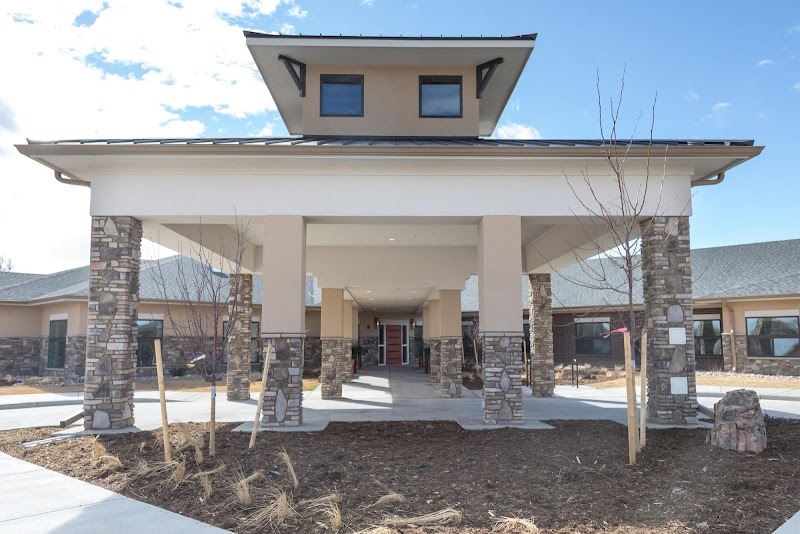
How is Accel At Longmont Health And Rehab, Llc Staffed?

CMS rates ACCEL AT LONGMONT HEALTH AND REHAB, LLC's staffing level at 1 out of 5 stars, which is much below average compared to other nursing homes.

What Have Inspectors Found at Accel At Longmont Health And Rehab, Llc?

State health inspectors documented 37 deficiencies at ACCEL AT LONGMONT HEALTH AND REHAB, LLC during 2022 to 2025. These included: 1 Immediate Jeopardy (the most serious level, indicating potential for serious harm or death), 3 that caused actual resident harm, and 33 with potential for harm. Immediate Jeopardy findings are rare and represent the most serious regulatory concerns. They require immediate corrective action.
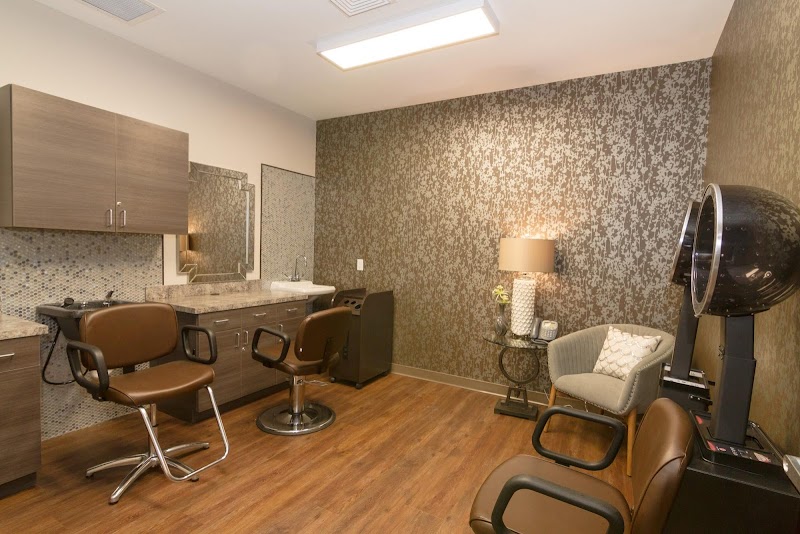
Who Owns and Operates Accel At Longmont Health And Rehab, Llc?

ACCEL AT LONGMONT HEALTH AND REHAB, LLC is owned by a for-profit company. For-profit facilities operate as businesses with obligations to shareholders or private owners. The facility is operated by STONEGATE SENIOR LIVING, a chain that manages multiple nursing homes. With 5 certified beds and approximately 25 residents (about 500% occupancy), it is a smaller facility located in LONGMONT, Colorado.
How Does Accel At Longmont Health And Rehab, Llc Compare to Other Colorado Nursing Homes?

Compared to the 100 nursing homes in Colorado, ACCEL AT LONGMONT HEALTH AND REHAB, LLC's overall rating (1 stars) is below the state average of 3.1 and health inspection rating (1 stars) is much below the national benchmark.

What Should Families Ask When Visiting Accel At Longmont Health And Rehab, Llc?

Based on this facility's data, families visiting should ask: "What changes have been made since the serious inspection findings, and how are you preventing similar issues?" "Can you walk me through typical staffing levels on day, evening, and night shifts?" "Can I visit during a mealtime to observe dining assistance and food quality?" "How do you handle medical emergencies, and what is your hospital transfer rate?" These questions are particularly relevant given the facility's Immediate Jeopardy citations and the below-average staffing rating.

Is Accel At Longmont Health And Rehab, Llc Safe?

Based on CMS inspection data, ACCEL AT LONGMONT HEALTH AND REHAB, LLC has documented safety concerns. Inspectors have issued 1 Immediate Jeopardy citation (the most serious violation level indicating risk of serious injury or death). The facility has a 1-star overall rating and ranks #100 of 100 nursing homes in Colorado. Families considering this facility should ask detailed questions about what corrective actions have been taken since these incidents.

Do Nurses at Accel At Longmont Health And Rehab, Llc Stick Around?

ACCEL AT LONGMONT HEALTH AND REHAB, LLC has not reported staff turnover data to CMS. Staff turnover matters because consistent caregivers learn residents' individual needs, medications, and preferences. When staff frequently change, this institutional knowledge is lost. Families should ask the facility directly about their staff retention rates and average employee tenure.

Was Accel At Longmont Health And Rehab, Llc Ever Fined?

ACCEL AT LONGMONT HEALTH AND REHAB, LLC has been fined $87,758 across 4 penalty actions. This is above the Colorado average of $33,956. Fines in this range indicate compliance issues significant enough for CMS to impose meaningful financial consequences. Common causes include delayed correction of deficiencies, repeat violations, or care failures affecting resident safety. Families should ask facility leadership what changes have been made since these penalties.

Is Accel At Longmont Health And Rehab, Llc on Any Federal Watch List?

ACCEL AT LONGMONT HEALTH AND REHAB, LLC is not on any federal watch list. The most significant is the Special Focus Facility (SFF) program, which identifies the bottom 1% of nursing homes nationally based on persistent, serious quality problems. Not being on this list means the facility has avoided the pattern of deficiencies that triggers enhanced federal oversight. This is a positive indicator, though families should still review the facility's inspection history directly.