KATHERINE AND CHARLES HOVER GREEN HOUSES
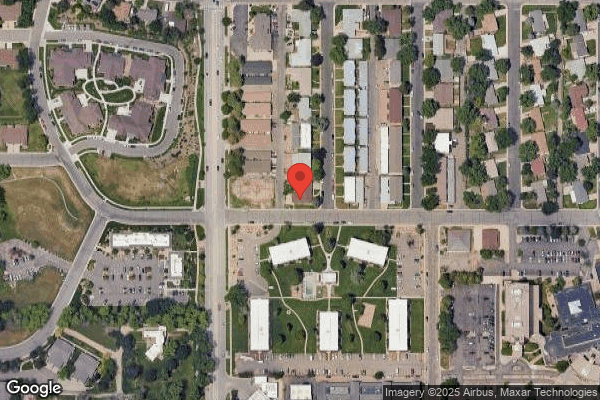
1425 BELMONT DR, LONGMONT, CO 80503 (303) 772-9292
Non profit - Corporation 48 Beds Independent Data: November 2025
Trust Grade
88/100
#31 of 208 in CO
Last Inspection: February 2024

Within standard 12-15 month inspection cycle. Federal law requires annual inspections.

Overview

Katherine and Charles Hover Green Houses has a Trust Grade of B+, which means it is recommended and performs above average compared to other facilities. It ranks #31 out of 208 nursing homes in Colorado, placing it in the top half, and #3 of 10 in Boulder County, indicating only two local options are better. The facility is showing improvement, having reduced its issues from four in 2023 to only one in 2024. Staffing is a strong point, with a 4/5 star rating and an impressive 0% turnover rate, meaning staff remain long-term and likely know the residents well. However, there are some concerns, including $22,112 in fines, which is higher than 80% of Colorado facilities, and less RN coverage than 83% of state facilities, which may impact the quality of care. Specific incidents noted during inspections include failures to conduct proper background checks for six employees, which could compromise resident safety, and issues with one licensed practical nurse lacking an active license, raising questions about qualifications. Additionally, five certified nurse aides were found to be working without proper certification. While the facility excels in overall care ratings and staffing stability, these compliance issues highlight areas needing attention to ensure resident safety and compliance with regulations.

Trust Score
B+
88/100
In Colorado
#31/208
Top 14%
Safety Record
Low Risk
No red flags
Inspections
Getting Better
4 → 1 violations
Staff Stability
○ Average
Turnover data not reported for this facility.
Penalties
⚠ Watch
$22,112 in fines. Higher than 96% of Colorado facilities. Major compliance failures.
Skilled Nurses
✓ Good
Each resident gets 66 minutes of Registered Nurse (RN) attention daily — more than 97% of Colorado nursing homes. RNs are the most trained staff who catch health problems before they become serious.
Violations
○ Average
10 deficiencies on record. Average for a facility this size. Mostly minor or procedural issues.
★★★★★
5.0
Overall Rating
★★★★☆
4.0
Staff Levels
★★★★★
5.0
Care Quality
★★★★★
5.0
Inspection Score
Stable
2023: 4 issues
2024: 1 issues

The Good

  • 4-Star Staffing Rating · Above-average nurse staffing levels
  • 5-Star Quality Measures · Strong clinical quality outcomes
  • Full Sprinkler Coverage · Fire safety systems throughout facility
  • No fines on record

Facility shows strength in staffing levels, quality measures, fire safety.

The Bad

Federal Fines: $22,112

Below median ($33,413)

Minor penalties assessed

The Ugly 10 deficiencies on record

Feb 2024 1 deficiency
CONCERN (D)

Potential for Harm - no one hurt, but risky conditions existed

Notification of Changes (Tag F0580)

Could have caused harm · This affected 1 resident

**NOTE- TERMS IN BRACKETS HAVE BEEN EDITED TO PROTECT CONFIDENTIALITY** Based on record review and interviews, the facility failed to notify the provider when a resident had a significant change in co...

Read full inspector narrative →
**NOTE- TERMS IN BRACKETS HAVE BEEN EDITED TO PROTECT CONFIDENTIALITY** Based on record review and interviews, the facility failed to notify the provider when a resident had a significant change in condition requiring a need to alter treatment for two (#12 and #22) out of five residents out of 20 sample residents. Specifically, the facility failed to inform Resident #12 and Resident #22's provider when medications were not administered according to the physician's orders. Findings include: I. Facility policy The Medication and Administration of Medications policy, revised 2/6/24, was provided by the director of nursing (DON) on 2/6/24 at 2:09 p.m. It read in pertinent part,Medication technicians administering medications must use the medication list to identify and monitor for possible ineffective drug therapy and shall promptly report problems to the physician, including residents who are refusing medications. The resident's power of attorney shall also be immediately notified. II. Resident #12 A. Resident status Resident #12, age [AGE], was admitted on [DATE], discharged to the hospital 12/31/23, readmitted [DATE], discharged to the hospital on 1/16/24 and readmitted on [DATE]. According to the February 2024 computerized physician order (CPO), the diagnoses include traumatic subarachnoid hemorrhage (brain injury), hypertensive heart, chronic kidney disease, muscle spasms, hydronephrosis (a kidney swollen due to a build up of urine), pain syndrome, history of falling and a history of urinary tract infections. The 1/10/24 minimum data set (MDS) assessment revealed the resident was cognitively intact with a brief interview for mental score (BIMS) of 15 out of 15. He required set up assistance with eating and oral hygiene. He required partial assistance with bathing and required substantial assistance with dressing and with transfers. B. Resident representative interview The resident representative was interviewed on 2/6/24 at 1:18 p.m. She said she saw the resident three to four times a week. She said he did not bounce back after his two hospitalizations. She wanted the facility to hold all medications except his blood pressure medication and depression medication because she thought he took too many medications. She wanted him to only take the medication that he really needed to stabilize him back to his baseline. She wanted the facility to crush and mix his medications in yogurt to see if that would help his medication compliance. C. Record review The February 2024 CPO revealed: -Lorazepam 2mg/ml. Give 0.5 ml by mouth at bedtime for anxiety. May hold for sedation, start on 1/31/24. -Lorazepam 2mg/ml. Give 0.5 ml by mouth every eight hours as needed for anxiety for 14 days, start on 1/31/24. -Sertraline 50mg. Give one tablet by mouth in the morning for depression and anxiety, start on 1/25/24. The January and February 2024 medication administration (MAR) showed the following medications were not administered per physician orders: -Lorazepam 2mg/ml was refused on 2/1/24 through 2/3/24. -Sertraline 50mg was refused on 1/25/24 through 1/30/24. The interdisciplinary team met on 1/24/24. The progress note revealed the resident had a recent decline in overall health with two hospitalizations affecting his mood. He started Sertraline for signs and symptoms of depression. Staff would monitor side effects and effectiveness of medication to support his unmet needs manifested in repetitive statements. Progress notes from the nursing staff revealed the resident was anxious on the following dates: 1/24/24, 1/25/24, 1/27/24, 1/29/24 and 2/3/24. Progress notes included that the resident was very anxious and had the following behaviors: having a blanket over face, repeated things like not wanting to be poked and shaking. The 1/27/24 progress note revealed the resident refused medications. The representative would not like the resident to take any medication except his blood pressure medication. The 2/5/24 provider progress note (after being identified on the survey) revealed to discontinue several medications to decrease pill burden. -There was no documentation the provider was notified that the resident refused his medication. D. Staff interview Certified nursing aide with medication authority (CNA/MA) #1 was interviewed on 2/5/24 at 1:42 p.m. She said Resident #12 went through a lot of changes. She said the resident's representative told her she only wanted the resident on blood pressure medications. She relayed that to the nurse to follow up. She said he was on a lot of medications and it was hard for him to swallow. She thought he was scared he would choke on the medication. She said the resident was anxious lately because of his stroke and his recent hospitalizations. She said that it might have helped if the medications were crushed and in a yogurt but there was not an order to crush medications. Registered nurse (RN) #2 was interviewed on 2/6/24 at 10:47 a.m. She said Resident #12 went through a lot of changes. He went to the hospital and had a horrible experience. His dementia was worse when he returned and he had one set back after another. She said if she was the nurse on duty when the resident representative requested to hold all medications except his blood pressure medications, she would call the provider the same day as the request. The DON was interviewed on 2/5/24 at 2:27 p.m. She was not aware that Resident #12 refused his medications and that the family's representative requested to hold all medications except his blood pressure medications. III. Resident #22 A. Resident status Resident #12, age [AGE], was admitted on [DATE]. According to the February 20204 CPO, the diagnoses include Alzheimer's disease, type II diabetes, hypertension, dysphagia (difficulty swallowing), hyperlipidemia (high cholesterol), palliative care and muscle weakness. The 12/13/23 MDS) assessment revealed the resident was cognitively impaired with a BIMS of two out of 15. She required total assistance with transfer, dressing, toileting and personal hygiene. The resident was on hospice care. B. Record review The February 2024 CPO revealed: -Seroquel 25 mg, give one tablet two times a day for dementia with behavioral disturbance, start date 6/16/23. -Tramadol 50 mg, give one tablet three times a day for pain per hospice, start date 9/12/23. The December 2023 and January 2024 MAR showed the following medications were not administered per physician orders: -Seroquel 25 mg was refused in the afternoon on 12/6/23, 12/8/23, 1/14/24 and 1/28/24. It was refused in the afternoon and in the evening on 1/21/24. -Seroquel 25 mg was not administered because the resident was sleeping for the afternoon dose on 1/10/24 and 1/30/24 -Tramadol was refused in the afternoon 12/6/23, 12/8/23, 1/14/24 and 1/28/24. It was refused in the afternoon and in the evening on 1/21/24 and on 1/31/24. -Tramadol 50mg was not administered because the resident was sleeping for the afternoon dose on 12/10/23 and for the evening dose on 12/17/23, 12/21/23, 12/31/23, 1/9/24 and 1/30/24. -There was no documentation the physician or the hospice provider were notified that the resident refused her medication or the medication was not administered because she was sleeping. C. Staff interviews CNA/MA #1 was interviewed on 2/5/24 at 1:42 p.m. She said Resident #22 never refused her medication. She said sometimes it was hard to administer the medication because the resident would bite down on her teeth really hard. It took some time to have the resident take the medication. She said the resident was sleeping more recently and had good and bad days. She said some days were hard to administer medications but she was able to give the medications as ordered on most days. RN #2 was interviewed on 2/6/24 at 10:47 a.m. She said if Resident #22 refused medication, she would tell the CNA/MA #1 to try again. She was aware that she was sleeping more and she took a lot of medications. If she was sleeping and comfortable, she would hold the medication until the afternoon dose. She would not notify the hospice provider if the resident refused or slept for one day but if it was two days or more, she would call the hospice provider. The DON was interviewed on 2/5/24 at 2:27 p.m. She was not aware that Resident #22 refused medication and medication was not administered because the resident was sleeping. CNA/MA #1 interview was shared about Resident #22 biting down on her teeth which made it hard to administer the medication. CNA/MA #1 was able to administer the medication after she reattempted. The DON said it sounded like medication technicians and nurses needed training on how to administer medication when residents bite down on their teeth. IV. Additional interviews CNA/MA #1 was interviewed on 2/5/24 at 1:42 p.m. She said if a resident refused medication, she would let them refuse and then she would go back a little bit later to see if the resident wanted the medication at that time. If a resident was sleeping, she would go back an hour later to see if the resident was awake. If the resident still refused or if the resident was still asleep, she would notify the nurse. If hospice staff were in the building, she would notify them. RN #2 was interviewed on 2/6/24 at 10:47 a.m. She said if a resident refused a medication, she would document the refusal and then she would go back in an hour to try again. If a certified nursing aide with medication authority informed her that a resident refused medication, she would tell them to try again. If they still refused, she would call the provider and document in a progress note. If a resident was sleeping, she would wait until the resident was awake. If the resident was still sleeping, and there was an afternoon dose, she would hold the medication. The DON was interviewed on 2/5/24 at 2:27 p.m. She said if a resident refused a medication, the medication technician or nurse should document the refusal and notify the DON or assistant director of nursing (ADON). The DON tracked and trended refusals. She said on the first refusal, she wanted to know why. If there was a second refusal, she would learn more and notify the doctor. She said the staff should notify the family at the same time they notified the provider. If a resident was sleeping, she said the staff should come back an hour later to see if the resident was asleep. When a resident representative requests to hold a medication, the nurse should contact the provider to hold the medication. She said the nurse should notify the provider within the same day the request to hold a medication was made.
Nov 2023 4 deficiencies
CONCERN (E) 📢 Someone Reported This

A family member, employee, or ombudsman was alarmed enough to file a formal complaint

Potential for Harm - no one hurt, but risky conditions existed

Abuse Prevention Policies (Tag F0607)

Could have caused harm · This affected multiple residents

Based on record review and interviews, the facility failed to implement policies and procedures to prohibit and prevent abuse, neglect, exploitation of residents and misappropriation of resident prope...

Read full inspector narrative →
Based on record review and interviews, the facility failed to implement policies and procedures to prohibit and prevent abuse, neglect, exploitation of residents and misappropriation of resident property for six of 60 employee files reviewed. Specifically, the facility failed to complete criminal background checks for six employees prior to the employees working with residents. Findings include: I. Facility policy and procedures The Abuse Prevention Program policy, revised December 2016, was provided by the nursing home administrator (NHA) on 11/8/23 at 2:21 p.m. It read in pertinent part, Our elders have the right to be free from abuse, neglect, misappropriation of elder property and exploitation. This includes but is not limited to freedom from corporal punishment, involuntary seclusion, verbal, mental, sexual or physical abuse, and physical or chemical restraint not required to treat the eider's symptoms. As part of the elder abuse prevention, the administration will conduct employee background checks and will not knowingly employ or otherwise engage any individual who has been found guilty of abuse, neglect, exploitation, misappropriation of property, or mistreatment by a court of law, has had a finding entered into the State nurse aide registry concerning abuse, neglect, exploitation, mistreatment of elders or misappropriation of their property or has a disciplinary action in effect against his or her professional license by a state licensure body as a result of a finding of abuse, neglect, exploitation, mistreatment of elders or misappropriation of elder property. II. Employee file review Review of certified nurse aide (CNA) #5's employee file revealed she was hired on 5/11/23. Review of the October 2023 and November 2023 CNA schedules confirmed she was working with residents. -There was no documentation in CNA #5's employee file that a criminal background check had been completed prior to her working with residents. Review of CNA #9's employee file revealed she was hired on 6/9/23. Review of the October 2023 and November 2023 CNA schedules confirmed she was working with residents. -A criminal background check was not completed until 7/28/23, over one month after CNA #9 was hired. Review of CNA #10's employee file revealed she was hired on 5/10/23. Review of the October 2023 CNA schedule revealed she was working with residents. -There was no documentation CNA #10's employee file that a criminal background check had been completed prior to her working with residents. Review of CNA #11's employee file revealed she was hired on 7/20/23. Review of the October 2023 and November 2023 CNA schedules confirmed she was working with residents. -There was no documentation CNA #11's employee file that a criminal background check had been completed prior to her working with residents. Review of registered nurse (RN) #1's employee file revealed she was hired on 6/9/23. Review of the October 2023 and November 2023 nurse schedules confirmed she was working with residents. -There was no documentation in RN #1's employee file that a criminal background check had been completed prior to her working with residents. Review of the director of nursing's (DON) employee file revealed she was hired on 10/2/23. -A criminal background check was not completed until 11/7/23, over one month after the DON was hired. III. Staff interviews The human resources director (HRD) was interviewed on 11/7/23 at 2:25 p.m. The HRD said she started working at the facility in May 2023. She said when she started she had an assistant that was working with her, however, she said the assistant quit shortly after she started. The HRD said she was still learning the role when the assistant quit and some of the criminal background checks for new employees had been requested late or they had not been requested at all. She said the missed background checks were an oversight during her initial learning process, however, she said the process had improved since then. She said going forward the facility would have a more integrated and streamlined process to ensure all staff had the appropriate background checks completed prior to beginning work. The DON was interviewed on 11/8/23 at 1:10 p.m. The DON said criminal background checks should be completed on all employees prior to hire. She said none of the staff should be working with residents until all of the background check information was requested and received by the facility. The nursing home administrator (NHA) was interviewed on 11/8/23 at 1:43 p.m. The NHA said criminal background checks on all employees should all be requested and received by the facility prior to any prospective employees starting orientation. She said it was important to have the criminal background checks completed before the employees started working with residents to ensure the safety of residents. The HRD was interviewed on 11/8/23 at 2:15 p.m. The HRD said she had requested and received the DON's criminal background check prior to the DON starting work at the facility on 10/2/23, however, she said she could not locate the original criminal background check. The HRD said she had the DON's criminal background check completed again on 11/7/23, during the survey.
CONCERN (E) 📢 Someone Reported This

A family member, employee, or ombudsman was alarmed enough to file a formal complaint

Potential for Harm - no one hurt, but risky conditions existed

Deficiency F0659 (Tag F0659)

Could have caused harm · This affected multiple residents

**NOTE- TERMS IN BRACKETS HAVE BEEN EDITED TO PROTECT CONFIDENTIALITY** Based on record review and interviews, the facility failed to ensure that services provided or arranged are delivered by individ...

Read full inspector narrative →
**NOTE- TERMS IN BRACKETS HAVE BEEN EDITED TO PROTECT CONFIDENTIALITY** Based on record review and interviews, the facility failed to ensure that services provided or arranged are delivered by individuals who have the skills, experience and knowledge to do a particular task or activity which included proper licensure or certification for one of seven licensed practical nurses (LPN). Specifically, the facility failed to ensure LPN #1 had an active license in the State registration system to ensure the licensure was aligned with the requirement of the State. Findings include: I. LPN job description The LPN job description, which was undated, was provided by the nursing home administrator (NHA) on [DATE] at 1:28 p.m. It read in pertinent part, Must possess a current, unencumbered, active license to practice as a practical nurse in the state of Colorado. II. Record review On [DATE] at 12:23 p.m. LPN #1's license was checked utilizing the Colorado Department of Regulatory Agencies ([NAME]) Division of Professions and Occupations online license verification system. -According to [NAME], LPN #1's license expired effective [DATE]. Review of LPN #1's payroll time cards from [DATE] through [DATE] revealed the following: [DATE]: -LPN #1 worked seven days: [DATE], [DATE], [DATE], [DATE], [DATE], [DATE] and [DATE]. [DATE]: -LPN #1 worked 11 days: [DATE], [DATE], [DATE], [DATE], [DATE], [DATE], [DATE], [DATE], [DATE], [DATE] and [DATE]. [DATE]: -LPN #1 worked eight days: [DATE], [DATE], [DATE], [DATE], [DATE], [DATE], [DATE] and [DATE]. III. Staff interviews The director of nursing (DON) was interviewed on [DATE] at 1:52 p.m. The DON said she had been working at the facility since [DATE]. She said the previous assistant director of nursing (ADON) had been responsible for ensuring nursing staff had active licenses. She said the previous process for keeping active employee records was not effective or thorough. She said the facility was currently in the process of identifying which of their employees were currently active employees and possessed appropriate active licensure. The DON said she had spoken to LPN #1 regarding her expired license. She said LPN #1 told her she had not renewed her license at the time it was due for renewal and was aware that she was practicing on an expired license. The DON said the facility was terminating LPN #1's employment with the facility and was reporting her to the Colorado Board of Nursing for practicing with an expired license. The human resources director (HRD) was interviewed on [DATE] at 2:25 p.m. The HRD said going forward the facility would have a more integrated and streamlined process to ensure all staff had the appropriate background checks and licensure verifications completed prior to beginning work. The NHA was interviewed on [DATE] at 1:43 p.m. The NHA said nursing licensures and certifications should be verified prior to a nurse or certified nurse aide beginning work. She said the facility needed to have a better process in place to ensure nursing staff held an active license or certification and that the licenses and certifications were not expired. IV. Facility follow-up On [DATE] at 1:15 p.m., the DON provided a copy of a notice from the Colorado Board of Nursing dated [DATE]. The notice documented the facility's complaint regarding LPN #1 working on an expired license had been received and would be investigated.
CONCERN (E) 📢 Someone Reported This

A family member, employee, or ombudsman was alarmed enough to file a formal complaint

Potential for Harm - no one hurt, but risky conditions existed

Deficiency F0729 (Tag F0729)

Could have caused harm · This affected multiple residents

**NOTE- TERMS IN BRACKETS HAVE BEEN EDITED TO PROTECT CONFIDENTIALITY** Based on record review and interviews, the facility failed to ensure each nurse aide had registry verification and had met compe...

Read full inspector narrative →
**NOTE- TERMS IN BRACKETS HAVE BEEN EDITED TO PROTECT CONFIDENTIALITY** Based on record review and interviews, the facility failed to ensure each nurse aide had registry verification and had met competency evaluation requirements to provide nursing and nursing related services for five of 42 certified nurse aides (CNA). Specifically, the facility failed to ensure five CNAs (CNA #1, CNA #2, CNA #3, CNA #4 and CNA #5) who were providing resident care were certified in the State registration system. Findings include: I. Homemaker job description The Homemaker job description was provided by the NHA on [DATE] at 12:50 p.m. It read in pertinent part, Responsibilities of the homemaker include meal preparation and housekeeping. -The job description did not include resident care as part of the homemaker's responsibilities and a CNA license was not required. II. CNA job description The CNA job description was provided by the nursing home administrator (NHA) was provided on [DATE] at 2:20 p.m. It read in pertinent part, Responsibilities of the CNA include resident care and care of the residents' environment including cooking, laundry and housekeeping. Qualifications include a CNA license. III. Record review On [DATE] at 12:23 p.m. certifications were checked for all 42 CNAs employed by the facility utilizing the Colorado Department of Regulatory Agencies ([NAME]) Division of Professions and Occupations online license verification system. -According to [NAME], CNA #1, CNA #2, CNA #3, CNA #4 and CNA #5 did not hold an active CNA certification. Review of CNA #1's payroll time cards from [DATE] through [DATE] revealed the following: [DATE]: -CNA #1 worked 19 days: [DATE], 8/23, [DATE], [DATE], [DATE], [DATE], [DATE], [DATE], [DATE], [DATE], [DATE], [DATE] [DATE], [DATE], [DATE], [DATE], [DATE], [DATE] and [DATE]. [DATE]: -CNA #1 worked 17 days: [DATE], [DATE], [DATE], [DATE], [DATE], [DATE], [DATE], [DATE], [DATE], [DATE], [DATE], [DATE], [DATE], [DATE], [DATE], [DATE] and [DATE]. [DATE]: -CNA #1 worked 14 days: [DATE], [DATE], [DATE], 10/12, 23, [DATE], [DATE], [DATE], [DATE], [DATE], [DATE], [DATE], [DATE], [DATE] and [DATE]. Review of the [DATE] CNA schedule for [DATE] and [DATE] revealed the following: -CNA #1 worked [DATE]. Review of CNA #2's payroll time cards from [DATE] through [DATE] revealed the following: [DATE]: -CNA #2 worked 17 days: [DATE], [DATE], [DATE], [DATE], [DATE], [DATE], [DATE], [DATE], [DATE], [DATE], [DATE], [DATE], [DATE], [DATE], [DATE], [DATE] and [DATE]. [DATE]: -CNA #2 worked 14 days: [DATE], [DATE], [DATE], [DATE], [DATE], [DATE], [DATE], [DATE], [DATE], [DATE], [DATE], [DATE], [DATE] and [DATE]. [DATE]: -CNA #2 worked ten days: [DATE], [DATE], [DATE], [DATE], [DATE], [DATE], [DATE], [DATE], [DATE] and [DATE]. Review of the [DATE] CNA schedule for [DATE] and [DATE] revealed the following: -CNA #2 worked [DATE] and [DATE]. Review of CNA #3's payroll time cards from [DATE] through [DATE] revealed the following: [DATE]: -CNA #3 worked two days: [DATE] and [DATE]. [DATE]: -CNA #3 worked 12 days: [DATE], [DATE], [DATE], [DATE], [DATE], [DATE], [DATE], [DATE], [DATE], [DATE], [DATE] and [DATE]. Review of the [DATE] CNA schedule for [DATE] and [DATE] revealed the following: -CNA #3 did not work on either date. Review of CNA #4's payroll time cards from [DATE] through [DATE] revealed the following: [DATE]: -CNA #4 worked four days: [DATE], [DATE], [DATE] and [DATE]. [DATE]: -CNA #4 worked three days: [DATE], [DATE], and [DATE]. [DATE]: -CNA #4 worked 13 days: [DATE], [DATE], [DATE], [DATE], [DATE], [DATE], [DATE], [DATE], [DATE], [DATE], [DATE], [DATE] and [DATE]. Review of the [DATE] CNA schedule for [DATE] and [DATE] revealed the following: -CNA #4 worked [DATE] and [DATE]. Review of CNA #5's payroll time cards from [DATE] through [DATE] revealed the following: [DATE] -CNA #5 worked 10 days: [DATE], [DATE], [DATE], [DATE], [DATE], [DATE], [DATE], [DATE], [DATE] and [DATE]. [DATE]: -CNA #5 worked seven days: [DATE], [DATE], [DATE], [DATE], [DATE], [DATE] and [DATE]. [DATE]: -CNA #5 worked seven days: [DATE], [DATE], [DATE], [DATE], [DATE], [DATE] and [DATE]. Review of the [DATE] CNA schedule for [DATE] and [DATE] revealed the following: -CNA #5 did not work on either date. IV. Staff Interviews The director of nursing (DON) was interviewed on [DATE] at 1:52 p.m. The DON said she had been working at the facility since [DATE]. She said the previous assistant director of nursing (ADON) had been responsible for ensuring nursing staff had active licenses. She said the previous process for keeping active employee records was not effective or thorough. She said the facility was currently in the process of identifying which of their employees were currently active employees and possessed appropriate active licensure. The DON said she had spoken to CNA #1, CNA #2, CNA #3, CNA #4 and CNA #5 about their lack of certification. She said the CNAs would work as homemakers (see job description above) and not provide resident care until they had been certified through the State licensing board. She said the CNAs told her the previous administration had said they could work as CNAs despite the fact that they did not hold an active CNA certification. The human resources director (HRD) was interviewed on [DATE] at 2:25 p.m. The HRD said going forward the facility would have a more integrated and streamlined process to ensure all staff had the appropriate licensure verifications completed prior to beginning work. CNA #2 was interviewed on [DATE] at 11:15 a.m. CNA #2 said she had taken the CNA class and passed the written test for certification. She said she still needed to take the CNA skills demonstration test in order to become a certified CNA. She said the previous administration had told her she was allowed to work as a CNA and perform resident care even though she was not certified. She said she had been performing resident care for several months. CNA #2 said the DON had spoken to her on [DATE] and informed her she was no longer able to perform resident care until she obtained her CNA certification. She said she was to work as a homemaker doing only cooking, laundry and housekeeping until she was certified. CNA #1 was interviewed on [DATE] at 11:45 a.m. CNA #1 said she was not certified as a CNA. She said she had taken her written test in February 2023 and failed it. She said she was rescheduled to take the written test in [DATE]. She said she had not scheduled her skills demonstration test for certification yet. CNA #1 said she had been working on the floor as a CNA and had not told anyone she did not pass her written test for certification. CNA #1 said the DON told her she could no longer do clinical care with the residents until she was certified. CNA #3 was interviewed on [DATE] at 12:05 p.m. CNA #3 said she had taken the CNA classes, but had not taken her written test or her skills demonstration test yet. She said she had been working as a CNA on the floor because the previous administration had told her she was allowed to do that since she had completed the CNA classes. CNA #3 said she had just been told by the new DON that she was only to work as a homemaker and not provide resident care until she received her CNA certification. The NHA was interviewed on [DATE] at 1:43 p.m. The NHA said nursing licensures and certifications should be verified prior to a nurse or certified nurse aide beginning work. She said the facility needed to have a better process in place to ensure nursing staff held an active license or certification and that the licenses and certifications were not expired.
CONCERN (E) 📢 Someone Reported This

A family member, employee, or ombudsman was alarmed enough to file a formal complaint

Potential for Harm - no one hurt, but risky conditions existed

Deficiency F0943 (Tag F0943)

Could have caused harm · This affected multiple residents

Based on record review and interview, the facility failed to provide training to their staff that at a minimum educate staff on activities that constitute abuse, neglect, exploitation, and misappropri...

Read full inspector narrative →
Based on record review and interview, the facility failed to provide training to their staff that at a minimum educate staff on activities that constitute abuse, neglect, exploitation, and misappropriation of resident property as set forth, procedures for reporting incidents of abuse, neglect, exploitation, or misappropriation of resident property and dementia management and resident abuse prevention. Specifically the facility failed to: -Provide effective initial hire orientation for abuse identification and prevention training or dementia management training for six of eight certified nurse aides (CNA) reviewed; and, -Provide annual abuse identification and prevention training or dementia management training for the five of eight CNAs. Findings include: I. Facility policy and procedures The Abuse Prevention Program policy, revised December 2016, was provided by the nursing home administrator (NHA) on 11/8/23 at 2:21 p.m. It read in pertinent part, Our elders have the right to be free from abuse, neglect, misappropriation of elder property and exploitation. This includes but is not limited to freedom from corporal punishment, involuntary seclusion, verbal, mental, sexual or physical abuse, and physical or chemical restraint not required to treat the eider's symptoms. As part of elder abuse prevention, the administration will develop and implement policies and procedures to aid our facility in preventing abuse, neglect, or mistreatment of our elders and require staff training/orientation programs that include such topics as abuse prevention, identification and reporting of abuse, stress management, and handling verbally or physically aggressive elder behavior. -The facility did not have a dementia management policy at the time of the survey. II. Record review Review of CNA #1's employee file revealed she was hired on 7/20/22. -There was no documentation in CNA #1's employee file that she had completed abuse identification and prevention training or dementia management training during her initial hire orientation. -There was no documentation in CNA #1's employee file that she had completed abuse identification and prevention training or dementia management training annually since her date of hire. Review of CNA #2's employee file revealed she was hired on 8/24/22. -There was no documentation in CNA #2's employee file that she had completed abuse identification and prevention training or dementia management training during her initial hire orientation. -There was no documentation in CNA #2's employee file that she had completed abuse identification and prevention training or dementia management training annually since her date of hire. Review of CNA #6's employee file revealed she was hired on 9/23/21. -There was no documentation in CNA #6's employee file that she had completed abuse identification and prevention training or dementia management training during her initial hire orientation. -There was no documentation in CNA #6's employee file that she had completed abuse identification and prevention training or dementia management training annually since her date of hire. Review of CNA #7's employee file revealed she was hired on 10/1/2020. -There was no documentation in CNA #7's employee file that she had completed abuse identification and prevention training or dementia management training during her initial hire orientation. -There was no documentation in CNA #7's employee file that she had completed abuse identification and prevention training or dementia management training annually since her date of hire. Review of CNA #8's employee file revealed she was hired on 8/27/2020. -There was no documentation in CNA #8's employee file that she had completed abuse identification and prevention training or dementia management training during her initial hire orientation. -There was no documentation in CNA #8's employee file that she had completed abuse identification and prevention training or dementia management training annually since her date of hire. Review of CNA #12's employee file revealed she was hired on 9/7/23. -There was no documentation in CNA #1's employee file that she had completed abuse identification and prevention training or dementia management training during her initial hire orientation. III. Staff interviews The social services director (SSD) was interviewed on 11/6/23 at 1:38 p.m. The SSD said she conducted abuse training during new hire orientation. She said she gave all new employees a packet which talked about mandatory reporting and the different types of abuse. She said she and the new hires read the packet out loud during orientation. She said the packet did not include who the abuse coordinator for the facility was or the timeframe for reporting abuse to the proper authorities. She said she told the new hire employees the information, however it was not in the abuse packet. The SSD said she did not provide a specific in-depth training related to dementia during new hire orientation. She said it was briefly mentioned in the abuse packet. She said the staff did not sign anything to indicate they had received abuse training. The SSD was not aware of annual abuse and dementia training was provided to the staff after they were hired. CNA #2 was interviewed on 11/8/23 at 11:15 a.m. CNA #2 said she had a short introduction of abuse training in orientation when she was hired in August 2022. She said she did not remember any dementia training from orientation. CNA #2 said she had not received any training on abuse or dementia since she was hired. CNA #7 was interviewed on 11/8/23 at 11:22 a.m. CNA #7 said she thought she received abuse and dementia training when she was hired, however, she could not recall for sure. She could not remember if she had received abuse and dementia training since she was hired. CNA #7 did not know who the abuse coordinator for the facility was. She said she would report abuse to the nurse on duty or the social worker. She said she was aware there was a timeframe for reporting abuse, however, she did not know what the timeframe was. CNA #8 was interviewed on 11/8/23 at 11:31 a.m. CNA #8 said she might have received abuse and dementia training when she was hired. She said did not work very often and therefore she had not received abuse and dementia training since she was hired. CNA #8 said she did not know who she was supposed to report abuse to. She said she would probably report it to human resources. CNA #6 was interviewed on 11/8/23 at 11:39 a.m. CNA #6 said she did not receive abuse and dementia training when she was hired. She said she had received some abuse and dementia training since she was hired, however, she said she did not receive it annually. CNA #6 said she did not know who the abuse coordinator was for the facility. She said she would report abuse to the SSD. CNA #1 was interviewed on 11/8/23 at 11:45 a.m. CNA #1 said she did not remember getting abuse or dementia training in orientation. She said she had some training on abuse and dementia one time, however, she did not remember when she received the training. CNA #1 said she did not know who the abuse coordinator was for the facility. She said she would report abuse to the SSD. CNA #12 was interviewed on 11/8/23 at 1:00 p.m. CNA #12 said she did not recall getting any training on abuse or dementia in orientation. She said she had not received any abuse or dementia training since she was hired. CNA #12 did not know who the abuse coordinator was for the facility. She said she would report it to the director of nursing (DON). The DON was interviewed on 11/8/23 at 1:10 p.m. The DON said abuse and dementia training should be provided during new hire orientation and annually thereafter. She said abuse training should include definitions of abuse, mandatory reporting, who to report abuse to and the timeframe for reporting abuse. The DON said it was important to ensure staff had as much knowledge as possible regarding abuse and when and who to report abuse to because all staff had an obligation to protect residents from abuse. She said dementia training was important because staff needed to be provided with techniques and tools to utilize when working with residents with dementia in order to provide the residents with the best possible quality of life. The NHA was interviewed on 11/8/23 at 1:43 p.m. The NHA said she was the abuse coordinator for the facility. She said abuse and dementia training should be in depth and include a quiz to ensure staff is retaining the information presented to them. She said abuse training was important to ensure that residents were protected and staff understood that even something as innocent as putting an arm around a resident could be seen as unwanted touching. The NHA said dementia training was important because a lot of the facility's population was residents with dementia and staff needed to be comfortable working with the residents. She said staff needed to be provided the tools to give the residents the best care possible. The NHA said dementia was not a one size fits all kind of population and required creativity when working with them to provide a good quality of life. She said abuse and dementia training should be provided during new hire orientation and annually thereafter.
Oct 2022 2 deficiencies
CONCERN (D)

Potential for Harm - no one hurt, but risky conditions existed

Incontinence Care (Tag F0690)

Could have caused harm · This affected 1 resident

**NOTE- TERMS IN BRACKETS HAVE BEEN EDITED TO PROTECT CONFIDENTIALITY** Based on observations, interviews, record review, and policy review, the facility failed to ensure proper provision of urinary c...

Read full inspector narrative →
**NOTE- TERMS IN BRACKETS HAVE BEEN EDITED TO PROTECT CONFIDENTIALITY** Based on observations, interviews, record review, and policy review, the facility failed to ensure proper provision of urinary catheter care. Specifically, the facility failed to ensure 1 (Resident #24) of 2 residents' indwelling urinary catheter urine collection bag and tubing were maintained below the level of the resident's bladder to help prevent urinary tract infections. Findings included: A review of the facility's policy titled, Catheter Care, Urinary, revised 09/2014, indicated, The purpose of this procedure is to prevent catheter-associated urinary tract infections. The policy further indicated, The urinary drainage bag must be held or positioned lower than the bladder at all times to prevent the urine in the tubing and drainage bag from flowing back into the urinary bladder. A review of Resident #24's Medical Diagnosis document revealed the resident had diagnoses to include acute kidney failure, urinary retention, hydronephrosis, and a personal history of urinary tract infections. A review of Resident #24's quarterly Minimum Data Set (MDS), dated [DATE], revealed the resident had a Brief Interview for Mental Status (BIMS) score of 10, which indicated the resident had moderately impaired cognition. The MDS indicated the resident had an indwelling urinary catheter and required setup help and supervision to manage the catheter. A review of Resident #24's Care Plan, revised 09/28/2022, revealed the resident had an indwelling urinary catheter due to diagnoses of urinary retention and hydronephrosis. A care plan intervention directed staff to position the catheter bag and tubing below the level of the resident's bladder. An observation on 10/24/2022 at 2:15 PM revealed Resident #24 sat in a chair with the catheter bag and tubing resting on top of the handlebars of the resident's walker, above the level of the resident's bladder. At 2:16 PM the Administrator spoke to Resident #24 and, at 2:25 PM, a certified nursing assistant (CNA) spoke to Resident #24; however, there was no change made in the location of the resident's catheter bag or tubing during the encounters. At 2:38 PM, the resident sat in a chair in a hall with the urinary catheter bag and tubing still above the level of the resident's bladder. During an observation on 10/25/2022 at 3:31 PM, Resident #24 walked through the kitchen with their urinary catheter bag and tubing over the handlebars of their front-wheeled walker and above the level of the resident's bladder. Resident #24 then sat in a chair; however, the resident's urinary catheter bag and tubing remained over the handlebars of the front-wheeled walker. During an observation on 10/26/2022 at 2:59 PM, Resident #24 sat in a chair in a living room area. The resident's urinary catheter bag and tubing were observed resting over the handlebars of the resident's walker and above the level of Resident's #24's bladder. Regarding the location of the urinary catheter bag and tubing being situated above the level of the resident's bladder, Resident #24 stated to the surveyor, What's wrong with it? The urine is still going down into the bag. Resident #24 noted they had positioned the urinary catheter bag and tubing over their walker since living in the facility, that everyone in the facility had seen it, and that nobody had talked with the resident about how the catheter bag and tubing should be positioned. During an interview on 10/26/2022 at 3:03 PM, CNA #1 stated Resident #24 placed the urinary catheter bag and tubing on the handlebars of the walker and noted she was unaware if the tubing should be at such a level. During an interview on 10/26/2022 at 3:08 PM, CNA #2 stated Resident #24 was very independent and hung their urinary catheter bag and tubing over the handlebars of their walker. CNA #2 voiced, That's okay for [the resident] to do, to put it there. During an interview on 10/26/2022 at 3:13 PM, CNA #3 stated the catheter tubing position should not be on the handlebars of the walker due to contamination. During an interview on 10/26/2022 at 3:16 PM, Registered Nurse (RN) #2 stated that, when Resident #24 first arrived to the facility, the resident did not want to take direction from staff, but noted the resident now listened to staff direction. RN #2 stated the resident hung the urinary catheter bag and tubing high on the walker, noting he had addressed this issue with the resident quite often. RN #2 stated the risk of placing the urinary catheter bag and tubing above the level of the bladder included the backflow of urine. RN #2 stated he did not know if he documented any education with the resident about the position of the catheter bag and tubing. During an interview on 10/26/2022 at 3:38 PM, the Director of Nursing (DON) stated she expected staff to remind the resident about the proper placement of the urinary catheter bag and tubing or to ask if staff could move the urinary catheter bag and tubing themselves. The DON stated the risk of placing the urinary catheter bag and tubing above the level of the bladder was the backflow of urine, which could cause a urinary tract infection. During an interview on 10/26/2022 at 3:51 PM, the Administrator stated she expected the CNAs to be safe with the resident's urinary catheter bag and tubing so there was no backflow to help prevent infection. The Administrator stated she expected staff to address any issues with a resident by educating the resident.
CONCERN (D)

Potential for Harm - no one hurt, but risky conditions existed

Staffing Data (Tag F0851)

Could have caused harm · This affected 1 resident

Based on interviews and document review, the facility failed to ensure Payroll-Based Journal (PBJ; an electronic report that contained the number of hours every direct care staff member worked for eac...

Read full inspector narrative →
Based on interviews and document review, the facility failed to ensure Payroll-Based Journal (PBJ; an electronic report that contained the number of hours every direct care staff member worked for each day of the quarter) data was reported quarterly to the Centers for Medicaid & Medicare Services (CMS) as required. This deficient practice had the potential to affect staffing information posted on consumer websites and data used in quality rating systems to help consumers understand the level and differences of staffing in nursing homes and, ultimately, had the potential to impact the quality of care delivered to residents who currently resided in the facility. Findings included: A review of a facility Staffing Summary Report, also referred to as a PBJ Report, for the period 10/01/2021 through 12/31/2021 revealed no data was reported to CMS. A review of a facility Staffing Summary Report for the period 01/01/2022 through 03/31/2022 revealed no data was reported to CMS. A review of a facility Staffing Summary Report for the period 04/01/2022 through 06/30/2022 revealed no data was reported to CMS. A review of a facility Staffing Summary Report for the period 07/01/2022 through 09/30/2022 revealed no data was reported to CMS. During an interview on 10/25/2022 at 2:26 PM, the Minimum Data Set (MDS) Coordinator stated she was not aware of the PBJ process and had never been responsible for reporting PBJ data. The MDS Coordinator stated she used to have access to an associated dashboard and remembered seeing a link to PBJ information, but noted she no longer had access to the dashboard or PBJ data. According to the MDS Coordinator, an Accounting Manager at the facility who handled the reporting of PBJ data recently passed away unexpectedly. The MDS Coordinator explained that, after this unexpected passing, she assisted the Business Office Manager (BOM) with itemizing work tasks, during which it was discovered that PBJ reporting was not being done. During an interview on 10/25/2022 at 2:34 PM, the BOM stated she did not have a role in the PBJ data reporting or access to the program. According to the BOM, after the facility's former Accounting Manager passed away, she and the MDS Coordinator reviewed work tasks and discovered that PBJ data reporting was not being done. The BOM stated she would be the person responsible for PBJ data reporting going forward, but she had not started reporting yet because she was still in the process of getting access to the program and training on the reporting process. During an interview on 10/25/2022 at 2:40 PM, the Administrator stated she was unaware until recently that the facility's former Accounting Manager was not reporting PBJ data quarterly. The Administrator stated she was aware that quarterly PBJ data reporting was a requirement, but she was not sure how to go about getting access to the correct program to ensure quarterly PBJ data was reported. According to the Administrator, she had contacted an individual to obtain guidance regarding the process and noted the BOM would be the staff member responsible for reporting PBJ data going forward. The Administrator also stated she was waiting to hear back from someone regarding if PBJ data could be retroactively reported for the prior four quarters that were missed. During a follow-up interview on 10/27/2022 at 8:56 AM, the Administrator stated the facility did not currently have a policy for the reporting of PBJ data, but was in the process of developing a policy.
Jul 2021 3 deficiencies
CONCERN (D)

Potential for Harm - no one hurt, but risky conditions existed

Deficiency F0679 (Tag F0679)

Could have caused harm · This affected 1 resident

**NOTE- TERMS IN BRACKETS HAVE BEEN EDITED TO PROTECT CONFIDENTIALITY** Based on observations, interviews and record review, the facility failed to ensure two (#19 and #23) of five residents reviewed ...

Read full inspector narrative →
**NOTE- TERMS IN BRACKETS HAVE BEEN EDITED TO PROTECT CONFIDENTIALITY** Based on observations, interviews and record review, the facility failed to ensure two (#19 and #23) of five residents reviewed for activities of 23 sample residents received an ongoing program of activities designed to meet the needs and interests of the residents and promote physical, medical and psychosocial well-being. Specifically, the facility failed to provide meaningful activities based on the resident's preferences for Resident #19 and #23. Findings include: I. Facility policy and procedure The Activities Evaluation policy and program, last revised June 2018, provided by the nursing home administrator (NHA) on 7/27/21 at 8:30 a.m. revealed in pertinent part, In order to promote the physical, mental and psychosocial well-being of elders, an activity evaluation is conducted and maintained for each elder at least quarterly and with any change of condition that could affect his or her participation in planned activities. An activity evaluation is conducted as part of the comprehensive assessment to help develop an activities plan that reflects the choices and interests of the elder (also referred to as resident). The elder's activity evaluation was conducted by activity department personnel, in conjunction with other staff who evaluate related factors such as functional level, cognition and medical conditions that may affect activities participation. The activities director is responsible for completing, directing and or delegating the completion of the activities component of the comprehensive assessment. The elder's lifelong interests, spirituality, life roles, goals, strengths, needs and activity pursuit patterns and preferences are included in the evaluation. The activity evaluation is used to develop an individual activities care plan (separate from or as part of the comprehensive care plan) that will allow the elder to participate in activities of his or her choice and interest. Each elder's activities care plan relates to his or her comprehensive assessment and reflects his or her individual needs. Through the interdisciplinary process, the activity evaluation and activities care plan identify if an elder is capable of pursuing activities independently, or if supervision and assistance are needed. The completed activity evaluation is part of the elder's medical record and is updated as necessary, but at least quarterly. The Activity Attendance policy, last revised June 2018, provided by the nursing home administrator (NHA) on 7/27/21 at 8:30 a.m.revealed in pertinent part, Attendance and participation was recorded for every elder in group and individual activities on a daily basis. records are reviewed on a regular basis, and at least quarterly, to determine any changes in elder participation that might indicate a change in condition and lead to reassessment and care plan review. Attendance records are maintained and secured for a minimum of three years. Attendance records are used when completing elders' progress notes to determine their participation as it relates to their activity plan. II. Facility activity schedule for July 2021 The July 2021 facility activity calendar, provided by the NHA on 7/27/21, revealed the following activities scheduled for the week of 7/19/21 to 7/25/21: -Giant Crossword at 10:00 a.m. on Monday July 19th. -Non-denominational Bible Study with Deacon at 11:00 a.m. on Tuesday July 20th. -Trivia at 10:00 a.m. on Wednesday July 21st. -House council at 11:00 a.m. on Thursday July 22nd with a line crossed out the 11:00 a.m. and handwritten 3:00 p.m. was there. -Bingo at 10:00 a.m. on Friday July 23rd. -Board games on Saturday the 24th with no time. -Morning devotionals and to ask the aide for the daily bread or online streaming of church services on Sunday the 25th with no time and movie matinee on Netflix with no time. The July 2021 facility activity calendar, provided by the NHA on 7/27/21, revealed the following activities scheduled for house #2 for the week of 7/26/21 to 8/1/21: -Giant Crossword at 2:00 p.m. on Monday July 26th. -Non-denominational Bible Study with Deacon at 11:00 a.m. and Armchair travel at 2:00 p.m. on Tuesday July 27th. -Hangman at 2:00 p.m. on Wednesday July 28th. -Make suncatcher activity at 2:00 p.m. on Thursday July 29th. -Bingo at 2:00 p.m. on Friday July 30th. -Board games on Saturday the 31st with no time. -Morning devotionals and to ask the aide for the daily bread or online streaming of church services on Sunday August 1st with no time and movie matinee on Netflix with no time. III. Resident 19 A. Resident status Resident #19, age [AGE], was admitted on [DATE]. According to the July 2021 computerized physician orders (CPO), diagnoses included non traumatic brain injury, non Alzheimer's dementia, hypertension, diabetes and depression. The 5/19/21 minimum data set (MDS) assessment revealed the resident had a severe cognitive deficit with a brief interview for mental status (BIMS) of three out of 15. The resident required limited assistance of one person for bed mobility, toileting and hygiene. He was supervised for transfers and independent for dressing and eating. The 5/19/21 MDS interview for activity preferences revealed it was somewhat important to the resident to have books, newspapers and magazines to read and to listen to music he liked and to do his favorite activities. He said it was not very important to go outside to get fresh air or to participate in religious services. Other areas were not important at all to the resident, including being around animals and doing things with groups of people. B. Resident interview and observations Resident #19 was observed on 7/21/21 at 2:30 p.m., laying on his bed in his room alone and he was awake. He had no books or reading materials in his room. There was no television and no radio on in the room. He said he wanted to know if it was dinner time. He pointed to the photo on his bedside table and reminisced about the memory. He said he did not attend activities. On 7/22/21, continuous observations for Resident #19 were made from 1:20 p.m. until 3:15 p.m. Resident #19, was in his room, he layed in bed with no television on and no radio on. No staff interaction was observed during this time and no activities were in the common area. On 7/26/21 at 10:30 a.m. Resident #19 was observed in the common area, staff assisted to give the resident orange juice and a plate of food. Resident sat at the table alone and ate his meal. There was no other interaction between staff and the resident. C. Record review The combined activity care plan with discharge planning, mood, behavioral and cognition for Resident #19, initiated 11/23/2020, revealed Resident #19 needed cues and reminders about the fun things that he enjoyed to get him out of his room. His goal was to get out of his room and socialize daily. Interventions were to assist the resident with operating the television, to watch war movies and detective shows. Encourage fresh air, sunshine, socialization and music. Encourage friendships among housemates. He likes to talk about what was in the photos. Assist with via chats with his friend. Offer opportunities for exercise. His interests also included jazz, model trains and detective movies. This care plan was revised on 7/24/21 (during survey). The 11/7/2020 initial activities review revealed Resident #19 wished to participate in walking outdoors, watching detective movies and he enjoyed model trains. Resident #19 answered yes to all the questions; Does the elder wish to participate in activities while in the home, Does the elder wish to participate in group activities, Does the elder wish to go on outings, Does the elder wish 1:1 (one-on-one)with staff, and Do the elder like independent activities? Limitation and special needs for Resident #19 activities revealed the resident needed modification to accommodate activities for vision and assistance to attend. He would benefit from reminders and cues to fully participate. The 2/21/21 activities quarterly or annual participation review revealed the Resident #19 preferred 1:1 (one on one) activities and did not participate often in group activities. The May 2021 activity participation log for Resident #19 revealed the resident attended 10 activities out of the 31 days reviewed. The June 2021 activity participation log for Resident #19 revealed the resident attended five activities out of the 30 days reviewed. The July 2021 activity participation log for Resident #19 revealed the resident attended eight activities out of the 27 days reviewed. IV. Resident #23 A. Resident status Resident #23, age [AGE], was admitted on [DATE]. According to the July 2021 CPO, diagnoses included progressive neurological conditions, Parkinson ' s, heart failure, anxiety and depression. The 6/12/21 MDS assessment revealed the resident had modified independence with daily decision making.The resident required extensive total assistance of one to two people for all her ADLs. According to the 6/12/21 MDS assessment, the interview for activity preferences revealed it was not very important to the resident to have books, newspapers and magazines to read. Somewhat important to go outside to get fresh air when the weather is good. It was very important to do her favorite activities. Other areas were not important at all to the resident, including being around animals and doing things with groups of people. B. Observations On 7/21/21 at 12:30 p.m. Resident #23 was observed in her bed eating lunch. She had a stuffed animal next to her and her television was on. She said lunch tasted good and she did not attend activities. She said she liked to paint. On 7/22/21 at 1:30 a.m. Resident #23 was observed in her bed. She was lying on her left side and had a stuffed animal in her hand. She did not have any reading materials in her room and the television was turned off. She said she wanted to attend activities when asked and said she liked to paint. She pointed to pictures on the wall and said she painted them. On 7/26/21 at 2:15 p.m. Resident #23 was observed in her bed. She had a stuffed animal in her hand. Her television was off and she was engaged in a conversation with the stuffed animal. C. Record review The combined activity care plan with discharge planning, mood, behavioral cognition for Resident #23, initiated 6/6/2020, revealed Resident #23 needed a lot of encouragement to get out of bed and she wanted to get stronger to do more things with her day. The goal was to get out of bed every day. The interventions were to offer fresh air, exercise, essential oils, socialization with housemates and work with art. Assist the resident to identify strengths, positive coping skills and reinforce these. She enjoyed holding a handmade stuffed pink pig, unicorn and bear. She responded and engaged in games she had on her computer tablet. Encourage the resident to attend socially distanced events in the living room with others to include art and house renovations. She enjoys music and watching jeopardy and home improvement shows. She takes part in art projects. The 5/28/2020 activities initial review revealed Resident #23 was asked the question: Does the elder wish to participate in activities while in the home, and the assessment was marked unknown. The family was interviewed on the assessment date and said the resident will need encouragement to take part in any groups and may sit on the periphery (outside) of the group activity. The 2/27/21 activities quarterly or annual participation review, revealed Resident #23 socialized at meals occasionally and went out to watch television in the common area. She expresses interest in painting again, and she sometimes participates in weekly exercises at zoom meetings. The May 2021 activity participation log for Resident #23 revealed the resident attended no activities. The June 2021 activity participation log for Resident #23 revealed the resident attended one activity of watching television on 6/21/21. The July 2021 activity participation log for Resident #23 revealed the resident attended one activity of watching television on 7/5/21. V. Staff interviews Certified nurse assistant (CNA) #6 was interviewed on 7/22/21 at 1:40 p.m. She said Resident #23 just arrived back from an appointment. She assisted her back into bed. She said the resident stayed in bed a lot and did not want to come out of her room for meals or activities. She said she knew the resident liked to paint but she was not sure when she painted last. CNA #3 was interviewed on 7/22/21 at 1:50 p.m. She said she knew the residents' wishes from the preference sheet on admission. She said Resident #23 loved to paint and hold her stuffed animals. She said she stayed in her room alot to watch her television shows and sometimes came out for meals but not often. She said Resident #19 came out for meals and he liked to read the newspaper at the table. She said activities depended on the residents and their likes. She said the activity director was there daily to do different things with the residents. She said they celebrated international day for a few days with temporary tattoos. She said there was no calendar of events, just a paper that suggested a crossword puzzle or something like that. She said there was no activity planned for today. She said it would be a good idea to have a calendar so she could help the residents with an activity. She said most of the residents in the house slept. CNA #7 was interviewed on 7/22/21 at 2:00 p.m. She said residents in House #2 sleeps alot and did not really attend any activities. She said the residents watched the Olympics and television in their rooms. She said the task check off box in the computer system was checked when the resident had full participation on being engaged with all care during the day. She said the House Council meeting was one time a week and the residents completed crossword puzzles and read the newspaper daily. Resident #35 was interviewed on 7/26/21 at 10:30 a.m. She resided in House #2 and she said House #2 had regular meetings with staff to discuss issues in the house. She said a few months ago the residents complained they had little activities in the house so the corporation hired an activity director. She said the activity was a crossword puzzle on some days but most residents stayed in their rooms. She said she wanted more activities and had suggestions often but was told the residents did not want to attend. She said she signed herself up to go to an outside program to get some stimulation daily. The life enrichment coordinator (LEC) was interviewed on 7/27/21 at 12:15 p.m. She said her role was to assist the residents with activities. She met with each residential house separately in a House Council meeting weekly to discuss the activities for the next week. She gave each house a calendar to follow and then it was up to the certified nurse aides (CNA) in each house to assist the residents with those activities. She said she staggered the events because she could not be in all areas at one time. She said House #2 had reading material, games and puzzles available for residents at all times. She said the residents chose what they would like to attend. The CNAs documented in the computer the participation of each resident. She said Resident #23 did not have alot of engagement with activities and refused often. She said Resident #19 came out to the common area as he liked to be around others but he did not have a high level of integration at times. She said she offered to have one on one visits with both residents but they often refuse. She said refusals to attend activities or be involved in daily events were documented on the computer. She assisted the social service director (SSD) with care planning for activities. The social service director (SSD) was interviewed on 7/27/21 at 12:30 p.m. She said she assisted with the development of the care plan in combination with the psychosocial wellbeing of each resident. She said she spoke with the residents and their families to find out what their preferences were to help guide the daily activities. She said this started when the facility lost the prior activities person. The facility then hired a new life enrichment coordinator a few months ago. She said Resident #23 liked to do crafts and watch jeopardy on television. She said Resident #19 liked crime shows and liked to listen to music. She said each house had one activity per day and a lot of little individual ones with each resident. She said the CNAs assisted the residents with their activities of daily living. The CNAs coordinated any changes with her and the LEC. She said the documentation did not always capture what activities were being completed because the activities were individualized. She said the resident quarterly assessments were completed and the resident care plan was updated when needed.
CONCERN (D)

Potential for Harm - no one hurt, but risky conditions existed

Quality of Care (Tag F0684)

Could have caused harm · This affected 1 resident

**NOTE- TERMS IN BRACKETS HAVE BEEN EDITED TO PROTECT CONFIDENTIALITY** Based on observations, record review and interviews the facility failed to ensure one resident (#43) of two reviewed for anticoa...

Read full inspector narrative →
**NOTE- TERMS IN BRACKETS HAVE BEEN EDITED TO PROTECT CONFIDENTIALITY** Based on observations, record review and interviews the facility failed to ensure one resident (#43) of two reviewed for anticoagulant therapy use received treatment and care in accordance with professional standards of practice and the comprehensive person-centered care plan out of 23 sample residents. Specifically, the facility failed to: -Monitor Resident #43 for side effects related to anticoagulant therapy; and, -Ensure skin assessment were timely and accurate for Resident #43. Findings include: I. Facility policy The Anticoagulant Clinical Protocol policy, revised November 2018, was provided by the nursing home administrator (NHA) via email on 7/26/21 at 11:43 a.m. It read in pertinent part, As part of the initial assessment, the physician and staff will identify individuals who are currently anticoagulated; for example those with a recent history of deep vein thrombosis (DVT), or heart valve replacement, atrial fibrillation or those who have had recent joint replacement surgery. The staff and physician will monitor for possible complications in individuals who are being anticoagulated, and will manage related problems. If an individual on anticoagulation therapy shows signs of excessive bruising, hematuria, hemoptysis, or other evidence of bleeding, the nurse will discuss the situation with the physician before giving the next scheduled dose of anticoagulant. The physician will order measures to address any complications, including holding or discontinuing the anticoagulant as indicated. II. Resident #43 A. Resident status Resident #43, age [AGE], admitted to the facility on [DATE]. According to the July computerized physician order (CPO) diagnosis included atrial fibrillation, type two diabetes, pressure ulcer of left heel, pressure ulcer of sacral region, localized edema, kidney failure and dementia without behavioral disturbance. According to the 7/7/21 minimum data set (MDS) assessment, the resident had moderate cognitive impairment with a brief interview for mental status (BIMS) score of 11 out of 15. The resident required limited assistance from one staff member to perform activities of daily living (ADLs). The assessment indicated that the resident had received anticoagulant medication zero out of seven days during the assessment period. B. Resident interview and observation Resident #43 was interviewed on 7/20/21 at 10:20 a.m. She was observed to have two light purple bruises on her right cheek/jawline and a cluster of bruises on her chest; one larger deeper purple bruise and a cluster of lighter purple bruises around it. The resident said she was unsure of how or when she got the bruises, but she said she was harmed by residents or staff. She said that she would bruise easily and she was not sure if she had any other bruises. C. Record review A physician order dated 6/30/21 prescribed Apixaban (anticoagulant medication therapy) five milligrams every morning and at bedtime related to atrial fibrillation. The July 2021 medication administration record (MAR) revealed the resident had been administered Apixaban twice daily from 7/1/21 to 7/22/21. The resident care plan did not include that the resident received anticoagulant medication therapy. An pre-admission skin assessment, dated 6/25/21, was completed by the discharging nursing facility; it documented the resident had old bruising on her left upper chest and bilateral upper extremities. Open areas to coccyx and bilateral buttocks were observed. The resident had scattered bruising on abdomen, a black intact blister on her left heel and bilateral groin rash. An initial skin assessment was not completed when the resident was admitted on [DATE]. The facility completed a risk management document on 7/8/21 after it was identified that the resident had not been assessed when she was admitted , which was nine days after her admission. The risk management document identified that the resident's skin was not intact and that she was admitted to the facility with a pressure ulcer on her coccyx and healing blister on her left heel. A skin assessment completed on 7/9/21. However, the skin assessment did not identify the bruising indicated in the observation above. A skin assessment was completed on 7/16/21. However, the skin assessment did not identify the bruising indicated in the observation above. -The resident electronic medical record revealed no documentation of the resident's bruising or monitoring for side effects of anticoagulant therapy. III. Staff interviews Registered nurse (RN) #1 was interviewed on 7/22/21 at 9:51 a.m. She said Resident #43 was on anticoagulant therapy. She said that she had first noticed that the resident had bruising earlier that morning between 7:30 a.m. to 8:00 a.m. when she had gone into the resident's room to administer medication. She said that some of the resident's bruises appeared to be older but the bruising to her face and chest was new. She said she had not worked in a few days and the last time that she worked the resident did not have bruising (review of the staff schedule indicated RN #1 had last worked on 7/18/21). She said that all of the nursing staff would monitor for bruising and document in the resident record if there were any new bruises or concerns of potential side effects of medications. She said that if a resident had new bruising, the staff would use a marker to draw around the area on the resident's skin to determine if it was getting larger. She said that side effects of anticoagulant therapy use were typically monitored and documented on the medication administration record (MAR) and was included on the resident care plan. She reviewed Resident #43's electronic medical record and said that she did not see that monitoring for side effects of anticoagulant therapy had been completed on the MAR and she said that it was not included in the resident's care plan. She said that on the resident's last skin assessment on 7/16/21, there was no documentation of bruising. CNA #8 was interviewed on 7/22/21 at 10:18 a.m. She said that the resident was admitted with bruising and she was aware the resident had older bruises. CNA #10 was interviewed on 7/22/21 at 10:21 a.m. She said that the resident had been admitted with bruising. IV. Facility follow up A physician order was entered on 7/22/21 which ordered anticoagulant medication: monitor for discolored urine, black tarry stools, sudden severe headache, diarrhea, muscle joint pain, bruising, sudden changes in mental status and/or shortness of breath, nose bleeds. The resident care plan was updated on 7/22/21 to include that the resident is at risk for bleeding and bruising due to the use of anticoagulant therapy. Interventions include to administer anticoagulant therapy per physician's orders and monitor frequently for signs and symptoms of bleeding (extensive bruising, tarry stools, bloody urine, epistaxis, bleeding gums, etc.) A skin assessment was completed on 7/22/21 documented that the resident had bruising to right cheek and right cheek by ear. The resident had bruising to left lower leg, dark skin/scarring to bilateral lower arms, a deep tissue injury to left heel, bruising on her chest, moisture associated skin damage (MASD) on her bottom and brown spots on the front of right lower leg. The general note on the assessment read Elder (resident) has multiple bruising, she is on anticoagulant therapy. Elder has no DVT (deep vein thrombosis). She stated she has always had fragile skin. Area on elder right arm is from a scar she stated she fell when living in Florida on concrete. Elder open area on heel followed by wound team. A social services note was entered on 7/24/21 which read in part, this writer followed up with (the resident) regarding reported bruising. An investigation was started as (the resident) was unable to state how she became bruised. The resident was adamant that she bruised easily, was not hurt by anyone, was not afraid of anyone and was not aware of the bruises. The director of nursing (DON) and NHA were interviewed on 7/26/21 at 2:03 p.m. The NHA said that the resident's record had minimal documentation regarding bruising. She said that she had completed a report on the state reporting system for the bruising as an injury of unknown origin. She said that, based on the facility's investigation, the bruising was likely caused by the resident scratching herself. The DON said, based on interviews with staff and the resident; the bruising was likely caused by the resident rubbing or scratching herself. She said that the bruising to the resident's cheek and sternum were new. She said when a resident is on anticoagulant therapy, the nursing staff should monitor every shift for signs of bleeding or bruising. She said that monitoring for side effects was typically documented on the treatment administration record (TAR). She said that the facility completed individualized pre-admission packets for each resident describing care needs and put them in the nurses station for the CNAs and nurses to read when they had time. She said that she and another nurse supervisor would review and enter orders into the resident electronic medical record. She said that nurse education was completed on 6/15/21 regarding completion of accuracy of skin assessments, however, the resident admitted on [DATE] and an initial skin assessment was not completed until 7/9/21 (see record review above). She said there had been an oversight when entering orders for Resident #43. She said that the resident's physician orders and care plan had been updated and a new skin assessment was completed. She said that the facility planned to provide reeducation to nursing staff that worked in the resident's home.
CONCERN (D)

Potential for Harm - no one hurt, but risky conditions existed

Accident Prevention (Tag F0689)

Could have caused harm · This affected 1 resident

**NOTE- TERMS IN BRACKETS HAVE BEEN EDITED TO PROTECT CONFIDENTIALITY** Based on observations, record review and interviews, the facility failed to ensure the resident environment remained as free of ...

Read full inspector narrative →
**NOTE- TERMS IN BRACKETS HAVE BEEN EDITED TO PROTECT CONFIDENTIALITY** Based on observations, record review and interviews, the facility failed to ensure the resident environment remained as free of accident hazards as possible for one (#24) out of one resident reviewed for accidents hazards out of 23 sample residents. Specifically, the facility failed to ensure staff utilized safe practices when assisting Resident #24 with ambulation and transfer. Findings include: I. Facility policy The Safe Lifting and Movement of Elders Policy, revised July 2019, was provided by the nursing home administrator (NHA) via email on 7/27/21 at 9:14 a.m. It read in pertinent part, In order to protect the safety and well-being of staff and elders, and to promote quality care, this community uses appropriate techniques and devices to lift and move elders. Elder safety, dignity, comfort and medical condition will be incorporated into goals and decisions regarding the safe lifting and moving of elders. Manual lifting of elders shall be eliminated when feasible. Nurses and shahbazim in conjunction with the rehabilitation staff, shall assess individual elders ' needs for transfer assistance on an ongoing basis. Staff will document elder transferring and lifting needs in the care plan. Such assessment shall include: Elder's preferences for assistance, elder's mobility (degree of dependency); elder's size, weight-bearing ability; cognitive status, whether the elder is usually cooperative with staff; and the elder's goals for rehabilitation, including restoring or maintaining functional abilities. II. Resident #24 A. Resident status Resident #24, age [AGE], was admitted on [DATE]. According to the July 2021 computerized physician orders diagnosis included Parkinson's Disease, cognitive communication disorder, weakness, difficulty in walking, repeated falls, hammer toe, polyneuropathy, restless leg syndrome and dementia. According to the 6/2/21 minimum data set (MDS) assessment, the resident had severe impairment with a brief interview for mental status (BIMS) score of five out of 15. The resident required extensive assistance from staff to perform transfers, walk in room and corridor, walk in room and bed mobility. The resident was totally dependent on the assistance of stuff for toileting, dressing, personal hygiene and locomotion on and off the unit. B. Observation On 7/26/21 at 4:20 p.m., Resident #24 was observed sitting in her wheelchair at the dining room playing a card game with certified nurse aide (CNA) #5 and other residents. The resident had her right hand on the side of the table and was sitting with legs crossed to the right side of her wheelchair and was bouncing her legs. CNA #5 said to another staff member she was going to get the resident up to walk. She said to the other residents at the table she was going to need to take a break from playing cards to assist Resident #24 to walk. At 4:22 p.m. CNA #5 stood and placed her left arm under the resident's right armpit and reached her right arm around the resident's waist. Once the resident was standing, CNA #5 standing behind the resident facing forward with her arms around her torso. The resident struggled to gain her footing and was able to take a few steps before leaning to the left, with CNA #5 supporting most of her weight. CNA#5 asked where the resident's walker was and another staff member said another resident had her walker. CNA #5 held onto Resident #24 by the waist and walked with her to get a walker approximately 10 feet away. CNA #5 then asked where the resident's gait belt was and another staff member responded she thought it was in her room. Resident #24 was unsteady and lifting the walker up with her as she attempted to walk, with CNA #5 holding on to her from behind, forward-facing as she provided reminders to the resident to stay forward facing. CNA #5 said, you are not doing this safely, let's go get your gait belt. CNA #5 held onto Resident #24 and walked with the living room area down the hall to the resident's room. The resident would not go into her room once they reached the door. They turned around and walked back down the hallway. Resident #24 lifted her leg and was leaning to her left side with the walker fully off the ground. CNA #5 said we are not being safe right now, you are walking sideways while supporting the resident as she was holding the walker off the ground. CNA #5 walked approximately 10 feet with the resident and got her to a chair located in the hallway near the living room. CNA #5 held the resident steady in the chair. The resident's gait belt was retrieved from her room and she was transferred back to her wheelchair. C. Record review The resident care plan, revised 7/7/21, instructed that the resident has had actual falls with minimal or no injury. Elder (resident) is at risk for continued falls due to hypotension, poor balance, secondary to Parkinson's disease, poor communication/ comprehension secondary to dementia and attention deficit disorder, psychoactive drug use, unsteady gait, restless leg syndrome, incontinence and polyneuropathy. The resident utilized a wheelchair most of the time, which she was unable to self propel. The resident was able to walk supervised with the use of a walker. Interventions included having commonly used articles and equipment within the resident's reach. The resident required the assistance of staff to move between surfaces as necessary. A physical therapy progress note dated 6/21/21 documented remaining functional deficits/impairments, patient continues to have impaired alignment, balance, attention to right, impaired safety with mobility, transfers and ambulation with limited distance and abnormal pattern. Patient shows improved ability to walk and move with therapy staff. A physical therapy progress note dated 6/28/21 documented patient makes attempts at standing from wheelchair at minimum to moderate assistance from one (staff member). Patient shows increased leaning to the left and inability to correct, requiring assistance back into her wheelchair. Patient requiring hand placement assistance to walker bars and able to come to standing with minimum assistance and take six steps with a front wheeled walker. Patient shows increased crossing requiring halt in bout for safety. A physical therapy assessment note dated 7/21/21 documented the analysis of function/ clinical impression of the resident; she could be as little as standby assistance for mobility depending on attention and tone. It read (the resident) has very poor problem solving and safety awareness requires supervision at all times for safety. Patient can walk with staff and do standing activities when in a good state. A restorative care note dated 7/21/21 recommended the resident ambulate with staff with or without a walker and with a gait belt three times per week. III.Staff interviews CNA #5 was interviewed on 7/26/21 at 4:34 p.m. She said part of the resident's plan for safety was to keep her in line of sight of staff at all times due to falls. She said when the staff get her up to walk, a gait belt and walker should be used. She said she would provide reminders to the resident to stay forward facing. She said the staff would walk with her when she was feeling like she needed to get up from her wheelchair. She said she should have her walker and gait belt in place before walking and assisting the resident to square up. She said she attempted to bring the resident to her room to go get her gait belt but the resident would not go into her room so she brought her back down the hallway to sit down. The physician assistant (PA) was interviewed on 7/26/21 at 4:42 p.m. He said the resident had fairly significant Parkinson's disease. He said the resident had significant rigidity. He said recent medication adjustments and being seen by a neurologist had been beneficial to the resident to be more calm, as she would try to get out of her chair at times. He said the resident received therapy. He said the resident gets up in a hurry and she was a fall risk no matter what. He said I had seen her stand up without a walker, he said I don't imagine it would be safe for her to walk without a walker, a gait belt and someone being right there. CNA #2 was interviewed on 7/26/21 at 4:49 p.m. She said the resident walks with staff using a gait belt or walker or both. She said therapy instructed the resident shouldn ' t wear shoes when ambulating, just socks with grips on the bottom. She said she had walked with the resident earlier that day using her walker, but could not find her gait belt. She said would typically use a gait belt with the resident and a walker as a stabilizer. She said she would stand on the residents side when walking with her so she could guide the walker with one hand and hold onto the gait belt at the same time. The director of nursing (DON) and NHA were interviewed on 7/27/21 at 12:28 p.m. The DON said the residents were assessed by nursing to determine the type assistance the resident required to complete mobility and transfers. She said the resident had a tendency to get up quickly and there were times when staff did not have the time or ability to put a gait belt on her. She said she had observed the resident to get up and walk on her own at times, however, she would expect a gait belt to be used when the staff were anticipating to assist the resident with walking. She said the amount of assistance staff needed to provide the resident was dependent on her mood and abilities at the time which fluctuated. The NHA said she had observed the resident to get up and walk on her own at times due to impulsivity. She said safe practices should be followed when staff were anticipating to assist the resident with walking. The minimum data set coordinator (MDSC) was interviewed on 7/27/21 at 12:54 p.m. She said during the assessment period (seven days) the level of assistance needed to perform transfers and mobility was driven by nursing documentation of the assistance provided. She said if a resident was determined to require extensive assistance from one staff person, it meant in order to perform the task, the staff would be carrying approximately 75 percent of the weight load required. She said she would also observe residents performing tasks to help determine the level of assistance needed. She said, per facility policy, when it is safe and feasible a gait belt should be utilized with residents who required extensive assistance with walking, mobility and transfers. She said if the staff were assisting the resident to get up a gait belt should be utilized.
Understanding Severity Codes (click to expand)
Life-Threatening (Immediate Jeopardy)
J - Isolated K - Pattern L - Widespread
Actual Harm
G - Isolated H - Pattern I - Widespread
Potential for Harm
D - Isolated E - Pattern F - Widespread
No Harm (Minor)
A - Isolated B - Pattern C - Widespread

Questions to Ask on Your Visit

  • "Can I speak with families of current residents?"
  • "What's your RN coverage like on weekends and overnight?"

Our Honest Assessment

Strengths
  • • Grade B+ (88/100). Above average facility, better than most options in Colorado.
  • • No major safety red flags. No abuse findings, life-threatening violations, or SFF status.
Concerns
  • • $22,112 in fines. Higher than 94% of Colorado facilities, suggesting repeated compliance issues.
Bottom line: Generally positive indicators. Standard due diligence and a personal visit recommended.

About This Facility

What is Katherine And Charles Hover Green Houses's CMS Rating?

CMS assigns KATHERINE AND CHARLES HOVER GREEN HOUSES an overall rating of 5 out of 5 stars, which is considered much above average nationally. Within Colorado, this rating places the facility higher than 99% of the state's 100 nursing homes. This rating reflects solid performance across the metrics CMS uses to evaluate nursing home quality.

How is Katherine And Charles Hover Green Houses Staffed?

CMS rates KATHERINE AND CHARLES HOVER GREEN HOUSES's staffing level at 4 out of 5 stars, which is above average compared to other nursing homes.

What Have Inspectors Found at Katherine And Charles Hover Green Houses?

State health inspectors documented 10 deficiencies at KATHERINE AND CHARLES HOVER GREEN HOUSES during 2021 to 2024. These included: 10 with potential for harm.

Who Owns and Operates Katherine And Charles Hover Green Houses?

KATHERINE AND CHARLES HOVER GREEN HOUSES is owned by a non-profit organization. Non-profit facilities reinvest revenue into operations rather than distributing to shareholders. The facility operates independently rather than as part of a larger chain. With 48 certified beds and approximately 42 residents (about 88% occupancy), it is a smaller facility located in LONGMONT, Colorado.

How Does Katherine And Charles Hover Green Houses Compare to Other Colorado Nursing Homes?

Compared to the 100 nursing homes in Colorado, KATHERINE AND CHARLES HOVER GREEN HOUSES's overall rating (5 stars) is above the state average of 3.2 and health inspection rating (5 stars) is much above the national benchmark.

What Should Families Ask When Visiting Katherine And Charles Hover Green Houses?

Based on this facility's data, families visiting should ask: "Can I visit during a mealtime to observe dining assistance and food quality?" "How do you handle medical emergencies, and what is your hospital transfer rate?" "Can I speak with family members of current residents about their experience?"

Is Katherine And Charles Hover Green Houses Safe?

Based on CMS inspection data, KATHERINE AND CHARLES HOVER GREEN HOUSES has a clean safety record: no substantiated abuse findings (meaning no confirmed cases of resident harm), no Immediate Jeopardy citations (the most serious violation level indicating risk of serious injury or death), and is not on the Special Focus Facility watch list (a federal program monitoring the lowest-performing 1% of nursing homes). The facility has a 5-star overall rating and ranks #1 of 100 nursing homes in Colorado. While no facility is perfect, families should still ask about staff-to-resident ratios and recent inspection results during their visit.

Do Nurses at Katherine And Charles Hover Green Houses Stick Around?

KATHERINE AND CHARLES HOVER GREEN HOUSES has not reported staff turnover data to CMS. Staff turnover matters because consistent caregivers learn residents' individual needs, medications, and preferences. When staff frequently change, this institutional knowledge is lost. Families should ask the facility directly about their staff retention rates and average employee tenure.

Was Katherine And Charles Hover Green Houses Ever Fined?

KATHERINE AND CHARLES HOVER GREEN HOUSES has been fined $22,112 across 5 penalty actions. This is below the Colorado average of $33,300. While any fine indicates a compliance issue, fines under $50,000 are relatively common and typically reflect isolated problems that were subsequently corrected. Families should ask what specific issues led to these fines and confirm they've been resolved.

Is Katherine And Charles Hover Green Houses on Any Federal Watch List?

KATHERINE AND CHARLES HOVER GREEN HOUSES is not on any federal watch list. The most significant is the Special Focus Facility (SFF) program, which identifies the bottom 1% of nursing homes nationally based on persistent, serious quality problems. Not being on this list means the facility has avoided the pattern of deficiencies that triggers enhanced federal oversight. This is a positive indicator, though families should still review the facility's inspection history directly.