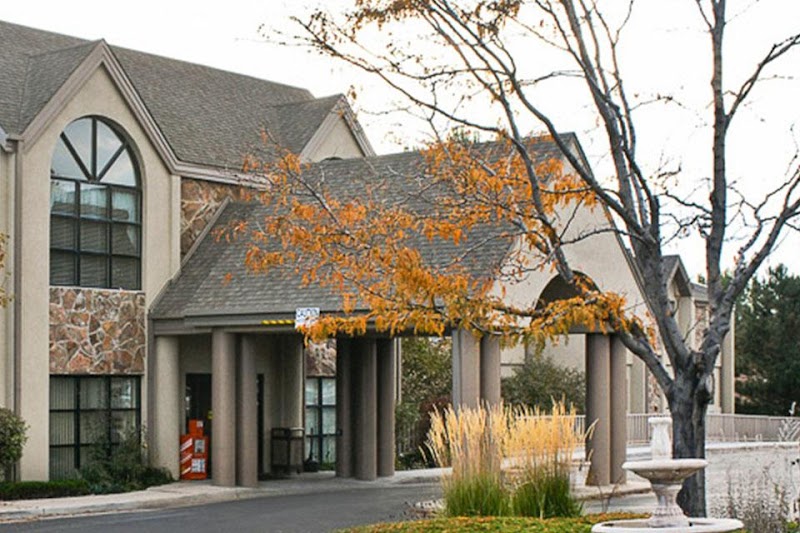
LIFE CARE CENTER OF LONGMONT

2451 PRATT ST, LONGMONT, CO 80501 (303) 776-5000
For profit - Corporation 187 Beds LIFE CARE CENTERS OF AMERICA Data: November 2025
Trust Grade
70/100
#72 of 208 in CO
Last Inspection: January 2024

Within standard 12-15 month inspection cycle. Federal law requires annual inspections.

Overview

Life Care Center of Longmont has a Trust Grade of B, which indicates it is a good choice for families seeking care, though it is not the top option available. It ranks #72 out of 208 facilities in Colorado, placing it in the top half, and #5 out of 10 in Boulder County, with only a few local facilities rated higher. The facility shows an improving trend, having reduced issues from 9 in 2024 to just 1 in 2025, which is promising. Staffing is a strength, with a 4-star rating and a turnover rate of 46%, slightly below the Colorado average, suggesting that staff members are experienced and familiar with the residents' needs. On the downside, there was a serious incident where the facility failed to provide necessary interventions to prevent a resident from developing pressure ulcers, and there were concerns about the maintenance of emergency response equipment.

Trust Score
B
70/100
In Colorado
#72/208
Top 34%
Safety Record
Moderate
Needs review
Inspections
Getting Better
9 → 1 violations
Staff Stability
⚠ Watch
46% turnover. Above average. Higher turnover means staff may not know residents' routines.
Penalties
✓ Good
No fines on record. Clean compliance history, better than most Colorado facilities.
Skilled Nurses
✓ Good
Each resident gets 67 minutes of Registered Nurse (RN) attention daily — more than 97% of Colorado nursing homes. RNs are the most trained staff who catch health problems before they become serious.
Violations
⚠ Watch
18 deficiencies on record. Higher than average. Multiple issues found across inspections.
★★★★☆
4.0
Overall Rating
★★★★☆
4.0
Staff Levels
★★★★★
5.0
Care Quality
★★★☆☆
3.0
Inspection Score
Stable
2024: 9 issues
2025: 1 issues

The Good

  • 4-Star Staffing Rating · Above-average nurse staffing levels
  • 5-Star Quality Measures · Strong clinical quality outcomes
  • Full Sprinkler Coverage · Fire safety systems throughout facility
  • No fines on record

Facility shows strength in staffing levels, quality measures, fire safety.

The Bad

Staff Turnover: 46%

Near Colorado avg (46%)

Higher turnover may affect care consistency

Chain: LIFE CARE CENTERS OF AMERICA

Part of a multi-facility chain

Ask about local staffing decisions and management

The Ugly 18 deficiencies on record

1 actual harm
Sept 2025 1 deficiency
CONCERN (D) 📢 Someone Reported This

A family member, employee, or ombudsman was alarmed enough to file a formal complaint

Potential for Harm - no one hurt, but risky conditions existed

Notification of Changes (Tag F0580)

Could have caused harm · This affected 1 resident

**NOTE- TERMS IN BRACKETS HAVE BEEN EDITED TO PROTECT CONFIDENTIALITY** Based on record review and interviews, the facility failed to notify the resident's representative when there was a significant ...

Read full inspector narrative →
**NOTE- TERMS IN BRACKETS HAVE BEEN EDITED TO PROTECT CONFIDENTIALITY** Based on record review and interviews, the facility failed to notify the resident's representative when there was a significant change in the resident's condition for one (#3) of four residents out of four sample residents. Specifically, the facility failed to notify the designated representative for Resident #3 when he had a fall in the facility.Findings include:I. Facility policy and procedure The Change in Resident's Condition or Status policy and procedure, revised [DATE], was provided by the director of nursing (DON) on [DATE] at 4:47 p.m. It read in pertinent part, A facility must immediately inform the resident, consult with the resident's physician and notify, consistent with his or her authority, the resident representative when there is an accident or a significant change in the resident's physical, mental or psychosocial status.II. Resident #3A. Resident status Resident #3, age [AGE], was admitted on [DATE] and discharged to the hospital on [DATE]. According to the [DATE] computerized physician orders (CPO), diagnoses included transient ischemic attack (a mini stroke when there is a temporary interruption of blood flow to the brain), cerebral infarction (a stroke), acute respiratory failure, spinal stenosis (the spinal canal becomes narrow), bilateral osteoarthritis of the knee and a history of falling. According to the [DATE] minimum data set (MDS) assessment, the resident was moderately cognitively intact with a brief interview for mental status (BIMS) score of 12 out of 15. He required a walker. He required set up assistance for eating, supervision for oral hygiene and toileting, and partial assistance with personal hygiene. B. Resident representative interviewResident #3's representative was interviewed on [DATE] at 12:15 p.m. via telephone. The representative said the facility did not notify her when the resident fell on [DATE]. She said she was notified on [DATE] at around 8:30 a.m. that the resident needed to go to the hospital because he was unresponsive. She said no one at the facility could explain what happened to cause the resident to become unresponsive and need to go to the hospital. She said at the hospital, the resident was discovered to have a large hematoma (a localized collection of blood outside the circulatory system) on the right side of his head, and the doctors at the hospital said he was not a surgical candidate. She said he was placed on hospice care at the hospital and died four days later. Resident #3's representative said when the resident fell, the facility was supposed to call her because she was the resident's power of attorney (POA). She said it was really frustrating because the facility did not always call her and she had family members telling her what happened to the resident. She said the facility knew they could call her at any time, including in the middle of the night, when the resident fell or something else happened to him. She said although the resident's death happened three months ago ([DATE]), the death and experience with the facility was still fresh. The resident's representative was tearful throughout the phone call. C. Record reviewThe [DATE] at 12:38 a.m. nurse progress note revealed Resident #3 was found on the floor by a certified nurse aide (CNA). The resident was sitting on the floor with his back against his bed and his legs towards the closet. His legs were bent at the knees. He had grippy socks and slippers on his feet. His call light was within reach but not on. The resident's floor and clothes were wet. The resident denied hitting his head and said he hit his shoulder on the heater vent. The resident's four-wheeled walker was tipped over onto the heater. The registered nurse (RN) assessed the resident and no injuries were found. The physician was notified. The resident was encouraged to use the call light and wait for assistance. The call light was within reach.-There was no documentation to indicate the resident's representative was notified of the resident's fall. The [DATE] at 8:15 a.m. nurse progress note revealed Resident #3 remained on neurological checks and the checks were within normal limits. The CNA reported to the nurse that the resident was gasping when breathing. The nurse went to the resident's room, vital signs were obtained and the resident was noted to be unresponsive to verbal, physical or sternal rub stimuli. The resident was warm and moist to the touch and his breathing continued with gasps. The resident's right pupil was slightly smaller than the left pupil, which was a change for the resident as he was alert and was able to place his breakfast order this morning ([DATE]). Resident #3 had denied any pain earlier that same morning. The resident was incontinent. The unit manager was notified and emergency medical services (EMS) was called. The resident was a full code status. The unit manager placed phone calls to the resident's family and to the physician The resident was transferred to the emergency room to evaluate and treat. The [DATE] fall incident report revealed the POA was notified on [DATE] at 8:47 a.m. (eight hours after the resident's fall). The [DATE] history and physical trauma surgery report from the hospital revealed Resident #3 had a large left subdural hematoma (a collection of blood that accumulates between the tough outer layer of the brain and the middle layer of the brain). The report indicated the resident had experienced multiple falls over the last several weeks. III. Staff interviewsLicensed practical nurse (LPN) #1 was interviewed on [DATE] at 3:10 p.m. LPN #1 said if a resident fell, she contacted the resident's physician and the resident's representative by phone. She said if the resident fell in the middle of the night, she contacted the resident's representative in the middle of the night. She said if there were multiple family members listed on the resident's facesheet, she contacted the family member who was listed as emergency contact number one first. She said it was important to contact the family member because it was the protocol and because she did not want to have additional issues if there were any. She said she was familiar with Resident #3 but she did not know who the family members were and she was not familiar with any of his falls because he was only in her unit for a short period of time. Registered nurse (RN) #1 was interviewed on [DATE] at 3:18 p.m. RN #1 said if a resident fell, she contacted the resident's physician and the resident's representative by phone. She said if the resident fell in the middle of the night, she contacted the resident's representative in the middle of the night. She said if there were multiple family members listed on the facesheet, she contacted the family member who was listed as emergency contact number one first. She said it was important to contact the family member if a resident fell because if something happened after the fall and the facility contacted the family about the subsequent incident, she said she would imagine it could be a lot for a family member to digest. RN #1 said she was familiar with Resident #3. She said she was not working when he fell on [DATE]. She said she knew he was a frequent faller. She said she was familiar with his family and she said they wanted to be contacted any time something happened to him, including when he fell. She said his family wanted to be contacted in the middle of the night. The DON was interviewed on [DATE] at 3:47 p.m.The DON said if a resident fell, the nurse needed to notify the resident's physician and family by phone. She said if the resident fell in the middle of the night, the facility used to not contact the family until the morning. She said some of the residents who were long-term care residents had family members who did not want to be contacted in the middle of the night. She said the facility changed the process and now the staff was expected to call the family in the middle of the night unless the family said they did not want to be contacted. She said if the family did not want to be contacted in the middle of the night, it would be care planned to not contact the family. She said nurses knew which family member to contact based on who was the POA and/or who was listed as emergency contact number one on the resident's facesheet. She said it was important to contact the family because they deserved to know what was going on with their family member.The DON said she was familiar with Resident #3. She said the resident's representative was not contacted until the resident went to the emergency room on [DATE]. She said she did not know the representative would want to be contacted at any time, including in the middle of the night. She said she could imagine it would be a lot to hear he went to the emergency room and then to hear he had fallen in the middle of the night, prior to his transfer to the hospital.
Sept 2024 3 deficiencies
CONCERN (D) 📢 Someone Reported This

A family member, employee, or ombudsman was alarmed enough to file a formal complaint

Potential for Harm - no one hurt, but risky conditions existed

Resident Rights (Tag F0550)

Could have caused harm · This affected 1 resident

**NOTE- TERMS IN BRACKETS HAVE BEEN EDITED TO PROTECT CONFIDENTIALITY** Based on observations, record review and interviews, the facility failed to promote and maintain resident dignity for one (#1) o...

Read full inspector narrative →
**NOTE- TERMS IN BRACKETS HAVE BEEN EDITED TO PROTECT CONFIDENTIALITY** Based on observations, record review and interviews, the facility failed to promote and maintain resident dignity for one (#1) of three residents reviewed out of three sample residents by providing care in a dignified, respectful and individualized manner. Specifically, the facility failed to ensure dignity was maintained for Resident #1 by emptying urine from her external catheter canister in a timely manner. Findings include: I. Facility policy and procedure The Dignity policy and procedure, dated 9/25/23, was provided by the nursing home administrator (NHA) on 9/9/24 at 4:44 p.m. It read in pertinent part, Each resident has the right to be treated with dignity and respect. Interactions and activities with residents by staff, temporary agency staff, or volunteers must focus on maintaining and enhancing the resident's self-esteem, self-worth, and incorporating the resident's goals, preferences, and choices. Staff must respect the resident's individuality as well as honor and value their input. II. Resident #1 A. Resident status Resident #1, age [AGE], was admitted on [DATE]. According to the September 2024 computerized physician orders (CPO), diagnoses included cellulites (infection of the skin) of the right lower leg, post-polio syndrome (affecting persons who had polio, causing weakness, pain and fatigue), chronic pain and muscle weakness. The 6/27/24 minimum data set (MDS) assessment revealed the resident was cognitively intact with a brief interview for mental status (BIMS) score of 15 out of 15. She required total assistance with transfers and substantial assistance with bed mobility. B. Resident interview and observations Resident #1 was interviewed on 9/9/24 at 2:00 p.m. Resident #1 said she used an external catheter at night because she had frequent urination. She said the staff did not always empty the urine from the canister in the morning when she got up. Resident #1 said she emptied it herself sometimes because it was embarrassing to have the urine sitting in her room all day and other people seeing it. At 2:05 p.m. the external catheter canister was in the lower drawer of Resident #1's night stand. The canister was about one-third full and the urine was visible from across the room. C. Resident #1's representative interview Resident #1's representative #1 was interviewed on 9/9/24 at 3:45 p.m. The resident's representative #1 said she visited Resident #1 several afternoons a week and the canister usually had urine in it. She said she had found Resident #1 trying to empty it herself on occasion. D. Record review The physician's order, dated 4/29/24 indicated Resident #1 was using an external catheter. The order indicated catheter care was scheduled for the night shift. The canister was scheduled to be inspected every night shift and emptied when the canister was three quarters full of urine. A grievance was filed by email on 8/29/24 by Resident #1's representative regarding care of the external catheter. In the email, Resident #1's representative requested that the staff empty and rinse the urine canister every morning. III. Staff interviews Registered nurse (RN) #1 was interviewed 9/9/24 at 3:45 p.m. RN #1 said the nurses emptied and rinsed the canister every morning after Resident #1 got up. She said they emptied it during the night if it was almost full. The director of nursing (DON) was interviewed on 9/9/24 at 4:43 p.m. The DON said she was not sure how often the external catheter canister should be emptied. The DON said she would check the policy. The DON said the user manual indicated the canister should be emptied before it reached 1,800 milliliters to prevent overflow. The DON said the staff should empty it for Resident #1 if she wanted it emptied in the morning and not leave urine sitting out in her room all day.
CONCERN (D) 📢 Someone Reported This

A family member, employee, or ombudsman was alarmed enough to file a formal complaint

Potential for Harm - no one hurt, but risky conditions existed

Deficiency F0565 (Tag F0565)

Could have caused harm · This affected 1 resident

**NOTE- TERMS IN BRACKETS HAVE BEEN EDITED TO PROTECT CONFIDENTIALITY** Based on record review and interviews, the facility failed to act promptly upon the grievances concerning the issues of resident...

Read full inspector narrative →
**NOTE- TERMS IN BRACKETS HAVE BEEN EDITED TO PROTECT CONFIDENTIALITY** Based on record review and interviews, the facility failed to act promptly upon the grievances concerning the issues of resident care and life in the facility that were important to the resident, for one (#1) of three residents out of three sample residents. Specifically, the facility failed to respond timely to Resident #1's grievances regarding long call light wait times and maintain a systematic approach to ongoing resident grievances. Findings include: I. Facility policy and procedure The Grievance policy and procedure, dated 9/25/23, was provided by the nursing home administrator (NHA) on 9/9/24 at 4:44 p.m. It read in pertinent part, The resident has the right to voice grievances to the facility or other agency or entity that hears grievances without discrimination or reprisal and without fear of discrimination or reprisal. Such grievances include those with respect to care and treatment which has been furnished as well as that which has not been furnished, the behavior of staff and of other residents, and other concerns regarding their LTC facility stay. The resident has the right to, and the facility must make prompt efforts to resolve grievances the resident may have. Facilitate meetings and/or conversations with residents and families who have repeated concerns to better meet their needs. Follow up with the resident and family to communicate resolution or explanation and ensure that the issue was handled to the resident and family's satisfaction. II. Resident status Resident #1, age [AGE], was admitted on [DATE]. According to the September 2024 computerized physician orders (CPO), diagnoses included cellulites (infection of the skin) of the right lower leg, post-polio syndrome (affecting persons who had polio, causing weakness, pain and fatigue), chronic pain and muscle weakness. The 6/27/24 minimum data set (MDS) assessment revealed the resident was cognitively intact with a brief interview for mental status (BIMS) score of 15 out of 15. She required total assistance from staff with transfers and substantial assistance with bed mobility. III. Resident and representative interviews Resident #1 was interviewed on 9/9/24 at 2:00 p.m. Resident #1 said she usually waits 30 to 50 minutes for her call light to be answered by staff. She said she did not use her call light at shift change because it took even longer for the staff to answer the call light at that time. Resident #1 said she complained to multiple staff members about the long waits but all she was told was they were working on it. Resident #1's representative #1 was interviewed on 9/9/24 at 3:45 p.m. She said she had expressed concerns about long call light times to staff but it had not improved. She said she visited the facility on 9/8/24 and Resident #1 waited 48 minutes for her call light to be answered for assistance in the bathroom. IV. Record review A grievance was filed on 8/29/24 by Resident #1's representative that stated Resident #1 had not been provided with a resident handbook and the grievance process was not explained to the resident. The resident's representative requested that a resident handbook be provided so she could understand the process for filing a formal grievance if necessary. Resident council minutes, dated 6/26/24, revealed a couple of residents in attendance who lived on different floors expressed concerns regarding long call light wait times of 45 minutes to get care assistance. The facility responded that they would continue to conduct call light audits for response times. V. Staff interviews The director of nursing (DON) was interviewed on 9/9/24 at 2:15 p.m. The DON said she had reviewed several complaints from the residents at the June 2024 resident council meeting. She said to address the complaints she talked to the nursing staff and none of the staff had any concerns about not being able to answer call lights timely. She said all of the staff believed that they were answering call lights timely. The DON said after talking with the staff, she and one of the receptionists conducted a few observations on 6/27/24 of the nursing staff answering call lights and found they were answering call lights within six minutes of a resident activating the call lights. The DON said she was unable to find any concerns. -The facility had not assessed any other factors of what was causing longer call light wait times, and no resident interviews were completed to assess how many residents had concerns over long call light wait time; how long call light wait time affected the resident population; or why the problem of long call light wait time existed.
CONCERN (D) 📢 Someone Reported This

A family member, employee, or ombudsman was alarmed enough to file a formal complaint

Potential for Harm - no one hurt, but risky conditions existed

Quality of Care (Tag F0684)

Could have caused harm · This affected 1 resident

**NOTE- TERMS IN BRACKETS HAVE BEEN EDITED TO PROTECT CONFIDENTIALITY** Based on record review and interviews, the facility failed to provide treatment and care in accordance with professional standar...

Read full inspector narrative →
**NOTE- TERMS IN BRACKETS HAVE BEEN EDITED TO PROTECT CONFIDENTIALITY** Based on record review and interviews, the facility failed to provide treatment and care in accordance with professional standards of practice, the comprehensive person-centered care plan, and the residents' choices for one (#1) of three residents reviewed out of three sample residents. Specifically, the facility failed to: -Arrange medical appointments with a dermatologist and urologist as requested by Resident #1 and ordered by the physician; and, -Arrange for a medical appointment with an infectious disease specialist for Resident #1 in a timely manner. Findings include: I. Facility policy and procedure The Transportation Coordination and Services policy and procedure, dated 6/12/24, was provided by the nursing home administrator (NHA) on 9/9/24 at 4:44 p.m. It read in pertinent part, The facility will assist residents in making necessary appointments for services not provided in the facility and arranging for transportation to and from such appointments. The facility will assist the resident and or resident representative in the making of necessary appointments, such as but not limited to, medical specialists (e.g., orthopedics, cardiology, neurology, surgical). II. Resident #1 A. Resident status Resident #1, age [AGE], was admitted on [DATE]. According to the September 2024 computerized physician orders (CPO), diagnoses included cellulitis (infection of the skin) of the right lower leg, post-polio syndrome (affecting persons who had polio, causing weakness, pain and fatigue), chronic pain and muscle weakness. The 6/27/24 minimum data set (MDS) assessment revealed the resident was cognitively intact with a brief interview for mental status (BIMS) score of 15 out of 15. She required total assistance from staff with transfers and substantial assistance with bed mobility. B. Resident and representative interviews Resident #1 was interviewed on 9/9/24 at 2:00 p.m. Resident #1 said she had been waiting for an appointment with a dermatologist because of a rash on her back. She said she was also waiting for an appointment with a urologist. She said urine just poured out of her and that was why she used the external catheter at night. Resident #1's representative #2 was interviewed 9/9/24 at 3:15 p.m. The representative said that he had to call Resident #1's primary physician to request a referral to an infectious disease specialist for her chronic cellulitis, because the facility was not getting the appointment made. The representative said Resident #1 did have an appointment scheduled on 9/17/24. The representative said Resident #1 was still waiting for an appointment with urology and dermatology specialists. Resident #1's represntative #1 was interviewed on 9/9/24 at 3:45 p.m. She said the family requested an appointment with the infectious disease doctor on 2/1/24. She said the representative had to call the primary care provider himself for a referral because the facility had not taken action. B. Record review The May 2024 CPO revealed the following physician's orders: -Referrals to urology, dermatology and infectious disease, ordered on 5/2/24; and, -Referral to infectious disease, ordered on 8/16/24. -However, a review of the resident's EMR did not reveal documentation indicating the appointments had been made. -Review of the May 2024 medication administration record (MAR) indicated a nurse had signed off that the referral had been completed. III. Staff interviews The director of nursing (DON) was interviewed on 9/9/24 at 4:43 p.m. The DON said the unit managers received the referrals for specialists appointments and put the order into the EMR. She said the unit managers sent the referrals to the transportation manager and the transportation manager scheduled the appointments. The DON said if an order was written in May 2024, she would expect the appointments to have been made by now. The DON said the unit manager was not aware of the referrals for Resident #1. The DON said she did not attend the care conference meetings and had not met with the family of Resident #1, therefore she was not aware of the requests. The DON said she was working on scheduling the appointments today (9/9/24).
Jan 2024 6 deficiencies 1 Harm
SERIOUS (G)

Actual Harm - a resident was hurt due to facility failures

Pressure Ulcer Prevention (Tag F0686)

A resident was harmed · This affected 1 resident

**NOTE- TERMS IN BRACKETS HAVE BEEN EDITED TO PROTECT CONFIDENTIALITY** Based on observations, record review, and interviews the facility failed to ensure two (#47 and #73) of five residents out of 36...

Read full inspector narrative →
**NOTE- TERMS IN BRACKETS HAVE BEEN EDITED TO PROTECT CONFIDENTIALITY** Based on observations, record review, and interviews the facility failed to ensure two (#47 and #73) of five residents out of 36 sample residents received care consistent with professional standards of practice to prevent pressure ulcers and did not develop pressure ulcers unless the individual's clinical condition demonstrated they were unavoidable and to promote healing, prevent infection and prevent new ulcers from developing. The facility failed to ensure timely interventions were put in place to prevent the development of a pressure ulcer to Resident #47's left ischium (curved bone at the base of the pelvis). Resident #47 was admitted to the facility on [DATE] and was at risk for the development of a pressure ulcer due to her having a left hip fracture with surgical repair. Despite Resident #47's decreased mobility due to the fracture, which made her a higher risk for developing a pressure ulcer, the facility failed to implement appropriate preventative interventions, such as an alternating pressure air mattress, upon the resident's admission. The resident developed a stage 3 pressure ulcer to the coccyx on 12/22/23, which was 11 days after her admission. The wound continued to be classified as a stage 3 and the classification should have been changed to an unstageable wound (see director of nursing interview below). The wound continued to be classified as stage 3 throughout the resident's clinical record. The facility implemented the use of an alternating pressure air mattress on 12/22/23 after the wound was identified, however, the facility failed to update the resident's care plan with the intervention. The facility failed to ensure timely interventions were put in place to prevent the development of a pressure ulcer to Resident #73's left ischium. Resident #73 was admitted to the facility on [DATE] and was at risk for the development of a pressure ulcer. The resident developed a stage 3 pressure ulcer to the left ischium on 12/5/23. The wound was observed to have 100% slough in the wound bed on 12/13/23. The wound continued to be classified as a stage 3 and the classification should have been changed to an unstageable wound. The wound continued to be classified as stage 3 throughout the resident's clinical record. The resident's care plan was not updated to include a stage 3 pressure ulcer to the left ischium and was not updated to include the use of an air mattress. Findings include: I. Professional reference According to the National Pressure Injury Advisory Panel, European Pressure Injury Advisory Panel and Pan Pacific Pressure Injury Alliance Prevention and Treatment of Pressure Injuries: Clinical Practice Guideline, third edition, [NAME] Haesler (Ed.), EPUAP/NPIAP/PPPIA: 2019, retrieved from https://www.internationalguideline.com/guideline on 1/25/24, Pressure ulcer classification is as follows: Category/Stage 1: Nonblanchable Erythema (discoloration of the skin that does not turn white when pressed, early sign of tissue damage) Intact skin with nonblanchable redness of a localized area usually over a bony prominence. Darkly pigmented skin may not have visible blanching; its color may differ from the surrounding area. The area may be painful, firm, soft, warmer or cooler as compared to adjacent tissue. Category/Stage 1 may be difficult to detect in individuals with dark skin tones. May indicate 'at risk' individuals (a heralding sign of risk). Category/Stage 2: Partial Thickness Skin Loss Partial thickness loss of dermis presenting as a shallow open ulcer with a red pink wound bed, without slough. May also present as an intact or open/ruptured serum filled blister. Presents as a shiny or dry shallow ulcer without slough or bruising. This Category/Stage should not be used to describe skin tears, tape burns, perineal dermatitis, maceration or excoriation. Category/Stage 3: Full Thickness Skin Loss Full thickness tissue loss. Subcutaneous fat may be visible, but bone, tendon or muscle are not exposed. Slough may be present but does not obscure the depth of tissue loss. May include undermining and tunneling. The depth of a Category/ Stage 3 pressure ulcer varies by anatomical location. The bridge of the nose, ear, occiput and malleolus do not have subcutaneous tissue and Category/ Stage 3 ulcers can be shallow. In contrast, areas of significant adiposity can develop extremely deep Category/Stage 3 pressure ulcers. Bone/tendon is not visible or directly palpable. Category/Stage 4: Full Thickness Tissue Loss Full thickness tissue loss with exposed bone, tendon or muscle. Slough or eschar may be present on some parts of the wound bed. Often include undermining and tunneling. The depth of a Category/Stage 4 pressure ulcer varies by anatomical location. The bridge of the nose, ear, occiput and malleolus do not have subcutaneous tissue and these ulcers can be shallow. Category/ Stage 4 ulcers can extend into muscle and/ or supporting structures (fascia, tendon or joint capsule) making osteomyelitis possible. Exposed bone/tendon is visible or directly palpable. Unstageable: Depth Unknown Full thickness tissue loss in which the base of the ulcer is covered by slough (yellow, tan, gray, green or brown) and/or eschar (tan, brown or black) in the wound bed. Until enough slough and/or eschar is removed to expose the base of the wound, the true depth, and therefore Category/ Stage, cannot be determined. Stable (dry, adherent, intact without erythema or fluctuance) eschar on the heels serves as 'the body's natural (biological) cover' and should not be removed. Suspected Deep Tissue Injury: Depth Unknown Purple or maroon localized area of discolored intact skin or blood-filled blister due to damage of underlying soft tissue from pressure and/or shear. The area may be preceded by tissue that is painful, firm, mushy, boggy, warmer or cooler as compared to adjacent tissue. Deep tissue injury may be difficult to detect in individuals with dark skin tones. Evolution may include a thin blister over a dark wound bed. The wound may further evolve and become covered by thin eschar. Evolution may be rapid, exposing additional layers of tissue even with optimal treatment. II. Facility policy and procedures The Skin Integrity and Pressure Ulcer/Injury Prevention and Management policy, reviewed 3/31/23, was provided by the nursing home administrator (NHA) on 1/17/24 at 3:41 p.m. The policy revealed in pertinent part, The facility associates and licensed nurses were provided with procedures to manage skin integrity, prevent pressure ulcer/injury, complete wound assessment/documentation, and provide treatment, care of skin and wounds utilizing professional standards of the National Pressure Injury Advisory Panel (NPIAP) and the Wound, Ostomy, Continent Nurses Society (WOCN). A comprehensive skin inspection/assessment would be performed on admission and re-admission to the facility so that the nursing staff might identify pre-existing signs of possible deep tissue damage already present. These signs included; purple or very dark areas surrounded by edema; profound redness, or induration (thick and.or hard soft tissue); bogginess (soft and watery); and/or discoloration. These signs possibly indicate an unavoidable Stage 3 or 4 with slough (nonviable yellow, tan, white, stingy tissue-byproduct of an inflammation process), drainage, or even eschar (dead tissue) within a few days. A skin assessment/inspection would occur on admission/readmission. Skin observations would also occur throughout points of care provided by certified nurse aides (CNAs) during activities of daily living (ADL) care (bathing, dressing, and incontinent care). Any changes or open areas were reported to a nurse. CNAs would also report to a nurse if a topical dressing was identified as soiled, saturated, or dislodged. A nurse would complete further inspection/assessment and provide treatment if needed. A risk assessment tool, Braden Scale or Norton Scale, determined the resident's risk for pressure injury development. The score was documented on the tool and placed in the resident's medical record using the appropriate form. A skin assessment/inspection should be performed weekly by a licensed nurse. Measures to maintain and improve the resident's tissue tolerance to pressure, were implemented in the resident's plan of care. All residents upon admission were considered to be at risk for pressure injury development due to medical issues requiring nursing care, related to disease process and illness or need for rehabilitation services. Upon admission and throughout the resident's stay, at a minimum, a pressure redistribution surface (Group 1 mattress) would be in use with turning/repositioning as needed with ADL care/assistance and incontinent care as needed. This included skin barrier application as needed, and a preventative wheelchair cushion if indicated. Staff were to facilitate skin inspections/assessments with particular attention to bony prominences; skin cleansed with the appropriate cleanser at the time of soiling and at routine intervals; treat dry skin with moisturizers; minimize skin exposure to incontinence using devices (briefs) and skin barriers; minimize injury due to shear/friction through proper positioning, transfers, and turning schedules (if indicated); encourage physician ordered food and fluid intake; and improve the resident's mobility and activity when the potential exists (restorative). Measures to protect the resident against the adverse effects of external mechanical forces, such as pressure, friction, and shear were implemented in the plan of care: reposition at least every 2-4 hours (per NPIAP standards) as consistent with overall patient goal and medical condition; utilize positioning devices to keep bony prominences from direct contact; ensure proper body alignment when side-lying; heel protection/suspension if indicated; maintain the resident's head of the bed at the lowest degree of elevation consistent with medical conditions; use lift devices to move resident in the bed; ensure a pressure redistribution mattress surface was placed under the resident; when positioned in a wheelchair, ensure the resident was placed on a pressure reduction device and repositioned (donut-type devices were not used); and when positioned in a wheelchair, consideration was given to postural alignment, distribution weight, balance, and stability. Residents and significant others involved in the resident's care were educated regarding the preventive skin care plan. When skin breakdown occurred, it required attention and a change in the plan of care might be indicated to treat the resident. III. Resident #47 A. Resident status Resident #47, age [AGE], was admitted on [DATE]. According to the January 2024 computerized physician orders (CPO), diagnoses included acute kidney failure, chronic pain, obesity, diabetes mellitus type II, anemia, cognitive communication deficit and fracture with routine healing. The minimum date set (MDS) assessment dated [DATE] revealed the resident had severe cognitive impairment with a brief interview for mental status (BIMS) score of seven out of 15. The resident had a functional limitation in her range of motion with an impairment to the lower extremity (hip, knee, ankle or foot) on one side of her. The resident was dependent on staff for toileting, lower body dressing and putting on/taking off footwear. The resident was dependent on staff for rolling left and right, lying to sitting on the side of the bed and chair/bed to chair transfer. The resident was at risk for the development of a pressure ulcer. The resident did not have any pressure ulcers. B. Resident interview The resident was interviewed on 1/17/24 at 12:26 p.m. She said she was not sure if she had a pressure ulcer on her bottom. C. Record review A care plan for a break in skin integrity related to left hip surgical repair and stage 3 to sacrum area was initiated on 12/12/23 and revised on 1/17/23 (during the survey). The pertinent interventions were for staff to perform weekly skin checks, clean and dry the skin after each incontinent episode. Staff were to apply an air mattress as ordered was dated 1/17/24 (during the survey). A care plan for the potential for pressure ulcer development related to decreased mobility, left hip surgical repair, diabetes mellitus type II, visual/cognitive deficits, muscle weakness and difficulty walking was initiated on 12/17/23. The pertinent interventions were to administer medications and treatment as ordered. Educate the resident/family/caregivers as to the causes of skin breakdown; transfer/positioning requirements; importance of taking care during ambulating/mobility, good nutrition and frequent repositioning. Staff were to follow the facility policies/protocols for the prevention/treatment of skin breakdown. Staff were to inform the resident/family/caregivers of any new area of skin breakdown. Observe and report as needed any changes in skin status: appearance, color, wound healing, signs/symptoms of infection, wound size (length by width by depth), and stage the wound. The resident required a wheelchair cushion and pressure reduction mattress. Serve diet as ordered, monitor intake and record. -The care plan did not have the use of an air mattress as one of the interventions. The admission collection tool for skin dated 12/11/23 revealed the resident did not have a pressure ulcer. Braden Scale for predicting press sore risk dated 12/12/23 revealed a score of 13 or moderate risk. The weekly skin integrity data collection form dated 12/18/23 revealed the resident did not have a pressure ulcer. The Braden Scale for predicting press sore risk dated 12/20/23 revealed a score of 14 or moderate risk. The wound observation tool dated 12/22/23 revealed an air mattress ordered as requested. New wound to coccyx that started on 12/22/23. This stage 3 pressure ulcer of the coccyx measured 2.0 cm by 3.0 cm by 0.1 cm. The physician's assistant (PA) note dated 12/22/23 revealed the resident had a newly found stage 3 sacral pressure ulcer with no infection to the site. Ordered dressing changes per wound care team, will monitor for signs and symptoms of infection or worsening. The event note dated 12/22/23 revealed during peri-care a wound to the coccyx area was observed. The PA was notified and assessed the wound. New treatment orders were put in place. A skilled note dated 12/22/23 revealed a stage 3 wound to the buttock was observed and a dressing was applied. An air mattress was ordered and installed. A skilled note dated 12/23/23 revealed a pressure wound was observed on the coccyx with no signs or symptoms of infection. The weekly skin integrity data collection form dated 12/25/23 revealed an open area to the coccyx with treatment in place. The resident was added to the weekly wound rounds. The Braden Scale for predicting press sore risk dated 12/28/23 revealed a score of 16 or mild risk. -However, the resident's risk should have not been mild since the resident developed a pressure ulcer. The wound note dated 1/2/24 revealed a stage 3 pressure ulcer to the sacrum. Initial encounter measurements were 2.0 cm by 3.0 cm by 0.2 cm with an area of 6.0 square cm and a volume of 1.2 cubic cm. There was a moderate amount of sero-sanguineous drainage. The wound had 100% granulated tissue. The plan was to cleanse with a wound cleanser, apply a gel cover with foam and change the dressing daily. Preventative measures were to provide an alternating air mattress or low air loss mattress mattress and an offloading wheelchair cushion. Turn and reposition frequently while in bed and in a chair. Have the resident shift their weight frequently while in bed or in a chair. Have the resident utilize a low loss or alternative pressure mattress, if not contraindicated; check for proper placement and function each shift. Ensure the seat or wheelchair cushion was in place, if not contraindicated, check for proper placement and function every shift. If the resident utilized briefs and was incontinent; check briefs frequently. The Braden Scale for predicting press sore risk revealed a score of 16 or mild risk. -However, the resident's risk should have not been mild since the resident developed a pressure ulcer. The physician's order dated 1/9/24 revealed to administer Santyl Ointment 250 units/gram (Collagenase) to the coccyx topically every day shift for wound care. Before applying the ointment, clean the wound with normal saline. Cover the wound with foam and dressing to be changed daily. The wound note dated 1/9/24 revealed a stage 3 pressure ulcer to the sacrum. The measurements were 2.0 cm by 3.0 cm by 0.2 cm with an area of 6 square cm and a volume of 1.2 cubic cm. There was a moderate amount of sero-sanguineous drainage. The wound had 100% slough (unstageable wound per NPAIP) tissue. The plan was to debride (remove dead, contaminated or adherent tissue and/or material). A skin/subcutaneous tissue level surgical debridement with a total area of debridement of 6.0 square cm. Subcutaneous tissue was removed along with devitalized tissue (slough). The post debridement measurements were 2.0 cm by 3.0 cm by 0.3 cm with an area of 6.0 square cm and a volume of 1.8 cubic cm. The wound observation tool dated 1/10/24 by the wound nurse (WN) revealed a stage 3 sacral pressure wound with an onset date of 12/22/23. The measurements were 2.0 cm by 3.0 cm by 0.2 cm depth. The wound bed was 100% slough (unstageable wound per NPIAP). The Braden Scale for predicting press sore risk dated 1/11/24 at 9:51 a.m. revealed a score of 15 or mild risk. -However, the resident's risk should have not been mild since the resident developed a pressure ulcer. The wound observation tool dated 1/17/24 revealed a stage 3 sacral wound with an onset date of 12/22/23. The measurements were 2.7 cm by 3.0 cm by 0.2 cm. There was granulated (beefy, red) tissue present with 50% slough (yellow, tan, stringy) tissue in the wound bed. The wound observation on 1/23/24 by the wound physician (WP) and a nurse surveyor revealed a stage 3 coccyx wound measuring 2.5 cm by 2.0 cm by 0.6 cm. There was no sign or symptoms of infection. The wound was debrided on the last visit due to the slough in the wound. C. Interviews The director of nursing (DON), infection preventionist (IP) and the WN were interviewed on 1/22/24 at 10:20 a.m. They said the admission collection tool dated 12/11/23 and the weekly skin integrity data collection form dated 12/18/23 did not reveal the resident had a pressure ulcer. The DON said this was a facility acquired pressure ulcer. The DON said upon admission, the resident utilized a standard pressure reducing mattress. The DON said a treatment order of an air mattress was requested on 12/22/23 and placed on the resident's bed on 12/22/23 at 6:37 p.m. -However, this was after the resident had developed the stage 3 pressure ulcer. The DON said there was no physician's order or mattress settings for the air mattress. The DON said she used the manufacturer's specifications pamphlet to determine the comfort level and the alternating settings for the resident. The DON said the pressure ulcer should have been categorized as an unstageable wound on 1/9/24 with a wound bed of 100% slough. The DON was interviewed on 1/22/24 at 1:46 p.m. She said the resident's wound was debrided on 1/9/24 by the WP. She said she felt the resident's diagnoses of diabetes mellitus type II, polyneuropathy, cerebrovascular vascular disease and a system wide lack of oxygen were contributing factors to the acquisition of the pressure ulcer. The WN was interviewed on 1/23/24 at 9:00 a.m. She said when the resident arrived at the facility, a standard pressure reducing mattress was placed on her bed. She said the facility interventions that were implemented prior to the resident acquiring the stage 3 pressure ulcer were weekly skin assessments, therapy and frequent (every two hours) repositioning and/or turning. She said the resident was agreeable to be repositioned. She said the resident did get out of bed sometimes. She said this was a facility acquired pressure ulcer and she had no idea of how the pressure ulcer started. The DON was interviewed on 1/23/24 at 9:55 a.m. She said the facility knew the resident was at risk for the development of a pressure ulcer. She said the pressure wound was first observed on 12/22/23 and a request was made to the resident's primary care physician (PCP) to assess the wound on 12/22/23. A treatment order for an air mattress was received on 12/22/23 and was placed on the resident's bed on the same day. A request was made for the wound physician (WP) to see the resident. A nutritional supplement was added on 12/28/23 for poor meal intake on admission. -However, the resident was admitted on [DATE] so the supplement was added nearly two weeks after her admission. She said on 1/4/24 a protein supplement was added and ice cream was provided to the resident for additional calories. She said the resident had the ability to reposition herself, however she did not understand the necessity for repositioning. She said the resident needed staff cueing and/or assistance to reposition or offload the area. The DON said the pressure ulcer might have started by the use of a slide board (skin on wood) to transfer the resident from the bed to a wheelchair. The DON said on 12/21/23 the resident refused to participate in therapy services, was getting tired of living and had started to give up. The WP was interviewed on 1/23/24 at 12:19 p.m. He said the resident had no changes in her medical conditions that might have caused the pressure ulcer. He said the resident liked to stay in bed most of the time. He said there was nothing out of the ordinary about this resident; the pressure ulcer just occurred. Certified nurse aide (CNA) #1 was interviewed on 1/23/24 at 3:19 p.m. She said she had worked with the resident. She said the staff tried to reposition the resident every two hours. She said the resident liked to stay in bed and needed staff assistance to reposition. She said when she was repositioned in bed, the resident would stay in that position for about 30 minutes to an hour. After this amount of time, the resident wanted to be repositioned to one of her favorite positions in bed (on her back). She said the resident did get out of bed and sit in her wheelchair sometimes. CNA #2 was interviewed on 1/23/24 at 3:32 p.m. She said she did work with the resident. She said the staff tried to reposition the resident every two hours. During repositioning, they checked the resident for incontinence and changed the resident as needed. She said the resident had the ability to roll herself a little while in bed. She said the resident was okay with repositioning. She said the resident liked to stay in bed and was often on her back. She said the head of the resident's bed was often elevated while the resident was awake. IV. Resident #73 A. Resident status Resident #73, age greater than 65, was admitted on [DATE]. According to the January 2024 CPO, the resident had diagnoses of Alzheimer's disease, dementia, anxiety, mood disturbance, muscle weakness, pain in the left shoulder and COVID-19. The MDS assessment dated [DATE] revealed the resident had a BIMS score of zero out of 15. The resident had inattention as evidenced by difficulty focusing attention, such as being easily distractible or having difficulty keeping track of what was said. This behavior was continuously present and did not fluctuate. The resident had disorganized or incoherent thinking as evidenced by rambling or irrelevant conversation, unclear or illogical flow of ideas, or unpredictable switching from subject to subject. This behavior was continuously present and did not fluctuate. The resident required extensive staff assistance with two plus staff for bed mobility, transfers, toileting and personal hygiene. The resident utilized a pressure reducing mattress and a pressure reducing chair seat cushion. The resident did not have any pressure ulcers. The MDS assessment dated [DATE] revealed the resident had short and long term memory problems. The resident had severely impaired cognitive skills for daily decision making. The resident had inattention as evidenced by difficulty focusing attention, such as being easily distractible or having difficulty keeping track of what was said. This behavior was continuously present and did not fluctuate. The resident had disorganized or incoherent thinking as evidenced by rambling or irrelevant conversation, unclear or illogical flow of ideas, or unpredictable switching from subject to subject. This behavior was continuously present and did not fluctuate. The resident utilized a pressure reducing mattress and a pressure reducing chair seat cushion. The resident had one stage 3 pressure ulcer/injury. B. Record review A care plan for the presence of a pressure ulcer and the potential for pressure ulcer development related to impaired mobility, dementia, and cognitive/communication deficits was initiated on 5/18/23 and revised on 12/17/23. The plan revealed to provide protection to the resident's left and right heels. The interventions included administering medications and treatments as ordered. Assess wound healing and document the status of the wound healing progress. Report improvements and declines to a physician. Provide enhanced barrier precautions and follow facility policies/protocols for the prevention/treatment of skin breakdown. Inform the resident/family/caregivers of any new area of skin breakdown. Observe and report as needed, any changes in skin status. Serve diet as ordered, monitor intake and record. The resident required extensive assistance to turn and reposition frequently as needed. The resident required a pressure reducing mattress, wheelchair cushions, and blue heel boots. The resident required supplemental protein, amino acids, vitamins, minerals as ordered to promote wound healing. -The care plan did not have an intervention for the use of an air mattress. -The care plan did not mention the resident's left ischium stage 3 pressure ulcer. An additional care plan with no initiation date or revision date was provided by the NHA on 1/18/24 at 3:05 p.m; during the survey. The care plan and interventions were identical to the resident's care plan for pressure ulcers with the exception of the addition, for the staff to provide protection to the resident's left ischium wound. -The care plan did not have an intervention for the use of an air mattress. The Braden Scale for predicting pressure sore risk, dated 11/1/23, revealed a score of 15 or mild risk. -However, the resident was at risk due to being dependent on staff and utilizing pressure relieving measures according to the 9/20/23 MDS assessment. The wound care progress note dated 11/28/23 documented the resident had a skin tear to the right inner knee. -The progress note did not document an ischial pressure ulcer. The weekly skin data collection tool note dated 11/30/23 did not reveal the resident had an ischial pressure ulcer. The Braden Scale for predicting pressure sore risk dated 12/1/23 revealed a score of 14 or moderate risk. The wound care progress note dated 12/5/23 for the initial encounter for a left ischial pressure ulcer/injury measuring 2.5 centimeters (cm) in length by 1.5 cm in width by 0.2 cm in depth, with an area of 3.75 square cm and a volume of 0.75 cubic cm. There was a moderate amount of sero-sanguineous drainage (yellow with small amounts of blood) with a wound bed of 10% granulation (connective tissue) and 90% slough (nonviable yellow, tan, white, stingy tissue-byproduct of an inflammation process). The plan for this wound was to cleanse/protect the wound with a wound cleanser, apply a Santyl (an ointment that helps to remove dead skin tissue and aid in wound healing), cover with a foam and change the dressing daily. Turn or reposition the resident frequently while in bed and in a chair. Have the resident shift their weight frequently while in bed or in a chair. Place the resident on a low air loss or alternating pressure mattress, if not contraindicated, check for proper placement and function every shift. Ensure seat or wheelchair cushion in place, if not contraindicated, check for proper placement and function every shift. If the resident wore briefs and was incontinent; check briefs frequently. The wound observation tool dated 12/6/23 by the facility the WN revealed a stage 3 left ischial wound started on 12/6/23 measuring 2.5 cm by 1.5 cm by 0.2 cm. This was the first observation and there was no previous reference. There was granulated (beefy red) tissue present and 90% slough tissue. There was moderate sero-sanguineous drainage. Staff were to apply Santyl to the wound bed and cover with foam dressing daily. The wound observation tool dated 12/13/23 by the facility WN revealed a stage 3 left ischial wound started on 12/6/23 measuring 3.0 cm by 3.0 cm by 0.2 cm. There was 100% slough (unstageable wound per NPIAP) tissue present with a moderate amount of sero-sanguineous drainage. Staff were to apply Santyl to the wound bed and cover with foam dressing daily. The physician's order dated 12/19/23 revealed to cleanse left ischium wound with normal saline, moisten a 4 inches by 4 inches (gauze pad) with Dakins (a solution of sodium hypochlorite (0.4% to 0.5%) and boric acid (4%) diluted in water), pack in wound, and cover with foam dressings every day shift. The physician's order dated 1/11/24 revealed to continue antibiotics for the wound to the buttocks. The physician's order dated 1/23/24 revealed isolation and enhanced barrier precautions with a diagnosis of a wound. This order was received during the survey. The wound care progress note dated 12/18/23 revealed a stage 3 left ischial pressure ulcer/injury measuring 2.5 cm by 2.5 cm by 0.2 cm with an area of 6.25 square cm and a volume of 1.25 cubic cm. There was a moderate amount of sero-sanguineous drainage present. The wound bed was 100% slough (unstageable wound per NPIAP). There was no change in the wound's progression. The skin/subcutaneous tissue level was surgically debrided with a total area of 6.25 square cm of debridement. Subcutaneous tissue was removed along with devitalized slough. Post debridement measurements were 2.5 cm by 2.5 cm by 0.3 cm with an area of 6.25 square cm with a volume of 1.875 cubic cm. The plan was to cleanse with a wound cleanser, pack the wound with Dakins gauze packing and cover with a form dressing daily. Turn or reposition the resident frequently while in bed and in a chair. Have the resident shift their weight frequently while in bed or in a chair. Place the resident on a low air loss or alternating pressure mattress, if not contraindicated, check for proper placement and function every shift. Ensure seat or wheelchair cushion in place, if not contraindicated, check for proper placement and function every shift. If the resident wore briefs and was incontinent; check briefs frequently. The wound observation tool dated 12/20/23 by the WN revealed stage 3 left ischial wound starting on 12/6/23, measuring 2.5 cm by 2.5 cm by 0.2 cm. There was 100 % slough (unstageable wound per NPIAP) with a moderate amount of sero-sanguineous drainage present. The dressing was changed to Dakins soaked 4 inches by 4 inches (gauze pad) and covered with foam dressing daily. The wound care progress note dated 12/26/23 revealed a left ischial stage 3 pressure ulcer/injury measuring 2.5 cm by 2.5 cm by 1.0 cm with an area of 6.25 square cm and a volume of 6.25 cubic cm. There was a moderate amount of sero-sanguineous drainage present. The wound bed was 100% slough (unstageable wound per NPIAP). There was no change noted in the wound progression. The plan was to cleanse with a wound cleanser and apply a Dakins soaked gauze, cover with a foam and change the dressing [TRUNCATED]
CONCERN (D)

Potential for Harm - no one hurt, but risky conditions existed

Accident Prevention (Tag F0689)

Could have caused harm · This affected 1 resident

**NOTE- TERMS IN BRACKETS HAVE BEEN EDITED TO PROTECT CONFIDENTIALITY** Based on observations, interviews and record review, the facility failed to ensure residents were provided an environment as fre...

Read full inspector narrative →
**NOTE- TERMS IN BRACKETS HAVE BEEN EDITED TO PROTECT CONFIDENTIALITY** Based on observations, interviews and record review, the facility failed to ensure residents were provided an environment as free of accident hazards as possible and for one (#58) of five residents reviewed for accidents and hazards out of 36 sample residents. Specifically, the facility failed to investigate skin discoloration and a skin tear of unknown origin and identify hazards and risks for Resident #58. Findings include: I. Facility policy The Incident and Reportable Event Management policy, revised 8/15/23, was received by the nursing home administrator (NHA) on 1/23/24 at 4:00 p.m. It read in pertinent parts: The facility to the best of its ability strives to provide an environment that is free from accident hazards over which the facility has control and provides supervision and assistive devices to each resident to prevent avoidable accidents.This includes: a. Identifying hazard(s) and risk(s); b. Evaluating and analyzing hazard(s) and risk(s); c. Implementing interventions to reduce hazard(s) and risk(s); and d. Monitoring for effectiveness and modifying interventions when necessary. Accident refers to any unexpected or unintentional incident, which results or may result in injury Avoidable Accident means that an accident occurred because the facility failed to: 1. Identify environmental hazards and/or assess individual resident risk of an accident, including the need for supervision and/or assistive devices; and/or 2. Evaluate/analyze the hazards and risks and eliminate them, if possible, or, if not possible, identify and implement measures to reduce the hazards/risks as much as possible; and/or 3. Implement interventions, including adequate supervision and assistive devices, consistent with a resident's needs, goals, care plan and current professional standards of practice in order to eliminate the risk, if possible, and, if not, reduce the risk of an accident; and/or 4. Monitor the effectiveness of the interventions and modify the care plan as necessary, in accordance with current professional standards of practice. Event Management includes: Injury of Unknown Origin Skin Related Injuries Bruise, Skin Tear, Laceration Injuries of unknown source is classified when both of the following criteria are met: The source of the injury was not observed by any person or the source of the injury could not be explained by the resident; and The injury is suspicious because of the extent of the injury or the location of the injury (the injury is located in an area not generally vulnerable to trauma) or the number of injuries observed at one particular point in time or the incidence of injuries over time. To help reduce the risk of an event, all residents receive assistance and supervisions as addressed in their care plan. If an event occurs, the facility will follow the 5 'I's' in an effort to minimize the potential for recurrence. 1. Incident (what happened or was reported as happening) 2. Injury (provide care and document the injury) 3. Interview (who saw the resident last or at the time of the event) 4. Investigate (why did it happen) 5. Intervention (what mitigation effort are we using) The licensed nurse should obtain as much detail as possible including interview statements from: a. The individual who discovered the issue b. The individual who was present during the event c. The resident who was involved d. Any other person who could provide vital information (such as roommate, or person who last interacted with the resident prior to the event) Investigate 1. The licensed nurse should perform a quick initial investigation to determine the most likely cause of the event. 2. The interdisciplinary team (IDT) will conduct a more thorough review of the event to determine if the initial investigation is complete and include the most likely causation. If the IDT reaches a separate conclusion, then the initial intervention implemented by the licensed nurse may be modified. Intervention 1. The licensed nurse should implement an appropriate immediate intervention, based on the conclusions of the initial investigation. 2. The licensed nurse should update the residents care plan and communicate the intervention to the staff caring for the resident. 3. The IDT will as part of their review, determine if the initial intervention is sufficient or if a modification is needed. Any changes from the initial intervention will be documented on the resident's care plan and communicated to the staff caring for the resident. II. Resident #58 Resident #58, age [AGE], was admitted on [DATE]. According to the January 2024 computerized physician orders (CPO), diagnosis included dementia, Parkinson's disease (a progressive disorder that affects the nervous system and the parts of the body controlled by the nerves), history of falling and muscle weakness. The 12/1/23 minimum data set (MDS) assessment revealed the resident had moderate cognitive impairment with a brief interview for mental status (BIMS) score of nine out of 15. The resident required partial to moderate assistance with dressing and toileting and supervision or touching assistance with transferring. III. Observation and interview Resident #58 was interviewed on 1/17/24 at 10:00 a.m. She had an area of skin discoloration on the back of her right hand beginning at the base of the thumb knuckle extending approximately an inch and a half to the base of middle finger knuckle and two inches between the wrist and base of knuckles between thumb and middle finger. It was purple and blue in color. She said she did not know how it was acquired, she said she bruised easily. She said maybe she bumped it something but could not identify what. Resident #58 was observed on 1/22/24 at 11:00 a.m. She had a skin discoloration on the back of her right hand was green and brown in color and two inches between the wrist and base of knuckles between thumb and ring finger. She said she did not know how it was acquired, she said she bruised easily. IV. Record review The skin tear care plan, revised 10/24/22, revealed Resident #58 had a history and potential for skin ears related to fragile skin. It indicated the resident would be free from skin tears through the next review date. Pertinent interventions included identifying potential causative factors and eliminating/resolving when possible. The skin tear order, dated 1/7/24, identified a skin tear to the left index finger and surrounding area monitoring every shift for pain, maceration (softening and breaking down of skin), increased warmth, swelling, drainage or other abnormalities. Document all observer abnormalities or changes in progress notes and notify the medical doctor. The 1/7/24 progress note revealed nursing was alerted by a member of the cleaning staff Resident #58's left index finger was bleeding. It was noted Resident #58 had bruising and minimal bleeding and did not know how it happened. Wound care was provided, physician, unit manager and family were notified. The 1/14/24 weekly skin assessment revealed Resident #58 was being treated for a skin tear to the left index finger and bruising to the back of the right hand had resolved on 1/14/24. Resident #58 was being monitored for a bruise of known origin to the back of her right hand from 12/11/23 when she bumped her hand during a transfer until it was resolved on 1/14/24. The weekly skin assessment dated [DATE] revealed Resident #58's skin was intact with no new findings and continued to have dark purple bruising to the back of the right hand. -The bruise on her right hand was healed according to the 1/14/24 weekly skin check. On 1/21/24 it revealed she continued to have bruising to right hand. -However, there were no measures added to avoid future injury for any of the incidents when she had a skin impairment. V. Staff interviews Certified nurse aide (CNA) #3 was interviewed on 1/23/24 at 1:04 p.m. She said when residents had a new skin discoloration or an injury the nurse was informed. She said there was a process for investigating and documenting. She said it was important to investigate the cause in order to provide interventions to prevent it from happening again. CNA #3 said Resident #58 had dementia and was forgetful regarding what she did for an activity or had for breakfast during the day but was able to recall major events. The director of social services (DSS) was interviewed on 1/23/24 at 1:40 p.m. He said Resident #58 was not always accurate with information and her short term memory was declining. He said she was still able to advocate for herself and let staff know if something was bothering her. He said if a resident had an unwitnessed injury or could not explain the origin of an injury it was investigated. He said it was investigated by the social services and nursing staff. The DSS said this was the first time he was made aware of bruising or skin tears for Resident #58. Registered nurse (RN) #3 was interviewed on 1/23/24 at 1:57 p.m. She said bruising and skin tears were reported to the social services department and the unit manager. She said this was important to make sure transfers were happening appropriately and determine environmental factors contributing. Licenced practical nurse (LPN) #1 was interviewed on 1/23/24 at 2:07 p.m. She said she was the unit manager for the floor Resident #58 resided on. She said she was aware of the skin tear on Resident #58's left index finger and the bruise on the back of her right hand. She said Resident #58's dementia had not progressed to the point that she could not make her needs known. She said an investigation had not been completed for the skin tear documented on 1/7/24 or any identified bruising occurring after 1/14/24. -However, although the resident had let LPN #1 know how she obtained the skin impairments, there were no additional measures put in place to prevent it from occurring again. The director of nursing (DON) was interviewed on 1/23/24 at 2:30 p.m. She said injuries on residents that were not observed or the resident was unable to recall how the injury was acquired should be investigated. She said it was important to conduct an investigation to identify any environmental factors and implement measures to prevent it from happening again. She said a licensed nurse and social services staff should be involved in the process. IV. Facility follow-up On 1/23/24 multiple progress notes were entered regarding communication with Resident #58 regarding skin tear and bruise: Progress note entered by nursing staff at 9:41 a.m. and at 2:01 p.m. revealed Resident #58 was questioned about bruise and skin tear to the index finger. The resident responded she hit her hands on things all the time. The resident was noted to have been sleeping in both progress notes and upon awakening she was observed hitting her hand on her wheelchair placed beside bed. Progress note entered by social services staff at 2:26 p.m. revealed Resident #58 was questioned about bruise and skin tear. Resident #58 responded she could not recall how exactly she got the bruise and that she may have bumped it on her positioning bar next to her bed. Resident #58 responded she thought she may have received the skin tear when reaching for something on her shelf. -However, there were no additional measures indicated that were added to prevent the injuries from occurring again.
CONCERN (D)

Potential for Harm - no one hurt, but risky conditions existed

Deficiency F0761 (Tag F0761)

Could have caused harm · This affected 1 resident

Based on observations and interviews, the facility failed to ensure medications were stored in accordance with accepted professional standards for one of three medication refrigerators Specifically, ...

Read full inspector narrative →
Based on observations and interviews, the facility failed to ensure medications were stored in accordance with accepted professional standards for one of three medication refrigerators Specifically, the facility failed to: -Ensure controlled medications were in a locked storage container that was permanently secured to the refrigerator; and, -Ensure the medication cart was locked when left unattended. Findings include: I. Facility policy and procedure The Storage and Expiration Dating of Medications and Biologicals policy and procedure, revised August 2023, was provided by the nursing home administrator on 1/24/24 at 8:40 a.m. It read in pertinent part, Store all drugs and biologicals in locked compartments, including the storage of Schedule II-V medications in separately locked, permanently affixed compartments, permitting only authorized personnel to have access. II. Observations On 1/22/24 at 9:33 a.m. the medication refrigerator on the second floor in the medication room was observed with registered nurse (RN) #1. There was one controlled medication locked box in the refrigerator not permanently affixed to the refrigerator and it contained liquid Ativan (a benzodiazepine and a schedule IV controlled substance used to treat anxiety) and liquid morphine (pain medication). On 1/23/24 at 8:45 a.m. a medication cart was observed in the hallway on the east side of the second floor. The medication cart was unlocked and RN #2 was in a resident's room out of line of sight of the medication cart. There was a resident sitting in his wheelchair in the hallway and a housekeeper standing further down the hallway. RN #2 remained in the resident's room until 8:54 a.m. when she returned to the medication cart and it was brought to her attention that she had left it unlocked and unattended. III. Staff interviews RN #1 was interviewed on 1/22/24 at 9:36 a.m. She said she was not aware that the controlled medication box in the refrigerator should be permanently affixed to the refrigerator. She said she understood that anyone with access to the refrigerator could just take the box of controlled medications out of the refrigerator. RN #2 was interviewed on 1/23/24 at 8:54 a.m. She said she should not have left her medication cart unlocked while unattended. She said anyone could open the drawers and take medications from the cart. The director of nursing (DON) was interviewed on 1/23/24 at 1:35 p.m. The DON said she was not aware of the requirement that the controlled medication boxes should be permanently affixed to the refrigerators. She said that the medication carts should not be left unlocked while unattended. She said leaving the medication cart unlocked and unattended could lead to unauthorized access to medications and medication theft.
CONCERN (E)

Potential for Harm - no one hurt, but risky conditions existed

Comprehensive Care Plan (Tag F0656)

Could have caused harm · This affected multiple residents

**NOTE- TERMS IN BRACKETS HAVE BEEN EDITED TO PROTECT CONFIDENTIALITY** Based on record review, interviews, and observations the facility failed to develop a comprehensive care plan for four (#38, #55...

Read full inspector narrative →
**NOTE- TERMS IN BRACKETS HAVE BEEN EDITED TO PROTECT CONFIDENTIALITY** Based on record review, interviews, and observations the facility failed to develop a comprehensive care plan for four (#38, #55, #66 and #88) of four residents out of 36 sample residents for services to attain or maintain the residence highest practical physical, mental and psychosocial well-being that included measurable objectives and timeframes. Specifically, the facility failed to ensure the comprehensive care plan for Resident #38, Resident #55, Resident #66 and Resident #88 included a focus care plan for oxygen treatment and care. Findings include: I. Facility policy and procedure: The Area of Focus: Care Planning-Baseline, Comprehensive, and Routine Updates policy, not dated, was provided by the nursing home administrator (NHA) on 1/24/24 at 4:57 p.m. It revealed in pertinent part, The Comprehensive Care Plan must be developed after the MDS assessment if completed to address the resident's goals and preferences, contain measurable objectives and timeframe, interventions to assist the resident meets their goals, additional follow up and clarification, items needed additional assessment, testing, and review with the practitioner, items that may require additional monitoring but do not require other interventions, and the residents' preference and potential for future discharge and discharge plan. II. Resident #38 A. Resident status Resident #38, over the age of 65, was admitted on [DATE]. According to the January 2024 computerized physician orders (CPO), diagnoses included dementia, heart failure and recent COVID-19. The 12/14/23 minimum data set (MDS) assessment revealed the resident had severe cognitive impairment with a brief interview for mental status (BIMS) score of two out of 15. She required substantial assistance with bed mobility, transfers, dressing and toilet use. B. Record review A review of Resident #38's January 2024 medication administration record (MAR) on 1/18/24 revealed a physician's order, initiated on 1/18/24, to provide oxygen at two liters per minute by nasal cannula as needed for shortness of breath. -Resident #38's comprehensive care plan was reviewed on 1/23/24 and did not contain a focus care plan area, goals or interventions for oxygen use. III. Resident #55 A. Resident status Resident #55, age [AGE], was admitted on [DATE]. According to the January 2024 CPO, diagnoses included chronic respiratory failure with hypoxia, chronic obstructive pulmonary disease (COPD) and chronic bronchitis. The 12/26/23 MDS assessment revealed the resident had moderate cognitive impairment with a BIMS score of nine out of 15. She required substantial assistance with toileting hygiene and was dependent on staff for bathing and lower body dressing. The MDS assessment documented the resident was on continuous oxygen therapy on admission and while a resident. B. Record review A review of Resident #55's January 2024 CPO revealed she had a physician's order for oxygen at two liters per minute continuously per nasal cannula, initiated on 12/27/23. -Resident #55's comprehensive care plan was reviewed on 1/23/24 and did not contain a focus care plan area, goals or interventions for oxygen use. -The only indication of oxygen use in the resident's entire care plan was an intervention for COPD, respiratory failure and bronchitis which read oxygen as ordered. The intervention did not include oxygen specific parameters per the physician's orders. IV. Resident #66 A. Resident status Resident #66, age [AGE], was admitted on [DATE]. According to the January 2024 CPO, diagnoses included klebsiella pneumonia, obesity, obstructive sleep apnea and anxiety. The 12/4/23 MDS assessment revealed the resident was cognitively intact with a BIMS score of 13 out of 15. She required total dependence while bathing, toileting hygiene, lower body dressing and putting on and taking off footwear. The MDS assessment documented the resident was on continuous oxygen therapy on admission and while a resident. B. Record review A review of Resident #66's January 2024 CPO revealed she had an order for oxygen at two liters per minute continuously per nasal cannula which was initiated on 11/30/23. -Resident #66's comprehensive care plan was reviewed on 1/23/24 and did not contain a focus care plan area, goals or interventions for oxygen use. V. Resident #88 A. Resident status Resident #88, age [AGE], was admitted on [DATE]. According to the January 2024 CPO, diagnoses included acute respiratory failure with hypoxia and COPD. The 9/8/23 MDS assessment revealed the resident had a short and long term memory problem and he was unable to complete the BIMS interview. He needed substantial assistance with bathing and lower body dressing and moderate assistance with toileting hygiene and personal hygiene. The MDS assessment documented the resident was on oxygen therapy while a resident. B. Record review A review of Resident #88's January 2024 CPO revealed he had an order for oxygen at one liter per minute continuously per nasal cannula, initiated on 7/17/23. -Resident #88's comprehensive care plan was reviewed on 1/23/24 and did not contain a focus care plan area, goals or interventions for oxygen use. -The only indication of oxygen use in the resident's entire care plan was in an intervention for congestive heart failure and read oxygen as ordered. The intervention did not include oxygen specific parameters per the physician's orders. C. Staff interviews The director of nursing (DON) was interviewed on 1/23/24 at 1:35 p.m. The DON said it was important for each resident to have an accurate individualized comprehensive care plan so all staff were aware of resident needs and tasks associated with those needs. She said oxygen use should be listed under the nursing portion of the care plan. She said the facility had two weeks from a resident's date of admission to enter a complete comprehensive care plan.
CONCERN (E)

Potential for Harm - no one hurt, but risky conditions existed

Infection Control (Tag F0880)

Could have caused harm · This affected multiple residents

**NOTE- TERMS IN BRACKETS HAVE BEEN EDITED TO PROTECT CONFIDENTIALITY** II. Failure to ensure a vitals machine was disinfected appropriately after use on residents during medication administration A. ...

Read full inspector narrative →
**NOTE- TERMS IN BRACKETS HAVE BEEN EDITED TO PROTECT CONFIDENTIALITY** II. Failure to ensure a vitals machine was disinfected appropriately after use on residents during medication administration A. Observation On 1/22/24 at 8:12 a.m., registered nurse (RN) #3 entered resident room [ROOM NUMBER]A with the vital machine and took the blood pressure and pulse of a resident before administering her medications. He exited the room with the vitals machine, placed it next to his medication cart and began preparing medications for the next resident. -He did not sanitize the vitals machine. At 8:30 a.m. RN #3 prepared medications for another resident and took the vitals machine into resident room [ROOM NUMBER]A. He took the resident's blood pressure, pulse and temperature before administering her medications. The resident complained that she was not feeling well. The facility was in a COVID-19 and RSV outbreak. RN #3 returned the vitals machine to the hallway next to his medication cart. -He did not sanitize the vitals machine. At 8:45 a.m. RN #3 prepared medications for another resident and took the vitals machine to resident room [ROOM NUMBER]A. He took the resident's blood pressure and then administered the medications. RN #3 then returned the vitals machine to the hallway next to his medication cart. He proceeded to sanitize the vitals machine at 8:53 a.m. -However, he took three residents' vital signs before he sanitized the machine. B. Staff interviews The IP was interviewed on 1/23/24 at 9:58 a.m. She said the vitals machines should be sanitized between each resident to ensure they were not passing potential infections from resident to resident. The DON was interviewed on 1/23/24 at 1:35 p.m. She said the vitals machines should be sanitized between each resident. She said it was important to do this to prevent the spread of infection from one resident to another. Based on observations and interviews, the facility failed to maintain an infection control program designed to provide a safe, sanitary, and comfortable environment to help prevent the development and transmission of diseases and infection for one of three floors at the facility. Specifically, the facility failed to: -Ensure residents were provided with an opportunity to participate in hand hygiene before meals; -Ensure staff performed hand hygiene in between tasks and at resident's rooms with orders for enhanced precautions; and, -Ensure a vitals machine was disinfected appropriately after use on residents during medication administration. Findings include: I. Failure to ensure residents were provided with an opportunity to participate in hand hygiene before meals and staff performed hand hygiene in between tasks A. Professional reference According to the Center for Disease Control (CDC), Hand Hygiene in Healthcare Settings retrieved on 1/24/24 from: https://www.cdc.gov/handhygiene/providers/guideline.html (reviewed 1/30/2020) revealed in pertinent part, Healthcare facilities should require healthcare personnel to perform hand hygiene in accordance with CDC recommendations. Healthcare personnel should use an alcohol-based hand rub or wash with soap and water for the following: Immediately before touching a patient; before moving from work on a soiled body site to a clean body site on the same patient, after touching a patient or the patient's immediate environment, after contact with blood, body fluids, or contaminated surfaces, and immediately after glove removal. B. Facility policy and procedure The Infection Prevention and Control Program (IPCP) and Plan policy, reviewed 5/19/23, was provided by the nursing home administrator (NHA) on 1/23/24 at 4:00 p.m. It revealed in pertinent part, The facility has an ongoing infection prevention and control program to prevent, recognize and control the onset and spread of infection to the extent possible and reviews and updates the IPCP annually and as necessary. Written standard, policies, and procedure for the program, which must include but are not limited to the hand hygiene procedures to be followed by staff involved in direct resident contact. Residents and their representative should receive education on the facility's IPCP as it relates to them. For example, residents should be advised on the IPCP's standard, policies and procedures regarding hand hygiene before eating and after using the restroom. C. Observations The following observations for meal delivery to residents' rooms were made on 1/17/24 from 12:00 p.m. to 12:45 p.m. At 12:25 p.m. an unidentified staff member picked up a meal tray from the cart and carried the tray into room [ROOM NUMBER]. The resident was sitting on the bed and the staff member told the resident she brought the resident lunch. She set the meal tray in the room, lifted the plate and silverware rolled in a linen napkin from the meal tray and set them in front of the resident on his bedside table. The staff member walked to the room tray and brought a six inch plate to the resident's bedside table, told the resident it was a biscuit and removed the plastic wrap from the plate. The resident set the rolled silverware on his bed, unrolled the napkin and set his silverware and napkin on his lap. The staff member then asked the resident if he needed anything else. The staff member exited room [ROOM NUMBER] with the empty tray and set the tray on a cart in the hallway containing discarded and used dishes. The resident in room [ROOM NUMBER] was not offered hand hygiene before his meal. The staff member continued down the hallway to a cart with meal trays, touched the cart handle, pushed her hair to the side, pulled up her pants and lifted another meal tray off the cart. -The staff member failed to perform hand hygiene after leaving the resident's room, dropping off the used room tray and touching her uniform and hair, and before she picked up a room tray to deliver to another resident. The resident in room [ROOM NUMBER] was not offered hand hygiene before his meal. At 12:35 p.m. an unidentified certified nurse aide (CNA) left room [ROOM NUMBER] and touched a resident's shoulder and then closed the door to the room as she left the room. The CNA pushed a cart of meal trays yet to be delivered down the hallway. The CNA moved two used meal tray lids and a linen on the cart in the hallway for used dishes. The CNA removed a meal tray from a cart and entered room [ROOM NUMBER] to deliver the meal tray. The CNA set up the resident's plate and removed the lid from the plate. The CNA then put a six inch plate on the resident's table and removed the plastic wrap from the six inch plate, and set the rolled silverware on the bedside table. The resident in room [ROOM NUMBER] was sitting in her wheelchair in the hallway. -The CNA failed to perform hand hygiene after leaving room [ROOM NUMBER] and after touching contaminated dishes and then entering another resident's room. The unidentified CNA walked to the resident from room [ROOM NUMBER] who was sitting in the hallway, touched the resident on the shoulder as she entered the resident's room (212) and told the resident her lunch was in her room. The resident wheeled herself into her room using her bare hands to her bedside table where her meal tray was set up. The CNA removed the lids from the resident's drinks and plates and set them on the room tray. The CNA opened the linen napkin, removed the silverware from inside the napkin and set the silverware on the resident's bedside table and handed the napkin to the resident. The resident put the linen napkin in her lap. The resident picked up her silverware and began to eat her lunch. The resident then used both hands to lift one of her drink cups, placing her finger partially around the mouthpiece of her glass. -The resident was not offered hand hygiene after she used her bare hands to wheel herself into her room in her wheelchair and before handing her silverware and drink cups to have lunch. The CNA did not perform hand hygiene after setting up the resident's lunch. The following observations for meal delivery to resident rooms were made on 1/18/24 from 12:20 p.m. to 1:30 p.m. At 12:45 p.m. an unidentified staff member knocked on the door to 214, entered the resident's room and set up the resident's room tray on her bedside table. A sign on the door to room [ROOM NUMBER] revealed the resident was on enhanced barrier precautions and staff should perform hand hygiene before entering and upon exiting the room. The staff member exited the room at 12:48 p.m. and took the empty room tray and placed the tray on the cart that contained the used and discarded dishes. She set the tray down and was now pushing the cart down the hallway. -The staff member did not perform hand hygiene upone entering room [ROOM NUMBER], setting up the resident's lunch tray or exiting room [ROOM NUMBER] as specified by the sign on the door to room [ROOM NUMBER]. At 1:15 p.m. the unidentified CNA was pushing a bus cart with dirty dishes down the hallway. The CNA entered room [ROOM NUMBER], did not sanitize her hands upon entry and touched the resident on her arm to encourage her to eat a little bit before the resident's doctor appointment. The sign on the door to room [ROOM NUMBER] revealed the resident was on enhanced precautions and staff should perform hand hygiene before entering and upon exiting the room. The CNA went across the hall to room [ROOM NUMBER], knocked on the door and opened the door to room [ROOM NUMBER] and entered the room. -The CNA left room [ROOM NUMBER], did not perform hand hygiene upon leaving the room. At 1:30 p.m. an unidentified staff member entered room [ROOM NUMBER]. The staff member was carrying blankets and told the resident she was going to wrap her in the blanket because it was just a little cold outside. The resident was sitting in her wheelchair and the staff member added footrests to the wheelchair. The staff member unfolded the blanket and covered the resident's lap. The staff member moved the wheelchair forward by the push handles. As the resident leaned forward in her wheelchair, the staff member then placed a second blanket behind the resident. The staff member tucked the blanket into the sides of the resident's chair. The staff member then pushed the wheelchair toward the door from behind using the push handles, used her right hand to open the door further and assisted the resident's wheelchair through the doorway. The staff member closed the door behind her, assisted the resident down the hall in her wheelchair and around the corner. -The unidentified staff did not perform hand hygiene when entering the room and when she was done helping the resident down the hall. D. Staff interviews The dietary manager (DM) and regional registered dietitian (RRD) were interviewed on 1/23/24 at 10:45 a.m. The DM said the nursing staff passed room trays and the facility did not have the individually wrapped hand sanitizing wipes, but the facility did previously put the individually wrapped hand sanitizing wipes on the trays. The RRD said the facility stopped using the individually wrapped wipes because the nursing staff had a difficult time unwrapping them efficiently for residents prior to meals. She said the staff had at one time used the pull type wipes from the bulk containers to offer residents hand hygiene prior to meals. The director of nursing (DON) was interviewed on 1/23/24 at 1:11 p.m. The DON said typically an individual hand hygiene wipe came on each room meal tray and staff assisted the resident to open the wipe. The DON said she was not aware they were not sending individually wrapped hand sanitizing wipes on the meal trays. The infection preventionist (IP) was interviewed on 1/23/14 at 3:30 p.m. The IP said she was not sure when or why the facility stopped using the individually wrapped wipes for residents' hand hygiene for room trays. The IP said she began to educate the staff on using hand wipes for the residents to be used for hand hygiene before meals on 1/23/24 (during the survey). The IP said the facility did not have the individual wipes but had bulk wipes. The IP said she trained the staff to start by grabbing a pull wipe, get the room tray and go directly to the residents' rooms so the staff were to now grab a pull wipe, grab the tray and go directly to the room. The IP said staff said residents on the 200 hall were able to wash their hands as they were independent and she had previously present to staff an in-service on hand hygiene for residents before meals however was unsure of the extract date and thought the approximate date was October 2023. The IP said she reminded the staff during the training that hand hygiene should be offered to residents before meals and the wheelchairs touched the floors and the floors were dirty, which would get on residents' hands if their hands touched the wheels on the wheelchairs. The IP said all staff who entered a room for a resident such as in 215 with enhanced barrier precautions should still perform hand hygiene upon entry and exit. The IP said staff should perform hand hygiene after contact with one resident's environment and before entering a different resident's environment.
CONCERN (F)

Potential for Harm - no one hurt, but risky conditions existed

Room Equipment (Tag F0908)

Could have caused harm · This affected most or all residents

**NOTE- TERMS IN BRACKETS HAVE BEEN EDITED TO PROTECT CONFIDENTIALITY** Based on observations and interviews, the facility failed to maintain the emergency response cart and equipment in safe operatin...

Read full inspector narrative →
**NOTE- TERMS IN BRACKETS HAVE BEEN EDITED TO PROTECT CONFIDENTIALITY** Based on observations and interviews, the facility failed to maintain the emergency response cart and equipment in safe operating condition for three of three emergency response (crash) carts. Specifically, the facility failed to: -Ensure expired items were removed from the crash cart; and, -Ensure the emergency oxygen canister on the emergency response cart was maintained and ready for use. Findings include: I. Professional references According to [NAME], [NAME], (2022). Crash cart preparedness and failure to rescue a case study review. Retrieved on 1/24/24, from https://www.researchgate.net/publication/360555126_Crash_cart_preparedness_and_Failure_to_rescue_A_case_study_review and read in pertinent part, A crash cart is a mobile cabinet on wheels that contains equipment required for emergency cardio-pulmonary resuscitation. The carts are individualized and conveniently located throughout healthcare facilities for rapid access in the event of an emergency. A crash cart is typically located in the setting of an unexpected medical emergency. This could include severe allergic reaction, cardiac or respiratory arrest, and conditions with an unexpected sudden deterioration of vital signs. This would require equipment located on the card cart which would be used by a credentialed life support provider. While crash carts vary depending on location, the fundamentals for the crash cart will contain similar equipment. Although the organization of requirements for a crash cart is not generic, there is a fundamental standard which provides effortless access to emergency medical equipment. Note that all these organizational points are checked, dated, and signed by the staff member who performed the daily routine inventory and inspection. Top shelf/drawer -The top section typically has the most frequently used equipment employed in a resuscitation event such as power cords and personal protective equipment. Side or rear -The oxygen cylinder should be secure on the side of the cart, with a full oxygen pressure level; -A suction apparatus/charging battery for the portable use; -A sharps container should be secure on cart; and, -A rigid plastic/fiberglass backboard for chest compressions. Recommended equipment and medications -Organization and location specific. Recommended maintenance -Check expiration dates on equipment and medications per organization policy and replace as required. Schedule inventory check. The purpose of a crash cart inventory is to organize a schedule of when to check for expiration dates of equipment and supplies. Check that equipment is operating as required in the event of an emergency. In addition to recording who performed the inventory checks, with dates, times, and signatures. An alarming situation for the healthcare personnel requiring a crash cart is to find unusable equipment or expired medications in an emergency. Ensuring that an up-to-date, accurate, and truthful inventory record can avoid potential patient safety situations such as absence of equipment, equipment failure, expired or missing medication, and empty oxygen cylinders. The patient safety risk incident failure to rescue is perpetrated by healthcare professionals when they do not check cart accurately. Failure to follow standard or policy for checking equipment compromises patient safety and creates potential to harm patients. II. Observations Crash cart #1 was observed on 1/17/24 at 9:39 a.m. on the second floor in the dining room. The following items were found: -Yankauer device (oral suctioning tool), expired February 2020; -Yankauer device, expired 5/31/23; -Yankauer device, expired 5/31/23; -Simple oxygen mask, expired April 2013; -Simple oxygen mask, expired April 2013; and, -Simple oxygen mask, expired October 2015. Crash cart #2 was observed at 11:29 a.m. on the first floor in the dining room. The following items were found: -There was not an oxygen canister on the cart; -Yankauer device, expired 3/1/22; -Simple oxygen mask, expired August 2014; -Simple oxygen mask, expired March 2013; -Simple oxygen mask, expired December 2015; and, -Simple oxygen mask, expired April 2013. Crash cart #3 was observed at 9:41 a.m. on the third floor in the dining room. The following items were found: -Ambu (manual self-inflating resuscitator) bag, expired 8/1/2020. III. Staff interview The director of nursing (DON) was interviewed on 1/23/24 at 1:35 p.m. The DON said the crash carts were signed off by the night nurse every 24 hours. She said there should not be any expired equipment on the crash carts and each cart should have an oxygen tank. The DON said it was important for the crash cart to be stocked with current ready to use supplies and equipment to be able to effectively use it in the event of an emergency.
Sept 2022 4 deficiencies
CONCERN (D)

Potential for Harm - no one hurt, but risky conditions existed

Deficiency F0557 (Tag F0557)

Could have caused harm · This affected 1 resident

Based on observation, interviews, record review, and facility policy review, the facility failed to ensure 1 (Resident #40) of 1 resident retained the right to have personal belongings and to have tho...

Read full inspector narrative →
Based on observation, interviews, record review, and facility policy review, the facility failed to ensure 1 (Resident #40) of 1 resident retained the right to have personal belongings and to have those belongings treated with respect. Findings included: A review of the facility policy, Inventory of Personal Belongings, revised 07/28/2022, revealed, The resident has the right to be treated with respect and dignity, including: The right to retain and use personal possessions, including furnishings, and clothing, as space permits, unless to do so would infringe upon the rights or health and safety of other residents. All residents' possessions, regardless of their apparent value to others, must be treated with respect. A review of Resident #40's quarterly Minimum Data Set (MDS) Assessment, dated 08/01/2022, revealed the resident's Brief Interview for Mental Status (BIMS) score was 14, indicating intact cognition. During an observation and an interview on 09/26/2022 at 2:55 PM, Resident #40 stated facility staff threw away a gift from a friend, a bean bag animal, and a Christmas outfit. Resident #40 stated, They just got rid of it. At that time, Resident #40 was observed to be crying and was visibly upset. On 09/28/2022 at 10:57 AM, Medical Records (MR) Staff #1 stated she also worked as a certified nursing assistant and remembered the resident talking about someone taking their things, but thought the resident was talking about a wandering resident who went into the resident's room. After searching the overflow/thinned records, MR Staff #1 stated the resident did not have an inventory sheet in the paper records. During an interview on 09/27/2022 at 2:24 PM, Social Services Assistant (SSA) #1 stated Resident #40 did well with a specific schedule and organization. Per SSA #1, the resident could get overstimulated and preferred to sit alone for activities and had a specific table in the dining room. SSA #1 stated the nursing department took care of the resident's inventory sheet. During an interview on 09/28/2022 at 3:49 PM, the Director of Nursing (DON) stated the expectation was to have an initial inventory sheet for a resident, and the goal would be to maintain the sheet and add to it as they could. During an interview on 09/28/2022 at 3:56 PM, the Administrator stated her expectation was to have a completed admission sheet and inventory sheet for residents.
CONCERN (D)

Potential for Harm - no one hurt, but risky conditions existed

Report Alleged Abuse (Tag F0609)

Could have caused harm · This affected 1 resident

**NOTE- TERMS IN BRACKETS HAVE BEEN EDITED TO PROTECT CONFIDENTIALITY** Based on observations, interviews, record review, and facility document and policy review, it was determined the facility failed...

Read full inspector narrative →
**NOTE- TERMS IN BRACKETS HAVE BEEN EDITED TO PROTECT CONFIDENTIALITY** Based on observations, interviews, record review, and facility document and policy review, it was determined the facility failed to report an injury of unknown origin for one (Resident #2) of one resident within the required timeframe following identification of the injury. Findings included: A review of the facility policy, Protection of Residents: Reducing the Threat of Abuse & Neglect, last revised 08/10/2021, revealed that, in response to allegations of abuse, neglect, exploitation, or mistreatment, staff must Ensure that all alleged violations involving abuse, neglect, exploitation or mistreatment, including injuries of unknown source and misappropriation of resident property, are reported immediately, but not later than 2 hours after the allegation is made, if the events that cause the allegation involve abuse or result in serious bodily injury, or not later than 24 hours if the events that cause the allegation do not involve abuse and do not result in serious bodily injury, to the administrator of the facility and to other officials including to the State Survey Agency and adult protective services where state law provides for jurisdiction in long-term care facilities) in accordance with State law through established procedures. A review of Resident #2's Face Sheet revealed the facility admitted the resident with diagnoses which included hemiplegia affecting the left nondominant side and a personal history of transient ischemic attacks. A review of a quarterly Minimum Data Set (MDS), dated [DATE], revealed Resident #2 had a Brief Interview for Mental Status (BIMS) score of three, indicating the resident had severely impaired cognition. Per the MDS, Resident #2 required extensive assistance with bed mobility, transfers, locomotion on the unit, dressing, toilet use, and personal hygiene. The MDS noted that Resident #2 had limited range of motion to the upper and lower extremities on one side. On 09/26/2022 at 9:46 AM, an observation was made of Resident #2's left arm. Around the area of the elbow, there were five small, round areas of discoloration that were purple in color. Four of the areas of discoloration were observed to be in a line under the elbow and one larger, round area of discoloration was observed above the elbow. Resident #2 was unable to state how the areas of discoloration occurred. A review of Resident #2's Weekly Skin Integrity Data Collection, dated 09/27/2022 at 11:06 AM, revealed documentation regarding the presence of a bruise, which was identified as not a new finding. The description noted faded bruising to the area of the right arm and indicated the resident was encouraged to wear a long-sleeved shirt for protection. The author of the documentation was not identified. A review of an initial report to the State of Colorado revealed it was submitted by the Director of Nursing (DON) on 09/27/2022 at 3:50 PM. The date of occurrence first known was documented as 09/27/2022 at 3:45 PM. Further review of the clinical record revealed a Progress Note, dated 09/27/2022 at 4:14 PM, that contained documentation regarding fading bruises that looked like fingerprints. Per the note, the resident was interviewed and new orders were received to protect Resident #2's arms. During an interview on 09/27/2022 at 3:34 PM, Licensed Practical Nurse (LPN) #1, the unit manager, stated she was unaware of the bruising to Resident #2's arm. LPN #1 stated the bruising should have been reported to her as soon as the nurse found it during the skin assessment. LPN #1 stated the staff received abuse prohibition training every year and knew to report all injuries of unknown origin. LPN #1 assessed the bruises on Resident #2's arm, confirmed the bruising was on the left arm and not the right arm as the nurse had documented in the skin assessment dated [DATE] at 11:06 AM, and stated she believed the bruises were self-inflicted, as the resident often grabs that arm as it was the arm affected by a past stroke. LPN #1 stated the bruising definitely looked like fingerprints. LPN #1 stated she was unsure if this was a reportable event. During an interview on 09/27/2022 at 3:37 PM, Registered Nurse (RN) #3 stated she was the one to document Resident #2's skin assessment earlier that day. RN #3 stated that when an injury of unknown origin was observed, it should be reported, and an investigation should be started. RN #3 stated she had not reported the bruising to Resident #2's arm. She noted she had conducted the assessment earlier in the morning and she was focused on the assessment and did not think about the bruising as potential harm at that time. RN #3 stated she should have reported to the DON and unit manager immediately. During an interview on 09/28/2022 at 1:24 PM, the DON stated her expectation was for staff to report any injuries immediately so the reporting and investigative processes could begin. The DON noted the bruises on Resident #2's arm should have been reported. The DON explained that all allegations of abuse had to be reported to the State within a two-hour period. The DON further stated the staff had recently been educated on abuse prohibition in August of 2022, and RN #3 just did not follow the process. During an interview on 09/28/2022 at 1:54 PM, the Administrator stated all injuries of unknown origin were to be reported to her or the DON immediately. The Administrator noted that, if staff were unsure about reporting, they should go to their supervisor.
CONCERN (D)

Potential for Harm - no one hurt, but risky conditions existed

Infection Control (Tag F0880)

Could have caused harm · This affected 1 resident

**NOTE- TERMS IN BRACKETS HAVE BEEN EDITED TO PROTECT CONFIDENTIALITY** Based on observations, interviews, record review, and facility policy review, it was determined the facility failed to ensure th...

Read full inspector narrative →
**NOTE- TERMS IN BRACKETS HAVE BEEN EDITED TO PROTECT CONFIDENTIALITY** Based on observations, interviews, record review, and facility policy review, it was determined the facility failed to ensure the oxygen tubing and nasal cannula were stored in a sanitary manner when not in use for one (Resident #9) of four sampled residents. Findings included: A review of the facility policy, Oxygen Administration/Safety/Storage/Maintenance, dated 08/02/2021, revealed, Store oxygen and respiratory supplies in bag labeled with resident's name when not in use. A review of Resident #9's Face Sheet revealed the facility admitted the resident with diagnoses which included Alzheimer's disease, dementia, acute respiratory failure, and dependence on supplemental oxygen. A review of a quarterly Minimum Data Set (MDS), dated [DATE], revealed Resident #9 had a Brief Interview for Mental Status (BIMS) score of four, indicating the resident had severely impaired cognition. Per the MDS, Resident #9 required extensive assistance with bed mobility, transfers, locomotion, dressing, toilet use, personal hygiene, and bathing. The MDS noted the resident received oxygen therapy while a resident at the facility. A review of Resident #9's Physician Orders directed staff to administer Oxygen at 2 liters/minute continuously per nasal Cannula. The order was dated 04/07/2022. A review of Resident #9's Comprehensive Care Plan, dated 04/12/2022, revealed Resident #9 had oxygen therapy related to a history of pulmonary embolism and respiratory failure. The oxygen settings were documented as set at two liters per minute via nasal cannula. The following observations were made of Resident #9's oxygen tubing: - 09/26/2022 at 10:11 AM: Resident #9 was out of the room, and the oxygen tubing and nasal cannula was connected to the oxygen concentrator and observed on the floor beside the bed. - 09/27/2022 at 8:42 AM: Resident #9 was out of the room, and the oxygen tubing with the nasal cannula was coiled and uncovered on the top of the oxygen concentrator. - 09/27/2022 at 3:00 PM: Resident #9 was observed lying on top of their bed in their room, and the nasal cannula that was previously observed on top of the concentrator uncovered was now in use by the resident for oxygen therapy. A second nasal cannula, with tubing, was observed uncovered in the seat of Resident #9's wheelchair. During an interview on 09/27/2022 at 3:02 PM, Certified Nursing Assistant (CNA) #1 stated to maintain proper infection control, the oxygen tubing and nasal cannula should not be allowed to touch the floor. Per CNA #1, when the tubing/nasal cannula were not in use, they should be placed in a safe spot, such as on the resident's desk or on the back of the wheelchair. CNA #1 clarified a safe spot to be a clean area, and noted the CNAs were responsible for ensuring the tubing/nasal cannula were in a clean area. CNA #1 stated there were bags the staff could place the tubing/nasal cannula in when not in use, and when he saw the positioning of Resident #9's oxygen tubing/nasal cannula, he stated it was not on a clean surface lying in the chair. CNA #1 then proceeded to pick up the tubing/nasal cannula and place them in a bag. During an interview on 09/27/2022 at 3:12 PM, Registered Nurse (RN) #2 stated that when not in use, the oxygen tubing and nasal cannulas were to be stored in a provided bag to keep them off contaminated surfaces. Per RN #2, if the tubing/nasal cannula were not stored appropriately, then they were to be changed immediately before placing the associated prongs in the resident's nose. RN #2 stated not maintaining a clean nasal cannula could cause an infection. During an interview on 09/28/2022 at 1:16 PM, the Director of Nursing (DON) stated all oxygen tubing, along with the nasal cannulas, should be kept in a bag. Per the DON, any tubing/nasal cannula observed on any other surface should be immediately replaced. The DON further stated it was a contamination problem, bringing contaminants from a dirty surface and introducing them into the resident's nasal passages, which had the potential to cause an infection. The DON stated it was her expectation for the staff to follow the process, be aware of their surroundings, and ensure oxygen tubing was stored appropriately. During an interview on 09/28/2022 at 1:57 PM, the Administrator stated oxygen tubing with an attached nasal cannula should always be stored in the bags provided for that purpose when not in use.
CONCERN (F)

Potential for Harm - no one hurt, but risky conditions existed

Deficiency F0553 (Tag F0553)

Could have caused harm · This affected most or all residents

Based on observation, interviews, record review, and facility policy review, the facility failed to provide 1 (Resident #40) of 1 resident the right to participate in the development and implementatio...

Read full inspector narrative →
Based on observation, interviews, record review, and facility policy review, the facility failed to provide 1 (Resident #40) of 1 resident the right to participate in the development and implementation of the resident's care plan. Findings included: A review of undated facility policy titled Area of Focus: Care Planning-Baseline, Comprehensive, and Routine Updates revealed, Comprehensive Care Plan. Developed after the MDS [Minimum Data Set] Assessment is completed to address the resident's goals and preferences, contain measurable objectives and timeframe, interventions to assist the resident' [sic] meets their goals, additional follow-up and clarification, items needing additional assessment, testing, and review with the practitioner, items that may require additional monitoring but do not require other interventions, and the residents' preference and potential for future discharge and discharge plan. A review of Resident #40's quarterly Minimum Data Set (MDS) assessment, dated 08/01/2022, revealed the resident's Brief Interview for Mental Status (BIMS) score was 14, indicating intact cognition. A review of a Care Plan, dated 07/25/2022, revealed Resident #40 was at risk for a change in mood or behavior due to medical condition, with an intervention directing staff that the Resident desires to be consulted with decisions related to his/her care through next review. During an observation and interview on 09/26/2022 at 2:55 PM, Resident #40 stated, They don't tell me anything, when asked if the staff informed and included the resident in care and treatment decisions. At that time, Resident #40 was observed to be crying and was visibly upset. A review of the resident's Social Services (SS) and Nursing Progress Notes in the electronic health record (EHR) revealed no notes were found that the resident was included in their care plan meetings since December 2020. Further review included the resident's paper health record, which produced one Care Conference note dated February 2022, which did not include a note about the resident's presence and did not include the resident's signature of attendance. During an interview on 09/27/2022 at 2:24 PM, a request was made to the Social Services Assistant (SSA) for the past three care conference notes and documentation for Resident #40. During an interview on 09/28/2022 at 10:50 AM, the SSA stated she found two Care Plan Conferences documentation with signatures, one from 03/16/2021 and one from 02/22/2022. The SSA stated neither form was signed by the resident. The SSA stated the resident did not want to attend, but she did not document an invitation/notification to the resident and did not document the resident declining the meeting. When asked if the SSA offered to meet in the resident's rooms if they preferred, she stated, No, I have never offered that. During an interview on 09/28/2022 at 1:33 PM, the Social Services Director (SSD) stated Social Services (SS) usually sent out an invitation to the Care Conference and put that information in a progress note. The SSD stated they used a form letter to the responsible party, and the resident received the same letter, and the SSD documented the invitations to the resident. If the resident attended, they would sign the Care Conference sheet. The SSD stated SS did bedside Care Conferences if the resident preferred. After the meeting, if the resident did not attend, the SSD went back to the resident to explain what happened at the care conference. If the resident did not attend, the SSD noted it should be documented that the resident was invited and whether the resident accepted or declined. During an interview on 09/28/2022 at 3:42 PM, the Director of Nursing (DON) stated she expected nurses to explain care and treatments when they interacted with a resident, and her expectation was to invite the resident to their Care Plan Conference. During an interview on 09/28/2022 at 3:59 PM, the Administrator stated the resident should be included in their Care Conference, and they should be asked if they want their family or responsible party to come. After the meeting, the resident should be informed about the meeting and what was discussed and should have input into the plan. Per the Administrator, if the resident did not want to attend the meeting, they should still have the ability to have input.
Sept 2019 4 deficiencies
CONCERN (D)

Potential for Harm - no one hurt, but risky conditions existed

Quality of Care (Tag F0684)

Could have caused harm · This affected 1 resident

**NOTE- TERMS IN BRACKETS HAVE BEEN EDITED TO PROTECT CONFIDENTIALITY** III. Resident #296 Resident #296, age [AGE], was admitted on [DATE]. According to the September 2019 computerized physician orde...

Read full inspector narrative →
**NOTE- TERMS IN BRACKETS HAVE BEEN EDITED TO PROTECT CONFIDENTIALITY** III. Resident #296 Resident #296, age [AGE], was admitted on [DATE]. According to the September 2019 computerized physician orders (CPO), diagnoses include difficulty walking. The 9/19/19 admission assessments revealed the resident was cognitively intact. He was oriented to person, place and time. He was able to make his needs known. He required extensive assistance with bed mobility, transfers and locomotion. The assessment did not include the resident had a back brace and ankle-foot orthosis (AFO). A. Observation and interview On 9/26/19 at 1:30 p.m., the resident was observed in his wheelchair. He had a back brace on. The AFO was on the floor next to the resident's bed. He said he used the AFO when out of bed. He said he had a small open area on left ankle. He said he had skin issues prior to coming to the facility. He said the small open are to his left ankle was caused by the previous AFO he used. He said his current AFO was custom made and it did not cause skin irritation. B. Record review The 9/20/19 physical therapy (PT) evaluation documented the resident had a foot deformity and needed to wear a custom AFO to left ankle. It further documented the resident worn back brace when out of bed. The 9/20/19 baseline care plan did not include the AFO and back brace. The September 2019 CPO did not include a physician order for the back brace and AFO. There was no documentation in the medical record that Resident #296 was monitor for potential skin issues related to the use of back brace and AFO. C. Interviews Registered nurse (RN) #1 was interviewed on 9/26/19 at 10:15 a.m. She said she was not sure who was responsible to obtain the physician's order for the back brace and AFO. She said nursing staff should monitor the resident's skin for potential skin issues. She said the comprehensive care plan should have included the back brace and the AFO with appropriate interventions. The director of nursing (DON) was interviewed on 9/26/19 at 2:07 p.m. She said if a resident was admitted with any specialized devices (braces), the admitting nurse should ensure there was a physician order with instructions on how to use/apply the device. She said the nurse should assess the resident's skin when the brace was removed and document the skin condition. She said the brace and AFO should have been included in the care plan with appropriate interventions so the staff would know how to care for the resident. She said she would provide education and implement a form for the nurses to monitor the resident skin when the brace/AFO was removed. Based on observations, record review and staff interviews, the facility failed to ensure two (#19, and #296) residents reviewed out of 43 sample residents received treatment and care in accordance with professional standards of practice. Specifically, the facility failed to: -Obtain a physician order for orthotic devices for Resident #19 and #296, -Include the orthotic device in comprehensive care plan for Resident #19, -Include the orthotic device in the baseline care plan for Resident #296, -Monitor skin condition under the orthotic device for both residents, -Document accurately the location of the wound for Resident #19, and -Provide physician ordered treatment for the wound for Resident #19. I. Facility standards A copy of the Alignment and pressure-reducing devices application was provided by the director of nursing (DON) on 9/25/19 at 11:00 a.m. In pertinent part, it read: Obtain a physician's order as needed prior to application . Monitor the integrity of the resident's skin under the straps every two hours and check device placement, because the device may slip out of place or the resident may remove it. Older adults have fragile skin that may become irritated and break down easily . Record the application of any alignment or pressure-reducing devices in the resident's medical record, including the reason for each device, and indicate your assessment for complications. Document any resident you provided and the resident's understanding of that teaching. II. Resident #19 A. Resident status Resident #19, age [AGE], was admitted on [DATE]. According to the September 2019 computerized physician orders (CPO), diagnoses included right femur fracture, history of falling, cognitive communication deficit, dementia, and pressure ulcer of left heel. The 7/9/19 minimum data set (MDS) assessment revealed the resident had severe cognitive impairment with a brief interview for mental status (BIMS) score of five out of 15. She required extensive assistance with all activities of daily living (ADLs). Resident #19 had one unstageable pressure ulcer that required medical treatment. B. Wound observation and resident interview Resident #19 was interviewed on 9/25/19 at 11:18 a.m. Resident stated she did not recall how the wound started. She believed she had it for at least a year. She said wound was sensitive to touch and nurses changed her dressing often. The wound care was completed by licensed practical nurse (LPN) #2. Wound care observation revealed resident had an open area on the bottom of her right foot. The wound measured approximately one cm by one cm. Slough tissue observed in the wound bed covered 50 percent of the wound. Edges of the wound were clean, moist, pink in color, no discharge, and no odor. The date on the dressing read 9/25/19. The dressing was hydrofera blue fitted to size and covered with foam dressing. LPN #2 said it was incorrect order as physician was asking for Manuka honey to be applied to the wound. She said the order was changed one day ago. She applied correct dressing with Manuka honey. C. Record review According to the September 2019 treatment administration order (TAR), resident was receiving following treatment for the wound on her right foot. Apply manuka and aquacel extra, wrap with kerlix, change daily and as needed. The order was dated 9/24/19. Physical therapy evaluation and plan of treatment dated 2/27/19 revealed that prior to the development of pressure injury resident was wearing an AFO (ankle-foot orthosis) brace on her right foot. Review of the physician orders since resident's admission, revealed there were no physician order for the AFO brace. The care plan initiated on 4/2/19 and revised on 5/3/19, revealed the resident had unstageable pressure ulcer to left heel related to the use of AFO brace. Interventions included to monitor wound daily and to administer treatment as ordered by physician. The comprehensive care plan did not address that Resident #19 used an AFO brace. The 4/3/19 physician note revealed, a wound to patient's left heel was discovered several days ago though to be related to her AFO brace as well as her using her heels to help her propel in the wheelchair. The 5/15/19 physician note revealed the resident had additional skin issues: right shin has open blister with scant drainage. No edema bilateral lower extremities. Left heel with 2.2 by 2.5, round eschar with slight amount of slough around perimeter of wound. No peri wound erythema or drainage. The 4/2/19 incident follow up form revealed that incident occurred on 3/30/19. A certified nurses aide (CNA) statement documented that on 3/30/19, when she walked into the room and started preparing resident for breakfast, she noticed blood on her sheets and after looking at the resident's legs, discovered open sore on her heel. The facility investigation revealed that resident used to wear AFO really tight to shin but I think we fixed that .when she had her shoe on she would use her heel to put the shoe on, kind of like a tap after the shoe is put on. D. Staff interviews Physical therapist (PT) #2 was interviewed on 9/25/19 at 3:08 p.m. She said she could not recall if Resident #19 was wearing an AFO brace. She reviewed her notes, and said she completed the initial evaluation at the time of admission, but did not work with the resident. She said according to her notes Resident#19 came with the AFO brace, probably due to the diagnosis of spinal stenosis, and had foot drop. She said ankle foot orthosis kept the foot up and helped resident walking. She said when residents were admitted with any braces that were given to them somewhere else, before the admission to the facility, nurses and CNAs were responsible for monitoring the brace and obtaining physician orders if that was necessary. She said AFO brace should be used when the resident was up and walking. The brace should be taken off when resident was in bed. LPN #2 was interviewed on 9/26/19 at 2:16 p.m. She said she remembered Resident #19 was wearing a brace on one of her legs and was very particular about how it should have been placed. She did not recall on which foot resident was wearing the brace. She said she reviewed the record and could not locate the order for the brace. She said she did not locate any notes about the brace in resident ' s care plan, [NAME] or TAR. She said nurses should have obtained a physician order for the brace and added it to the TAR. She said it was important for nurses to monitor skin under the brace to prevent skin breakdown. The DON was interviewed on 9/26/19 at 4:19 p.m. She said she did not know why the physician order was not obtained for the brace. She said nurses were expected to obtain physician order for the brace, add it to the TAR, monitor skin daily for skin breakdown and communicate with CNA about the proper placement of the brace. She said moving forward they will be working together with therapy department and making sure all residents with braces and other devices will be assessed and monitored appropriately.
CONCERN (D)

Potential for Harm - no one hurt, but risky conditions existed

Respiratory Care (Tag F0695)

Could have caused harm · This affected 1 resident

**NOTE- TERMS IN BRACKETS HAVE BEEN EDITED TO PROTECT CONFIDENTIALITY** III. Resident #296 A. Resident status Resident #296, age [AGE], was admitted on [DATE]. According to the September 2019 computer...

Read full inspector narrative →
**NOTE- TERMS IN BRACKETS HAVE BEEN EDITED TO PROTECT CONFIDENTIALITY** III. Resident #296 A. Resident status Resident #296, age [AGE], was admitted on [DATE]. According to the September 2019 computerized physician order (CPO), diagnosis include muscle weakness. The 9/19/19 admission assessments revealed the resident was oriented to person, place and time. He was able to make his needs known. He required extensive assistance with bed mobility, transfers and locomotion. B. Observations and interview On 9/26/19 at 1:30 p.m. Resident #296 was observed in his room. Near the resident's bed was an oxygen concentrator. There was also a CPAP machine on the bedside table. The resident said he used the CPAP at night because he had obstructive sleep apnea (OSA). He said the nurses connected his oxygen to the CPAP machine at night. C. Record review The 9/23/19 physician order documented: CPAP on while sleeping and off while awake every shift with oxygen (O2). The physician order did not include the oxygen flow, route of administration and indication for use. The baseline care plan did not include the use of oxygen and CPAP therapy. D. Staff interview Registered nurse (RN) #1 was interviewed on 9/26/19 at 10:09 a.m. She said the respiratory therapist (RT) came to the facility one time a week. She said the RT assessed all residents receiving respiratory therapy. She said Resident #296 was not assessed by the RT. RN# 1 confirmed the resident did not have a physician orders for oxygen and CPAP therapy. The director of nursing (DON) was interviewed on 9/26/19 at 1:30 p.m. She said the physician order for oxygen and CPAP, should include the set rate and indication for use for the CPAP and route of administration and the prescribed liter flow for oxygen. She said an initial assessment should have been done. She said the resident's care plan should include the use of oxygen and CPAP therapy with appropriate interventions. Based on observations, record review and interviews the facility failed to provide two (#55 and #296) of three residents with the necessary respiratory care and services, in accordance with professional standards of practice, out of 43 sample residents. Specifically, the facility failed to ensure treatment and care orders were in place for the use of constant positive airway pressure (CPAP) therapy machine. Findings include: I. Facility policy The CPAP administration policy, reviewed 4/15/19, was provided by the director of nursing (DON) on 9/26/19 at 1:12 p.m. The policy revealed in pertinent part: When CPAP is ordered, the fallowing must be included in the written order: mode, pressure setting, size and type of mask, liters of oxygen, frequency of use .Infection control: reservoir should be filled daily with sterile or distilled water to the fill line. Each day .the reservoir should be emptied and left to air dry. Once weekly, the reservoir should be washed with warm soapy water and rinsed well, than left to air dry. To clean face mask, alcohol prep pads or warm soapy water can be used as needed. II. Residents #55 A. Resident status Resident #55, age [AGE], was admitted on [DATE] with diagnoses of heart failure, atrial fibrillation, epilepsy, obstructive sleep apnea, insomnia, acquired absence of left upper limb below elbow and dementia. The 8/6/19 minimum data set (MDS) assessment revealed the resident was cognitively intact with a brief interview for mental status (BIMS) score 13 out of 15. He had no hallucinations, delusions or rejection of care behaviors. He required extensive assistance with bed mobility, dressing, toilet use, limited assist with transfers and personal hygiene, and supervision with eating. Special treatments: included oxygen. B. Resident interview and observation On 9/23/19 at 9:30 a.m. the resident was observed in his room watching TV. On the bedside table was a CPAP machine. The resident said he just got a new CPAP machine last week. He said the staff were not cleaning his mask. C. Record review The comprehensive care plan documented the resident had an activities of daily living (ADLs) self-care performance deficit related to decreased mobility, balance, strength, and endurance, absence of left arm, incontinence, CPAP use at night with oxygen. His level of assist with ADLs ranged from limited to extensive depending on mood and energy, and he used a cane for mobility. Interdisciplinary notes On 5/9/19 a nurse documented: Pt. (patient) using CPAP machine as ordered. Removed masked and deep cleaned. Removed reservoir for deep cleaning. Assistance x1 provided with evening ADLs .Pt. currently resting in bed with call light appropriate and CPAP operational. On 6/6/19 a nurse documented: Pt. Bipap (CPAP) machine malfunctioning with error. Took machine and cleaned it along with all accessories and was able to make it work temporarily for tonight. Placed on 24 hour report for proper protocol to be initiated (maintenance vs new one) as (name) from (name) could only send a new one at this time. Will continue to monitor. On 9/17/19 a respiratory therapist's note read, CPAP check at RN (registered nurse) request, found machine receiving power but not functioning. It was sitting in water, dried. Incorrect power source showing on main screen. Unable to get settings or any other type of function. Circuit and mask are old and need replaced . Plan: contact (name) for new machine, circuit and mask. Further record review revealed there was no physician order for CPAP treatment, no care plan or the current treatment documented on the treatment administration record (TAR) D. Interview The unit manager (LPN#2), was interviewed on 9/26/19 at 12:55 p.m., in the presence of the assistant director of nursing (ADON). LPN#2 said the resident received CPAP therapy, however there was no physician order for CPAP. She said the nursing staff assisted the resident every night to place the mask on his face. She said there was no documentation the CPAP treatment was done nightly. She said there was no documentation the mask and the tubing were cleaned as recommended by the manufacture. She said there was no care plan. E. Facility follow-up The 9/26/19 physician orders read: -CPAP/BIPAP (bi-level positive airway pressure) on while sleeping and off while awake. At bed time, start 1900 (7:00 p.m.) -Oxygen with CPAP/BIPAP: Pressure setting 11, frequency of use: on every night. -CPAP/BiPAP Clean reservoir with warm soapy water, rinse; set out to dry, every day shift every 7 day(s) for respiratory -CPAP/BiPAP - Fill humidifier with purified water, every night shift for respiratory -Clean CPAP/BIPAP mask with warm soapy water, rinse and air dry as needed for respiratory.
CONCERN (D)

Potential for Harm - no one hurt, but risky conditions existed

Drug Regimen Review (Tag F0756)

Could have caused harm · This affected 1 resident

**NOTE- TERMS IN BRACKETS HAVE BEEN EDITED TO PROTECT CONFIDENTIALITY** Based on record review and staff interviews, the facility failed to act upon recommendations by the pharmacist in a timely manne...

Read full inspector narrative →
**NOTE- TERMS IN BRACKETS HAVE BEEN EDITED TO PROTECT CONFIDENTIALITY** Based on record review and staff interviews, the facility failed to act upon recommendations by the pharmacist in a timely manner for three (#84, #118 and #36) of six residents reviewed out of 43 sample residents. Specifically, the facility failed to ensure response to pharmacist recommendations from monthly medication regimen reviews (MRRs) for: -Resident #84 regarding the diagnosis and dose of Haldol gel (an antipsychotic medication); -Resident #118 regarding decreasing the dose of Loratadine (an allergy relief medication); and -Resident #36 regarding the dose of Ativan (an antianxiety medication). Cross-reference F758, unnecessary medications. Findings include: I. Facility policies and procedures The Administration of Medications policy, last revised on 4/24/19, was provided by the clinical regional consultant (CRC) on 9/25/19 at 12:00 p.m. The policy read in pertinent part, All medications are administered safely and appropriately per physician order to address residents' diagnoses and signs and symptoms. A physician order that includes dosage, route, frequency, duration, and other required considerations including the purpose, diagnosis or indication for use is required for administration of medication. The Medication Regimen Review policy, undated, was provided by the director of nursing (DON) on 9/26/19 at 9:40 a.m. The policy read in pertinent part, The consultant pharmacist will conduct MRRs and will make recommendations based on the information available in the resident's health record. The facility should encourage the prescriber receiving the MRR and the director of nursing to act upon the recommendations contained in the MRR. For those issues that require prescriber intervention, the facility should encourage the prescriber to either accept or act upon the recommendations contained within the MRR, or reject all or some of the recommendations contained in the MRR and provide an explanation as to why the recommendation was rejected. The attending physician should document in the resident's health record that the identified irregularity has been reviewed and what, if any, action has been taken to address it. If the attending physician has decided to make no change in the medication, the attending physician should document the rationale in the resident's health record. Facility should alert the medical director where MRRs are not addressed by the attending physician in a timely manner. II. Resident #84 A. Resident status Resident #84, age [AGE], was admitted on [DATE]. According to the September 2019 computerized physician orders (CPO), pertinent diagnoses included dementia with behavioral disturbance, anxiety disorder, and major depressive disorder. The 8/20/19 minimum data set (MDS) assessment revealed the resident had severe cognitive impairment with a brief interview for mental status (BIMS) score of zero out of 15. She had no mood symptoms with a score of zero out of 27 on the patient health questionnaire (PHQ-9). The resident had behaviors not directed towards others one to three days out of the seven day lookback period. She did not reject care, did not have any verbal or physical symptoms directed at others, and had no hallucinations or delusions. The resident received an antipsychotic daily, both as needed (PRN) and routine, and the last attempted date of gradual dose reduction (GDR) was 2/8/18. She also received an antidepressant and antianxiety medication daily. B. Record review A review of the physician orders from March to September 2019 revealed the following relevant orders: - Haldol (an antipsychotic medication) 0.5 mg (milligram) topical gel every six hours as needed, effective 3/25/19 and discontinued 3/31/19 - Haldol 0.5 mg topical gel every six hours as needed for anxiety, effective 3/31/19 and discontinued 4/2/19 - Haldol 0.5mg/1ml (milliliter) topical gel every six hours as needed for anxiety, effective 4/2/19 and discontinued 4/5/19 - Haldol 0.5mg/1 ml topical gel every six hours as needed for anxiety, effective 4/5/19 and discontinued 8/2/19 - Haldol solution (haloperidol lactate) apply topically every six hours as needed for anxiety, related to anxiety disorder, 0.5 mg/1 ml topical gel, effective 8/2/19 and discontinued 9/18/19. - Haldol solution (haloperidol lactate) apply topically every six hours as needed for anxiety 0.5mg/ml, apply 1 ml, effective 9/18/19. The June through September 2019 medication administration records (MARs) revealed: - In June 2019, Haldol gel was administered eight times. - In July 2019, Haldol gel was administered 10 times. - In August 2019, Haldol gel was administered 11 times. - From 9/1/19 to 9/24/19, Haldol gel was administered five times. The 3/26/19 pharmacist recommendation documented the resident's Haldol did not include an indication for use. The recommendation read long-term care regulations require a specific dose, frequency and indication for all PRN orders to avoid confusion and potential for inappropriate use. The 4/22/19 pharmacist recommendation documented Resident #84 was receiving an antipsychotic (Haldol) without an adequate indication for use, and the current diagnosis was listed as anxiety. The recommendation read, Please update the medical record to include the specific diagnosis or indication requiring treatment that is based upon an assessment of the resident's condition and therapeutic goals. The 4/30/19 physician response to pharmacist recommendations documented the resident's diagnosis for the Haldol was BPSD (behavioral and psychological symptoms of dementia) with behavioral disturbance, agitation and aggression. The 7/30/19 pharmacist recommendation documented Resident #84 was receiving an antipsychotic (Haldol) without an adequate indication for use, and the current diagnosis was listed as anxiety. The recommendation read, Does this anxiety present danger to self or others? The 7/31/19 pharmacist recommendation documented the resident received Haldol for anxiety and to update the medication administration record (MAR) with BPSD with anxiety or other target behavior that reflect danger to self or others. The 8/29/19 pharmacist recommendation documented the resident was receiving Haldol, and the strength of the medication was specified, however there was no dose listed. The 8/30/19 pharmacist recommendation documented to update Haldol with diagnosis of dementia with behaviors per physician progress notes. C. Interviews Licensed practical nurse (LPN) #1 , the first floor unit manager, was interviewed on 9/26/19 at 10:10 a.m. LPN #1 said the director of nursing (DON) reviewed and responded to the pharmacy recommendations and physician responses, and delegated these to the unit managers if she was unable to complete them. LPN #1 said she was not sure about pharmacy recommendations for Resident #84 but said it was something she could look into. LPN #1 said the label on the Haldol had said how much to administer which was how nurses knew how much to administer prior to the physician's order being updated. The pharmacy services consultant (PSC) was interviewed on 9/26/19 at 10:36 a.m. The PSC said she provided recommendations to the physicians monthly. The PSC said the physicians responded to the recommendations promptly, and they were usually addressed by the time she came back the next month. The PSC said all recommendations should be addressed within 30 days, or sooner for a clinically significant medication. The PSC said she believed the nurses looked at the label on the medication to know what dose to administer but said the dose should be specified on the physician's order as well. The PSC said the resident's diagnoses being changed was a minor recommendation, that the change was recommended to make sure you're dosing for the right thing, but this was more for regulatory reasons than any other reason. The DON was interviewed on 9/26/19 at 1:25 p.m. The DON said she reviewed the pharmacy recommendations and physician responses and made the changes to the resident's medical record as needed. She said that if she did not have time, then she delegated these to the unit managers on each floor. The DON said the recommendations should be responded to as soon as possible. The DON said she was not sure how the nurses were administering the Haldol if the dose (apply 1 mg) had not been added to the order until 9/18/19. The DON said nurses should look at the physician's order before administering to know the correct amount to administer. The DON said she was not aware the resident's diagnosis had not been updated in months per the pharmacist recommendations, and would follow up on that. III. Resident #118 A. Resident status Resident #118, age [AGE], was admitted on [DATE]. According to the September 2019 CPO, pertinent diagnoses included dementia with behavioral disturbance, cerebral infarction, and acute kidney failure. The 9/3/19 MDS assessment revealed the resident had severe cognitive impairment with a BIMS score of zero out of 15. She had no mood or behavior symptoms. The resident received an antidepressant daily. B. Record review A review of the physician orders from February to September 2019 revealed the following relevant orders: -Claritin tablet (loratadine), give 10 mg one time a day for nasal congestion, allergies, effective 2/28/19 and discontinued 7/1/19 -Claritin tablet (loratadine), give 10 mg one time a day on odd days for nasal congestion, allergies, effective 7/1/19 The 3/26/19 pharmacist recommendation documented the resident received loratadine (Claritin) and had an estimated creatinine clearance (CrCl) of 19ml/min on 2/3/19. The pharmacist recommendation read to please consider reducing loratadine to 10 mg every other day. Rationale for recommendation: The manufacturer recommends loratadine 10 mg every other day in individuals with creatinine clearance less than 30 ml/min. If this therapy is to continue at the current dose, it is recommended at a) the prescriber document an assessment of risk versus benefit, indicating that it continues to be a valid therapeutic intervention for this individual; and b) the facility ensures ongoing monitoring for effectiveness and potential adverse consequences. The 4/8/19 physician response to pharmacist recommendations accepted the pharmacist's recommendation to decrease the loratadine to every other day. The 4/29/19 pharmacist recommendation documented the prescriber accepted a pharmacy recommendation to decrease claritin to every other day dosing, but the order had not yet been processed. The recommendation read to process the accepted pharmacy recommendation and update the medical record accordingly. The 5/28/19 pharmacist recommendation documented to process the accepted pharmacy recommendation to decrease the claritin to every other day dosing, and update the medical record accordingly. The 6/28/19 pharmacist recommendation documented to process the accepted pharmacy recommendation to decrease the claritin to every other day dosing, and update the medical record accordingly. C. Interviews The PSC was interviewed on 9/26/19 at 10:36 a.m. The PSC said the initial recommendation had been lost in the resident's paper medical chart and she found it in the chart in June 2019. The PSC said the recommendation had never been addressed and once she mentioned it to the facility they completed it. The PSC said pharmacy recommendations should be addressed by the facility within 30 days. The DON was interviewed on 9/26/19 at 1:25 p.m. The DON said she reviewed the pharmacist recommendations and physician responses and made the changes in the resident's medical record as needed. The DON said that these responses should be completed as soon as possible. The DON said she was not sure why there had been a four month delay in Resident #118's medication frequency being changed, but said that was not an appropriate time frame. IV. Resident #36 A. Resident status Resident #36, age [AGE], was admitted on [DATE]. According to the September 2019 CPO, pertinent diagnoses included dementia with behavioral disturbance, anxiety disorder, and Alzheimer's disease. The 7/27/19 MDS assessment revealed the resident had severe cognitive impairment with a BIMS score of three out of 15. She had no mood symptoms with a score of zero out of 27 on the patient health questionnaire (PHQ-9). The resident had behaviors directed towards others one to three days out of the seven day lookback period. She did not reject care, did not have any verbal or physical symptoms directed at others, and had no hallucinations or delusions. The resident received an antipsychotic and antianxiety medication daily. B. Record review A review of the physician orders from March to September 2019 revealed the following relevant orders: -Ativan (anti-anxiety medication) 1 milligram (mg) Gel, apply to arm or back topically every 12 hours as needed for agitation or anxiety, effective date 5/9/19. The 5/28/19 pharmacist recommendation documented to list strength of gel and the dose in both (milligrams) mg and (milliliters) ml. The medication administration record (MAR) for September 2019 revealed the strength of the gel was not added to the order as recommended by the pharmacist in May 2019. The 8/30/19 pharmacist recommendation documented the resident receives Ativan. Several PRN uses, but behavior sheet stops (in) July. Extra sheets in the front of the book. Please consider reviewing these records . The review of behavior tracking and MARs for the last four months revealed that behavior tracking was not consistent and was not updated as recommended by the pharmacist. In August 2019 the resident received Ativan on seven occasions; no behaviors were documented in the behavior tracking record. In July 2019 the resident received Ativan on six occasions; no behaviors were documented in the behavior tracking record for 7/6, 7/13, 7/17, and 7/22/19. In June 2019 the resident received Ativan on two occasions; no behaviors were documented in the behavior tracking record for the entire month. In May 2019 the resident received Ativan on three occasions; no behaviors were documented in the behavior tracking record for 5/17 and 5/30/19. C. Interviews LPN #2, the third floor unit manager, was interviewed on 9/26/19 at 10:20 a.m. LPN #2 said the director of nursing (DON) at the beginning of the month gave her a list of pharmacy recommendations and her responsibility was to follow through on those recommendations by the end of the month. She said in most cases she was able to review and complete recommendations in less than a month. She did not know why recommendations for Resident #36 were not completed. She said the label on the Ativan gel had said how much to administer, which was how nurses knew how much to administer without having it written on the MAR. The DON was interviewed on 9/26/19 at 1:25 p.m. Regarding Resident #36 she said the order should have the strength of medication and the dose in order to administer it correctly. She said behavior monitoring was important for understanding if the medication was effective and if any changes were needed. She said she did not know why the pharmacist recommendations were not followed timely for Resident #36.
CONCERN (E)

Potential for Harm - no one hurt, but risky conditions existed

Medication Errors (Tag F0758)

Could have caused harm · This affected multiple residents

**NOTE- TERMS IN BRACKETS HAVE BEEN EDITED TO PROTECT CONFIDENTIALITY** Based on observations, record review, and interviews, the facility failed to ensure five (#84, #60, #118, #36 and #9) of eight r...

Read full inspector narrative →
**NOTE- TERMS IN BRACKETS HAVE BEEN EDITED TO PROTECT CONFIDENTIALITY** Based on observations, record review, and interviews, the facility failed to ensure five (#84, #60, #118, #36 and #9) of eight residents reviewed for psychotropic medications out of 43 sample residents were free from unnecessary medications. Specifically, the facility failed to obtain a 14-day end date or provide physician rationale for the extended use of PRN psychotropics for Residents #84, #60, #118, #36 and #9. Cross-reference F756, pharmacy recommendations. Findings include: I. Facility policy The Psychotropic Medication Use policy, last revised 12/28/16, was provided by the director of nursing (DON) on 9/24/19 at 12:16 p.m. The policy read in pertinent part, -A psychotropic drug is any medication that affects brain activities associated with mental processes and behavior. Facility should comply with the psychopharmacologic dosage guidelines created by the Centers for Medicare and Medicaid Services (CMS), the State Operations Manual, and all other applicable law relating to the use of psychopharmacologic medications including gradual dose reductions. -PRN orders for psychotropic drugs should be limited to 14 days. If the attending physician or prescribing practitioner believes that it is appropriate for the PRN order to be extended beyond 14 days, he or she should document their rationale in the resident's medical record and indicate the duration for the PRN order. PRN orders for antipsychotic drugs should be limited to 14 days and should not be renewed unless the attending physician or prescribing practitioner evaluates the resident for the appropriateness of that medication. The facility should not extended PRN antipsychotic orders beyond 14 days. II. Resident #84 A. Resident status Resident #84, age [AGE], was admitted on [DATE]. According to the September 2019 CPO, pertinent diagnoses included dementia with behavioral disturbance, anxiety disorder, and major depressive disorder. The 8/20/19 MDS assessment revealed the resident had severe cognitive impairment with a BIMS score of zero out of 15. She had no mood symptoms with a score of zero out of 27 on the PHQ-9. The resident had behaviors not directed towards others one to three days out of the seven day lookback period. She did not reject care, did not have any verbal or physical symptoms directed at others, and had no hallucinations or delusions. The resident received an antipsychotic daily, both as needed (prn) and routine, and the last attempted date of GDR was 2/8/18. She also received an antidepressant and antianxiety medication daily. B. Record review A review of the physician orders from March to September 2019 revealed the following relevant orders: - Haldol (an antipsychotic medication) 0.5 mg (milligram) topical gel every six hours as needed, effective 3/25/19 and discontinued 3/31/19 - Haldol 0.5 mg topical gel every six hours as needed for anxiety, effective 3/31/19 and discontinued 4/2/19 - Haldol 0.5mg/1ml (milliliter) topical gel every six hours as needed for anxiety, effective 4/2/19 and discontinued 4/5/19 - Haldol 0.5mg/1 ml topical gel every six hours as needed for anxiety, effective 4/5/19 and discontinued 8/2/19 - Haldol solution (haloperidol lactate) apply topically every six hours as needed for anxiety, related to anxiety disorder, 0.5 mg/1 ml topical gel, effective 8/2/19 and discontinued 9/18/19. - Haldol solution (haloperidol lactate) apply topically every six hours as needed for anxiety 0.5mg/ml, apply 1 ml, effective 9/18/19. - The orders for Haldol gel did not have a dose specified (apply 1 ml) until 9/18/19. The orders for Haldol did not include a 14 day stop date. The June through September 2019 medication administration records (MARs) revealed: - In June 2019, Haldol gel was administered eight times. - In July 2019, Haldol gel was administered 10 times. - In August 2019, Haldol gel was administered 11 times. - From 9/1/19 to 9/24/19, Haldol gel was administered five times. The 3/22/19 physician progress note did not mention the resident starting Haldol gel. The 3/25/19 nursing progress note documented the resident was yelling and was in distress believing there was a fire in the building. She was given one-on-one care with no effectiveness. The nurse progress note documented the nurse practitioner was at the nurses' station and observed the resident's distress, and placed a new order for the Haldol gel. The power of attorney (POA) was informed. There was no mention of the order having a 14 day stop date or the rationale provided for the extended use of the medication. The 4/11/19 and 7/11/19 interdisciplinary psychotropic drug review meeting notes were reviewed and there was no mention of the physician evaluating the resident for PRN antipsychotic use or providing a rationale for the extended use of the medication. The 6/28/19 physician progress note documented the haldol PRN was being used for distressing delusions and was more effective than PRN ativan (a psychotropic) that she had previously been receiving. The 5/2/19, 6/28/19, 8/9/19 and 9/20/19 physician progress notes documented to continue haldol as needed but did not provide rationale for the extended use of the medication. The physician rationale for stop date of the PRN antipsychotic extending past 14 days was requested on 9/25/19 at 11:00 a.m. but was not provided. C. Interviews Licensed practical nurse (LPN) #1, the first floor unit manager, was interviewed on 9/24/19 at 12:20 p.m. LPN #1 said the 6/28/19 physician note (above) was the only physician documentation regarding the extended use of the PRN Haldol that she was able to locate. The pharmacy services consultant (PSC) was interviewed on 9/26/19 at 10:36 a.m. The PSC said the resident should have been evaluated after 14 days by the physician and have a documented rationale from the physician extending the use of the medication for a specified period of time. She said she was not sure where this was documented for Resident #84. The PSC said the evaluation and rationale should be clearly documented in the resident's chart. The DON was interviewed on 9/26/19 at 1:25 p.m. The DON said the use of psychotropic medications was limited to 14 days and that this was brought up in the interdisciplinary team psychotropic medication reviews all the time. She said the medications should be stopped or have a physician justification as to why the medication was being used for a longer period of time. The DON said there was no difference between the regulations for PRN psychotropics and antipsychotics. III. Resident #60 A. Resident status Resident #60, age [AGE], was admitted on [DATE]. According to the September 2019 CPO, pertinent diagnoses included dementia with behavioral disturbance, depression and anxiety. The 8/7/19 MDS assessment revealed the resident had severe cognitive impairment with a BIMS score of three out of 15. She had mild signs of depression with a score of six out of 27 on the PHQ-9. She had no hallucinations or delusions. She had behaviors not directed at others and physical behaviors directed at others one to three days out of the seven day lookback period and verbal behaviors directed at others four to six days out of the seven day lookback period. The behaviors significantly interfered with her participation in activities and social interactions, but did not impact others. She did not reject care. Resident #60 received an antidepressant daily, an antianxiety medication one day out of the seven day lookback period, and an antipsychotic medication three days out of the seven day lookback period. The antipsychotic was a routine order and a gradual dose reduction (GDR) was not attempted. B. Record review The September 2019 CPO revealed the following relevant orders: -Ativan 1 mg by mouth every four hours for anxiety, shortness of breath, or restlessness for 30 days, effective 6/24/19 and discontinued 7/24/19 -Ativan (a psychotropic medication), 0.5 mg every four hours as needed for anxiety, effective 7/29/19. There was no stop date indicated. The 6/23/19 physician assistant (PA) progress note documented the resident had an acute change of condition where she had increased confusion and then became unresponsive. The PA note documented the resident was now on palliative care and PRN ativan was added for comfort. There was no frequency noted in the PA note or documented rationale for the extended use of the PRN ativan. The 9/9/19 physician note documented the ativan usually helped the resident with her terminal agitation and anxiety, and she was not easy to redirect. The note documented to continue PRN ativan as needed for comfort. There was no stop date noted in the physician's note or documentation for extended use of the PRN ativan. The physician rationale for stop date of the PRN psychotropic extending past 14 days was requested on 9/25/19 at 11:00 a.m. but was not provided. C. Interviews LPN #1 was interviewed on 9/24/19 at 12:20 p.m. LPN #1 said the 9/9/19 physician note (above) was the only physician documentation regarding the extended use of the PRN ativan that she was able to locate. The PSC was interviewed on 9/26/19 at 10:36 a.m. The PSC said the resident's use of PRN ativan should have a stop date after 14 days or have a documented rationale from the physician extending the use of the medication for a specified period of time. She said she was not sure where this was documented for Resident #60. The DON was interviewed on 9/26/19 at 1:25 p.m. The DON said the use of psychotropic medications was limited to 14 days and that this was brought up in the interdisciplinary team psychotropic medication reviews all the time. She said the medications should be stopped or have a physician justification as to why the medication was being used for a longer period of time. IV. Resident #118 A. Resident status Resident #118, age [AGE], was admitted on [DATE]. According to the September 2019 CPO, pertinent diagnoses included dementia with behavioral disturbance, cerebral infarction, and acute kidney failure. The 9/3/19 MDS assessment revealed the resident had severe cognitive impairment with a BIMS score of zero out of 15. She had no mood or behavior symptoms. The resident received an antidepressant daily. B. Record review The September 2019 CPO documented the following relevant orders: -Clonazepam (a psychotropic medication) 0.5 mg by mouth every 12 hours PRN for anxiety, effective 5/17/19. There was no stop date indicated. -Lexapro (an antidepressant) 10 mg one time a day for depression, effective 6/27/19. The May through August 2019 MARs revealed: -Clonazepam was administered two times in May. -Clonazepam was administered 19 times in June. -Clonazepam was administered one time in July. -Clonazepam was administered one time in August. -Clonazepam was administered zero times in September. The 5/16/19 interdisciplinary team (IDT) meeting note documented the resident had been more tearful lately and an antidepressant was recommended. The 5/17/19 nursing progress note and the 5/21/19 physician assistant (PA) note documented the resident had a new order for PRN clonazepam effective 5/17/19. The notes failed to include a stop date listed for the use of the PRN psychotropic or rationale for its extended use. The 7/4/19 physician progress note documented the resident had anxiety and at times appeared agitated and cried. The physician documented, We will continue her PRN clonazepam for now but hopefully this can be stopped once lexapro is on board. The physician did not specify an end date for the medication or provide rationale for the continued use of the clonazepam. The 9/12/19 and 9/18/19 notes did not mention the use of clonazepam but said the resident's moods were stable with use of the lexapro. The 7/1/19 to 9/23/19 nursing progress notes revealed no mention of stopping the use of the PRN clonazepam (see interview below). The physician rationale for the stop date of the PRN psychotropic extending past 14 days was requested on 9/25/19 at 11:00 a.m. but was not provided. C. Interviews LPN #1 was interviewed on 9/24/19 at 12:20 p.m. LPN #1 said she reviewed the resident's chart to find the physician's statement regarding the use of the PRN clonazepam, and the physician progress note from 7/4/19 (above) was all she could find. LPN #1 said she had actually talked to the resident's family on 9/20/19 about stopping the PRN clonazepam and was going to talk to the provider on 9/23/19, but had forgotten since the facility had started survey. LPN #1 said the resident had not used the PRN clonazepam recently. She said the conversation regarding this should have been documented in the nursing progress notes. LPN #1 said she was going to contact the physician as soon as possible to have the medication discontinued. The PSC was interviewed on 9/26/19 at 10:36 a.m. The PSC said the resident's use of PRN clonazepam should have a stop date after 14 days or have a documented rationale from the physician extending the use of the medication for a specified period of time. She said she was not sure where this was documented for Resident #118. The DON was interviewed on 9/26/19 at 1:25 p.m. The DON said the use of psychotropic medications was limited to 14 days and that this was brought up in the interdisciplinary team psychotropic medication reviews all the time. She said the medications should be stopped or have a physician justification as to why the medication was being used for a longer period of time. D. Facility follow-up The resident's PRN clonazepam was discontinued on 9/24/19. V. Resident #36 A. Resident status Resident #36, age [AGE], was admitted on [DATE]. According to the September 2019 CPO, pertinent diagnoses included dementia with behavioral disturbance, anxiety disorder, and Alzheimer's disease. The 7/27/19 MDS assessment revealed the resident had severe cognitive impairment with a BIMS score of three out of 15. She had no mood symptoms with a score of zero out of 27 on the patient health questionnaire (PHQ-9). The resident had behaviors directed towards others one to three days out of the seven day lookback period. She did not reject care, did not have any verbal or physical symptoms directed at others, and had no hallucinations or delusions. The resident received an antipsychotic and antianxiety medication daily. B. Record review A review of the physician orders from March to September 2019 revealed the following relevant orders: -Ativan (anti anxiety medication) 1 milligram (mg) Gel, apply to arm or back topically every 12 hours as needed for agitation or anxiety, effective date 5/9/19. The 9/11/19 physician note documented the resident had dementia with behavioral disturbance and was receiving Ativan for increased behavioral disturbance. She was receiving several other psychotropic medications in addition to Ativan. The note documented to continue PRN ativan as needed for behaviors. There was no stop date noted in the physician's note or documentation for extended use of the PRN ativan. The physician rationale for stop date of the PRN psychotropic extending past 14 days was requested on 9/25/19 at 11:00 a.m. but was not provided. The review of behavior tracking and MARs for the last four months revealed that behavior tracking was not consistent and was not updated as it was recommended by pharmacist. In August 2019 the resident received Ativan on seven occasions; no behaviors were documented in the behavior tracking record. In July 2019 the resident received Ativan on six occasions; no behaviors were documented in the behavior tracking record for 7/6, 7/13, 7/17, and 7/22/19. In June 2019, the resident received Ativan on two occasions; no behaviors were documented in the behavior tracking record for the entire month. In May 2019, the resident received Ativan on three occasions; no behaviors were documented in the behavior tracking record for 5/17 and 5/30/19. VI. Resident #9 A. Resident status Resident #9, age [AGE], was admitted on [DATE]. According to the September 2019 CPO, pertinent diagnoses included dementia without behavioral disturbance, anxiety disorder, and major depressive disorder. The 9/20/19 MDS assessment revealed the resident had severe cognitive impairment with a BIMS score of four out of 15. She had no mood symptoms with a score of three out of 27 on the PHQ-9. The resident had behaviors directed towards others one to three days out of the seven day lookback period. She did not reject care, and she did have verbal or physical symptoms directed at others, and had delusions. The resident received an antipsychotic, antianxiety, and antidepressant medication daily. B. Record review A review of the physician orders for September 2019 revealed the following relevant orders: - Lorazepam tablet 0.5 mg, give one tablet by mouth every six hours as needed for anxiety, effective 7/22/19. The 7/22/19 physician note documented the resident was getting very agitated and combative and was difficult to redirect with care. She was receiving other psychotropic medication for that, however, she still is requiring Ativan at times. Hopefully we can get her off her (as needed) ativan at some point. The 9/24/19 physician note documented that PRN ativan was used to help with agitation and aggressive behaviors. There was no stop date noted in the physician's note or documentation for extended use of the PRN ativan. The behavior tracking logs were reviewed for the last three months. The logs revealed: -In September 2019 the resident received Ativan on 14 occasions; on eight occasions behaviors and non-pharm interventions that were attempted prior to use of Ativan were not documented. -In August 2019 the resident received PRN Ativan on 22 occasions; only 14 occasions were documented on behavior tracking.
Understanding Severity Codes (click to expand)
Life-Threatening (Immediate Jeopardy)
J - Isolated K - Pattern L - Widespread
Actual Harm
G - Isolated H - Pattern I - Widespread
Potential for Harm
D - Isolated E - Pattern F - Widespread
No Harm (Minor)
A - Isolated B - Pattern C - Widespread

Questions to Ask on Your Visit

  • "Can I speak with families of current residents?"
  • "What's your RN coverage like on weekends and overnight?"

Our Honest Assessment

Strengths
  • • No fines on record. Clean compliance history, better than most Colorado facilities.
Concerns
  • • 18 deficiencies on record, including 1 serious (caused harm) violation. Ask about corrective actions taken.
Bottom line: Mixed indicators with Trust Score of 70/100. Visit in person and ask pointed questions.

About This Facility

What is Life Of Longmont's CMS Rating?

CMS assigns LIFE CARE CENTER OF LONGMONT an overall rating of 4 out of 5 stars, which is considered above average nationally. Within Colorado, this rating places the facility higher than 99% of the state's 100 nursing homes. This rating reflects solid performance across the metrics CMS uses to evaluate nursing home quality.

How is Life Of Longmont Staffed?

CMS rates LIFE CARE CENTER OF LONGMONT's staffing level at 4 out of 5 stars, which is above average compared to other nursing homes. Staff turnover is 46%, compared to the Colorado average of 46%. This relatively stable workforce can support continuity of care.

What Have Inspectors Found at Life Of Longmont?

State health inspectors documented 18 deficiencies at LIFE CARE CENTER OF LONGMONT during 2019 to 2025. These included: 1 that caused actual resident harm and 17 with potential for harm. Deficiencies causing actual harm indicate documented cases where residents experienced negative health consequences.

Who Owns and Operates Life Of Longmont?

LIFE CARE CENTER OF LONGMONT is owned by a for-profit company. For-profit facilities operate as businesses with obligations to shareholders or private owners. The facility is operated by LIFE CARE CENTERS OF AMERICA, a chain that manages multiple nursing homes. With 187 certified beds and approximately 114 residents (about 61% occupancy), it is a mid-sized facility located in LONGMONT, Colorado.

How Does Life Of Longmont Compare to Other Colorado Nursing Homes?

Compared to the 100 nursing homes in Colorado, LIFE CARE CENTER OF LONGMONT's overall rating (4 stars) is above the state average of 3.1, staff turnover (46%) is near the state average of 46%, and health inspection rating (3 stars) is at the national benchmark.

What Should Families Ask When Visiting Life Of Longmont?

Based on this facility's data, families visiting should ask: "Can I visit during a mealtime to observe dining assistance and food quality?" "How do you handle medical emergencies, and what is your hospital transfer rate?" "Can I speak with family members of current residents about their experience?"

Is Life Of Longmont Safe?

Based on CMS inspection data, LIFE CARE CENTER OF LONGMONT has a clean safety record: no substantiated abuse findings (meaning no confirmed cases of resident harm), no Immediate Jeopardy citations (the most serious violation level indicating risk of serious injury or death), and is not on the Special Focus Facility watch list (a federal program monitoring the lowest-performing 1% of nursing homes). The facility has a 4-star overall rating and ranks #1 of 100 nursing homes in Colorado. While no facility is perfect, families should still ask about staff-to-resident ratios and recent inspection results during their visit.

Do Nurses at Life Of Longmont Stick Around?

LIFE CARE CENTER OF LONGMONT has a staff turnover rate of 46%, which is about average for Colorado nursing homes (state average: 46%). Moderate turnover is common in nursing homes, but families should still ask about staff tenure and how the facility maintains care continuity when employees leave.

Was Life Of Longmont Ever Fined?

LIFE CARE CENTER OF LONGMONT has no federal fines on record. CMS issues fines when nursing homes fail to meet care standards or don't correct problems found during inspections. The absence of fines suggests the facility has either maintained compliance or corrected any issues before penalties were assessed. This is a positive indicator, though families should still review recent inspection reports for the full picture.

Is Life Of Longmont on Any Federal Watch List?

LIFE CARE CENTER OF LONGMONT is not on any federal watch list. The most significant is the Special Focus Facility (SFF) program, which identifies the bottom 1% of nursing homes nationally based on persistent, serious quality problems. Not being on this list means the facility has avoided the pattern of deficiencies that triggers enhanced federal oversight. This is a positive indicator, though families should still review the facility's inspection history directly.