MCINTOSH CARE AND REHABILITATION CENTER

1800 STROH PL, LONGMONT, CO 80501 (303) 776-6081
For profit - Limited Liability company 110 Beds THE ENSIGN GROUP Data: November 2025
Trust Grade
60/100
#74 of 208 in CO
Last Inspection: February 2024

Within standard 12-15 month inspection cycle. Federal law requires annual inspections.

Overview

McIntosh Care and Rehabilitation Center has a Trust Grade of C+, indicating it is slightly above average but not without concerns. It ranks #74 out of 208 facilities in Colorado, placing it in the top half, while locally it ranks #6 out of 10 in Boulder County, meaning there are only five better options nearby. Unfortunately, the facility is experiencing a worsening trend, with issues increasing from 4 in 2022 to 8 in 2024. Staffing is a notable weakness, receiving a 2 out of 5 rating, with a high turnover rate of 67%, significantly above the state average. On the positive side, there are no fines on record, and the facility has average RN coverage, which is important for addressing resident needs. However, there have been some concerning incidents reported. For instance, a resident was not provided with adequate supervision and assistive devices, which is critical for preventing accidents. Additionally, the facility has struggled with maintaining sufficient dietary staff, leading to delays in meal service, which could affect residents' nutritional needs. Overall, while there are some strengths, families should weigh these issues carefully when considering this nursing home.

Trust Score
C+
60/100
In Colorado
#74/208
Top 35%
Safety Record
Moderate
Needs review
Inspections
Getting Worse
4 → 8 violations
Staff Stability
⚠ Watch
67% turnover. Above average. Higher turnover means staff may not know residents' routines.
Penalties
✓ Good
No fines on record. Clean compliance history, better than most Colorado facilities.
Skilled Nurses
○ Average
Each resident gets 39 minutes of Registered Nurse (RN) attention daily — about average for Colorado. RNs are the most trained staff who monitor for health changes.
Violations
⚠ Watch
21 deficiencies on record. Higher than average. Multiple issues found across inspections.
★★★★☆
4.0
Overall Rating
★★☆☆☆
2.0
Staff Levels
★★★★☆
4.0
Care Quality
★★★★☆
4.0
Inspection Score
Stable
2022: 4 issues
2024: 8 issues

The Good

  • 4-Star Quality Measures · Strong clinical quality outcomes
  • Full Sprinkler Coverage · Fire safety systems throughout facility
  • No fines on record

Facility shows strength in quality measures, fire safety.

The Bad

Staff Turnover: 67%

21pts above Colorado avg (46%)

Frequent staff changes - ask about care continuity

Chain: THE ENSIGN GROUP

Part of a multi-facility chain

Ask about local staffing decisions and management

Staff turnover is elevated (67%)

19 points above Colorado average of 48%

The Ugly 21 deficiencies on record

1 actual harm
Nov 2024 1 deficiency
CONCERN (D) 📢 Someone Reported This

A family member, employee, or ombudsman was alarmed enough to file a formal complaint

Potential for Harm - no one hurt, but risky conditions existed

Resident Rights (Tag F0550)

Could have caused harm · This affected 1 resident

**NOTE- TERMS IN BRACKETS HAVE BEEN EDITED TO PROTECT CONFIDENTIALITY** Based on record review and interviews, the facility failed to ensure resident rights were promoted and dignity was maintained fo...

Read full inspector narrative →
**NOTE- TERMS IN BRACKETS HAVE BEEN EDITED TO PROTECT CONFIDENTIALITY** Based on record review and interviews, the facility failed to ensure resident rights were promoted and dignity was maintained for one (#1) of three residents out of five sample residents. Specifically, the facility failed to ensure Resident #1's care was provided in a dignified and respectful manner by certified nurse aide (CNA) #1. Findings include: I. Resident #1 A. Resident status Resident #1, age greater than 65, was admitted on [DATE]. According to the November 2024 computerized physician orders (CPO), diagnoses included epilepsy (seizure disorder), bipolar disorder (mental disorder that causes unusual shifts in behaviors), low back pain and muscle weakness. The 9/12/24 minimum data set (MDS) assessment revealed the resident was cognitively intact with a brief interview for mental status (BIMS) score of 15 out of 15. She was dependent on one staff member's assistance with toileting hygiene. She required substantial/maximal assistance for putting on/taking off footwear. She required partial/moderate assistance for bathing, upper/lower body dressing and personal hygiene. The MDS assessment indicated the resident did not have any behavioral symptoms or rejection of care during the review period. B. Resident interview Resident #1 was interviewed on 11/25/24 at 3:05 p.m. Resident #1 said that certified nurse aide (CNA) #1 was rough with her, for example, when turning her during her incontinence care she rolled her too quickly, made her do her activities of daily living (ADL) tasks in a hurry, and was impatient with her when she was unable to move as quickly as CNA #1 wanted her too. Resident #1 said she could not move as quickly as CNA #1 wanted her to because she was in a wheelchair and could not walk. Resident #1 felt that the way CNA #1 treated her was rude. Resident #1 said CNA #1 made her feel terrible, she could not stand it and it made her feel helpless. Resident #1 said CNA #1 was a sour apple and she wanted her banned from taking care of her and wanted her fired. Resident #1 said this happened a few weeks ago in October 2024 but she could not recall the exact day. Resident #1 said she could not recall whom she told about the incident but that CNA #1 has not worked with her since. C. Record review The behavior care plan, initiated on 10/29/24 revealed the resident had the potential for a mood/behavior problem related to her diagnosis of bipolar disorder. Interventions included anticipating and meeting the residents needs, approaching the resident in a calm manner, assisting the resident in developing more appropriate methods of coping and interacting, encouraging the resident to express feelings appropriately, explaining all procedures to the resident before starting and allowing her to adjust to changes, discussing the resident's behavior if reasonable, explaining/reinforcing why the resident's behavior was inappropriate and/or unacceptable, intervening as necessary to protect the rights and safety of others, approaching/speaking in a calm manner, diverting the resident's attention, removing the resident from the situation and taking her to an alternate location as needed observing the resident for side effects and adverse reactions of psychoactive medications and a program of activities that was of interest and accommodates the residents status. -The care plan was updated on 10/29/24 to include a potential for a mood/behavior problem related to bipolar diagnosis. The 10/30/24 nurse note revealed that administration met with Resident #1 that day (10/30/24) regarding the concern of the call lights and working with CNA #1. Resident #1 reported feeling safe and had no issues with any of the CNA's. The statement was completed with a nurse and human resources staff member. The 10/31/24 nurse note revealed the nurse and the MDS coordinator (MDSC) interviewed Resident #1 regarding her care at night and the call lights. Resident #1 was laying in bed, resting and reported she had no concerns and was okay with working with all of the CNAs. Resident #1 reported she felt safe and all needs were met regularly. The 11/3/24 psychosocial monitoring note revealed the resident was monitored for signs and symptoms of increased tearfulness, increase in isolation, or other changes every shift for three days. No increase in isolation or refusals of care that shift. D. Facility investigation The nursing home administrator (NHA) provided a facility investigation report regarding Resident #1's care on 11/25/24 at 4:37 p.m. The 10/31/24 facility investigation revealed the facility had a report of a conflict/concern between Resident #1 and CNA #1 the night prior (10/29/24). The unit manager (UM) #1 reported CNA #1 was moved to the front hall per the director of nursing's (DON) direction due to the concern between Resident #1 and CNA #1. UM #1 reported that CNA #1 had completed a pass off shift report and would be supervised until she exited the facility. The event description read that the compliance officer for the company called to notify the DON that there were two anonymous calls to the compliance line reporting neglect in the manner on part of CNA #1 refusing to answer specific residents'call lights. CNA #1 completed a pass off report for the oncoming shift with staff supervision, and exited the building. CNA #1 was suspended pending a full investigation by the facility. The report revealed the concern between Resident #1 and CNA #1 had not been witnessed. Resident #1 was assessed and interviewed the morning of 10/31/24. Resident #1 reported no issues, call lights were good and she was okay to work with CNA #1 and felt safe within the facility. Results of the interview with CNA #1 revealed she answered call lights appropriately and had not had issues with Resident #1 in the past. The facility interviewed other residents in the facility who reported no issues with CNA #1 and stated call lights were answered and they had no concerns or complaints. Nurses who were interviewed as part of the investigation reported CNA #1 could present as lazy, however, they had not seen any behaviors or neglect of residents by CNA #1, such as ignoring call lights, and they felt comfortable working with CNA #1. One nurse reported she preferred to work with CNA #1 as she was a hard worker and a team player. The facility found the allegation of neglect to be unsubstantiated. The facility actions included monitoring Resident #1's treatment regimen for any psychosocial changes or needs. Clinical staff was provided regarding the importance of answering call lights timely to ensure resident needs were met. Education was completed with the staff regarding kindness. CNA #1 received education on her approach and how she was perceived by other staff members and was allowed to return to work. II. Staff interviews CNA #2 was interviewed on 11/25/24 at 3:17 p.m. CNA #2 said that sometime in October 2024 Resident #1 had asked him how to report care concerns about something that had happened a few days before. CNA #2 said he told her he would contact the DON since it was after 9:00 p.m. CNA #2 said he called the DON and she said she had already spoken to the nurse on the back hall because Resident #1 had directly reported the concern to the nurse. CNA #2 said Resident #1 had told him she needed to report CNA #1, but she did not tell him the particulars of what happened. CNA #1 was interviewed on 11/25/24 at 4:05 p.m. via telephone. CNA #1 said she knew about the situation (allegations) but she said she did not know why Resident #1 felt that way about her caring for her. CNA #1 said Resident #1 was not following any orders when she was trying to provide care for her. CNA #1 said Resident #1 had gotten into a mood all day (on the day of the concern), did not feel like doing anything and was incontinent that day because she was not moving. The DON was interviewed on 11/25/24 at 3:47p.m. The DON said on 10/29/24 she got a phone call from CNA #2 regarding Resident #1 being upset with CNA #1. The DON said it was her understanding that the resident was upset with CNA #1 for how she acted during the resident's incontinence care. The DON said she called and talked to CNA #1 and CNA #1 said it was more about her trying to get the resident to roll over with her incontinence care. The DON said she called UM#1 and told her to move CNA #1 to a different hall because Resident #1 was irritated at her. The next morning, 10/30/24, the NHA interviewed the resident and there were no concerns. The DON said the next day, on 10/31/24, she received a phone call from the facility's internal compliance hotline stating that a neglect allegation had been called in for Resident #1 related to Resident #1 not wanting to be changed. The DON said the trigger word of neglect had been used in the compliance line report, so she immediately reported to the State Agency, CNA #1 was suspended and she began an investigation. The DON said she began education with CNA #1 about her approach and the importance of answering call lights. The DON said CNA #1 had not worked with Resident #1 since that date. The NHA was interviewed on 11/25/24 at 4:48 p.m. The NHA said from what he was told, it had sounded like Resident #1 was not getting care from CNA #1 but when he spoke with Resident #1 on 10/30/24, it was a different story and she had no concerns. The NHA said when he asked Resident #1 if the staff had ever neglected her care, she said no, they did a good job. He said he also asked Resident #1 if she had trouble getting her call light answered in a timely manner and Resident #1 said sometimes but not lately. The NHA said he also asked the resident when the staff answered her call light, did they assist her with what she needed and Resident #1 answered yes. The NHA said the DON had told Resident #1 that CNA #1 would not be working with her anymore. III. Facility follow-up On 11/27/24 at 4:28 p.m. the DON provided the following information via email revealing she and the NHA had completed further investigation into Resident #1's concerns. The NHA interviewed Resident #1 on 11/25/24 at approximately 6:00 p.m. Resident #1 was asked about if she felt safe and if she had any issues with any CNA's at the facility. Resident #1 said she had an issue with CNA #1, who was rough and rude. Resident #1 reported the situation had happened awhile ago and said she knew that she would not be working with CNA #1 any longer and felt safe with CNA #1 in the building if she was not working with her. When asked, Resident #1 was unable to detail the time or what she meant by rough. Resident #1 did not appear distressed when discussing the incident, however psychosocial support and validation of her feelings was offered. Education was provided to CNA #1 on 11/25/24. The education revealed when she was approaching residents and providing care, CNA #1 was to make sure that she talked through each step with the resident and offered residents help with each task that she was completing. If a resident refused care, she was to ensure she asked what she could do to help, what the resident needed and how CNA #1 and the resident could work together. CNA #1 was reminded it was important to make the residents feel comfortable in their home and ensure that staff were not being perceived as pushy or infringing on their rights.
Feb 2024 6 deficiencies
CONCERN (D)

Potential for Harm - no one hurt, but risky conditions existed

Deficiency F0658 (Tag F0658)

Could have caused harm · This affected 1 resident

Based on record review and interviews, the facility failed to provide services under currently accepted professional standards. Specifically, the facility failed to ensure registered nurse (RN) #3 fol...

Read full inspector narrative →
Based on record review and interviews, the facility failed to provide services under currently accepted professional standards. Specifically, the facility failed to ensure registered nurse (RN) #3 followed accepted professional standards for keeping controlled medications in a locked medication cart on 12/9/23 and 1/1724. Findings include: I. Facility policy and procedure The Controlled Substances policy, revised November 2022, was received from the nursing home administrator (NHA) on 2/14/24 at 3:26 p.m. The policy documented in pertinent part, The facility complies with all laws, regulations, and other requirements related to handling, storage, disposal, and documentation of controlled medications. Controlled substances were separately locked in permanently affixed compartments, except when using single unit package drug distribution system in which the quantity stored is minimal, and a missing dose could be readily detected. All keys to controlled substance containers are on a single key ring that is different from any other keys. II. Record review and interviews A review of the facility investigation on 12/9/23, registered nurse (RN) #3 left a controlled medication cart unlocked with medication keys at unit 200. Upon returning to the station, the RN discovered there were 17 tablets of oxycodone 5 milligrams (mg) missing from the cart. The facility investigated the incident, reported it to the appropriate agencies and educated RN #3 on proper storage of medications. On 1/17/24 RN #3 left the medication cart keys and two blister cards of controlled medication on top of the medication cart and left the station to assist a resident. Upon return to the cart, the RN discovered that 30 tablets of clonazepam 0.5 (mg) and 29 tablets of hydromorphone/acetaminophen 5/325 (mg) were missing from the place he left them. The facility investigated the incident, reported it to the appropriate agencies and educated RN #3 again on proper storage of medications. A license verification check on 2/13/24 at 2:00 p.m. revealed RN #3 had a public disciplinary action for forging the medical director's signature for prescription medication for himself in another state on 7/27/06. RN #3 had a history of alcohol and drug abuse in another state. III. Staff interviews Licensed practical nurse (LPN) #2 was interviewed on 2/15/24 at 2:30 p.m. LPN #2 said the controlled medication cart should be locked at all times and the keys properly kept. LPN #2 said leaving medication keys around might result in unauthorized personnel having access to controlled medication which could lead to missing medication. RN #2 was interviewed on 2/15/23 at 2:45 p.m. She said medication keys should be properly secured to prevent unauthorized persons from gaining access to narcotic drugs. The RN said lots of bad things could happen when controlled medication keys were not properly maintained. She said the negative outcomes such as missing medications, overdose and even death. The director of nursing (DON) was interviewed on 2/15/24 at 3:38 p.m. She said controlled medication keys were to be properly secured at all times by an authorized licensed staff. The DON said controlled medications were to be double locked. She said RN #3 on 12/9/23 and 1/17/24 failed to properly secure the medication cart which led to missing medication. The DON said the facility was aware of RN #3's past public disciplinary action on his license. IV. Facility follow up On 2/15/24 at 4:30 p.m. the nursing home administrator (NHA) provided a performance improvement project (PIP) for medication cart security. The PIP was initiated on 12/9/23 the day of the first reported incident, however, the same RN #3 left the medication keys and controlled medication on the cart on 1/17/24 which led to 29 tablets of hydromorphone/acetaminophen 5/325 and 30 tablets 0.5mg of clonazepam tablet missing.
CONCERN (D)

Potential for Harm - no one hurt, but risky conditions existed

Deficiency F0806 (Tag F0806)

Could have caused harm · This affected 1 resident

**NOTE- TERMS IN BRACKETS HAVE BEEN EDITED TO PROTECT CONFIDENTIALITY** Based on observations, record review and interviews, the facility failed to provide food that accommodated resident preferences ...

Read full inspector narrative →
**NOTE- TERMS IN BRACKETS HAVE BEEN EDITED TO PROTECT CONFIDENTIALITY** Based on observations, record review and interviews, the facility failed to provide food that accommodated resident preferences for one (#45) of two residents out of 19 sample residents. Specifically, the facility failed to offer food choices according to resident preferences for Resident #45. Findings include: I. Facility policy The Resident Food Preferences policy, revised September 2017, was provided by the dietary manager (DM) on 2/15/24 at 1:40 p.m. It revealed in pertinent part, the dining services director will interview the resident or resident representative to complete a food preference interview within 48 hours of admission. The purpose of identifying individual preferences for dining locations and meal times. Food allergies, food intolerance, food dislikes and food and fluid preferences will be entered into the resident profile in the menu management software system. The individual tray assembly ticket will identify all food items appropriate for the resident based on diet order, allergies, intolerances and preferences. II. Resident representative interview The resident's representative was interviewed on 2/12/24 at 2:34 p.m. She said the resident reported there was not enough German food and the facility did not cook the way she cooked. The representative said she loved mashed potatoes and the resident told the representative that the facility did not have mashed potatoes. III. Resident #45 A. Resident status Resident #45, age [AGE], was admitted on [DATE]. According to the February 2024 computerized physician orders (CPO), diagnoses included dementia, cerebral infarction (stroke), type two diabetes, chronic kidney disease, arthritis and cataracts. The 11/24/23 minimum data set (MDS) assessment revealed the resident was cognitively impaired with a brief interview for mental status (BIMS) score of six out of 15. She required partial assistance with dressing, toileting and personal hygiene. She had an impairment on one side of her upper and lower extremities and required a wheelchair. B. Record review The nutrition care plan, revised on 2/12/24, revealed to offer Resident #45's preferred food. -The care plan did not reveal the resident's likes and dislikes. The quarterly dietary assessments for May 2023, August 2023 and November 2023 were reviewed. -The assessments did not reveal the resident's likes and dislikes. The May 2022 initial nutrition assessment revealed resident liked sweets, mashed potatoes and veggies. She disliked rice and corn. The multidisciplinary care conference summary revealed the resident's representative attended the meeting. The July 2023 dietary summary said she was not fond of all food but had a few favorites. She used to be a great cook. The November 2023 dietary summary documented she used to love to cook and likes German food. -The February 2024 dietary summary did not reveal the resident's preferences. IV. Observation On 2/14/24 at 12:06 p.m. the resident's lunch preparation was observed. The meal ticket revealed she requested potato chips. The cook and the dietary manager said the resident could not have the potato chips because her diet was dysphagia (difficulty swallowing). The cook did not replace the potato chips with an alternative. V. Staff interviews Certified nurse aide (CNA) #1 was interviewed on 2/15/24 at 2:07 p.m. She was responsible for completing the resident's meal ticket on behalf of the resident. She said there was a binder had alternatives to reference if the resident did not want the main meal. She said she knew Resident #45 did not like green vegetables, loved fruits and any kind of meat. She knew when potatoes were instant. The DM was interviewed on 2/15/24 at 12:50 p.m. He said he was responsible to obtain the resident's food preference within 48 hours after admission. He documented the preferences on a Food Preference form. He said they did not use this form in 2022. The DM was not employed in 2022 to answer why the form was not used. The DM said Resident #45 did not like rice and corn. He did not know that she liked potatoes. He said he did not have the form for Resident #45. He said if a resident had dysphagia and requested potato chips, he could offer mashed potatoes. Mashed potatoes was a side dish that was offered at lunch and dinner. He said the resident recently changed to the dysphagia diet. He said yesterday was the first time she asked for potato chips on her new diet. VI. Facility follow up The DM provided a food preferences assessment on 2/15/24 at 1:40 p.m. It revealed it was completed on 2/15/24. The resident said chocolate was her number one favorite food. She did not know her least favorite foods. The nursing home administrator (NHA) provided a written statement by a registered nurse (RN) on 2/19/24 at 2:48 p.m. It revealed that the RN asked the resident if she wanted mashed potatoes instead of potato chips. The resident declined mashed potatoes.
CONCERN (E)

Potential for Harm - no one hurt, but risky conditions existed

Safe Environment (Tag F0584)

Could have caused harm · This affected multiple residents

**NOTE- TERMS IN BRACKETS HAVE BEEN EDITED TO PROTECT CONFIDENTIALITY** Based on observations and staff interviews, the facility failed to provide a safe, functional, sanitary and comfortable environm...

Read full inspector narrative →
**NOTE- TERMS IN BRACKETS HAVE BEEN EDITED TO PROTECT CONFIDENTIALITY** Based on observations and staff interviews, the facility failed to provide a safe, functional, sanitary and comfortable environment for residents, staff and the public in two of three units. Specifically, the facility failed to: -Keep space heaters in areas deemed safe; -Maintain comfortable room temperature; -Remove exposed wires when equipment was removed; -Keep ceiling panels closed in residential areas; -Maintain flooring condition without tripping hazards in the dining area, and, -Keep emergency water sprinklers uncovered. Findings include: I. Maintain comfortable temperature and space heater On 2/12/24 at 11:30 a.m. room [ROOM NUMBER] had a black tall heater positioned between dressed and bedside commode. The resident in room [ROOM NUMBER] was interviewed on 2/12/24 at 11:14 a.m. She said it was cold every day. room [ROOM NUMBER] was observed on 2/12/24 at 1:23 p.m. There was a tall space heater in the semi-private room that was placed in the middle of the room. It was next to the privacy curtain that separated the two residents who resided in room [ROOM NUMBER]. He said his room was kept warm because his roommate wanted it warm and the space heater was used to keep it warm. The resident's representative in room [ROOM NUMBER] was interviewed on 2/12/24 at 2:36 p.m. She said the lobby was cold. The representative liked to be in the lobby to watch the birds. The representative said the facility provided lap blankets but the resident forgot to use the blanket. The resident told her representative that her room was sometimes too hot because her roommate wanted it warm and the space heater was on to keep her roommate warm. On 2/15/24 at 11:51 a.m. room [ROOM NUMBER] was entered with registered nurse (RN) #2 during medication administration. The resident was bundled up in several blankets laying in bed. She was wearing a warm coat with a hood. The temperature on the thermometer read 17.3 Celsius (63.14 Fahrenheit). RN #2 stated it was the only thermometer that had temperature recorded in Celsius. She said the resident preferred her room at cooler temperatures. The resident stated she was ok with the current temperature since her family brought her warm clothes. At 12:06 p.m. room [ROOM NUMBER] was reading 64 F. The resident was dressed in a long sleeve shirt and sweater. He said he understood the heater was not working and said he liked lower temperatures and was ok with the current temperature. The approved space heater map was provided by the nursing home administrator (NHA) on 2/14/24 at 11:27 a.m. It revealed rooms #205, #206 and #208 were not rooms that were approved to have space heaters in the room. II. Environmental observations On 2/12/24 at 11:30 a.m. the following observations were made on the hallway 300 and 400. -In hallway 300, a large air duct, eight to twelve inches in diameter, was coming out of the wall. The inside of the duct was black to gray and it was blowing warm air into the hallway. -The electric panel between rooms #314 and #315 had exposed wire of unknown origin sticking out of the wall; -In hallway 400, open ceiling tiles were observed throughout the hallway; -The main dining room had an area of four to five feet of cracked floors creating a tripping hazard; and, -The fire sprinkle at the end of the dining room was covered in bubble wrap and secured with tape all around. III. Staff interviews The maintenance director was interviewed on 2/13/24 at 10:30 a.m. He said the facility was currently relying on two portable generators due to the failure of the boiler. He said large open ducts were built into the walls to force the warm air into the building on the unit 200 and 300. He said space heaters were used in the areas where the temperature fell below the comfortable level. He said the facility was using infrared space heaters that were deemed safe. He said every room was equipped with a thermometer and every two hours certified nurse aides (CNAs) were recording room temperature on the log at the nurses station. He said all staff in the building received verbal education on the safety maintenance of space heaters. He said the front of the space heater should not be obstructed by any items and only safe infrared space heaters were allowed to be used. He said his understanding was that current heating means were covered under the waiver that the facility obtained in order to keep residents warm until the better options became available. He said ceiling panels were open to ensure air circulation to prevent the plumbing pipes from freezing in the attic. He was not sure why a non-infrared space heater was located in room [ROOM NUMBER]. He said it should be removed. He said unequal flooring in the dining room was a result of construction work that was done a long time ago. He said he was acquiring bids from different companies for the restoration of the floor area in the dining room. He said the fire sprinkles should never be covered. He said he would review all fire sprinkles to ensure they were uncovered. Licensed practical nurse (LPN) #1 was interviewed on 2/13/24 at 2:14 p.m. LPN #1 said space heaters were in the resident's rooms when it was cold outside. The regional corporate maintenance director (RCMD) was interviewed on 2/13/24 at 4:03 p.m. He said the space heaters used in the facility ensured the space heater could not tip over. The space heater could not block the door to the resident's room or to the resident's bathroom. The space heater had to be three feet away from any objects, it could not be near anything combustible, and the space heater had to be plugged directly into the wall electricity outlet. The NHA and regional clinical resource (RCR) #1 and #2 were interviewed on 2/14/24 at 10:01 a.m. RCR #1 said all space heaters were removed from residents' rooms except for infrared wood space heaters. RCR #1 said the space heaters were removed based on what the RCMD mentioned as the criteria that was not followed for having them. RN #1 was interviewed 2/14/24 at 2:45 p.m. She said space heaters were used in the facility since the heating system stopped working. She said her responsibility as a nurse was to make sure heaters did not have anything on top of them and room temperature was appropriate. She said every room had a thermometer mounted near the call light cable and it was the CNA's responsibility was to monitor the temperatures every two hours to ensure a comfortable temperature in the room. RN #2 was interviewed on 2/14/24 at 2:55 p.m. She said CNAs were supposed to monitor temperatures in the room every two hours and document it on the log. CNA #3 was interviewed on 2/15/24 at 3:40 p.m. She said the temperature in the room was recorded every two hours and put on the log. The maintenance director was interviewed again on 2/15/24 at 4:23 p.m. He said he removed the bubble wrap from the sprinkle on 2/13/24 and educated all staff on keeping fire sprinkles unobstructed and uncovered. He said the wire in the hallway 300 was covered by a thermostat that it was originally connected to, but removed from it previously for unknown reason. He said all non-infrared space heaters were removed from the rooms and hallways. The NHA was interviewed on 2/15/24 at 4:45 p.m. She said her understanding of the situation was that all current heating means were covered under the waiver that the facility had in place. She said she was not aware that space heaters were not covered under the waiver. She said since it was brought to her attention, all space heaters were removed from residents rooms and residents were relocated to the hallways that were able to maintain comfortable temperatures. She said multiple efforts were made to resolve the heating situation in the building and they were reviewing several bids from qualifying companies. She said due to the age of the building and plumbing problems, the restoration of the boiler was very unlikely. She said the facility was looking into installing packaged terminal air condition units in every room but it would require additional work on the electrical cables inside and outside the building. She said the plan was to resolve the situation prior to the next winter season and keep all residents safe and comfortable until then.
CONCERN (E)

Potential for Harm - no one hurt, but risky conditions existed

Deficiency F0727 (Tag F0727)

Could have caused harm · This affected multiple residents

Based on record review and interviews, the facility failed to have a registered nurse (RN) scheduled eight hours consecutively a day for seven days a week. Specifically, the facility failed to have an...

Read full inspector narrative →
Based on record review and interviews, the facility failed to have a registered nurse (RN) scheduled eight hours consecutively a day for seven days a week. Specifically, the facility failed to have an RN on duty for eight consecutive hours on a consistent basis from 11/1/23 to 2/5/24. Findings include: I. Record review Review of the nursing schedule from 11/1/23 to 2/5/24 revealed the following: -In November 2023, the facility did not have an RN on duty for eight consecutive hours on seven days during the month; -In December 2023, the facility did not have an RN on duty for eight consecutive hours on seven days during the month; -In January 2024, the facility did not have an RN on duty for eight consecutive hours on four days during the month; and, -In February 2024, from 2/1/24 to 2/5/24, the facility did not have an RN on duty for eight consecutive hours for one day. II. Staff interview The director of nursing (DON) was interviewed on 2/15/24 at approximately 10:20 a.m. The DON said it had been a challenge to hire RNs to fill their vacant positions therefore the facility had been utilizing agency staffing. She said the facility currently had one RN position open for the night shift. The DON said the facility occasionally utilized the RN state waiver when there was no RN in the building for the entire 24 hours a day. -However, an RN was required in the building for eight consecutive hours a day, seven days a week. The DON said licensed practical nurses were to contact the on-call RN for any emergencies that required an RN in the building. The nursing home administrator (NHA) and the RNC were interviewed on 2/15/24 at approximately 11:05 a.m. The NHA said her understanding was that the RN waiver covered the days there was no RN in the building.
CONCERN (E)

Potential for Harm - no one hurt, but risky conditions existed

Deficiency F0761 (Tag F0761)

Could have caused harm · This affected multiple residents

Based on observations and interviews, the facility failed to ensure medications were stored in accordance with accepted professional standards for two of two medication refrigerators. Specifically, t...

Read full inspector narrative →
Based on observations and interviews, the facility failed to ensure medications were stored in accordance with accepted professional standards for two of two medication refrigerators. Specifically, the facility failed to: -Ensure controlled medications were in a locked storage container that was permanently secured to the refrigerator; and, -Ensure all medications were stored under two separate locking devices. Findings include: I. Facility policy and procedure The Narcotic Storage policy and procedure, with no revision date, was provided by the nursing home administrator on 2/15/24. It read in pertinent part, To provide adequate and effective control of all narcotics and other controlled substances. All controlled medications will be kept under two separate locking devices to reduce the accessibility and increase security of controlled substances. II. Observations On 2/14/24 at 12:35 p.m. the medication refrigerator on the 200 unit in the medication room was observed with licensed practical nurse (LPN) #2. There was one controlled medication locked box in the refrigerator not permanently affixed to the refrigerator and it contained unopened liquid Ativan (a benzodiazepine and a schedule IV controlled substance used to treat anxiety) and another open liquid Ativan was on the refrigerator door shelf (not in locked box). On 2/15/24 at 11:34 a.m. the medication room on the 300 unit was inspected in the presence of registered nurse (RN) #2. The medication room was locked, however the height of the wall to the medication room was ending at the top of the door frame, creating a gap of approximately three by four feet wide between the door frame and the ceiling. The gap compromised the security of the room and created the possibility of access to the room without a key. The controlled medication locked box in the refrigerator was not permanently affixed to the refrigerator. The box was dented in many areas and contained approximately one inch hole on the top cover. There were no controlled medications in the box. III. Staff interviews LPN #2 was interviewed on 2/14/24 at 12:45 p.m. He said he did not know why one controlled medication was in the secured box and the other controlled medication was not. He said he was not aware that the controlled medication box in the refrigerator should be permanently affixed to the refrigerator. He said he understood that anyone with access to the refrigerator could just take the box of controlled medications out of the refrigerator. RN #2 was interviewed on 2/15/24 at 11:34 a.m. She said the medication room was unusual as it did have an opening above the door which would allow access to the room without a key. She said she was not aware that the controlled medication box in the refrigerator should be permanently affixed to the refrigerator. She said she had not used the box before and did not know what was in it and why it had a hole on the top. The director of nursing (DON) was interviewed on 2/15/24 at 4:30 p.m. The DON said she was not aware of the requirement that the controlled medication boxes should be permanently affixed to the refrigerators. She said she did not know that the controlled medication box on the 300 unit had a hole. She said the medication room on the 300 hallway will be re-evaluated for medication storage due to an opening above the door that was compromising its security.
CONCERN (E)

Potential for Harm - no one hurt, but risky conditions existed

Infection Control (Tag F0880)

Could have caused harm · This affected multiple residents

**NOTE- TERMS IN BRACKETS HAVE BEEN EDITED TO PROTECT CONFIDENTIALITY** Based on observations and staff interviews, the facility failed to establish and maintain an infection prevention and control pr...

Read full inspector narrative →
**NOTE- TERMS IN BRACKETS HAVE BEEN EDITED TO PROTECT CONFIDENTIALITY** Based on observations and staff interviews, the facility failed to establish and maintain an infection prevention and control program designed to provide a safe, sanitary and comfortable environment and to help prevent the development and transmission of communicable diseases and infections in two out of four units. Specifically, the facility failed to follow proper personal protective equipment (PPE) procedures when entering resident rooms in isolation. Findings include: I. Professional reference According to the Center for Disease Control and Prevention (CDC) Use Personal Protective Equipment (PPE) When Caring for Patients with Confirmed or Suspected COVID-19 (6/3/2020), retrieved on 2/20/24 from https://www.cdc.gov/coronavirus/2019-ncov/downloads/communication/print-resources/A_FS_HCP_COVID19_PPE_card.pdf PPE must be donned correctly before entering the patient area (e.g., isolation room, unit if cohorting). PPE must remain in place and be worn correctly for the duration of work in potentially contaminated areas. PPE should not be adjusted (e.g., retying gown, adjusting respirator/face mask) during patient care. PPE must be removed slowly and deliberately in a sequence that prevents self-contamination. A step-by-step process should be developed and used during training and patient care. II. Observations On 2/12/24 at 11:30 a.m. housekeeper (HK) #1 was polishing floor in room [ROOM NUMBER], the sign on the door read, Enhanced precautions. Everyone entering this room must wear: N95 respirator, gloves, gown and eye protection. The resident was on isolation COVID-19. HK #1 was wearing a surgical mask. He did not wear a N95 respirator, gown or gloves. After he completed polishing floor in room [ROOM NUMBER], he moved to room [ROOM NUMBER], who was not on isolation wearing the same surgical mask. On 2/13/24 at 10:15 a.m. certified nurse aide (CNA) #2 was entered room [ROOM NUMBER]. The sign on the door read, Enhanced precautions. Everyone entering this room must wear: N95 respirator, gloves, gown and eye protection. The resident was on isolation for COVID-19. CNA #2 donned gown, gloves and goggles, however she did not switch her surgical mask with a N95 respirator prior to entering the room. At 12:15 p.m. CNA#2 entered room [ROOM NUMBER] again. She donned a gown, gloves and goggles, but she did not switch her surgical mask with a N95 respirator prior to entering the room. On 2/14/24 at 11:35 a.m. registered nurse (RN) #1 was entered room [ROOM NUMBER]. RN #1 donned the required PPE and entered the room. At 11:45 a.m., after she completed medication administration to the resident, she walked to the door and removed her PPE by removing her goggles first and placed them on an isolation cart outside the room, she removed her N95 respirator, gloves and gown. RN #1 failed to remove her PPE in the correct order (see the director of nursing interview below.) She left the room and left the goggles on the isolation cart without disinfecting it. IV. Staff interviews The director of nursing was interviewed on 12/15/24 at 4:37 p.m. She said rooms #211 and #305 were in isolation due to COVID-19 positive residents. She said all staff entering these rooms must follow isolation precautions listed on the sign on the door. She said CNA #2 should have worn respirator N95 prior to entering the isolation room. RN #1 did not follow proper steps of removing her PPE. She should have removed her gloves first, then gown. The respirator and goggles should be removed outside of the isolation room. The googles must be disinfected and only then placed on the clean isolation cart. She said polishing the floors should be postponed until the end of isolation precautions. The DON said she would provide education to nursing staff and housekeeping staff on proper use of PPE.
Jan 2024 1 deficiency
CONCERN (D) 📢 Someone Reported This

A family member, employee, or ombudsman was alarmed enough to file a formal complaint

Potential for Harm - no one hurt, but risky conditions existed

Deficiency F0697 (Tag F0697)

Could have caused harm · This affected 1 resident

**NOTE- TERMS IN BRACKETS HAVE BEEN EDITED TO PROTECT CONFIDENTIALITY** Based on record review, observations, and interviews, the facility failed to manage pain in a manner consistent with professiona...

Read full inspector narrative →
**NOTE- TERMS IN BRACKETS HAVE BEEN EDITED TO PROTECT CONFIDENTIALITY** Based on record review, observations, and interviews, the facility failed to manage pain in a manner consistent with professional standards of practice for one (#4) of three residents reviewed for pain out of 12 sample residents. Specifically, the facility failed to: -Ensure documentation for Resident #4's acceptable level of pain goal was documented consistently in the pain assessments, care plan and physician orders; and, -Ensure Resident #4's pain was managed appropriately and consistently to meet the resident's stated level of acceptable pain. Findings include: I. Facility policy and procedure The Pain Management policy, dated 5/3/23, was provided by the quality mentor (QM) on 1/8/23 at 3:04 p.m. The policy read in pertinent part, Pain is subjective and is what the resident says it is, existing when and where the resident says it does. Purpose: To accurately assess and achieve pain control. This does not necessarily mean the resident is pain free. Acceptable (tolerable) pain control is defined by the resident. All residents will be evaluated for pain by utilizing a pain evaluation tool. The pain evaluation will be completed upon admission, readmission, quarterly, and with any significant change in condition. The pain evaluation includes the following: location(s), quality, intensity, associated symptoms, precipitating, aggravating and relieving factors, chronology, pattern (frequency, onset and duration of pain), medication regimen and other treatment modalities used for pain management and their degree of effectiveness. Around the clock (ATC) dosing for continuous pain, whether it be chronic or acute, is the key to effective pain management. II. Resident status Resident #4, age greater than 65, was admitted on [DATE] and readmitted on [DATE]. According to the January 2024 computerized physician orders (CPO), diagnoses included low back pain, restless legs syndrome, depression, abnormal posture and liver cell carcinoma (liver cancer). The 11/28/23 minimum data set (MDS) assessment revealed the resident was cognitively intact with a brief interview for mental status (BIMS) score of 13 out of 15. He had functional limitations in range of motion for the upper and lower extremities on one side and required moderate assistance with toileting hygiene, personal hygiene and bed mobility. He required maximal assistance for all transfers. The resident had an active diagnosis of cancer and was on hospice services. The resident experienced frequent pain which occasionally interfered with his sleep and day-to-day activities. The resident rated the intensity of his pain as a 7 on a pain scale of 1-10, with 0 being no pain and 10 being the worst pain imaginable. The resident received scheduled and as needed (PRN) medications for pain and received non-medication interventions for pain. III. Resident interview Resident #4 was interviewed on 1/4/24 at 3:00 p.m. He said he had chronic back pain. He said his pain level was at a 6 out of 10. He said he felt that his pain could be managed better than it was currently. He said he could use pain medication more often than it was currently scheduled. Resident #4 said he would like his pain level to be below a 4 out of 10. IV. Record review Review of Resident #4's pain care plan, initiated 8/13/21 and revised 7/25/23, revealed the resident had chronic pain related to a past CVA (stroke), generalized body pain and knee and joint pain. The resident was able to make his pain needs known and report pain appropriately. Pertinent interventions included anticipating the resident's need for pain relief, evaluating the effectiveness of pain interventions, including the alleviation of symptoms and providing non-pharmacological pain interventions. According to the care plan, Resident #4 preferred to have his pain controlled by pain medications and often refused non-pharmacological interventions. The care plan further documented Resident #4 reported a pain level of 4 to 5 out of 10 as an acceptable level of pain for him. -However, the resident's acceptable pain level documented on the care plan was not consistent with the acceptable pain level documented in the resident's physician orders or pain evaluations (see below). -Additionally, the pain level documented in the care plan was not consistent with the resident's acceptable pain level stated in his interview (see resident interview above). Review of the January 2024 CPO revealed the following physician orders for pain management: Pregabalin capsule 150 milligrams (mg). Give one capsule by mouth two times a day for pain. The order date was 11/17/23. Baclofen oral tablet mg. Give 5 mg by mouth two times a day for muscle spasm. The order date was 12/4/23. Morphine sulfate (concentrate) oral solution 20 mg/milliliter (ml). Give 0.25 ml by mouth every three hours as needed for shortness of breath, pain. The order date was 11/17/23. Oxycodone HCl oral tablet 5 mg. Give one tablet by mouth every six hours as needed (PRN) for chronic pain. The order date was 11/17/23. This order was discontinued due to an order change on 1/4/24. Oxycodone HCl oral tablet 5 mg. Give one tablet orally as needed for back pain twice daily. The order date was 1/4/24. Oxycodone HCl oral tablet 5 mg. Give two tablets orally as needed for back pain PRN in the morning and evening. The order date was 1/4/24. Non-pharmacological interventions for PRN pain: (1) Repositioning; (2) Quiet environment/dim light; (3) Cold compress; (4) Relaxation; (5) Music (6) Massage; (7) Gentle range of motion (ROM); (8) Medication; (9) Other every shift. The order date was 12/24/23. Monitor pain every shift using 0-10 pain scale. The resident's acceptable level of pain is 1-3/10 every shift. The order date was 12/24/23. Review of Resident #4's most recent pain evaluations revealed the following: -On 11/19/23, the pain evaluation documented Resident #4's acceptable level of pain was 0-3; and, -On 12/17/23, the pain evaluation documented Resident #4's acceptable level of pain was 0-3. Review of Resident #4's December 2023 and January 2024 medication administration records (MAR) revealed the following: On 12/1/23 at 10:12 a.m., Resident #4 was administered Oxycodone 5 mg for a pain level of 7 out of 10. -The pain medication was documented as effective, however the resident's follow up pain level, documented at 2:04 p.m. was a 5, which was still above the resident's stated acceptable pain level of 0-3. -No further PRN pain medications were administered until 12/1/23 at 7:16 p.m. despite the follow up pain level remaining above the resident's stated acceptable level of pain. On 12/5/23 at 7:51 a.m., Resident #4 was administered Morphine 0.25 ml for a pain level of 7 out of 10. -The pain medication effectiveness was documented as unknown and there was no follow up level of pain documented. -No further PRN pain medications were administered despite the follow up pain level remaining above the resident's stated acceptable level of pain. On 12/17/23 at 10:30 a.m., Resident #4 was administered Morphine 0.25 ml for a pain level of 7 out of 10. -The pain medication was documented as effective, however the resident's follow up pain level, documented at 11:40 a.m. was a 4, which was still above the resident's stated acceptable pain level of 0-3. -No further PRN pain medications were administered despite the follow up pain level remaining above the resident's stated acceptable level of pain. On 12/27/23 at 11:08 a.m., Resident #4 was administered Morphine 0.25 ml for a pain level of 8 out of 10. -The pain medication was documented as effective, however the resident's follow up pain level, documented at 12:15 p.m. was a 5, which was still above the resident's stated acceptable pain level of 0-3. -Despite the follow up pain level remaining above the resident's stated acceptable level of pain, no further PRN pain medications were administered until 3:13 p.m. when the resident stated his pain level was again at an 8 out of 10. On 12/28/23 at 1:36 a.m., Resident #4's pain level was documented as a 6 out of 10. -There was no documentation to indicate any PRN pain medication was administered at that time. On 12/28/23 at 11:25 a.m., Resident #4 was administered Oxycodone 5 mg for a pain level of 7 out of 10. -The pain medication was documented as effective, however the resident's follow up pain level, documented at 12:12 p.m. was a 5, which was still above the resident's stated acceptable pain level of 0-3. -No further PRN pain medications were administered despite the follow up pain level remaining above the resident's stated acceptable level of pain. On 1/1/24 at 10:40 a.m., Resident #4's pain level was documented as a 5 out of 10. -Despite the resident's pain level being above the resident's stated acceptable level of pain, no PRN pain medication was administered until 3:46 p.m. when the resident stated his pain level was at a 7 out of 10. On 1/2/24 at 10:12 a.m., Resident #4 was administered Morphine 0.25 ml for a pain level of 7 out of 10. -The pain medication was documented as effective, however the resident's follow up pain level, documented at 12:18 p.m. was a 5, which was still above the resident's stated acceptable pain level of 0-3. -Despite the follow up pain level remaining above the resident's stated acceptable level of pain, no further PRN pain medications were administered until 4:12 p.m. when the resident stated his pain level was again at a 7 out of 10. On 1/4/24 at 11:36 a.m., Resident #4 was administered Morphine 0.25 ml for a pain level of 8 out of 10. -The pain medication was documented as effective, however the resident's follow up pain level, documented at 12:28 p.m. was a 6, which was still above the resident's stated acceptable pain level of 0-3. -No further PRN pain medications were administered despite the follow up pain level remaining above the resident's stated acceptable level of pain. On 1/6/24 at 10:54 a.m., Resident #4 was administered Morphine 0.25 ml for a pain level of 7 out of 10. -The pain medication was documented as effective, however the resident's follow up pain level, documented at 12:14 p.m. was a 5, which was still above the resident's stated acceptable pain level of 0-3. -Despite the follow up pain level remaining above the resident's stated acceptable level of pain, no further PRN pain medications were administered until 3:59 p.m. when the resident stated his pain level was again at a 7 out of 10. On 1/7/24 at 10:51 a.m., Resident #4 was administered Morphine 0.25 ml for a pain level of 7 out of 10. -The pain medication was documented as effective, however the resident's follow up pain level, documented at 12:39 p.m. was a 5, which was still above the resident's stated acceptable pain level of 0-3. -Despite the follow up pain level remaining above the resident's stated acceptable level of pain, no further PRN pain medications were administered until 4:47 p.m. when the resident stated his pain level was again at a 7 out of 10. V. Staff interviews Licensed practical nurse (LPN) #1 was interviewed on 1/8/24 at 12:38 p.m. LPN #1 said residents had a pain evaluation conducted on admission and quarterly. She said residents were asked what their acceptable level of pain was during the evaluation and the acceptable level of pain was care planned and should match the pain evaluation. LPN #1 said residents' pain levels were assessed each shift and with each PRN pain medication administered. She said the goal for pain management was to keep the resident's pain level at or below their stated acceptable pain level. LPN #1 said pain levels were documented at the time a PRN medication was given. She said nurses were to go back within an hour and reassess the resident's pain to see if the pain medication had been effective. She said if a resident's pain level was still above their stated acceptable pain level upon reassessment she would offer the resident another type of pain medication. She said if the resident did not have another pain medication she would call the physician to see about obtaining an order for something else for pain. LPN #1 said if a resident stated their pain level was still higher than their acceptable level of pain but they did not want further pain medication she would document in the medication administration notes that more pain medication was offered and the resident declined. LPN #2 was interviewed on 1/8/24 at 12:58 p.m. LPN #2 said residents were assessed for pain every shift. He said all residents were assessed at least quarterly for pain, which included finding out what each resident's acceptable level of pain was. He said the resident's acceptable level of pain was documented on the care plan and as part of the physician's order for pain assessment every shift. He said the acceptable level of pain should be consistent with the pain assessment, care plan, and physician's order. LPN #2 said if a resident's pain level was above their stated acceptable level of pain he would see if they had PRN pain medications to administer. He said he would administer a PRN pain medication and go back and reassess the resident's pain in an hour. He said if the resident's pain level remained above their stated acceptable level of pain he would offer them a different type of pain medication if the resident had another pain medication to offer. LPN #2 said if the resident did not have any other pain medications he would call the physician to obtain an order for another pain medication. He said the pain management goal for all residents was to keep their pain levels at or below their stated acceptable level of pain. The director of nursing (DON) and quality mentor (QM) #2 were interviewed together on 1/8/24 at 1:16 p.m. The DON said when residents were admitted to the facility, a baseline pain assessment was completed. She said the assessment asked multiple questions about the resident's pain, including their acceptable level of pain. She said residents were also assessed for pain weekly, quarterly and every shift. She said residents were asked what their pain level was when PRN pain medications were administered and nurses were to go back and reassess the resident for the effectiveness of the pain medication. The DON said Resident #4 preferred to manage his pain with medication instead of non-pharmacological pain interventions. She said the resident had several pain medication administrations where the resident's pain level remained above his stated acceptable level of pain, however, she said Resident #4 was capable and competent enough to ask for further pain medication if he was not comfortable. The DON said she would assume the resident declined further pain medication on the dates that no further pain medication was given and the pain level remained above his acceptable level of pain. She said the resident would have told the nurse he did not need any further pain medication. The DON said the nurse did not need to document anything further as the pain medication had already been documented as effective, which was evidenced by the pain level being lower than when the pain medication was initially administered. VI. Facility follow-up On 1/8/24 at 2:20 p.m., the DON and QM #2 were interviewed again. The DON stated they had just talked to Resident #4 and he was now stating his acceptable level of pain was 7 to 8 out of 10. She said he told them he did not want any further scheduled pain medications and that he wanted to continue to ask for medications when he needed them. -However, the facility did not follow up with Resident #4 regarding his pain medications and levels of pain until the concern with pain management was brought to their attention during the survey.
Nov 2022 4 deficiencies 1 Harm
SERIOUS (G) 📢 Someone Reported This

A family member, employee, or ombudsman was alarmed enough to file a formal complaint

Actual Harm - a resident was hurt due to facility failures

Accident Prevention (Tag F0689)

A resident was harmed · This affected 1 resident

**NOTE- TERMS IN BRACKETS HAVE BEEN EDITED TO PROTECT CONFIDENTIALITY** 2. Review of an undated facility policy titled, Accidents and Supervision, revealed, The resident environment will remain as fre...

Read full inspector narrative →
**NOTE- TERMS IN BRACKETS HAVE BEEN EDITED TO PROTECT CONFIDENTIALITY** 2. Review of an undated facility policy titled, Accidents and Supervision, revealed, The resident environment will remain as free of accident hazards as is possible. Each resident will receive adequate supervision and assistive devices to prevent accidents. This includes: 1. Identifying hazard(s) and risk(s). 2. Evaluating and analyzing hazard(s) and risk(s). 3. Implementing interventions to reduce hazard(s) and risk(s). 4. Monitoring for effectiveness and modifying interventions when necessary. A review of the admission Record for Resident #224 revealed the facility admitted Resident #224 on 10/24/2022, with diagnoses including acute and chronic respiratory failure, essential (primary) hypertension, depression, type 2 diabetes, and dysphagia. A review of an admission Minimum Data Set (MDS) assessment, dated 10/31/2022, revealed Resident #224 had a Brief Interview for Mental Status (BIMS) score of 13 out of 15, and indicated the resident was cognitively intact. The resident required extensive assistance of two or more people with bed mobility and was totally dependent on two or more people with transfers and toilet use. Review of a care plan, dated as initiated 10/27/2022, revealed Resident #224 had a self-care performance deficit with activities of daily living (ADLs) and required assistance with care needs. The interventions indicated the resident required extensive assistance of two staff with bathing/showering and bed mobility and required a sit-to-stand lift (mechanical lift) and two-staff assistance with transfers. Review of an incident report, dated 10/31/2022 at 1:36 p.m. and completed by the Assistant Director of Nursing (ADON), revealed Resident #224's family member reported that something happened to the resident and that the resident could provide the details. The report indicated Resident #224 reported that a certified nurse aide (CNA) turned Resident #224's chair, bumping the resident's leg and then during a transfer in the bathroom, twisted the resident's knee. The report indicated that the immediate action taken was nursing staff assessed the resident's right leg and knee and no visible injuries were noted. Staff offered to contact the provider to get an x-ray, but the resident felt this was not necessary at that time. The report section labeled, Other info indicated the resident needed a sit-to-stand lift for all transfers and that the resident bumped their leg on the wheelchair. During an interview on 11/16/2022 at 11:56 a.m., the Director of Nursing (DON) revealed CNA #6 was the staff member involved in the transfer of Resident #224 that was reported on 10/31/2022. During an interview on 11/16/2022 at 12:44 p.m., CNA #6 revealed she had not worked at the facility in weeks and could not remember the last day she did work. CNA #6 stated she was not sure if she worked on 10/30/2022 or 10/31/2022. CNA #6 indicated this was the first time she had heard about an incident involving Resident #224 suffering a knee injury during a transfer. CNA #6 stated no one from the facility had contacted her or asked her about the incident. CNA #6 indicated she was not familiar with Resident #224. During an interview on 11/16/2022 at 1:15 p.m., the Assistant Director of Nursing (ADON) revealed Resident #224's family member was talking to a nurse and mentioned that Resident #224 wanted to talk to the ADON about transfers. The ADON stated Resident #224 told her staff bumped the resident's knee during a transfer in the bathroom and it was painful, and the resident's knee was bumped again in the bathroom when staff were transferring the resident off the toilet. The ADON stated Resident #224 did not know the staff's name but described the staff as a tall African American with long braids. The ADON stated the incident was reported to her on 10/31/2022 and that she contacted the physician, completed an incident report (risk management), and offered to have an x-ray of the resident's knee completed. The ADON stated Licensed Practical Nurse (LPN) #5 was the nurse at the time she spoke with Resident #224 about the incident. The ADON indicated she had no other involvement and stated no one ever spoke with her regarding the incident after she reported it. During an interview on 11/17/2022 at 8:35 a.m., CNA #3 revealed staff got reports from oncoming shifts and could also refer to the [NAME] to know what type of assistance a resident required. CNA #3 stated Resident #224 required the assistance of two staff and a sit-to-stand lift with transfers. CNA #3 stated all of Resident #224's care, including transfers and bathing, required two staff to assist. CNA #3 stated one staff needed to assist getting the resident into the shower chair and the second staff assisted, but both staff should be present to get the resident back into the resident's room. CNA #3 stated Resident #224 had always required two staff to assist. CNA #3 stated Resident #224 did complain about their knees hurting and CNA #3 had reported that to nursing staff. CNA #3 stated it would not be safe for only one staff to transfer a resident who utilized a sit-to-stand lift and that staff were not allowed to have only one staff assisting with a sit-to-stand or a Hoyer lift. CNA #3 stated it was not safe to utilize the mechanical lifts with only one staff, and if staff did that they would be fired. CNA #3 stated staff should not attempt to transfer a resident with a sit-to-stand lift by themselves and should wait until they had a second staff to assist. During an interview on 11/17/2022 at 8:50 a.m., CNA #7 revealed staff could refer to the [NAME] or ask therapy about the type of assistance a resident required. CNA #7 stated a sit-to-stand lift and Hoyer lift both required two staff to assist and that performing a mechanical lift transfer with only one staff would put both the resident and staff at risk. CNA #7 stated Resident #224 required a sit-to-stand lift with two staff assisting and that the resident had always required the assistance of two staff. During an interview on 11/17/2022 at 9:12 a.m., the DON revealed any mechanical lift transfer required two staff to assist, and if staff broke that rule, they were in trouble. The DON stated she knew the incident with Resident #224 involved CNA #6 based on the resident's description. The DON indicated she did not have any involvement with investigating the incident. She stated the ADON interviewed CNA #6, but the DON was not present during the interview and did not know if CNA #6 provided a statement. The DON stated she did not know why the facility never identified that Resident #224's incident occurred during an improper transfer and why that was never addressed. The DON stated there was only one staff involved during the transfer and there should have been two. During an interview on 11/17/2022 at 10:18 a.m., the Administrator revealed Resident #224 required two staff members to assist during transfers for the safety of both the resident and the staff member. The Administrator stated it was never identified before the survey that an improper transfer had occurred with Resident #224, since no investigation was completed. Based on interviews, record review, and facility policy review, the facility failed to provide adequate supervision and assistance to prevent accidents for 2 (Resident #122 and Resident #224) of 4 sampled residents reviewed for falls/accidents. Specifically, the facility assessed Resident #122 to be at high risk for falls upon admission but did not develop interventions to prevent falls, and on 6/8/2022 (five days after admission to the facility) Resident #122 fell and sustained a fractured hip. Additionally, the facility assessed Resident #224 to require the assistance of two staff for transfers; however, an incident report revealed the resident sustained an injury to the knee during a transfer with the assistance of only one staff person. Findings included: 1. Review of the facility's Fall Prevention Program, dated 2021, revealed, Each resident will be assessed for fall risk and will receive care and services in accordance with their individualized level of risk to minimize the likelihood of falls. The nurse will indicate on the (specify location) the resident's fall risk and initiate interventions on the resident's baseline care plan, in accordance with the resident's level of risk. High risk protocols included to indicate fall risk on care plan and provide interventions that address unique risk factors measured by the risk of assessment tool, medications, psychological, cognitive status, or recent change in functional status. When any resident experiences a fall, the facility will assess the resident, complete a post-fall assessment, complete an incident report, notify physician and family, review the resident's care plan, and update as indicated, document all assessments and actions, and obtain witness statements in the case of injury. Review of an admission Record revealed the facility admitted Resident #122 on 06/03/2022 with diagnoses that included Parkinson's disease, dementia, depression, hypertension (high blood pressure), and urinary tract infection (UTI). The admission Record further revealed the facility readmitted Resident #122 on 06/11/2022 with a diagnosis of fracture of the right femur (upper part of the leg) and then discharged the resident on 06/22/2022. Review of an admission Minimum Data (MDS), dated [DATE], revealed Resident #122 had a Brief Interview for Mental Status (BIMS) score of three out of 15, indicating the resident was severely cognitively impaired. The MDS indicated the resident ambulated using a walker with the supervision of one-person. According to the MDS assessment, Resident #122 had a fall with major injury since admission. Review of a Morse Fall Scale, dated 06/03/2022, revealed Resident #122 had a score of 70, indicating a high risk for falling. Review of a Baseline Care Plan and Summary, dated 06/05/2022, revealed Resident #122 was at high risk for falls, used no safety devices, and was cognitively impaired. There were no interventions in place to prevent falls. Review of Progress Notes, dated 06/08/2022 at 9:30 p.m., revealed registered nurse (RN) #3 assessed Resident #122, who complained of right hip pain. RN #3 assigned certified nurse aide (CNA) #4 and CNA #5 to stay with Resident #122 while RN #3 notified the physician and power of attorney (POA). Resident #122 was then sent to the emergency room for evaluation of a possible hip fracture. Further review of the Progress Notes revealed a nurse's note dated 06/09/2022 that indicated Resident #122 was admitted to the hospital with a fractured right hip. Review of a Witnessed Fall incident report, dated 06/08/2022, revealed Resident #122 fell in the hallway and the fall was witnessed by a CNA. The report indicated the resident was continually reminded to use their walker, but frequently forgot and left it in their room. The report indicated that RN #3 assessed Resident #122, who complained of right hip pain and was sent out to the emergency room for evaluation of a possible hip fracture. The report further indicated the predisposing physiological factors included confusion, gait imbalance, impaired memory, and weakness. Review of a Hospital Transfer Form, dated 06/08/2022, revealed Resident #122 was transferred to the hospital following a fall. The form indicated the resident was at high fall risk and their usual mental and cognitive function included being alert, disoriented, and unable to follow simple instructions. During an interview on 11/15/2022 at 6:12 a.m., RN #1 stated she remembered Resident #122 was at high risk for falls and she kept Resident #122 near the nurses' station to prevent the resident from getting up on their own. During an interview on 11/15/2022 at 9:42 a.m., RN #2 stated Resident #122 was a high fall risk due to Parkinson's disease and had an unsteady gait. RN #2 stated that Resident #122 felt they could ambulate without assistance, but the resident needed to use a walker. During an interview on 11/16/2022 at 12:32 p.m., RN #3 stated Resident #122 had a witnessed fall in the hallway on 06/08/2022 around 9:00 p.m Per RN #3, Resident #122 was a high fall risk, and staff continuously reminded Resident #122 to use the walker for ambulation because the resident did not have the capacity to remember. During an interview on 11/16/2022 at 12:51 p.m., CNA #4 stated Resident #122 was a high fall risk and did not remember to use their walker when ambulating. During an interview on 11/16/2022 at 12:59 p.m., CNA #1 stated Resident #122 was a high fall risk due to Parkinson's disease and impaired balance. She stated she witnessed Resident #122's fall in the hallway. The resident was ambulating without the walker and immediately complained of hip pain after the fall. CNA #1 stated RN #3 assessed Resident #122 following the fall and notified the family, and the resident was then sent out to the hospital. During an interview on 11/16/2022 at 2:24 p.m., the Director of Nursing (DON) stated there were no fall interventions in place on Resident #122's baseline care plan when the resident fell and fractured their hip. During a follow-up interview with the DON on 11/17/2022 at 9:12 a.m., the DON stated she expected fall interventions to be in place on the baseline care plan for a resident that was at high risk for falls. The DON further stated Resident #122 ambulated well with a walker but did not remember to use it or their call light for assistance. During an interview on 11/17/2022 at 10:19 a.m., the Administrator stated management reviewed resident falls, but that process was not well documented. The Administrator further stated reminding a cognitively impaired resident to use their walker or their call light was not an appropriate intervention to prevent a fall for a high-risk resident. Any interventions in place should be a part of the baseline care plan because staff referred to it to see what should be in place for each resident.
CONCERN (D)

Potential for Harm - no one hurt, but risky conditions existed

Deficiency F0554 (Tag F0554)

Could have caused harm · This affected 1 resident

**NOTE- TERMS IN BRACKETS HAVE BEEN EDITED TO PROTECT CONFIDENTIALITY** Based on observation, interview, record review, and facility policy review, the facility failed to ensure that before residents ...

Read full inspector narrative →
**NOTE- TERMS IN BRACKETS HAVE BEEN EDITED TO PROTECT CONFIDENTIALITY** Based on observation, interview, record review, and facility policy review, the facility failed to ensure that before residents were allowed to self-administer medications, the interdisciplinary team (IDT) conducted an assessment to determine if self-administration was clinically appropriate and safe for 2 (Resident #56 and Resident #37) of 6 sampled residents reviewed for medication self-administration. Findings included: Review of an undated facility policy titled, Resident Self-Administration of Medication, revealed, A resident may only self-administer medications after the facility's interdisciplinary team has determined which medications may be self-administered safely. The policy also indicated the IDT should consider, e. The resident's comprehension of instructions for the medications they are taking, including the dose, timing, and signs of side effects, and when to report to facility staff. Additionally, the policy indicated, 13. The care plan must reflect resident self-administration and storage arrangements for such medications. 1. Review of an admission Record revealed Resident #56 had diagnoses including type 2 diabetes mellitus, anxiety, depression, hyperlipidemia (high level of fats in the blood), and hypertension (high blood pressure). Review of a quarterly Minimum Data Set (MDS), dated [DATE], revealed Resident #56 had a Brief Interview for Mental Status (BIMS) score of 15, which indicated the resident was cognitively intact. Observation on 11/14/2022 at 10:00 AM revealed Resident #56 lying in bed. There were four medication cups containing 13 pills on the shelf over the bed. During an interview at this time, Resident #56 stated the four medication cups contained their morning medications, which consisted of Tylenol, oxycodone (narcotic pain medication), Flexeril (muscle relaxer), lisinopril (blood pressure medication), a multivitamin, Vitamin B12, fish oil, metformin (diabetes medication), antidepressants, an antianxiety medication, and amlodipine (blood pressure medication). Resident #56 indicated the nurse left the medications in the resident's room, about an hour ago. The resident stated the nurses did not normally leave medications in the room. Resident #56 indicated they would take the medications later that morning. Review of a care plan, dated 08/16/2022, revealed Resident #56 kept creams and ointments at bedside and was safe to self-administer them. Interventions included to assess Resident #56 quarterly and as needed (prn) to ensure safety to keep certain creams and ointments at the bedside. There was no care plan for self-administration of oral medications. Review of a November 2022 Medication Administration Record (MAR) revealed Resident #56 received the following medications in the morning: - amlodipine besylate tablet five milligrams (mg) by mouth (po) one time a day (QD) for hypertension, started on 10/08/2022. - cyanocobalamin tablet (Vitamin B12) 1000 micrograms (mcg), one tablet po QD for fatigue, started on 08/17/2022. - escitalopram oxalate (antidepressant) tablet 20 mg, one tablet po in the morning for depression, started on 08/17/2022. - lisinopril tablet 20 mg po in the morning for hypertension, started on 08/17/2022. - multivitamin, one tablet po QD for prevention, started on 08/17/2022. - Omega-3 fish oil capsule, 1000 mg po QD for prevention, started on 08/17/2022. - buspirone hydrochloride (anti-anxiety medication) tablet 10 mg po twice daily (BID) for anxiety, started on 09/11/2022. - metformin hydrochloride (HCL) tablet, 1000 mg po BID for type 2 diabetes mellitus, started on 08/17/2022. - acetaminophen extra strength tablet (Tylenol) 500 mg, two tablets po every eight hours (Q8H) prn for mild pain or headache, started on 08/18/2022. - cyclobenzaprine HCL tablet (Flexeril) 10 mg po Q8H prn for muscle spasms, started on 08/17/2022. - oxycodone HCL tablet, five mg po every four hours (Q4H) prn for breakthrough pain, started on 08/17/2022. During an interview on 11/15/2022 at 3:31 PM, Licensed Practical Nurse (LPN) #2 stated she was written up on 11/14/2022 for leaving the medications in Resident #56's room. Per LPN #2, Resident #56 preferred their medications to be split up into different cups so pictures could be taken of each pill, and this was very time consuming. LPN #2 indicated she did not wait for Resident #56 to swallow the medications before she left to move onto other residents. LPN #2 stated she had no good reason for leaving the medications in Resident #56's room and that she normally did not do that. During an interview on 11/16/2022 at 9:33 AM, LPN #3 stated Resident #56 could be safe to self-administer medications, but the LPN did not think Resident #56 would take them at the ordered time if approved to self-administer. LPN #3 indicated she had left pills in Resident #56's room in the past and had come back an hour or so later and Resident #56 still had not taken the medications. Per LPN #3, it would be difficult for Resident #56 to self-administer the medications because the resident liked to sleep a lot and might not be awake when medications should be taken. During an interview on 11/16/2022 at 12:09 PM, the Physician stated he was not aware of Resident #56 having pills left at the bedside. The Physician indicated he was not aware of any residents self-administering medications in the facility, and he had concerns with medications being left in resident rooms. The Physician stated the nurses should not leave medications in resident rooms and that he expected staff to follow the facility's policy on medication self-administration. During an interview on 11/17/2022 at 9:55 AM, the Director of Nursing (DON) stated nurses should never leave pills at a resident's bedside. She indicated staff needed to complete a medication self-administration assessment to ensure a resident could identify the medication and knew when to take it for their own safety. Staff would then contact the physician to get an order for self-administration and update the resident's care plan. The DON revealed there were no residents in the facility who were approved for self-administration. During an interview on 11/17/2022 at 10:50 AM, the Administrator stated she expected the nurse to observe Resident #56 taking medications before the nurse left the room and to notify the DON if a resident refused to take the medications in front of the nurse. The Administrator indicated medications should not be left at a resident's bedside unless the resident had been properly assessed and had an order for medication self-administration. 2. Review of an admission Record revealed Resident #37 had diagnoses that included respiratory failure with hypoxia and dependence on supplemental oxygen. Review of a quarterly Minimum Data Set (MDS), dated [DATE], revealed Resident #37 had a Brief Interview for Mental Status (BIMS) score of 15, indicating the resident was cognitively intact. The MDS did not indicate the resident exhibited any behavioral symptoms and indicated the resident required supervision with activities of daily living (ADLs). Observations in Resident #37's room on 11/14/2022 at 10:50 AM revealed one container of Ayr saline nasal gel (a medication used to treat dry or irritated nasal passages) on the resident's overbed table and one container of the nasal gel on the bedside table. Observations made from outside the door to Resident #37's room on 11/15/2022 at 11:52 AM revealed Resident #37 was out of the room, and the two containers of nasal gel were visible from the doorway, one container on the bedside table and one container on the overbed table. Review of a care plan, dated as last reviewed 09/29/2022, revealed no interventions related to self-administration of medication. Review of the physician's orders in Resident #37's electronic medical record revealed the resident had no current order for Ayr nasal gel. During an interview on 11/16/2022 at 9:56 AM, Licensed Practical Nurse (LPN) #4, who was assigned to care for Resident #37, stated she did not have any assigned residents who self-administered medications. The LPN added that before a resident could self-administer medications, an assessment had to be completed to determine if the resident was safe to do so. LPN #4 stated this included prescription medications and over-the-counter medications. The LPN added that staff needed to find out if the resident knew what the medication was for, if the resident knew how to administer the medication and how often to administer the medication, and how to safely keep the medication. The LPN stated leaving a medication at the bedside was not considered safe. During an interview on 11/16/2022 at 12:11 PM, Resident #37's primary care physician (PCP) stated he was unaware of any resident self-administering medication in the facility, adding that in the past, nursing staff had been resistant to any resident self-administering medications. The PCP indicated he expected to be notified of any resident who wanted to self-administer medications but had not received any such notifications. The PCP stated Resident #37 was able to self-administer the nasal medication and he was unaware the order for the medication had been discontinued. The PCP stated he had no issues with Resident #37 self-administering the nasal medication but expected the facility to follow their policy. During an observation on 11/16/2022 at 1:00 PM, Resident #37 was in bed, asleep. From the resident's doorway, the nasal medication was observed sitting on the overbed table. Due to the privacy curtain being pulled, the bedside table was not visible from the doorway. During a follow-up interview with LPN #4 on 11/16/2022 at 1:12 PM, the LPN stated she was aware Resident #37 had medication at the bedside. The LPN stated that during her orientation, she was told by the nurse who oriented her that Resident #37 was allowed to keep the nasal medication at the bedside due to behaviors of aggression. The nurse stated she was not sure if the resident had been assessed for self-administration, had been educated to use the medication, or had been care planned to use the medication independently. At this time, LPN #4 reviewed the electronic medical record for Resident #37 and found no assessment, education, or care plan for Resident #37's self-administration of the nasal medication. During an interview on 11/16/2022 at 1:24 PM, the Assistant Director of Nursing (ADON) named one resident in the facility who self-administered medication, and that was not Resident #37. The ADON stated that prior to any resident being allowed to self-administer medications, the facility obtained a physician's order to self-administer and to keep medications at the bedside. The ADON added a resident would be assessed to ensure the resident knew what the medication was for, how often to administer the medication, and if the resident was physically able to self-administer. The ADON stated any medication kept in a resident's room had to be kept in a locked box, education had to be provided to the resident, and the resident's medication self-administration would be care planned. The ADON stated behaviors exhibited by Resident #37 would not validate the resident's ability to self-administer a medication. The ADON stated she was unable to remember any self-administration assessments completed for Resident #37. During an interview on 11/16/2022 at 3:14 PM, the Director of Nursing (DON) stated she expected no medications to be left at the bedside by nurses. The DON stated if a resident wanted to self-administer medications, there were steps to first be taken, including an assessment to determine physical ability to self-administer and knowledge about the effects and side effects of the medication. The DON added she expected medication self-administration to be care planned and added that an order for self-administration would be obtained from the resident's physician. She stated she expected any nurse observing medication at a resident's bedside to follow the facility policy, which was that no medication was left at the bedside without an assessment. During an interview on 11/17/2022 at 10:42 AM, the Administrator stated she expected no medications to be left at the bedside unless there had been an order received for self-administration. The Administrator added this was to provide resident safety by keeping medications from other residents and making sure residents were getting the medications they needed. The Administrator stated resident behaviors were not a reason for leaving medications at the bedside. She stated she expected the facility policy on self-administration to be followed.
CONCERN (D)

Potential for Harm - no one hurt, but risky conditions existed

Report Alleged Abuse (Tag F0609)

Could have caused harm · This affected 1 resident

**NOTE- TERMS IN BRACKETS HAVE BEEN EDITED TO PROTECT CONFIDENTIALITY** Based on interviews, record reviews, and facility policy review, it was determined the facility failed to report an allegation o...

Read full inspector narrative →
**NOTE- TERMS IN BRACKETS HAVE BEEN EDITED TO PROTECT CONFIDENTIALITY** Based on interviews, record reviews, and facility policy review, it was determined the facility failed to report an allegation of neglect or abuse to the state survey agency (SSA) related to a resident's report of rough handling and pain during transfers performed by a facility certified nursing assistant (CNA) for 1 (Resident #224) of 3 sampled residents reviewed for abuse/neglect. Findings included: Review of a facility policy titled, Abuse, Neglect and Exploitation, revised October 2022, revealed, Reporting of all alleged violations to the Administrator, state agency, adult protective services and to all other required agencies (e.g. [for example], law enforcement when applicable) within specified timeframes: a. Immediately, but not later than 2 hours after the allegation is made, if the events that cause the allegation involve abuse or result in serious bodily injury, or b. Not later than 24 hours if the events that cause the allegation do not involve abuse and do not result in serious bodily injury. Review of an admission Record revealed Resident #224 had diagnoses including acute and chronic respiratory failure, hypertension (high blood pressure), depression, and type 2 diabetes. Review of an admission Minimum Data Set (MDS), dated [DATE], revealed Resident #224 had a Brief Interview for Mental Status (BIMS) score of 13, indicating the resident was cognitively intact. The MDS indicated the resident required extensive assistance of two or more people with bed mobility and was totally dependent on the assistance of two or more people with transfer and toilet use. Review of a care plan, dated as initiated 10/27/2022, revealed Resident #224 had a self-care performance deficit with activities of daily living (ADLs) and required assistance with care needs. The interventions indicated the resident was totally dependent on two staff for toilet use and required a sit-to-stand (mechanical) lift and two-staff assistance with transfers. Review of an incident report, dated 10/31/2022 at 1:36 PM and completed by the Assistant Director of Nursing (ADON), revealed Resident #224's family member reported that on Sunday [10/30/2022] something happened to the resident and that the resident could describe what happened. The report indicated Resident #224 reported that a CNA turned the resident's chair and bumped the resident's leg, then took the resident to the bathroom and twisted the resident's knee during a transfer. The resident stated, I can't bend my knee, so she [the CNA] pushed my stiff leg down. The report indicated the resident did not specify which knee, but the family member pointed to the resident's right knee. The report revealed the ADON assessed the resident and that the resident denied pain currently but stated the pain intensity at the time of the incident was two on a scale of zero to 10 (with zero indicating no pain and 10 indicating the most severe pain). The report indicated the ADON offered to contact the physician and ask for an order for an x-ray but the resident did not think this was necessary. Review of the facility's reportable log for October 2022 revealed no evidence this incident was reported to the SSA. During an interview on 11/16/2022 at 11:30 AM, the Administrator indicated the CNA identified as being the one who transferred the resident was CNA #5. During an interview on 11/16/2022 at 11:39 AM, CNA #5 revealed she was not aware of any incident involving Resident #224 and she was not familiar with the resident or the resident's care. CNA #5 stated this was the first time she had heard anything about an incident involving Resident #224. During an interview on 11/16/2022 at 11:56 AM, the Director of Nursing (DON) stated there had been a mistake and that CNA #6 was the one involved in the transfer reported by Resident #224. During an interview on 11/16/2022 at 12:02 PM, the Social Services Director (SSD) revealed she was notified by the ADON that Resident #224 had some concerns with care by a CNA. The SSD stated she spoke with Resident #224 and the resident's family member. The SSD stated the resident reported that during a transfer, the CNA was rough with the resident's leg, and it caused some pain to the resident. The SSD stated she never spoke with the CNA about the allegations or concerns. The SSD stated she notified the Administrator and the Director of Nursing (DON) but did not recall the date she notified them. She reviewed her notebook and showed the surveyor an entry dated 10/31/2022. The SSD stated this was her only involvement in the incident. On 11/16/2022 at 12:42 PM, the surveyor attempted to contact CNA #6 via telephone and left a voice mail requesting a return call. CNA #6 returned the call and stated she had not worked at the facility in weeks and could not remember if she worked on 10/30/2022 or 10/31/2022. She stated this was the first time she had heard about any incident involving a resident injuring their knee. The CNA also indicated she was not familiar with Resident #224. During an interview on 11/17/2022 at 9:12 AM, the DON stated that anything and everything should be reported and that staff did not decide if an incident was abuse. She indicated staff should report to the Administrator immediately, and an initial report would be made to the SSA within two hours. The DON stated she knew the involved staff member was CNA #6 based on the resident's description felt that if a staff did an improper/unsafe transfer that resulted in any injury to a resident, that would be reportable and should have been reported to the state survey agency. The DON stated she did not know why Resident #224's allegation was not reported. During an interview on 11/17/2022 at 10:18 AM, the Administrator stated staff should notify her of any concerns. The Administrator indicated she did not report the incident with Resident #224 because the resident did not feel the CNA intentionally hurt the resident, and the resident was not afraid of the CNA.
CONCERN (D)

Potential for Harm - no one hurt, but risky conditions existed

Investigate Abuse (Tag F0610)

Could have caused harm · This affected 1 resident

**NOTE- TERMS IN BRACKETS HAVE BEEN EDITED TO PROTECT CONFIDENTIALITY** Based on interviews, record reviews, and facility policy review, it was determined the facility failed to investigate for possib...

Read full inspector narrative →
**NOTE- TERMS IN BRACKETS HAVE BEEN EDITED TO PROTECT CONFIDENTIALITY** Based on interviews, record reviews, and facility policy review, it was determined the facility failed to investigate for possible abuse or neglect related to a resident's allegation of rough handling and pain during transfers performed by a facility certified nursing assistant for 1 (Resident #224) of 3 sampled residents reviewed for abuse. Findings included: Review of a facility policy titled, Abuse, Neglect and Exploitation, revised October 2022, revealed, A. An immediate investigation is warranted when suspicion of abuse, neglect or exploitation, or reports of abuse, neglect or exploitation occur. B. Written procedures for investigations include: 1. Identifying staff responsible for the investigation; 2. Exercising caution in handling evidence that could be used in a criminal investigation (e.g. [for example], not tampering or destroying evidence); 3. Investigating different types of alleged violations; 4. Identifying and interviewing all involved persons, including the alleged victim, alleged perpetrator, witnesses, and others who might have knowledge of the allegations; 5. Focusing the investigation on determining if abuse, neglect, exploitation, and/or mistreatment has occurred, the extent, and cause; and 6. Providing complete and thorough documentation of the investigation. Review of an admission Record revealed Resident #224 had diagnoses including acute and chronic respiratory failure, hypertension (high blood pressure), depression, and type 2 diabetes. Review of an admission Minimum Data Set (MDS), dated [DATE], revealed Resident #224 had a Brief Interview for Mental Status (BIMS) score of 13, indicating the resident was cognitively intact. The MDS indicated the resident required extensive assistance of two or more people with bed mobility and was totally dependent on the assistance of two or more people with transfer and toilet use. Review of a care plan, dated as initiated 10/27/2022, revealed Resident #224 had a self-care performance deficit with activities of daily living (ADLs) and required assistance with care needs. The interventions indicated the resident was totally dependent on two staff for toilet use and required a sit-to-stand (mechanical) lift and two-staff assistance with transfers. Review of an incident report, dated 10/31/2022 at 1:36 PM and completed by the Assistant Director of Nursing (ADON), revealed Resident #224's family member reported that on Sunday [10/30/2022] something happened to the resident and that the resident could describe what happened. The report indicated Resident #224 reported that a CNA turned the resident's chair and bumped the resident's leg, then took the resident to the bathroom and twisted the resident's knee during a transfer. The resident stated, I can't bend my knee, so she [the CNA] pushed my stiff leg down. The report indicated the resident did not specify which knee, but the family member pointed to the resident's right knee. The report revealed the ADON assessed the resident and that the resident denied pain currently but stated the pain intensity at the time of the incident was two on a scale of zero to 10 (with zero indicating no pain and 10 indicating the most severe pain). The report indicated the ADON offered to contact the physician and ask for an order for an x-ray but the resident did not think this was necessary. There was no evidence the resident's allegation was investigated. During an interview on 11/16/2022 at 11:30 AM, the Administrator indicated the CNA identified as being the one who transferred the resident was CNA #5. During an interview on 11/16/2022 at 11:39 AM with CNA #5 revealed she was not aware of any incident involving Resident #224 and was not familiar with Resident #224 or the resident's care. CNA #5 stated no one ever said anything to her or interviewed her about a transfer that resulted in an injury to Resident #224. CNA #5 stated neither the Social Services Director (SSD), nor the Assistant Director of Nursing (ADON) ever spoke to her about any incident involving Resident #224. CNA #5 stated this was the first time she had heard anything about any incident. During an interview on 11/16/2022 at 11:56 AM, the Director of Nursing (DON) stated there had been a mistake and that CNA #6 was the one involved in the transfer reported by Resident #224. During an interview on 11/16/2022 at 12:02 PM, the SSD revealed she was notified by the ADON that Resident #224 had some concerns with care by a CNA. The SSD stated she spoke with Resident #224 and the resident's family member. The SSD stated the resident reported that during a transfer, the CNA was rough with the resident's leg, and it caused some pain to the resident. The SSD stated she never spoke with the CNA about the allegations or concerns. The SSD stated she notified the Administrator and the Director of Nursing (DON) but did not recall the date she notified them. She reviewed her notebook and showed the surveyor an entry dated 10/31/2022. The SSD stated this was her only involvement in the incident. During an interview on 11/17/2022 at 9:12 AM, the DON revealed if there was an allegation that involved a staff member, the staff member would be suspended pending an investigation. The DON stated any mechanical lift, such as a sit-to-stand or Hoyer lift, required two staff to assist, and if staff broke that rule, they were in big trouble. The DON stated she felt if staff did an improper/unsafe transfer that resulted in any injury to a resident, that should have been investigated. The DON stated she did not know why Resident #224's allegation not investigated. She stated she did not know why the facility never identified that Resident #224's injury occurred during an improper transfer and why that was never addressed. The DON stated there was only one staff involved during the transfer and there should have been two. During an interview on 11/17/2022 at 10:18 AM, the Administrator acknowledged Resident #224 required two staff members to assist during transfers, for the safety of both the resident and the staff member. The Administrator stated she would consider an improper resident transfer something that needed to be investigated; however, she acknowledged she did not investigate the incident with Resident #224 since the resident did not feel the incident was intentional. The Administrator revealed it was never identified prior to the survey that an improper transfer occurred, since no investigation was completed.
Jul 2021 9 deficiencies
CONCERN (D)

Potential for Harm - no one hurt, but risky conditions existed

Deficiency F0697 (Tag F0697)

Could have caused harm · This affected 1 resident

**NOTE- TERMS IN BRACKETS HAVE BEEN EDITED TO PROTECT CONFIDENTIALITY** Based on observations, resident and staff interviews and record review the facility failed to ensure an adequate pain program wa...

Read full inspector narrative →
**NOTE- TERMS IN BRACKETS HAVE BEEN EDITED TO PROTECT CONFIDENTIALITY** Based on observations, resident and staff interviews and record review the facility failed to ensure an adequate pain program was in place for one resident (#49) out of four reviewed from 37 total sampled residents. Specifically the facility failed to: -Ensure resident #49 had timely and appropriate pain monitoring and interventions in place to meet the resident's pain goals; and, -Ensure resident #49's physician orders were followed with monitoring for pain and non-pharmacological interventions were included in the resident's plan of care. Findings include: l. Resident #49 A. Resident status Resident #49, age [AGE], admitted on [DATE]. According to the July 2021 computerized physician orders diagnoses included cognitive communication deficit, diffuse traumatic brain disorderI, generalized muscle weakness and adult failure to thrive. The 6/24/21 minimum data set (MDS) documented that the resident had moderate cognitive impairment with a brief interview for mental status (BIMS) of nine out of 15. He required one person physical assistance with all activities of daily living (ADL) including bed mobility, bathing and transfers. He receives daily scheduled pain medication and as needed, pain medication based on daily pain scale assessments. Resident #49 had a pain assessment of 5 out of 10, reporting frequent pain. B. Observations Resident #49 was observed lying in his bed on 7/19/21 at 10:21 a.m. grimacing and moaning while moving in his bed. Resident stated he always had pain in his hips. The registred nurse (RN) #1 was notified of the resident's pain. On 7/19/21 at 10:25 a.m. RN#1 assessed the resident's pain. The resident was administred Tylenol 650 mg after he stated he had neck and shoulder pain. He was not offered any non-pharmaceutical pain interventions, such as repositioning (see below). Resident #49 was observed lying in his bed on 7/20/21 at 11:41 a.m. The resident was moaning as he moved and stated his back was killing him. RN #1 was notified the resident was in pain, the RN #1 said he was due for a scheduled pain pill and provided him with his scheduled pain medication. C. Resident interview Resident #49 was interviewed on 7/20/21 at 11:41 a.m. Resident stated he was tired and in pain today. He stated his back was killing him. RN #1 was notified of the residents reported pain. Resident #49 was interviewed on 7/21/21 at 5:13 p.m. Resident said he had pain daily he said he was in an accident years ago and is in constant aggravating pain. Resident stated he lost sleep over his pain. He reported his pain was usually at a seven and at times it reaches a level 10. He said his goal was to have a zero pain level He stated he used to use ice packs on his shoulders to help the pain, however, no non-pharmaceutical interventions were used. Resident reported he can let the staff know when he has pain but he was a grown man and did not like to be dependent. During the interview RN#2 asked resident #49 his pain level and he reported a 7 out of 10. RN#2 gave the resident his scheduled pain medication. D. Pain management plan The July 2021 MAR included an order for the resident's pain to be evaluated four times a day starting on 6/10/21 using a pain scale of 0-10, and to document on the medication administration record (MAR). The resident's July 2021 CPO and recent physician telephone orders revealed current orders for pain control include: Hydrocodne-acetaminophen 5-325 mg give one tablet by mouth four times a day for back pain. Tylenol 650 mg by mouth every six hours as needed for pain or fever. Do not exceed 4 gm in 24 hours. The medical record failed to show any non-pharmaceutical interventions were prescribed or used for the resident. E. Pain assessment The most recent pain assessment was completed on 5/15/21 documented the resident's pain level was a four with moderate pain. The assessment reported chronic stabbing back pain, frequent pain limits day to day activities. Reporting worst pain of seven, best pain of zero with a pain goal of no pain. The assessment did not document any non-pharmaceutical interventions.The medical record showed no evidence the non medication interventions were provided. The 5/21/21 care plan documented the resident had chronic pain with a goal to have pain managed to the greatest extent possible so it did not affect day-to-day activities. Pertinent interventions included, administration of scheduled pain medication for chronic back pain. Evaluate the effectiveness of pain interventions daily. Review for compliance, alleviating of symptoms, dosing schedules and resident satisfaction with results. There was no documentation in the July 2021 MAR to offer or document non-pharmacological pain interventions. The July 2021 current physician orders read to observe pain every shift, if pain is present to complete the pain flow sheet, try to treat pain with non-pharmacologic interventions prior to medicating if appropriate and document in progress notes. F. Staff interviews Certified nurse aide (CNA) #5 and #6 were interviewed on 7/21/21 at 5:21 p.m. CNA #5 said resident #49 has good days and bad days but more bad than good. She said he would moan and make faces when they are providing care and will sometimes yell at them to move faster when he has pain. CNA #6 stated she will tell the nurse when he has pain and the nurse will go in to check on him. Both CNA #5 and #6 stated it dependent on if he can have medicine, if he will get pain medication or if he may have to wait. RN #2 was interviewed on 7/22/21 at 9:25 a.m. RN #2 said when the resident had pain complaints, and will assess why they are in pain, did they just have a treatment or need repositioning. The resident when assessed for pain used a numerical pain scale of one to 10. S RN #2 said there were other interventions to try before giving PRN (as needed) medications like repositioning, changing the room lighting or turning on the tv or music. The director of nursing (DON) and regional nurse consultant (RNC) were interviewed on 7/22/21 at 2:15 p.m. The DON stated the nurse assesses the pain of Resident #49 before administering scheduled pain medication and PRN pain medication. Resident #49 did not always provide a pain level number and would just state he was in pain. He was able to make his needs known. The RNC stated the nurse would assess the pain and ask the resident his or her pain level. The RNC stated the goal for all residents was to have zero pain or as close to zero pain as possible.
CONCERN (D)

Potential for Harm - no one hurt, but risky conditions existed

Unnecessary Medications (Tag F0759)

Could have caused harm · This affected 1 resident

**NOTE- TERMS IN BRACKETS HAVE BEEN EDITED TO PROTECT CONFIDENTIALITY** Based on observation and interviews the facility failed to ensure it was free of a medication error rate of five percent (%) or ...

Read full inspector narrative →
**NOTE- TERMS IN BRACKETS HAVE BEEN EDITED TO PROTECT CONFIDENTIALITY** Based on observation and interviews the facility failed to ensure it was free of a medication error rate of five percent (%) or less on two of three units. Specifically, the medication administration observation error rate was 6.45%, or two errors out of 31 opportunities for error. A Humalog insulin pen was administered without priming the needle first and an inhaler was administered to a resident when it was empty, therefore, the residents did not receive the correct dose of medication. Findings include: I. Professional reference GlaxoSmithKline (GSK) Advair How to use Advair, last revised October 2019, https://www.advair.com/how-to-use-advair.html was retrieved on 7/28/21. It read in pertinent part the disc indicator window will show a read zero when it is completed and is to be discarded because the medication is gone. A. Observations and interviews On 7/22/21 at 7:46 a.m. licensed practical nurse (LPN) #3 administered a prescribed inhaler, Advair to Resident #44. The medication disc had a window indicator showing a red zero of how many doses are left until the inhaler is empty. She brought the inhaler to Resident #44 and removed the cover over the mouthpiece by sliding it and pulled the trigger to crush the dose (that should have been inside if it were not empty already) to be inhaled. The resident inhaled from the inhaler however he did not receive medication because the inhaler was empty. LPN #3 was interviewed on 7/20/21 at 7:49 a.m. She stated that the inhaler indicator window was used to reveal how many doses are left of the medication. She said the inhaler did not have medication to be used when she administered it to the resident because the window showed a red zero. The regional nurse consultant (RNC) was interviewed on 7/22/21 at 1:37 p.m. she stated the inhaler needed to have doses more than zero to administer the medication to the resident effectively. II. Professional reference [NAME]-Lilly and Company Humalog Lispro Insulin Injection, Instructions for Use Humalog Kwikpen was last revised April of 2021, was retrieved from http://pi.lilly.com/us/humalog-kwikpen-um.pdf on 7/27/21. It read in pertinent part, prime the lispro insulin pen before each use to remove the air from the needle and cartridge. If you do not prime before each injection, you may get too much or too little insulin. Turn the dose knob and select two units and push the knob until the units read zero. Then the pen is ready to dial the knob to the dose as ordered by the provider. A. Observations On 7/22/21 at 11:50 a.m. LPN #2 removed a Humalog insulin pen for Resident #52 from the drawer and screwed on the detachable needle to the pen. He dialed the pen to four units and walked the Resident #52 ' s room and administered the medication in the resident's arm. B. Interviews LPN #2 was interviewed on 7/22/21 at 11:54 a.m. He stated when he used an insulin pen, the dose knob needed to be used to prime the needle two units to let the air out of the needle so that the resident gets the exact prescribed dose. The RNC was interviewed on 7/22/21 at 1:35 p.m. She stated that the insulin pens needed to be primed to administer the correct amount of insulin to the resident. Education would be given as well as observations for how insulin medications from a pen needle are given.
CONCERN (E)

Potential for Harm - no one hurt, but risky conditions existed

Deficiency F0676 (Tag F0676)

Could have caused harm · This affected multiple residents

**NOTE- TERMS IN BRACKETS HAVE BEEN EDITED TO PROTECT CONFIDENTIALITY** III. Resident #268 A. Resident status Resident #268, age [AGE], was admitted on [DATE]. According to the July 2021 computerized ...

Read full inspector narrative →
**NOTE- TERMS IN BRACKETS HAVE BEEN EDITED TO PROTECT CONFIDENTIALITY** III. Resident #268 A. Resident status Resident #268, age [AGE], was admitted on [DATE]. According to the July 2021 computerized physician orders (CPO), diagnoses included Alzheimer's disease with early onset, muscle weakness, speech disturbances and abnormal weight loss. The admission MDS was still in progress and not accessible as of 7/22/21. The 7/18/21 Baseline Care Plan did not provide a brief interview of mental status (BIMS) score. Resident #268 requires one person physical assistance for all activities of daily living (ADLs) including transfers, mobility, eating, personal hygiene, toileting, dressing and bathing. The 7/16/21 admission Data Collection reads resident was Spanish speaking, translator needed, sometimes understood and understands with communication problems. B. Observations On 7/20/21 8:43 a.m. observed housekeeping staff speaking Spanish with the resident in her room. At 11:43 a.m. the resident was observed crying in her room sitting in a chair. Certified nurse aide (CNA) #2 came by and greeted her with oh honey what's wrong why are you crying? CNA #2 wiped her mouth area from drooling and brought her to lunch. At 11:47 a.m. the resident was assisted to the dining room and placed at a table. The resident was sitting alone with no staff engaging her or talking to her after she was found crying in her room. Another resident was placed with her at the dining room table with staff continuing to not engage resident #268. At 2:48 p.m. the resident had her blood drawn from an outside phlebotomist. No other facility staff in the room. The resident did not make a sound and stared at the person drawing her blood. The provider did not speak to the resident or explain what she was going to do during her visit. C. Staff interviews Registered nurse (RN) #2 was interviewed on 7/22/21 at 9:25 a.m. She said the communication could always be better but feels she was able to communicate what she needs to with the resident and will ask another Spanish speaking staff member to assist. RN #2 said for clinical needs she would ask her nurse supervisor to translate to the resident or to the residents family and for other needs she will ask staff from other departments like housekeeping, laundry and therapy. RN #2 also stated there was a language line phone number posted at the nurses station if needed but she had not personally used it because it was a new program to the facility. RN #2 said spanish speaking staff will notify her when a resident reports care needs in spanish. She stated there was a tablet in each nurse's cart that could be used to help translate if needed. She said a communication book would be helpful for residents who did not speak English as a first language. D. Facility follow-up The regional nurse consultant (RNC) was interviewed on 7/22/21 at 8:00 p.m. She stated the facility had created and implemented a communication book for each resident identified as having a language other than English as their primary language. V. Resident #18 A. Resident status Resident #18, age [AGE], was admitted on [DATE]. According to the July 2021 computerized physician orders (CPOs), diagnoses included dementia, feeding difficulties, and weight loss. The 5/13/21 minimum data set (MDS) assessment revealed the resident was severely cognitively impaired and unable to complete a brief interview for mental status assessment. The resident required one person assistance for eating. B. Observation On 7/18/21 at 5:29 p.m., Resident #18 was observed in the dining room. She was at the table and had pulled up the table cloth and was attempting to fold. She was talking and appeared distressed stating I can't. I can't. At 5:47 p.m., the resident's meal was placed in front of her by certified Nurse aide (CNA) #4 and CNA #4 said she would be back. The meal was out of reach of the resident. The resident attempted to drink from two handled cup but was unable to. The resident set the cup down on the side. The cup began to leak with the liquid spilling onto the resident and the floor. The resident began to yell for help and was crying out. CNA #4 returned to the table and placed the cup out of reach. The resident attempted to grab food with hands. At 5:51 p.m. CNA #4 cleaned up the spill, washed her hands, and stood to help the resident eat. At 5:52 p.m. CNA #4 moved a chair next to the resident but did not sit to assist the resident, however, walked away. At 5:54 p.m., CNA #4 continued to clean up the spill. CNA #4 then washed her hands. She sat down beside Resident #18 and assisted with feeding the resident. At 6:15 p.m., CNA #4 washed her hands at the sink and went to assist another resident with feeding. Resident #18 was left at the table and made attempts to grab at food to continue eating. Her drink was not refilled following the spill. No other care was provided for meal assistance. She ate 50% of her meal. At 6:27 p.m. staff assisted Resident #18 out of the dining room. C. Staff interview LPN #1 was interviewed on 7/22/21 at 11:37 a.m. LPN #1 said that the resident required one person assistance with eating. D. Record review The activities of daily living (ADL) care plan from 5/14/21 indicated the resident required supervision and set up assistance by one staff member for eating. Based on observations, interviews and record review, the facility failed to provide the necessary assistance with activities of daily living (ADL) for five (#168, #39, #268, #51, and #18) of eight residents reviewed for activities of daily living out of 37 sample residents. Specifically, the facility failed to: -Implement an effective communication system for Resident #39, #168 and #268; and, -Ensure timely meal assitance for Resident #18 and Resident #51 Findings include: I. Resident #168 A. Resident status Resident #168, age [AGE], was admitted on [DATE]. According to the July 2021 computerized physician orders (CPO), the diagnoses included cerebral infarction (stroke), diabetes and cognitive communication deficit. The 7/19/21 minimum data set (MDS) assessment revealed the resident was cognitively impaired without a brief interview for mental status because the resident was not able to speak english. He required two or more persons for assistance with bed mobility, dressing, toilet use and personal hygiene. He required physical one person assistance for eating. He had hospice care. B. Observations On 7/18/21 at 4:50 p.m. Resident #168 was pushed in a wheelchair to his room. He tried to stand up out of his wheelchair twice and was asked by the certified nurse aide (CNA) if he wanted to get in bed and sat in his wheelchair for an additional minute while the CNA asked him if he wanted to go to his bed again. On 7/19/21 at 9:41 a.m. Resident #168 was pushed in his wheelchair by a physical therapist assistant (PTA). He was placed next to his bed and attempted to stand up to move to his bed, the PTA asked him if he wanted to move to his bed and he needed to wait for assistance to transfer. Resident #168 had a [NAME] in his eyebrows and his mouth was clenched closed when the PTA spoke with him and asked him what he needed. From 9:50 a.m. until 2:00 p.m. Resident #168 was in his bed during that time. His lunch was delivered to his room on his bedside table at the end of his table. He was not offered to eat from his tray. According to his assessment by the facility he required physical assistance from a person to eat (see above). On 7/20/21 at 4:21 p.m. Resident #168 used his call light and CNA #9 and pointed to his wheelchair as she asked if he wanted to sit in his wheelchair then asked him by pointing to his water cup if he wanted a drink. C. Record review The care plan for Resident #168, it read that he speaks Hmong and prefers to speak his language to communicate, his family was available to call and translate for him. The Social Services Resident admission assessment was conducted on 7/21/21. It read the Resident #168 did not speak English and he would benefit from staff anticipating his needs. D. Family interview A family member was interviewed on 7/22/21 at 10:30 a.m. She said the resident spoke Hmong and he did not understand English except for a few words. She said the facility provided cards to communicate needs in his language or they called her to find out what he needed. E. Staff interviews Certified nursing assistant (CNA) #9 was interviewed on 7/20/21 at 4:19 p.m. She said Resident #168 did not speak English, only his native language and she pointed to items to understand what he needed or wanted. He had cards that had his language with words to show in English what he wanted to say but did not know where they were. He also had a tablet to translate his language to English for him. CNA #1 was interviewed on 7/22/21 at 1:30 p.m. She said the resident used his call light when he needed something and she pointed to things like his drink or asked if he was in pain. The day he was admitted he was moaning and looked like he was in pain because he was crying and looked uncomfortable. It was hard to know what he needed so it took a long time to help him be more comfortable. He had a tablet to help with translating from his language. She asked him if he was hungry with a hand gesture holding a spoon and bringing it to her mouth for eating.When he used his call light, the staff would go to his room and point to what he needed like his water, food or his wheelchair. He answered yes or no to some things he needed when staff pointed them out. He also had translation cards, however she had not seen them for a while. Licensed practical nurse (LPN) #3 was interviewed on 7/22/21 at 1:35 p.m. She said they used the language line and would call his family who spoke English well to translate or get more information about him. The regional nurse consultant (RNC) was interviewed on 7/22/21 at 1:25 p.m. She said Resident #168 had different communication needs because he primarily spoke a different language. The facility used communication devices as the interpretation line, cards in the resident's native language or asked the family to interpret if they were available. -At 3:15 p.m. the RNC was interviewed a second time. She said the facility gave Resident #168 cards in his language to translate information quicker and more efficiently, as well as educated the staff how to use the translation phone number II. Resident #39 A. Resident status Resident #39, age [AGE], was admitted on [DATE]. According to the July 2021 computerized physician orders (CPO), the diagnoses included diabetes, cerebral infarction with left side hemiplegia and hemiparesis (paralysis), hypertension, benign prostatic hyperplasia with urinary retention and neuropathy. The 4/7/21 minimum data set (MDS) assessment revealed the resident was cognitively intact with a brief interview for mental status score of 15 out of 15. He required two person extensive assistance with bed mobility, transfer, dressing, toilet use, personal hygiene. His preferred and best communication was spoken in Spanish. B. Observations On 7/19/21 at 10:30 a.m. Resident #39's call light was answered by CNA #11. She asked him what he wanted. He spoke in unclear language saying three times he needed to move. The CNA said, I can not understand you, what are you saying? As she walked out of the residents room, she stated, English, English, Speak English and Are you happy now? The resident said Huh? and the CNA said, I said, are you happy now?! and walked out of the room. C. Record review The care plan for Resident #39 read that he prefered to speak in Spanish. A revision made on 4/19/21 read for the best communication with the resident was for the facility to provide a spanish translator. D. Staff interviews CNA #11 was interviewed on 7/19/21 at 9:30 a.m. She stated that Resident #39 spoke Spanish and when she answered his call light he would ask for the same things he had asked for the last time he used the call light. Resident # 39 was interviewed on 7/19/21 at 11:00 a.m. He said he was not fully content when the staff spoke to him in English because did not understand them sometimes. He said I am from Mexico so I speak Spanish. When he spoke in Spanish with a staff member who did not speak Spanish, he was frustrated they did not help him with what he asked. He would like it if he was spoken to in Spanish and waited for a staff member to ask what he needed. The regional nurse consultant (RNC) was interviewed at 3:17 p.m. She said that the staff were trained on how to use the translation line and cards were provided for communication with Resident #39 She said the facility has multiple staff including nurses and CNAs that could speak to him in his prefered language of Spanish. IV. Meal assistance 1. Resident #51 A. Resident status Resident #51, age [AGE] was admitted on [DATE]. According to the July 2021 computerized physician orders (CPO) diagnoses included, Alzheimer's disease, CVA, and moderate protein malnutrition and dysphagia. According to the 6/25/21 MDS the resident was severely cognitively impaired with a brief interview for mental status score of 0 out of 15 for. The resident required extensive assistance with activities of daily living for personal care and also for eating. B. Observations Resident #51 was in the main dining room on 7/18/21 at 5:45 p.m. The resident was served her meal. The resident was not provided any encouragement to eat. The resident ate only a few bitefuls of food. The meal tracking documented she ate from 0 to 25% of her meal. The resident was not offered any alternative to her meal, because of her meal percentage being low. 7/21/21 -At 12:00 p.m.,the resident was sitting in the restorative dining room awaiting her meal. -At 12:08 p.m.,the resident received her meal. The resident had her utensils placed in front of her. The restorative certified nurse aide (RCNA) was seated at a table approximately 10 feet away assisting another resident. Resident #51 continued to not eat her meal. -At 12:30 p.m. the speech therapist (ST) approached the resident and asked her to take a bite of food. The resident picked up a french fry. The ST then left the resident. -At 12:32 p.m.,the RCNA was observed to tell the resident to take a bite of food while the RCNA sat at the other table. -At 12:35 p.m.,the ST asked her if she wanted an alternative. The resident did not respond. The RCNA said the resident had eaten a good breakfast. -At 12:40 p.m.,the resident was assisted away from the table. The resident had only eaten a few bites of the food. She had only drank approximately 100 cc of her juice. The meal tracking documented she ate from 0 to 25% of her meal same as breakfast. Both observations revealed the staff that were present in the dining room did not give Resident #51 the proper assistance she needed to ensure the best outcome for meal percentage consumed. The residents care plan was not followed. (see below) C. Record review The care plan last updated on 5/71/21 identified the resident had a ADL self care performance related to Alzherimer's Disease. The care plan showed the resident required extensive assistance with one for eating. The 7/20/21 nutrition progress note documented the resident ate less than 25% of her meal for all three meals. The resident should be offered finger foods. The meal tracking from 6/24/21 to 7/22/21 showed she consumed the majority of the time 0 to 25% of her meals. D. Interviews The resident's family member was interviewed on 7/20/21 at 11:40 a.m. The family member said that she came often to see Resident #51. She said the resident required assistance to eat, as she was not able to feed herself independently any longer. Registered nurse (RN #2) was interviewed on 7/22/21 at approximately 5:00 p.m. The RN said the resident ate in the dining room and she needed assistance and encouragement to eat.
CONCERN (E)

Potential for Harm - no one hurt, but risky conditions existed

ADL Care (Tag F0677)

Could have caused harm · This affected multiple residents

**NOTE- TERMS IN BRACKETS HAVE BEEN EDITED TO PROTECT CONFIDENTIALITY** 2. Resident #268 Resident #268, age less than 50, was admitted on [DATE]. According to the July 2021 computerized physician orde...

Read full inspector narrative →
**NOTE- TERMS IN BRACKETS HAVE BEEN EDITED TO PROTECT CONFIDENTIALITY** 2. Resident #268 Resident #268, age less than 50, was admitted on [DATE]. According to the July 2021 computerized physician orders (CPO), diagnoses included Alzheimer's disease with early onset, muscle weakness, speech disturbances and abnormal weight loss. The admission MDS was in progress and not completed as of 7/22/21. The 7/18/21 baseline care plan did not provide a brief interview of mental status (BIMS) score. Resident #268 requires one person physical assistance for all activities of daily living (ADLs) including transfers, mobility, eating, personal hygiene, toileting, dressing and bathing. The 7/16/21 admission data collection documented the resident's primary language was spanish speaking, and a translator needed, sometimes understood and understands with communication problems. The medical record did not show the resident had any behavior problems. A. Record review From 7/16/21 to 7/22/21 the bathing record revealed the resident had received any showers since admission. No reason was revealed in the chart for the days when bathing did not occur. 3. Resident #49 A. Resident status Resident #49, age [AGE], was admitted on [DATE]. According to the July 2021 CPO residents diagnoses included cognitive communication deficit, diffuse traumatic brain injury, generalized muscle weakness and adult failure to thrive. The 6/24/21 minimum data set (MDS) documented that the resident had moderate cognitive impairment with a brief interview for mental status (BIMS) of nine out of 15. He required one person physical assistance with all activities of daily living (ADL) including bed mobility, bathing and transfers. B. Record review From 6/23/21 to 7/22/21 the bathing record revealed the resident had received four showers out nine opportunities No reason was revealed in the chart for the days when bathing did not occur. The care plan last updated on 6/7/21 showed the resident's preference was to receive two showers per week. Based on interviews and record review, the facility failed to ensure residents who were unable to carry out activities of daily living received assistance for (#49, #268, #51, #18) out of seven out of 37 sample residents. Specifically, the facility failed to provide bathing according to the resident's preferences for Resident #49, #268, #51, #18. Cross-reference F725 for sufficent staffing. Findings include: I. Facility Policy A copy of the Routine resident care was provided by the regional nurse consultant on 7/22/21 at 12:13 p.m. It read, in pertinent part, Showers, tub baths, and/or shampoos are scheduled at least twice weekly and more often as needed. II. Baths not provided 1. Resident #18 A. Resident status Resident #18, age [AGE], was admitted on [DATE]. According to the July 2021 computerized physician orders (CPOs), diagnoses included dementia, osteoarthritis, and lack of coordination. The 5/13/21 minimum data set (MDS) assessment revealed the resident was severely cognitive impaired and unable to complete a brief interview for mental status assessment. The resident was dependent for showering and bathing. It revealed that the resident did not engage in behaviors related to rejection of care. B. Record review From 6/23/21 to 7/22/21 the bathing record revealed the resident had received three showers out nine opportunities No reason was revealed in the chart for the days when bathing did not occur. The care plan last updated 5/14/21 activities of daily living identified the resident required one person assistance with bathing and a sponge bath to be provided, when full bath or shower could not be tolerated C. Staff Interview Certified nurse aide (CNA) #1 was interviewed on 7/22/21 at 12:06 p.m. CNA #1 said that residents should have two showers or baths a week. She said the shower schedule was located in the front of the showering binder located at the nurse's station. She said the daily schedule was entered in the electronic medical record at the end of the day. She said if a resident refused a shower they must fill out a seperate form and have a nurse sign the form. She said this information was also entered into the electronic medical record. The medical record failed to show any documentation which showed the resident had refused a shower. 4. Resident #51 A. Resident status Resident #51, age [AGE] was admitted on [DATE]. According to the July 2021 computerized physician orders (CPO) diagnoses included, Alzheimer's disease, cerebral vascular accident (CVA), and moderate protein malnutrition and dysphagia (swallowing difficulty). According to the 6/25/21 MDS the resident was severely cognitively impaired with a brief interview for mental status score of zero out of 15. The resident required extensive assistance with activities of daily living for personal care and for eating. It revealed that the resident did not engage in behaviors related to rejection of care. B. Record review From 6/24/21 to 7/21/21 the bathing record revealed the resident had received four showers out of nine opportunities. -No reason was revealed in the chart for the days when bathing did not occur or refusal documented. The resident was to have to have bathing twice per week at a minimum (see the interim director of nurses interview below). The care plan last updated 5/14/21 activities of daily living identified that the resident required one person assistance with bathing. The care plan documented, a sponge bath was to be completed when a shower could not be given. C. Interview Registered nurse (RN) #2 was interviewed on 7/22/21 at approximately 5:00 p.m. The RN said the resident required extensive assistance with activities of daily living. The RN said the resident was cooperative with care. The interim director of nurses was interviewed on 7/22/21 at approximately 11:00 a.m. The IDON said the baths and showers were scheduled when the resident chose, however, two times a week was when they were to be given.
CONCERN (E)

Potential for Harm - no one hurt, but risky conditions existed

Respiratory Care (Tag F0695)

Could have caused harm · This affected multiple residents

**NOTE- TERMS IN BRACKETS HAVE BEEN EDITED TO PROTECT CONFIDENTIALITY** Based on observations, record review, and interviews the facility failed to ensure six (#21, #30, #53, #46, #52, and #5) out of ...

Read full inspector narrative →
**NOTE- TERMS IN BRACKETS HAVE BEEN EDITED TO PROTECT CONFIDENTIALITY** Based on observations, record review, and interviews the facility failed to ensure six (#21, #30, #53, #46, #52, and #5) out of eight out of 37 sample residents received the necessary respiratory care as ordered by the physician. Specifically, the facility failed to: -Follow orders for tracheostomy care including suctioning for Resident #30; -Ensure resident's oxygen administration orders were followed for Resident #5, #21, #53, #46, #52. -Ensure oxygen tubing labeled for Resident #21, #46, #52, #5. Findings include: I. Facility policy The Oxygen administration policy was provided by the regional nurse consultant on 7/20/21 at 3:57 p.m. The procedure portion of the policy documented to obtain physician orders for oxygen administration. Orders should include the following: oxygen source to be used (concentrator, tank, etc.), method of delivery (cannula, mask, etc.), flowrate of delivery, and oxygen saturation monitoring parameters if indicated. II. Not following physician orders 1. Resident #30 A. Resident status Resident #30, age [AGE], was admitted on [DATE]. According to the July 2021 computerized physician orders (CPO), the diagnoses included respiratory failure, tracheostomy, and chronic obstructive pulmonary disease. The 7/5/21 minimum data set (MDS) assessment revealed the resident was cognitively intact with a brief interview for mental status score of 15 out of 15. The resident had a tracheostomy decannulation and required care for the tracheostomy site. B. Record review The July 2021 CPO showed a physician order with a start date of 6/7/21 which ordered daily tracheostomy dressing change involving removal of old dressing and suctioning tracheostomy site. Site was then to be cleansed with sterile saline and covered with a sterile bandage. C. Observation On 7/22/21 at 1:34 p.m. LPN #2 completed tracheostomy dressing change. LPN #2 was observed to use hand sanitizer and put on gloves. LPN #2 removed the bandage and discarded it. The resident requested using a smaller size bandage. LPN #2 then removed the soiled gloves and sanitized his hands. He went to his medication cart to get smaller bandages. He sanitized his hands and put on new gloves. He began to clean the tracheostomy site with sterile saline. He then discarded his gloves, sanitized his hands, and put on new gloves. He placed the new dressing on the tracheostomy site. No suctioning was completed during this dressing change. D. Interview The LPN #2 was interviewed on 7/22/21 at 4:21 p.m. LPN #2 reviewed the physician order and confirmed the order directed suctioning was included in the daily tracheostomy care. He said that the resident did not like the suctioning. He said the suctioning device was at the resident's bed side. LPN #2 confirmed he did not complete the suctioning during the dressing change which was done earlier in the day. 3. Resident #53 A. Resident status Resident #53, age [AGE], was admitted on [DATE]. According to the July 2021 computerized physician orders (CPO), the diagnoses included pulmonary embolism. The 6/27/21 MDS assessment revealed the resident had a moderate cognitive impairment with a BIMS score of nine out of 15. It indicated the resident was receiving oxygen therapy. B. Record review The July 2021 CPO showed a physician orders with a start date of 12/18/2020 which ordered the oxygen flow rate was 8 liter per minute (LPN) via non-rebreather mask continuously. Physician orders with a start date of 6/13/21 ordered oxygen tubing to be changed when visibly soiled every day and evening shift. The July 2021 oxygen saturation report indicated oxygen saturation above 90% for the month. C. Observations On 7/22/21 at 10:15 a.m. the resident was observed in bed with nasal cannula. The concentrator was set at 5LPM. The oxygen tubing was dated and labeled for 7/18/21. At 10:57 a.m. the regional nurse consultant confirmed the concentrator was at 5 LPM. D. Resident and staff interview On 7/22/21 at 10:58 a.m. the resident said he should be at eight liters per minute and that he adjusts his condenser. On 7/22/21 at 11:00 a.m. the regional nurse consultant said the physician orders need to be followed regarding oxygen flow rate. 4. Resident #21 A. Resident #21 status Resident #21, age [AGE], was admitted on [DATE]. According to the July 2021 computerized physician orders (CPO), diagnoses included chronic obstructive pulmonary disease. The 2/22/21 MDS assessment revealed the resident had a moderate cognitive impairment with a brief interview of mental status (BIMS) score of 11 out of 15. It indicated the resident was receiving oxygen therapy. B. Record Review The July 2021 CPO showed a physician order with a start date of 6/6/21 which ordered the oxygen flow rate was 4 LPM via facial mask continuously. The July 2021 oxygen saturation report indicated oxygen saturation above 90% for the month for all days except 7/1/21 in which the saturation was 89%. C. Observations On 7/22/21 at 9:58 a.m. the resident was observed in bed without a facial mask with oxygen concentrator on. The concentrator i was set at 5 liters per minute (LPM). The oxygen tubing was not dated and labeled as to when it was changed last. At 10:45 the regional nurse consultant confirmed the concentrator was set at 5 LPM. 5. Resident #46 A. Resident status Resident #46, age [AGE], was admitted on [DATE]. According to the July 2021 computerized physician orders (CPO), the diagnoses included heart disease. The 6/20/21 MDS assessment revealed the resident was cognitively intact with a BIMS score of 15 out of 15. It indicated the use of oxygen therapy. B. Record review The July 2021 CPO showed a physician order with a start date of 9/21/19 which ordered nocturnal oxygen saturation to be taken and if saturation is below 90% a flow rate of 2 liters per minute (LPM) to be administered via nasal cannula. The July 2021 oxygen saturation report indicated oxygen saturation above 90% for the month. C. Observations and resident interview On 7/22/21 at 9:45 a.m., the resident was observed sitting in bed with nasal cannula in nostrils. The condenser was set at 3.25 liters per minute. The tubing was not labeled. The resident said the tubing is not changed weekly and that he asks for new tubing. He said his current tube was three to four months old. 6. Resident #52 A. Resident #52 status Resident #52, age [AGE], was admitted on [DATE]. According to the July 2021computerized physician orders (CPO), the diagnoses included chronic obstructive pulmonary disease. The 6/25/21 MDS assessment revealed the resident had a significant cognitive impairment with a BIMS score of three out of 15. It indicated the resident received oxygen therapy. B. Record Review The July 2021 CPO showed a physician order with start date of 6/22/2020 which ordered oxygen flow rate was 2 liters per minute (LPM) via nasal cannula. The July 2021 oxygen saturation report indicated oxygen saturation above 90% for the month. C. Observation On 7/22/21 at 9:53 a.m., the resident was observed in room without use of supplemental oxygen. The concentrator was set at 5 LPM. The oxygen tubing was not dated and labeled. D. Staff interview On 7/22/21 at 10:47 a.m. the regional nurse consultant said that oxygen tubing should be changed weekly and labeled with the date as such. 7. Resident #5 A. Resident status Resident #5, age [AGE], was admitted on [DATE]. According to the July 2021 computerized physician orders (CPO) diagnoses included, limited mobility, dysphasia, and shortness of breath. The MDS assessment showed the resident was cognitively intact with a brief interview for mental status score of 15 out of 15. The resident required supervision and oversight for activities of daily living. The resident was coded as using oxygen. B. Record review The July 2021 CPO showed a physician order for oxygen at 2 liters per minute (LPM) via nasal cannula with oxygen saturation levels every shift with the associated diagnosis of shortness of breath. The care plan dated 4/22/21 identified the resident used oxygen related to chronic obstructive pulmonary disease (COPD). The interventions were to observe for respiratory distress, keep the oxygen setting at 2LPM with oxygen saturation levels greater than 88%. The oxygen saturation levels were reviewed and were as follows: 6/26/21 97% 6/27/21 97% 6/29/21 96% 6/30/21 95% 7/1/21 96% 7/5/21 97% 7/8/21 97% 7/11/21 96% 7/13/21 94% 7/16/21 95% 7/19/21 95% 7/20/21 96% 7/21/21 97% C. Observations On 7/21/21 at approximately 11:30 a.m., ther resident was observed to walk down the hall with the portable oxygen tank. The oxygen tank was set at 5LPM. The nasal cannula was not labeled as to when it was changed. On 7/22/21 at 10:00 a.m.,the resident was laying in bed, The oxygen concentrator was set at 5LPM via the nasal cannula. The nasal cannula was not labeled as to when it was changed. On 7/22/21 at 10:45 a.m., with the nurse consultant the oxygen concentrator was observed and remained at 5LPM via nasal cannula. -The facility staff failed to ensure the oxygen orders were correct or notify the MD when new orders were needed. D. Interviews The regional nurse consultant was interviewed on 7/22/21 at 10:45 a.m. The RN nurse consultant said the tubing should be changed monthly and as needed and labled when changed. Although, she observed the oxygen concentrator at 5LPM she said she was not aware what the physician order was, however, the physician order needed to be followed. Registered nurse (RN #3) was interviewed on 7/22/21 at 3:15 p.m. The RN reviewed the physician order and confirmed the oxygen was to be set at 2LPM. He said the resident wore oxygen via a nasal cannula. He said the pulse oxygen saturation was to be above 88%. He said he was uncertain if the resident was able to move the LPM himself, however, it needed to be checked by the licensed nurse on each shift to ensure the physician order was being followed at 2LPM.
CONCERN (F)

Potential for Harm - no one hurt, but risky conditions existed

Accident Prevention (Tag F0689)

Could have caused harm · This affected most or all residents

**NOTE- TERMS IN BRACKETS HAVE BEEN EDITED TO PROTECT CONFIDENTIALITY** II. Fall prevention A. Facility policy and procedure The Fall Management policy, dated July 2017, was provided by the regional n...

Read full inspector narrative →
**NOTE- TERMS IN BRACKETS HAVE BEEN EDITED TO PROTECT CONFIDENTIALITY** II. Fall prevention A. Facility policy and procedure The Fall Management policy, dated July 2017, was provided by the regional nurse consultant (RNC) on 7/22/21 at 10:09 a.m. It read in part,the resident is assessed for fall indicators utilizing the fall risk assessment at time of admission and screened again quarterly, annually and change of condition. The care plan would be developed and revised with interdisciplinary team (IDT) review if the resident is identified as at risk, after a fall event or other planned assessment with interventions based on the resident's personal identified care needs. The IDT reviews all resident falls within 24-72 hours to evaluate circumstances and probable cause of the fall. The IDT will complete the Interdisciplinary Post Fall Review UDA. The care plan will be reviewed and/or revised as indicated to minimize repeat falls. The Director of Nursing (DON) or designee will ensure communication to staff members regarding changes to interventions related to fall risk is completed. B. Resident status Resident #60, age [AGE], was admitted on [DATE]. According to the July 2021 computerized physician orders (CPO), diagnoses included type 2 diabetes mellitus with diabetic polyneuropathy, unspecified dementia with behavioral disturbances, type 2 diabetes mellitus with chronic kidney disease, muscle weakness and other symptoms and signs involving cognitive functions and awareness. The 7/7/21 minimum data set (MDS) assessment revealed the resident was severely cognitively impaired with a brief interview of mental status (BIMS) score of three out of 15. She required one person extensive assistance with bed mobility, transfers, dressing and toileting. The resident was not coded as having any behavior issues. The resident had a history of falls. C. Observations and interviews On 7/19/21 5:19 p.m. the resident was sitting in her wheelchair. She had a visible bruise on her face under her left eye. On 7/20/21 at approximately 11:00 a.m., the physical therapist was observed to push the resident back to her room. The resident did not have foot rests on the wheelchair. The therapist told the resident to lift her feet. The therapist was interviewed and she said the resident refused to have the foot pedals on and that was why she did not have any on. On 7/20/21 1:56 p.m., the activity assistant #1 (AA) was observed to assist the resident in the activity room. The resident was provided locomotion assistance by pushing the resident in her wheelchair without foot pedals. The resident was not offered foot rests. While the AA #1 pushed the resident, she asked the resident to lift her feet. The activity room was at least 50 feet from the resident's room. On 7/21/21 at 6:09 p.m., the business office manager (BOM) offered assistance to Resident #60 to exit the dining room.The BOM did not offer foot rests to be placed onto the wheelchair prior to assisting with the locomotion. The BOM began to push the resident's wheelchair from behind and the resident's feet were observed to drop to the floor stopping her wheelchair in motion, which in turn propelled the resident forward in her chair. The BOM stopped pushing her chair and the resident was able to stop herself from falling forward onto the dining room floor by placing her foot in front of her on the floor. The BOM placed her hands on the resident's shoulders and reminded the resident to keep her feet up and not put them down on the floor. On 7/22/21 at 1:50 p.m. certified nurse aide (CNA) #3 was talking with two other CNAs about Resident #60 not having foot pedals. The two CNAs said she did not have them because she moved on her own in her wheelchair. Registered nurse (RN) #1 said she did not need the foot rests when she was propelling herself, however, she did need them when staff were pushing her. D. Record review Fall #1 The progress note dated 6/25/21 documented, the nurse was called into Resident #60's room by a CNA. The resident was sitting on the floor facing her bed with her wheelchair behind her. The resident stated she tried to transfer herself from her bed to her wheelchair. The resident did not use the call light for assistance. An investigation was completed for a fall on 6/25/21, documented, Resident #60 had an unwitnessed fall in her room. The report read she tried to transfer herself from the bed to wheelchair, the soles of her shoes slipped and the resident slid to the floor landing on buttocks. Resident #60 did not use the call light for assistance. The resident denied pain and no injuries noted at time of report. Intervention recommendations encourage the resident to wear proper fitting shoes and reminders to use call light for assistance. Fall #2 The nurse progress note on 7/6/21 at 10:48 a.m. read Resident #60 fell out of her chair while being taken to therapy. The therapist was pushing the resident in her wheelchair and her feet got tangled under her chair. The resident fell on her face. The resident suffered a hematoma to her forehead and an abrasion to the bridge of her nose reported immediately after her fall. The nurse progress note on 7/7/21 at 10:12 a.m. read resident status post fall. The resident has an abrasion to the nasal bridge, a large bruise to the right forearm and two smaller bruises to the left upper arm. -The medical record failed to show that the care plan or interventions were put into place after the fall from the wheel chair without foot pedals. The care plan last revised on 7/12/21 read resident was at high risk for falls related to cognitive status and received psychotropic and diuretic medications. Care plan also reads that the resident has had actual falls. Interventions planned were to have call light within reach and encourage resident to use it for assistance as needed and have personal items within reach. The resident required prompt response to all requests for assistance. -The care plan failed to include any interventions to prevent further falls from her wheelchair while being assisted with locomotion. E. Staff interviews Certified nursing aide (CNA) #3 was interviewed on 7/22/21 at 1:45 p.m. CNA #3 said Resident #60 fell out of her wheelchair while being pushed in the hallway. CNA #3 said the resident used her feet to move herself around and therefore did not have foot pedals. The CNA said foot pedals might be a good thing to have when staff were pushing her. Licensed practical nurse (LPN) #2 was interviewed on 7/22/21 at 4:29 p.m. LPN #2 said he [NAME] ever noticed Resident #60 having foot pedals. He said she propelled herself around, however, she was pushed in the wheel chair throughout the day to different events. LPN #2 said the resident experienced a fall from the wheelchair while being pushed by staff and no foot pedals on the chair. LPN #2 said therapy would be the one to assess the need for foot pedals but stated it would be a good idea. The nursing home administrator (NHA) and regional nurse consultant (RNC) were interviewed on 7/21/21 at 7:05 p.m. The RNC said stated her understanding after meeting with the team was that Resident #60 put her foot down on her way to therapy on her own because she thought she saw something. The IDT reported putting the foot pedals on her wheelchair would confuse her and cause more concerns. -The RNC confirmed there was no further documentation or care plan updated on interventions used. III. Provide appropriate texture food A. Resident #30 status Resident #30, age [AGE], was admitted on [DATE]. According to the July 2021 computerized physician orders (CPO), the diagnoses included respiratory failure, dysphagia, tracheostomy, and chronic obstructive pulmonary disease. The 7/5/21 minimum data set (MDS) assessment revealed the resident was cognitively intact with a brief interview of mental status score of 15 out of 15. It revealed the resident had a swallowing disorder with coughing or choking during meals or when swallowing medications as well as complaints of difficulty or pain when swallowing. It revealed the resident was on a mechanically altered diet. It also revealed the resident was receiving tracheostomy care. B. Record review The July 2021 CPO showed a physician orders for a regular diet with a puree texture diet with thin liquids. The order allowed for beets, spinach, stewed tomatoes, diced peaches/pears, ground fish, grilled cheese no crust, soft cake and cookies upon request. The tray ticket read that grilled cheese with no crust could be served to the resident. C. Observation On 7/21/21 Dinner meal -At 5:58 p.m. the resident said she did not want the puree fish and puree dessert that was served to her. She said she wanted a regular dessert. -At 6:23 p.m. the resident ordered an alternative meal of grilled cheese. -At 6:30 p.m. the resident was served a grilled cheese that had black spots indicating it was burnt. The resident requested a different grilled cheese. Observations from inside of the kitchen indicate the grilled cheese was prepared without the use of butter. The recipe for the grilled cheese documented both sides of the bread were to be buttered, then placed onto the hot grill. The cook was observed to placed oil put on the plate and the bread placed on the plate and then placed on the grill. D. Staff interview The dietary manager (DM) was interviewed on 7/21/21 at approximately 7:30 p.m. The DM reviewed the recipe and confirmed the bread was to be buttered on each side then placed on the hot griddle. He said he would perform training to the staff in regards to preparing a grilled cheese sandwich. The speech-language pathologist (SLP) was interviewed on 7/22/21 at 9:31 a.m. She said she had worked with the resident on swallowing, though a previous SLP recommended the resident have soft textures such as a grilled cheese with no crust. She said that the grilled cheese should not be burnt or over toasted. She said the biggest issue with a burnt sandwich would be the dryness. She said that if the grilled cheese was toasted too much or burnt the resident would have difficulty chewing. She said that if the resident was unable to chew the sandwich thoroughly she could be at risk for choking. Based on observations, staff interviews and record review, the facility failed to ensure two residents (#60 and #30) out of five sampled residents out of 37 sample residents and four out of four hallways for water temperatures exceeding 120 degrees Fahrenheit (F), were as free from accident hazards as possible and received adequate supervision and assistive devices to prevent accidents. Specifically the facility failed to: -Ensure the water temperatures were not in excess of greater than 120 degrees F. This failure resulted at a wide spread failure as it affected the entire building; -Ensure foot pedals were assessed and attached to Resident #60's wheelchair during locomotion assistance from staff, evaluate and implement interventions after each fall; and, -Provide appropriate texture of foods for Resident #30. Findings include: I. Water temperatures A. Facility policy The Water Temperature policy, last updated June 2007, was received by the regional nurse consultant on 7/19/21 at 1:26 p.m. It read in pertinent part, Water temperatures are checked periodically to ensure the safety and welfare of residents and employees. The Maintenance Supervisor collects temperature logs monthly. The Maintenance Supervisor investigates trends and initiates corrective actions. Check hot water temperatures at both individual and common resident use areas. 2. Schedule sampling to check temperatures at a representative set of fixtures throughout the entire building every 3 days; sample problem areas daily. Rotate thru the sets so that all fixtures are covered over a period of time. The acceptable temperature range for hot tap water is 100ºF -110ºF. B. Temperature logs The temperature logs for May 2021, June 2021 and July 2021 were reviewed. The temperature logs were divided into the four different hallways and the laundry. The logs were not specific with which rooms were checked. The logs temperature ranges between 87 degrees F to 100 degrees F. The logs were documented on average three times a week. C. Observations The water temperatures were checked on 7/19/21. A room on each hallway was found to be in excess of 120 degrees F. At 9:43 a.m., room [ROOM NUMBER] was 127.7 degrees F. At approximately 11:15 a.m., room [ROOM NUMBER] was 132.6 degrees F. At approximately 11:15 a.m., room [ROOM NUMBER] was 125.2 degrees F. At 11:30 a.m., room [ROOM NUMBER] was 122.3 degrees F. On 7/19/21 at 12:10 p.m., the maintenance director (MTD) toured the facility to take water temperatures as the temperatures were above 120 degrees F. The MTD brought with him the General IRT207 heat seeker infrared thermometer which he used to take the water temperatures. The MTD said that when he purchased the thermometer the store clerk told him it could be used with testing water temperatures. The water temperature was taken with both the infrared thermometer and the survey team's water thermometer. The temperatures were as follows: room [ROOM NUMBER] was 125 degrees F on the water thermometer, the infrared thermometer was 104 degrees F. A facility food probe thermometer was obtained from the dietary consultant. The dietary consultant confirmed the thermometer was calibrated. The facility food probe thermometer was used to measure the water temperatures rather than the infrared thermometer. The temperatures were as follows: room [ROOM NUMBER] was 125 degrees F. room [ROOM NUMBER] was 132.9 degrees F. room [ROOM NUMBER] was 131.5 degrees F room [ROOM NUMBER] was 122.3 degrees F. room [ROOM NUMBER] was 122 degrees F. room [ROOM NUMBER] was 122.9 degrees F. The water boiler was observed with the MTD immediately after all the water temperatures were taken with the food probe thermometer. The gauge was a digital gauge which was approximately 1.5 feet above the mixing valve. The gauge read 124.5 degrees F. The MTD said that was the temperature of what the mixing valve was set at. The MTD was observed to turn the mixing valve to lower and the gauge read 111.3 degrees F. The MTD said the mixing valve controlled all the resident care areas such as resident rooms and shower rooms. D. Group interview A group interview with 10 residents selected by the facility and were interviewable was conducted on 7/21/21 at 2:02 p.m. The resident council president said the water was too hot, and he would have to mix cold water with the hot. E. Interviews The MTD was interviewed on 7/19/21 at 12:10 p.m. The MTD said he checked the water several times a week, however he said he did not take the temperatures in every room. He said what he did would take the average of the resident rooms' water temperature and put the average into the tracking system. He said that the previous nursing home administrator (NHA) wanted the temperatures for the water to be 95 degrees F. The MTD said he used an infrared thermometer to take the water temps and they ranged between 95 and 100 degrees F. He said he did not know when a plumber had been out last. The MTD was interviewed on 7/22/21 at 4:44 p.m. The MTD said a plumber was scheduled to arrive at the facility within the next few hours. He said the mixing valve was not functioning correctly and keeps fluctuating with the temperature of the water. The regional nurse consultant and the nursing home administrator (NHA) were interviewed on 7/19/21 at 1:36 p.m. The NHA said she was not aware the temperatures of the water were in excess of 120 degrees F. She said that she was new to the position; however, the temperatures of the water should be below the 120 degrees F. The NHA was informed the hot water temperatures were on every floor of the facility. The nurse consultant said temperatures in all of the room would be taken and monitored. The facility was told that the building was substandard as the entire building had water in excess of 120 degrees F. The MTD was interviewed again on 7/22/21 at 4:44 p.m. The MTD said a plumber was scheduled to arrive at the facility within the next few hours. He said the mixing valve was not functioning correctly and keeps fluctuating with the temperature of the water.
CONCERN (F)

Potential for Harm - no one hurt, but risky conditions existed

Deficiency F0802 (Tag F0802)

Could have caused harm · This affected most or all residents

Based on observations, staff interviews and record review, the facility failed to employ sufficient dietary support staff to carry out the functions of the food and nutrition services department in on...

Read full inspector narrative →
Based on observations, staff interviews and record review, the facility failed to employ sufficient dietary support staff to carry out the functions of the food and nutrition services department in one of one facility kitchens. Specifically, the facility failed to ensure: -The dietary department had sufficient numbers of adequately trained food and nutrition staff to ensure safe and sanitary food service; and, -The dietary department had sufficient staff to ensure the meals were prepared and served according to the posted meal times. Findings include: I. Observations The posted meal time for the dinner meal was 5:30 p.m. 7/18/21 -At 4:45 p.m, the initial kitchen tour showed it was staffed with one cook and one dietary aide. -At 5:30 p.m., the first meal in the dining room was served. The certified nurse aides were observed to pass the trays, while the two kitchen staff worked in the kitchen. -At 5:45 p.m., there was no drink extra drinks provided to residents. Residents were observed to raise there hands for assistance, and had to wait as there was not enough staff available. -At 5:54 p.m., the room trays arrived on the floor of the 100 unit. -At 6:13 p.m., the trays continued to sit in the enclosed cart, and had not been passed. -At 6:22 p.m., CNA #12 was observed to start to pass the trays. -At 6:28 p.m. the food cart continued to have six trays still needing to be passed. 7/20/21 -At 5:35 p.m., the first tray was served in the dining room. The certified nurse aides, and administration staff were observed to pass the trays. The admission director was observed to ask CNAs who the residents were, as he was not aware. 2. Resident interviews Resident #2 was interviewed on 7/19/21 at approximately 10:00 a.m. The resident said that she did not get her evening meal the night before until 7:00 p.m. The resident said her breakfast tray was also late and she received it after 9:00 a.m. Resident #58 was interviewed on 7/19/21 at 9:39 a.m. According to the 7/4/24 MDS assessment, the resident had no cognitive impairment with a BIMS score of 15 out of 15. Resident #58 said she ate in her room. She said however, because the facility was short of help, the room trays were late. She said that she expected to get her meal by 8:20 a.m., however it was 9:00 a.m., by the time she received her meal this morning. Resident #17 was interviewed on 7/19/21 at 10:45 a.m. According to the 5/13/21 minimum data set (MDS) assessment, the resident was cognitively intact with a mental status (BIMS) score of 14 out of 15. The resident said there was not enough staff during meals, he said when you ask for something different by the time it comes then it is too late, and no longer hungry. A group interview with 10 residents selected by the facility was completed on 7/21/21 at 2:02 p.m. The residents said the meals were often late, regardless of the room trays or the dining room. The group also said administration was not in the dining room passing trays, as it had been the last few days. 3. Staff interview The interim director of nurses (IDON) was interviewed on 7/21/21 approximately 1:00 p.m. The IDON was interviewed and said the nurse staffing was a challenge. She said the nursing staff did pass the meal trays. The IDON said the manager on duty on weekends was going to be reviewed to see if the time could be extended to help in the dining room. The dietary manager (DM) was interviewed on 7/22/21 at approximately 6:00 p.m. The DM said the kitchen was to have three staff members. The DM confirmed that the nursing staff passed the trays while the dietary staff maintained the kitchen. The DM said the drink carts should be passed at every meal in the dining room.
CONCERN (F)

Potential for Harm - no one hurt, but risky conditions existed

Menu Adequacy (Tag F0803)

Could have caused harm · This affected most or all residents

Based on observations, interviews, and record review the facility failed to follow recipes to ensure menus met the nutritional needs of residents. Specifically the facility failed to: -Ensure recipes...

Read full inspector narrative →
Based on observations, interviews, and record review the facility failed to follow recipes to ensure menus met the nutritional needs of residents. Specifically the facility failed to: -Ensure recipes for preparing foods were followed, -Provide alternatives when foods items were omitted from the menu, and, -Ensure variety in the menus. Findings include: 1. Menu items were omitted for residents during the survey. A. Evening meal 7/18/21 Regular diet: The menu called for milk to served. Mechanical soft diet: The menu called for milk to be served. Puree diet: The menu called for milk to be served B. Observations Observations of the dining room beginning at 5:15 p.m. showed milk omitted. Residents were not provided the milk and not offered any alternative. At 6:00 p.m. on the 100 hallway, a gallon of milk was on the drink cart but no residents were given milk. -No alternatives were offered such as a cheese stick or yogurt. On 7/21/21 at 7:15 p.m. on the 300 and 400 hallway, a gallon of milk was on the drink cart but only two residents were given milk. -No alternatives were offered such as a cheese stick or yogurt. 2. 7/21/21 Evening meal A. Evening meal 7/21/21 Regular diet: The menu called for milk to served. Mechanical soft diet: The menu called for milk to be served. Puree diet: The menu called for milk to be served. The menu also called for a dinner roll. Observations of the kitchen tray line on 7/21/21 beginning at 5:30 p.m. showed the pureed diet was omitted the dinner roll, and was served mashed potatoes. Observations of the dining room showed, the residents were not served milk or offered an alternative when milk was not served. On 7/21/21 at 7:15 p.m. on the 300 and 400 hallway, a gallon of milk was on the drink cart but only two residents were given milk. -No alternatives were offered such as a cheese stick or yogurt. II. Repetitive menu A. Observations 7/18/21 Evening meal The menu for pureed diet called for buttered noodles. Observations of the kitchen tray line on 7/18/21 at the noon meal, showed pureed diet was served mashed potatoes. 7/21/21 noon meal The puree menu called for tater tots. Observations of the kitchen tray line on 7/21/21 at the noon meal, showed pureed diet was served mashed potatoes. 7/21/21 evening meal The menu called for oven browned potatoes Observations of the kitchen tray line on 7/21/21 beginning at 5:30 p.m. showed the pureed diet was served mashed potatoes, rather than the oven browned potatoes. B. Resident interview Resident #30 was interviewed on 7/19/21 at 4:48 p.m. The resident said she received the puree diet, and that the menu choices was limited, and that the menu was repetitive. A group interview with 10 residents selected by the facility was completed on 7/21/21 at 2:02 p.m. The residents said the menus were repetitive. Interview The dietary manager (DM) and the regional dietary manager (RDM) was interviewed on 7/21/21 at 7:30 p.m. The CC said the menus needed to be followed. She said that the type of potatoes on the menu were supposed to be served to all meal types. She said that the menus were repeated every two weeks. The DM was interviewed on 7/22/21 at 5:53 p.m. He said he met with residents who had grievances about the food for a better understanding of the resident ' s preferences. The residents had reported to him that the food had improved recently after their meeting with him. III. Recipes not followed A. Observations On 7/21/21 at 5:20 p.m. the dietary staff in the kitchen began to plate the food and pass trays in the dining room. -At 5:37 oil was put on bread and then placed on the grill, then a piece of cheese on top of the bread and another piece of bread. The grilled cheese sandwich was blackened by the grill, and the cheese was not melted. The resident sent the food back to the kitchen to be remade because it was not a soft texture as her ordered diet allowed for a mechanically soft food. -At 5:52 p.m. the same resident had sent the second made grilled cheese because the bread was too hard without enough oil and the cheese was not melted. -At 5:58 p.m. the dietary manager made the grilled cheese with oil put on the plate and the bread placed on the plate and then placed on the grill. Cheese was placed on the bread and a second piece of bread was placed on the cheese. It was then placed in the microwave to melt the cheese. B. Record review The recipe for the grilled cheese documented both sides of the bread were to be buttered, then placed onto the hot grill. C. Interviews The dietary manager (DM) was interviewed on 7/21/21 at 7:30 p.m. He stated the recipe for the grilled cheese was not followed as per the recipe from the facilities provided online. He said he cooked the third sandwich for the same resident who had sent it back twice because it was burnt, too hard and the cheese was not melted. He also said the allergy information that was provided on the ticket for the residents was important to follow to prevent residents from a reaction. The regional dietary manager (RDM) was interviewed on 7/21/21 at 7:21 p.m. She said it was important for the grilled cheese recipe from the online source provided by the corporate to be followed because it provided the needed nutrition information and dietary guidelines. Education would be provided to the kitchen staff to provide better food quality and dietary needs for the residents.
MINOR (C)

Minor Issue - procedural, no safety impact

Deficiency F0574 (Tag F0574)

Minor procedural issue · This affected most or all residents

Based on observations and interviews, the facility failed to ensure residents received notices orally and in writing which included a written description of their legal rights. Specifically, the faci...

Read full inspector narrative →
Based on observations and interviews, the facility failed to ensure residents received notices orally and in writing which included a written description of their legal rights. Specifically, the facility failed to have the required posted information written in a readable font size and placed in an area that had ease of access for the residents. Findings include: A. Group interview A group interview with 10 residents selected by the facility was completed on 7/21/21 at 2:02 p.m. The residents said that they were unsure how to file a complaint with the state. They said that if they want to file a complaint, they would have to ask staff how to do so. B. Observation and staff interviews On 7/22/21 at 11:38 p.m., the social services director said that he did not know where the following postings were: adult protective services phone number, state health department phone number, and medicare fraud phone number. On 7/22/21 at 4:31 p.m., the activities manager (AM) said she could not locate the postings for the phone number for adult protective services or the phone number to file a complaint with the state health department. At 4:35 p.m., the AM said she located the information at the front entrance of the facility. The postings for adult protective services phone number, state health department phone number, and medicare fraud phone number were located at the entrance to the facility near the receptionist desk. The posting did not include the email address to the health department. The font size of the postings was observed to be small and required the reader to lean over the receptionist desk. At 4:45 p.m. the AM said the size of the print on the posting was small and would be difficult for a resident with a visual impairment to see or a physical impairment to get to. At 5:35 p.m. the nursing home administrator said the posting had small print and may be difficult for residents to locate and identify.
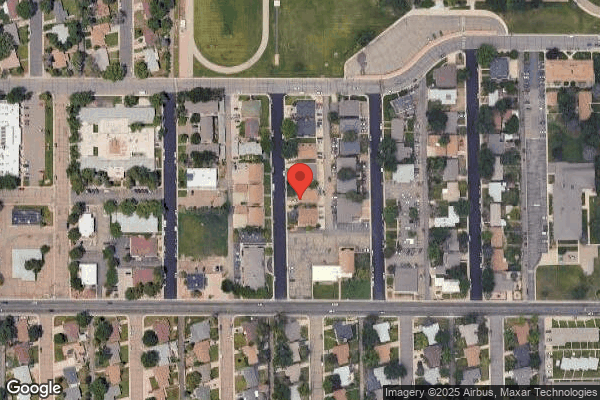
Understanding Severity Codes (click to expand)
Life-Threatening (Immediate Jeopardy)
J - Isolated K - Pattern L - Widespread
Actual Harm
G - Isolated H - Pattern I - Widespread
Potential for Harm
D - Isolated E - Pattern F - Widespread
No Harm (Minor)
A - Isolated B - Pattern C - Widespread

Questions to Ask on Your Visit

  • "Why is there high staff turnover? How do you retain staff?"
  • "Can I speak with families of current residents?"
  • "What's your RN coverage like on weekends and overnight?"

Our Honest Assessment

Strengths
  • • No fines on record. Clean compliance history, better than most Colorado facilities.
Concerns
  • • 21 deficiencies on record, including 1 serious (caused harm) violation. Ask about corrective actions taken.
  • • 67% turnover. Above average. Higher turnover means staff may not know residents' routines.
Bottom line: Mixed indicators with Trust Score of 60/100. Visit in person and ask pointed questions.

About This Facility

What is Mcintosh Care And Rehabilitation Center's CMS Rating?

CMS assigns MCINTOSH CARE AND REHABILITATION CENTER an overall rating of 4 out of 5 stars, which is considered above average nationally. Within Colorado, this rating places the facility higher than 99% of the state's 100 nursing homes. This rating reflects solid performance across the metrics CMS uses to evaluate nursing home quality.

How is Mcintosh Care And Rehabilitation Center Staffed?

CMS rates MCINTOSH CARE AND REHABILITATION CENTER's staffing level at 2 out of 5 stars, which is below average compared to other nursing homes. Staff turnover is 67%, which is 21 percentage points above the Colorado average of 46%. High turnover can affect care consistency as new staff learn residents' individual needs. RN turnover specifically is 73%, which is notably high. RNs provide skilled clinical oversight, so turnover in this role can affect medical care quality.

What Have Inspectors Found at Mcintosh Care And Rehabilitation Center?

State health inspectors documented 21 deficiencies at MCINTOSH CARE AND REHABILITATION CENTER during 2021 to 2024. These included: 1 that caused actual resident harm, 19 with potential for harm, and 1 minor or isolated issues. Deficiencies causing actual harm indicate documented cases where residents experienced negative health consequences.

Who Owns and Operates Mcintosh Care And Rehabilitation Center?

MCINTOSH CARE AND REHABILITATION CENTER is owned by a for-profit company. For-profit facilities operate as businesses with obligations to shareholders or private owners. The facility is operated by THE ENSIGN GROUP, a chain that manages multiple nursing homes. With 110 certified beds and approximately 75 residents (about 68% occupancy), it is a mid-sized facility located in LONGMONT, Colorado.

How Does Mcintosh Care And Rehabilitation Center Compare to Other Colorado Nursing Homes?

Compared to the 100 nursing homes in Colorado, MCINTOSH CARE AND REHABILITATION CENTER's overall rating (4 stars) is above the state average of 3.1, staff turnover (67%) is significantly higher than the state average of 46%, and health inspection rating (4 stars) is above the national benchmark.

What Should Families Ask When Visiting Mcintosh Care And Rehabilitation Center?

Based on this facility's data, families visiting should ask: "How do you ensure continuity of care given staff turnover, and what is your staff retention strategy?" "Can you walk me through typical staffing levels on day, evening, and night shifts?" "Can I visit during a mealtime to observe dining assistance and food quality?" "How do you handle medical emergencies, and what is your hospital transfer rate?" These questions are particularly relevant given the facility's high staff turnover rate and the below-average staffing rating.

Is Mcintosh Care And Rehabilitation Center Safe?

Based on CMS inspection data, MCINTOSH CARE AND REHABILITATION CENTER has a clean safety record: no substantiated abuse findings (meaning no confirmed cases of resident harm), no Immediate Jeopardy citations (the most serious violation level indicating risk of serious injury or death), and is not on the Special Focus Facility watch list (a federal program monitoring the lowest-performing 1% of nursing homes). The facility has a 4-star overall rating and ranks #1 of 100 nursing homes in Colorado. While no facility is perfect, families should still ask about staff-to-resident ratios and recent inspection results during their visit.

Do Nurses at Mcintosh Care And Rehabilitation Center Stick Around?

Staff turnover at MCINTOSH CARE AND REHABILITATION CENTER is high. At 67%, the facility is 21 percentage points above the Colorado average of 46%. Registered Nurse turnover is particularly concerning at 73%. RNs handle complex medical decisions and coordinate care — frequent RN changes can directly impact care quality. High turnover means new staff may not know residents' individual needs, medications, or preferences. It can also be disorienting for residents, especially those with dementia who rely on familiar faces. Families should ask: What is causing the turnover? What retention programs are in place? How do you ensure care continuity during staff transitions?

Was Mcintosh Care And Rehabilitation Center Ever Fined?

MCINTOSH CARE AND REHABILITATION CENTER has no federal fines on record. CMS issues fines when nursing homes fail to meet care standards or don't correct problems found during inspections. The absence of fines suggests the facility has either maintained compliance or corrected any issues before penalties were assessed. This is a positive indicator, though families should still review recent inspection reports for the full picture.

Is Mcintosh Care And Rehabilitation Center on Any Federal Watch List?

MCINTOSH CARE AND REHABILITATION CENTER is not on any federal watch list. The most significant is the Special Focus Facility (SFF) program, which identifies the bottom 1% of nursing homes nationally based on persistent, serious quality problems. Not being on this list means the facility has avoided the pattern of deficiencies that triggers enhanced federal oversight. This is a positive indicator, though families should still review the facility's inspection history directly.