LAKESHORE POST ACUTE AND REHABILITATION CENTER
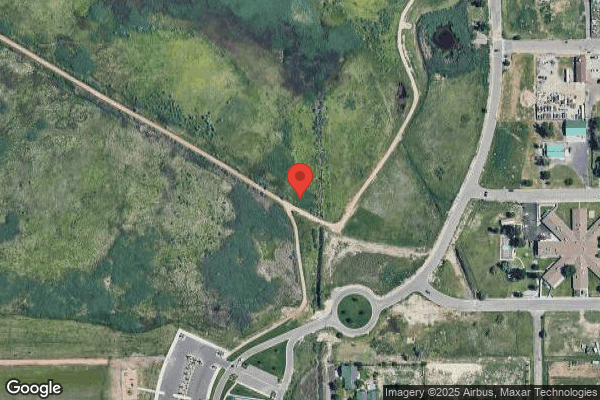

2701 CALIFORNIA ST, PUEBLO, CO 81004 (719) 561-1300
For profit - Limited Liability company 106 Beds THE ENSIGN GROUP Data: November 2025
Trust Grade
48/100
#109 of 208 in CO
Last Inspection: October 2023

Over 2 years since last inspection. Current conditions may differ from available data.

Overview

Lakeshore Post Acute and Rehabilitation Center received a Trust Grade of D, indicating it is below average and has some concerning issues. It ranks #109 out of 208 facilities in Colorado, placing it in the bottom half, and #5 out of 9 in Pueblo County, meaning only four local options are worse. The facility’s trend is improving, with a significant drop in reported issues from 18 in 2023 to just 2 in 2025. Staffing is rated average, with a turnover rate of 46%, slightly below the state average, and they have more registered nurse coverage than 84% of Colorado facilities, which is a strength as RNs can catch problems that other staff might miss. However, families should be aware of specific incidents, including failures to follow physician orders for residents with severe pressure ulcers and concerns about food safety practices in the kitchen, such as improper food storage and temperature control. While the facility has strengths, particularly in staffing and a decreasing number of issues, the serious findings raise important concerns for potential residents and their families.

Trust Score
D
48/100
In Colorado
#109/208
Bottom 48%
Safety Record
Moderate
Needs review
Inspections
Getting Better
18 → 2 violations
Staff Stability
⚠ Watch
46% turnover. Above average. Higher turnover means staff may not know residents' routines.
Penalties
✓ Good
$18,769 in fines. Lower than most Colorado facilities. Relatively clean record.
Skilled Nurses
✓ Good
Each resident gets 55 minutes of Registered Nurse (RN) attention daily — more than average for Colorado. RNs are trained to catch health problems early.
Violations
⚠ Watch
27 deficiencies on record. Higher than average. Multiple issues found across inspections.
★★★☆☆
3.0
Overall Rating
★★★☆☆
3.0
Staff Levels
★★★★★
5.0
Care Quality
★★☆☆☆
2.0
Inspection Score
Stable
2023: 18 issues
2025: 2 issues

The Good

  • 5-Star Quality Measures · Strong clinical quality outcomes
  • Full Sprinkler Coverage · Fire safety systems throughout facility
  • No fines on record

Facility shows strength in quality measures, fire safety.

The Bad

3-Star Overall Rating

Near Colorado average (3.1)

Meets federal standards, typical of most facilities

Staff Turnover: 46%

Near Colorado avg (46%)

Higher turnover may affect care consistency

Federal Fines: $18,769

Below median ($33,413)

Minor penalties assessed

Chain: THE ENSIGN GROUP

Part of a multi-facility chain

Ask about local staffing decisions and management

The Ugly 27 deficiencies on record

2 actual harm
Feb 2025 2 deficiencies
CONCERN (E) 📢 Someone Reported This

A family member, employee, or ombudsman was alarmed enough to file a formal complaint

Potential for Harm - no one hurt, but risky conditions existed

Deficiency F0655 (Tag F0655)

Could have caused harm · This affected multiple residents

**NOTE- TERMS IN BRACKETS HAVE BEEN EDITED TO PROTECT CONFIDENTIALITY** Based on record review and interviews the facility failed to develop and implement a baseline care plan that included the instru...

Read full inspector narrative →
**NOTE- TERMS IN BRACKETS HAVE BEEN EDITED TO PROTECT CONFIDENTIALITY** Based on record review and interviews the facility failed to develop and implement a baseline care plan that included the instructions needed to provide effective and person-centered care for three (#3, #11 and #14) of four residents reviewed for baseline care plans out of 22 sample residents. Specifically, the facility failed to ensure pertinent medical information was included on Resident #3, Resident #11 and Resident #14's baseline care plans within 48 hours of admission. Findings include: I. Facility policy and procedure The Comprehensive Person-Centered Care Planning, revised January 2022, was received from the nursing home administrator (NHA) on 2/26/25 at 5:08 p.m. It read in pertinent part, The interdisciplinary team (IDT) will develop and implement a baseline care plan for each resident, within 48 hours of admission, that includes minimum healthcare information necessary to properly care for each resident and instructions needed to provide effective and person-centered care that meet professional standards of quality care. The baseline care plan will include minimum healthcare information necessary to properly care for a resident including, but not limited to: physician orders, dietary orders, social services and PASRR recommendations. II. Resident #3 A. Resident status Resident #3, age less than 65, was admitted on [DATE]. According to the February 2025 computerized physician orders (CPO), diagnoses included encephalopathy (brain disorder), schizoaffective disorder bipolar type (mental illness that causes unusual shifts in a person's mood and behavior), borderline personality disorder and violent behavior. The 1/9/25 minimum data set (MDS) assessment revealed the resident was cognitively intact with a brief interview for mental status (BIMS) score of 15 out of 15. B. Record review Review of Resident #3's electronic medical record (EMR) revealed the resident was admitted with a pre-admission screening and resident review (PASRR) Level II evaluation, dated 12/17/24. The PASRR Level II findings revealed the resident had diagnoses of schizophrenia and bipolar I disorder with psychotic features. Pertinent information included Resident #3 experienced auditory and visual hallucinations, impulsive behavior, irrational thought content with aggressive behavior (yelling, cussing, throwing medication and food) in the hospital and at her previous assisted living facility (ALF). Specialized services required included psychiatry case consultation, case management, behavior management/therapy and neurocognitive evaluation. -Review of the baseline care plan, dated 12/27/24, did not include the level II PASRR findings or the specialized services that were required. III. Resident #11 A. Resident status Resident #11, age less than 65, was admitted [DATE]. According to the February 2025 CPO, diagnoses included metabolic encephalopathy, end stage renal failure, major depressive disorder and generalized anxiety. The 1/7/25 MDS assessment revealed the resident was cognitively intact with a BIMS score of 15 out of 15. B. Record review The discharging hospital's transition report, dated 1/31/25, revealed the resident was on a end-stage renal diet and was receiving hemodialysis (medical procedure that filters waste out of the blood). The report indicated to limit the resident's sodium, potassium and phosphorus intake.It also indicated the resident was on a 1200 milliliter (mL) daily fluid restriction, and was receiving oxygen 3 liters per minute (LPM) by nasal cannula. Review of Resident #11's EMR revealed the resident was admitted with a PASRR Level II evaluation, dated 1/29/25. The PASRR indicated the resident had diagnoses of major depressive disorder, unspecified bipolar and generalized anxiety disorder. The recommendations included, in pertinent parts, psychiatric consultations to evaluate her medications and to rule out bipolar diagnosis and continued individual therapy. Specialized services required included psychiatry case consultation and individual therapy. -Review of the baseline care plan, dated 2/1/25, did not specify the resident was prescribed an end-stage renal diet, fluid restriction, or oxygen. The baseline care plan did not indicate the resident was receiving hemodialysis and did not include PASRR findings or requirements. IV. Resident #14 A. Resident status Resident #14, age [AGE], was admitted on [DATE] and readmitted on [DATE]. According to the February 2025 CPO, the diagnoses included sepsis (infection of the blood), type 2 diabetes, depression and generalized anxiety. The 1/28/25 MDS assessment revealed the resident was cognitively intact with a BIMS score of 14 out of 15. B. Record review The discharging hospital's transition report, dated 1/27/25, revealed in pertinent part, that the resident was prescribed a diabetic diet and oxygen at 2 LPM by nasal cannula. The report indicated the resident had diagnoses of depression and generalized anxiety disorder. -Review of the baseline care plan, dated 1/27/25, did not include the resident's need for a diabetic diet, or the resident's oxygen use. V. Staff interviews Licensed practical nurse (LPN) #1 was interviewed on 2/26/25 at 2:35 p.m. LPN #1 said when a new resident was admitted to the facility, the staff looked through the admission paperwork, CPOs and miscellaneous information to find the information on how to care for the resident. She said the admitting nurse initiated the baseline care plan. The NHA, the director of nursing (DON) and the social services corporate consultant (SSCC) were interviewed together on 2/26/25 at 4:40 p.m. The DON stated the baseline care plan needed to be completed within 48 hours of admission with the pertinent information to be able to provide appropriate care. The DON said the admitting nurse initiated the baseline care plan. The DON and the SSCC said the baseline care plans needed to include specific information such as diet specifications and PASRR information.
CONCERN (E) 📢 Someone Reported This

A family member, employee, or ombudsman was alarmed enough to file a formal complaint

Potential for Harm - no one hurt, but risky conditions existed

Deficiency F0679 (Tag F0679)

Could have caused harm · This affected multiple residents

**NOTE- TERMS IN BRACKETS HAVE BEEN EDITED TO PROTECT CONFIDENTIALITY** Based on observations, record review and staff interviews, the facility failed to provide an ongoing program to support resident...

Read full inspector narrative →
**NOTE- TERMS IN BRACKETS HAVE BEEN EDITED TO PROTECT CONFIDENTIALITY** Based on observations, record review and staff interviews, the facility failed to provide an ongoing program to support residents in their choice activities, designed to meet the interests of and support the physical, mental, and psychosocial well-being of each resident, encouraging both independence and interaction in the community for three (#10, #6, and #4) of three residents reviewed for activities programming out of 22 sample residents. Specifically, the facility failed to offer and provide personalized activity programs for Resident #10, #6 and #4. Findings include: I. Activity calendar The February 2025 activity calendar for the week of 2/23/25 through 2/28/25 revealed there were seven to eight activities scheduled per day. The activity calendar had mind-stimulating activities scheduled on four of seven days for the week (2/23/25, 2/24/25, 2/25/25 and 2/26/25) in the form of Bingo. There was only one activity scheduled for the week for non-social dementia residents in the form of Puppy Friday (2/28/25). II. Resident #10 A. Resident status Resident #10, age [AGE], was admitted on [DATE]. According to the February 2025 computerized physician orders (CPO), diagnoses included Alzheimer's disease and dementia. The 2/14/25 minimum data set (MDS) assessment revealed the resident had severe cognitive impairments. Per staff assessment, the resident had both short-term and long-term memory problems, the resident's cognitive skills for daily decision-making were severely impaired and the resident exhibited inattention. The resident required extensive assistance from one staff member for activities of daily living (ADL). The 9/16/24 MDS assessment revealed it was very important for the resident to be around animals, music, keep up on the news, attend religious services and go outside for fresh air. B. Observations During a continuous observation of the resident in the activities room on 2/25/25, beginning at 10:45 a.m. and ending at 11:44 a.m., the following was observed: At 10:45 a.m. the resident was sitting in her wheelchair but was not participating in the arts and crafts activity. The activity staff did not engage with her or encourage her to take part in any activity. At 11:09 a.m. the activity director (AD) asked Resident #10 if she wanted hot cocoa. At 11:10 a.m. the AD moved the resident to a nearby table. At 11:13 a.m. the AD brought Resident #10 a cup of hot cocoa with a straw and asked her if she wanted to drink, as the resident required hands-on assistance. The AD held the cup and guided the straw to the resident's mouth and she took a sip. At 11:16 a.m. the AD asked the resident if she wanted her nails painted pink. However, after asking the resident the question, the AD did not paint the resident's nails. At 11:40 a.m. an unidentified staff member assisted Resident #10 from the activity room to the community room for lunch. On 2/25/25 at 1:25 p.m. Resident #10 was in the common area at the end of hallway F, watching television (TV). At 1:34 p.m. an unidentified staff member assisted the resident to the activities room where she sat idle with no participation in any activities. At 2:03 p.m. Resident #10 was again in the common area and had no meaningful activity provided. The resident was staring downward. On 2/26/25 at 10:00 a.m. residents from around the facility were gathered in the activity room for the scheduled Catholic communion service. At 10:05 a.m. Resident #10 was sitting in the common area. The TV was on, however, there were no active meaningful activities provided to the resident. -The Catholic communion service concluded at approximately 10:25 a.m. -The facility failed to ensure Resident #10, whose religion had been identified as being very important to her, was assisted to the Catholic communion service. At 10:32 a.m. the resident was assisted to the activity room by an unidentified certified nurse aide (CNA). The unidentified CNA backed Resident #10 up against the wall near the door in the activity room and left. The resident sat alone while others were at nearby tables coloring. C. Resident #10's representative interview Resident #10's representative was interviewed on 2/26/25 at 10:06 a.m. The representative said staff tended to put Resident #10 down for a nap, rather than engaging her in activities. The representative said Resident #10 enjoyed listening to music and being part of a group. The representative said when she visited the facility, she had observed Resident #10 sitting in the common area at the end of Hall F, watching TV. The representative said the facility could encourage Resident #10 to participate in more activities. D. Record review Review of Resident #10's activity care plan, revised on 2/6/25, identified the resident's activity preferences included enjoying snacks between meals, eating sweets such as ice cream, listening to music, especially oldies and Mexican music, animals and participating in group activities, such as community parties, music performances, movies, puppy visits, going outside for fresh air, food socials and spending time with family and friends. The care plan documented that the resident was passive and required assistance during all group activities. Pertinent interventions included all staff conversing with the resident while providing care, assisting her with ADLs as needed during activities, encouraging ongoing family involvement, inviting family to attend special events, engaging her in group activities such as food socials, music performances, and crafts, playing oldies on her Bluetooth speaker, providing an activities calendar and notifying her of any calendar changes. The February 2025 activity participation documentation received from the AD on 2/26/25 documented Resident #10 was active with the independent activity of watching TV daily. The social activity section of the participation records was also marked as TV daily from 2/11/25 to 2/26/25. The record documented the resident attended group activities less than daily. The activity participation records documented Resident #10 had not attended any of the creative activities. Further review of Resident #10's activity participation records revealed the resident was offered a one-on-one activity daily from 2/11/25 to 2/26/25 for an unknown amount of time. -The resident was documented as receiving one-on-one activity visits daily, however, the one-on-one activity visits consisted of the activity staff meeting with the resident daily to bring the daily activities calendar, pages to color and, if able, bringing the resident beads to make bracelets (see AD interview below). The activity participation record for 2/26/25 for spiritual activities such as church services, documented Resident #10 attended a spiritual activity on 2/26/25. -However, the church service was over by the time staff brought the resident to the service (see observations above). III. Resident #6 A. Resident status Resident #6, age greater than 65, was admitted on [DATE]. According to the February 2025 CPO, diagnoses included cognitive communication deficit, unspecified dementia, psychotic disturbance, and mood disturbance. The resident required step-by-step instructions as needed, a consistent routine, and structured activities to support cognitive function and maximize involvement in daily decision-making. The 12/20/24 minimum data set (MDS) assessment revealed the resident had intact cognition with a BIMS score of 15 out of 15. The 10/3/24 MDS assessment revealed it was very important for the resident to keep up with the news, go outside and somewhat important to have music, to be around groups of people and to do activities of choice. B. Observations On 2/25/25 at 10:05 a.m. Resident #6 was sitting in the lounge in a recliner. The TV was on but there was no meaningful activity going on in the lounge area. On 2/25/25 at 1:25 p.m. Resident #6 was transferred to her recliner in the common area at the end of hallway F and was given a cookie. On 2/25/25 at 2:22 p.m. Resident #6 was sitting in her recliner in the common area, sleeping, with the TV on. On 2/26/25 at 9:17 a.m. Resident #6 was sleeping in a recliner in the common area at the end of hallway F. On 2/26/25 at 1:22 p.m. the resident was in the common area, watching T.V. On 2/26/25 at 2:13 p.m. Resident #6 was sleeping in her recliner in the common area while other residents participated in a bingo activity. C. Resident #6's representative interview Resident #6's representative was interviewed on 2/26/25 at 10:20 a.m. The representative said Resident #6 enjoyed activities, such as bingo and cornhole. He said the facility could better accommodate her by slowing down the pace of calling numbers during bingo to make it easier for her to follow along, as her vision was not great. He said Resident #6 enjoyed activities, participating in them and being part of a group. D. Record review Review of Resident #6's activity care plan, updated 2/26/25 (during the survey), identified the resident had impaired cognitive function, thought processes, and decision-making due to dementia and outlined goals to support her lifelong interests, including family visits, phone calls, holiday parties, coffee, bingo and shopping. Interventions included providing individual activities to the resident, necessary activity supplies, daily social contact and respecting the resident's right to refuse group activities. The February 2025 participation documentation received from the AD on 2/26/25 revealed Resident #6 was active with the independent activity of watching TV daily. Resident #6 was documented as receiving one-on-one activity visits daily, however, the one-on-one activity visits consisted of the activity staff meeting with the resident daily to bring the daily activities, pages to color and, if able, bringing the resident beads to make bracelets (see AD interview below). IV. Resident #4 A. Resident status Resident #4, age [AGE], was admitted on [DATE]. According to the February 2025 CPO, diagnoses included schizophrenia. The 12/23/24 MDS assessment revealed the resident had severe cognitive impairments with a BIMS score of zero out of 15. The resident required extensive assistance with ADLs. The 7/25/24 MDS assessment revealed it was very important for Resident #4 to do activities she liked, go outside to get fresh air and somewhat important to have books to read and listen to music. The assessment indicated it was not very important for the resident to be around animals, such as pets. B. Observations On 2/25/25, the following observations were made: At 10:00 a.m Resident #4 was sitting in the common lounge in front of the television (TV). She was not paying attention to the TV. Staff did not interact with her. At 10:30 a.m., the resident continued to sit in her wheelchair in the common area lounge. The TV continued to be on, however, Resident #4 was not watching it. At 2:00 p.m Resident #4 continued to sit in the common area lounge in front of the TV. There were no meaningful activities provided to the resident and staff did not interact with her. At 3:36 p.m. the resident was in bed and awake. There was no music playing in her room and no touch stimulation or books in her bed. At 3:57 p.m Resident #4 was sitting in the common area lounge again. There were no meaningful activities provided to the resident. On 2/26/25 at 3:30 p.m. Resident #4 was sitting in the common area lounge. The TV was on, however, the resident was not watching it. The AD asked the resident if she wanted to go to an activity and the resident said no. -The AD did not provide further encouragement to the resident to attend the activity and did not offer the resident a meaningful activity to do instead. -The AD did not offer hot chocolate or coke to the resident, which the resident enjoyed, to encourage the resident to attend the activity (see AD interview below). C. Resident representative interview Resident #4's representative was interviewed on 2/26/25 at 2:18 p.m. The representative said Resident #4's social activity levels had decreased through the years. She said the facility informed her that Resident #4 was put on a one-on-one activity program. She said she was not aware that the resident was no longer on the one-on-one activity program. She said Resident #4 liked to listen to music, however, she said she got overstimulated easily. The representative said Resident #4 liked to fidget with her hands and enjoyed the teddy bears she used to receive from staff. D. Record review Review of Resident #4's activity care plan, updated 10/4/24, revealed the resident said she only wanted to be in her room and left alone and not bothered and staff would provide independent leisure activities upon request. Pertinent interventions included providing one-on-one activities, staff would respect her right to limit or decline activities, inviting the resident to scheduled activities so she knew she was welcome to join organized group activities and activities staff would provide independent leisure activities upon request. -The care plan documented the Resident #4 would refuse to attend activities, however, there were no special instructions on how to invite the resident to activities. Review of Resident #4's electronic medical record (EMR) revealed the following progress notes related to activities: The 10/4/24 progress note documented a puppy activity was completed. -However, the 7/25/24 MDS assessment revealed it was not very important for the resident to be around animals (see resident status above). The 11/8/24 progress note revealed Resident #4 refused a one-on-one activity visit. The progress note further documented the resident liked coffee socials and music. There was no documentation of the resident enjoying music in the note. -There were no further progress notes documented in Resident #4's EMR to indicate one-on-one activity visits were offered to the resident following the resident's refusal of the one-on-one activity visit on 11/8/24. -Review of the resident's EMR did not reveal documentation to indicate Resident #4 was assisted to go outside per her preference. Review of Resident #4's EMR activity participation record for the past 30 days revealed the resident had attended one entertainment activity on 2/24/25. Independent activities were documented on the record, however, the record did not indicate what independent activities Resident #4 participated in. V. Staff interviews The AD was interviewed on 2/26/25 at 3:14 p.m. The AD said she recently became the AD at the facility. She said she previously worked as an activity assistant in another building prior to her current job. The AD said she was currently working on her activity certification. She said the facility had two full-time employees, one part-time employee, and one as needed (PRN) staff member who covered activities seven days a week. The AD said the activities staff offered one-on-one activities three times a week. She said either she or another activity staff member provided the sessions, which could include nail care, listening to music, watching a movie, sitting outside, participating in Puppy Fridays or bird watching, depending on the resident's cognitive awareness. She said residents who scored between eight to 15 on the BIMS assessment could participate in group activities and did not qualify for a one-on-one program. The AD said Resident #10 participated in one-on-one activities because she was unable to communicate verbally. She said activity staff engaged her by tracking her eye movements and if the resident did not attend group activities, the resident was provided with one-on-one activities. She said Resident #10 participated in Puppy Fridays and the resident enjoyed attending Catholic church services. She said if Resident #10 did not attend those activities, she ensured that the resident received one-on-one activity engagement three times a week. The AD said Resident #6 came to the morning coffee, enjoyed holiday parties and puppy parties and participated in activities.She said the resident did not stay in one place and came and went to the activities. She said the facility had Resident #6 participate in activities and took her on daily walks around the facility. The AD said that a box with knitting and crocheting supplies, including a magnifying glass, was in the resident's room for her to use. She said Resident #6 enjoyed bingo, especially with her son. The AD said the resident did not like to participate in activities much. The AD said staff did not wake Resident #6 up to play bingo unless the resident requested it. The AD said the activities staff documented if the resident refused activities. The AD said sitting in the lounge area in front of the TV accounted for independent activity for Resident #4. She said the resident liked to drink coke and hot chocolate. She said the resident would refuse activities, but if she was offered coke or hot chocolate, she would attend. She said Resident #4 used to be on a one-on-one activity program but was taken off the program on 11/13/24 because she was refusing. The AD said she had not reattempted to provide Resident #4 with one-on-one activities since she was taken off the one-on-one activity program. The social services corporate consultant (SSCC) was interviewed on 2/26/25 at 3:40 p.m. The SSCC said all residents should be invited to attend the activities. She said she had informed the activity staff that each resident needed to be charted on each day with each activity. She said when a resident refused activities, they should be re-approached in a different way, such as offering hot chocolate to Resident #4, in order to encourage them to attend.
Oct 2023 14 deficiencies
CONCERN (D)

Potential for Harm - no one hurt, but risky conditions existed

Free from Abuse/Neglect (Tag F0600)

Could have caused harm · This affected 1 resident

**NOTE- TERMS IN BRACKETS HAVE BEEN EDITED TO PROTECT CONFIDENTIALITY** Based on interviews and record review, the facility failed to ensure two (#31 and #55) out of four residents reviewed for abuse ...

Read full inspector narrative →
**NOTE- TERMS IN BRACKETS HAVE BEEN EDITED TO PROTECT CONFIDENTIALITY** Based on interviews and record review, the facility failed to ensure two (#31 and #55) out of four residents reviewed for abuse were kept free from abuse out of 32 sample residents. Specifically, the facility failed to: -Prevent a resident-to-resident altercations between Resident #58 and #55; and. -Prevent a resident-to-resident altercation between Resident #58 and #31. Findings include: I. Facility policy and procedure The Abuse policy, dated 5/3/23, was provided by the director of nursing (DON) on 10/23/23 at 4:28 p.m., included in part, Abuse is defined as the willful infliction of injury, unreasonable confinement, intimidation, or punishment with resulting physical harm, pain, mental anguish, deprivation of goods or services that are necessary to attain or maintain physical, mental, or psychosocial well-being. Willful means the individual must have acted deliberately, not that the individual must have intended to inflict injury or harm. II. Resident #58 A. Resident status Resident #58, age [AGE], was admitted on [DATE]. According to the October 2023 computerized physicians orders (CPO), diagnoses included dementia, cognitive deficit and muscle weakness. The 7/28/23 minimum data set (MDS) assessment revealed the resident's cognitive status was severely impaired with a brief interview for mental status (BIMS) score of one out of 15. No behaviors were identified on the assessment. B. Record review The care plan, dated 7/31/23 and revised on 8/21/23, identified aggressive behaviors that appear to be unprovoked. Interventions included: -Monitor for signs and symptoms of aggression. -One-to-one for safety. -The care plan did not include interventions for Resident #58 when she would become aggressive (cross-reference F744 for dementia care). A progress note from Resident #31's record dated 7/17/23 at 5:00 p.m. included, The aide informed this writer at 4:50 p.m. that Resident #58 smacked Resident #31 on their head. Aide stated that she was assisting another resident with dinner when she heard Resident #31 yell, 'Leave me alone.' When aide went to see what was wrong, Resident #58 was standing near Resident #31 who was sitting in her wheelchair next to the dining room door in the hall. Resident #31 was holding her head. Another resident's family member who was sitting with her mom at a table next to the dining room door told the aide that Resident #58 was attempting to push Resident #31 in her wheelchair and when Resident #31 did not allow her to do so, Resident #58 smacked Resident #31 in the head. A progress note dated 7/31/23 at 2:30 p.m. included, Resident #55 was getting up from (the) sofa and Resident #58 was coming into the common area/television area. Resident #58 slapped Resident #55 in the face, and hit her again in the head. The CNA (certified nurse aide) got between the two residents so Resident #58 would not hit again, Resident #55 was redirected to her room. The aide told Resident #58 to sit down on the couch. III. Resident #55 A. Resident status Resident #55, age [AGE], was admitted on [DATE]. According to the October 2023 CPO, diagnoses included Alzheimer's disease and dementia. The 10/5/23 minimum data set (MDS) assessment revealed the resident's cognitive status was severely impaired with a brief interview for mental status (BIMS) score of one out of 15. The assessment identified verbal behaviors towards others and other behavioral symptoms toward others. IV. Resident #31 A. Resident status Resident #31, age over 65, was admitted on [DATE] and readmitted [DATE]. According to the October 2023 CPO, diagnoses included neurocognitive disorder and psychosis. The 10/4/23 minimum data set (MDS) assessment revealed the resident's cognitive status was severely impaired with a brief interview for mental status (BIMS) score of two out of 15. No behaviors were identified on the assessment. V. Altercation on 7/17/23 A. Investigation Resident #58 was attempting to push Resident #31 down the hallway in her wheelchair. Resident #31 was telling Resident #58 to stop and Resident #58 slapped Resident #31 in the head. The residents were immediately separated and Resident #58 was placed on a one-to-one monitoring until she went to bed. The altercation was witnessed by a visitor. Resident #31 did not have noted injuries. The facility substantiated the assault. VI. Altercation on 7/31/23 A. Investigation Resident #55 had just gotten up from the couch when Resident #58 walked into the television room, passing each other when Resident #58 started hitting Resident #55 in the face and right arm. Resident #55 did not have noted injuries. The facility substantiated the assault. VII. Interview The nursing home administrator (NHA) was interviewed on 10/26/23 at 12:00 p.m. She said she was the abuse coordinator. She said the facility was every resident's home and they have the right to live and not be afraid and not be harmed by anyone. She said the facility had implemented the one-to-one staff supervision originally on 7/17/23 and discontinued it on 7/31/23 and within 15 minutes the second altercation had happened. She said the facility had implemented one-to-one staff supervision again after the second altercation which had been effective since the 7/31/23 altercation. She said since then there have not been any altercations since the one-to-one staff supervision.
CONCERN (D)

Potential for Harm - no one hurt, but risky conditions existed

Deficiency F0604 (Tag F0604)

Could have caused harm · This affected 1 resident

**NOTE- TERMS IN BRACKETS HAVE BEEN EDITED TO PROTECT CONFIDENTIALITY** III. Resident #11 A. Resident status Resident #11, age [AGE], was admitted on [DATE]. According to the October 2023 computerized...

Read full inspector narrative →
**NOTE- TERMS IN BRACKETS HAVE BEEN EDITED TO PROTECT CONFIDENTIALITY** III. Resident #11 A. Resident status Resident #11, age [AGE], was admitted on [DATE]. According to the October 2023 computerized physician orders (CPO), diagnoses included bipolar, schizoaffective, catatonic disorder and chronic obstructive pulmonary disease. According to the 10/5/23 minimum data set (MDS) assessment, the resident had severe cognitive impairment with a brief interview for mental status (BIMS) score of three out of 15. The resident had verbal behaviors directed toward others. She required extensive assistance for bed mobility, transfers, grooming and toilet use. The restraint assessment did not document use of a lap buddy. B. Observation Resident #11 was sitting in the common area on 10/24/23 at 8:50 a.m. Resident #11 was leaning forward with her arms extended to the floor and her upper torso was lying on the lap buddy. The resident's feet were behind the double footrest on her wheelchair. Resident #11 was sitting in her wheelchair in the common area on 10/25/23 at 12:40 p.m. Resident #11 was trying to lift her left leg back over the double footrest. Resident #11 was having difficulty moving her foot back in front of the double foot support on her wheelchair. C. Record review The care plan, initiated 4/26/23 and revised 10/5/23, identified the resident had a history of falls related to poor balance, poor safety awareness. She often removes lap buddy and attempts to self-ambulate. She will often scoot on her bottom in her room. She has a soft helmet for safety that she wears intermittently. She will often lower herself to the floor related to the history of sitting on the floor per her culture norms. Interventions include a fall mat placed next to bed. Check cushion and lap buddy for proper placement. Floor of the room was padded with foam squares for safety while moving about when not in a wheelchair. Hipsters at all times to reduce risk for major injuries as resident tolerates. Mattress on floor for safety. -The resident did not have a physician's order for the lap buddy. -An evaluation/assessment, interdisciplinary notes and risk-benefit statement were requested during the survey. They were not provided at time of exit on 10/26/23. -In addition, there was no evaluation/assessment of the footrest that could inhibited her movement (see observations above). D. Staff interviews CNA #2 was interviewed on 10/24/23 at 12:55 p.m. CNA #2 said the resident had a lap buddy as the resident would lean forward in her wheelchair because of lack of core support. Licensed practical nurse (LPN) #2 was interviewed on 10/25/23 at 11:31 a.m. She said the resident had a history of falls. She said the lap buddy was to keep the resident in her wheelchair and from falling forward. She said she did not know if the resident could take the lap buddy off on her own. IV. Administrative interview The DON was interviewed on 10/25/23 at 4:35 p.m. She said a restraint was a device that confined a resident or did not allow them to move freely. She said all restraints needed to have a consent and an order. The resident should have an assessment, should be updated and reviewed by the interdisciplinary team. Based on observations, record review and interviews, the facility failed to ensure residents were free from physical restraints imposed for purposes of convenience, and the least restrictive alternatives were used for two (#52 and #11) of three residents reviewed for restraints out of 32 sample residents. Specifically, the facility failed to: -Obtain a physician's order for a lap buddy for Resident #52 and #11; -Obtain consent before the use of a lap buddy for Resident #52 and #11; and, -Evaluate the ongoing use of a lap buddy for Resident #52 and #11. Findings include: I. Facility policy and procedure The Restraint Free Environment policy, implemented 12/1/22, was provided by the director of nursing (DON) on 10/25/23 at 3:10 p.m. included: Policy: It is the policy of this facility that each resident shall attain and maintain his/her highest practicable well-being in an environment that prohibits the use of restraints for discipline or convenience and limits restraint use to circumstances in which the resident has medical symptoms that warrant the use of restraints. Policy: It is the policy of this facility that each resident shall attain and maintain his/her highest practicable well-being in an environment that prohibits the use of restraints for discipline or convenience and limits restraint use to circumstances in which the resident has medical symptoms that warrant the use of restraints. Using devices in conjunction with a chair, such as trays, tables, cushions, bars or belts, that the resident cannot remove and prevents the resident from rising. A physician's order alone is not sufficient to warrant the use of a physical restraint. The facility is responsible for the appropriateness of the determination to use a restraint. Before a resident is restrained, the facility will determine the presence of a specific medical symptom that would require the use of restraints, and determine: -How the use of restraints would treat the medical symptom. -The length of time the restraint is anticipated to be used to treat the medical symptom, who may apply the restraint, and the time and frequency that the restraint will be released. -The type of direct monitoring and supervision that will be provided during use of the restraint. -How the resident will request staff assistance and how his/her needs will be met while the restraint is in place. -How to assist the resident in attaining or maintaining his or her highest practicable level of physical and psychosocial well-being. II. Resident #52 A. Resident status Resident #52, age over 65, was admitted on [DATE]. According to the October 2023 computerized physicians orders (CPO), diagnoses included degeneration of the brain, dementia and abnormalities of gait. The 8/6/23 minimum data set (MDS) assessment revealed the resident's cognitive status was severely impaired and unable to complete a brief interview for mental status (BIMS). The assessment identified the resident had two or more falls during the look back period. No restraints were identified in the assessment. B. Observations A lap buddy can be used as a positioning device when the resident is unable to maintain upright position in the chair and is used to provide trunk and upper arm/body support for wheelchair mobility or self-feeding. It can be used as a restraint to prevent a resident from rising from the wheelchair. Resident #52 was in the television room on 10/23/23 at 3:00 p.m. with a lap buddy on. Resident #52 was in the dining room on 10/24/23 at 10:40 a.m. with a lap buddy on. Resident #52 was in the television room on 10/25/23 at 11:00 a.m. with a lap buddy on. C. Record review The care plan, initiated on 4/28/2020 and revised 8/1/23, included a history of falls. Interventions included, lap buddy to wheelchair, check function and placement every shift. Resident able to remove independently. -The October 2023 CPO did not include an order for the lap buddy. -There was evidence of the facility checking function and placement of the lap buddy every shift. -The resident did not have a signed consent to review the risks of the lap buddy. The 7/24/23 quarterly device evaluation identified Resident #52 had a lap buddy positioning device for the medical reasons of cognitive impairment, behavior and mobility impairment. The evaluation documented there had not been a risk versus benefits reviewed with the resident or the responsible party. -The evaluation did not review whether the resident could remove it or not. The lap buddy was not reviewed with resident/responsible party to review the risks of it restricting the resident's movement. D. Staff interviews Certified nurse aide (CNA) #7 was interviewed 10/25/23 at 12:40 p.m. She said Resident #52 needed a lap buddy because Resident #52 had a history of falling. She said she did not know if Resident #52 could remove the lap buddy on her own. Registered nurse (RN) #1 was interviewed on 10/25/23 at 12:45 p.m. She said she could not locate a physician's order for the lap buddy in the October 2023 CPO. She said Resident #52 was a fall risk and the lap buddy was in place to help prevent falls. She said she did not know if Resident #52 could remove the lap buddy or not. The social services director (SSD) was interviewed on 10/25/23 at 2:30 p.m. She said a restraint was a mechanism that restricted movement. She said Resident #52 had a lap buddy, however, she could not locate a consent or a current order for the lap buddy. She said a lap buddy restricted the movement of Resident #52. The DON was interviewed on 10/25/23 at 4:35 p.m. She said Resident #52 had a history of falling and the lap buddy was in place to help prevent the falls. She said she thought Resident #52 could remove the lap buddy on her own. E. Facility follow-up The facility provided a restraining evaluation dated 10/26/23. The evaluation identified the resident had impaired cognition, was mobility impaired with the use of a wheelchair and had muscle weakness. The evaluation identified the resident would benefit from the use of a restraint or assistive device for positioning in the wheelchair. -The evaluation did not review whether or not the resident could remove the device. It did not document the benefit was reviewed with the responsible party.
CONCERN (D)

Potential for Harm - no one hurt, but risky conditions existed

Report Alleged Abuse (Tag F0609)

Could have caused harm · This affected 1 resident

Based on interviews and record review, the facility failed to report alleged violations of potential abuse administration in accordance with State law involving one resident (#54) of four residents re...

Read full inspector narrative →
Based on interviews and record review, the facility failed to report alleged violations of potential abuse administration in accordance with State law involving one resident (#54) of four residents reviewed for abuse out of 32 sample residents. Specifically, a certified nurse aide failed to report verbal abuse immediately that she witnessed to facility administration by a nurse towards Resident #54. She documented it on a concern form and failed to take further action. Findings include: I. Facility investigation Review of the incident report on 4/30/23 revealed a certified nurse aide (CNA) #10 reported on a concern form that a nurse was verbally abusive toward a resident. 4/29/23 Concern form: (CNA) reported to the RN that the resident did not want to take a shower and (the CNA) asked for help. (The RN) threw the blankets off of him and told him you are getting in the shower. She continued to tell him that he needed to lose weight because he looked pregnant, making fun of him for the way his pants and underwear looked stating that he looked like he was wearing maternity pants. Alleged assailant summary of interview dated 4/30/23 at 10:10 a.m. documented in part: The registered nurse (RN) stated she was told by CNA that the resident wanted a shower and then did not want one. RN reported that she went into the resident's room and asked him to take a shower and he agreed to do so. RN reported that she did not throw his blankets back or throw them on the floor. She did not tell the resident that he looked pregnant or that his pants looked like maternity pants. She stated she did ask the CNA, What was up with his pants, are they small? CNA stated she did not know. Witness interview summary dated 4/30/23 at 10:40 a.m. documented in part: The witness associate (CNA) reported on a concern form that RN was verbally abusive towards a resident on 4/29/23. The associate put a concern form in the nursing home administrator (NHA) mailbox on 4/30/23 and did not report to anyone. Alleged victim interview summary dated 4/30/23 at 10:40 a.m. documented in part: The resident stated everyone treated him well and did not recall someone throwing his blanket down. Witness (CNA) follow-up interview on 4/30/23 revealed she was questioned about the above statement; she reported that she felt like the RN was verbally abusive. She did not know when asked if the resident heard what the RN said. She reported the resident was getting his stuff ready so, I don't know. When asked if she reported this incident to anyone on 4/29/23 she said No, I was busy. The alleged allegation of verbal abuse was unsubstantiated. The resident denied anyone being rude to him or throwing his blankets off or on the floor. No resident or staff had any concerns with any nurse mistreating any resident. Describe interventions that were put into place to prevent reoccurrence documented in part: Review of abuse training with staff, education was provided to the witness (CNA) that reporting was to be done immediately. She voiced understanding. II. Resident interview Resident #54 was interviewed on 10/25/23 at 12:27 p.m. Resident #54 said he had been yelled at by a nurse but when asked to clarify what happened he said, I don't want to get anyone in trouble. III. Staff Interviews CNA #10 was interviewed on 10/25/23 at 1:04 p.m. CNA #10 said she had requested help from the RN to help get the resident to take a shower. She said that was when the RN became verbally abusive with the resident making fun of the way he was dressed. She said Resident #54 wore his pants up to his waist and that was what the comments were about. She said the RN had since left the facility as she received a new job. The nursing home administrator was interviewed on 10/26/23 at 12:00 p.m. She said she was the abuse coordinator. The NHA said the CNA alleged the RN had made some inappropriate comments towards the resident and the facility investigated but no staff heard the RN verbally abuse Resident #54. She said the nurse was suspended pending the investigation. She said staff and other residents in other halls had not heard the nurse speak to the resident in an aggressive manner so the verbal abuse was unsubstantiated. She said the CNA reported it but stated she was not aware if the resident heard the comments.
CONCERN (D)

Potential for Harm - no one hurt, but risky conditions existed

Deficiency F0659 (Tag F0659)

Could have caused harm · This affected 1 resident

**NOTE- TERMS IN BRACKETS HAVE BEEN EDITED TO PROTECT CONFIDENTIALITY** Based on observations, interviews and record review, the facility failed to provide services by qualified persons for one (#71) ...

Read full inspector narrative →
**NOTE- TERMS IN BRACKETS HAVE BEEN EDITED TO PROTECT CONFIDENTIALITY** Based on observations, interviews and record review, the facility failed to provide services by qualified persons for one (#71) out of 32 sample residents. Specifically, the facility failed to ensure Residents #71 was assessed by a registered nurse (RN) following a fall. Findings include: I. Resident status Resident #71, age [AGE], was admitted on [DATE]. According to the October 2023 computerized physician orders (CPO), diagnoses included atrioventricular block, atrial fibrillation, chronic obstructive pulmonary disease (COPD), urinary tract infection and kidney failure. According to the 7/31/22 minimum data set (MDS) assessment, the resident had no cognitive impairment with a brief interview for mental status (BIMS) score of 14 out of 15. The resident had no behavioral symptoms. He required extensive assistance for bed mobility, transfers, grooming and toilet use. The resident had no falls since admission. II. Record review The care plan, initiated 5/4/23 and revised 10/19/23, identified the resident was at risk for falls due to impaired mobility and comorbidities. The resident had actual falls. The resident was impulsive and often chooses not to use call light. When he did use the call light, he was unwilling to wait for staff assistance. Interventions include bariatric bed as resident utilized queen bed at home. Be sure the call light was within reach and encourage the resident to use it for assistance as needed. He needs prompt response to all requests for assistance. Offered to move the room closer to the nurse's station. The 9/3/23 nursing progress notes documented at 11:46 p.m. certified nurse aide (CNA) notified that resident was found on the floor. When this nurse arrived at the incident area, the resident was seen seated on his buttocks. His legs stretched and back leaning to the wall behind the door in a room. Resident verbalized sliding down, refusing to hit his head. The resident verbalizes mild pain to left hip. Resident checked head to toe, no new injuries noted. Vital signs were within baseline, existing bruise to left hip from previous fall. Resident was assisted to bed with a two person assist. The resident was cleaned, dried and situated in bed with the bed at its lowest comfortable position. As needed, medication administered. Resident was responsible to self, director of nursing (DON), physician on call notified. Neurological checks and vital signs checks initiated and ongoing. The nursing progress note was documented by a licensed practical nurse (LPN). A review of the resident's medical record on 10/25/23 did not reveal documentation the resident was assessed by an RN following the fall the resident sustained on 9/3/23. Nursing progress note effective date 9/3/23 at 10:35 p.m. Nursing note created on 10/26/23 at 12:26 p.m. (during the survey) documented in part, this nurse assessed resident after being notified by CNA that resident was found on the floor. Resident noted sitting on the floor in the room. Alert and oriented by three, speech clear. Resident denies injury. The resident was able to move all extremities within normal limits. Vital signs were stable. Neurological checks initiated per facility protocol. III. Staff interviews Licensed practical nurse (LPN) #2 was interviewed on 10/25/23 at 11:31 a.m. She said after a resident fall she would ensure the resident was okay and call out for help. She said after ensuring the resident was okay she would help them stand up, get them to bed, start vitals and start neurological checks in the event they hit their head. The director of nursing (DON) was interviewed on 10/25/23 at 11:26 a.m. The DON said the staff should get the nurse immediately and should not move the resident off the ground without the registered nurse completing a full assessment. She said an LPN was not able to conduct an assessment because it was outside of an LPN's scope of practice. She said the RN must complete the assessment to determine if the resident sustained an injury. She said the RN assessment should be documented in the resident's medical record.
CONCERN (D)

Potential for Harm - no one hurt, but risky conditions existed

Deficiency F0685 (Tag F0685)

Could have caused harm · This affected 1 resident

**NOTE- TERMS IN BRACKETS HAVE BEEN EDITED TO PROTECT CONFIDENTIALITY** Based on observations, record review and interviews the facility failed to provide hearing assistive devices to residents for on...

Read full inspector narrative →
**NOTE- TERMS IN BRACKETS HAVE BEEN EDITED TO PROTECT CONFIDENTIALITY** Based on observations, record review and interviews the facility failed to provide hearing assistive devices to residents for one (#22) of three residents reviewed for hearing devices out of 32 sample residents. Specifically, the facility failed to ensure the availability and education with staff on the use of hearing aides as ordered for Resident #22. Findings include: I. Resident #22 A. Resident status Resident #22, age over 65, was admitted on [DATE] and readmitted [DATE]. According to the October 2023 computerized physicians orders (CPO), diagnoses included Alzheimer's disease, vertigo and bilateral (both ears) hearing loss. The 8/22/23 minimum data set (MDS) assessment revealed the resident's cognitive status was severely impaired with a brief interview for mental status (BIMS) score of one out of 15. She had the identified behaviors of wandering during the assessment period. The assessment identified the use of hearing aides. B. Observations The resident was observed on 10/23/23 at 11:10 a.m. without hearing aids. The resident was observed on 10/24/23 at 1:51 p.m. without hearing aids. The resident was observed on 10/25/23 at 10:57 a.m. without hearing aids. C. Record review The care plan, initiated 12/14/23 and revised on 10/9/23, identified a communication deficit related to bilateral hearing loss. She had hearing aids but often chose not to wear them and had a history of throwing them in the trash. Interventions included: -Ensure hearing aids are in place and turned on to both ears as tolerated. The October 2023 CPO included: -Assist resident with inserting her hearing aids. Store case in cart. Ordered 2/2/22. -Remove hearing aids and store in case in medication cart. Ordered 2/2/22. -The progress noted did not identify the resident had missing hearing aids or refused to wear the aids. II. Interviews Certified nurse aide (CNA) #7 was interviewed on 10/25/23 at 12:40 p.m. She said the resident did not have or wear hearing aids. Registered nurse (RN) #1 was interviewed on 10/25/23 at 12:45 p.m. She said the resident had an order for hearing aids, however, she could not locate the aides in the medication cart. RN #1 verified the resident did not have the hearing aids in and said she was hard of hearing. She said the resident should be wearing her hearing aides, but did not know where they were. The social services director (SSD) was interviewed on 10/25/23 at 2:30 p.m. She said she did not believe Resident #22 had hearing aids available. She said Resident #22 had hearing aids, but she would refuse to wear them and had a history of throwing them away. She said she did not know where they were. She said she needed to reach out to the family to see if the family took the hearing aids home or if the hearing aids were missing. She said there was some difficulty getting the aids replaced. She said there should be a progress note and an addendum to the care plan that identified the hearing aids were unavailable at that time. The director of nursing (DON) was interviewed on 10/25/23 at 4:35 p.m. She said Resident #22 did have an order for hearing aids. She said she was not sure if the family had the aids. She said if there was an order, she should have them or at least the facility should educate the staff that they were missing, updated the care plan and write a note in the chart.
CONCERN (D)

Potential for Harm - no one hurt, but risky conditions existed

Accident Prevention (Tag F0689)

Could have caused harm · This affected 1 resident

**NOTE- TERMS IN BRACKETS HAVE BEEN EDITED TO PROTECT CONFIDENTIALITY** Based on observations, record review and interviews, the facility failed to ensure the resident environment remained as free of ...

Read full inspector narrative →
**NOTE- TERMS IN BRACKETS HAVE BEEN EDITED TO PROTECT CONFIDENTIALITY** Based on observations, record review and interviews, the facility failed to ensure the resident environment remained as free of accident hazards as possible; and each resident received adequate supervision and assistance devices to prevent accidents for one (#58) of three residents reviewed for accidents/hazards out of 32 sample residents. Specifically, the facility failed to ensure Resident #58 identified as a fall risk wore non-skid footwear while ambulating as identified in the care plan. Findings include: I. Resident #58 A. Resident status Resident #58, age [AGE], was admitted on [DATE]. According to the October 2023 computerized physicians orders (CPO), diagnoses included dementia, cognitive deficit and muscle weakness. The 7/28/23 minimum data set (MDS) assessment revealed the resident's cognitive status was severely impaired with a brief interview for mental status (BIMS) score of one out of 15. The resident needed the assistance of one person for dressing. No falls were identified on the assessment. B. Observation and interview The resident was in the dining room on 10/23/23 at 1:52 p.m. She was wearing regular socks and was ambulating around the dining room and the hallways. The resident was in the dining room and the television area on 10/25/23 at 8:59 a.m. wearing regular socks. C. Record review The care plan, initiated on 5/19/22 and revised on 6/15/23, identified the resident was a fall risk. Interventions included to ensure Resident #58 was wearing appropriate, non-skid footwear when ambulating. II. Interviews Certified nurse aide (CNA) #7 was interviewed on 10/25/23 at 12:40 p.m. She said Resident #58 had fallen. She said Resident #58 had special shoes, but she did not like wearing them. She said she should have non-skid footwear while ambulating to help prevent falls. Registered nurse (RN) #1 was interviewed on 10/25/23 at 12:45 p.m. She said Resident #58 was a fall risk and should be wearing non-skid footwear. RN #1 verified Resident #58 did not have non-skid footwear on. She said she would make sure going forward she would have non-skid footwear on. The director of nursing (DON) was interviewed on 10/25/23 at 4:35 p.m. She said Resident #58 was a fall risk. She said Resident #58 should have non-skid footwear while ambulating to help prevent falls.
CONCERN (D)

Potential for Harm - no one hurt, but risky conditions existed

Respiratory Care (Tag F0695)

Could have caused harm · This affected 1 resident

**NOTE- TERMS IN BRACKETS HAVE BEEN EDITED TO PROTECT CONFIDENTIALITY** Based on resident observations, record review and staff interviews, the facility failed to ensure residents received proper resp...

Read full inspector narrative →
**NOTE- TERMS IN BRACKETS HAVE BEEN EDITED TO PROTECT CONFIDENTIALITY** Based on resident observations, record review and staff interviews, the facility failed to ensure residents received proper respiratory treatment and care for one (#183) of three residents reviewed for supplemental oxygen use out of 32 sample residents. Specifically, the facility failed to administer oxygen in accordance with the physician's order for Resident #183. Findings include: I. Facility policy The Oxygen Administration Policy, revised 4/14/23, was provided on 10/25/23 at 1:55 p.m. by the nursing home administrator (NHA). It read in pertinent part, Oxygen is administered and stored to residents who need it, consistent with professional standards of practice, comprehensive person centered care plans, and the resident's goal and preferences. II. Resident #183 A. Resident status Resident #183, age [AGE], was admitted on [DATE]. According to the October 2023 computerized physician orders (CPO), diagnoses included chronic respiratory failure, venous insufficiency and psychophysiology insomnia. According to the 9/28/23 minimum data set (MDS) assessment, the resident had severe cognitive impairment with a brief interview for mental status (BIMS) score of seven out of 15. The resident had verbal and physical behaviors directed towards others. He required supervision for bed mobility, transfers, grooming and toilet use. The resident received oxygen therapy. B. Observation On 10/23/23 at 2:16 p.m. Resident #183 was lying in bed sleeping with her oxygen cannula on the right side of her bed, The resident's oxygen concentrator was set on two liters per minute (LPM). -However, there was an order for 3 LPM continuously (see below). On 10/24/23 at 1:31 p.m. Resident #183 returned from her smoking break and she did not have her oxygen cannula on. An unidentified male certifed nurse aide (CNA) did not encourage or tell the resident to put her nasal cannula on. -At 3:34 p.m. Resident #183 was observed sitting in her wheel chair in her room. Resident #183 was not wearing her oxygen. Her oxygen cannula was on her bed. The restorative nurse aide (RNA) observed Resident #183 sitting in her wheelchair without her oxygen on. The RNA had a pulse oximeter and placed it on the resident's finger. The RNA read the pulse oximeter which was 75. The RNA had the resident take several deep breaths and the resident was able to get it to 78 and the resident continued to take deep breaths and was able to get her oxygen up to 91. C. Record review The care plan, initiated 9/22/23 and revised 10/4/23, identified the resident was on oxygen therapy related to emphysema and chronic respiratory failure with hypoxia (low oxygen levels). The resident prefers to hold the nasal cannula for oxygen therapy at her mouth. Education and encouragement provided to use nares during eating, the resident declines. Interventions include giving medications as ordered by the physician. Monitor/document side effects and effectiveness. Monitor for signs and symptoms of respiratory distress and report to medical provider as needed, respirations, pulse oximetry, increased heart rate (tachycardia), restlessness, diaphoresis, headaches, lethargy, confusion, atelectasis, hemoptysis, cough, pleuritic pain, accessory muscle usage, skin color. Oxygen setting via nasal cannula at 3 LPM continuous. The October 2023 CPO included an order dated 10/3/23 for oxygen at 3 liters per minute (LPM) continuously via nasal cannula every shift due to diagnosis of hypoxia. III. Staff interviews Licensed practical nurse (LPN) #1 was interviewed on 10/24/23 at 3:51 p.m. She said she was familiar with Resident #183. She said Resident #183 liked to wear her cannula in her mouth as she did not like it in her nostrils. She said if staff saw she was not wearing they should encourage the resident to put her oxygen on. She said oxygen was a medication and should be administered per physician's order. The director of nursing (DON) was interviewed on 10/25/23 at 4:35 p.m. The DON said oxygen was a medication. She was told of the observation above. She said staff should be encouraging the resident to wear her oxygen and report the refusal to wear her oxygen and when it was low. The DON said a negative outcome from not being administered oxygen when ordered could be altered mental status, dizziness, falls and hypoxic events and could have put the residents in respiratory distress.
CONCERN (D)

Potential for Harm - no one hurt, but risky conditions existed

Deficiency F0744 (Tag F0744)

Could have caused harm · This affected 1 resident

**NOTE- TERMS IN BRACKETS HAVE BEEN EDITED TO PROTECT CONFIDENTIALITY** Based on record review and interviews, the facility failed to ensure residents who were diagnosed with Alzheimer's/dementia rece...

Read full inspector narrative →
**NOTE- TERMS IN BRACKETS HAVE BEEN EDITED TO PROTECT CONFIDENTIALITY** Based on record review and interviews, the facility failed to ensure residents who were diagnosed with Alzheimer's/dementia received the appropriate treatment and services to attain or maintain their highest practicable physical, mental, and psychosocial well-being for one (#58) out of four residents reviewed for mood and behavior out of 32 sample residents. Specifically, the facility failed to: -Develop a person centered individualized care plan with effective interventions for Resident #58; and, -Train staff on individualized person centered interventions for aggressive behaviors for Resident #58. Findings include: I. Resident #58 A. Resident status Resident #58, age [AGE], was admitted on [DATE]. According to the October 2023 computerized physicians orders (CPO), diagnoses included dementia, cognitive deficit and muscle weakness. The 7/28/23 minimum data set (MDS) assessment revealed the resident's cognitive status was severely impaired with a brief interview for mental status (BIMS) score of one out of 15. No behaviors were identified on the assessment. B. Record review The care plan, dated 7/31/23 and revised on 8/21/23, identified aggressive behaviors that appear to be unprovoked. Interventions included: -Monitor for signs and symptoms of aggression. -One-to-one for safety. -The care plan did not include interventions for Resident #58 when she would become aggressive as indicated by staff (see below). C. Altercations Resident #58 was involved in two resident-to resident altercations on 7/17/23 and 7/31/23. She was the aggressor in both altercations (cross-reference F600 for abuse). II. Interviews Certified nurse aide (CNA) #7 was interviewed on 10/25/23 at 12:40 p.m. She said Resident #58 had a one-to-one to prevent altercations with other residents. She said usually it would be another resident who would start an argument, Resident #58 would just finish it. She said when Resident #58 became upset, the staff encouraged her to go to her room where it was quiet and away from people always helped her calm down. Registered nurse (RN) #1 was interviewed on 10/25/23 at 12:45 p.m. She said Resident #58 had behaviors of striking out and yelling at others. She said taking her to her room where she was by herself when she was upset was the most effective intervention. RN #1 said the one-to-one helped prevent altercations as well. The social services director was interviewed on 10/25/23 at 2:30 p.m. She said Resident #58 had a history of hitting others. She said when Resident #58 would display aggression, staff were to redirect her, ask her if she needed the restroom, see if she needed food or drink, distract her or take her to an activity. She said she had not provided training for the staff to include the interventions for Resident #58's aggressive behaviors. She said she was not aware the direct staff had different interventions for Resident #58. The DON was interviewed on 10/25/23 at 4:35 p.m. She said when Resident #58 displayed aggressive behaviors, staff should redirect her off the unit and offer snacks. She said Resident #58 liked old movies at one point also. She said she was not aware the direct staff identified different approaches with Resident #58. She said she was not aware of any training for staff on Resident #58's aggressive behaviors and interventions to implement.
CONCERN (E)

Potential for Harm - no one hurt, but risky conditions existed

Deficiency F0565 (Tag F0565)

Could have caused harm · This affected multiple residents

Based on record review and interviews, the facility failed to provide response, action and rationale to residents involved in group grievances. Specifically, the facility failed to effectively addres...

Read full inspector narrative →
Based on record review and interviews, the facility failed to provide response, action and rationale to residents involved in group grievances. Specifically, the facility failed to effectively address, resolve and demonstrate the facility's response to grievances concerning resident care and dignity. Findings include: I. Facility policy and procedure The Resident Council policy, revised February 2021, was provided by the corporate nurse consultant (CN) on 10/25/23. It read in pertinent part, The purpose of the resident council is to provide a forum for discussion of concerns and suggestions for improvement. A resident council response form will be utilized to track issues and their resolutions. The facility department related to any issues will be responsible to address the item(s) of concern. II. Resident interview The resident council president, Resident #23, was interviewed on 10/26/23 at 10:19 a.m. She stated she did not know who was supposed to handle the grievances brought up in the council meeting. The council did not receive a resolution for grievances brought up in prior council meetings. III. Record review A review of the resident council meeting minutes dated 9/20/23 revealed group grievances concerning clothes not being returned timely and an insufficient amount of towels and washcloths. A review of the resident council meeting minutes dated 10/11/23 revealed group grievances concerning not being able to receive money timely, rooms not being mopped, unsatisfactory water pressure, noise levels due to residents who scream and staff not providing assistance with meals. A review of a resident council response form dated 9/20/23 revealed there had been training with the laundry staff concerning no washcloths, towels and linens. The resolution was dated 9/28/23. The nursing home administrator (NHA) signed off on the concern form 10/2/23. -No manager was listed as conducting the training and no training was attached. -There was no mention of discussing the resolutions with the resident council. A review of a resident council response form dated 10/11/23 revealed medications were not being given on time. The NHA signed off on the concern form 10/17/23. -No manager was listed as responding to the concerns, no resolution was documented and there was no mention of discussing resolutions with the resident council. A review of a resident council response form dated 10/11/23 revealed medications were being left on food trays and being taken to the kitchen. The NHA signed off on the concern form 10/17/23. -No manager was listed as responding to the concerns, no resolution was documented and there was no mention of discussing resolutions with the resident council. An in-service training form was included pertaining to medication administration being given on time and not being left at the bedside dated 10/12/23. Five nurses attended out of the twelve nurses employed. A review of a resident council response form dated 10/11/23 revealed there had been training with the housekeeping staff concerning mopping rooms properly. The resolution was dated 10/12/23.The NHA signed off on the concern form 10/16/23. -It was not documented that the resolution was discussed with the resident council. IV. Staff interviews The social services director (SSD) was interviewed on 10/25/23 at 2:27 p.m. She said she handled individual grievances and not the resident council grievances. The activities department ran the resident council meeting and wrote up the grievances. The grievances were given to the NHA who was the grievance official. The SSD did not know where the grievance forms went after it was resolved or who was responsible for following up with the residents. The activities assistant (ACT) was interviewed on 10/26/23 at 10:10 a.m. She said the activities director was currently out of the facility. The activity assistants helped the activities director with documentation during the resident council meetings. If a concern was brought up in the meeting and was isolated to one resident, the concern form was written as an individual grievance. If the concern brought up pertained to more than one resident, it would be written as a group concern. Group concern forms were given to the department responsible for the concern. The ACT did not know what happened to the concern forms after being given to the department manager. The NHA was interviewed on 10/26/23 at 11:36 a.m. The NHA stated not until October 2023, the facility had not been writing group grievances generated by resident council. The NHA had started a log to track the group grievances and responses. She was still evaluating the process and considering adjustments to ensure all grievances were being included in a group grievance form and followed up on with the council.
CONCERN (E)

Potential for Harm - no one hurt, but risky conditions existed

Safe Environment (Tag F0584)

Could have caused harm · This affected multiple residents

Based on observations and staff interviews, the facility failed to maintain a sanitary, orderly and comfortable environment for residents in 14 of 60 resident rooms in six hallways. Specifically, the ...

Read full inspector narrative →
Based on observations and staff interviews, the facility failed to maintain a sanitary, orderly and comfortable environment for residents in 14 of 60 resident rooms in six hallways. Specifically, the facility failed to ensure walls, baseboards and doors were properly maintained. Findings include: I. Initial observations Observations of the resident living environment were conducted on 10/24/23 at 1:24 p.m. revealed: Room #C-21: The resident's sink had a one inch ring of rust around the drain. The wall next to the resident's bed had deep scratches from the bed being lifted and lowered. The vent on the ceiling had peeling and chipped sheetrock approximately two inches around the whole vent. The wood railing outside of C hall had chipped and splintering corners approximately three inches long and a half inch wide. The sheet rock was chipped and peeling with metal corners exposed. The nursing station had swinging doors that were removed. The area where the door hinges were located had chipped and damaged sheet rock approximately five inches long by four inch wide. The corner had chipped and peeling sheetrock. The wood railing outside of B hall had chipped and splintering wood approximately six feet long by one inch wide. Room #B-10: The telephone jack box had been removed next to the resident's bed with the outline visible. Room #B-1: The wall next to the resident's bed had deep scratches from the bed being lifted and lowered. Room #B-9: The toilet does not always flush. The floor around the toilet had water damage and black stained caulking around the whole base of the toilet. The laminate above the sink had an area approximately 14 inches long by one wide which was lifting and peeling. The wall next to the resident's bed had deep scratches from the bed being lifted and lowered. Room #B-7: The restroom had no call light. The wall next to the door had several dime sized holes where the television bracket had been removed. The restroom had two dime sized holes on the wall above the toilet paper. The wall in the bathroom behind the toilet had an area approximately five feet long by two feet wide which had rough and unfinished plaster. Room #B-5: The baseboard cove next to the restroom had a section approximately 10 inches long peeling away from the wall. There were four dime sized holes in the restroom where a soap dispenser had been removed. The wall in the bathroom behind the toilet had an area approximately five feet long by four feet wide which had rough and unfinished plaster. Room #A-2: The baseboard cove next to the sink had a section approximately five inches long by four inches high missing. Room #A-3: The wiring conduit behind the resident's bed had an area approximately six feet long which was damaged from the bed being lifted and lowered. Room #A-4: The wall next to the resident's bed had deep scratches from the bed being lifted and lowered. Room #A-7: the wall underneath the resident's window had water damaged approximately 10 feet long by two feet wide. The laminate next to the sink had an area approximately five feet long by two inches wide with damaged and peeling laminate. Room #A-6: The baseboard cove in the restroom had an area approximately 15 feet in length which was peeling away from the wall. The wood railing on hall A next to room A-9 was loose and could be physically moved when grabbed. Room #D-5: the entrance door had peeling and rusted paint chips approximately 14 inches high. Room #D-4: the baseboard cove had an area approximately 12 inches long by four inches wide which was peeling away from the wall. The wood rails next to the social workers office on D hall were loose and could be moved when they were grabbed. The baseboard cove by the secured unit entrance door had an area approximately six feet long which was lying on the ground. The baseboard past the entrance door to the secured unit had a section approximately seven feet long peeling away from the wall. Room #F-4: the wall next to the resident's bed had three large four inch screws sticking out of the wall and had seven dime sized holes. The baseboard cove next to the restroom had an area approximately four feet long peeling away from the wall. Two of the dresser drawers were broken and hanging off the dresser. II. Environmental tour and staff interview The environmental tour was conducted with the maintenance supervisor (MS) on 10/26/23 at 9:30 a.m. The above detailed observations were reviewed. The MS documented the environmental concerns. The MS said the facility utilized work orders as well as a computer system to identify environmental issues. The MS said he did not have work orders for the damage identified during the environmental tour. The MS said the above-mentioned damage should have been repaired and addressed in a timely manner.
CONCERN (E)

Potential for Harm - no one hurt, but risky conditions existed

Medication Errors (Tag F0758)

Could have caused harm · This affected multiple residents

**NOTE- TERMS IN BRACKETS HAVE BEEN EDITED TO PROTECT CONFIDENTIALITY** Based on record review and interviews, the facility failed to ensure five (#13, #38, #3, #23 and #52) of eight residents were fr...

Read full inspector narrative →
**NOTE- TERMS IN BRACKETS HAVE BEEN EDITED TO PROTECT CONFIDENTIALITY** Based on record review and interviews, the facility failed to ensure five (#13, #38, #3, #23 and #52) of eight residents were free from unnecessary psychotropic medications out of 32 sample residents. Specifically, the facility failed to: -Monitor targeted behaviors and individualized non-pharmacological approaches for psychotropic medications for Residents #13, #38 and #3; -Follow pharmacist recommendations for gradual dose reductions of psychoactive medications for Resident #3 and #23; -Ensure risks were reviewed for an antipsychotic medication prior to administration for Resident #3; and, -Ensure as-needed (PRN) orders for psychotropic/antipsychotic medication did not extend 14 days without documented clinical rationale from the physician or a physician evaluation of the resident for Residents #52 and #23. Findings include: I. Facility policy The Behavior Monitoring policy dated 3/10/23, was provided by the corporate nurse consultant (CN) on 10/25/23 at 3:36 p.m. It read in pertinent part: The purpose of behavior monitoring is to establish an accurate pattern of resident target behaviors determined by the resident's history, evaluation, assessment. If a psychoactive medication is needed, use the lowest possible dose and document the outcome. Initiate behavior tracking for the specific psychoactive medication-list the target behaviors identified. II. Resident #13 A. Resident status Resident #13, age under 65, was admitted on [DATE]. According to the October 2023 computerized physician orders (CPO), diagnoses included schizoaffective disorder bipolar type and unspecified intellectual disabilities. The 9/5/23 minimum data set (MDS) assessment documented the resident was cognitively intact with a brief interview of mental status (BIMS) score of 15 out of 15. No behaviors were indicated. B. Record review The comprehensive care plan, revised 9/5/23, revealed the resident had poor boundaries with staff, primarily male staff members. She made sexually inappropriate comments and had delusional beliefs she was in romantic relationships with male staff. Interventions included to monitor, report and document sexually inappropriate behaviors. The resident had a history of sexual trauma and when feeling triggered, she would display sleep disturbances, increased irritation, and make false allegations. Staff were to provide the resident care with another staff member present. The resident had a history of physical aggression such as throwing items or self harm. Triggers included others' public display of affection and being called by her legal name not her preferred name. Interventions included being aware of triggers, monitoring for signs and symptoms of depression, anxiety, difficulty sleeping, irritability, anger and sadness. The October 2023 CPO revealed the following physician orders: Sertraline 100 milligram (MG)- give one time a day for depression-ordered on 8/30/23. Observe for general behaviors related to schizoaffective disorder: itching, picking at the skin, restlessness, agitation, hitting, increase in complaints, biting, kicking, spitting, cussing, racial slurs, elopement, stealing, delusions, hallucinations, psychosis, aggression, and refusing care- ordered on 8/30/23. -A review of the resident's medication administration records (MAR) and treatment administration records (TAR) from 8/1/23 to 10/24/23 failed to reveal any behavior tracking. III. Resident #38 A. Resident status Resident #38, age under 65, was admitted on [DATE]. According to the October 2023 CPO, diagnoses included bipolar disorder. The 8/31/23 MDS assessment documented the resident was cognitively intact with a BIMS score of 15 out of 15. No behaviors were indicated. B. Record review The comprehensive care plan, indicated on 7/28/23, revealed the resident received antidepressant, antianxiety, and antipsychotic medications related to bipolar disorder. Symptoms included insomnia, auditory hallucinations, perseveration of stressful events and expressions of sadness. Interventions included monitoring for behaviors of sadness, loss of pleasure or interest in activities, feelings of worthlessness and mania or hypomania. The October 2023 CPO revealed the following physician orders: Aripiprazole (antipsychotic) 5 MG- give one time a day for bipolar disorder-ordered on 7/28/23, Clonazepam (anticonvulsant) 2 MG- give one time a day for bipolar disorder-ordered on 7/28/23; and, Mirtazapine (antidepressant) 15 MG- give one time a day for insomnia-ordered on 9/7/23. -A review of the resident's MAR and TAR from 8/1/23 to 10/24/23 failed to reveal any behavior or hours of sleep tracking. IV. Resident #3 A. Resident status Resident #3, age under 65, was admitted on 328/17. According to the October 2023 CPO, diagnoses included borderline personality disorder and major depressive disorder. The 9/25/23 MDS assessment documented the resident was cognitively intact with a BIMS score of 15 out of 15. No behaviors were indicated. B. Record review The comprehensive care plan, revised 6/22/23, revealed the resident had a history of trauma and difficulty trusting male staff members. When feeling triggered, she would become resistant to personal care, have difficulty managing her anger, engage in self-harm, or punch walls. Non-pharmacological interventions such as audio books, arts/crafts, taking her to smoke and socializing with other residents were to be encouraged. Staff were to monitor for signs and symptoms of depression, anxiety and substance abuse issues. The resident had a history of becoming verbally aggressive with other residents, teasing other residents and making false allegations towards staff. Interventions include to assess the residents' understanding of the situation and document observed behaviors, potential causes and interventions tried. The resident had a history of cutting (self-mutilation) and expressions of suicidal ideations. Staff were to observe and monitor for indicators such as verbal expressions of suicidal ideations, stock pilling pills, saying goodbye to family, refusing to eat or refusing medications or therapies. Interventions include offering games to play on a tablet, coloring, talking when she had calmed down, providing a physically based pillow for anger moments and praising the resident for improvement in behaviors. The October 2023 CPO revealed the following physician orders: Paroxetine (antidepressant) 30 MG-give two tablets a day for major depressive disorder-ordered on 9/17/22; and, Lamotrigine (anticonvulsant) 200 MG-two times a day for major depressive disorder-ordered on 5/16/22. Observe behaviors related to antipsychotic medication. Offer to express feelings, positive reinforcement, redirection, food/fluid offered, activity/distraction offered, medication ordered or other-ordered on 1/18/23. Abilify (antipsychotic) 5 MG-give one time a day for major depressive disorder-ordered on 5/22/23. Observe behaviors of sad affect and labile mood related to antidepressant medication. Offer to express feelings, positive reinforcement, redirection, food/fluid offered, activity/distraction offered, medication ordered, or other-ordered on 6/7/23; Observe behaviors of anger and thoughts of self-harm related to antidepressant medication. Offer to express feelings, positive reinforcement, redirection, food/fluid offered, activity/distraction offered, medication ordered, or other- ordered on 7/28/22; and, Observe behaviors of increased aggression related to antidepressant medication. Offer to express feelings, positive reinforcement, redirection, food/fluid offered, activity/distraction offered, medication ordered, or other- ordered on 7/28/22; Latuda (antipsychotic) 20 MG-give one time a day for major depressive disorder-ordered on 8/3/23. The 8/4/23 medication regimen review from the pharmacist documented a recommendation to review the Lamotrigine 200 MG two times a day and the Paroxetine 30 MG two tablets a day for a gradual dose reduction. -As of time of survey on 10/23/23, the gradual dose reduction had not been reviewed. -A review of the resident's medical record failed to reveal consent that reviewed the risks associated with the medication had been obtained for the administration of the Abilify. -Behavior tracking was initiated in the orders however, the non-pharmacological interventions were not individualized. Behavior tracking for the antipsychotics had no target behaviors listed. V. Resident #23 A. Resident status Resident #23, age [AGE], was admitted on [DATE]. According to the October 2023 CPO, diagnoses included bipolar disorder and post traumatic stress disorder. The 8/7/23 MDS assessment documented the resident was cognitively intact with a BIMS score of 14 out of 15. No behaviors were indicated. B. Record review The comprehensive care plan, revised 3/16/22, revealed the resident had a diagnosis of gastroesophageal reflux disease (GERD) and experienced nausea. The resident took PRN Prochlorperazine for her nausea. Interventions include to observe and document side effects and effectiveness. The October 2023 CPO revealed the following physician orders: Prochlorperazine (antipsychotic) 10 MG-give one tablet every six hours as needed for nausea- ordered on 6/19/23; and, Alprazolam (antianxiety) 0.5 MG- give one tablet every six hours PRN for anxiety-ordered on 10/12/23. The October MAR reviewed from 10/1/23 to 10/26/23 revealed: Prochlorperazine 10 MG was administered 20 days out of the month. Alprazolam 0.5 MG was administered 11 days out of the month. The 8/4/23 medication regimen review from the pharmacist dated 8/4/23 documented regulations limit the PRN use of any psychoactive medications to 14 days. Antipsychotic medications must have a 14 day stop date. There is no exception for psychotropic medications being used for nausea. Please add a 14 day stop date to the order for prochlorperazine. -As of 10/25/23, the time of the survey, the medication remained as a PRN administration. VI. Staff interviews Certified nurse aide (CNA) #3 was interviewed on 10/25/23 at 11:10 a.m. She stated Resident #13 had no behaviors other than becoming upset when she did not get her way. There were no concerns with male caregivers taking care of her and CNA #3 was unaware of any incidents with male caregivers. The resident had no history of harming herself or others. She knew the resident required care in pairs, meaning more than one caregiver present during care, but she did not know why. She was not aware of specific behaviors to monitor or individualized interventions for the resident. CNA #3 stated Resident #38 had no behaviors towards staff or other residents. She had no behaviors of self-harm or harming others. She was not aware of specific behaviors to monitor or individualized interventions for the resident. Resident #3 had no behaviors toward staff or other residents. She had no behaviors of self-harm or harming others. CNA #3 was not aware of specific behaviors to monitor or individualized interventions for the resident. If a new behavior was noticed, the CNA would report the behavior to the nurse. She was not sure where the nurse documented behaviors. CNAs documented in a different system than the nurses and the behaviors and interventions for each resident were the same. Behaviors and interventions were not personalized. She did not have access to look at resident care plans. Licensed practical nurse (LPN) #1 was interviewed on 10/25/23 at 11:28 a.m. She stated Resident #13 was manipulative towards the staff, pitting staff against each other. If the resident could get one-on-one attention from the staff for 10 minutes, her behaviors improved. The resident had no history of harming herself or others. LPN #1 knew the resident required care in pairs, and said it was because of the resident's physical condition. She was unaware of any inappropriate behaviors or behaviors directed towards male staff. She was not aware of specific behaviors to monitor or individualized interventions for the resident. LPN #1 said Resident #38 did not have behaviors. There were no specific interventions for her. Staff would offer her food or drinks or take her to activities. There were no hours of sleep tracked because the resident was on an antidepressant for insomnia not a sleep aid. She stated Resident #3 suffered from depression and had a history of making suicidal statements. The interventions were to provide her with one-on-one attention and take her out for a cigarette break. She was not aware of any other specific behaviors to monitor or individualized interventions for the resident. LPN #1 said the nurses have to track the resident's behaviors, interventions and outcome on the TAR. If a resident had specific interventions other than the generic ones listed on the TAR, it would be communicated verbally to the nurses by management. She was not sure what was done if a staff member who provided care for a resident was not present when management discussed new interventions. LPN #4 was interviewed on 10/25/23 at 12:37 p.m. She stated Resident #13 had behaviors of making false allegations toward staff but did not know specifically what the allegations had been. She was not aware of inappropriate behaviors toward males or why the resident required care in pairs. She was not aware of any other specific behaviors to monitor or individualized interventions for the resident. LPN #4 stated Resident #3 had behaviors of making suicidal comments. There were no other behaviors she was aware of or specific interventions to use with the resident. The social services director (SSD) was interviewed on 10/25/23 at 2:27 p.m. She stated behavior tracking showed up on the nurse's TAR for documentation. The nurse entered the order and triggered it to show up on the TAR. Behaviors documented were used in the facility's drug committee meeting to determine if medications were effective or not. Resident specific target behaviors and interventions came from the resident's admission information, evaluations from the state mental health agency, the resident or the family. The behaviors listed on the trackers were personalized but the interventions were generic for each resident.A behavior tracker was put into effect when a psychoactive medication was started and should be initiated for all psychoactive medications. Tracking behaviors were important to ensure a resident's needs are met and the care provided is effective. The CNAs had only recently started documenting resident behaviors in the CNA tasks and had not received any education on monitoring or documenting behaviors. The behaviors and interventions on the tasks were not personalized for each resident. Resident #13 had behaviors of being sexually inappropriate with male staff. The nurses and CNAs should be looking in the resident's care plan for specific behaviors and interventions. The SSD was not aware the staff were not looking in the care plans. Resident #13 displayed behaviors of throwing items at staff and residents. Resident #3 had behaviors of expression of suicidal ideations, manipulation of staff and providers and verbal aggression. She said the behavior tracking for the antipsychotic medication was missed. Resident #38 experienced auditory hallucinations and would perseverate on stressful life events. She said the behavior tracking for the antipsychotic and anticonvulsant medications were missed. Anticonvulsant medications used to treat mental illness needed to have behavior tracking in order to monitor effectiveness. The resident was taking an antidepressant for insomnia and hours of sleep should be tracked. She said she was not aware hours of sleep were not being tracked. She said PRN antipsychotic medications must have a 14-day stop date included in the order when started. She was not aware Resident #23 had been on a PRN antipsychotic since June 2023 without a stop date and that a stop date was requested in a pharmacy review in August 2023. The director of nursing (DON) was interviewed on 10/25/23 at 4:39 p.m. The facility's policy on PRN antipsychotic medications was a 14-day stop date to be included in the initial order. When a resident was admitted on psychoactive medications, the admission nurse would obtain consent from the resident or responsible party. When a resident was started on a psychoactive medication, consent was needed before the medication could be started. She was not aware Resident #3 did not have a consent in place for Abilify. A consent should have been obtained before the medication was ordered to ensure the resident or responsible party were in agreement. She said to track behaviors, CNAs utilize the [NAME] (CNA tasks system) for behavior interventions. The [NAME] were linked to the resident's care plan. Behaviors observed and interventions tried generated in the CNA documentation system but the behaviors and interventions were not personalized. The facility provided training to nurses on how to document behaviors but no specific training for the CNAs. Generic interventions that were not person centered were not helpful for the staff when managing behaviors because each resident was different. The DON was not aware the trackers non-pharmacological interventions for suicidal ideations were the same as the interventions for aggression. During the survey, the DON identified the pharmacy recommendations were not being sent to the residents attending physicians and the system was broken. She would be working on developing a new system for pharmacy recommendations to ensure better communication with the physicians. VII. Facility follow-up On 10/26/23 at 10:39 a.m. the DON provided consent for Resident #3's Abilify. The consent was obtained on 10/26/23 at 10:15 a.m. On 10/27/23 at 1:28 p.m an email was received from the DON. It revealed education had been provided to the hospice provider for Resident #23 and #52 regarding including a 14-day stop date on all PRN orders. Documentation included in the email was a stop date order for Resident #52 Lorazepam dated 10/27/23 and Resident #23 Alprazolam dated 10/27/23. -However, there was no stop date on Resident #23's Prochlorperazine, which was an antipsychotic medication that could not be renewed past 14 days unless the attending physician evaluated the resident for the appropriateness of the medication. VIII. Resident #52 A. Resident status Resident #52, age over 65, was admitted on [DATE]. According to the October 2023 computerized physicians orders (CPO), diagnoses included degeneration of the brain, dementia and abnormalities of gait. The 8/6/23 minimum data set (MDS) assessment revealed the resident's cognitive status was severely impaired and unable to complete a brief interview for mental status (BIMS). The assessment did not identify the resident had any behaviors during the assessment period. The assessment identified the resident was taking an anti-anxiety medication. B. Record review The care plan, initiated on 6/29/23 and revised on 10/9/23, identified the resident had physical aggression related to dementia and poor impulse control. Interventions included: -Administer medications as ordered. Monitor/document for side effects and effectiveness. -Monitor/Document observed behaviors and attempted interventions in behavior log every shift. The care plan, initiated on 10/16/2020 and revised on 10/6/23, identified the use of antianxiety medication for a diagnosis of dementia with behavioral disturbance. Interventions included: -Administer anxiolytic (antianxiety) medications as ordered by the physician. Observe for side effects and effectiveness. -Observe/document/report as needed medications show any adverse reactions to anxiolytic therapy. The October 2023 CPO included Lorazepam 0.5 milligrams (mg), Give one tablet by mouth three times a day and every six hours as needed (PRN) for agitation. The order was written on 9/18/23. She received one PRN dose on 10/11/23. The medication regimen review dated 7/5/23 identified the medication Lorazepam 0.5 mg as needed. The review included, Can you please indicate an anticipated duration of use and document continued use and rationale for the medication. C. Staff interviews Registered nurse (RN) #1 was interviewed on 10/25/23 at 12:45 p.m. She reviewed the order for Lorazepam in the resident's electronic chart. She identified the standing order for three times a day was written with the as needed order. She said the orders should have been written separately. The DON was interviewed on 10/25/23 at 4:35 p.m. She said she was not aware how the order was written. She said the order should have been written separately and the as needed order should have been reviewed if used after 14 days by the physician for indication and duration.
CONCERN (E)

Potential for Harm - no one hurt, but risky conditions existed

Infection Control (Tag F0880)

Could have caused harm · This affected multiple residents

Based on observations, record review and interviews, the facility failed to establish and maintain an infection control program designed to provide a safe, sanitary environment and to help prevent the...

Read full inspector narrative →
Based on observations, record review and interviews, the facility failed to establish and maintain an infection control program designed to provide a safe, sanitary environment and to help prevent the development and transmission of communicable diseases and infections such as COVID-19 for three of six units Specifically, the facility failed to ensure: -Staff performed hand hygiene between glove use; -Staff wore personal protective equipment (PPE) when entering COVID positive rooms; -Staff doffed (removed) gowns prior to exiting a COVID positive room; and, -A COVID positive resident did not occupy areas frequented by COVID negative residents. Findings include: I Professional reference According to the Centers for Disease Control (CDC) guidance, Use Personal Protective Equipment (PPE) When Caring for Patients with Confirmed or Suspected COVID-19, dated 6/3/2020, retrieved on 11/2/23 from https://www.cdc.gov/coronavirus/2019-ncov/downloads/A_FS_HCP_COVID19_PPE.pdf. It read in pertinent part, -PPE must be donned correctly before entering the patient area. -PPE must remain in place and be worn correctly for the duration of work in potentially contaminated areas. PPE should not be adjusted. -Both your mouth and nose should be protected. II. Facility policy The COVID-19 Prevention, Response, and Testing policy, dated 6/26/23, was provided by the corporate nurse consultant (CN) on 10/24/23 at 1:39 p.m. It read in pertinent part: Procedure when COVID-19 is suspected or confirmed: Place the resident in isolation with droplet transmission-based precautions with the door closed. Wear gloves, gowns, goggles/face shields, and N95 masks upon entering the room and when caring for the resident. Evaluate the need for hospitalization. Restrict the resident to his/her room. Ask the resident to cover their nose/mouth prior to entering the room. Place facemask on resident if leaving the room for medically necessary activities. III. Failures with PPE Signage on the COVID-19 rooms on isolation read: Enhanced droplet precautions, perform hand hygiene, N95 mask, eye protection, gown when entering room, gloves when entering the room. Observations on 10/24/23 The nurse practitioner (NP) was observed at 10:09 a.m. donning (putting on) personal protective equipment (PPE) prior to entering Resident #53's room, who was COVID-19 positive. The NP wore the same N95 mask he came into the hallway wearing. He did not perform hand hygiene prior to putting on gloves or put on eye protection before entering Resident #53's room. The NP exited Resident #53's room at 10:14 a.m. He doffed all of his PPE outside of the residents room. He rolled up his gloves in the gown, entered Resident #53's room again and discarded the PPE inside the room. He did perform hand hygiene after doffing his PPE. The NP proceed with same process as he had done with Resident #53's room when entering Resident #19 and Resident #66's rooms at 10:20 a.m. who were COVID-19 positive. He did not change his N95, he did not perform hand hygiene before or after entering the residents' rooms. He doffed his PPE outside of the resident's room and then reentered the room to dispose of the PPE. The NP entered the room of a resident who was not COVID positive on a different unit at 10:25 a.m He did perform hand hygiene prior to entering or exiting the room. An unidentified resident aide (RA) and RA #1 were observed going into Resident #19's room at 10:53 a.m to change the resident's linen. During this process neither of the RAs were wearing PPE when changing the residents linens. RA #1 was then asked to assist with another resident who was not COVID positive. RA #1 entered the resident's room to assist. IV. COVID-19 positive resident Resident #35 was observed on 10/24/23 at 2:45 p.m. exiting a quarantined unit. The resident was COVID-19 positive and not wearing a mask. An unidentified certified nurse aide (CNA) offered him a mask but he ignored her. He left the unit and went into the main lobby coughing several times. There were no other residents in the lobby. An unidentified nurse passing by was able to encourage the resident to put a mask on at 2:46 p.m. Resident #35 was observed again in the front lobby at 3:35 p.m. He had left through the smoking area, came around the building and entered. He was sitting in the front lobby without a mask. He then returned to his quarantined unit at 3:39 p.m. No residents had been in the lobby with him. V. Staff interviews CNA #11 was interviewed on 10/24/23 at 10:05 a.m. CNA #11 said she was informed that morning Resident #53, Resident #19 and Resident #66 were all positive for COVID-19. She said the residents had been feeling bad for some time and were tested that morning. The results showed all three residents were COVID-19 positive. The NP declined to be interviewed on 10/24/23 at 10:30 a.m. Registered nurse (RN) #4 was interviewed on 10/24/23 at 2:50 p.m. RN #4 worked in the quarantined unit. She stated residents were to keep the room doors closed and wear a mask if they left the rooms. The staff encouraged the residents to stay on the unit but if the residents wanted to leave the unit, staff were to encourage the resident to wear a N95 mask or at least a surgical mask. The infection preventionist (IP) was interviewed on 10/24/23 at 4:20 p.m. She stated Resident #35 often refused care and redirection. If the staff persisted to attempt to redirect a behavior, he would become angry and agitated. The staff would have to walk away and return. The staff tried to encourage him to wear a mask when he left his room and if he left the quarantined unit. The staff tried to keep other residents away from him when he sat in the front lobby. The director of nursing (DON) was interviewed on 10/24/23 at 5:07 p.m. The facility had assigned a designated sitter to accompany Resident #35 when he left his unit. This was to ensure if he refused to wear a mask, he could be redirected from other residents and areas he occupied would be disinfected. The staff would utilize some of the resident's favorite snacks to provide incentive for him to wear a mask. VI. Facility COVID-19 status The IP was interviewed on 10/24/23 at 4:20 p.m. She said the facility had 11 COVID-19 positive residents.
CONCERN (E)

Potential for Harm - no one hurt, but risky conditions existed

Deficiency F0947 (Tag F0947)

Could have caused harm · This affected multiple residents

Based on record review and interviews, the facility failed to ensure in-service training for certified nurse aides (CNAs) consisted of annual training for dementia management for six of six CNAs revie...

Read full inspector narrative →
Based on record review and interviews, the facility failed to ensure in-service training for certified nurse aides (CNAs) consisted of annual training for dementia management for six of six CNAs reviewed. Specifically, the facility failed to ensure CNAs #3, #4, #5 #6, #1 and #2 received annual dementia management training. I. Training review Six nurse aides were reviewed for the annual required dementia management training. Training records revealed six of the six did not have the required annual training: CNA #3 was hired on 7/7/22. She had not had annual dementia management training. CNA #4 was hired on 1/21/21. She had not had annual dementia management training. CNA #5 was hired on 10/27/22. She had not had annual dementia management training. CNA #6 was hired on 8/31/21. She had not had annual dementia management training. CNA #1 was hired on 8/23/22. She had not had annual dementia management training. CNA #2 was hired on 1/12/22. She had not had annual dementia management training. II. Interview The director of nursing (DON) was interviewed 10/25/23 at 4:35 p.m.She said the facility had not provided dementia management training to any CNAs in the past 12 months. She said all aides providing care should be trained on dementia management due to the population the facility serves.
CONCERN (F)

Potential for Harm - no one hurt, but risky conditions existed

Food Safety (Tag F0812)

Could have caused harm · This affected most or all residents

Based on observations, record review and staff interviews, the facility failed to ensure food was stored, prepared, and served under sanitary conditions in one kitchen. Specifically, the facility fail...

Read full inspector narrative →
Based on observations, record review and staff interviews, the facility failed to ensure food was stored, prepared, and served under sanitary conditions in one kitchen. Specifically, the facility failed to ensure: -Foods of modified consistency were reheated to safe temperatures following the use of a multi-step preparation process; -Cutting boards were free from deep scratches and stains; and, -Beard restraints were worn in kitchen areas while serving food. Findings include: I. Food temperatures A. Professional reference According to the United States Public Health Service Food and Drug Administration (FDA) 2022 Food Code 3-403.11 (A) pg. 36 Time/Temperature Control for Safety Food (TCS) that is cooked, cooled, and reheated for hot holding shall be reheated so that all parts of the food reach a temperature of at least 74 degrees C (165 degrees F) for 15 seconds. B. Observations and staff interview On 10/25/23 at 9:55 a.m. the cook (CK) had prepared the pork that was from the oven and placed it in a large metal container. The CK poured a large bottle of barbeque into the pan of pork and started mixing in the barbeque sauce and pork. The CK did not take the temperature of the pork prior to mixing in the barbeque sauce. The CK placed 11 scoops of the barbequed pork into the food processor and proceeded to puree the pork. The CK poured hot water into the barbequed pork until the puree reached the right consistency. The CK placed the pureed barbequed pork into a metal pan and proceeded to wrap it with aluminum foil. The CK was asked what the temperature of the pureed pork and the CK stated the temperature of the pureed chicken was 111 degrees F. He then wrapped the metal container and placed it into the warming oven. The CK pureed the green beans in the same process. With the temperature of the green beans being 121 degrees F after being prompted to take the temperature. He then wrapped the metal container and placed it into the warming oven. The CK proceeded to complete the same process for the minced meat mechanical soft barbequed pork. He then placed 11 scoops of the barbequed pork into the blender and proceeded to finish the minced meat mechanical soft pork. After getting it to the correct consistency he grabbed another metal pan and poured the barbequed pork into the pan. He placed it on the counter and took the temperature after being prompted, which was 111 degrees F. He wrapped it with aluminum foil and placed it into the oven. -At 10:13 a.m., the CK was asked if he checked the temperature of the minced moist foods and pureed food after pureeing them. The CK said, No, I do not, but I would take the temperatures before serving them and they should be at 160 degrees F. -At 11:04 a.m. the dietary manager (DM) again took the temperature of all items listed above. The barbequed pork minced meat mechanical soft was at 163 degrees F, the pureed barbequed pork was at 162 degrees F and the pureed green beans was at 163 degrees F. The regular barbequed pork was at 113 degrees F which was on the hold line. C. Additional interview The DM was interviewed on 10/26/23 at 8:41 a.m. She said she was aware the temperatures of the modified food dropped at times. She said the food was okay as long as it reached 165 degrees F before serving. She said dietary staff would be educated immediately to ensure the modified consistency of food reached proper temperatures and time frames. II. Cutting Boards A. Professional reference According to the State Board of Health Colorado Retail Food Establishment Rules and Regulations (updated 1/1/19), page 132, and Cutting surfaces that are scratched and scored must be resurfaced so as to be easily cleaned, or be discarded when these surfaces can no longer be effectively cleaned and sanitized. B. Observation The initial kitchen tour conducted on 10/23/23 at 8:45 a.m. revealed four large cutting boards. There were green, blue, red and brown cutting boards. All cutting boards were heavily scored and stained. On 10/25/23 at 9:47 a.m., the CK was cutting the pork on a red cutting board. C. Staff Interview The DM was interviewed on 10/26/23 at 8:44 a.m. The DM was told of the observations of the cutting boards in the kitchen. She said the cutting boards were visibly stained and scored. She said he would replace them immediately. She said the deep scratches could be a potential for bacteria to grow. III. [NAME] restraints A. Professional reference According to the Colorado Retail Food Establishment Rules and Regulations (updated 1/1/19) pg. 51, food employees shall wear hair restraints such as hats, hair coverings or nets, beard restraints, and clothing that covers body hair, that are designed and worn to effectively keep their hair from contacting exposed food; clean equipment, utensils, and linens; and unwrapped single service and single-use articles. B. Observations and interviews On 10/25/23 at 8:32 a.m. the CK was observed in the kitchen area without wearing a beard restraint. The CK's beard was approximately two inches long. The CK was preparing meals and was standing over the oven stirring various foods. -At 9:49 a.m. the CK was observed in the kitchen area not wearing a beard restraint. The CK was observed preparing lunch meals. The DM was interviewed on 10/26/23 at 8:44 a.m. She stated all kitchen staff were required to wear hair restraints and should have all hair covered. The DM said staff who had facial hair should be wearing a mask or a beard guard while preparing or serving meals. She said all male staff who had facial hair should be wearing proper beard restraints while in food preparation areas to ensure hair did not fall into any food.
Mar 2023 4 deficiencies 2 Harm
SERIOUS (G) 📢 Someone Reported This

A family member, employee, or ombudsman was alarmed enough to file a formal complaint

Actual Harm - a resident was hurt due to facility failures

Pressure Ulcer Prevention (Tag F0686)

A resident was harmed · This affected 1 resident

**NOTE- TERMS IN BRACKETS HAVE BEEN EDITED TO PROTECT CONFIDENTIALITY** III. Failure to follow physician orders 2. Resident #2 A. Resident status Resident #2, age less than 65, was admitted on [DATE]....

Read full inspector narrative →
**NOTE- TERMS IN BRACKETS HAVE BEEN EDITED TO PROTECT CONFIDENTIALITY** III. Failure to follow physician orders 2. Resident #2 A. Resident status Resident #2, age less than 65, was admitted on [DATE]. According to the October 2022 computerized physician orders (CPO), diagnoses included, osteomyelitis, unspecified, pressure ulcer of other site, stage 3, pressure ulcer of other site, stage 1, pressure ulcer of sacral region, stage 2, pressure ulcer of right buttock, stage 4, pressure ulcer of left buttock, stage 4, pressure ulcer of sacral region, unstageable, pressure ulcer of unspecified part of back, stage 3, and pressure ulcer of left heel, unstageable. The minimum data set (MDS) dated [DATE], showed the resident had no cognitive impairment with a score of 15 out of 15 on the brief interview for mental status (BIMS). The resident required extensive assistance with bed mobility, transfer, locomotion on and off unit, dressing, and toilet use. The MDS coded that the resident had two stage 3 pressure injuries, three stage 4 pressure injuries, and two unstageable deep tissue injury. The MDS coded the resident as at risk for pressure injuries and had unhealed pressure injuries. B. Resident interview Resident #2 interviewed on 3/6/23 at 5:30 p.m. Resident #2 said she had two pressure injuries on her buttock area. C. Physician ' s orders for the pressure injury treatment The March 2023 CPO documented the following: -Use two green wedges for side to side positioning due to stage IV left and right ischial tuberosity wounds. They are to be used at every shift related to pressure ulcers with a start date of 10/27/22. -Wound care for left ischial tuberosity: Cleanse wound bed, apply collagen, cover with ABD pad, cover with Hydralock super absorbent dressing, do not use tape. Start date/revision date 1/3/23. -Wound care for right sacrum: cleanse wound bed, apply collagen, cover with ABD pad, cover with HudraLock super absorbent dressing, do not use tape. Start date/revision date 1/3/23. -Wound care for right ischial tuberosity: cleanse wound bed, pack 12 o ' clock tunnel with ¼ inch iodoform packing with Mupirocin 2% ointment, apply collagen, cover with ABD pad, cover with HydraLock super absorbent dressing, do not use tape. Start date/revision date 1/3/23. C. Observations During the dressing change which was performed by the DON on 3/8/23 at 1:06 p.m., the physician was not followed. The physician order was for a HydraLock dressing, however were not present on the soiled dressing and not available for the new dressing. The resident ' s leg was also wrapped in Kerlix which the DON failed to adhere to the physician ' s order. On 3/8/23 at 1:06 p.m. a dressing change was observed for resident #2 performed by the director of nursing (DON). Staff turned the resident on her side from lying on her back and the DON removed the soiled dressing from the residents sacral, left ischial tuberosity and right ischial tuberosity regions. The soiled dressings consisted of three pieces of collagen from each wound, one ABD pad across the sacrum (the ordered HydraLock dressing was not present), one ABD pad from the left ischial tuberosity (the ordered HydraLock dressing was not present), one HydraLock pad from the right ischial tuberosity and one small piece of packing from the tunneling present in the right ischial tuberosity. The wound on the right ischial tuberosity had both red and pink tissue, significant tunneling, serous/serosanguinous fluid, and no odor was present. The wound on the left ischial tuberosity had bright red tissue with a small amount of white exudate, serous fluid, and no odor was present. The wound on the sacral area was a circular area with depth, serous fluid, and no odor present. The DON sprayed each area with wound cleanser, packed the tunneling in the right ischial tuberosity with ¼ inch iodoform with 2% mupirocin, covered each of the three wounds with collagen, and placed an ABD pad over each wound. The ordered HydraLock dressing was not used on any of the wounds. The resident was then placed on her back in the same position as she was prior to the dressing change. A soiled dressing from a fourth wound on the residents right posterior calf consisted of xeroform, ABD pad, and kerlix. The wound had red and pink tissue with white exudate, serous fluid, and no odor present. The DON sprayed wound cleanser on the wound, applied xeroform, covered with an ABD pad and wrapped with kerlix. The orders stated not to wrap this wound. The dressing change was complete at 1:31 p.m. and the resident remained on her back without green wedges or pillows for offloading. Record Review The 10/5/22 admission assessment documented the resident was admitted to the facility with a stage 4 pressure injury to the left and right ischial tuberosities, stage 2 pressure injury to sacral region stage 2, pressure injury unspecified part of back stage 3, pressure injury left heel unstageable, and pressure injury to sacral region unstageable. The 10/5/22 admission Braden scale for predicting pressure injuries revealed the resident was at a high risk for developing pressure sores. The assessment revealed the resident had slightly limited sensory perception, her skin was rarely moist, she was bedfast, very limited mobility, had adequate nutrition, and had a problem for friction or shear which indicated she required moderate to maximum assistance in moving. The care plan, last updated on 1/9/23, revealed the resident had actual skin breakdown. Interventions included: -elevate head of bed (HOB) no more than 30 degrees; -implement turning schedule if resident is unable to turn and reposition self; -observe and assess weekly (sensory, activity, and, mobility risk); and -use pressure redistribution surface to bed and wheelchair if indicated. Wound care note dated 2/27/23 by wound care physician assistant (WCPA) noted that Wounds worse on today ' s visit. Although unable to probe to bone, recommending XR (x-ray) of right calf, pelvis, and lumbar spine to evaluate for osteomyelitis as the larger wounds are stagnant or worsening. Right 2nd toe wound has resolved and the left 2nd toe wound showing significant improvement. Pending XR results, will also consider VAC (vacuum-assisted closure) therapy on sacral wound as this wound has been stagnant for several weeks. Wound assessment(s) dated 2/27/23: Wound #1 left ischial tuberosity, stage 4 pressure injury pressure ulcer, subsequent wound encounter measurements are 8.5cm length x 7.5cm width x 0.6cm depth, with an area of 63.75 sq cm and a volume of 38.25 cubic cm. Wound #2 right calf, stage 3 pressure injury pressure ulcer, subsequent wound encounter measurements are 9cm length x 2cm width with no measurable depth, with an area of 18 sq cm. Wound #4 right sacrum, stage 4 pressure injury pressure ulcer, subsequent wound encounter measurements are 2.5cm length x 2.5cm width x 2cm depth, with an area of 6.25 sq cm and a volume of 12.5 cubic cm. Wound #5 right ischial tuberosity, stage 4 pressure injury pressure ulcer, subsequent wound encounter measurements are 6.5cm length x 6cm width x 1cm depth, with an area of 39 sq cm and a volume of 39 cubic cm. Interviews The director of nurses (DON) was interviewed on 3/7/23 at 4:19 p.m. The DON stated that Resident #2 often refused to be turned side to side, however, the resident needed to be educated and offered with each care. The DON was interviewed a second time on 3/8/23 at 1:56 p.m. The DON said staff were to follow the physician orders which included both the dressing changes and the positioning devices. She said the order not to wrap Resident #2 lower extremity wound was a new order placed last week and had not been updated in the EMR. She also said the facility was out of the HydraLock dressing and she needed to order more. She said orders are typically entered into the EMR as soon as they are received but the wound care nurse is new and still learning. The registered dietician (RD) was interviewed on 3/9/23 at 10:04 a.m. The dietician reviewed the record and said he was familiar with the resident. The RD said the resident had multiple pressure injuries and was prescribed two health shakes a day for added nutrition and in addition was to receive double protein at all meals and a multivitamin. The wound care physicians assistant (WCPA) was interviewed on 3/9/23 at 10:17 a.m. The WCPA said the dressing change is always demonstrated because he expects staff to do exactly what he demonstrated exactly how he demonstrated. The WCPA also said when he gives an order it is a verbal order and he also writes the order in his wound care visit note, his note is then uploaded into the residents chart. He also notifies the primary doctor at the facility if the order is complex. Then he logs into the residents chart and signs the order to confirm it was entered correctly. The WPCA also said turning and repositioning is very important and an air mattress was not a substitute. Additional interviews The wound care physician ' s assistant (WCPA) was interviewed on 3/9/23 at 10:17 a.m. The WCPA said pressure injuries were avoidable unless there were outstanding circumstances or comorbidities like diabetic ulcers. He went on to say turning and repositioning were very important and an air mattress did not substitute a turning and repositioning schedule. Based on observations, record review and interviews, the facility failed to ensure interventions were carried out or offered to prevent pressure injury from occurring for two (#1and #2) of four out of 10 residents. Specifically, -Resident #1 was at high risk for pressure injury when she entered the facility. The facility failed to encourage the resident to reposition, As a result the resident developed an unstageable pressure injury to her right heel. The facility failed to ensure treatments were provided as ordered by the physician and develop a person-centered care plan for the resident's pressure injury to the right heel. Additionally the facility failed to ensure: -Resident #2 was not repositioned timely and physician orders were not followed. Findings include: I. Professional reference The National Pressure Ulcer Advisory Panel, https://npiap.com/page/PressureInjuryStages accessed on 3/8/23 read in pertinent part: Pressure Injury: A pressure injury is localized damage to the skin and underlying soft tissue usually over a bony prominence or related to a medical or other device. The injury can present as intact skin or an open ulcer and may be painful. The injury occurs as a result of intense and/or prolonged pressure or pressure in combination with shear. The tolerance of soft tissue for pressure and shear may also be affected by microclimate, nutrition, perfusion, co-morbidities and condition of the soft tissue. Stage 1 Pressure Injury: Non-blanchable erythema of intact skin Intact skin with a localized area of non-blanchable erythema, which may appear differently in darkly pigmented skin. Presence of blanchable erythema or changes in sensation, temperature, or firmness may precede visual changes. Color changes do not include purple or maroon discoloration; these may indicate deep tissue pressure injury. Stage 2 Pressure Injury: Partial-thickness skin loss with exposed dermis Partial-thickness loss of skin with exposed dermis. The wound bed is viable, pink or red, moist, and may also present as an intact or ruptured serum-filled blister. Adipose (fat) is not visible and deeper tissues are not visible. Granulation tissue, slough and eschar are not present. These injuries commonly result from adverse microclimate and shear in the skin over the pelvis and shear in the heel. This stage should not be used to describe moisture associated skin damage (MASD) including incontinence associated dermatitis (IAD), intertriginous dermatitis (ITD), medical adhesive related skin injury (MARSI), or traumatic wounds (skin tears, burns, abrasions). Stage 3 Pressure Injury: Full-thickness skin loss Full-thickness loss of skin, in which adipose (fat) is visible in the ulcer and granulation tissue and epibole (rolled wound edges) are often present. Slough and/or eschar may be visible. The depth of tissue damage varies by anatomical location; areas of significant adiposity can develop deep wounds. Undermining and tunneling may occur. Fascia, muscle, tendon, ligament, cartilage and/or bone are not exposed. If slough or eschar obscures the extent of tissue loss this is an Unstageable Pressure Injury. Stage 4 Pressure Injury: Full-thickness skin and tissue loss Full-thickness skin and tissue loss with exposed or directly palpable fascia, muscle, tendon, ligament, cartilage or bone in the ulcer. Slough and/or eschar may be visible. Epibole (rolled edges), undermining and/or tunneling often occur. Depth varies by anatomical location. If slough or eschar obscures the extent of tissue loss this is an Unstageable Pressure Injury. Unstageable Pressure Injury: Obscured full-thickness skin and tissue loss Full-thickness skin and tissue loss in which the extent of tissue damage within the ulcer cannot be confirmed because it is obscured by slough or eschar. If slough or eschar is removed, a Stage 3 or Stage 4 pressure injury will be revealed. Stable eschar (dry, adherent, intact without erythema or fluctuance) on the heel or ischemic limb should not be softened or removed. The National Pressure Ulcer Advisory Panel (NPUAP), Prevention and Treatment of Pressure Ulcers reads that steps to prevent the emergence of pressure ulcers in individuals identified as being at high risk include scheduled repositioning to avoid individuals being in a position that places pressure on a vulnerable area for a long period of time. The following steps should be taken to prevent the worsening of existing pressure ulcers and promote healing: -Positioning that places pressure on the pressure ulcer should be avoided. -The pressure ulcer should be assessed upon development and reassessed at least weekly. The results of assessments should be documented. -The ulcer should be observed with each dressing change for signs of infection, improvement, deterioration, or other complications. -Signs of deterioration in the wound should be addressed immediately. -The assessment should include: location, category/stage, size, tissue type, color, peri-wound (skin around the wound) condition, wound edges, exudate, undermining/tunneling, order. II. Facility policy and procedure The Skin Management policy, revised 10/21/2021, was provided by the director of nursing (DON) on 3/9/23. It read in pertinent part: Residents receive care to aid in the prevention or worsening of wounds and/or pressure ulcers. Individuals at risk for skin compromise are identified, assessed and provided treatment to promote healing, prevent infection, and prevent new ulcers from developing. Ongoing monitoring and evaluation are provided for optimal resident outcomes.Residents admitted with skin impairments will have: Interventions implemented to promote healing;A physician's order for treatment; Wound location and characteristics documented. A Care Plan is developed upon admission, and reviewed upon readmission, identifying the contributing risks for breakdown, including history of skin impairment or the actual impairment, and the interventions implemented to promote healing and prevent further breakdown. The Care Plan should address, but is not limited to the following: Hydration; Nutrition;Preventive device;physical activity; Pain management; Positioning requirements; Proper body alignment; and Psychosocial adjustment to skin impairment. III. Resident #1 A. Resident status Resident #1 age [AGE], was admitted on [DATE]. According to the March 2023 computerized physician orders (CPO) diagnoses included, vascular dementia, chronic pain syndrome, type II diabetes mellitus and cognitive communication deficit. The 1/23/23 minimum data set (MDS) assessment, revealed the resident had severe cognitive impairment and was unable to participate in the brief interview for mental status (BIMS). No behaviors or refusals of care were noted. The resident required total assistance with activities of daily living. The resident was incontinent of bladder and frequently incontinent of bowel. The MDS revealed the resident was at risk for pressure ulcers and indicated the resident had a pressure injury. B. Observations On 3/7/23 Resident #1 was observed continuously from 8:59 a.m. until 1:07 p.m. -At 8:59 a.m., Resident #1 was in the dining area in her wheelchair. The resident had socks on her feet. -At 9:00 a.m., the resident propelled herself to the common area. -At 9:10 a.m., the resident was assisted to her room by certified nursing aide (CNA) #8. -At 9:14 a.m., the resident was assisted by CNA #8 to lay in bed, heel pressure relief boots were not offered. Foot elevation not offered. The resident's bilateral heels were directly on the mattress. -At 9:30 a.m., the resident continued to lay in bed on her right side. Her heels continued to not be offloaded. -At 9:44 a.m., the resident continued laying in bed, registered nurse (RN) #3 took resident ' s vitals. Heel pressure relief boots not offered. Foot elevation not offered. -At 9:48 a.m., the resident was offered water by CNA #8 but declined and remained on her right side in bed. Heel pressure relief boots not offered. Foot elevation not offered. -At 9:59 a.m., the resident remained asleep on her right side. -At 10:58 a.m., the resident remained on her right side in bed. -At 12:30 p.m., the resident remained in bed. -At 12:31 p.m., the resident was assisted out of bed by CNA #8. -At 12:37 p.m., the resident was assisted back to lay down in bed by CNA #8. The resident was not offered or provided the heel pressure relief boots. Foot elevation not offered. -At 1:07 p.m., the resident was still in bed laying on her right side. On 3/8/23 the resident was observed continuously from 8:33 a.m. until 12:03 p.m. -At 8:33 a.m. the resident was in bed, on her back, foot not elevated, pressure relief boots not observed. -At 8:55 a.m., the resident remained at the same position. -At 9:21 a.m. CNA #8 entered the resident ' s room, replaced water in cup beside the bed. CNA #8 did not wake, reposition or encourage hydration. Resident was not offered pressure relief boots or foot elevation. -At 10:13 a.m., the resident was observed in the room asleep on her back. The resident was observed without pressure relief boots and without her foot elevated. -At 10:21 a.m., the resident observed on the floor, she had experienced a fall. CNA #8 and CNA #9 entered the room to assist the resident. -At 10:30 a.m., the resident was assisted into wheelchair. CNA#9 failed to offer the pressure relief boots. -At 10:56 a.m., CNA #9 assisted the resident back into bed. Pressure relief boots and or foot elevation were not offered. -At 11:03 a.m., RN #3 attempted to administer her medications. Pressure relief boots were not offered. -At 11:41 a.m., RN #3 and DON completed wound dressing change. After the dressing change, the resident was not offered the pressure relief boots. Dressing change The March 2023 CPO showed a physician order for the pressure injury: wound care; right heel eschar (dead tissue that falls off (sheds) from healthy skin.), cleanse with NS (normal saline), apply layer of Santyl, cover with xeroform, abdominal pad (ABD, an abdominal pad is an extra thick primary or secondary dressing designed to care for moderate to heavily draining wounds), and wrap with kerlix. Notify the medical doctor (MD) with concerns. Do not use wound cleanser. Additionally, a treatment order for the pressure injury: Skin: green heel protector boots to both feet when in bed. On 3/8/23 at 11:34 a.m. a dressing change performed by the director of nursing (DON) was observed. The resident was lying in bed and did not have green heel protector boots on as ordered when the resident was in bed. The soiled dressing was removed and consisted of xeroform and kerlix, an abd pad was not used although it was ordered. The wound was located on the right posterior heel. There was pink tissue with white exudate, the wound was oozing serous fluid and no odor was noted. The DON rubbed the wound bed in an upward and downward motion using the same 2x2 gauze saturated in normal saline, although debridement was not part of the dressing change order. Next, a layer of Santyl was applied followed by xeroform, an abd pad, and wrapped with kerlix. Visibly dirty socks were placed back on the residents feet and the resident was assisted into her wheelchair. C. Record review The 11/15/22 initial skin documented the resident had no pressure injuries. The progress note dated 12/13/22 documented, the resident was found to have a blister on the right heel during shower skin assessment by CNA and was reported to the nurse. The nurse contacted wound nurse to assess. The progress note documented open blistered area, and the resident ' s name was added to the wound care list for the provider to see on next visit. The note documented heel protector boots were initiated and encouraged, however the resident often kicks them off. Treatment orders were in place. The wound measurements were 4 cm length x 3 cm width with no measurable depth, with an area of 12 sq cm. The wound care physician ' s assistant (WCPA) note dated 12/12/22 documented, the blister was a pressure injury, unstageable, stable eschar, will continue to be followed by the wound team. Encourage turn and repositioning, footrests only to be on during transporting. Wound care physician assistant (WCPA) assessed the resident on 12/19/22. Heel eschar stable. Right heel was an unstageable pressure injury, obscured full-thickness skin and tissue loss pressure ulcer and has received a status of not healed. Wound encounter measurements are 4 cm length x 3 cm width with no measurable depth, with an area of 12 sq cm. There was no drainage. Wound bed has 100% eschar. The wound was stable. The [NAME] for skin integrity and skin protection identified the resident: have an air mattress in place to promote skin integrity. Monitor pain level during wound care, encourage use of pain medication before/during/after wound care as indicated; cease wound care performance if indicated by my verbalization. Need pressure relieving /reducing cushion to protect the skin while up in chair. Need pressure relieving /reducing mattress and position pillows to protect the skin while in bed. Monitor right second finger skin tear. The [NAME] failed to address the physician's order for the pressure relieving boots. The Braden scale completed on 2/27/23 showed the resident was at high risk for pressure ulcers with a score of 17. The care plan last revised on 12/29/22 identified the resident was at high risk for potential and or actual impairment to skin integrity related to fragile skin. Pertinent interventions included: pressure relieving/reducing mattress and positioning pillows to protect the skin while in bed. The care plan did not identify the pressure areas, and also failed to include the interventions to provide the pressure relieving boots. D. Interviews RN #3 was interviewed on 3/9/23 at 9:47 a.m. The RN said the resident developed the pressure ulcer from not being mobile and from being in bed all the time and will only get up to use the toilet. In order to treat the pressure injury residents should be repositioned, offered pressure relief boots or elevation and wound care. Any staff member can offer the resident the pressure relief boots and they should be offered every time she was in bed. Wound care team assessed the resident on Monday. The dressing change was ordered for every other day. RN #3 confirmed the resident was not offered the pressure relief boots by her or the staff present on 3/9/23 during continuous observation. The director of nursing (DON) was interviewed on 3/9/23 at 10:57 a.m. The DON said the resident was at high risk for pressure ulcers due to limited mobility, high fall risk, and she enjoyed to be in bed a lot, sometimes she liked to sleep in bed all day. Initially the ulcer started on 12/7/22 as a blister, which is when the resident was we referred the resident to the wound care doctor. Interventions put in place were: elevating heels and pressure relief boots anytime she is in bed, which should be offered every time she is in bed. The pressure ulcer that developed on her right heel was avoidable. DON confirmed she did receive training by the physician'ss assistant on how to do the dressing change. DON confirmed the antibiotic pad was not in place per the March 2023 CPO. DON said the WCPA applied lidocaine prior to debridement of the wound bed and then continued with the dressing change. The wound care physician ' s assistant (WCPA) was interviewed on 3/9/23 at 10:17 a.m. The WCPA said the dressing change was always demonstrated because he expects staff to perform the dressing changes exactly how he demonstrated. The WCPA also said when he gave an order it was a verbal order and he also writes the order in his wound care visit note, his note is then uploaded into the residents chart. He also notifies the primary doctor at the facility if the order was complex. Then he logs into the residents chart and signs the order to confirm it was entered correctly. The WCPA also said turning and repositioning is very important and an air mattress is not a substitute. The WCPA said Resident #1 pressure injury on her heel was avoidable.
SERIOUS (G) 📢 Someone Reported This

A family member, employee, or ombudsman was alarmed enough to file a formal complaint

Actual Harm - a resident was hurt due to facility failures

Deficiency F0692 (Tag F0692)

A resident was harmed · This affected 1 resident

**NOTE- TERMS IN BRACKETS HAVE BEEN EDITED TO PROTECT CONFIDENTIALITY** 3. Resident #3 A. Resident status Resident #3, age [AGE], was admitted on [DATE] and discharged on 10/24/22. According to the Oc...

Read full inspector narrative →
**NOTE- TERMS IN BRACKETS HAVE BEEN EDITED TO PROTECT CONFIDENTIALITY** 3. Resident #3 A. Resident status Resident #3, age [AGE], was admitted on [DATE] and discharged on 10/24/22. According to the October 2022 computerized physician orders, diagnoses included, pressure ulcer of left hip, stage 3, and chronic respiratory failure with hypoxia. According to the minimum data set (MDS) dated [DATE], the resident had no cognitive impairment as she scored a 15 on the brief interview for mental status (BIMS). The resident required extensive assistance with bed mobility, transfers, dressing, eating, toilet use, and personal hygiene. Resident #3 did not have any complaints of difficulty or pain when swallowing and loss of liquids/solids from mouth when eating or drinking. Record Review The 10/18/22 nutrition evaluation showed Resident #3's estimated amount of fluid intake was 1500-1900 cc a day. The evaluation stated that resident #3 required limited assistance during meals. The hydration tracking task flow sheet record showed Resident #3's average amount of fluid intake ranged between 480 cc to 1200 cc of fluid intake daily. The nursing daily skilled charting dated 10/20/22 showed, the resident required extensive assist for self-feeding and had weakness in right and left hand. Interviews The registered dietician (RD) was interviewed by phone on 3/9/23 at 10:04 a.m. The RD reviewed the medical record and said the resident ' s hydration needs were estimated at 1500cc to 1900cc's a day. The RD did not know how much Resident #3 was drinking per day. The RD reported that he was involved in Resident #3 ' s care upon admit and after that he reported that he did not see her again. Additional interviews The director of nurses (DON) and the regional nurse consultant were interviewed on 3/9/23 at 10:54 a.m. The DON said that residents should be getting fluids between meals, when they were awake and throughout the day. The DON said that they follow the recommendations of the dietician regarding how much fluid each resident should consume. The DON said that they track fluid amounts on tasks which only tracked fluid intake during meals. The DON said that an additional fluid task has been asked to be put in, so that it showed residents were not just getting fluids at meal times but at other times during the day. Based on observations, record review and interviews, the facility failed to ensure residents were offered sufficient fluid intake to maintain proper hydration and health for four (#1, #3, #5 and #9) of four out of ten residents. Specifically, the facility failed to: -Ensure Resident #1 was offered hydration on a consistent basis or encouraged to accept hydration per assessed daily minimum recommendation (see nutrition assessment below). Although Resident #1'ss risk for dehydration was identified upon admission, the facility failed to implement measures to ensure the resident received sufficient fluids to maintain hydration needs. As a result, of the resident poor fluid intake Resident #1 had a change of condition prompted by lack of hydration. The resident was diagnosed with dehydration and was ordered intravenous (IV) fluid therapy. The facility's failure to provide Resident #1 with adequate hydration led to the resident needing IV therapy. Upon the completion of the prescribed IV therapy, the facility failed to ensure the resident consumed sufficient amounts of fluids; failed to monitor the resident ' s fluid intakes to ensure fluid intake meet the resident ' s identified hydration needs; and failed to update the care plan with a care focus that identified the resident was at risk for dehydration; and failed to identify and implement appropriate interventions to prevent repeated episodes of dehydration. The facility's failure left Resident #1 at a high risk for repeated occurrences of dehydration. In addition the facility failed to: -Ensure Residents (#5, #3 and #9) were offered and encouraged hydration per daily minimum recommendations based on the facilities nutrition evaluation. Findings include: I. Professional reference According to [NAME] AM, Seemer J, [NAME] AW, [NAME] T. Narrative Review of Low-Intake Dehydration in Older Adults. Nutrients. 2021 Sep 9; retrieved from: https://www.ncbi.nlm.nih.gov/pmc/articles/PMC8470893/ accessed on 3/15/23. Low-intake dehydration is a common and often chronic condition in older adults. Adverse health outcomes associated with low-intake dehydration in older adults are multifaceted, ranging from poorer cognitive performance, reduced quality of life, delirium, falls, fractures, worsened course of illness and recovery to heart disease, heat stress, kidney failure, unplanned hospital admissions, and increased mortality. II. Facility policy and procedure The Hydration policy, revised 10/1/2021, was provided by the director of nursing (DON) on 3/9/23. It read in pertinent part: The facility offers each resident sufficient fluid, including water and other liquids, consistent with resident needs and preferences to maintain proper hydration and health. Care plan implementation: The resident's goals and preferences regarding hydration will be reflected in the resident's plan of care. Interventions will be individualized to address the specific needs of the resident. Examples include, but are not limited to: Offer the resident a variety of fluids during and between meals; provide assistance with drinking; ensure beverages are available and within reach; evaluate resident's medications that may place the resident at risk for dehydration; offer alternative fluids such as broths, popsicles, gelatin, and ice cream; address underlying causes of dehydration or fluid imbalance; provide thickened liquids after underlying causes of symptoms are addressed; real food and beverages will be offered first before adding supplements or assisted hydration (unless clinically indicated); tube feeding or parenteral fluids will be provided in the context of the resident's overall clinical condition and resident goals/preferences. Monitoring of the resident's condition and care plan interventions will occur on an ongoing basis. III. Failure to ensure Resident #1 was offered and encouraged adequate hydration per daily minimum recommendation based on the facilities nutrition evaluation. 1. Resident #1 A. Resident status Resident #1, age [AGE], was admitted on [DATE]. According to the March 2023 computerized physician orders (CPO) diagnoses included, vascular dementia, chronic pain syndrome, type II diabetes and cognitive communication deficit. According to the 1/23/22 minimum data set (MDS) assessment, the resident had severe cognitive impairment and was unable to participate in the brief interview for mental status (BIMS). The resident required total assistance with activities of daily living (ADLs) and staff supervision with encouragement and cuing (throughout the meal) while eating. The resident was incontinent of bladder and frequently incontinent of bowel. The MDS documented the resident was at risk for pressure ulcers and had developed a pressure injury that has not healed since 12/12/23. The MDS documented the resident was not having any behaviors or refusal of care. B. Observations The resident was observed continuously on 3/6/23 from 3:54 p.m. until 6:00 p.m. -At 3:54 p.m. the resident was observed sleeping, with a full bottle of water on the bedside table, but the water bottle was not within reach of the resident. -At 4:14 p.m., the resident was observed sleeping, staff had not entered the resident ' s room. -At 4:22 p.m., the resident was assisted out of her bed to the wheelchair in preparation for dinner time. The resident was not offered hydration. -At 4:26 p.m., the resident was observed out in the hallway and encouraged to dine in the dining room on the unit. -At 4:27 p.m., the resident was served dinner with 240 cubic centimeters (cc) of water, 240 cc of milk, 240 cc of juice, and 240 cc of hot chocolate. -At 4:33 p.m., the resident was observed not eating and or drinking. Certified nurse aide (CNA) #9 encouraged the resident to eat by saying eat your food. The resident did not eat or drink any of the food or drinks offered. -At 4:45 p.m., the resident was not eating the served meal; staff approached and offered the resident an alternative meal. -At 4:47 p.m., the resident had not consumed any of the meal and pushed away from the table. When the resident pushed the meal away from the table, none of the staff present encouraged the resident to return to the table to eat or drink any of her fluids. -At 4:55 p.m., the resident was transported and transferred to bed by CNA #9. No hydration was offered and or encouraged during this care. -At 5:20 p.m., the resident remained in bed. The water bottle beside the bed was untouched and remained full. -At 6:00 p.m., the resident remained in bed. The water bottle was untouched and remained full. No staff provided encouragement, or physical assistance for the resident to accept any amount of hydration during this observation. The resident was observed continuously on 3/7/23 from 8:45 a.m. until 1:07 p.m. -At 8:45 a.m., Resident #1 was observed in the unit ' s dining room, food and drinks were untouched. -At 8:59 a.m., the resident remained in the dining area in her wheelchair, food and drinks untouched. Staff were observed providing assistance to other residents but not with Resident #1. -At 9:00 a.m., the resident propelled herself to the common area. -At 9:10 a.m., the resident was assisted to her room by CNA #8. The CNA proceeded to assist the resident to lay down. No hydration was offered or encouraged. Resident #1 ' s water bottle was observed to be full and not within reach of the resident. -At 9:30 a.m., the resident continued to lay in bed on her right side. Staff had not entered the room since 9:10 a.m. A full water bottle was available by bedside, however, it was not within the resident ' s -At 9:44 a.m., the resident continued laying in bed. RN #3 took the resident's vital signs. The RNa did not offer or encourage the resident to accept hydration. The water bottle at the resident ' s bedside remained full and out of reach. -At 9:48 a.m., the resident was offered water by CNA #8 stating Do you want something to drink? The resident did not respond and remained on her right side asleep. The CNA did not make any other attempt to wake the resident or encourage the resident to drink. -At 9:59 a.m., the resident remained asleep on her right side. Water bottle was untouched and remained full by the bedside. -At 10:58 a.m., the resident remained on her right side in bed. The water bottle at the bedside remained full and untouched. -At 12:00 p.m., the resident was assisted to the dining room. The resident was served lunch, however, she was not served anything to drink. -At approximately 12:15 p.m., RN #3 provided the resident a glass with approximately 90 cc of water. RN #3 placed the water on the table; however, RN #3 did not encourage the resident to drink. The resident did not drink on her own. -At 12:20 p.m., the resident was assisted to bed. No fluids offered/ encouraged. -At 12:30 p.m., the resident was assisted by CNA #8 to sit up in bed. CNA #8 asked the resident Would you like some food? The water bottle at bedside remained full and out of reach. -At 12:34 p.m., the resident was assisted by CNA #8 to the unit ' s dining room. The resident was offered 240 cc of juice, a grilled cheese and meal assistance. The resident did not respond to meal assistance and propelled herself away from the table. Food and drink untouched. CNA #8 asked the resident Do you want to lay down? -At 12:35 p.m., the resident was assisted to her room by CNA #8. The resident was not offered hydration. -At 12:37 p.m., the resident was assisted to sit up in bed by CNA #8. The resident was prompted to eat a snack by CNA #8 Do you want a snack?, no hydration offered. The CNA #8 exited the room. -At 1:07 p.m., the resident was still in bed laying on her right side. The water bottle remained full and untouched. The resident was observed continously on 3/8/23 from 8:33 a.m. to 12:17 p.m. -At 8:33 a.m., the resident was in bed, on her back. The resident's water bottle was full by the bedside but not within reach of the resident. -At 8:55 a.m., the resident remained at the same position. The water bottle remained untouched. -At 9:21 a.m., CNA #8 entered the residents room, and provided fresh water but did not wake or encourage hydration. -At 10:13 a.m., the resident was observed in the room asleep on her back. The water bottle remained full. -At 10:21 a.m., the resident was observed on the floor mat beside the resident's bed, calling out help me, it was unclear if the resident climbed or rolled out of her low bed, as the angle of view did not allow for full view of the resident's bed; but of the resident ' s and the bedside table. CNA #8 and CNA #9 entered the room to assist the resident. The unit RN entered to assess the resident for injury. -At 10:30 a.m., the resident was assisted into a wheelchair, and transported to the common area. CNA #9 poured water in a 90 cc cup and offered it to the resident. The resident refused. -At 10:36 a.m., nursing staff offered the resident 30 cc of Ensure (protein supplement), but did not get the resident to drink any of the supplement.The 90 cc of water remained in front of the resident. -At 10:39 a.m., the resident took a sip of water. CNA #8 entered the secure unit ' s dining room and sat beside the resident to document the resident ' s meal choice. CNA #8 did not encourage the resident to drink. -At 10:50 a.m., the resident's water and Ensure remained untouched. -At 10:57 a.m., the resident's water and Ensure remained untouched. CNA #9 assisted the resident to her room; the resident was not offered hydration. -At 11:05 a.m., the resident was in bed, still the resident was not assisted or encouraged to accept hydration. -At 11:41 a.m., the director of nursing (DON) offered the resident a snack and drinks. DON stated Do you want some Sprite, a Twinkie or 7 up? The resident did not respond to the DON. The DON did not attempt to re-engage the resident and did not provide the resident with a snack or drink. C. Record review 1. Nutritional and fluid needs. The comprehensive care plan, last revised on 12/18/22, identified the resident required supervision with eating and drinking. The resident was to use a two handled cup with lid and built-up utensils at all meals. Pertinent interventions included: -Staff to sit with the resident and share a meal to attempt to increase meal intake; -Staff to observe document/report any signs and symptoms of diminished appetite and intake; -Offer preferred foods, meal alternates, as needed. Offer snack, as needed; -Encourage fluids with and between meals; and -Health shake everyday at lunch and observe intake and record after every meal. 2. Change of condition Nursing progress note dated 1/22/23, revealed in pertinent part: the resident was not acting like herself so CNA took vital signs. All vital signs were within normal limits except for the resident ' s blood pressure which was 97/61. The resident ' s physician was notified and an order for intravenous fluid (IVF) of normal saline (NS) at 100 cc per hour was provided. The physician also ordered lab orders for blood work. The resident's legal representative was notified that the resident had a change of condition, due to not eating or drinking much and dehydration was suspected. The legal representative suggested giving the resident 7up. According to the January 2023 computerized physician orders (CPO) the resident was ordered Normal Saline 0.9 percent via IV every shift for hydration on 1/22/23 and 1/23/23. The nutrition evaluation dated 3/6/23, revealed Resident #1 had been experiencing weight loss since admission. Resident ' s body weight prior to admission was approximately 150 pounds (lbs) and as of the assessment weighted 122 lbs, related to poor intake. The resident's nutrition needs indicate the resident ' s minimum recommended fluid intake should be 1,375 cc per day. -Resident #1 required feeding supervision and encouragement for intake to meet assessed nutrition needs. The resident was at risk for malnutrition due to dementia and diabetes. Nursing and CNA reports the resident had increased refusal of meals and supplements. -Recommendation by registered dietician (RD): included to continue with snacks twice a day, protein liquid twice a day, and continue with house shake once per day. Review of the resident's fluid intake tracing document revealed facility staff failed to document the resident's daily fluid intake to demonstrate whether the resident was meeting the daily minimum fluid intake recommendation. The facility DON was unable to provide any additional documents that tracked the resident's daily fluid intake/. The comprehensive care plan last updated 12/18/22 indicated the resident should be offered 7 up as that is her preferred choice of hydration, furthermore the care plan was not updated after the resident documented change of condition with a care focus to adder the resident's actual and risk of repeated episodes of dehydration. D. Interviews CNA #8 was interviewed on 3/9/23 at 9:10 a.m. The CNA said Resident #1 was able to feed herself, but required encouragement to eat and drink. The resident did refuse care, however staff were expected to re-approached at a later time when she refused care assistance. CNA #8 said that the amount of the food and fluids the resident consumed were supposed to be documented in the resident record. Registered nurse (RN) #3 was interviewed on 3/9/23 at 9:17 a.m. RN #3 said the resident feeds herself but required encouragement which included reminding the resident to eat, and offering the resident different things to eat and drink. The resident was always very picky when it came to eating and drinking; therefore staff should offer the resident multiple food and drink options based on the resident's choice. The resident's daughter also brought snacks and drinks the resident enjoys to eat. Staff should also provide positive reinforcement. RN #3 said Resident #1 received intravenous (IV) hydration by infusion into the resident's vein (refers to a way of giving a drug or other substance through a needle or tube inserted into a vein.) this past December 2022 because the resident was severely dehydrated and needed to be hydrated with fluid. RN #3 said she only tracked fluids if it was ordered by the physician. Otherwise the CNAs were to document the fluids consumed by the resident during meals and snack time. The RD was interviewed on 3/9/23 at 10:04 a.m. The RD was in the facility weekly to assess residents who were on the high risk list for pressure ulcer, dialysis, enteral nutrition (nutrition by gastric tube into the gastric intestinal tract) or hospice care. Otherwise residents were reviewed every three months. The RD said he did evaluate residents for hydration needs. Residents in general at meal times should receive 237 cc to 356 cc of fluids. Additionally, residents should also be offered hydration at medication pass times and additionally provided the facility house shakes if at risk for dehydration. The RD reviewed resident #1's medical record. The RD said Resident #1 had experienced a change of condition due to dehydration and required an IV for fluid hydration. The resident had been assessed to require as minimum daily fluid intake need to be between 1350 cc to1650 cc and that recommendation should be followed. The RD said 1375 cc daily at minimum would be his recommendations.The RD confirmed the care plan did not include a hydration focus or care after the resident December 2022 change of condition. The RD's expectation was to offer the resident drinks that the resident preferred such as 7up. The director of nurses (DON) and the regional nurse consultant (RNC) were interviewed on 3/9/23 at 10:57 a.m. The DON said residents should be offered something to drink at meals; in between meals;, when they wake up from sleeping; and at just before going to bed. The minimum hydration recommendation identified by the RD should be followed. The DON said the resident fluid intake at meals were tracked, but facility staff missed documenting the additional fluids provided to the residents. The RNC confirmed that they were unable to find the fluid intake tracker for Resident #1. The DON said the Resident #1 should have a specific care plan for hydration which included the resident's hydration needs with an intervention that included a need to track the resident's fluid intake. The RNC said the resident's fluid consumption needed to be watched more closely. IV. Other failures to maintain resident hydration 1. Resident #5 A. Resident status Resident #5, age older than 80, was admitted on [DATE] and re-admitted on [DATE]. According to the March 2023 CP) diagnoses included dementia, overactive bladder, mild cognitive impairment, and abnormalities of gait and mobility. According to the 3/17/22 MDS assessment, the resident had severely impaired cognition as evidenced by a BIMS score of four out of 15. The resident required extensive assistance with activities of daily living, including supervision for eating. The resident was frequently incontinent of bladder and bowel. The MDS coded the resident as an individual that sustained 5% -10% weight loss in the last 6 months. The MDS coded the resident as not having any behaviors or refusal of care. B. Observations The resident was observed continuously on 3/6/23 from 3:54 p.m. to 6:03 p.m. -At 4:01 p.m., Resident #5 was in the secure unit ' s dining area in her wheelchair. -At 4:23 p.m., kitchen staff provided meals to the secure unit. -At 4:47 p.m.,the resident started to eat her dinner. -At 5:49 p.m., the resident finished her meal. The resident drank: 100 % of a 240cc cup of water and 50% of a 240cc cup of hot chocolate (120cc). The resident was observed continuously on 3/7/23 from 8:59 a.m. to 1:03 p.m. Throughout the observations, the resident was not offered anything to drink until the meal time. Observations were as follows -At 8:59 a.m., Resident #5 was in the dining area in her wheelchair. -At 9:08 a.m.,the resident was propelled to the common area by CNA #8. -At 9:20 a.m., the resident was asleep in her wheelchair in the common area. -At 9:59 a.m., the resident remained asleep in her wheelchair in the common area. -At 10:58 a.m., the resident remained asleep in her wheelchair in the common area. -At 11:08 a.m., CNA #8 escorted the resident to the dining area. -At 11:23 a.m., the resident received her meal. She received 240 cc of milk, 240 cc of coffee. -At 11:25 a.m., the resident began to eat.The resident drank: approximately 180 cc of milk, and 120 cc of coffee but not all of the hydration provided. -At 12:27 p.m., the resident was no longer eating her meal and was not being prompted to eat or drink. Staff approached and the resident was taken back to the secure unit by CNA #8 to sit in the common area. C. Record review The nutrition evaluation was completed on 3/6/23. The evaluation showed the resident's minimum recommended fluid intake should be 1590 cc per day. The evaluation documented the resident required supervision and encouragement with eating and drinking. Resident #5 was at risk for malnutrition due to dementia. The comprehensive care plan, last revised on 11/10/22, identified the resident required supervision with eating and drinking. Pertinent interventions included: -Encourage juice and milk with meals for added calories. -Observe intake and record every meal. -Encourage good nutrition and hydration in order to promote healthier skin. The nutrition-amount eaten task records (records daily fluid intake), dated 2/21/23 through 3/8/23, that were completed by the CNA staff were reviewed. The documentation revealed the Resident #5 averaged a fluid intake of approximately 777 cc of fluid per day in contrast with the RD recommended minimum of 1590 cc based on the nutrition evaluation. D. Interviews The RD was interviewed on 3/9/23 at 10:04 a.m. The RD said Resident #5 ' s recommended minimum daily fluid intake for the resident to consume 1500 cc of fluid per day. The RD reviewed resident #5 ' s record and confirmed the care plan did not include hydration care focus. The RD ' s expectation would be for the resident to have a care focus for hydration, based on the documentation showing an inadequate fluid intake where the resident averaged a fluid intake of 583cc per day in comparison with the daily recommended minimum fluid intake of 1500cc. CNA #8 was interviewed on 3/9/23 at 9:10 a.m. The CNA said Resident #5 was able to feed herself, but required to be reminded to eat and drink. The resident had refused care, especially being fed, as she is very independent and attempts to maintain her independence. CNA #8 said that the amount of the food and fluids the resident consumed were supposed to be documented in the resident record. Registered nurse (RN) #3 was interviewed on 3/9/23 at 9:17 a.m. RN #3 said the resident feeds herself but required encouragement which included reminding the resident to eat, and offering the resident different things to eat and drink. RN #3 said she only tracked fluids if it was ordered by the physician. Otherwise the CNA ' s were to document the fluids consumed by the resident during meals and snack time. 2. Resident #9 A. Resident status Resident #9 was admitted on [DATE]. According to the March 2023 computerized physician orders (CPO) diagnoses included nontraumatic intracranial hemorrhage, cerebral infarction, and anxiety. According to the 1/18/23 minimum data set (MDS) assessment, the resident had a brief interview for mental status (BIMS) score of 5 out of 15. The resident required total assistance with activities of daily living. The resident was incontinent of both bowel and bladder. The MDS coded the resident as not having any behaviors or refusal of care. B. Observations Observations revealed the resident did not receive the minimum amount of fluid as assessed. Observations were as follows: On 3/7/22 at 8:38 a.m. continuous observation began. Resident #9 was observed in the main dining room eating breakfast. The resident was served 240 cc of red drink. -9:07 a.m. Resident #9 finished 240 cc of a red drink. -9:35 a.m. Resident #9 was laying in bed. The 240 cc of protein drink was on the table in front of her but no one offered any encouragement for her to consume it. -10:37 a.m. Resident #9 was provided incontinence care and placed in her wheelchair. The meal replacement drink was in the same location and the volume had not changed. -10:38 a.m. Resident #9 was assisted into the dining room for lunch and a 240 cc regular cup of water was placed in front of her. -10:48 a.m. Resident #9 took two small sips of water. -11:07 a.m. Resident #9 was served lunch which included 240 cc of a red drink. -12:48 p.m. Resident #9 returned to her room after drinking approximately 120 cc of a red drink, 120 ml of a meal replacement drink, and 4 small sips of water. -2:01 p.m. CNA #3 went into Resident #9 ' s room and said goodbye. There was a container of water in front of the resident within her reach but the CNA did not offer or encourage the resident to drink it. -2:29 p.m. CNA #5 entered Resident #9 room and asked about dinner choices, however a drink was not offered. -2:53 p.m. Resident #9 remained in the same position in her wheelchair in her room. -3:08 p.m. LPN #1 and CNA #5 entered Resident #9 ' s room for incontinence care and did not offer any drinks. -4:10 p.m. Resident #9 was assisted to the dining room for dinner. -5:53 p.m. Resident #9 was assisted back to her room after she finished eating dinner and approximately 120 ml of the red drink. Observations ended and the total amount of fluid consumed was 600 cc. C. Record Review The 3/1/23 physician diet order read, HSG (name of kitchen contract) regular diet, HSG dysphagia advanced texture, regular/thin consistency, two-handed cup, scoop plate, built-up handle utensils, and red lap tray for all meals. The nutritional assessment dated [DATE] documented the resident required 1022 cc to 1200 cc fluid per day. The care plan also directed staff to offer water in conjunction with turning/care schedules. The Nutrition tracking chart for 3/7/23 for Resident #9 documented Resident #9 consumed 270 cc at 1:38 p.m., 270 cc at 1:39 p.m. and 800 cc at 9:48 p.m. for a total of 1340 cc. Continuous observations directly contradicted that amount.
CONCERN (D) 📢 Someone Reported This

A family member, employee, or ombudsman was alarmed enough to file a formal complaint

Potential for Harm - no one hurt, but risky conditions existed

ADL Care (Tag F0677)

Could have caused harm · This affected 1 resident

**NOTE- TERMS IN BRACKETS HAVE BEEN EDITED TO PROTECT CONFIDENTIALITY** III. Failure to ensure Resident #5 offered incontinence care and positioning timely to prevent potential pressure injuries from ...

Read full inspector narrative →
**NOTE- TERMS IN BRACKETS HAVE BEEN EDITED TO PROTECT CONFIDENTIALITY** III. Failure to ensure Resident #5 offered incontinence care and positioning timely to prevent potential pressure injuries from forming. 1. Resident #5 A. Resident status Resident #5, age over 80, was admitted on [DATE] and readmitted on [DATE]. According to the March 2023 computerized physician orders (CPO) diagnoses included, dementia, overactive bladder, mild cognitive impairment, abnormalities of gait and mobility, hypothyroidism and hyperlipidemia. According to the 3/17/22 minimum data set (MDS) assessment, the resident brief interview for mental status (BIMS) score was a four out of 15 which indicated the resident was severely cognitively impaired. The resident required extensive assistance with activities of daily living. The resident was frequently incontinent of bladder and bowel. The MDS coded the resident as not having any behaviors or refusal of care. B. Observations 3/7/23 The resident was observed continuously from 8:59 a.m. to 1:03 p.m. -At 8:59 a.m., Resident #5 was in the dining area in her wheelchair. -At 9:08 a.m.,the resident was propelled to the common area by certified nurse aide (CNA) #8. Repositioning and or offloading was not provided, incontinence check not completed. -At 9:20 a.m., the resident was asleep in her wheelchair in the common area. -At 9:59 a.m., the resident remained asleep in her wheelchair in the common area, no repositioning and or offloading provided. -At 10:58 a.m., the resident remained asleep in her wheelchair in the common area, no repositioning and or offloading provided, incontinence check not completed. -At 11:08 a.m., CNA #8 escorted the resident to the dining area by propelling the resident ' s wheelchair. Repositioning and or offloading was not provided. -At 12:27 p.m., the resident finished her meal and was assisted back to the secure unit and was propelled by CNA #8 to the common area. Repositioning and or offloading was not provided, incontinence check not completed since 9:00 a.m. - At 12:53 p.m., CNA #10 assisted the resident into her room to provide incontinence care and to assist the resident to bed, offloading performed by staff assistance. -At 1:01 p.m., CNA #10 walked out of the room with a trash bag with a lightly soiled urine brief. C. Record review The care plan last revised on 11/10/22 identified the resident required to be offered water in conjunction with turning and care schedules (due to moisture risk). Use absorbent incontinent briefs that hold moisture away from skin. The resident required extensive assistance by one to two staff to turn and reposition in bed, extensive assistance by one staff for toileting, extensive assistance by one staff to move between surfaces, encourage to change positions frequently, not sit in one position for a long period of time, change disposable briefs as needed, clean peri-area with each incontinence episode, establish voiding patterns, check frequently and assist with toileting as needed, observe pattern of incontinence and initiate toileting schedule if indicated, toilet at same time each day due to routine bowel movement after meals, and observe/document/report as needed any possible causes of incontinence: bladder infection, constipation, loss of bladder tone, weakening of control muscles. The CNA documented on the- ADL (activities of daily living) for 3/7/23 at 09:45 a.m. The record revealed the resident was provided with total ADL dependence. The documentation is in contrast with observations made as the resident was asleep in the secure unit common area at the time, with no ADL performed. The CNA documented on the- turning and repositioning document (record of daily turn and reposition task by staff) for 3/7/23 at 9:45 a.m. The record revealed the resident was turned and repositioned. The documentation was in contrast with observations made as the resident was asleep in the secure unit ' s common area at the time, staff did not reposition and or turn the resident during continuous observations. D. Interviews CNA #10 was interviewed on 3/7/23 at 1:37 p.m. CNA #10 said resident #5 should be changed and repositioned every two to three hours and confirmed the resident was not repositioned or changed within two to three hours on 3/7/23. CNA #10 confirmed the resident was changed and repositioned after approximately 4 hours had elapsed. Registered Nurse (RN) #3 was interviewed on 3/7/23 at 1:45 p.m. The RN said the resident should be checked and repositioned every two hours. The resident was currently at risk for developing pressure injuries. RN said to ensure resident ' s changed and repositioned within two hours she would put something in the medication administration record (MAR), however, currently there was no schedule in the MAR to prompt the RN for the resident. RN expects staff to ask and prompt for reposition and incontinence as the resident is cognitively impaired. The DON was interviewed on 3/7/23 at 4:17 p.m. The DON said residents should be repositioned and checked for incontinence at least every two hours. Based on observations, record review and interviews the facility failed to ensure that activities of daily living (ADL) for dependent residents were provided for two (#9 and #5) of four sample residents for incontinence care out of 10 sampled residents. Specifically, the facility failed to ensure: -Resident #9 was provided incontinent care and positioning timely -Resident #5 offered incontinence care and positioning timely Findings include: I. Professional reference National Pressure Injury Advisory Panel (2016), Pressure Injury Prevention Points, retrieved from https://npiap.com/page/PreventionPoints (retrieved on 3/16/23) It read in pertinent part, the process for turning and repositioning residents included the following steps: -Turn and reposition all individuals at risk for pressure injury, unless contraindicated due to medical condition or medical treatments. -Choose a frequency for turning based on the support surface in use, the tolerance of skin for pressure and the individual ' s preferences. -Consider lengthening the turning schedule during the night to allow for uninterrupted sleep. -Turn the individual into a 30-degree side lying position and use your hand to determine if the sacrum is off the bed. -Avoid positioning the individual on body areas with pressure injury. -Ensure that the heels are free from the bed. -Consider the level of immobility, exposure to shear, skin moisture, perfusion, body size and weight of the individual when choosing a support surface. -Continue to reposition an individual when placed on any support surface. -Use a breathable incontinence pad when using microclimate management surfaces. -Use a pressure redistributing chair cushion for individuals sitting in chairs or wheelchairs. -Reposition weak or immobile individuals in chairs hourly. II. Facility policy and procedure The Routine Resident Care policy, revised September 2011, was provided by the Nursing Home Administrator on 3/9/23. It read in pertinent part: Residents receive the necessary assistance to maintain good grooming and personal/oral hygiene. Steps are taken to ensure that a resident's capacity for self-performance of these activities does not diminish unless circumstances of the resident's clinical condition demonstrate the decline is unavoidable. Care is taken to ensure resident safety at all times. Residents who are capable of performing their own personal care are encouraged to do so. Showers, tub baths, and/or shampoos are scheduled at least twice weekly and more often as needed. Bed linens are changed at this time. Daily personal hygiene minimally includes assisting or encouraging residents with washing their faces and hands, combing their hair each morning, and brushing their teeth and/or providing denture care. Residents are encouraged or assisted to dress in appropriate clothing and footwear daily (appropriate to season and weather, clean and in good repair). Residents are encouraged or assisted with bedtime care that includes washing their faces and hands and putting on sleepwear. Residents are encouraged or assisted to perform mouth care morning and night. Residents are offered assistance to the restroom or with the bedpan, urinal, or bedside commode as needed. Incontinence care is provided timely according to each resident's needs. Resident call lights are answered timely and resident requests are addressed, if permitted. Call lights should always be placed within easy reach of the resident. III. Failure to provide timely incontinent care 1. Resident #9 A. Resident status Resident #9, age [AGE], was admitted on [DATE]. According to the March 2023 computerized physician orders (CPO) diagnoses included nontraumatic intracranial hemorrhage, cerebral infarction, and anxiety. According to the 1/18/23 minimum data set (MDS) assessment, showed the resident had severe cognitive impairments with a brief interview for mental status (BIMS) score of 5 out of 15. The resident required total assistance with activities of daily living. The resident was incontinent of both bowel and bladder. The MDS coded the resident was at risk for pressure ulcers. The MDS coded the resident as not having any behaviors or refusal of care. B. Record review The weekly head to toe skin check completed on 2/26/23 showed the resident had redness to the right and left buttocks. The following week on 3/5/23 the head to toe skin check identified rashes on the left and right buttocks. The care plan last revised on 1/18/23 identified the resident was at high risk for pressure injuries. Pertinent interventions included; implement turning schedule, extensive total assistance of one to two staff to turn and reposition in bed, offer water in conjunction with turning/care schedule, air mattress to bed at all times, pressure relieving/reducing cushion in geri-chair, and keep skin clean and dry. The March 2023 [NAME] indicated the resident needs weekly skin inspections, staff use of a draw sheet or lifting device to move resident, and an air mattress to the bed at all times. C. Observations On 3/7/22 at 8:38 a.m. continuous observation began. Resident #9 was observed in the main dining room eating breakfast. -9:12 a.m. Resident #9 was assisted to her room by CNA #3. -9:27 a.m. Resident #9 was in her wheelchair at the sink brushing her teeth. -9:35 a.m. Resident #9 was in bed laying on back with eyes closed. -10:37 a.m. Resident #9 was provided incontinence care and assisted her into her wheelchair. -10:38 a.m. Resident #9 was assisted into the dining room for lunch. -12:48 p.m. Resident #9 returned to her room. -2:01 p.m. CNA #3 went into Resident #9 room and said goodbye. No repositioning or incontinence care was provided. -2:12 p.m. CNA #3 gave CNA #5 report and stated Resident #9 had been changed. -2:29 p.m. CNA #5 entered Resident #9 room and asked about dinner choices, however there was not any repositioning offered or incontinence care provided. -2:53 p.m. Resident #9 remained in the same position in her wheelchair in her room. -3:08 p.m. LPN #1 and CNA #5 entered Resident #9 room for incontinence care after being notified by surveyor the resident had not been changed or repositioned in over 4 hours. -3:18 p.m. Resident #9 was assisted to the bed for incontinence care to begin. -3:18 p.m. Resident #9 was incontinent of urine and bowel. The bowel was dry around the edges and staff used a liquid spray and scrubbed to remove the bowel that was stuck to the skin. Resident #9 had a small 2-inch X 2 inch padded bandage on her sacrum that was soiled from the bowel; however that bandage was not removed or replaced at the time. The resident was provided a fresh incontinence brief and transferred back into her wheelchair. The bandage continued to not be changed and remained soiled. -4:10 p.m. Resident #9 was assisted to the dining room for dinner. -5:53 p.m. Resident #9 was assisted back to her room after she finished eating dinner. -6:02 p.m. Resident #9 was transferred into bed for the dressing change. The director of nursing (DON) removed the soiled bandage, cleaned the area and applied a clean dressing. The DON said the bandage was a preventative measure and the resident did not have an active open wound. D. Interviews The licensed practical nurse (LPN) #1 was interviewed on 3/7/23 at 3:04 p.m. LPN #1 said Resident #9 should be checked for incontinence and changed every two hours. The DON was interviewed on 3/7/23 at 4:23 p.m. The DON said the resident should be checked for incontinence and changed every two hours. The DON said she had reviewed the resident's record and it showed the resident was changed at 1:38 p.m , (however, observations revealed the resident was in the same position and had not been checked, changed or repositioned). CNA #6 was interviewed on 3/9/23 at 9:20 a.m. CNA #6 said information is in the computer for incontinence care but they also get report from staff and hear word of mouth from other coworkers. She said not everyone does a shift handoff. Additional interviews The wound care physician ' s assistant (WCPA) was interviewed on 3/9/23 at 10:17 a.m. The WCPA said pressure injuries were avoidable unless there were outstanding circumstances or comorbidities like diabetic ulcers. He went on to say turning and repositioning were very important and an air mattress did not substitute a turning and repositioning schedule.
CONCERN (E) 📢 Someone Reported This

A family member, employee, or ombudsman was alarmed enough to file a formal complaint

Potential for Harm - no one hurt, but risky conditions existed

Accident Prevention (Tag F0689)

Could have caused harm · This affected multiple residents

**NOTE- TERMS IN BRACKETS HAVE BEEN EDITED TO PROTECT CONFIDENTIALITY** Based on record review, observations and interviews, the facility failed to keep residents safe from avoidable skin impairment r...

Read full inspector narrative →
**NOTE- TERMS IN BRACKETS HAVE BEEN EDITED TO PROTECT CONFIDENTIALITY** Based on record review, observations and interviews, the facility failed to keep residents safe from avoidable skin impairment related to proper repositioning for four (#9, #10, #4, and #6) of four out 10 total sample. Specifically, the facility failed to properly reposition residents while seated in their wheelchairs using a gait belt to prevent skin injury. I. Professional references The Wound Pressure Injury Management article (2022) , retrieved on 3/18/23 from https://www.ncbi.nlm.nih.gov/books/NBK532897/ revealed the following pertinent information: It is very important to avoid friction and shear force injuries. These injuries may occur when the patient is sliding . Proper repositioning is essential in maintaining skin integrity and is needed in patients who are unable to do this for themselves. Pressure, friction, and shear forces should be avoided during positioning. II. Facility policy and procedure The routine resident care policy, revised 9/2011, was received from the director of nursing (DON) on 3/9/23 at 11:46 a.m. The policy documented in pertinent part, All direct care personnel use gait belts during ambulation and transfers for residents requiring contact guard, contact assist, or greater care in accordance with the resident's Plan of Care. III. Failure to reposition properly 1. Resident #9 A. Resident status Resident #9, age [AGE], was admitted on [DATE]. According to the March 2023 computerized physician orders (CPO) diagnoses included nontraumatic intracranial hemorrhage, cerebral infarction, and anxiety. According to the 1/18/23 minimum data set (MDS) assessment, the resident had severe cognitive impairments with a brief interview for mental status (BIMS) score of 5 out of 15. The resident required extensive assistance with activities of daily living, transfers, and bed mobility. The resident was incontinent of both bowel and bladder. The MDS coded the resident was at risk for impaired skin integrity. The MDS coded the resident as not having any behaviors or refusal of care. B. Record review The care plan last updated on 1/18/23 identified the resident as being at risk for skin breakdown with additional risk for friction and shear injury. Pertinent interventions were head of bed no more than 30 degrees, and to provide extensive assistance in repositioning. C. Observations On 3/7/23 at 3:18 p.m., the resident was sitting in her high back wheelchair preparing to be transferred to her bed for incontinence care. Certified nurse aide (CNA) #5 held onto the resident's pants at the waistline during transfer to bed and did not use the available gait belt. 2. Resident #10 A. Resident status Resident #10, age less than 65, was admitted on [DATE] According to the March 2023 CPO diagnoses included anoxic brain damage. According to the 3/7/23 minimum data set (MDS) assessment, the resident was unable to complete the brief interview for mental status (BIMS) and was coded as severely impaired. The resident required total assistance with activities of daily living, transfers, and bed mobility. The MDS coded the resident was at risk for impaired skin integrity. The MDS coded the resident as not having any behaviors or refusal of care. B. Record review The care plan last updated on 1/31/23 identified the resident as being at risk for skin breakdown. Pertinent interventions were to perform weekly skin inspections. C. Observations On 3/7/23 at 8:55 a.m., the resident was sitting in her wheelchair when registered nurse (RN) #1 went behind the resident, reached down between the wheelchair and the resident's back, grabbed onto the resident ' s pants and pulled her up and back in the chair. A gait belt was not used. On 3/7/23 at 9:49 a.m. CNA #4 went behind the resident while sitting in her wheelchair, reached down between the wheelchair and the resident ' s back, held on to the residents pants and pulled her up and back in her chair. A gait belt was not used. On 3/8/23 at 11:53 a.m. the resident was in the dining room in her wheelchair for lunch when CNA #1 reached down between the wheelchair and the resident ' s back, held on to the residents pants and pulled her up and back in her chair. A gait belt was not used. 3. Resident #4 A. Resident status Resident #4, age [AGE], was admitted on [DATE]. According to the March 2023 CPO diagnoses included epileptic seizures, Parkinson's disease, type 2 diabetes, and morbid obesity. According to the 2/23/23 minimum data set (MDS) assessment, the resident required extensive assistance with activities of daily living, transfers, and bed mobility. The resident was incontinent of both bowel and bladder. The MDS coded the resident was at risk for impaired skin integrity. The MDS coded the resident as not having any behaviors or refusal of care. B. Record review The care plan last updated on 2/21/23 identified the resident as a potential/actual skin issue related to impaired mobility, morbid obesity, comorbidities, and incontinence. Pertinent interventions were to keep skin clean and dry, use of air mattress at all times when in bed, use of a draw sheet or lifting device to move the resident, and to provide frequent and extensive assistance in repositioning. C. Observations On 3/6/23 at 1:06 p.m., the resident was sitting in her high back wheelchair after being provided with incontinence care. CNA #1 and CNA #2 held onto the residents pants at the waistline from each side and pulled the resident back in her wheelchair. A gait belt was not used. 4. Resident #6 A. Resident status Resident #6, age [AGE], was admitted on [DATE]. According to the computerized physician orders (CPO), diagnoses included hemiplegia and hemiparesis following cerebral infarction affecting left non-dominant side, and vascular dementia, mild, with mood disturbance. B. Record review The minimum data set (MDS) dated [DATE] mobility, Resident #6 required substantial/maximal assistance with rolling left and right, sitting to lying, and lying to sitting on side of bed. Resident #6 required dependent assistance for sit to stand, chair/bed-to-chair transfer, and picking up objects. Resident #6 ' s functional limitation in range of motion: upper extremity (shoulder, elbow, wrist, and hand) documented impairment on one side, lower extremity (hip, knee, ankle, and foot) documented impairment on one side. Resident #6 was cognitively intact indicated by the brief interview for mental status (BIMS) score of 14 out of 15. C. Observations On 3/6/23 at 3:58 p.m., the resident was sitting in her wheelchair. CNA #2 held onto the resident's pants at the waistline and pulled the resident back in her wheelchair. A gait belt was not used. D. Interviews The physical therapist (PT) was interviewed on 3/8/23 at 2:45 p.m. The PT said when residents were repositioned in their wheelchair there should be two people, one on each side with an arm under the residents arm and the other arm under the residents leg and shift up. She said if the resident was a smaller person one person can go behind under both arms and lift up. PT said adjustments should not be made using the resident ' s pants under any circumstances because that was not proper technique. PT also said proper adjustment training was done by the restorative training employee upon new hire. The restorative CNA (RCNA) trainer was interviewed on 3/8/23 at 2:57 p.m.The RCNA the restorative trainer was interviewed and said residents should always be repositioned using a gait belt unless one was not available in which case staff can place their arms under the residents arms and legs. RCNA said pulling up by the pants could cause skin shearing. RCNA also confirmed the training was completed for new hires. The nursing home administrator (NHA) was interviewed on 3/8/23 at approximately 4:00 p.m. The NHA said training was being completed with all nursing staff to ensure a gait belt was used.
Jul 2022 4 deficiencies
CONCERN (D)

Potential for Harm - no one hurt, but risky conditions existed

Deficiency F0558 (Tag F0558)

Could have caused harm · This affected 1 resident

Based on observation, record review, and interviews, the facility failed to ensure a call light was within the reach of one (Resident #40) of one sampled resident who was reviewed for accommodation of...

Read full inspector narrative →
Based on observation, record review, and interviews, the facility failed to ensure a call light was within the reach of one (Resident #40) of one sampled resident who was reviewed for accommodation of needs. Findings included: A review of Resident #40's admission Record revealed the facility admitted the resident with diagnoses of anxiety, contracture of left hand, contracture of left ankle, contracture of left foot, bladder disorder, cerebral infarction, and hemiparesis following cerebral infarction. A review of a quarterly Minimum Data Set assessment, dated 05/25/2022, revealed the resident scored 13 on a Brief Interview for Mental Status (BIMS), indicating the resident was cognitively intact. The resident required extensive assistance of two or more people with bed mobility, transfers, locomotion, dressing, and toilet use. The MDS further indicated the resident had functional limitation in range of motion, with impairment to one upper extremity and one lower extremity. Per the MDS, the resident was frequently incontinent of bladder and always incontinent of bowel. A review of Resident #40's care plan, revised 04/15/2022, revealed Resident #40 had an activities of daily living (ADL) self-care performance deficit related to hemiplegia, impaired balance, limited mobility, stroke, and need for assistance with personal care. An intervention was to encourage the resident to use the call bell to call for assistance. Review of a care plan problem dated as revised 03/18/2022 revealed the resident was at risk for falls related to independent transfer attempts. An intervention was to be sure the resident's call light was within reach and to encourage the resident to use it for assistance as needed. The intervention also indicated the resident needed prompt response to all requests for assistance. During an observation on 07/05/2022 at 9:50 AM, the surveyor was down the hall from the resident's room and heard Resident #40 calling out for help from inside his/her room. The resident continued to call for help until 10:09 AM. During an observation and interview on 07/05/2022 at 10:09 AM, the resident was in his/her wheelchair at the foot of the bed, facing toward the window, as he/she continued to call out for help. The resident stated the facility staff members were making him/her wait to get his/her incontinence brief changed. The resident continued to call out for a Certified Nursing Assistant (CNA). The resident stated he/she could not reach the water and could not call for help because he/she could not reach the call light. The call light was located at the head of the bed, approximately five feet away and out of the resident's reach. The water was on a bedside table and out of reach for the resident. The resident continued to call out for a CNA. During an observation and interview on 07/05/2022 at 10:20 AM, Maintenance Man #1 entered the facility through the exit door. He entered the resident's room to ask Resident #40 what was needed. As Maintenance Man #1 was leaving the resident's room, he indicated that the resident needed assistance with the bed pan and that he needed to get someone to help. During observations on 07/05/2022 from 10:10 AM through 10:20 AM, Resident #40 continued to call out for the CNA. At 10:21 AM, the surveyor observed CNA #1 enter the resident's room and address the resident's care needs. At 10:21 AM, CNA #1 moved the bedside table closer to the resident and provided the resident with access to water and the call light. CNA #1 indicated the resident reported he/she needed to be toileted and to be provided with water. CNA #1 confirmed that the call light was not within the resident's reach, and that the resident could not reach the water. The CNA then stated she needed to find someone to assist her with the care. During an observation on 07/05/2022 at 10:30 AM, CNA #1 returned with another CNA and entered the resident's room and closed the door. During an interview on 07/05/2022 at 10:40 AM, CNA #1 stated Resident #40 had a bowel movement. She confirmed the resident could use the call light if it was within reach. During an interview on 07/06/2022 at 3:27 PM, the Assistant Director of Nursing (ADON ) stated residents should always have their call lights within reach while in their rooms. The ADON stated Resident #40 could use the call light to call for assistance and was mostly incontinent. She stated the resident's water should be on the bedside table and within reach, and the resident would call out for help when needing assistance. The surveyor informed the ADON of the 30-minute response time to the resident calling out for help and stated that was too long to wait for assistance.
CONCERN (D)

Potential for Harm - no one hurt, but risky conditions existed

Transfer Notice (Tag F0623)

Could have caused harm · This affected 1 resident

**NOTE- TERMS IN BRACKETS HAVE BEEN EDITED TO PROTECT CONFIDENTIALITY** Based on record review, interviews, and facility policy review, the facility failed to ensure notification of a facility-initiat...

Read full inspector narrative →
**NOTE- TERMS IN BRACKETS HAVE BEEN EDITED TO PROTECT CONFIDENTIALITY** Based on record review, interviews, and facility policy review, the facility failed to ensure notification of a facility-initiated transfer, including the reason for the transfer, was provided to the resident/representative for 1 (Resident #5) of 1 sampled resident reviewed for transfer notice requirements. Findings included: Review of a facility policy titled, Transfer and Discharge (including AMA-against medical advice), dated 10/01/2022 (sic), revealed, It is the policy of this facility to permit each resident to remain in the facility, and not transfer or discharge the resident from the facility except in limited situations when the health and safety of the individual or other residents are endangered. The policy also indicated, Provide transfer notice as soon as practicable to resident and representative. k. Social Services Director, or designee, shall provide notice of transfer to a representative of the State Long-Term Care Ombudsman via monthly list. A review of Resident #5's admission Record revealed the facility admitted the resident to the facility on [DATE] with a diagnosis of Alzheimer's disease with late onset. Review of a significant change Minimum Data Set (MDS) dated [DATE] revealed the resident scored 5 out of 15 on a Brief Interview for Mental Status, indicating the resident had severe cognitive impairment. A review of the Census List indicated Resident #5 was discharged to the hospital on [DATE] and returned to the facility on [DATE]. A review of the Diagnosis List revealed the facility readmitted the resident with a diagnosis of a fracture to the right femur. During an interview on 07/06/2022 at 10:35 AM, the Administrator revealed the facility did not send a written notice of transfer or discharge because the residents come back to the facility when the facility sends them to the hospital. She stated a phone call is made by the nursing staff to the resident representative when residents are sent out to the hospital. During an interview on 07/07/2022 at 11:10 AM, the Director of Nursing revealed the facility sent transfer packets with the residents when the facility transfers a resident to the hospital. She indicated the transfer packets contained a medication list, lab results, and other health information, but a written notice was not provided to the resident and/or representative.
CONCERN (D)

Potential for Harm - no one hurt, but risky conditions existed

Deficiency F0625 (Tag F0625)

Could have caused harm · This affected 1 resident

**NOTE- TERMS IN BRACKETS HAVE BEEN EDITED TO PROTECT CONFIDENTIALITY** Based on record review, interviews, and facility policy review, the facility failed to ensure a resident/resident representative...

Read full inspector narrative →
**NOTE- TERMS IN BRACKETS HAVE BEEN EDITED TO PROTECT CONFIDENTIALITY** Based on record review, interviews, and facility policy review, the facility failed to ensure a resident/resident representative was provided with information regarding the facility's bed-hold and reserve bed payment policy upon transfer to a hospital for 1 (Resident #5) of 1 sampled resident reviewed for transfer requirements. Findings included: A review of the facility's Bed Hold Policy, revised September 2021, revealed, Upon request, Facility shall hold Resident's bed when Resident is away from Facility for medical leave or on therapeutic leave, as long as applicable bed-hold fee, if any, is paid. Except as provided below, the daily bed-hold fee is the current daily charge for the Resident's room and board. Medicaid will pay appliable bed-hold charges for up to 42 days of therapeutic leave only. If a Medicaid resident is on medical leave or exceeds 42 days of therapeutic leave in a single year, the facility may charge the Resident a bed-hold fee not to exceed the Medicaid daily rate minus $2.00. However, no bed-hold charge will be made for a Medicaid resident on medical leave or who exceeds 42 days of therapeutic leave per year if the Facility is less than 90% occupied on the dates the resident is absent on leave. The Resident will be notified if bed-hold charges will be assessed and must consent in writing to the additional charge. If bed-hold fees are not paid by Medicaid or the Resident, the Facility will not hold the Resident's bed unless the Facility is less than 90% occupied. However, the Facility will readmit the Resident immediately upon the first availability of a bed in a semi-private room if the Resident requires the services provided by the Facility and is Medicaid eligible. A review of Resident #5's admission Record revealed the facility admitted Resident #5 to the facility on [DATE] with a diagnosis of Alzheimer's disease with late onset. Review of a significant change Minimum Data Set (MDS) dated [DATE] revealed the resident scored 5 on a Brief Interview for Mental Status, indicating the resident had severe cognitive impairment. A review of the Census List indicated Resident #5 was discharged to the hospital on 03/15/2022 and returned to the facility on [DATE]. A review of the Diagnosis List revealed the facility readmitted the resident with a diagnosis of a fracture to the right femur. Upon review of Resident #5's clinical record, there ws no documentation the resident/representative was provide with a copy of the facilty's bed hold policy upon transfer to the hospital. During an interview on 07/06/2022 at 10:35 AM, the Administrator revealed the facility did not send out a bed-hold notice. The resident's room was kept open, and the facility readmitted the resident when he/she was ready to return. The Administrator indicated that the facility did not historically send out a bed hold notice because the occupancy was less than 80%. During an interview on 07/07/2022 at 11:15 AM, the Administrator revealed it was expected that the facility provide bed hold notices as per the facility policy.
CONCERN (D)

Potential for Harm - no one hurt, but risky conditions existed

Unnecessary Medications (Tag F0759)

Could have caused harm · This affected 1 resident

**NOTE- TERMS IN BRACKETS HAVE BEEN EDITED TO PROTECT CONFIDENTIALITY** Based on observation, record review, interviews, and facility policy review, the facility failed to maintain a medication error ...

Read full inspector narrative →
**NOTE- TERMS IN BRACKETS HAVE BEEN EDITED TO PROTECT CONFIDENTIALITY** Based on observation, record review, interviews, and facility policy review, the facility failed to maintain a medication error rate of less than 5%. During medication administration observations, there were three medication errors out of 34 opportunities, which resulted in an 8.82% medication error rate for 2 (Resident #3 and Resident #13) of four residents observed during medication administration. Findings included: Review of a facility policy titled, Medication Administration, dated 10/01/2022, revealed, Medications are administered by licensed nurses, or other staff who are legally authorized to do so in this state, as ordered by the physician and in accordance with professional standards of practice, in a manner to prevent contamination or infection. 1. A review of an admission Record revealed the facility admitted Resident #13 on 03/19/2019 with diagnoses including chronic obstructive pulmonary disease (COPD) with acute exacerbation, acute respiratory failure with hypoxia, and schizophrenia. A review of a quarterly Minimum Data Set (MDS), dated [DATE], revealed the resident scored 15 on a Brief Interview for Mental Status, which indicated the resident was cognitively intact. A review of the Order Summary Report, dated July 2022, revealed the resident was to receive Symbicort aerosol (an inhaler for the treatment of asthma or COPD) 160-4.5 micrograms per actuation (mcg/act). The directions were to administer one puff/inhalation two times a day for chronic obstructive pulmonary disease. During an observation of the morning medication pass on 07/06/2022 at 6:56 AM, Registered Nurse (RN) #1 administered oral medications to Resident #13. RN #1 placed the Symbicort inhaler on the bedside table. Resident #13 picked up and inhaled two puffs. RN #1 did not instruct the resident or intervene to prevent the extra puff from being self-administered. During an interview on 07/06/2022 at 7:10 AM, Resident #13 revealed he/she was supposed to have had one puff of the Symbicort inhaler but took two puffs due to his/her breathing problems. During an interview on 07/06/2022 at 9:09 AM, RN #1 indicated she did not remember how many puffs Resident #13 inhaled of the Symbicort, but thought the order was for two puffs. RN #1 reviewed the physician orders and stated the order was for one puff. RN #1 indicated that Resident #13 had mental health issues and would have behaviors if not allowed to take their medication the way he/she felt was best. 2. A review of an admission Record revealed the facility admitted Resident #3 on 06/30/2016 with a diagnosis of chronic obstructive pulmonary disease. A review of a quarterly MDS, dated [DATE], revealed the resident scored 12 on a BIMS, indicating the resident was moderately cognitively impaired. A review of an Order Summary Report, dated July 2022, revealed the resident was to receive the following: - Artificial tears solution 0.2-0.2-1%. The directions were to instill one drop in both eyes three times a day for dry eyes -Flonase suspension 50 mcg/act. The directions were to administer two sprays in each nostril each morning for allergic rhinitis. During an observation on 07/06/2022 at 7:18 AM, RN #1 administered medications to Resident #3. RN #1 handed the Flonase nasal spray to Resident #3 and did not instruct the resident on what to do. The resident self-administered three sprays of the Flonase nasal spray into the right nostril and two sprays into the left nostril. RN #1 administered two drops of artificial tears into both of Resident #3's eyes. During an interview on 07/06/2022 at 7:20 AM, RN #1 revealed she acknowledged she administered two drops of the artificial tears into both of Resident #3's eyes. During a follow-up interview on 07/06/2022 at 9:12 AM, RN #1 acknowledged the physician orders were for two sprays of Flonase in each nostril and one drop of artificial tears in each eye. During an interview on 07/07/2022 at 11:11 AM, the Director of Nursing (DON) revealed she expected the facility staff members to verify the five rights (nursing standard of practice used to verify correct patient, correct medication, correct dosage of the medication, correct route, and correct time) prior to giving medications and for facility staff members pay attention to the physician orders during medication administration pass. During an interview on 07/07/2022 at 11:17 AM, the Administrator revealed she expected the facility nurses to verify the five rights of medication administration, to document any areas of concern during medication administration, and to provide education to the residents as needed regarding their physician orders. She added that she expected the facility be free from all medication errors.
Apr 2021 3 deficiencies
CONCERN (D)

Potential for Harm - no one hurt, but risky conditions existed

Comprehensive Care Plan (Tag F0656)

Could have caused harm · This affected 1 resident

**NOTE- TERMS IN BRACKETS HAVE BEEN EDITED TO PROTECT CONFIDENTIALITY** Based on observations, record review and interviews, the facility failed to ensure a comprehensive care plan was developed for e...

Read full inspector narrative →
**NOTE- TERMS IN BRACKETS HAVE BEEN EDITED TO PROTECT CONFIDENTIALITY** Based on observations, record review and interviews, the facility failed to ensure a comprehensive care plan was developed for each resident that included measurable objectives and timeframes to meet a resident's medical, nursing, mental and psychosocial needs that were identified in the comprehensive assessment for one (#21) of two out of 29 sample residents. Specifically, the facility failed to ensure a care plan, a staff directive for care of a resident, was developed for the resident's lack of teeth (edentulous). I. Facility policies and procedures The Comprehensive Care Plan policy, revised November 2017, was provided by the nursing home administrator (NHA) on 4/5/21 at 11:20 a.m. The policy revealed the facility would develop a comprehensive person-centered care plan that identified each resident's medical, nursing, mental and psychosocial needs within seven days after the completion of the comprehensive assessment. The care plan was developed with the resident or the resident's representative and reflected the resident's goals, wishes and preferences. The care plan included measurable objectives and a timetable agreed to by the resident to meet such objectives. -The purpose was to provide effective and person-centred care for each resident. -The comprehensive care plan must describe services that were provided to the resident to attain or maintain the resident's highest practicable physical, mental, and psychosocial well-being. The care plan must address the resident's individual needs, strengths and preferences. The services provided to the resident, must meet current professional standards of quality, and be provided by qualified persons. -The interdisciplinary team (IDT) would develop the comprehensive care plan in consultation with the resident and the resident's representative to the extent that was practicable. -The comprehensive care plan process included an assessment of the resident's strengths and needs. -The care plan was reviewed on an ongoing basis and revised as indicated by the resident's needs, wishes or a change in condition. -At a minimum, the care plan was updated with each comprehensive and quarterly assessment in accordance with the Centers of Medicare and Medicaid Services (CMS) and the Resident Assessment Instrument (RAI) requirements. II. Resident #21 A. Resident status Resident #21, age [AGE], was admitted on [DATE]. According to the April 2021 computerized physician orders (CPO), diagnoses included morbid obesity due to excessive calories, diabetes mellitus, and dysphagia (difficulty swallowing foods and/or beverages). The 1/9/21 minimum data set (MDS) assessment revealed the resident was moderately inmpaired in cognition with a brief interview for mental status (BIMS) score of 11 out of 15. The resident required limited staff assistance for bed mobility, transfer and toileting. The resident required staff supervision for eating. The assessment did not reveal the resident was edentulous. B. Record review A physician's order dated 10/31/19 at 11:56 a.m., revealed the resident may be seen by a dentist. The care plan for a specialized diet related to obesity and diabetes mellitus revised on 1/27/2020, did not reveal the resident was edentulous. The care plan for a potential of swallowing problems related to dysphagia revised on 8/31/2020, did not reveal the resident was edentulous. The care plan for nutritional problems or potential problems related to diabetes mellitus, chronic obstructive pulmonary disease, and morbid obesity revised on 12/14/2020, did not reveal the resident was edentulous. A dental treatment note dated 1/13/2020 (not timed) was electronically signed by a dentist. The note revealed the resident was seen for an initial examination. The resident was edentulous and said he lost his dentures some 10+ years ago and was interested in getting new dentures. A nutrition note dated 1/12/21 at 7:29 p.m., by the registered dietitian (RD) revealed the resident appeared to be eating well. Continue with the plan of care. The note did not reveal the resident was edentuolous. III. Resident interview The resident was interviewed on 3/31/21 at 10:36 a.m. He said he did not have any teeth (edentulous). He said the facility was helping him get teeth, however he did not know the timeline for their arrival. IV. Staff interviews The minimum data set coordinator (MDSC) was interviewed on 4/5/21 at 11:43 a.m. She agreed the resident was edentulous. She agreed the MDS dated [DATE] did not reveal the resident was indentulous. She agreed the resident did not have a care plan for being edentulous. She said she was the resident's ambassador (facility representative) and she talked with him and developed an edentulous care plan on 4/5/21 after the survey started. -The MDSC reviewed the dental treatment note date 1/13/2020 and agreed it revealed the resident was edentulous. The director of nursing (DON) was interviewed on 4/5/21 at 11:52 a.m. She said care plans could be added too or diminished due to a change in a resident's status. She said care plans were typically updated during the care conferences every three months. She agreed the resident's edentulous care plan was developed on 4/5/21, after the survey started. The social services director (SSD) was interviewed on 4/5/21 at 12:01 p.m. She said she knew the resident was edentulous. She said she had a meeting with the resident on 3/28/21 and the resident did not express a desire for dentures at this time. The NHA was interviewed on 4/5/21 at 12:07 p.m. She said a care plan for the resident being edentulous had been developed on 4/5/21, after the survey started. She provided a copy of the care plan with measurable goals and interventions. The NHA said she conducted a resident council meeting on 3/30/21 and the resident did not express a desire during the meeting to receive dental services. The NHA provided a physician's order dated 4/5/21 at 11:30 a.m., that revealed the resident had a dental appointment for 4/8/21 at 2:45 p.m.
CONCERN (D)

Potential for Harm - no one hurt, but risky conditions existed

Deficiency F0744 (Tag F0744)

Could have caused harm · This affected 1 resident

**NOTE- TERMS IN BRACKETS HAVE BEEN EDITED TO PROTECT CONFIDENTIALITY** Based on record review and interviews, the facility failed to ensure residents who were diagnosed with dementia, received the ap...

Read full inspector narrative →
**NOTE- TERMS IN BRACKETS HAVE BEEN EDITED TO PROTECT CONFIDENTIALITY** Based on record review and interviews, the facility failed to ensure residents who were diagnosed with dementia, received the appropriate treatment and services to attain or maintain his or her highest practicable physical, mental, and psychosocial well-being for one (#17) out of three residents reviewed for mood and behavior out of 29 sample residents. Specifically, the facility failed to: -Develop a comprehensive plan of care, to include person-centered interventions of dementia care services to address the behaviors for Resident #17; and, -Provide a person-centered approach to Resident #17's dementia care services to address her physically aggressive behavior and outstretching of arms in order to prevent physical altercations with other resident's on the secured unit. Findings include: I. Facility policy and procedure The Care of Residents with Dementia policy, last revised October 2017, was provided by the corporate nurse consultant (CNC) on 4/6/21 at 4:18 p.m. It read in pertinent, Residents who display symptoms or are diagnosed with dementia should receive the appropriate treatment and services to attain or maintain their highest practicable physical, mental and psychosocial wellbeing. Goals are identified and interventions are implemented, taking into account the resident's symptomology and rate of progression, to include resources necessary to support the resident's success and achievement. The care plan is monitored for effectiveness routinely and updated as needed to reflect the needs of the resident. II. Resident #17 A. Resident status Resident #17, age [AGE], was admitted on [DATE]. According to the March 2021 computerized physician orders (CPO), pertinent diagnoses included Alzheimer's disease with late onset, dementia with behavioral disturbances, anxiety disorder, bipolar disorder and schizoaffective disorder. The 1/21/21 minimum data set (MDS) assessment revealed the resident's cognitive skills for daily decision making were severely impaired. She required one person assistance with locomotion out of her room, on the unit and off the unit. The resident did not exhibit behaviors of concern or resist care. The resident exhibited physical behavior towards others one to three days, verbal aggression towards others one to three days and wandering behavior one to three days during the seven day assessment period. B. Record review The care plan for physical aggression, initiated on 9/26/19 and revised on 3/21/21, identified Resident #17 had a history of hitting, kicking and throwing objects when she became upset related to dementia and memory loss. Approaches included to administer medications as ordered; attempt to redirect with the use of a doll that the resident was fond of and divert attention with music and dance. According to the care plan, when the resident was angered it was not helpful to try to talk to the resident and she would become angered if someone tried to talk to her. -The care plan failed to include resident's refusal of care and facial cues, see staff interviews below; then identify and implement a resident centered approach/interventions. The care plan was updated on 4/6/21, during survey after being informed, to include that the resident liked to stretch out her arms out and sometimes make contact with other residents when stretching. Interventions included ensuring the resident was a safe distance from other residents and to provide adequate space for stretching out her arms. However, since the outstretching of arms was not identified and the intervention to keep others at a safe distance the resident hit another resident on 2/26/21. Cross-reference F600-failure to prevent resident to resident altercation. The February 2021 treatment administration record (TAR) staff completed daily observations for the resident behavior of striking out at others. On February 24th, 25th, 26th and 27th staff documented that the resident was observed to exhibit the behavior of striking out at others and documented the interventions attempted which included offering to express feelings, provided positive reinforcement, redirection and offered food/fluid. The March 2021 TAR staff completed daily observations for the resident behavior of striking out at others. On March 1st, 2nd 7th,11th, 17th and 21st, staff documented that the resident was observed to exhibit the behavior of striking out at others and documented the interventions attempted which included offering to express feelings, provided positive reinforcement, redirection and offered food/fluid. -No further documentation located in the electronic health record that showed the effectiveness of the interventions implemented and the resident's response. The interdisciplinary team note dated 3/2/21 included in pertinent part that the resident had been observed that morning to be punching doors, pulling doors, verbally aggressive towards others, striking staff and was unable to achieve a state of rest. The social services note dated 3/2/21 read the resident could be sent for behavioral/psychiatric evaluation at the emergency room (ER) and possible admission to a facility specializing in psychiatric care if a bed was available. The social services note dated 3/4/21 read that the resident could not be admitted for psychiatric placement due to primary diagnosis of dementia. C. Staff interviews Certified nurse aide (CNA) #10 was interviewed on 4/6/21 at 2:54 p.m. She said she had not observed Resident #17 to ever intentionally go after another resident. She said that she had a tendency to stretch her arms out. She said that she would get agitated and refuse care. She said that she was aware that she had previously been on 15 minute checks from staff due to aggressive behaviors, but she had not observed the behaviors herself. She said that she had observed the resident become tearful and talk about missing her family. She said that she knew the resident well and would give her attention and reassurance when it appeared that her mood was declining. The life enrichment coordinator (LEC) was interviewed on 4/7/21 at 12:36 p.m. She said that she could usually tell if Resident #17 was having a good day or bad day. She said if she was agitated, she would try to give her space. She said that both Resident #17 had wandering behaviors. She said that she would try to redirect residents away from others ' personal space as needed. She said that Resident #17 would stretch her arms out at times. Licenced practical nurse (LPN) #2 was interviewed on 4/7/21 at 12:47 p.m. She said that Resident #17 had exhibited aggressive behaviors at times, however, she had only observed aggression towards staff and not other residents. She said that she was aware that the resident had taken a pill crusher and hit a nurse. She said that staff would document and report Resident #17's behaviors as needed. She said that staff would try to redirect her away from other residents and pay attention to facial cues to assess if she was becoming agitated. CNA #11 was interviewed on 4/7/21 at 12:57 p.m. She said she had recently started working on the dementia care unit where Resident #17 resided. She said that Resident #17 generally liked to be left alone. She said she had not observed aggressive behaviors towards others. She said that she did have wandering behaviors, but she had not observed her to ever approach another resident and was not aware that she exhibited aggressive behaviors. She said she would document or tell the nurse if she observed any aggressive or tearful behaviors. She said that she would try to make sure the residents with behaviors did not get too close to other residents and she would use gentle redirection if she observed residents in each others' personal space. The director of nursing (DON) was interviewed on 4/7/21 at 3:22 p.m. She said in regards to the process staff took to redirect a resident with behavioral disturbances and a diagnosis of dementia was to utilize person centered techniques such as painting and folding towels. The DON said that Resident #17 had the following interventions to help her when she was behaving in an aggressive manner: music in her room and headphones to listen to music. Also, the resident was put on 15 minutes checks by staff following incidents where she had acted aggressively towards others and kept within the line of sight of staff. The nursing home administrator (NHA) said that Resident #17 had a history of striking out at others at times when she was upset, however, was also observed to stretch her arms out frequently. She believed the incident of on 2/26/21 may have been due to the resident stretching her arms out and coming into contact/hitting Resident #57. She said she would update Resident #17's care plan to include the outstretching of Resident #17's arms to protect other residents from coming in contact with/being hit by Resident #17 and ensuring residents are protected from entering Resident #17's personal space.
CONCERN (E)

Potential for Harm - no one hurt, but risky conditions existed

Free from Abuse/Neglect (Tag F0600)

Could have caused harm · This affected multiple residents

**NOTE- TERMS IN BRACKETS HAVE BEEN EDITED TO PROTECT CONFIDENTIALITY** Based on observations, record review and interviews the facility failed to ensure three residents ( #66 ,#69 and #57) out of six...

Read full inspector narrative →
**NOTE- TERMS IN BRACKETS HAVE BEEN EDITED TO PROTECT CONFIDENTIALITY** Based on observations, record review and interviews the facility failed to ensure three residents ( #66 ,#69 and #57) out of six of 29 sample residents reviewed were free from abuse. Specifically the facility failed to prevent incidents of physical abuse by: -Resident #26 towards Resident #66 and #69; and, -Resident #17 toward Resident #57. I. Facility policy The Abuse and Neglect policy, revised on July 2018, was provided by the nursing home administrator (NHA) on 4/6/21 at 4:10 p.m, it read in pertinent part; Each resident has the right to be free from abuse, neglect, mistreatment, injuries, of unknown origin, misappropriation of residents property, exploitation, corporal punishment, involuntary seclusion and any physical or chemical restraint not required to treat the residents medical symptoms. Any observations or allegations of abuse, neglect or mistreatment must be immediately reported to the administrator. Protection: The facility will protect residents from harm during the investigation, Investigation: The facility will timely conduct an investigation of any alleged abuse and neglect of a resident in accordance with state law. II. Failed to prevent incidents of physical abuse by Resident #26 towards Resident #66 and Resident #69 A.Resident #26 1. Resident status Resident #26, age [AGE], was admitted on [DATE]. According to the April 2021 computerized physician orders (CPO), pertinent diagnoses included neurological condition, depression and anxiety. The 1/6/21 minimum data set (MDS) assessment revealed the resident had a cognitive deficit with a brief interview for mental status (BIMS) of four out of 15. He required extensive assistance with two people for bed mobility, transfers, toilet use, dressing and personal hygiene. He had verbal behaviors and was inattentive. 2. Record review The activities of daily living (ADL) care plan for Resident #26 was revised 5/19/2020, it read in pertinent part; Resident #26 had a neurological disease that caused abnormal movements and a need for assistance with my adls. The goal said the staff would anticipate his needs at all times. The behavior care plan for Resident #26 was revised on 1/4/21, it read in pertinent part; Resident #26 had a neurological disease and took medication for aggression and repetitive movements. The behaviors are obtrusive, he yells out and physically does things to other residents and staff without being provoked. Interventions are to not harm others. Take medications as ordered, document behaviors, encourage and educate the resident on his side of the room, validate his feelings when he was upset and staff will redirect him as needed. -This care plan was not updated after the incidents with both Resident #66 and #69 that occured on 2/27/21 to ensure additional steps were taken to keep other residents safe from Resident #26, other than increasing medications. The director of nursing reached out for additional support during the survey based on Resident 26 s diagnosis (see interview in section H). 2. Observations of Resident #26 Resident #26 was observed on 3/31/21 at 11:00 a.m. in the dining room. The rehabilitation director (RD) assisted him to wash his hands. The resident had involuntary movements with his arms flailing around in the air. RD said his arms move like that often due to his disease. He had an adaptive cup and tried to drink from that. He spilled the cup all over the floor, yelled and flailed his arms all over the place. He sat at a table by himself. RD spoke calmly to the resident, assisted to clean up the spill and assisted the resident with his meal. The resident was observed on 4/1/21 at 11:25 a.m. to sit in his room. He appeared calm and he had a visitor that sat next to him. His roommate Resident #69 was in the room and talked to Resident #26 and the visitor. B. Resident #66 status Resident #66, age [AGE], was admitted on [DATE]. According to the April 2021 computerized physician orders (CPO), pertinent diagnoses included cerebral vascular disease and hypotension. The 2/20/21 minimum data set (MDS) assessment revealed the resident was cognitively intact with a brief interview for mental status (BIMS) of 15 out of 15. She required one person total assistance with transfers, toilet use, dressing and personal hygiene. She had no behaviors. C. Incidents of resident to resident abuse The suspected investigative report dated 2/27/21, was provided by the nursing home administrator (NHA) on 4/5/21 at 10:30 a.m., it read in pertinent part; Resident #26 sat in the hallway outside his room blocking the pathway around him. Resident #66 asked Resident #26 to move out of the way and Resident #26 grabbed Resident #66 arm. Resident #26 was immediately separated from Resident #66. Both Residents were assessed for injury and psychosocial impact. There were no injuries and the skin was intact. Resident #66 was interviewed and said she was not fearful of Resident #26. Resident #66 said the only fear she had was potentially falling out of her wheelchair when Resident #26 grabbed her. The police, physician and family were called and the facility interviewed five other residents. The facility substantiated the resident to resident altercation. The situation background assessment recommendation (SBAR) note for Resident #69 dated 2/27/21 read in pertinent part; Resident #66 states she was in no pain. She was going down the hallway and Resident #26 grabbed her left arm. She said she was not fearful and was not in any pain. Nurse note dated 2/28/21 read; Resident #66 voiced no complaints and no injury. Social service note dated on 3/1/21 read; Resident #66 said she was not afraid of Resident #26 She said she was fearful of a potential fall from the wheelchair. There was no negative psycho-social impact from the incident. D. Resident interview Resident #66 was interviewed on 3/31/21 at 2:35 p.m. She said Resident #26 sat in his wheelchair in the hallway and blocked it. She said she asked him to move out of the way so she could pass and as she passed him he grabbed her arm and did not let go. Someone came over and helped him move away from the resident. She said she was not afraid of the resident, only afraid she might have fallen out of her wheelchair. She said she stays away from the resident. E. Resident #69 status Resident #69, age [AGE], was admitted on [DATE]. According to the April 2021 computerized physician orders (CPO), diagnoses included coronary artery disease (CAD) hypertension (HTN), diabetes and peripheral vascular disease (PVD). The 3/4/21 minimum data set (MDS) assessment revealed the resident was cognitively intact with a brief interview for mental status (BIMS) of 15 out of 15. He had no behaviors. F. Incidents of resident to resident abuse The suspected investigative report dated 2/27/21, was provided by the nursing home administrator (NHA) on 4/5/21 at 10:30 a.m., it read in pertinent part; Resident #26 sat in the hallway outside his room blocking the pathway around him. Resident #69 asked Resident #26 to move out of the way, Resident #26 did not move out of the way and he kicked Resident #69 in the left upper leg. The residents were immediately separated. Both Residents #26 and #69 were assessed for injury and psychosocial impact. There were no injuries and the skin was intact. Resident #69 was interviewed and he said he was not fearful of Resident #26 and wanted to remain roommates with him. The police and physician were called and the facility interviewed five other residents. The facility substantiated the resident to resident altercation. The situation background assessment recommendation (SBAR) note for Resident #69 dated 2/28/21 read in pertinent part; Resident #69 was self propelling himself down the hallway past Resident #26 and Resident #26 kicked Resident #69. Resident #69 denied any pain and there was no bruising and all skin was intact. When asked if the resident felt unsafe, Resident #69 said no. Nurse note dated 2/28/21 read; no complaints voiced by Resident #69 and no injury noted from the incident today. The nurse note dated 3/2/21 read; Resident #69 was kicked by another resident in the left leg while going to his room. No injuries noted and he denies any pain or discomfort, Resident took it upon himself to go speak with resident and told the resident he wanted to remain roommates with him. G. Resident interview Resident #69 was interviewed on 3/31/21 at 2:35 p.m. He said Resident #26 sat in the hallway outside his room and blocked the hallway so it was hard to get past him unless he moved out of the way. He said he asked Resident #26 to move out of the way and as Resident #69 moved past him, Resident #26 kicked him in the leg. He said he was not afraid of Resident #26. He said Resident #26 was frustrated a lot because he could not communicate easily with others. He said he helped Resident #26 and felt he was just frustrated. He said they were roommates and he said he wanted to remain roommates with him. -The facility failed to keep Resident #66 and 69 free from physical abuse by Resident #26 with known behaviors. H. Staff interviews The director of nurses (DON) was interviewed on 4/7/21 at 3:23 p.m. She said she was aware of both allegations which involved Residents #26, #66 and #69. She said the facility tried to redirect Resident #26 often. He had a hard time communicating his needs and lashed out to others. They increased his Seroquel (antipsycotic) medication from two times a day to three times a day on 2/27/21 and reached out as of today to a local support group in the community related to his diagnosis for added resources. Certified nurse aide (CNA) #2 was interviewed on 4/6/21 at 11:10 a.m. She said Resident #26 was a one person assist for care. She said he gets frustrated a lot, yells out and moves his arms around alot. He had a hard time communicating his needs. She said when he was angry she left him alone to cool down before she assisted him further. She was working when Resident #26 grabbed Resident #66. She said she moved Resident #26 away from Resident #66 when he grabbed her arm. She told the nurse about the incident. CNA #8 was interviewed on 4/6/21 at 11:30 a.m. He said Resident #26 did get angry and yelled out. He said he had seen him strike his roommate in the past. He said Resident #26 was frustrated because he cannot communicate all of his needs. He worked well with the resident and went slowly when doing care so the resident did not get frustrated. The nursing home administrator (NHA) was interviewed on 4/6/21 at 11:30 a.m. She said she was the abuse coordinator and she investigated the allegations between Resident #26, #66 and #69. She said Resident #26 sat in the hallway and blocked it from having other residents go past him. When Resident #66 tried to get past him, he grabbed her arm. Rehabilitation manager (RM) assisted to remove Resident #26 away from Resident #66. The NHA said later that day Resident #69 wanted to get past him in the hallway and Resident #26 kicked him. She said she interviewed the residents, staff and other residents. She said they substantiated both allegations on the final report dated 3/8/21. The rehabilitation manager (RM) was interviewed on 4/6/21 at 12:10 p.m. She said she saw the incident between Resident #26 and #66. She said Resident #26 grabbed Resident #66 arm and RM assisted to move Residents #26's arm off of Resident #66. She said CNA #2 then moved the resident in the hallway so he did not block the way. She reported the incident to the nurse and then NHA was notified to investigate. III. Ensure Resident #57 was kept free from being hit by Resident #17's outreaching of her arms. A. Resident #17 status Resident #17, age [AGE], was admitted on [DATE]. According to the March 2021 computerized physician orders (CPO), pertinent diagnoses included Alzheimer's disease with late onset, dementia with behavioral disturbances, anxiety disorder, bipolar disorder and schizoaffective disorder. The 1/21/21 minimum data set (MDS) assessment revealed the resident's cognitive skills for daily decision making were severely impaired. She required one person assistance with locomotion out of her room, on the unit and off the unit. The resident did not exhibit behaviors of concern or resist care. The resident exhibited physical behavior towards others one to three days, verbal aggression towards others one to three days and wandering behavior one to three days during the seven day assessment period. B. Resident #57 status Resident #57, age [AGE], was admitted to the facility on [DATE]. According to the April 2021 CPO, pertinent diagnoses included dementia without behavioral disturbance, altered mental status, cognitive communication deficit and unspecified psychosis not due to a substance or known psychological condition. The 2/20/21 MDS assessment identified the resident had severe cognitive impairment with a BIMS score of six out of 15. The resident required supervision from staff with walking and limited assistance to perform transfers. The resident was observed to exhibit wandering behaviors four to six days during the seven day assessment period. C. The facility's investigation regarding the 2/26/21 incident of resident to resident abuse The facility reported, initiated and substantiated an investigation into an incident of a resident to resident altercation on 2/26/21, the physical altercation between Residents #17 and #57. The facility investigation revealed the following from staff interviews; certified nurse aide (CNA) #12 reported that she observed as Resident #17 brought soup into the dining room and sat next to Resident #57. CNA #12 stated that the next thing she knew Resident #17 extended her arm and hit resident #57 in her left upper arm. CNA #12 stated that she was unsure if it was intentional or just Resident #17 extending her arms which hit Resident #57. The nursing change of condition note was completed for resident Resident #57 on 2/26/2021 at 11:16 a.m. which documented that the resident was sitting in the dining room eating lunch when another resident was observed to extend her arms and make contact/hit the resident's left upper. The resident denied pain at the time. The nurse progress note written on 2/26/21 at 1:00 p.m. documented that Resident #57 was assessed, the note read after being hit when another resident extended her arms while sitting at the dining room table behind the resident in the dining room. No redness of bruising was noted and no sign of pain or facial grimacing was exhibited when asked to lift arms. -However, the extension of arms by Resident #17 was not identified by the facility by which they did not initiate and implement person-centered care planned interventions to protect other residents from being hit with Resident #17's outstretched arms who had dementia. -Cross referenced to F744-person centered dementia care. Nursing assessments of Resident #17 and #57 after the incident revealed no injuries to either resident and neither resident could recall the incident. The nurse progress note written on 2/26/21 at 6:16 p.m. revealed the Resident #17 was placed on 15 minutes checks from staff and monitored for aggressive behaviors towards other residents. The social service note dated 3/1/21 revealed that upon follow up with Resident #57, the resident did not recall the incident. The note documented that the resident had no related injury or fear of the other resident and there was no negative psycho-social impact. The interdisciplinary team note dated 3/2/21 included in pertinent part that the resident had been observed to be punching doors, pulling doors, verbally aggressive towards others, striking staff and was unable to achieve a state of rest. The social service note dated 3/8/21 revealed that upon follow up with Resident #17 related to incident of stretching and making contact with another resident. The resident did not recall the incident. D. Staff interviews CNA #10 was interviewed on 4/6/21 at 2:54 p.m. She said she had not observed Resident #17 to intentionally go after another resident, however, she was not always aware of personal space for those around her. She said that she had a tendency to stretch her arms out. She said that she would get agitated at times and refuse care. She said that she was aware that she had previously been on 15 minute checks from staff due to aggressive behaviors, but she had not observed the behaviors herself. The director of nursing (DON) was interviewed on 4/7/21 at 3:22 p.m. She said that Resident #17 was put on 15 minutes checks by staff following incidents where she had acted aggressively towards others in the past. She said that staff generally tried to redirect her, anticipate her needs and keep her out of other residents' personal space. The nursing home administrator (NHA) was interviewed on 4/14/21 at 1:47 p.m. The NHA stated he was also the abuse prevention coordinator at the facility. She said the incident was investigated and substantiated as abuse due to the incident being witnessed by staff. She said that the CNA that observed the incident no longer worked at the facility, however, immediately came to her to report the incident. The NHA said that Resident #17 has a history of striking out at others at times when she was upset, however, was also observed to stretch her arms out frequently. She believed the incident of resident to resident altercation on 2/26/21 may have been due to the resident stretching her arms out and coming into contact/hitting Resident #57. She said she would update Resident #17's care plan to include this behavior and ensure that staff kept other residents at a distance to allow for the outstretching of her arms safely. E. Follow-up The care plan was updated on 4/6/21 to include that the resident I like to stretch my arms out and sometimes make contact with other residents when stretching. Interventions included ensuring the resident was a safe distance from other residents and to provide adequate space for stretching out her arms. The care plan was not updated until 4/6/21 even though the resident was observed to make contact with another resident on 2/26/2021 when extending out her arms.
Understanding Severity Codes (click to expand)
Life-Threatening (Immediate Jeopardy)
J - Isolated K - Pattern L - Widespread
Actual Harm
G - Isolated H - Pattern I - Widespread
Potential for Harm
D - Isolated E - Pattern F - Widespread
No Harm (Minor)
A - Isolated B - Pattern C - Widespread

Questions to Ask on Your Visit

  • "Can I speak with families of current residents?"
  • "What's your RN coverage like on weekends and overnight?"

Our Honest Assessment

Strengths
  • • Licensed and certified facility. Meets minimum state requirements.
Concerns
  • • 27 deficiencies on record, including 2 serious (caused harm) violations. Ask about corrective actions taken.
  • • $18,769 in fines. Above average for Colorado. Some compliance problems on record.
  • • Grade D (48/100). Below average facility with significant concerns.
Bottom line: Trust Score of 48/100 indicates significant concerns. Thoroughly evaluate alternatives.

About This Facility

What is Lakeshore Post Acute And Rehabilitation Center's CMS Rating?

CMS assigns LAKESHORE POST ACUTE AND REHABILITATION CENTER an overall rating of 3 out of 5 stars, which is considered average nationally. Within Colorado, this rating places the facility higher than 0% of the state's 100 nursing homes. This mid-range rating indicates the facility meets federal standards but may have areas for improvement.

How is Lakeshore Post Acute And Rehabilitation Center Staffed?

CMS rates LAKESHORE POST ACUTE AND REHABILITATION CENTER's staffing level at 3 out of 5 stars, which is average compared to other nursing homes. Staff turnover is 46%, compared to the Colorado average of 46%. This relatively stable workforce can support continuity of care.

What Have Inspectors Found at Lakeshore Post Acute And Rehabilitation Center?

State health inspectors documented 27 deficiencies at LAKESHORE POST ACUTE AND REHABILITATION CENTER during 2021 to 2025. These included: 2 that caused actual resident harm and 25 with potential for harm. Deficiencies causing actual harm indicate documented cases where residents experienced negative health consequences.

Who Owns and Operates Lakeshore Post Acute And Rehabilitation Center?

LAKESHORE POST ACUTE AND REHABILITATION CENTER is owned by a for-profit company. For-profit facilities operate as businesses with obligations to shareholders or private owners. The facility is operated by THE ENSIGN GROUP, a chain that manages multiple nursing homes. With 106 certified beds and approximately 82 residents (about 77% occupancy), it is a mid-sized facility located in PUEBLO, Colorado.

How Does Lakeshore Post Acute And Rehabilitation Center Compare to Other Colorado Nursing Homes?

Compared to the 100 nursing homes in Colorado, LAKESHORE POST ACUTE AND REHABILITATION CENTER's overall rating (3 stars) is below the state average of 3.1, staff turnover (46%) is near the state average of 46%, and health inspection rating (2 stars) is below the national benchmark.

What Should Families Ask When Visiting Lakeshore Post Acute And Rehabilitation Center?

Based on this facility's data, families visiting should ask: "Can I visit during a mealtime to observe dining assistance and food quality?" "How do you handle medical emergencies, and what is your hospital transfer rate?" "Can I speak with family members of current residents about their experience?"

Is Lakeshore Post Acute And Rehabilitation Center Safe?

Based on CMS inspection data, LAKESHORE POST ACUTE AND REHABILITATION CENTER has a clean safety record: no substantiated abuse findings (meaning no confirmed cases of resident harm), no Immediate Jeopardy citations (the most serious violation level indicating risk of serious injury or death), and is not on the Special Focus Facility watch list (a federal program monitoring the lowest-performing 1% of nursing homes). The facility has a 3-star overall rating and ranks #100 of 100 nursing homes in Colorado. While no facility is perfect, families should still ask about staff-to-resident ratios and recent inspection results during their visit.

Do Nurses at Lakeshore Post Acute And Rehabilitation Center Stick Around?

LAKESHORE POST ACUTE AND REHABILITATION CENTER has a staff turnover rate of 46%, which is about average for Colorado nursing homes (state average: 46%). Moderate turnover is common in nursing homes, but families should still ask about staff tenure and how the facility maintains care continuity when employees leave.

Was Lakeshore Post Acute And Rehabilitation Center Ever Fined?

LAKESHORE POST ACUTE AND REHABILITATION CENTER has been fined $18,769 across 1 penalty action. This is below the Colorado average of $33,267. While any fine indicates a compliance issue, fines under $50,000 are relatively common and typically reflect isolated problems that were subsequently corrected. Families should ask what specific issues led to these fines and confirm they've been resolved.

Is Lakeshore Post Acute And Rehabilitation Center on Any Federal Watch List?

LAKESHORE POST ACUTE AND REHABILITATION CENTER is not on any federal watch list. The most significant is the Special Focus Facility (SFF) program, which identifies the bottom 1% of nursing homes nationally based on persistent, serious quality problems. Not being on this list means the facility has avoided the pattern of deficiencies that triggers enhanced federal oversight. This is a positive indicator, though families should still review the facility's inspection history directly.