PAVILION AT VILLA PUEBLO, THE

855 HUNTER DR, PUEBLO, CO 81001 (719) 253-3700
For profit - Corporation 90 Beds FRONTLINE MANAGEMENT Data: November 2025 1 Immediate Jeopardy citation
Trust Grade
0/100
#162 of 208 in CO
Last Inspection: December 2023

Within standard 12-15 month inspection cycle. Federal law requires annual inspections.

Overview

Pavilion at Villa Pueblo has received a Trust Grade of F, indicating poor performance with significant concerns about care quality. Ranking #162 out of 208 facilities in Colorado places it in the bottom half, and it is #8 out of 9 in Pueblo County, meaning there are only a few local options that are better. While the facility has shown an improving trend, reducing issues from 10 to 4 between 2023 and 2025, it still has serious concerns, including a high staff turnover rate of 60%, which is above the Colorado average. The facility has faced $28,512 in fines, which is average but still suggests some compliance issues, and it offers average RN coverage, which is essential for catching problems early. Specific incidents include a failure to prevent pressure injuries for residents, with one resident developing a stage 4 pressure injury due to inadequate care and equipment, highlighting both critical and serious shortcomings in their care practices.

Trust Score
F
0/100
In Colorado
#162/208
Bottom 23%
Safety Record
High Risk
Review needed
Inspections
Getting Better
10 → 4 violations
Staff Stability
⚠ Watch
60% turnover. Above average. Higher turnover means staff may not know residents' routines.
Penalties
✓ Good
$28,512 in fines. Lower than most Colorado facilities. Relatively clean record.
Skilled Nurses
✓ Good
Each resident gets 54 minutes of Registered Nurse (RN) attention daily — more than average for Colorado. RNs are trained to catch health problems early.
Violations
⚠ Watch
26 deficiencies on record. Higher than average. Multiple issues found across inspections.
★★☆☆☆
2.0
Overall Rating
★★☆☆☆
2.0
Staff Levels
★★★☆☆
3.0
Care Quality
★★☆☆☆
2.0
Inspection Score
Stable
2023: 10 issues
2025: 4 issues

The Good

  • Full Sprinkler Coverage · Fire safety systems throughout facility
  • No fines on record

Facility shows strength in fire safety.

The Bad

2-Star Overall Rating

Below Colorado average (3.1)

Below average - review inspection findings carefully

Staff Turnover: 60%

14pts above Colorado avg (46%)

Frequent staff changes - ask about care continuity

Federal Fines: $28,512

Below median ($33,413)

Moderate penalties - review what triggered them

Chain: FRONTLINE MANAGEMENT

Part of a multi-facility chain

Ask about local staffing decisions and management

Staff turnover is elevated (60%)

12 points above Colorado average of 48%

The Ugly 26 deficiencies on record

1 life-threatening 3 actual harm
May 2025 4 deficiencies
CONCERN (D) 📢 Someone Reported This

A family member, employee, or ombudsman was alarmed enough to file a formal complaint

Potential for Harm - no one hurt, but risky conditions existed

Free from Abuse/Neglect (Tag F0600)

Could have caused harm · This affected 1 resident

**NOTE- TERMS IN BRACKETS HAVE BEEN EDITED TO PROTECT CONFIDENTIALITY** Based on observations, record review and interviews, the facility failed to ensure one (#1) of four residents reviewed for abuse...

Read full inspector narrative →
**NOTE- TERMS IN BRACKETS HAVE BEEN EDITED TO PROTECT CONFIDENTIALITY** Based on observations, record review and interviews, the facility failed to ensure one (#1) of four residents reviewed for abuse out of seven sample residents were kept free from abuse. Specifically, the facility failed to protect Resident #1 from sexual abuse by Resident #6. Findings include: I. Facility policy and procedure The Abuse, Neglect, Exploitation Prevention policy and procedure, revised October 2022, was provided by the nursing home administrator (NHA) on 5/12/25 at 10:30 a.m. It read it pertinent part, Our facility prohibits the abuse, mistreatment, neglect, and/or exploitation of residents. We believe that all residents have the right to be free from such actions by anyone, including, but not limited to, facility staff, other residents, consultants or volunteers, staff of other agencies serving our community, family members or legal guardians, friends, or any other individuals. Abuse is defined as the willful infliction of injury, unreasonable confinement, intimidation, or punishment with resulting physical harm, pain or mental anguish. Retaliation by staff is abuse. This also includes the deprivation by an individual, including a caretaker, of goods or services that are necessary to attain or maintain physical, mental, and psychosocial well-being. This presumes that instances of abuse of all residents, even those in a coma, cause physical harm, or pain or mental anguish. Sexual abuse includes, but is not limited to, sexual harassment, sexual coercion, or sexual assault. When another resident is the alleged perpetrator of the abuse, both residents will be assessed for any injuries. Residents will immediately be separated, families and physicians notified of the event, and both residents will be monitored for further behaviors for the next eight (8) hours. The facility will consult with the resident's primary care physician (if necessary) and/or responsible party for possible interventions and adjustments to residents' care plan. II. Incident of sexual abuse of Resident #1 by Resident #6 on 3/27/25 A. Facility investigation The facility's investigation report, initiated on 3/28/25 at 11:00 a.m., was provided by the NHA on 5/13/25 at 12:18 p.m. The investigation documented that on 3/27/25 at 4:00 p.m., certified nurse aide (CNA) #4 observed Resident #6 fondling Resident #1's front private areas while they were sitting next to each other in a resident common area. -The investigation failed to document what specific areas Resident #6 was touching on Resident #1, or whether it was over or underneath Resident #1's clothing. The investigation documented Resident #1 and Resident #6 had a history of being in a long-standing relationship and were often seen sitting together, holding hands and comforting one another. It documented it was the first time facility staff were aware of increased intimacy occurring between Resident #1 and Resident #6. However, the investigation additionally documented that when Resident #1 and Resident #6 were able to consent to sexual activity, it was welcomed by both parties and continued as a normal part of their relationship. Resident #1 was interviewed by the social services director (SSD) on 3/28/25, time not documented. The SSD documented Resident #1 voiced no concerns, she could not recall the incident that occurred with Resident #6 and Resident #1 was her baseline, normal self. Resident #6 was interviewed by the SSD, date and time not documented. The SSD documented Resident #6 stated he was sorry, he would not do it any longer and that he was agreeable to keeping his distance from Resident #1. The investigation documented Resident #1 and Resident #6 were separated and monitored with frequent checks. It documented both residents' care plans were updated regarding sexual activity and their relationship. -However, no documentation was found in the investigation, or Resident #1 and Resident #6's electronic medical records (EMR), addressing both residents' behavior monitoring or that the frequent resident checks were completed. -Additionally, no updated interventions to prevent further incidents of abuse were added to Resident #1 or Resident #6's care plans after the incident of sexual abuse on 3/27/25 (see record review below). The investigation concluded the incident of sexual abuse was unsubstantiated due to the history of a relationship between Resident #1 and Resident #6. It documented the relationship had been ongoing for the last several years, and that Resident #1's family was aware and consenting to the relationship. -However, an interview with Resident #1's representative revealed he was not aware of a relationship between Resident #1 and Resident #6 or that an incident occurred between Resident #1 and Resident #6 on 3/27/25 (see Resident #1's representative interview below). -Additionally, an interview with the facility's NHA and regional clinical consultant (RCC) #1 revealed the NHA and RCC #1 were unaware of Resident #1's relationship with a former resident with the same first name as Resident #6 (see interviews below). -The investigation failed to document whether the facility investigated or confirmed with Resident #1 and/or her representative's that the previous consent for a long-term sexual relationship was with Resident #6 and/or the former resident who passed away. -The investigation failed to include a signed witness statement from CNA #4 regarding the alleged sexual abuse on 3/27/25. -Additionally, it did not include signed statements from the facility staff interviewed about the incident. The interviews were paraphrased and signed by the NHA and/or the SSD. B. Resident #1 (victim) 1. Resident status Resident #1, age [AGE], was admitted on [DATE] and readmitted on [DATE]. According to the May 2025 computerized physician orders (CPO), diagnoses included multiple sclerosis (autoimmune disorder affecting the central nervous system), generalized muscle weakness, need for assistance with personal care and unspecified dementia without behavioral/psychotic/mood disturbance (cognitive decline). The 4/2/25 minimum data set (MDS) assessment revealed the resident had short-term and long-term memory problems and she never/rarely made decisions about tasks of daily life. She needed substantial assistance with oral hygiene and transfers. She was dependent on staff for personal/toileting hygiene, showering, dressing, and bed mobility. She was always incontinent of bladder and bowel. 2. Resident representative interview Resident #1's representative was interviewed on 5/13/25 at 2:04 p.m. The representative said Resident #1 had been diagnosed with dementia and Alzheimer's disease (a progressive brain disorder), and would not know what was going on if someone attempted to touch her intimately. The representative said he was aware of a relationship Resident #1 had with a former resident in the facility, however, he said that resident (who had the same first name as Resident #6) passed away five to six years ago. The representative said he was unaware of a relationship between Resident #1 and Resident #6 and he denied being informed of the incident that occurred on 3/27/25. 3. Record review The potential for decline in mood and behavior care plan, initiated 8/27/14 and revised 2/20/18, revealed Resident #1 had the potential for decline in mood and behavior related to her diagnosis of dementia. It documented Resident #1 would often talk nonsensically and on unrelated topics, that she exhibited short-term memory deficits and needed reminding and cues to complete her daily tasks, and that she needed redirection and orientation daily. Interventions, initiated 8/27/14, included offering redirection and orientation as needed to complete daily tasks, providing comfort and support, allowing time to calm and reapproaching if she was agitated and resistive and reporting any changes in mood and behavior to nursing and the SSD. The actual mood and behavior care plan, initiated 1/19/21 and revised 3/28/25, revealed Resident #1 had behaviors of being combative during care, and she would strike out at and/or kick at staff during incontinence care. It documented Resident #1 had a consenting relationship with a male resident, that both parties welcomed the relationship without any negative consequences, and it was an ongoing relationship for both parties. -However, the care plan did not specify whether or not the consenting relationship was with Resident #6 or the other male resident who passed away. Interventions, initiated 1/19/21, included explaining care and processes while performing each step, interacting with an empathetic and supportive manner and offering one-to-one interaction as needed. -There were no updated interventions were added to Resident #1's care plan after the sexual abuse incident with Resident #6 on 3/27/25. -A review of Resident #1's progress notes did not reveal documentation addressing the incident of sexual abuse with Resident #6 on 3/27/25, what monitoring/behavior tracking was completed or what interventions were put into place after the alleged incident occurred. -A review of Resident #1's May 2025 CPO did not reveal any physician's orders for behavior monitoring for an intimate relationship or consent. -A review of Resident #1's EMR revealed there were no documented sexual consent assessments for a relationship between Resident #1 and Resident #6. C. Resident #6 (assailant) 1. Resident status Resident #6, age [AGE], was admitted on [DATE]. According to the May 2025 CPO, diagnoses included unspecified cerebral palsy (brain disorder that affects movement and coordination), unspecified disorder of psychological development, generalized muscle weakness, other seizures and moderate intellectual disabilities. The 2/12/25 MDS assessment revealed the resident was severely cognitively impaired with a BIMS score of six out of 15. He required setup assistance with eating. He was dependent on staff for oral/personal/toileting hygiene, dressing, bed mobility, and transfers. 2. Record review The mood/behavior care plan, initiated 4/7/22 and revised 5/13/25 (during the survey), revealed Resident #6 had the potential for decline in mood and behaviors related to his diagnoses of depression and intellectual and developmental disabilities (IDD). It documented Resident #6 would often hold hands and pet other peoples' arms or legs while sitting next to consenting females/males. It documented Resident #6 had a consenting relationship with a female resident and both parties welcomed the relationship without negative effects. Interventions, initiated 4/7/22, included monitoring and documenting each behavioral event, offering psychosocial support or one-to-one interaction as needed and interacting in an empathetic and supportive manner. -The care plan did not include documentation addressing an intimate or sexually active relationship between Resident #1 and Resident #6. -Additionally, no updated interventions were added to Resident #6's care plan after the sexual abuse incident with Resident #1 on 3/27/25. The cognition care plan, initiated 4/7/22 and revised 8/29/22, revealed Resident #6 had impaired thought processes and required assistance with complex decision making due to IDD diagnosis with impaired mental development. Interventions, initiated 4/7/22, included communicating with resident/family/caregivers regarding residents' capabilities and needs, cueing/reorienting/supervising as needed and monitoring/documenting/reporting any changes in cognitive function as needed. -A review of Resident #6's progress notes did not reveal documentation addressing the incident of sexual abuse with Resident #1 on 3/27/25, what monitoring/behavior tracking was completed or what interventions were put into place after the alleged incident occurred. -A review of Resident #6's May 2025 CPO did not reveal any physician's orders regarding behavior monitoring for an intimate relationship or consent. -A review of Resident #6's EMR revealed there were no documented sexual consent assessments for a relationship between Resident #1 and Resident #6. III. Staff interviews CNA #2 was interviewed on 5/13/25 at 4:01 p.m. CNA #2 said she had never observed Resident #6 inappropriately touching another resident. However, she said she had been previously told to separate Resident #6 from another resident if he was observed inappropriately touching them. CNA #2 said Resident #6 was being monitored for inappropriate touching behaviors. CNA #2 said she was unsure where behaviors were tracked, however, she said she thought the behavior monitoring could be found in the resident's EMR. CNA #2 said she could determine consent because she knew her residents and she knew who could consent and who could not. CNA #3 was interviewed on 5/13/25 at 2:43 p.m. CNA #3 said Resident #6 has previously gotten a little touchy with other residents, especially female residents. CNA #3 said facility staff tried to keep Resident #6 separated from Resident #1, however, she said Resident #6 kept going back to Resident #1. CNA #3 said Resident #6 had backed off of Resident #1 due to him taking a liking to another resident. Licensed practical nurse (LPN) #2 was interviewed on 5/13/25 at 3:18 p.m. LPN #2 said a resident's medication administration record (MAR) was where facility staff could go to determine whether a resident was on behavior monitoring and what behaviors were being monitored. LPN #2 said Resident #6 was previously being monitored for his close interactions with other residents. LPN #2 was unsure when the resident's monitoring started or stopped. Registered nurse (RN) #1 was interviewed on 5/13/25 at 3:37 p.m. RN #1 said she had never observed Resident #1 and Resident #6 together or inappropriate touching between them, but she said she had heard about it. RN #1 said she was not familiar with Resident #6, however, she said she was made aware to separate and document if she observed him touching another resident inappropriately. -However, a review of Resident #1 and Resident #6's EMRs did not reveal physician's orders, care plan interventions, or progress notes that addressed monitoring for inappropriate touching or consent (see record review above). The NHA and RCC #1 were interviewed together on 5/14/25 at 1:20 p.m. The NHA said the facility did not have a formal assessment it used to determine a resident's capacity to consent to a sexual relationship with another resident. The NHA said Resident #1 and Resident #6 could both give consent and would vocally express whether they consented to something or not. The NHA said interventions the facility put into place after the alleged incident between Resident #1 and Resident #6 on 3/27/25 included staff re-education on residents' rights to sexual expression and consent and monitoring Resident #1 and Resident #6's behaviors for signs of distress/non-consent. The NHA said any interventions should be documented in the resident's care plan. The NHA confirmed updated interventions were not documented in Resident #1 or Resident #6's care plans. RCC #1 said Resident #1's representative was aware of the resident's relationship with Resident #6 and he consented to Resident #1 having relations with other residents. RCC #1 said Resident #1 and Resident #6 used to live in the same room together a few years ago. -However, the resident's representative said Resident #1 was in a relationship previously with a resident who had passed away and the representative was not aware of a relationship between Resident #1 and Resident #6 (see Resident #1's representative interview above). The NHA and RCC #1 said they were not aware that Resident #1's representative was not aware of a relationship between Resident #1 and Resident #6 and they were unable to confirm whether or not Resident #6 was the same resident that Resident #1 had a previous consensual relationship with. The NHA, RCC #1, and the SSD were interviewed together on 5/14/25 at 2:10 p.m. The SSD said Resident #1 had had relationships with two different male residents with the same first name. The SSD said Resident #1 had a relationship with a former resident and they lived in the same room together until he passed away several years ago. The SSD said after that, Resident #1 began a relationship with Resident #6. The SSD said it had been a while since she was able to make contact with Resident #1's representative. She said she had tried contacting him multiple times, but he would not answer or return her calls or his voicemail box was full. The SSD said she did not document her attempts to contact Resident #1's representative. The facility's medical director (MD) was interviewed on 5/14/25 at 4:12 p.m. The MD said, for residents with dementia, facility staff should contact the resident's representative to determine what the resident's wishes would be if they had the capacity to consent to a sexual relationship. He said a signed agreement by both parties consenting to the relationship should be obtained. The MD said he was notified of a relationship between Resident #6 and a different resident a while ago, but he said he was not aware of a relationship between Resident #1 and Resident #6. -However, a review of Resident #1 and Resident #6's EMRs did not reveal signed consent forms for an intimate relationship for either resident (see record review above). -Additionally, Resident #1's representative denied knowledge of a relationship between Resident #1 and Resident #6 (see interview above).
CONCERN (D) 📢 Someone Reported This

A family member, employee, or ombudsman was alarmed enough to file a formal complaint

Potential for Harm - no one hurt, but risky conditions existed

Deficiency F0658 (Tag F0658)

Could have caused harm · This affected 1 resident

**NOTE- TERMS IN BRACKETS HAVE BEEN EDITED TO PROTECT CONFIDENTIALITY** Based on observations, record review, and interviews, the facility failed to ensure two (#2 and #4) of seven residents out of se...

Read full inspector narrative →
**NOTE- TERMS IN BRACKETS HAVE BEEN EDITED TO PROTECT CONFIDENTIALITY** Based on observations, record review, and interviews, the facility failed to ensure two (#2 and #4) of seven residents out of seven sample residents received services provided or arranged by the facility that met professional standards of quality. Specifically, the facility failed to ensure weekly skin assessments were consistently completed, per physican's orders, for Resident #2 and Resident #4. Findings include: I. Facility policy and procedure The Professional Standards policy, revised December 2024, was provided by the nursing home administrator (NHA) on 5/15/25 at 8:43 a.m. It read in pertinent part, The facility is committed to providing the highest quality of care to our residents. We believe that everyone deserves to live with dignity, respect, and the opportunity to thrive. Our goal is to foster a safe, nurturing, and supportive environment through continuous improvement in care practices. Communication and coordination of care: effective communication among all members of the care team, residents, and families will be prioritized to ensure coordinated and comprehensive care. The facility will have protocols in place for timely updates on residents' health status and any changes in care. The Skin Assessment for Breakdown policy, revised February 2025, was provided by the NHA on 5/14/25 at 11:20 a.m. It read in pertinent part, The licensed nurse will complete a weekly skin assessment to monitor for skin breakdown and pressure ulcers. Physicians will be notified of new skin breakdown, with treatment order when applicable. II. Resident #2 A. Resident status Resident #2, age greater than 65, was admitted on [DATE] and readmitted on [DATE]. According to the May 2025 computerized physician orders (CPO), diagnoses included amyotrophic lateral sclerosis (neurological disorder affecting nerve cells in the brain and spinal cord causing loss of upper and lower motor neurons), subdural hemorrhage without loss of consciousness (collection of blood between the inner layer of skull and the surface of the brain), protein-calorie malnutrition (nutrition deficit) and dysphagia (difficulty swallowing). The 4/16/25 minimum data set (MDS) assessment revealed the resident was cognitively intact with a brief interview for mental status (BIMS) score of 15 out of 15. She was dependent on staff for toileting, dressing, bed mobility and transfers. The MDS assessment indicated Resident #2 was at risk for developing pressure ulcers/injuries. B. Resident interview Resident #2 was interviewed on 5/12/25 at 12:52 p.m. Resident #2 answered questions by writing answers on paper (due to her loss of motor speech abilities). Resident #2 wrote that she was not sure when her skin was looked at by nursing staff. C. Record review The skin care plan, initiated 2/13/25, revealed Resident #2 had an increased risk of skin breakdown related to impaired mobility, episodes of bladder incontinence and scleroderma. Interventions included completing weekly skin observations. Review of Resident #2's May 2025 CPO revealed the following physician's order: Document the weekly skin assessment findings on skin observation tool form every Sunday evening, ordered 4/11/25. Review of Resident #2's electronic medical record (EMR) revealed the resident had a hospital stay from 2/18/25 to 2/24/25 and again from 4/3/25 to 4/11/25. Review of Resident #2's EMR, from 2/11/25 to 5/13/25, revealed weekly skin observation tool assessments were completed and documented on the following days: 2/12/25, 3/10/25, 3/31/25, 4/13/25, 4/27/25 and 5/11/25. -Weekly skin observation tool assessments were not documented per physician's orders (see physician's order above) for the following days (excluding the two weeks the resident was in the hospital during that time frame - see above): 3/5/25, 3/17/25, 3/24/25, 4/20/25 and 5/4/25. III. Resident #4 A. Resident status Resident #4, age [AGE], was admitted on [DATE] and readmitted on [DATE]. According to the May 2025 CPO, diagnoses included atherosclerotic heart disease of native coronary artery without angina pectoris (a condition that restricts blood flow in the heart, without chest pain), chronic systolic (congestive) heart failure, fibromyalgia (widespread muscle pain and fatigue), generalized muscle weakness and unspecified dementia (cognitive disorder) with agitation. The 4/9/25 MDS assessment revealed the resident was moderately cognitively impaired with with a BIMS score of seven out of 15. She required substantial assistance with bed mobility and transfers. She was dependent on staff for showering and personal/toileting hygiene. She used a manual wheelchair for locomotion. She was always incontinent of bowel and bladder. The MDS assessment indicated the resident was at risk for developing pressure ulcers. B. Record review The skin care plan, initiated 8/22/22 and revised 11/29/22, documented Resident #4 was at risk for skin breakdown related to impaired mobility, obesity, wearing oxygen via nasal cannula, a pacemaker (an implanted device that monitors heart rate and rhythm), major depressive disorder, unsteady gait with poor balance, weakness, hypertension (high blood pressure), angina (chest pain), coronary artery disease (a condition affecting arteries of the heart) and incontinence. Interventions, initiated 8/22/22, included completing weekly skin observations, providing incontinence care after each incontinent episode and as needed, keeping skin clean and dry and notifying the provider and promptly implementing treatment if skin breakdown occurred. Review of Resident #4's May 2025 CPO revealed the following physician's order: Weekly skin observation every Tuesday evening shift for skin monitoring. Document findings on skin observation tool, ordered 9/5/23. Review of Resident #4's EMR, from 2/11/25 to 5/13/25, revealed weekly skin observation tool assessments were completed and documented on the following days: 2/11/25, 3/4/25, 3/11/12, 4/1/25, 4/8/25, 4/15/5, 4/22/25, 4/29/25 and 5/6/25. -Weekly skin observation tool assessments were not documented per physician's orders (see physician's order above) for the following days: 2/18/25, 2/25/25, 3/18/25, 3/25/25 and 4/8/25. IV. Staff interviews Licensed practical nurse (LPN) #1 was interviewed on 5/14/25 at 9:18 a.m. LPN #1 said residents' skin assessments were to be completed once weekly. She said an average of one to two residents per shift were scheduled for skin assessments each day. LPN #1 said skin assessments were to be documented in the residents' EMRs under the skin observation tool form. LPN #1 said it was important for skin assessments to be completed weekly to identify any issues with residents' skin timely. Regional clinical consultant (RCC) #1 was interviewed on 5/14/25 at 11:30 a.m. RCC #1 said skin assessments were to be completed weekly by the nurse and the nurses were to report any abnormal findings to the provider. RCC #1 said skin assessments were to be documented in the residents' EMRs under the skin observation tool. RCC #1 reviewed Resident #2 and Resident #4's EMRs and said both residents were missing skin observations (see record review above). RCC #1 said it was best practice to attach a schedule to flag the nurse in the EMR to ensure skin observations were not missed. RCC #1 said it appeared nurses were referring to a paper schedule for skin assessments. Registered nurse (RN) #2 was interviewed on 5/14/25 at 12:28 p.m. RN #2 said resident skin assessments should be completed twice weekly. RN #2 said the assessments were documented in the residents' EMRs. RN #2 said there was a printed schedule at the nurse's station that detailed when residents were due for skin assessments. RN #2 said an alert in the residents' treatment administration records (TAR) additionally let nurses know when residents were scheduled for skin assessments.
CONCERN (D) 📢 Someone Reported This

A family member, employee, or ombudsman was alarmed enough to file a formal complaint

Potential for Harm - no one hurt, but risky conditions existed

ADL Care (Tag F0677)

Could have caused harm · This affected 1 resident

**NOTE- TERMS IN BRACKETS HAVE BEEN EDITED TO PROTECT CONFIDENTIALITY** Based on observations, record review and interviews, the facility failed to ensure residents who were unable to carry out activi...

Read full inspector narrative →
**NOTE- TERMS IN BRACKETS HAVE BEEN EDITED TO PROTECT CONFIDENTIALITY** Based on observations, record review and interviews, the facility failed to ensure residents who were unable to carry out activities of daily living (ADL) received the necessary services to maintain good grooming and personal hygiene for one (#2) of three residents reviewed for ADLs out of seven sample residents. Specifically, the facility failed to ensure Resident #2, who was dependent on staff for care, received showers per her preference. Findings include: I. Facility policy and procedure The Bath Shower/Tub policy and procedure, revised January 2025, was received from the nursing home administrator (NHA) on 5/14/25 at 11:08 a.m. It revealed in pertinent part, The purpose of this procedure is to promote cleanliness, provide comfort to the resident and observe the condition of the resident's skin. Document the date and time the shower/tub bath was performed, and the name and title of the individual who is assigning the resident with the shower/tub bath, all assessment data (any reddened areas, sores on the residents skin) obtained during the shower/tub bath, how the resident tolerated the shower/tub bath, if the resident refused the shower/tub bath, the reason(s) why and the intervention taken and the signature and title of the person recording the data. Notify the supervisor if the resident refuses the shower/tub bath. Notify the physician of any skin areas that may need to be treated. Report other information in accordance with facility policy and professional standards of practice. II. Resident #2 A. Resident status Resident #2, age greater than 65, was admitted on [DATE]. According to the May 2025 computerized physician orders (CPO), diagnoses included amyotrophic lateral sclerosis (neurological disorder affecting nerve cells in the brain and spinal cord causing loss of upper and lower motor neurons), subdural hemorrhage without loss of consciousness (collection of blood between the inner layer of skull and the surface of the brain), protein-calorie malnutrition (nutrition deficit) and dysphagia (difficulty swallowing). The 4/16/25 minimum data set (MDS) assessment revealed the resident was cognitively intact with a brief interview for mental status score (BIMS) of 15 out of 15. She was dependent on staff for toileting, dressing, bed mobility and transfers.She required set up assistance with eating. B. Observations On 5/12/25 at 11:45 a.m. Resident #2 was in the dining room being assisted by a family member during lunch. Resident #2's hair was slicked back into a pony tail and looked greasy and shiny. On 5/13/25 at 8:29 am Resident #2 was in the dining room sitting at the eating assistance table with four other residents and two staff members. Resident #2's hair was pulled back and was greasy, shiny and slicked back. C. Resident #2 and family interview Resident #2 was interviewed on 5/12/25 at 12:52 p.m. A family member was present in the resident's room. Resident #2 used a pen and paper to communicate due to a medical condition. Resident #2 wrote down that she had not reviewed a shower in about 10 days. Resident #2 said she would like at least one shower, at a minimum, every seven days. D. Record review The ADL care plan revealed Resident #2 required assistance with ADLs due to impaired functional ability/mobility and activity intolerance due to scleroderma. Interventions included one-person assistance with bathing. -Review of the certified nurse aides (CNA) task documentation record where the CNAs documented showers and other cares revealed there was no documentation that Resident #2 had received a shower from 4/14/25 to 5/11/25, a period of 30 days. -Review of a second CNA task documentation record from 4/14/25 to 5/11/25, where CNAs were to document if the resident received a bath each day revealed there was one documentation which indicated Resident #2 had received one shower during the 30-day period, on 4/27/25, and the resident was dependent on staff to complete. -Review of Resident #2's progress notes failed to reveal any refusals of showers by the resident. On 5/14/25 at 12:48 p.m. regional clinical consultant (RCC) #1 provided paper documentation for Resident #2's showers. According to the P-hall shower schedule, last updated 11/5/24, Resident #2 was to receive showers on Tuesday and Fridays every week. -The P-hall shower schedule was last updated prior to the admission of Resident #2. There were two showers sheets provided by RCC #1 which documented two showers out of 10 shower opportunities from 4/14/25 to 5/13/25 were provided to Resident #2, one on 4/27/25 and the second on 5/6/25. -The facility failed to provide Resident #2 with two showers a week, per the shower schedule. -Review of Resident #2's electronic medical record (EMR) revealed no documentation to indicate why Resident #2 did not receive her showers as scheduled. III. Staff interviews CNA #1 was interviewed on 5/14/25 at 9:04 a.m. CNA #1 said there was a book at the nurses station with the resident shower schedule for each hall. CNA #1 said the facility had a shower aide to provide showers to residents but the shower aide was often pulled to the floor to work as a CNA instead of providing resident showers. CNA #1 said when the shower aide had to work the floor, all CNAs working were responsible to complete showers for the residents they were assigned to. CNA #1 said the CNAs were to chart the residents' showers in the CNA charting system when they were completed. CNA #1 said CNAs were to report any skin issues noted while showering residents to the nurse or let the nurse know if a resident was refusing the shower. CNA #1 said if the resident refuses a shower they would attempt at different times to accommodate the resident but then would also involve the nurse to see if there was anything that was preventing the resident from taking the shower. CNA #1 said if the resident still refused the shower, the CNA and the nurse would chart it in the resident's EMR. CNA #1 said to his knowledge, Resident #2 did not refuse showers. Licensed practical nurse (LPN) #1 was interviewed on 5/14/25 at 9:18 a.m. LPN #1 said CNAs were to offer showers to residents on their assigned days and if the resident refused, then the CNA was to notify the nurse. LPN #1 said she would assess the resident to see if there was a reason the resident did not want the shower. LPN #1 said she would try to accommodate changes for shower times to meet residents' needs. LPN #1 said if the resident refused, she would put in a progress note in the residents' EMR. LPN #1 said it was important residents received their showers to help promote skin integrity and prevent skin break down. RCC #1 was interviewed on 5/14/25 at 11:30 a.m. RCC #1 said staff would document resident showers on a paper shower schedule and then chart the shower in residents' EMR. RCC#1 said agency staff CNAs sometimes had issues accessing the EMR to chart, so they could be charting on paper. RCC#1 said shower documentation should be completed on paper and in the EMR. RCC #1 said the facility had a bath aide to complete scheduled showers who was scheduled to work 12 hours per day from 6:00 a.m. to 6:00 p.m. RCC #1 said she was unaware the bath aide was being pulled from giving residents showers to work on the floor as a CNA. RCC #1 said if the bath aide was pulled to work the floor, then it was the responsibility of the floor CNAs to complete the showers for their assigned residents. RCC #1 said the shower schedule would document the residents' preferences for showers and it was the responsibility of the shower aides to update the schedule with resident preferences. -However, the paper shower schedule had not been updated since 11/5/24 (see record review above). RCC #1 said it was important residents received showers to promote hygiene, skin cleanliness and prevent skin breakdown.
CONCERN (D) 📢 Someone Reported This

A family member, employee, or ombudsman was alarmed enough to file a formal complaint

Potential for Harm - no one hurt, but risky conditions existed

Medical Records (Tag F0842)

Could have caused harm · This affected 1 resident

**NOTE- TERMS IN BRACKETS HAVE BEEN EDITED TO PROTECT CONFIDENTIALITY** Based on record review and interviews, the facility failed to ensure that the medical record was complete and accurate in keepin...

Read full inspector narrative →
**NOTE- TERMS IN BRACKETS HAVE BEEN EDITED TO PROTECT CONFIDENTIALITY** Based on record review and interviews, the facility failed to ensure that the medical record was complete and accurate in keeping with accepted standards of practice for one (#1) of seven residents out of seven sample residents. Specifically, the facility failed to ensure physician's visit progress notes for Resident #1 were maintained in her electronic medical record (EMR). Findings include: I. Facility policy and procedure The Charting and Documentation policy, revised January 2025, was provided by the nursing home administrator (NHA) on 5/14/25 at 11:20 a.m. It read in pertinent part, All services provided to the resident, progress toward the care plan goals, or any changes in the resident's medical, physical, functional or psychosocial condition, shall be documented in the resident's medical record. The medical record should facilitate communication between the interdisciplinary team (IDT) regarding the resident's condition and response to care. The following information is to be documented in the resident medical record: -Objective observations; -Medications administered; -Treatments or services performed; -Changes in the resident's condition; -Events, incidents or accidents involving the resident; and -Progress toward or changes in the care plan goals and objectives. Documentation in the medical record will be objective (not opinionated or speculative), complete, and accurate. II. Resident #1 A. Resident status Resident #1, age [AGE], was admitted on [DATE] and readmitted [DATE]. According to the May 2025 computerized physician orders (CPO), diagnoses included multiple sclerosis (an autoimmune disorder affecting the central nervous system), generalized muscle weakness, need for assistance with personal care and unspecified dementia without behavioral/psychotic/mood disturbance (cognitive decline). The 4/2/25 minimum data set (MDS) assessment revealed the resident had short-term and long-term memory problems.She needed substantial assistance with oral hygiene and transfers. She was dependent on staff for personal/toileting hygiene, showering, dressing, and bed mobility. She was always incontinent of bladder and bowel. B. Record review -A review of Resident #1's EMR revealed the last physician's visit progress note documented was in April 2024. Physician's visit progress notes for Resident #1 were provided by the NHA on 3/15/25 at 10:54 a.m. The physician's visit progress notes revealed Resident #1 was seen on the following dates: 11/24/24, 1/18/25 and 3/22/25. -However, the physician's notes were not readily accessible in the resident's EMR. III. Staff interviews The NHA and regional clinical consultant (RCC) #2 were interviewed together on 5/15/25 at 11:12 a.m. The NHA revealed the facility did away with its medical records department last fall, before she began working at the facility. The NHA said the previous NHA assigned the facility's receptionist the responsibility of scanning medical records into a resident's EMR. The NHA said medical records should be uploaded into the EMR within 24 hours of receipt. The NHA said Resident #1's physician's access to the facility's EMR was revoked in December 2024, when the physician self-terminated his role as the facility's medical director and primary physician. The NHA said the physician and Resident #1 both chose for the physician to remain Resident #1's primary provider and Resident #1 was the only resident the physician now saw at the facility. However, the physician's EMR access was not reinstated, so the physician's notes were no longer uploaded to Resident #1's EMR. The NHA said Resident #1's physician was re-granted access to the facility's EMR system on 5/15/25, during the survey. The NHA failed to mention why the physician's access was not reinstated before 5/15/25. The NHA said maintaining resident records was important because staff needed to have a full picture of what was going on with a resident.
Dec 2023 7 deficiencies 1 Harm
SERIOUS (G)

Actual Harm - a resident was hurt due to facility failures

Pressure Ulcer Prevention (Tag F0686)

A resident was harmed · This affected 1 resident

**NOTE- TERMS IN BRACKETS HAVE BEEN EDITED TO PROTECT CONFIDENTIALITY** Based on observation, record review and interviews, the facility failed to ensure residents received care consistent with profes...

Read full inspector narrative →
**NOTE- TERMS IN BRACKETS HAVE BEEN EDITED TO PROTECT CONFIDENTIALITY** Based on observation, record review and interviews, the facility failed to ensure residents received care consistent with professional standards of practice to prevent pressure injuries for two (#48 and #54) of four residents out of 33 sample residents. Resident #54 was admitted to the facility with a known risk of developing pressure wounds. The resident developed a blister on the right heel caused by poor-fitting shoes the wound started as a blister that worsened and required medical attention. The blister developed into a deep tissue pressure injury and progressed after several weeks and surgical debridement to a stage 4 pressure injury to his right heel. Once the deep tissue injury was identified the facility developed a care focus for the wound and implemented the use of cushioned bunny boots and heel floating with pillows to offload pressure off of the resident's heels to promote healing. Based on observations and interviews, the facility was not consistently providing offloading assistance to relieve pressure on the resident's heels. The stage 4 pressure injury to Resident #54's right heel was first identified as a concern on 9/16/23 and progressed to a stage 4 pressure wound on 10/18/23 the wound was still in a state of healing and is classified as unhealed. The facility's failure to implement interventions with his known risk led to Resident #54 developing a facility-acquired right heel pressure injury. In addition, the facility failed to: -Consistently provide care planned interventions to prevent the development, worsening, and re-emergence of pressure injuries for Resident #48 and Resident #54 by not consistently applying heel protector boots; -Prevent Resident #48 from developing a facility acquired stage 2 deep tissue pressure injury and reemergence of the wound, at the same location, as a neuropathic wound (a wound caused by the breakdown of skin and subcutaneous tissue due to poor neurological function of the peripheral nervous systems were pressure points cause ulceration through the epidermal and dermal tissue layers) to the left heel. Findings include: I. Professional reference According to the National Pressure Injury Advisory Panel, European Pressure Injury Advisory Panel and Pan Pacific Pressure Injury Alliance Prevention and Treatment of Pressure Injuries: Clinical Practice Guideline, third edition, [NAME] Haesler (Ed.), EPUAP/NPIAP/PPPIA: 2019, retrieved from https://static1.squarespace.com/static/6479484083027f25a6246fcb/t/6553d3440e18d57a550c4e7e/1699992399539/CPG2019edition-digital-Nov2023version.pdf on 12/26/23. Pressure injury classification is as follows: Category/Stage 1: Nonblanchable Erythema Intact skin with nonblanchable redness of a localized area usually over a bony prominence. Darkly pigmented skin may not have visible blanching; its color may differ from the surrounding area. The area may be painful, firm, soft, warmer or cooler as compared to adjacent tissue. Category/Stage 1 may be difficult to detect in individuals with dark skin tones. May indicate 'at risk' individuals (a heralding sign of risk). Category/Stage 2: Partial Thickness Skin Loss Partial thickness loss of dermis presenting as a shallow open ulcer with a red pink wound bed, without slough. May also present as an intact or open/ruptured serum filled blister. Presents as a shiny or dry shallow ulcer without slough or bruising. This Category/Stage should not be used to describe skin tears, tape burns, perineal dermatitis, maceration or excoriation. -Bruising indicates suspected deep tissue injury Category/Stage 3: Full Thickness Skin Loss Full thickness tissue loss. Subcutaneous fat may be visible, but bone, tendon or muscle are not exposed. Slough may be present but does not obscure the depth of tissue loss. May include undermining and tunneling. The depth of a Category/Stage 3 pressure ulcer varies by anatomical location. The bridge of the nose, ear, occiput and malleolus do not have subcutaneous tissue and Category/ Stage 3 ulcers can be shallow. In contrast, areas of significant adiposity can develop extremely deep Category/Stage 3 pressure ulcers. Bone/tendon is not visible or directly palpable. Category/Stage 4: Full Thickness Tissue Loss Full thickness tissue loss with exposed bone, tendon or muscle. Slough or eschar may be present on some parts of the wound bed. Often include undermining and tunneling. The depth of a Category/Stage 4 pressure ulcer varies by anatomical location. The bridge of the nose, ear, occiput and malleolus do not have subcutaneous tissue and these ulcers can be shallow. Category/ Stage 4 ulcers can extend into muscle and/ or supporting structures (fascia, tendon or joint capsule) making osteomyelitis possible. Exposed bone/tendon is visible or directly palpable Unstageable: Depth Unknown Full thickness tissue loss in which the base of the ulcer is covered by slough (yellow, tan, gray, green or brown) and/or eschar (tan, brown or black) in the wound bed. Until enough slough and/or eschar is removed to expose the base of the wound, the true depth, and therefore Category/ Stage, cannot be determined. Stable (dry, adherent, intact without erythema or fluctuance) eschar on the heels serves as 'the body's natural (biological) cover' and should not be removed. Suspected Deep Tissue Injury: Depth Unknown Purple or maroon localized area of discolored intact skin or blood-filled blister due to damage of underlying soft tissue from pressure and/or shear. The area may be preceded by tissue that is painful, firm, mushy, boggy, warmer or cooler as compared to adjacent tissue. Deep tissue injury may be difficult to detect in individuals with dark skin tones. Evolution may include a thin blister over a dark wound bed. The wound may further evolve and become covered by thin eschar. Evolution may be rapid, exposing additional layers of tissue even with optimal treatment. Risk Factors and Risk Assessment -Consider individuals with limited mobility, limited activity and a high potential for friction and shear to be at risk of pressure injuries; -Consider individuals with a Category/Stage 1 pressure injury to be at risk of developing a Category/Stage 2 or greater pressure injury; -Conduct a pressure injury risk screening as soon as possible after admission to the care service and periodically thereafter to identify individuals at risk of developing pressure injuries; and, -When conducting a pressure injury risks assessment: Use a structured approach; Include a comprehensive skin assessment; Supplement use of a risk assessment tool with assessment of additional risk factors; Interpret the assessment outcomes using clinical judgment; Skin and Tissue assessment -Assess the pressure injury initially and as soon as possible after admission/transfer to the healthcare service; -Rre-assess at least weekly to monitor progress toward healing; -Assess the physical characteristics of the wound bed and the surrounding skin and soft tissue at each pressure injury assessment; and, -Monitor the pressure injury healing progress Support Surfaces For individuals with a pressure injury, consider changing to a specialty support surface when the individual: Cannot be positioned off the existing pressure injury. Support surfaces are specialized devices for pressure redistribution and management of tissue load and microclimate. The importance of using a high specification pressure redistribution support surface in all individuals at risk of pressure ulcers or with existing pressure ulcers is highlighted. II. Facility policy and procedure The Pressure Ulcer/Skin Breakdown-Clinical Protocol, Skin Protection and Wound Prevention policy, revised April 2018, was provided by the director of nursing (DON) on 12/14/23 at 7:37 a.m. It read in pertinent part, The nursing staff and practitioner will assess and document an individual's risk factors for developing pressure ulcers, for example, immobility, recent weight loss, and a history of pressure ulcers. In addition, the nurse shall describe and document/report the following: full assessment of pressure sore including location, stage, length width, and depth, presence of exudate or necrotic tissue; pain assessment, resident mobility status, current treatments, including support surfaces, and all active diagnosis. The physician will clarify the status of relevant medical issues, whether there was a soft tissue infection or just wound colonization, whether the wound was necrotic, and the impact of comorbid conditions on healing the existing wound. The physician will order pertinent wound treatments, identify medical intervention, and help characterize the likelihood of wound healing, based on a review of pertinent factors, including, healing or prevention likely, healing or prevention possible, and healing or prevention unlikely. III. Resident #54 A. Resident status Resident #54, age greater than 60, was admitted on [DATE]. According to the December 2023 computerized physician orders (CPO), diagnoses included non-traumatic intracerebral hemorrhage (bleeding in the brain), Alzheimer's disease and congestive heart failure. The 9/29/23 minimum data set (MDS) assessment revealed that the resident had impaired cognition and was unable to complete a brief interview for mental status (BIMS) assessment. The staff assessment of the resident's cognition revealed the resident had short and long term memory problems, was unable to recall staff name and faces, location of her room and had severely impaired ability to make decisions. The resident had moderate hearing difficulty, unclear speech and was rarely understood. The resident was dependent upon staff to put on or take off footwear and dressing. The resident needed substantial assistance from staff for transfers, toilet use, personal bathing and showering. The resident had one stage 1 pressure injury or scar over a bony prominence; was at risk of developing pressure injuries and had one unstageable pressure injury with suspected deep tissue injury in evolution that was not present upon admission. Skin and pressure injury treatments included: pressure reducing device for the resident's chair and bed; nutrition and hydration interventions; pressure injury care; and, application bandages and ointments and medications to areas other than the feet. B. Resident observations On 12/11/23 at 10:07 a.m. Resident #54 was observed. The resident was sleeping in bed on her left side; the resident's heel protector boots were sitting atop a recliner in the resident's room and were not placed on the resident's feet, as ordered (see physician orders below). -At 11:32 a.m. two certified nurse aides (CNAs) entered the resident's room with a hoyer (mechanical)lift and transferred the resident from bed to wheelchair. The resident's feet were covered with pink socks. Heel protector boots were at the foot of the bed but neither CNA put the heel protectors on the resident's feet. On 12/12/23 at 9:25 a.m. the resident was seated in a wheelchair across the nurses station. The resident had slippers on her feet. The slippers offered no cushioning to protect the resident heels from the foot rest putting pressure on her heel. The resident's heels were pressing directly on the wheelchair foot pedals. -At 1:51 p.m. the resident was lying in bed on her back. The heel protector boots were not on the resident's feet and the resident's heels were not offloaded to relieve pressure from the bed's surface on the heels. The heel protectors boots were observed on top of the resident's recliner and not on her feet. On 12/13/23 Resident #54 was observed from 9:28 a.m. to 10:55 a.m. The resident was lying in bed on her back. The resident's feet were not offloaded or floated off the mattress nor was the resident wearing the prescribed heel protector boots. On 12/14/23 at 1:27 p.m. Resident #54 was observed lying in bed. The resident was in bed lying on her left side facing the wall with a pillow between the resident's legs. The resident's heels were not floated nor did the resident have the heel protector boots on her feet. C. Resident representative interview Resident #54's representative was interviewed on 12/14/23 at 1:50 p.m. The resident's representative said she was informed about the development of a pressure wound on the resident's right heel that started as a blister that popped and required specialty care. The resident's representative said she was not aware where the resident's heel protectors were and had not seen the resident wearing the boots during any of her visits with the resident even on days she arrived early around 7:15 a.m. or late in the evening around 8:15 p.m. when she was in bed. D. Wound observation and interview On 12/14/23 at 1:55 p.m. Resident #54's wound care procedure completed by licensed practical nurse (LPN) #3 was observed. The resident was lying in bed and not wearing heel protector boots nor were her heels offloaded prior to the wound care beginning. The resident's right heel wound was observed during the wound dressing change. The resident's right heel wound was observed, it was small and round about the size of a dime. The surface of the wound was pinkish white and the edges of the wound were pink in color. There was no drainage, odor, slough (whitish yellow stringy dead tissue) or other necrotic (dead) tissue on the wound. The resident attempted to pull her right foot from the LPN's hands throughout wound care but did not complain of pain. LPN #3 requested the help of a CNA to hold onto the resident's right foot during the procedure. LPN #3 completed the wound treatment per the physician's orders but did not measure the wound and neither the LPN or CNA made any attempt to apply the resident's protective heel boots or offload the resident's heels when the wound care procedure was complete. LPN #3 was interviewed following the procedure. LPN #3 said the resident developed the right heel wound within weeks of her admission. LPN #3 said the resident wore a pair of shoes that likely caused the blister to the right heel. LPN #3 said after the blister developed the resident's daughter took all the resident's shoes home and returned with socks and slippers. LPN #3 said she knew the resident had heel protectors to wear while in bed but did not know where they were and thought that the resident's daughter may have taken them home to wash them. LPN #3 said she would ask the nurse aide to look for the heel protectors and put them on the resident's feet while the resident was in bed. LPN #3 said the resident would not allow the staff to put a pillow under her lower legs and often kicked the pillow off her bed. D. Record review Review of the December 2023 CPO revealed the following order for the treatment of pressure injuries: -Bilateral transfer bars to bed to assist the resident with bed mobility, repositioning, and transfers. Order date 9/8/23. -Complete weekly skin observation and document. Order date 9/14/23. -Provide a protein house smoothie daily. Order date 9/15/23. -Apply bunny boots to bilateral (both) feet/heels. Order date 9/19/23. -Check the air mattress for proper functions every shift. Order date 9/21/23. -Float (off-load) heels while in bed, off-load wound, pressure offloading boot, order date 9/20/23. -Provide Prostat (nutritional supplement drink) two times per day for impaired skin. Order 10/2/23. Review of the December 2023 CPO revealed the following wound care orders: -Wound care: clean right heel with wound cleanser, apply calcium alginate in the morning every other day. Order start date 9/7/23, discontinued 11/22/23. -Wound care: Apply Leptospermum honey (ointment) to the right heel apply every two days, cover the wound with gauze island border (bandage), every two days for 30 days, float heels, offload wound, pressure offloading boot, order date 11/22/23, discontinued 12/13/23. -Wound care: Apply Alginate calcium dressing to the right heel daily and cover with gauze 4.5 inches once a day, order date 12/13/23. The 9/15/23 Braden Skin Risk assessment (a guide utilized for assistance with predicting pressure ulcer risk) documented Resident #54 was at moderate risk for developing pressure ulcers based on a score of 14 out of 23 (a lower score indicates a higher risk of developing pressure ulcers). The assessment documented the resident had slightly limited sensory perception, her skin was constantly moist, she was chairfast, had slightly limited mobility, her food intake was inadequate, and her potential for friction (the force of rubbing two surfaces against one another) and shear (gravity force pushing down on the resident's body with resistance between the resident and the chair or bed) was a potential problem. The resident had additional risk factors of advanced age and poor cognition. Review of Resident #54's comprehensive care plan, dated 10/12/23, with no revision date, revealed the resident was at risk for skin breakdown related to impaired mobility and had an unstageable right heel wound and was followed by the wound care specialist. Interventions include: Administer supplements as ordered; provide an air mattress; apply creams and ointments as ordered and as needed; provide a bilateral transfer bar to assist with bed mobility; positioning; and transferring as needed. Apply bunny boots in bed as tolerated to protect heels and relieve pressure; check for incontinence and change upon awakening, before and after meals, at bedtime and as needed; complete weekly skin assessments; float heels in bed as tolerated; monitor lab values as ordered; and provide a pressure reduction cushion to wheelchair. Follow physician's orders for wound care treatments; physical therapy and occupational therapy; and refer to dieticians as indicated. Notify the resident physician if skin breakdown occurs for treatment recommendations and orders and implement promptly. Review of Resident #48's medical record revealed the following wound care notes: The 9/16/23 skin/wound nursing note documented: The CNA noticed serous drainage on the resident's bed sheet this morning and called the nurse to the resident's bedside. The resident has a large broken blister on the medial aspect of the right heel, approximately 1.5 inches by 2.0 inches. The wound was cleaned with a wound cleanser and wrapped with Kerlix (a stretch gauze bandage). A call to the doctor was made, no new orders received. The 9/16/23 skin/wound nursing note documented the resident's Blister broke on the medial aspect (middle center) of the right heel, serous drainage present, the wound measured approximately 1.5 inches x 2.0 inches, the resident's skin was moist with a pink wound bed. The wound was cleaned with wound cleanser, a Telfa pad (non-stick bandage) was applied with kerlix wrapped around the resident's right ankle to hold the dressing in place, bunny boots applied. The 9/17/23 skin/wound care nursing note documented The resident's right heel dressing was clean, dry, and intact. The 9/18/23 nursing note documented The resident's heel continues to be monitored. The resident had no complaints of pain and her vital signs were within parameters with no fever. Dressing was clean, dry, and intact. The 9/18/23 long term care note documented: The resident was seen resting in bed. The resident had a blister right heel, no tenderness reported. Continue with Kerlix dressing, referred to the wound care specialist. The 9/20/23 wound physician's note documented the resident had an unstageable deep tissue wound to the right heel measuring 8.0 centimeters (cm) by 4.0 cm by 0.1 cm and a surface area of 36.00 cm2. The wound had moderate serous exudate (clear yellowish fluid), 60% granulation, 40% viable dermis tissue and no slough. Wound care orders were to apply alginate calcium daily for 30 days, gauze 4.5 inches once daily for 23 days, float heels, offload wound, pressure offloading boot. The 9/27/23 wound physician note documented the resident had an unstageable deep tissue injury to the right heel measuring 7.0 cm by 4.0 cm by 0.2 cm and a surface area of 28.00 cm2. The wound had 30% necrotic tissue (dead tissue), 50% granulation tissue (healthy tissue), 10% slough (clear yellowish fluid), and 10% viable dermis tissue. Wound care orders were alginate calcium daily for 30 days, gauze 4.5 inches once daily for 23 days, float heels, offload wound, pressure offloading boot. The 10/2/23 nutrition note documented the resident was on a pureed diet with supplements. The resident's oral intake was erratic while the resident's weight remained stable. The resident had an unstageable deep tissue injury that was improving. The resident required increased nutrition related to impaired skin integrity. The 10/4/23 wound physician notes documented the resident had an unstageable (due to necrosis) full thickness right heel wound measuring at 5.0 cm by 4.5 cm by 0.2 cm and a surface area of 22.50 cm. The wound had light serous drainage, 70% granulation tissue, 20% slough, and 10% eschar (a scab). Improvement of the wound as evidenced decreased necrotic tissue, decreased surface area, increased epithelialization (new skin growth). Wound care orders were alginate calcium daily for 30 days, gauze 4.5 inches once daily for 23 days, float heels, offload wound, pressure offloading boot. The 10/5/23 interdisciplinary team (IDT) note documented The resident has an unstageable wound to the right heel and was seen by the wound care specialist. The resident's wound improved as evidenced by decreased necrotic tissue, decreased surface area, and increased epithelialization. The resident receives supplementation and weight remains stable despite poor to fair oral intake. The 10/11/23 wound physician notes documented the resident had an unstageable (due to necrosis) full thickness right heel wound measuring at 4.0 cm by 4.0 cm by 0.2 cm and a surface area of 16.00 cm2. The wound had moderate serous drainage, 80% granulation tissue, 20% slough, and no eschar. Improvement of the wound as evidenced decreased necrotic tissue, decreased surface area, increased epithelialization. Wound care orders were alginate calcium daily for 30 days, gauze 4.5 inches once daily for 23 days, float heels, offload wound, pressure offloading boot. The 10/12/23 IDT note documented The resident has an unstageable wound to the right heel and was seen by the wound care specialist. The resident's wound improved as evidenced by decreased necrotic tissue, decreased surface area, and increased epithelialization. The resident receives supplementation and weight remains stable despite poor to fair oral intake. The 10/18/23 wound physician notes documented the resident had a stage 4 full thickness pressure wound on the right heel measuring at 3 cm by 3 cm by 0.1 cm and a surface area of 9.00 cm2. The wound had moderate serous drainage, 90% granulation tissue, 10% slough, and no eschar. Improvement of the wound as evidenced by decreased surface area and decreased slough. Wound care orders were alginate calcium daily for 30 days, gauze 4.5 inches once daily for 23 days, float heels, offload wound, pressure offloading boot. Surgical excision debridement procedure (removal of necrotic tissue). The 10/25/23 IDT note documented The resident has an unstageable wound to the right heel and was seen by the wound care specialist, last seen by wound care on 10/25/23. The resident's wound improved as evidenced by decreased necrotic tissue, decreased surface area, and increased epithelialization. The resident receives supplementation and weight remains stable despite poor to fair oral intake. The 11/15/23 wound physician notes documented the resident had a stage 4 full thickness pressure wound on the right heel measuring at 2.0 cm by 2.0 cm by 0.1 cm and a surface area of 4.00 cm2. The wound had moderate serous drainage, 90% granulation tissue, 10% slough, and no eschar. Improvement of the wound as evidenced by decreased surface area. Wound care orders were alginate calcium daily for 30 days, gauze 4.5 inches once daily for 30 days, float heels, offload wound, pressure offloading boot. The 11/16/23 nutrition note documented the resident had a stage 4 pressure injury to the right heel that was improved per the wound report dated 11/15/23. Will continue with all nutritional interventions and will encourage a high protein diet for wound healing. The 11/22/23 wound physician notes documented the resident had a stage 4 full thickness pressure wound on the right heel measuring at 1.5 cm by 1.5 cm by 0.1 cm and a surface area of 2.25 cm2. The wound had light serous drainage, and 100% granulation tissue. Improvement of the wound as evidenced by decreased surface area. Wound care orders were Laptospermum honey apply every two days for 30 days, gauze island border apply every two days for 30 days float heels, offload wound, pressure offloading boot. The 11/29/23 wound physician notes documented the resident had a stage 4 full thickness pressure wound on the right heel measuring at 1.5 cm by 1.0 cm by 0.1 cm and a surface area of 1.50 cm2. The wound had light serous drainage, 80% granulation tissue, and 20% slough. Improvement of the wound as evidenced by decreased surface area. Wound care orders were to apply Leptospermum honey every two days for 23 days, gauze island border apply every two days for 23 days float heels, offload wound, pressure offloading boot. The 12/6/23 wound physician notes documented the resident had a stage 4 full thickness pressure wound on the right heel measuring at 1.1 cm by 1.0 cm by 0.1 cm and a surface area of 1.10 cm2. The wound had light serous drainage, 90% granulation tissue, and 20% slough. Improvement of the wound as evidenced by decreased surface area and decreased slough. Wound care orders were to apply Leptospermum honey every two days for 16 days, gauze island border apply every two days for 16 days float heels, off load wound, pressure off loading boot. The 12/13/23 wound physician notes documented the resident had a stage 4 full thickness pressure wound on the right heel measuring at 1.1 cm by 1.0 cm by 0.1 cm and a surface area of 1.10 cm2. The wound had moderate serous drainage, 90% granulation tissue, and 10% slough. Improvement of the wound was documented as not at goal. Wound care orders were to apply alginate calcium daily for 30 days, gauze 4.5 inches daily for 30 days, float heels, offload wound, pressure offloading boot. The 12/14/23 nurses note documented Wound care was completed to the resident's right heel. The wound was dry with no slough, measures about the size of nickel- circular edges were dry, no erythema noted around the heel, no erythema in the wound itself-covered with alginate cream, wrapped in kerlix. E. Staff interviews CNA #4 was interviewed on 12/13/23 at 9:25 a.m. CNA #4 said Resident #54 was able to turn from side to side on her own but favored the left side and preferred to lay on her back. CNA #4 said the resident often refused to get out of bed and often refused care. CNA #4 said the resident had heel protectors in her room but did not know where they were and said she would look for them or ask the resident's daughter if she took them home to wash. CNA #4 said when she arrived at 6:00 a.m. the resident did not have heel protectors on her feet and understood from the night CNA, the resident did not like the heel protectors and kicked them off her feet and onto the floor. CNA #4 said she knew the resident developed a pressure wound but did not know where the wound was located. LPN #2 was interviewed on 12/14/23 at 1:55 p.m. LPN #2 said she had treated the resident's wound a few times but not recently. LPN #2 said the resident's wound on her right heel was improving but recognized the resident's risk for additional wounds due to her thin skin. LPN #2 said the resident's heel protectors were in the drawer in the resident's room but did not place the heel protectors on the resident. The DON was interviewed on 12/14/23 at 3:00 p.m. The DON said facility leadership tried to schedule the same CNAs and nurses with residents to ensure continuity of care. The DON said ensuring consistent assignments allowed familiarity with the care plan and interventions associated with wound care treatment, wound assessments and improved wound healing. The DON said high risk residents with skin integrity issues require extraordinary measures, including, heel protection and specialized mattresses. The DON said she understood the Resident #54's right heel wound was improving but she was unaware that the resident's heel protectors were missing and had not been on the resident's feet for the last three days, IV. Resident #48 A. Resident status Resident #48, age greater than 60, was admitted on [DATE]. According to the December 2023 CPO, diagnoses included major depressive disorder, anxiety, septic (infection) of the right hip and acute respiratory failure. The 9/22/23 MDS assessment revealed that the resident had intact cognition with a BIMS score of 13 out of 15. The resident was independent with bed mobility, dressing, transfers, toilet use, and personal hygiene and required supervision/touch assistance with bathing/showering. The resident had one stage 1 pressure injury or scar over a bony prominence; was at risk of developing pressure injuries and had no unhealed pressure wounds. The resident had one venous/arterial ulcer. The resident was receiving skin and ulcer treatment including pressure reducing device for the chair and bed and application of wound dressing/bandages and application of ointment /medications to areas other than to the feet. B. Resident observations and interview On 12/11/23 at 10:05 a.m. Resident #48 was sitting in a wheelchair in his room with his left foot resting atop the left foot pedal on his wheelchair. The resident was not wearing the prescribed bunny boots but instead was wearing slippers that offered little cushioning for his heel as it rested on the footrest of his wheelchair. At 1:00 p.m. Resident #48 was dozing in bed on his back with his heels resting directly on the surface of the mattress. The resident was wearing regular socks on his feet; his heels were not floated or offloaded off the mattress or covered by bunny boot heel protectors. The resident was wearing white socks on his feet, the left sock was bulky at the heel with what appeared to be a dressing underneath. On 12/12/23 at 1:47 p.m. the resident was sitting upright in a wheelchair. The wheelchair had a two to three inch black cushion on the seat. The resident was wearing white socks and slippers on his feet offering little cushioning for the pressure of his heels on the wheelchair's footrests. The resident was not wearing the prescribed bunny boots. Both of the resident's feet were pressed against the footrests on the wheelchair as the resident was leaning forward reading a book. On 12/13/23 at 3:45 p.m. the resident had white socks and black slippers on his feet. The resident's feet were positioned flat atop the floor. The foot pedals to the resident's wheelchair were removed and located at the head of his bed on the floor. There were no signs of heel protectors in the resident's room. On 12/14/23 at 11:40 a.m. the resident was eating lunch and leaning forward in his wheelchair with both feet planted directly on the floor. The resident was not wearing slippers or shoes but his feet were covered with black socks. There were no heel protectors on site. The resident was interviewed on 12/13/23 at 11:58 a.m. The resident said he had an open sore on the left heel and saw the wound care doctor this morning. The resident said the nursing staff were changing the dressing on his left heel daily. The resident said he had no idea what happened to his heel protector boots. C. Wound observation and interview On 12/12/23 at 12:00 p.m. Resident [TRUNCATED]
CONCERN (D)

Potential for Harm - no one hurt, but risky conditions existed

Accident Prevention (Tag F0689)

Could have caused harm · This affected 1 resident

**NOTE- TERMS IN BRACKETS HAVE BEEN EDITED TO PROTECT CONFIDENTIALITY** Based on record review, observations, and interviews, the facility failed to keep residents safe from accident hazards related t...

Read full inspector narrative →
**NOTE- TERMS IN BRACKETS HAVE BEEN EDITED TO PROTECT CONFIDENTIALITY** Based on record review, observations, and interviews, the facility failed to keep residents safe from accident hazards related to falls for one (#76) of two residents reviewed for falls out of 33 sample residents. Specifically the facility failed to provide Resident #76 timely assistance to use the bathroom after the administration of a laxative medication causing the resident to fall and become injured sustaining an abrasion to the head and knee pain. Findings include: I. Resident #76 A. Resident status Resident #76, under age [AGE], was admitted on [DATE]. According to the December 2023 computerized physician orders (CPO), diagnoses included pain, difficulty in walking, abnormal posture, muscle weakness, anxiety disorder, depression, and fracture of the upper and lower end of left fibula with subsequent encounter for closed fracture. The 11/24/23 minimum data set (MDS) assessment revealed the resident had moderate cognitive impairment with a brief interview for a mental status (BIMS) score of 12 out of 15. The resident requires moderate assistance from staff with toileting. He requires supervision for personal hygiene, moderate assistance with bed mobility, set-up help with eating, and moderate assistance with mobility. The resident had no behaviors. The MDS documented the resident had a fall incident in the last month prior to admission. B. Resident observation and interviews On 12/11/23 at 10:13 a.m. the resident was observed lying in his bed on his back watching television. The resident's left leg was in a cast from the left knee down to his ankle. Resident #76 said the cast was from a previous fall incident that occurred at home prior to his admission to the facility. The resident said he was admitted to the facility to heal from the fall. On 12/12/23 at 10:30 a.m. the resident was interviewed. The resident said he did not leave his room because he was afraid that he would fall. The resident said he recently had a terrible fall in the facility after trying to take himself to the bathroom. The resident said he was given a laxative earlier the day of the fall, on 11/27/23, and after a while it took effect and he needed to use the toilet urgently. The resident said he turned his call light device on and waited over a half an hour but did not get any response. The resident said he could no longer wait for staff so he tried taking himself to the bathroom even though he was not supposed to be putting weight on his casted leg and fell. The resident said he was injured in the process. Resident #76 said when he fell he fell straight on his face and sustained a bump on his forehead and scraped his right knee. The resident said he was in a lot of pain, especially in his left casted leg. C. Record review According to the resident's comprehensive care plan initiated on 11/27/23, the resident had a history of falls and was at risk for falls due to limited range of motion to the lower extremities; tremors; medication use; weakness; and unsteady balance. Care plan interventions before the resident's fall incident on 11/28/23 included: ensuring the call device was within the resident's reach at all times and encouraging the resident to use it for assistance. Nursing staff were to ensure the resident's bed was kept in a low position, provide frequent checks, and assist the resident with his toileting needs. A skilled nursing note dated 11/22/23 documented: On 11/29/23 at 7:26 p.m. the resident fell and had injuries including an abrasion with no other injuries being documented. -However, the resident said he had sustained a bump on his forehead (see resident interview above). The post fall investigation report dated 11/28/23 documented: On 11/28/23 at 12:50 p.m. the cause of the resident's fall occurring on 11/27/23 was a result of a bowel urgency after the resident was given a laxative. The interdisciplinary team (IDT) recommended post-fall interventions including keeping the resident's bed in a lowest position, offering frequent checks to meet the resident's care needs, and providing the resident assistance with toileting needs when laxatives were given. D. Staff interviews Certified nurse aide (CNA) #3 was interviewed on 12/14/23 at 11:30 a.m. The CNA said the resident was able to use his call light when he required assistance with care. The CNA said she did remember the resident's fall that occurred on 11/27/23 and was not aware the resident received a laxative on the day of the fall. She said for the safety of the residents it was important for the nursing staff to communicate effectively to prevent such incidents. Licensed practical nurse (LPN) #2 was interviewed on 12/14/23 at 11:40 a.m. LPN #2 said it was important to offer frequent checks on residents who required assistance to use the bathroom. The LPN said after administering laxatives to residents, it was important to regularly check on the resident to ensure the effectiveness of the medication and offer assistance to use the bathroom. The director of nursing (DON) was interviewed on 12/14/23 at 2:20 p.m. The DON said nursing staff were supposed to provide frequent checks on residents when they administer laxatives to residents not only for the effectiveness of the laxatives but also for the resident's safety. The DON said the resident's care plan was updated on 11/28/23 to include frequent checks when the resident receives laxatives. The DON said the fall incident could have been prevented if staff responded promptly to the resident's call light. The DON said the facility would provide education to the nursing staff to offer frequent checks on all residents who receive laxatives.
CONCERN (D)

Potential for Harm - no one hurt, but risky conditions existed

Respiratory Care (Tag F0695)

Could have caused harm · This affected 1 resident

**NOTE- TERMS IN BRACKETS HAVE BEEN EDITED TO PROTECT CONFIDENTIALITY** Based on resident observations, record review, and staff interviews, the facility failed to ensure residents received respirator...

Read full inspector narrative →
**NOTE- TERMS IN BRACKETS HAVE BEEN EDITED TO PROTECT CONFIDENTIALITY** Based on resident observations, record review, and staff interviews, the facility failed to ensure residents received respiratory treatment as ordered for one (#185) of two residents reviewed for supplemental oxygen use out of 33 sample residents. Specifically, the facility failed to: -Administer oxygen therapy according to the physician's order for Resident #185; -Clean and store Resident #185's nebulizer equipment according to the manufacturer's recommendations after each use; and, -Ensure a care plan focus was in place to include Resident#185's respiratory needs and all required components of oxygen therapy, nebulizer treatment, equipment maintenance, and machine storage. Findings include: I. Professional reference According to the World Health Organization Care, cleaning, disinfection and sterilization of respiratory devices retrieved 12/20/23 online from: https://www.who.int/docs/default-source/coronaviruse/care-cleaning-disinfection-and-sterilization.pdf?sfvrsn=c2b0d672_7&download=true Cleaning, disinfection and sterilization are the backbone of infection prevention and control in hospitals and or other health care facilities. All persons who are responsible for handling and reprocessing contaminated elements must: Receive adequate training and periodic retraining. Use appropriate personal protective equipment According to Healthline.com daily cleaning and storage of nebulizers retrieved 12/20/23 online from https://www.healthline.com/health/asthma-nebulizer-machine#cleaning-and-storage. Take off the mouthpiece/mask and remove the medication container. Wash these parts with hot water and a mild liquid dish soap, and shake off the extra water. Let these pieces dry on a clean piece of paper towel or dish towel. Once the parts have dried, store them in an airtight plastic container or bag. Keep in a cool dry area and make sure to keep the nebulizer free of dust. II. Facility policy The Oxygen Administration policy, revised October 2023, was provided on 12/13/23 at 10:00 a.m. by the nursing home administrator (NHA). It read in pertinent part, The purpose of this procedure was to provide guidelines for safe oxygen administration. Verify that there is a physician's order for this procedure and review the physician's orders or the facility protocol for oxygen administration. Review the resident's care plan to assess any special needs of the resident. III. Resident #185 A. Resident status Resident #185, over age [AGE], was admitted on [DATE]. According to the December 2023 computerized physician orders (CPO), diagnoses included chronic obstructive pulmonary disease (COPD), hypokalemia (a condition of low blood level in potassium), muscle weakness, and dependence on supplemental oxygen. According to the 12/4/23 minimum data set (MDS) assessment, the resident was cognitively intact with a brief interview for mental status (BIMS) score of 14 out of 15. The resident required moderate assistance for bed mobility, grooming, and toileting. The resident received oxygen therapy and did not exhibit any behaviors. B. Resident observation and interview The resident's nebulizer was observed on 12/11/23 at 10:10 a.m. The resident was in bed receiving oxygen therapy through an oxygen concentrator by a nasal cannula through the resident's nostrils (nose openings). The oxygen concentrator was set to deliver oxygen to the resident at 5 liters per minute (LPM). The resident's nebulizer, nebulizer tubing and face mask were on the floor by the resident's bed. The nebulizer mask was attached to the tubing and lying directly on top of the armrest of a couch close to the resident's bed. The nebulizer mask was open to air with no protective covering to prevent possible cross contamination of infectious matter. The mask and tubing were soiled with a clouded layer on the surface and inside of the mask. On 12/12/23 at 1:14 p.m., the resident had family members in her room visiting. A visitor sat on the couch moving the nebulizer mask and tubing, sticking the equipment behind the couch in order to lean on the armrest of the couch. The mask remained hanging over the back of the couch throughout the afternoon; and was not cleaned or placed in any type of protective container. The resident had her oxygen on with the nasal cannula in her nostril and the concentrator set to 5 LPM. Resident #185 was interviewed on 12/13/23 at 9:00 a.m. The resident said she use the nebulizer machine (mask and tubing) for her breathing treatment. She said a nebulizer breathing treatment was provided to her last on 12/10/23 when she had difficulty breathing and the maks and tubing had remained on the couch ever since. The resident said she did not recall how many liters of oxygen she was using, the nurse took care of setting the oxygen liter flow. The resident said she was recently diagnosed with pneumonia and had not been feeling great the oxygen and breathing treatments helped her. Resident #185 said the nebulizer machine usually sits on the floor with the mask and tubing on the couch until she needs a treatment. She said she had not noticed the staff cleaning her nebulizer machine after she received a breathing treatment. C. Record review The resident's medical record was reviewed on 12/13/23. The resident had a physician's order for the use of oxygen therapy. The physician's order was for the resident to receive continuous oxygenation at 3 LPM with no additional titration order. -However, the resident's oxygen was observed on two occasions to be set at 5 LPM (see above observations). The December CPO included an order dated 12/10/23 for the use of albuterol via nebulizer inhalation of 3 ml (milliliters) orally via nebulizer every 6 hours, as needed, for COPD. The resident's comprehensive care plan last revised on 12/1/23 documented that the resident was at risk for complications due to a compromised respiratory system related to COPD and cardiovascular disease. -The respiratory care plan focus and interventions included administering oxygen as ordered by the physician, but did not include the required detailed information for respiratory therapy including the type of oxygen delivery system; when to administer oxygen therapy; a list of equipment, equipment maintenance needs, and equipment settings; and treatment needs such as the need for ongoing monitoring of the resident's respiratory status and response to oxygen and other respiratory therapy. -The care plan had no mention of the nebulizer treatment or the machine cleaning instructions. The December medication administration and treatment record (MAR and TAR) documented oxygen at 3 LPM. There was no mention of the nebulizer treatment with the albuterol on the MAR and TAR. IV. Staff interviews Certified nurse aide (CNA) #2 was interviewed on 12/13/23 at 9:45 a.m. CNA #2 said the resident had an order to receive oxygen at 3 LPM. The CNA confirmed that the resident was currently receiving 5 LPM of oxygen. The CNA said she believed all nursing staff was responsible for the care and maintenance of the nebulizer machine. The CNA #2 said the nebulizer should not be sitting on the floor. The CNA said the nebulizer mask needed to be changed and the nebulizer machine disinfected since it had been sitting on the floor for a few days. Licensed practical nurse (LPN) #4 was interviewed on 12/13/23 at 9:50 a.m. LPN #4 said Resident #185 had an order for continuous oxygen at 3 LPM. She said oxygen was considered a medication and needed to be administered according to the physician's order. The LPN confirmed the resident was receiving 5 LPM of oxygen. Upon verification from the resident medical chart, the LPN said the physician's order had not been changed. The LPN corrected the settings of the concentrator to 3 LPM and checked the resident's oxygen saturation rate; it was assessed to be 97 percent. The LPN confirmed that administering the resident's oxygen at 5 LPM was not following the physician's order to administer oxygen and could result in respiratory complications. The LPN said the nebulizer machine should not be sitting on the floor and the mask with the tubing should be properly cared for with a protective cover. The LPN said she would replace the mask and tubing. She said the mask should be stored in a plastic bag when not in use. The director of nursing was interviewed on 12/14/23 at 2:25 p.m. The DON said a physician's order was required for the use of oxygen therapy. She said the care plan should identify how to clean and store a nebulizer machine. The DON said it was important for the nursing staff to follow and maintain the physician's order for the use of oxygen for all residents. The DON said not abiding by the physician's order could cause serious respiratory complications for the residents. The DON said the nebulizer machine and mask should be stored properly by having a stand for the nebulizer machine and a protective cover for the mask and tubing. The DON said lack of proper care for the nebulizer and mask could cause serious respiratory illness for the residents.
CONCERN (D)

Potential for Harm - no one hurt, but risky conditions existed

Unnecessary Medications (Tag F0759)

Could have caused harm · This affected 1 resident

Based on observations, record review and staff interviews, the facility failed to ensure it was free of medication error rates of five percent or less. Specifically, the medication pass observation e...

Read full inspector narrative →
Based on observations, record review and staff interviews, the facility failed to ensure it was free of medication error rates of five percent or less. Specifically, the medication pass observation error rate was 7.41% or two errors out of 27 opportunities for error. Findings include: I. Manufacturer guidelines According to Novo Nordisk, Novolog Flexpen https://www.novolog.com/type-2-diabetes/just-heard-about-novolog-t2/novolog/using-flexpen.html it read in pertinent part, Small amounts of air may collect in the cartridge during normal use. To avoid injecting air and ensure proper dosing: Turn the dose selector to 2 units. Hold your (insulin pen) with the needle pointing up, and tap the cartridge gently a few times, which moves the air bubbles to the top. Press the push-button all the way in until the dose selector is back to 0. A drop of insulin should appear at the tip of the needle. If no drop appears, change the needle and repeat. If you still do not see a drop of insulin after 6 tries, do not use the (insulin pen) and contact (manufacturer). A small air bubble may remain at the needle tip, but it will not be injected According to Lantus SoloStar https://www.lantus.com/how-to-use/how-to-inject#solostar-pen it read in pertinent part: Perform safety check Dial a test dose of two units Hold the pen with the needle pointing up and lightly tap the insulin reservoir so the air bubbles rise to the top of the needle. This will help you get the most accurate dose. Press the injection button all the way in and check to see that the insulin comes out of the needle. The dial will automatically go back to zero after you perform the test. If no insulin comes out, repeat the safety check two more times. If there is still no insulin coming out, use a new needle and do the safety check again. Always perform the safety test before each injection, never use the pen if no insulin comes out after using a second needle. II. Facility policy and procedure The Medication Administration and Management policy and procedure, revised June 2019, provided by the director of nursing (DON) on 12/14/23 at 7:20 a.m. read in pertinent part: The facility's director of nursing will have an active role in the oversight of medication management. The authorized staff member administers subcutaneous, intramuscular, and intradermal medications. Follow manufacturer's guidelines for medication pen-style delivery for priming and air shots. Insulin pens containing multiple doses of insulin are meant for single residents only, and must never be used for more than one person, even when the needle is changed. Insulin pens must be clearly labeled with the resident's name or other identifiers to verify that the correct pen is used on the correct resident. III. Medication errors Registered nurse (RN) #1 was observed preparing and administering medication to Resident #64 on 12/13/23 at 8:50 a.m. The resident's order was for Novolog (Aspart) 100 units/milliliter FlexPen Subcutaneous Solution Pen-Injector three times daily using a sliding scale. The order was written 11/28/23. The RN obtained the Novolog (Aspart) 100 units/milliliter FlexPen Subcutaneous Solution Pen-Injector from the medication cart. The RN turned the dose knob and dial in the six units. -The RN did not prime the insulin pen before the medication was administered. RN #1 preparing and administering medications to Resident #64. The order was Lantus (Glargine) SoloStar subcutaneous solution (Glargine)100 units/milliliter. Inject 10 units daily subcutaneous in the morning between 7:00 a.m. to 10:00 a.m. for diabetes mellitus. The order was written 10/25/23. RN #1 obtained the Lantus Subcutaneous solution SoloStar 100 Units/milliliters (Insulin Glargine) from the medication cart. RN #1 proceeded to dial in 10 units. -The RN did not complete a safety check (prime) before the insulin was administered per the manufacturer's instructions. IV. Staff Interviews Registered nurse (RN) #1 was interviewed on 12/13/23 at 10:00 a.m. RN #1 said he was not aware of the manufacturer's instructions for either insulin pen. RN #1 said he did not recall whether or not he had training related to insulin pen use. RN #1 said he would make sure to review the manufacturer instructions for both the Novolog FlexPen and the Lantus (Glargine) SoloStar insulin pen immediately and inform nursing leadership of the error. RN #1 said he understood the importance of priming and safety checks before insulin administration to avoid injecting air into subcutaneous tissue. Licensed practical nurse (LPN) #2 was interviewed on 12/13/23 at 10:45 a.m. LPN #2 said she received education on the use of insulin pens but could not remember exactly when she attended the education at the facility. LPN #2 said insulin education was likely completed on hire. LPN #2 said she could use a refresher course because she had not administered insulin via an insulin pen for a long time. LPN #2 said she was not provided the manufacturer's instructions for delivery of insulin via an insulin pen and asked where she could find them. LPN #3 was interviewed on 12/13/23 at 11:10 a.m. LPN #3 described the process for using an insulin pen but did not include the step to prime the pen nor complete a safety check prior to administration. LPN #3 said she did not receive training on how to use insulin pens when she started working at the facility. LPN #3 said she had never read the manufacturer's instructions to prime or complete a safety check with either insulin pen. LPN #3 said she would look up the manufacturer's instructions for both insulin pens to ensure she understood the process. The director of nurses (DON) was interviewed on 12/14/23 at 11:23 a.m. The DON said she was unaware the nursing staff did not know they needed to prime and complete a safety check before administering insulin via a pen. The DON said nurses were taught how to administer insulin using an insulin pen during orientation. The DON said this would be a good opportunity to provide some additional education to the nurses and would follow up accordingly on the same day of the interview.
CONCERN (E)

Potential for Harm - no one hurt, but risky conditions existed

Food Safety (Tag F0812)

Could have caused harm · This affected multiple residents

Based on observations and interviews, the facility failed to label and date stored food items and distribute and serve food in a sanitary manner in two of three kitchens. Specifically, the facility fa...

Read full inspector narrative →
Based on observations and interviews, the facility failed to label and date stored food items and distribute and serve food in a sanitary manner in two of three kitchens. Specifically, the facility failed to: -Ensure cold food items were held at the proper temperature to reduce the potential risk of foodborne illness; -Ensure that stacked pans did not contain moisture between the pans; and, -Ensure kitchen vents in the main kitchen were free from hanging dust. Findings include: I. Cold food temperatures A. Professional reference According to The Food and Drug Administration (FDA) Food Code (2019) p. 441, retrieved on line on 12/20/23 from https://www.fda.gov/media/164194/download?attachment When food is held, cooled, and reheated in a food establishment, there is an increased risk from contamination caused by personnel, equipment, procedures, or other factors. If food is held at improper temperatures for enough time, pathogens have the opportunity to multiply to dangerous numbers. Proper reheating provides a major degree of assurance that pathogens will be eliminated. It is especially effective in reducing the numbers of Clostridium perfringens (C. perfringens) that may grow in meat, poultry, or gravy if these products were improperly cooled. Vegetative cells of C. perfringens could cause foodborne illness when they grow to high numbers. Highly resistant C. perfringens spores will survive cooking and hot holding. If food is abused by being held at improper holding temperatures or improperly cooled, spores could germinate to become rapidly multiplying vegetative cells. B. Facility policy The food and nutrition service policy was received on 12/13/23 at 2:00 p.m. from the nursing home administrator (NHA). The policy read in pertinent part, The food and nutrition service employees will prepare, distribute and serve food in a manner that complies with safe food handling practices. The policy interpretation and implementation included, The danger zone for food temperatures above 41 degrees Fahrenheit (F) and 135 degrees F. This temperature range promotes the rapid growth of pathogenic microorganisms that cause foodborne illness. Proper hot and cold temperatures are maintained during food distribution and services. Foods which were held in the temperature danger zone are discarded C. Observations The lunch meal in the first-floor kitchen was observed on 12/13/23 from 11:20 a.m. to 1:30 p.m. -At 11:24 a.m. the Dietary aide (DA) #1 transported the lunch meal from the second-floor main kitchen to the satellite kitchen on the first floor and started setting up the resident meals. DA #1 placed two bowls of chef salad on the counter. The salad was not on ice to keep it cold. The chef's salad included eggs, lettuce, cheese and tomatoes. -At 11:30 a.m., DA #1 took the food temperatures of the tray line, however, did not temp the cold foods inlcuign the salads. The two chef salads continued to sit on the counter without being placed on ice or refrigerated. -At 1:30 p.m. a certified nurse aide (CNA) #2 presented a lunch card for a resident. The DA picked up one of the chef salads and gave it to the CNA to be served to the resident without obtaining a temperature. The CNA asked the DA to take the temperature of the salad before she would serve it to the resident. The DA #1 obtained the temperatures of both chef salads. The temperature of the first chef salad was 69 degrees F and the second bowl was 59.6 degrees F. The CNA requested a fresh salad bowl for the resident. D. Interviews The chef (C) #2 was interviewed on 12/13/23 at 1:55 p.m. The Chef said the temperature of cold foods including salads should be below 41 degrees F. The chef said to maintain the appropriate temperatures, the DA should have placed the salads in the kitchen refrigerator or on ice until ready to be served to prevent harmful pathogens from growing on the food which could cause a resident to be ill. II. Moisture on pans A. Professional reference The Colorado Department of Public Health and Environment (2019) The Colorado Retail Food Establishment Rules and Regulations, retrieved on line on 12/20/23 form https://drive.google.com/file/d/1XuYydJAC9ZhC1Be6jxIAct0FVbuXuIi5/view , read in pertinent part; Unless used immediately after sanitization, all equipment and utensils shall be air-dried. Towel drying shall not be permitted. Clean equipment and utensils shall be stored in a self-draining position that allows air drying. B. Observations On 12/11/23 at 9:30 a.m., moisture was observed between pans stacked four high for quarter-size pans, eight high for quarter-size pans and four high for eighth-size pans. On 12/12/23 at 2:01 p.m. observations were conducted with the chief executive chef (CEC); moisture was observed between pans stacked six high for quarter-size pans and four high for eighth-size pans. C. Staff interviews The CEC was interviewed on 12/12/23 2:02 p.m. The CEC said the pans should not have moisture between them and should be air-dried to ensure bacteria did not grow. He separated the pans from being stacked together to be air-dried. III. Kitchen and food service area A. Professional reference According to The Food and Drug Administration (FDA) Food Code (2019) p. 441, retrieved on line on 12/20/23 from https://www.fda.gov/media/164194/download?attachment Surface Characteristics. Floors, walls, and ceilings that are constructed of smooth and durable surface materials are more easily cleaned. Requirements and restrictions regarding floor coverings, utility lines, and floor/wall junctures are intended to ensure that regular and effective cleaning is possible. -Heating and air conditioning system vents that are not properly designed and located may be difficult to clean and result in the contamination of food, food preparation surfaces, equipment, or utensils by dust or other accumulated soil from the exhaust vents. B. Facility policy and procedures The Sanitation policy, last revised in November 2022, was provided by the NHA on 12/13/23 at 4:01 p.m. It read in pertinent part, The food service area is maintained in a clean and sanitary manner. All kitchens, kitchen areas and dining areas are kept clean, free from garbage and debris, and protected from rodents and insects. C. Observations On 11/11/23 at 9:30 a.m. the initial kitchen tour was conducted and the following was observed: -Beside the ice machine and the south wall of the main kitchen was a thick dark gray dust from the side of the ice machine. The wall beside the ice machine was covered with dirt, dust and large particles of white-colored debris. -The hanging light fixtures over the food prep areas were covered with blackish gray dust on the top of the fixtures and along the chains that connected the light fixture to the ceiling. The above observation remained through the survey period from 12/11/23 to 12/14/23. D. Staff interview The CEC was interviewed on 12/13/23 at 2:00 p.m. The CEC said there was a daily and quarterly deep cleaning schedule for maintaining the kitchen in a sanitary condition. The CEC acknowledged the hanging dust around the vents, on the light fixtures and on the ice machine could be problematic and was not sanitary. The CEC said the hanging dust would be removed as soon as possible. The CEC acknowledged the area around the ice machine needed attention and will ensure the proper cleaning was completed. The NHA was interviewed on 12/14/23 at 4:50 p.m. The NHA said she was informed by the CEC about those identified concerns at the kitchen. The NHA said she would make sure the kitchen staff were educated on proper kitchen sanitation.
CONCERN (F)

Potential for Harm - no one hurt, but risky conditions existed

Deficiency F0725 (Tag F0725)

Could have caused harm · This affected most or all residents

Based on interviews and record reviews, the facility failed to provide and deploy sufficient nursing staffing during weekends to meet the needs of residents in keeping with their comprehensive care pl...

Read full inspector narrative →
Based on interviews and record reviews, the facility failed to provide and deploy sufficient nursing staffing during weekends to meet the needs of residents in keeping with their comprehensive care plans and ensure their highest practicable quality of care. Specifically, the facility failed to provide sufficient nursing staff fiscal year (FY) Quarter 3 2023 (April 1-June 30) with excessively low weekend staffing to provide dignified and quality care, prevent falls and accidents, and prevent pressure ulcers. Cross-reference F686: failure to prevent pressure ulcer; and F689 failure to prevent falls and accidents. Findings include: I. Facility policy On 12/13/23 at 3:12 p.m., the facility's staffing policy was requested from the nursing home administrator (NHA). However, it was not provided by the end of survey 12/14/23. II. Resident status According to the staffing data report checked on 12/7/23 for quarter 3 (4/1/23 to 6/30/23), the facility failed to provide sufficient nursing staff during weekend shifts. The census and conditions for December 2023 reported 82 total resident population from the facility's three units. -The rehabilitation unit consisted of 31 residents who required one to two staff assistance with ambulation due to limited range of motion (LROM); -56 of the 82 residents required one to two staff members to assist with toileting. III. Staffing requirements The staff coordinator (SC) was interviewed on 12/14/2 at 12:10 p.m. She said the goals for staffing for the three units were two to three certified nurse aides (CNAs) for each unit depending on the facility's census and two nurses for the three units. The SC said the facility had flexible scheduling from 6:00 a.m. to 6:00 p.m., 6:00 a.m. to 2:00 p.m., and 2:00 p.m. to 10:00 p.m. to meet the needs of the nursing staff and the units. The SC said the crisis levels had been weekends and night callouts. She said the facility had recently hired a weekend nursing supervisor to handle unplanned call-offs. The SC said the facility used to utilize agency staff, however, the facility did not have any nursing vacancies therefore they have stopped using agency staff. IV. Resident interviews Resident #76 was interviewed on 12/11/23 at 2:31 p.m. He said he received a laxative on 11/27/23 and had the urgency to use the bathroom, however, the nursing staff failed to respond to his call light. The resident waited over half an hour and then attempted to help himself to the bathroom resulting in a fall with injuries to his forehead and right knee, with increased pain to his casted and broken left leg. The resident reported extreme pain and discomfort and was afraid to leave his room due to the fear of falling again. Resident #67 was interviewed on 12/11/23 at 4:47 p.m. and said call light response could take up to half an hour depending on the time of the day. The resident said he had slid out of his wheelchair twice trying to reach out to grab something due to the staff not answering the call light promptly. A group of six alert and oriented residents (Residents #23, #24, #39, #51, #58, and #68) selected by the facity were interviewed on 12/12/23 at 3:19 p.m. The resident group said the facility neede to hire more staff due to staff shortages particularly on the weeeksnds and in the mroning There group members said were several occasions when each of the residents inthe group had to wait for staff to be avaialb to receive needed care. The residents said sometimes it takes over half an hour for staff to answer their call light. One reisdne said hey had to wait for a long time to get help to use the bathroom which was uncomfortable. V. Staff interviews CNA #2 was interviewed on 12/13/23 at 1:40 p.m. The CNA said she worked the day shift and it was difficult to provide timely care to all residents and answer the call lights timely when there were only a few CNAs. She stated when there were only two CNAs on the night shift, the morning shift could be chaotic because the night shift staff could not get to everything which could affect the day shift as well. Registered nurse (RN) #5, was interviewed on 12/14/23 at 12:45 p.m. The RN said she usually worked on the weekend, and believed there were shortages of nursing staff everywhere and did her best with what was available to meet the needs of the residents. She said she usually works with two nurses and two to three CNAs depending on the facility census. She said since the facility hired a weekend nurse supervisor staffing on the night shift had been better. The nursing home administrator (NHA) and the director of nursing (DON) were interviewed on 12/14/23 at 4:50 p.m. The DON said the facility tried to reach its ideal staffing levels. She said staffing was based on acuity and the unit census. She said the facility tried to keep staffing during the day and evening to 1:12 ratio of staff to residents but it was not always possible. The NHA said the facility had experienced nursing staff challenges in the past however the facility had utilized job fairs, employee sign-on bonuses, and reimbursement for obtaining nursing licenses. She said these had enabled the facility to fill all its nursing vacancies. The NHA said the facility no longer utilizes agency staff. The NHA said call off was an issue for the night shift but it had improved since the facility hired a weekend nursing supervisor. The NHA said she did not know the reason the facility reported excessively low weekend staffing.
CONCERN (F) 📢 Someone Reported This

A family member, employee, or ombudsman was alarmed enough to file a formal complaint

Potential for Harm - no one hurt, but risky conditions existed

Infection Control (Tag F0880)

Could have caused harm · This affected most or all residents

Based on observations and interviews the facility failed to maintain an infection control program designed to provide a safe, sanitary and comfortable environment to help prevent the development and t...

Read full inspector narrative →
Based on observations and interviews the facility failed to maintain an infection control program designed to provide a safe, sanitary and comfortable environment to help prevent the development and transmission of diseases and infection for three out of three units at the facility. Specifically, the facility failed to: -Ensure proper infection control practices were followed in the laundry area including wearing a gown when loading dirty laundry into the washing machines, and storing dirty laundry away from clean areas and clean clothing ; and -Ensure residents were provided an opportunity to participate in hand hygiene before meals. Findings include: On 12/11/23 the facility was currently in COVID-19 outbreak status. I. Failure to ensure proper infection control practices were followed in the laundry area A. Professional reference The Centers for Disease Control (CDC) Linen and laundry management, retrieved online from https://www.cdc.gov/hai/prevent/resource-limited/laundry.html, on 12/19/23, read in pertinent part: Always launder soiled linens from patient care areas in a designated area, which should: -Be a dedicated space for performing the laundering of soiled linen -Not contain any food, beverage or personal items -Have floors and walls made of durable materials that can withstand the exposures of the area (e.g., large quantities of water and steam) -Have a separation between the soiled linen and clean linen storage areas, and ideally should be at negative pressure relative to other areas -Always wear reusable rubber gloves before handling soiled linen (e.g., bed sheets, towels, curtains) -Reprocess (clean and disinfect) the designated container for soiled linen after each use -Transport clean linens to patient care areas on designated carts or within designated containers that are regularly (eat least once daily) cleaned with a neutral detergent and warm water solution. B. Facility policy The Departmental (Environmental Services)-Laundry and Linen policy and procedure, revised January 2014, was provided by the nursing home administrator (NHA) on 12/14/23 at 7:20 a.m. It read in pertinent part, The purpose of this procedure is to provide a process for the safe and aseptic handling, washing, and storage of linen. Standard precautions: separate soiled and clean linen at all times, wash hands after handling soiled linen and before handling clean linen, and consider all soiled linen to be potentially infectious and handle with standard precautions. Sorting soiled linen: employees sorting or washing linen must wear a gown and gloves. A mask may be worn if aerosolization is expected. Use heavy-duty rubber gloves for sorting laundry. Washing linen and other soiled items: Keep soiled and clean linen, and their respective hampers and laundry carts, separate at all times. C. Observations and interviews On 12/13/23 at 9:42 a.m. The facility laundry room area was toured with the plant operations director (POD). There were two large red dirty laundry bins containing soiled dirt laundry in the clean laundry area. The dirty laundry was not covered and none of the laundry was in bags. The laundry aide (LA) said he had sorted the dirty clothing earlier in the day. The POD said the dirty laundry should not be on the clean side of the laundry room because of the risk of cross contamination where germs could spread to the clean laundry and then throughout the facility when the clean clothing and linens were delivered to the resident units. There was an additional observation of a yellow colored laundry tub/container that was dirty with dried red and brown stains that had dripped down the sides of the container. The POD said he had no documentation that the facility was doing any regular cleaning of the laundry containers. The POD said the yellow containers were for laundry from the kitchen. The director of nursing (DON)/infection control preventionist (IP) was interviewed on 12/13/23 at 10:30 a.m. The DON said she had her IP certification. The DON toured the laundry room area and observed the two red tubs of dirty laundry that had been stored on the clean side of the laundry room. The DON said this was an infection control problem. The DON observed the dirty yellow laundry tub and that there was no laundry container/tub cleaning schedule. The DON observed the laundry room's dirty side and said it was too small to store the two large red dirty bins and there was also no room to bring in a clean laundry bin to the clean laundry room side after the linens were washed so they could be sorted and folded on the clean side. The DON observed LA putting dirty laundry into the washing machine he was wearing disposable vinyl gloves and no gown. The DON said he should be wearing heavy-duty rubber gloves and a gown to protect himself from infection and prevent the spread of infectious disease to the clean laundry when processing the laundry after it was washed. The assistant director of nursing (ADON)/IP was interviewed on 12/13/23 at 2:43 p.m. The ADON/IP said he also worked as an IP in the facility and had IP certification. He said dirty laundry should not be kept in the clean laundry section because it was a source of infection. He said it was important to process the laundry correctly because it was going to the residents for personal use. He said the LA should wear gloves and a gown to protect and prevent cross contamination when touching the dirty laundry and then handling the clean laundry and linens. II. Failure to ensure residents were provided with an opportunity to participate in hand hygiene before meals A. Facility policy The Handwashing/Hand Hygiene policy and procedure, undated, was provided by the NHA on 12/14/23 at 7:20 a.m. It read in pertinent part, The facility considers hand hygiene the primary means to prevent the spread of infections. All personnel shall follow the handwashing/hand hygiene procedures to help prevent the spread of infections to other personnel, residents, and visitors. Residents, family members and /or visitors will be encouraged to practice hand hygiene. B. Observations On 12/11/23 at 9:01 a.m., breakfast was observed. Residents in the large long-term care (LTC) dining room were arriving and getting ready to eat breakfast. Staff members had not offered or provided the resident any type of hand hygiene including the use of alcohol-based hand rub to cleanse their hands prior to eating the meal. The residents had toast for breakfast; the residents picked up their toast and ate with their hands. On 12/11/23 at 11:35 a.m. Residents were not offered or provided a mechanism to wipe/sanitize their hands before the lunch meal in the LTC dining room. On 12/11/23 at 11:48 a.m., lunch was observed. Staff started serving lunch after they provided beverages of choice for the residents. Six residents in the rehab dining room arrived in their wheelchairs by self-propelling themselves into the room while touching the wheels of their chairs that rolled directly across the floor to mobilize into the dining room. No hand hygiene was offered or provided before or after lunch. On 12/11/23 at 11:52 a.m., lunch was observed. The rehabilitation dining room was observed, no hand hygiene was offered or provided to the residents who were waiting for their meals to arrive. On 12/13/23 at 12:10 p.m., lunch was observed. Three residents self-propelled themselves to the dining room in a wheelchair, by handling the wheels rolling across the floor. The residents had a roll on their tray; the residents picked up the diner roll and ate with their fingers. None of the residents were offered any form of hand hygiene to any residents in the dining room prior to the residents eating their meals. C. Resident interviews Resident #66 was interviewed on 12/14/23 at 10:35 a.m. Resident #66 said the staff had not offered or encouraged hand hygiene for herself or other residents. She said she was fortunate to be able to get to her sink in her wheelchair to perform hand hygiene before meals herself. Resident #62 was interviewed on 12/14/23 at 10:39 a.m. Resident #62 said the staff had not offered or encouraged hand hygiene with him before meals and he was dependent on their care. Resident #182 was interviewed on 12/14/23 at 10:52 a.m. Resident #182 said the staff had not offered or encouraged hand hygiene with her before meals. D. Staff interviews The ADON and DON were interviewed on 12/13/23 at 2:43 p.m. The ADON said he recommended hand hygiene for all residents before meals and after using the restroom. He said staff should offer residents soap and water or alcohol-based hand sanitizer to perform hand hygiene. He said the staff should be offering hand hygiene to residents, to stop the source of infections at the starting point.
Aug 2023 3 deficiencies
CONCERN (D) 📢 Someone Reported This

A family member, employee, or ombudsman was alarmed enough to file a formal complaint

Potential for Harm - no one hurt, but risky conditions existed

Deficiency F0676 (Tag F0676)

Could have caused harm · This affected 1 resident

**NOTE- TERMS IN BRACKETS HAVE BEEN EDITED TO PROTECT CONFIDENTIALITY** Based on observations, record review and interviews, the facility failed to provide assistance with activities of daily living (...

Read full inspector narrative →
**NOTE- TERMS IN BRACKETS HAVE BEEN EDITED TO PROTECT CONFIDENTIALITY** Based on observations, record review and interviews, the facility failed to provide assistance with activities of daily living (ADLs) to ensure the highest practicable quality of life and care, for one (#4) of three residents reviewed for eating assistance out of seven sample residents. Specifically, the facility failed to provide the necessary assistance for Resident #4 who required physical assistance and encouragement with eating. Findings include: I. Facility policy and procedure The Assistance with Meals policy, revised March 2022, was provided by the nursing home administrator (NHA) on 8/10/23 at 5:47 p.m. It revealed in pertinent part, Facility staff will serve resident trays and will help residents who require assistance with eating. II. Resident #4 A. Resident status Resident #4, age [AGE], was admitted on [DATE]. According to the August 2023 computerized physician orders (CPO), the diagnoses included respiratory failure, chronic obstructive pulmonary disease (COPD), dementia, glaucoma (vision loss) and dysphagia (difficulty swallowing). The 7/18/23 minimum data set (MDS) assessment revealed the resident had severe cognitive impairment with a brief interview for mental status with a score of five out of 15. She required extensive assistance for bed mobility, transfers, locomotion on and off the unit, dressing, toileting and personal hygiene. She needed supervision with one person physical assistance for eating. B. Observations and resident interview During a continuous observation on 8/7/23 beginning at 11:28 a.m. and ended at 12:17 p.m. the following was observed: -At 11:55 a.m. Resident #4 had her meal in front of her consisting of a chicken leg, dessert, soup, potatoes and crackers. Another resident sitting next to Resident #4 told Resident #4 to pick up her chicken leg and eat it. -At 11:56 a.m. Resident #4's tablemate asked Resident #4 if she could cut the meat of the chicken bone for her. -At 11:58 a.m. Resident #4's tablemate picked up Resident #4's chicken and explained to her how to eat it off the bone. -At 12:02 p.m. Resident #4 asked for more to drink and she was given another soda. -At 12:04 p.m. Resident #4 had taken a few bites of her soup and potatoes. -At 12:08 p.m. certified nurse aide (CNA) #2 walked over to Resident #4 and asked her if she was doing alright. CNA #2 did not encourage or offer meal assistance to Resident #4. -At 12:16 p.m. hospitality aide (HA) #1 approached Resident #4 and asked her if she wanted to go to the television room and took her out of the dining room. -Resident #4 did not eat her chicken, crackers, dessert or potatoes. She took a couple bites of her soup. During a continuous observation on 8/7/23 beginning at 3:44 p.m. and ended at 4:56 p.m. the following was observed: -At 3:44 p.m. the table that Resident #4 sat for dinner that had four place settings. -At 4:02 p.m. an unidentified CNA assisted Resident #4 to the dining room. -At 4:07 p.m. Resident #4 was served a bowl of soup and was given a soup spoon. Four other residents were sitting at the same table as Resident #4. Resident #4 did not have a silverware set-up since there were only four place settings on the table. Resident #4 was not given any additional silverware during the meal. -At 4:09 p.m. Resident #4 was not eating her soup. -At 4:14 p.m. Resident #4 took two small bites of her soup. Resident #4 had not been provided with a beverage. -At 4:19 p.m. Resident #4 received her dinner plate. Resident #4 was not given any silverware or a beverage with her meal. -At 4:22 p.m. Resident #4's meal remained in front of her untouched. -At 4:26 p.m. Resident #4 remained in the dining room with her meal in front of her. Resident #4 did not have silverware or a beverage. -At 4:32 p.m. Resident #4 poked the tuna noodle casserole with her finger. Resident #4 only had a soup spoon. -At 4:36 p.m. Resident #4 asked for a cup of coffee. An unidentified CNA got Resident #4 a cup of coffee and helped her put creamer into it. The unidentified CNA put Resident #4's soup spoon into the coffee cup to stir the creamer in. The unidentified CNA told Resident #4 that she had tuna noodle casserole for dinner. The unidentified CNA did not provide Resident #4 with silverware or encouragement to eat her meal. -At 4:42 p.m. Resident #4 pushed her plate away and said I don't know whose plate that is. -At 4:45 p.m. Resident #4 finished her coffee. -At 4:51 p.m. Resident #4 remained in the dining room with her meal in front of her. Resident #4 had not received encouragement, cueing or silverware to consume her meal. -At 4:56 p.m. CNA #1 helped Resident #4 put her feet on the petals of her wheelchair and assisted Resident #4 out of the dining room. -Resident #4 did not eat her dinner and took two bites of soup. Resident #4 did not receive encouragement, assistance or silverware to eat her meal. During a continuous observation on 8/9/23 beginning at 9:27 a.m. and ended at 9:51 a.m. the following was observed: -At 9:27 a.m. Resident #4 was lying in bed with her bedside table over the bed. Resident #4 said she was not aware she had been served breakfast. Resident #4 said she was unable to reach her breakfast sandwich and hash browns. Resident #4 said it would be difficult for her to eat lying down and the bedside table was too far away for her to reach. -At 9:28 a.m. the activities supervisor (AS) entered Resident #4's room and asked her if she would like to attend communion. Resident #4 said yes she would like to attend. The AS said he would ask the nursing staff to help her get up and ready for her day, so she could attend. -At 9:35 a.m. registered nurse (RN) #1 entered Resident #4's room and assisted the resident in fixing her oxygen tubing. -At 9:38 a.m. RN #1 left Resident #4's room and CNA #1 entered the room and closed the door. -At 9:40 a.m. CNA #2 entered Resident #4's room. -At 9:42 a.m. CNA #2 left Resident #4's room and disposed of an incontinence brief and then re-entered Resident #4's room. -At 9:51 a.m. CNA #1 exited Resident #4's room with her breakfast. CNA #1 said Resident #4 did not eat any of her breakfast. The egg sandwich and hash brown remained on Resident #4's plate. C. Record review The ADL care plan, initiated on 7/28/23, revealed Resident #4 required assistance with her ADLs. The interventions included: assisting her with oral care as needed, providing one person assistance with meals, providing one person assistance with dressing, providing set-up assistance with meals, encouraging the resident to ask for help, providing peri care after each incontinent episode, utilizing disposable incontinence products as needed, providing a wheelchair for mobility, screening the resident for therapy needs quarterly and as needed, providing one person assistance with toileting and providing two person assistance with the gait belt for transfers. The nutrition care plan, initiated on 7/28/23, revealed Resident #4 was at nutritional risk related to poor vision, pain and shortness of breath. The interventions included: providing the diet as ordered, encouraging adequate oral intake as needed, monitoring for signs or symptoms of difficulty chewing or swallowing, monitoring labs as ordered and notifying the family and physician of any significant weight changes. -However, through observations Resident #4 did not receive encouragement at meals. The visual impairment poor vision care plan initiated on 7/28/23 revealed Resident #4 had a visual impairment and poor vision related to glaucoma. The interventions included: adapting the environment to the resident's needs to ensure she was able to recognize objects, ensuring the call light was within reach, giving verbal cues as necessary to ensure Resident 34 knew where her walker and wheelchair was, keeping the environment free of clutter and orienting the resident to her surroundings as needed. III. Staff interviews CNA #1 was interviewed on 8/9/23 at 9:51 a.m. CNA #1 acknowledged Resident #4 did not eat her breakfast. CNA #1 said when Resident #4 was up for meals she was able to feed herself and did not need any assistance or cueing to consume her meals. Licensed practical nurse (LPN) #1 was interviewed on 8/9/23 at approximately 10:00 a.m. LPN #1 said if nursing staff noticed a resident was not eating well, they would refer to speech therapy for assistance. The registered dietitian (RD) was interviewed on 8/9/23 at 10:09 a.m. The RD said she was only in the building one day a week and worked remotely the rest of the week. The RD said dietary staff and nursing staff were able to report to her or therapy if they noticed a resident was needing more assistance at meals. The RD said Resident #4 likely needed cueing or assistance with meals and she would discuss it with the interdisciplinary team. The RD said CNA #1 should have encouraged Resident #4 to eat prior to taking her back to her room after she had dinner on 8/7/23. The dietary manager (DM) was interviewed on 8/9/23 at 10:33 a.m. The DM said she was often in the dining room during meals and would notice if residents needed more assistance with meals or were not eating their meals. The DM said she had been very busy and had not been in the dining room during meals to notice that Resident #4 was not eating well and could have used cueing or assistance. The director of rehabilitation (DOR) was interviewed on 10/9/23 at 10:45 a.m. The DOR said occupational therapy had recommended Resident #4 to be in an upright position with proper position at meals. The DOR acknowledged Resident #4 may have needed cueing or assistance at meals, since she had not been eating well for several meals. At 10:49 a.m. the director of nursing (DON) and the NHA joined the interview. The DON said if a nursing staff member noticed a resident was not eating well they should report it to therapy or herself to add to the residents plan of care to provide more assistance at meals. The NHA and DON said they would review Resident #4 and update her plan of care for more oversight at meals.
CONCERN (E) 📢 Someone Reported This

A family member, employee, or ombudsman was alarmed enough to file a formal complaint

Potential for Harm - no one hurt, but risky conditions existed

Food Safety (Tag F0812)

Could have caused harm · This affected multiple residents

Based on observations, interviews and record review the facility failed to store, prepare, distribute, and serve food in a sanitary manner in the main kitchen. Specifically, the facility failed to -...

Read full inspector narrative →
Based on observations, interviews and record review the facility failed to store, prepare, distribute, and serve food in a sanitary manner in the main kitchen. Specifically, the facility failed to -Ensure appropriate hand washing and glove usage in the main dining room; -Ensure glassware and silverware was handled properly in the main dining room; and, -Ensure hair restraints were worn in a serving kitchen. Findings include: I. Ensure appropriate hand washing and glove usage in the main dining room A. Professional reference The Colorado Department of Public Health and Environment (2019) The Colorado Retail Food Establishment Rules and Regulations, retrieved from: https://www.colorado.gov/pacific/sites/default/files/DEHS_RetailFd_6CCR10102_RFFC_EffJan2019.pdf. (Retrieved 8/9/23). -Ready-to-eat is considered a food without further washing, cooking, or additional preparation and that is reasonably expected to be consumed in that form. -Single-use gloves shall be used for only one task, such as working with ready-to-eat food, or with raw animal food. Single-use gloves shall be used for no other purpose, and discarded when damaged, when interruptions occur in the operation, or when the task is completed. B. Facility policy and procedure The Handwashing/Hand Hygiene policy, undated, was provided by the nursing home administrator (NHA) on 8/9/23 at 9:14 a.m. It revealed in pertinent part, All personnel shall be trained and regularly in-serviced on the importance of hand hygiene in preventing the transmission of healthcare-associated infections. All personnel shall follow the handwashing/hand hygiene procedures to help prevent the spread of infections to other personnel, residents, and visitors. Residents, family members and/or visitors will be encouraged to practice hand hygiene. Wash hands with soap (antimicrobial or non-antimicrobial) and water for the following situations: when hands are visibly soiled; and, after contact with a resident with infectious diarrhea including, but not limited to infections caused by norovirus, salmonella, shigella and C. difficile. The use of gloves does not replace hand washing/hand hygiene. Integration of glove use along with routine hand hygiene is recognized as the best practice for preventing healthcare-associated infections. The Preventing Foodborne Illness-Employee Hygiene and Sanitary Practices policy, undated, was provided by the NHA on 8/9/23 at 9:14 a.m. It revealed in pertinent part, Contact between food and bare (ungloved) hands is prohibited. Gloves are considered single-use items and must be discarded after completing the task for which they are used. Gloves are removed, hands are washed and gloves are replaced: after direct contact with residents; after assisting with medical treatments; between handling raw meats and ready-to-eat foods; and between handling soiled and clean dishes. The use of disposable gloves does not substitute for proper handwashing. Gloves are worn when directly touching ready-to-eat foods. C. Observations During a continuous observation on 8/7/23 beginning at 11:28 a.m. and ended at 12:17 p.m. the following was observed: -The volunteer grabbed two Styrofoam bowls that had dessert in them. She put her fingers into the bowls and pinched them together, picking up two bowls with one hand. The volunteer got frosting on her finger by sticking her hand into the bowls. The volunteer licked her fingers and then picked up more bowls in the same manner and delivered the desserts to residents around the dining room. -Without performing hand hygiene, the volunteer began assisting a resident with eating. -The volunteer then moved a chair in the dining room. She then got a drink for another resident. The volunteer delivered meals to residents and passed out more desserts. The volunteer touched her face and then began passing out more resident meals. The volunteer answered her phone and was talking on the phone. The volunteer remained on the phone and was passing out meals to residents. While she remained on the phone she served residents soup. The volunteer put her phone in her pocket and went back to assisting the resident with eating. The volunteer did not perform hand hygiene. -At 11:46 a.m. the volunteer served soup to more residents and assisted a resident in opening his bag of crackers. -At 11:57 a.m. the volunteer touched the leg of a resident and then touched another resident's handles to their wheelchair. -At 11:49 a.m. the volunteer served a resident her meal and then began assisting the resident with eating. The volunteer had not performed hand hygiene. -At 11:55 a.m. the volunteer was helping the same resident eat. -At 11:58 a.m. The volunteer touched another resident's silverware. -At 12:04 p.m. The volunteer walked over to another table and put her hand on the table. The volunteer went back to assisting the same resident with eating. She did not perform hand hygiene. During a continuous observation on 8/7/23 beginning at 3:44 p.m. and ended at 4:56 p.m. the following was observed: -At 3:59 p.m. dietary aide (DA) #1 left the serving kitchen with gloves on and was holding a serving ladle. DA #1 bean serving soup to residents. DA #1 moved a resident's walker and then served another bowl of soup. DA #1 moved the cart with the soup on it to another table. DA #1 served another bowl of soup. -4:15 p.m. DA #1 was collecting dirty dishes and putting them on the dirty dish cart. DA #1 stopped picking up dirty dishes and went to the handwashing sink. He dispensed a paper towel and used it to wipe his soiled gloves. DA #1 did not take his gloves off and then entered the kitchen and picked up a resident's meal ticket. DA #1 left the serving kitchen and said he was going to go up to the main kitchen. DA #1 still had the same dirty gloves on. DA #1 was stopped outside the dining room and was handed three Styrofoam food containers. DA #1 handed the food containers to the certified nurse aide (CNA) in the dining room. DA #1 left the dining room with the dirty gloves on and entered the elevator. -At 4:23 p.m. hospitality aide (HA) #1 picked up a piece of toast with her bare hands and began putting butter on it. -At 4:33 p.m. HA #1 assisted another resident butter their toast by touching the toast with her bare hands. -At 4:40 p.m. an unidentified CNA washed her hands. She did not dispose of the dirty paper towel. She was holding the dirty paper towel and picked up a resident's dessert with the same hand. The dirty paper towel touched the side of the bowl. -At 4:41 p.m. DA #1 had gloves on. DA #1 picked up dirty clothing protectors and put them into the dirty linen container. DA #1 began picking up dirty dishes and putting them on the dirty dish cart. -A resident asked DA #1 for a spoon. With the same gloved hands, he picked up a clean spoon and handed it to the resident. DA #1 patted the resident on the back with his dirty gloved hand. DA #1 went back to clearing dirty dishes. -An unidentified CNA asked DA #1 to put a resident's sandwich and chips onto a plate. Without taking of his gloves or performing hand hygiene, DA #1 took the sandwich out of the Styrofoam container and put it onto a plate. DA #1 then reached into an opened bag of chips and put a handful of chips onto the plate. -At 4:47 p.m. DA #1 went back to clearing dirty dishes. D. Staff interviews The volunteer was interviewed on 8/8/23 at 1:09 p.m. She said her niece was a resident at the facility. Volunteer said she wanted to help out, so she began volunteering at the facility. DA #3 and DA #4 were interviewed on 8/8/23 at 3:17 p.m. DA #3 said they were required to wash their hands frequently when in the dining room. DA #3 said hand hygiene should be performed when entering the dining room, entering the serving kitchen, between tasks, before and after glove usage and whenever their hands became soiled. DA #4 said gloves should be worn when handling ready-to-eat foods. CNA #1 was interviewed on 8/8/23 at 3:21 p.m. CNA #1 said hand hygiene should be conducted after each task, including before and after glove usage. CNA #1 said ready-to-eat food should be handled using bowls and silverware. CNA #1 said ready-to-eat foods should not be touched with bare hands. HA #1 was interviewed on 8/8/23 at 4:21 p.m. She said hand hygiene should be performed frequently. HA #1 said when handling ready-to-eat foods she would wash her hands and then touch the food without gloves. HA #1 said she had not received any specific training on handling ready-to-eat foods. The DM was interviewed on 8/8/23 at 4:23 p.m. The DM said hand hygiene should be conducted when entering the dining room and the kitchen. She said hand hygiene should be conducted before and after glove usage. The DM said she had not conducted any recent hand hygiene in-services. The NHA and the director of nursing (DON) were interviewed on 8/8/23 at 4:34 p.m. The DON said gloves should not be worn in the dining room unless handling ready-to-eat foods. The NHA said hand hygiene should be conducted often in the dining room. The NHA said hand hygiene should be conducted after touching dirty dishes, before and after glove usage. The NHA said all staff had competencies in June 2023, which included hand hygiene. The NHA said they would conduct a training on hand hygiene. The NHA said the volunteer was brought on as a volunteer a couple weeks ago. The NHA said the volunteer was a resident's family member. The NHA said the facility completed a competency when the volunteer began helping out in the dining room. The NHA said they would conduct hand hygiene training with the volunteer. The infection preventionist (IP) and the DON were interviewed on 8/9/23 at 9:43 a.m. The IP said hand hygiene should be conducted frequently in the dining room. The IP said hand hygiene should be conducted before and after wearing gloves and after touching contaminated items such as dirty dishes. The IP said ready-to-eat foods should not be touched with bare hands. II. Ensure glassware and silverware was handled properly in two of four dining rooms. A. Professional reference The Colorado Department of Public Health and Environment (2019) The Colorado Retail Food Establishment Rules and Regulations, https://www.colorado.gov/pacific/sites/default/files/DEHS_RetailFd_6CCR10102_RFFC_EffJan2019.pdf. It revealed in pertinent part, single-service and single-use articles and cleaned and sanitized utensils shall be handled, displayed, and dispensed so that contamination of food and lip-contact surfaces is prevented. (Retrieved 8/9/23). B. Facility policy and procedure The Preventing Foodborne Illness-Employee Hygiene and Sanitary Practices policy, undated, was provided by the NHA on 8/9/23 at 9:14 a.m. It revealed in pertinent part, Food service employees are trained in the proper use of utensils such as tongs, gloves, deli paper and spatulas as tools to prevent foodborne illness. C. Observations During a continuous observation on 8/7/23 beginning at 11:28 a.m. and ended at 12:17 p.m. the following was observed: -At 11:28 a.m. the volunteer was carrying several cups of beverages. She had a cup of coffee held against her scrub top using her forearm. -At 11:31 a.m. The volunteer provided a resident a beverage. The volunteer was holding the top of the cup with all five of her fingers surrounding the rim of the cup. -At 11:37 a.m. HA #1 was holding one cup in each hand. HA #1 was holding the cups with all five fingers around the top rim of the cup. -HA #1 passed another cup to a resident by holding the top of the glass with all five fingers. During a continuous observation on 8/7/23 beginning at 3:44 p.m. and ended at 4:56 p.m. the following was observed: -DA #1 grabbed a soup spoon to hand to a resident with their soup. DA #1 touched the spoon by the part of the spoon that would hold the soup. D. Staff interviews DA #2 and DA #4 were interviewed on 8/9/23 at 3:17 p.m. DA #2 said glassware and cups should be handled from the bottom of the cup. DA #2 said touching the rim of the glass could contaminate the glass. DA #4 said silverware should be handled by the handle. DA #4 said silverware should not be touched where a resident's mouth would touch, as it could contaminate the silverware. The dietary manager (DM) was interviewed on 8/8/23 at 4:23 p.m. The DM said staff should hold glasses by the bottom of the glass and silverware should be grabbed by the handle. The NHA and the DON were interviewed on 8/8/23 at 4:34 p.m. The DON said silverware should be picked up by the handle and glasses should be handled from the bottom. III. Ensure hair restraints were worn properly A. Professional reference The Colorado Department of Public Health and Environment (2019) The Colorado Retail Food Establishment Rules and Regulations, https://www.colorado.gov/pacific/sites/default/files/DEHS_RetailFd_6CCR10102_RFFC_EffJan2019.pdf. Food employees shall wear hair restraints such as hats, hair coverings or nets, beard restraints and clothing that covers body hair, that are designed and worn to effectively keep their hair from contacting exposed foods; clean equipment, utensils, and linens; and unwrapped single-service and single-use articles. (Retrieved 8/10/23). B. Facility policy and procedure The Preventing Foodborne Illness-Employee Hygiene and Sanitary Practices policy, undated, was provided by the NHA on 8/9/23 at 9:14 a.m. It revealed in pertinent part, Hair nets or caps and/or beard restraints are worn when cooking, preparing or assembling food to keep hair from contacting exposed food, clean equipment, utensils and linens. C. Observations During a continuous observation on 8/7/23 beginning at 11:28 a.m. and ended at 12:17 p.m. the following was observed: -DA #2 was in the serving kitchen in the main dining room. She had long sweeping bangs covering her forehead. Her bangs were not contained in a hair restraint as she served food to residents. D. Staff interviews The DM was interviewed on 8/8/23 at 4:23 p.m. The DM said hair nets should restrain all hair and should be worn when serving food.
CONCERN (F) 📢 Someone Reported This

A family member, employee, or ombudsman was alarmed enough to file a formal complaint

Potential for Harm - no one hurt, but risky conditions existed

Deficiency F0882 (Tag F0882)

Could have caused harm · This affected most or all residents

Based on record review and interview, the facility failed to designate an infection preventionist (IP) that completed specialized training in infection prevention and control. Specifically, the infect...

Read full inspector narrative →
Based on record review and interview, the facility failed to designate an infection preventionist (IP) that completed specialized training in infection prevention and control. Specifically, the infection preventionist worked as a part time employee and had worked as the IP for one year and had not completed the education and training requirement prior to assuming the duties of the position. Findings include: I. Facility policy The Infection Prevention policy was requested on 7/7/23 and the Infection Prevention Control Committee plan, dated July 2023, was received on 7/7/23 from the director of nursing (DON). The plan documented in pertinent part: Our facility has an infection prevention and control program. The objectives may be obtained as a component of the quality assurance and performance improvement committee (QAPI) or by having a separate infection prevention control committee. Duties included: assist in reviewing food handling practices, assist in monitoring and assessing facility-wide infection prevention and control practices, and provide the QAPI committee with a copy of the minutes of all infection prevention and control meetings held. The infection preventionist will oversee the infection prevention and control program and report to the infection prevention and control committee. The administrator will be responsible for oversight of the infection prevention and control program. II. Record review Observations on 7/7/23 revealed staff and volunteers were not trained and using proper hand hygiene and glove usage during meal services. Cross-reference F812 for food sanitation. The certification for the IP was requested on 8/9/23 at 9:20 a.m. and received at 12:14 p.m. The documentation revealed the IP completed the 15 required modules over time that began on 12/12/21 and ended 2/4/23. On 8/9/23 (during the survey) the IP completed the Training Plan Proof of Completion for Nursing Home Infection Preventionist Training Course. III. Interview The IP and the director of nursing were interviewed together on 8/2/23 at 9:30 a.m. The IP said she was a registered nurse and worked for the facility in a part-time capacity. The IP said she had been working as the IP for about one year. The IP said she had an IP certificate issued by the State of Colorado. The IP said that when she was not present the DON and the Infection Prevention Committee worked together on infection prevention in the facility. The IP and DON said the IP did not participate or attend the facility quality assurance committee and the committee did not have improvement programs that focused on infection prevention.
Sept 2022 11 deficiencies 2 Harm
SERIOUS (G)

Actual Harm - a resident was hurt due to facility failures

Pressure Ulcer Prevention (Tag F0686)

A resident was harmed · This affected 1 resident

**NOTE- TERMS IN BRACKETS HAVE BEEN EDITED TO PROTECT CONFIDENTIALITY** Based on observation, interviews and record review, the facility failed to ensure the necessary care and treatment to prevent th...

Read full inspector narrative →
**NOTE- TERMS IN BRACKETS HAVE BEEN EDITED TO PROTECT CONFIDENTIALITY** Based on observation, interviews and record review, the facility failed to ensure the necessary care and treatment to prevent the development of pressure injuries for one (#61) of two residents reviewed of 44 sample residents. The facility failed to provide the necessary equipment, interventions and care timely for a resident who was identified to be at risk for developing pressure ulcers due to the presence of a right femoral fracture and use of an immobilizing device. Resident #61 was admitted to the facility on [DATE] with diagnoses of post polio syndrome, muscle weakness, lack of coordination, and abnormalities of gait and mobility. The resident was hospitalized from [DATE] to 8/3/22 following a fall and subsequent fracture of her right femur. A skin assessment was completed upon Resident #61's readmission to the facility on 8/3/22. It indicated Resident #61 was at risk for developing pressure ulcers and indicated bruising to upper extremities. No additional skin assessments were completed until 8/21/22 in which Resident #61's skin was indicated to be intact. On 8/29/22 staff observed a dark purple area draining on the resident's right heel. The wound physician assessed the resident and it was determined that the resident had an unstageable right heel deep tissue injury (DTI). I. Professional reference According to the National Pressure Ulcer Advisory Panel, European Pressure Ulcer Advisory Panel and Pan Pacific Pressure Injury Alliance Prevention and Treatment of Pressure Ulcers: Clinical Practice Guideline, [NAME] Haesler (Ed.), Cambridge Media: [NAME] Park, Western Australia; 2014, retrieved from https://www.ehob.com/media/2018/04/prevention-and-treatment-of-pressure-ulcers-clinical-practice-guidline.pdf on 9/12/22, Pressure ulcer classification is as follows: Category/Stage 1: Nonblanchable Erythema Intact skin with non-blanchable redness of a localized area usually over a bony prominence. Darkly pigmented skin may not have visible blanching; its color may differ from the surrounding area. The area may be painful, firm, soft, warmer or cooler as compared to adjacent tissue. Category/Stage I may be difficult to detect in individuals with dark skin tones. May indicate at risk individuals (a heralding sign of risk). Category/Stage 2: Partial Thickness Skin Loss Partial thickness loss of dermis presenting as a shallow open ulcer with a red pink wound bed, without slough. May also present as an intact or open/ruptured serum-filled blister. Presents as a shiny or dry shallow ulcer without slough or bruising.This Category/Stage should not be used to describe skin tears, tape burns, perineal dermatitis, maceration or excoriation. Bruising indicates suspected deep tissue injury. Category/Stage 3: Full Thickness Skin Loss Full thickness tissue loss. Subcutaneous fat may be visible but bone, tendon or muscle are not exposed. Slough may be present but does not obscure the depth of tissue loss. May include undermining and tunneling. The depth of a Category/Stage 3 pressure ulcer varies by anatomical location. The bridge of the nose, ear, occiput and malleolus do not have subcutaneous tissue and Category/Stage 3 ulcers can be shallow. In contrast, areas of significant adiposity can develop extremely deep Category/Stage 3 pressure ulcers. Bone/tendon is not visible or directly palpable. Category/Stage 4: Full Thickness Tissue Loss Full thickness tissue loss with exposed bone, tendon or muscle. Slough or eschar may be present on some parts of the wound bed. Often include undermining and tunneling. The depth of a Category/Stage 4 pressure ulcer varies by anatomical location. The bridge of the nose, ear, occiput and malleolus do not have subcutaneous tissue and these ulcers can be shallow. Category/Stage 4 ulcers can extend into muscle and/or supporting structures (e.g., fascia, tendon or joint capsule) making osteomyelitis possible. Exposed bone/tendon is visible or directly palpable. Unstageable: Depth Unknown Full thickness tissue loss in which the base of the ulcer is covered by slough (yellow, tan, gray, green or brown) and/or eschar (tan, brown or black) in the wound bed. Until enough slough and/or eschar is removed to expose the base of the wound, the true depth, and therefore Category/Stage, cannot be determined. Stable (dry, adherent, intact without erythema or fluctuance) eschar on the heels serves as ' the body's natural (biological) cover ' and should not be removed. Suspected Deep Tissue Injury: Depth Unknown Purple or maroon localized area of discolored intact skin or blood-filled blister due to damage of underlying soft tissue from pressure and/or shear. The area may be preceded by tissue that is painful, firm, mushy, boggy, warmer or cooler as compared to adjacent tissue. Deep tissue injury may be difficult to detect in individuals with dark skin tones. Evolution may include a thin blister over a dark wound bed. The wound may further evolve and become covered by thin eschar. Evolution may be rapid, exposing additional layers of tissue even with optimal treatment. II. Facility policy The Pressure Ulcer/Skin Breakdown policy and procedure, revised April 2018, was provided by the nursing home administrator (NHA) on 9/1/22 at 3:00 p.m. It read, in pertinent part, The nursing staff and practitioner will assess and document an individual's significant risk factor for developing pressure ulcers, for example immobility. The physician will order pertinent wound treatments, including pressure reduction surfaces, wound cleansing and debridement approaches, dressings, and application of topical agents. III. Resident #61 A. Resident status Resident #61, age [AGE], was admitted on [DATE] and readmitted [DATE]. According to the August 2022 computerized physician orders (CPO), diagnoses included post polio syndrome, fracture to right femur, muscle weakness, lack of coordination, and abnormalities of gait and mobility. The 8/18/22 minimum data set (MDS) assessment indicated the resident was cognitively intact with a brief interview of mental status score of 15 out of 15. It indicated the resident required extensive, two person assistance for activities of daily living. It indicated the resident utilized a wheelchair for mobility. It indicated the resident was at risk for pressure ulcers and had a stage 2 pressure ulcer that was present at admission. -The MDS assessment documented the resident had stage 2 that was present on admission, it was not indicated in her medical record (see below). B. Resident interview Resident #61 was interviewed on 8/29/22 at 11:21 a.m. She said she had a fall at the end of July 2022 and broke her leg. She said since the fall she was unable to do anything on her own and had to stay in her wheelchair. She said there was a wound on her heel that the staff noticed the previous day. The resident was sitting in her wheelchair with a foot cradle. The resident had a soft brace on her foot that was ankle length. She did not have protective (also called bunny) boots on her feet. A bandage was observed on the resident's right heel during the interview. Resident #61 was interviewed again on 8/31/22 at 9:01 a.m. She said the wound on her heel was noticed by staff on 8/28/22. She said she did not have any pain related to the wound. She said since her right leg was broken she had to wear a large brace and her right leg had been swollen. She said she was unable to move her right leg on her own. She said when she returned from the hospital she did not wear any protective items on her foot but staff would float her legs if she was in bed. She said she did not prefer to be in bed and wanted to sit in her wheelchair for most of the day. She said a nurse told her she probably got the wound from her foot rubbing up against the cushion on her wheelchair. She said when she was in her wheelchair she just had socks on. The resident was observed in her wheelchair with the foot cradle and wore a bunny boot on her right foot. C. Record review The resident was in the hospital from [DATE] to 8/3/22 where she had been admitted with right femur fracture. A skin assessment was completed upon Resident #61's readmission to the facility on 8/3/22. It indicated Resident #61 was at risk for developing pressure ulcers. It indicated the resident had a pressure relieving device on her bed and wheelchair. Skin issues observed included shearing to coccyx, bruising to abdomen, bruising to left wrist and forearm, and bruising to right bicep and fingers. The 8/4/22 progress note indicated the resident returned from the hospital following a right femur fracture. It indicated the resident had a right knee brace and would need to utilize a hoyer (mechanical) lift for transfers. The 8/7/22 progress note indicated the resident required one person assistance for repositioning and two person assistance for hoyer use. A Braden Scale for Predicting Pressure Sore Risk was completed again on 8/17/22. It indicated the same results as the assessment completed on 8/3/22 (see above). A skin check was completed on 8/21/22. It indicated the resident's skin was intact. No additional notes were included. -No skin assessments were completed from 8/4/22-8/21/22. The 8/29/22 a progress note indicated a certified nurse aide (CNA) noticed the residents legs were weeping. Upon further assessment it was observed that the resident had a dark purple area that was draining on her right heel. The physician was notified and orders for wound care were obtained. The 8/29/22 a progress note indicated the resident was assessed by the wound physician and had a right heel deep tissue injury (DTI). Orders were obtained for medihoney and dressing to be applied. Resident #61 was assessed by the wound physician on 8/29/22. The notes indicated the resident had an unstageable DTI to her right heel. It indicated the measurements as 3.5 centimeters by 3.5 centimeters. It indicated there was light serous exudate (fluid). It indicated slough of 5%, granulation tissue of 20%, and viable tissues at 20%. It indicated the necrotic tissue was removed by the physician. The wound was cleaned and 0.62 centimeters of devitalized tissue were removed at a depth of 0.1 centimeters with healthy bleeding tissue observed. A clean dressing was applied following the procedure. Recommendations included to off load the wound and float heels in bed. The 8/30/22 a progress note was completed that indicated the resident had a DTI to right heel with a dry intact dressing in place. It indicated the resident was wearing bunny boots on her feet and orders were placed for occupational therapy to evaluate for wheelchair positioning. The August 2022 CPO revealed the following: -Hinged knee brace to right lower extremity in extension to be work continuously, ordered 8/3/22; -Float heels every shift as tolerated, ordered on 8/4/22; -Apply mattress overlay, ordered on 8/12/22; -Cleanse right heel with wound cleaner, apply medihoney and island dressing daily and as needed, ordered on 8/29/22; -Apply bunny boot to right heel, ordered on 8/30/22; and, -Proheal critical care (protein supplement) 30 milliliters two times a day for impaired skin, ordered on 8/30/22. The skin care plan, revised 8/29/22 indicated Resident #61 was at risk for skin breakdown related to edema, fragile skin, and immobility. Interventions included wound care specialist to evaluate and treat, air overlay on mattress, bunny boot to right foot, and float heels in bed. -The skin plan did not indicate the resident had the wound to her right heel and did not include the foot cradle to her wheelchair. D. Staff interviews Registered nurse (RN) #1 was interviewed on 8/31/22 at 8:52 a.m. She said Resident #61 had a fracture and returned from the hospital with a brace on her right leg that needed to be worn at all times. She said the resident was non-weight bearing on her right leg. She said if a resident was non-weight bearing, heel protectors should be worn and pillows should be utilized to float the heels. She said the resident did not have heel protectors when she initially returned from the hospital but her heels were being floated when she was in bed. CNA #2 was interviewed on 9/1/22 at 9:18 a.m. She said Resident #61 had a brace on her right leg. She said the resident did not wear a boot for heel protection upon return from the hospital, but her wheelchair did have a padded cushion. The director of rehabilitation (DOR) was interviewed on 9/1/22 at 10:38 a.m. He said the therapy department received orders to complete a wheelchair assessment because of the resident's leg brace. He said pressure needed to be taken off of her leg. He said the resident currently had a foot cradle on her wheelchair that was made of foam cushion and also wore bunny boots to protect her heels. -The foot cradle was not indicated on the resident's care plan or in the physician's orders. Licensed practical nurse (LPN) #1 was interviewed on 9/1/22 at 11:30 a.m. The director of nursing (DON) was present for the interview. LPN #1 said she was the facility's wound nurse. She said Resident #61's wound was reported to her on 8/29/22 and had been found by nursing staff the previous day. She said it appeared to be a ruptured blister and was purple. She said she clarified the treatment orders that day and the wound physician was in the building so he assessed it as well. She said Resident #61 had orders to float her heels since she got back from the hospital on 8/3/22. She said her wheelchair had a padded foot cradle as well. She said bunny boots were not used when she returned from the hospital as bunny boots were not automatically utilized if someone returned from the hospital with immobility of an extremity. She said the resident had an air overlay on her bed but not an air mattress because the resident did not want one. She clarified that interventions that were put into place upon discovery of the DTI included the air mattress overlay, pillows for floating heels, repositioning bars on bed, padded foot cradle on her wheelchair, bunny boots, and a therapy evaluation for wheelchair positioning. She said she believed the wound occurred due to positioning and the wheelchair. She said since the resident had a brace on her right leg, the leg was fixed into a straight position and was sitting on the foot cradle consistently. She said the resident was unable to move her right leg independently and was dependent on staff for repositioning. Certified nurse aide (CNA) #1 was interviewed on 9/1/22 at 1:38 p.m. She said Resident #61 had a brace on her right leg. She said she also wore a boot on her right foot to protect her heel. She said she was unsure what interventions were in place when the resident returned from the hospital with her broken leg.
SERIOUS (G)

Actual Harm - a resident was hurt due to facility failures

Accident Prevention (Tag F0689)

A resident was harmed · This affected 1 resident

**NOTE- TERMS IN BRACKETS HAVE BEEN EDITED TO PROTECT CONFIDENTIALITY** Based on interviews and record review the facility failed to ensure the environment remained free from accidents and hazards and...

Read full inspector narrative →
**NOTE- TERMS IN BRACKETS HAVE BEEN EDITED TO PROTECT CONFIDENTIALITY** Based on interviews and record review the facility failed to ensure the environment remained free from accidents and hazards and that residents received adequate supervision and assistive devices to prevent accidents for two (#61 and #7) of three residents out of 44 sample residents. Resident #61 was admitted to the facility on [DATE] with diagnoses of post polio syndrome, muscle weakness, lack of coordination, and abnormalities of gait and mobility. The resident required extensive, two person assistance for toileting and transfers. On 7/26/22, the resident fell in her bathroom during a transfer with one certified nurse aide (CNA) assisting. The resident was sent out to the hospital on 7/27/22 due to increased pain to her right lower extremity. At the hospital, it was discovered that the resident had a fracture to her right femur. Due to the facility not following the resident's transfer requirement of two staff as indicated by the 7/22/22 minimum data set assessment (four days prior to the fall), the resident had a fall that resulted in a fracture to the right femur. Resident #7 had a known history of falling. The resident fell on 6/3/22 and complained of pain following the fall. She reported to a physician assistant after 6/3/22 that she had fallen three other times in her room. The facility failed to investigate the other reported three falls. The facility sent the resident for an x-ray on 6/10/22 where a fracture of her left foot was confirmed. The resident was determined to have a fractured foot for seven days before it was discovered and a course of action was provided. Findings include: I. Facility policy The Falls policy and procedure, revised October 2010, was provided by nursing home administrator (NHA) on 9/1/22 at 3:00 p.m. It read, in pertinent part Falling may be related to underlying clinical conditions and functional decline, medication side effects, and/or environmental risk factors. Residents must be assessed in a timely manner for potential causes of falls. If there is evidence of a significant injury, nursing staff will help the resident to a comfortable sitting, lying, or standing position, and then document relevant details. II. Resident #61 A. Resident status Resident #61, age [AGE], was admitted on [DATE]. According to the August 2022 computerized physician orders (CPO), diagnoses included post polio syndrome, muscle weakness, lack of coordination, and abnormalities of gait and mobility. The 8/18/22 minimum data set (MDS) assessment indicated the resident was cognitively intact with a brief interview of mental status score of 15 out of 15. It indicated the resident required extensive, two person assistance for activities of daily living. It indicated the resident utilized a wheelchair for mobility. B. Resident interview Resident #61 was interviewed on 8/29/22 at 11:18 a.m. She said she had a fall at the end of July 2022 and broke her leg. She said a CNA witnessed the fall. She said the fall happened in her bathroom while she was toileting. She said since the fall she was unable to do anything on her own and had to stay in her wheelchair. Resident #61 was interviewed again on 8/31/22 at 9:01 a.m. She said when she fell in her bathroom a lift device was not being used. She said her knees gave out and she went down. She said the CNA tried to help but was unable to stop her from falling. She said she had a gait belt on at the time. Resident #61 was interviewed on 9/1/22 at 9:07 a.m. She said one CNA was present when she fell in her bathroom. She said when she needed assistance with toileting she only needed one person. She said a lift device had been used with her before but it was not used consistently because she could stand with assistance. She said when she was falling her knee folded and she could not get up. She could not recall what part of her legs hit the floor but they were twisted when she was falling. She said the CNA attempted to help her sit on her wheelchair but she asked the CNA to move the wheelchair as she was falling. She said she had increased pain in her leg and was sent to the hospital shortly after. C. Fall investigation The director of nursing (DON) provided the fall investigation on 8/31/22 at 11:35 a.m The investigation indicated that on 7/26/22, a CNA was assisting Resident #61 to a standing position from the toilet. The CNA pulled the resident's pants up and the resident said she needed to sit back down. The resident sat on the edge of the toilet and the CNA attempted to assist the resident to sit further back on the toilet when the resident began to slide off the toilet. The CNA was able to push the wheelchair away and lower the resident to a seated position on the floor. The CNA then laid the resident on her back. The resident was assessed for injury and no injuries were identified though the resident reported pain to her right knee. The resident was assisted to bed by four staff members. Pain medications were administered. The root cause analysis indicated the resident's leg gave out and the interventions put into place following the event were two person transfers and recommendation of a physical therapy evaluation. The report indicated the resident was sent to the hospital on 7/27/22 due to increased pain in her right knee. A right femur fracture was identified at the hospital. D. Record review Progress notes from 7/27/22-9/1/22 revealed the following: -On 7/27/22 a progress note indicated Resident #61 had a fall on 7/26/22. It indicated the resident was at a level 4 out of 10 (on a pain scale with 10 being the worst) for pain in her right knee. It indicated no redness or swelling was observed. -On 7/27/22 a progress note indicated Resident #61 had an assist to the floor on 7/26/22. It indicated her pain was at a 4 out of 10 and she could not move her right leg but no bruising or swelling was observed. It indicated that a lift device was needed for transfers because the resident could not put weight on her right leg. It indicated the physician was notified. -On 7/27/22 a progress note revealed Resident #61 was sent out to the hospital for pain to her right leg. -On 8/4/22 a progress note was completed that indicated Resident #61 had returned from the hospital with a diagnosis of right femur fracture. The note indicated the resident would need a Hoyer lift for transfers. The MDS assessment was completed on 7/22/22, four days prior to the fall. It indicated Resident #61 required extensive, two person assistance for transfers and toileting. The fall care plan was updated on 7/26/22 to include that Resident #61 required two people for transfers. The activities of daily living care plan, revised 8/25/22, indicated Resident #61 required two person assistance with transfers and the hoyer lift to be used as needed. The hospital report revealed Resident #61 was admitted on [DATE]. The report indicated the resident stated she was getting up from her wheelchair using a lift device and fell. It indicated that after the fall the resident had severe pain in her right lower extremity. The report indicated the resident said she had been feeling weaker following a urinary tract infection and related hospital stay from 7/15/22 to 7/18/22. It indicated the resident said she was too weak to stand on her own and had been using a lift device for transfers. An orthopedic consultation was completed at the hospital on 7/28/22. The report revealed the resident had right knee pain due to a fall from a mechanical lift. The report indicated recommendations were non surgical treatment of right femur fracture, immobilizer to right leg, non-weight bearing to right leg, and skilled physical and occupational therapy treatments were ordered. The resident was discharged from the hospital on 8/3/22. The discharge summary indicated the resident had a fall from a mechanical lift device while transferring from her wheelchair in the bathroom. It indicated the resident had a right femur fracture and would need outpatient orthopedic consultation. E. Staff interviews CNA #2 was interviewed on 9/1/22 at 9:18 a.m. She said Resident #61 was one person assist for toileting and transfers prior to her fall in July 2022. She said staff did not use the Hoyer lift with her prior to the fall. She said because of her injuries from the fall, staff needed to use the Hoyer lift for all transfers. CNA #1 was interviewed on 9/1/22 at 1:39 p.m. She said she had been working at the facility for a few weeks and knew Resident #61 utilized a Hoyer lift for transfers. She was unsure what level of assistance the resident needed prior to her fall in July 2022. Registered nurse (RN) #1 was interviewed on 9/1/22 at 10:34 a.m. She said prior to the fall, Resident #61 was one person assist for transfers. She said shortly before the fall the resident would need two person assistance on occasion because she had some weakness. She said because of the resident's fracture, the Hoyer was utilized. The director of rehabilitation (DOR) was interviewed on 9/1/22 at 10:38 a.m. He said the resident currently required a Hoyer lift for transfers. He said he was unsure if a Hoyer lift was utilized prior to the fall in July 2022. He said the therapy department had not worked on transfers with the resident since 2021. He said Resident #61 was discharged from physical therapy on 7/18/22 and no recommendations were made for transfers at discharge. The director of nursing (DON) was interviewed on 9/1/22 at 1:14 p.m. She said Resident #61 was being assisted in the bathroom by a CNA when she had her fall. She said at the time, Resident #61 was able to stand on her own. She said when the CNA pulled the resident's pants up, the resident had to sit down but slid off the toilet. She said the CNA lowered the resident to the floor into a seated position and went to get help. She said a Hoyer lift was not being used and was unsure why that was documented in the hospital report. She said staff should follow the transfer status on the MDS which would also be in the care plan. She said she did not know the MDS indicated this resident was a two person assistance for transfers and toileting. She said floor staff were reporting using one or two people for transfers around the time of the fall. III. Resident #7 A. Resident status Resident #7, age [AGE], was admitted on [DATE]. According to the August 2022 computerized physician orders (CPO), the diagnoses included spinal stenosis (narrowing of spaces in the spine), chronic obstructive pulmonary disease (CPOD), anxiety disorder, muscle weakness, unsteadiness on feet, pain in right leg, edema, and hypertension (high blood pressure). The 6/4/22 minimum data set (MDS) revealed the resident was cognitively intact with a brief interview for mental status (BIMS) score of 15 out of 15. The resident required supervision with bed mobility, transfers, walking in her room, dressing, eating, toilet use and personal hygiene. The resident did not reject cares from staff. The resident was steady at all times when she walked, when moved from a seated to standing position, when turned around, when moving on and off the toilet. The five day look back revealed the resident had frequent pain, received pain medication, the resident's pain intensity scored a 6 (out of 10 with 10 being the worst on the scale) indicating strong pain that interferes with normal daily activities and the pain made it difficult to concentrate. B. Resident interview Resident #7 was interviewed on 8/30/22 at 9:01 a.m. She said a few months ago she fell out of bed and broke her left foot. She said she had to stay in bed a lot after the fall because her foot hurt. She said she did not know why the facility took so long to get her an x-ray but when she finally received one it revealed she fractured her left foot. She said she had a lot of pain in her foot after she fell. She said a few days after the x-ray she started to wear a walking boot to protect her foot. She said breaking her foot was hard on her because she was very independent, walked up and down the hallways, and enjoyed visits with her many friends in the facility. C. Record review The admission comprehensive care plan, dated 3/3/22 and revised on 3/10/22 revealed the resident was at risk for falls due to history of falls, medication use, new environment, unsteady balance/gait, weakness, pain, muscle spasms. -The resident is at risk or has right thigh pain, muscle spasms, vertebra fracture and neuropathy. -The resident will report relief of pain after receiving intervention/medications. -The resident's interventions included administering pain medications as ordered, assist in finding comfortable position in bed or wheelchair, assist with repositioning for comfort as needed, monitor for worsening of pain symptoms and report to physician as needed, and notify the physician if interventions are not consistently effective. The facility was to observe for pain every shift and as needed, and provide non-pharmacological interventions of the individual's choice which included repositioning and elevation. The nursing progress note on 6/4/22 revealed, Staff is called to resident's room by roommate. Resident #7 is found on the floor next to her bed with her legs tucked underneath her. 'I don't know how I got here' . She is assessed for injury and no injuries are noted at this time. She is assisted to a standing position and back to bed. Neuro (neurological) checks are initiated and vital signs are taken. All within normal limits. Notifications are made. -The nursing note was written on 6/4/22, the resident fell at 11:59 p.m. on 6/3/22. The nursing progress note on 6/5/22 revealed the resident revealed she had pain in the left rib/midsection area, and had a swollen left great toe. She was sore to the touch on the rib area and able to move her toe, put pressure on it, without pain. -The resident had pain levels that ranged from moderate to severe pain after the fall. An x-ray was not completed until seven days after the fall. The interdisciplinary team (IDT) report on 6/8/22 (the fall was five days previous) documented, Resident stated 'I don't know how I got here' she was not able to give any details of the fall. Resident has not had other past falls in the facility - isolated incident. Resident may have been attempting to sit up or self rise from bed. Recommendations included physical therapy evaluation and treatment. The nursing progress note on 6/8/22 revealed the physician assistant (PA) told the resident's nurse that the resident said she had fallen three other times in her room and did not report it to the staff. She also said she had toe pain and requested to see the doctor. The nurse then documented the resident told her that she had fallen three other times and not reported the falls to the staff. The resident said she was dizzy and fell while ambulating twice in her room but was able to get herself up. She said she did not have any injuries. She said she also did not report that she rolled out of bed in the middle of the night and went back to bed on her own. She said she was now aware she needed to call for help and have the nurse assess her for injuries anytime she fell. Resident told the nurse she had great toe pain and requested to see the doctor. The nurse documented there was no injury found on the toe. (see DON interview below) -However, the facility did not investigate the report of the resident falling three times as reported to the PA and nurse. The nursing progress note on 6/8/22 revealed, as needed (PRN) narcotic was given to decrease her pain level, but the note did not record where the pain was located. The radiology report on 6/10/22 revealed, There is a fracture involving the fifth metatarsal (middle bones in the foot between toe and ankle bone) and head first proximal phalanx (large bone in the toe closest to the foot). There is associated soft tissue swelling. No foreign body is seen. Conclusion, acute left foot fracture. -There were no nursing progress notes for four days following the radiology report. The nursing progress note on 6/15/22 revealed the resident was sent to ortho (orthopedic) and received an order to wear a boot on her foot at all times except in the shower. The comprehensive care plan on 6/15/22 revealed (the) walking boot on at all times until toe heels, may be removed for showers. D. Staff interviews The nurse practitioner (NP) was interviewed on 9/1/22 at 10:20 a.m. She said she began working at the facility in July. She said the PA who did visit Resident #7 no longer worked in the facility. She said she could not comment on the fall or the resident telling the PA that she had fallen three other times, or about the pain the resident told the PA about, or about that the resident wanted to see a doctor. She said that was before her time of employment and she knew nothing about what happened in June 2022. She said since she had started in July 2022 she had done a lot of work with Resident #7. The director of nursing (DON) was interviewed on 9/1/22 at 11:40 a.m. She said she did not know why it took about a week to x-ray Resident #7's foot. She said she could not comment on the fractured foot after the fall but she said she would look into the documentation and see why it took so long to get an x-ray and the walking boot. She said she did not know if the facility did a fall assessment after the resident told the PA she fell three times and did not inform the staff. She said if she found any documentation about the three falls, or why the facility did not order an x-ray for about a week after the fall on 6/3/22, she would provide the documentation. She said she would look into the electronic medical records to see if there were any physician notes about the three unwitnessed falls and if she found them she would provide those notes also. (see facility follow-up) E. Facility follow-up The facility did not provide any further documentation about Resident #7 during the survey (which ended 9/1/22) or after the survey via email. The facility did not send further documentation about why an x-ray was not done in a timely manner, nor was any information provided that a fall assessment had been performed after the PA told the facility that the resident had three more falls that she did not tell the facility about.
CONCERN (D)

Potential for Harm - no one hurt, but risky conditions existed

Deficiency F0578 (Tag F0578)

Could have caused harm · This affected 1 resident

**NOTE- TERMS IN BRACKETS HAVE BEEN EDITED TO PROTECT CONFIDENTIALITY** IV. Resident #61 A. Resident status Resident #61, age [AGE], was admitted on [DATE]. According to the [DATE] computerized physic...

Read full inspector narrative →
**NOTE- TERMS IN BRACKETS HAVE BEEN EDITED TO PROTECT CONFIDENTIALITY** IV. Resident #61 A. Resident status Resident #61, age [AGE], was admitted on [DATE]. According to the [DATE] computerized physician orders (CPO), diagnoses included post polio syndrome, muscle weakness, lack of coordination, and abnormalities of gait and mobility. The [DATE] minimum data set (MDS) assessment indicated the resident was cognitively intact with a brief interview of mental status score of 15 out of 15. It indicated the resident required extensive, two person assistance for activities of daily living. It indicated the resident utilized a wheelchair for mobility. B. Record review The [DATE] CPO indicated Resident #61 had a code status of do not resuscitate, ordered [DATE]. The MOST form located in Resident #61's electronic medical record. It indicated the resident's preference of do not resuscitate, selective treatment, and no artificial nutrition by tube. The form was signed by the resident on [DATE]. -The form was reviewed on [DATE] and was not signed by the physician. C. Staff interviews The director of nursing (DON) was interviewed on [DATE] at 4:35 p.m. She said nursing staff tried to get MOST forms signed by the physician as soon as possible. She said a nurse practitioner was in the facility almost daily and could sign if the primary physician was not in the building. She said Resident #61's form was sent out to her primary care physician because she was under the care of an outside provider and would have to check if it was returned. -The facility provided the complete MOST form, signed by the physician, on [DATE] (during the survey). III. Resident #54 A. Resident status Resident #54, age [AGE], was admitted on [DATE]. According to the [DATE] computerized physician orders (CPO), the diagnoses included hemiplegia and hemiparesis (muscle weakness or partial paralysis on one side of the body) following cerebrovascular disease affecting the right dominant side, and aphasia (loss of ability to express speech). The [DATE] minimum data set (MDS) assessment revealed the resident had severe cognitive impairment with a brief interview for mental status (BIMS) score of zero out of 15. She required extensive assistance with one person for bed mobility, transfers, locomotion on/off the unit, dressing, toilet use and personal hygiene. The resident was totally dependent with bathing with one person physical assistance. Eating with supervision and one person physical assistance. B. Record review The comprehensive care plan revealed the resident had a do not resuscitate (DNR) advance directive with a completed MOST form in place, revised [DATE]. The goal revealed to honor the resident/resident representative choice per advance directive listed on medical orders for scope of treatment (MOST) form through next review. The interventions included: do not resuscitate, do not perform cardiopulmonary resuscitation (CPR). Review and update MOST form upon admission, quarterly, and as needed. The MOST form was found in the residents electronic medical record (EMR) under documents. It was dated and signed by son/power of attorney (POA) on [DATE], and signed by the physician on [DATE]. It was marked as No CPR: Do not attempt resuscitation. The [DATE] computerized physician orders revealed there were no orders for code status. The resident clinical profile page in the EMR read, Code status: was blank. There was no code status listed. C. Staff interview The MDS coordinator (MDSC) was interviewed on [DATE] at 3:19 p.m. She said for advanced directives the facility used the MOST forms. The MDSC said if there was an emergency, the staff would look up the status in the EMR for the MOST form or look in the MOST form book at the nurse station. The MDSC said the staff went to the closest source, the MOST form book or the EMR. The MDSC said in the EMR there was a section on the top of the profile page where the code status was listed. The MDSC said the clinical profile page code status was important because it was easier access to see the resident's wishes. The MDSC said the code status came from a physicians order. The MDSC looked into Resident #54's EMR and acknowledged there was no code status listed on the profile page. The MDSC said there should be a code status listed. The MDSC said she would follow up with the director of nursing (DON) and get physician orders to add the code status in the EMR. The DON was interviewed on [DATE] at 4:18 p.m. She said since Resident #54 readmission on [DATE] there had been no physicians orders for the residents code status. The DON said the nurses complete a MOST form upon admission and they should also get a code order upon admission. The DON said it was important to know what the residents wishes were and that the MOST form and the physician orders were in agreement. The DON said the advanced directive process and carry over with the orders should be verified when a resident admits or readmits. The DON acknowledged otherwise there could be mistakes. D. Facility follow up The computerized physician orders were added after being brought to the facility's attention. The orders read, Do not resuscitate (DNR), dated [DATE]. The resident clinical profile page in the EMR now read, Code status: Do not resuscitate (DNR). Based on record review and interviews the facility failed to fully ensure residents had the right to formulate advance directives, by not keeping advance directives updated and current for three (#54, #61 and #70) of five residents out of 44 sampled residents. Specifically, the facility failed to ensure advance directive forms included updated and accurate information. The facility policy was to use the Colorado medical orders for scope and treatment (MOST) form however, did not abide by its standards of practice. Resident #70 MOST form did not match their physician order, Resident #54 did not have a physician order for code status and Resident #61's MOST form had not been signed by the physician for 29 days. Findings include: I. Facility policy and procedure The Do Not Resuscitate Order policy, revised [DATE], was provided by the nursing home administrator (NHA) on [DATE] at 3:11 p.m. It documented in pertinent part, A Do Not Resuscitate (DNR) order must be obtained and entered in the electronic medical record. In addition to the advanced directive and DNR order, state-specific forms may be used to specify whether to administer CPR (cardiopulmonary resuscitation) in case of a medical emergency. State-specific forms include: -Physician Orders for Life-Sustaining Treatment (POLST); -Physician Orders for Scope of Treatment (POST); -Medical Orders for Life-Sustaining Treatment (MOLST); -Medical Orders for Scope of Treatment (MOST); -Clinicians Orders for Life-Sustaining Treatment (COLST); and, -Transportable Physician Orders for Patient Preferences ([NAME]). Should the resident be transferred to the hospital, a photocopy of either the order or MOST form must be provided to the personnel transporting the resident to the hospital. The Attending Physician must be informed of the resident's request to cease the DNR order. II. Resident #70 A. Resident status Resident #70, age [AGE], was admitted on [DATE] and readmitted [DATE]. According to the [DATE] computerized physician orders (CPO), diagnoses included malignant neoplasm (cancer) of the left lung, atrial fibrillation, and diabetes mellitus. The [DATE] minimum date set (MDS) assessment revealed Resident #70 was cognitively intact with a brief interview for mental status (BIMS) score of 15 out of 15. He required extensive one-person assistance with most activities of daily living (ADLs). He was occasionally incontinent of bowel and bladder. B. Record review The resuscitation care plan, initiated [DATE] revealed Resident #70 wished to be a Full Code with the primary goal was to prolong life by all medically effective means. Review of Resident #70's MOST form revealed Resident #70's wished to be Full Code, dated [DATE]. Review of Resident #70's CPO revealed a do not resuscitate order (DNR), dated [DATE]. Review of a binder at the nurse's station with MOST forms revealed no further MOST form for Resident #70. C. Interviews Registered nurse (RN) #2 was interviewed on [DATE] at 3:39 p.m. He said staff followed the physician order for advanced directives because it could take the physician up to 14 days to sign the MOST form. He said the physician order in the electronic record should match the MOST form. He acknowledged the order in the resident's electronic record did not match the MOST form. He said the resident recently readmitted from the hospital and it was possible the admitting nurse entered the order incorrectly since there was not an updated MOST form in the binder at the nurse's station. He said he would review advance directives with the resident to ensure they were following his wishes. The director of nursing (DON) and social services director (SSD) were interviewed on [DATE] 4:19 p.m. They said staff were supposed to follow the MOST form order and wishes. They acknowledged concerns of the MOST form not matching the physician orders and how it was confusing and how an error could have occurred. The nursing home director (NHA) was interviewed on [DATE] at 5:15 p.m. She said Resident #70 had a new MOST form completed upon return from the hospital. She said she had the resident's MOST form (which was updated on [DATE] to reflect DNR status) in her office for the physician to sign that week. She acknowledged the facility's process for ensuring the MOST was available in case of an emergency and for transfer to the hospital would not have been available for staff since it was kept in her office and not in the binder at the nurse's station.
CONCERN (D)

Potential for Harm - no one hurt, but risky conditions existed

Deficiency F0688 (Tag F0688)

Could have caused harm · This affected 1 resident

**NOTE- TERMS IN BRACKETS HAVE BEEN EDITED TO PROTECT CONFIDENTIALITY** Based on observations, resident and staff interviews and record review, the facility failed to ensure appropriate services, equi...

Read full inspector narrative →
**NOTE- TERMS IN BRACKETS HAVE BEEN EDITED TO PROTECT CONFIDENTIALITY** Based on observations, resident and staff interviews and record review, the facility failed to ensure appropriate services, equipment, and assistance to maintain or improve mobility with the maximum practicable independence for one (#57) of two residents out of 44 sample residents. Specifically, the facility failed to ensure Resident #57 received continued nursing services for right hand contractures following occupational therapy (OT) discharge (4/16/22), with no physician orders, care plan or documentation of modified hand splints (carrots or rolled towel) being offered or provided. Cross-reference F677 failure to provide appropriate activities of daily living treatment and services to maintain or improve abilities for dependent residents. Findings included: I. Facility policy and procedure The Resident Mobility and Range of Motion policy statement, revised July 2017, was provided by the nursing home administrator (NHA) on 9/1/22 at 3:16 p.m. It read in pertinent part, Residents will not experience an avoidable reduction in range of motion (ROM). Residents with limited range of motion will receive treatment and services to increase and/or prevent a further decrease in ROM. Residents with limited mobility will receive appropriate services, equipment and assistance to maintain or improve mobility unless reduction in mobility is unavoidable. The care plan will include specific interventions, exercise and therapies to maintain, prevent avoidable decline in, and/or improve mobility and range of motion. II. Resident status Resident #57, age [AGE], was admitted on [DATE], with re-entry 3/25/21. According to the August 2022 computerized physician orders (CPO), the diagnoses included anemia (iron deficiency), dementia without behavioral disturbance, and hemiplegia and hemiparesis (muscle weakness or partial paralysis on one side of the body) following cerebrovascular disease. The 5/8/22 minimum data set (MDS) assessment revealed the resident had moderate cognitive impairment with a brief interview for mental status (BIMS) score of eight out of 15. She required extensive assistance with two persons for bed mobility, transfers, dressing, and toilet use. She required extensive assistance with one person for locomotion on/off the unit, personal hygiene, and eating. Bathing activity itself did not occur over the entire seven day MDS period so no functional status was listed. The MDS incorrectly indicated that there was no upper extremity (UE) impairment or functional limitation in range of motion (see occupational therapy record review below). III. Resident observations and interviews Resident #57 was observed on 8/29/22 at 11:28 a.m. Her right hand had limited ROM with the ring and pinky fingers rolled into a fist and unable to fully straighten. Her fingernails were dirty with brown matter under nails and a quarter inch long and were pressing into the palm of her hand. There was no palm protector, carrot or other brace. Resident #57 was observed on 8/30/22 at 8:51 a.m. Her right hand contracted, no brace or carrot in place. Fingernails were a quarter inch long with brown/yellow matter under nails. Her fingernails were pressing into the residents palm. Resident #57 was observed on 8/31/22 at 9:17 a.m. Her right hand contracted, fourth (ring) and fifth (pinky) fingers flexed into a ball, second (index) and third (middle) fingers extended straight out, thumb bent in and under second and third fingers. Resident #57 said her right hand was sore and painful. Resident #57 said no staff had given her a brace, carrot or palm protector. IV. Record review Review of OT evaluation and plan of treatment, dated 2/17/22, revealed, Long term goal: Patient will have an appropriate orthotic device identified and ordered for right hand to manage limited ROM in digits. Right upper extremity ROM: impaired, including right shoulder, wrist, and hand. Current orthotic device: Right hand 2nd (index finger)/3rd (middle finger) digit extension and 4th (ring finger)/5th (pinky finger) digit flexion contractures with no device known. Pain with movement 8/10 (on a scale with 10 being the worst pain), constant frequency, location right hand/UE. Clinical impressions: Patient will require an orthotic for the right hand to manage limited joint ROM in digits (fingers) with increased pain. Review of the OT Discharge summary, dated [DATE], revealed, Long term goal met on 3/31/22 with currently using carrot orthotic device for graded increase in ROM with staff training complete. -However, following the OT evaluation, plan of treatment and discharge there were no follow up physician orders submitted, no addition to the resident's care plan, and no orders for the nursing staff to continue to apply the carrot orthotic device for right hand contracture management. -The comprehensive care plan revealed there was no resident specific plan related to right hand contracture care or ROM management. V. Staff interviews The director of rehab (DOR) was interviewed on 8/31/22 at 11:52 a.m. He said they last had OT services for Resident #57 from 2/17-4/16/22. The DOR said the OT did address Resident #57 right hand contracture and limited ROM and had recommended use of a carrot orthotic. The DOR said the OT evaluation revealed impairment in the right upper extremity with functional limitations in the right hand, and Resident #57 had no device at that time. The DOR said the OT evaluation reported pain in the RUE with movement and the right hand was dominant. The DOR said there were no specific measurements of the right hand ROM beyond saying ROM was impaired. The DOR said the therapy procedure for recommended equipment or carrots was to do staff training and make sure it worked well with the resident. The DOR said when a finalized piece of equipment or carrot was selected the therapy department will get physician orders for its continued use. The DOR said he was not sure how the information got added to the care plan, the therapist did not add it to the care plan. The DOR said the OT notes stated the goal for use of carrot orthotic was met on 3/31/22 and he thought the nurse staff began using the carrot then. -However when the DOR looked for the physician orders he said there were not any, there was also no care plan for use of the carrot. -At 3:17 p.m. The DOR verified there were no orders for application of the carrot device. The DOR said the OT had forgotten to write the orders, and that was where the process went wrong. The DOR said the resident had the carrot but there were no orders for applying it, so Resident #57 had not been receiving it. The DON was interviewed on 9/1/22 at 12:53 p.m. She said when a resident was discharged from OT they would provide education to the nursing staff, a physician's order, and then it would be added to the care plan by the nurse. The DON said contracture management should be in the care plan. VI. Facility follow-up New physician orders were implemented after being brought to the facility's attention, which read, Right carrot to be placed in hand during night time, at bedtime for contracture management order date 8/31/22 at 7:00 p.m.
CONCERN (D)

Potential for Harm - no one hurt, but risky conditions existed

Incontinence Care (Tag F0690)

Could have caused harm · This affected 1 resident

**NOTE- TERMS IN BRACKETS HAVE BEEN EDITED TO PROTECT CONFIDENTIALITY** Based on observation, record review and interviews, the facility failed to provide catheter care, treatments and services to min...

Read full inspector narrative →
**NOTE- TERMS IN BRACKETS HAVE BEEN EDITED TO PROTECT CONFIDENTIALITY** Based on observation, record review and interviews, the facility failed to provide catheter care, treatments and services to minimize the risk of urinary tract infection for one (#124) of two reviewed out of 44 sample residents. Specifically, the facility failed to ensure Resident #124 had an order for urinary catheter and catheter care in place timely. Findings include: I. Facility policy The Indwelling Catheter policy was requested from the director of nursing (DON) during survey 8/29/22 to 9/1/22, and again from the nursing home director (NHA) on 9/7/22; however, was not provided by the facility. I. Resident status Resident #124, age [AGE], was admitted on [DATE]. According to the August 2022 computerized physician orders (CPO), diagnoses included chronic obstructive pulmonary disease with acute exacerbation, atrial fibrillation, heart failure, pneumonia and diabetes mellitus. The 8/28/22 minimum data set (MDS) assessment, revealed Resident #124 was cognitively intact with a brief interview for mental status (BIMS) score of 15 out 15. He did not exhibit behaviors or resist care. He required total dependence with toilet use. He had an indwelling catheter. II. Observation On 8/29/22 at 12:17 p.m. Resident #124 was observed to have a catheter, which was draining, cloudy yellow urine. III. Record review Review of the Admission/readmission Evaluation Bundle dated 8/23/22 revealed Resident #124 had a catheter in place which was inserted on 8/2/22 (in the hospital prior to admission) for urinary retention and obstructive uropathy. Review of Resident #124's CPO, medication admission record (MAR) and treatment administration record (TAR) on 8/29/22 revealed no orders for catheter care until brought to the facility's attention (see below). Review of Resident #124's baseline care plan, initiated 8/24/22 revealed no documentation of Resident #124's catheter. The catheter care plan, initiated on 8/30/22 revealed Resident #124 had an indwelling catheter related to obstructive uropathy. Interventions included to provide catheter care each shift and as needed, the catheter size, positioning of the catheter bag below the level of the bladder, change catheter monthly, and report any signs or symptoms of urinary tract infections or bleeding to the physician. The 8/30/22 catheter care plan was initiated after being brought to the facility's attention. Physician orders dated 8/30/22 read Indwelling Foley Catheter 22 fr. (french) with a 10 cc (cubic centimeter) balloon. Change as needed for poor function. Catheter care q (every) shift and as needed. IV. Staff interviews Licensed practical nurse (LPN) #2 and registered nurse (RN) #2 were interviewed on 8/30/22 at 1:00 p.m. They said Resident #124 had a catheter. They said when a resident admitted with a catheter the admitting nurse should ensure the resident had a diagnosis for the catheter, orders for the catheter including the size, catheter care orders and the catheter needed to be care planned. They acknowledged the resident did not have orders. RN #2 said he received a message six days prior from the assistant director of nursing to add the catheter order; however, he had to work the floor and train a new nurse on night shift and did not return to work until that week so it did not get done. LPN #2 and RN #2 said any nurse caring for the resident could have entered catheter orders. The director of nursing was interviewed on 8/30/22 at 4:12 p.m. She said if a resident admitted with a catheter the admitting nurse was responsible for ensuring the resident had catheter orders to include the size, catheter orders, and ensuring the care plan was updated upon admission. V. Facility follow-up The Foley Catheter Insertion policy and procedure was provided by the nursing home administrator (NHA) on 9/14/22 at 12:20 p.m. However, the policy did not include obtaining physician orders for the catheter, orders for catheter care, monitoring the catheter ensure urine flow and/or signs of infection.
CONCERN (D)

Potential for Harm - no one hurt, but risky conditions existed

Unnecessary Medications (Tag F0759)

Could have caused harm · This affected 1 resident

Based on observations, record review and interviews, the facility failed to ensure the medication error rate was not greater than five %. Specifically, nursing staff failed to prime an insulin pen pri...

Read full inspector narrative →
Based on observations, record review and interviews, the facility failed to ensure the medication error rate was not greater than five %. Specifically, nursing staff failed to prime an insulin pen prior to administering an insulin injection to Residents #124 and #127 which resulted in a medication error rate of 7.14% or two errors out of 28 opportunities. Cross-reference F760 failure to ensure the residents were free from a significant medication error. Findings include: I. Facility policy The Medication Administration and Management policy and procedure, revised 2/2/22 was provided by the director of nursing on 8/31/22 at 12:10 p.m. It documented in pertinent part, Authorized licensed or certified/permitted medication aide or by state regulatory guidelines staff must understand the '8 Rights' for administering medication: -The right patient/resident; -The right drug; -The right dose; -The right time; -The right route; -The right charting; -The right results; and, -The right reason. Follow manufacturer guidelines for medication pen-style delivery devices for priming and air shots. II. Observation of medication errors and staff interview On 8/31/22 at 8:04 a.m., licensed practical nurse (LPN) #2 was observed preparing Resident #127's medications. She prepared Bupropion (antidepressant) 100 mg one (1) tablet (tab), Celexa (antidepressant) 40 mg 1 tab, Ferrous Sulfate (iron) 325 mg 1 tab, Fiber caplets 625 mg 1 tab Lasix (diuretic) 20 mg 1 tab, Synthroid (thyroid medication) 75 mg 1 tab, Protonix (medication for gastroesophageal reflux disease) 40 mg 1 tab, Actos (diabetes medication) 30 mg 1 tab, Robaxin (medication for spasms) 750 mg 1 tab, Lisinopril (antihypertensive) 20 mg 1 tab, Lyrica (medication for nerve pain) 150 mg 1 cap, and Tramadol (pain medication) 50 mg 1 tab. She dialed Humulin 70/30 KwikPen to 15 units and administered all the medications to the resident. She did not prime the KwikPen. -At 8:36 a.m., LPN #2 was observed preparing Resident #124's medications. She prepared Prednisone (medication for Bronchitis) 20 mg 1 tab, Acetylcysteine (mucolytic) 600 mg 1 tab, Zithromax (antibiotic) 250 mg 1 tab, Cardizem (heart medication) 240 mg 1 capsule, Eliquis (anticoagulant) 5 mg 1 tab, Proscar (medication for benign prostatic hyperplasia) 5 mg 1 tab, Levaquin (antibiotic) 500 mg 1 tab, Metoprolol (blood pressure medication) 25 mg 3 tabs, Cialis (medication for pulmonary hypertension) 5 mg 1/2 tab (2.5mg), multivitamin 1 tab, Miralax (medication for constipation) 1 capful (17 mg), Acidophilus (probiotic) 1 capsule, Protein liquid 30 ml, and Nebulizer Budesonide 0.25mg/2ml 1 ampule. She dialed Tresiba (insulin) Flex Touch Pen to 10 units and administered all the medications to the resident. She did not prime the Flex Touch pen. LPN #2 was interviewed immediately following the medication pass. She said she worked at the facility for one year and recently switched to day shift three weeks prior. She said she did not know how to prime an insulin pen. She said she thought priming an insulin pen would consist of tilting the pen back and forth. She said she had not been observed during medication by administrative staff or by a pharmacist. III. Administrative interviews The director of nursing (DON) and assistant director of nursing (ADON) were interviewed on 8/31/22 at 10:55 a.m. The DON said she should have primed the Insulin Pens prior to administration to ensure the resident received all the medication.
CONCERN (D)

Potential for Harm - no one hurt, but risky conditions existed

Deficiency F0760 (Tag F0760)

Could have caused harm · This affected 1 resident

Based on observations, interviews and record review the facility failed to ensure residents were kept free from significant medication errors for two (#124 and #127) of four reviewed out of 44 sample ...

Read full inspector narrative →
Based on observations, interviews and record review the facility failed to ensure residents were kept free from significant medication errors for two (#124 and #127) of four reviewed out of 44 sample residents. Specifically, the facility failed to ensure an insulin pen was primed before administering to Residents #124 and #127. Cross-reference F759 failure to ensure the facility's medication error rate was not greater than 5%. Findings include: I. Professional reference According to Humulin 70/30 KwikPen, Instructions for Use, retrieved on 9/6/22 from https://pi.lilly.com/us/HUMULIN-7030-KWIKPEN-IFU.pdf read in pertinent part, Prime before injection. Priming your Pen means removing the air from the Needle and Cartridge that may collect during normal use and ensures that the Pen is working correctly. If you do not prime before each injection, you may get too much or too little insulin. To prime your Pen, turn the Dose Knob to select 2 (two) units. Hold your Pen with the Needle pointing up. Tap the Cartridge Holder gently to collect air bubbles at the top. Continue holding your Pen with Needle pointing up. Push the Dose Knob in until it stops, and zero is seen in the Dose Window. Hold the Dose Knob in and count to 5 (five) slowly. You should see insulin, repeat priming steps 8 (eight) to 10, no more than 4 (four) times. If you still do not see insulin, change the Needle and repeat priming steps 8 to 10. According to Tresiba Flex Touch Pen (Insulin degludec injection) label, retrieved on 9/6/22 from https://www.accessdata.fda.gov/drugsatfda_docs/label/2015/203314lbl.pdf read in pertinent part, Turn the dose selector to select 2 units. Hold the Pen with the needle pointing up. Tap the top of the Pen gently a few times to let any air bubbles rise to the top. Hold the Pen with the needle pointing up. Press and hold in the dose button until the dose counter shows 0 (zero). The 0 (zero) must line up with the dose pointer. A drop of insulin should be seen at the needle tip. If you do not see a drop of insulin, repeat steps 7 (seven) to 9 (nine), no more than 6 (six) times. II. Observation of medication errors and staff interview On 8/31/22 at 8:04 a.m., licensed practical nurse (LPN) #2 was observed preparing Resident #127's medications. She dialed Humulin 70/30 KwikPen to 15 units and administered all the medications to the resident. She did not prime the KwikPen. -At 8:36 a.m., LPN #2 was observed preparing Resident #124's medications. She dialed Tresiba (insulin) Flex Touch Pen to 10 units and administered all the medications to the resident. She did not prime the Flex Touch pen. LPN #2 was interviewed immediately following the medication pass. She said she worked at the facility for one year and recently switched to day shift three weeks prior. She said she did not know how to prime an insulin pen. She said she thought priming an insulin pen would consist of tilting the pen back and forth. She said she had not been observed during medication by administrative staff or by a pharmacist. III. Administrative interviews The director of nursing (DON) and assistant director of nursing (ADON) were interviewed on 8/31/22 at 10:55 a.m. The DON said she should have primed the Insulin Pens prior to administration to ensure the resident received all the medication. The ADON said LPN #2 had a recent competency for medication administration. The DON said they would provide immediate education to LPN #2 regarding priming of insulin pens. IV. Facility follow-up On 8/31/22 at 12:10 p.m., the DON provided a copy of the LPN #2's competency titled Med Pass Clinical Competency training dated 9/30/22 and a copy of Medication Management Skills Evaluation dated 8/31/22 which included training for insulin and non-insulin pens.
CONCERN (E)

Potential for Harm - no one hurt, but risky conditions existed

Free from Abuse/Neglect (Tag F0600)

Could have caused harm · This affected multiple residents

**NOTE- TERMS IN BRACKETS HAVE BEEN EDITED TO PROTECT CONFIDENTIALITY** IV. Incident of physical abuse abuse between Resident #32 and #68 A. Abuse investigation The abuse investigation was provided by...

Read full inspector narrative →
**NOTE- TERMS IN BRACKETS HAVE BEEN EDITED TO PROTECT CONFIDENTIALITY** IV. Incident of physical abuse abuse between Resident #32 and #68 A. Abuse investigation The abuse investigation was provided by the social services director (SSD) and director of nursing (DON) on 8/30/22 at 1:59 p.m. The investigation included a description of the event from nursing staff as well as a statement from a resident that witnessed the event. The altercation occurred on 5/14/22. The nursing description indicated Resident #32 was heard screaming in the dining room and said He hit me and pointed to Resident #68. The nurse assessed Resident #32 and neuro checks were initiated. Resident #68 was removed from the area. The statement from the resident witness indicated Resident #68 was at his table when Resident #32 approached his table and reached for the sugar bowl. Resident #68 said No sugar! Resident #32 grabbed the bowl and Resident #68 reached for the bowl and it fell to the floor. Resident #68 hit Resident #32. Resident #32 yelled and another resident yelled for help. The facility substantiated the abuse investigation. B. Resident #68 1. Resident status Resident #68, age [AGE], was admitted on [DATE]. According to the August 2022 computerized physician orders, diagnoses included dementia, anxiety disorder, and muscle weakness. The 8/13/22 minimum data set assessment indicated the resident had a moderate cognitive impairment with a brief interview for mental status score of ten out of 15. It indicated the resident had physical and verbal behaviors and rejected care. It indicated the resident required supervised one person assistance for activities of daily living. 2. Record review The behavior care plan, revised 1/20/2020, indicated Resident #68 had physical behaviors involving poor impulse control, anger, and depression. Interventions included document behaviors, provide physical and verbal cues to alleviate anxiety, psychiatric consult as indicated, take to safe location, and intervene before agitation escalates. -The care plan was not updated following the 5/14/22 altercation. Progress notes following the incident revealed the following: -On 5/14/22 a progress note was completed that indicated an altercation with Resident #32. It indicated Resident #32 attempted to take the sugar bowl when Resident #68 grabbed it back. The note indicated Resident #32 attempted to hit Resident #68 and he then hit her across the face with an open hand. Resident #68 was removed from the area. The assistant director of nursing, physician, police, and family were notified of the altercation. -On 5/15/22 a progress note was completed that indicated the resident was being monitored following the altercation. It indicated no injuries and no additional behaviors were noted. -On 5/16/22 a progress note was completed that indicated the resident had no behaviors and had no had contact with Resident #32. -On 5/17/22 a progress note was completed that indicated the resident did not have any behaviors following the altercation. C. Resident #32 1. Resident status Resident #32, age [AGE], was admitted on [DATE]. According to the August 2022 computerized physician orders, diagnoses included dementia, schizophrenia, and generalized muscle weakness. The 7/8/22 minimum data set assessment indicated the resident had a severe cognitive impairment with a brief interview of mental status score of zero out of 15. It indicated the resident did not have behaviors and did not reject care. It indicated the resident required extensive one person assistance with activities of daily living. 2. Record review The behavior care plan, revised 4/18/22, indicated Resident #32 had the potential for decline in mood and behavior related to dementia and schizophrenia. Interventions included administering medications as ordered, psychiatric consultation as indicated, and encouragement to attend activities. Progress notes following the altercation were reviewed and revealed the following: -On 5/14/22 a progress note was completed that indicated Resident #32 was heard screaming in the dining room and said Resident #68 hit her. It indicated Resident #32 went to Resident #68's table and tried to take the sugar bowl and Resident #68 took the bowl back. It indicated she threw sugar at him and he hit her across the face with an open hand. Staff separated the residents and Resident #68 was removed from the area. The assistant director of nursing, police, physician, and family were notified. -On 5/15/22 a progress note was completed that indicated the resident did not have behaviors, neurological check was within normal limits, and no injuries were observed. -On 5/16/22 a progress note was completed that indicated the resident had no injuries and the neurological check was within normal limits. -On 5/17/22 a progress note was completed that indicated the resident's neurological check was within normal limits. D. Staff interviews The SSD and DON were interviewed on 8/30/22 at 4:03 p.m. The SSD said following the altercation on 5/14/22, the residents were separated and increased supervision in the dining room was initiated. She said there were no additional interventions put in place. She said no staff training was completed because all staff acted appropriately following the altercation. She said it was a one off event for Resident #68. She said Resident #32 did not demonstrate behaviors following the event and had no recall of the event. She said Resident #32 did not avoid the dining room since the event. Certified nurse aide (CNA) #1 was interviewed on 8/31/22 at 1:38 p.m. She said Resident #32 would leave her room with staff encouragement but preferred to stay in her room. CNA #3 was interviewed on 8/31/22 at 4:00 p.m. She said Resident #32 preferred to stay in her room. She said the resident had trouble waiting to be served so staff assisted her to the dining room last and brought her back to her room first. She said there were no residents that Resident #32 needed to avoid. CNA #2 was interviewed on 9/1/22 at 9:18 p.m. She said Resident #32 did not like to linger in the dining room. She said the resident preferred to stay in her room. She said Resident #32 did not have behaviors. The SSD was interviewed again on 9/1/22 at 9:27 a.m. She said staff spoke with Resident #68 and told him to ask for help if he was having difficulty with another resident. She said this was not formal training provided to the staff and she believed his wife spoke to him about the incident as well. She said staff had verbal training about the incident but there was no formal training. She said the care plan should have been updated following the altercation. Activities assistant (AA) #2 was interviewed on 9/1/22 at 10:56 a.m. She said Resident #32 preferred to stay in her room. She said she would go outside and enjoyed when family visited but participation depended on her mood. She said she was not aware of any incidents with other residents that Resident #32 had been involved in. Based on interviews and record review, the facility failed to ensure residents had the right to be free from abuse for three (#224, #16, and #32) of seven residents out of 44 sample residents. Specifically, the facility failed to ensure: -Resident #224 was kept free from physical abuse from Resident #38; -Resident #16 was kept free from physical abuse from Resident #38; and, -Resident #32 was kept free from physical abuse from Resident #68. Findings include: I. Facility policy and procedure The Abuse, Neglect, and Exploitation Prevention Policy and Procedure, last revised 1/26/18, was provided by the nursing home administrator (NHA) on 9/1/22 at 3:16 p.m. It read in pertinent part, Our facility prohibits the abuse, mistreatment, neglect, and/or exploitation of residents. We believe that all residents have the right to be free from such actions by anyone, including, but not limited to, facility staff, other residents, consultants or volunteers, staff of other agencies serving our community, family members or legal guardians, friends, or any other individuals. II. Incident of physical abuse between Resident #224 and Resident #38 A. Facility investigation of the incident that occurred 6/6/22 at 4:30 a.m. The director of nursing (DON) and social services director (SSD) provided the 6/6/22 facility abuse investigation on 8/30/22 at 1:59 p.m. The report was completed by the SSD. The victim was Resident #224, with admission date 4/5/22 and discharge date of 6/9/22. Witness statement by certified nurse aide (CNA) #8, undated, documented Resident #224 was awake, and Resident #38 was frustrated. At 4:15 a.m. CNA #8 could hear Resident #224 says don't hit me. CNA #8 hurried into the room. Resident #38 was sitting in a wheelchair next to Resident #224's bed and slapped Resident #224 across the left side of face open handed. Then Resident #38 started pulling up Resident #224's covers telling her she needs to stay warm. CNA #8 stayed with Resident #224 until Resident #38 got back into bed, then went to get the nurse, registered nurse (RN) #4. Written witness statement by CNA #8 read, at 4:15 a.m. on Monday morning, 6/6/22, I was coming down the back of C Hall with my oxygen tanks. As I was approaching the room of Resident #38 and Resident #224, I heard Resident #224 yell 'don't hit me!' I stepped into their doorway just as Resident #38 reached her hand back, and then proceeded to slap Resident #224 with an open hand across the left side of her face. I yelled her name 'Resident #38,' she jumped a little and then started pulling Resident #224 blankets up stating 'you have to stay warm, lets cover you up.' I said her name (Resident #38) again and she turned and started going to her bed. I told her 'you cannot hit her.' She said 'I didn't hit her.' I told her 'yes you did, I saw you hit her.' She replied, 'I did not, I would never hit an old lady.' She then waved her hand across the air saying, 'I just went like this' I again stated, 'no you didn't, I saw you hit her.' Resident #38 denied it again, then returned to her bed. On 6/6/22 the SSD spoke to Resident #38's daughter and related the incident to her. She stated her mother (Resident #38) told her about it but denied it. The SSD informed the daughter that it was witnessed by staff. The daughter apologized and was agreeable to a room change. On 6/6/22 interviews conducted with other residents revealed no issues. Notice of room change: 6/6/22: Resident #38 was moved due to a resident to resident altercation with roommate. Resident #38 struck her roommate in the face. Room change medically necessary due to altercation. Attending physician notified 6/6/22. All parties agreed to room change. Nursing description: Resident hit her roommate's face on 6/6/22 at 4:30 a.m. Resident #38 hit her roommate on the left side and no injury to her roommate's face. Resident #38 states, 'My roommate is noisy and I can't sleep. I went to her bed to make her quiet.' Resident #38 was encouraged to utilize her call light for staff assistance for her roommate yelling/noisy behavior without her physical behavior. Call light within reach. Interdisciplinary team (IDT) review: Incident occurred 6/6/22 at 4:30 a.m. Residents were immediately separated, no injury identified. Room change was completed. Police department notified, state reportable completed. Resident #38 was educated to use her call light for assistance and that it is inappropriate for her to put her hands on other residents in the way she did. Victim information: Nursing description: Resident #224 had a physical altercation by her roommate on 6/6/22 at 4:30 a.m. Resident #224 was hit by her roommate on the left side of face with no injury. Resident description: Denies pain or discomfort status post physical altercation by her roommate. Immediate Action taken: Notified medical doctor (MD) on 6/6/22 at 5:15 a.m. regarding a physical alteration by her roommate. Notified DON, at 5:00 a.m. Left a voicemail to nephew/power of attorney (POA) at 5:20 a.m. Police notified and executive director (ED) notified at 6:20 a.m. Victim (Resident #224) Level of consciousness-Alert. Mobility-WC (wheelchair) bound. Mental status-oriented to person, oriented to place. Other-Resident remains confused with her mental status and no change. -The facility investigation failed to interview the victim as part of the investigation. The facility substantiated the abuse investigation. B. Resident #224 1. Resident status Resident #224, age [AGE], was admitted on [DATE], and discharged on 6/9/22. According to the August 2022 computerized physician orders (CPO), diagnoses included atrial fibrillation, chronic kidney disease, and peripheral vascular disease. The 4/10/22 minimum data set (MDS) assessment revealed the resident was unable to complete the brief interview for mental status (BIMS). The staff assessment for mental status revealed short term and long term memory problems with severely impaired decision making regarding tasks of daily life. No inattention or disorganized thinking behaviors. She required extensive assistance with two persons physical assistance for bed mobility, and transfers. She required extensive assistance with one person for locomotion on /off unit, dressing, toilet use, and personal hygiene. 2. Record review The CPO revealed an order to admit to hospice services, dated 5/10/22. Admitting diagnosis of coronary artery disease. Further review of perpetrator Resident #38 revealed the facility did not update the care plan following the incident on 6/6/22. Progress notes revealed Resident #224 expired 6/9/22 at the facility. C. Resident #38 Resident #38, age [AGE], was admitted on [DATE]. According to the August 2022 computerized physician orders (CPO), the diagnoses included Alzheimer's disease, chronic obstructive pulmonary disease, and depression, unspecified. The 7/12/22 minimum data set (MDS) assessment revealed the resident was cognitively intact with a brief interview for mental status (BIMS) score of 15 out of 15. She required limited assistance with one person for transfers, locomotion on/off the unit, dressing, and personal hygiene. The Patient Health Questionnaire (PHQ-9) score was three, indicating normal or minimal depression. Physical and verbal behavioral symptoms directed towards others occurred one to three days. No wandering or rejection of care was documented. D. Staff interviews The DON and SSD were interviewed on 8/30/22 at 4:05 p.m. The DON said the interventions in place for the perpetrator Resident #38 was to talk to the resident and her family and also an outside medical provider did a medication review and they may have started a new medication for her for anxiety. The DON said she educated the staff to watch Resident #38, but she still had the right to go to activities. The DON said she thought the nurses did attempt to interview the victim but after checking the medical record she could not find any documentation. The DON said maybe staff did not attempt to interview the victim Resident #224 due to the resident's terminal diagnosis and dementia. The DON said they did not know how many times the victim was hit. The DON said the last care plan update for the perpetrator Resident #38 for mood/behavior after the incident on 6/6/22 was on 2/2/22, there had been no protective intervention updates. The DON and SSD acknowledged that Resident #38 then acted out again 7/5/22 by striking a different resident. E. Facility follow-up The DON provided the following training documents on 8/31/22 at 11:16 a.m. Please be assured that Resident #38 was being supervised during activities and social events, especially during any activities that may result in loud noises or loud verb outbursts. By signing below, I acknowledge that the information listed above has been presented and reviewed with me and I fully understand this information. I have been provided with the opportunity to ask questions. I am fully aware that failure to follow the listed information will result in disciplinary action. Signed 7/5/22 by 42 staff members.III. Incident of physical abuse between Resident #38 and Resident #16 A. Facility investigation The facility investigation of abuse on 7/5/22 at 4:20 p.m. was provided by the nursing home administrator on 8/30/22 at 1:00 p.m. The report indicated the following: Activity assistant (AA) #1 reported that resident (#38) was yelling at another resident (#16) during (a) music program. The activity assistant asked the resident (#38) to move away from the other resident (but) she refused. Activity assistant then saw Resident #38 kick the other resident (#16) in the leg when the music was over. Resident (#38) was assisted to her room at that time. Residents were separated and assisted to appropriate rooms due to program ending. Asked (the) resident if another resident kicked her, she nodded her head and stated 'Oh ya' and moved her legs. Resident (#16) is not able to fully communicate, can answer yes and no questions. (Resident #38 said) 'I kicked at her because she was yelling and she doesn't shut up. She stares at me all the time in the dining room, I'm human and I don't like it. She kicked me too. Police and family (were) notified. The allegation was substantiated due to (a) witness report (AA #1) and interviews with residents involved. -The facility's follow-up interventions after substantiated resident to resident abuse did not include interventions for Resident #16 (the victim). Resident #16 often yelled and screamed loudly in many locations in the facility. The facility did not address interventions for the possible needs of Resident #16. B. Resident #16 1. Resident status (victim) Resident #16, age [AGE], was admitted on [DATE]. According to the August 2022 computerized physician orders (CPO), the diagnoses included a stroke, hemiplegia and hemiparesis (paralysis on the resident's left dominant side of the body), aphasia (disorder affecting speech), hypertension (high blood pressure), gastro-esophageal reflux disease (GERD), and major depressive disorder. The 6/27/22 minimum data set (MDS) revealed the resident had severe cognitive impairment and was unable to conduct a brief interview for mental status score (BIMS). The resident verbal behavioral symptoms directed towards others were screaming, threatening, and cursing others. The resident required extensive assistance with bed mobility, transfers, dressing, locomotion on and off the unit, and personal hygiene. The resident had total dependence on staff for toilet use, and bathing. The resident utilized a wheelchair. The resident did not reject care from staff. The resident had adequate hearing, no hearing aids, unclear speech, could usually understand others, and could sometimes make herself understood. 2. Resident observations On 8/30/22, 8/31/22, and 9/1/22 at approximately 8:45 a.m. - 9:15 a.m. Resident #16 repetitively yelled out, Juice, juice. She also yelled out nonverbally (loud moans, loud sighs, indistinguishable words) at different times during the meals. The staff in the dining room did not intervene when she yelled out or make attempts to redirect her except to give her food. 3. Resident interview On 8/30/22 at 11:00 a.m. the resident was unable to conduct an interview. C. Staff interviews The director of nursing (DON) and the social service director (SSD) were interviewed on 8/30/22 at 4:05 p.m. The DON said Resident #16 had repetitive behaviors such as yelling out juice, juice, over and over again in the dining room. She said she educated the staff to have Resident #38 and Resident #16 more supervised at activity events. She said she educated the staff to have the two residents just avoid each other. The SSD said she did not know why there were no interventions documented in the electronic medical records (EMR) for Resident #16 after the incident when she was kicked. She said she would look and see if there were interventions that were put in the comprehensive care plan for Resident #16 after the incident when she was kicked. Certified nurse aide (CNA) #9 was interviewed on 8/31/22 at 9:00 a.m. in the dining room while Resident #16 was yelling. She said Resident #16 screams out often. She said when staff ask her to be quieter she usually will get quieter. She said she yelled out in the dining room, activities, and in her room often. She said it was normal behavior for Resident #16 to yell and not be redirected or asked to be quieter. She said she did not monitor Resident #16's behaviors because Resident #16 was a nice person who just screamed out a lot. AA #1 was interviewed on 8/31/22 at 2:00 p.m. He said he witnessed and reported that Resident #38 kicked Resident #16. He said he brought 16-17 residents to a musical event. He said he was the only staff member who attended the event. He said Resident #38 was seated behind Resident #16 and both were in their wheelchairs. He said Resident #16 was singing very loudly. He said Resident #16 often screamed and yelled in activities, the dining room, and in her room. He said that this time Resident #16 was just loudly singing. He said Resident #38 kept telling Resident #16 to be quiet, and she told her to shut up many times. He said Resident #38 asked him to move Resident #16 to another part of the room. He said he told Resident #38 that Resident #16 had a right to sit anywhere she wanted and if Resident #38 did not like it then she could move elsewhere. He said at the end of the music show he saw Resident #38 kick Resident #16 in the leg. He said a physical therapist who did not see the incident told him to take Resident #38 to her room first. He said Resident #16's screaming and yelling often irritated other residents but this time she was just singing loudly. He said he was not trained after the incident about how to handle both residents' behaviors. He said each resident had a right to sit wherever they wanted in activities. He said he would never stop them from sitting next to each other in the future because it was their right to be seated wherever they wanted. He said he was not taught to have the residents avoid each other to avoid another incident. The NHA and DON were interviewed on 9/1/22 at 9:00 a.m. The NHA said an on the spot training was provided to the staff after the incident between Resident #38 and Resident #16. She said staff were told the two women were not to be seated next to each other. The DON said that AA #1 had not attended the on the spot training about the incident. She said it would be important for AA #1 to know the information especially because he was the one who reported the physical abuse. She said she was unaware AA #1 believed it was the resident's right to sit together if they still wanted to and that she would educate him right away. The DON said she would provide what comprehensive care planned interventions were put in place concerning Resident #16 and her verbal behaviors. D. Facility follow-up During survey on 9/1/22 (almost two months after the physical abuse incident) the cares section in the electronic medical records (EMR) was updated. It read in pertinent part, Evaluate for need and refer to psychological counseling as recommended by physician. Interact in an empathetic and supportive manner. Monitor and Document each behavioral event. Offer 1:1 interaction as needed. Offer psychosocial support as needed. -No comprehensive care plan interventions for Resident #16 were provided before the exit of the survey on 9/1/22.
CONCERN (E)

Potential for Harm - no one hurt, but risky conditions existed

ADL Care (Tag F0677)

Could have caused harm · This affected multiple residents

**NOTE- TERMS IN BRACKETS HAVE BEEN EDITED TO PROTECT CONFIDENTIALITY** VII. Resident #48 A. Resident status Resident #48, age [AGE], was admitted on [DATE]. According to the August 2022 computerized ...

Read full inspector narrative →
**NOTE- TERMS IN BRACKETS HAVE BEEN EDITED TO PROTECT CONFIDENTIALITY** VII. Resident #48 A. Resident status Resident #48, age [AGE], was admitted on [DATE]. According to the August 2022 computerized physician orders, diagnoses included polyosteoarthritis (joint pain and swelling), abnormalities of gait and mobility, and chronic pain syndrome. The 7/21/22 minimum data set assessment indicated the resident was cognitively intact with a brief interview for mental status score of 15 out of 15. It indicated the resident required supervised, one person assistance for activities of daily living and physical, one person assistance for bathing. B. Resident interview Resident #48 was interviewed on 8/29/22 at 2:30 p.m. He said the facility was short on staff sometimes and that impacted how many showers he would get. He said the shower aide would get pulled to work the floor as a nursing assistant. He said he was supposed to get two showers a week. C. Record review The activities of daily living care plan, revised 5/21/2020, indicated Resident #48 required one person assistance for bathing. The certified nurse aide (CNA) documentation indicated that from the period of 8/1/22 to 8/31/22, Resident #48 three showers with one refusal indicated. He was only provided three showers out of an estimated nine opportunities. D. Staff interviews CNA #1 was interviewed on 8/31/22 at 1:38 p.m. She said she had worked at the facility for a few weeks and knew Resident #48 had a few showers. She said he did not refuse care. Registered nurse (RN) #1 was interviewed on 9/1/22 at 9:16 a.m. She said Resident #48 enjoyed taking showers and did not refuse care from staff. The director of nursing (DON) was interviewed on 9/1/22 at 1:02 p.m. She said there was a bath aide for each unit but sometimes they would have to work the floor as a nurse aide. She said if a shower or bath was missed, the aides would try to make it up if possible. Based on observation, record review and interviews, the facility failed to consistently provide activities of daily living (ADL) support for five (#54, #57, #25, #48, #70 and #48) of seven dependent residents reviewed for ADLs out of 44 sample residents. Specifically, the facility failed to provide dependent residents, Resident #54, #57, #25, #70 and #48 with consistent assistance with ADLs including bathing, meal assistance, and grooming. Findings include: I. Facility policy and procedure The Activities of Daily Living (ADLs), Supporting policy and procedure, revised March 2018, provided by the nursing home administrator (NHA) 9/1/22 at 9:35 a.m. it read in pertinent part, Residents will be provided with care, treatment and services as appropriate to maintain or improve their ability to carry out activities of daily living (ADLs). Residents who are unable to carry out activities of daily living independently will receive the services necessary to maintain good nutrition, grooming and personal and oral hygiene. II. Resident #54 A. Resident status Resident #54, age [AGE], was admitted on [DATE]. According to the August 2022 computerized physician orders (CPO), the diagnoses included hemiplegia and hemiparesis (muscle weakness or partial paralysis on one side of the body) following cerebrovascular disease affecting the right dominant side, and aphasia (loss of ability to express speech). The 6/21/22 minimum data set (MDS) assessment revealed the resident had severe cognitive impairment with a brief interview for mental status (BIMS) score of zero out of 15. She required extensive assistance with one person for bed mobility, transfers, locomotion on/off the unit, dressing, toilet use and personal hygiene. The resident was totally dependent with bathing with one person physical assistance. She required supervision and one person physical assistance with eating. She said it was very important to choose between a tub bath, shower, bed bath, or sponge bath. B. Resident observation Resident #54 was observed on 8/29/22 at 12:13 p.m. Her fingernails were a fourth of inch long, jagged and dirty with yellow and brown matter under and around nails. The resident used her left hand to eat with her fingers and her right arm was in a sling. Resident #54 picked at her food with her left hand and took whipped cream off her cake. The resident touched her silverware but did not pick up. The resident ate her lunch and no meal assistance was provided by staff beyond set up. She ate less than 10% of her meal. Resident #54 was observed on 8/30/22 at 8:38 a.m. She was eating breakfast in the dining room. She ate all of the eggs, most of the shredded potatoes, and drank coffee and a half a cup of water. No meal assistance was observed beyond set up provided by staff. Her fingernails were a fourth of an inch long, jagged with light brown matter under the nails. Resident #54 was observed on 8/31/22 at 8:35 a.m. She ate breakfast with left hand, drinking coffee, and ate a piece of bacon held with her left hand. She ate most of the eggs and bacon and did not eat her muffin or orange juice. There was no meal assistance beyond set up provided by staff, she ate about 50% of her meal. Her fingernails continued to be long at a fourth of an inch, and jagged with brown matter under the nails. Her hair was greasy, looked wet and was pulled back into a braid. C. Record review The bathing preferences assessment dated [DATE] revealed the resident preferred to bathe one to two times per week, in the evenings, and preferred a shower with a washcloth, and lotion after bathing. The comprehensive care plan related to risk for non-pressure related skin issues, revised 5/18/22, revealed intervention to encourage the resident to keep nails trimmed as indicated, dated 12/21/17. -However, the resident did not have the functional ability to keep her nails trimmed. The comprehensive care plan related to ADLs, indicated the resident requires assistance with ADLs related to decreased mobility, revised 9/24/21. The interventions revealed bathing with one person assistance initiated 9/24/21. -However, there was nothing specific on the care plan related to the resident's bathing preferences, nail care needs or meal assistance due to her right arm being in a sling. The point of care documentation completed by the certified nurse aide (CNAs) revealed the following bathing intervention/task. August 2022: Five baths were provided, with total dependence.There was one refusals documented on 8/15/22. -No bath had been provided to the resident in the last eight days according to a record review from 8/23-8/30/22. The last bath was provided on 8/23/22. III. Resident #57 A. Resident status Resident #57, age [AGE], was admitted on [DATE], with re-entry 3/25/21. According to the August 2022 computerized physician orders (CPO), the diagnoses included anemia (iron deficiency), dementia without behavioral disturbance, and hemiplegia and hemiparesis (muscle weakness or partial paralysis on one side of the body) following cerebrovascular disease. The 5/8/22 minimum data set (MDS) assessment revealed the resident had moderate cognitive impairment with a brief interview for mental status (BIMS) score of eight out of 15. She required extensive assistance with two persons for bed mobility, transfers, dressing, and toilet use. She required extensive assistance with one person for locomotion on/off the unit, personal hygiene, and eating. Bathing activity itself did not occur over the entire seven day MDS period so no functional status was listed. Her preference was listed as very important to her to choose between a tub bath, shower, bed bath, or sponge bath. B. Resident observation and interview Resident #57 was observed on 8/29/22 at 11:26 a.m. She was in the dining room for lunch and asked for help because she said her bottom was burning. Her fingernails were a quarter of an inch long, jagged with yellowish brown matter under the nails. Her long nails pressed in the palm of the residents right contracted hand. She told an unidentified CNA her bottom had been burning for over an hour and the CNA took her back to her room to provide assistance. -At 12:57 p.m. it was the end of the meal and only one other resident remained in the dining room. Resident #57 had eaten less than 25% of the meal on her own. Resident #57 right hand appeared contracted, which was her dominant hand. Resident #57 used her left hand to eat but said it was hard to eat with that hand. An unidentified dietary aide asked the resident if she needed help eating and the resident answered yes. The resident was the last resident in the dining room and the dietary aide sat down by the resident to assist with the meal at 1:04 p.m. Cross-reference F688 failure to ensure appropriate services, equipment, and assistance to maintain or improve mobility, related to right hand contracture, with the maximum practicable independence. Resident #57 was observed on 8/30/22 at 8:50 a.m. at the breakfast meal. Her fingernails had dark brown matter under the quarter inch nail. They were jagged and the right hand contracted. Resident #57 was observed on 8/31/22 at 8:56 a.m. She was in the dining room eating with her left hand. She said showers once a week was okay. Her fingernails continued to be long (quarter of an inch) and dirty with brown matter under the nails. C. Record review The comprehensive care plan related to related to ADL, revised 6/2/2020, revealed the resident required assistance with ADLs related to decreased mobility, diuretic use, poor balance, history of falling, short term memory problems, confusion, incontinence of bowel and bladder, and discomfort/pain. Interventions revealed bathing required one person assistance. -However, there was nothing specific on the care plan related to the resident's bathing preferences, meal assistance or nail care needs. The point of care documentation completed by the certified nurse aide (CNAs) revealed the following bathing intervention/task. August 2022: Revealed three baths were provided, with total dependence. There were no refusals documented. IV. Resident #25 A. Resident status Resident #25, age [AGE], was admitted on [DATE], with re-entry 7/5/22. According to the August 2022 computerized physician orders (CPO), the diagnoses included left hip fracture, local infection of the skin and subcutaneous tissue, and candidiasis (yeast infection). The 6/30/22 minimum data set (MDS) assessment revealed the resident had moderate cognitive impairment with a brief interview for mental status (BIMS) score of 12 out of 15. She required extensive assistance with two person for transfers, and toilet use. Extensive assistance with one person for bed mobility, and dressing. She required total dependence with one person for bathing. Her preference was listed as very important to her to choose between a tub bath, shower, bed bath, or sponge bath. B. Resident observation and interview Resident #25 was interviewed on 8/30/22 at 9:09 a.m. She wheeled herself into the bathroom to take herself to the toilet. -Although, the MDS assessment documented the resident required extensive assistance with two people for transfers and toilet use. An unidentified CNA had pushed Resident #25 wheelchair (WC) back to her room after breakfast but had not offered to take her to the bathroom. Resident #25 applied the call light after using the bathroom and an unidentified CNA went in and assisted transfer from toilet to WC and the resident washed her hands at the sink. Resident #25 said her showers were supposed to be twice a week but she would prefer them more often. Resident #25 said that Wednesdays and Sundays were her shower days, but she did not receive her shower on Sunday. Resident #25 hair was greasy and looked wet. Resident #25 said a CNA on Sunday had not offered to give her a shower. Resident #25 said she wanted a minimum of two showers per week, but sometimes she did not get even that. Resident #25 was interviewed on 8/31/22 at 8:47 a.m. Resident #25 said she had seven showers this month but she would prefer more such as three times per week. C. Record review The comprehensive care plan related to ADL, revised 10/18/21, revealed the resident required assistance with ADLs related to decreased mobility requiring assistance with ADLs or totally dependent with ADLs. Interventions revealed bathing required one person assistance, dated 10/18/21. The comprehensive care plan related to individual preferences, revised 11/15/21, revealed the resident chooses to be highly involved in daily care decisions regarding suggested or recommended interventions and had specific preferences related to ADLs, activities, clothing, and food choices. Interventions revealed to honor individual choices and preferences as able within parameters of facility and other individuals safety and choices or preferences, dated 11/15/21. -However, there was nothing specific on the care plan related to the residents bathing preferences. The point of care documentation completed by the certified nurse aide (CNAs) revealed the following bathing intervention/task. August 2022: Seven baths were provided, with total dependence. There were no refusals documented. -No bath was provided in the last six days according to a record review from 8/24-8/29/22. The last bath was provided on 8/24/22. V. Staff interviews CNA #1 was interviewed on 9/1/22 at 9:21 a.m. She said she did not give showers to residents because they have a shower aide. CNA #1 said during a resident bath/shower, their hair was washed and lotion was applied to the skin after the shower. CNA #1 said fingernail care was a part of the bathing. CNA #1 said trimming nails was a CNA responsibility except if the resident was diabetic then the nurse would complete the nail trimming. CNA #1 said she had worked at the facility for two weeks but had noticed one time they had to skip showers because they were short handed. CNA #1 said the shower aide had to move to helping the floor CNAs when the facility was short staffed. Registered nurse (RN) #5 was interviewed on 9/1/22 at 9:30 a.m. She said resident trimming and cleaning their fingernails was a part of their bathing. RN #5 said the CNAs should look at and clean the fingernails at each shower. RN #5 viewed Resident #57's fingernails and acknowledged that the nails were long, jagged, and dirty with brown matter under the nails. RN #5 asked Resident #57 if she liked her nails long and Resident #57 answered no, she said she liked them short. Resident #57 right hand appeared contracted into a fist and her fingernails were pressing into her palm. -At 9:35 a.m. RN #5 then viewed her roommates fingernails, Resident #54. RN #5 acknowledged that Resident #54 fingernails were long, jagged, and dirty with brown matter under the nails. Resident #54's right arm was in a sling, and she used her left hand to control the television (TV) remote. RN #5 acknowledged that Resident #54's fingernails needed cleaning and trimming to be sanitary and clean. CNA #10 was interviewed on 9/1/22 at 9:51 a.m. She said she did not give showers because they have a shower aide. CNA #10 said showers consist of a full shampoo, soap, lotion and deodorant with males receiving shaving cream and shave. CNA #10 said they did trim the fingernails if the resident asked. CNA #10 said if the resident was dependent on staff, they would get fingernails cleaned and trimmed during the shower. CNA #10 said the shower aides work Monday through Friday and if a shower aide got called onto the floor to work, the RN manager would assign the residents who needed a shower that day to the CNAs. The director of nursing (DON) was interviewed on 9/1/22 at 12:53 p.m. She said fingernail care was done during the showers. The DON said nail care was taken care of when it was noticed and nail care should be on the care plan. The DON said they typically have a bath aide scheduled for giving showers, however if they were pulled to the floor, the nurse would tell the CNAs to divide the bathing schedule between themselves. The DON said she was not aware that residents were not getting showers completed. The DON said her minimal shower expectation was typically two times per week and some residents only preferring one time a week, but other residents preferring three times per week. The DON said preferences for how often a resident wants a shower should be in the care plan. VI. Resident #70 A. Resident status Resident #70, age [AGE], was admitted on [DATE] and readmitted [DATE]. According to the August 2022 CPO, diagnoses included malignant neoplasm (cancer) of the left lung, atrial fibrillation, and diabetes mellitus. The 8/15/22 MDS assessment revealed Resident #70 was cognitively intact with a BIMS score of 15 out of 15. He required extensive one-person assistance with most ADLs. He was occasionally incontinent of bowel and bladder. He required physical help in part of the bathing activity and one-person physical assistance. B. Resident interview Resident #70 was interviewed on 8/30/22 at 8:21 a.m. He said he was not getting his showers. He said he would have liked a shower a couple times per week, but was not getting them and only had one shower since his admission [DATE] to 8/30/22). C. Record review Review of Resident #70's ADL care plan, initiated on 8/16/22 revealed Resident #70 required one-person assistance with bathing. The care plan did not document Resident #70's bathing preference. Review of Resident #70's electronic point of care shower documentation revealed the resident had a shower on 8/11/22. Resident #70 had only received one shower in the 18 days during his stay (the resident was hospitalized from [DATE] to 8/25/22). There was no further documentation of Resident #70 receiving his showers. D. Staff interview The director of nursing was interviewed on 9/1/22 at 1:05 p.m. She said the facility met with the resident on admission to ensure the resident's shower preference and it should be documented in the resident's care plan. She said the facility attempted to schedule bath aides daily and if there were staffing concerns (a call off and/or if the bath aide were pulled to the floor); her expectation was the CNAs on the floor split up the showers amongst themselves and complete them. She said some of the CNAs documented on the shower sheets instead of the electronic point of care record. She said she believed there was documentation of resident showers. -However, this was not provided during the survey 8/29/22 to 9/1/22.
CONCERN (E)

Potential for Harm - no one hurt, but risky conditions existed

Deficiency F0761 (Tag F0761)

Could have caused harm · This affected multiple residents

Based on observations and staff interviews, the facility failed to label, safely store and properly dispose of medications in a manner consistent with applicable federal and state standards of practic...

Read full inspector narrative →
Based on observations and staff interviews, the facility failed to label, safely store and properly dispose of medications in a manner consistent with applicable federal and state standards of practice for two of two medication storage rooms and one of two medication carts. Specifically, the facility failed to ensure: -Multi-dose vials Tuberculin was dated when first opened; and, -Expired medications were removed from the medication rooms and medication carts in a timely manner. Findings include: I. Professional reference According to the Tubersol package insert, retrieved on 9/7/22 from https://www.fda.gov/media/74866/download, A vial of TUBERSOL which has been entered and in use for 30 days should be discarded. II. Facility policy and procedure The Storage of Medications policy and procedure, revised November 2020 was provided by the director of nursing (DON) on 8/31/22 at 12:10 p.m. It read in pertinent part, The nursing staff is responsible for maintaining medication storage and preparation areas in a clean, safe, and sanitary manner. Drug containers that have missing, incomplete, improper, or incorrect labels are returned to the pharmacy for proper labeling before storing. Discontinued, outdated, or deteriorated drugs or biologicals are returned to the dispensing pharmacy or destroyed. III. Observations and interviews On 8/31/22 at 11:01 a.m., the long term care medication storage room was observed with registered nurse (RN) #1. Located in the medication refrigerator were hemorrhoid suppositories with an expiration date April 2022 and one opened undated Tuberculin vial. Located on a tall storage rack was one liquid protein bottle with an expiration date of 6/13/22. -RN #1 said she would ensure the expired and undated medications were discarded. She said the medication storage process was to put medications for destruction in a box on a counter until the DON was ready to prepare medications for destruction. However, the medications were not in the box on the counter. On 8/31/22 at 11:23 a.m., the D hall medication cart was observed with licensed practical nurse (LPN) #3. There was one bottle of Ferrous Sulfate (iron) with an expiration date of June 2022. -LPN #3 said she was going to discard the expired medication. On 9/1/22 at 10:35 a.m., the P hall medication room was observed with LPN #2. There were two bottles of ferrous sulfate with an expiration date of June 2022, one bottle of liquid Tylenol with an expiration date of April 2022. In the medication refrigerator there was a box of Tylenol suppositories with an expiration date of July 2022 and one Tuberculin vial that was opened and undated. -LPN #2 said she would remove all the expired and undated medication and take it to the DON for destruction. IV. Administrative interview The DON was interviewed on 9/1/22 at 1:12 p.m. She said all nurses were responsible for dating Tuberculin vials and ensuring expired medications were removed and discarded from the medications rooms and medication carts.
CONCERN (E)

Potential for Harm - no one hurt, but risky conditions existed

Infection Control (Tag F0880)

Could have caused harm · This affected multiple residents

**NOTE- TERMS IN BRACKETS HAVE BEEN EDITED TO PROTECT CONFIDENTIALITY** V. Failure to ensure dirty laundry was contained A. Observations On 8/31/22 at 10:26 a.m. the dirty linen room on the Short P ha...

Read full inspector narrative →
**NOTE- TERMS IN BRACKETS HAVE BEEN EDITED TO PROTECT CONFIDENTIALITY** V. Failure to ensure dirty laundry was contained A. Observations On 8/31/22 at 10:26 a.m. the dirty linen room on the Short P hallway revealed the following: -The Short P dirty linen room had a red open laundry transport cart which contained three light blue laundry bags covered in approximately 25 items of soiled dirty clothing that were not bagged but thrown on top of the blue bags. The room also contained a used rolled up air mattress, a wet mop in a bucket, and several plastic three tiered containers. B. Interviews The plant operation manager (POM) and the laundry aide (LA) #1 was interviewed on 8/31/22 at 10:26 a.m. LA #1 said he would a few times a day take the red linen cart from each soiled laundry room and pushed it to the laundry area where clothes were sorted before washing. He said the laundry that was thrown unbagged on top of dirty laundry bags could be from COVID-19 rooms or not and that there was no way to know. LA #2 was interviewed on 9/1/22 at 2:10 p.m. He said the floor staff sometimes placed dirty laundry not in bags in the same dirty laundry bin that contained bags of soiled clothes from residents. He said sometimes dirty clothes were just thrown on top of bagged dirty laundry. The NHA was interviewed on 9/1/22 at 3:00 p.m. The NHA said all dirty laundry should be put in appropriate dirty laundry bags and not put unbagged in the laundry room. VI. Facility COVID-19 status The director of nurses (DON) was interviewed on 8/29/22 at 11:00 a.m. She said the facility had three COVID-19 positive residents, and expected one resident to return to the facility from the hospital during the week who also had COVID-19 (the fourth resident returned to the facility on 8/30/22). She said there were zero COVID-19 positive staff. Based on observations, interviews,and record review the facility failed to maintain an infection control program designed to provide a safe, sanitary and comfortable environment to help prevent the development and transmission of disease and infection, including COVID-19 in two of four hallways. Specifically, the facility failed to: -Ensure nursing staff were wearing appropriate personal protective equipment (PPE) in resident care areas; -Ensure staff used proper infection control practices during medication pass; and, -Ensure dirty laundry was contained. Findings include: I. Professional references A. According to the Centers of Disease Control (CDC) guidance, Use Personal Protective Equipment (PPE) When Caring for Patients with Confirmed or Suspected COVID-19, dated 6/3/2020, retrieved on 9/6/22 from https://www.cdc.gov/coronavirus/2019-ncov/downloads/A_FS_HCP_COVID19_PPE.pdf. It read in pertinent part, PPE must be donned correctly before entering the patient area. PPE must remain in place and be worn correctly for the duration of work in potentially contaminated areas. PPE should not be adjusted. Face masks should be extended under the chin. Both your mouth and nose should be protected. B. According to the CDC guidance, Appendix D: Linen and Laundry Management, 3/27/2020, retrieved from https://www.cdc.gov/hai/prevent/resource-limited/laundry.html reviewed on 9/6/22 revealed in pertinent part, II. Facility policy and procedure The COVID-19 Infection Control policy, revised 3/11/22, was provided by the nursing home administrator (NHA) via email on 8/29/22 at 3:52 p.m. It revealed in pertinent part, Support hand hygiene and respiratory/cough etiquette by residents, visitors, and making sure tissues, soap, paper towels, and alcohol-based hand rubs are available. · Educate staff on proper use of personal protective equipment and application of standard, contact, droplet, and airborne precautions, including eye protection. All staff must wear facemasks while in the facility. Staff who are caring for COVID-19 positive residents and those caring for residents with unknown COVID-19 must wear an N95, isolation gown, goggles or face shield. Staff should encourage unvaccinated residents to wear masks when in common areas and when personal care is being provided by caregivers. Promote easy and correct use of personal protective equipment (PPE) by: Posting signs on the door or wall outside of the resident room that clearly describe the type of precautions needed and required. Make PPE, including facemasks, eye protection, gowns, and gloves, available immediately outside of the resident's room. Position a trash can near the exit inside any resident room to make it easy to discard PPE. Procedure when individual is COVID-19 positive: Place resident on droplet isolation in a private room (containing a private bathroom) with the door closed. If private room is not available, resident can be cohorted with another COVID-19 resident if warranted. III. Failure to ensure staff wore personal protective equipment appropriately and consistently A. Observations and interviews On 8/30/22 at 3:13 p.m. four certified nurse aides (CNAs #4, #5, #6, and #7) were observed not wearing masks at the long term care (LTC) nurses station. The CNAs said the nursing station was where they did charting for the LTC units. All four CNAs had their masks off in the front row of the nurse station and were all sitting next to each other four in a row and were eating a snack and drinking liquids. They said there was no place, close by, to go to eat and drink. They said they barely had time to hydrate and that their coffee from breakfast was still there. They said they had no secured place to remove their masks, that was close by, to get hydration or food. On 8/31/22 at 7:35 a.m., the plant operations manager (POM) was observed without a facial covering while in the lobby of the facility. He exited the front door, he had a bucket of water and poured it onto the pavement. He walked back into the building down a hallway adjacent to the front desk and then returned with an N95 mask on. The POM was immediately interviewed. He said he forgot to place his mask back on when he left his office. He said he went to fill the bucket with water to clear the pavement of spit because he did not want anyone to step in it. He acknowledged the importance of having a facial covering as the facility was in active outbreak status. There were no residents observed in the lobby, no one was at the receptionist area. At 3:50 p.m., registered nurse (RN) #2 was observed walking from the nurses station to an exit door. RN #2 was not wearing a mask. He told another staff member in the hallway he was going outside for a break. No residents were in the area at the time. At 3:55 p.m., the nursing home administrator (NHA) was notified of RN #2 in a resident care area without a mask. She said she was going to complete education with RN #2 once he returned from his break. On 9/1/22 at 10:10 a.m., occupational therapist (OT) was in room [ROOM NUMBER] assisting the resident who was in isolation for being COVID-19 positive. She had on an N95 mask with eye protection; however, did not have on a gown. The OT was interviewed when she exited the room. She said she was called into the room by the resident's wife to assist him out of bed. She said she knew the resident was in isolation and she was supposed to don appropriate PPE (a gown), but forgot to. B. Administrative interview The director of nursing (DON) was interviewed on 8/30/22 at 4:02 p.m. She said the staff break room was on the main level, and on the opposite side of the facility from the LTC units. The DON said the nurses station was not a designated break/snack area. The DON said the CNAs should have gone to a non resident care area to remove masks and take liquids or snacks. The DON acknowledged the concern that the facility was currently in COVID-19 outbreak status. The staffing coordinator (SC) was interviewed on 8/31/22 at 9:30 a.m. She said when the CNAs took a break, they could come to the staffing coordinator office which was located close to the LTC unit. There was coffee and snacks located in the staff coordinators office and the SC said that the office had been designated as a staff break area for a long time. The SC said the four CNAs should have come down yesterday to her office to hydrate and take a snack. The director of nursing (DON), assistant director of nursing and clinical nurse consultant were interviewed on 8/31/22 at 10:55 a.m. They said all staff were supposed to have on a mask when they entered the building and had provided staff education on how, when and where to wear PPE. C. Facility follow-up The nursing home administrator (NHA) provided a copy of the immediate education that was provided to the POM on 8/31/22 at 5:23 p.m. It read, all staff were to wear a mask at all times while in the building. Surgical masks may be worn in the front lobby. An N95 mask was required when staff passed through the double doors near the elevator and on the skilled nursing unit. Masks must cover your nose and mouth entirely. Break room areas are the only exception while eating and drinking. -The NHA said she had staff actively observing staff on the floor to ensure staff were utilizing PPE appropriately and would continue to provide on the spot education if needed. The DON provided documentation of on the spot training on 9/1/22 at 9:30 a.m. -It revealed there was to be no food or drink at the nurses station or other working areas and to not remove masks in the resident areas and the nurses stations. Signed by DON 8/30/22. Signed by 16 staff members including the four CNAs found at the nurses station not wearing masks. On 9/1/22 at 12:00 p.m., the NHA provided documentation of education with RN #2 that was completed on 8/31/22. The education covered the use of an N95 mask in resident care areas. VI. Failure to ensure proper infection control practices during medication pass A. Observation and interview On 8/31/22 at 8:04 a.m., licensed practical nurse (LPN) #2 was observed preparing Resident #127's medications. She poured three of the resident's medications (Bupropion, Lisinopril and Lyrica) into her hand before placing them into a medicine cup. -At 8:36 a.m., LPN #2 was observed preparing Resident #124's medications. She poured Prednisone into her hand before placing it into the medicine cup. LPN #2 was interviewed immediately after the medication administration. She said she typically did not pour medications in her hand, but she was nervous because this was the first time she was observed during a medication pass. She said she knew she was not supposed to touch the medications. B. Administrative interview The director of nursing (DON) and the assistant director of nursing (ADON) were interviewed on 8/31/22 at 10:55 a.m. The DON acknowledged she it was not a standard of practice to pour medication into your hand during medication pass. C. Facility follow-up The DON provided a copy of the immediate education that was provided to LPN #2 on 8/31/22 at 12:10 p.m. It read in pertinent part, Medication Management Skill Evaluation, Infection Control: -Maintains clean medication workstation environment, cart, crusher, pitcher, supplies; -Performs hand hygiene as required; -Wears appropriate PPE during medication administration; and, -Maintains appropriate precautions (standard, transmission).
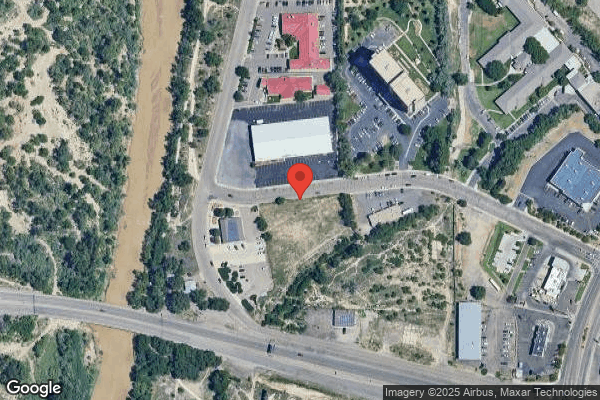
Jun 2021 1 deficiency 1 IJ
CRITICAL (J)

Immediate Jeopardy (IJ) - the most serious Medicare violation

Pressure Ulcer Prevention (Tag F0686)

Someone could have died · This affected 1 resident

**NOTE- TERMS IN BRACKETS HAVE BEEN EDITED TO PROTECT CONFIDENTIALITY** Based on observations, record reviews, and interviews, the facility failed to ensure one (#226) of four residents reviewed for p...

Read full inspector narrative →
**NOTE- TERMS IN BRACKETS HAVE BEEN EDITED TO PROTECT CONFIDENTIALITY** Based on observations, record reviews, and interviews, the facility failed to ensure one (#226) of four residents reviewed for pressure injuries out of 33 sample residents received care consistent with professional standards of practice. The facility failed to define and implement interventions that were consistent with resident needs, and to monitor and evaluate the effectiveness of interventions and re approach as necessary to prevent the development of pressure injuries for Resident #226. Resident #226 was admitted [DATE] with diagnoses of multiple pelvic fractures, congestive heart failure, and chronic kidney disease. Record review revealed the resident did not have pressure wounds at the time of admission. An interview with the resident's primary care physician revealed the resident had a form of Leukemia. The Resident's medical power of attorney (POA) decided against treatment as it was likely to lead to further impairment of the resident's health, including skin and susceptibility to infections and wounds (see interview below). Record review, observation, and interviews revealed the facility failed to implement timely interventions and adequately monitor his known risks to prevent pressure injuries. Resident #226's acquired a pressure wound within the first week of being admitted to the facility. - The pressure-reducing measures implemented upon admission included a pressure-reducing device for bed upon admission and positioning bars to the bed (2/12/21) were not tracked/utilized/implemented effectively to prevent a wound on the resident heel. A pressure-relieving air mattress was ordered for the resident on 2/22/21 after wound development. - Pressure-relieving measures for the resident's heels were not introduced until after wound development on 2/19/21. - Even though the resident was ordered double protein at meals (2/12/21) and consumed 50% meal intakes, two additional dietary supplementations for (healing/health promotion) were not implemented for nutritional support until 2/23/21 and a third supplement was added on 4/8/21. - Pillows and soft boots for pressure relieving were untracked and informally used by staff since the resident's admission and not ordered as an intervention and tracked until 2/22/21 after the wound had progressed. An off-loading pressure boot was not ordered until 3/1/21. Orders to float resident heels while in bed were not included until 3/12/21. - The heel wound modified the resident's ability to ambulate, confining him to a wheelchair, on 2/19/21, to relieve pressure to the wound. Modifications to the resident's wheelchair foot boxes were not implemented until 3/1/21. - The resident risk for skin breakdown admission assessments (Braden) did not account for all the health conditions and risk factors (Leukemia) the resident was admitted with. - The wound was being followed by the facility wound nurse, however, an outside wound physician was not brought in to assess the left heel wound until 3/1/21, nine days after wound development. The left heel wound (initial assessment on 2/19/21) was unstageable, measuring 2.5 centimeters (cm) by (x) 2.0 cm by unmeasurable depth. Later the wound was assessed and determined to be a stage 4 on 3/15/21 measuring 2.5 cm x 3.5 cm by 0.1 cm. -As of 6/9/21, the facility had not developed a patient-centered care plan for skin integrity/pressure areas that identified and addressed the resident's initial resistance to floating heels with pillows, and a variety of boots (known as early as 2/14/21), attempting to do things independently and not understanding own limitations. The resident's skin condition continued to decline; as of 4/19/21, the resident had one active pressure injury and one that resolved on 3/15/21, (unstageable DTI to the right heel). The left heel wound had been improving measuring 2.9 cm x 2.0 cm x 0.1 cm on 6/3/21. The lower left leg/Achilles infection wound was discovered on 4/19/21, measured 10 cm x 3 cm x 0.5 cm. The lower left leg/Achilles wound progressed and measured 15 cm x 2.5 cm x 1.0 cm on 6/3/21. The wound physician determined this wound was unavoidable and possibly caused by a diagnosis of osteomyelitis on 4/19/21. Interviews with facility staff revealed the facility was informally implementing bunny boots and pillows for the resident a couple of days after admission due to the resident propping his heels up on the footboard of his bed and the foot box of his wheelchair, the rejection of pillows and boots as interventions after informal implementation, the development of edema (2/18/21) before the presentation of the wound, pressure reduction mattress, and mobility bars for positioning. The resident propped his heels onto the footboard and box, rejected heel floating measures, and the edema was not documented in a wound, nursing notes, or reviewed as an interdisciplinary team (IDT) for further interventions proceeding wound development. The facility failed to monitor and implement interventions for Resident #226's pressure injuries and known risks for pressure injuries, and failed to comprehensively address known barriers to prevention and healing. Findings include: A concern was brought to the facility's attention on 6/7/21 at approximately 6:50 p.m. The facility was provided an opportunity to submit documentation of its response to the development of a Stage IV pressure wound for Resident #226. The facility provided documentation related to the resident's condition. However, on 6/8/21 at approximately 2:39 p.m., based on remaining concerns related to care, it was determined that the facility failed to prevent pressure injury development for Resident #226. In the first week of his admission, Resident #226's pressure injury risk was not assessed accurately/thoroughly, monitored, or treated and pressure reduction measures specific to the resident's heels were not implemented until 2/22/21. Further, while the resident had suspected inadequate meal intake of 50% or less of meals, nutritional measures to promote healing were not implemented until 2/22/21, after wound development. By this time, seven days after admission, the resident had new pressure injuries - an unstageable left heel injury, 2/19/21 which worsened to Stage 4 on 3/15/21, and a later deep tissue injury (DTI) was found to his right heel (3/1/21), the unstageable right heel wound resolved on 3/15/21. Record review, interview, and observation also revealed the facility failed to comprehensively and consistently address barriers to prevent the resident's pressure injuries. As of 6/9/21, the facility had not developed a patient-centered care plan for skin integrity/pressure areas that identified and addressed the resident's initial resistance to preventative interventions (known as early as 2/14/21). Further, a nutritional intervention acceptable to the resident was not found until 2/23/21. Modifications to the resident's wheelchair were not implemented until after a second wound had developed on 3/1/21. Finally, observations during the survey revealed the resident's heels were in a protective boot when up in a wheelchair and had wound wrappings in place while in bed but no boots were observed, heels were elevated while in bed. The resident's skin condition continued to decline; as of 3/1/21, the resident had two pressure injuries, including an unstageable right heel injury which resolved 3/15/21. As of 6/7/21, the resident had a current left heel wound measured 2.9 cm x 2.0 cm x 0.1 cm. and a progressing lower left leg/Achilles infection wound measuring 15 cm x 2.5 cm x 1.0 cm. Facility response: On 6/9/21 at 5:45 p.m., the facility submitted a finalized plan. The plan read: Resident who was identified as at-risk for development of pressure injury on initial admission Braden scale development a facility acquired left heel DTI (deep tissue injury) that progressed into Stage IV pressure injury. The facility failed to clearly show preventative measures were put into place to address the prevention and progression of the left heel pressure ulcer. An audit of Braden scale assessments was completed by DON (director of nursing)/Designee on 6/8/21 to identify residents who may have scored high risk or very high risk on the current Braden scale. Both residents identified as high risk have current preventive or treatment measures in place. Residents' records, physician orders, treatment orders reviewed, and care plans updated with current individualized interventions. Skin observations were completed by nurses for current facility residents on 6/7 through 6/9. Skin assessments were reviewed for all current residents with no new issues identified. Full house audit of residents' Braden risk evaluations was reviewed to ensure interventions in place for those identified to be at high to very high risk for skin breakdown on 6/8/21. An audit of the Braden scale assessment was completed by DON/Designee on 6/8/21 to identify any residents who may have scored high risk or very high risk on the current Braden scale. Both residents identified as high risk have current preventative or treatment measures in place. Resident records, physician orders, treatment orders reviewed, and care plans updated with current individualized interventions. Skin observations were completed by a nurse for current facility residents on 6/7 through 6/9. Beginning on 6/8/21 nursing staff education will be provided by ADON (assistant director of nursing) as they arrive for the next scheduled shift regarding head-to-toe skin observations, implemented/revision of interventions, the effectiveness of interventions, documentation, care-plan revision, notification to physician and responsible party of refusal or non-compliance with the plan of care, and policy on the refusal of cares and offering alternative choices as appropriate to be completed 6/13/21. An alternating air mattress will be provided to residents who have a pressure injury and residents who score high or very high for skin breakdown based off of Braden Risk Evaluations unless determined to be contraindicated. Re-education on quality rounds and expectations of quality rounds was completed on 6/8/21 with assigned IDT (interdisciplinary team) managers by the admission coordinator. DON/designee will review new admission evaluations and risk assessments/observations to ensure identified interventions are in place upon admission. DON/Designee will conduct quality rounds at a minimum of two times per week to ensure current implemented care plan measures are in place for individual residents. Identified issues or trends will be addressed as identified by the observer and reviewed at monitoring meetings by IDT to ensure compliance with implemented interventions. The plan will be ongoing and reviewed at the QAPI (Quality Assurance and Performance Improvement) meeting for the effectiveness of the plan. An ad hoc (when necessary) QAA (Quality Assurance Agency) meeting was held on 6/8/21 to review identified issues and quality round expectations and an action plan was developed with the input of the medical director via phone conference on 6/8/21. The plan will be reviewed at each QAPI meeting until sustained compliance is determined by IDT. Revisions will be made as needed if identified by IDT. However, the deficient practice remained. II. Professional reference A. The NPUAP Pressure Injury Stages | The National Pressure Ulcer Advisory Panel - NPUAP. The National Pressure Ulcer Advisory Panel NPUAP. Web. (updated June 2021) retrieved on June 15, 2021, from: http://www.npuap.org/resources/educational-and-clinical-resources/npuap-pressure-injury-stages reads: A pressure injury is localized damage to the skin and/or underlying soft tissue, usually over a bony prominence as a result of pressure, or pressure in combination with shear. The updated staging system includes the following definitions: -Stage 1 Pressure Injury: Intact skin with a localized area of non-blanchable erythema. -Stage 2 Pressure Injury: Partial-thickness skin loss with exposed dermis. The wound bed is viable, pink or red, moist, and may also present as an intact or ruptured serum-filled blister. Adipose (fat) is not visible and deeper tissues are not visible. Granulation tissue, slough, and eschar are not present. These injuries commonly result from adverse microclimate and shear in the skin over the pelvis and shear in the heel. -Stage 3 Pressure Injury: Full-thickness skin loss. Full-thickness loss of skin, in which adipose (fat) is visible in the ulcer and granulation tissue and epibole (rolled wound edges) are often present. Slough and/or eschar may be visible. If slough or eschar obscures the extent of tissue loss this is an Unstageable Pressure Injury. -Stage 4 Pressure Injury: Full-thickness skin and tissue loss. Full-thickness skin and tissue loss with exposed or directly palpable fascia, muscle, tendon, ligament, cartilage, or bone in the ulcer. Slough and/or eschar may be visible. If slough or eschar obscures the extent of tissue loss this is an Unstageable Pressure Injury. -Unstageable Pressure Injury: Obscured full-thickness skin and tissue loss. Full-thickness skin and tissue loss in which the extent of tissue damage within the ulcer cannot be confirmed because it is obscured by slough or eschar. If slough or eschar was removed, a Stage 3 or Stage 4 pressure injury will be revealed. B. According to the National Pressure Ulcer Advisory Panel (NPUAP), Pressure injury prevention points, updated 2016, revealed in part Consider bedfast and chairfast individuals to be at risk for development of pressure injury; Use a structured risk assessment, such as the Braden Scale, to identify individuals at risk for pressure injury as soon as possible (but within eight hours after admission); Use heel offloading devices .on individuals at high risk for heel ulcers. III. Facility policy and procedure Review of the Prevention of Pressure Injuries policy, reviewed April 2020, provided by the DON on 6/8/21 at 9:16 a.m. read in part The purpose of this procedure is to provide information regarding the identification of pressure injury risk factors and interventions for specific risk factors. Review the resident's care plan and identify the risk factors as well as the interventions designed to reduce or eliminate those considered modifiable. Assess the resident on admission (within eight hours) for existing pressure injury risk factors. Repeat the risk assessment weekly and upon any changes in condition. Conduct a comprehensive skin assessment upon (or soon after) admission, with each risk assessment, as indicated according to the resident's risk factors, and prior to discharge. Inspect the skin on a daily basis when performing or assisting with personal care or ADLs. Evaluate, report, and document potential changes in the skin. Review the interventions and strategies for effectiveness on an ongoing basis. IV. Resident #226 A. Resident status Resident #226, age [AGE], was admitted on [DATE]. According to the June 2021 computerized physician orders (CPO), diagnoses included multiple fractures of the pelvis, dysphagia, difficulty walking, chronic kidney disease, muscle weakness, and chronic heart failure. -The CPO did not document the resident had diagnoses of leukemia or peripheral vascular disease (PVD); however, in the physician and wound physician interviews it was communicated (see below). The 2/18/21 admission minimum data set (MDS) assessment documented the resident had severe cognitive impairment with a brief interview for mental status (BIMS) score of eight out of 15. The resident displayed neither behavioral, rejecting care or wandering during the evaluation period. The resident required extensive two-person physical assistance with bed mobility and transfers, required extensive one-person physical assistance with locomotion on/off the unit, dressing, toileting, personal hygiene, and bathing, required supervised one-person assistance with eating. The resident used a wheelchair. The resident was identified as at risk for pressure injuries and a skin tear was present. A pressure-reducing device to bed, nonsurgical dressings, and applications of ointments/medications. The 3/5/21 significant change MDS assessment documented the resident had severe cognitive impairment with a brief interview for mental status score of seven out of 15. The resident rejected evaluation or care four to six days of the evaluation period. The resident required extensive two-person physical assistance with transfers, extensive one-person physical assistance with bed mobility, locomotion, dressing, toileting, bathing, and personal hygiene, required limited one-person physical assistance while walking in the room, and was independent while eating. He was not steady on his feet during transfers, while walking, or rising from sitting to standing and required staff assistance to stabilize. The resident utilized a walker and a wheelchair. The resident had two deep tissue injuries over a bony prominence being treated with pressure-reducing devices for chair and bed, nutrition/hydration interventions/ wound care, ointments/medications, and apply dressings to feet. -Neither MDS documented the resident's diagnoses of Leukemia or peripheral vascular disease. A review of the admission evaluation bundle completed 2/12/21, provided by the DON on 6/8/21 at 9:16 a.m., revealed the resident was DNR, alert and oriented to three factors, had an unsteady gait, confusion, and short term memory problems, was able to understand and make self-understood. -The resident required physical assistance from staff for bed mobility, transfers, locomotion, and dressing, and was totally dependent on staff for walking/ambulating. The resident was not steady on his feet during transfers on/off the toilet, sitting to standings well as from surface to surface, and was only able to stabilize with staff assistance. Walking did not occur. The resident was provided a pressure-reducing device for bed upon admission. The Advantage 500 Mattress product specifications were provided by the DON on 6/8/21 at 6:00 p.m. It read in pertinent part, Advantage 500 Mattress provides a dual-layer of foam designed with surface sculpting to help reduce pressure and shear while creating air channels for reduced heat and moisture buildup, softer foam in heel section also helps reduce pressure and prevent heel breakdown. After the left heel wound was discovered on 2/19/21 the resident was ordered an Equalizaire Mattress: Pressure Redistribution Technology, for the prevention and treatment of pressure ulcers. The 2/12/21 informed consent for restraints/safety devices revealed the mobility bars were initiated to minimize the risk of injury from a fall by aiding mobility and positioning. The resident signed the consent form on 2/12/21. The admission skin assessment revealed the resident had a crescent-shaped skin tear on his left forearm. No integrity issues were documented. The Braden scale completed upon admission revealed the resident had no cognitive impairments, was rarely moist (catheter in place), walked occasionally, very limited (able to make occasional slight changes in position, unable to make frequent/significant changes independently) mobility, probable inadequate nutrition (50% of meals eaten), friction and shearing problems (requires moderate to max assistance in moving. Complete lifting without sliding against the sheets is impossible. Frequently slides down in bed or chair, requiring frequent repositioning with maximum assistance). Resident #226 was determined to be at mild risk for pressure injuries based on the admitting Braden assessment with a score of 15 out of 19. The resident was admitted with a catheter and a follow-up plan for removal. A review of Resident #226's record (set forth below) revealed the resident entered the facility on 2/12/21 with a crescent-shaped skin tear on his left forearm. After the resident requested his buttock to be examined due to discomfort on 2/19/21, the resident's heel was discovered by the wound nurse. As of 2/19/21, the resident had developed his first heel pressure injury, progressing to a stage 4 wound as of 3/15/21, the wound was healing and ongoing; followed by the right heel wound discovered by the wound physician on 3/1/21, which was documented as unstageable and resolved on 3/15/21; and an on-going osteomyelitis infection wound discovered by the wound physician on 4/19/21, being followed by an orthopedic surgeon who, after examination, suggested lower left limb amputation at the knee on 6/9/21. B. Resident observations and wound physician (WP) interview The resident was observed on 6/3/21 at 10:00 a.m. He was laying in bed slightly on his left side, without the soft boots on and under a blanket. The resident was observed on 6/7/21 at 10:15 a.m. He was lying in his room lying slightly on his right side in bed on an air mattress covered with a blanket and lowered to the floor with a mattress on the floor at the bedside. The resident was wearing his soft boots under the blankets - At 11:05 a.m. The resident was seen in his wheelchair with pressure-relieving boots on, being wheeled into the television room for a group activity. The WP was observed and interviewed during wound care to the left lower leg and heel on 6/3/21 at 12:00 p.m. The WP was examining and debriding the wound to the lower left leg/Achilles. After cleaning the wound with saline, a strong odor was still present during wound care. The left lower leg wound over the Achilles tendon was red with exposed muscle tissue and tendon and visual necrotic tissue. The wound measured 15 cm x 2.5 cm x 1.0 cm. As the WP was removing necrotic tissue the resident began pulling his leg away with a grimace on his face. The WP paused treatment and injected the skin around the wound with additional lidocaine. He resumed treatment briefly after injecting the resident. The resident continued to pull away while the WP was providing treatment and grimacing on his face. The WP ceased necrotic tissue removal, packed the interior of the wound with gauze (dakine packing), covered it with a clean dressing (Cipro antibiotic covering), and wrapped it in Keflex. The resident's left heel wound was intact and measured 2.9 cm x 2.0 cm x 0.1 cm and 100% granulated tissue. The wound was cleaned and covered in a dressing. The WP said his first examination of the resident's heel wound was on 3/1/21. He said he discovered the resident's right heel wound during the appointment, as well. He said the resident acquired the left heel wound shortly after admission and was identified by the wound care specialist (WCS). The WP said when the lower left leg/Achilles wound first presented on 4/19/21 he thought it would connect to the heel wound, believing it to be one wound. He said after two weeks of the wounds being separate he classified them again as separate wounds. He said an x-ray was taken of the resident's leg and revealed an osteomyelitis infection. He said the muscle and tendon of the lower left leg/Achilles were necrotizing and the dead tissue was spreading up the resident's leg. He said the resident was scheduled for a follow-up with an outside orthopedic surgeon for the wound and more intensive surgical debridement for the lower-left leg wound. He said the left heel wound and lower left leg/Achilles wound were improving. He said the lower left leg/Achilles wound was unavoidable due to infection. He said the resident had a peripheral vascular disease which interfered with the healing process. He said he was not aware of measures the facility put in place or what the resident was doing at the time he acquired the wound, but said the wound was avoidable if the facility had implemented offloading measures before the development of the blister. The WP did not know the origin of the resident's osteomyelitis. C. Resident representative interview The resident representative was interviewed on 6/8/21 at 11:34 a.m. He said he attended almost all of the resident's appointments. He said the facility was following the resident's wounds closely and had involved outside surgeons and physicians for treatment and consultations. He said the orthopedic surgeon built a brace for the resident's leg for protection and stabilization and the wound care physician was treating the wound weekly. He said he received a call from the facility about the edema the resident had experienced on 2/18/19, but the staff member did not mention any problems regarding the resident's shoes causing any issues. He said the resident was experiencing edema before admission and while in the hospital. He said the podiatry appointment and issues with shoes not fitting were not communicated to him. D. Record review The February 2021 medication administration record revealed orders, 2/12/21, for Braden Scale assessments upon admission and then weekly for the following three weeks, one of which was missed on 2/26/21, and for weekly skin observations and documentation on the Skin Observation Tool. Orders for the left heel wound treatment and offloading heels due to a DTI and checking the air mattress for proper functioning were added on 2/19/21. The 48-hour Meet and Greet Care Conference Review completed 2/12/21, was provided by the DON on 6/9/21 at 4:00 p.m. The baseline care plan included in the care conference documented the residents nursing needs as requiring assistance for transfers, bed mobility, locomotion of wheelchair and toileting, dependent of staff for walking, independent while eating, the resident can voice concerns and communicate needs effectively and was alert and oriented to three factors. The only skin concern was the crescent-shaped skin tear to the resident's left forearm. The social service concerns documented the resident was at the facility for a short-term stay after suffering a fall at home. Resident was to return home. The resident is DNR and has good family support. Dietary concerns documented the resident was on a regular diet and fluids, no known allergies, no supplementation at this time, full dentures, intake is fair and eats independently, speech therapy (ST) evaluations ordered, has current dysphagia. Therapy services concerns documented current ST, occupational therapy (OT), and physical therapy (PT) services to increase resident activity of daily living (ADLs) and transfer strength and gait. Nursing notes from 2/13/21, 2/14/21, 2/16/21, and 2/17/21 documented the resident was taking medications, able to make some needs known, confused at times, skin is warm, dry, and intact, and had increased weakness requiring one to two-person physical assistance with transfers. The resident was adjusting well and had a call light within reach. A nursing note from 2/14/21 documented the resident needed reminding to use the call light for assistance. The updated care plan, dated 2/15/21, documented the resident's risk for skin breakdown related to fracture and decreased mobility. Interventions documented included check and change upon awakening, before and after meals, at bedtime, and as needed, Provide incontinence care after each incontinent episode and as needed, complete weekly skin observations, and PT/OT as ordered (added 2/15/21); - Barrier cream applied and a cushion placed in wheelchair (added 2/19/21); - Maintenance to remove the anti-rollback system from residents wheelchair, alternating air mattress, bunny boots (encourage use), PT/OT, multivitamin, and supplements for wound healing (2/22/21); - Off-loading boots and foot pedals for wheelchair (added 3/2/21); - Resident educated to be cautious of his hands and upper extremities in an attempt to avoid bumping himself, causing skin injury (3/9/21). There was no mention of floating the resident ' s heels while in bed or in a wheelchair. A physician encounter note dated 2/15/21 and 2/16/21 documented the resident was admitted to the facility after a fall at home resulting in a pelvic fracture. The resident reported having increased issues walking while at home. Other diagnoses included atrial fibrillation, hypertension, coronary artery disease, chronic heart failure, and high cholesterol. While in the hospital the resident was also diagnosed with urinary retention, anemia, and pneumonia. He recovered in the hospital and was referred to an orthopedic surgeon for follow-up. The orthopedic surgeon recommended weight-bearing as tolerated to the lower left extremity until orthopedic follow-up. Due to deconditioning during hospital stay, the resident should be followed by PT and OT. Orthopedic and urology follow-up scheduled. The resident had no peripheral edema and skin was dry, intact, with good turgor, with no redness or cyanosis (blueness). The resident was seated in his recliner at bedside without apparent distress. OT and PT assessments dated 2/15/21 documented the resident could weight bear as tolerated, ADL training had begun and the resident was participating, gait training began, and education about the safe placement of limbs was provided to the resident. There was no follow up documentation that the resident understood the education or demonstrated safe placement of limbs. The assessments did not document if the resident understood or could demonstrate said positioning. A 2/15/21-2/26/21 Quality Rounds checklist was provided by the DON on 6/8/21 at 9:16 a.m. It documented the resident's room number and the date on each form. -On 2/15/21 and 2/22/21 documentation revealed that the resident had appropriate appliances, and in the comment column bunny boots were documented. The form did not document if the boots were on or not. -On 2/16/21 the Quality rounds documented the resident was not wearing bunny boots while in bed. - On 2/17/21, 2/18/21, 2/19/21, 2/20/21, 2/21/21, 2/23/21, 2/24/21, 2/25/21, and 2/26/21 a checkmark documented the appropriate appliances were present but did not specify which appliances. The dietary profile and assessment were completed 2/15/21, documented the resident was on a regular diet with mechanical soft texture, no fluid restrictions, regular portion sizes, fair appetite, used no assistive devices, and independently fed self. Documented the resident's use of laxatives and vitamins, nutritional risk factors included pressure ulcer, difficulty swallowing (dysphagia diagnosis), altered diet texture, and recent fracture. The resident was screened for new admission, current diagnosis of pre-admission pelvic fracture. Diagnosis reviewed. The resident currently was receiving a regular diet, mechanical soft texture, thin liquid, consuming variable intakes per chart, uncertain on the adequacy of intakes to meet baseline needs. Will monitor weights and intakes to assess the need for nutritional interventions. Labs and medications reviewed. A skilled progress note dated 2/16/21 documented the resident's skin was warm, dry, and intact, able to make some needs known, continues to be confused at times, and has increased weakness requiring one to two physical assistance from staff with transfers and repositioning. The resident needs continued supervision with ADLs due to fall risk. A 2/17/21 skin observation form revealed the resident only had a skin tear to the left forearm. A skilled progress note dated 2/17/21 documented the resident was to receive PT and OT services for gait and ADL training four times a week. The resident was resting in bed with his eyes closed, able to make some needs known, no complaints of pain or discomfort, and was compliant with medications. The resident had increased weakness, requiring one to two physical assistance from staff with transfers and repositioning. The resident needs continued supervision with ADLs due to fall risk. A 2/18/21 OT note documented the resident's right ankle was swollen and unable to donn shoe but could donn non-skid socks. Reported swelling to nursing staff. Nursing notes between 2/12/21-2/19/21 failed to document [TRUNCATED]
Understanding Severity Codes (click to expand)
Life-Threatening (Immediate Jeopardy)
J - Isolated K - Pattern L - Widespread
Actual Harm
G - Isolated H - Pattern I - Widespread
Potential for Harm
D - Isolated E - Pattern F - Widespread
No Harm (Minor)
A - Isolated B - Pattern C - Widespread

Questions to Ask on Your Visit

  • "What changes have you made since the serious inspection findings?"
  • "What safeguards are in place to prevent abuse and neglect?"
  • "Why is there high staff turnover? How do you retain staff?"
  • "Can I speak with families of current residents?"
  • "What's your RN coverage like on weekends and overnight?"

Our Honest Assessment

Strengths
  • • Licensed and certified facility. Meets minimum state requirements.
Concerns
  • • Multiple safety concerns identified: Federal abuse finding, 1 life-threatening violation(s), 3 harm violation(s), $28,512 in fines. Review inspection reports carefully.
  • • 26 deficiencies on record, including 1 critical (life-threatening) violation. These warrant careful review before choosing this facility.
  • • $28,512 in fines. Higher than 94% of Colorado facilities, suggesting repeated compliance issues.
  • • Grade F (0/100). Below average facility with significant concerns.
Bottom line: This facility has a substantiated abuse finding. Extreme caution advised. Explore alternatives.

About This Facility

What is Pavilion At Villa Pueblo, The's CMS Rating?

CMS assigns PAVILION AT VILLA PUEBLO, THE an overall rating of 2 out of 5 stars, which is considered below average nationally. Within Colorado, this rating places the facility higher than 0% of the state's 100 nursing homes. A rating at this level reflects concerns identified through health inspections, staffing assessments, or quality measures that families should carefully consider.

How is Pavilion At Villa Pueblo, The Staffed?

CMS rates PAVILION AT VILLA PUEBLO, THE's staffing level at 2 out of 5 stars, which is below average compared to other nursing homes. Staff turnover is 60%, which is 14 percentage points above the Colorado average of 46%. High turnover can affect care consistency as new staff learn residents' individual needs. RN turnover specifically is 78%, which is notably high. RNs provide skilled clinical oversight, so turnover in this role can affect medical care quality.

What Have Inspectors Found at Pavilion At Villa Pueblo, The?

State health inspectors documented 26 deficiencies at PAVILION AT VILLA PUEBLO, THE during 2021 to 2025. These included: 1 Immediate Jeopardy (the most serious level, indicating potential for serious harm or death), 3 that caused actual resident harm, and 22 with potential for harm. Immediate Jeopardy findings are rare and represent the most serious regulatory concerns. They require immediate corrective action.

Who Owns and Operates Pavilion At Villa Pueblo, The?

PAVILION AT VILLA PUEBLO, THE is owned by a for-profit company. For-profit facilities operate as businesses with obligations to shareholders or private owners. The facility is operated by FRONTLINE MANAGEMENT, a chain that manages multiple nursing homes. With 90 certified beds and approximately 67 residents (about 74% occupancy), it is a smaller facility located in PUEBLO, Colorado.

How Does Pavilion At Villa Pueblo, The Compare to Other Colorado Nursing Homes?

Compared to the 100 nursing homes in Colorado, PAVILION AT VILLA PUEBLO, THE's overall rating (2 stars) is below the state average of 3.1, staff turnover (60%) is significantly higher than the state average of 46%, and health inspection rating (2 stars) is below the national benchmark.

What Should Families Ask When Visiting Pavilion At Villa Pueblo, The?

Based on this facility's data, families visiting should ask: "What changes have been made since the serious inspection findings, and how are you preventing similar issues?" "What safeguards and monitoring systems are in place to protect residents from abuse or neglect?" "How do you ensure continuity of care given staff turnover, and what is your staff retention strategy?" "Can you walk me through typical staffing levels on day, evening, and night shifts?" These questions are particularly relevant given the facility's Immediate Jeopardy citations, the substantiated abuse finding on record, the facility's high staff turnover rate, and the below-average staffing rating.

Is Pavilion At Villa Pueblo, The Safe?

Based on CMS inspection data, PAVILION AT VILLA PUEBLO, THE has documented safety concerns. The facility has 1 substantiated abuse finding (meaning confirmed case of resident harm by staff or other residents). Inspectors have issued 1 Immediate Jeopardy citation (the most serious violation level indicating risk of serious injury or death). The facility has a 2-star overall rating and ranks #100 of 100 nursing homes in Colorado. Families considering this facility should ask detailed questions about what corrective actions have been taken since these incidents.

Do Nurses at Pavilion At Villa Pueblo, The Stick Around?

Staff turnover at PAVILION AT VILLA PUEBLO, THE is high. At 60%, the facility is 14 percentage points above the Colorado average of 46%. Registered Nurse turnover is particularly concerning at 78%. RNs handle complex medical decisions and coordinate care — frequent RN changes can directly impact care quality. High turnover means new staff may not know residents' individual needs, medications, or preferences. It can also be disorienting for residents, especially those with dementia who rely on familiar faces. Families should ask: What is causing the turnover? What retention programs are in place? How do you ensure care continuity during staff transitions?

Was Pavilion At Villa Pueblo, The Ever Fined?

PAVILION AT VILLA PUEBLO, THE has been fined $28,512 across 1 penalty action. This is below the Colorado average of $33,364. While any fine indicates a compliance issue, fines under $50,000 are relatively common and typically reflect isolated problems that were subsequently corrected. Families should ask what specific issues led to these fines and confirm they've been resolved.

Is Pavilion At Villa Pueblo, The on Any Federal Watch List?

PAVILION AT VILLA PUEBLO, THE is not on any federal watch list. The most significant is the Special Focus Facility (SFF) program, which identifies the bottom 1% of nursing homes nationally based on persistent, serious quality problems. Not being on this list means the facility has avoided the pattern of deficiencies that triggers enhanced federal oversight. This is a positive indicator, though families should still review the facility's inspection history directly.