LUDLOWE CENTER FOR HEALTH & REHABILITATION
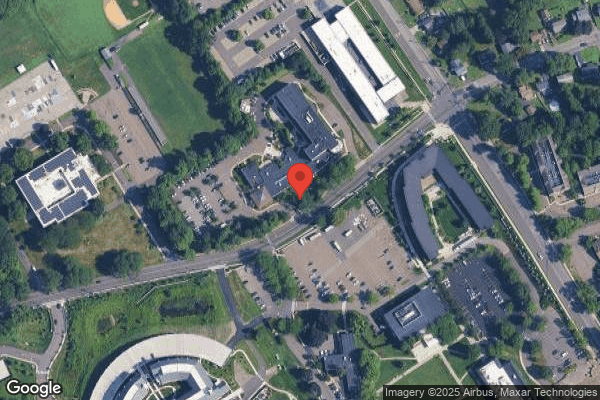

118 JEFFERSON STREET, FAIRFIELD, CT 06825 (203) 372-4501
For profit - Limited Liability company 144 Beds NATIONAL HEALTH CARE ASSOCIATES Data: November 2025
Trust Grade
78/100
#24 of 192 in CT
Last Inspection: September 2025

Inspected within the last 6 months. Data reflects current conditions.

Overview

Ludlowe Center for Health & Rehabilitation in Fairfield, Connecticut has received a Trust Grade of B, which means it is considered a good option for families, though there are some areas for improvement. It ranks #24 out of 192 facilities in the state, placing it in the top half, and it is the best option among 15 facilities in the Greater Bridgeport County area. However, the facility is worsening in terms of issues, with complaints doubling from 4 in 2024 to 8 in 2025. Staffing is a strength here, with a turnover rate of 22%, significantly lower than the state average, but the overall staffing rating is average at 3 out of 5 stars. On the downside, the facility has faced specific incidents, such as a resident suffering a fracture due to inadequate supervision and another resident sustaining a laceration during a transfer because proper assistance was not provided. Overall, while there are strengths in staffing stability, the increase in reported issues and some serious incidents raise concerns for potential residents and their families.

Trust Score
B
78/100
In Connecticut
#24/192
Top 12%
Safety Record
Moderate
Needs review
Inspections
Getting Worse
4 → 8 violations
Staff Stability
✓ Good
22% annual turnover. Excellent stability, 26 points below Connecticut's 48% average. Staff who stay learn residents' needs.
Penalties
○ Average
$8,824 in fines. Higher than 58% of Connecticut facilities. Some compliance issues.
Skilled Nurses
✓ Good
Each resident gets 45 minutes of Registered Nurse (RN) attention daily — more than average for Connecticut. RNs are trained to catch health problems early.
Violations
⚠ Watch
19 deficiencies on record. Higher than average. Multiple issues found across inspections.
★★★★★
5.0
Overall Rating
★★★☆☆
3.0
Staff Levels
★★★★★
5.0
Care Quality
★★★★☆
4.0
Inspection Score
Stable
2024: 4 issues
2025: 8 issues

The Good

  • 5-Star Quality Measures · Strong clinical quality outcomes
  • Low Staff Turnover (22%) · Staff stability means consistent care
  • Full Sprinkler Coverage · Fire safety systems throughout facility
  • No fines on record
  • Staff turnover is low (22%)

    26 points below Connecticut average of 48%

Facility shows strength in quality measures, staff retention, fire safety.

The Bad

Federal Fines: $8,824

Below median ($33,413)

Minor penalties assessed

Chain: NATIONAL HEALTH CARE ASSOCIATES

Part of a multi-facility chain

Ask about local staffing decisions and management

The Ugly 19 deficiencies on record

2 actual harm
Sept 2025 8 deficiencies 1 Harm
SERIOUS (G)

Actual Harm - a resident was hurt due to facility failures

Accident Prevention (Tag F0689)

A resident was harmed · This affected 1 resident

**NOTE- TERMS IN BRACKETS HAVE BEEN EDITED TO PROTECT CONFIDENTIALITY** Based on review of the clinical record, facility documentation, facility policy, and interview, for the resident (Resident #12) ...

Read full inspector narrative →
**NOTE- TERMS IN BRACKETS HAVE BEEN EDITED TO PROTECT CONFIDENTIALITY** Based on review of the clinical record, facility documentation, facility policy, and interview, for the resident (Resident #12) reviewed for accidents, the facility failed to provide adequate supervision for a resident at risk to fall, who was placed in a common area to be closely watched and fell, sustaining an acute fracture at the base of the femoral neck. Additionally, the facility failed to maintain supervision during shift changes, ensure staff assignment/accountability, timely identify and report significant changes in condition, and implement care plan interventions.The findings include:Resident #12's diagnosis included Alzheimer's Disease and dementia. The care plan dated 05/2/2025 indicated Resident #12 was at risk for falls due to poor communication/comprehension, impaired mobility, impaired cognition, resistance to care and the use of psychiatric and cardiac medications. Interventions included to provide non-skid footwear when ambulating or mobilizing in the wheelchair, encourage Resident #12 to be out of the bedroom when awake for socialization and/or recreational activities, offer diversional activities such as music, snacks, toileting, ambulating, fluids, puzzles, therapy evaluation and treat as indicated and to check the medication regimen with the pharmacist regarding medications that increase risk for falls. The care plan dated 05/05/2025 indicated Resident #12 had a deficit in functional mobility with interventions including 2-person assistance for transfers and bed mobility and ambulation only with the rehab/therapy department. The admission Minimum Data Set (MDS) dated [DATE] indicated Resident #12 was severely cognitively impaired, used a walker and a wheelchair, required maximum assistance for sit to stand and transfers, was dependent on staff for ambulating 10 feet and had no signs of pain. The MDS further indicated Resident #12 had no falls in the last 6 months prior to admission, had no falls since admission to the facility and was receiving physical and occupational therapy. A nursing note dated 05/09/2025 at 4:23 AM indicated Resident #12 was resistive with hands-on care, confused and had no complaints of pain. An SBAR Summary (standard format for organizing and conveying information) dated 05/09/2025 completed by the charge nurse (LPN #5) at 11:00 PM indicated Resident #12 had a fall which occurred at the change of shift resulting in a skin tear and no evidence of pain. The Reportable Event Form completed by LPN #5 dated 05/09/2025 indicated Resident #12 had an unwitnessed fall at 10:57 PM while in the dining room and sustained a skin tear to the right elbow. Resident #12 was alert, restless, agitated and confused at times, had poor safety awareness and made several attempts to ambulate unassisted. Resident #12 required assistance of 2 for transfer and bed mobility, assist of 1 person for activities of daily living and ambulates only with therapy. Further, no change in mental status or physical status was noted except for a skin tear of the right elbow for which treatment was provided. The APRN and family member was notified. Range of motion (ROM) was within normal limits, no internal or external rotation of limb per the Registered Nurse The form was signed by the Administrator dated 05/20/2025. A Nursing Pain Tool evaluation dated 05/09/2025 at 11:00 PM indicated Resident #12 had no pain at the present time or during the last 5 days. An order note dated effective 05/10/2025 at 2:02 AM written by the second shift Nursing Supervisor, (RN #5), indicated on 05/09/2025 at 10:57 PM Resident #12 was sitting in the dining room in a wheelchair, stood up and was on the floor with a skin tear on the right outer elbow. The APRN was notified and a treatment order for the elbow skin tear was obtained at 11:16 PM. After a body audit was conducted, including range of motion (ROM) and neurological checks Resident #12 required 3 staff members to stand and transfer to the wheelchair. The resident representative was notified of the incident by the charge nurse at 11:16 PM. A Change in Condition (CIC) follow-up note dated 05/10/2025 at 07:02 AM by the 11:00 PM - 7:00 AM charge nurse (LPN #4) indicated Resident #12 had no complaints of pain or distress, neurological evaluation continues in progress with no attempts to get out of bed and slept well. A Medication Administration Note dated 05/10/2025 at 08:04 PM indicated Tylenol 325mg, 3 tablets were given to Resident #12 orally for moderate pain. Tylenol was effective with no pain on reevaluation. A late entry note for 05/10/2025 at 08:04 PM indicated LPN #4 was present with nurse aide NA #8 providing incontinent care. Resident #12 was at his/her baseline confusion with pushing staff away with his/her hands and kicking both legs while in bed. Resident #12 indicated his/her leg hurts. LPN #4 indicated Resident #12 was independently, actively, moving both legs up and down without difficulty, noting no observable abnormalities including changes in skin color, bruising, redness or swelling. Tylenol was given for stated leg pain with positive effect, and the resident was observed in bed resting and slept the remainder of the shift. A Physical Therapy Treatment Encounter Note dated 05/11/2025 at 11:17 AM indicated Resident #12 had dementia and was a fall risk. The note indicated Standing at the Rolling walker 2 times for 1 minute and 1 time for 45 seconds was completed with minimum assistance of the therapist. Sit to stand to the rolling walker with minimum to moderate assistance of the therapist and verbal cues for proper sequencing was completed. The note further indicated Resident #12 was resistant to therapy saying, I can't and refused walking. A Change in Condition Follow-Up Note dated 05/11/2025 at 06:02 PM indicated no changes in range of motion or immobility. A Change in Condition Follow-up Note dated 05/12/2025 at 07:37 AM indicated in Resident #12 was post fall day #3 with a skin tear to the right elbow, no signs or symptoms of pain, agitation noted only when providing care and slept well. A Health Status Note Dated 05/12/2025 at 12:15 PM written by RN #6 indicated she notified the APRN that Resident #12 had right leg pain and would not allow her to touch the leg to assess. A late entry note dated 05/12/2025 at 3:11 PM by RN #6 indicated she was notified by the nurse aide that Resident #12 had right leg pain and on assessment of the right leg and hip Resident #12 flinched. The APRN was notified. A Progress Note Dated 05/12/2025 at 1:42 PM written by APRN #1 indicated the reason for the visit to Resident #12 was for complaints of right leg/hip pain. The assessment identified Resident #12 was complaining of right leg pain (s/p fall 05/09/2025, 3 days ago) but due to dementia was unable to articulate the exact location of the pain but pain was noted to the right hip on palpation and the resident had difficulty lifting the right lower extremity. As a result, x-rays to rule out a fracture and Tylenol 1000mg orally 3 times a day for pain control was ordered. A Health Status Note dated 05/13/2025 at 11:49AM indicated the x-ray provider called to report Resident #12 had an acute right hip fracture. The nursing supervisor and APRN were updated and orders were obtained to send Resident #12 to the hospital emergency room for further evaluation. After the responsible family member was notified, the resident was transferred to the hospital via ambulance leaving the facility at 11:50 AM. A reportable event form, event first known to the facility dated 05/13/2025 at 12:00 PM resulted in a serious injury. It further indicated Resident #12 had an unwitnessed fall on 05/09/2025 at 11:00 PM and on 05/12/2025 Resident #12 was noted to be guarding the right lower extremity and complaining of leg pain. Subsequently Resident #12 was evaluated by APRN #1 and scheduled Tylenol for pain was ordered along with x-rays. The x-rays indicated an acute nondisplaced fracture at the base of the femoral neck (hip fracture) and Resident #12 was transferred to the hospital. A statement from LPN #5, who worked on 5/9/2025, dated 05/15/2025 (6 days after the fall) indicated she was monitoring Resident #12 and other residents in the common area and when the oncoming shift nurse arrived LPN #5 left to complete the narcotic count. LPN #5 indicated she did not see the resident fall but found the resident on their right side on the floor complaining of pain to the right elbow where a skin tear was noted. A facility interview with LPN #4 completed during their investigation dated 05/15/2025 (6 days after the fall) indicated on 05/10/2025 s/he assisted NA #8 to provide incontinent care as the nurse aide indicated the resident was being combative with care. During care Resident #12 complained of right leg pain and remembering the fall on 05/09/2025, LPN #5 administered Tylenol for the pain and upon reevaluation the resident indicated no further pain. The Reportable Event Summary dated 05/19/2025 indicated during Resident #12's hospitalization the resident underwent open reduction and internal fixation (ORIF) surgery to repair the right hip fracture and was readmitted to the facility on [DATE].An interview, facility document and clinical record review with RN #3, the regional RN, on 09/12/2025 at 10:45 AM indicated upon further investigation after the fracture was discovered, s/he noted on 05/10/2025 at 08:04 PM, Resident #12 had complained of right leg pain, the nurse administered Tylenol but did not report the pain to the supervisor or the physician. RN #3 identified staff had moved Resident #12 to the dining room for falls with other residents at risk to be closely watched, but at the change of shift no one was watching Resident #12 while the charge nurses were counting the narcotics. RN #3 stated the facility does not provide 1:1 supervision. Interview with the Director of Nursing Services (DNS) on 09/15/2025 at 01:50 PM indicated on 9/16/2025 at 11:05 AM interview with LPN #5 (charge nurse for Resident #12 at the time of the fall on 05/09/2025) indicated Resident #12 had already been toileted and provided care, was sitting close to the nurse's station in the dining room. LPN #5 indicated residents who were seated in the dining room are those who are restless or cannot sleep and are brought to the dining room so staff can keep an eye on them. The nurse aides are assigned a half hour at a time during the shift. LPN #5 indicated she was not aware of which staff member was scheduled to watch Resident #12 at the change of shift when the fall occurred. LPN #5 indicated she did not tell the nurse aides to be sure someone was watching the residents in the dining room while the two charge nurses were counting the narcotic medications. LPN #5 indicated other staff were at the nursing station due to change of shift but could not remember who. LPN #5 indicated NA #12 had most likely left the unit before 11:00 PM to report to another unit s/he was scheduled to start working at 11:00 PM stating the nurse aides give each other report at the change of shift and if they are leaving the unit they report to staff before doing so. An interview with RN #5 on 09/16/2025 at 11:38 AM who worked as the 3:00 PM - 11:00 PM nursing supervisor on 05/09/2025 indicated s/he was called to the unit due to a resident fall. After assessing Resident #12's range of motion, there were no leg length changes, no external rotation, no pain or abnormalities. There was a skin tear on the elbow. The on-call APRN service was called, the fall and resident condition was reported, a treatment order obtained, and the charge nurse called the family member. An interview on 09/16/2025 at 11:58 AM with NA #10 who worked the 3:00 PM - 11:00 PM shift on 5/9/2025 indicated s/he was coming back from a resident room and when passing the dining room was asked by the nurses to come help them as Resident #12 was on the floor. NA #10 indicated there were assignments indicating who and when each staff member was assigned to watch the residents in the dining room area further indicting not knowing who was assigned and added it was the change of shift, and everyone was getting ready to leave. An interview on 09/16/2025 at 12:16 PM with LPN #4 who worked second shift (3:00 PM - 11:00 PM) on 5/10/2025 and first and second shifts (7:00 AM - 3:00 PM and 3:00 PM- 11:00 PM) on 05/11/2025 indicated the nurse aide asked him/her to assist with Resident #12 due to the resident being combative while trying to provide incontinent care. While assisting NA #8 with providing care to Resident #12, NA #8 indicated to LPN #4 that Resident #12 was having leg pain. LPN #4 indicated Tylenol was given for pain and was effective later when the resident was reevaluated and the resident slept the remainder of the shift. LPN #8 indicated the 3:00 PM - 11:00 PM supervisor did not come to the unit to obtain report at the end of the shift and LPN #8 indicated she did not call the supervisor to report the pain because it was relieved with the Tylenol provided. Further, the resident was moving his/her legs and was not screaming in pain and the supervisor would only be notified when the pain medication does not work. LPN #4 who worked the next day (5/11/2025) indicated Resident #12 was already up in the wheelchair when seen and had no complaints of pain or discomfort and had visitors who stayed for quite some time and offered no concerns. Attempts were made on 09/16/2025 at 12:48 PM to contact NA #8, the third nurse aide who worked 05/09/2025 3:00 PM - 11:00PM (second shift) and worked second shift on 05/10/2025 who provided incontinent care to Resident #12 and reported Resident #12 had complained of leg pain, were unsuccessful. An interview on 09/16/2025 at 01:02 PM with RN #6 who worked first shift on 05/12/2025 indicated noticing Resident #12 had pain and flinched when touched and notified the APRN who was in the facility and ordered x rays.An interview on 9/17/2025 at 7:23 AM with NA #12 who worked 5/9/25 second shift (3:00 PM -11:00 PM) and was assigned to provide care for Resident #12 indicated Resident #12 was always on the move further indicating care and toileting had been provided around 09:45 PM then the resident was brought to the dining room/lounge area to be watched. NA #12 identified Resident #12 cannot be placed in bed until later when the resident shows signs of being tired because he/she would try to get out of bed unassisted and could fall. NA #12 indicated not knowing who was assigned to watch the residents in the dining room/lounge area at the time. NA #12 left the unit at about 10:53 PM to report for duty for the 3rd shift on another unit at the facility. NA #12 further indicated about 10 minutes after leaving the unit, a nurse aide came to find her on the new assigned unit to provide an investigation statement to be completed by NA #12 as Resident #12 had a fall. NA#12 indicated not being able to remember where the staff were on the unit when s/he reported to them s/he was leaving the unit for the next shift but did indicate staff would have been at the nurse's station or the Kiosk at the end of the shift preparing to leave. The facility policy Labeled Fall Prevention Program indicated that all residents would be evaluated for risk for falls on admission, readmission, and with a change of condition. Residents at high risk for falls would have interventions initiated to prevent falls.
CONCERN (D)

Potential for Harm - no one hurt, but risky conditions existed

Deficiency F0554 (Tag F0554)

Could have caused harm · This affected 1 resident

**NOTE- TERMS IN BRACKETS HAVE BEEN EDITED TO PROTECT CONFIDENTIALITY** Based on observation, review of the clinical record, facility documentation, facility policy and interview for 1 of 4 residents ...

Read full inspector narrative →
**NOTE- TERMS IN BRACKETS HAVE BEEN EDITED TO PROTECT CONFIDENTIALITY** Based on observation, review of the clinical record, facility documentation, facility policy and interview for 1 of 4 residents (Resident #98) reviewed for respiratory care, the facility failed to determine if it was clinically appropriate for the resident to self-administered oxygen. The findings include:Resident #98 was admitted to the facility in April 2025 with diagnoses that included atherosclerotic heart disease (plaque buildup inside the arteries that supply blood to the heart), chronic kidney disease, and heart failure.The quarterly Minimum Data Set (MDS) assessment dated [DATE] identified Resident #98 was cognitively intact and required moderate assistance (helper does less than half the effort) with toileting hygiene, showering, upper and lower body dressing, and transfers. The Resident Care Plan (RCP) dated 7/31/25 identified Resident #98 had altered respiratory status, difficulty breathing and hypoxemia (low levels of oxygen in the blood). Interventions included position resident with proper body alignment for optimal breathing and administer oxygen 2 at liters per minute via nasal cannula.Observations on 9/8/25 at 12:41 PM and at 2:20 PM identified Resident #98 seated in wheelchair inside in his/her room with oxygen at 2 liters via nasal cannula. Observation on 9/9/25 at 11:30 AM identified Resident #98 seated up in bed with oxygen at 2 liters via nasal cannula. Interview with LPN #1 on 9/10/25 at 10:02 AM identified Resident #98 puts the oxygen on when he/she feels short of breath and the physician is not aware.Interview with Assistant Director of Nurses (ADNS) on 9/10/25 at 10:39 AM identified if Resident #98 puts oxygen on when he/she feels short of breath, there should be a physician's order for it and Resident #98 should be evaluated to ensure he/she is able to self-administer oxygen.Interview with the Director of Nurses on 9/15/25 at 9:23 AM identified that an evaluation is needed to determine the resident's ability to safely self-administer oxygen.Review of the Self-Administration Policy dated 10/2024 directed a Self-Administration Evaluation is completed by the licensed nurse to evaluate the resident's safety and understanding of their medication/treatments. If evaluation determines it is safe for the resident to self-administer, the licensed nurse will obtain an order from the Healthcare Provider for self- administration for the specific medication/treatment. The licensed nurse is responsible to account for every medication/treatment on the EMAR and TAR. The licensed nurse will periodically review for continued cognitive and physical ability to self-administer.
CONCERN (D)

Potential for Harm - no one hurt, but risky conditions existed

Grievances (Tag F0585)

Could have caused harm · This affected 1 resident

**NOTE- TERMS IN BRACKETS HAVE BEEN EDITED TO PROTECT CONFIDENTIALITY** Based on review of the clinical record, facility documentation, facility policy and interviews for the only resident (Resident #...

Read full inspector narrative →
**NOTE- TERMS IN BRACKETS HAVE BEEN EDITED TO PROTECT CONFIDENTIALITY** Based on review of the clinical record, facility documentation, facility policy and interviews for the only resident (Resident #44), reviewed for missing clothing, the facility failed to acknowledge the resident's complaint of missing clothing and actively work toward resolution of that complaint. The findings include: Resident #44 was admitted with diagnoses that included chronic pain. The quarterly MDS dated [DATE] identified Resident #44 was cognitively intact. The MDS further indicated that Resident #44 required set-up or clean-up assistance for upper-body dressing and supervision or touching assistance for lower-body dressing. A care plan dated 7/11/2025 indicated that Resident #44 had a self-care deficit with interventions that included to provide supervision, such as verbal cues or touch assist for dressing. Interview with Resident #44 on 9/8/2025 at 12:44 PM identified that he/she was missing 2 to 3 pairs of pants, 2 shirts, and a sweater that had been taken to the laundry 3 weeks ago. Resident #44 indicated he/she was particularly concerned about the sweater, as it was a sweater he/she frequently used to go to appointments in the mornings. Resident #44 indicated he/she had told NA #7 and Laundry Aide #1, but could not recall the date. Resident #44 could not recall if his/her clothes were labelled. Further, Resident #44 indicated he/she did not know if anything was being done about the missing clothes and that, since the incident, he/she has family do the laundry. A review of nursing notes from 8/25/2025 to 9/10/2025 and review of social work documentation from 1/24/2025 to 9/15/2025 failed to identify documentation related to missing belongings. A review of the clical record failed to identify a Personal Belongings Checklist. Interview with NA #7 on 9/10/2025 at 10:58 AM identified that laundry was usually placed in personal laundry hampers that are labelled with the resident's room and bed number. The laundry department collects the hampers and returns the clothes a few days later. NA #7 indicated that Resident #44 had told her, a while back, that he/she was missing clothes from the laundry. Further, NA #7 indicated she had found a pajama suit belonging to Resident #44 in another resident's room and returned it to Resident #44. NA #7 identified that Laundry Aide #1 and LPN #1 were aware of the missing belongings. Interview with LPN #1 on 9/10/2025 at 12:00 PM identified that she was aware that Resident #44 was missing clothes and further indicated that laundry was aware, however, LPN #1 could not identify what had been done or what was being done regarding the missing clothes. Additionally, a record review with LPN #1 failed to identify a Personal Belongings Checklist in the paper chart or the electronic medical record. Interview with the Director of Housekeeping on 9/10/2025 at 1:32 PM, who also oversaw the laundry department indicated that laundry that was collected on Tuesdays and Wednesdays was returned the following Monday, and laundry collected on Saturday and Sunday was returned on the following Thursday. The Director of Housekeeping indicated it's a [NAME] turnaround time for personal laundry to be returned from the day it was collected to the day it gets dropped off the by the laundry aide. The Director of Housekeeping indicated that the facility has a tracking system for missing belongings, and when belongings are missing, the facility tells the resident to give the facility a few weeks to look for the belongings. The Director of Laundry indicated he was not aware of any missing belongings for Resident #44. Interview with Social Worker #1 on 9/10/2025 at 2:31 PM indicated she was not aware Resident #44 had any missing belongings. Social Worker #1 indicated that when clothing is reported missing to social services, they work with the laundry department, notify the family or resident of what is being done, and then do a last follow-up once missing belongings are resolved or are unable to be resolved. Social Worker #1 indicated that social services gets notified of missing belongings by residents, family, or the nurse aides. Additionally, nurse aides, family, or residents can fill out a grievance form. Once social services receives the grievance, the social worker will follow up with the resident to obtain a list of belongings that are missing. Interview with the Director of Housekeeping on 9/10/2025 at 3:22 PM identified there was no other tracking system for missing belongings and that he used the grievance forms to track missing belongings. Additionally, the Director of Housekeeping indicated that he did not think Resident #44's clothes were labelled; however, the Director of Housekeeping further indicated that whether clothes are labelled or not, the facility would still follow the grievance process. The Director of Housekeeping indicated that Resident#44 must have been overlooked, and therefore, there was no grievance written for regarding the missing laundry, and that he had spoken to Resident #44 on 9/10/2025 to obtain details of the missing clothing. Interview with Laundry Aide #1 on 9/10/2025 at 3:25 PM identified that she was aware of Resident #44's missing belongings and that the resident had been complaining to her about missing laundry for a while but could not recall the exact dates but indicated the resident complained to her about the same belongings 3 or 4 times. Laundry Aide #1 indicated that once Resident #44 was crying about his/her missing sweater, which had a hood. Laundry Aide #1 indicated she went through the clothes in the laundry room but was unable to locate any, and that she told the Director of Housekeeping of Resident #44's missing laundry on several occasions but was unaware of what had been done. The facility policy for Resident Lost Property indicated that upon report by a resident of lost property, the facility would document the report as a grievance pursuant to the facility's Grievance Policy and conduct a thorough search for the missing property. The facility's Grievance Policy indicated that facility staff are encouraged to attempt to resolve the verbal grievance/concern at the time it is brought forward, when possible, and that in the case that a concern cannot be resolved promptly, the staff member would complete the grievance form or give it to the person with the concern to complete. The form would then be forwarded to the social service department.
CONCERN (D)

Potential for Harm - no one hurt, but risky conditions existed

Deficiency F0627 (Tag F0627)

Could have caused harm · This affected 1 resident

**NOTE- TERMS IN BRACKETS HAVE BEEN EDITED TO PROTECT CONFIDENTIALITY** Based on review of the clinical record and interviews for 1 of 2 residents (Resident #154) reviewed for discharge, the facility ...

Read full inspector narrative →
**NOTE- TERMS IN BRACKETS HAVE BEEN EDITED TO PROTECT CONFIDENTIALITY** Based on review of the clinical record and interviews for 1 of 2 residents (Resident #154) reviewed for discharge, the facility failed to ensure complete information regarding the discharge was documented in the resident's medical record and complete information was communicated to the receiving health care institution or provider. The findings include:Resident #154's diagnosis included pneumonia and dysphagia.The care plan dated 07/3/2025 indicated Resident #154 was in need of a safe and appropriate discharge plan with interventions including to assess discharge needs, at admission and throughout stay, involve the resident, family, and/or responsible party in discharge planning, providing education, regarding medications and/or treatments and therapy home evaluations if needed.The admission Minimum Data Set (MDS) assessment dated [DATE] indicated Resident #154 had a moderate cognitive impairment.A Discharge Summary Guide-V4 dated 07/25/2025 at 1:35 PM was incomplete with sections not completed by nursing, physical/occupational/speech therapy, and dietary. The social service section indicated Resident #154 was to receive home care services and would have a private duty nurse aide. The form indicated oxygen, and a transport chair were ordered through a supplier and indicated the need to follow up with the primary physician for an appointment. The retained discharge information also include an 8-page form labeled NAC: Functional Abilities Summary-discharge and NPE-V5 (an assessment of Resident #154's functional abilities during the last 3 days of his/her stay at the facility), functional status was blank on the first 7 1/2 pages, and there was no staff signature.An interview with the DNS on 09/15/2025 at 1:10 PM indicated she was not able to locate the W-10 or a physician order for discharge home with services.An interview and record review on 09/15/2025 at 2:05 PM with SW #2 identified the interdisciplinary discharge summary was not completed or signed by the complete interdisciplinary team and no physician order was found. The W-10 would have been completed by nursing, and SW #2 would obtain a copy to fax to the home care agency and nursing would retain a copy for the chart. SW #2 indicated s/he only retains the W-10 faxed to the agencies for about 2 weeks then discards and does not retain a copy of fax receipt.The facility policy labeled Clinical Services Subject: Admission, Discharge Policy section, Discharge Process indicated in part, the interdisciplinary team would complete all necessary discharge paperwork including the Discharge Summary guide, the Transfer/Discharge Report the forms are then placed in the discharge folder and given to the resident or the responsible party at the time of discharge. The policy further indicated the licensed nurse would be responsible for reviewing the Discharge Summary guide and the transfer/discharge report including the me with the resident/responsible party and once completed the patient/responsible party signs the form and the health care provider signs the document then uploads the document into the electronic health care record.
CONCERN (D)

Potential for Harm - no one hurt, but risky conditions existed

Comprehensive Care Plan (Tag F0656)

Could have caused harm · This affected 1 resident

**NOTE- TERMS IN BRACKETS HAVE BEEN EDITED TO PROTECT CONFIDENTIALITY** Based on observation, review of the clinical record, facility documentation, and interviews for 1 of 2 residents (Resident #102)...

Read full inspector narrative →
**NOTE- TERMS IN BRACKETS HAVE BEEN EDITED TO PROTECT CONFIDENTIALITY** Based on observation, review of the clinical record, facility documentation, and interviews for 1 of 2 residents (Resident #102) reviewed for indwelling catheter, the facility failed to develop a care plan with interventions to care for the catheter and for 1 resident (Resident #13) reviewed for skin, the facility failed to ensure the care plan was updated to include noncompliance with geri sleeves. The findings include: Resident #102‘s diagnoses included retention of urine. A physician's order dated 7/31/25 directed to irrigate the indwelling catheter with 60cc of sterile saline. The admission Minimum Data Set assessment dated [DATE] identified Resident #102 was cognitively intact, dependent with toilet hygiene and max assistance with bed mobility. The care plan dated 8/7/25 failed to reflect the indwelling catheter. Interview with Resident #102 on 09/08/2025 at 12:07 PM indicated ongoing pain due to catheter. The resident indicated he/she has reported the pain to staff; however, they have not been able to give him/her an answer. Interview with the DNS on 9/15/2025 at 10:32 AM indicated that a care plan should identify focus areas and the nursing team is responsible for ensuring this is done. The DNS is unsure why the care plan was not updated to reflect residents' indwelling catheter. The policy Baseline/Comprehensive Person-Centered Care plan indicates the Comprehensive Person-Centered Care plan will be kept current by all disciplines on an ongoing basis. Disciplines will be responsible for updating the care plan. 2. Resident #13 was admitted on [DATE] with diagnoses that included dementia, diabetes, and nonthrombocytopenic purpura (small purple or red spots on the skin from bleeding under the skin). The quarterly Minimum Data Set (MDS) assessment dated [DATE] identified Resident #13 was severely cognitively impaired and required moderate assistance (helper does less than half the effort) with toileting hygiene, upper and lower body dressing, personal hygiene and maximal assistance (helper does more than half the effort) with transfers. The Resident Care Plan (RCP) dated 8/7/25 identified Resident #13 had potential for skin breakdown due to muscle weakness. Interventions included to perform skin checks with care for changes, report changes to the nurse and treatments as ordered. A physician's order dated 8/17/25 directed bilateral upper extremity (both arms) geri sleeves (soft fabric sleeves used to protect skin) every shift for fragile skin related to nonthrombocytopenic purpura. Check placement every shift. May remove for care. Observations on 9/8/25 at 1:23 PM and on 9/15/25 at 9:56 AM identified Resident #13 dressed in long sleeve top without the benefit of geri sleeves. Interview with LPN #2 on 9/15/25 at 9:58 AM identified Resident #13 refused to wear geri sleeves on both upper arms, did not currently have them on, has a history of skin tears to both arms and is non-complaint with the geri sleeves. Interview with Assistant Director of Nurses (ADNS) on 9/15/25 at 10:13 AM identified if Resident #13 refused to wear geri sleeves, staff should re-approach Resident #13 to wear them and if refused, family and physician should be notified, and a care plan should be developed to address the noncompliance. Subsequent to surveyor inquiry, on 9/15/25 the RCP was revised with interventions that included to apply house moisturizer to both upper arms and long sleeve shirts and long sleeve sweaters to be placed. Although requested, a facility policy for skin protective devices was not provided.
CONCERN (D)

Potential for Harm - no one hurt, but risky conditions existed

Quality of Care (Tag F0684)

Could have caused harm · This affected 1 resident

**NOTE- TERMS IN BRACKETS HAVE BEEN EDITED TO PROTECT CONFIDENTIALITY** Based on review of the clinical record, facility documentation, facility policy and interview for the only resident (Resident #1...

Read full inspector narrative →
**NOTE- TERMS IN BRACKETS HAVE BEEN EDITED TO PROTECT CONFIDENTIALITY** Based on review of the clinical record, facility documentation, facility policy and interview for the only resident (Resident #12) reviewed for accidents the facility failed to ensure staff transferred the resident with the assistance of 2 per the plan of care, and for 1 resident (Resident #13) reviewed for skin, the facility failed to ensure geri sleeves were applied per the physician's order. The findings include: Resident #12's diagnosis included Alzheimer's Disease. The admission Minimum Data Set (MDS) dated [DATE] indicated Resident #12 was severely cognitively impaired, used a walker and a wheelchair, required maximum assistance for transferring from sitting to a standing position and for transfers to a chair, and had no signs or symptoms of pain. The care plan dated 05/5/2025 indicated Resident #12 had a deficit in functional mobility with interventions that included the need for the assistance of 2 staff members for transfers and bed mobility. The Reportable Event Form completed by LPN #5 dated 05/09/2025 indicated Resident #12 had an unwitnessed fall on 05/09/2025 at 10:57 PM and sustained a skin tear to the right elbow. The resident was alert, restless, agitated and confused at times, had poor safety awareness and several attempts to ambulate unassisted. Resident #12 required assistance of 2 for transfer. A facility Investigation Statement form (no date) indicated NA #9 had worked 3rd shift (11:00 PM - 07:00 AM) on Resident #12's unit and assisted Resident #12 back to bed around 11:20 PM after the resident sustained a fall with injury at the change of shift. NA #9 indicated she transferred Resident #12 from the wheelchair to the bed alone without a second staff member by standing the resident who then turned and sat on the side of the bed. NA #9 further indicated Resident #12 had no complaints of pain at that time, was in bed the remainder of the shift and had no complaints of pain. An interview and clinical record review with RN #3 indicated after further investigation once the fracture was known, a nurse aide identified she had independently transferred Resident #12 to bed after the fall but should have transferred Resident #12 with 2 staff members assistance per the plan of care. An interview on 09/12/2025 at 01:48 PM with NA#9 who worked 3rd shift (11:00 PM - 07:00 AM) identified she assisted Resident #12 back to bed from the wheelchair alone without another staff assist. NA #9 did not offer a reason why she did not ask for another staff member to assist with the transfer as Resident #12's care plan indicated 2 staff assistance. A policy regarding resident transfers was not provided. The Facility policy labeled Change in Condition Notification indicated in part the purpose of the policy is to ensure a resident's change of condition is evaluated, documented, and reported to the healthcare provider. 2. Resident #13 was admitted on [DATE] with diagnoses that included dementia, diabetes, and nonthrombocytopenic purpura (small purple or red spots on the skin from bleeding under the skin). The quarterly Minimum Data Set (MDS) assessment dated [DATE] identified Resident #13 was severely cognitively impaired and required moderate assistance (helper does less than half the effort) with toileting hygiene, upper and lower body dressing, personal hygiene and maximal assistance (helper does more than half the effort) with transfers. The Resident Care Plan (RCP) dated 8/7/25 identified Resident #13 had potential for skin breakdown due to muscle weakness. Interventions included to perform skin checks with care for changes, report changes to the nurse and treatments as ordered. A physician's order dated 8/17/25 directed bilateral upper extremity (both arms) geri sleeves (soft fabric sleeves used to protect skin) every shift for fragile skin related to nonthrombocytopenic purpura. Check placement every shift. May remove for care. Observations on 9/8/25 at 1:23 PM and on 9/15/25 at 9:56 AM identified Resident #13 dressed in long sleeve top without the benefit of geri sleeves. Interview with LPN #2 on 9/15/25 at 9:58 AM identified Resident #13 refused to wear geri sleeves on both upper arms, did not currently have them on, has a history of skin tears to both arms and is non-complaint with the geri sleeves. Interview with Assistant Director of Nurses (ADNS) on 9/15/25 at 10:13 AM identified if Resident #13 refused to wear geri sleeves, staff should re-approach Resident #13 to wear them and if refused, family and physician should be notified, and a care plan should be developed to address the noncompliance. Interview with ADNS on 9/15/25 at 11:45 AM identified the physician's order for application of geri sleeves daily should be followed, and if Resident #13 is non-compliant, the physician should be notified. Although requested, a facility policy for skin protective devices was not provided.
CONCERN (D)

Potential for Harm - no one hurt, but risky conditions existed

Respiratory Care (Tag F0695)

Could have caused harm · This affected 1 resident

**NOTE- TERMS IN BRACKETS HAVE BEEN EDITED TO PROTECT CONFIDENTIALITY** Based on observation, review of the clinical record, facility documentation, facility policy, and interviews for 1 of 4 resident...

Read full inspector narrative →
**NOTE- TERMS IN BRACKETS HAVE BEEN EDITED TO PROTECT CONFIDENTIALITY** Based on observation, review of the clinical record, facility documentation, facility policy, and interviews for 1 of 4 residents (Resident #98) reviewed for respiratory care, the facility failed to obtain a physician's order for oxygen for a resident who was using oxygen as needed and failed to ensure the oxygen tubing was dated when changed. The findings include: Resident #98 was admitted to the facility on [DATE] with diagnoses that included atherosclerotic heart disease (plaque build up inside the arteries that supply blood to the heart), chronic kidney disease, and heart failure. The quarterly Minimum Data Set (MDS) assessment dated [DATE] identified Resident #98 was cognitively intact and required moderate assistance (helper does less than half the effort) with toileting hygiene, showering, upper and lower body dressing, and transfers. The Resident Care Plan (RCP) dated 5/16/25 identified Resident #98 had altered respiratory status and difficulty breathing with hypoxemia (low levels of oxygen in the blood). Interventions included to position the resident with proper body alignment for optimal breathing and administer oxygen 2 liters per minute via nasal cannula. Observation on 9/8/25 at 12:41 PM and at 2:20 PM identified Resident #98 seated in wheelchair with oxygen at 2 liters via nasal cannula. The oxygen tubing was not dated when last changed. Observation on 9/9/25 at 11:30 AM identified Resident #98 seated up in bed with oxygen 2 L on via nasal cannula with no date label on oxygen tubing.Interview with LPN #1 on 9/9/25 at 11:46 AM identified Resident #98 is on oxygen, and the oxygen tubing should be changed and dated on Sundays. Further LPN #1 had not noticed that the oxygen tubing was not dated. Interview with Director of Nurses (DNS) on 9/9/25 at 2:18 PM identified oxygen tubing should be changed and dated weekly. Further if oxygen tubing is not dated, tubing should be changed, and a date label placed on by the nurse. Interview with LPN #1 on 9/10/25 at 10:02 AM identified Resident #98 did not have a physician's order for oxygen however, Resident #98 puts on the oxygen when he/she feels short of breath. Interview with Assistant Director of Nurses (ADNS) on 9/10/25 at 10:39 AM identified if Resident #98 placed oxygen on via nasal, there should be a physician's order. Review of the vitals summary on 9/10/25 at 12:30 PM identified Resident #98 received oxygen via nasal cannula on 7/10/25, 7/11/25, 7/12/25, 7/13/25, 7/14/25, 7/19/25, 8/5/25, 8/15/25, and 9/1/25.Subsequent to surveyor inquiry, a physician's order dated 9/10/25 directed to administer oxygen at 2 liters per minute via nasal cannula as needed for shortness of breath, and oxygen saturation below 90% on room air.A physician's order dated 9/12/25 directed to change oxygen tubing weekly every night shift on Sundays Review of the Oxygen Therapy policy directed physician's orders for oxygen should include the liter flow, type of oxygen, and delivery device and to change all disposable equipment weekly.
CONCERN (D)

Potential for Harm - no one hurt, but risky conditions existed

Drug Regimen Review (Tag F0756)

Could have caused harm · This affected 1 resident

**NOTE- TERMS IN BRACKETS HAVE BEEN EDITED TO PROTECT CONFIDENTIALITY** Based on review of the clinical record, facility documentation, facility policy and interviews for 1 of 5 residents (Resident #4...

Read full inspector narrative →
**NOTE- TERMS IN BRACKETS HAVE BEEN EDITED TO PROTECT CONFIDENTIALITY** Based on review of the clinical record, facility documentation, facility policy and interviews for 1 of 5 residents (Resident #4) reviewed for unnecessary medications, the facility failed to address pharmacy recommendations in a timely manner. The findings include: Resident #4 was admitted [DATE] with diagnoses included chronic respiratory failure with hypercapnia (too much carbon dioxide in blood), dependence on ventilator (a machine that helps person breathe), anxiety disorder, major depressive disorder, and gastrostomy (a small opening made in the stomach to put in a tube so person can get food and medicine). The RCP dated 4/28/24 identified Resident #4 had a nutrition diagnosis of swallowing difficulty. Interventions included to administer enteral nutrition (a method of providing nutritional support directly into the gastrointestinal tract through a tube) and flushes per Medical Doctor orders.A Pharmacy Consultant Drug Regimen Review dated 3/20/25 identified the resident with a as needed (prn) order for milk of magnesia to be administered by mouth. Noted to have most medications administered via feeding tube. Please consider updating route of administration, if appropriate. The form was not signed.Physician's order dated 5/14/25 directed to administer milk of magnesia suspension 400 milligrams (MG)/5 milliliters (ML), give 30 ML by mouth as needed for constipation daily. A physician's order dated 5/15/25 directed to administer protonix oral packet 40 MG, give 1 packet by mouth one time a day for gastroesophageal reflux and administer lorazepam tablet 0.5 MG, give 1 tablet by mouth every 8 hours as needed for anxiety.A Pharmacy Consultant Drug Regimen Review form dated 5/15/25 identified the recommendation; Resident with a standing order for pantoprazole and PRN orders for lorazepam and milk of magnesia to be administered by mouth. Noted to have most medications administered via G tube. Please consider updating route of administration, if appropriate. The form was dated 9/14/25.The quarterly Minimum Data Set (MDS) assessment dated [DATE] identified Resident #4 was cognitively intact and required the assistance of 2 or more helpers with eating, oral hygiene, personal hygiene, dressing, and transfers. Further, Resident #4 had a feeding tube. The Resident Care Plan (RCP) dated 7/17/25 identified Resident #4 used psychotropic medications due to depression, and anxiety. Intervention included to administer psychotropic medications as ordered by physician and pharmacy review per protocol and as needed. A physician's order dated 8/18/25 directed to administer milk of magnesia suspension 400 MG/5 ML, give 30 ML via G-tube (feeding tube that goes directly into the stomach through the belly) as needed for constipation daily.Physician's order dated 9/10/25 directed to administer lorazepam tablet 0.5 MG, give 1 tablet via G tube every 8 hours as needed for anxiety for 14 days. Physician's order dated 9/14/25 directed to administer protonix oral packet 40 MG, give 1 packet via G-tube one time a day for GERD. Interview with the Director of Nurses (DNS) on 9/15/25 at 10:53 AM identified that pharmacy recommendations are emailed in a report to the DNS and Assistant Director of Nurses (ADNS) and the report is printed out and given to the unit managers. The unit managers then give it to the physician to review. Further, a pharmacy recommendation made in March 2025 should be addressed sooner than in August 2025, and a pharmacy recommendation made in May 2025 should be addressed sooner than in September 2025. Interview with the ADNS on 9/15/25 at 11:10 AM identified that pharmacy recommendations are emailed in a report to the ADNS and the DNS and they distribute that report to the unit managers to review with the Advanced Nurse Practitioner (APRN) to evaluate, sign and date the recommendation when reviewed. Further, the APRN would review the recommendations within a week of the report being received, and the previous DNS wanted to take responsibility for this process. Review of the Pharmacy Medication Review/Consultant Pharmacist Recommendations Policy revised 04/2023 directed findings and recommendations are communicated to those with responsibility to implement the recommendations, and to answer in a timely fashion.
Oct 2024 2 deficiencies 1 Harm
SERIOUS (G) 📢 Someone Reported This

A family member, employee, or ombudsman was alarmed enough to file a formal complaint

Actual Harm - a resident was hurt due to facility failures

Accident Prevention (Tag F0689)

A resident was harmed · This affected 1 resident

**NOTE- TERMS IN BRACKETS HAVE BEEN EDITED TO PROTECT CONFIDENTIALITY** Based on record review and staff interviews for one of three residents (Resident #1) reviewed for accidents, the facility failed...

Read full inspector narrative →
**NOTE- TERMS IN BRACKETS HAVE BEEN EDITED TO PROTECT CONFIDENTIALITY** Based on record review and staff interviews for one of three residents (Resident #1) reviewed for accidents, the facility failed to ensure the environment was free from hazards when the resident hit his/her leg on the side rail during a transfer resulting in a laceration that required 15 sutures. The findings include: Resident #1 had diagnoses that included difficulty in walking, muscle weakness, and unsteadiness on his/her feet. The admission [NAME] Data Set (MDS) assessment dated [DATE] identified Resident #1 was severely cognitively impaired and was dependent for transfers. The Resident Care Plan (RCP) dated 7/30/2024 identified Resident #1 had a deficit in self-care and mobility. Interventions directed to transfer with the assistance of 2 without an assistive device. Review of a physician's order dated 7/30/2024 directed pivot assist of two (2) staff for transfers without assistive device. Review of a facility incident report dated 7/31/2024 at 5:15 PM identified Resident #1 hit his/her leg against the side rail during a transfer and sustained a laceration on the left lower leg. The report indicated the side rail was padded after the incident. Review of the facility reportable event dated 7/31/2024 identified at 7 PM, Resident #1 required two (2) staff extensive assist for transfers, and during a transfer Resident #1 hit his/her leg against the side rail sustaining a laceration to the left lower extremity. Resident #1 was transferred to the hospital for evaluation. Record review identified Resident #1 returned from the hospital on 8/1/2024 and received 15 sutures to repair the laceration. The incident summary dated 8/5/2024 identified two (2) staff performed the transfer and during the transfer, Resident #1 extended his/her legs upwards hitting the siderail of the bed. Additional information dated 8/9/2024 identified Resident #1 sustained a 12-centimeter (cm) laceration and required sutures. Record review failed to identify that the resident was assessed for the use of the side rails, consent for the use of the side rails was obtained, and no physician's order that directed the use of the side rails for Resident #1. Review of the, Room of the Day Maintenance record, dated 6/24/2024 identified the bed was checked and was ok. Interview with NA #1 on 8/27/2024 at 11:09 AM identified she and NA #2 transferred Resident #1 back to bed on 7/31/2024 and during the transfer the resident hit his/her leg on the side rail. After Resident #1 was in bed, NA #1 and NA #2 noted Resident #1 had sustained a laceration to his/her left lower leg. Interview with NA #2 on 8/27/2024 at 12:30 PM identified after transferring Resident #1 into bed on 7/31/2024 they noted Resident #1 had a laceration on his/her leg. NA #2 stated there was no laceration prior to the transfer. Record review and interview with the DNS and Corporate Clinical Nurse on 8/27/2024 at 1:01 PM identified on 7/31/2024 Resident #1 sustained a laceration to his/her left lower leg by hitting the bedrail during the transfer from the wheelchair into bed. The DON stated upon investigation it was identified there was an edge on the bottom of the side rail, blood was noted on the bottom of the bedrail, and Maintenance padded the bedrail until rubber plugs could be ordered. Interview with the Director of Maintenance on 10/2/24 at 9:38 AM identified Resident #1's bed had a half side rail on both sides of the bed. The Director of Maintenance further stated that he had never been asked to remove or zip tie/secure Resident #1's side rails. Interview and record review with the DNS on 10/2/2024 at 11:39 AM identified Resident #1 did not have a physician order, an assessment or consent for use of the side rails. The DNS was unable to explain why the side rails were in use and that Maintenance could remove the rails if requested.
CONCERN (E) 📢 Someone Reported This

A family member, employee, or ombudsman was alarmed enough to file a formal complaint

Potential for Harm - no one hurt, but risky conditions existed

Deficiency F0700 (Tag F0700)

Could have caused harm · This affected multiple residents

**NOTE- TERMS IN BRACKETS HAVE BEEN EDITED TO PROTECT CONFIDENTIALITY** Based on record review, facility documentation, and staff interviews for three of three residents (Residents #1, #2, and #4) rev...

Read full inspector narrative →
**NOTE- TERMS IN BRACKETS HAVE BEEN EDITED TO PROTECT CONFIDENTIALITY** Based on record review, facility documentation, and staff interviews for three of three residents (Residents #1, #2, and #4) reviewed for side rail use, the facility failed to assess and obtain consent and a physician's order for the use of the side rails. In addition, 59 residents had no side rail orders and six (6) residents had no side rail assessments completed in accordance with facility policy. The findings include: 1. Resident #1 had diagnoses that included difficulty walking, muscle weakness, and unsteadiness on his/her feet. An admission [NAME] Data Set (MDS) assessment dated [DATE] identified Resident #1 was severely cognitively impaired and was dependent for transfers. The Resident Care Plan (RCP) dated 7/30/2024 identified Resident #1 had a deficit in self-care and mobility. Interventions directed to transfer with the assistance of 2 without an assistive device. Review of the facility incident report dated 7/31/2024 at 5:15 PM identified at 7 PM Resident #1 required two (2) staff extensive assist for transfers, and during a transfer Resident #1 hit his/her leg against the siderail sustaining a laceration to the left lower extremity. The report indicated the side rail was padded after the incident. Resident #1 was transferred to the hospital for evaluation. The incident summary dated 8/5/2024 identified two (2) staff performed the transfer and during the transfer, Resident #1 extended his/her legs upwards hitting the siderail of the bed. Additional information dated 8/9/2024 identified Resident #1 sustained a 12-centimeter (cm) laceration and required sutures. The RCP was updated on 8/5/2024 to include use of half side rails for an enabler for bed mobility. Record review failed to identify that an assessment was conducted, consent was obtained, and a physician's order was obtained for the use of side rails for Resident #1. Record review and interview with the DNS on 10/2/2024 at 11:39 AM identified Resident #1 was using the side rails for support prior to completing an assessment, and that a physician's order and a consent for their use should be in place. 2. Resident #2 had diagnoses that included osteoporosis and muscle weakness. The admission MDS assessment dated [DATE] identified Resident #2 had moderate cognitive impairment and no restraints were used. The RCP dated 7/13/2024 identified a deficit in functional mobility. Interventions directed to assist as indicated. Observations during survey on 9/13/24 identified Resident #2 was in bed with both side rails up. Record review identified although a side rail assessment was completed on 6/20/24 and 9/13/2024, the record failed to identify a physician order for side rail use, no signed consent for use of side rails, and no care plan for side rail use. Record review and interview with the DNS on 10/2/2024 at 11:39 AM was unable to explain why a physician order and consent form were not obtained for use of the side rails. 3. Resident #4 had diagnoses that included muscle weakness and hemiplegia/hemiparesis (weakness of one side) after a cerebral infarction). The admission MDS assessment dated [DATE] identified Resident #4 had severe cognitive impairment and was dependent on staff for ADLs. The RCP dated 6/28/2024 identified a deficit in functional mobility. Interventions directed to use a mechanical lift for transfers. Observations during survey on 8/27/24 identified Resident #4 was in bed with both side rails up. Record review identified a side rail assessment was completed on 6/16/24. Subsequent to surveyor inquiry, a physician order was obtained on 8/27/2024 and a consent for use of side rails was obtained on 9/9/2024. Record review and interview with the DNS on 10/2/2024 at 11:39 AM, the DNS was unable to explain why the consent and physician orders were not obtained following the assesment for side rail use. 4. Observations during tour on 9/13/24 identified two half side rails were utilized on all beds observed. Interview with NA #3 on 10/2/2024 at 8:33 AM identified all the beds in the facility have side rails and residents use them for mobility. Interview with NA #4 on 10/2/2024 at 8:40 AM identified all the beds in the facility have side rails and residents use them for mobility. Interview with LPN #1 on 10/2/2024 at 8:35 AM identified all the beds in the facility have upper side rails (2 half rails) and when residents are admitted they are assessed and consent is given if the side rails are going to be utilized. LPN #1 stated the side rails are used for support and/or bed mobility and not every resident has a physician's order for the use of the side rails. Interview with the Director of Maintenance on 10/2/2024 at 9:38 AM identified he has worked at the facility over 30 years, and all the beds in the facility have half side rails. He stated if any resident did not need to use the side rails, nursing could request them to be removed from the bed or zip tied to the bed. The Director of Maintenance further indicated that nursing had never requested or notified him, or entered a request into the maintenance book to have side rails be removed or zip tied to prevent use for any resident. Interview and record review with the DNS on 10/2/2024 at 11:39 AM identified all beds in the facility have two (2) half side rails on each side and are used on all 136 (total census) residents for mobility. The DNS stated 59 residents had no side rail orders and six (6) residents had no side rail assessments completed. The DNS stated all residents should have evaluations/assessments completed on admission, readmission, significant change in condition, change in bed mobility, or as needed. Further, all residents should have physician orders, consents and care plans for use of the side rails and was unable to explain why they were not completed. Although the DNS stated if any resident did not require use of the side rails, nursing could request maintenance to remove the rails or zip tie the side rails to prevent use. The DNS was unable to provide documentation that maintenance was requested to disable side rails for any residents. Review of the, Side Rail Policy, revised 5/2023, identified upon admission, readmission, significant change, a change in bed mobility, and as needed, the resident will be evaluated for the need for side rails to assist with bed mobility. The resident/Significant Other/Responsible Party will be provided with education regarding the decision on the use of partial side rails to assit with bed mobility. Residents that require partial use of side rails will have an order from the healthcare provider indicating that partial side rails are in use to assist with bed mobility, and will be documented on the resident's plan of care.
May 2024 2 deficiencies
CONCERN (D) 📢 Someone Reported This

A family member, employee, or ombudsman was alarmed enough to file a formal complaint

Potential for Harm - no one hurt, but risky conditions existed

ADL Care (Tag F0677)

Could have caused harm · This affected 1 resident

**NOTE- TERMS IN BRACKETS HAVE BEEN EDITED TO PROTECT CONFIDENTIALITY** Based on review of clinical records, facility documentation, and interviews, for one (1) of three (3) residents reviewed for inc...

Read full inspector narrative →
**NOTE- TERMS IN BRACKETS HAVE BEEN EDITED TO PROTECT CONFIDENTIALITY** Based on review of clinical records, facility documentation, and interviews, for one (1) of three (3) residents reviewed for incontinent care, (Resident #2), the facility failed to ensure incontinent care was provided timely after resident request. The findings included: Resident #2 had diagnoses of hemiplegia, and muscle weakness. Review of the admission Minimum Data Set assessment dated [DATE] identified Resident #2 as cognitively intact, was occasionally incontinent of bladder and conitnent of bowel, and was dependent with toileting and personal hygiene. Review of the Resident Care Plan dated 4/26/24 identified a deficit in self-care, a deficit in functional mobility, and had functional bowel and bladder incontinence related to impaired mobility with interventions that directed assist of one with toilet use, and to check four times a shift and change as required for incontinence. Review of the facility reportable event Form dated 5/13/24 identified NA#1 had gone into Resident #2's room between 4:30 AM and 5:00 AM to check on Resident #2 and was informed he/she needed to be given incontinent care. NA#1 had indicated she would return to change the resident but needed to respond to other call bell lights and forgot to return to Resident #2 to provide incontinent care. Resident #2 had to wait until the first shift nurse's aide arrived before receiving incontinent care, two and a half (2.5) hours after requesting to be provided with incontinent care. Interview with Resident #2 on 5/30/24 at 2:10 PM identified he/she had requested incontinent care near the end of the 11:00 PM to 7:00 AM shift on 5/13/24 as h/her brief was soiled, and he/she did not receive the incontinent care he/she requested until the 7:00 AM to 3:30 PM shift NA came to his room. Interview with NA#1 on 5/30/24 at 1:38 PM identified he/she worked the passport unit on 5/13/24 on the 11:00 PM to 7:00 AM shift and had checked on Resident #2 several times during the early morning hours of 5/13/24 and during his/her last check, between 4:30 PM and 5:00 AM, Resident #2 had requested incontinent care. NA #1 had acknowledged Resident #2's request, however, informed Resident #2 that he/she needed to check on other residents and would return to provide his/her incontinent care. NA #1 further identified that he/she became busy responding to the call lights and providing care for other residents and had forgotten to return to Resident #2 to provide incontinent care, because she was the only NA assigned to the passport unit on the 11:00 PM to 7:00 AM shift. NA#1 further identified that NA#3 was supposed to come from another unit and assist with care, however, he/she never came to assist her on the Passport unit. Interview with LPN #1 on 5/30/24 at 4:30 PM identified he/she was unaware of NA#1 needing additional assistance during the 11:00 PM to 7:00 AM shift on 5/13/24, and had not been asked to assist NA#1 with Resident #2. LPN #1 further identified the passport unit to was short staffed from 11:00 AM to 7:00 PM as NA #1 was the only NA assigned to the floor on 5/13/24. Interview with NA#3 on 6/10/24 at 12:02 PM identified he/she was not asked to assist with care on the passport unit on 5/13/24 for the 11:00 PM to 7:00 AM shift, she remained on the 3 rd floor for her entire shift. Interview with NA#4 on 6/10/24 at 12:07 PM identified on 5/13/24, at the start of his/her shift around 7:30 AM, she entered Resident #2's room and Resident #2 requested incontinent care, and Resident #2 identified that h/she had requested incontinent care from the 11:00 PM to 7:00 AM NA, however, after the request the NA did not return to provide care. NA #4 further identified that she provided incontinent care to Resident #2 who was incontinent of loose stool. Attempts to reach the 11:00 PM to 7:00 AM on 5/13/24 were unsuccessful. Interview with the Assistant Director of Nursing Services (ADNS) on 5/30/24 at 4:40 PM identified it was facility practice to attend to the resident's needs promptly when informed incontinent care was needed. Review of the Certified Nurse's Aide Standard of Care Information Sheet directed to provide peri-care after each incontinent episode.
CONCERN (D) 📢 Someone Reported This

A family member, employee, or ombudsman was alarmed enough to file a formal complaint

Potential for Harm - no one hurt, but risky conditions existed

Deficiency F0725 (Tag F0725)

Could have caused harm · This affected 1 resident

**NOTE- TERMS IN BRACKETS HAVE BEEN EDITED TO PROTECT CONFIDENTIALITY** Based on review of clinical records and interviews for one (1) of three (3) residents reviewed for incontinent care (Resident #2...

Read full inspector narrative →
**NOTE- TERMS IN BRACKETS HAVE BEEN EDITED TO PROTECT CONFIDENTIALITY** Based on review of clinical records and interviews for one (1) of three (3) residents reviewed for incontinent care (Resident #2), the facility failed to provide adequate staffing meet the needs of the residents. The findings included: Resident #2 had diagnoses of hemiplegia, muscle weakness. Review of the admission Minimum Data Set assessment dated [DATE] identified Resident #2 as cognitively intact, was dependent with toileting, was occasionally incontinent of bladder and continent of bowel. Review of the Resident Care Plan dated 4/26/24 identified a deficit in self-care, a deficit in functional mobility, and has functional bowel and bladder incontinence related to impaired mobility with interventions that directed an assist of one with toilet use, and to check four times a shift and change as required for incontinence. Review of the Reportable Event Form dated 5/13/24 identified NA#1 had gone into Resident #2's room between 4:30 AM and 5:00 AM to check on Resident #2 and was informed he/she needed to be changed (given incontinent care). NA#1 had indicated she would return to change the resident but needed to respond to other call bell lights that had gone off and forgot to return to Resident #2 to provide incontinent care. Resident #2 had to wait until the first shift nurse's aide arrived before receiving incontinent care, two to two and a half hours after requesting to be changed. Interview with NA#1 on 5/30/24 at 1:38 PM identified he/she worked the passport unit on 5/13/24 on the 11:00 PM to 7:00 AM shift and had checked on Resident #2 several times during the early morning hours of 5/13/24 and during his/her last check, between 4:30 PM and 5:00 AM, Resident #2 had requested incontinent care. NA #1 had acknowledged Resident #2's request, however, informed Resident #2 that he/she needed to check on other residents and would return to provide his/her incontinent care. NA #1 further identified that he/she became busy responding to the call lights and providing care for other residents and had forgotten to return to Resident #2 to provide incontinent care, because she was the only NA assigned to the passport unit on the 11:00 PM to 7:00 AM shift. NA#1 further identified that NA#3 was supposed to come from another unit and assist with care, however, he/she never came to assist her on the Passport unit. Interview with LPN #1 on 5/30/24 at 4:30 PM identified he/she was the charge nurse on the passport unit on 5/13/24 for thee 11:00 PM to 7:00 AM shift. LPN #1 identified that she was unaware of NA#1 needing additional assistance on 5/13/24 and had not been asked to assist NA#1 with Resident #2. LPN #1 further identified that the unit was short staffed from 11:00 AM to 7:00 PM as NA #3, who was assigned to split her shift and work half of her shift on the third floor and the other half of the shift on the passport unit, had not come to the passport unit to assist NA #1. Interview with the Scheduler on 5/30/24 at 3:15 PM identified that the usual staffing pattern on the passport unit for the 11:00 PM to 7:00 AM shift is 2 NA's and one licensed nurse. On 5/12/24 into 5/13/24 LPN #1, NA #1, and NA #2 were scheduled to work the 11:00 PM to 7:00 AM shift on the Passport wing however, NA#2 had called out. The Scheduler had further indicated the census on the Passport wing on 5/12 into 5/13/24 was 25 and that he/she covered the call out by splitting NA #3's hours, NA#3 (who was originally scheduled to work 11:00 PM to 7:00 AM on the third floor on 5/12/24) would spend half of her shift on the third floor and the second half of her shift on the Passport unit. Interview with NA#3 on 6/10/24 at 12:02 PM identified he/she was not asked to split her 11:00 PM to 7:00 AM shift on 5/12/24 and only worked on the third floor that night. Interview with the Assistant Director of Nursing Services (ADNS) on 5/30/24 at 4:40 PM identified it was facility practice to attend to the resident's needs promptly when informed incontinent care was needed. Attempts to reach the 11:00 PM to 7:00 AM on 5/13/24 were unsuccessful. Review of the Certified Nurse's Aide Standard of Care Information Sheet directed to provide peri-care after each incontinent episode.
Dec 2023 4 deficiencies
CONCERN (D)

Potential for Harm - no one hurt, but risky conditions existed

Free from Abuse/Neglect (Tag F0600)

Could have caused harm · This affected 1 resident

**NOTE- TERMS IN BRACKETS HAVE BEEN EDITED TO PROTECT CONFIDENTIALITY** Based on clinical record review, facility documentation review, facility policy review, and interviews for one of three resident...

Read full inspector narrative →
**NOTE- TERMS IN BRACKETS HAVE BEEN EDITED TO PROTECT CONFIDENTIALITY** Based on clinical record review, facility documentation review, facility policy review, and interviews for one of three residents (Resident #45) reviewed for allegation of abuse, the facility failed to ensure the resident was free from sexual abuse. The findings include: a. Resident #45's diagnoses included encephalopathy (change in brain function), dementia, and anxiety disorder. The quarterly MDS assessment dated [DATE] identified Resident #45 was severely cognitively impaired, required extensive assistance of two staff members for bed mobility and transfers. A Resident Care Plan dated 1/8/23 identified Resident #45 was a victim of a sexual encounter as he/she was kissed by another resident. Interventions included encouraging family involvement, monitoring for changes in mood, behavior, offer in room activities and video chats, encourage resident attendance at activities, interactions with other residents and staff daily, allow for expression of feelings, identify potential stressors, provide emotional support as needed and behavior health intervention if needed. b. Resident #96's diagnoses included chronic obstructive pulmonary disease, ulcerative colitis, and dementia. The quarterly MDS assessment dated [DATE] identified Resident #96, was moderately cognitively impaired, exhibited behavioral symptoms not directed at others and wandering behaviors. A Resident Care Plan (RCP) dated 12/19/22 identified to monitor resident's interaction with other residents. Interventions included educating resident on interacting appropriately with other residents, monitoring mood and behavior, provide behavioral health intervention, redirection and reassurance as needed, monitoring during activities and when interacting with female residents. RCP revised 1/9/23 identified resident had engaged in sexual activity with another resident, and had kissed another resident. Review of the Reportable Event Form dated 1/8/23 identified at 2:55 PM, identified NA #1 witnessed Resident #45 being kissed on the mouth by another resident.( Resident #96) this Resident #96 was redirected away to his/her room from Resident #45 and mouthcare was provided to Resident #45 following incident. A social worker's note dated 1/9/23 identified that nursing reported to social work that Resident #45 was kissed by another resident. Social work visited Resident #45 who was resting, got resident's attention by saying his/her name and noted that the resident was calm with no recollection of incident, no mood or behavior issues noted. A Psychiatric Progress note dated 1/13/23 identified Resident #45 as calm, no behavior issues, confusion that aggravates depression, and medication helps depression. However, the psychiatric noted failed to indicate evaluation of resident specifically related to the complaint of the 1/8/23 sexual encounter. A Psychiatric Progress noted dated 1/13/23 noted Resident #96 had a history of hypersexuality and dementia, that he/she had been sent to the emergency department for an exacerbation in hypersexual behavior, noted kissing another resident and was found to have urinary tract infection and AKI (acute kidney injury). Staff denies increased hypersexuality since return from hospital, and that confusion exacerbates hypersexuality. Resident moved to a different floor, away from other resident and a medication was discontinued as it may be causing increased sexual behaviors. Interview with NA #1 on 12/13/23 at 12:35 PM identified that on 1/8/23, she was coming down the hallway, returning from her break when she found Resident #96 standing up out of his/her wheelchair and bending over Resident #45's wheelchair and was kissing her/him in the lounge area near the nursing station. She was able to recall telling the nurse that she was going on her break, that her relief person was there to watch before she went on break but could not recall whose responsibility it was to watch the lounge area while she was on break. Interview with RN #1, Regional Nurse on 12/13/23 at 1:20 PM identified at the time of the altercation Resident #45 and Resident #96 resided on the locked dementia floor. Although, the residents were to be monitored for safety, RN #1 was unable to provide a policy or procedure regarding monitoring resident while in the shared community area. Interview with NA #2 on 12/13/23 at 1:33 PM identified when an aide is assigned to monitor the community recreation area and that her role was to make sure residents were safe, involved in activities, provide snacks, drinks, keep residents from falling, and to watch their interactions with each other. Interview and facility documentation titled CNA rotation for Dining room [ROOM NUMBER]-3 Shift (one for 4 and one for 5 Aides) and Recreation Room Schedule (one for 3 and one for 4 CNAs for 3:00 PM to 10:30 PM shift) reviewed with LPN #1 on 12/13/23 at 1:36 PM identified that aides know it is their turn to watch residents in the second-floor lounge because it is posted on the nurse's desk. She identified 4 documents taped to top of desk's elevated surface facing lounge/recreation room. She indicated the assignment of responsibility to monitor residents in the shared community area is based on the number of aides working that shift, she further indicated that a person from the recreation department is part of this watch and when recreation steps away, the nurse is informed, and the nurse is responsible to have an aide supervise the resident in the community area until recreation staff return. Interview with DNS on 12/18/23 at 12:15 PM indicated staff in the second-floor resident lounge area watch residents for safety concerns and any patient-to-patient interactions, that the charge nurse assigns the aides and keeps a schedule. Review of the facility's Residents' [NAME] of Rights Policy effective January 2023 indicates the facility to adhere, inform, and educate residents and staff of the Residents' [NAME] of Rights. Exercising rights indicates that the facility must protect and promote your rights and support, encourage, and assist you in exercising them, and residents have the right to be from verbal, sexual, physical, or mental abuse. Review of the facility's Abuse Policy & Procedure revised January 2023 identified that each resident has the right to be free from abuse, neglect or misappropriation of resident property and exploitation. It is the philosophy of all NHCA facilities to encourage an environment that recognizes the special qualities of our residents and provides them with a safe environment. Sexual abuse means non-consensual sexual contact of any type with a resident. Sexual abuse includes but is not limited to sexual harassment, sexual coercion, or sexual assault. Prevention 4. The facility will continue to provide individualized care plans that identify risk factors of residents as well as plans for protecting their rights. Procedure for Abuse Investigation Action: 1. Immediately protect Resident from alleged abuse. 2. Immediately notify your administrative staff or nursing supervisor on duty of abuse allegation. Reporting/Documentation Requirements: G. Care Plan Process - After the incident occurs the Interdisciplinary team will update the person centered-care plan with appropriate interventions.
CONCERN (D)

Potential for Harm - no one hurt, but risky conditions existed

PASARR Coordination (Tag F0644)

Could have caused harm · This affected 1 resident

**NOTE- TERMS IN BRACKETS HAVE BEEN EDITED TO PROTECT CONFIDENTIALITY** Based on review of the clinical record and interviews for 2 (#39 and #68)of 4 residents reviewed for PASSR ,the facility failed ...

Read full inspector narrative →
**NOTE- TERMS IN BRACKETS HAVE BEEN EDITED TO PROTECT CONFIDENTIALITY** Based on review of the clinical record and interviews for 2 (#39 and #68)of 4 residents reviewed for PASSR ,the facility failed to ensure PASSR 2 recommendations for a resident safety plan were incorporated into the plan of care and the facility failed to update a level of care with a new diagnosis. The findings include. 1. Resident #39's diagnosis included bipolar disorder, schizoaffective disorder, anxiety, hallucinations, and dementia. The Preadmission Screening and Resident Review (PASRR) Level 2 outcome dated 1/11/2022 indicated in part Resident #39 had a history of thoughts of self-injury and attempted to do so prior to the date of the evaluation and currently had passive thoughts of self-harm due to not wanting to be a burden to anyone. The following services and or support to be provided for Resident #39 while admitted to a Medicaid certified nursing facility included in part to provide the services of a crisis intervention and or a safety plan. The Quarterly Minim Data Set (MDS) assessment dated [DATE] indicated Resident #39 was cognitively intact and hallucinated (perceptual experiences in the absence of real external sensory stimuli) and had delusions (misconceptions or beliefs that are firmly held). The care plan dated 12/7/2023 indicated Resident #39 had a positive PASSR related to bipolar disorder with interventions to monitor for changes in mood and behavior, psych referral as needed and routine, engage and encourage attendance in activities and individual activities of interest and involve family in the care plan process and provide updates. Interview and record review on 12/13/2023 at 1:40 AM with Social Worker #1 indicated the PASSR level 2 outcome indicated Resident #39 had a history of self-harm and recommended while at the facility a crisis intervention plan or safety plan was to be put in place. Although SW#1 was not working at the facility at the time Resident #38 was admitted to the facility, indicated the social worker was responsible to update the care plan to include a safety plan. Subsequent to surveyor inquiry, Resident #39's care plan was updated on 12/13/2023 to indicate a focus of Crisis intervention with interventions to monitor for changes in mood and behavior, allow time to express feelings and thoughts, explore coping skills, reorient/redirect as needed, behavioral health intervention (LCSW and Psych APRN), validate feelings and provide with one-to-one visits for support as needed. The facility conducted staff development training on 12/13/2023 at 2:45 PM that included in part to check PASRR on admission for recommendations and develop a comprehensive care plan that included what interventions are to be attempted in the event a crisis occurs. Although a facility policy regarding PASSR was requested one was not provided. 2. Resident #68's diagnoses included psychotic disorder with delusions due to known physiological condition. The quarterly Minimum Data Set assessment dated [DATE] identified Resident #68 as cognitively intact and required extensive assistance with transfers, dressing, toileting, and personal hygiene. The Resident Care Plan dated 1/7/22 identified potential for impaired cognitive function/dementia or impaired thought processes. Interventions directed to monitor/document/report as needed any changes in cognitive function, specifically changes in: decision making ability, memory, recall and general awareness, difficulty expressing self, difficulty understanding others, level of consciousness, and mental status. The annual Minimum Data Set assessment dated [DATE] identified Resident #68 was moderately cognitively impaired and required substantial assistance with toileting, dressing, and mobility. The Resident Care Plan dated 4/1/23 identified potential for altered mood/behavior due to diagnosis of depressive episodes, generalized anxiety disorder, and psychotic disorder with delusions due to known physiological condition. Interventions directed to monitor for changes in mood and behavior and behavior health interventions, if needed. Review of facility documents and interview with SW #1 on 12/11/23 at 1:55 PM identified an updated level of care was not submitted Resident # 68 as the interdisciplinary team was not informed of his/her new diagnoses. SW #1 further indicated it was practice for the psychiatric advanced practical registered nurse to inform the interdisciplinary team of a new diagnosis so they could update the level of care. Interview with the Director of Nurses on 12/12/23 at 12:27 PM identified it was practice for the clinician adding the new diagnosis to the resident's profile to communicate the new diagnosis to the interdisciplinary team so an updated the level of care could be submitted. Furthermore, the DNS indicated the provider had added the diagnoses directly to the resident's profile on both occasions without notifying the interdisciplinary team of the new diagnoses. Although requested, the facility failed to provide a PASRR policy. _________________________________________________________________________________________________________________________________________
CONCERN (D)

Potential for Harm - no one hurt, but risky conditions existed

Quality of Care (Tag F0684)

Could have caused harm · This affected 1 resident

Based on clinical record reviews, facility policy and interviews for 1 of 4 sampled residents (Resident #239) reviewed for nutrition, the facility failed to perform weekly weights for a newly admitted...

Read full inspector narrative →
Based on clinical record reviews, facility policy and interviews for 1 of 4 sampled residents (Resident #239) reviewed for nutrition, the facility failed to perform weekly weights for a newly admitted resident. The findings included: Resident #239's diagnoses included Alzheimer's disease with late onset, hypertensive heart disease with heart failure, and chronic obstructive pulmonary disease. The Nursing admission Evaluation dated 12/5/23 identified Resident #239 weighing 136 pounds via mechanical lift scale. A physician's order dated 12/6/23 directed weekly weights for four weeks. The Resident Care Plan dated 12/7/23 identified the resident had a nutritional diagnosis of swallowing difficulty. Interventions directed to monitor/evaluate weight/weight changes. Review of the December 2023 Treatment Administration Report identified Resident #239's weight was 136 pounds on 12/6/23 and an incomplete entry for weight on 12/13/23. Review of the vitals section of the electronic medical record identified a weight of 136 pounds was obtained for Resident #239 on 12/18/23. Interview with LPN #5 on 12/18/23 at 1:40 PM identified Resident #239's weight was not taken on 12/13/23 as the resident refused to be weighed that day and the data entered on that day was an error. Furthermore, LPN #5 indicated it was protocol to document the resident's refusal to get weighed and he/she should have reapproached the resident to get his/her weight. LPN #5 indicated policy was to obtain new resident's weight every four or five days and that he/she had forgotten to reapproach the resident to get his/her weight. Interview with the Assistant Director of Nursing (ADNS) on 12/18/23 at 1:43 PM identified policy directed weekly weights for new admissions for four weeks. The ADNS further indicated weight refusals were to be documented after each approach, that nursing staff on the following shift should have been notified of the resident's refusal to be weighed, and that the dietician should have been notified of the resident's refusal to get weighed. Review of the Weight Policy and Procedure revised January 2023 directed after the initial admission weight, new admissions would be weighed weekly for the first four weeks.
CONCERN (D)

Potential for Harm - no one hurt, but risky conditions existed

Deficiency F0761 (Tag F0761)

Could have caused harm · This affected 1 resident

Based on observations, facility policy review and interviews for 2 of 4 medication carts(Passport and second floor units) reviewed for medication storage and labeling, the facility failed to discard d...

Read full inspector narrative →
Based on observations, facility policy review and interviews for 2 of 4 medication carts(Passport and second floor units) reviewed for medication storage and labeling, the facility failed to discard dispensed medications that weren't administered and failed to discard expired medications. The findings included: 1. Observation and interview with LPN #3 on 12/13/23 at 9:58 AM on the second-floor unit identified an unsealed plastic pouch containing seven and one-half tablets of medication in the top drawer, to the far right of the medication cart. LPN #3 further identified the resident's name listed on the plastic pouch and room number did not correspond with each other. LPN#3 indicated he/she did not place these dispensed, unadministered medications into the medication cart, he/she could not identify the medications, that policy directed to discard a resident's unadministered medications, and that he/she was unaware why the medications weren't discarded. Observation and interview with RN #2 on 12/13/23 at 10:18 AM identified an unsealed plastic pouch containing seven and one-half tablets of medication with a resident's name and room number written on a plastic pouch. Furthermore, RN #2 indicated nurses cannot dispense and hold onto unadministered medications and that they should have been discarded. RN #2 indicated he/she was unsure as to why the medications weren't discarded and would need to further investigate to identify the medications, when they were due to be administered and who dispensed them. - not sure we need this Interview with the Director of Nurses on 12/14/23 at 12:45 PM identified nurses should not be leaving dispensed medications in the medication cart if they weren't administered and should have discarded them as this is the standard of care. 2. Observation and interview with LPN #3 on 12/13/23 at 10:02AM of the second-floor unit identified two Covid-19 Reagent solution bottles in the top drawer of the second-floor medication cart, one which had an illegible expiration date and the other with an expiration date of 9/29/23. LPN #3 indicated expired medications/solutions should not be in the medication cart, that policy directs to discard expired medications/solutions, and was unsure as to why this wasn't done. Interview with RN #2 on 12/13/23 at 10:22 AM identified policy directs staff to not use and discard expired medications and solutions. Furthermore, RN #2 indicated staff should have disposed of the solution with an illegible expiration date and was unsure why this wasn't done. Review of the Medication Pass Policy revised in January 2023 directs to destroy refused medications.
Nov 2023 1 deficiency
MINOR (B) 📢 Someone Reported This

A family member, employee, or ombudsman was alarmed enough to file a formal complaint

Minor Issue - procedural, no safety impact

Medical Records (Tag F0842)

Minor procedural issue · This affected multiple residents

**NOTE- TERMS IN BRACKETS HAVE BEEN EDITED TO PROTECT CONFIDENTIALITY** Based on clinical record reviews, facility documentation, facility policy and interviews for 1 of 3 sampled residents (Resident ...

Read full inspector narrative →
**NOTE- TERMS IN BRACKETS HAVE BEEN EDITED TO PROTECT CONFIDENTIALITY** Based on clinical record reviews, facility documentation, facility policy and interviews for 1 of 3 sampled residents (Resident #1) who were reviewed for resident rights, the facility failed to ensure a complete and accurate clinical record identifying written notice, including the reason for the change was provided before a resident's room was changed. The findings include: Resident #1's diagnoses included cerebral infarction due to occlusion or stenosis of small artery (stroke) and hemiplegia/hemiparesis (weakness and paralysis) to the left non dominant side due to cerebral infarction. A review of the clinical admission record identified Resident #1 was self-responsible. The quarterly Minimum Data Set assessment dated [DATE] identified Resident #1 was without cognitive impairment and required extensive (2) person assist with bed mobility, transfers, and toileting. The Resident Care Plan dated 10/19/23 identified Resident #1 had a room change on 5/9/23 related to a change in Medicare services. Two subsequent room changes were also identified on the care plan with no date or reason. Interventions directed to provide ongoing support and help the resident adjust to the new room and environment. A review of the Census List dated 5/9/23 to 10/30/23 identified Resident #1 underwent a room change on (3) additional occasions on 6/27/23, 8/8/23 and 10/9/23 with no documented written notice or reason for the move provided to Resident #1 prior to the move. An interview with Social Worker, SW #1 on 11/29/23 at 12:38 PM identified Resident #1 did undergo several room changes which were previously discussed with Resident #1 prior to the transfer. SW #1 indicated could not specifically recall all the details of each move but that she should have documented the notice and reason for the move in the clinical record. An interview on 11/29/23 at 2:01 PM with the Administrator identified she was aware SW #1 had discussed room changes with Resident #1 but would have expected SW #1 to document the reason for each of Resident #1's transfers prior to each move. Although requested, a policy for room changes was not provided.
Aug 2021 2 deficiencies
CONCERN (D)

Potential for Harm - no one hurt, but risky conditions existed

Pharmacy Services (Tag F0755)

Could have caused harm · This affected 1 resident

Based on observation, review of facility documentation and interviews regarding the storage of the facility's emergency medication box (e-box), the facility failed to ensure the emergency medications ...

Read full inspector narrative →
Based on observation, review of facility documentation and interviews regarding the storage of the facility's emergency medication box (e-box), the facility failed to ensure the emergency medications were available as noted on the formulary. The findings included: On 8/17/21 at 11:44 AM to 12:00 PM attempts were made to reconcile the medications in the e-box with RN #2 (acting RN Supervisor). It was noted during the review of the medications in the e-box, in comparison with the formulary dated 1/16/21, 4 medications set aside for an emergency were either not available or out of stock. The out of stock medications were as follow: five tablets of Prednisone 5 mg, five tablets or capsules of Vitamin K, five tablets of Erythromycin 250 mg and two- vials of Compazine 10 mg/2 ml vial. An interview with RN #2 at the time of the e-box review indicated that the formulary utilized during the review was outdated (date of 1/20/21), she would check to see if a more current formulary was available because she believed that the missing or unavailable medications may have been dropped or removed from stock due to a more current formulary. Subsequent to surveyor's inquiry, no additional information was provided by RN #2 regarding a current formulary or a reason for the out of stock medications. On 8/17/21 at 12:48 PM an interview and review of the facility documentation with the DNS indicated that the facility recognized the existing problem of keeping the e-box stocked with medications, the facility was in the process of obtaining an Omnicell machine to house and distribute medication, the facility had no current existing policy for maintaining the medications in the e-box and could offer no further information or plan to ensure the e-box would remain fully stocked with a current formulary until the Omnicell machine arrived.
CONCERN (D)

Potential for Harm - no one hurt, but risky conditions existed

Unnecessary Medications (Tag F0759)

Could have caused harm · This affected 1 resident

Based on observations, interviews, facility documentation and facility policy the facility failed to ensure the medication error rate less than 5%. The findings include: 1. Resident #483's diagnosis i...

Read full inspector narrative →
Based on observations, interviews, facility documentation and facility policy the facility failed to ensure the medication error rate less than 5%. The findings include: 1. Resident #483's diagnosis included a nontoxic multi-nodular goiter and abnormalities of gait and mobility. A physician order dated 8/9/21 directed Multiple Vitamin tablet one time a day for supplementation and Pred Forte 1% Suspension instill one drop into right eye once daily for 3 weeks. A physician order dated 8/10/21 directed Celebrex 100 mg 1 capsule by mouth once a day for arthritis and Potassium Chloride 10 MEQ 1 tablet daily for Potassium Supplement, do not crush. Observation and interview on 8/16/21 at 8:51 AM identified Registered Nurse (RN) #1 to prepare medications for Resident #483. During preparation, RN #1 was observed to crush the medication including Celebrex (directions on the blister pack of medication identify do not crush), Multivitamin and Potassium Chloride (which was directed by the physician as do not crush). Additionally, during administration of medication, RN # 1 was identified to administer Pred Forte 1% eye drop to the right eye of Resident # 483 without the benefit of shaking the suspension prior to administration. RN #1 identified she did not realize the medications could not be crushed although the directions of do not crush were on the blister pack for the Celebrex and Potassium Chloride as well as the eye drop was considered a suspension and required shaking prior to administration. Subsequent to surveyor inquiry and prior to giving the medication, RN #1 discarded the crushed medication. Review of dispensing directions for Celebrex from the manufacturer identified to swallow capsules whole without the benefit of chewing, breaking or crushing. Review of dispensing directions for Multivitamin tablet identified not to crush or break. Review of facility policy entitled Medication Pass policy identified in part to shake all suspensions, administer medication safely per physician order and right dosage form. 2. Resident #484's diagnosis included dysphasia, encephalopathy and Alzheimer's disease. A physician's order dated 8/10/21 directed Glycolax give 17 gm by mouth one time a day for constipation and Keppra Solution 500 mg/5 ml give 2.5 ml by mouth every 12 hours for seizure disorder. A physician's order dated 8/11/21 directed Acetaminophen 325 mg give 3 tablets by mouth three times a day for hip pain for 14 days. Observation on 8/16/21 at 9:42 AM identified RN #1 to prepare medication for Resident #484 and during preparation dispense 2 tabs of Acetaminophen 325mg (physician order directed 3 tabs) and administer to Resident #484. The error rate during medication administration was 15%.
Understanding Severity Codes (click to expand)
Life-Threatening (Immediate Jeopardy)
J - Isolated K - Pattern L - Widespread
Actual Harm
G - Isolated H - Pattern I - Widespread
Potential for Harm
D - Isolated E - Pattern F - Widespread
No Harm (Minor)
A - Isolated B - Pattern C - Widespread

Questions to Ask on Your Visit

  • "Can I speak with families of current residents?"
  • "What's your RN coverage like on weekends and overnight?"

Our Honest Assessment

Strengths
  • • 22% annual turnover. Excellent stability, 26 points below Connecticut's 48% average. Staff who stay learn residents' needs.
Concerns
  • • 19 deficiencies on record, including 2 serious (caused harm) violations. Ask about corrective actions taken.
Bottom line: Generally positive indicators. Standard due diligence and a personal visit recommended.

About This Facility

What is Ludlowe Center For Health & Rehabilitation's CMS Rating?

CMS assigns LUDLOWE CENTER FOR HEALTH & REHABILITATION an overall rating of 5 out of 5 stars, which is considered much above average nationally. Within Connecticut, this rating places the facility higher than 99% of the state's 100 nursing homes. This rating reflects solid performance across the metrics CMS uses to evaluate nursing home quality.
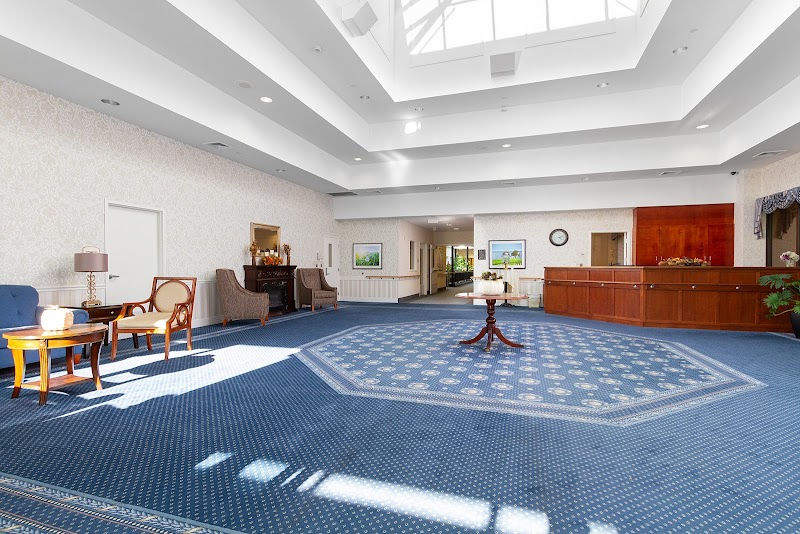
How is Ludlowe Center For Health & Rehabilitation Staffed?

CMS rates LUDLOWE CENTER FOR HEALTH & REHABILITATION's staffing level at 3 out of 5 stars, which is average compared to other nursing homes. Staff turnover is 22%, compared to the Connecticut average of 46%. This relatively stable workforce can support continuity of care.

What Have Inspectors Found at Ludlowe Center For Health & Rehabilitation?

State health inspectors documented 19 deficiencies at LUDLOWE CENTER FOR HEALTH & REHABILITATION during 2021 to 2025. These included: 2 that caused actual resident harm, 16 with potential for harm, and 1 minor or isolated issues. Deficiencies causing actual harm indicate documented cases where residents experienced negative health consequences.

Who Owns and Operates Ludlowe Center For Health & Rehabilitation?

LUDLOWE CENTER FOR HEALTH & REHABILITATION is owned by a for-profit company. For-profit facilities operate as businesses with obligations to shareholders or private owners. The facility is operated by NATIONAL HEALTH CARE ASSOCIATES, a chain that manages multiple nursing homes. With 144 certified beds and approximately 134 residents (about 93% occupancy), it is a mid-sized facility located in FAIRFIELD, Connecticut.

How Does Ludlowe Center For Health & Rehabilitation Compare to Other Connecticut Nursing Homes?

Compared to the 100 nursing homes in Connecticut, LUDLOWE CENTER FOR HEALTH & REHABILITATION's overall rating (5 stars) is above the state average of 3.1, staff turnover (22%) is significantly lower than the state average of 46%, and health inspection rating (4 stars) is above the national benchmark.

What Should Families Ask When Visiting Ludlowe Center For Health & Rehabilitation?

Based on this facility's data, families visiting should ask: "Can I visit during a mealtime to observe dining assistance and food quality?" "How do you handle medical emergencies, and what is your hospital transfer rate?" "Can I speak with family members of current residents about their experience?"

Is Ludlowe Center For Health & Rehabilitation Safe?

Based on CMS inspection data, LUDLOWE CENTER FOR HEALTH & REHABILITATION has a clean safety record: no substantiated abuse findings (meaning no confirmed cases of resident harm), no Immediate Jeopardy citations (the most serious violation level indicating risk of serious injury or death), and is not on the Special Focus Facility watch list (a federal program monitoring the lowest-performing 1% of nursing homes). The facility has a 5-star overall rating and ranks #1 of 100 nursing homes in Connecticut. While no facility is perfect, families should still ask about staff-to-resident ratios and recent inspection results during their visit.

Do Nurses at Ludlowe Center For Health & Rehabilitation Stick Around?

Staff at LUDLOWE CENTER FOR HEALTH & REHABILITATION tend to stick around. With a turnover rate of 22%, the facility is 24 percentage points below the Connecticut average of 46%. Low turnover is a positive sign. It means caregivers have time to learn each resident's needs, medications, and personal preferences. Consistent staff also notice subtle changes in a resident's condition more quickly.

Was Ludlowe Center For Health & Rehabilitation Ever Fined?

LUDLOWE CENTER FOR HEALTH & REHABILITATION has been fined $8,824 across 1 penalty action. This is below the Connecticut average of $33,167. While any fine indicates a compliance issue, fines under $50,000 are relatively common and typically reflect isolated problems that were subsequently corrected. Families should ask what specific issues led to these fines and confirm they've been resolved.

Is Ludlowe Center For Health & Rehabilitation on Any Federal Watch List?

LUDLOWE CENTER FOR HEALTH & REHABILITATION is not on any federal watch list. The most significant is the Special Focus Facility (SFF) program, which identifies the bottom 1% of nursing homes nationally based on persistent, serious quality problems. Not being on this list means the facility has avoided the pattern of deficiencies that triggers enhanced federal oversight. This is a positive indicator, though families should still review the facility's inspection history directly.